Ukrainian postal workers are operating on the front lines, delivering essential pensions, medicine, and food to vulnerable citizens despite the constant threat of drone strikes.
In the war-torn landscapes of Ukraine, the state postal service, Ukrposhta, has transformed into an essential lifeline for residents living in the shadow of the front lines. While military commanders manage the tactical movements of troops, the leadership of Ukrposhta must perform a different, equally harrowing calculus. Every morning, executives analyze live intelligence reports to determine which villages can be safely reached and which regions must be avoided due to the high probability of Russian drone strikes. This operational agility is the only thing keeping remote communities connected to the state.
The role of these postal workers extends far beyond the delivery of letters or packages. For the elderly and vulnerable populations living in rural areas where local infrastructure has crumbled, these mobile post offices represent a primary source of survival. They facilitate the distribution of pension payments in cash, accept payments for utility bills, and provide a vital supply chain for food and life-saving medications. Without these regular visits, many residents would face total isolation and a lack of basic necessities required to endure the harsh conditions of the ongoing conflict.
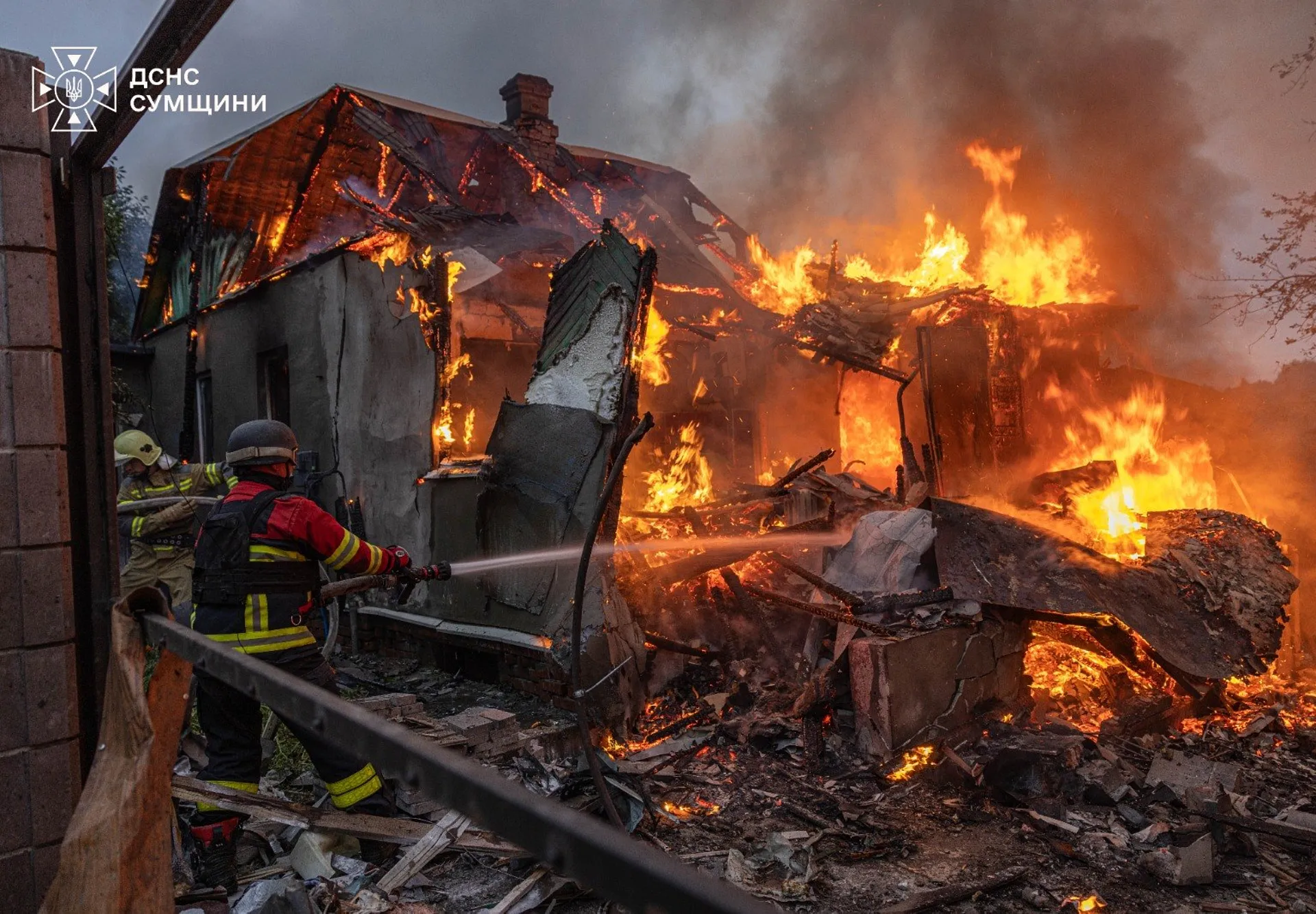
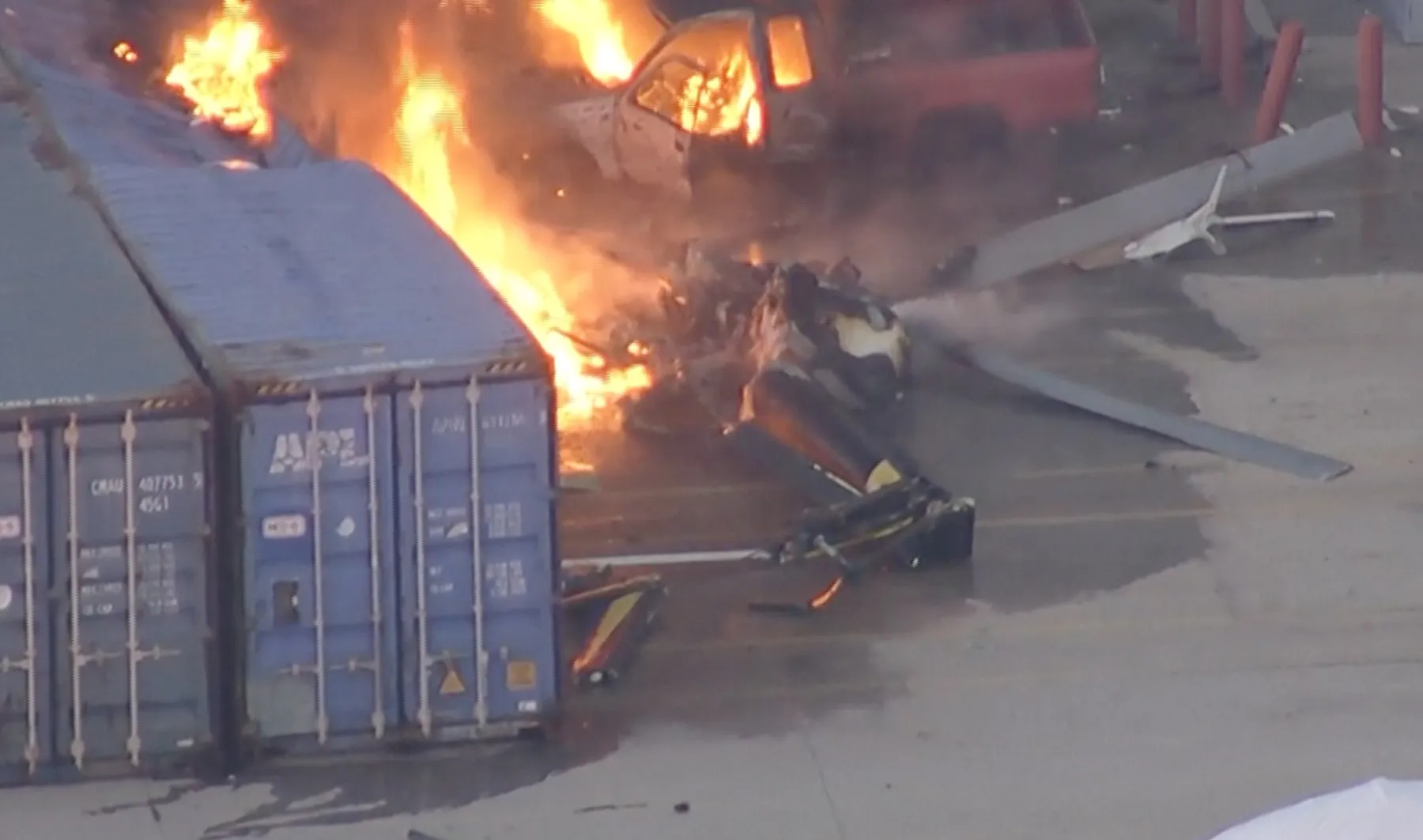
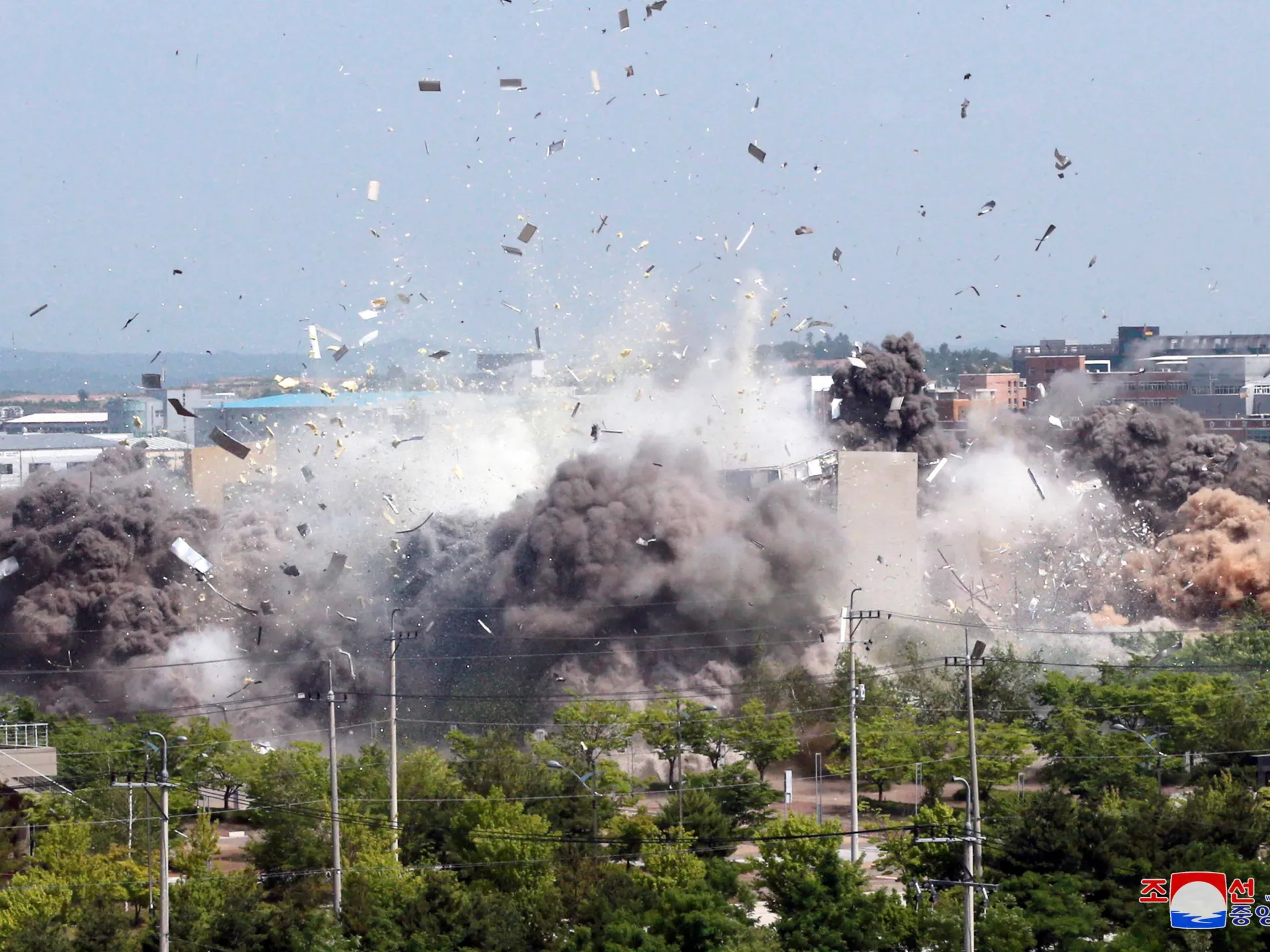
The strategic importance of Ukrposhta has unfortunately made it a frequent target for Russian forces. Officials report that Moscow has intensified its efforts to strike sorting facilities, logistical hubs, and delivery vehicles, claiming these actions are retaliatory measures for attacks on Russian e-commerce platforms. The danger is omnipresent; the arrival of a postal van can inadvertently draw the attention of opportunistic drone operators, turning a humanitarian mission into a lethal target. Consequently, logistics managers must constantly balance the risk of losing personnel against the moral imperative of providing services to those who cannot evacuate.
Security measures are tight, yet they remain insufficient against the persistent threat. Drivers and postmasters frequently wear body armor, and their vehicles are often equipped with specialized antennas designed to detect the presence of nearby first-person-view drones. Despite these precautions, the human cost of the service has been devastating. Since the full-scale invasion began in 2022, Ukrposhta has lost hundreds of vehicles and facilities, with more than 50 staff members killed while performing their duties. These individuals operate in a perpetual state of vigilance, knowing that every delivery could be their last.
For the residents of frontline villages, the arrival of the mail van is often the only remaining link to the outside world. Customers like 77-year-old Nadiia, who relies on the service for medical supplies following a stroke, emphasize that the postal service is indispensable. Beyond the practical benefits of cash and medicine, the visits offer a rare sense of normalcy and social interaction. For many elderly citizens, the arrival of the postmaster is a moment of respite that helps mitigate the psychological toll of living in an active war zone.
Postal workers, such as 38-year-old Kateryna Marynych, often view their work as a form of non-military defense. Despite having lost her own home and husband to the war, Marynych continues to serve her community with a sense of duty that transcends personal trauma. She describes her relationship with her customers as familial, noting that they often check on her safety following reports of shelling. This deep bond between the postal staff and the people they serve underscores the resilience of the Ukrainian population, demonstrating that national defense is not solely determined es collapse.
Analysts observe that the deliberate targeting of civilian logistics is part of a broader Russian strategy to place pressure on the Ukrainian government. As battlefield gains have stalled in the east, the focus has shifted toward degrading infrastructure, including energy grids, transport networks, and supply chains. to increase the humanitarian burden on Kyiv and destabilize the morale of the population. However, the persistence of postal workers serves as a defiant rebuttal to these tactics.
The logistical challenges faced mpossible dilemma of providing aid while avoiding the concentration of people that invites attacks. Through careful planning, the use of protective gear, and a commitment to their neighbors, the staff of the state postal service continue to operate at the edge of the "kill zone." Their work remains a testament to the idea that maintaining the basic functions of society is a vital component of enduring a long and destructive war.