

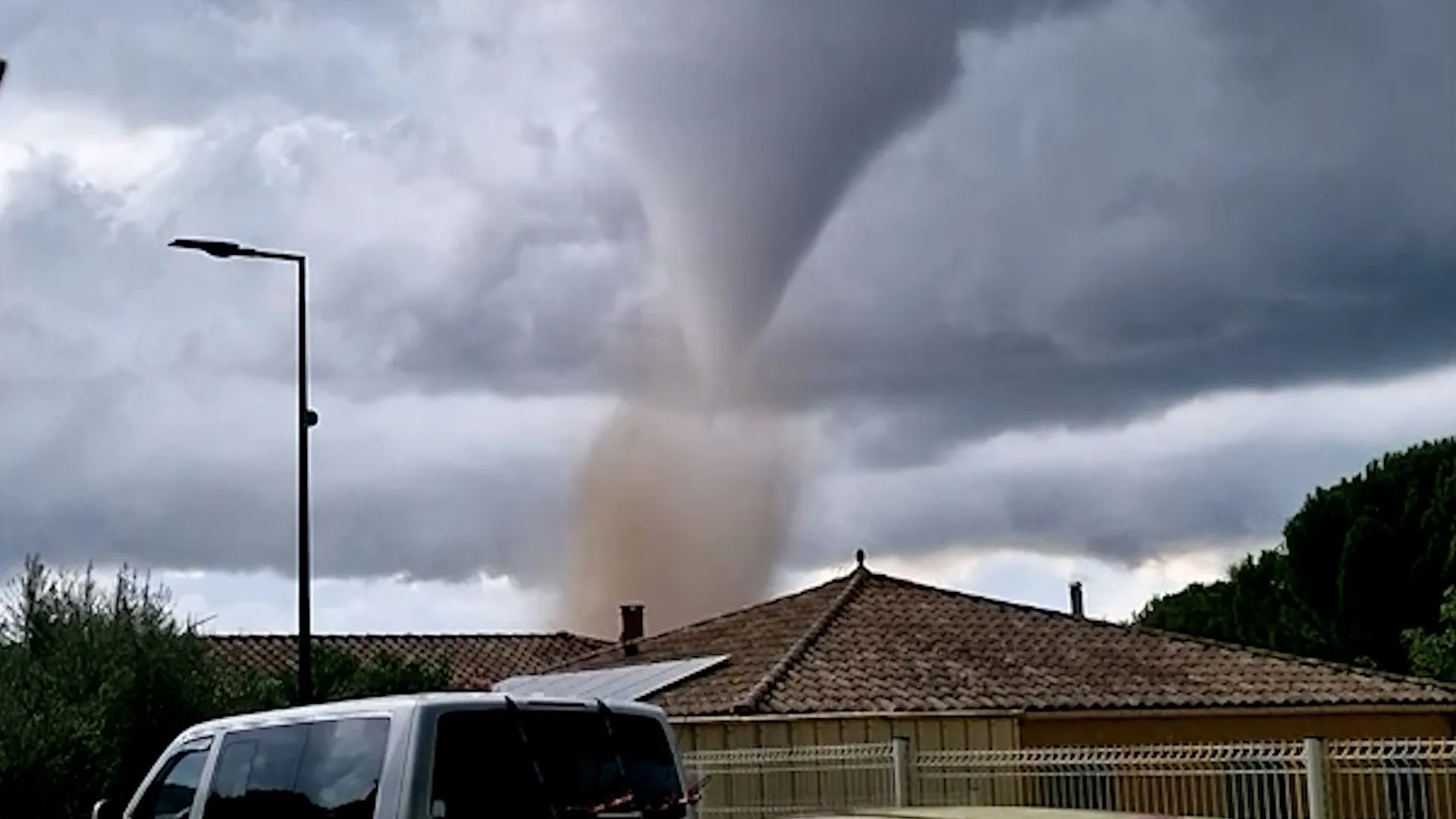
A rare and powerful tornado has caused widespread damage to homes and left dozens injured in the vicinity of the historic city of Carcassonne, France.
A rare and powerful tornado tore through the countryside near the historic city of Carcassonne in southern France, leaving a trail of destruction in its wake. The meteorological event, which occurred late in August 2026, caught local residents and officials off guard as it ripped through residential neighborhoods. The sudden onset of the storm system resulted in significant structural damage to approximately one hundred homes, turning once-quiet streets into scenes of debris and chaos.
Emergency response teams were immediately dispatched to the affected areas as reports of injuries began to surface. Local authorities confirmed that at least 26 individuals sustained injuries during the passage of the storm. While most of the injuries were reported as non-life-threatening, the sheer scale of the damage to private property has left many families displaced and facing a long road to recovery as they begin the process of clearing debris and assessing structural integrity.
Meteorologists identified the phenomenon as a tornado spawned erized to fuel severe weather events. While tornadoes are not unheard of in Europe, they remain relatively uncommon compared to other regions of the world, making this specific incident a notable event for regional climate experts.
The proximity of the tornado to the famous UNESCO World Heritage Site of Carcassonne added a layer of concern for cultural preservationists. The medieval fortified city, known for its iconic double walls and towers, serves as a major landmark. Fortunately, preliminary assessments suggest that the historic site itself avoided the direct path of the most destructive winds, though the surrounding infrastructure and residential outskirts bore the brunt of the storm's fury.
Following the dissipation of the storm, local and regional authorities activated emergency protocols to provide assistance to those affected. Firefighters, medical personnel, and volunteers worked throughout the night and into the following days to secure damaged buildings, restore power lines, and clear blocked roadways. The immediate priority for officials has been ensuring that all residents have access to safe shelter and medical care while the cleanup process continues.
As the initial shock subsides, the focus in Carcassonne has shifted toward long-term recovery and disaster preparedness. Local government representatives have promised to support those whose homes were rendered uninhabitable ging personal belongings from the wreckage. The incident has prompted discussions among local leaders about how to better prepare the region for extreme weather events that may become more frequent in the coming years due to shifting atmospheric patterns.
The occurrence of such a severe tornado near Carcassonne serves as a stark reminder of the unpredictable nature of extreme weather. While southern France is accustomed to seasonal storms, the intensity of this particular supercell has highlighted the need for improved early warning systems and public awareness campaigns. Meteorologists are currently analyzing the data collected from the event to better understand the specific conditions that allowed the tornado to form so close to the historic city.