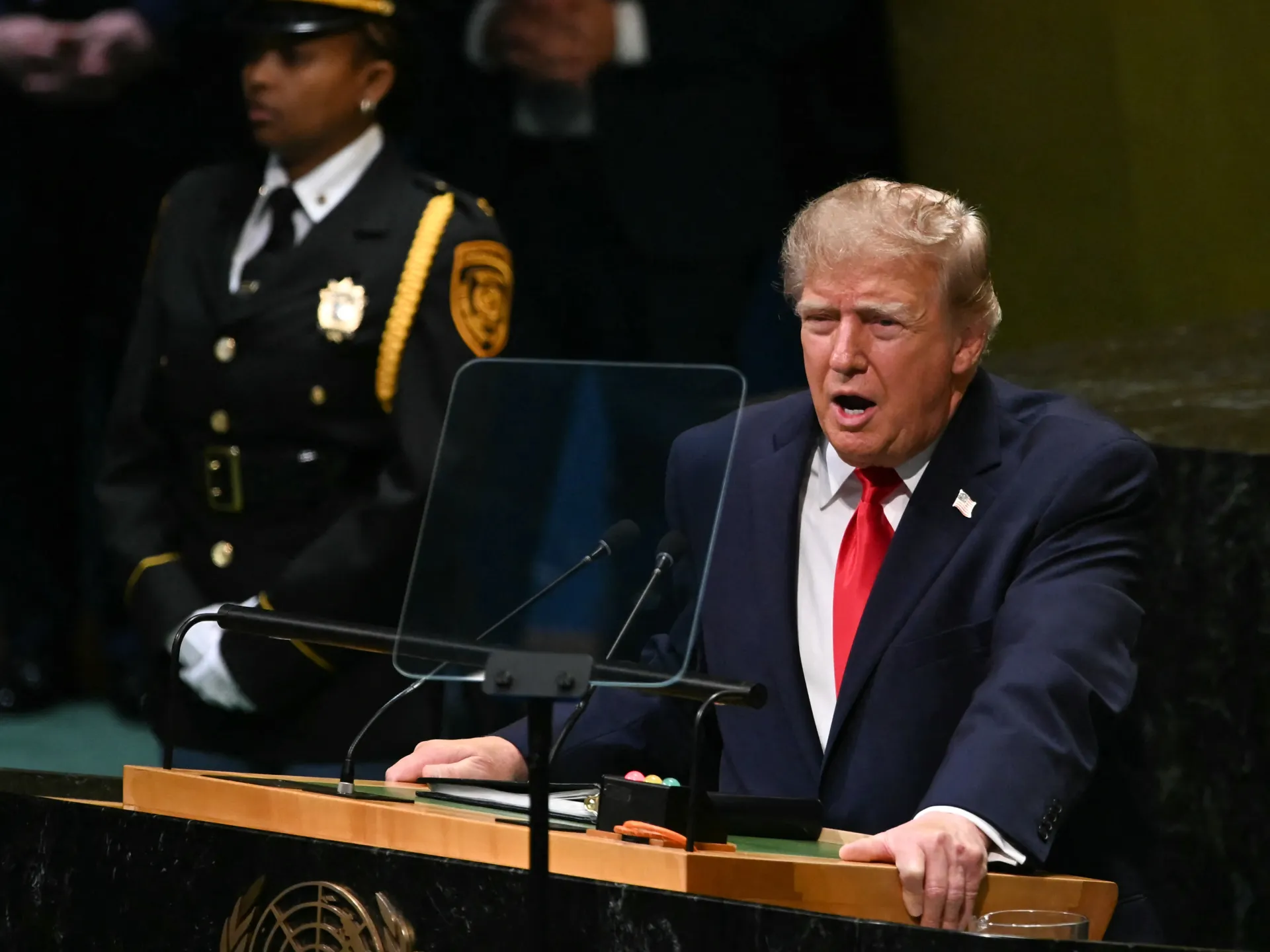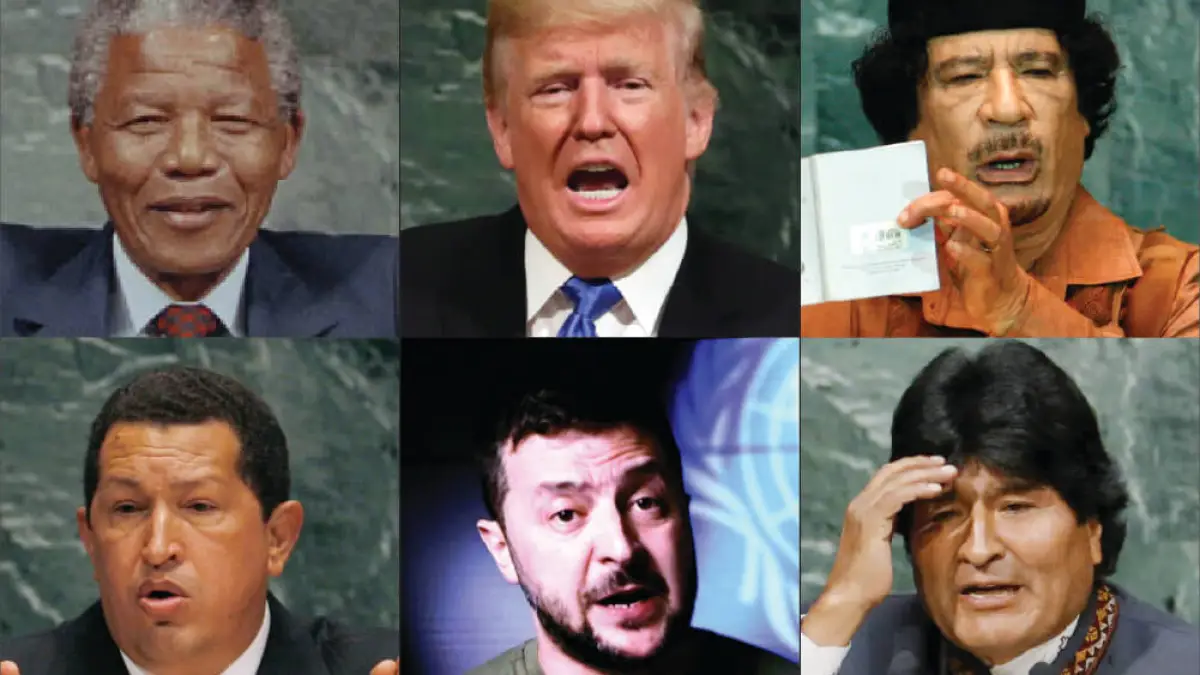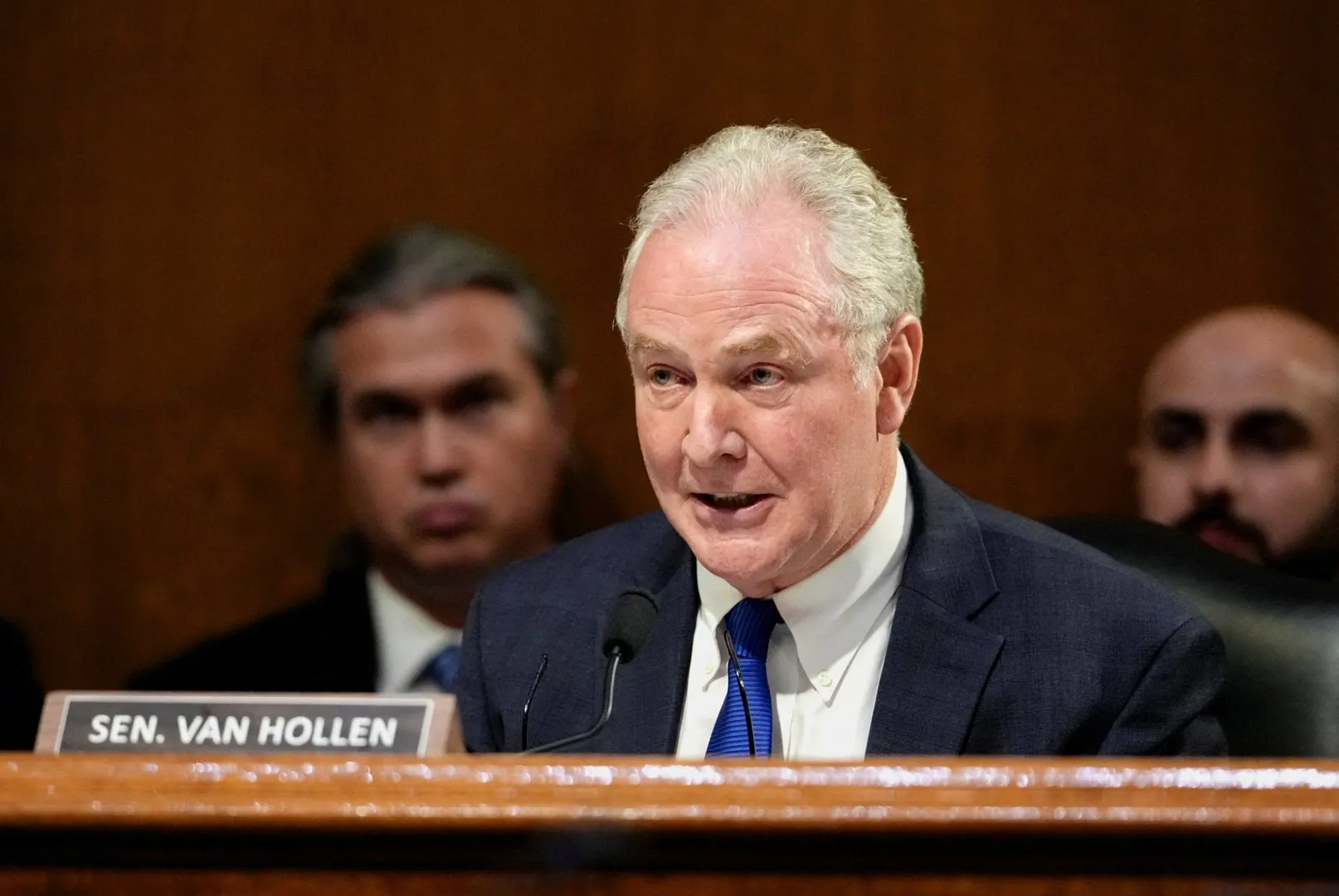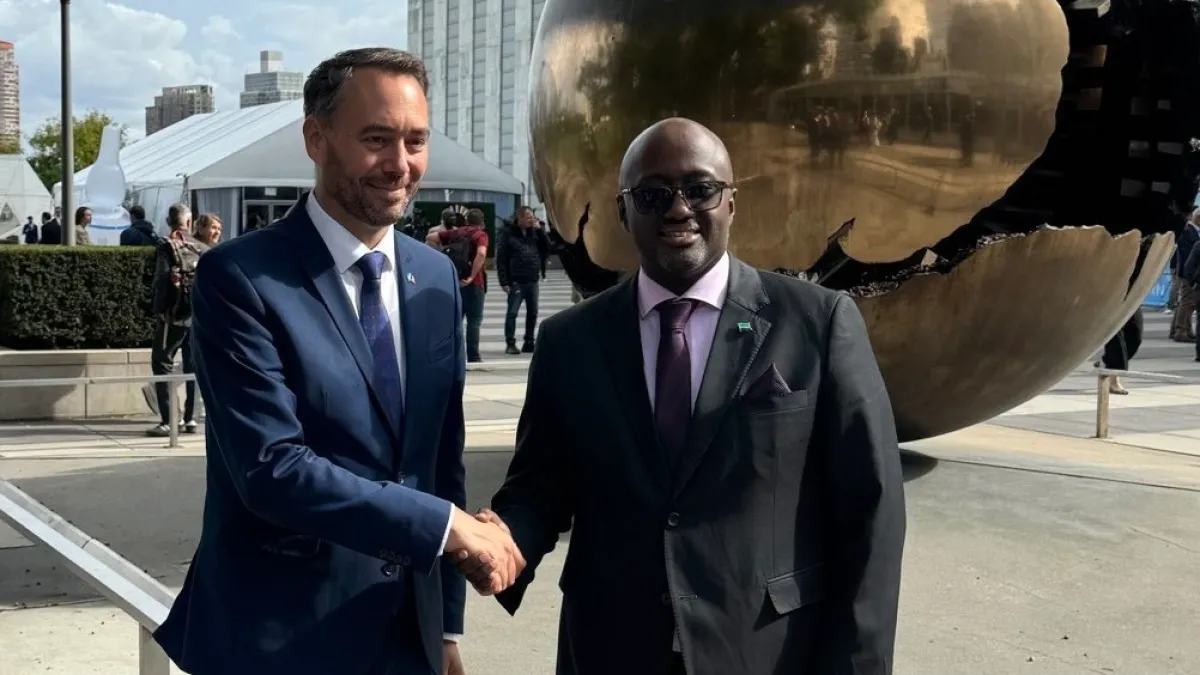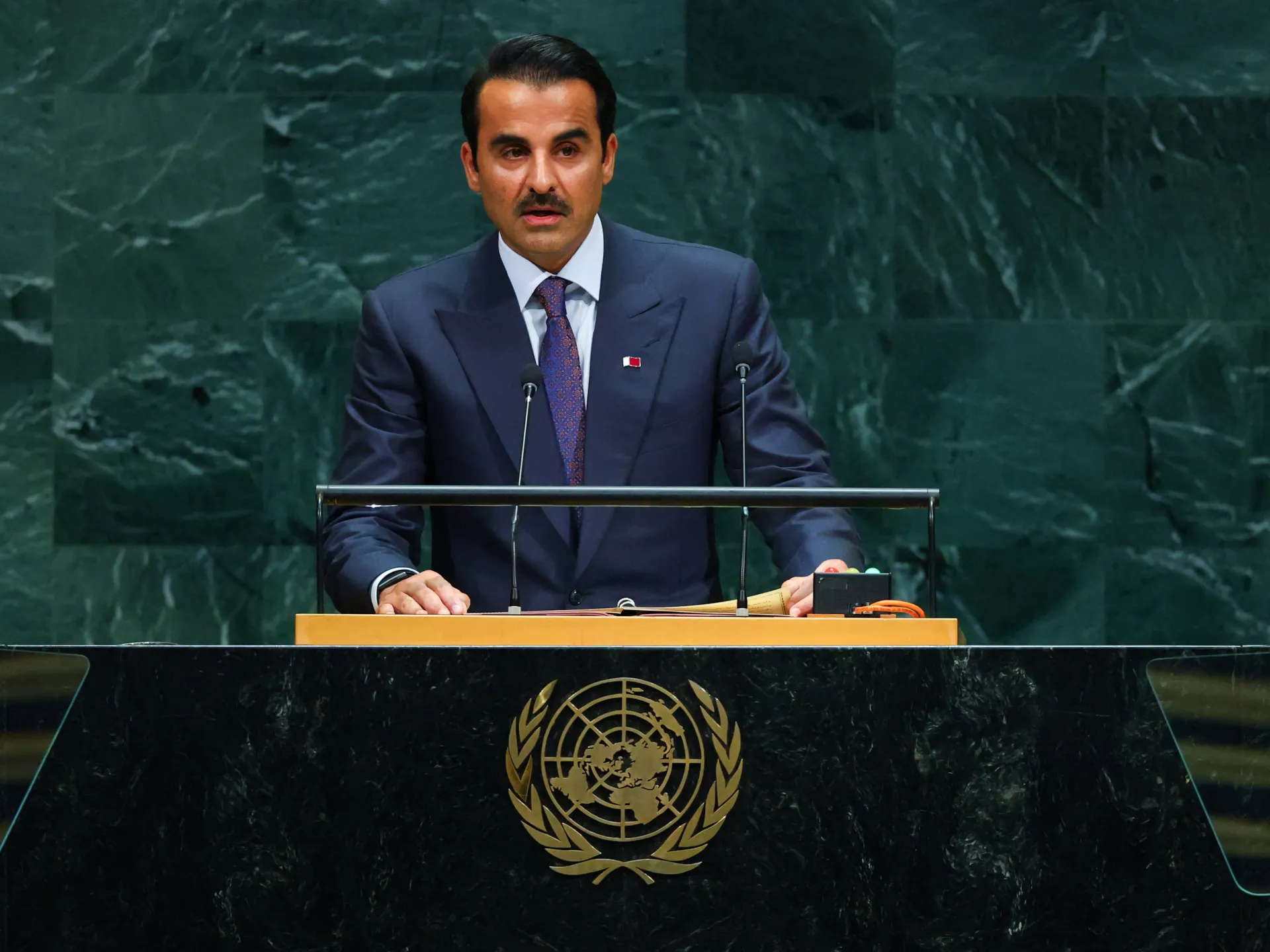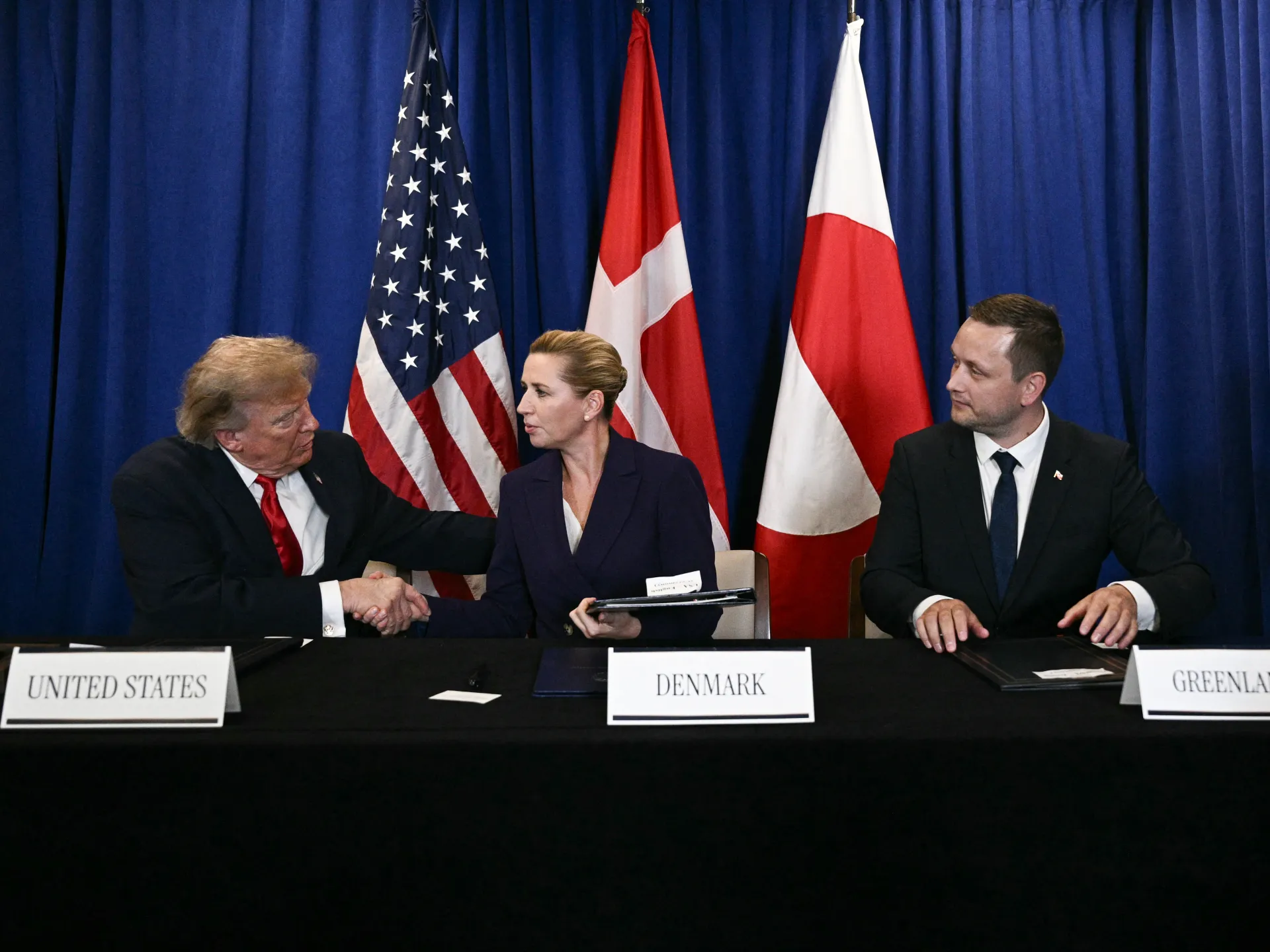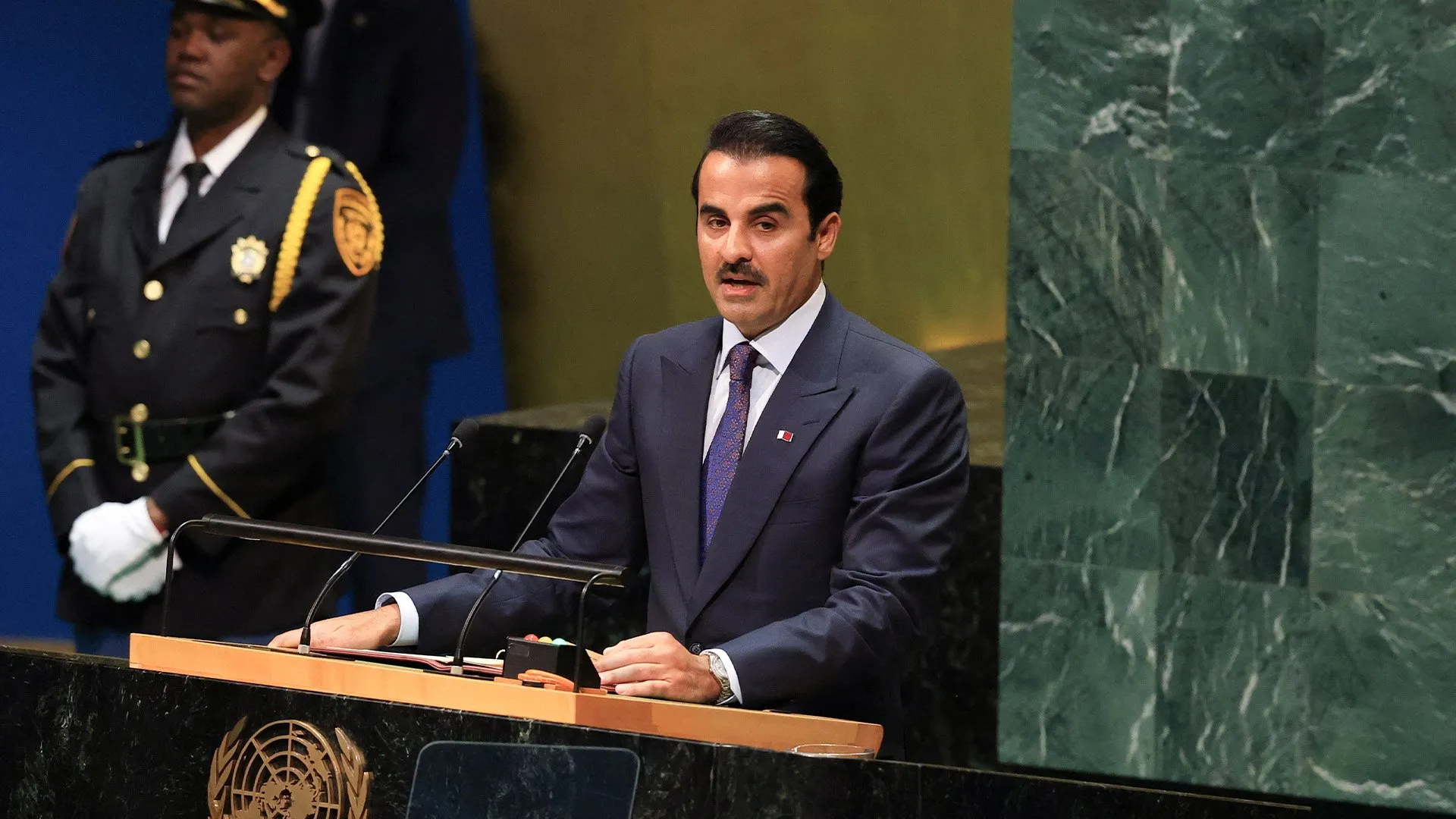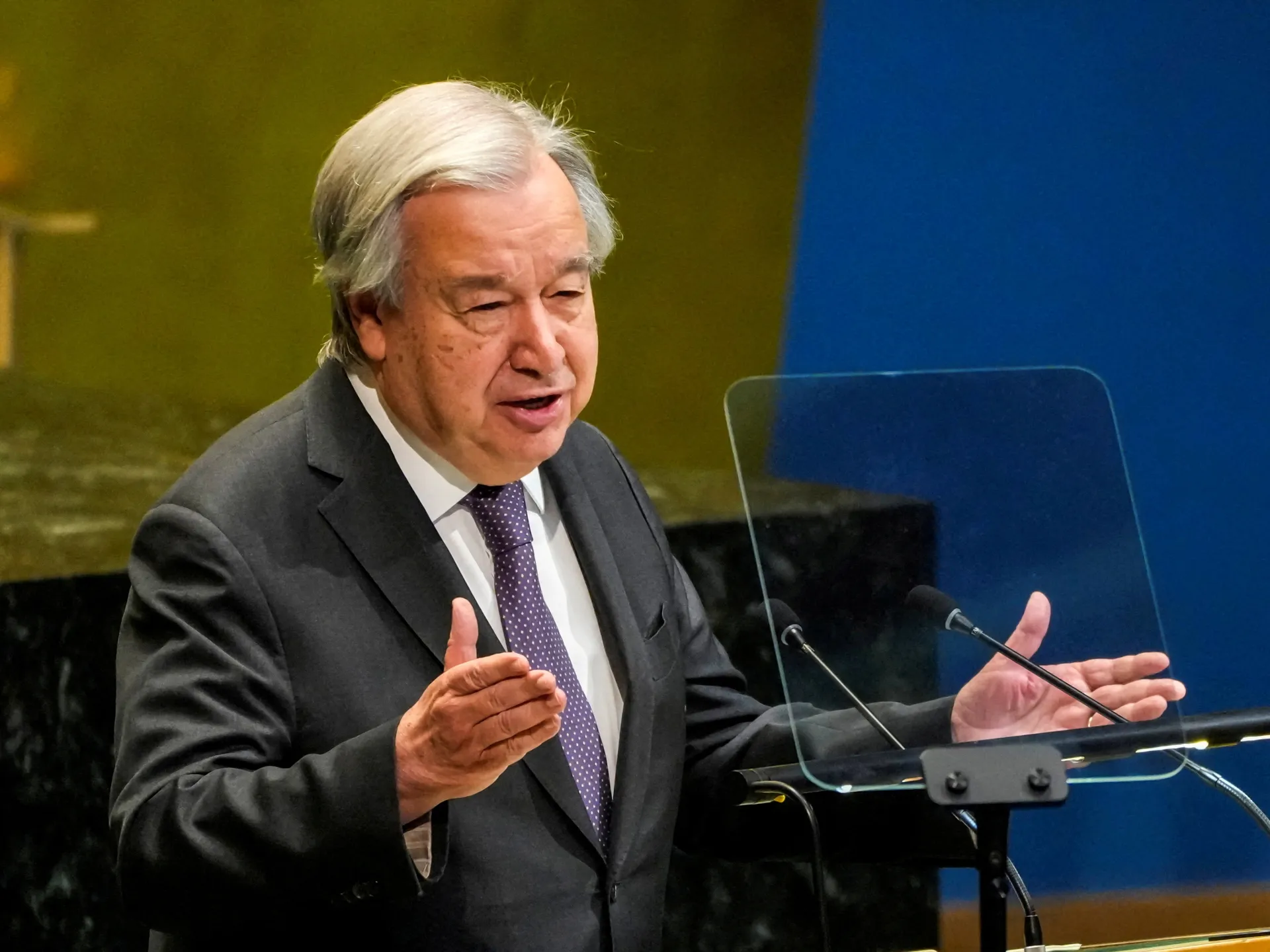
As world leaders criticize the UN Security Council for its systemic paralysis, the organization faces an additional, immediate threat of financial collapse due to unpaid member dues.
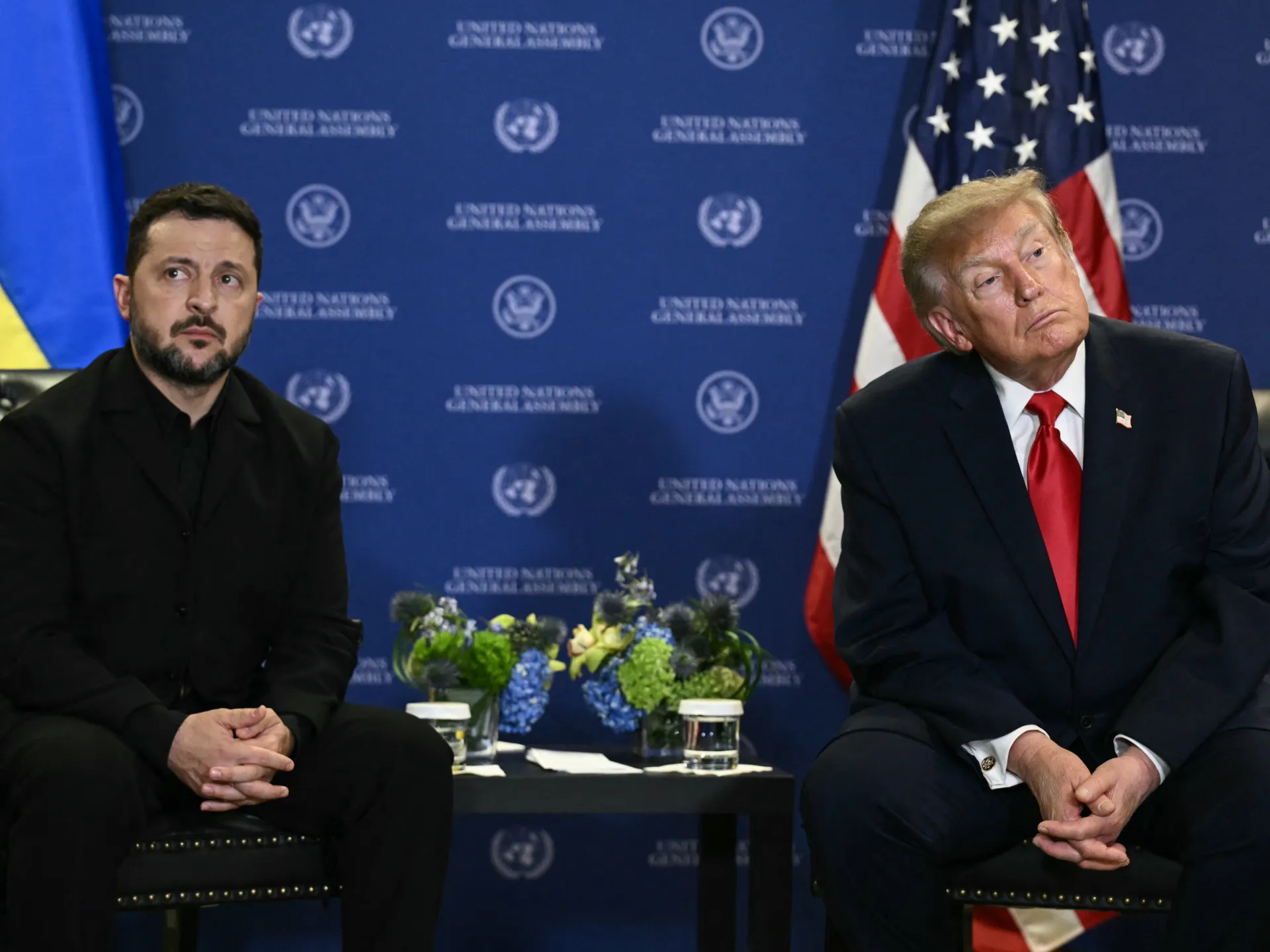
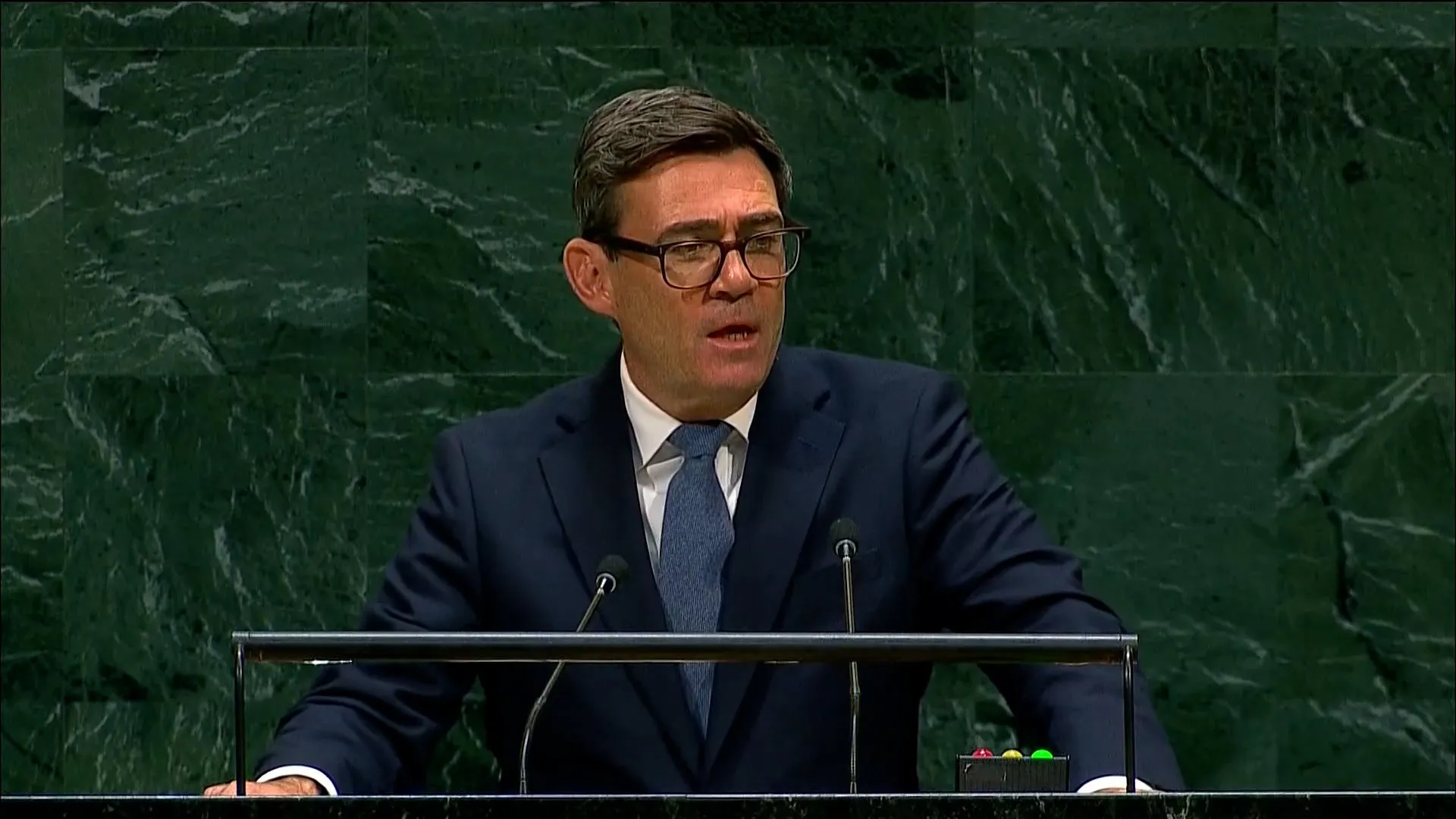
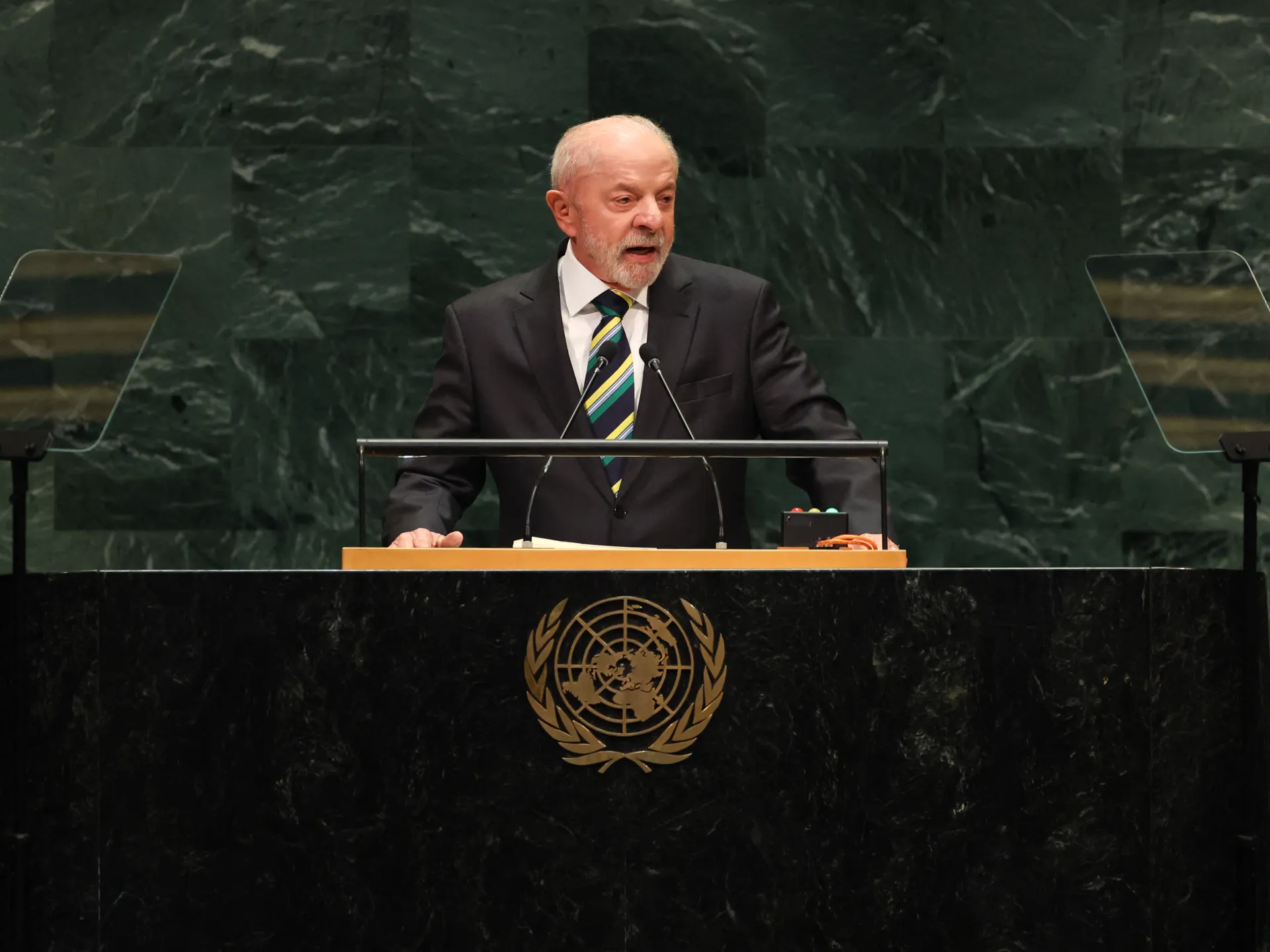
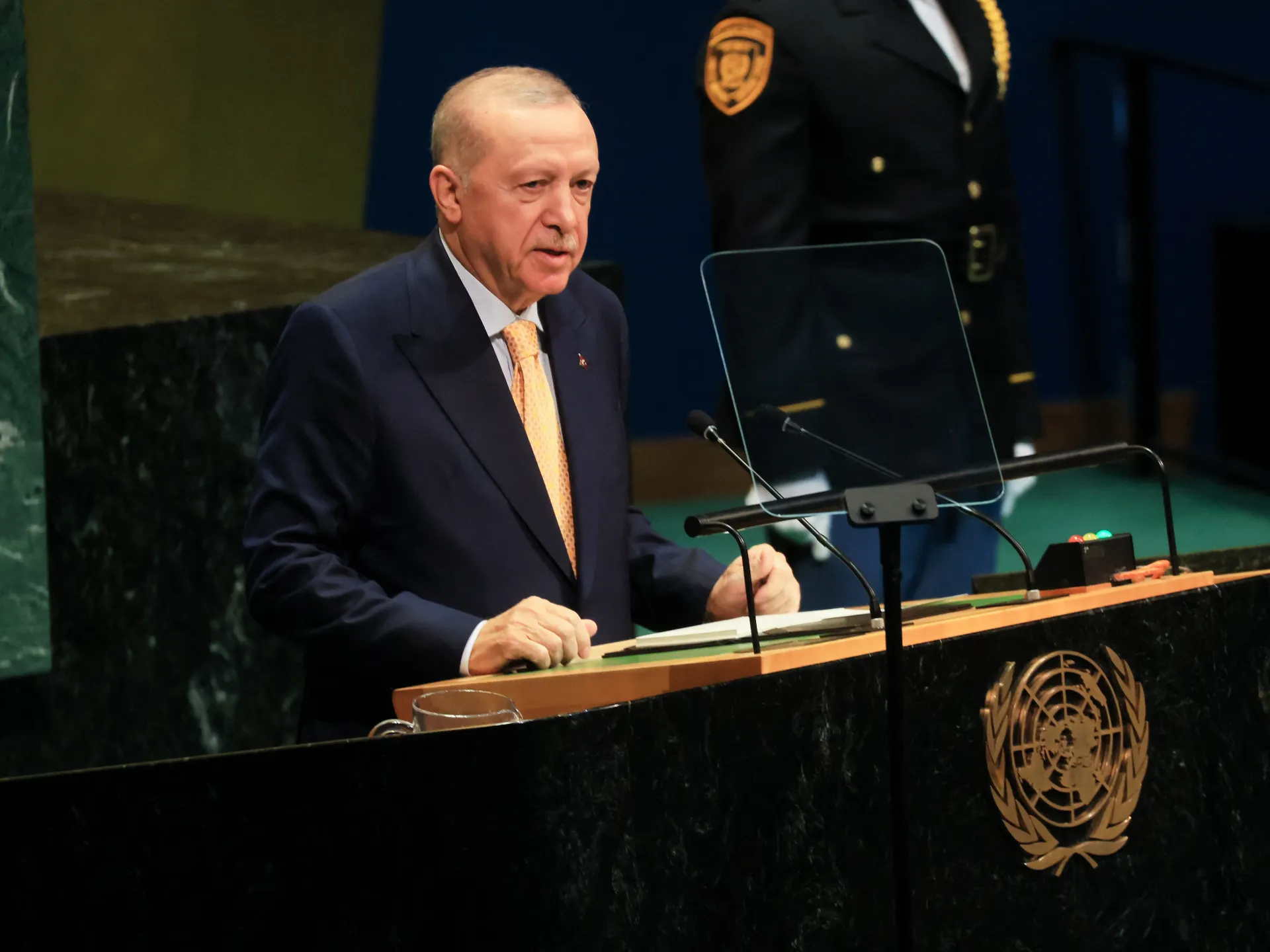
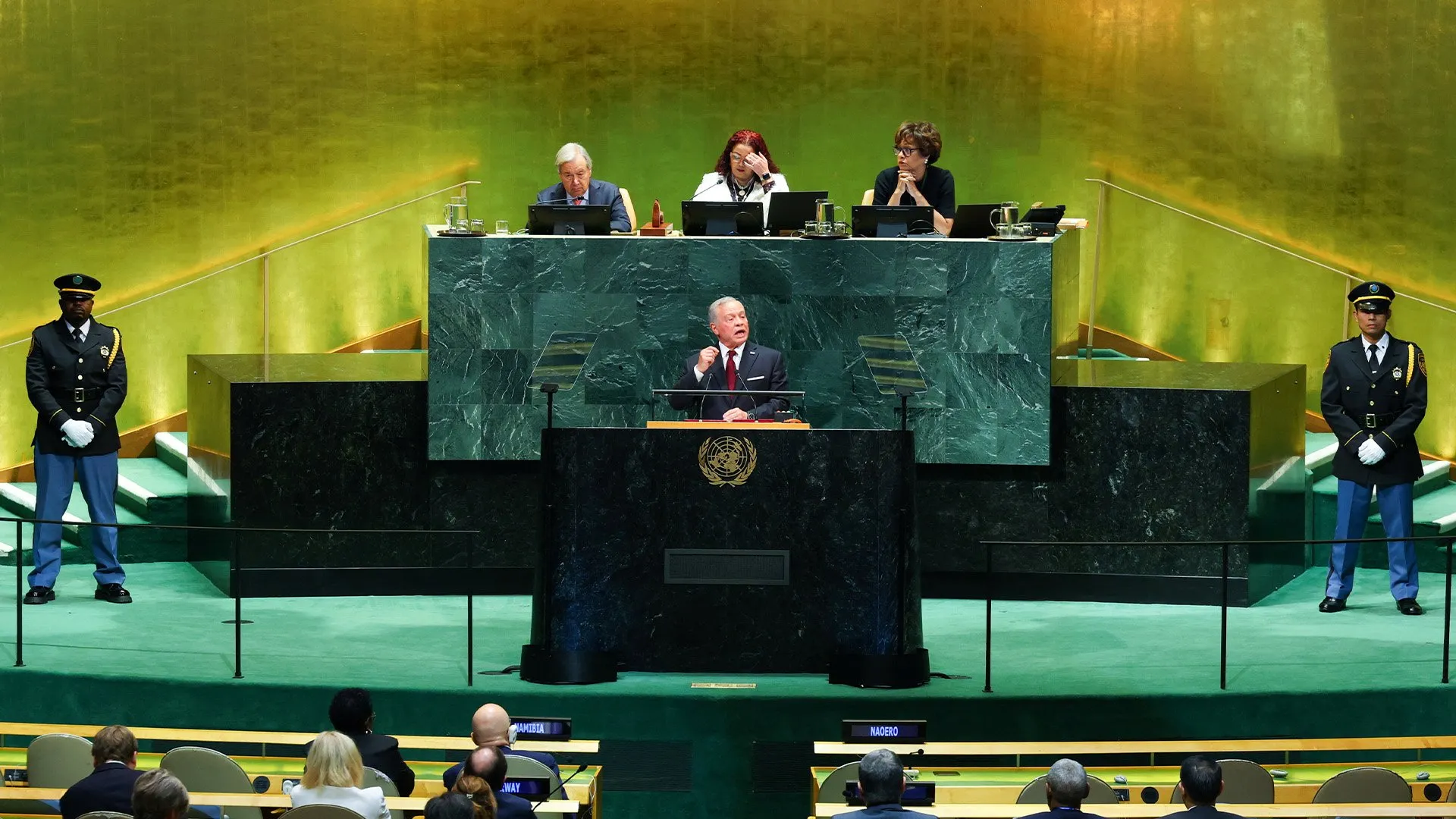
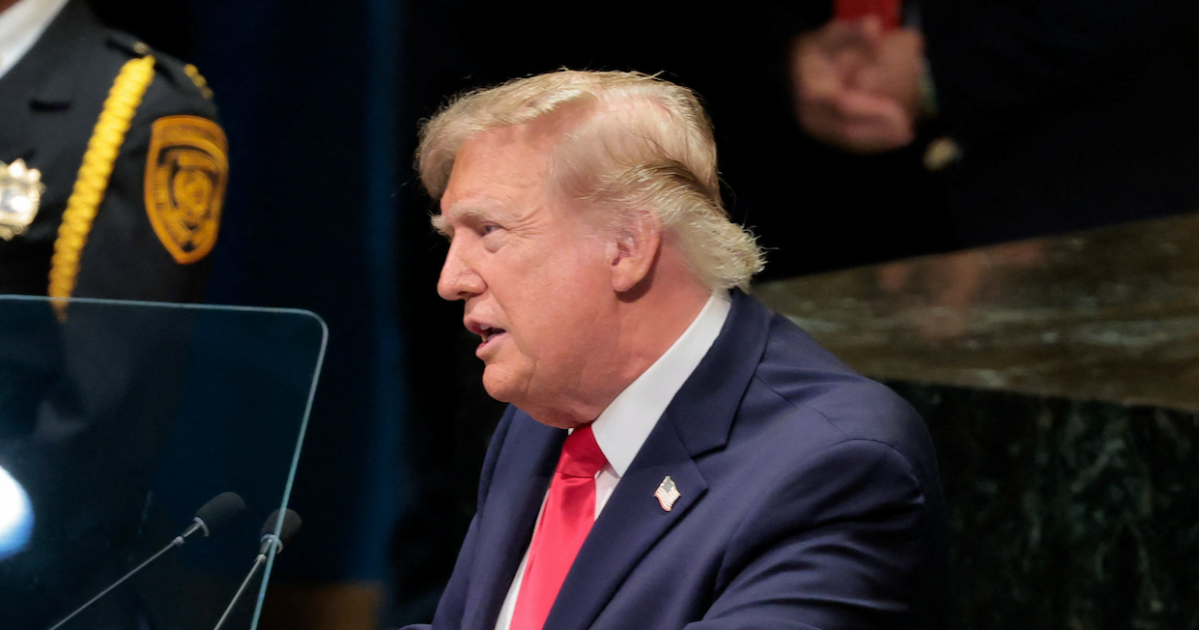
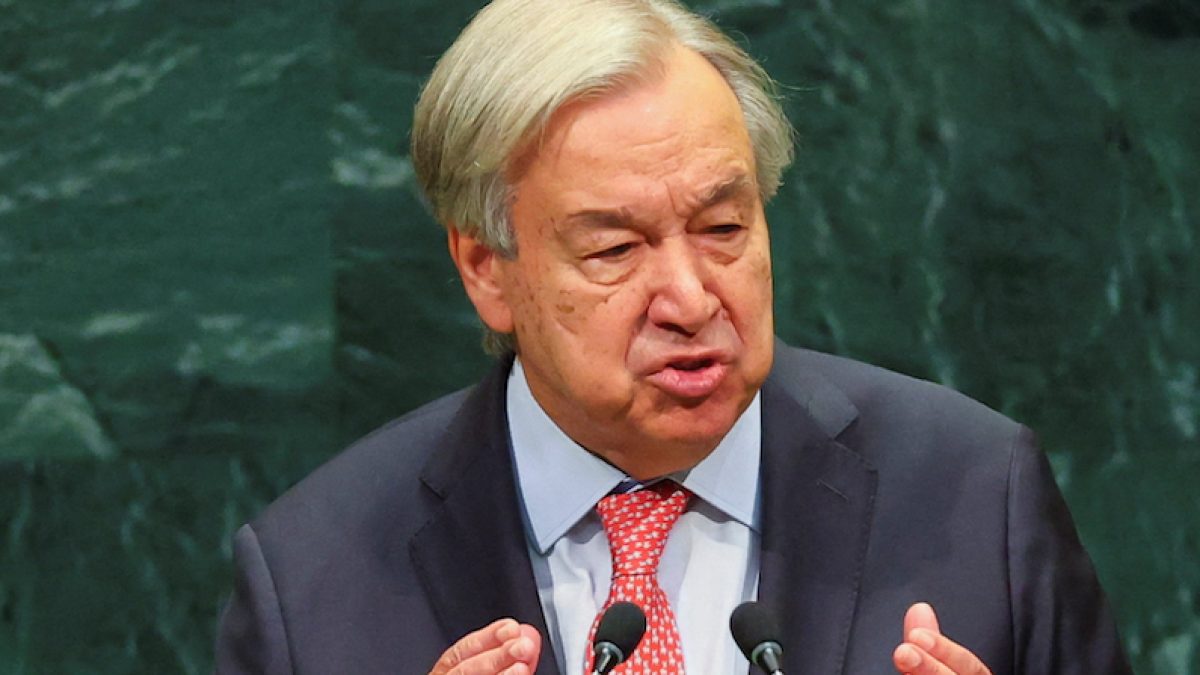
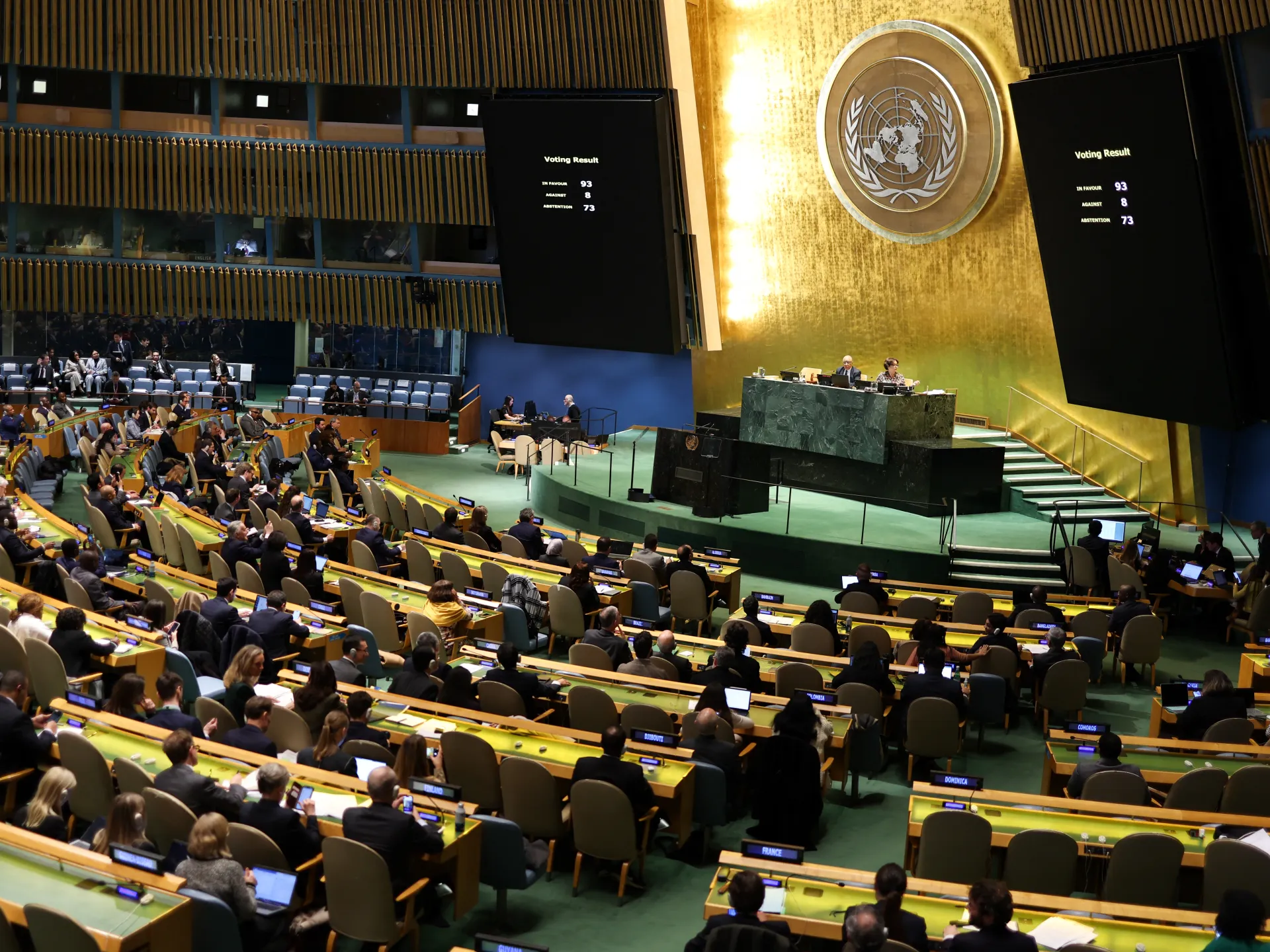
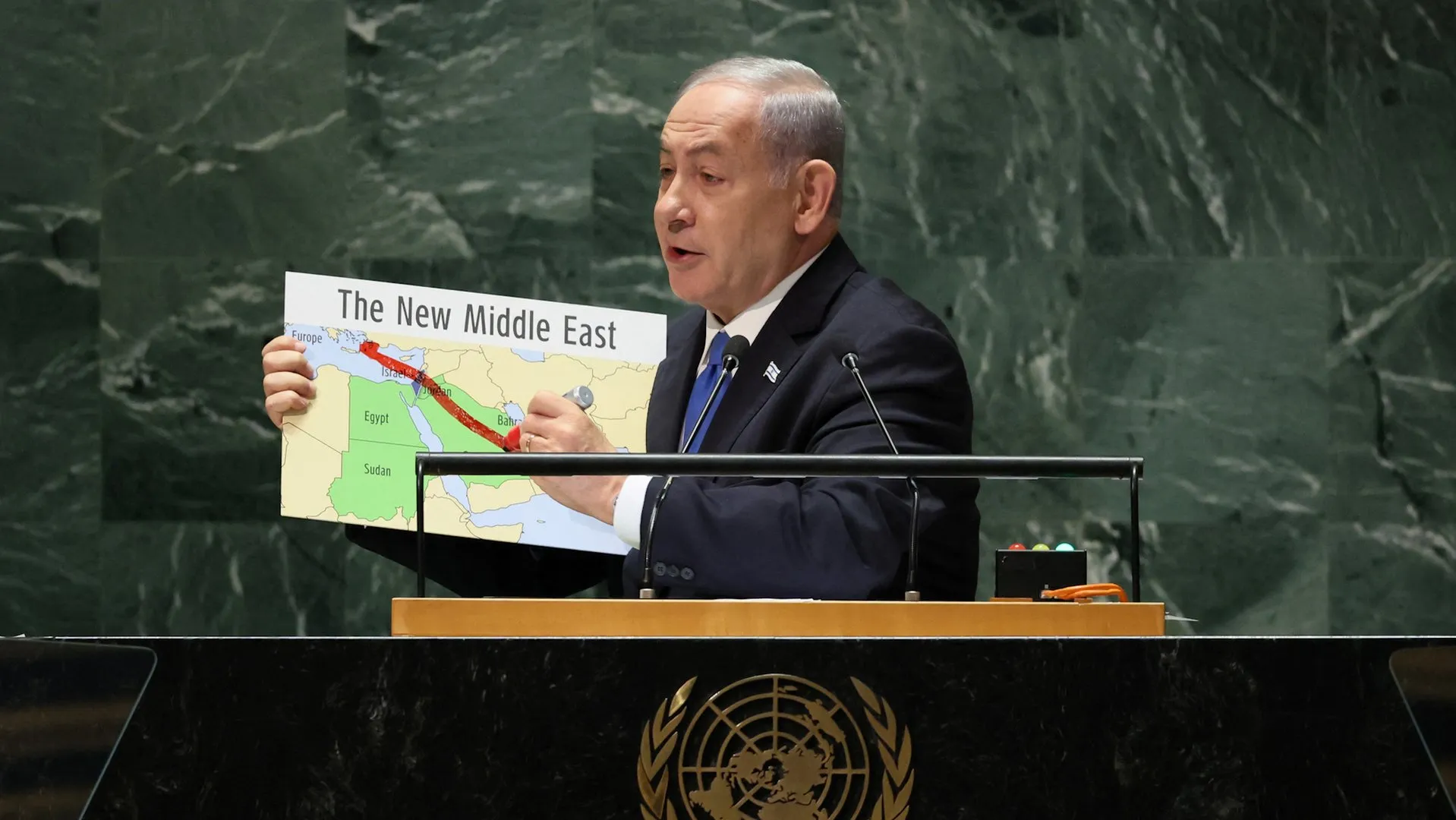
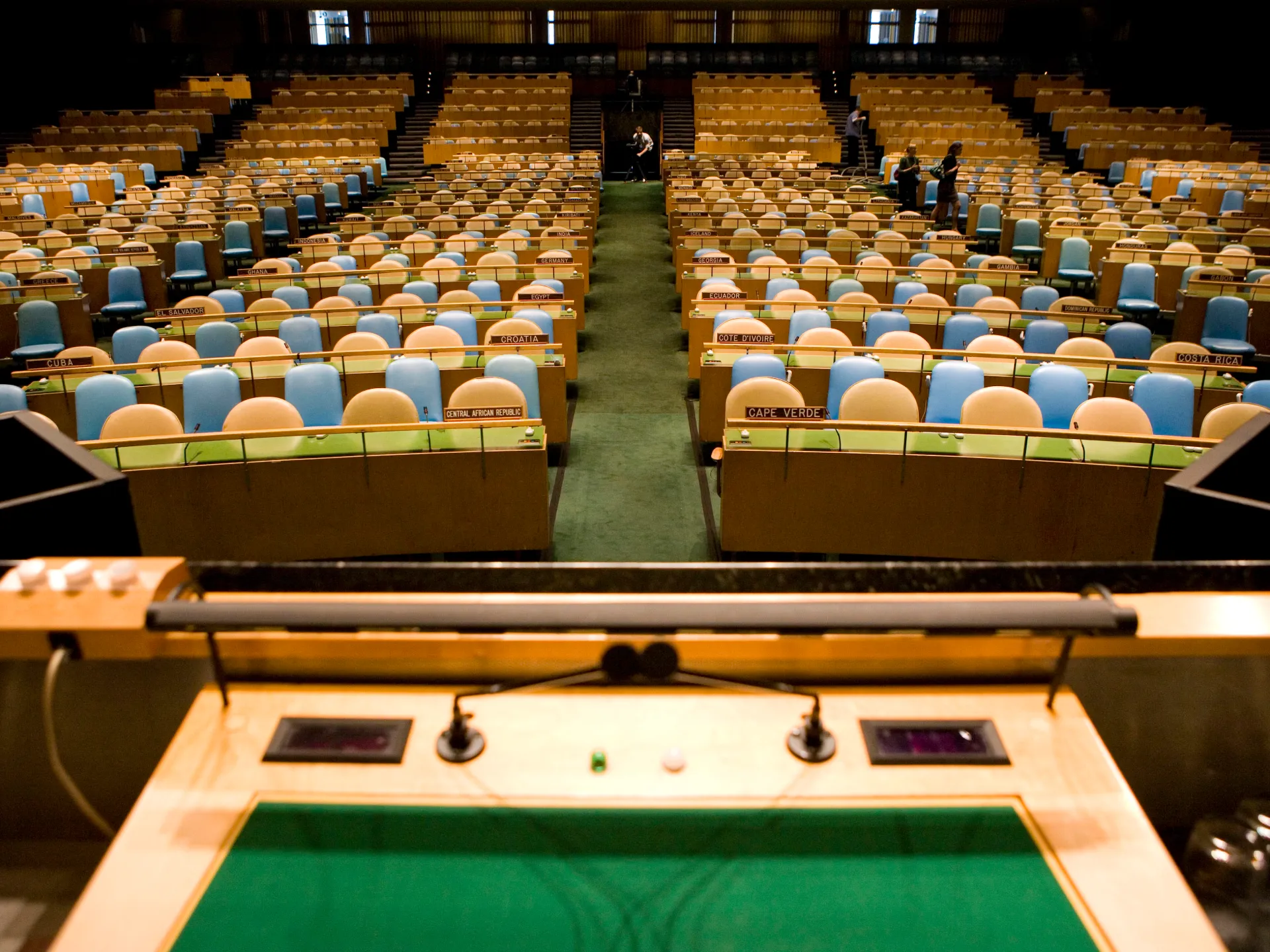
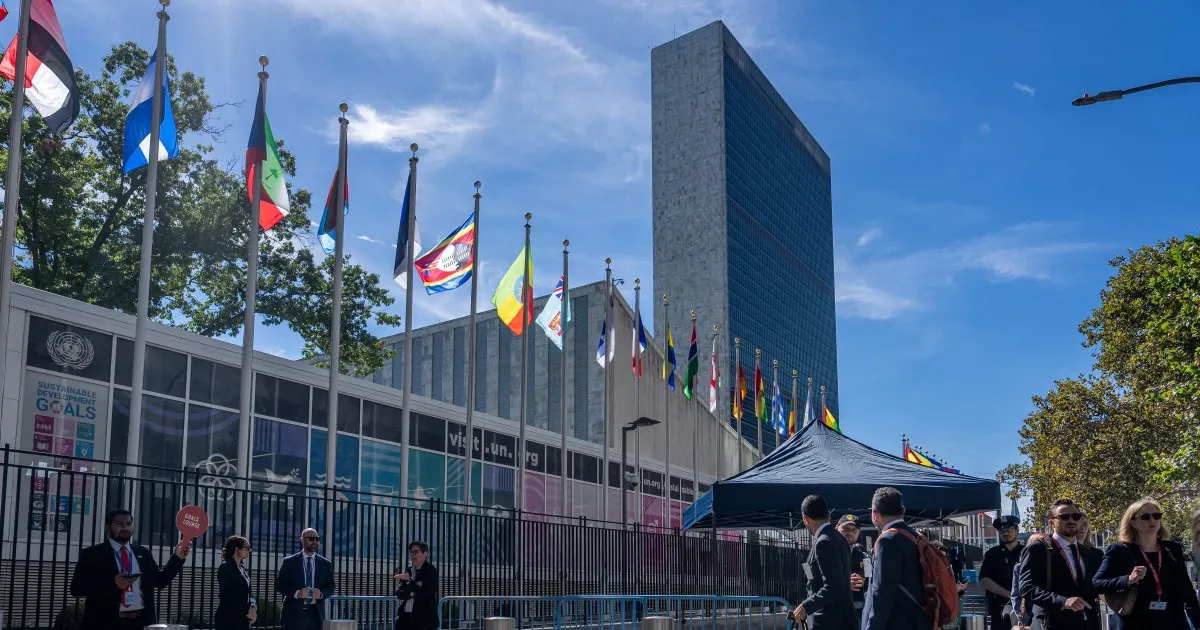
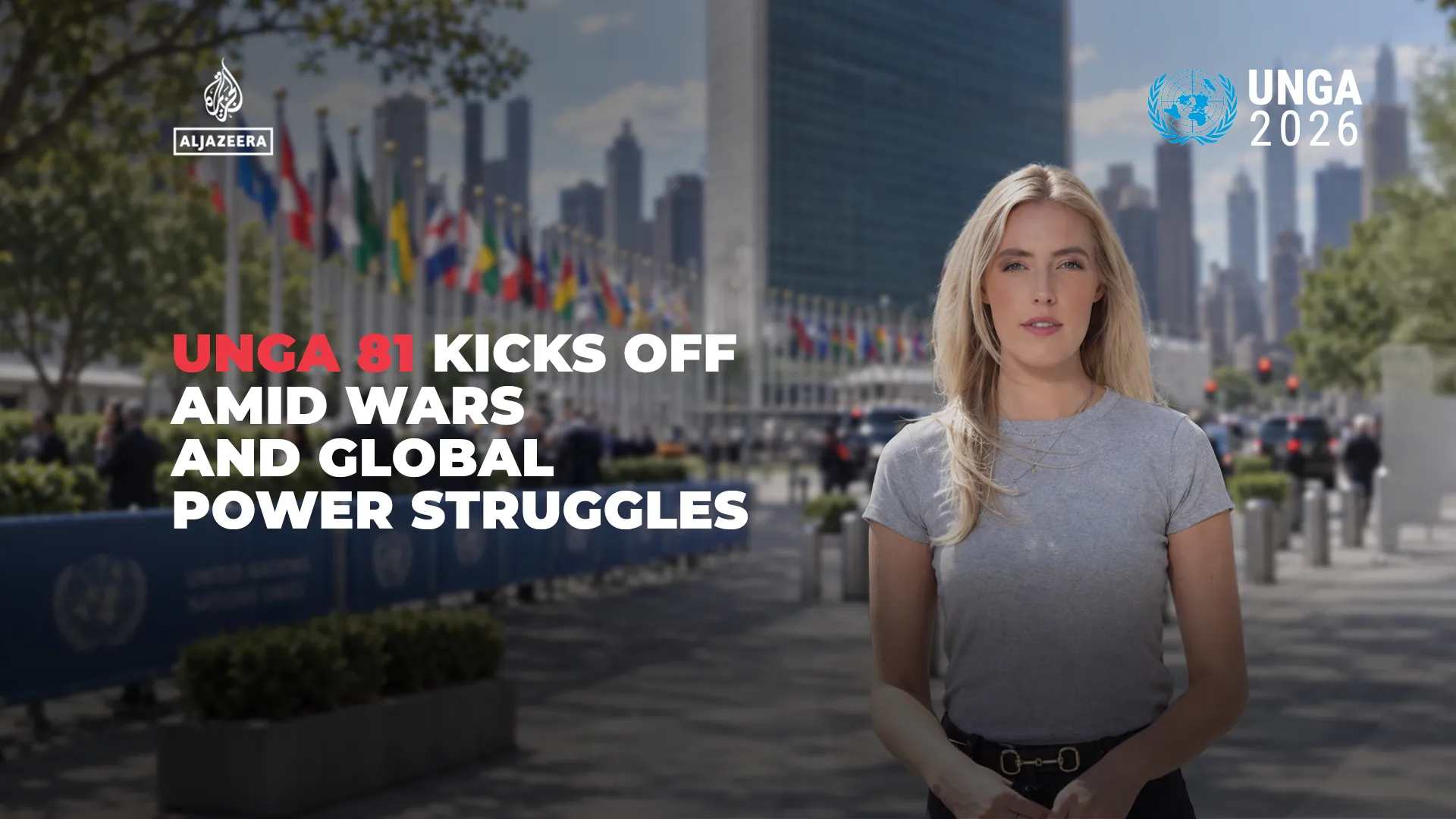
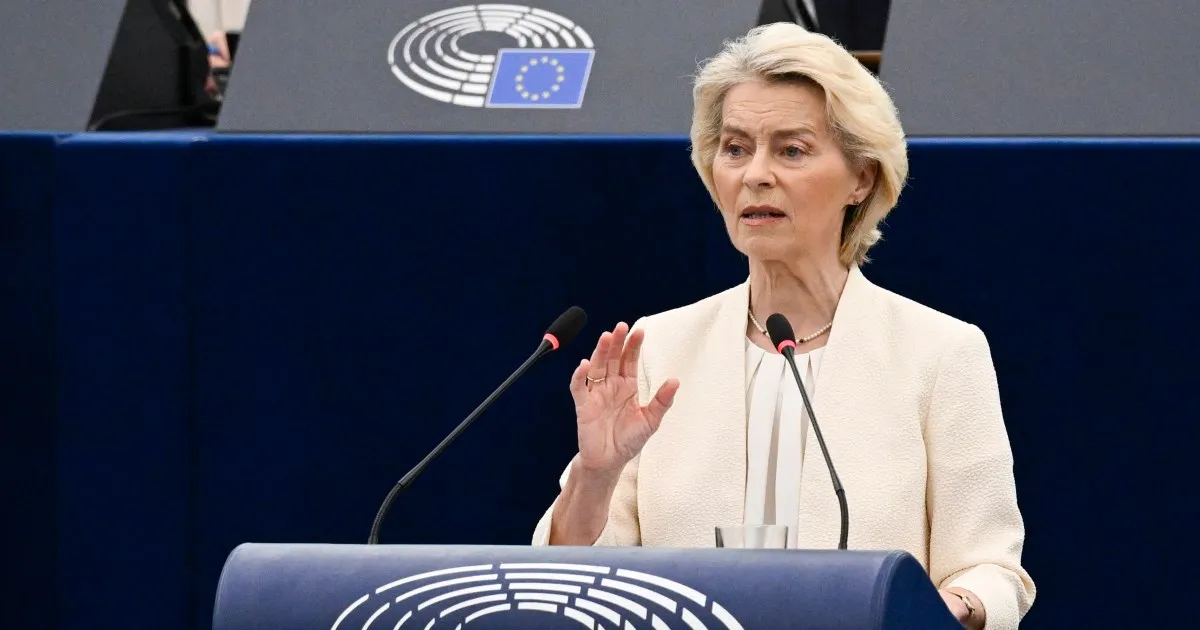
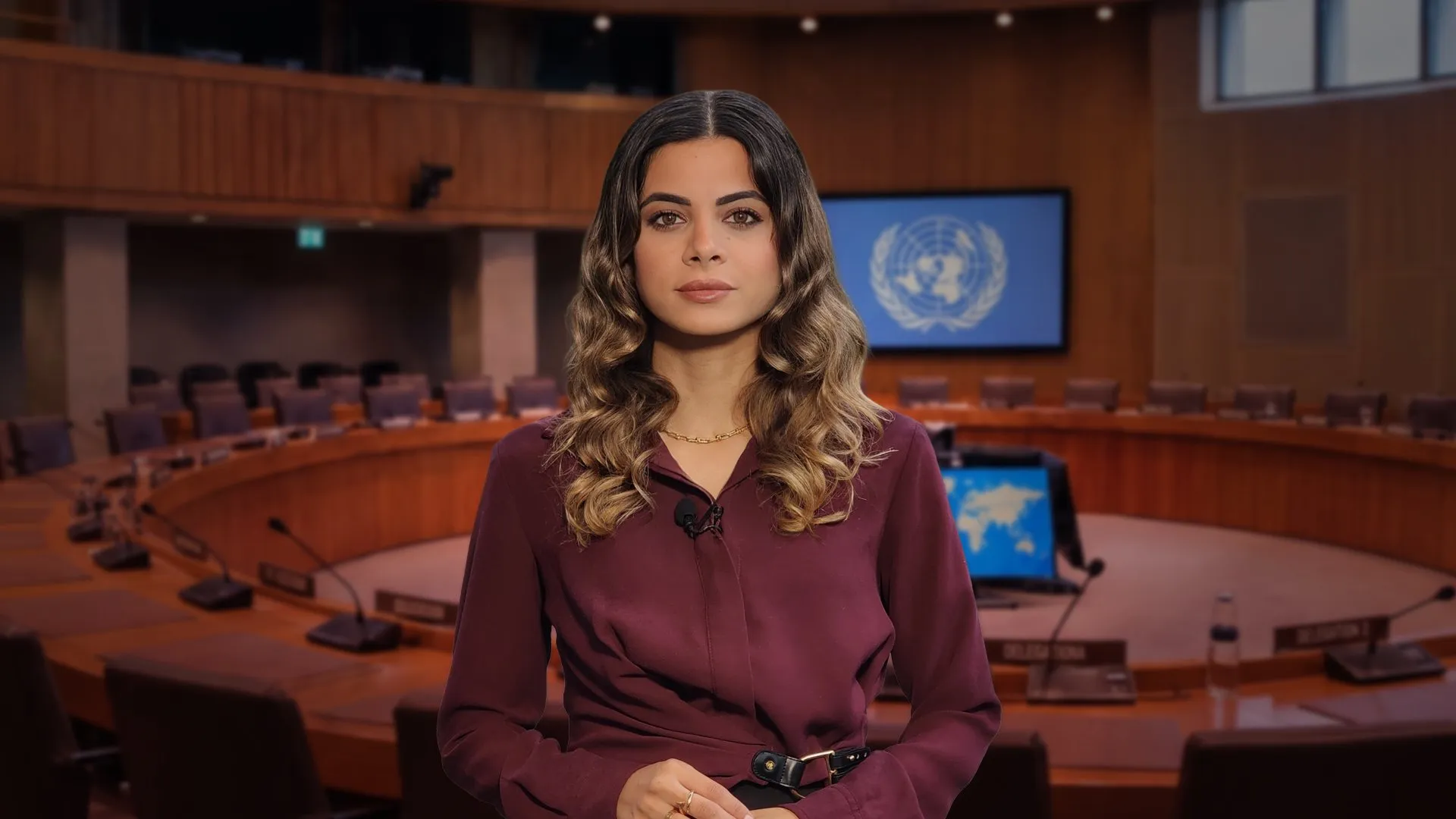
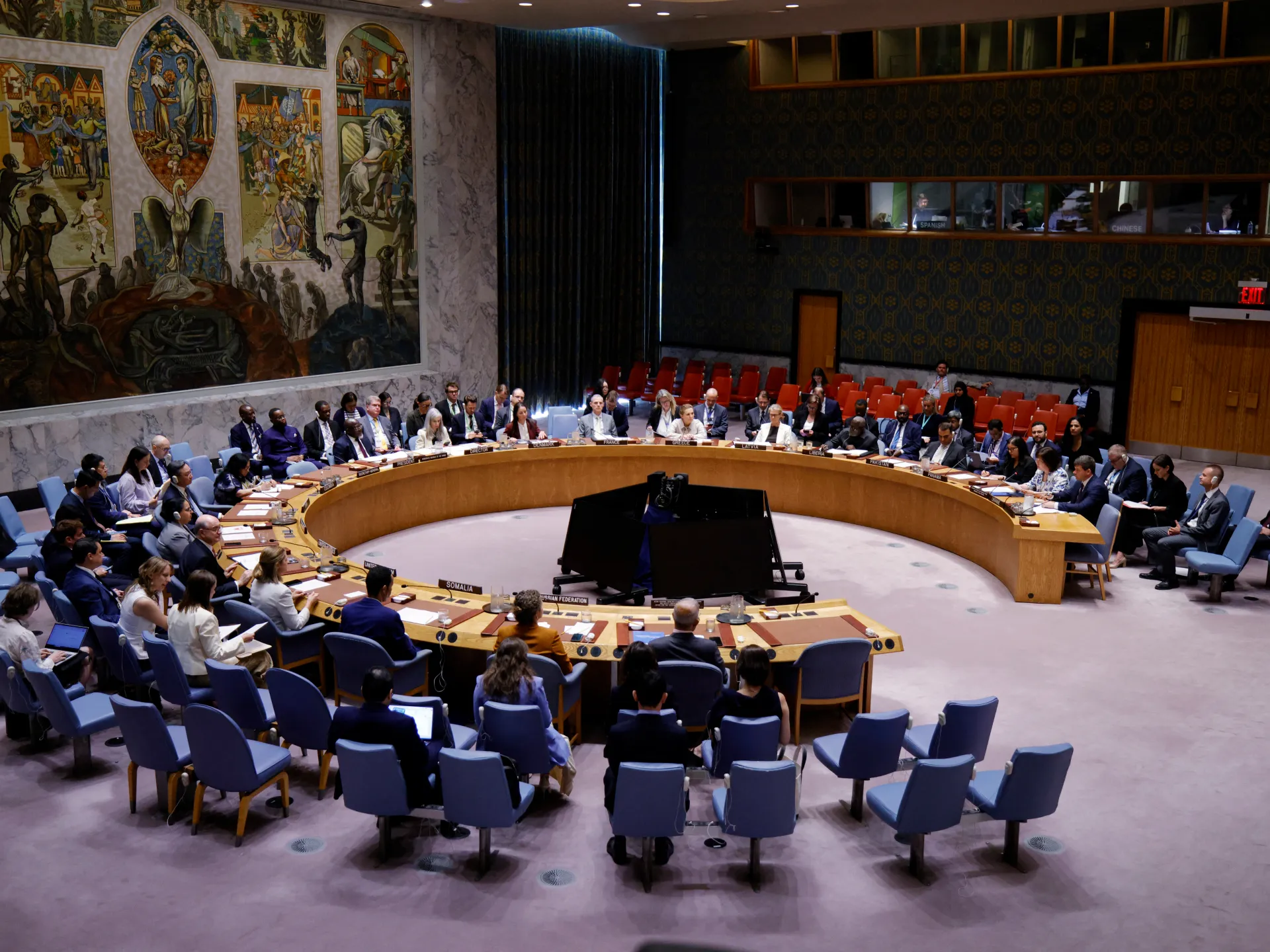
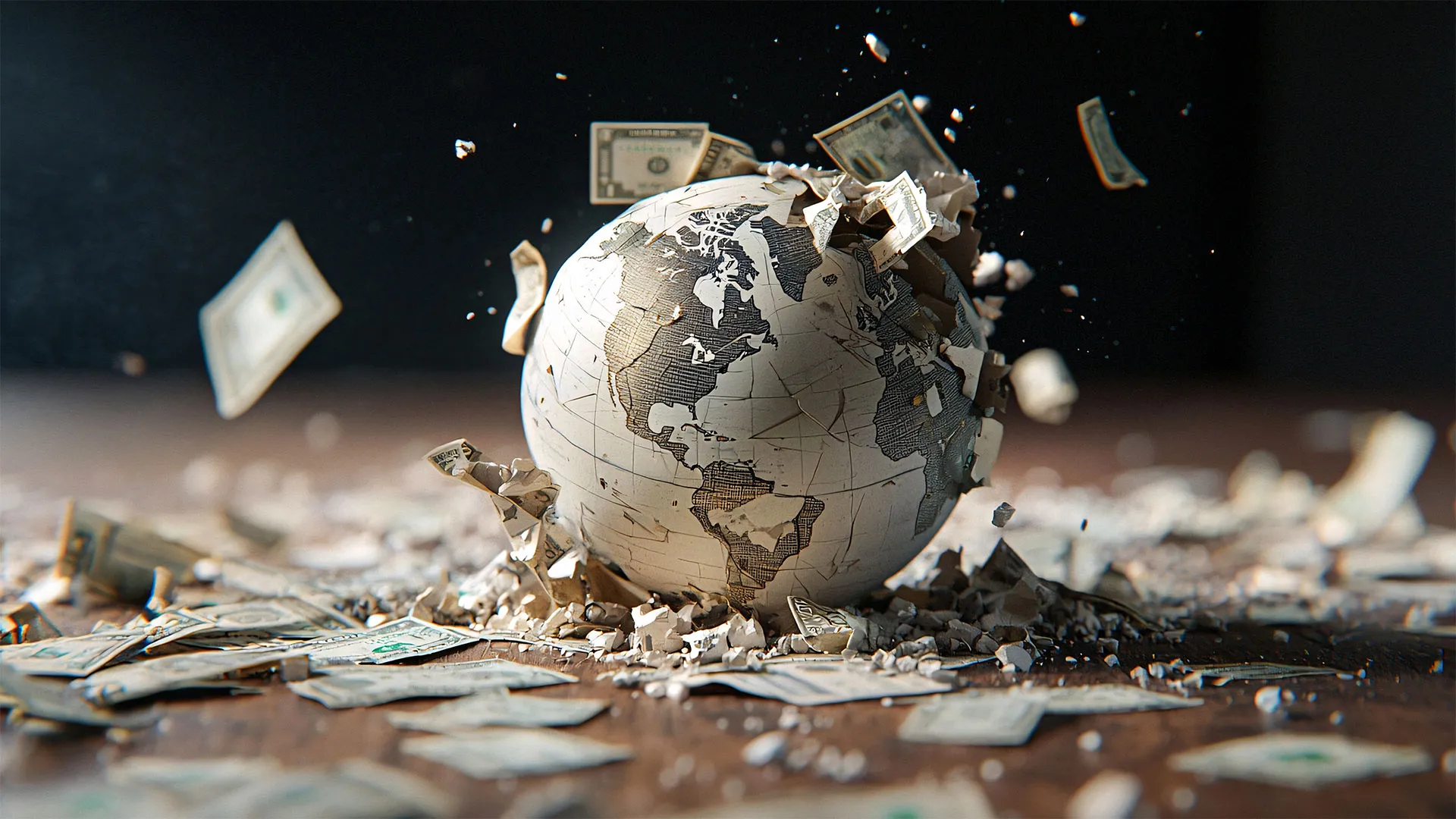
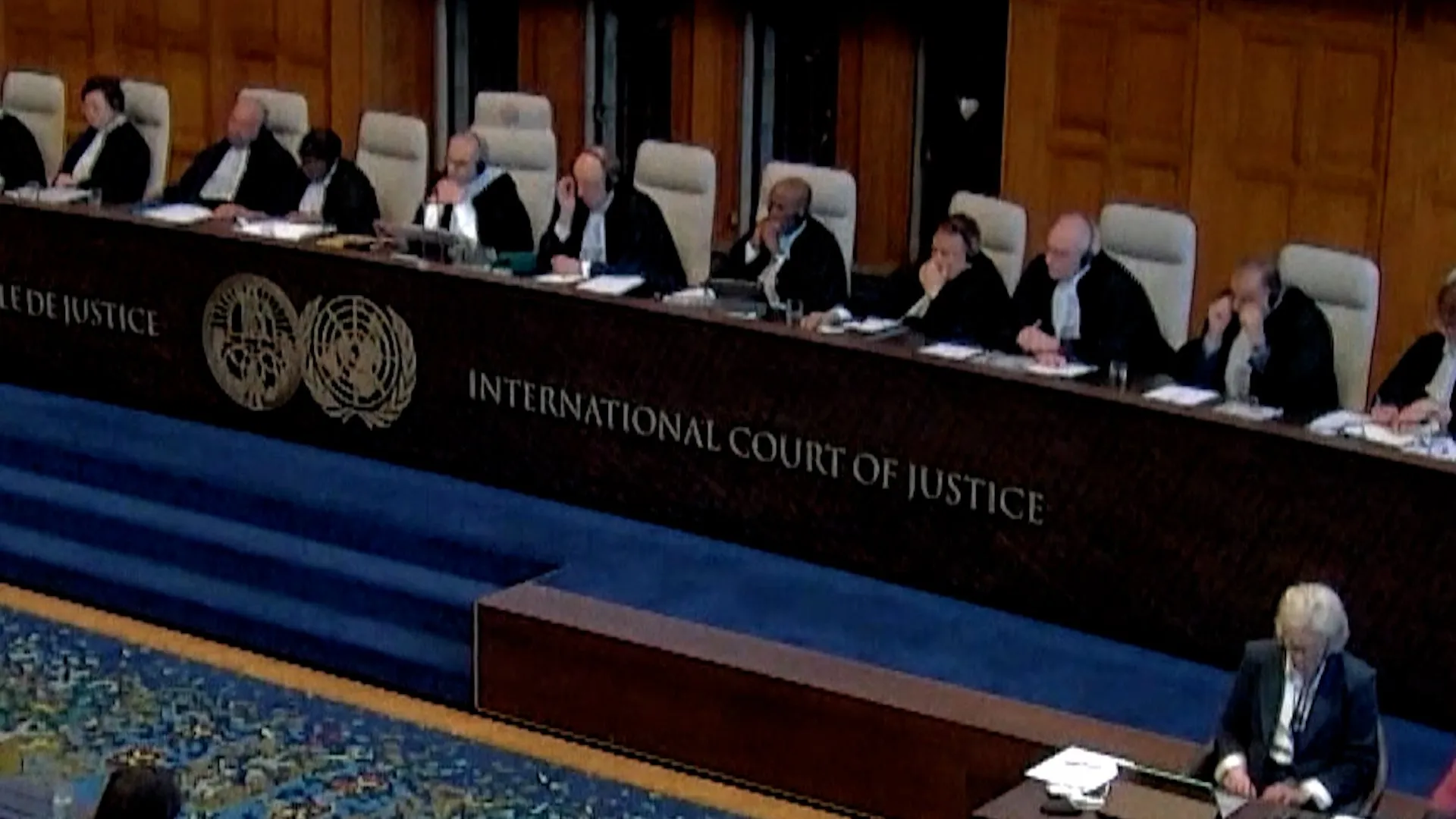
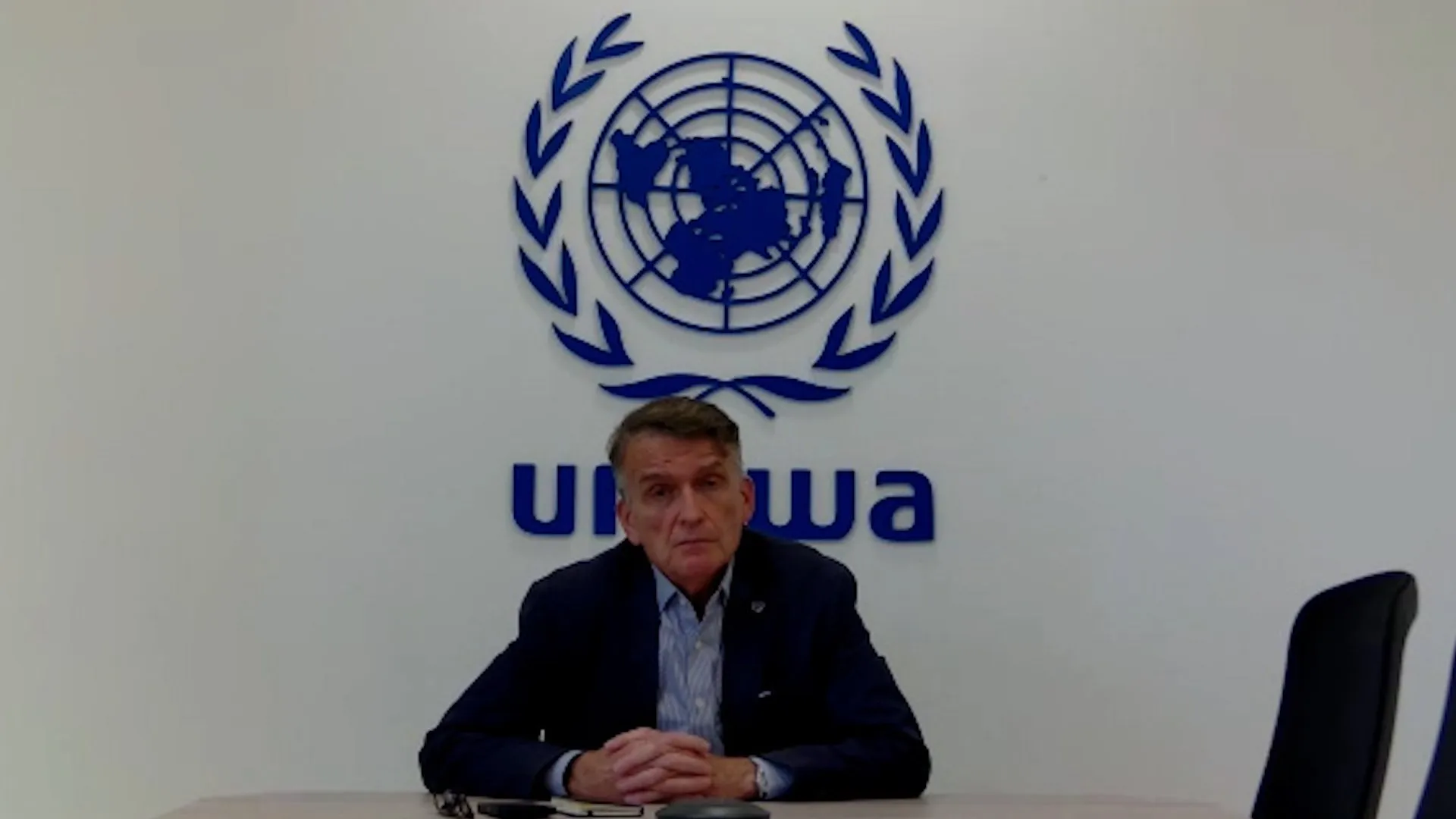
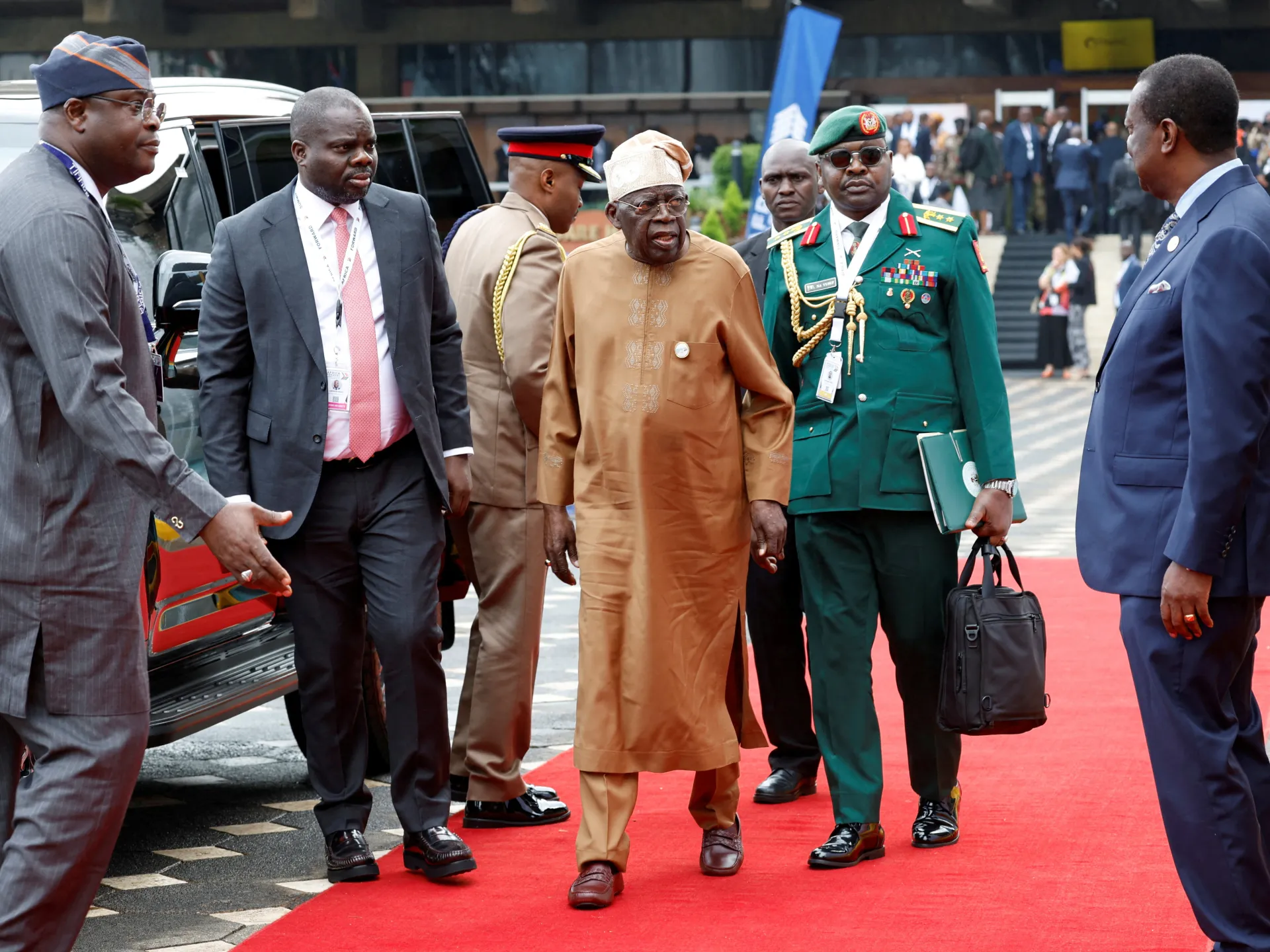
The 81st United Nations General Assembly has become a focal point for intense criticism regarding the efficacy of international institutions, as world leaders converge to express profound concern over the perceived stagnation of the UN Security Council. While the diplomatic discourse in New York centers on the failure of the five permanent members to address burgeoning global crises, the organization faces a concurrent and potentially more immediate existential threat: a severe financial shortfall that experts warn could lead to a systemic collapse of operations.
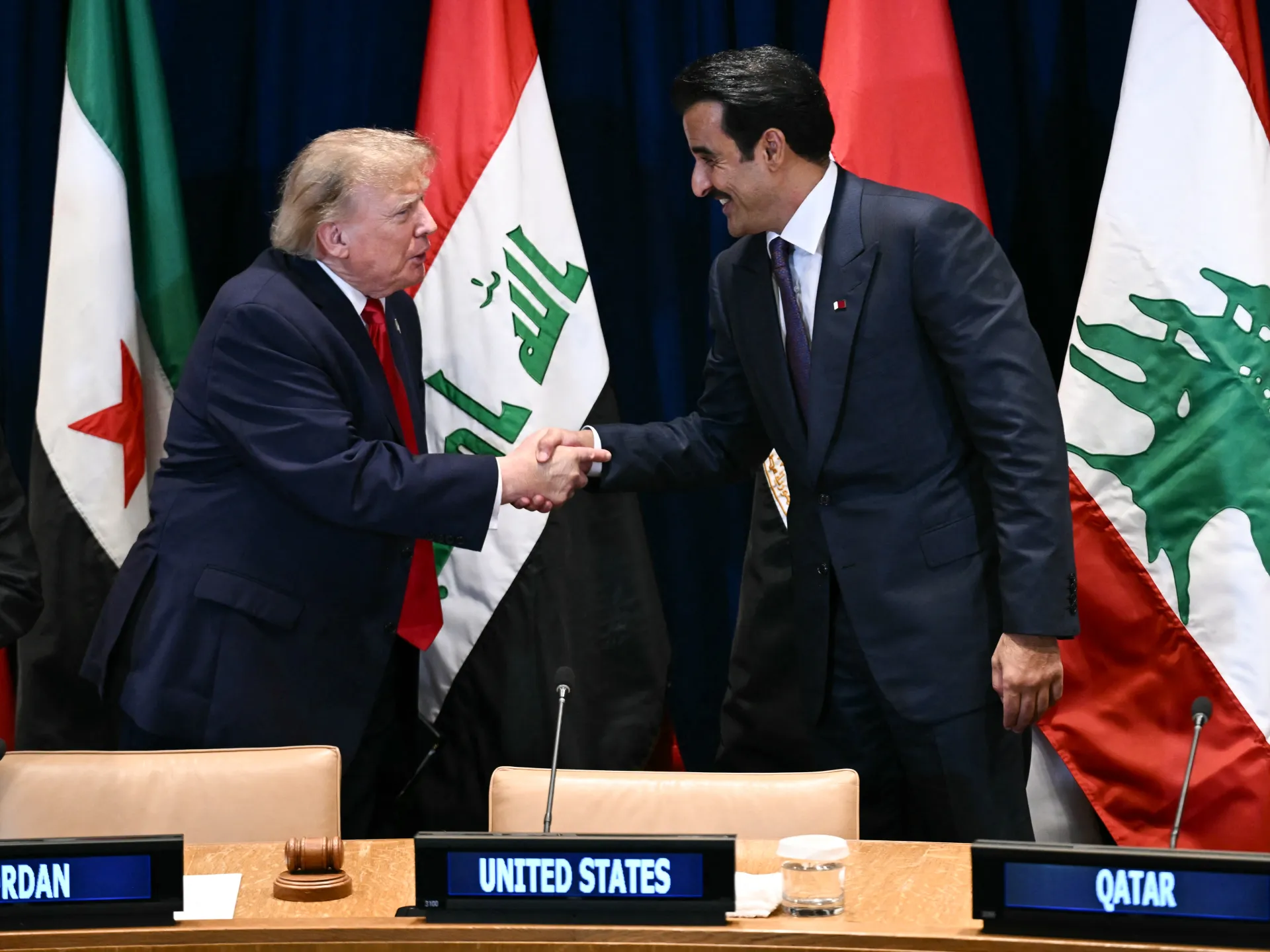
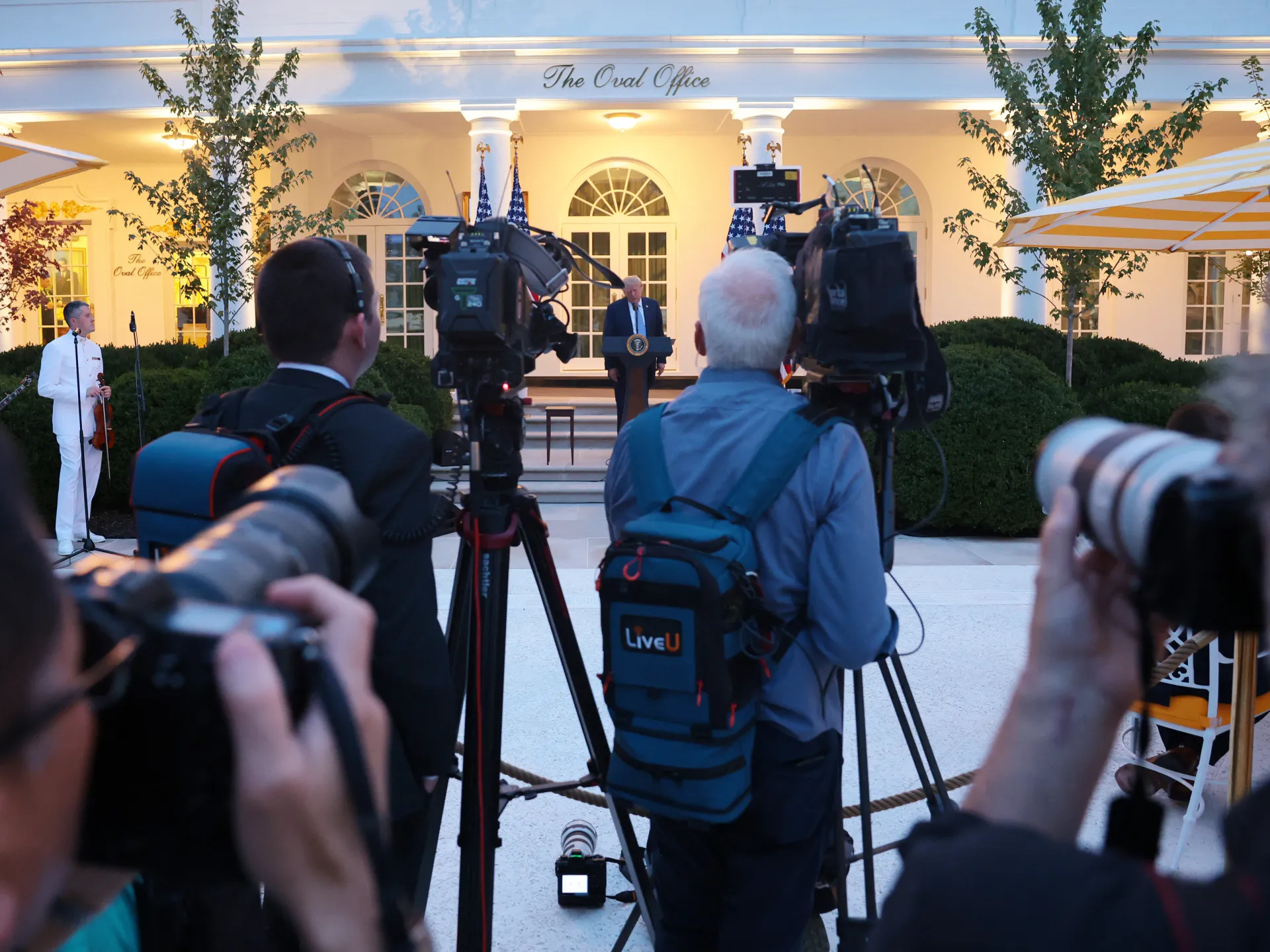
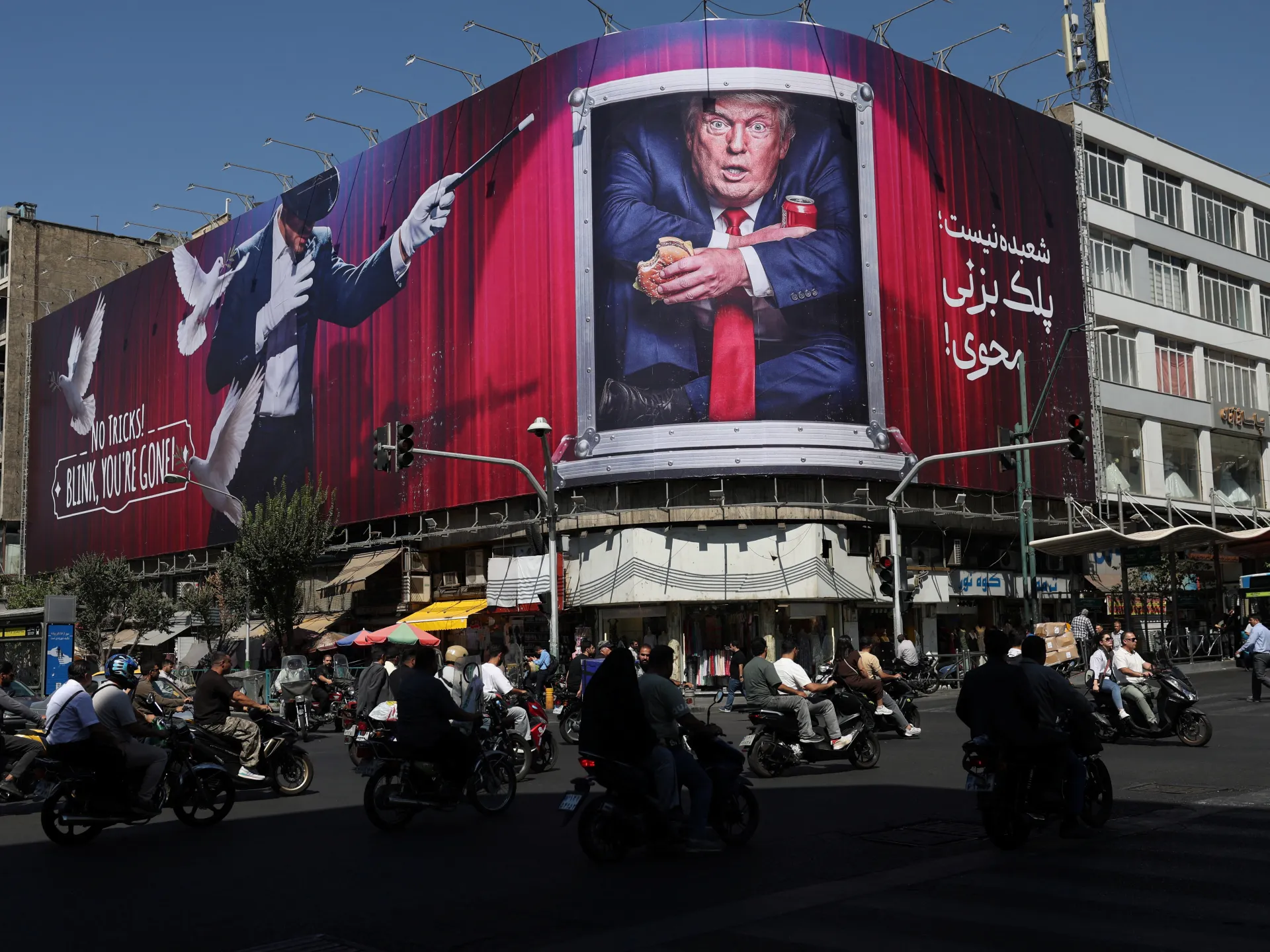
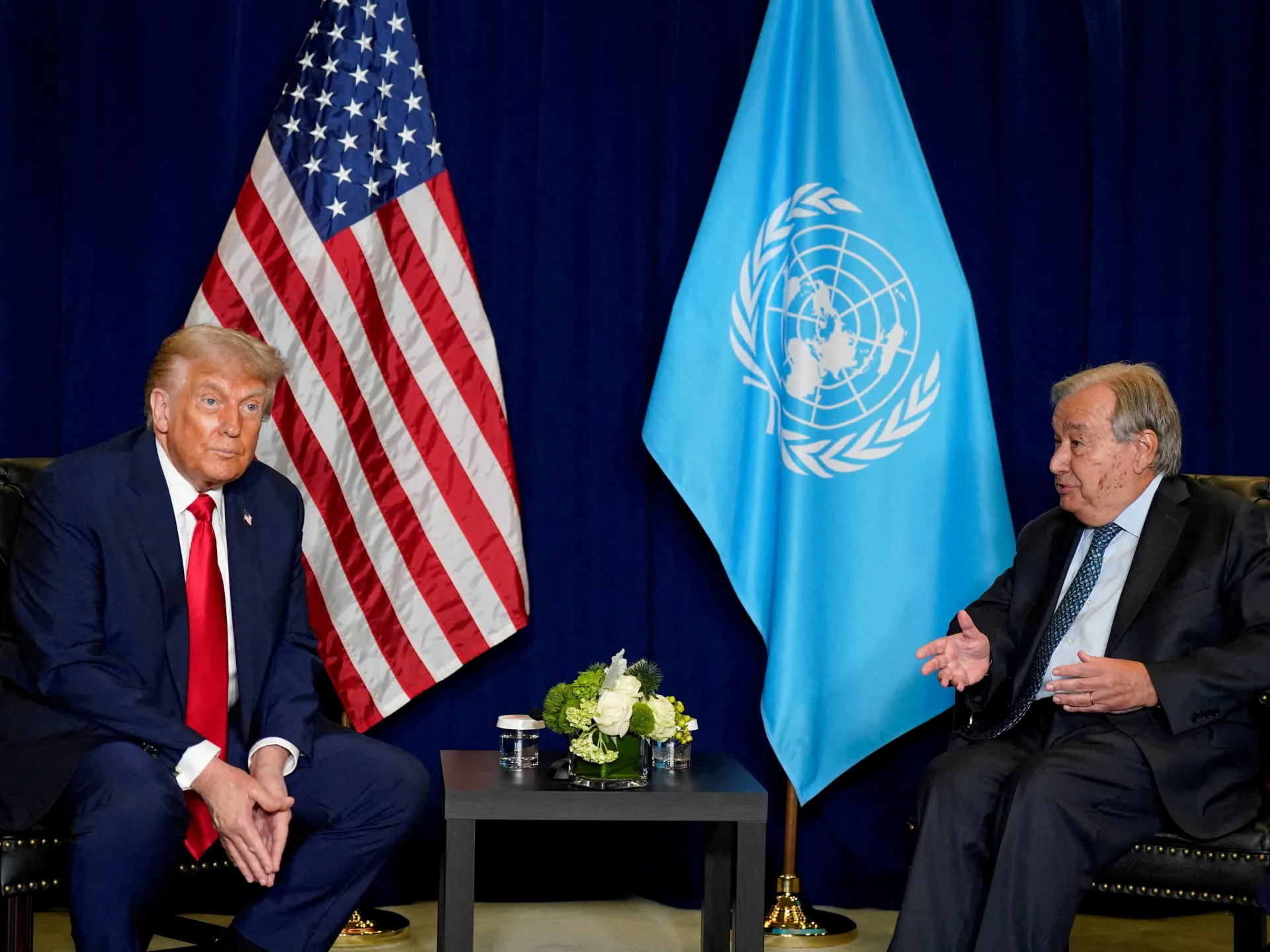
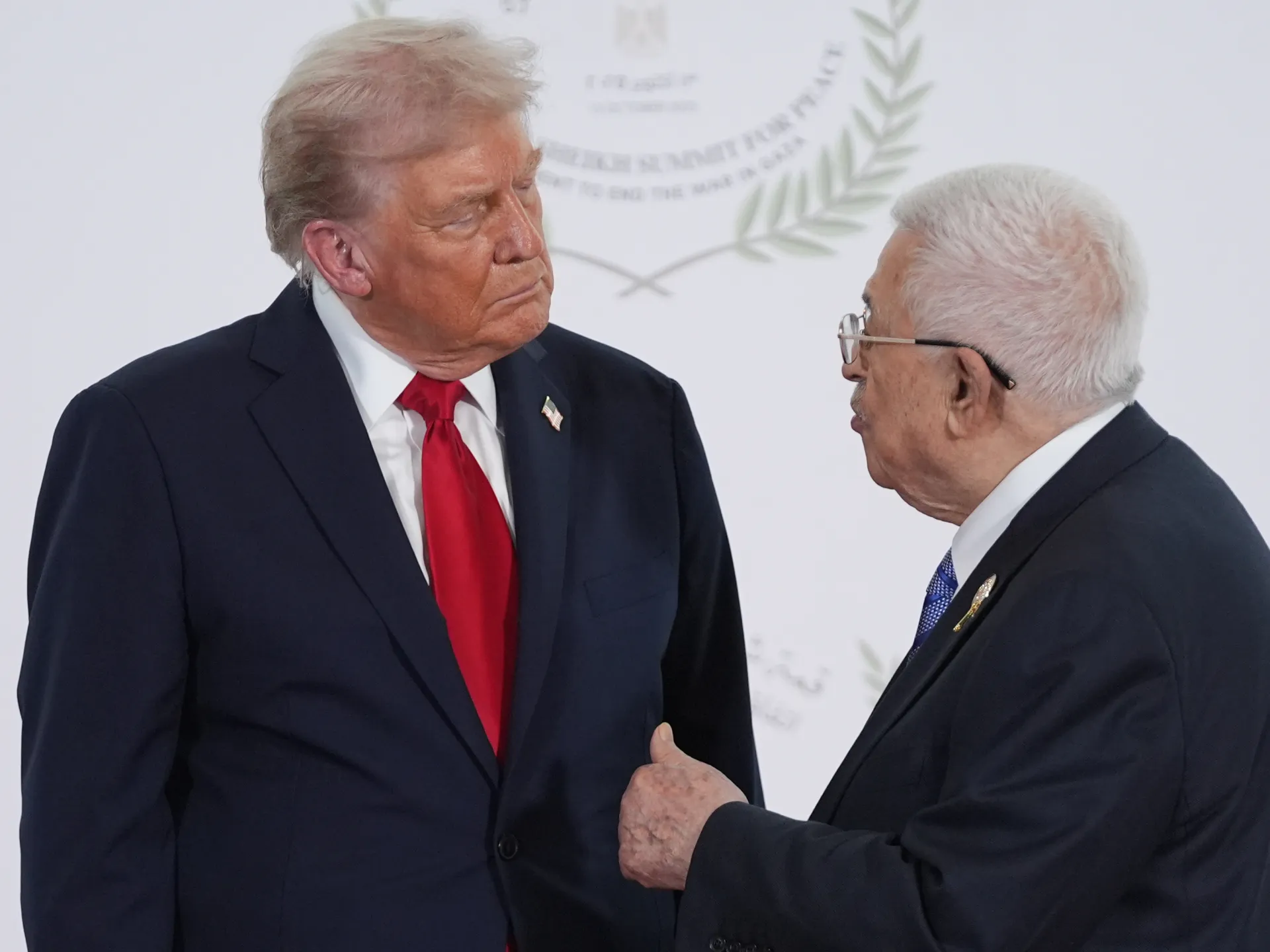
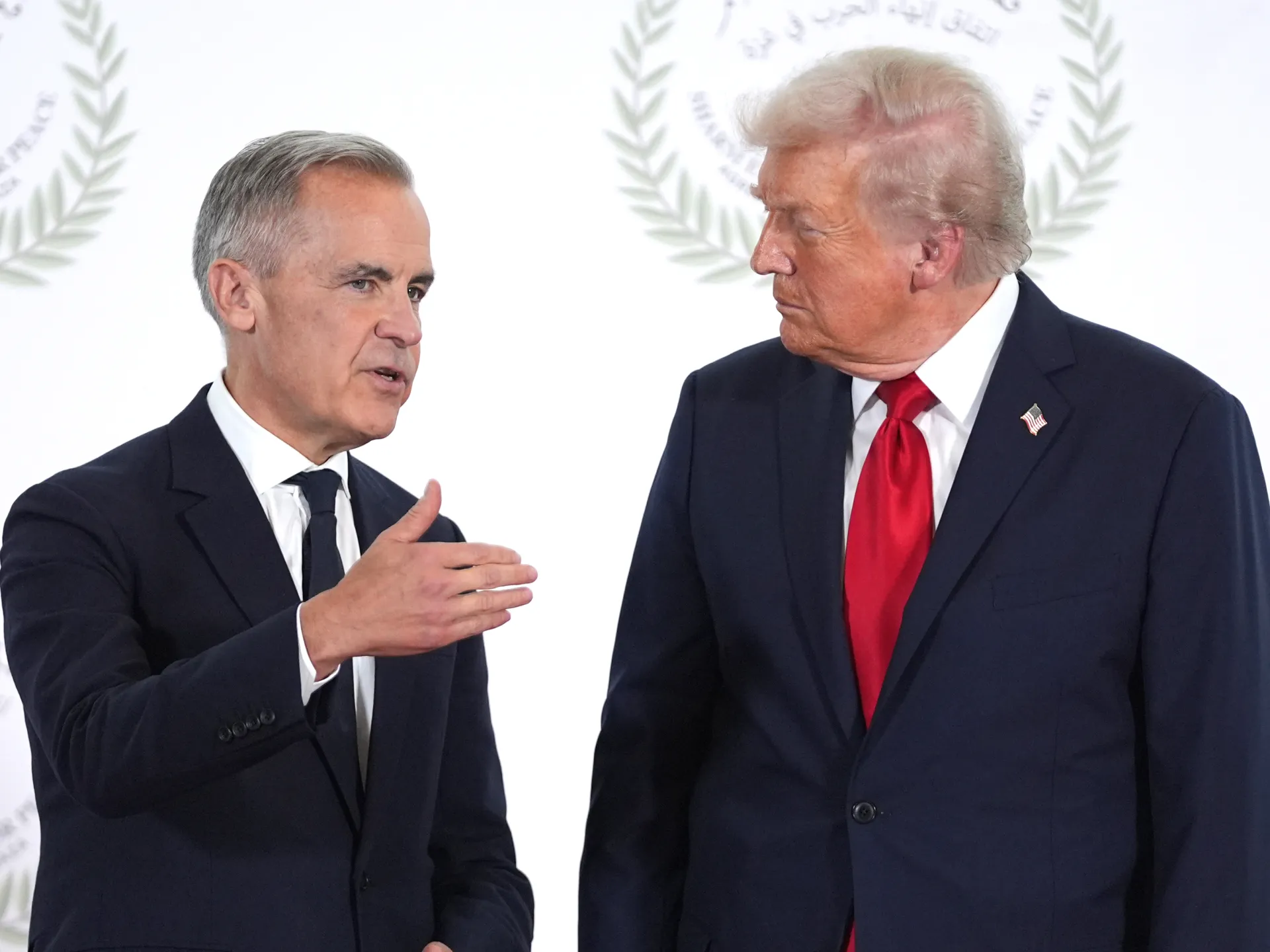
Amid these high-level debates, the geopolitical landscape appears increasingly fragmented. Even as leaders debate the necessity of structural reforms—including speculation over a potential "Board of Peace" proposed der the weight of mounting unpaid dues from member nations, casting a shadow over the assembly’s ability to execute its foundational mandate.
The convergence of political gridlock and fiscal insolvency represents a dual-threat environment not seen since the organization's inception. When the primary body responsible for maintaining global security is unable to act due to a lack of consensus among its permanent members, it ceases to be a functional arbiter of peace. When this paralysis is compounded ssary platform for diplomacy into an irrelevant relic of the post-WWII era.
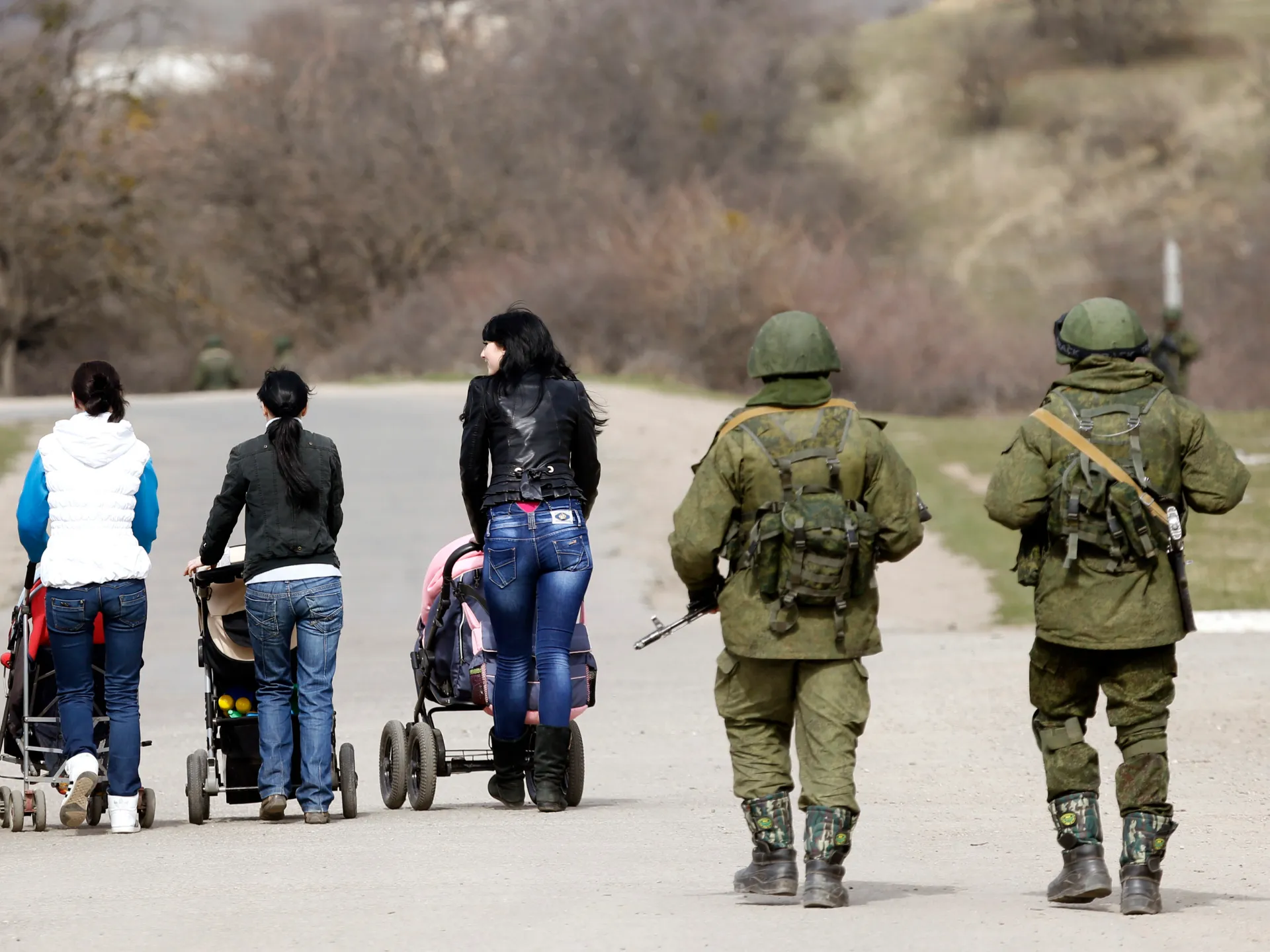
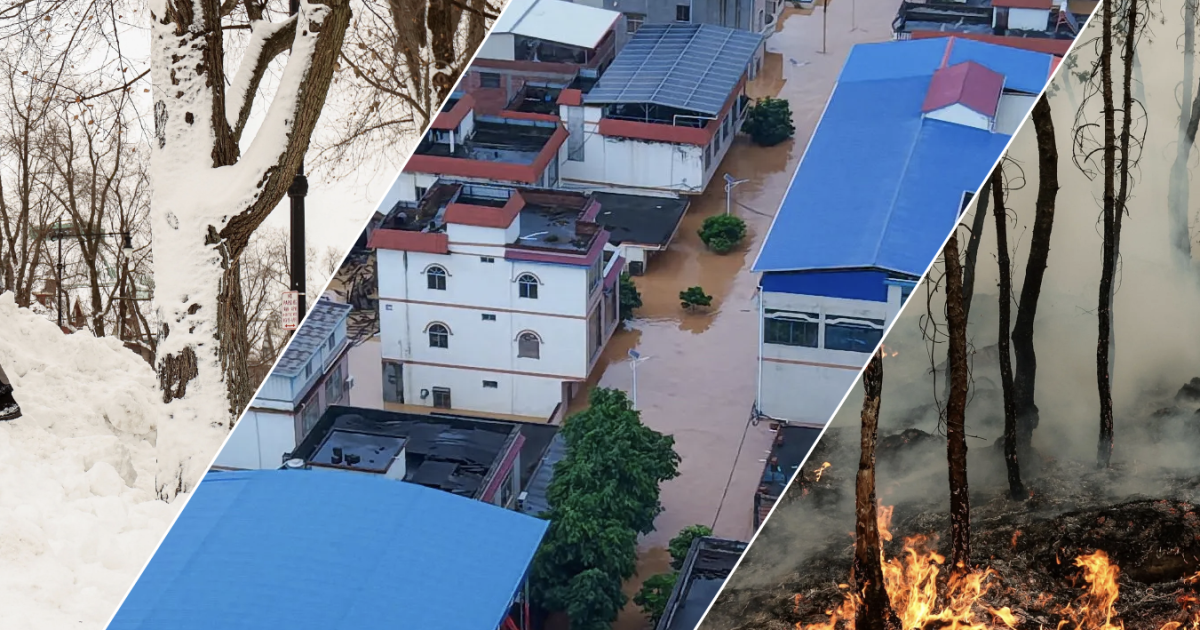
This instability carries profound risks for global order. As the Security Council remains deadlocked, smaller nations are left without the protection of international law, and emerging crises—ranging from climate-induced regional instability to territorial disputes—are left to escalate unchecked. The skepticism surrounding new initiatives like the "Board of Peace" suggests that member states are increasingly looking for alternatives to the traditional UN framework, signaling a potential shift toward a more fractured, multi-polar global governance model.
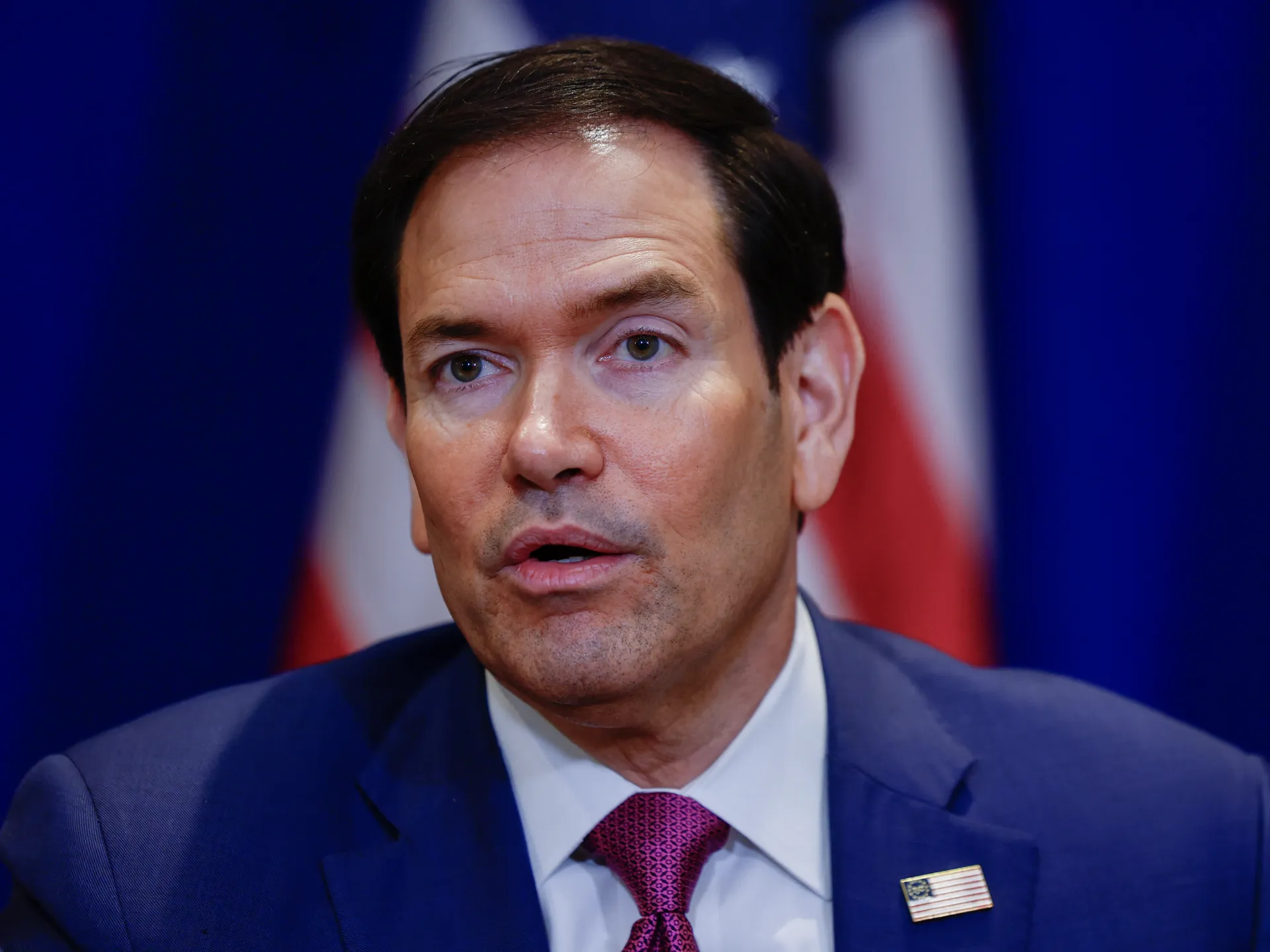
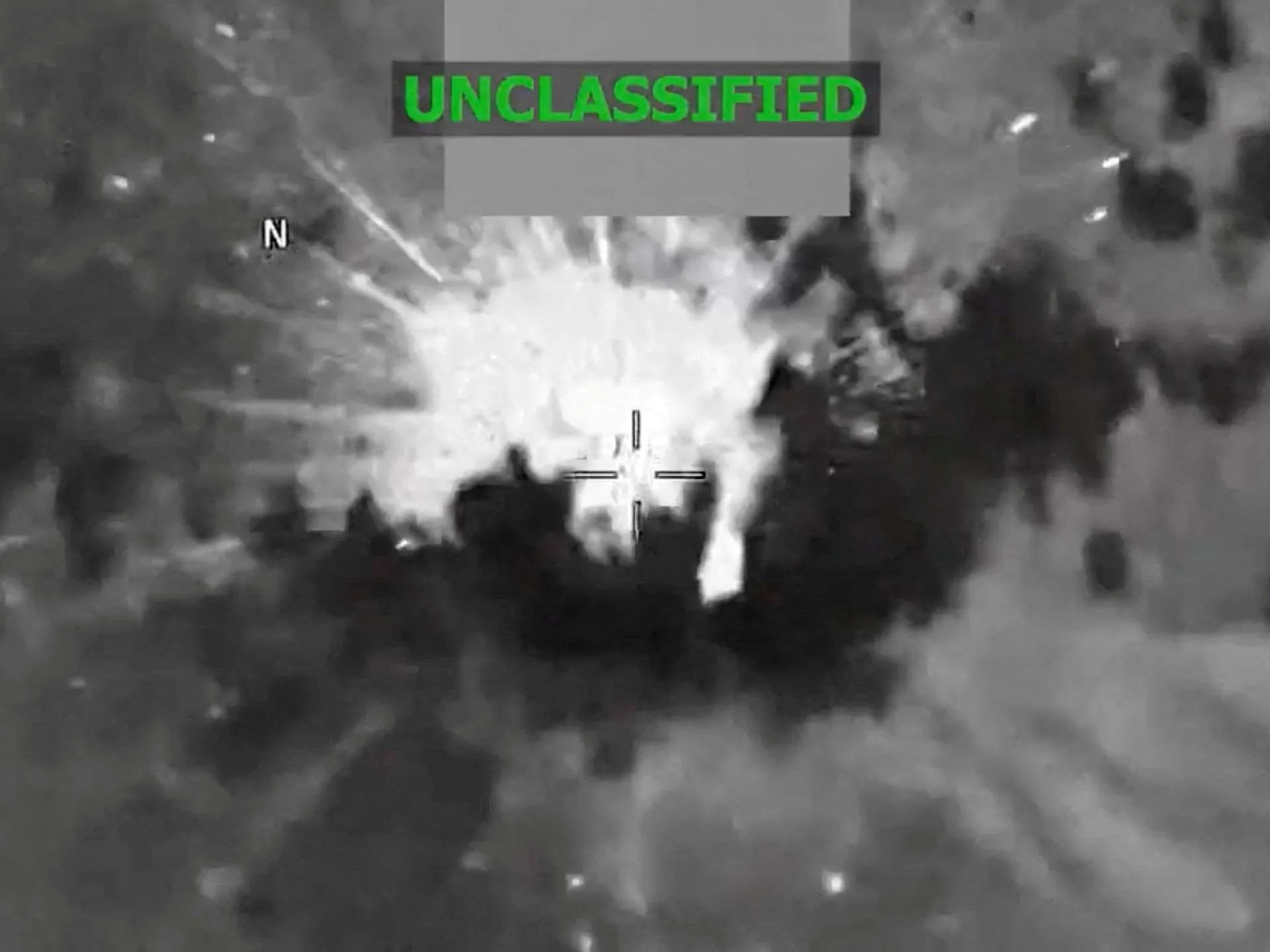
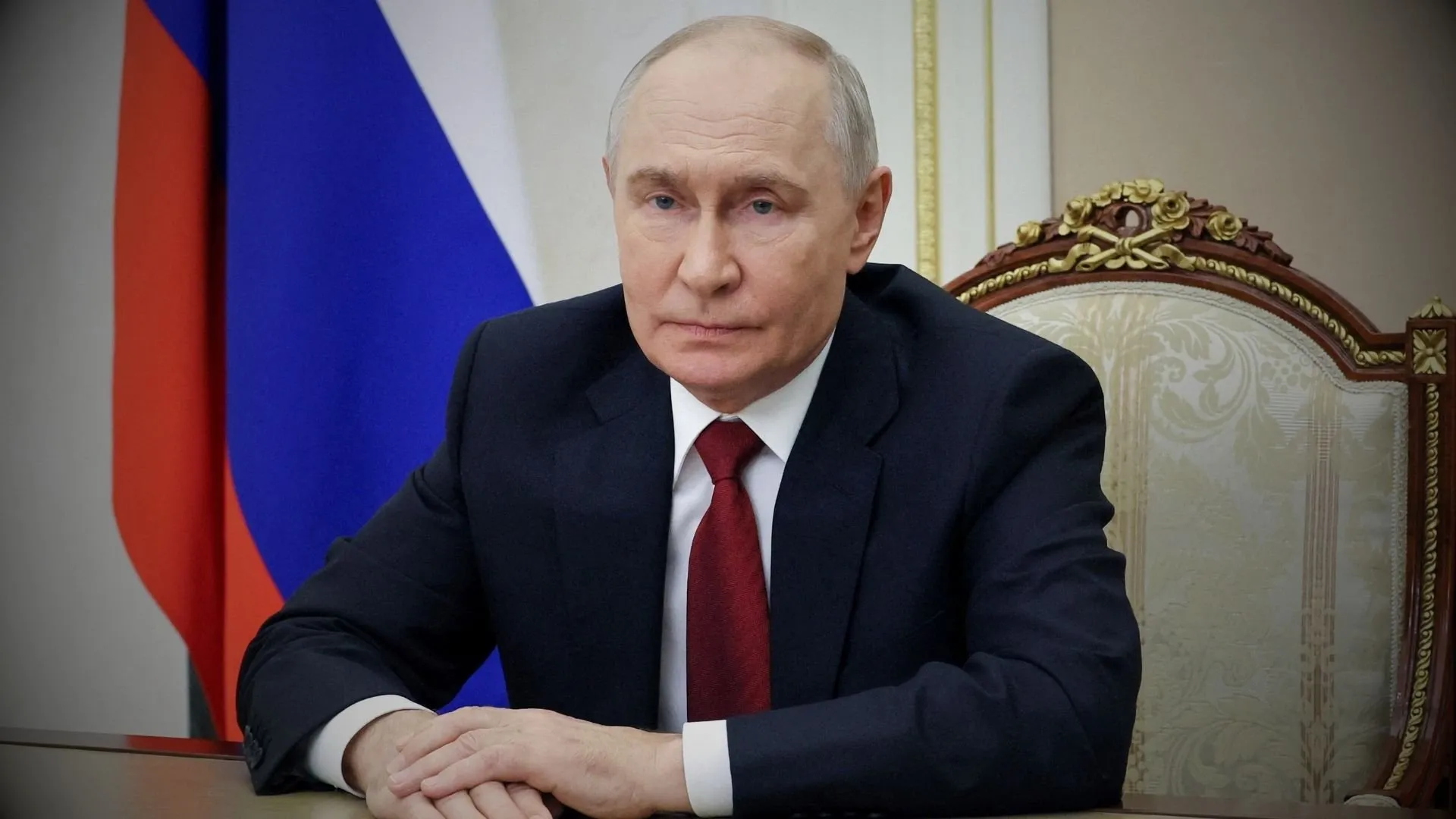
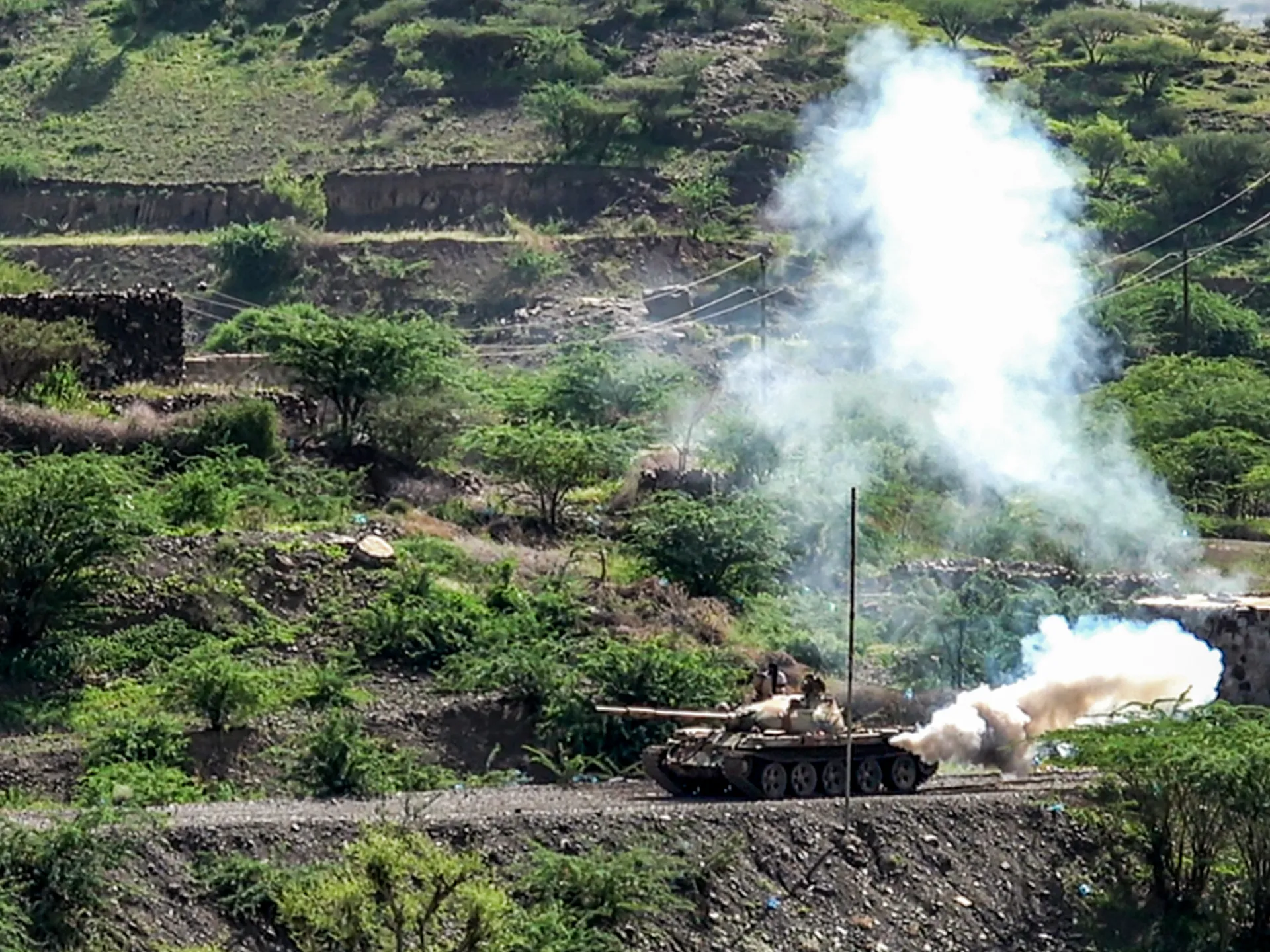
During the current General Debate, the consensus among many attending heads of state is that the Security Council has failed in its primary duty to foster international stability. Critics argue that the veto-wielding permanent members have prioritized national agendas over collective global security, effectively neutralizing the council’s capacity to respond to humanitarian emergencies and armed conflicts.
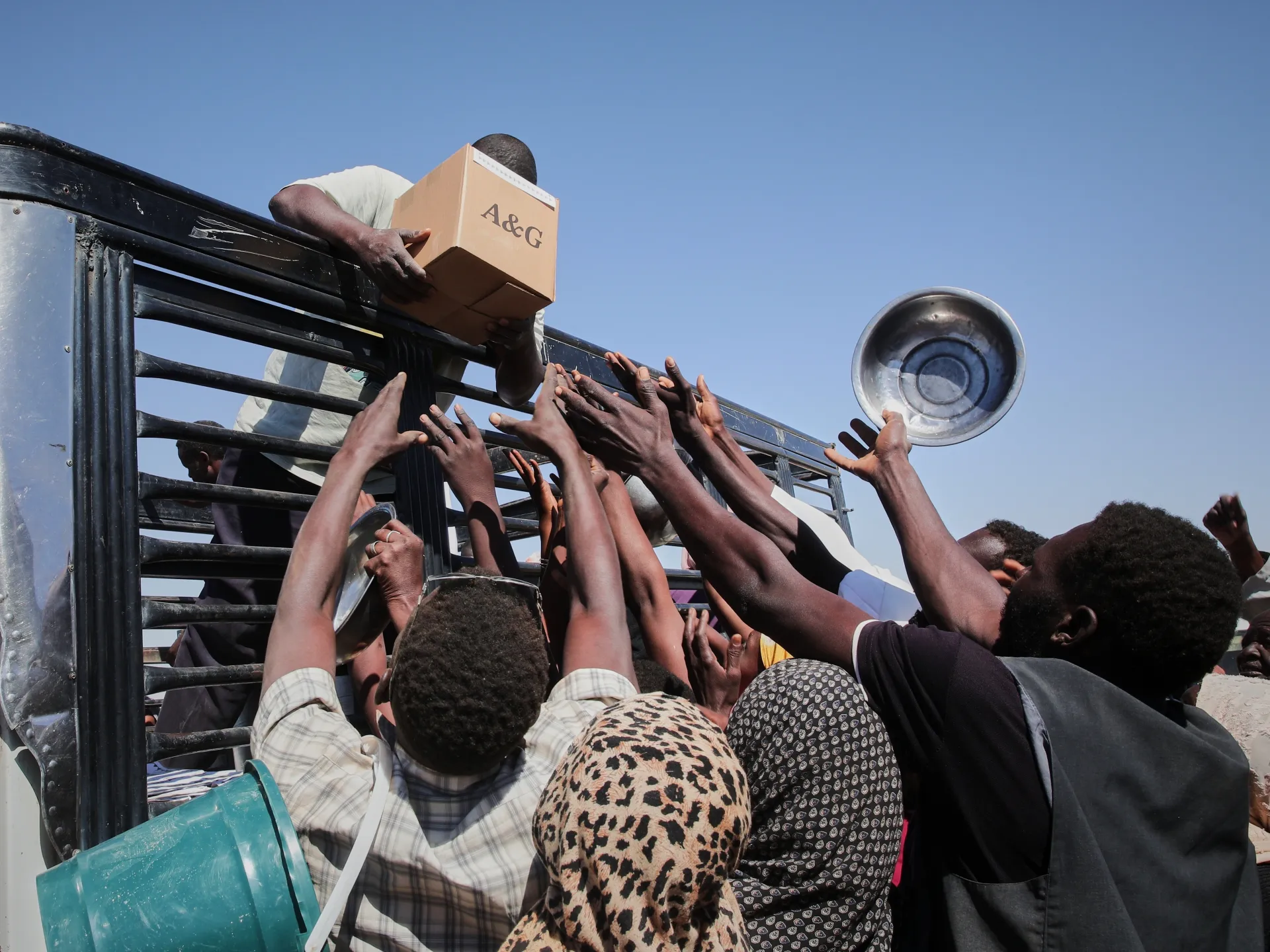
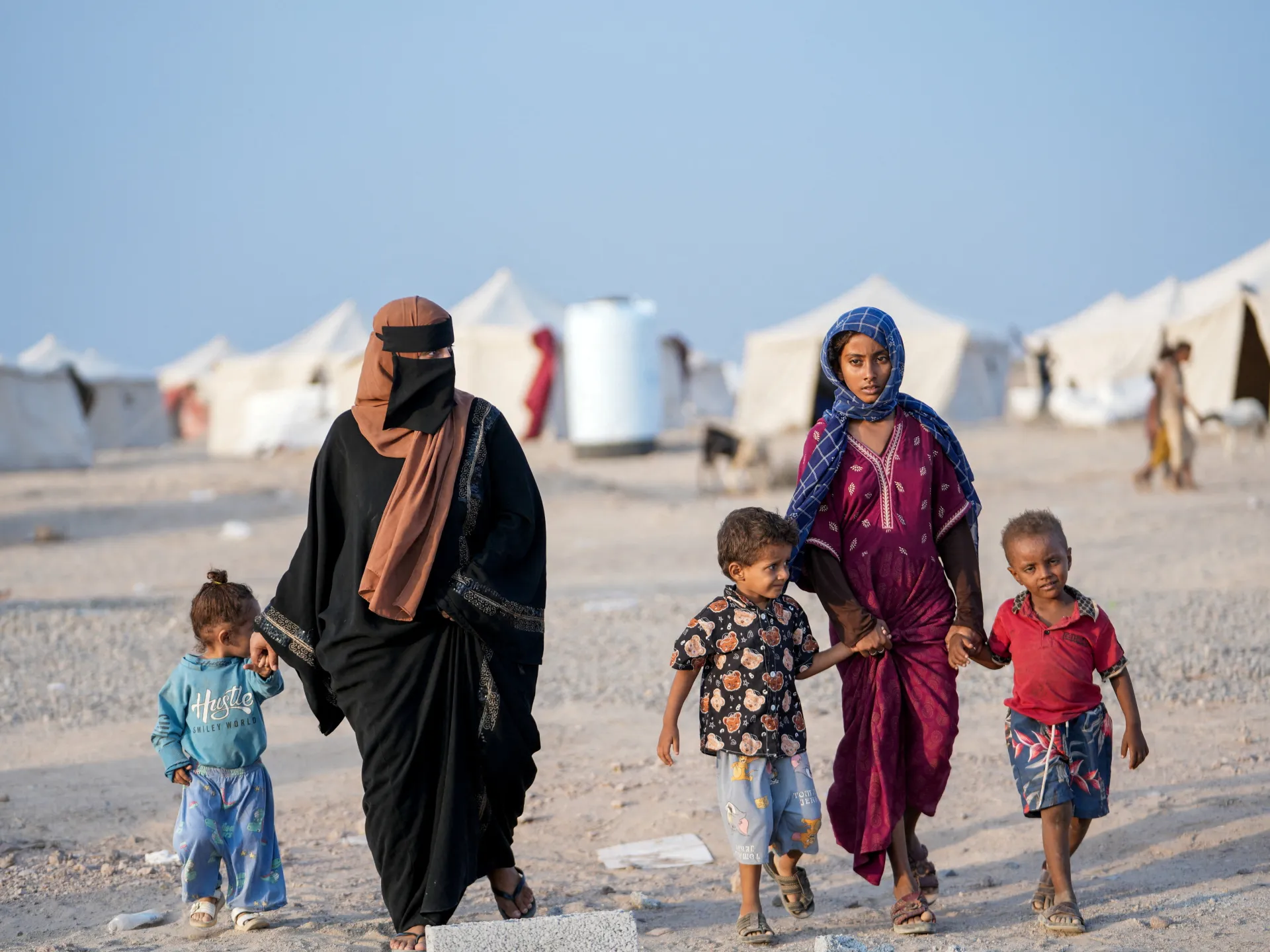
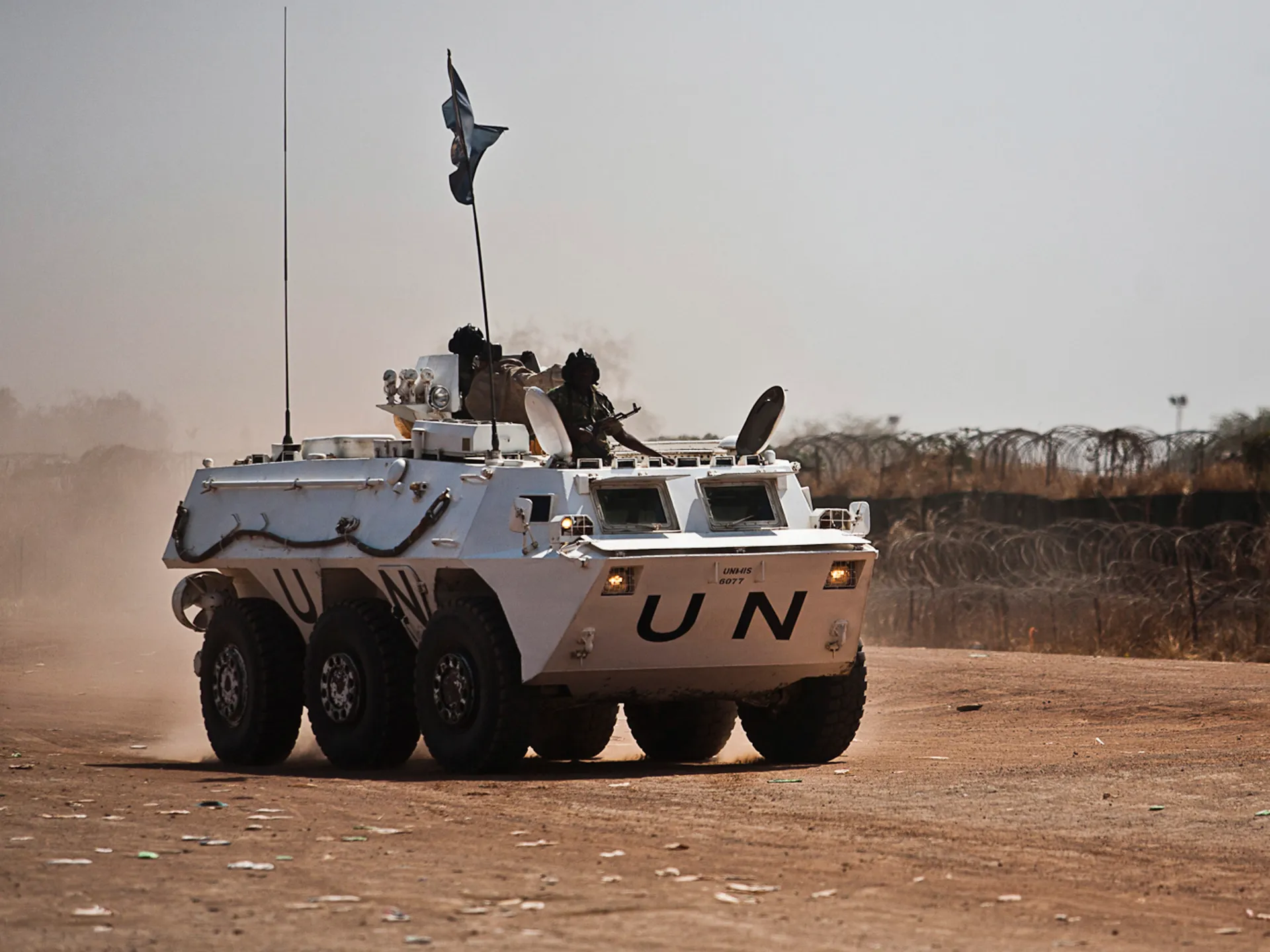
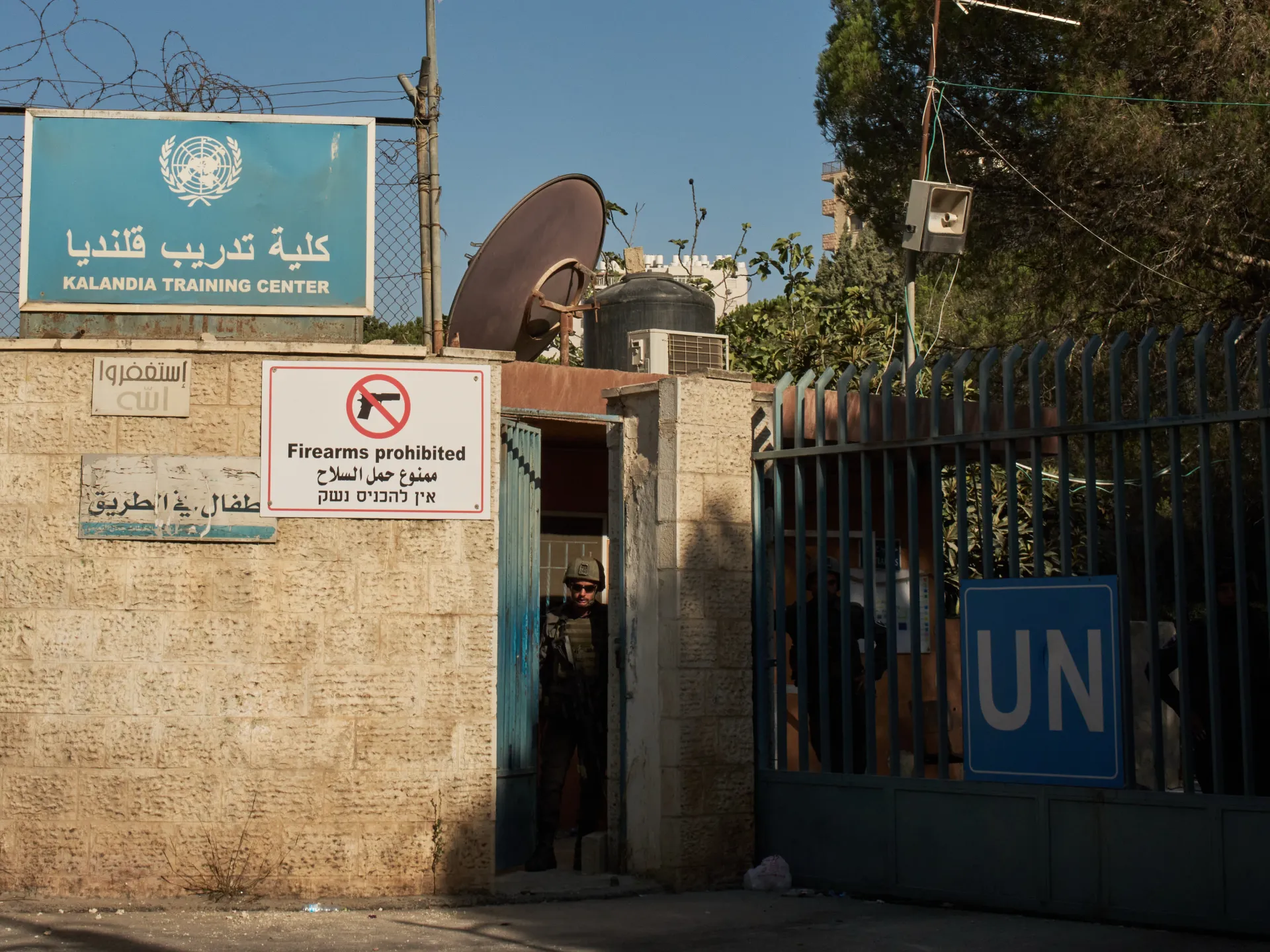
This political friction is occurring alongside a fragile financial reality. Reports indicate that the UN is teetering on the edge of financial collapse, driven y of nations calling for strengthened peacekeeping and humanitarian efforts while simultaneously withholding the dues required to fund those very operations has not been lost on observers. This fiscal austerity directly impacts the UN’s ability to maintain its field missions, support global food security programs, and provide basic administrative oversight for international development.
The push for reform is complicated mains the prevailing sentiment regarding alternative frameworks, such as the "Board of Peace" suggested traditional UN structure, many leaders remain wary of abandoning the established multilateral order, fearing that such a move would only accelerate the marginalization of smaller, less powerful nations.
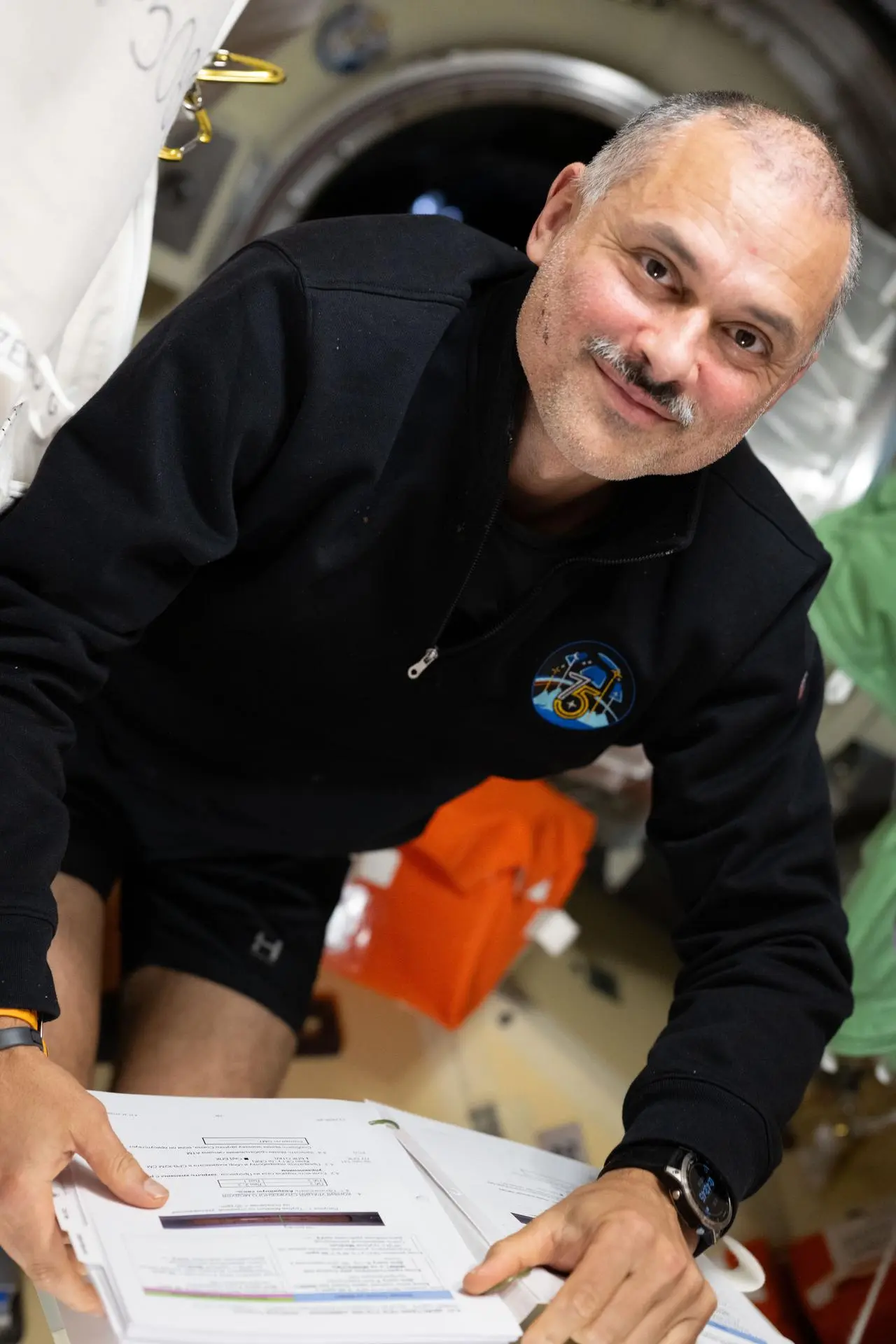
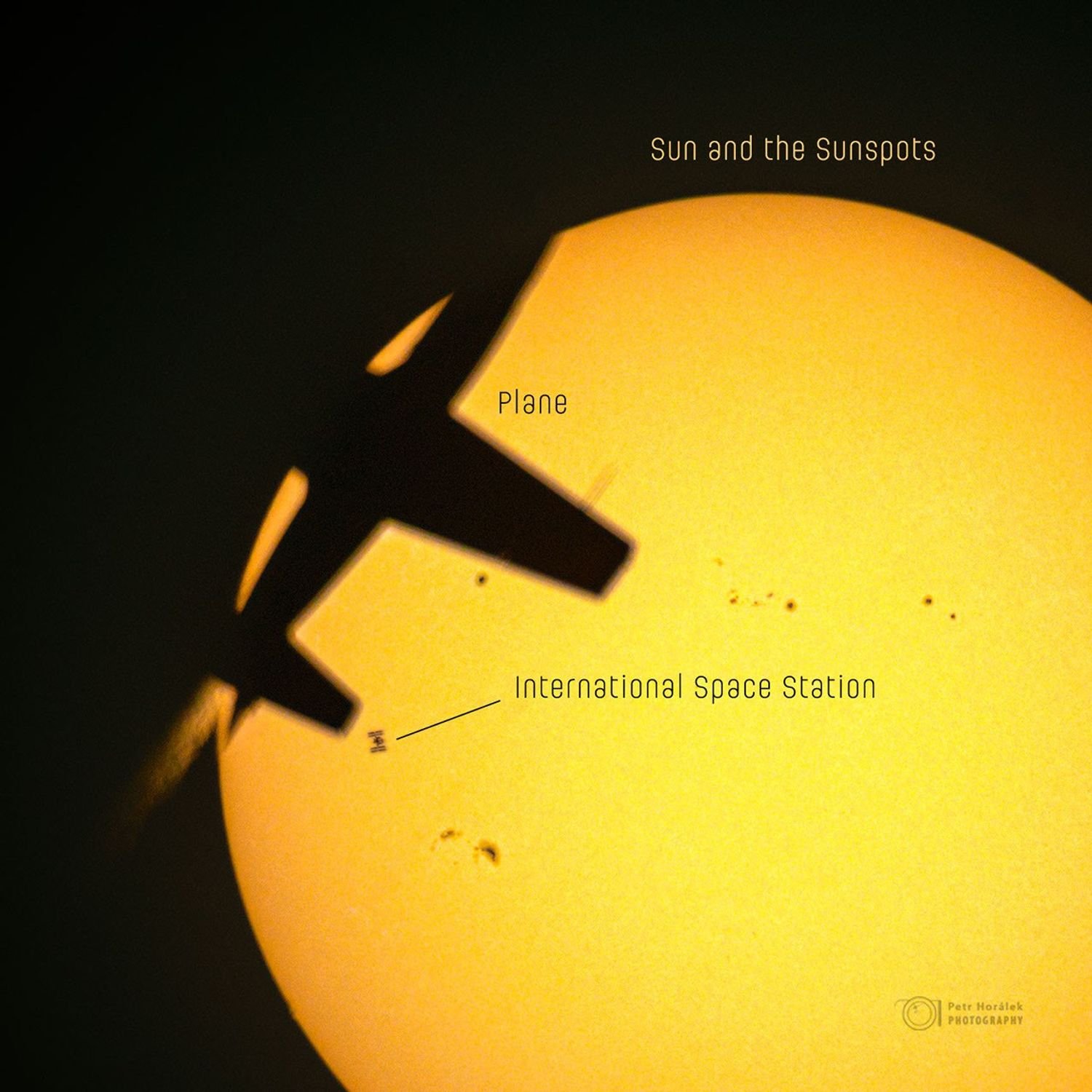
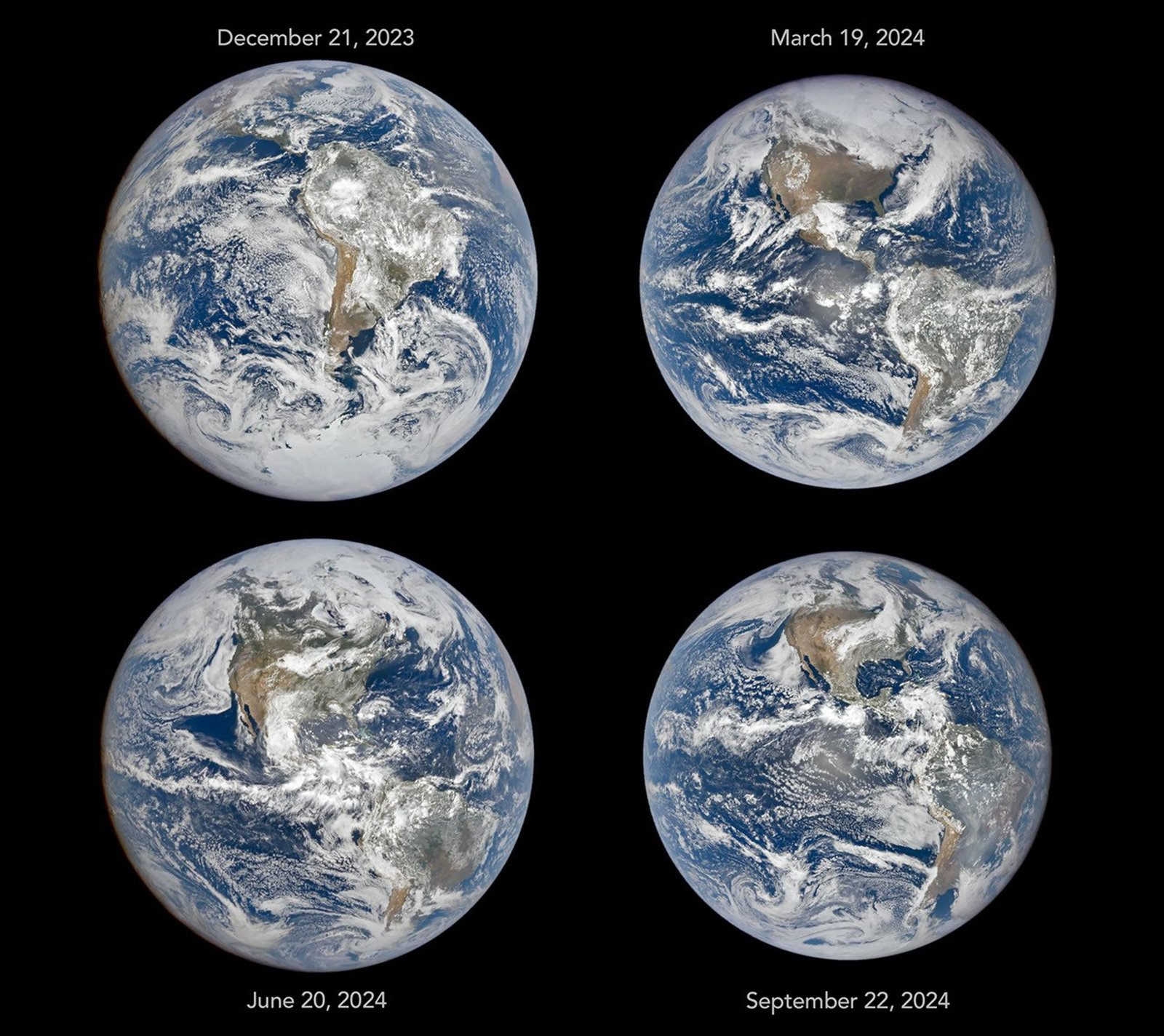
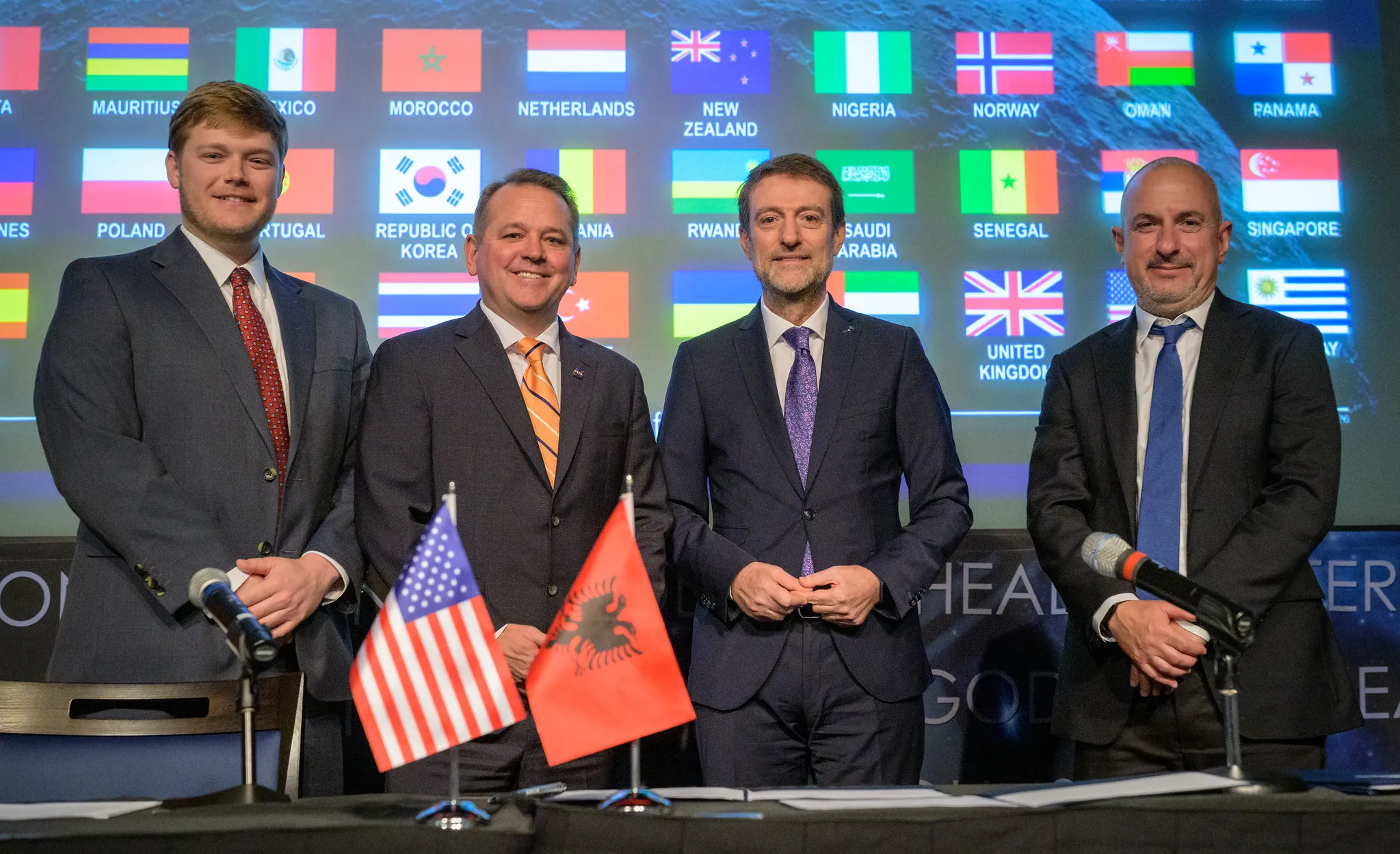
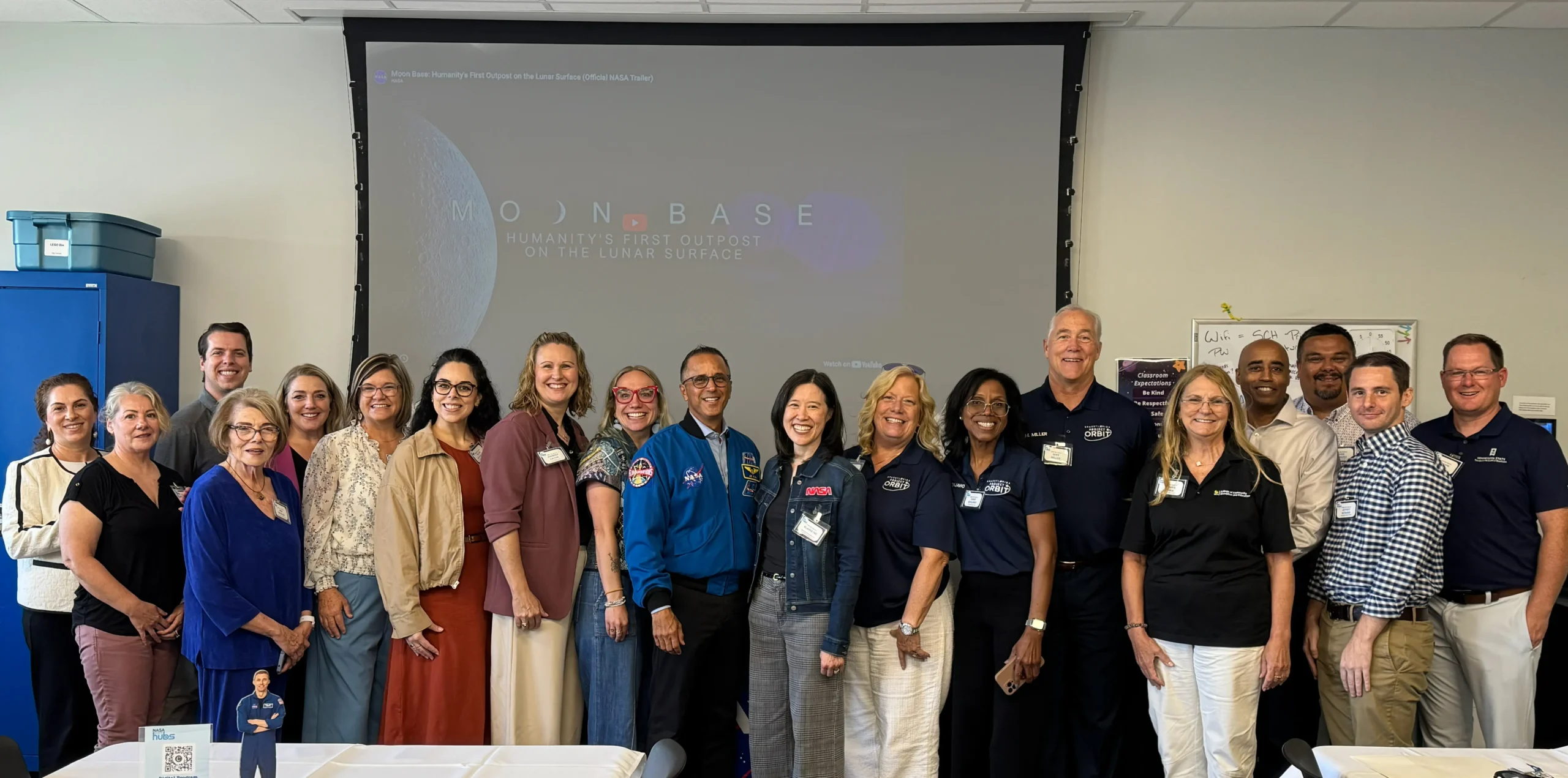
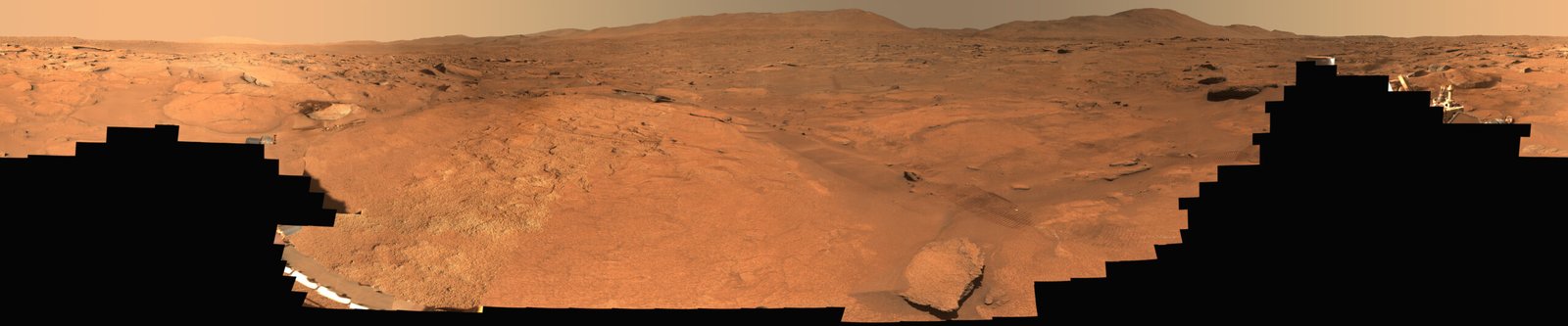
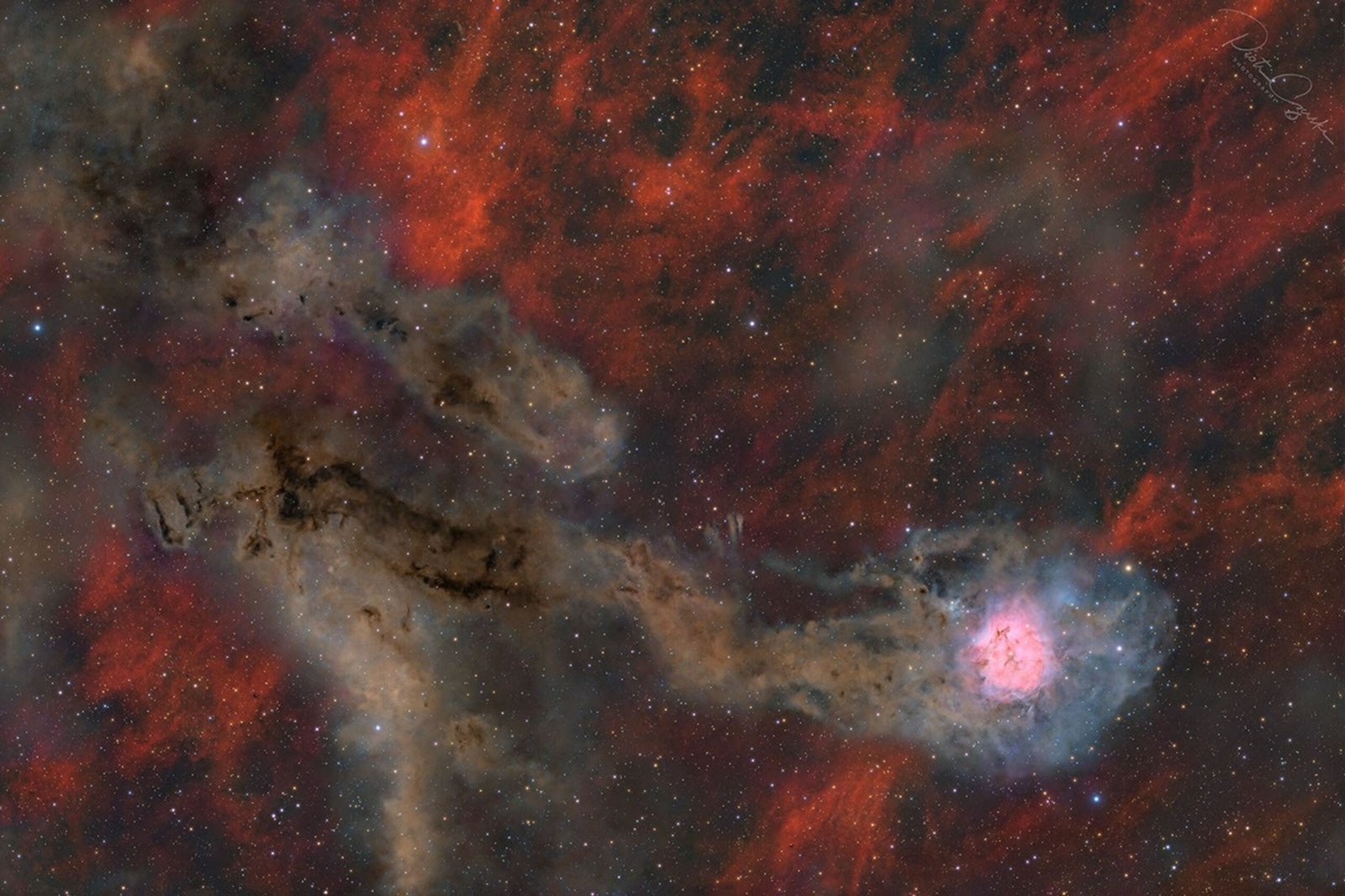
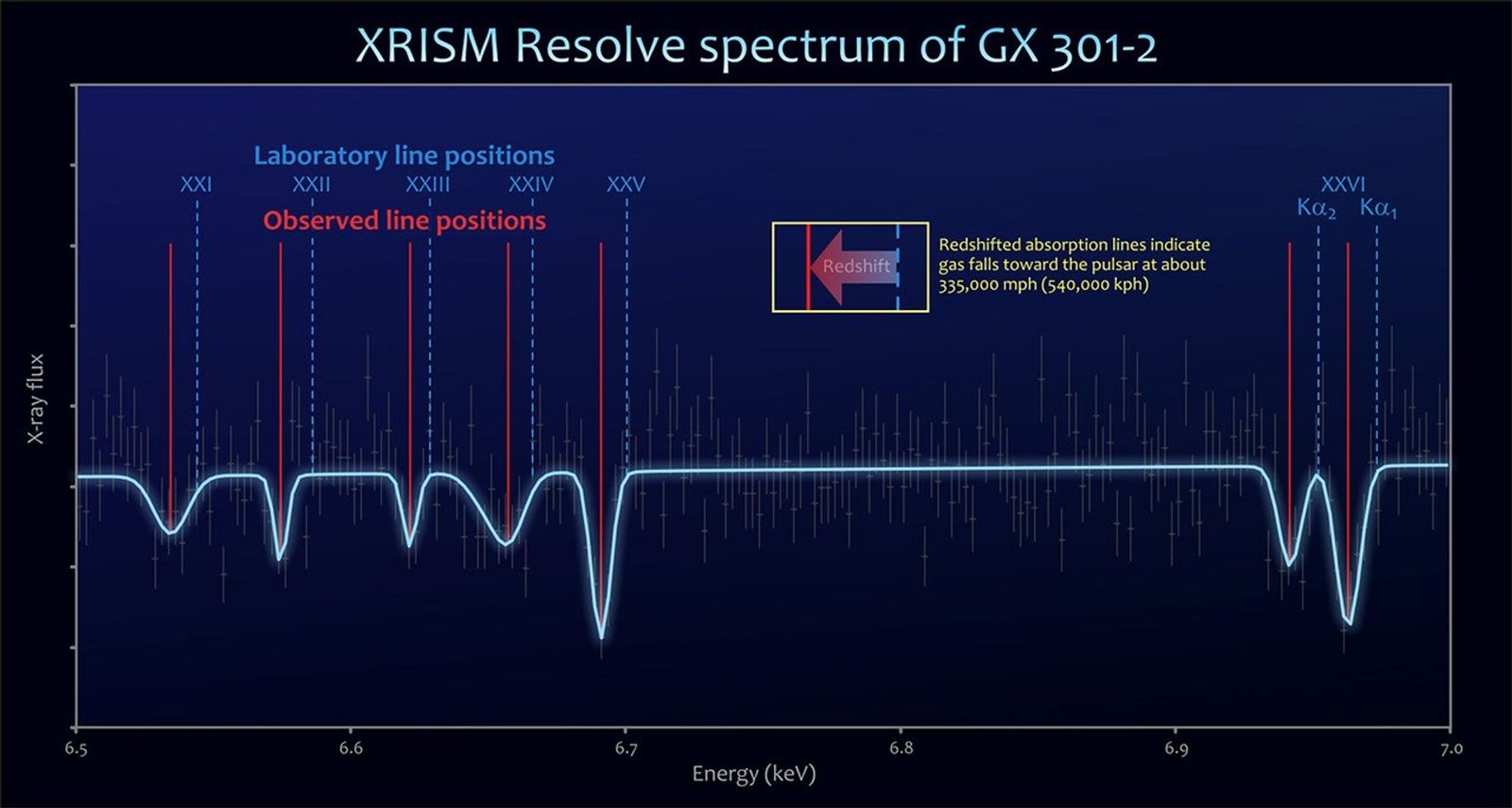
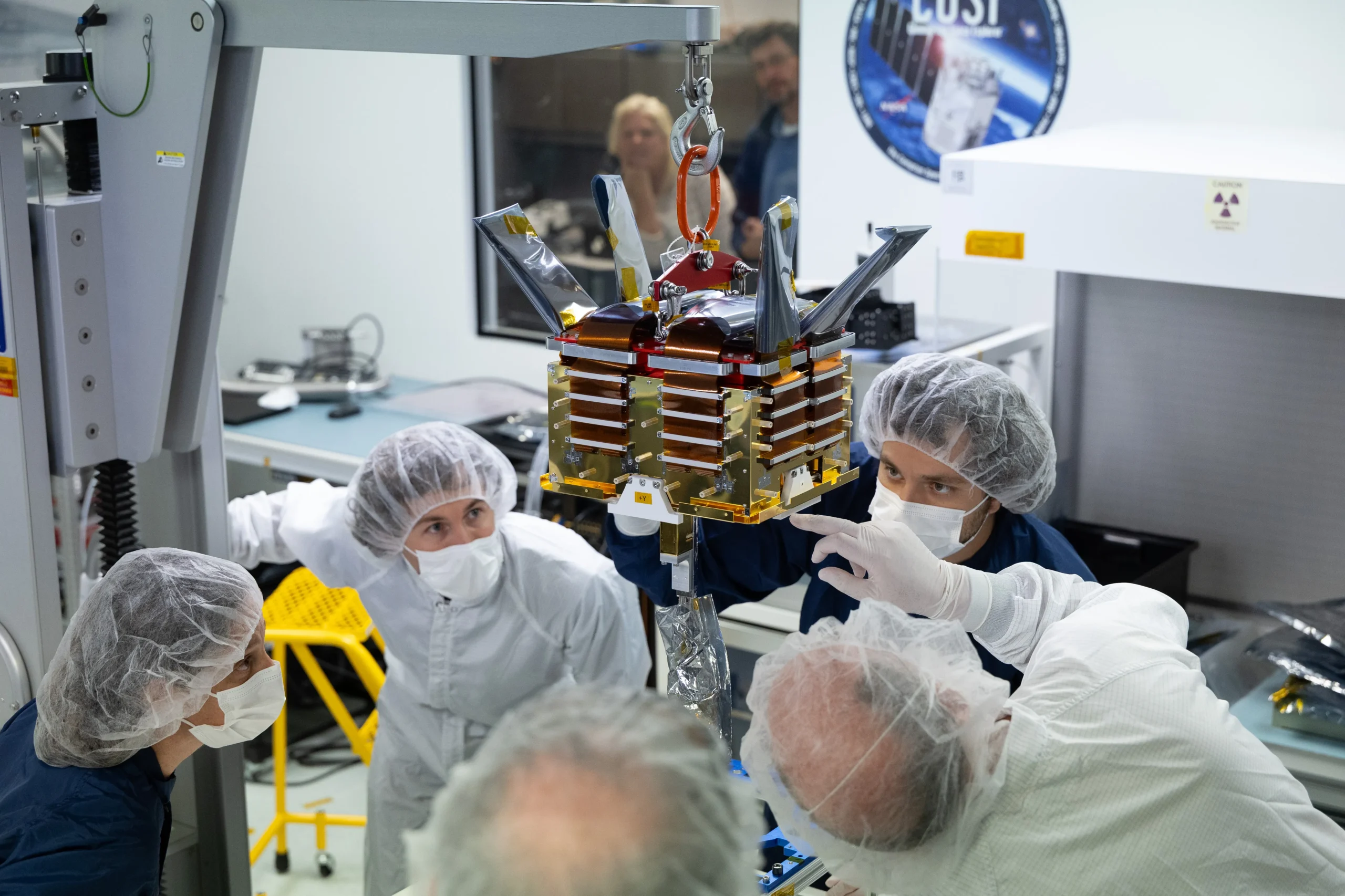
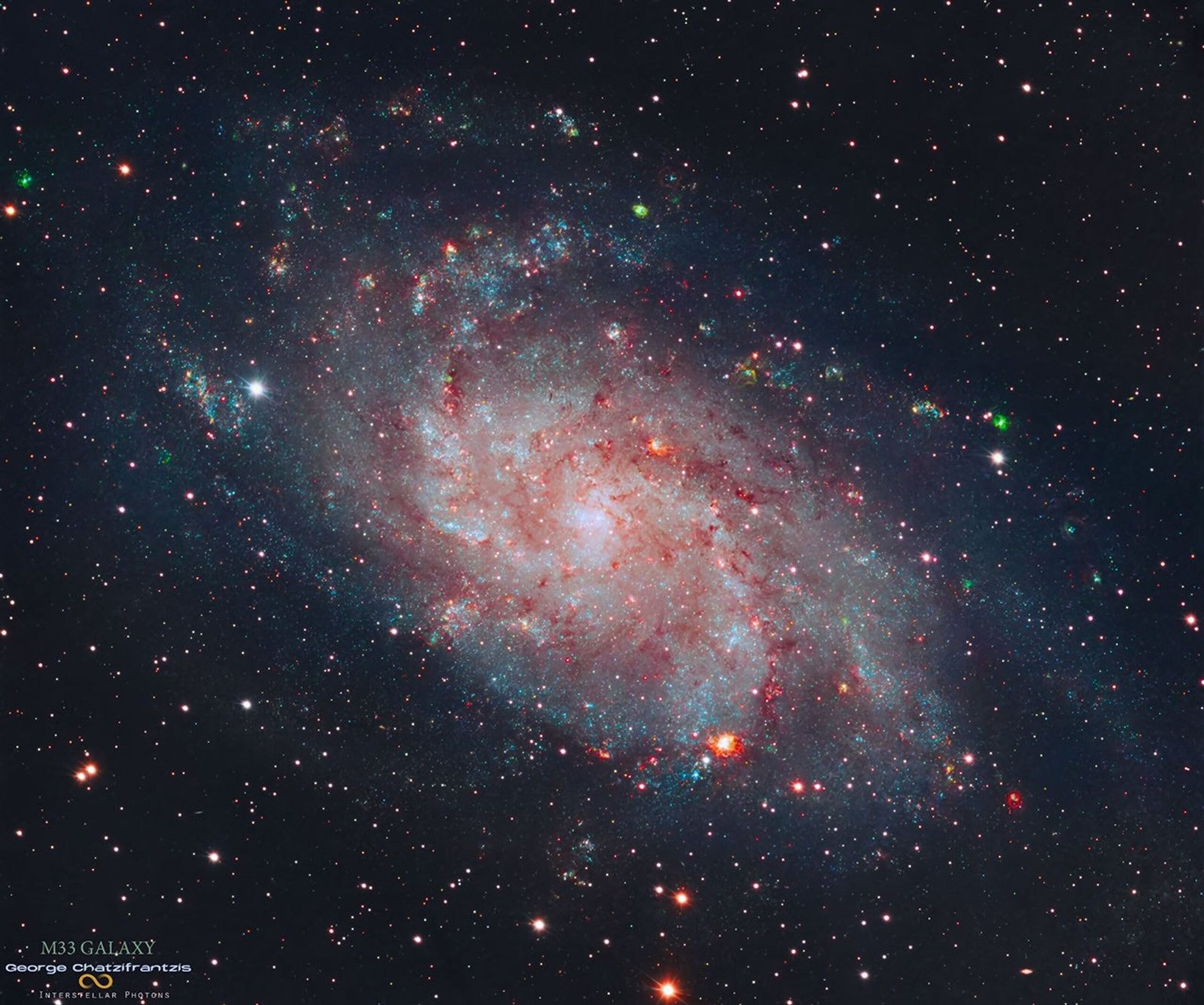
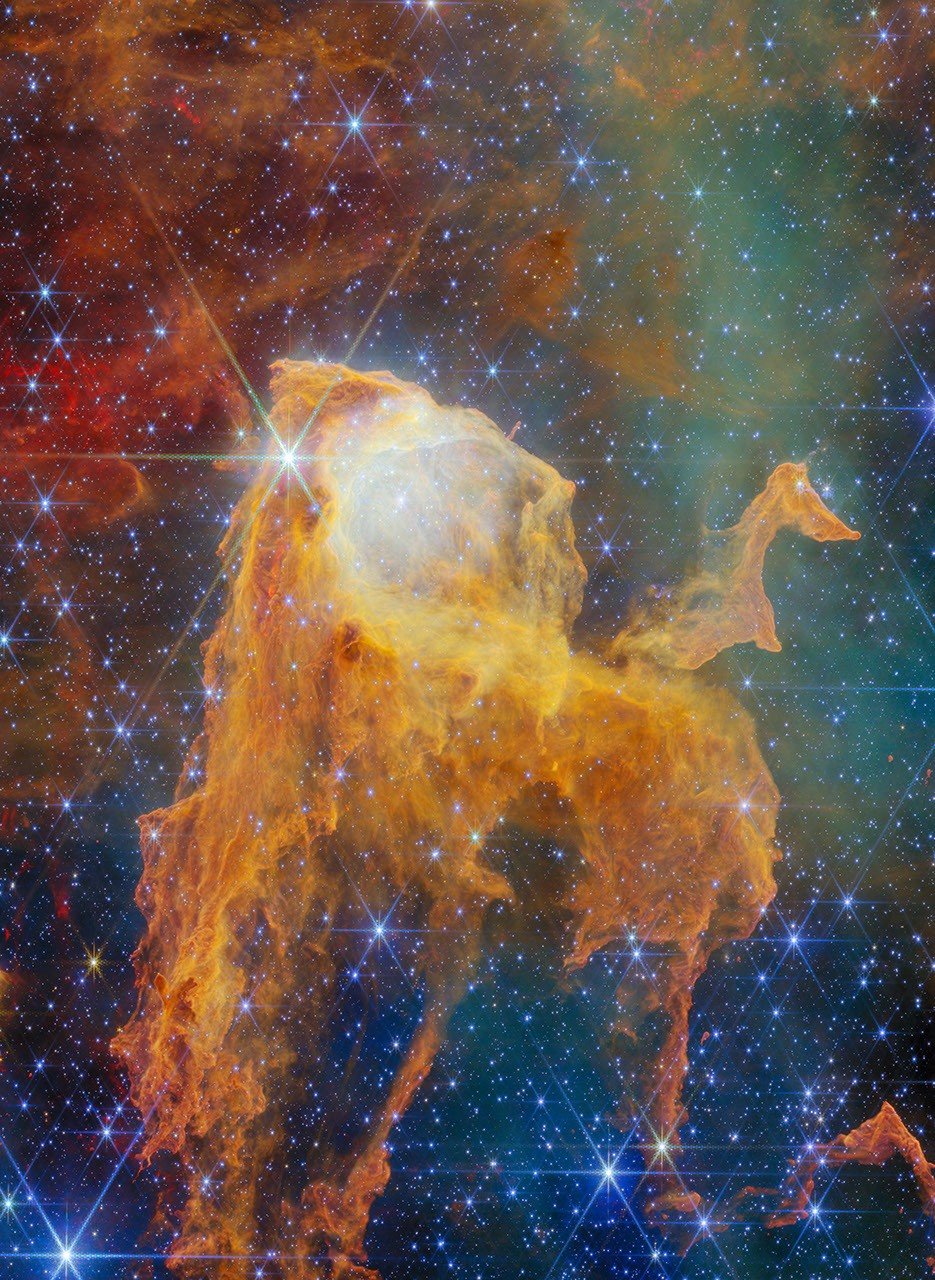
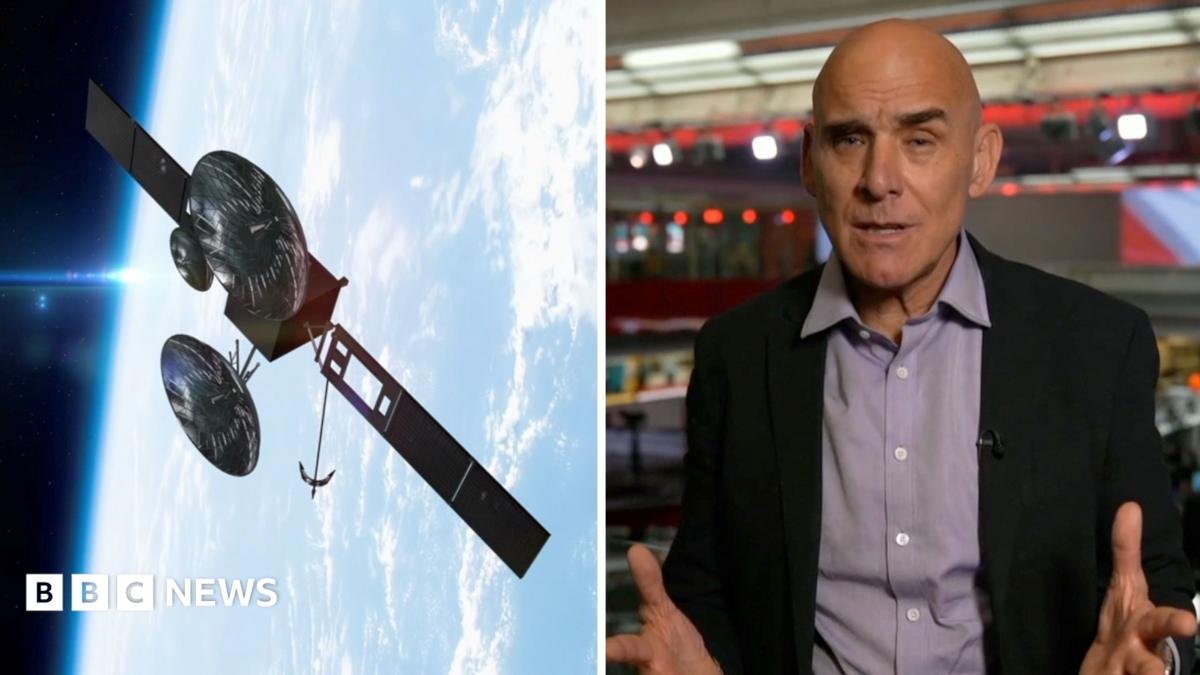
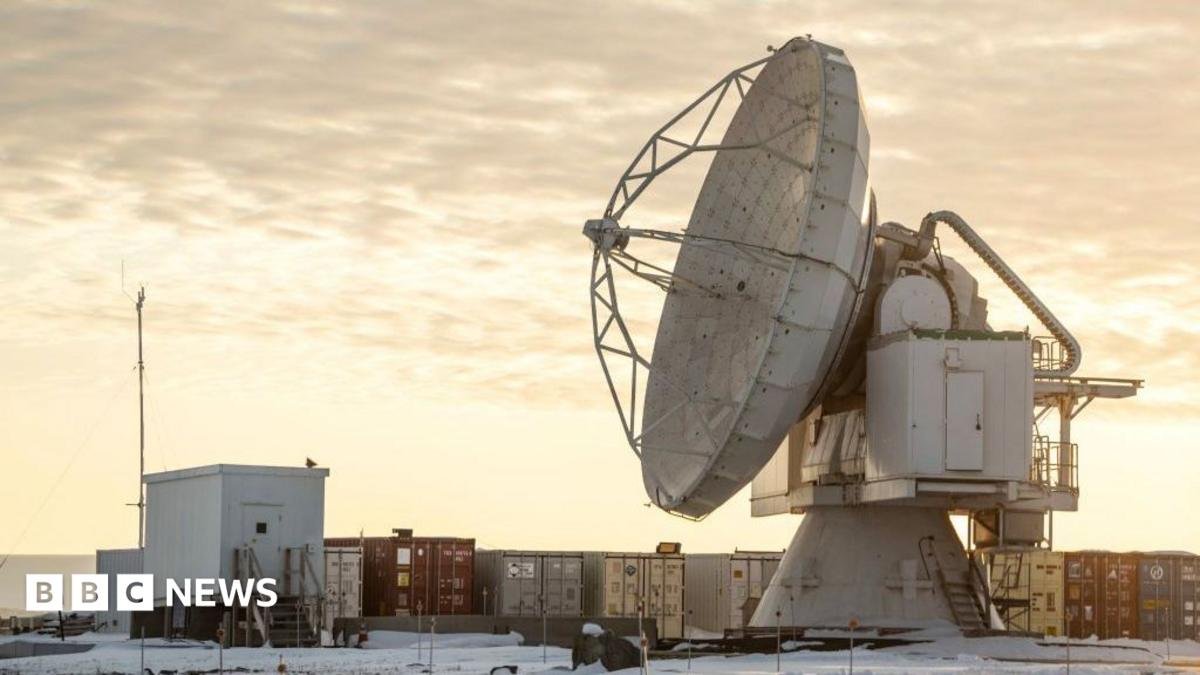
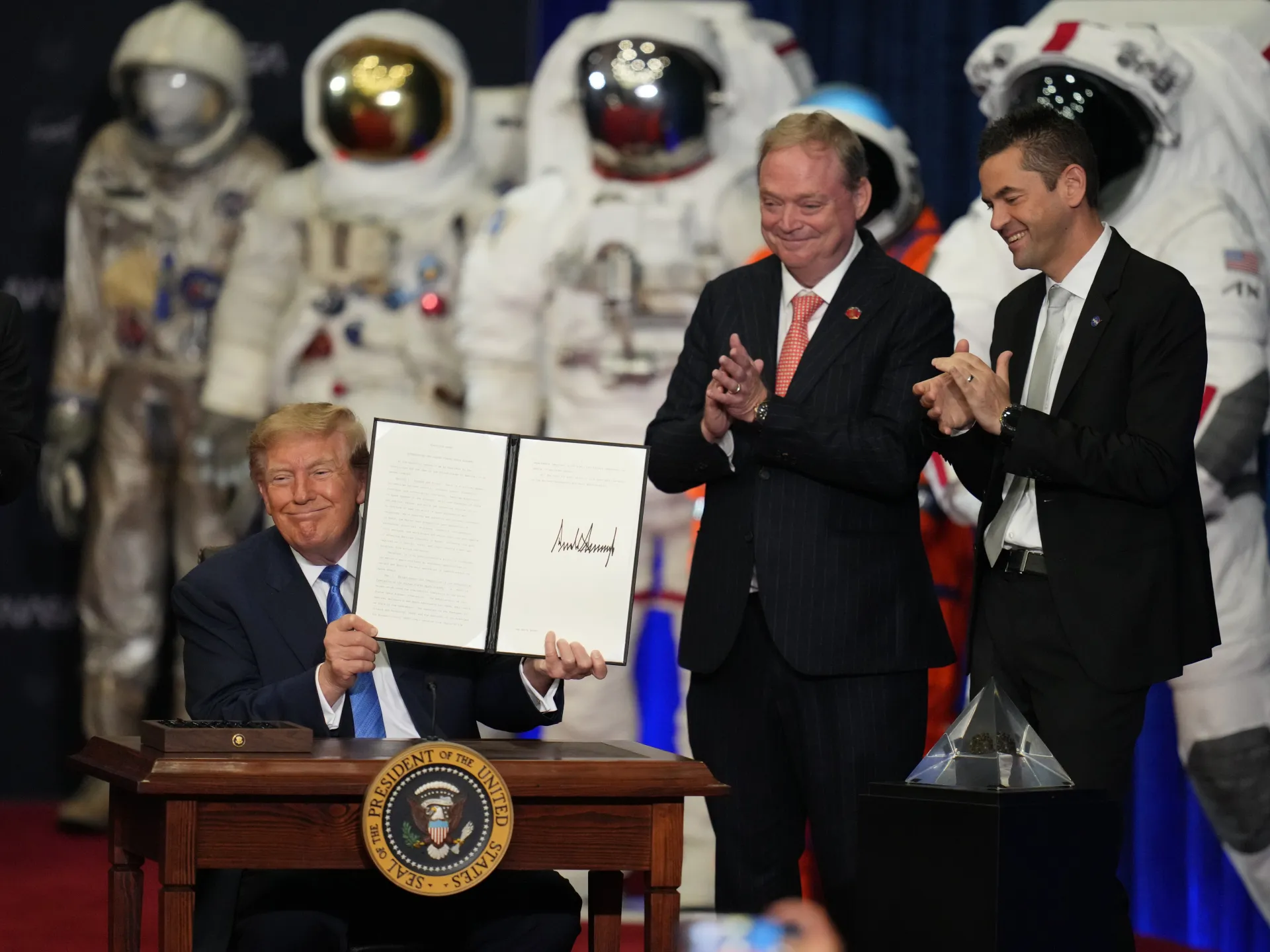
Simultaneously, pockets of international cooperation continue to exist, albeit outside the direct scope of the Security Council’s political baggage. Recent partnerships in scientific and space exploration, such as the ongoing collaboration between NASA and the Japanese Aerospace Exploration Agency (JAXA) regarding the Artemis Accords and lunar exploration, highlight a model of technical cooperation that remains insulated from the current political volatility. These ventures underscore that while the political layer of international relations is failing, cooperative efforts in scientific and technological domains continue to thrive, serving as a reminder that global integration is still possible when the focus shifts away from power politics toward shared goals.
In the near term, the UN is expected to face significant pressure to implement emergency austerity measures to prevent a total cessation of vital services. The political deadlock within the Security Council is unlikely to break in the coming months, as the interests of the permanent members remain fundamentally misaligned. Observers anticipate that the debate over structural reform will intensify, with more nations beginning to explore bilateral or regional security arrangements that circumvent the UN entirely. Unless there is a dramatic shift in the willingness of major powers to compromise on their veto-wielding interests or pay outstanding arrears, the United Nations faces a long period of decline, potentially leading to a permanent shift in how the world handles transnational diplomacy and crisis management.