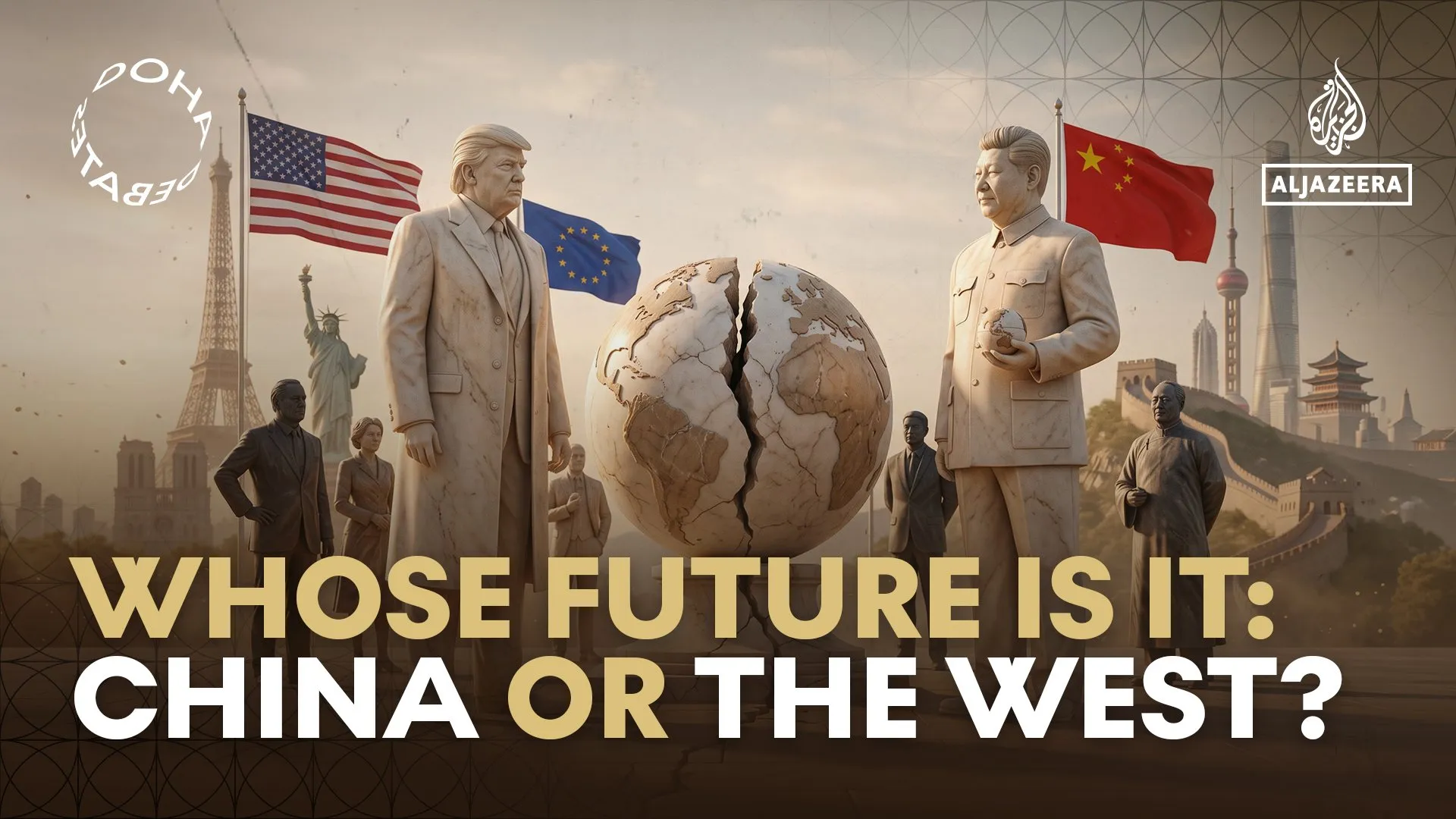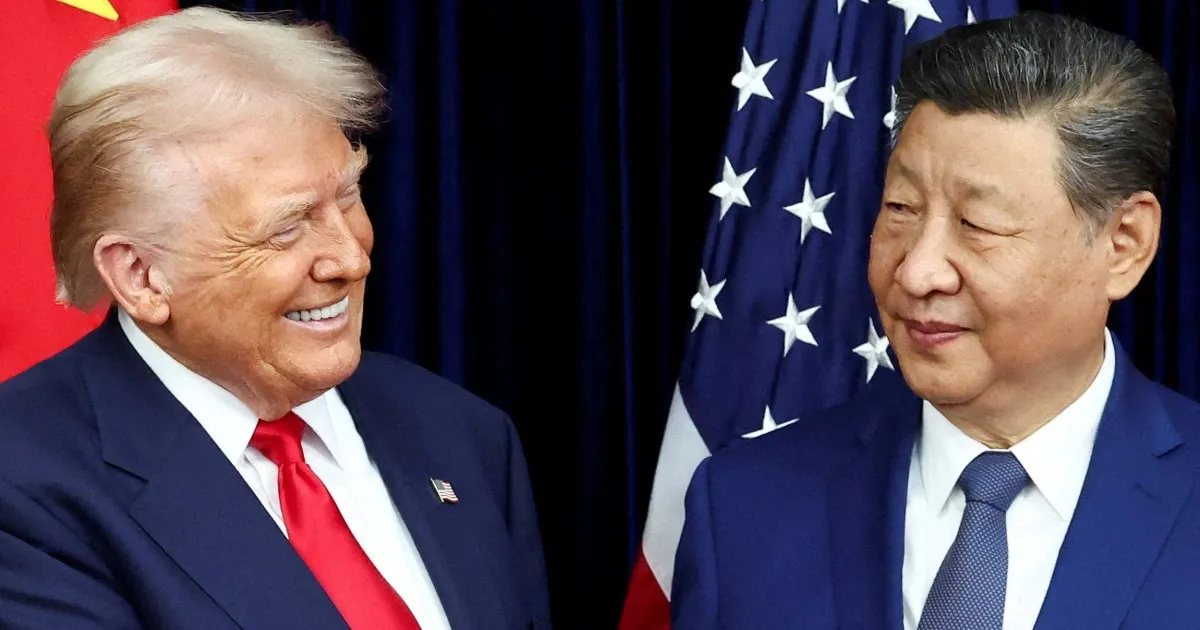
As U.S. and Chinese leaders meet to stabilize trade relations, the focus shifts from aggressive tariff threats to the formation of a board of trade.
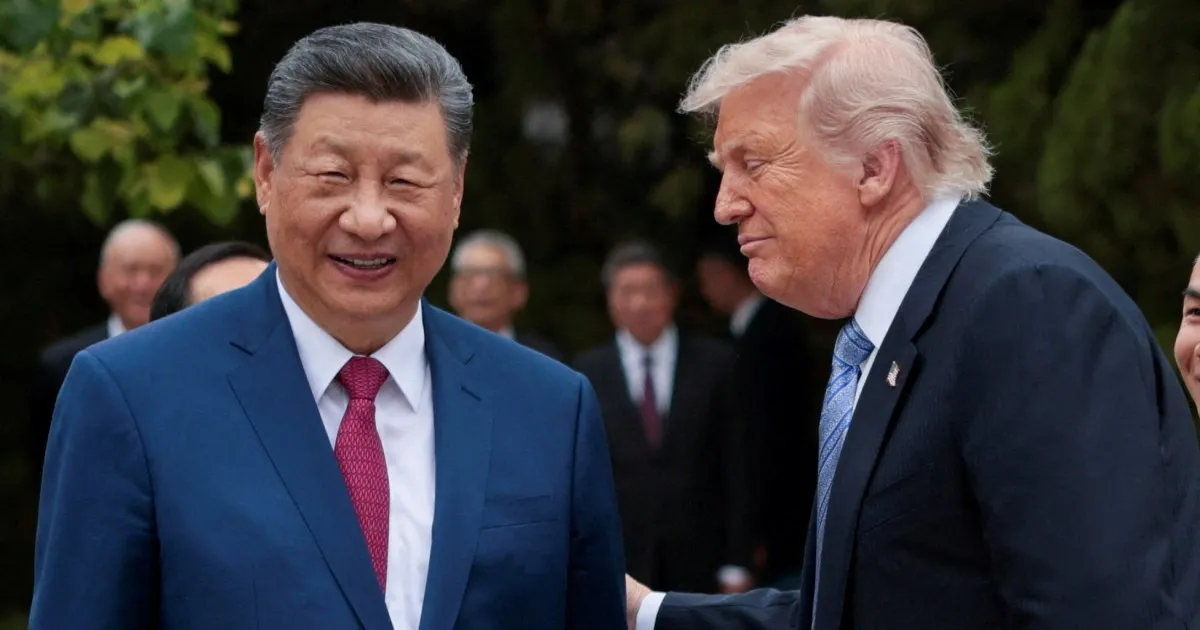
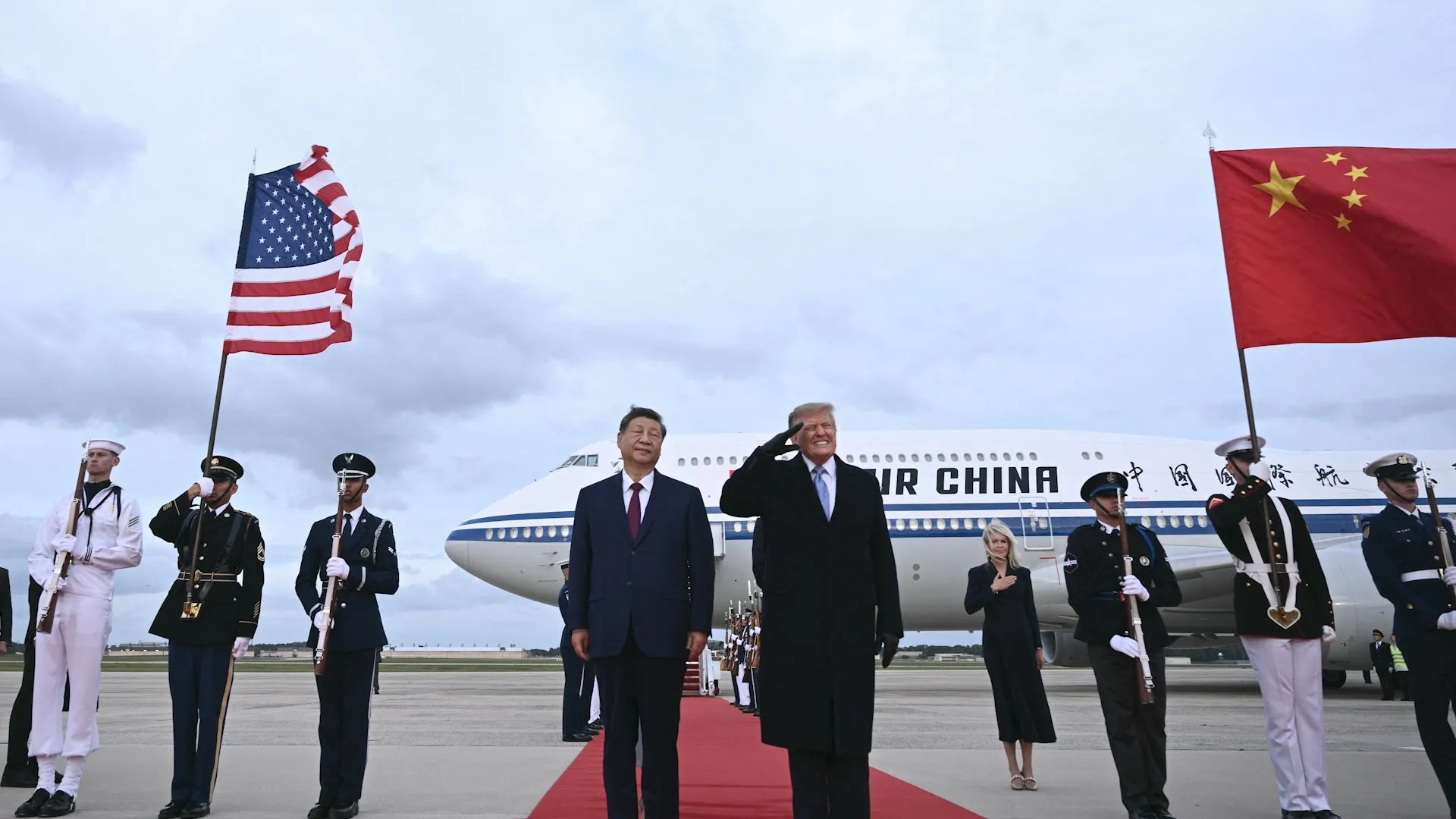
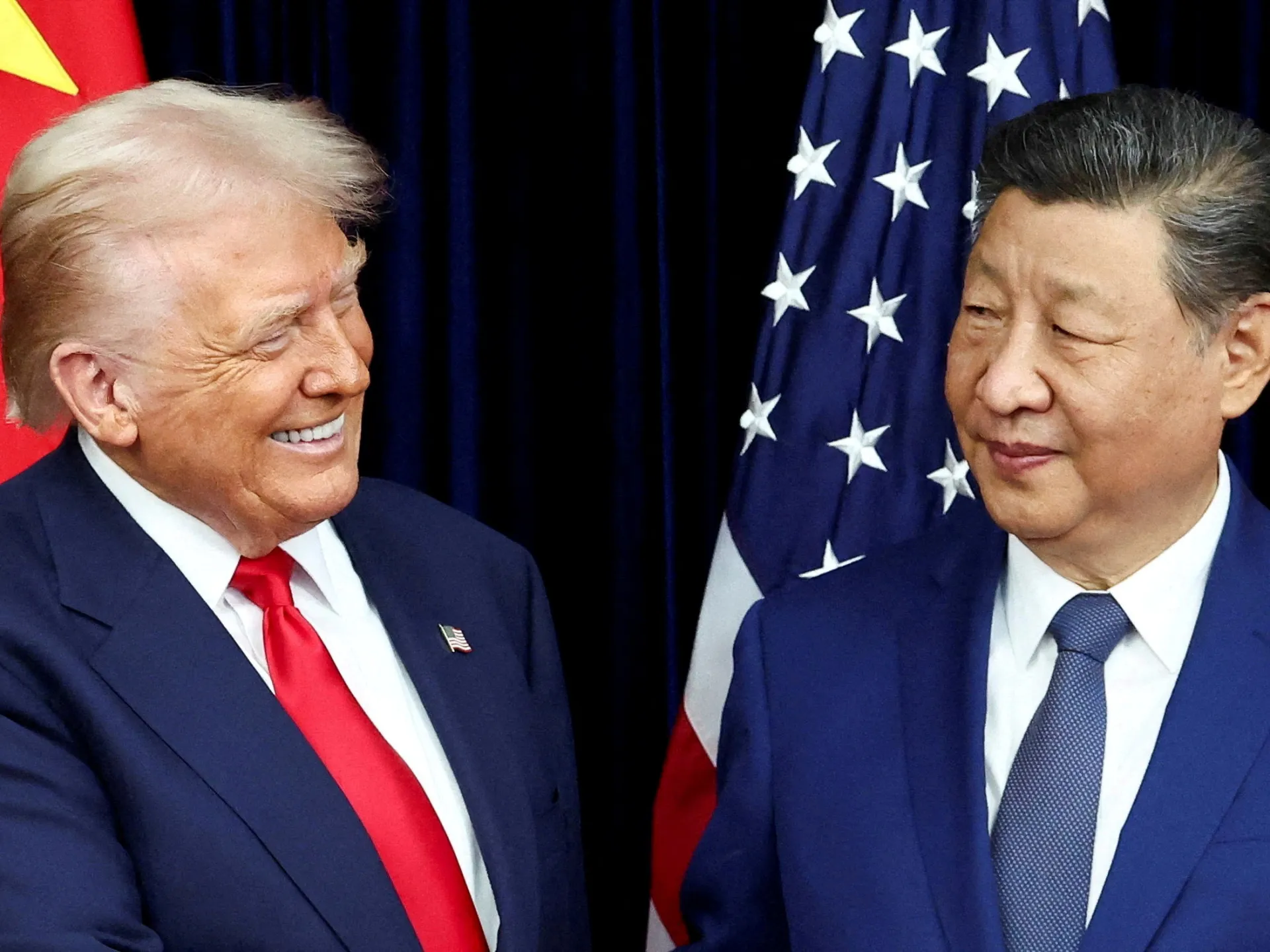
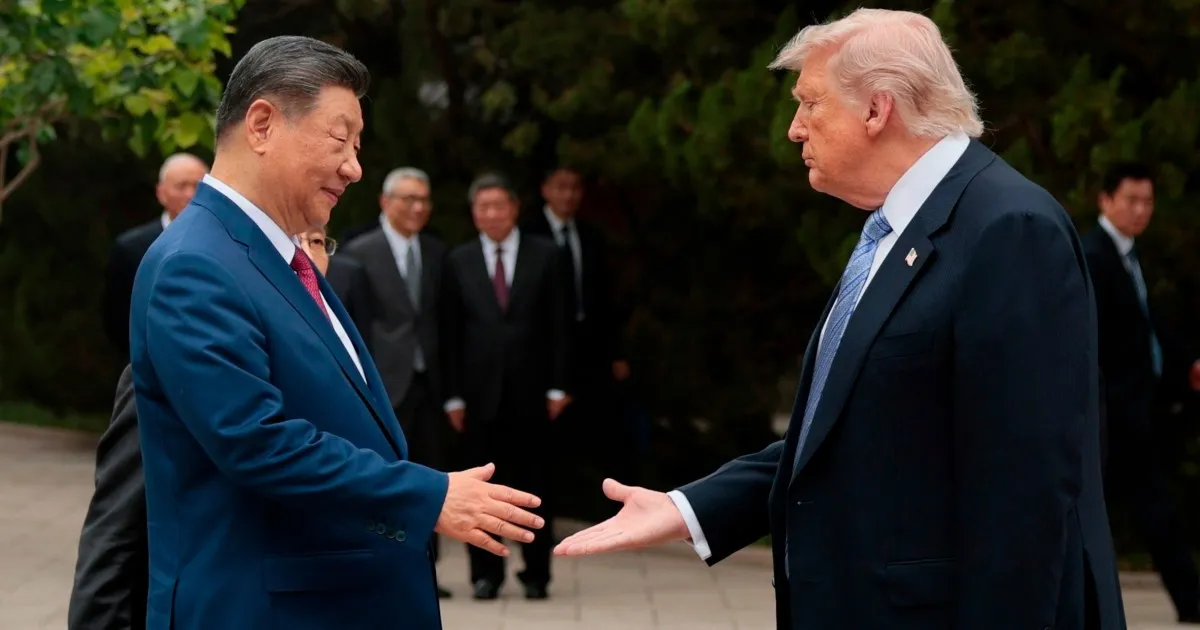
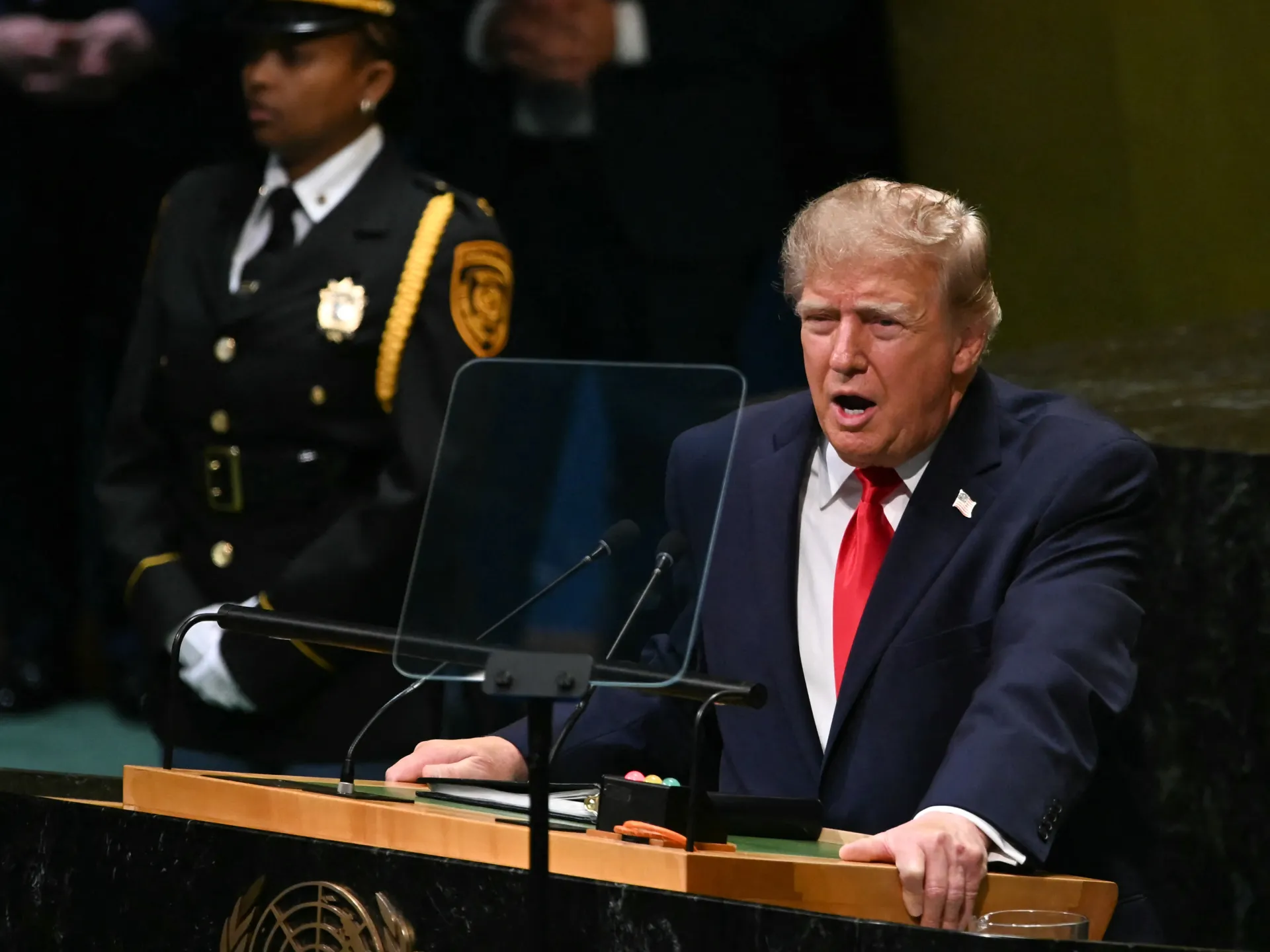
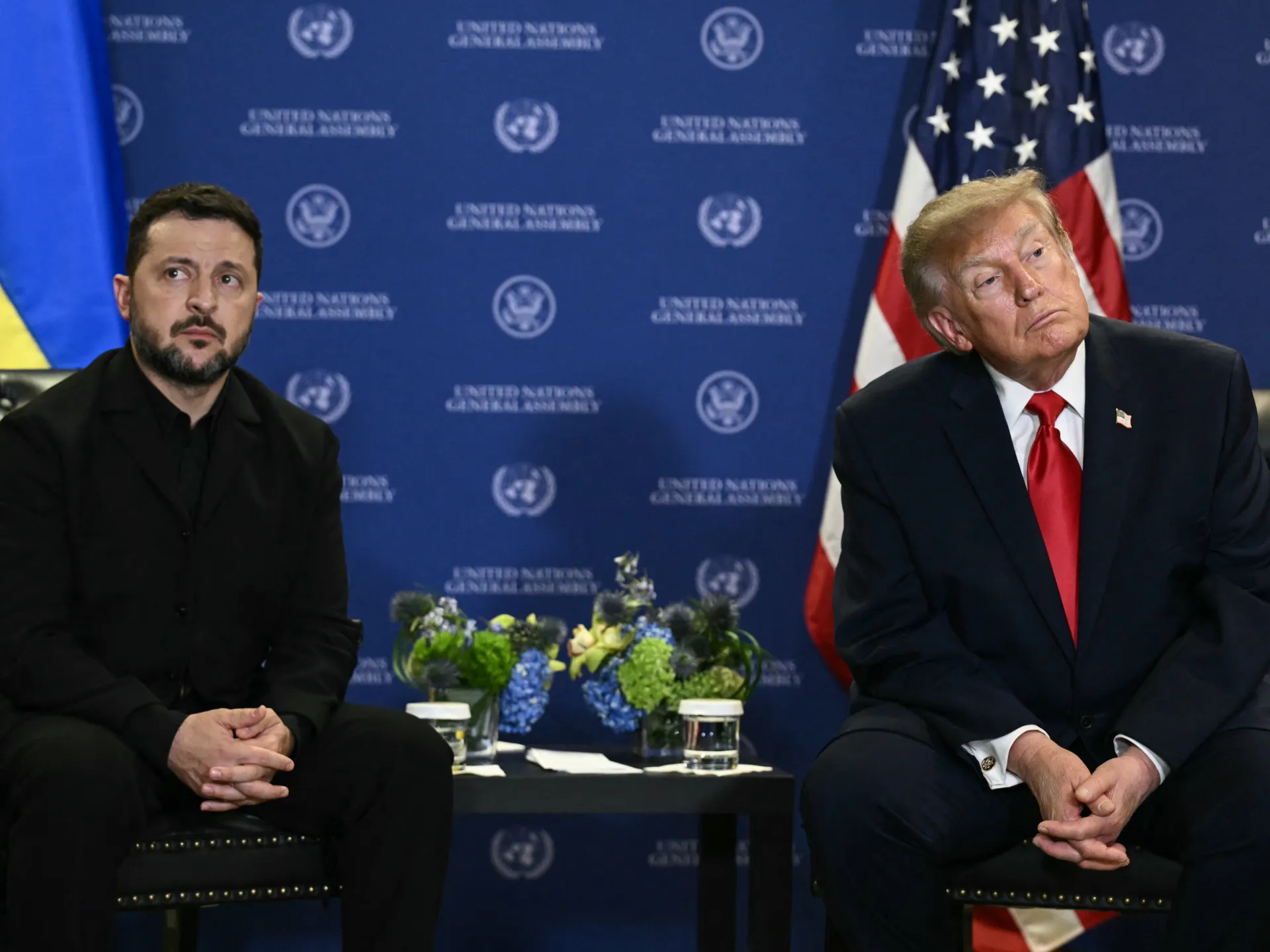
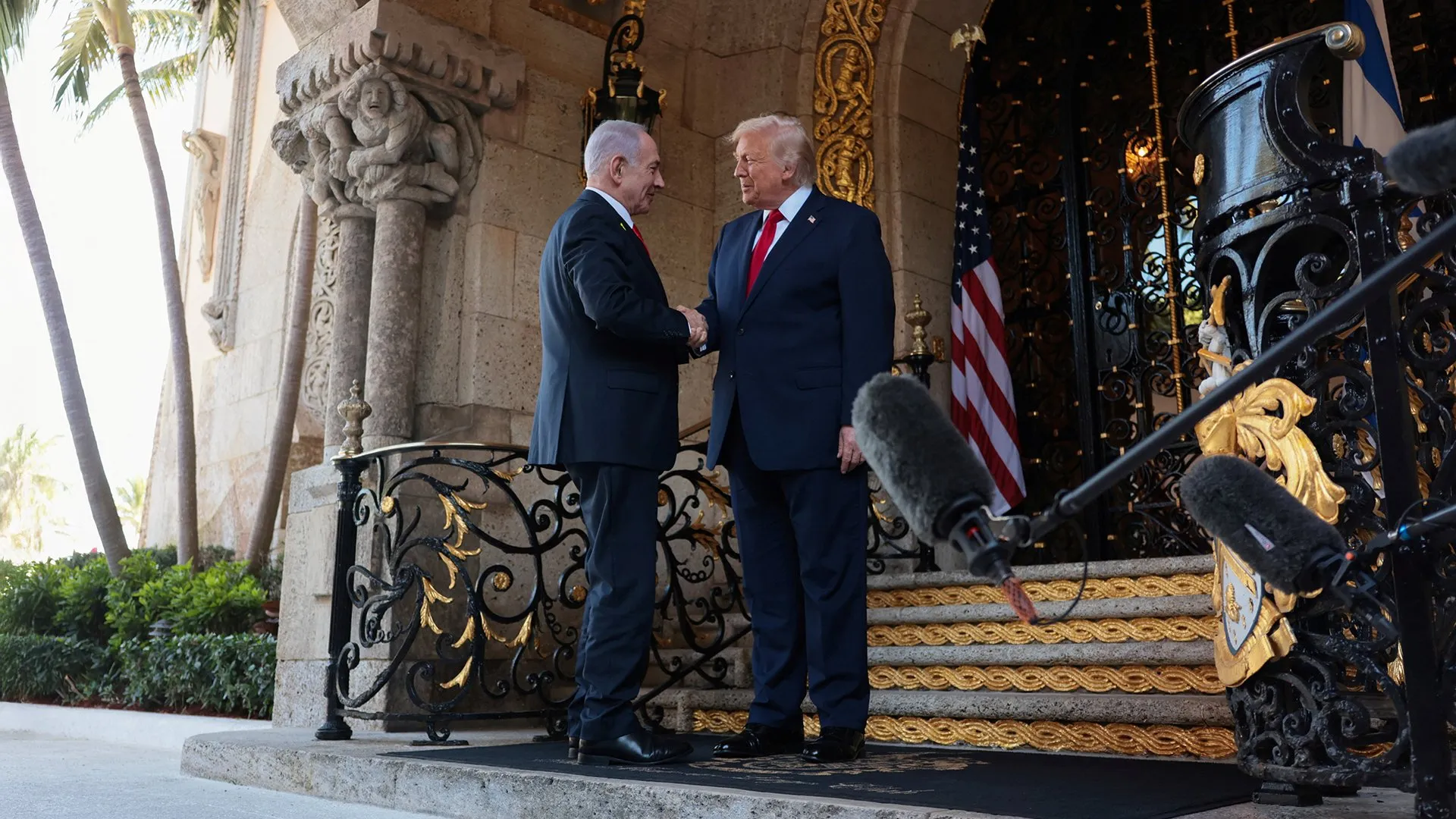
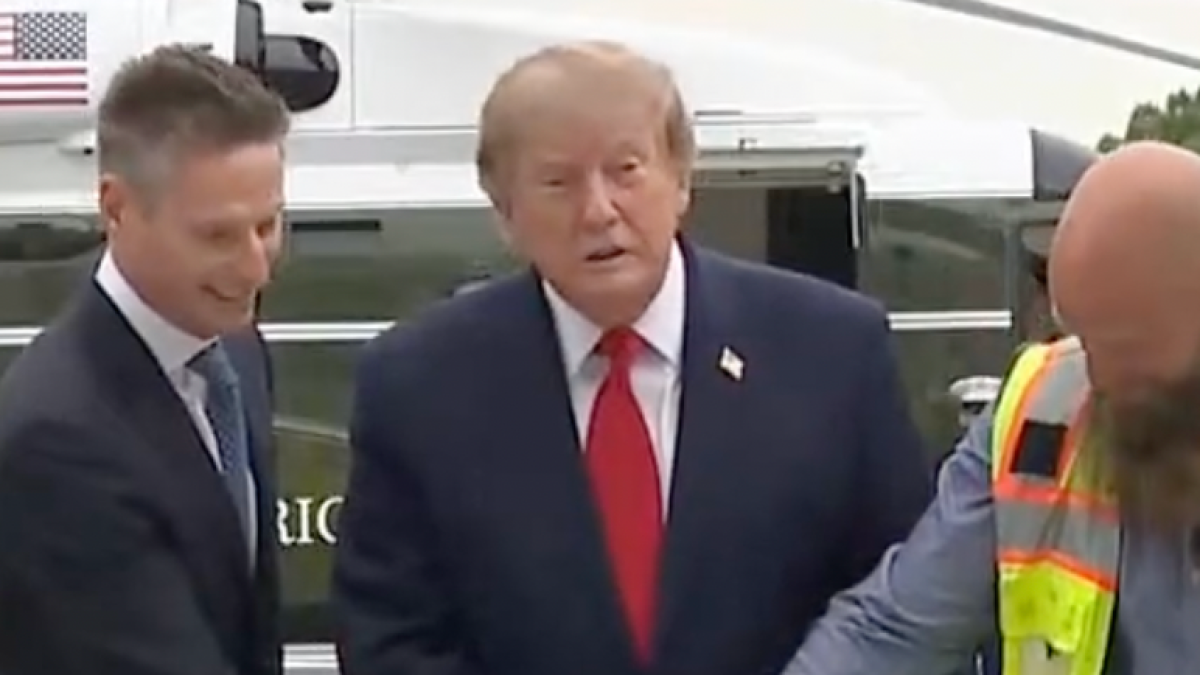
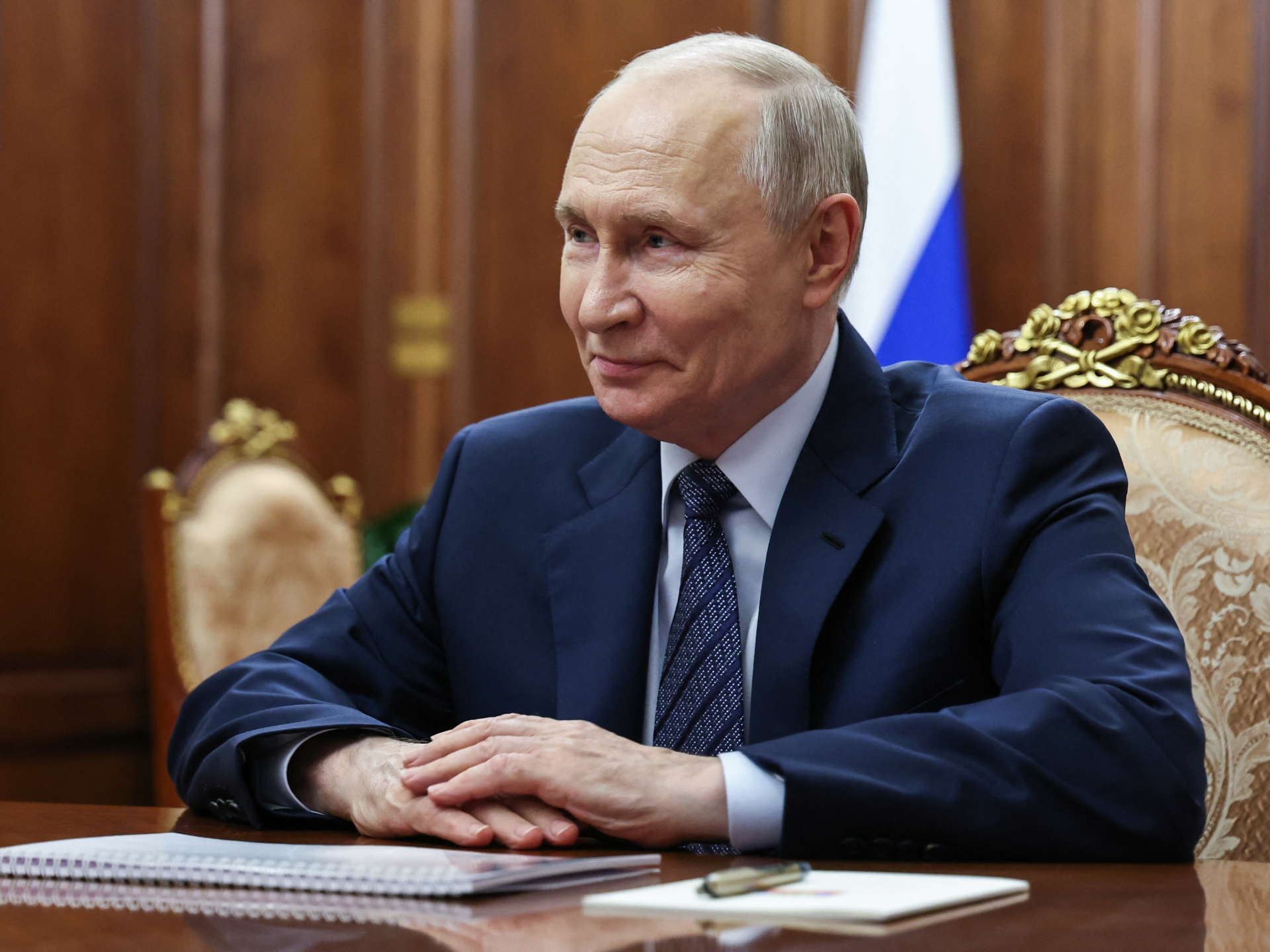
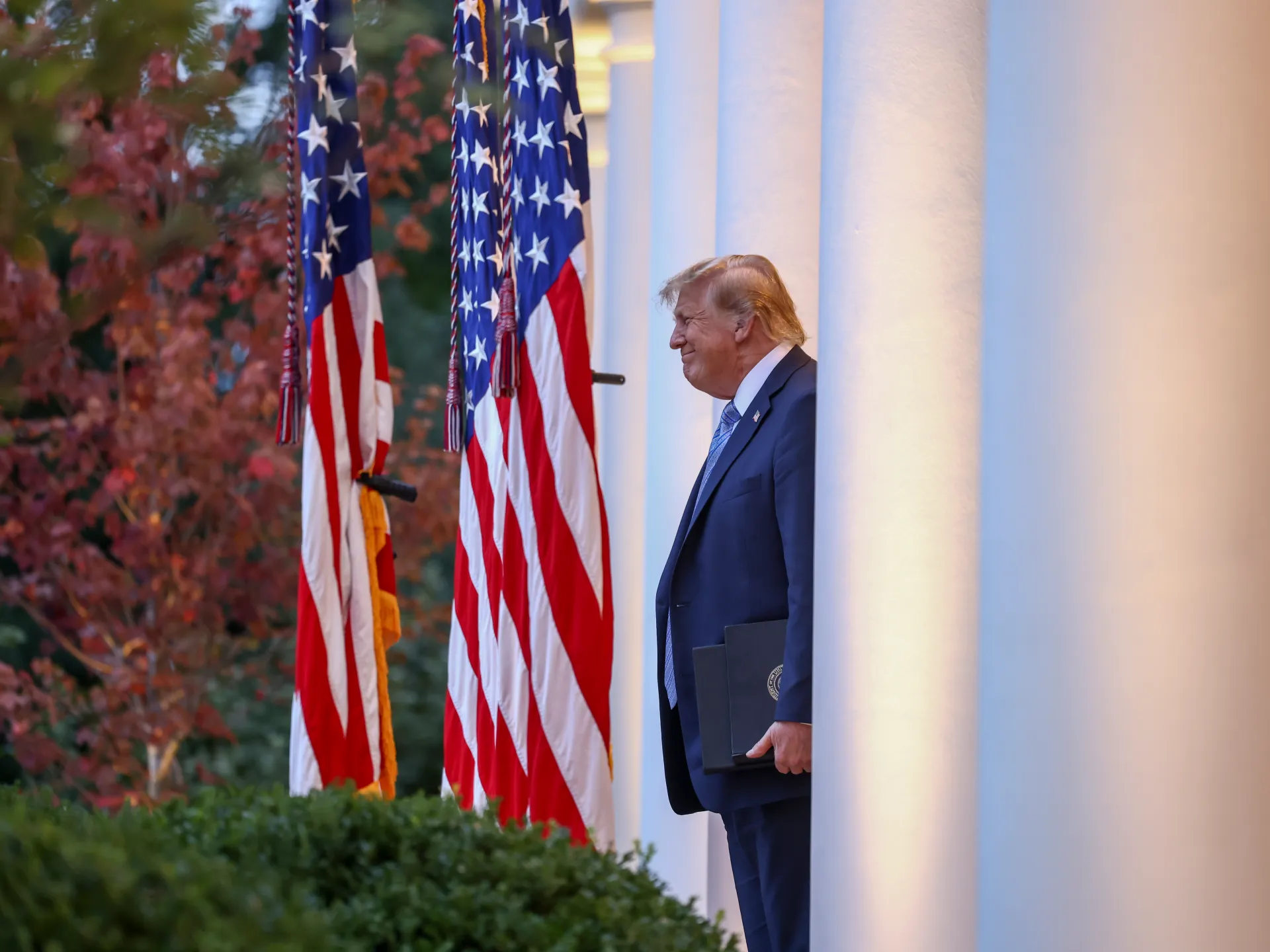
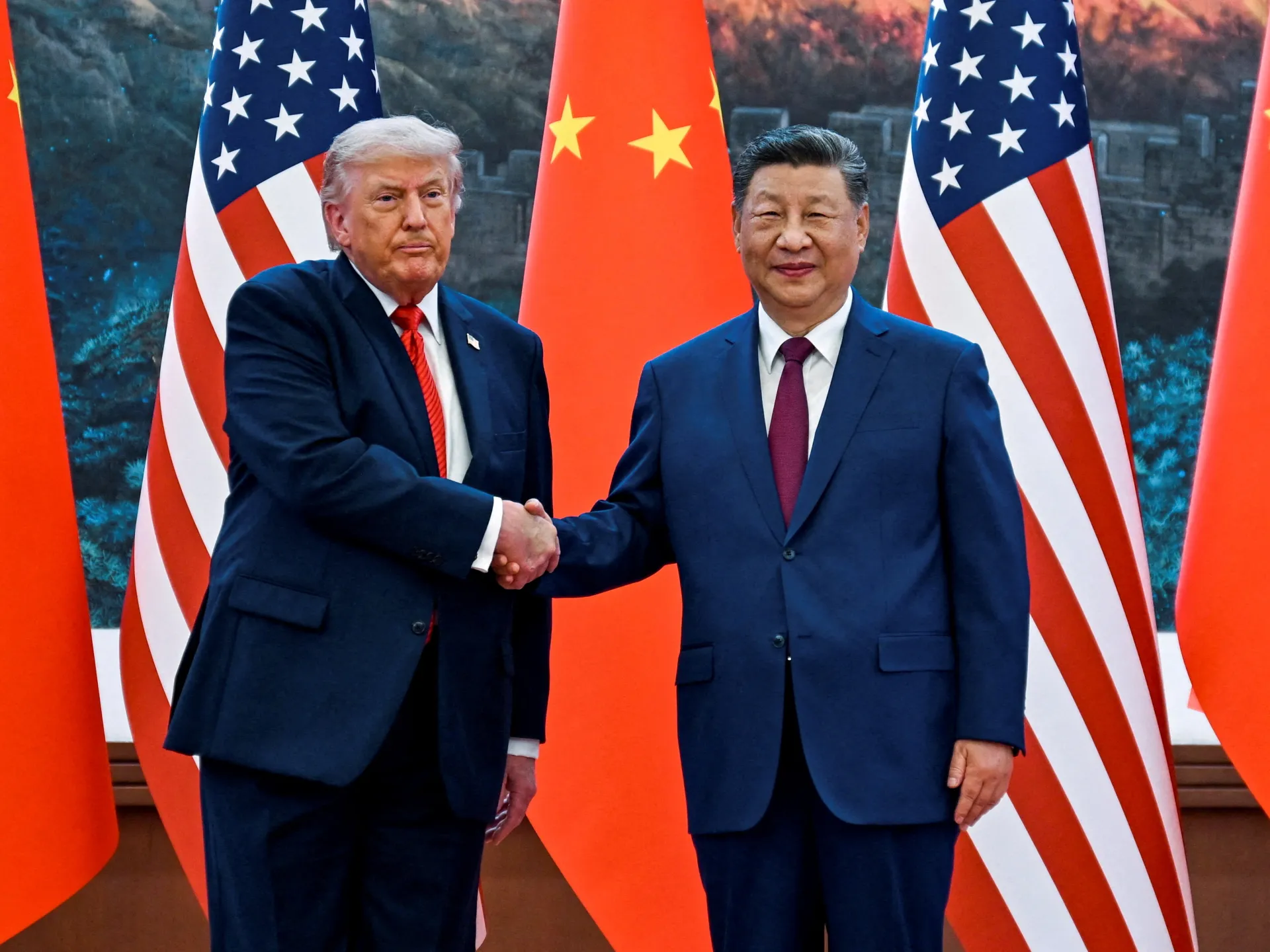
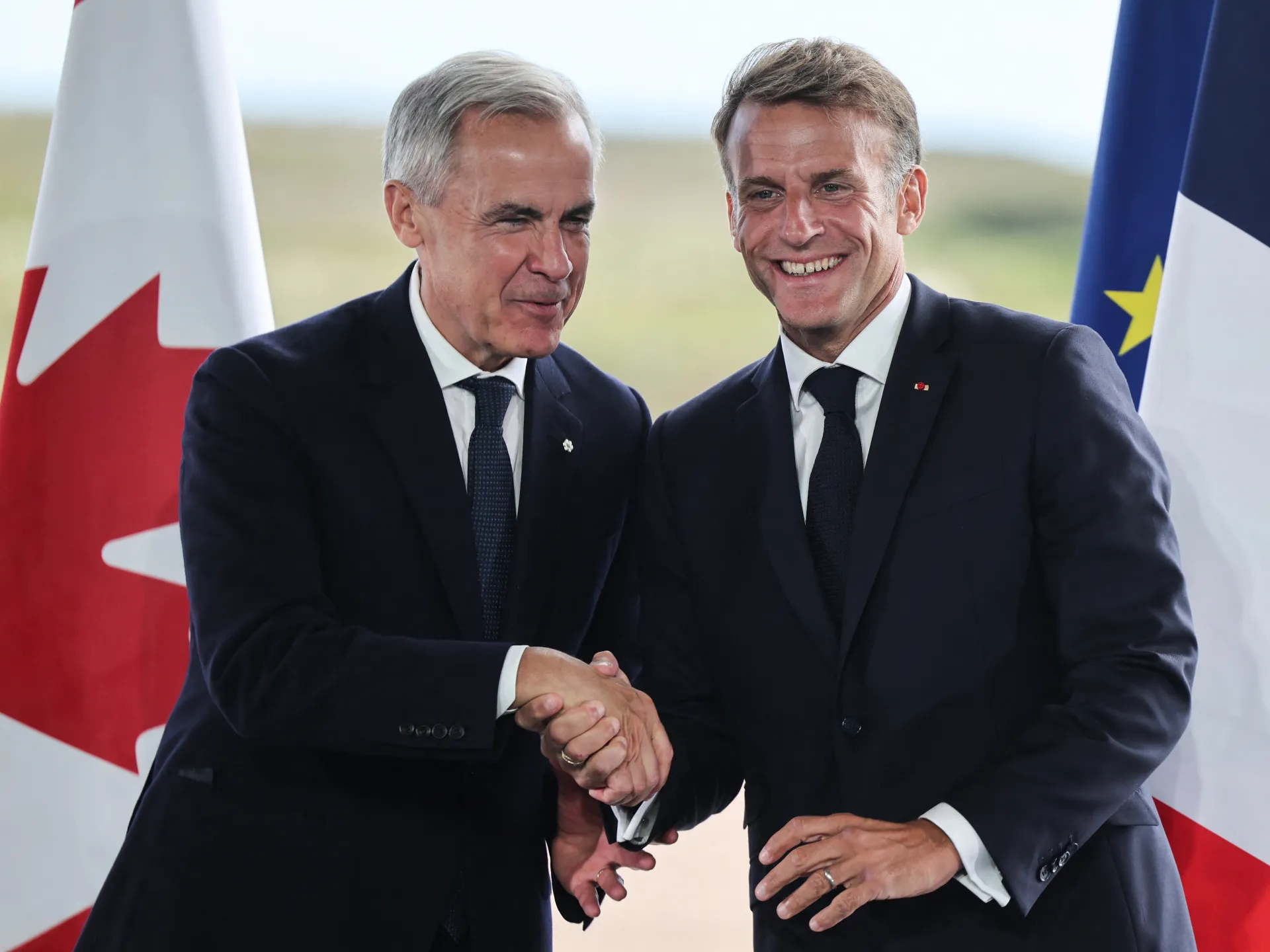
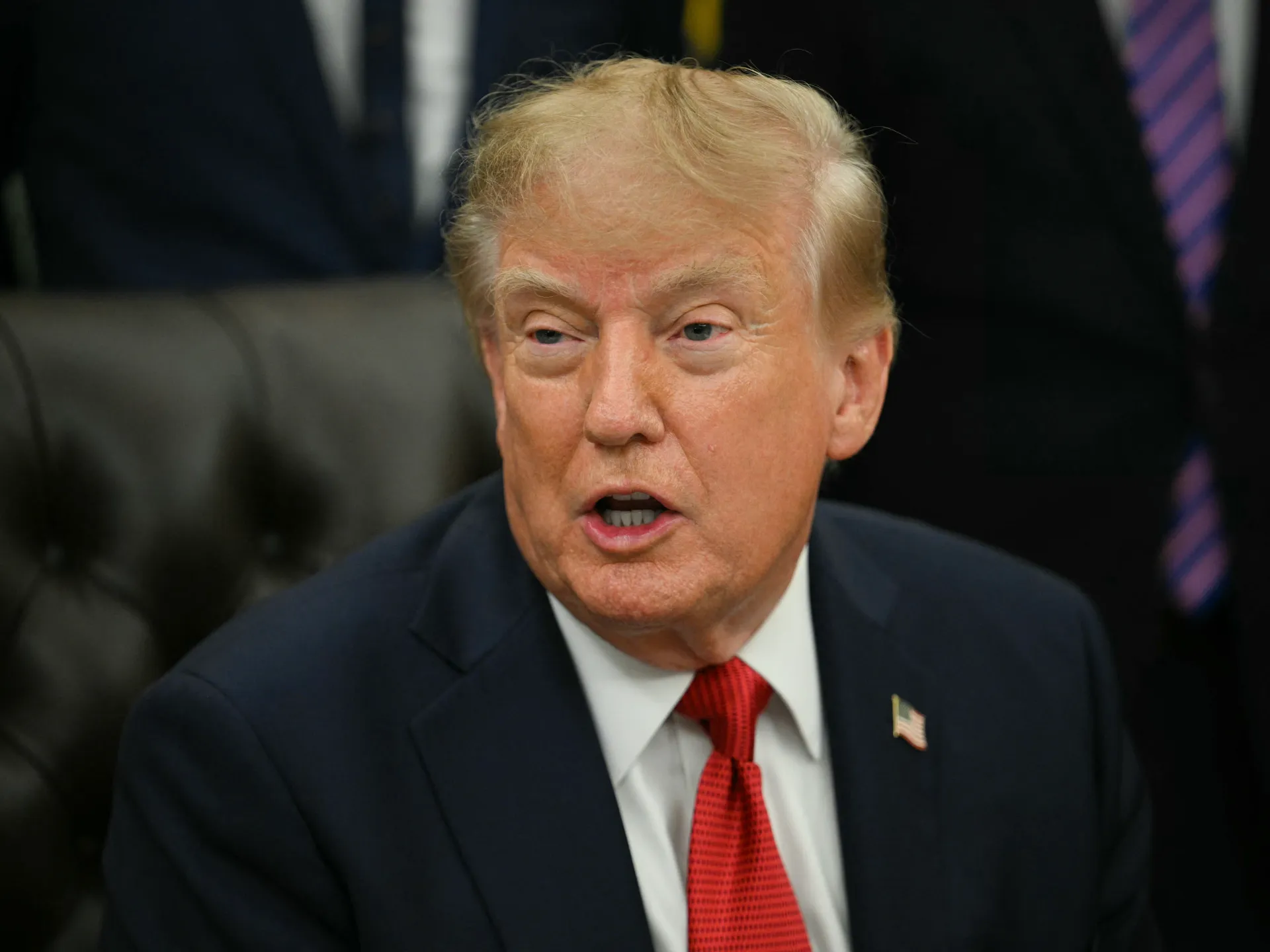
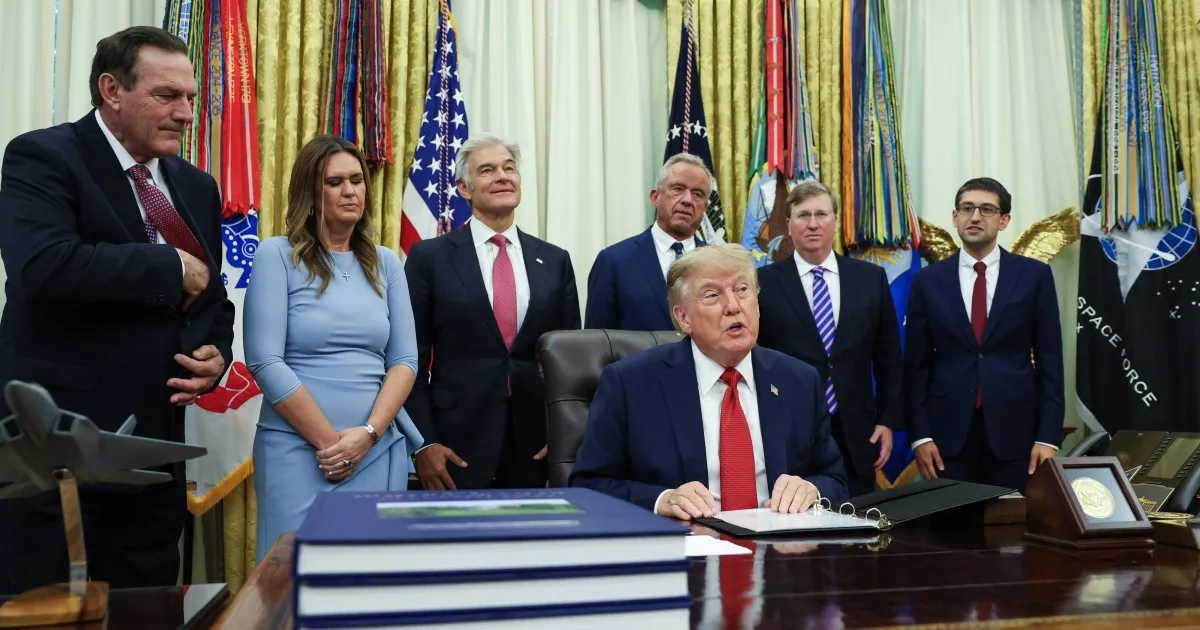
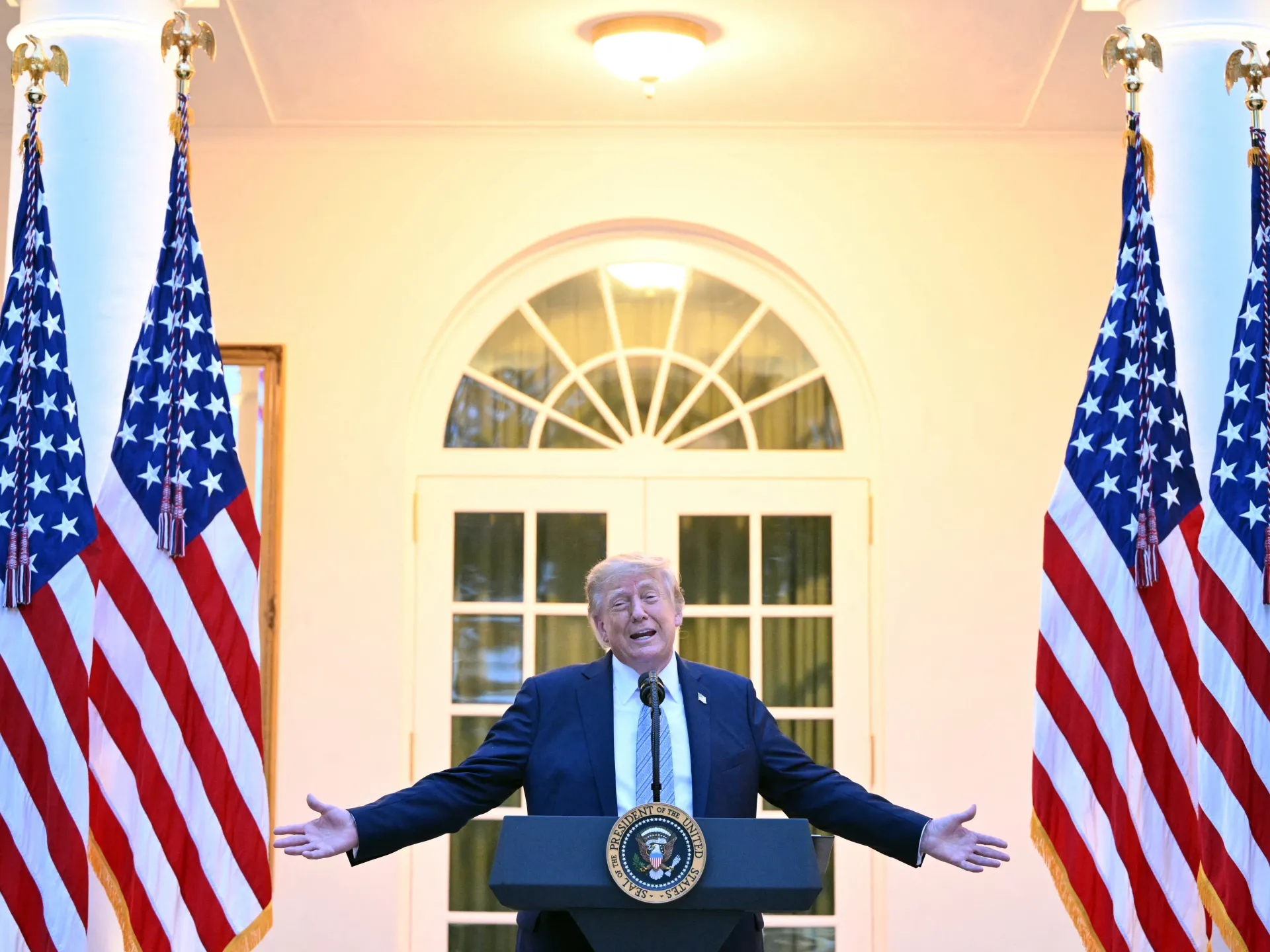
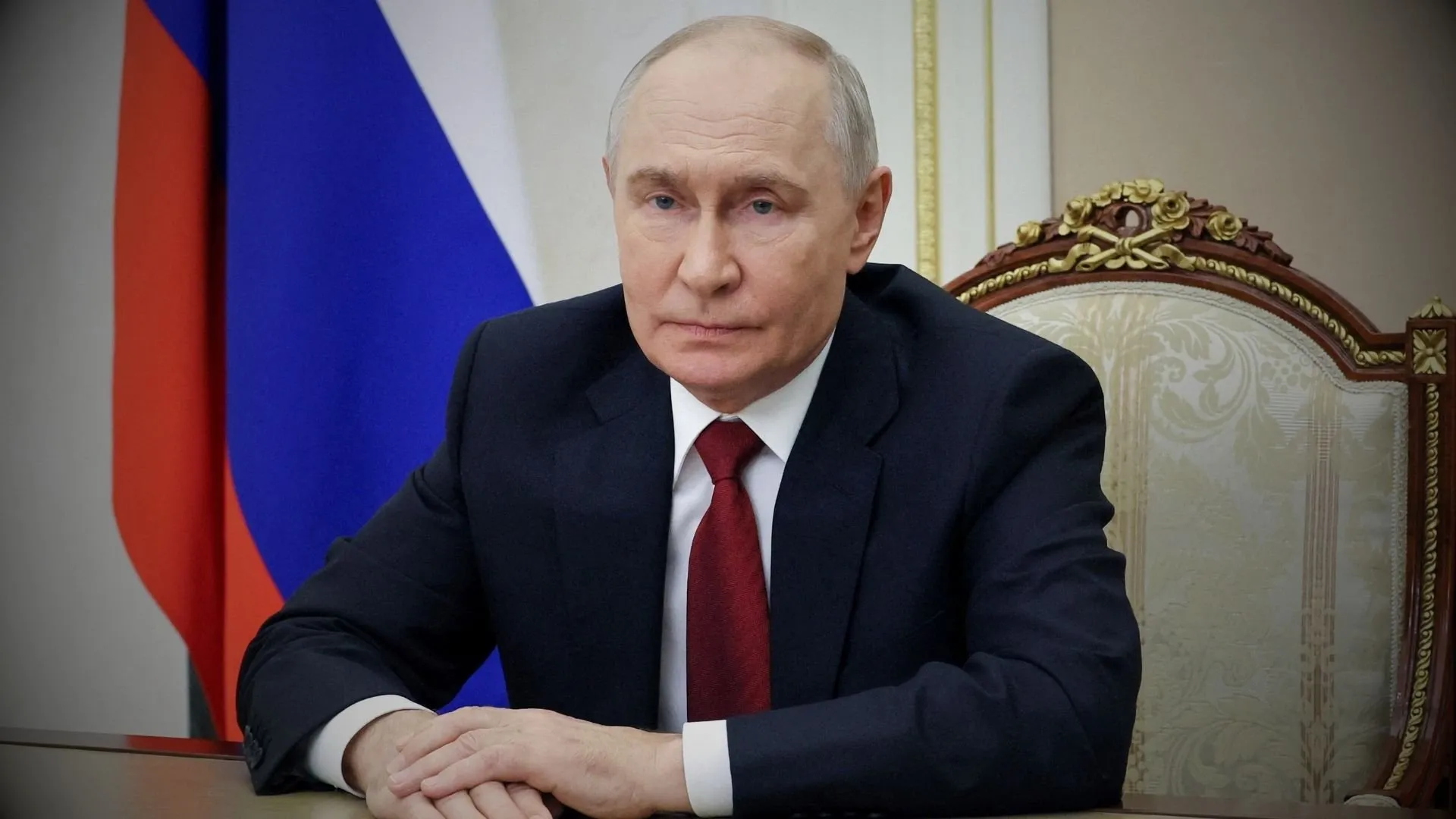
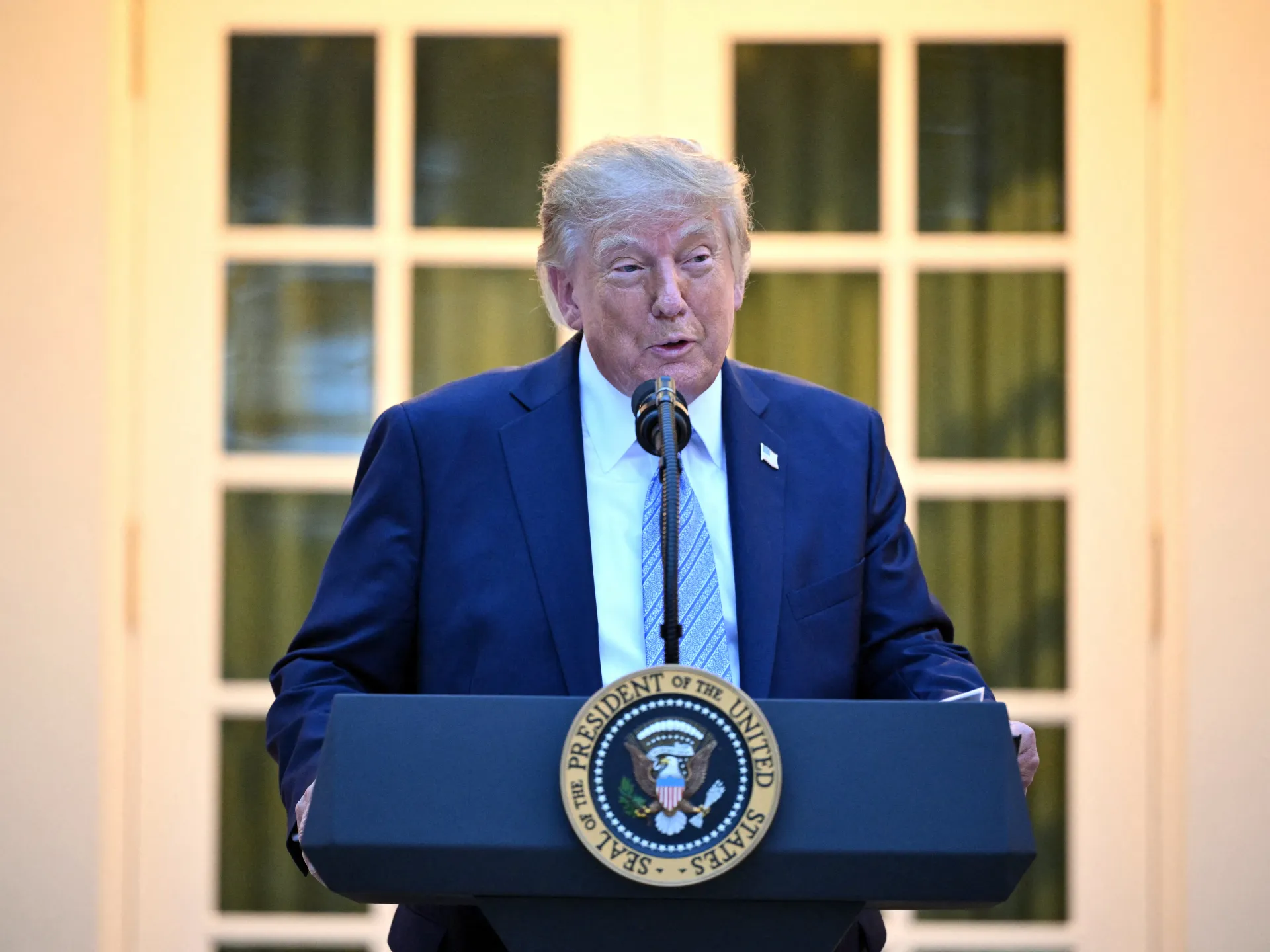
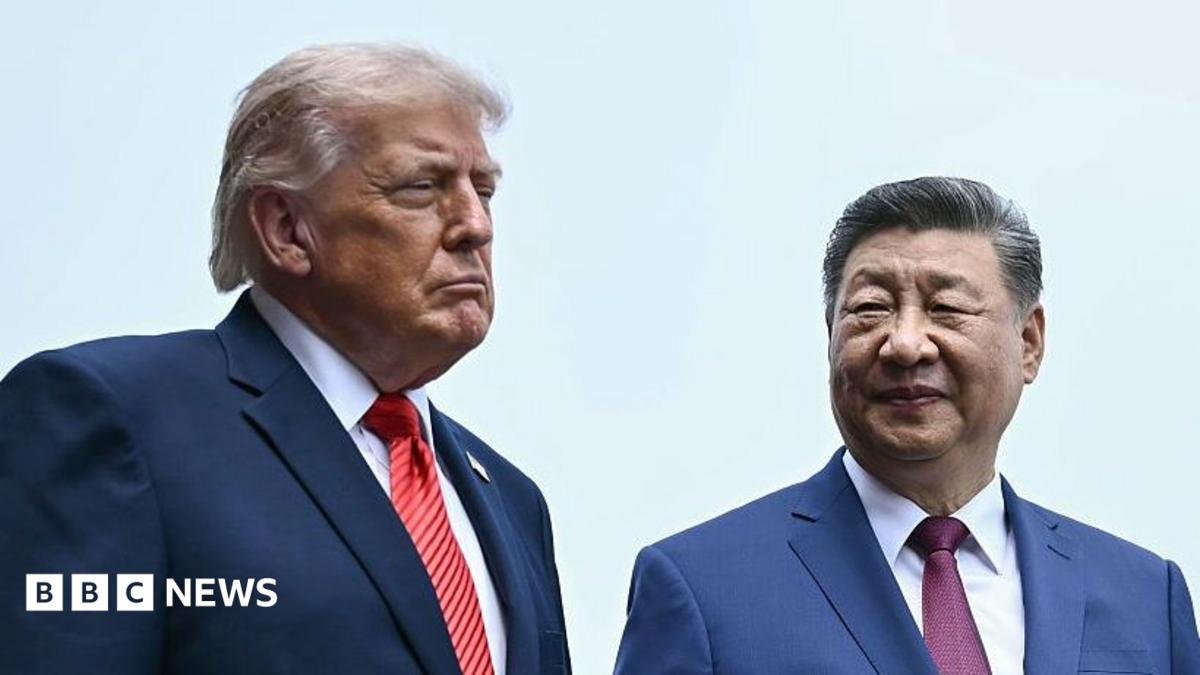
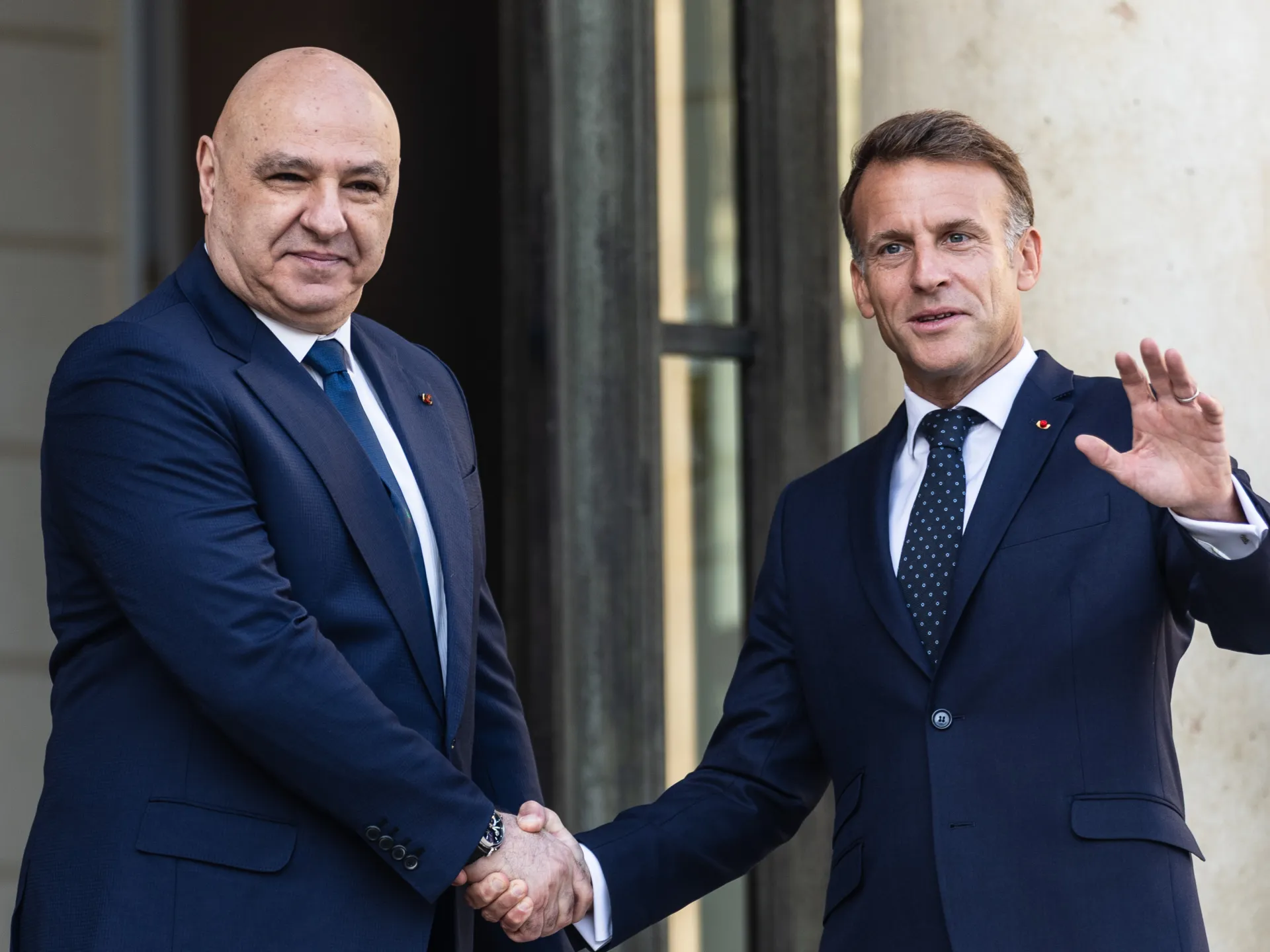
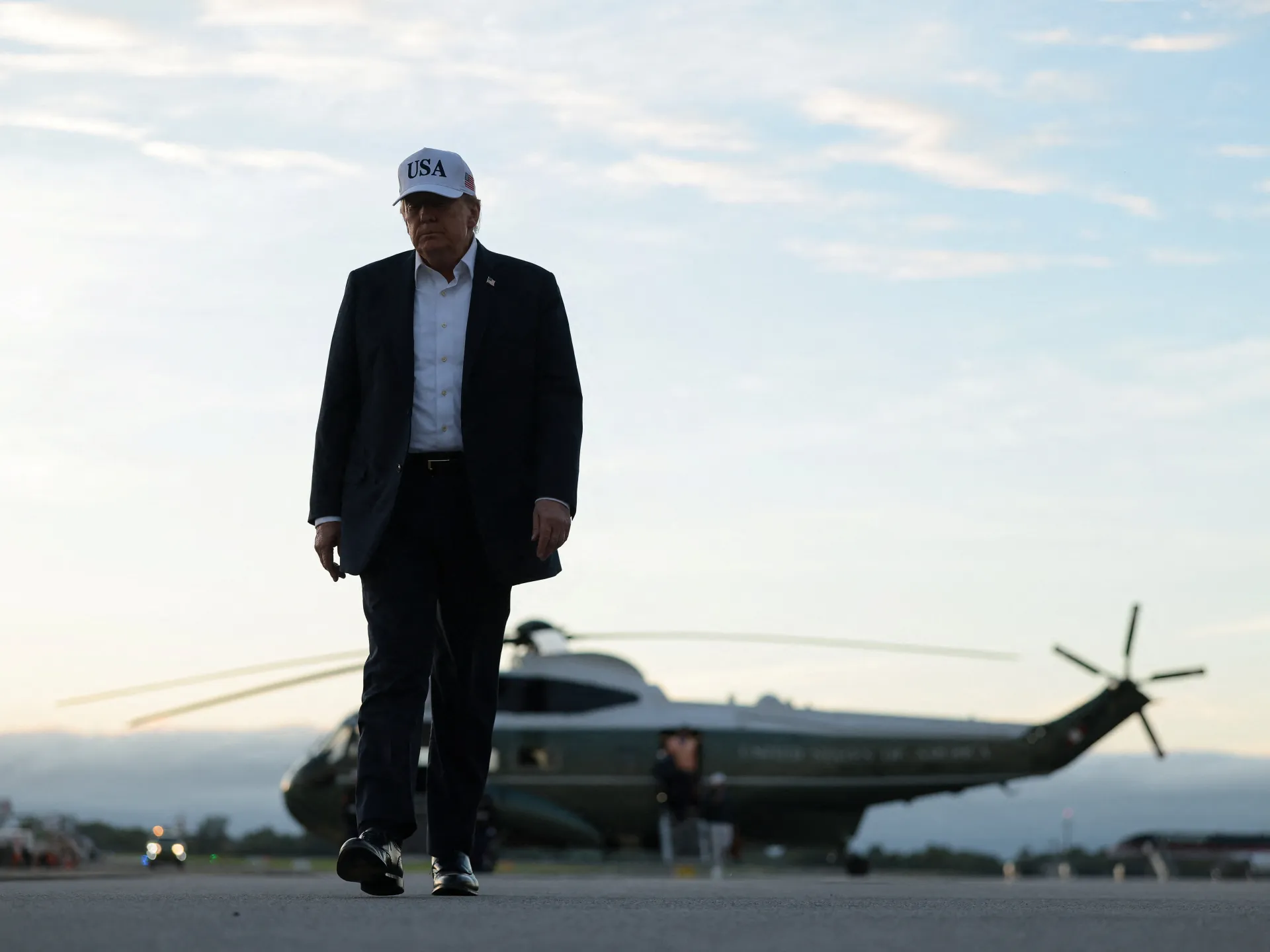
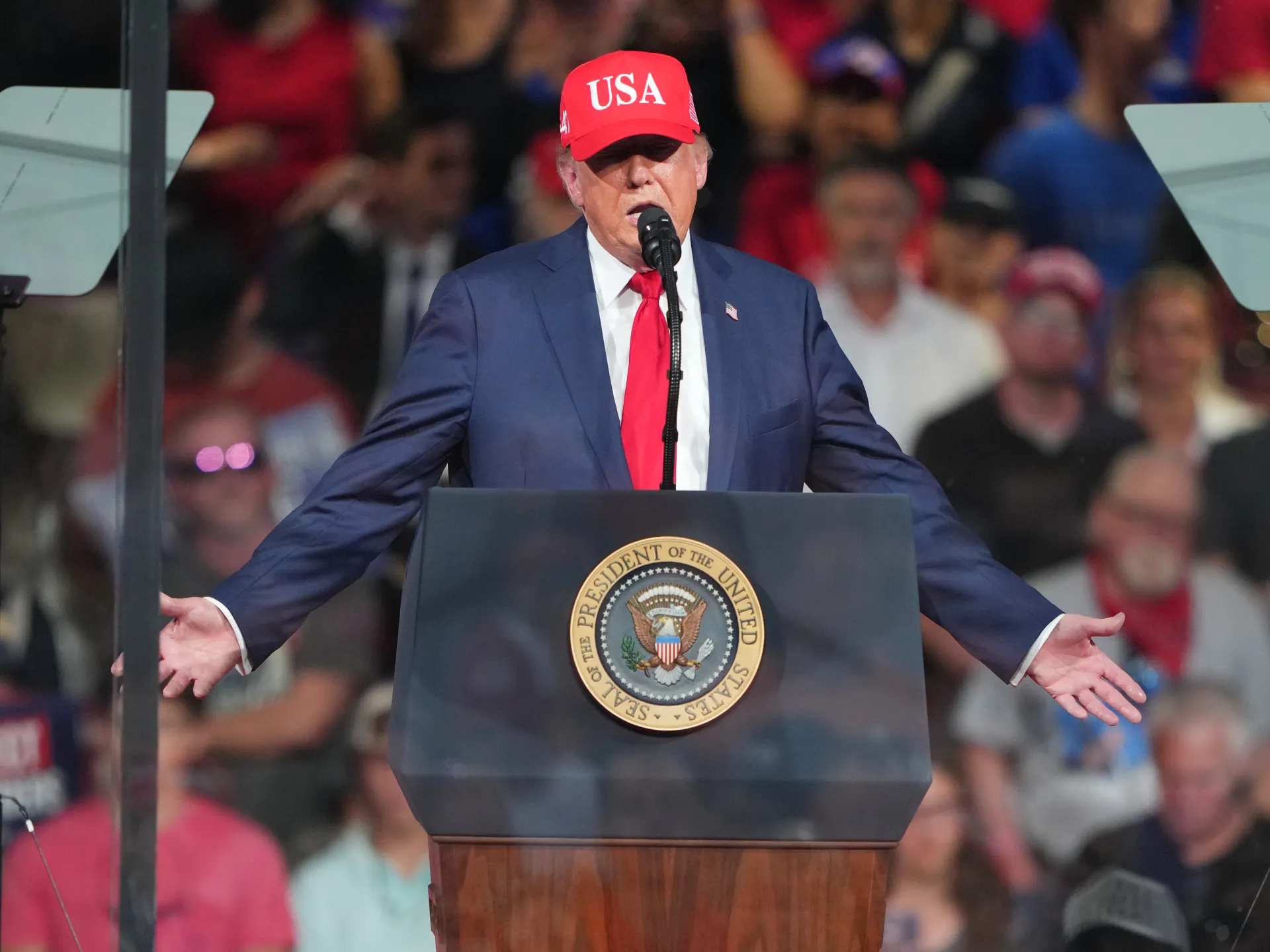
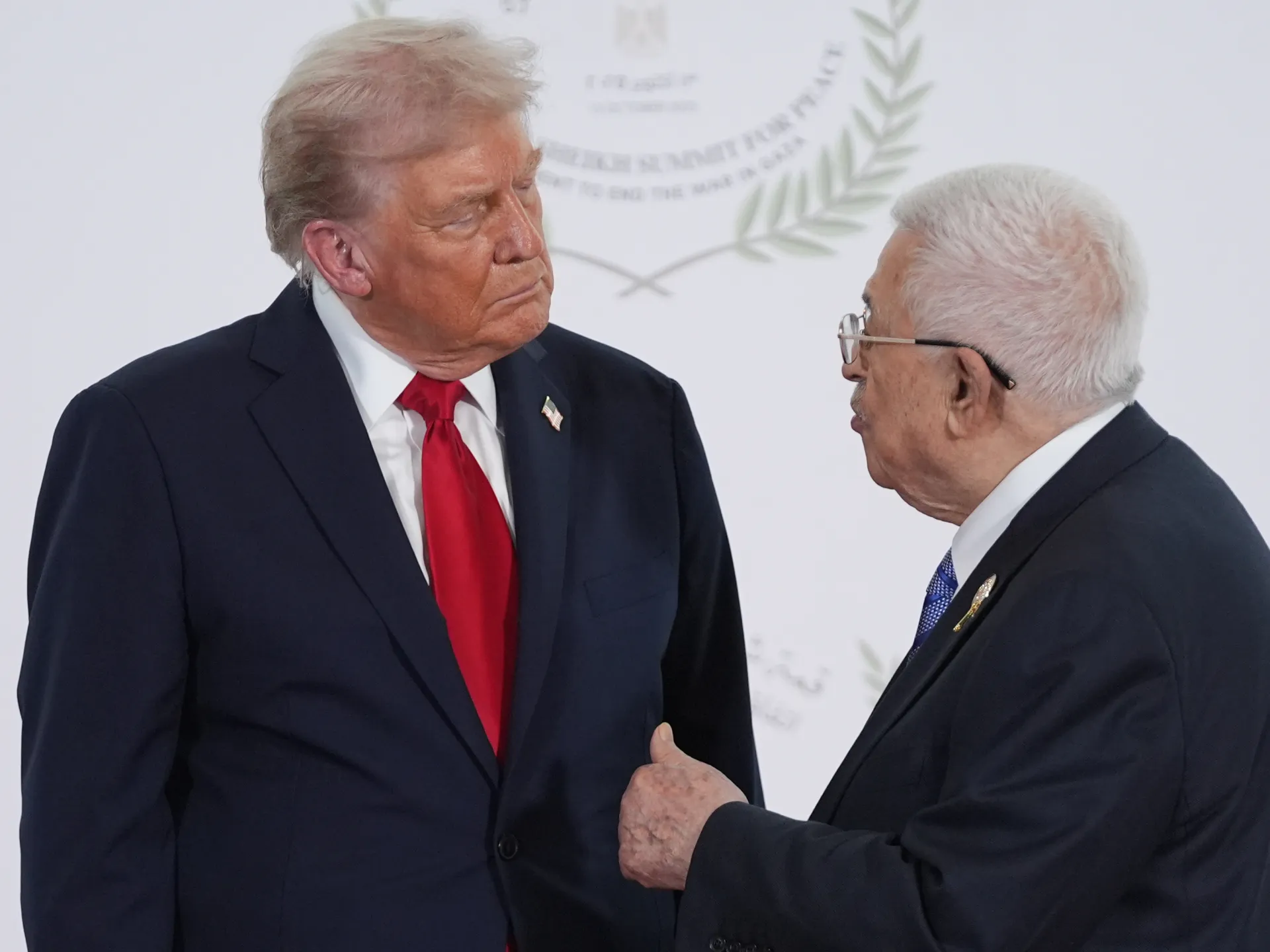
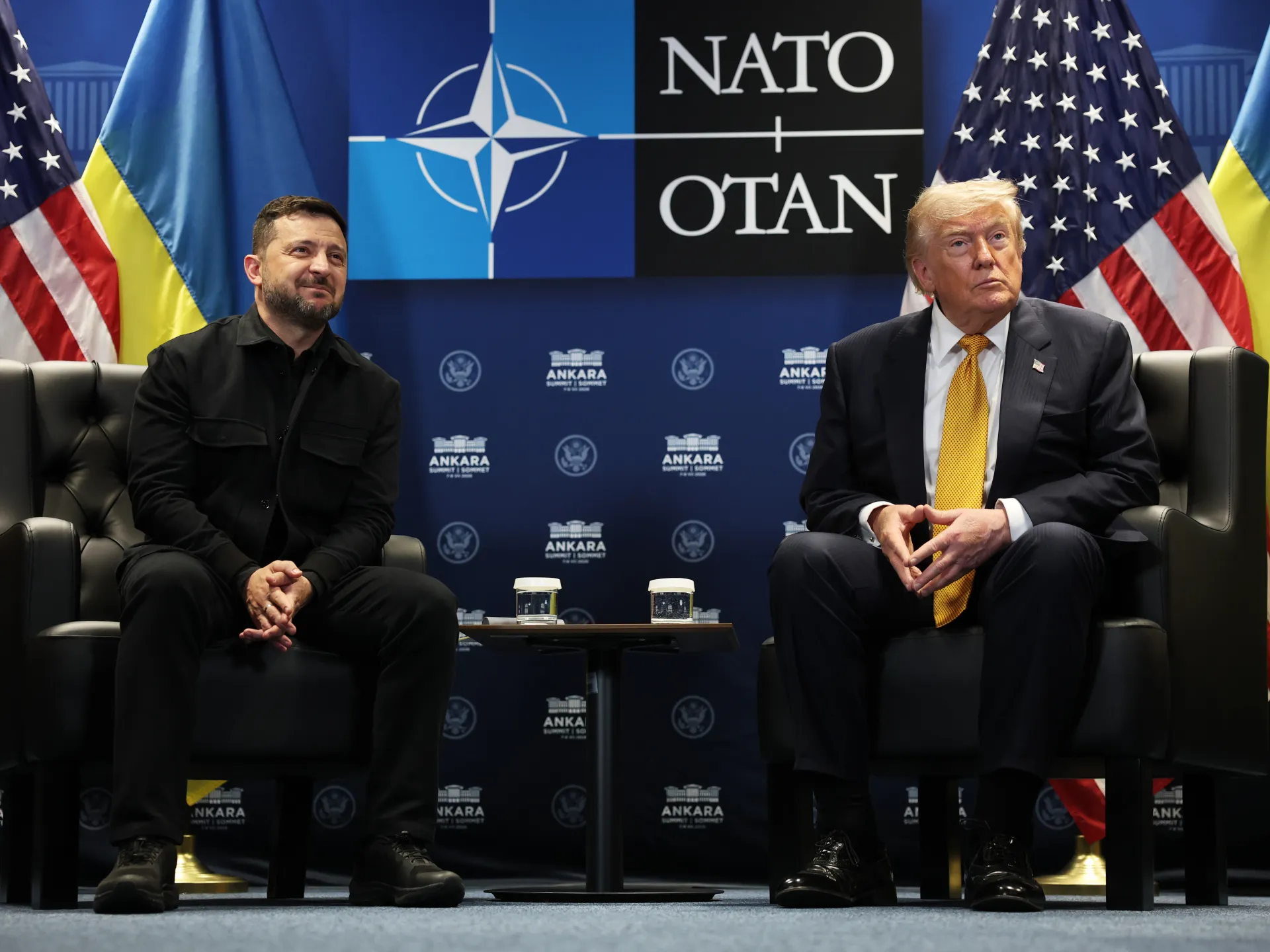
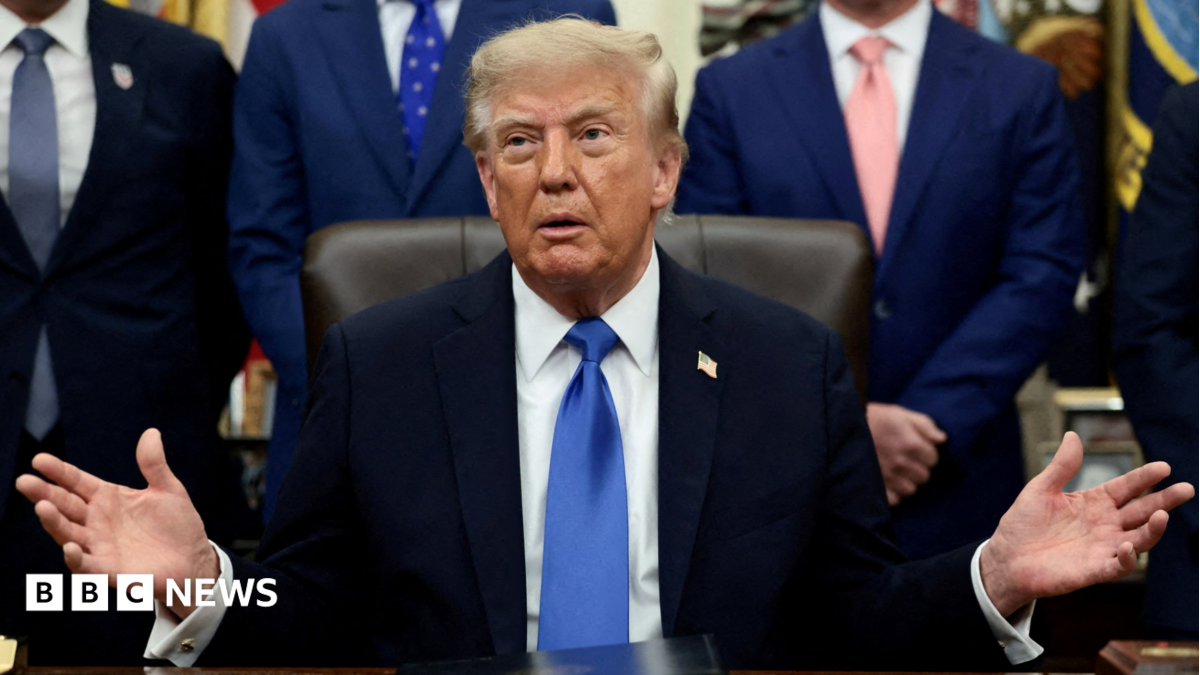
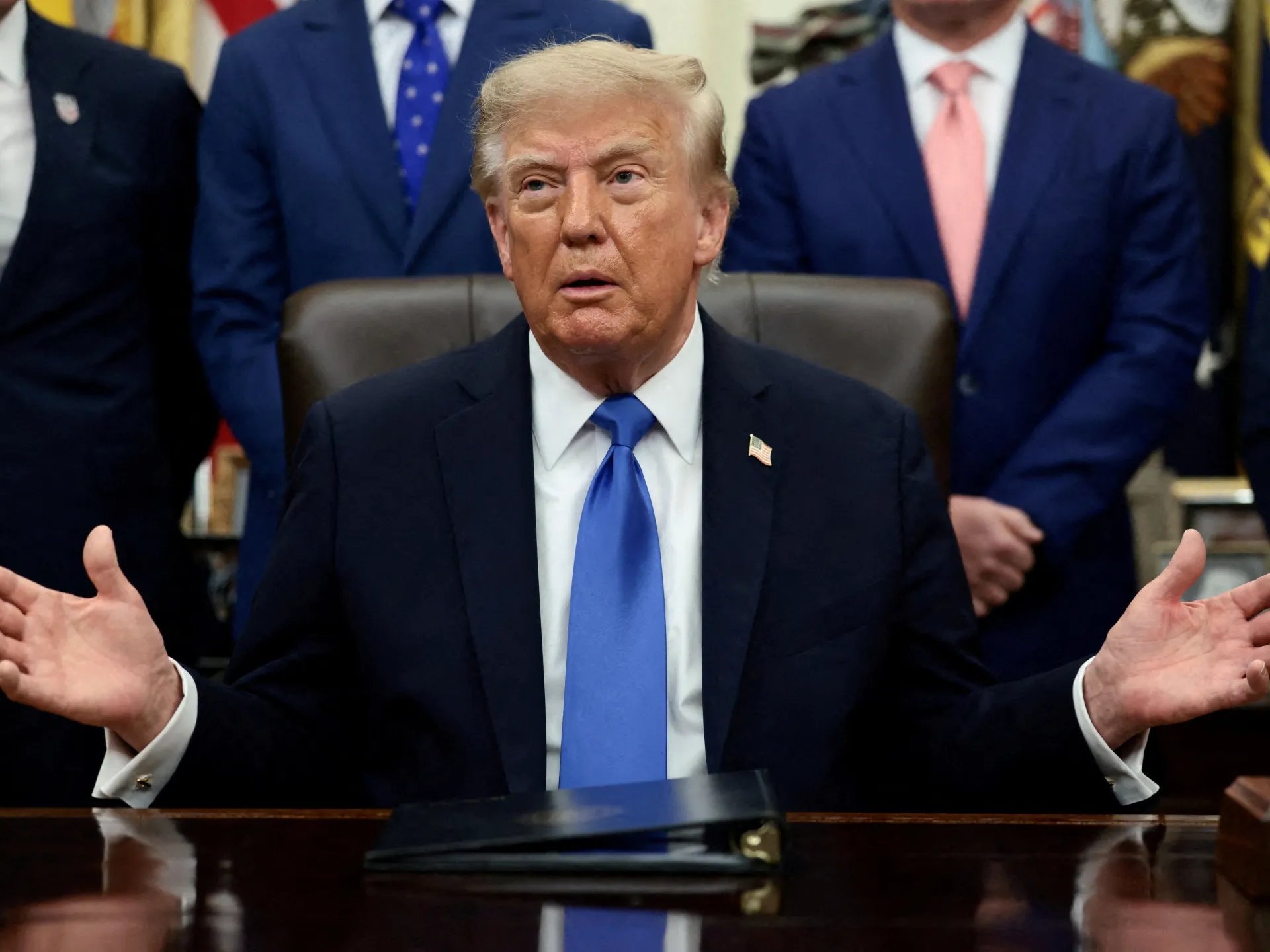
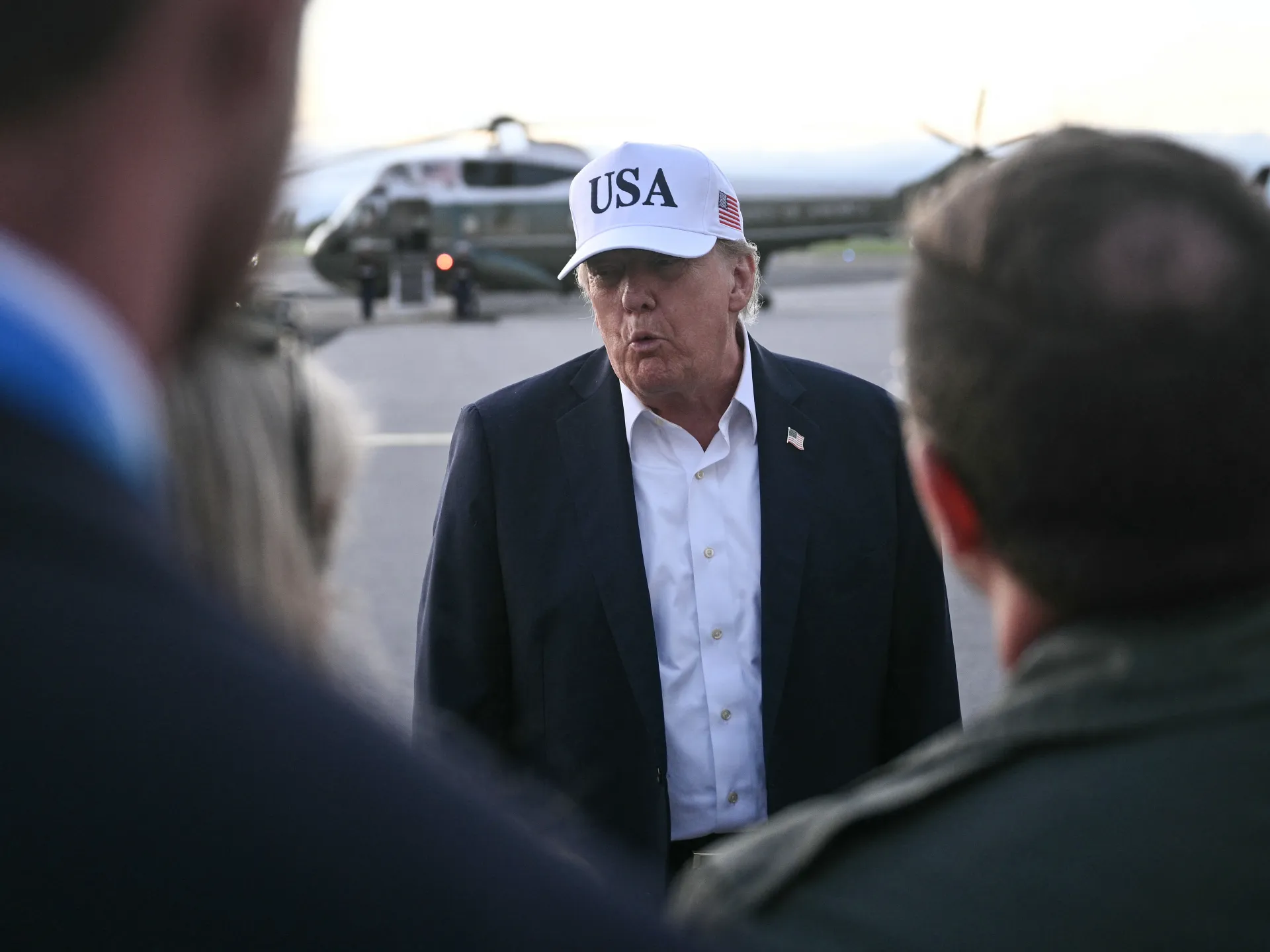
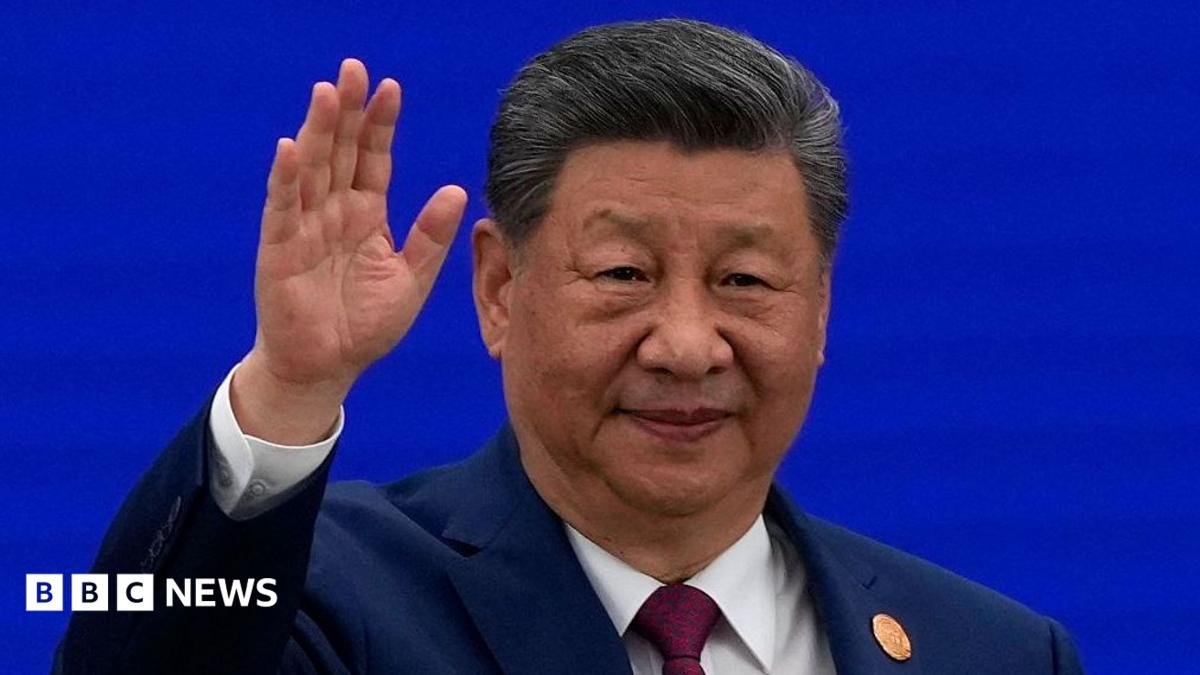
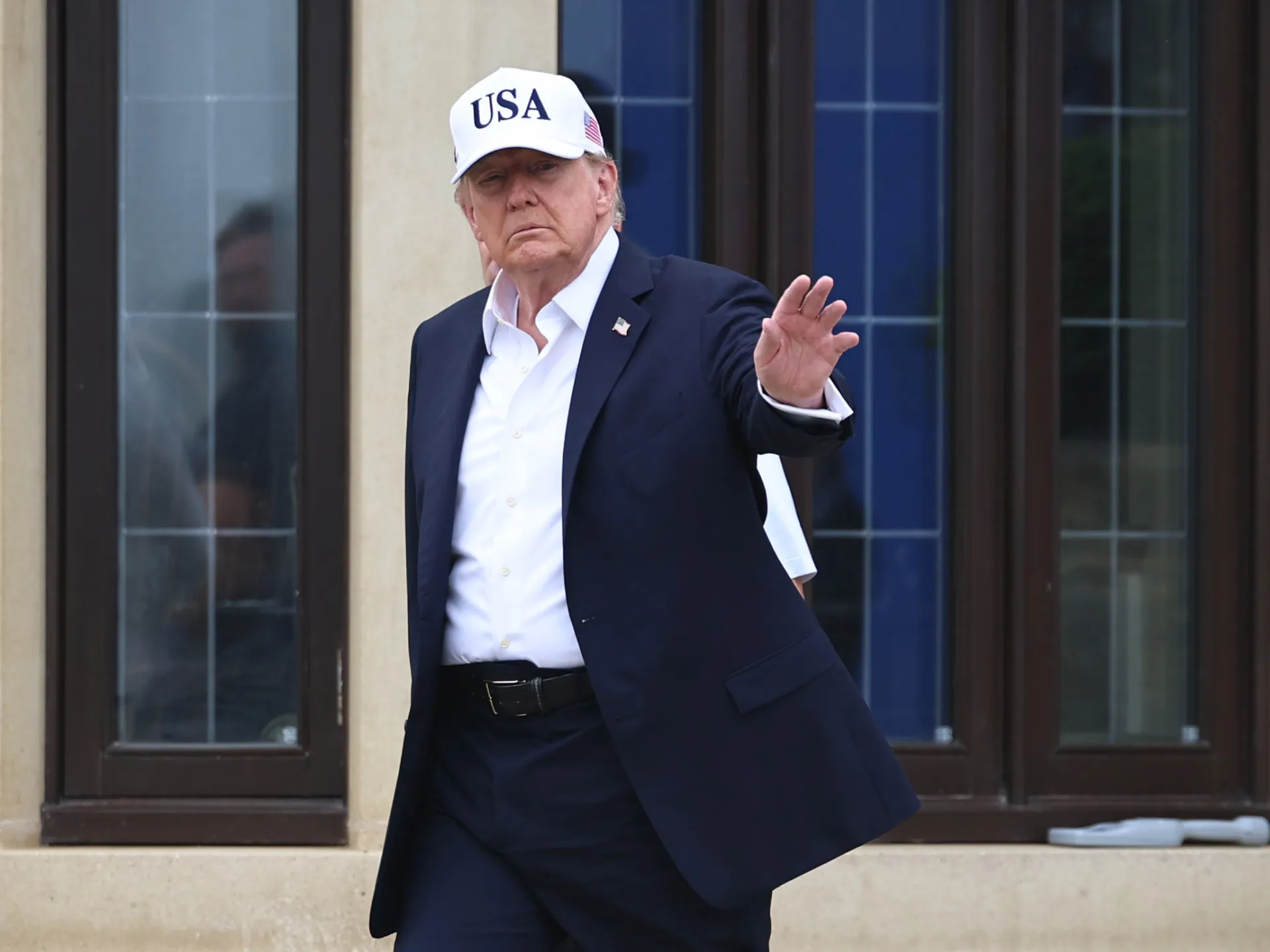
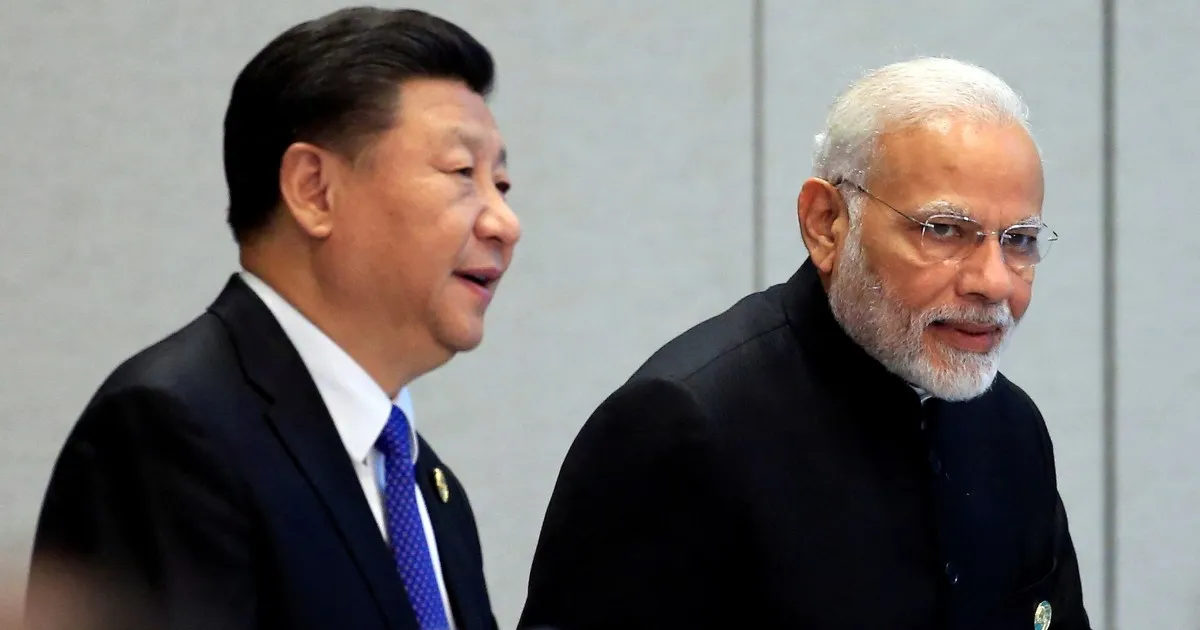
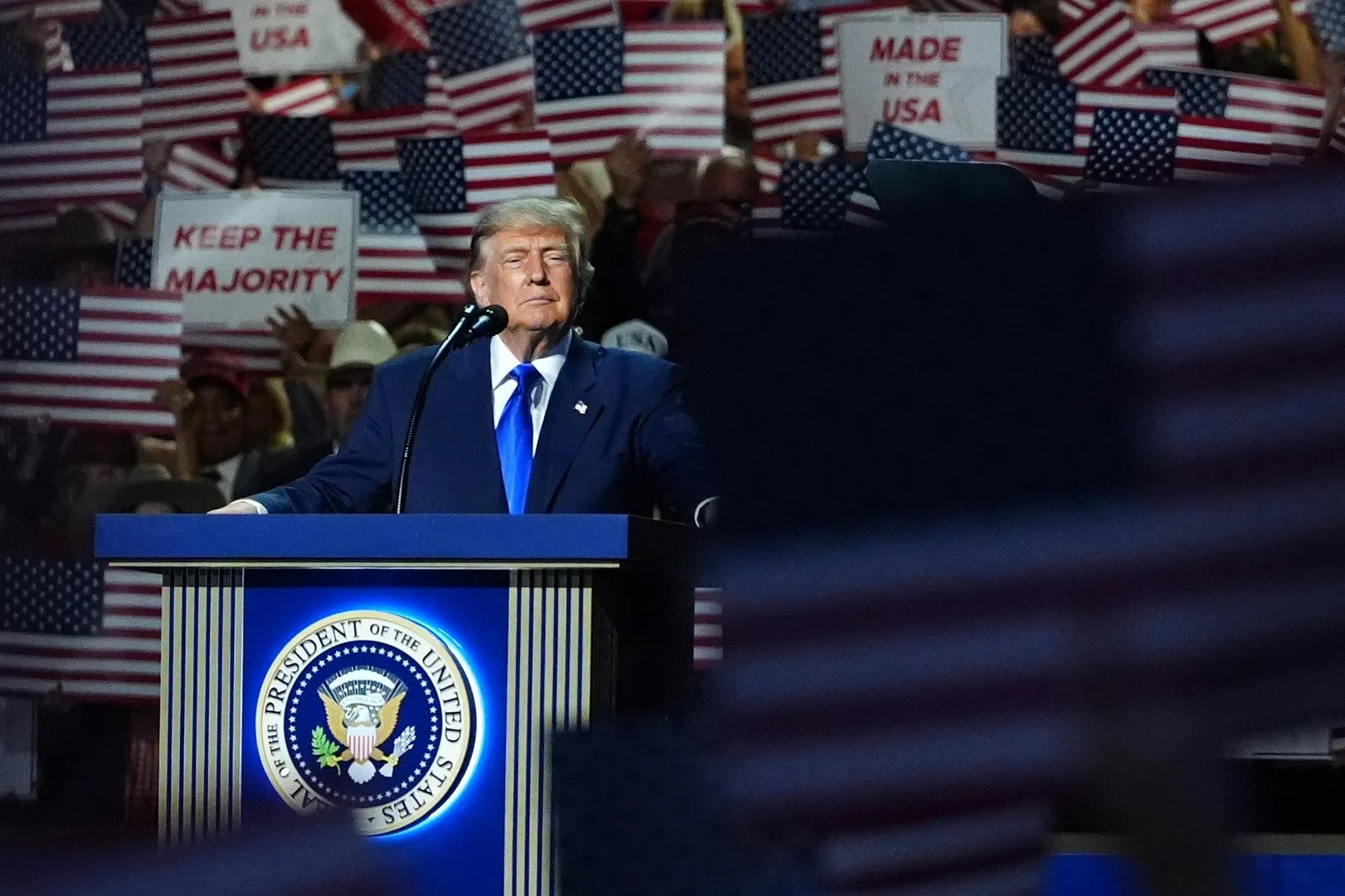
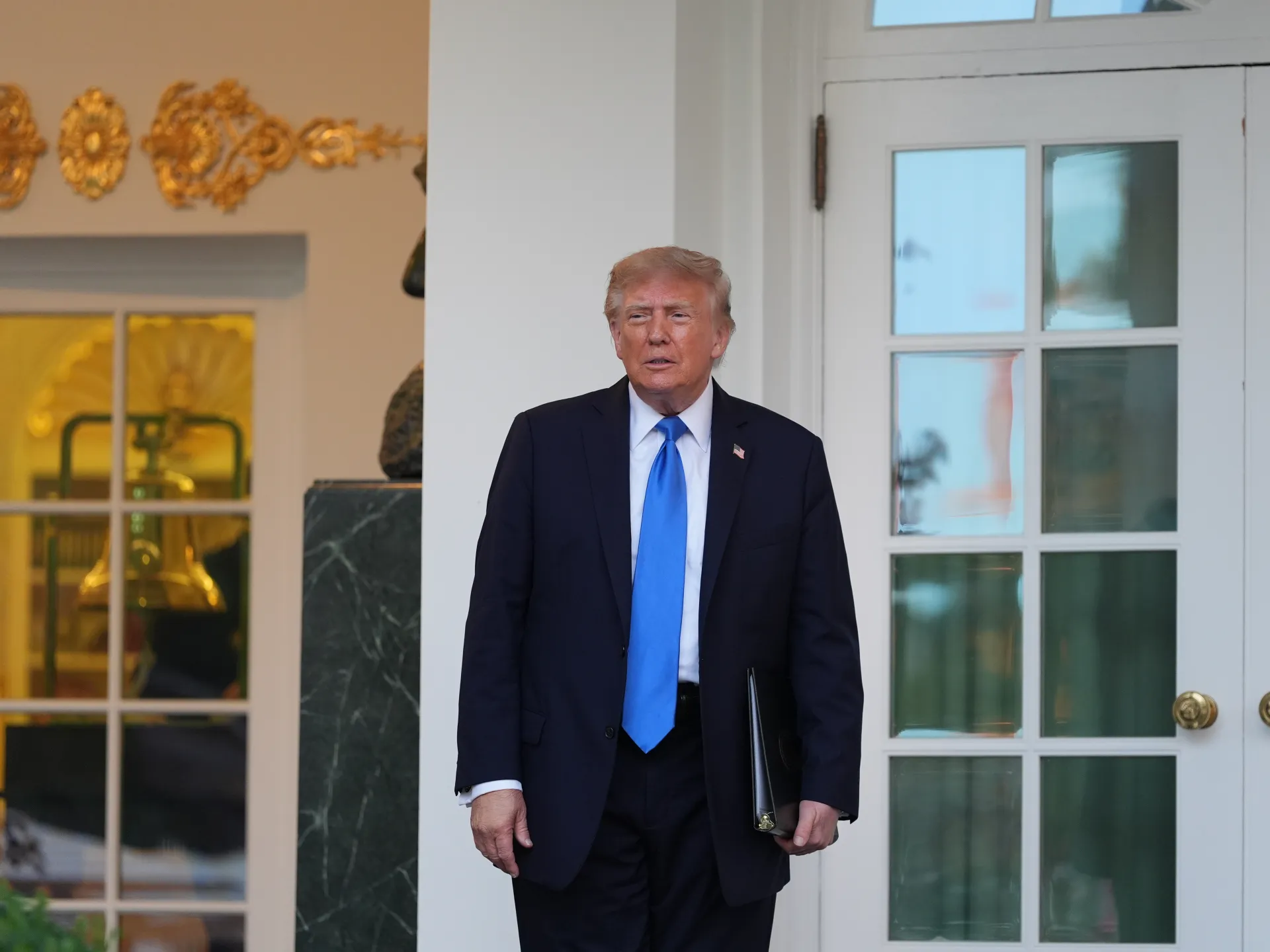
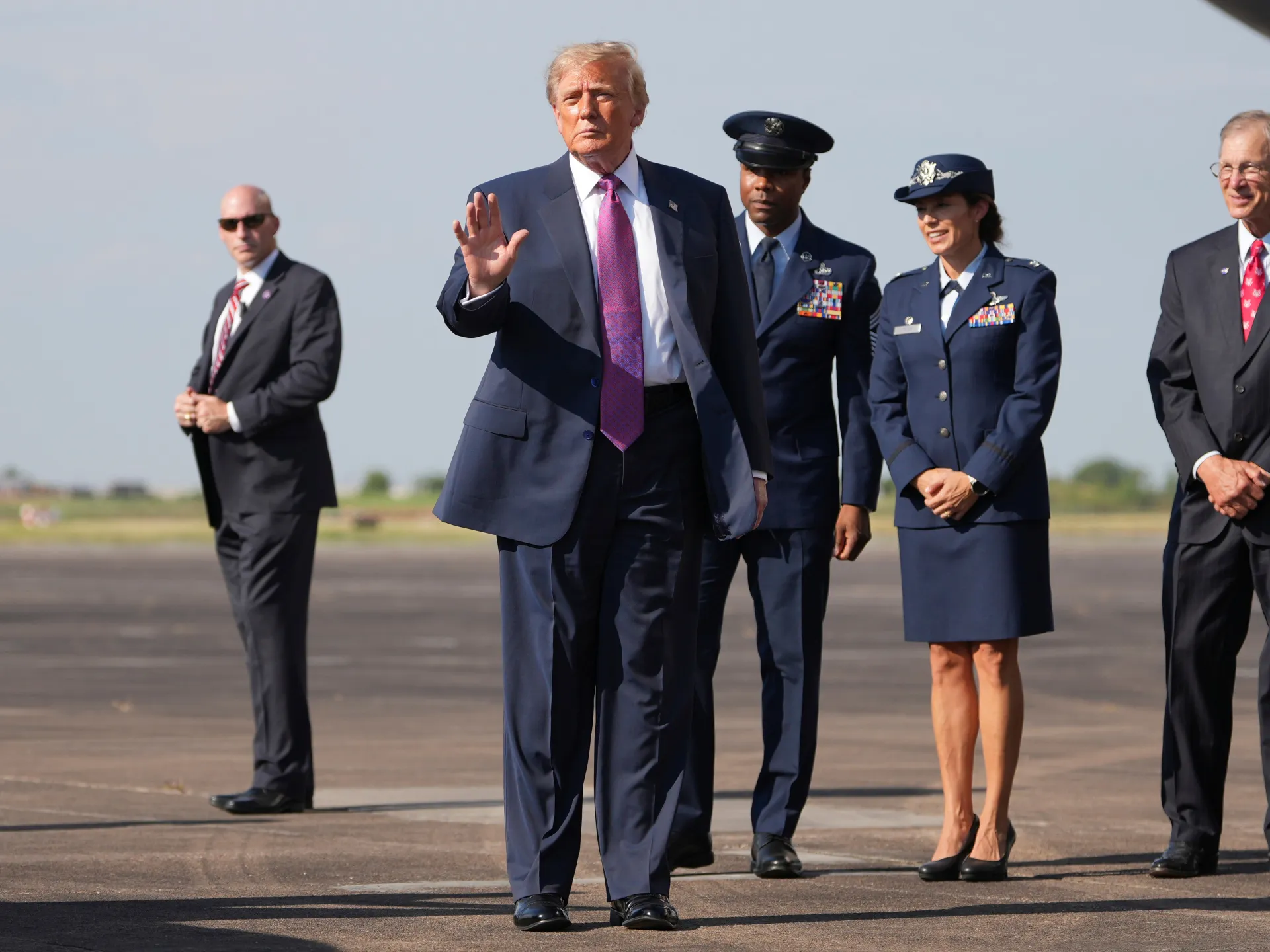
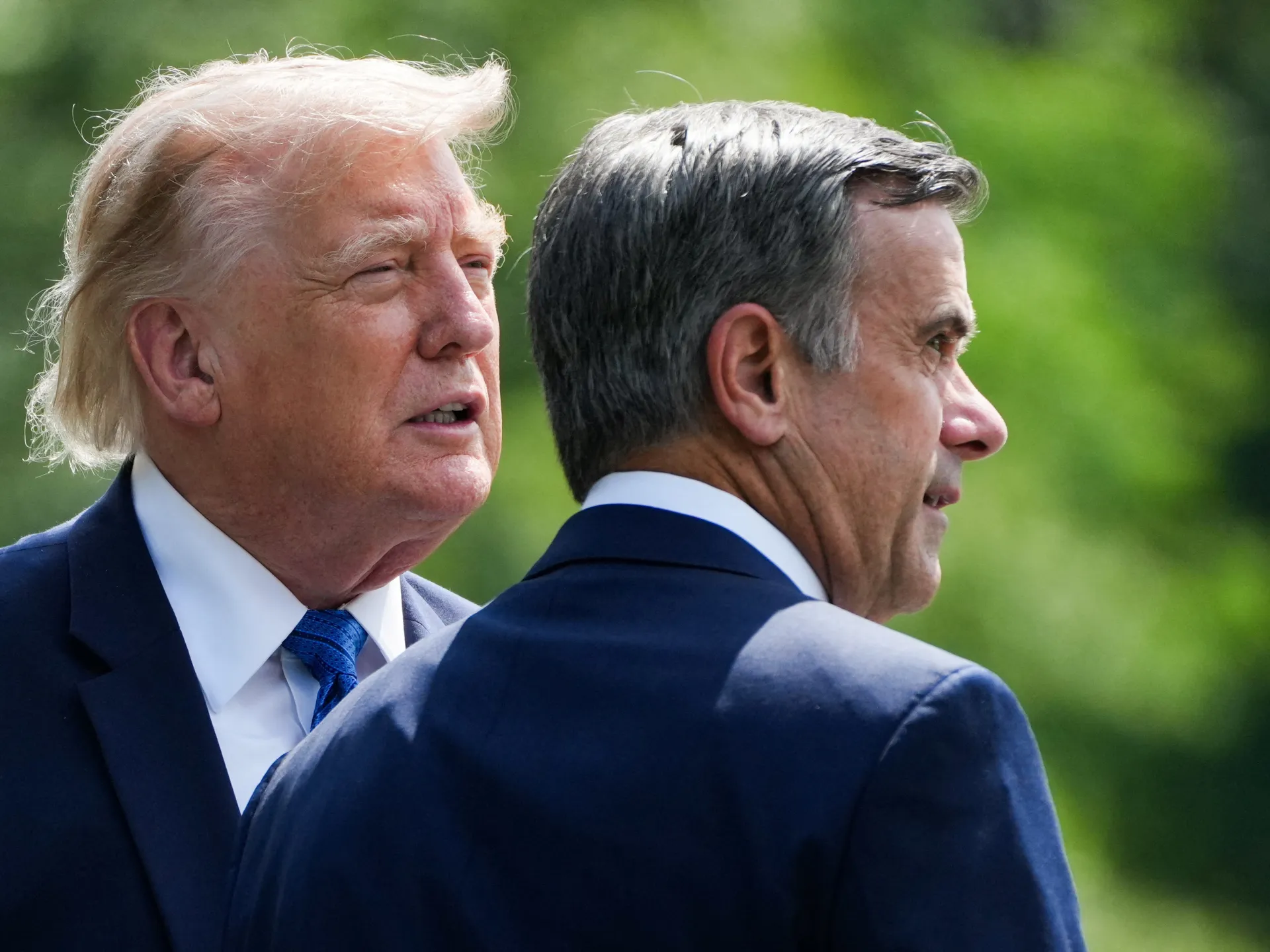
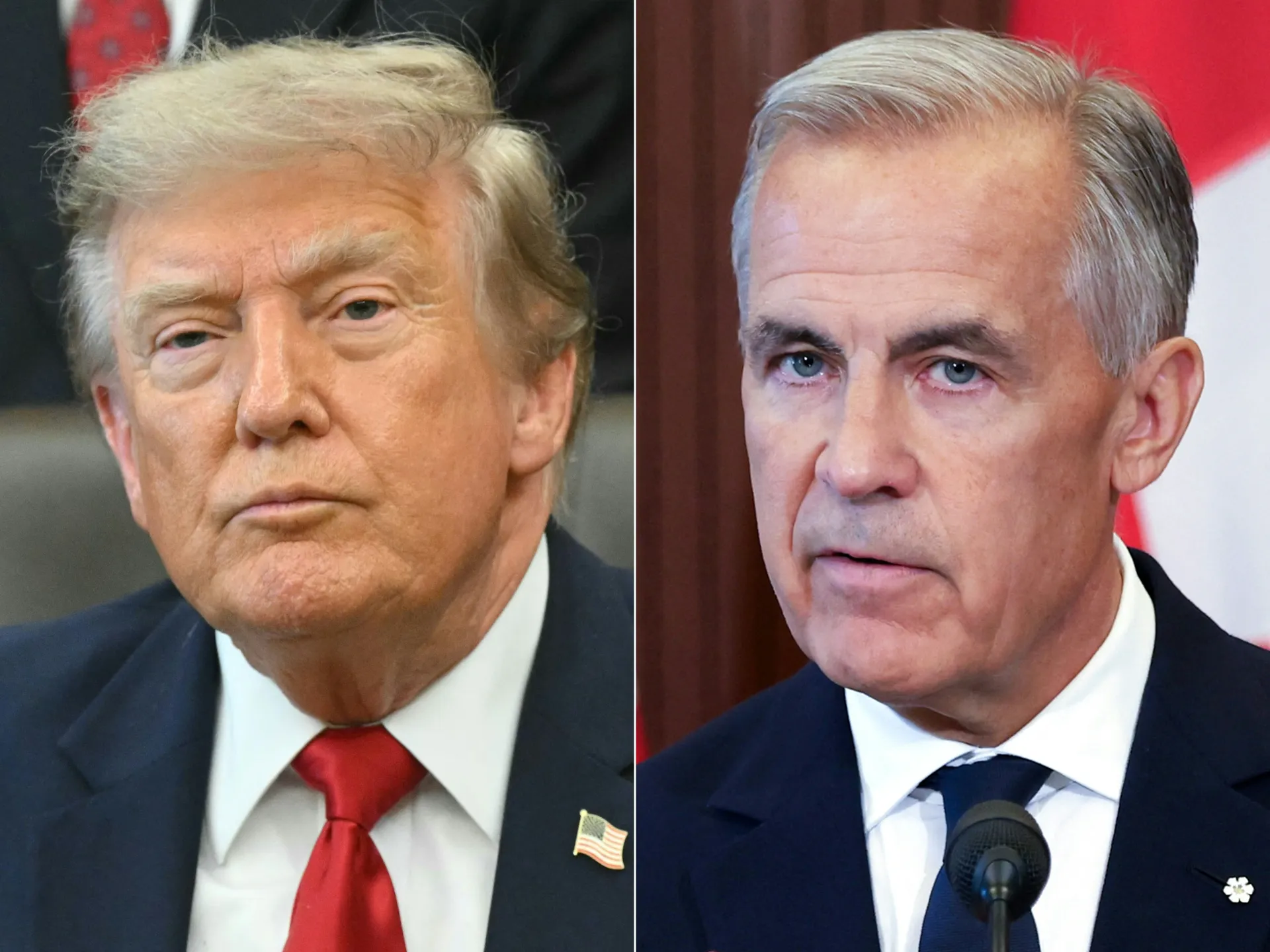
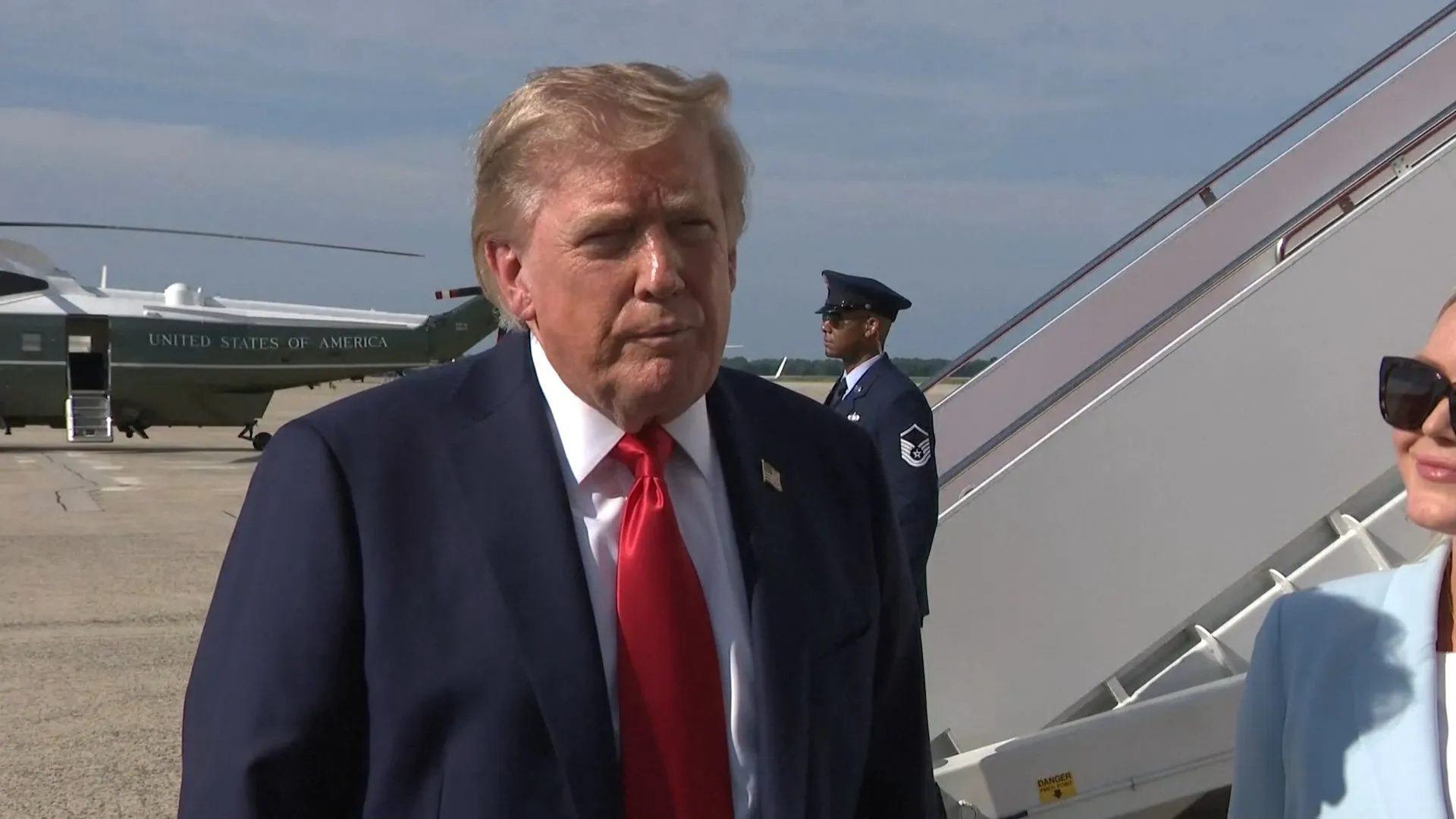
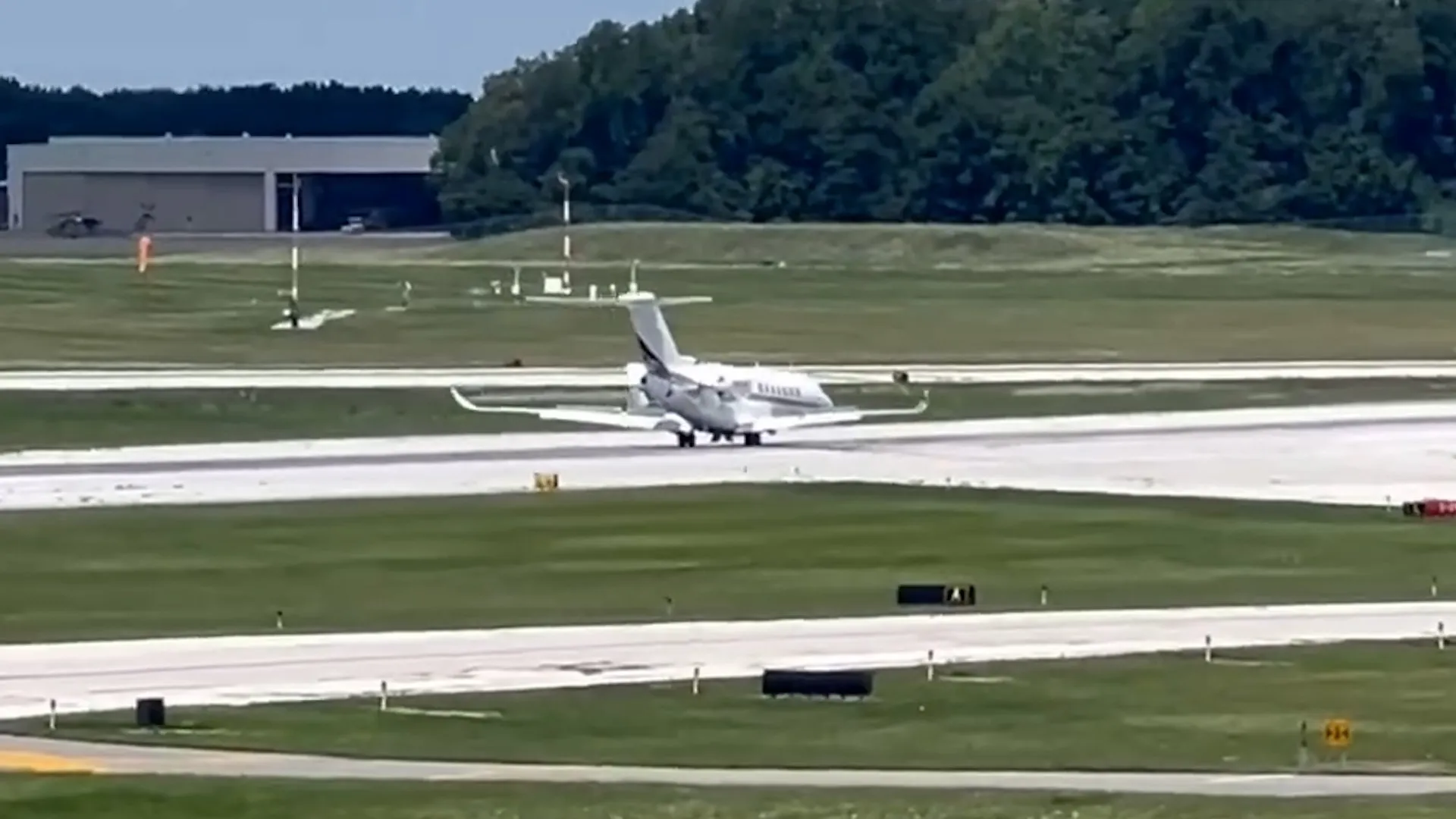
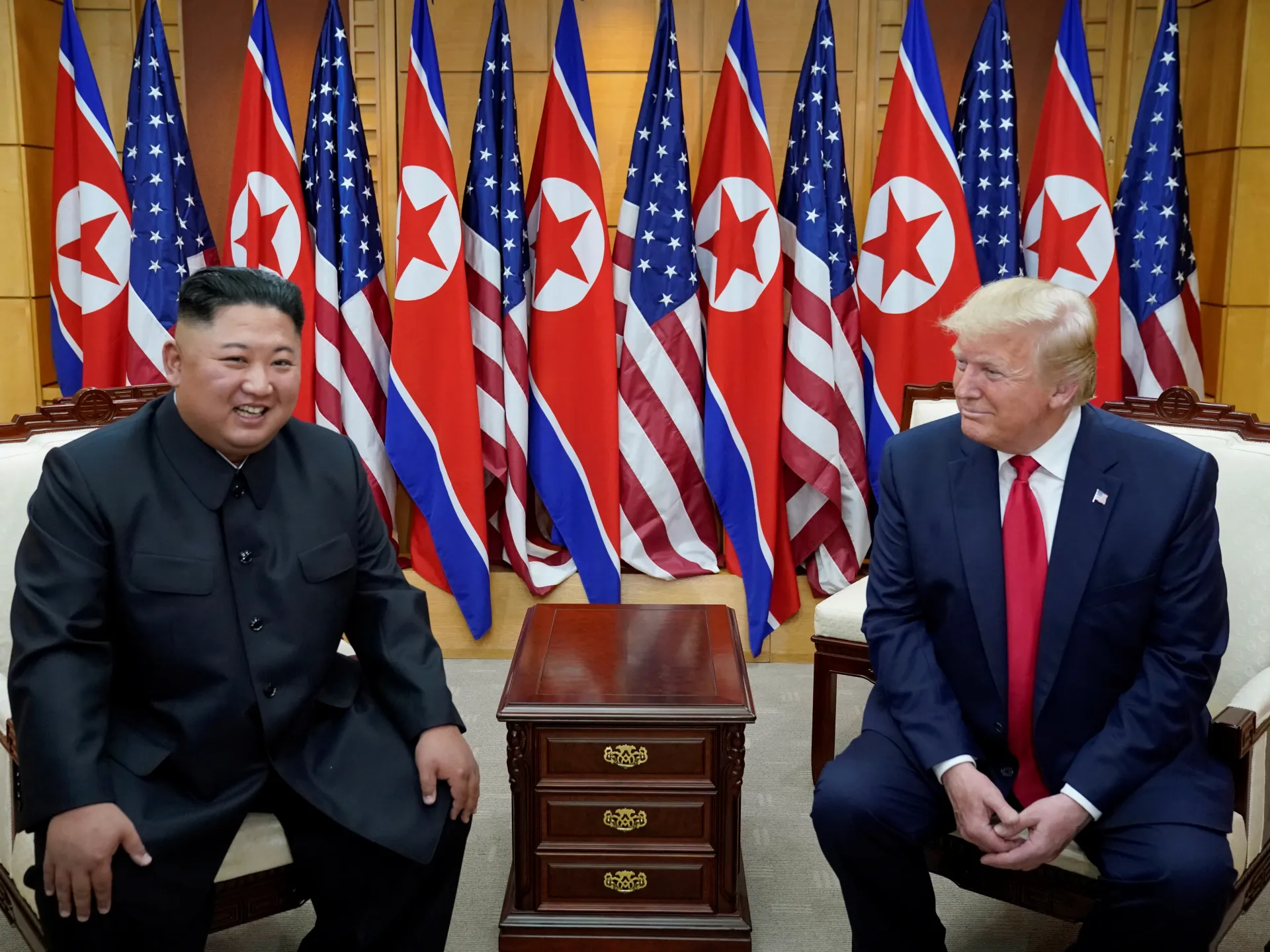
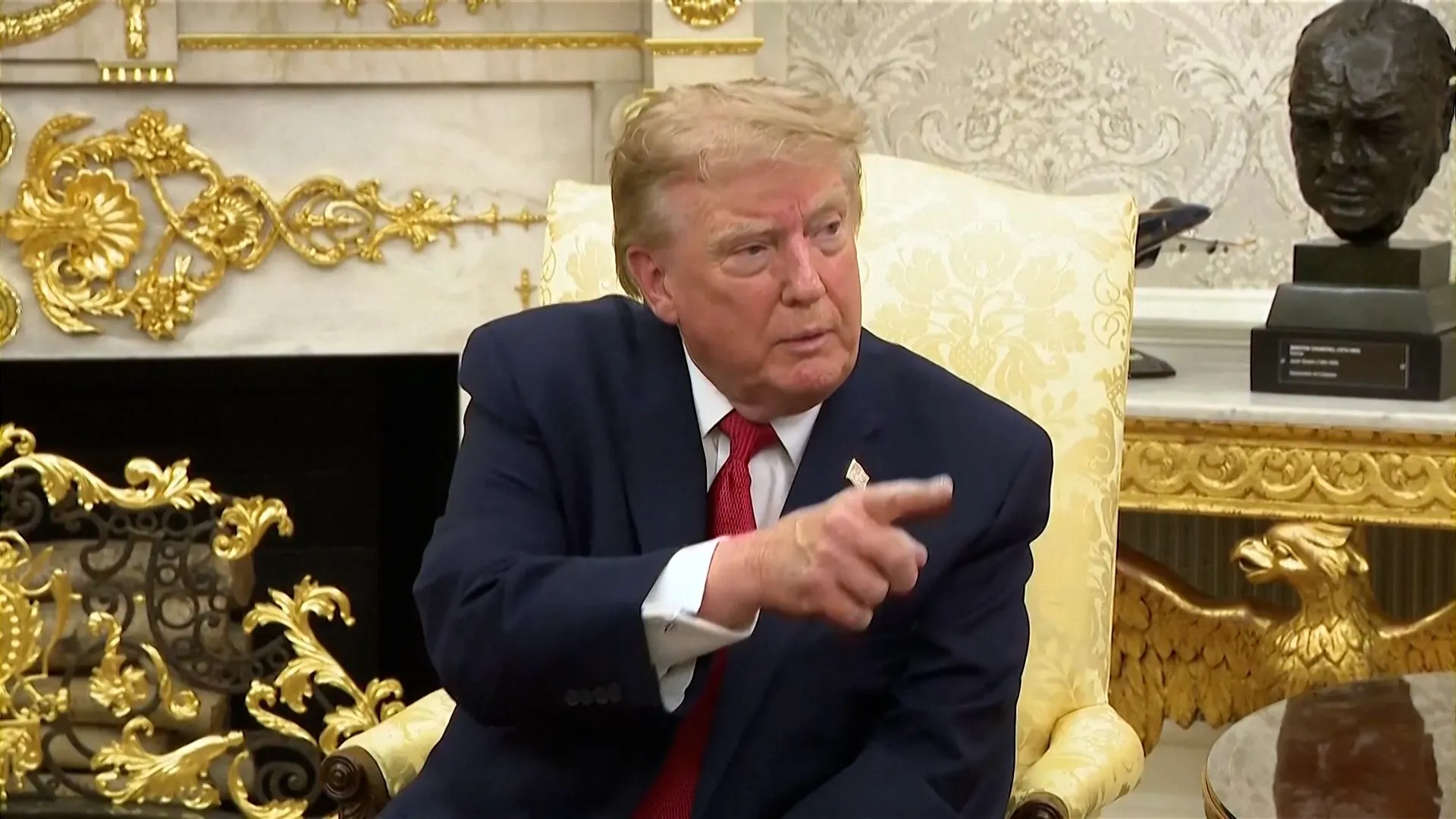
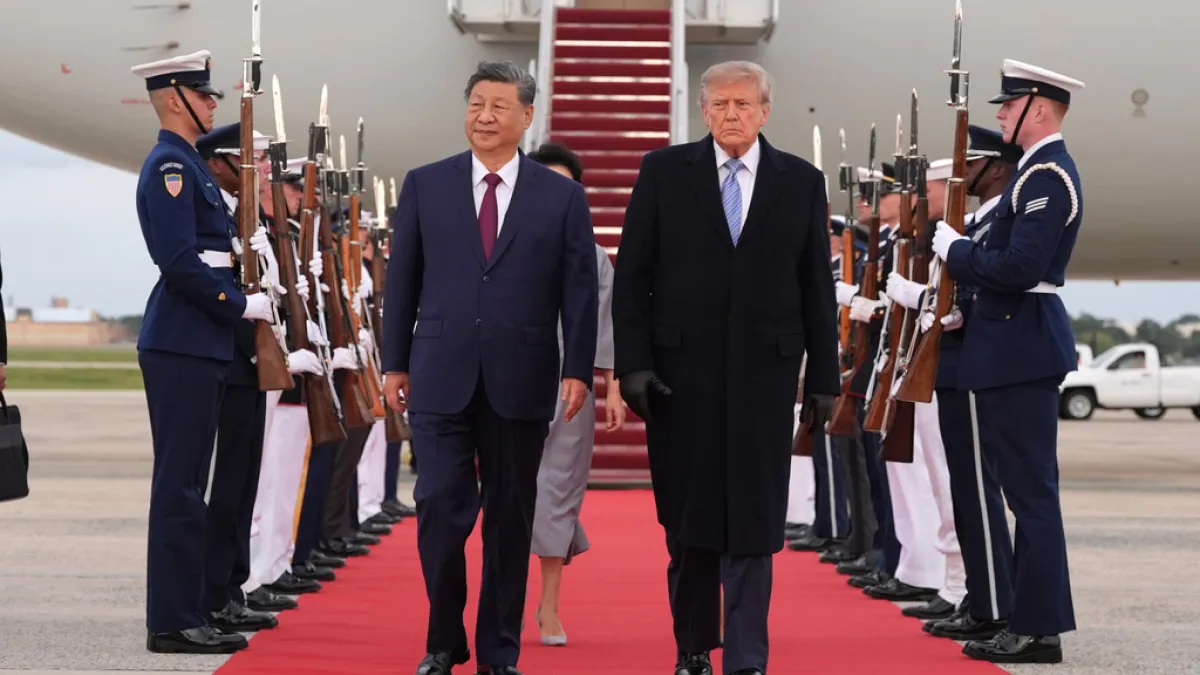
As President Donald Trump greeted President Xi Jinping on the tarmac with a rare, personal welcome, the stage was set for a diplomatic encounter defined more g, which follows a period of intense economic friction, aims to navigate the cooling embers of a multi-year trade conflict that has seen tariff levels reach historical highs and supply chains face significant disruption.
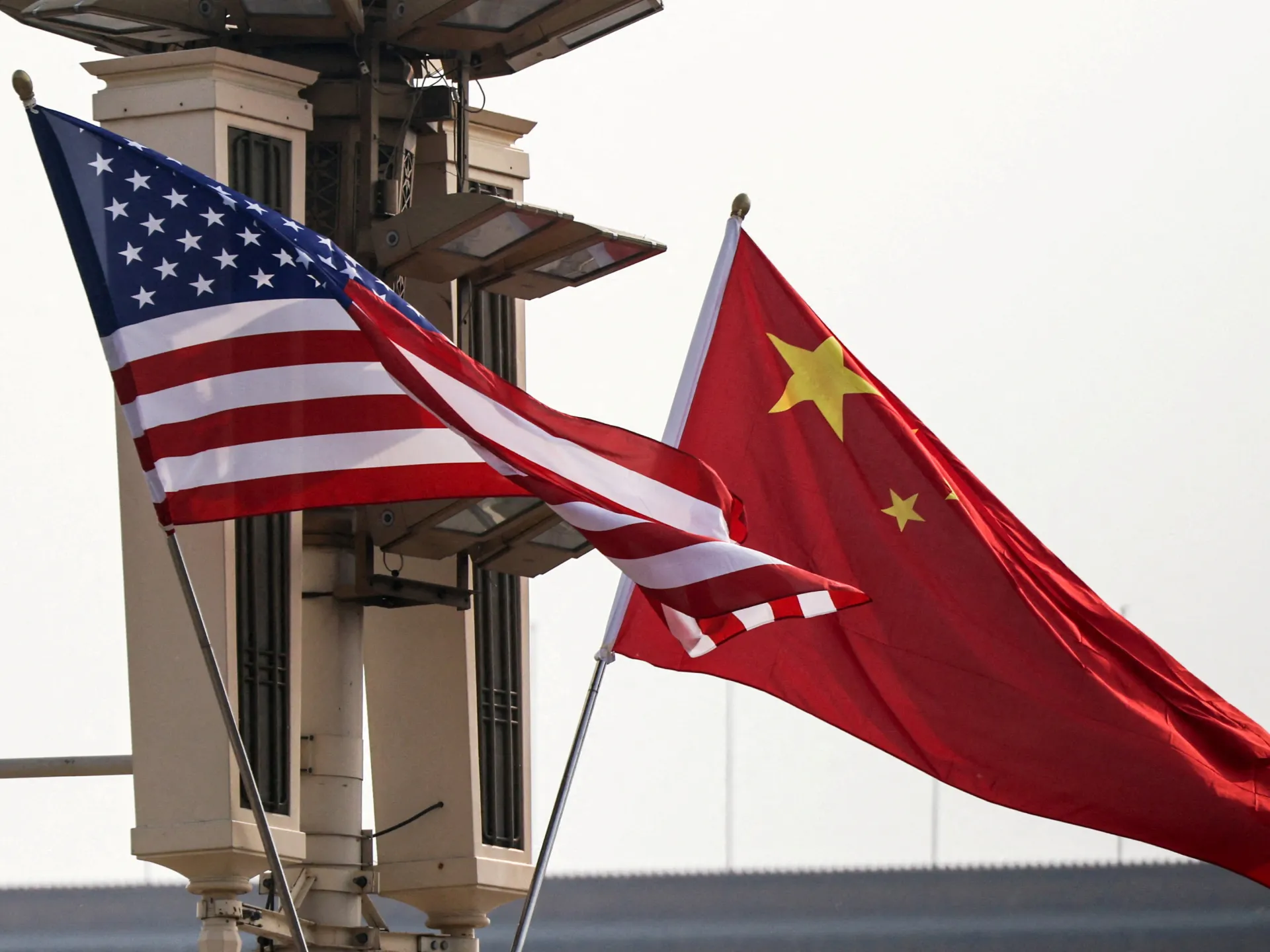
While the atmosphere suggests a departure from the combative rhetoric of previous months, analysts emphasize that this summit is fundamentally a defensive maneuver. Both Washington and Beijing are looking to solidify a truce established late last year in Busan, seeking to prevent a further deterioration of relations that could destabilize global markets and critical technology sectors.
The significance of this meeting extends far beyond the immediate tariff percentages currently imposed te on US imports and the 31 percent reciprocal rate from China represent a persistent drag on growth and a source of volatility for supply chains ranging from consumer electronics to renewable energy infrastructure. The stakes are effectively a stress test for the viability of managed competition between the world's two largest economies.
Moreover, the summit serves as a litmus test for whether institutional mechanisms—such as the proposed Board of Trade—can replace reactionary trade policies. The ability of both administrations to move from a footing of mutual retaliation to one of, at minimum, predictable cooperation will dictate the investment climate for global firms for the remainder of the decade. Failure to achieve this normalization would likely institutionalize a permanent, high-friction environment that risks bifurcating global technology standards.
Current discussions are centered on moving past the volatility that defined the earlier stages of the trade dispute. Observers suggest that the primary objective is to cement the status quo, effectively preventing a return to the threat of 200 percent levies that characterized the height of the recent economic friction. vironment for the flow of goods.
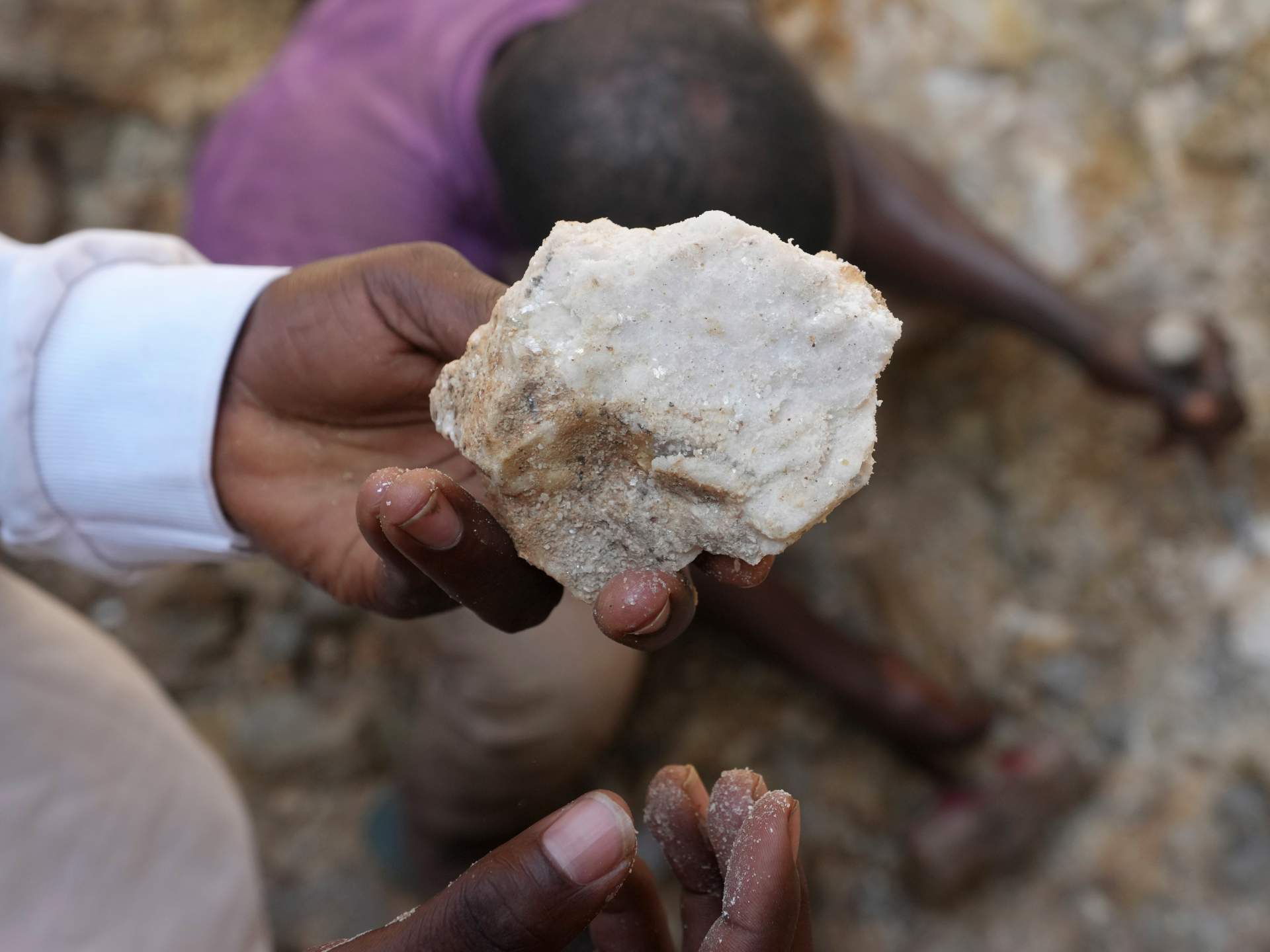
A key indicator of the summit’s potential success will be the formalization of a new Board of Trade mechanism. This proposed structure seeks to facilitate a targeted reduction of tariffs on approximately $30 billion worth of goods for each country. While this would not resolve the broader trade war, it represents a meaningful shift toward de-escalating non-sensitive sectors. Furthermore, the US is placing a high priority on the acceleration of critical mineral supplies, which China throttled during the peak of the recent tensions but began resuming following the Busan meeting.
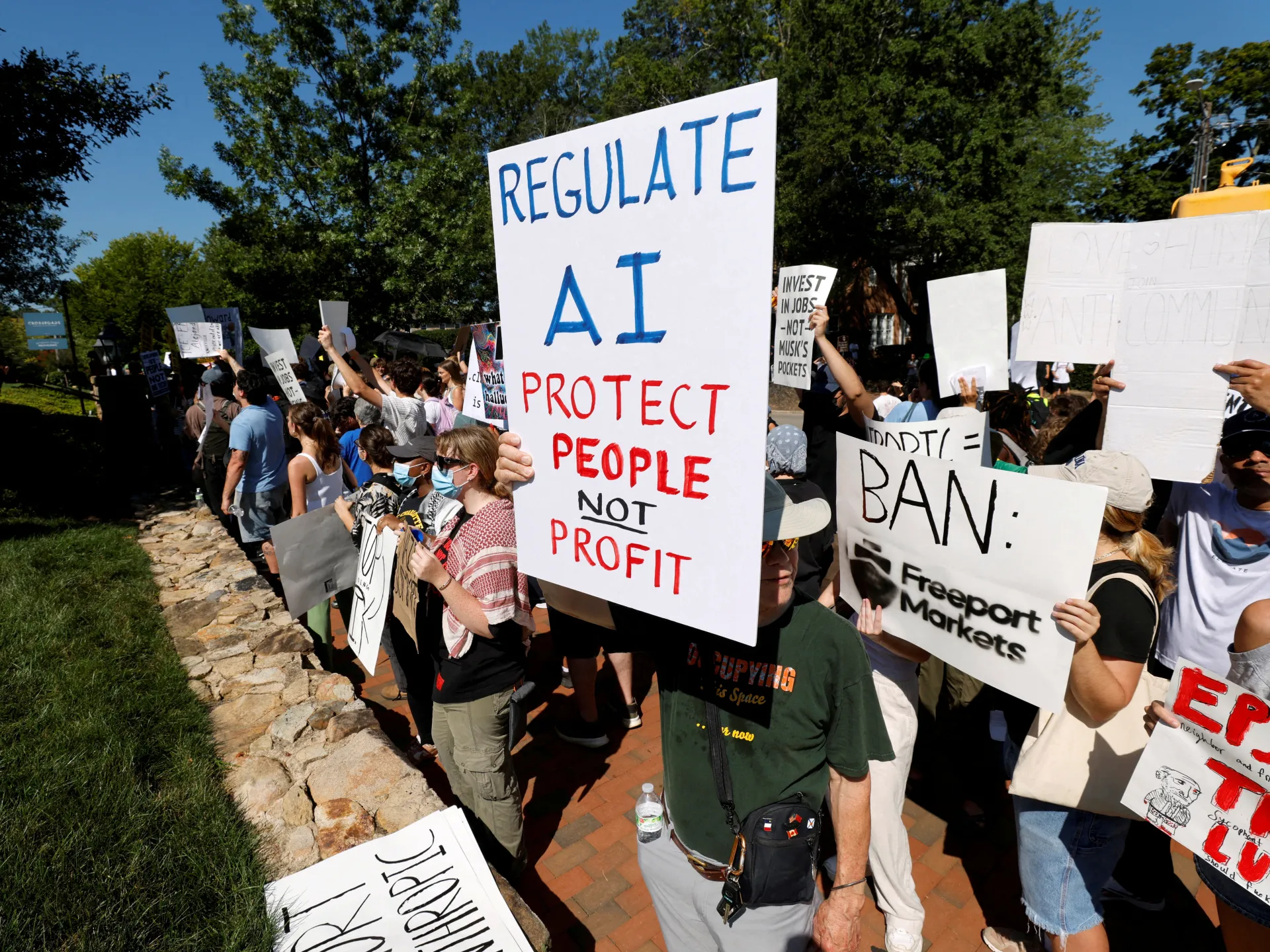
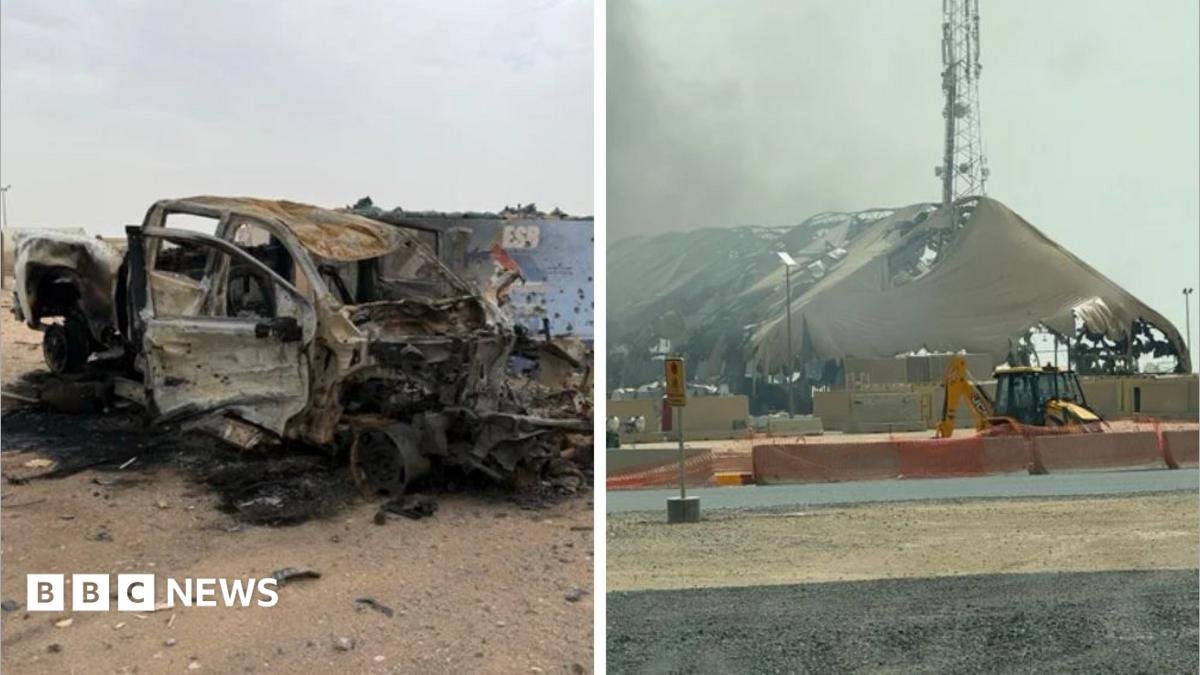
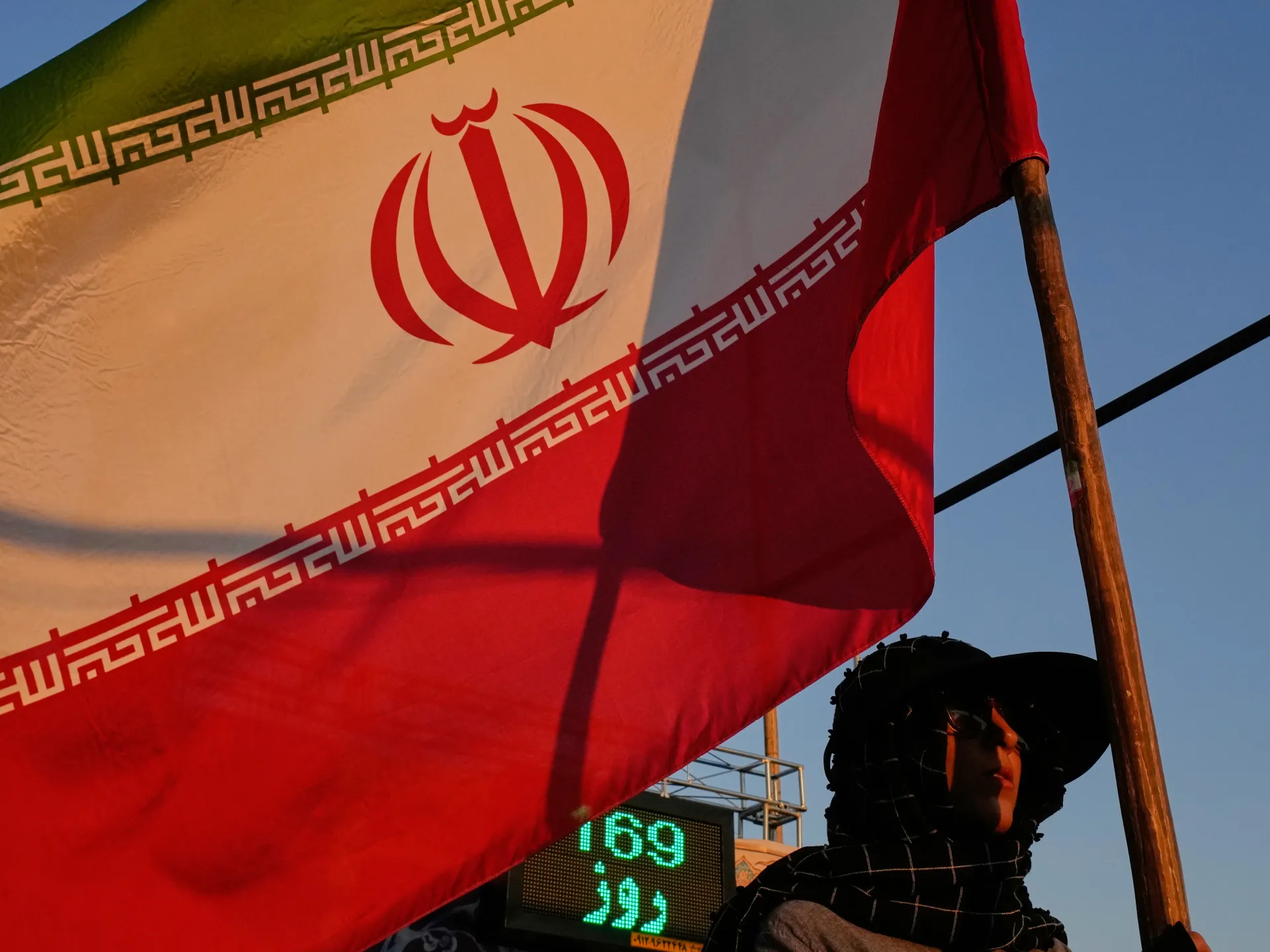
Beyond the immediate economic metrics, the leaders are navigating a complex agenda that includes the regulation of artificial intelligence and geopolitical coordination regarding Iran and Taiwan. The challenge for both delegations is to decouple these highly sensitive security issues from the more fungible economic negotiations. While the economic track seeks a degree of normalization, the security track remains fraught with underlying tension.
Academic experts suggest that the best-case outcome involves a measurable increase in trade liberalization for non-sensitive categories, coupled with a reliable, high-speed flow of raw materials essential to US manufacturing. Conversely, the worst-case scenario remains a breakdown in these talks, which would likely lead to a resurgence of aggressive protectionist policies and further destabilize global energy and technology transitions.
The immediate aftermath of the summit will likely be measured s can publicly commit to this, it would signal a successful stabilization of the current status quo. Market analysts will watch for tangible shifts in policy regarding the $30 billion in reciprocal goods, as this will determine if the summit produced substantive economic relief or merely symbolic diplomatic cover.
Looking further ahead, the endurance of this truce will depend on the implementation of AI safety protocols and the consistency of critical mineral deliveries. Should the summit fail to produce a mechanism for managing future disputes, we should expect a return to reactive policy-making, characterized nue restructuring their supply chains away from dependency on the opposing power.