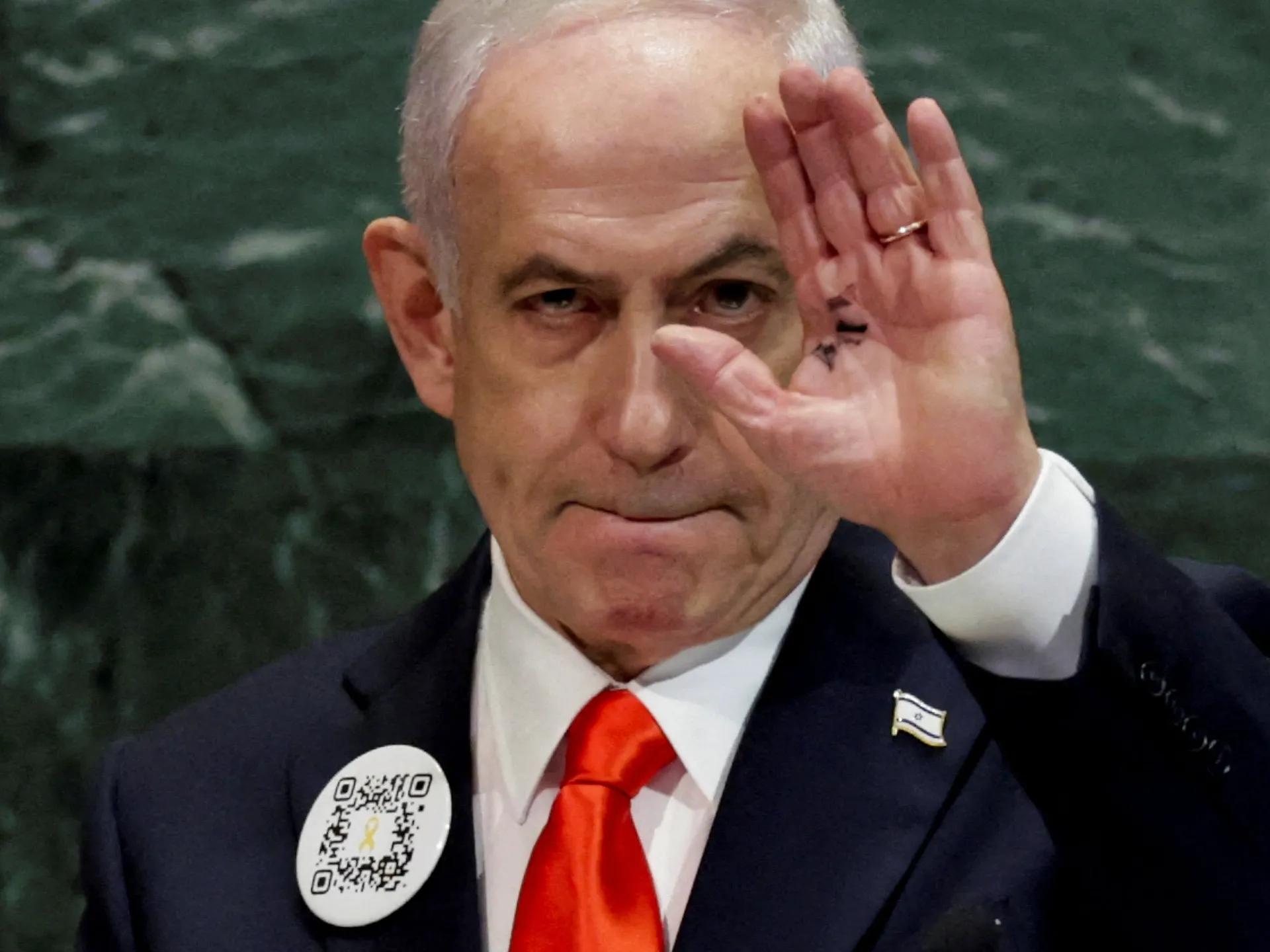
As international diplomatic tensions peak at the United Nations, domestic political pressures mount in Israel, while NASA works to modernize the infrastructure of global aviation.
In a global landscape defined tersection of international diplomacy and infrastructure modernization reveals the dual pressures facing modern leadership. For Israel, the United Nations General Assembly (UNGA) has evolved into a high-stakes theater where domestic political survival meets long-standing friction with global institutions. Simultaneously, the push for systemic efficiency in aviation, spearheaded nage the logistical complexities of an increasingly interconnected world.
The convergence of these events highlights a stark contrast in priorities: while diplomatic tensions threaten to erode the perceived legitimacy of international bodies, the technical modernization of civil aviation seeks to reinforce the stability of global transit. Navigating these two spheres requires leaders to manage not only the perceptions of their electorate but also the tangible safety and reliability of the systems that underpin modern life.
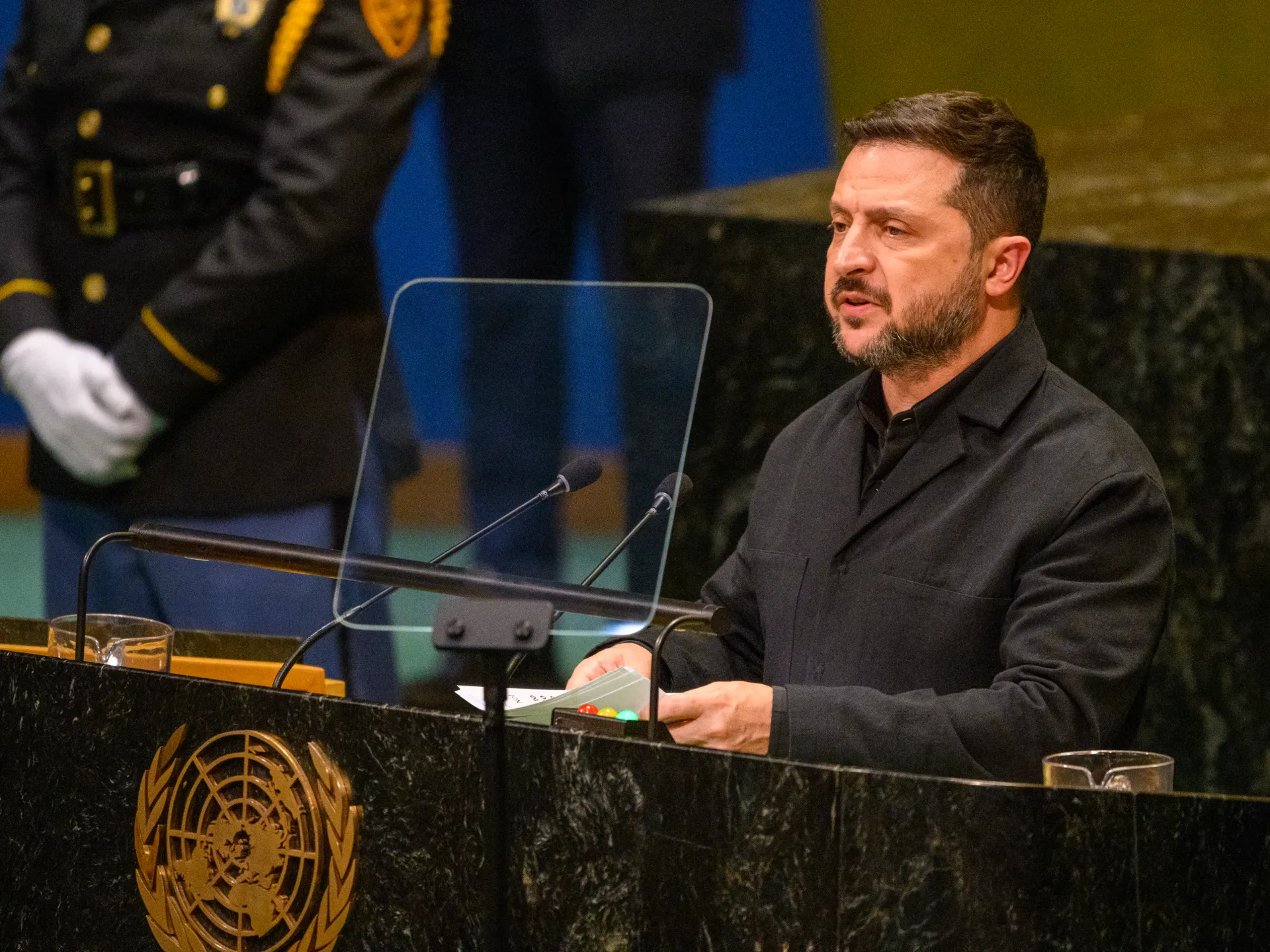
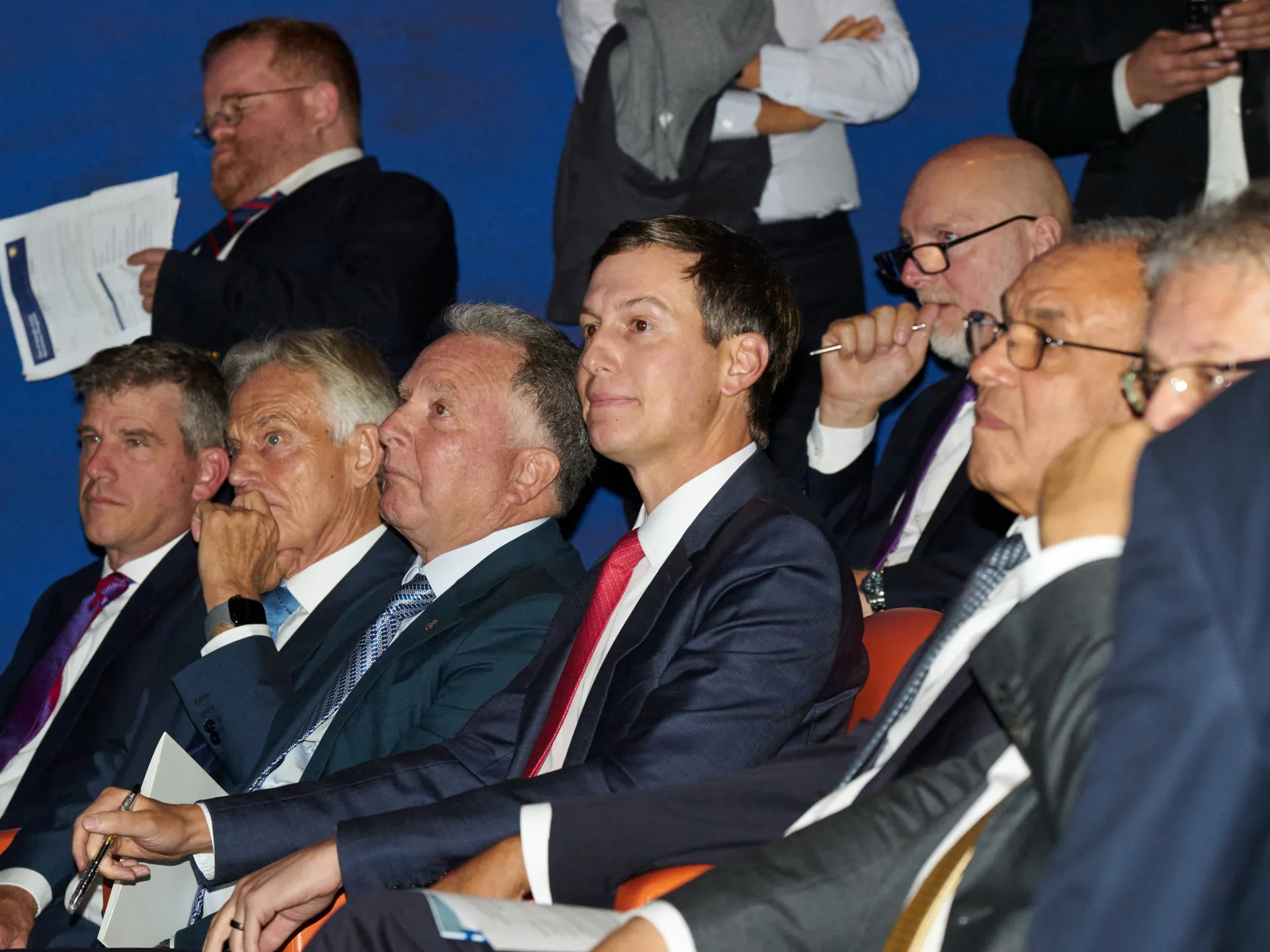
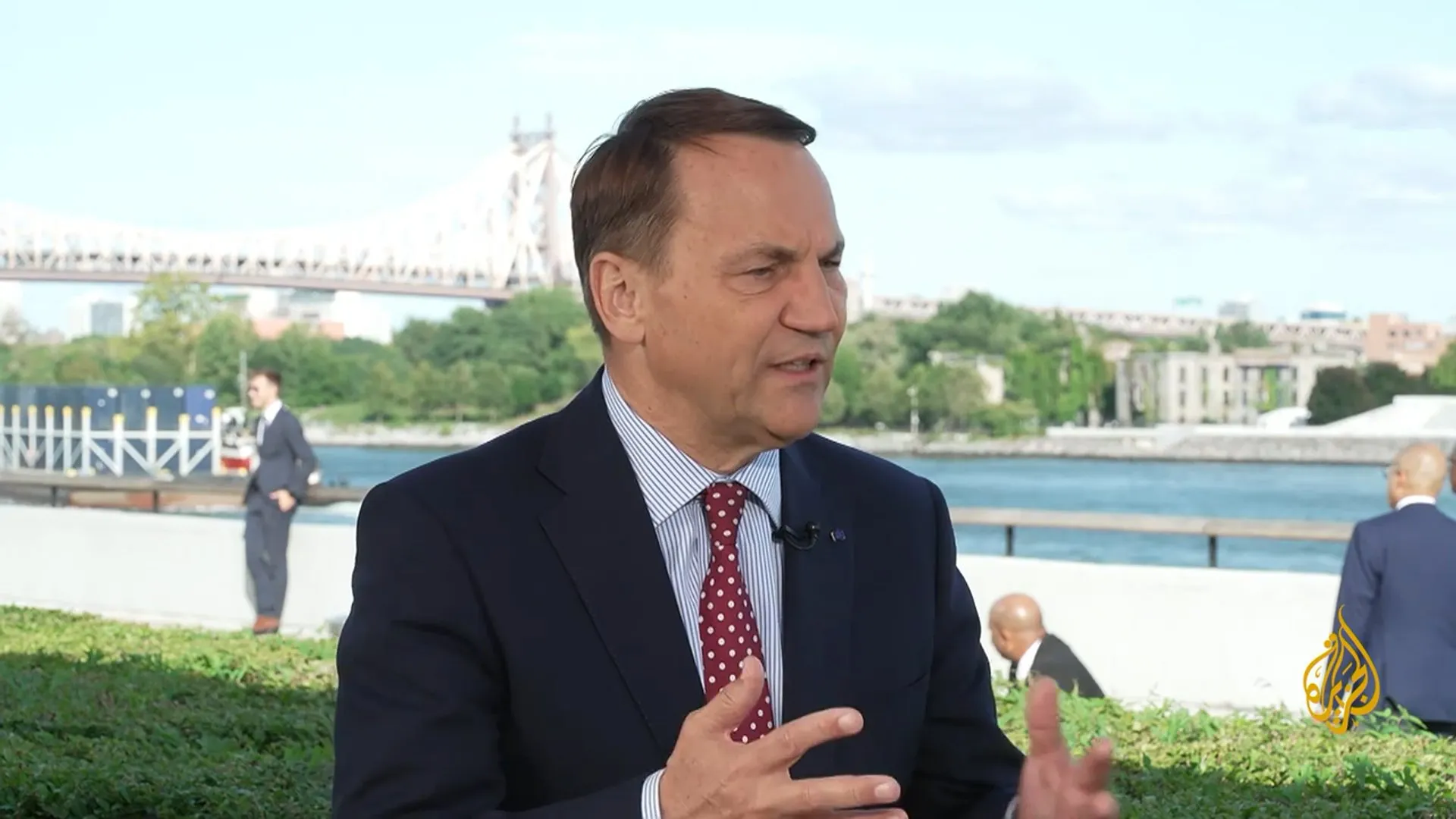
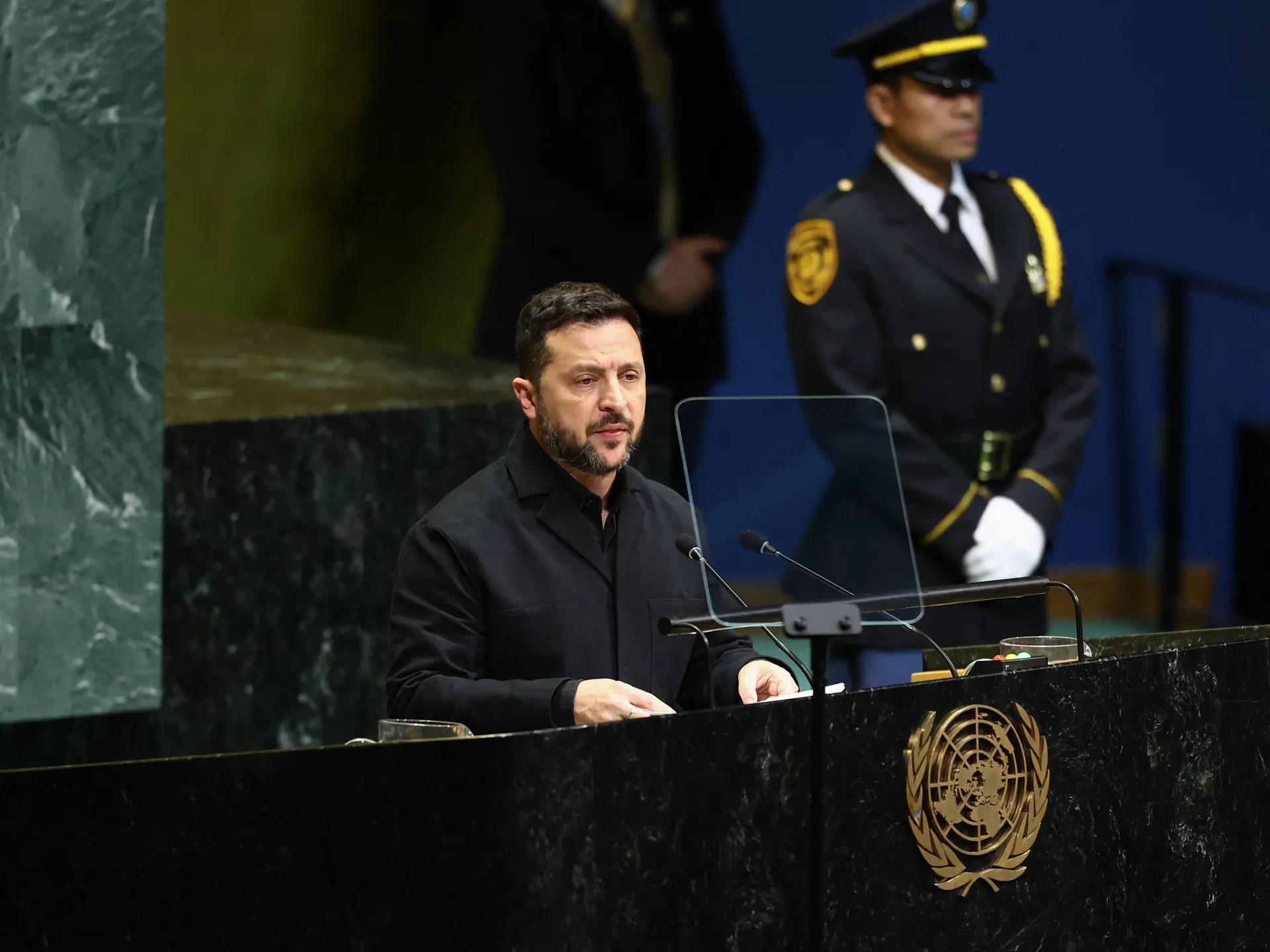
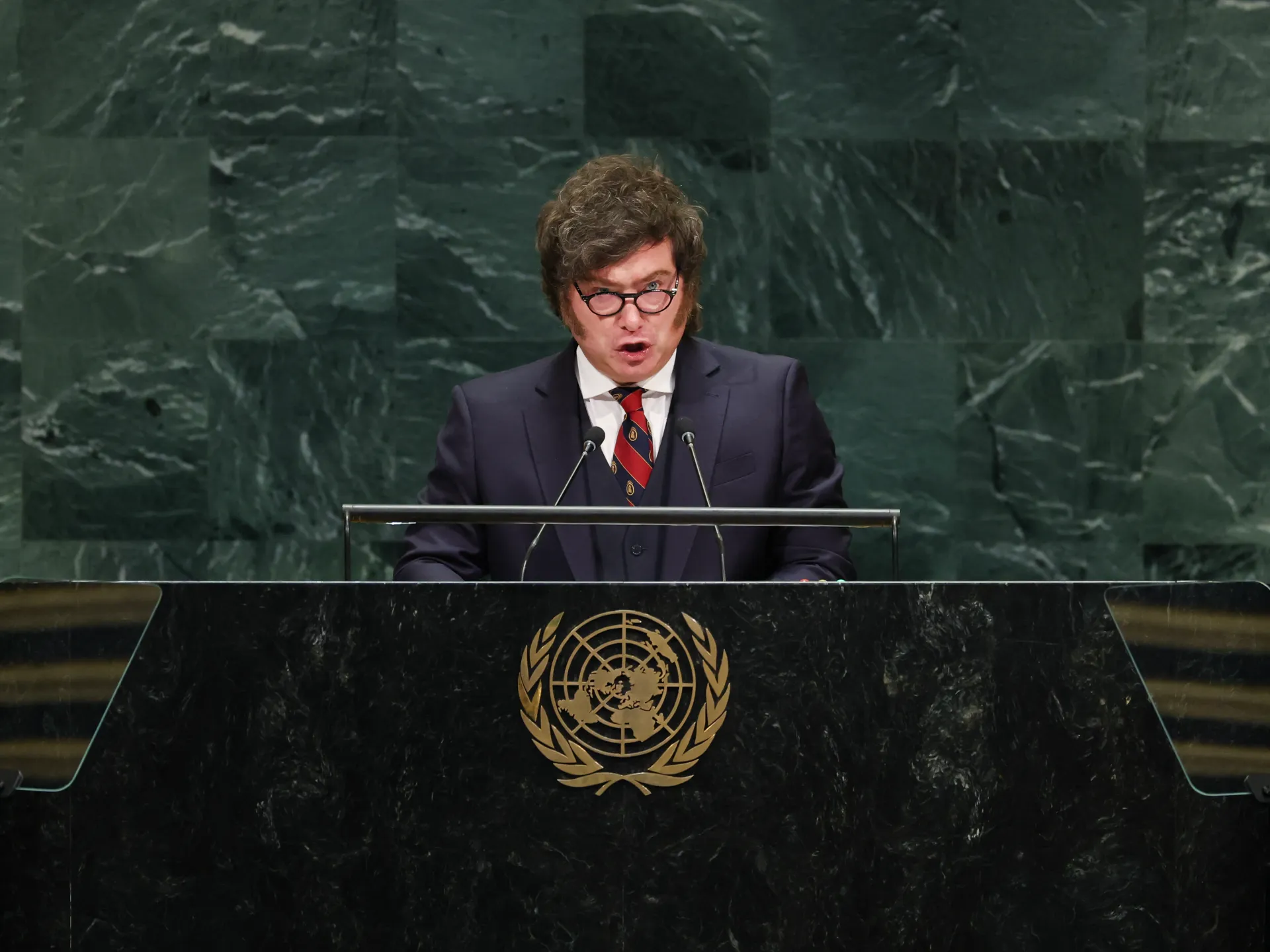
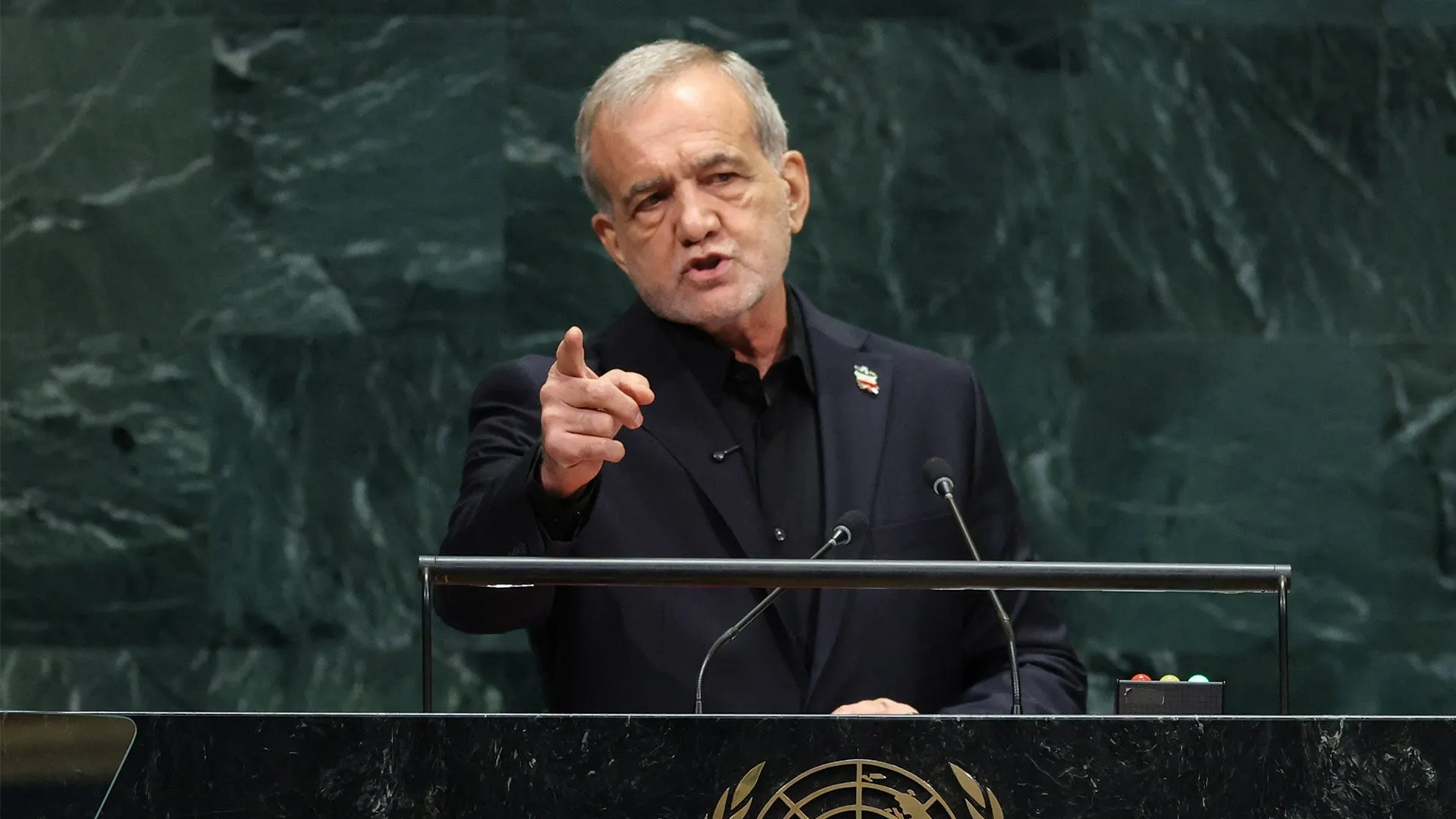
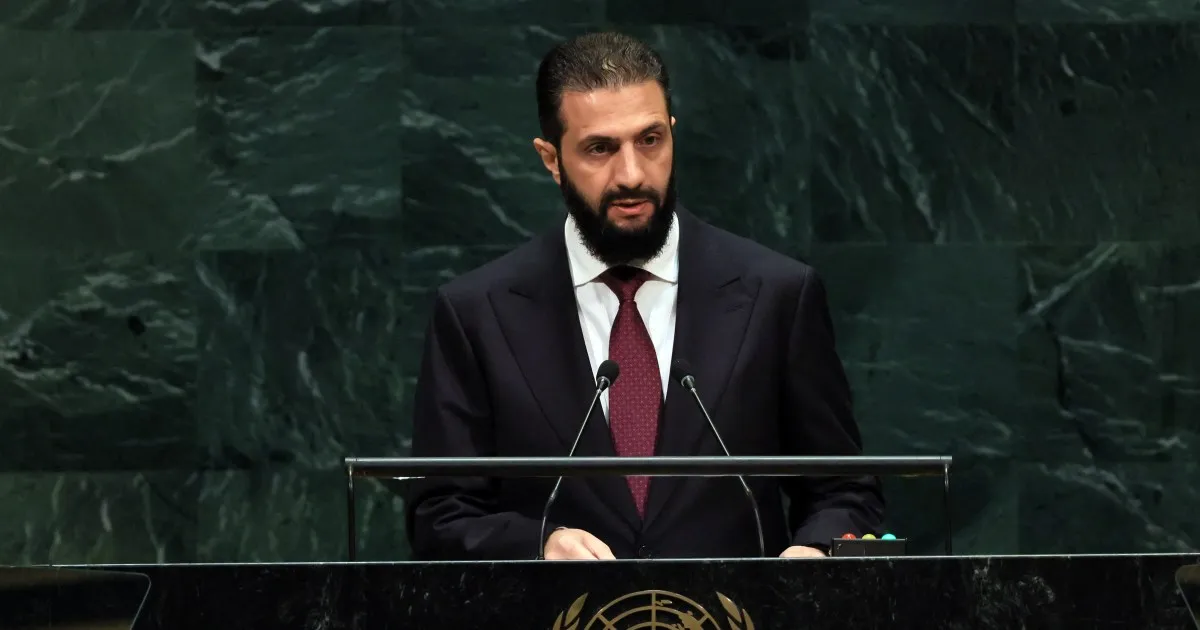
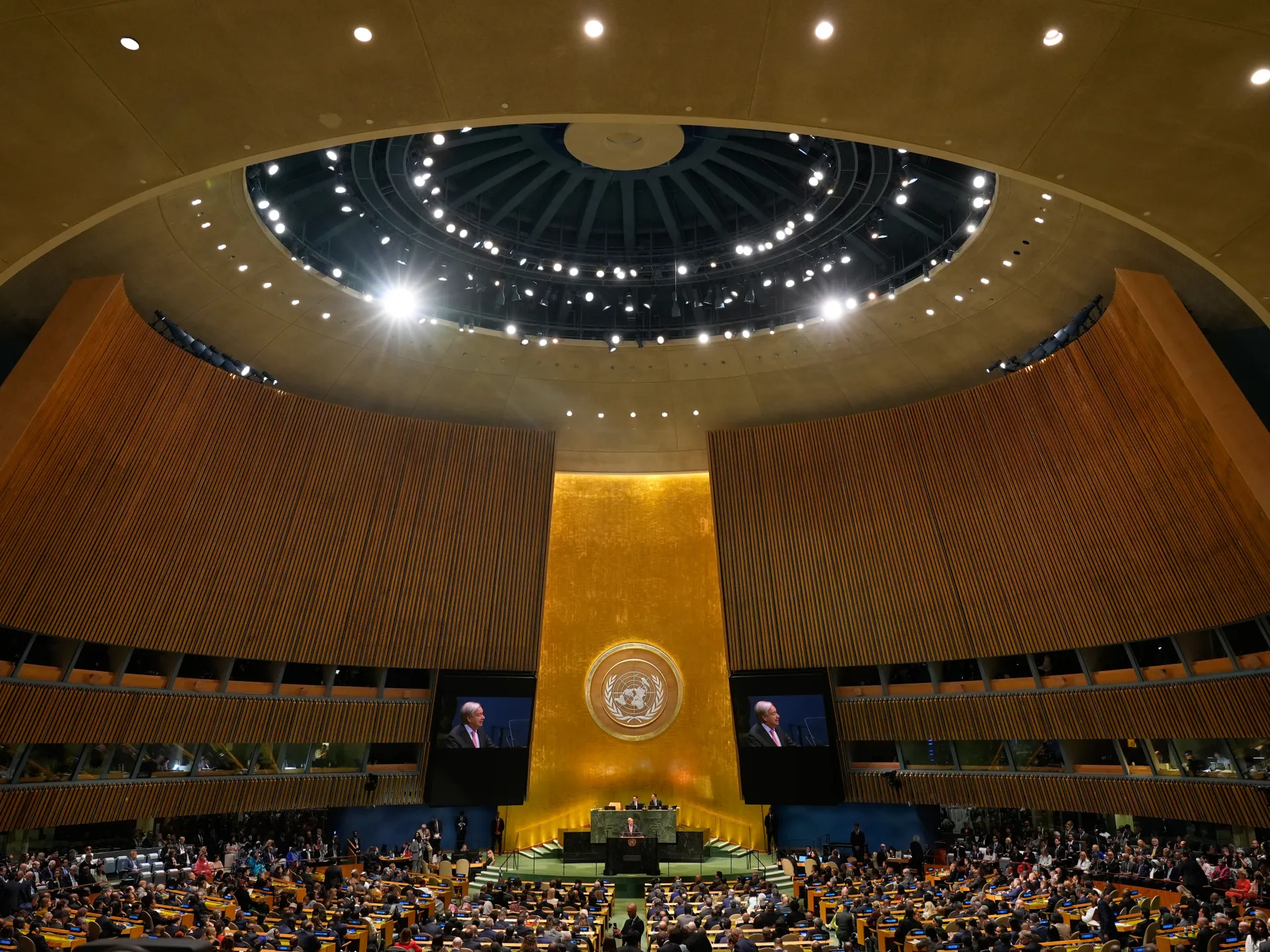
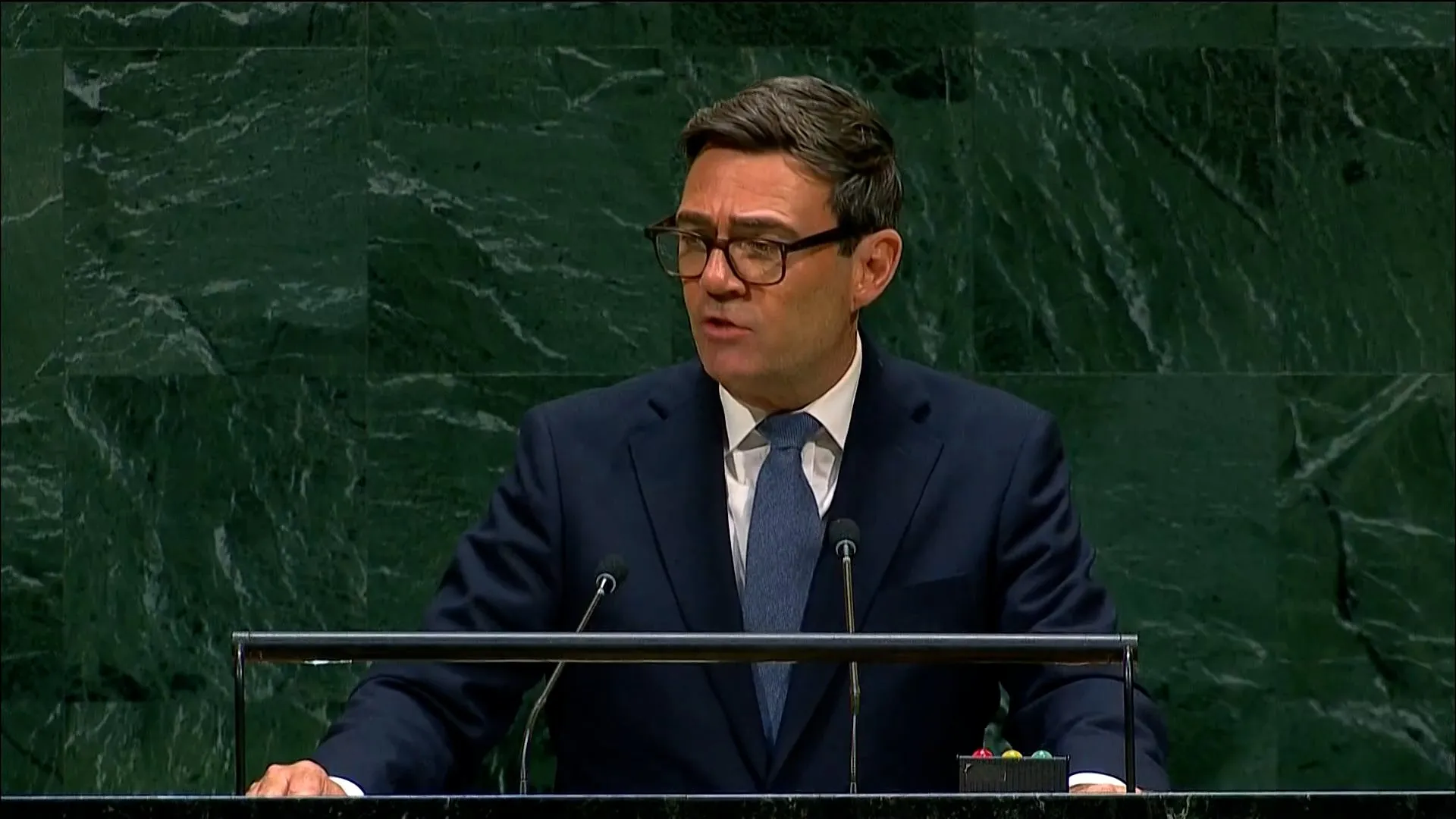
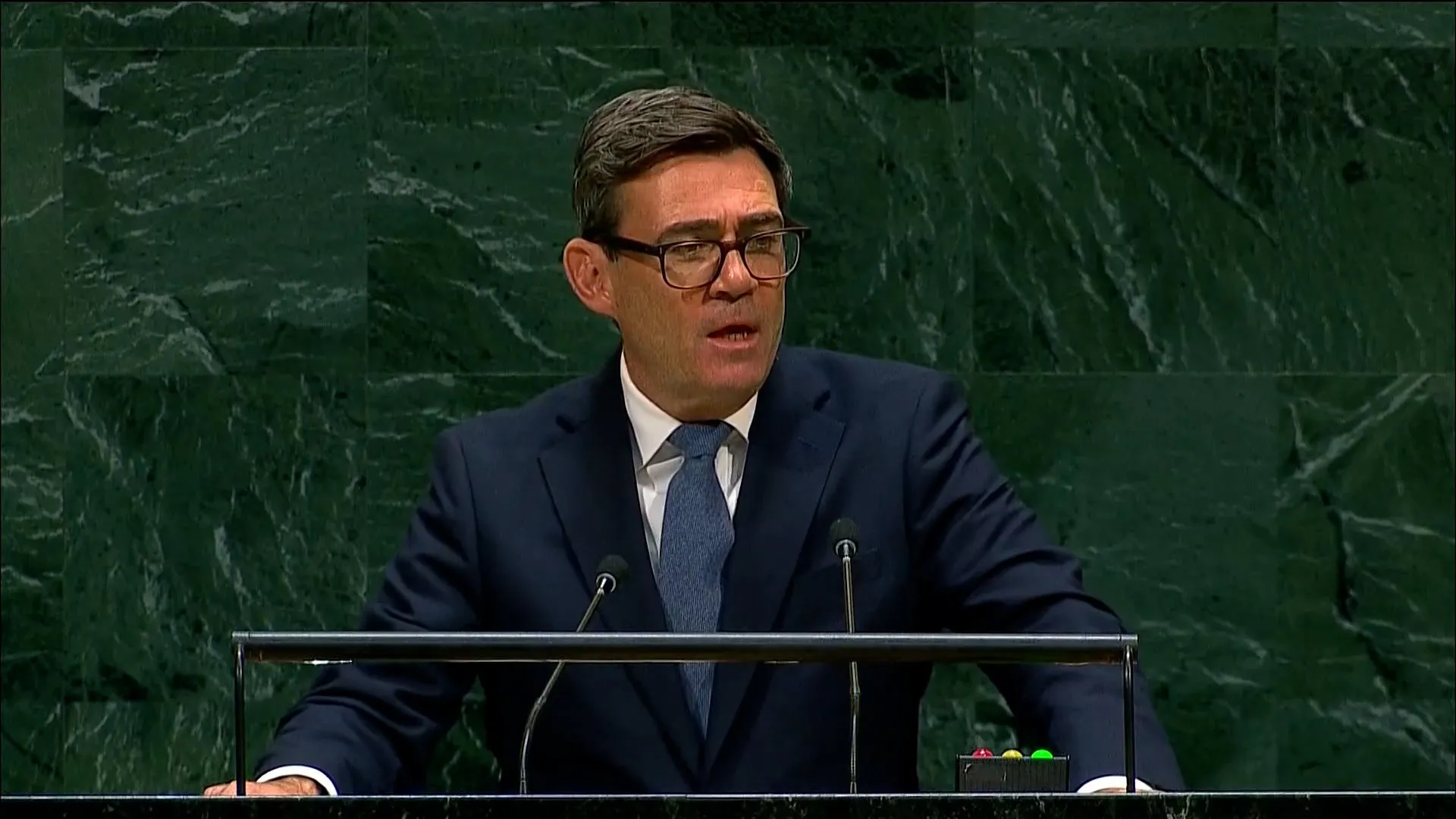
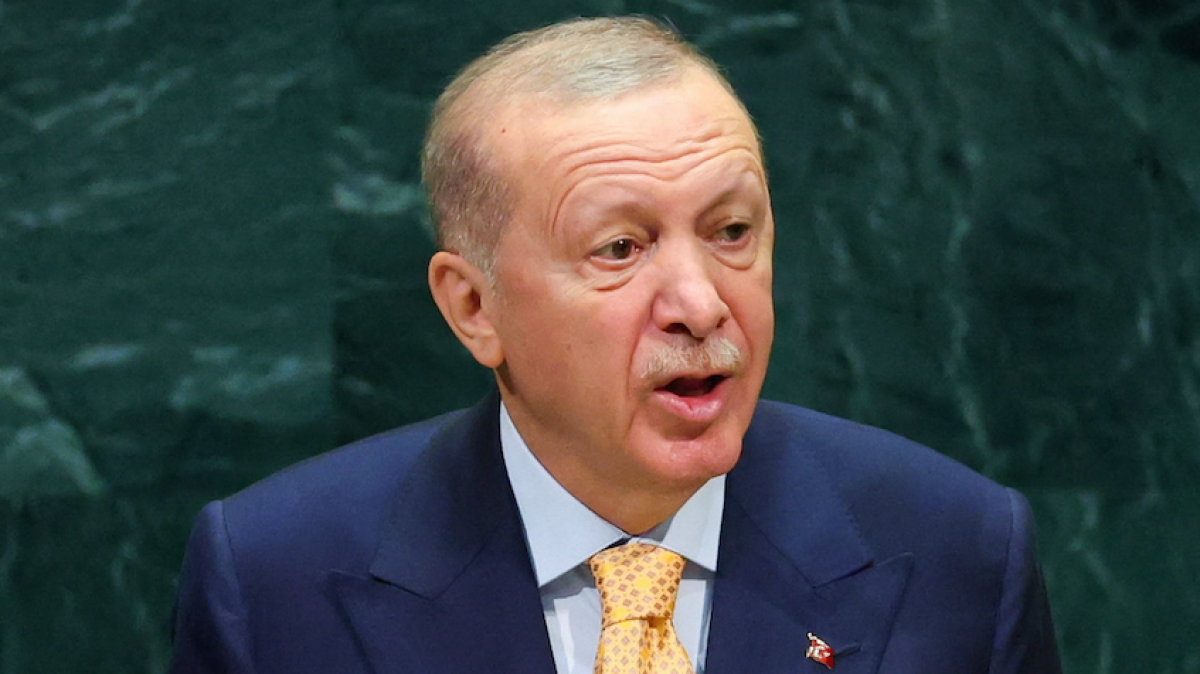
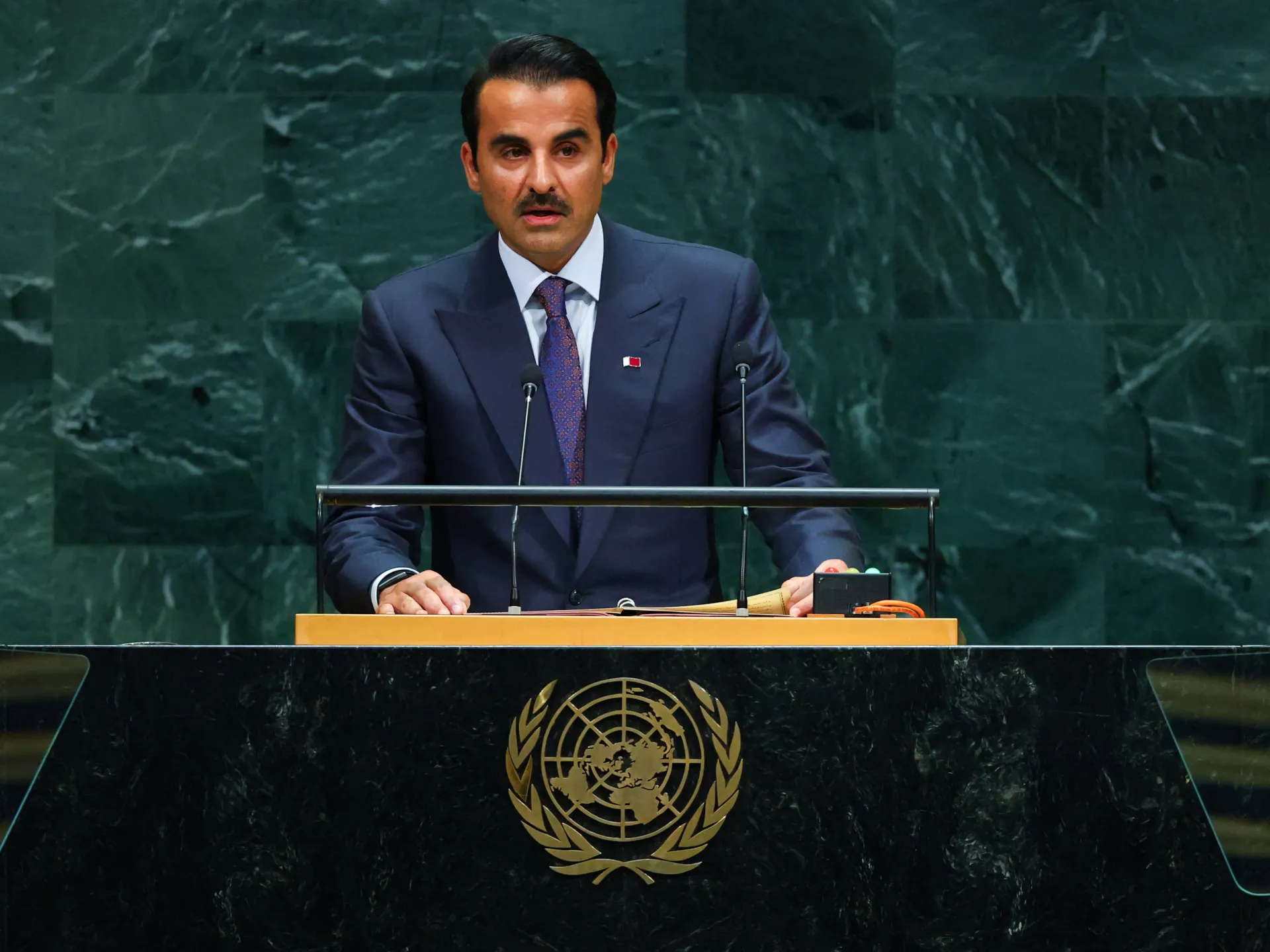
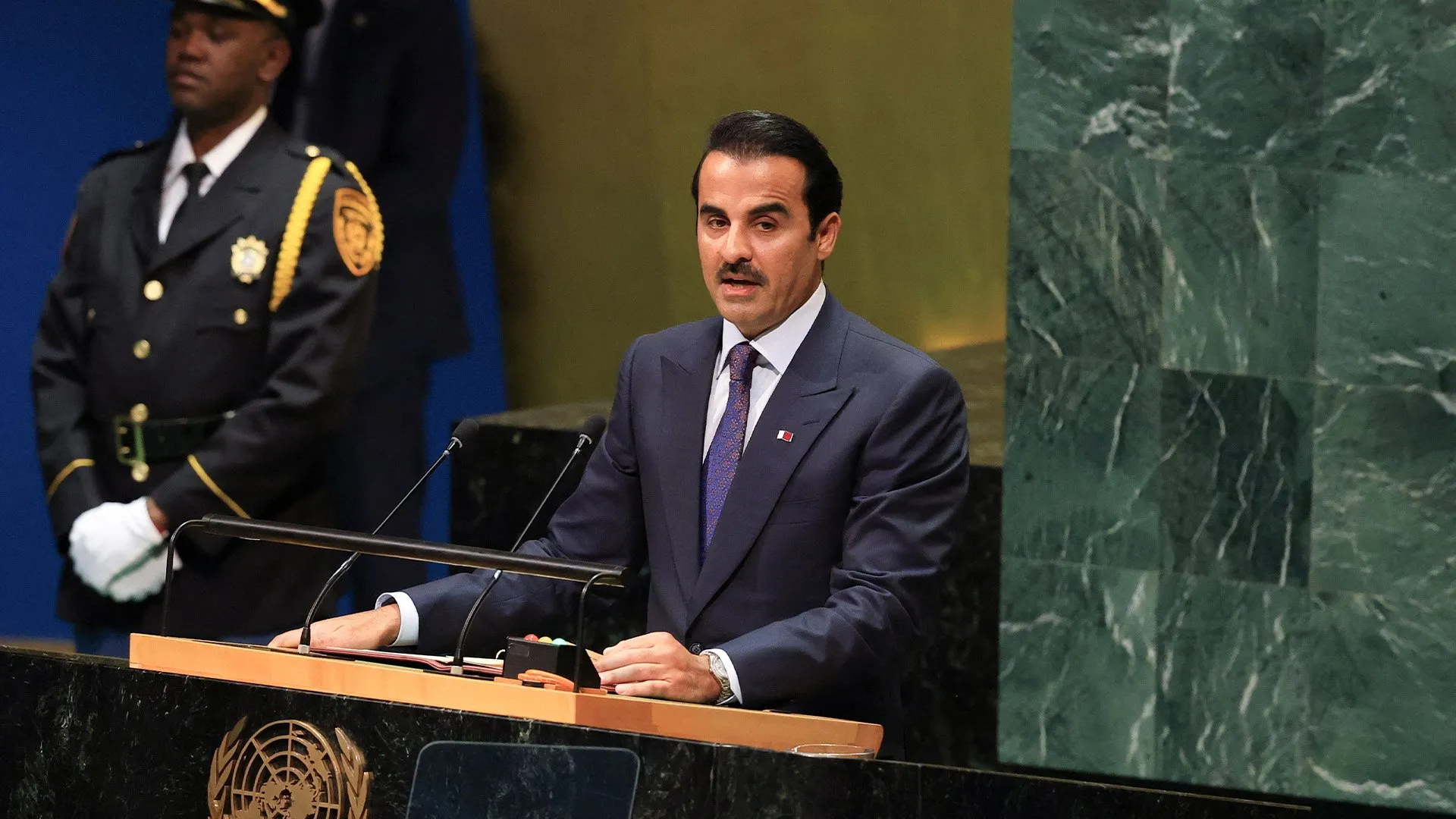
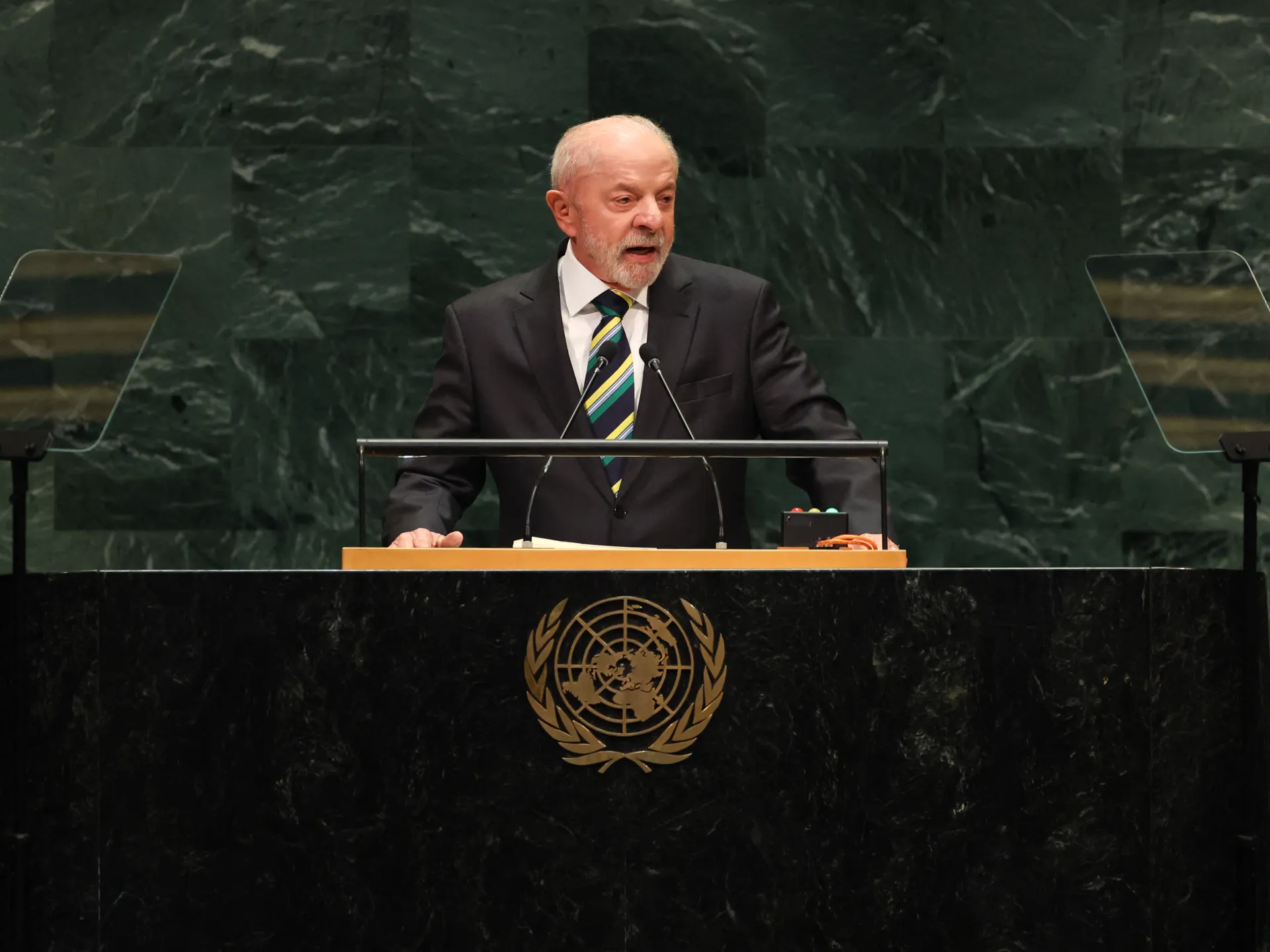
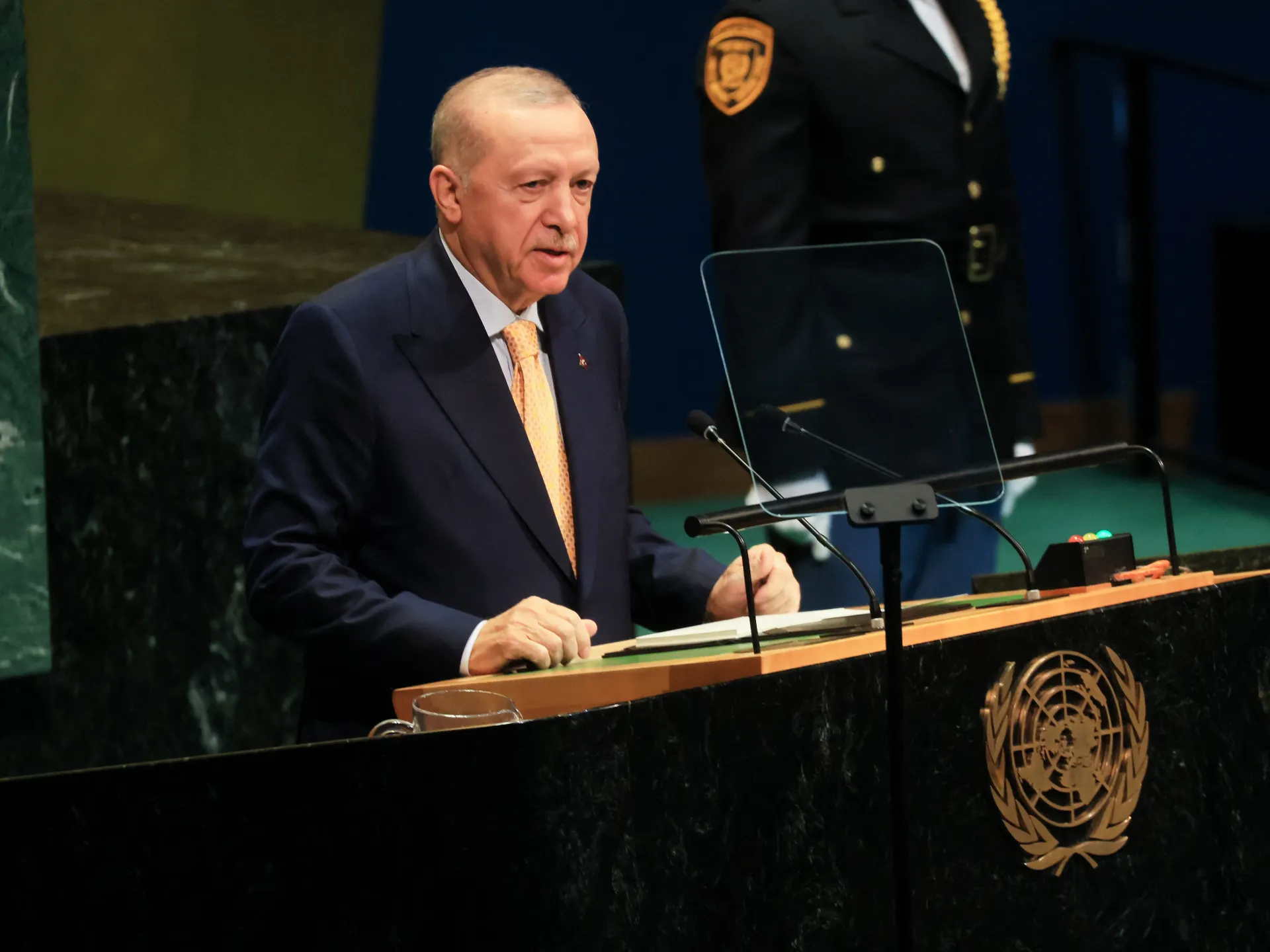
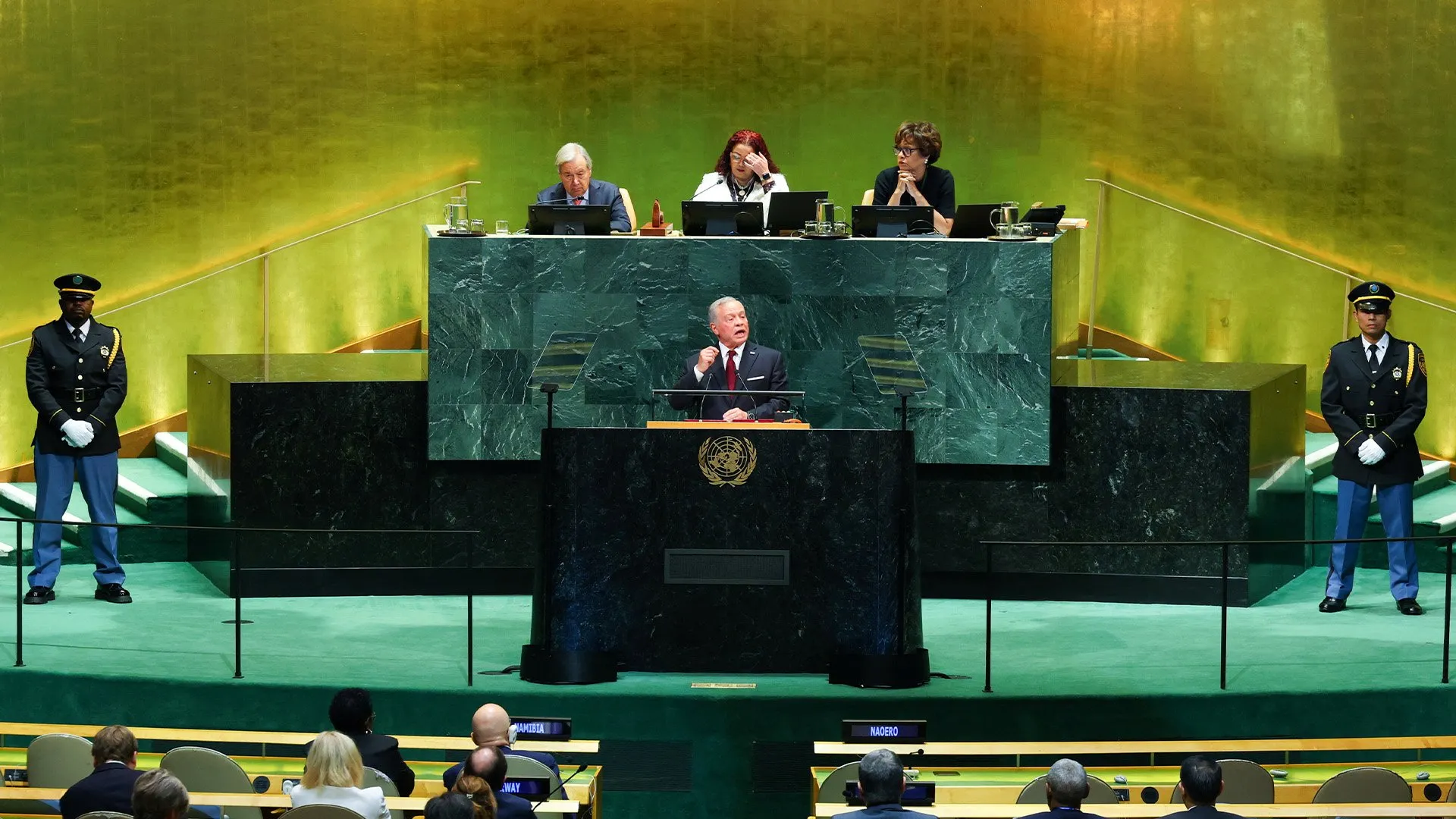
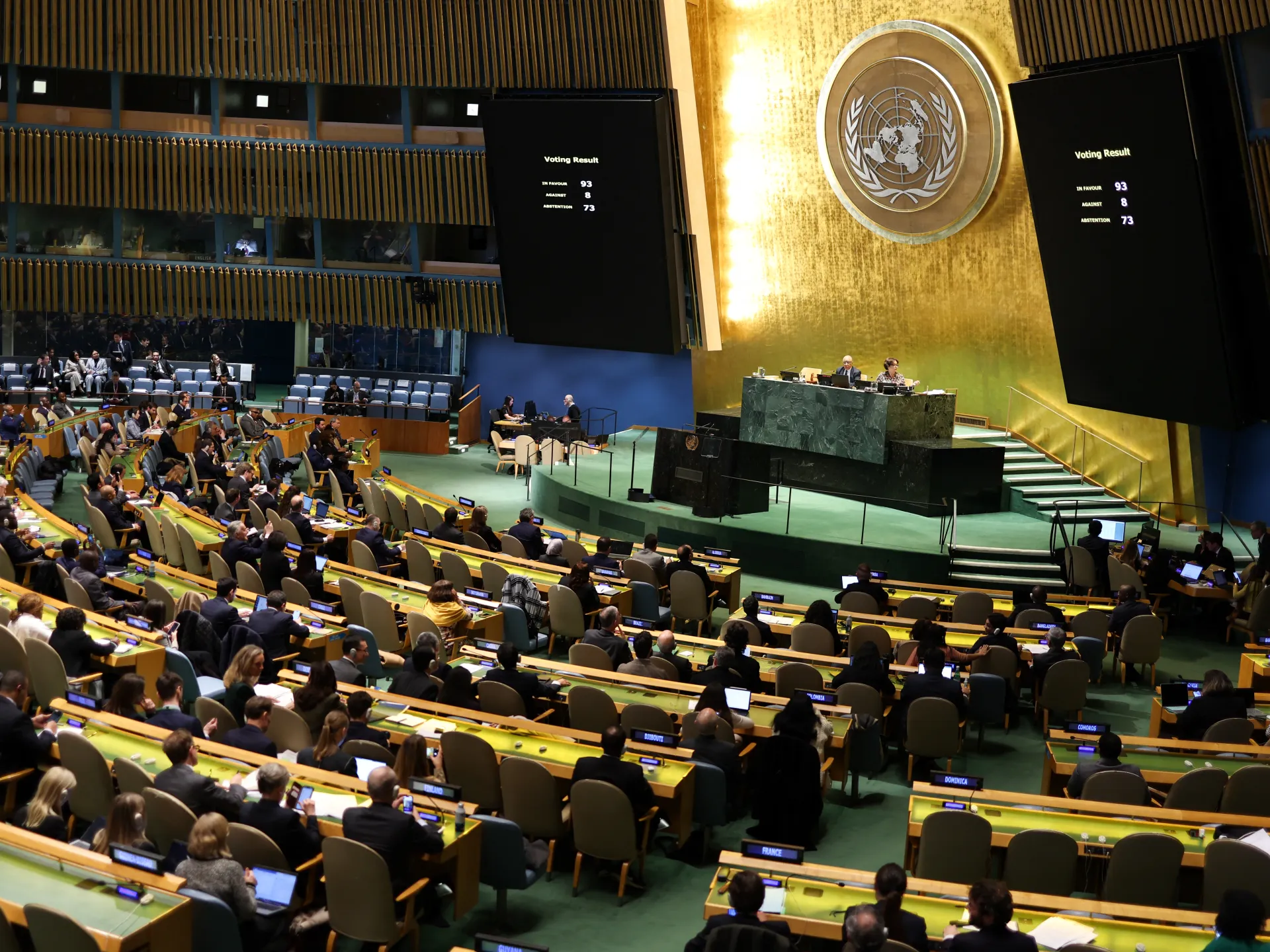
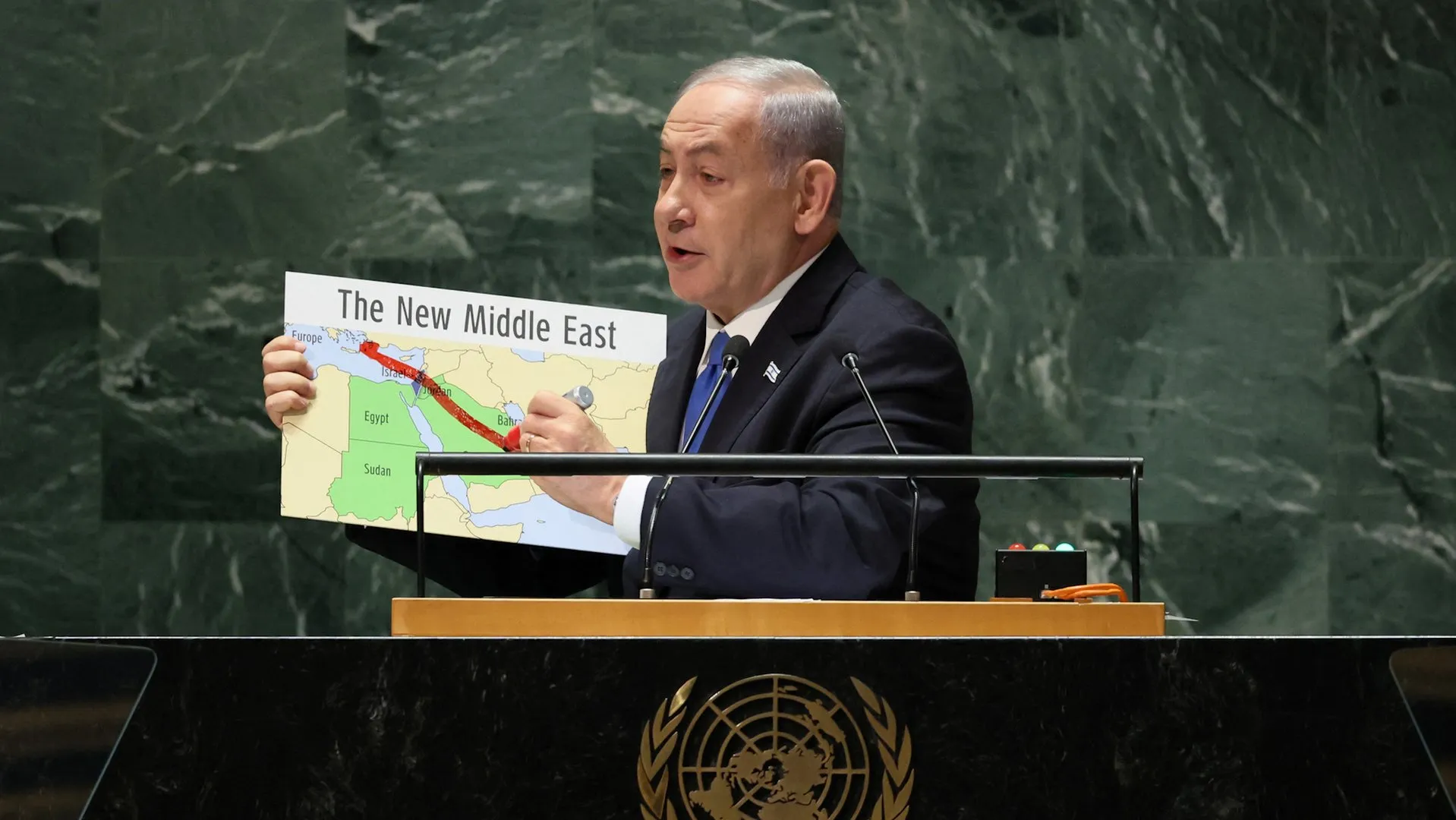
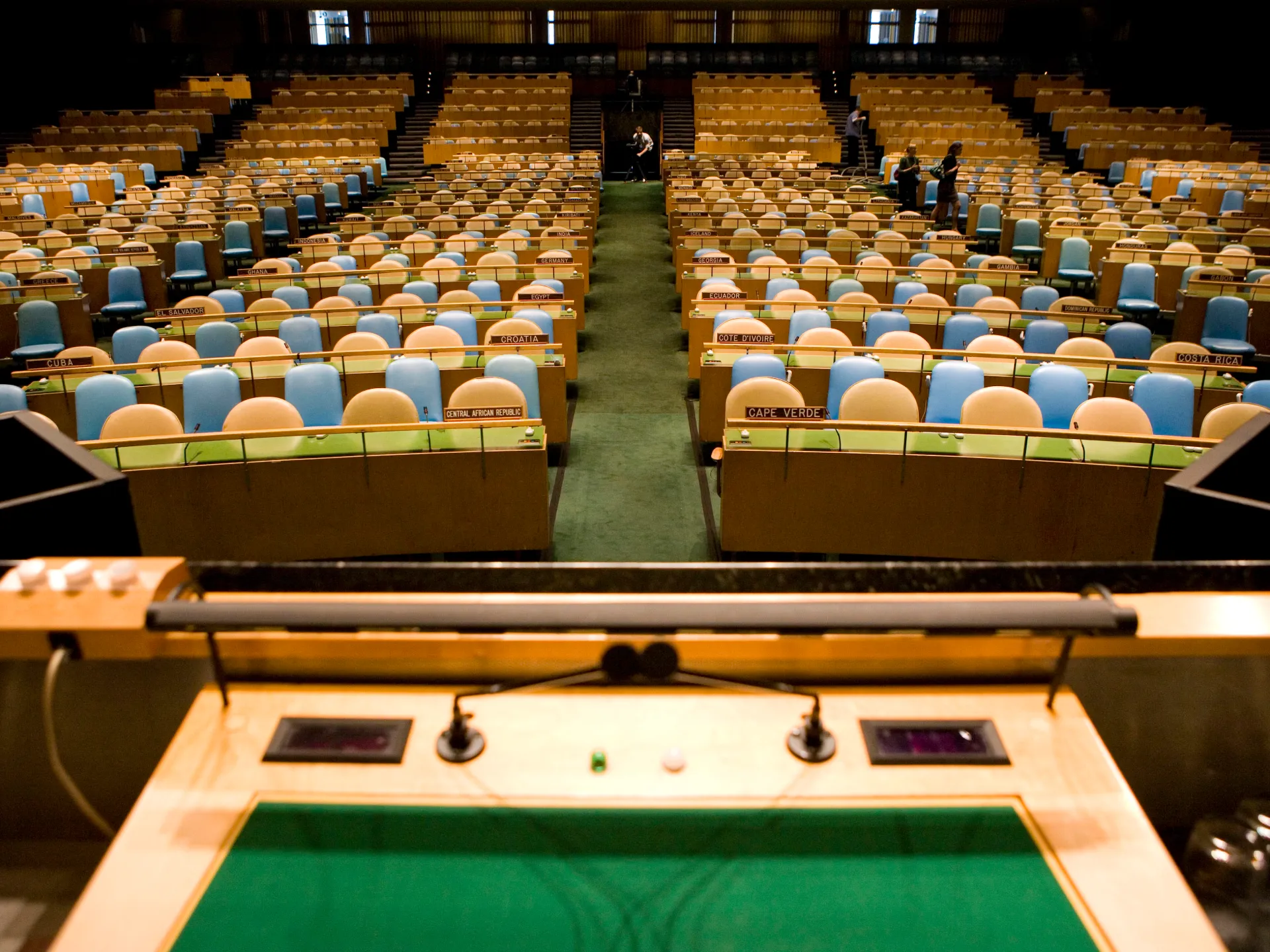
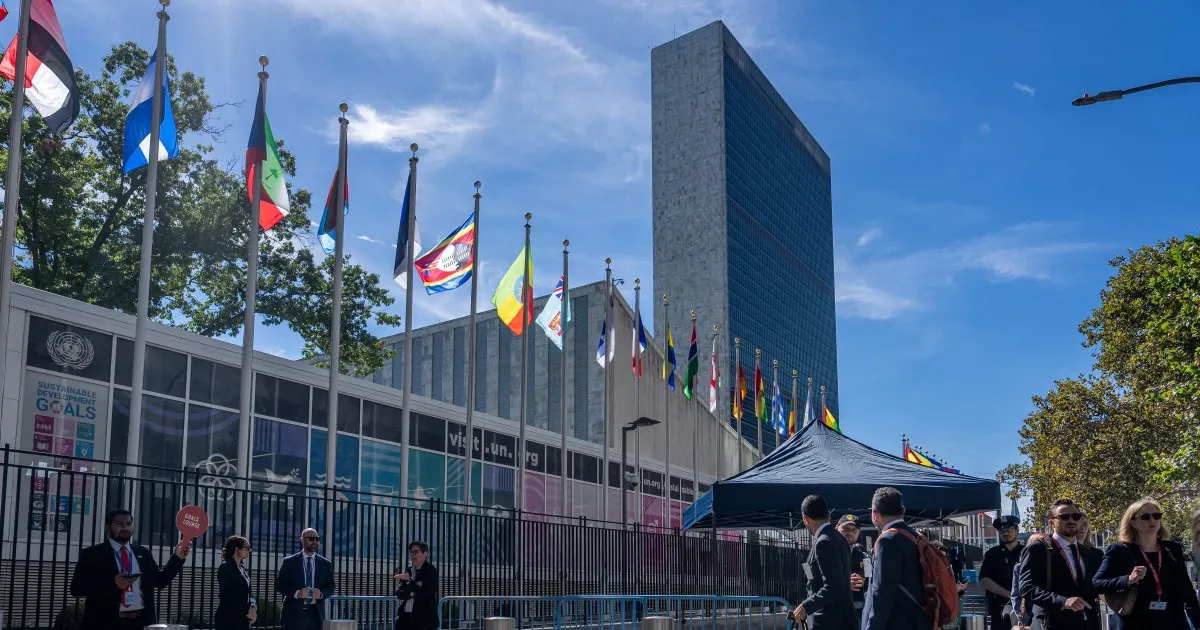
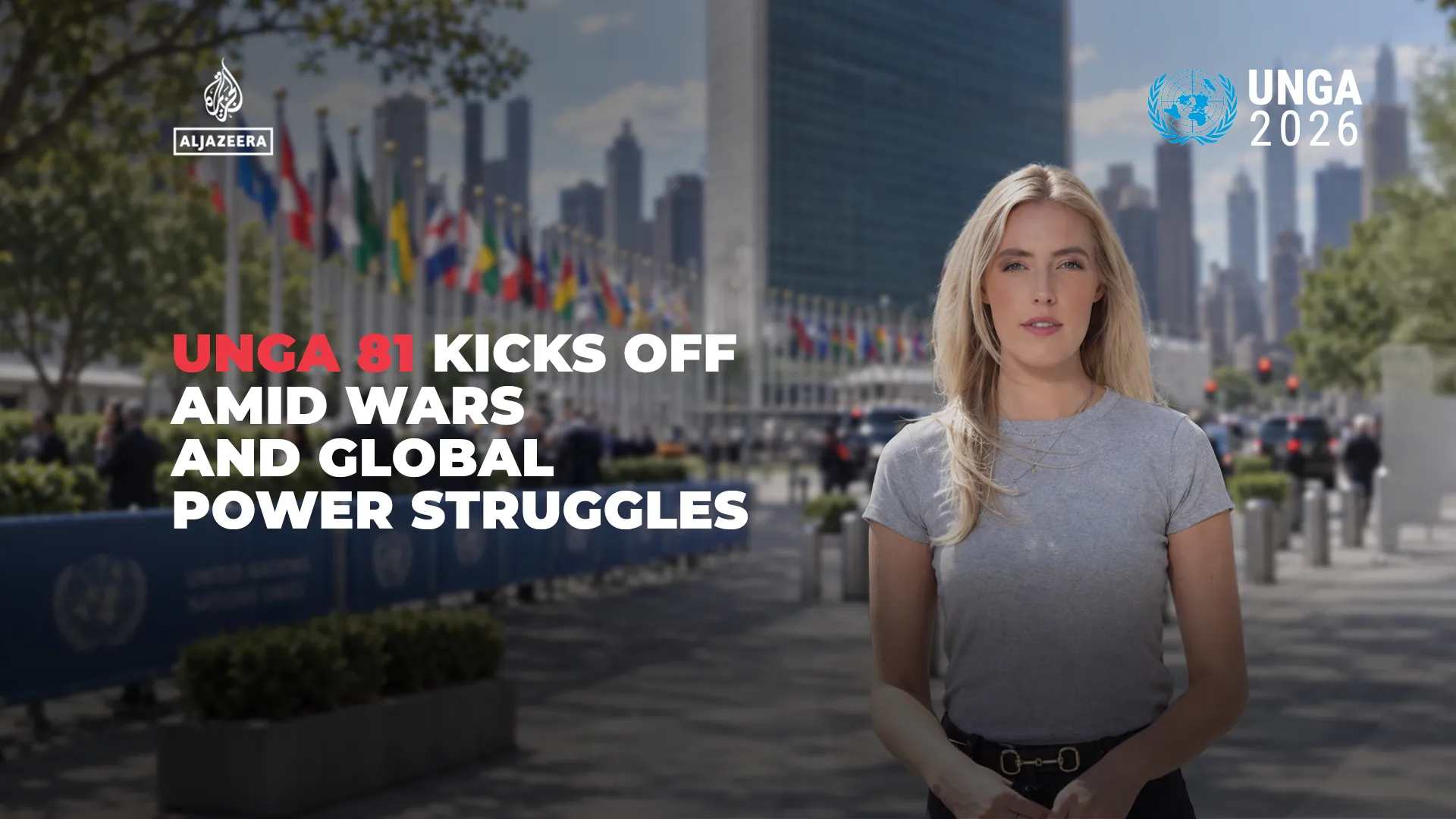
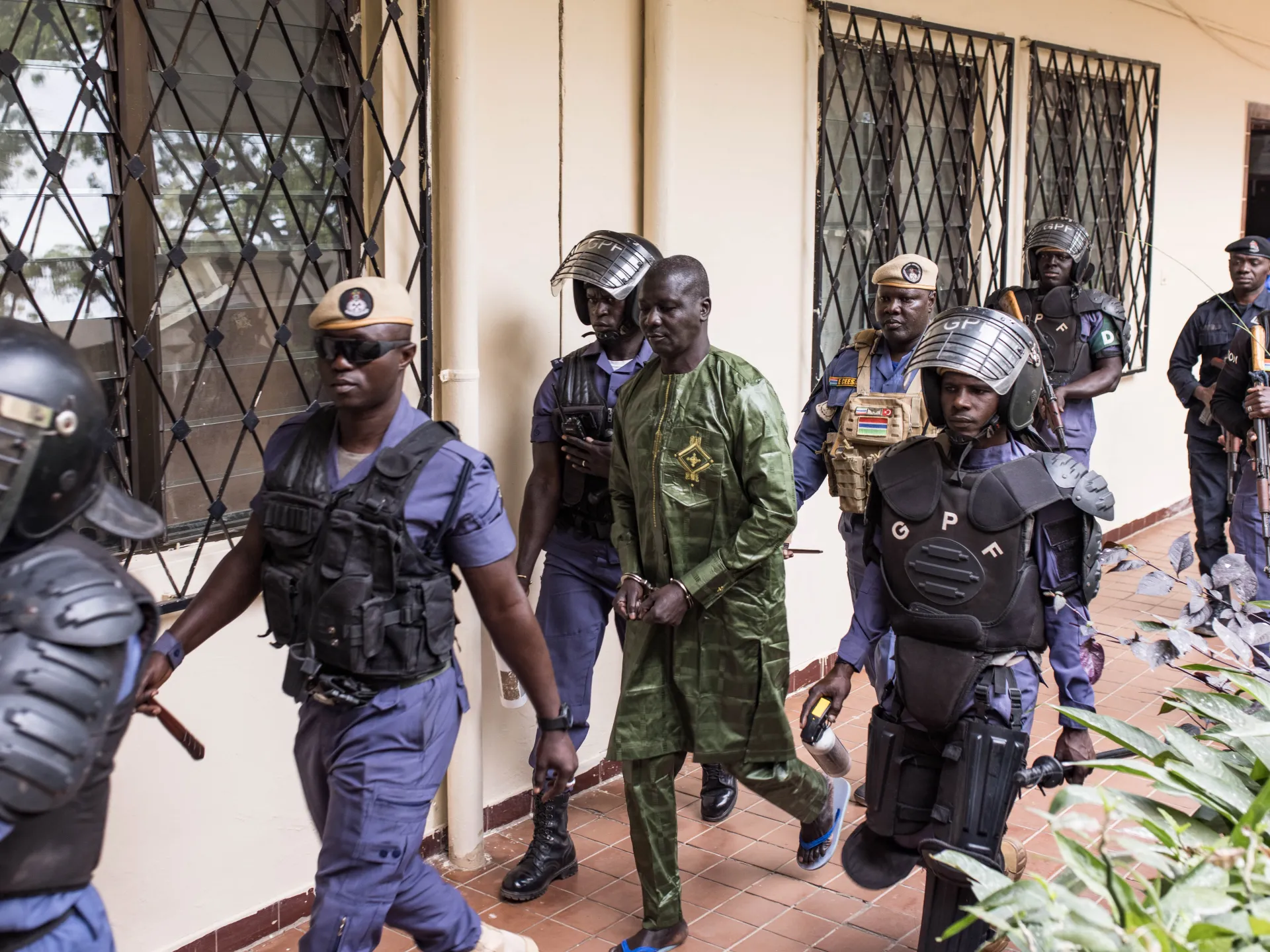
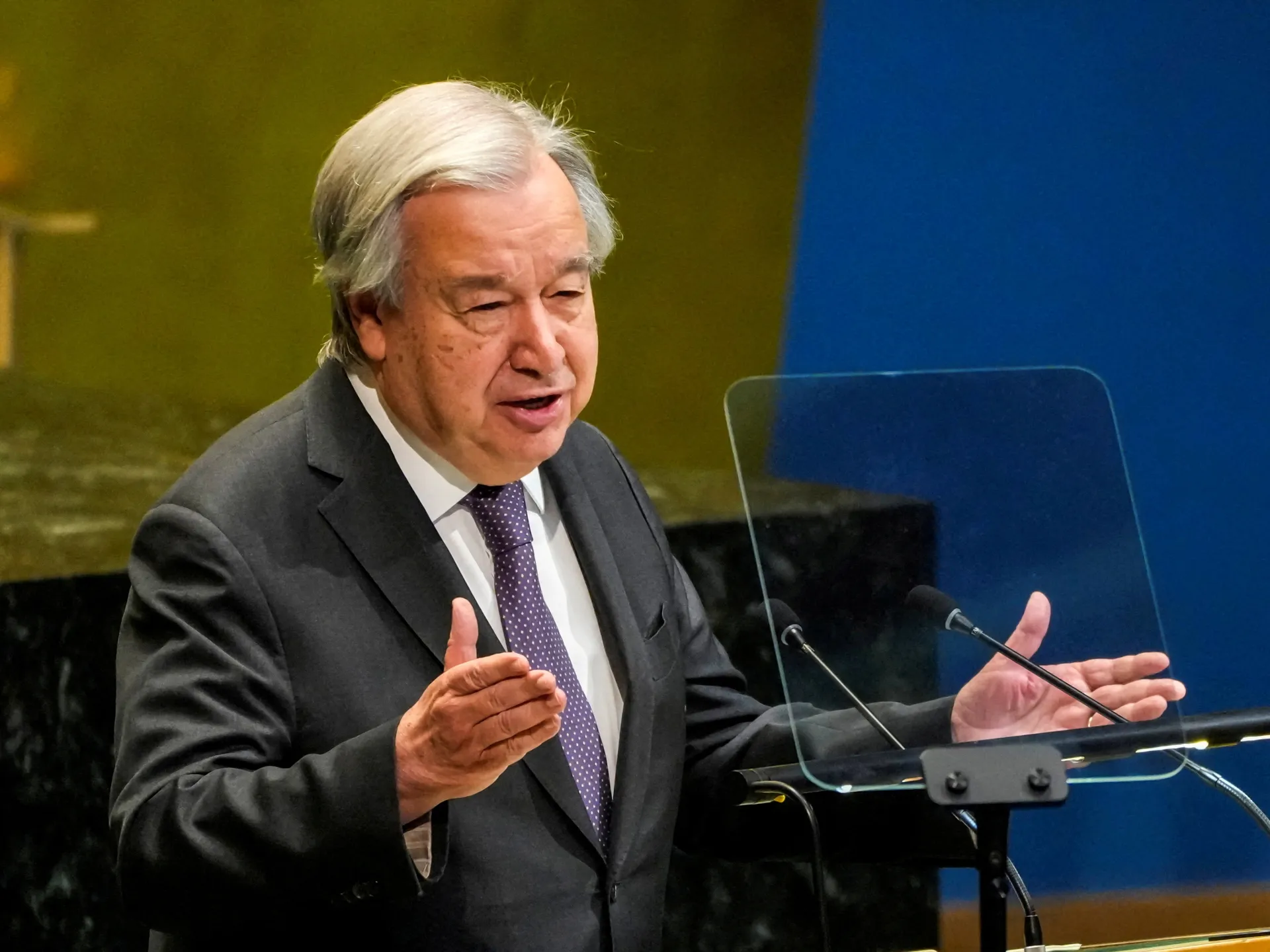
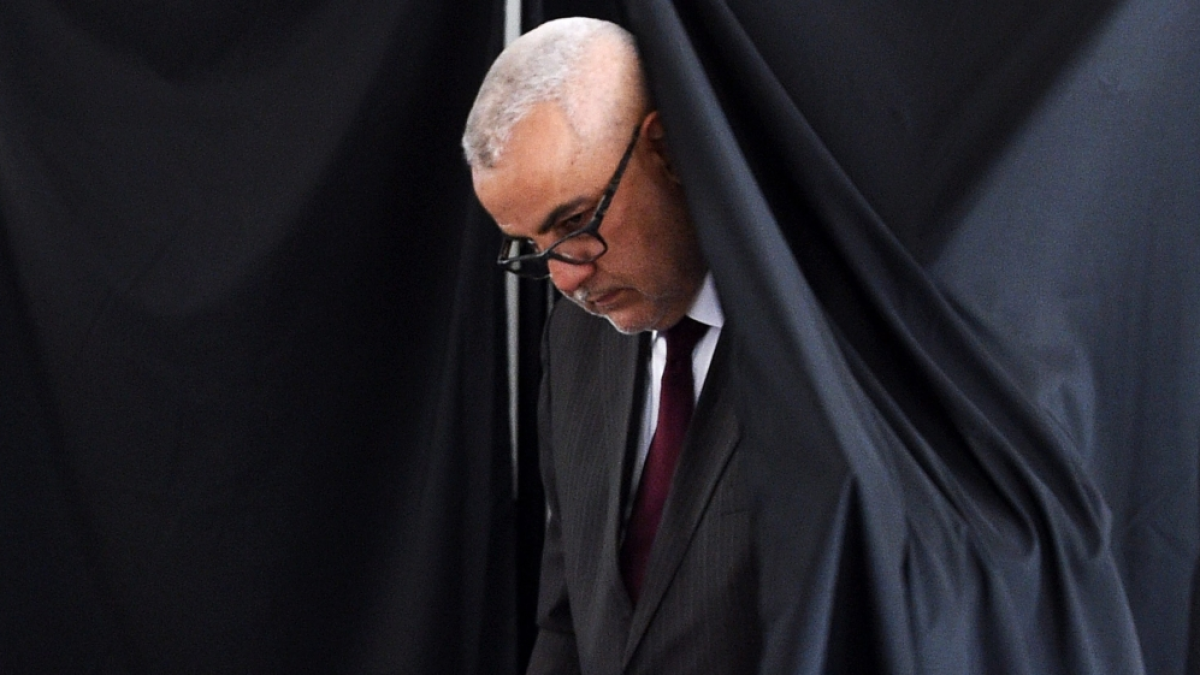
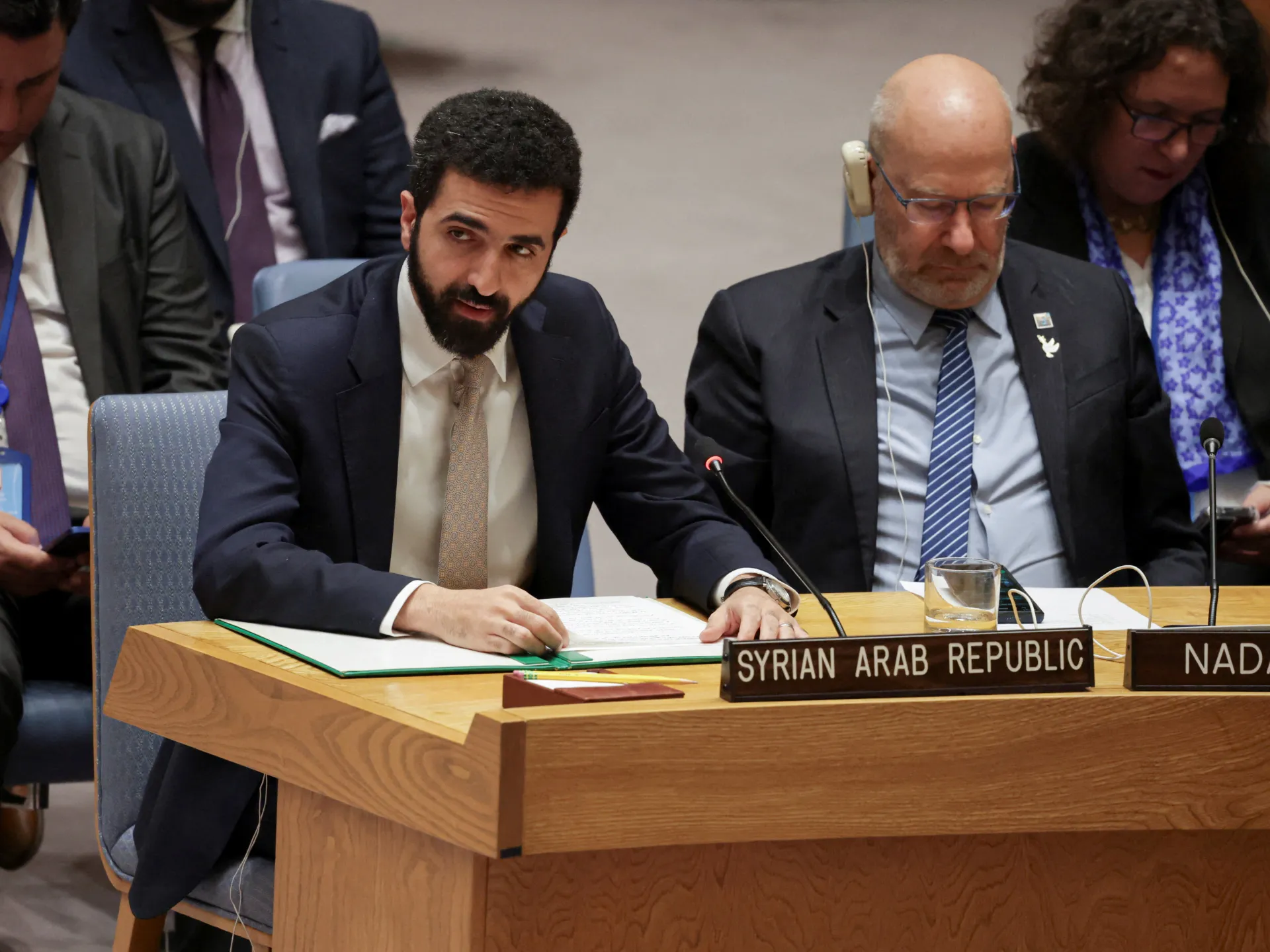
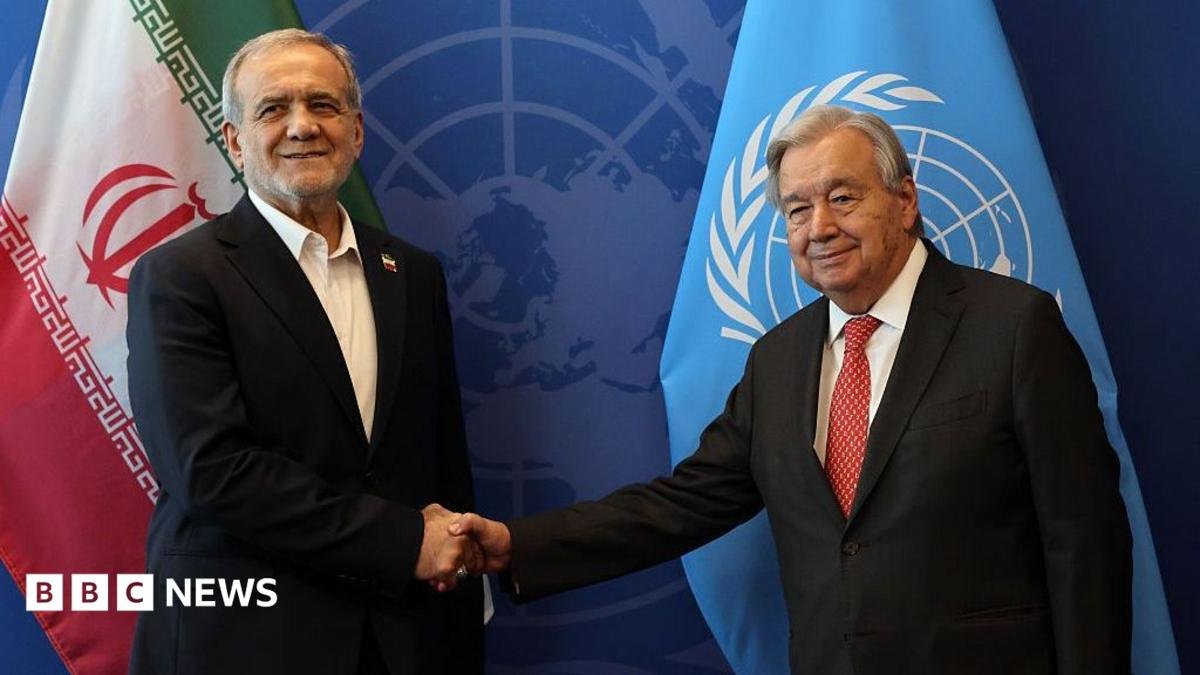
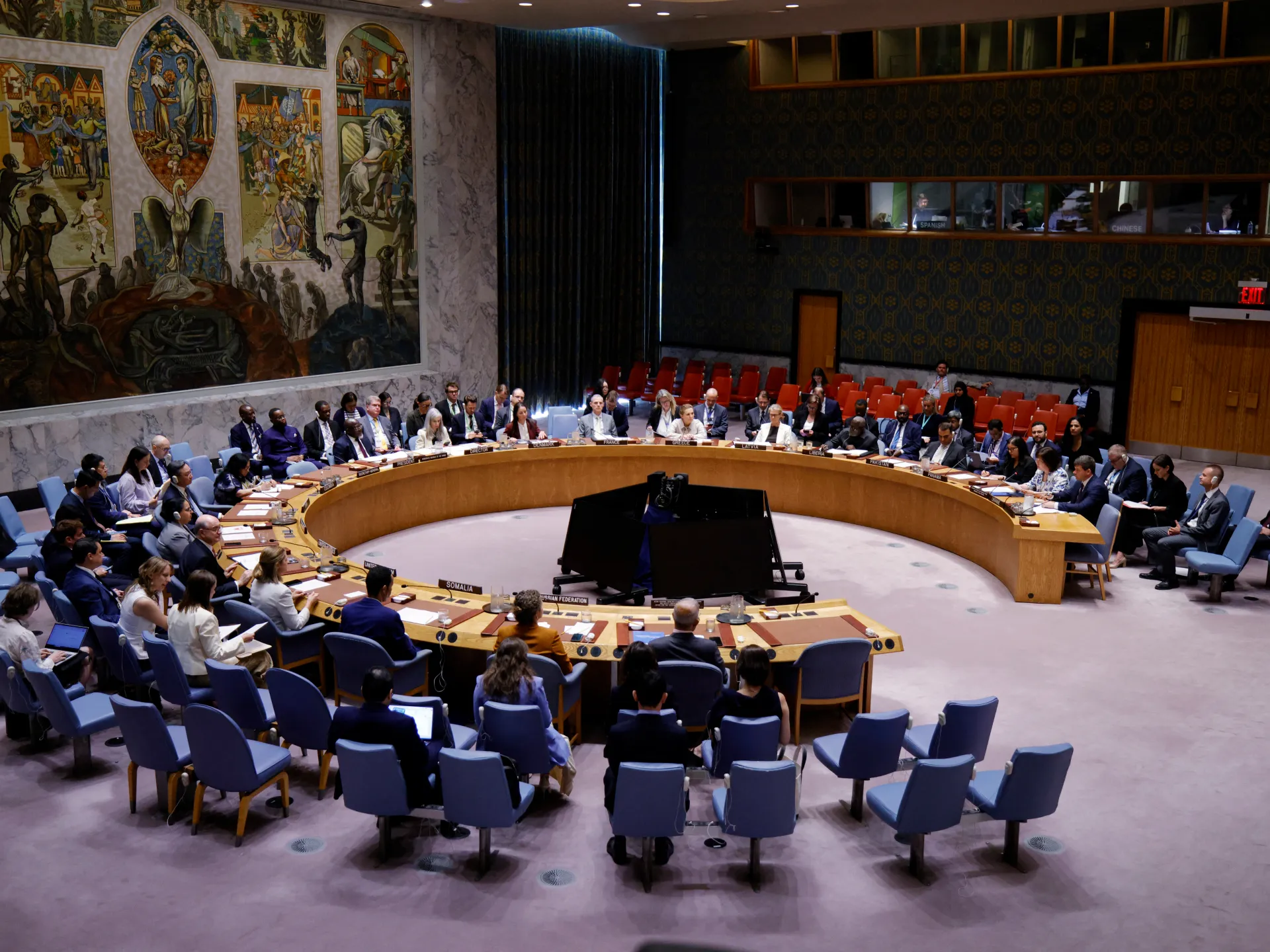
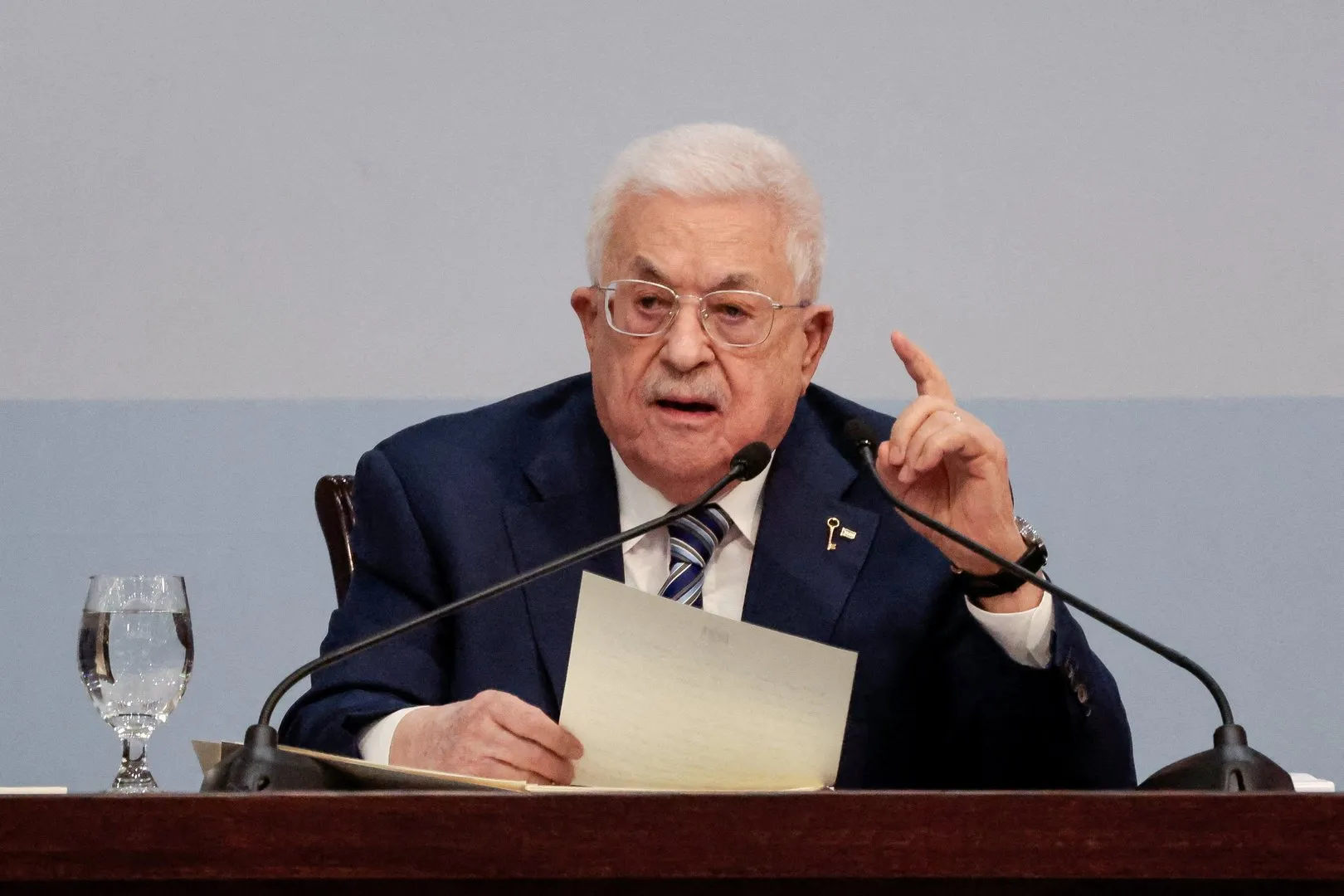
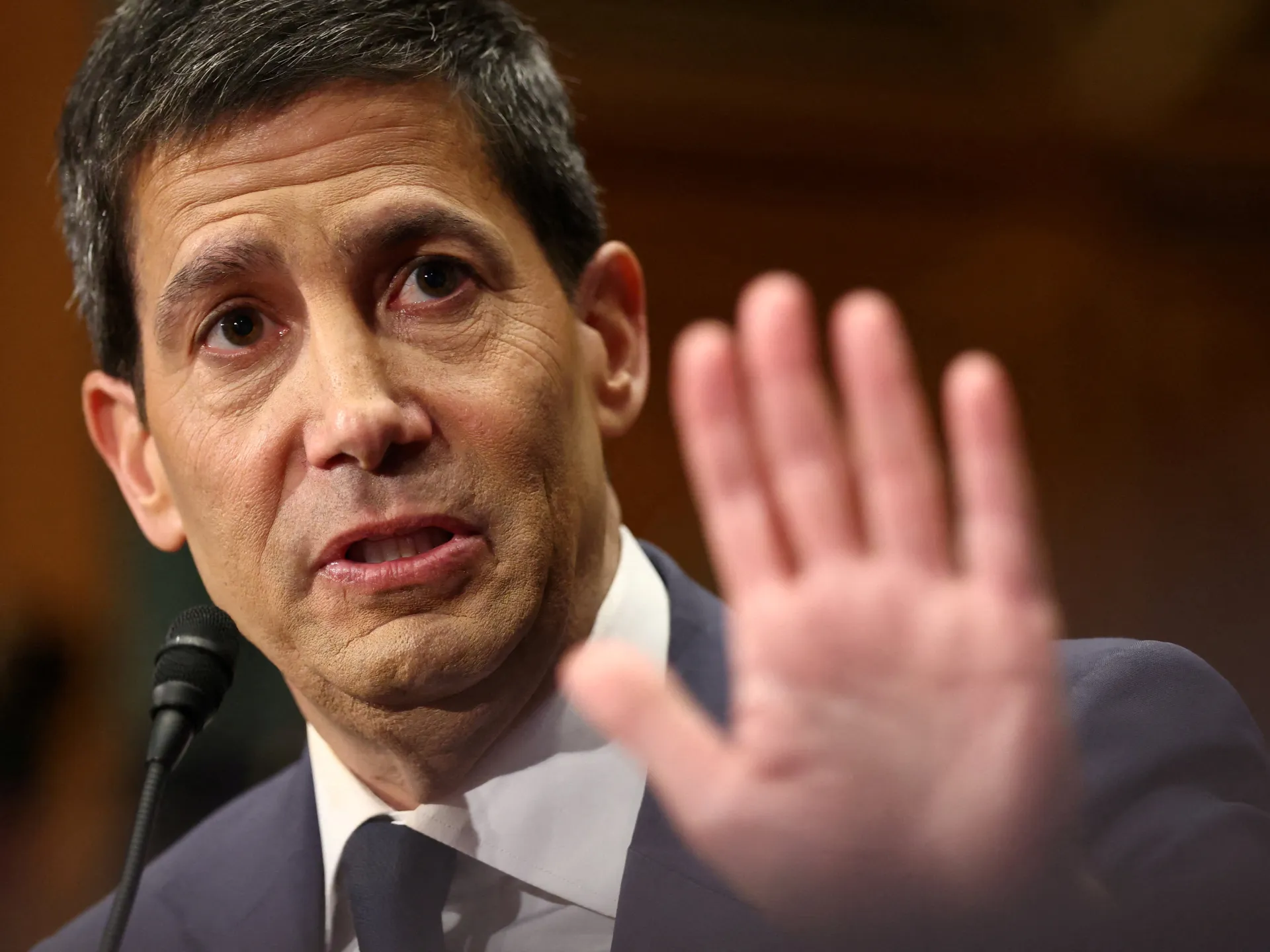
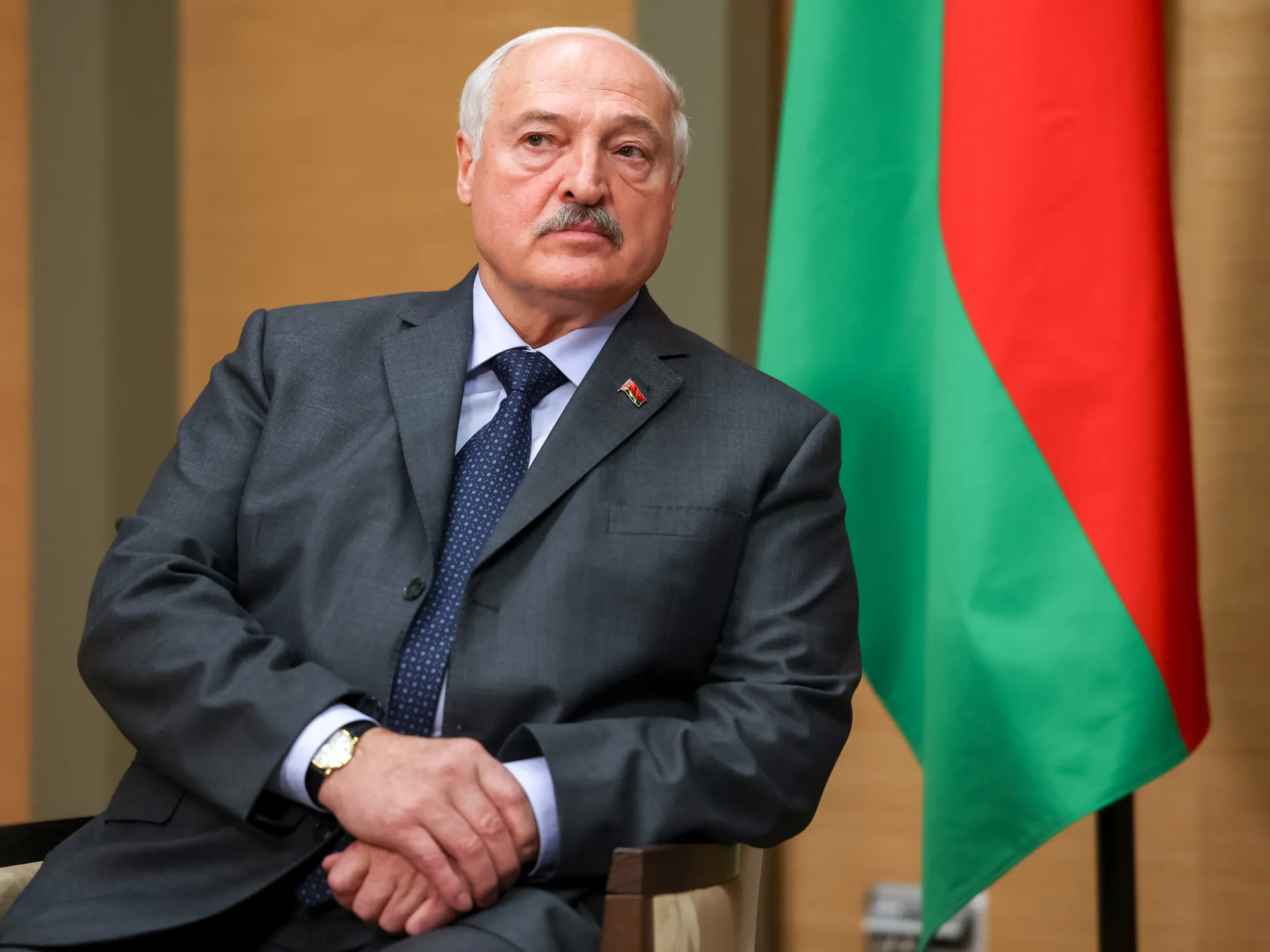
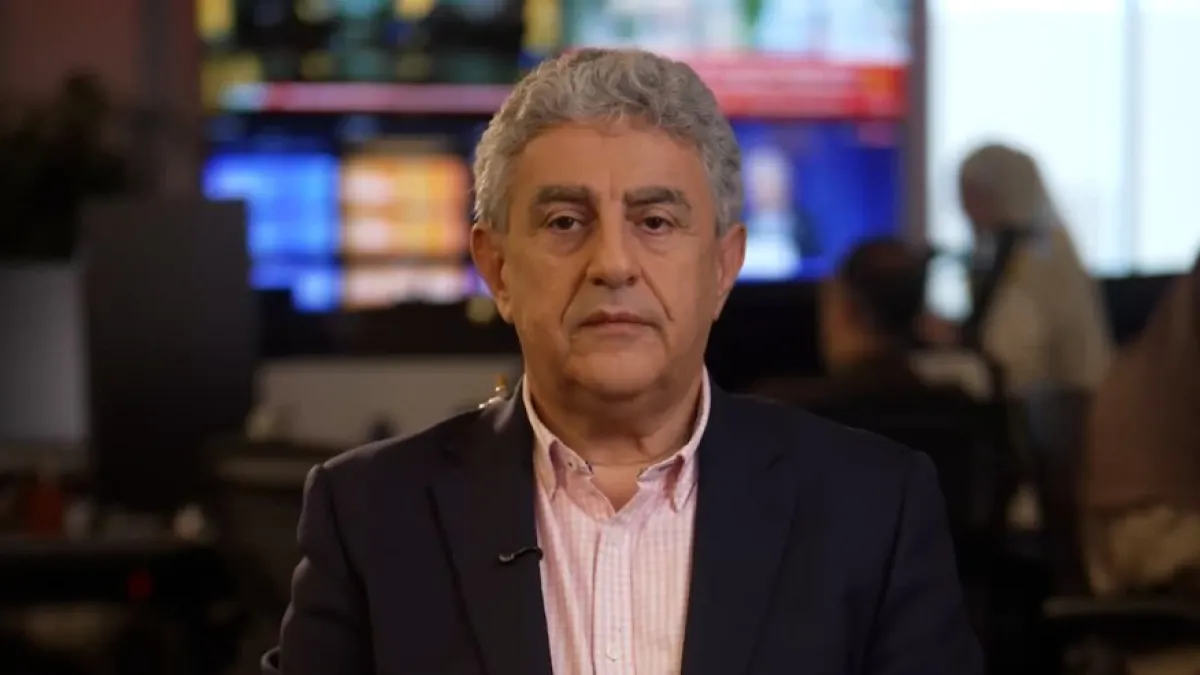
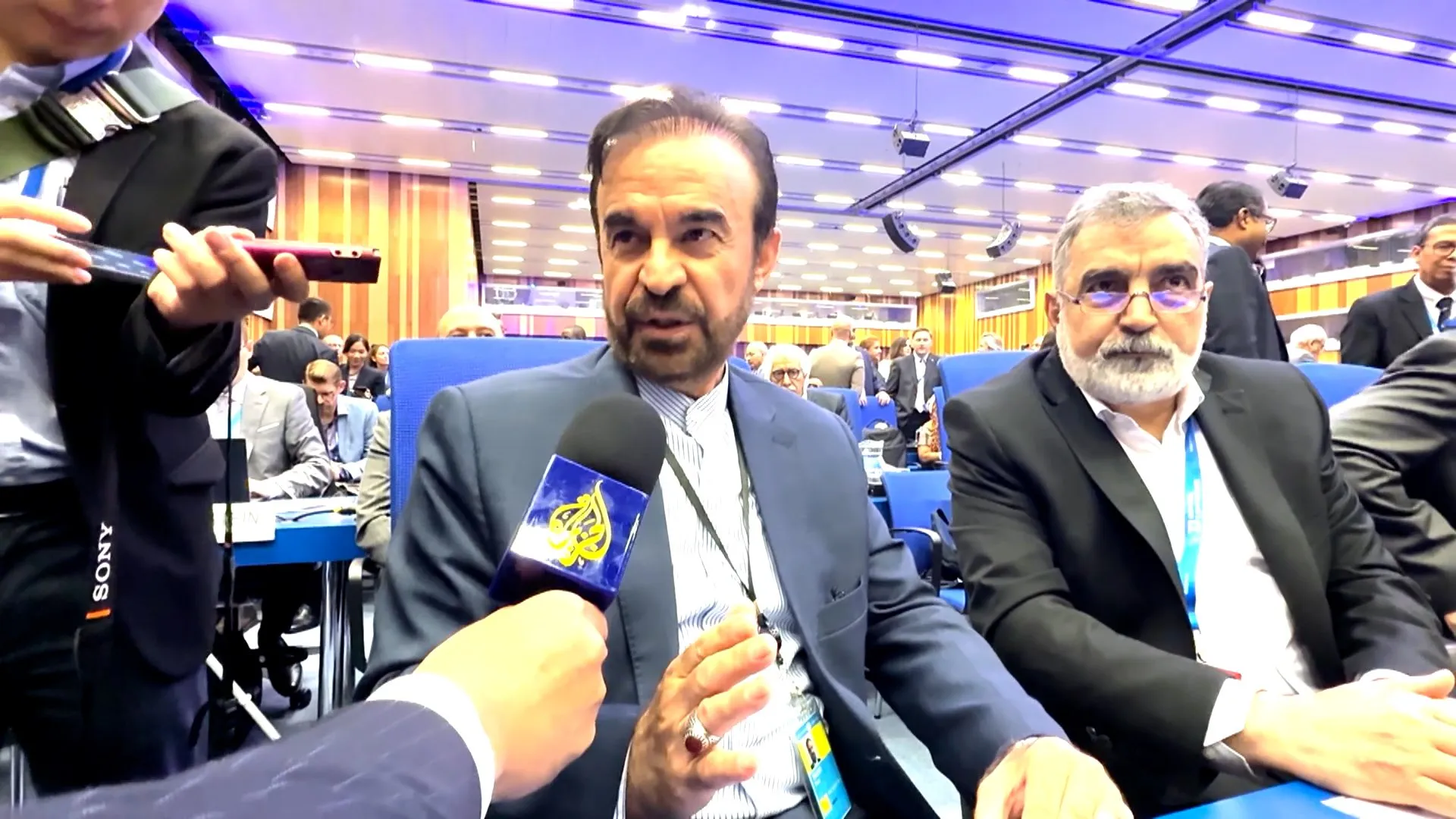
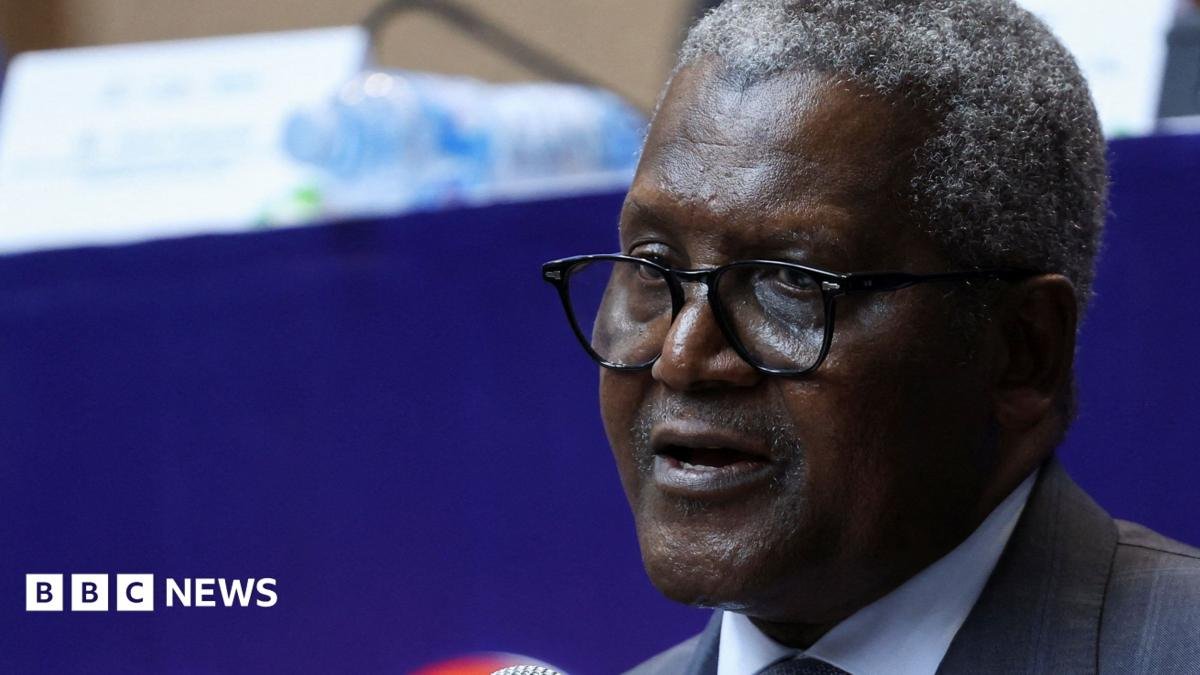
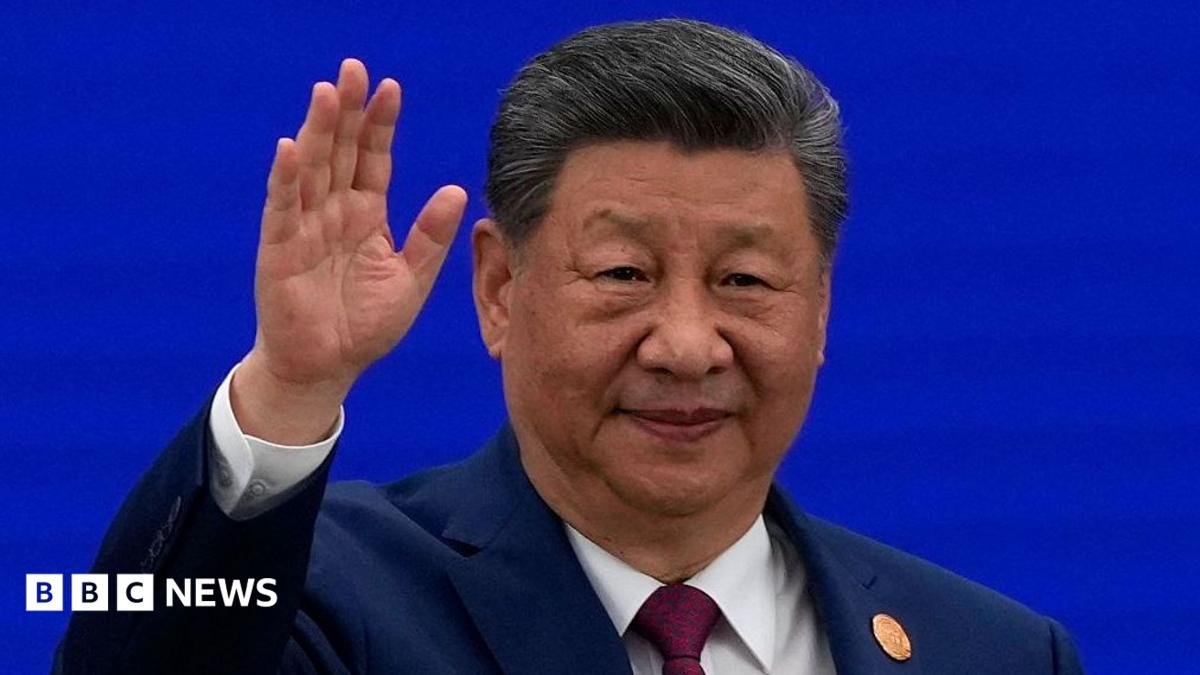
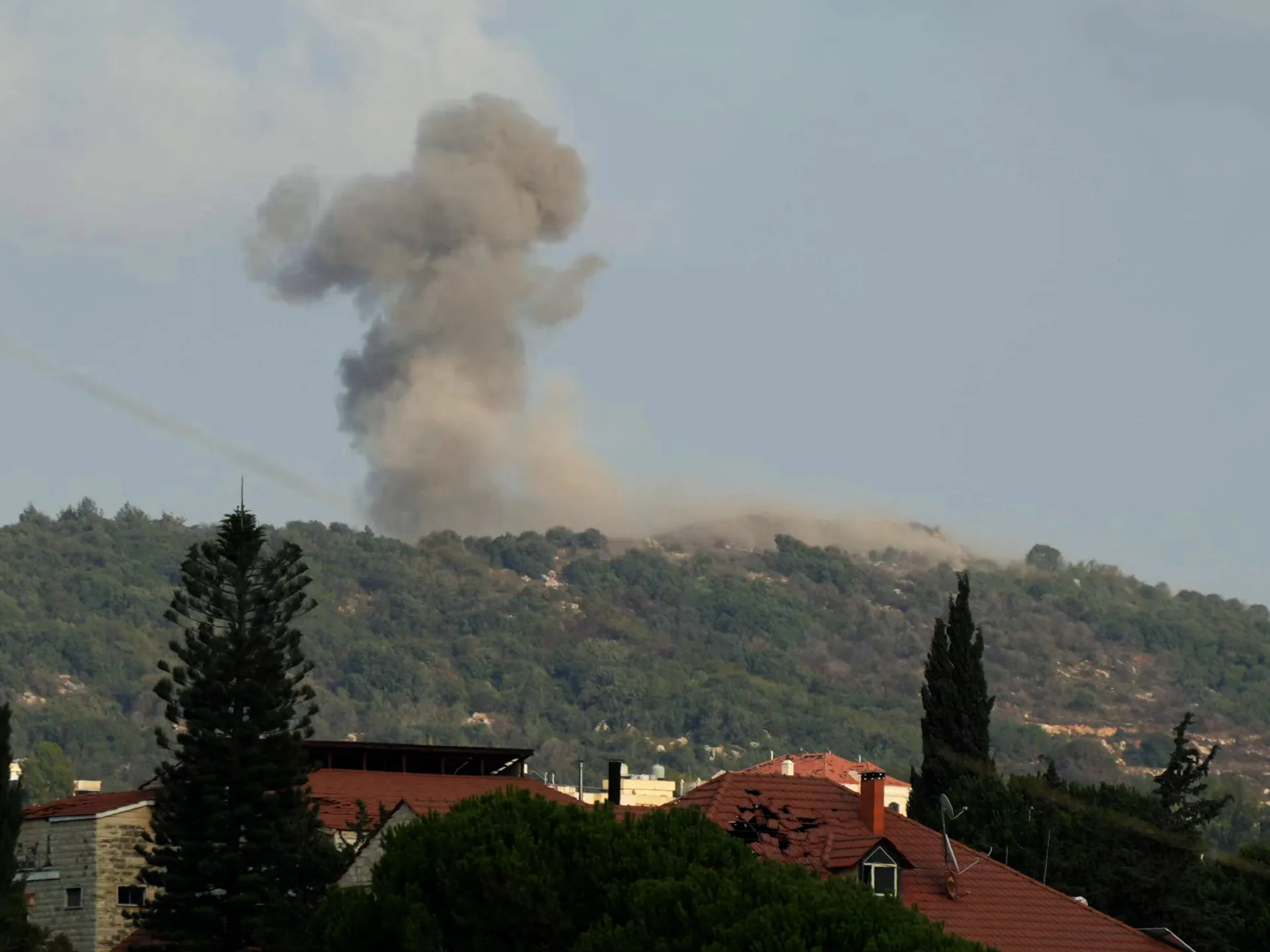
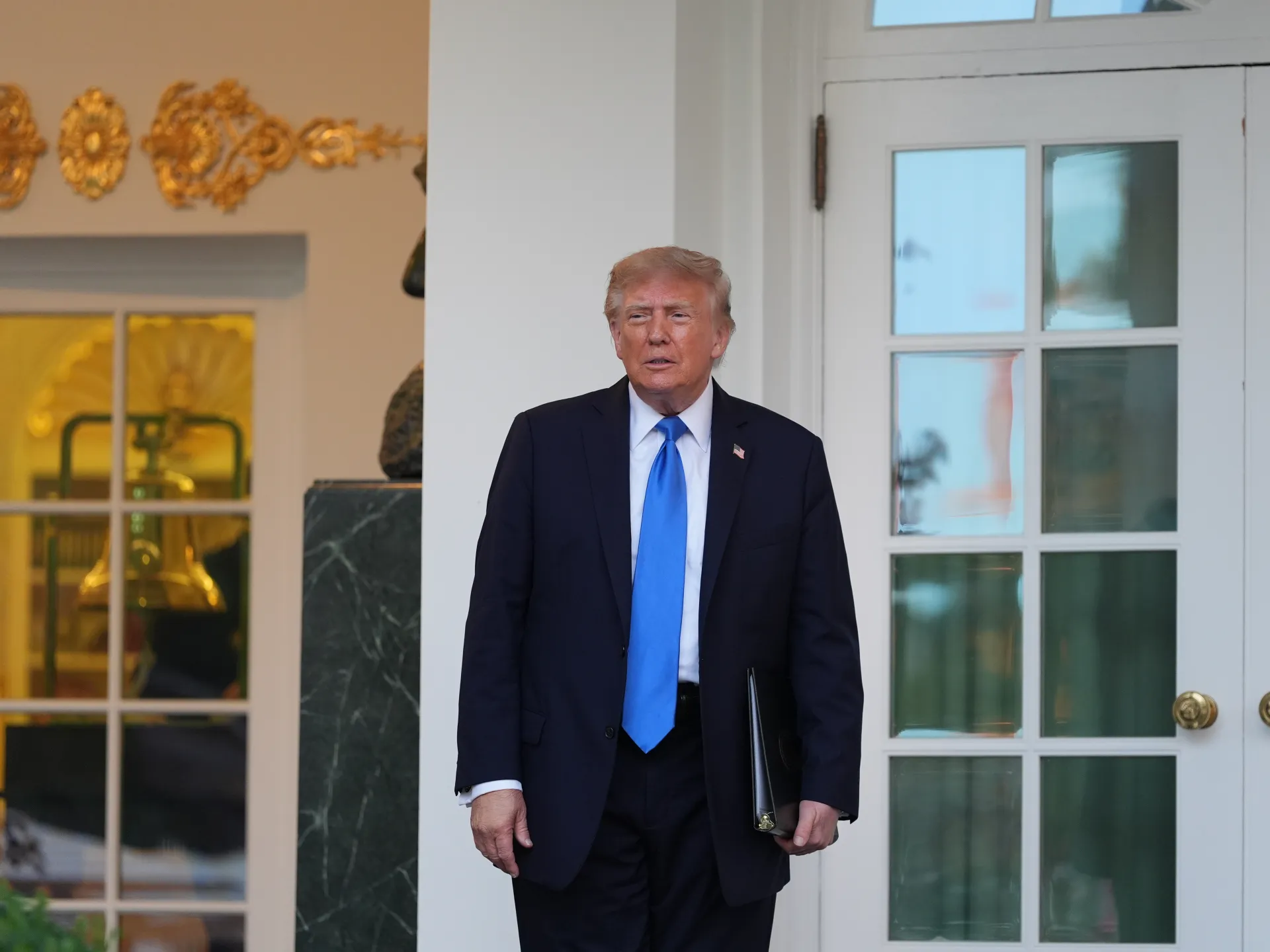
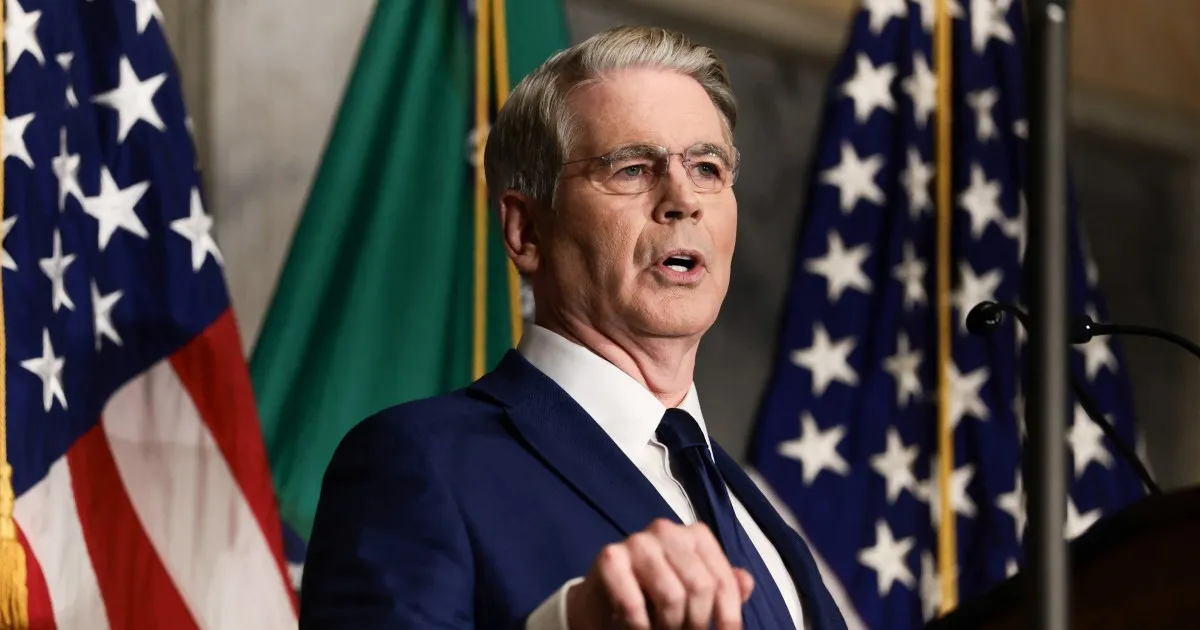
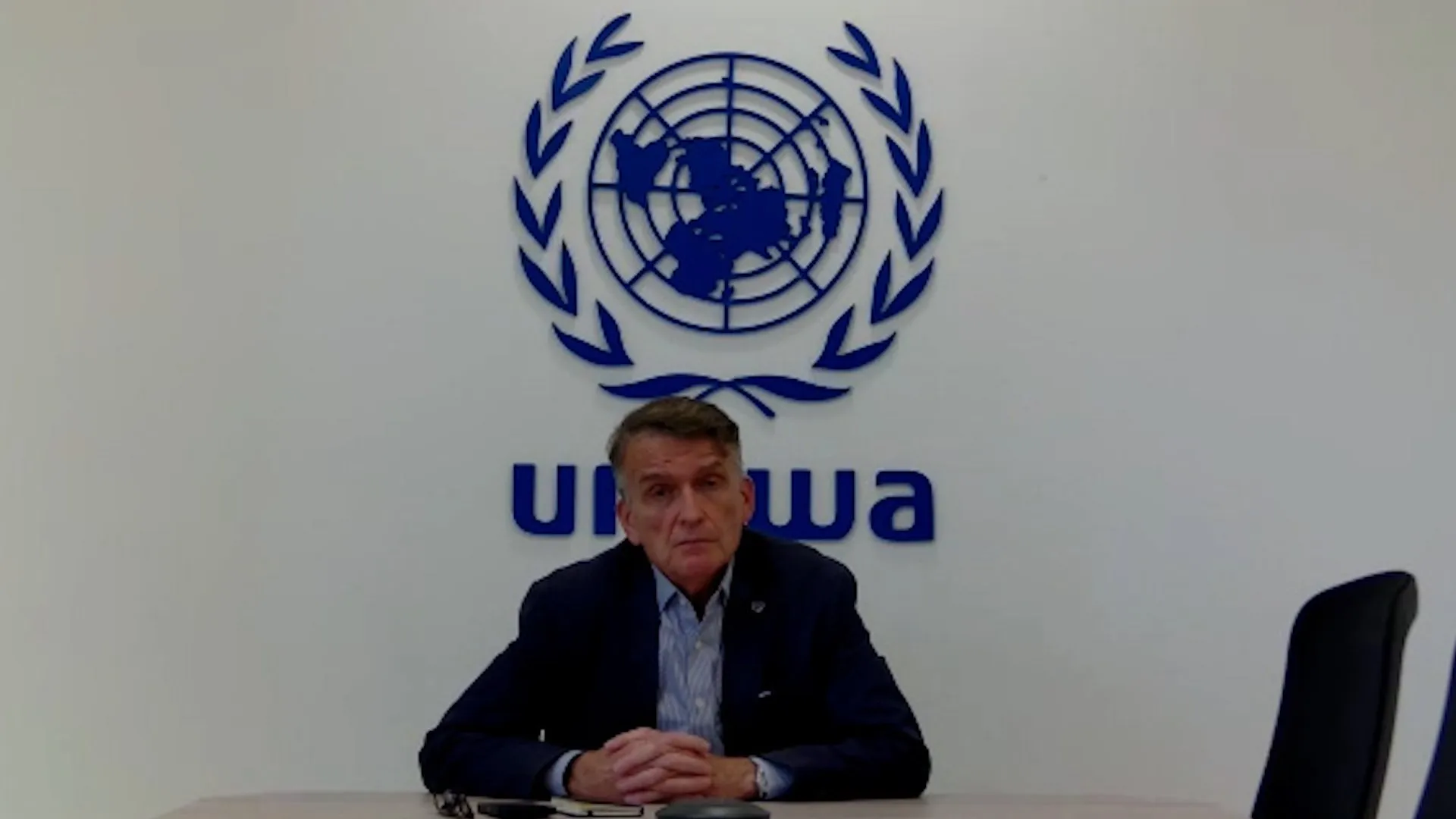
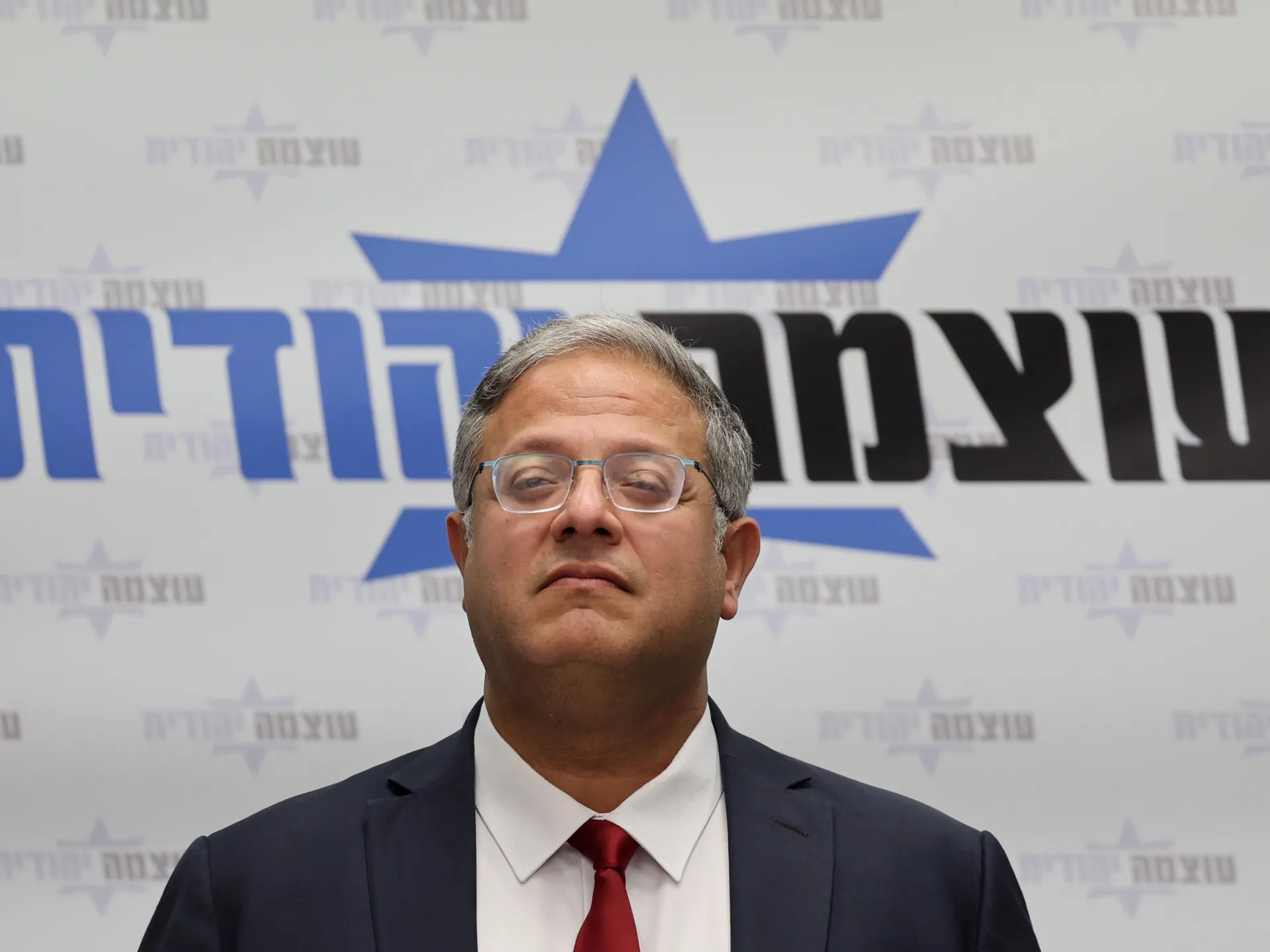
Israeli Prime Minister Benjamin Netanyahu’s presence at the United Nations General Assembly in New York serves as both a diplomatic mission and a carefully choreographed performance for his domestic constituency. As he addresses the body for the 15th time, the Prime Minister faces significant political isolation at home, with recent polling suggesting a decline in support for his Likud party. Analysts, including former government adviser Alon Pinkas, have described Netanyahu’s UN appearances as a cornerstone of his political identity, designed to portray him as a leader capable of standing against the international community’s criticisms.
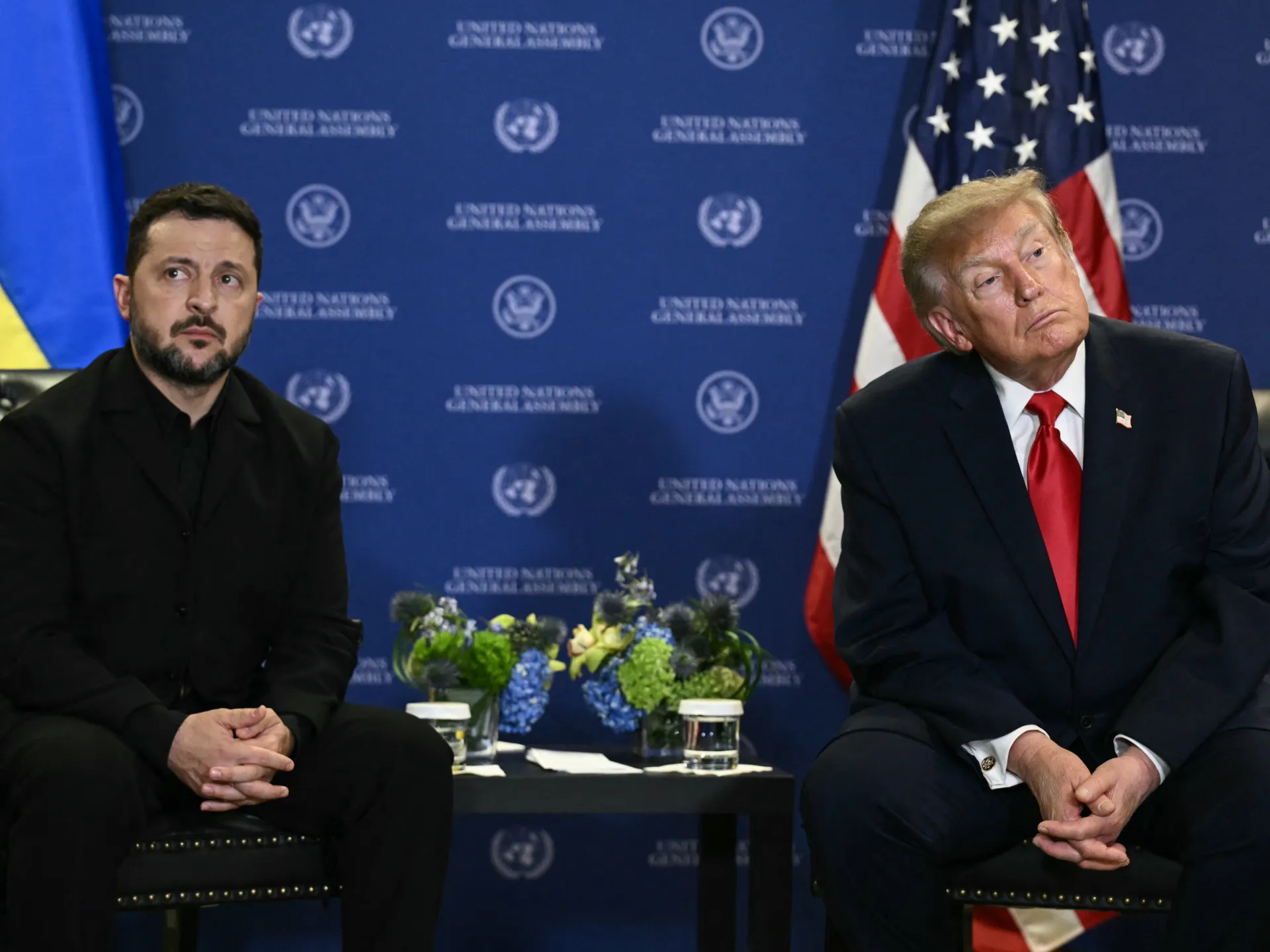
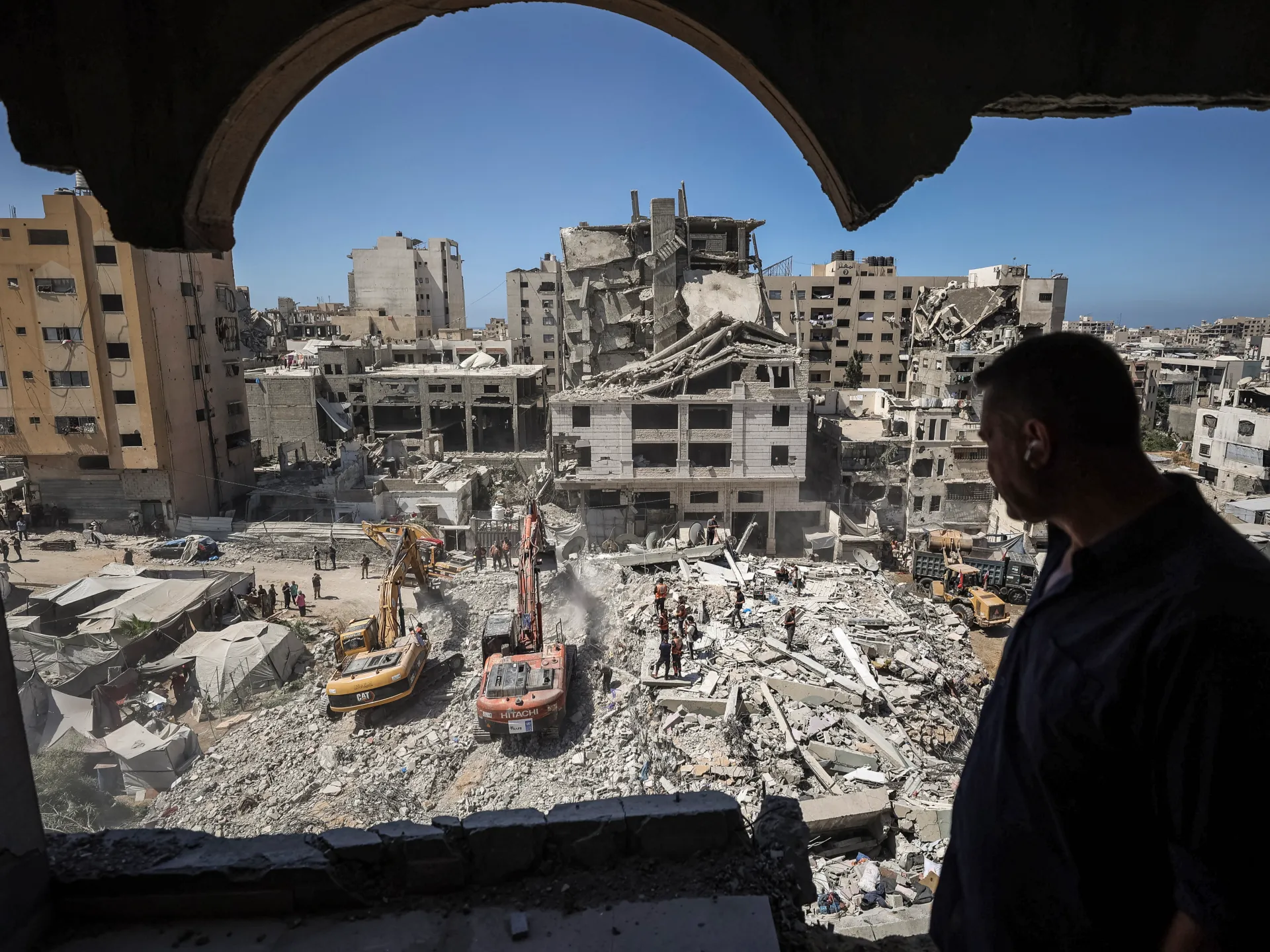
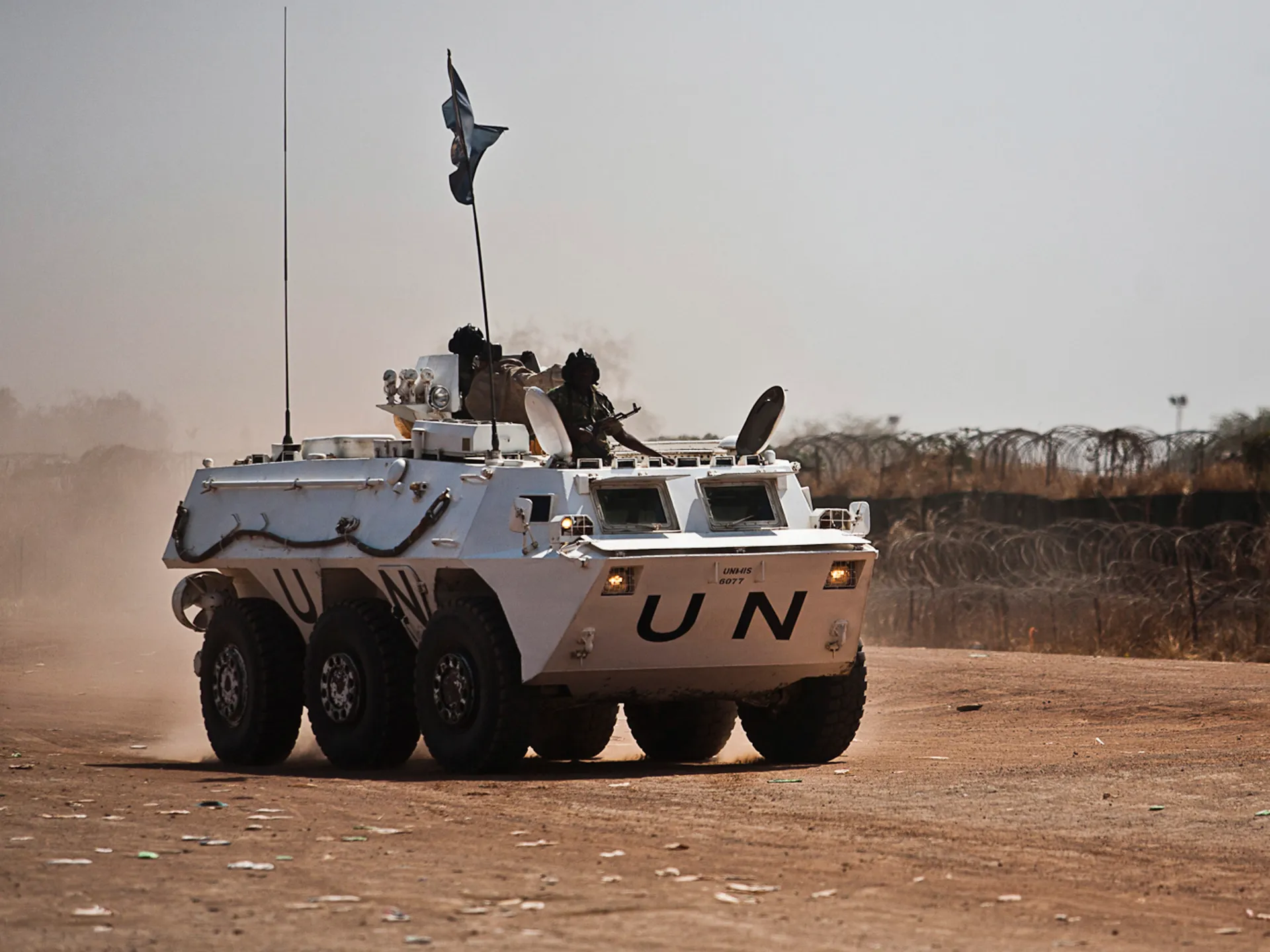
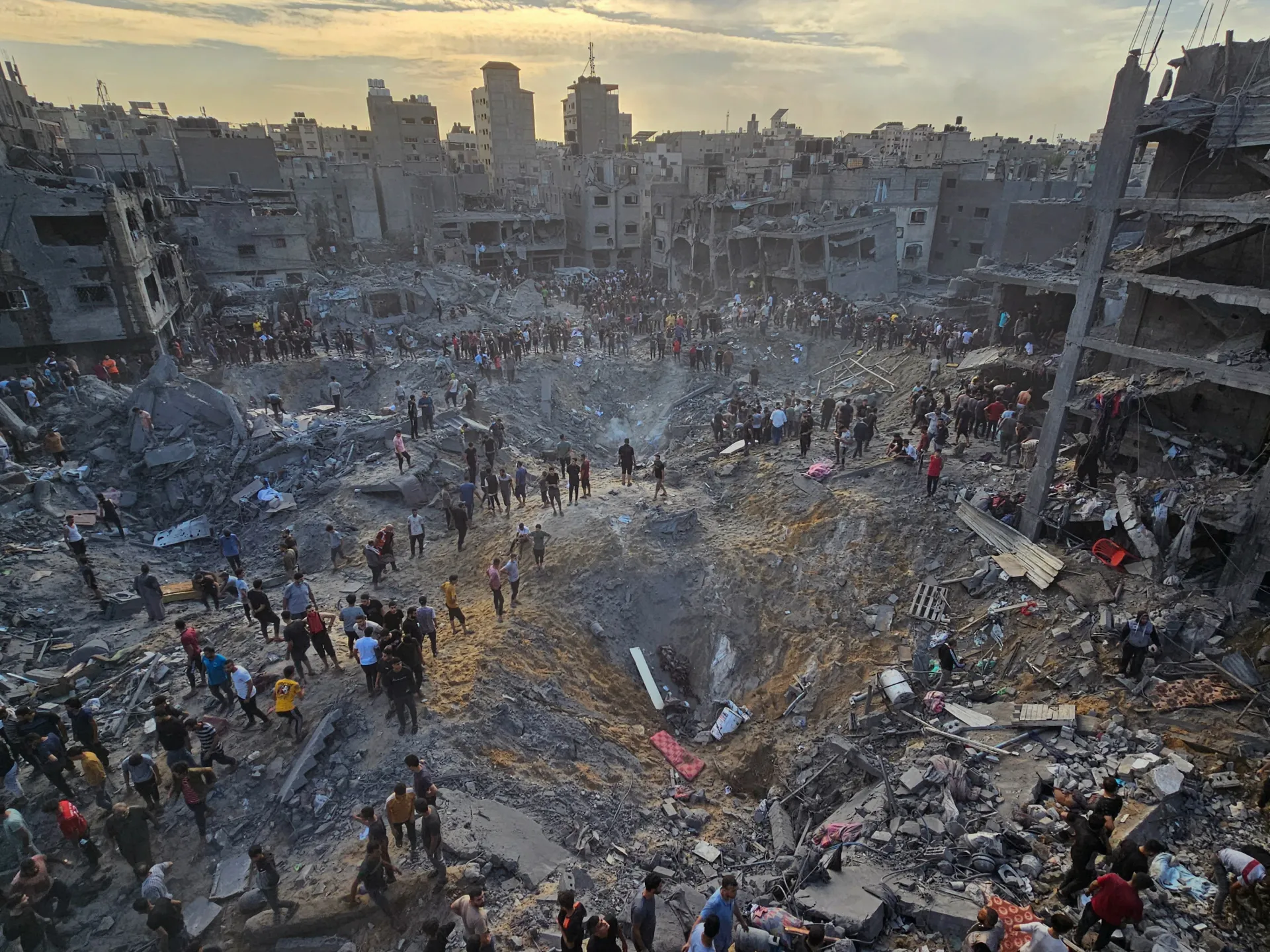
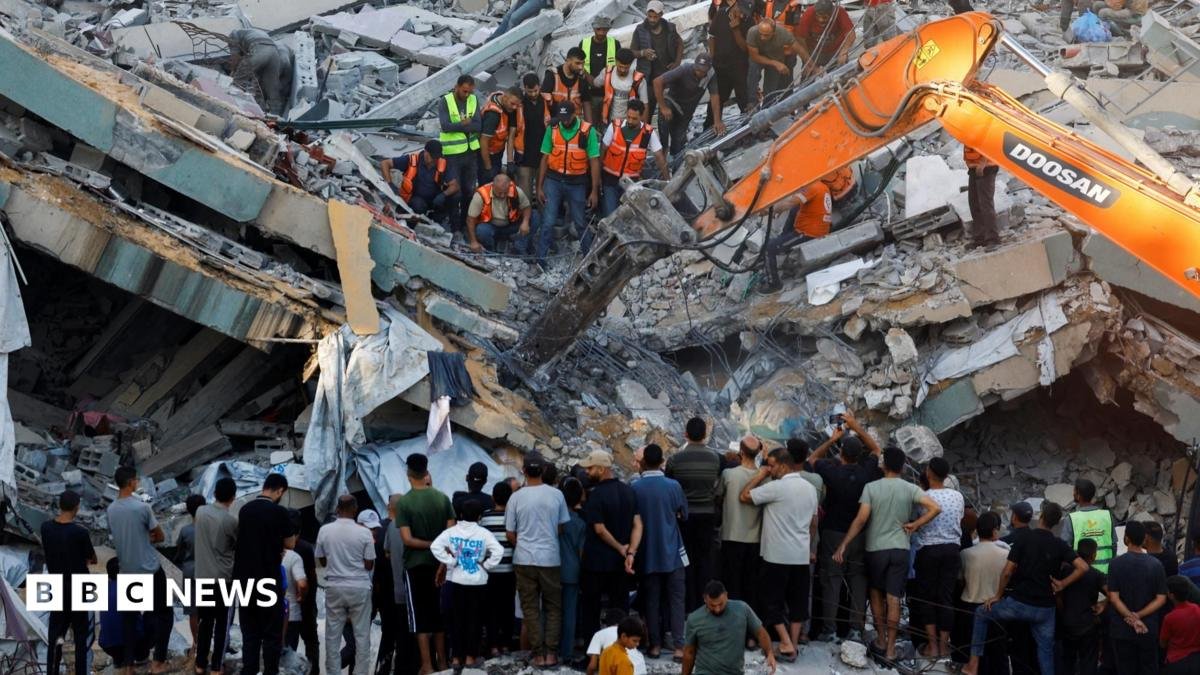
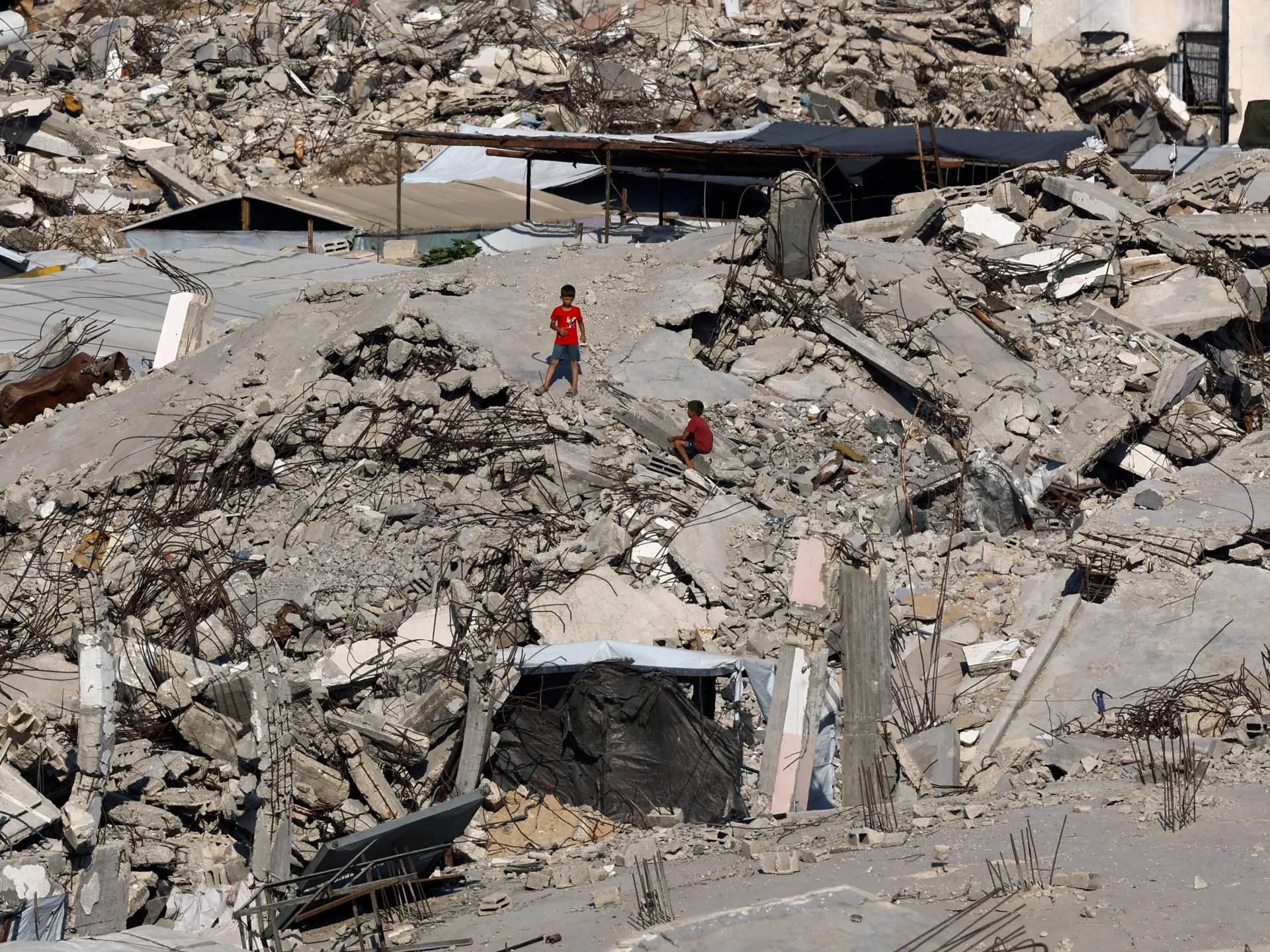
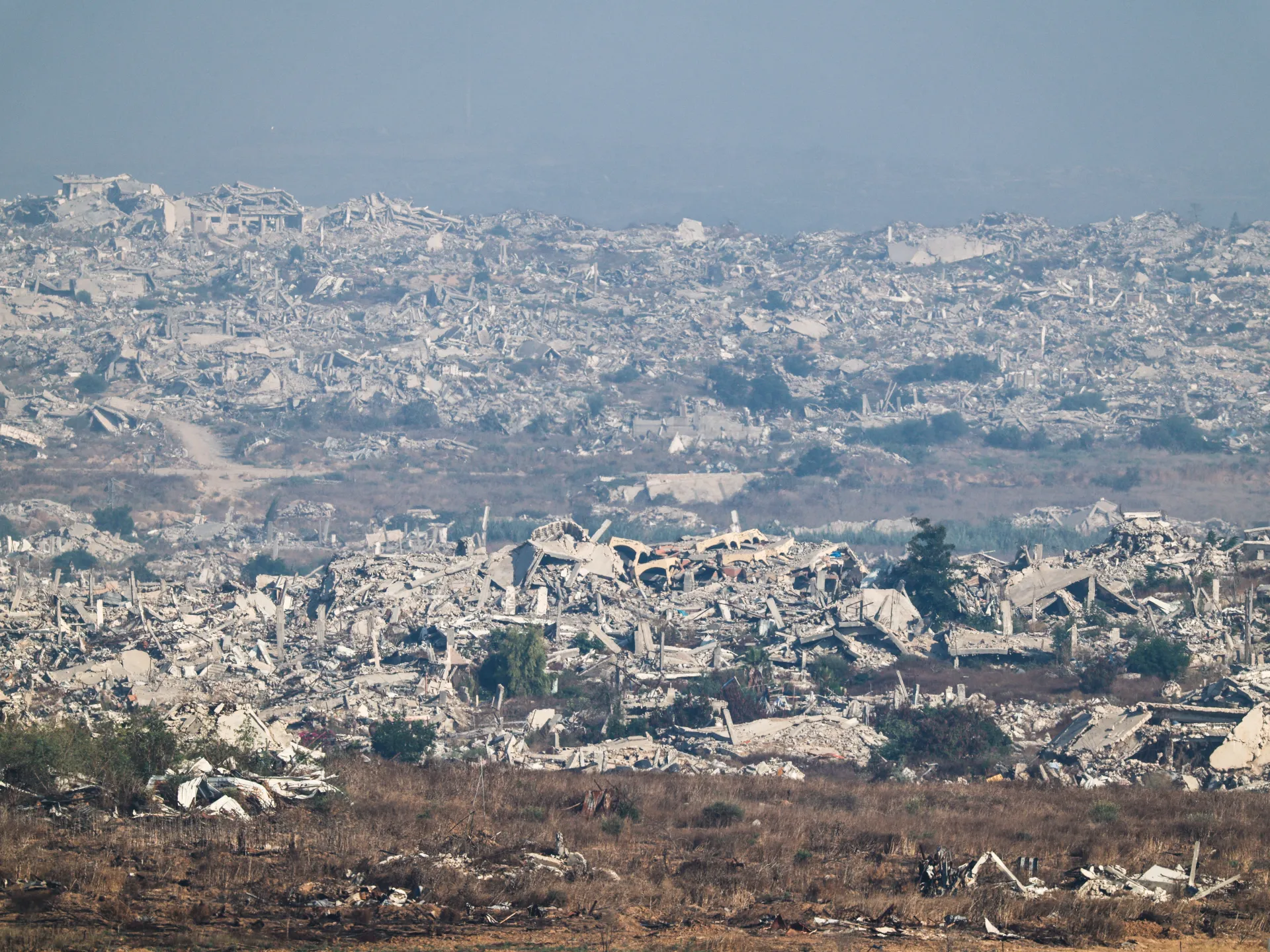
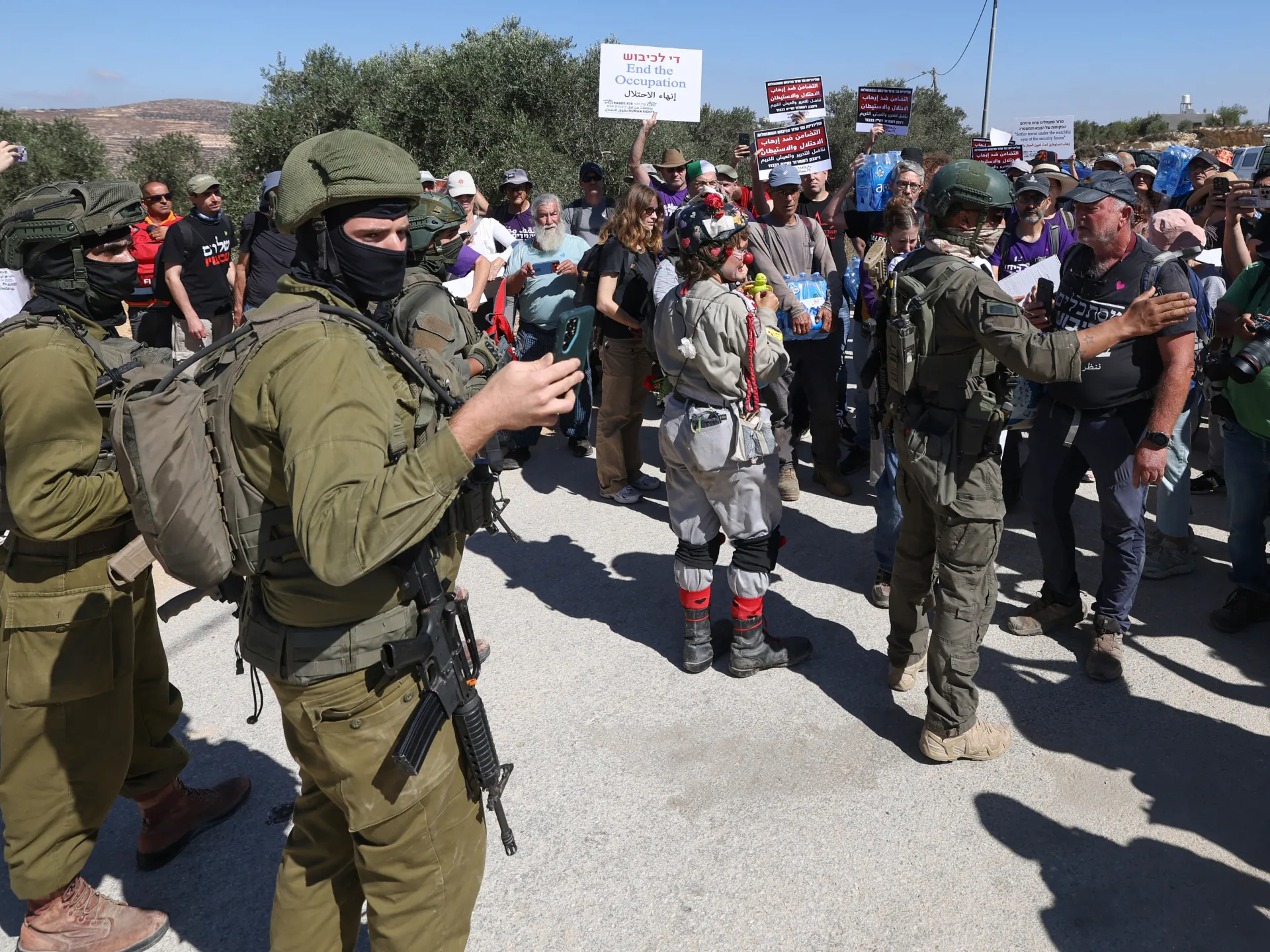
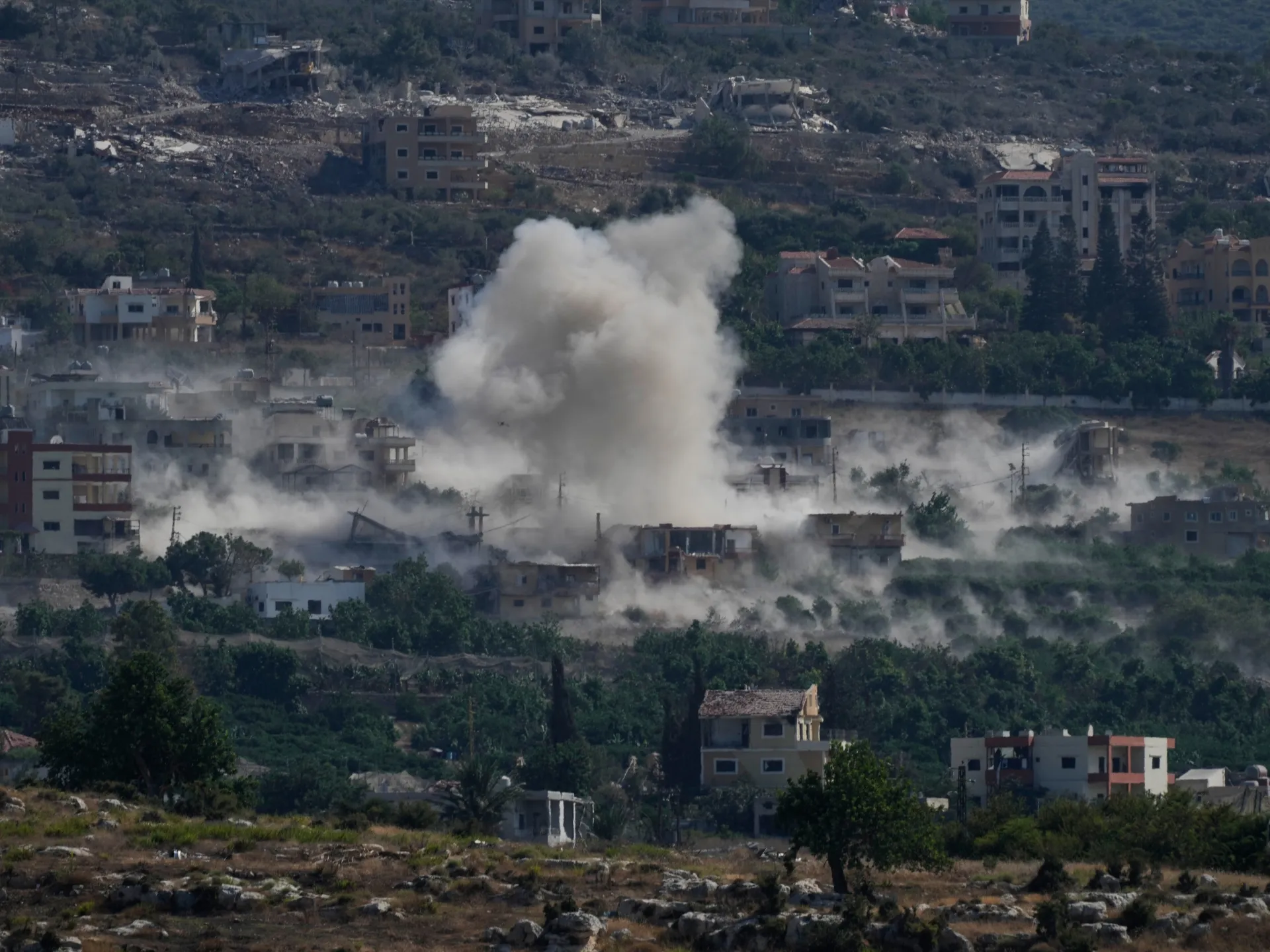
The relationship between Israel and the UN remains deeply contentious. The organization has frequently served as a platform for international condemnation of Israeli policy, particularly regarding the occupation of Palestinian territories and the ongoing conflict in Gaza. Accusations of genocide and systemic human rights violations have become central to these debates. Despite this, Netanyahu’s strategy remains one of defiance, a stance that resonates with a significant portion of his domestic base who view the UN with deep skepticism, if not outright hostility. As the Israeli press reports on protests and criticism from local leaders like New York Mayor Zohran Mamdani, the Prime Minister’s rhetoric is expected to lean into themes of resilience and national sovereignty.
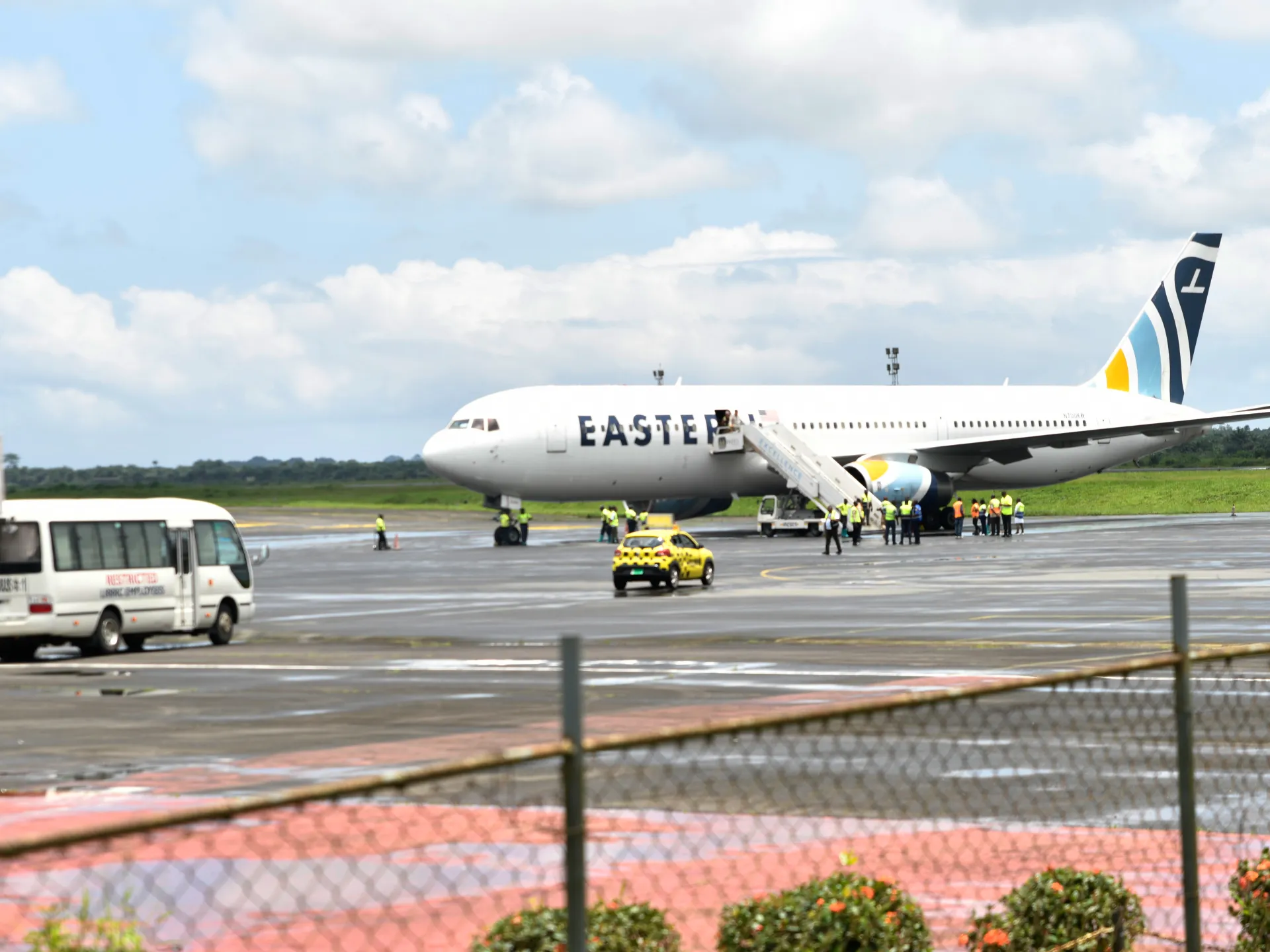
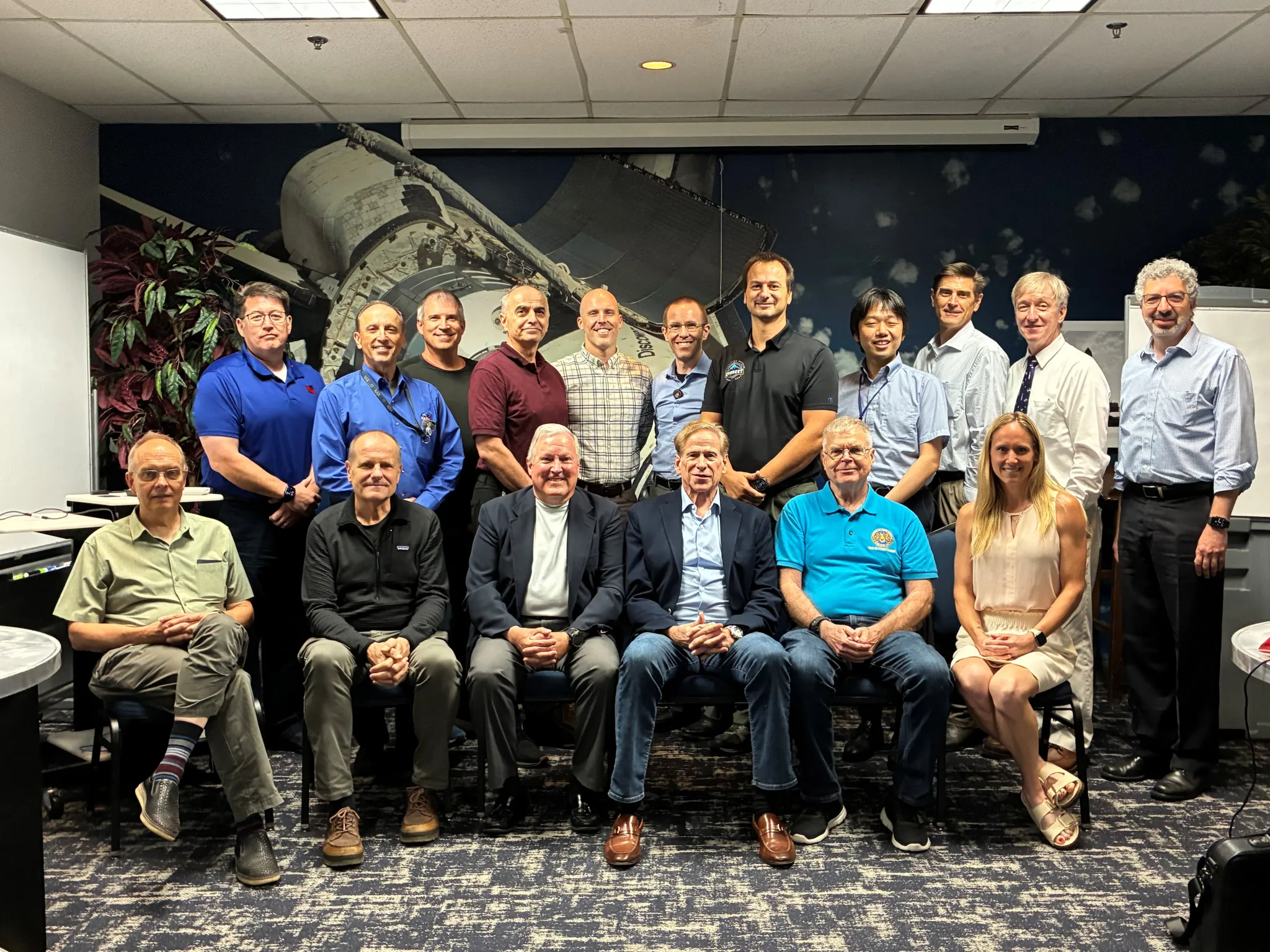
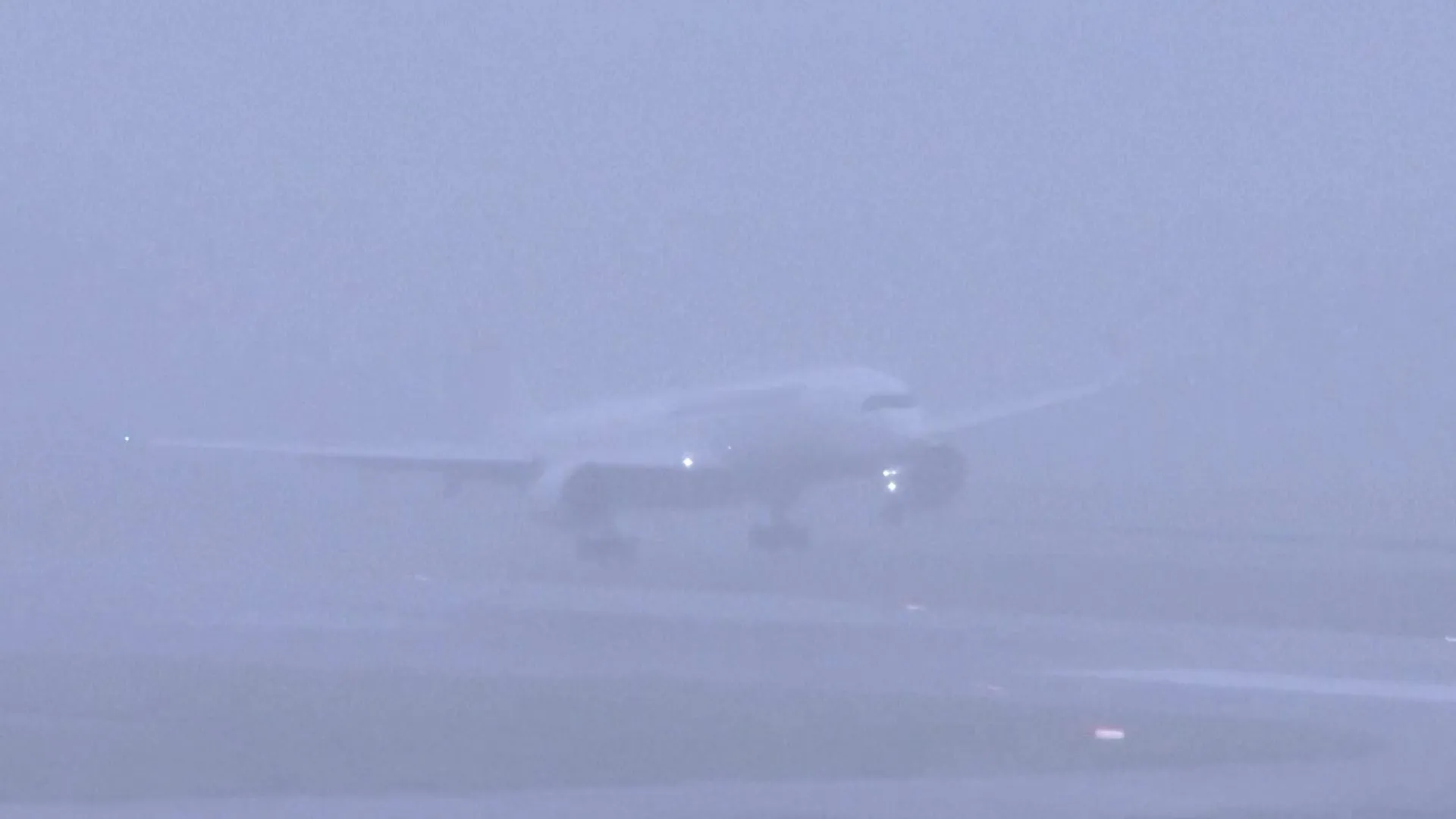
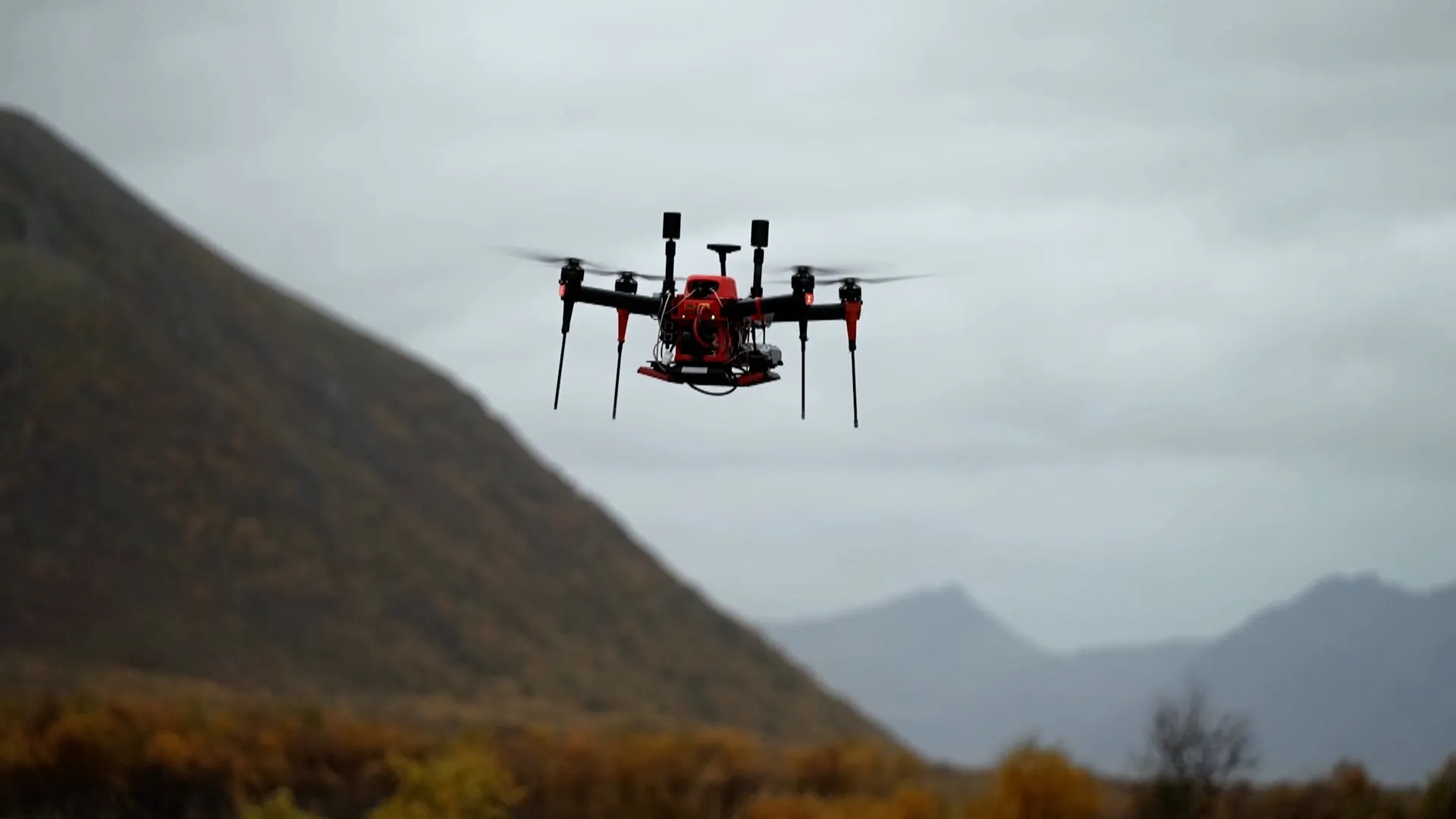
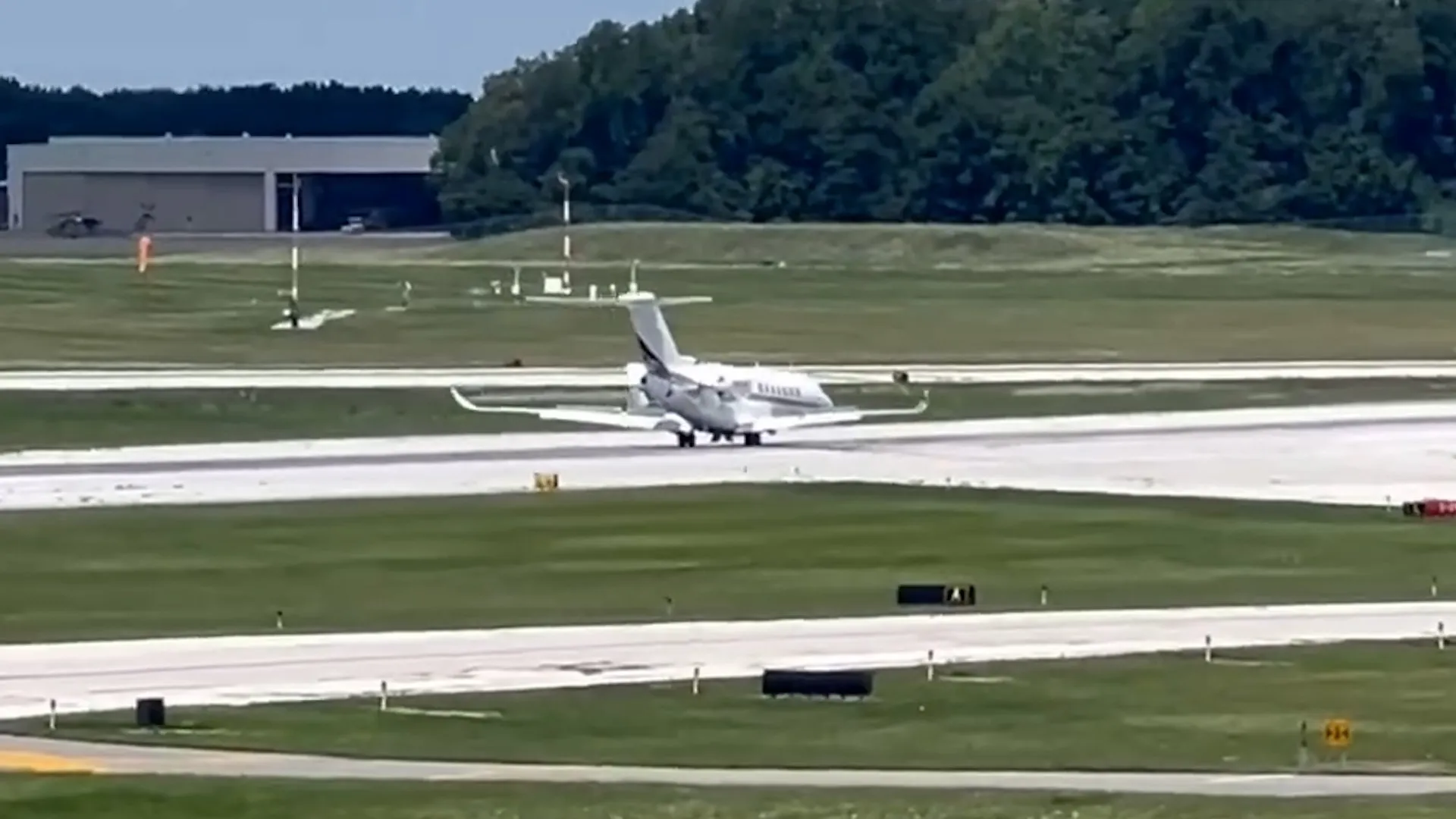
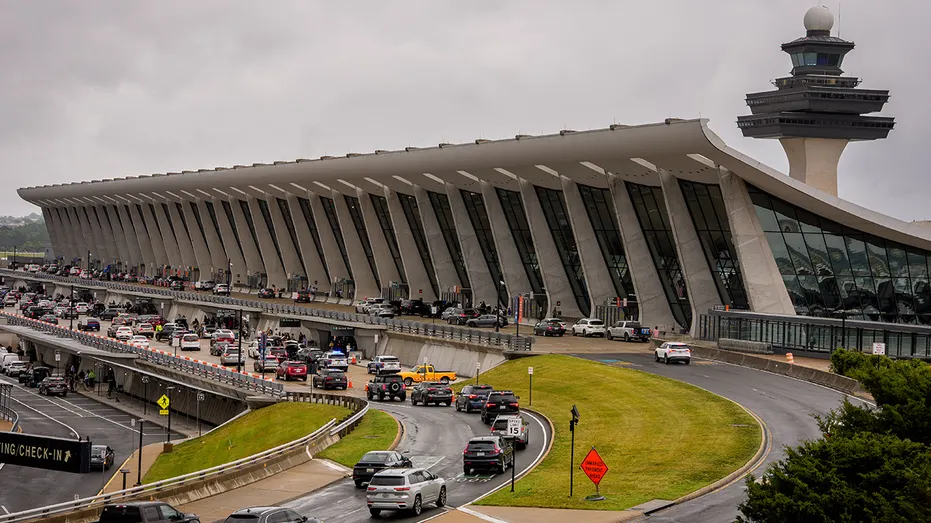
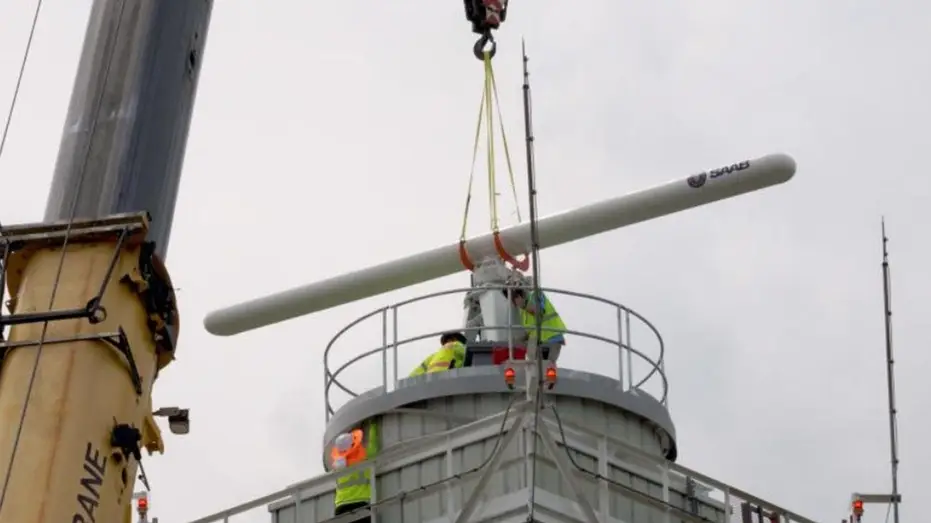
While geopolitical tensions dominate the headlines, researchers at NASA’s Ames Research Center are focused on minimizing the complexities and risks inherent in commercial aviation. Recent field tests, conducted in collaboration with Boeing, have centered on modernizing airport environments to improve efficiency and safety during takeoff and taxiing. The integration of autonomous technology aims to address the common bottlenecks that lead to flight delays, such as ground-level congestion and communication errors.
The proposed systems replace traditional verbal instructions from air traffic controllers with digital guidance displayed directly to pilots. During trials in Silicon Valley, researchers successfully utilized a suite of sensors capable of detecting runway incursions, such as misplaced equipment or ground vehicles, in real-time. igned to reduce human error and streamline the flow of traffic on busy airport taxiways. As NASA moves toward integrating these systems into simulated air traffic control environments, the goal is to create a more resilient and automated aviation infrastructure that can accommodate the demands of modern global travel.
The immediate path forward for the Israeli leadership involves leveraging the UNGA platform to bolster domestic support ahead of critical upcoming elections. Whether this defiance will successfully insulate the Prime Minister from his mounting political challenges remains a matter of ongoing analysis. Given the historical pattern of dismissive responses to UN resolutions, it is unlikely that the rhetoric exchanged in New York will result in a significant shift in diplomatic policy or international relations regarding the occupied territories.
Conversely, the trajectory of aviation technology suggests a phased integration of digital and sensor-based systems into major commercial hubs. As NASA continues its evaluations, the focus will likely shift from isolated testing to broader airspace management simulations. These advancements are poised to eventually reduce the frequency of tarmac delays and enhance the overall safety profile of commercial flights, provided the systems can be successfully scaled and adopted across diverse airport environments.