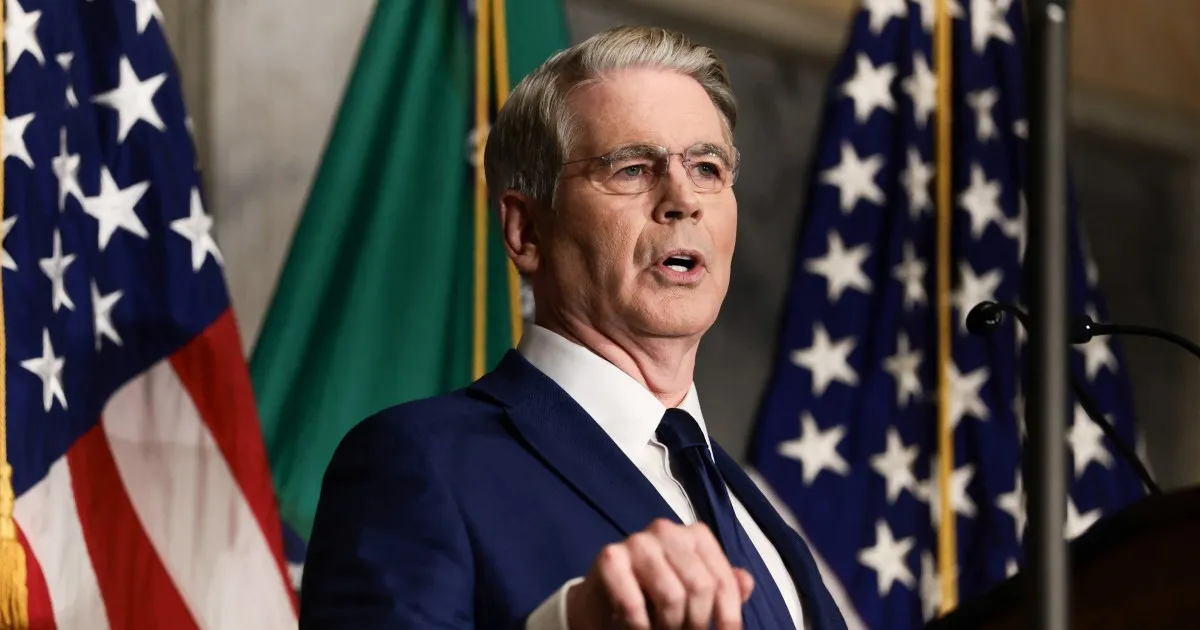
Federal Reserve Chair Kevin Warsh has indicated that inflation remains too high, suggesting that further interest rate hikes may be necessary to meet the 2 percent target.
The Federal Reserve is signaling a potential change in its approach to interest rates as inflation levels continue to hover stubbornly above the central bank’s long-term objectives. During his keynote address at the annual Jackson Hole economic symposium in Wyoming, Federal Reserve Chair Kevin Warsh indicated that the current monetary environment may not be sufficiently restrictive to curb price pressures effectively. His remarks have sparked widespread discussion among analysts regarding the possibility of future rate hikes as the Fed seeks to restore price stability.
Warsh emphasized that the central bank remains committed to its dual mandate of promoting maximum employment and maintaining stable prices. However, he noted that the progress made in cooling the economy over the past two years has been underwhelming. While he refrained from providing a specific timeline for potential adjustments, his commentary represents a pivot toward a more hawkish stance, suggesting that the institution is prepared to act if the incoming economic data fails to show a clear downward trend in inflation.
At the heart of the Federal Reserve’s concern is the Personal Consumption Expenditures (PCE) Price Index, which serves as the primary metric for measuring inflation. Recent reports indicate that the index remains fixed at 3.7 percent on an annual basis as of July. Warsh pointedly remarked that this data does not demonstrate a meaningful improvement in underlying economic trends, casting doubt on the efficacy of the current policy trajectory.
The Fed’s established goal is to bring inflation down to a 2 percent target. Warsh noted that for the central bank to feel comfortable with the current state of the economy, it must be confident that inflation is moving toward this objective at a sufficient pace. Because the recent data has shown persistent or even increasing inflation in certain categories, the pressure on the Federal Open Market Committee to reconsider its current interest rate levels has intensified significantly.
Financial markets have been quick to react to the Chair’s latest comments, with tools like the CME Group’s FedWatch reflecting a notable increase in the perceived probability of a rate hike. Analysts suggest that the market is beginning to price in a more aggressive Fed, as investors weigh the potential for increased borrowing costs against the ongoing fight to prevent inflation expectations from becoming unanchored.
While Warsh cautioned that his statements should not be interpreted as formal forward guidance, the shift in tone has caught the attention of professional economists. Observers from major financial institutions have noted that the message delivered at Jackson Hole was markedly clearer and more hawkish than previous appearances. This has led to speculation that, should upcoming reports continue to show firm price data, the central bank could find itself compelled to implement policy tightening sooner than previously anticipated
Beyond the immediate concerns regarding interest rates and inflation, the Federal Reserve is also looking toward the horizon to address systemic changes in the American economy. Warsh highlighted the impact of emerging technologies, particularly artificial intelligence, on long-term productivity and economic structure. The Fed has established several task forces dedicated to studying these shifts and their implications for future monetary policy.
These initiatives are designed to help the central bank navigate a rapidly evolving financial landscape. term integration of technological advancements, the Federal Reserve aims to maintain its institutional relevance. As the committee waits for further data, the balance between fostering sustainable growth and ensuring price stability remains the central challenge for policymakers in the coming months.