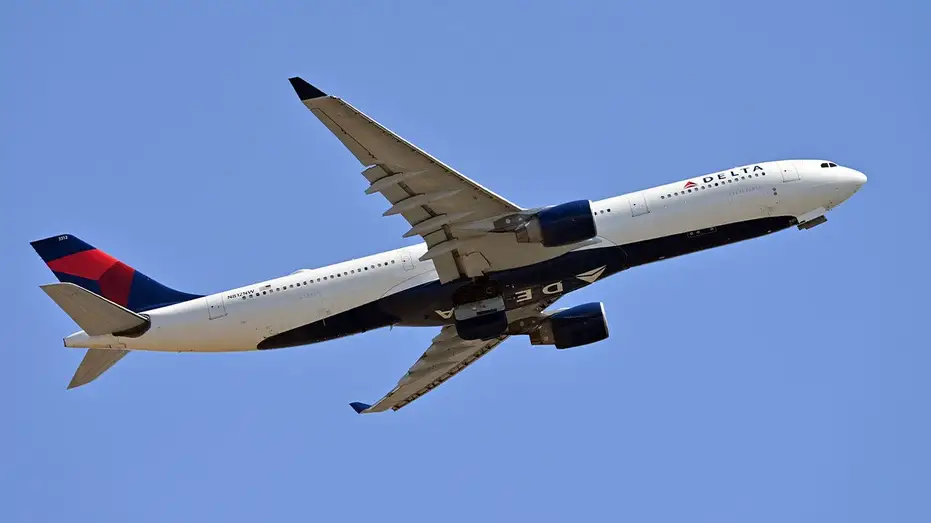
A Harvard study of 21,000 aviation professionals suggests that pilots and flight attendants face higher mortality rates from radiation-linked cancers.
A recent comprehensive analysis conducted ed the National Vital Statistics System, investigators scrutinized nearly 13 million death certificates recorded between 2020 and 2024. The study specifically isolated data from 14,000 pilots and 7,000 flight attendants, comparing their mortality outcomes against those of the general population. The results suggest that professionals who spend their careers in the air may face a statistically significant increase in mortality related to specific types of cancer.
The research focused on cancers previously associated with radiation exposure, a known environmental hazard for high-altitude workers. This list included various forms of melanoma, prostate cancer, breast cancer, multiple myeloma, lymphoma, and central nervous system malignancies. To maintain the integrity of the data and avoid the influence of smoking-related variables, lung cancer was intentionally excluded from the analysis. The findings revealed that approximately 6.9% of all flight attendant deaths and 6.7% of pilot deaths were linked to these radiation-sensitive cancers, representing a higher percentage than observed in any other occupational group studied.
The primary hypothesis behind these findings centers on the concept of cosmic radiation. At high altitudes, individuals are exposed to significantly higher levels of ionizing radiation than those on the ground. According to data from the Centers for Disease Control and Prevention (CDC), airline personnel typically receive between 3 and 6 millisieverts of cosmic radiation annually. In contrast, a civilian taking ten round-trip, cross-country flights per year would only be exposed to approximately 0.4 millisieverts. This implies that aviation workers are subjected to radiation levels eight to 15 times higher than the average frequent flyer.
Researchers emphasized that this risk is likely cumulative. The more time an individual spends at cruising altitude, the greater their total exposure to cosmic radiation becomes. While the study does not definitively prove that radiation is the sole cause of the elevated mortality rates, the strong association points toward the environment of the cockpit and cabin as a critical factor. Experts noted that while the risk is meaningful for the aviation workforce as a whole, it does not necessarily translate to an immediate individual risk for every single worker, nor should it alarm the average traveler who flies only occasionally.
In light of these findings, the medical community is beginning to discuss whether current health protocols for airline personnel are sufficient. There is growing sentiment that pilots and flight attendants might benefit from earlier or more frequent cancer screenings compared to the general population. Because these professionals operate in a unique environment with specific occupational hazards, tailoring medical surveillance to address these elevated risks could potentially lead to earlier detection and better clinical outcomes.
Despite the significance of these results, the research team acknowledged several limitations inherent in their observational study. Because the data relied on death certificates, researchers could not assess individual levels of radiation exposure or account for every possible lifestyle factor that might contribute to cancer development. Consequently, while the study establishes a clear association between aviation careers and increased cancer mortality, it stops short of establishing a definitive causal link. Further research will be necessary to better understand the specific mechanisms at play and to refine recommendations for the long-term health management of flight crews.