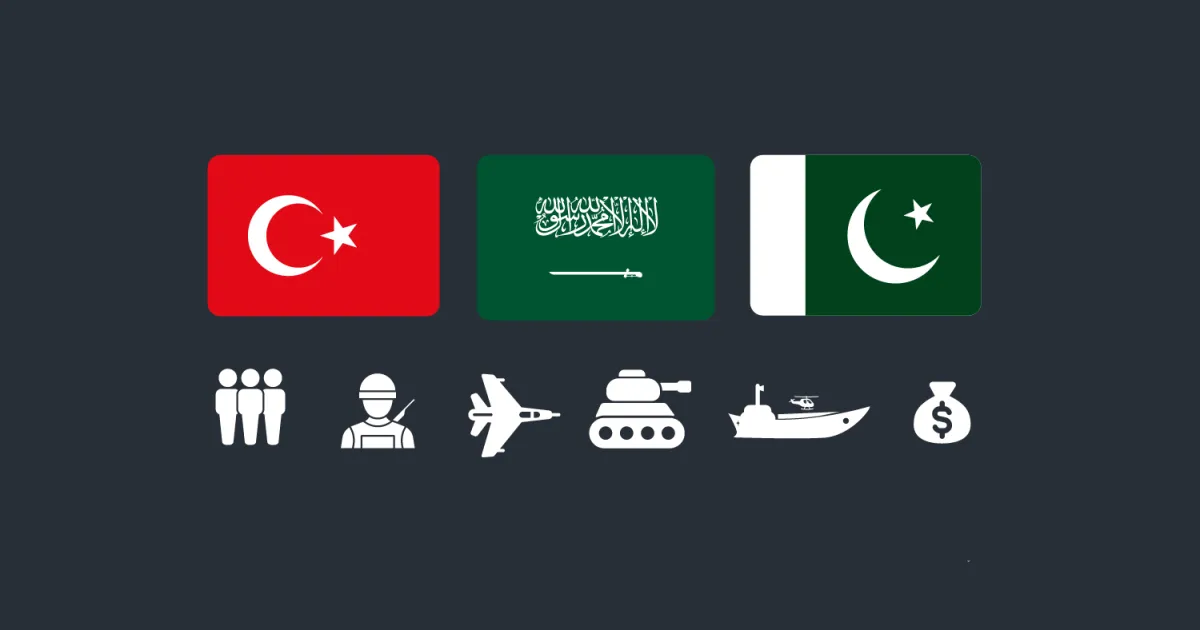
The recently signed Mecca Joint Defence Agreement creates a new regional security bloc, combining the diverse military, industrial, and nuclear capabilities of Saudi Arabia, Turkiye, and Pakistan.
The recent signing of the Mecca Joint Defence Agreement between Saudi Arabia, Turkiye, and Pakistan marks a significant shift in the security architecture of the Middle East and South Asia. fectively declared that an act of aggression against one member will be treated as an attack on all. This development arrives at a time of heightened regional volatility, characterized military reach
The alliance is grounded in a recognition of shared strategic interests and the necessity for a more autonomous security posture. tions are attempting to build a self-sustaining security bloc. The agreement is not merely symbolic; it represents a tangible commitment to integrate the distinct, yet highly complementary, military assets of three of the most influential states in the Islamic world.
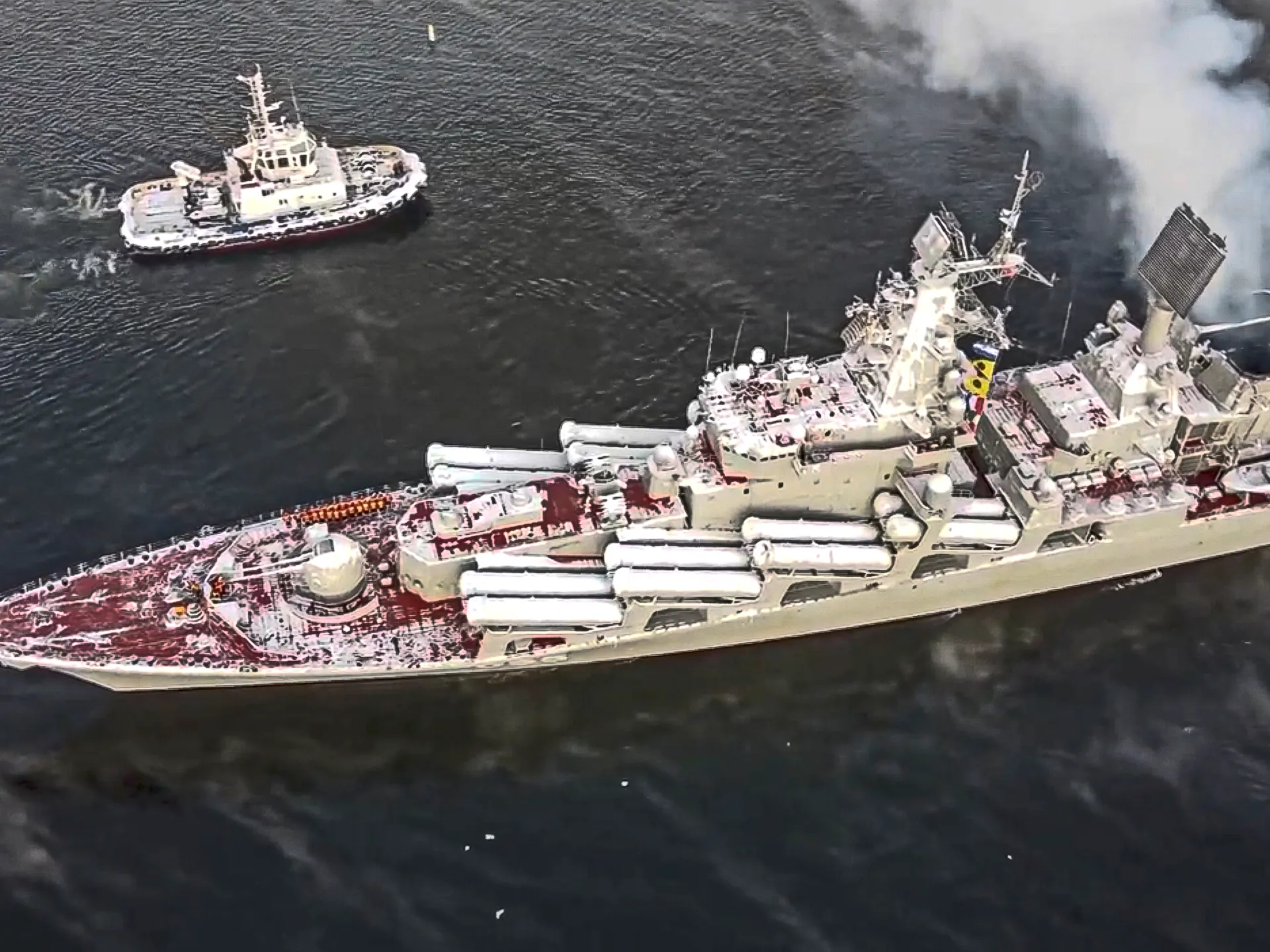
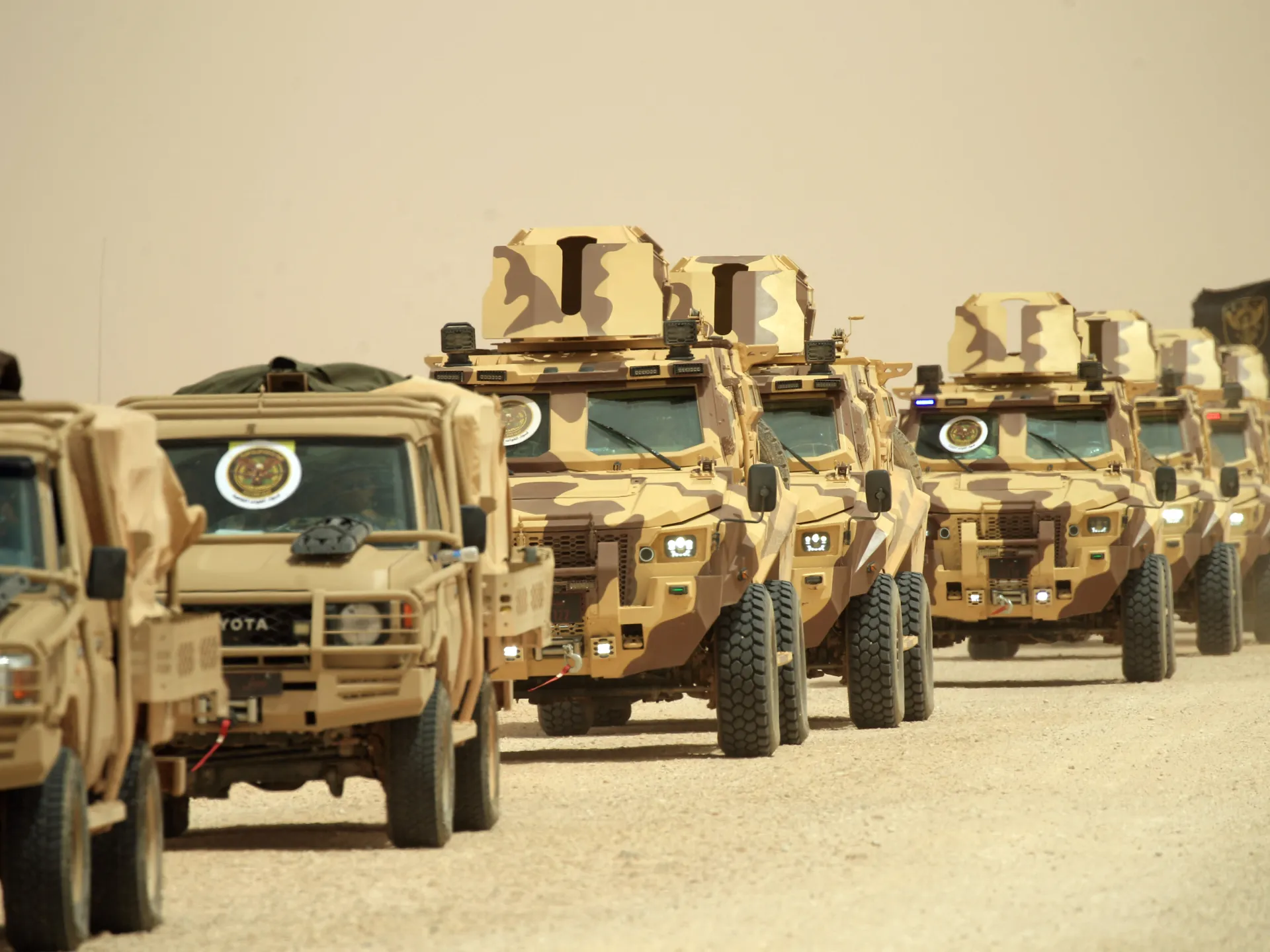
The combined military strength of this trio is formidable, boasting nearly 1.4 million active personnel, 3,400 aircraft, 6,000 tanks, and over 340 naval assets. Beyond raw numbers, the true strategic value of the coalition lies in the specialized contributions each nation brings to the table. Saudi Arabia provides the critical financial capital, expansive geography, and essential infrastructure, alongside significant political convening power that can influence regional agendas.
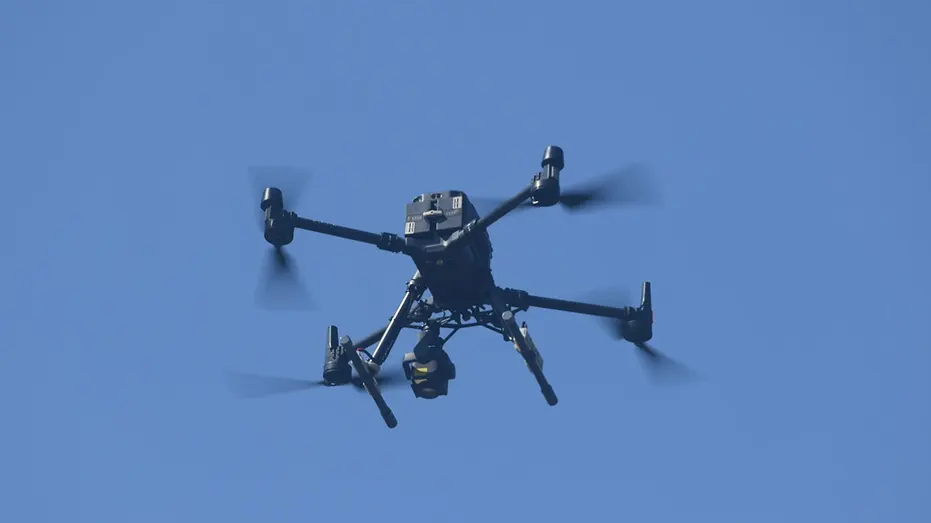
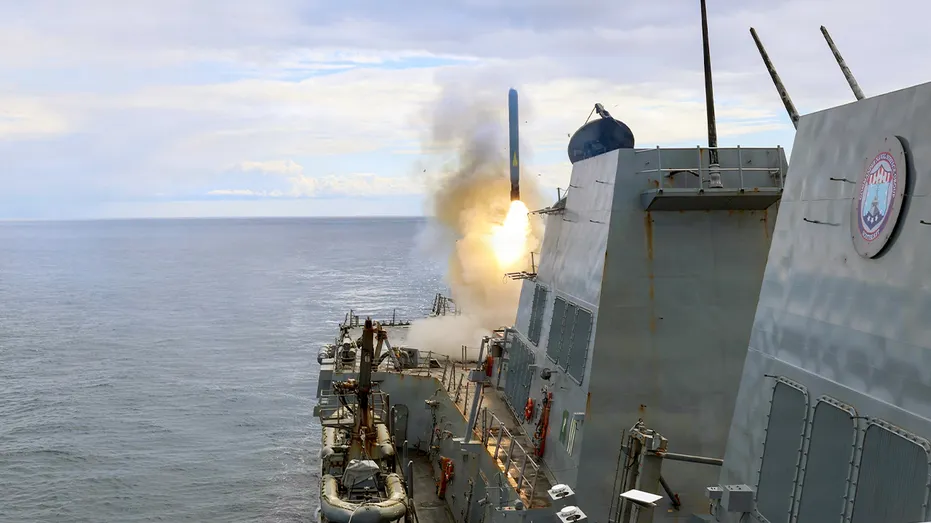
Turkiye offers an increasingly advanced defence-industrial base. With its expertise in drones, sophisticated missile systems, electronic warfare, and naval technology, Ankara brings NATO-standard military knowledge to the partnership. Meanwhile, Pakistan provides a massive, professional military establishment with extensive operational experience. Crucially, Pakistan serves as the bloc’s nuclear deterrent, a unique asset that adds a significant layer of strategic depth to the newly formed alliance.
For decades, regional security in the Middle East was defined security guarantees. The Mecca agreement indicates a departure from this reliance, signaling a move toward horizontal connectivity between regional powers. While the US remains vital for high-end intelligence and advanced missile defense, there is a clear appetite among these nations to convert their domestic resources into usable, independent power.
This shift also addresses the issue of supply chain reliability. For Saudi Arabia, the pact offers a necessary diversification of its defence partnerships, insulating its military readiness from the unpredictability of Western export policies. For Turkiye and Pakistan, the agreement opens doors to the lucrative Saudi financial market, allowing them to scale their domestic defence manufacturing capabilities to levels that their own economies might not otherwise support.
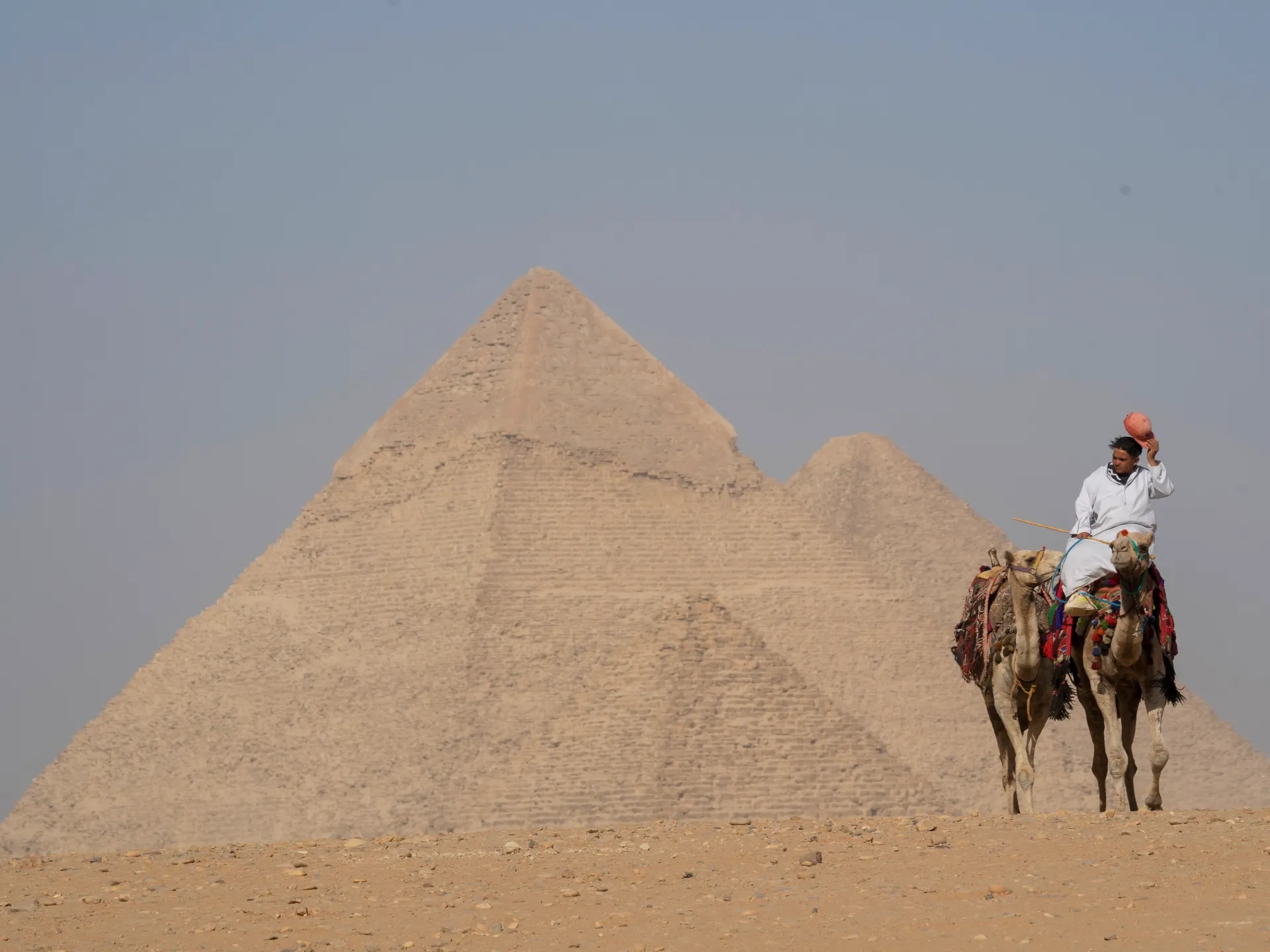
The question of whether this alliance will expand remains a focal point for regional analysts. Egypt is frequently mentioned as a potential candidate due to its massive military weight and strategic control over the Suez Canal. The inclusion of Cairo would significantly enhance the bloc's maritime and terrestrial reach, solidifying its influence over critical global trade corridors.
However, analysts caution that Egypt faces a complex balancing act. Membership in such an agreement could complicate Cairo’s existing aid relationships with the West and its established peace treaties. As the alliance matures, its ability to attract further members will likely depend on its capacity to provide tangible security benefits without forcing member states to abandon their existing diplomatic and security commitments. The future of this bloc will test the ability of these regional powers to maintain unity while navigating the competing interests of global superpowers.