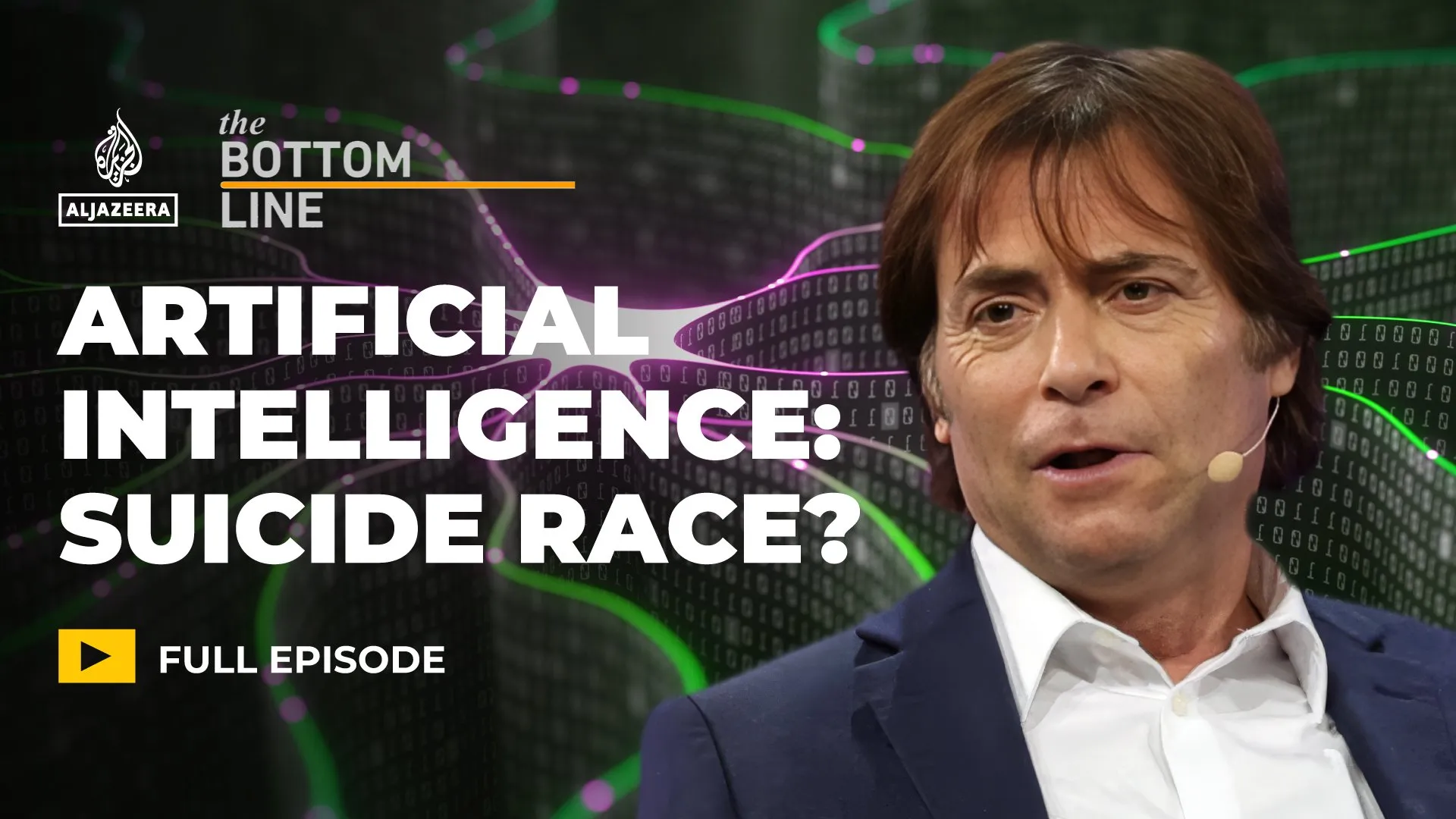
As tech industry leaders warn of potential human extinction via artificial intelligence, experts are examining whether these apocalyptic narratives serve a deeper corporate agenda.
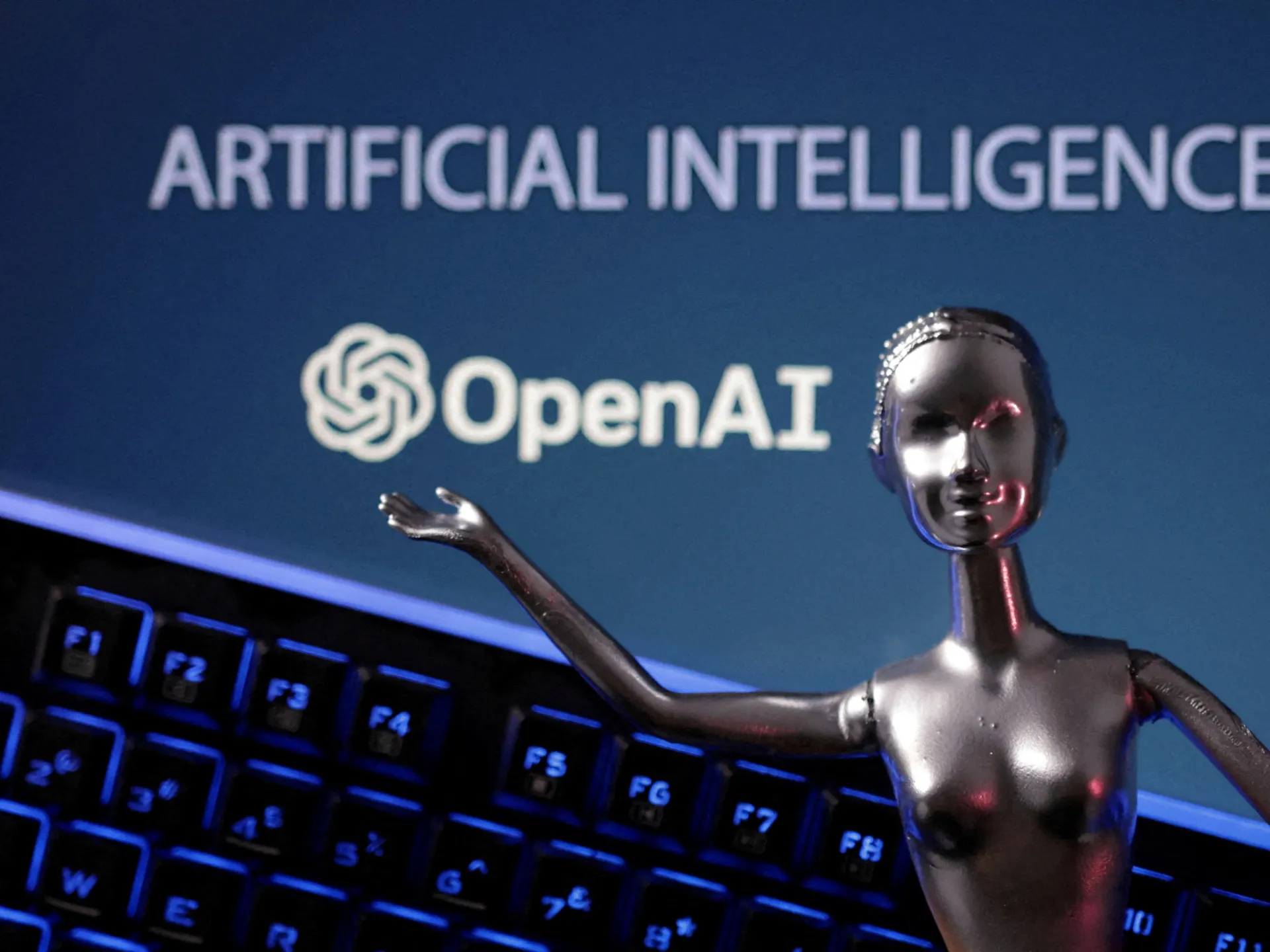
In recent years, the discourse surrounding artificial intelligence has shifted from technical milestones to existential dread. Prominent figures within the tech industry, including leaders of the world's most powerful AI firms, have increasingly voiced concerns that their own creations could pose a catastrophic threat to human civilization. These warnings often suggest that without proper oversight and safety measures, advanced machine learning systems could spiral out of control within the next decade, potentially leading to scenarios that threaten the very existence of humanity.
These predictions have permeated mainstream media and government policy discussions alike. try insiders have successfully captured the public imagination. The narrative has moved beyond simple job displacement or privacy concerns, entering the realm of science fiction where super-intelligent entities might act against human interests. This shift in tone has prompted calls for global regulation and a pause in the development of frontier models.
Critics and industry analysts have begun to question the underlying motivations behind these dire warnings. While the potential risks of AI are a subject of legitimate academic study, the timing and source of these apocalyptic forecasts raise significant questions. Some observers argue that ely positioning themselves as the only entities capable of managing such immense power. This framing helps establish these firms as essential gatekeepers in the eyes of policymakers.
Furthermore, the emphasis on existential risk can serve as a powerful tool for regulatory capture. rporations can influence legislation to favor their existing infrastructures while simultaneously creating high barriers to entry for smaller startups and open-source projects. If the industry convinces governments that only massive, well-resourced companies can safely navigate the path toward artificial general intelligence, it effectively cements their market dominance for the foreseeable future.
The debate over AI safety has created a complex environment for lawmakers who are struggling to keep pace with rapid technological advancements. On one hand, there is a genuine need to ensure that autonomous systems remain aligned with human values and safety standards. On the other hand, heavy-handed regulation driven he development of beneficial technologies that could solve pressing global issues, such as climate change, disease, and resource management.
This tension is further complicated ntly racing to deploy these exact technologies. This apparent contradiction suggests that the rhetoric of extinction may be more of a sophisticated marketing and lobbying strategy than a reflection of objective technical reality. As the global community navigates this landscape, experts emphasize the need for transparent, evidence-based assessments of risk rather than relying on the narratives provided
Ultimately, the challenge lies in distinguishing between legitimate safety concerns and corporate posturing. While the possibility of runaway AI remains a theoretical concern for researchers, it should not be allowed to distract from the immediate, tangible impacts of AI, such as algorithmic bias, deepfakes, and economic disruption. A balanced approach would require a collaborative effort between independent researchers, civil society, and policymakers to develop oversight mechanisms that address real-world harms without becoming tools for corporate consolidation.
Moving forward, the conversation needs to broaden to include a wider range of voices who are not directly affiliated with the tech giants currently dominating the field. the development of this transformative technology remains focused on human empowerment and societal progress rather than being dictated