A new survey reveals that over half of Americans are increasingly worried about the environmental impact of AI, prioritizing its footprint over industries like aviation.
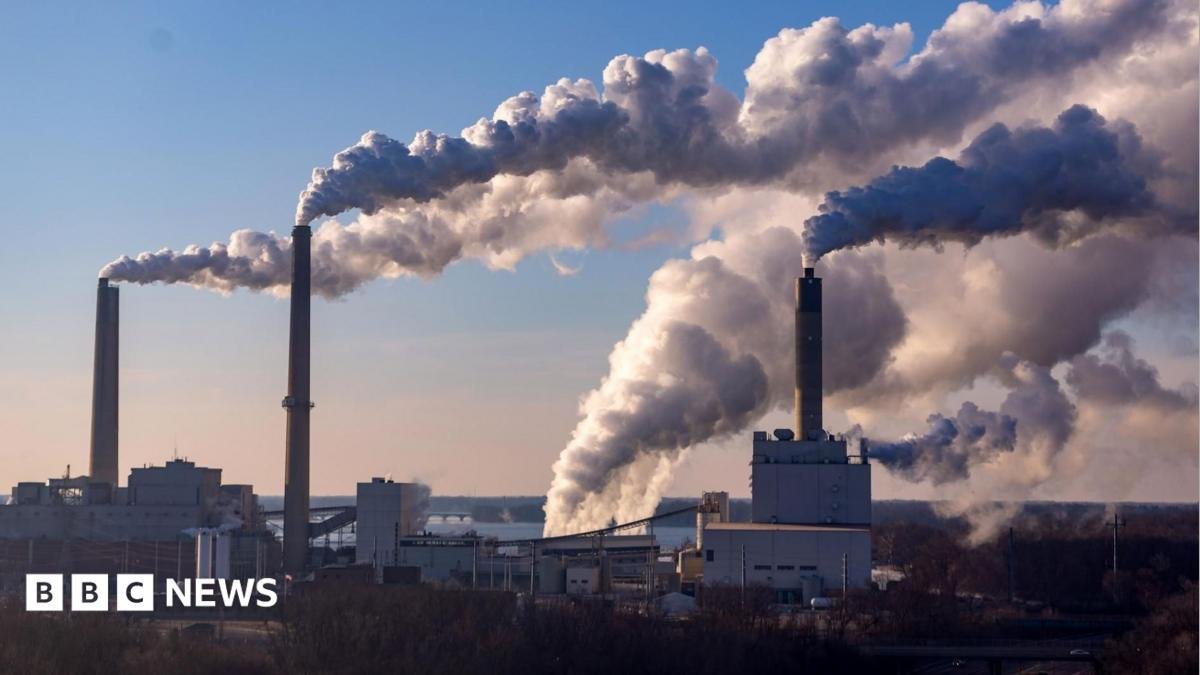
A recent comprehensive survey conducted among United States adults reveals a significant surge in public apprehension regarding the environmental consequences of artificial intelligence. According to data collected in August, over half of the American population now reports being either extremely or very concerned about the ecological footprint left ompared to the previous year, highlighting a growing disconnect between the rapid expansion of digital infrastructure and public comfort levels.
The study, a collaborative effort involving the University of Chicago’s Energy Policy Institute, suggests that the public now views the carbon footprint of artificial intelligence as a more pressing issue than traditionally high-emission industries, such as commercial aviation and large-scale meat production. This shift in sentiment underscores a broader societal realization that the digital tools powering the modern economy carry substantial physical costs, particularly concerning energy consumption and resource management.
While national concerns about carbon emissions are rising, much of the public anxiety is rooted in the immediate, tangible effects of data center construction on local communities. As hyperscale facilities continue to proliferate across the country to support the intensive processing requirements of modern AI models, residents are increasingly worried about the strain these sites place on regional utilities. Specifically, the survey indicates that a majority of Americans fear that the presence of these massive facilities will lead to higher electricity prices and potential shortages in local water supplies.
The physical footprint of these data centers is extensive, with thousands of facilities already operational across the United States. While states like Virginia, Texas, California, Ohio, and New York serve as the current hubs for digital infrastructure, the rapid pace of construction shows no signs of slowing down. Experts suggest that this "massive experiment" in real-time digital expansion is creating a sense of unease, as communities grapple with the trade-offs between technological advancement and the preservation of essential local resources.
The debate over data centers often centers on the cooling requirements of high-performance AI chips, which necessitate significant amounts of water. While researchers note that data center water usage is nationally modest when compared to other sectors, they caution that these impacts can be decisive at the local level. In regions where water security is already a concern, the arrival of a massive data center can lead to tensions over how finite resources are prioritized between residential needs and corporate digital operations.
Public opinion on the matter remains deeply divided along political lines, with Democrats expressing the highest levels of concern. However, even as the administration pushes for the widespread adoption of these facilities under the promise of job creation and economic growth, some citizens remain skeptical. Many residents feel that the decision-making processes for these developments prioritize corporate efficiency over the long-term health and stability of the communities that host them, leading to a growing demand for greater transparency in tech infrastructure planning.
As the reliance on AI continues to grow, the dialogue surrounding its environmental sustainability is becoming a critical component of national energy policy. The rapid shift in public perception suggests that the tech industry can no longer operate in a vacuum, ignoring the environmental costs of its growth. Moving forward, policymakers and industry leaders will likely face increased pressure to implement more efficient cooling technologies and renewable energy sources to mitigate the footprint of these massive computing hubs.
Ultimately, the challenge lies in balancing the undeniable demand for faster, more capable AI with the necessity of protecting the environment and local utility infrastructure. Whether or not the industry can address these concerns will likely determine the social license it has to continue its current trajectory. As the survey results indicate, the public is watching closely, and their anxiety is unlikely to dissipate without concrete evidence that the digital future can be built in a way that respects both the planet and the local communities that sustain it.