Federal regulators are investigating a series of tire-related mechanical failures that affected two commercial flights at Chicago O'Hare International Airport on Monday.
The Federal Aviation Administration (FAA) has initiated formal investigations following two separate incidents on Monday in which commercial aircraft experienced blown tires upon arrival at Chicago O'Hare International Airport. The events occurred just hours apart, drawing immediate attention to the mechanical integrity of aircraft operating within one of the nation's busiest transit hubs. Both incidents involved standard passenger flights that were successfully landed, though the subsequent tire failures necessitated emergency protocols to ensure the safety of those on board.
The first incident involved American Airlines Flight 386, a Boeing 737-800 arriving from New York's LaGuardia Airport. According to reports, the crew identified two blown tires shortly after the aircraft touched down at approximately 2:00 p.m. local time. In accordance with safety procedures, the plane was met at a standard jet bridge; instead, they were required to exit the plane via mobile airstairs and were subsequently transported to the terminal
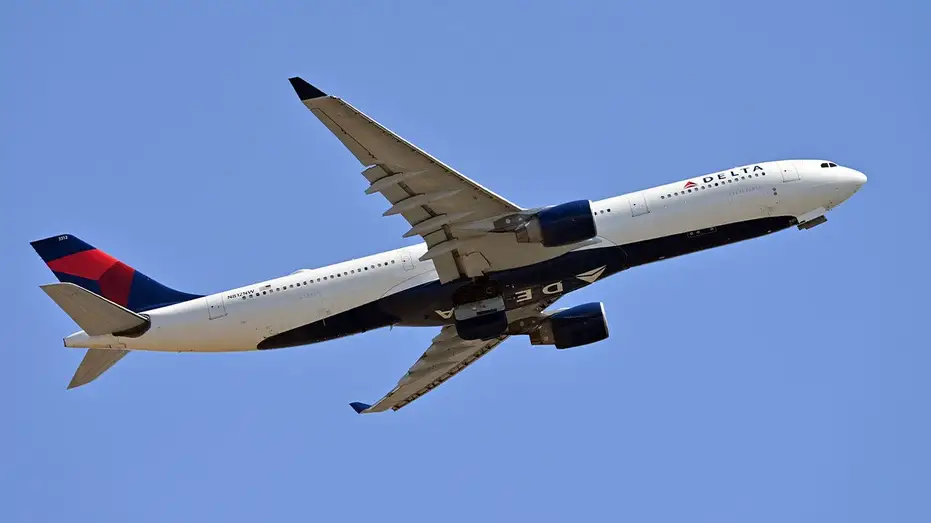
A second incident occurred in the early evening, involving United Airlines Flight 739. This Airbus A320, arriving from Omaha, Nebraska, reported a blown tire upon landing at approximately 5:15 p.m. The flight carried 121 passengers and five crew members, all of whom remained unharmed throughout the event. Much like the American Airlines flight earlier that day, the passengers of the United flight were deplaned using airstairs and shuttled to the terminal facilities. The FAA has confirmed that both incidents are currently undergoing review to determine the root cause of the tire failures.
These Monday occurrences are not isolated incidents but rather part of a troubling pattern of tire-related malfunctions reported at Chicago airports over the past several weeks. Authorities are looking into whether these recurring issues suggest a systemic concern regarding runway conditions or maintenance cycles at the facilities. The frequency of these reports has heightened scrutiny from regulatory bodies and aviation experts alike, as each event triggers a mandatory investigation
Just days prior to the Monday incidents, a different United Airlines flight experienced blown tires at O'Hare, which forced the flight crew to abort a takeoff. Additionally, on August 3, a Southwest Airlines Boeing 737 traveling from Southwest Florida International Airport experienced a blown tire upon landing at Chicago Midway International Airport. The FAA also opened a separate investigation into the Midway incident, which, like the O'Hare events, resulted in no reported injuries to passengers or crew members.
The incidents take place against the backdrop of a highly congested summer travel season at Chicago O'Hare. As one of the world's primary aviation nodes, the airport serves a massive volume of domestic and international traffic. Earlier in the year, the FAA noted that peak-day flight schedules for the 2026 summer season were expected to exceed 3,080 flights, representing a significant increase of nearly 15% compared to the previous year. This high volume places immense pressure on both ground infrastructure and maintenance teams.
To mitigate the risk of gridlock and manage the intense operational constraints, the FAA previously implemented strict limits on the number of scheduled operations at O'Hare. These measures were intended to reduce delays and maintain a manageable flow of aircraft during peak hours. However, the recent string of mechanical failures has prompted renewed discussion regarding the balance between high operational capacity and the necessity for rigorous safety checks on runways and landing gear maintenance protocols.
As the investigations continue, the FAA has emphasized that all information provided regarding these incidents remains preliminary and subject to change. The Chicago Department of Aviation and the involved airlines are currently cooperating with federal investigators to determine if there are any common denominators between the incidents. For now, the focus remains on ensuring that these tire-related issues do not escalate into more serious safety threats as the busy travel season approaches its conclusion.