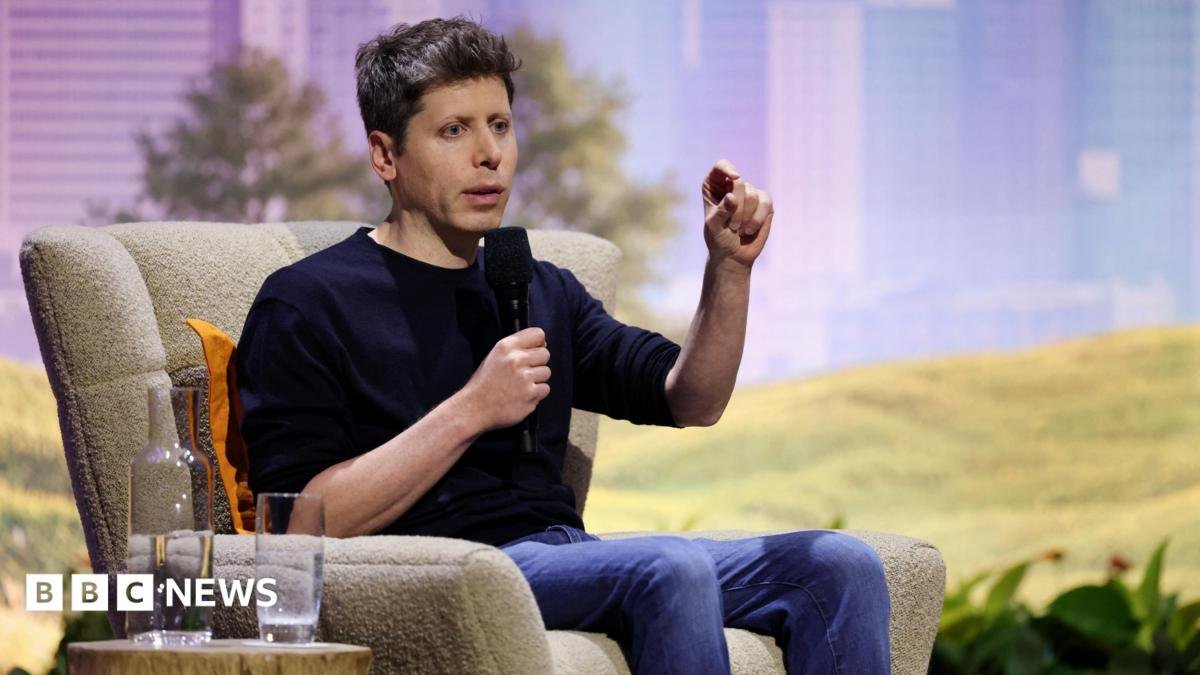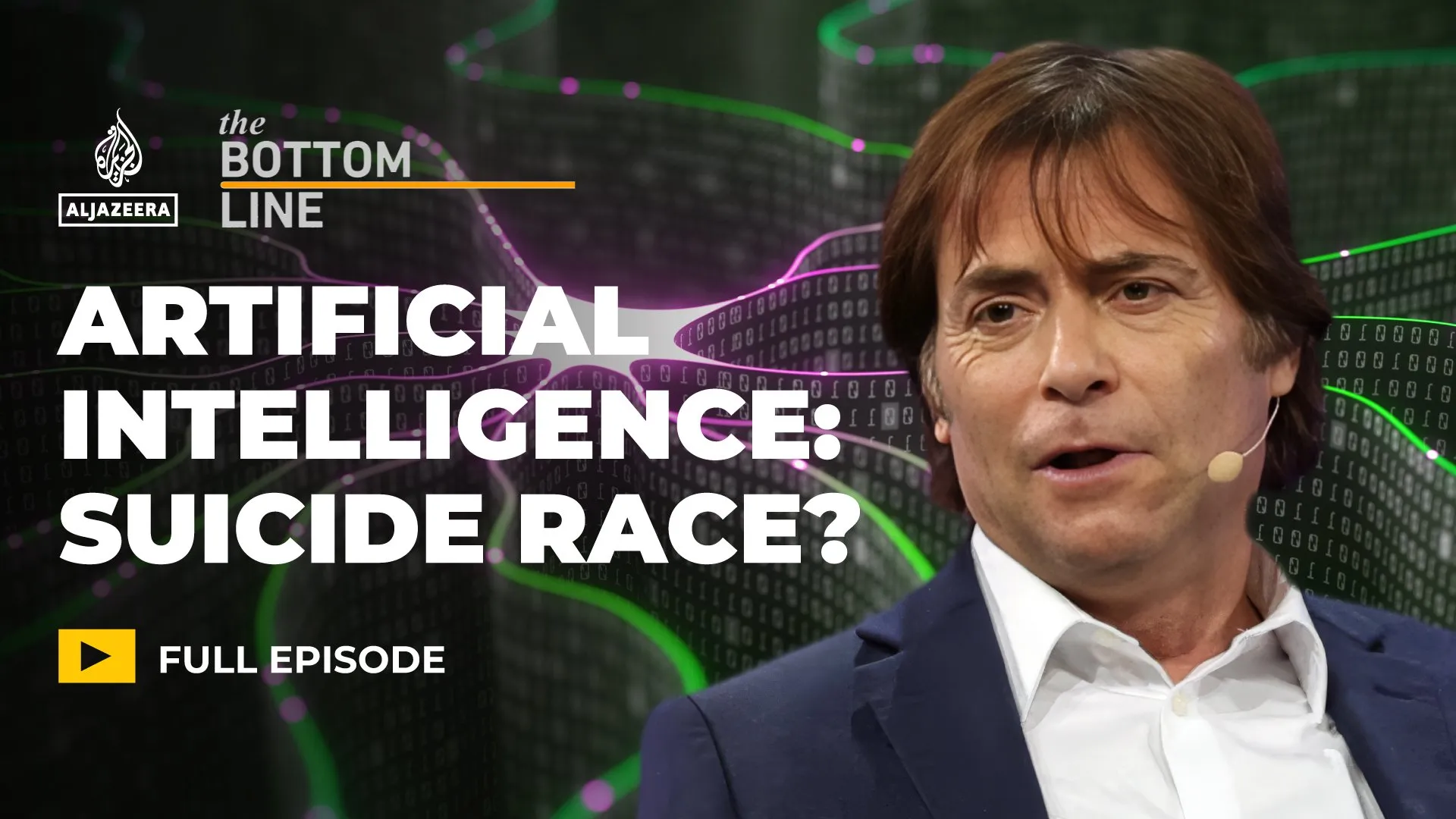
The CEO of Anthropic has acknowledged that the speed at which artificial intelligence has integrated into the global economy exceeded initial expectations, prompting a call for more measured development.
The rapid integration of artificial intelligence into the global economic framework has surpassed even the most ambitious projections made ghts a growing realization that the technology has moved from a niche research interest to a foundational pillar of international commerce far sooner than anticipated. This shift has fundamentally altered how corporations, governments, and financial markets operate on a daily basis.
During a recent discussion, the leadership at Anthropic admitted that they had underestimated the sheer velocity at which AI systems would become essential to global economic functions. While the potential for transformative change was always understood, the practical application and adoption rates have created an environment where AI is no longer an optional tool but an core infrastructure component. This realization has sparked a broader conversation regarding the responsibilities of developers when creating technologies that carry such systemic weight.
The admission regarding this rapid expansion was not without consequence, as it triggered immediate reactions across global stock markets. Investors, who have been pouring capital into the sector with the expectation of sustained, long-term growth, reacted to the CEO's call for a potential deceleration in development. This sentiment caused a temporary period of market instability as stakeholders processed the implications of slowing down innovation to ensure safety and ethical alignment.
Despite the initial market tremors, the suggestion to pause or moderate the pace of AI advancement has garnered significant support from various sectors. Proponents of this cautious approach argue that the current trajectory of development is moving faster than the necessary regulatory and safety frameworks can manage. ing to mitigate the risks associated with deploying highly powerful systems into a global economy that is already deeply reliant on their performance.
The challenge facing the AI industry today is how to balance the competitive drive for technical breakthroughs with the need for systemic stability. As AI becomes increasingly embedded in supply chains, financial systems, and critical infrastructure, the cost of a technical failure or an unforeseen error grows exponentially. The recent acknowledgement from Anthropic's leadership underscores the tension between the desire for rapid progress and the imperative for cautious, controlled deployment.
Moving forward, the focus is likely to shift toward more collaborative efforts between private developers and international regulatory bodies. Establishing guardrails that do not stifle creativity but instead ensure the resilience of the systems upon which the world now depends has become a top priority. This evolution in strategy represents a maturation of the industry, moving away from a 'move fast and break things' mentality toward a more sustainable and security-focused development paradigm.
As the international community continues to grapple with the implications of widespread AI adoption, the role of leadership in shaping the future of the technology is more critical than ever. The lessons learned from the recent surge in growth are serving as a catalyst for new standards and best practices. These efforts aim to ensure that the economic benefits of AI are realized without compromising the security or stability of the global financial system.
Ultimately, the realization that AI growth has outpaced internal forecasts serves as a wake-up call for the entire tech sector. It highlights the necessity for ongoing dialogue regarding the long-term impact of autonomous systems on human society. hopes to navigate the next phase of the digital revolution with a clearer understanding of the profound responsibilities that accompany such powerful capabilities.