India is set to introduce a 0.4 percent fee on merchant UPI transactions over 2,000 rupees, sparking debate over the future of digital payments.
India’s Unified Payments Interface (UPI), a homegrown digital infrastructure that revolutionized the nation's financial landscape, is undergoing a significant policy shift. The National Payments Corporation of India (NPCI) has announced the implementation of a 0.4 percent fee on merchant transactions exceeding 2,000 rupees (approximately $21). This new levy, categorized as a Merchant Discount Rate (MDR), is scheduled to take effect on October 15. The policy change aims to transition the costs of maintaining the country’s massive digital payment framework from the government and service providers to the merchants receiving payments.
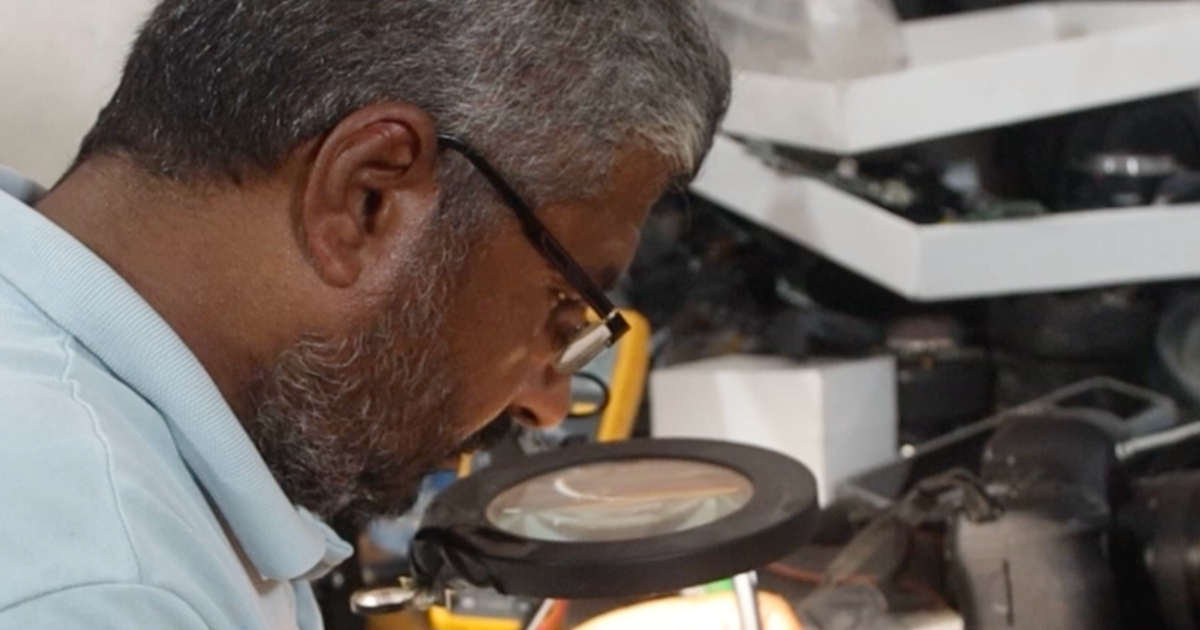
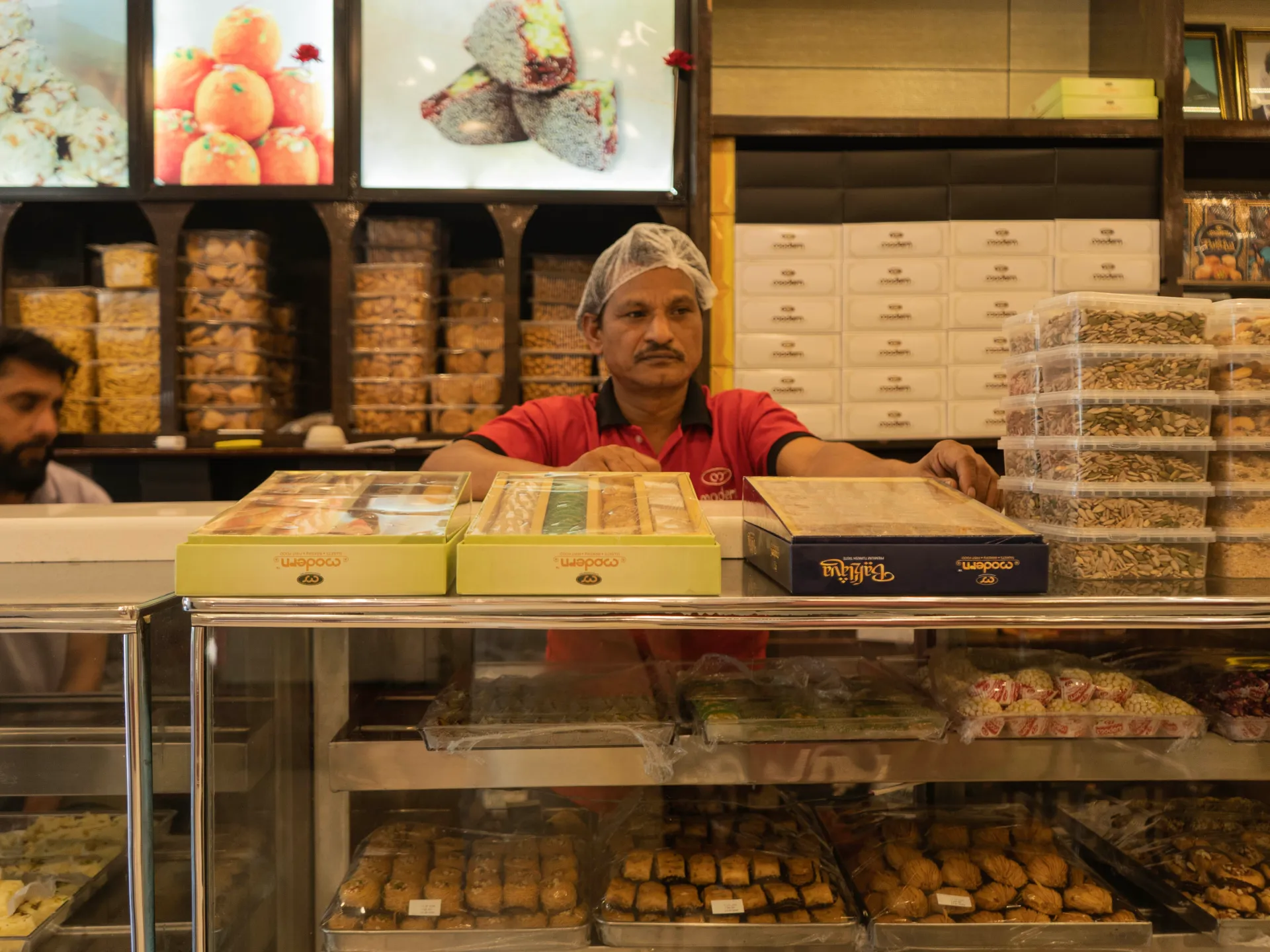
While the new fee applies to select business transactions, the government has clarified that person-to-person transfers will remain entirely free of charge. However, for specific services—including fuel payments, railway ticket bookings, and telecom bill settlements—a flat fee of five rupees per transaction will be introduced. Despite official guidance prohibiting merchants from offloading these costs onto consumers, anecdotal evidence suggests that some small business owners are already adjusting their pricing models to compensate for the added overhead, potentially impacting the affordability of digital transactions for everyday users.
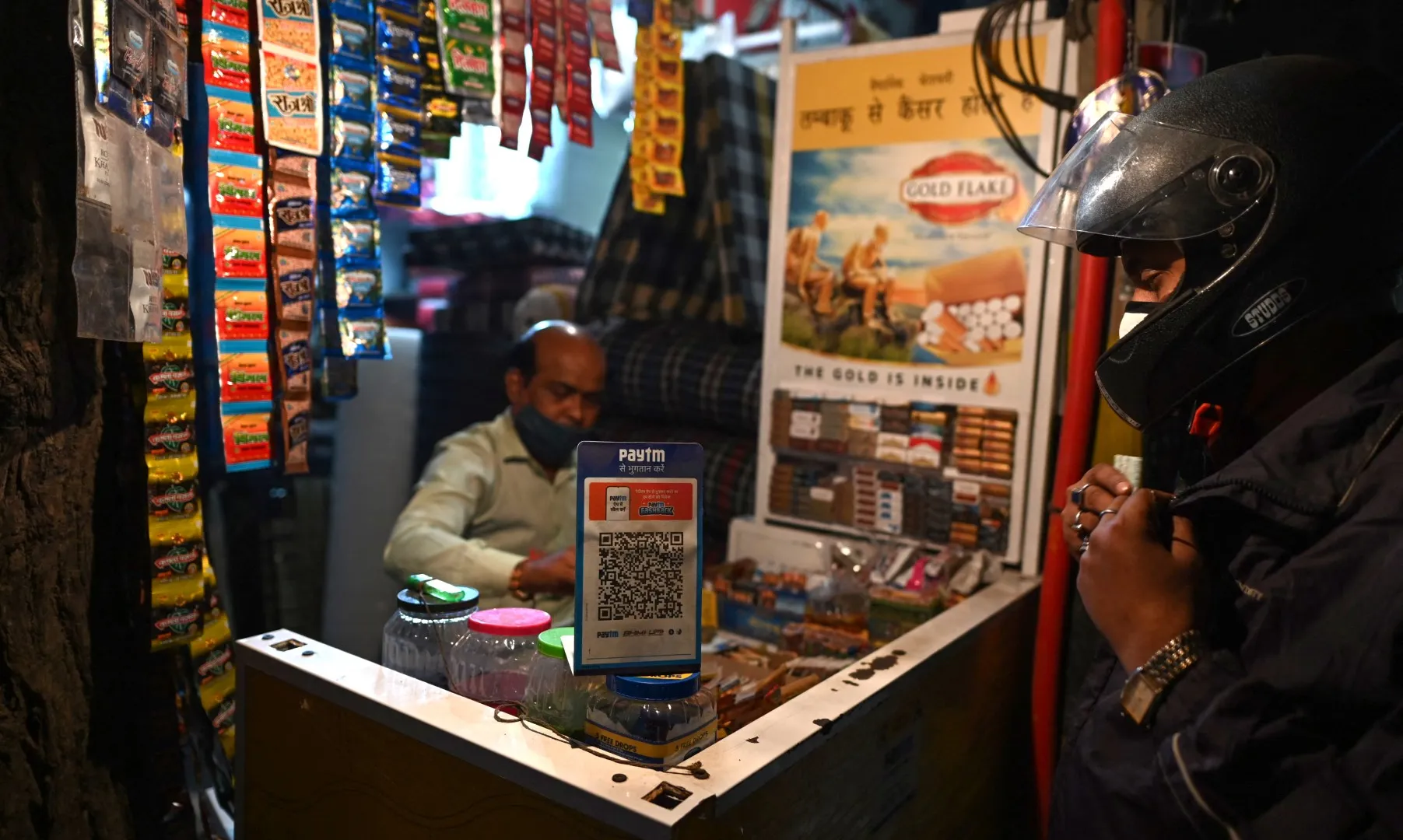
The UPI system is arguably the most successful digital payment implementation globally, processing an unprecedented volume of transactions. In the previous month alone, the platform handled over 24.5 billion transactions, facilitating a daily movement of funds exceeding $10 billion. Over the last fiscal year, the system supported nearly 242 billion transactions, totaling approximately $3.3 trillion in value. This digital backbone connects hundreds of banks and has become the primary method for financial transactions ranging from street-side stalls to large-scale international retail chains.
The government’s decision to introduce fees is framed as a necessary step to ensure the long-term sustainability of this infrastructure. vice providers will have the resources to invest in cybersecurity, technological innovation, and the expansion of payment access in rural and semi-urban regions. Proponents of the policy suggest that while the initial model of zero fees drove adoption, the current scale requires a more robust financial structure to maintain operational excellence and security.
The policy announcement has triggered a wave of criticism from industry groups, most notably the Retailers Association of India. Industry leaders argue that taxing digital payments contradicts the national goal of formalizing the economy. ions to avoid fees, effectively stalling the digital growth seen over the past decade. Furthermore, the political opposition has alleged that the government is yielding to international pressure, specifically suggesting that the move aims to create a level playing field for foreign card companies that have struggled to compete with the zero-cost structure of UPI.
Market reactions reflect a different sentiment, with shares in major Indian payment firms and banks seeing an uptick following the announcement. This shift signals that investors view the new revenue streams as a positive development for the financial sector, which previously bore the cost of UPI operations without direct monetization. As the October deadline approaches, the debate continues over whether the introduction of fees will strengthen the system's longevity or diminish the widespread public enthusiasm that allowed UPI to become a global leader in real-time digital payments.