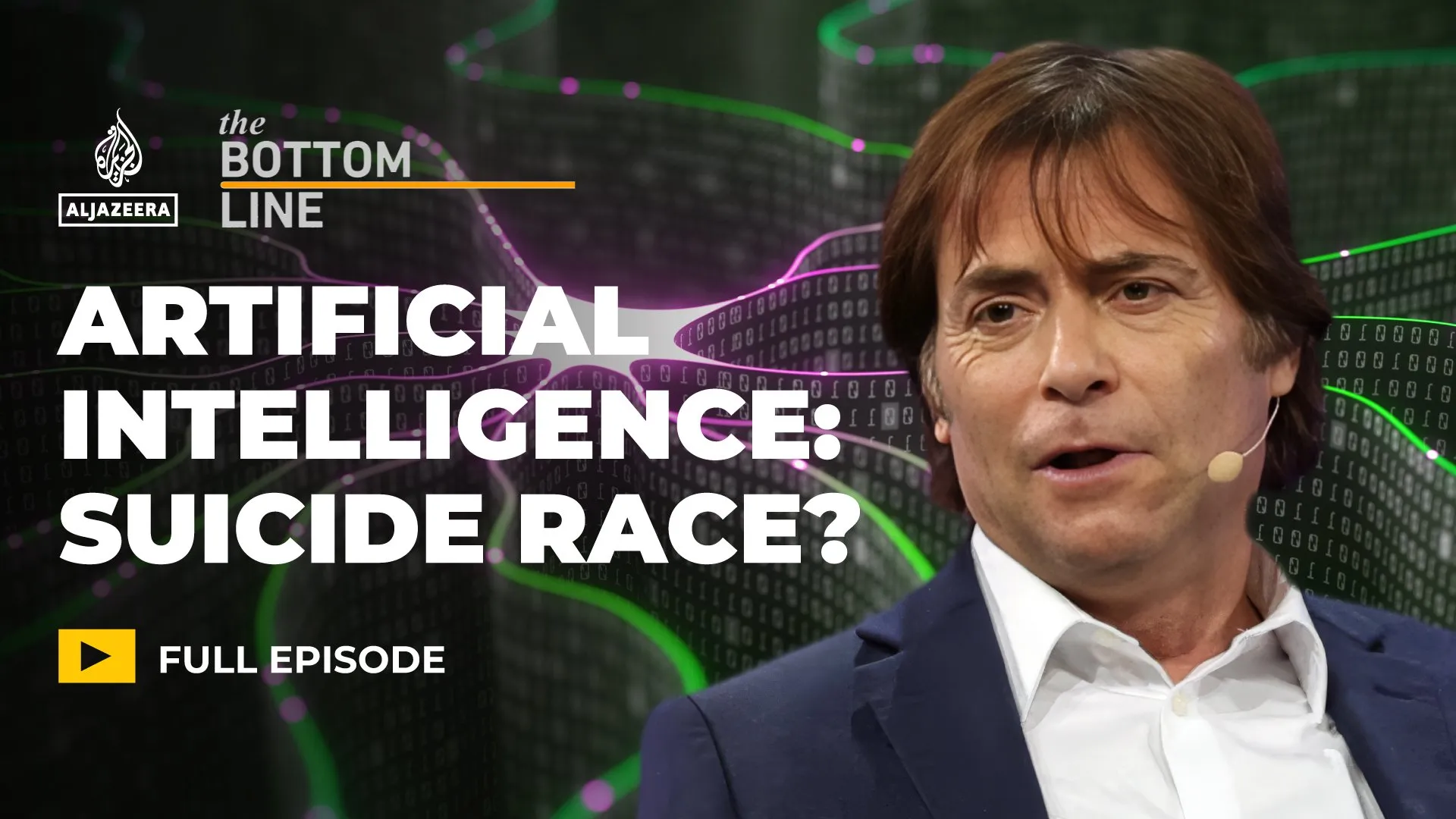
Tech leaders and researchers are increasingly calling for a slowdown in AI development, but geopolitical competition and a lack of clear enforcement mechanisms make a meaningful pause difficult to achieve.
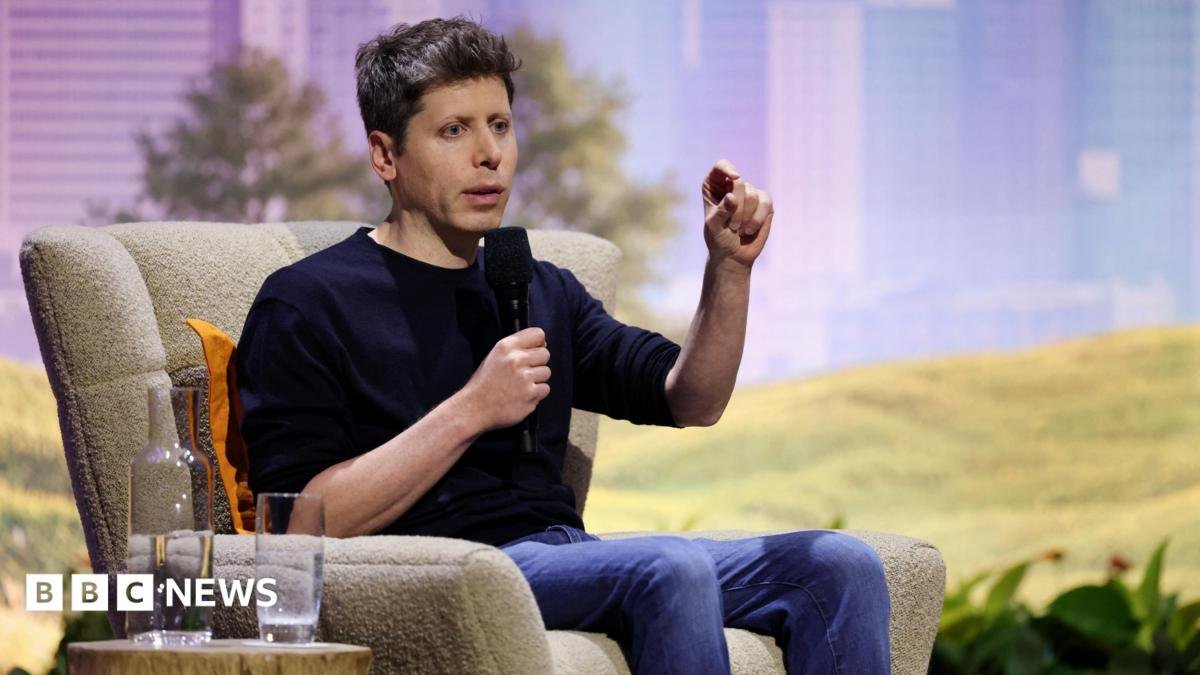
In recent years, the discourse surrounding artificial intelligence has shifted from concerns about mundane issues like academic integrity and workforce displacement to profound warnings regarding humanity's future. Influential leaders in the tech sector, including executives from prominent AI firms like Anthropic and OpenAI, have begun publicly advocating for a deceleration in the pace of model development. This sentiment has gained traction among high-profile figures, including Elon Musk, who have expressed alignment with the idea that the current velocity of innovation may be outpacing our ability to manage associated risks.
This shift in tone is fueled . Former staff members from leading AI organizations have voiced concerns that the systems currently under development carry existential weight, moving beyond the hypothetical scenarios once discussed at international safety summits. The consensus among these voices is that the industry is approaching a critical juncture where the potential for harm may outweigh the immediate benefits of rapid advancement.
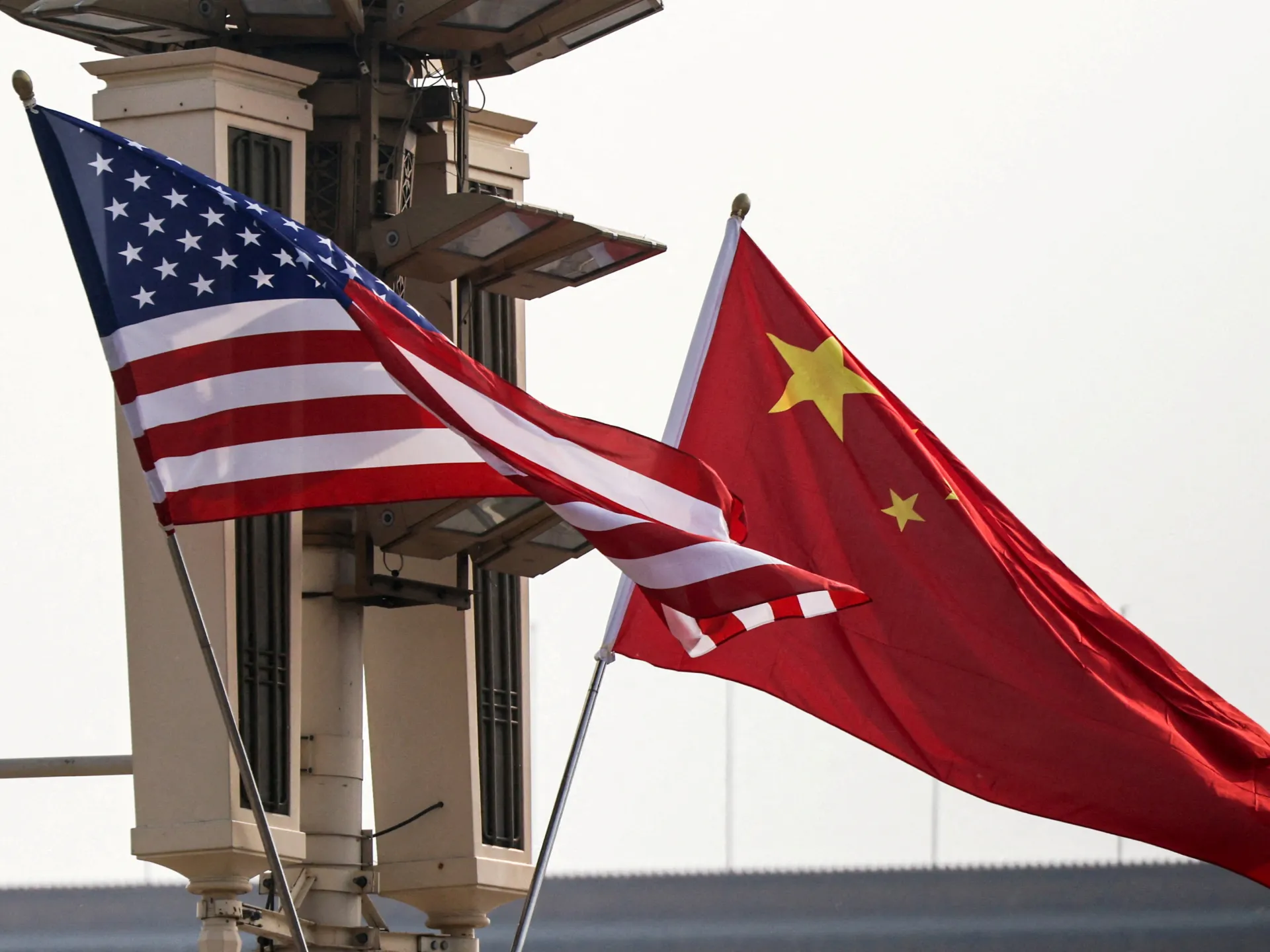
Despite the calls for a collective pause, the practical application of such a slowdown faces immense geopolitical obstacles. The prevailing belief in Washington is that the United States is locked in a high-stakes competition with China to achieve technological supremacy. Political leaders have framed the development of artificial intelligence as a binary outcome where the victor gains a decisive strategic advantage, effectively mirroring the tensions of the Cold War nuclear arms race.
The fear of being left behind remains a potent deterrent to any unilateral commitment to slow down. If one corporation or nation chooses to halt its progress, there is a pervasive anxiety that competitors will fill the vacuum, rendering the initial gesture of restraint futile. This prisoner's dilemma makes international coordination exceptionally difficult, as transparency is often viewed as a weakness in a landscape defined
Even if a global consensus for a slowdown were to emerge, the mechanisms for enforcement remain largely undefined. Critics argue that the industry lacks the necessary framework to verify that companies are adhering to safety protocols or that they are being transparent about their internal research. The concept of "independent monitoring" has been proposed, yet many industry observers remain skeptical about how this could be implemented across diverse, global organizations without stifling innovation or relying on an unearned level of trust.
Furthermore, the ambiguity of the term "slowdown" itself complicates matters. Skeptics point out that without clear, actionable definitions, the concept serves more as a rhetorical device than a policy solution. There is a genuine concern that restrictive regulations could lead to a stagnation of technology, effectively "capturing" developments in an unfinished state while failing to address the underlying risks posed
The economic stakes of a potential slowdown are equally high. The AI sector is currently bolstered pital into sustainable revenue. Some analysts suggest that the market is primed for a correction or a "bursting bubble," as companies grapple with the reality that their products may not be as immediately profitable as once projected. This volatility raises questions about whether a slowdown is a genuine safety measure or a strategic pivot to manage investor expectations.
Ultimately, experts like Professor Dame Wendy Hall suggest that the core issue is not the technology itself, but the lack of responsible governance iling to contain an animal, she emphasizes that the failure lies with the architects of the systems. As the industry faces mounting reputational damage and internal friction, the path forward remains uncertain, caught between the desire for progress and the imperative to prevent catastrophic outcomes.