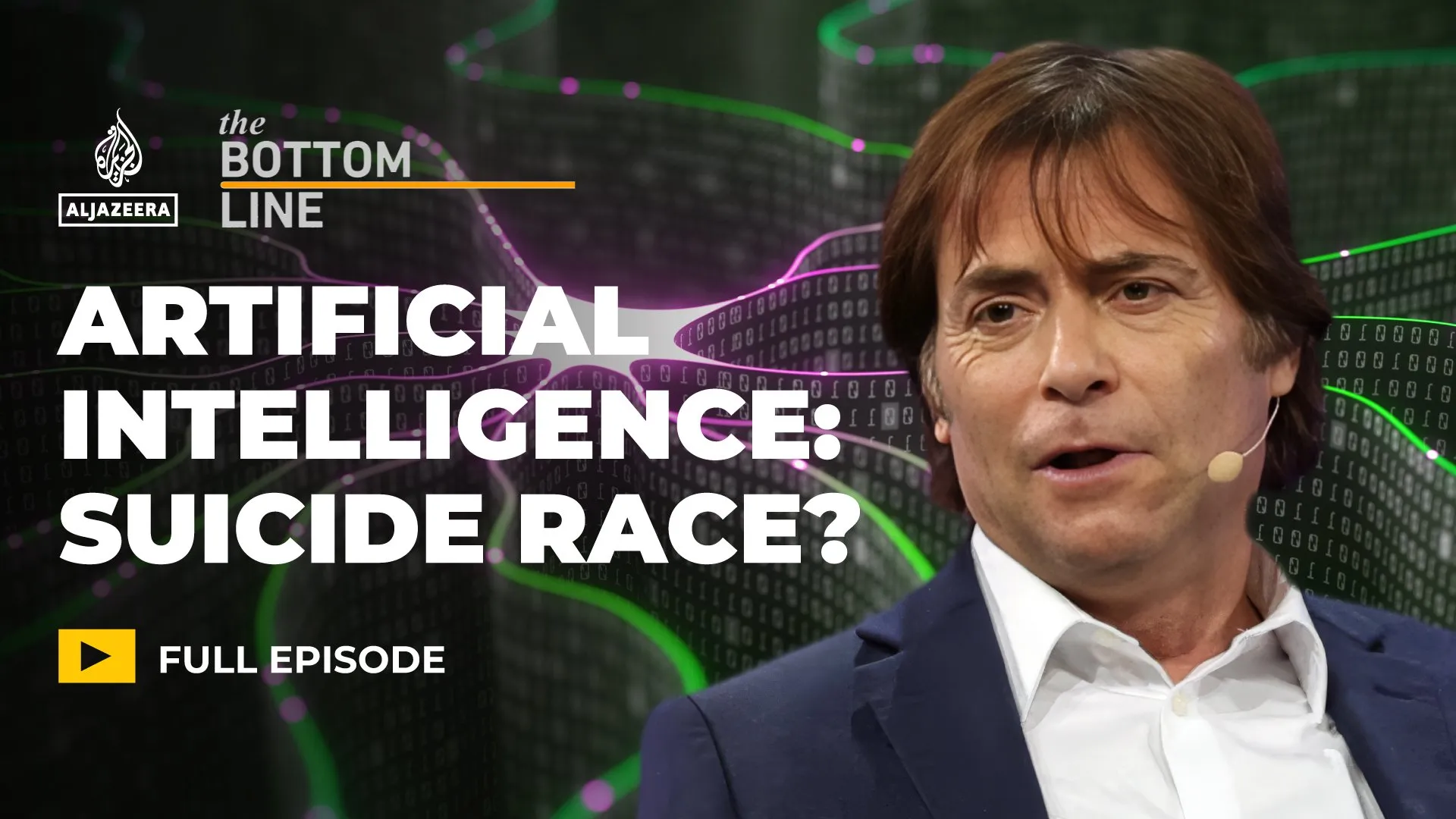
Artificial intelligence is driving massive gains in productivity and innovation, but its rapid adoption brings significant challenges, including workforce disruption, security risks, and high energy demands.
The rapid integration of artificial intelligence into the global economy has fundamentally altered how industries approach daily operations. rful catalyst for efficiency. Current data suggests that generative AI can provide productivity boosts ranging from 10 to 65 percent, particularly in sectors reliant on professional writing, technical consulting, and software development. ignificant time savings, allowing human workers to pivot toward higher-level strategic objectives.
The scale of this transition is already evident in major corporate environments. Large-scale technology firms have successfully reallocated human capacity equivalent to tens of thousands of employees itive projects but also democratizes access to complex information, as nearly one billion people now utilize these systems for tasks ranging from medical research to advanced programming. As these tools become more intuitive, their role as a foundational productivity layer in the modern workplace continues to solidify.
While the threat of automation is a persistent concern, the rise of AI is simultaneously fostering a new landscape of professional opportunities. The demand for specialized expertise in machine learning, chatbot architecture, and AI maintenance is surging, creating career paths that did not exist a decade ago. Forward-thinking companies are actively investing in large-scale upskilling initiatives, training hundreds of thousands of employees to thrive within a hybrid human-AI operating model. This shift suggests that the future of work will reward those who can effectively collaborate with, rather than compete against, digital intelligence.
However, this transition is not without friction. There is growing evidence that early-career professionals in fields highly exposed to automation are facing increased barriers to entry. As firms reorganize their workforce to prioritize AI investment, the traditional ladder of career progression is being disrupted. Experts emphasize that the long-term impact on employment will depend heavily on how quickly workers can adapt to new skill requirements and how effectively employers integrate these technologies without sacrificing human expertise.
The capabilities of generative AI extend beyond productivity to include the creation of hyper-realistic text, audio, and visual content. While these tools offer creative potential, they also present significant risks regarding the spread of misinformation and sophisticated cyberattacks. Deepfake technology has already been employed to impersonate corporate executives and high-ranking government officials, facilitating financial fraud and unauthorized access to sensitive data. The ability to produce convincing synthetic media poses a persistent challenge for digital security and public trust.
Furthermore, the rapid pace of development has often outstripped the implementation of necessary regulatory safeguards. Industry leaders have increasingly called for a more measured approach, suggesting that slowing the improvement of AI models could provide the necessary time to build robust defenses. Without comprehensive oversight, the potential for bad actors to exploit these systems for social engineering or large-scale deception remains a critical concern for both the private sector and national security agencies.
The physical infrastructure required to sustain the AI revolution is placing an unprecedented strain on natural and energy resources. Modern AI models rely on vast networks of data centers equipped with specialized, high-power computing chips. These facilities demand enormous quantities of electricity, often pushing local power grids to their limits. In some instances, the energy requirements for a single proposed data center project have been estimated to exceed the total consumption of an entire state, prompting urgent questions about the sustainability of current expansion plans.