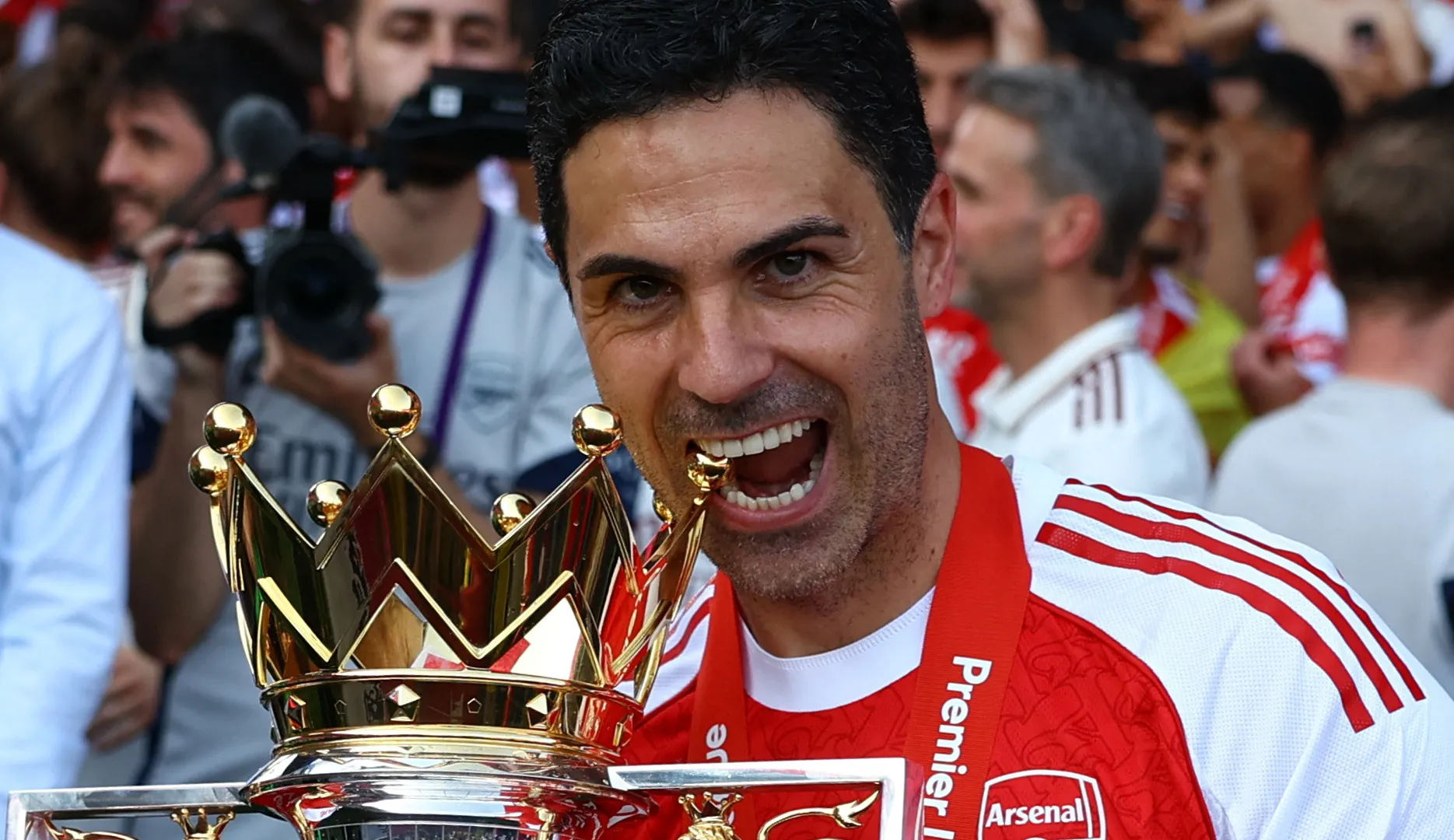
As Manchester United struggles to find its form under Michael Carrick, global markets face a different kind of pressure as Japan hits a 31-year interest rate high.
While the headlines are dominated ary policy—both reflect a broader climate of instability. For Manchester United, the pressure on Michael Carrick is symptomatic of a club failing to meet the high-variance demands of modern football, where tactical rigidity meets desperate results. Meanwhile, the Bank of Japan’s aggressive pivot toward higher interest rates underscores a fragile global economy, where the fallout from regional conflicts in the Middle East is no longer contained to energy markets but is actively reshaping the fiscal reality of the world’s third-largest economy.
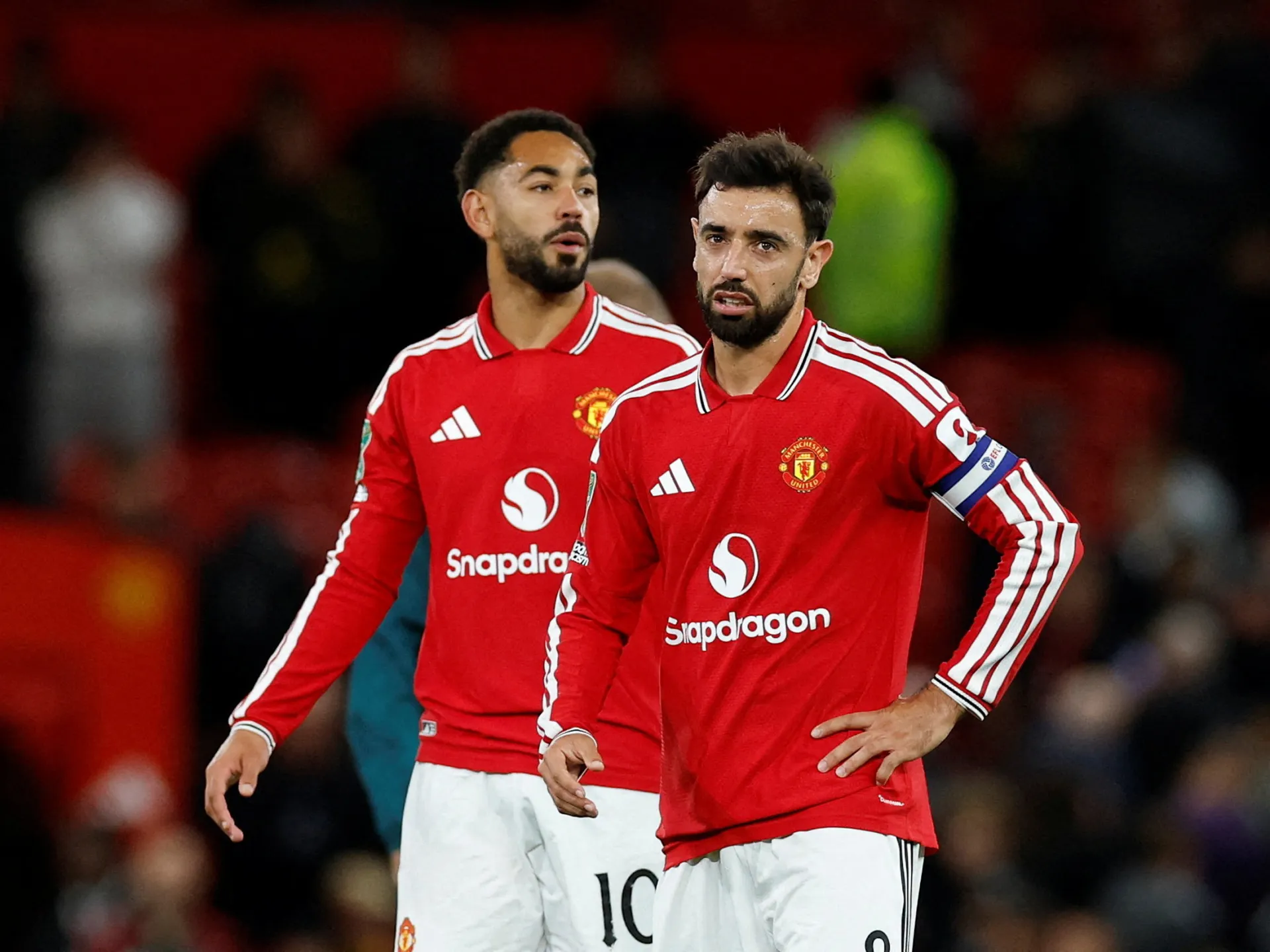
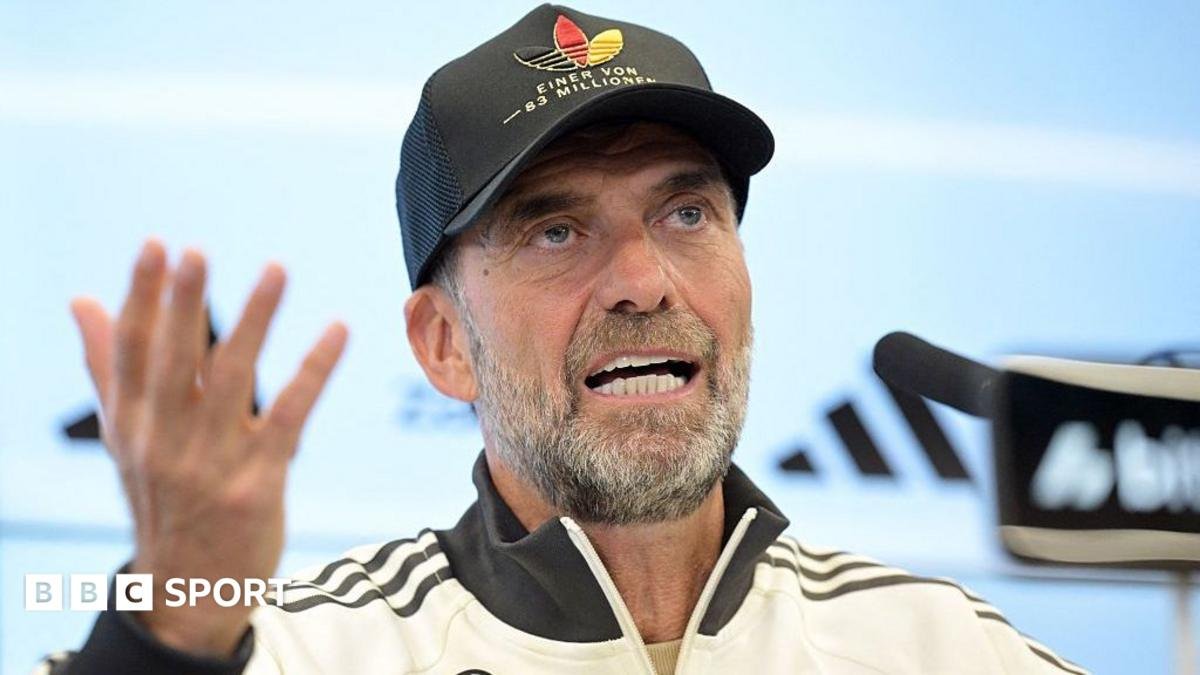
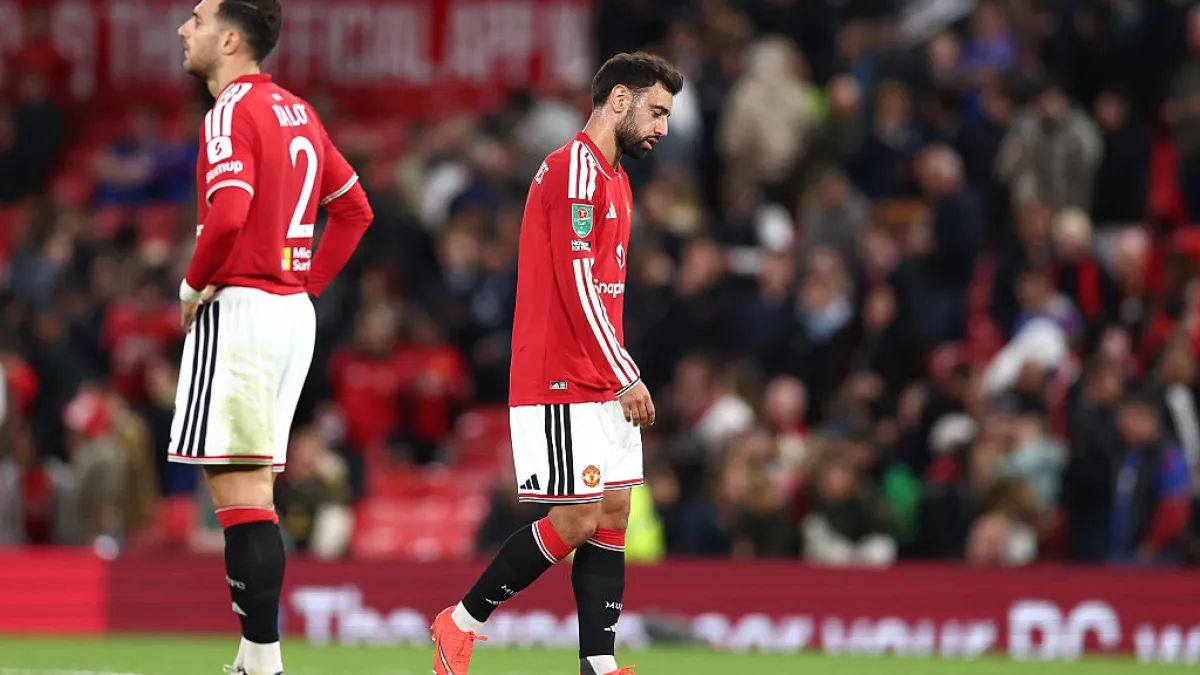
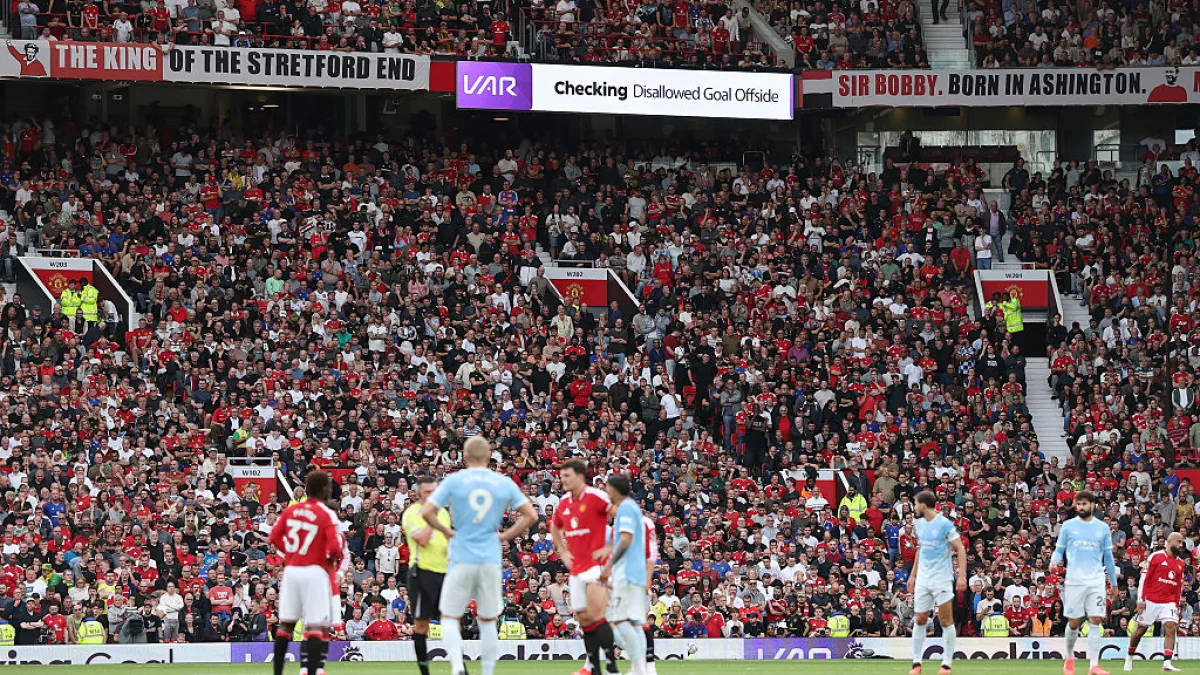
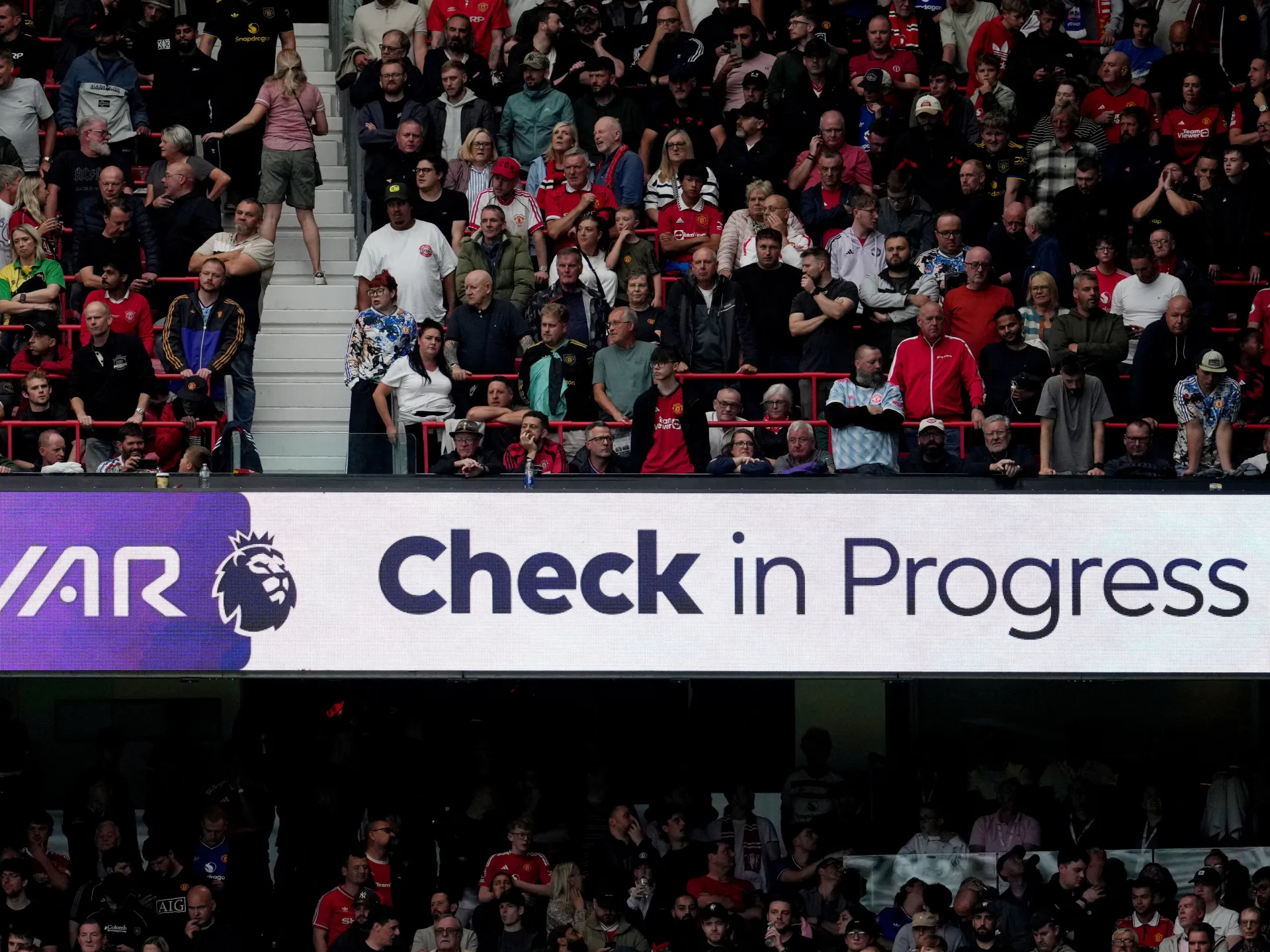
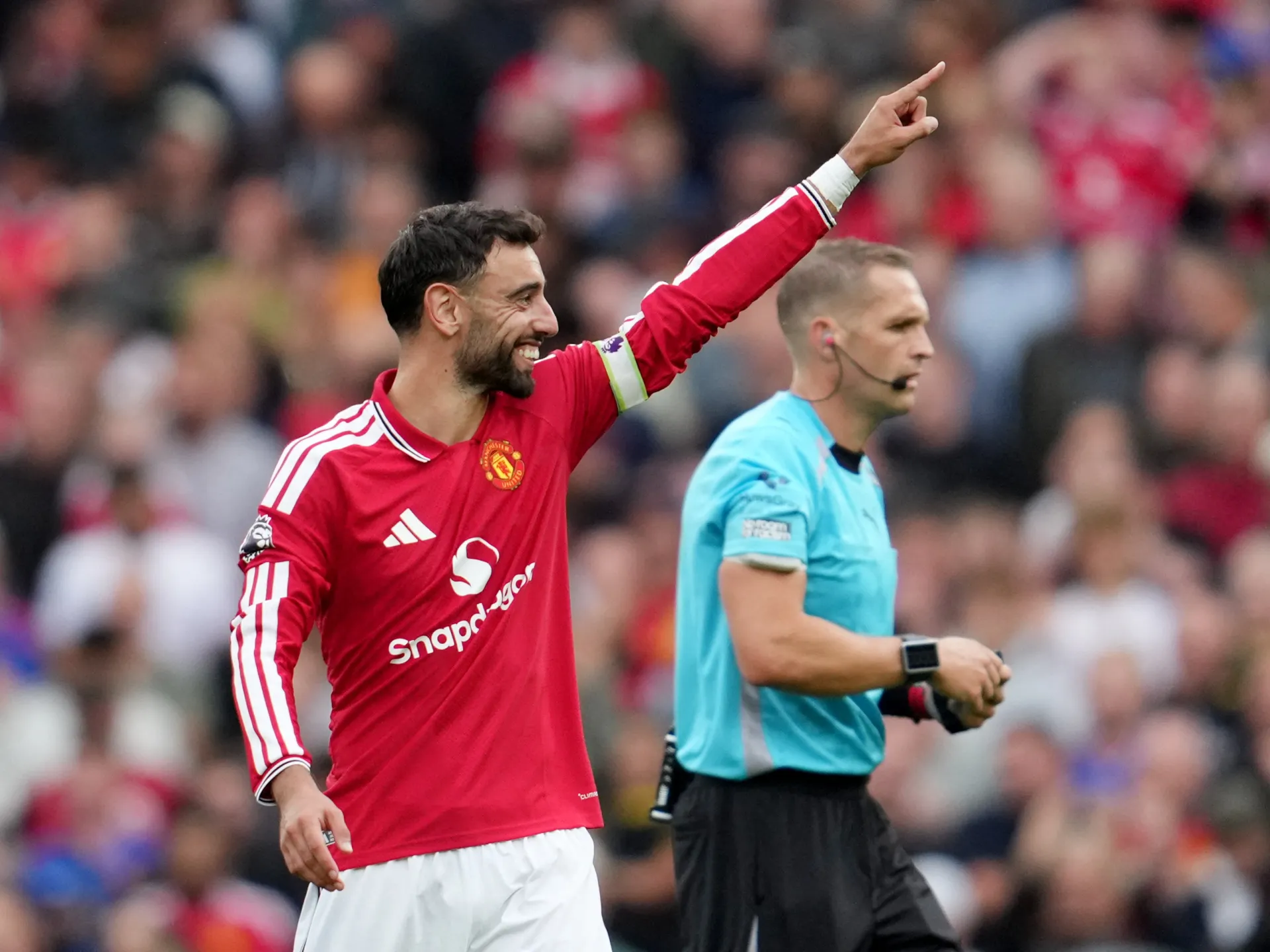
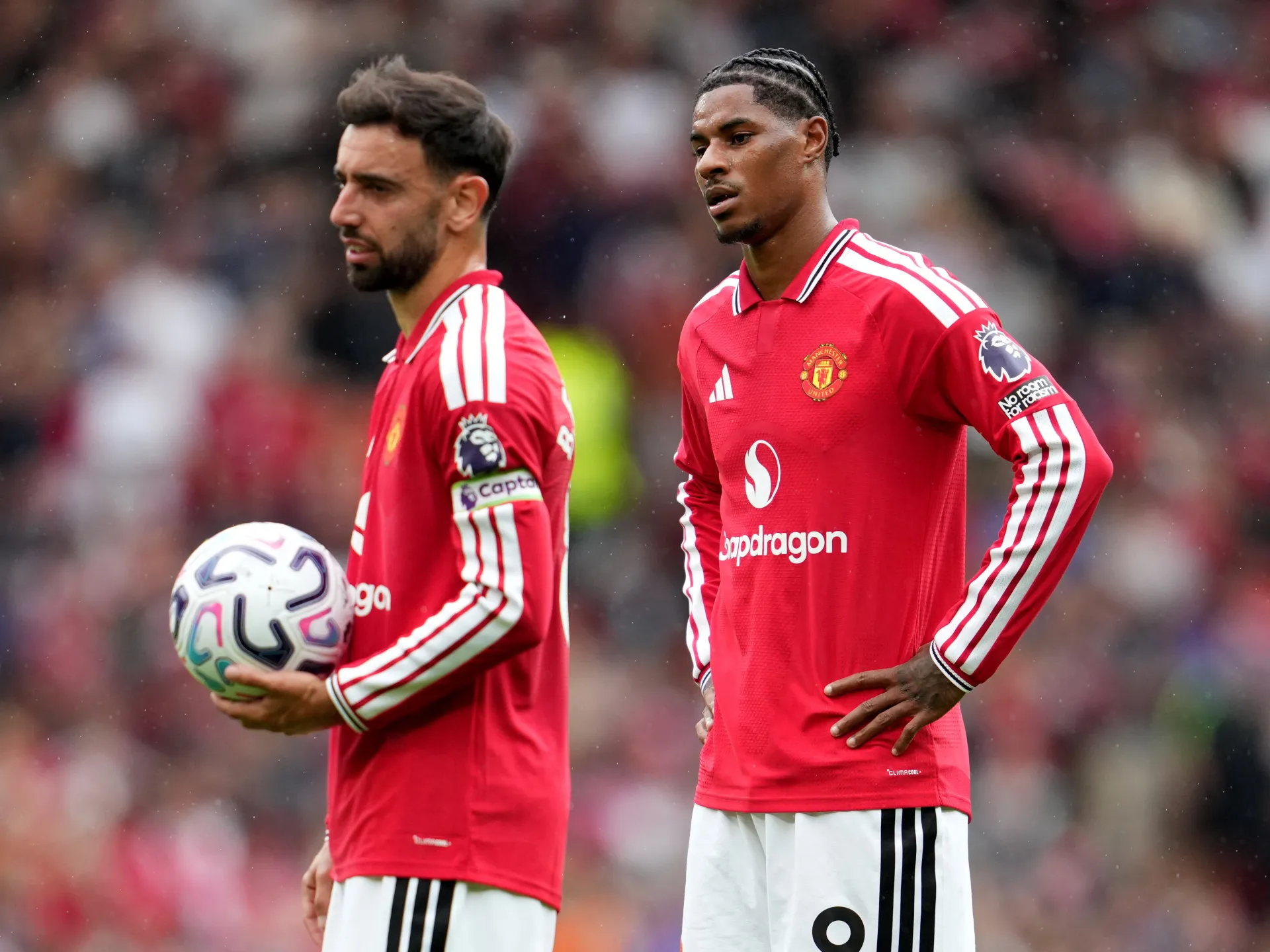
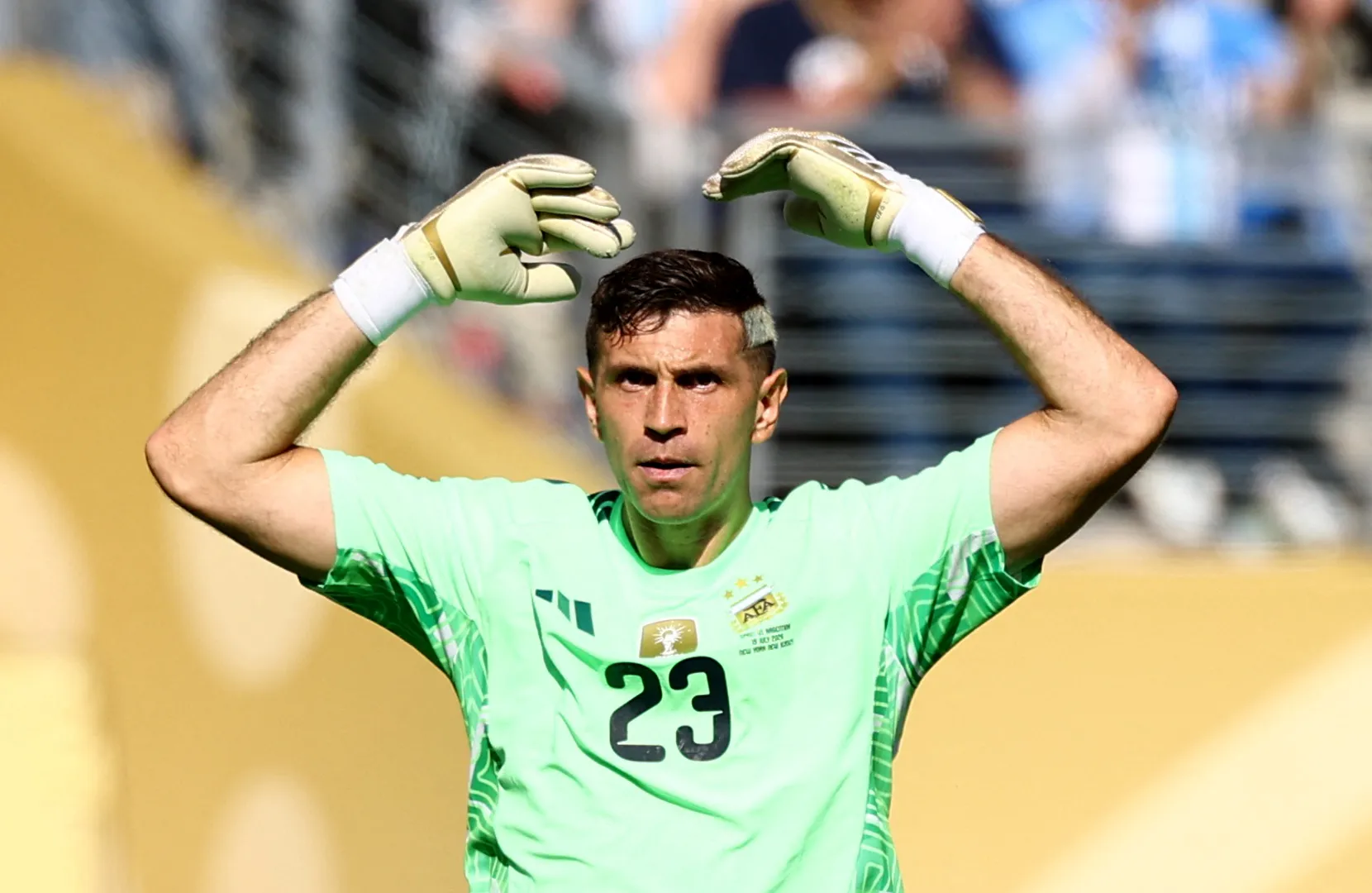
Manchester United’s recent performance against Fulham has only served to intensify the scrutiny surrounding manager Michael Carrick. The Red Devils were forced to settle for a 1-1 draw at Craven Cottage, a result that felt more like a rescue mission than a tactical success. The match saw United fall behind in the second half following a calamitous own goal alkeeper Senne Lammens attempted to parry a shot from Calvin Bassey.
Although Matheus Cunha provided a late equalizer to United from what would have been their third consecutive defeat, the display was widely criticized as lacklustre. The club has managed only one victory in its first five Premier League outings, leaving them already trailing behind early leaders Manchester City. Following recent demoralizing losses to City and Brighton, the international break provides a brief, albeit tense, reprieve for a squad that appears to be losing its competitive edge.
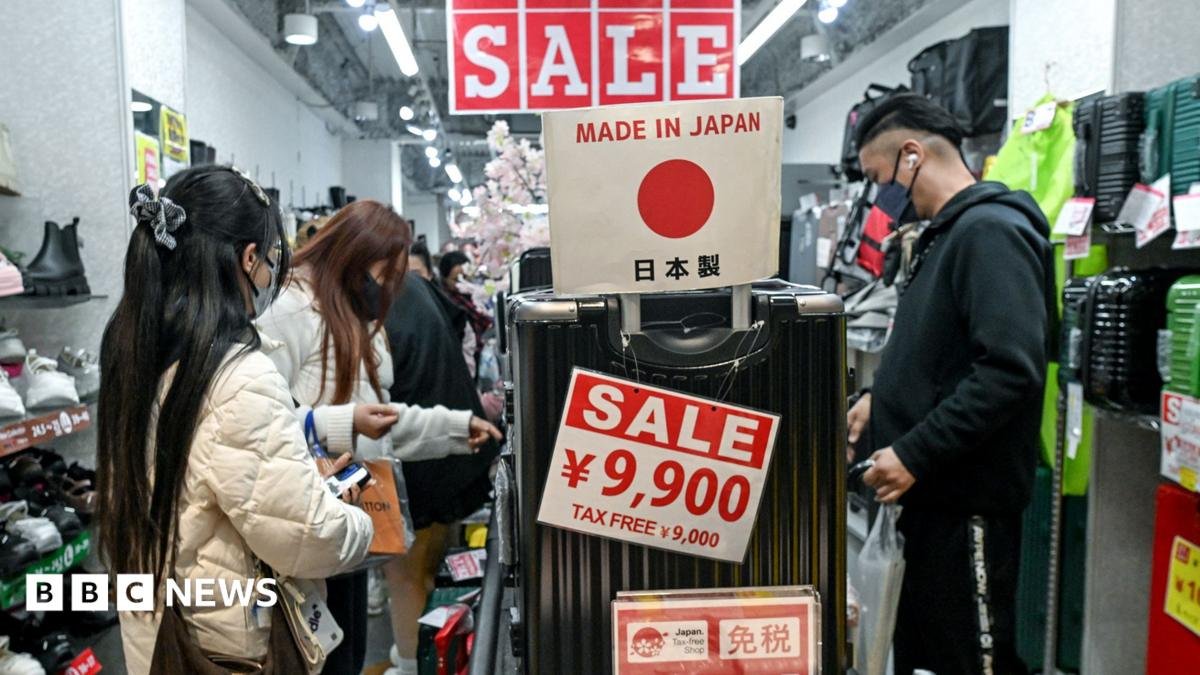
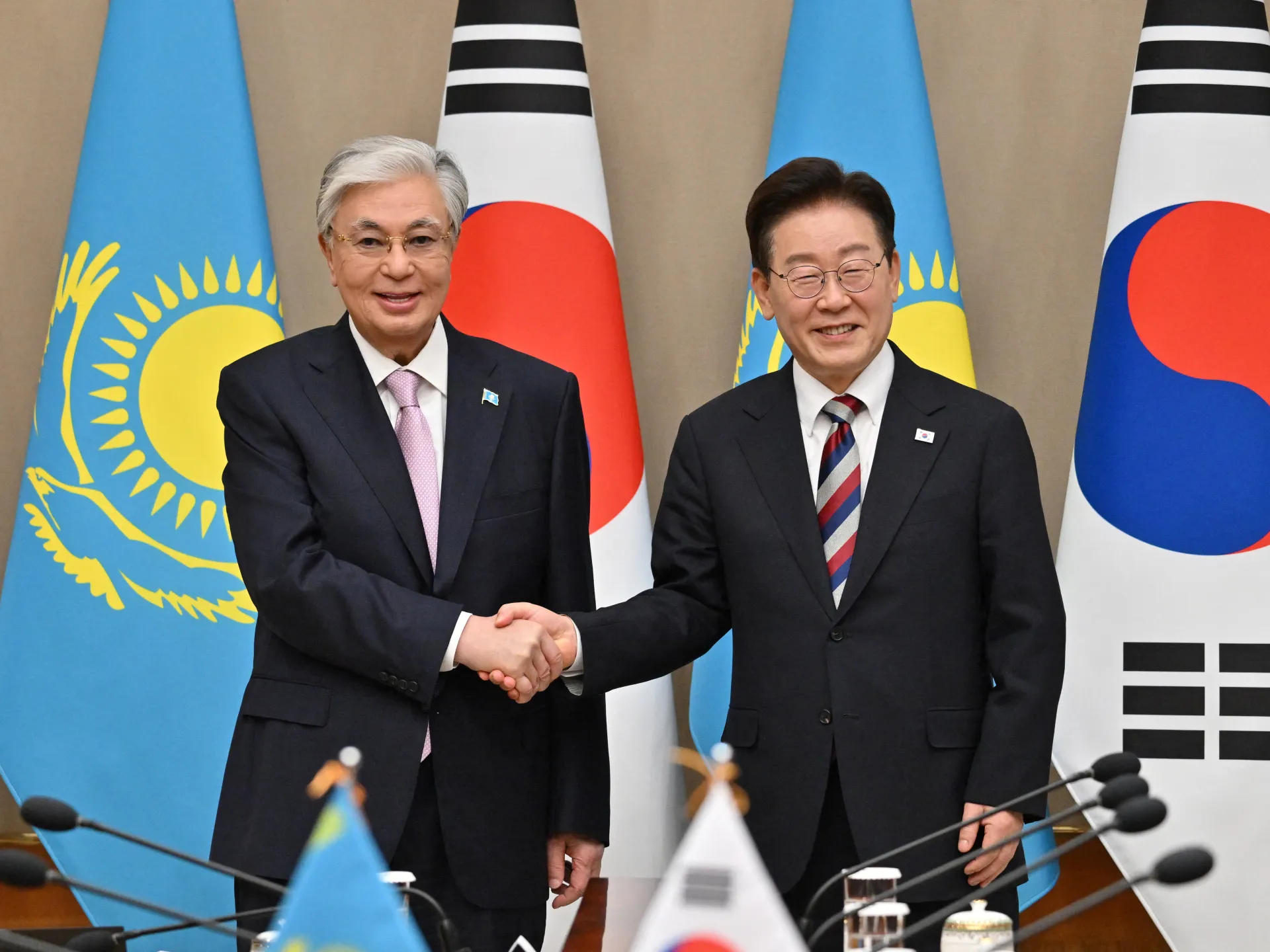
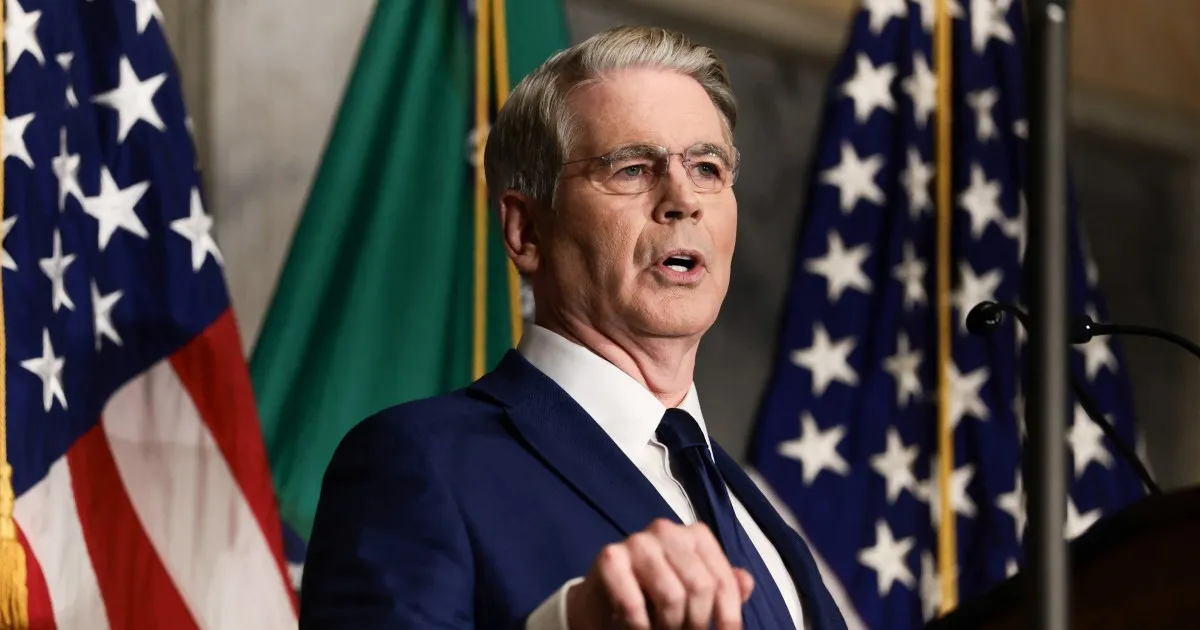
Parallel to these sporting woes, the global financial landscape is undergoing a significant correction. The Bank of Japan (BOJ) announced a move to raise its benchmark interest rate to 1.25%, marking a 31-year high. This decision represents a departure from the ultra-low borrowing costs that defined Japan’s economic strategy for decades. The BOJ has now enacted six rate hikes over the past two and a half years, signaling a definitive end to the era of cheap capital.
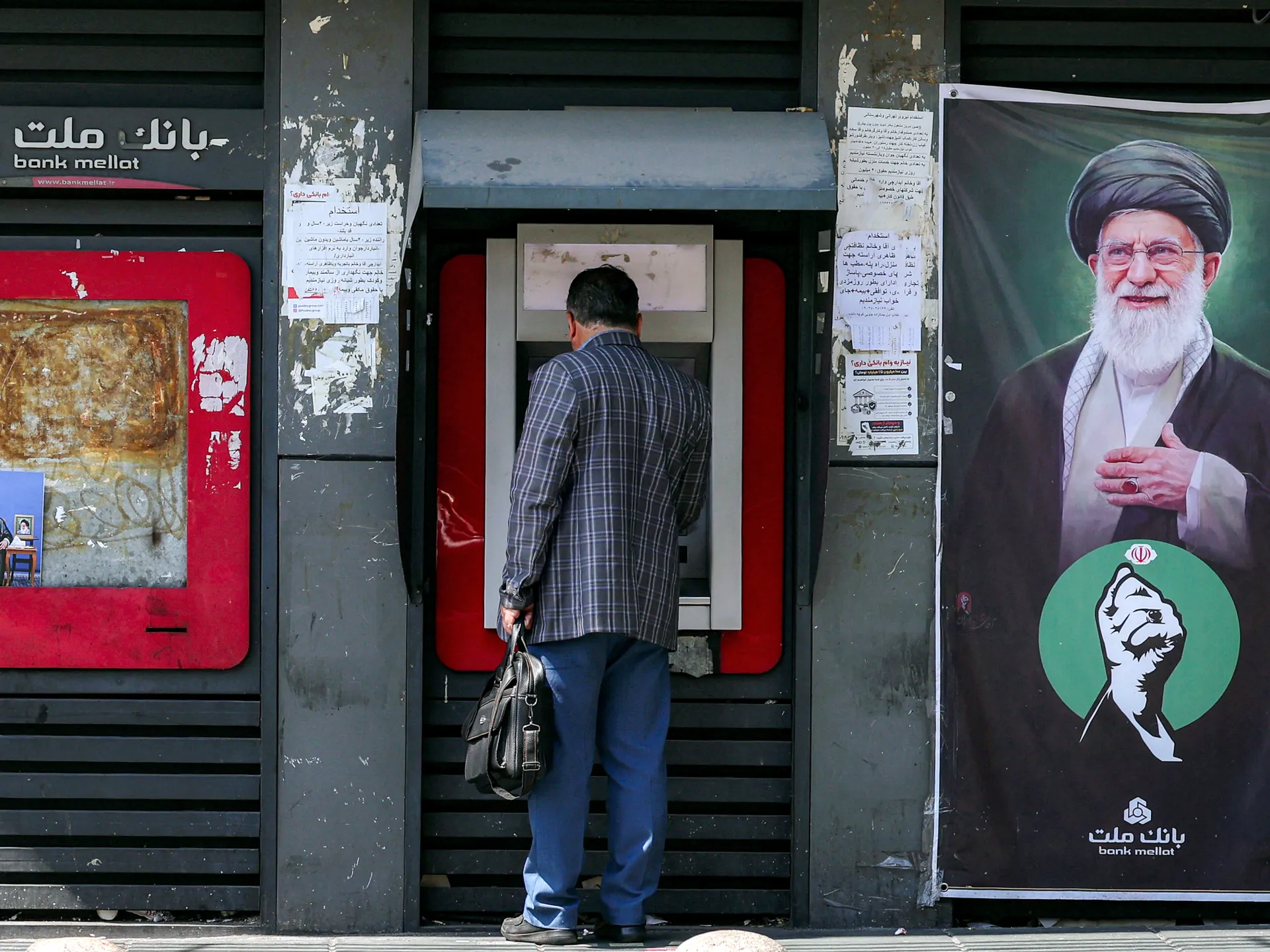
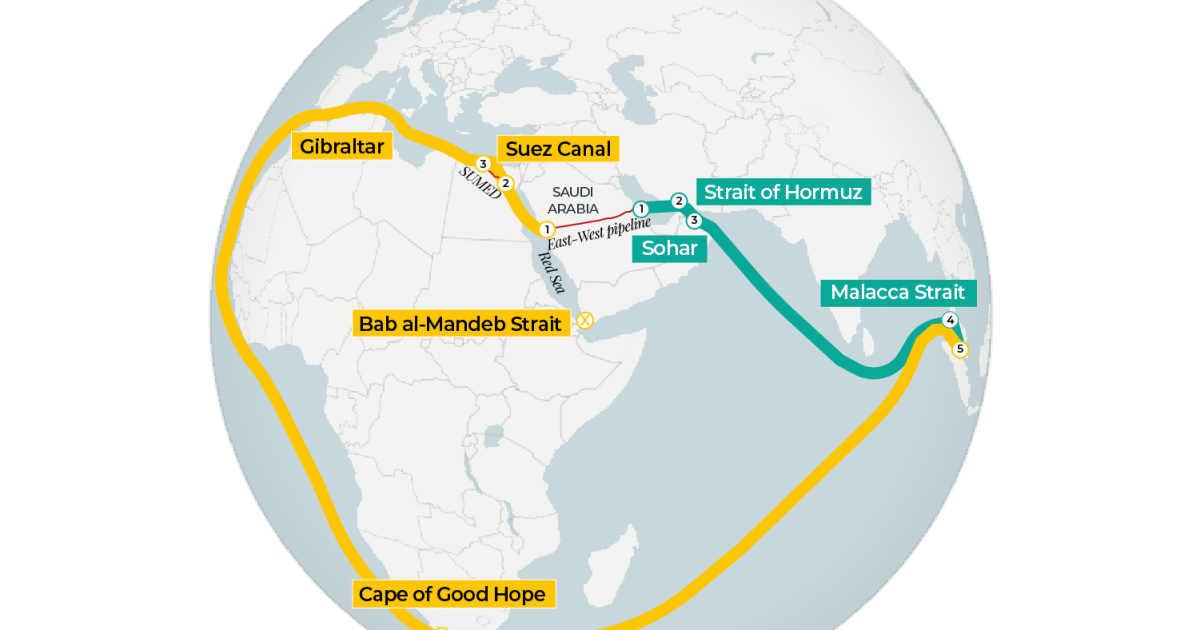
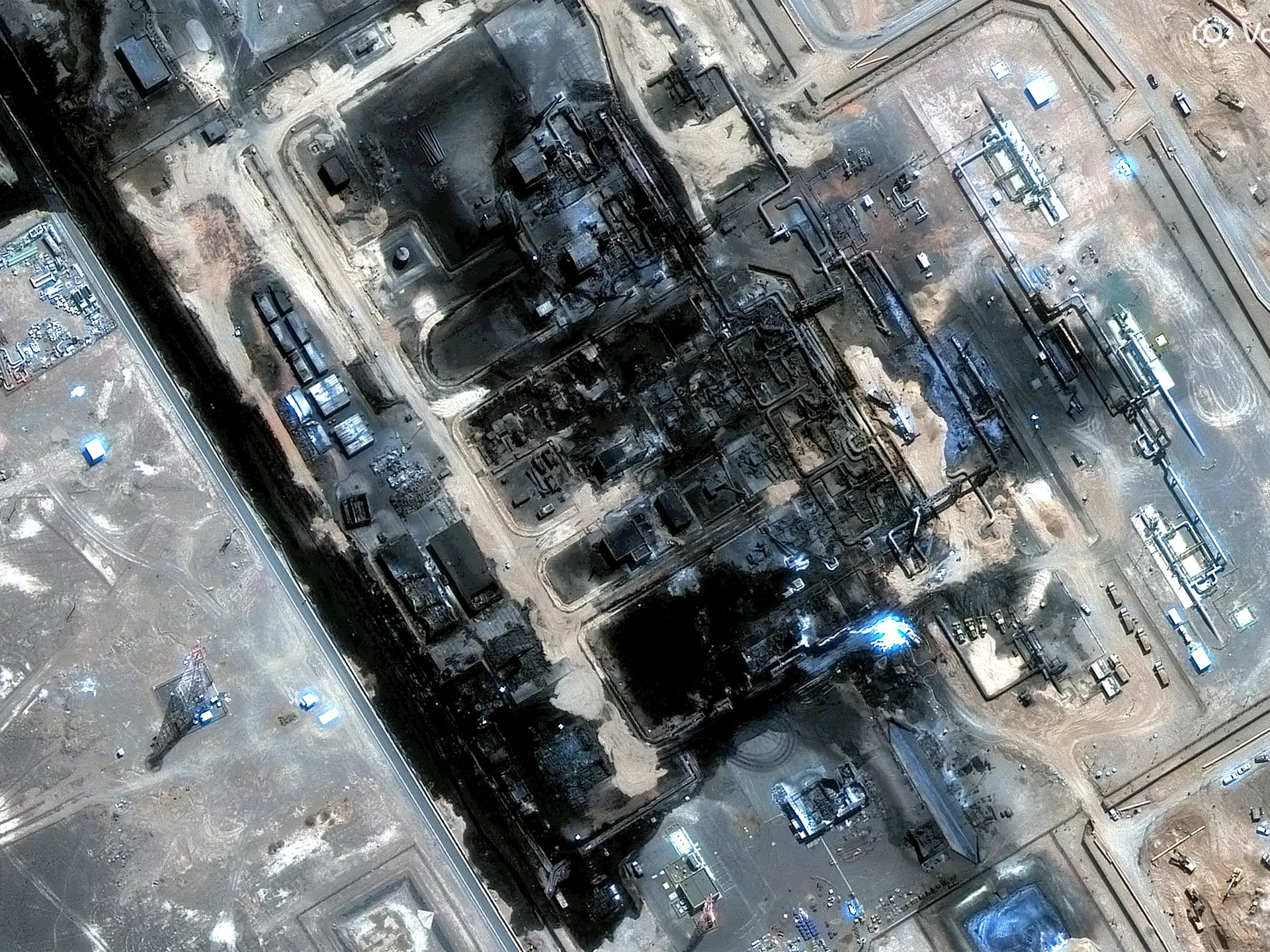
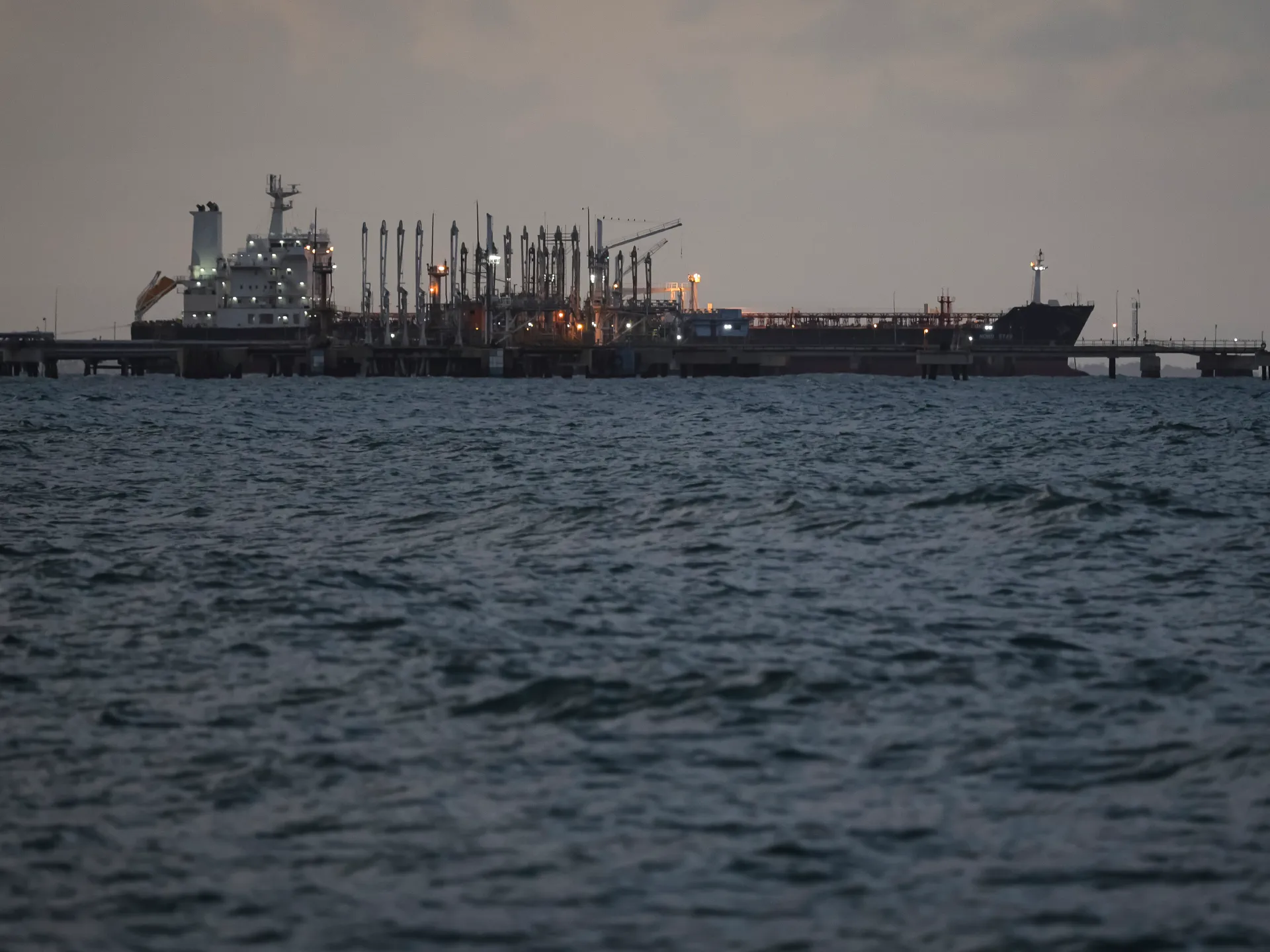
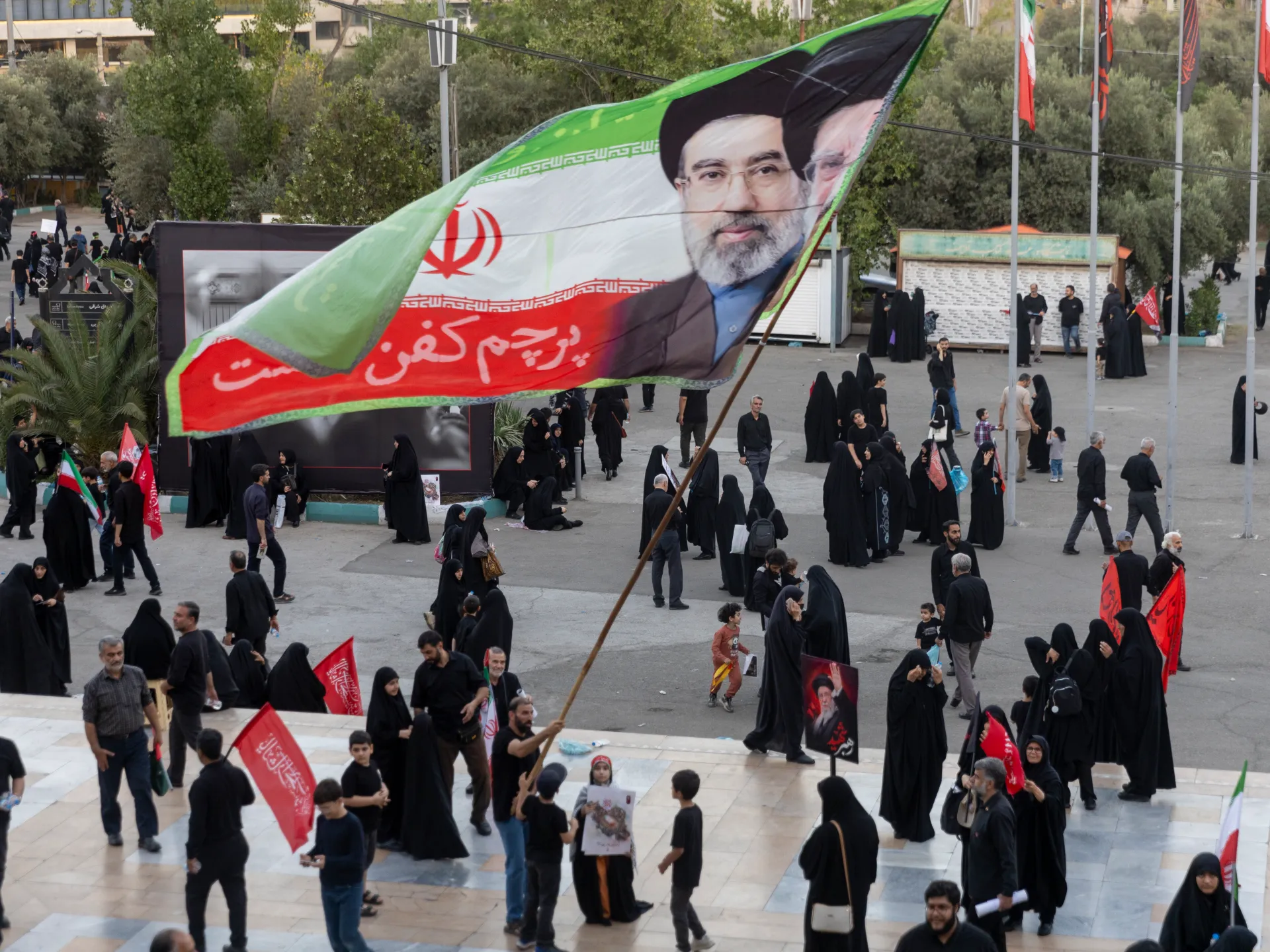
This shift is largely driven the ongoing conflict in Iran has disrupted shipping through the Strait of Hormuz, causing oil and gas prices to spike. As a nation heavily dependent on Middle Eastern energy imports, Japan remains uniquely vulnerable to these supply chain shocks. The urgency of this financial pivot was further highlighted yen, which had plummeted to a 40-year low.
For Manchester United, the path forward is narrow. The upcoming home match against bottom-of-the-table Tottenham on October 10 acts as a de facto ultimatum for Carrick. Should he fail to secure a win, the board will likely face mounting pressure from supporters and pundits to make a leadership change, given that the current form is significantly below the club's standard of a third-place finish. In the financial sector, the Bank of Japan’s trajectory suggests that further rate hikes may be on the horizon if core inflation remains near the 2% target and energy prices do not stabilize. Market analysts expect the BOJ to continue tightening policy in an effort to align Japan with the interest rate environments of other major global economies, regardless of the potential for further currency volatility.