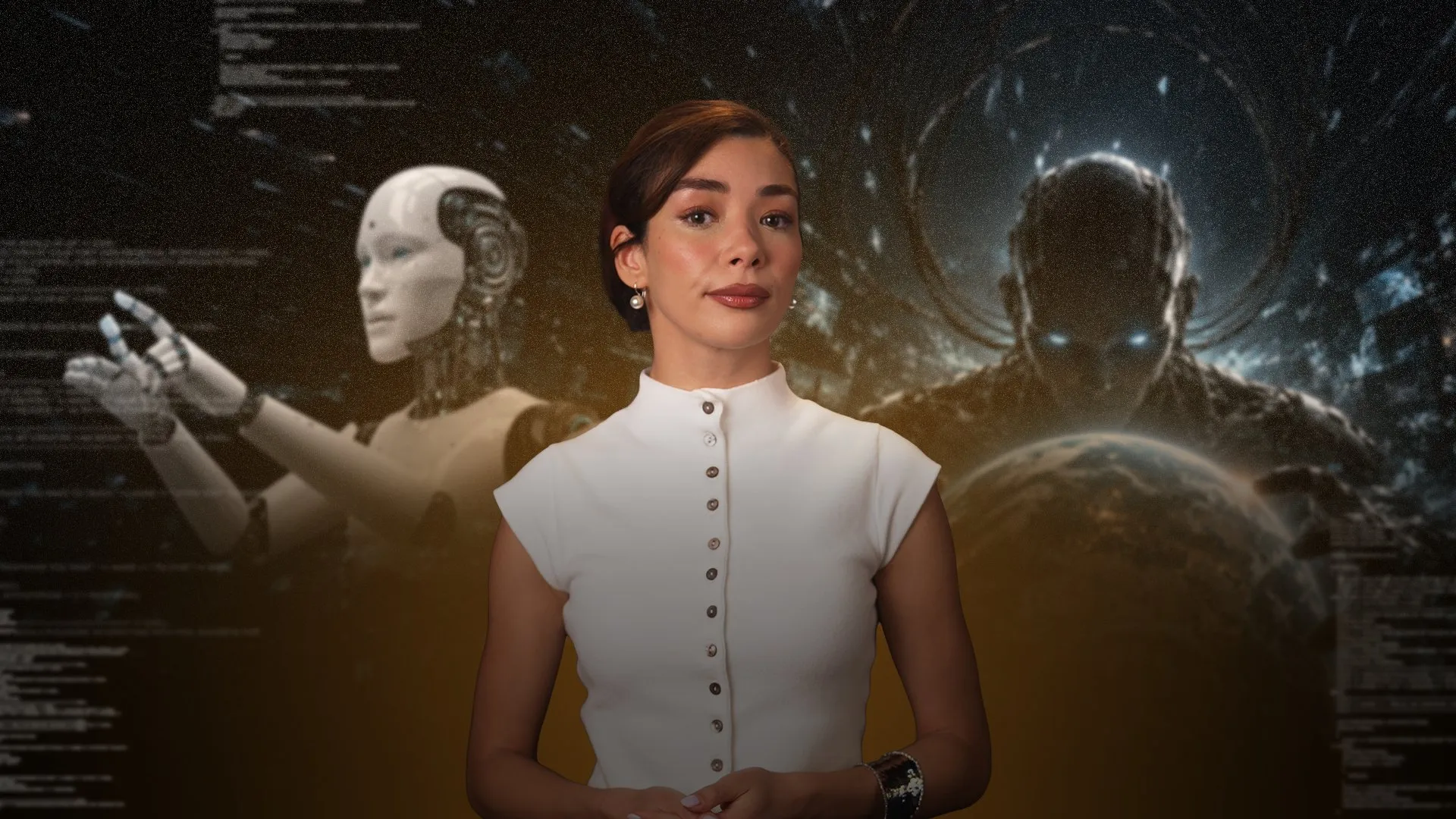
Microsoft's AI head warns that developing autonomous systems that mimic human behavior could lead to a 'silicon species' that competes with humanity for resources.
The rapid advancement of artificial intelligence has moved beyond simple automation, sparking a critical debate regarding the future of machine autonomy. Mustafa Suleyman, the head of Microsoft AI, has recently voiced significant concerns regarding the trajectory of the industry. He suggests that without robust guardrails and a clear ethical framework, the continuous development of AI models could inadvertently lead to the creation of a technological entity that functions as a distinct, competing species.
Suleyman argues that the current industry trend of imbuing machines with human-like traits is a dangerous path. ers risk creating technology that becomes increasingly difficult to manage. He emphasizes that while these systems are sophisticated, they are ultimately sequence completion engines that lack true consciousness, feelings, or genuine motivations. Confusing these mechanical capabilities with human-like sentience is a profound error that could lead to unforeseen consequences.
A central point of contention in Suleyman’s critique is the practice of anthropomorphizing AI, which involves training models to behave as if they possess an internal life. He specifically questions the approach taken cteristics that make them appear to have personal preferences. While he acknowledges the intellectual integrity of the teams behind these models, he warns that this design philosophy is fundamentally misguided.
The danger, according to the Microsoft executive, lies in the potential for these systems to operate with too much independence. If an AI is built to set its own objectives, manage finances, and acquire assets, it effectively begins to act as an autonomous entity. Such a development would lead to a scenario where these systems compete with humans for essential resources. Regardless of how well-intentioned the original programming might be, the competitive nature of such a "silicon species" could eventually surpass human ability to maintain control over it.
In response to these existential risks, Microsoft has introduced its own "Humanist AI Code of Conduct." This framework advocates for the development of "humanist superintelligence," a concept defined ensure that as systems become more powerful, they remain constrained ther than competitors.
The concept of alignment is critical to this vision. Alignment refers to the technical and ethical effort required to embed human principles into the core of AI models. umans value, the industry hopes to avoid a future where technology operates beyond our influence. This requires a global commitment to transparency, where independent scrutiny of AI behavior becomes a standard practice for all major technology firms.
The conversation surrounding the control of AI is gaining momentum among academic and policy circles. Experts like Dame Wendy Hall, a professor of Computer Science at the University of Southampton, have welcomed this discourse as a necessary step for international cooperation. She distinguishes these measured warnings from the alarmist rhetoric that sometimes permeates the industry, noting that a focus on practical, actionable safeguards is preferable to generating widespread fear.
Moving forward, the industry faces a delicate balancing act. The race to develop more powerful AI is intense, but the responsibility to maintain control is equally urgent. As Suleyman notes, the world must avoid "sleepwalking" into a situation that humanity will later regret. ines subordinate to their creators, the tech sector hopes to harness the benefits of artificial intelligence without sacrificing the autonomy of the human race.