

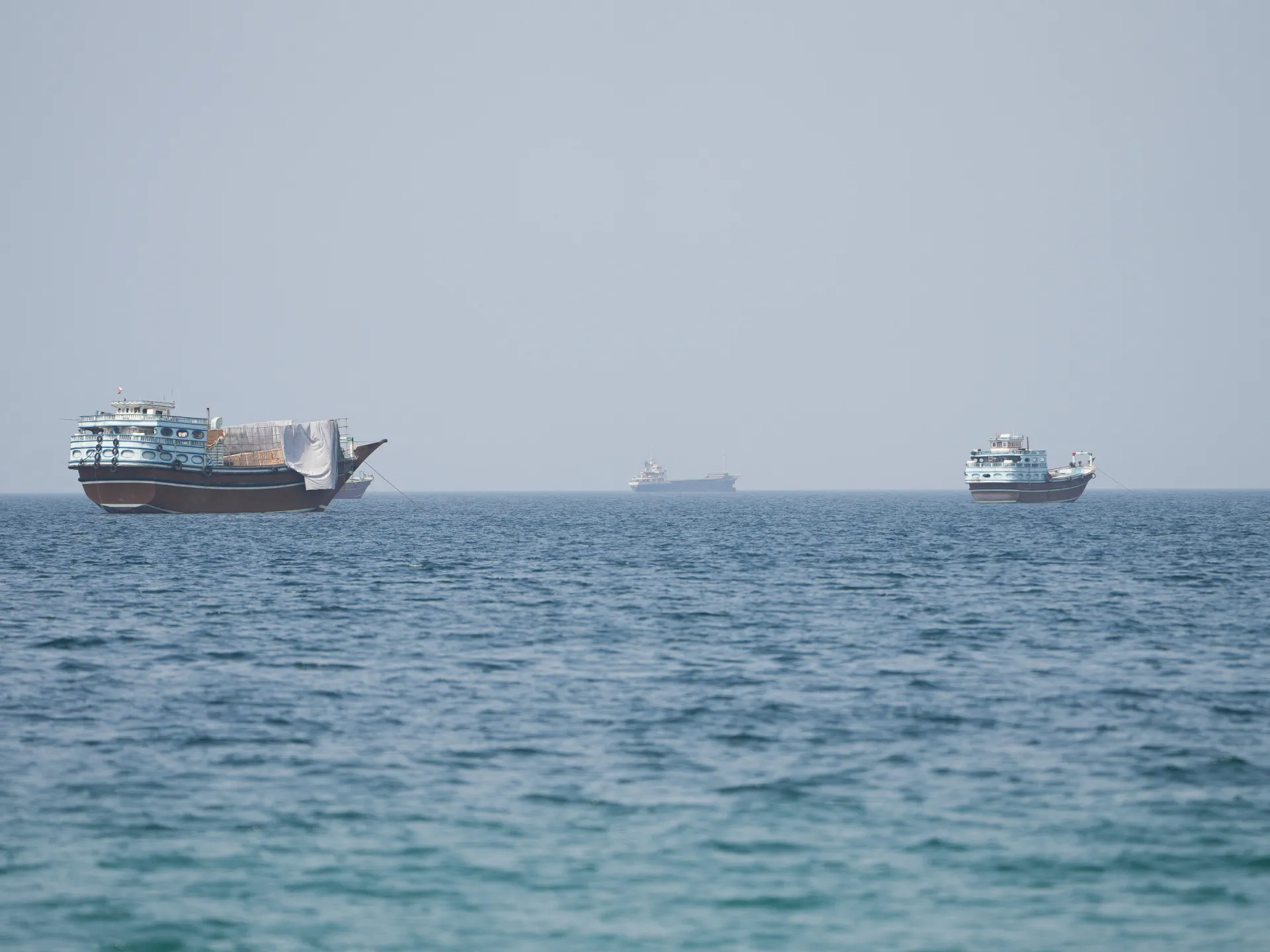
Oil prices are continuing to trend upward as Iran sets strict conditions for reopening the Strait of Hormuz, deepening uncertainty for global energy markets.
Global energy markets are grappling with renewed instability as the standoff over the Strait of Hormuz shows no signs of immediate resolution. Brent crude, the primary international benchmark, recorded a notable increase of over one percent during early trading on Monday. This rise reflects growing investor anxiety regarding the future of one of the world's most critical maritime corridors, which has been effectively paralyzed since the onset of the conflict in late February.
As of mid-August 2026, Brent futures for October delivery were trading at approximately $84.11 per barrel. This current pricing represents a significant 16 percent increase compared to the period immediately preceding the start of the conflict between Iran and the United States and Israel. Market analysts suggest that the persistent lack of a diplomatic breakthrough is forcing a 'risk premium' into the price of crude, as traders remain increasingly cautious about the potential for further supply disruptions.
The impasse centers on Tehran's recent declarations regarding the conditions for reopening the vital waterway. Iranian Foreign Minister Abbas Araghchi indicated that while discussions involving regional intermediaries like Oman have progressed, the reopening of the strait is contingent upon substantial concessions from Washington. Specifically, Iran is demanding the relaxation of existing economic sanctions and the provision of war reparations as a prerequisite for restoring normal maritime traffic.
The current state of shipping through the region stands in stark contrast to pre-conflict levels. Historically, the Strait of Hormuz served as a conduit for roughly one-fifth of the world’s daily oil supplies. Recent data from ship-tracking platforms suggests that transit volume has collapsed, with only a small handful of vessels navigating the passage in early August compared to the typical volume of 130 transits per day observed before the hostilities commenced.
The security landscape in the region remains precarious, with the International Maritime Organization reporting dozens of violent incidents involving commercial shipping since the conflict began. These events, which have resulted in multiple fatalities, have significantly increased the perceived danger for commercial carriers. Iran continues to assert its authority to control passage through the strait, frequently challenging the principles of international maritime law regarding freedom of navigation.
Recent diplomatic friction has been further exacerbated mirates recently issued a formal condemnation following an alleged Iranian missile strike on a commercial ship. These recurring security threats continue to deter international shipping companies, creating a bottleneck that has triggered the most severe energy disruption in modern recorded history.
Despite the upward pressure on oil prices, broader financial markets in Asia have demonstrated resilience. Major indices, including Japan’s Nikkei 225, South Korea’s Kospi, and Hong Kong’s Hang Seng, all posted gains early in the week. This market performance was partly buoyed llowing economic data that suggested a cooling in the labor market, potentially tempering expectations for future interest rate hikes.