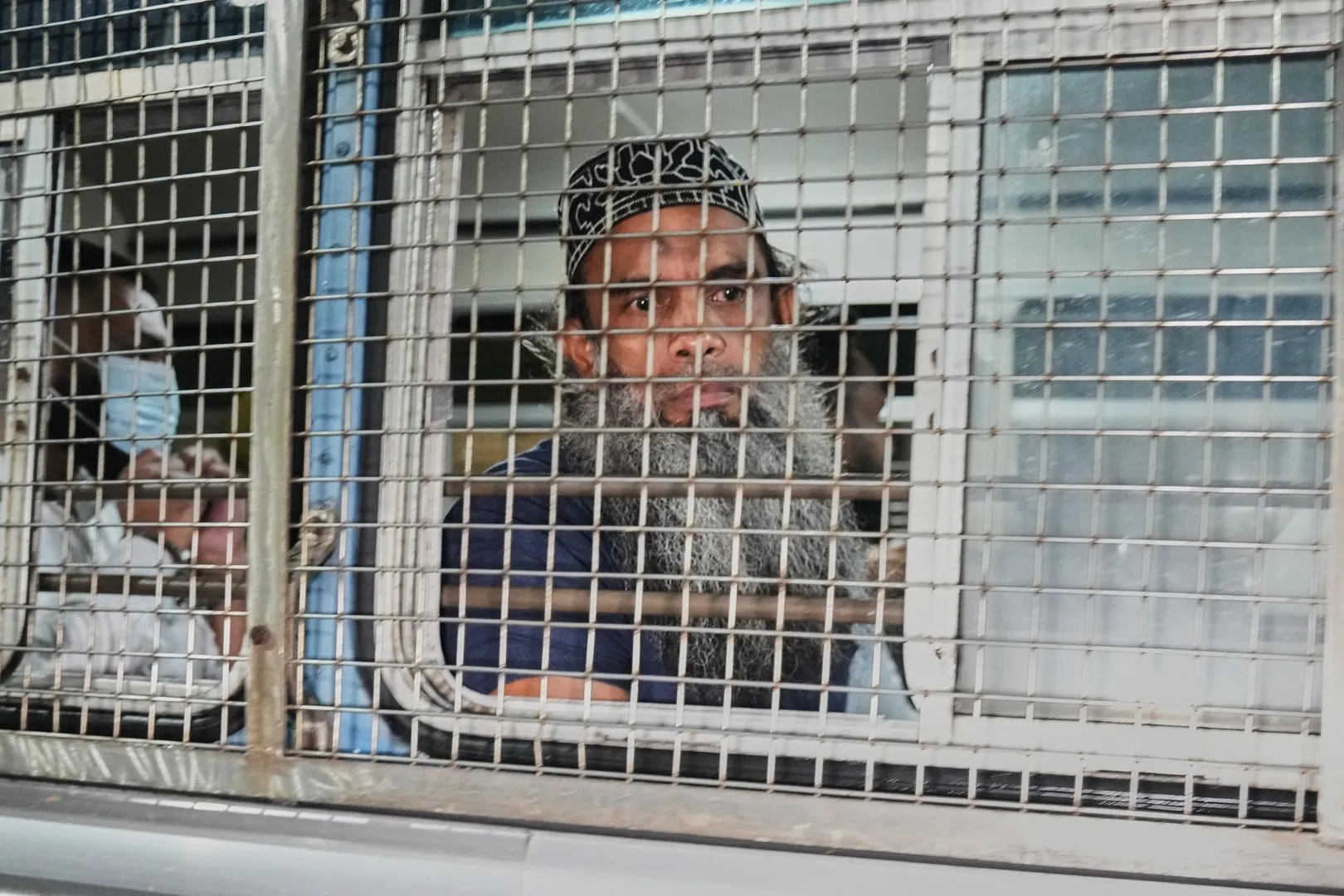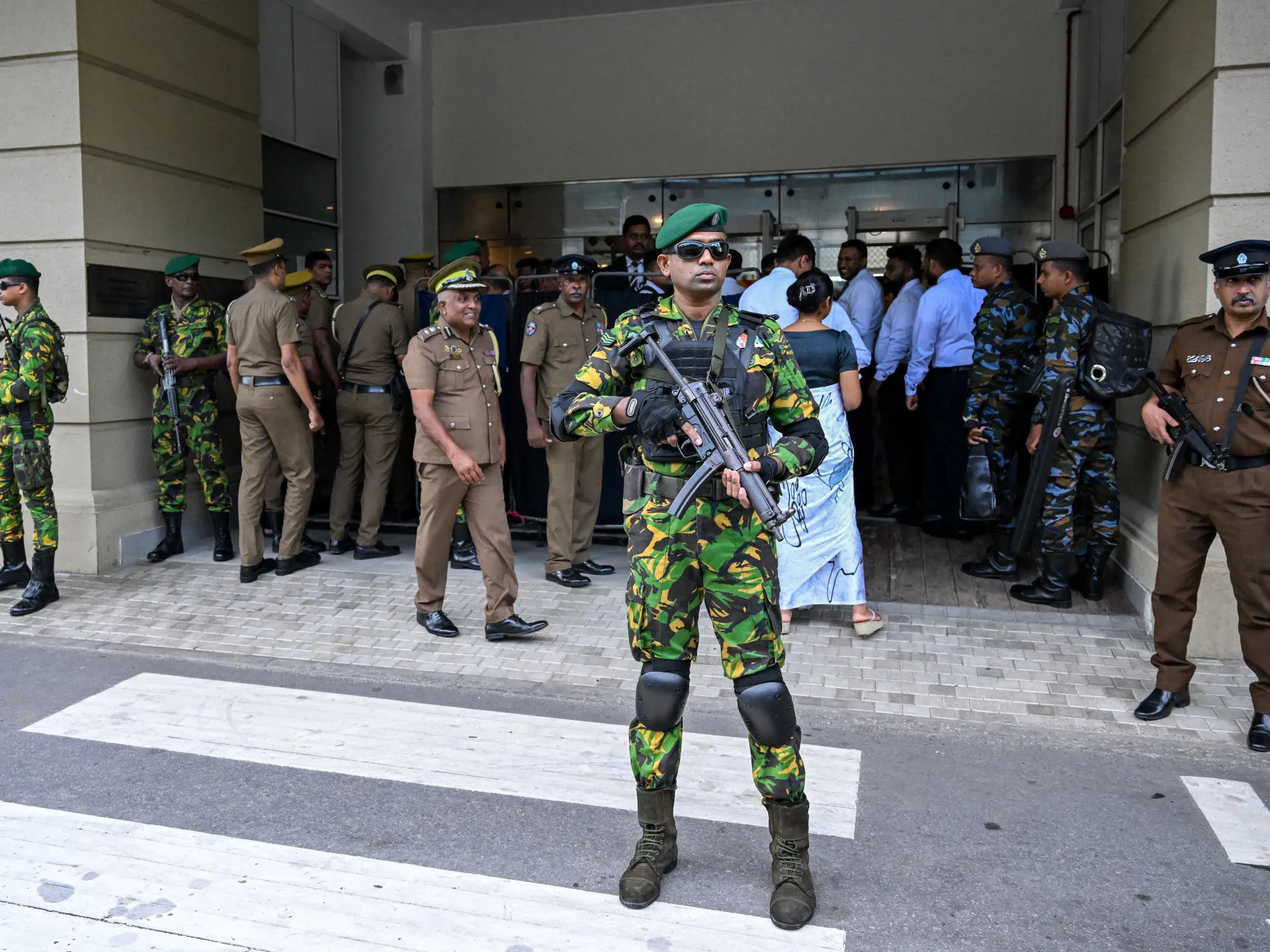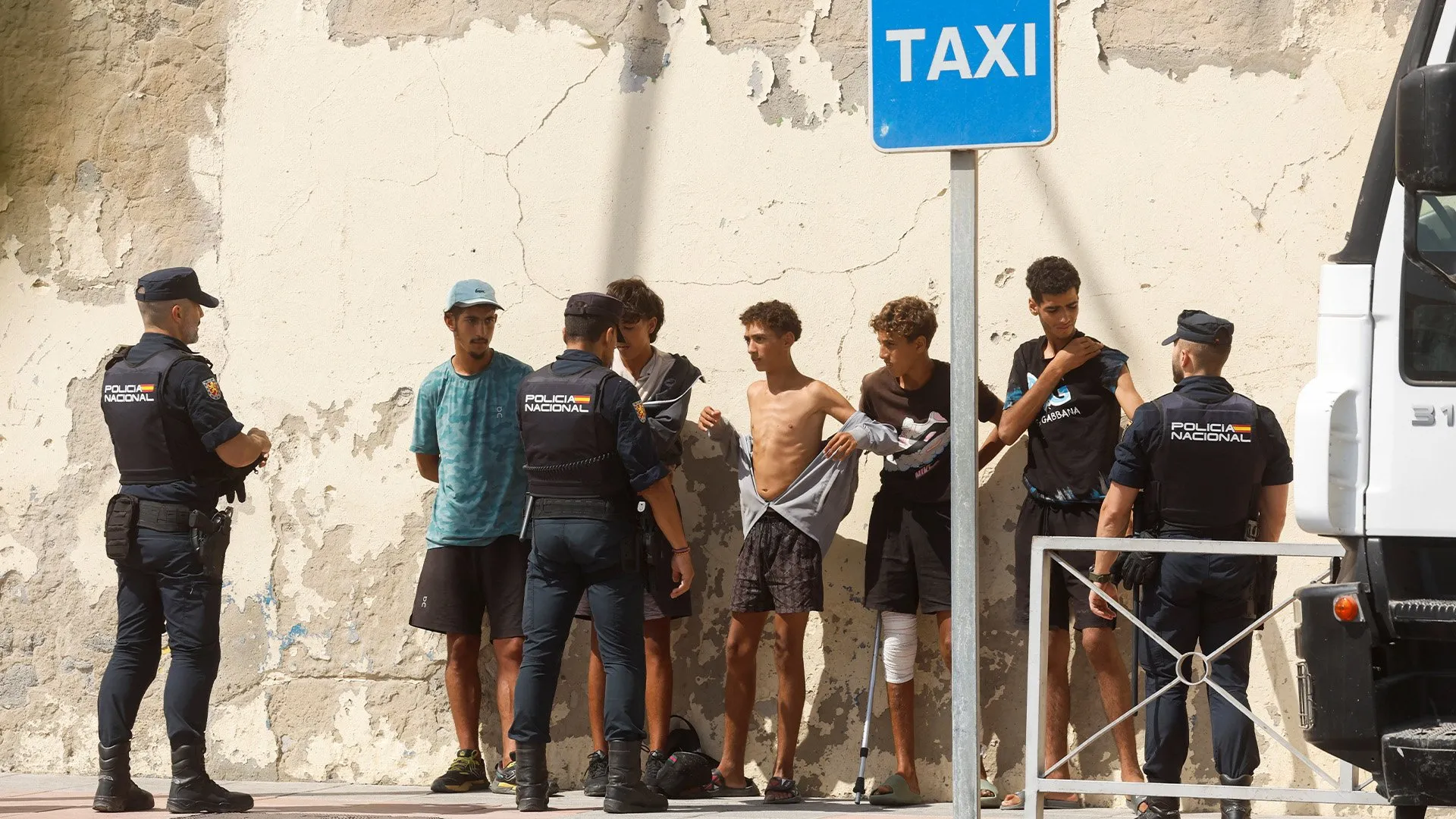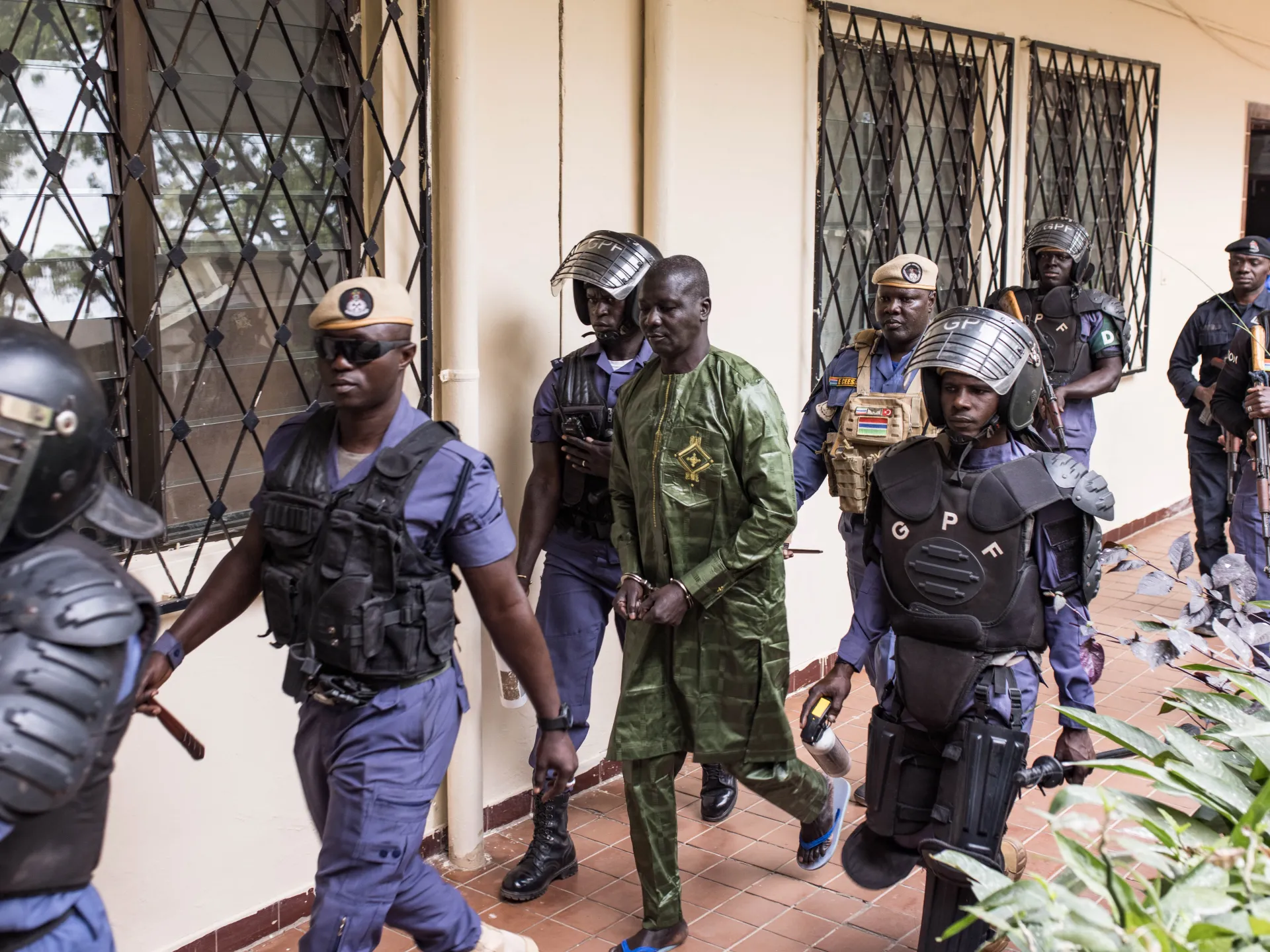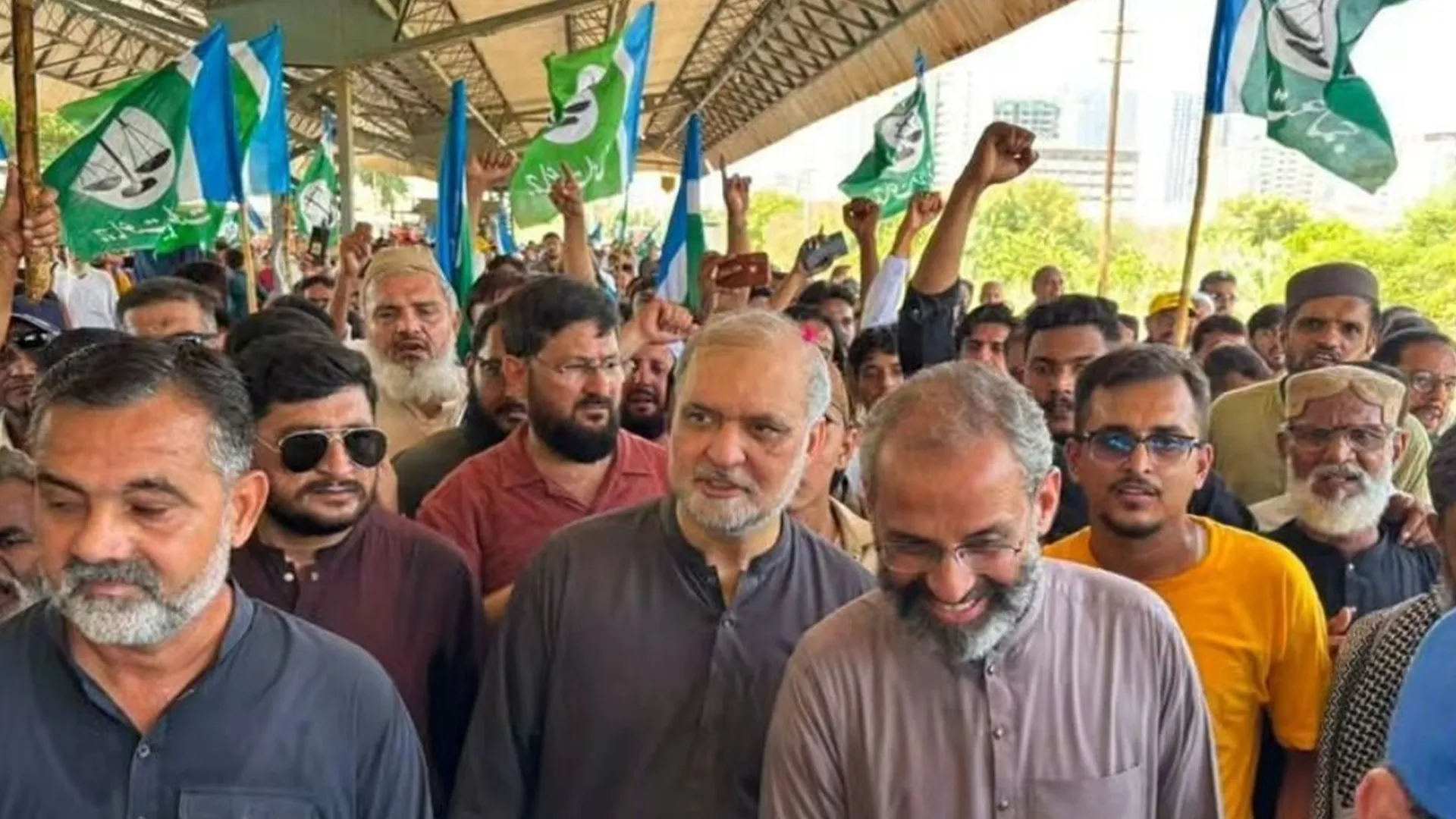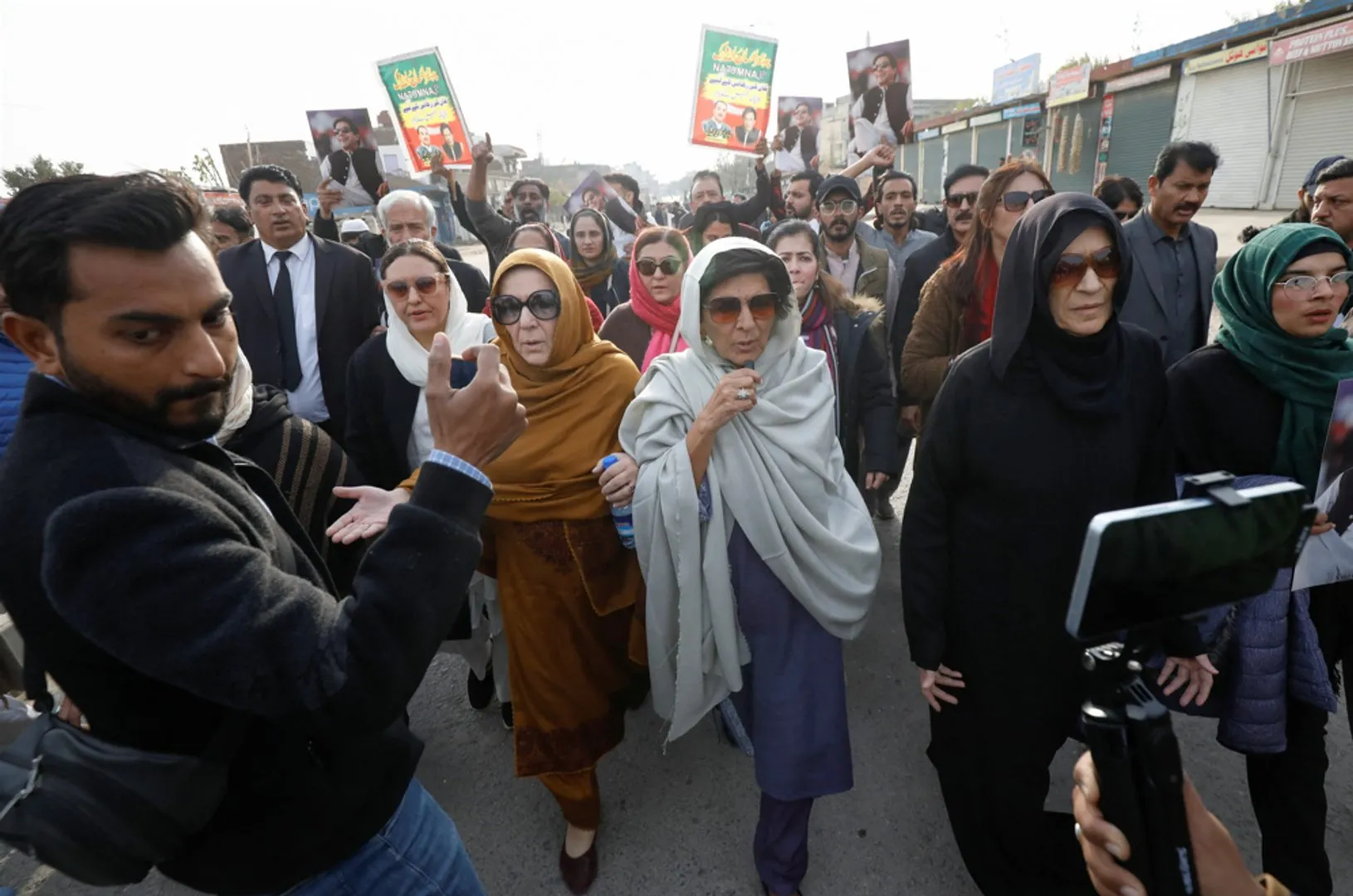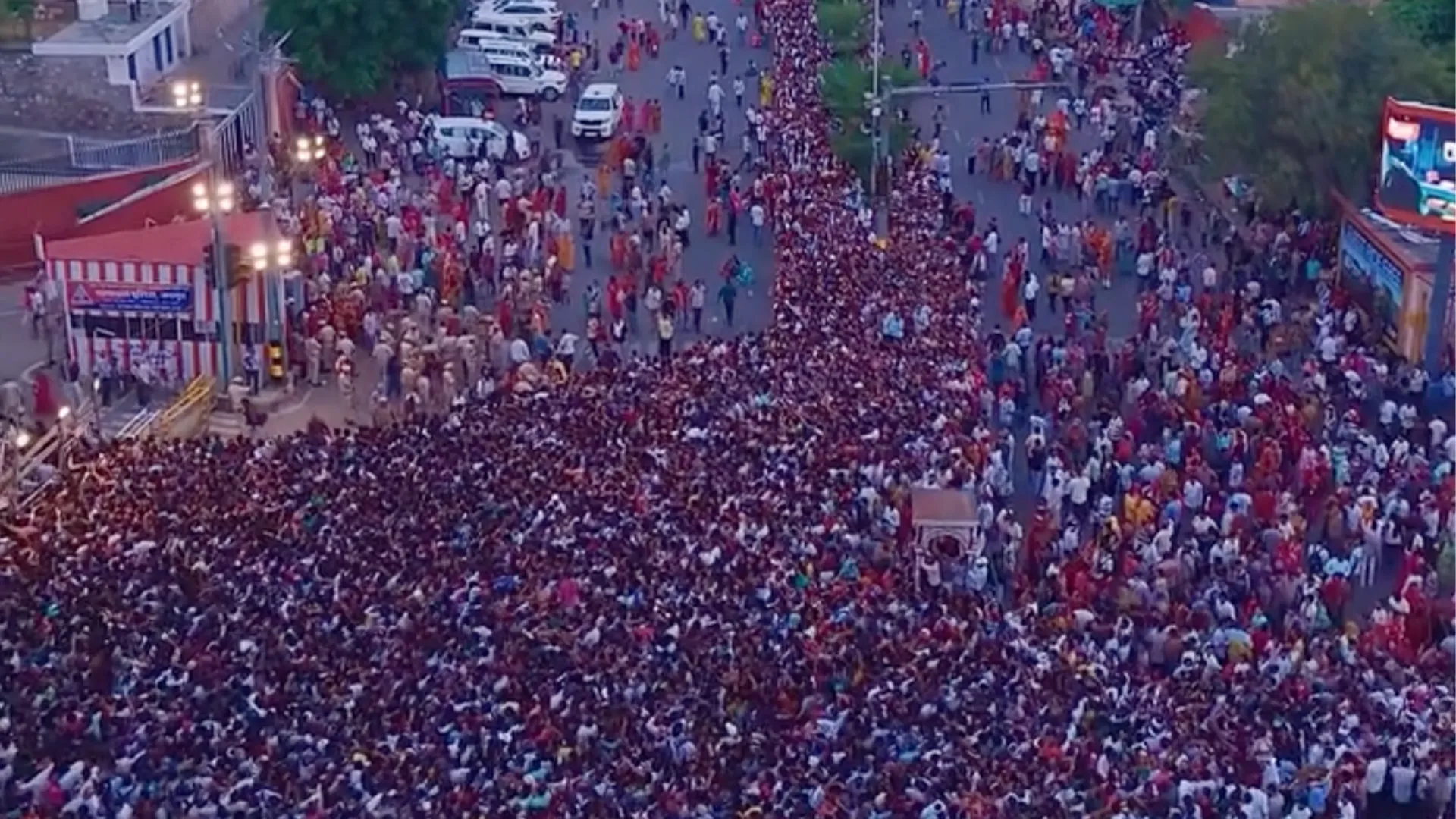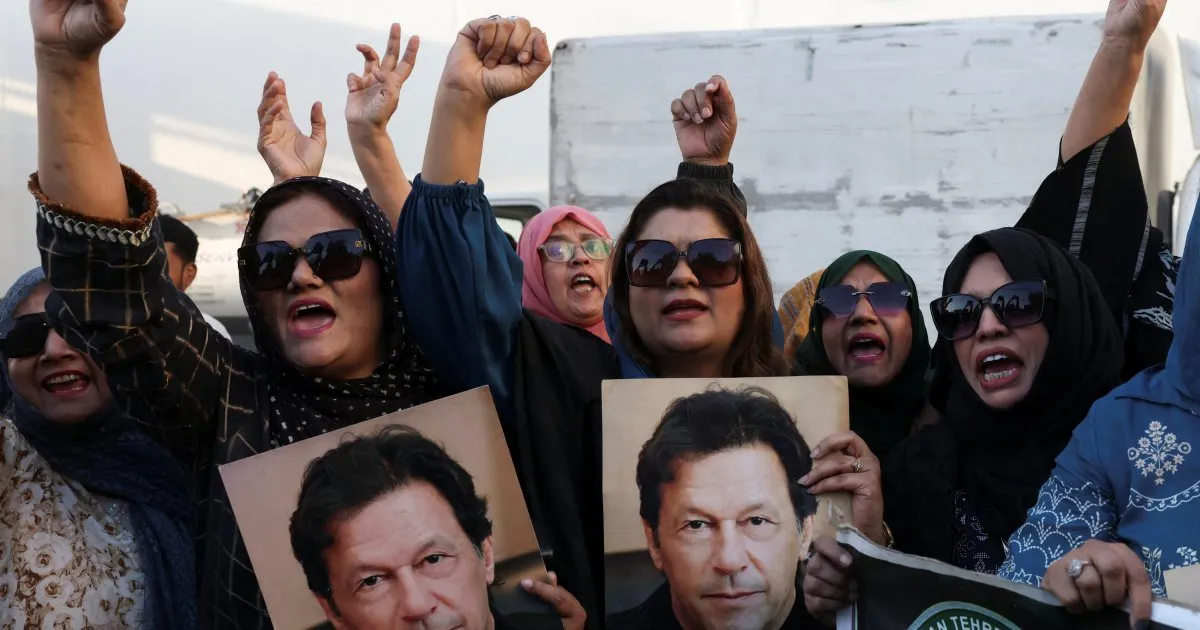
Government authorities have locked down Islamabad with shipping containers and thousands of police to block a massive protest demanding the release of Imran Khan.
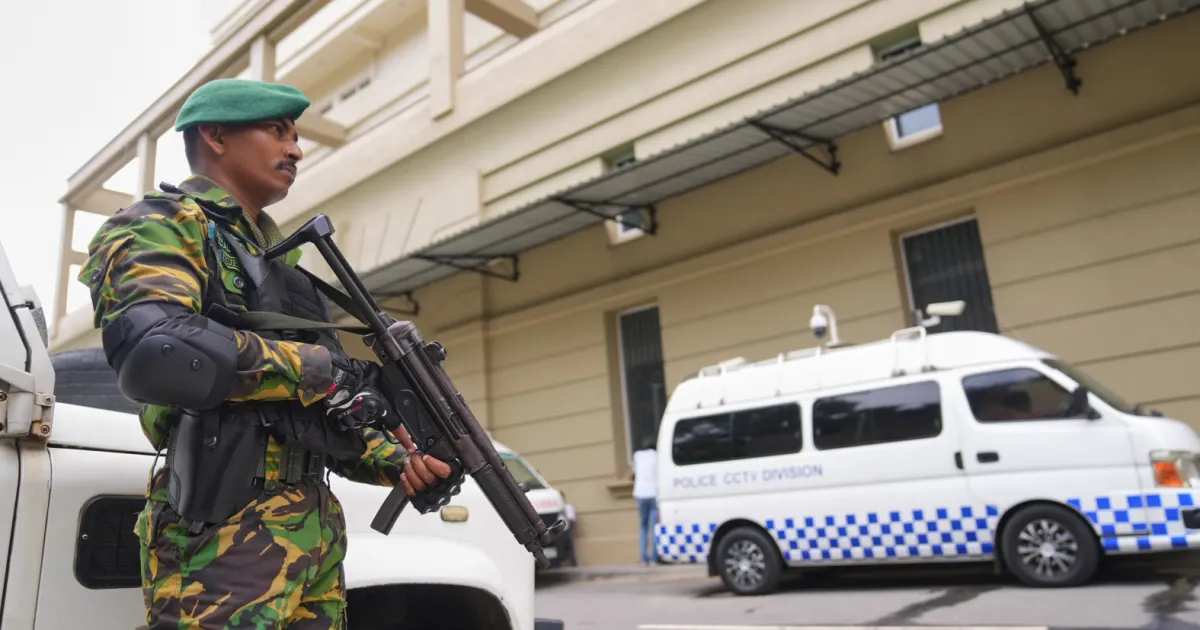
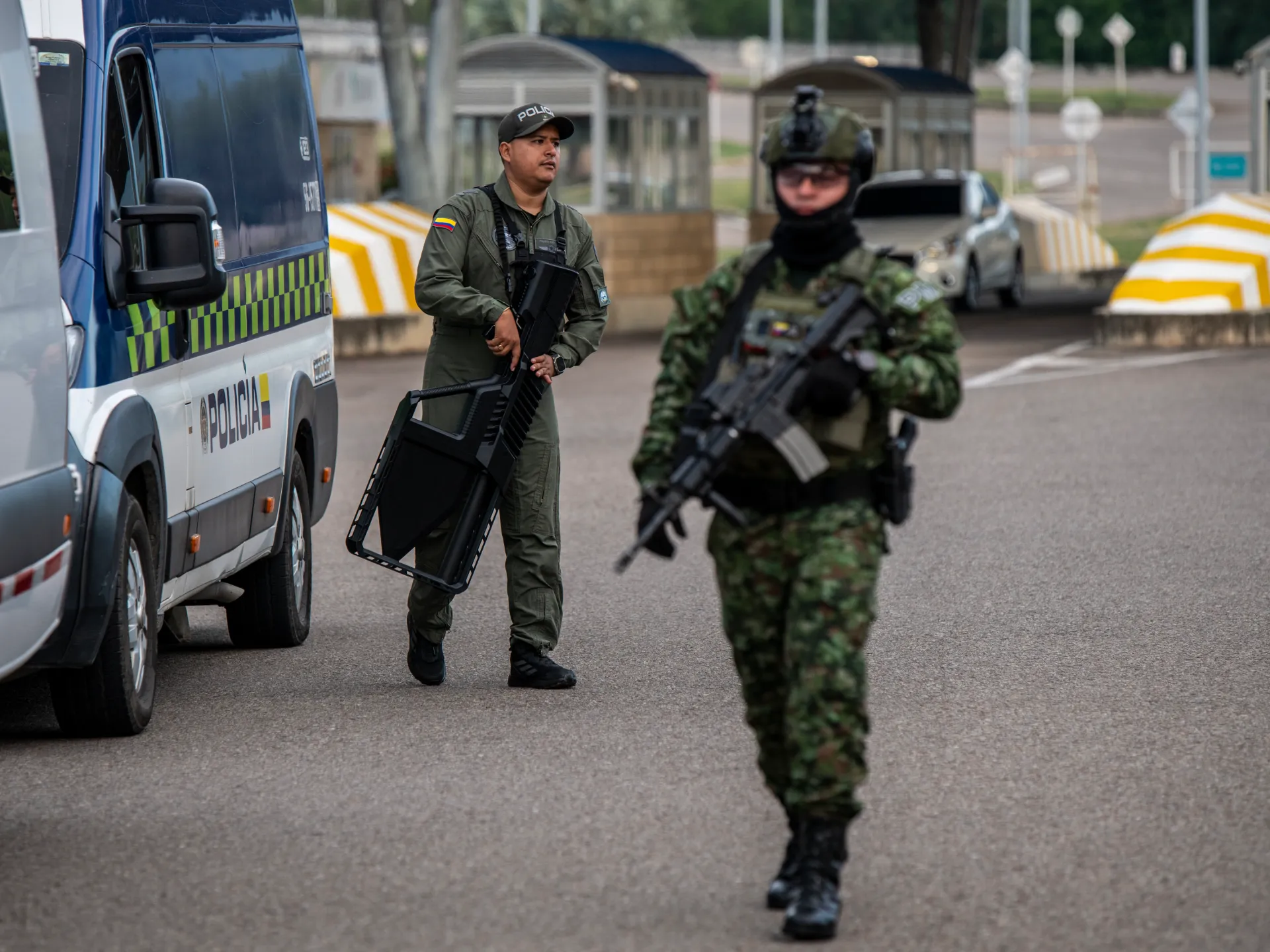
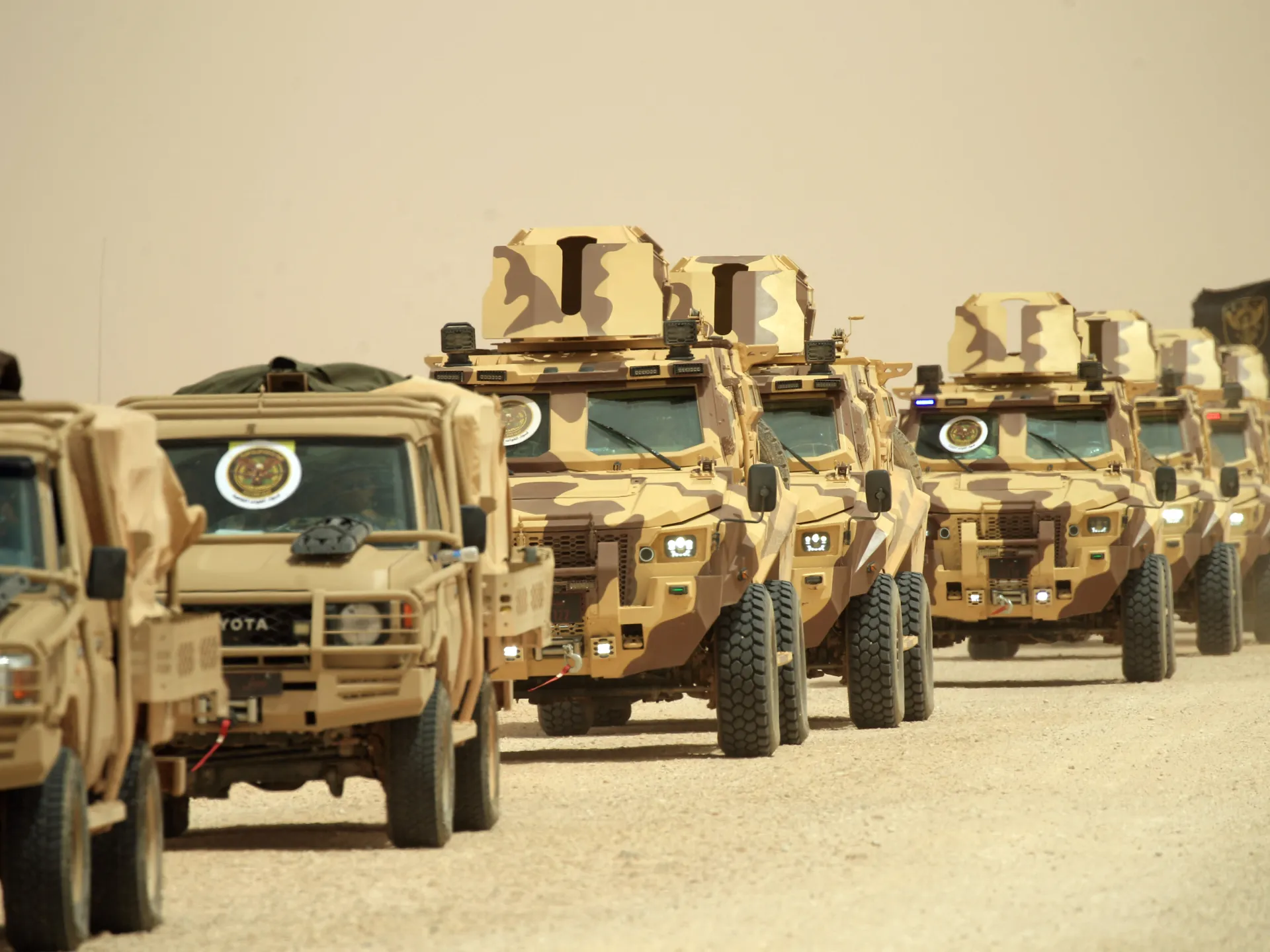
Authorities in Pakistan have initiated an extensive security lockdown of the capital, Islamabad, effectively sealing off major entry points ahead of a planned mass demonstration nclude the deployment of thousands of security personnel and the strategic placement of shipping containers, are designed to preemptively halt a caravan of protesters originating from provinces including Khyber Pakhtunkhwa.
Government officials have designated the upcoming September 27 rally as a significant security risk, warning the Pakistan Tehreek-e-Insaf (PTI) party that their march constitutes a threat to public order. The closure of key infrastructure, including the Islamabad-Peshawar Motorway and the Grand Trunk Road, represents a severe escalation in the ongoing standoff between the state and the supporters of the former leader, who remain steadfast in their demand for his release.
The current gridlock in Pakistan serves as a stark barometer for the fragility of the nation's democratic institutions. ic assembly, the government has effectively framed the dissent of a major political party as an existential threat rather than a standard democratic expression. This dynamic creates a dangerous precedent where public protest is increasingly conflated with insurrection, narrowing the space for political negotiation.
Furthermore, the state's reliance on heavy-handed containment strategies—such as the use of thousands of shipping containers and massive security deployments—reflects a deepening rift between the political establishment and a significant portion of the electorate that feels disenfranchised through these logistics-heavy security measures, it risks further radicalizing the opposition, potentially pushing the country toward a cycle of unrest that could destabilize the economy and hinder governance for the foreseeable future.
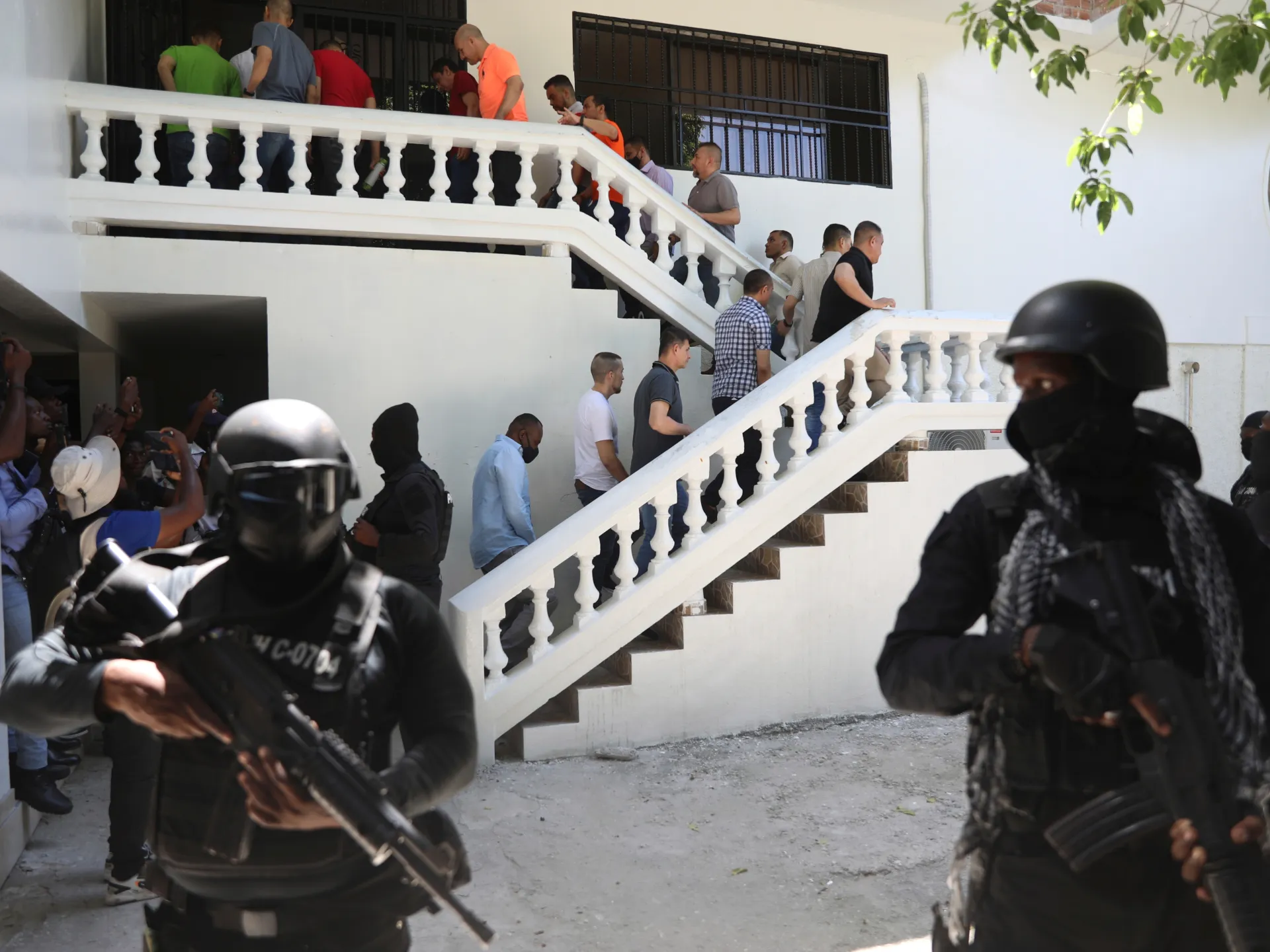
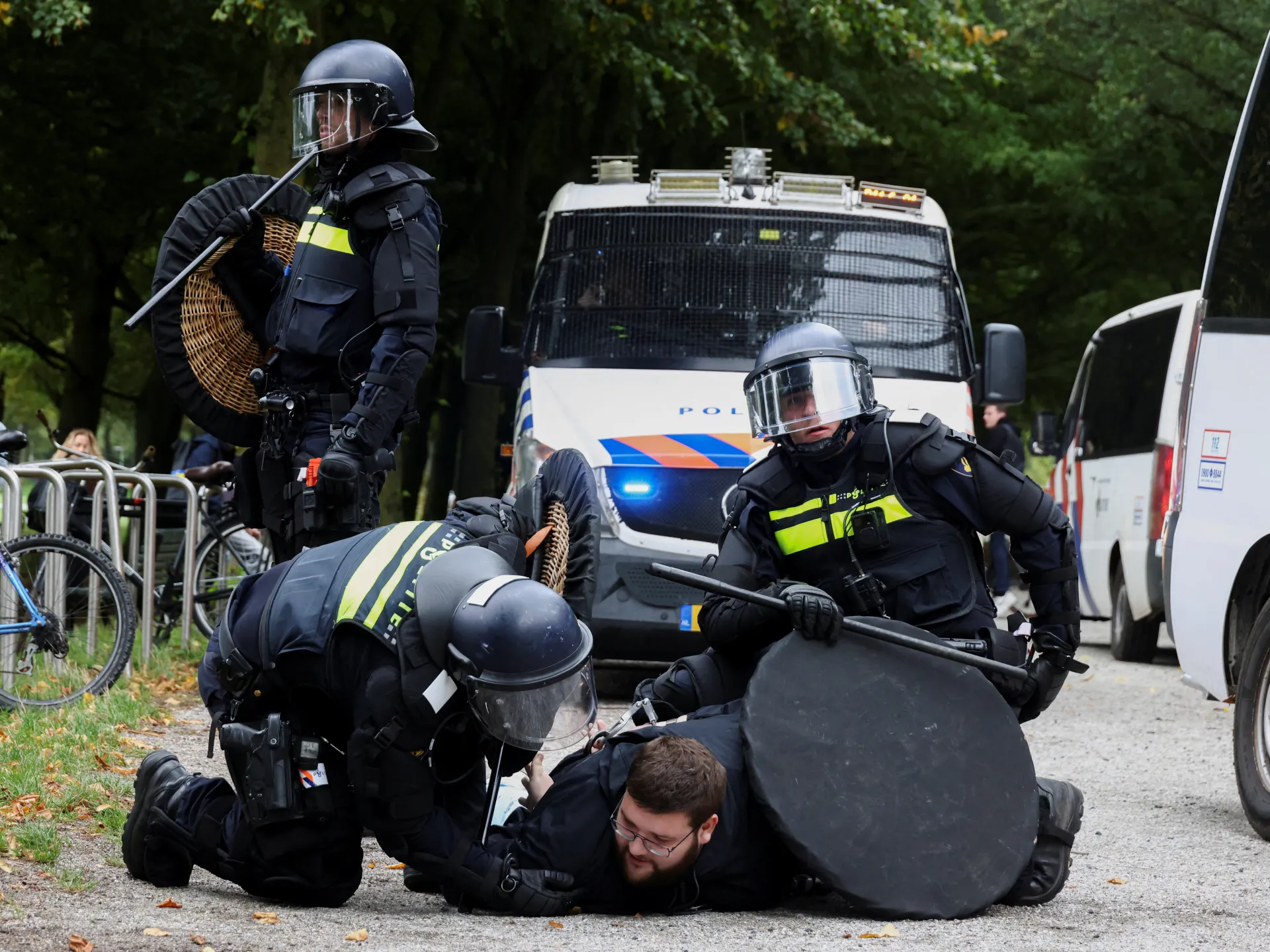
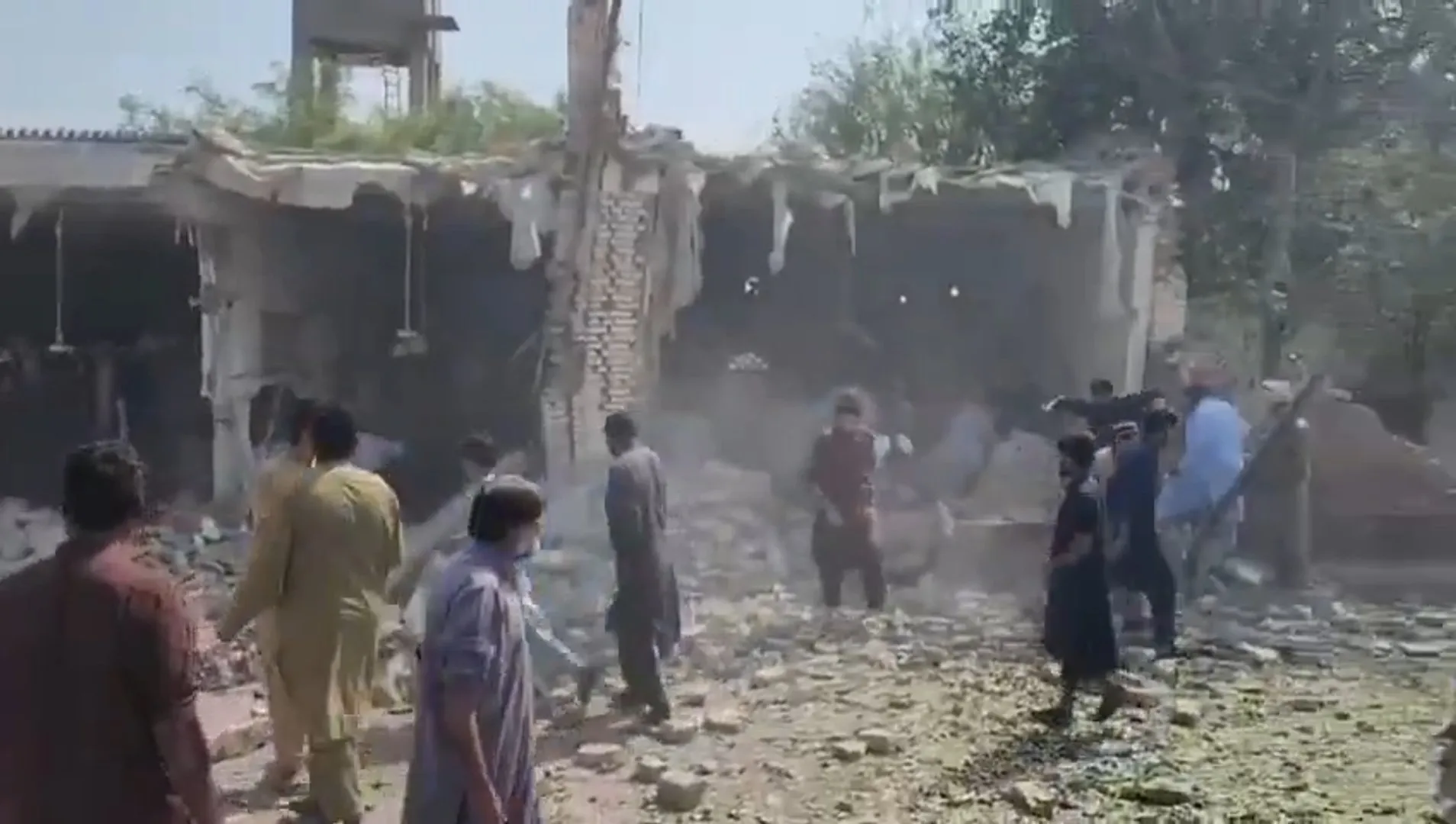
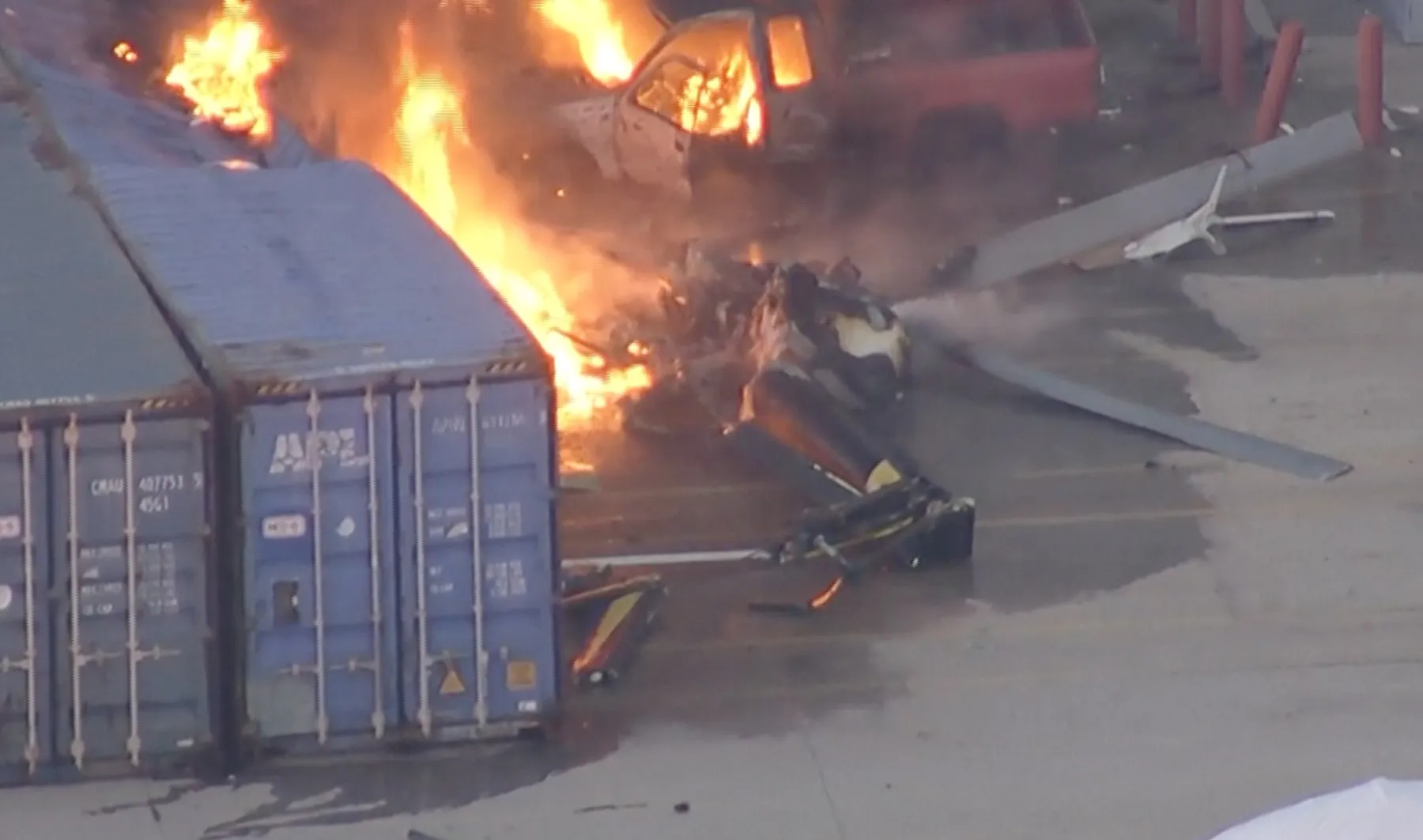
The scale of the government response is unprecedented, with reports indicating that approximately 2,000 shipping containers have been distributed across critical transit points. The Attock district, a vital gateway from Khyber Pakhtunkhwa, has been fortified with nearly 30,000 security personnel. These barriers are intended to neutralize the movement of supporters who planned to travel from cities as far as Karachi and Lahore.
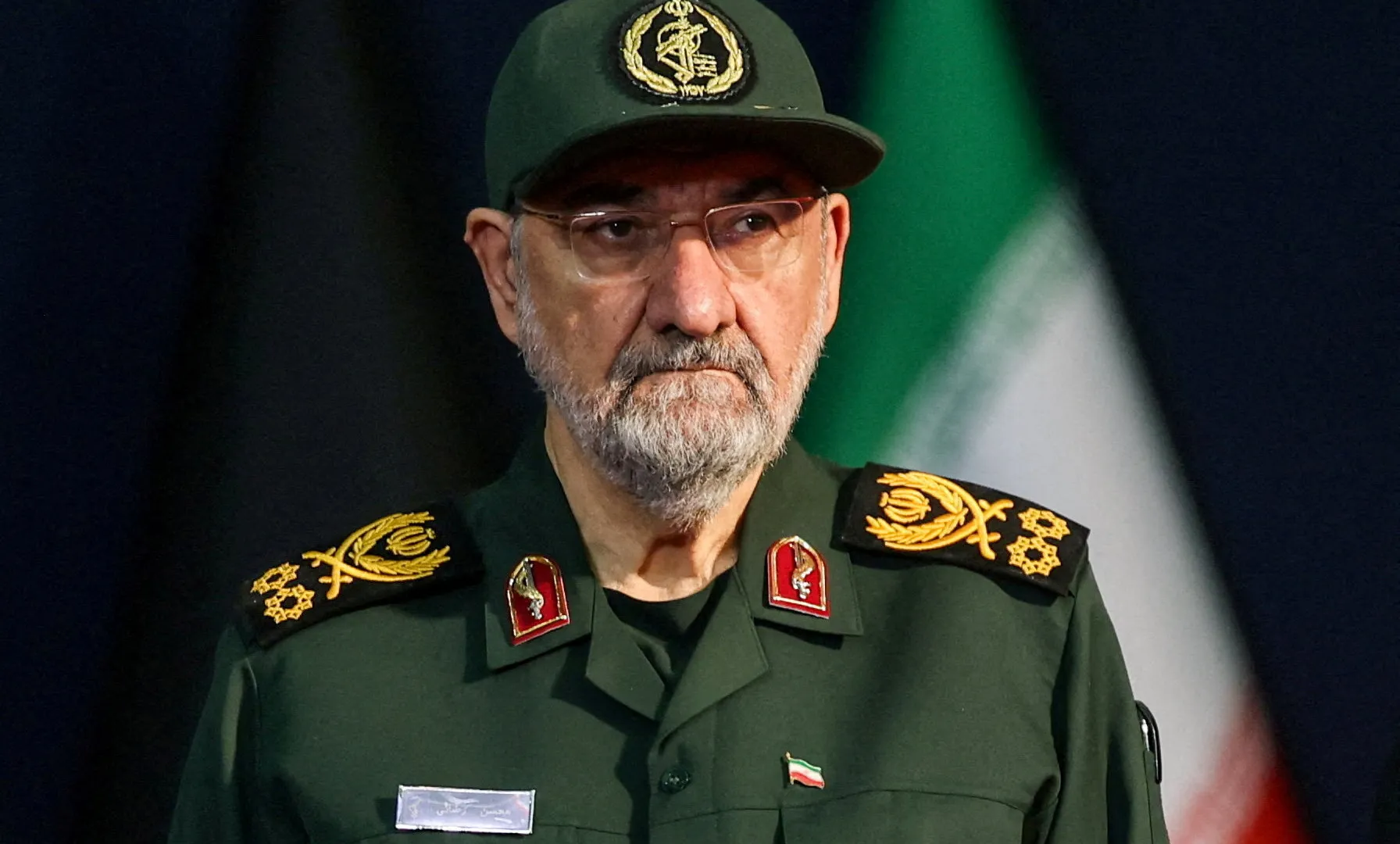
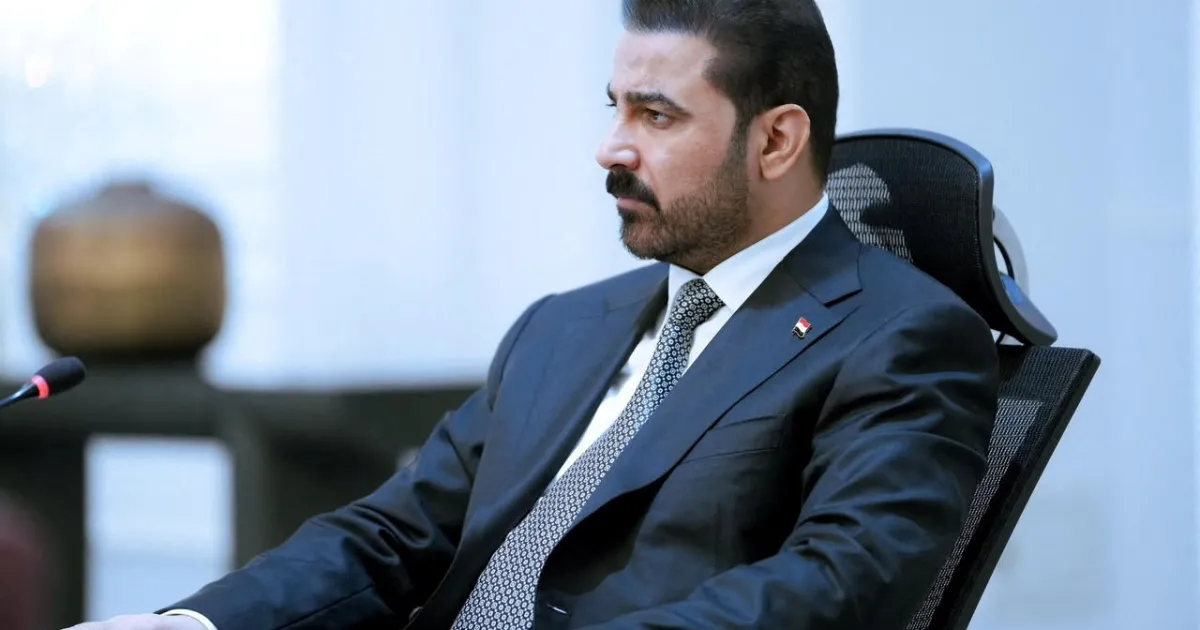
Interior Minister Mohsin Naqvi has been vocal in his opposition to the march, characterizing the movement as a "drama" and urging party leaders to abandon their plans. Conversely, PTI members maintain that their right to peaceful protest is constitutionally protected and emphasize that the march is a direct response to the continued incarceration of their leader. The tension has been exacerbated order laws, a move the party claims is a desperate attempt to decapitate their leadership structure.
As the September 27 march date approaches, the situation remains highly volatile. The government's decision to seal off the capital suggests they are prepared to endure significant economic disruption to prevent the protest from reaching critical mass in the city center. Given the rigid stance of both the state and the PTI, a direct confrontation at the barricades appears increasingly likely if the protesters attempt to bypass the containers.
Political observers anticipate that if the government successfully prevents the march, it may lead to a temporary reprieve in the streets but will likely exacerbate the underlying political polarization. If the protest proceeds despite the obstacles, the potential for clashes with security forces poses a high risk of escalation. The coming days will likely depend on whether internal pressure or back-channel negotiations can convince party leaders to rethink their strategy, though current evidence suggests that neither side is willing to blink first.