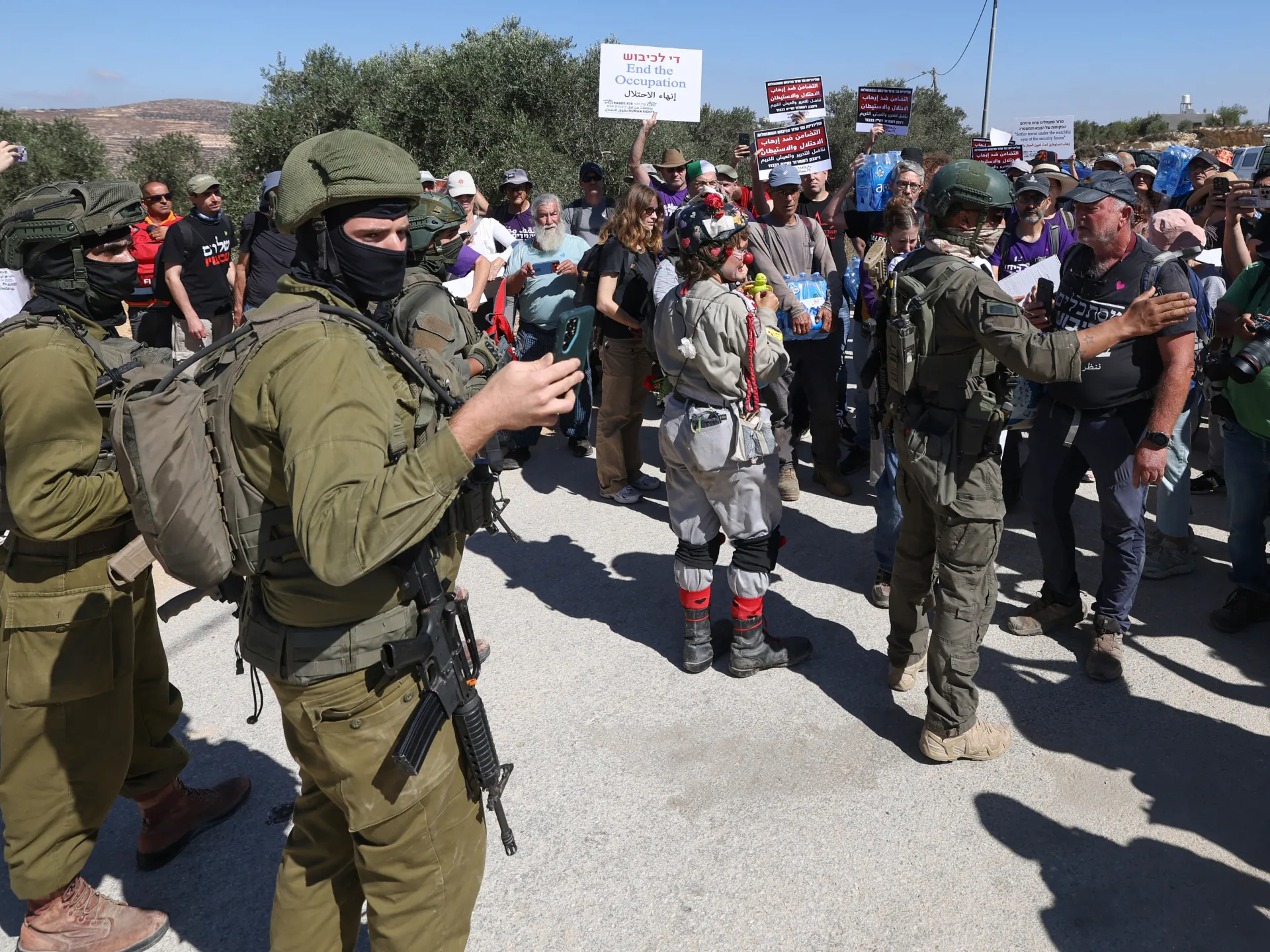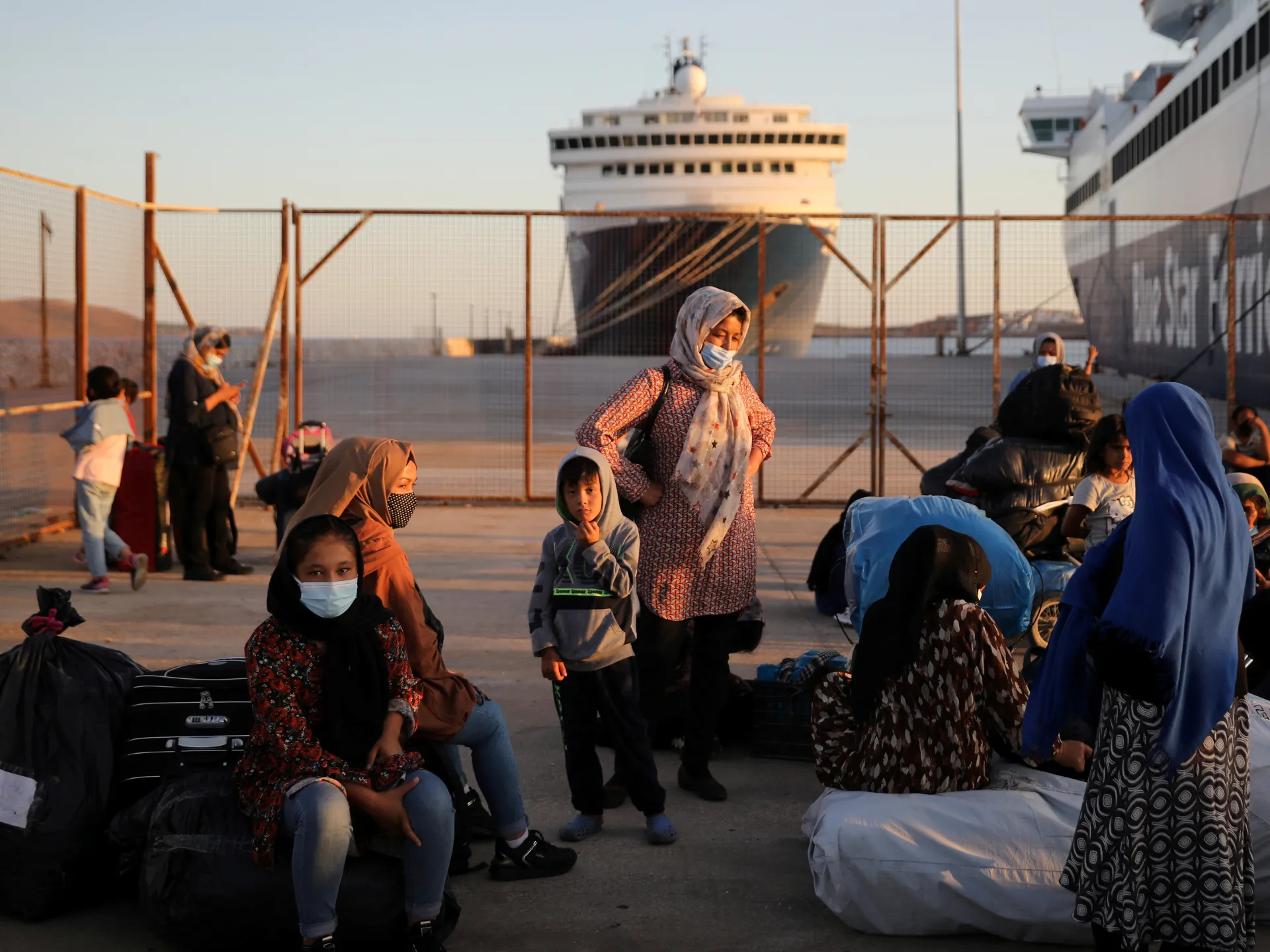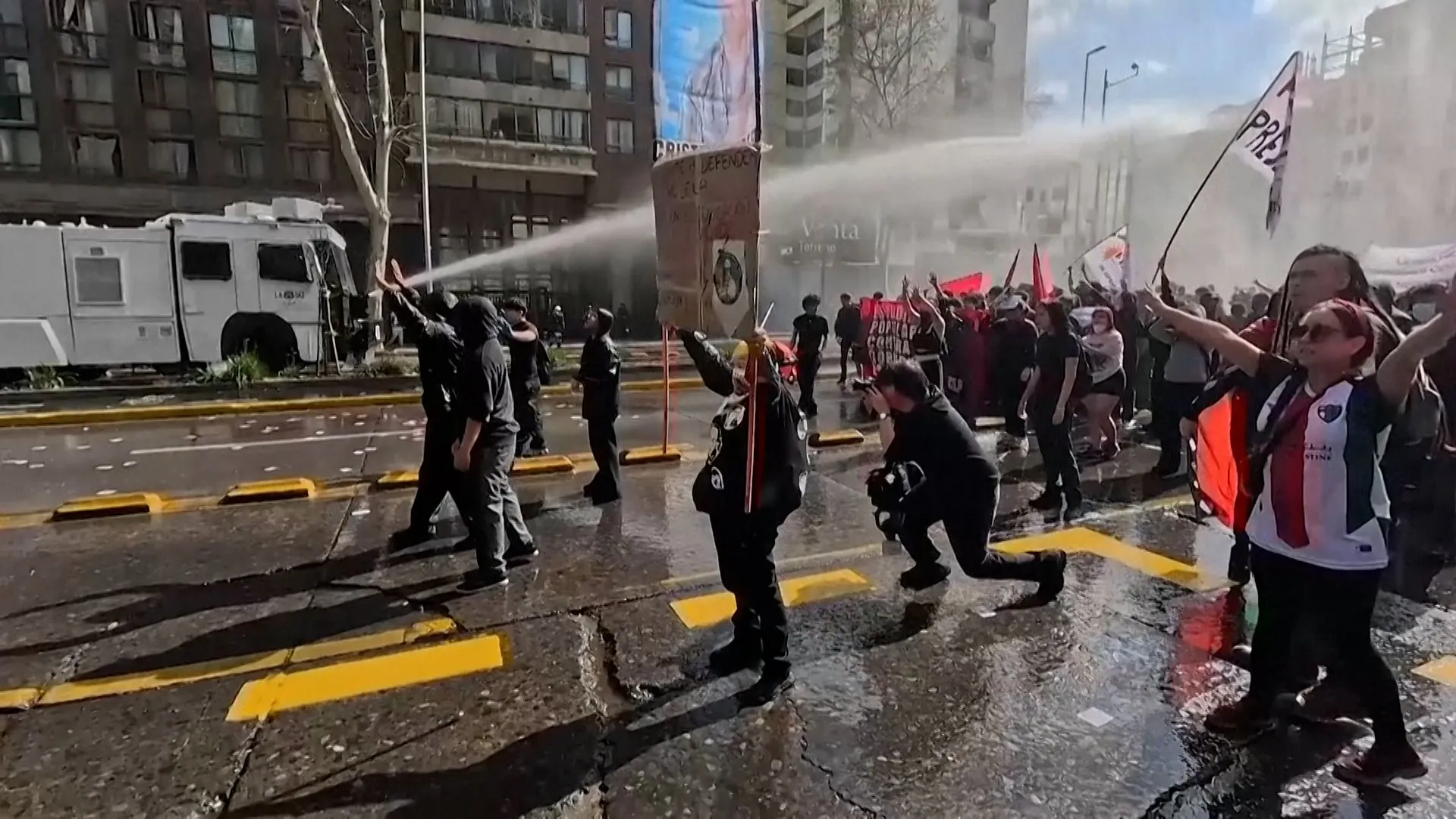
As international condemnation of regional military operations rises, Israel faces an internal crisis over the potential legal silencing of filmmakers.
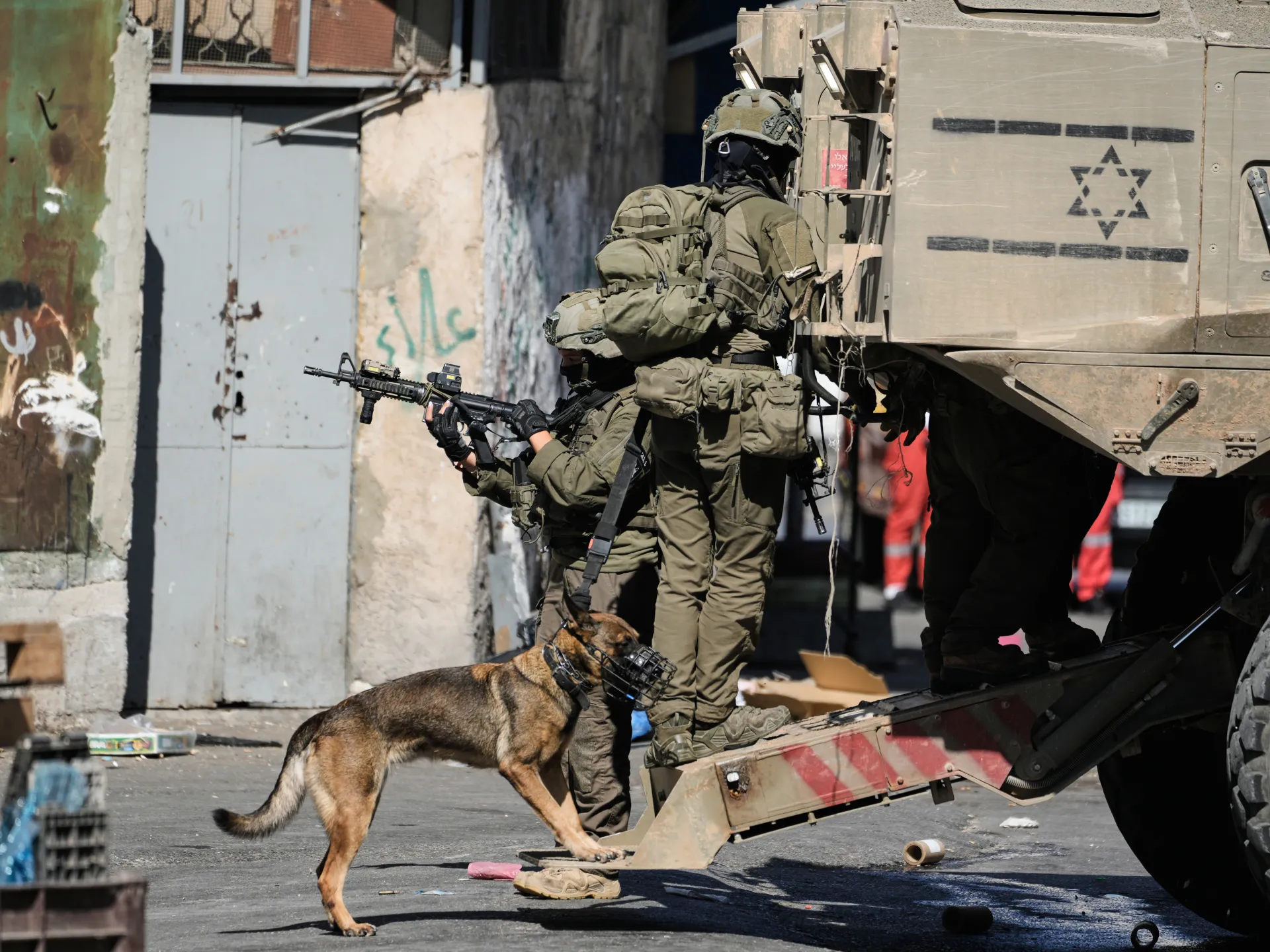
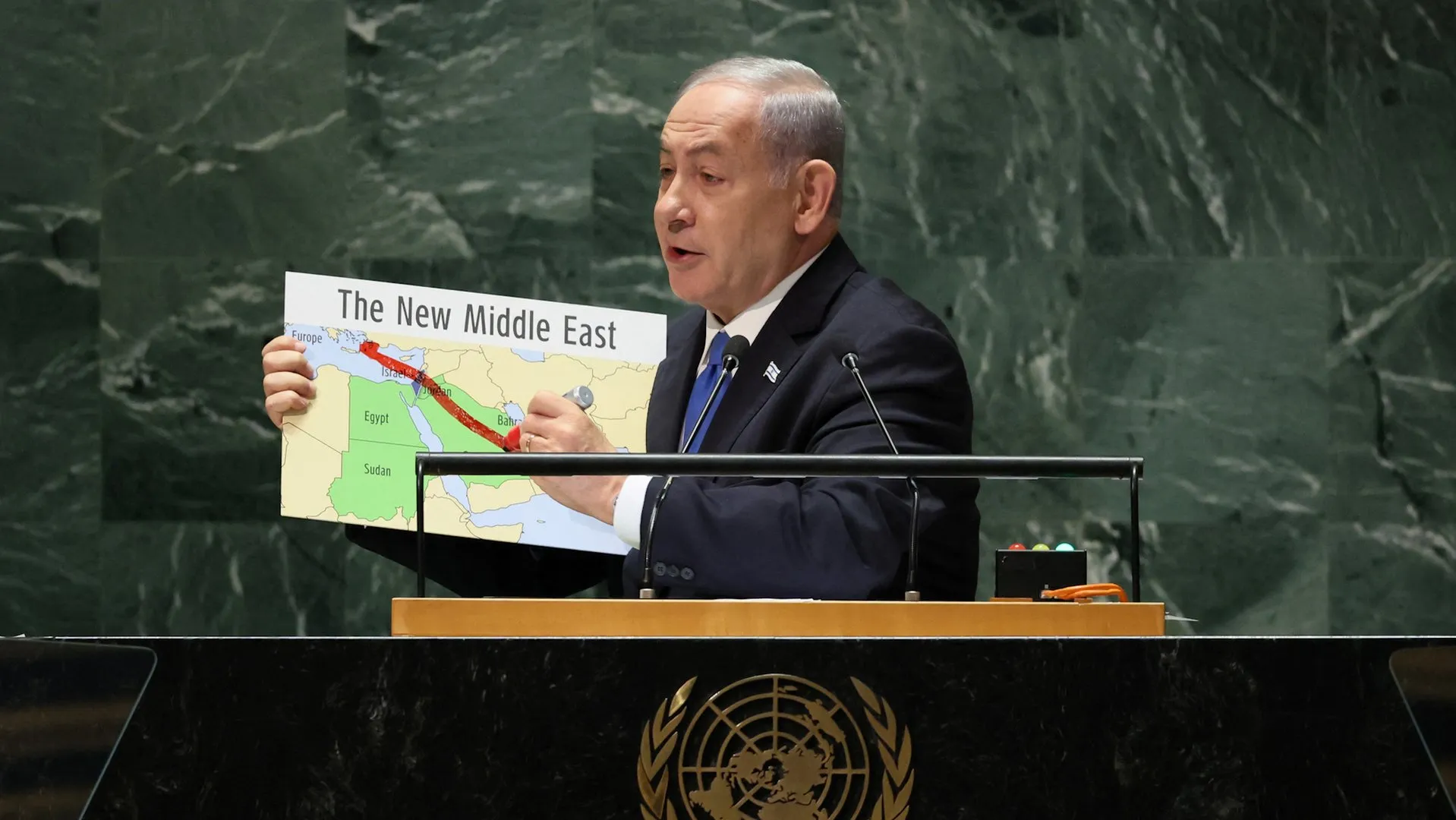
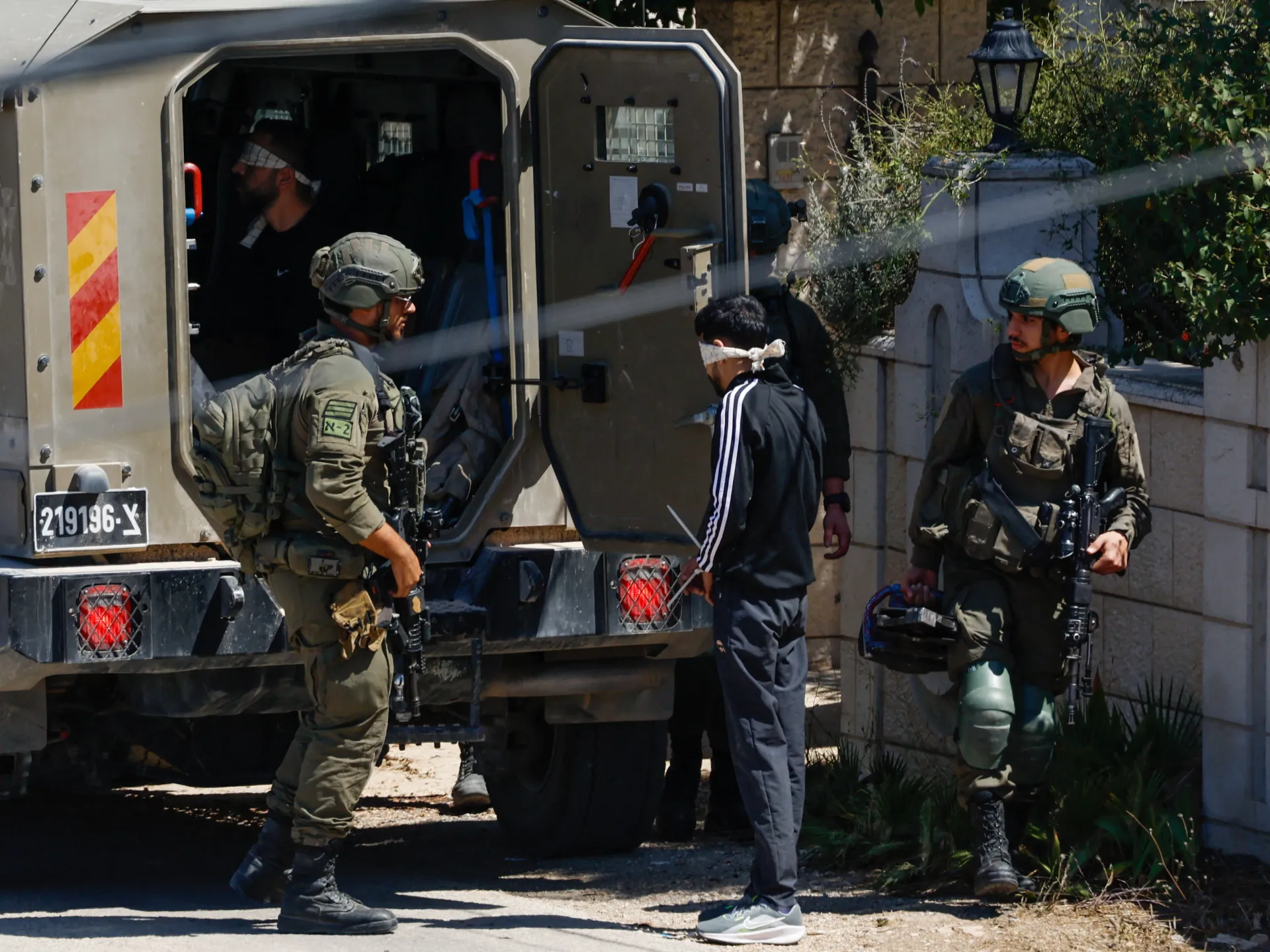
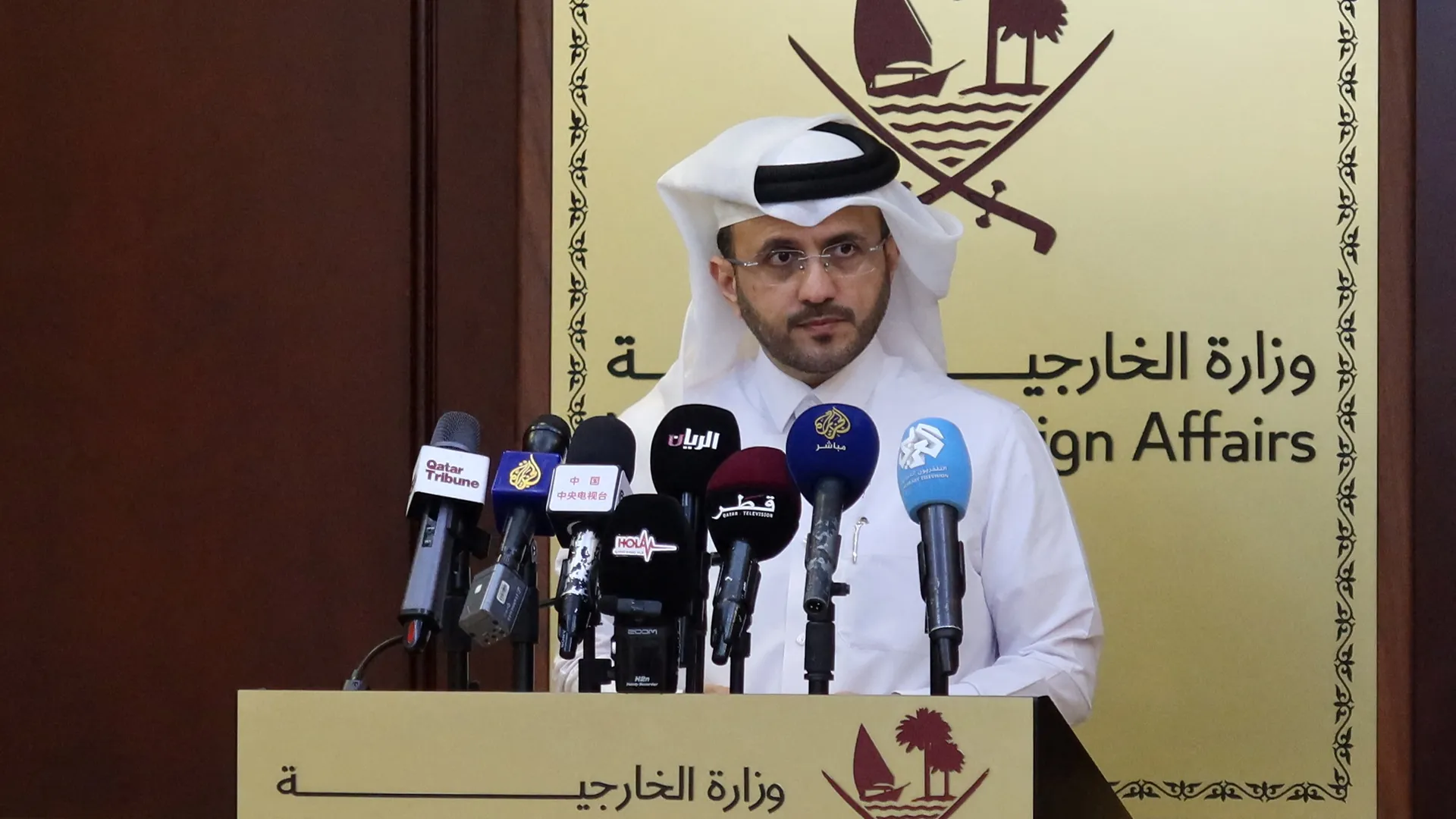
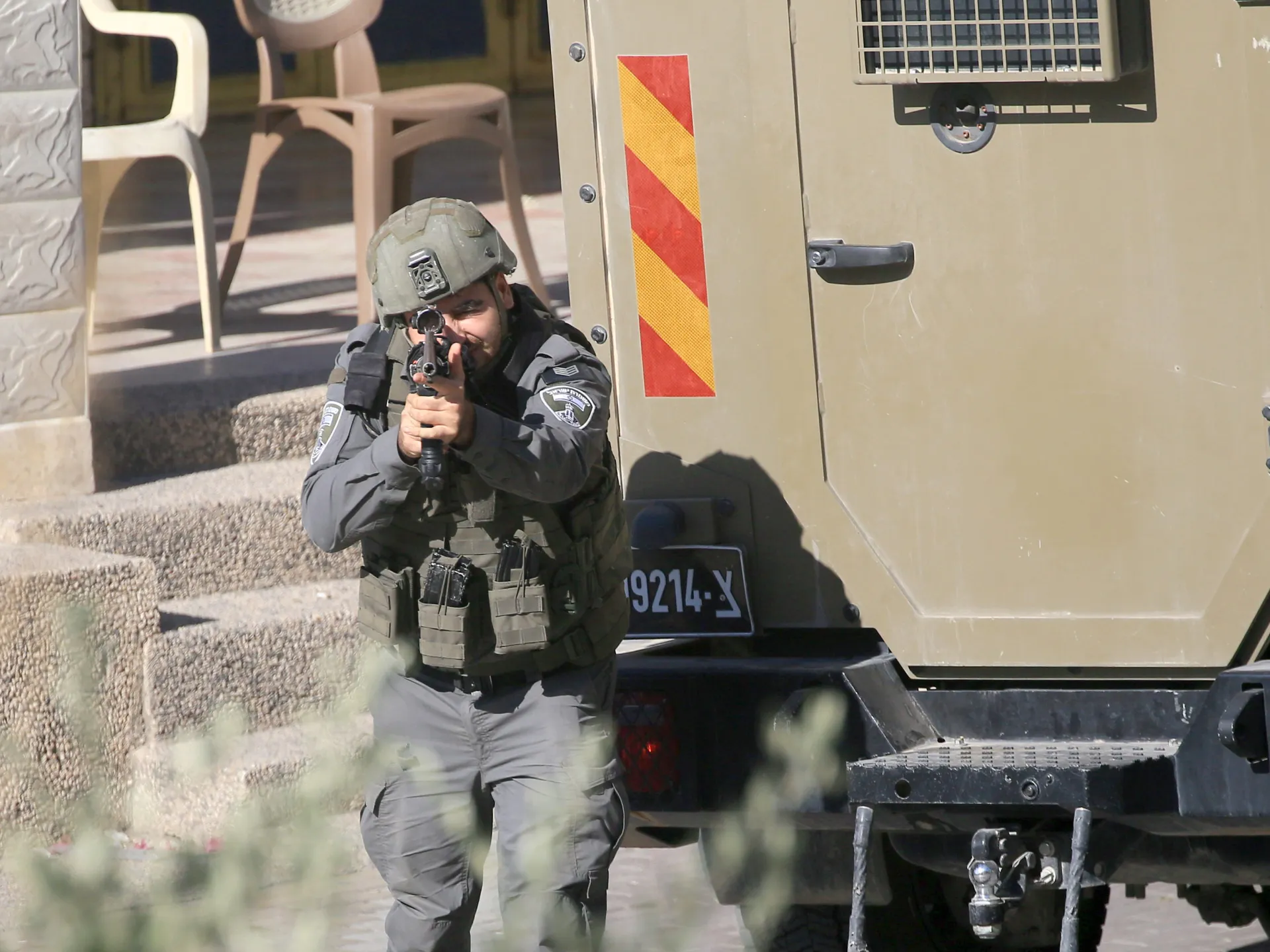
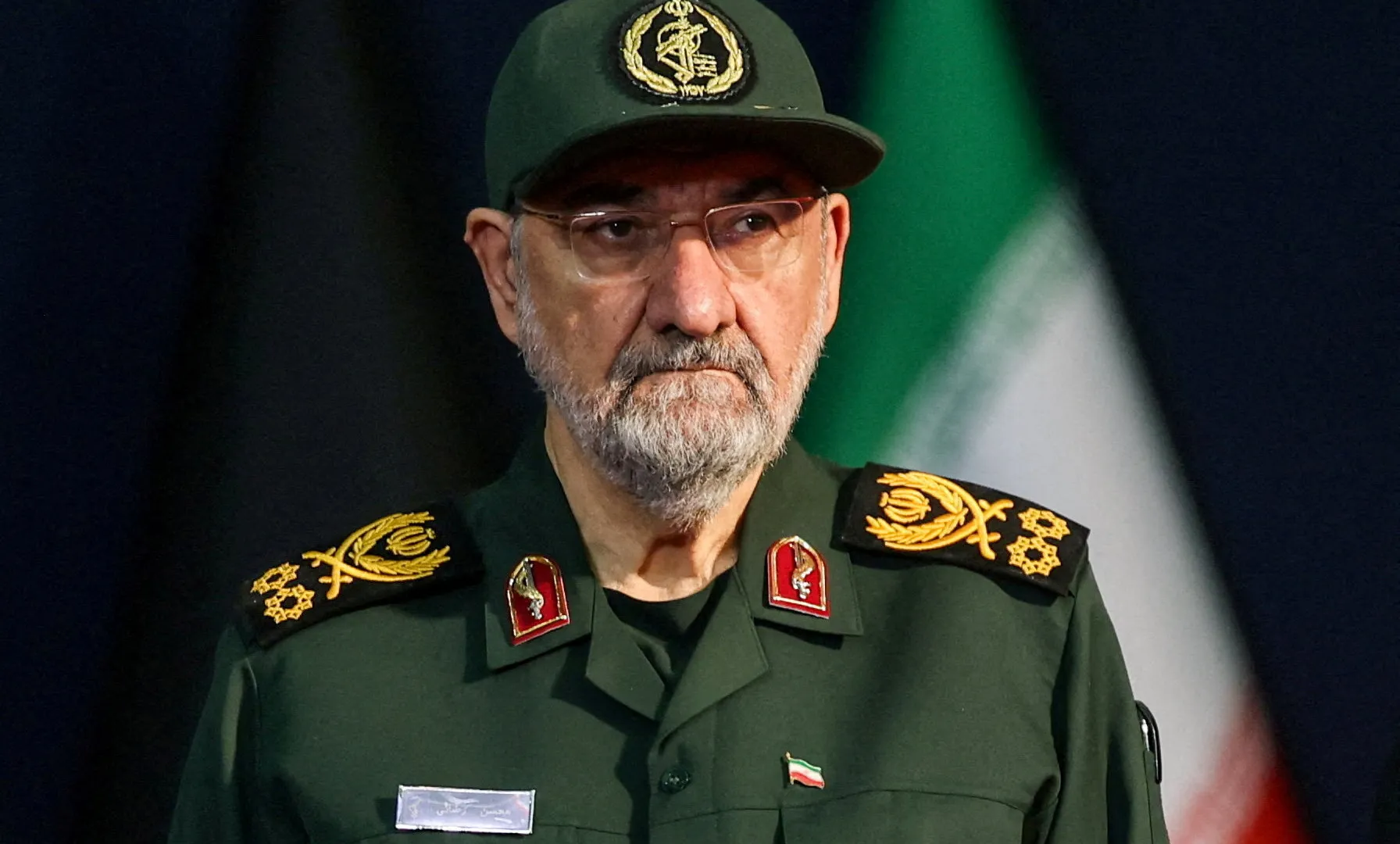
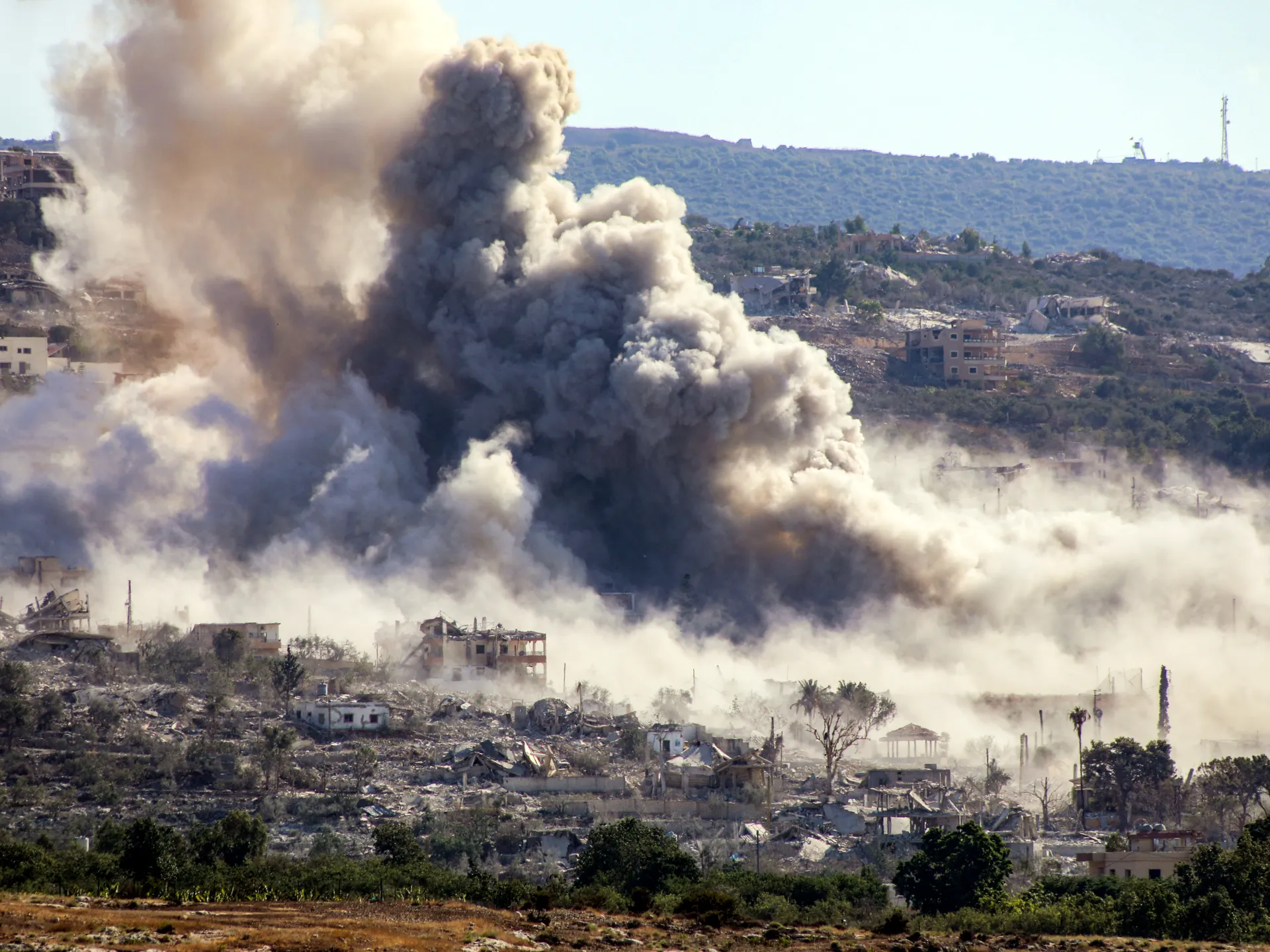
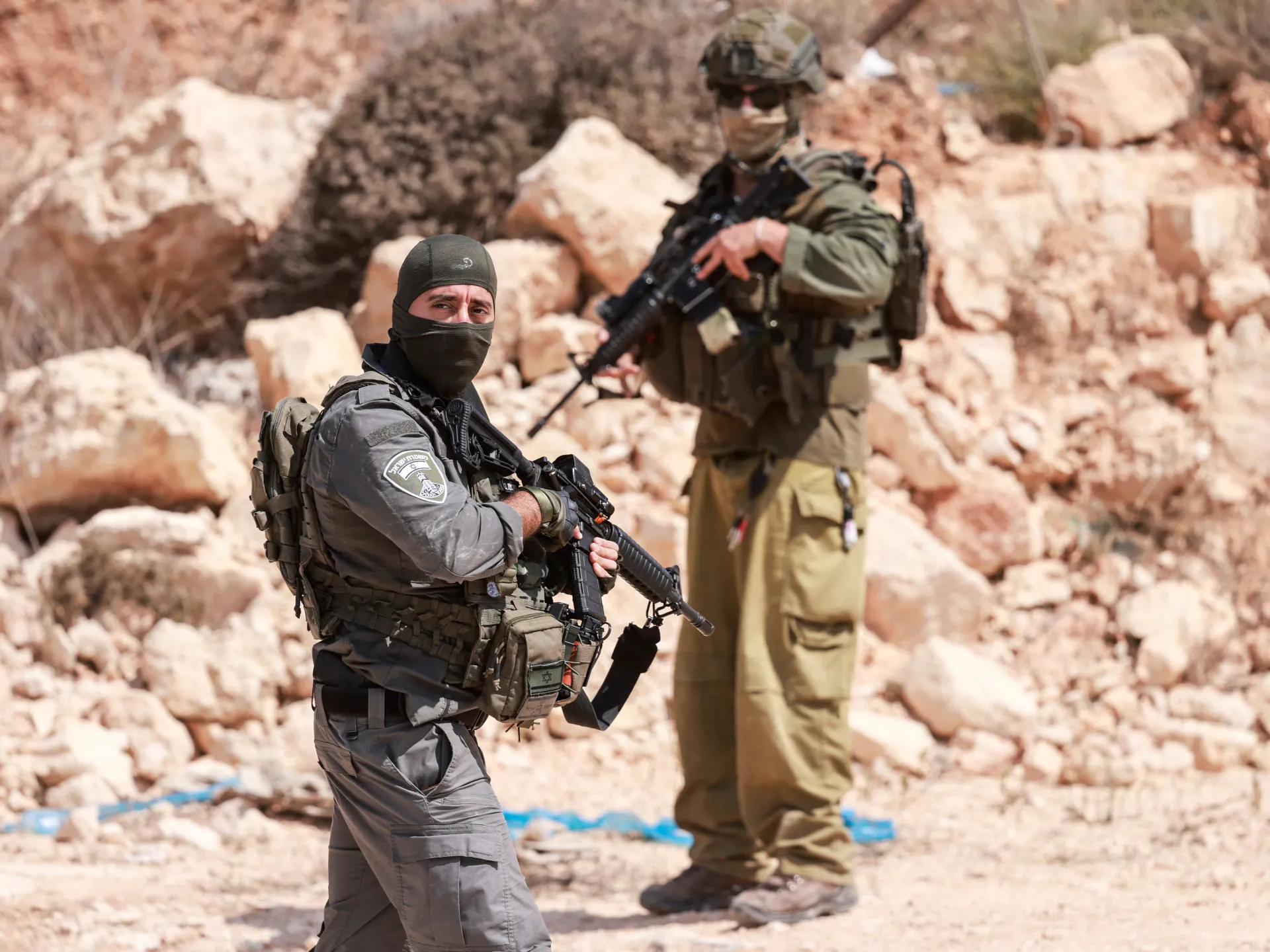
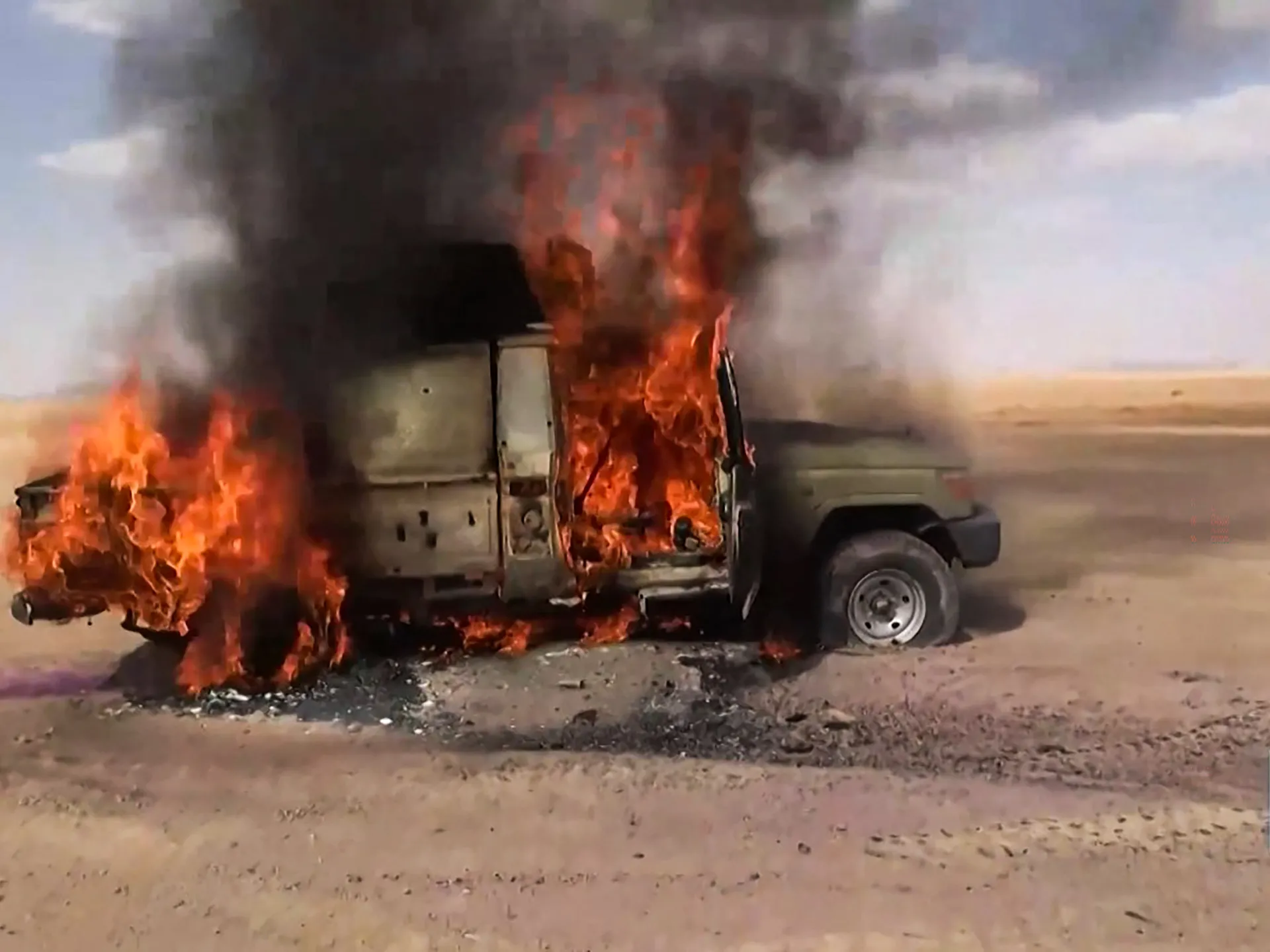
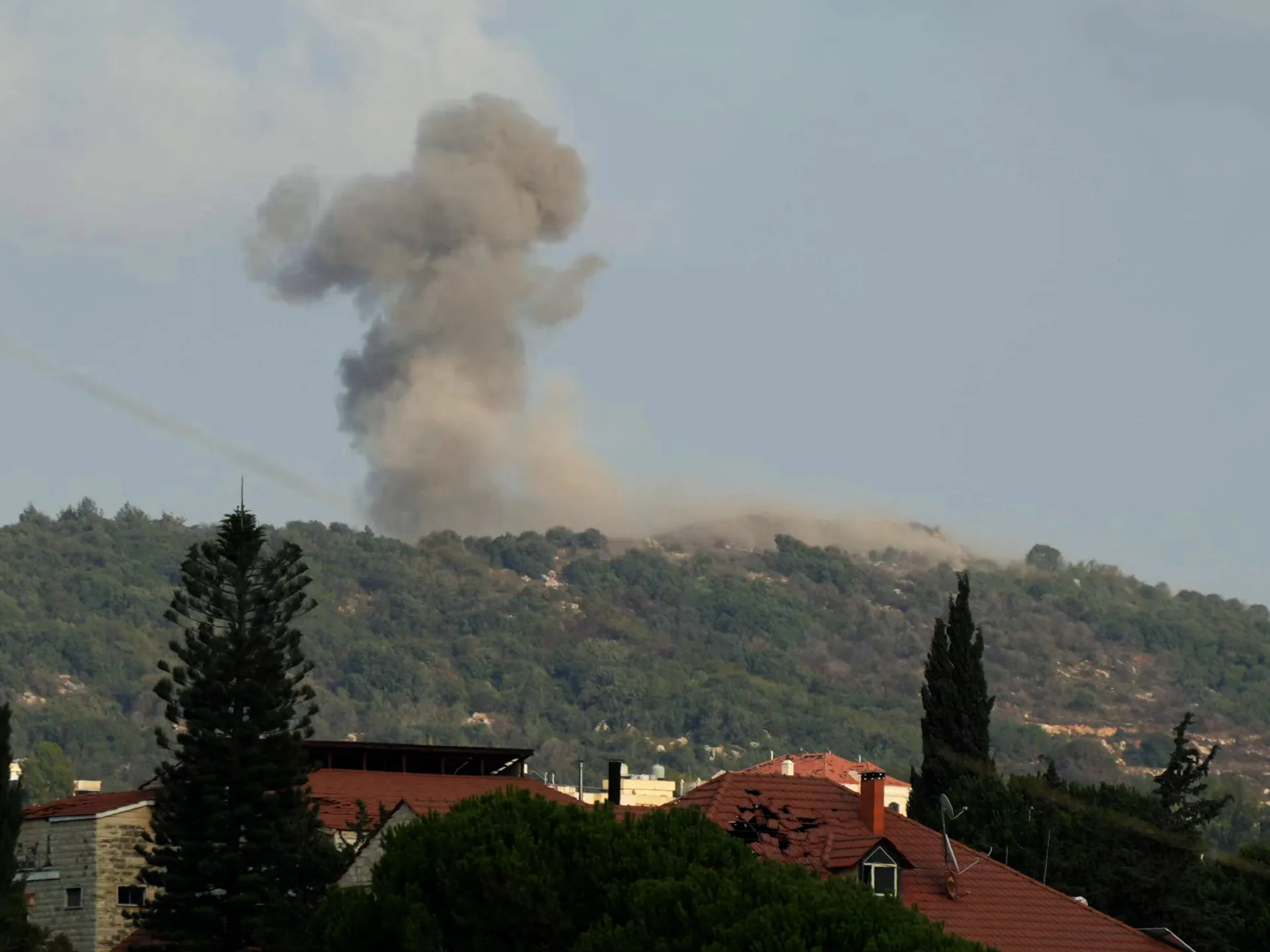
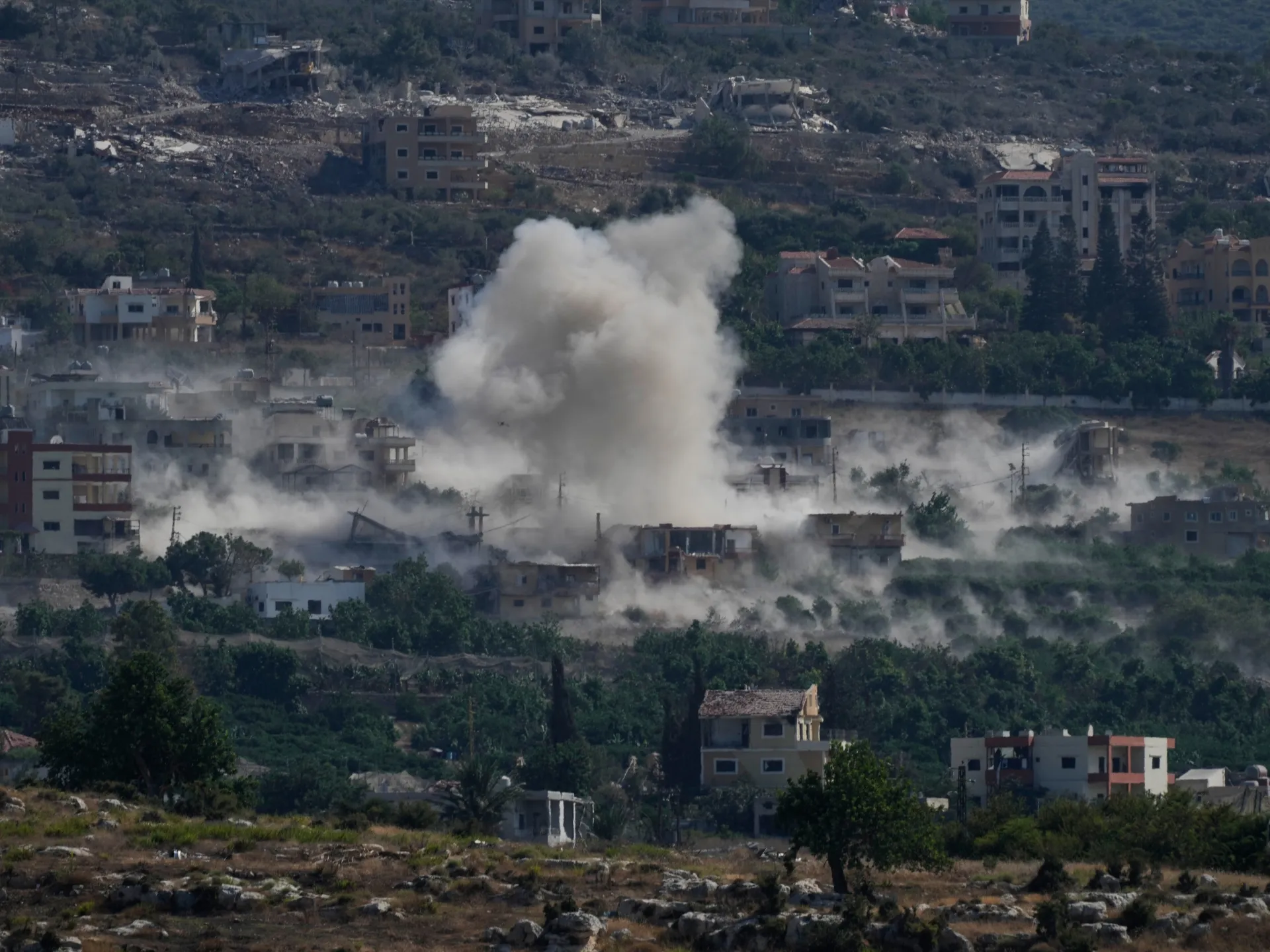
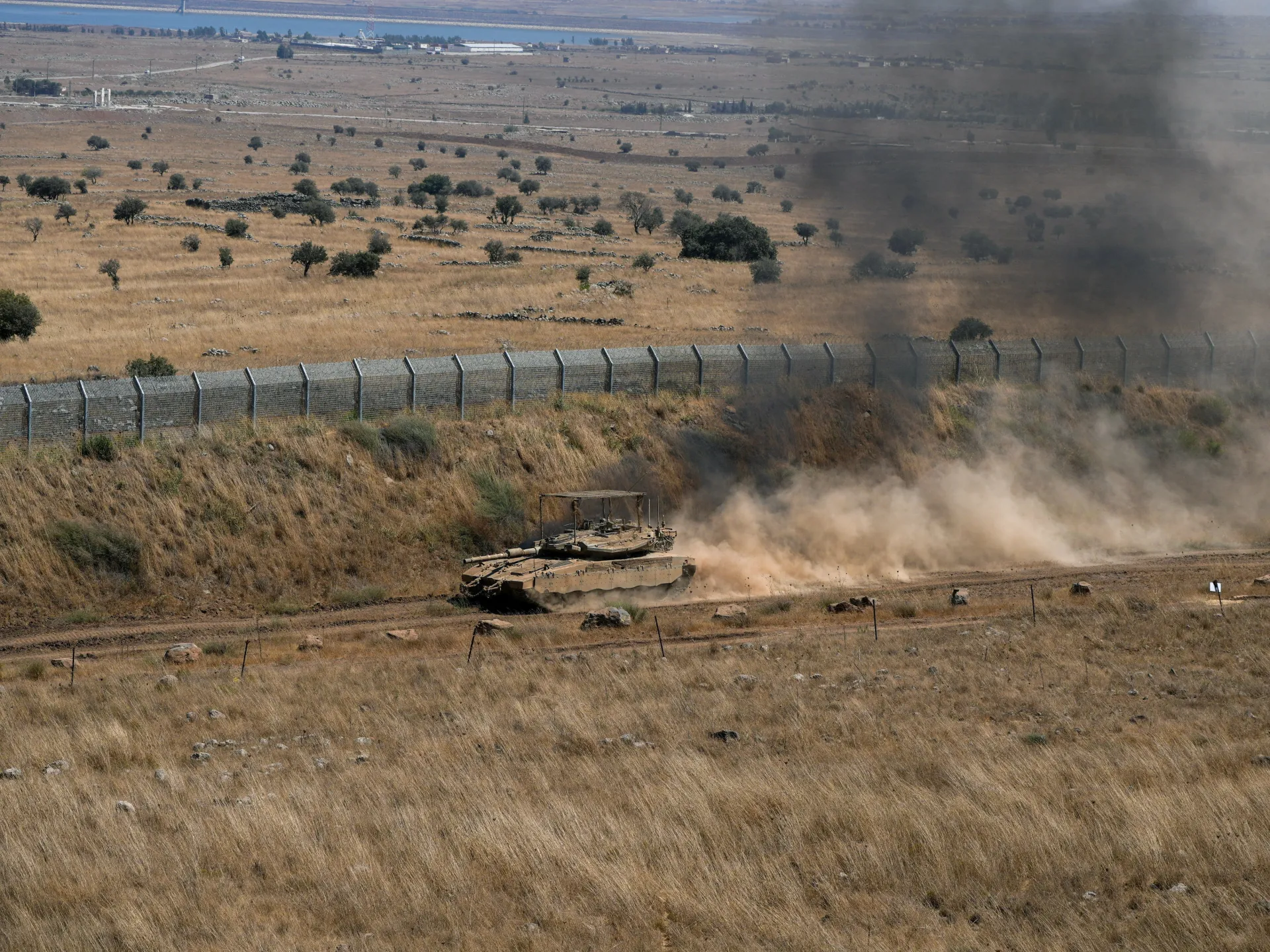
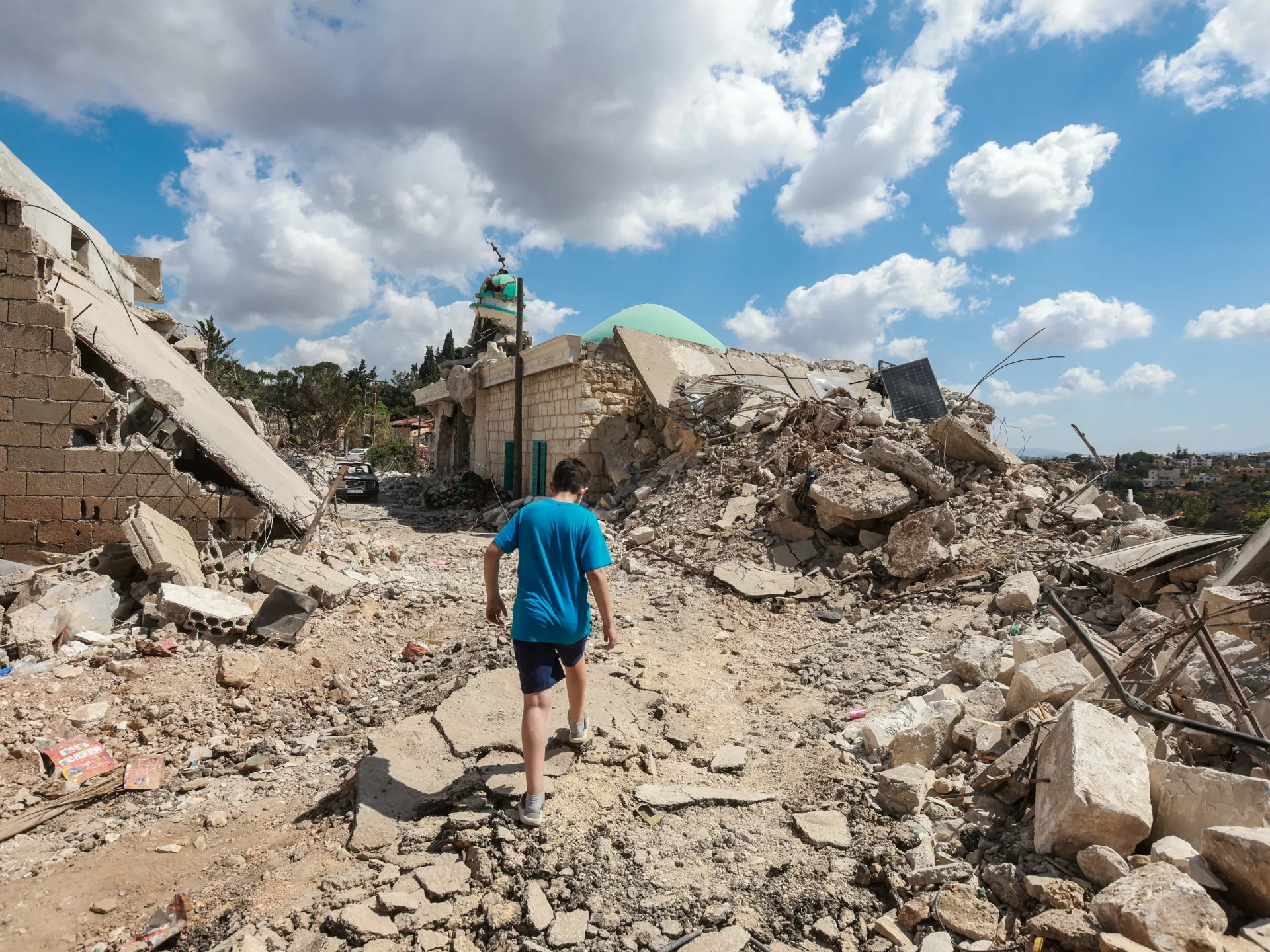
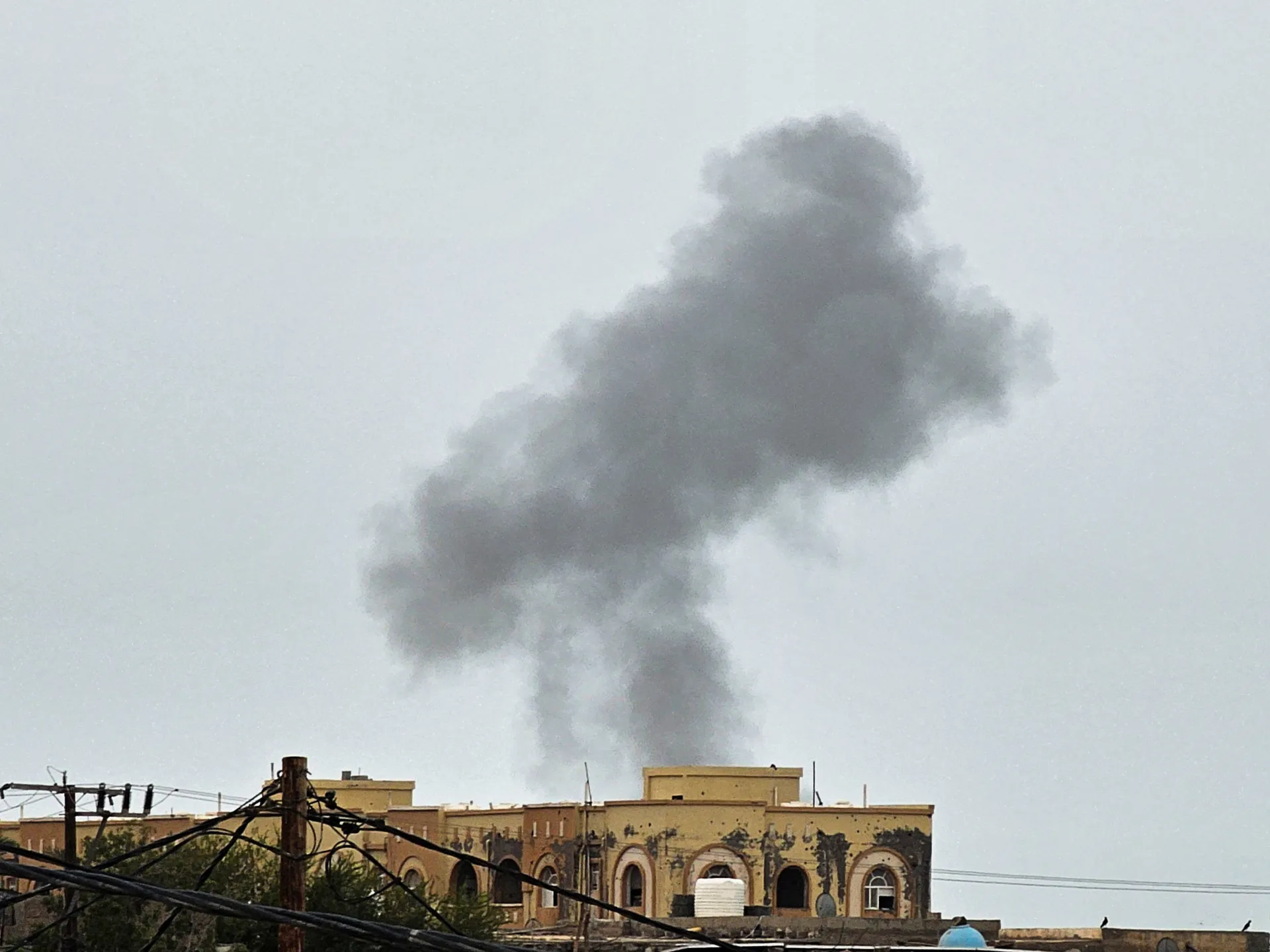
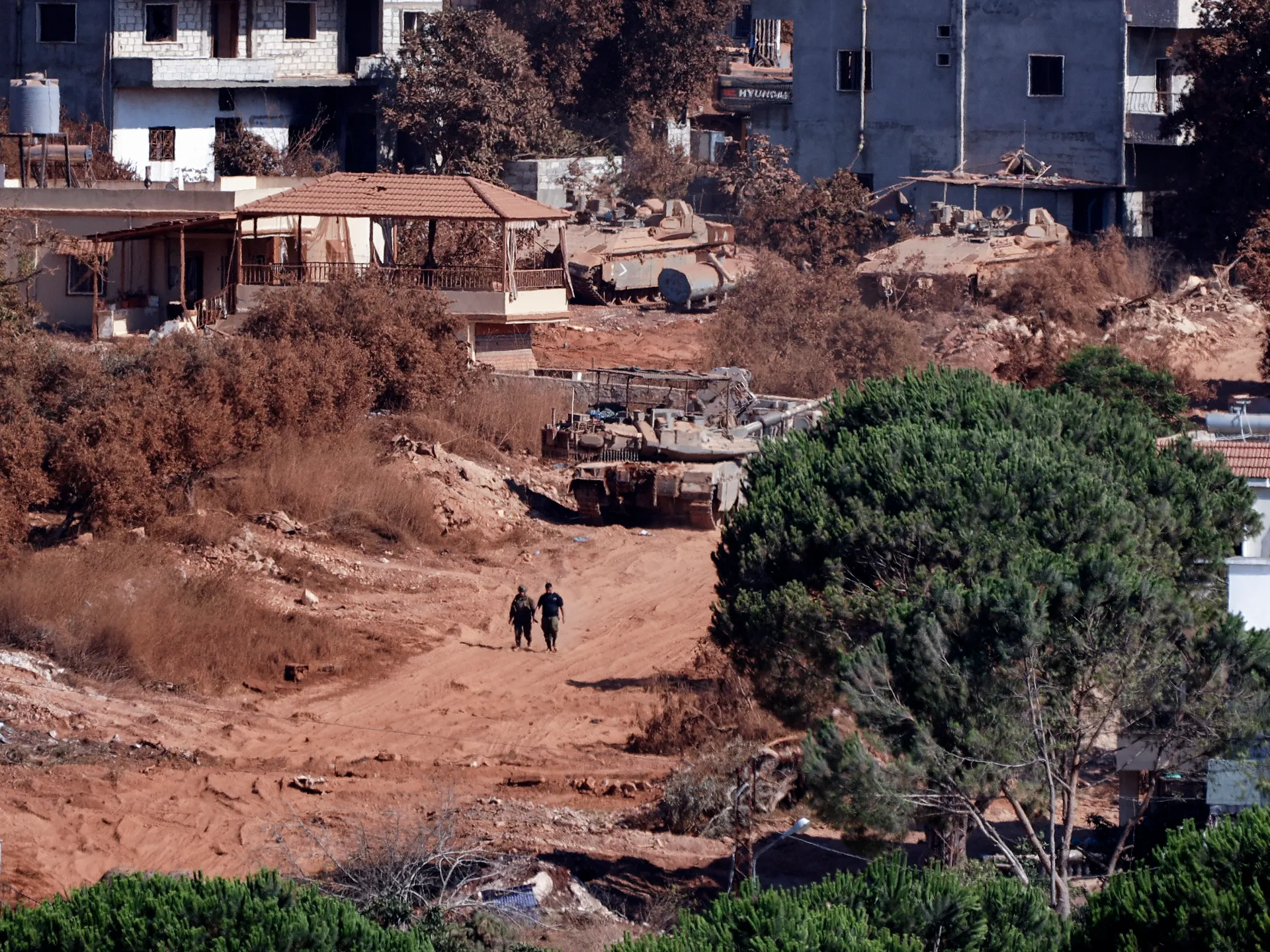
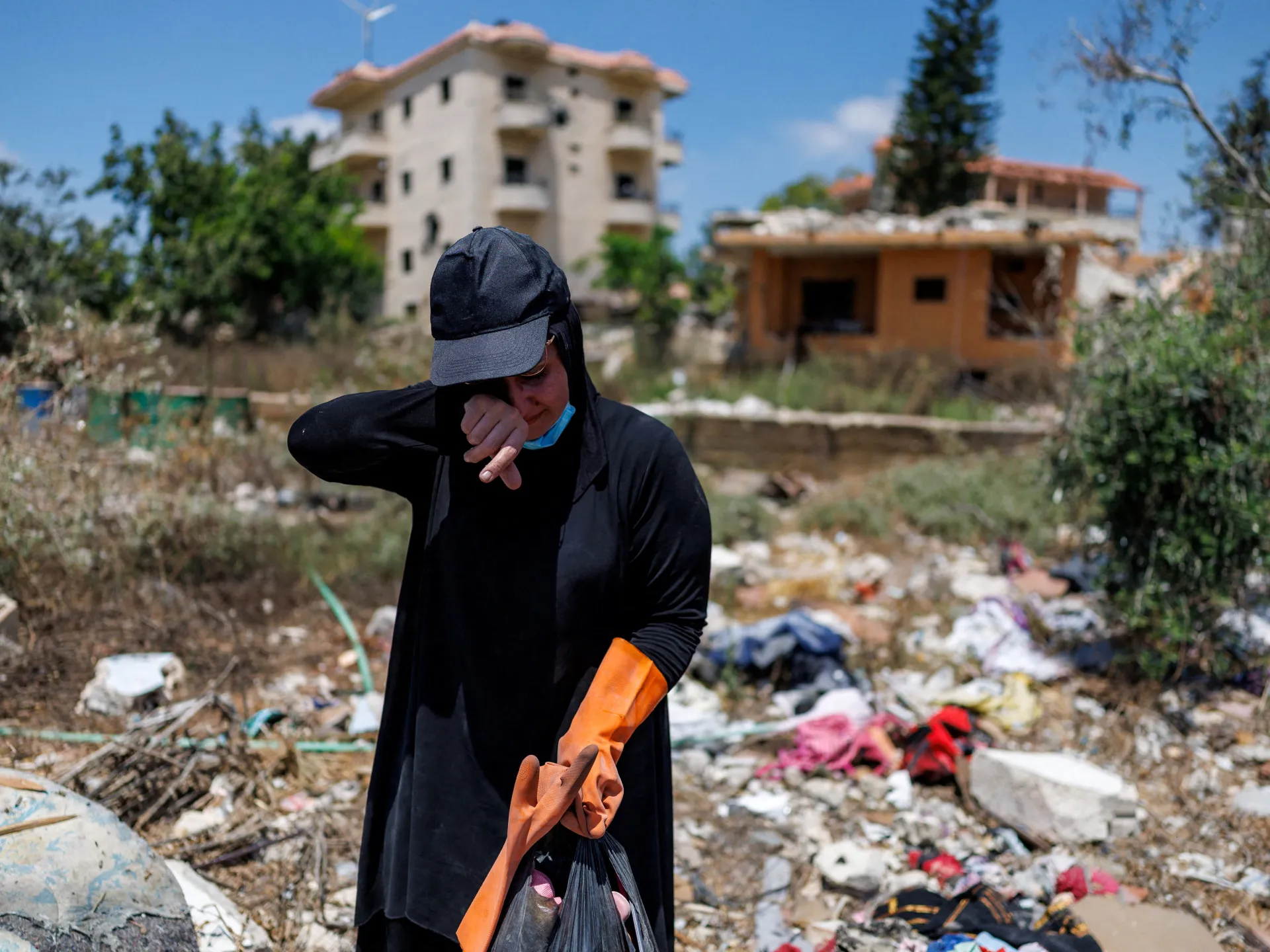
Regional volatility in the Middle East has entered a new phase of diplomatic strain, as Qatar has publicly rebuked the Israeli government over its ongoing military operations across neighboring borders. The condemnation from Qatari leadership follows intensified regional unease regarding the scope of combat operations and the failure to adhere to established international agreements in Lebanon.
Simultaneously, the domestic landscape within Israel is grappling with a sharp divide over a recently premiered documentary that utilizes testimony from military intelligence sources to scrutinize the nation's wartime targeting protocols. This convergence of international diplomatic pressure and internal cultural friction highlights the complex challenges facing the region as the conflict extends well beyond the borders of the Gaza Strip.
The intersection of these two developments signals a deepening crisis of legitimacy for the current Israeli administration. On one front, the regional isolation of key players suggests a breakdown in traditional mediation channels, potentially emboldening non-state actors and neighboring powers to escalate their rhetoric. On the domestic front, the attempt arding the protection of investigative journalism and artistic freedom during wartime. This tension tests the resilience of Israel's internal democratic institutions, as the government seeks to balance national security narratives against the increasing availability of granular, AI-supported data that challenges the official record of combat operations.
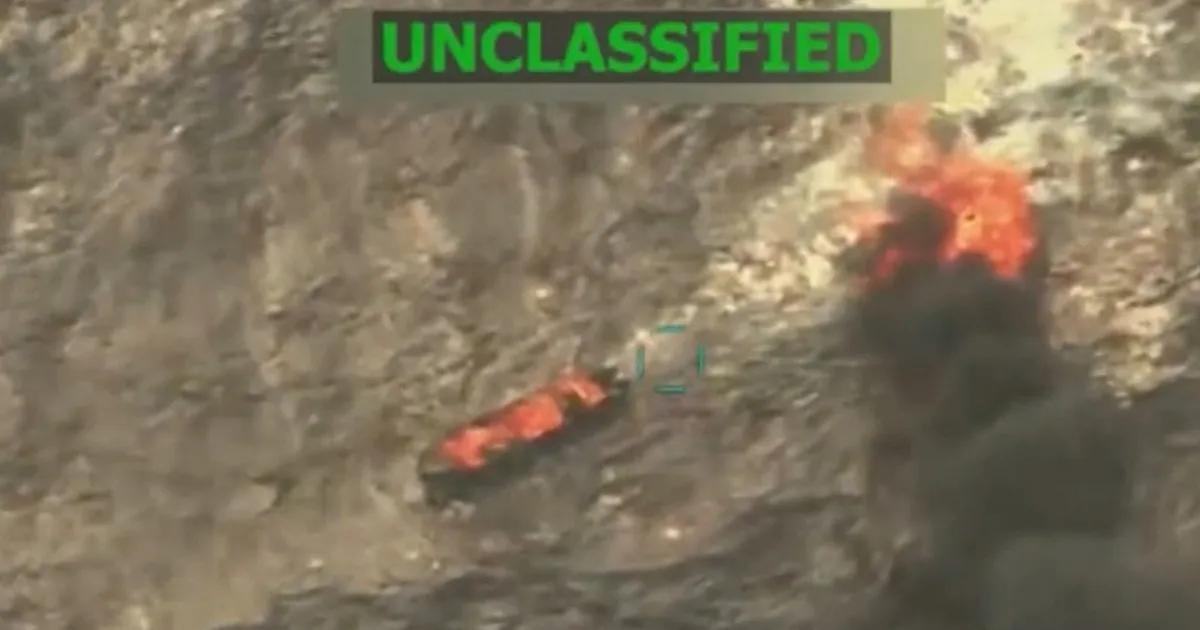
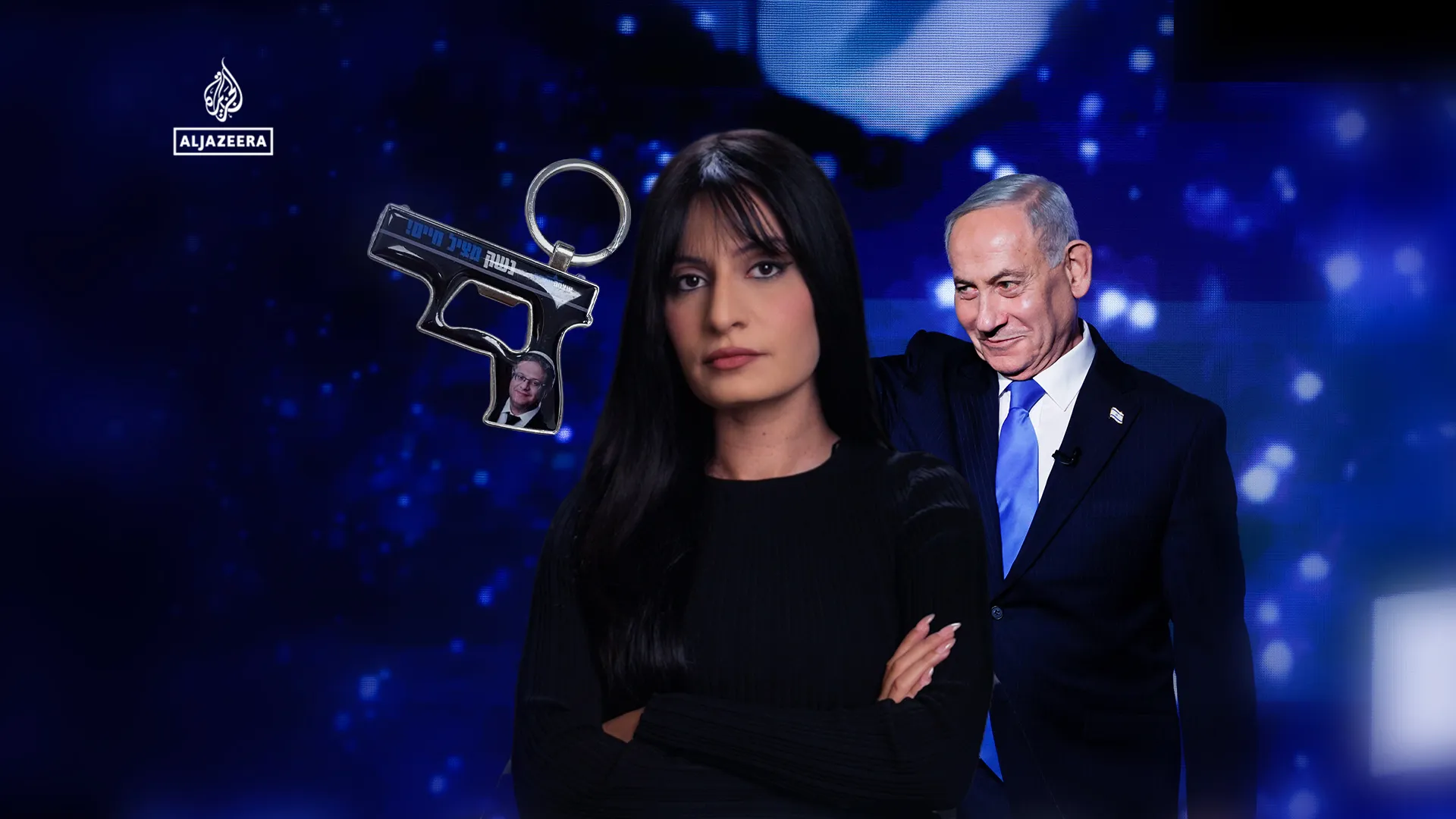
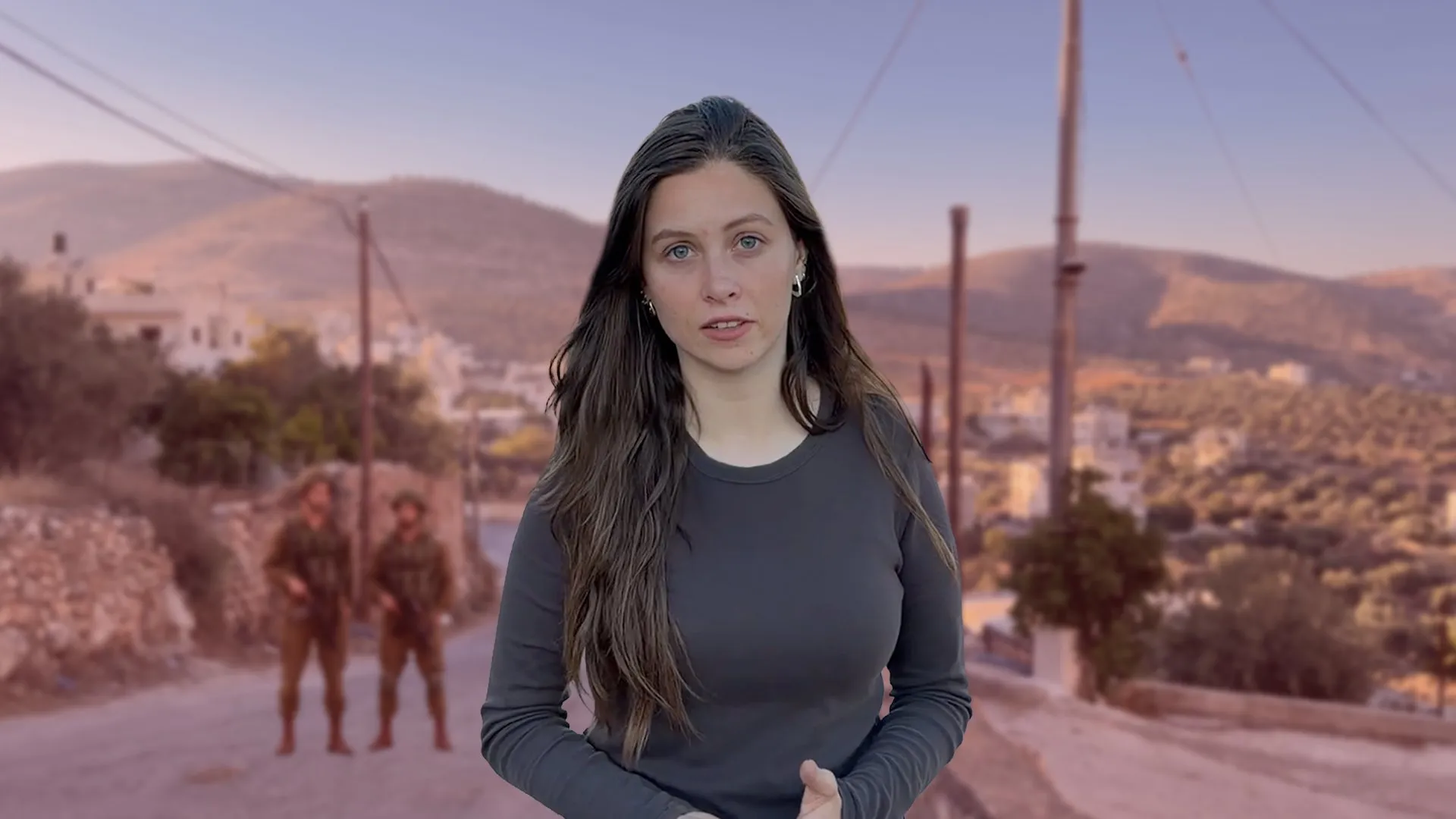
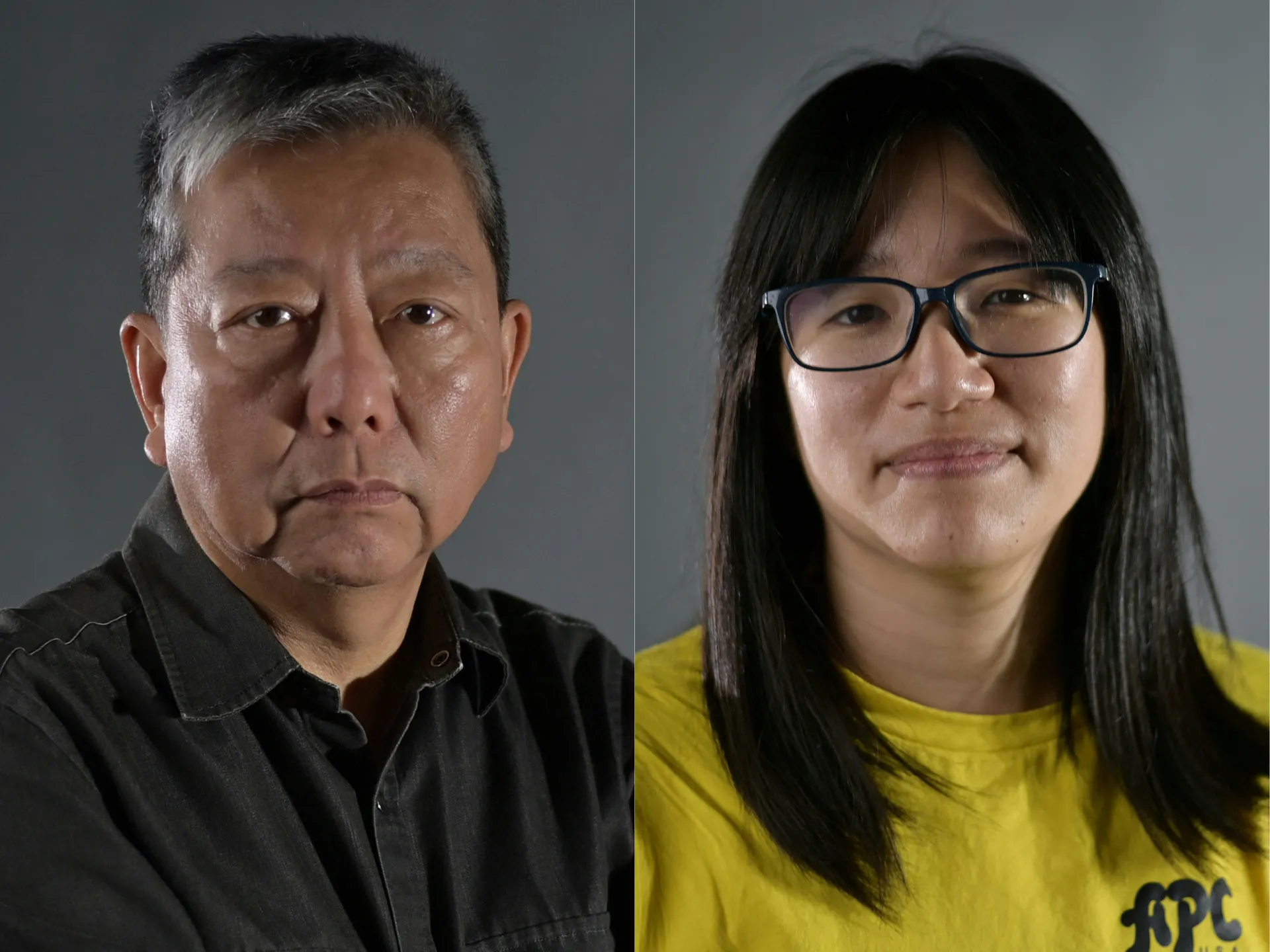
The documentary titled Naza—a reference to a Hebrew military acronym for collateral damage—has sparked an immediate and aggressive response from the Israeli government. The film, which recently premiered at the Venice Film Festival, features interviews with two dozen unidentified military and intelligence officers. These sources discuss the integration of AI systems in the selection of targets during the ongoing campaign in Gaza. The filmmakers, Yuval Abraham and Rachel Szor, claim the documentary provides a systematic look at the scale of civilian casualties, citing incidents where high numbers of civilian deaths were approved to eliminate a single human target.
Culture Minister Miki Zohar has initiated an effort to have the citizenship of both directors revoked, citing the Citizenship Law, which allows for such actions in cases of a breach of allegiance. Zohar characterized the film as a vehicle for "treason against the state" and requested an investigation into how the underlying source material was obtained. While the Israel Defense Forces (IDF) have dismissed the film's specific claims—particularly the allegation regarding high-casualty strike approvals—as "completely false," the documentary has already garnered international recognition, winning a special jury prize at the Venice festival and receiving significant attention for its investigative methodology.
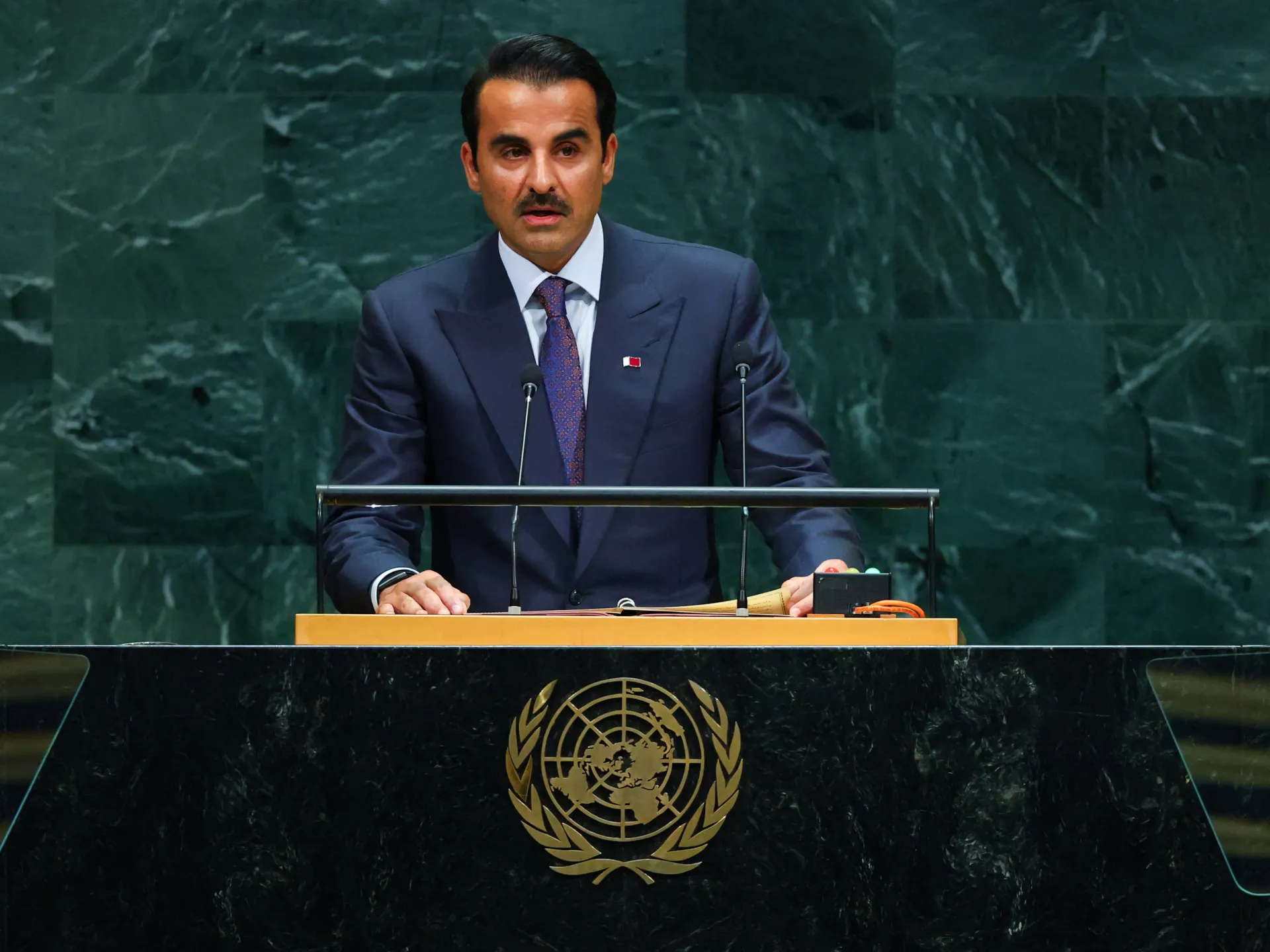
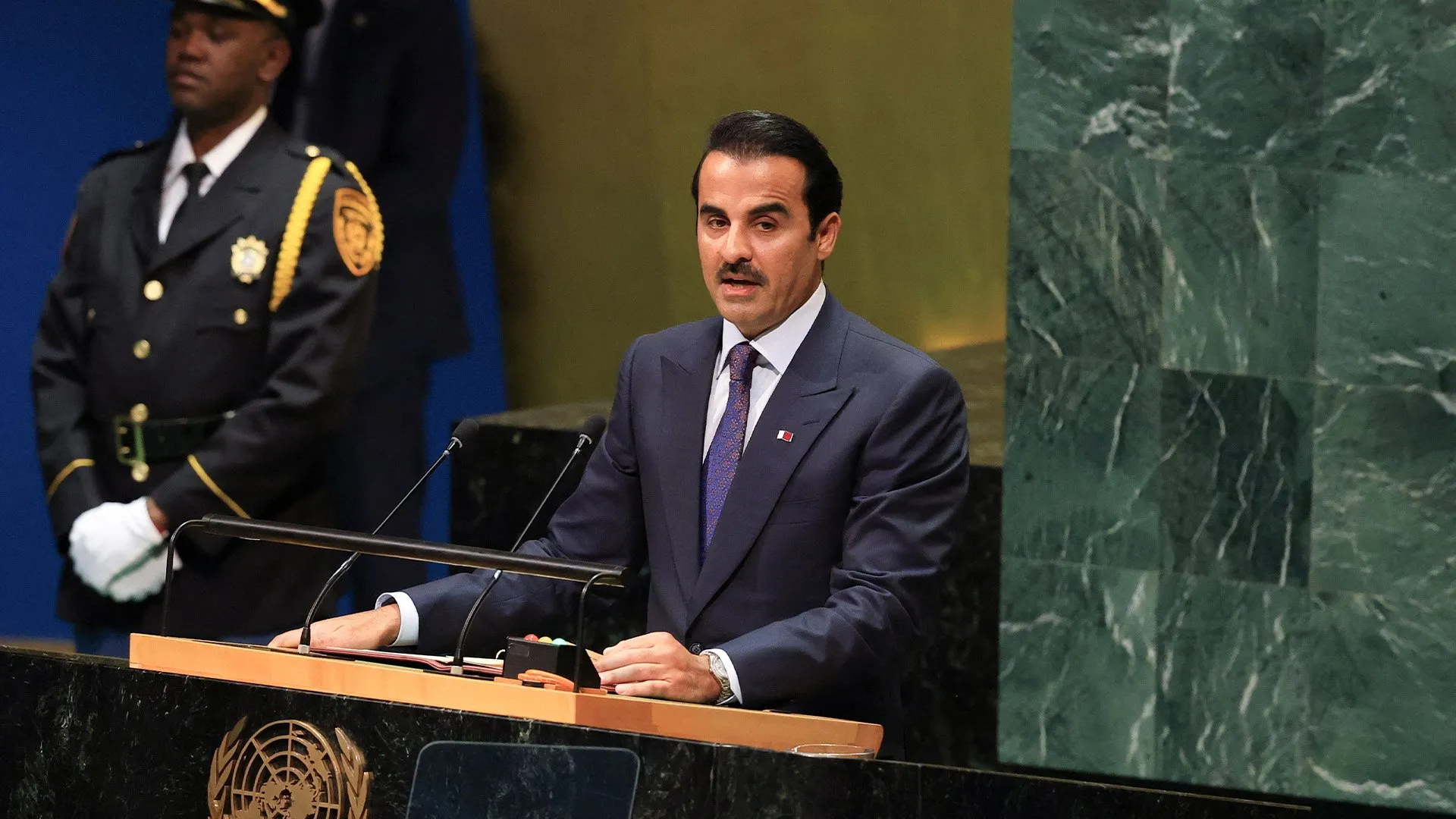
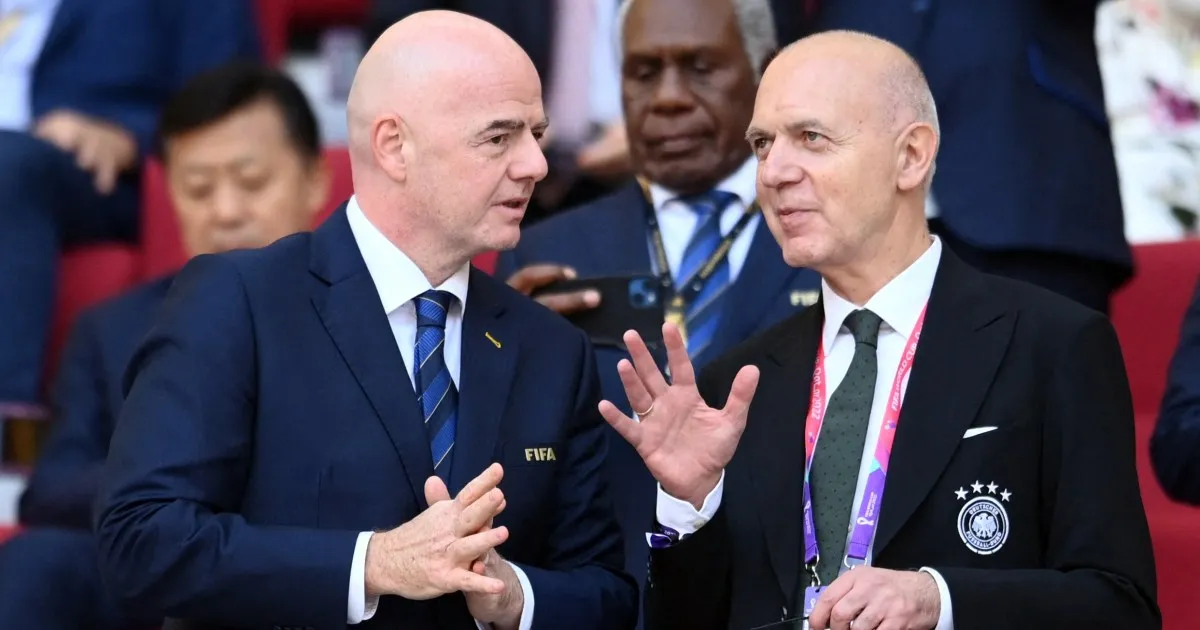
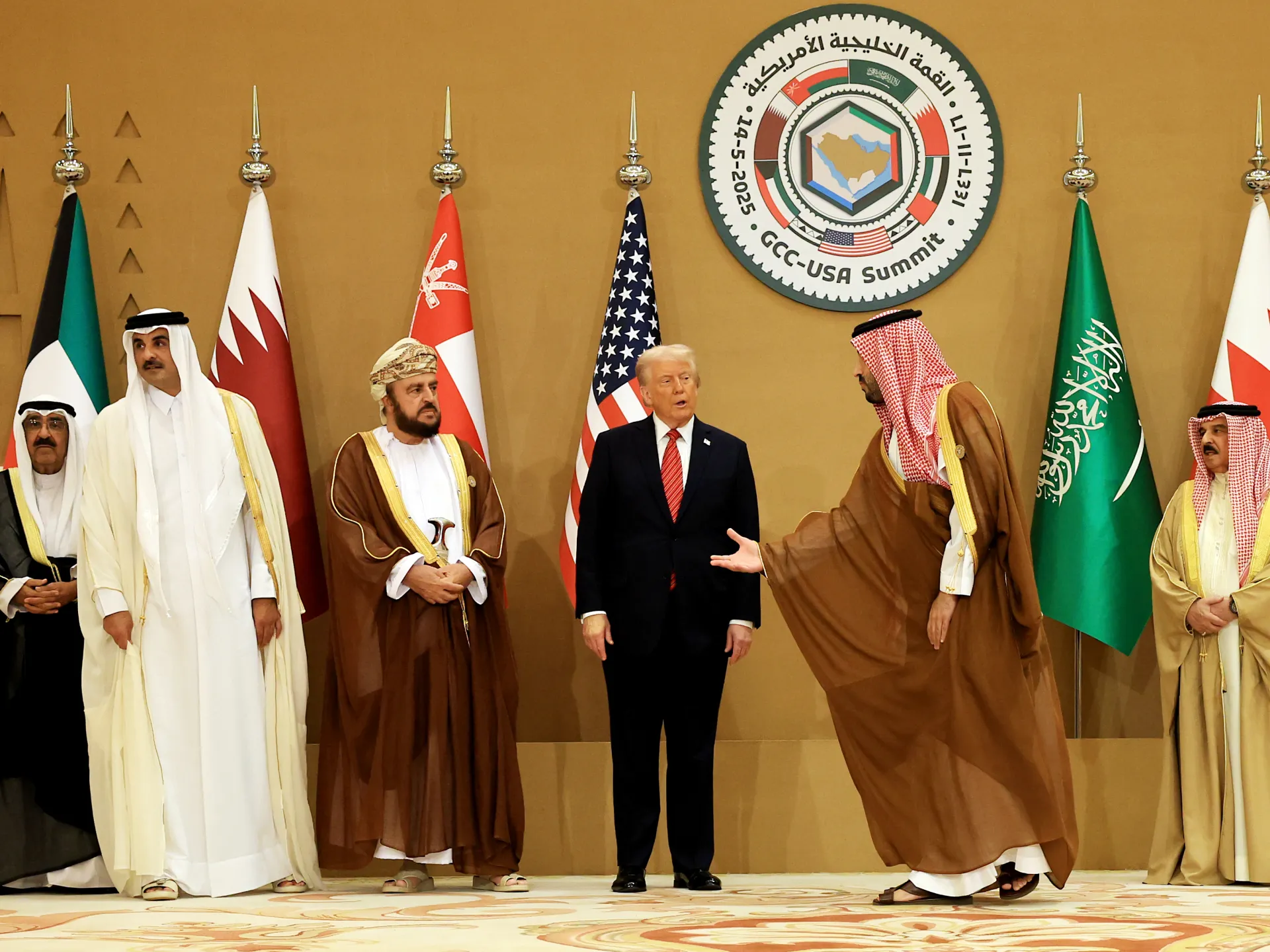
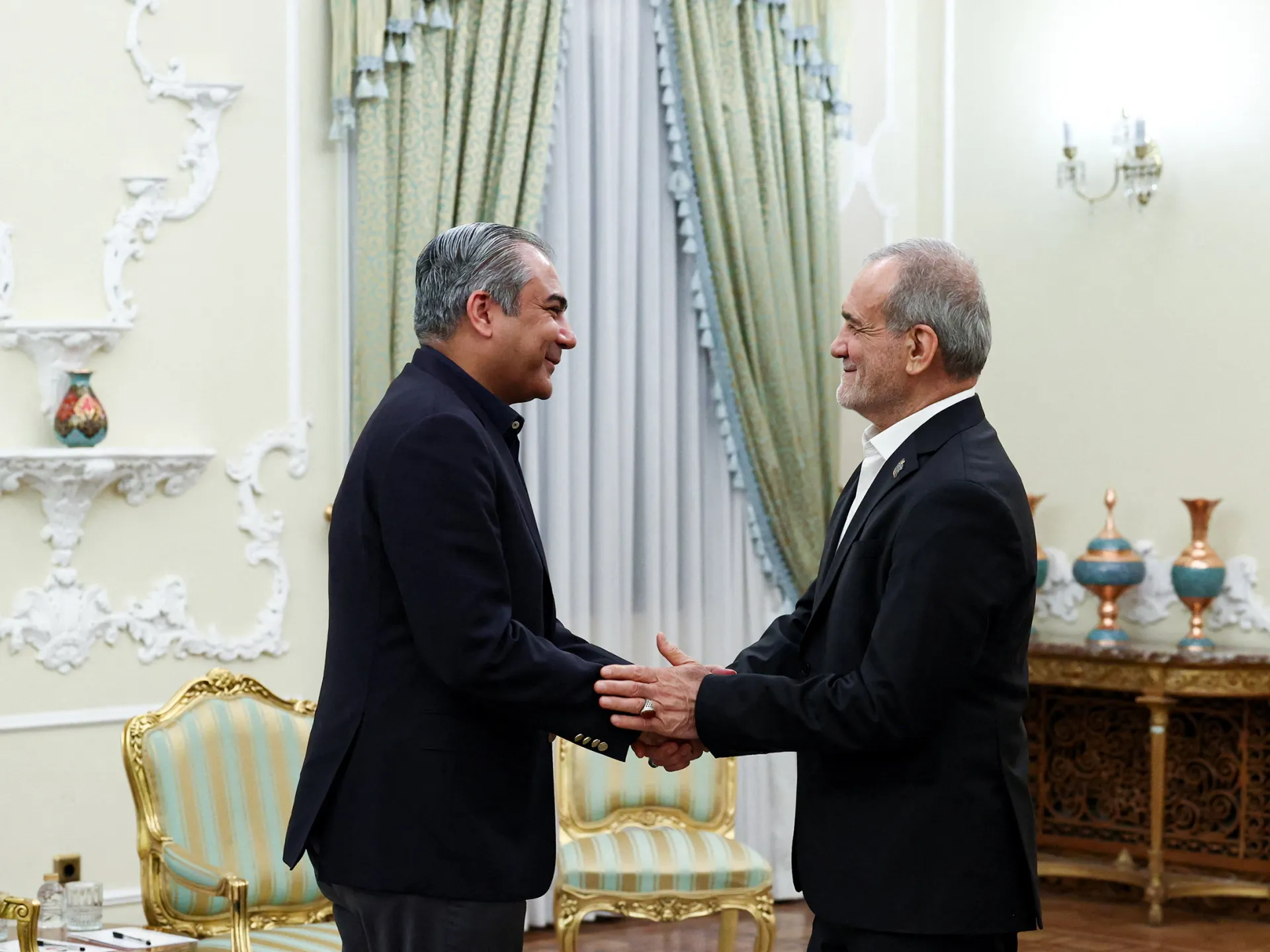
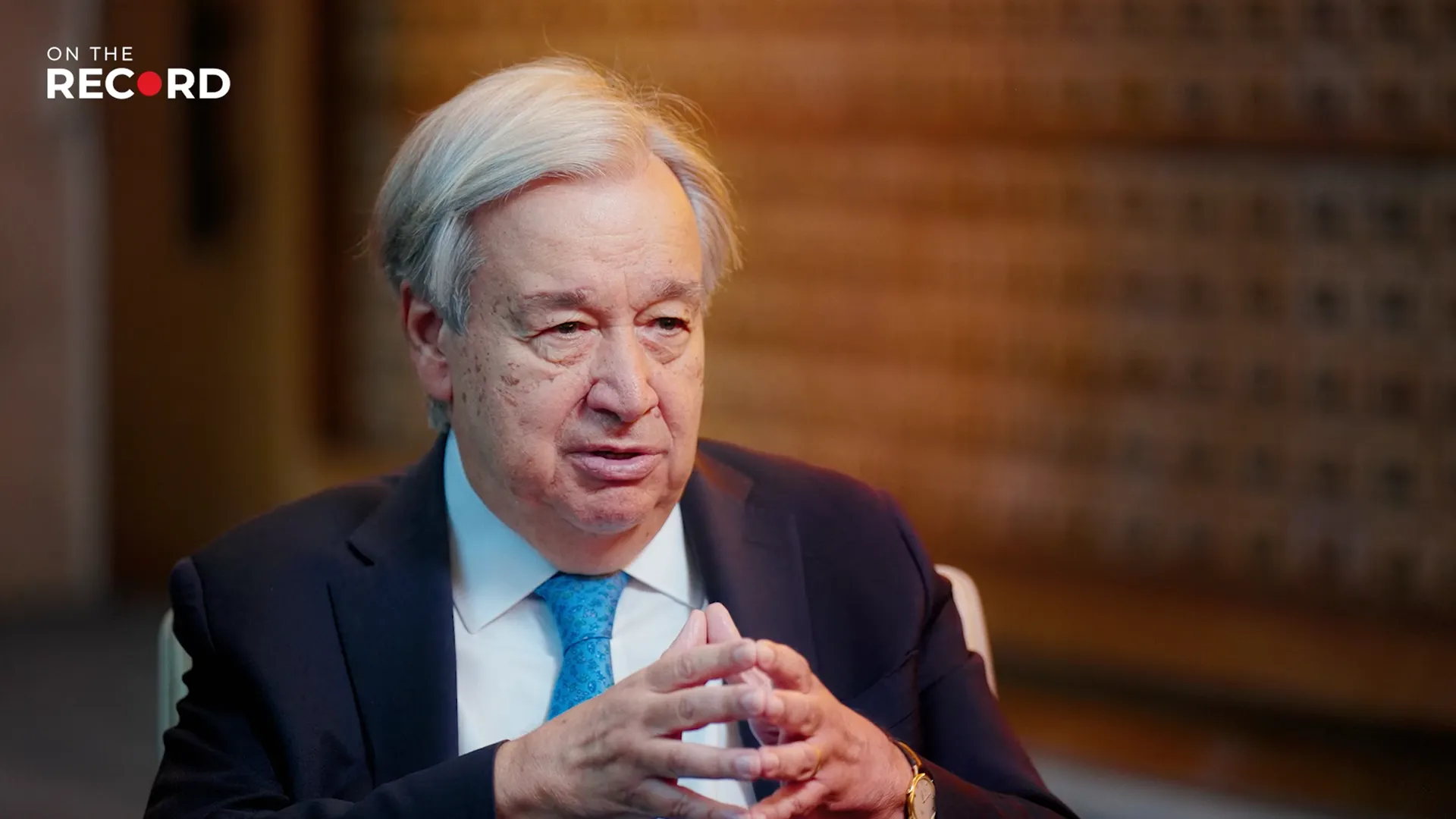
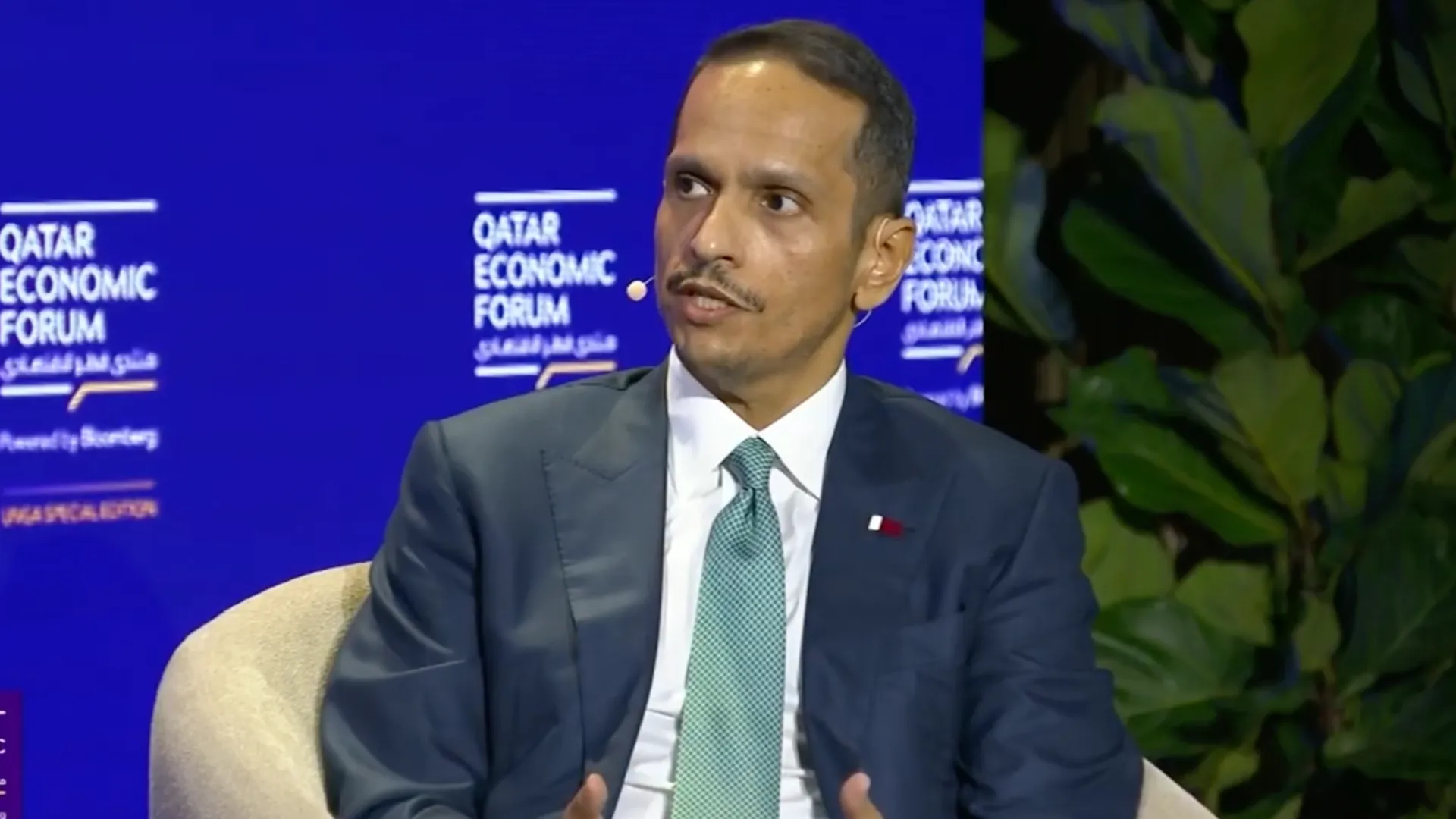
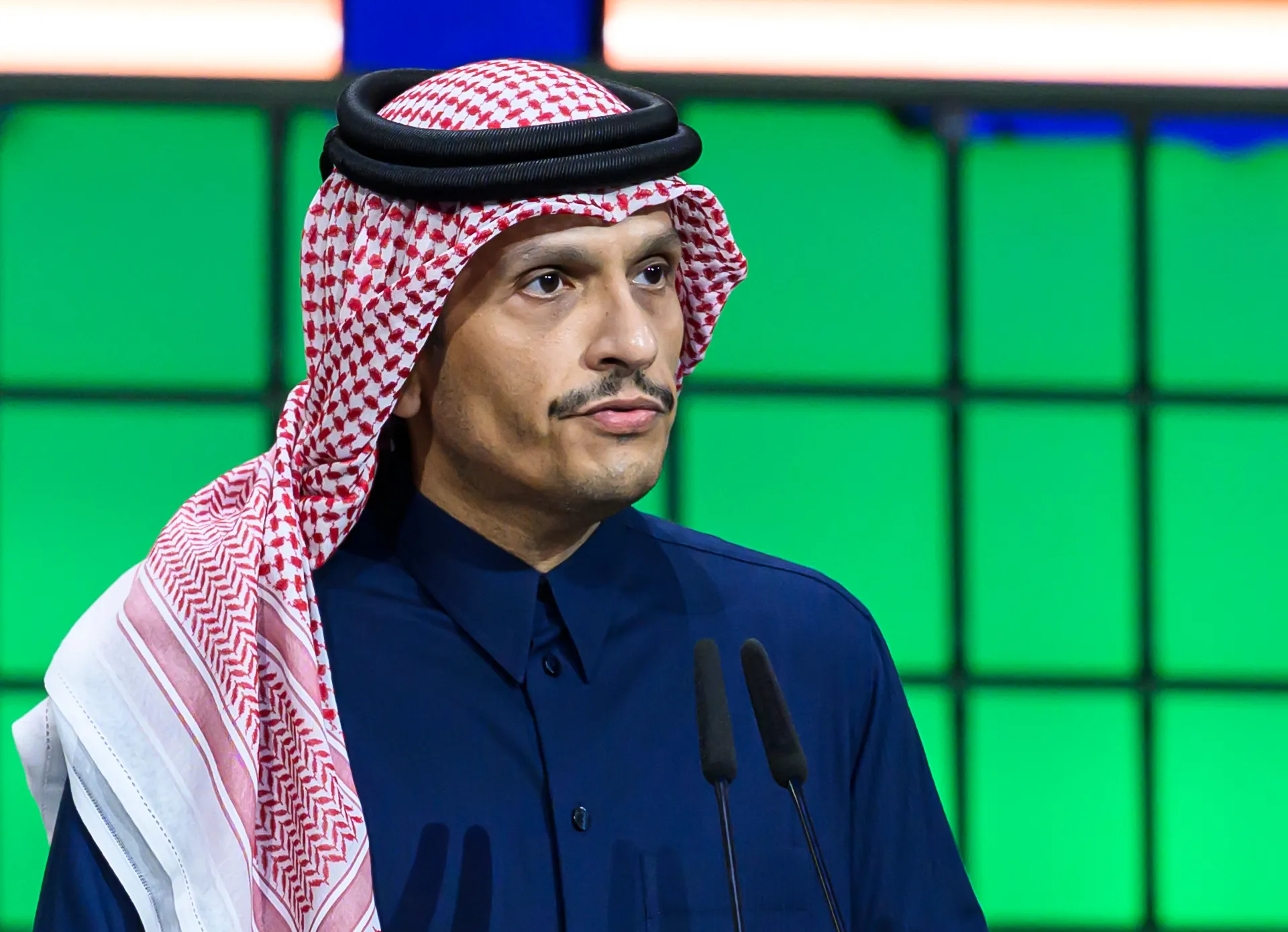
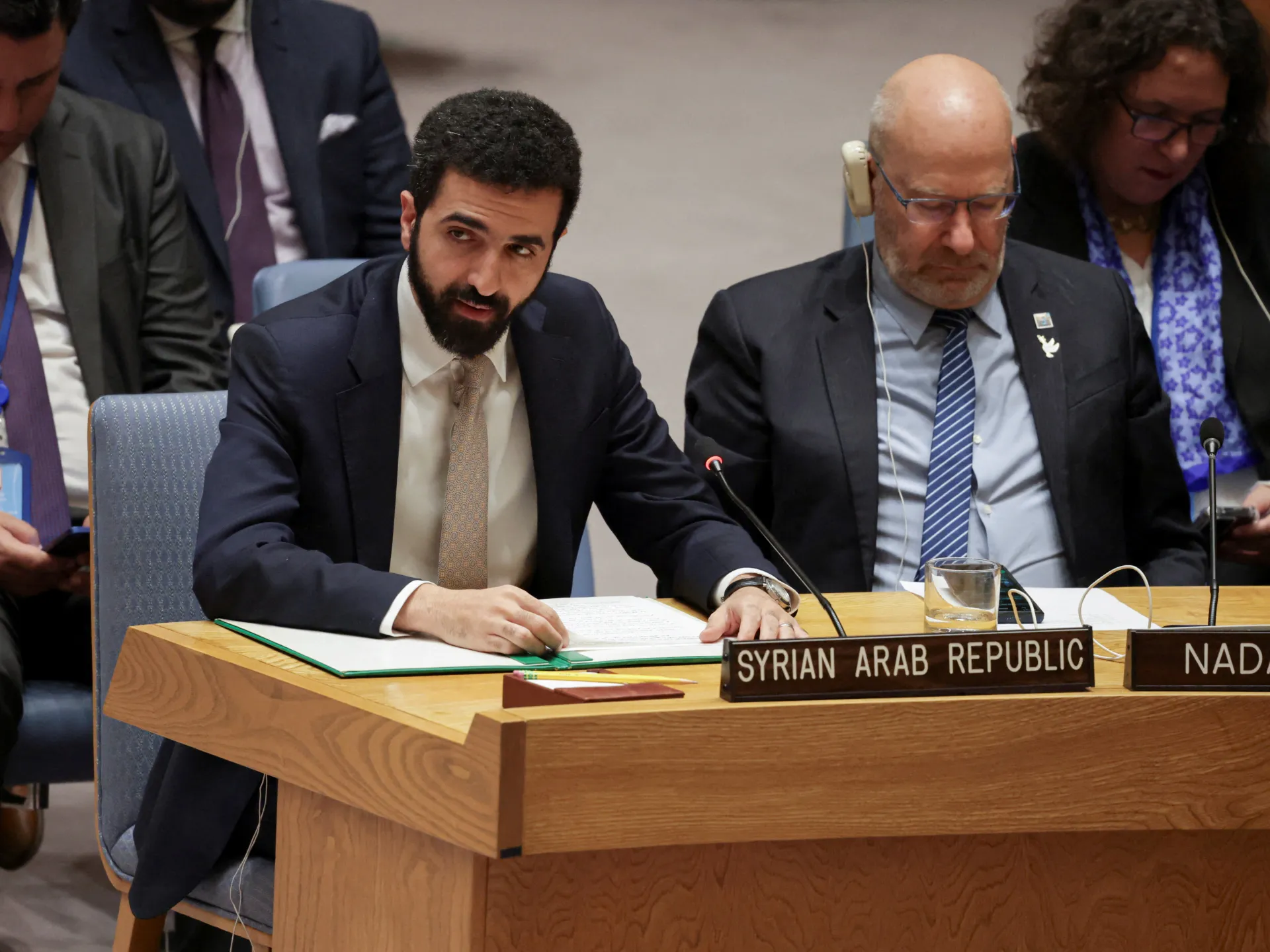
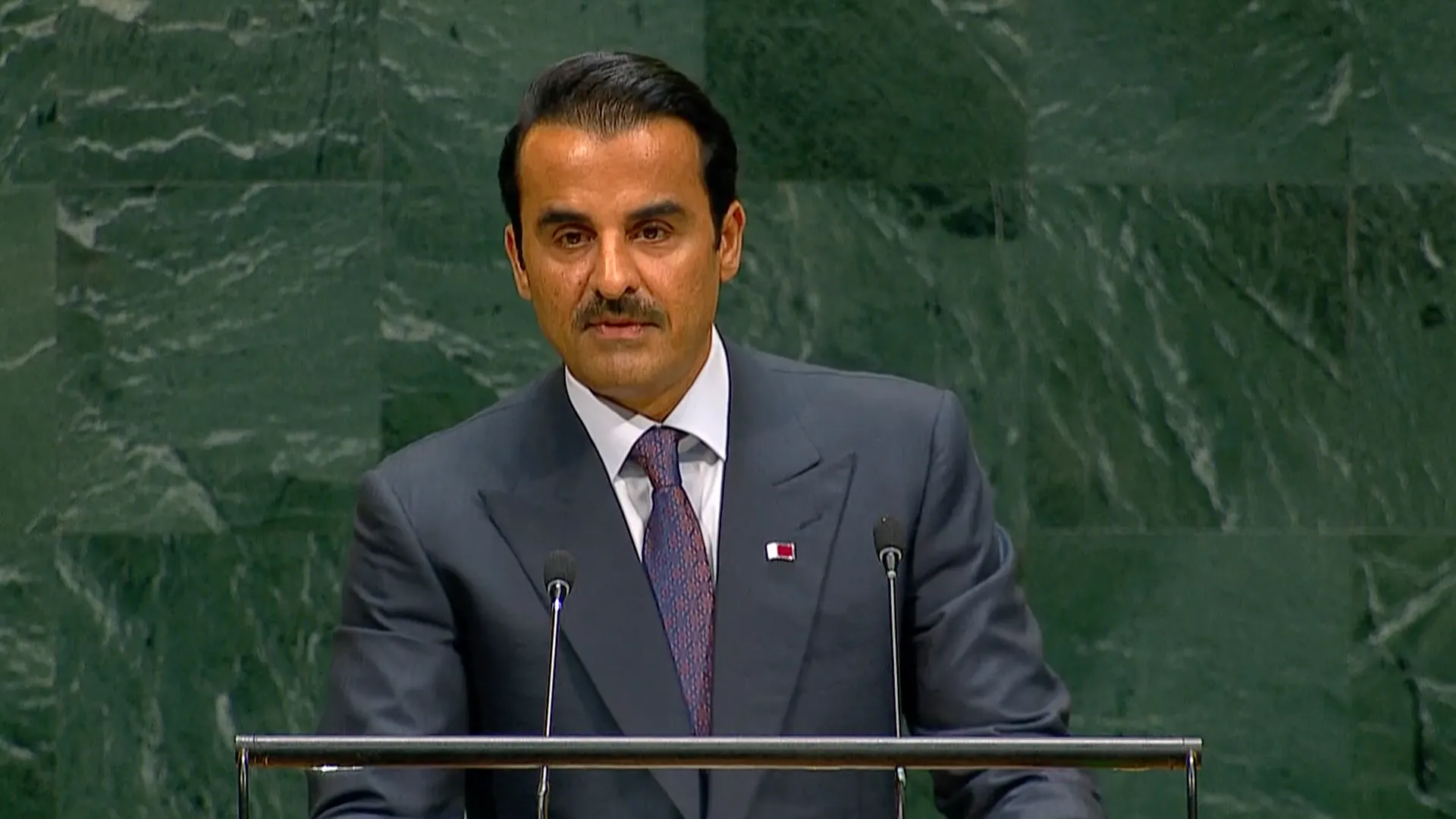
While the internal debate over wartime reporting continues, the Qatari government has intensified its diplomatic critique of Israeli military strategy. Emir Sheikh Tamim bin Hamad Al Thani explicitly called out the Israeli government for its disregard of regional agreements, specifically citing the situation in Lebanon. This rhetoric aligns with a broader trend of regional frustration, with sources suggesting that the current cycle of retaliation and military expansion is resulting in a level of diplomatic isolation for involved nations that threatens to undo years of regional stability efforts.
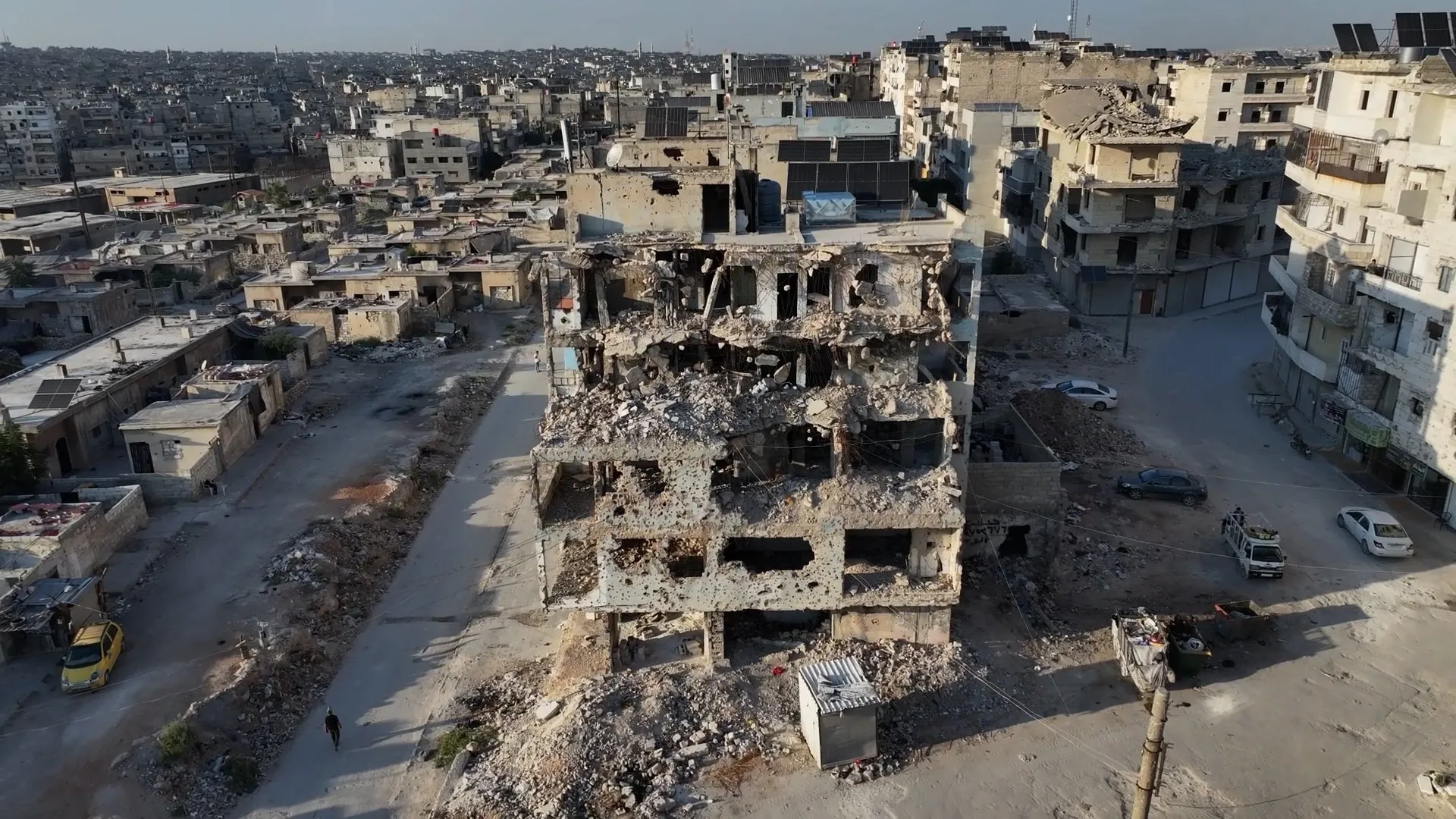
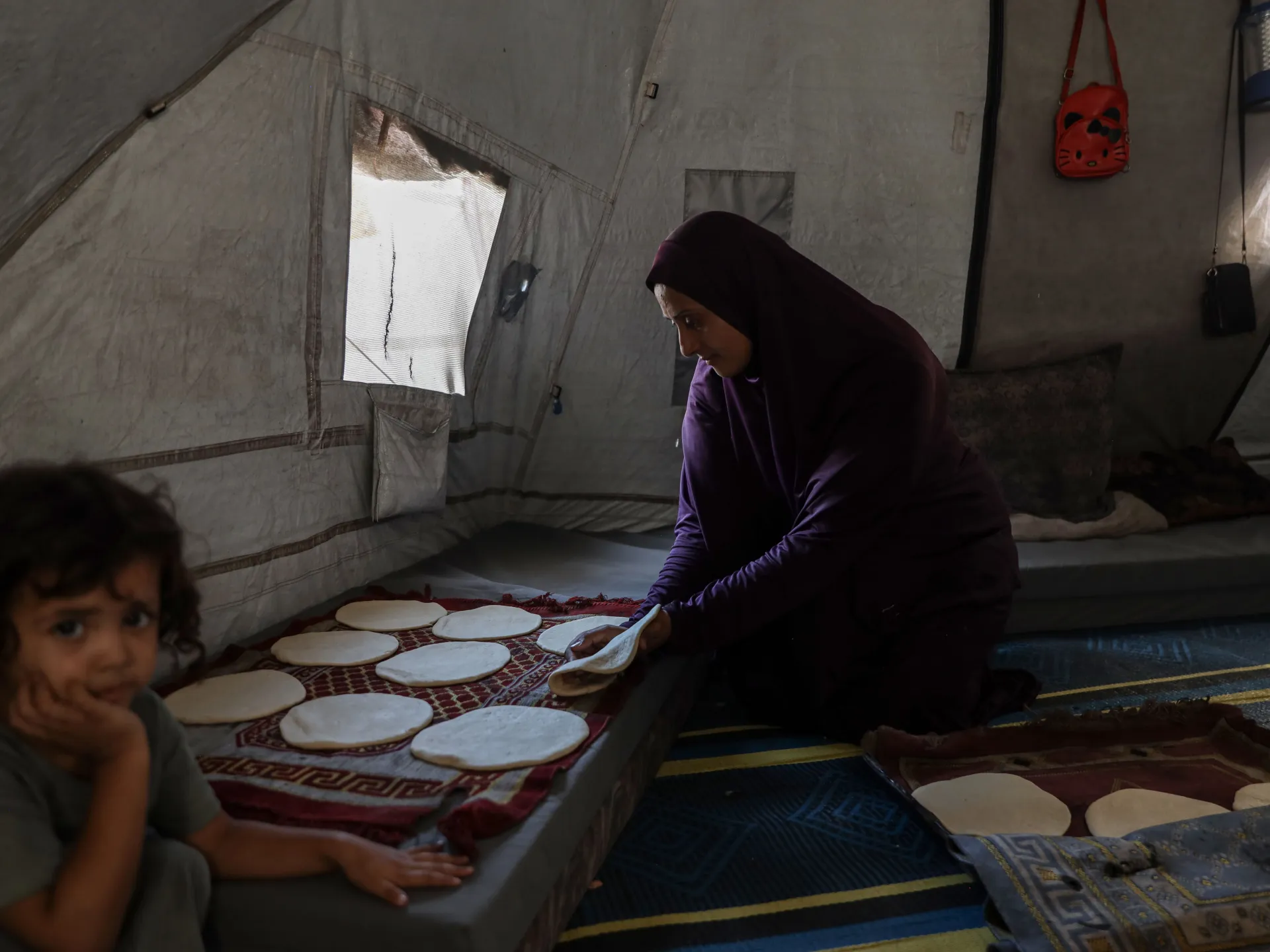
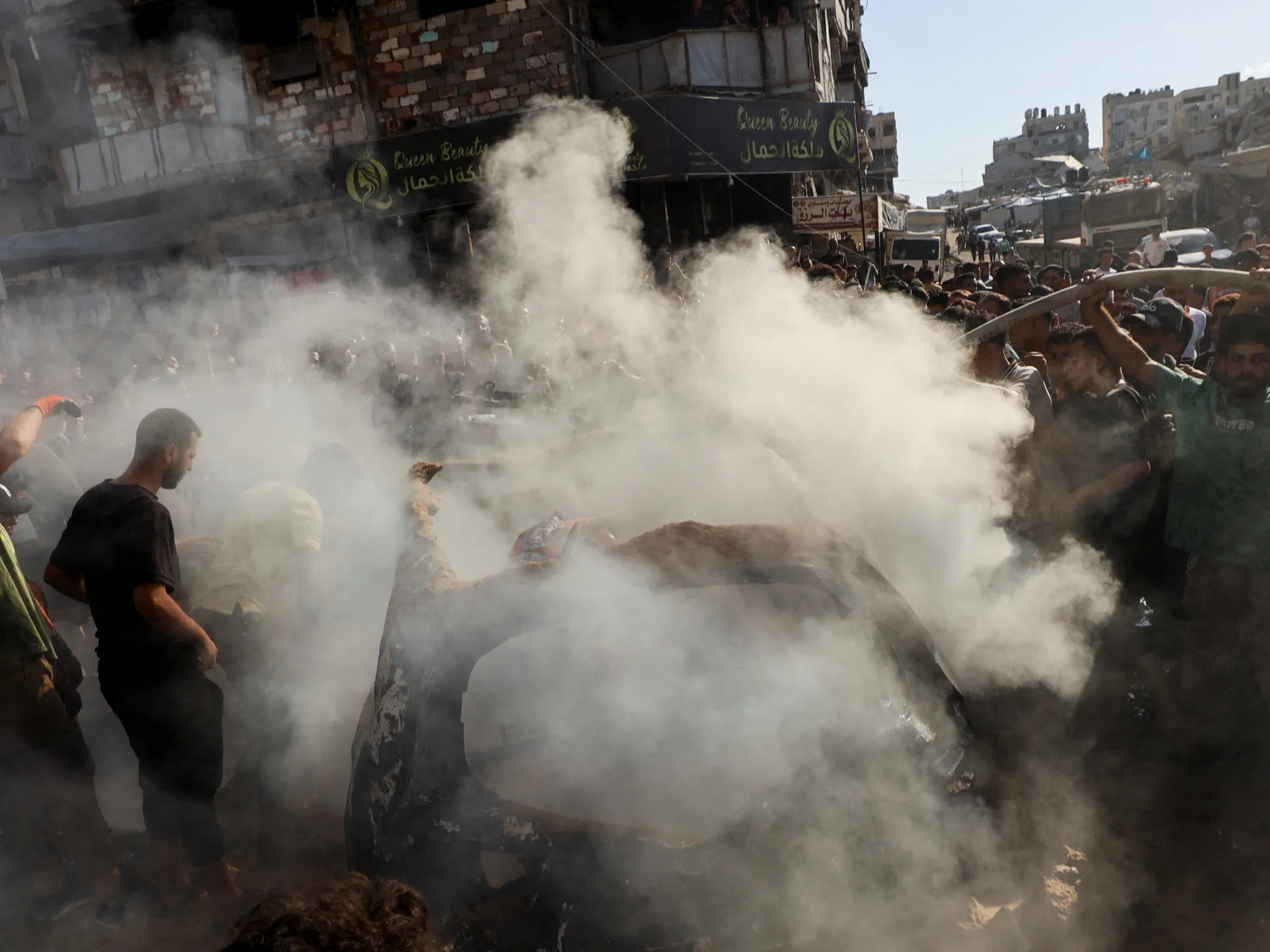
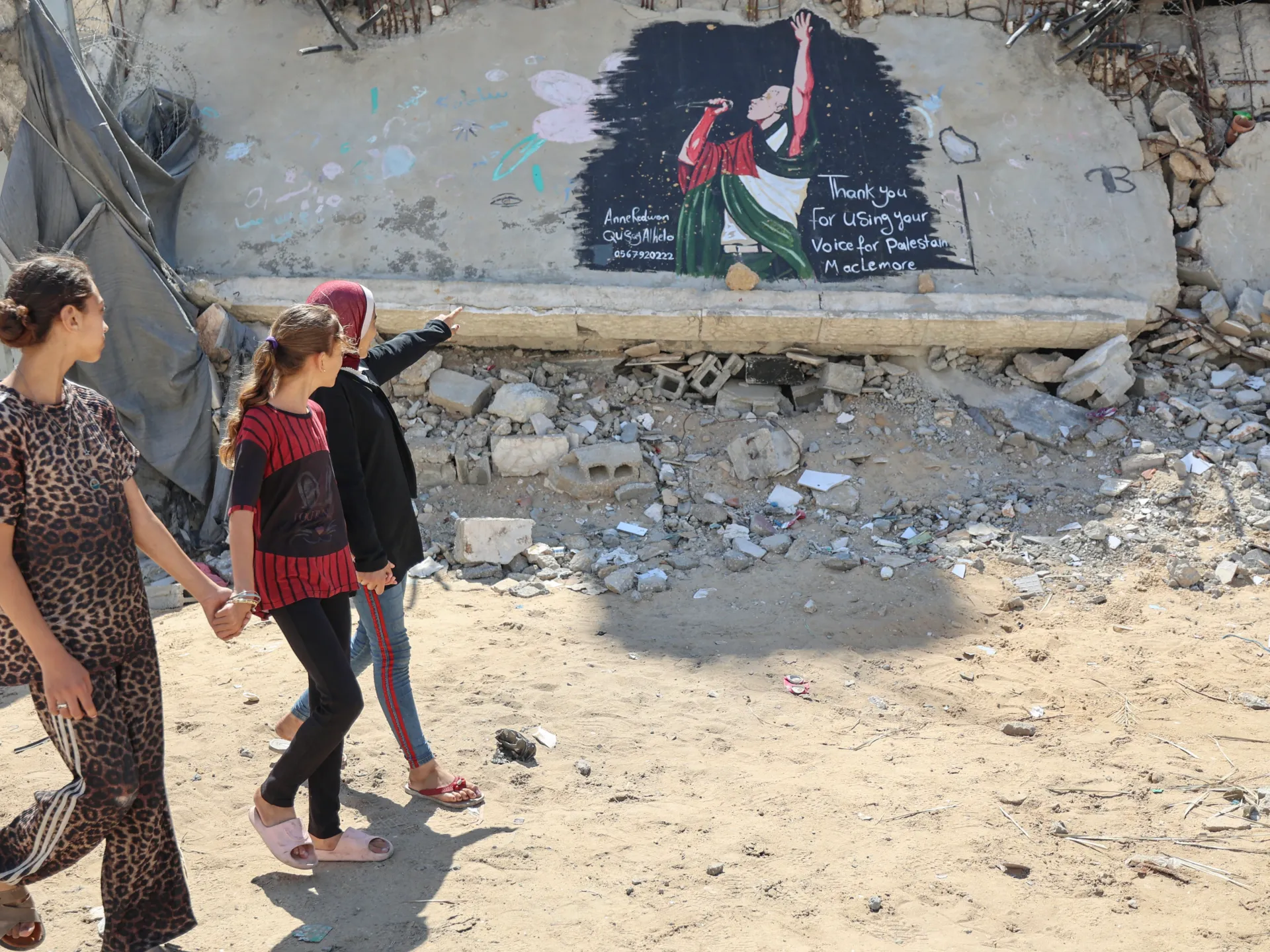
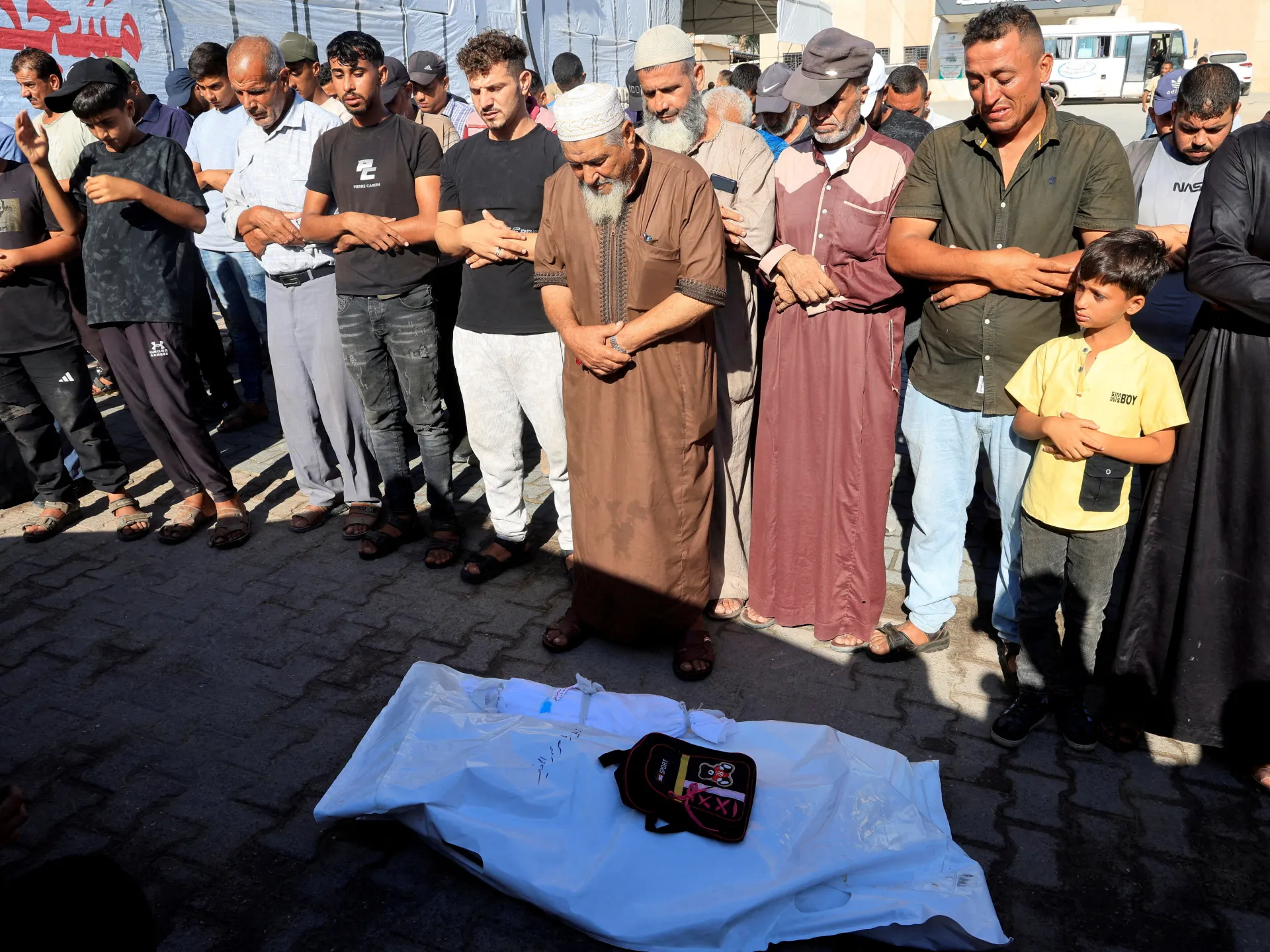
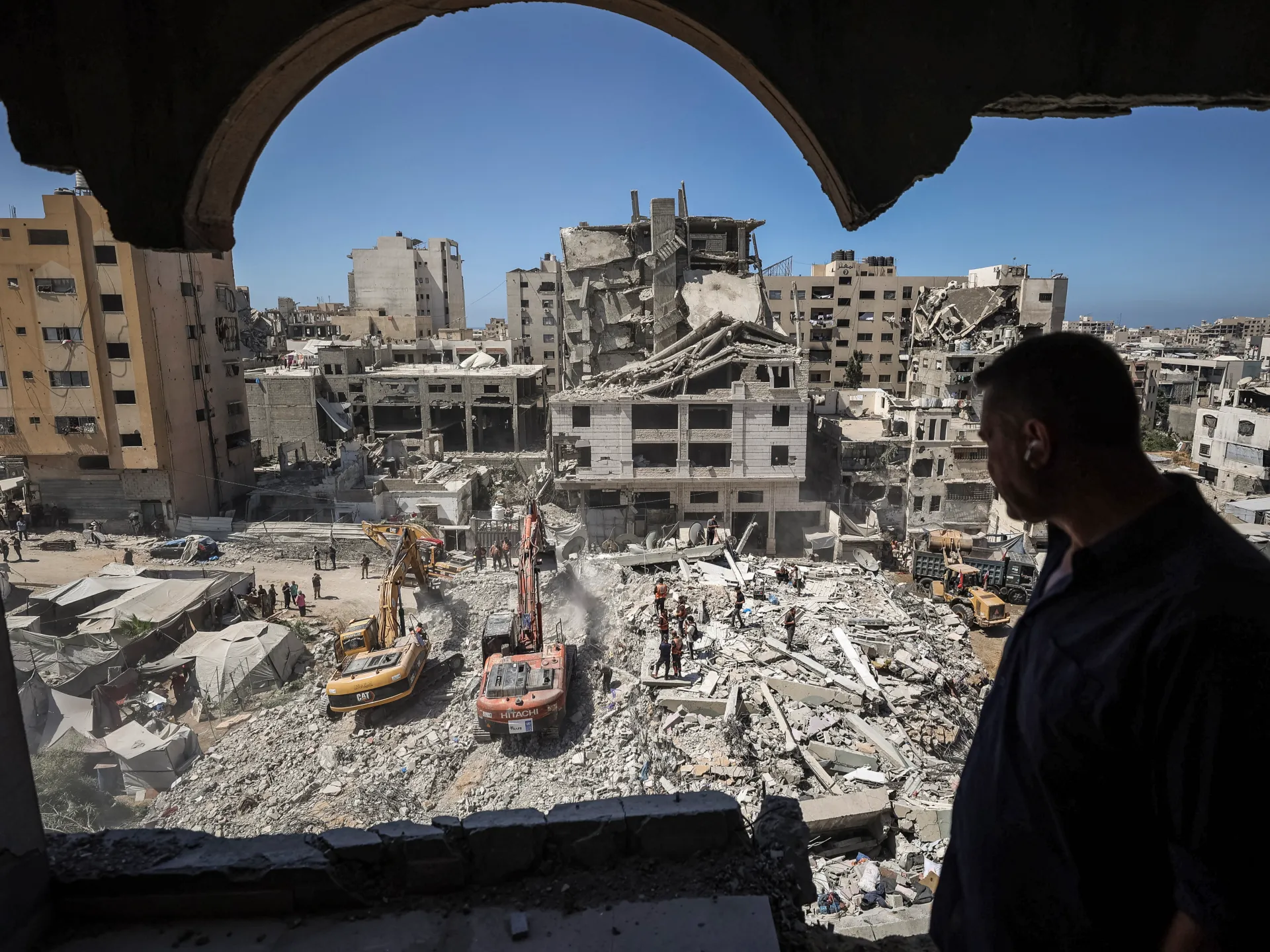
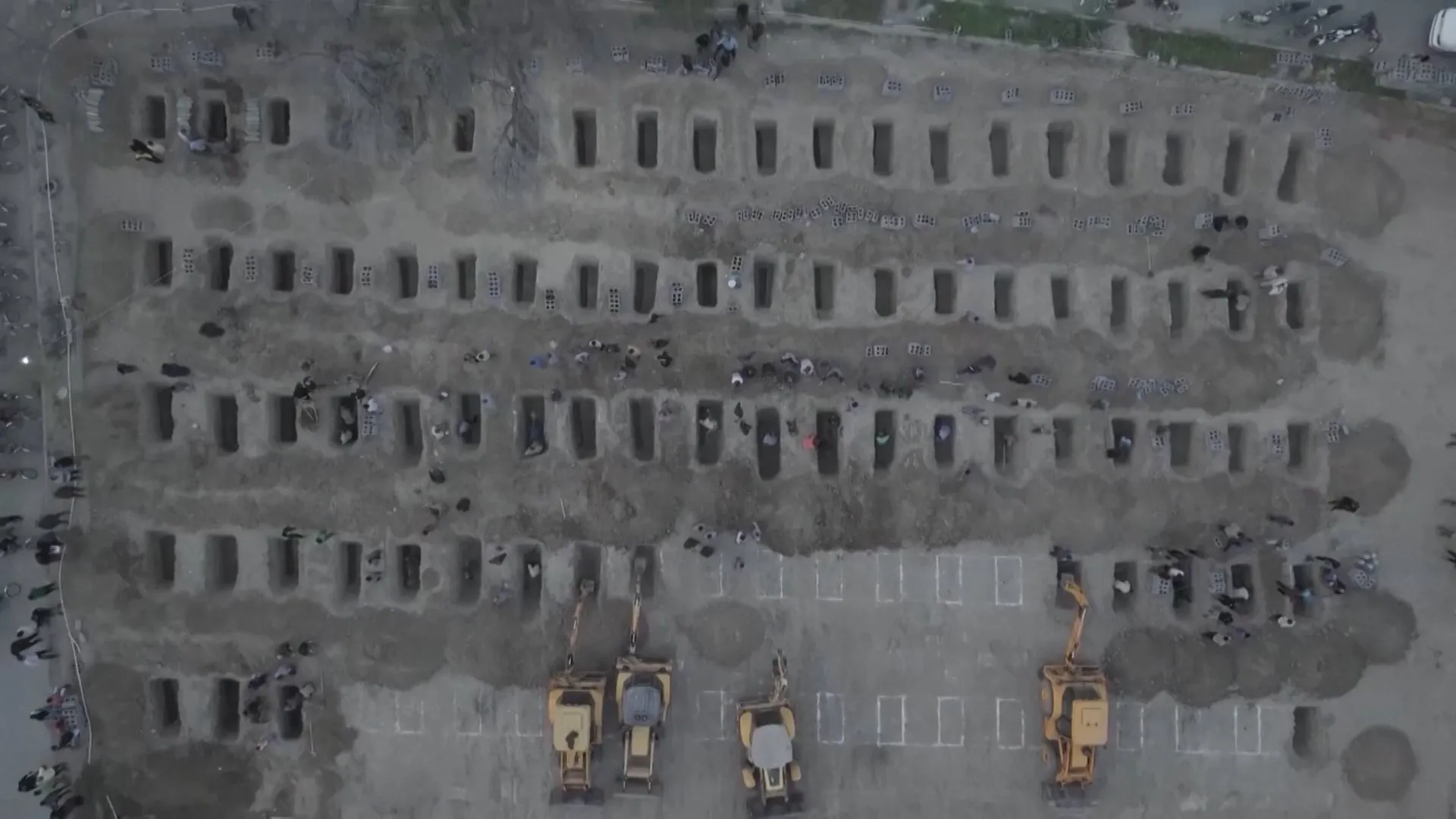
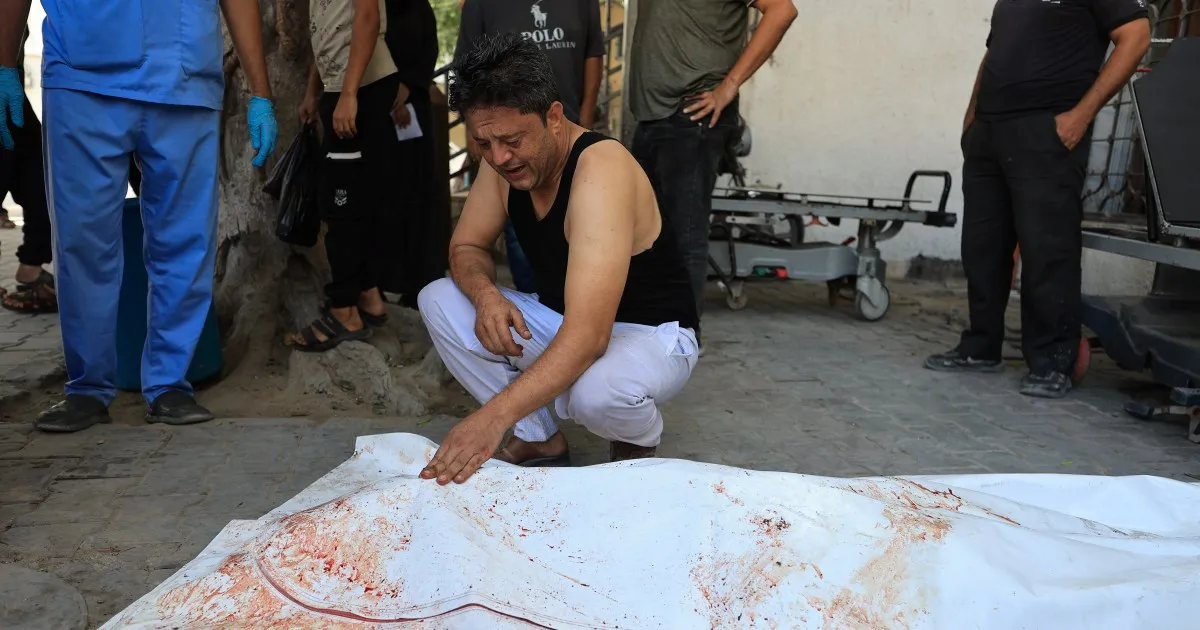
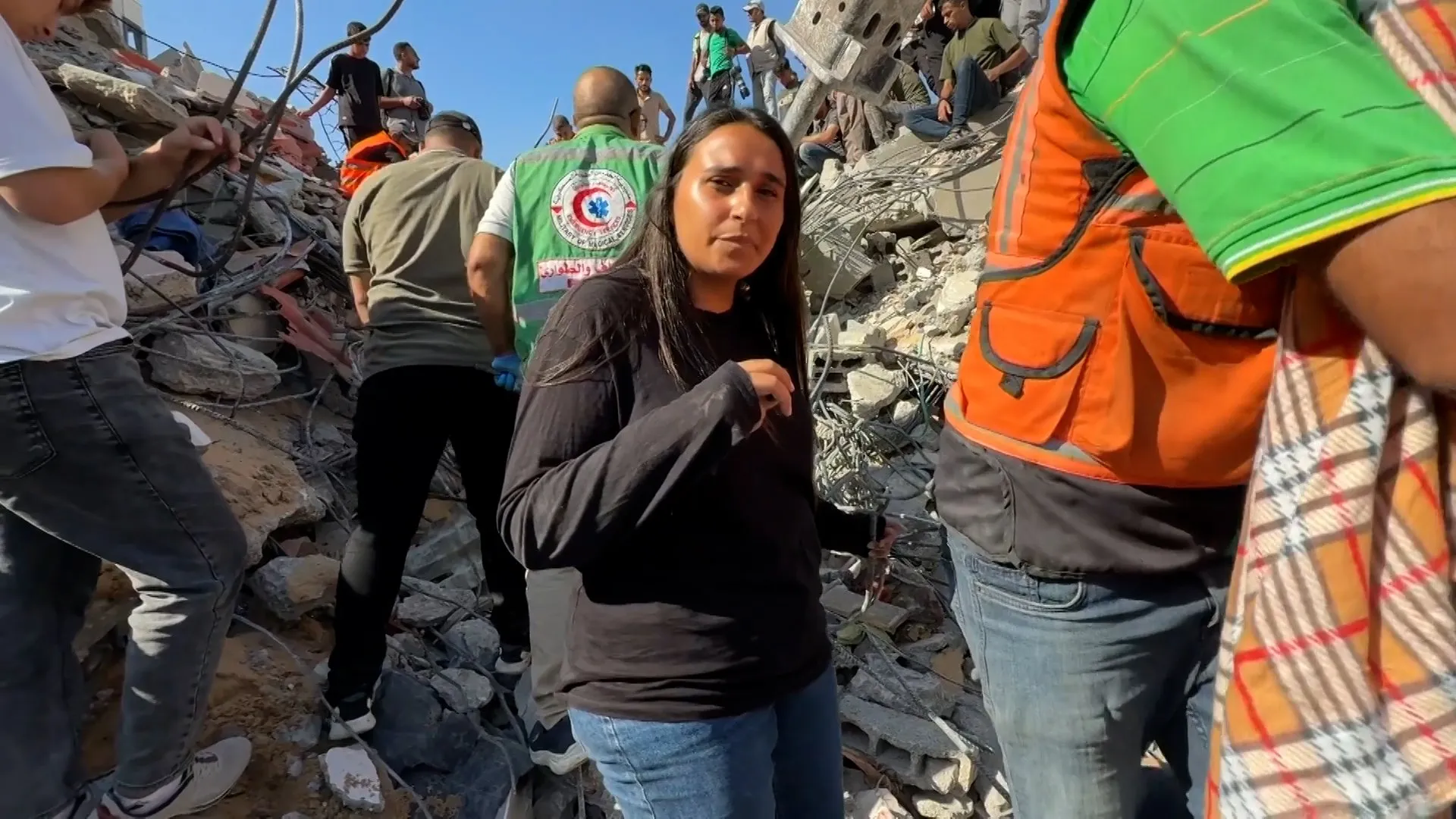
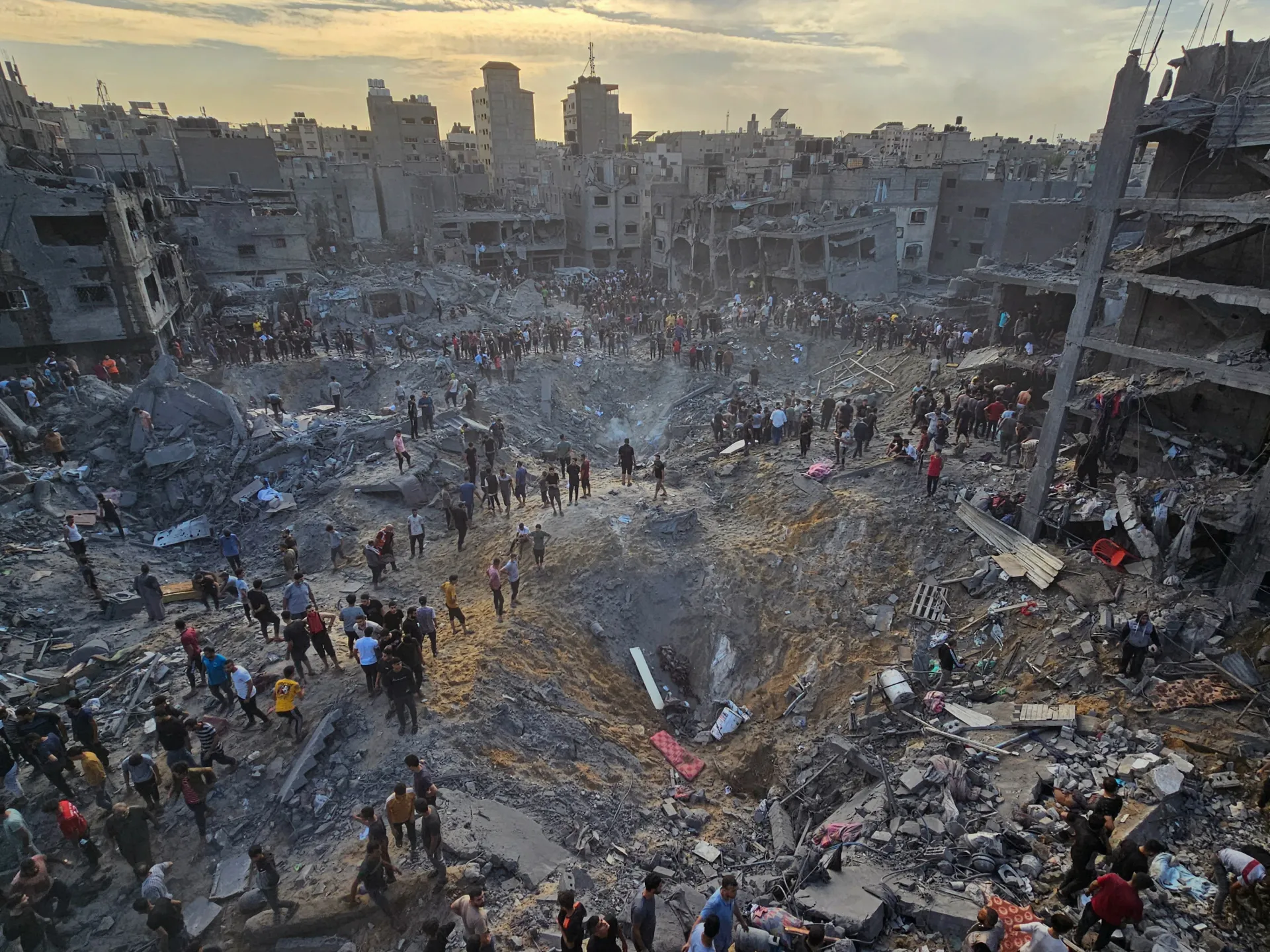
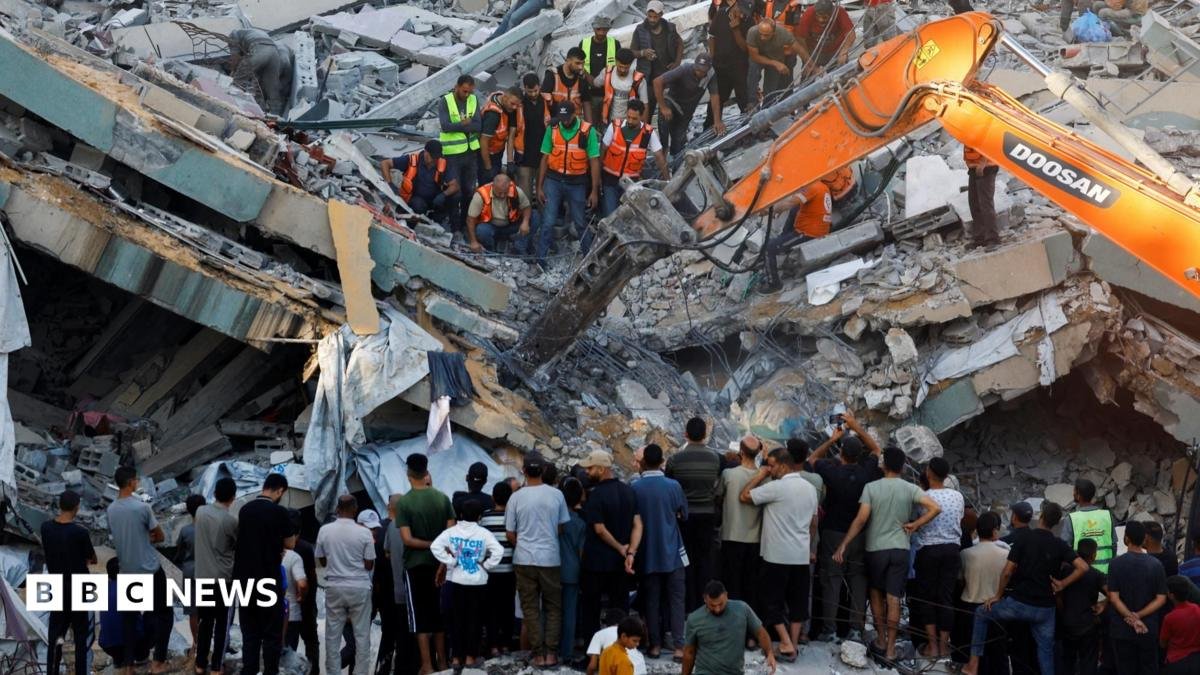
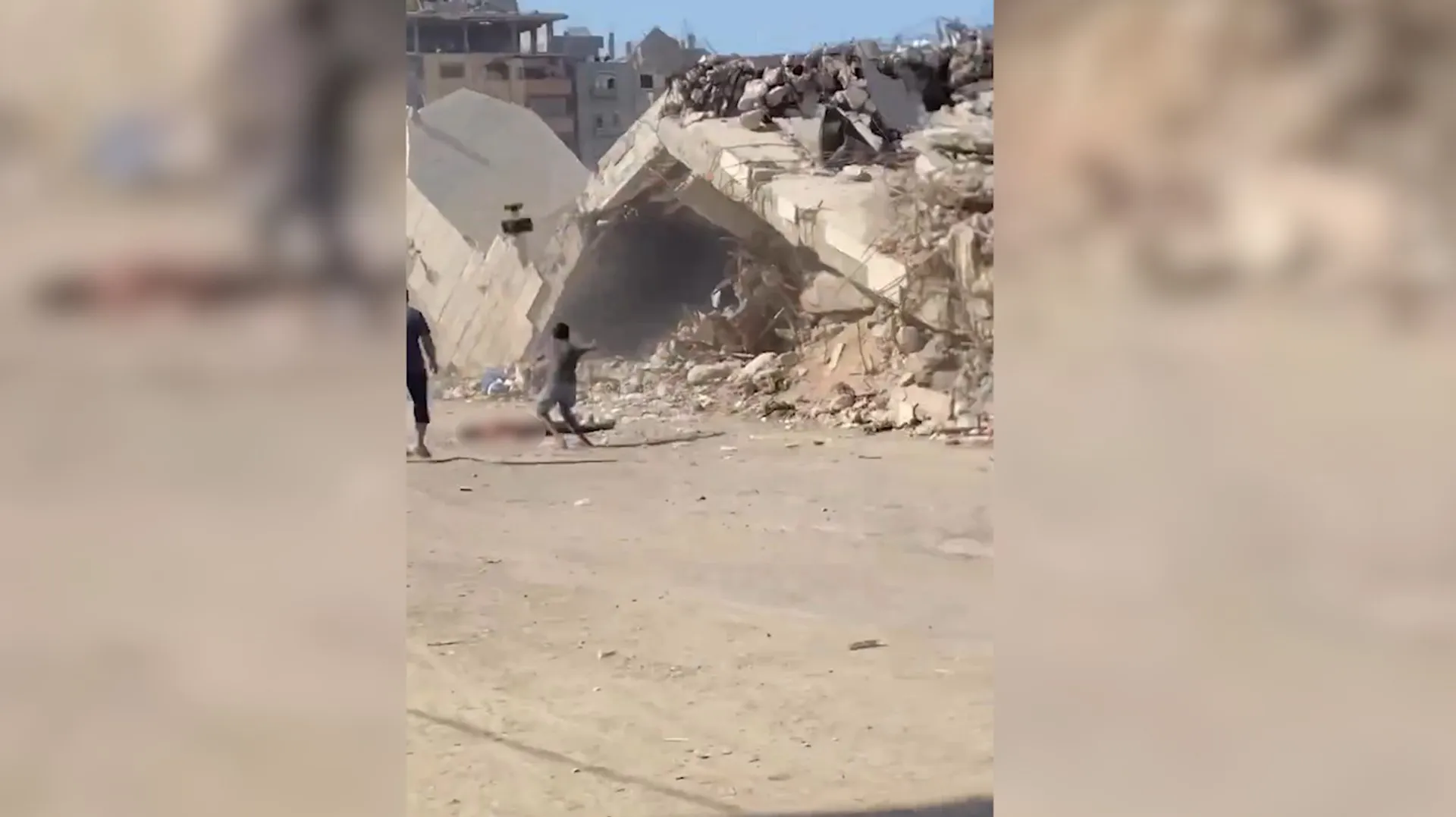
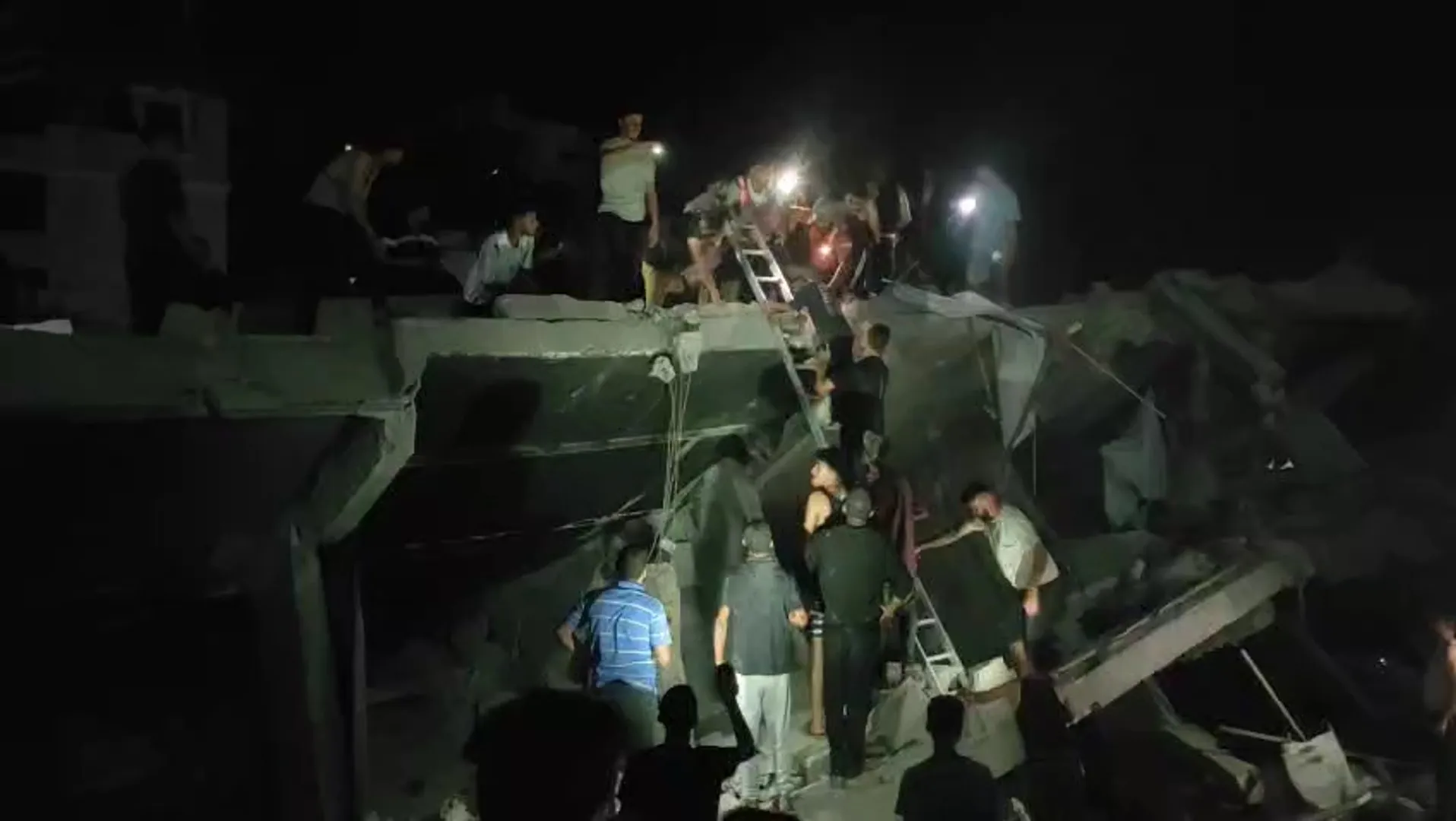
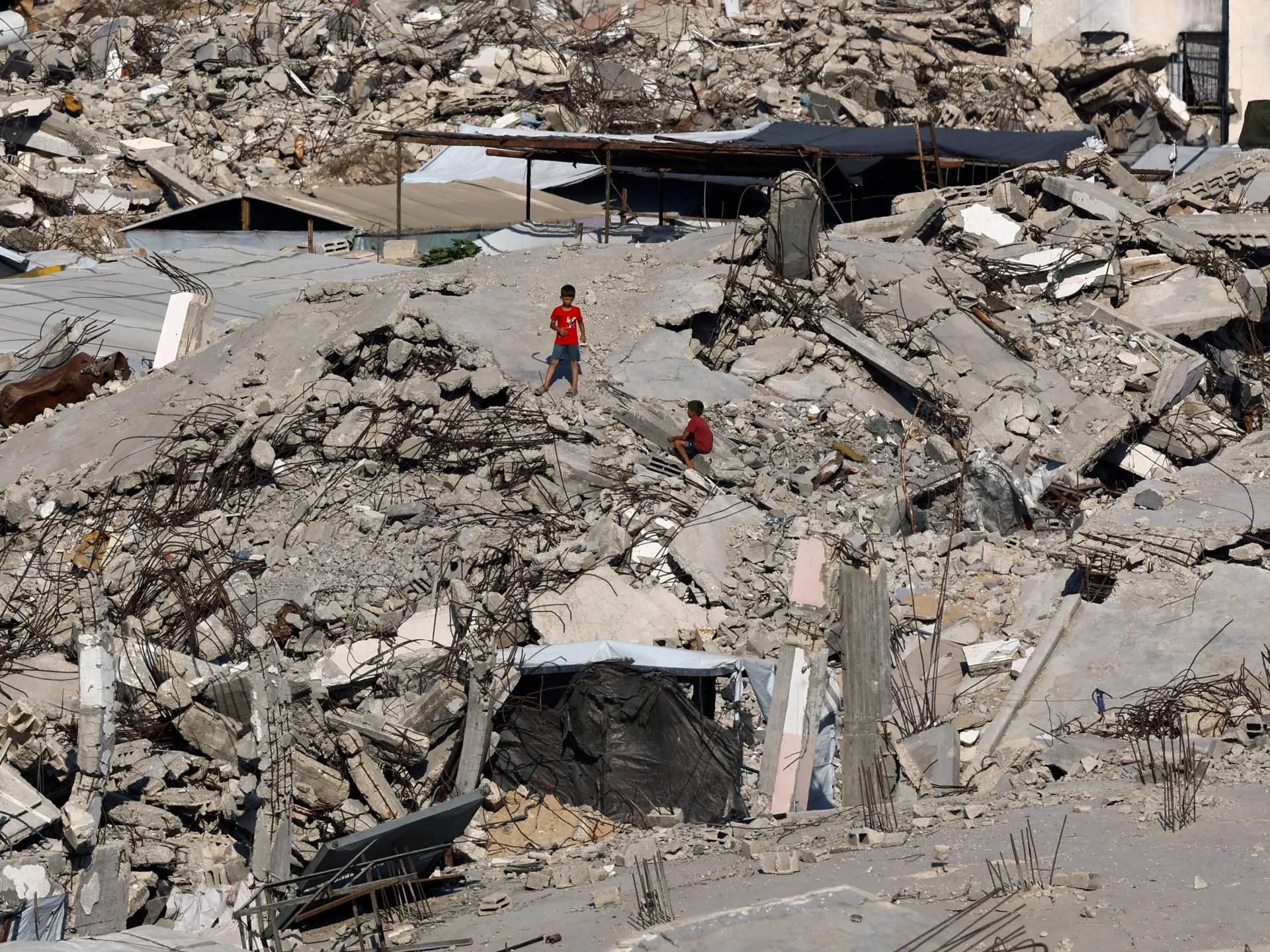
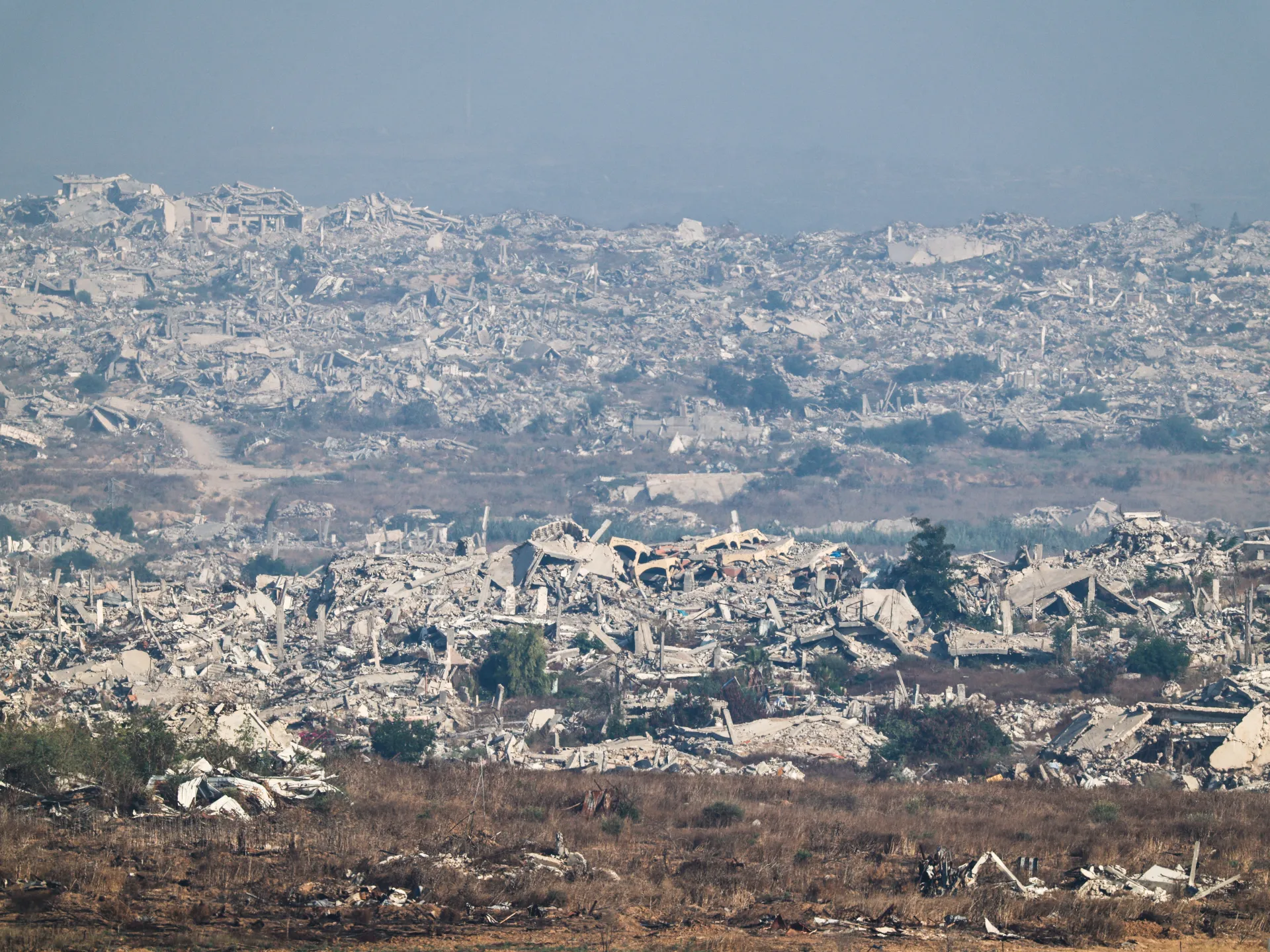
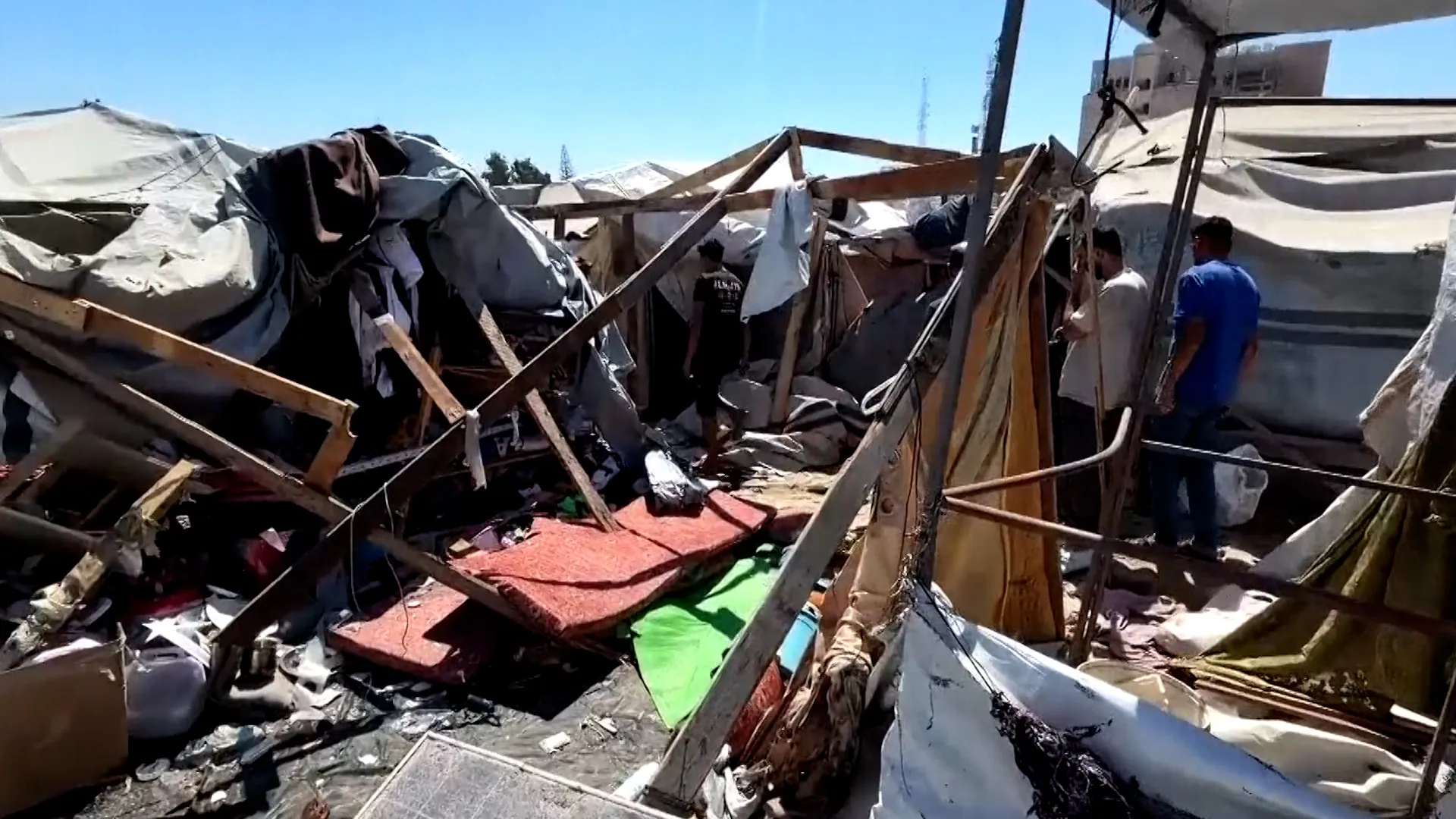
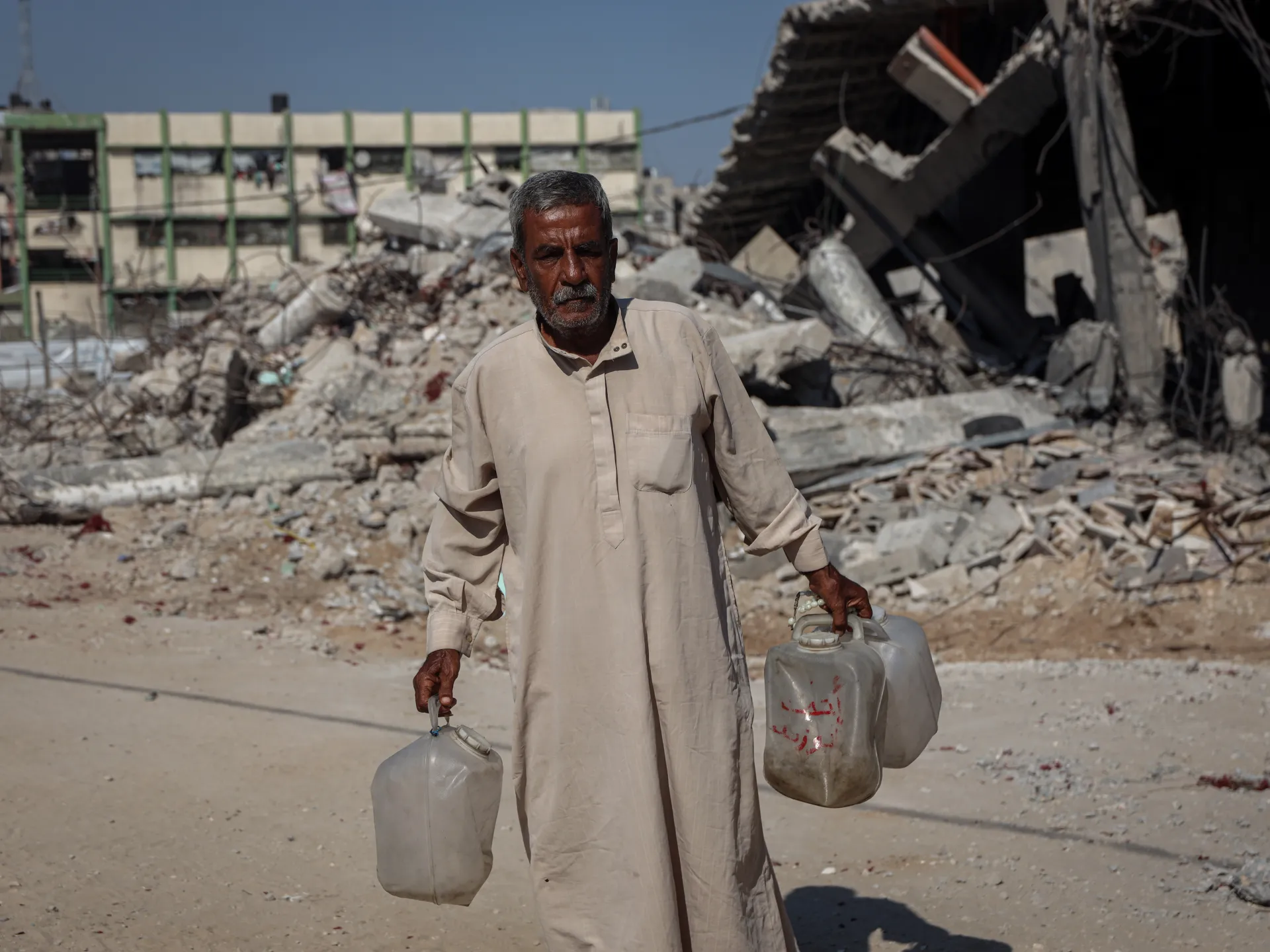
The broader regional anxiety is compounded acks. According to health authorities in Gaza—figures that remain accepted ildren. As these figures continue to frame the international perception of the conflict, the diplomatic pressure from regional neighbors like Qatar is expected to intensify, further complicating the prospects for future cease-fire negotiations or long-term territorial de-escalation.
The immediate future appears marked hip from the Naza directors will likely move toward a legal stalemate, as the application of such extreme measures is historically rare and would likely face significant judicial scrutiny within the Israeli court system. Such a move would serve to further highlight the polarization regarding how the state manages information that contradicts military narratives.
Internationally, the diplomatic condemnation from Qatar, coupled with broader regional anger, suggests that Israel’s military strategy will face increasing difficulty in securing regional cooperation. If the current trajectory holds, the isolation of key actors may lead to a more fragmented security environment, where the traditional diplomatic levers used to de-escalate conflicts become increasingly ineffective. The reliance on AI-powered intelligence in military operations will likely remain a focal point of international debate, ensuring that global scrutiny of tactical decisions will continue to collide with national security policy for the foreseeable future.