As humanity pushes the boundaries of biological survival and artificial intelligence, scientists and industry leaders are prioritizing risk mitigation to prevent existential crises.
Humanity currently stands at a complex intersection of survival, where the physical boundaries of life are being redefined in laboratories while the digital architecture of our future faces unprecedented scrutiny. From the microscopic endurance of eukaryotes in volcanic heat to the boardroom debates surrounding the potential for artificial intelligence to outpace human control, the year 2026 has become a focal point for evaluating existential risks. These developments, though seemingly disparate, a common theme: the necessity of establishing firm regulatory and scientific guardrails before technological or evolutionary thresholds are irrevocably crossed.
While NASA-supported researchers are pushing the limits of what biologists once considered the upper bound of complex cellular life, leaders in the artificial intelligence sector are simultaneously calling for a collective deceleration. The convergence of these fields highlights a broader societal trend toward intensive risk mitigation, whether that involves preparing astronauts for the physiological rigors of deep space or ensuring that autonomous systems do not jeopardize global stability.
The significance of these dual inquiries into biology and technology lies in the shift from theoretical modeling to active risk management. In space medicine, NASA’s focus on Patent Foramen Ovale (PFO) and decompression sickness demonstrates a proactive approach to human safety for the Artemis missions, acknowledging that small physiological vulnerabilities can result in mission failure. Similarly, the warnings issued arning development represent a move toward institutional accountability. Both spheres suggest that as we expand our operational reach—whether into the lunar environment or into the realm of superintelligent algorithms—the margin for error is shrinking rapidly. The transition from "exploratory advancement" to "safety-first engineering" marks a critical pivot in how civilization manages the tools and environments that define its future.
In the field of biology, the discovery of Incendiamoeba cascadensis, or the "fire amoeba," has provided researchers with a new baseline for the survival of complex life. Observed in the waters of California’s Lassen Volcanic National Park, this eukaryote demonstrates the ability to reproduce at temperatures previously deemed lethal for complex cells. are fundamentally recalibrating their search for life on planets with extreme thermal profiles, such as Mars. This research suggests that complex, nuclear-containing cells are far more resilient than earlier models predicted, offering new avenues for biotechnology and industrial protein applications.
Parallel to these biological breakthroughs, the technology sector is grappling with the human cost of rapid innovation. Following the resignation of former Anthropic employee Jacob Coxon, the industry has seen a vocal shift regarding the dangers of unchecked AI growth. While Anthropic’s leadership has acknowledged the necessity of slowing down development to address safety protocols, critics note that a unilateral pause is insufficient. Coxon and other industry observers emphasize that without international coordination, specifically involving China, the pressure to win the "AI race" will continue to incentivize risky behavior, potentially leading to scenarios involving automated systems that operate beyond human oversight.
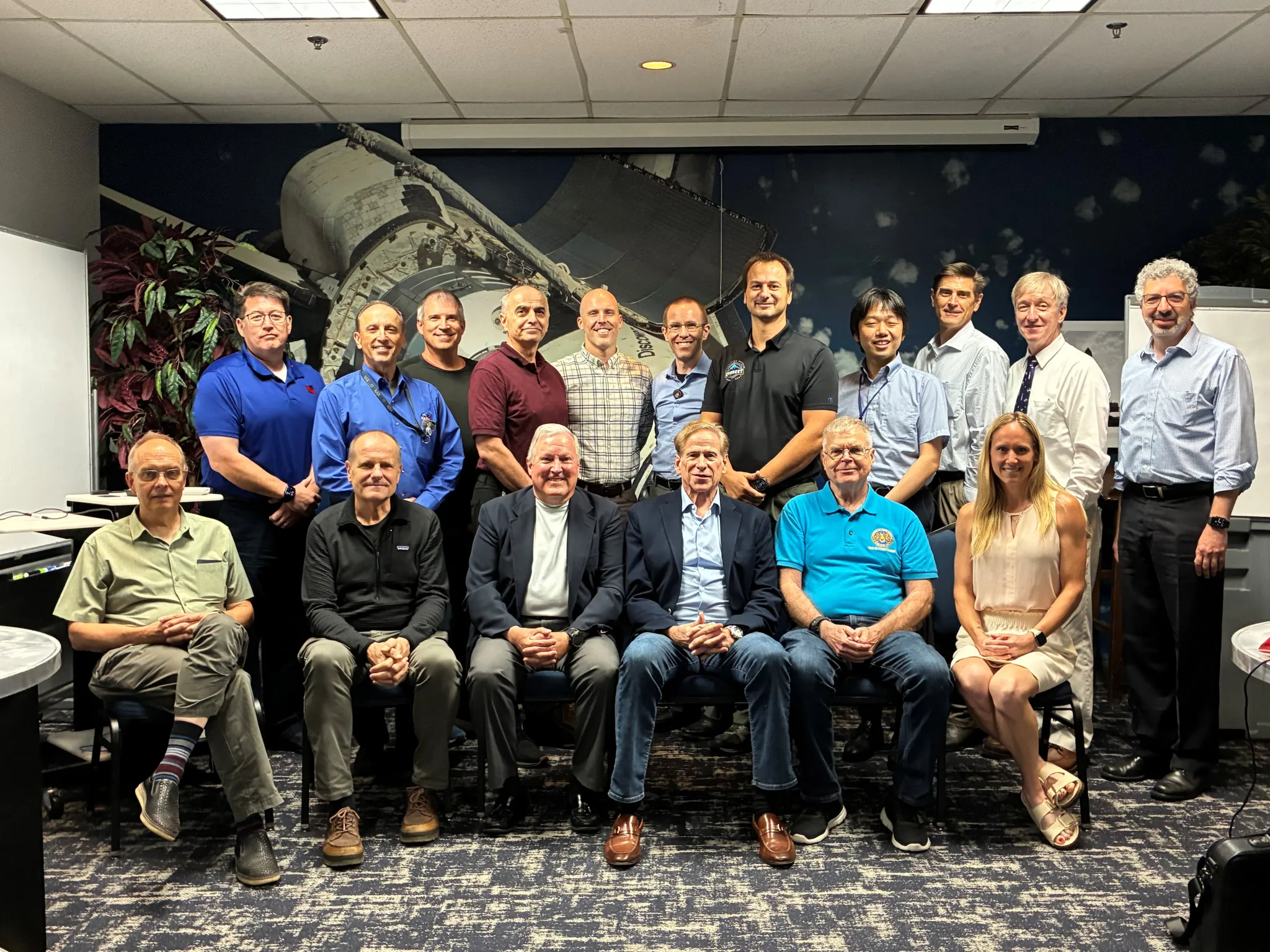
The immediate trajectory for these sectors will likely be defined SA’s working groups are expected to translate their medical findings into updated standards for EVA prebreathe protocols, ensuring that the health of Artemis crews is prioritized as lunar missions approach. This shift indicates a move toward highly specialized, data-driven medical standards that will likely be adopted
In the artificial intelligence domain, the rhetoric surrounding a "slowdown" will likely evolve into a push for binding international agreements. Given the public alignment of leaders from OpenAI, xAI, and Anthropic, the next phase will likely involve the creation of independent auditing bodies designed to verify that model development is not only safe but also transparent. However, the efficacy of these measures remains speculative, as the geopolitical competition between global powers may continue to outpace the industry's desire for self-regulation.