As international condemnation of regional military campaigns intensifies, the Israeli government moves to suppress domestic dissent through threats of citizenship revocation.
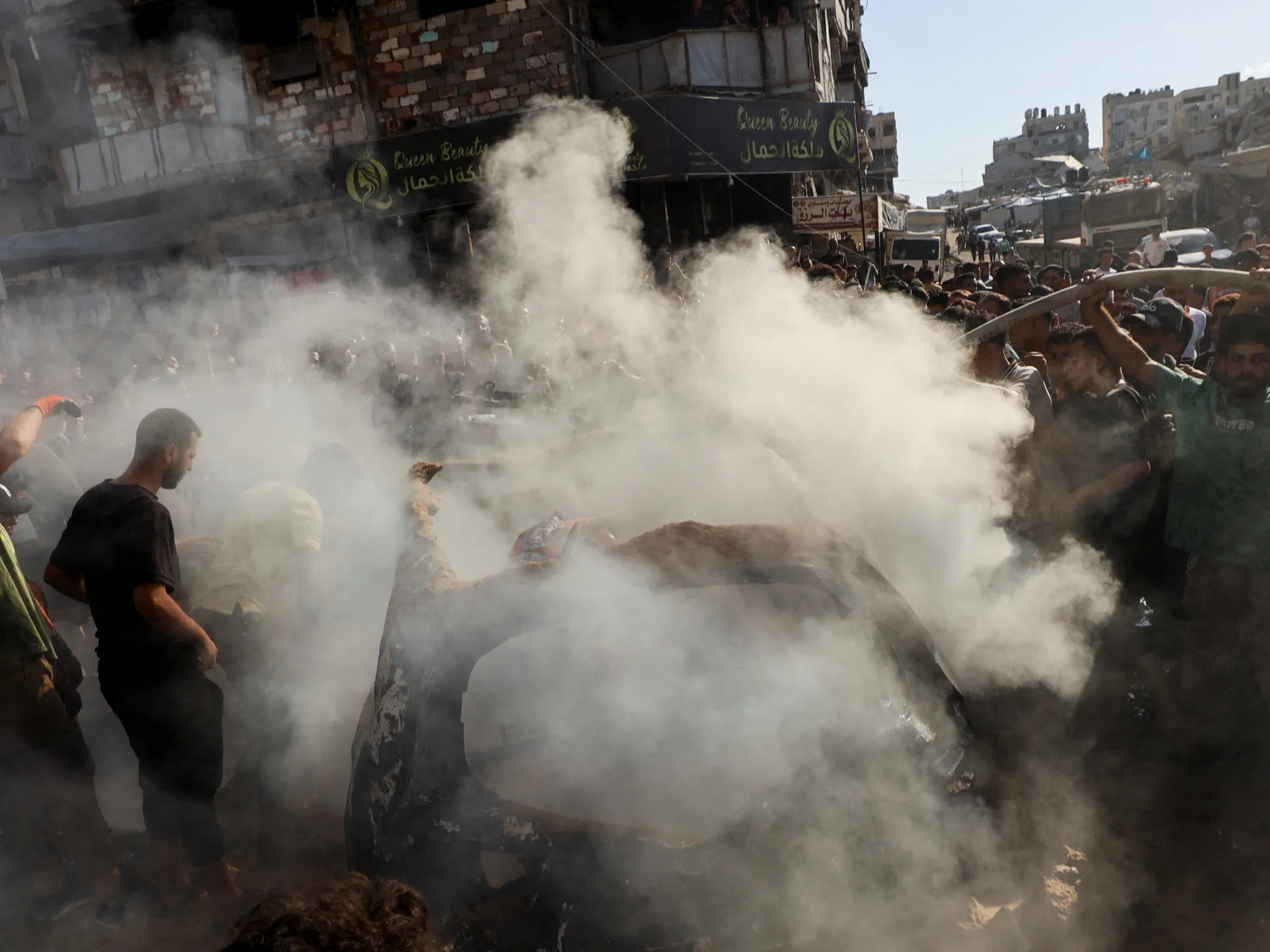
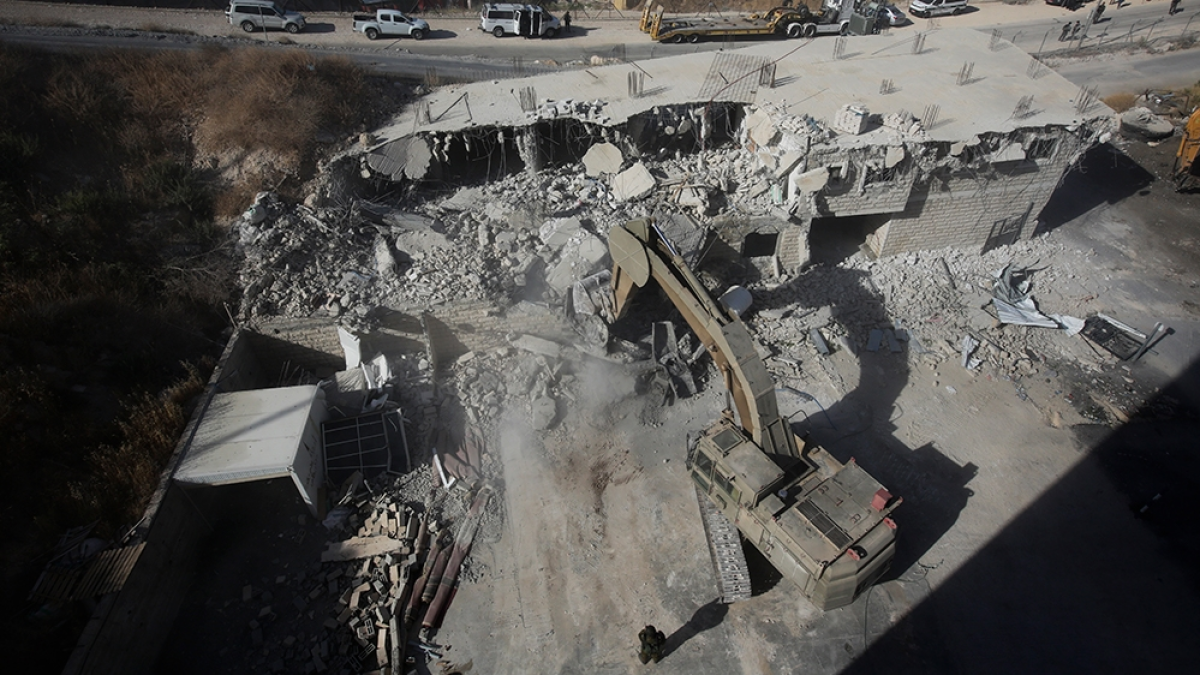
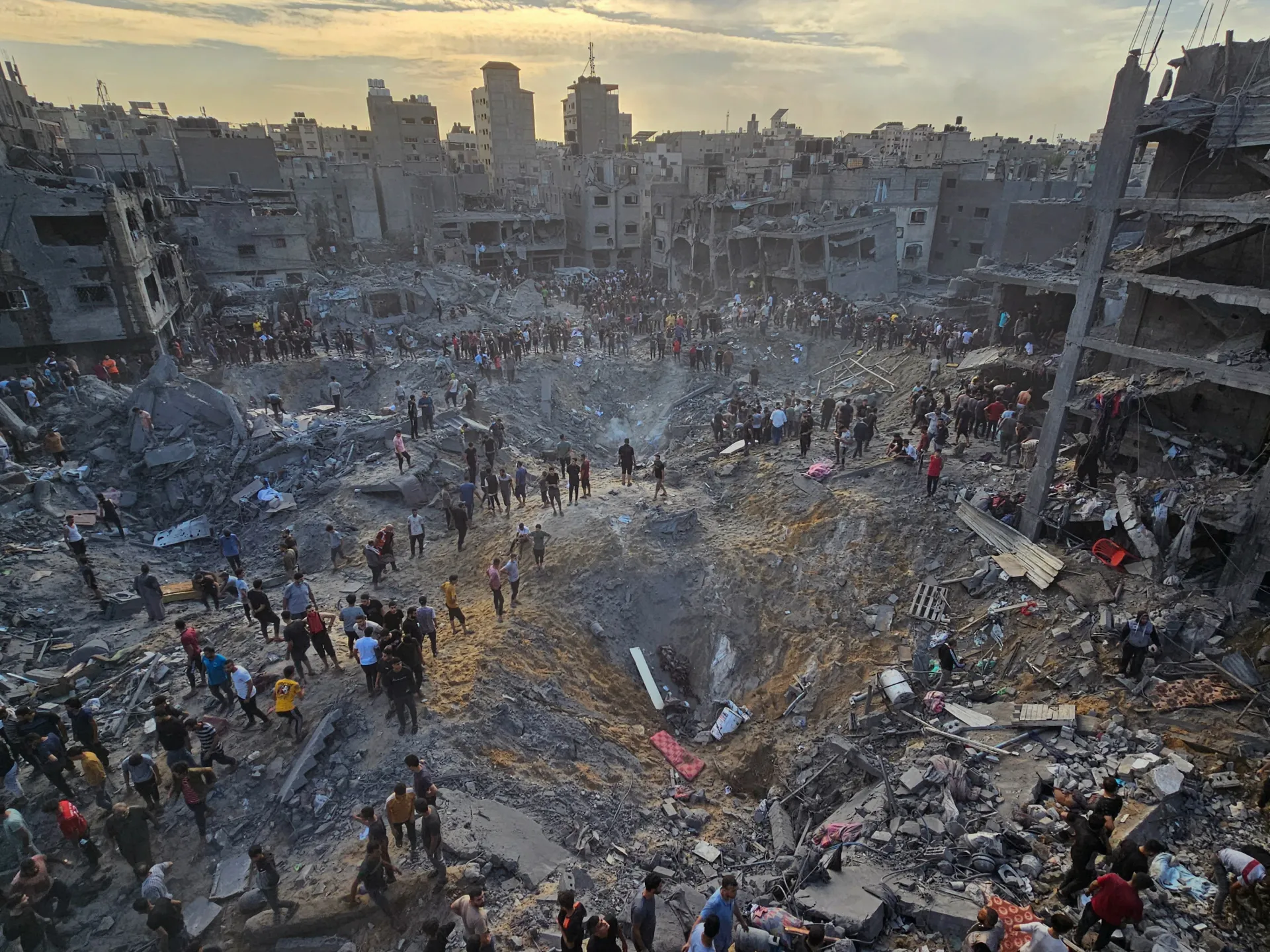
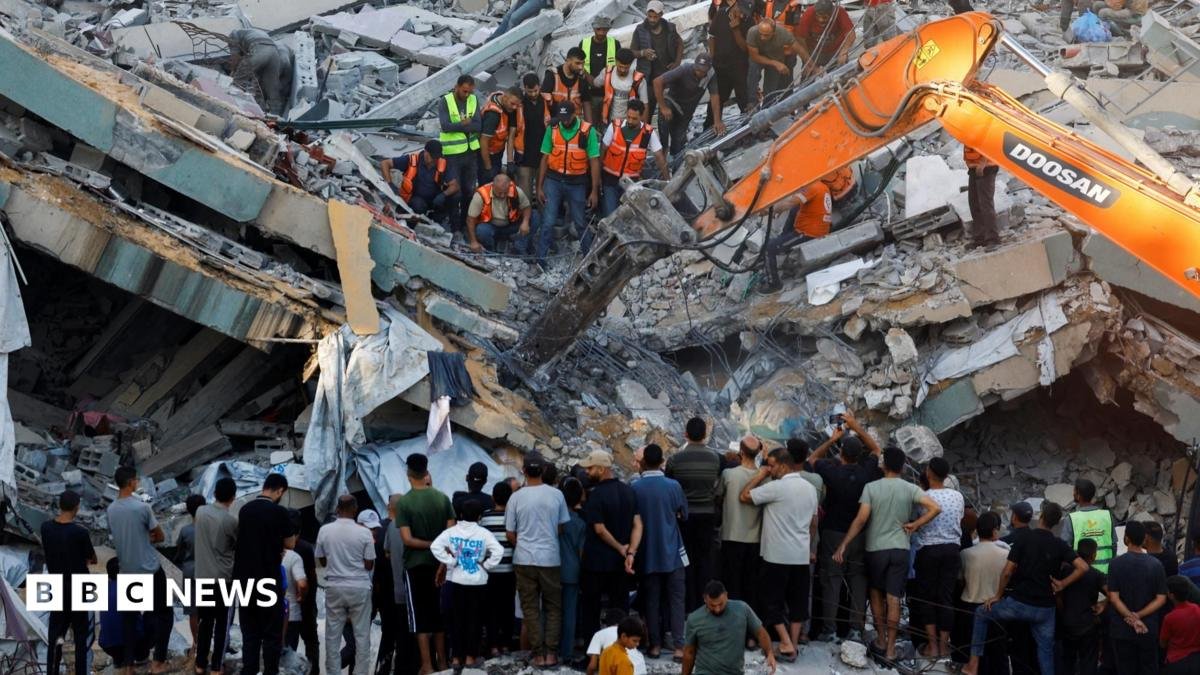
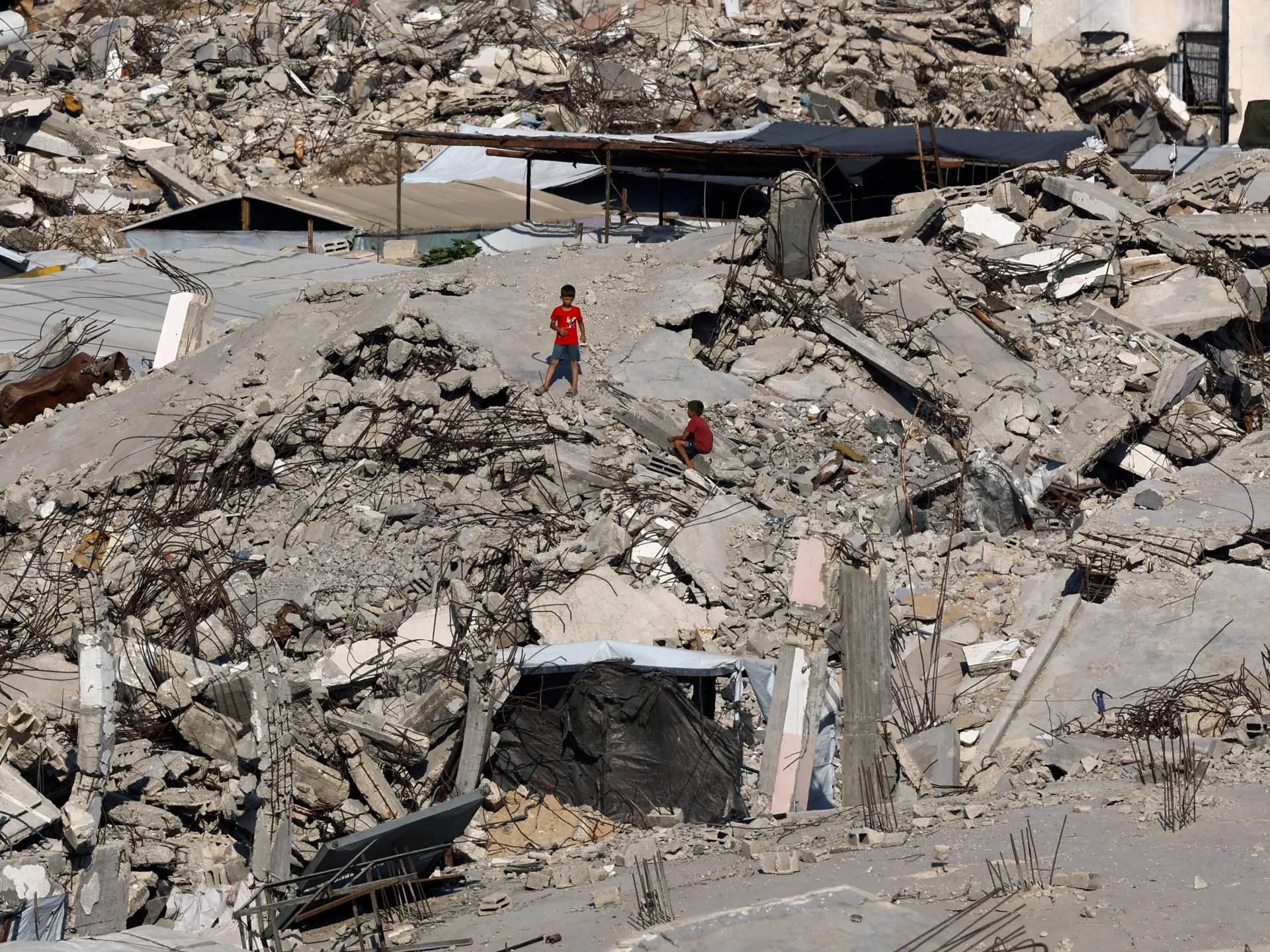
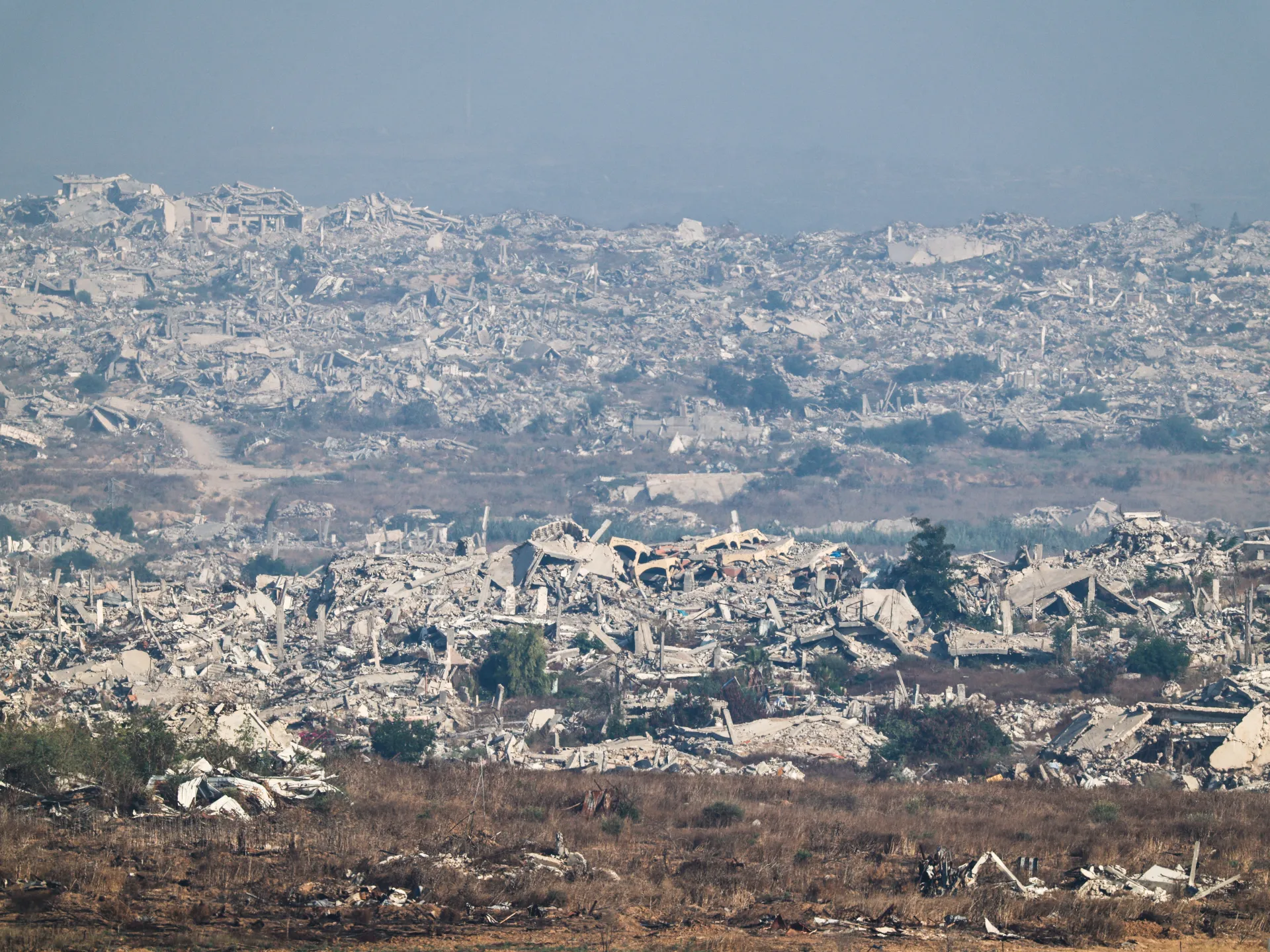
The geopolitical landscape of the Middle East is currently defined ng battle over the narrative of the ongoing war in Gaza. While leaders in Doha and Tehran face increasing pressure from neighbors and international observers, the Israeli government has launched a domestic offensive against voices critical of its military conduct. This convergence of foreign policy strain and internal censorship highlights a moment of profound instability for the region.
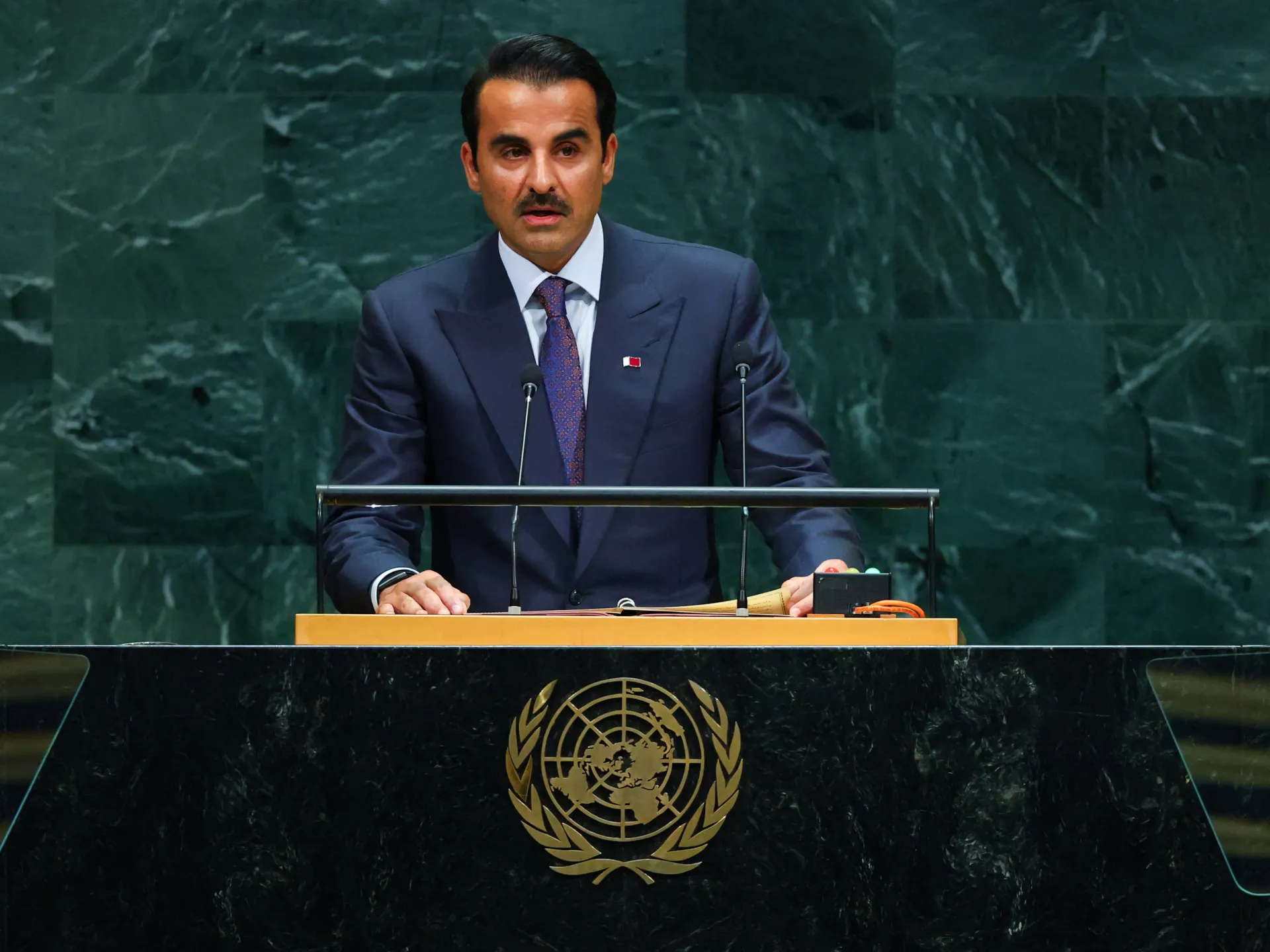
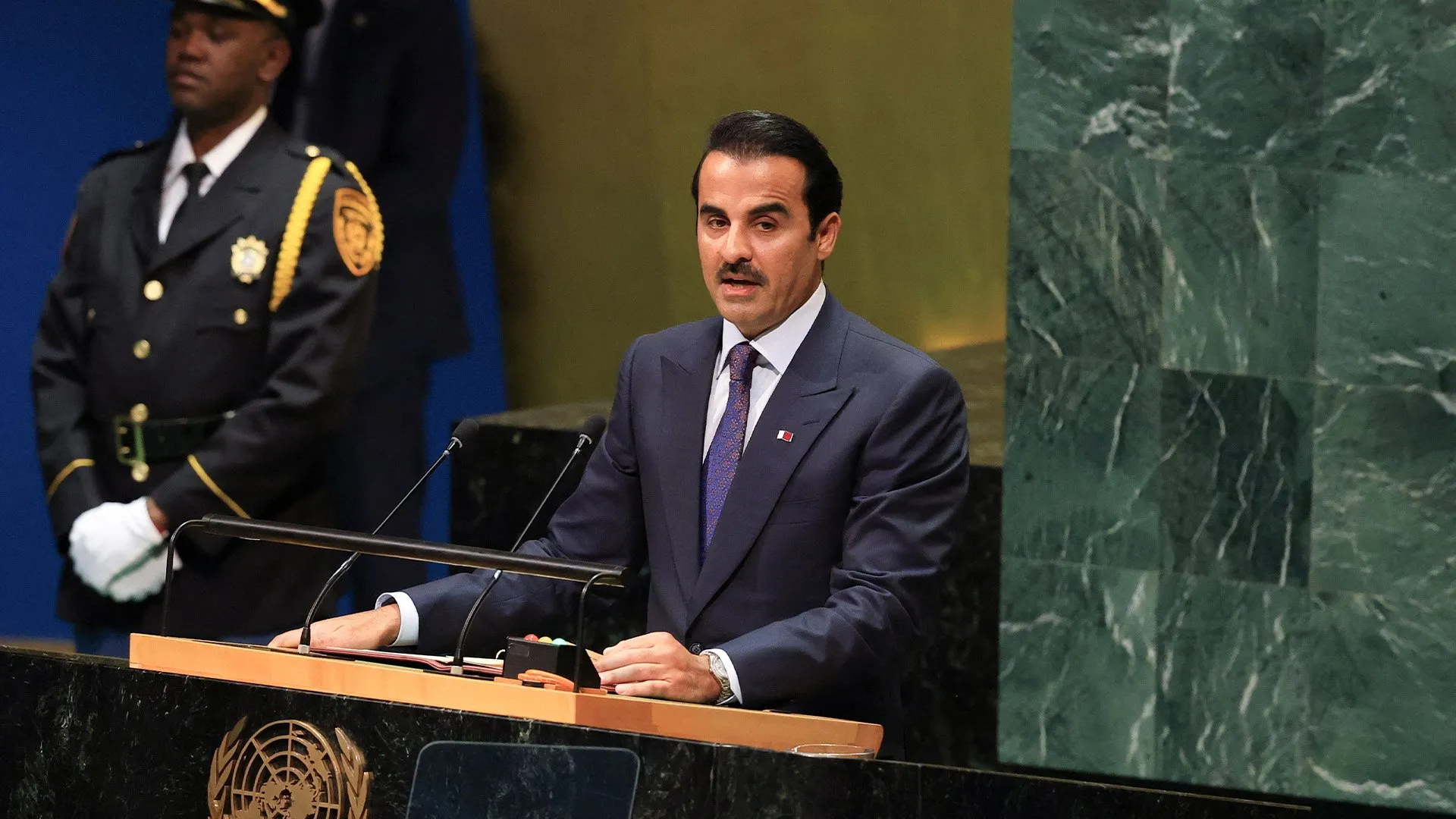
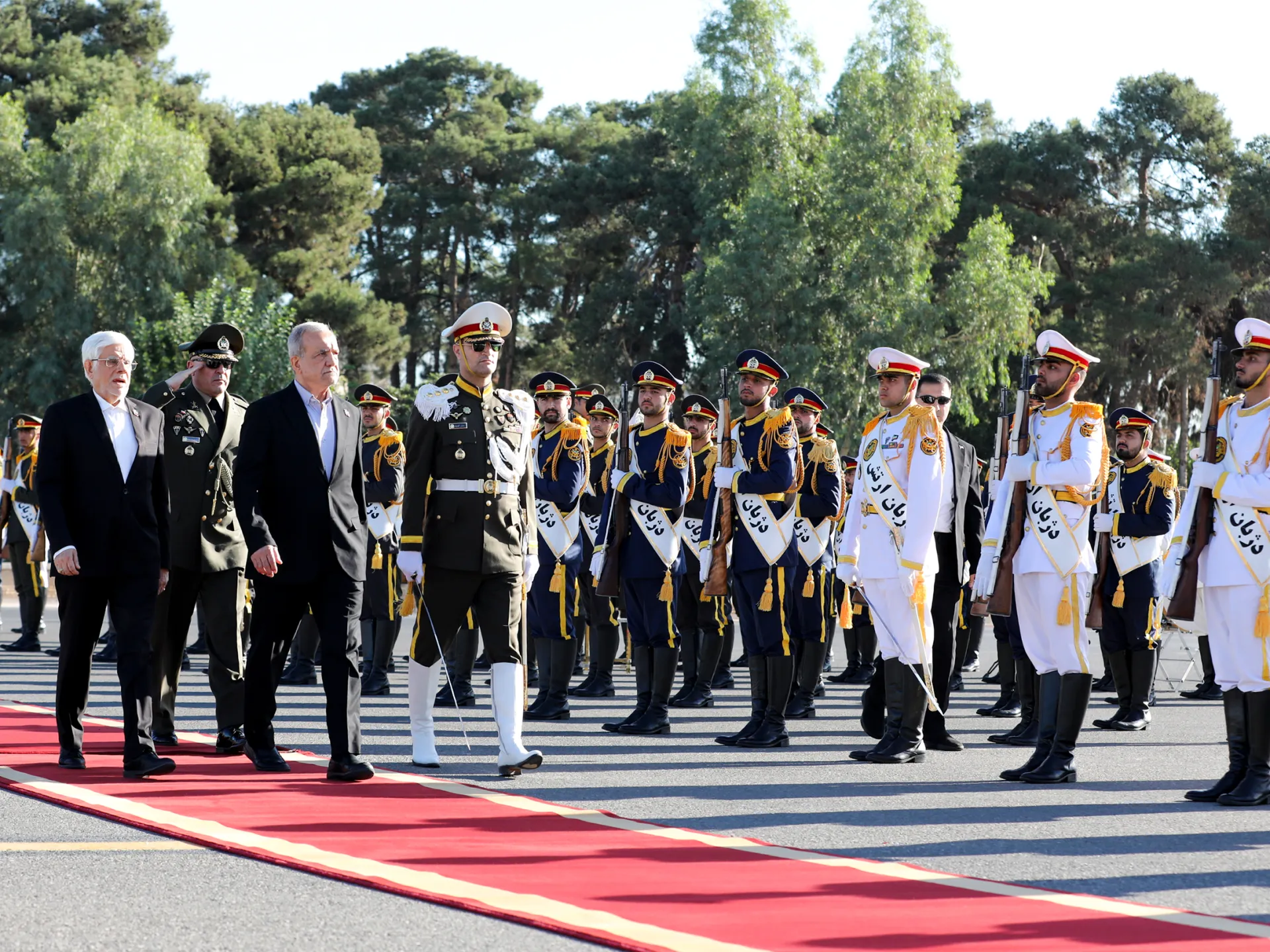
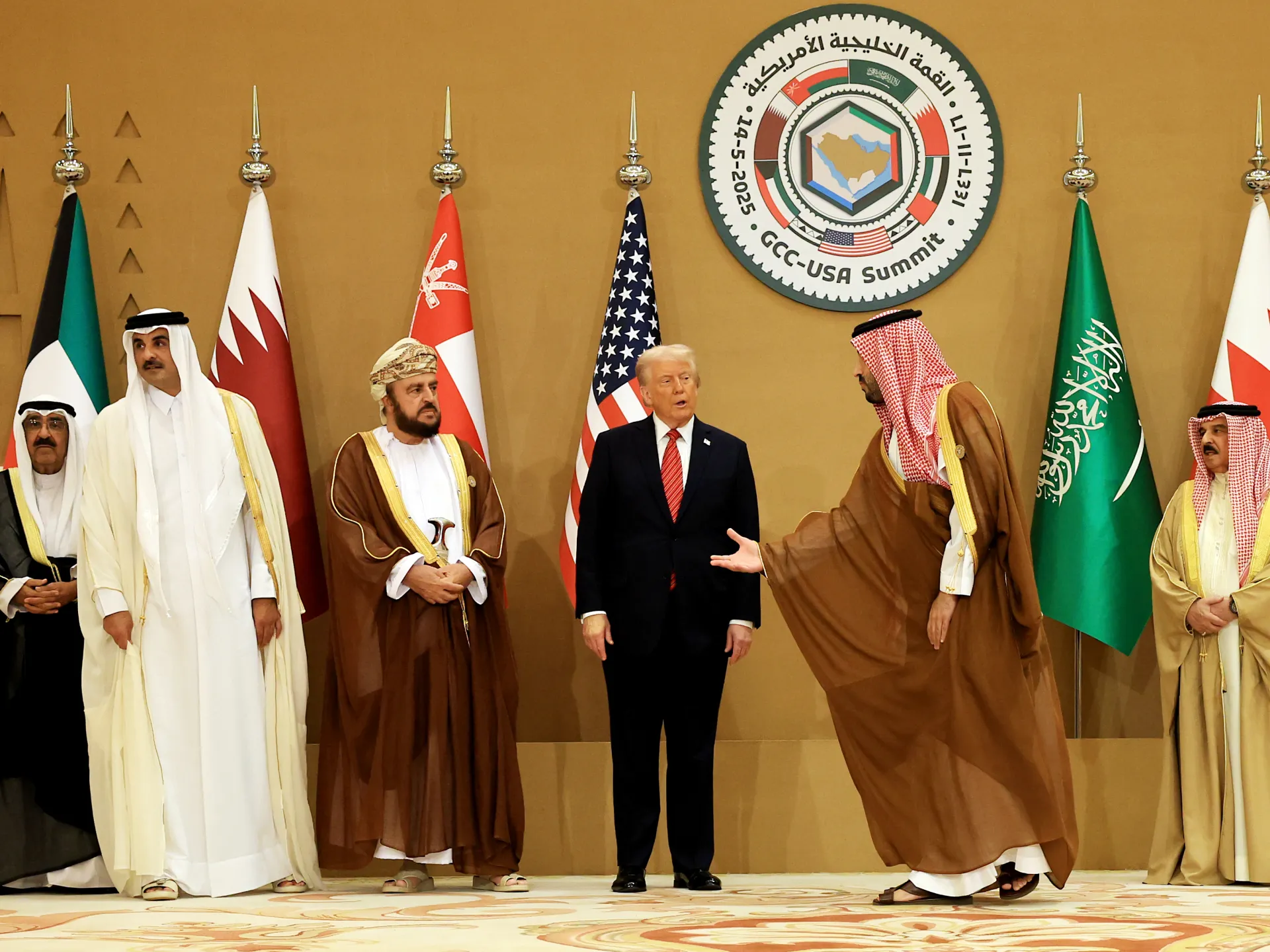
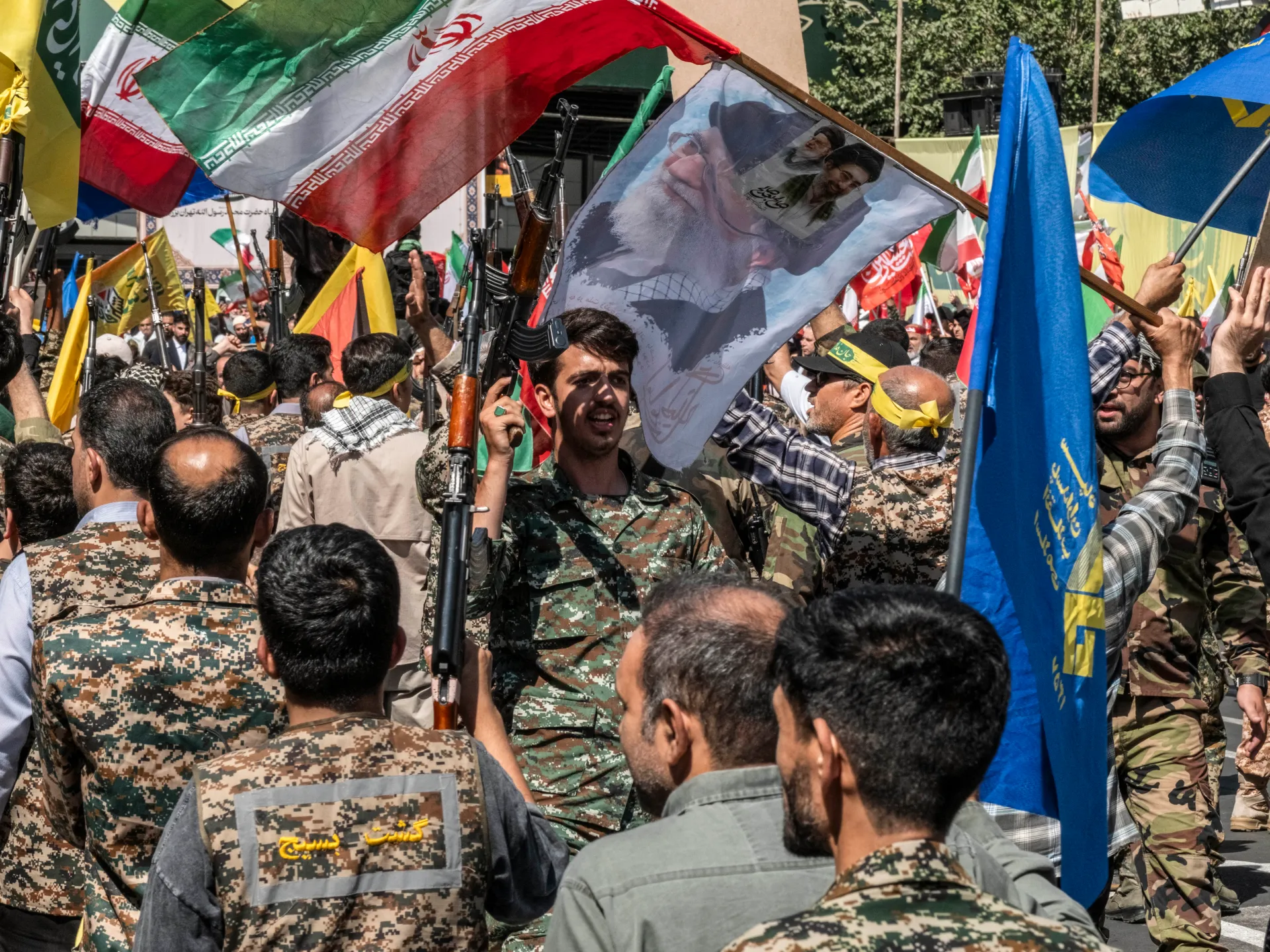
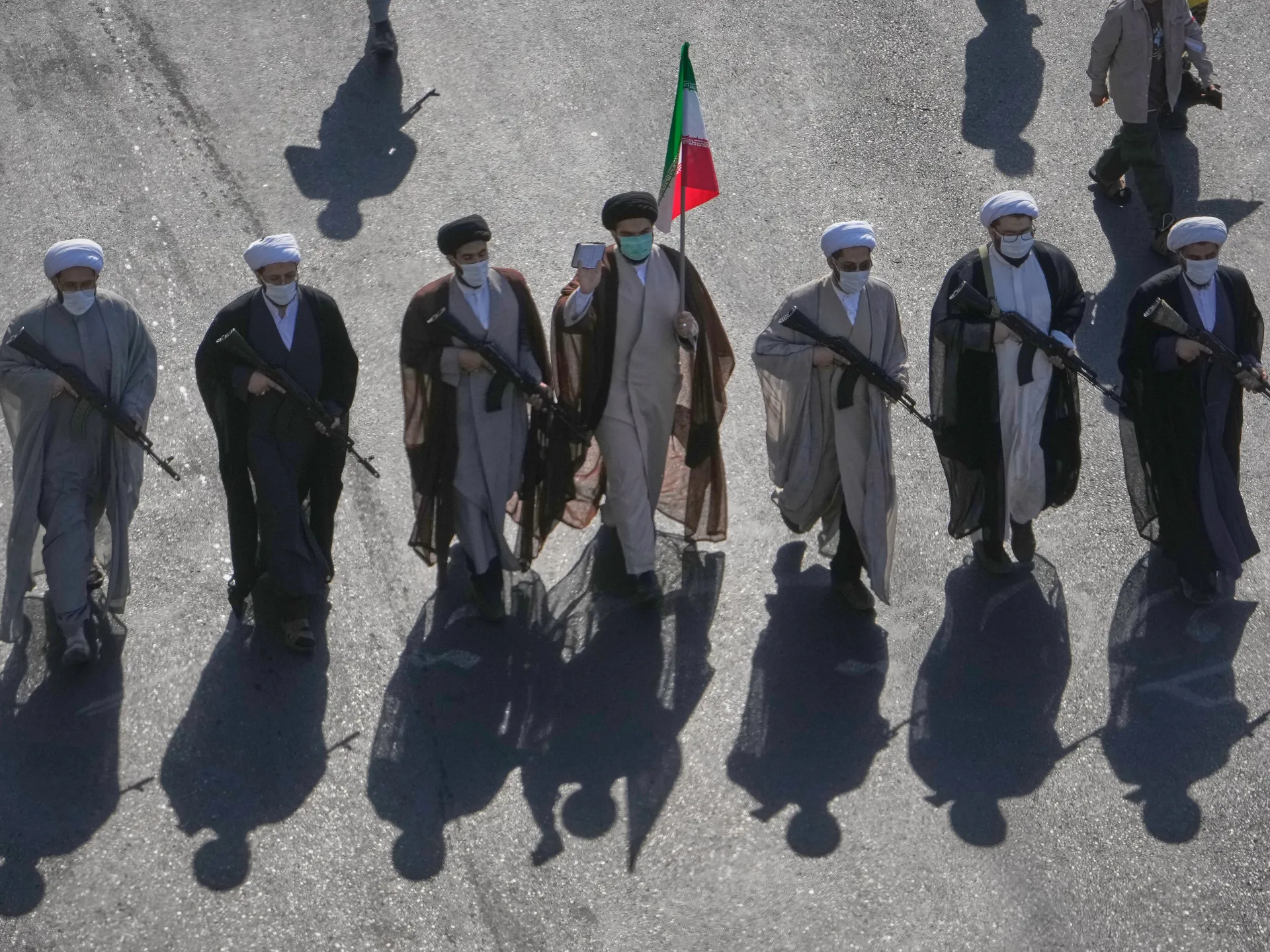
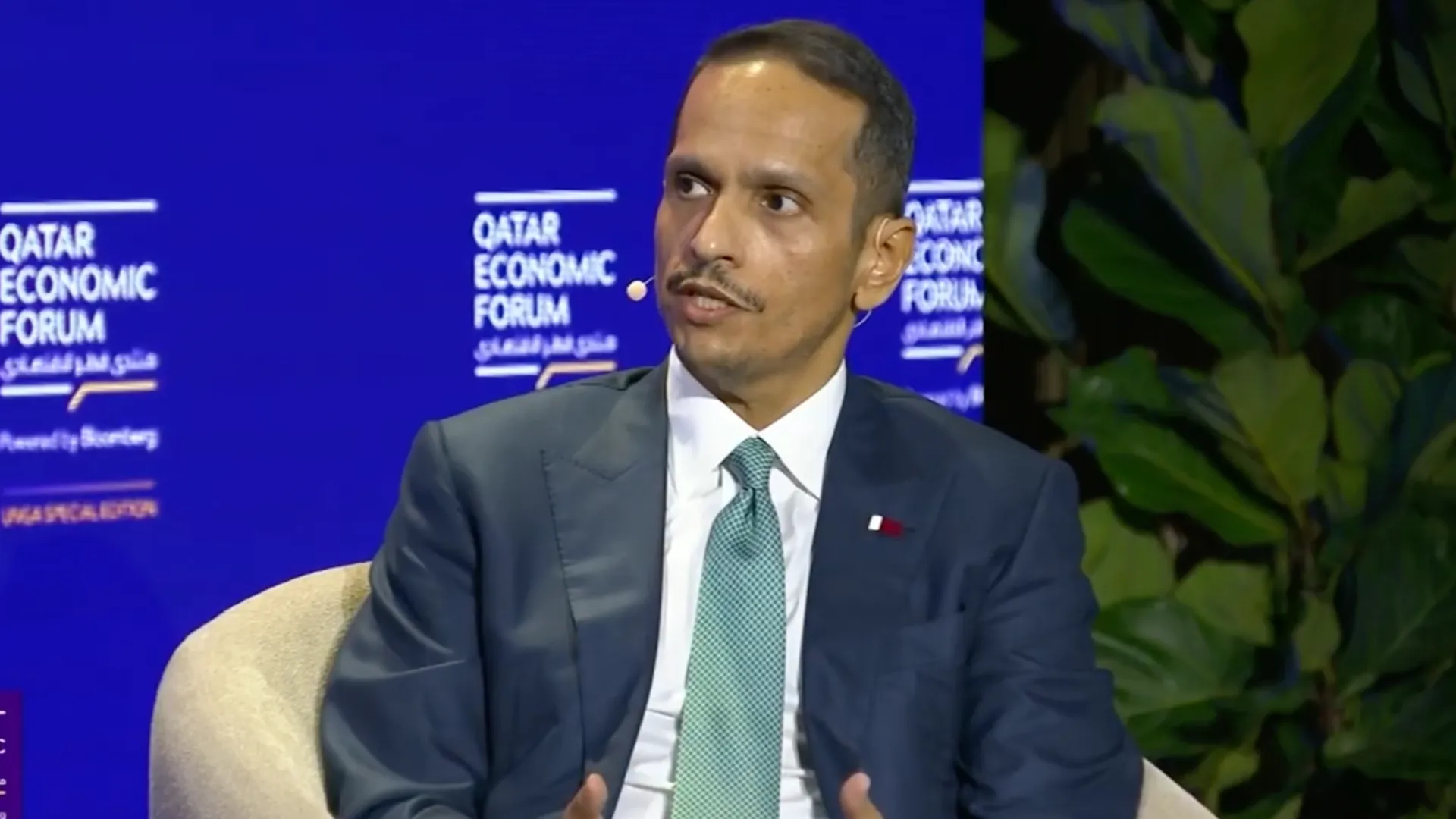
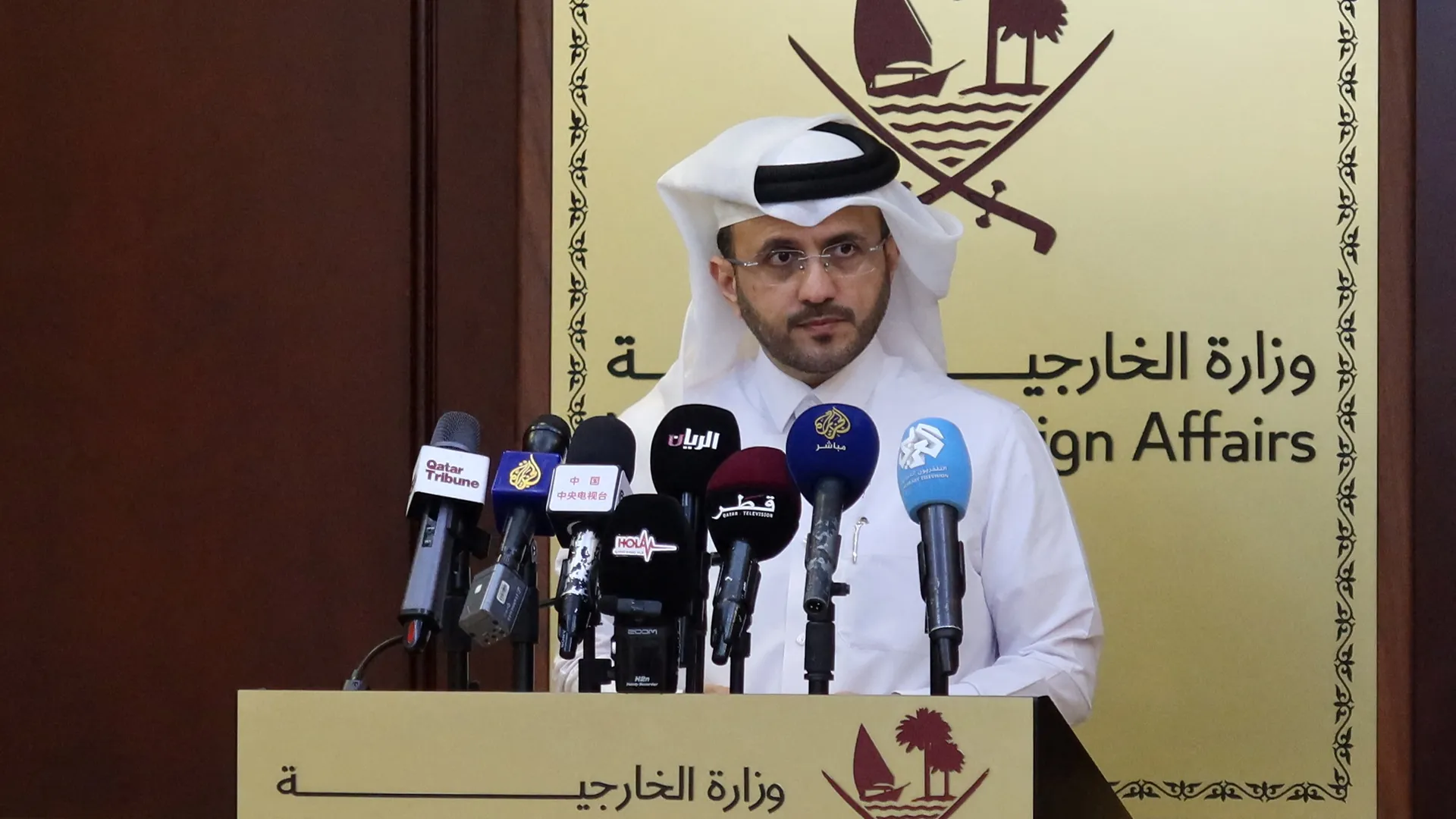
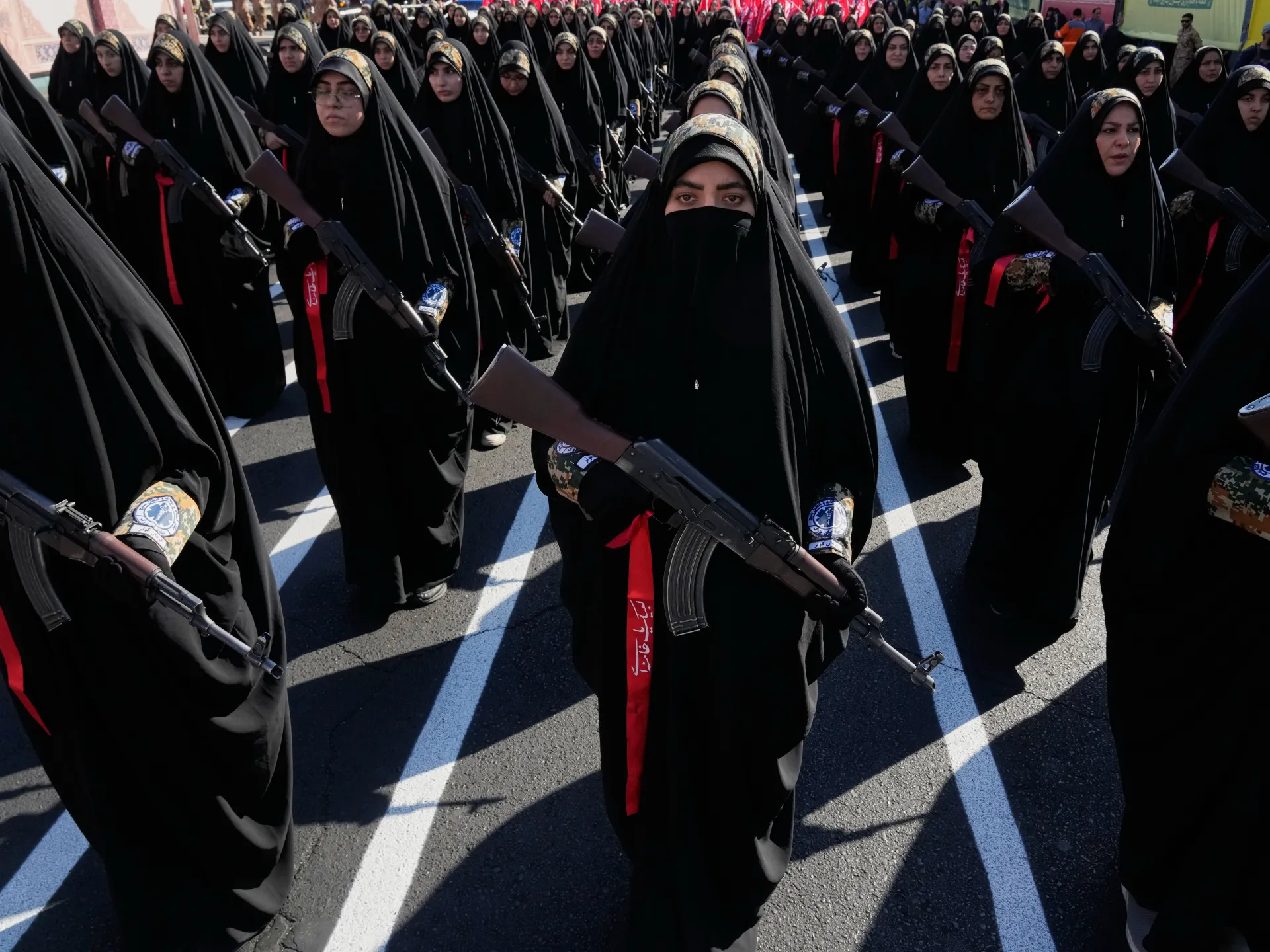
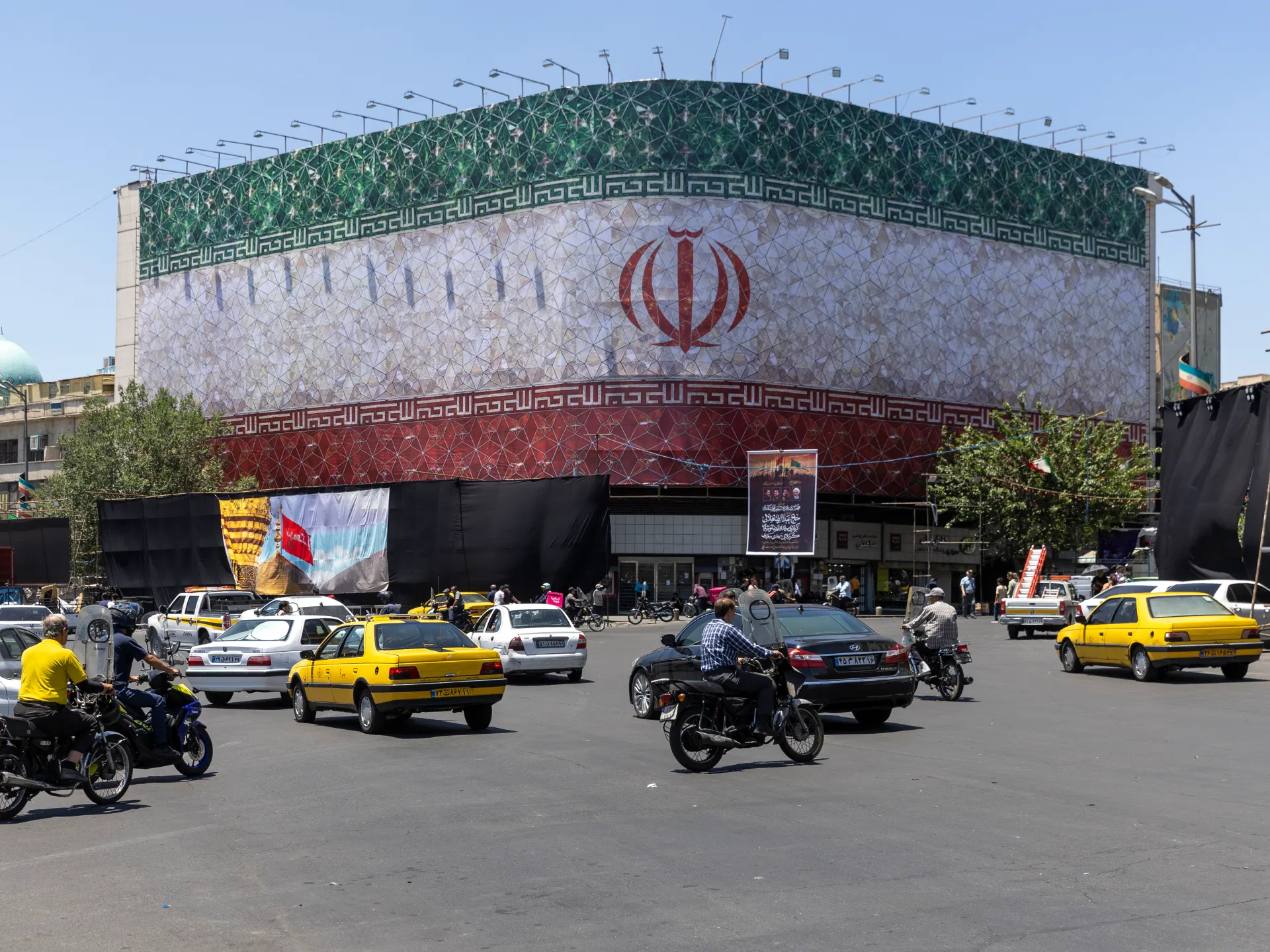
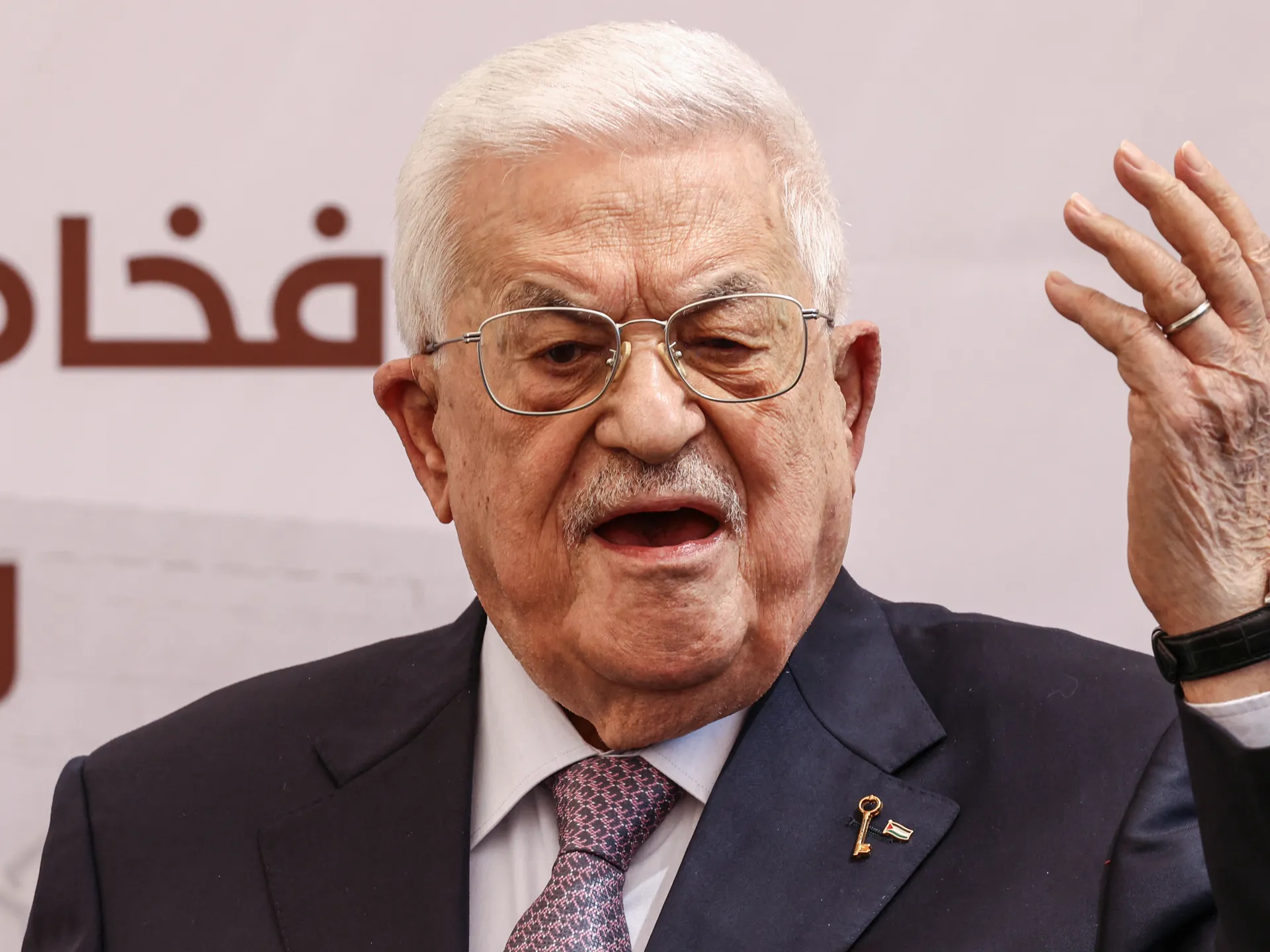
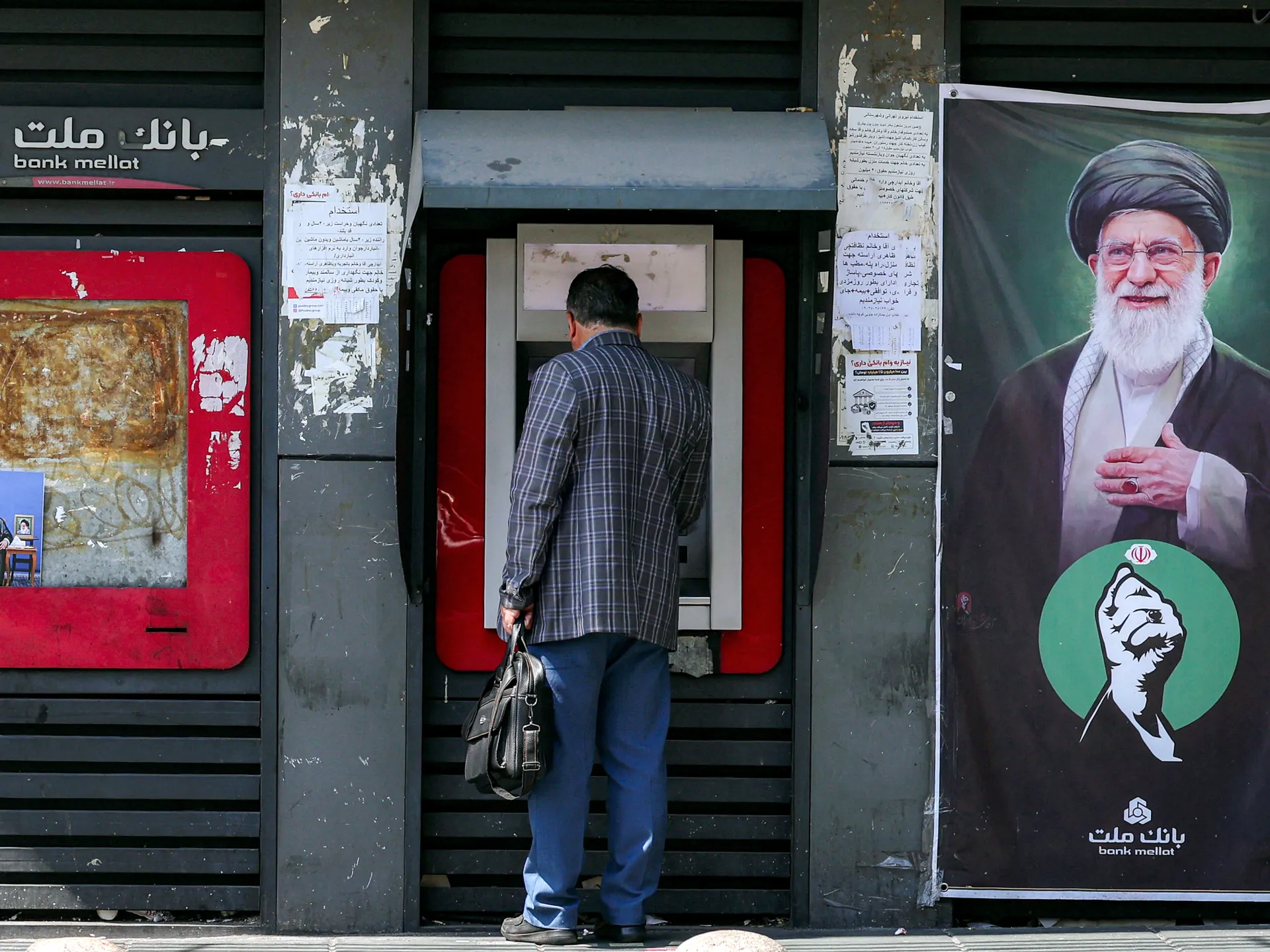
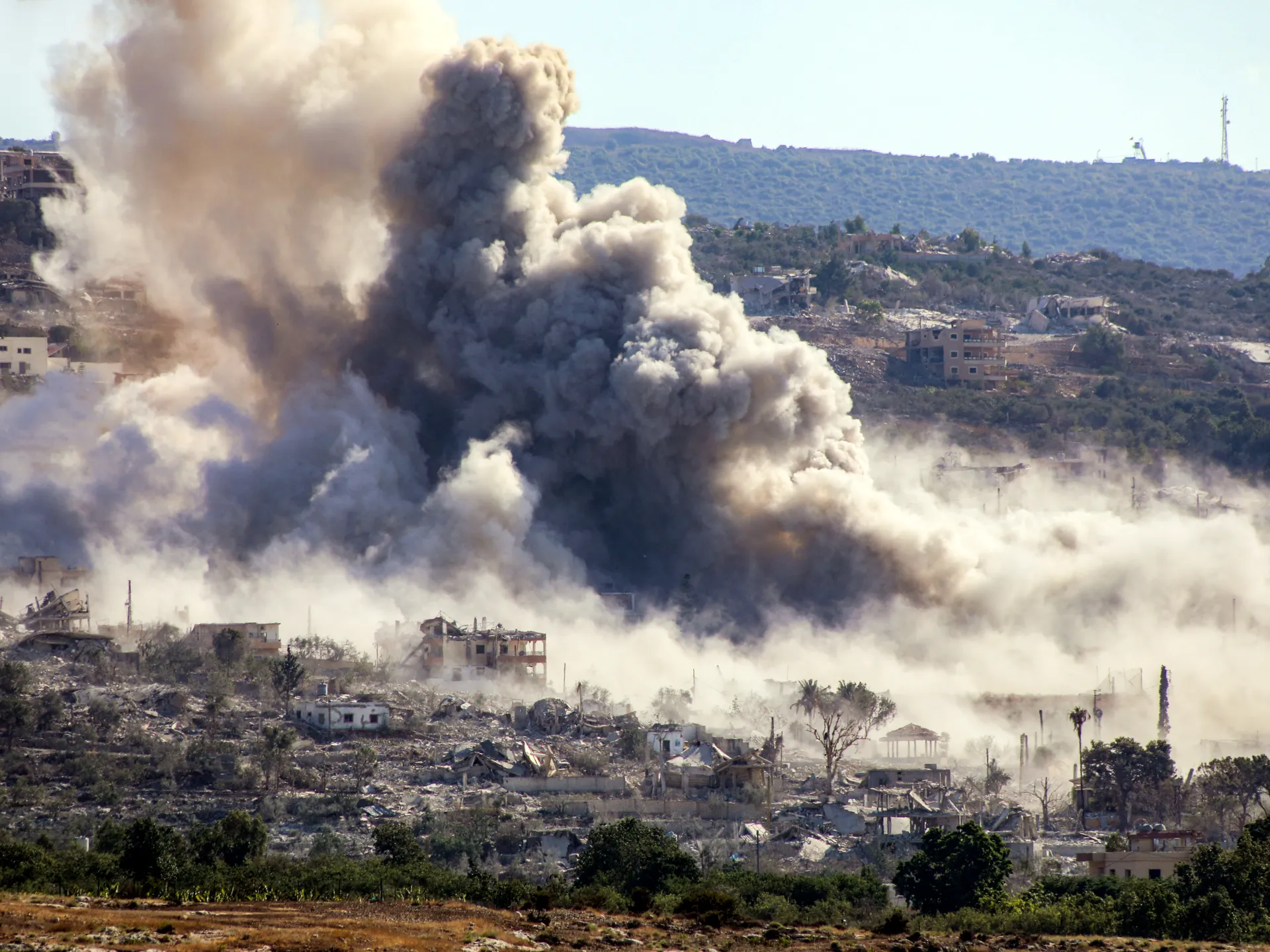
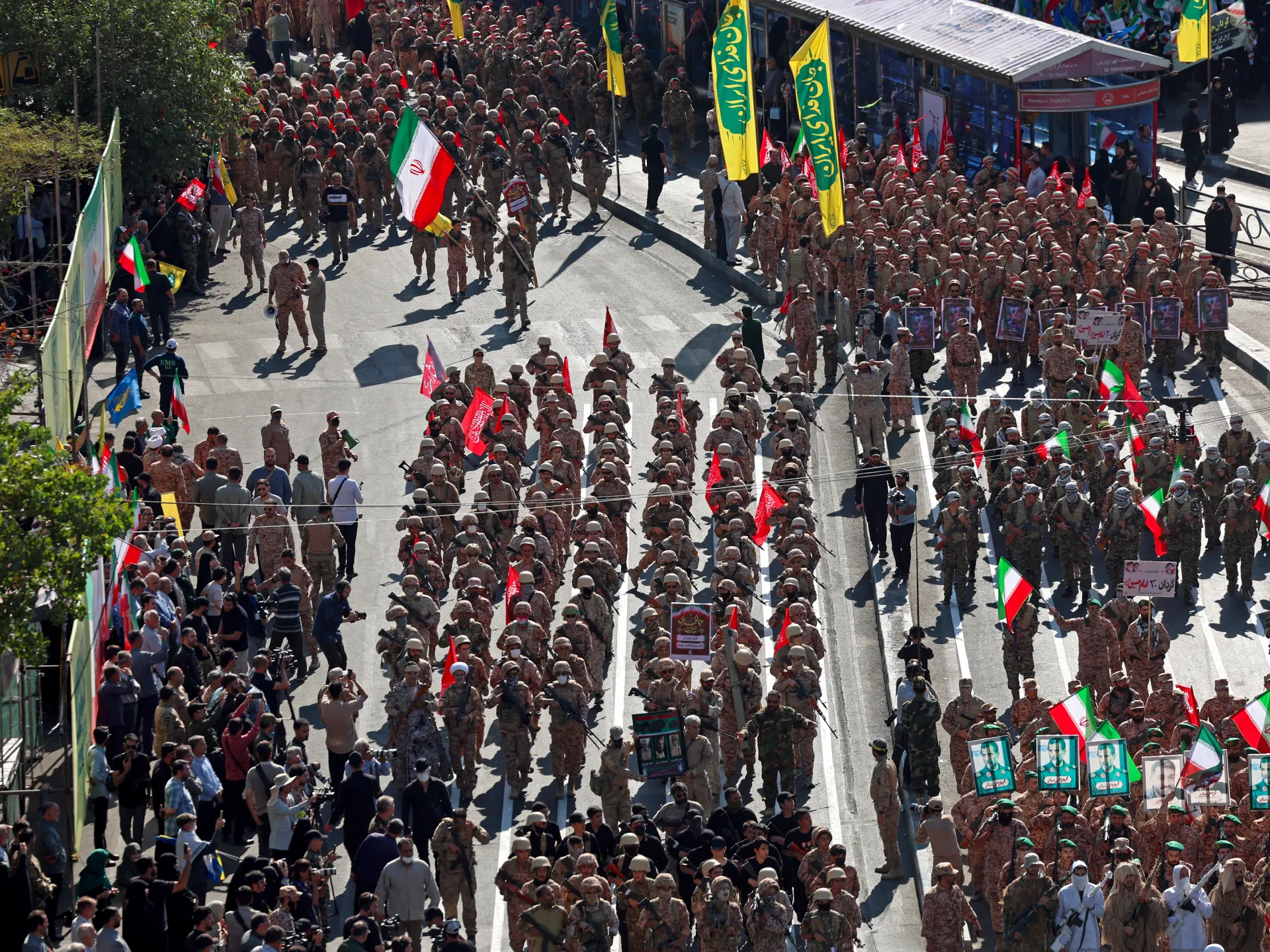
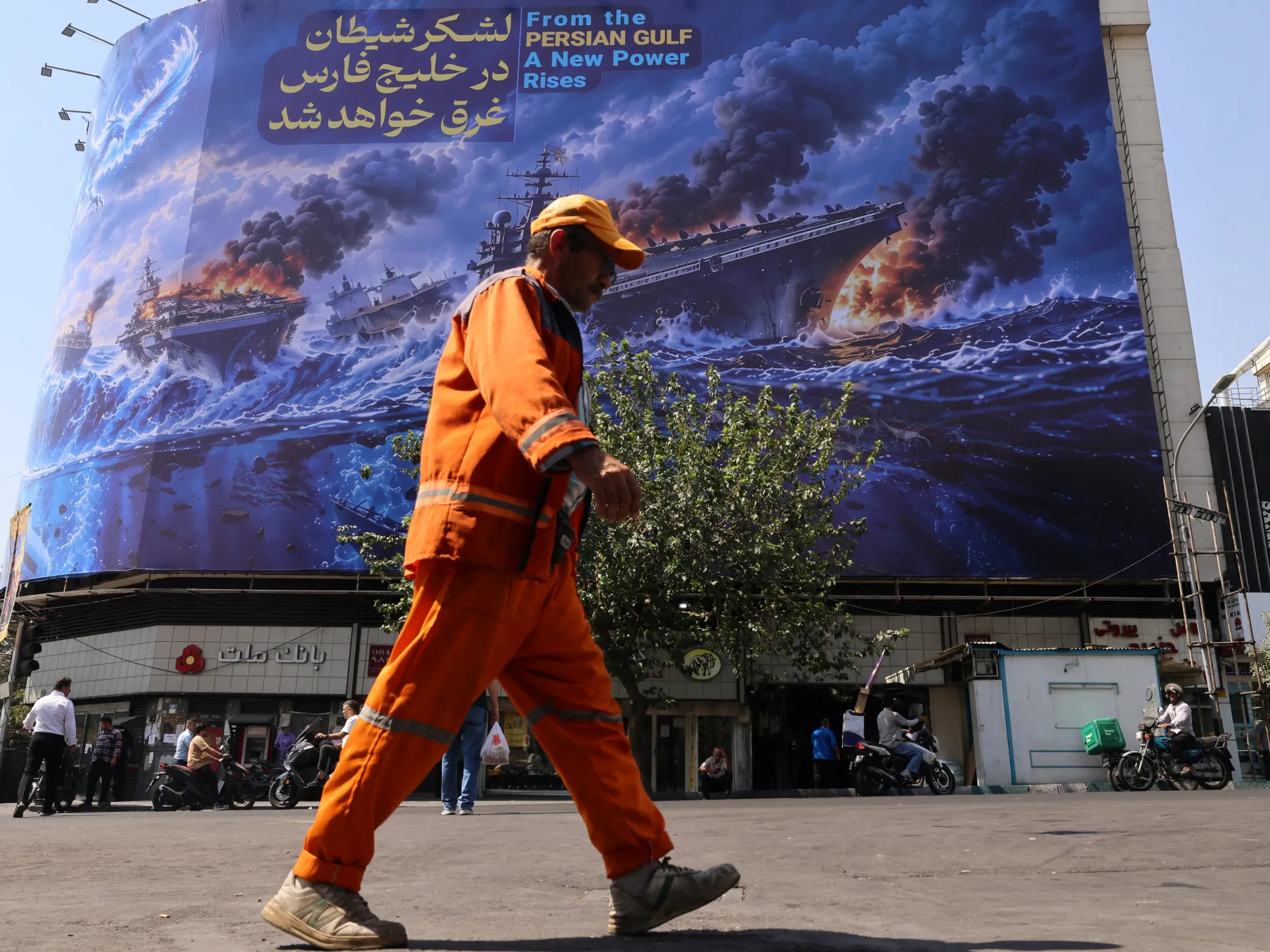
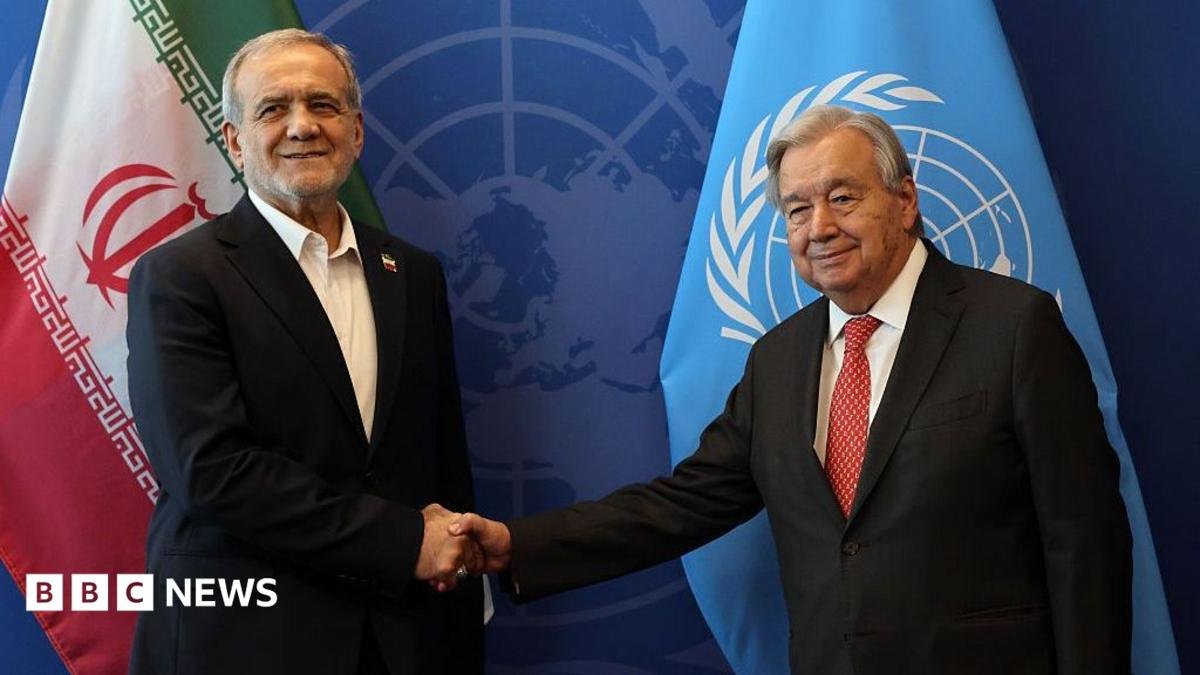
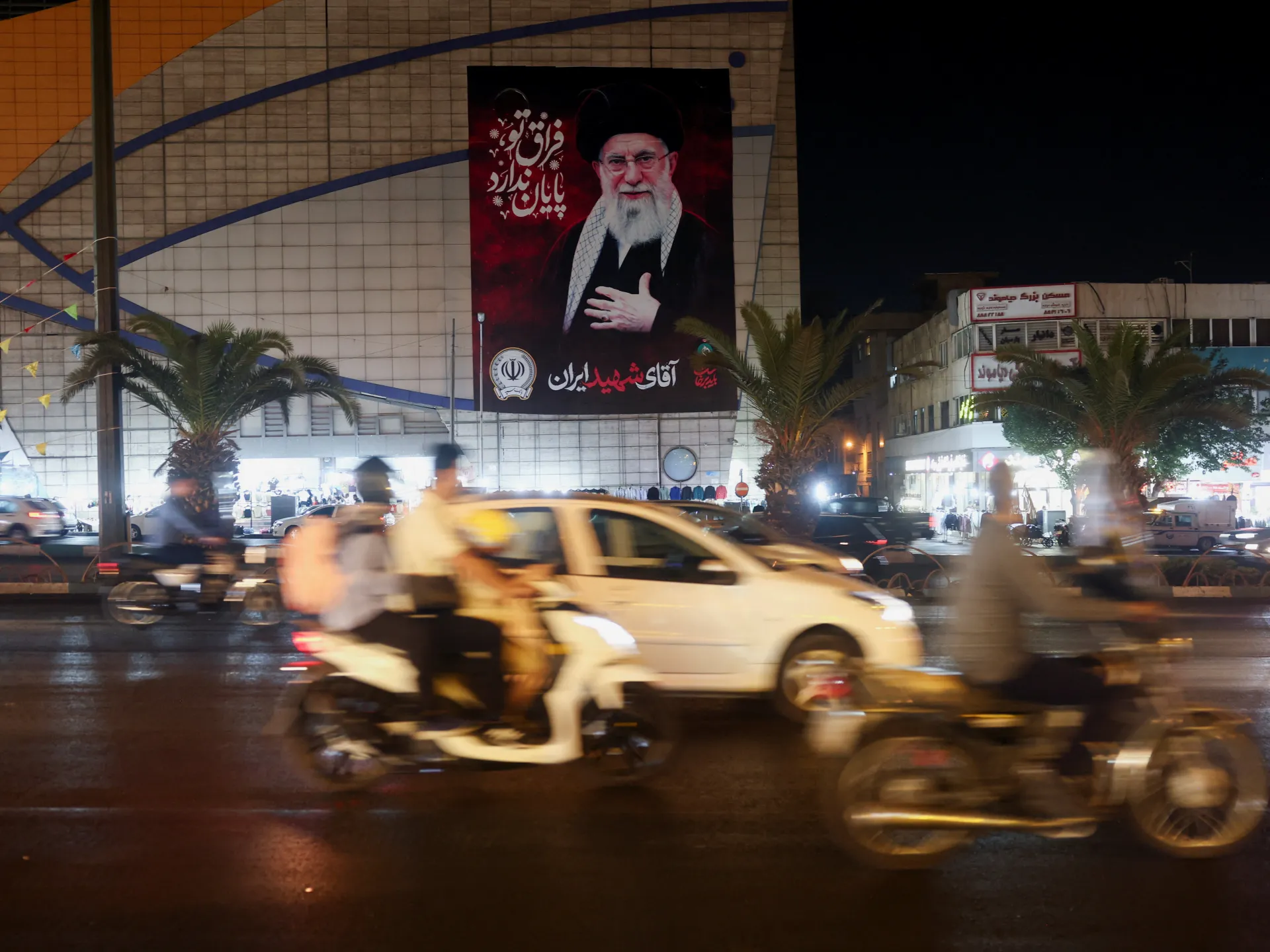
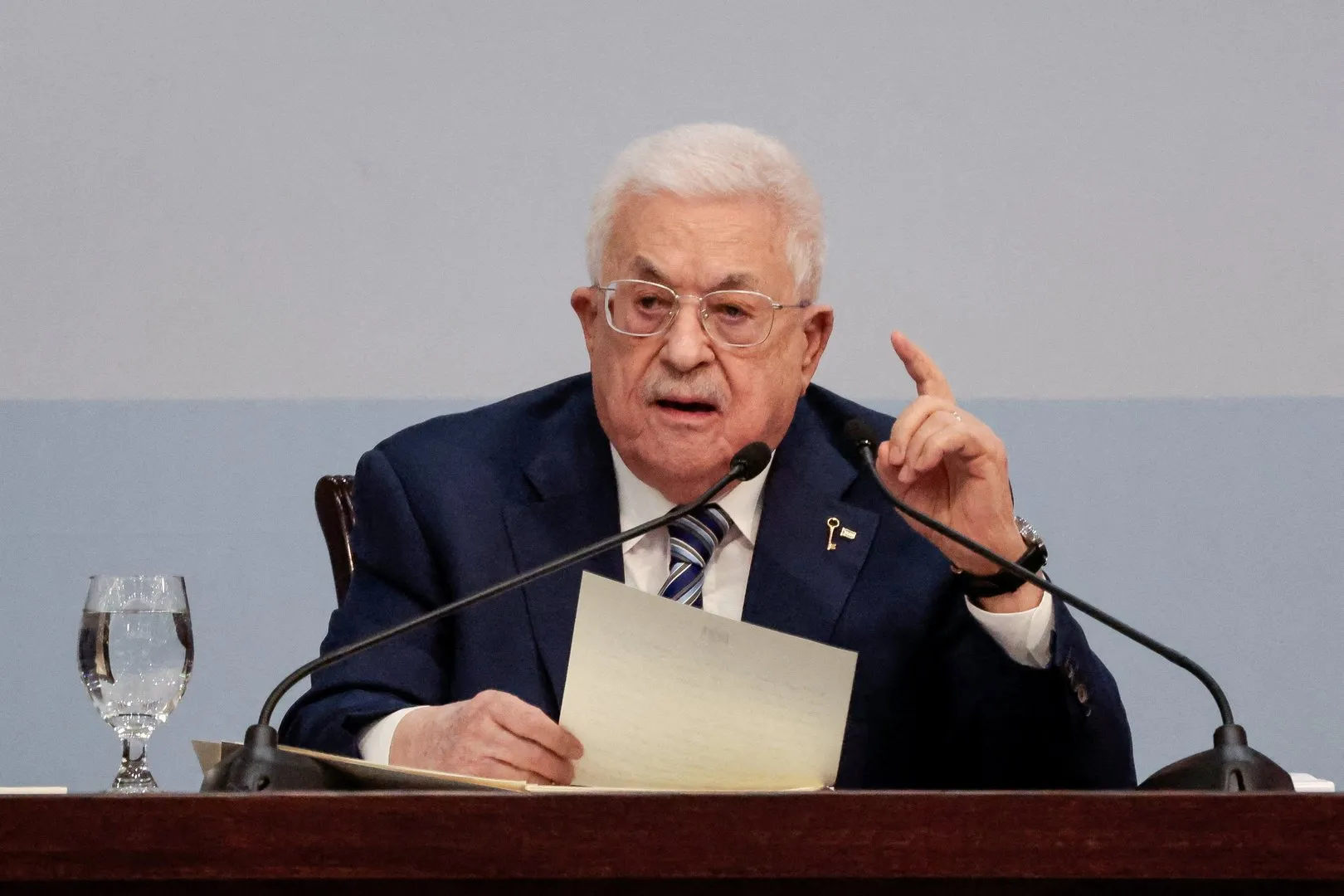
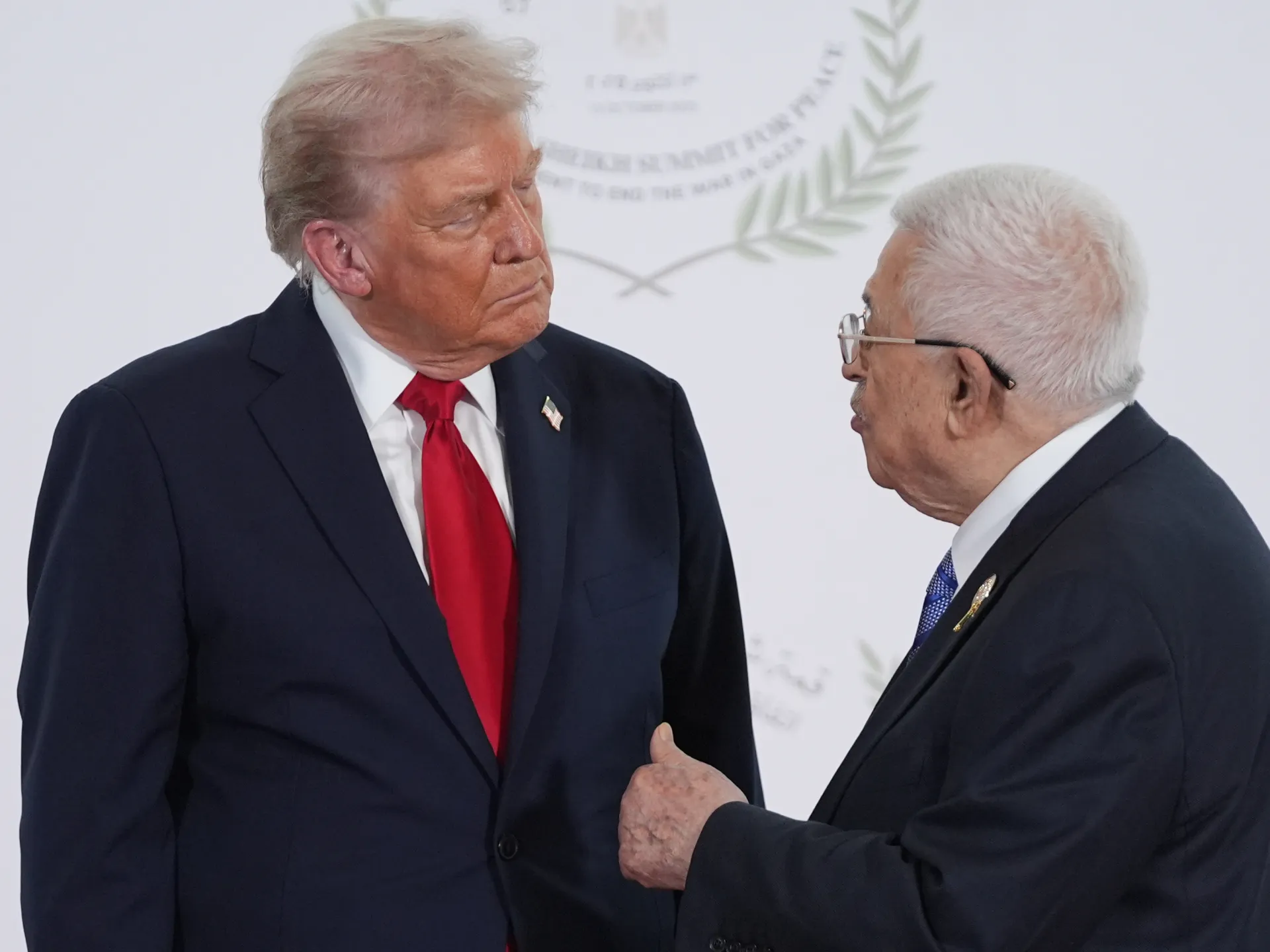
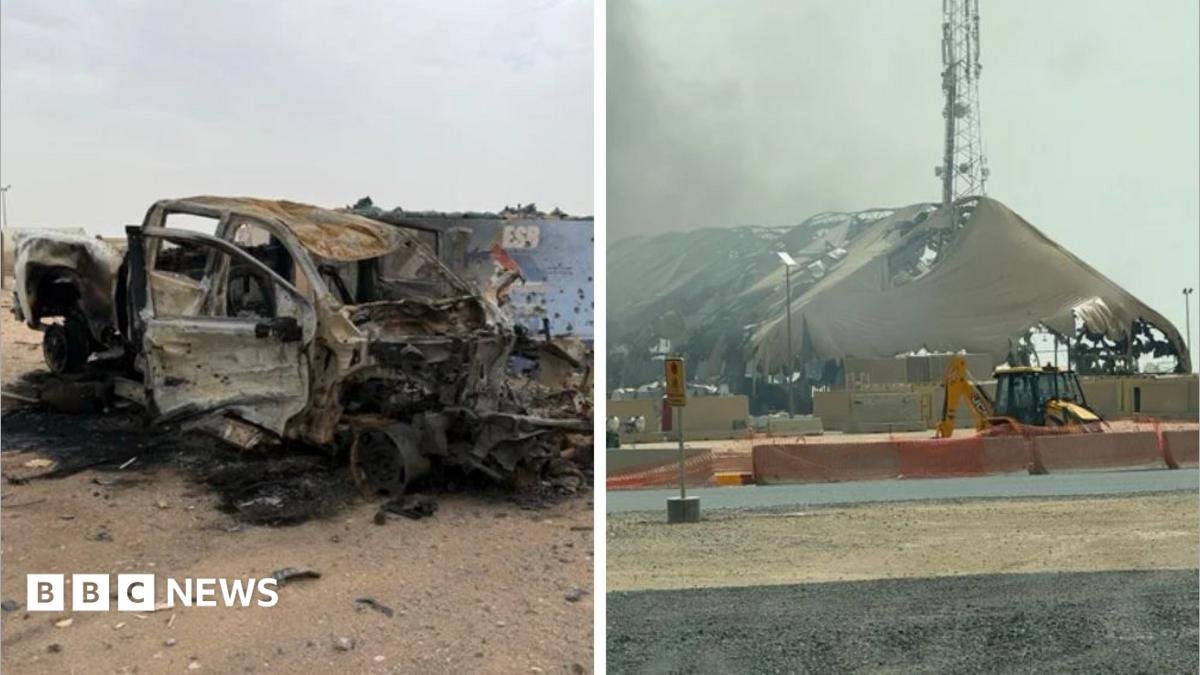
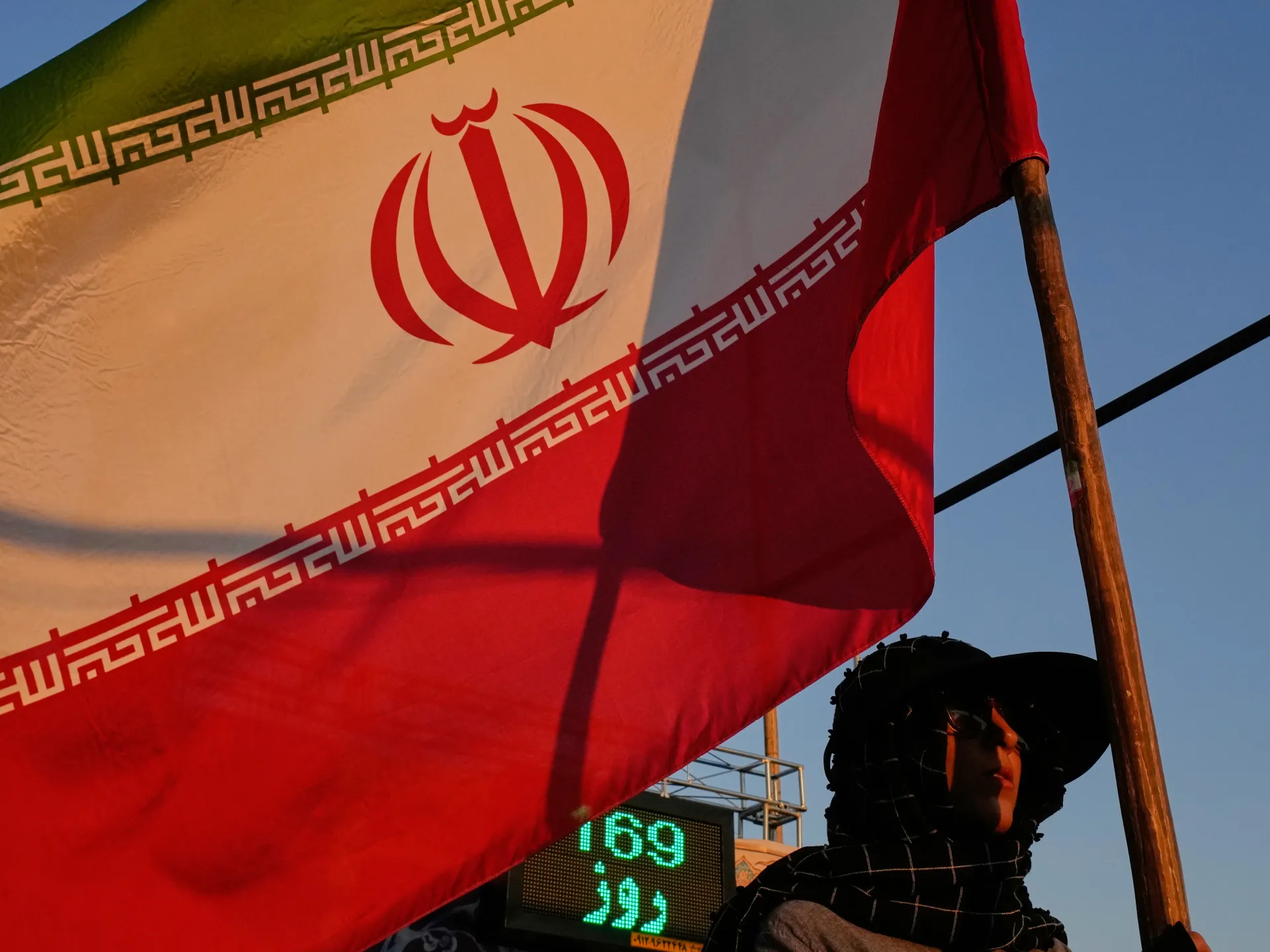
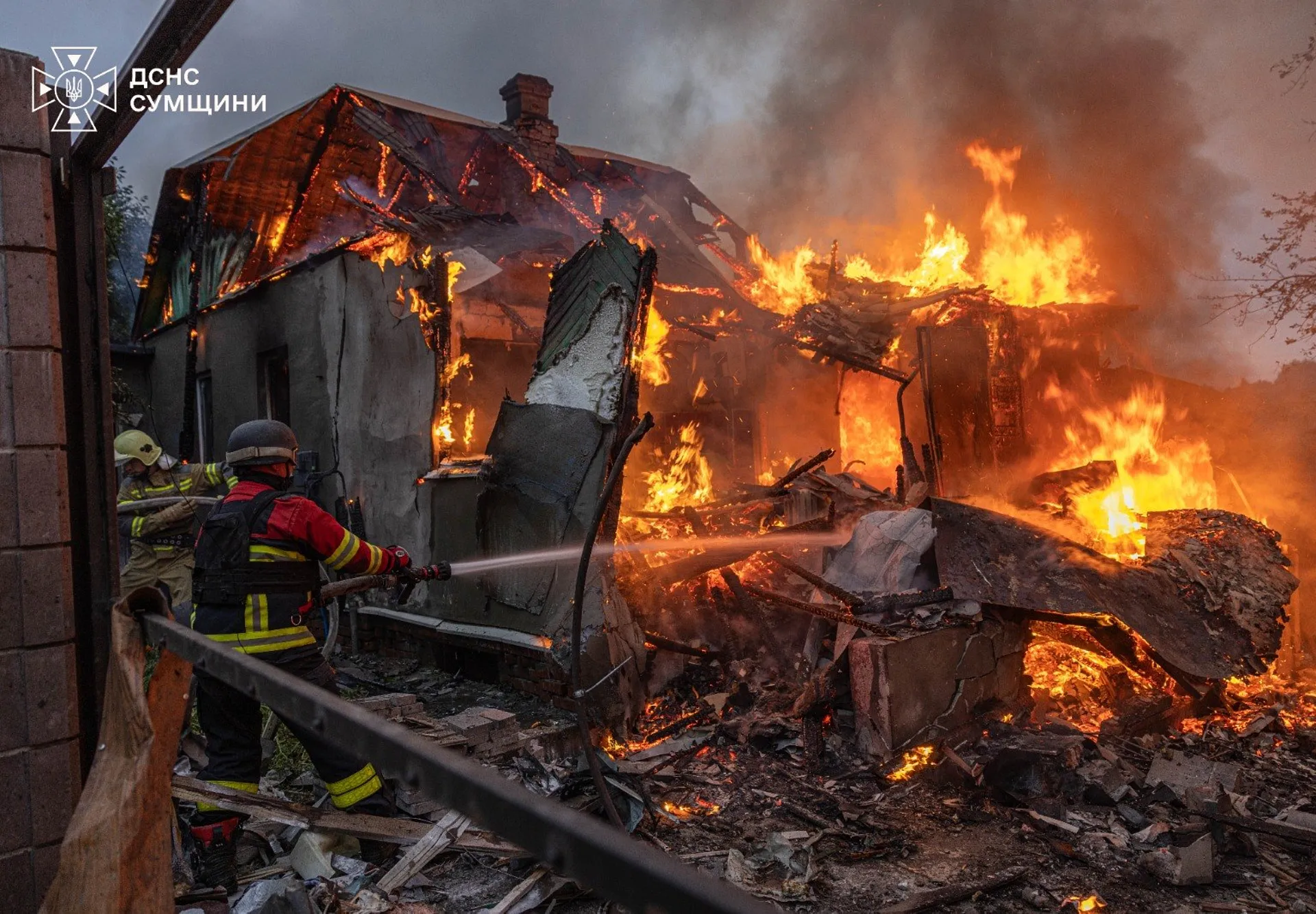
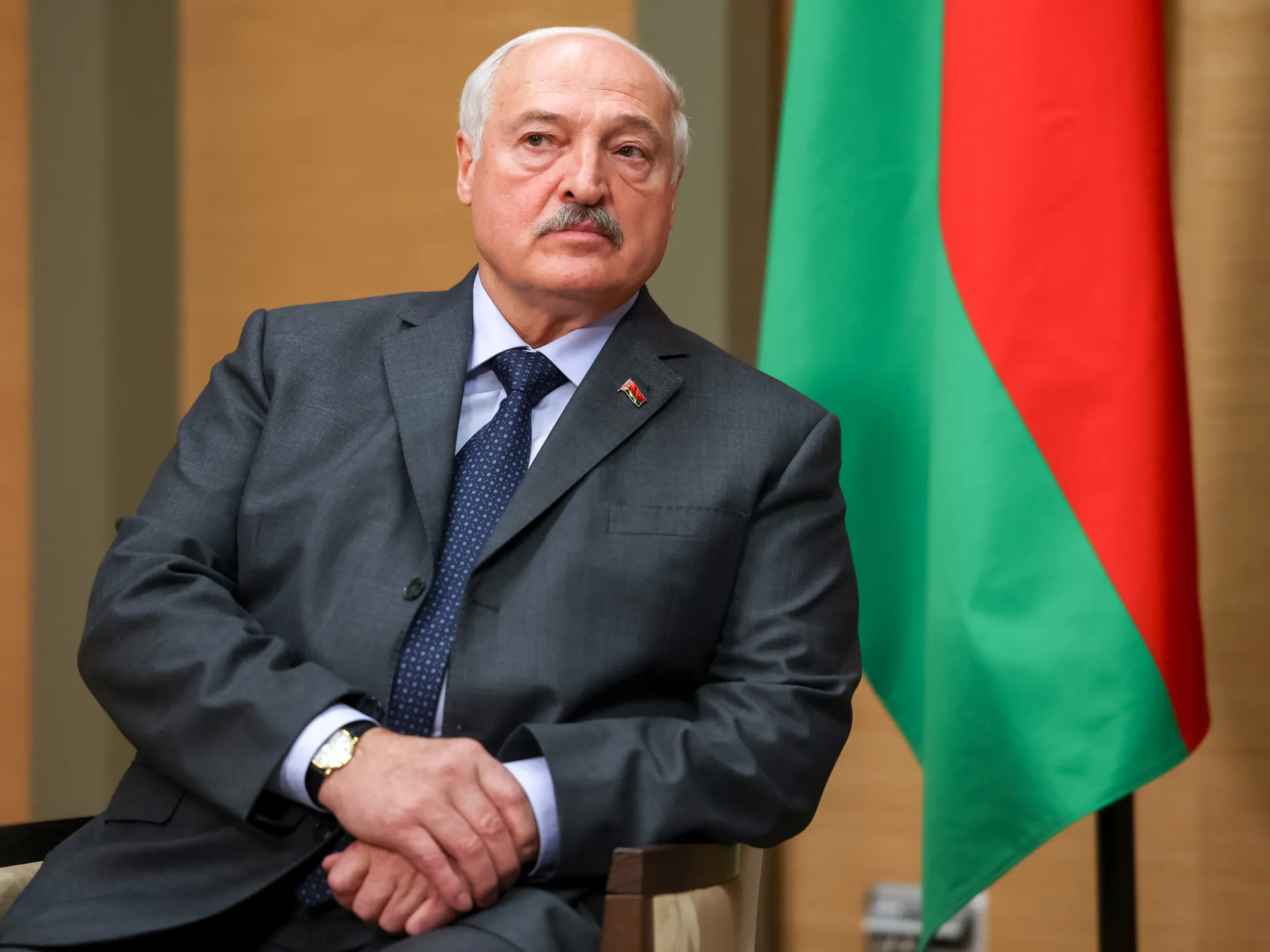
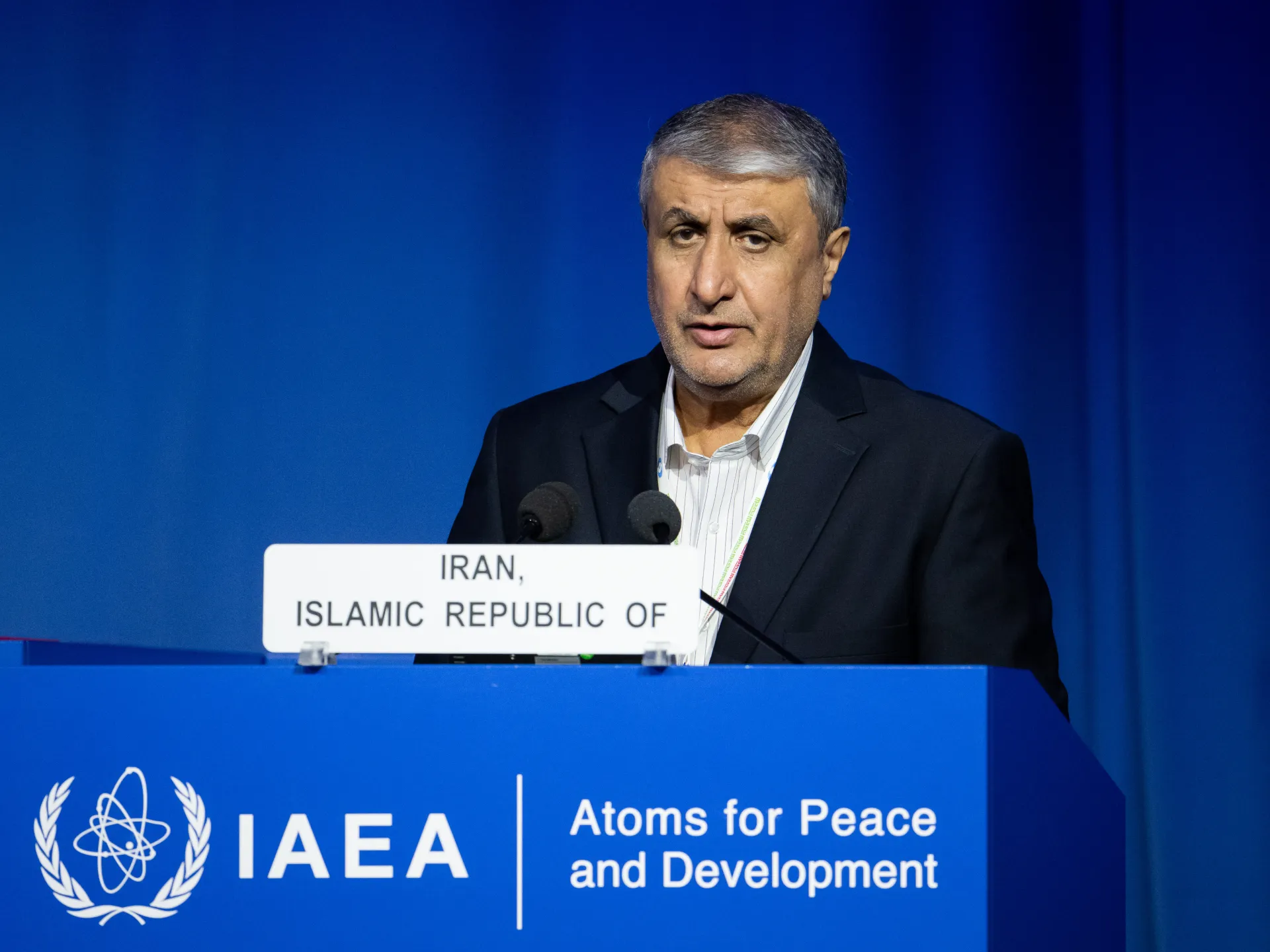
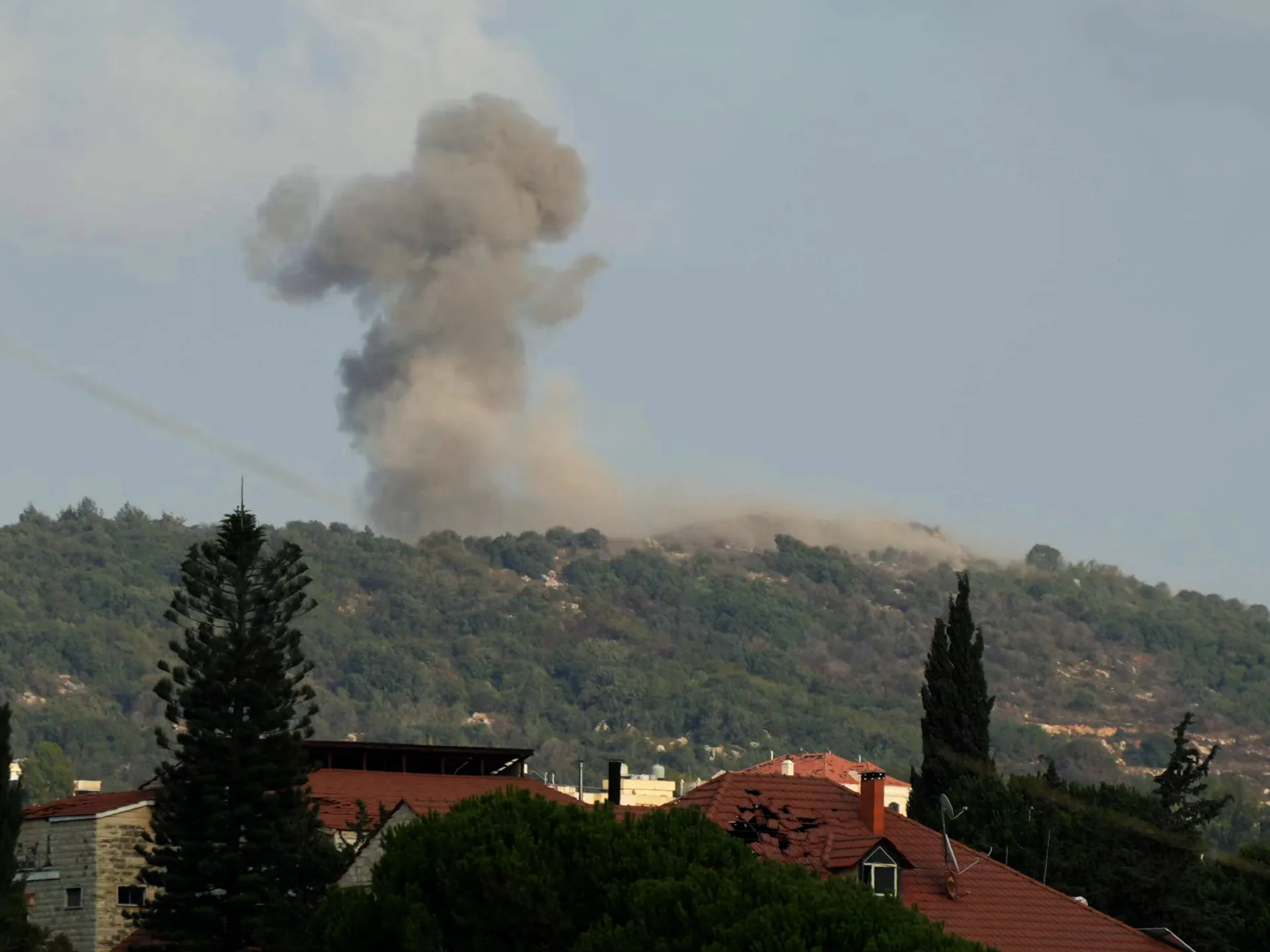
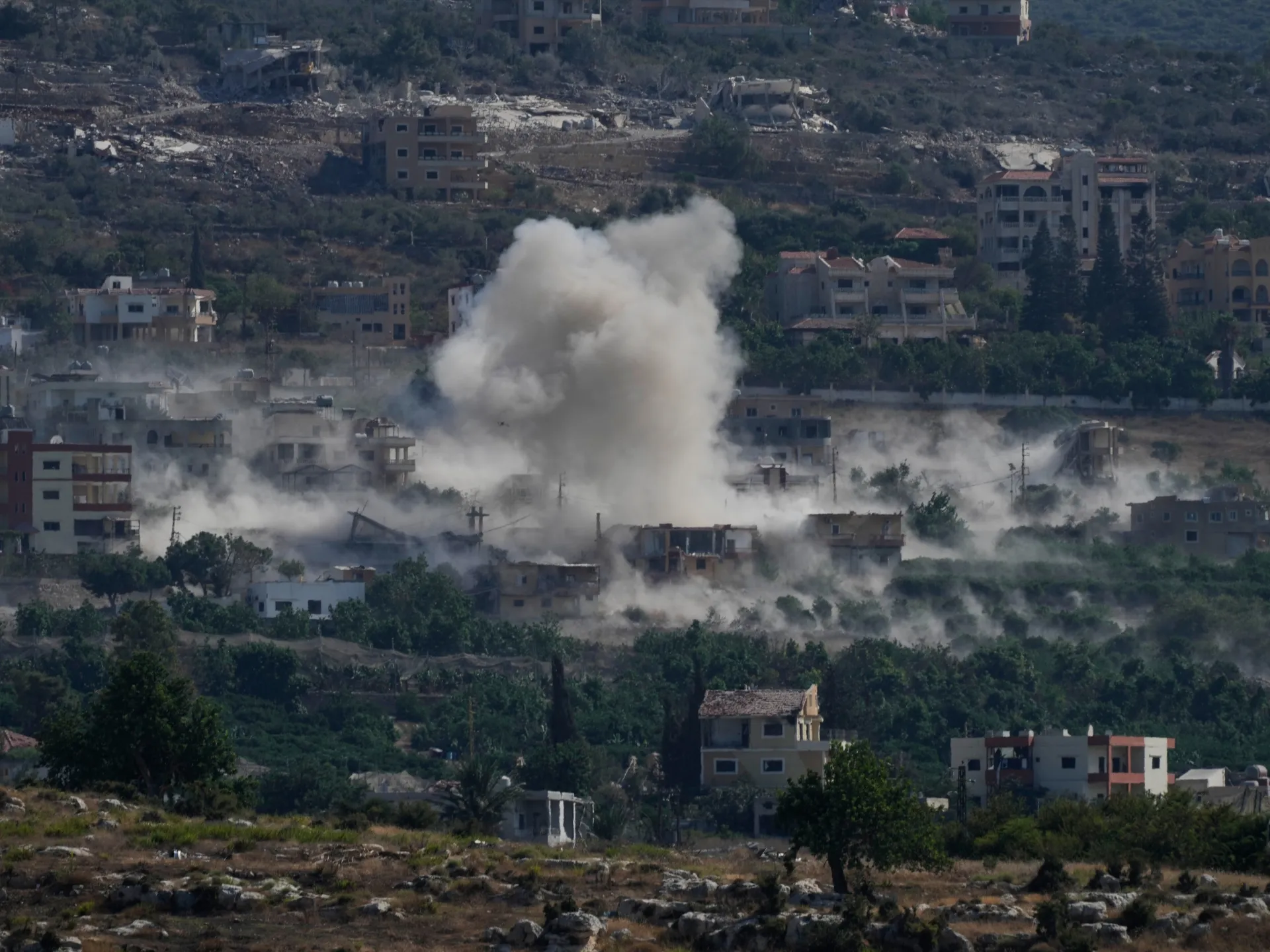
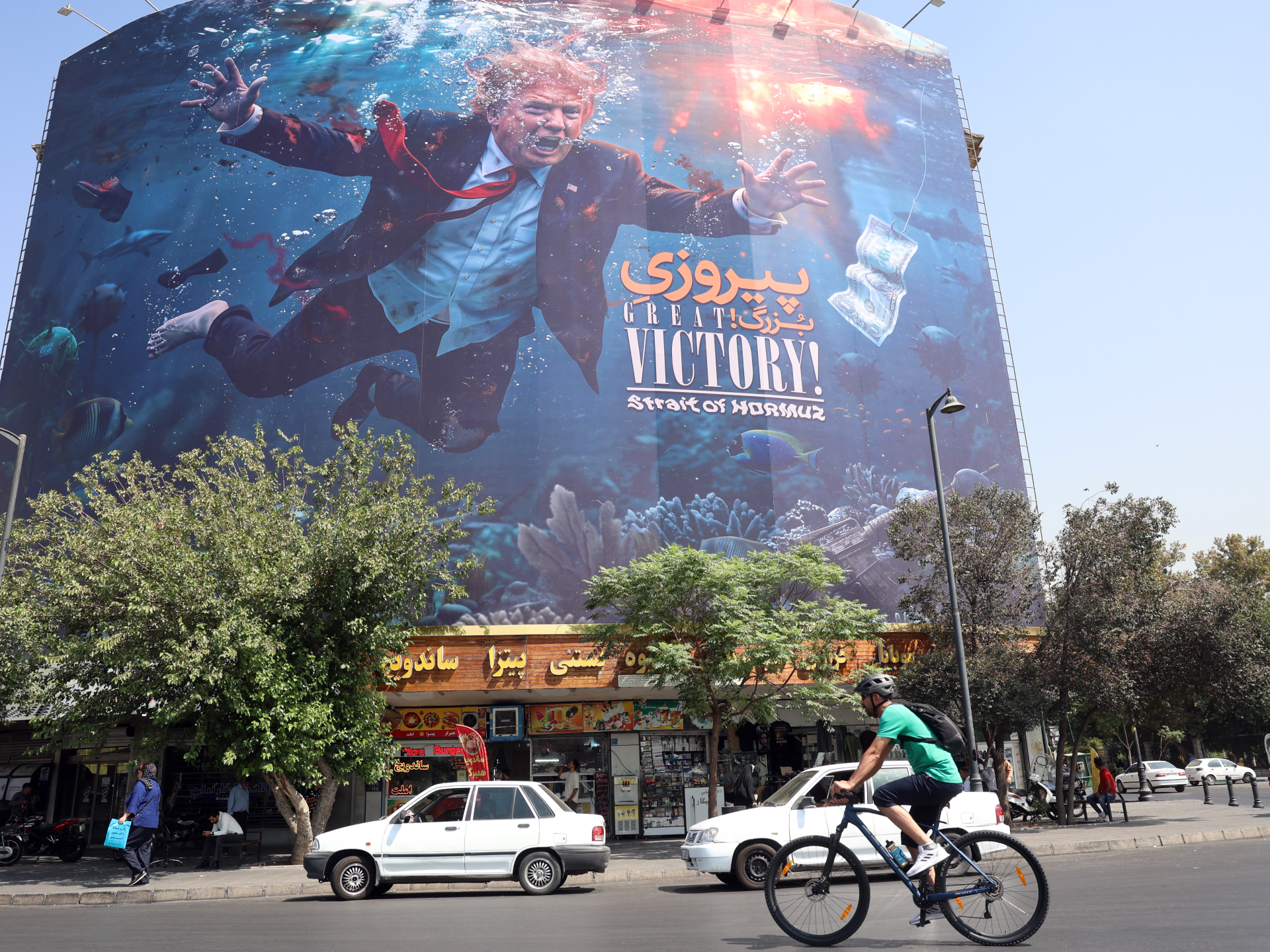
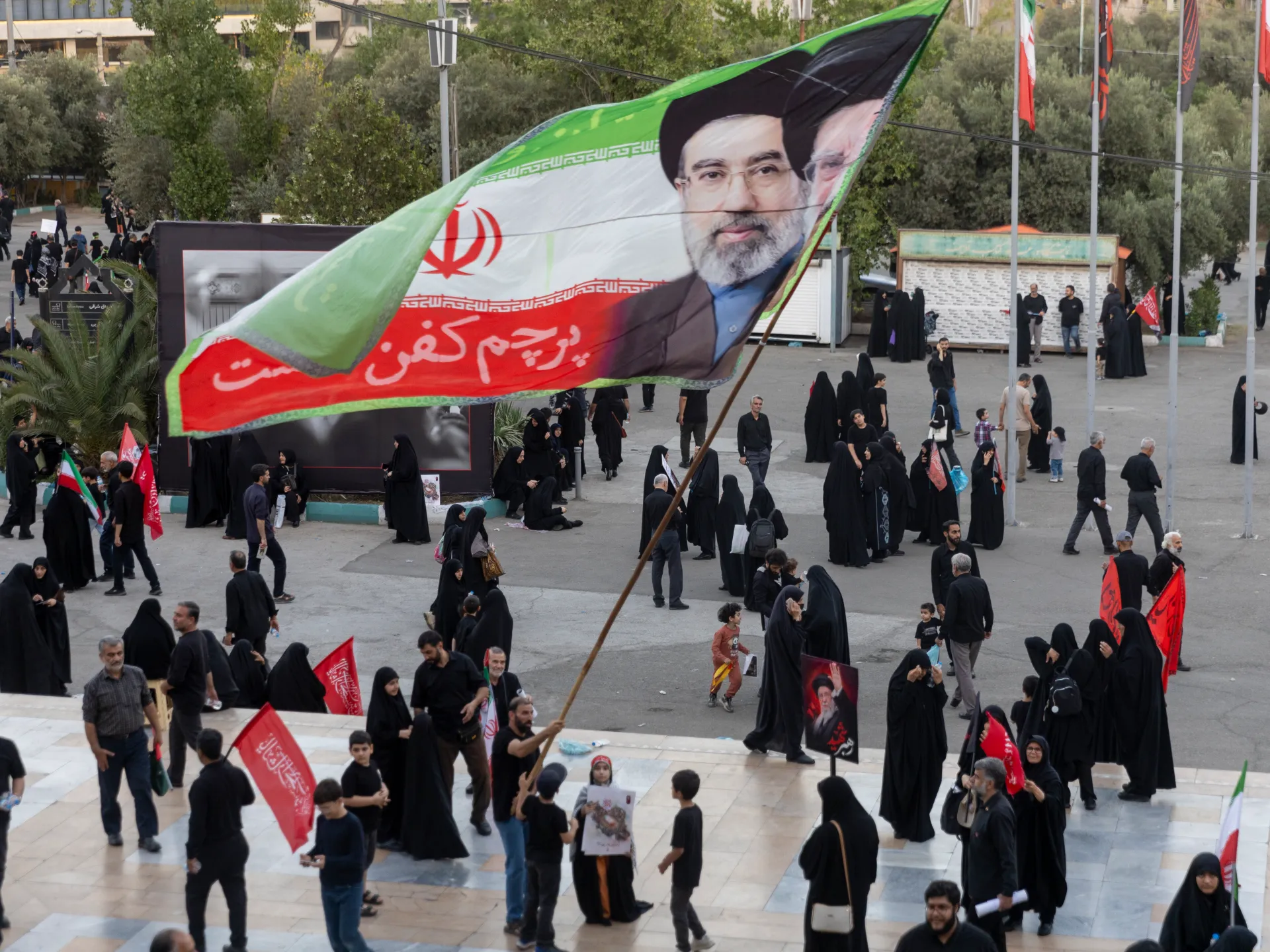
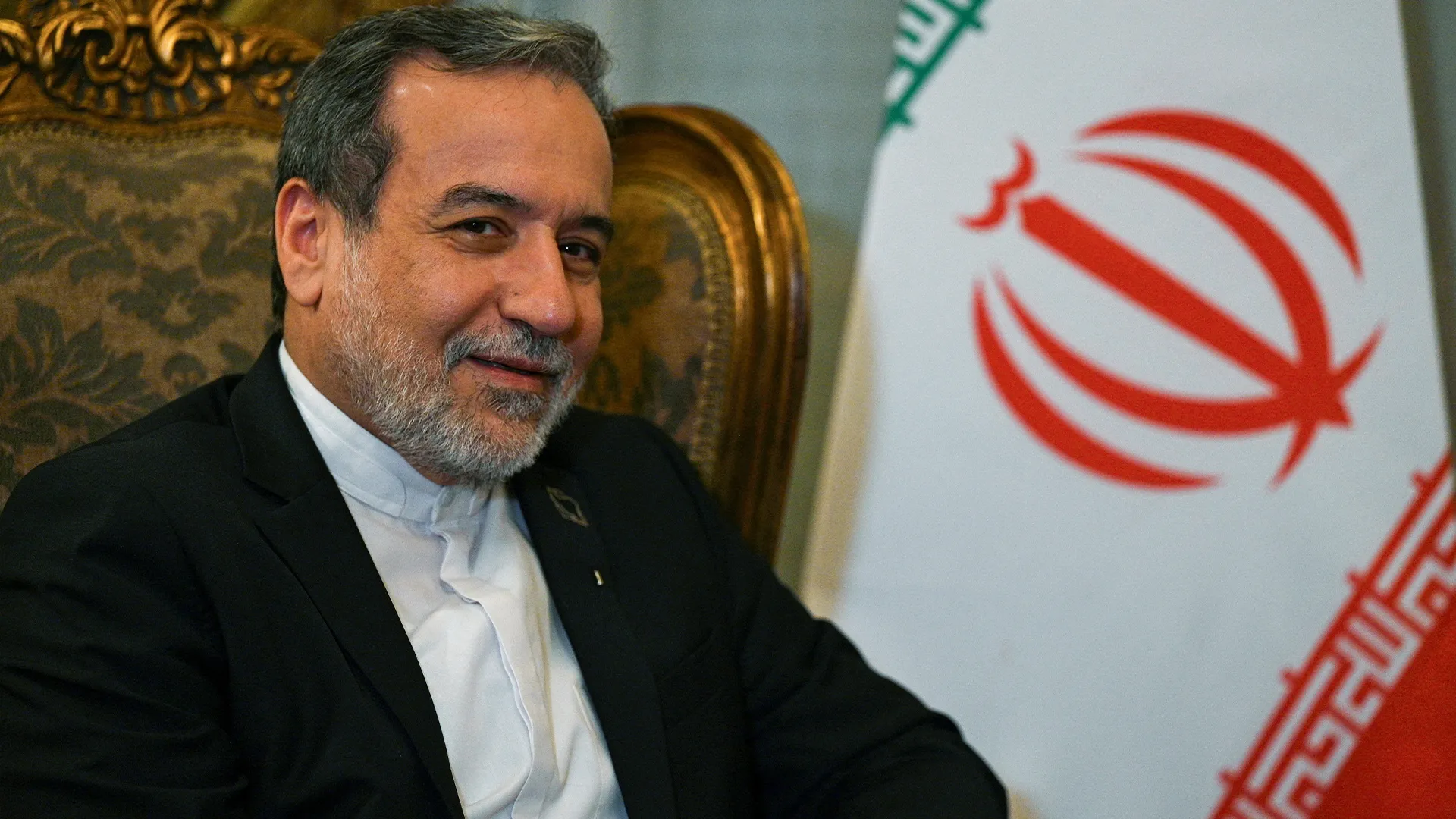
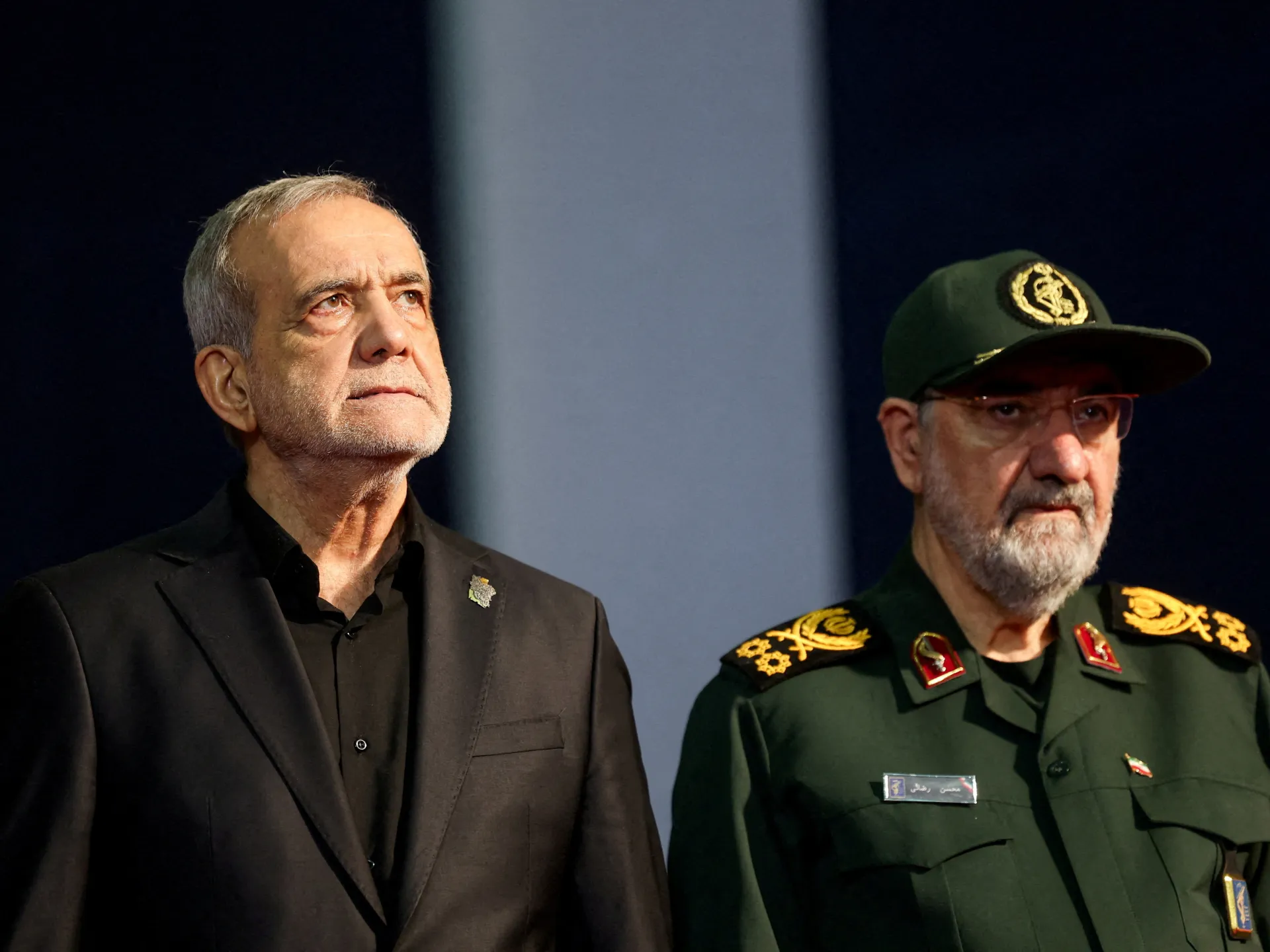
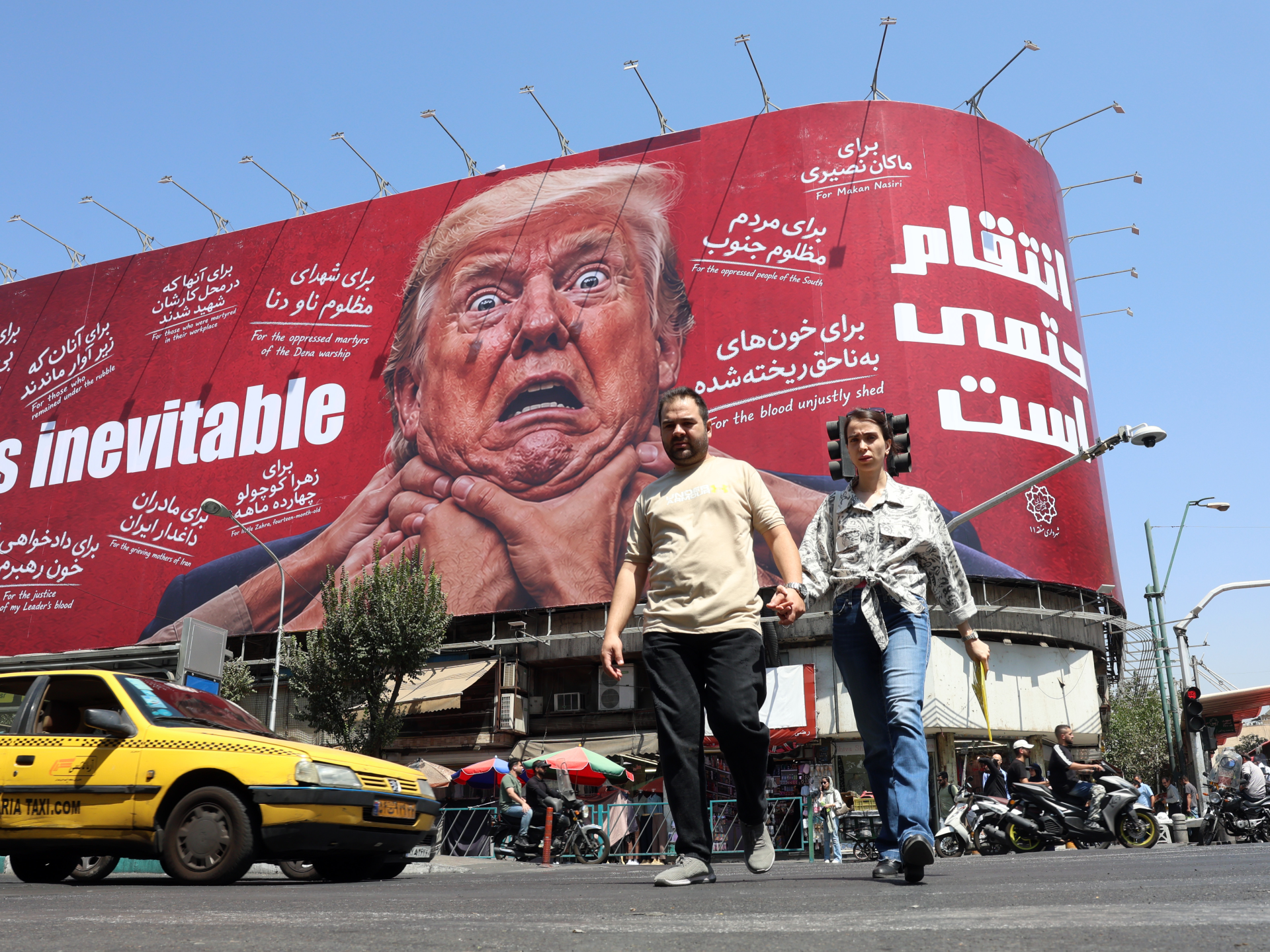
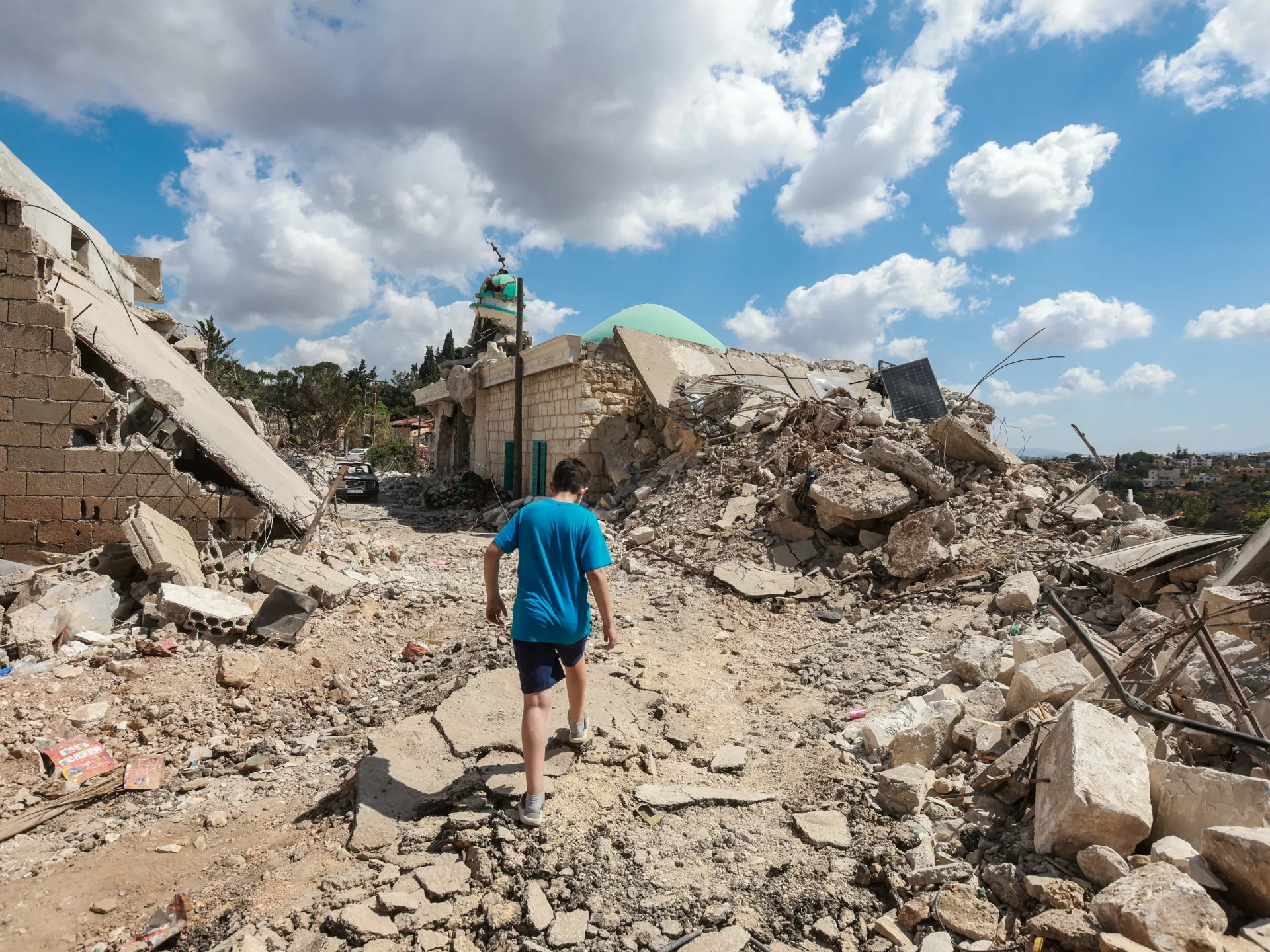
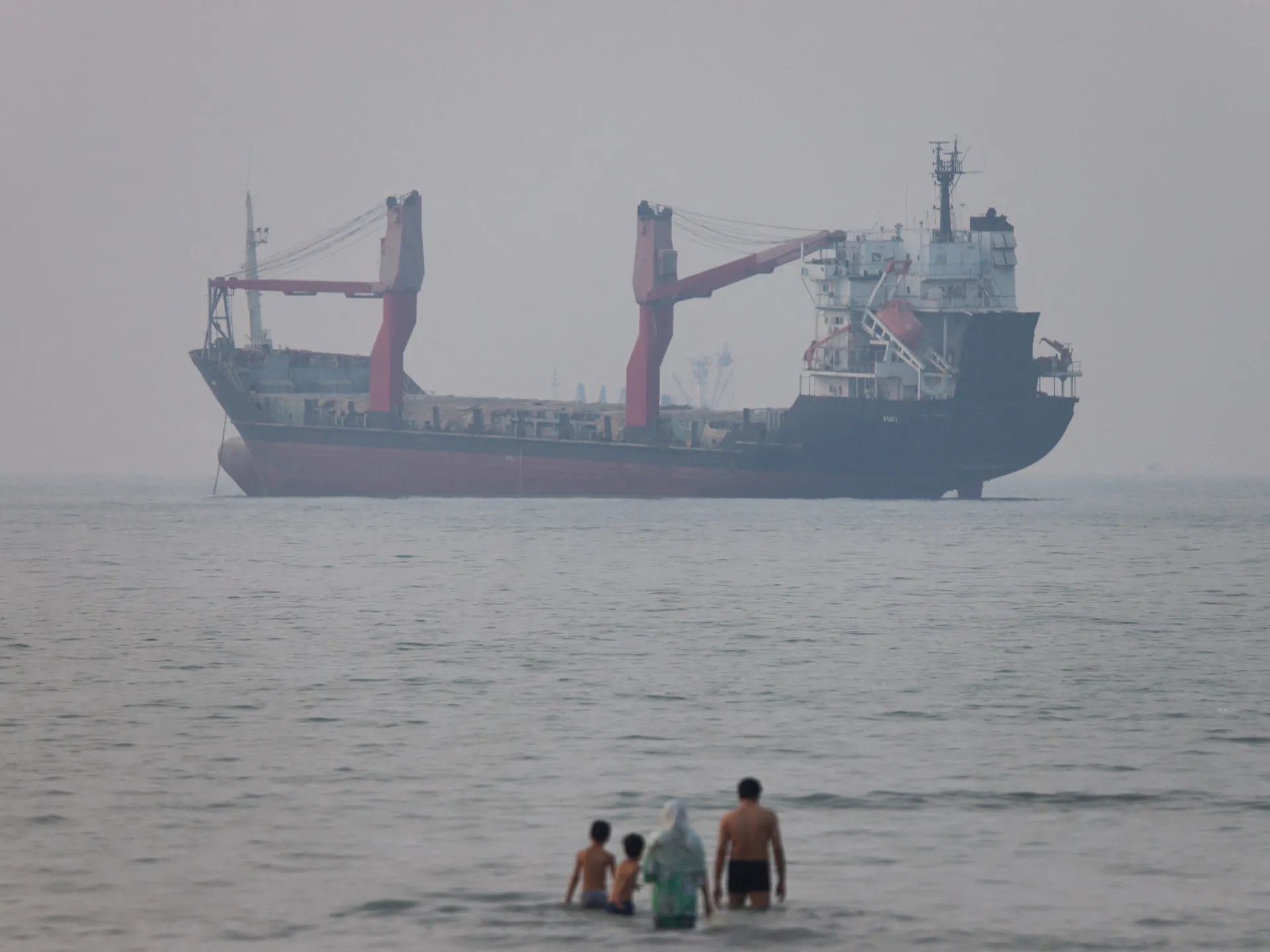
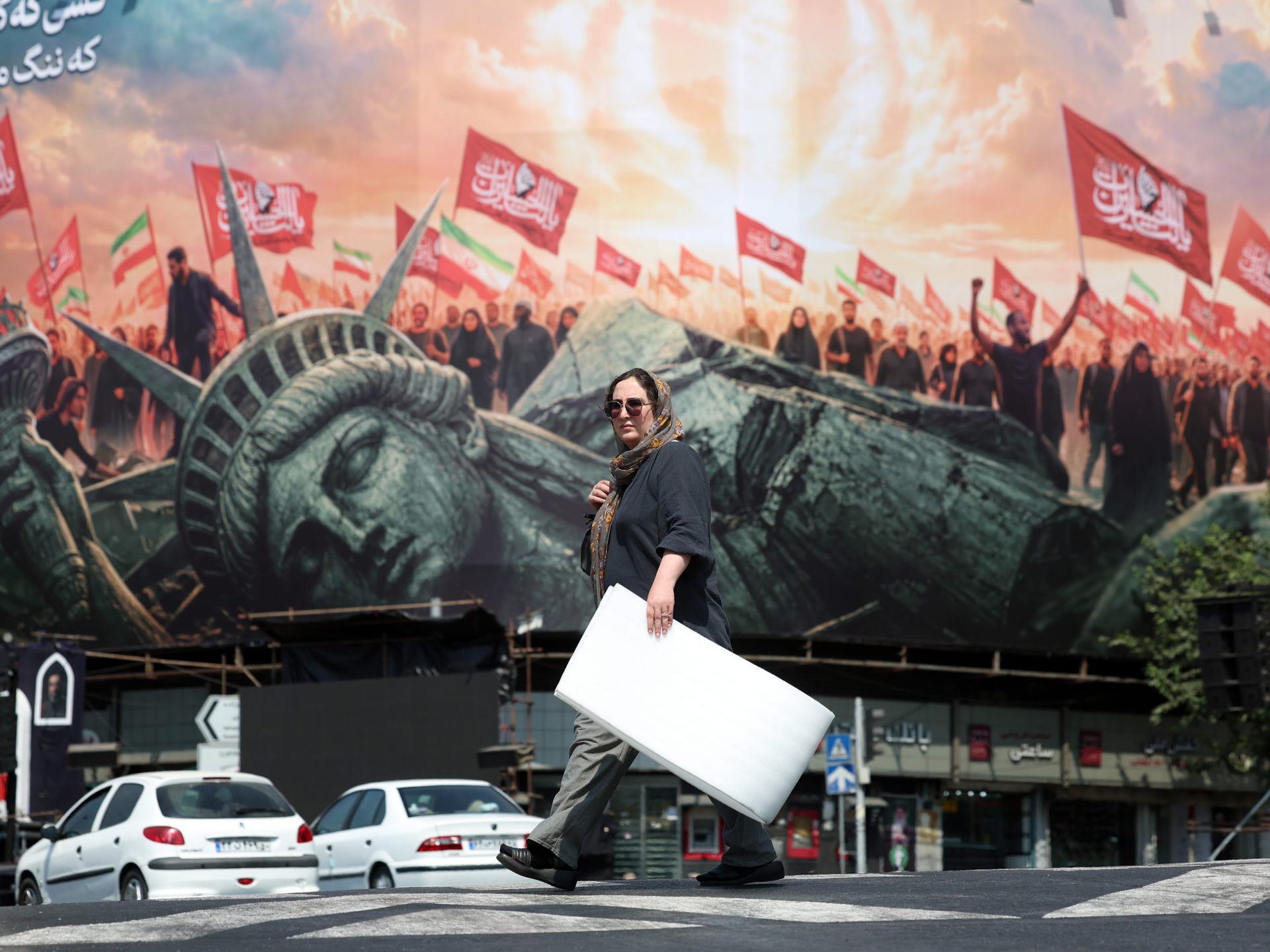
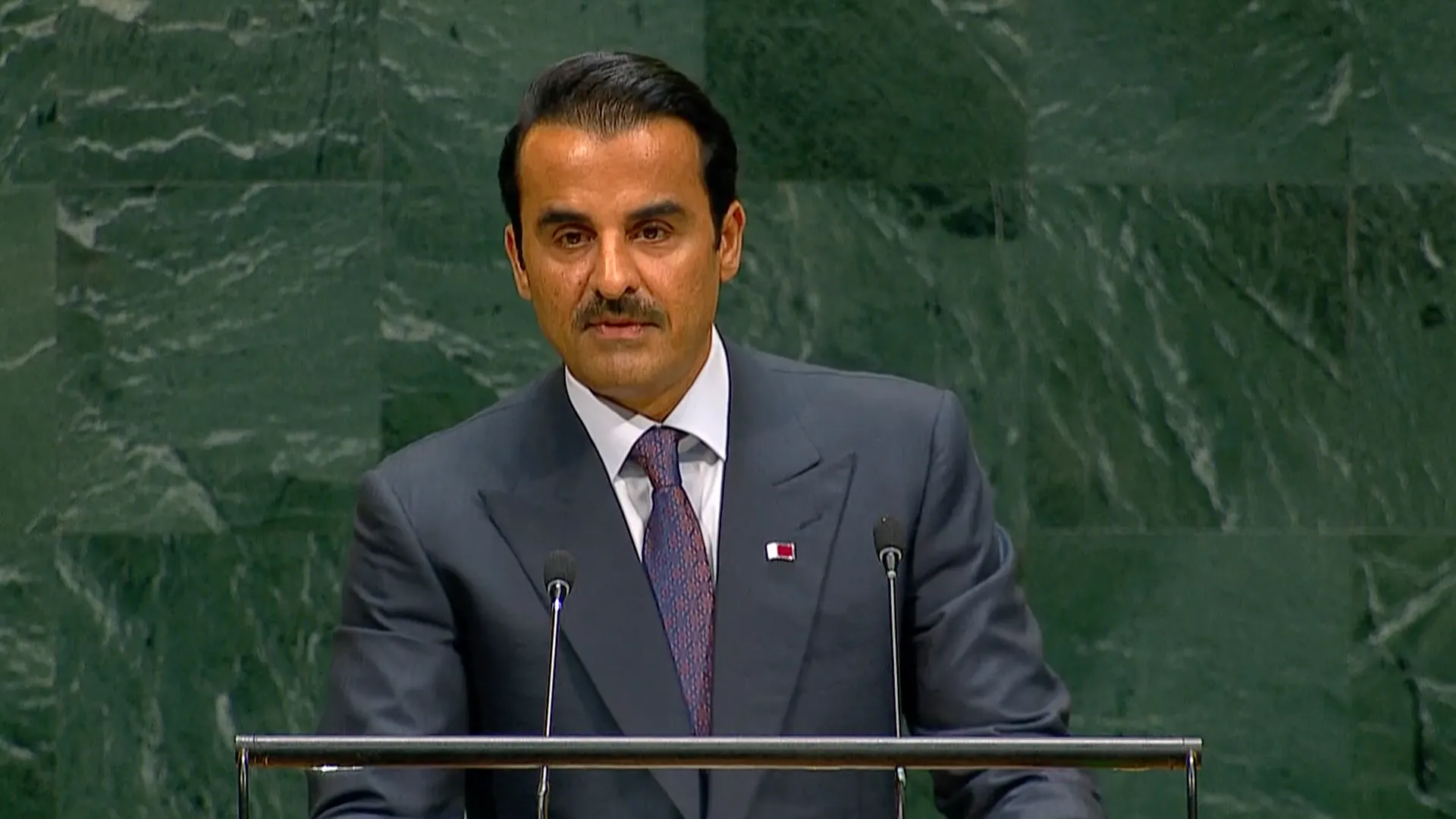
Amidst the escalating military activity, the Qatari government has emerged as a vocal critic of recent Israeli actions in Lebanon and beyond. Emir Sheikh Tamim bin Hamad Al Thani recently issued a formal denunciation of regional aggression, specifically highlighting a perceived refusal diplomatic rift coincides with reports that Iran’s recent retaliatory measures have led to a period of diplomatic isolation, as regional neighbors express growing frustration with the cycle of escalation.
The intersection of these events reflects a critical pivot point in Middle Eastern statecraft. Traditionally, regional diplomacy operated on a fragile framework of back-channel communication and proxy management. However, the current breakdown of these norms—evidenced d more volatile, direct confrontations. Simultaneously, the internal struggle within Israel to silence dissent regarding the conduct of the war suggests that the conflict is no longer confined to the battlefield. at the internal narrative of the war is now considered a national security priority, potentially setting a precedent for how democratic states manage wartime criticism in the digital age.
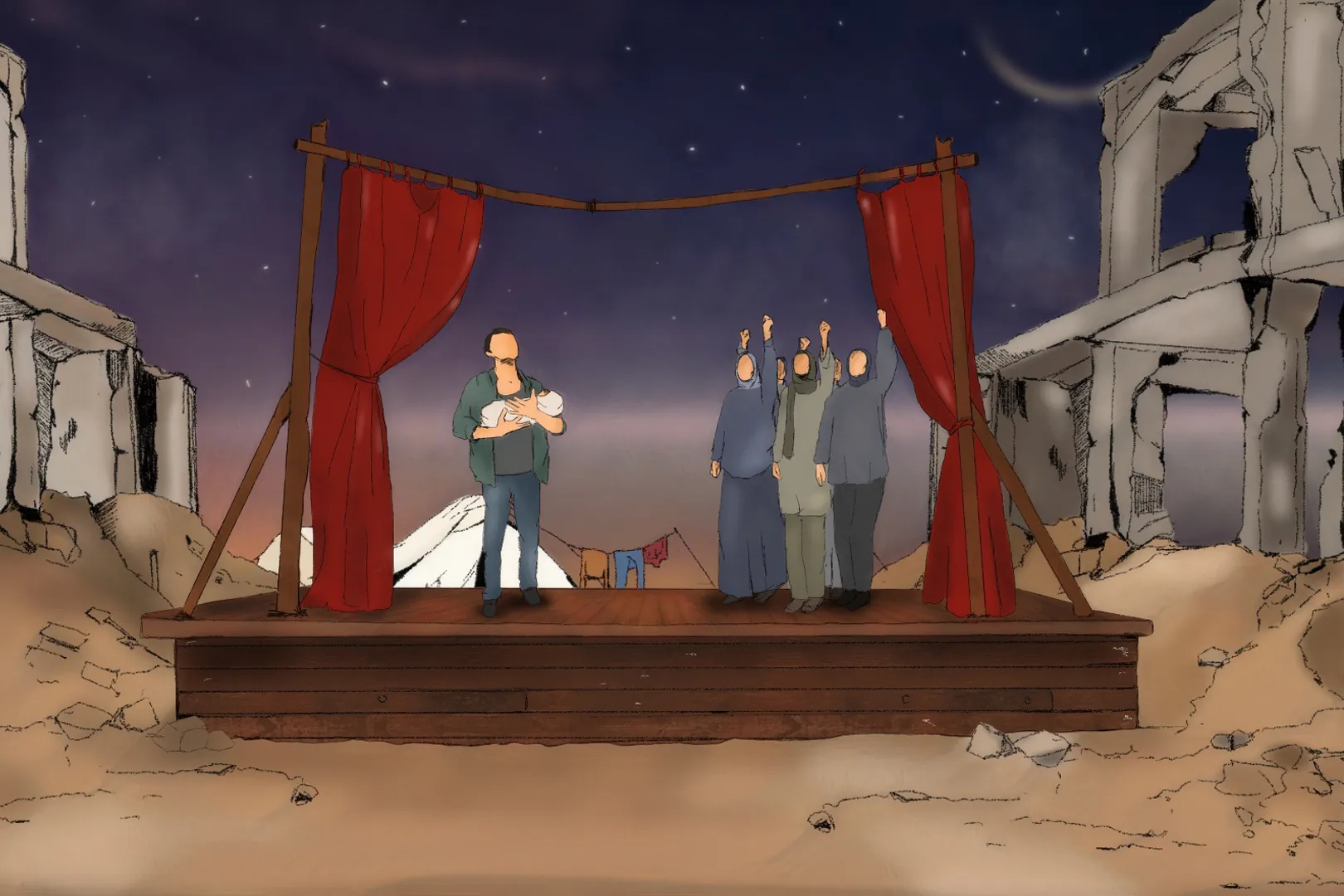
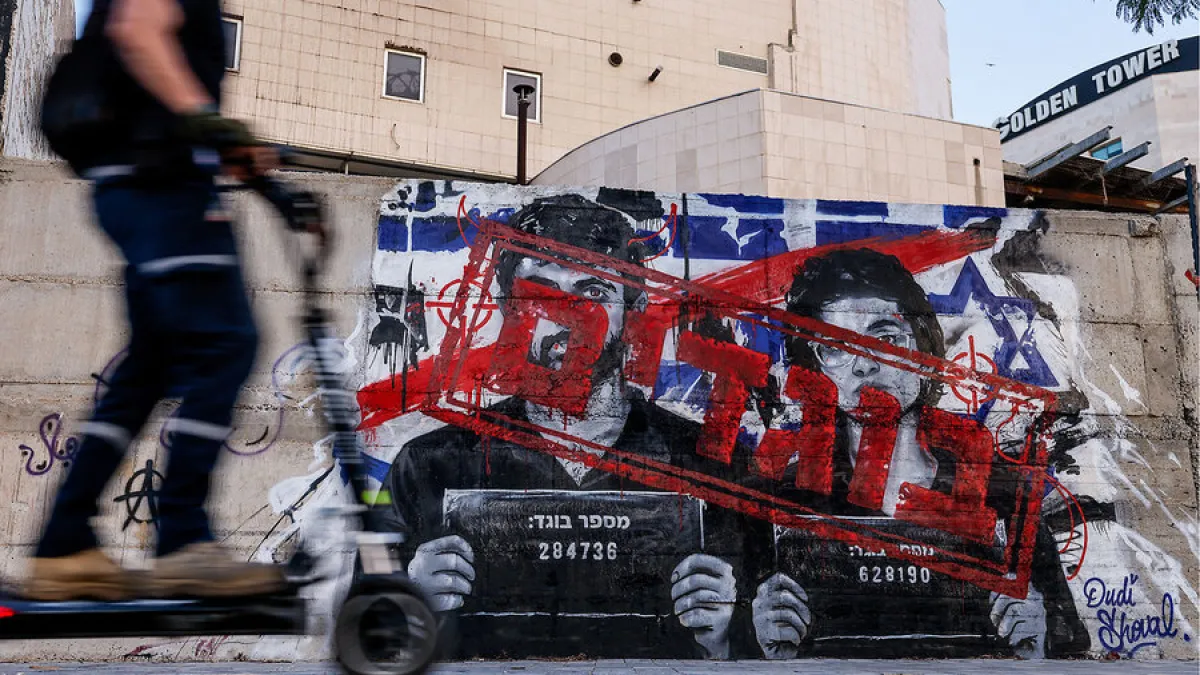
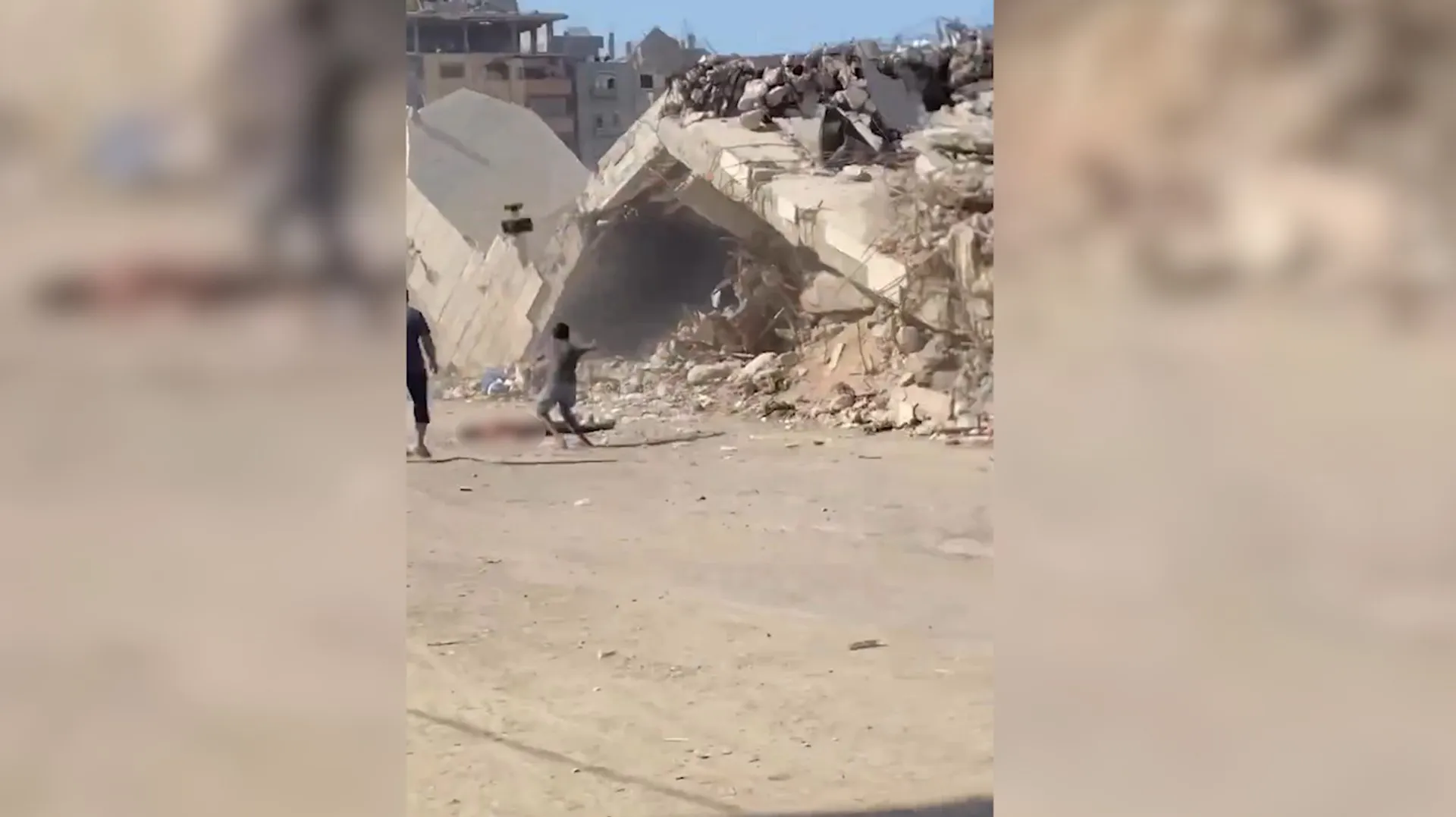
The tension between state policy and creative expression reached a flashpoint following the premiere of the documentary Naza at the Venice International Film Festival. The film, directed personnel to allege the systematic use of AI-driven targeting to cause mass civilian casualties. The documentary claims that military authorization for strikes has occasionally targeted upwards of 500 people to eliminate a single high-value target—an assertion the Israel Defense Forces (IDF) has categorically labeled as false.
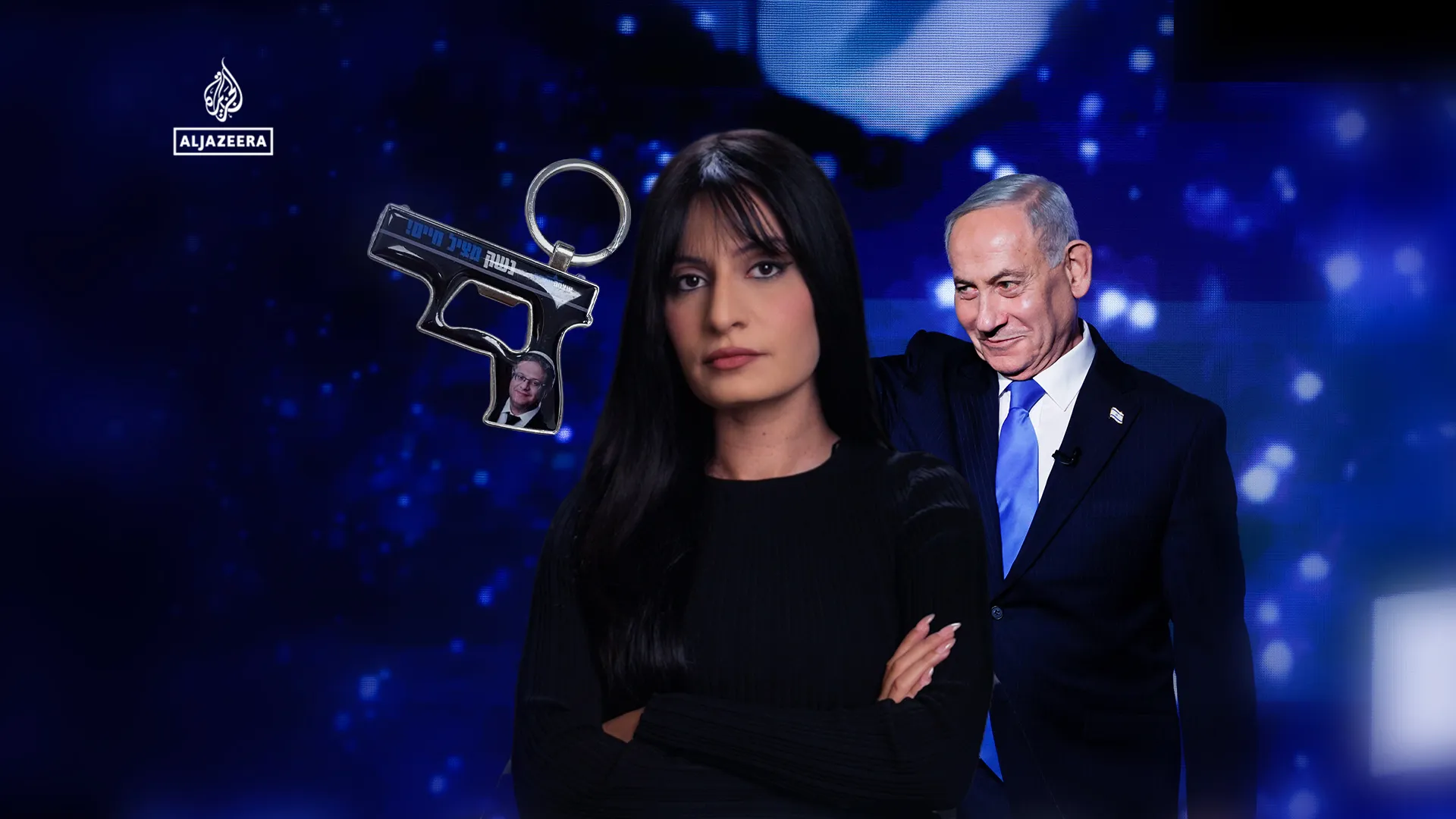
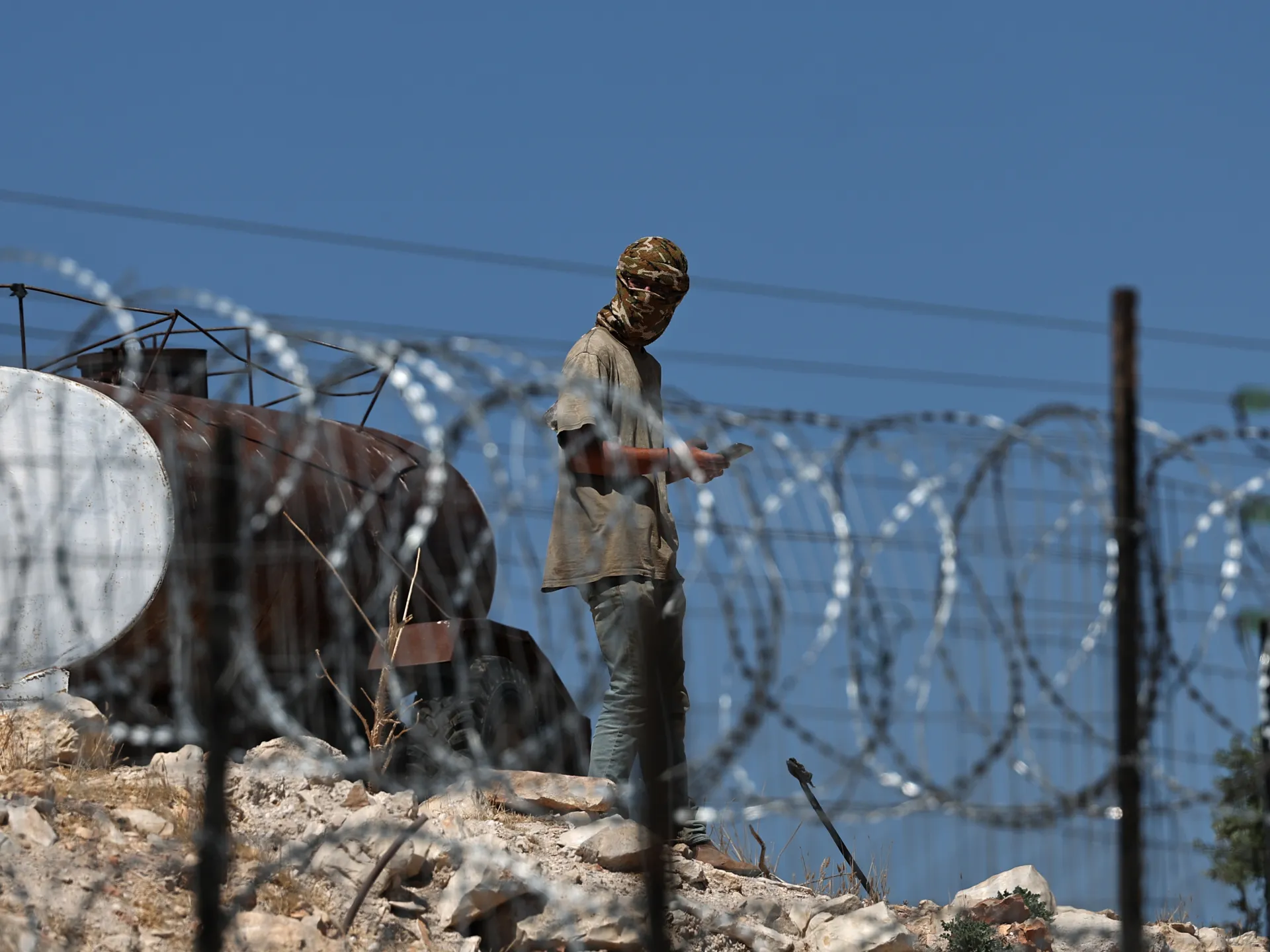
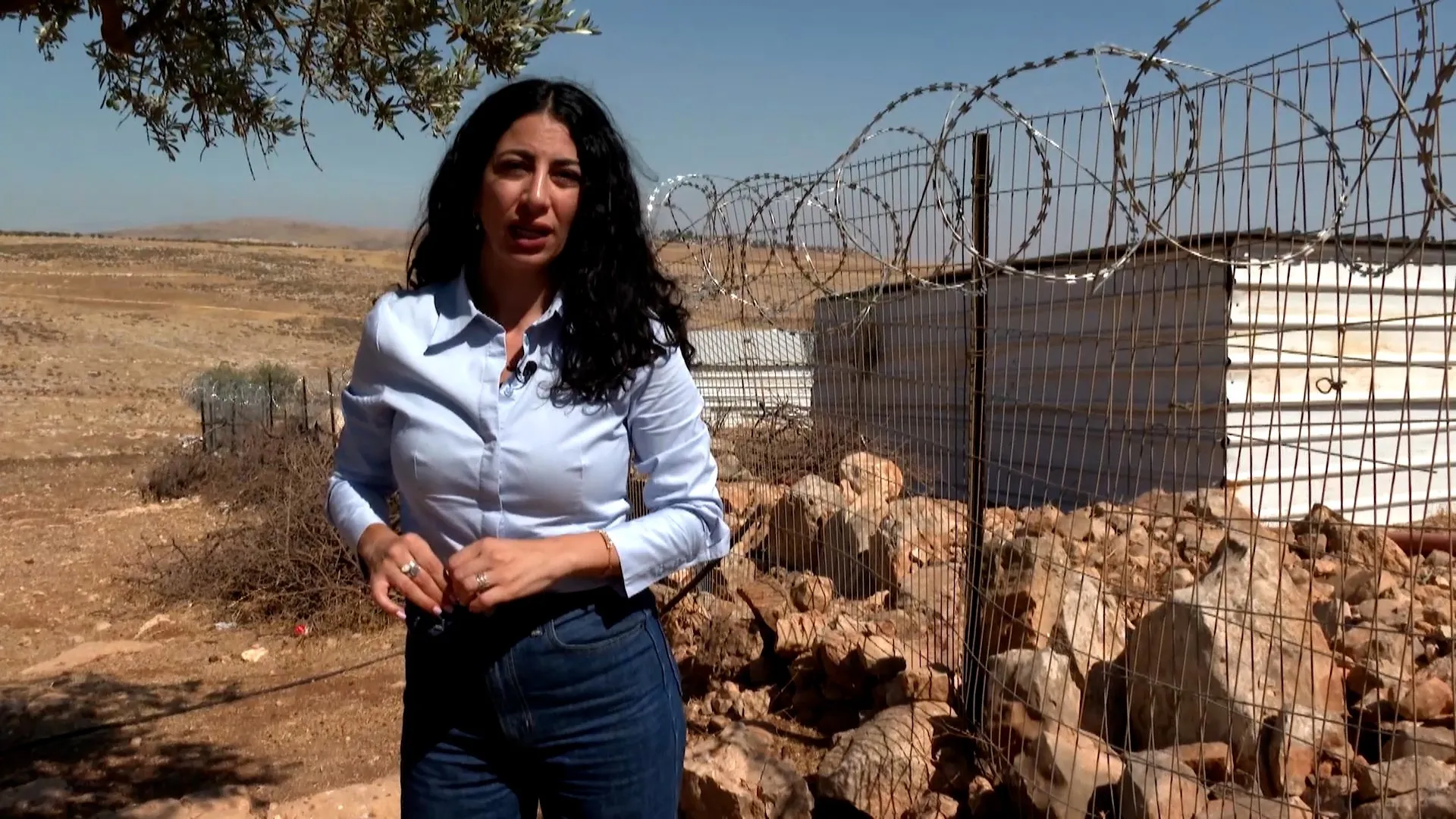
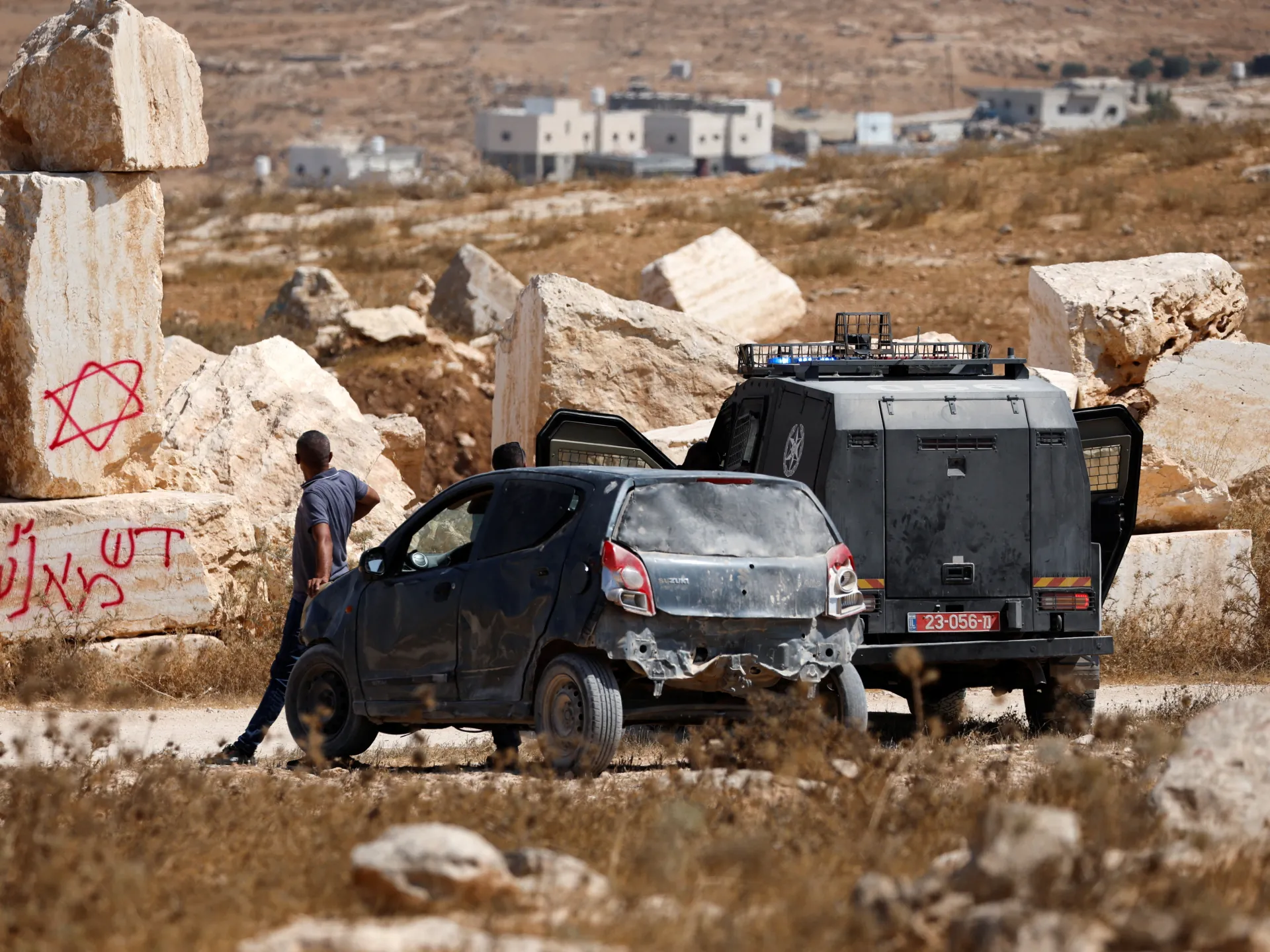
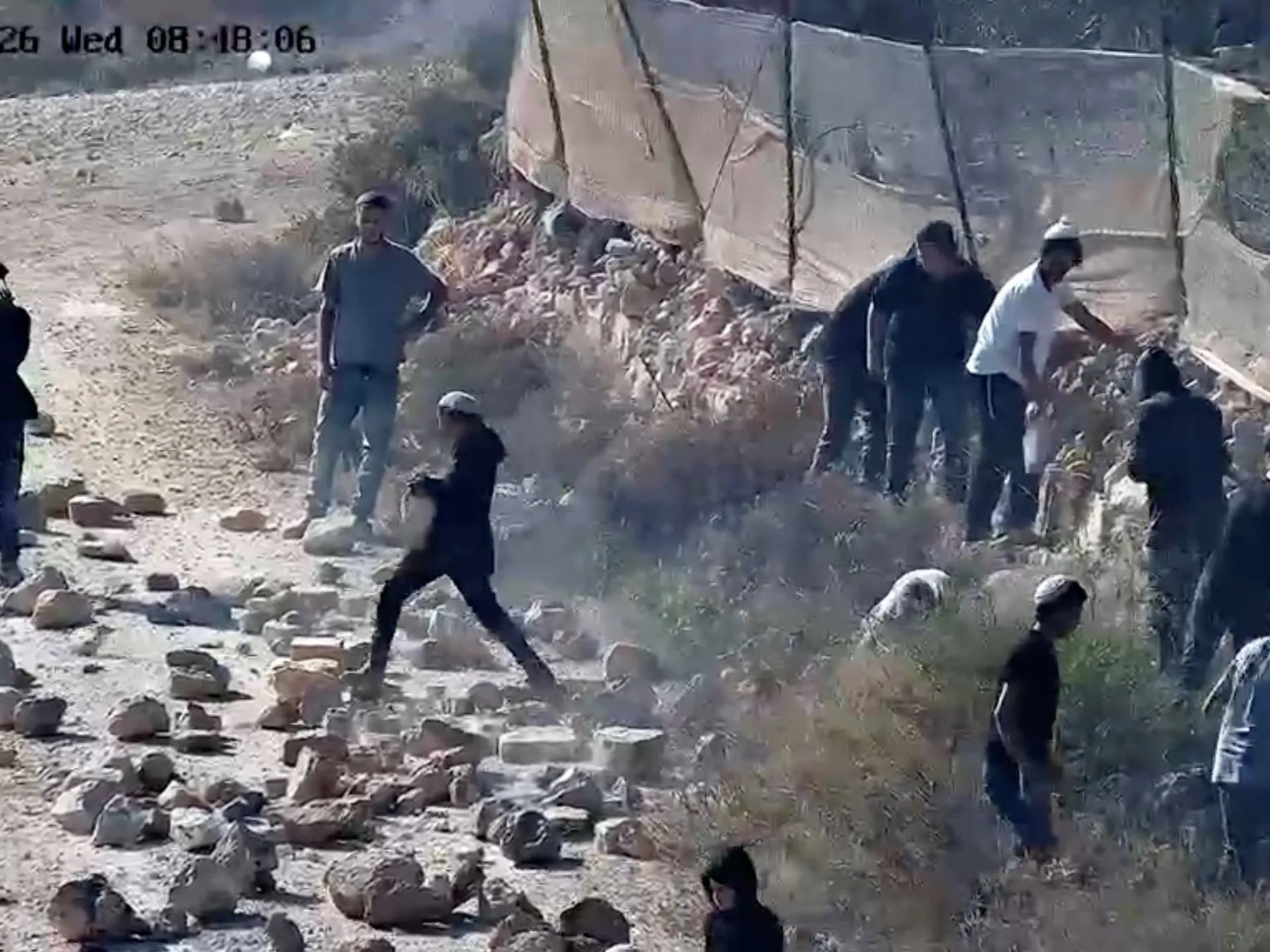
In response to the film’s acclaim, Israeli Culture Minister Miki Zohar has initiated an aggressive campaign to penalize the filmmakers. Zohar has petitioned the Interior Ministry to investigate the methods used to secure the testimony and has publicly suggested that the directors should be stripped of their citizenship for "treason against the state." Citing the national Citizenship Law, Zohar argued that the film constitutes a breach of allegiance. This move has drawn sharp criticism from media advocates, particularly as the film was produced in collaboration with the UK’s Guardian newspaper. The filmmakers, who previously won an Oscar for their work on West Bank settler violence, have maintained that their reporting is rigorous and representative of the harsh realities of the conflict.
The trajectory of these conflicts suggests a period of heightened unpredictability. Regionally, the diplomatic isolation of Iran and the open criticism from Qatar indicate that traditional mediators may be losing their leverage, increasing the risk of miscalculation between regional actors. Domestically, the attempt to revoke the citizenship of the Naza filmmakers will likely face significant legal hurdles, as the specific provision for "breach of allegiance" is rarely invoked and would likely invite a constitutional challenge within the Israeli court system. Observers should monitor whether this attempt at suppression leads to a "chilling effect" on independent journalism or if it serves to further polarize the Israeli public, potentially emboldening other dissident voices to bring additional military practices to light.