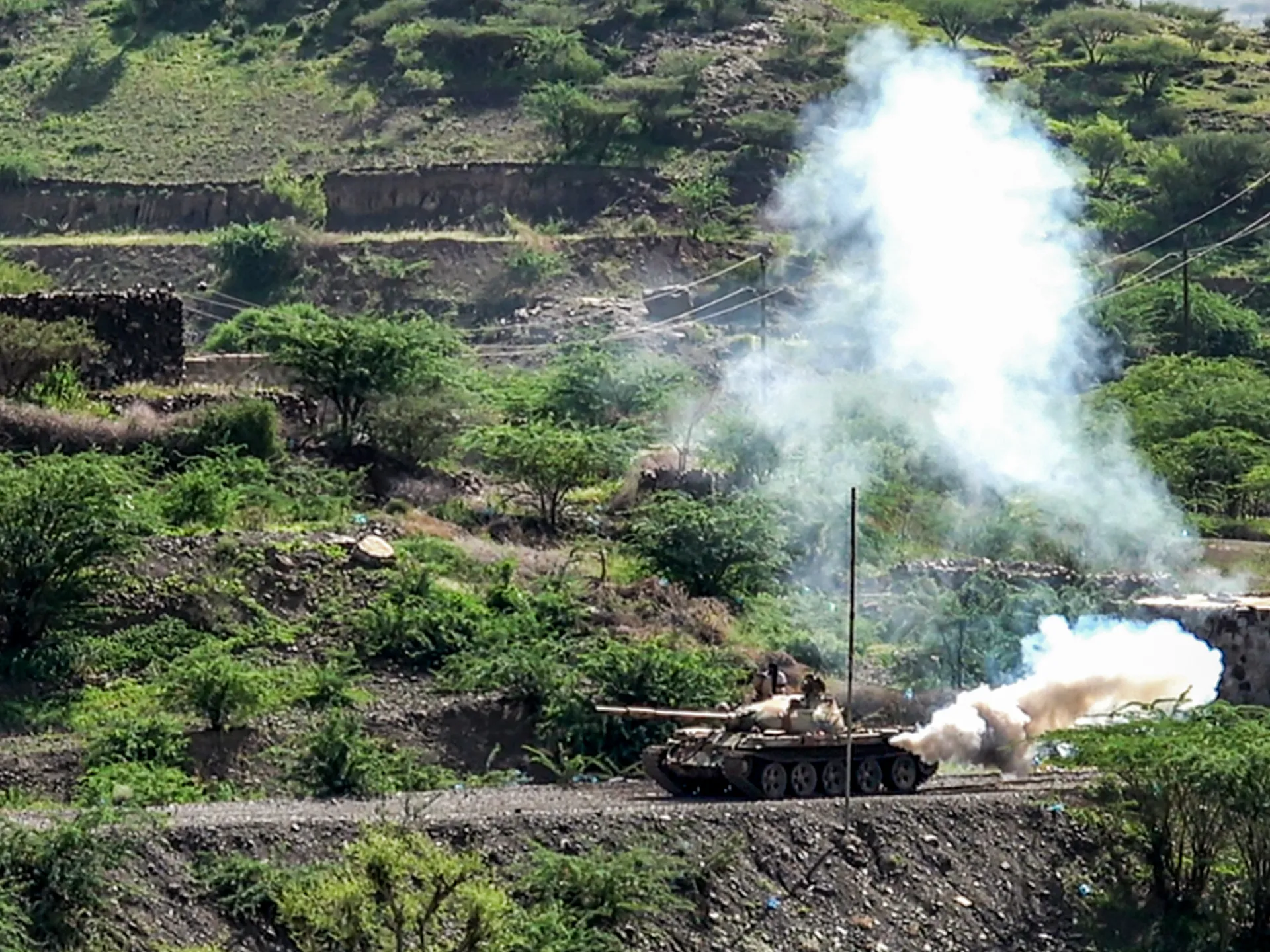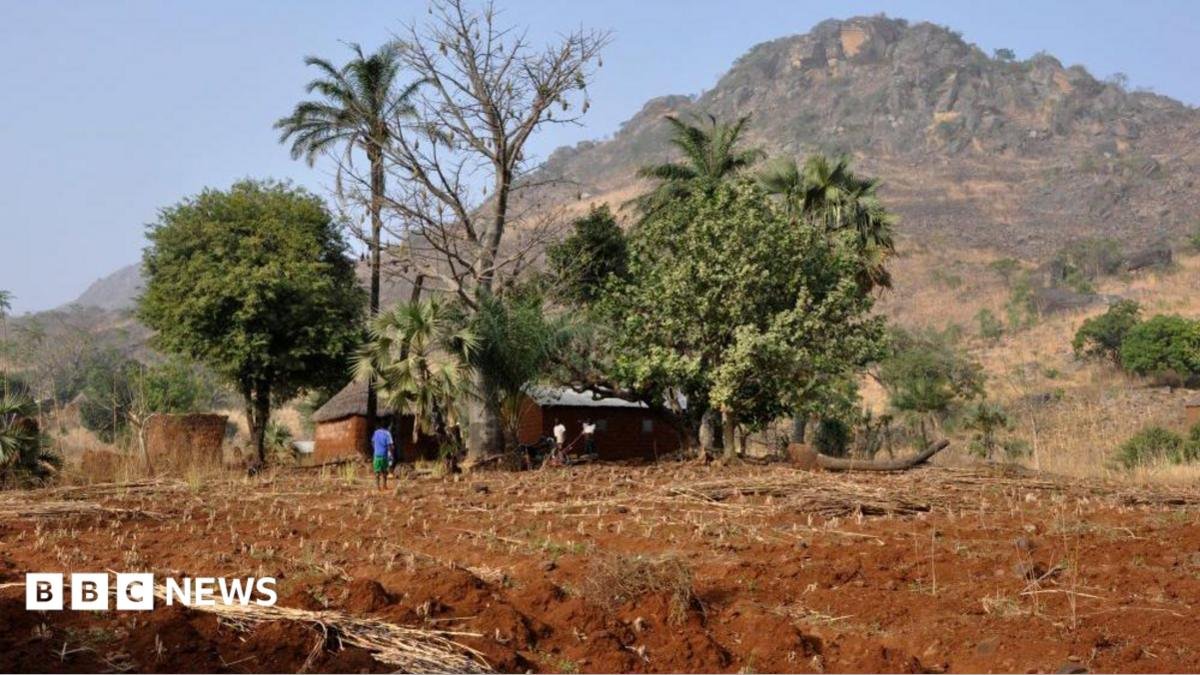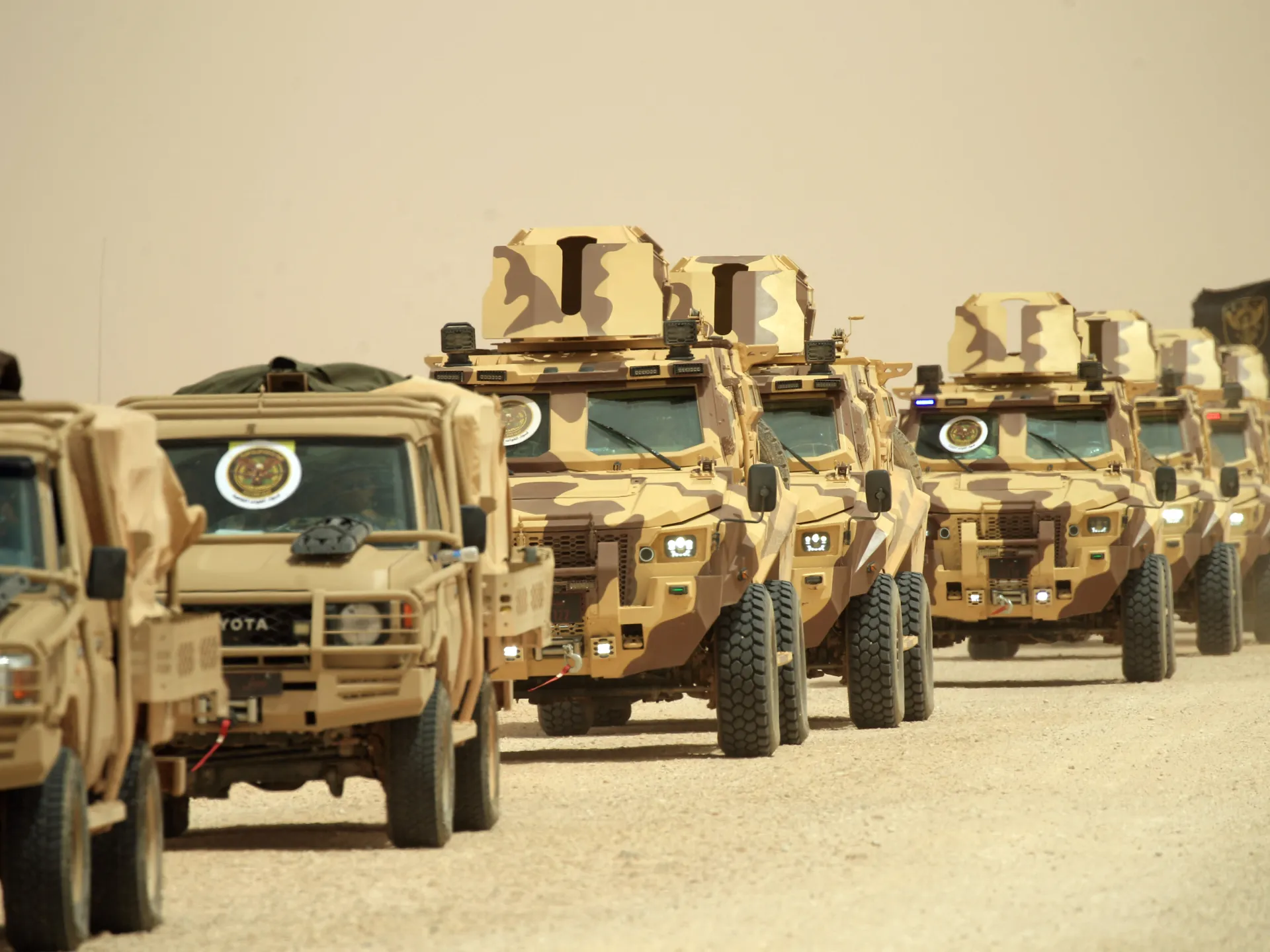

Houthi forces are securing the Kahboub Mountains following a rapid coastal offensive, heightening tensions near the vital Bab al-Mandeb shipping lane.
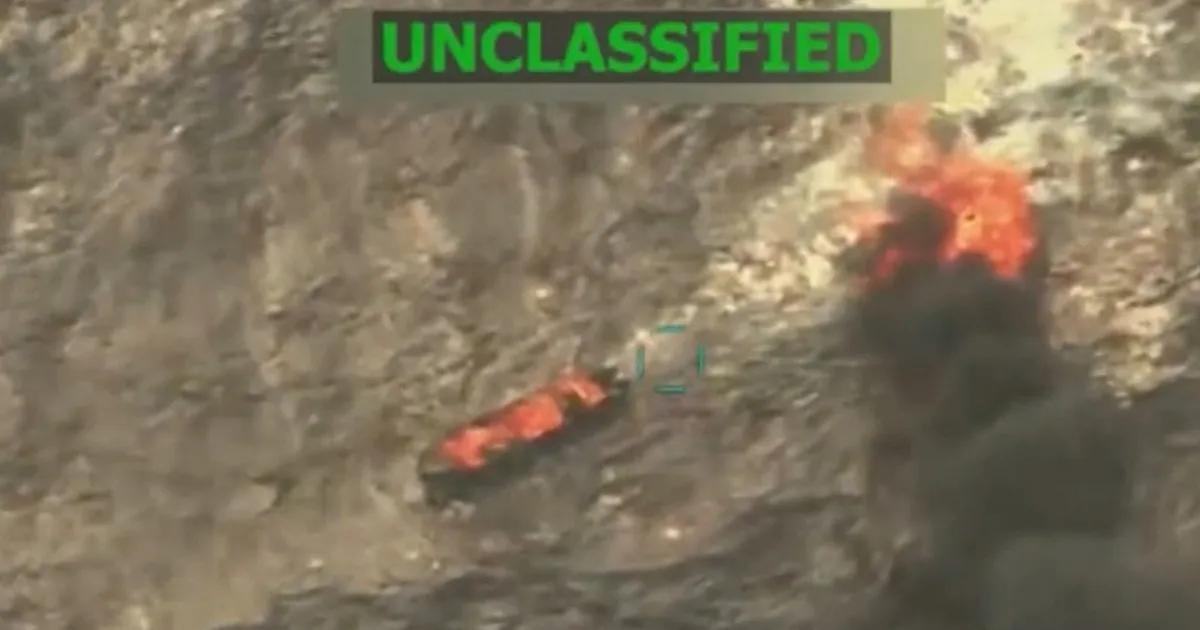
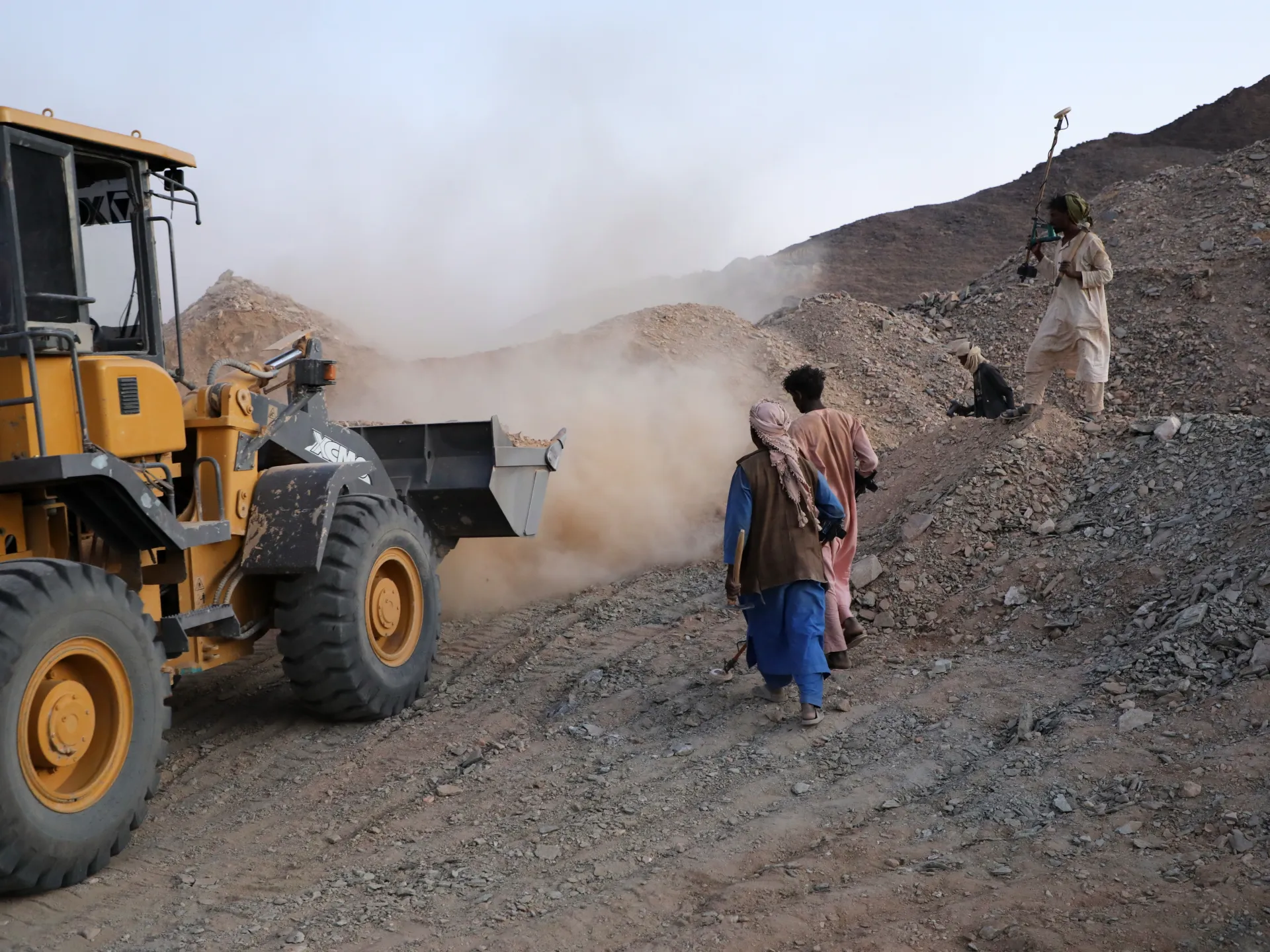
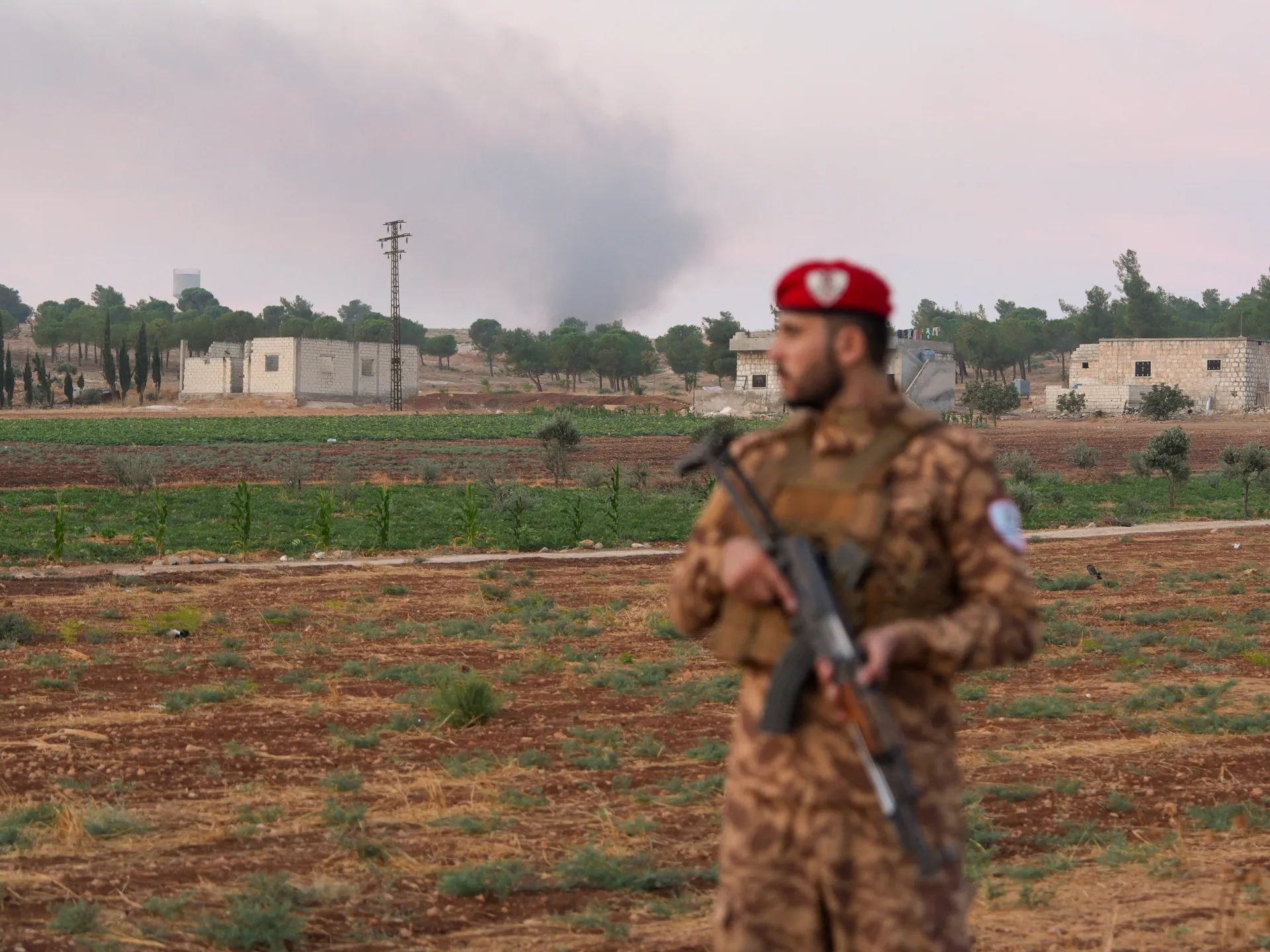
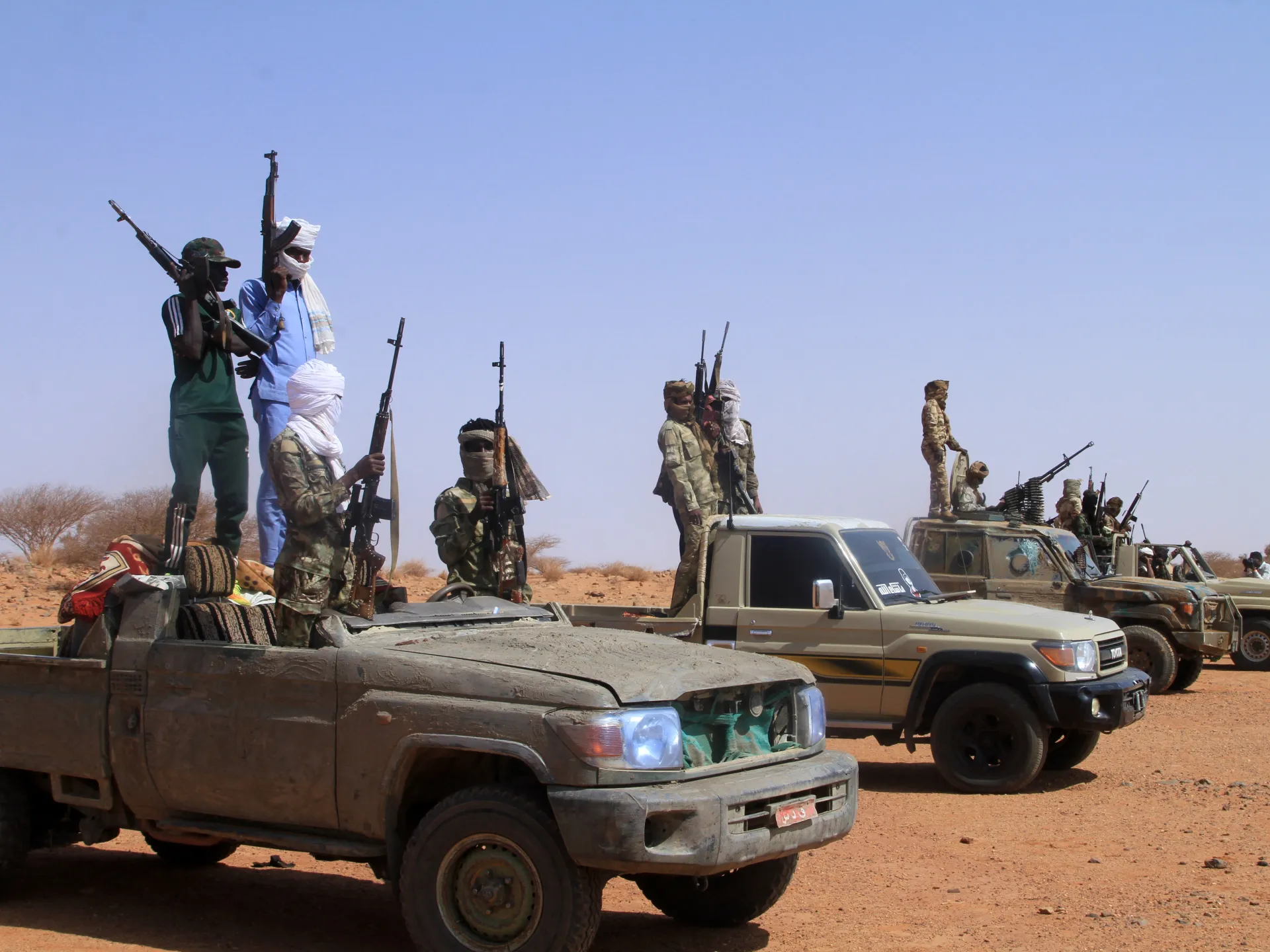
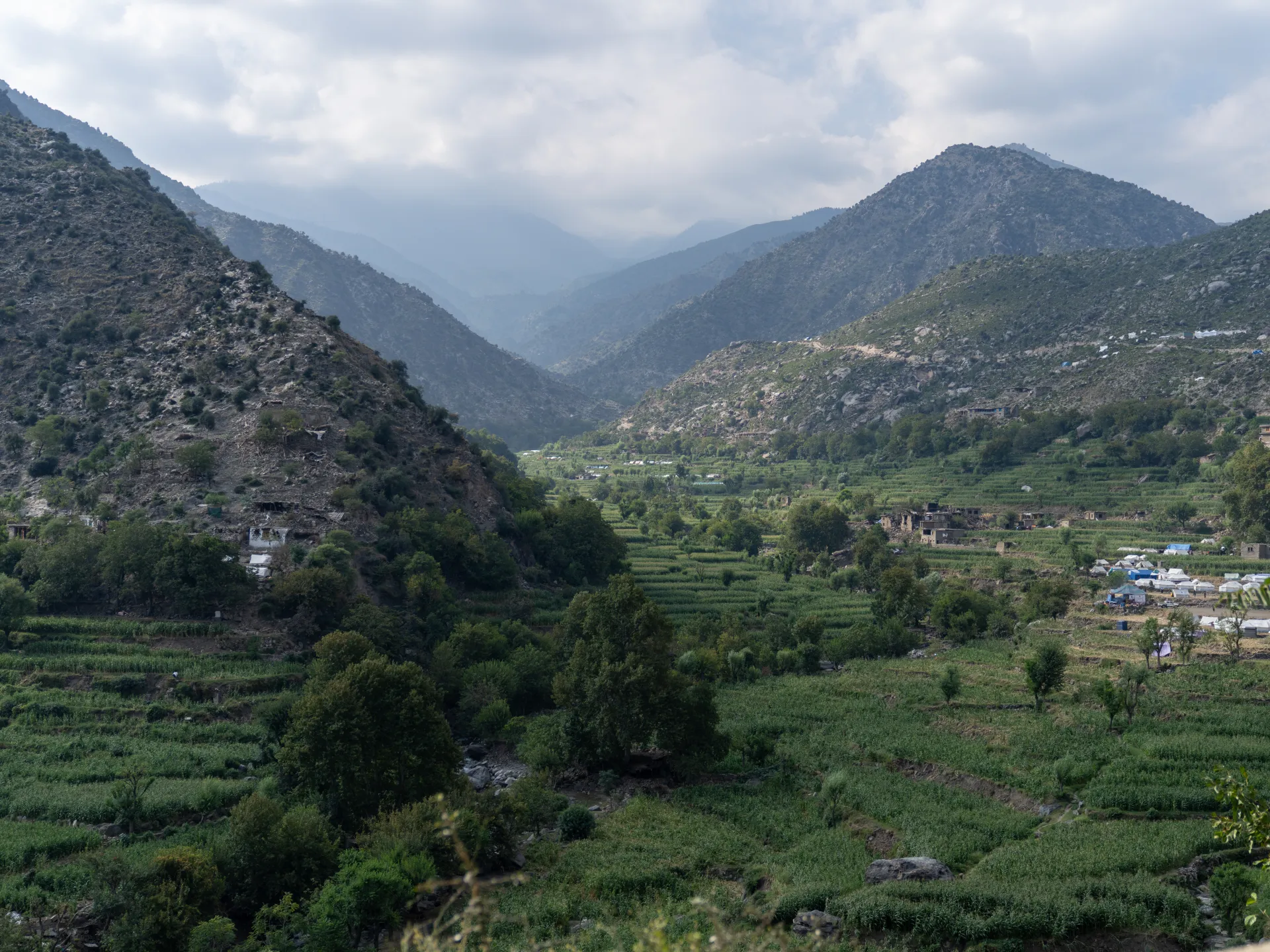
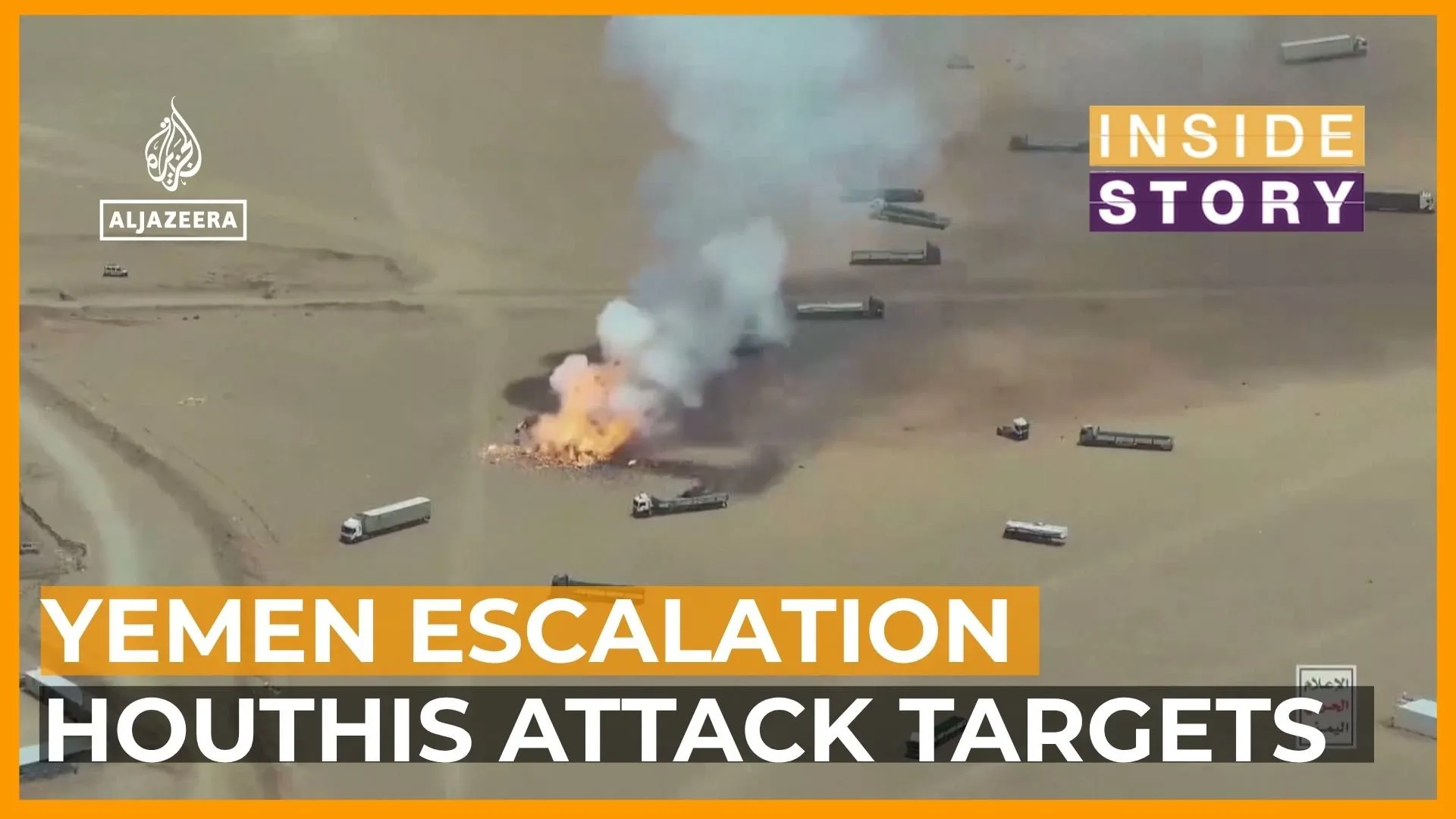
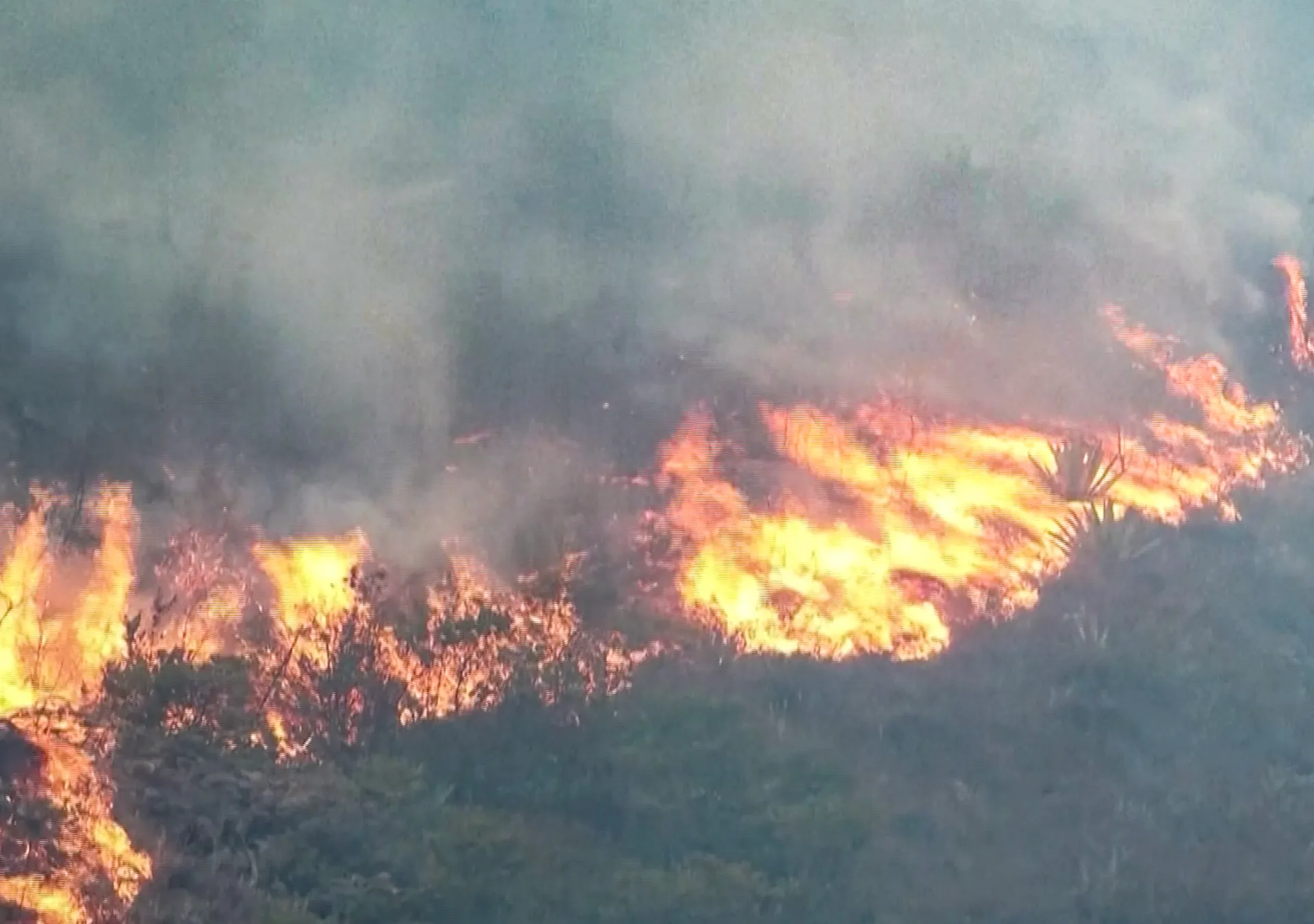
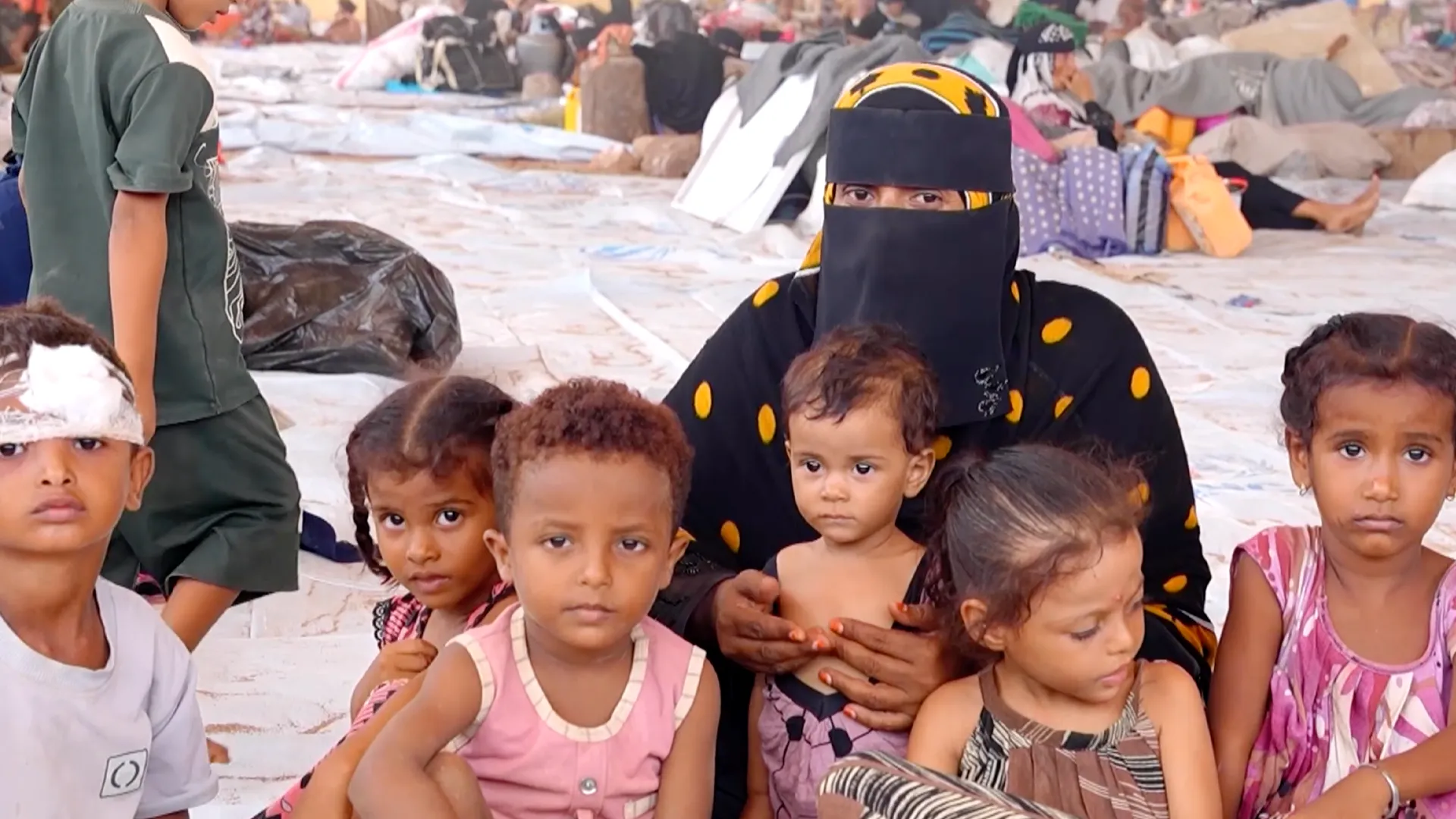
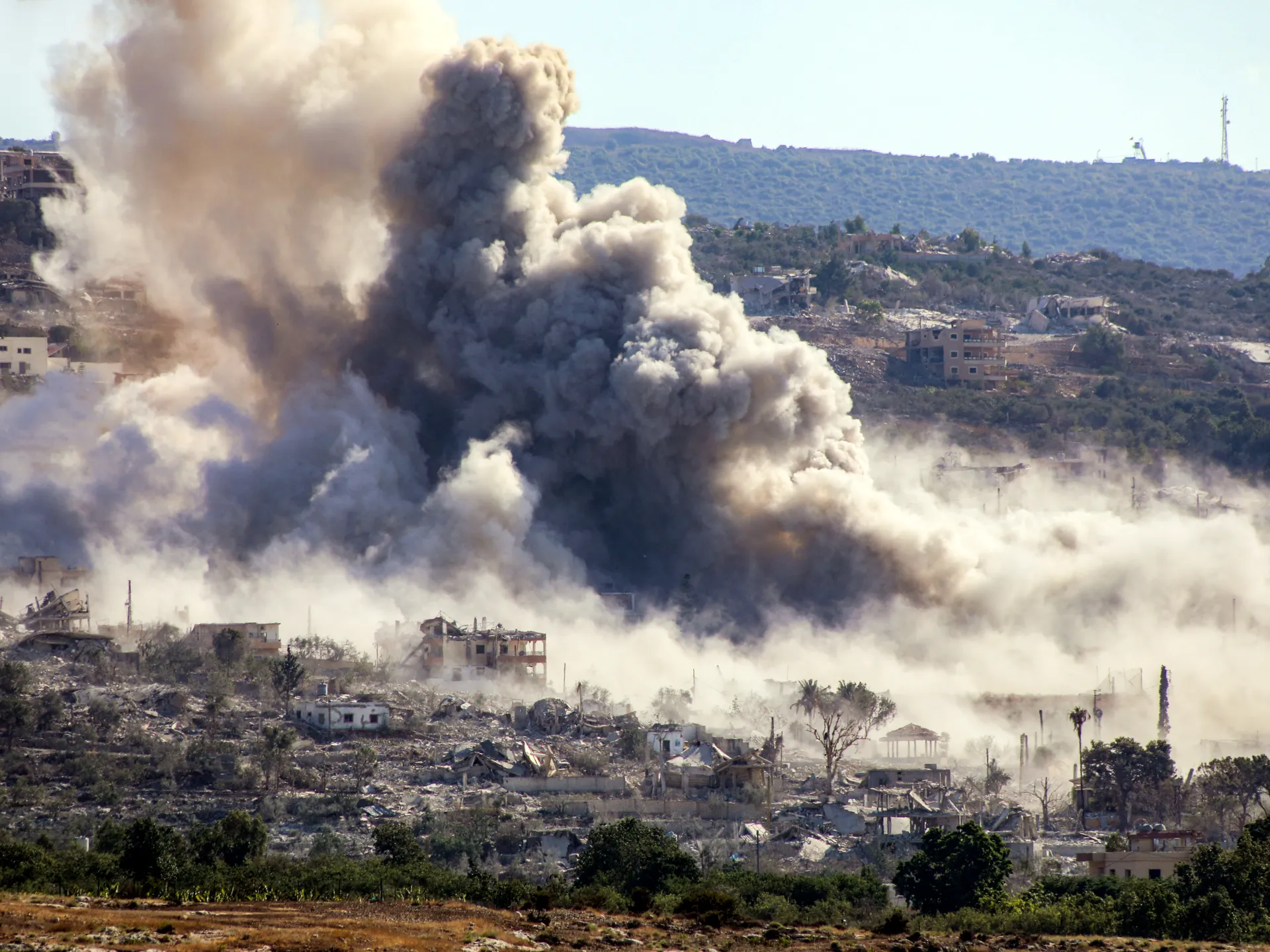
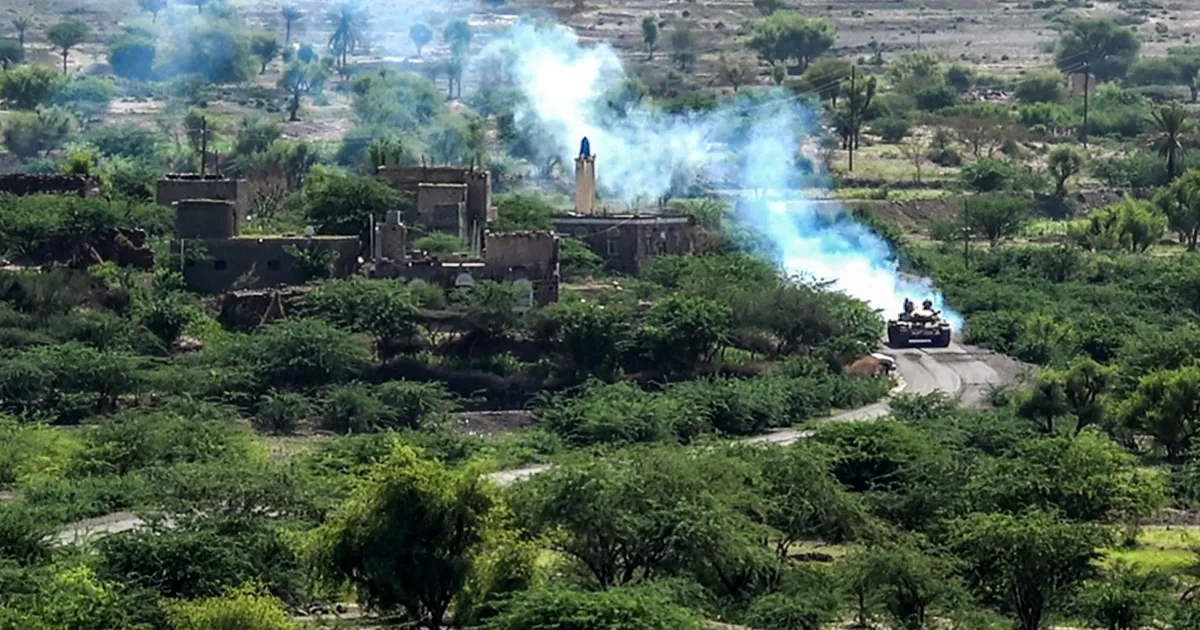
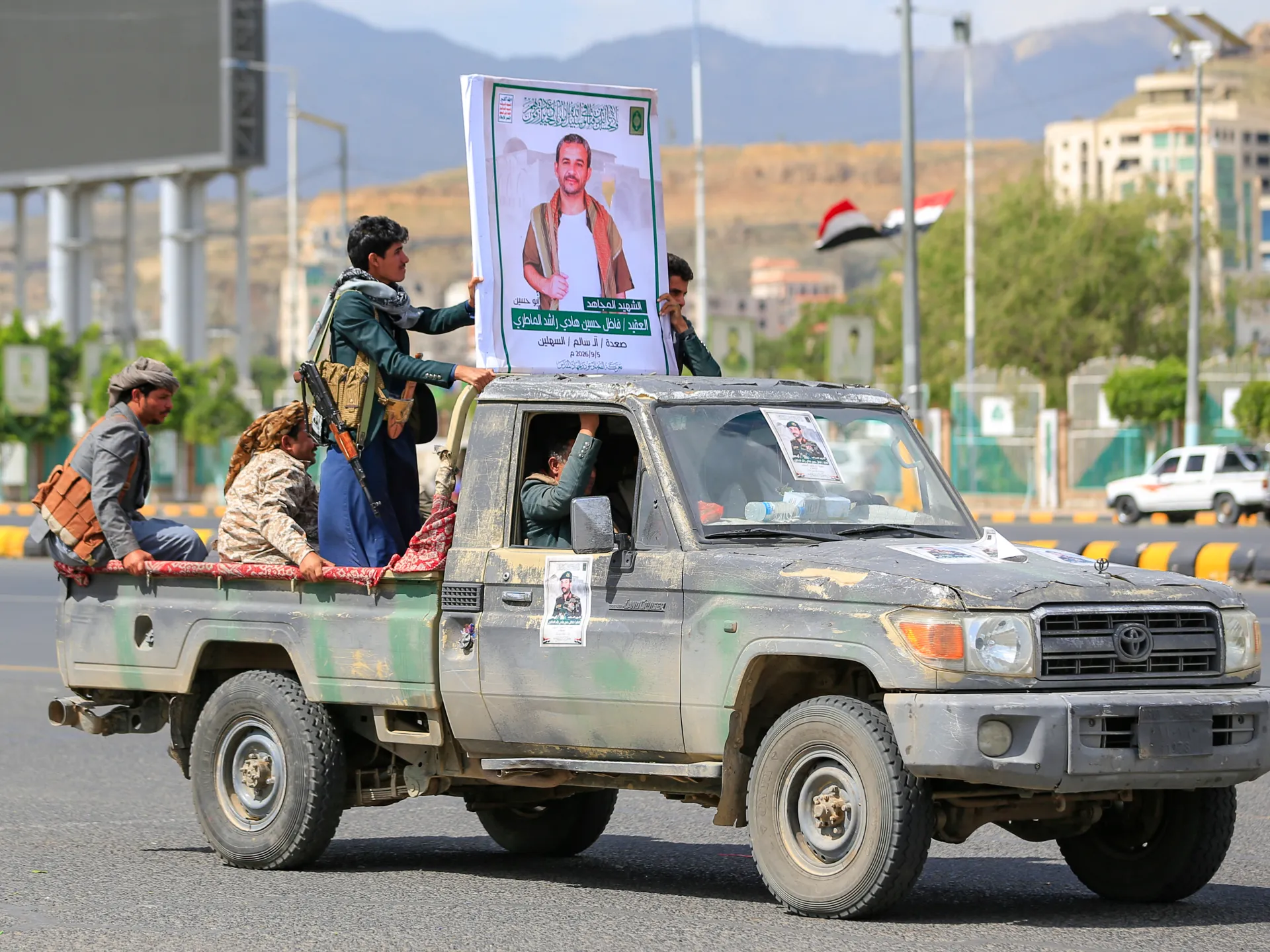
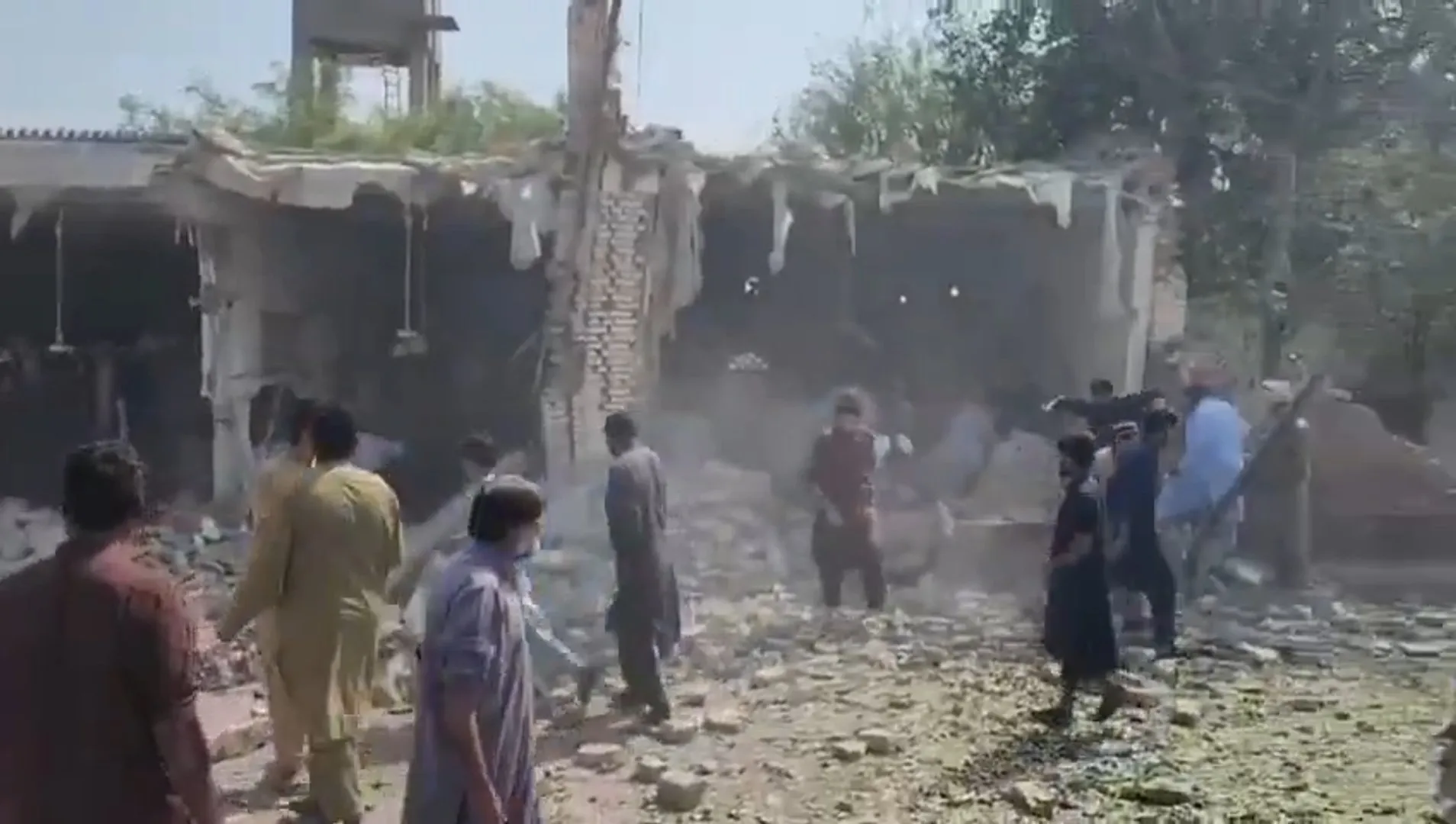
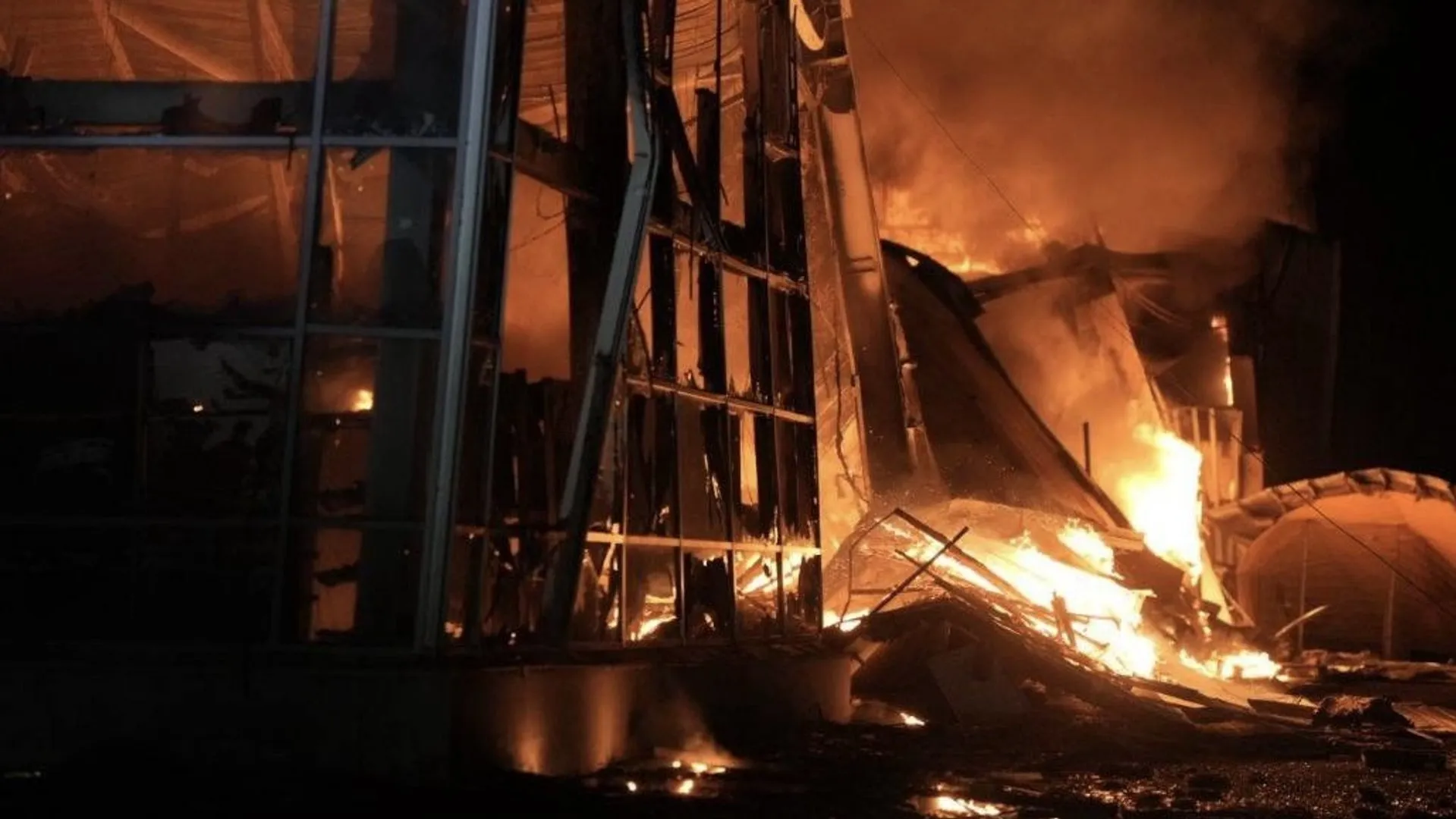
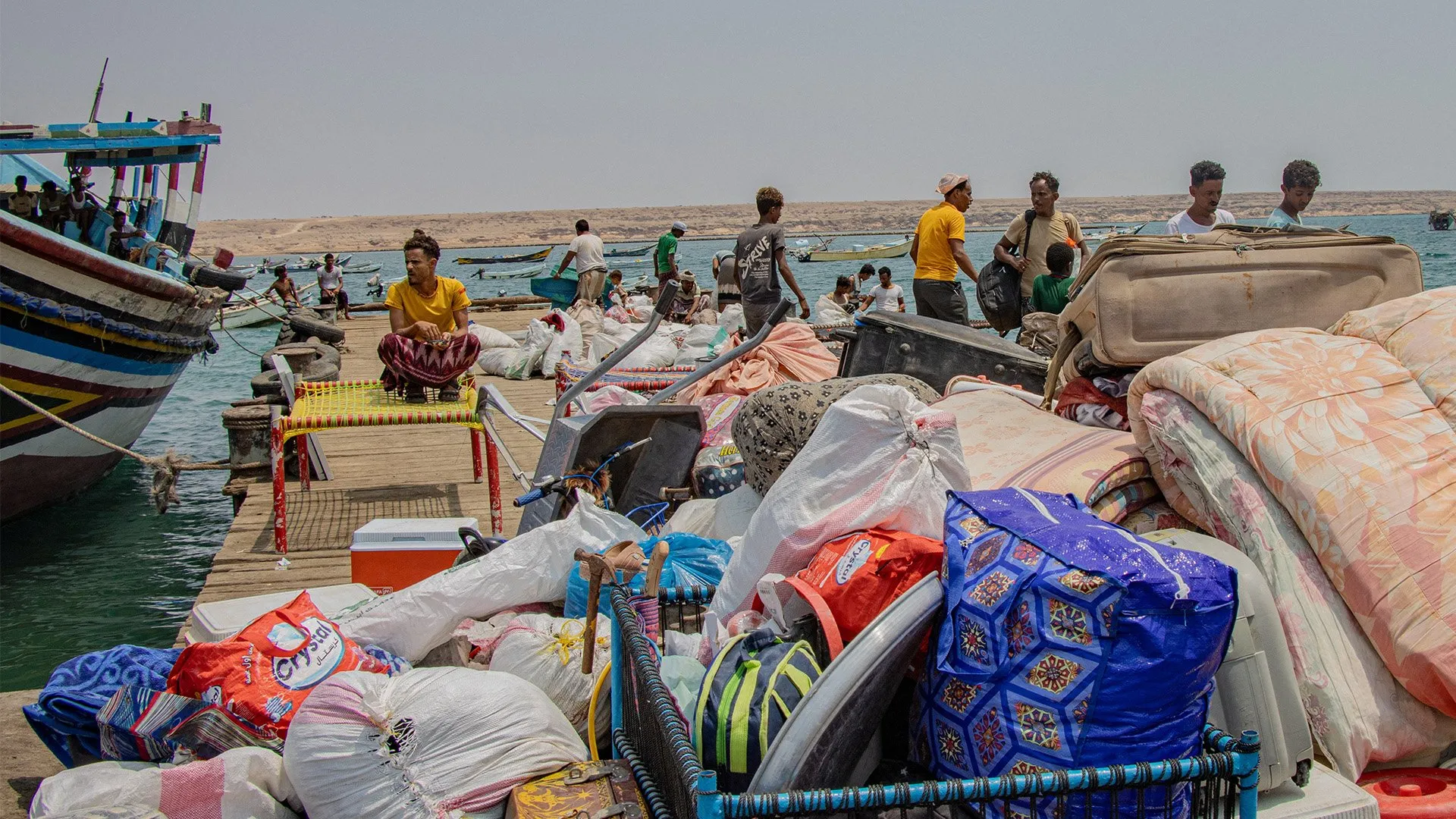
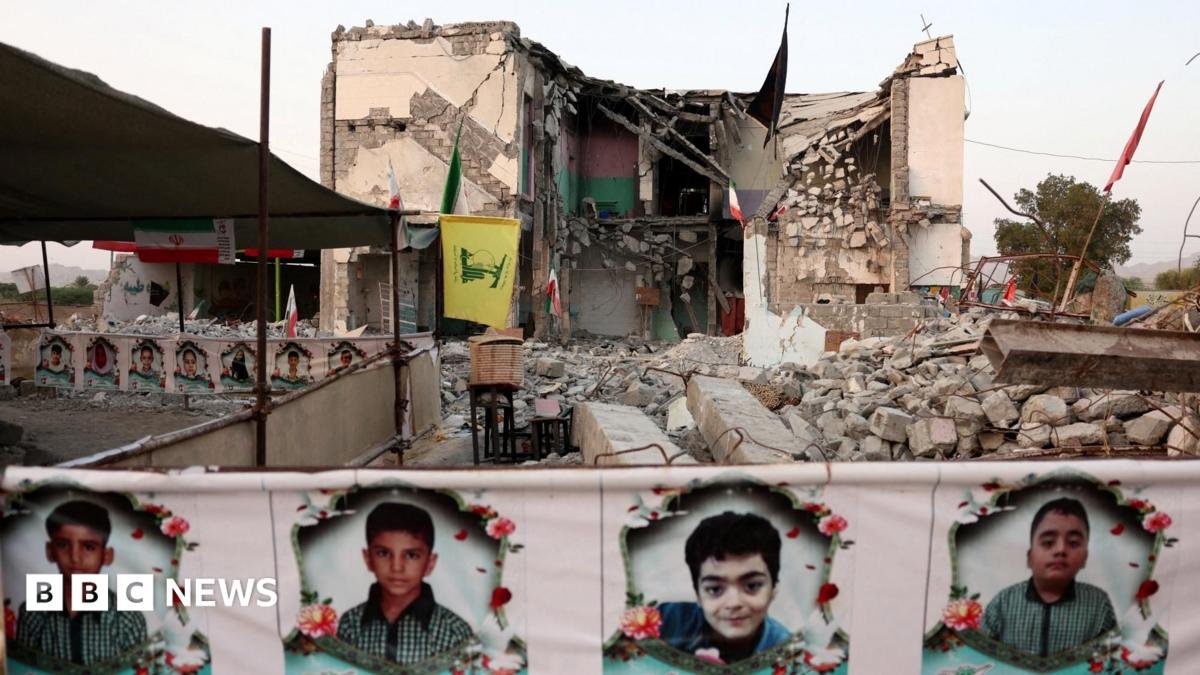
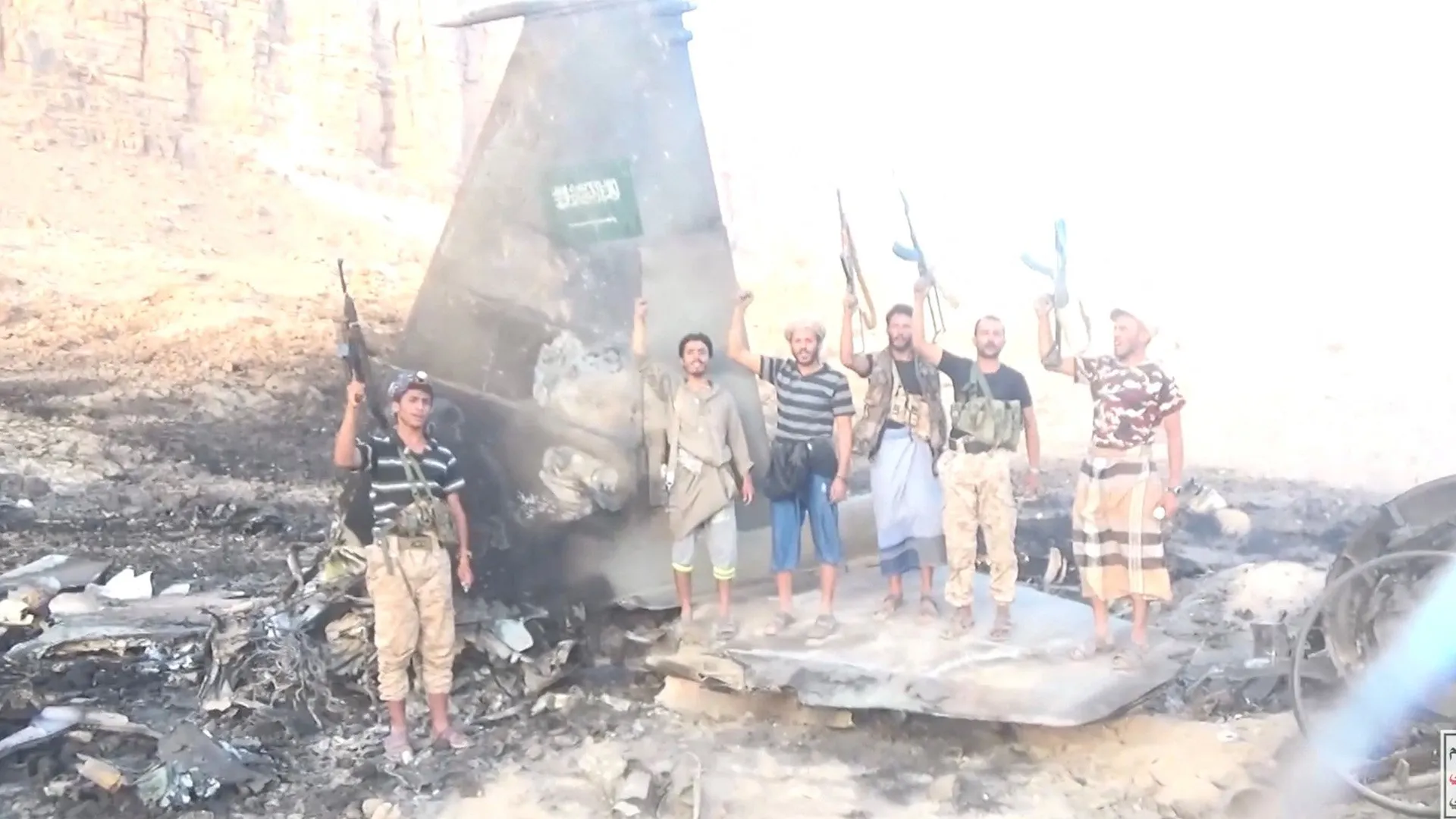
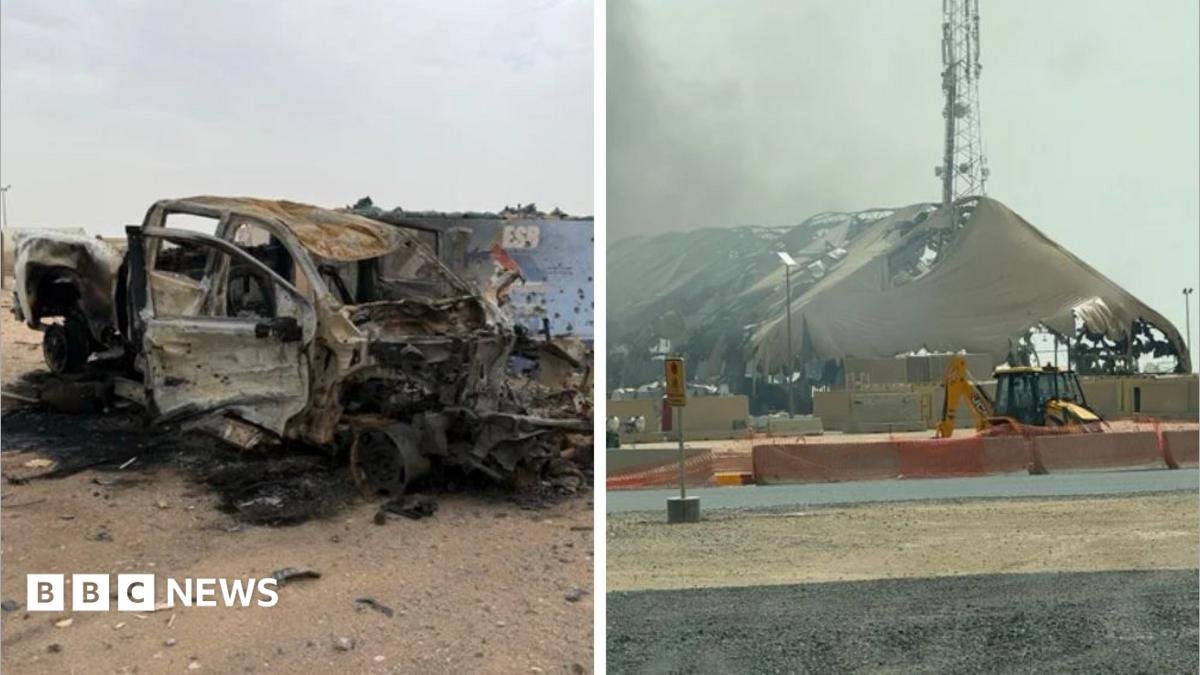
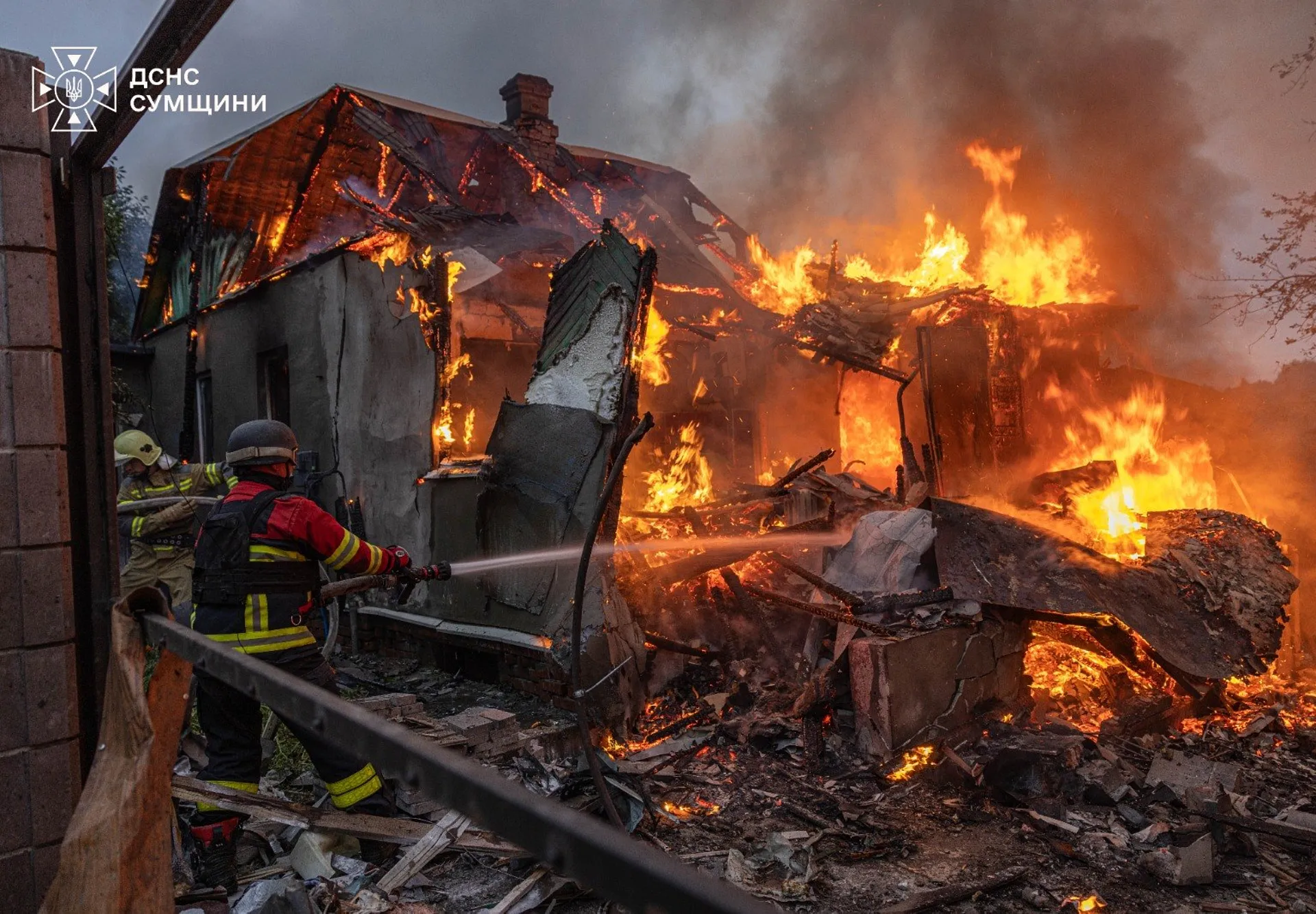
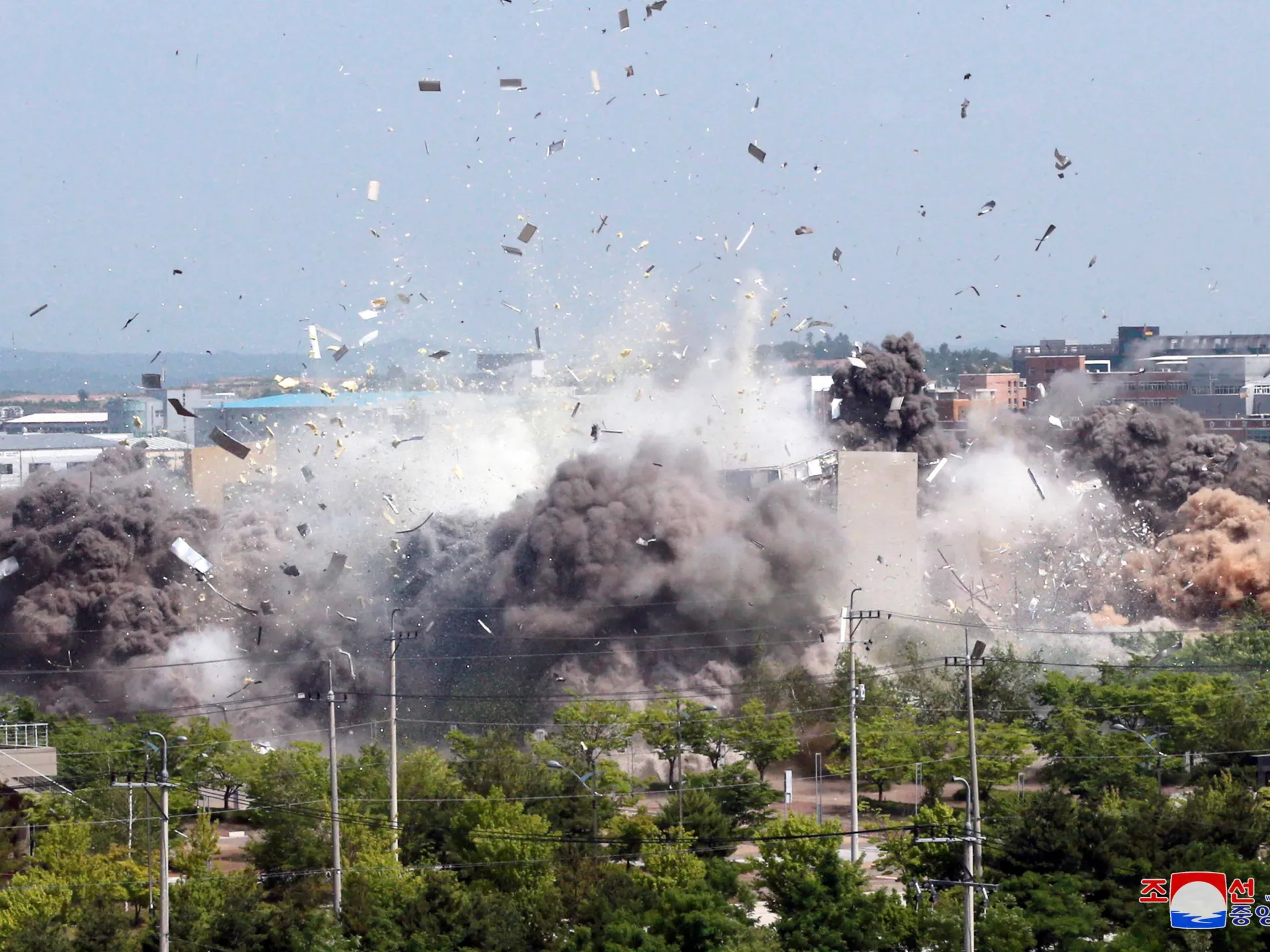
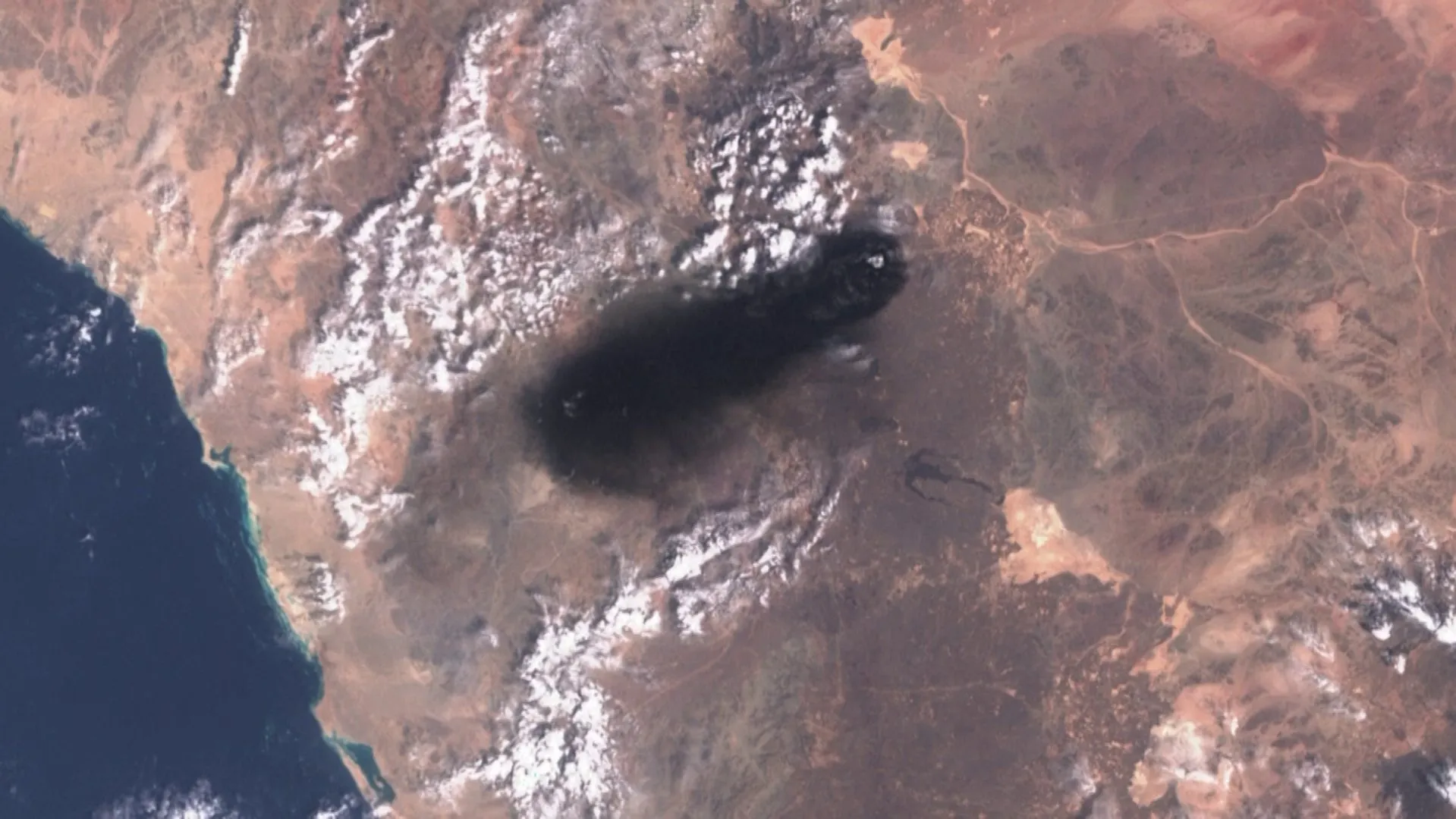
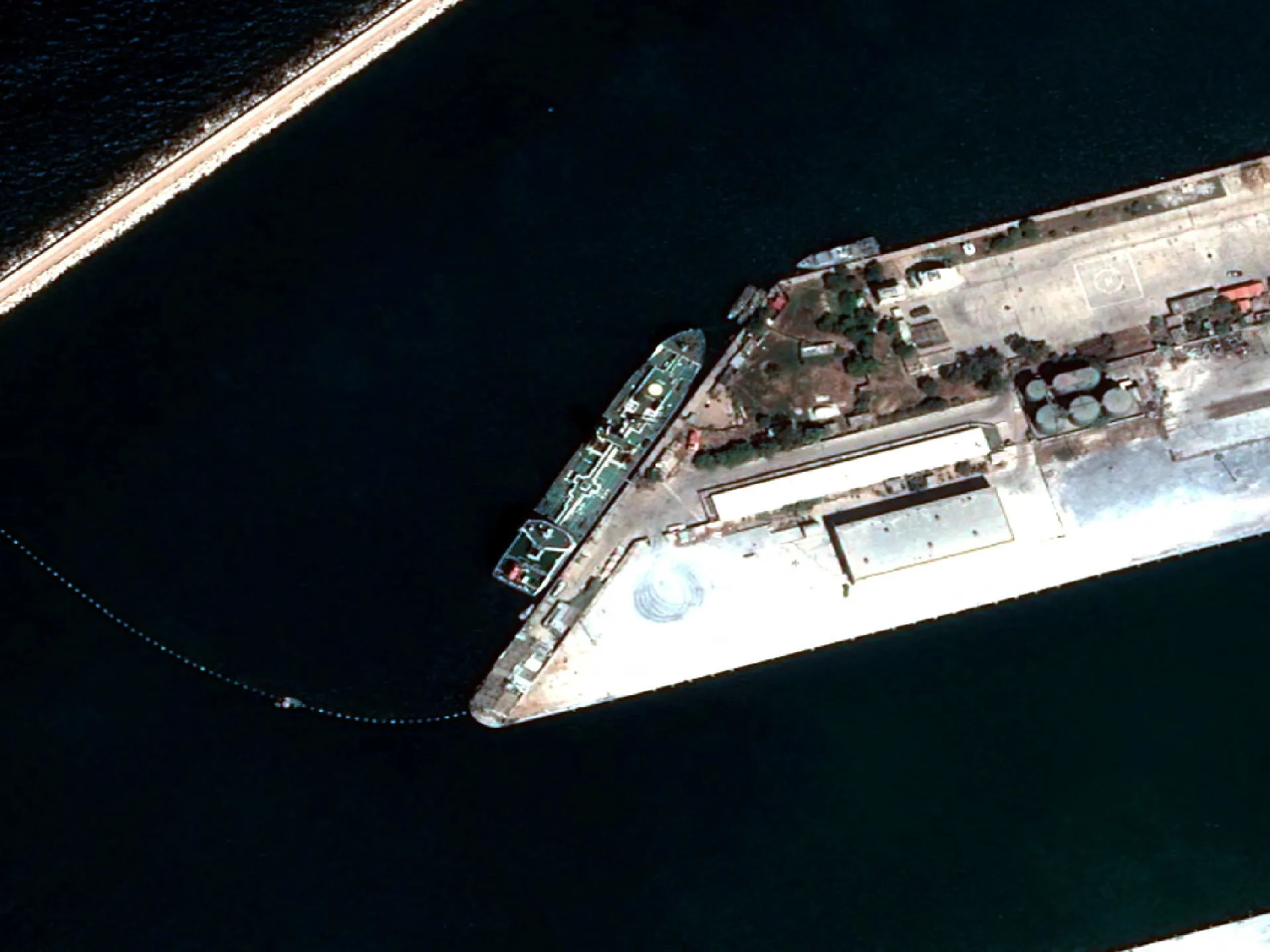
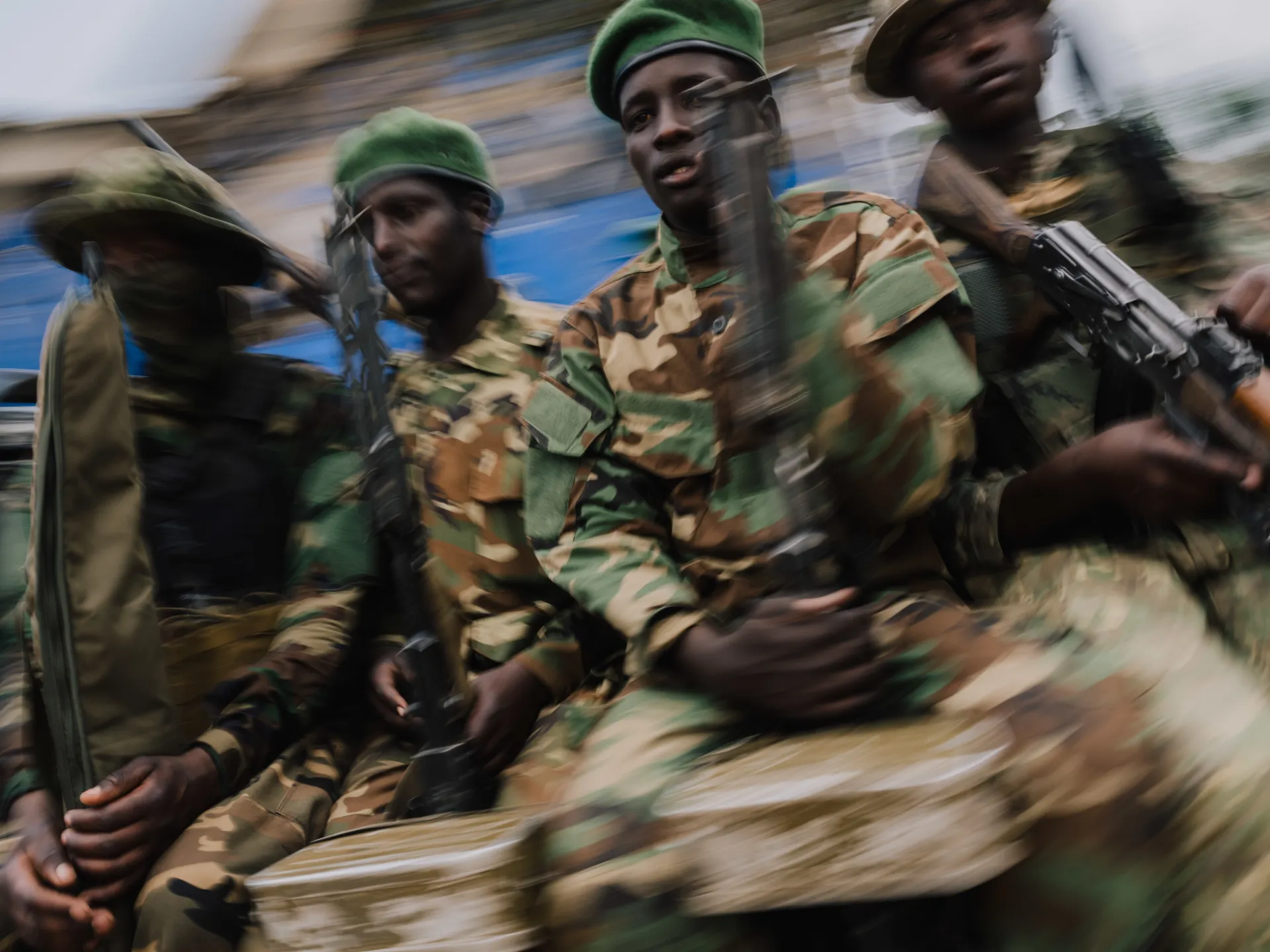
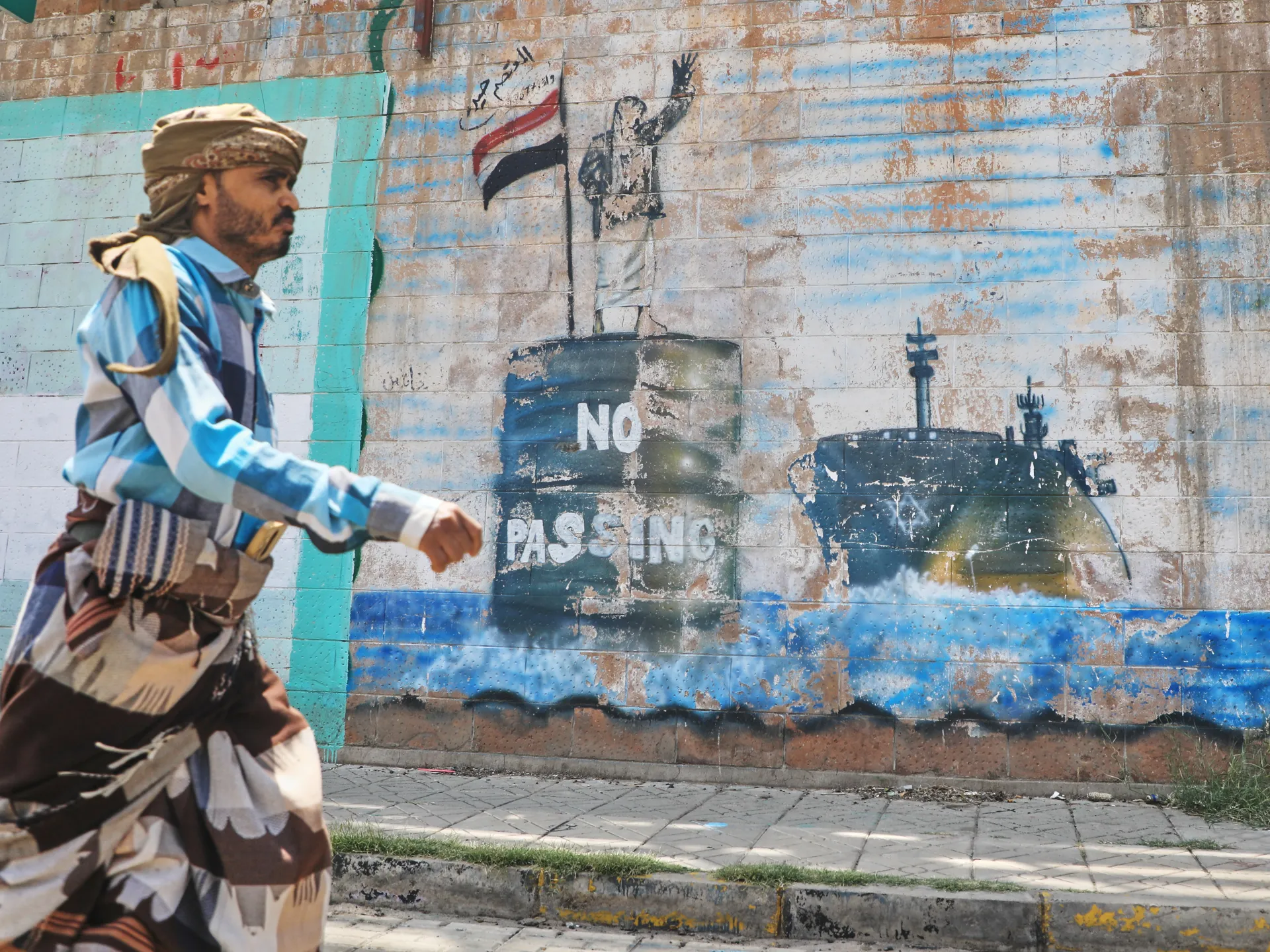
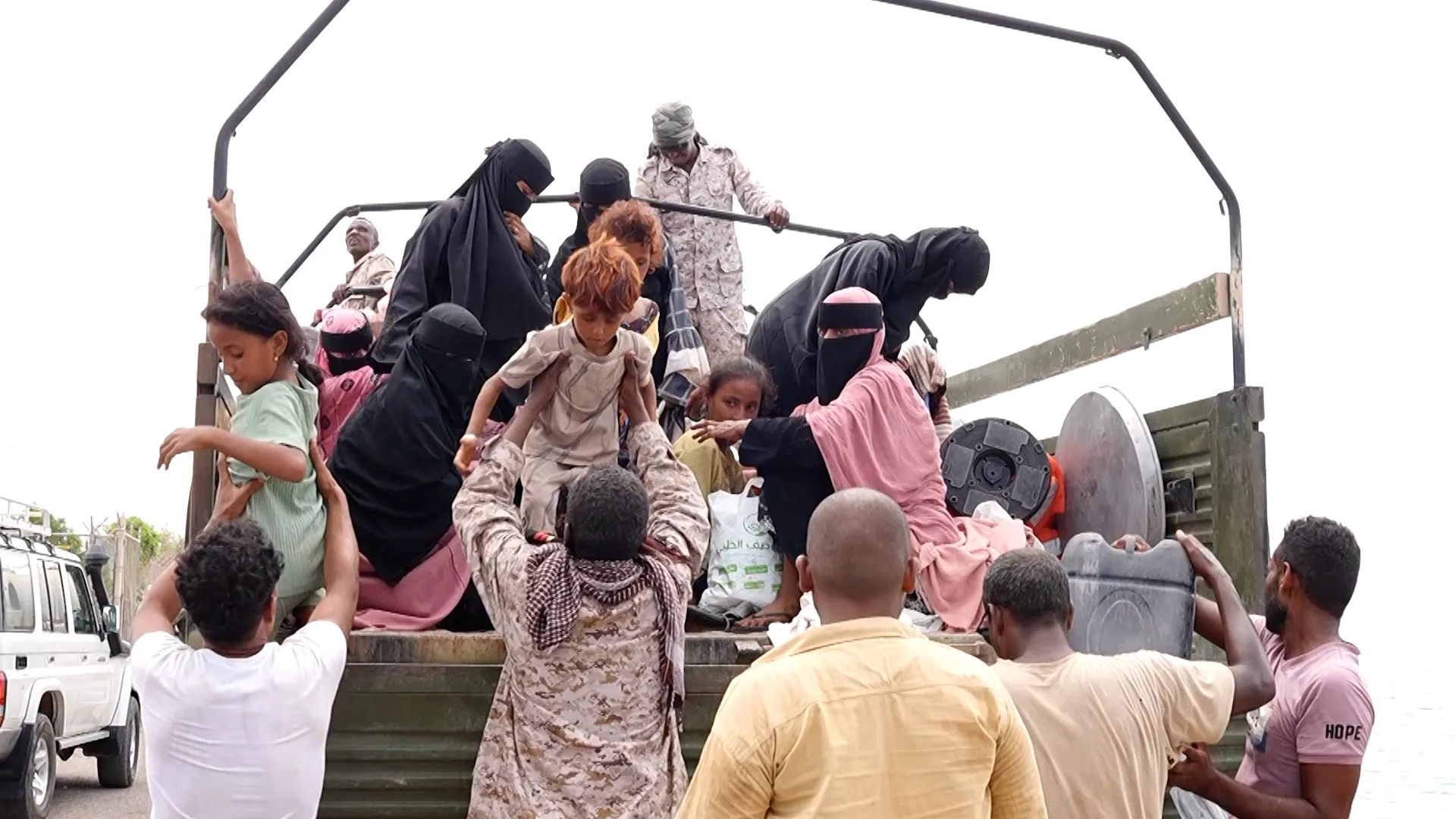
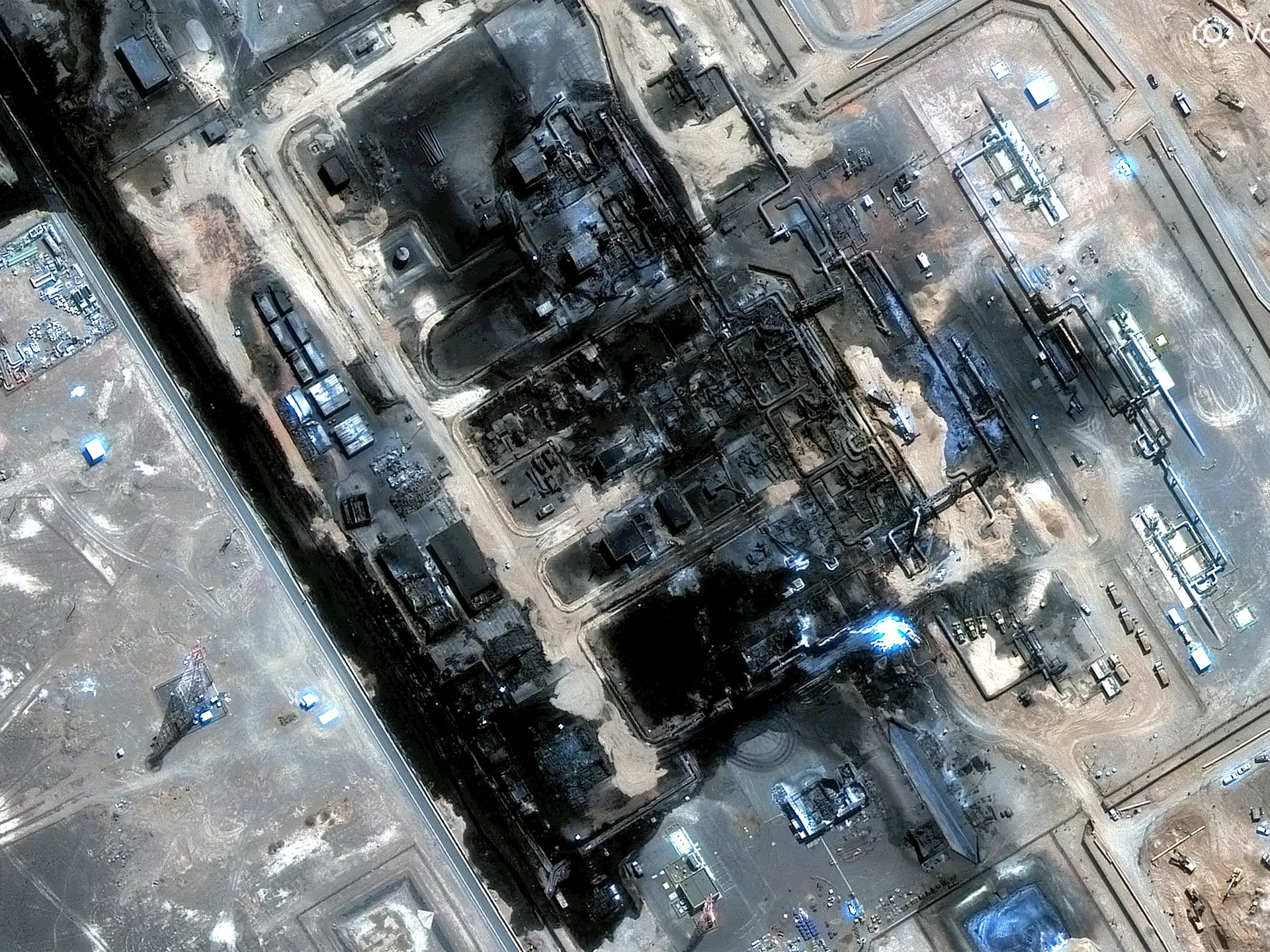
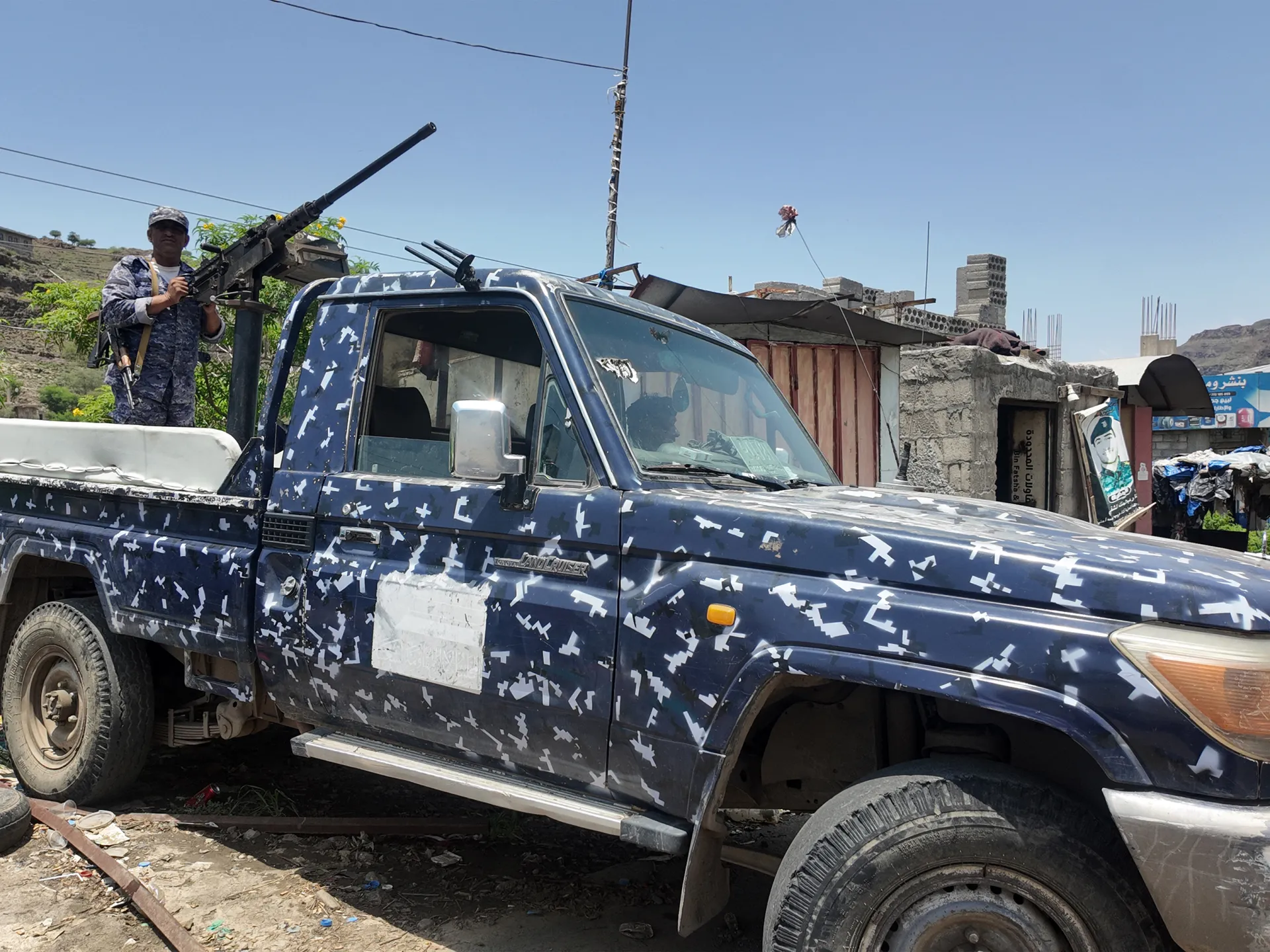
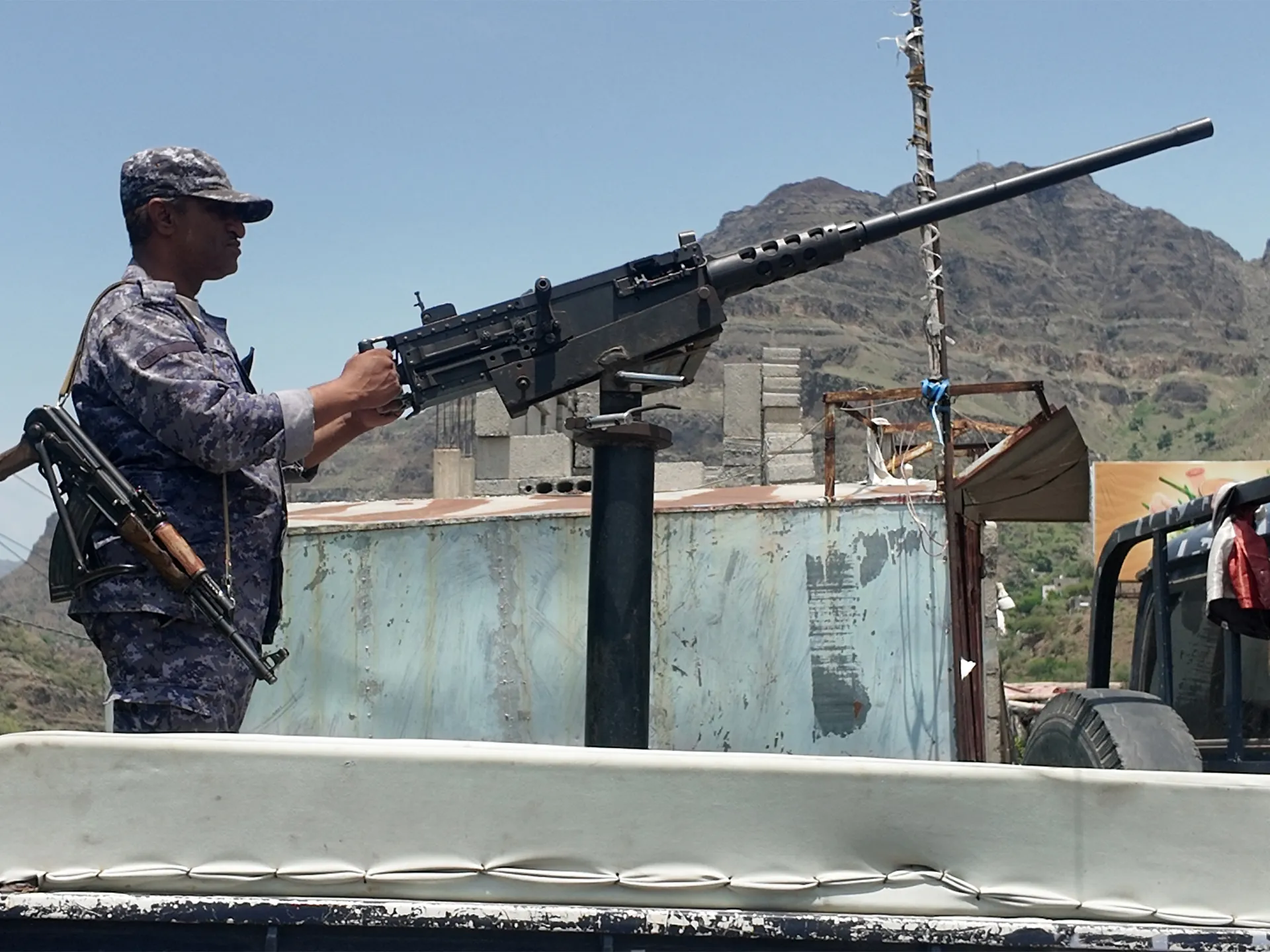
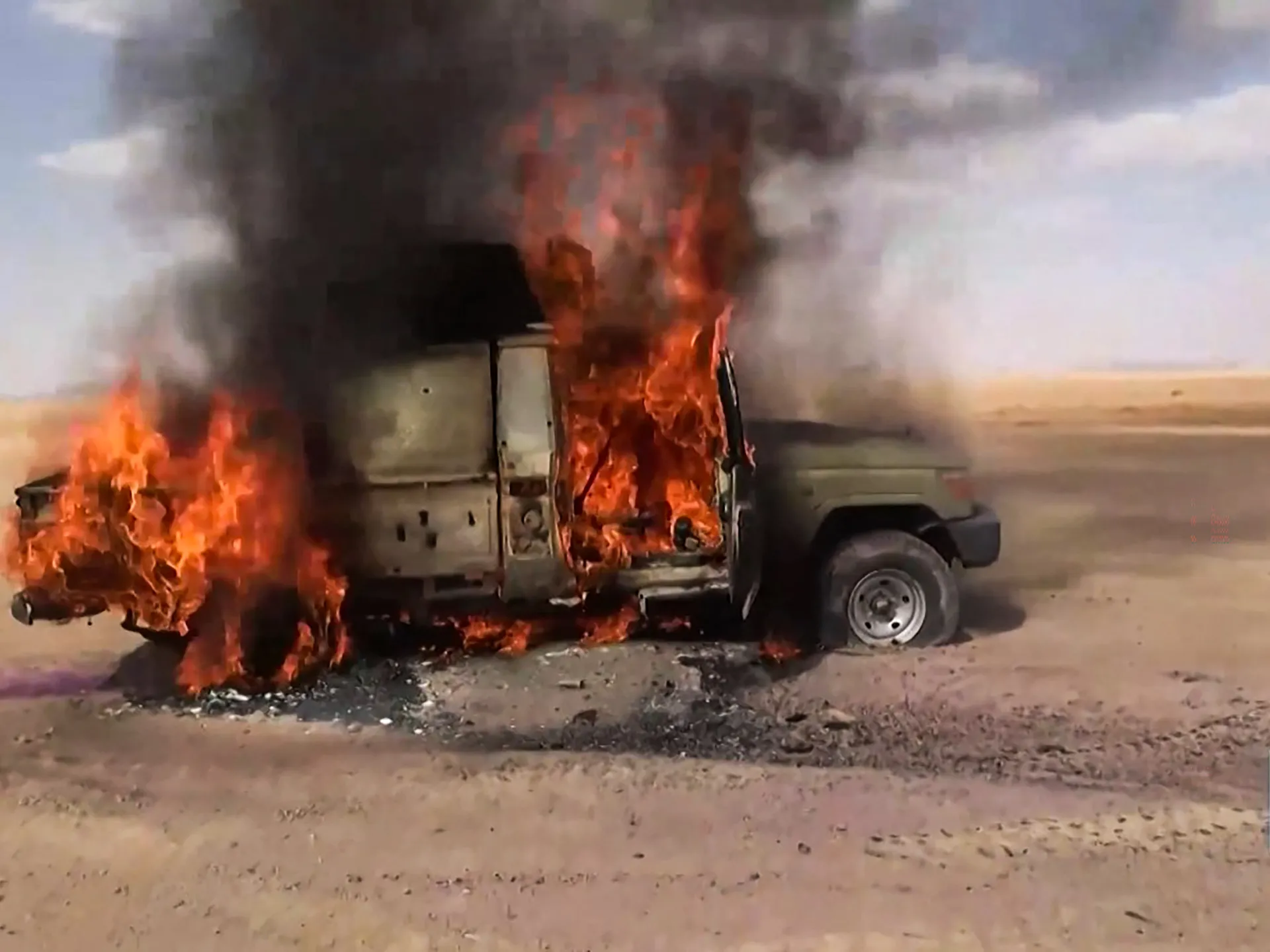
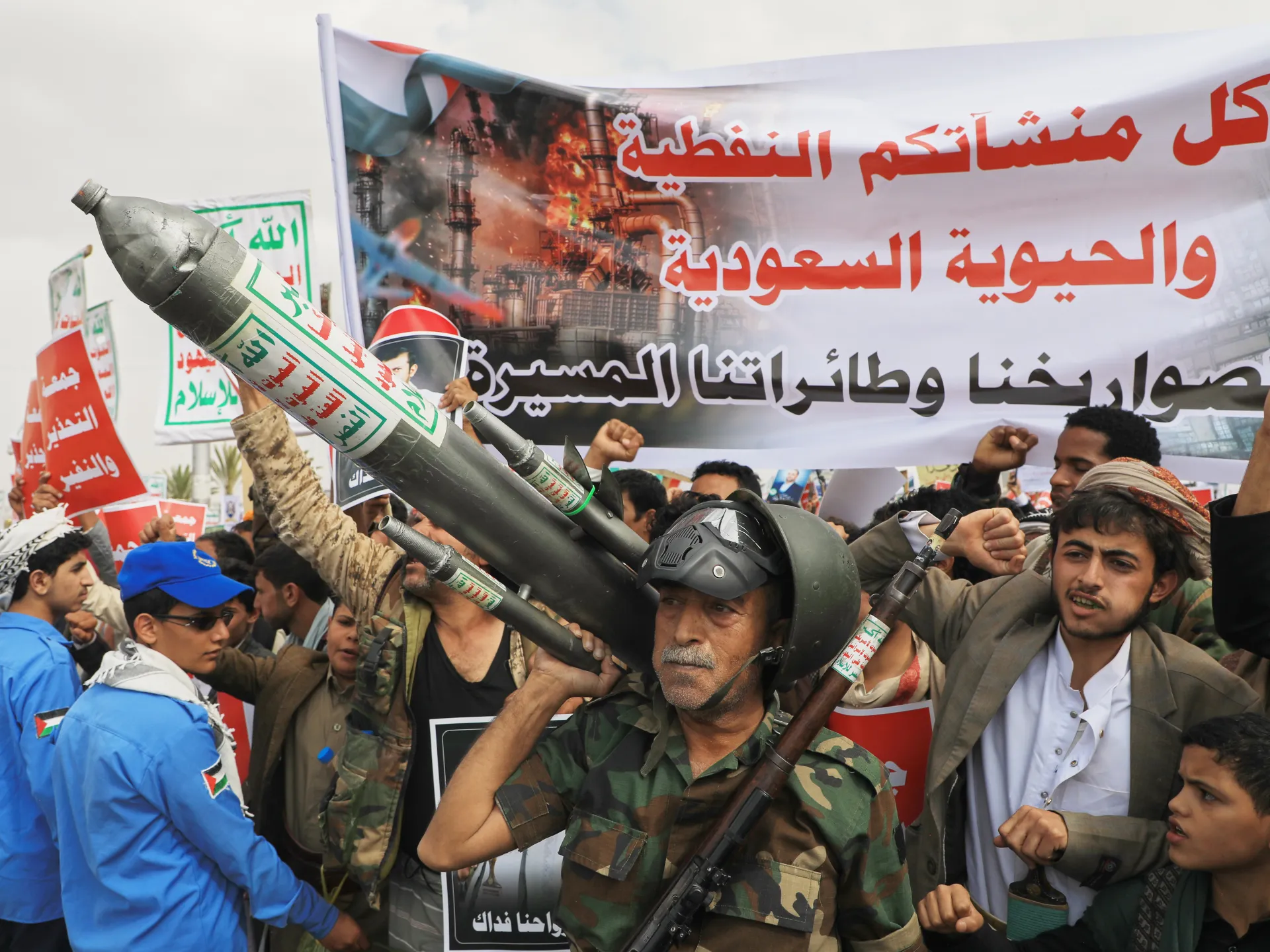
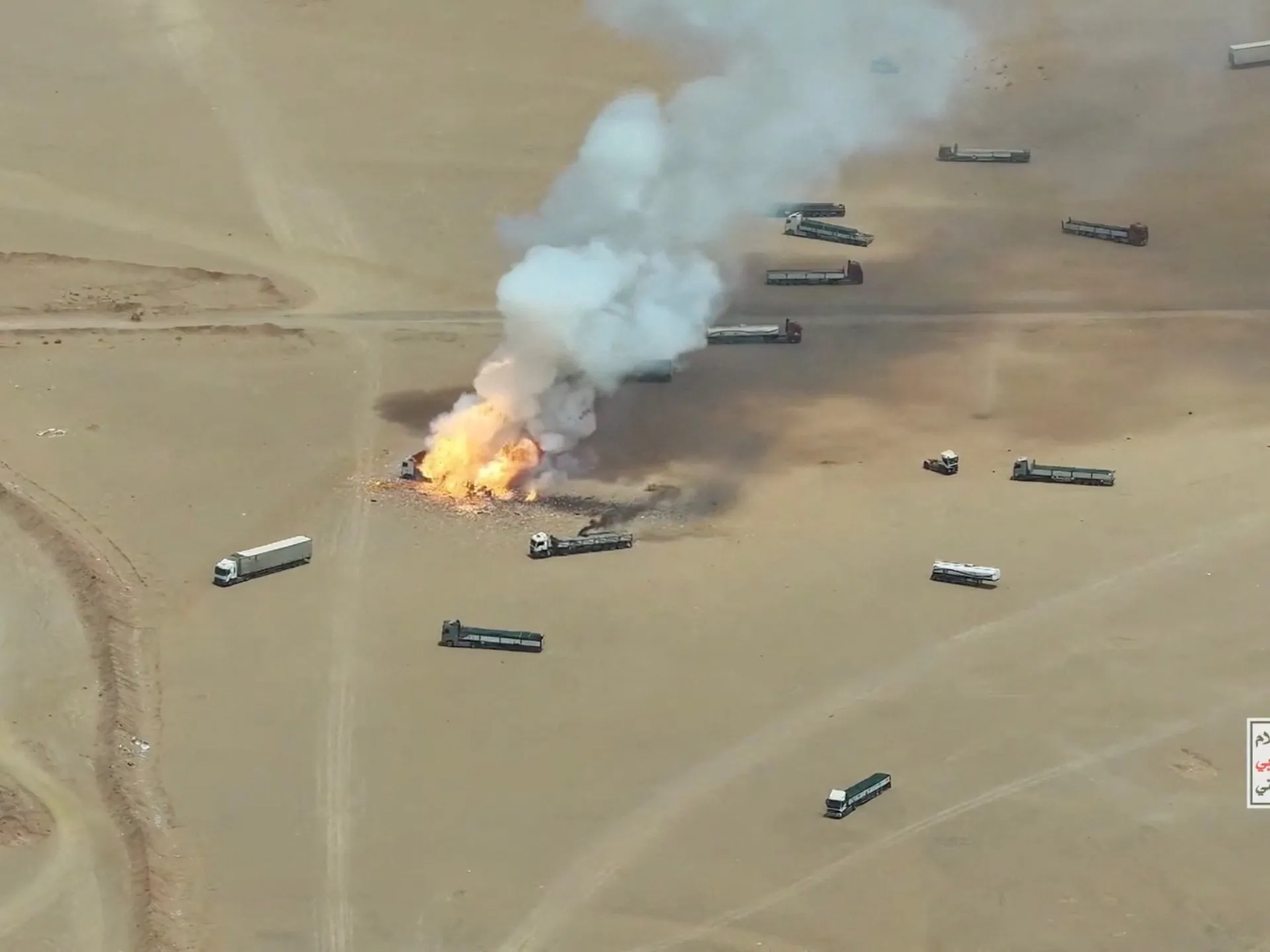
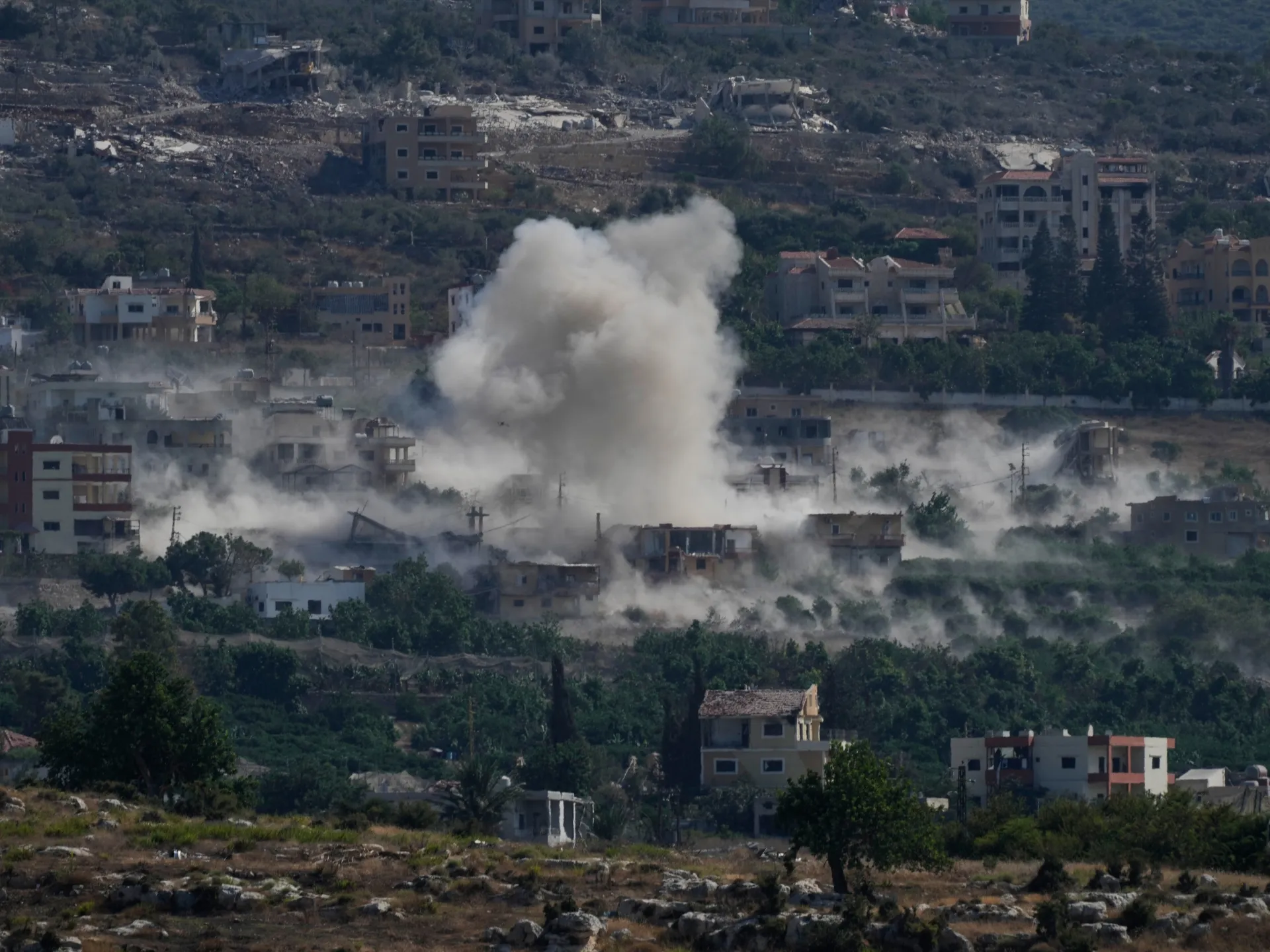
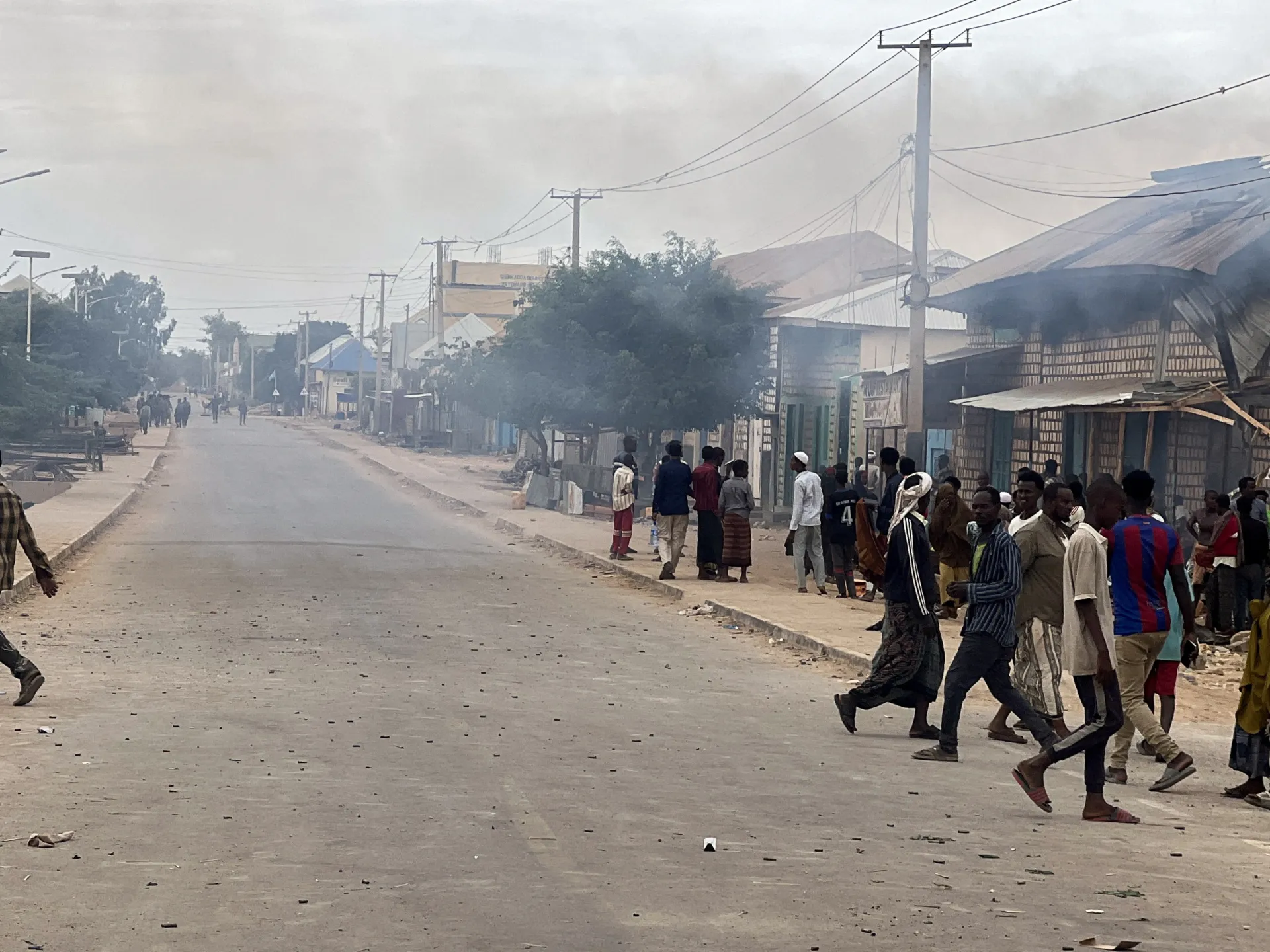
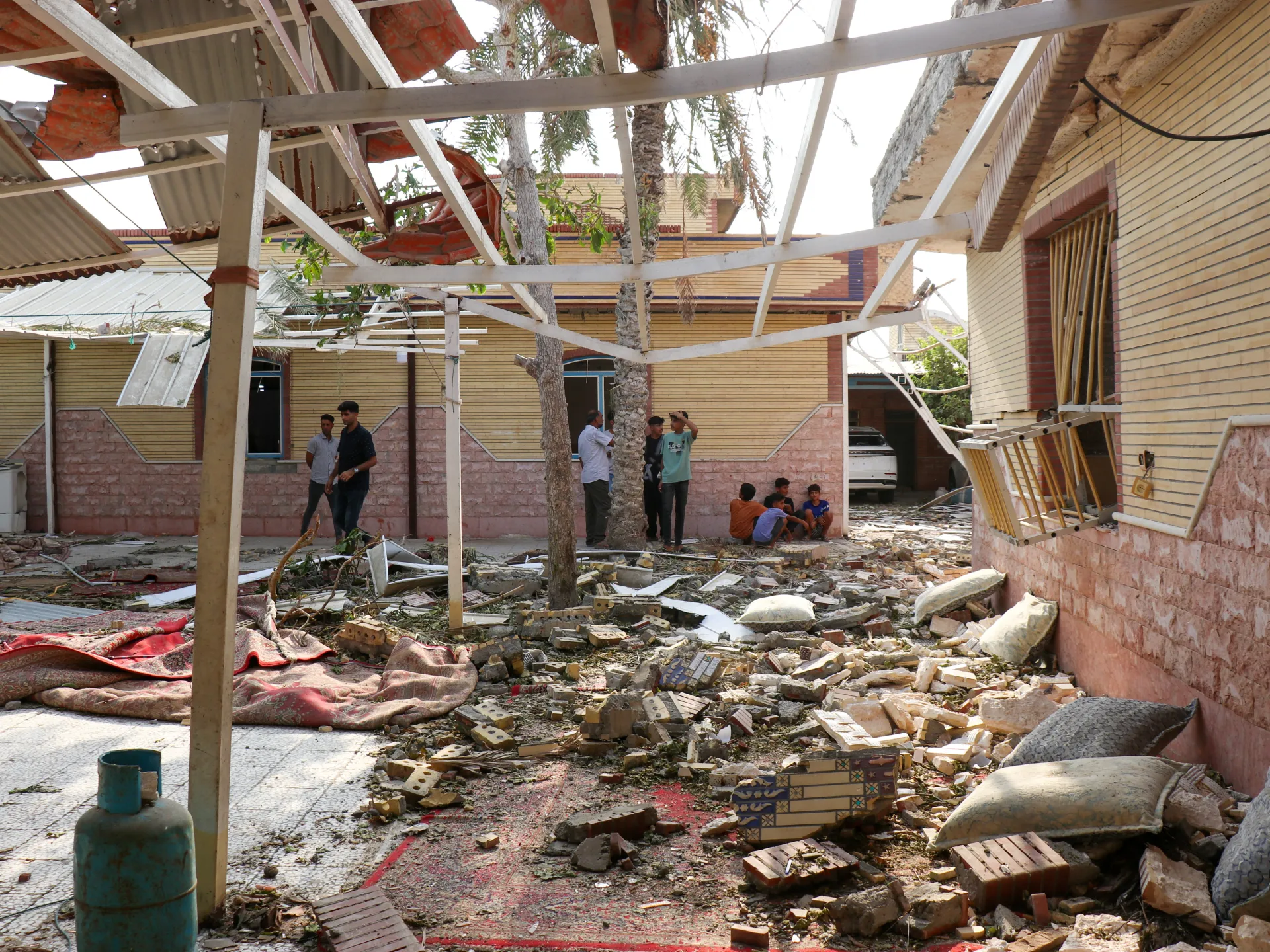
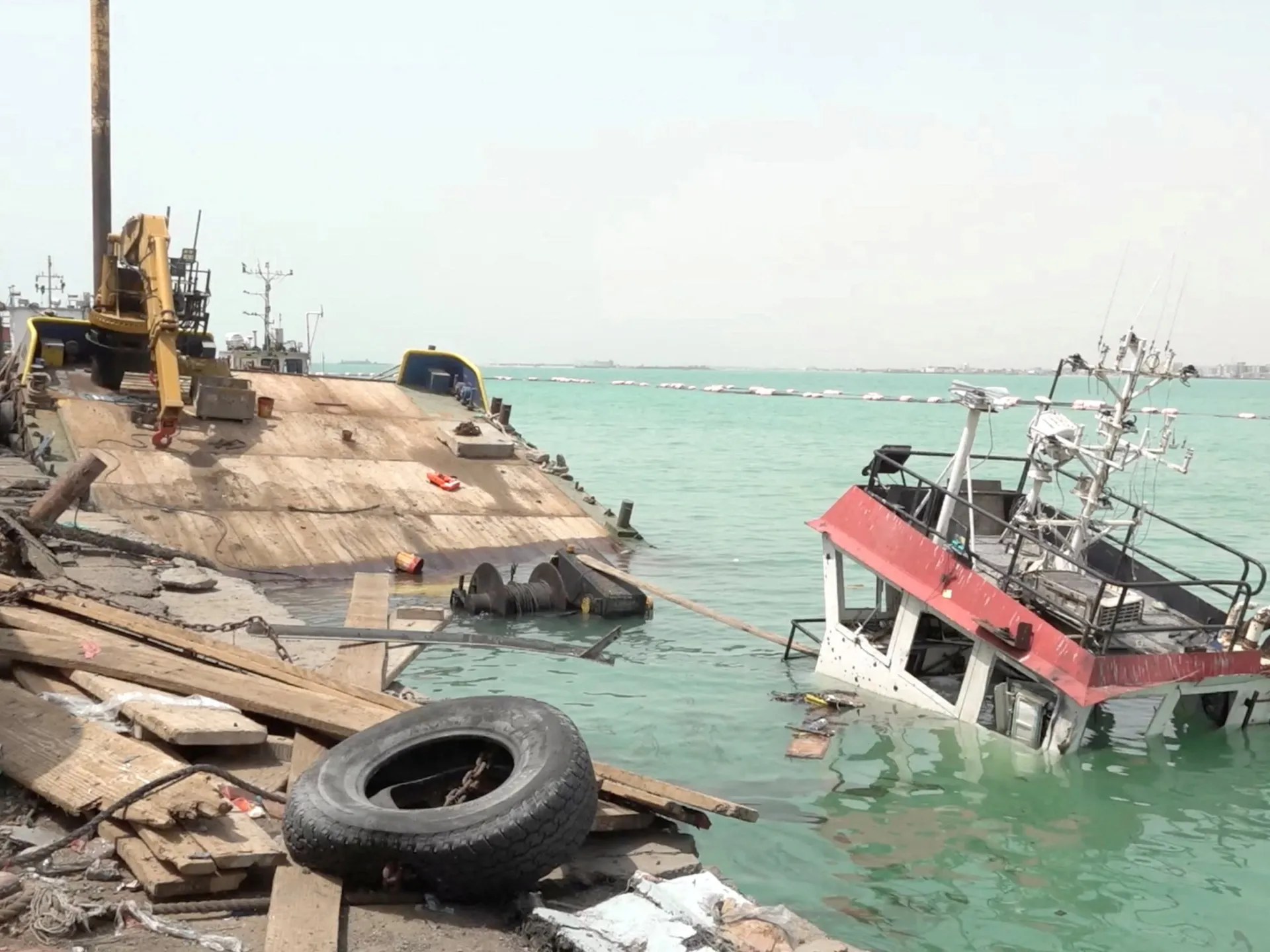
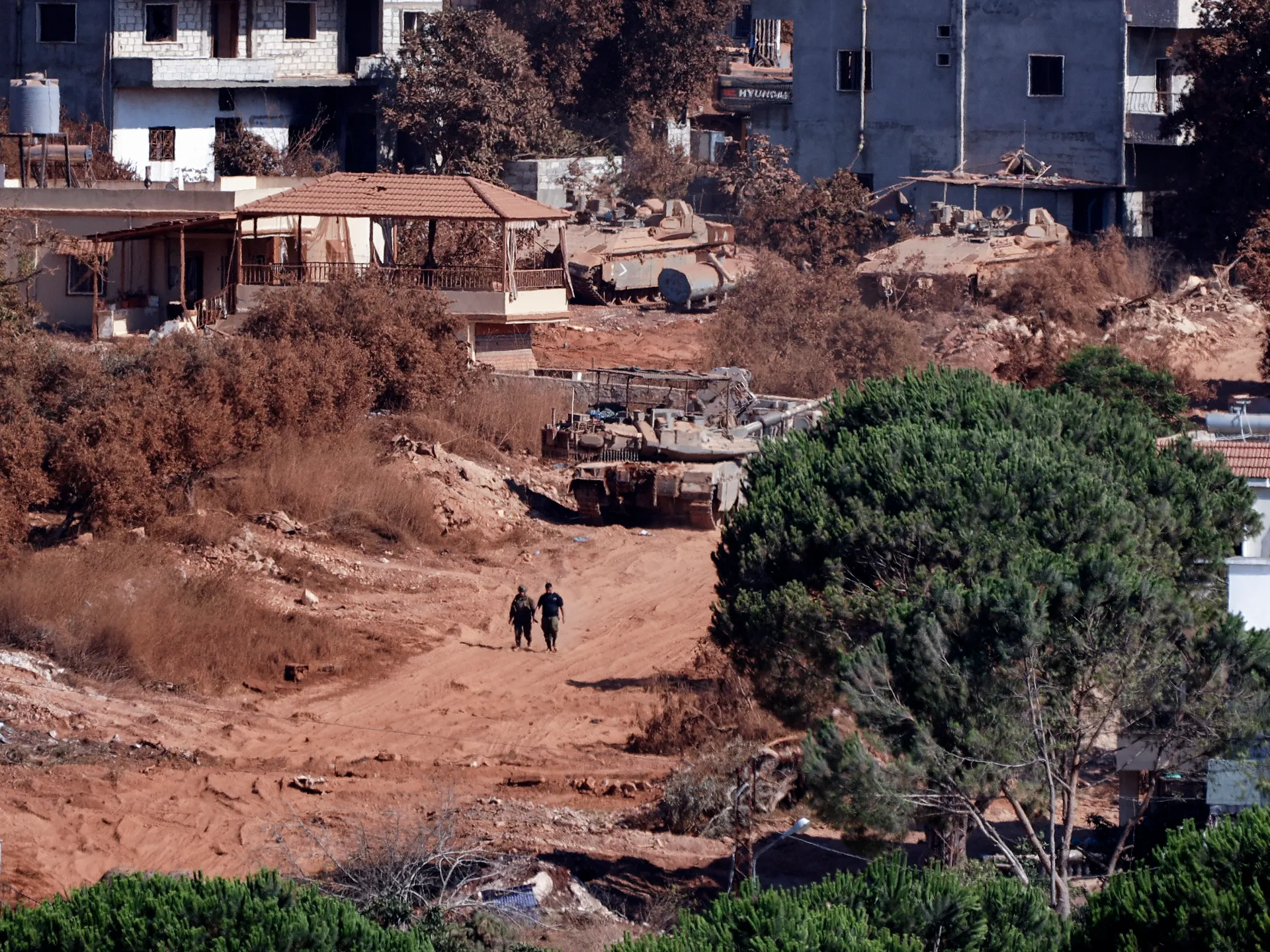
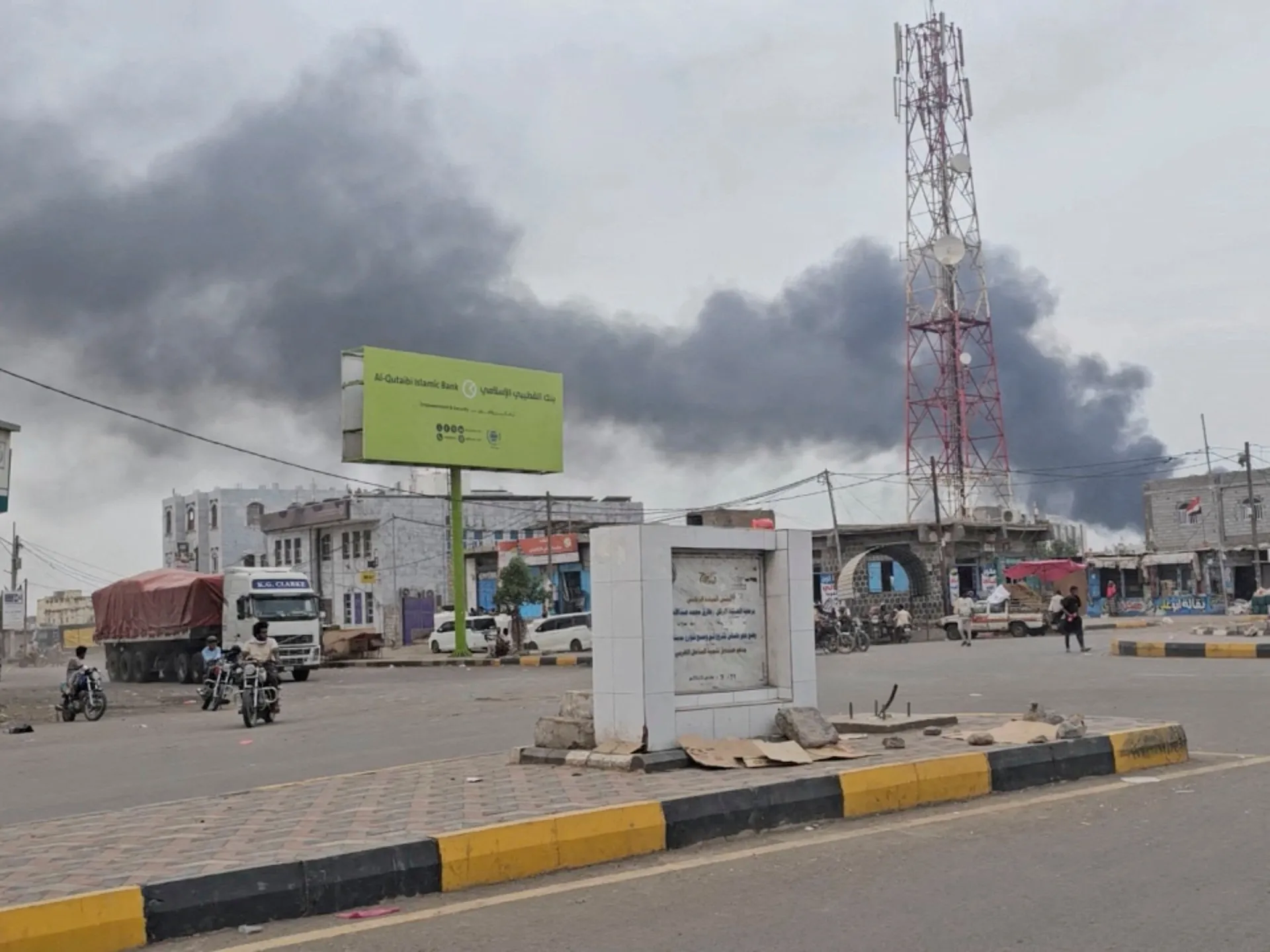
The landscape of the Yemeni conflict has shifted dramatically as Houthi forces press into the rugged Kahboub Mountains, effectively challenging the territorial control of the internationally recognized, Saudi-backed government. This offensive, which follows a rapid seizure of significant portions of Yemen’s Red Sea coastline, marks the most substantial escalation in violence since the fragile calm that had largely persisted since 2022 began to fracture in recent months.
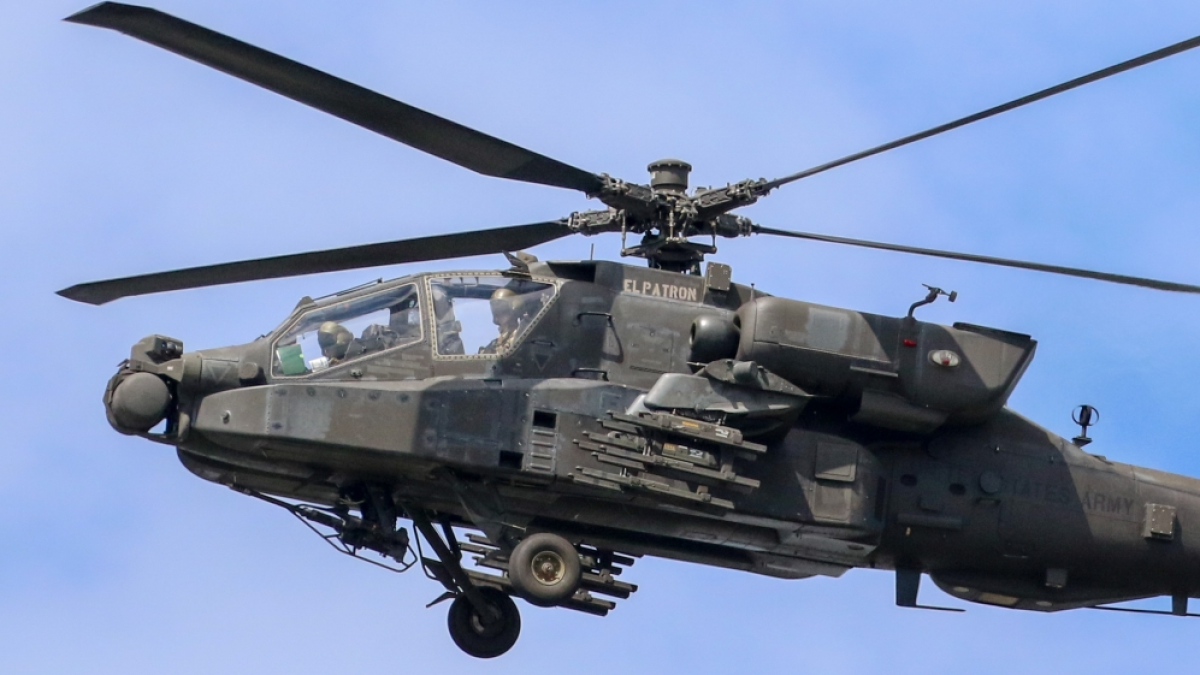
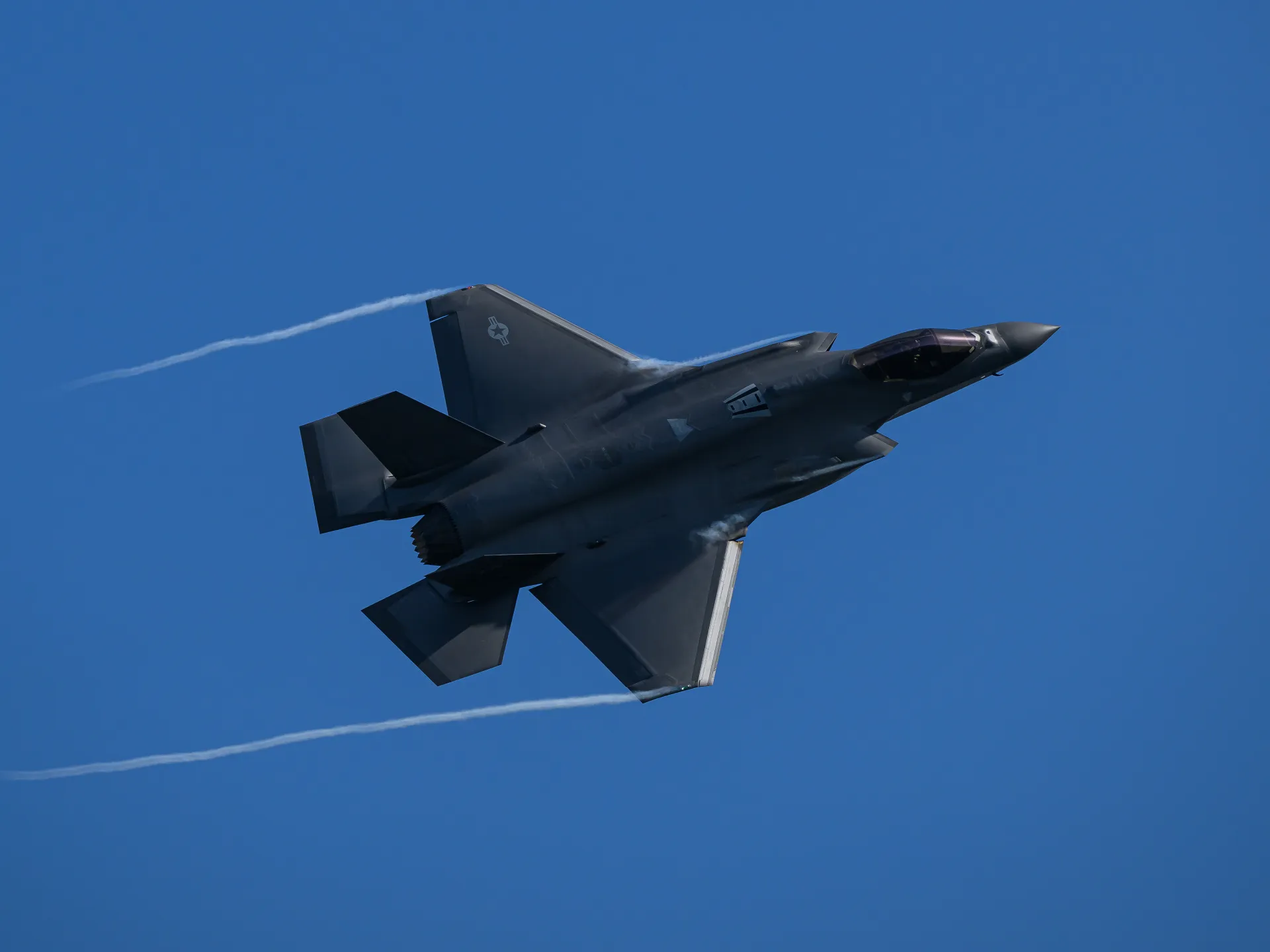
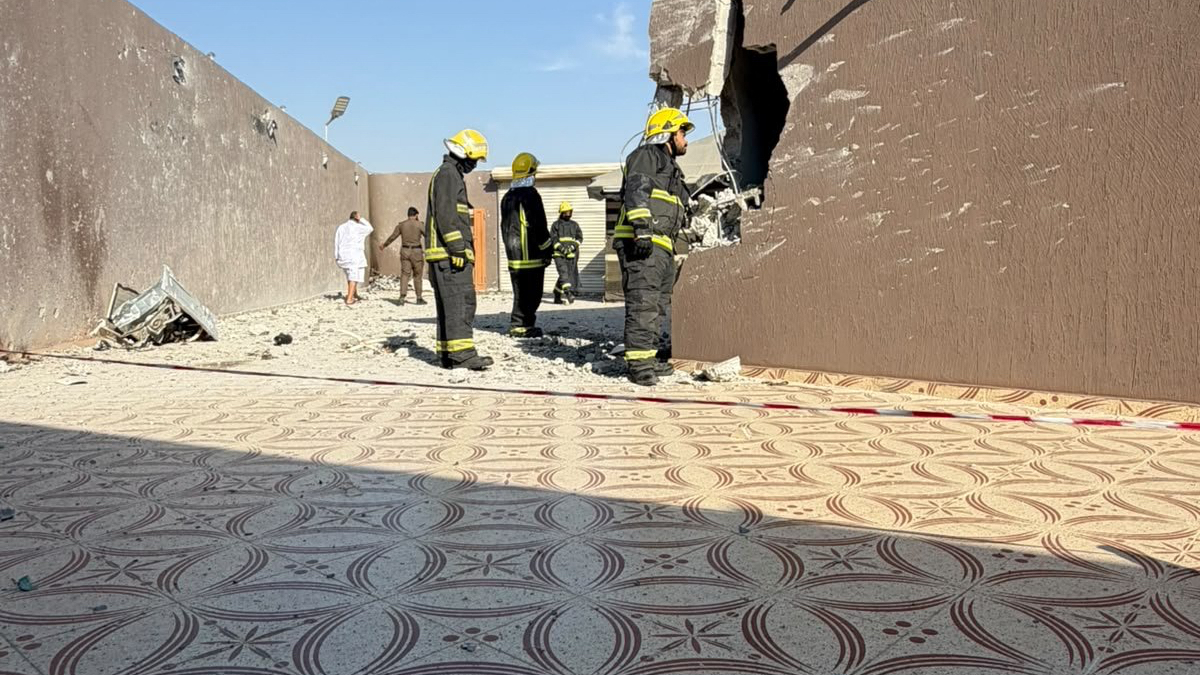
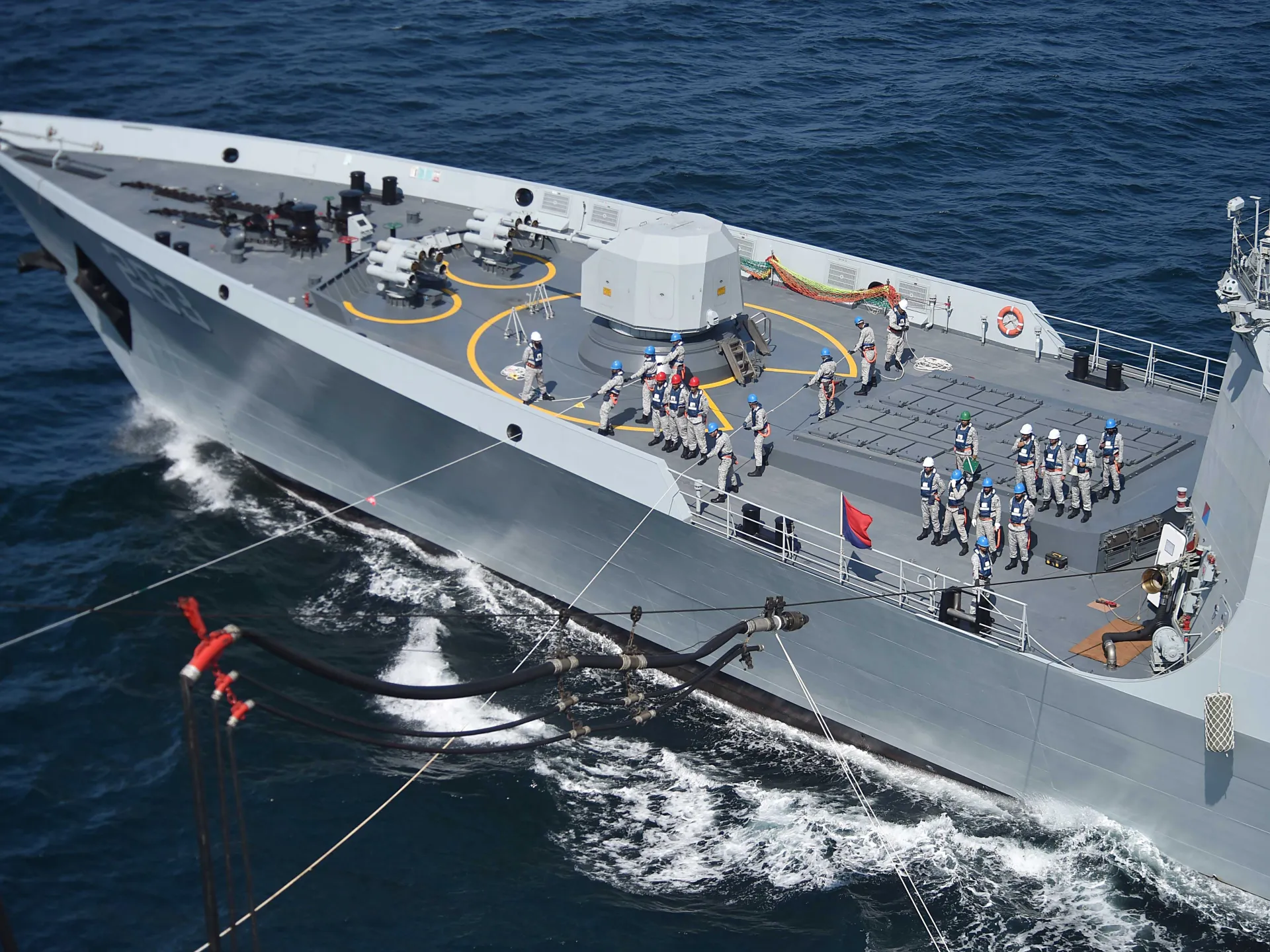
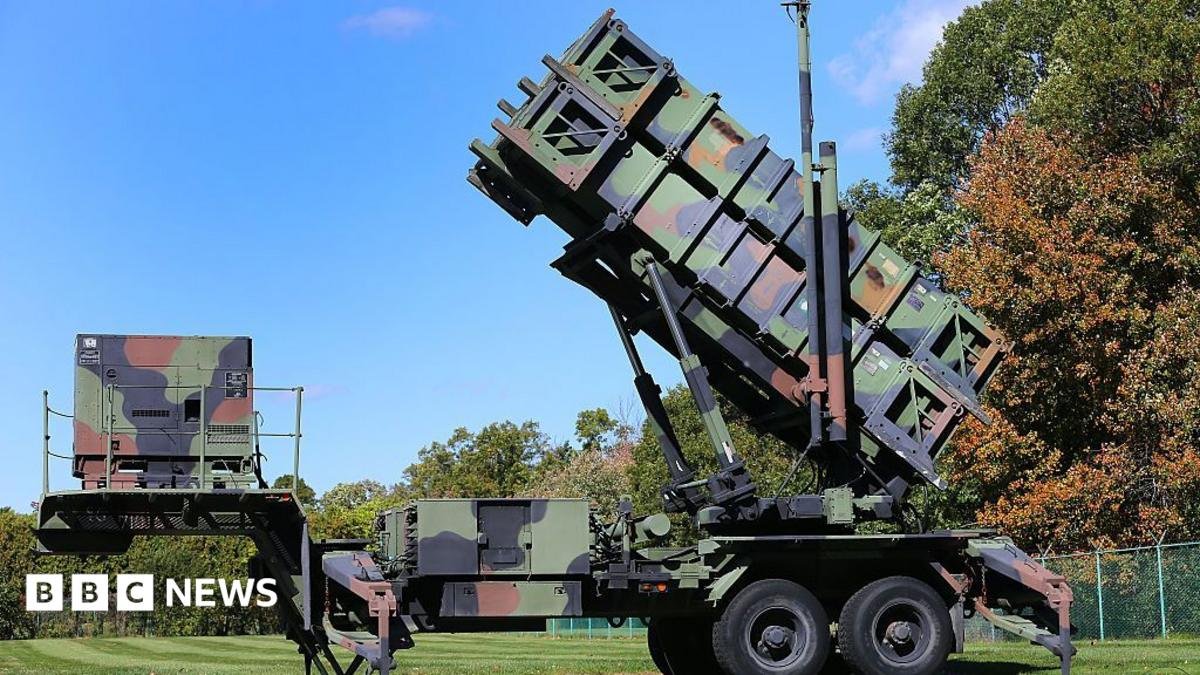
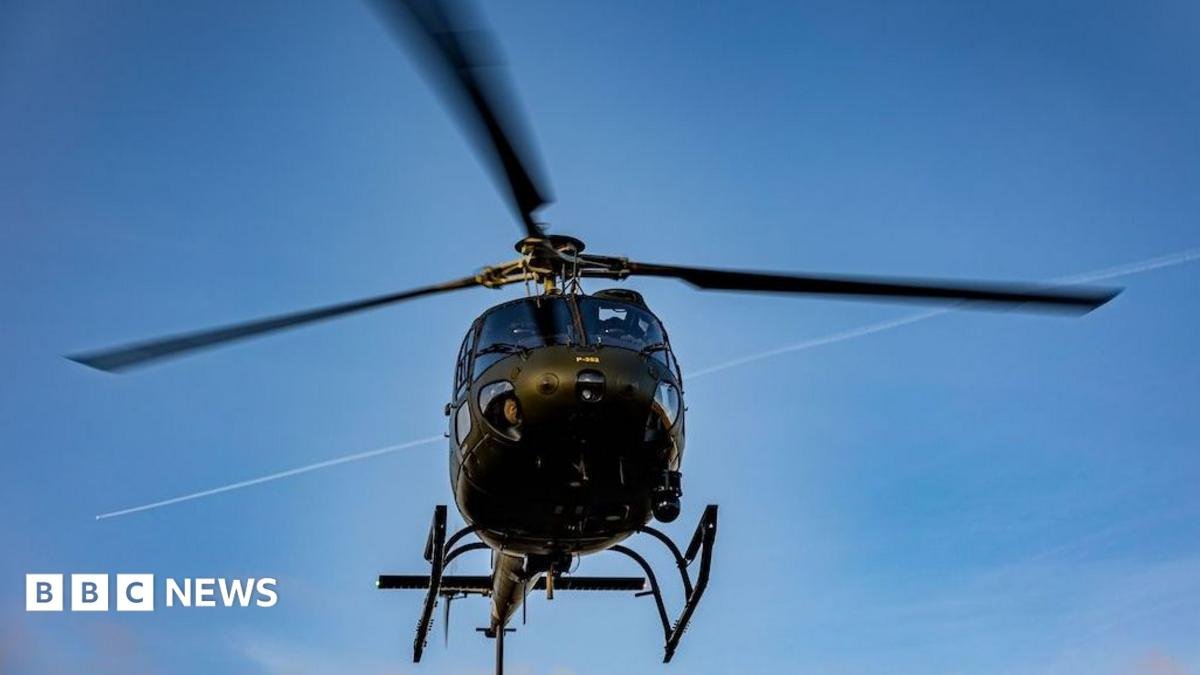
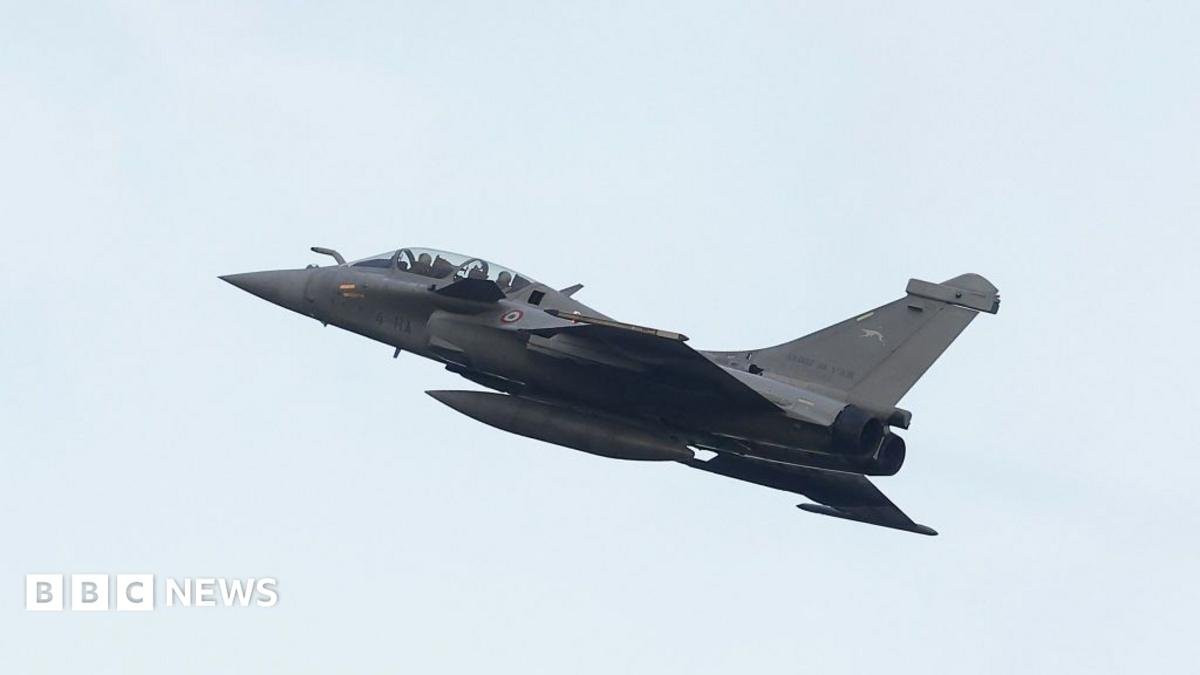
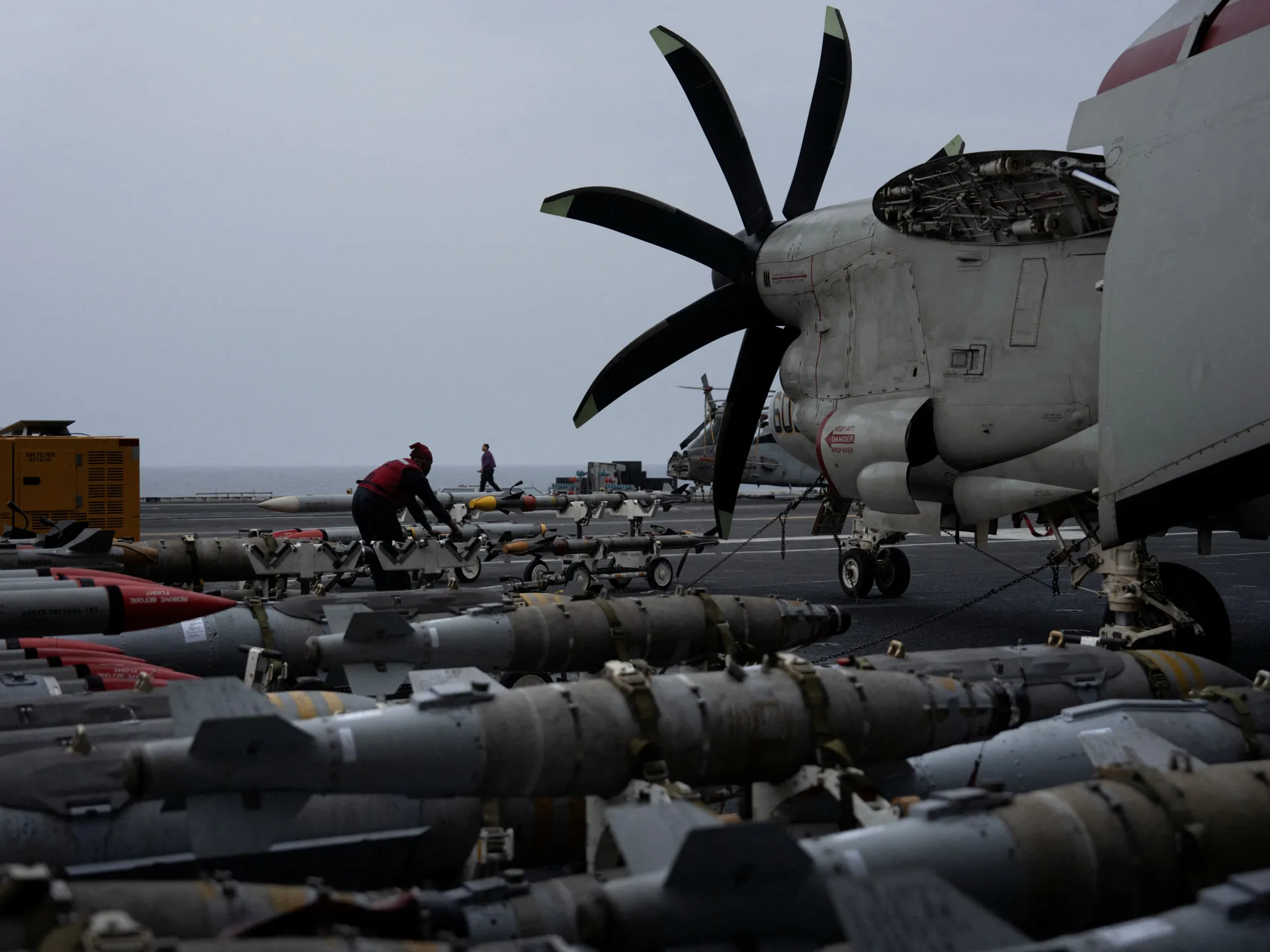
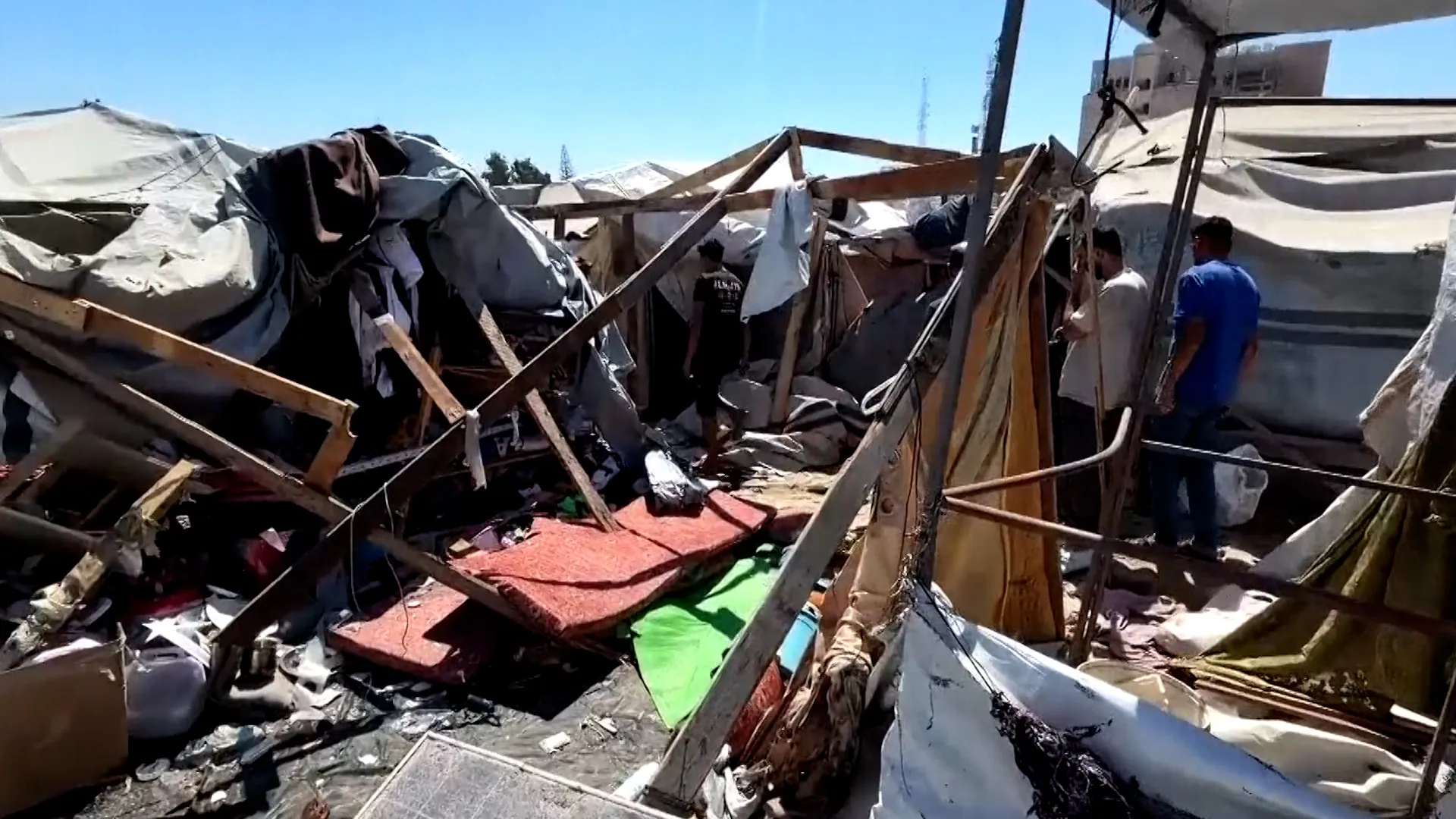
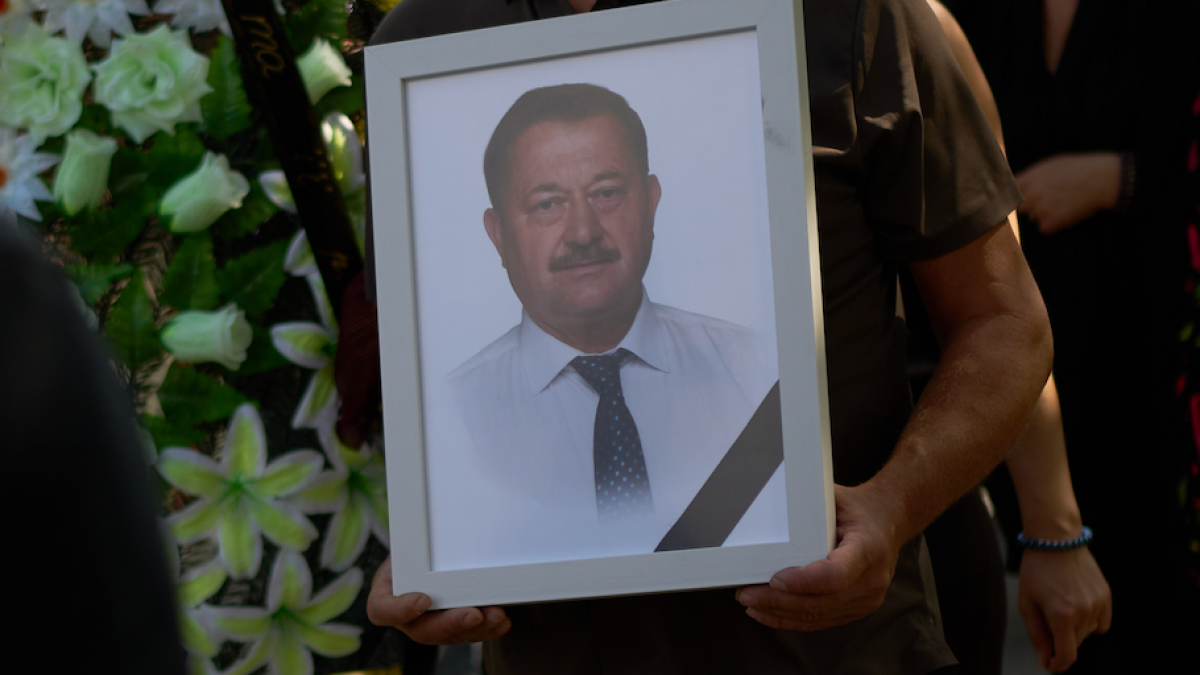
Reports of the human cost vary, with some outlets indicating a death toll reaching as high as 169 in the latest round of fighting. This surge in intensity arrives alongside reports that the United States came within hours of launching retaliatory air strikes against Houthi positions last Sunday, an action reportedly aborted at the eleventh hour t to bolster Saudi defensive capabilities through refueling support, further highlighting the international stakes surrounding the Bab al-Mandeb strait.
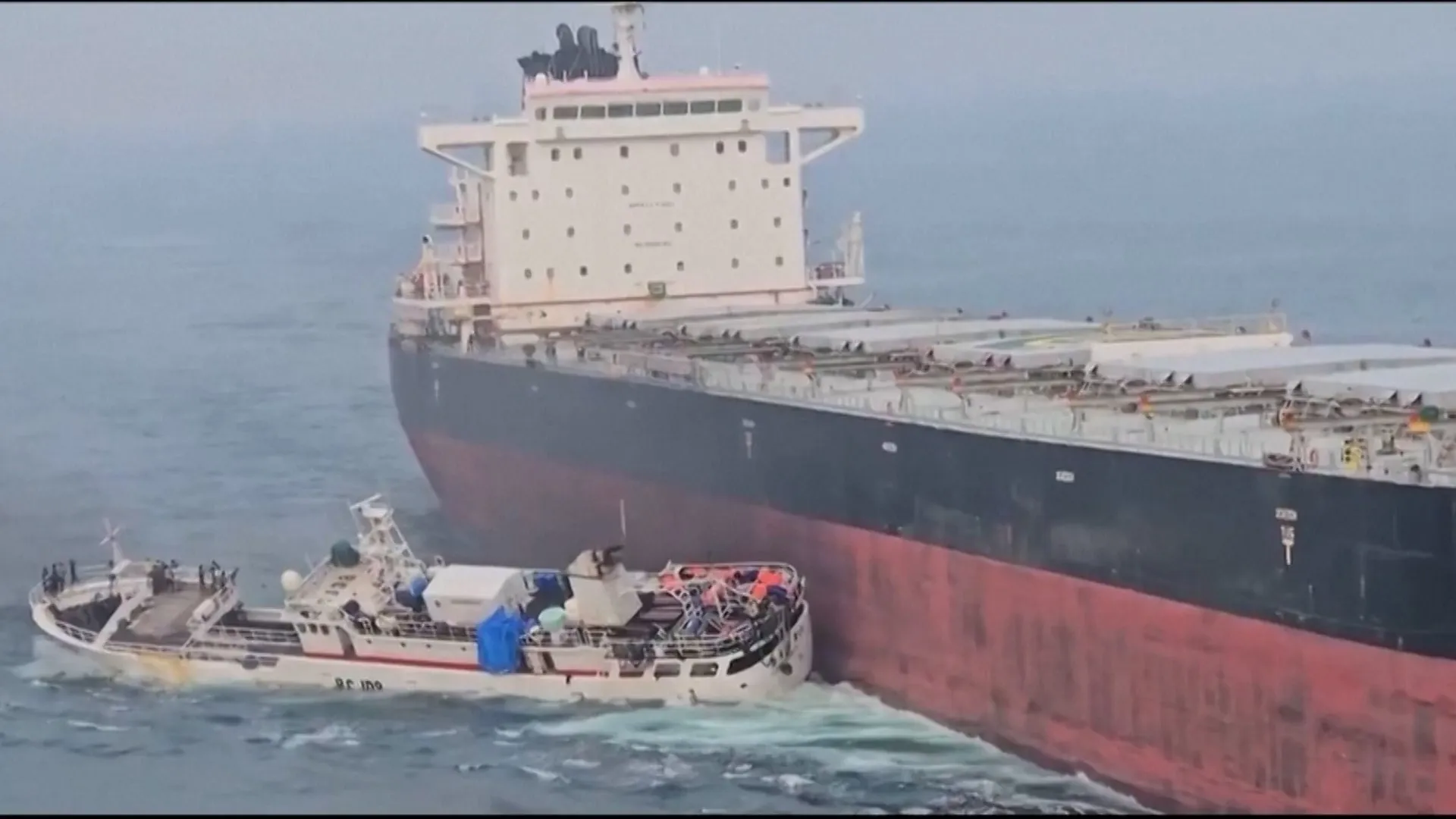
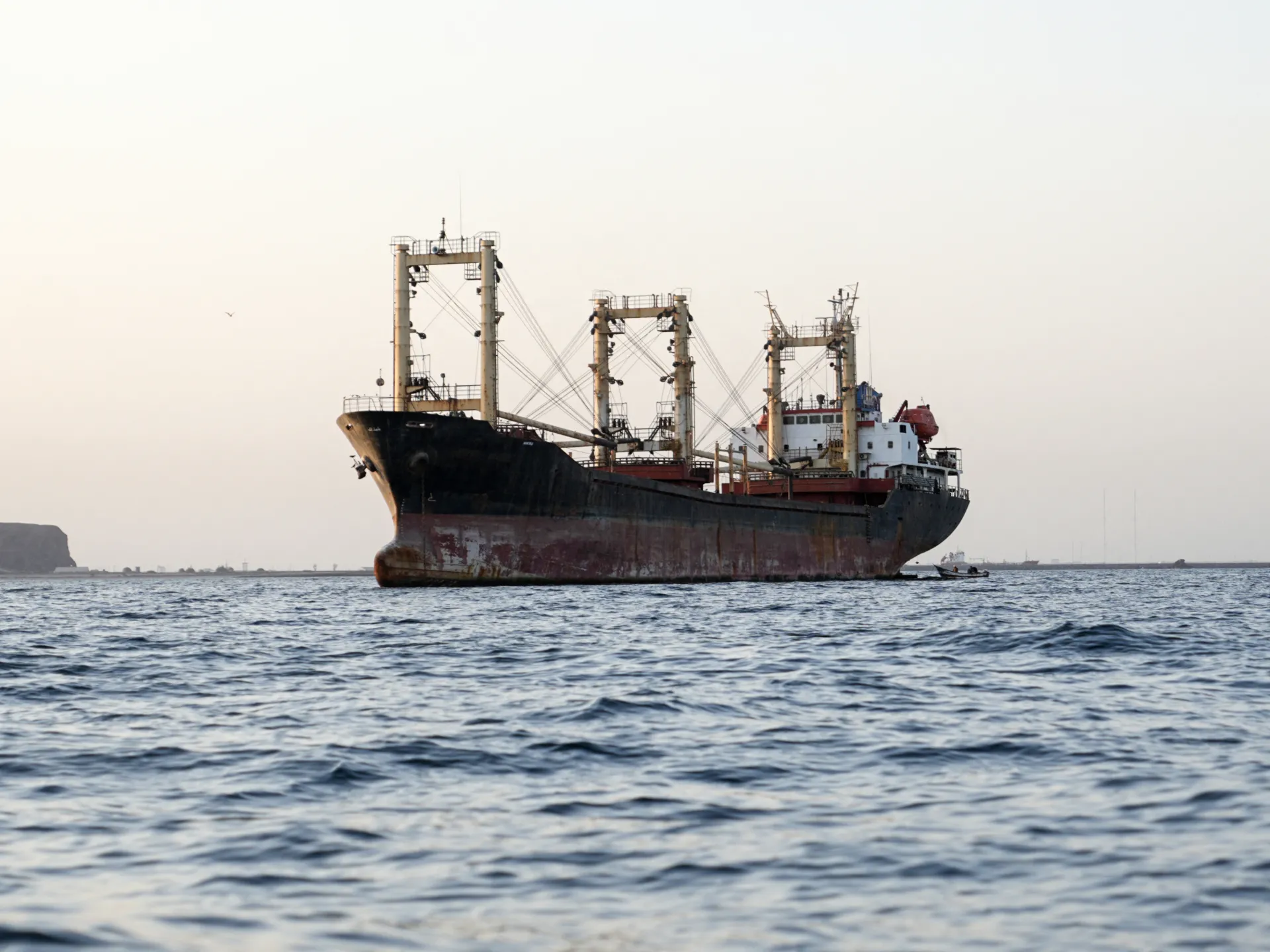
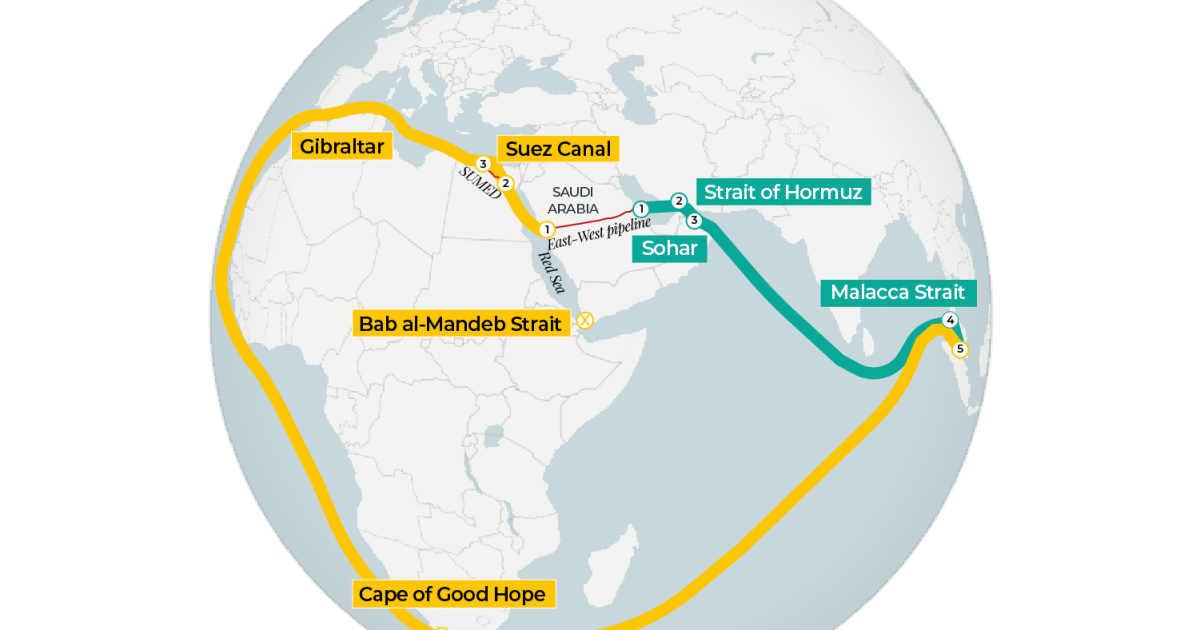
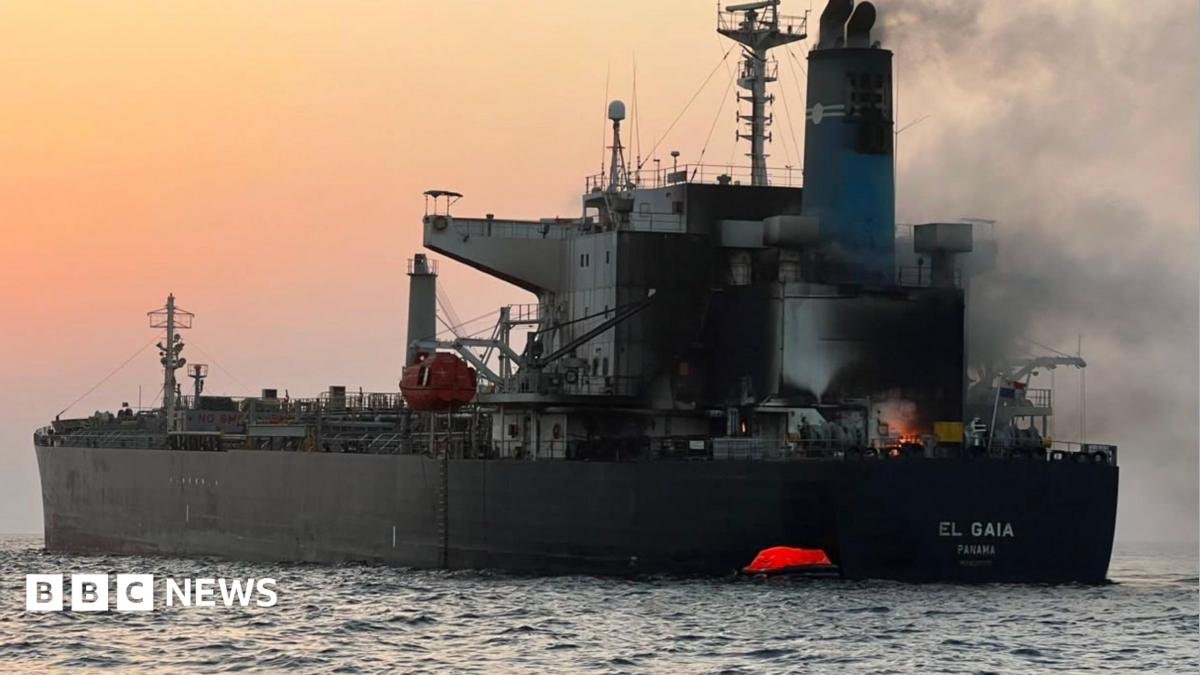
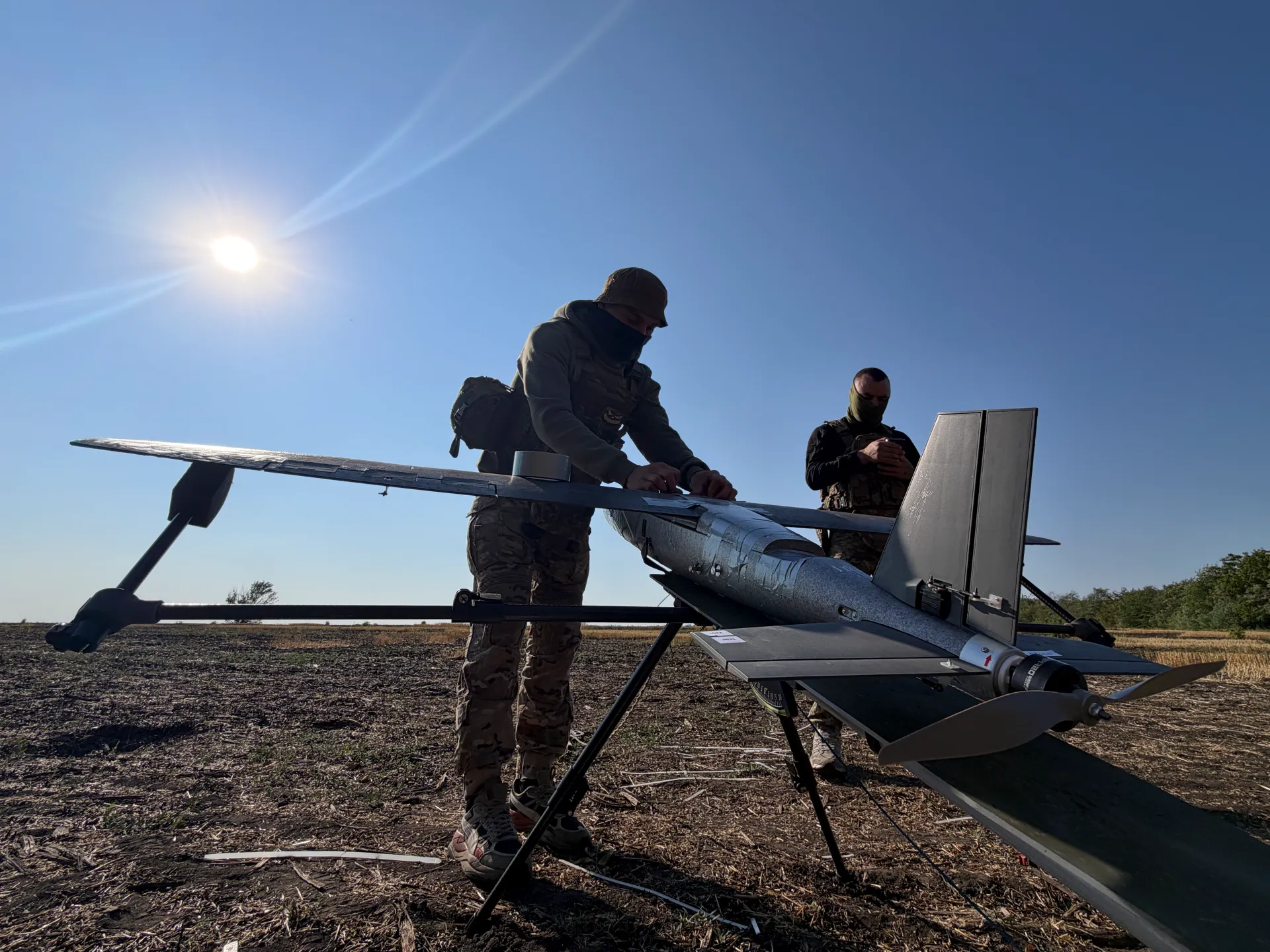
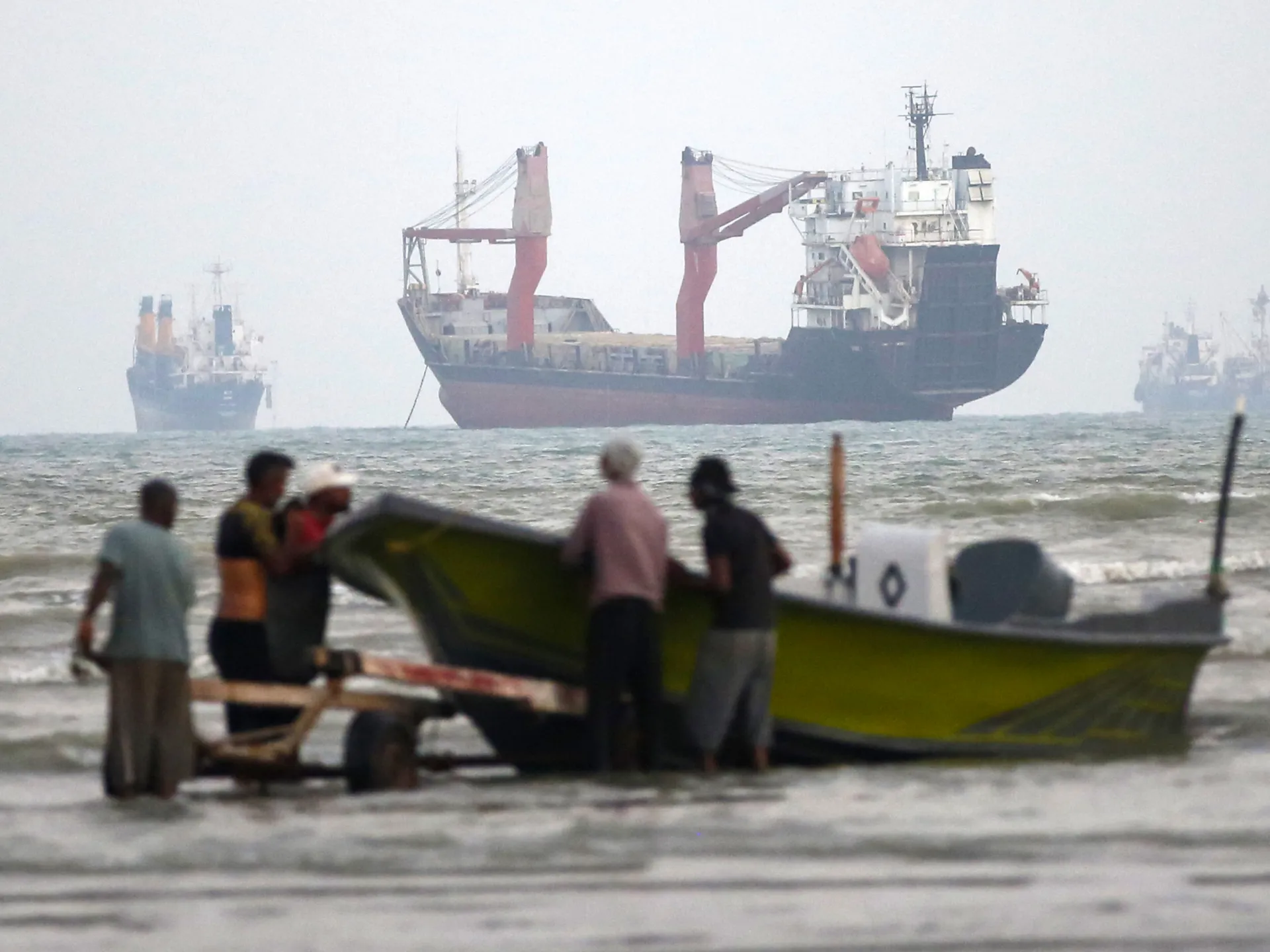
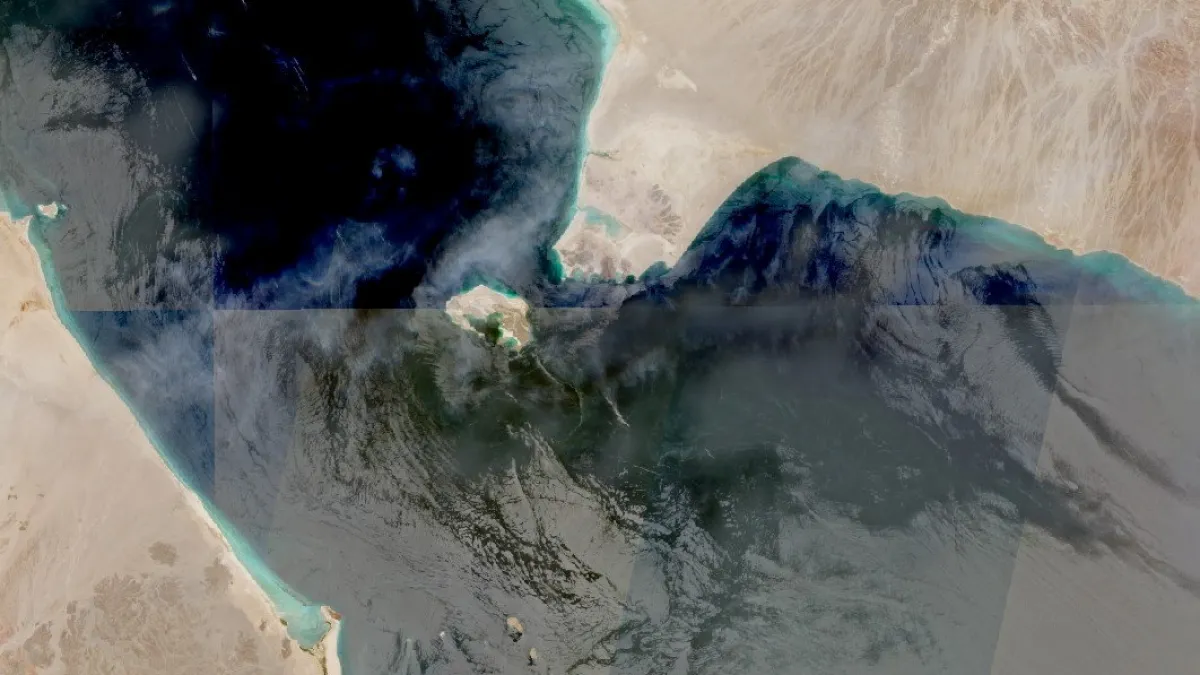
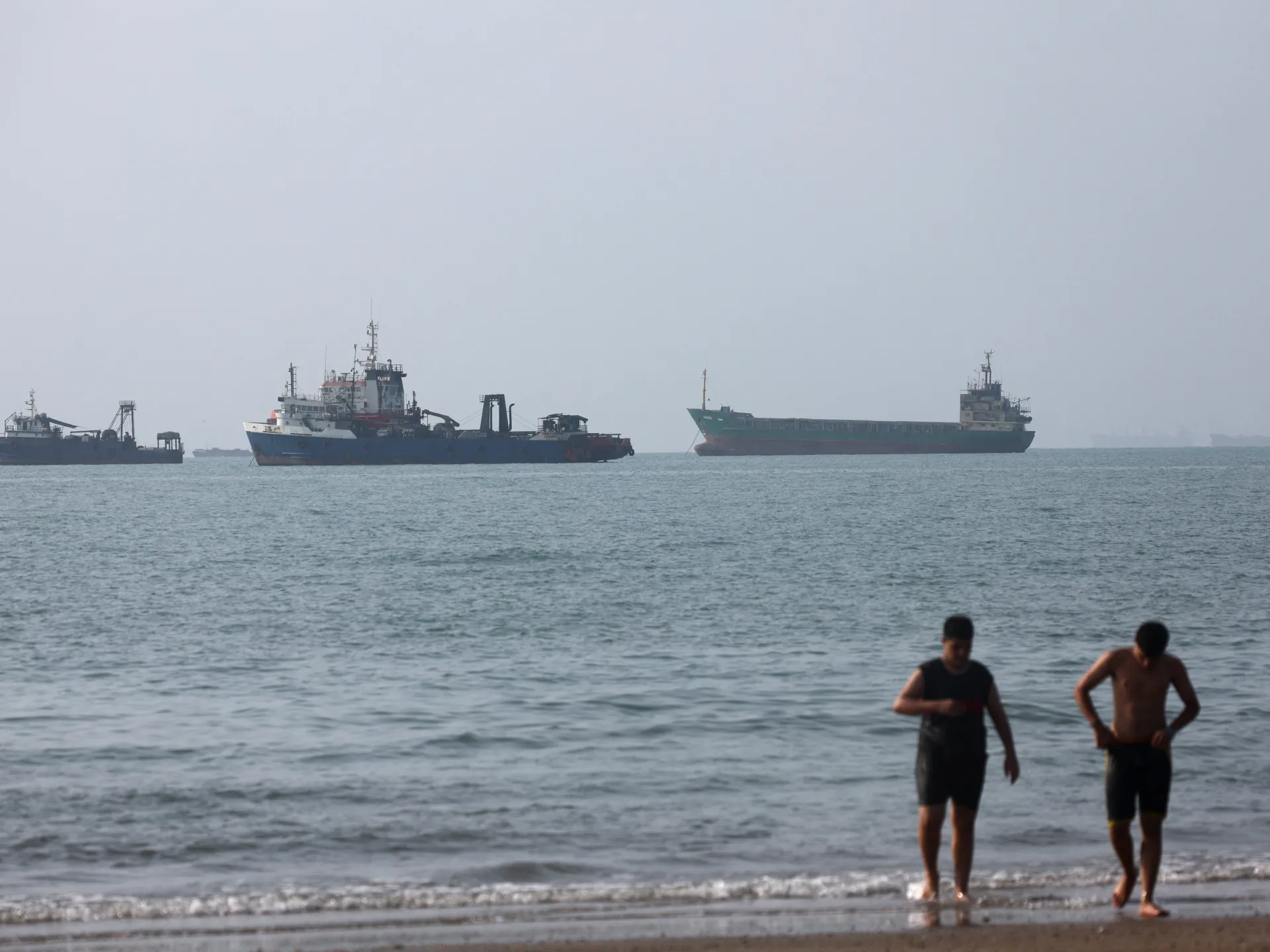
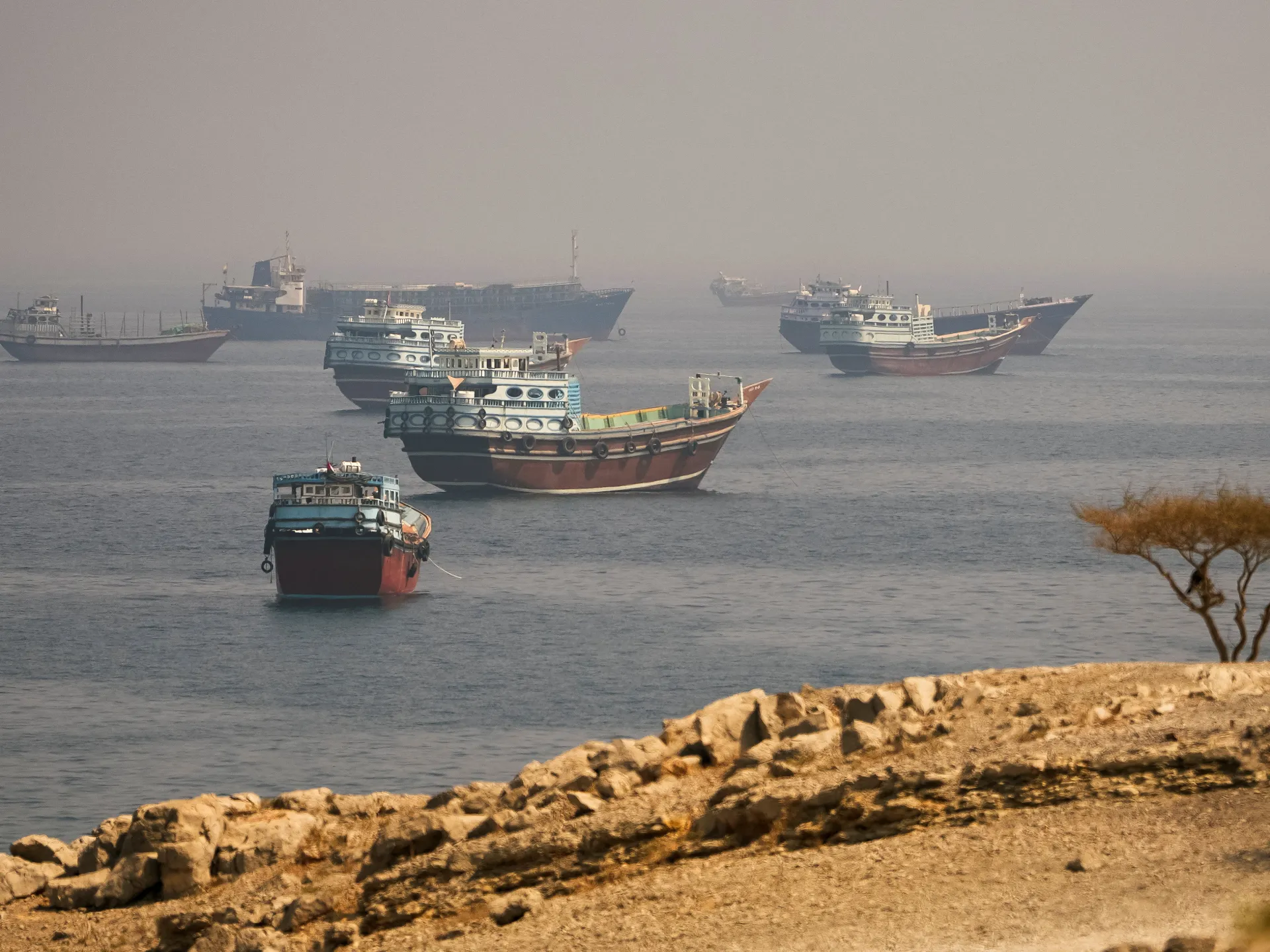
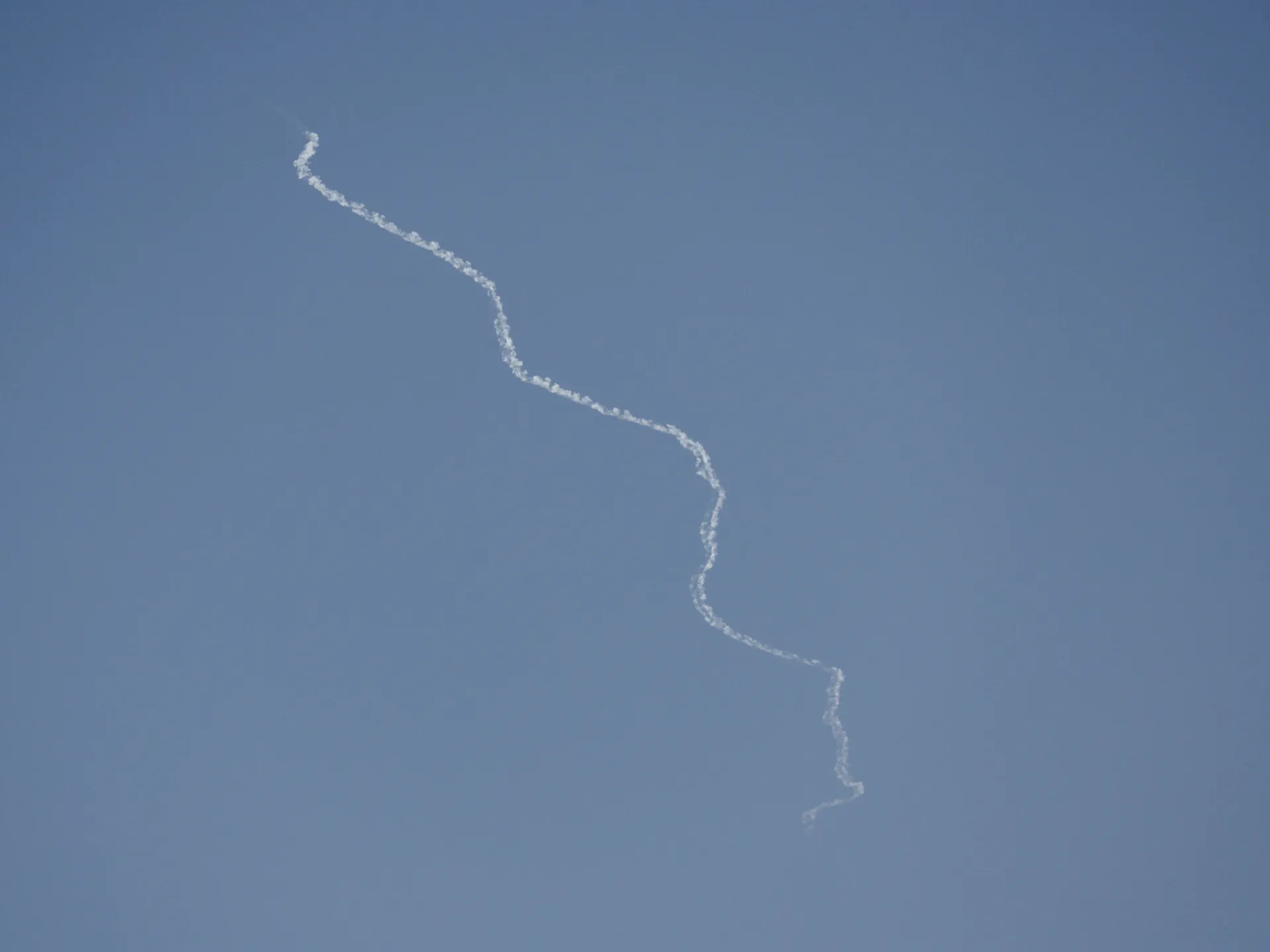
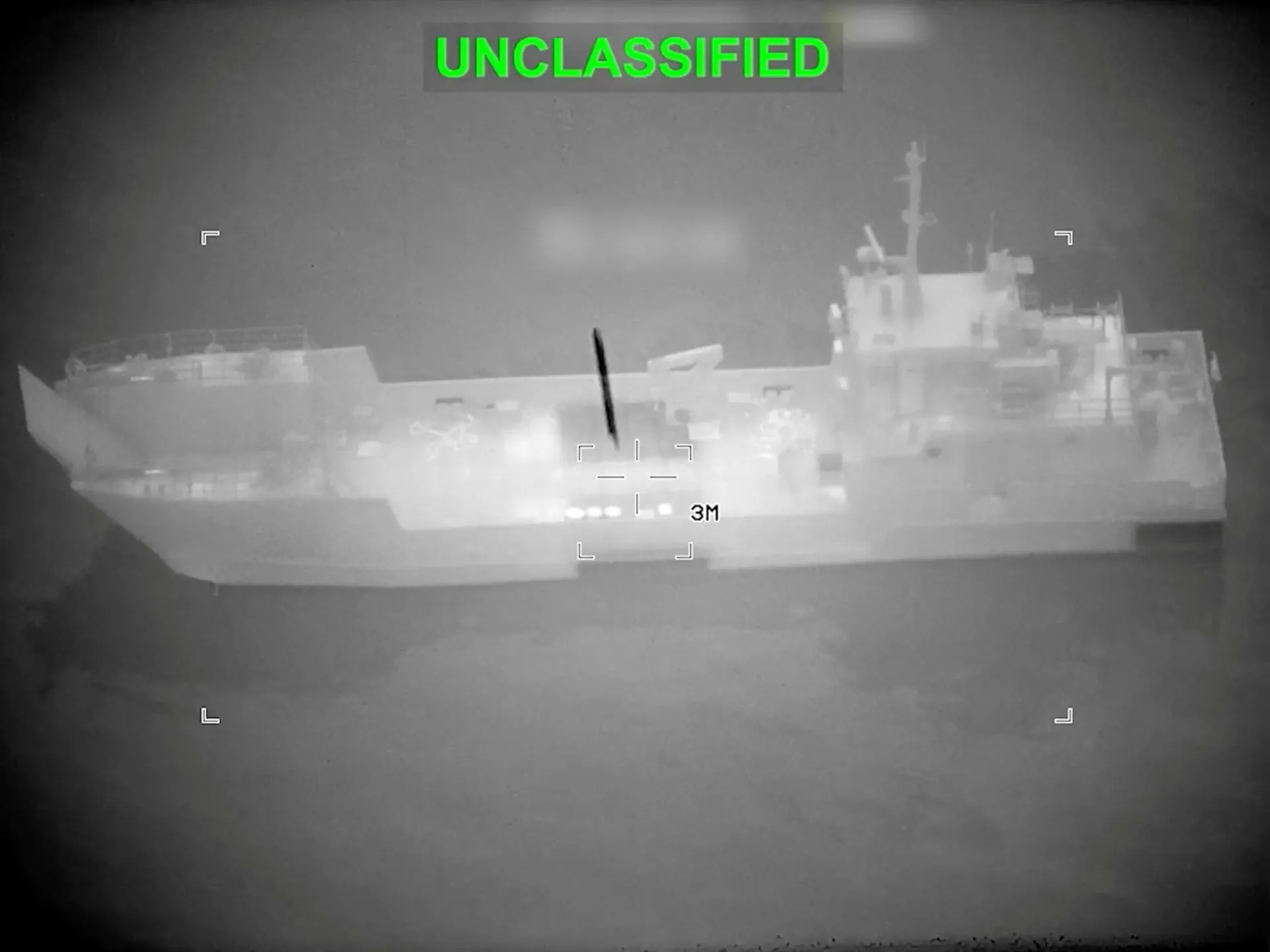
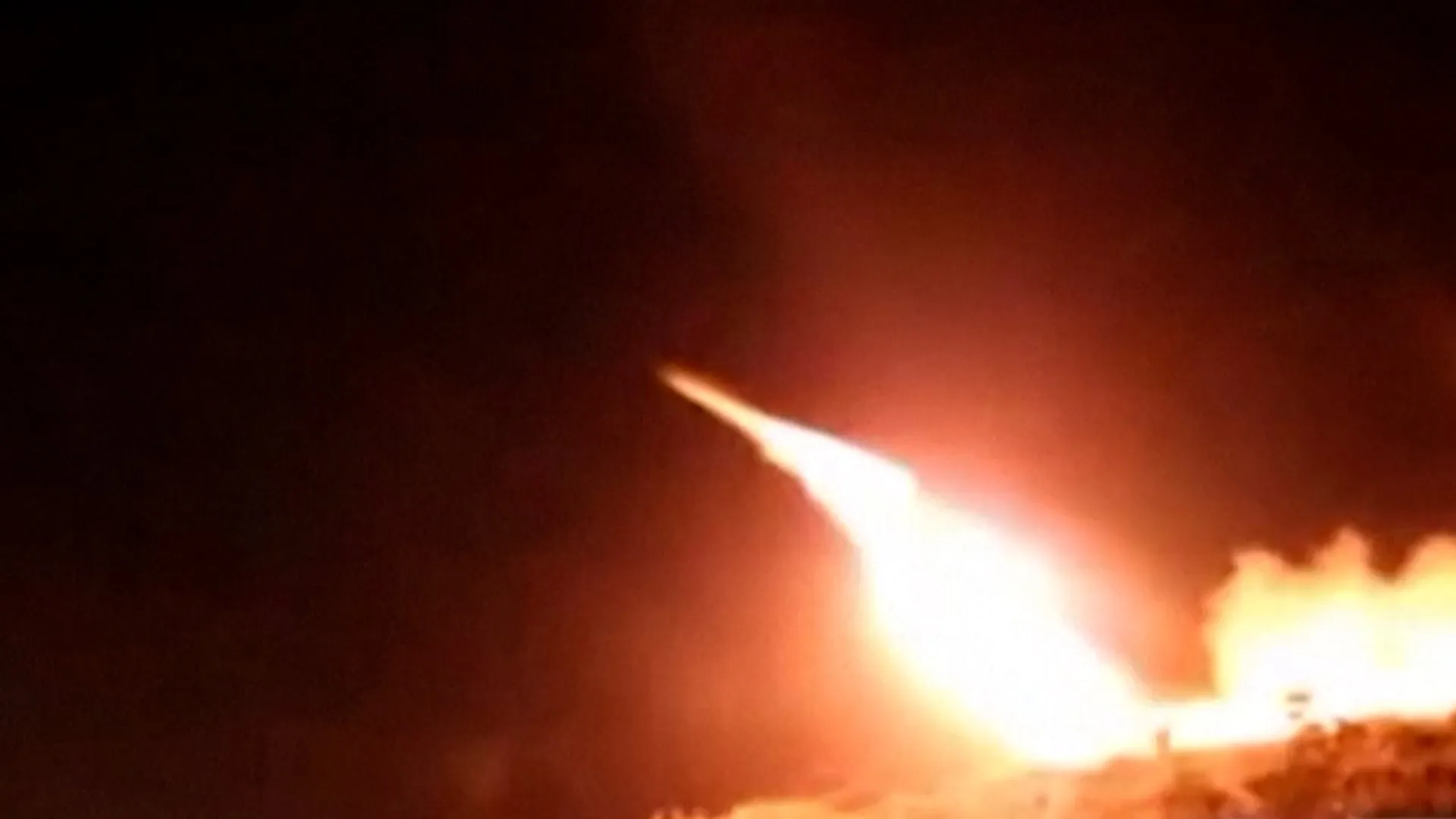
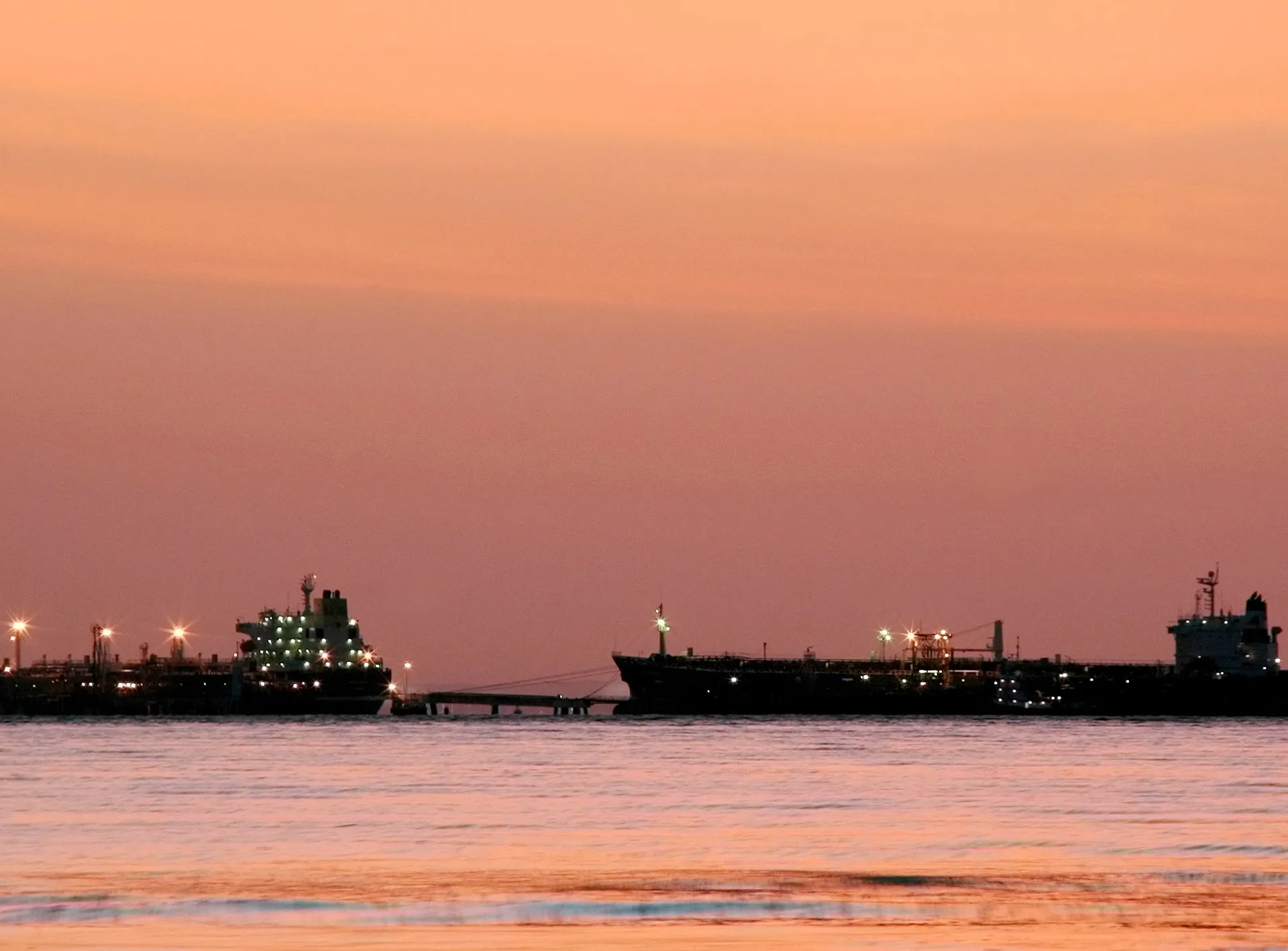
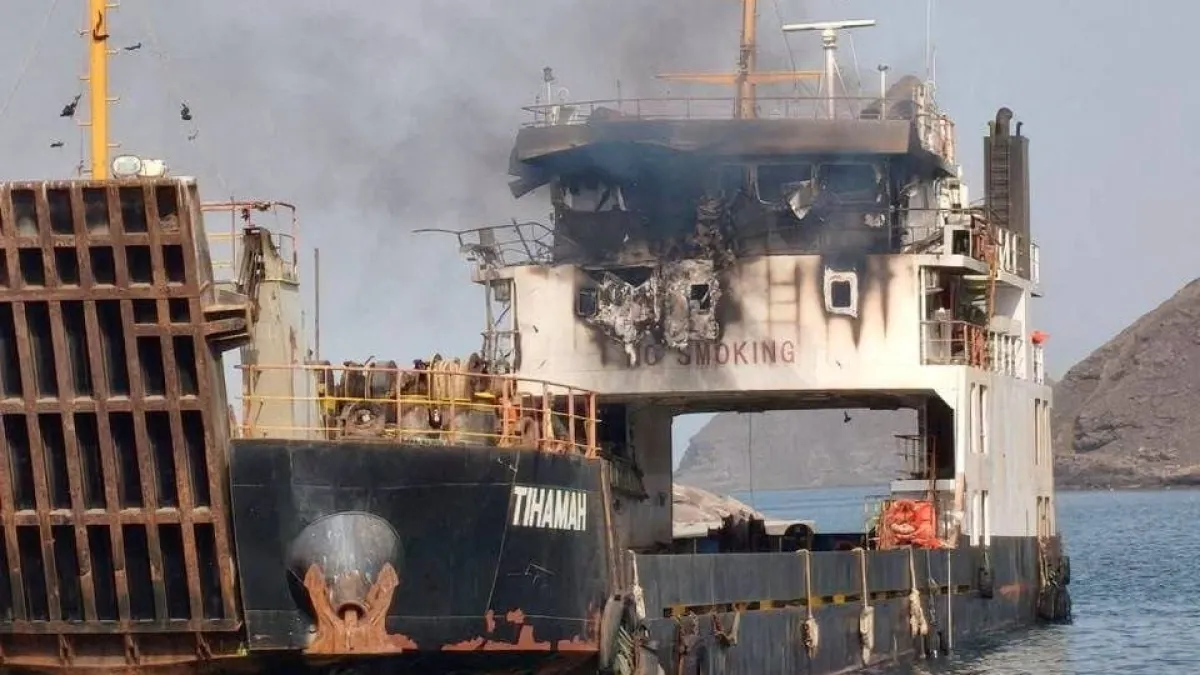
The strategic value of the Kahboub Mountains lies not in their utility as a primary weapons platform, but as a critical defensive bastion. at protects their newly acquired coastal supply lines from government-aligned counteroffensives. This geographical advantage provides the necessary depth to sustain drone and missile operations against maritime targets with greater resilience. For global commerce, the proximity of these heights to the Bab al-Mandeb—a vital artery connecting the Indian Ocean to the Suez Canal—means that even a peripheral shift in control could increase the vulnerability of the world’s oil supply and shipping lanes, necessitating a re-evaluation of current naval security postures in the Red Sea.
While the Houthis have publicly maintained that their maritime objectives remain limited to vessels associated with Saudi interests, their recent history of strikes against a broader array of international shipping has generated significant skepticism among global observers. Military analysts suggest that the push into the highlands of Lahj and Taiz is primarily aimed at consolidating the group’s rear-guard defenses. e the coastal territory from government staging areas, making any attempt to reclaim the shoreline logistically daunting for opposition forces.
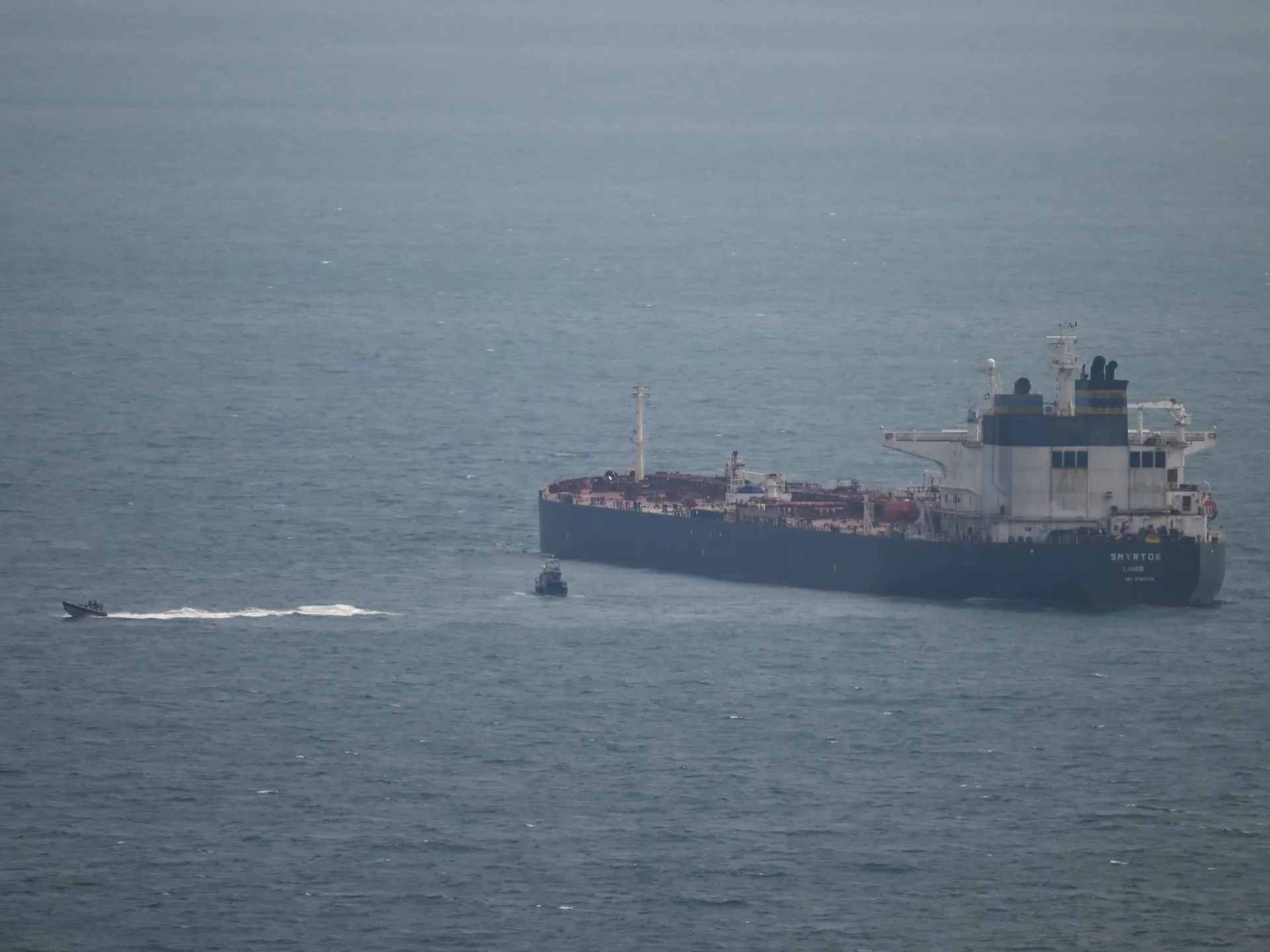
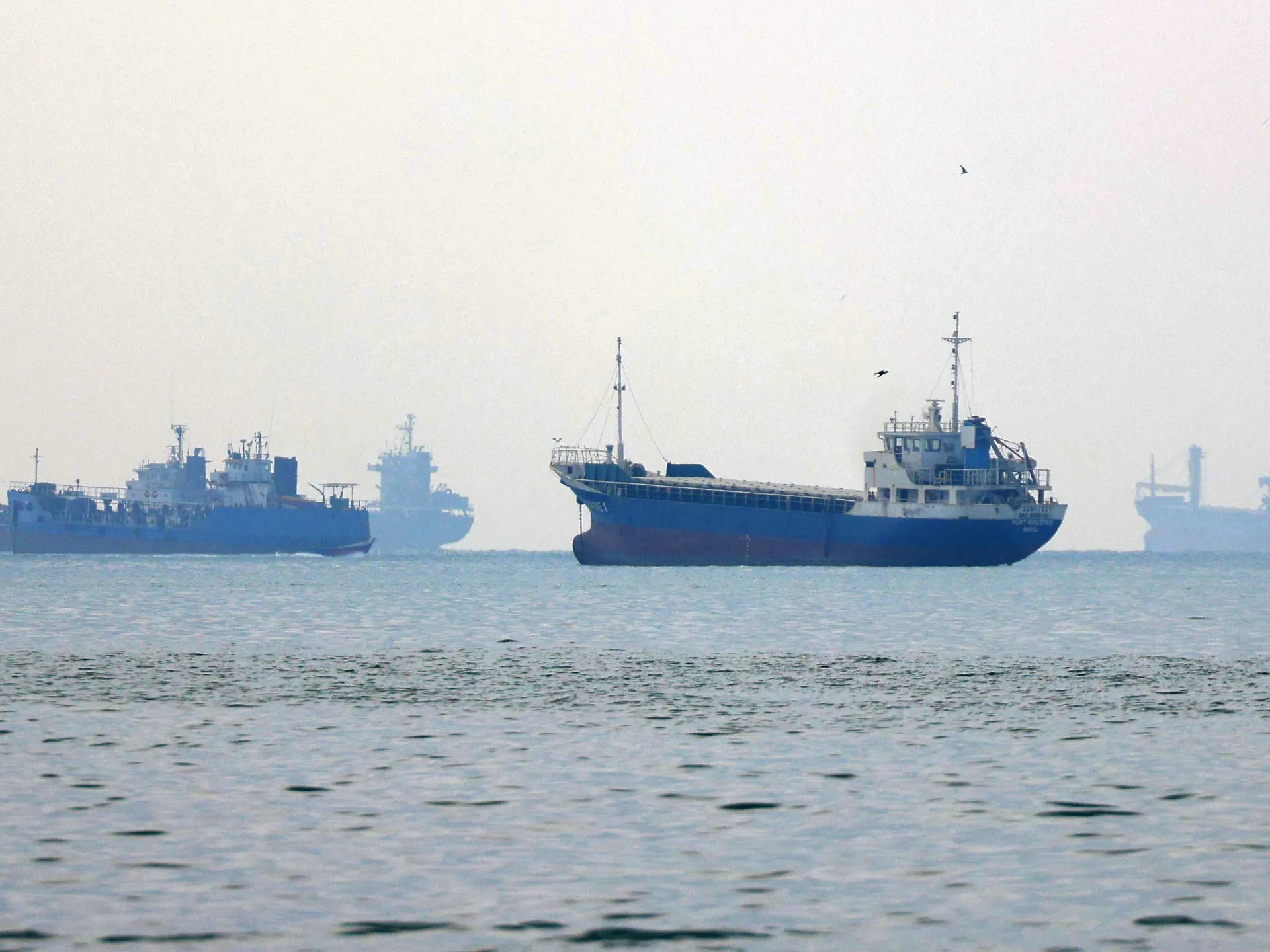
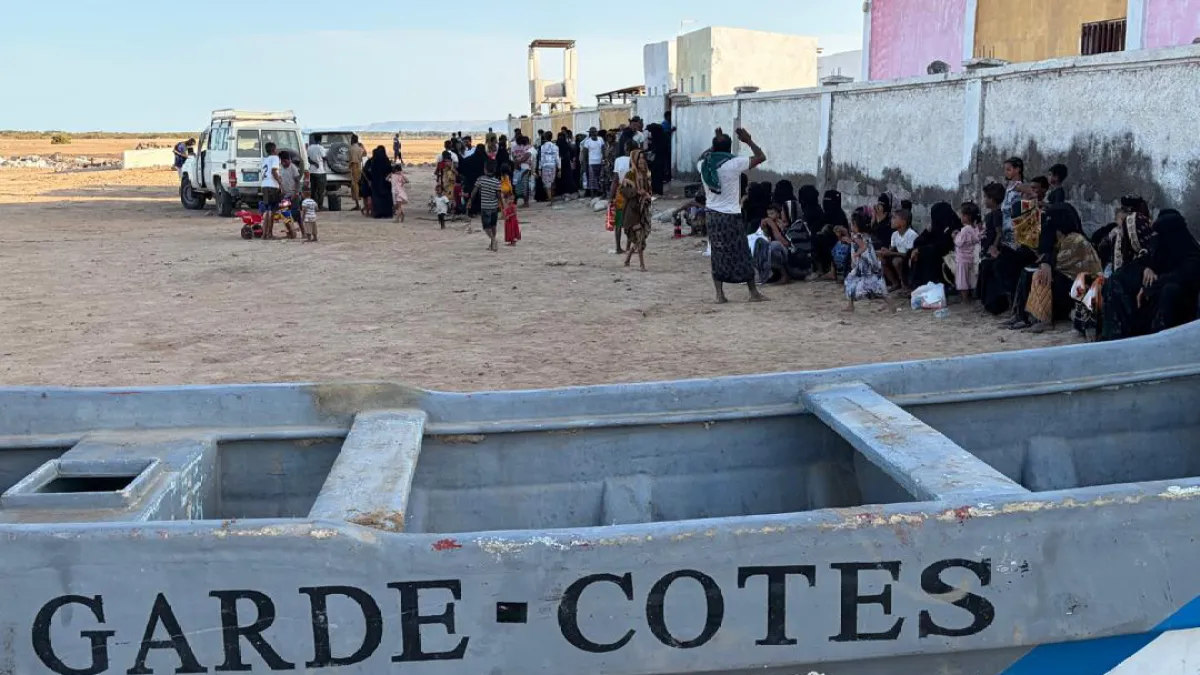
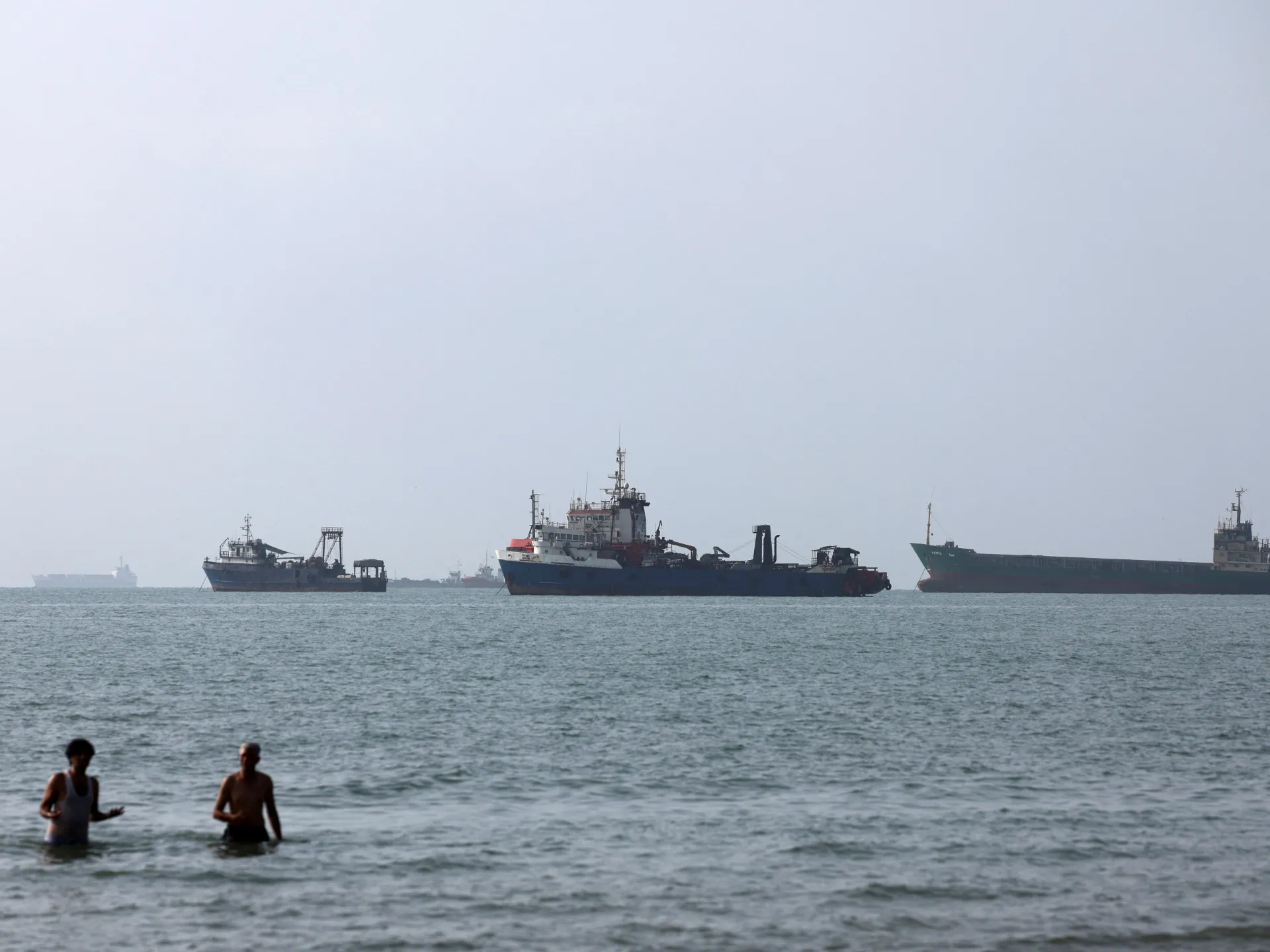
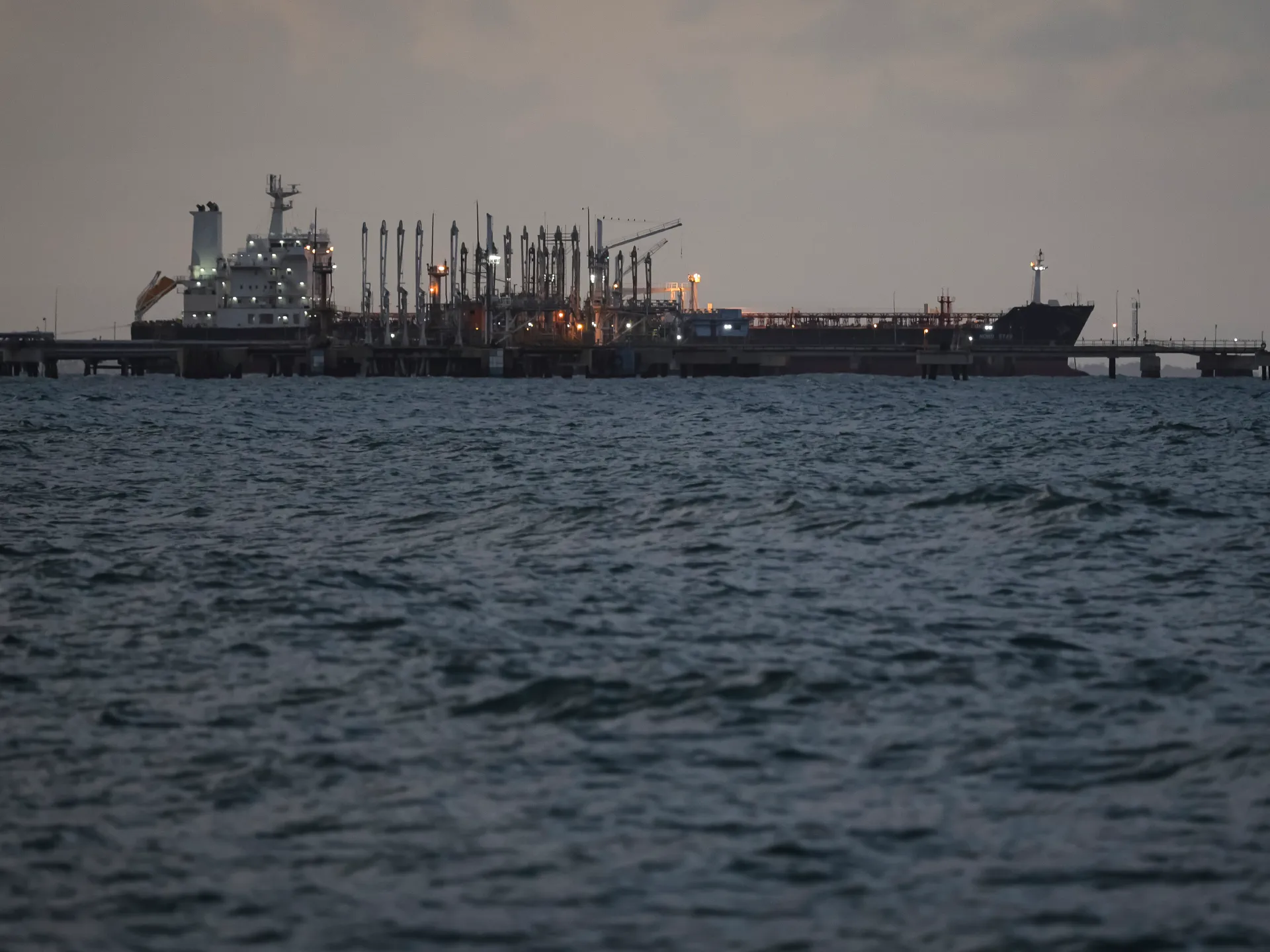
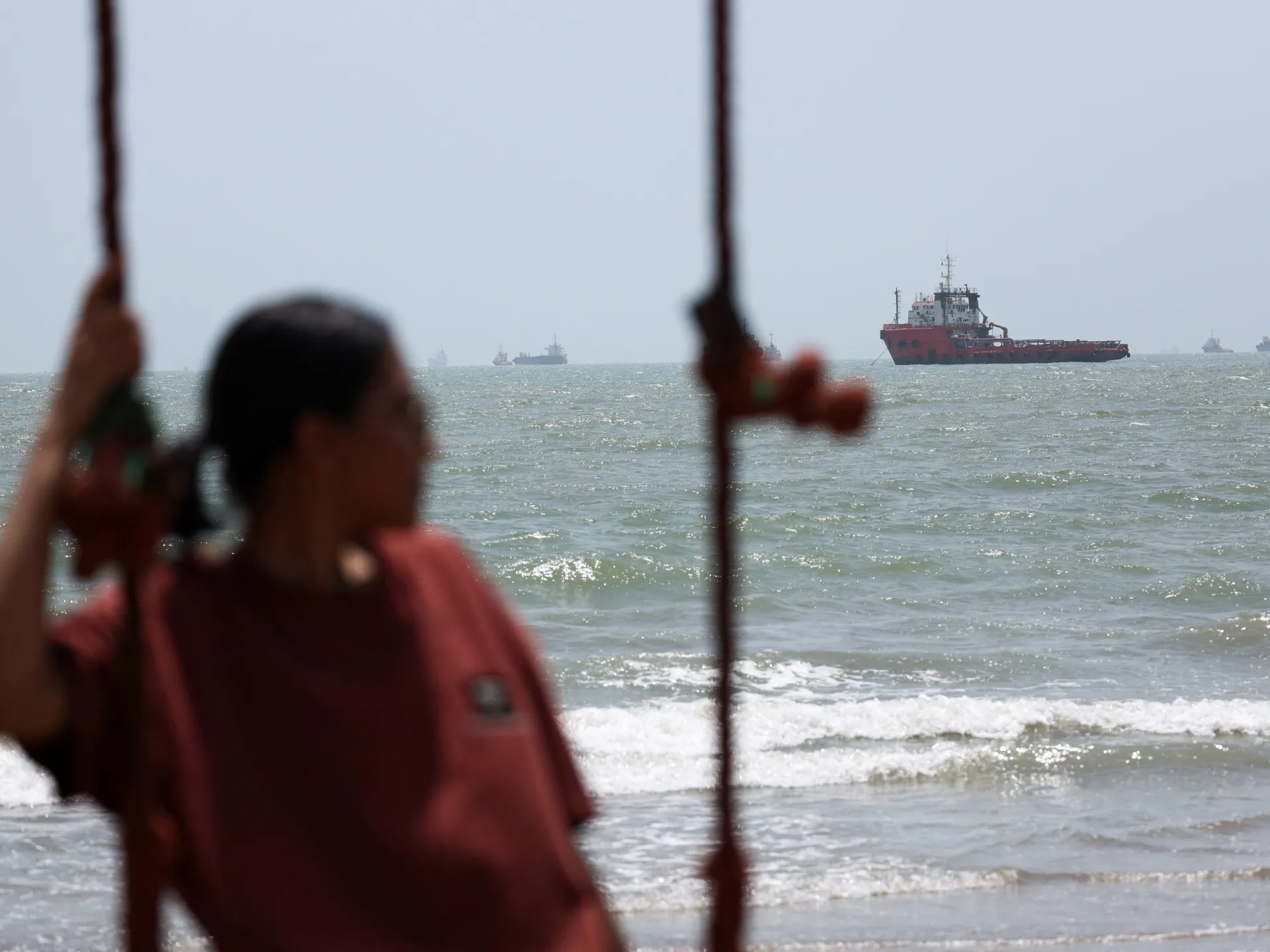
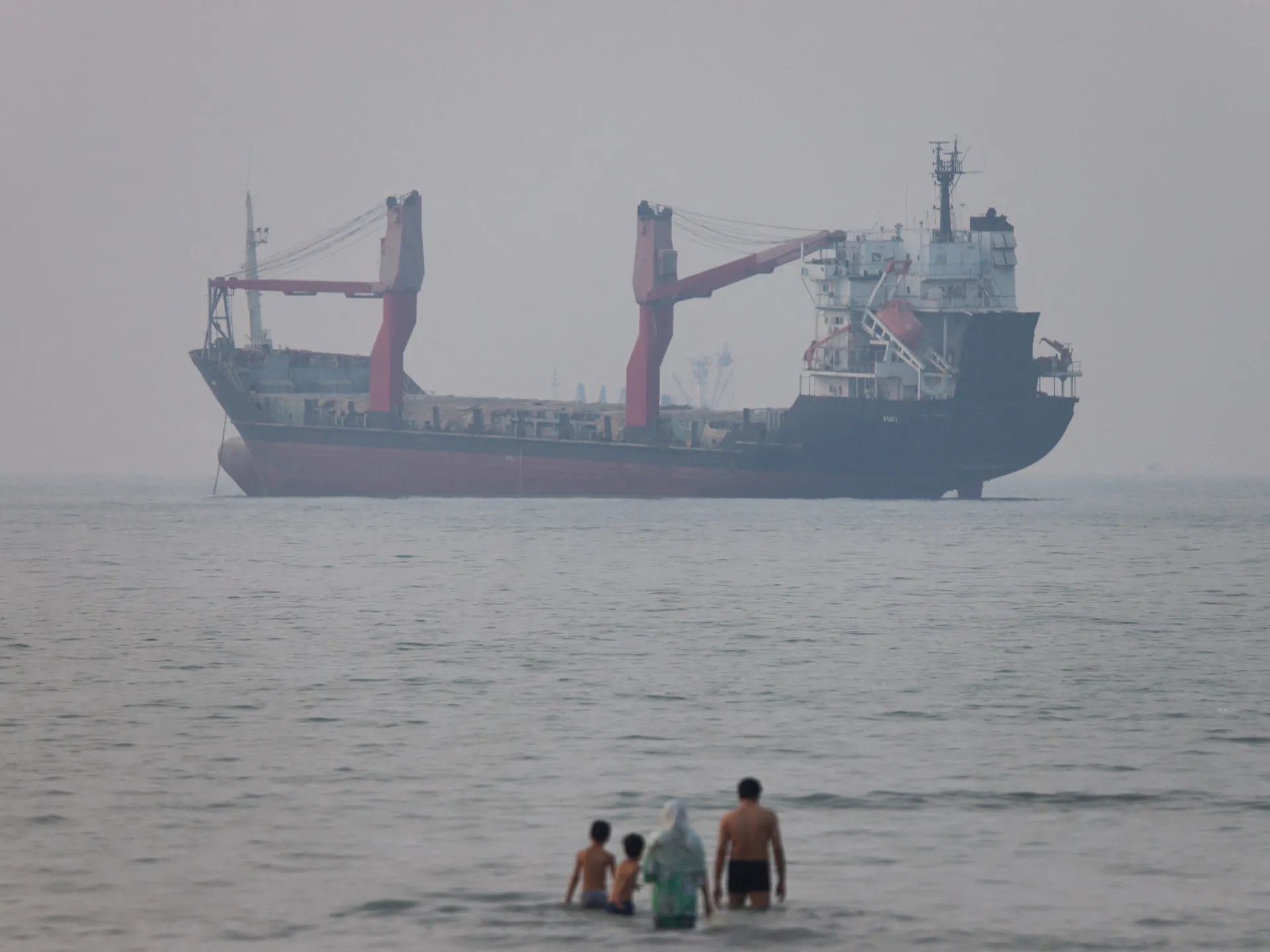
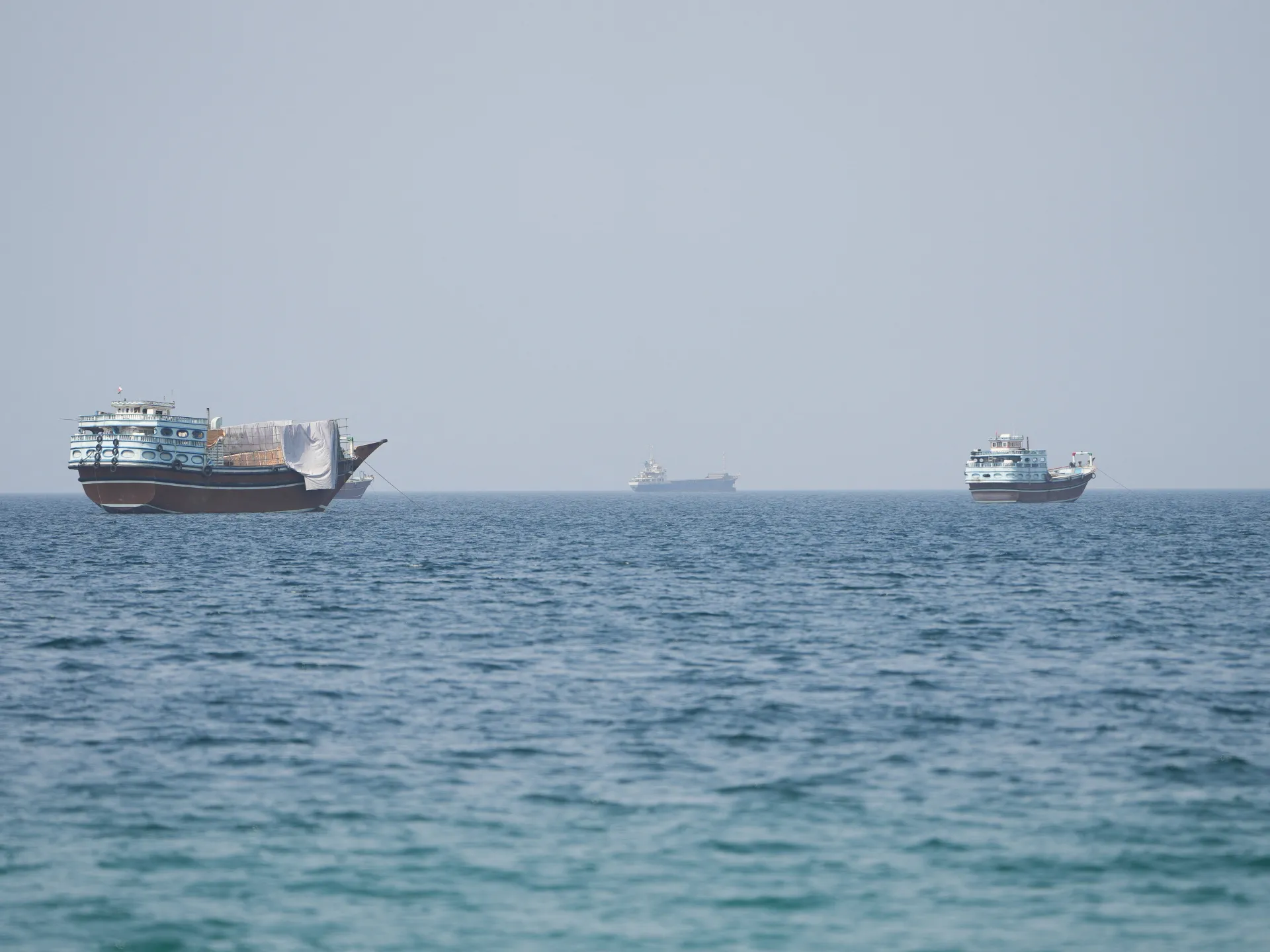
Despite the anxiety surrounding potential shipping disruptions, local authorities in Djibouti have reported that maritime traffic through the Bab al-Mandeb strait continues to flow without interruption. This discrepancy between the rising ground-level violence in Yemen and the continued operational status of the waterway serves to underscore the high-stakes game of posturing currently playing out between regional combatants and international powers.
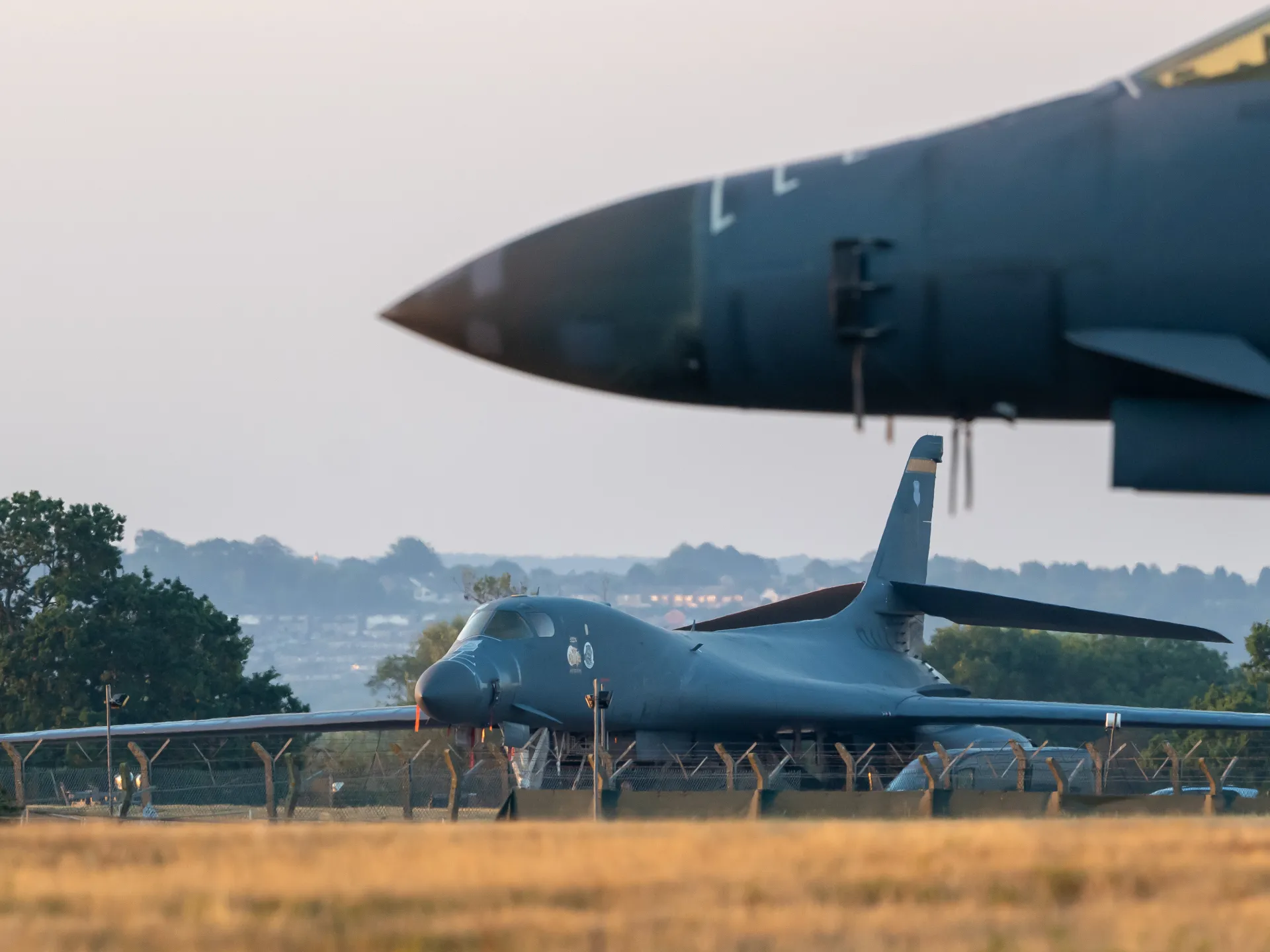
The situation remains precarious, with the likelihood of continued skirmishes in the mountainous terrain as both sides seek to secure a tactical advantage before the winter months. Analysis suggests that while direct, full-scale US intervention appears to have been paused for now, the presence of British refueling support indicates that the conflict is moving toward a more rigid alignment of international alliances. If the Houthis successfully entrench themselves within the Kahboub range, government forces may find it nearly impossible to dislodge them without significant external military escalation, which in turn could force a response from maritime powers tasked with keeping the Red Sea open to global trade.