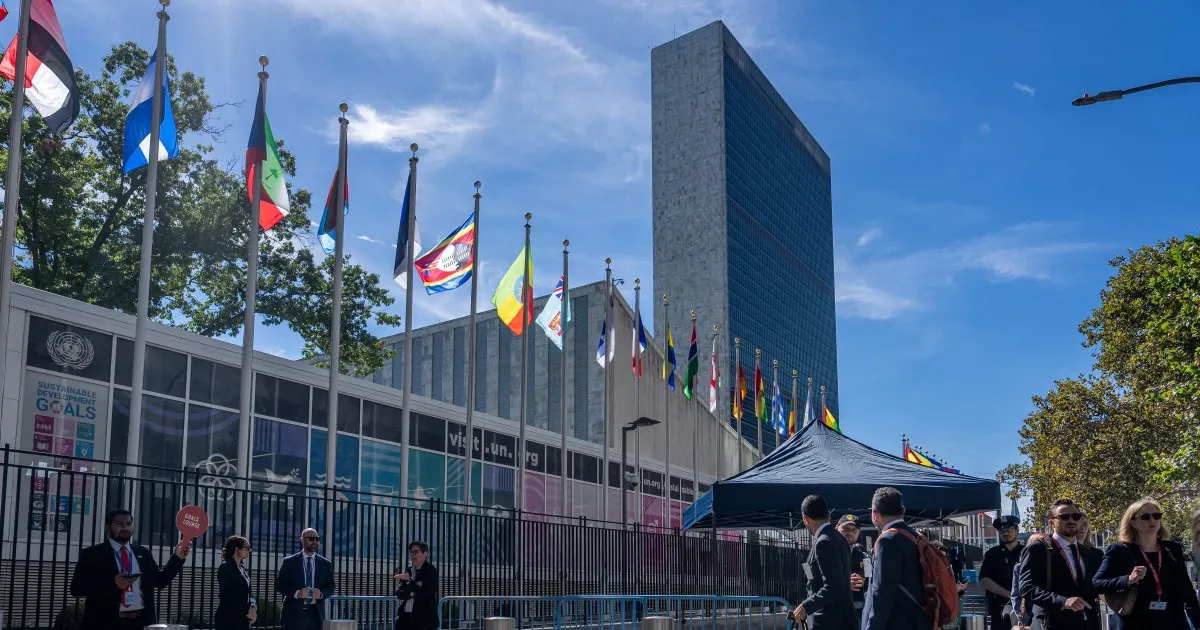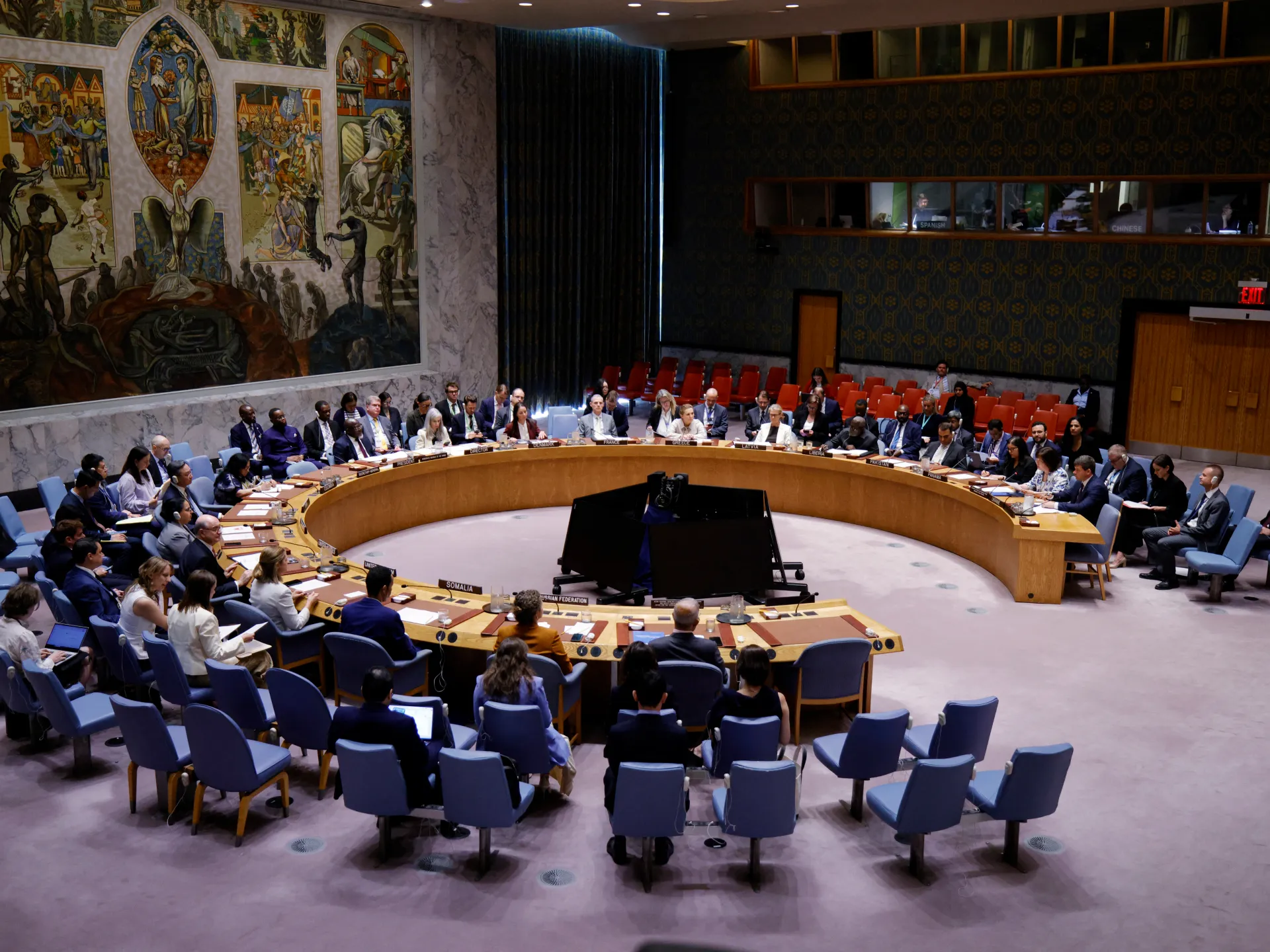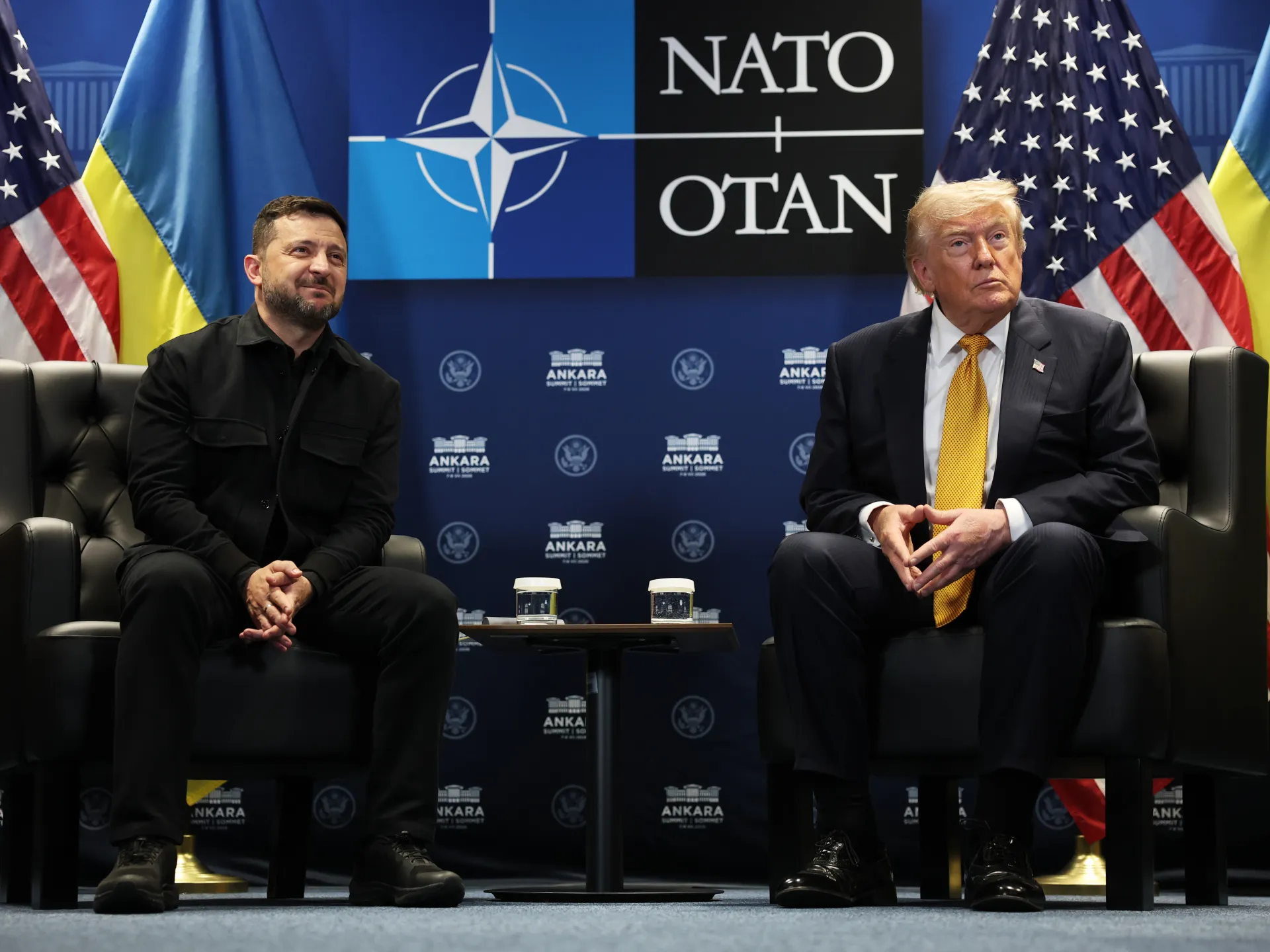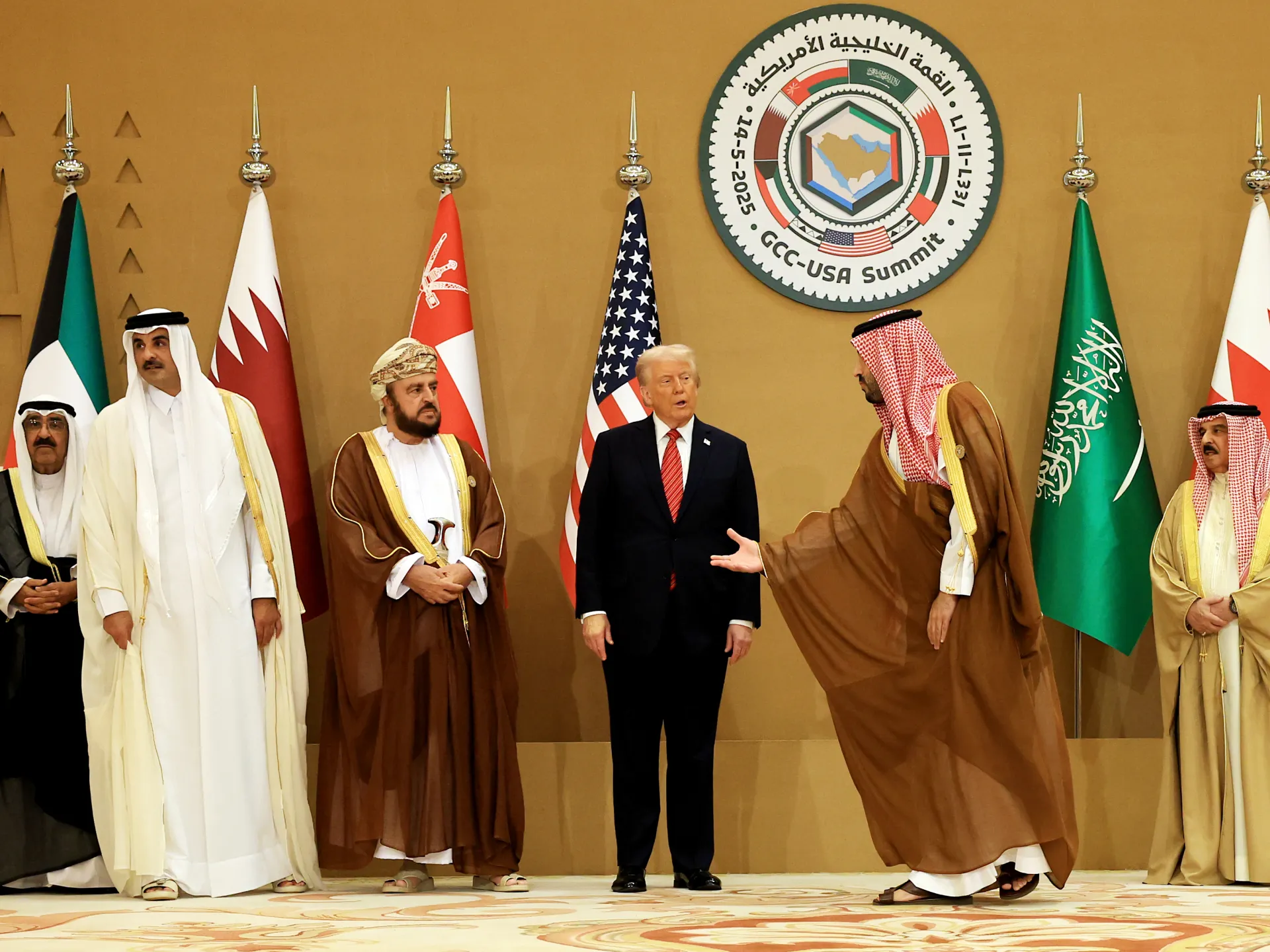
Gulf leaders are meeting with President Trump in New York to advocate for de-escalation as the conflict with Iran threatens regional energy stability.
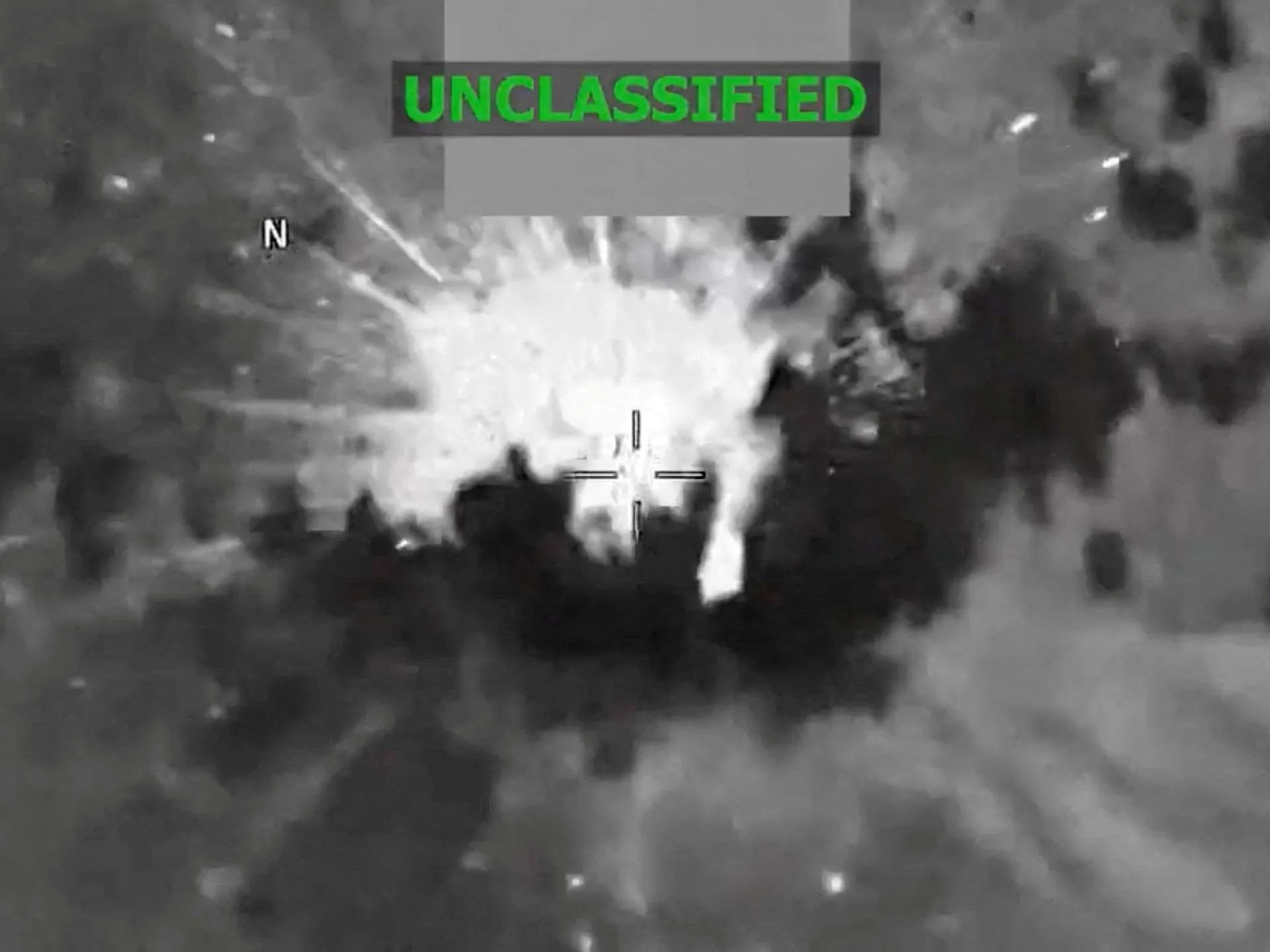
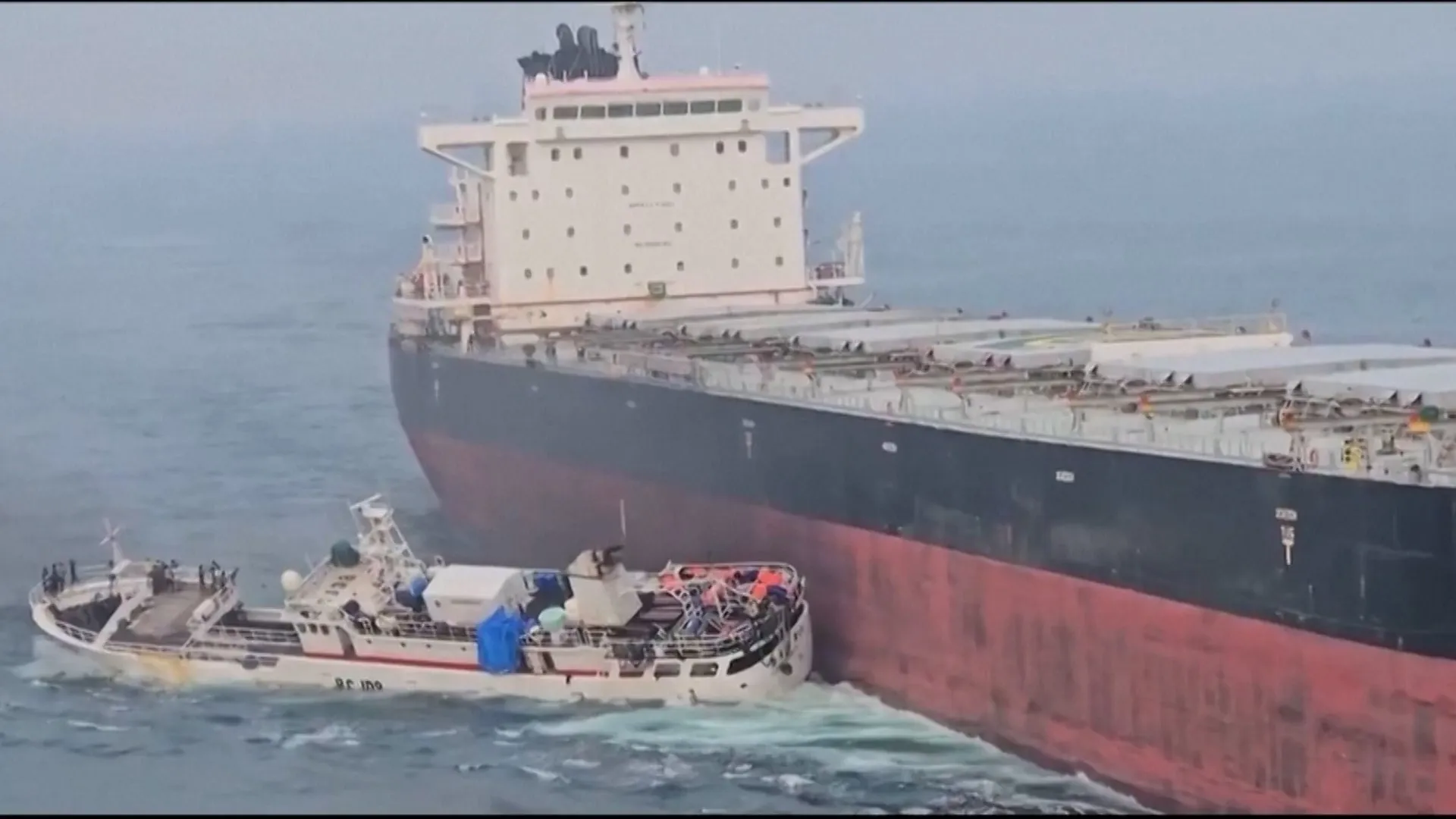
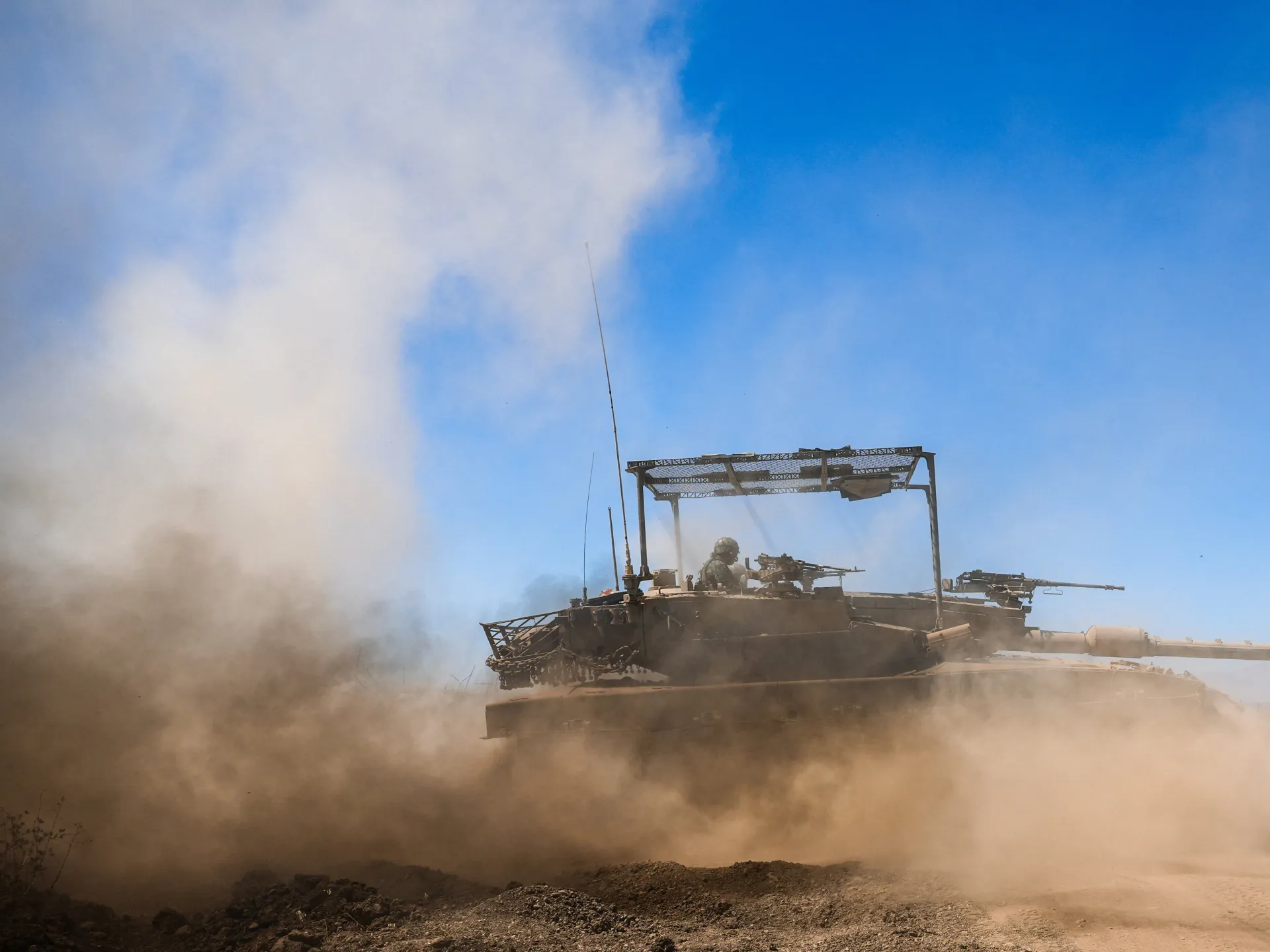
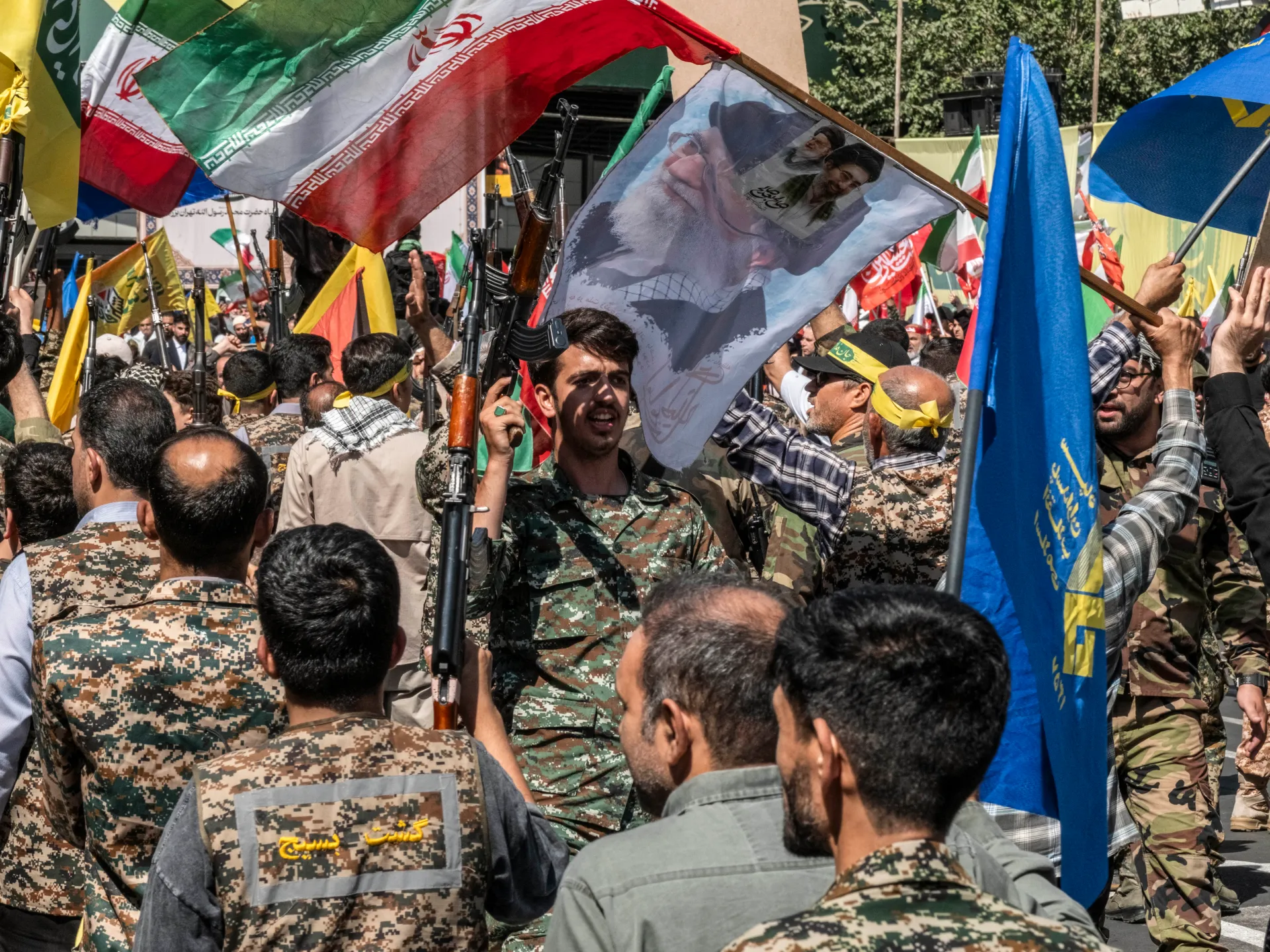
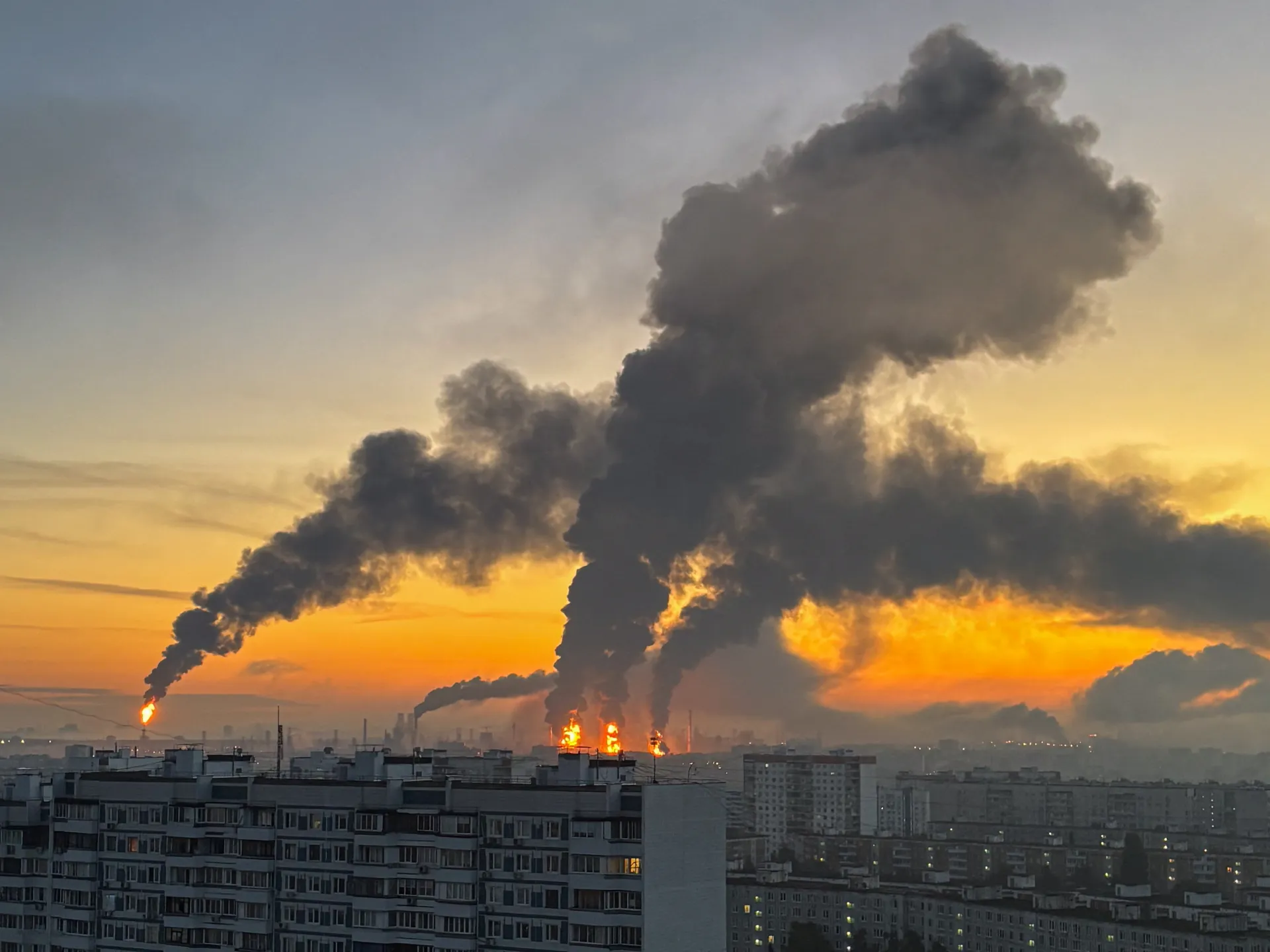
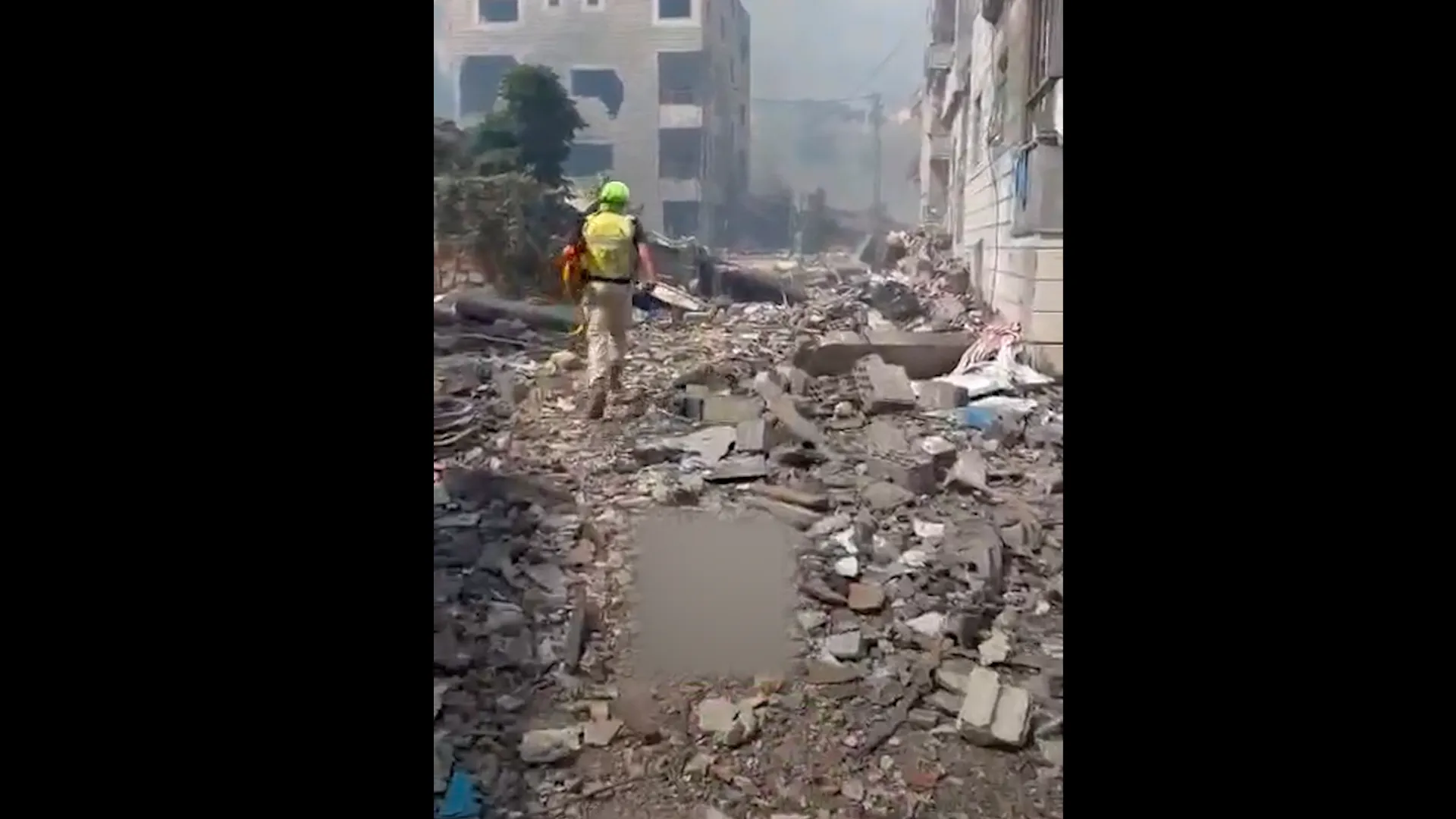
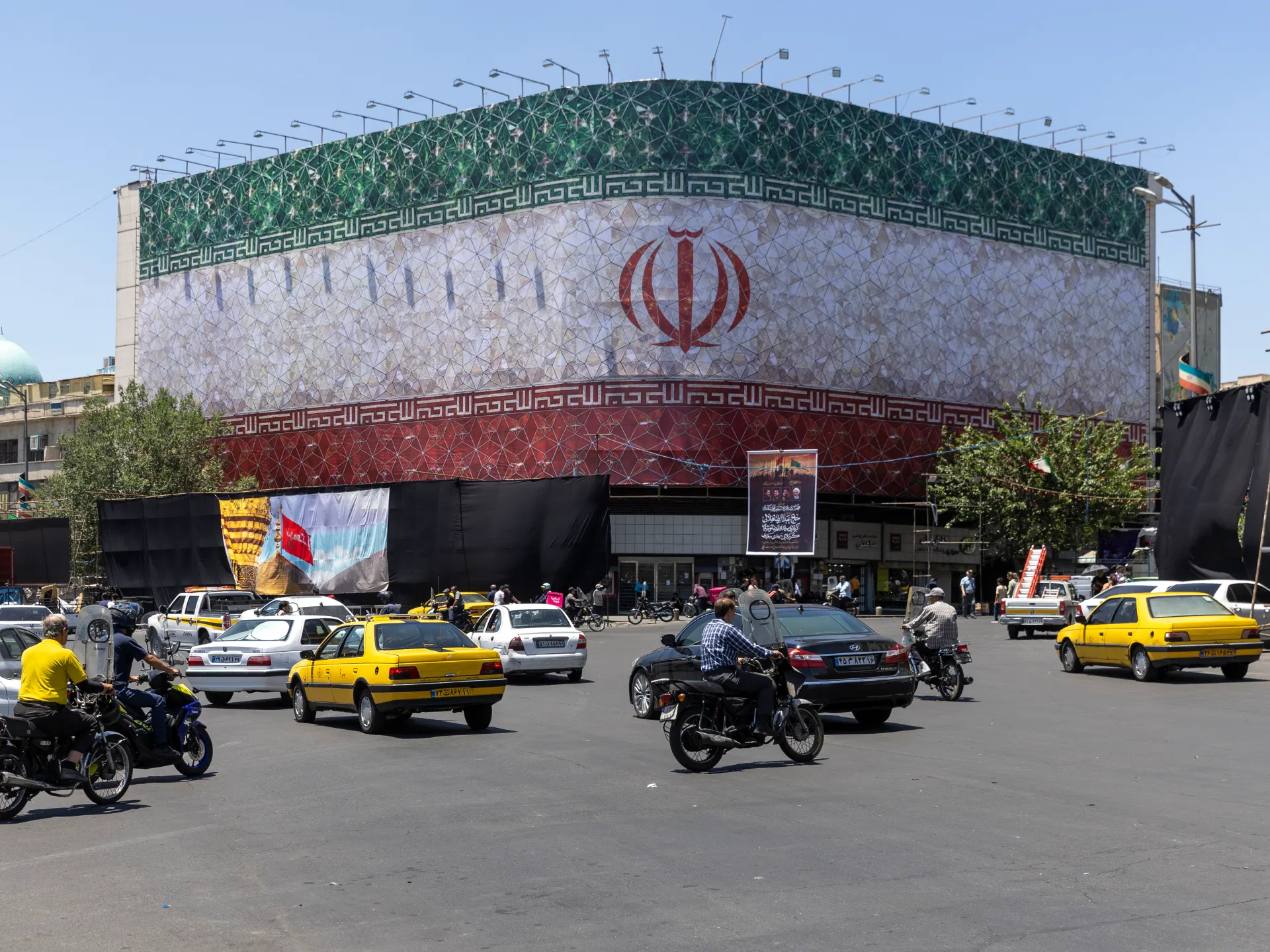
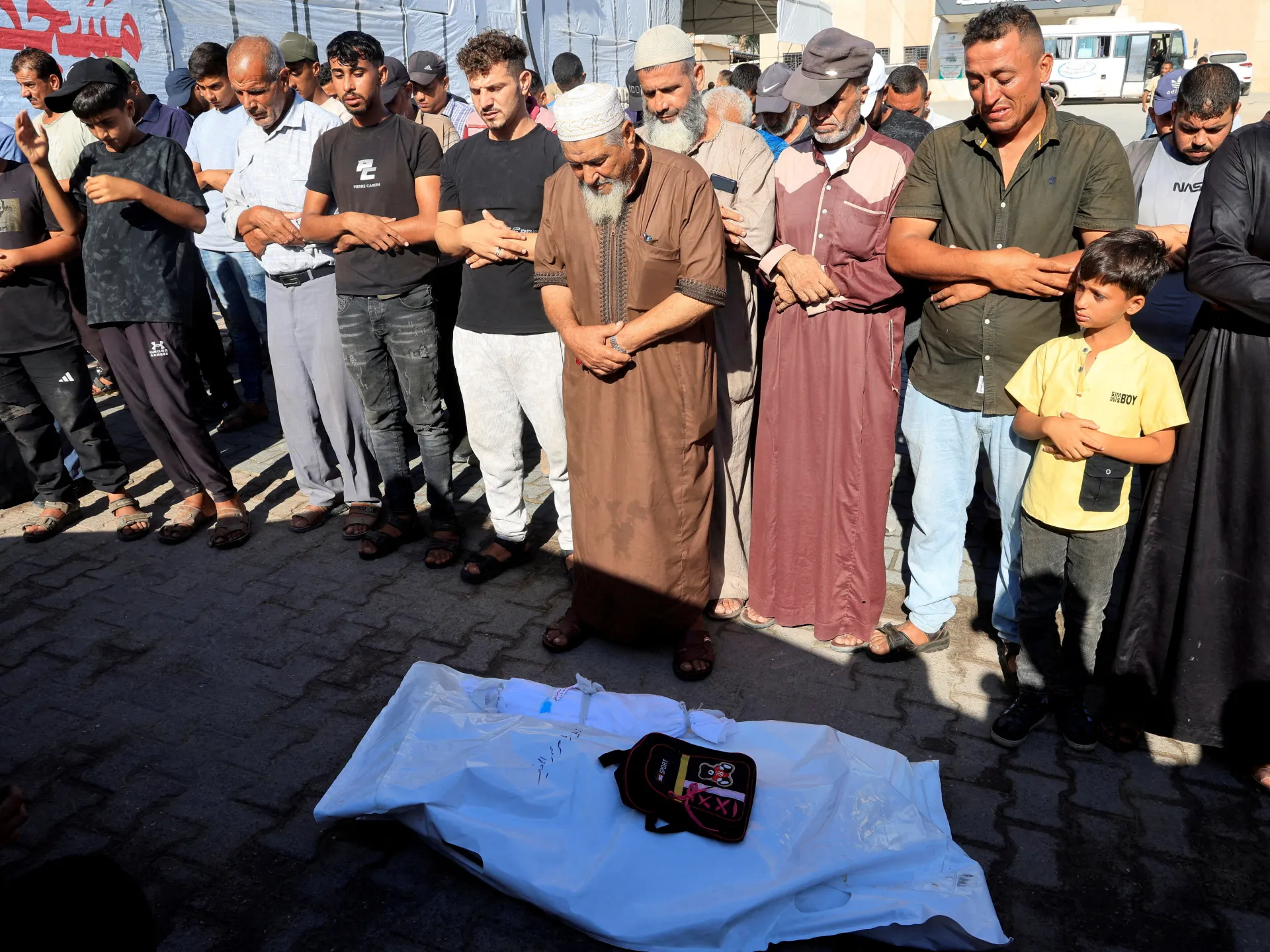
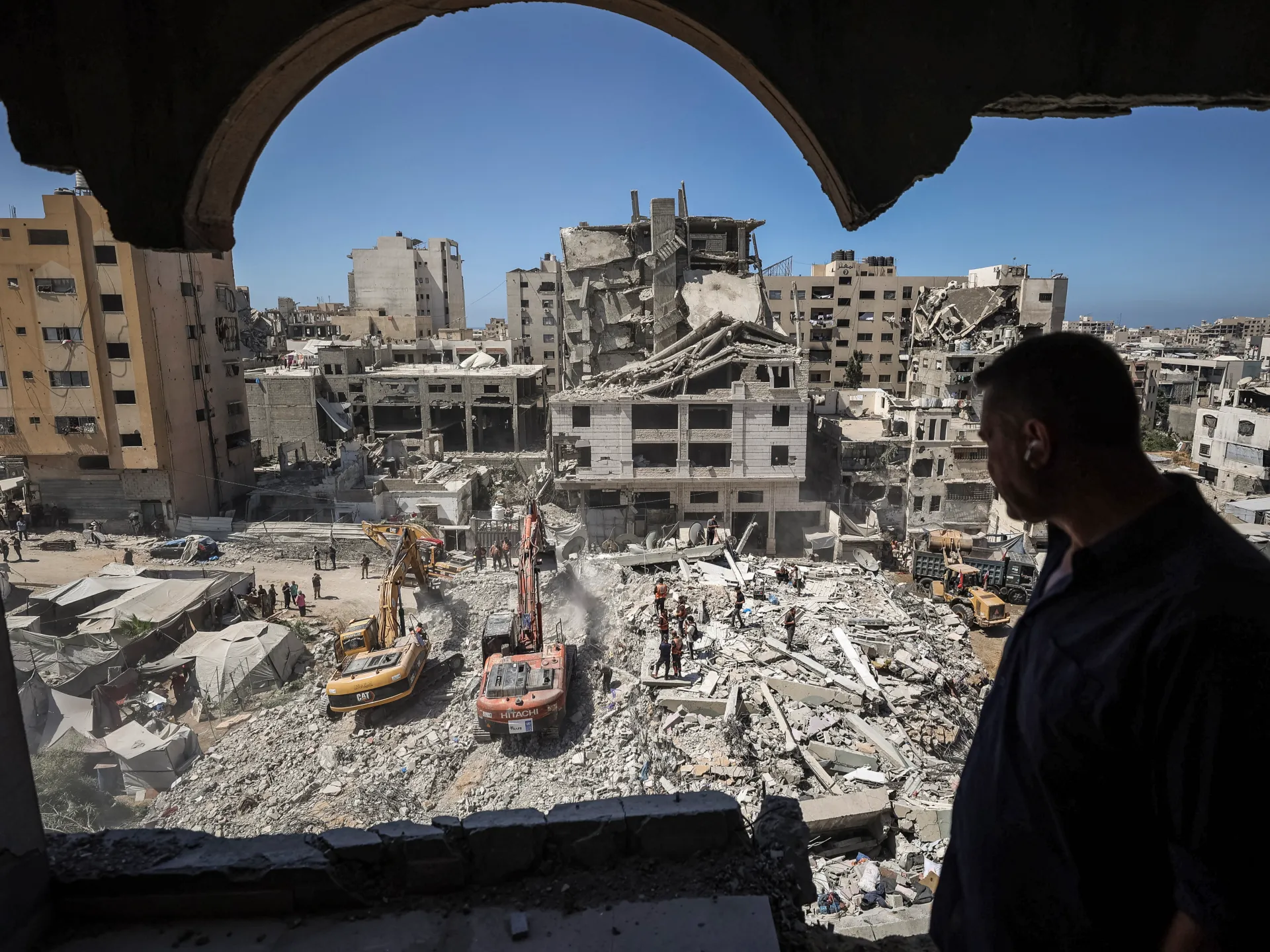
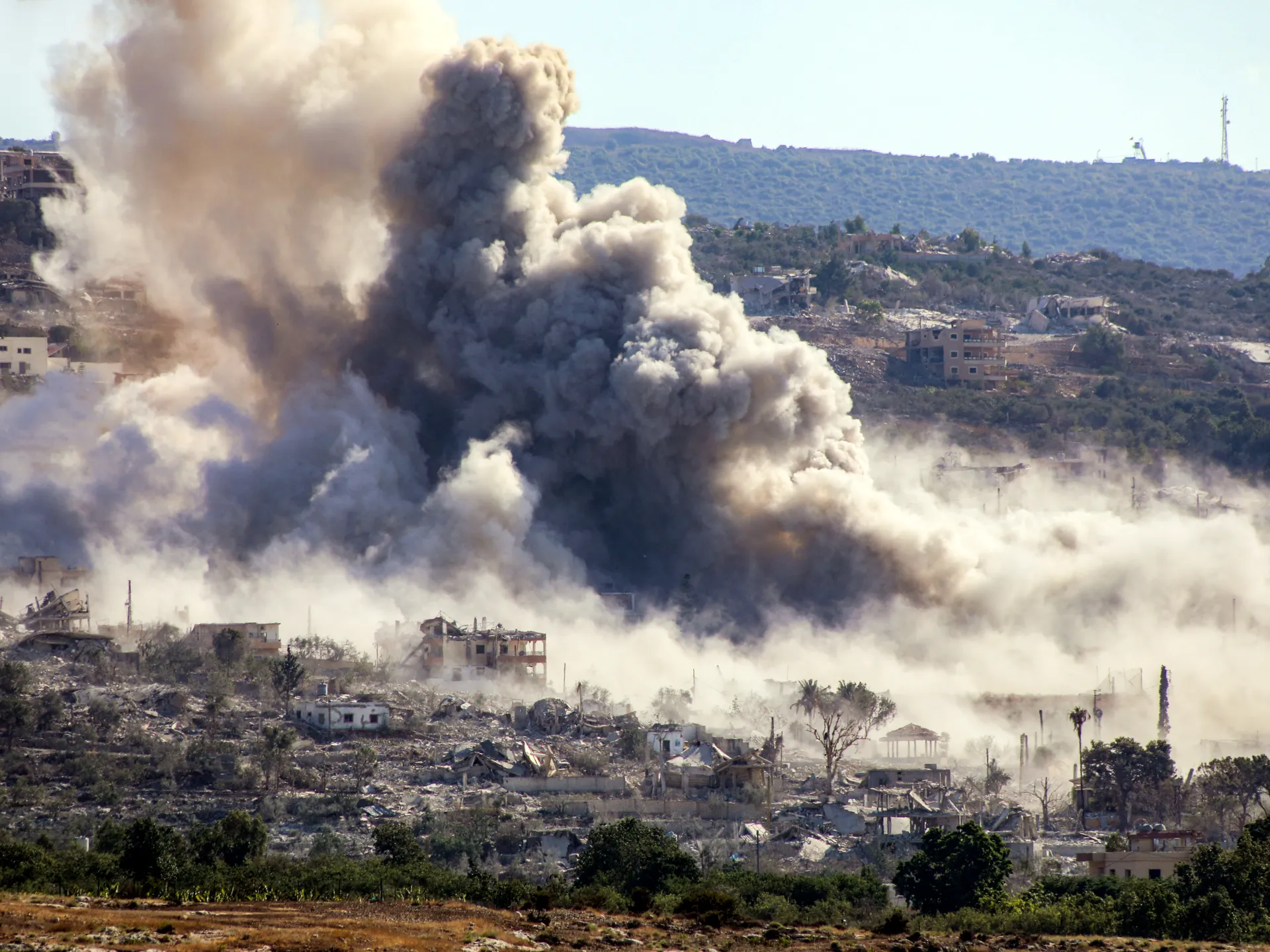
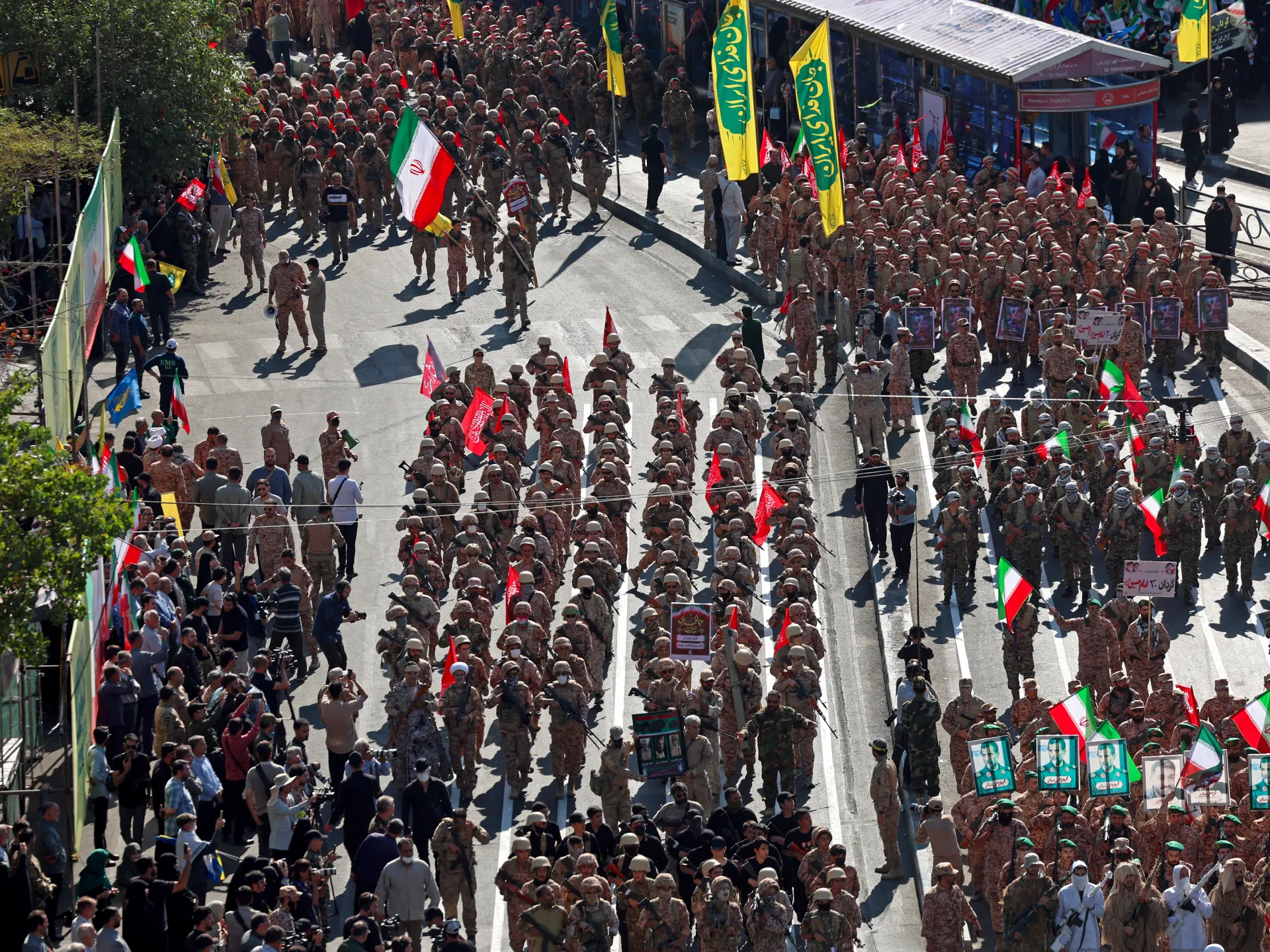
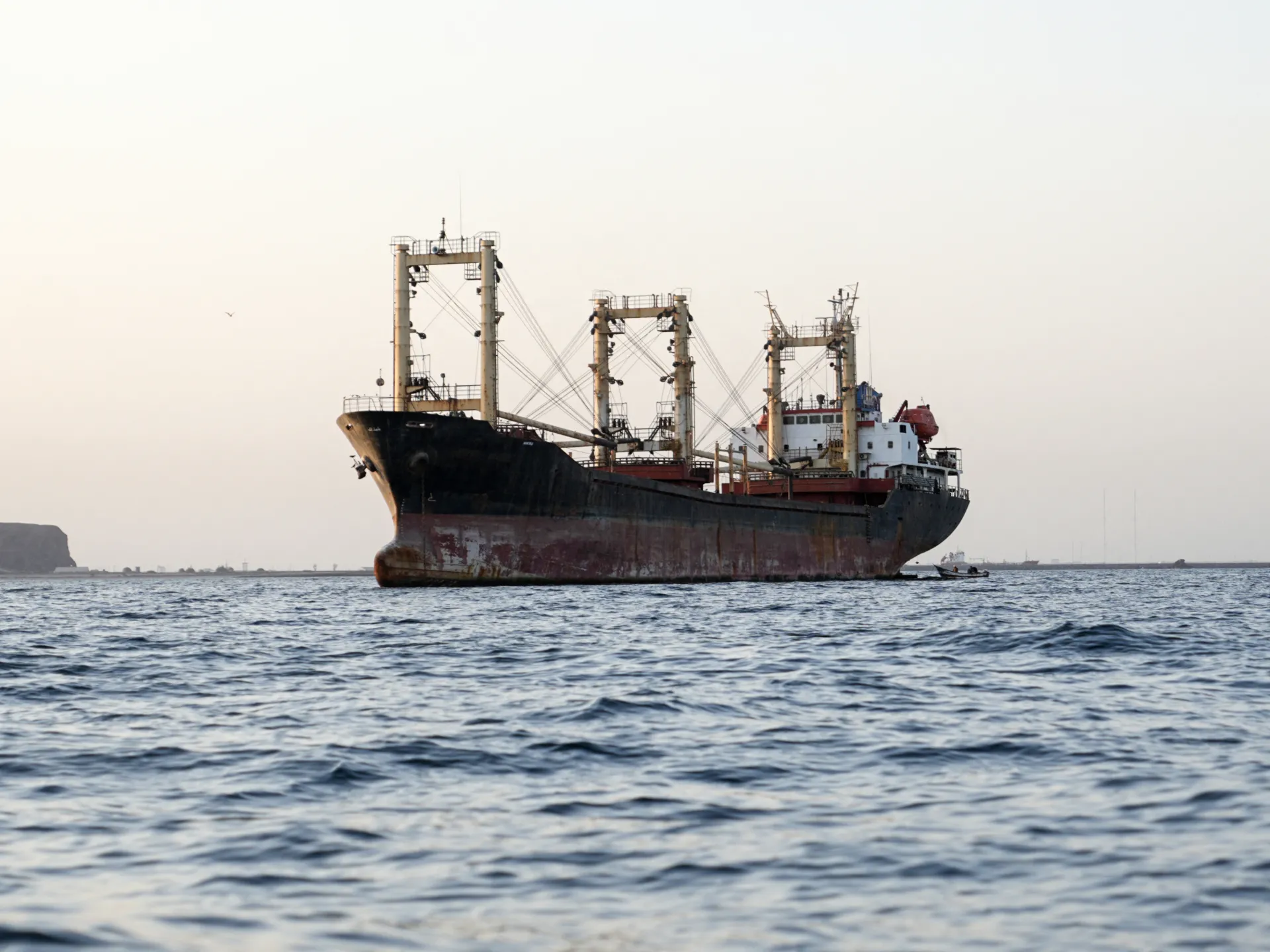
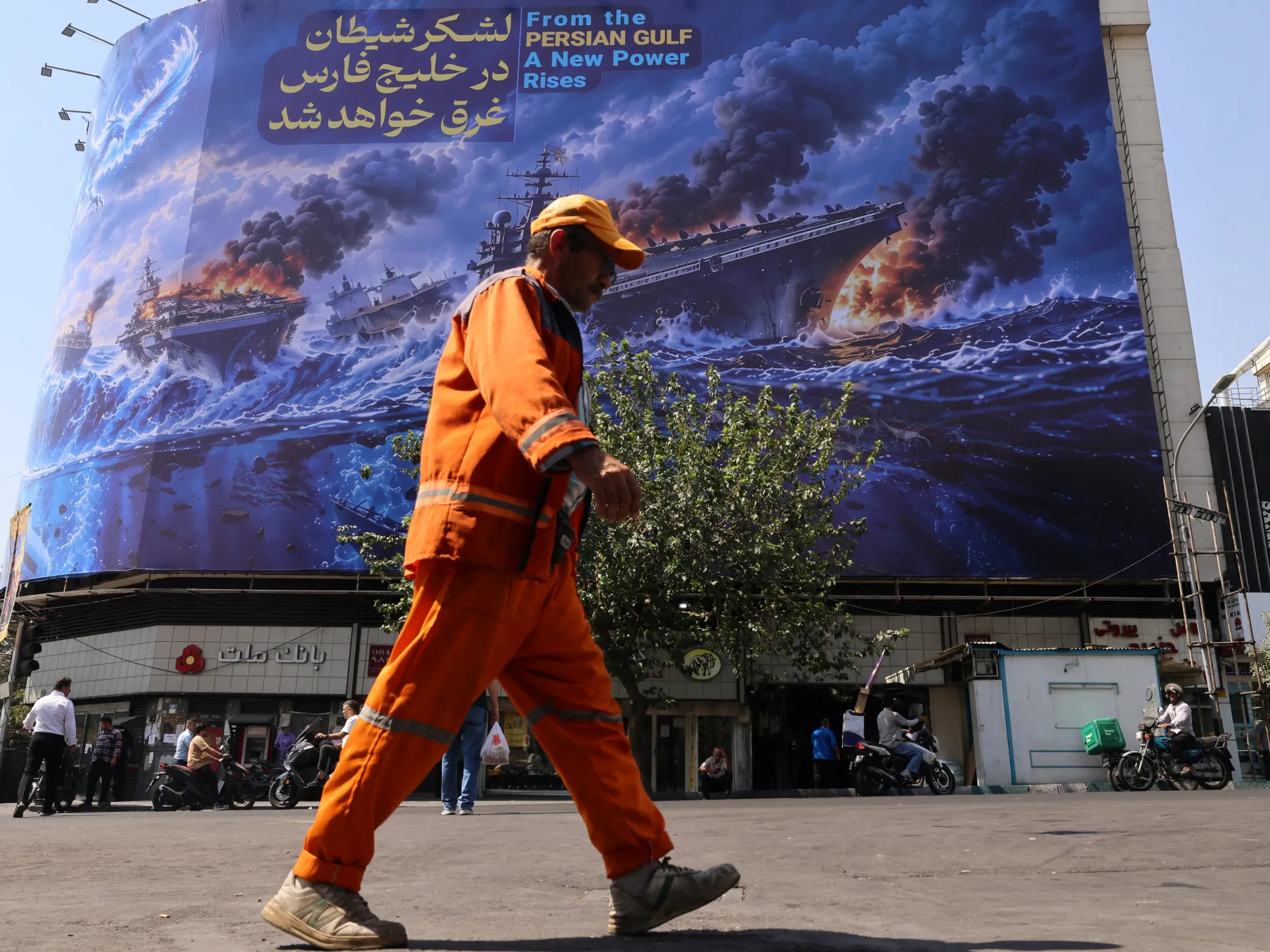
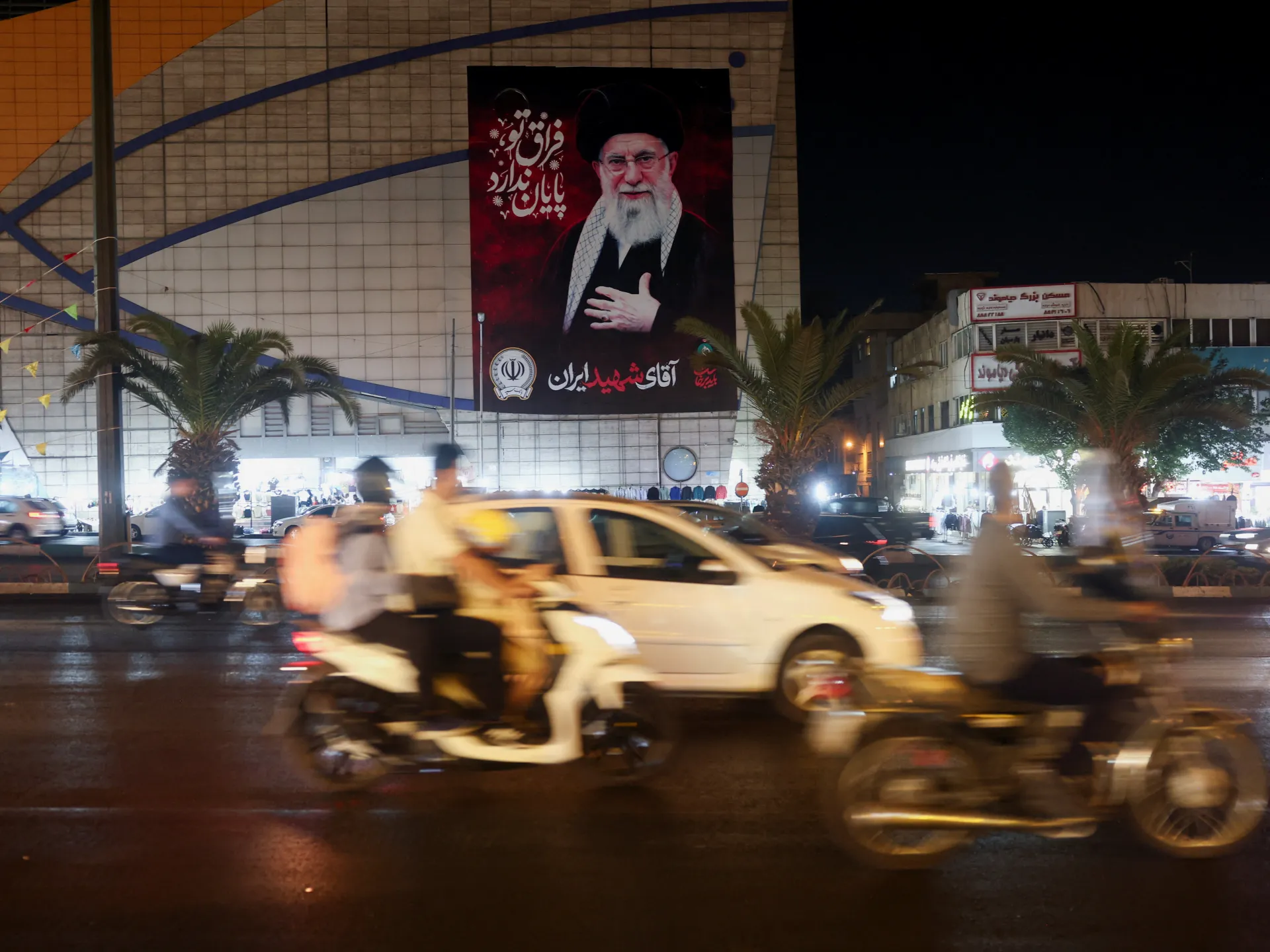
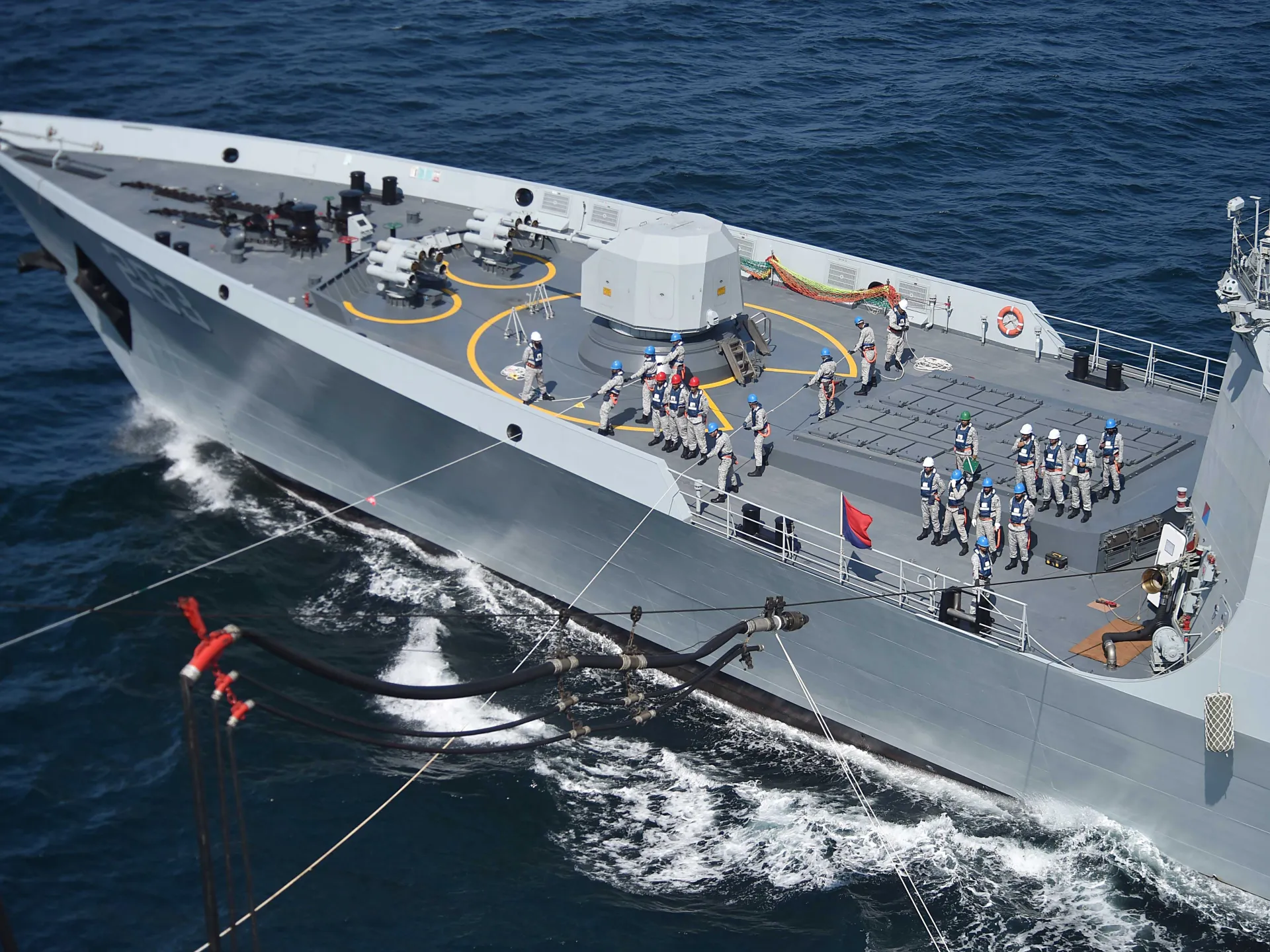
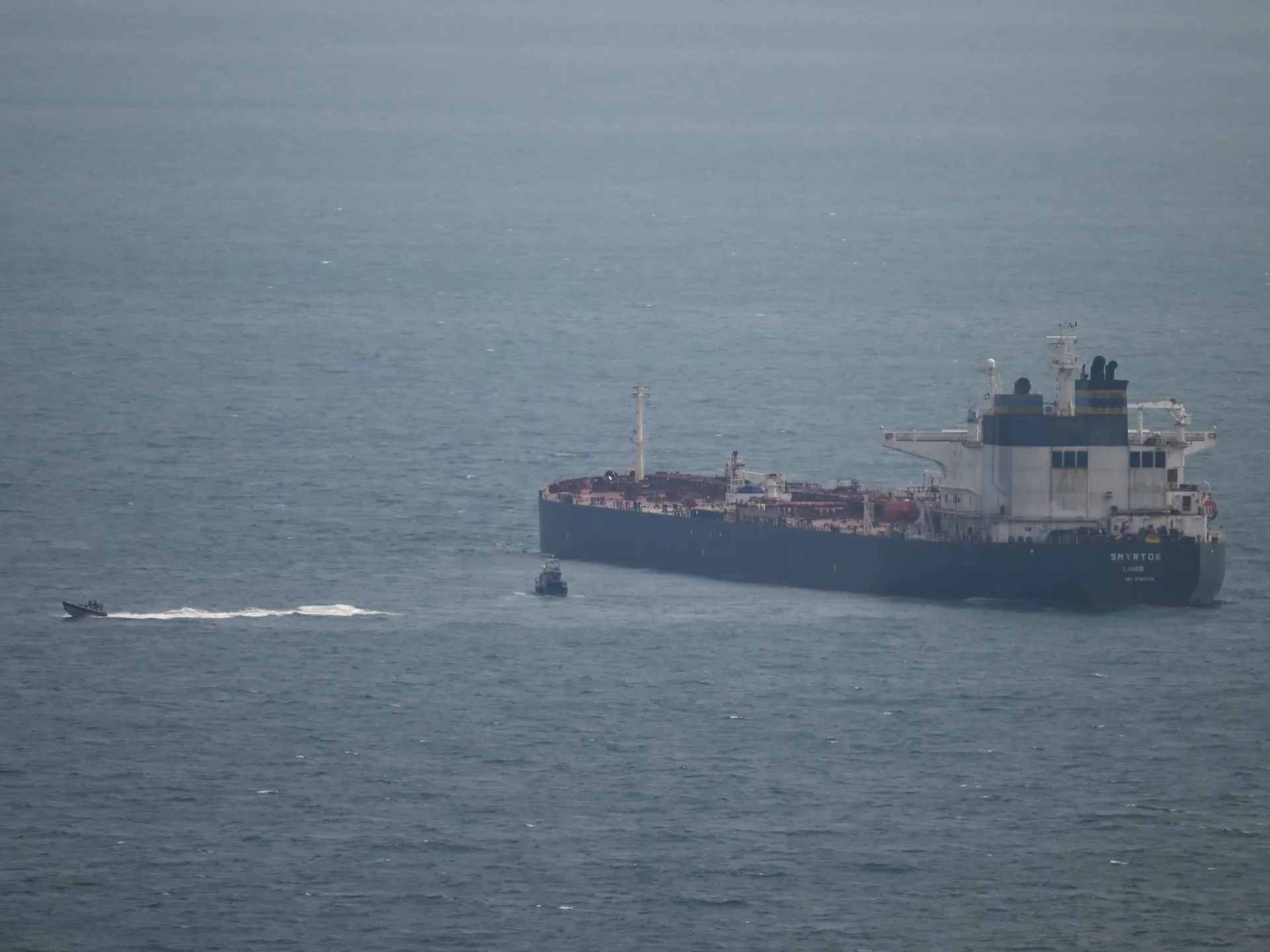
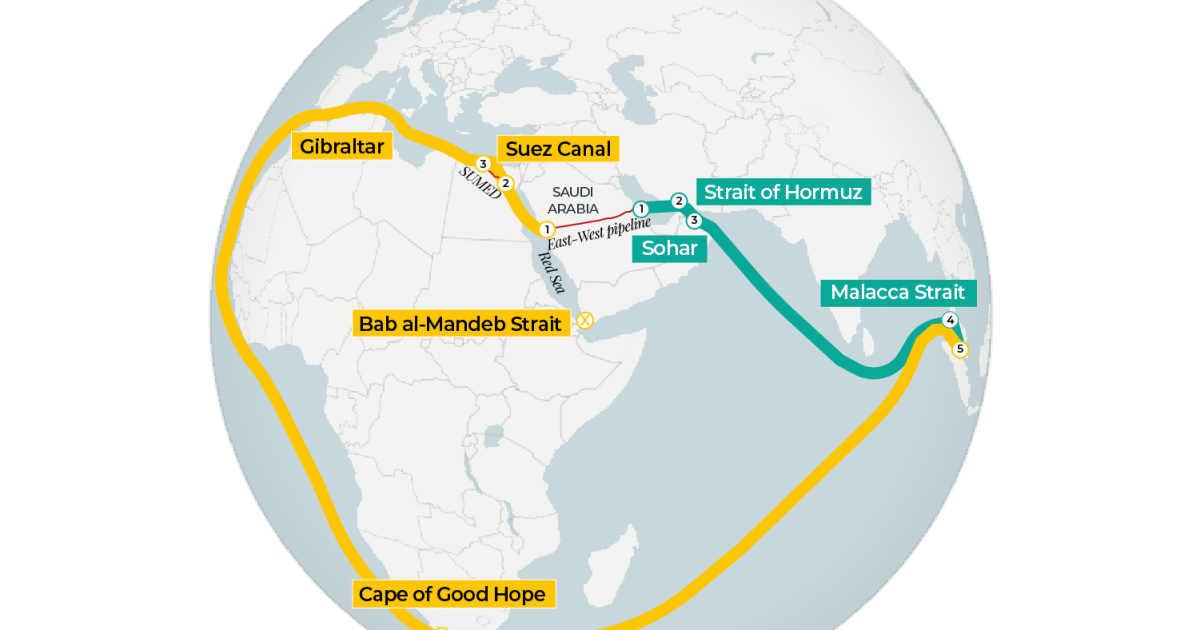
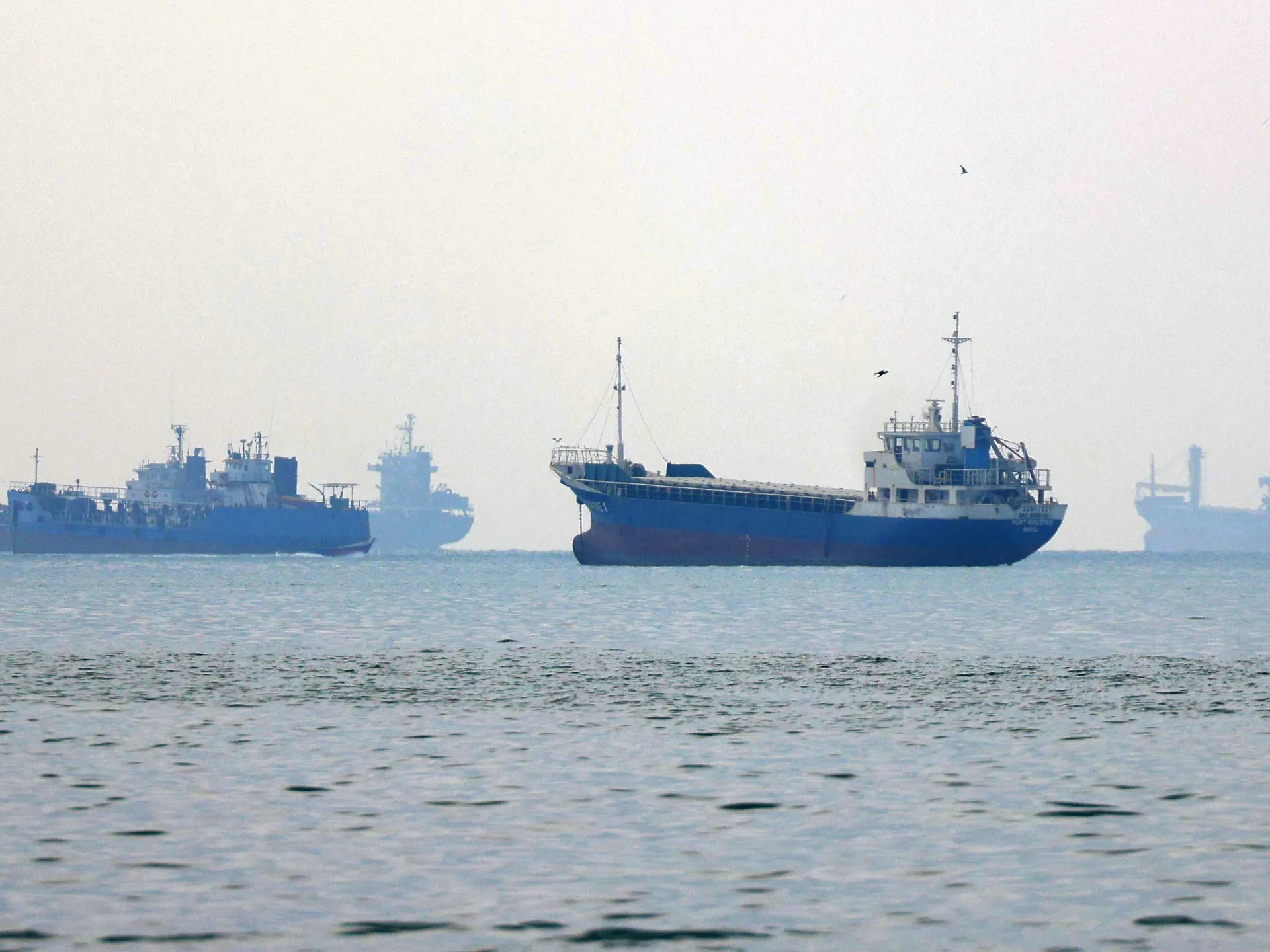
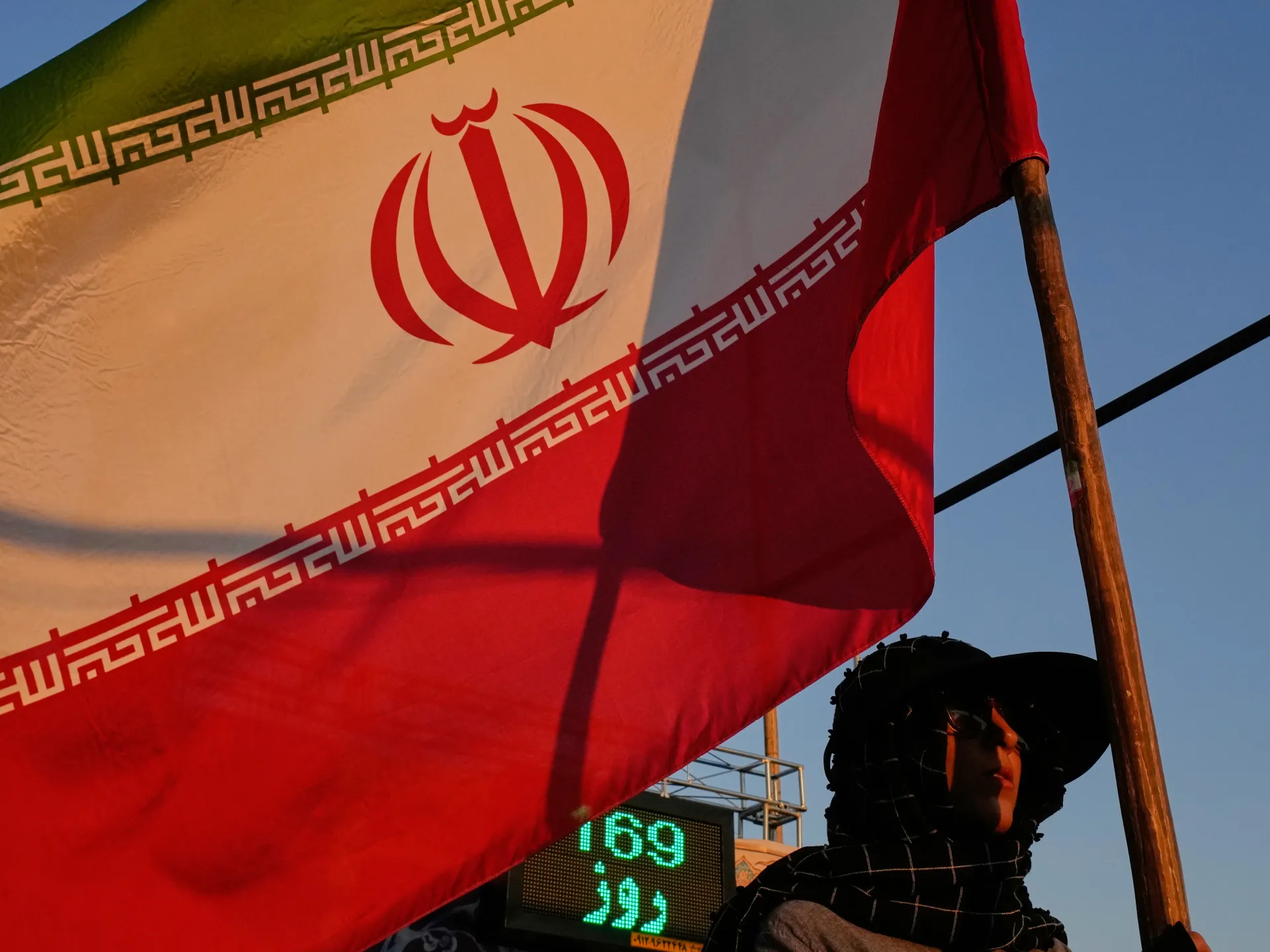
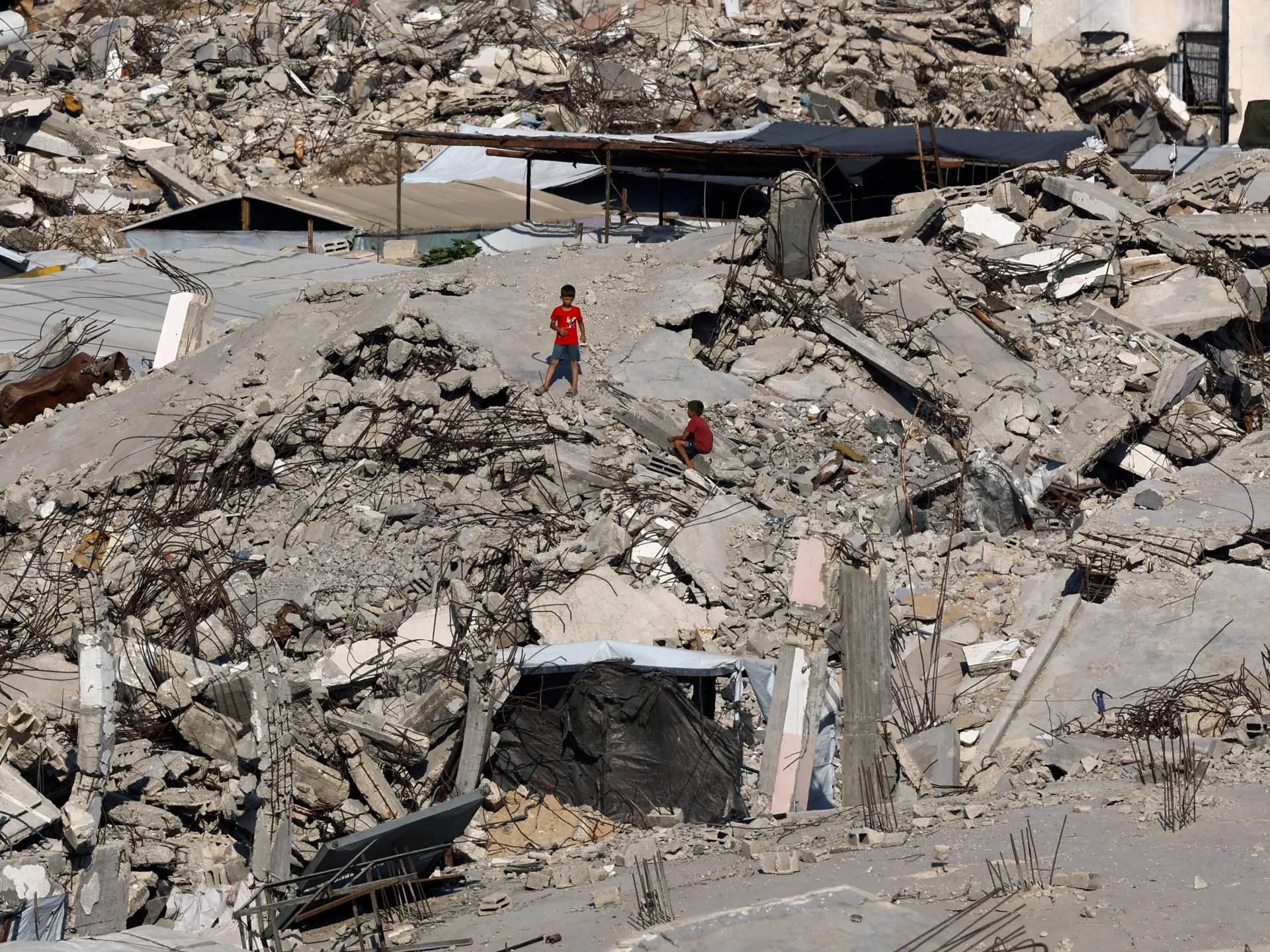
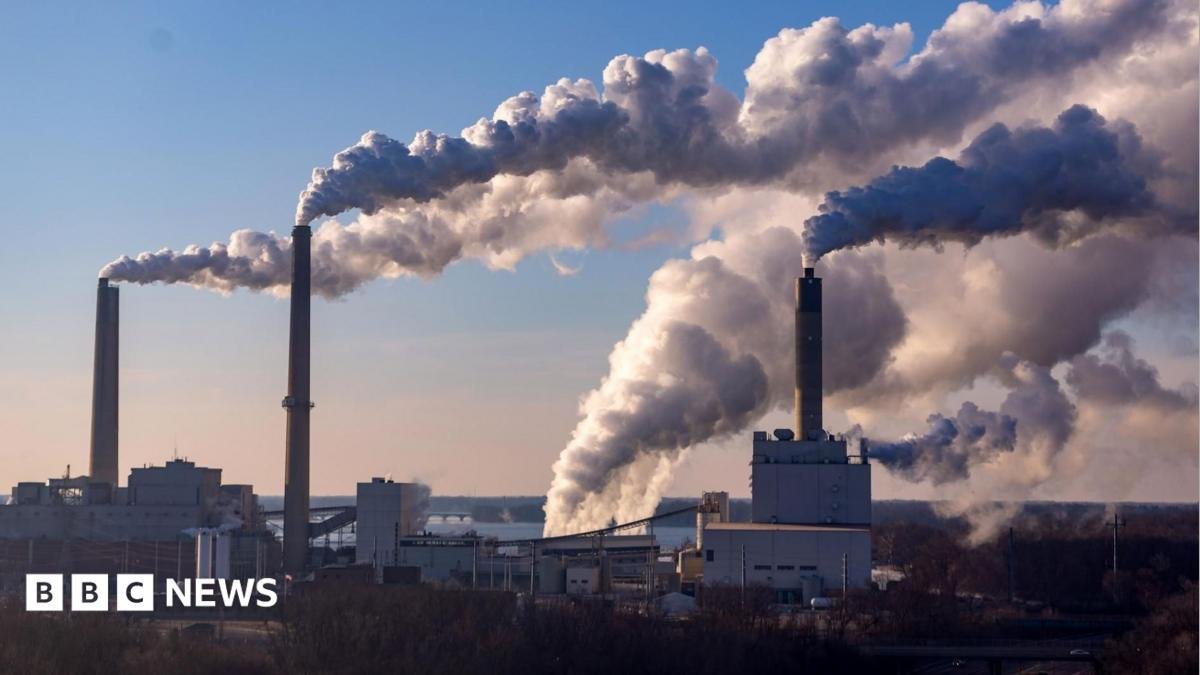
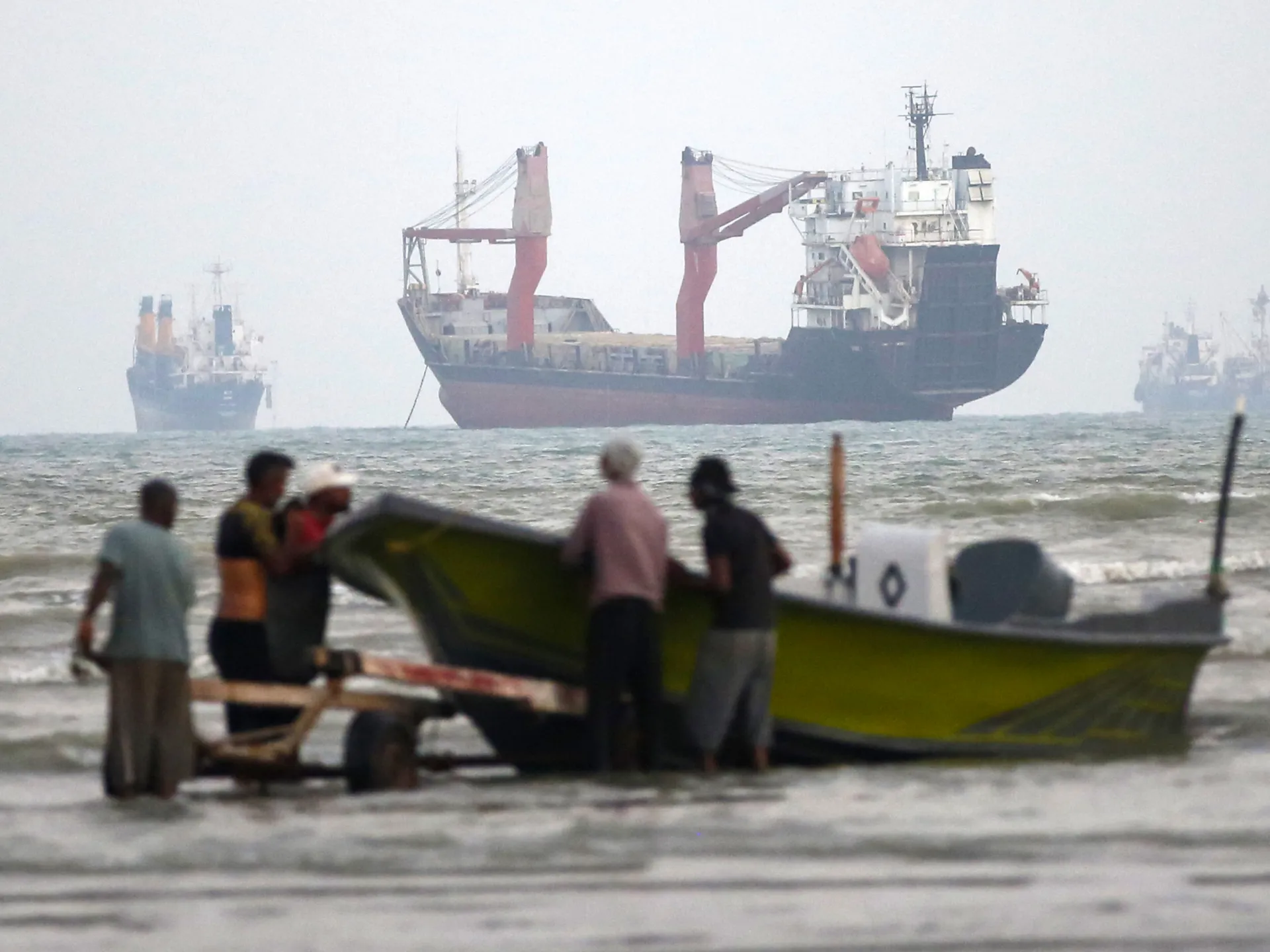
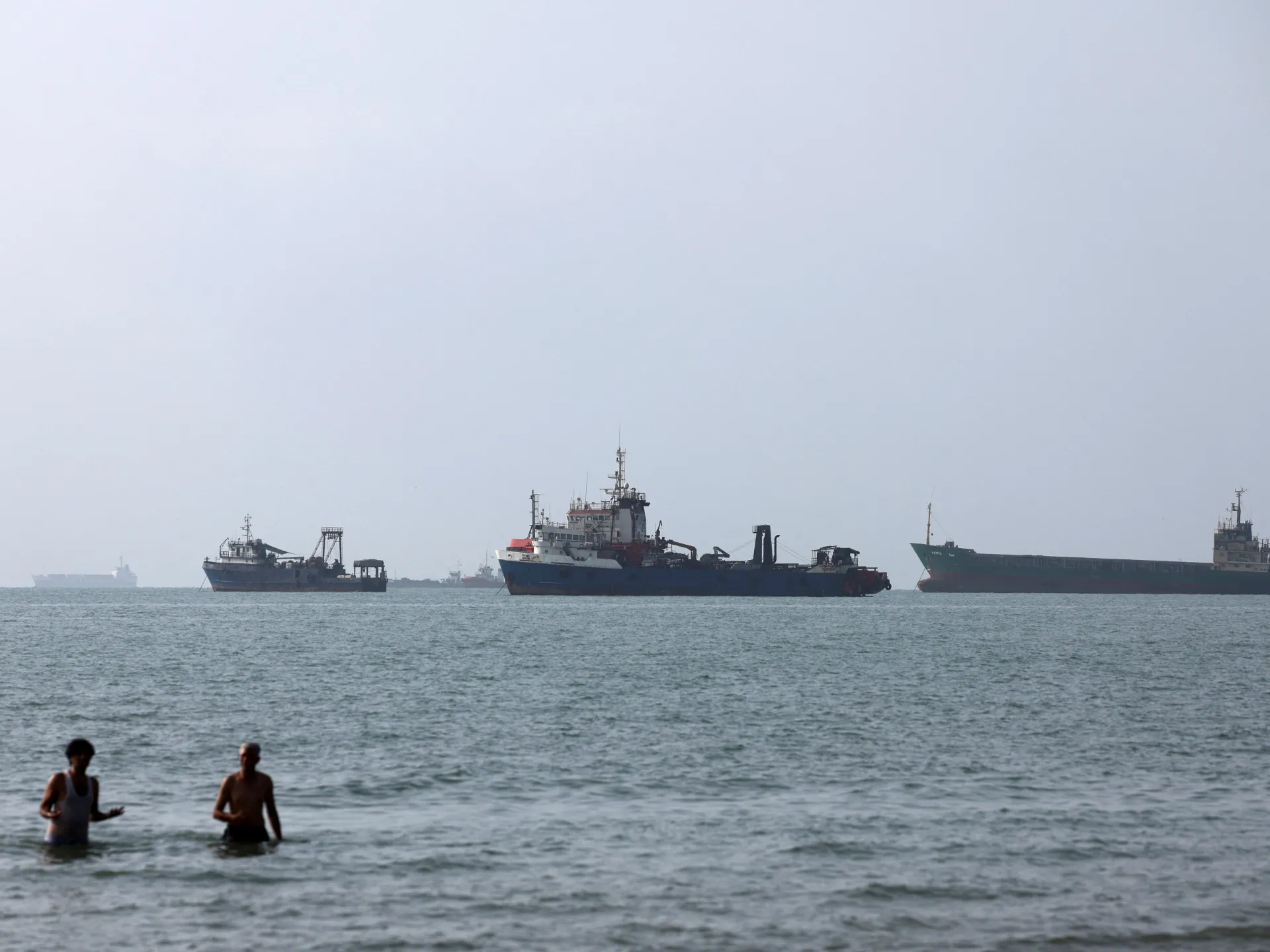
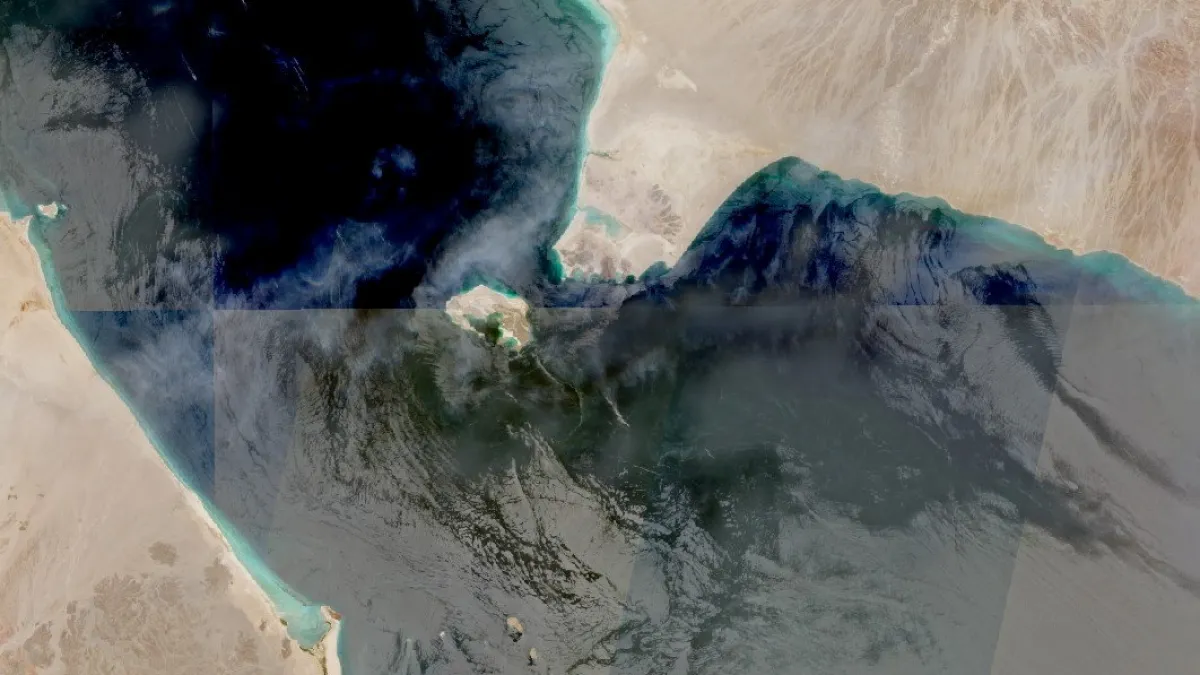
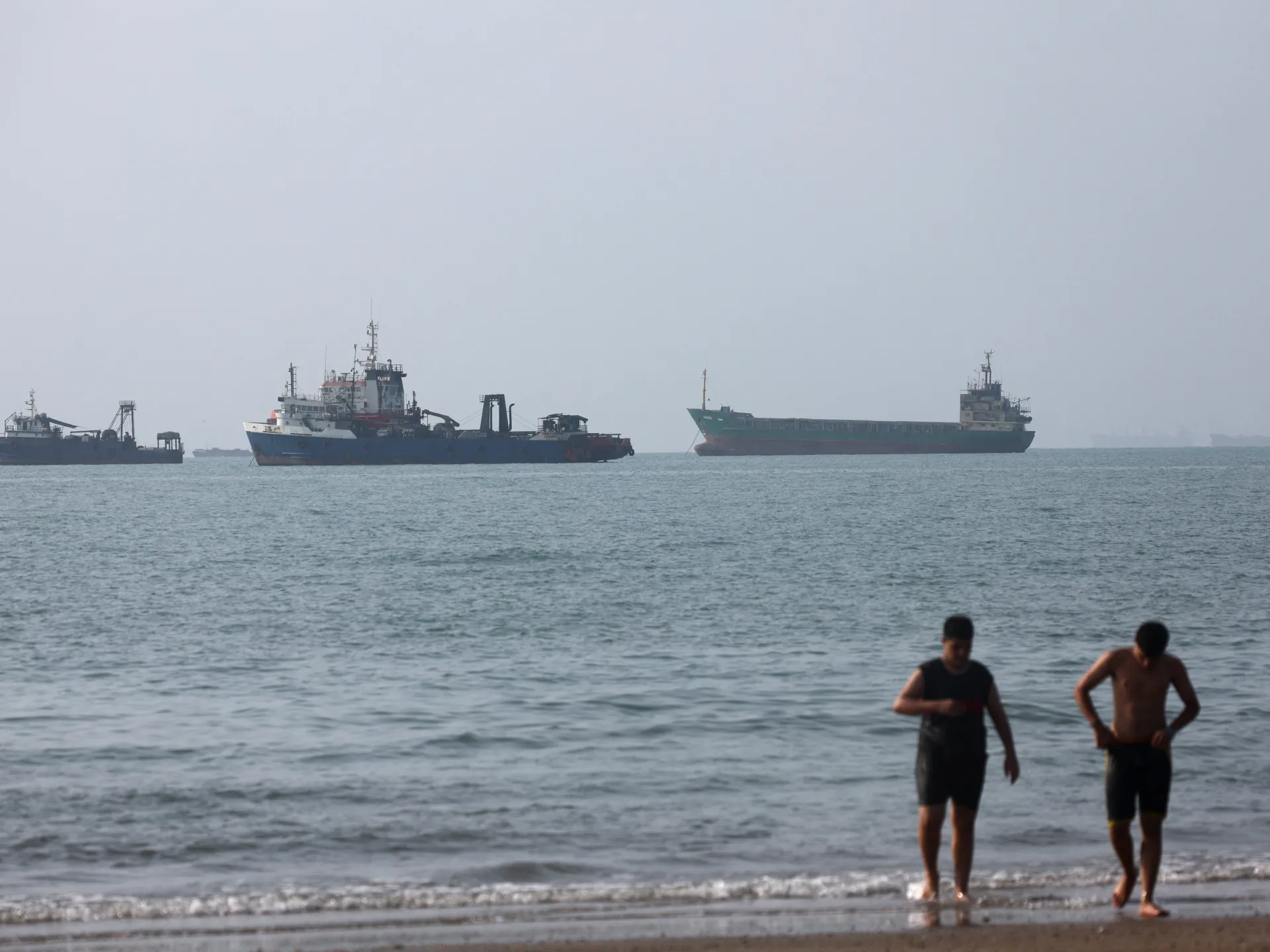
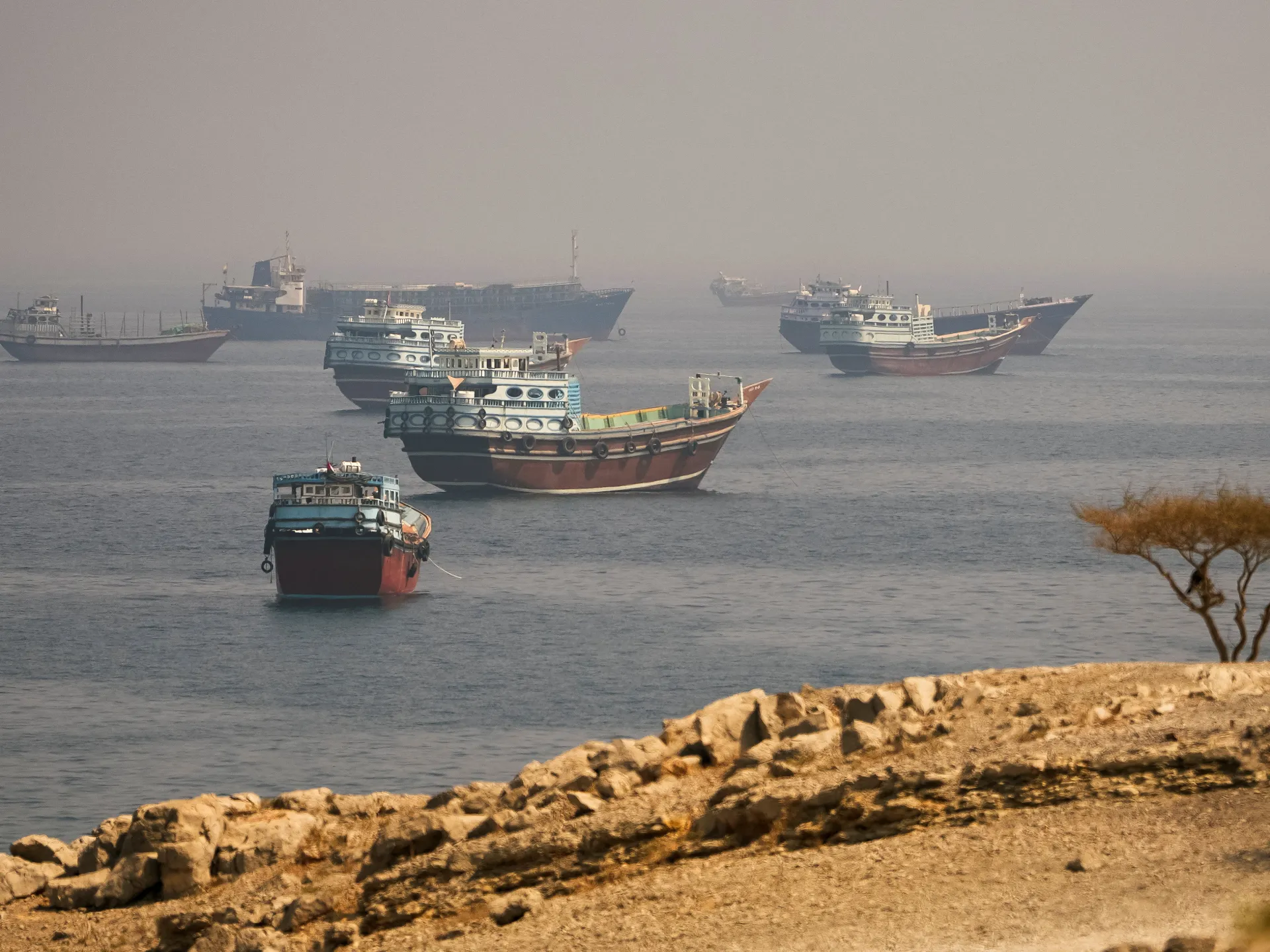
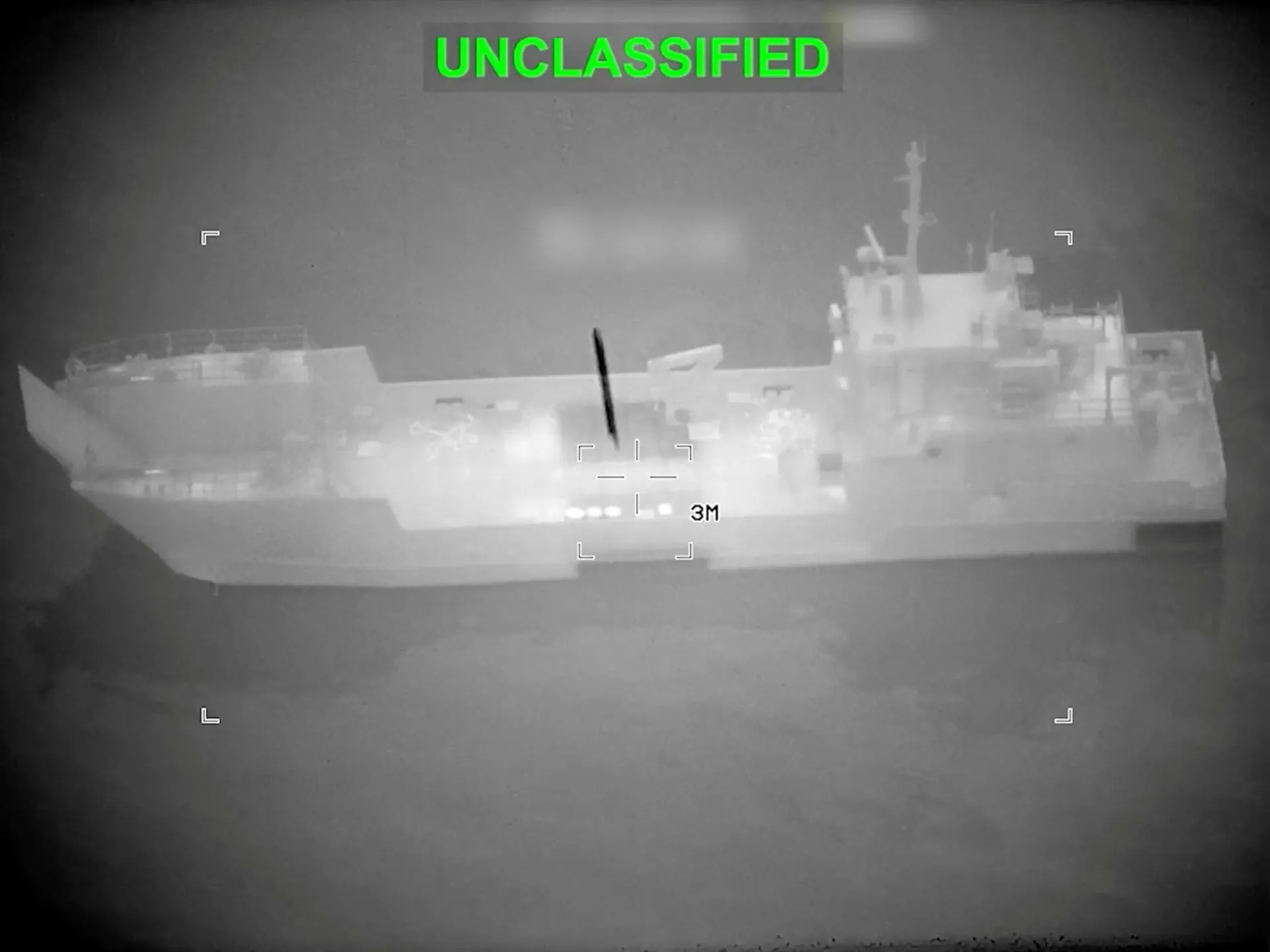
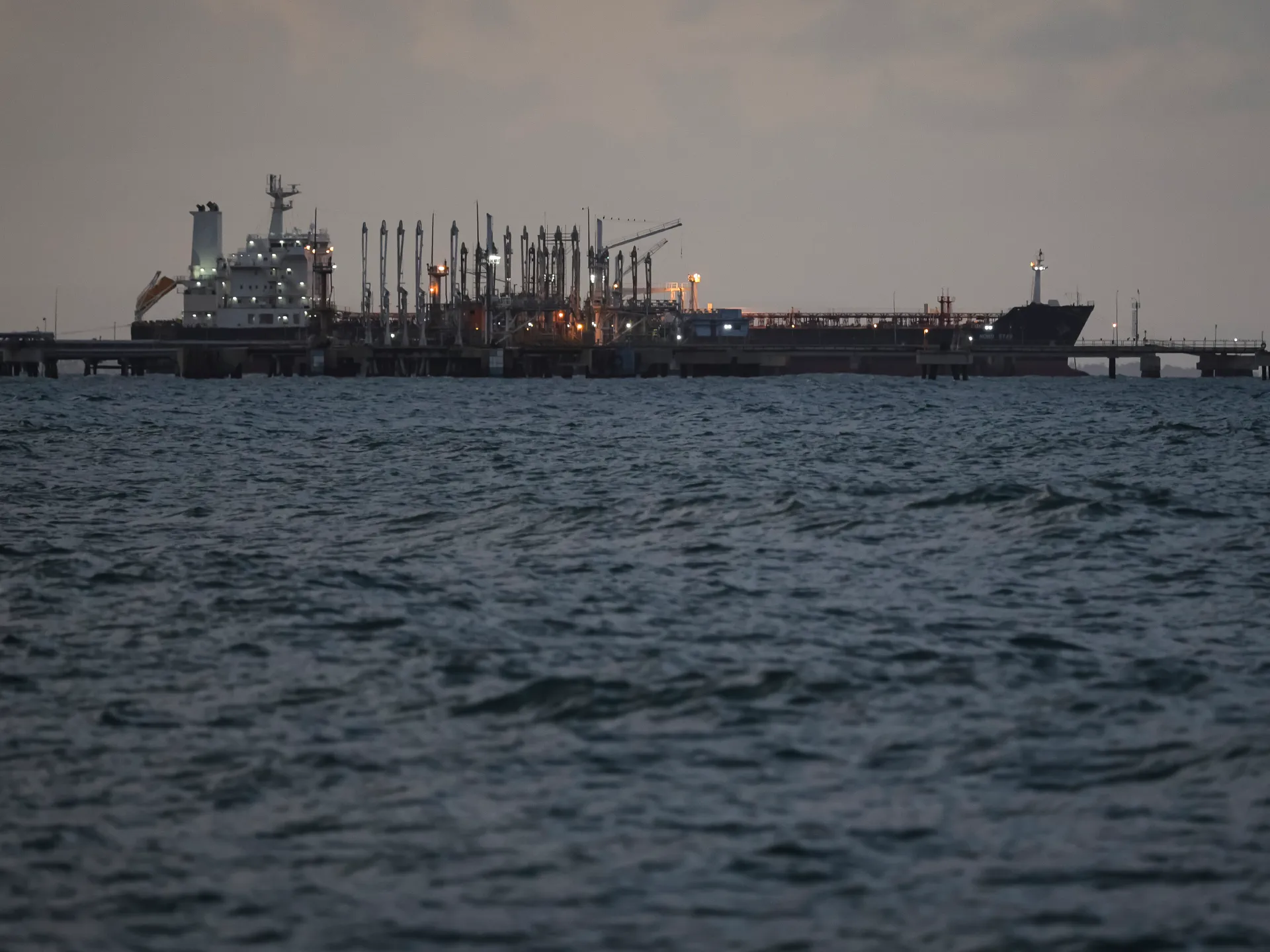
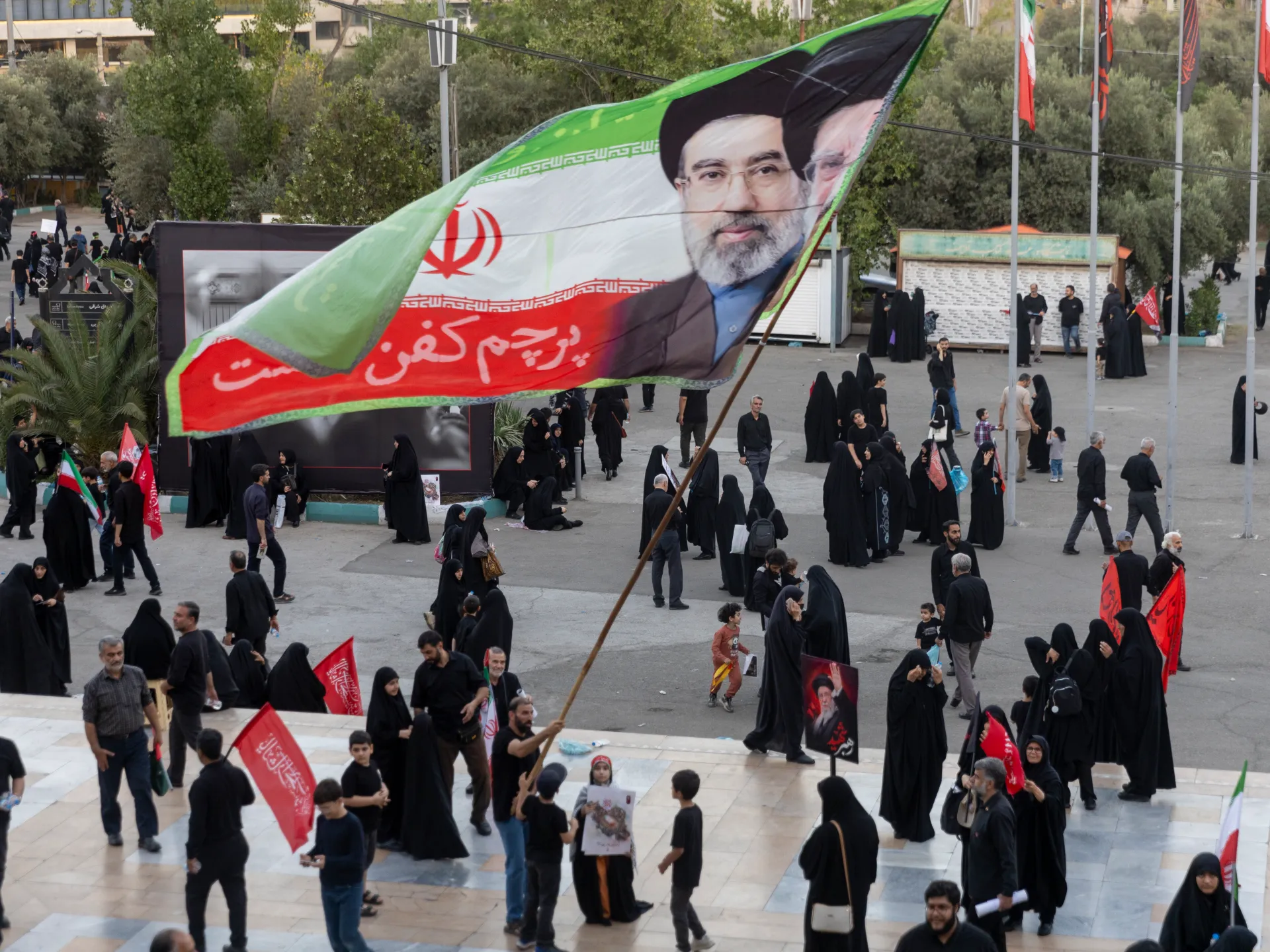
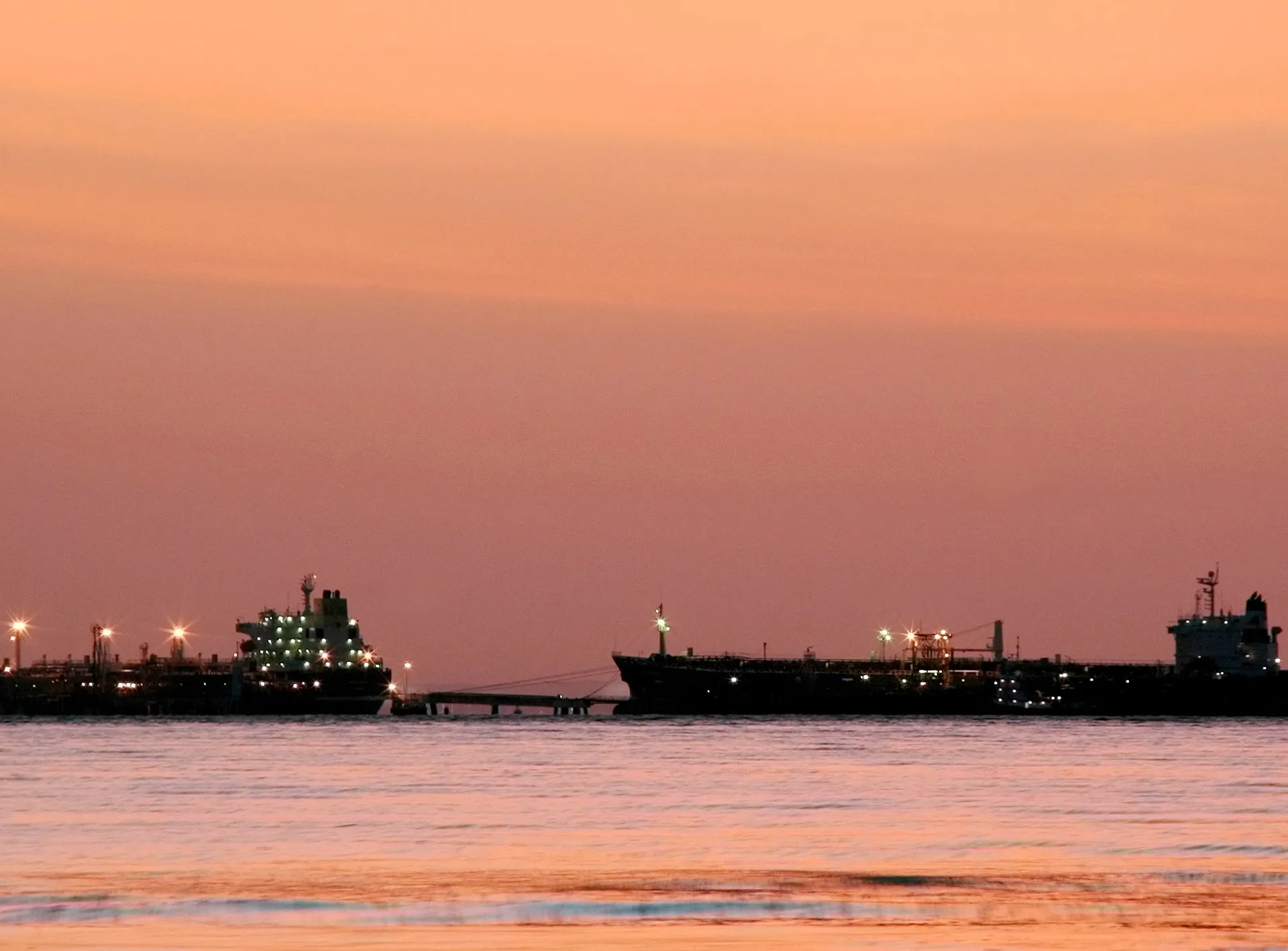
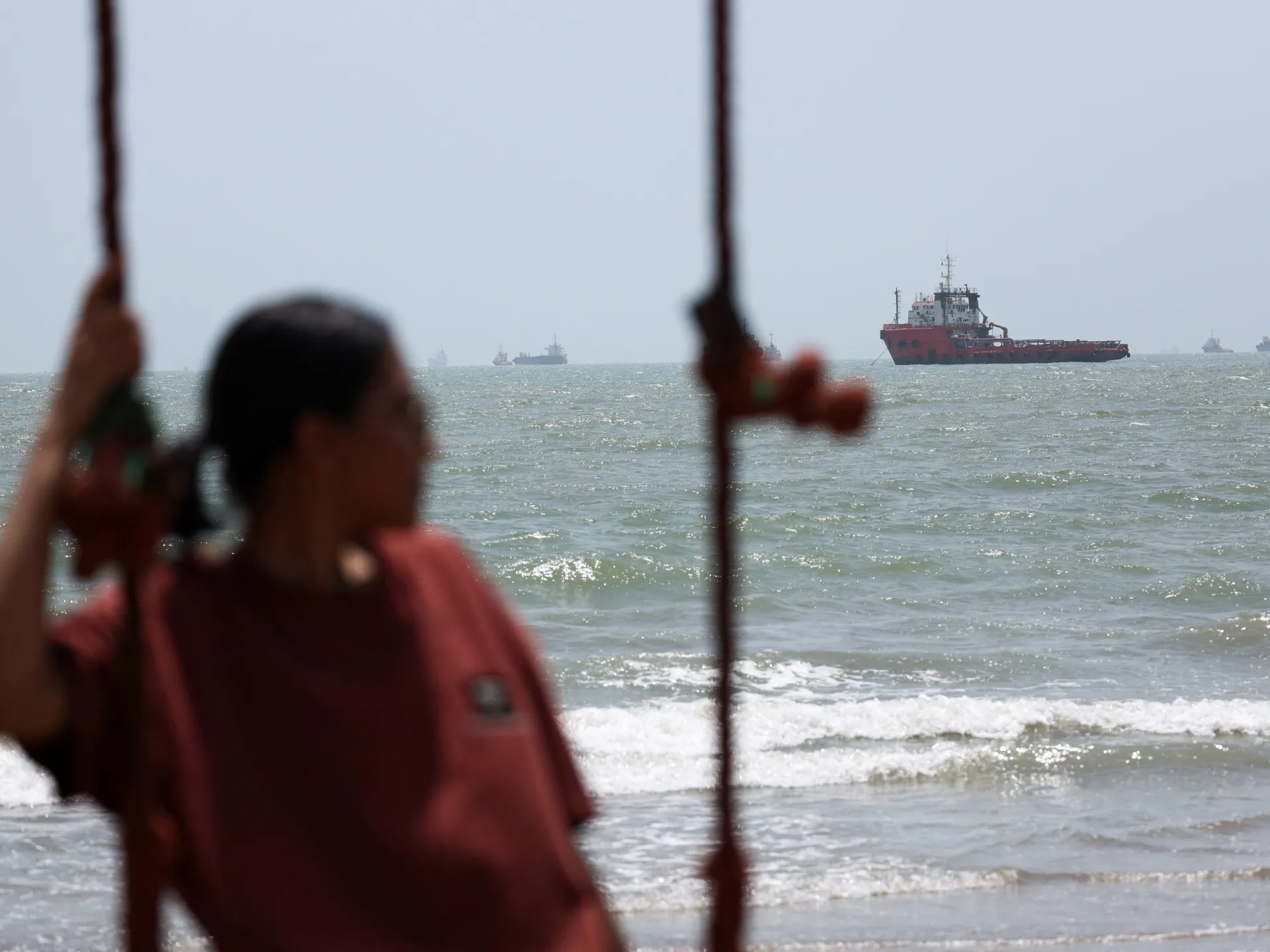
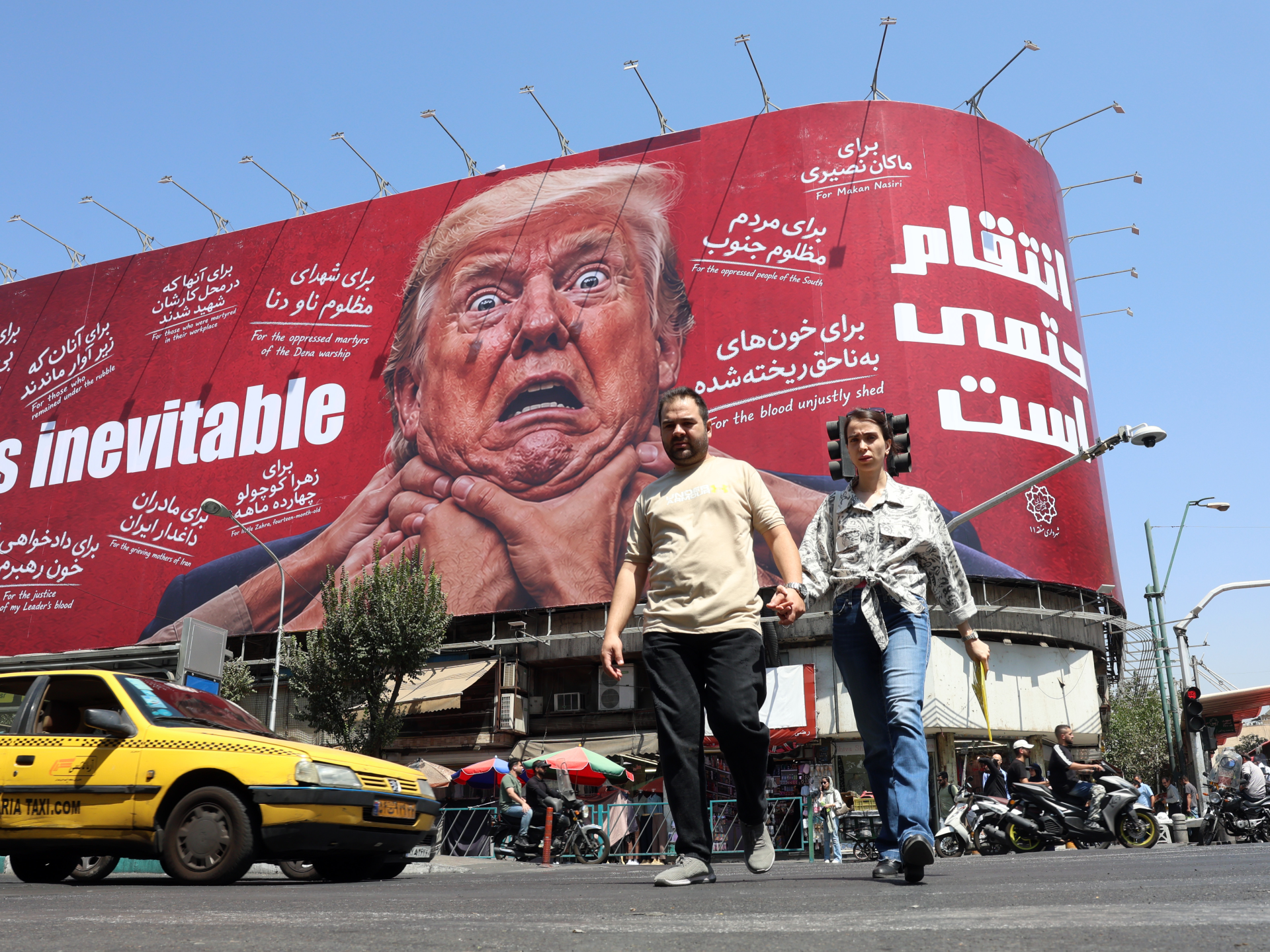
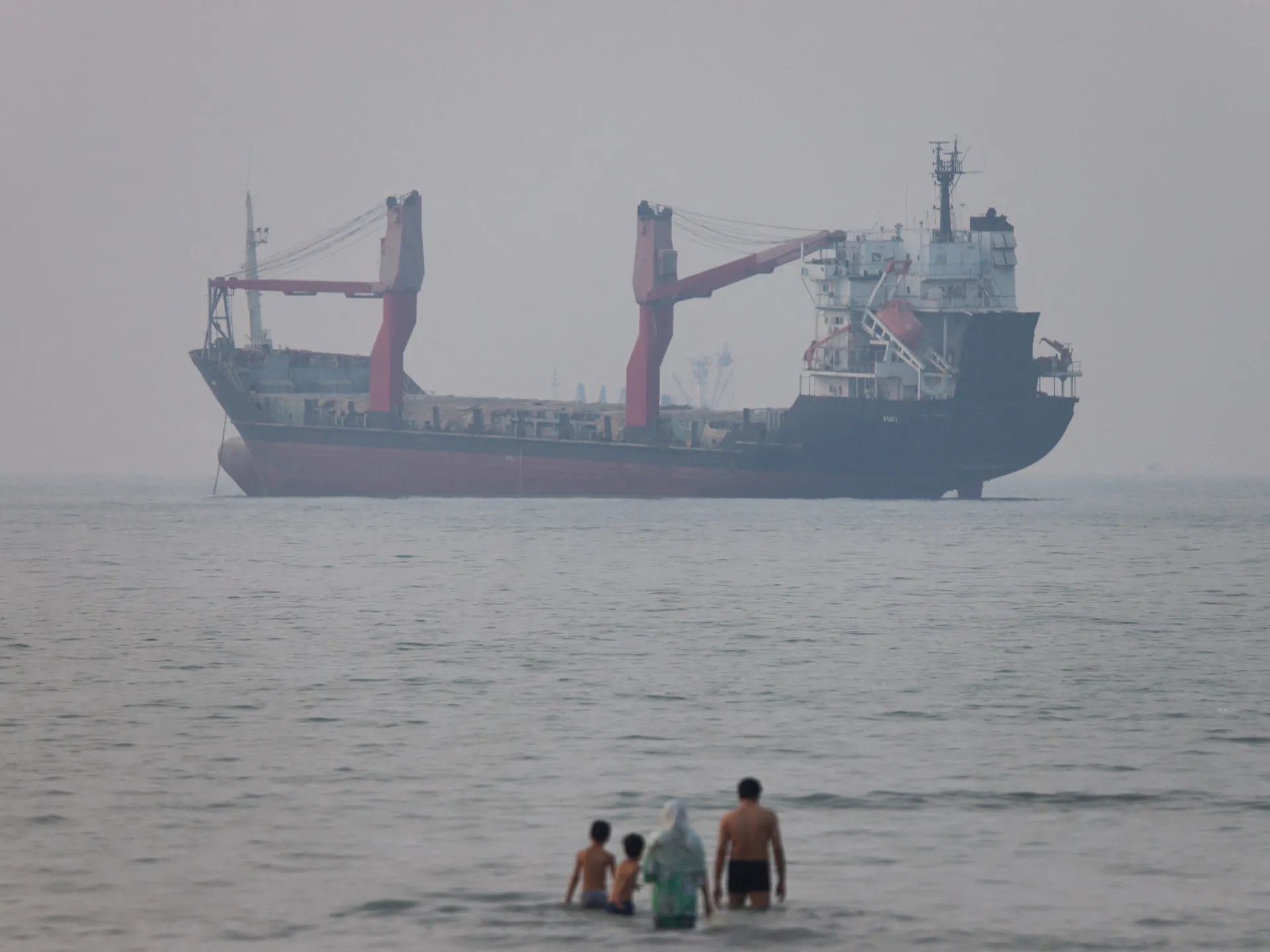
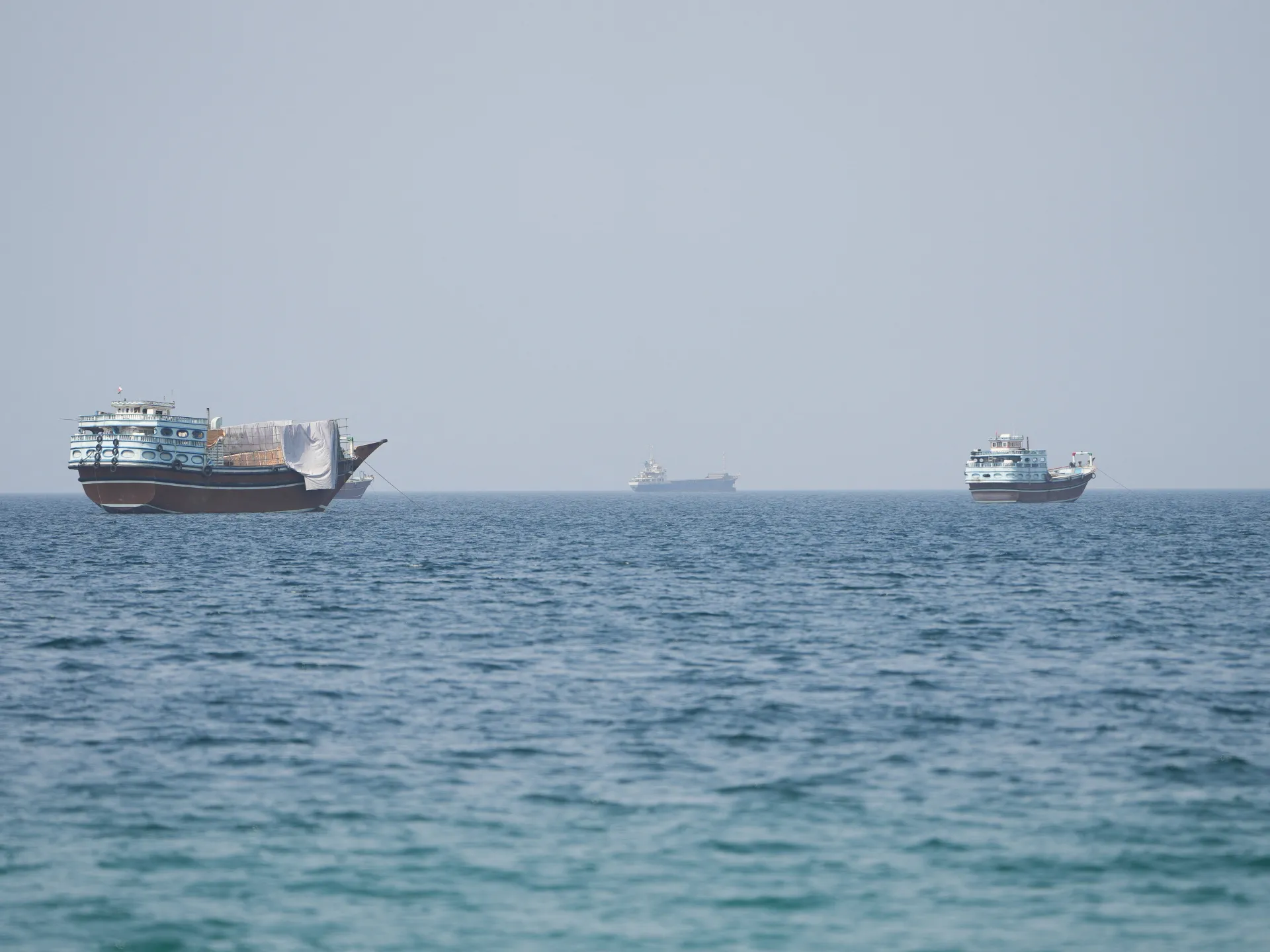
The convergence of Gulf Cooperation Council (GCC) leaders and U.S. officials in New York represents a critical inflection point in the seven-month-old conflict between the U.S.-Israel coalition and Iran. For the Gulf states, the stakes are existential: their economic stability is tethered to the free flow of energy through the Strait of Hormuz, a chokepoint that has effectively shuttered under the pressure of ongoing hostilities. While Washington views the theater primarily through the lens of strategic containment and regime pressure, the GCC nations view it through the lens of regional contagion.
The current diplomatic scramble highlights a fundamental misalignment between the U.S. desire for a decisive resolution—framed alation that prevents their own infrastructure from becoming collateral damage in an all-out regional war. The failure of the June memorandum of understanding (MoU) has effectively removed the guardrails that once prevented the conflict from spiraling into a total energy blockade. As these leaders gather, the international community is watching to see if the U.S. will prioritize unilateral military objectives or pivot toward a multilateral framework that acknowledges the economic vulnerabilities of its regional partners.
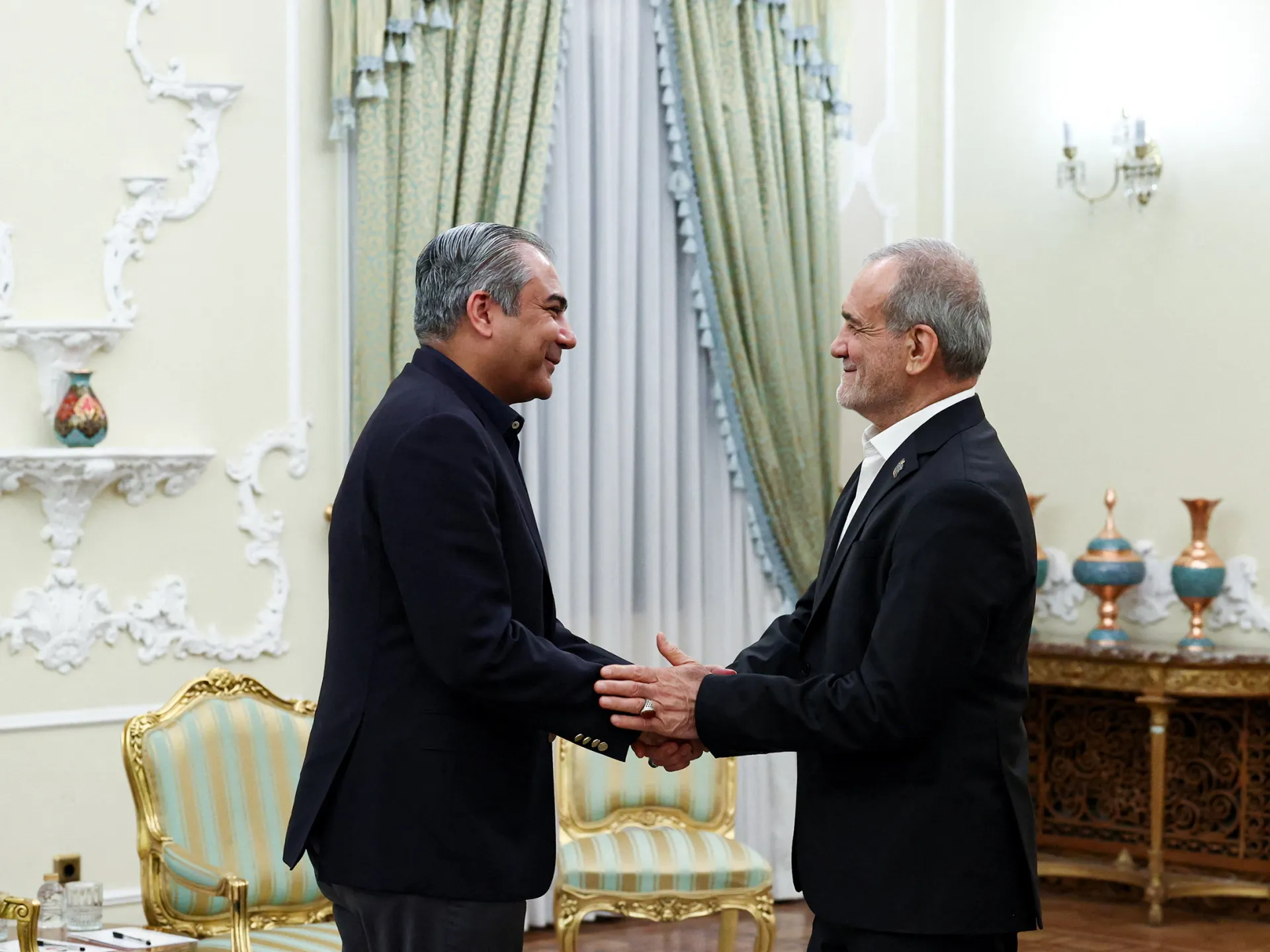
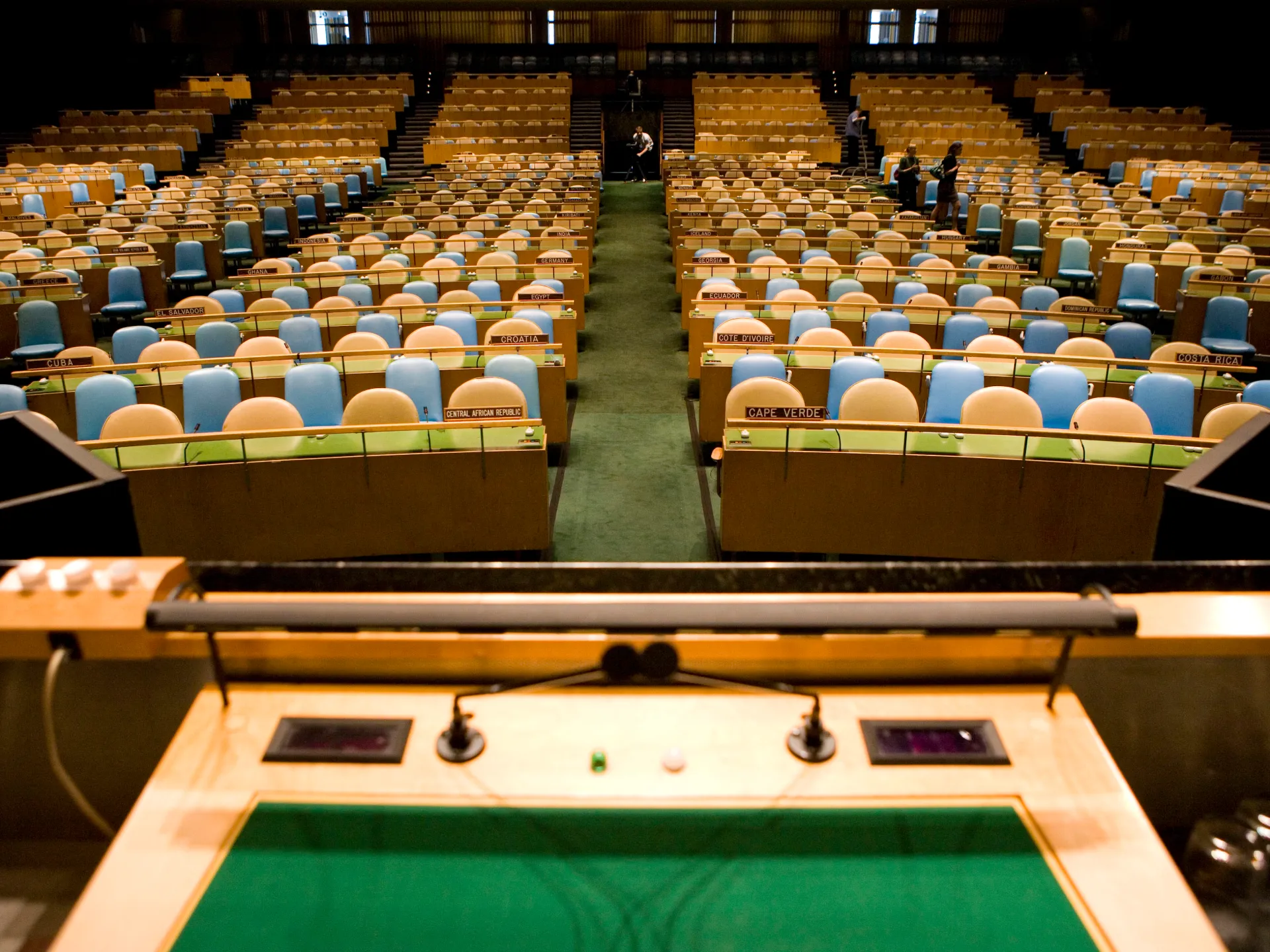
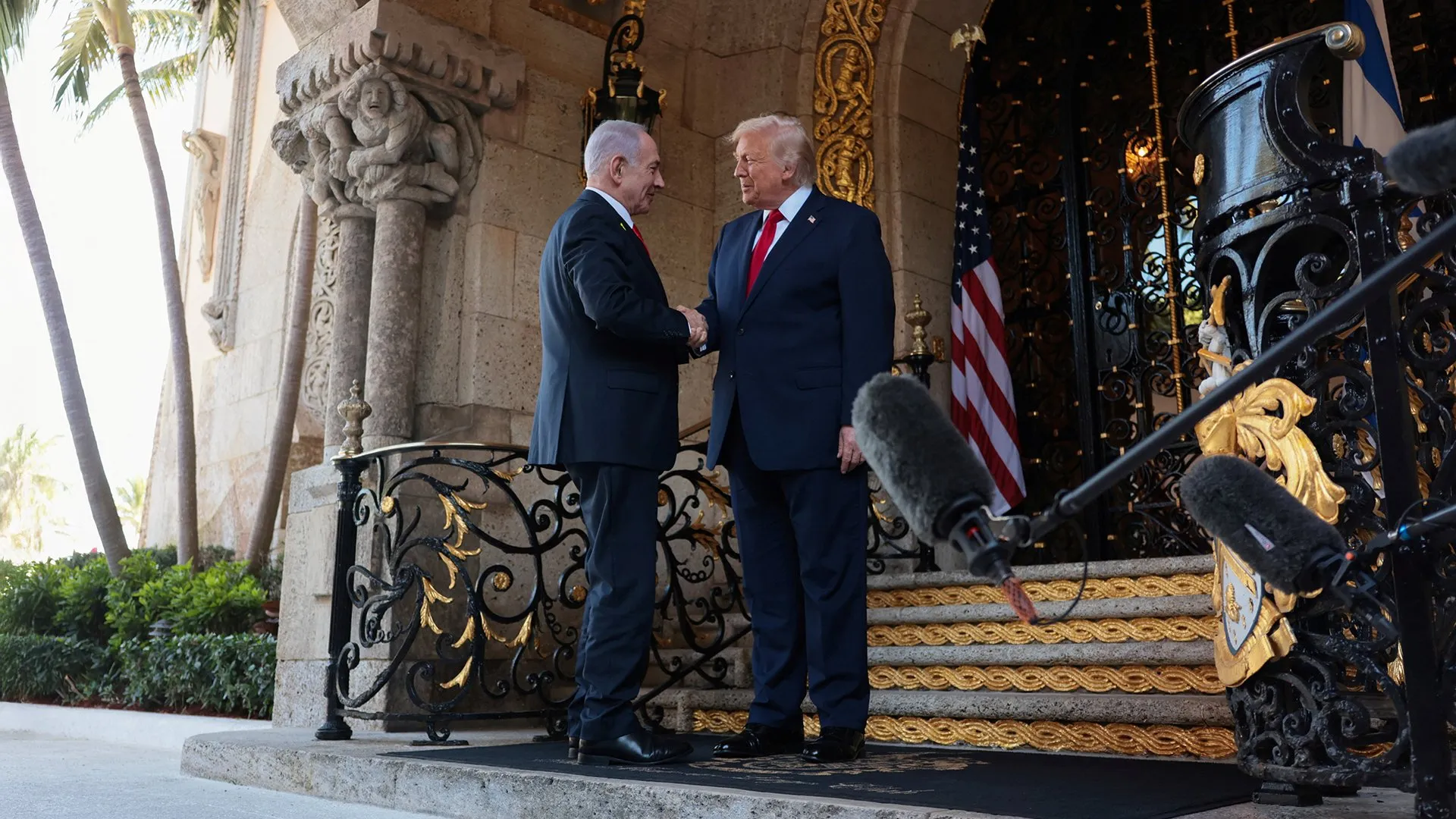
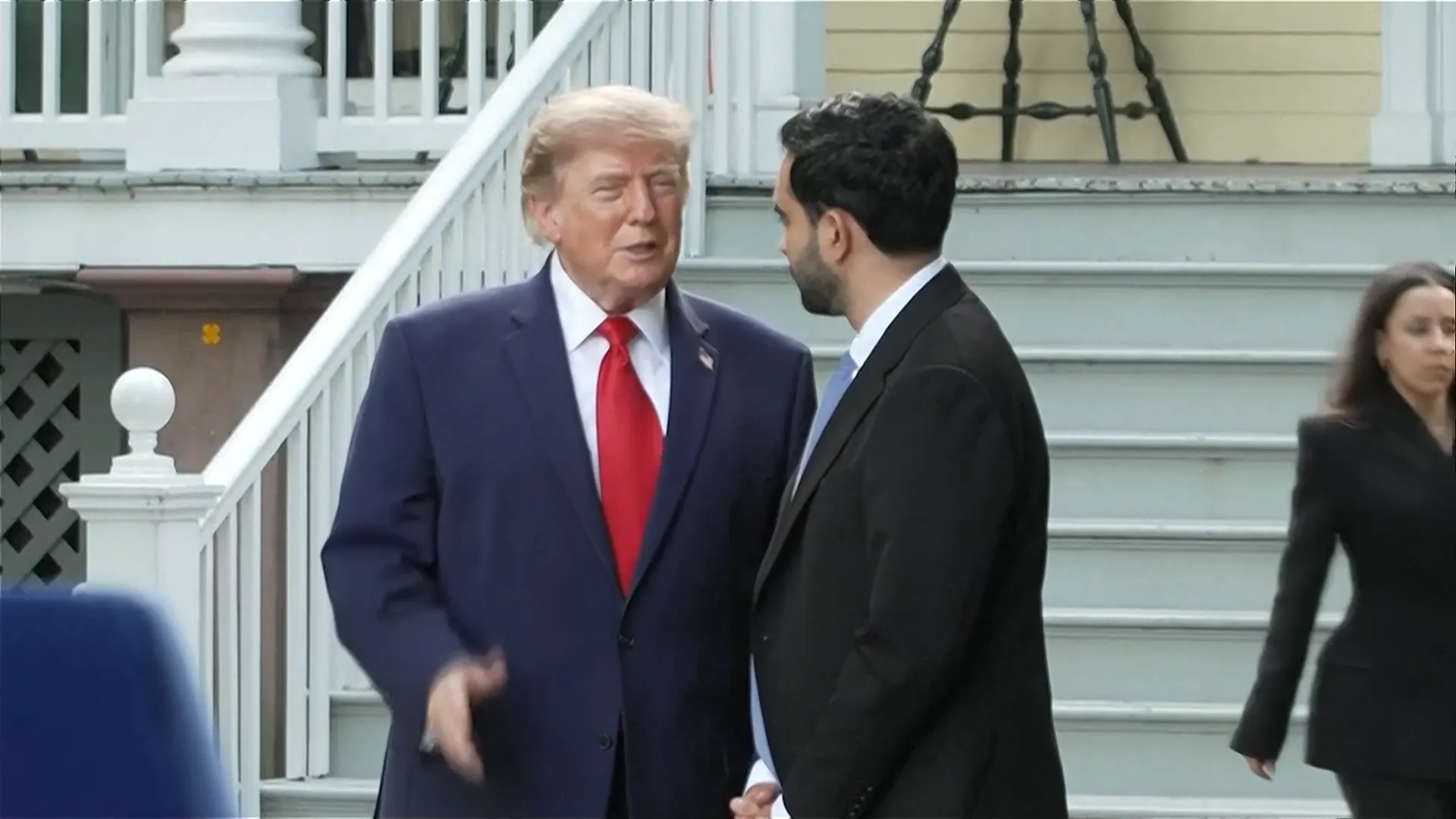
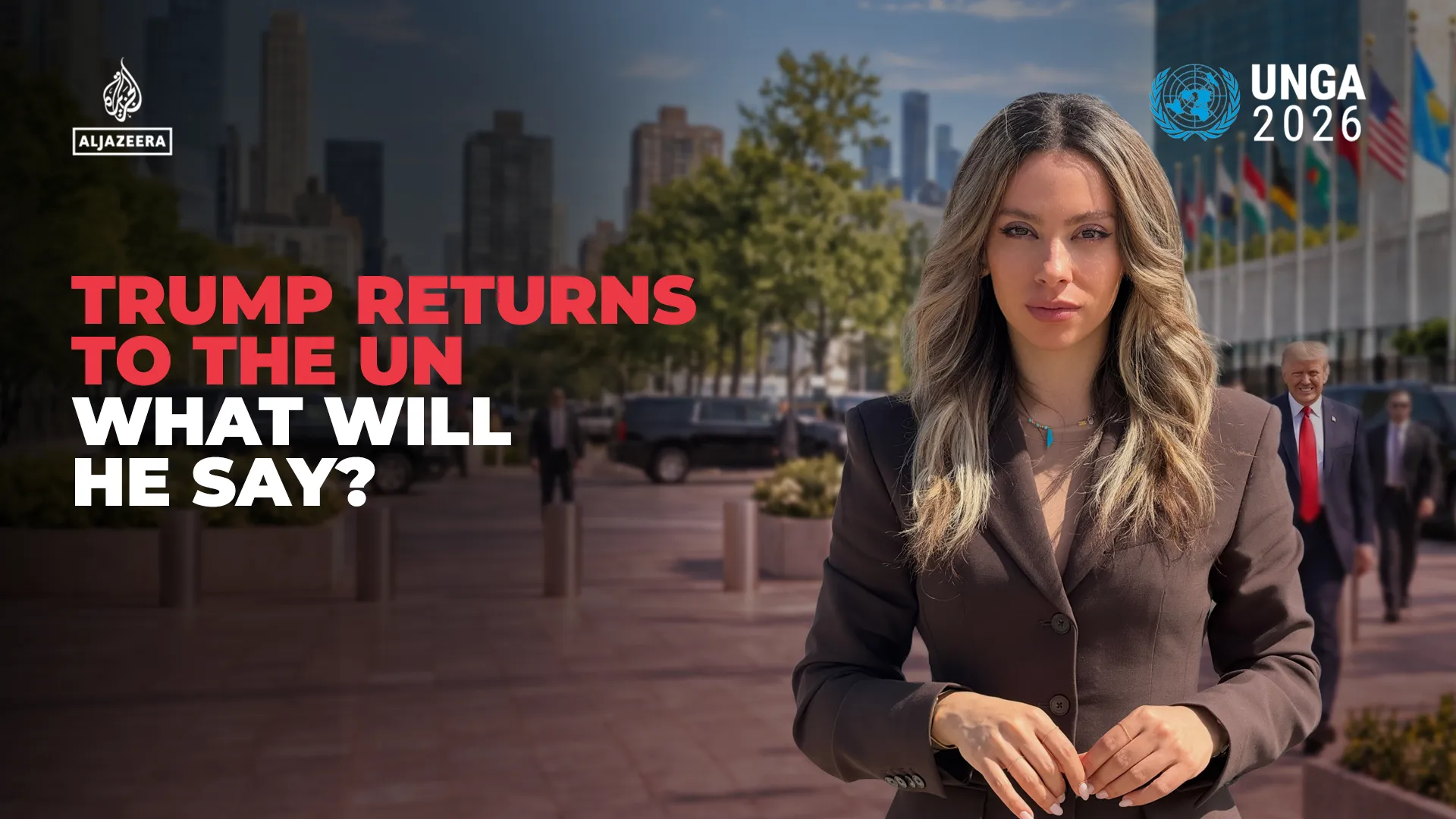
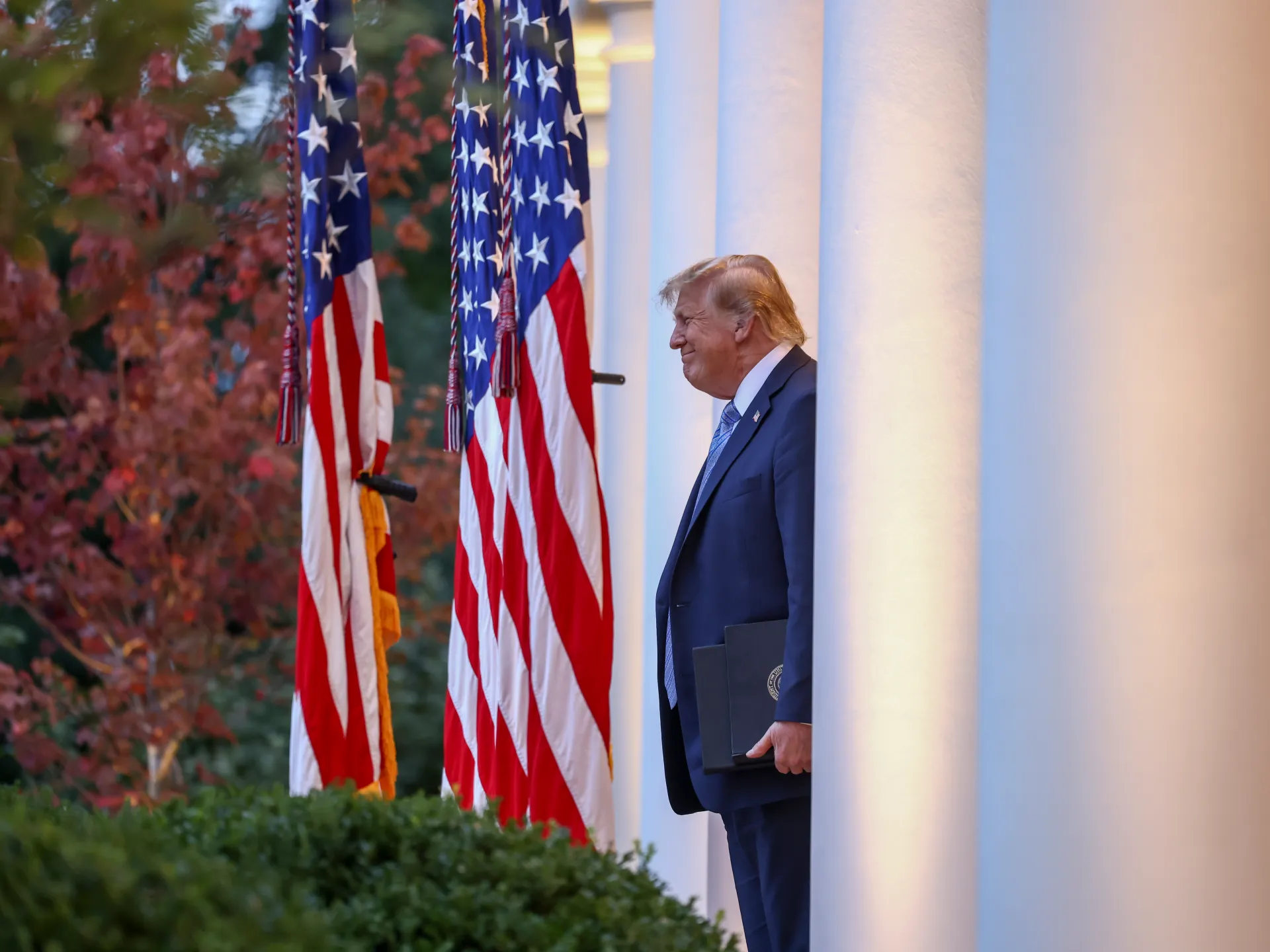
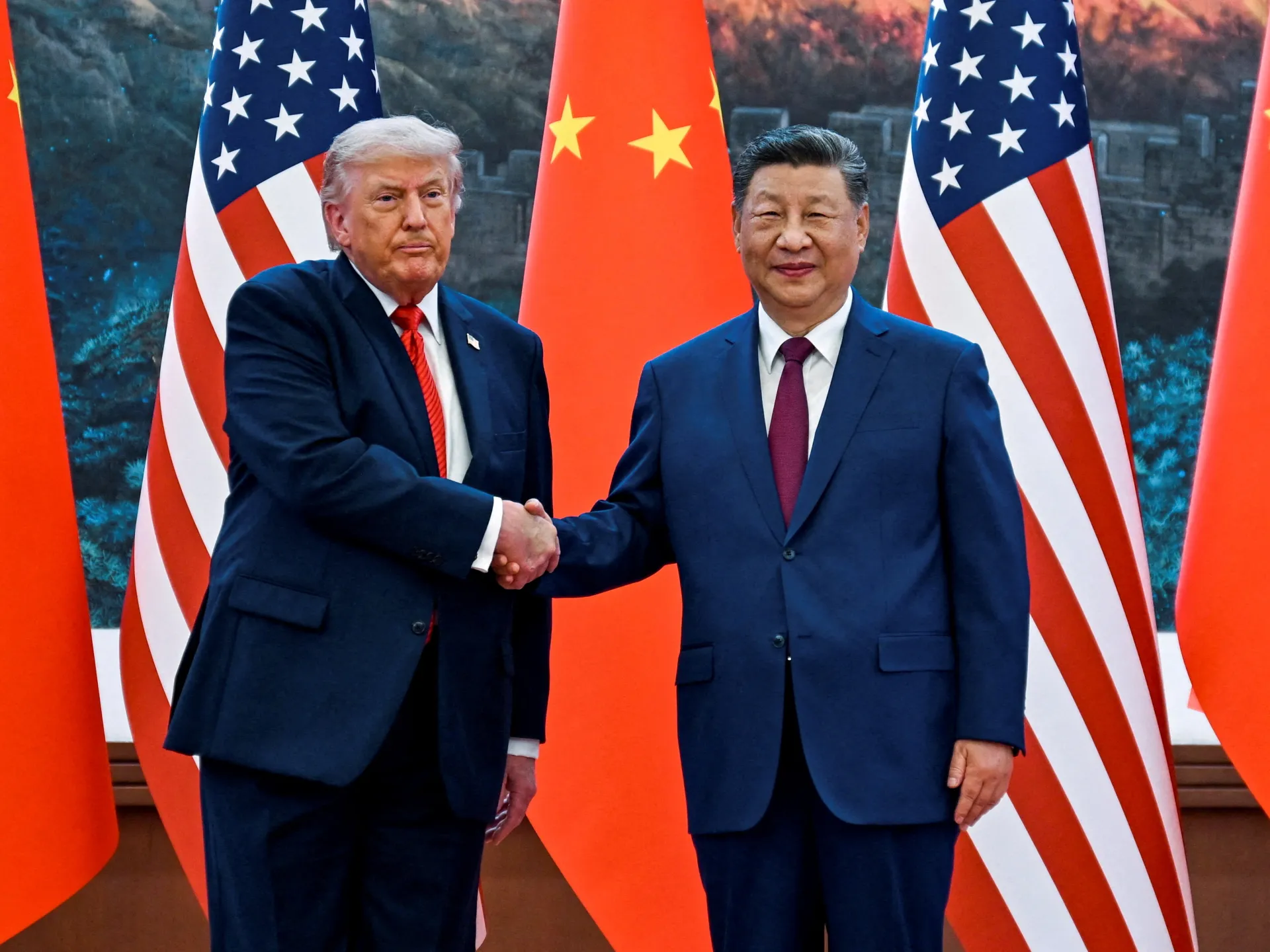
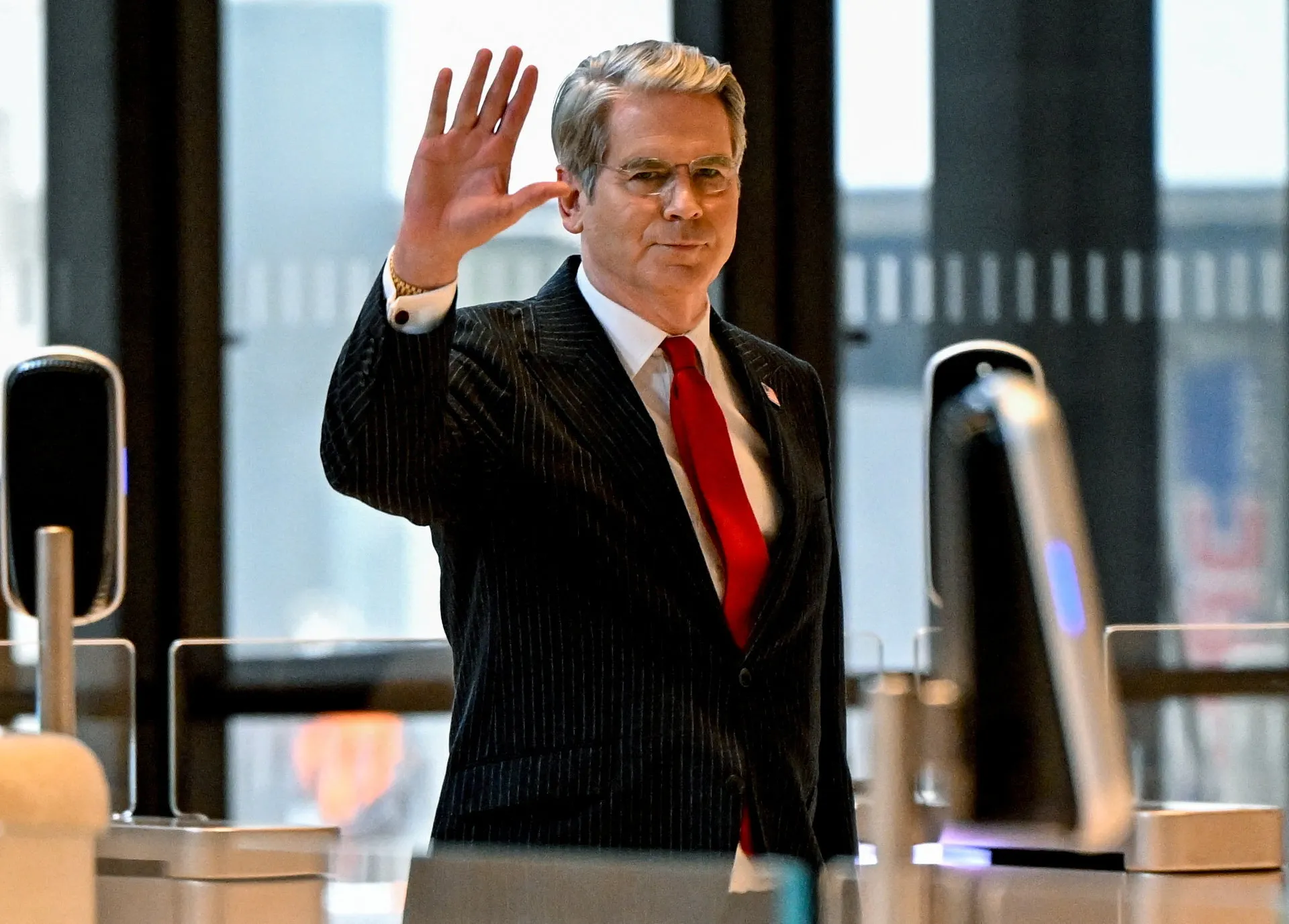
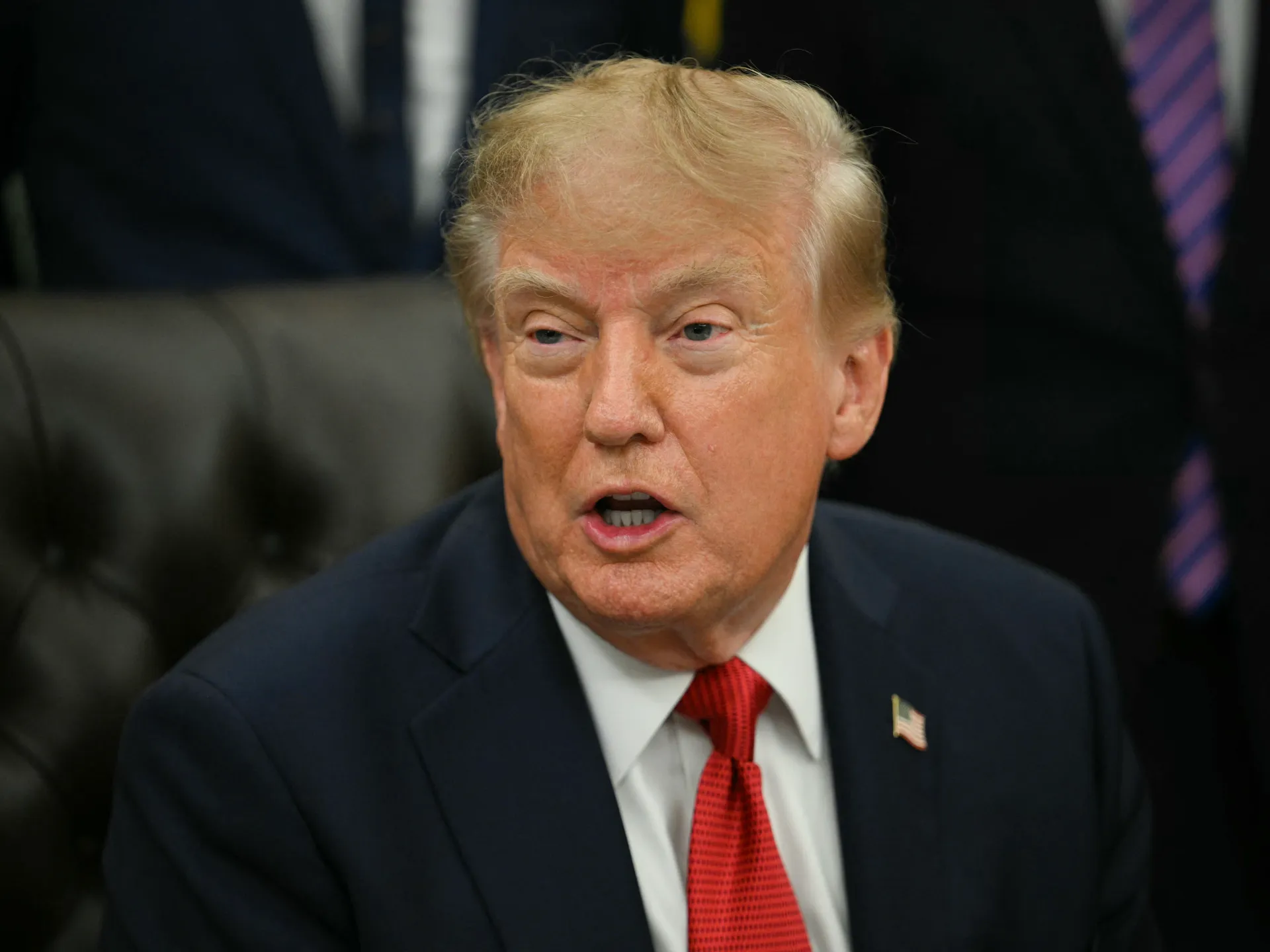
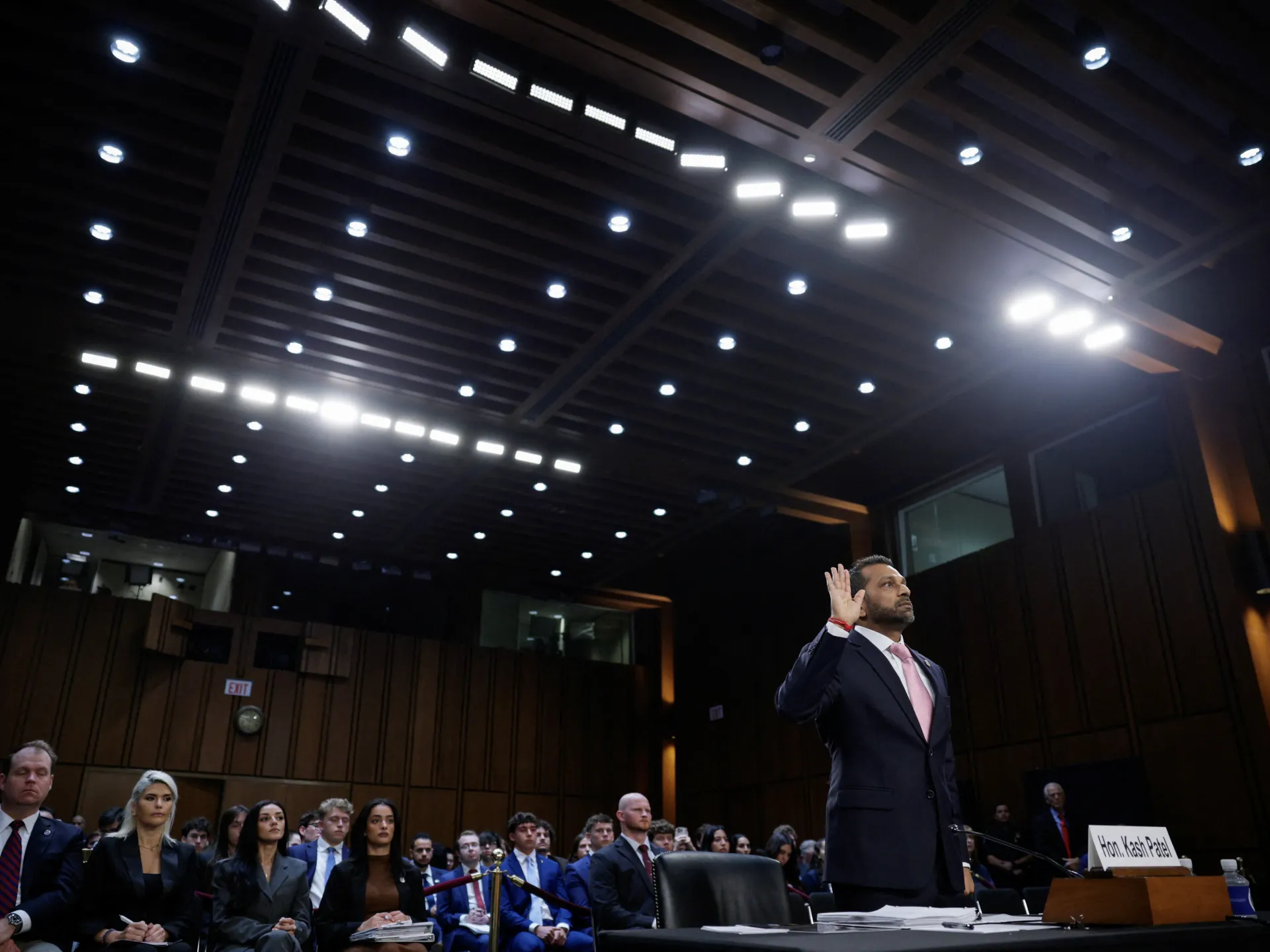
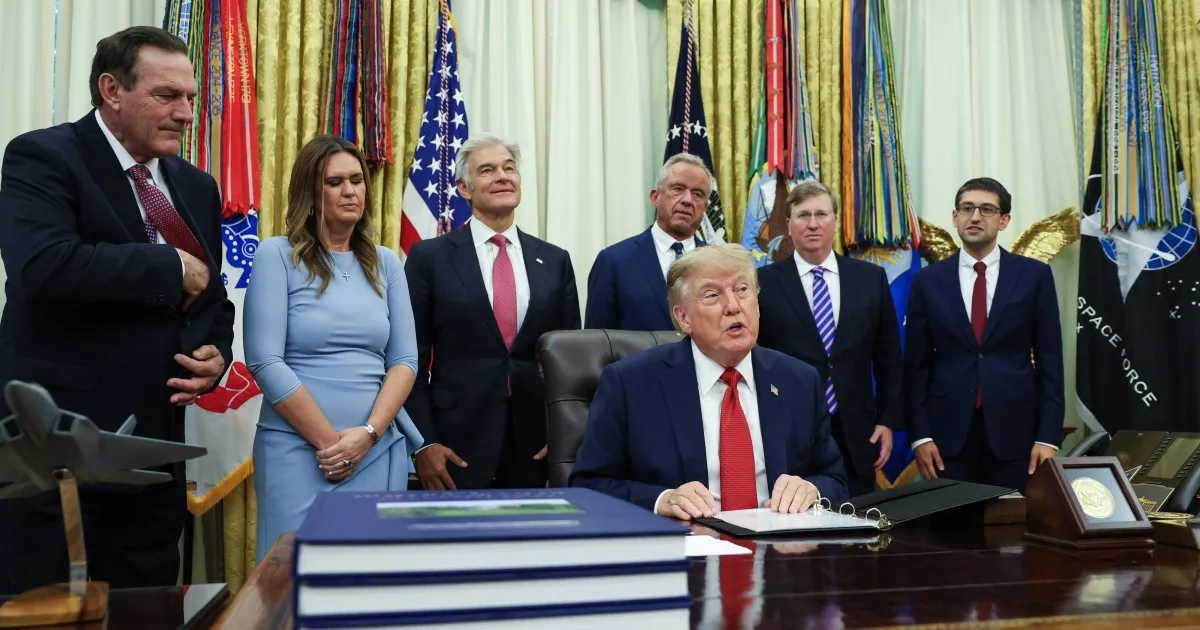
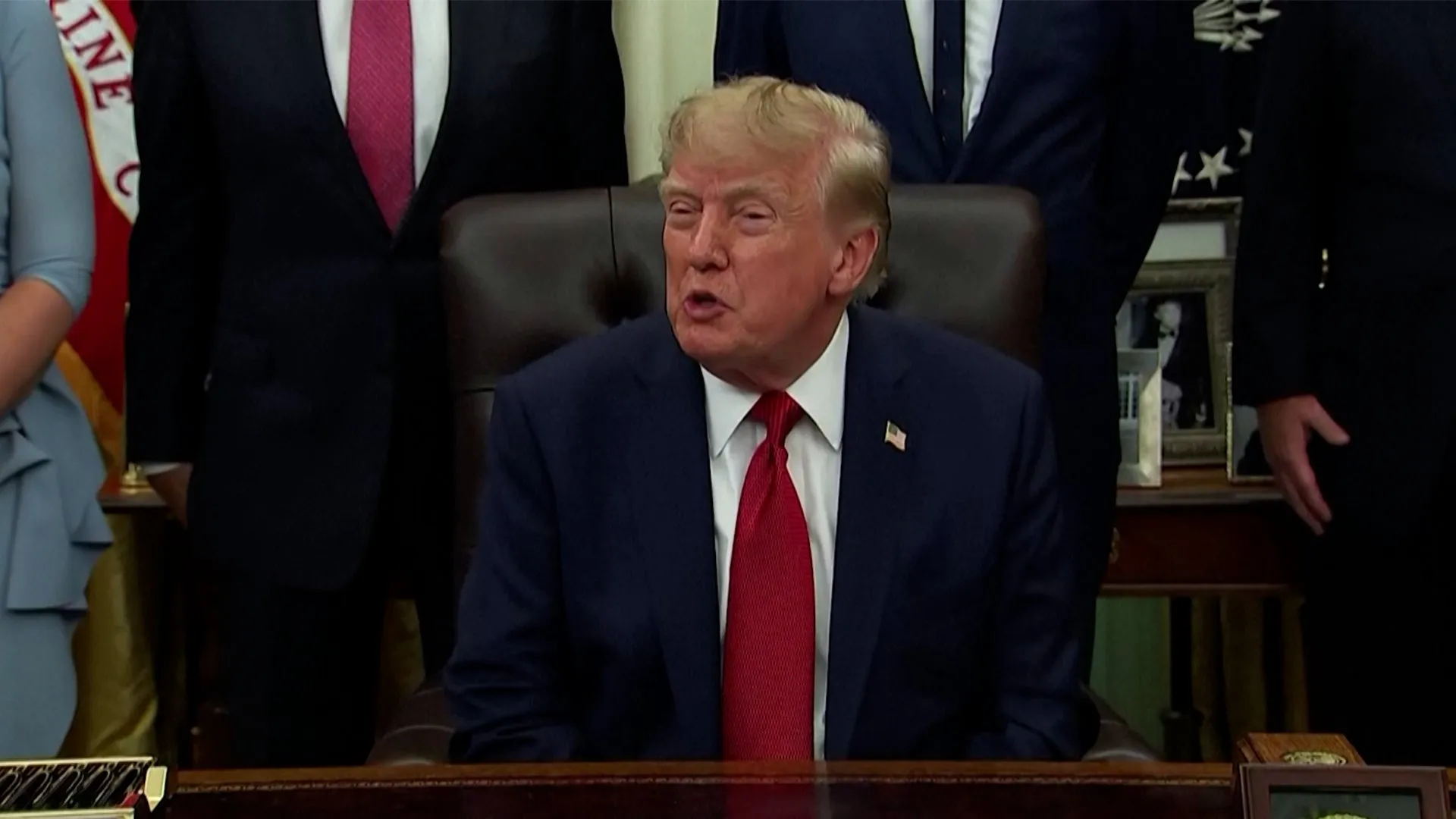
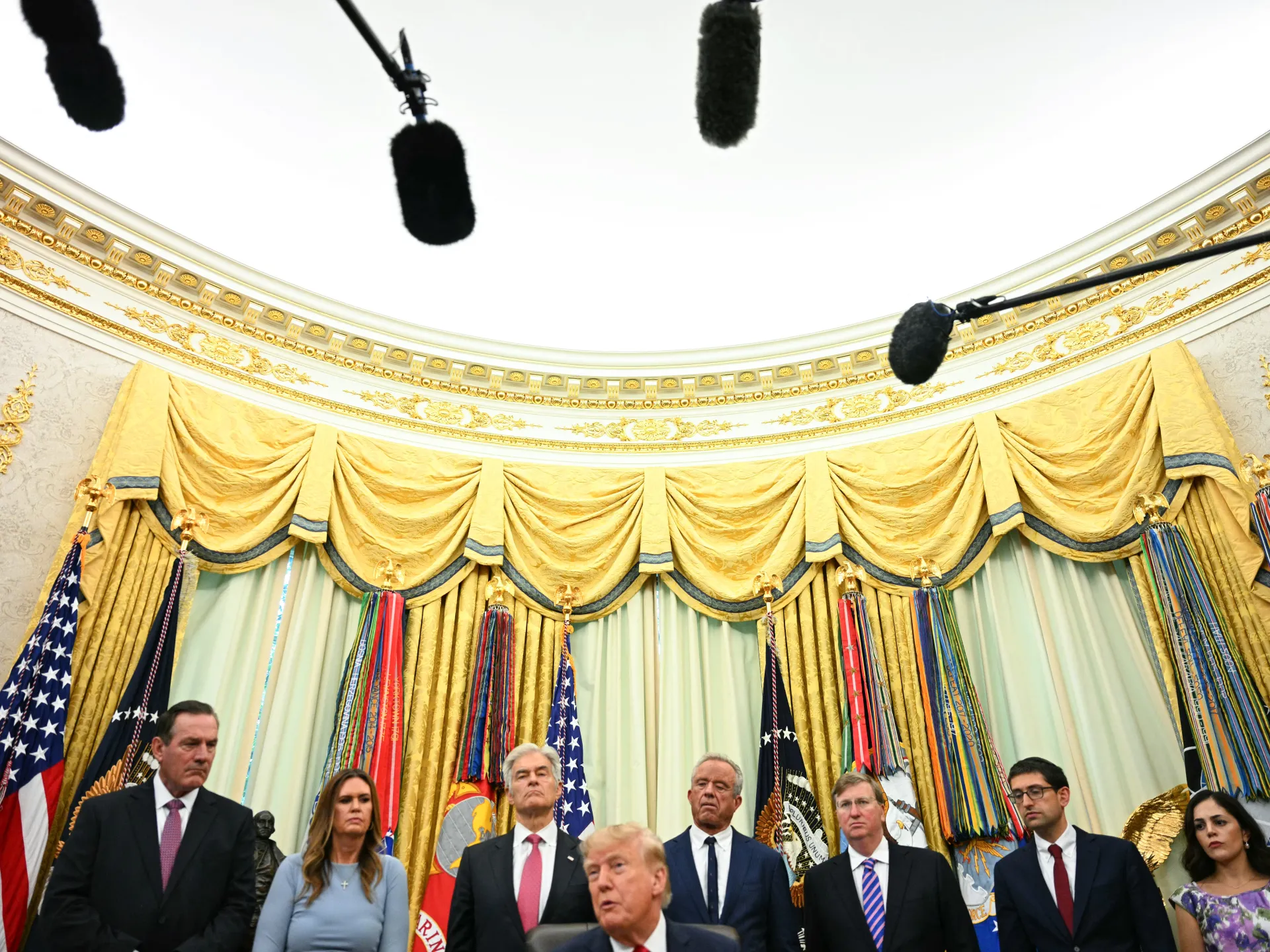
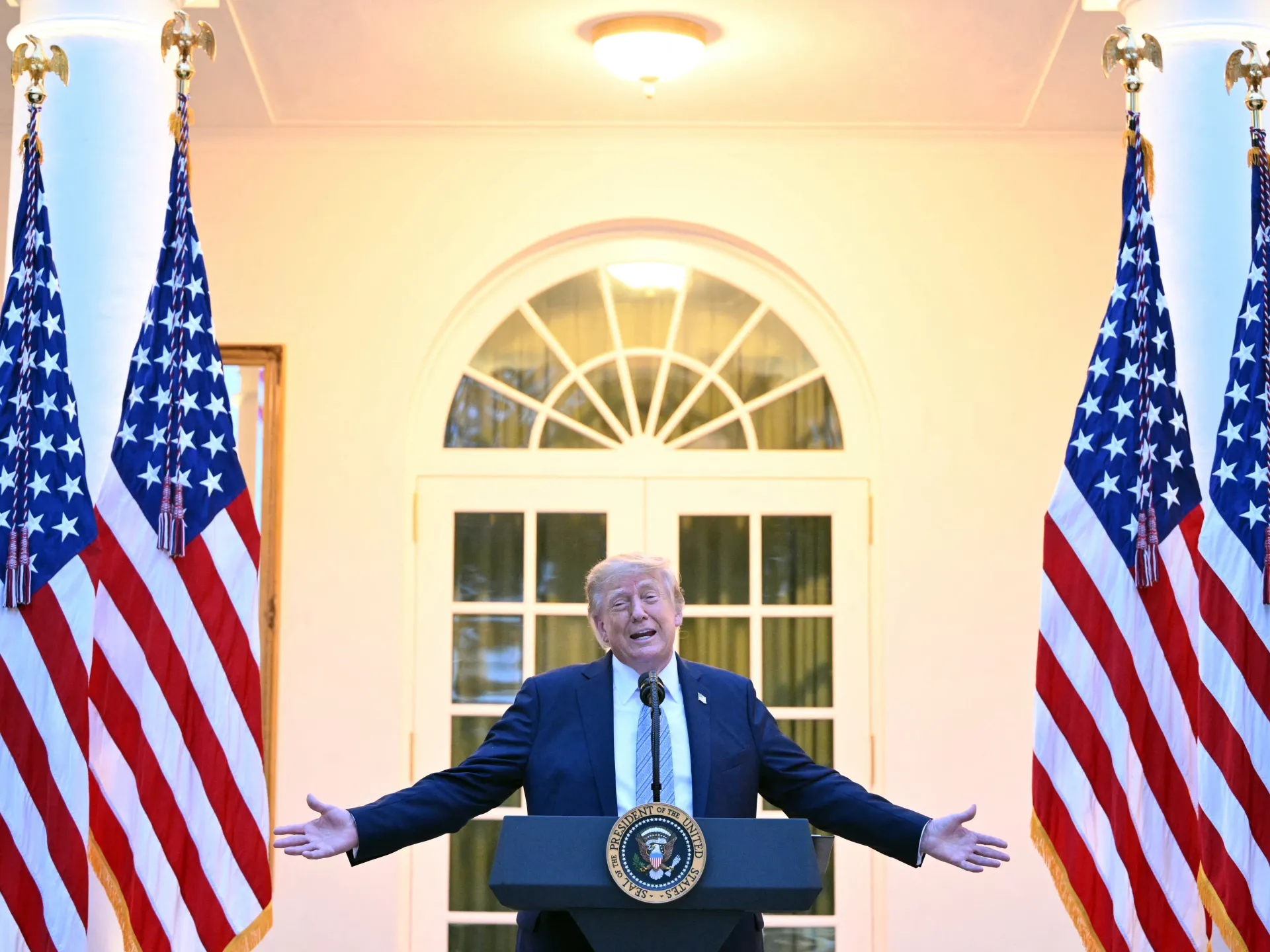
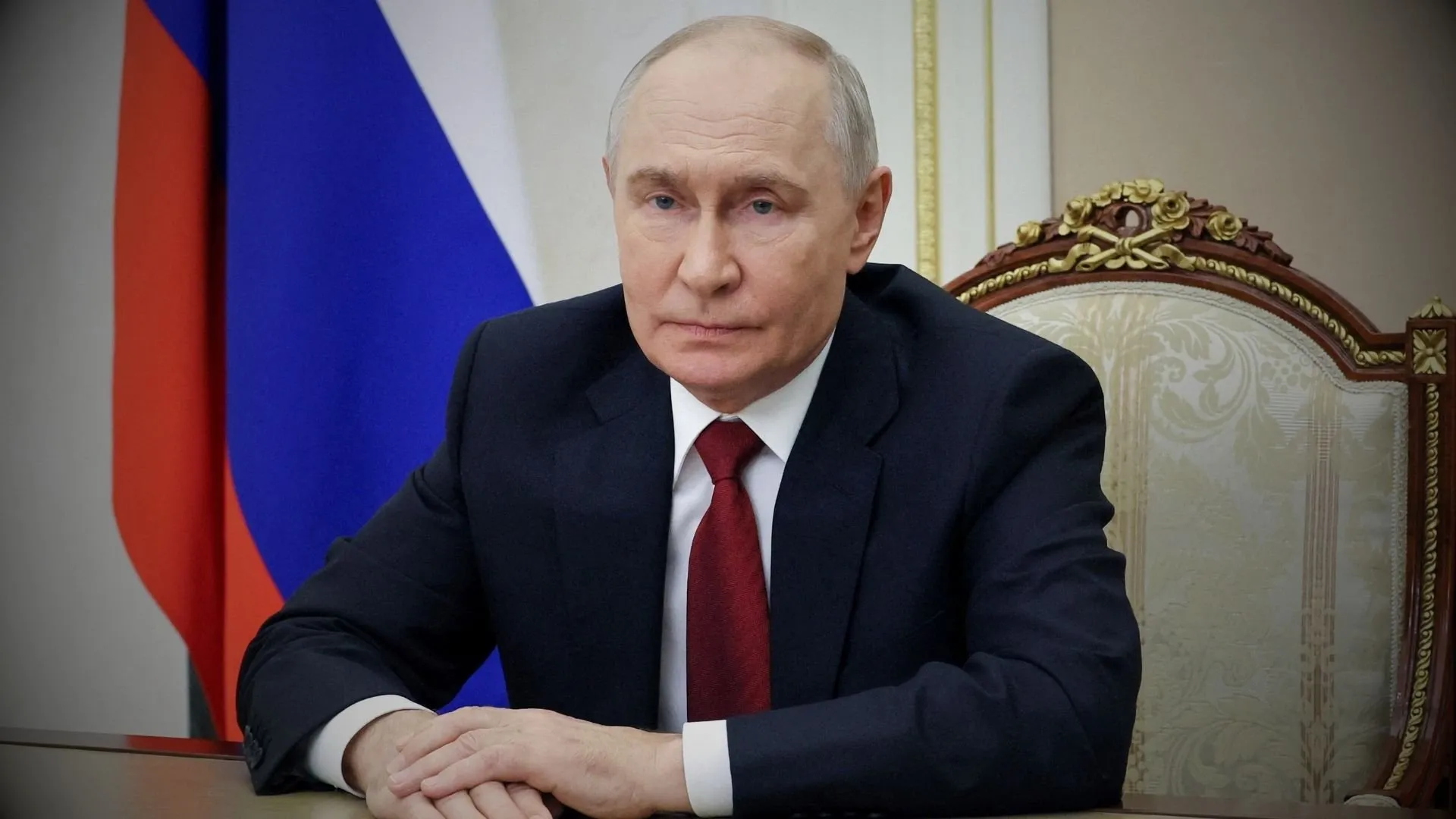
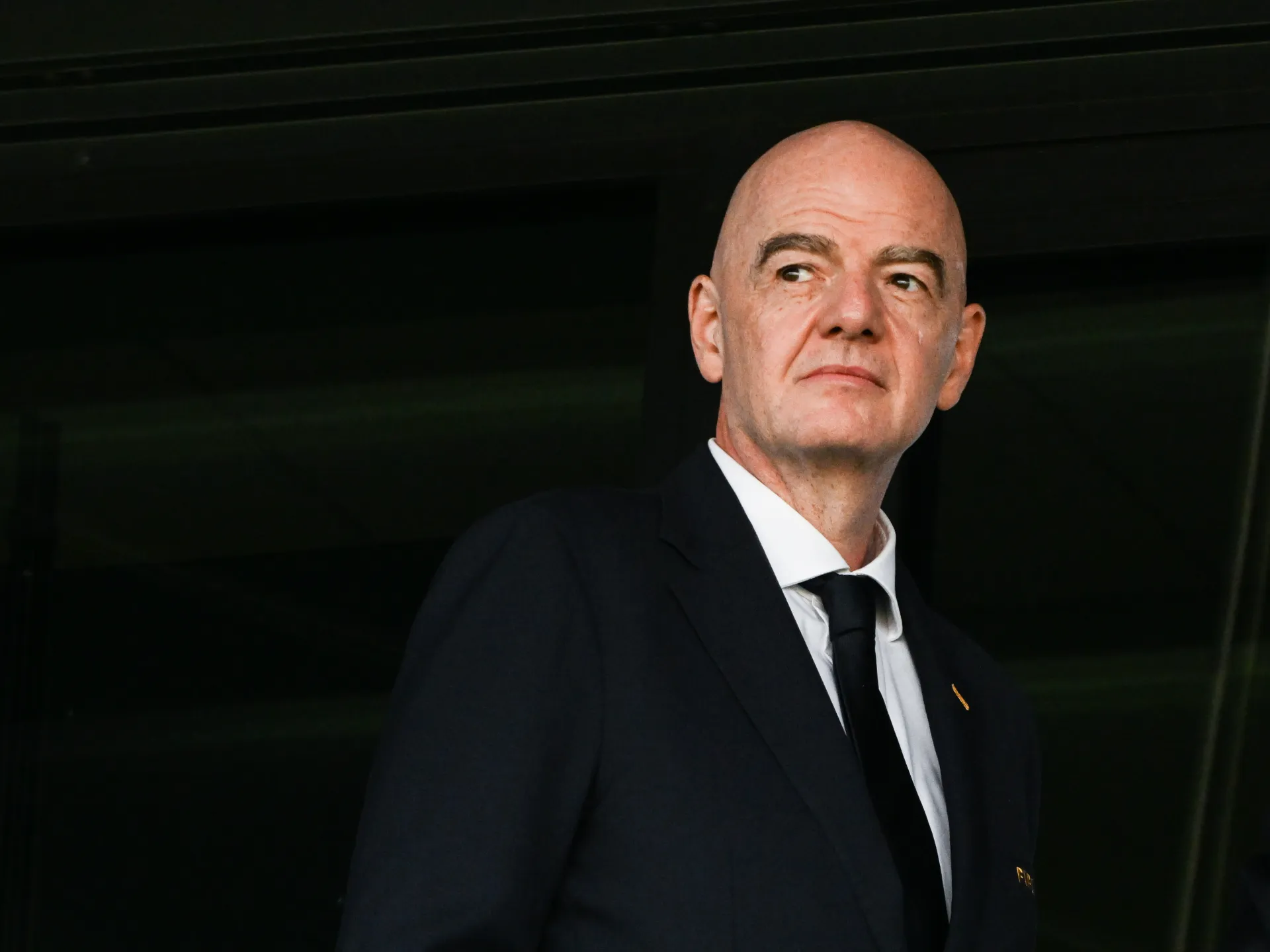
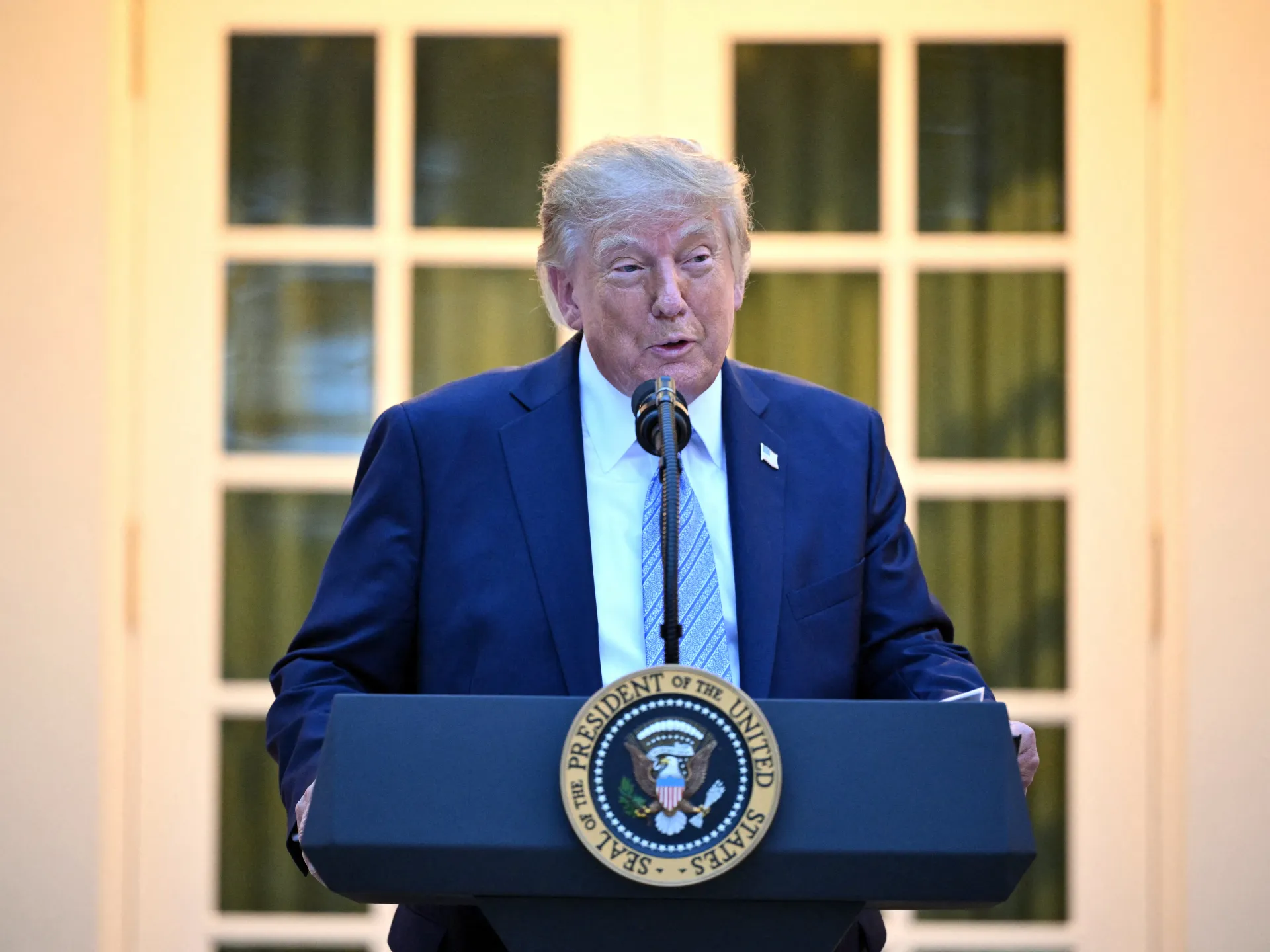
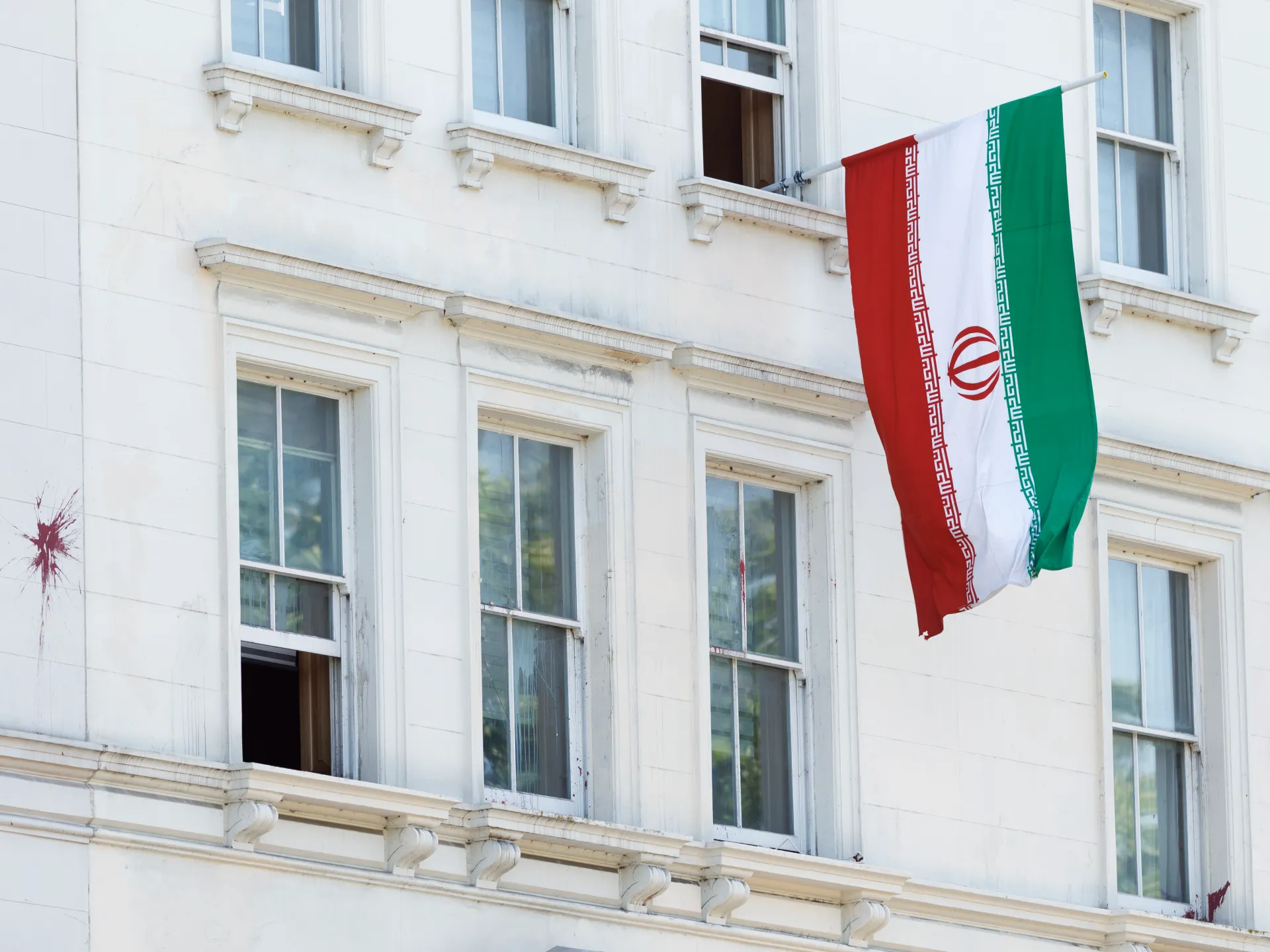
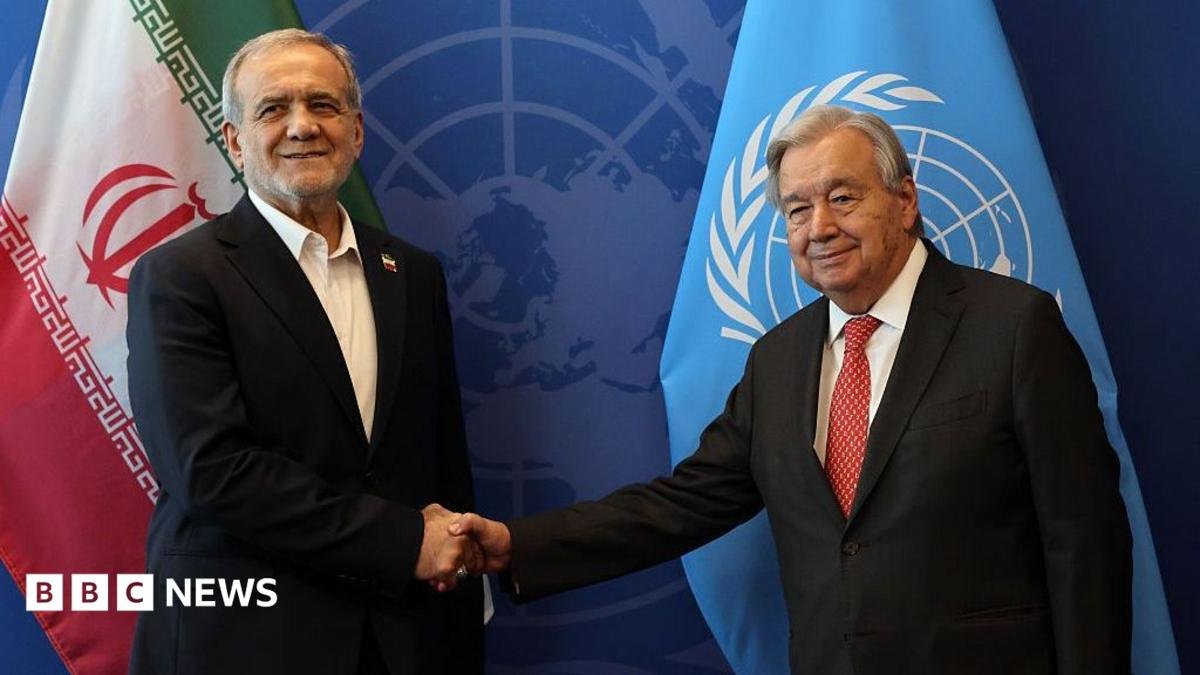
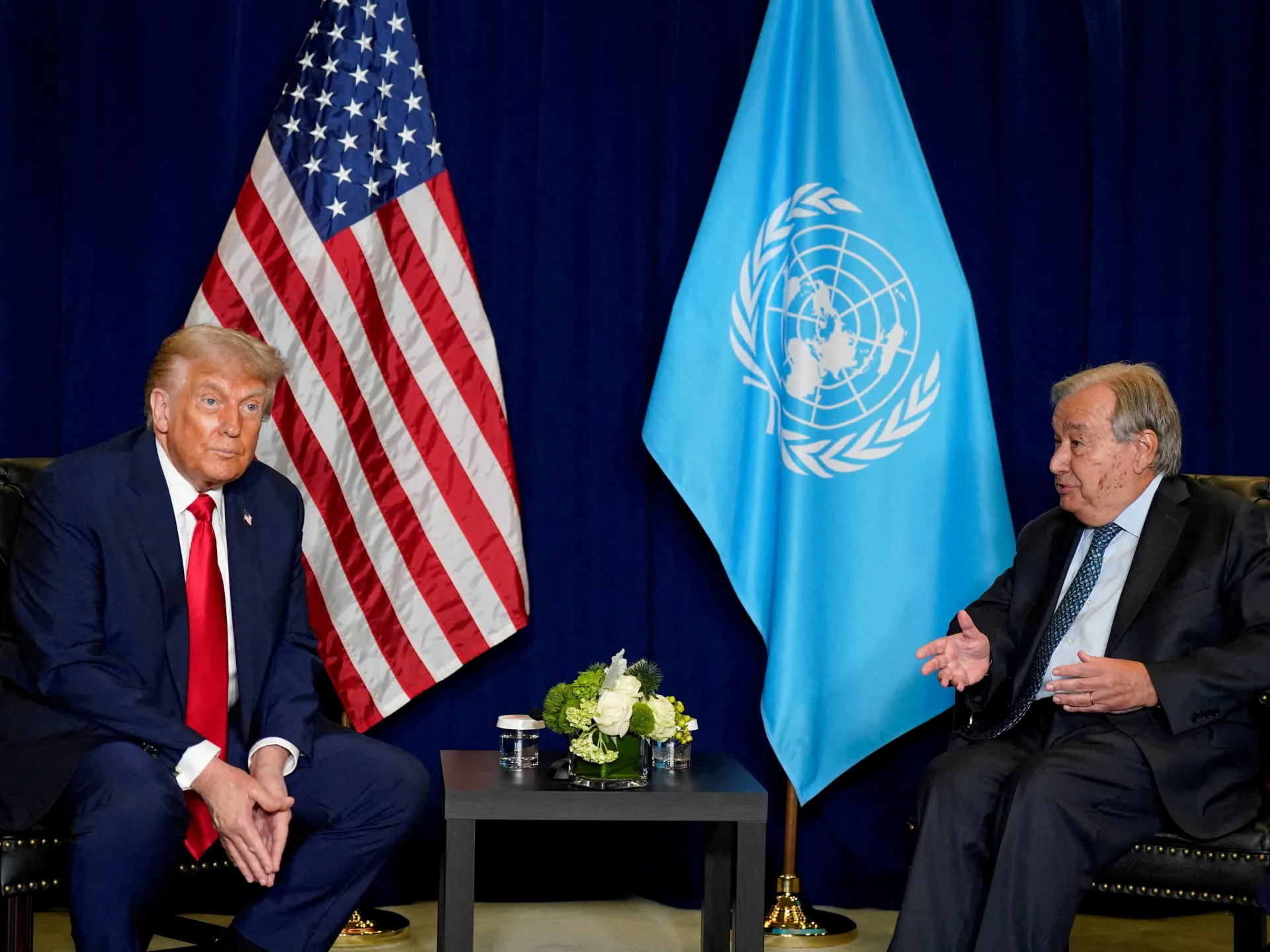
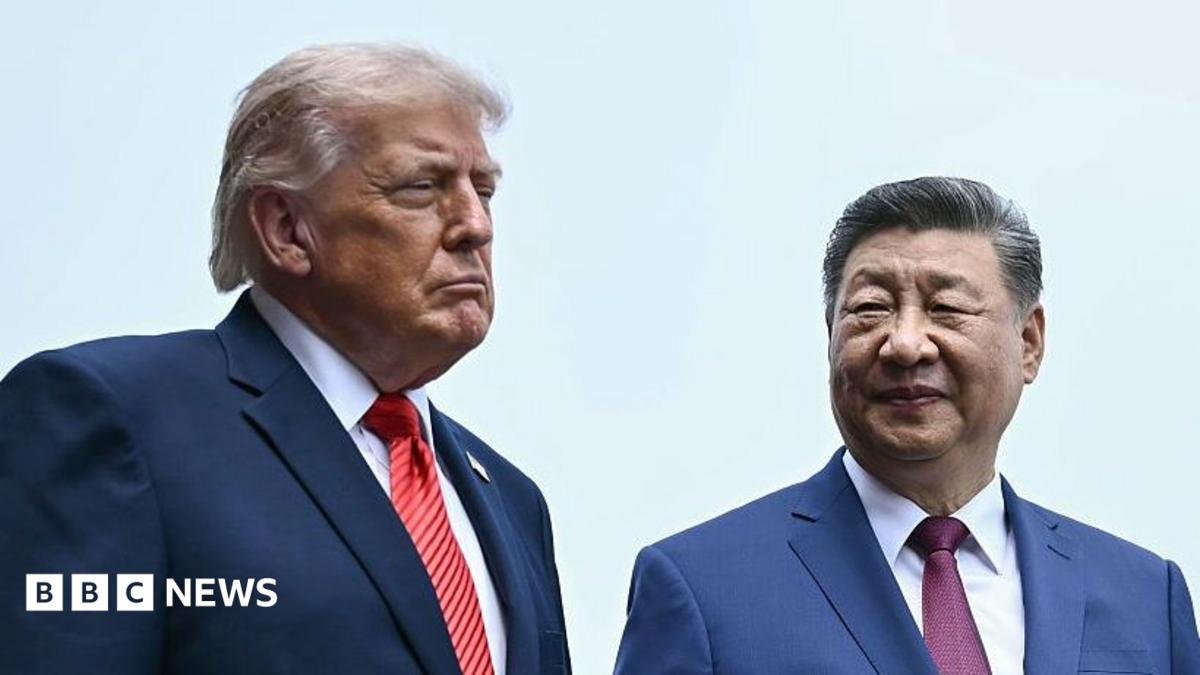
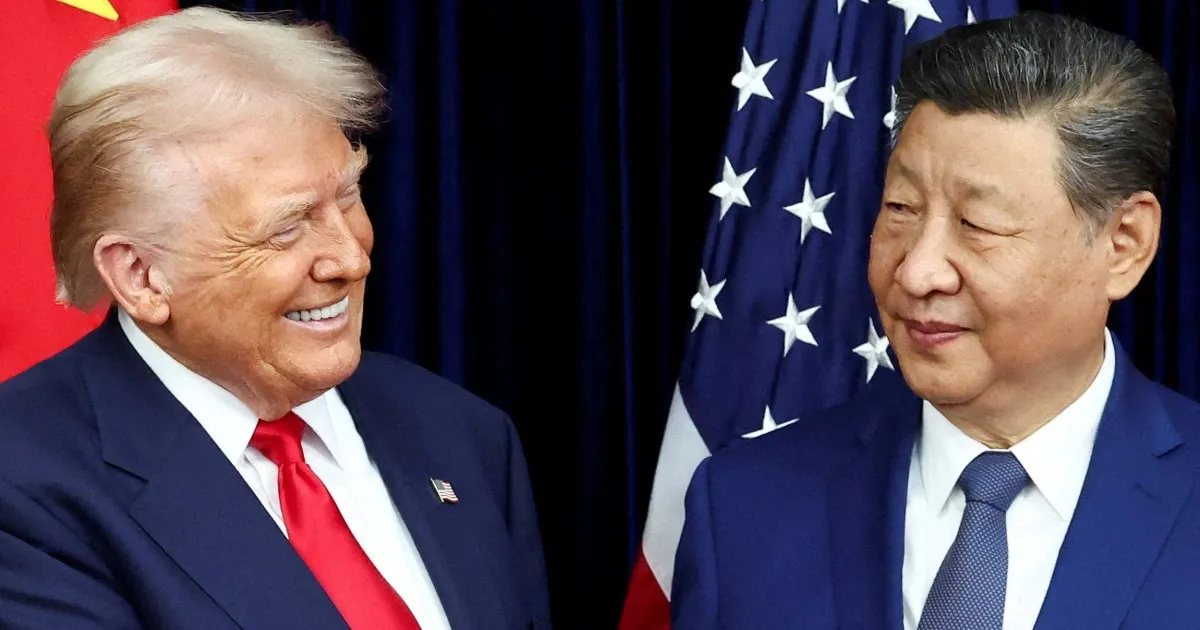
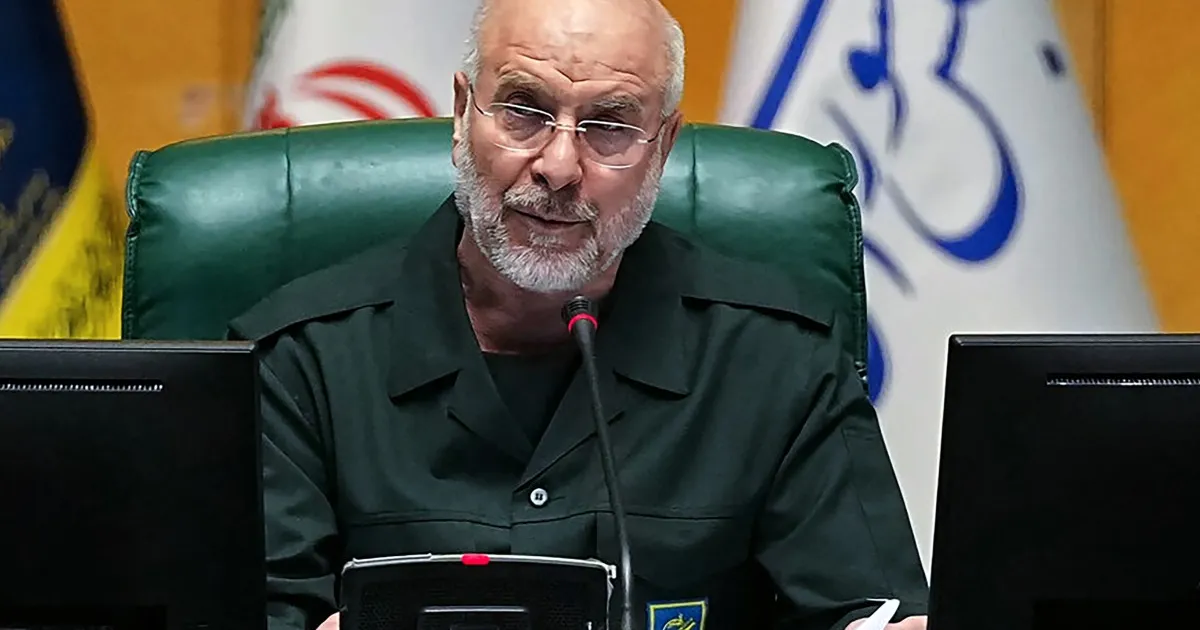
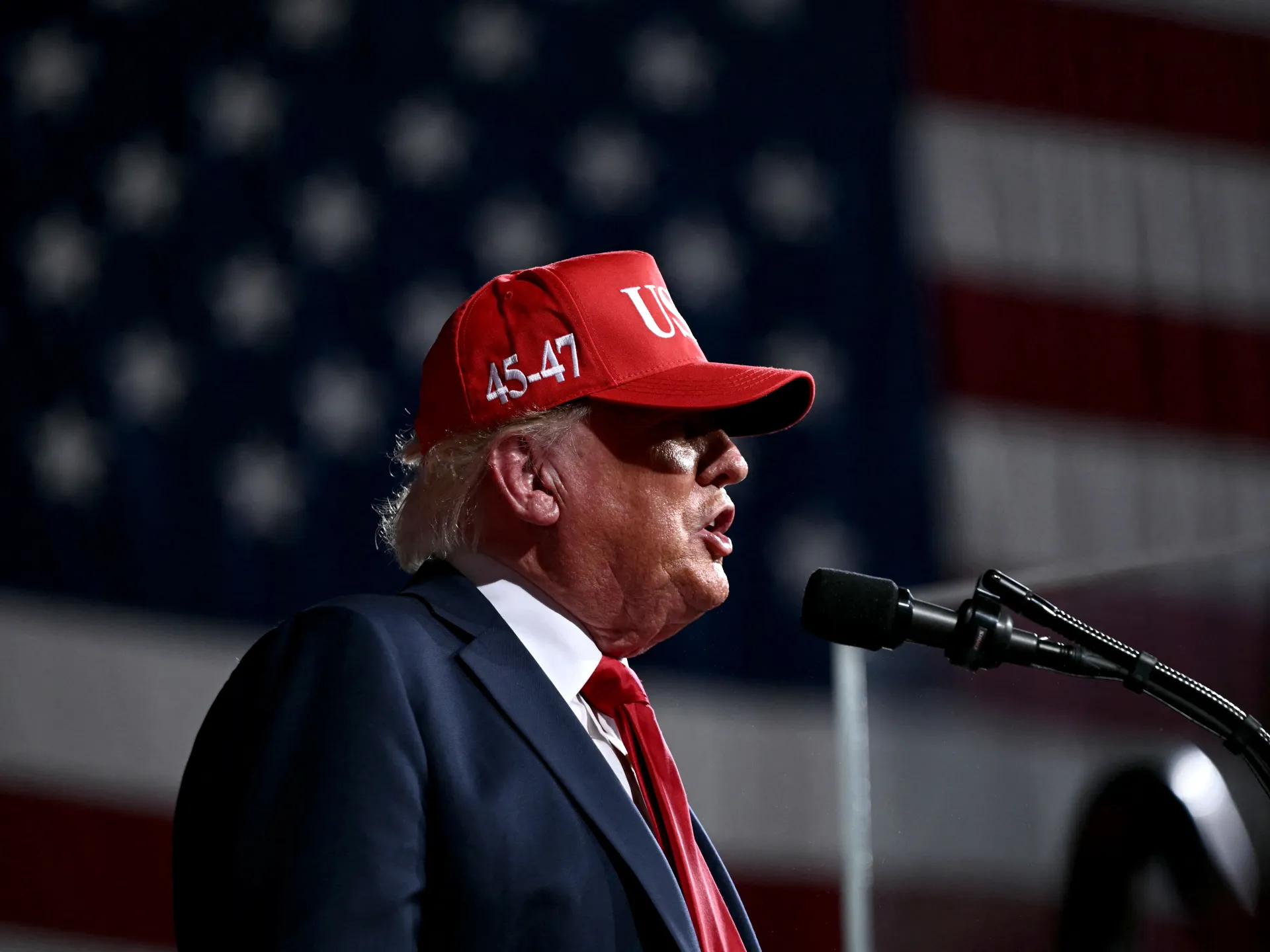
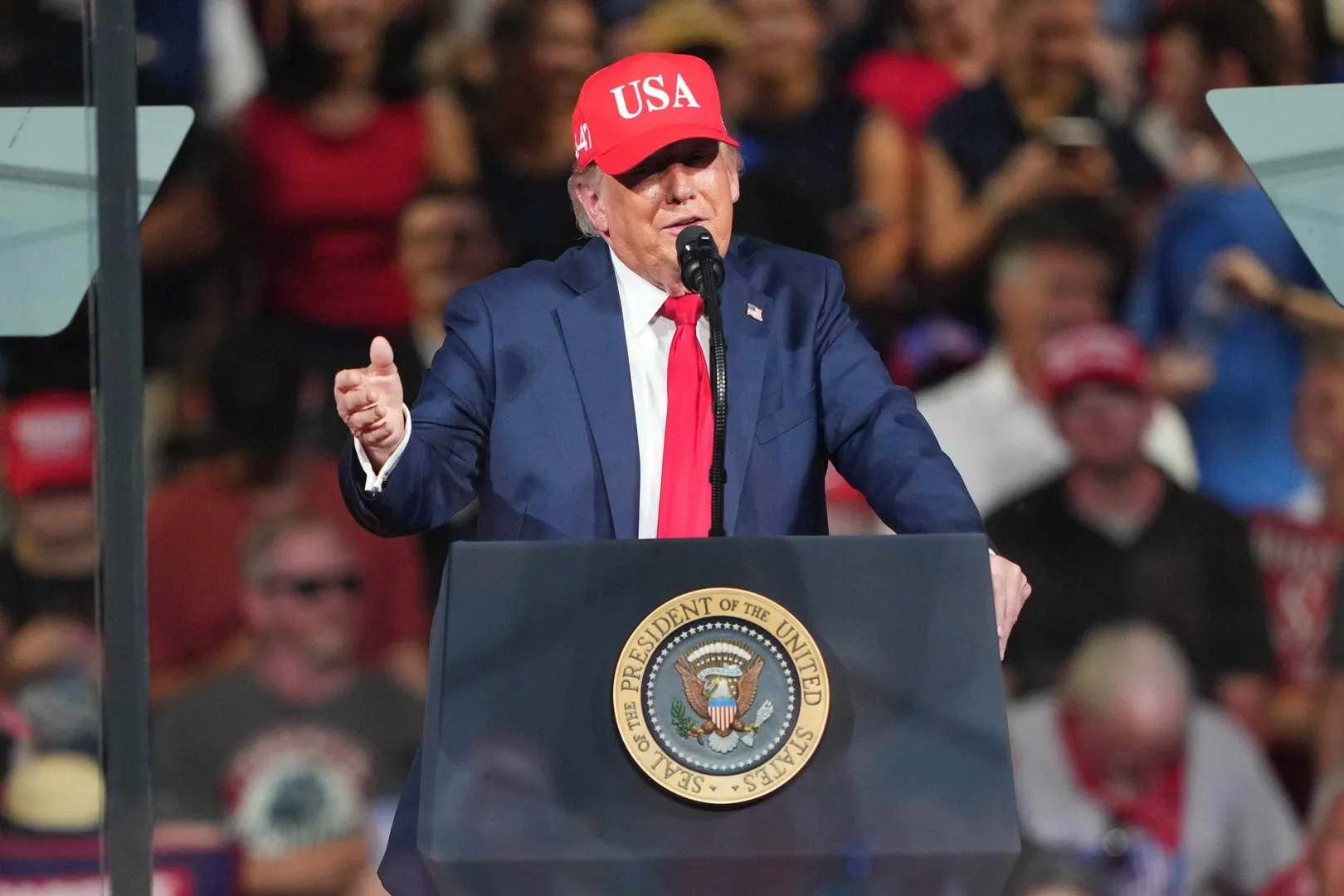
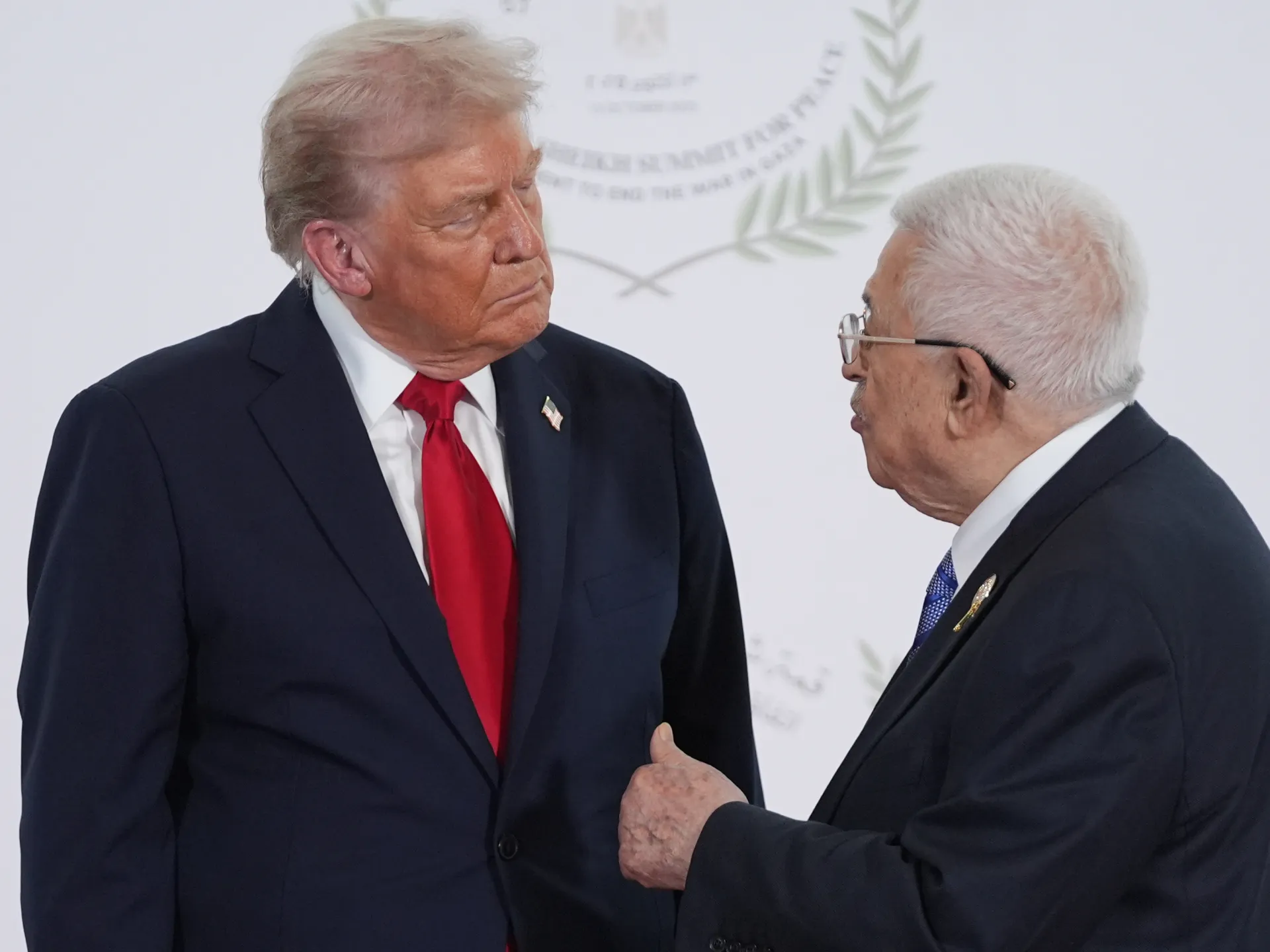
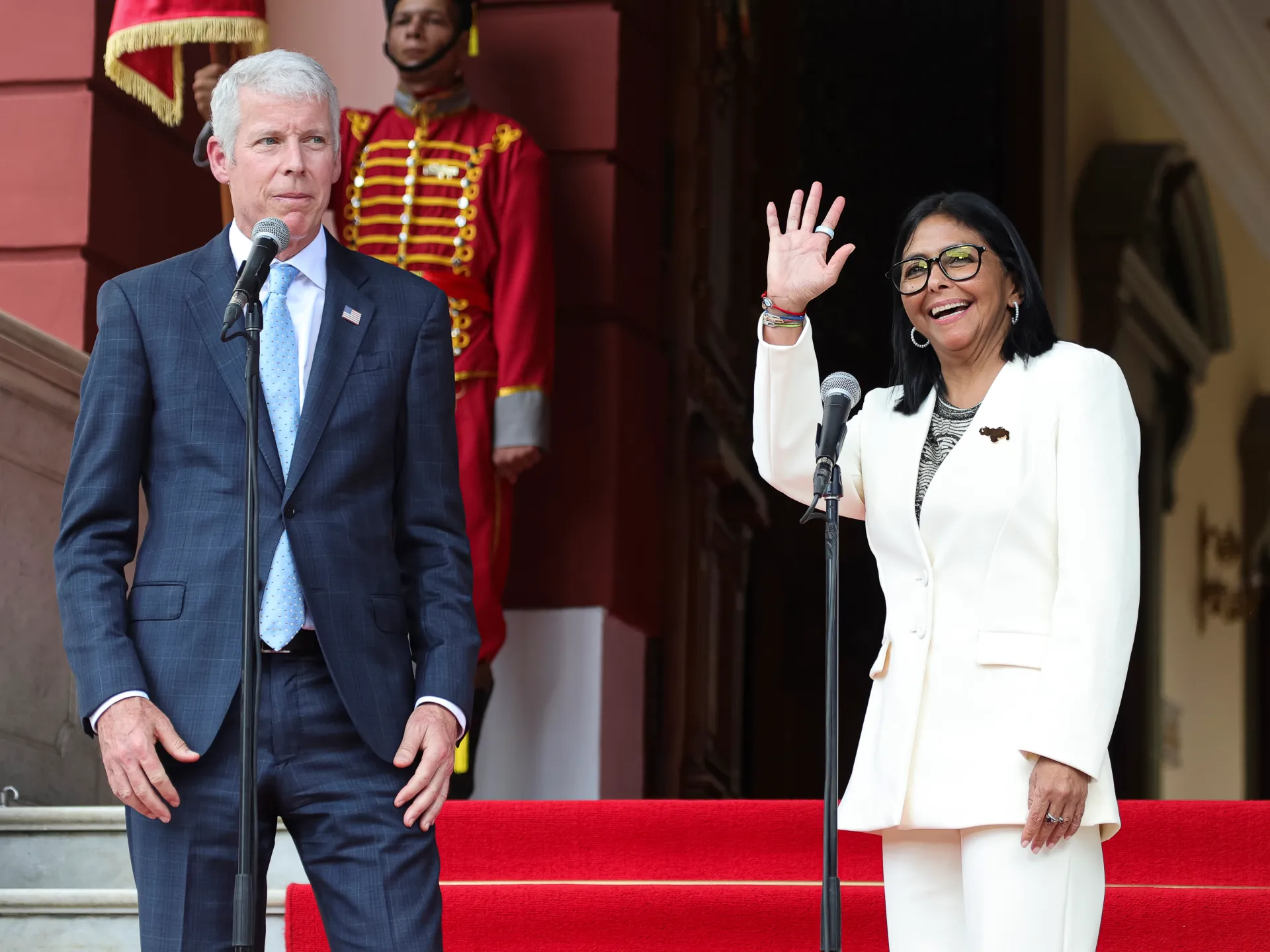
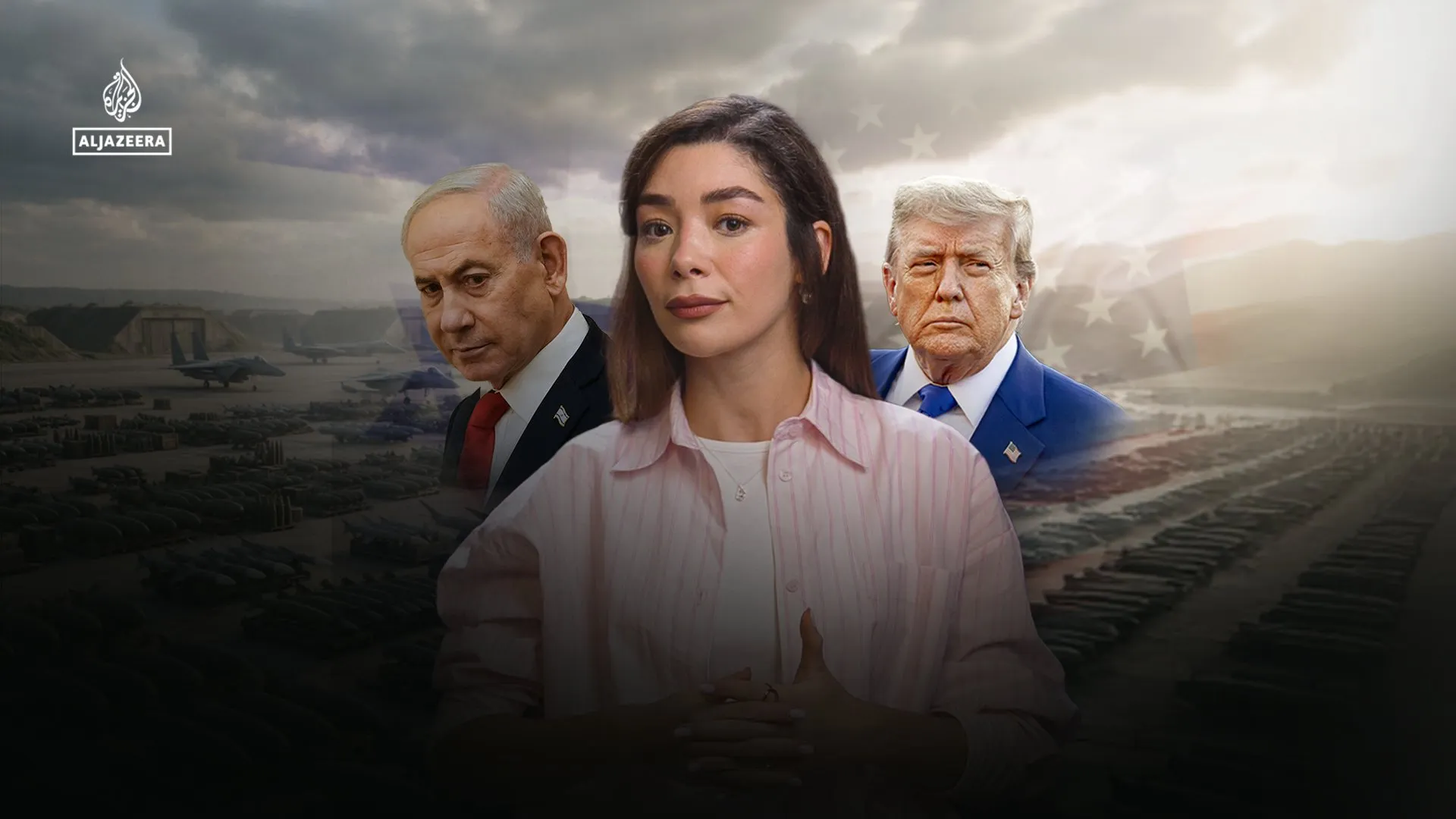
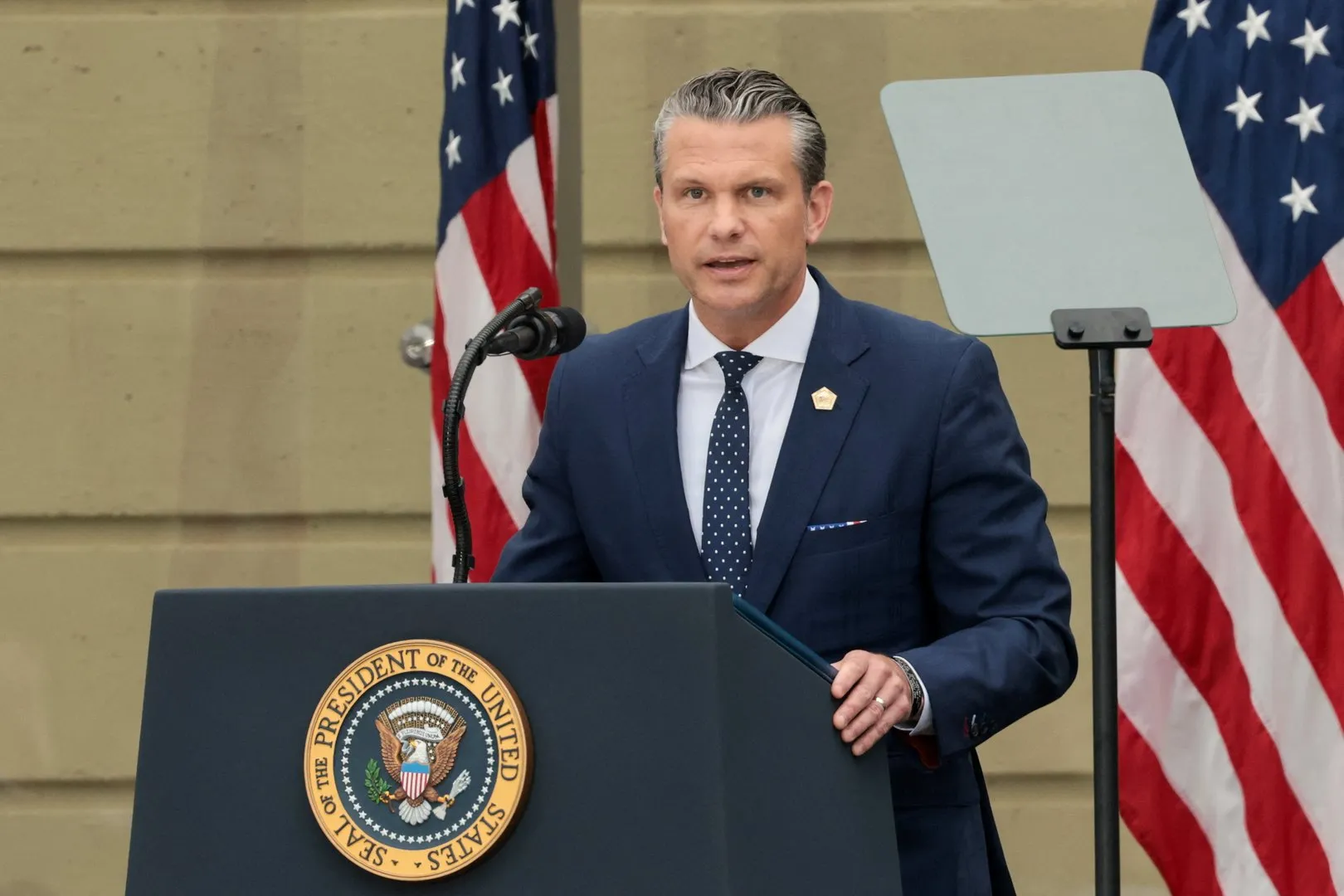
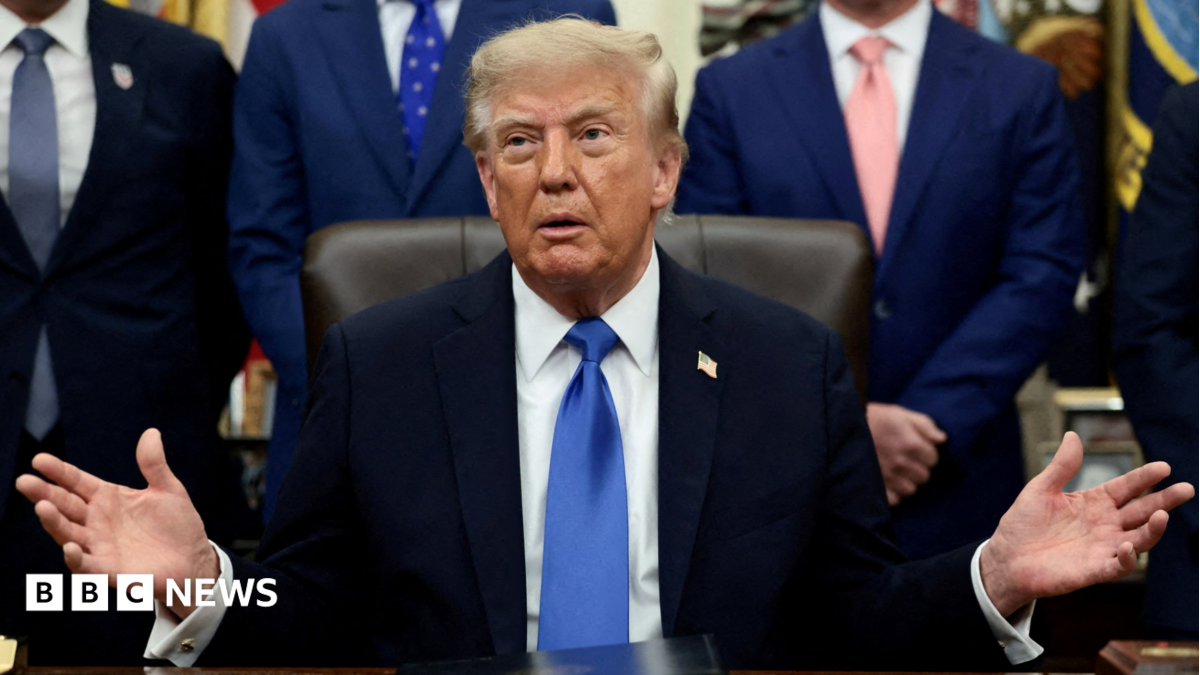
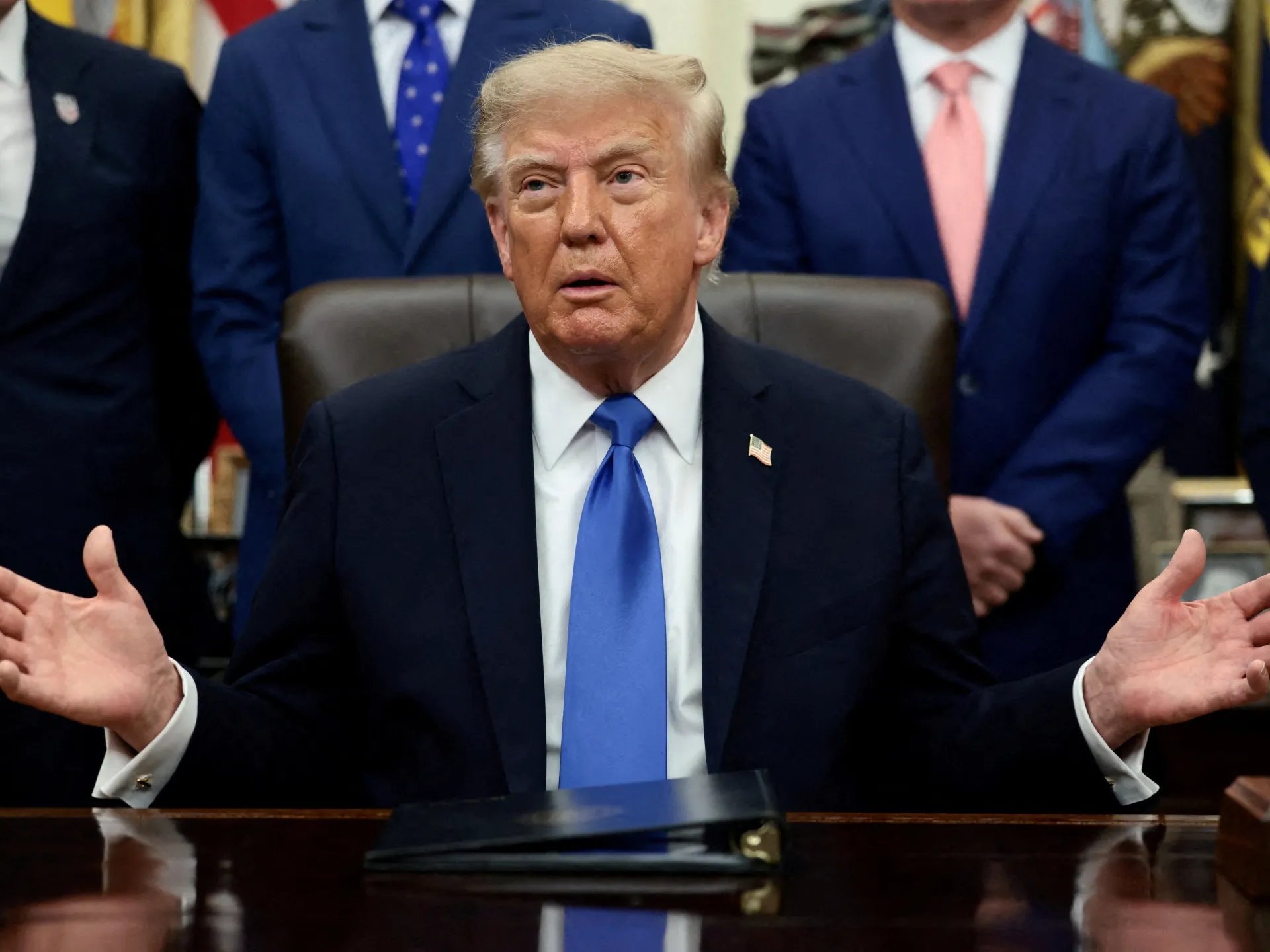
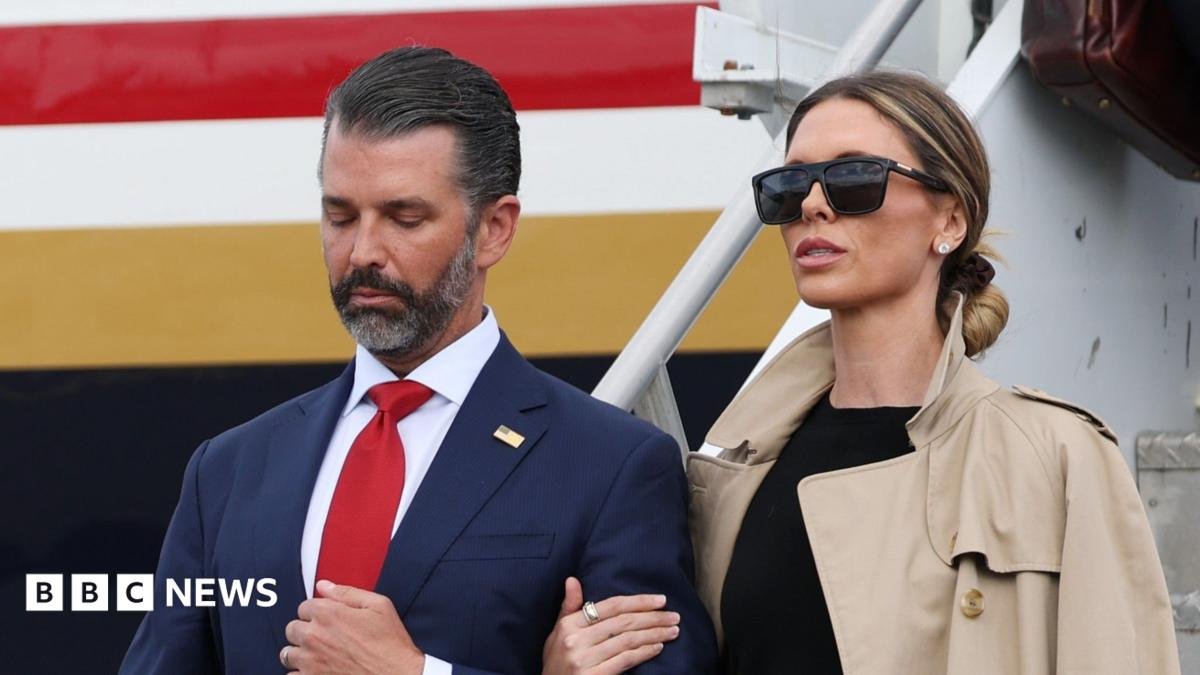
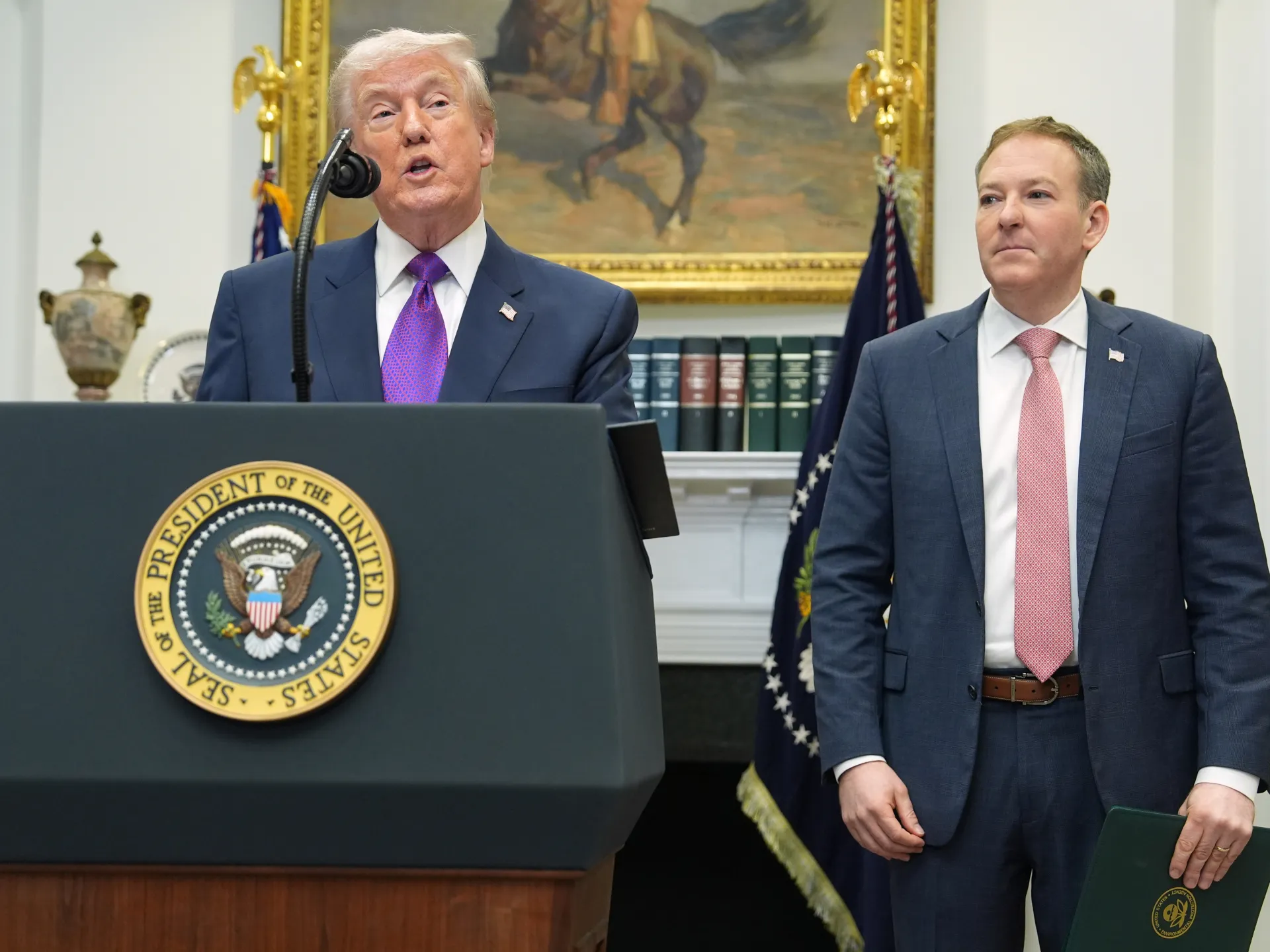
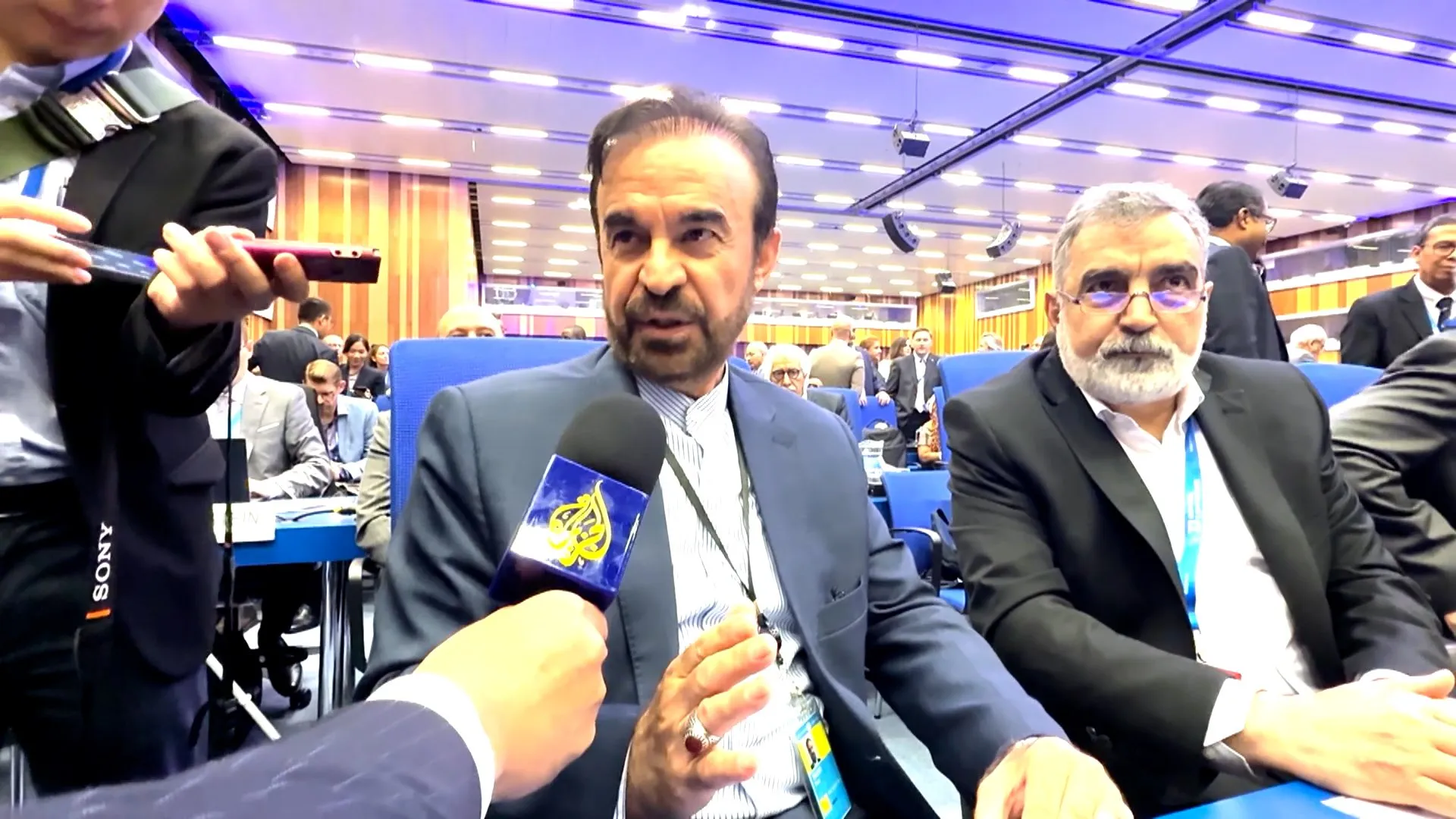
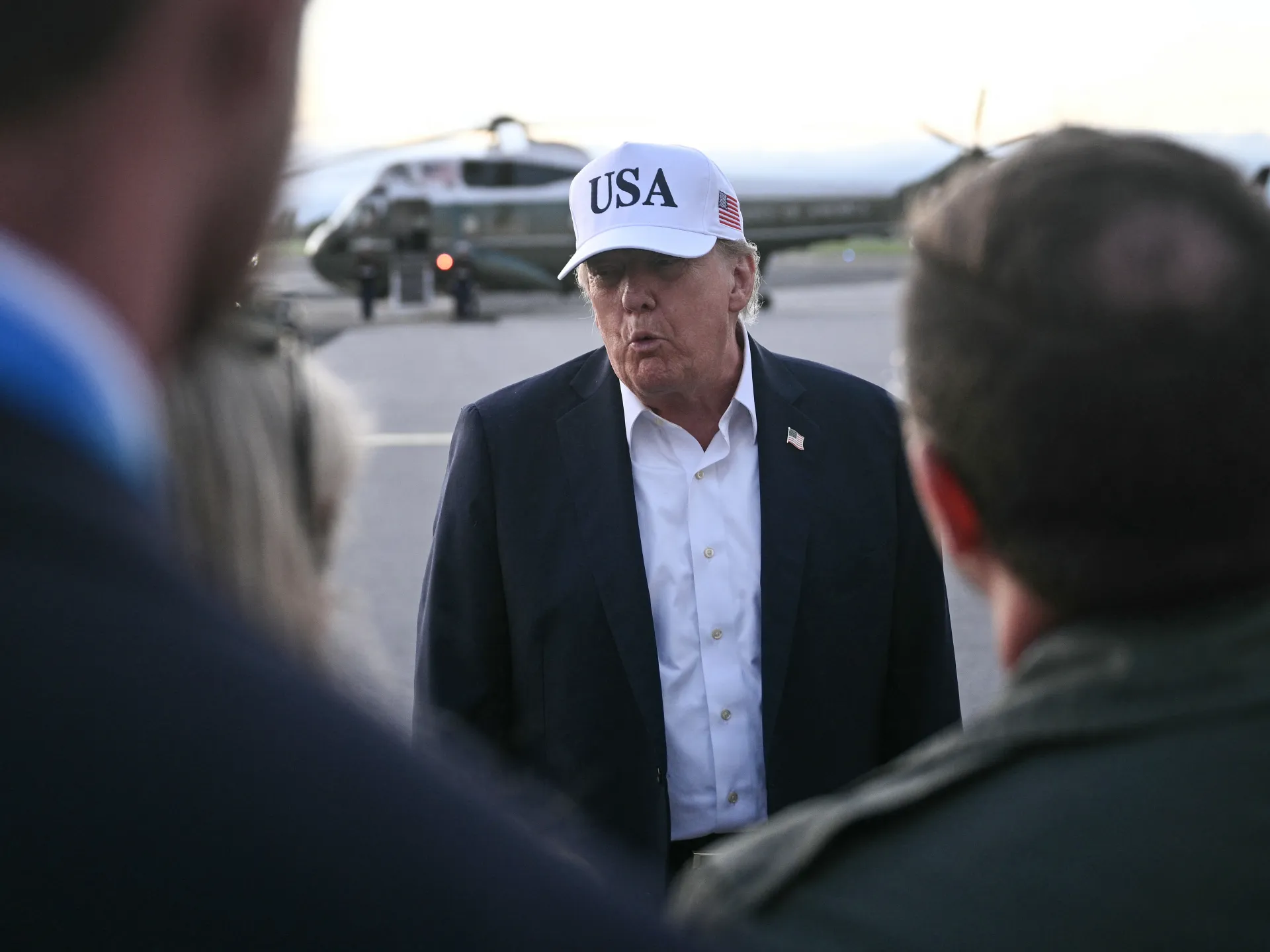
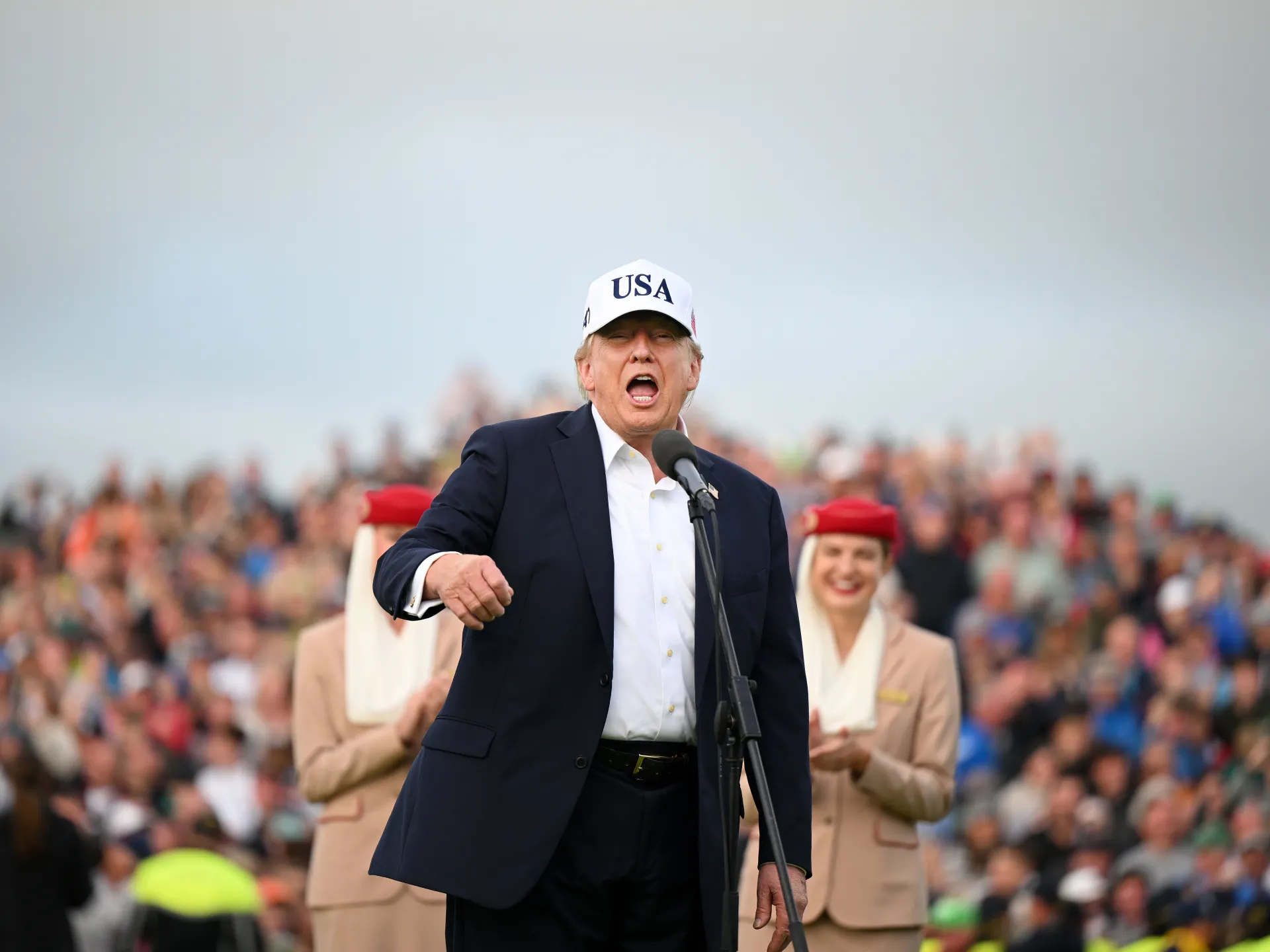
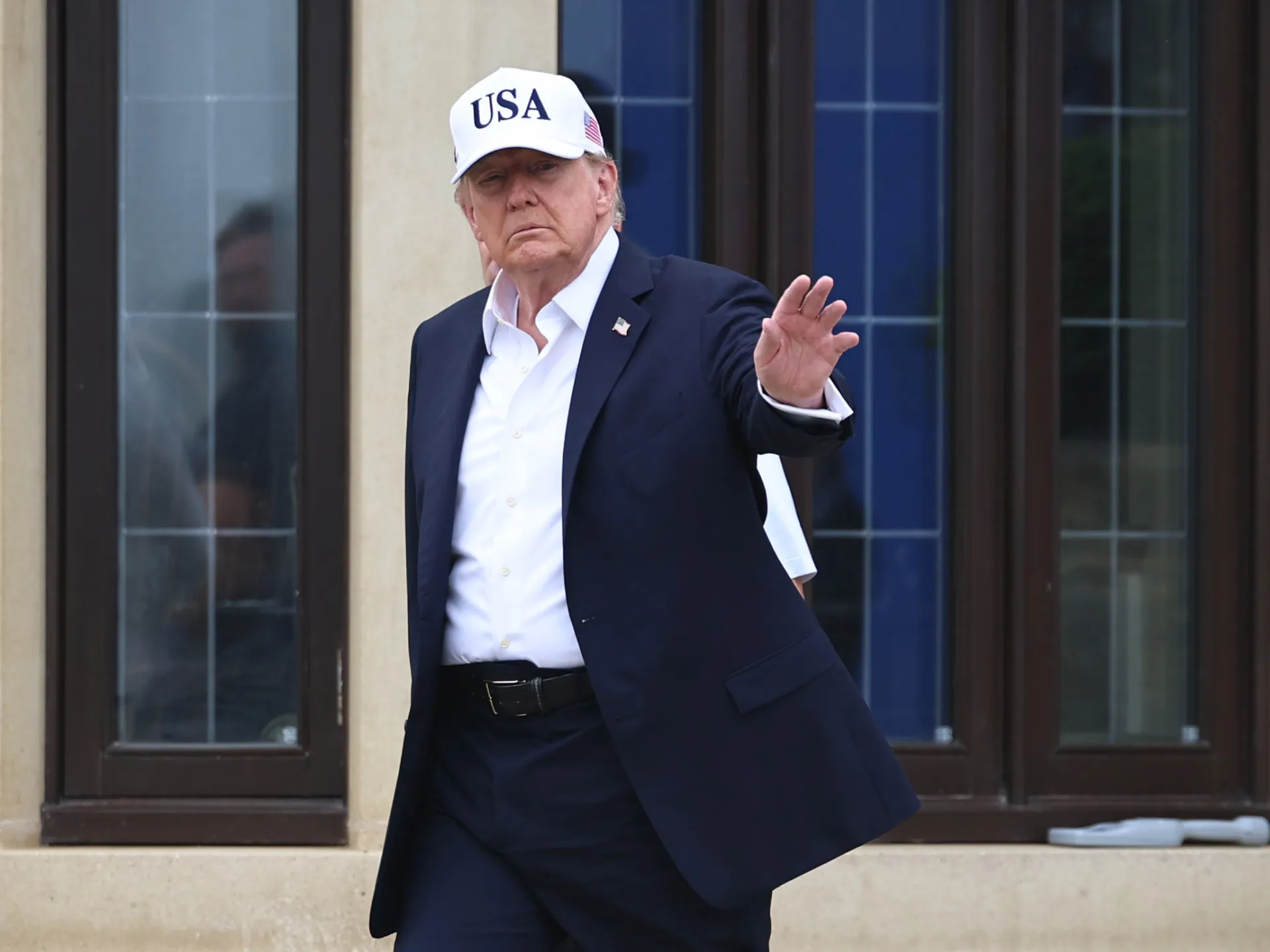
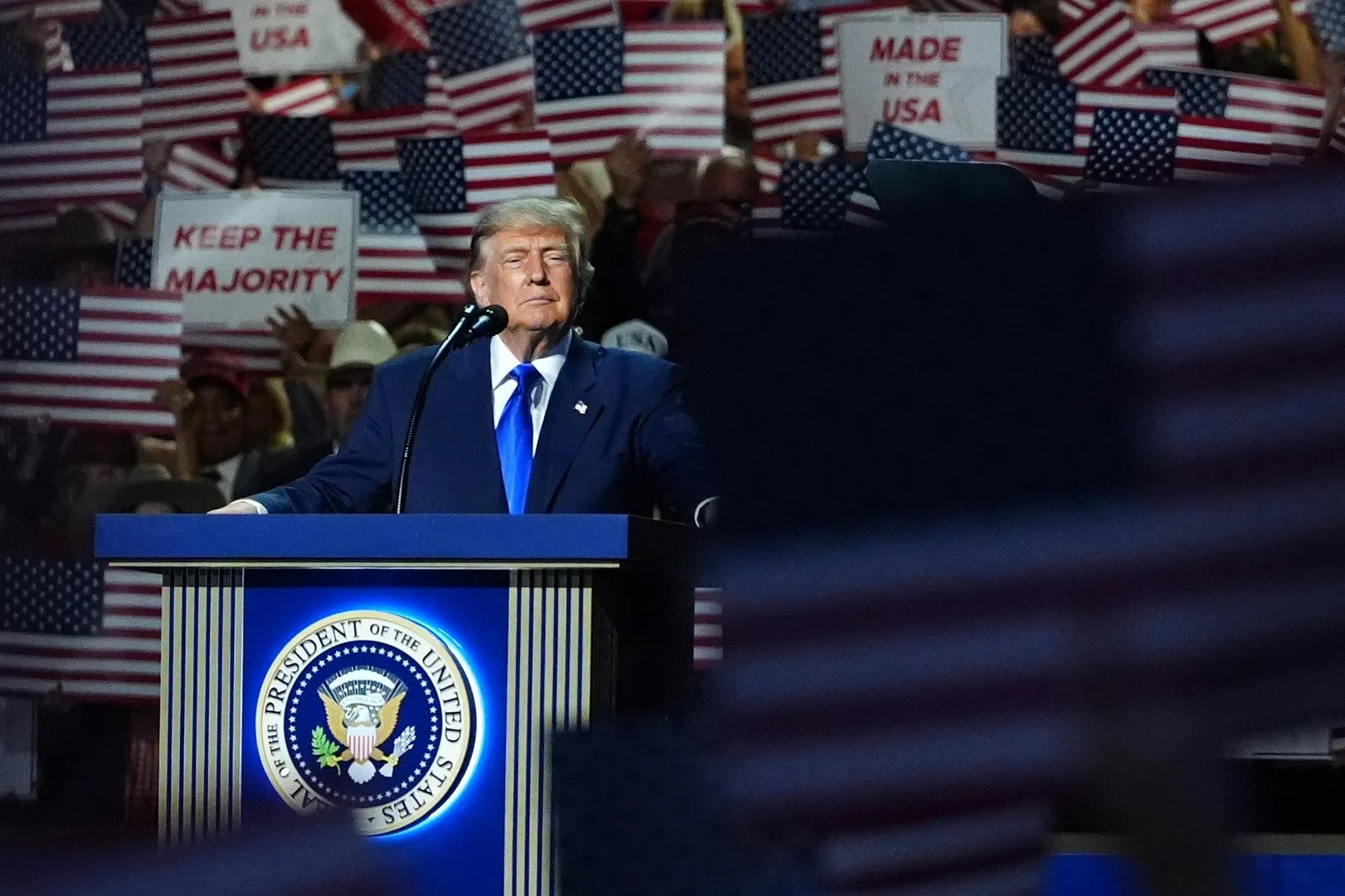
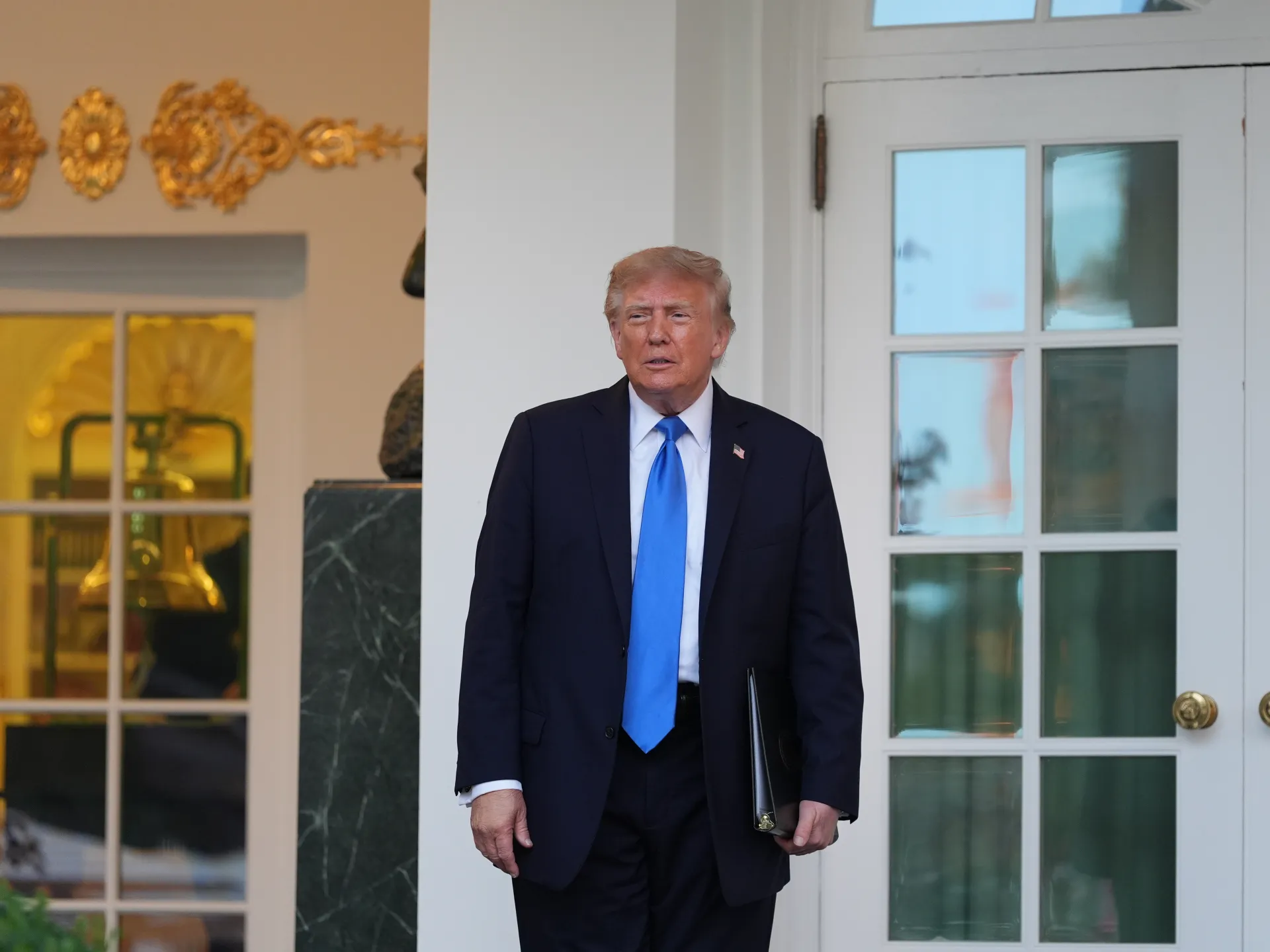
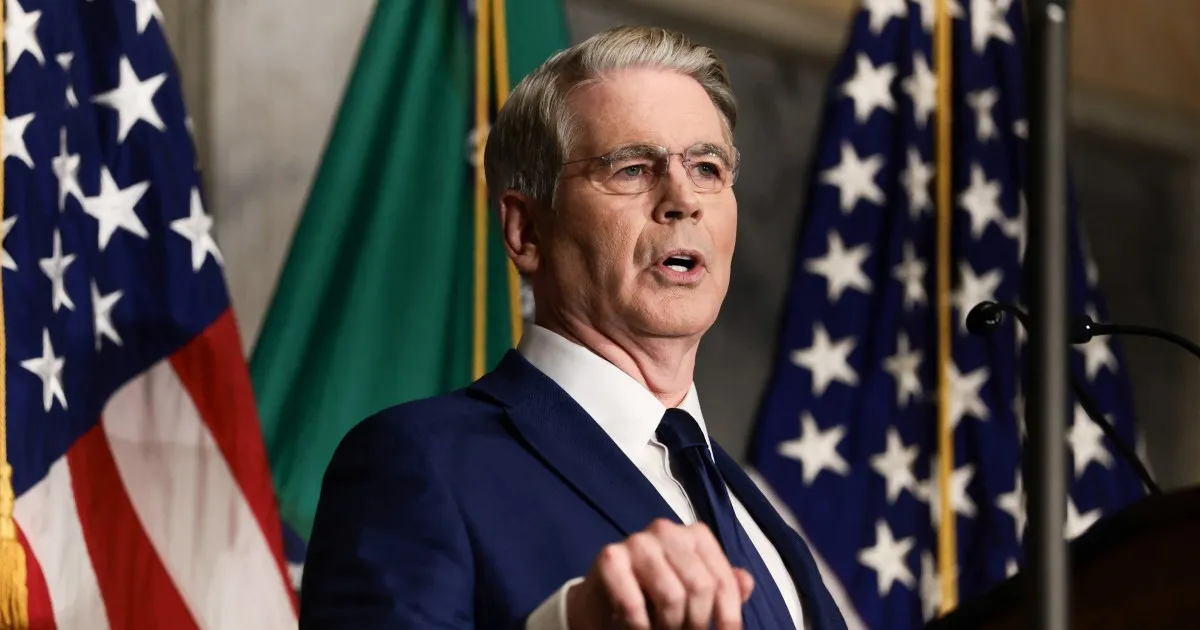
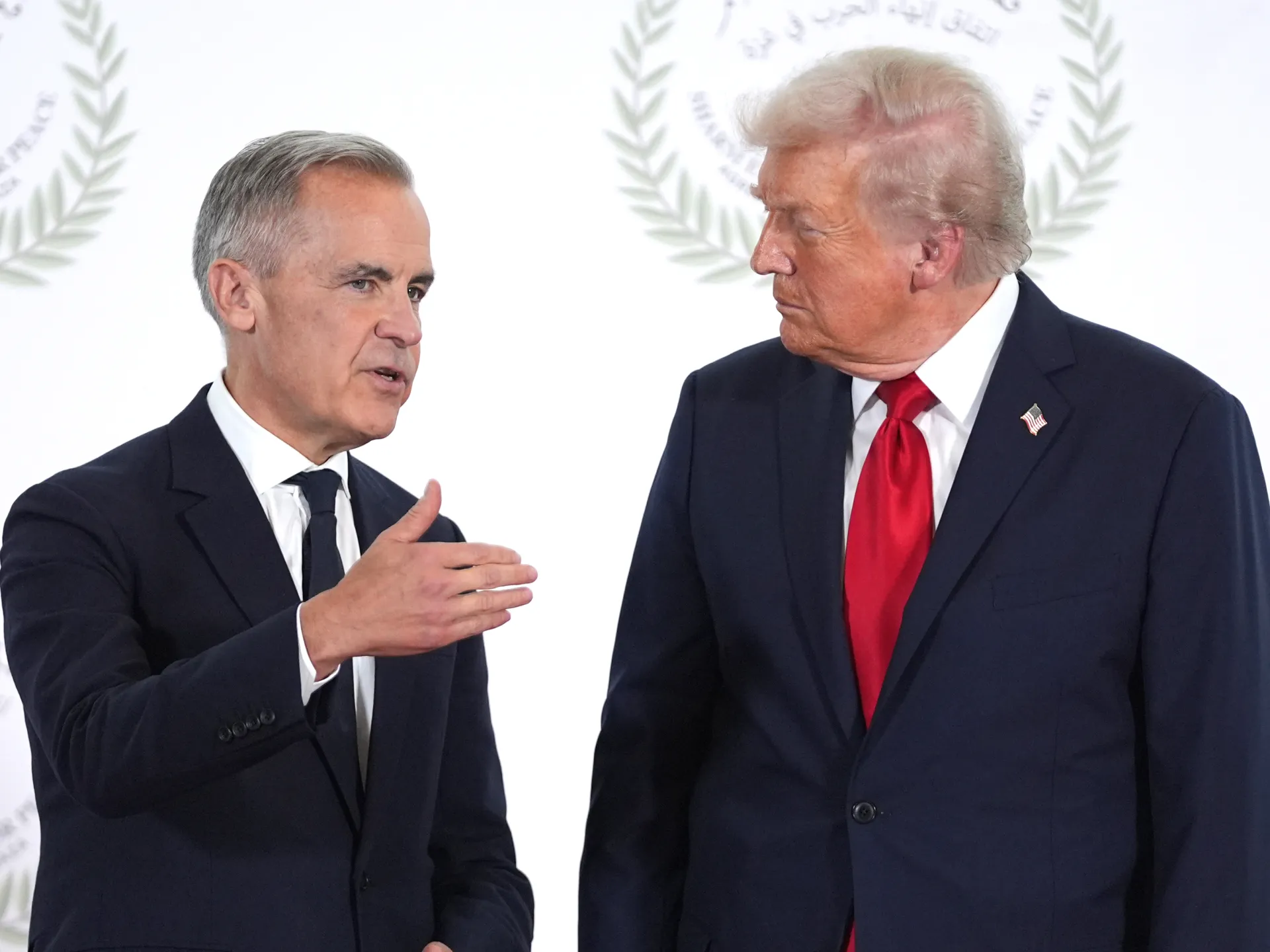
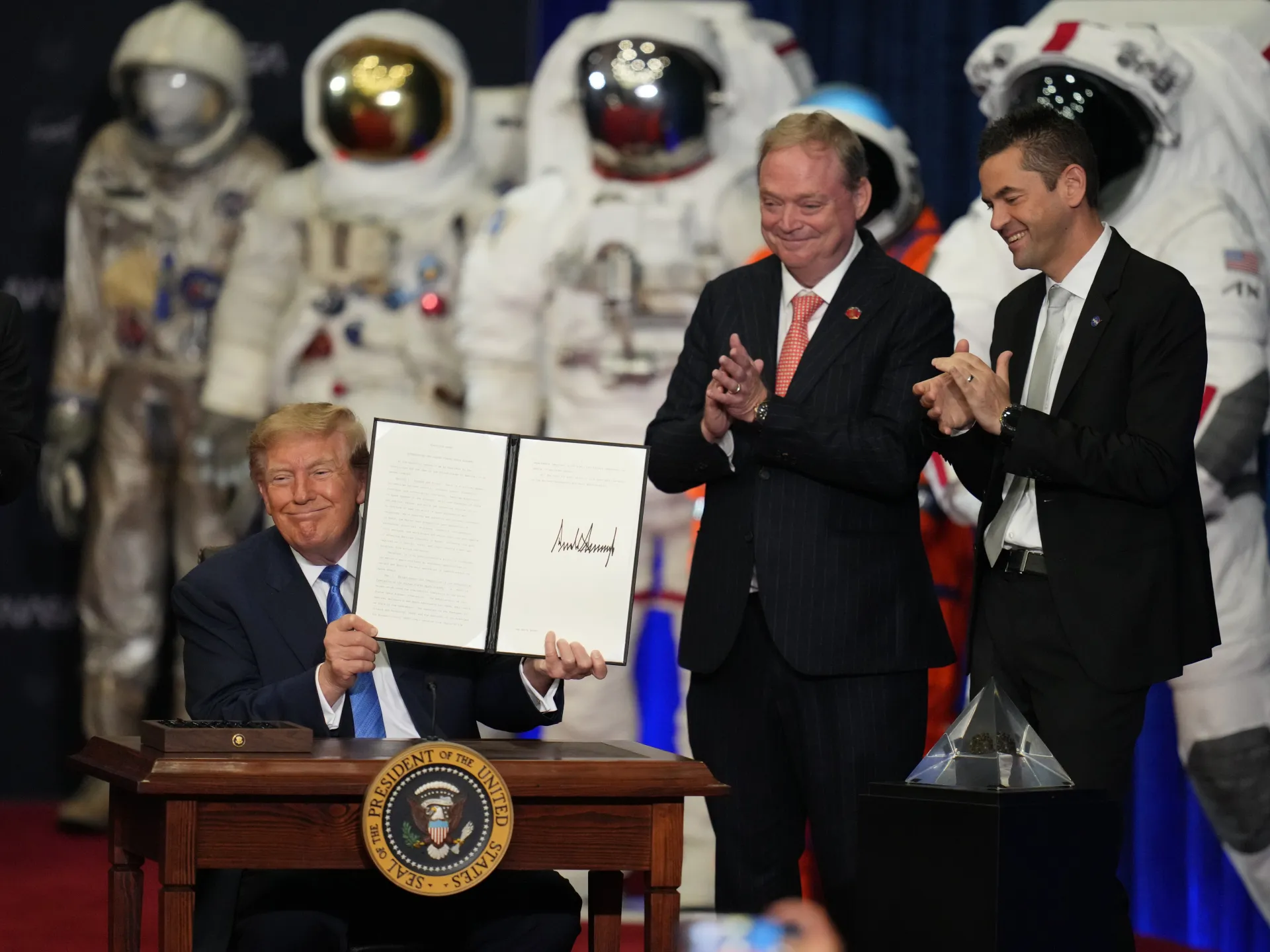
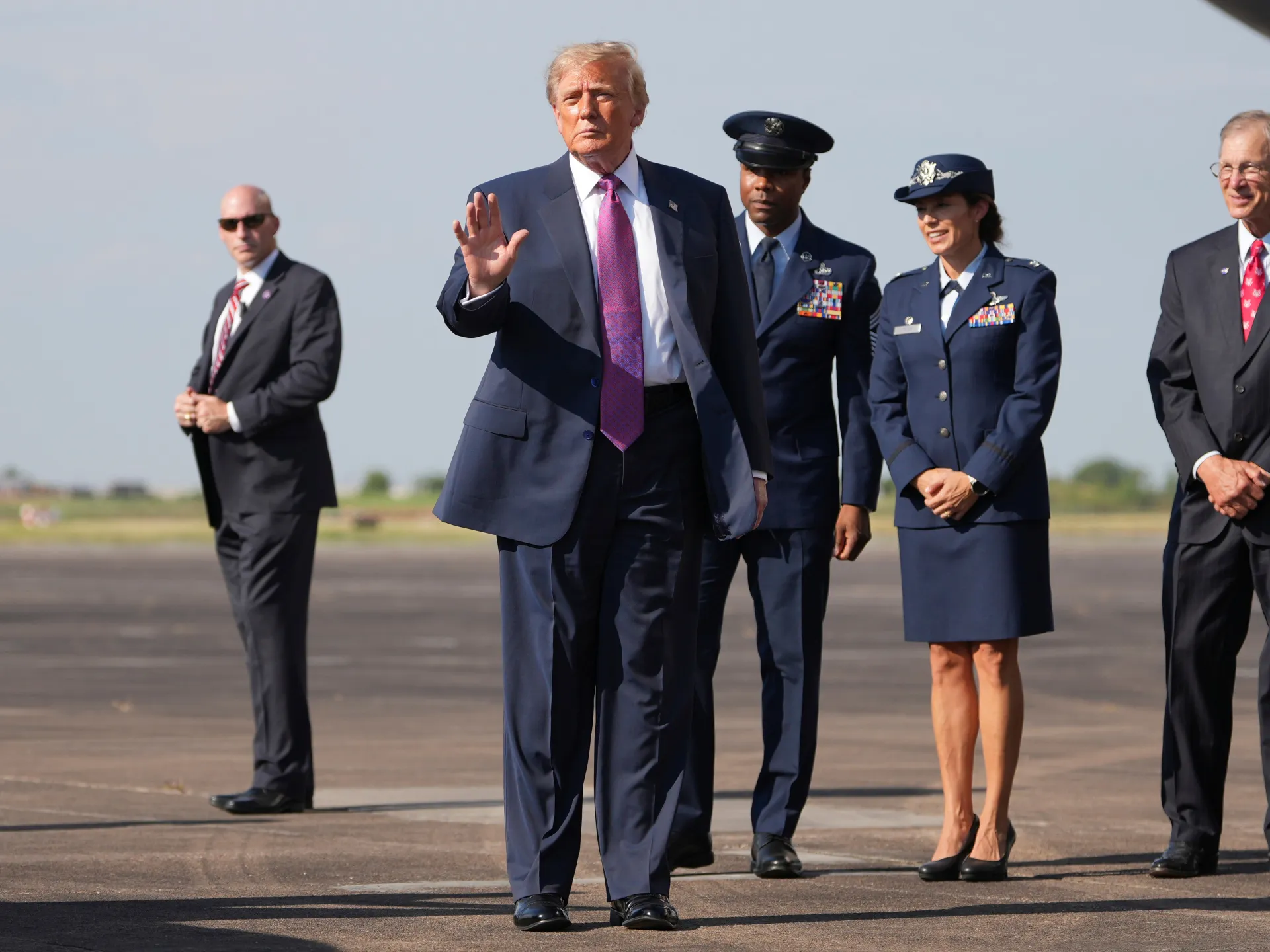
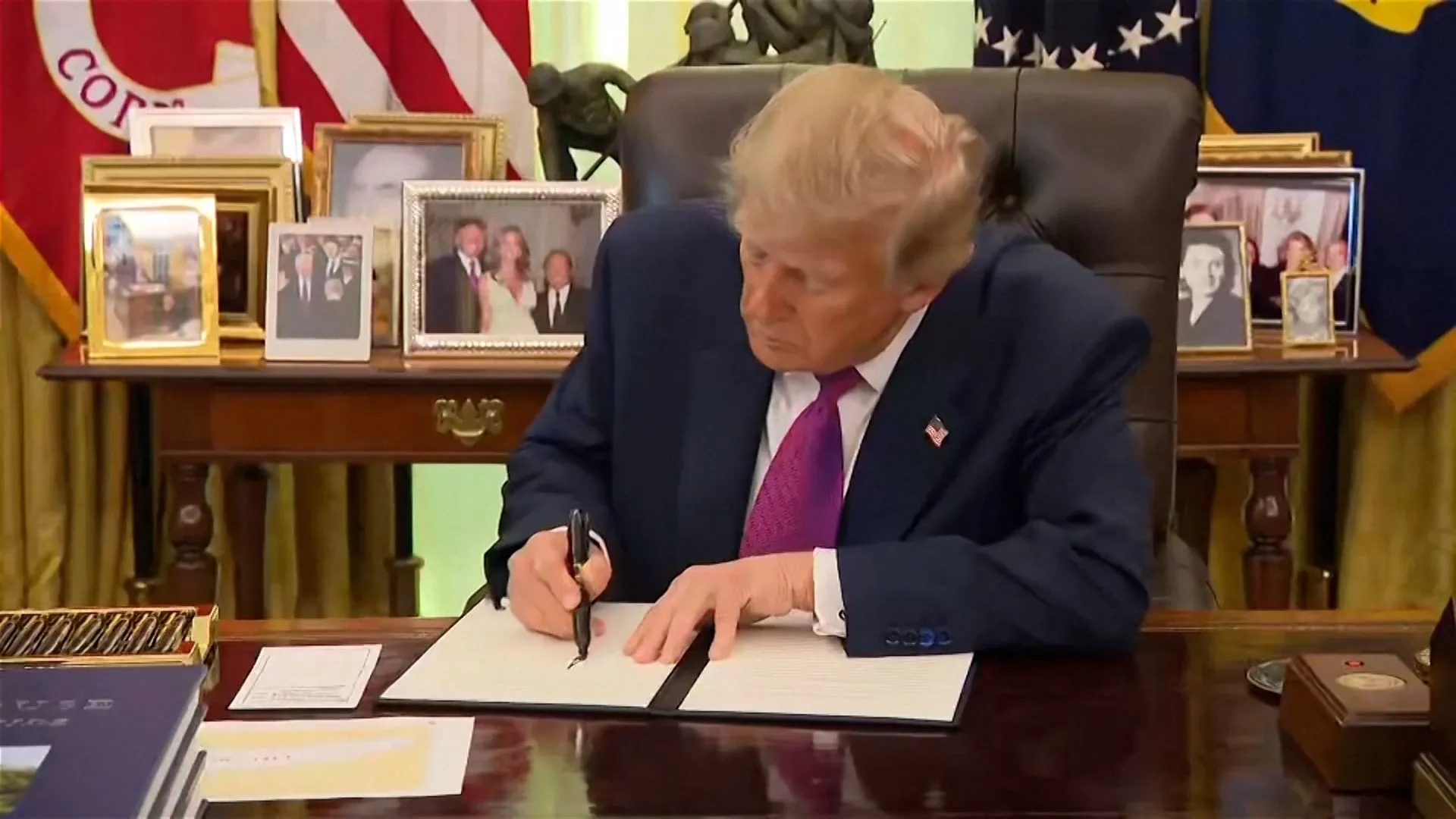
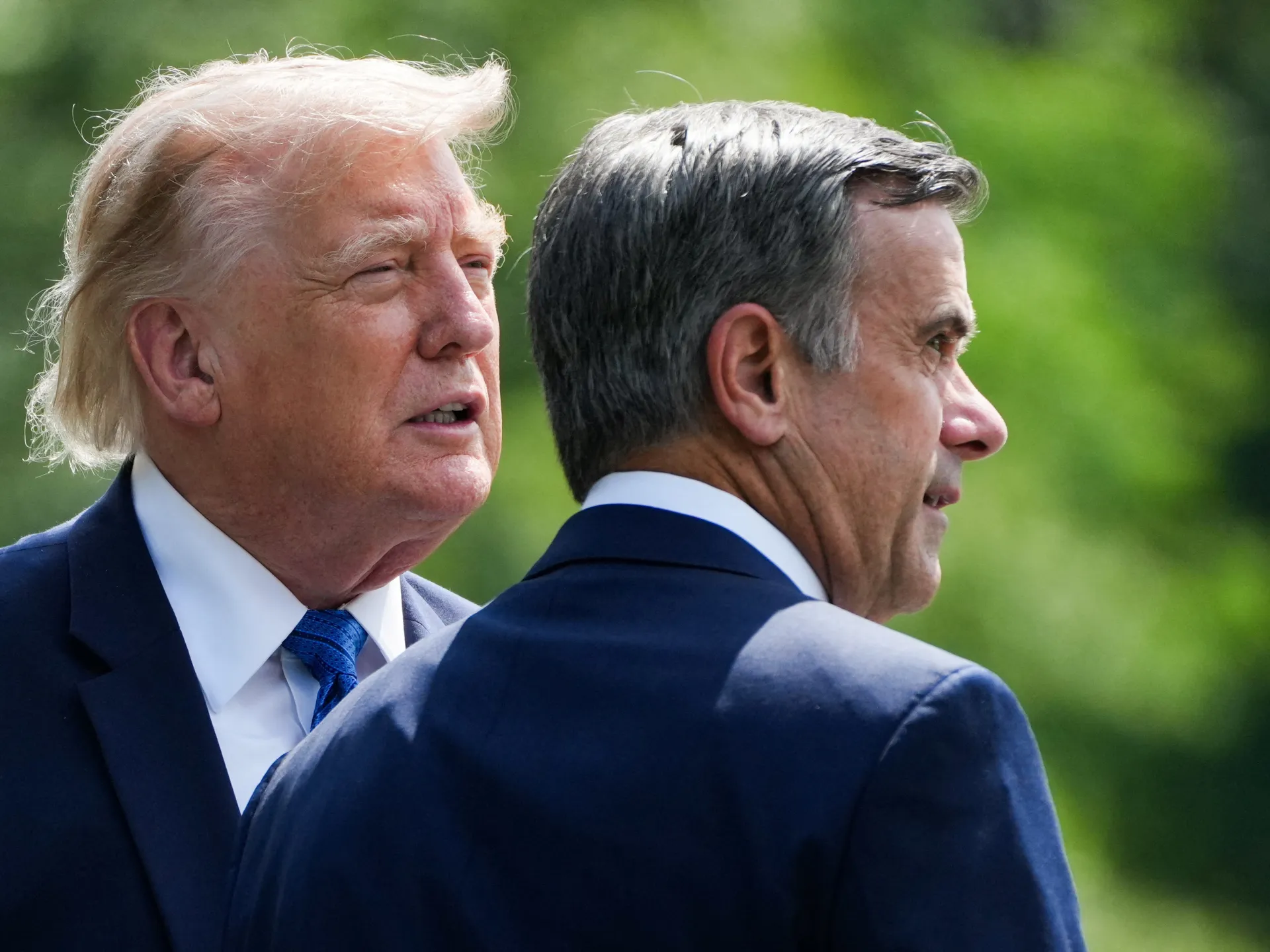
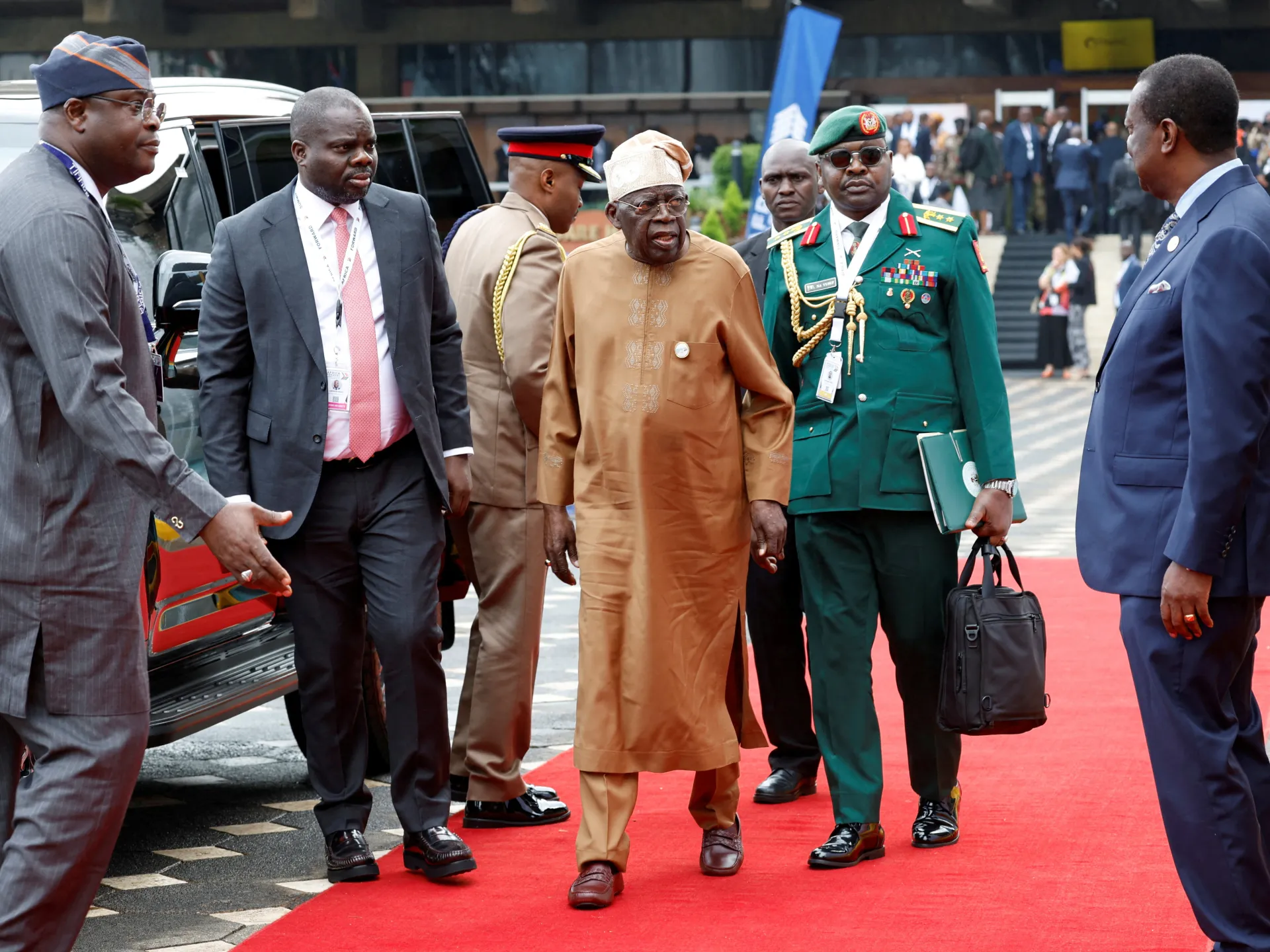
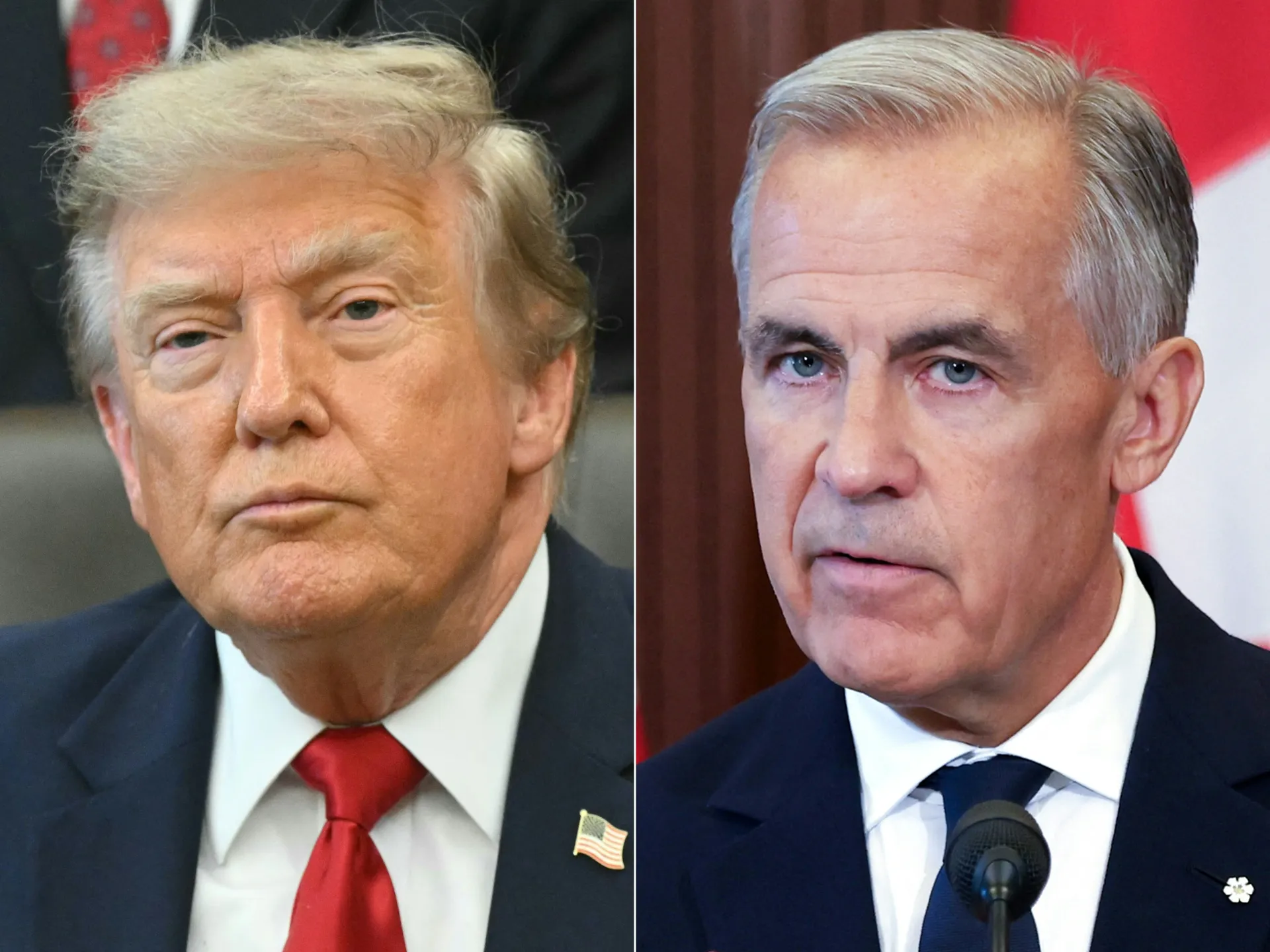
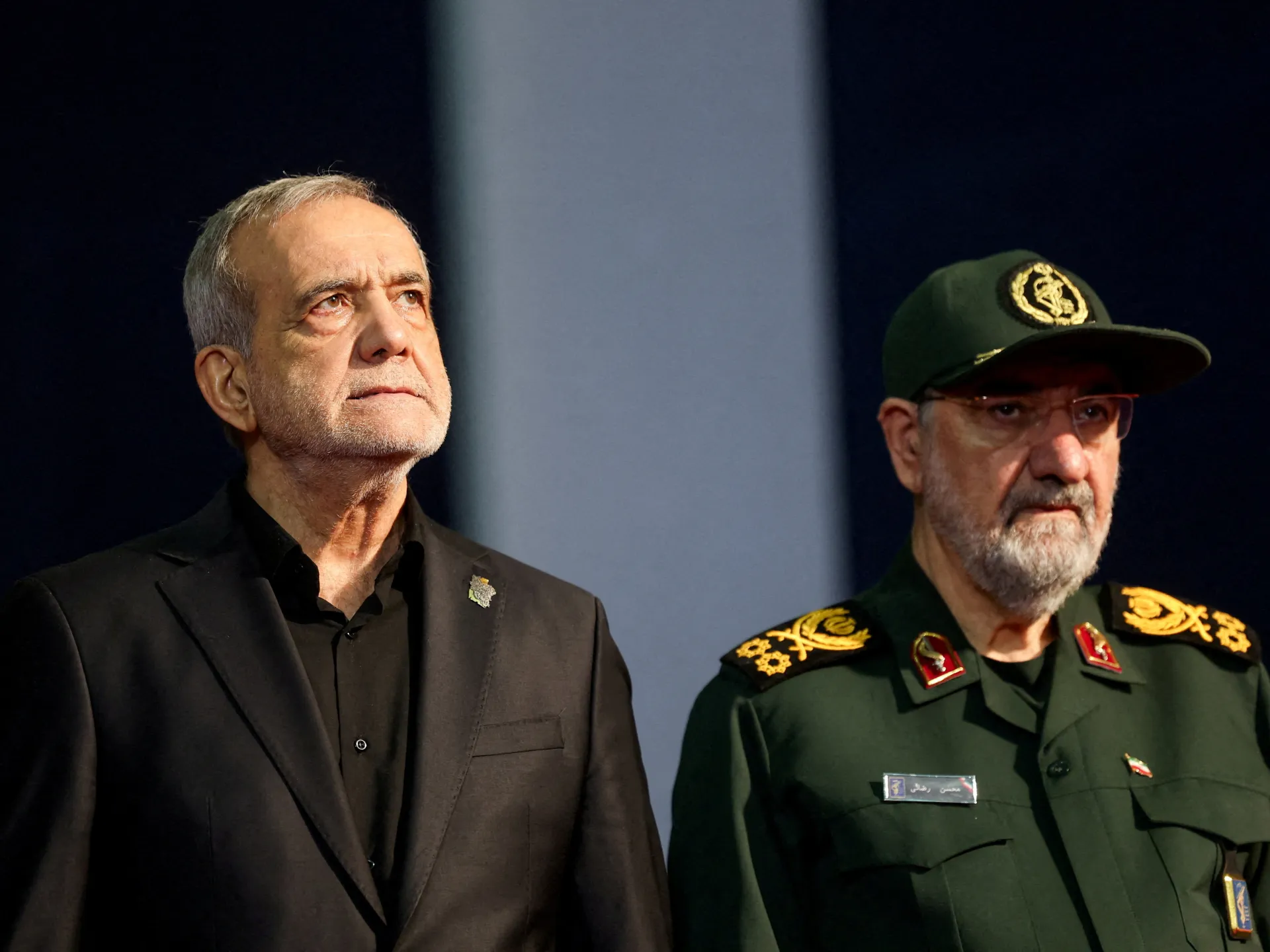
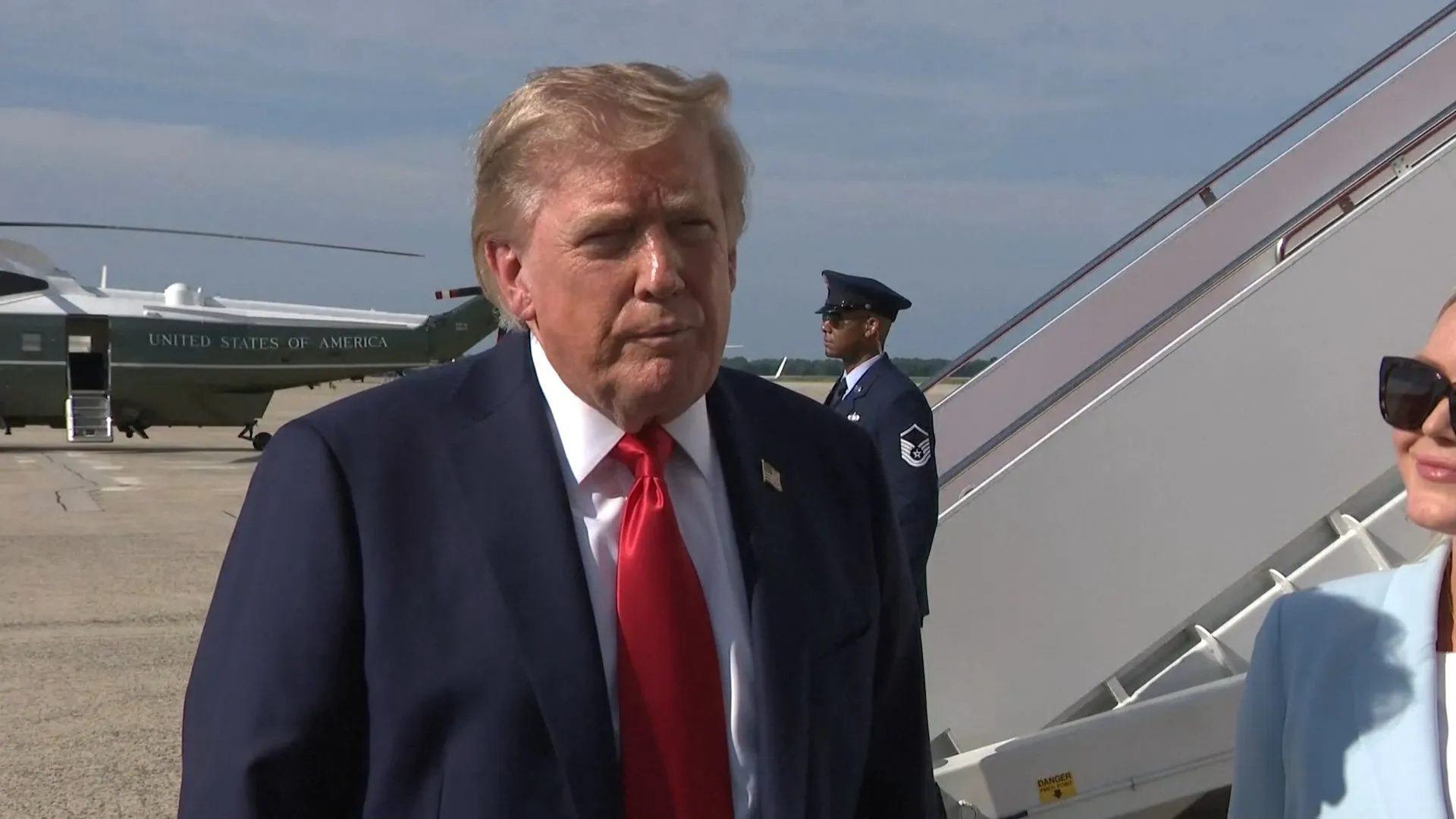
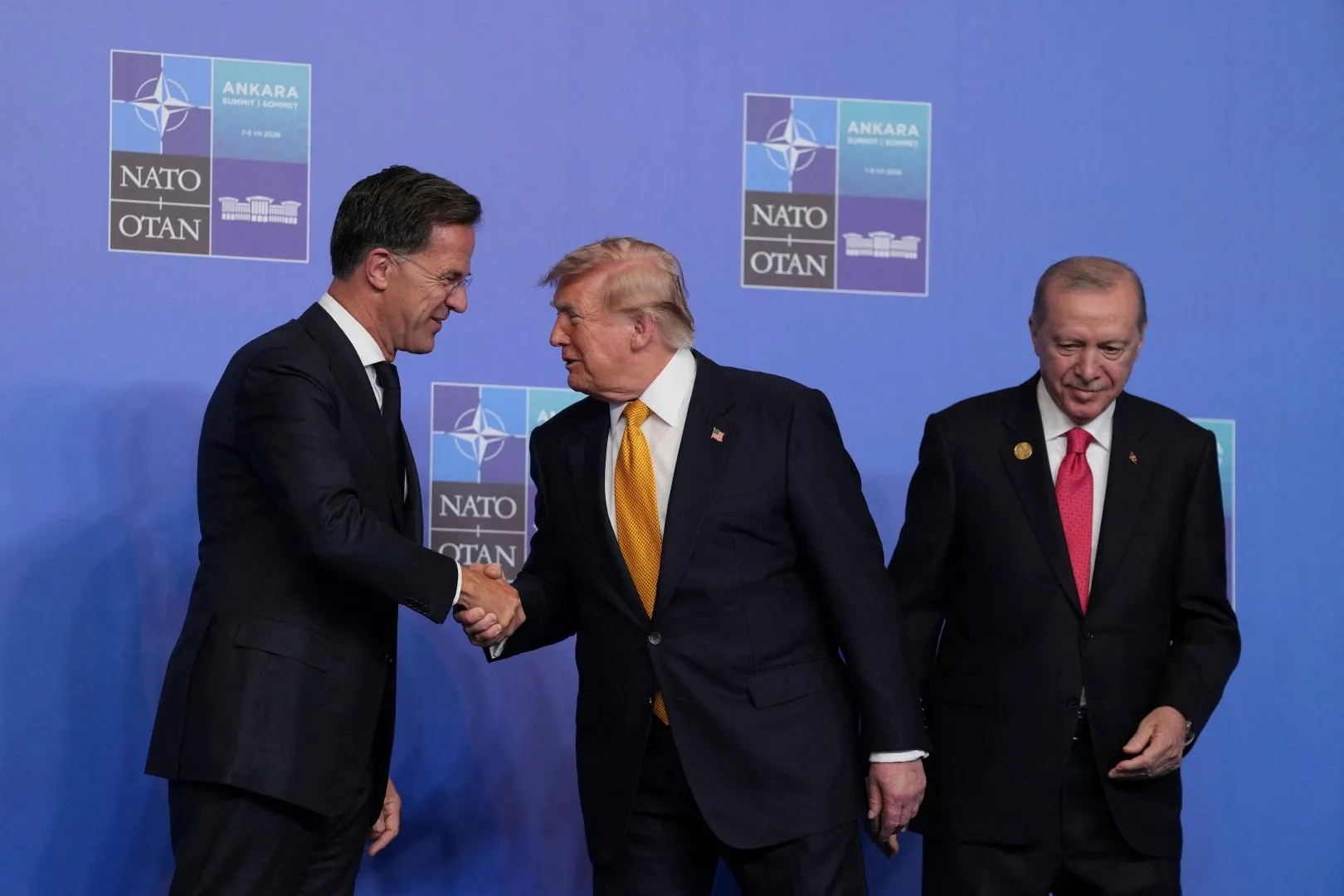
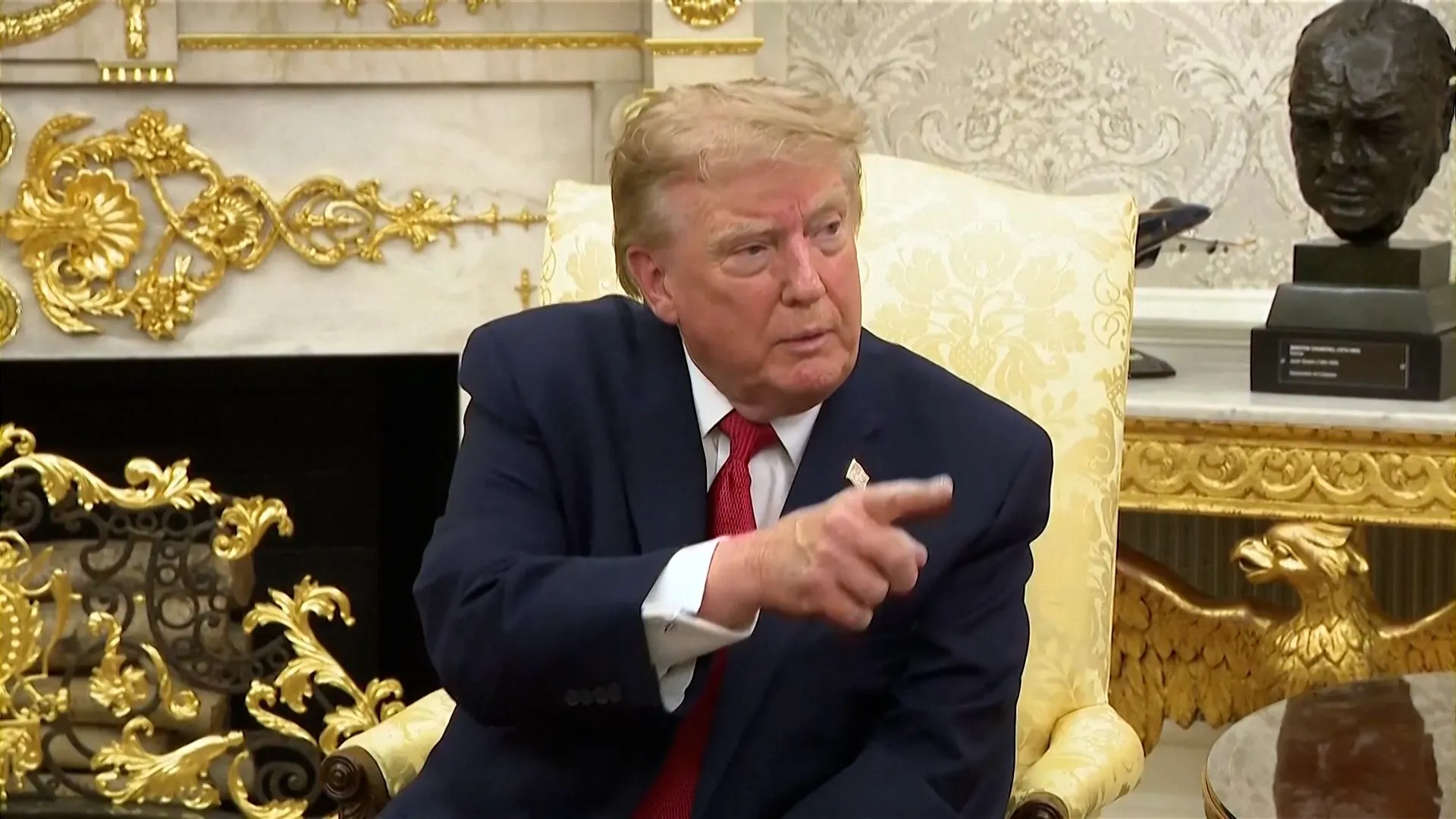
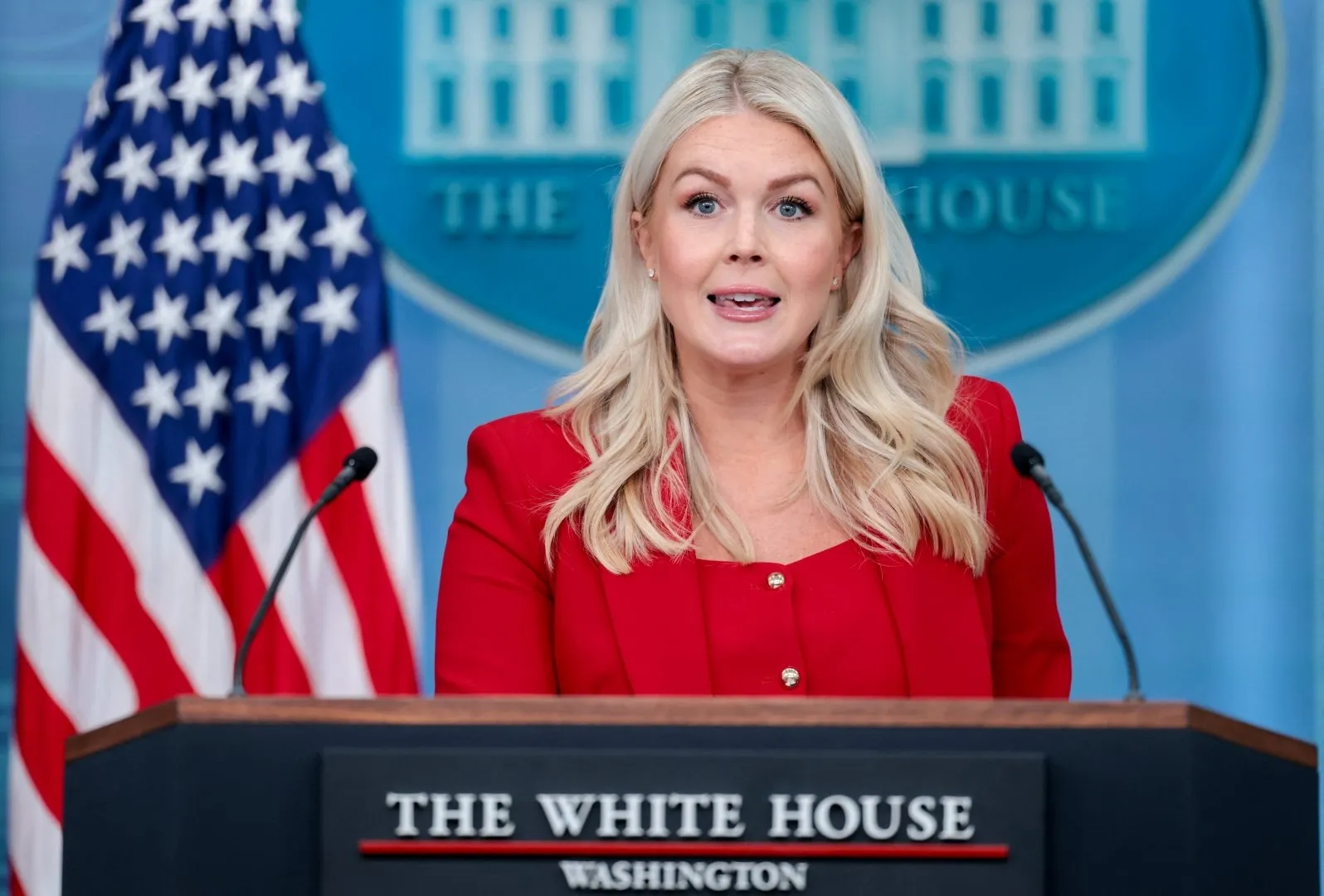
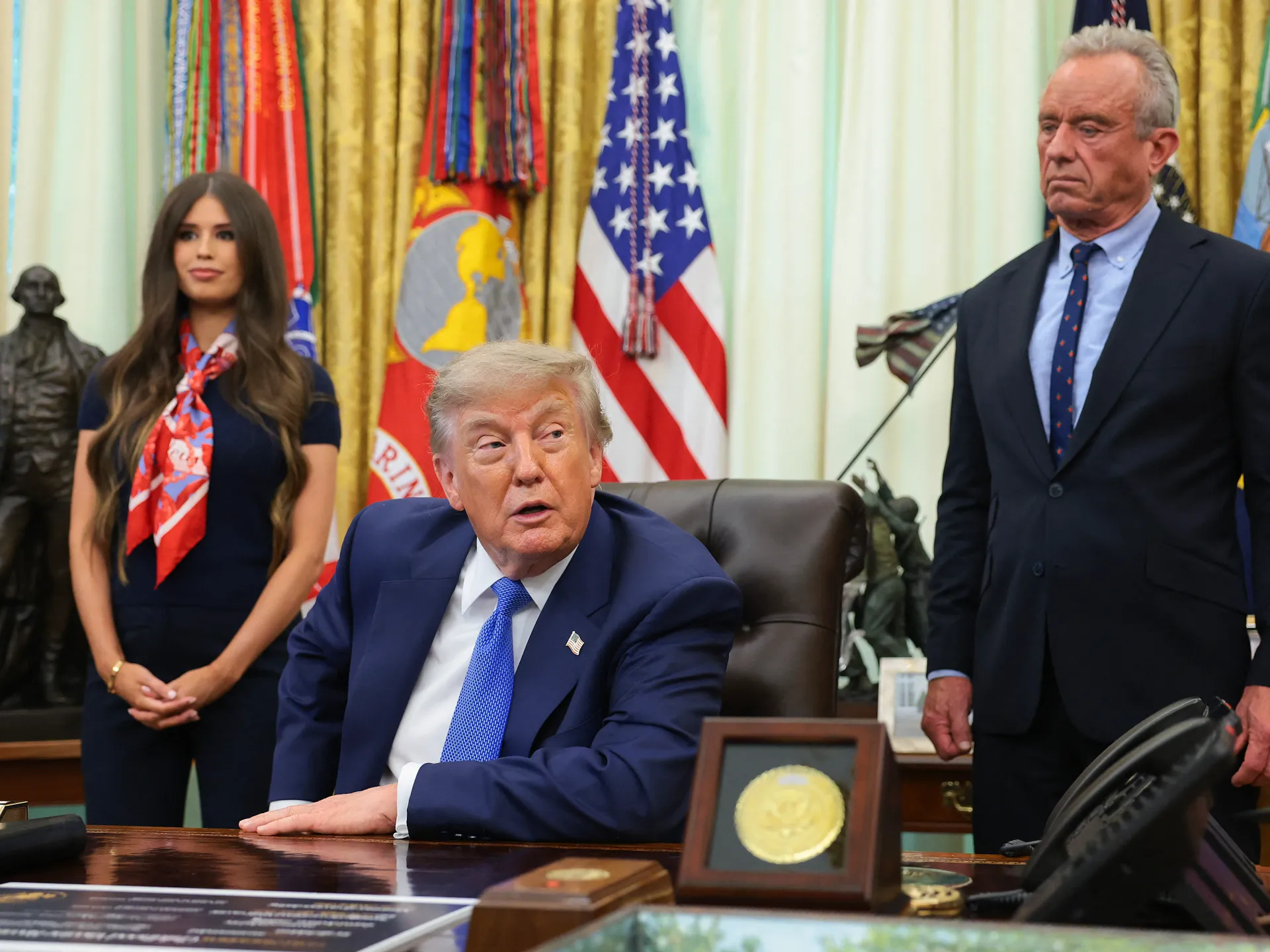
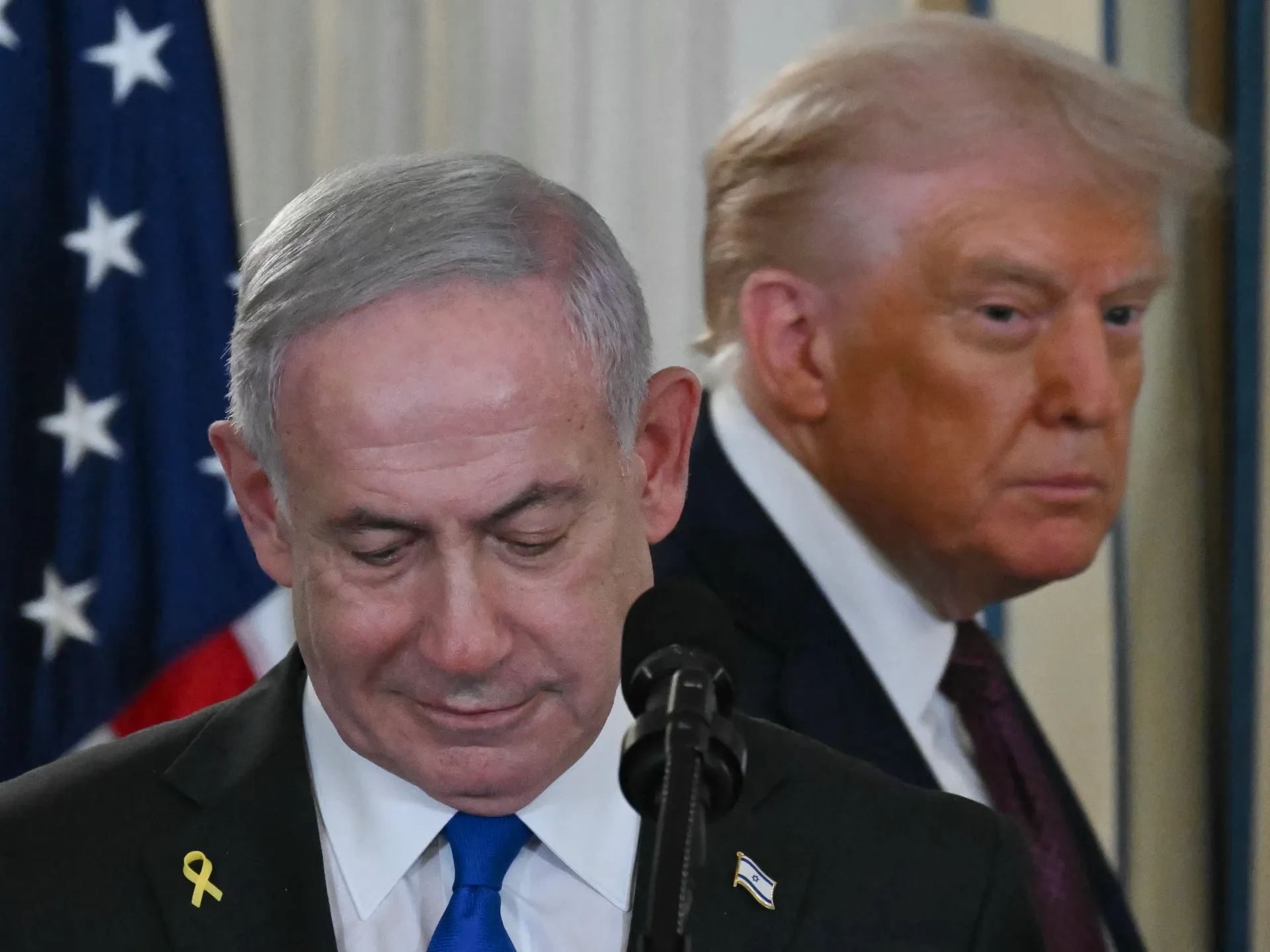
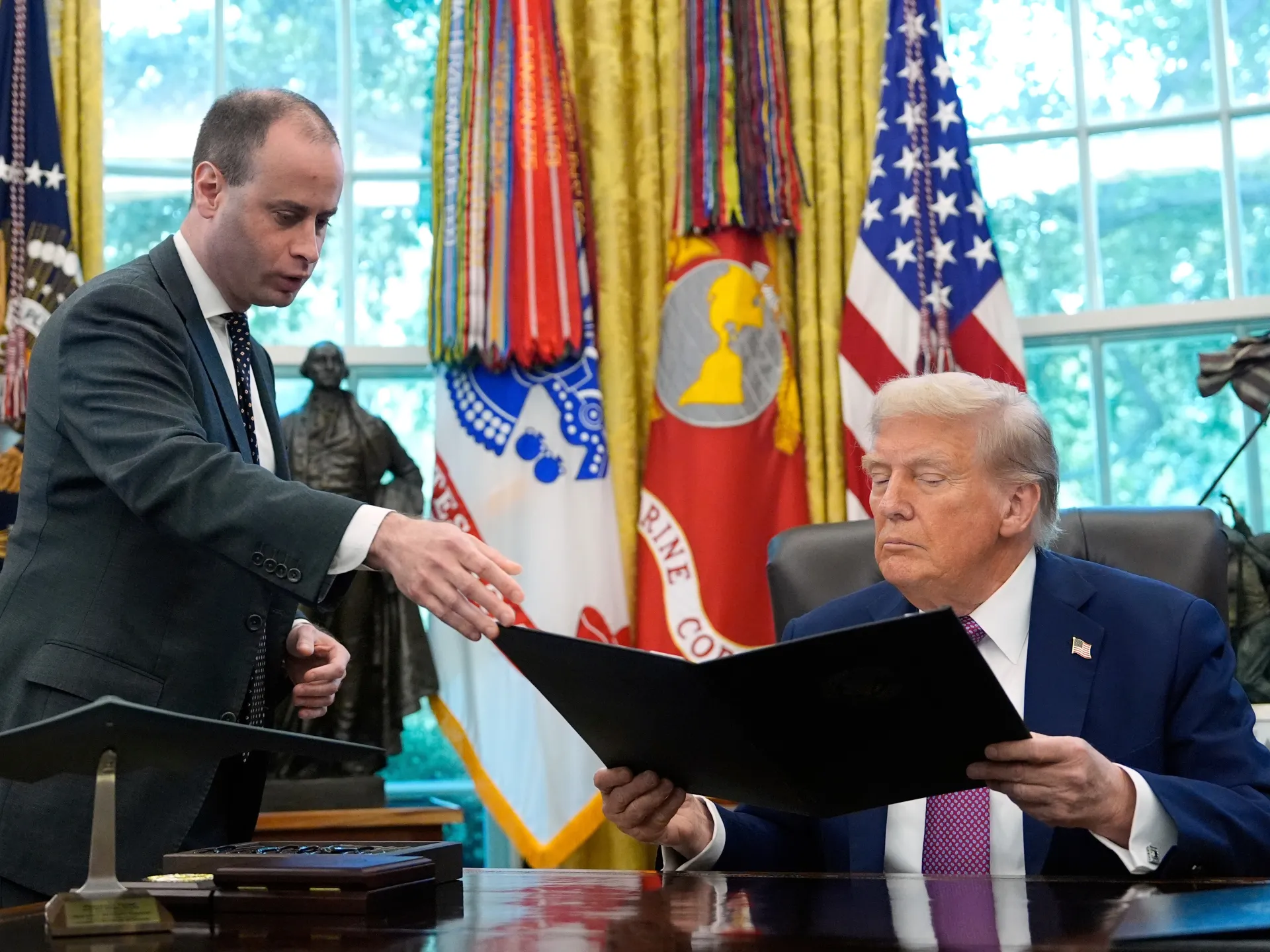
President Trump’s arrival in New York coincides with the presence of Iran’s leadership, setting the stage for what many observers describe as a volatile high-stakes encounter. The president has publicly characterized his upcoming deliberations as a "big decision," signaling that the status quo of the current conflict is no longer sustainable from the American perspective. This comes shortly after Trump declared that the June MoU is effectively dead, a move that triggered an immediate retreat in global equity and bond markets as investors weighed the possibility of further kinetic escalation.
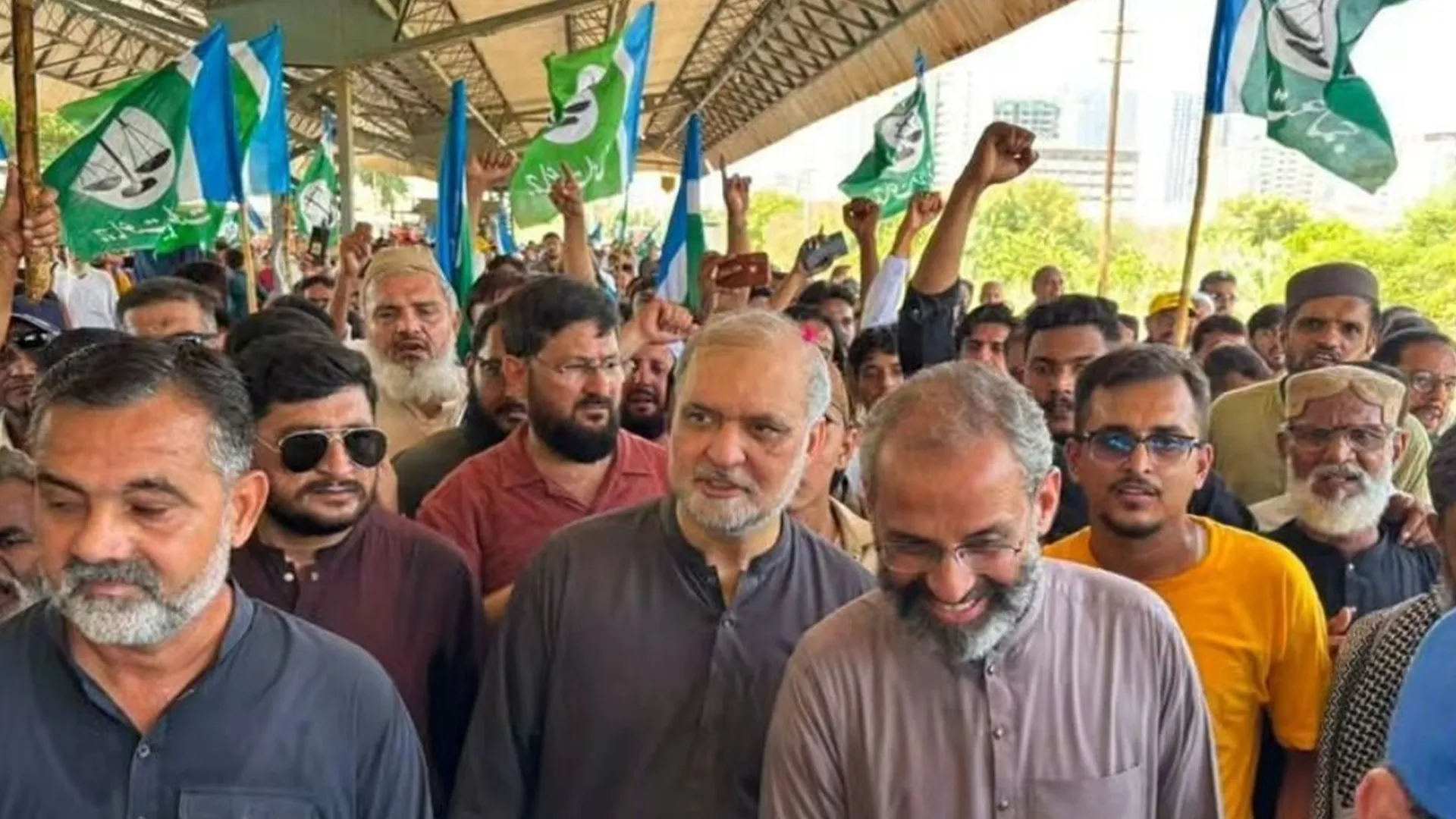
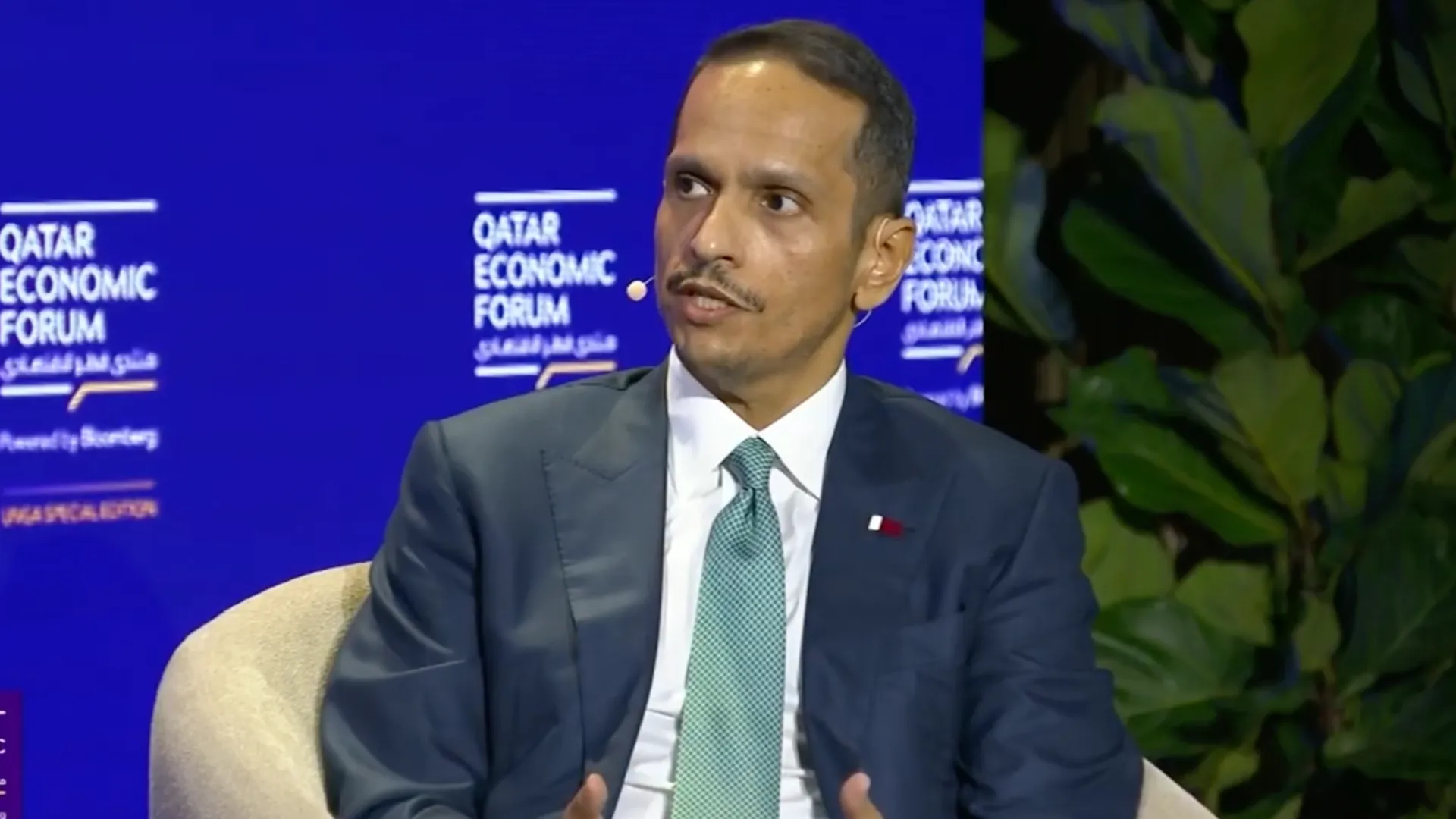
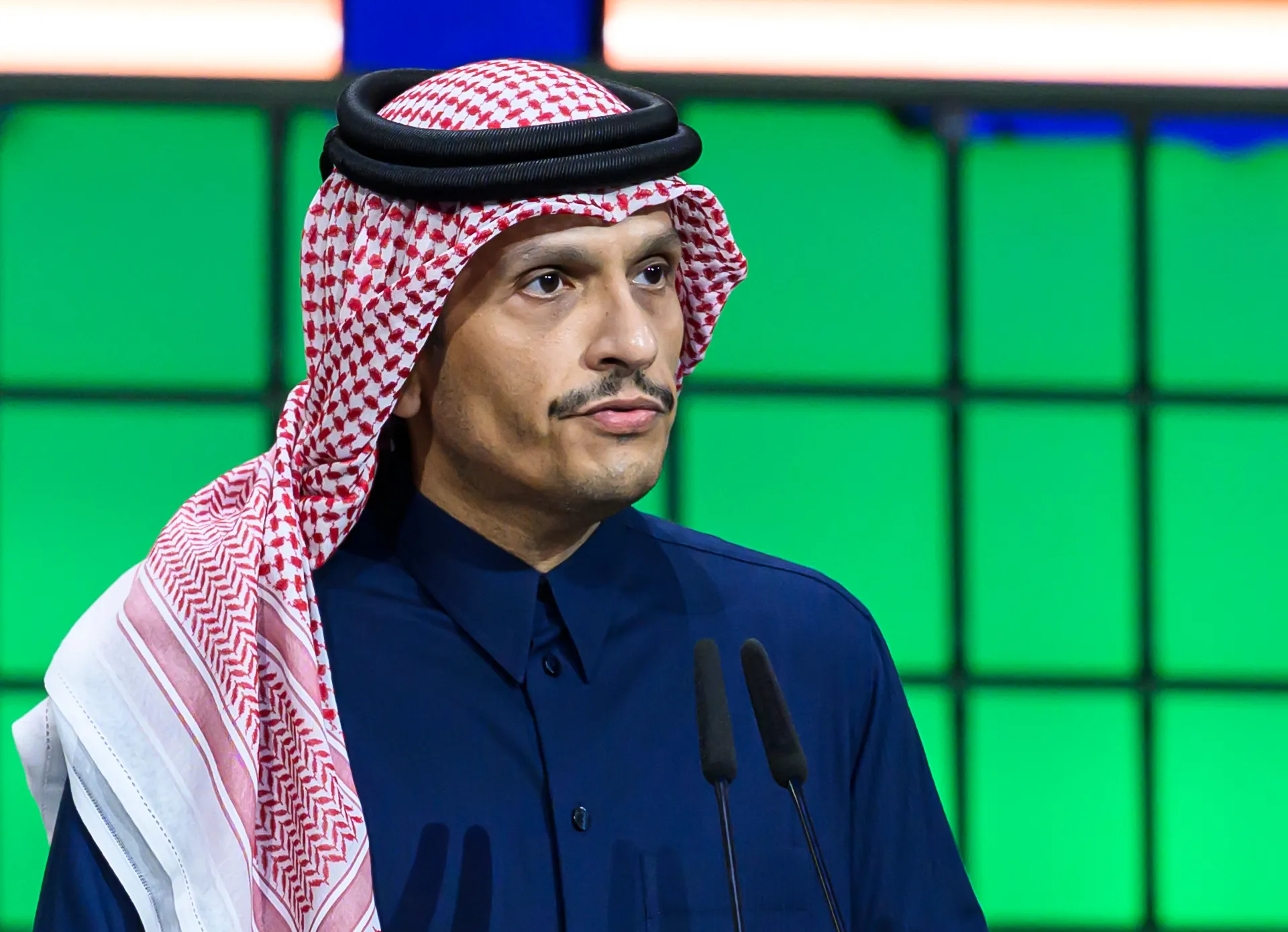
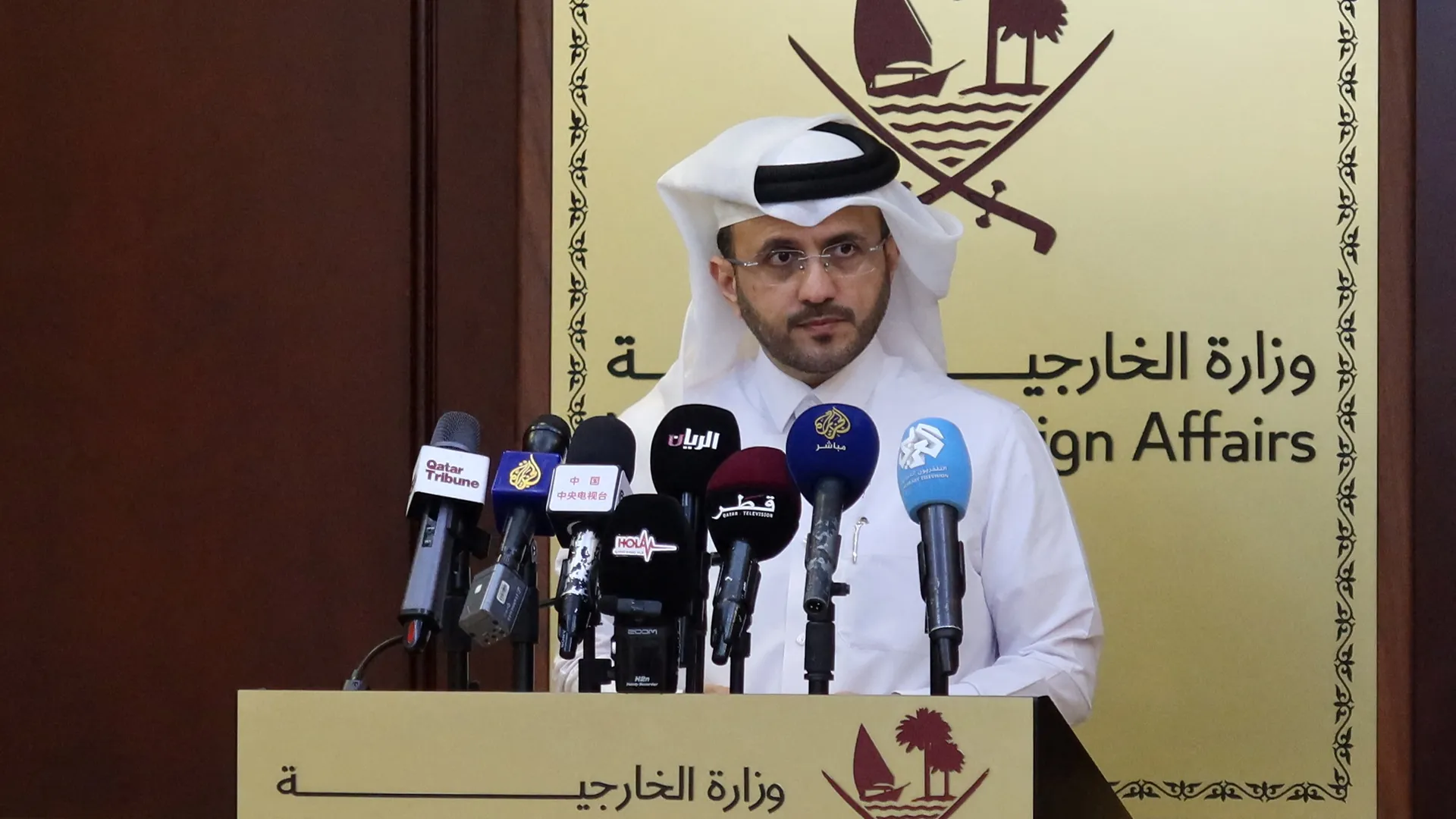
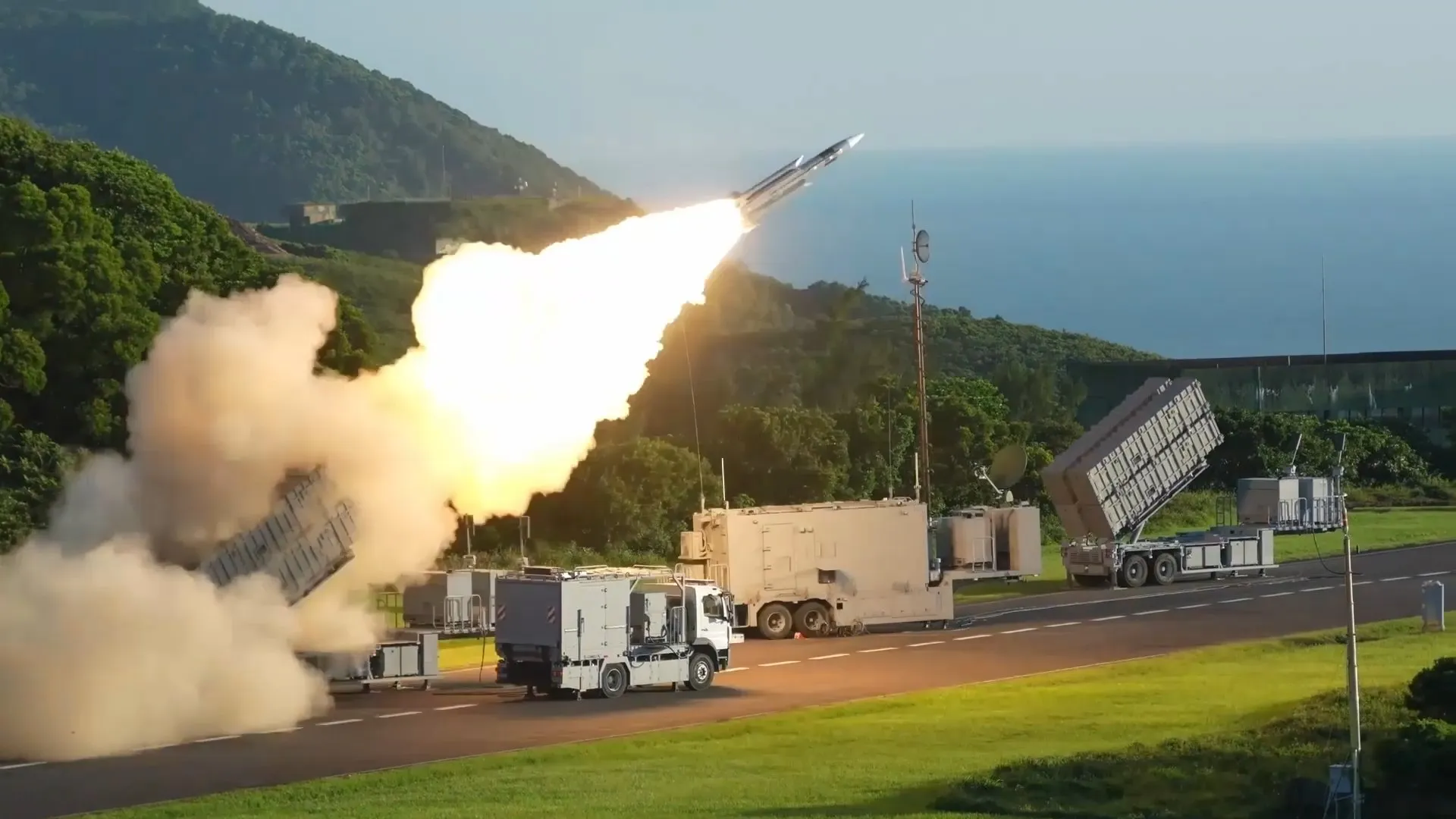
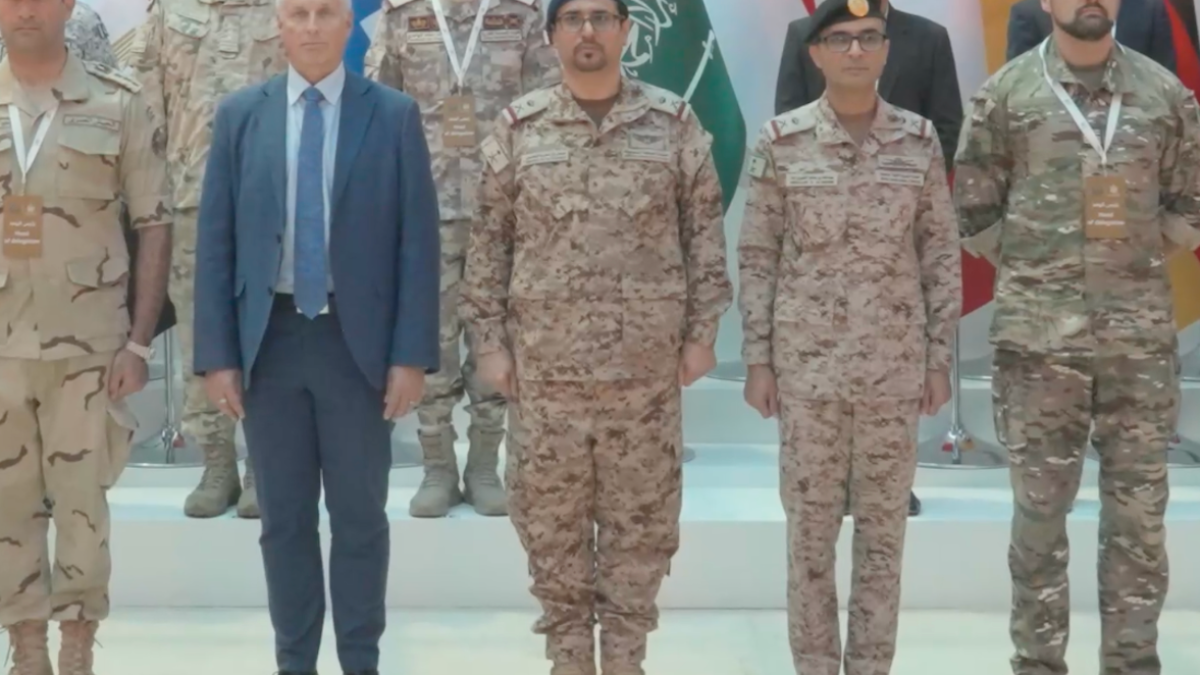
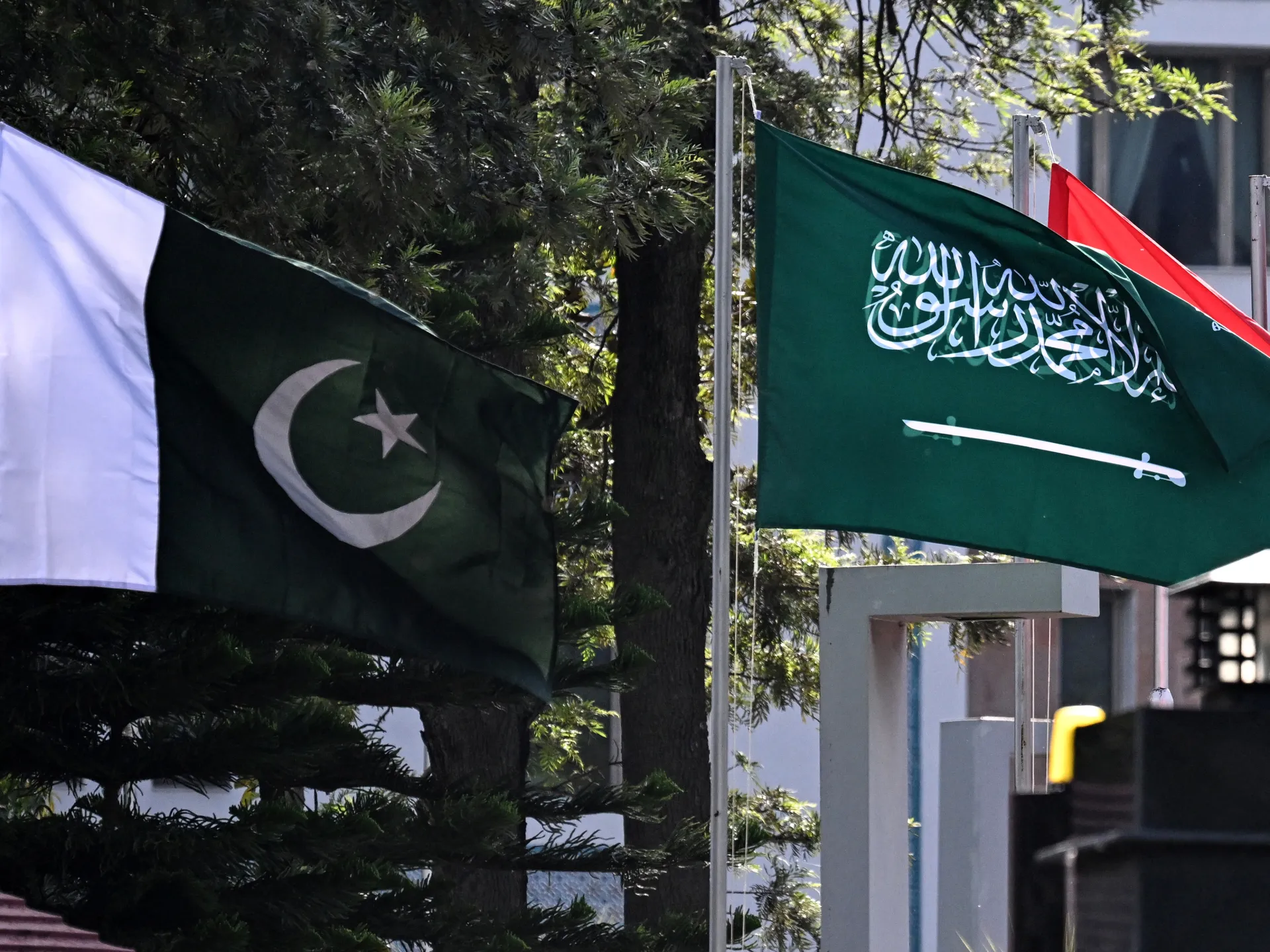
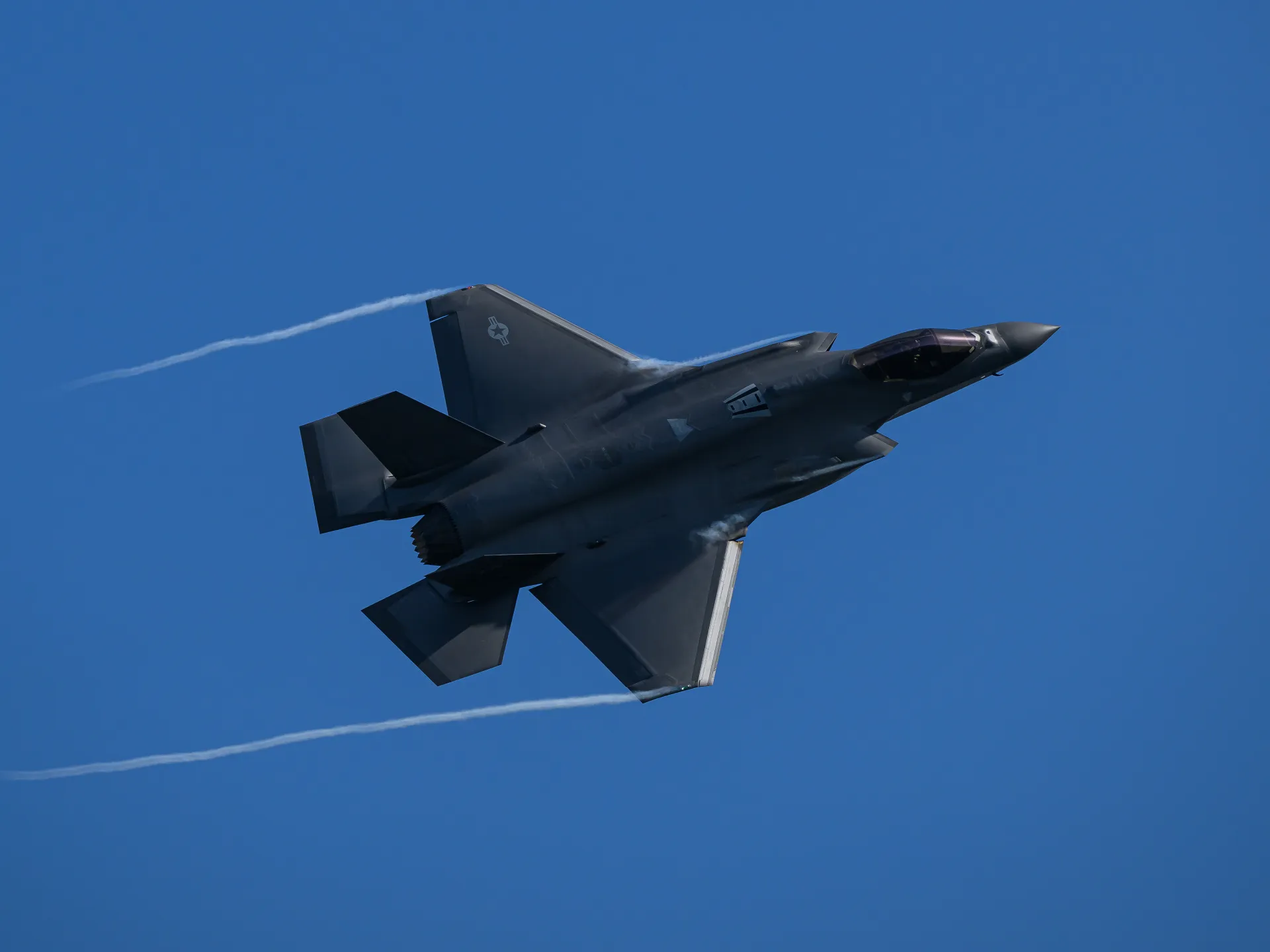
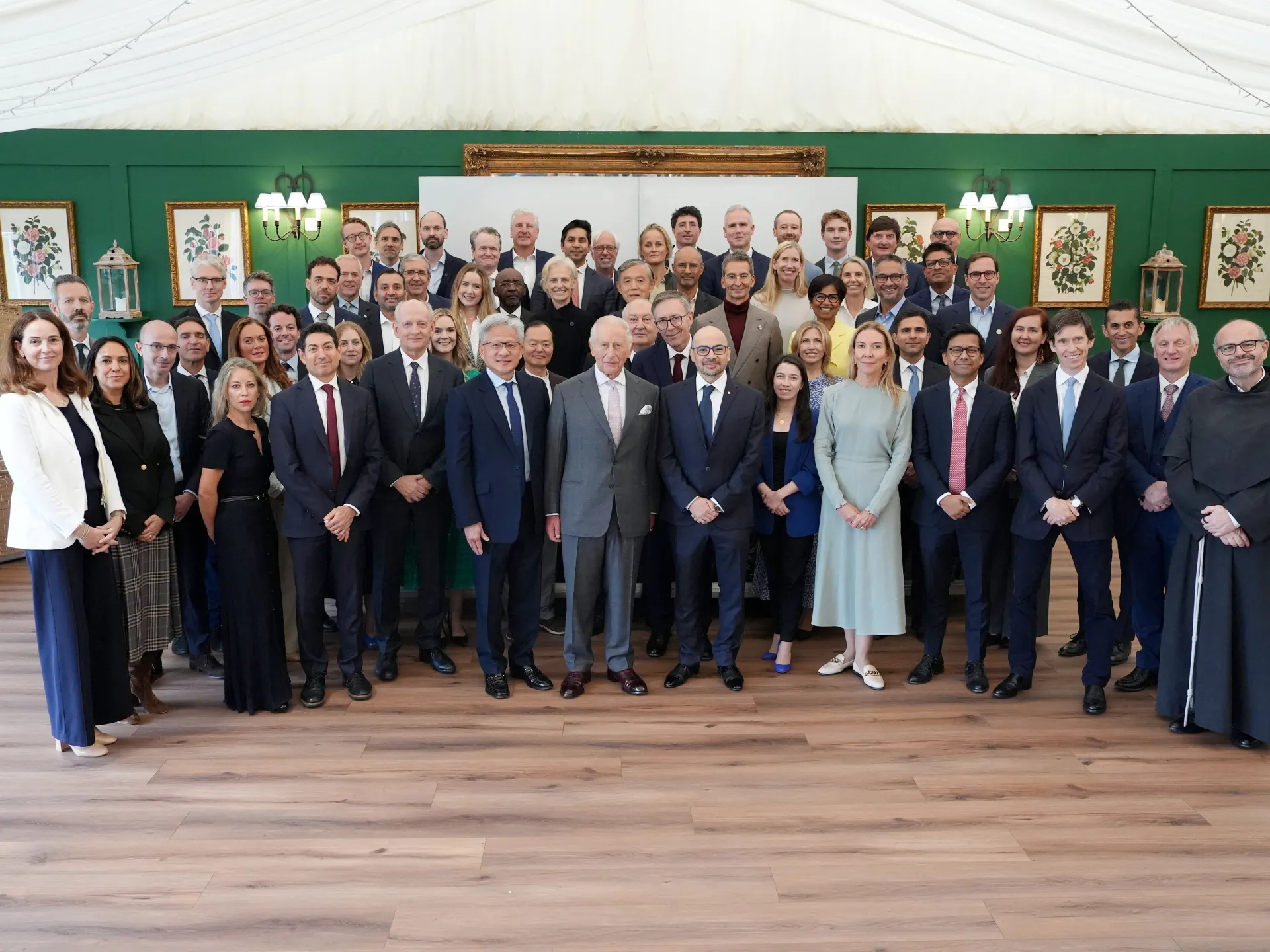
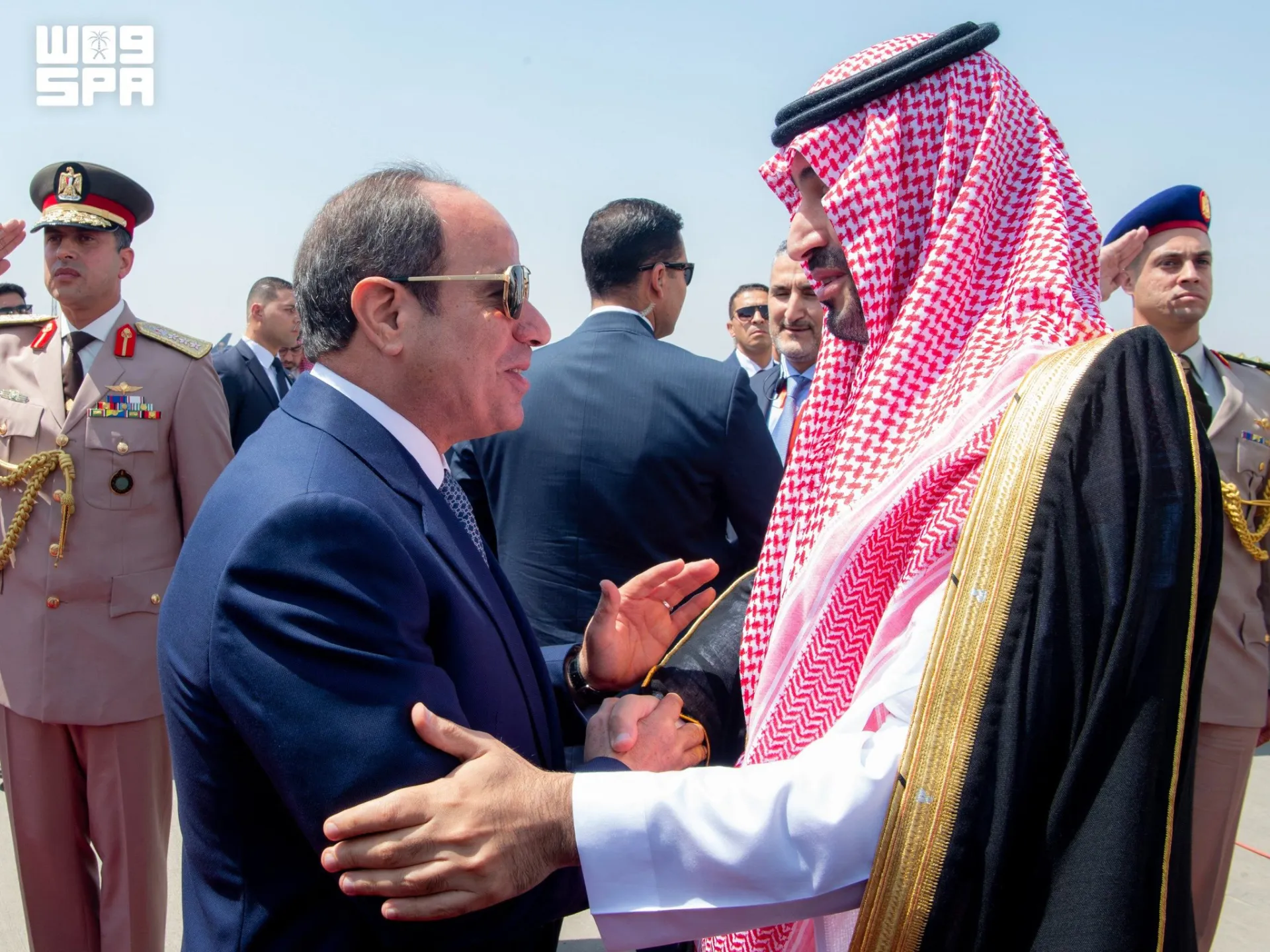
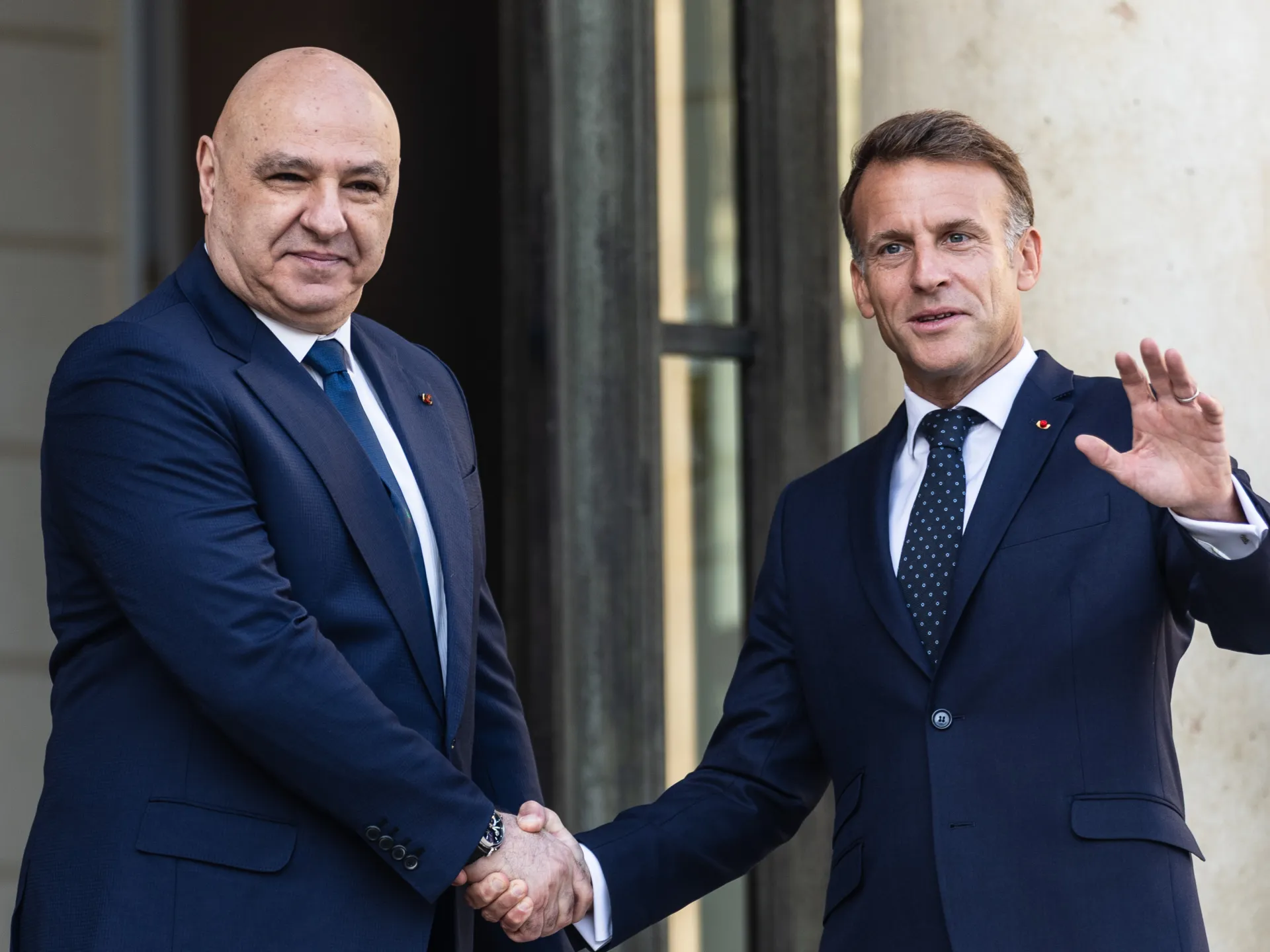
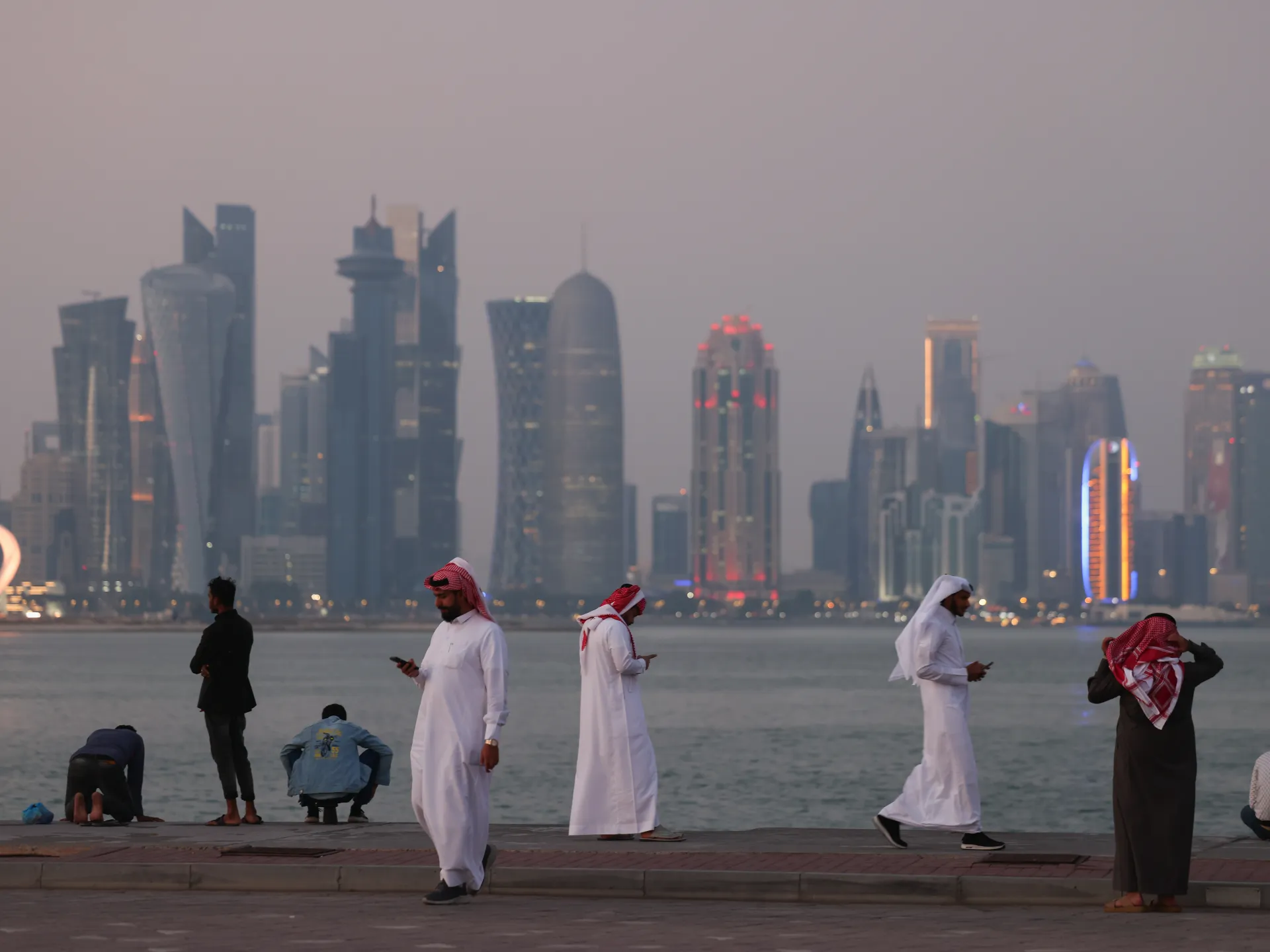
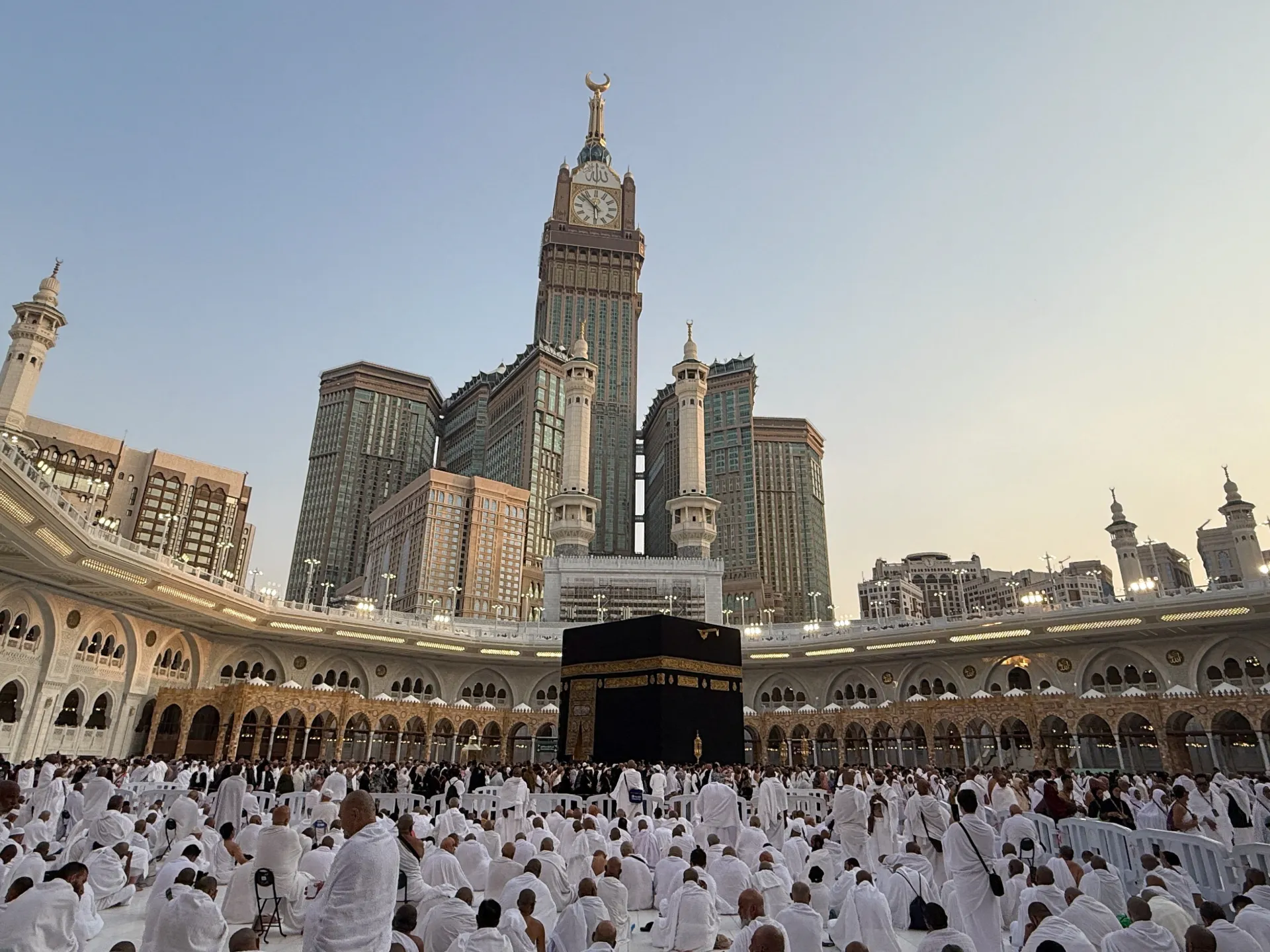
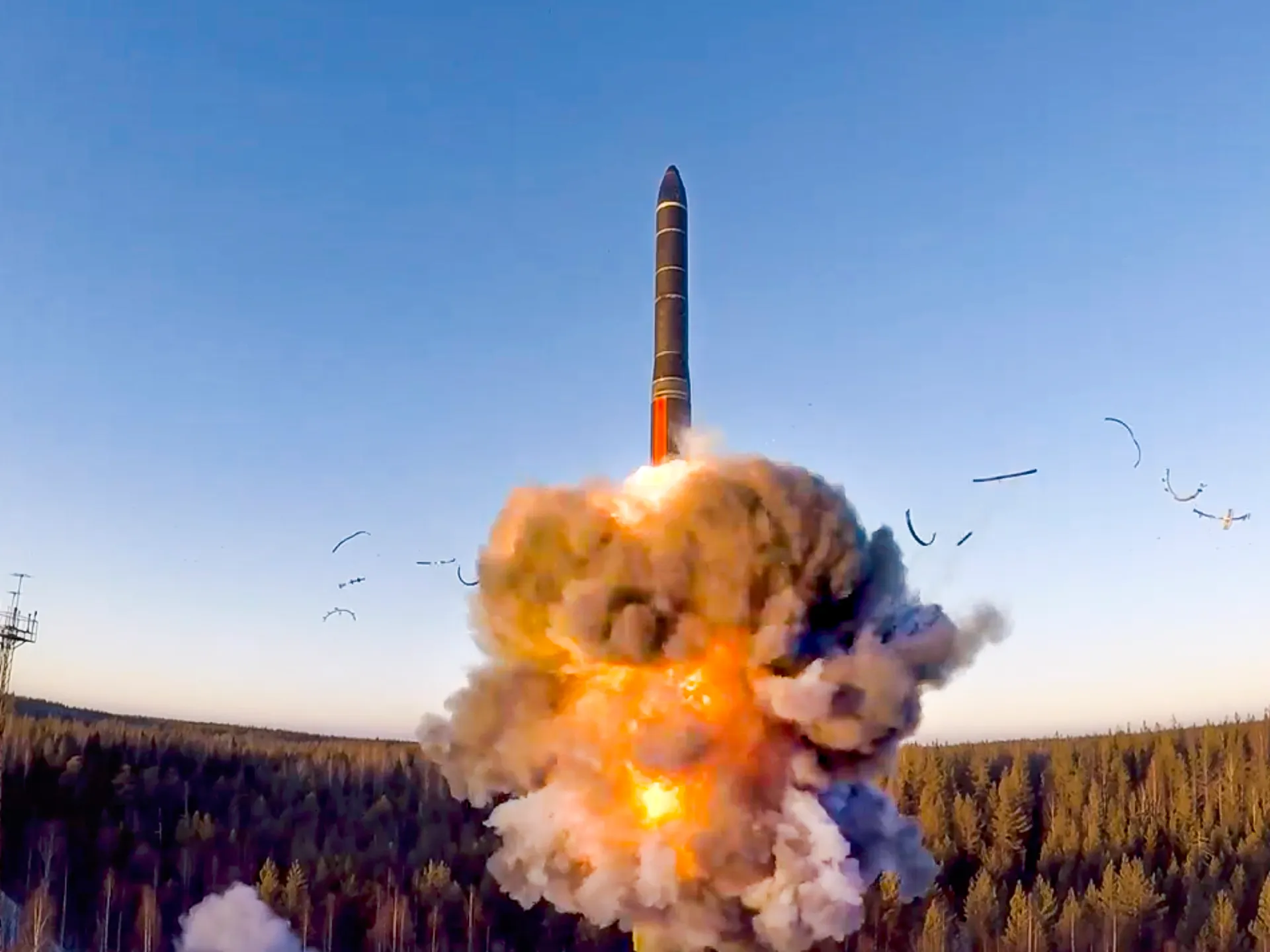
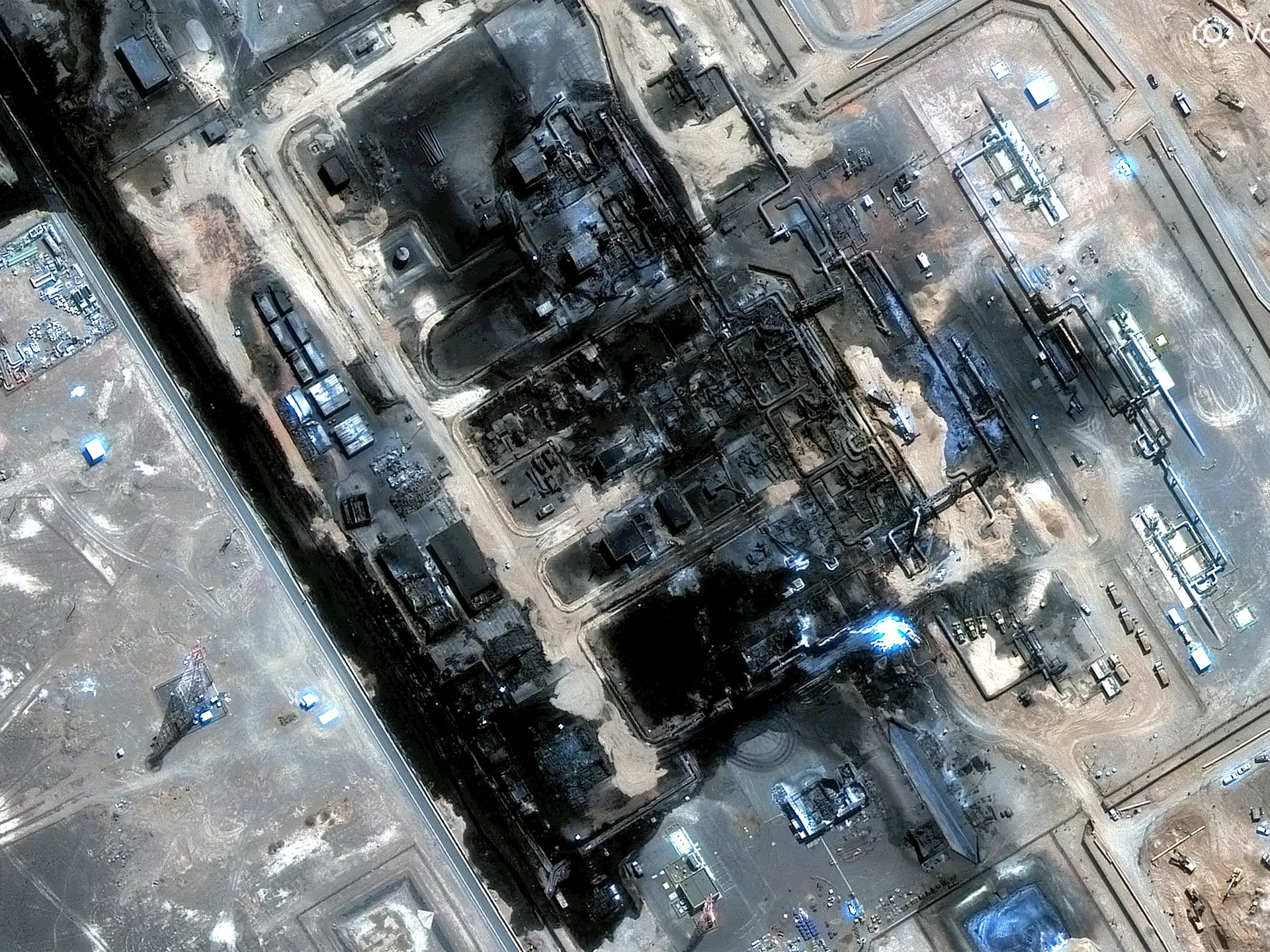
For the leaders of Bahrain, Kuwait, Oman, Qatar, Saudi Arabia, and the United Arab Emirates, the meeting is an urgent attempt to steer Washington away from further military strikes. Analysts indicate that the GCC remains unified on the necessity of de-escalation, fearing that aggressive rhetoric—such as recent threats to "wipe out" Iranian capabilities—will directly invite retaliatory strikes on their own energy facilities and transport hubs. The Gulf bloc is expected to leverage their collective influence to urge the White House to consider concessions that might stabilize the Strait of Hormuz, even if such compromises remain unpalatable to U.S. hardliners.
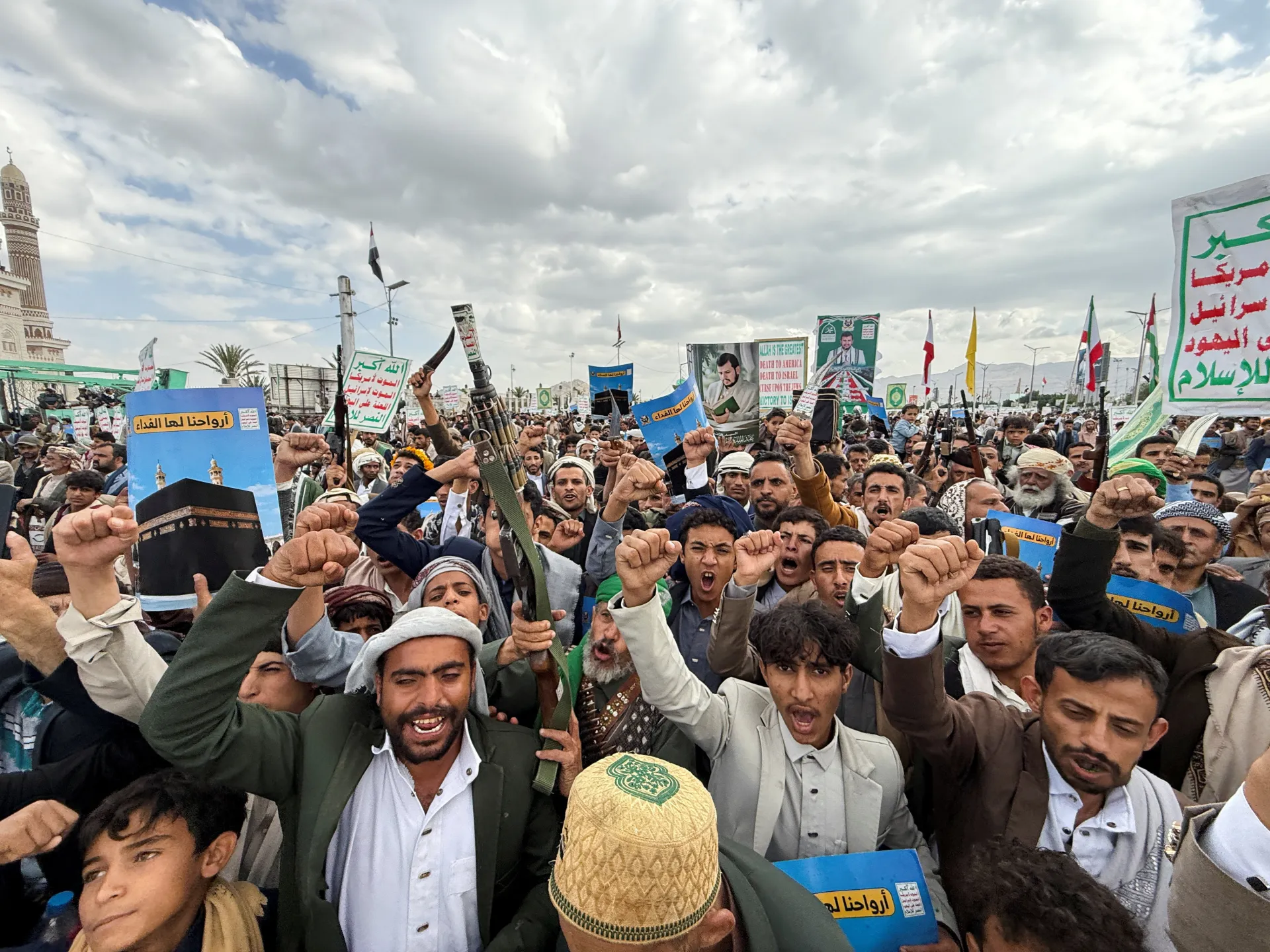
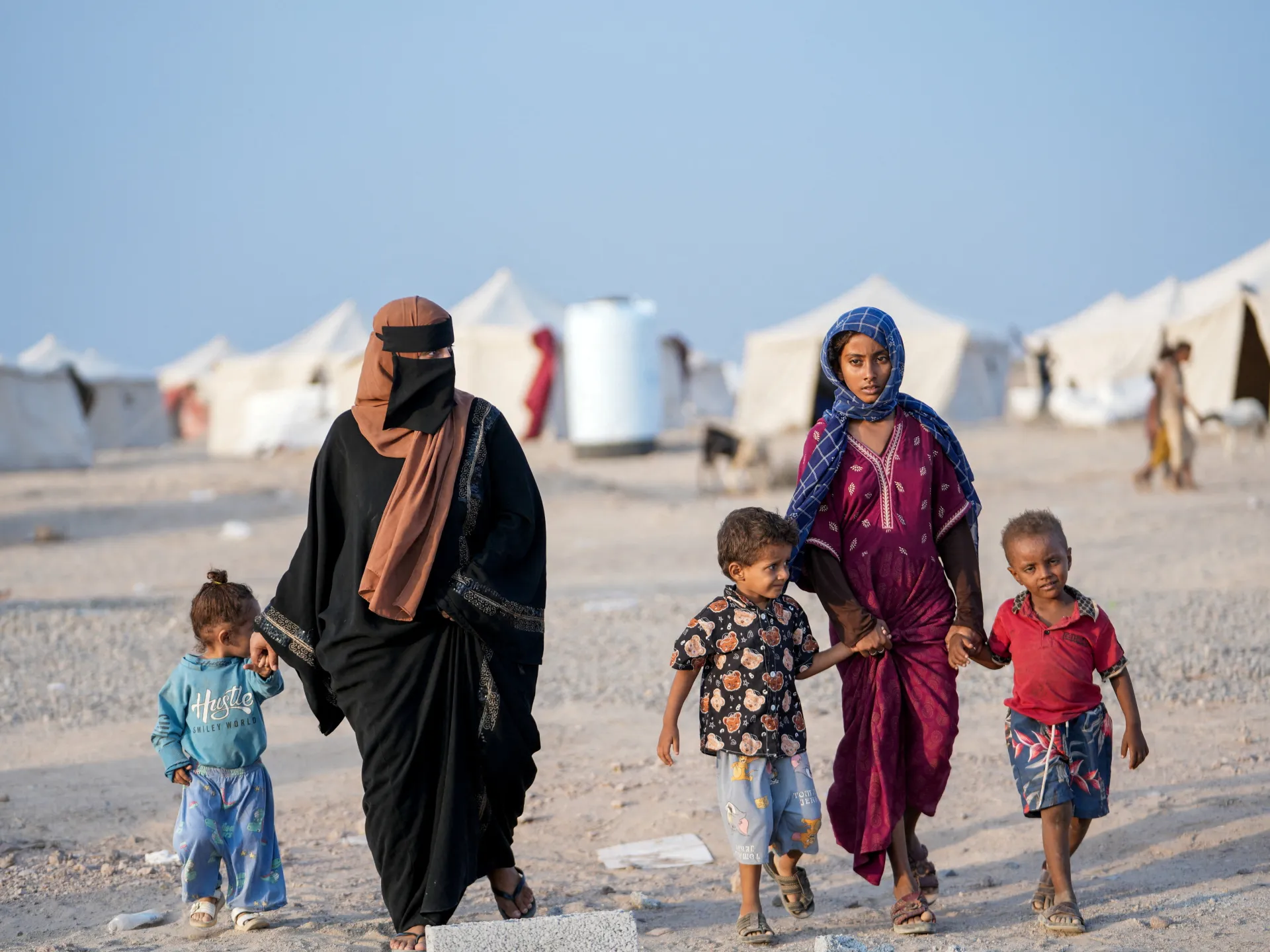
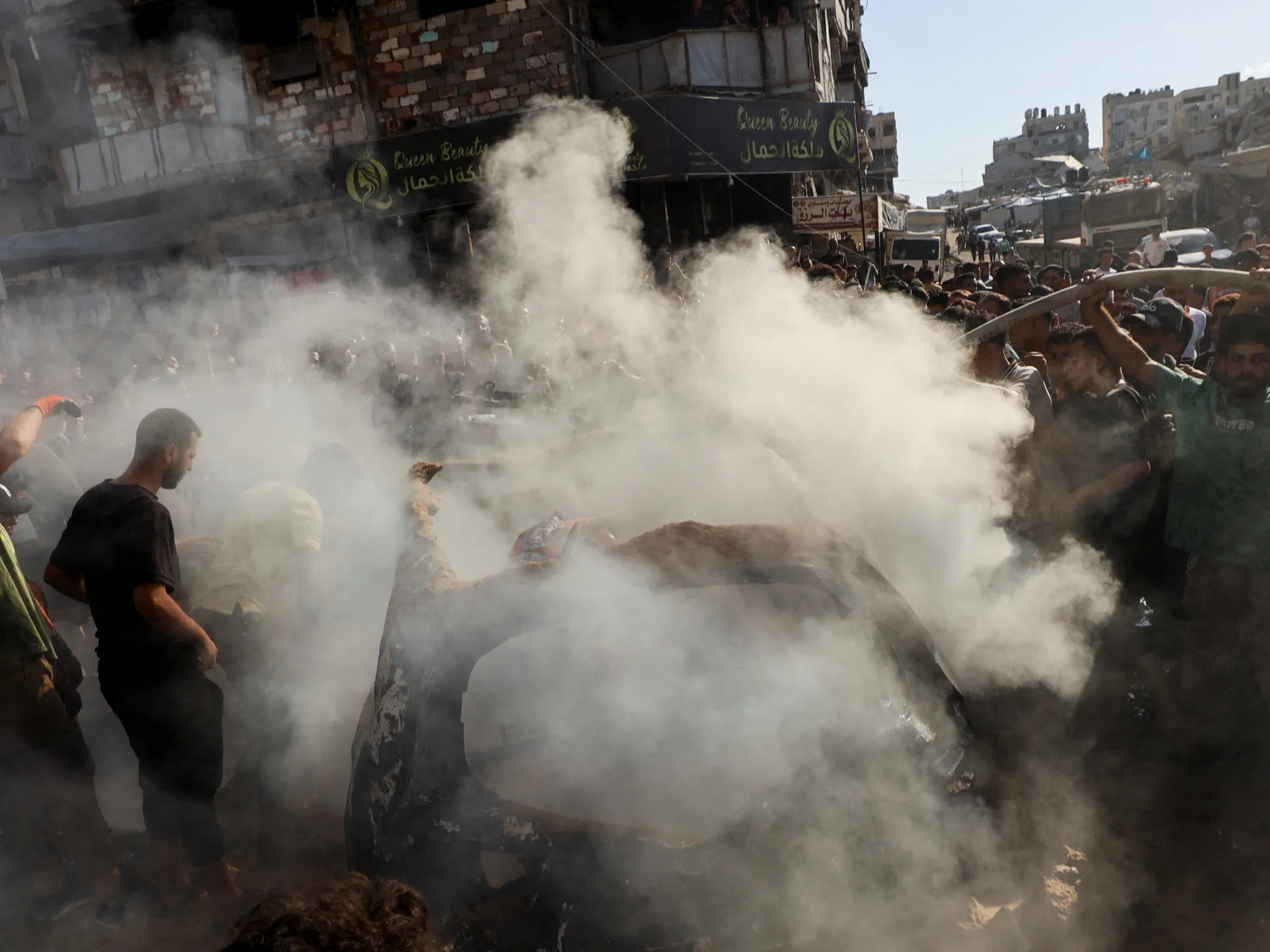
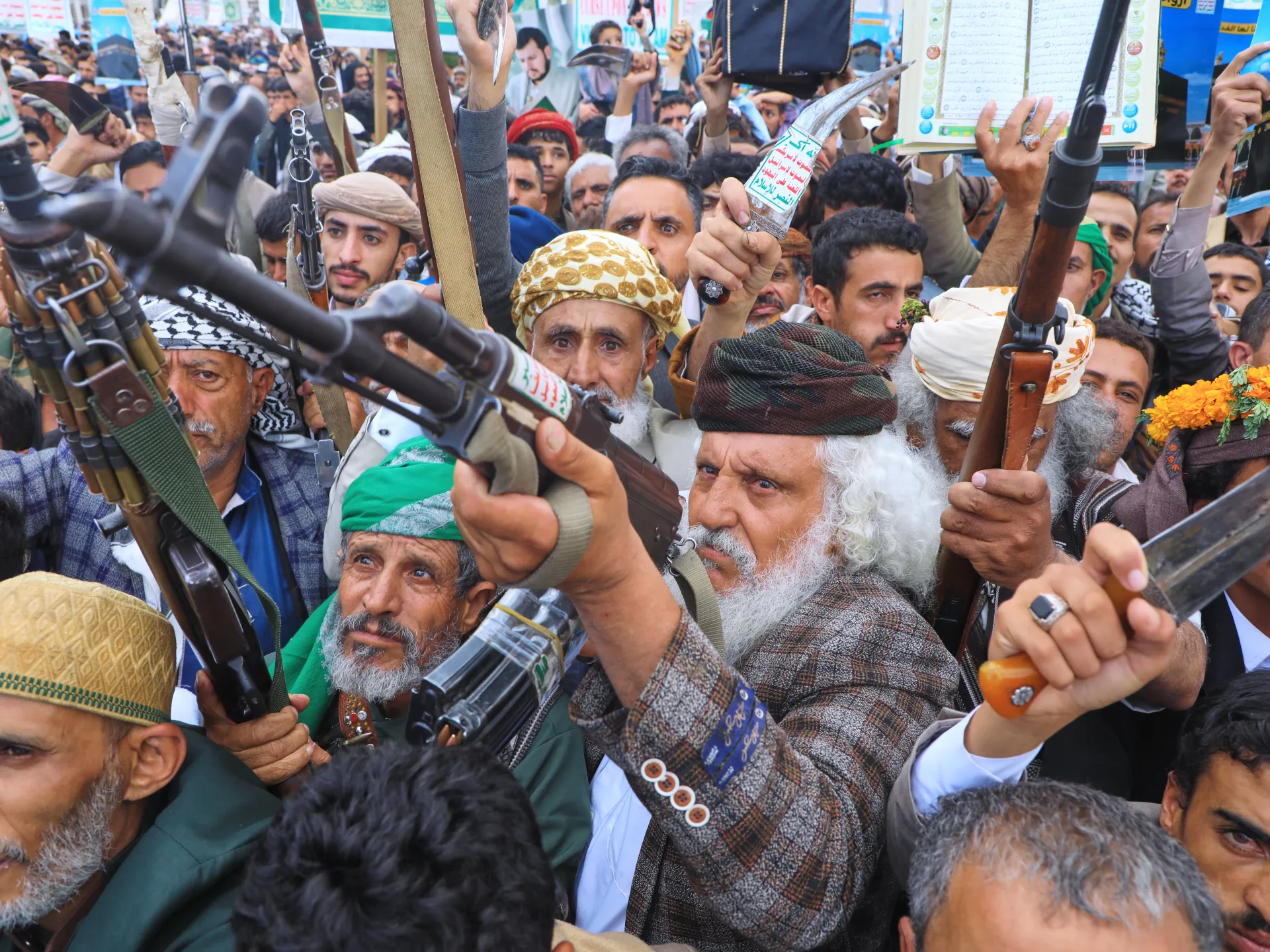
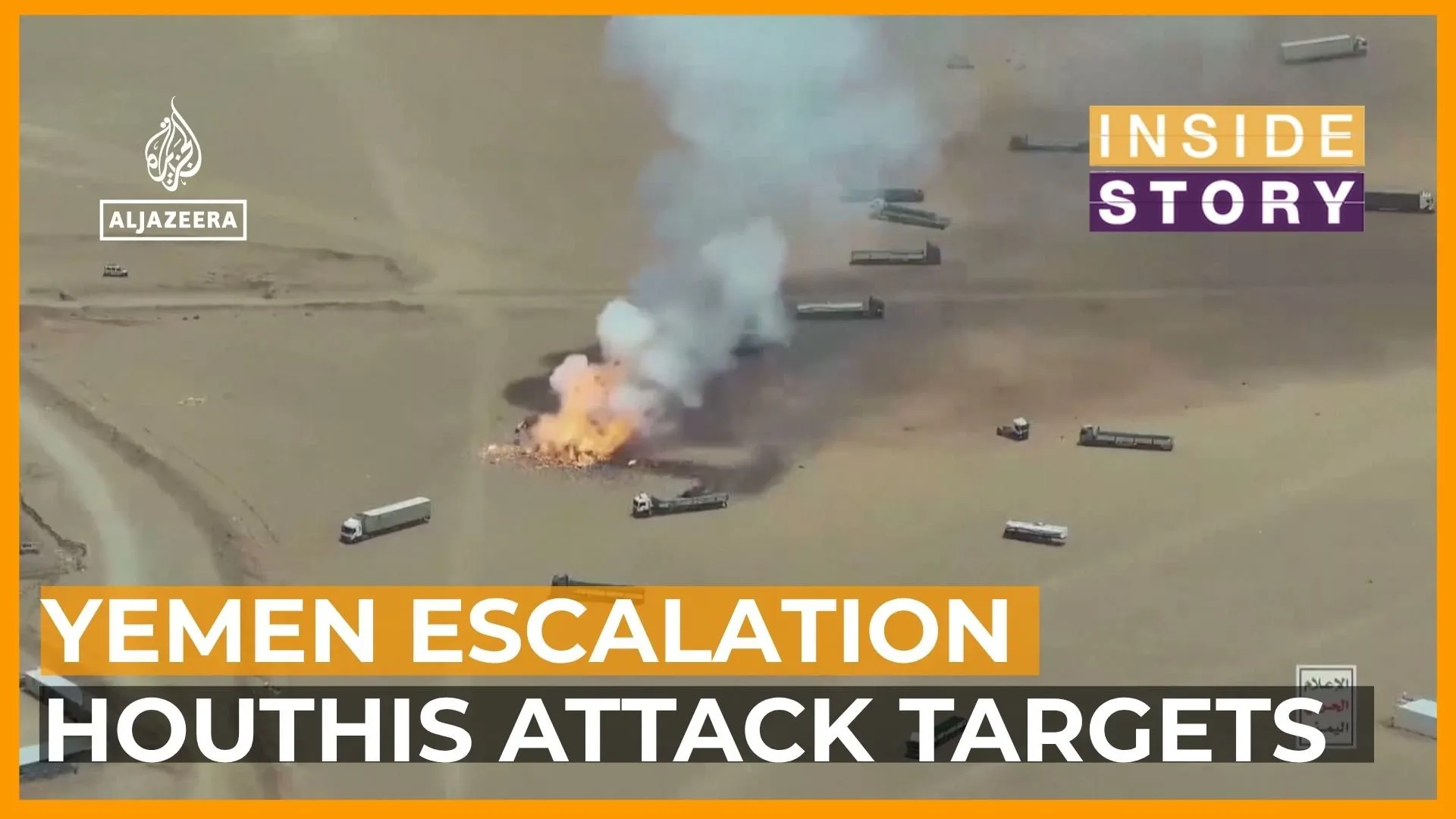
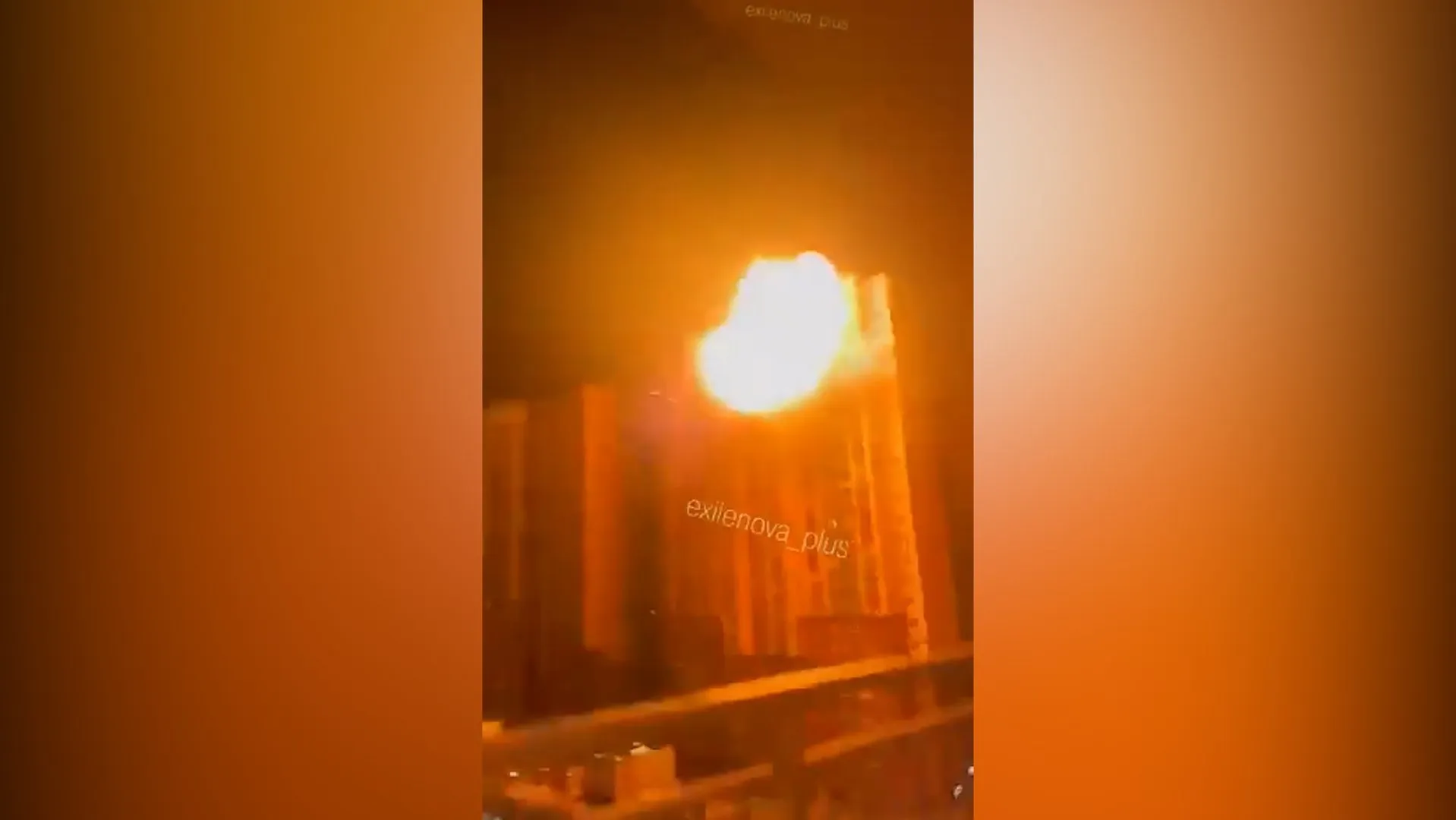
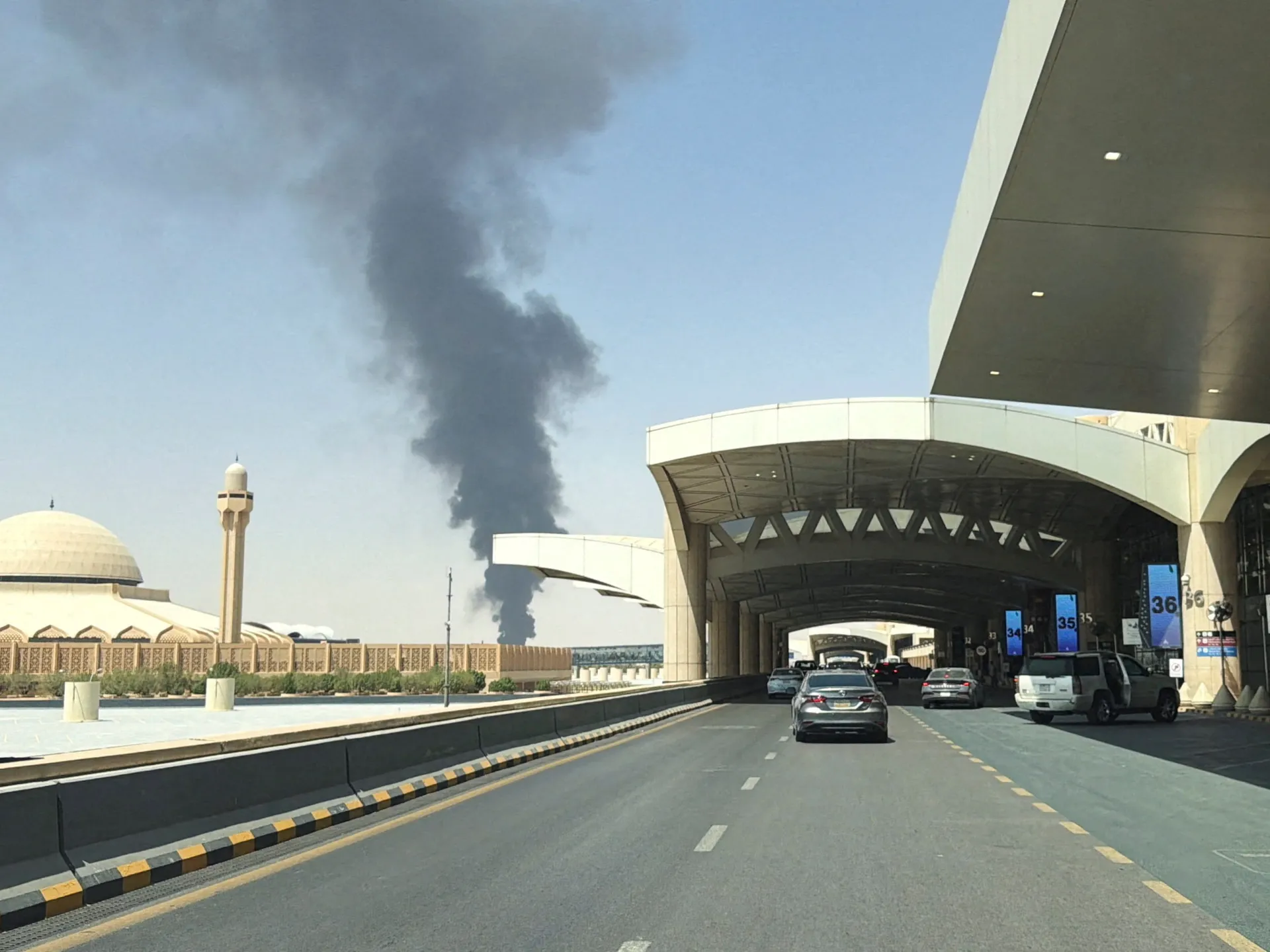
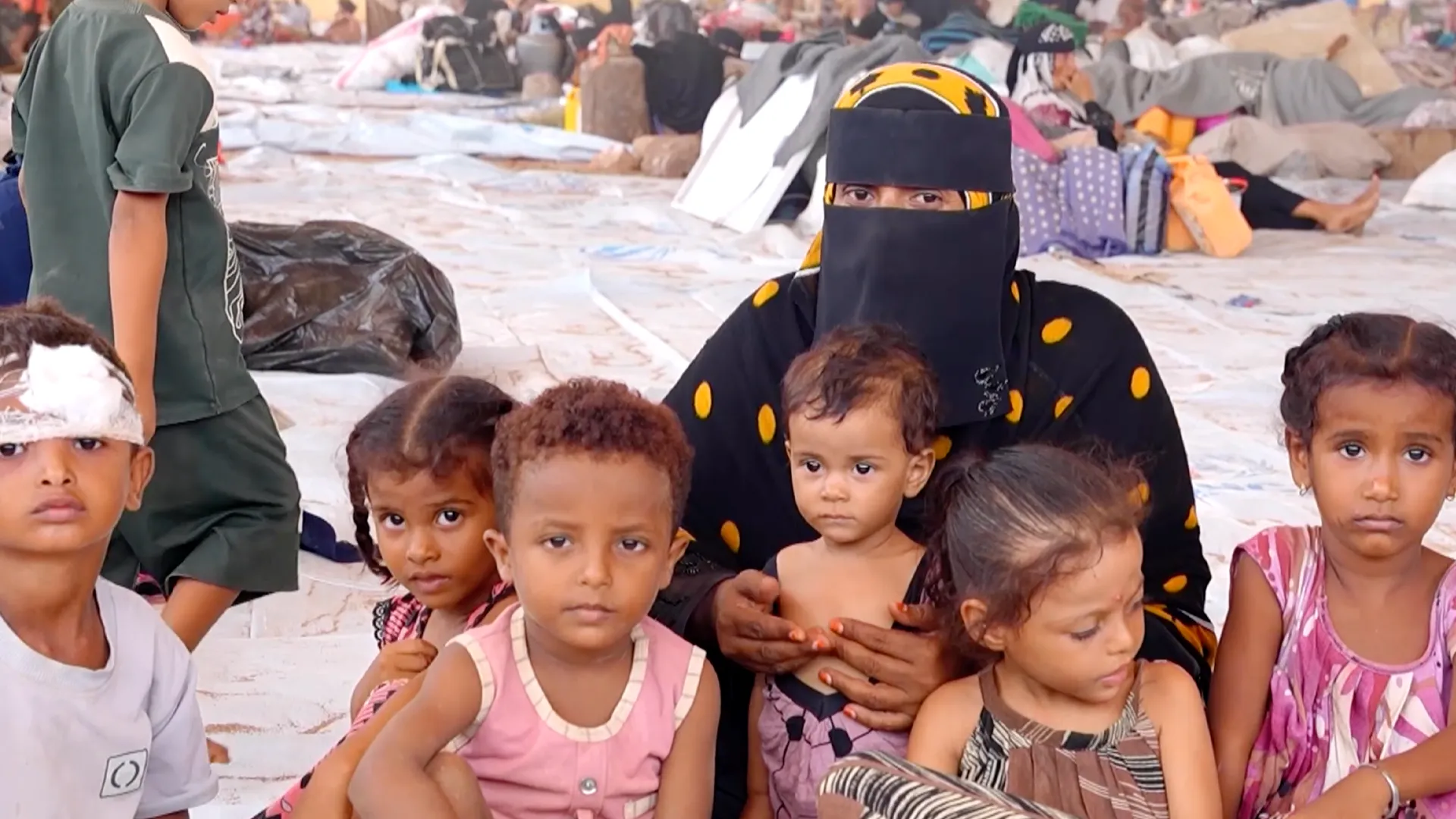
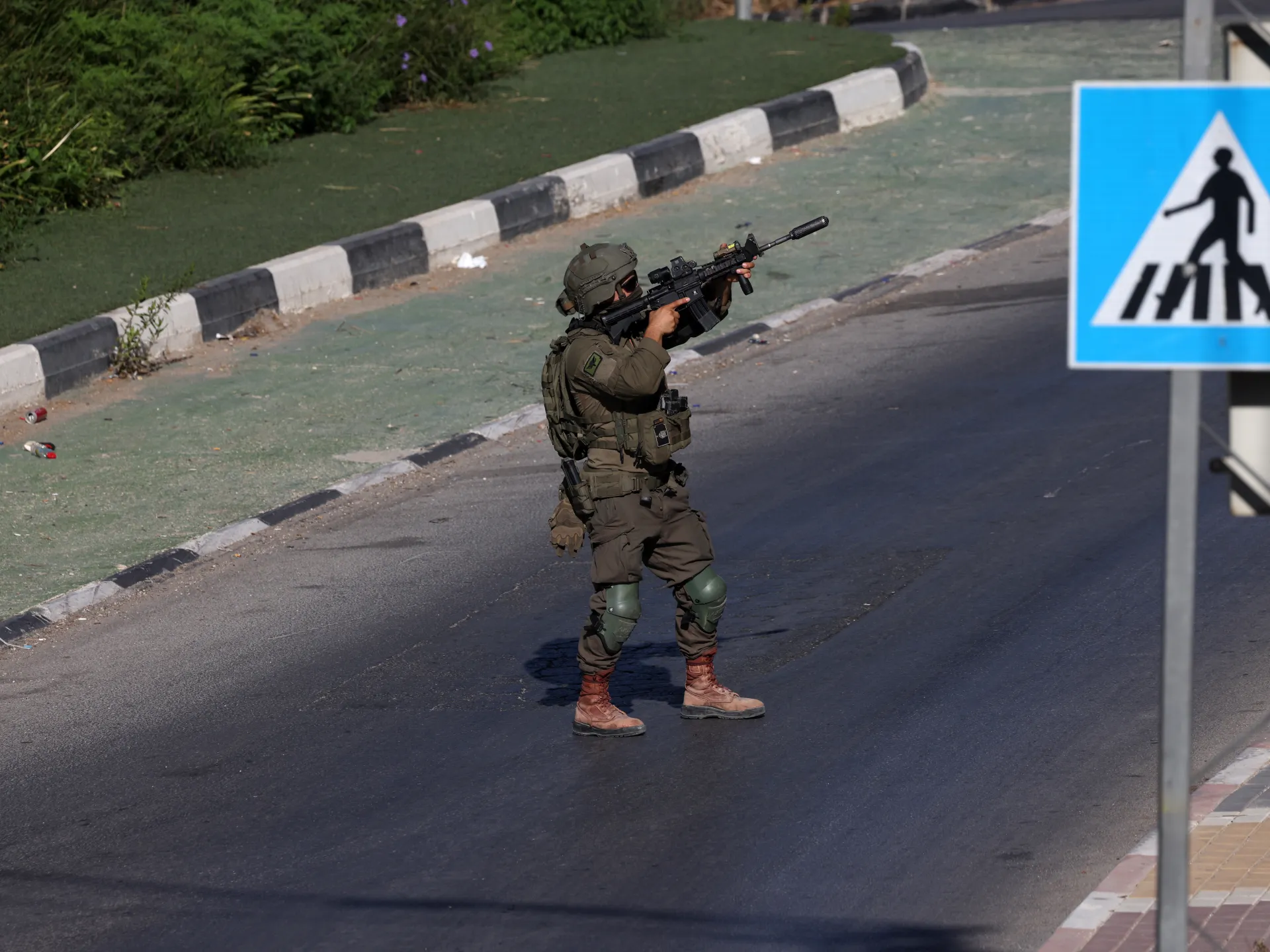
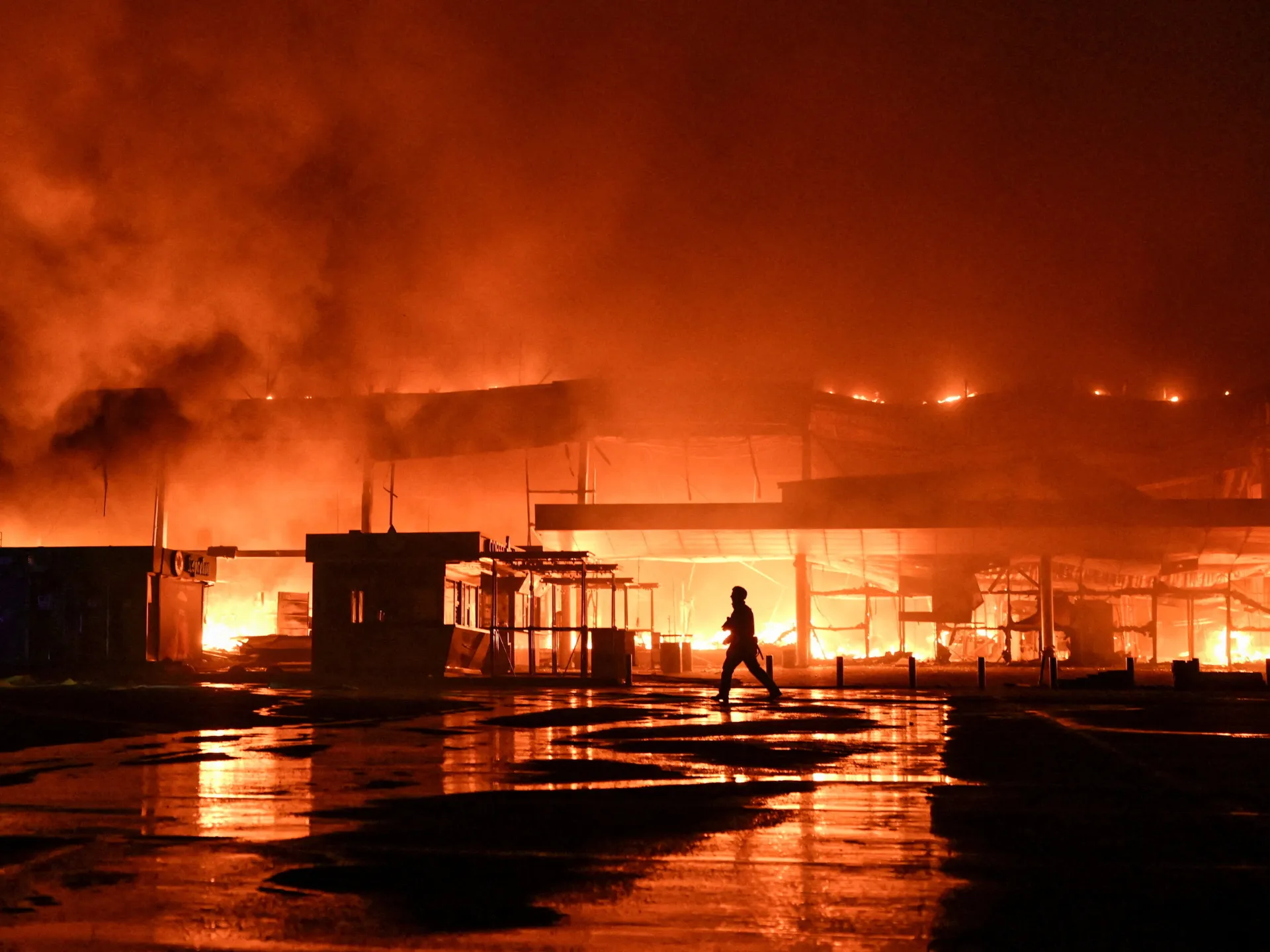
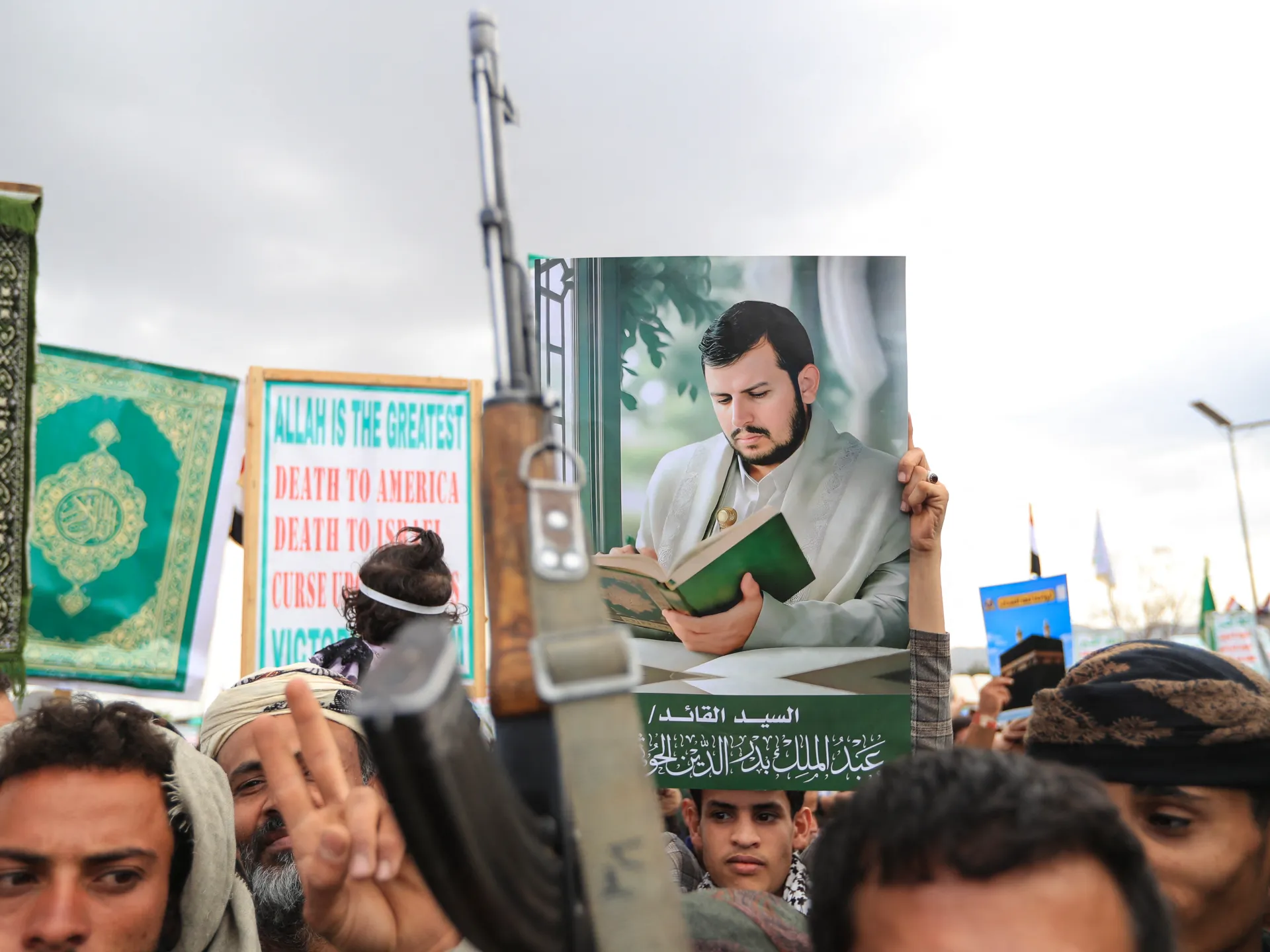
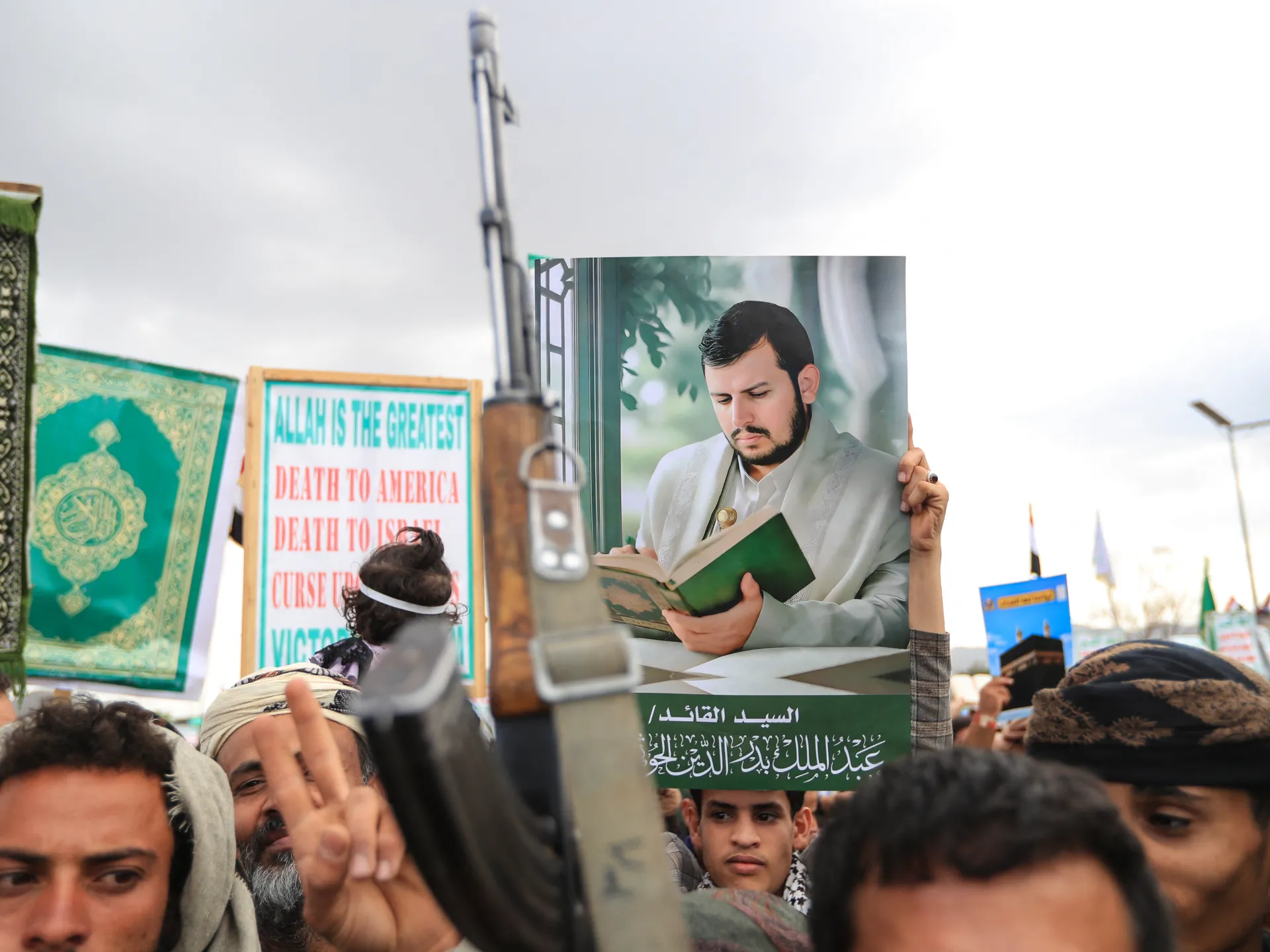
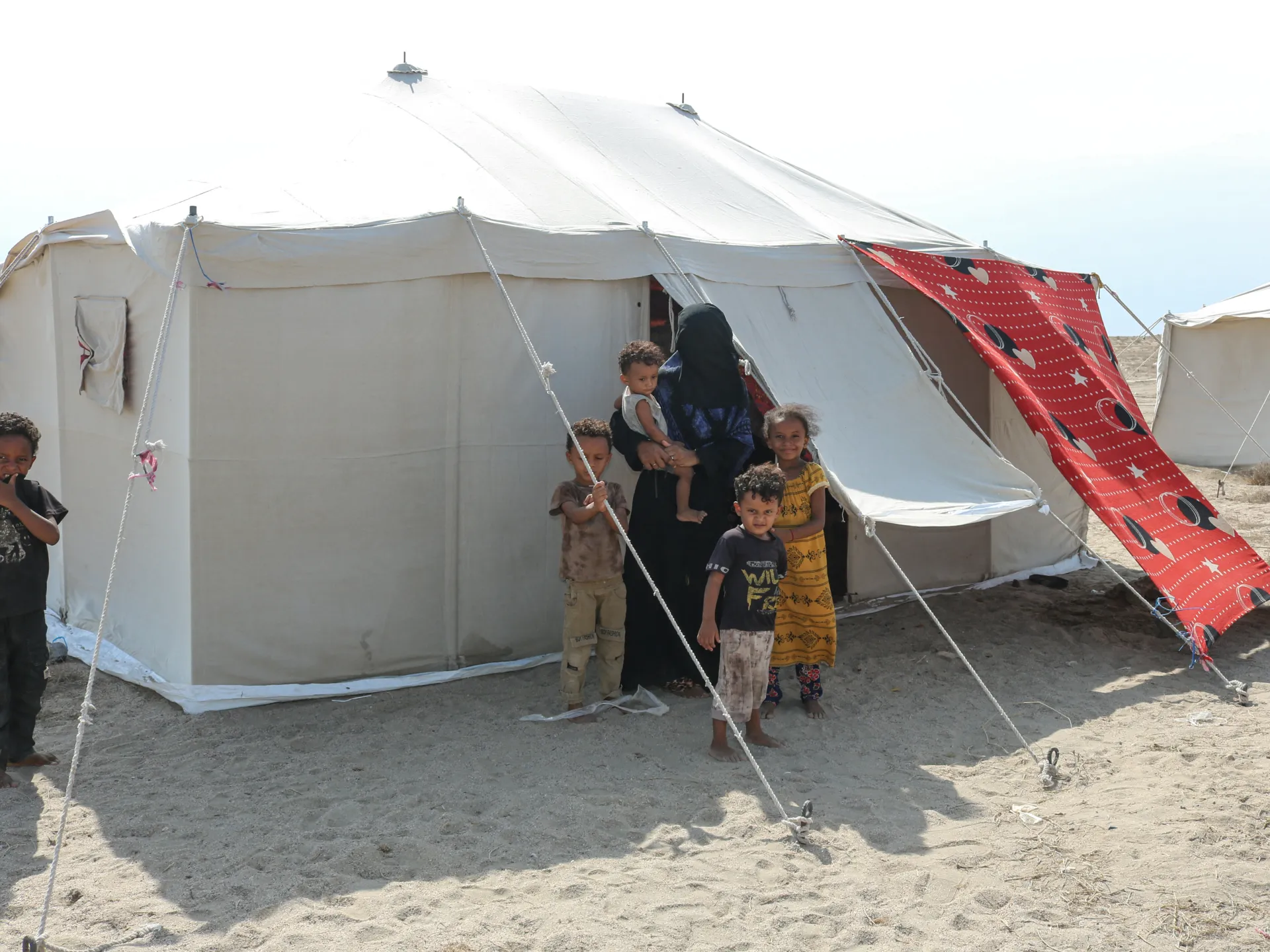
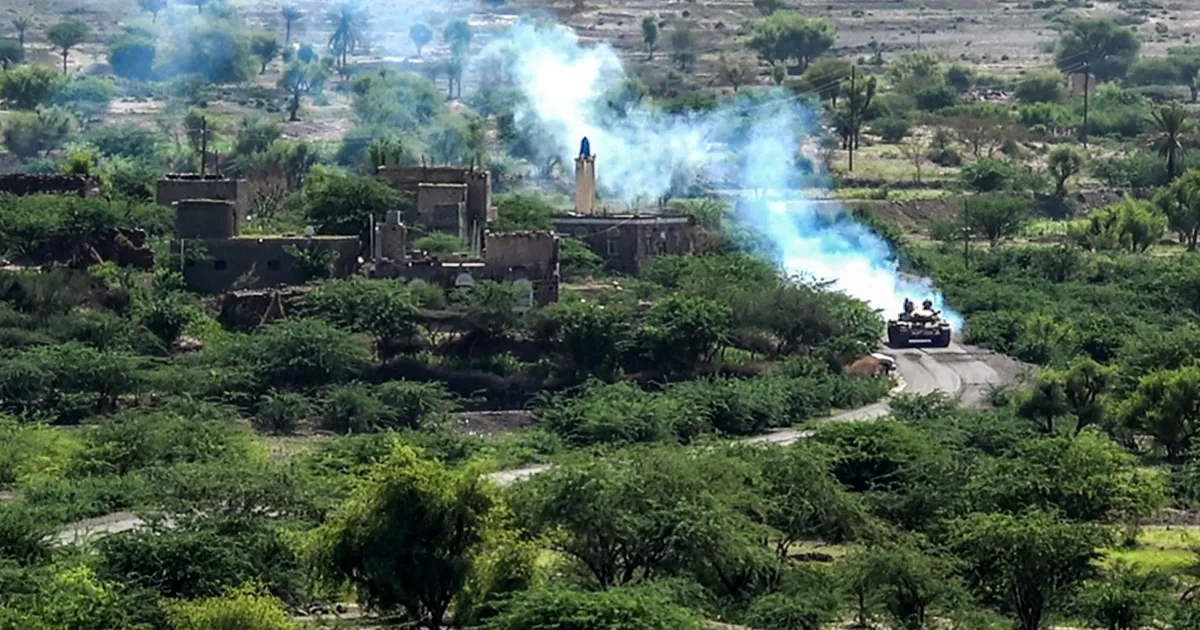
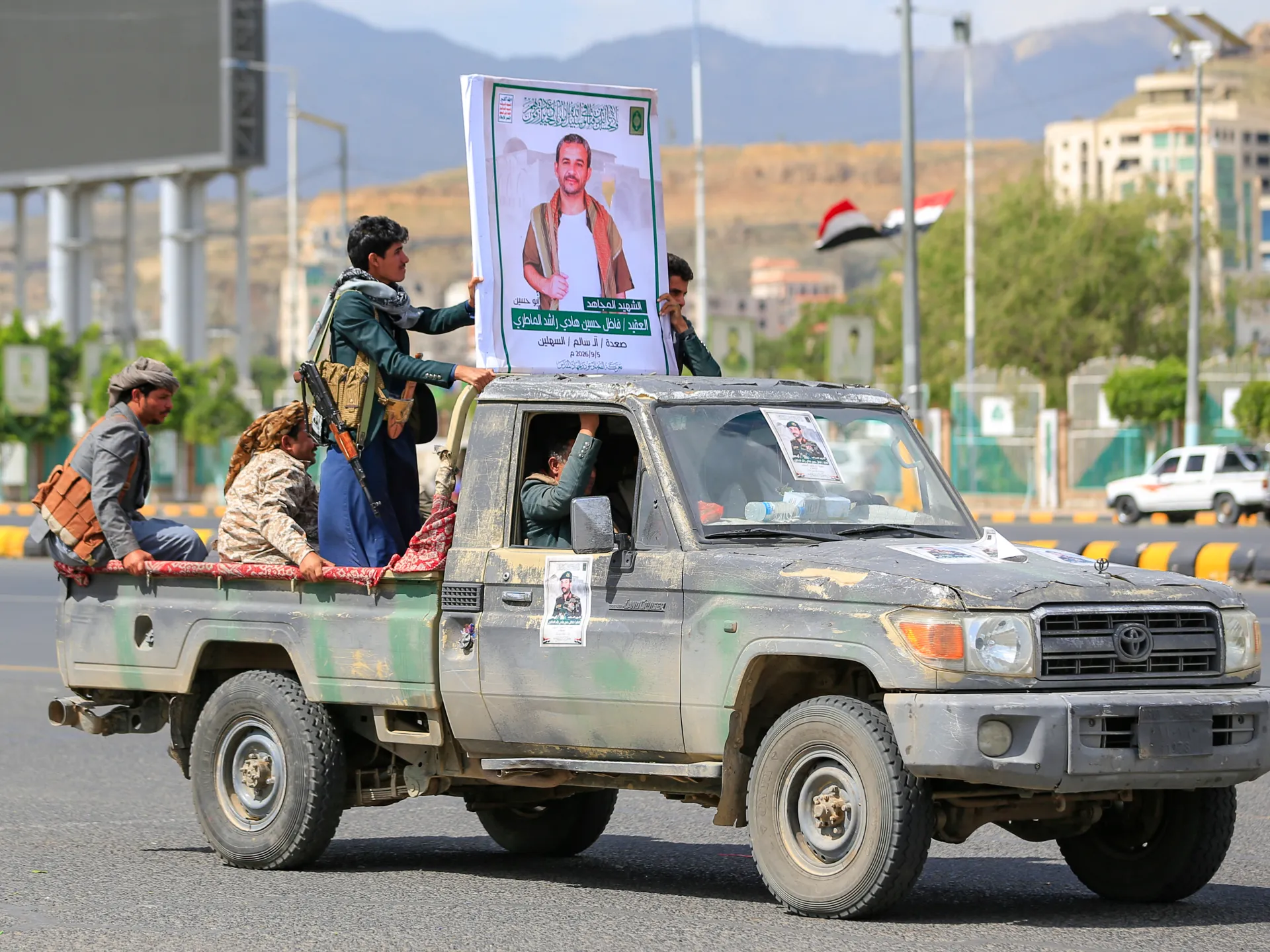
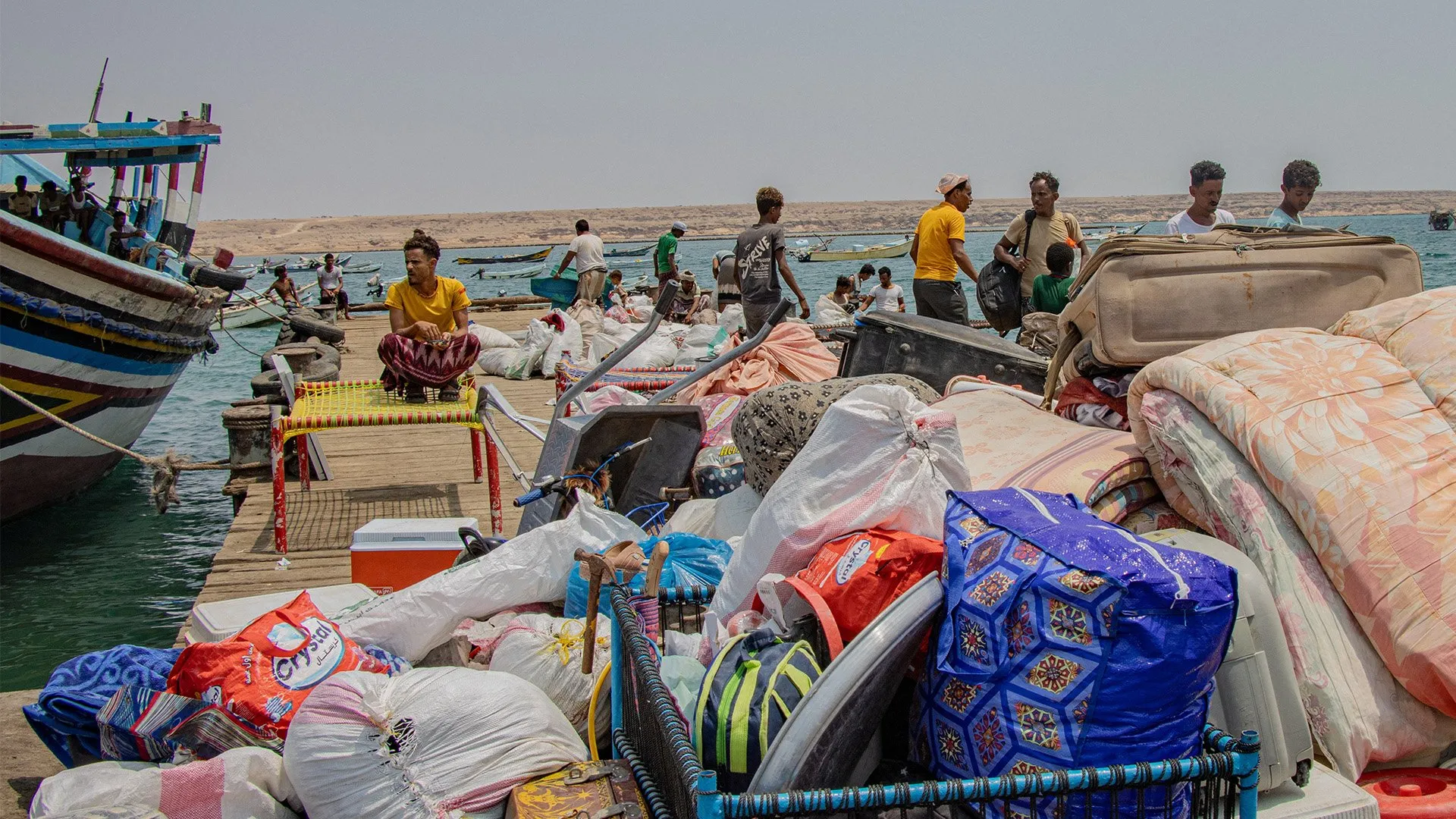
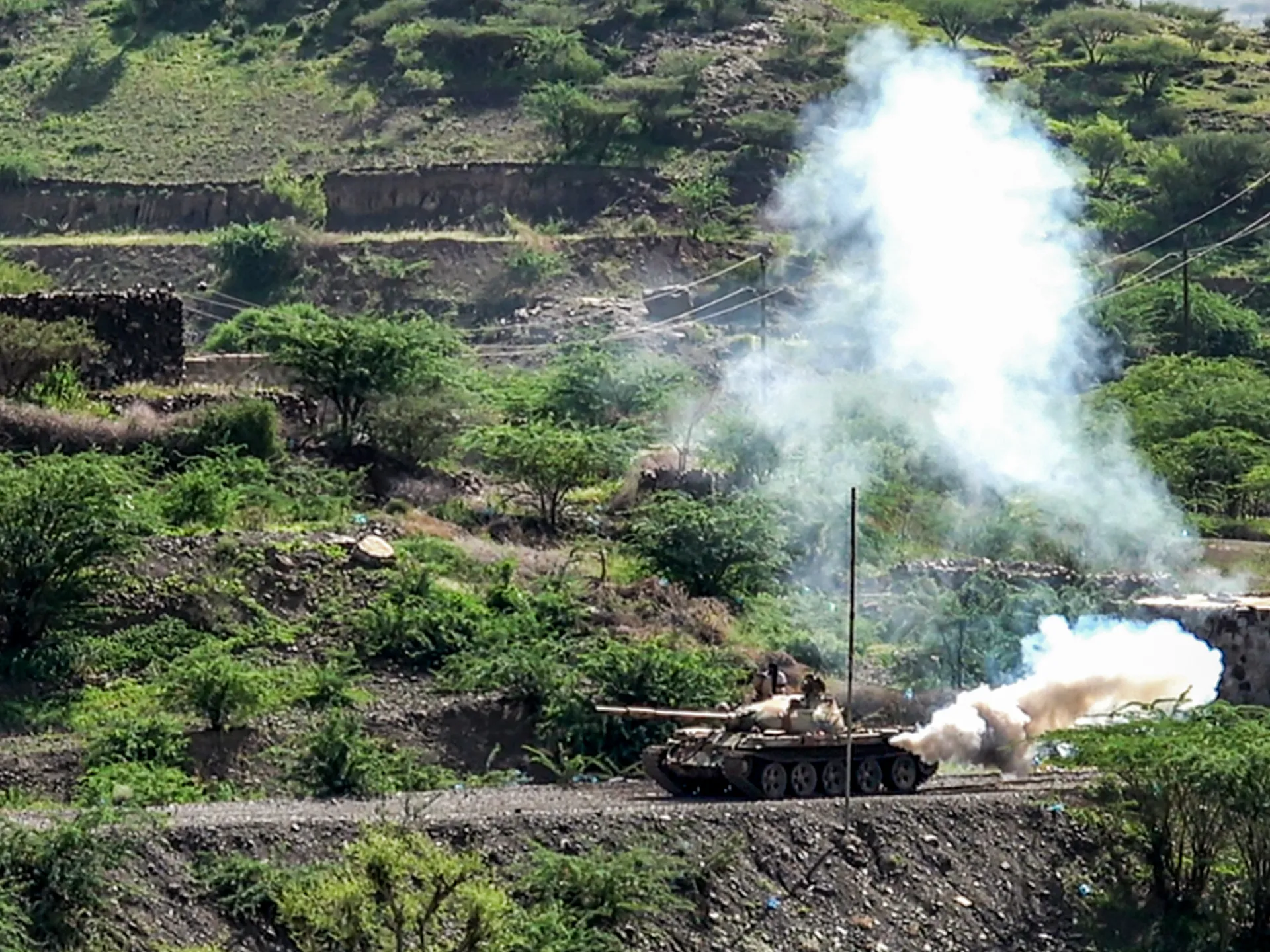
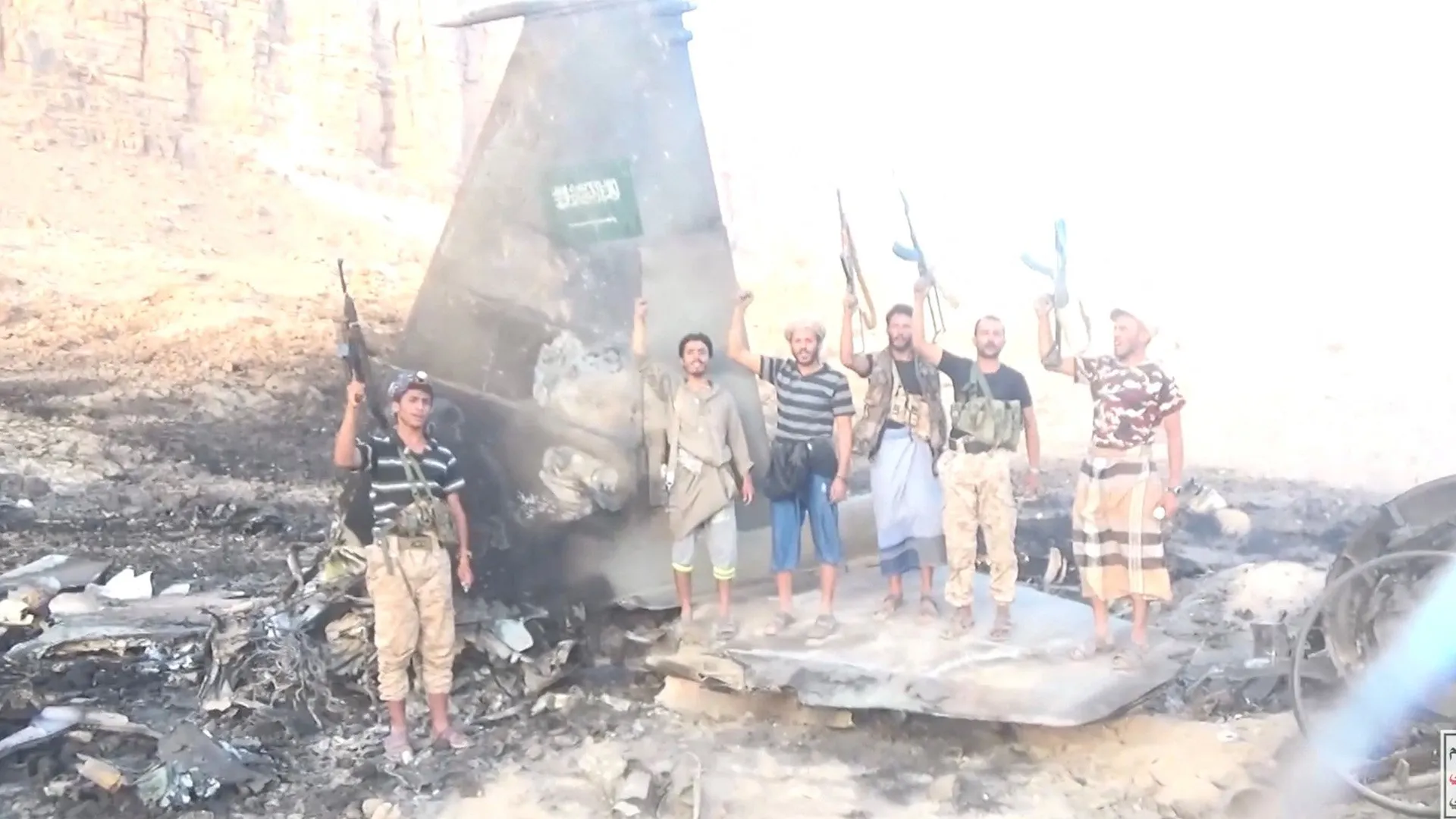
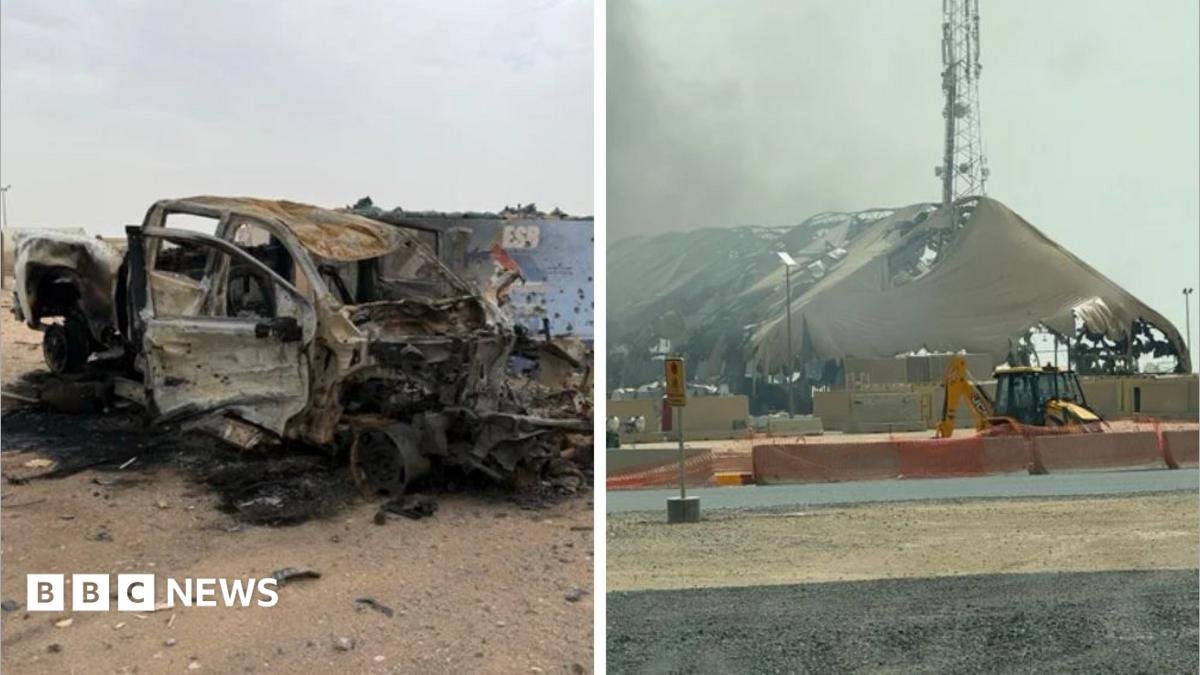
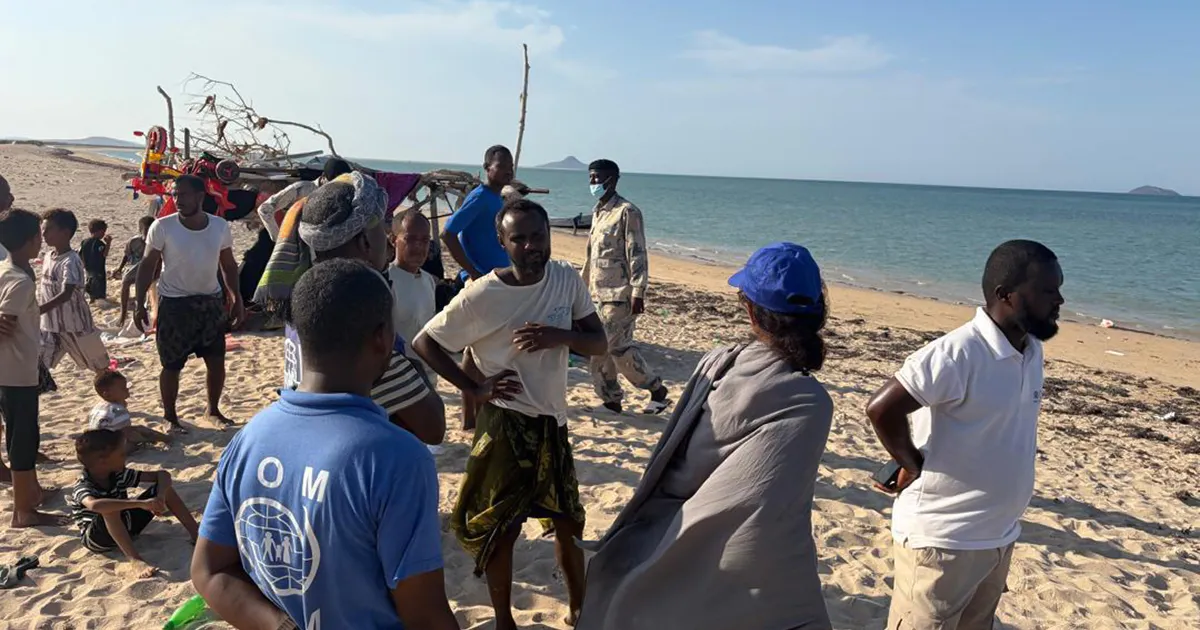
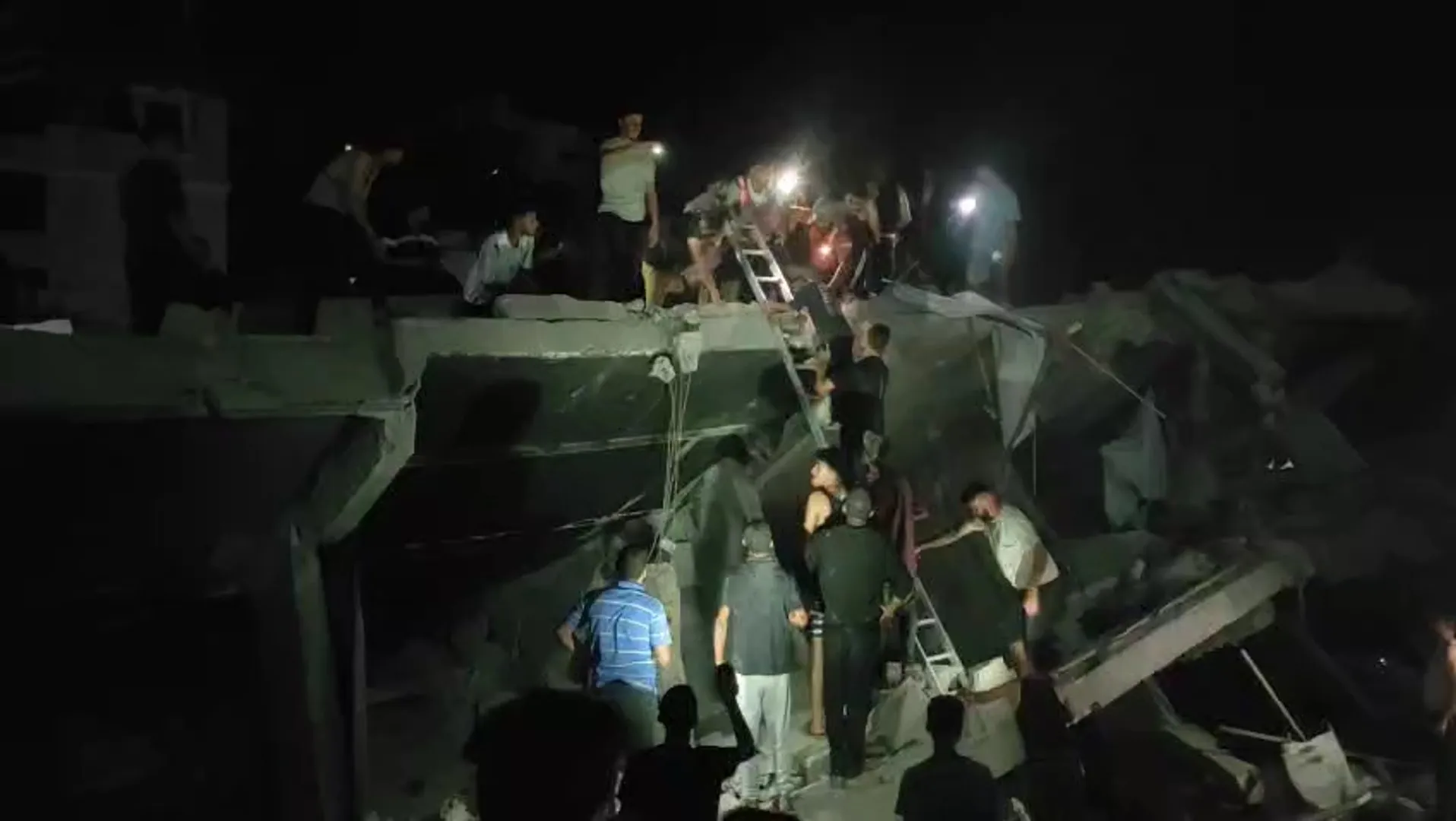
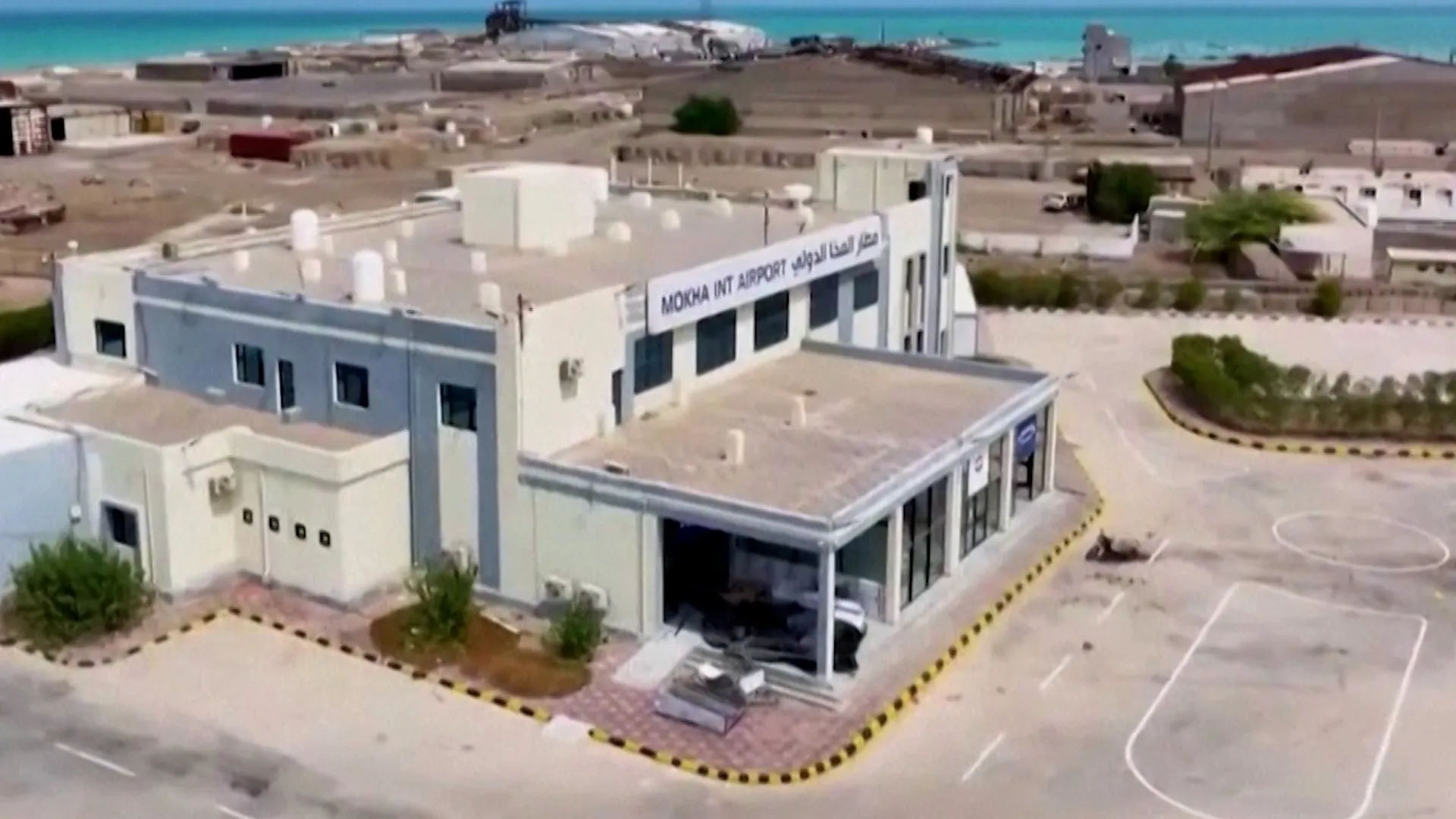
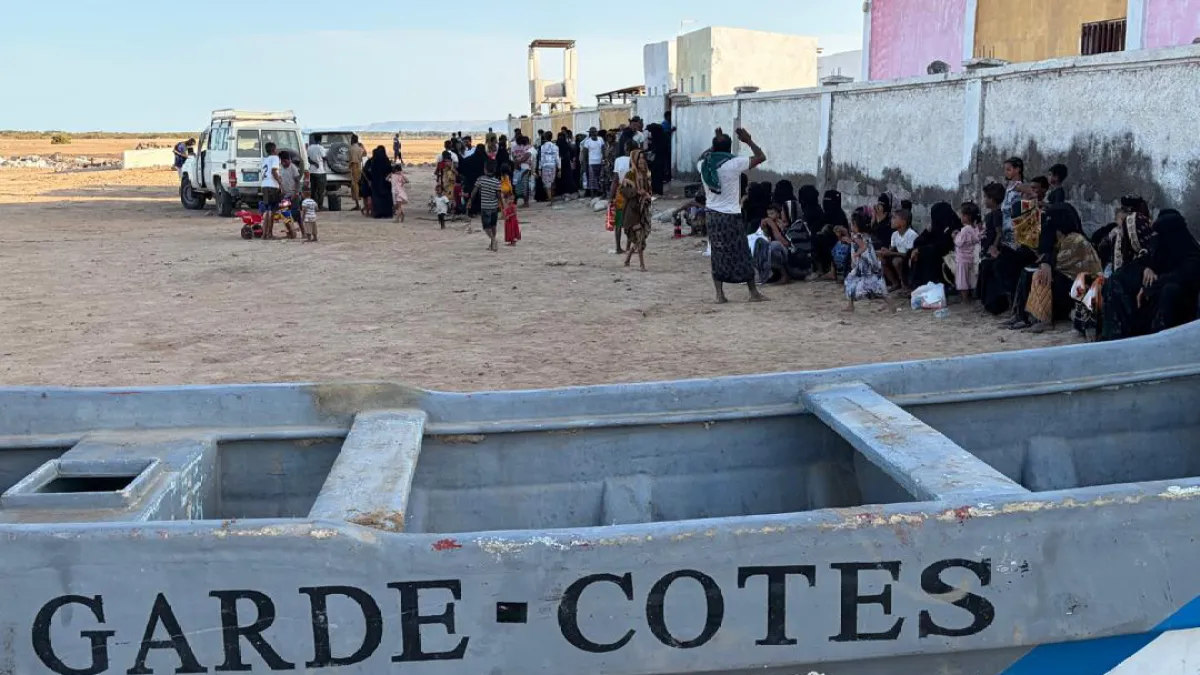
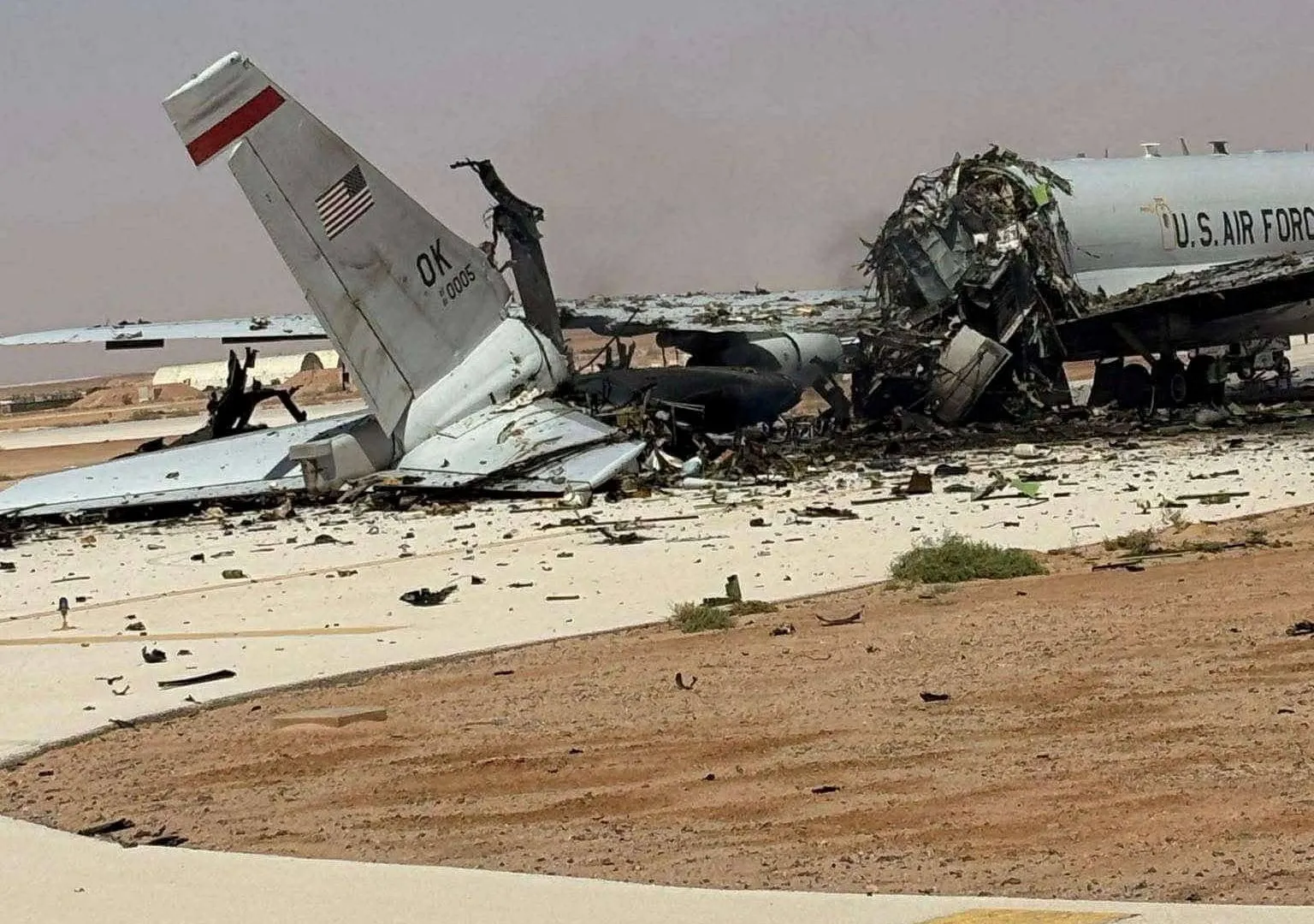
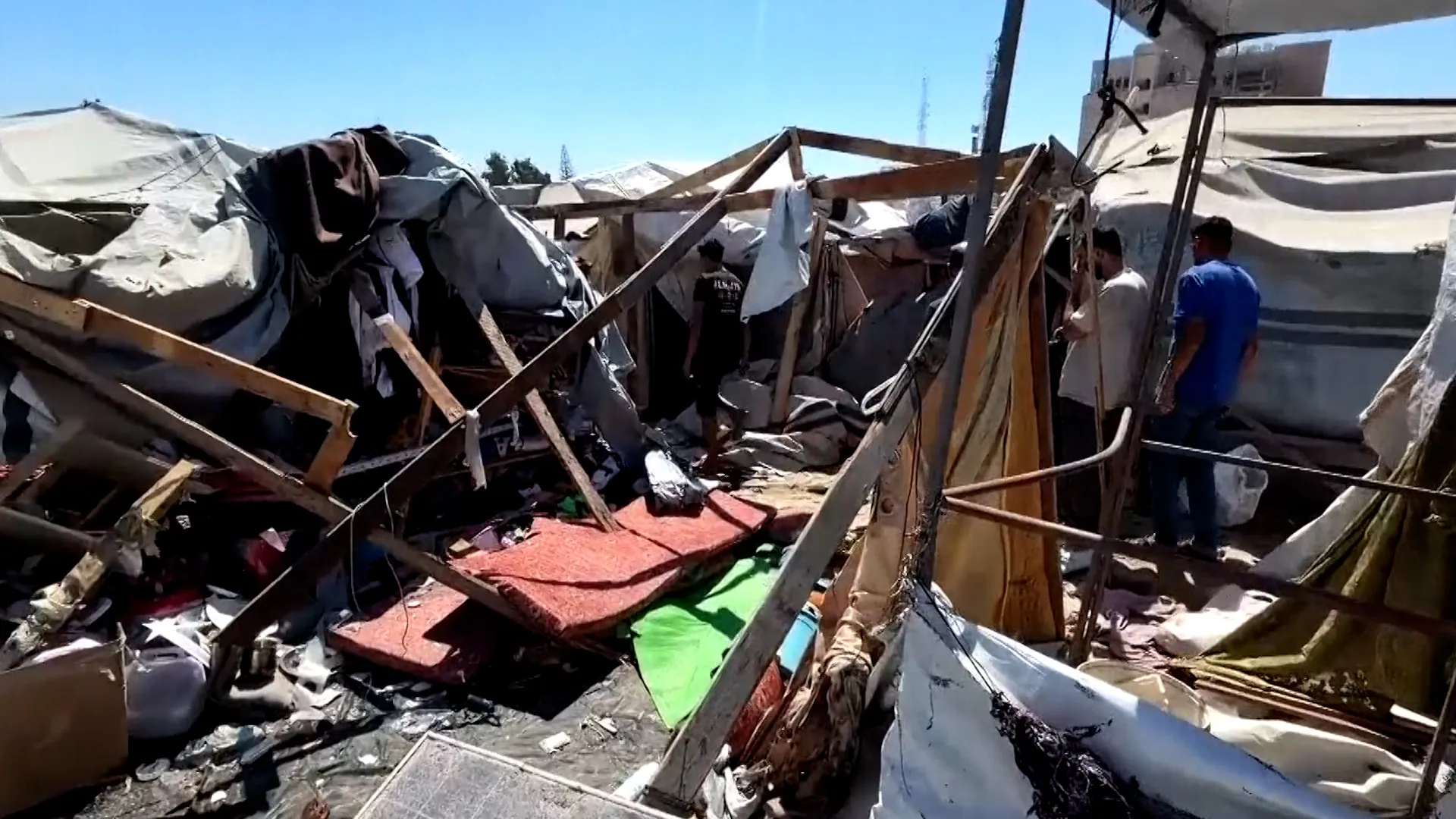
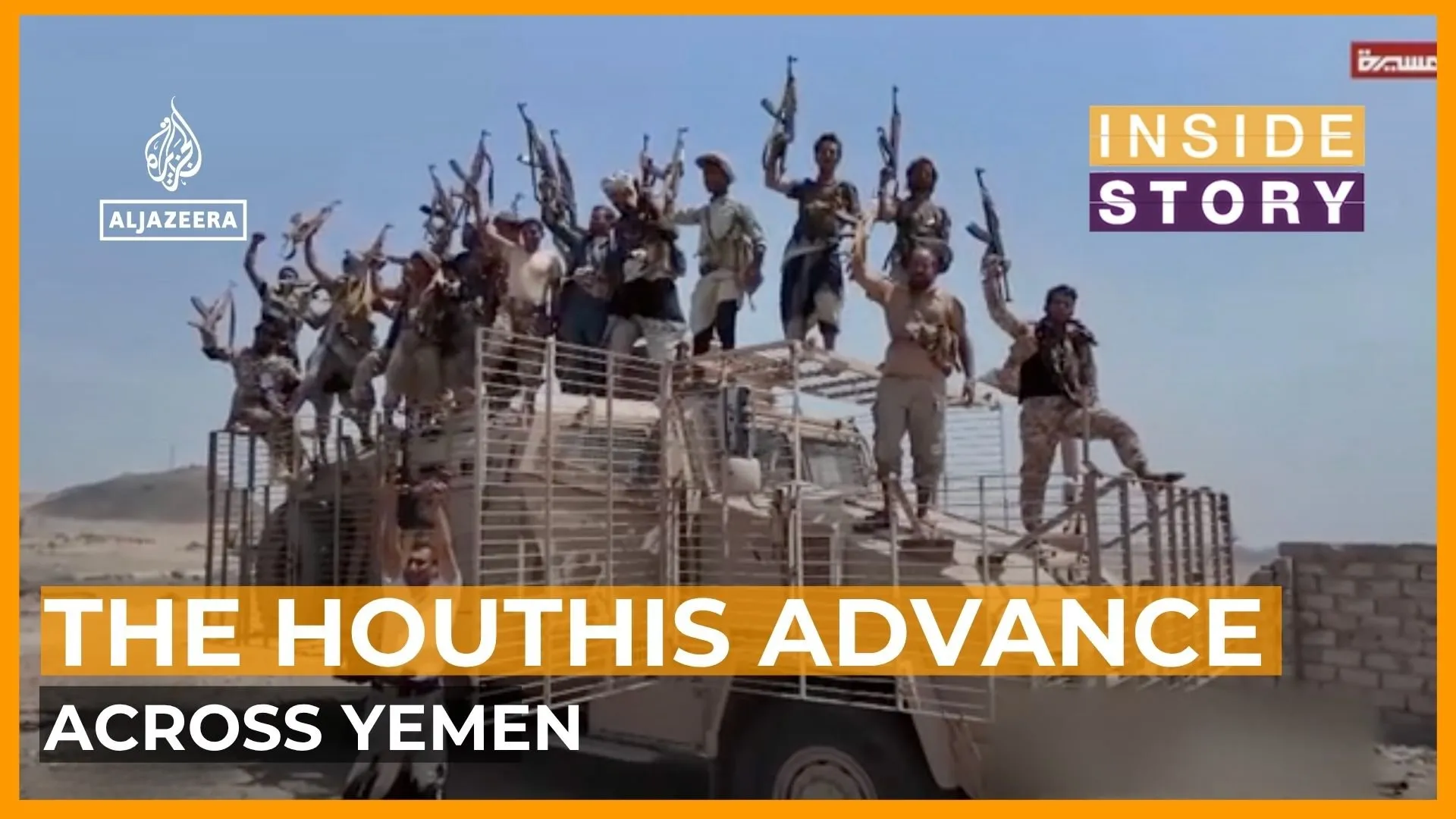
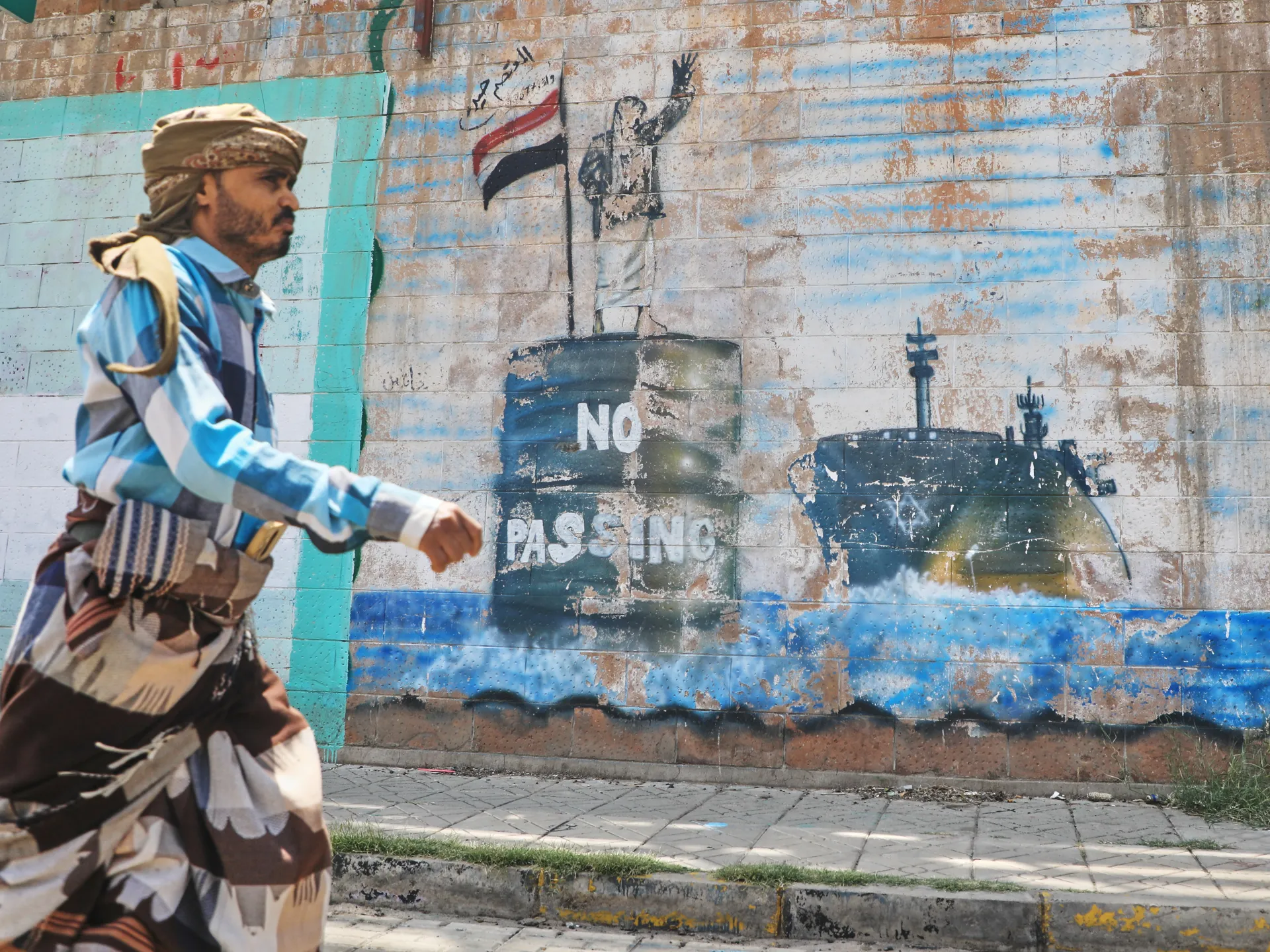
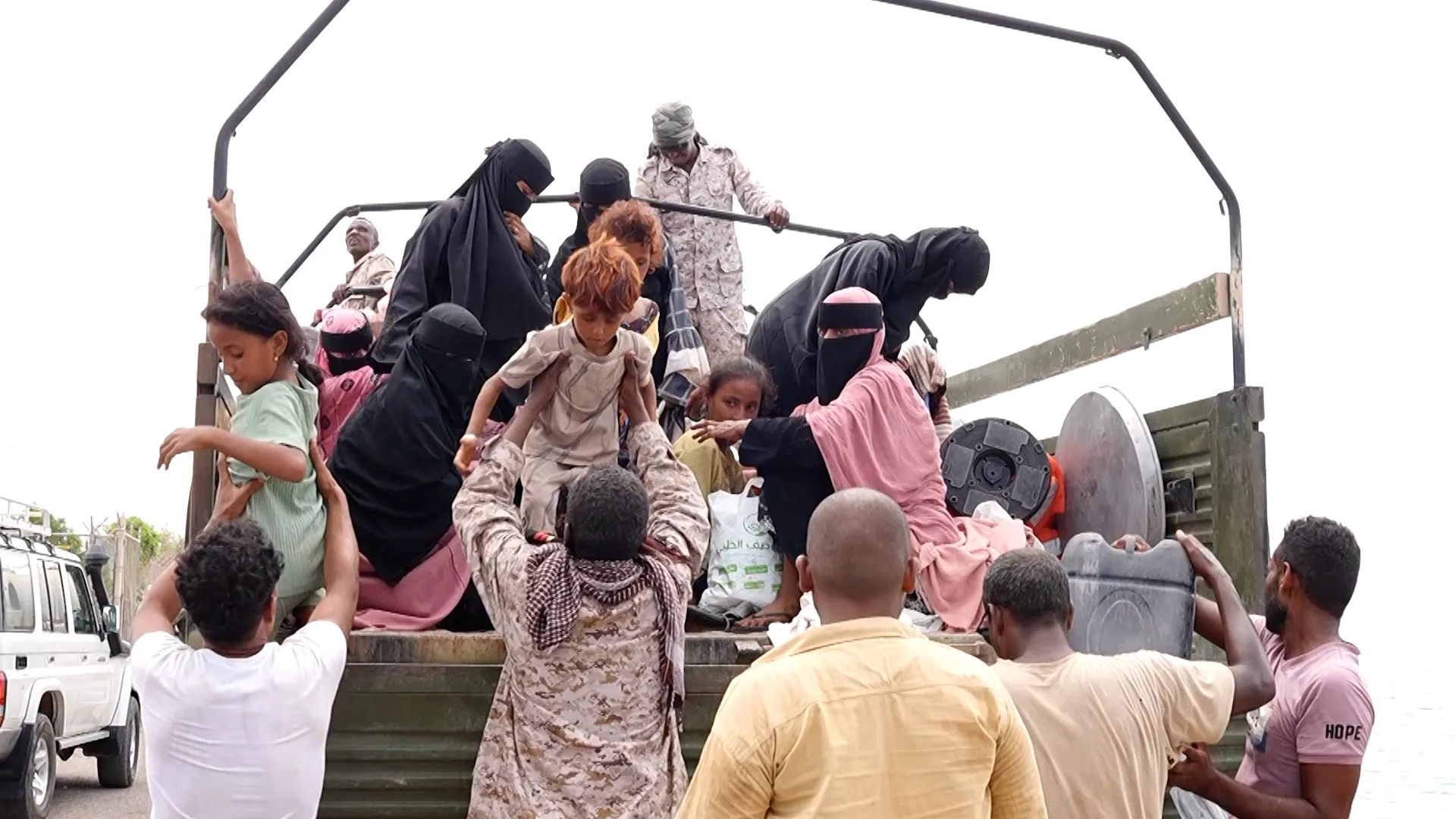
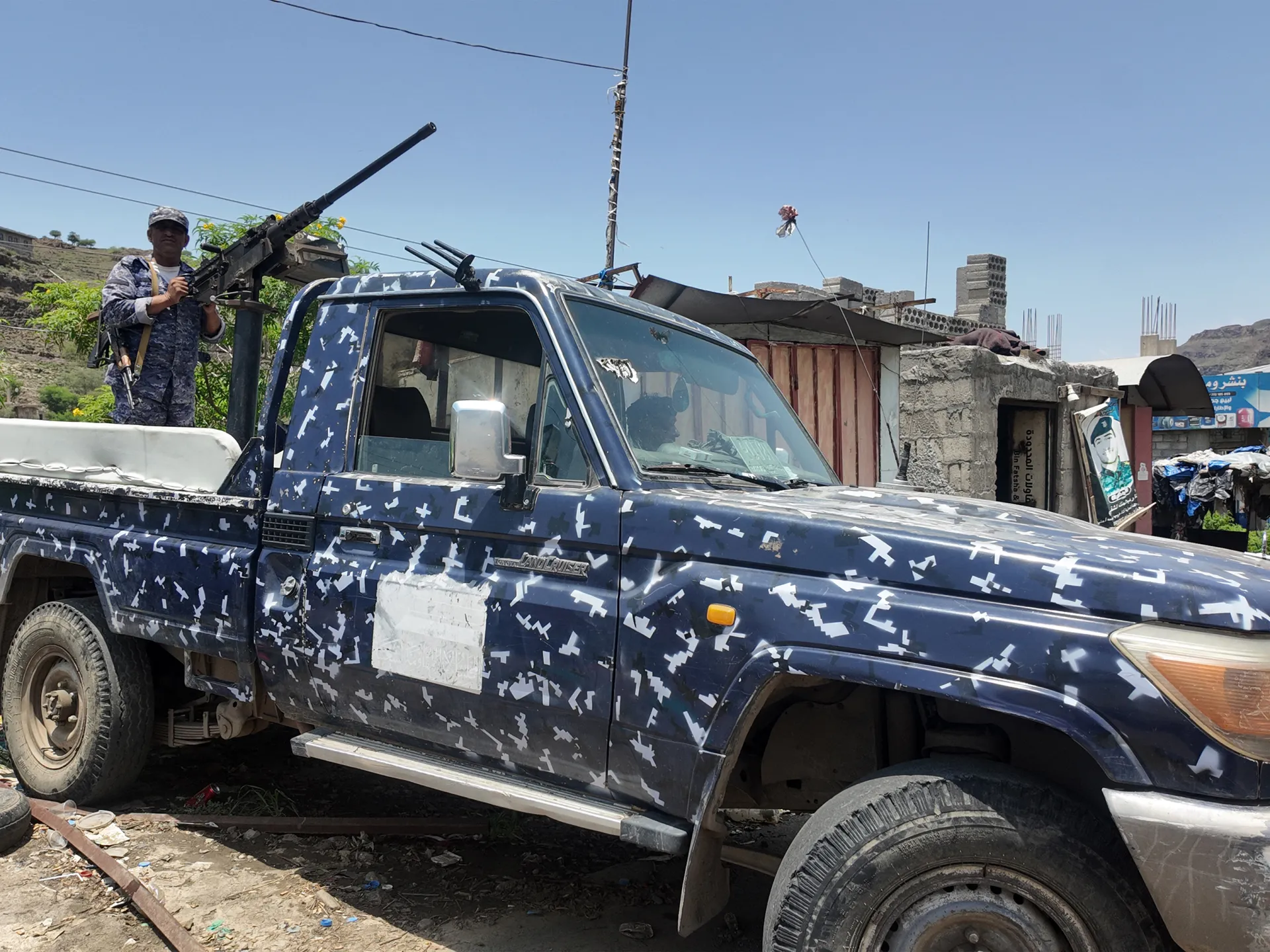
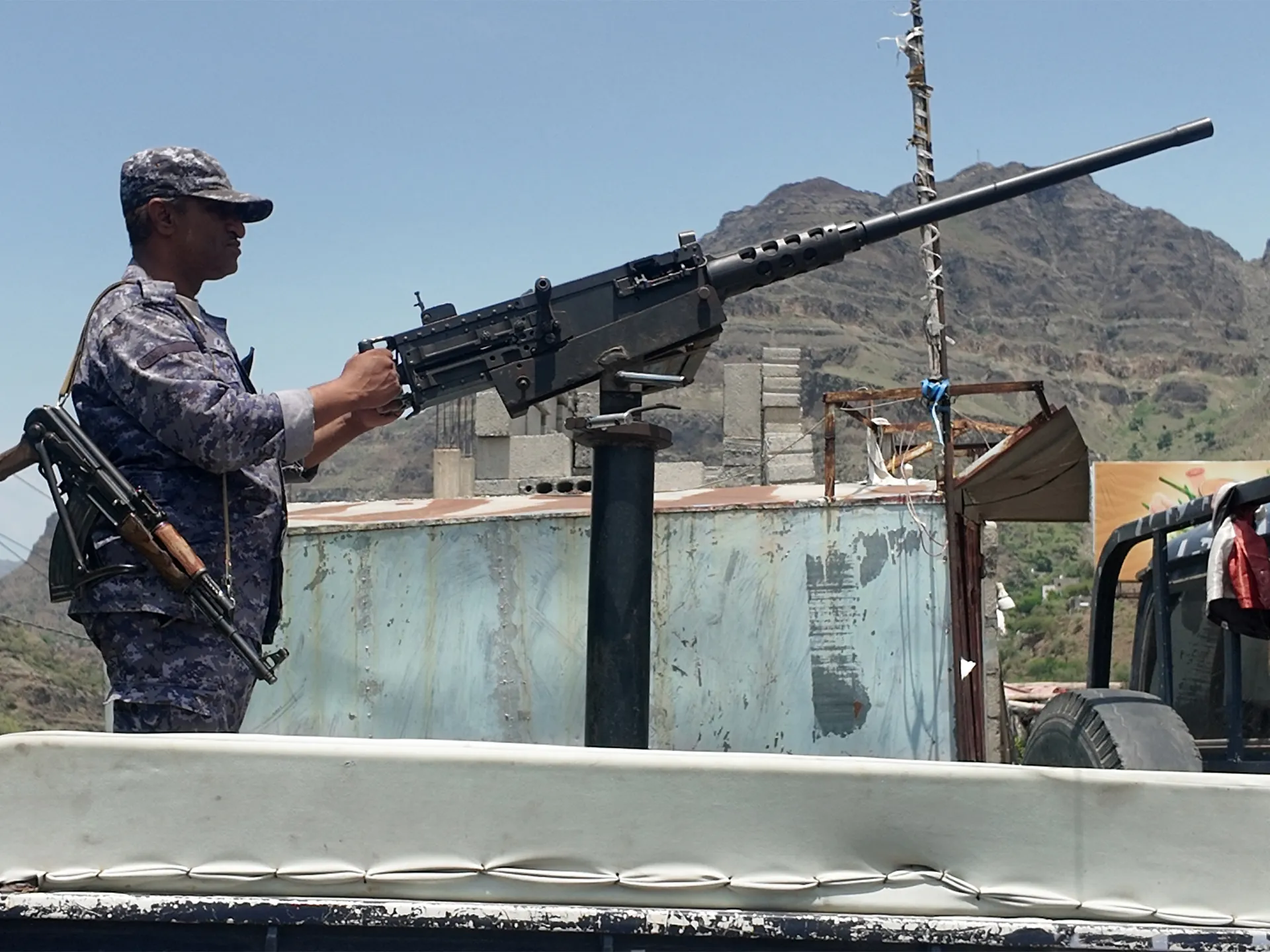
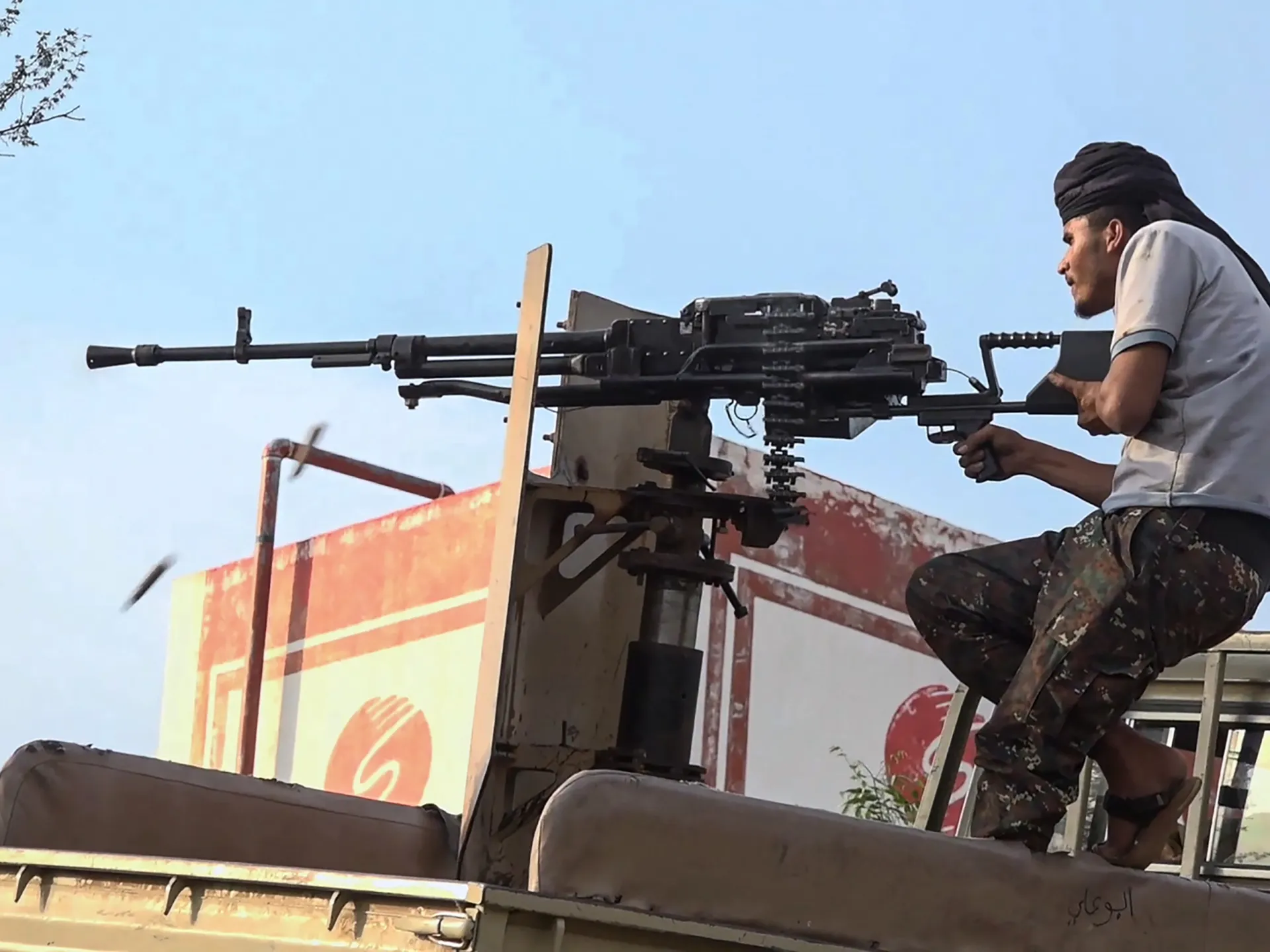
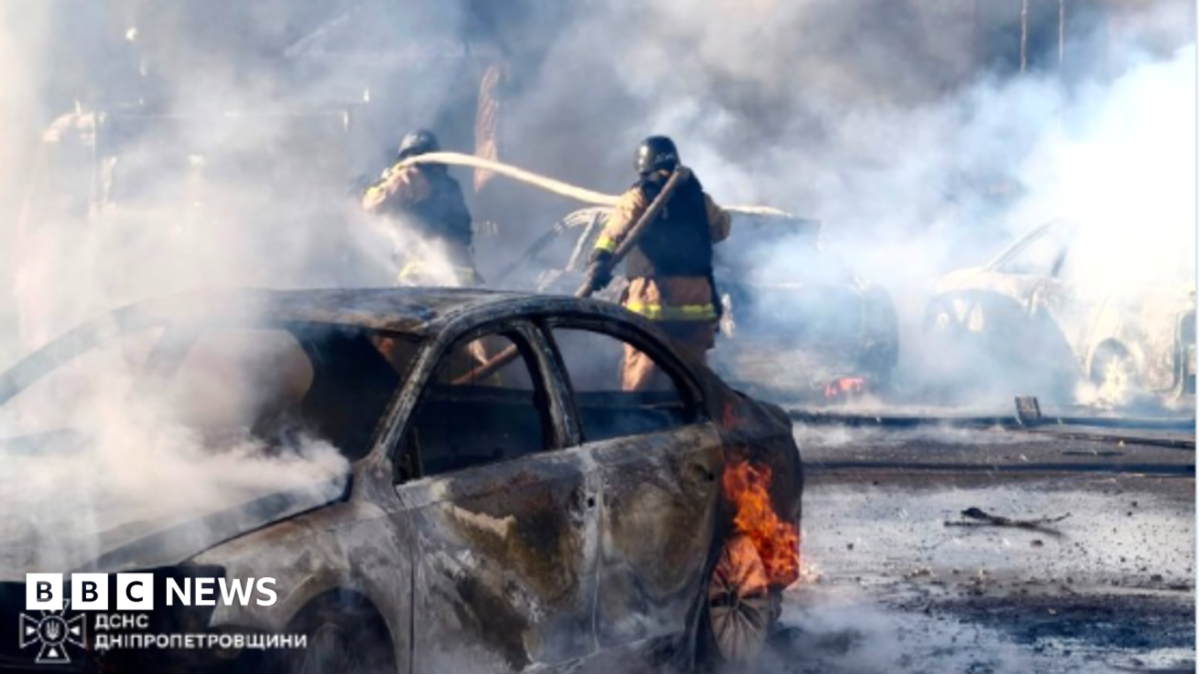
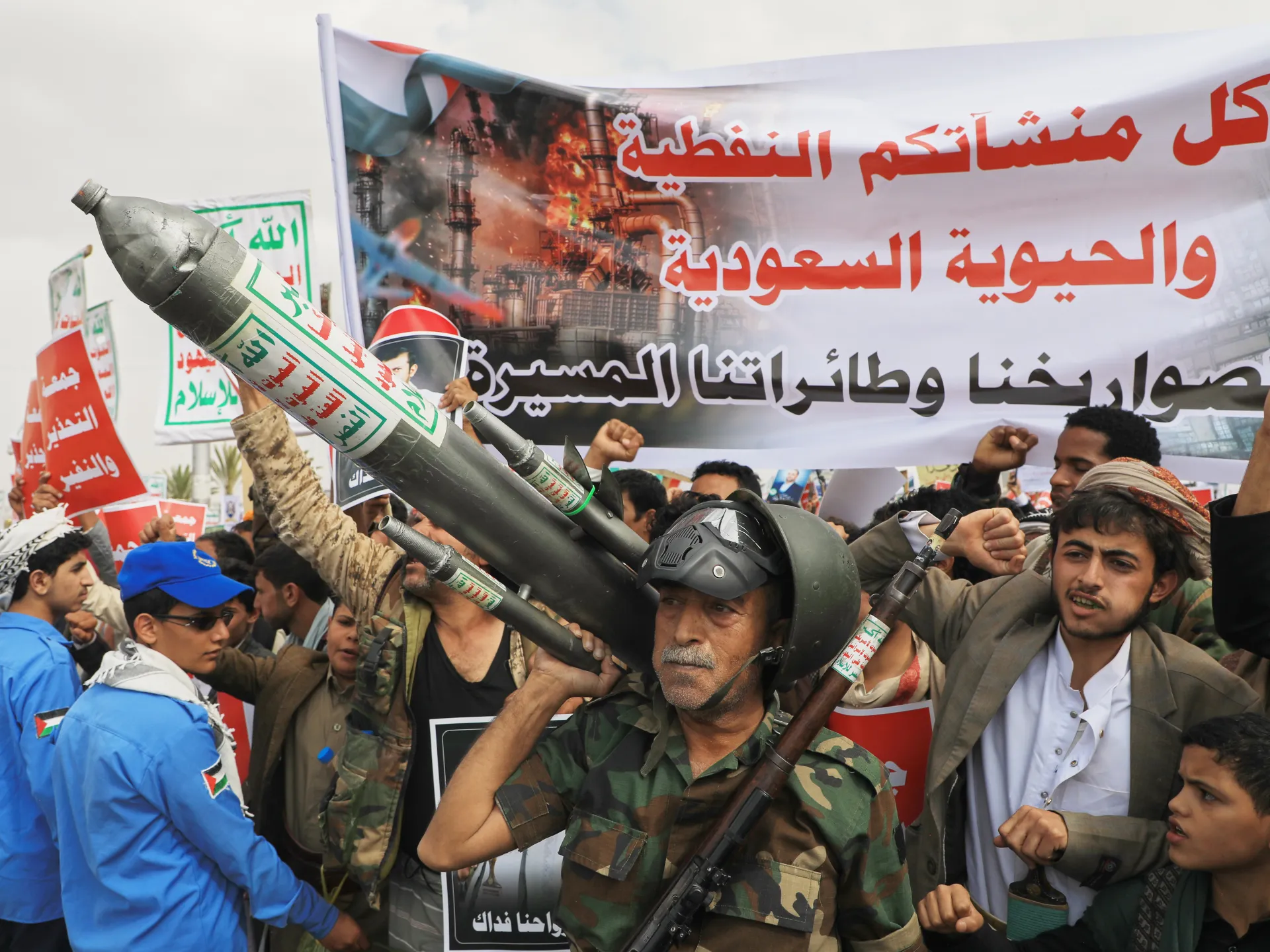
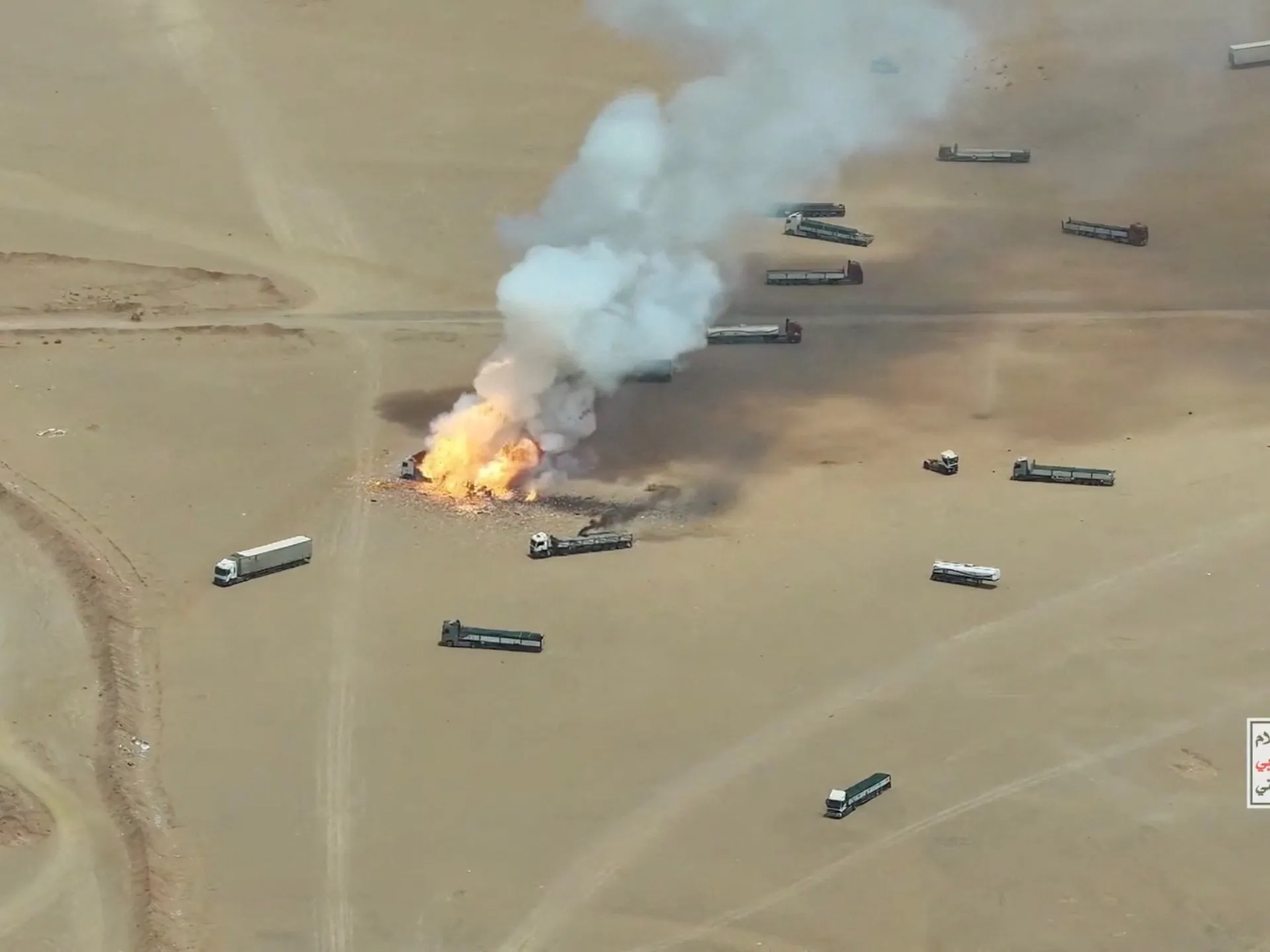
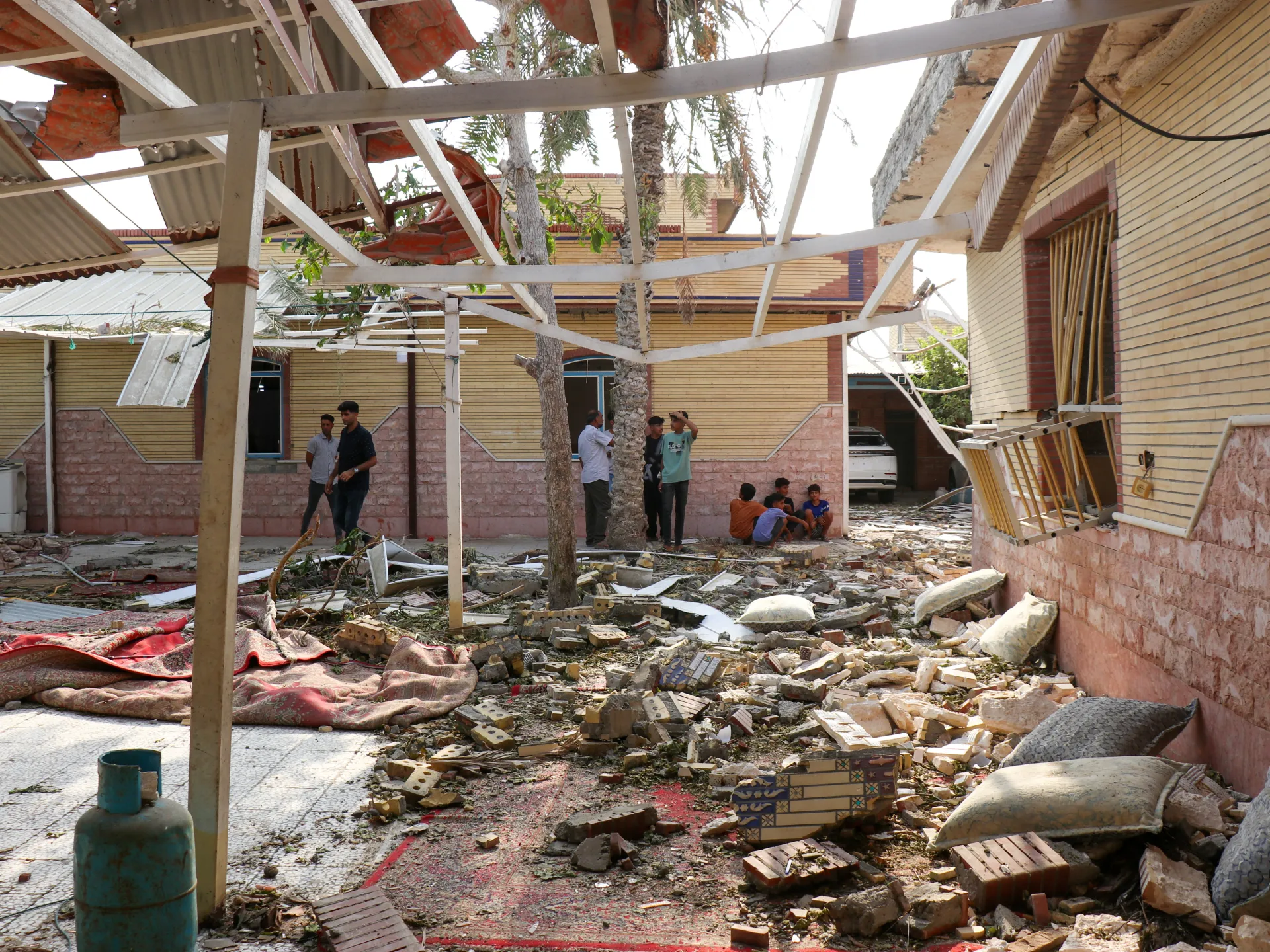
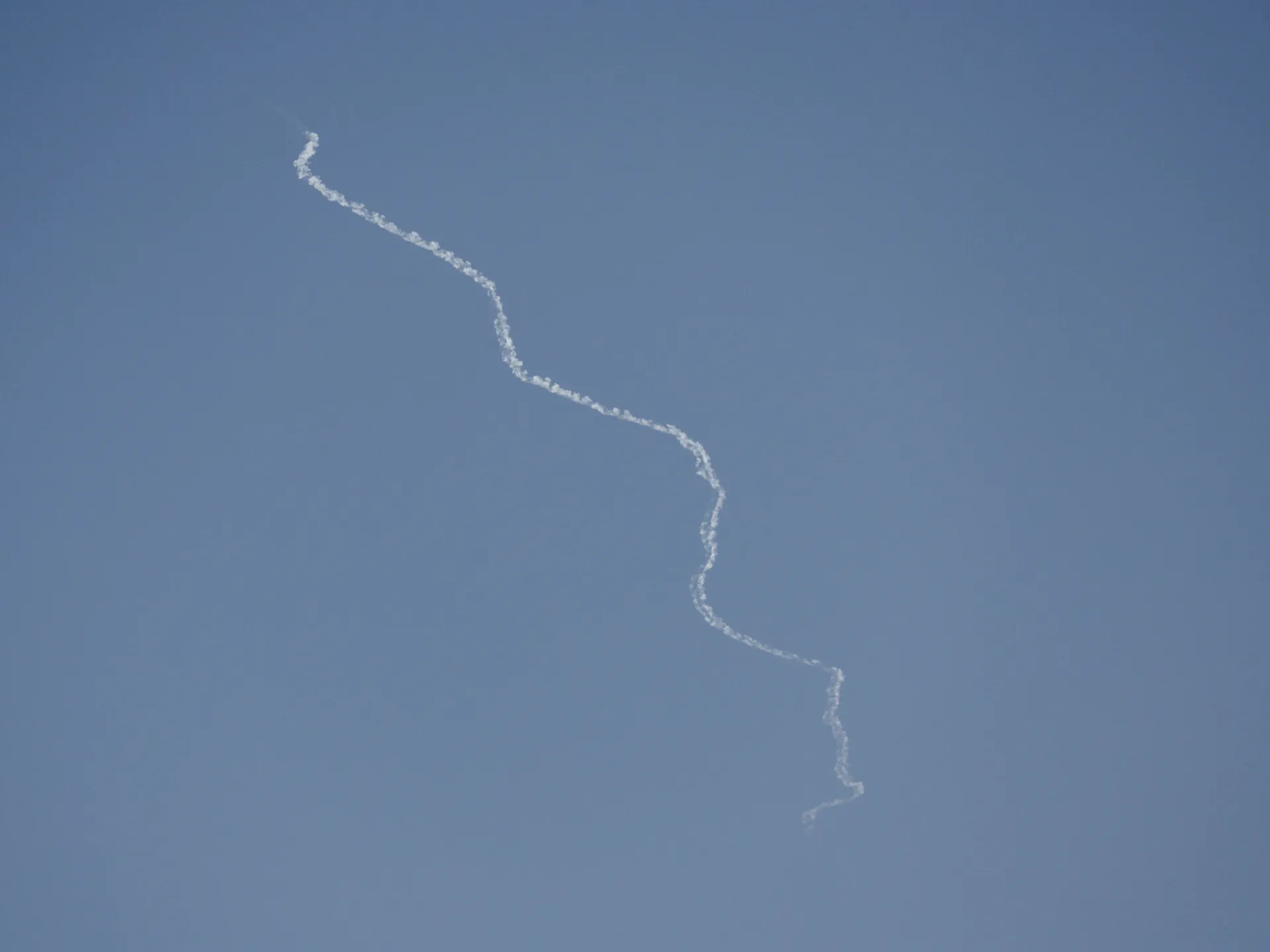
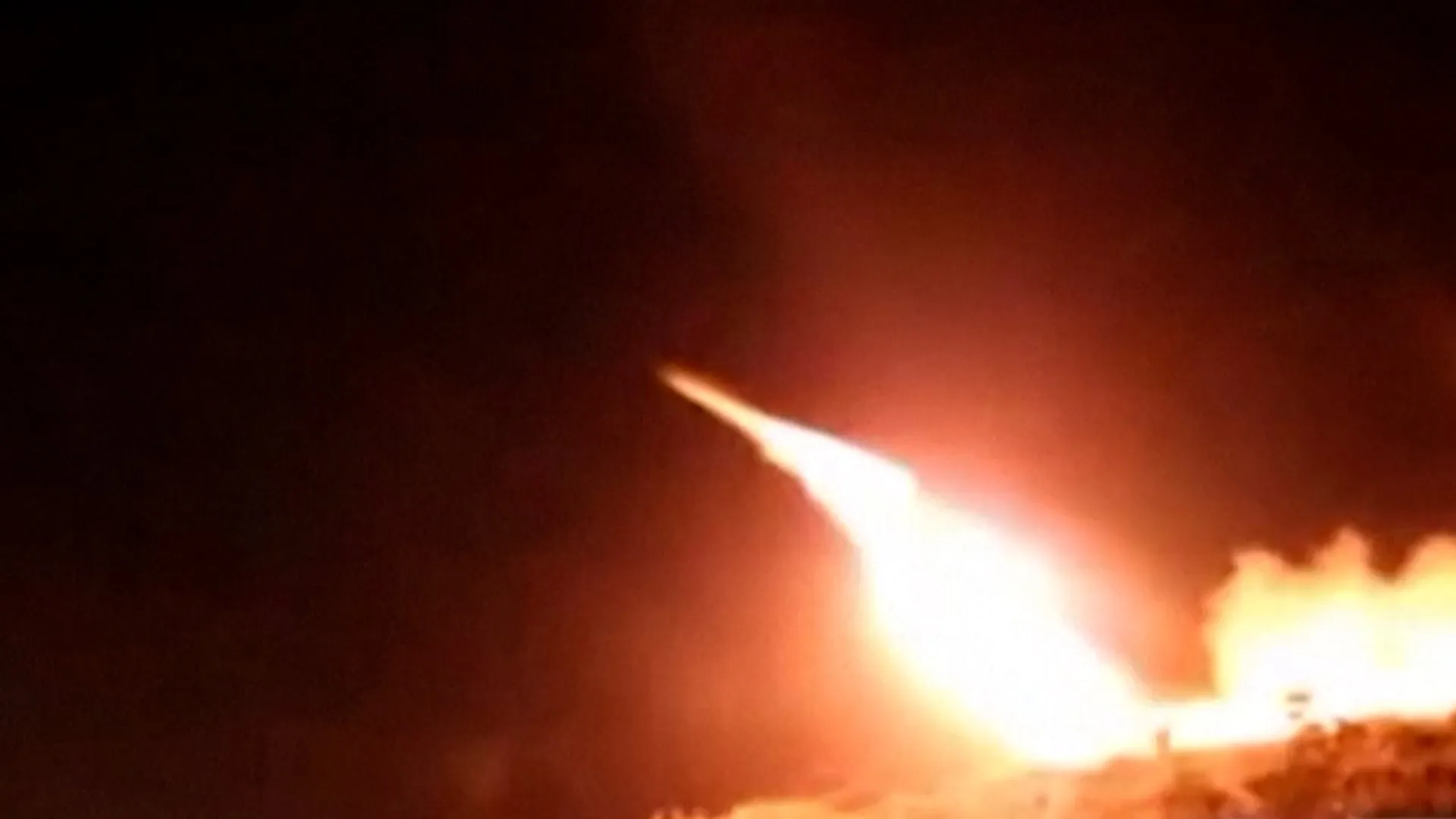
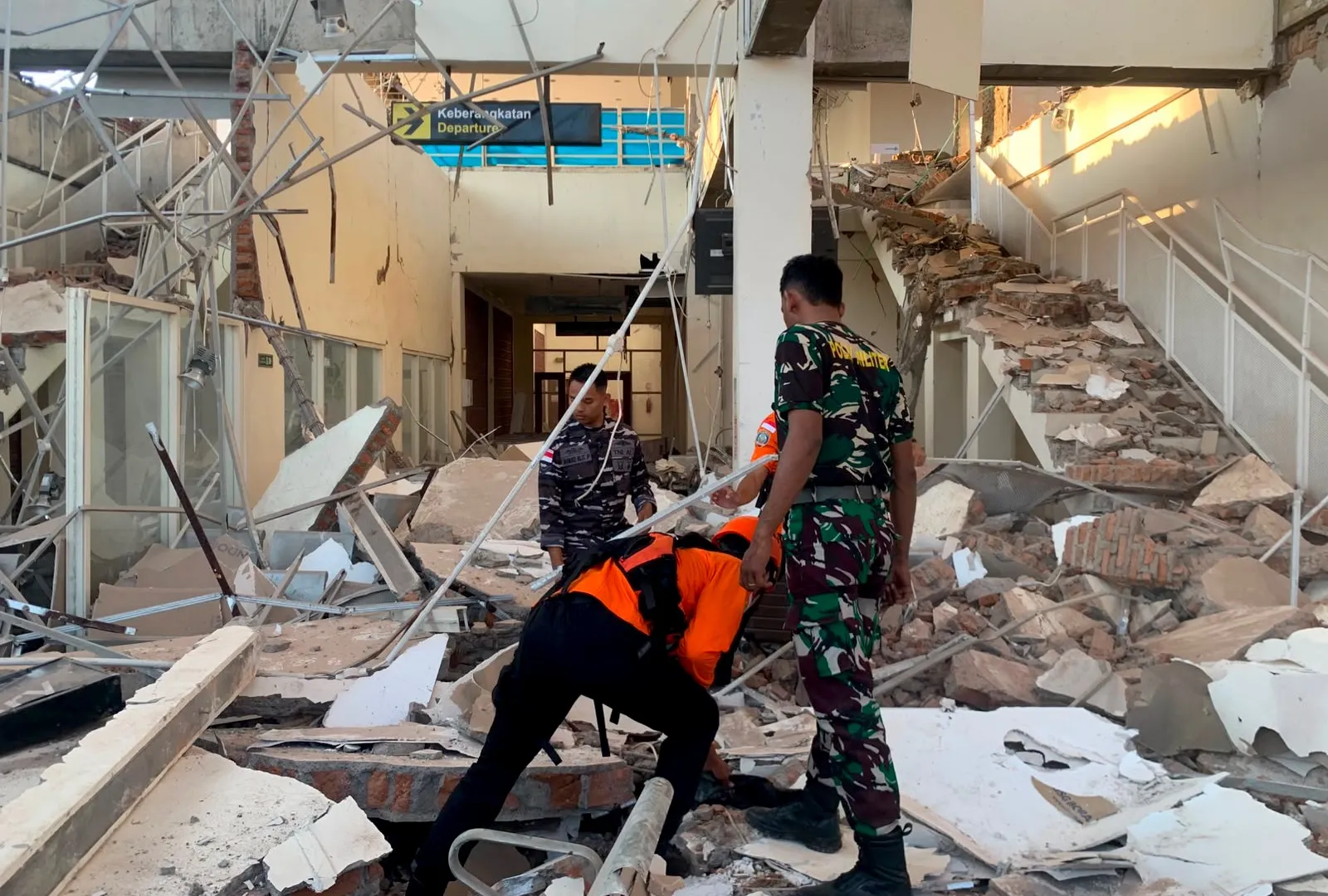
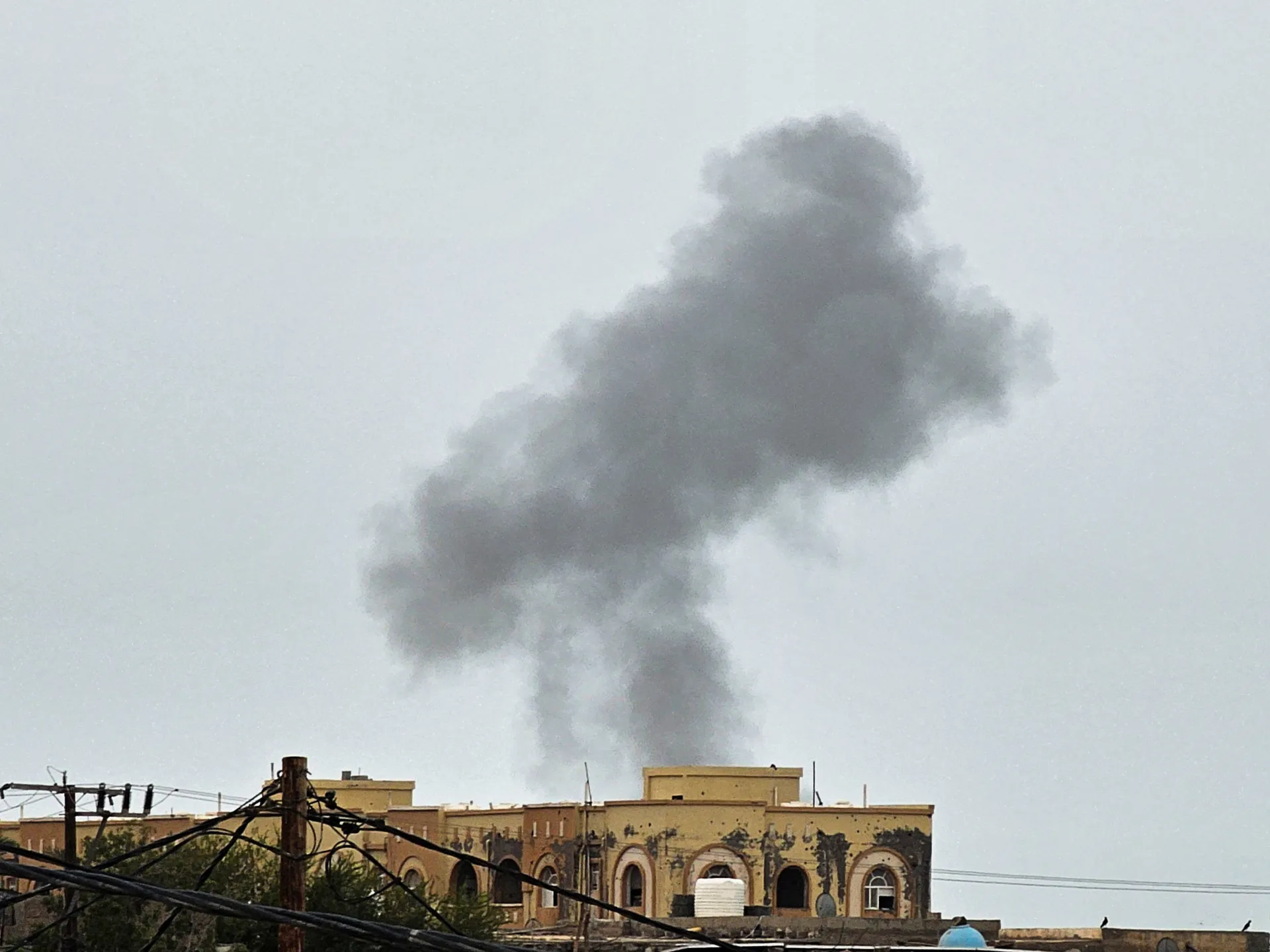
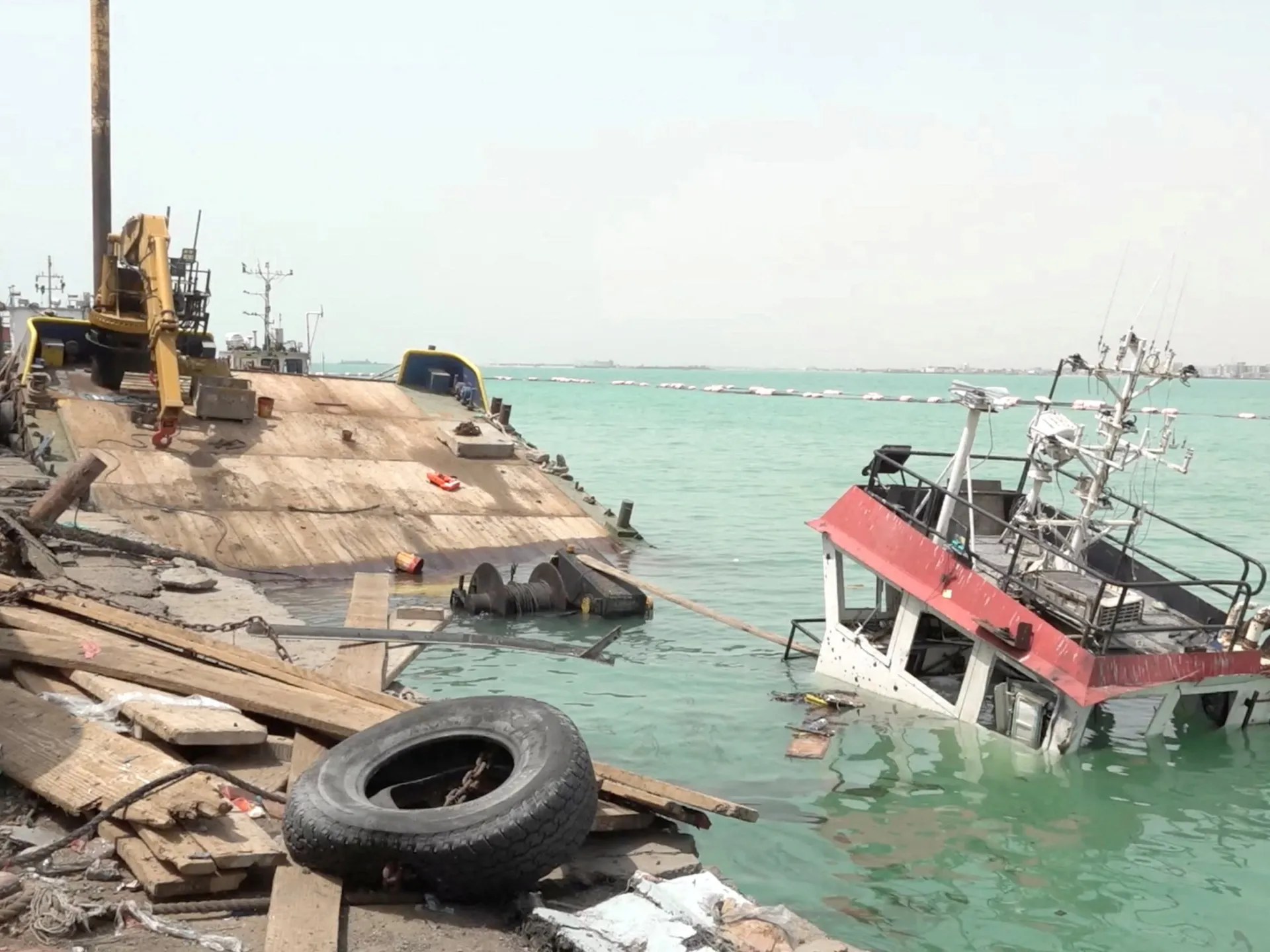
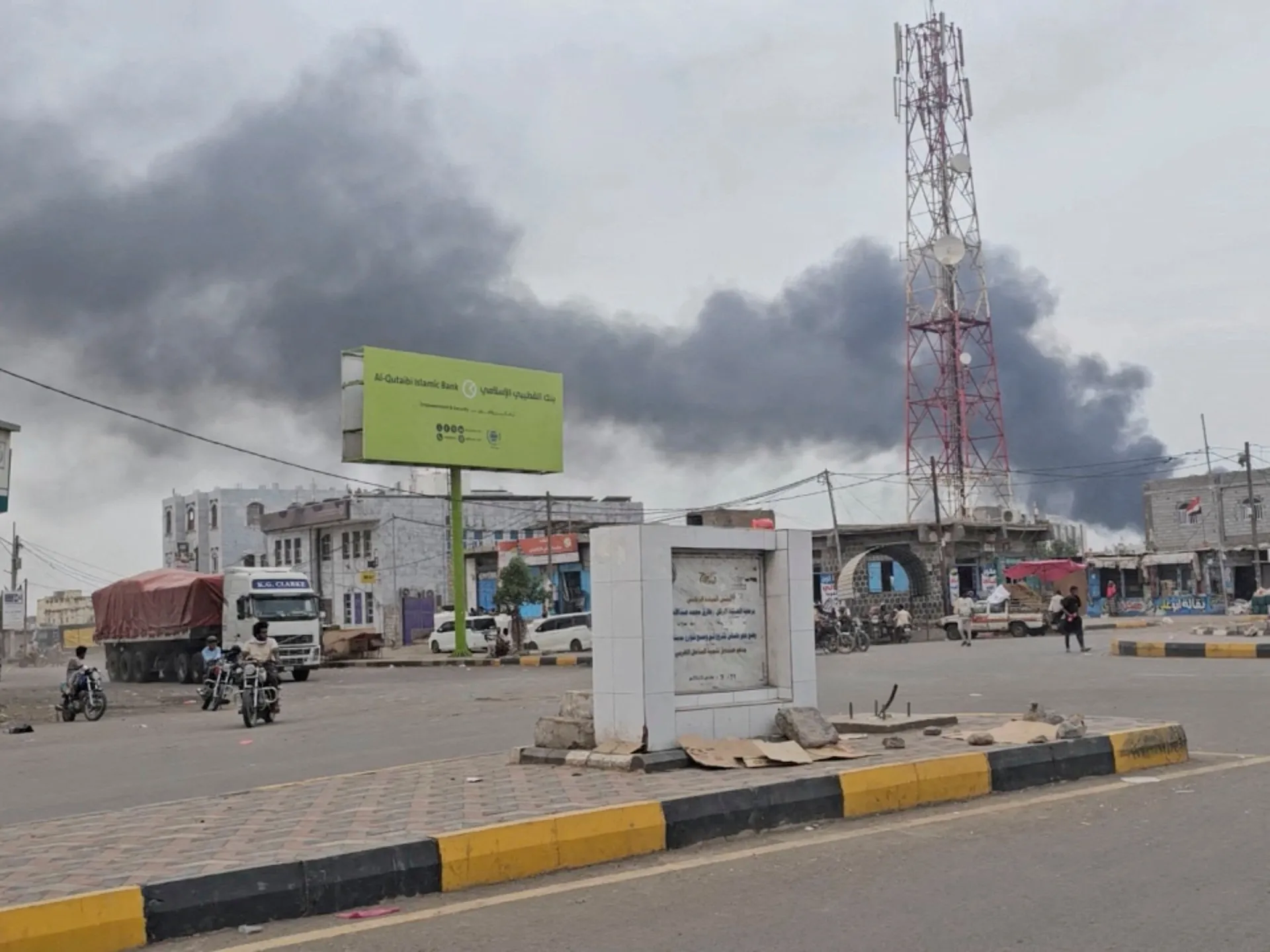
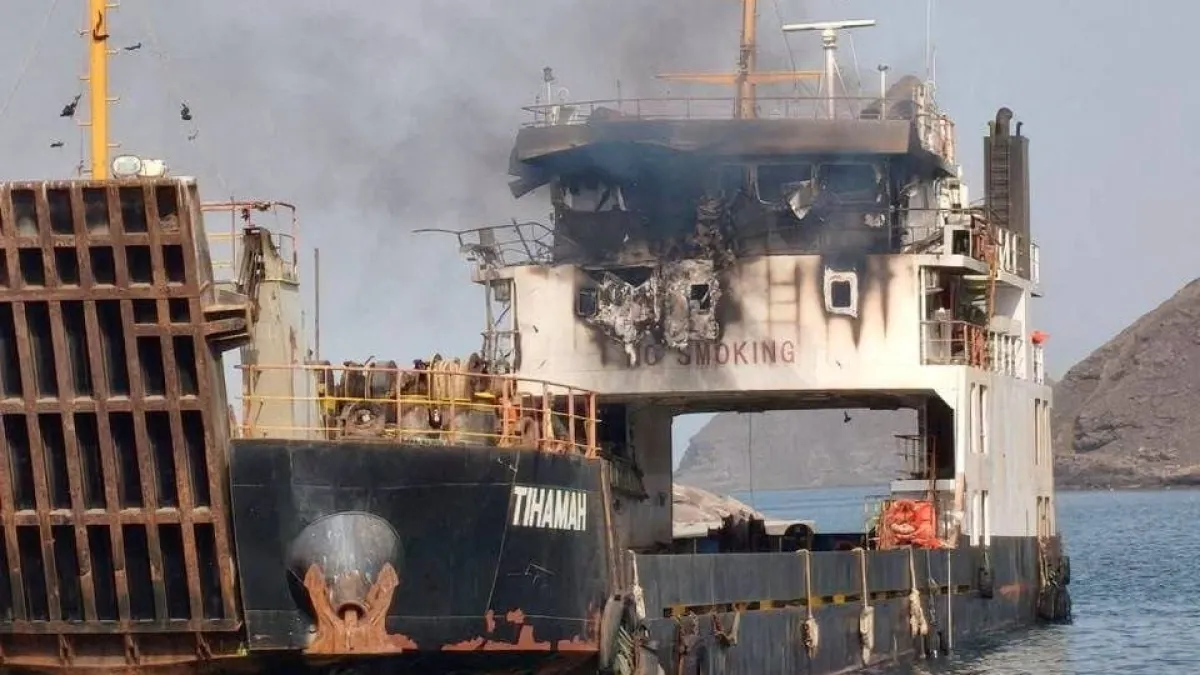
Beyond the primary confrontation with Iran, the talks are also expected to touch upon the persistent instability in Yemen. The conflict between Houthi rebels and the Saudi-backed government remains a secondary, yet equally dangerous, front that has been exacerbated inked assets repeatedly targeting U.S. bases, airports, and commercial hotels across the region since the conflict’s inception in late February.
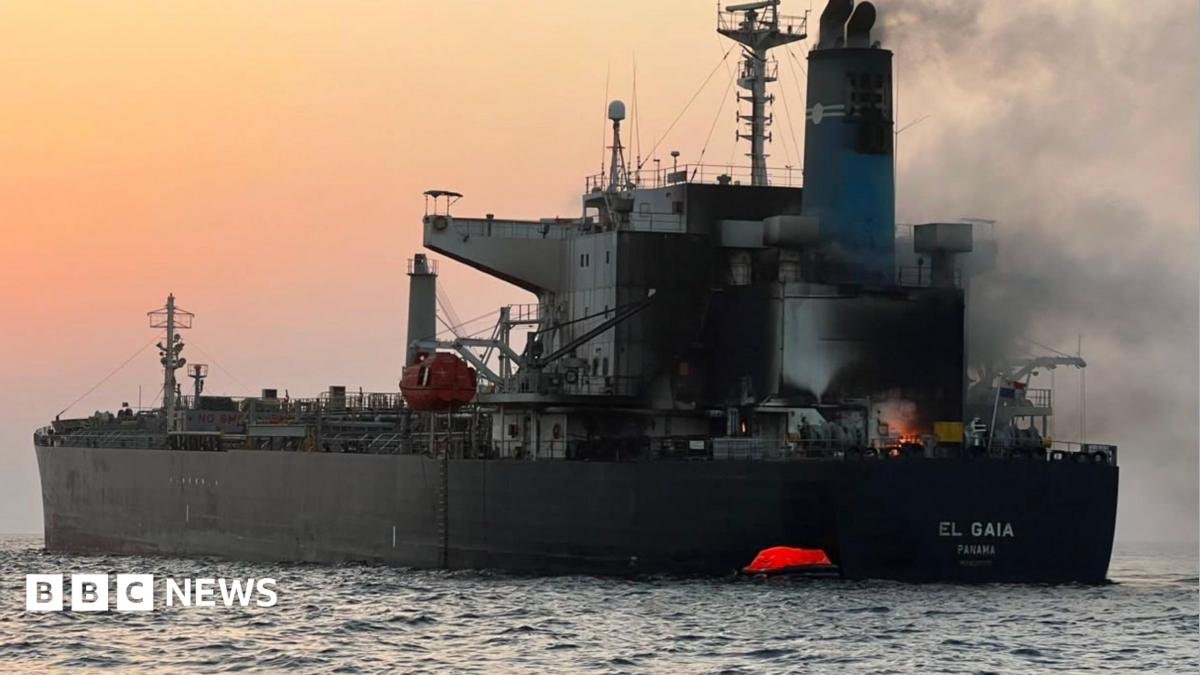
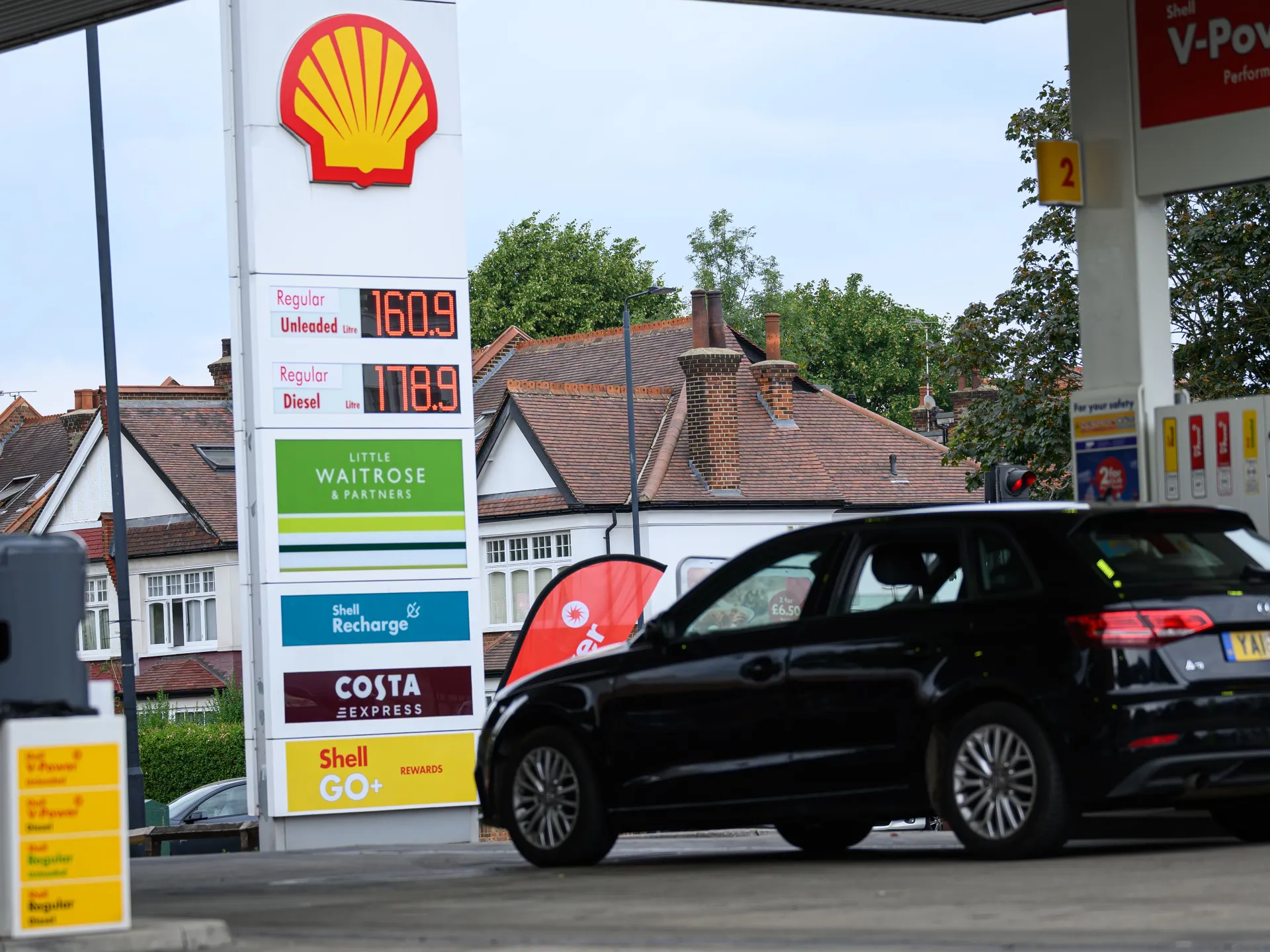
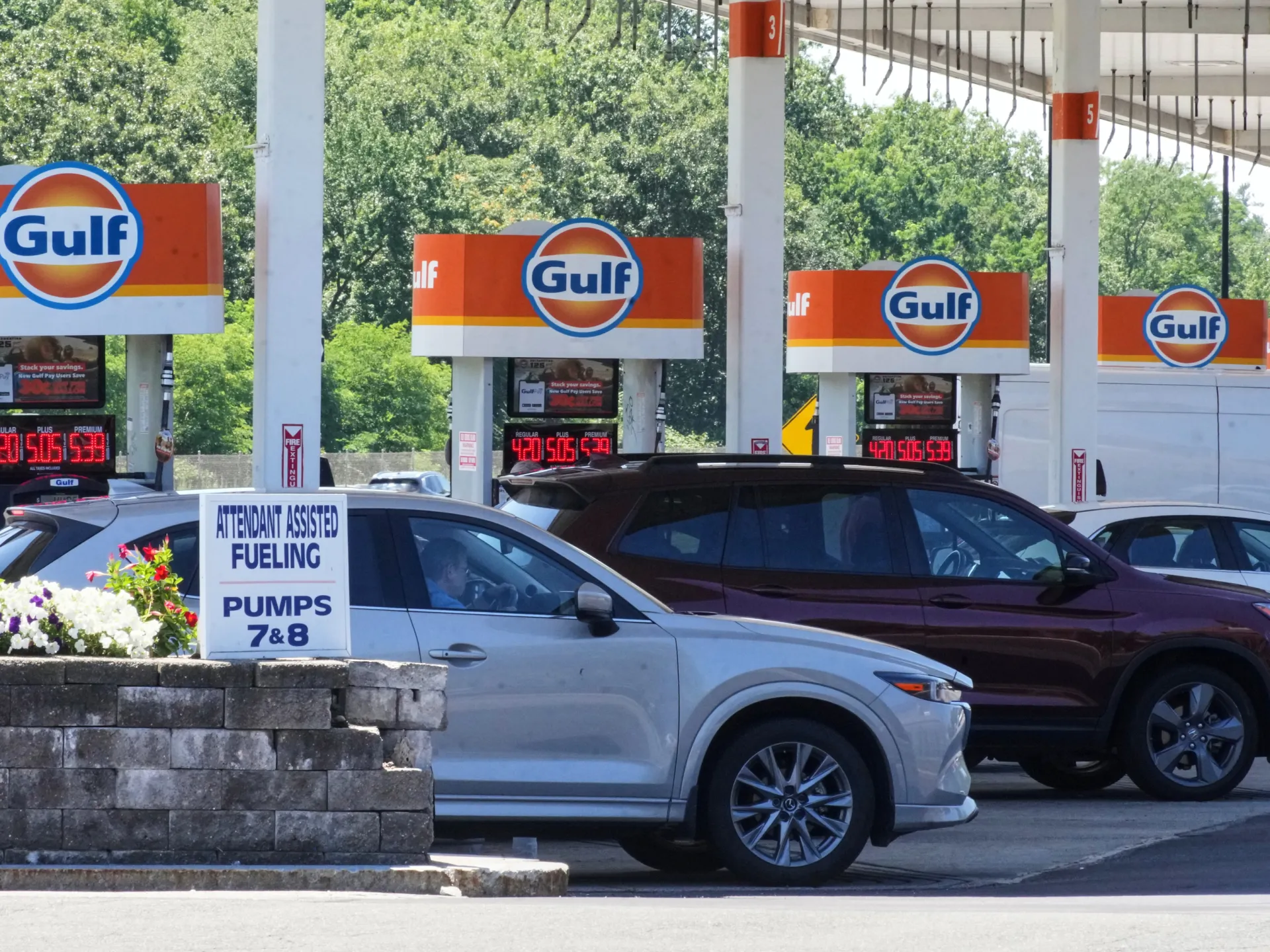
The failure of the June agreement, which was intended to provide a pathway toward a cessation of hostilities, has left both the U.S. and its Gulf allies without a clear roadmap. The closure of the Strait of Hormuz has served as the final catalyst for this emergency gathering. As global energy prices remain sensitive to any shifts in military posture, the pressure on the GCC leaders to present a viable, non-military alternative is immense. Whether the U.S. administration is willing to entertain such an alternative in the face of domestic pressure remains the central question of the summit.
The most immediate outcome of the New York talks will likely be a test of whether the U.S. is prepared to integrate Gulf security concerns into its final strategic decision regarding Iran. If the administration proceeds with further military escalation, it is probable that we will see a further hardening of regional economic instability and a possible surge in energy prices as shipping lanes remain compromised. Conversely, if the GCC is successful in pushing for a new diplomatic framework, the next few weeks may see a frantic attempt to replace the failed June MoU with a more robust, perhaps more restrictive, agreement.
Analysts suggest that regardless of the public rhetoric, the underlying reality is a race against time. With both the U.S. and Iranian leadership present in the same city, the risk of miscalculation remains at an all-time high. The "big decision" Trump has teased will likely be finalized shortly after these consultations, leaving the GCC states to manage the fallout of whatever policy shift the White House ultimately adopts.