A newly launched White House digital platform arrives amid an escalating standoff as major news networks form a coalition to contest recent media bans.
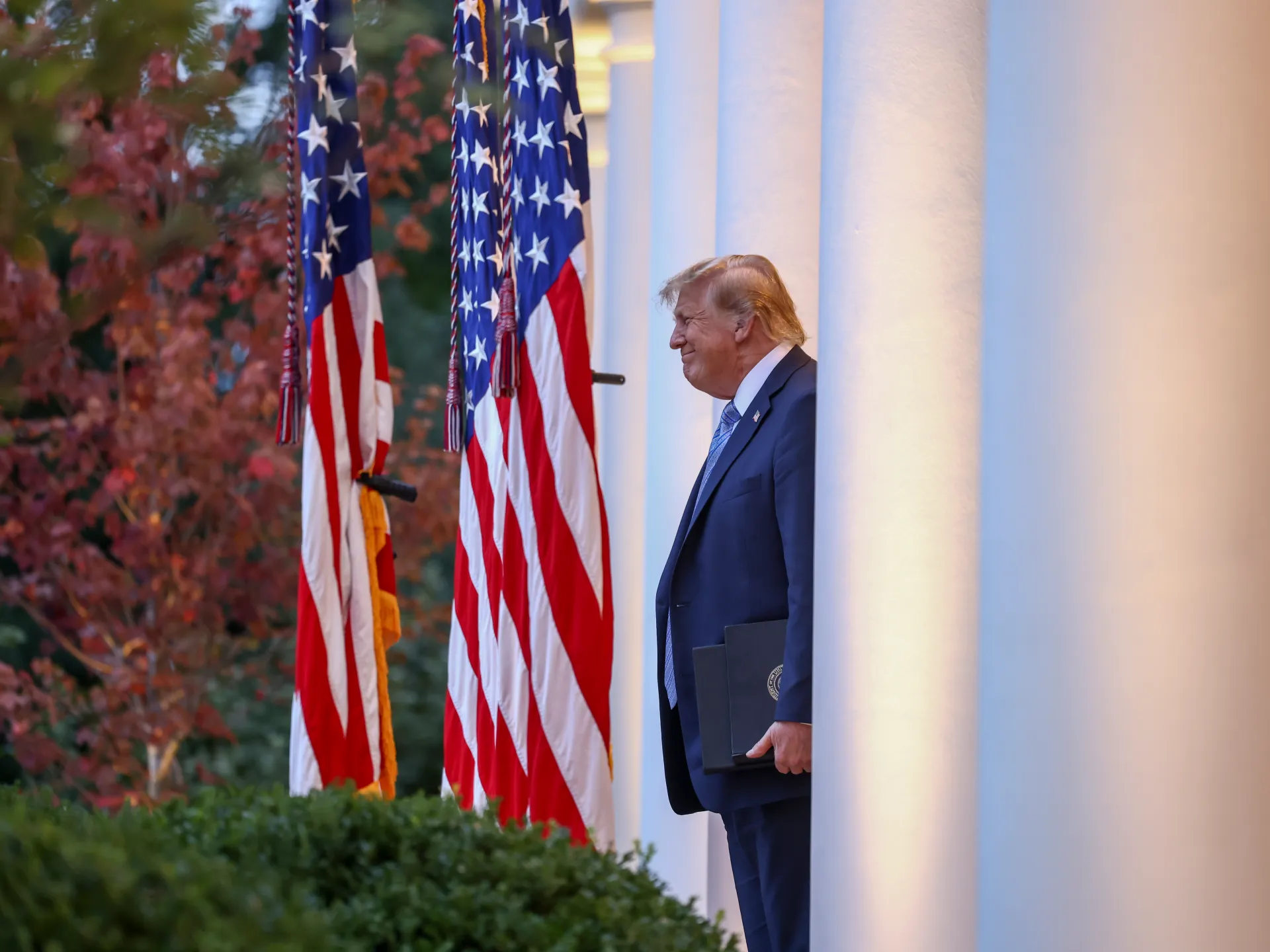
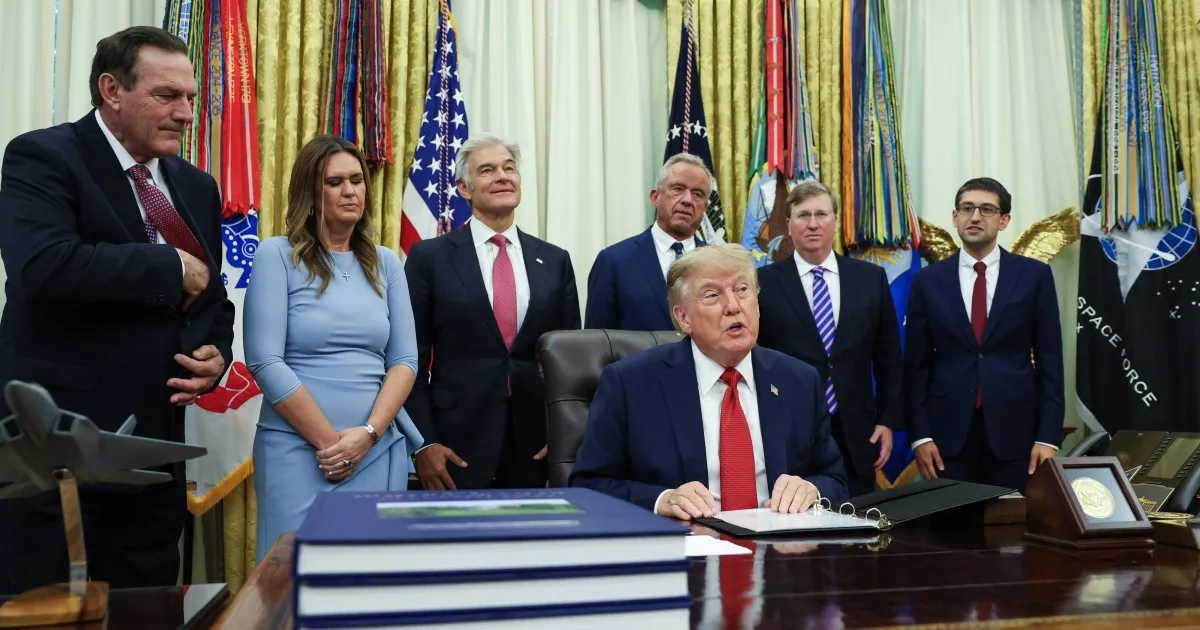
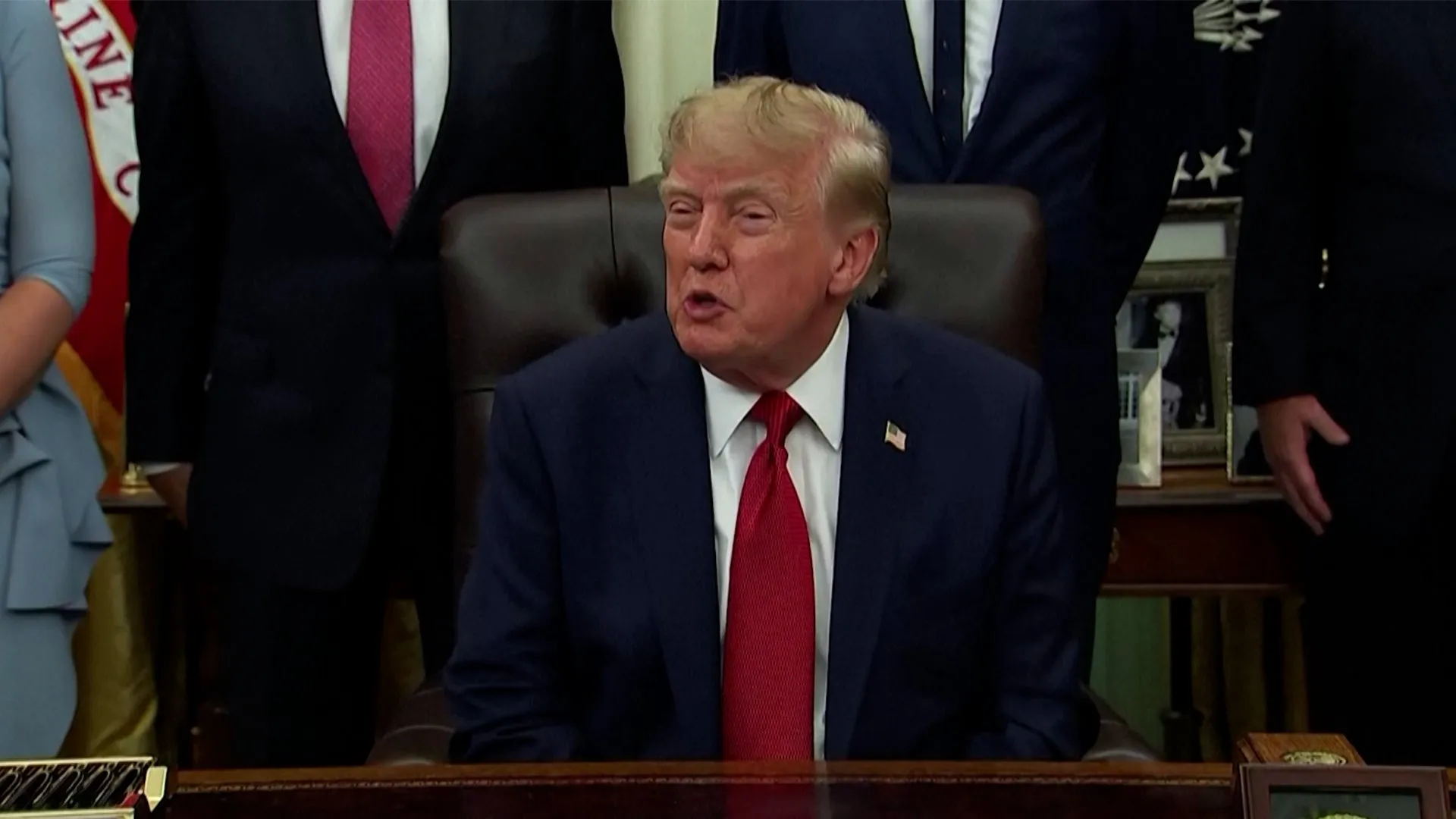
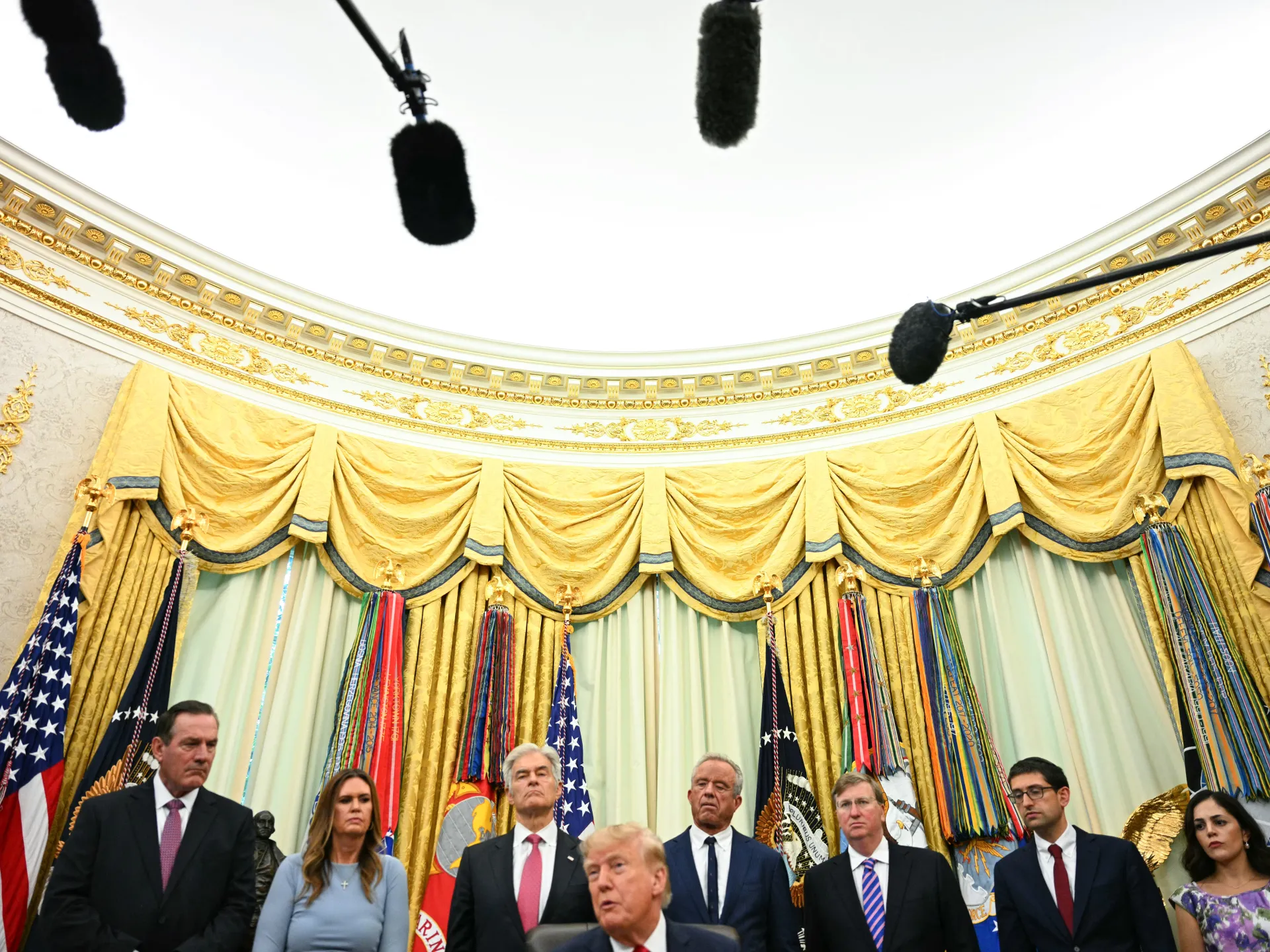
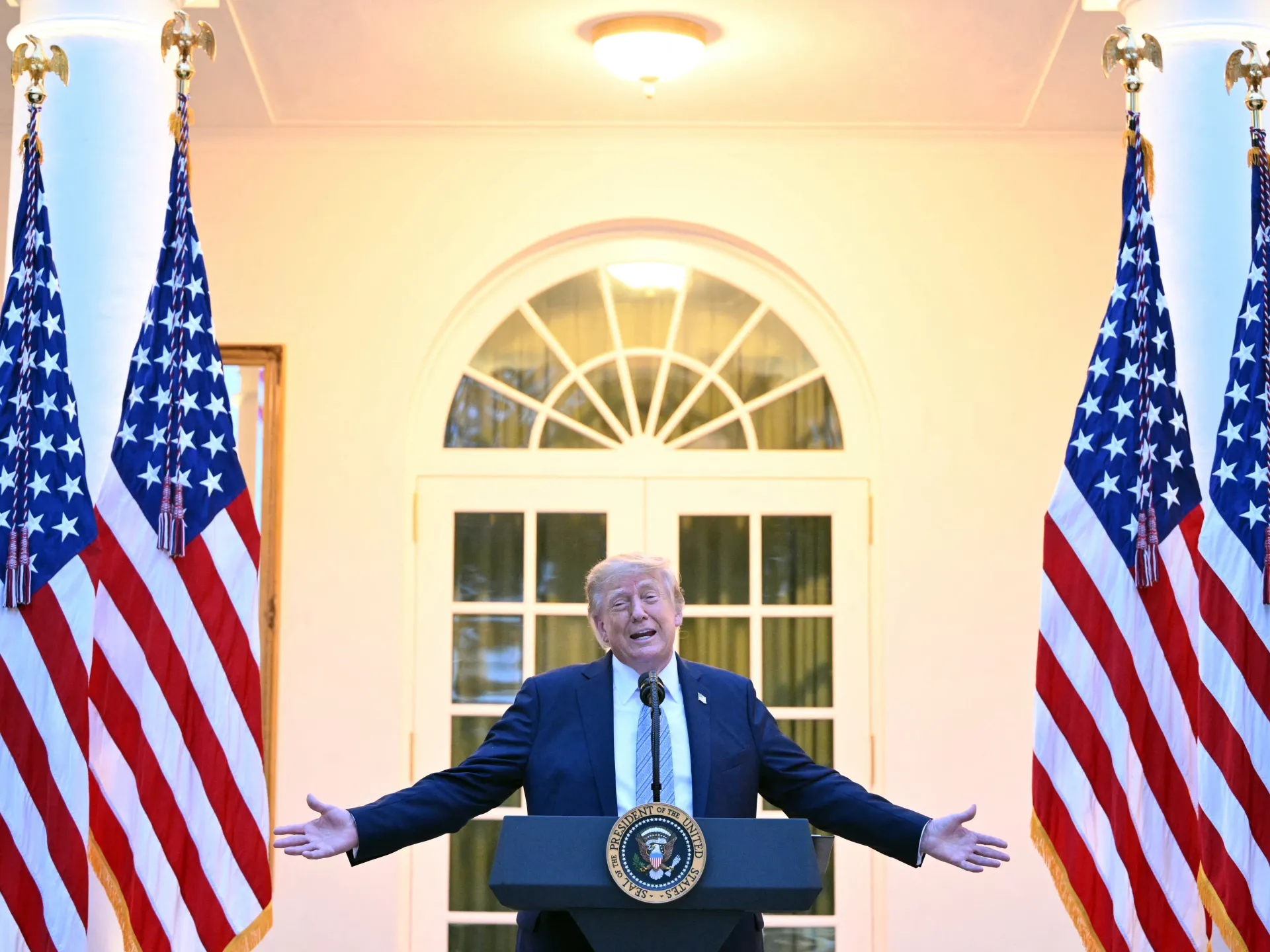
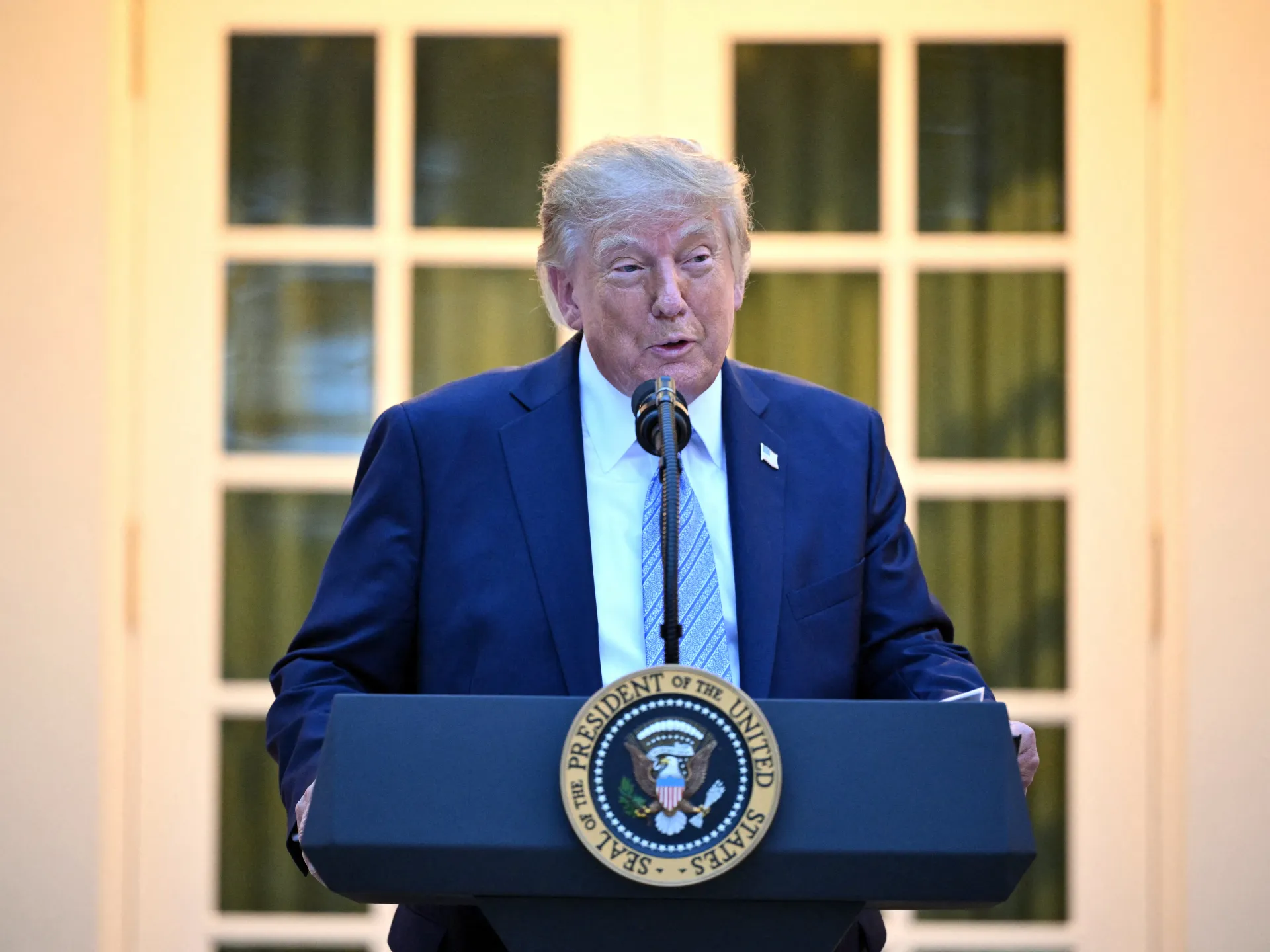
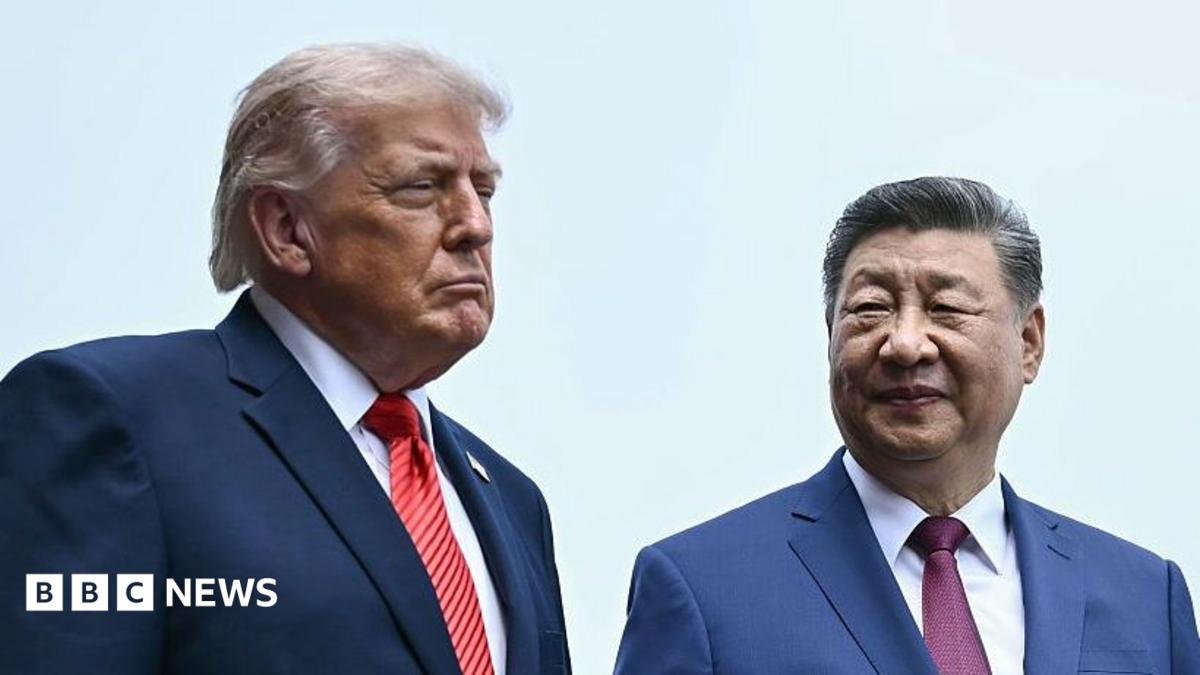
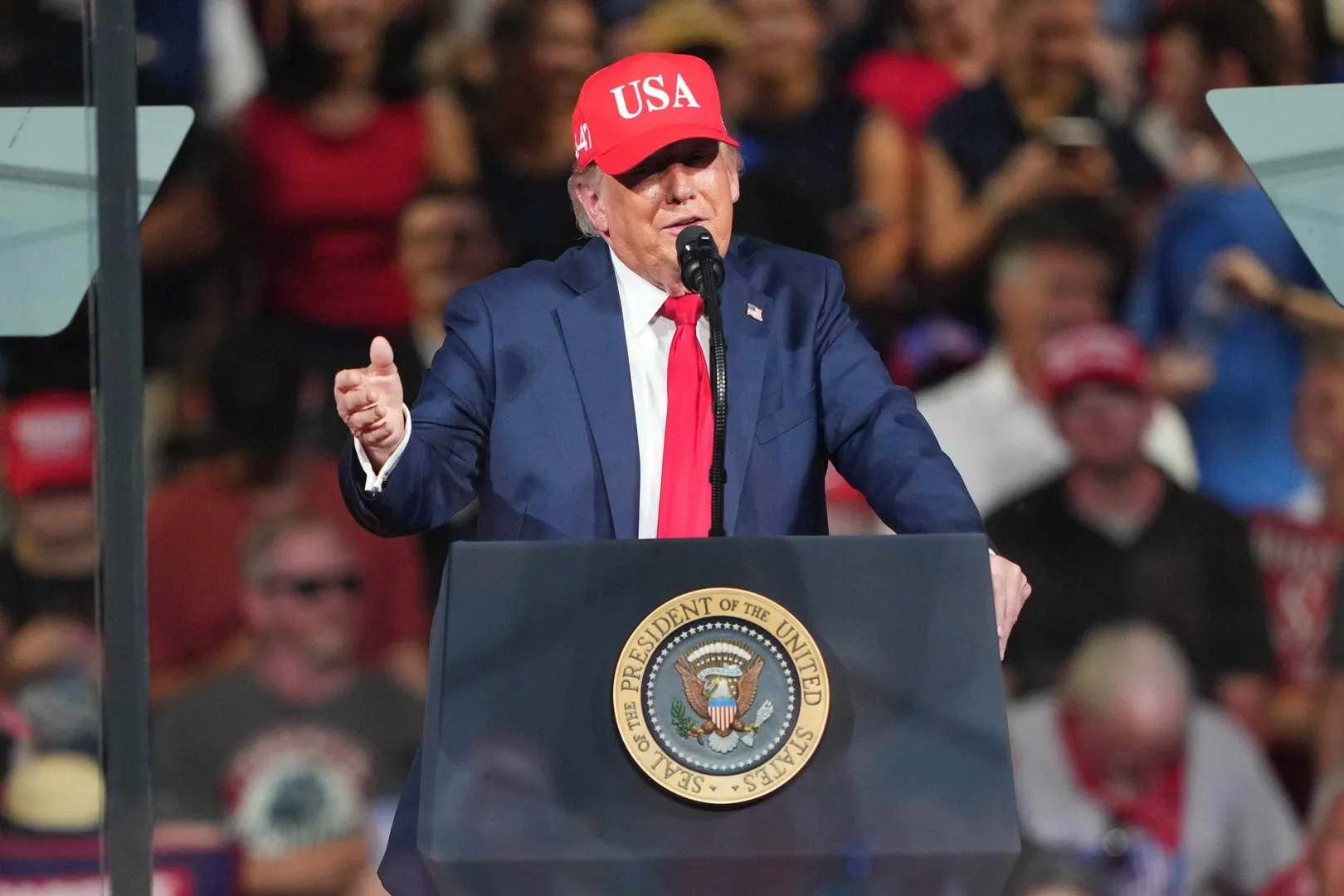
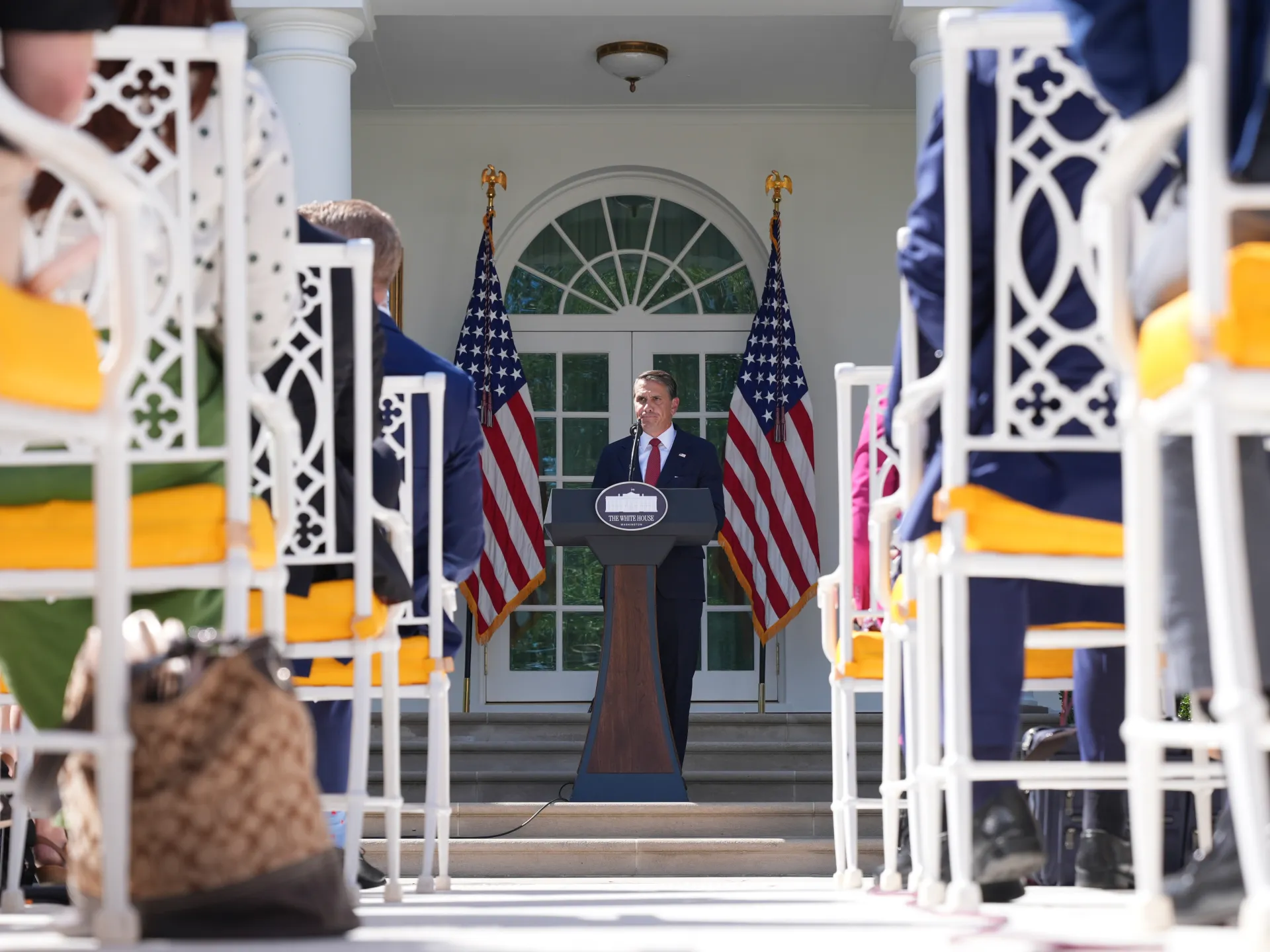
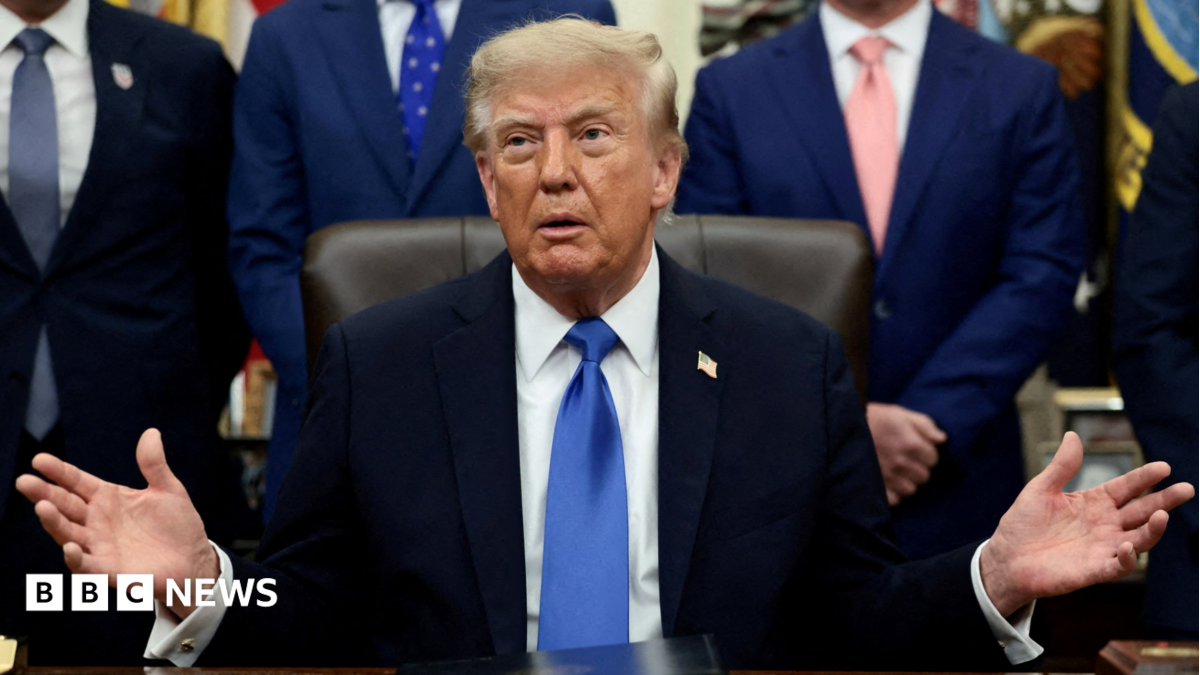
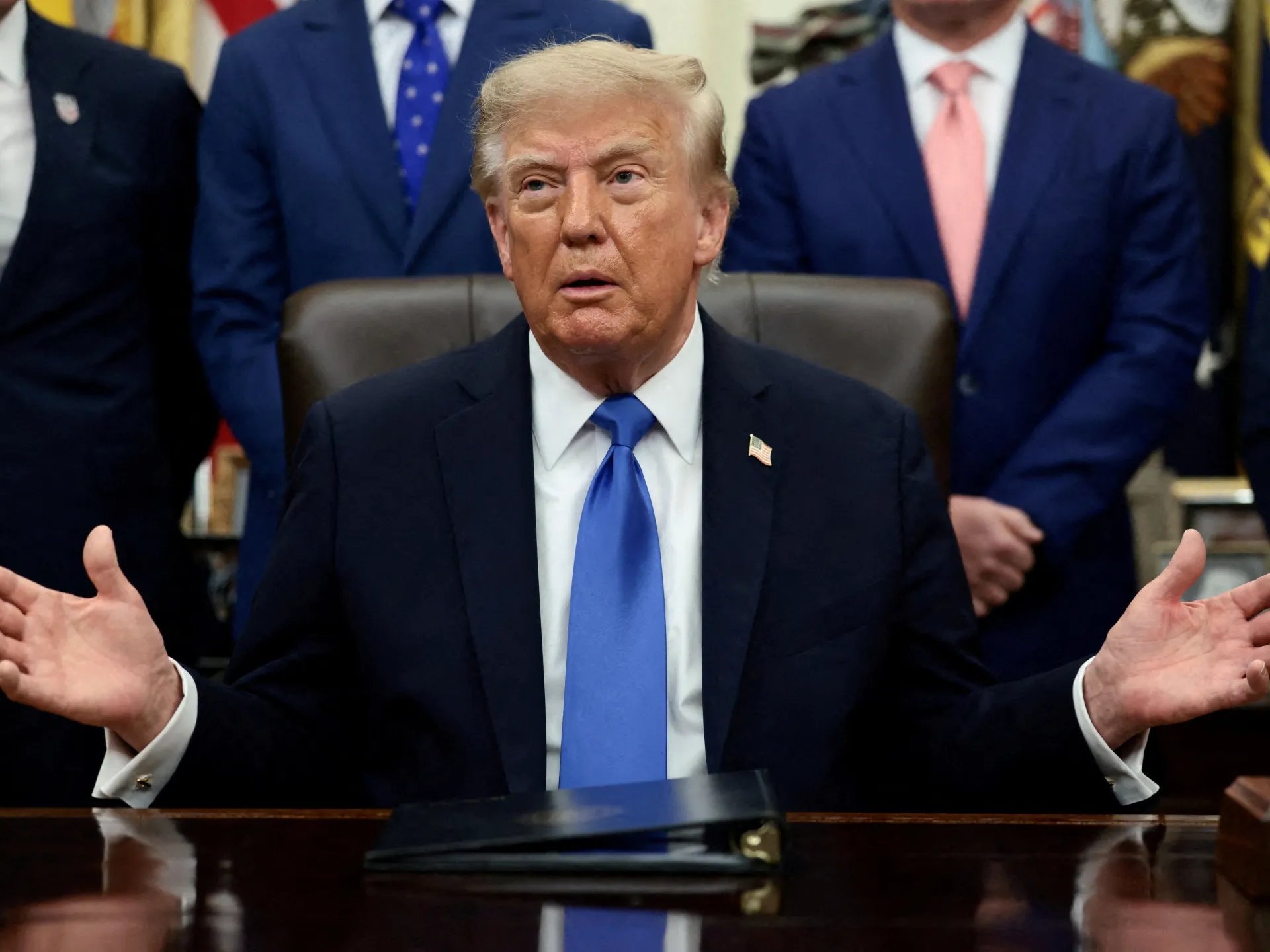
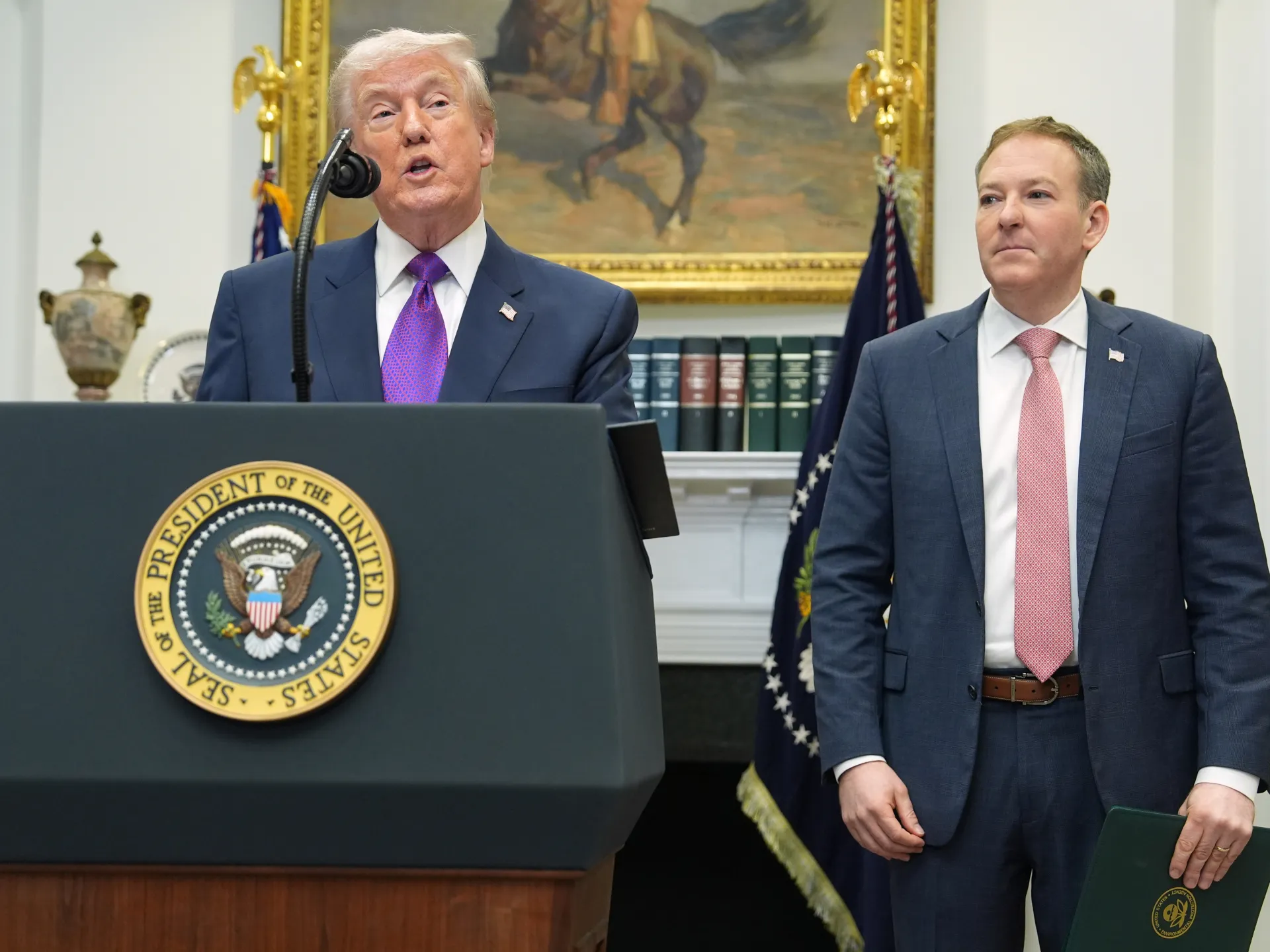
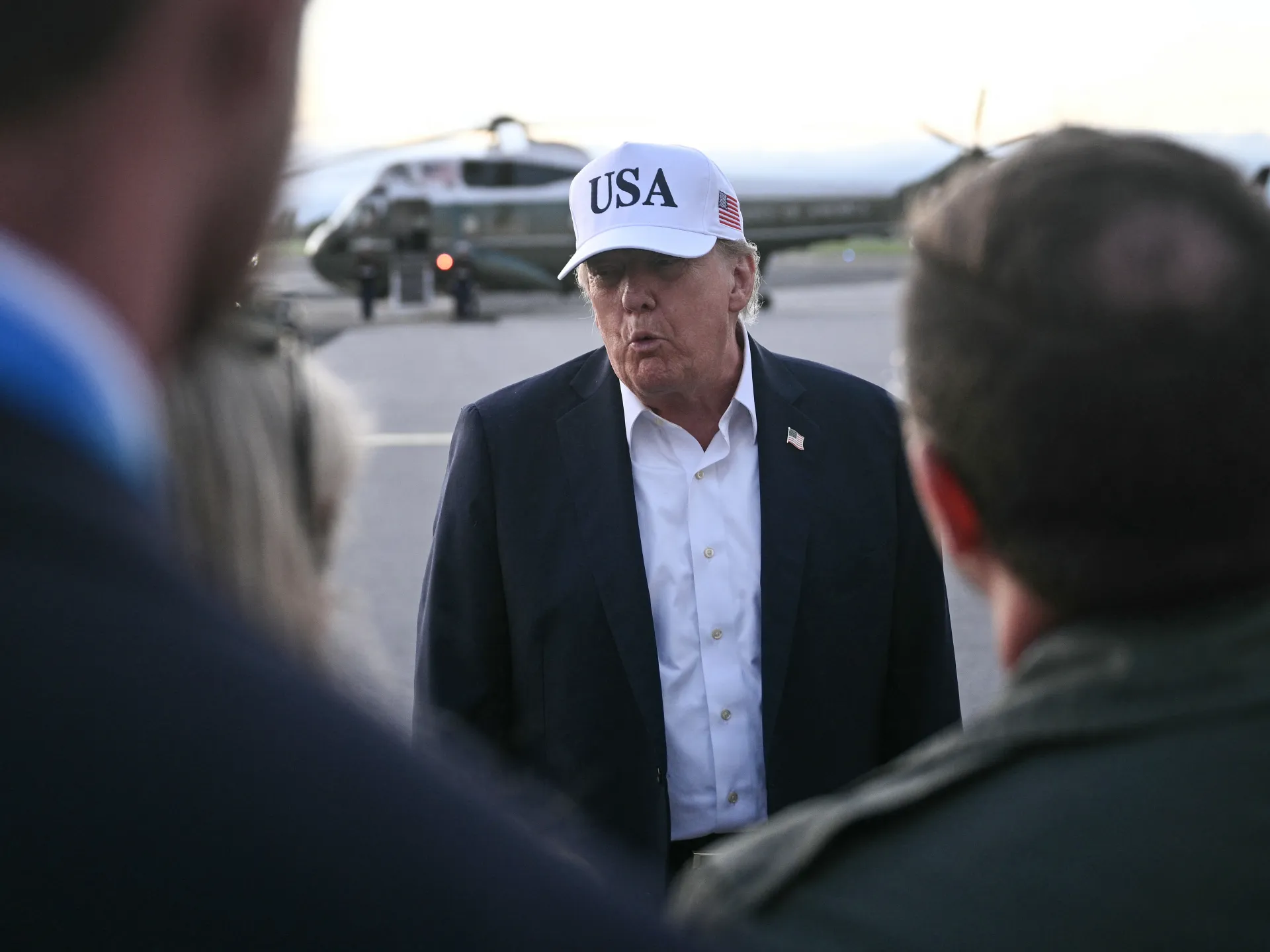
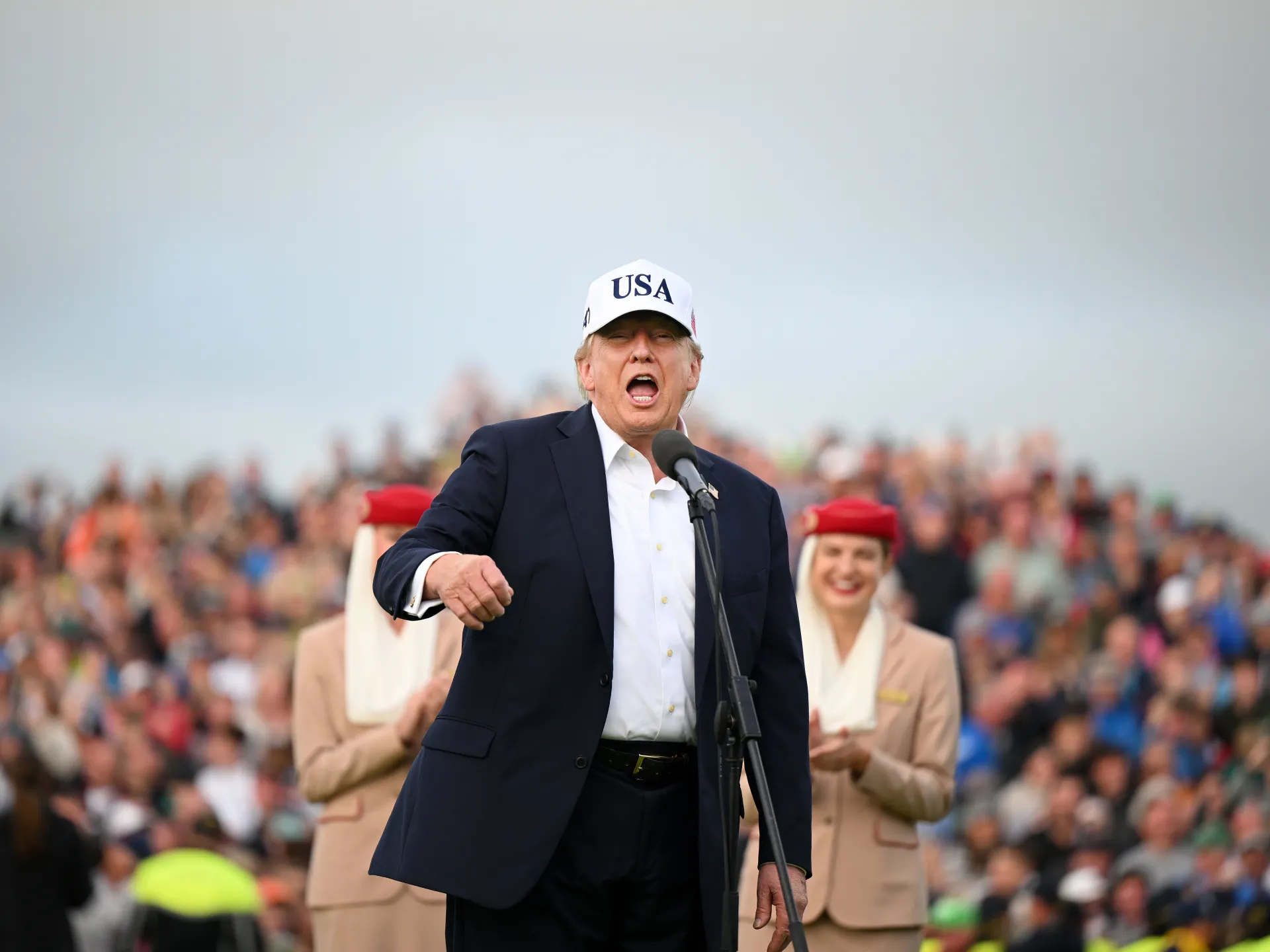
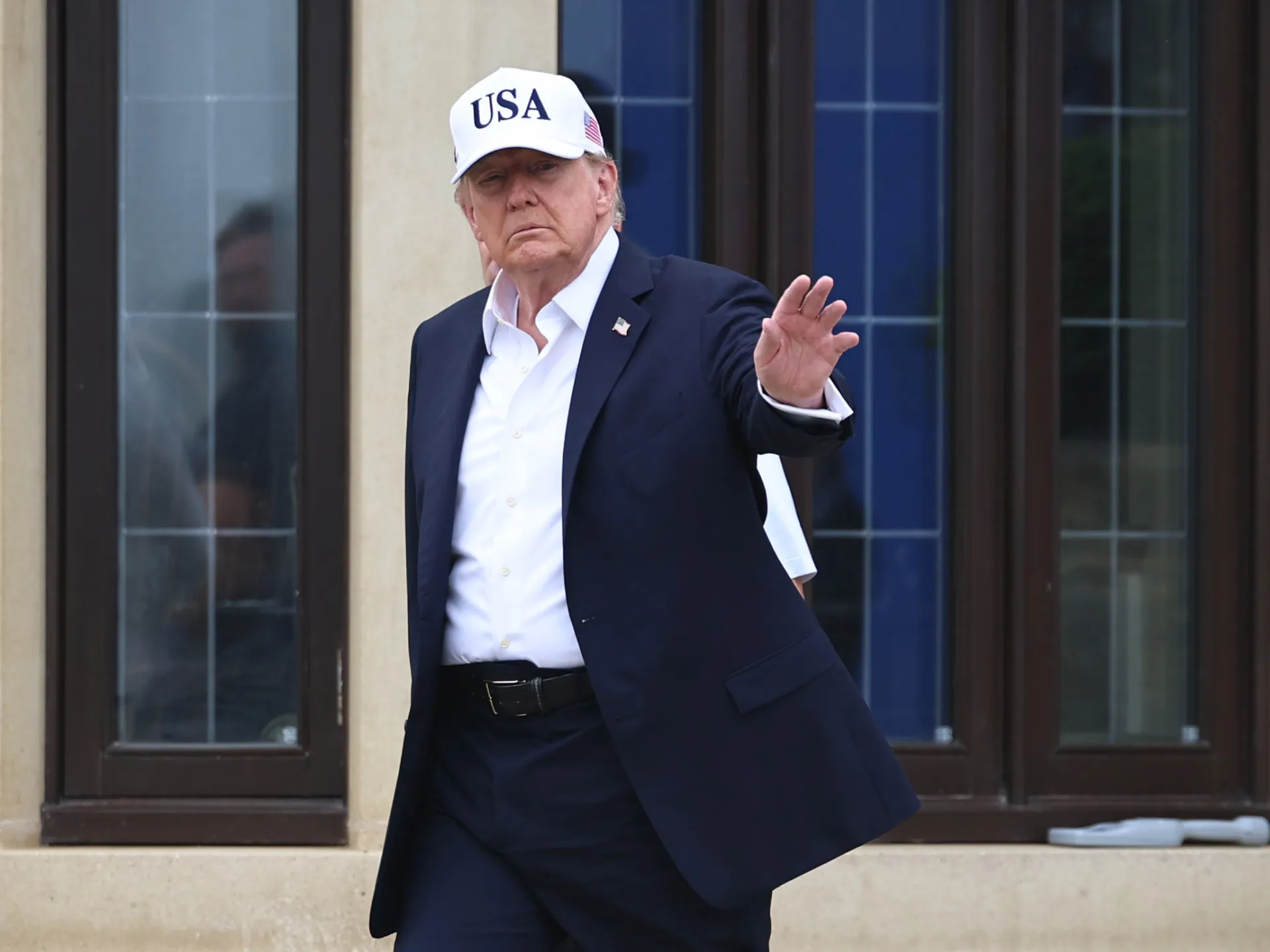
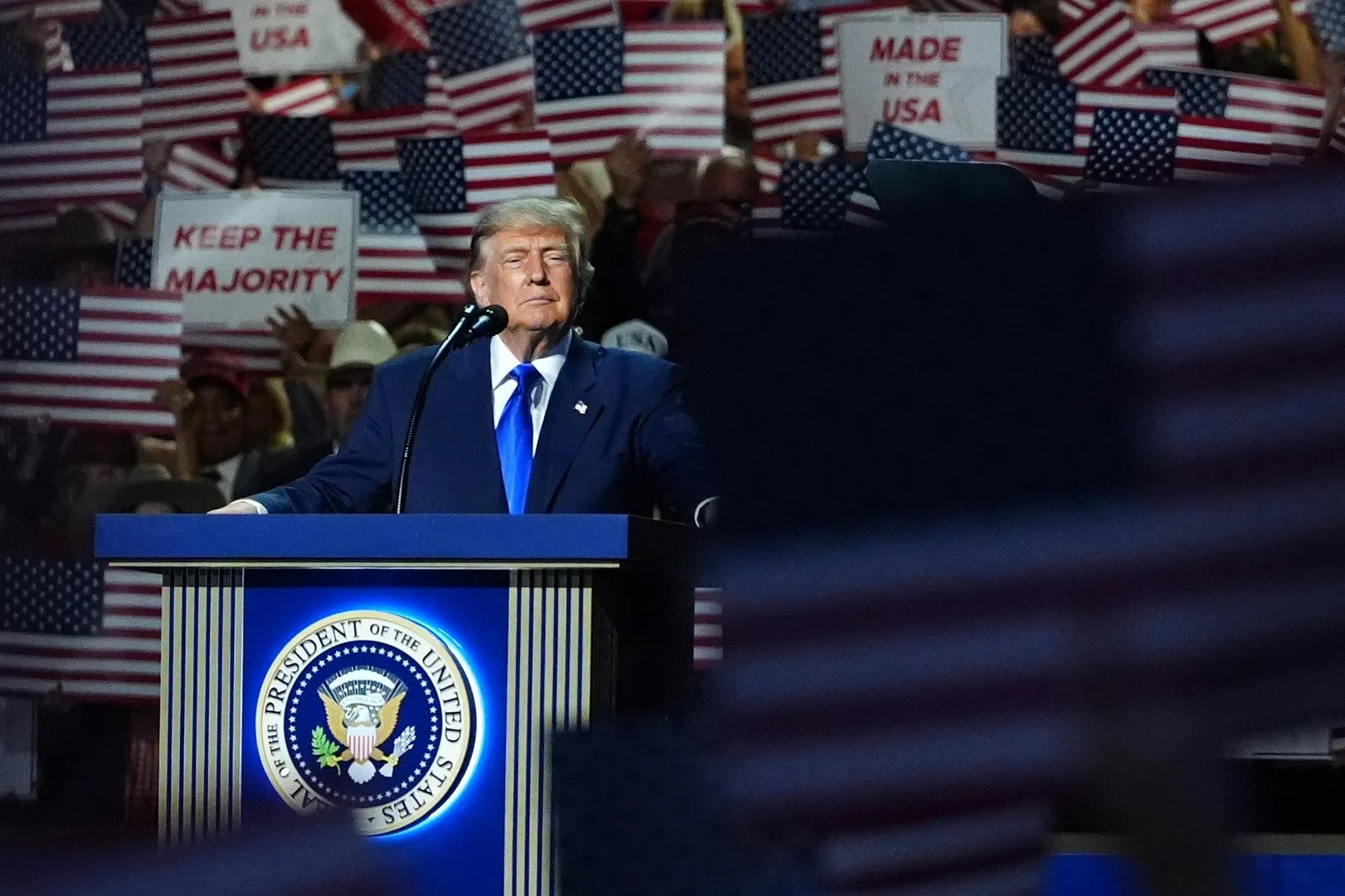
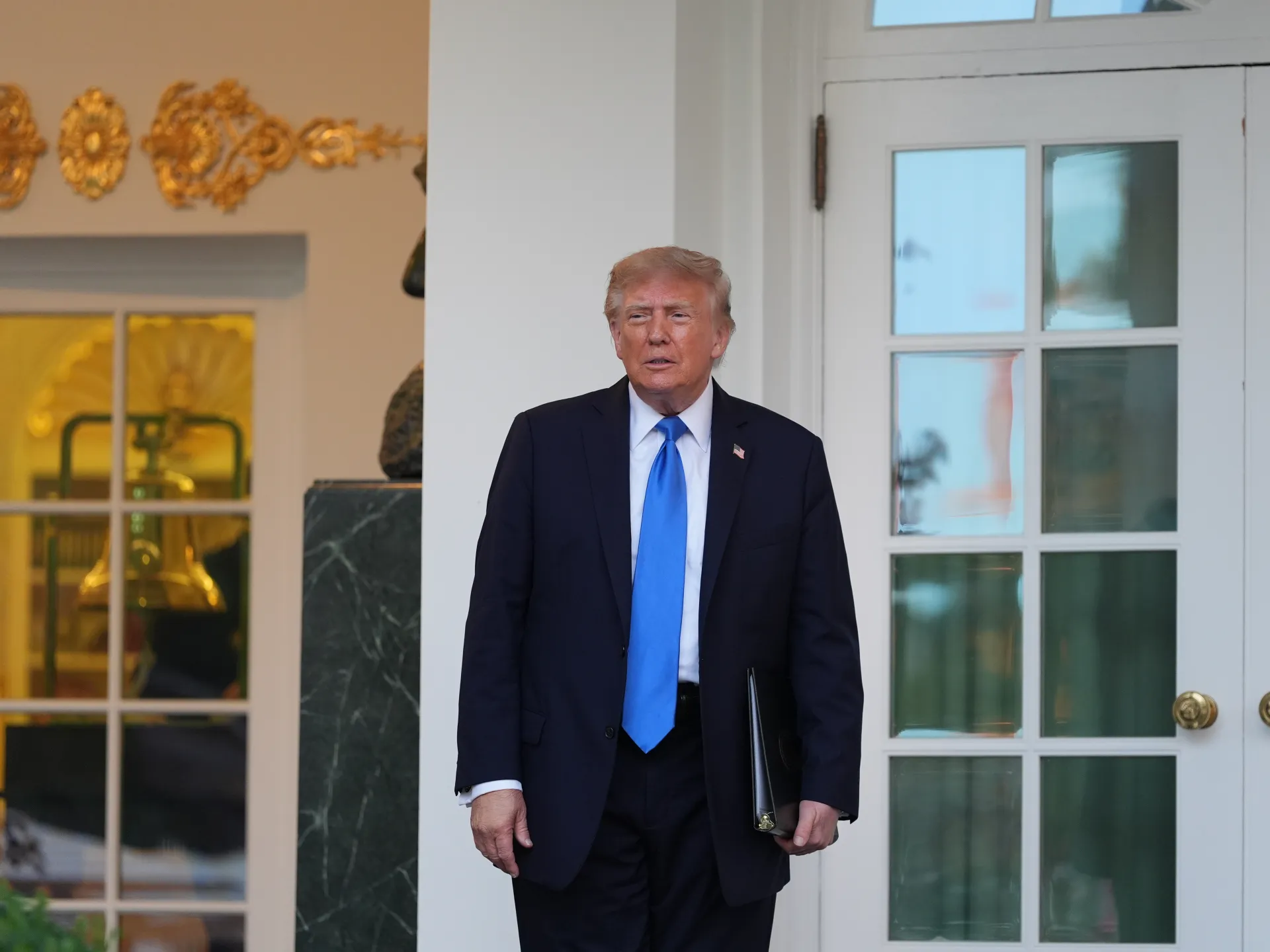
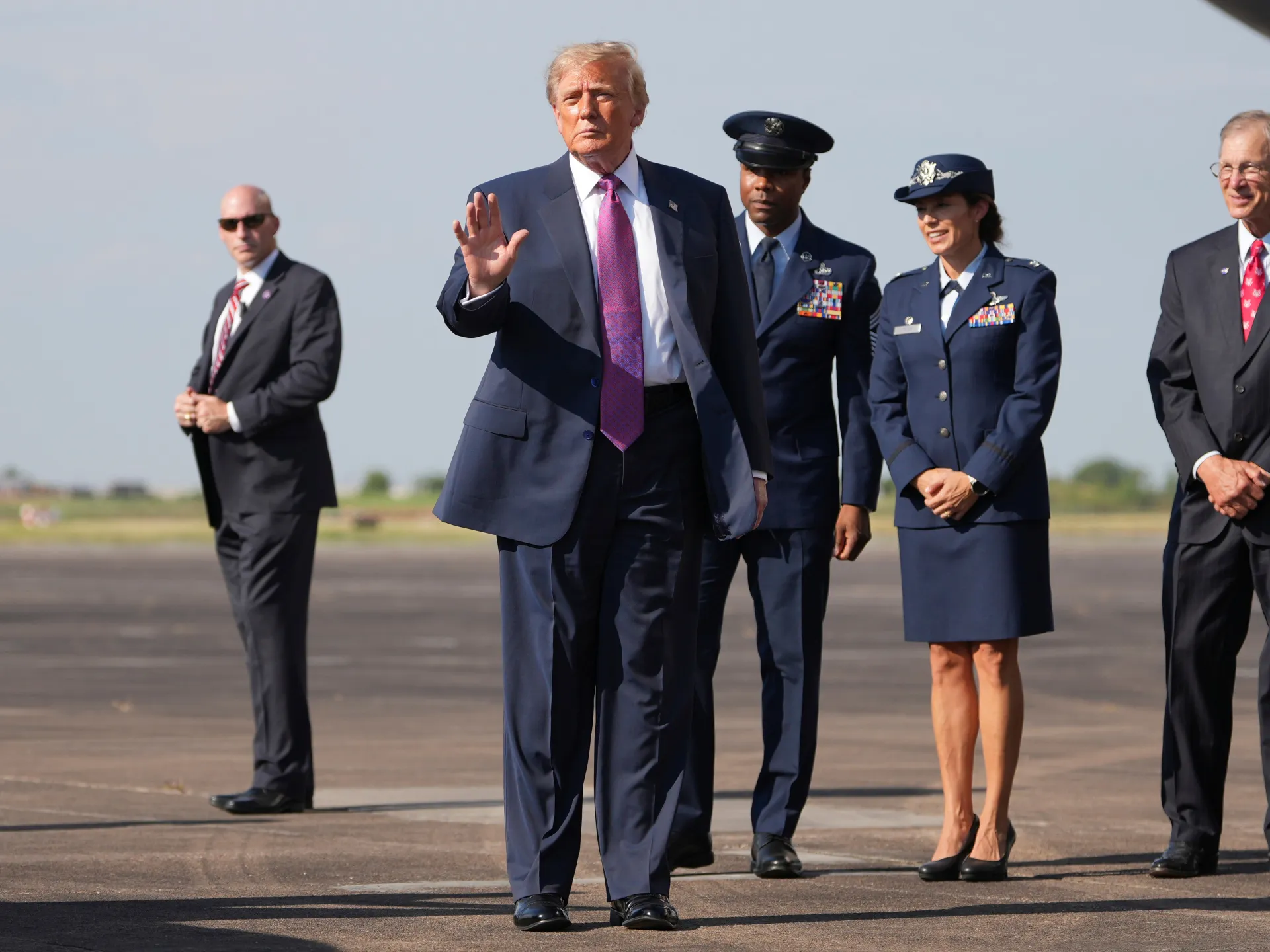
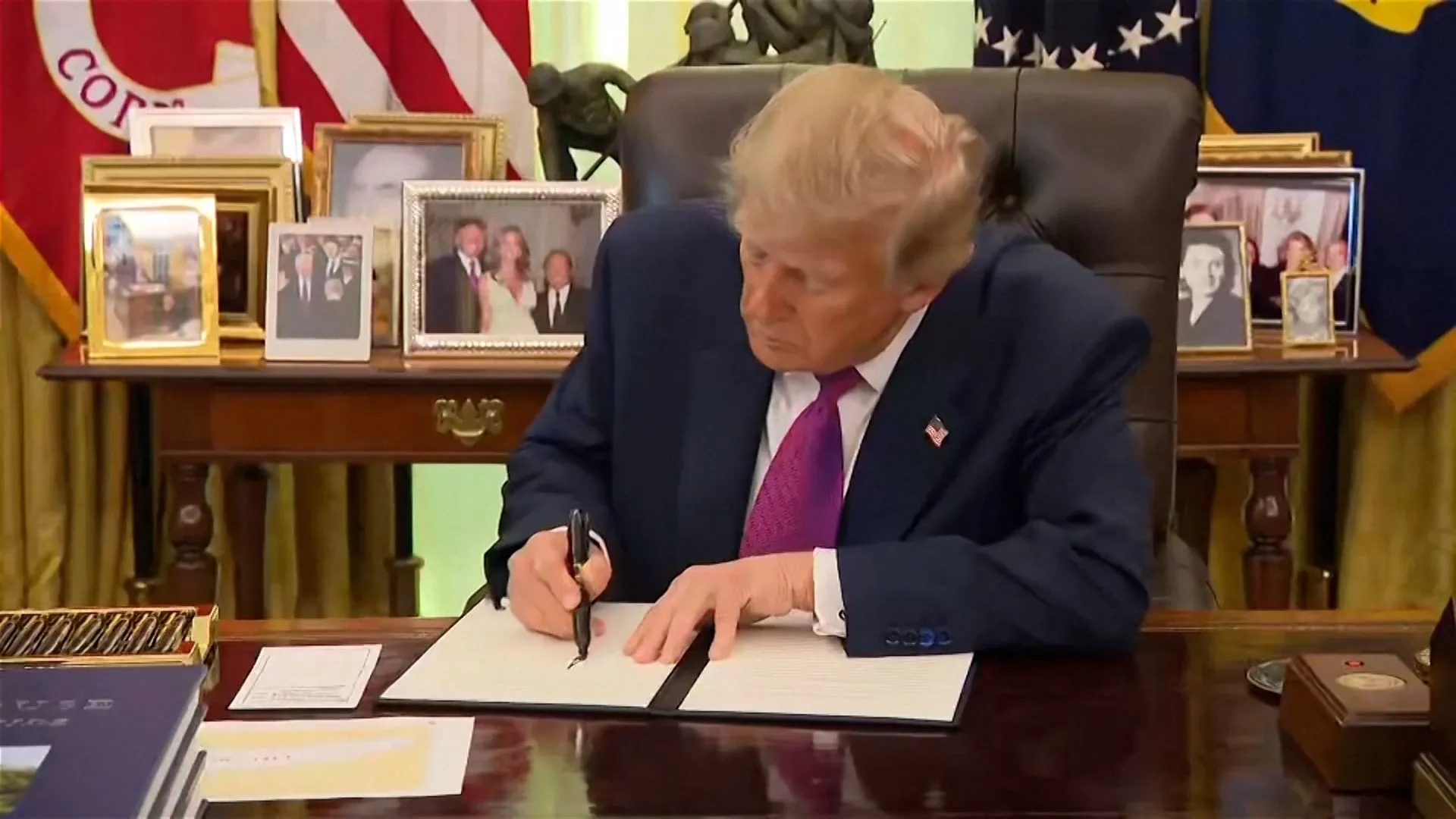
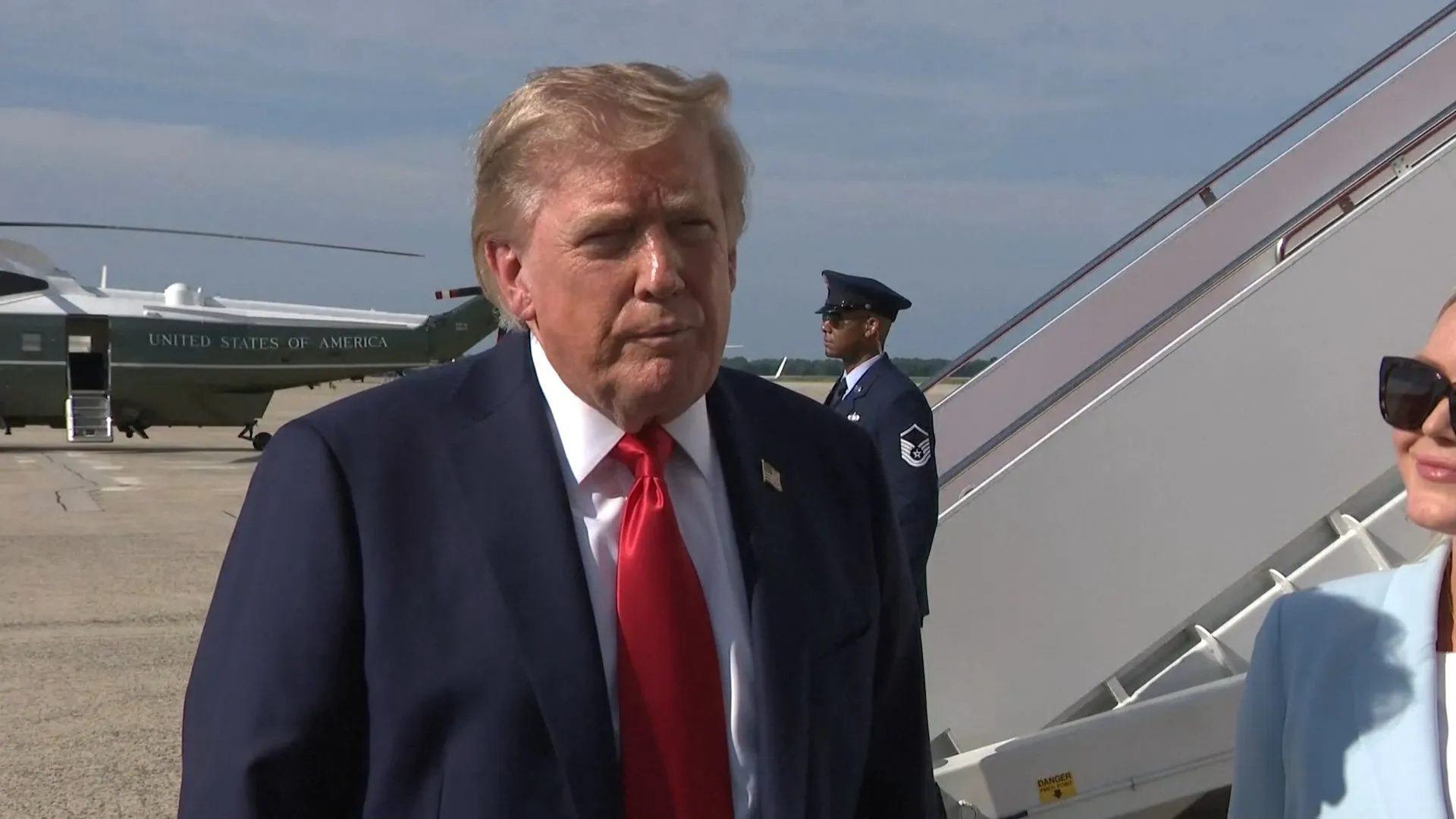
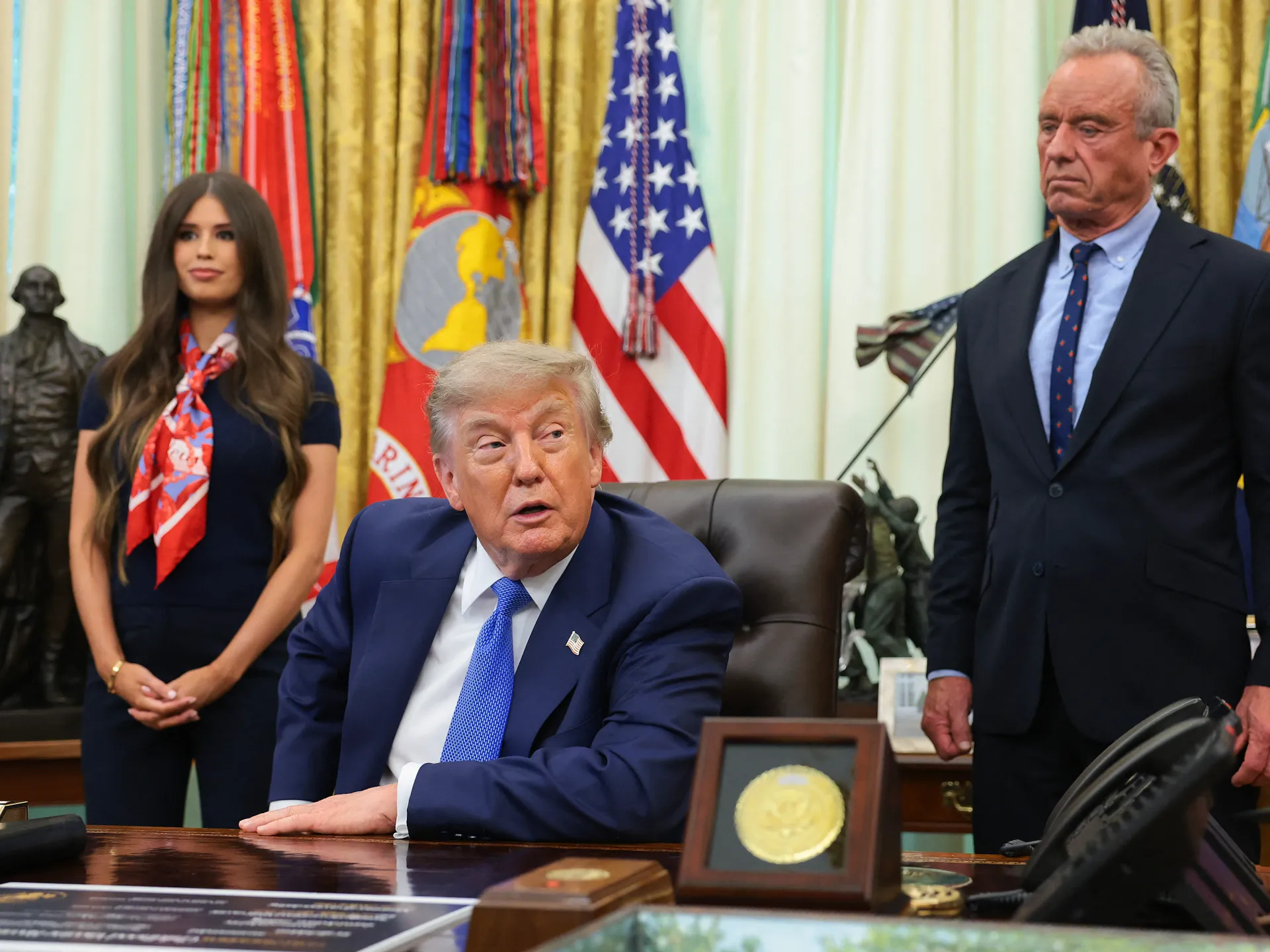
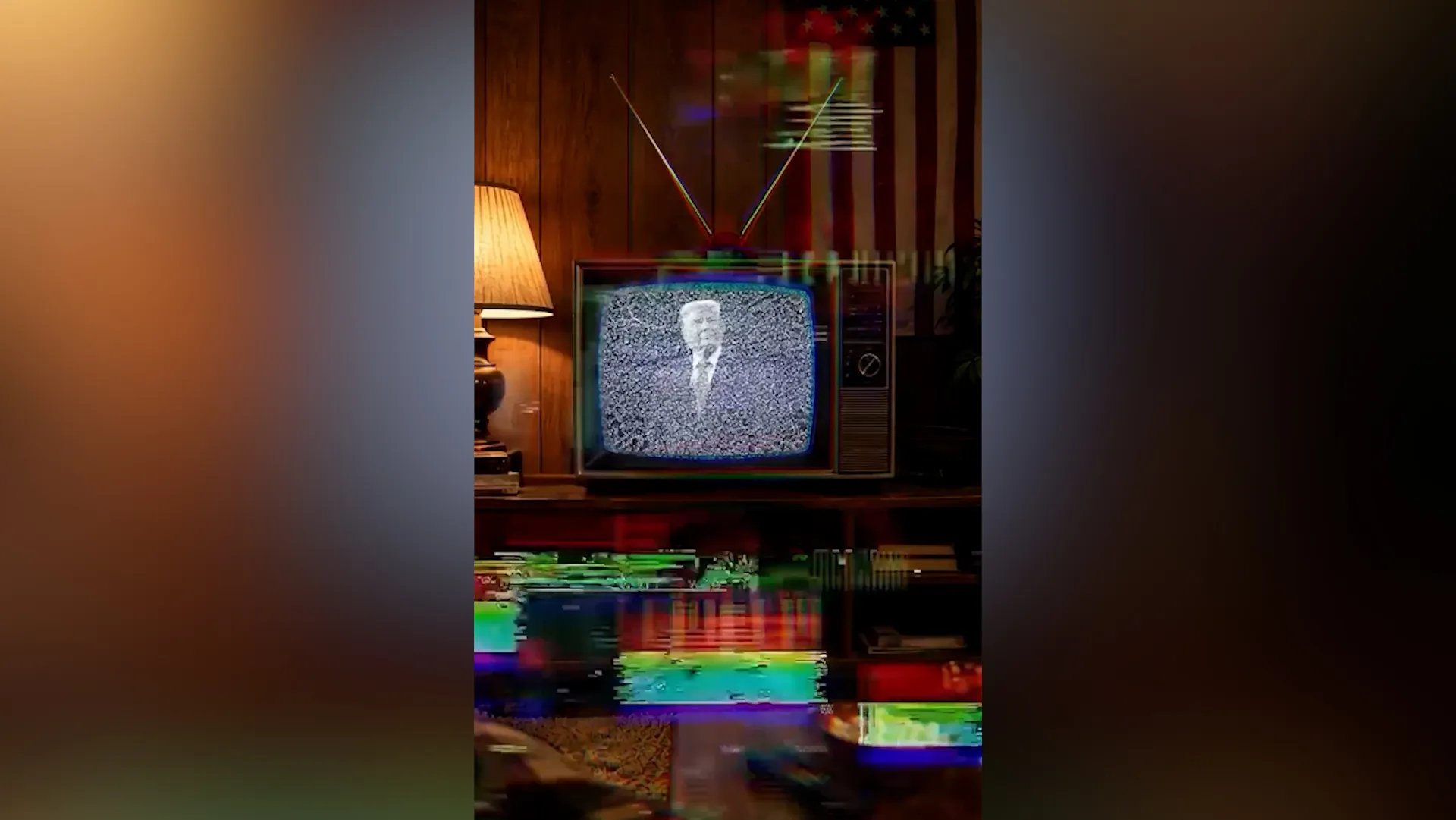
In a significant departure from traditional executive branch communications, the Trump administration has inaugurated a digital platform informally dubbed “Trump TV.” The launch follows a series of high-profile exclusions that have effectively barred reporters from major news outlets, including CNN, Politico, and MS NOW, from accessing White House grounds.
This proprietary channel currently functions as a repository for historical speeches and official administration announcements, signaling a pivot toward direct-to-consumer messaging that bypasses the traditional press corps. The move arrives at a moment of heightened friction between the presidency and the mainstream media, raising questions about the future of government transparency and the role of the Fourth Estate in an era of digital-first executive communication.
The establishment of “Trump TV” represents more than a logistical change in how information is disseminated; it marks a structural shift in the relationship between the executive branch and the press. attempting to decouple its public image from the scrutiny of independent journalistic inquiry. This strategy tests the limits of the White House press office’s traditional role as a conduit for objective information. Furthermore, the decision to bar specific outlets sets a precedent that could permanently alter the nature of presidential access, potentially narrowing the diversity of perspectives present during briefings and policy rollouts.
The exclusion of CNN, Politico, and MS NOW has prompted a swift and uncharacteristic response from the broader media landscape. Reports indicate that a coalition of major television networks, including Fox, has moved to express solidarity with the banned organizations. This rare display of industry-wide unity underscores the severity with which editorial boards view the administration's current restrictive policies.
While the White House characterizes the new platform as an effort to provide unfiltered access to presidential activities, press freedom advocates and legal experts are already framing the bans as a potential violation of institutional norms. The legal challenge initiated om the briefing room to the courtroom in the coming weeks.
The immediate future will likely see a protracted legal battle as media organizations pursue litigation against the administration to regain access. Simultaneously, the success of the “Trump TV” platform as a viable alternative to professional journalism will be tested. If the administration continues to ignore or sideline the traditional press corps, the resulting information vacuum may force voters to rely exclusively on state-sanctioned messaging, significantly changing the national discourse. Analysts will be closely watching whether the coalition of networks maintains its unified front or if internal competitive pressures begin to fracture the current show of solidarity.