Military escalations in Yemen and climate-driven adjustments in French winemaking reflect two distinct, global pressures reshaping our world.
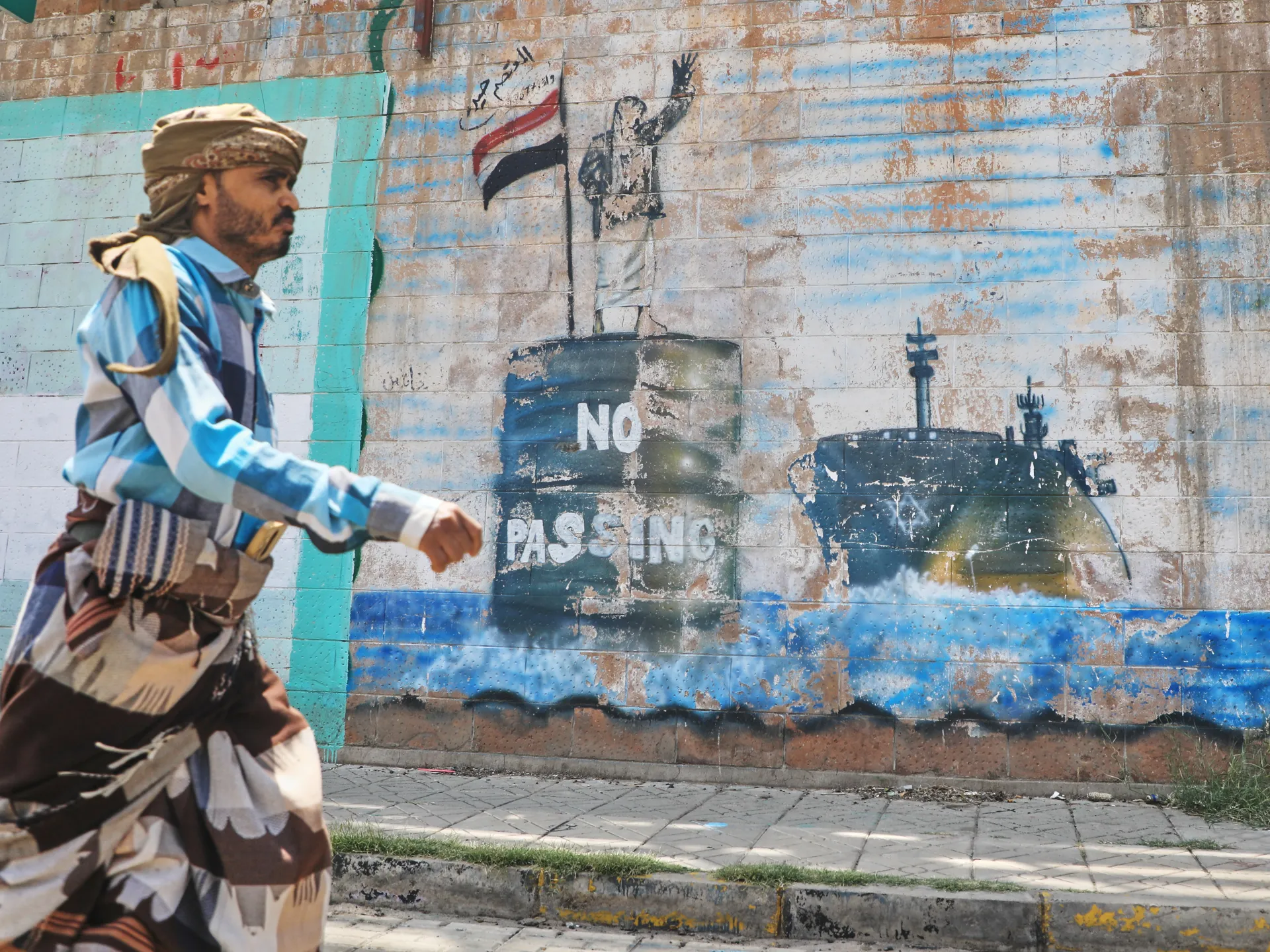
The convergence of regional military escalation in the Middle East and the shifting environmental baseline in Europe illustrates a world struggling to maintain stability against two distinct but equally disruptive forces. While the Yemeni conflict threatens global maritime logistics near the Bab al-Mandeb strait—a critical artery for international trade—the agricultural adjustments in France signal a long-term, structural adaptation to a warming climate. In both instances, long-standing norms, whether they are sovereign boundaries or the chemical composition of a traditional luxury product, are being forcibly rewritten
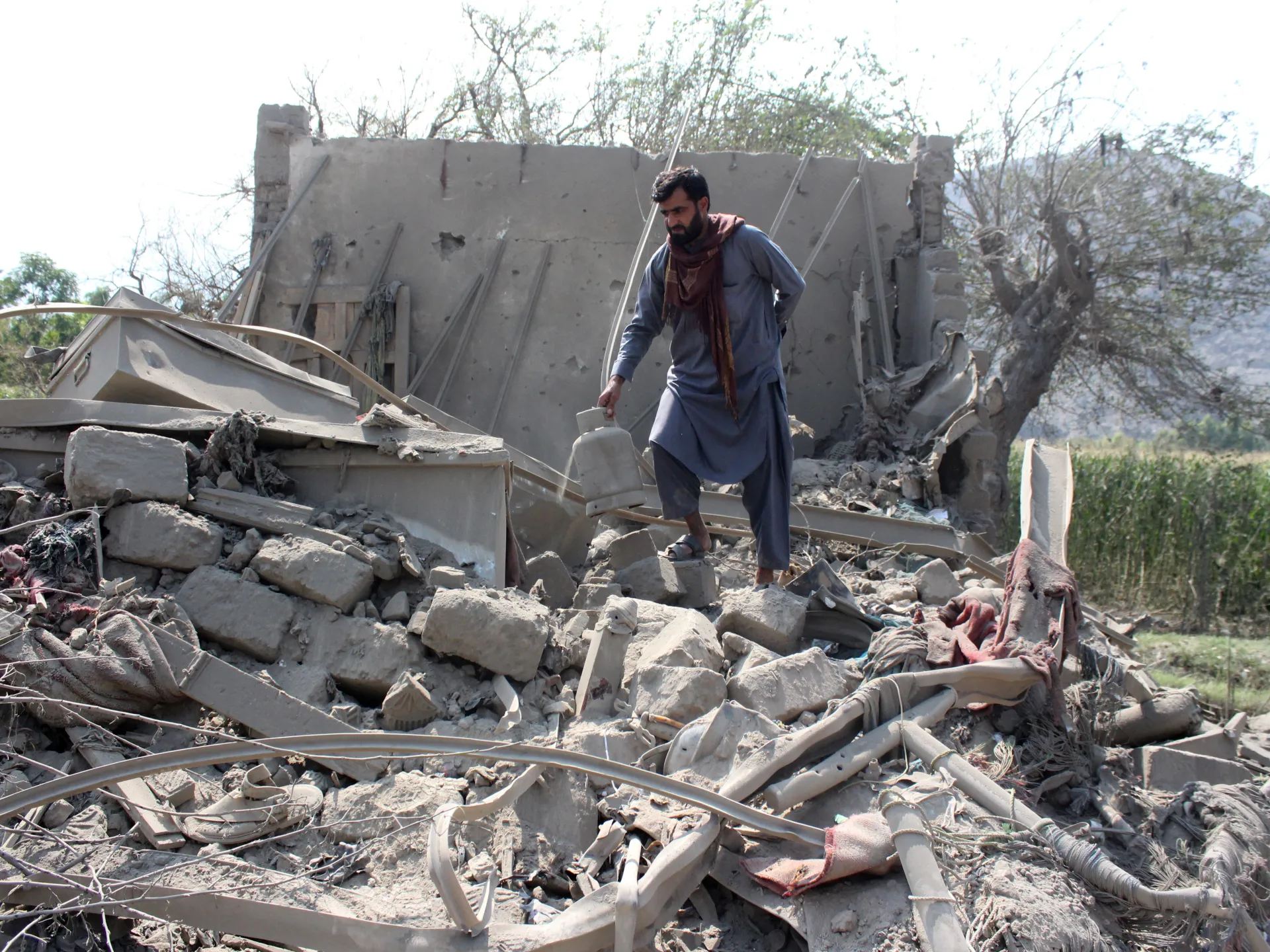
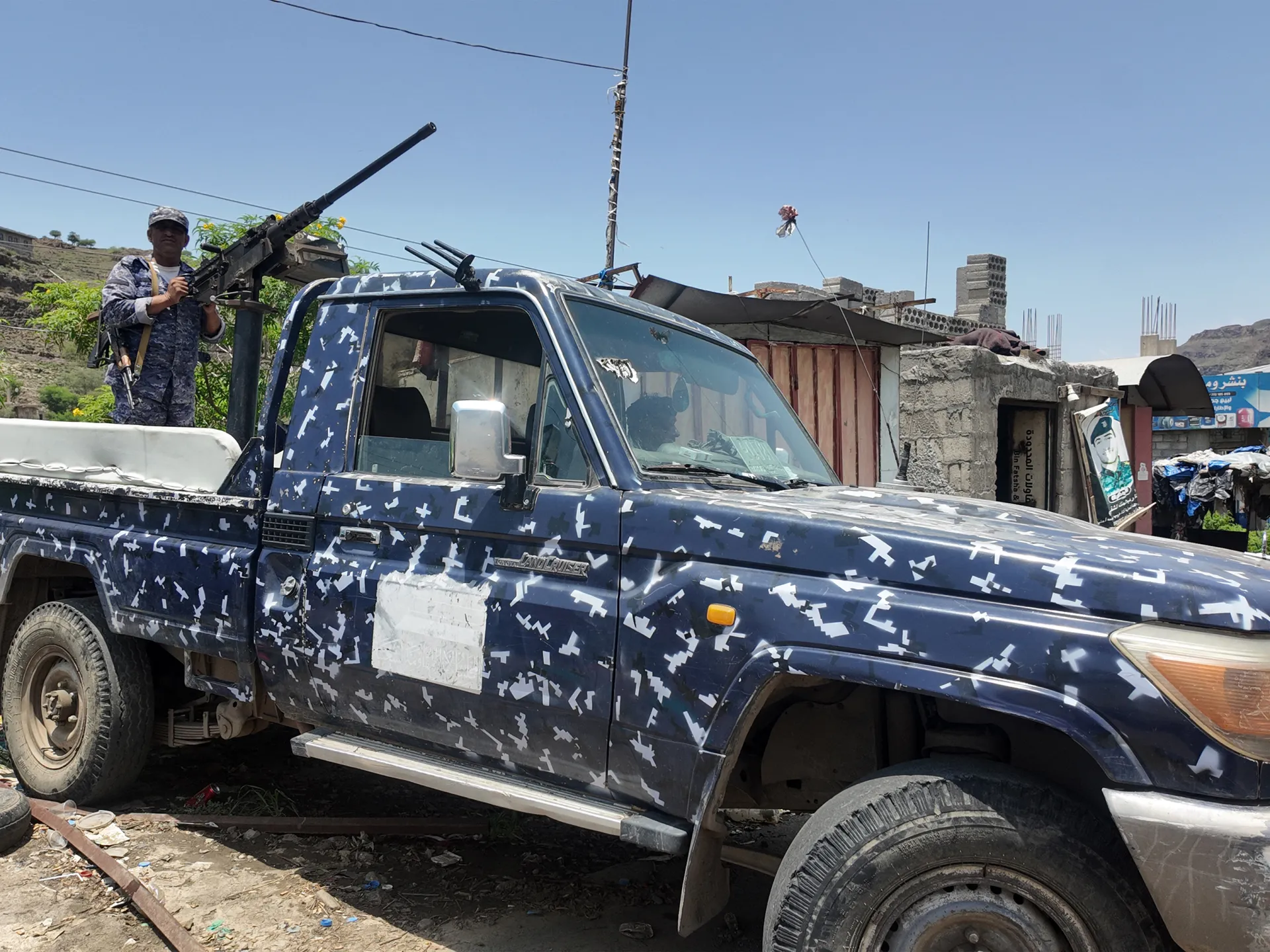
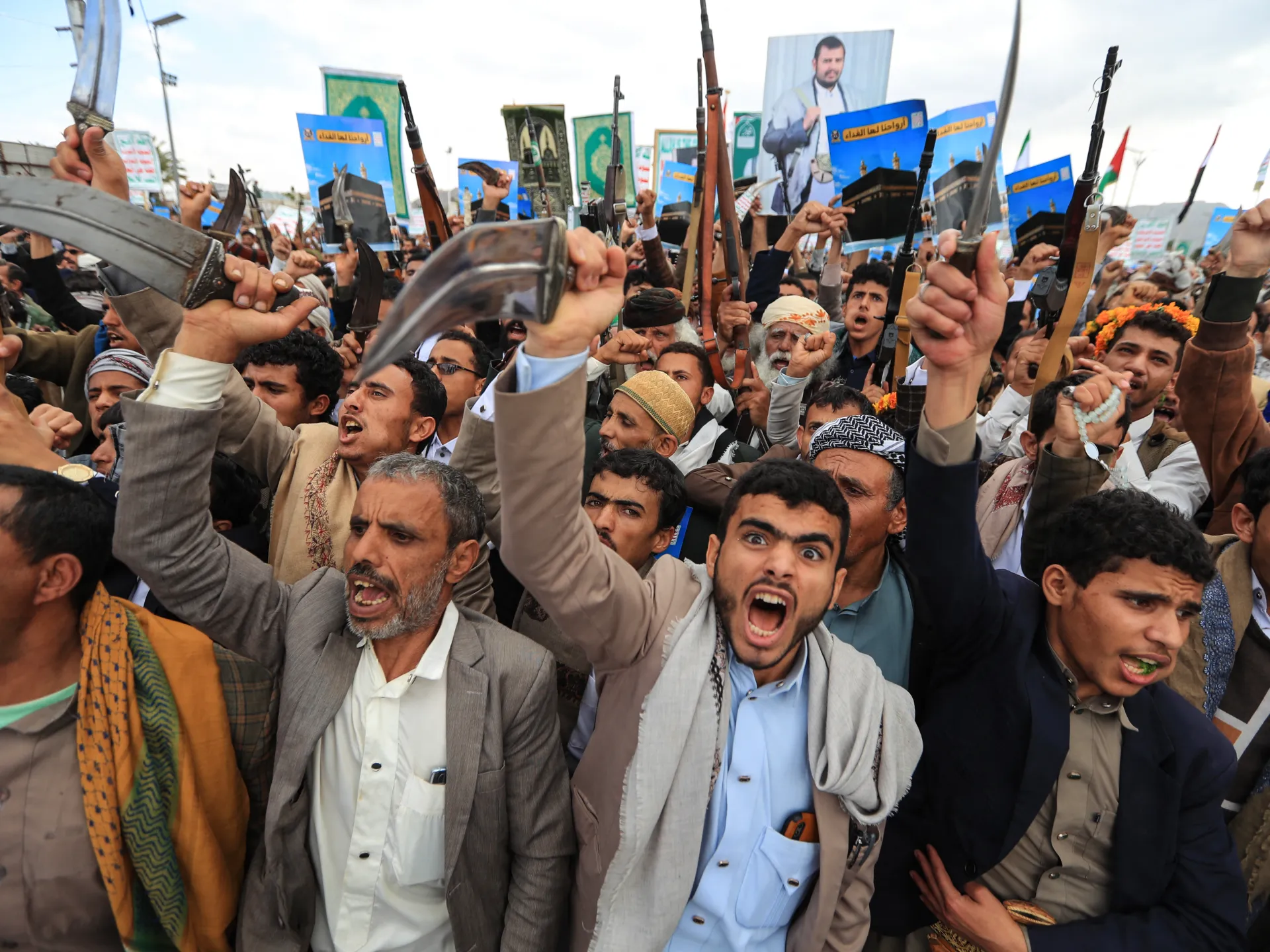
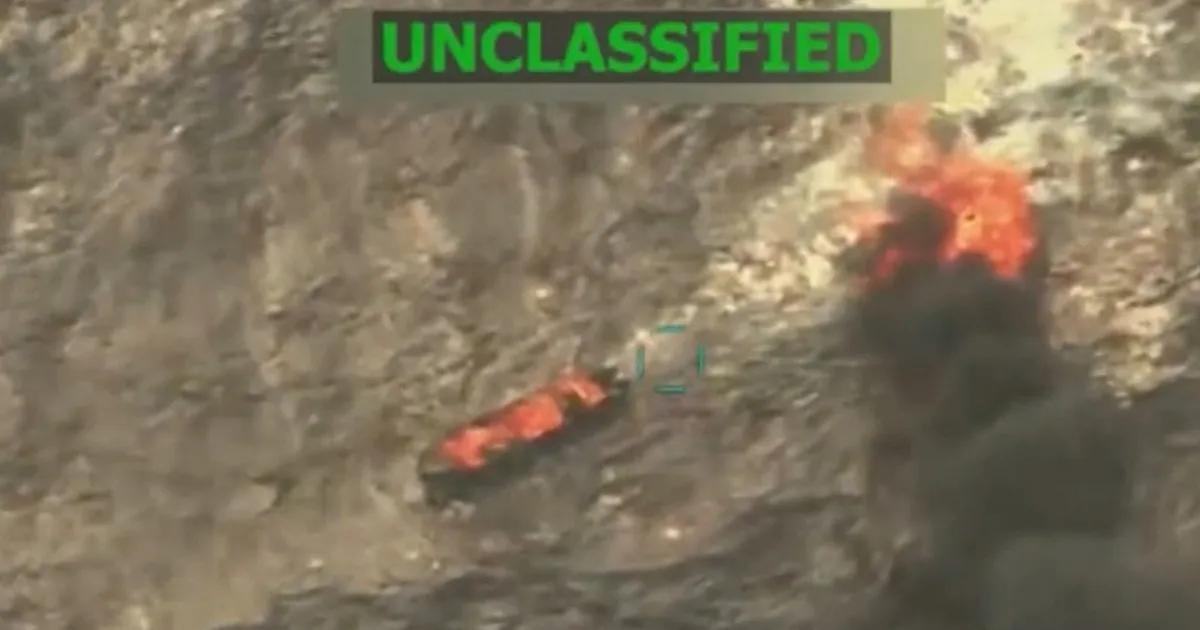
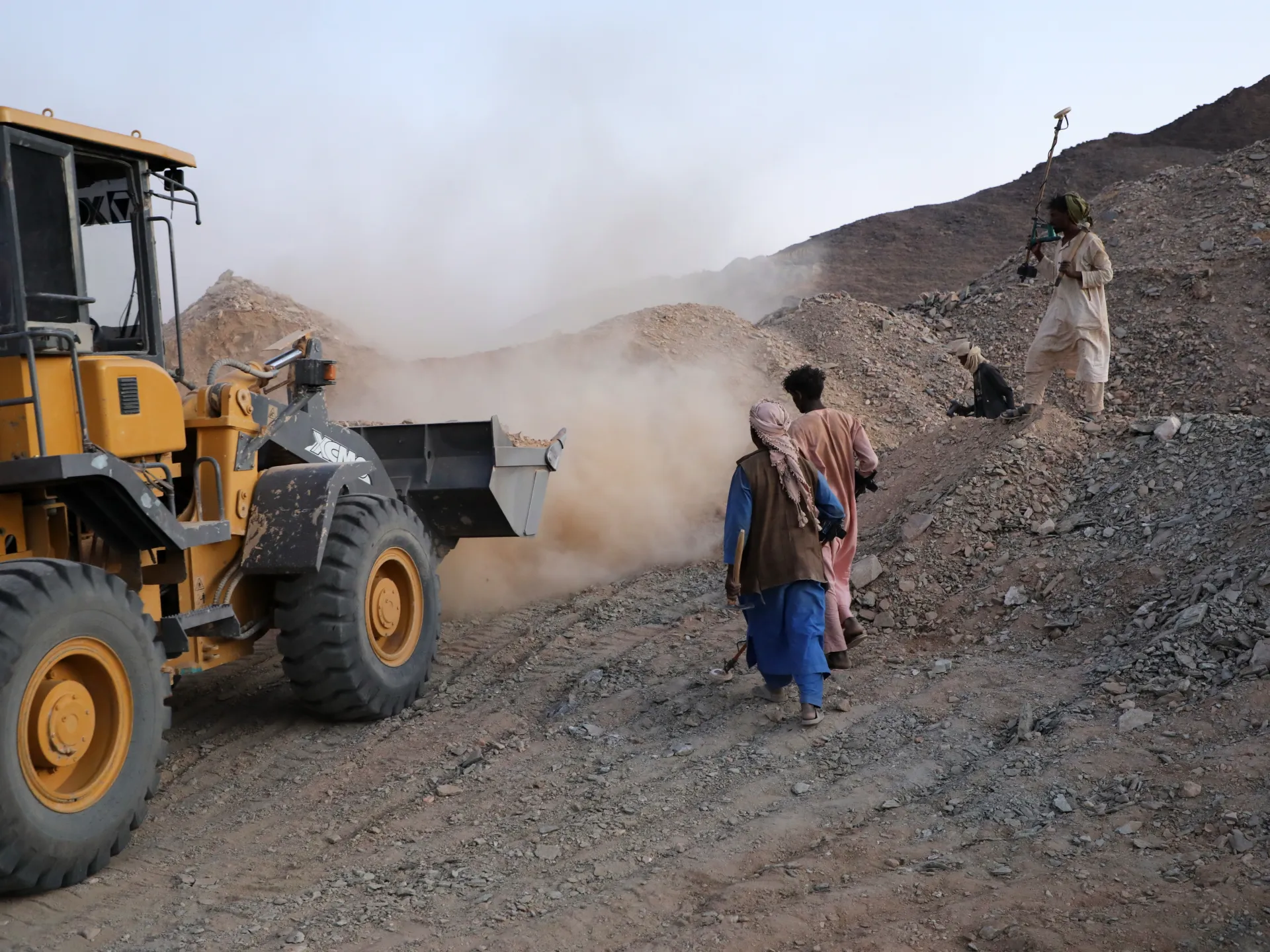
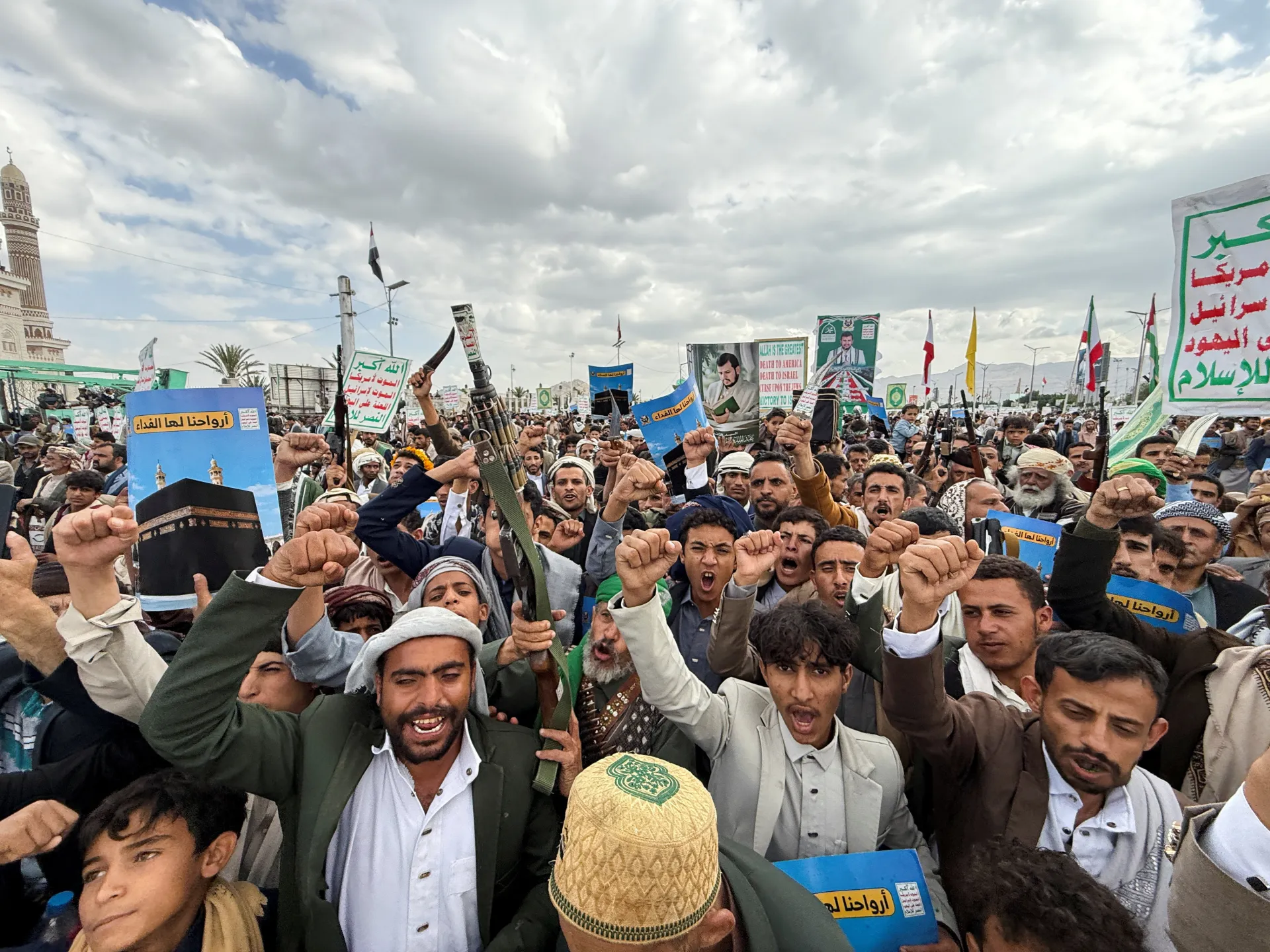
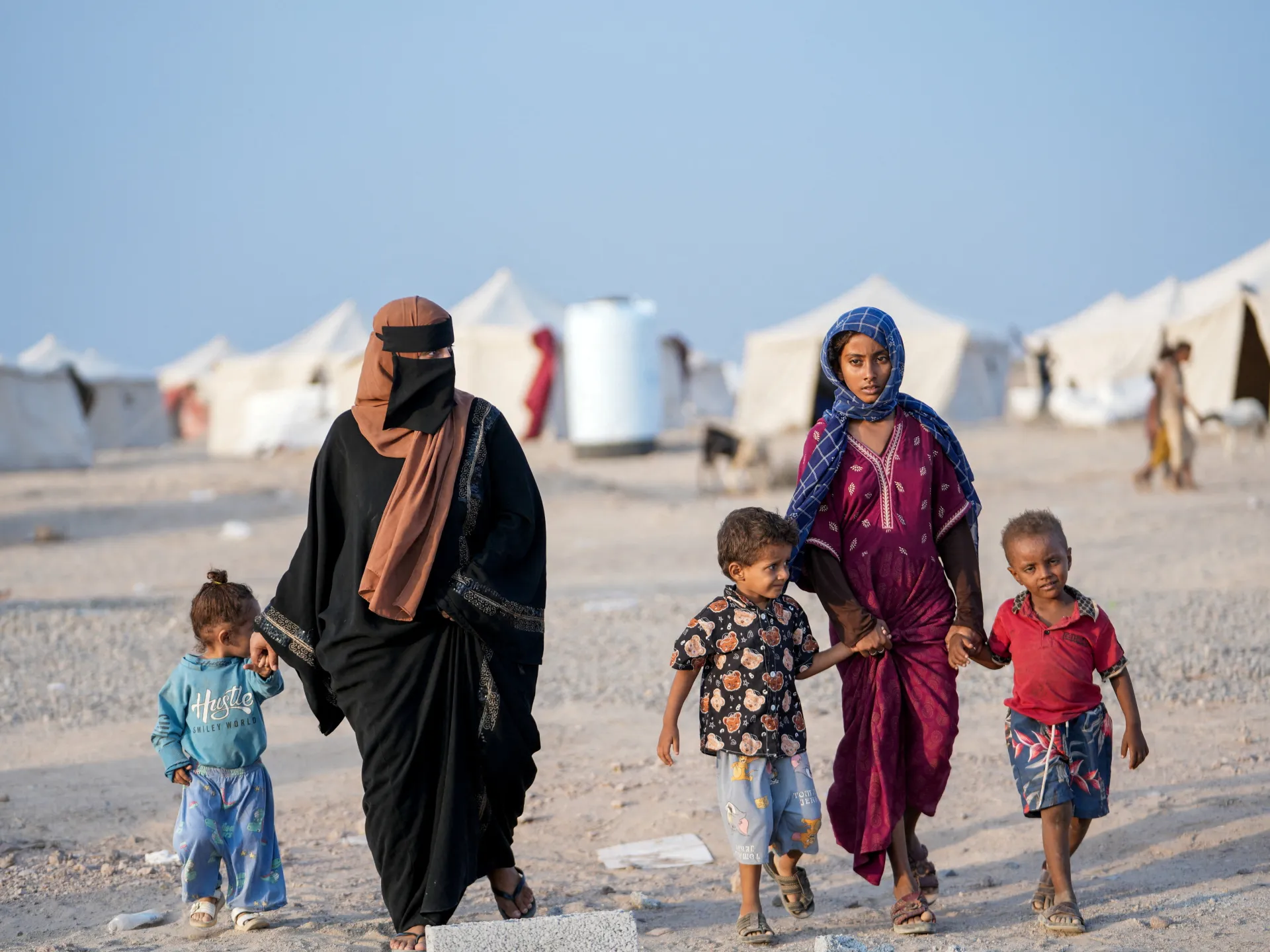
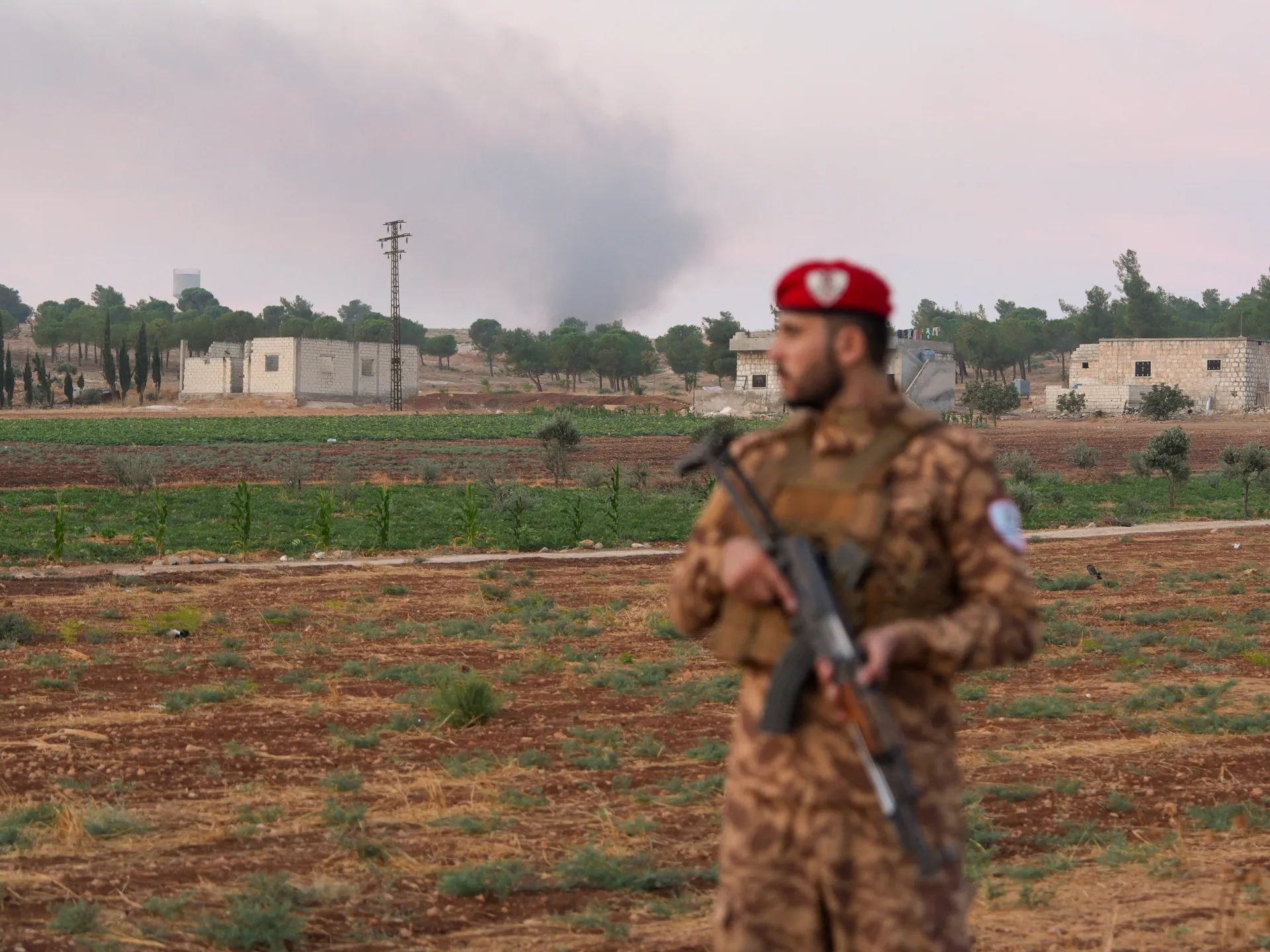
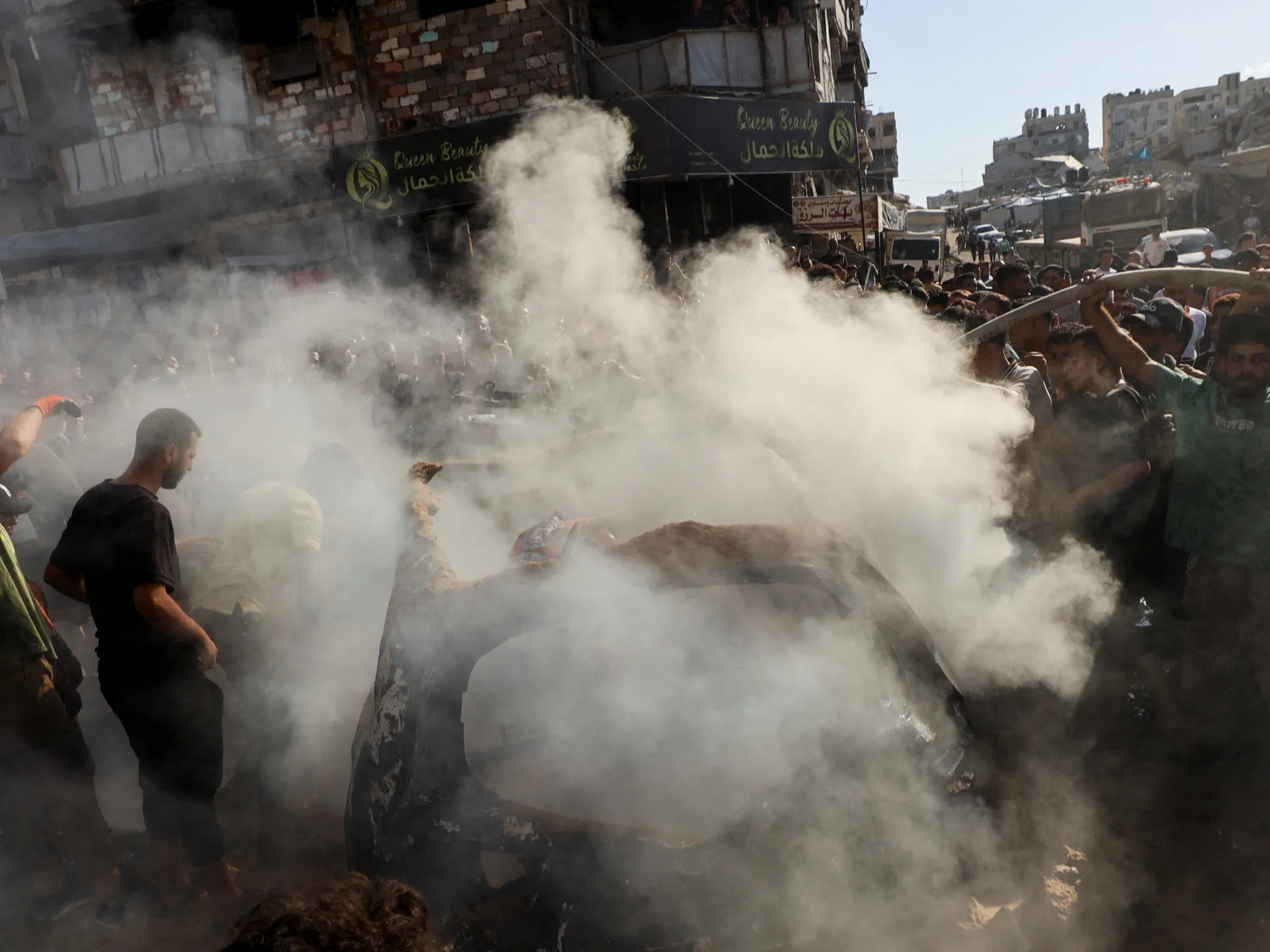
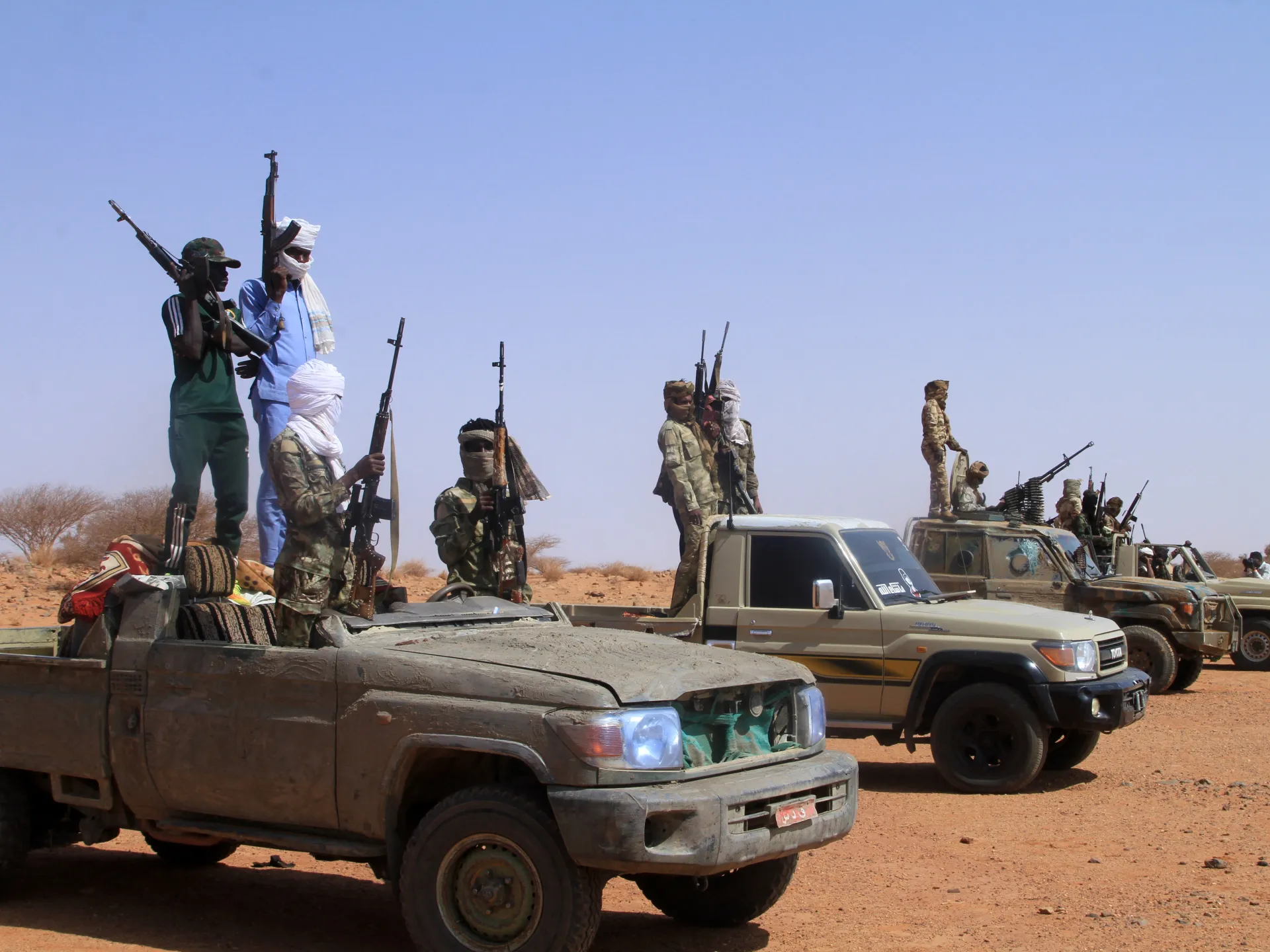
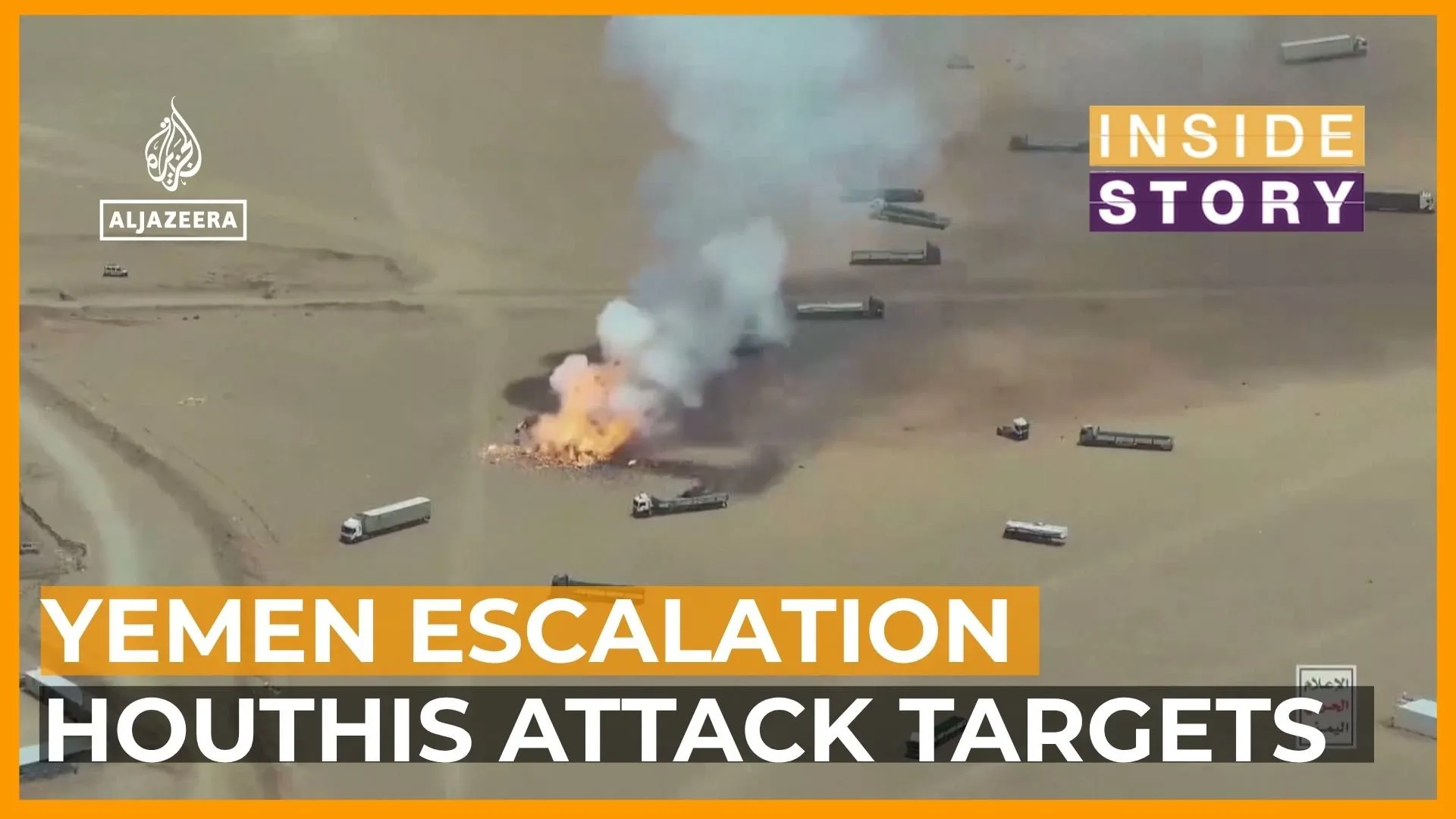
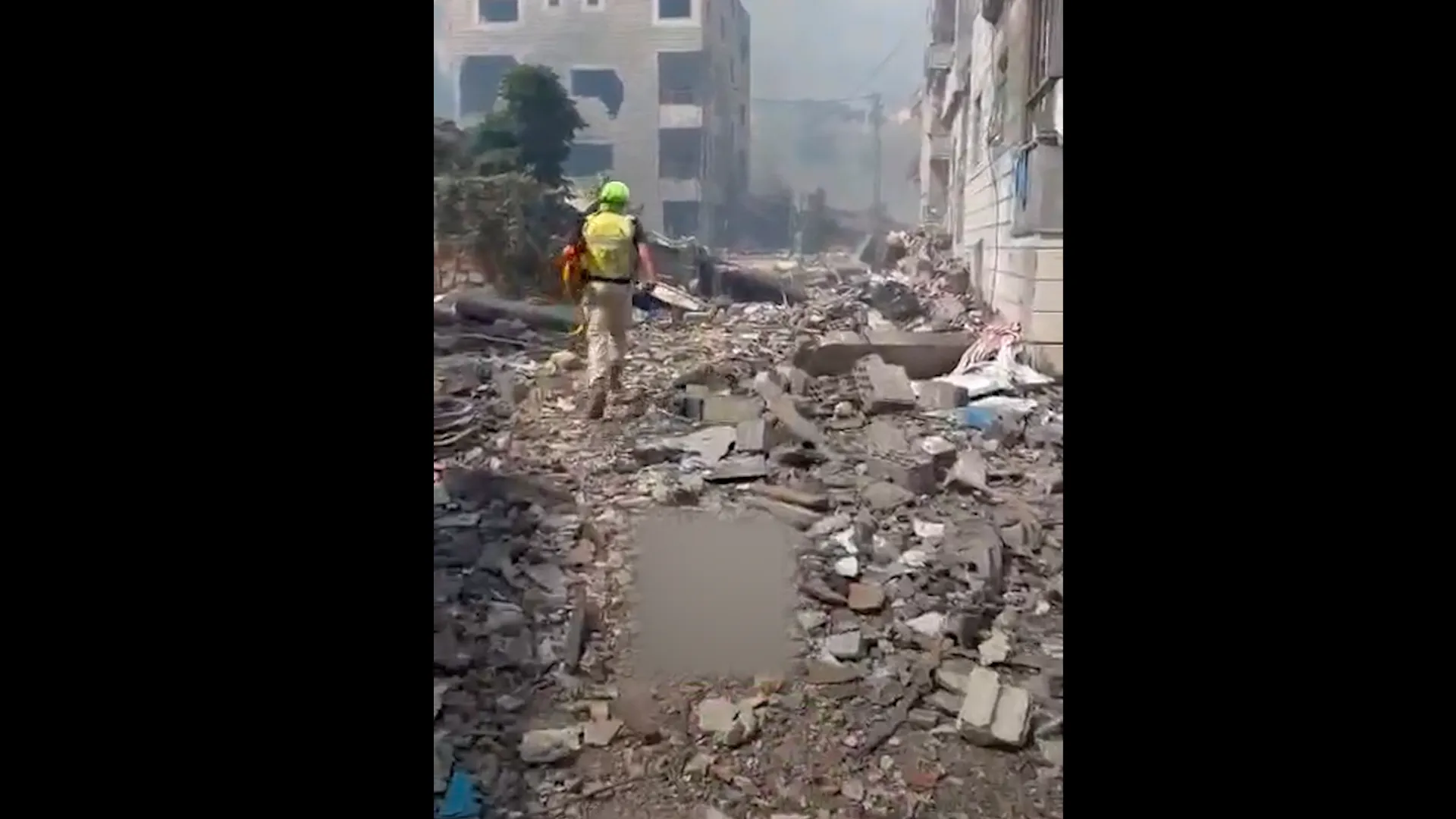
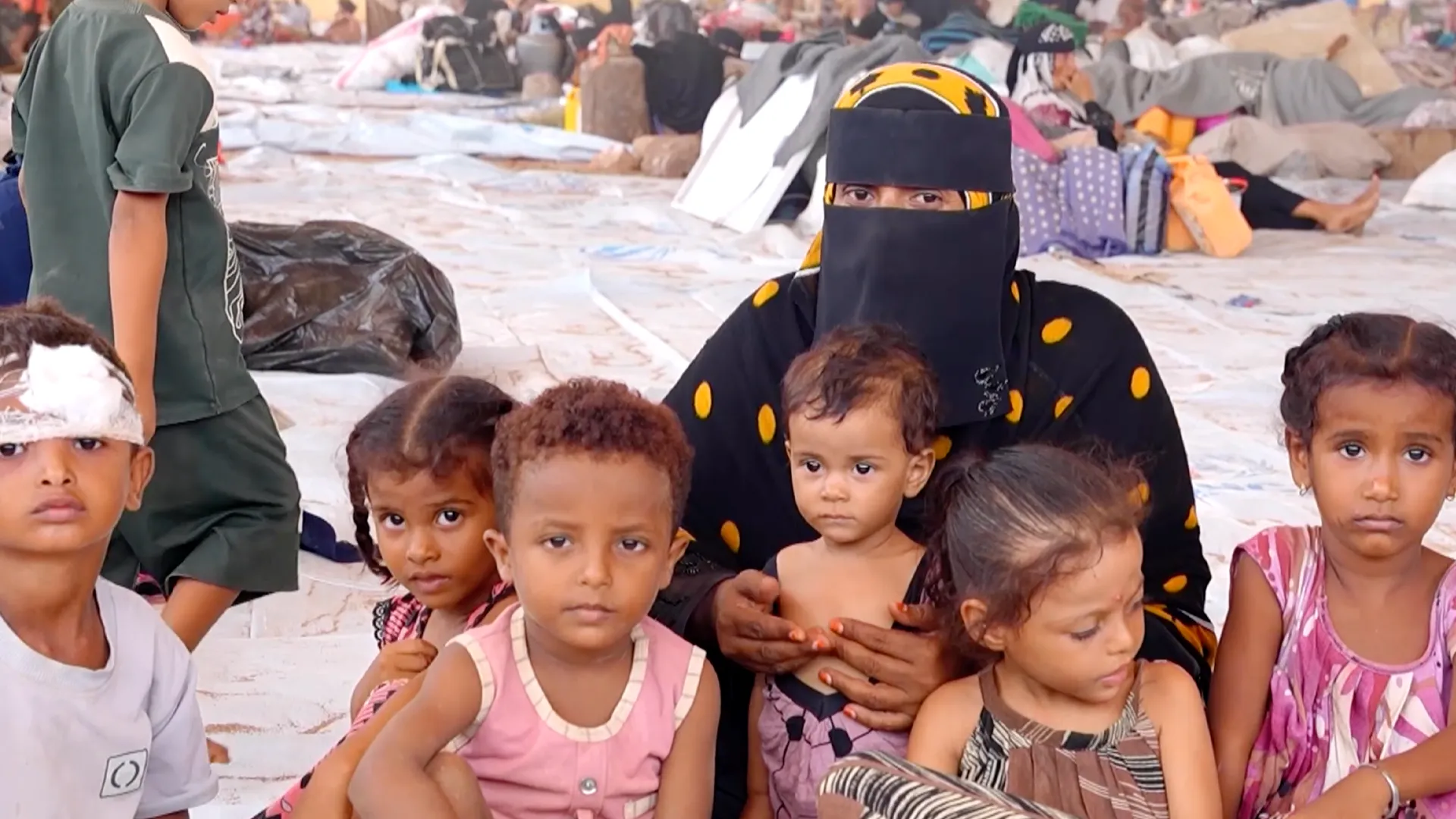
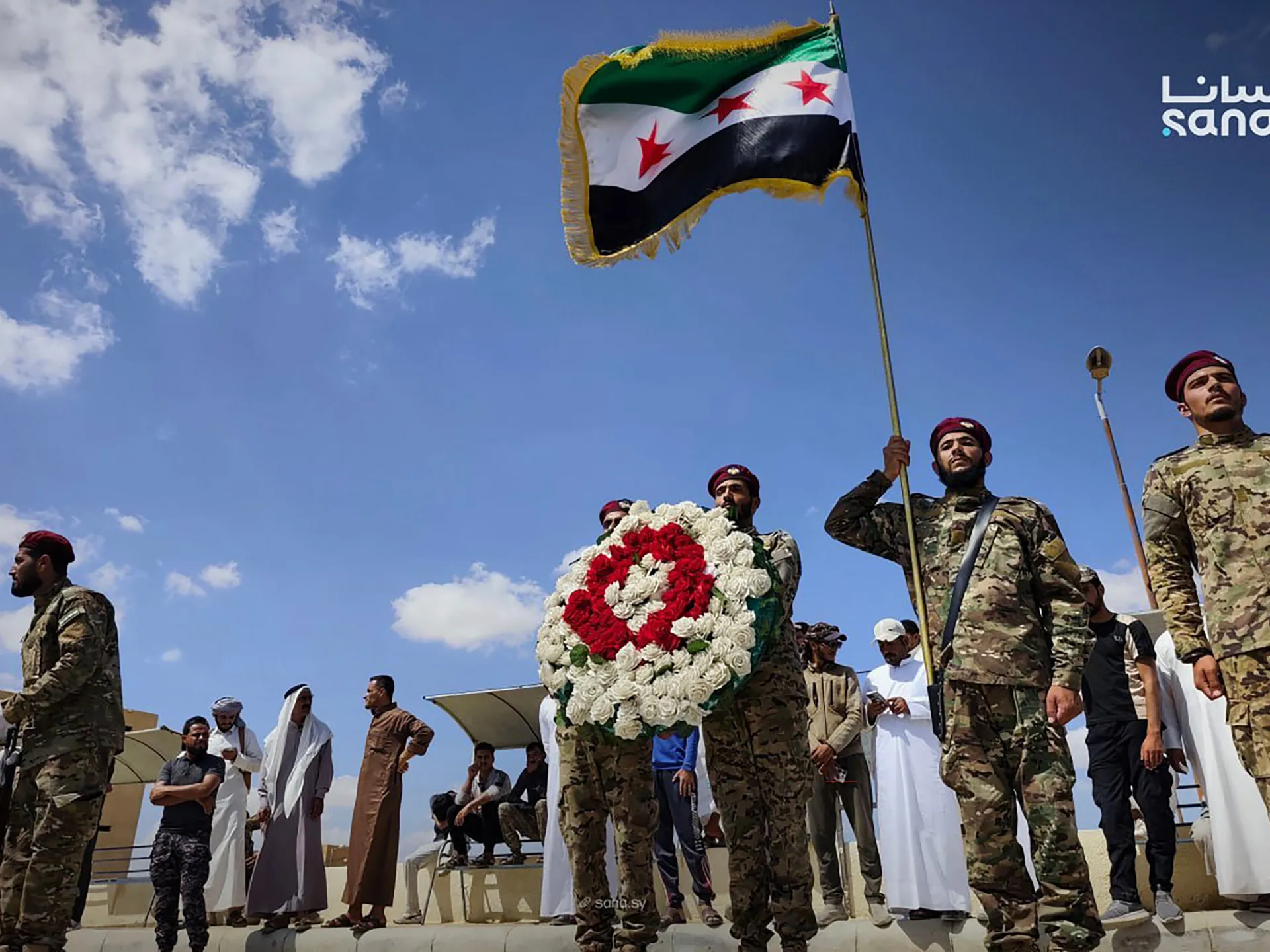
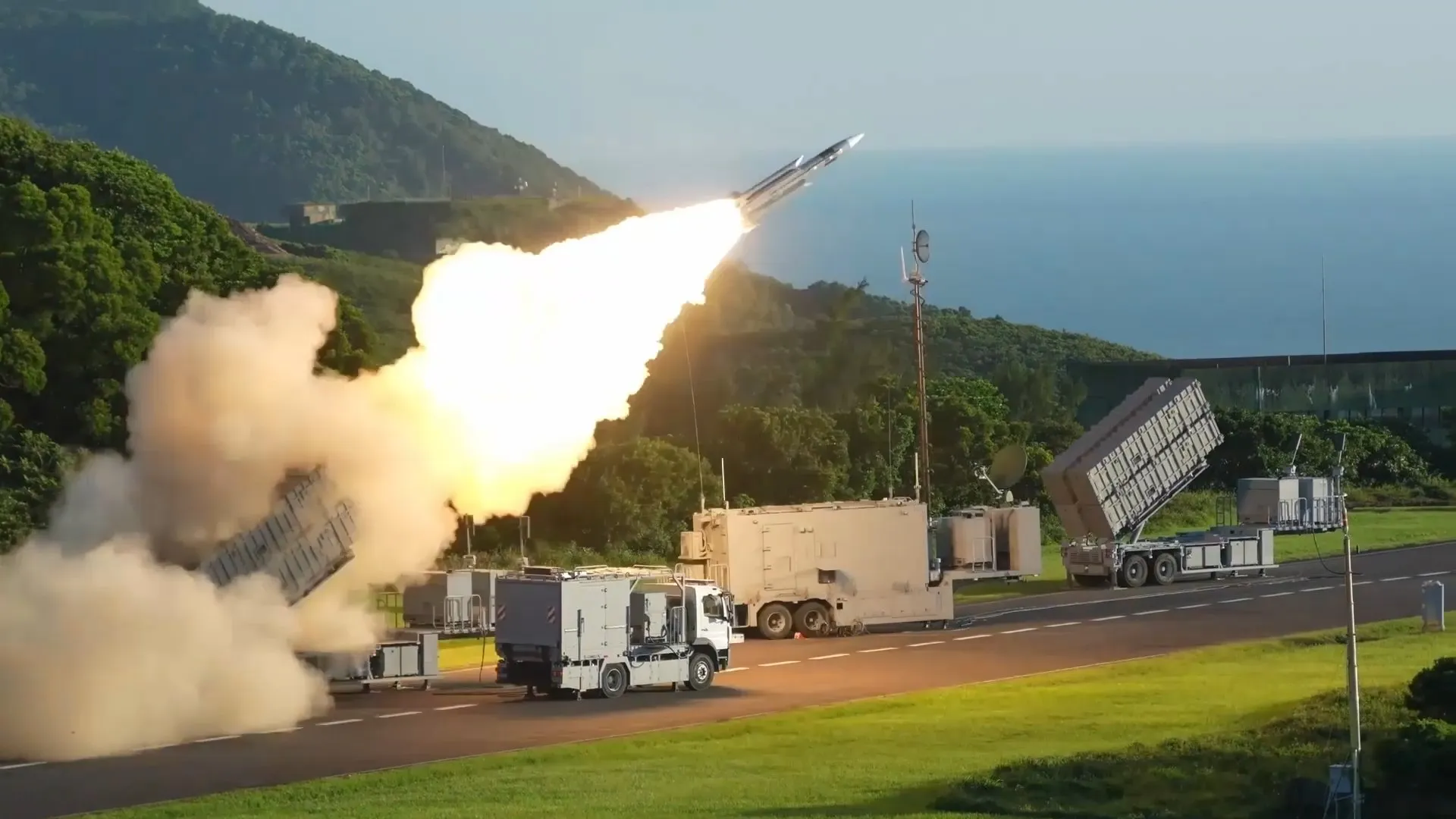
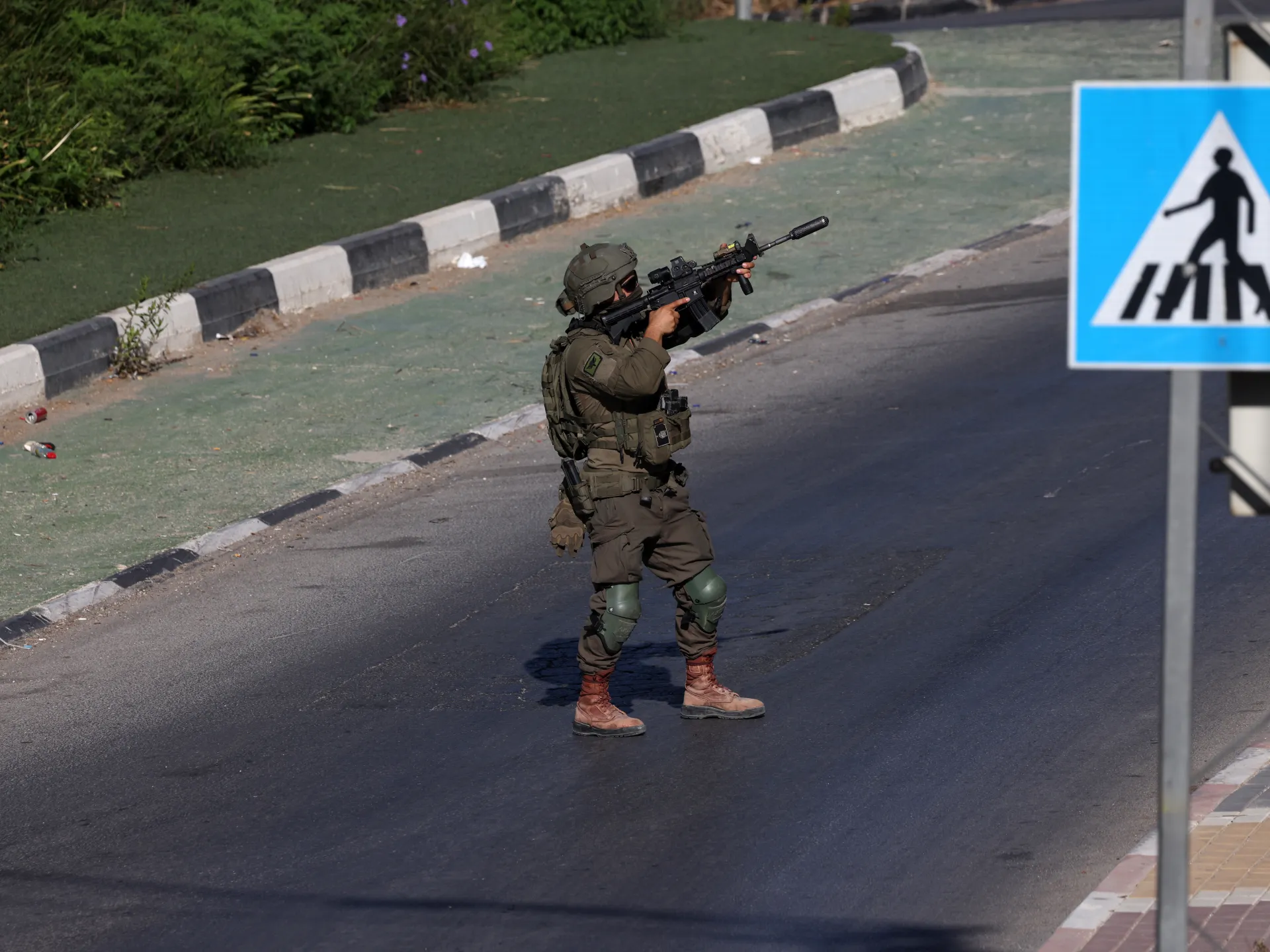
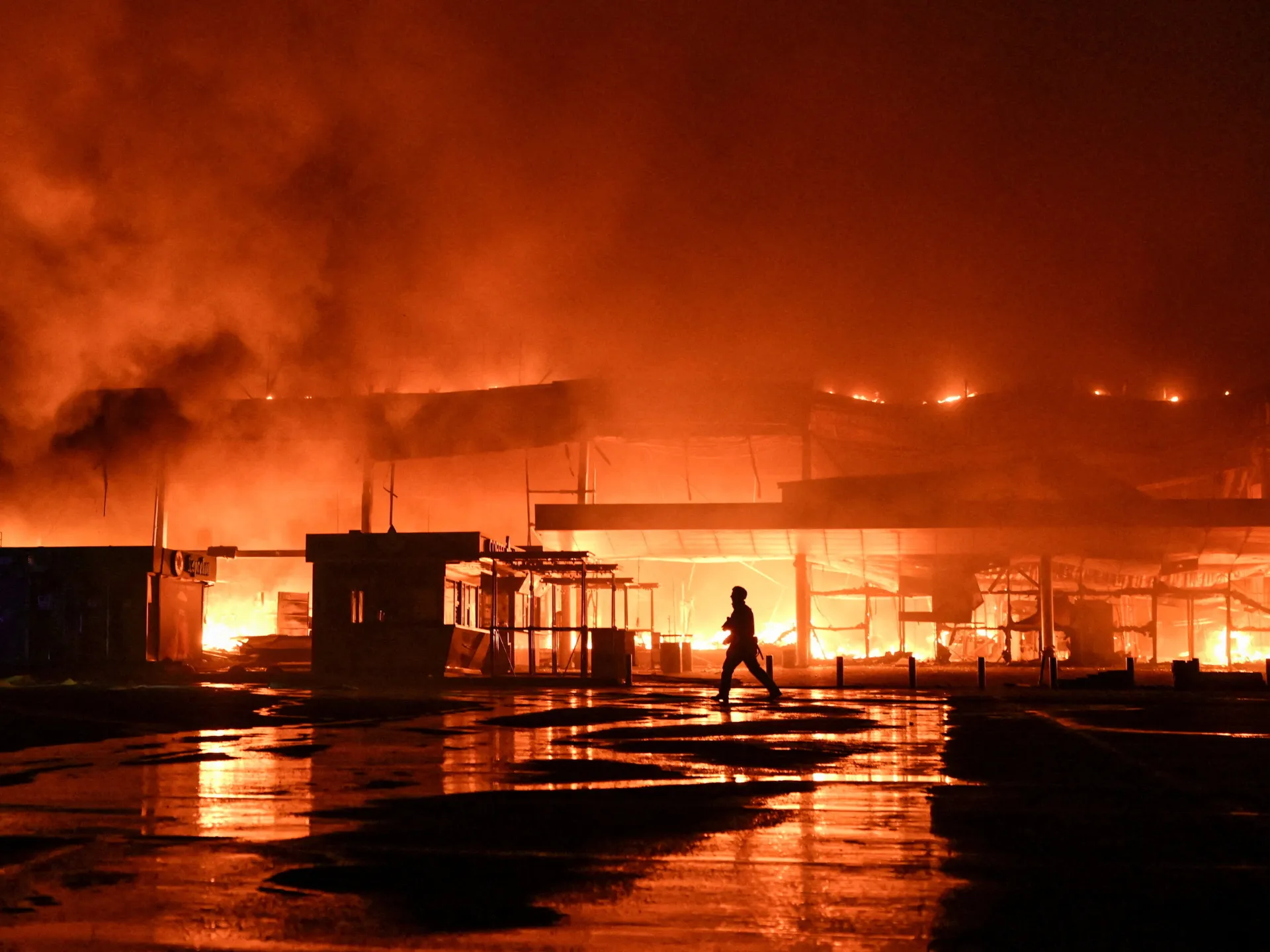
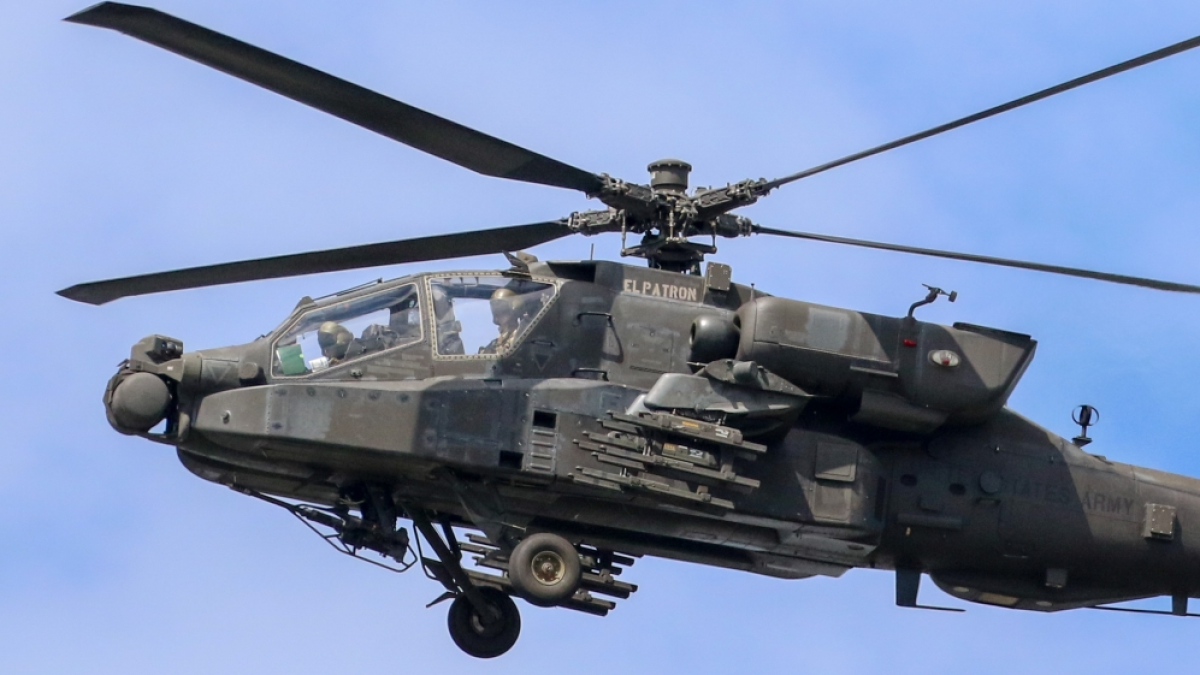
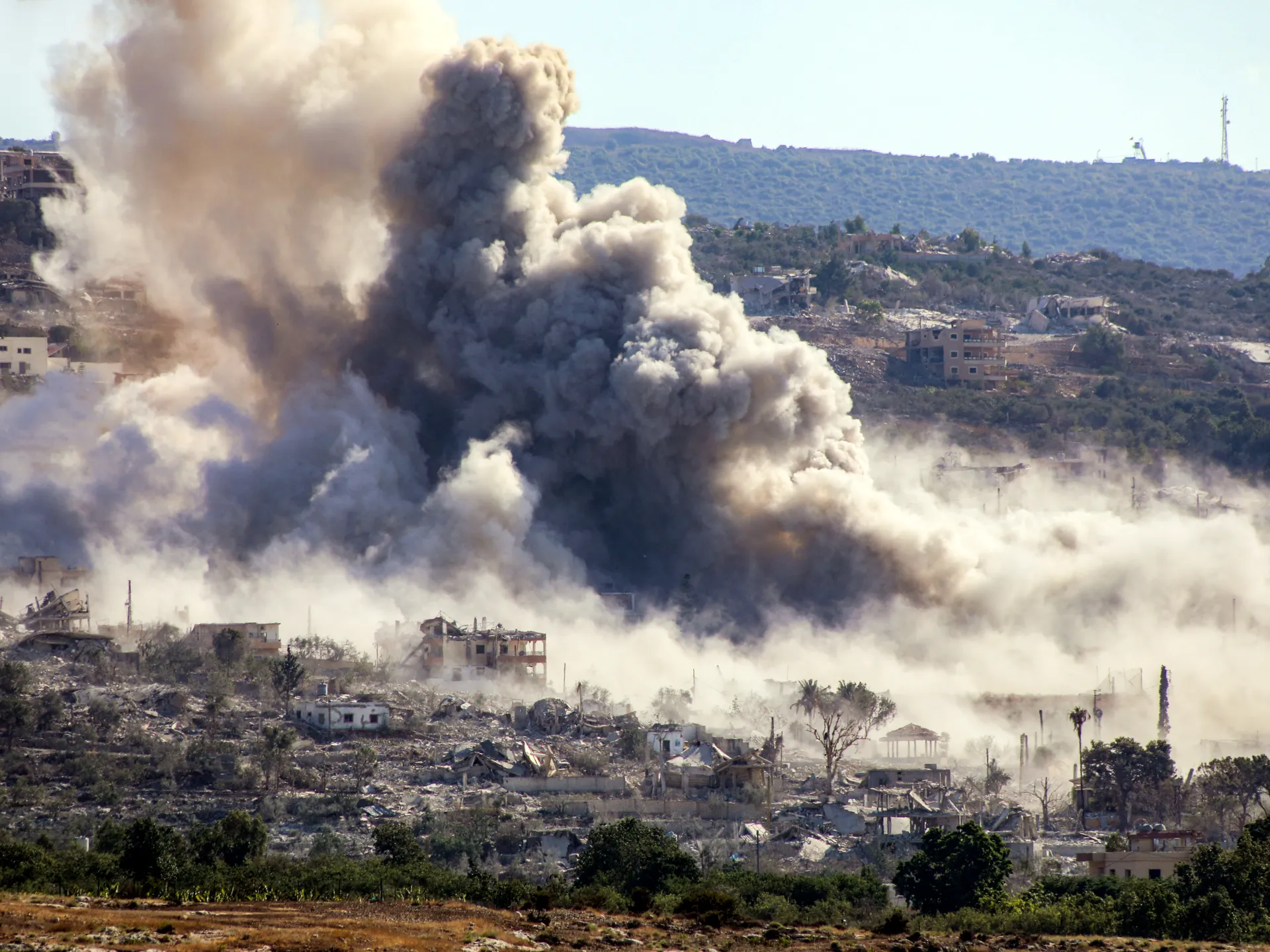
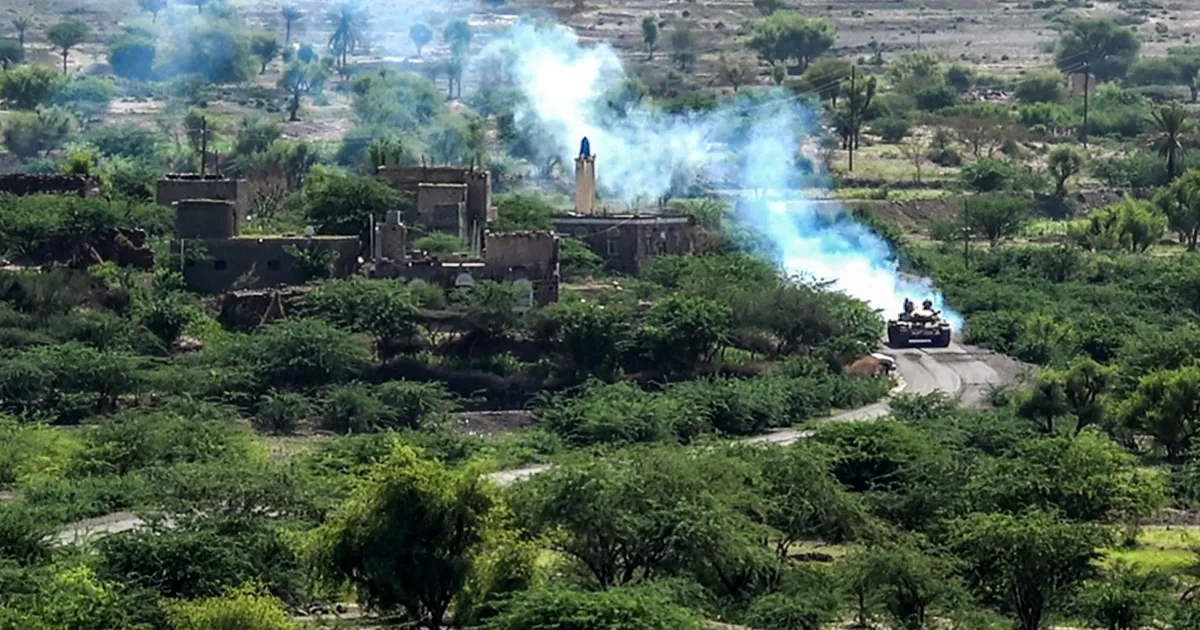
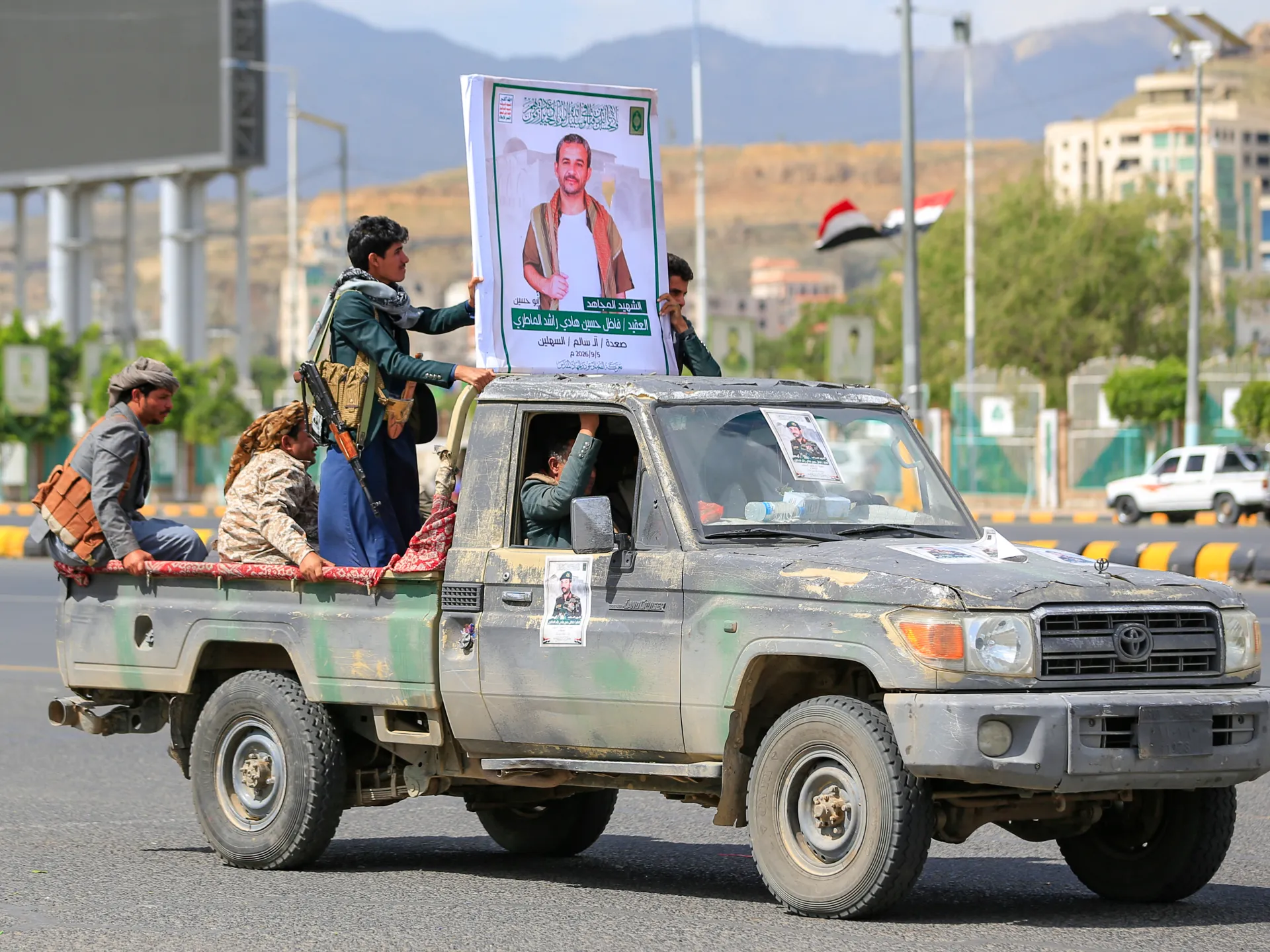
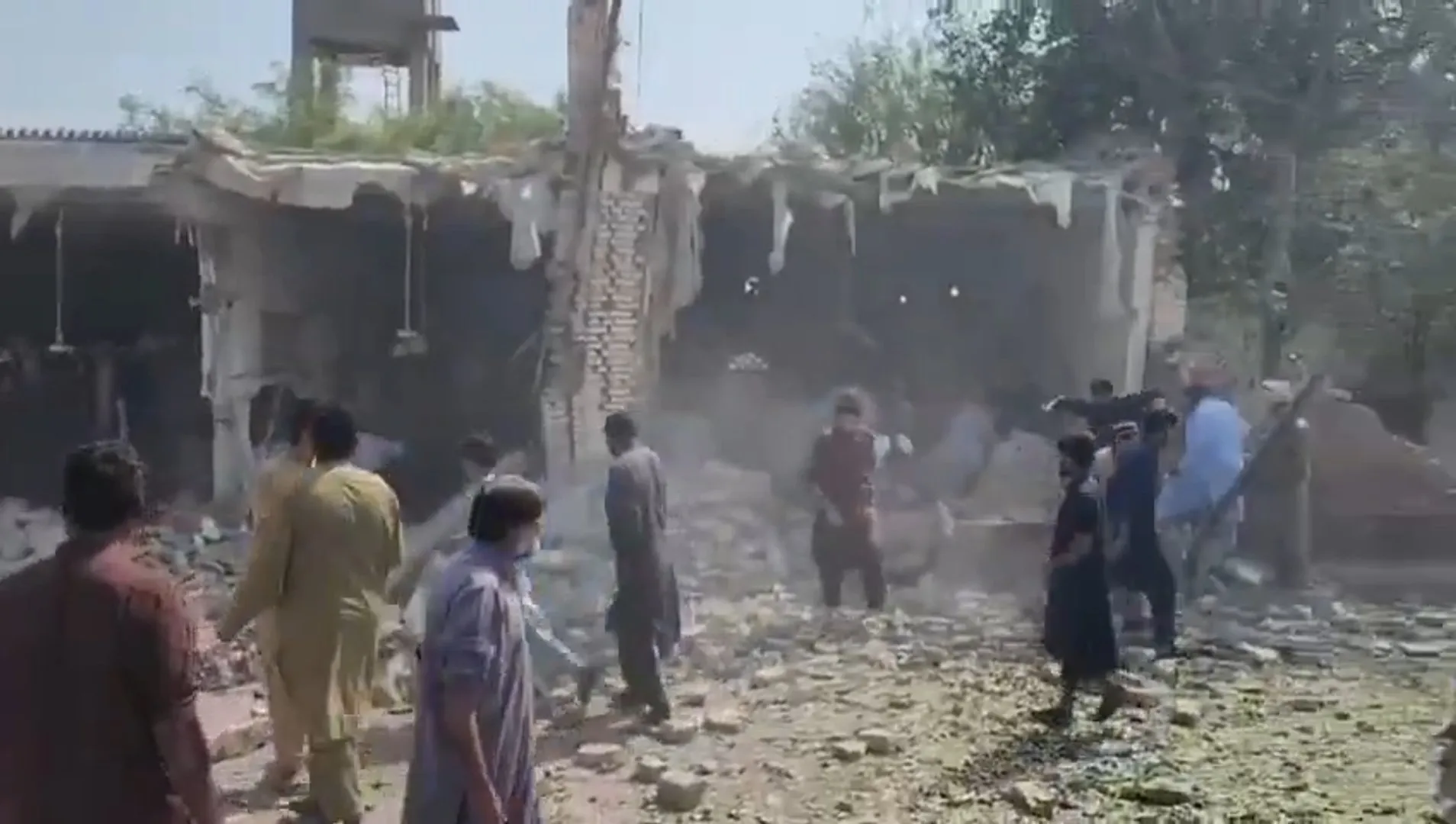
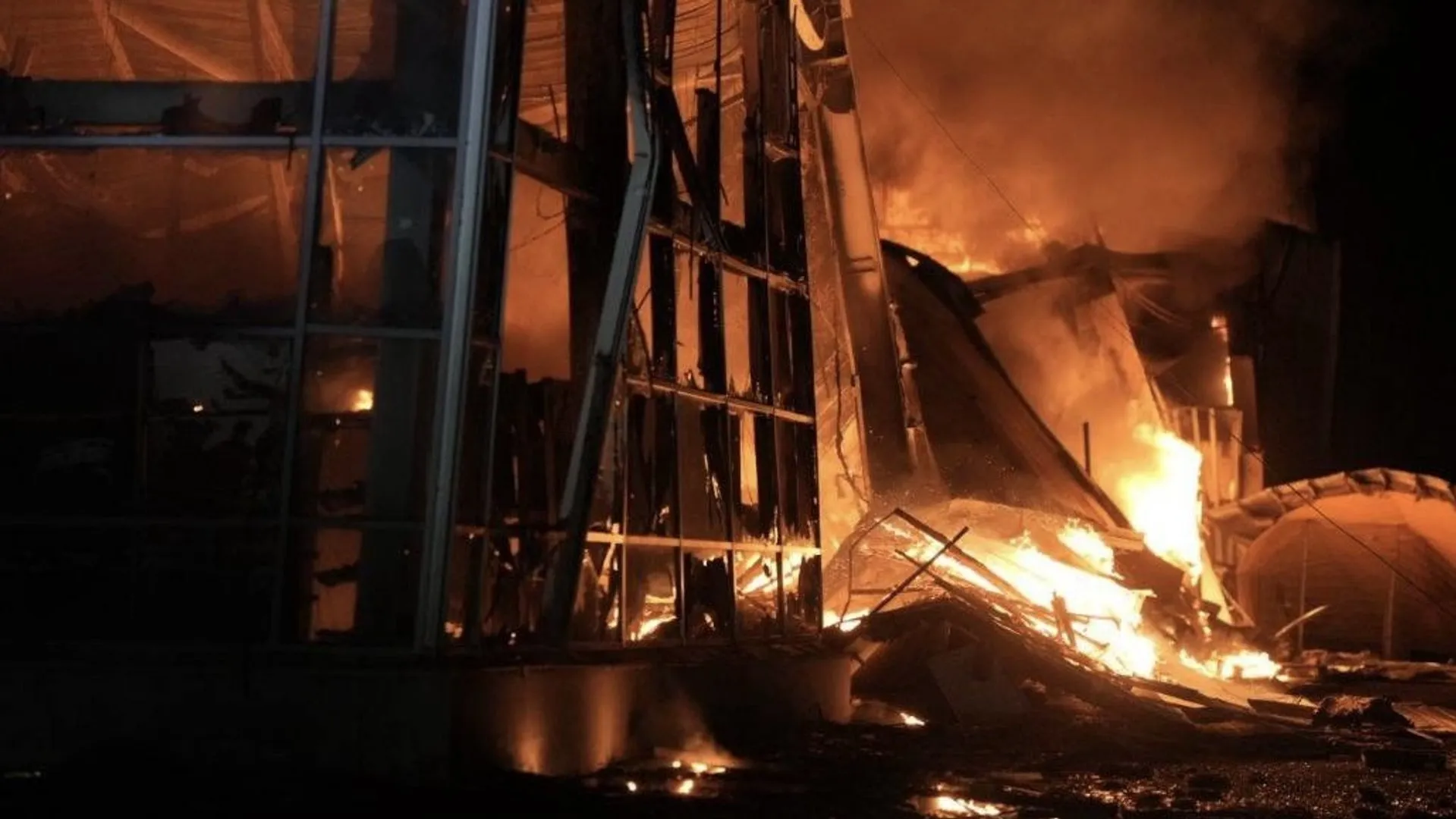
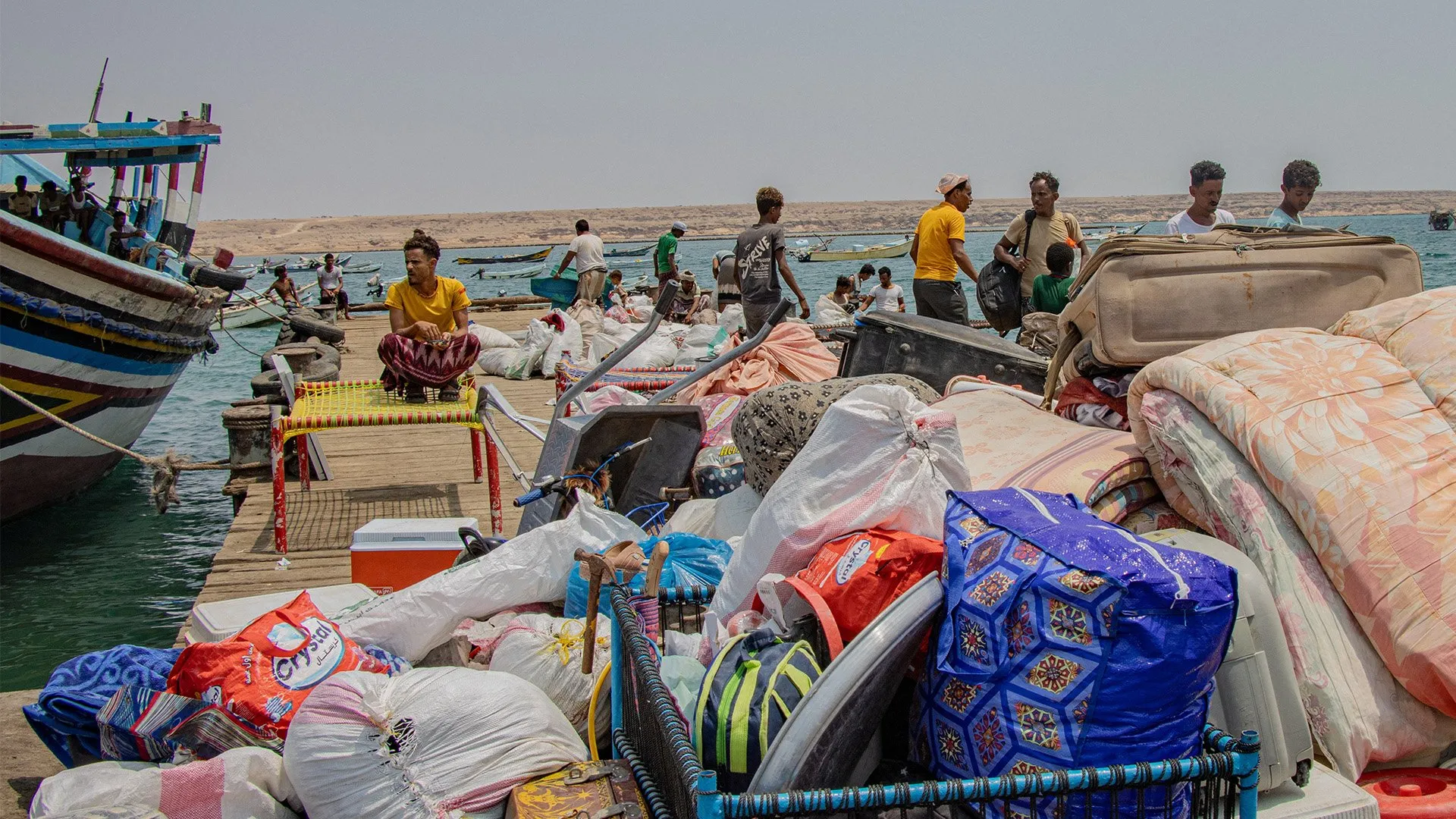
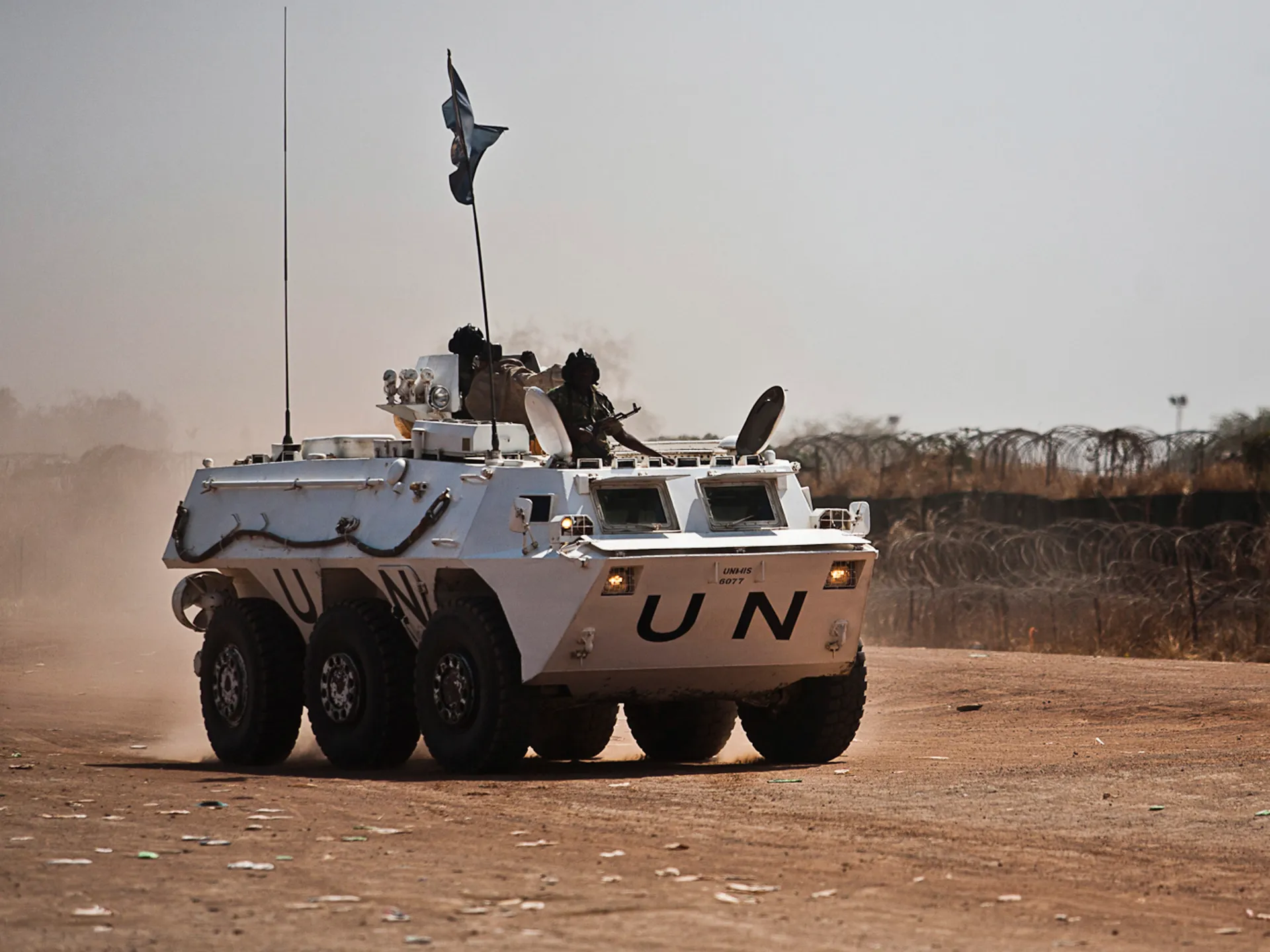
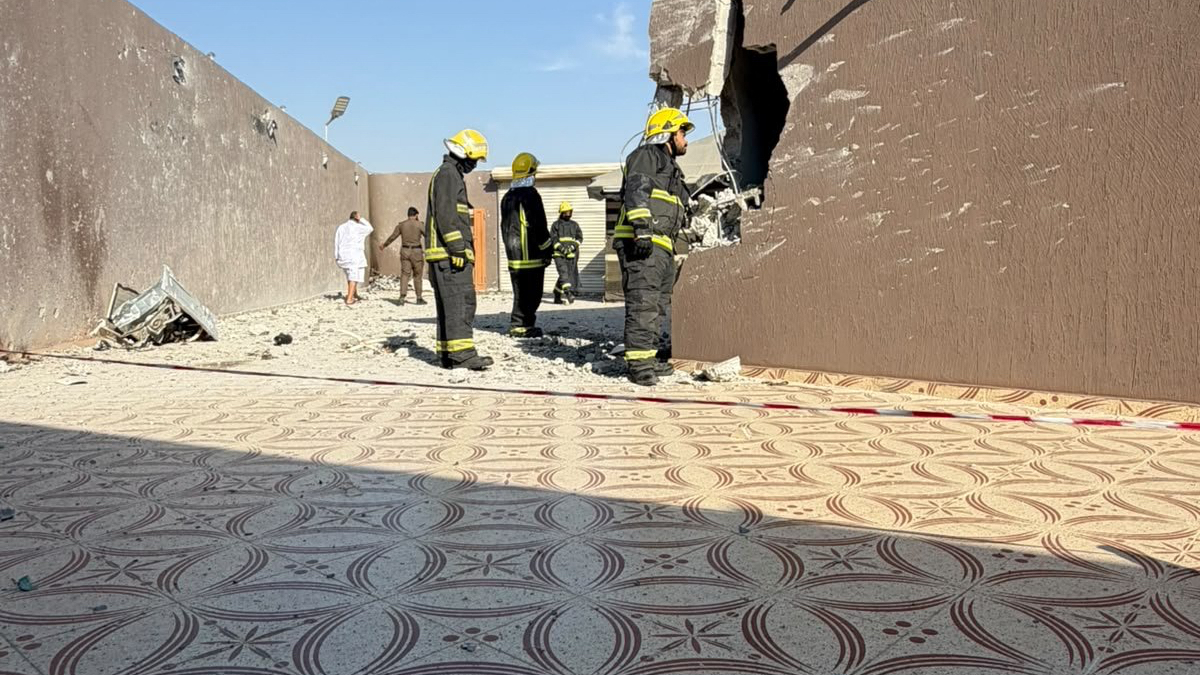
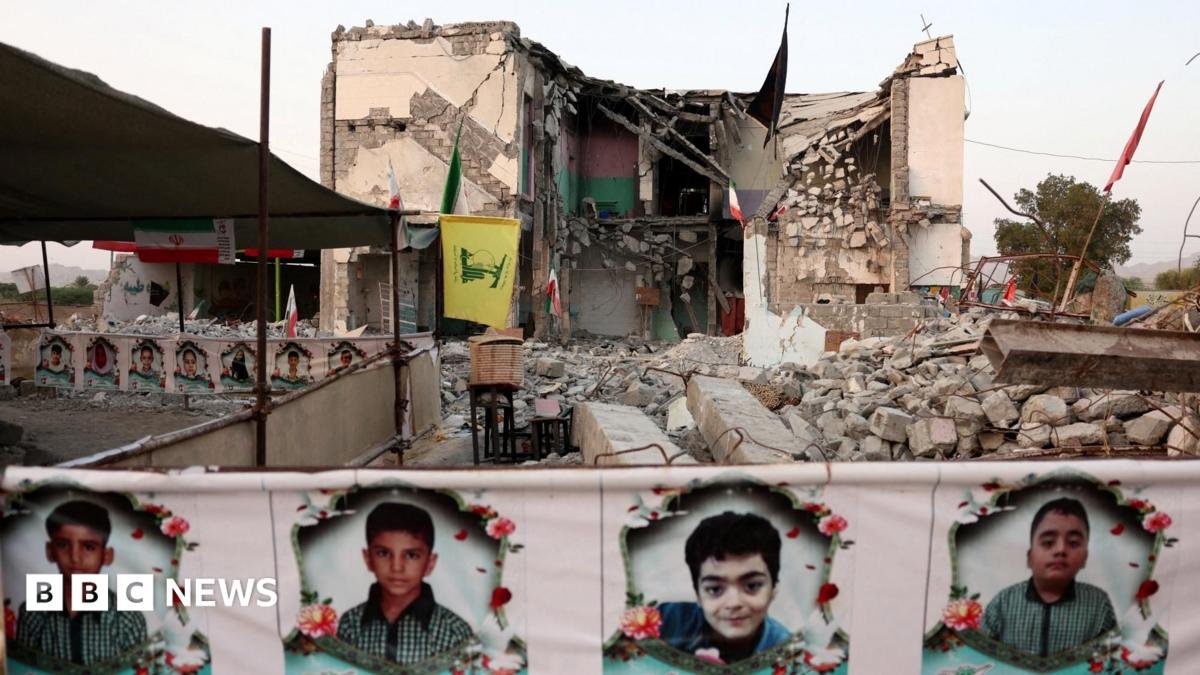
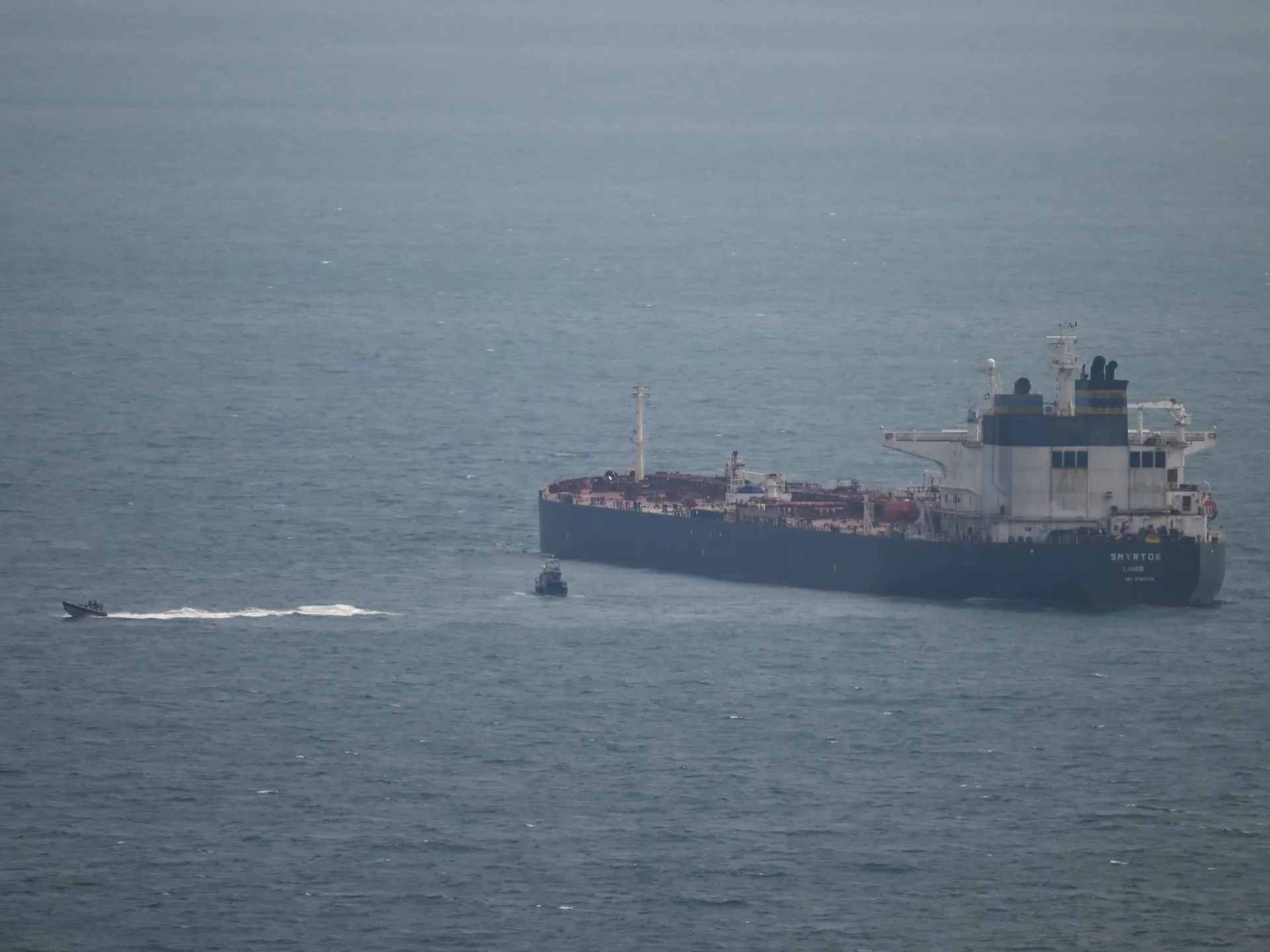
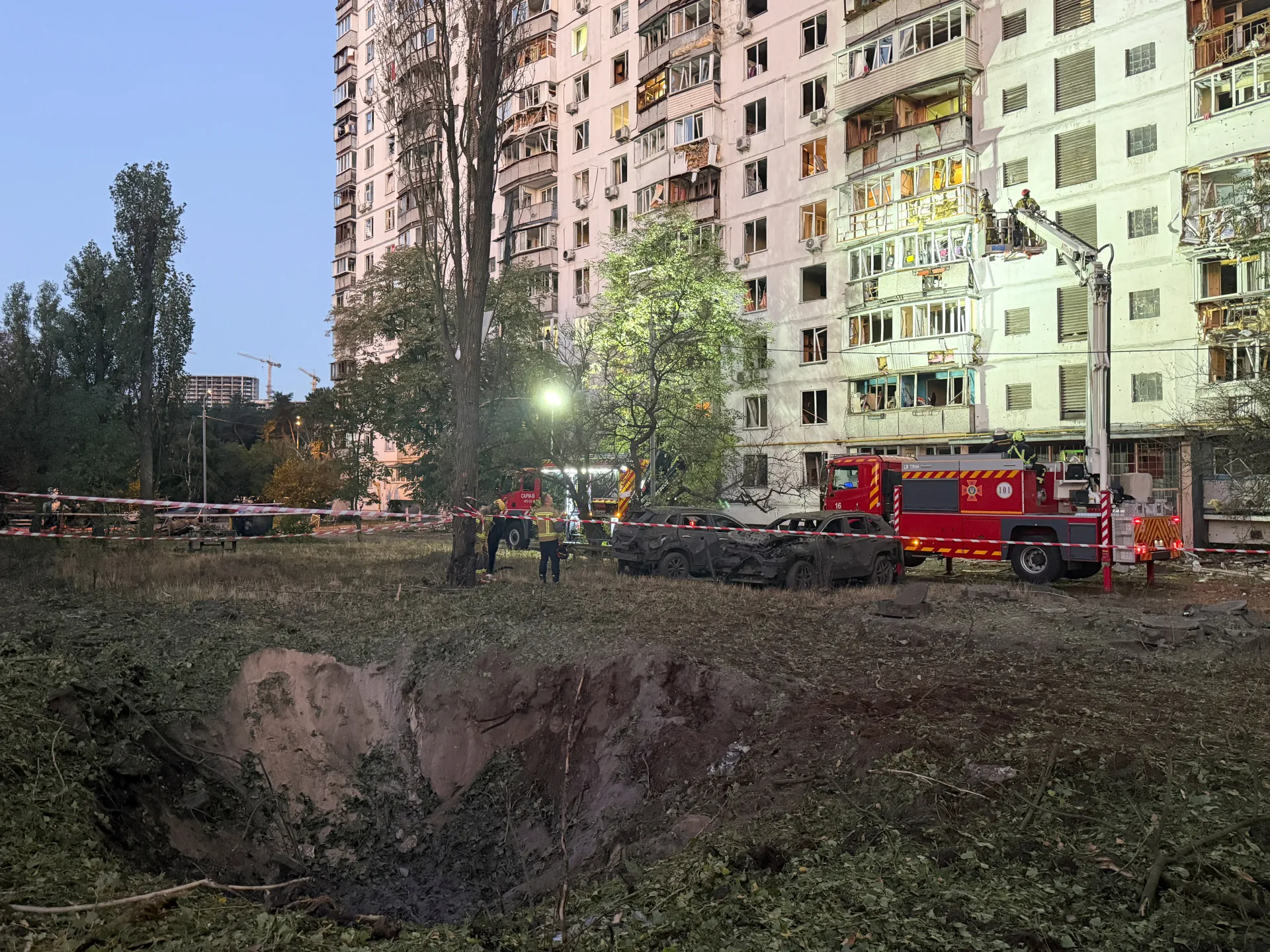
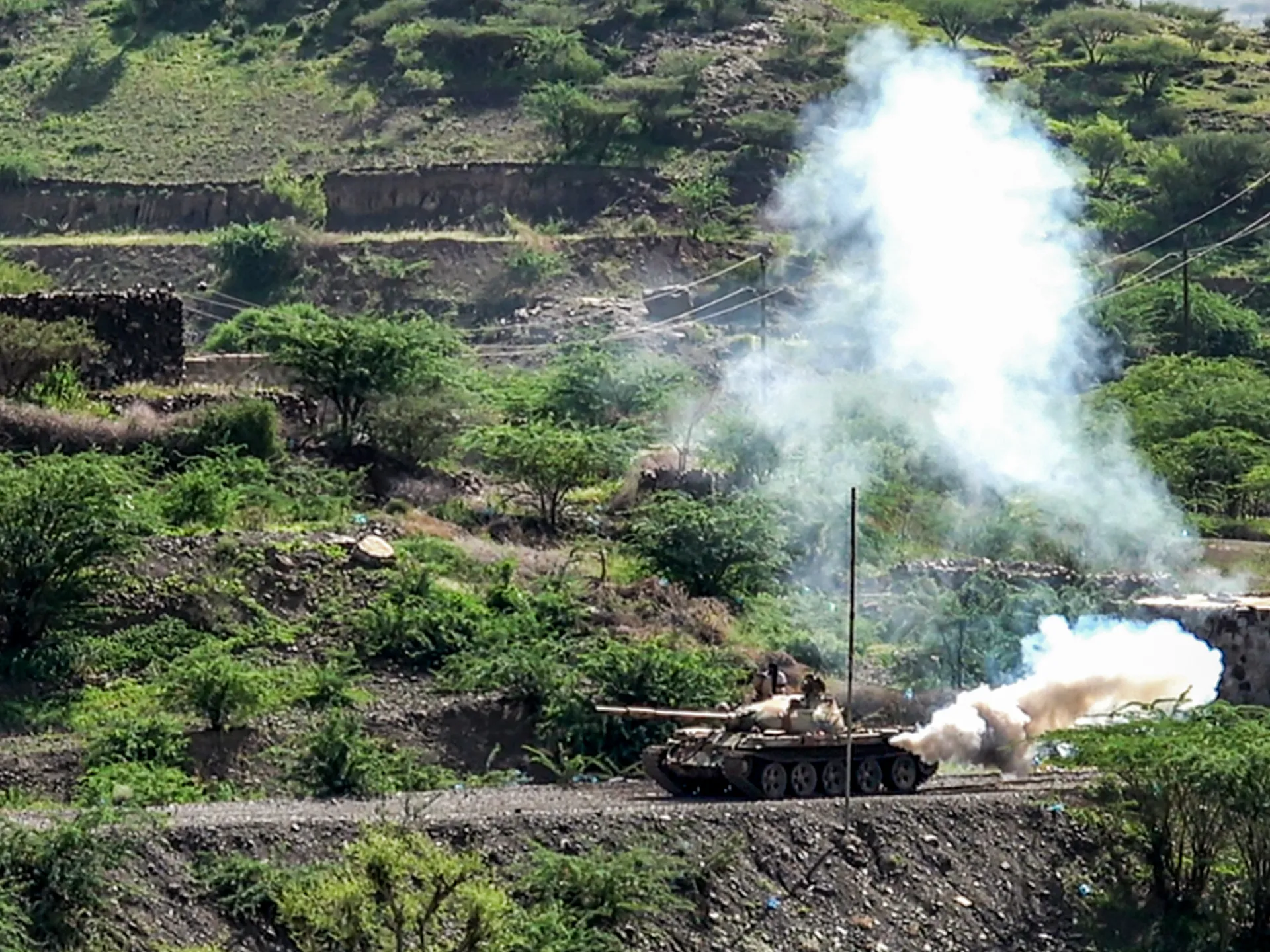
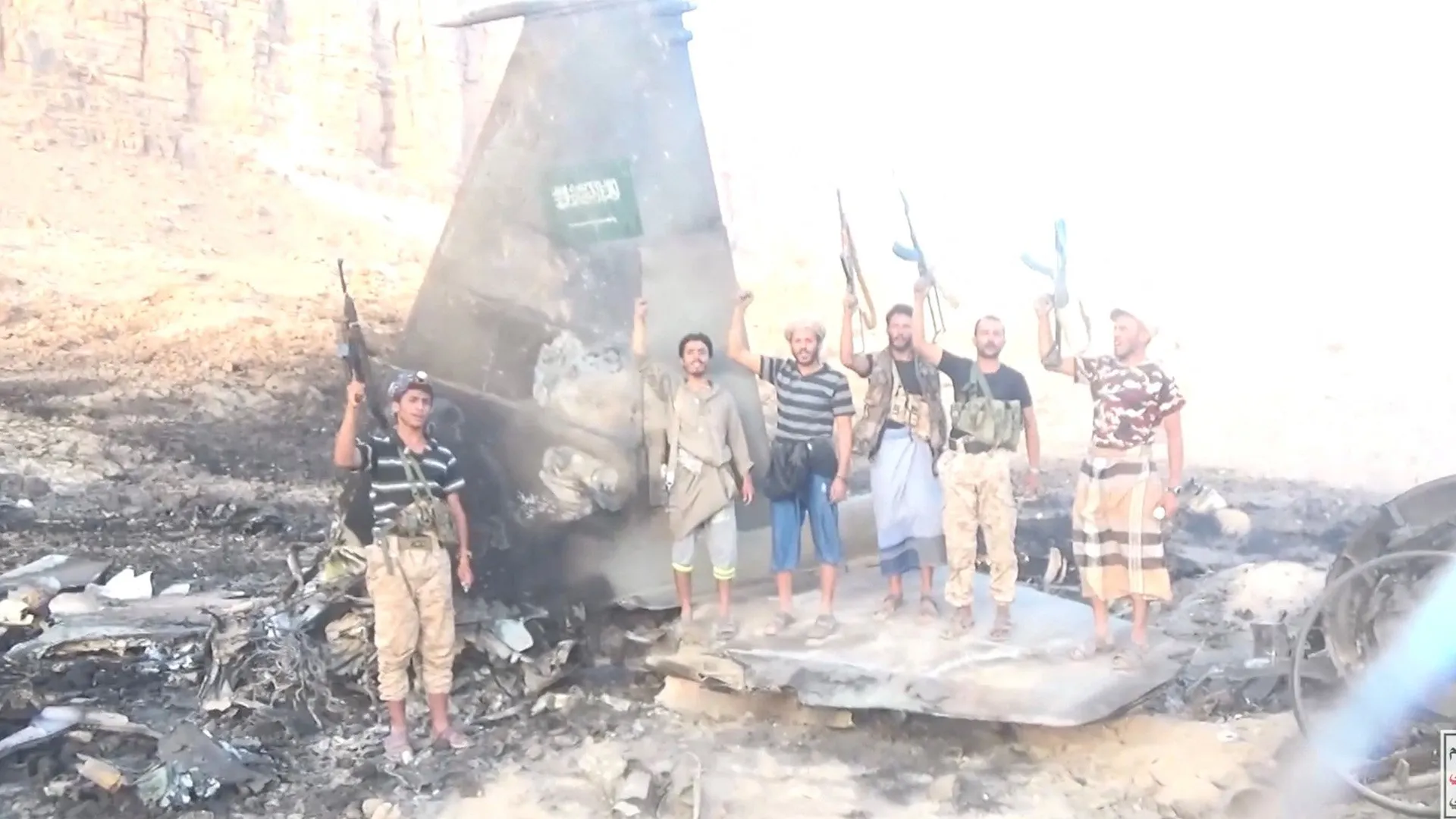
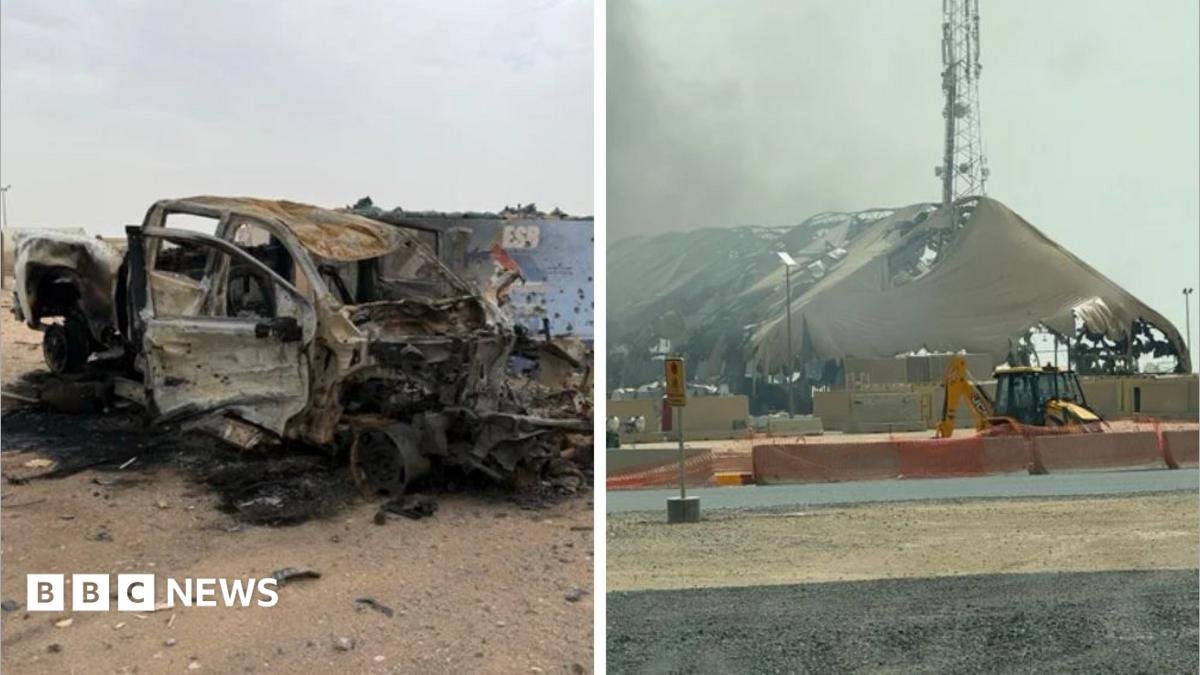
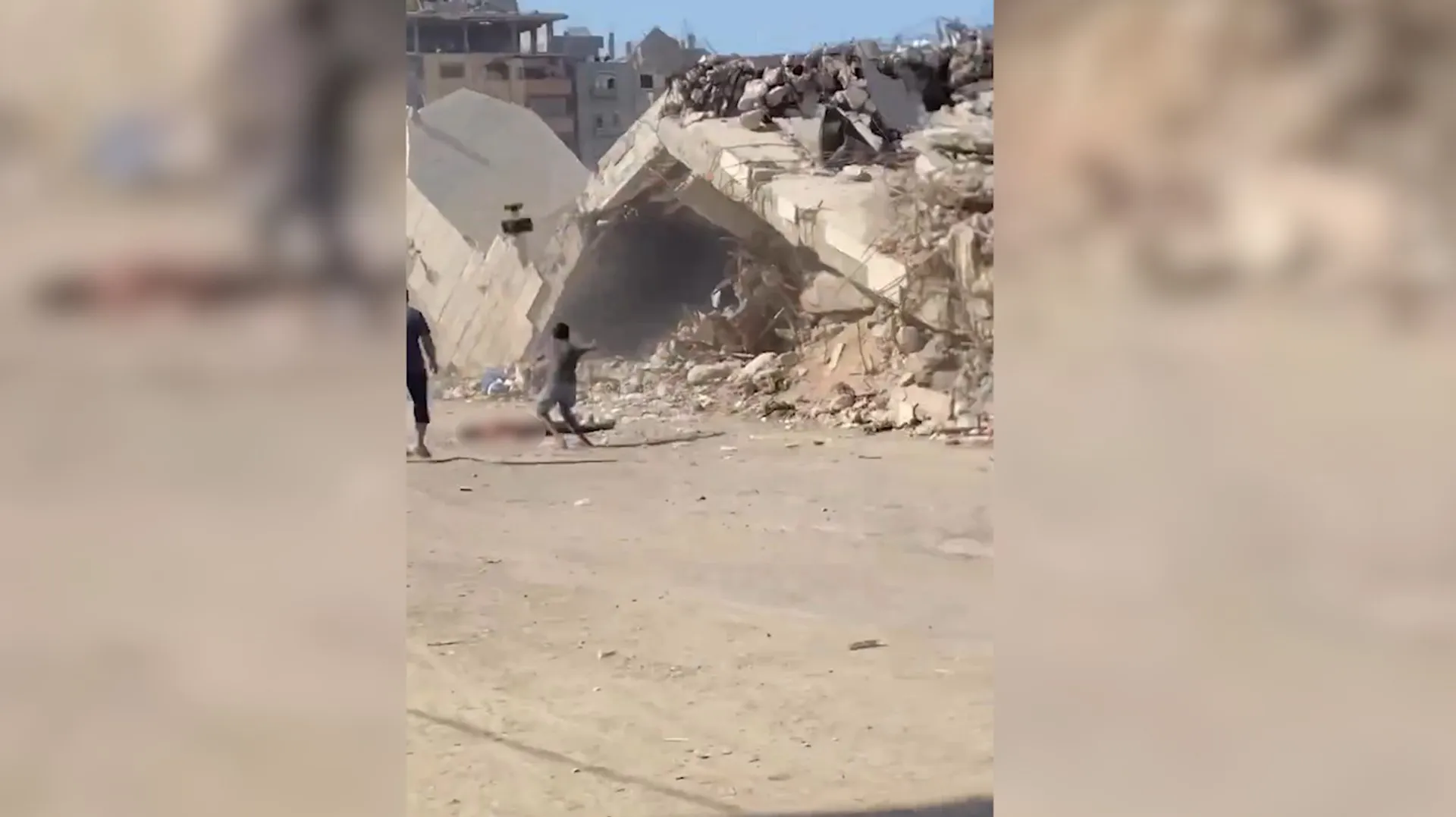
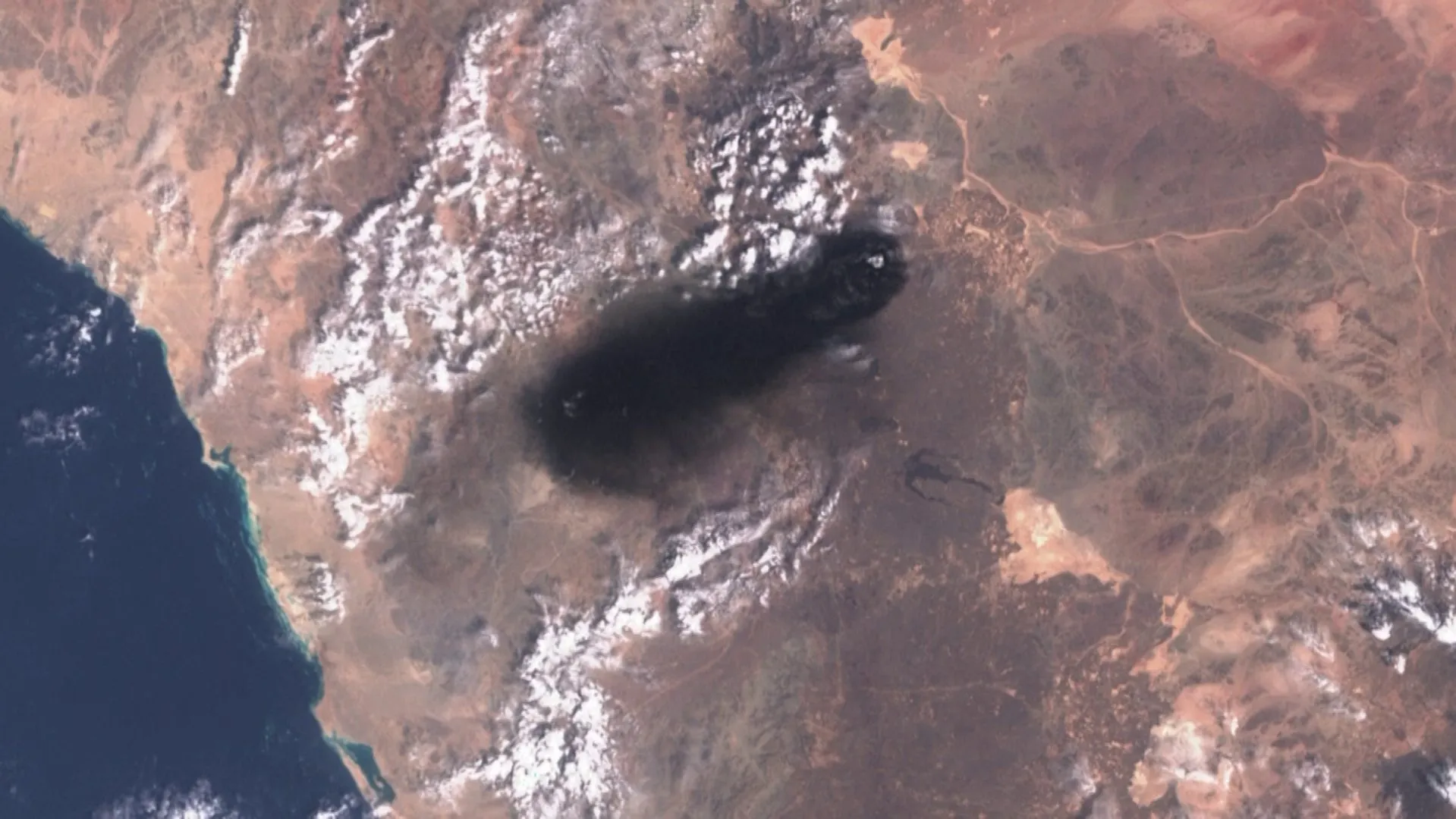
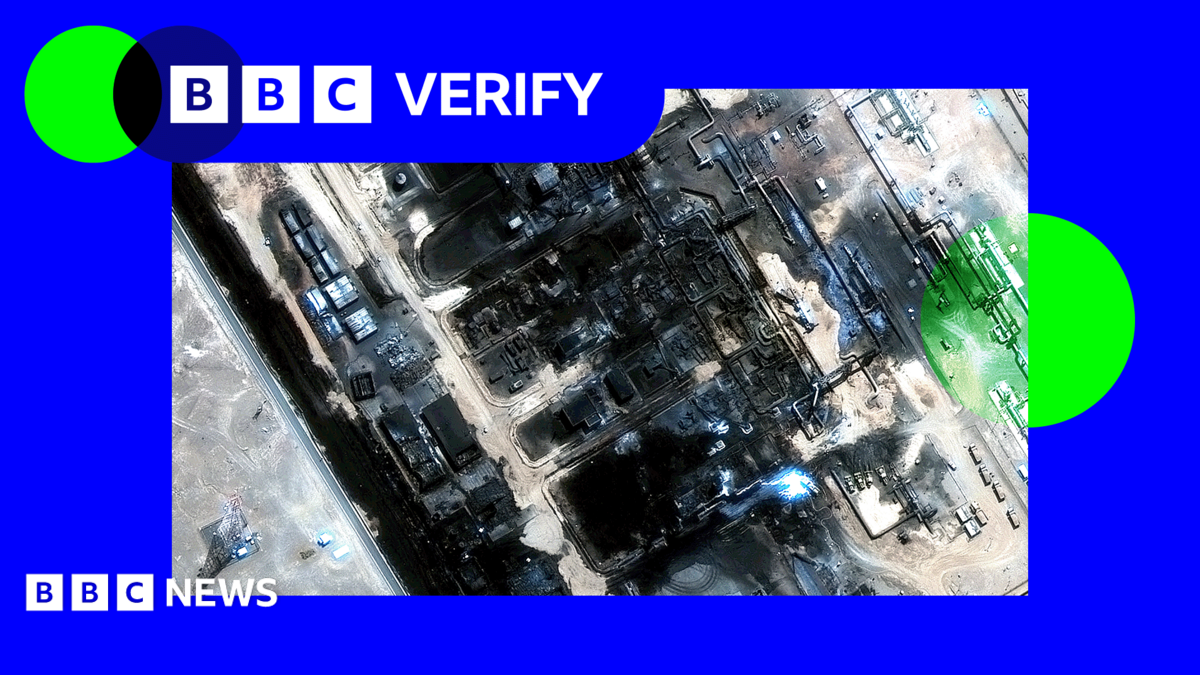
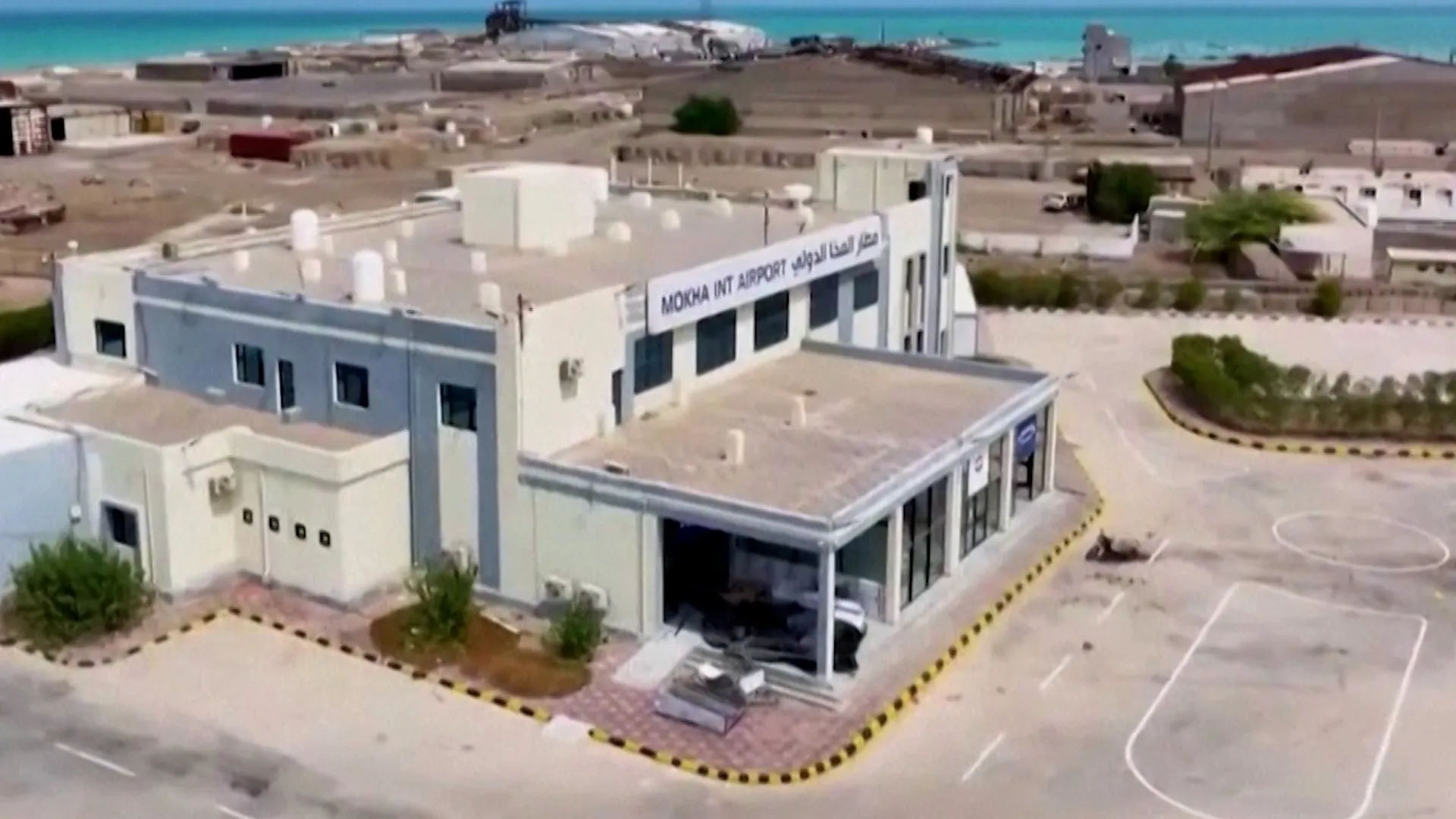
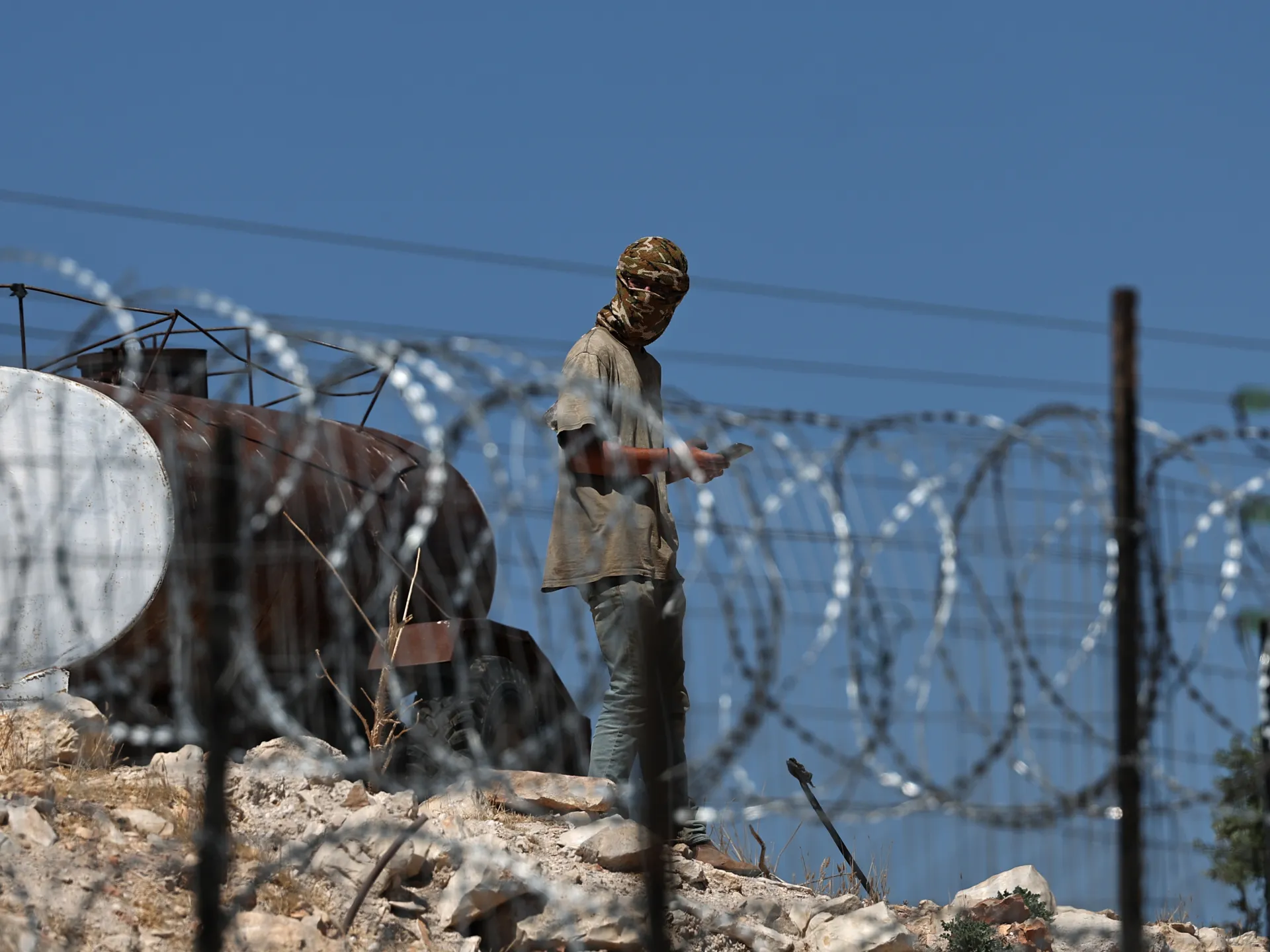
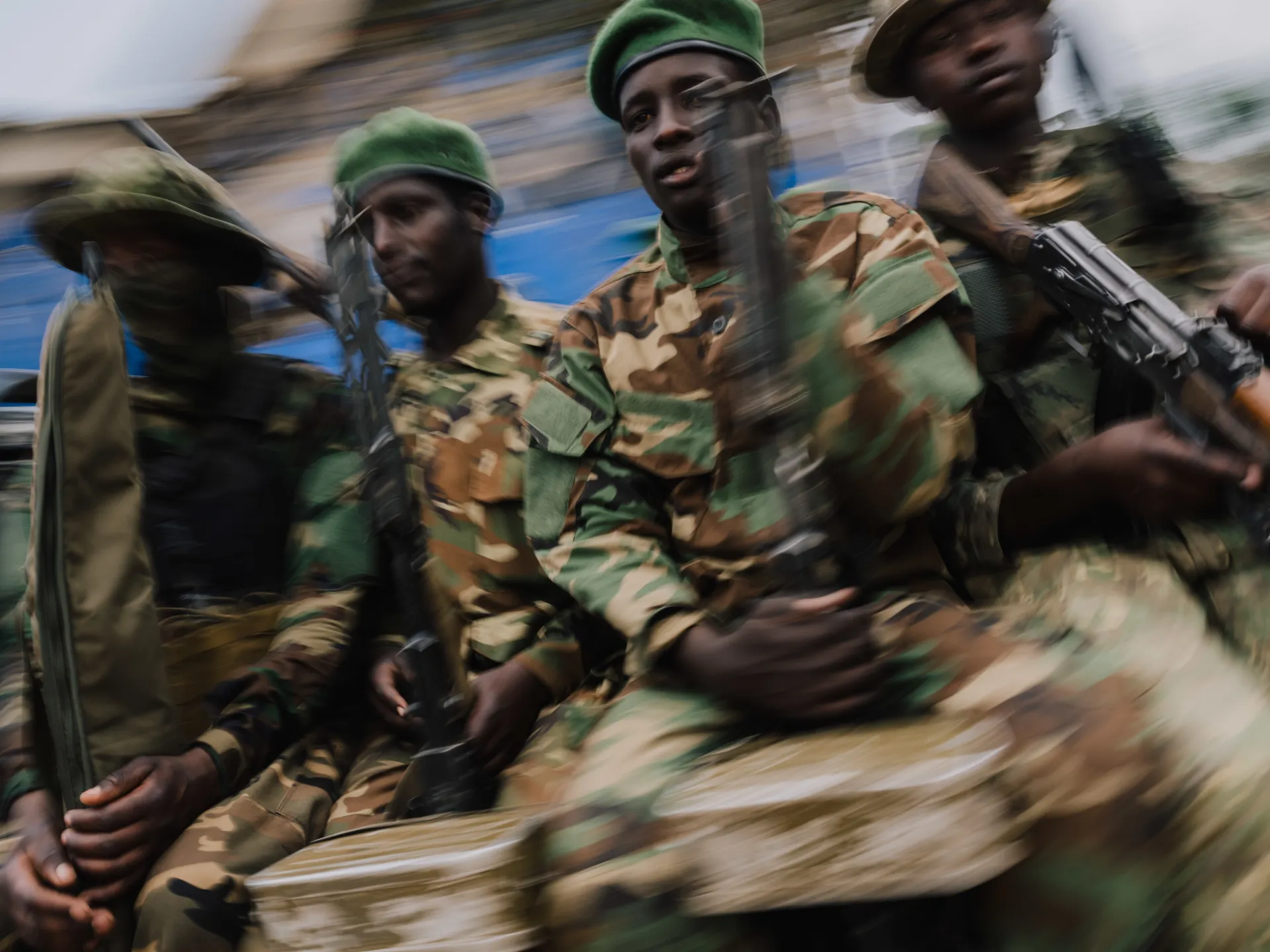
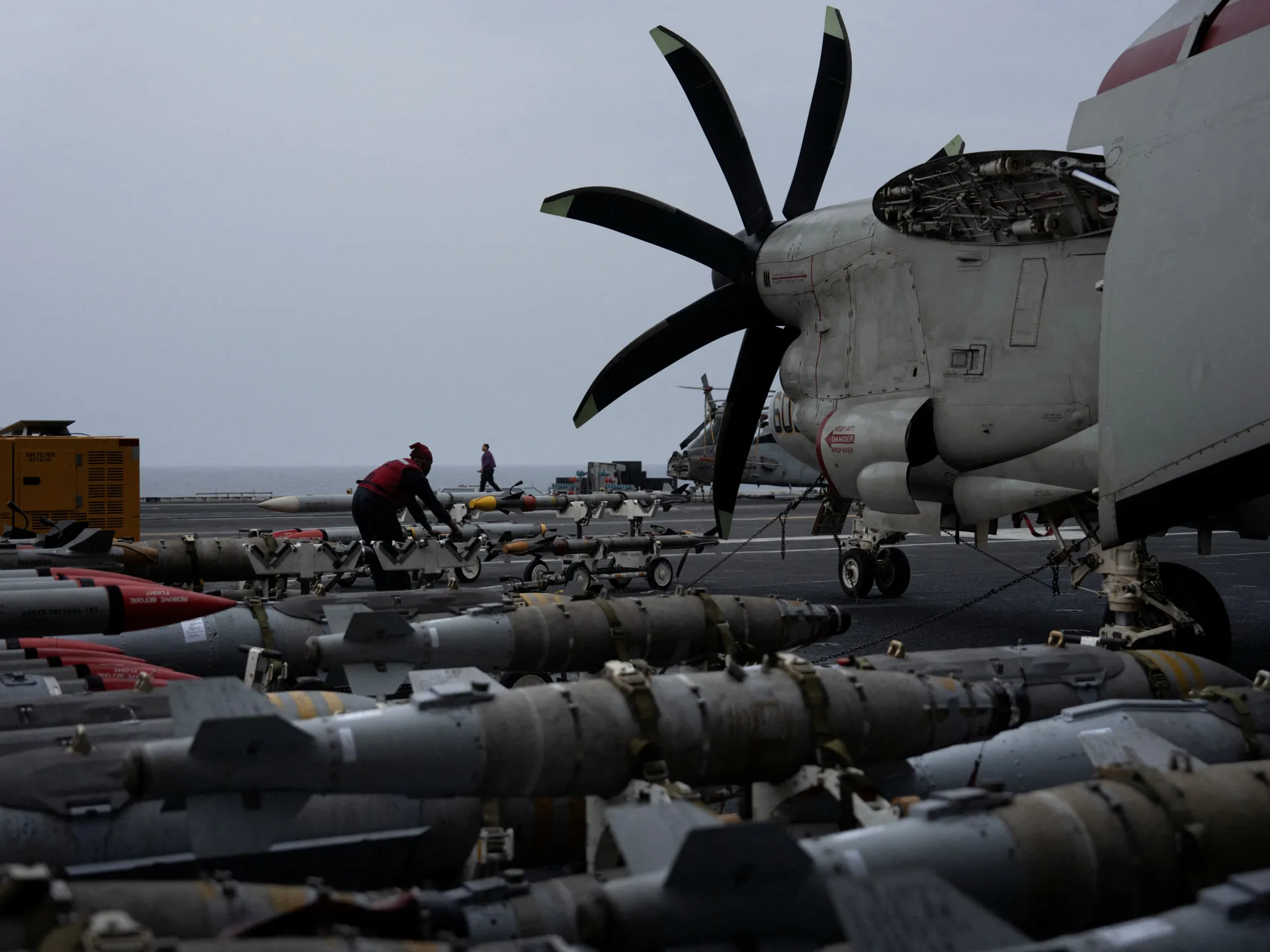
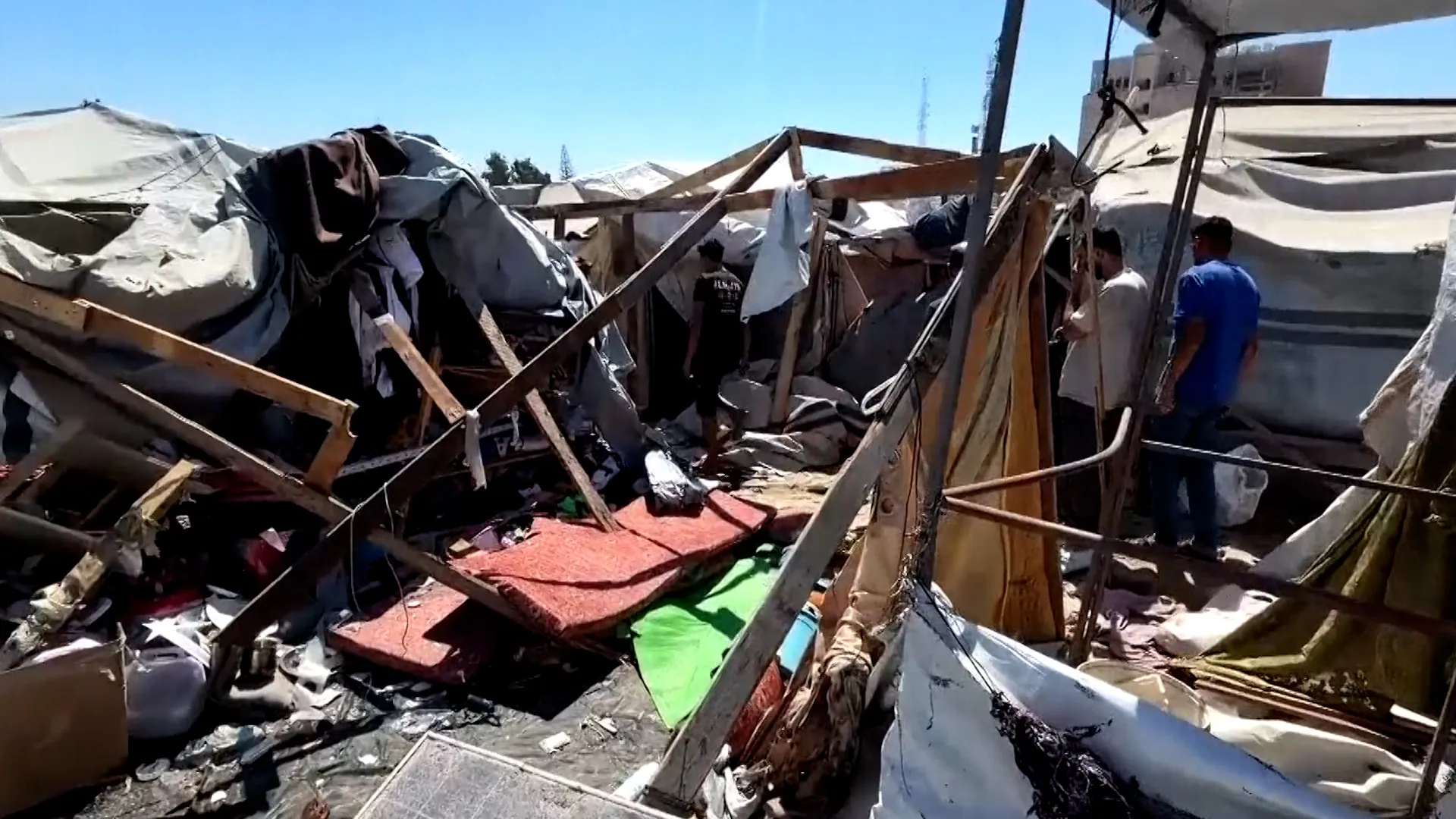
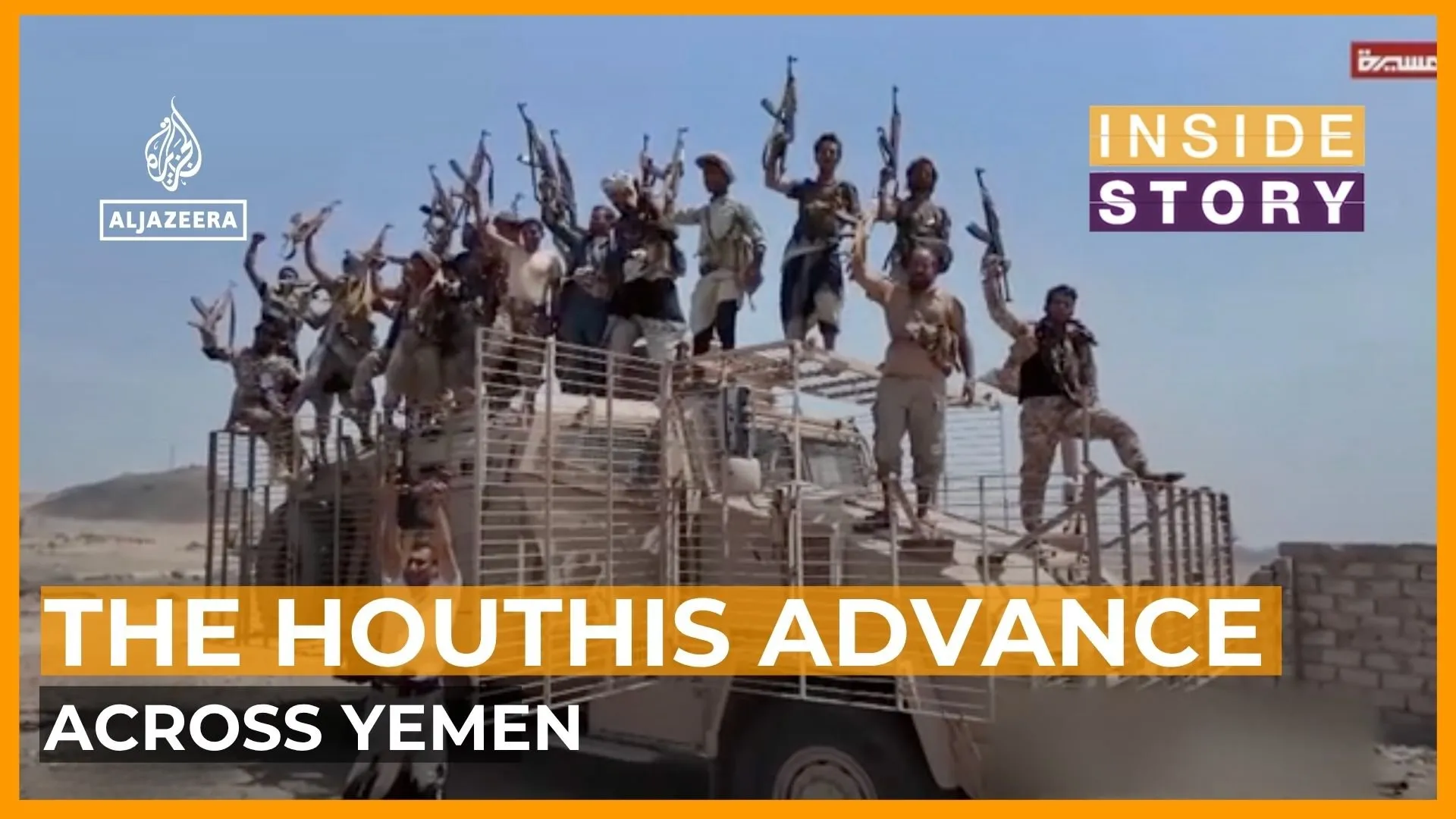
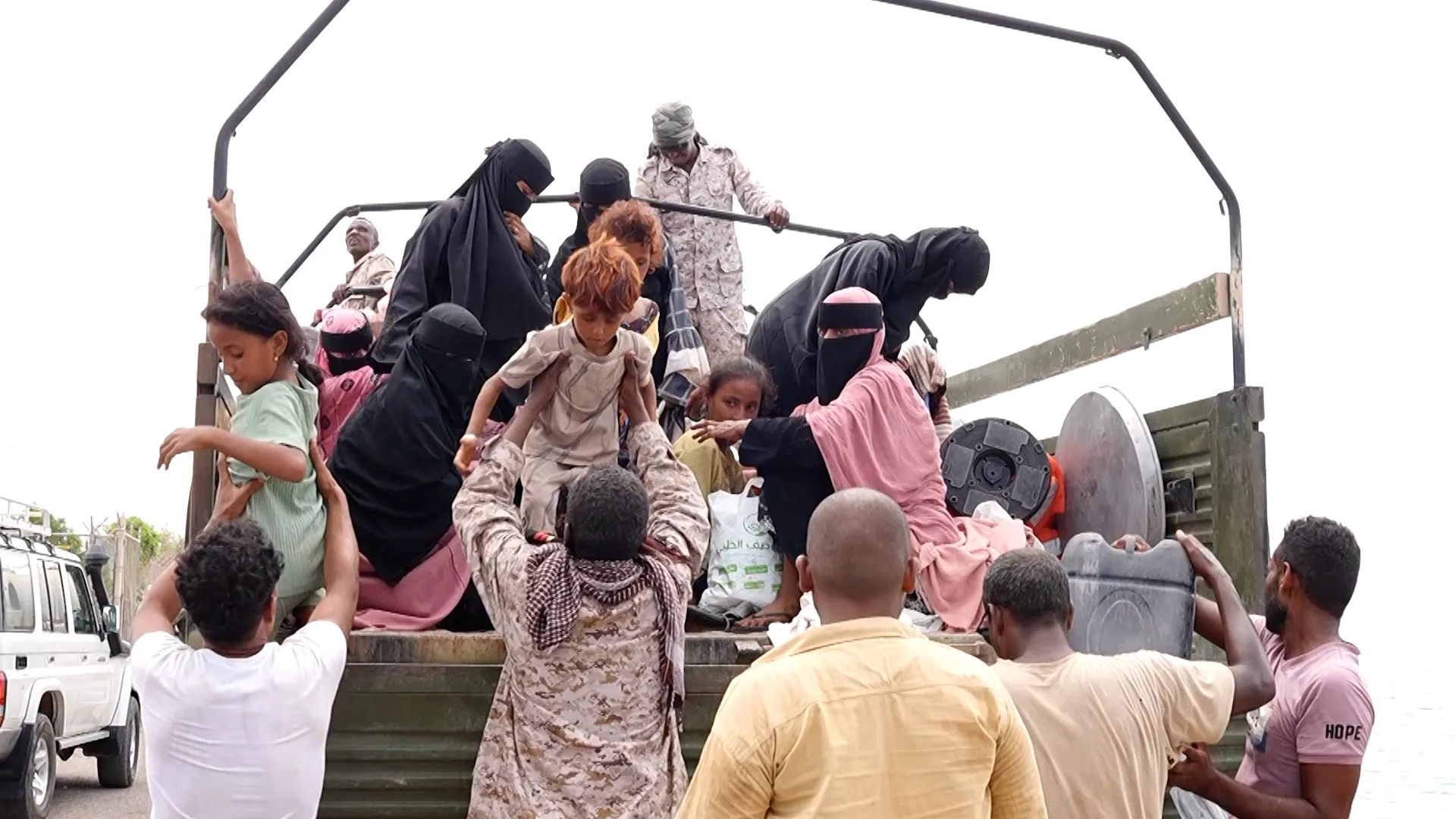
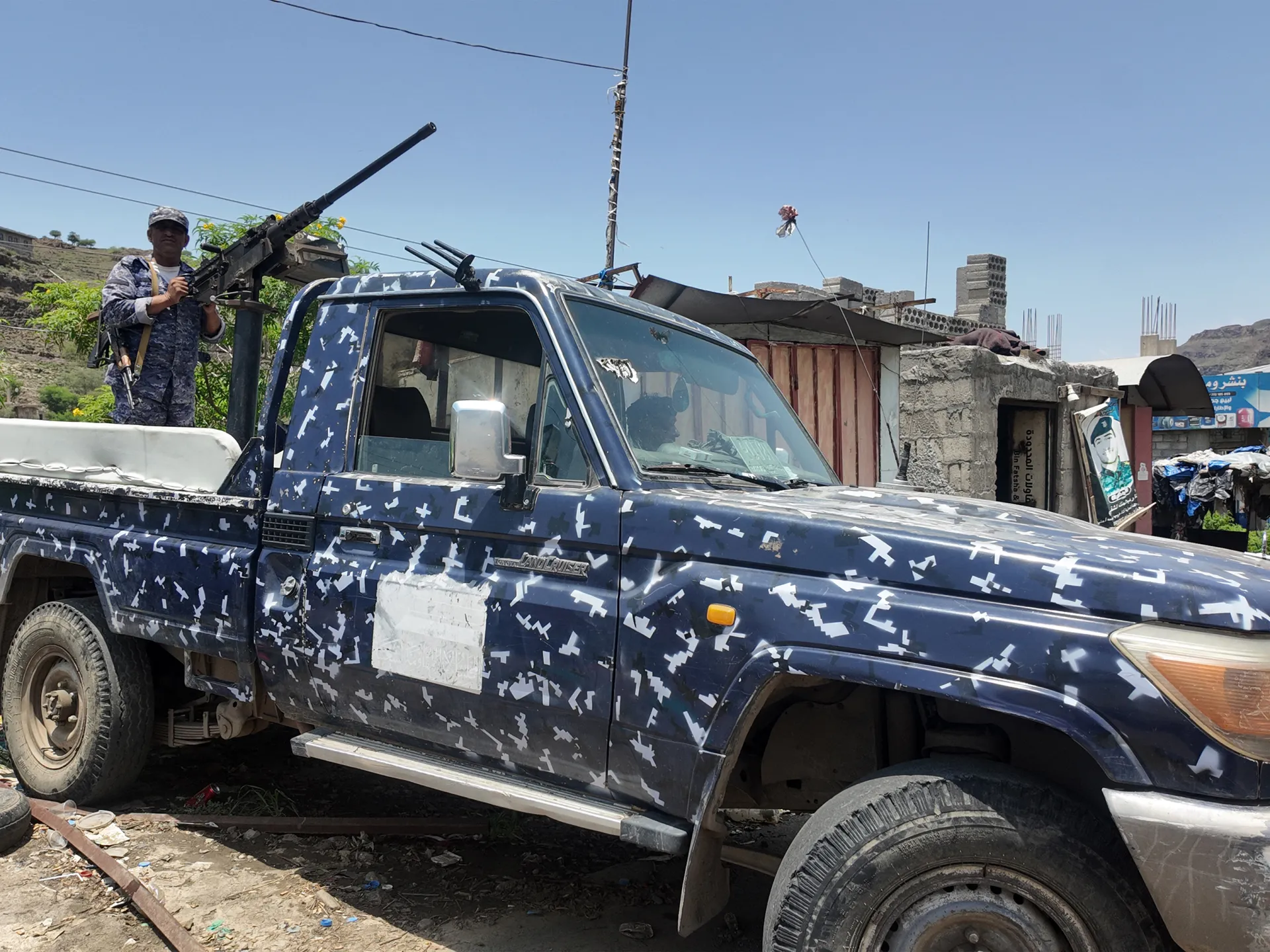
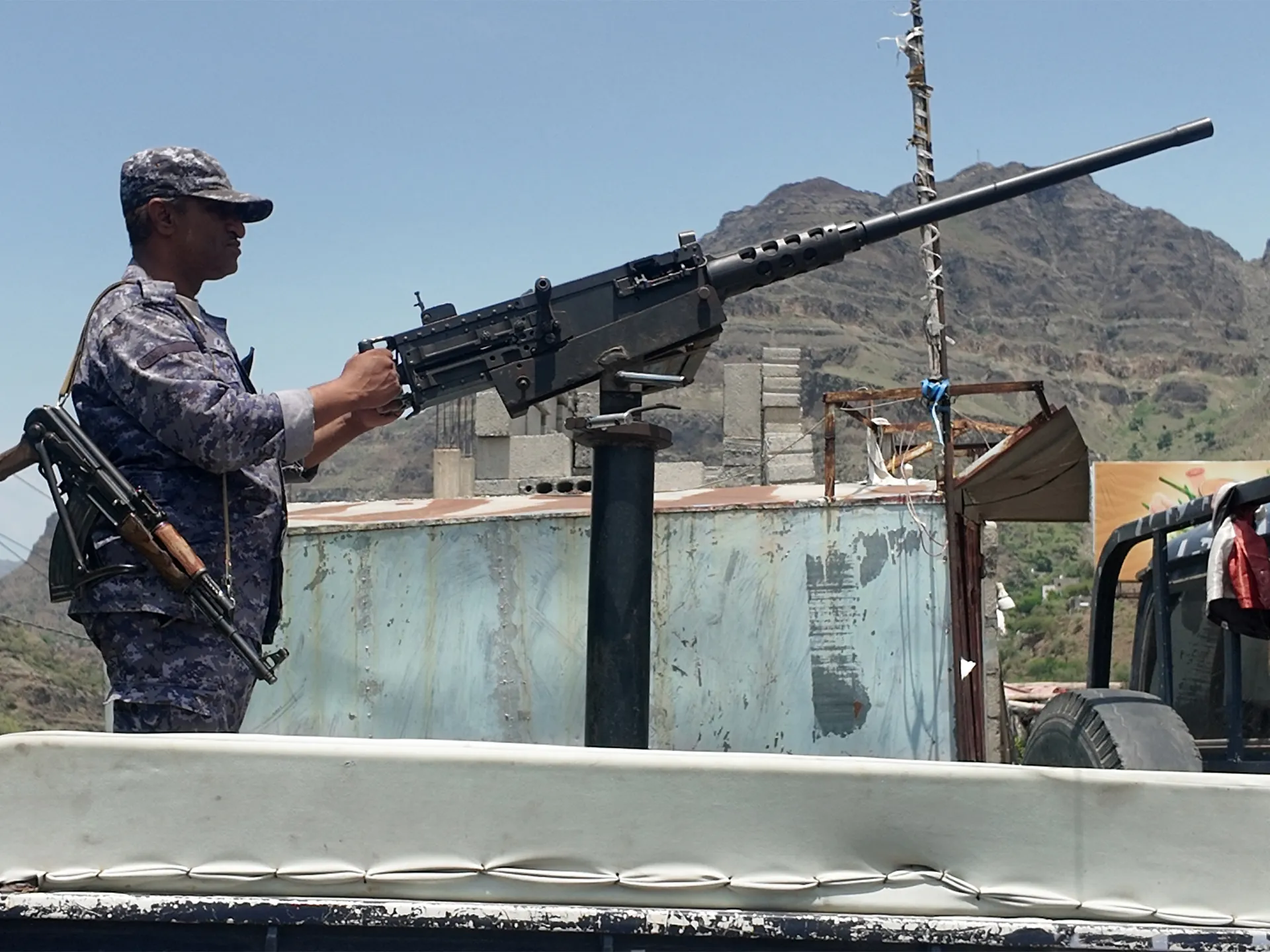
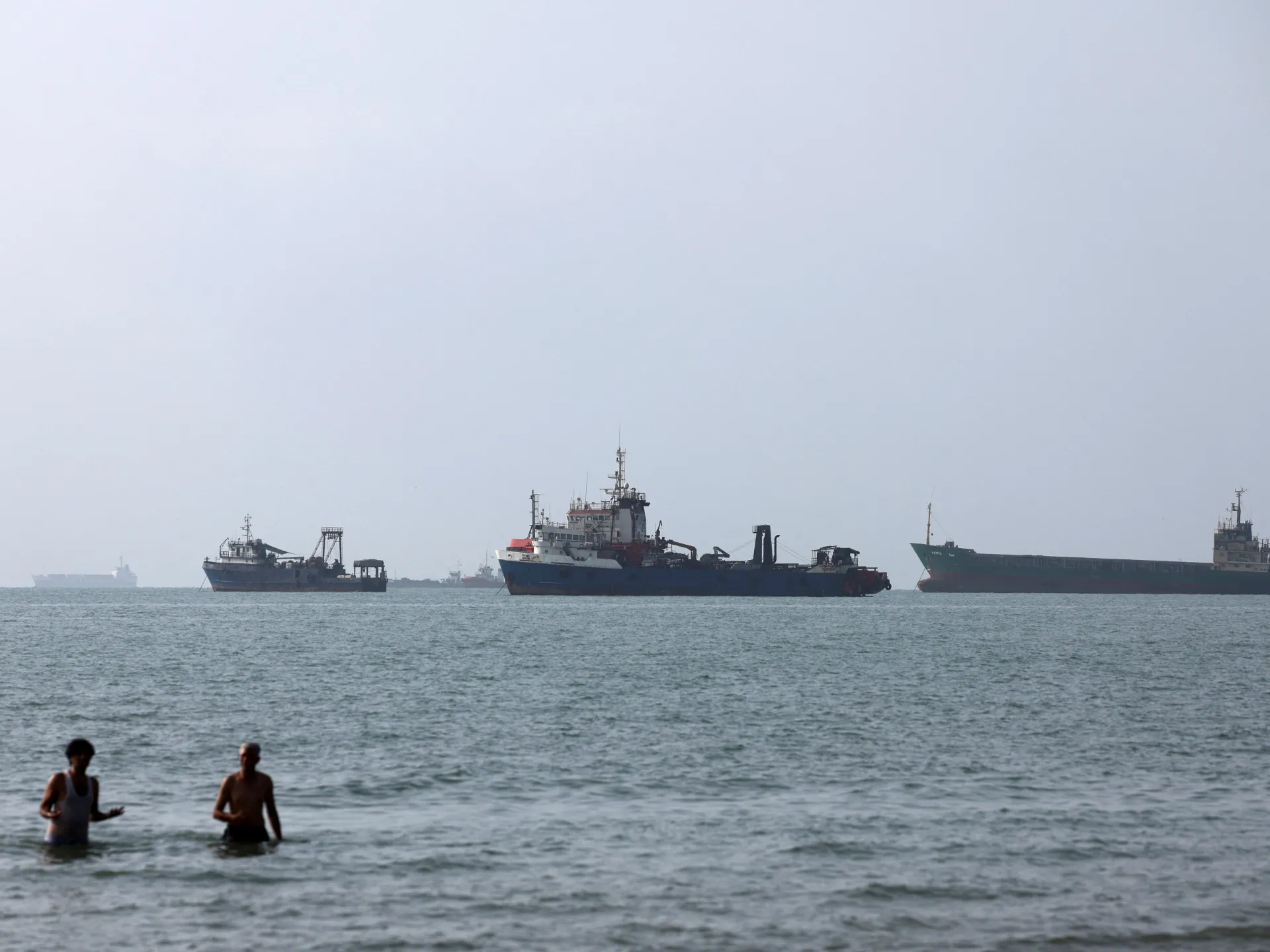
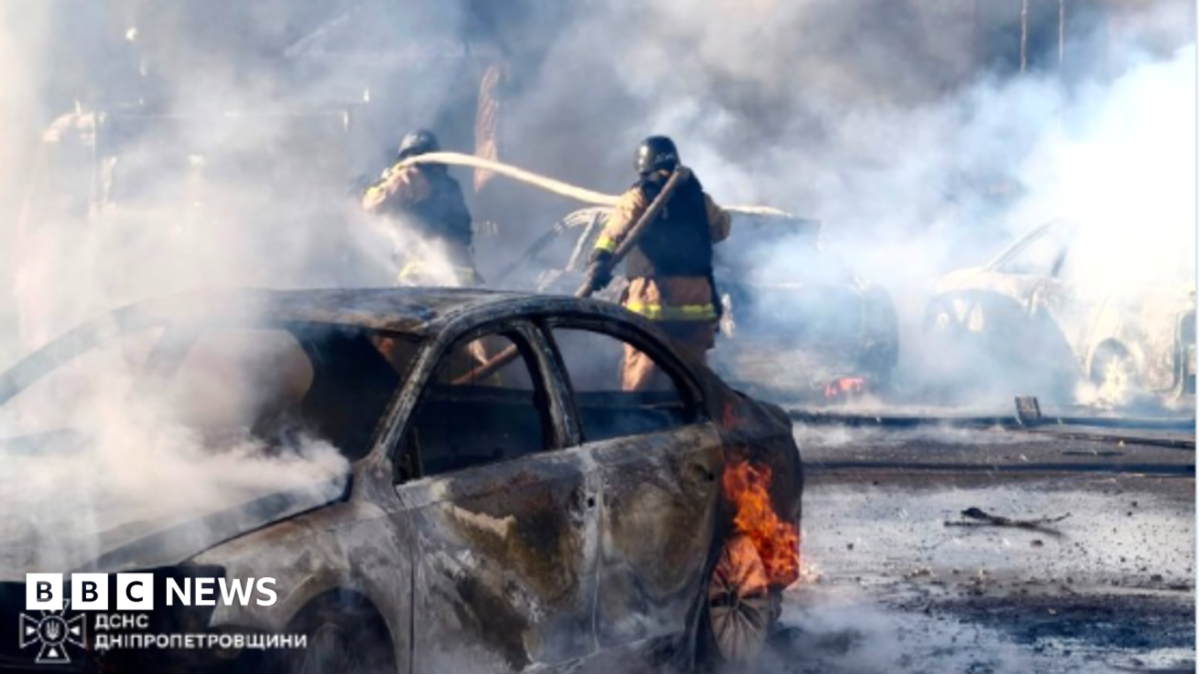
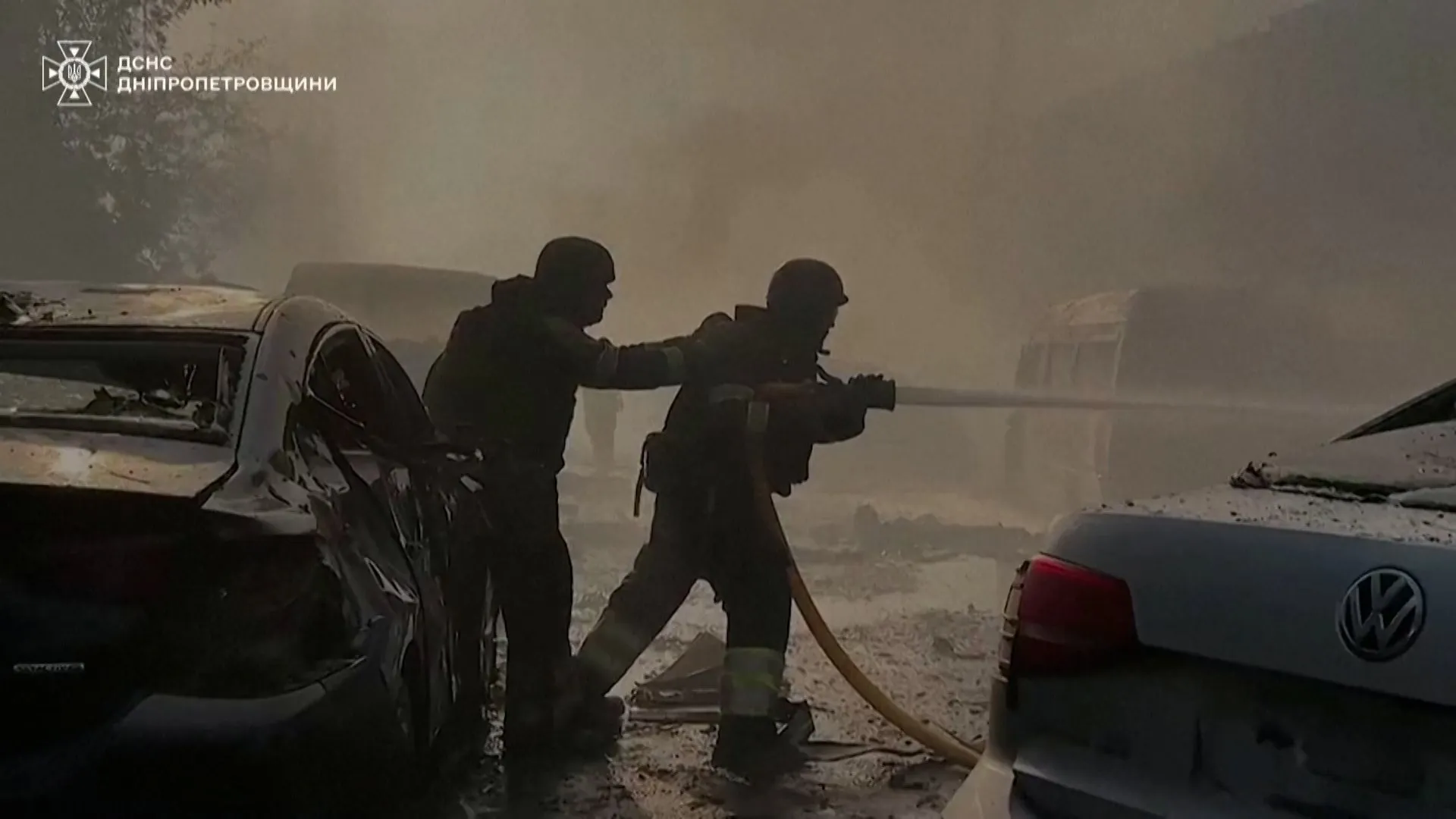
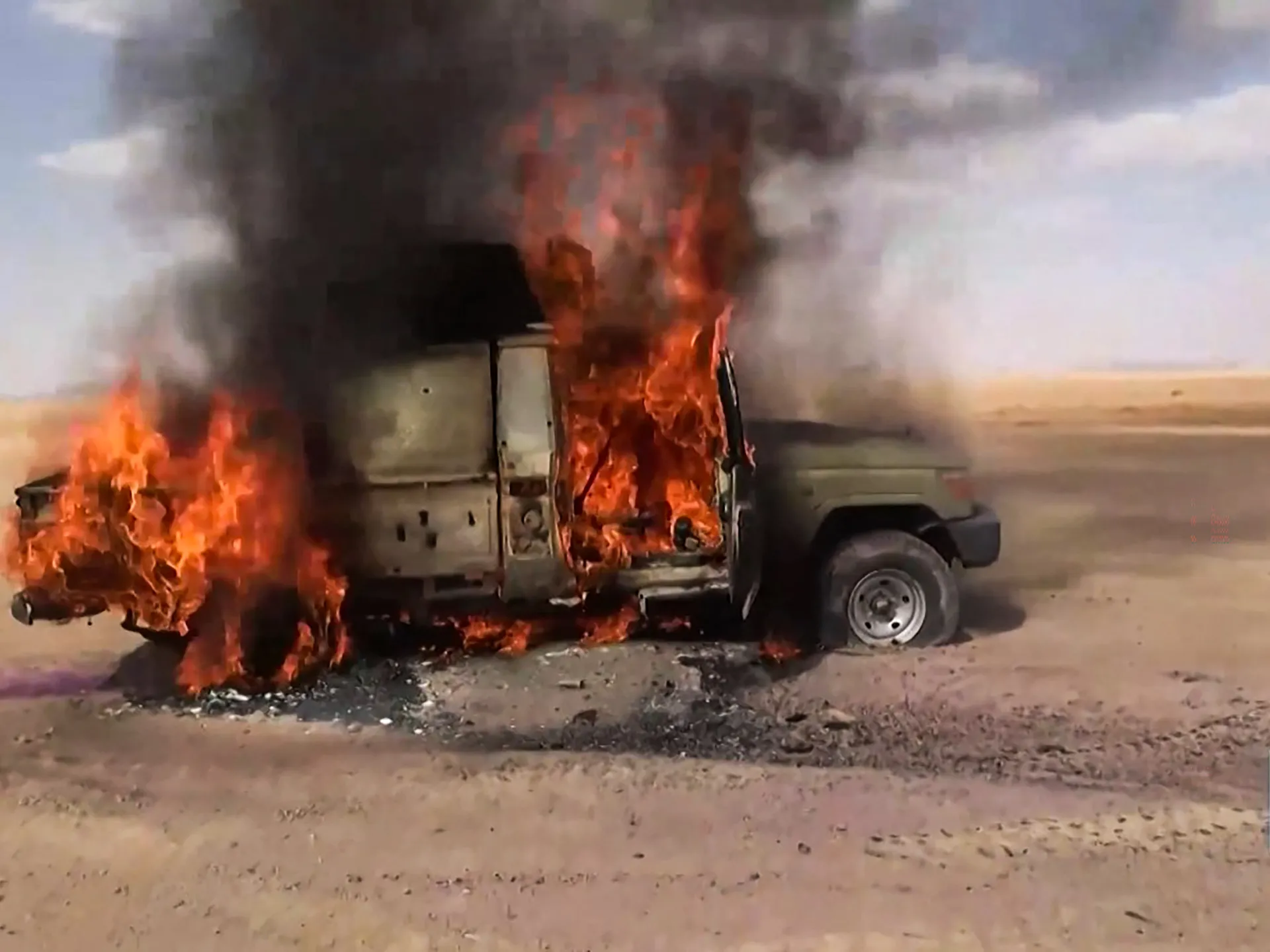
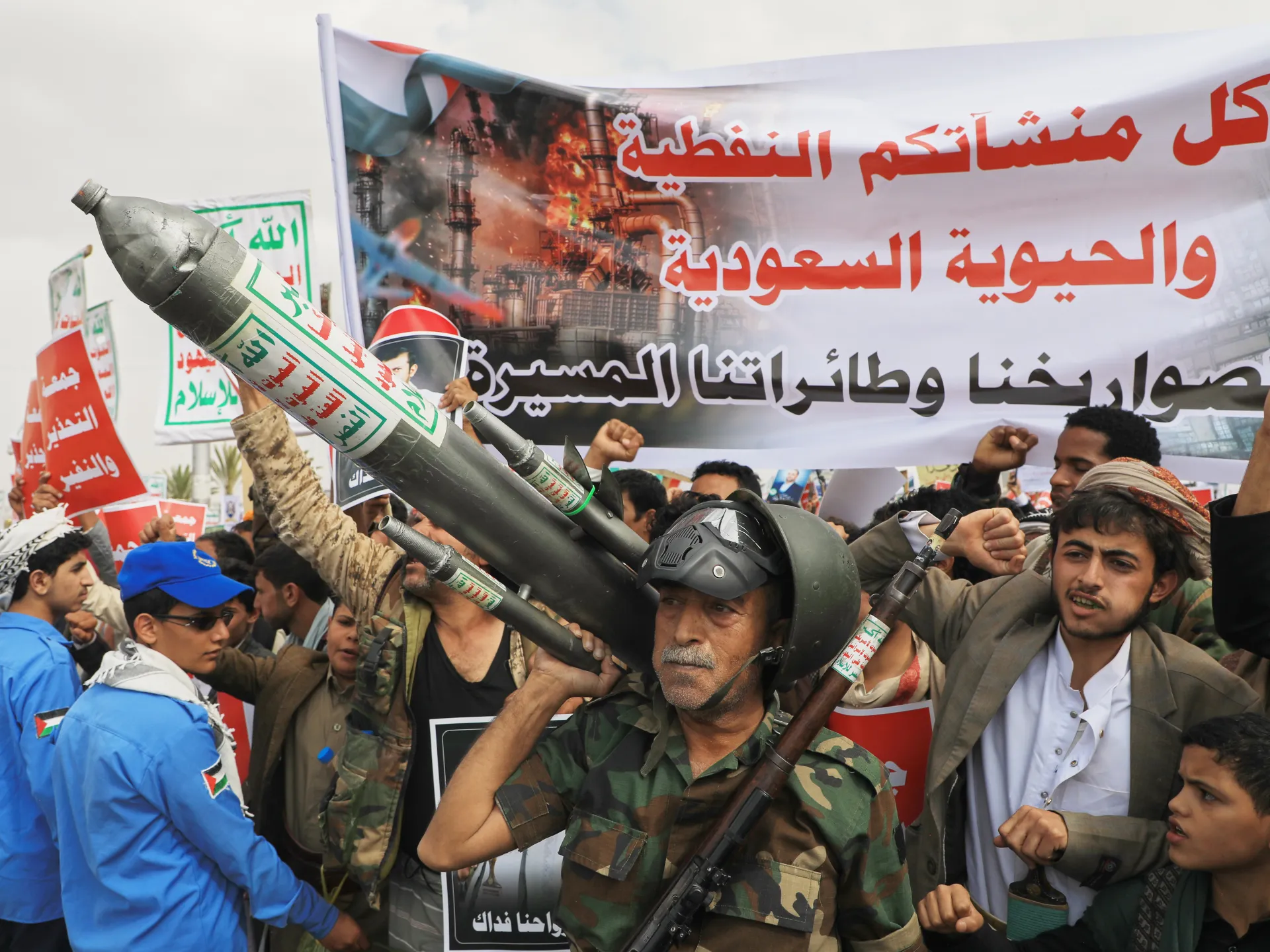
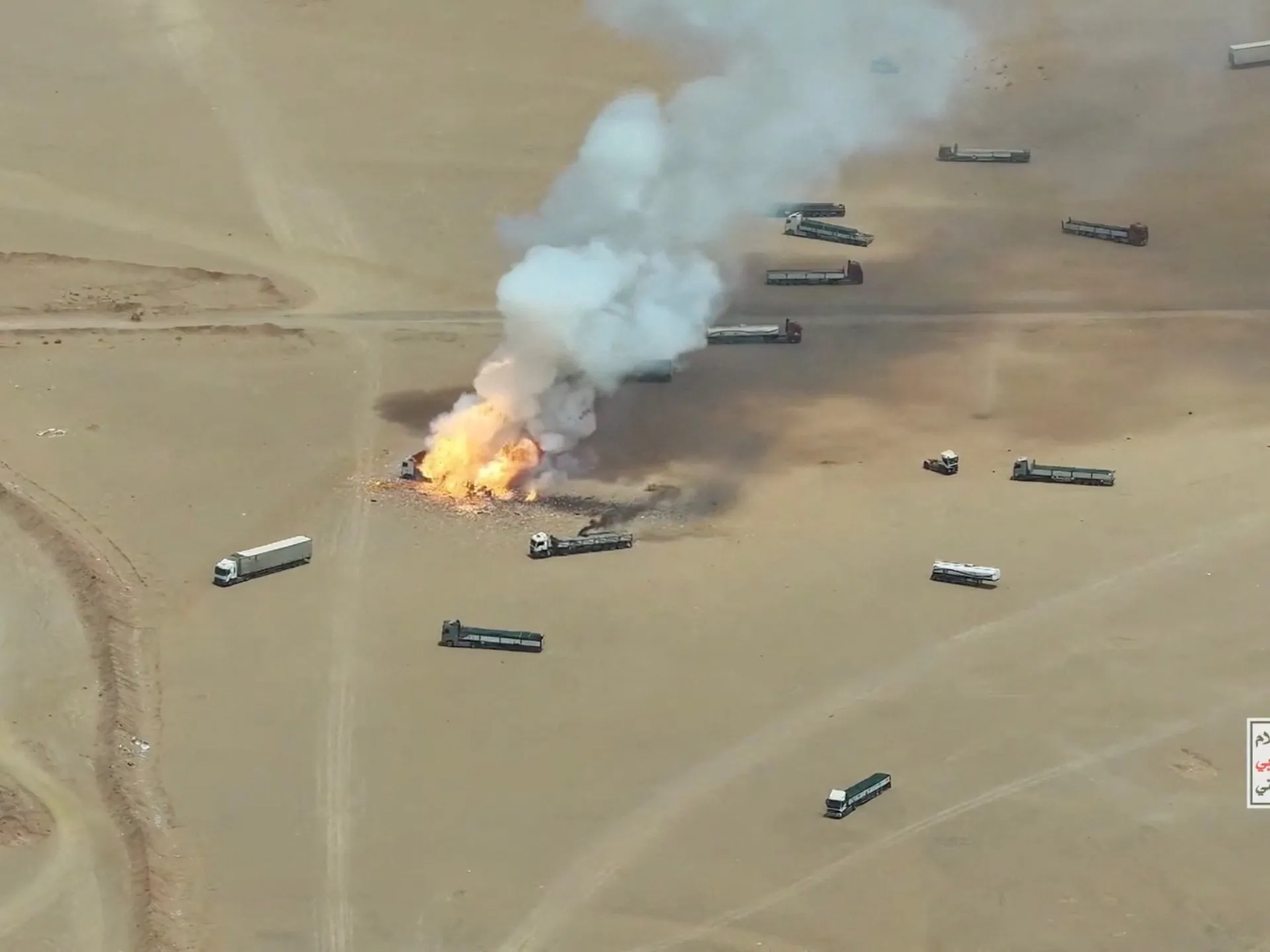
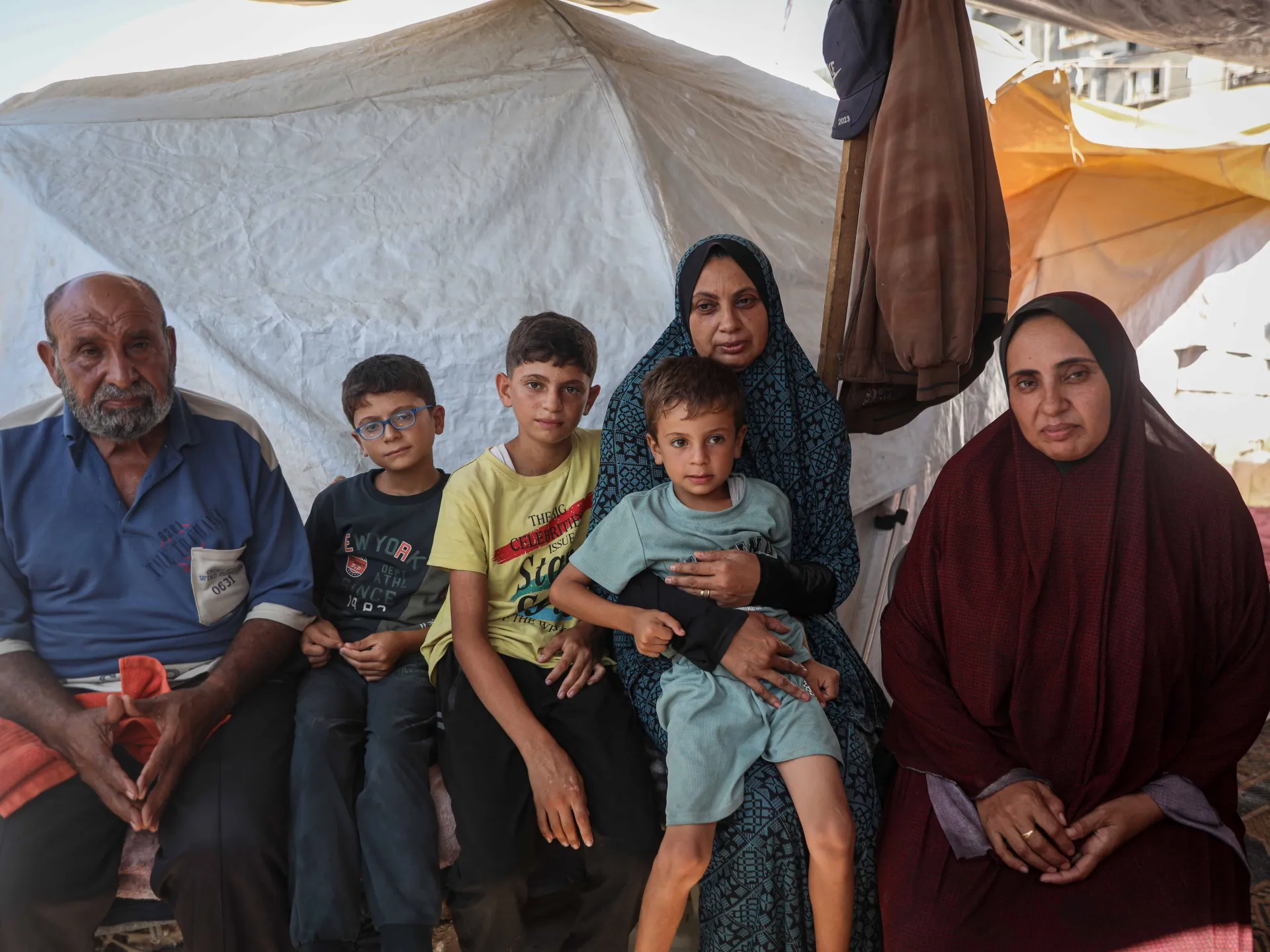
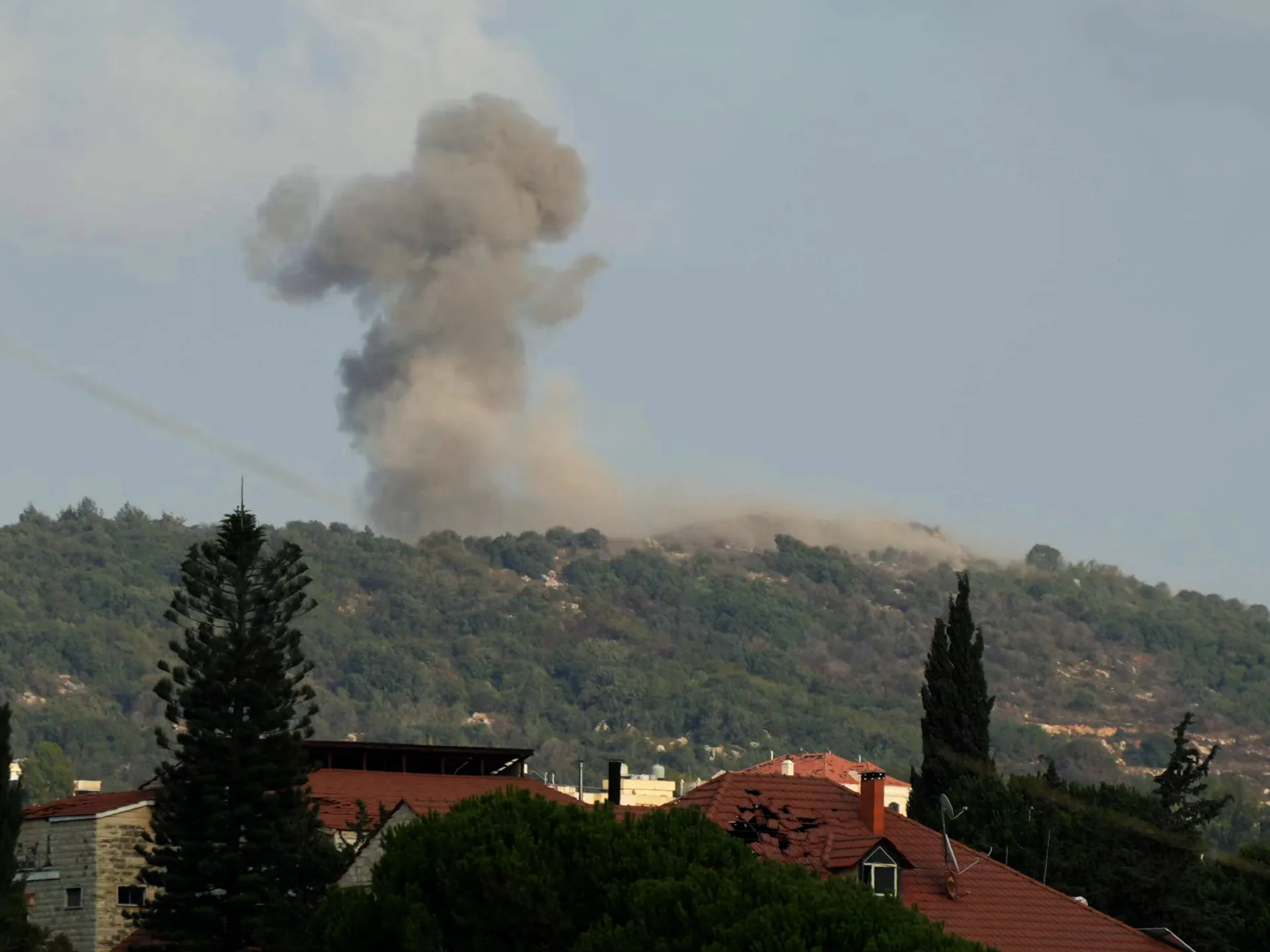
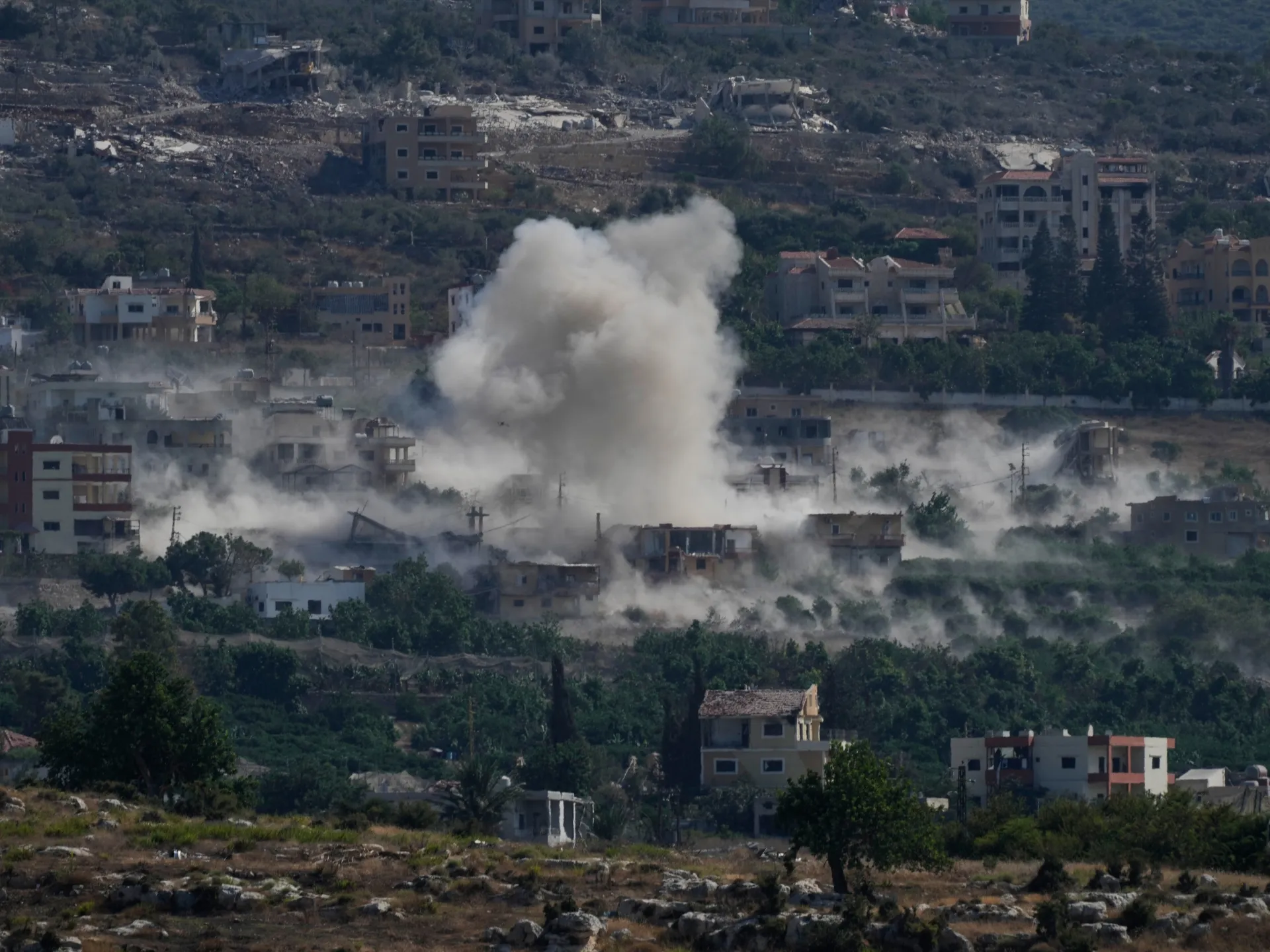
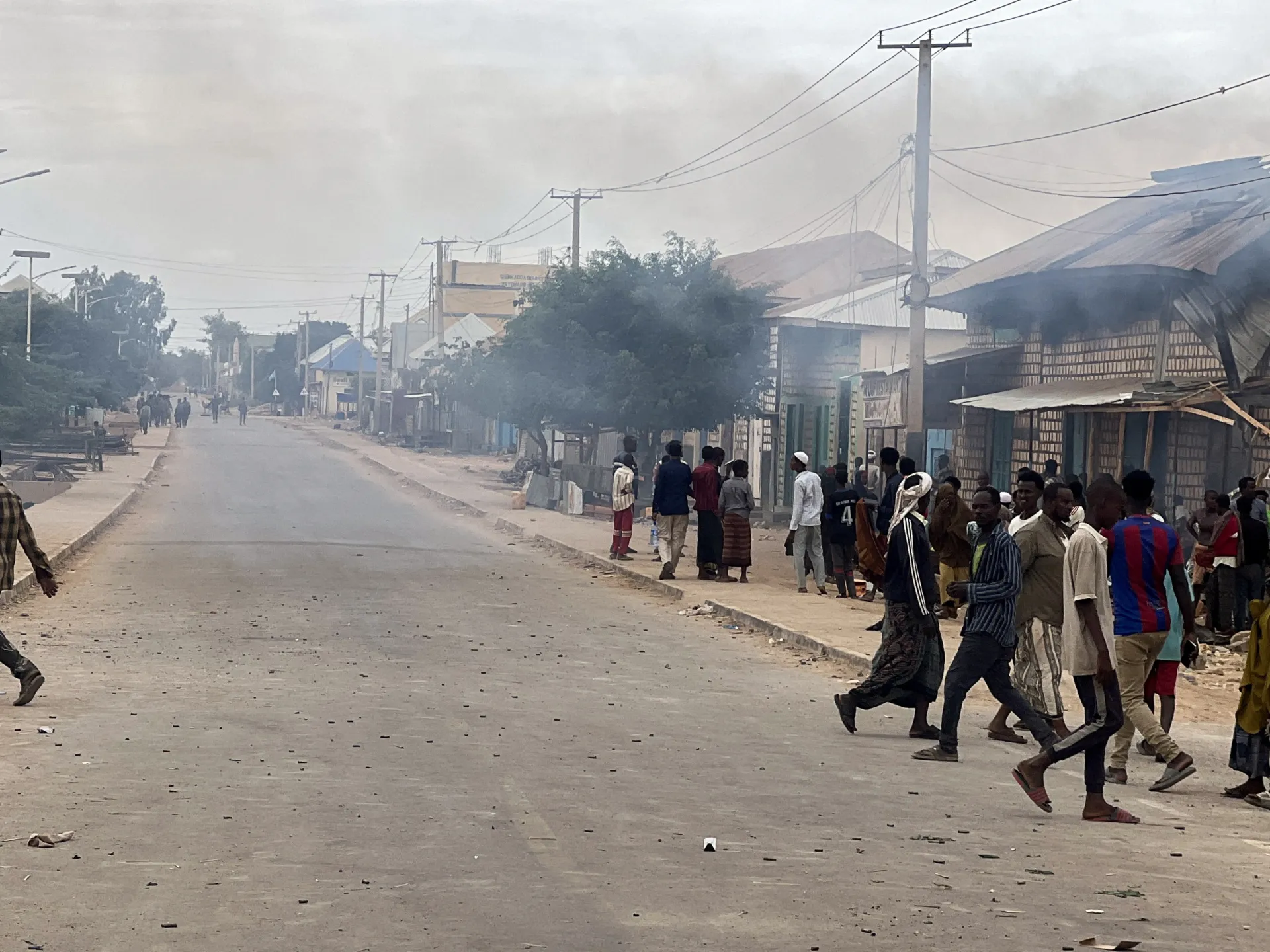
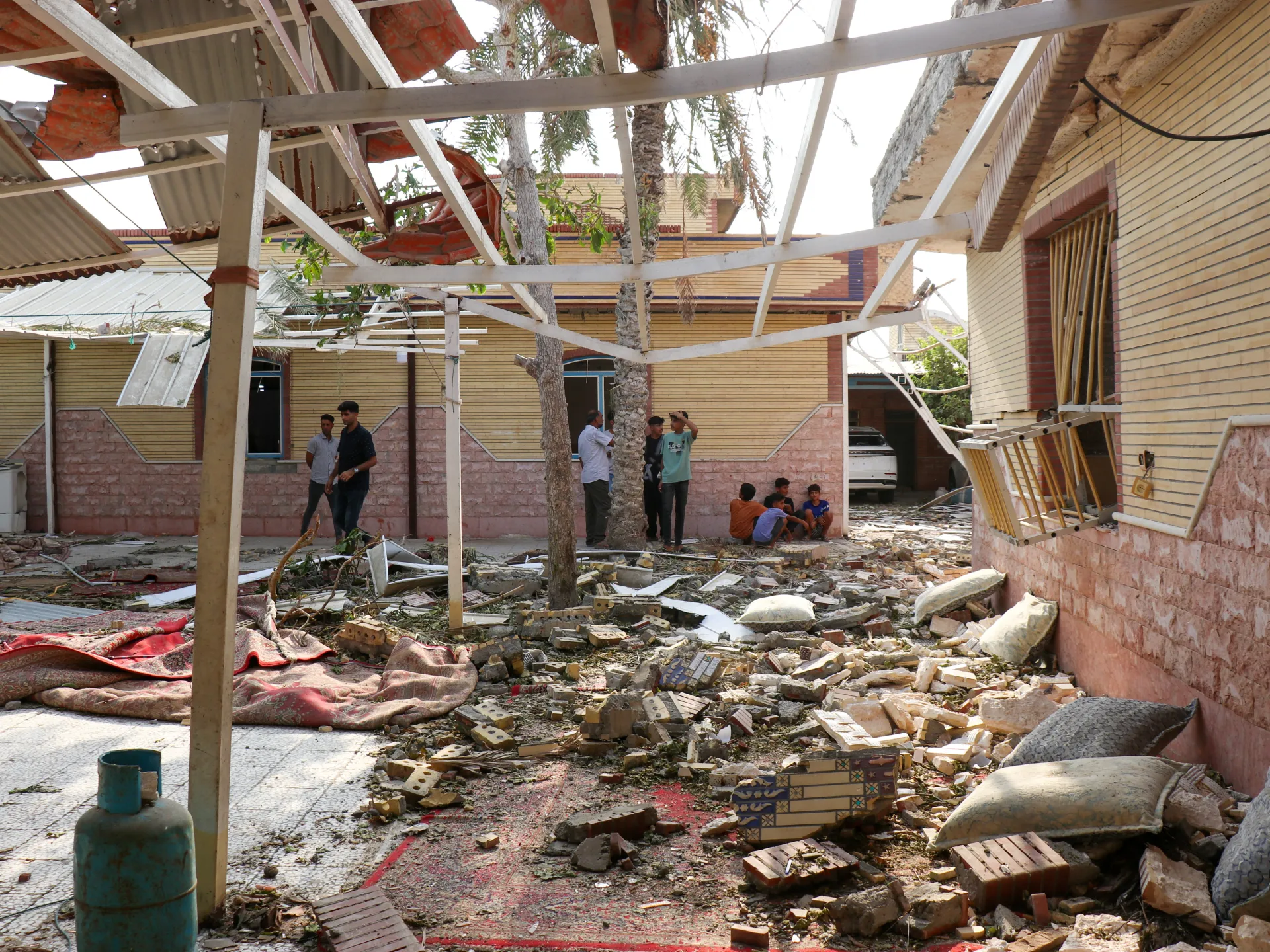
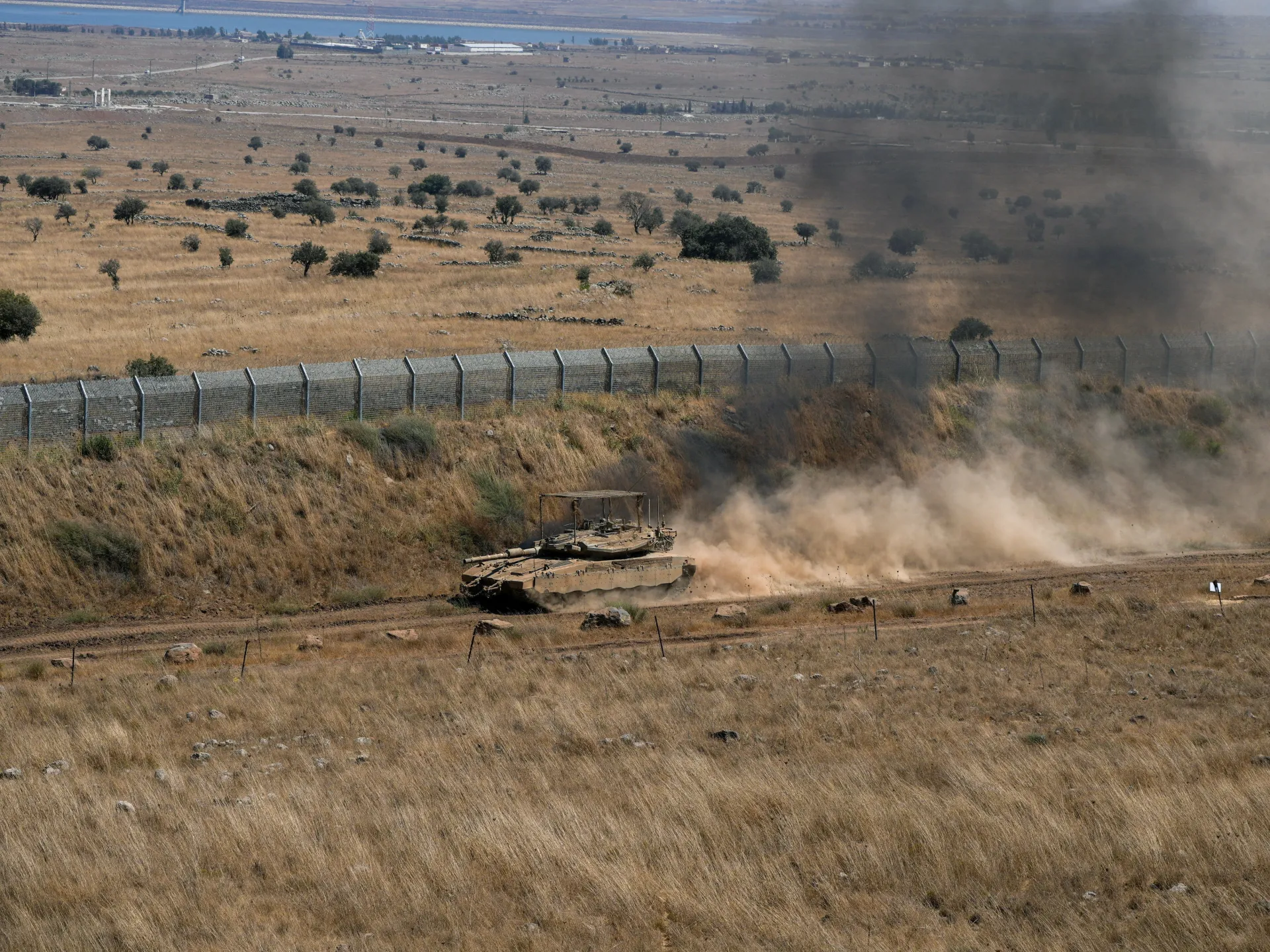
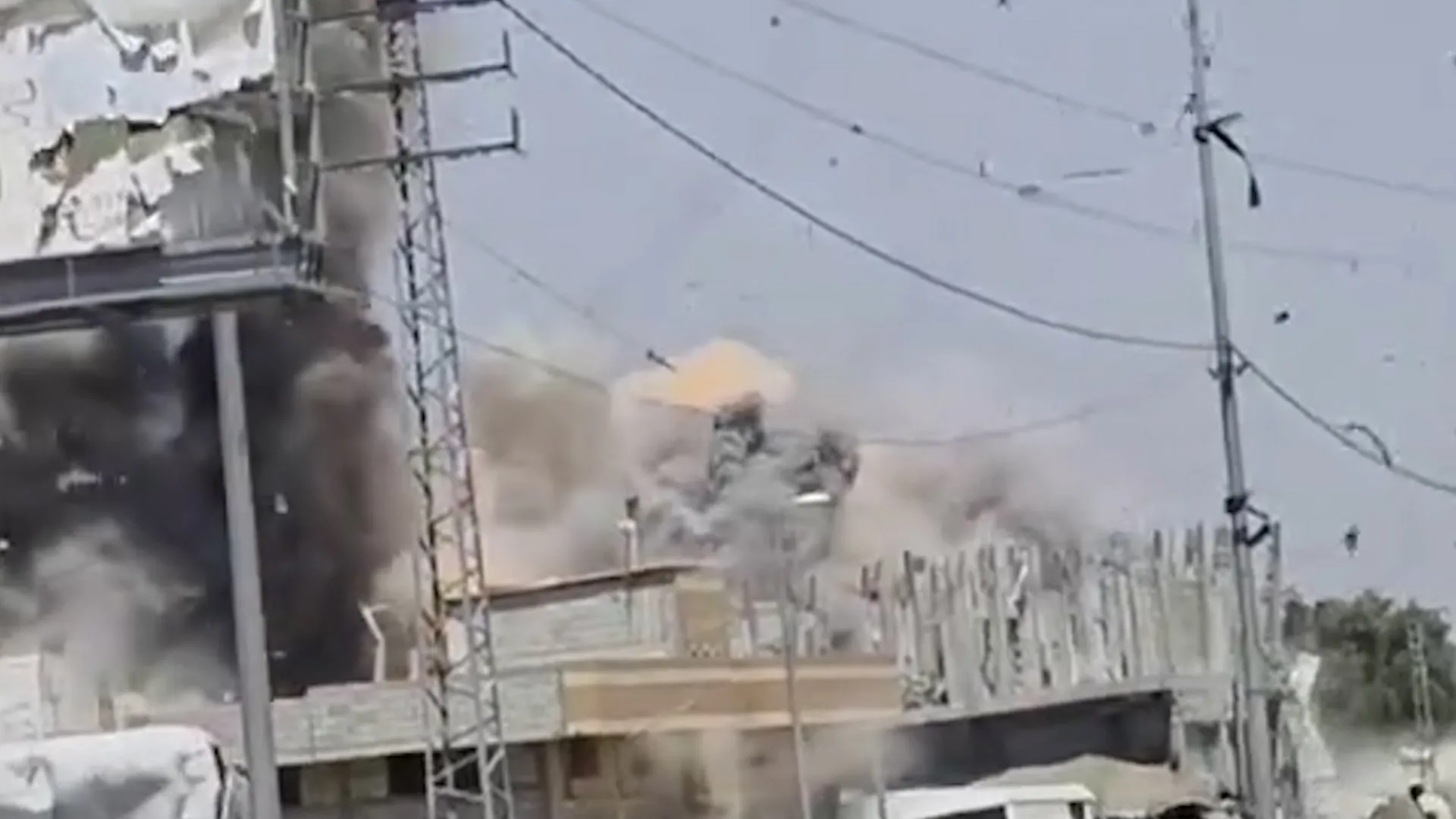
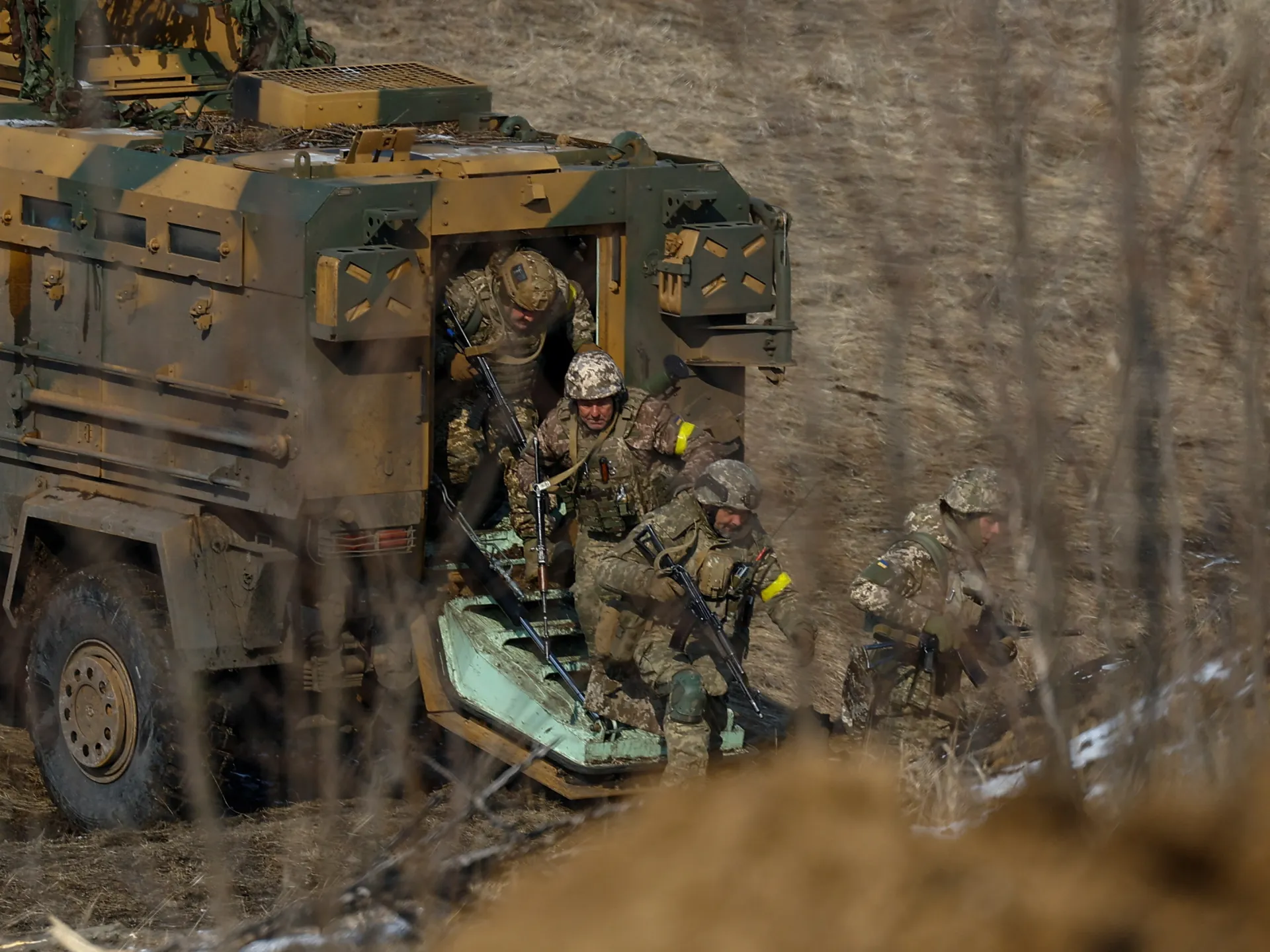
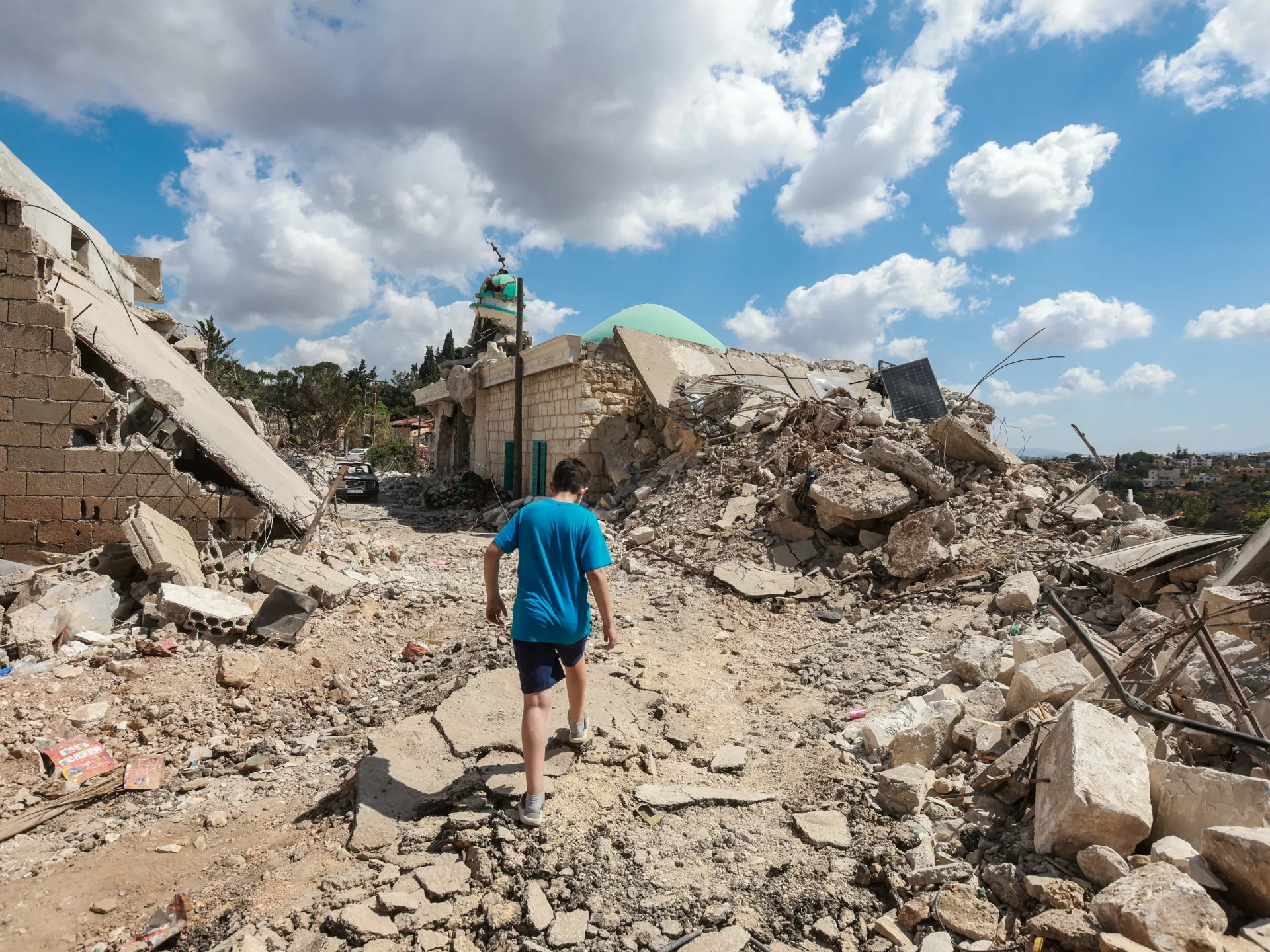
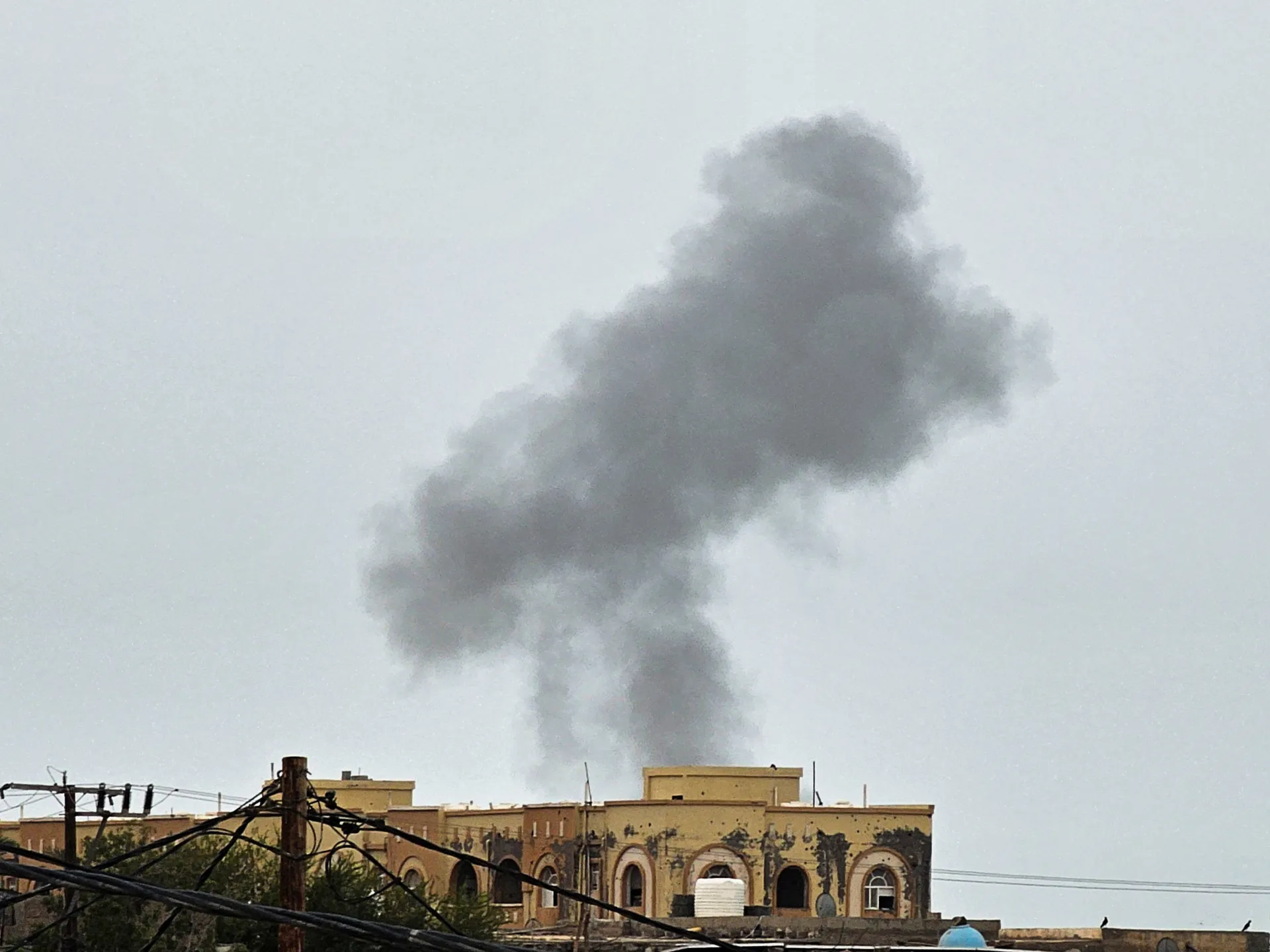
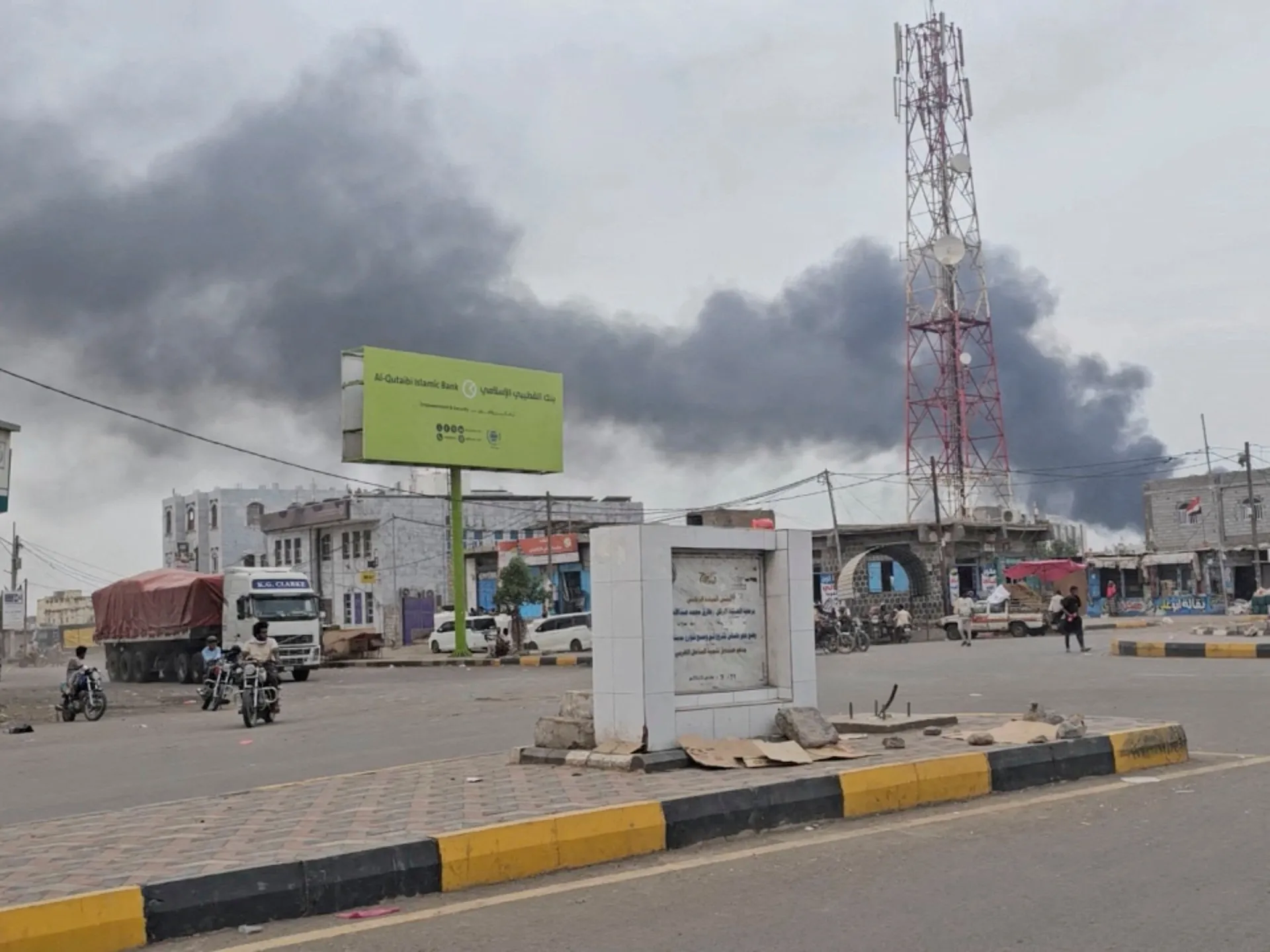
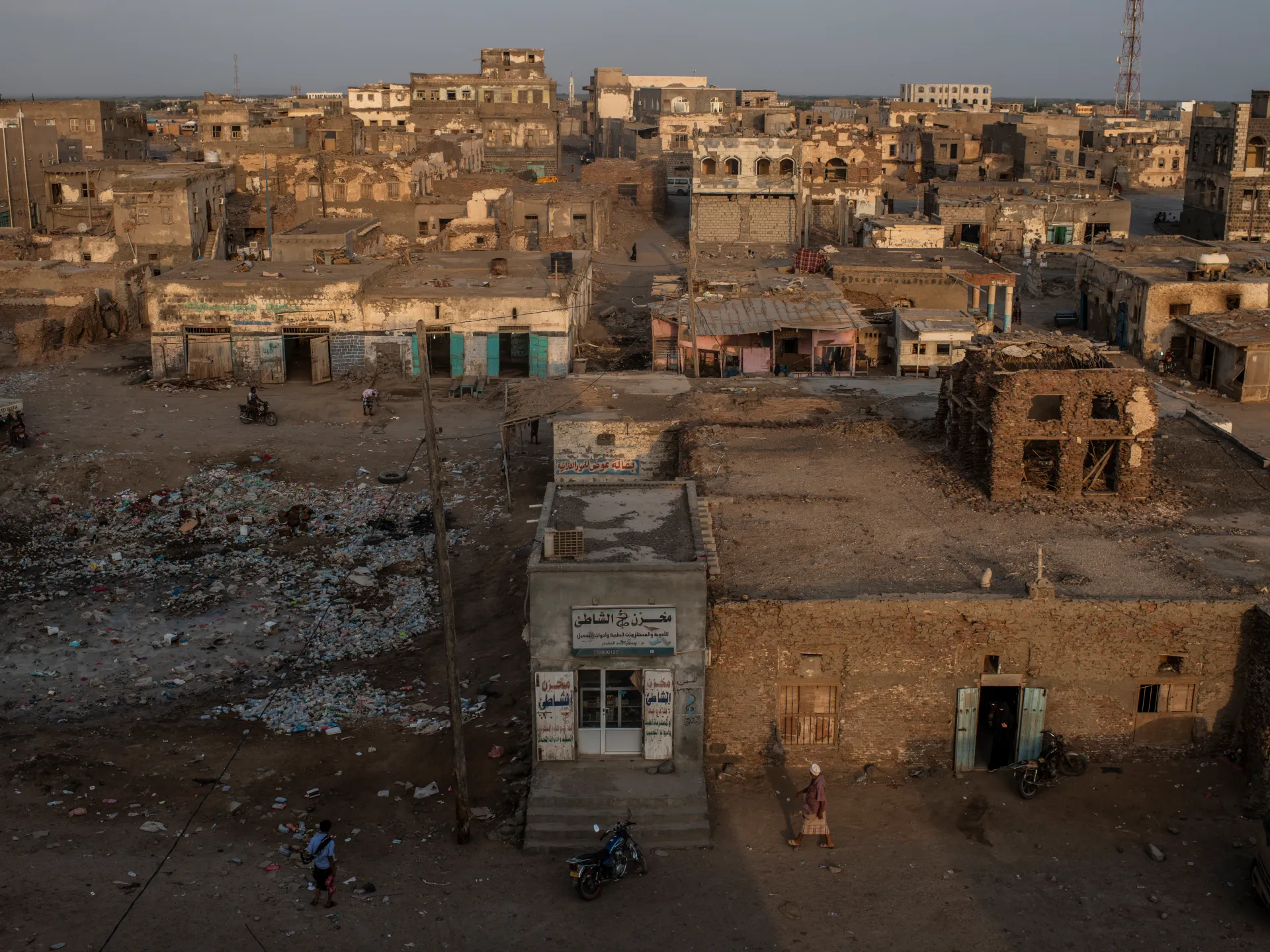
Forces aligned with the Yemeni government reported successful defensive operations in the Taiz governorate this week, claiming to have pushed back a series of coordinated offensives that the fighting was intended to secure critical transit routes connecting the Aden, Lahj, and Taiz regions. Government forces further asserted that they had consolidated their position atop Mount Qarfan, a strategic vantage point overlooking the western coast. This comes amid reports from the Houthi movement alleging that Saudi-led coalition forces conducted over 50 airstrikes and missile engagements across multiple governorates, including Hodeidah and Marib, within the same timeframe.
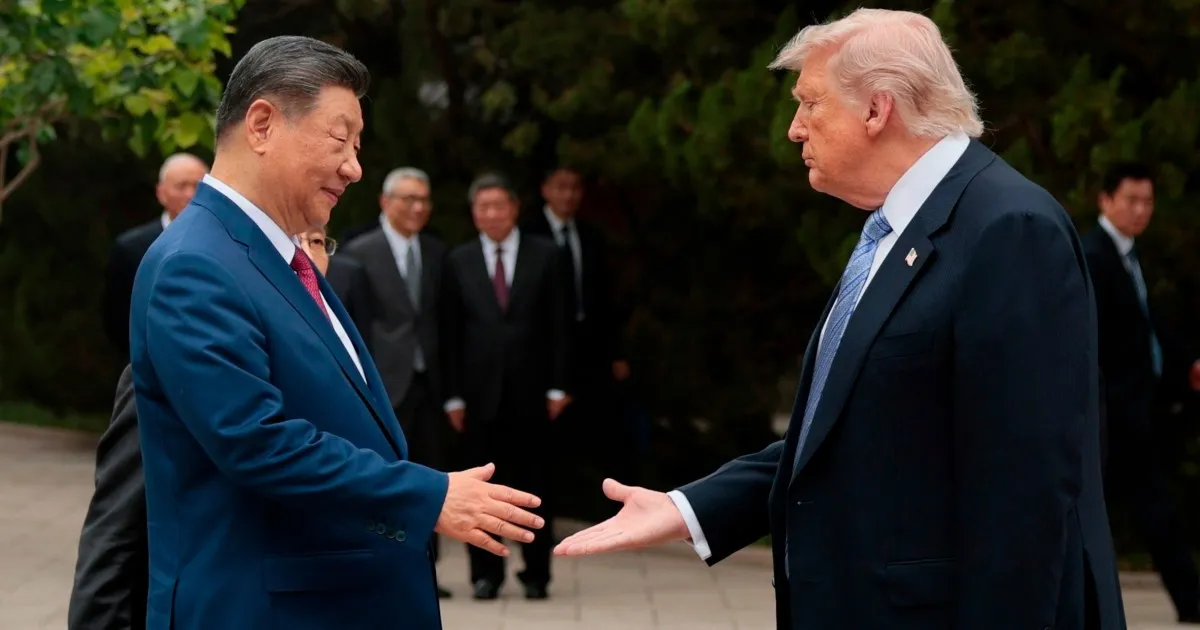
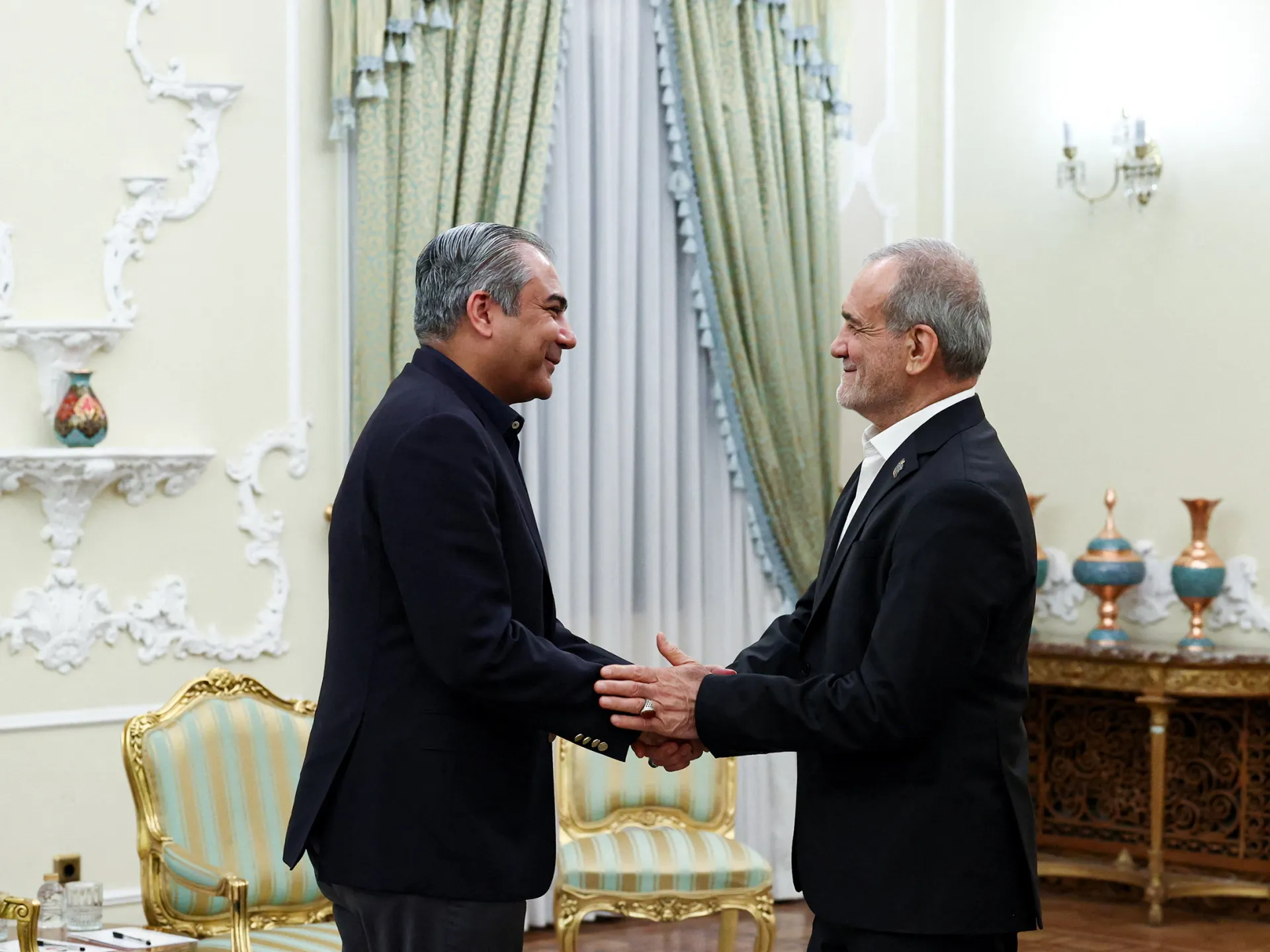
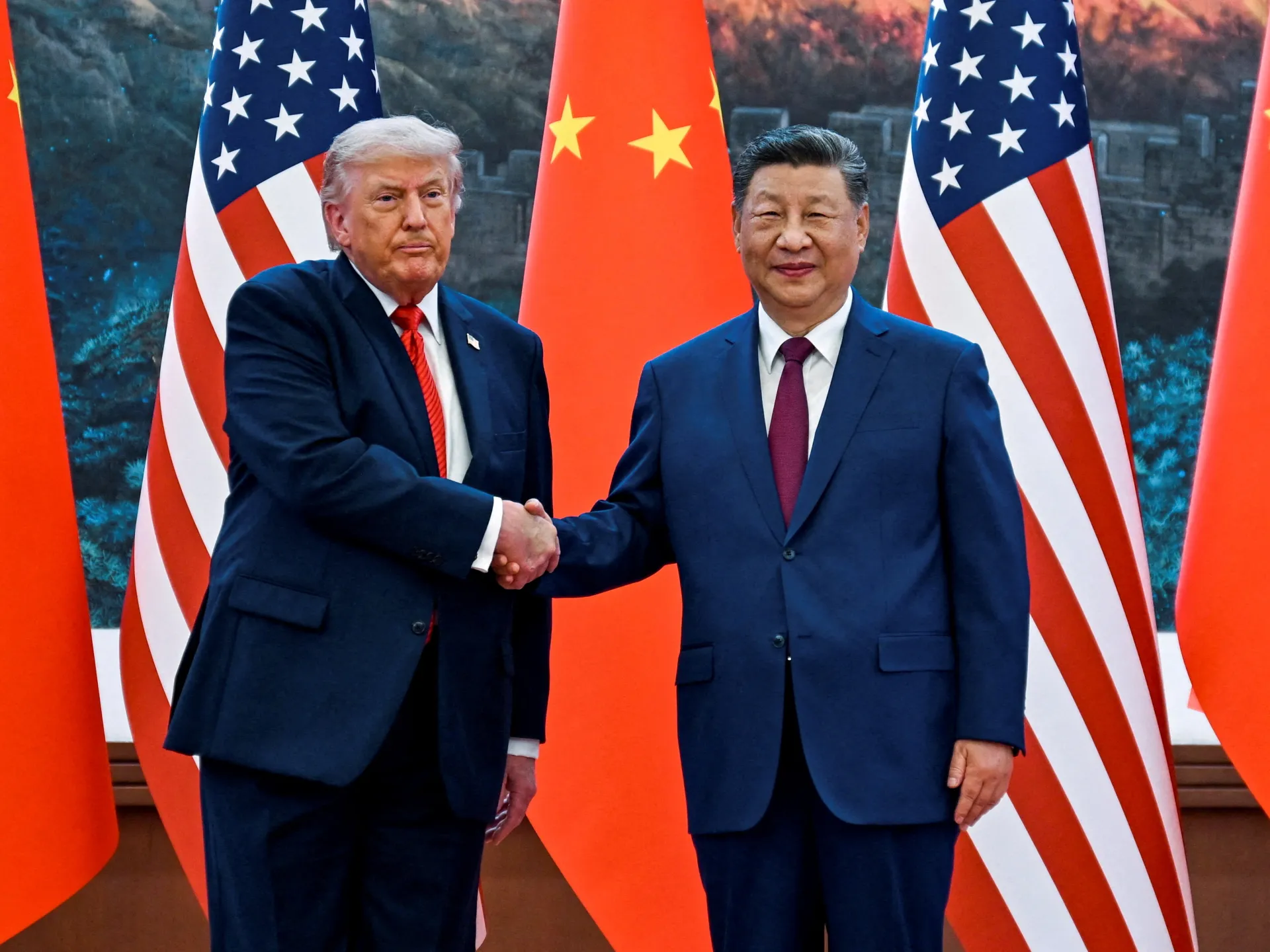
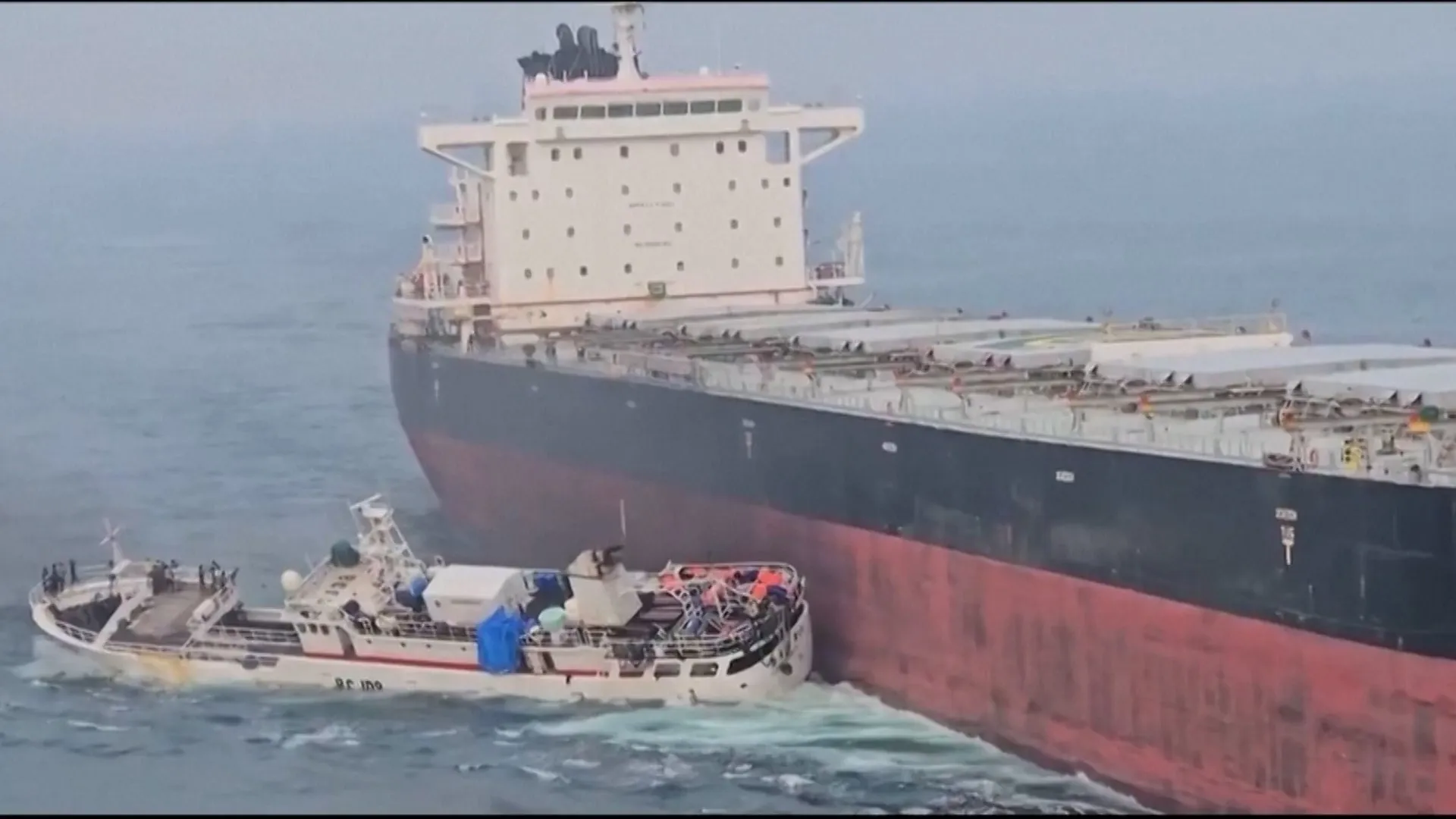
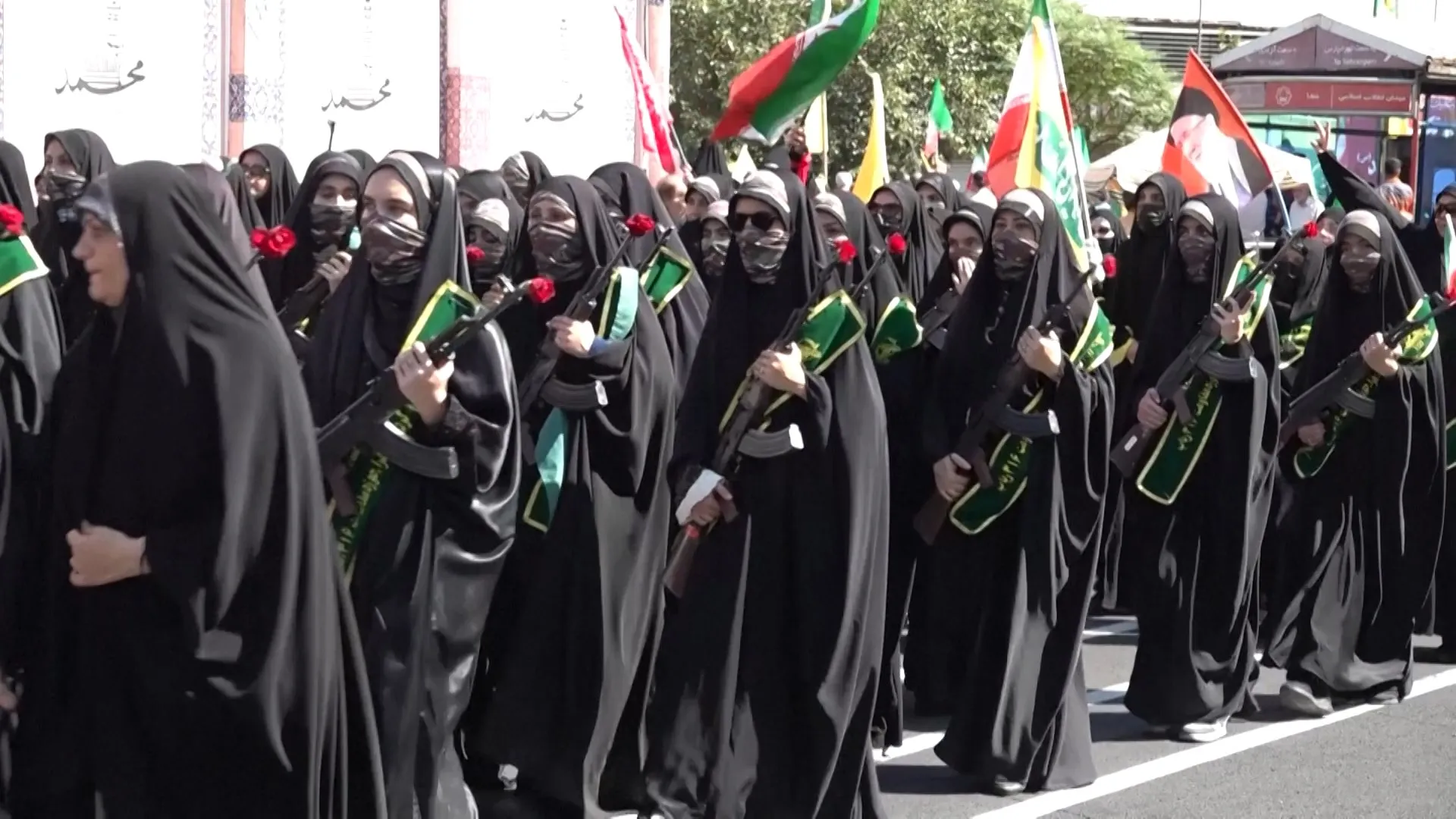
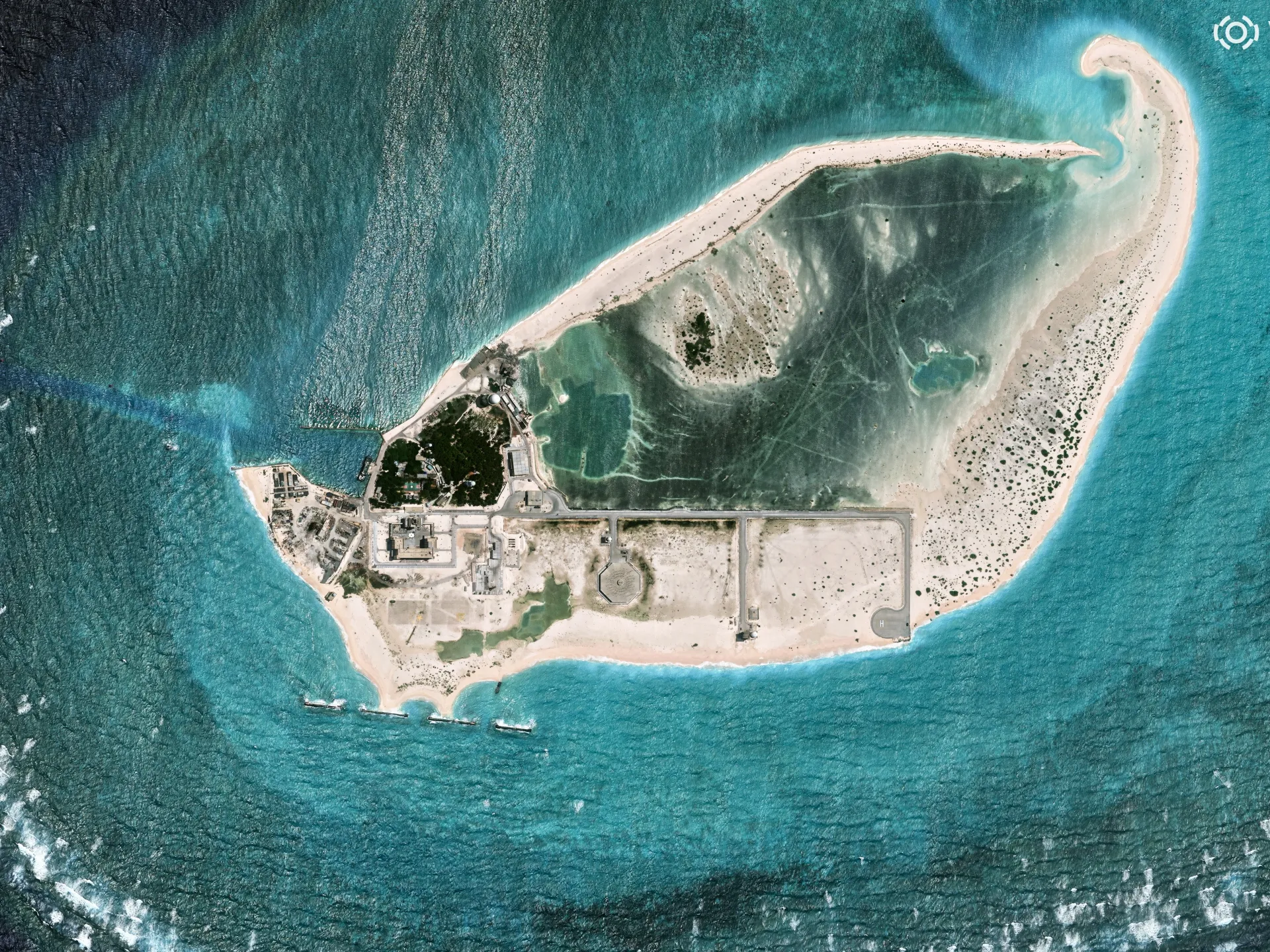
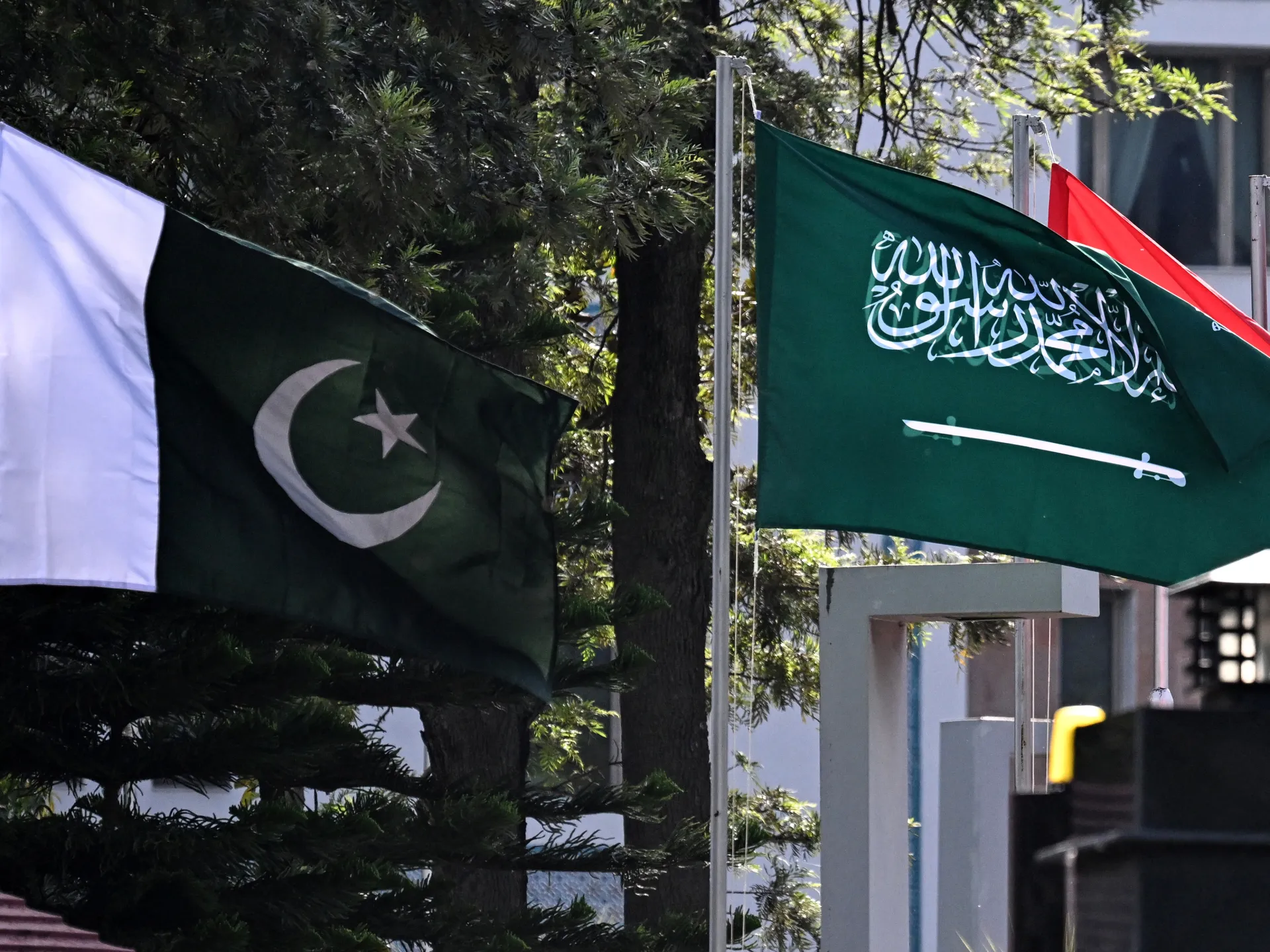
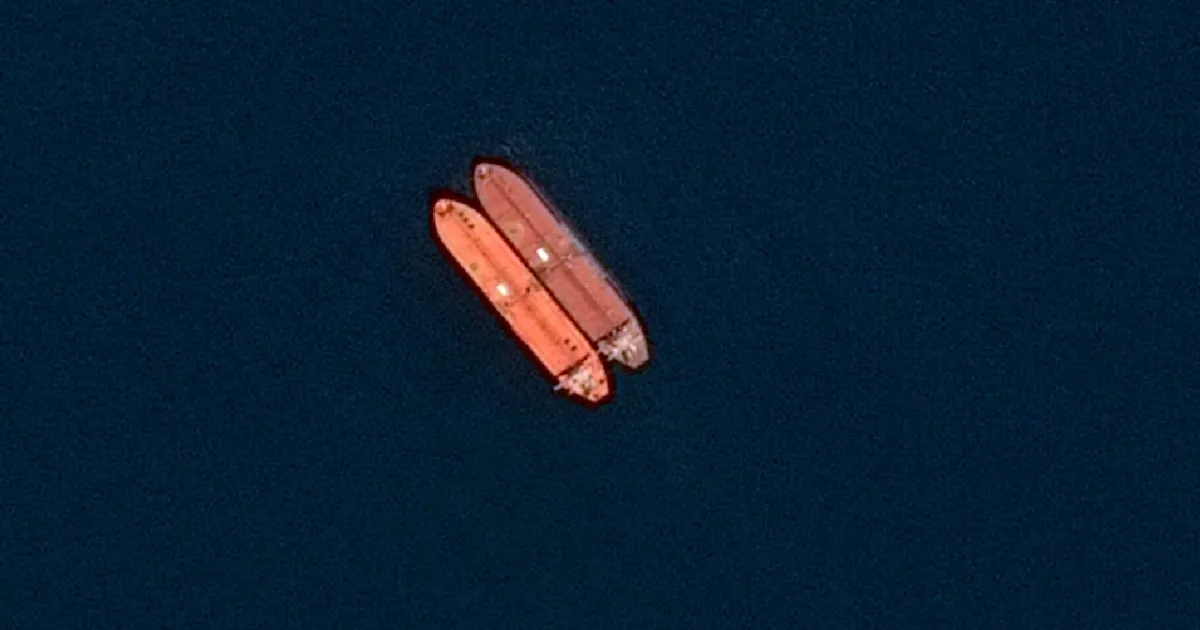
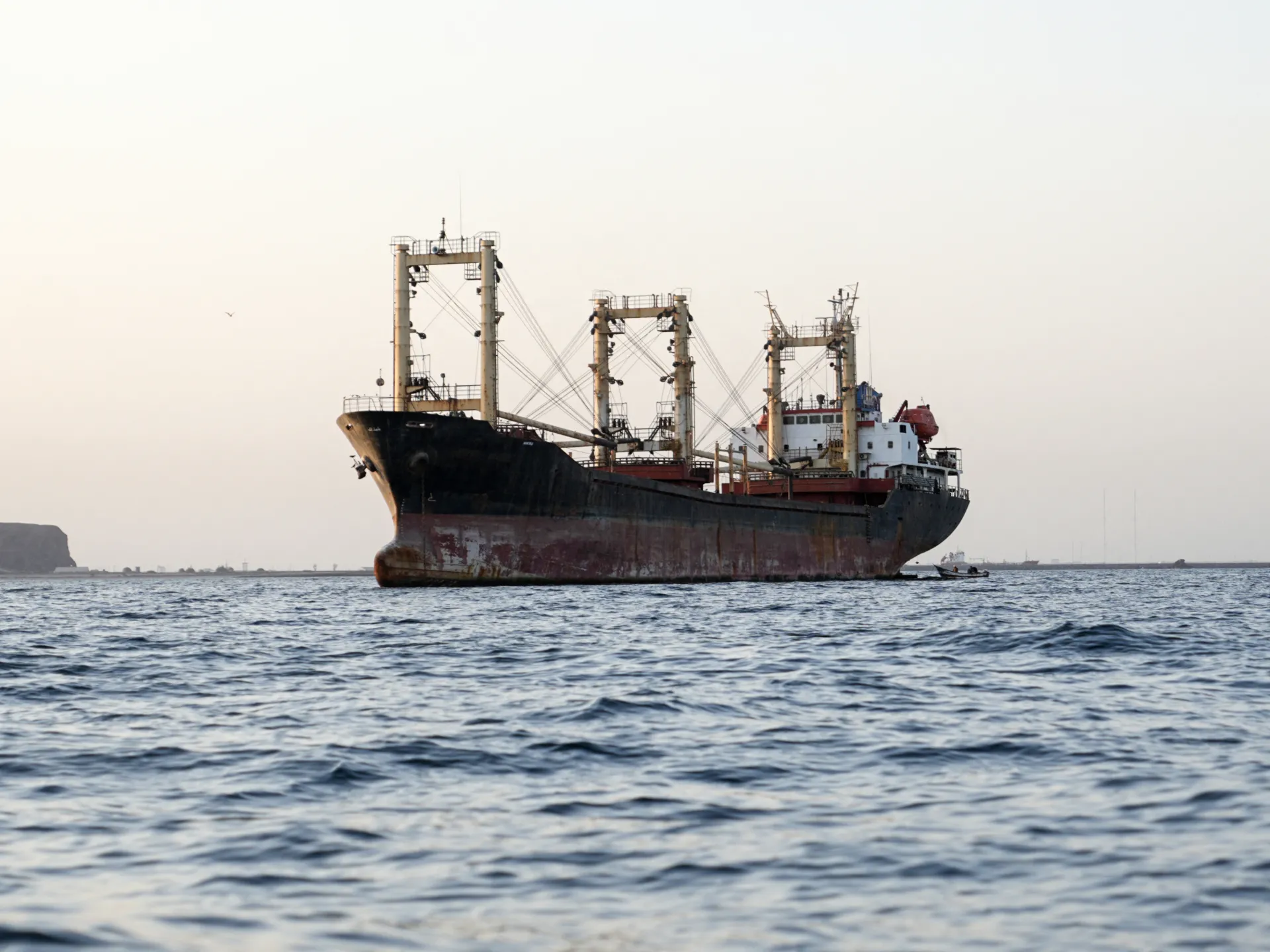
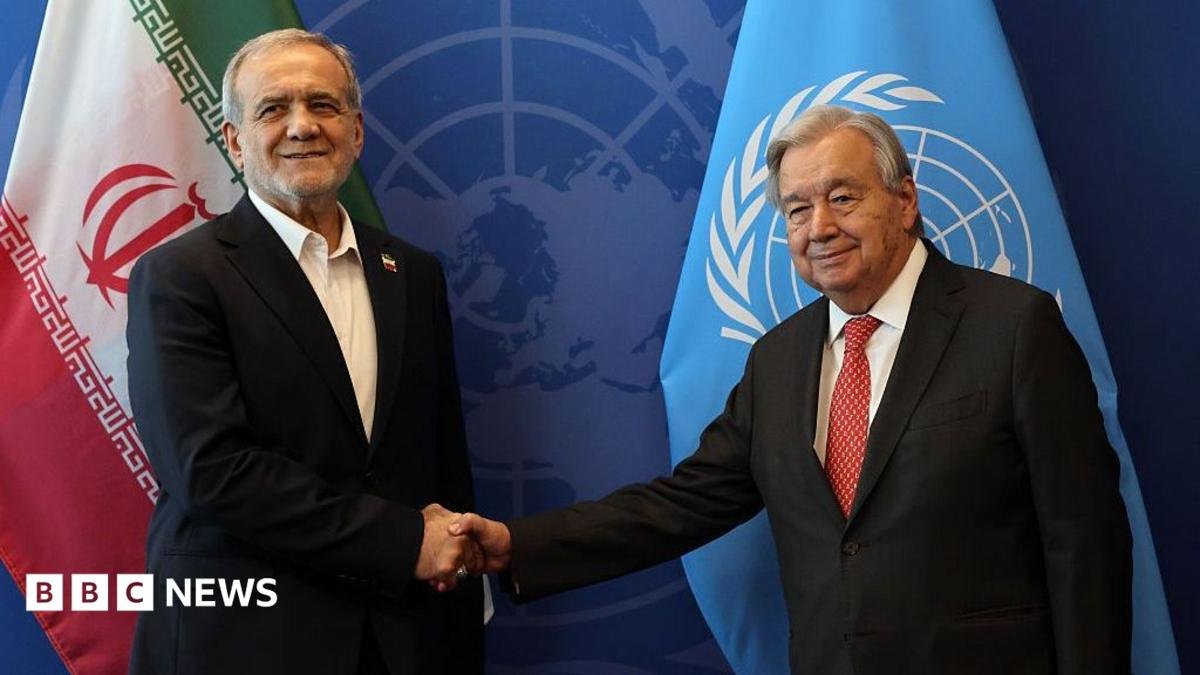
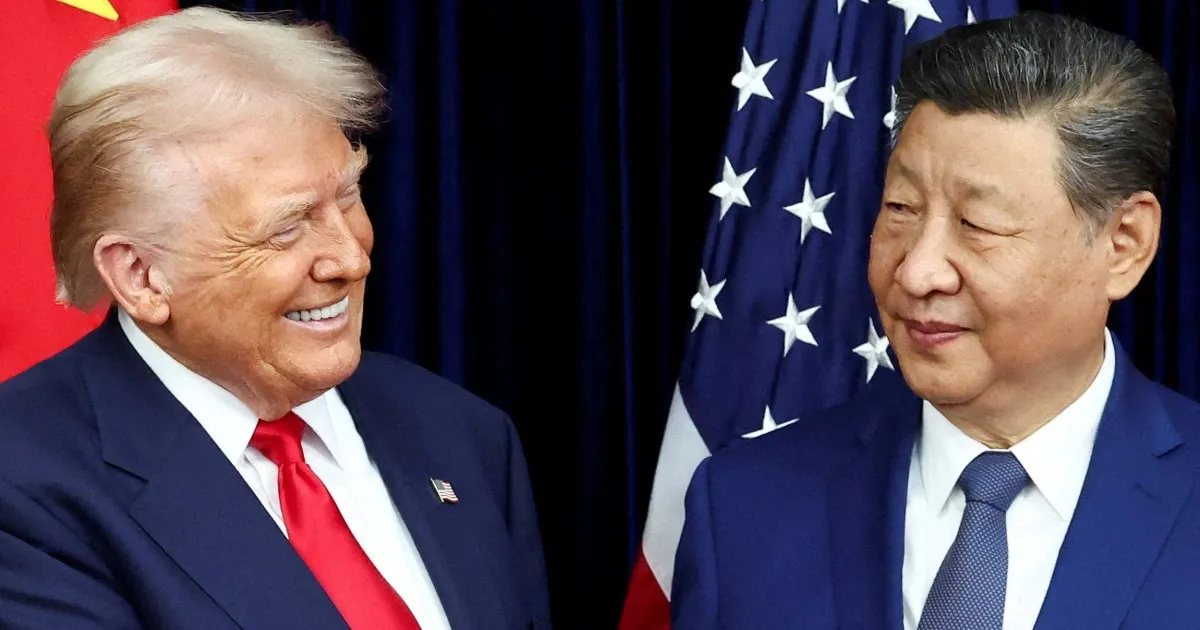
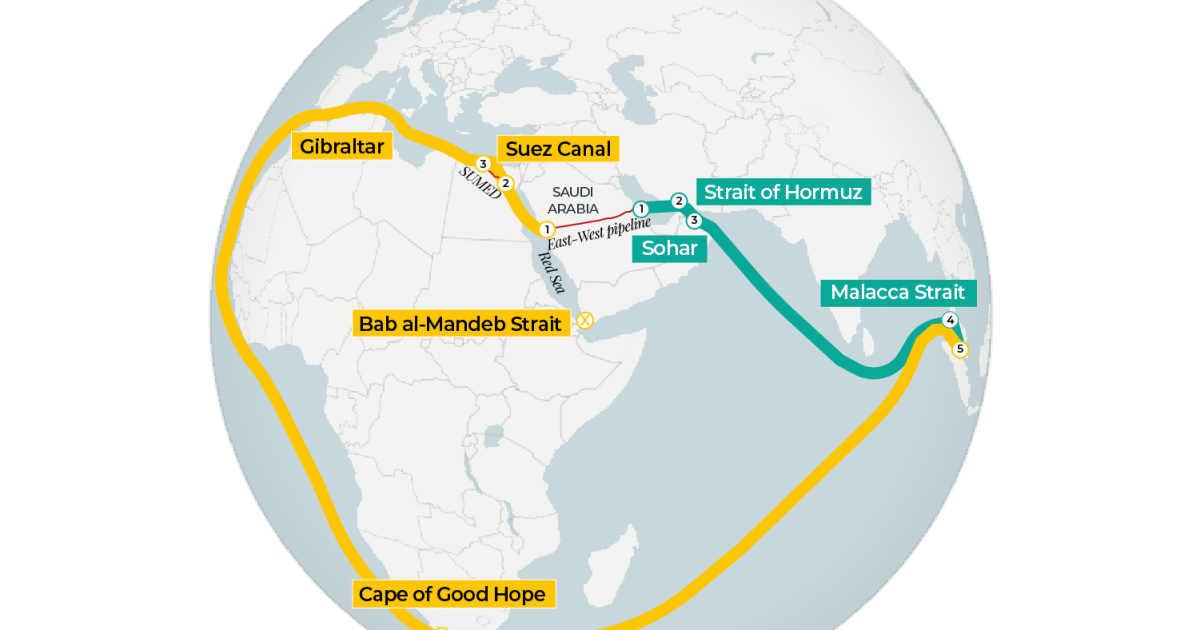
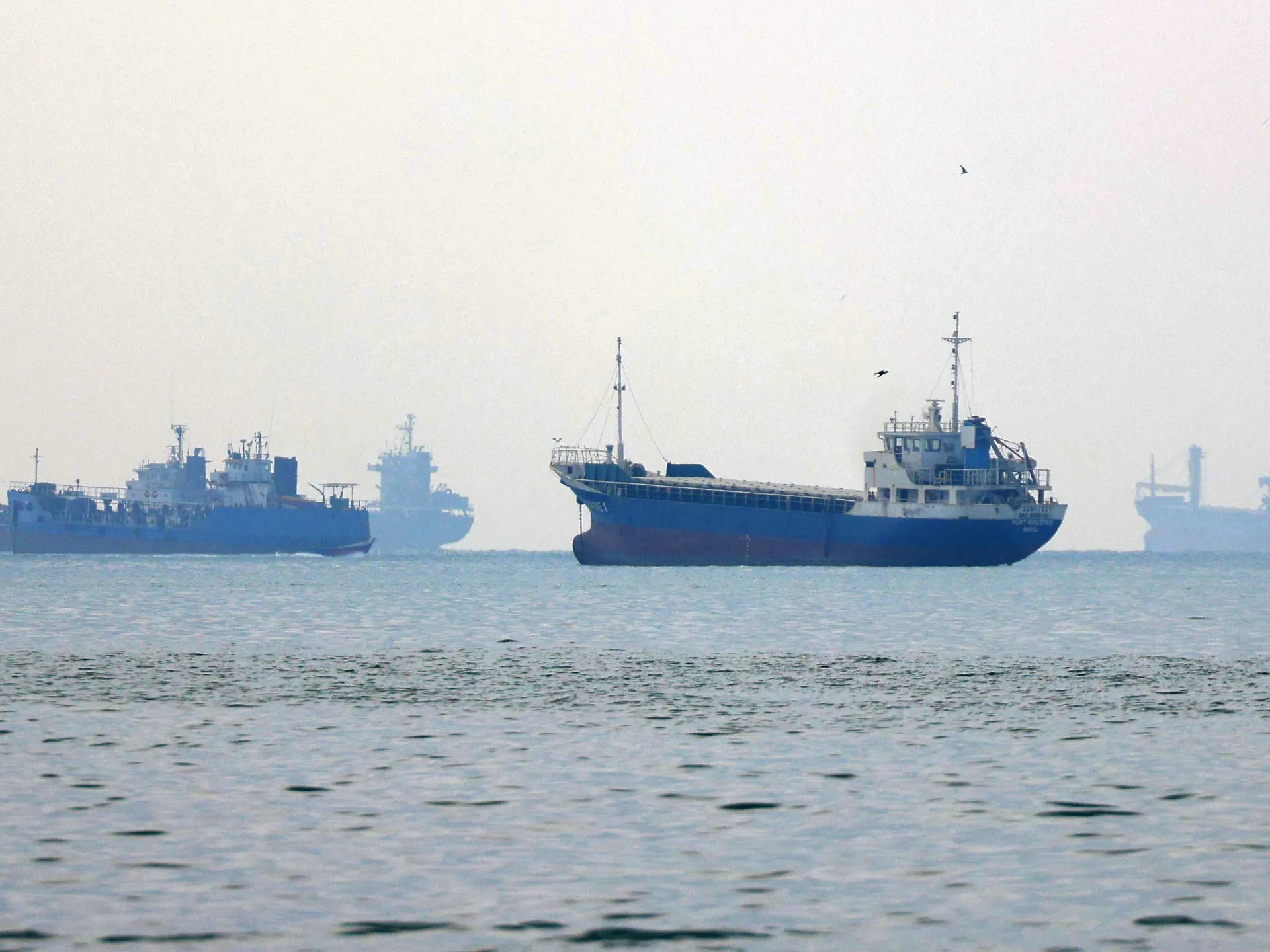
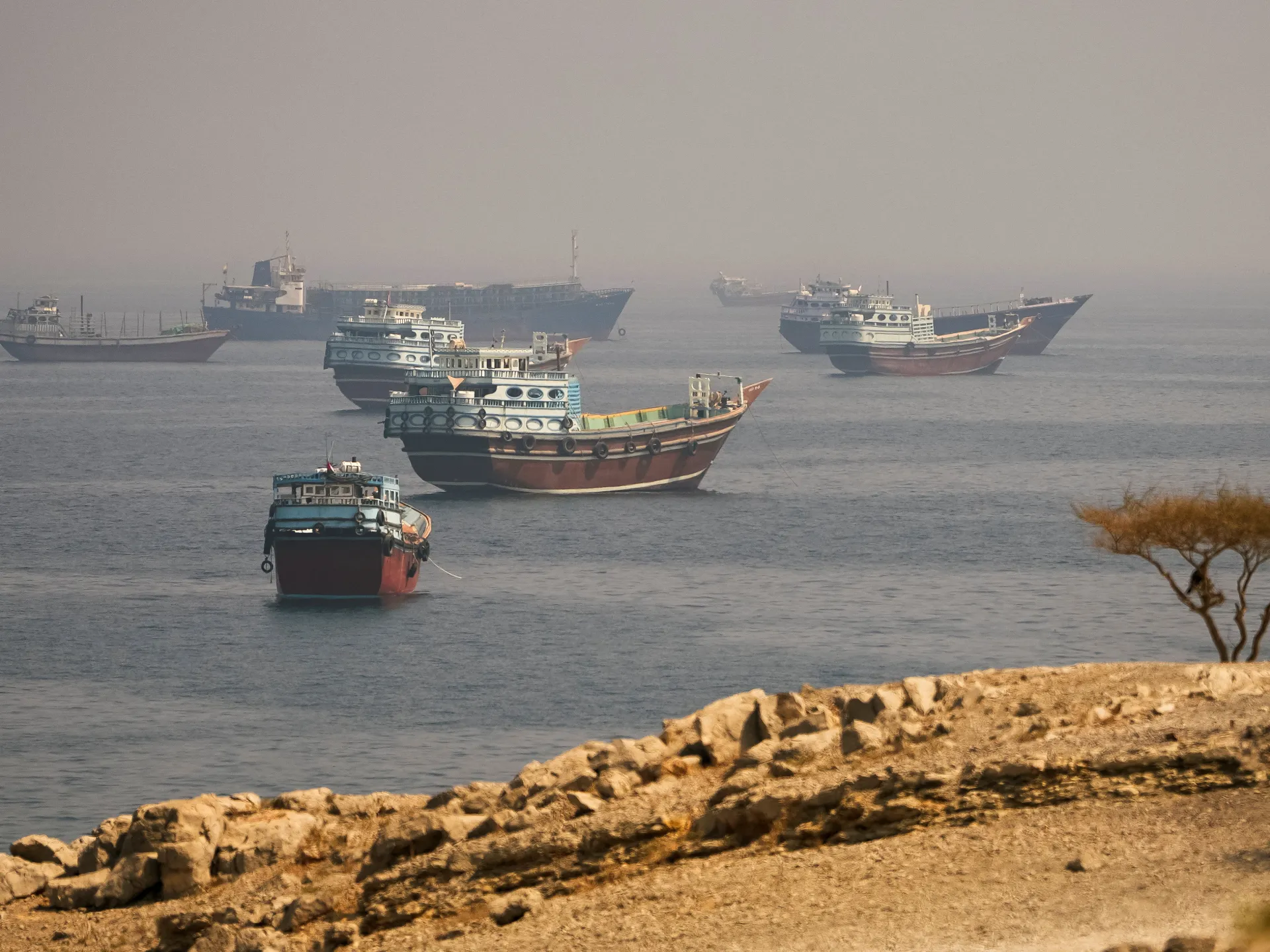
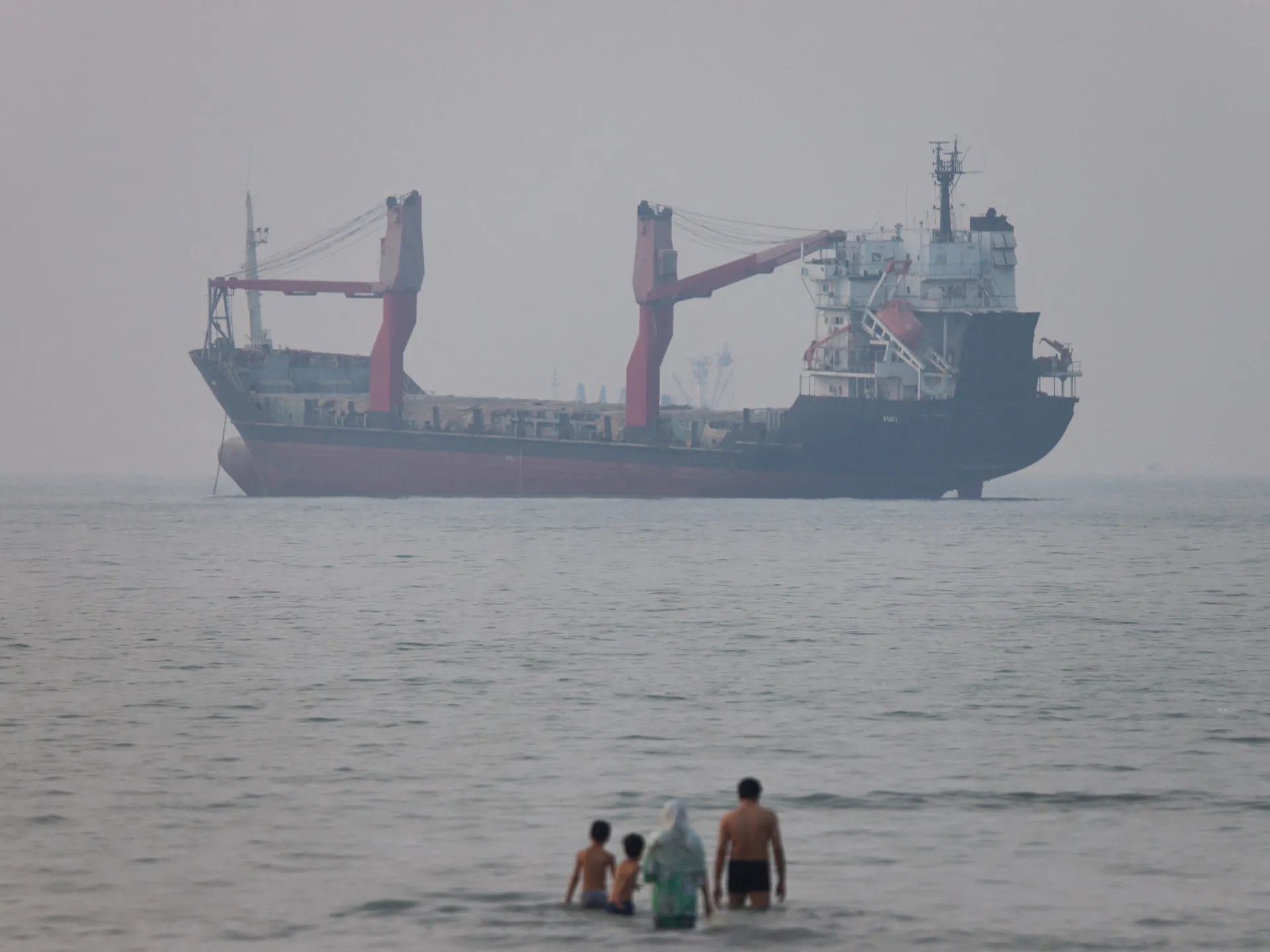
The strategic stakes remain centered on the Kahboub Mountains and the western coastline. Control of these highlands provides fire control over the Bab al-Mandeb strait and Mayyun Island, key maritime chokepoints. While the government claims to be holding the line, the situation remains fluid. Amidst this volatility, reports suggest that China has engaged in diplomatic efforts, pressing Tehran to exert influence over the Houthis following appeals from Saudi Arabia, signaling that the regional fallout of this conflict has drawn in major global powers seeking to protect maritime stability.
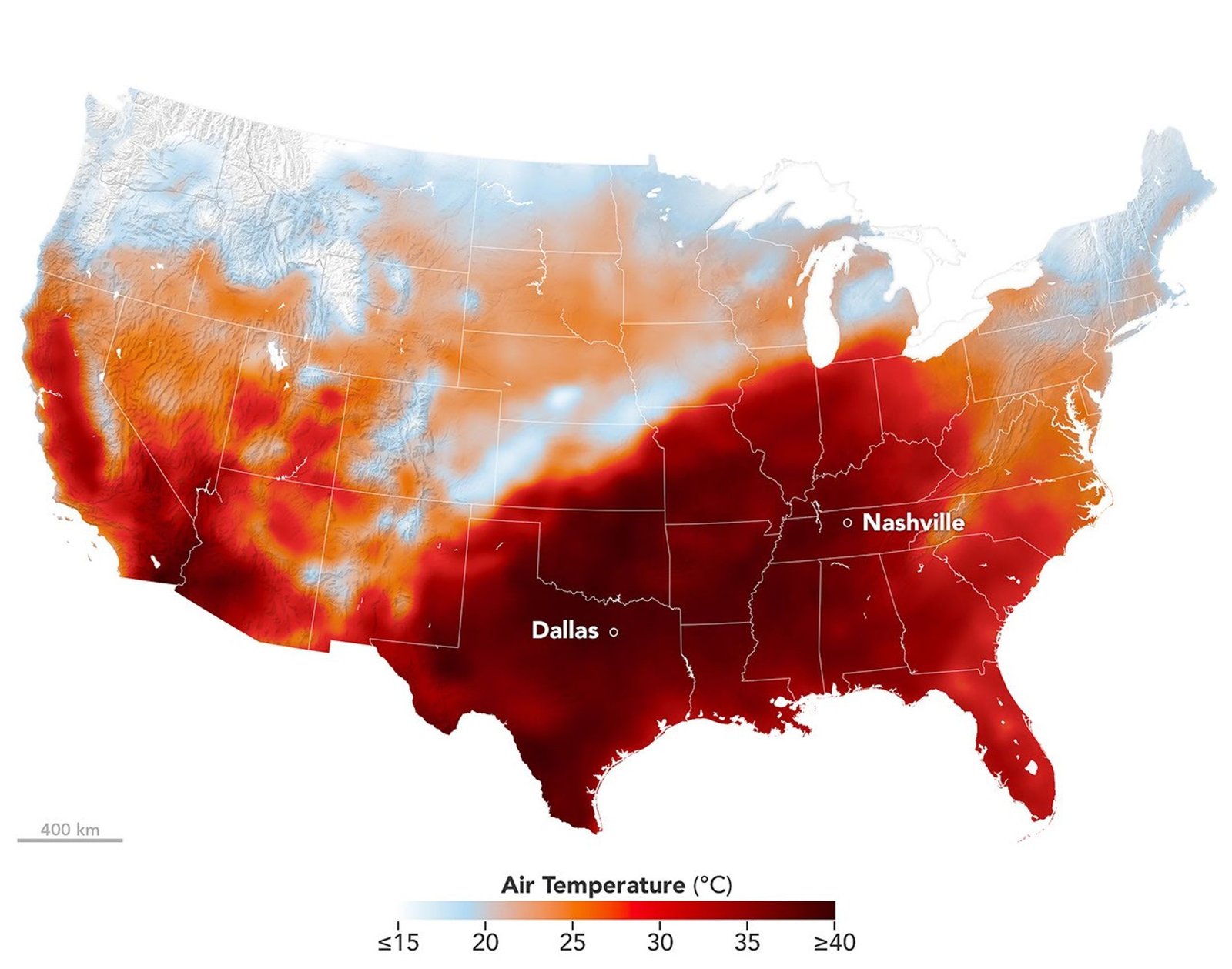
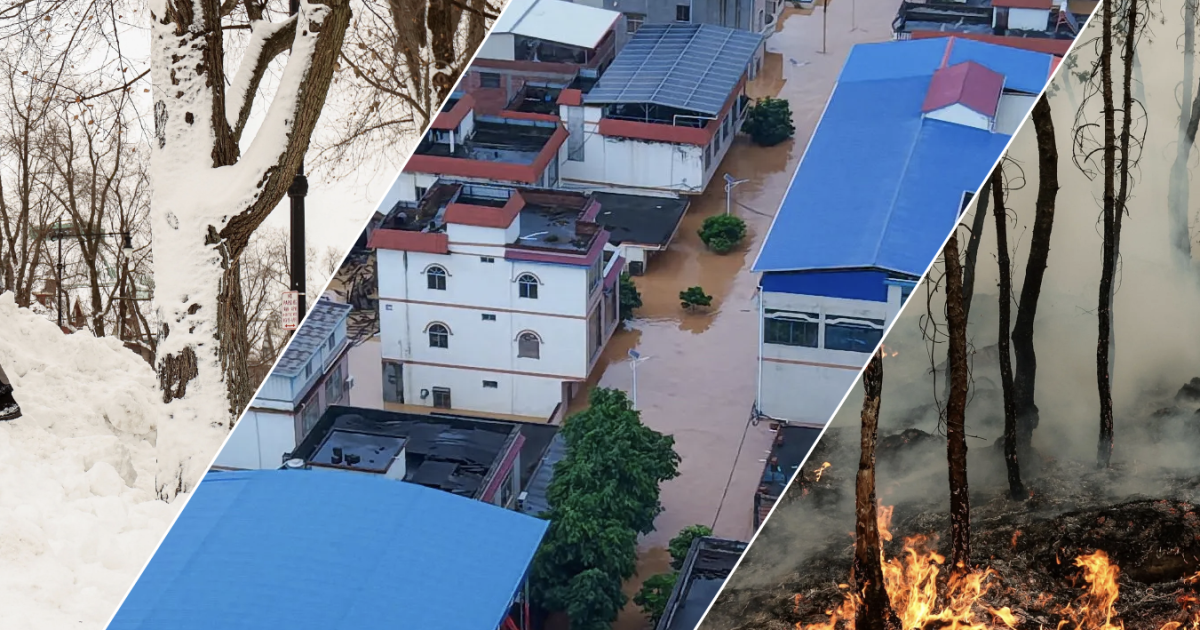
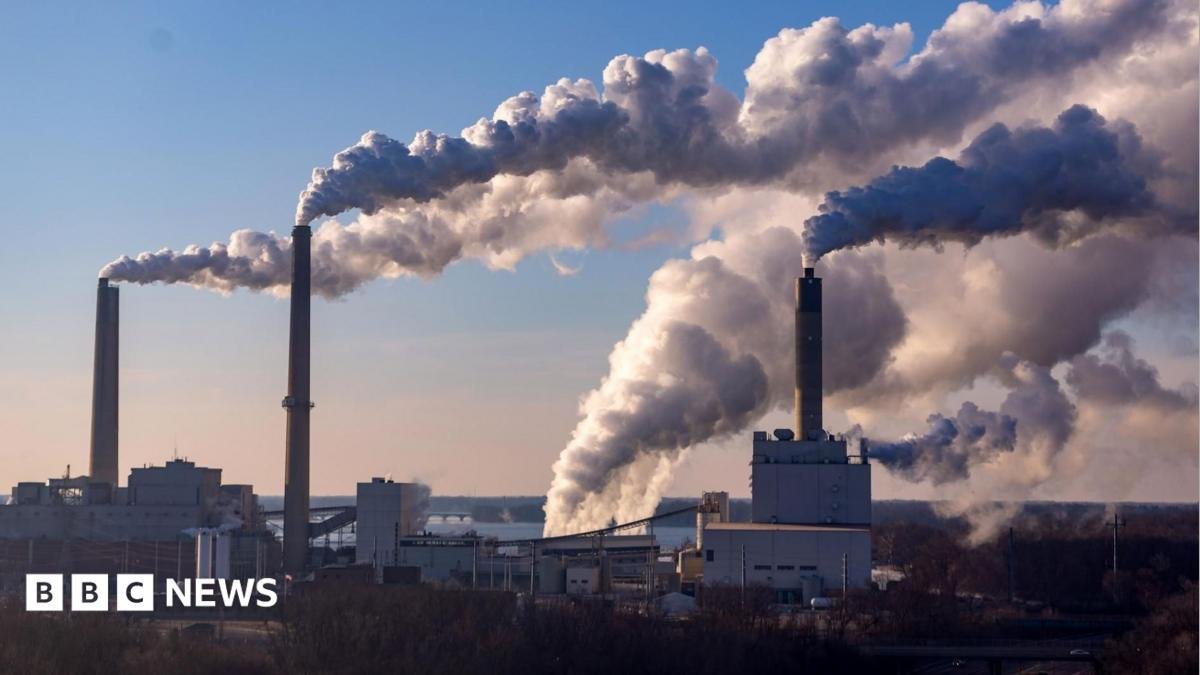
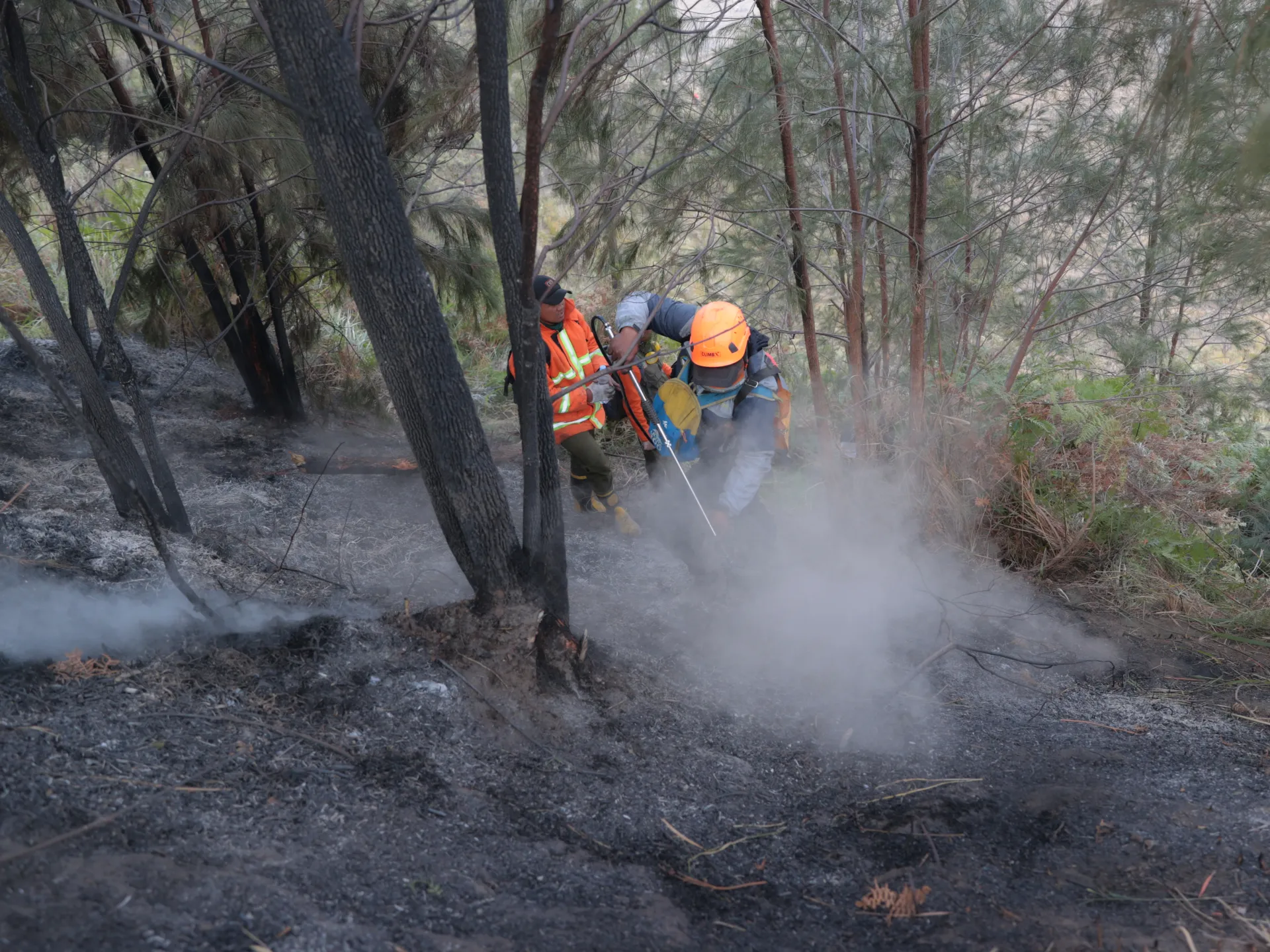
In a separate manifestation of global instability, the French viticulture industry has been forced to abandon long-standing regulatory caps on alcohol content. The Comite Champagne announced that producers may temporarily label bottles with up to 15% alcohol content, a significant departure from the established 13% limit. This adjustment is a direct response to a 2026 growing season characterized y. The extreme heat accelerated sugar accumulation in the grapes, which inevitably translates to higher alcohol levels during the fermentation process.
Industry experts emphasize that this is not merely an isolated anomaly but a potential harbinger of the future. The Comite Champagne suggests that such early, high-heat harvests could become the standard within the next 10 to 15 years. While the temporary regulatory waiver affects only a small fraction of the current vintage, the psychological and economic impact on producers is profound. As noted lower-alcohol beverages and the physical reality of a warming climate that forces a higher-octane product onto the market.
In the Middle East, the conflict appears headed for a protracted stalemate. Given the mutual determination of both government forces and Houthi rebels to maintain their grip on the western coast, neither side is likely to achieve a decisive victory without sustained external intervention. As diplomatic pressure from Beijing and continued military involvement from Saudi Arabia persist, the situation will likely remain a localized war with outsized impacts on global maritime insurance and trade flow.
Conversely, for the French wine industry, the next steps involve managing a long-term transition. While the 2026 vintage will not reach the consumer market until 2028, the industry must now contend with the reality that their regulatory frameworks are no longer aligned with their environment. Producers will likely face the dual challenge of adapting viticulture techniques to combat rising temperatures while navigating a market that increasingly favors lighter, lower-alcohol products, setting the stage for a potential crisis of identity for the region's traditional exports.