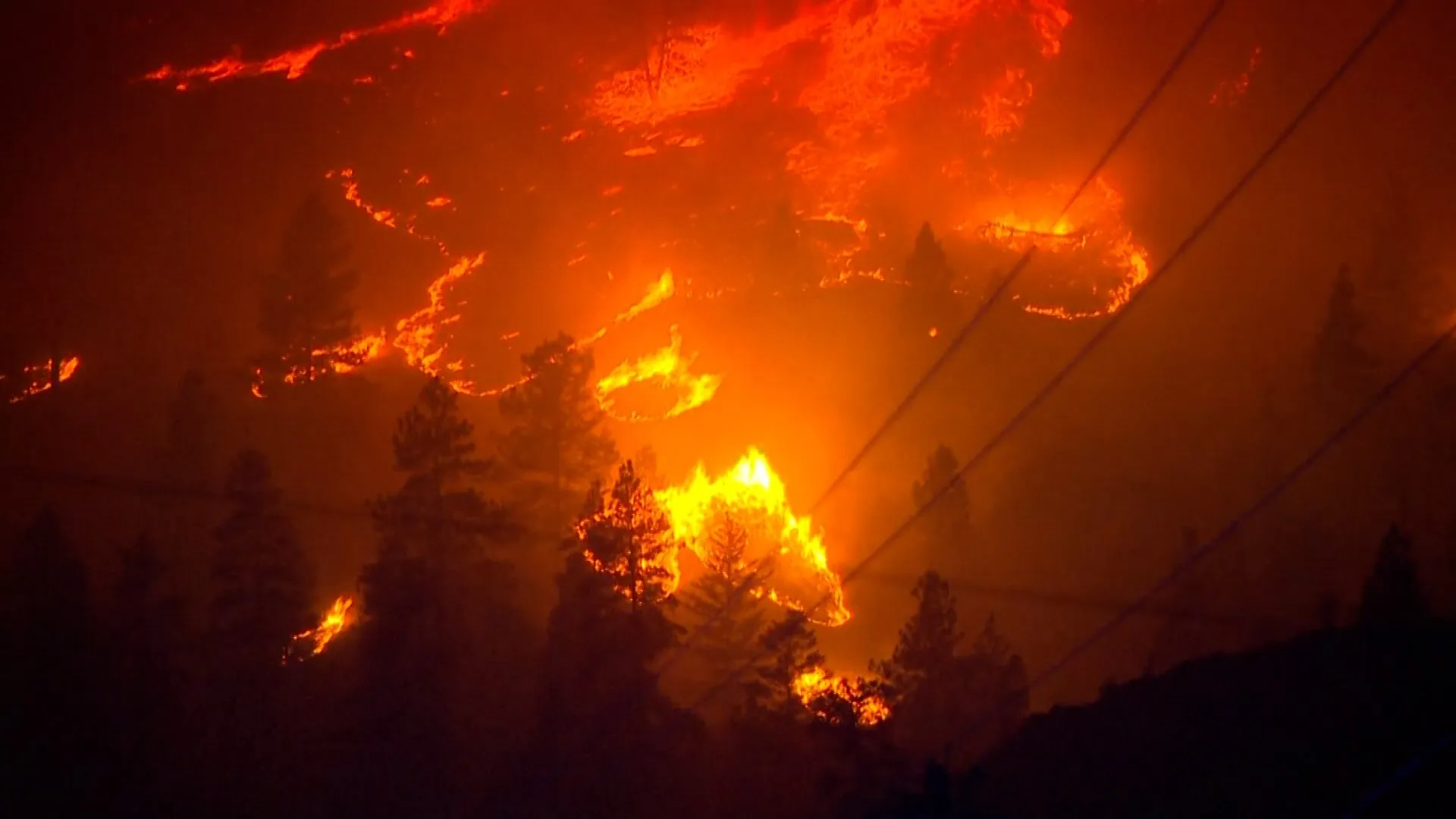

The United States has recorded its hottest summer in over a century, as extreme temperatures and shifting rainfall patterns impact the country.
Data recently released ted States has endured its hottest summer in 132 years of record-keeping. The period spanning June through August saw an average temperature of 23.6 degrees Celsius (74.4 degrees Fahrenheit) across the contiguous states. This figure represents a significant departure from historical norms, sitting 1.7 degrees Celsius (3 degrees Fahrenheit) above the average recorded during the 20th century.
This year’s summer temperatures surpassed the previous record, which was jointly held specifically set a new benchmark for the hottest individual month of August on record, with an average temperature reaching 24.2 degrees Celsius (75.6 degrees Fahrenheit). These figures highlight a concerning trajectory in national weather patterns that meteorologists have been monitoring closely.
The recent spike in temperatures is not an isolated incident but rather a continuation of a broader warming trend. According to NOAA, four of the five hottest summers recorded in the United States have occurred within just the last five years. While historical heat records, such as those from the 1936 Dust Bowl era, were often compounded of record-breaking heat is attributed to a global warming trend largely driven
This rapid succession of record-breaking years suggests that the climate is shifting toward a baseline of higher average temperatures. The persistent nature of these heat waves places significant strain on infrastructure, agricultural output, and public health, necessitating a reassessment of how communities prepare for and adapt to increasingly severe summer conditions.
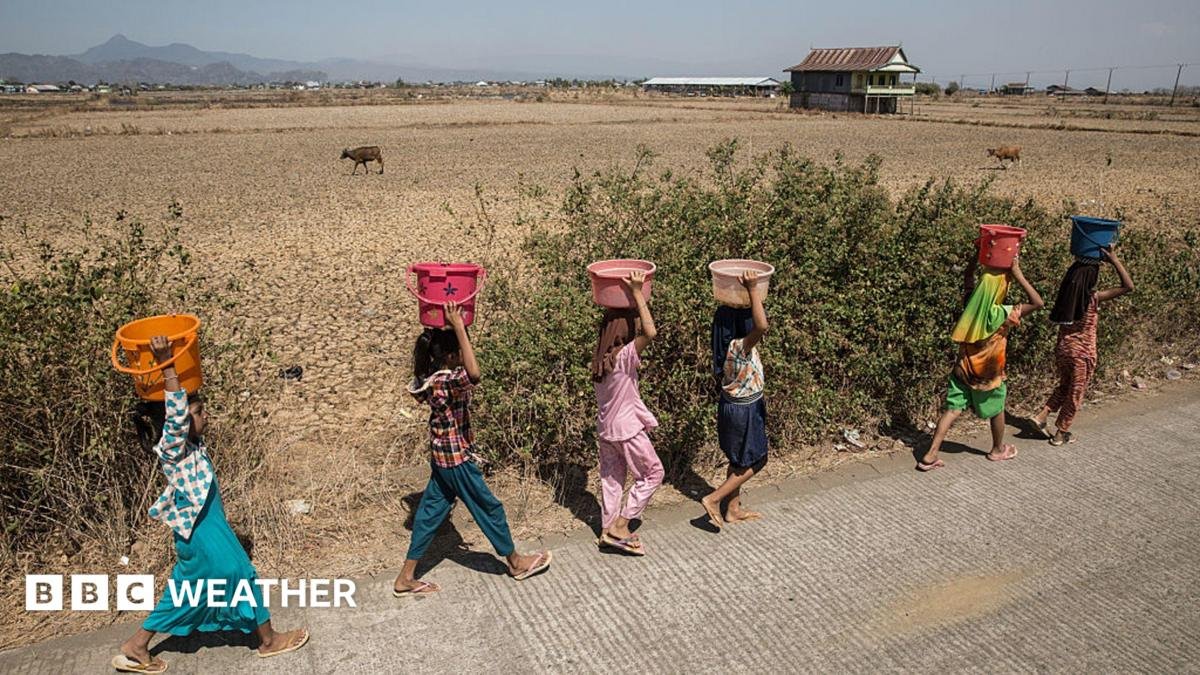
The record-breaking heat was accompanied uch of the country faced tightening drought conditions, particularly in the Great Plains, the Midwest, and Southern regions. Texas and Oklahoma were hit particularly hard, receiving less than 30 percent of their typical August precipitation, leading to a rapid expansion of dry conditions.
Conversely, the meteorological landscape was not uniformly arid. Some states, notably Indiana and Ohio, experienced their wettest August on record, receiving nearly twice their historical average rainfall. This juxtaposition of extreme drought in some areas and record-breaking moisture in others reflects the complex and often unpredictable nature of modern weather systems, which can create localized catastrophes even while broader regions face heat-induced stress.
Looking ahead, the World Meteorological Organization (WMO) has issued warnings regarding the strengthening of the El Nino weather phenomenon. This naturally occurring climate pattern is expected to persist into early 2027 and may reach an intensity level unseen in the past four decades. As El Nino gains strength, it is likely to exacerbate existing climate trends, potentially pushing global temperatures to new heights and intensifying both drought and flooding events worldwide.