

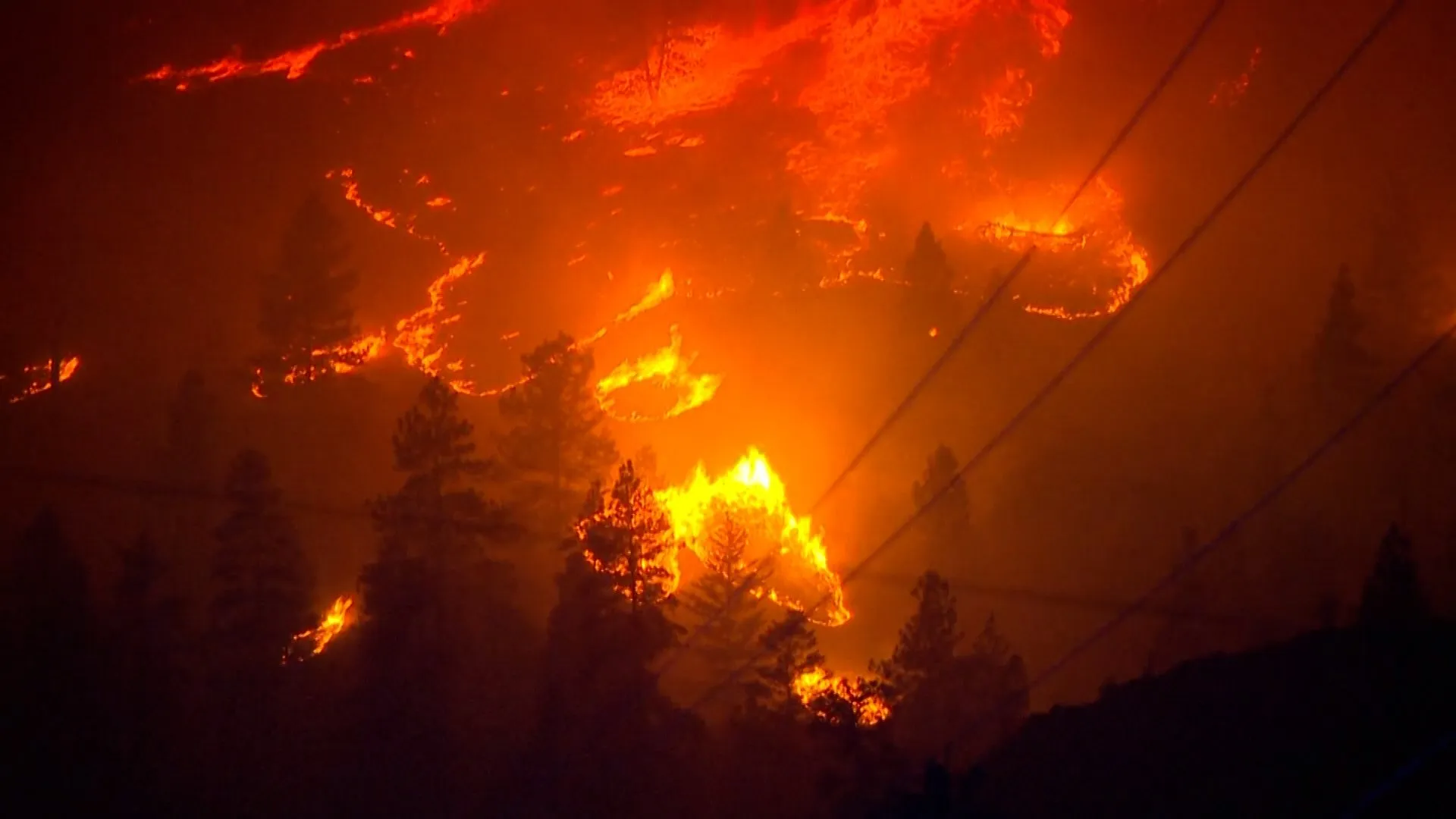
Over 20,000 residents have been evacuated from Summerland and Peachland as a fast-moving wildfire threatens homes throughout British Columbia's Okanagan valley.
A rapidly intensifying wildfire crisis has gripped Canada’s Okanagan region, forcing authorities to issue urgent evacuation orders for thousands of residents. The blaze, characterized y response across British Columbia. Officials have confirmed that upwards of 20,000 individuals have been displaced from their homes, particularly in the towns of Summerland and Peachland, as the fire front advanced toward populated areas.
The situation remains fluid as emergency management teams work to contain the flames while prioritizing the safety of the local population. Evacuation centers have been set up to accommodate those fleeing the disaster zone, providing temporary shelter and essential services to families forced to leave their belongings behind. Regional authorities continue to monitor air quality and fire spread patterns to determine when it might be safe for residents to return, though current conditions remain hazardous.
The Okanagan Valley, known for its scenic landscapes and critical agricultural infrastructure, is currently facing one of its most severe wildfire threats in recent history. The proximity of the fire to residential neighborhoods has necessitated a coordinated effort between local fire departments, provincial wildfire services, and regional protective agencies. Infrastructure, including power lines and major transportation routes, is being closely monitored as the flames continue to pose a direct threat to the region's stability.
Economic concerns are also mounting as the wildfire impacts the local tourism and agricultural sectors, which are vital to the Okanagan economy. Orchards and vineyards, which define the regional landscape, are particularly vulnerable to smoke damage and direct fire impacts. While the primary focus remains on human life and property protection, the broader implications for the regional economy are expected to be significant once the immediate danger has subsided.
Experts suggest that the current wildfire behavior is being exacerbated al vegetation into fuel. The dry terrain, combined with shifting winds, has allowed the fire to jump containment lines, making it difficult for ground crews and aerial firefighting teams to establish a perimeter. The intensity of the blaze has required the mobilization of additional resources from across the province to bolster existing firefighting efforts.
As climate patterns continue to shift, the frequency and severity of such events are forcing a reevaluation of forest management and emergency preparedness strategies in British Columbia. Residents are being urged to remain vigilant and follow official updates from provincial emergency services. The ongoing battle against the fire serves as a stark reminder of the challenges posed ion and robust disaster response planning for communities located in high-risk zones.
Beyond the immediate containment efforts, local officials are beginning to look toward the recovery phase, which will involve assessing the extent of property damage and supporting the displaced population. The resilience of the Okanagan community is being tested, with neighbors and local organizations coordinating aid efforts to support those who have lost their homes or livelihoods. The provincial government has pledged support for the affected areas, promising to expedite assistance programs for those impacted
Recovery will likely be a lengthy process, requiring comprehensive planning to address both the physical reconstruction of homes and the psychological well-being of a community shaken l shift to restoration and long-term mitigation strategies to better protect the valley from future wildfire threats. For now, the priority remains the successful evacuation and containment of the fires currently threatening the heart of the Okanagan.