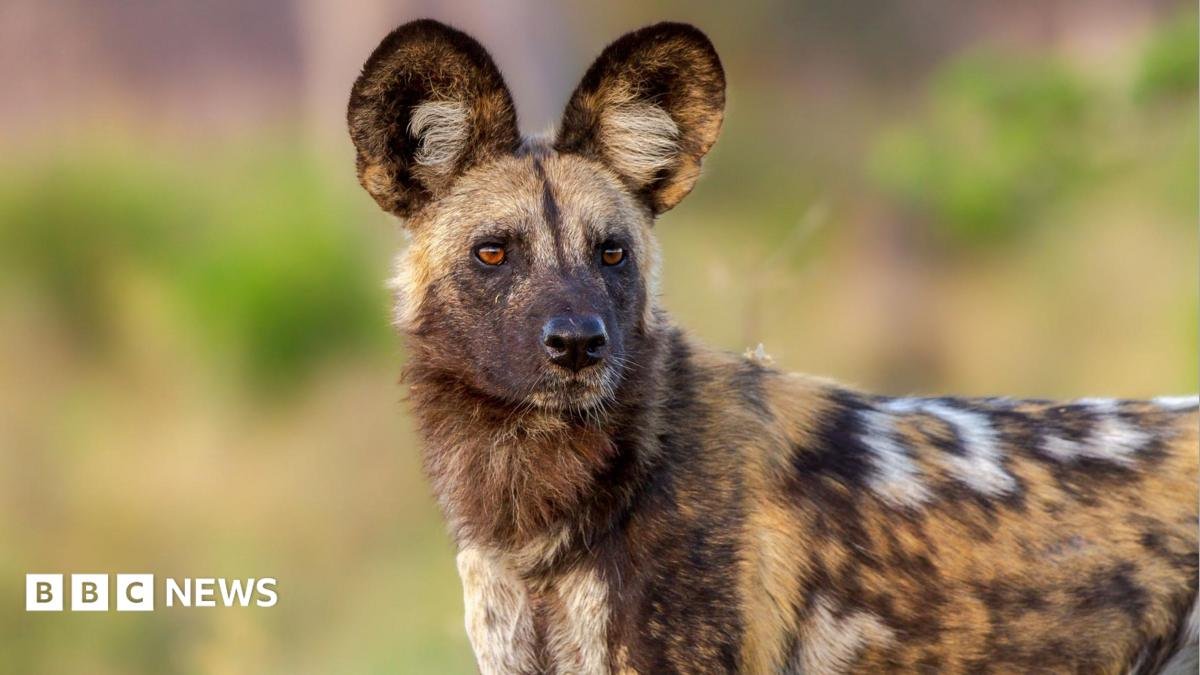
A pack of African wild dogs has completed a record-breaking 2,500-mile journey across Zambia, providing new insights into the connectivity of wildlife habitats.
A group of African wild dogs has completed an extraordinary, record-breaking trek across Zambia, covering a total distance of 2,485 miles. This journey represents the longest recorded dispersal distance for any African land mammal actively seeking a mate. The feat was achieved f eight months. While the straight-line distance between their origin and destination points was approximately 260 miles, their actual path involved a persistent, zigzagging route that totaled nearly ten times that distance.
This behavior is classified as a dispersal rather than a seasonal migration. Unlike migrations, where species move back and forth to follow food sources or favorable climates, dispersal is a one-way movement driven in their own birth packs, reaching the age of maturity often compels them to embark on these long-distance journeys to find unrelated partners, thereby ensuring genetic diversity within the species.
The success of these wild dogs highlights a surprising level of resilience in the face of human encroachment. The pack managed to traverse the landscape trial centers and the outskirts of Lusaka. This trajectory suggests that wild dog populations across eastern and southern Africa may be far more interconnected than conservationists previously assumed. The ability of these predators to bypass human obstacles offers a glimmer of hope for the long-term viability of the species.
Despite this success, the study underscores the urgent necessity of maintaining ecological connectivity. Conservation experts argue that protected areas cannot function as isolated islands in a sea of human development. For wide-ranging species such as African wild dogs and elephants, survival depends on the existence of natural corridors that link separate habitats. Without these pathways, populations risk becoming genetically stagnant and physically trapped, unable to navigate the human-dominated spaces that now fracture their ancestral ranges.
While the story of the three brothers serves as a testament to the species' tenacity, the research also reveals the grim reality of the dangers these animals face. Other wild dogs tracked during the same study did not survive their journeys, often falling victim to illegal snares. In one instance, a group of three sisters saw their epic trek cut short when one member was trapped, leading to the failure of their collective mission. The loss of these individuals is a stark reminder of the lethal risks posed
Researchers observed poignant behavior among the surviving pack members, who frequently returned to the exact locations where companions had perished. This pattern serves as a behavioral indicator of the loss of a pack member and emphasizes the social complexity of these highly collaborative animals. With only about 6,000 African wild dogs remaining in the wild, every individual is vital to the survival of the population. The findings published in the journal *Ecology* reinforce the call for more rigorous protections and the strategic creation of natural land strips to safeguard these predators as they navigate the modern African landscape.