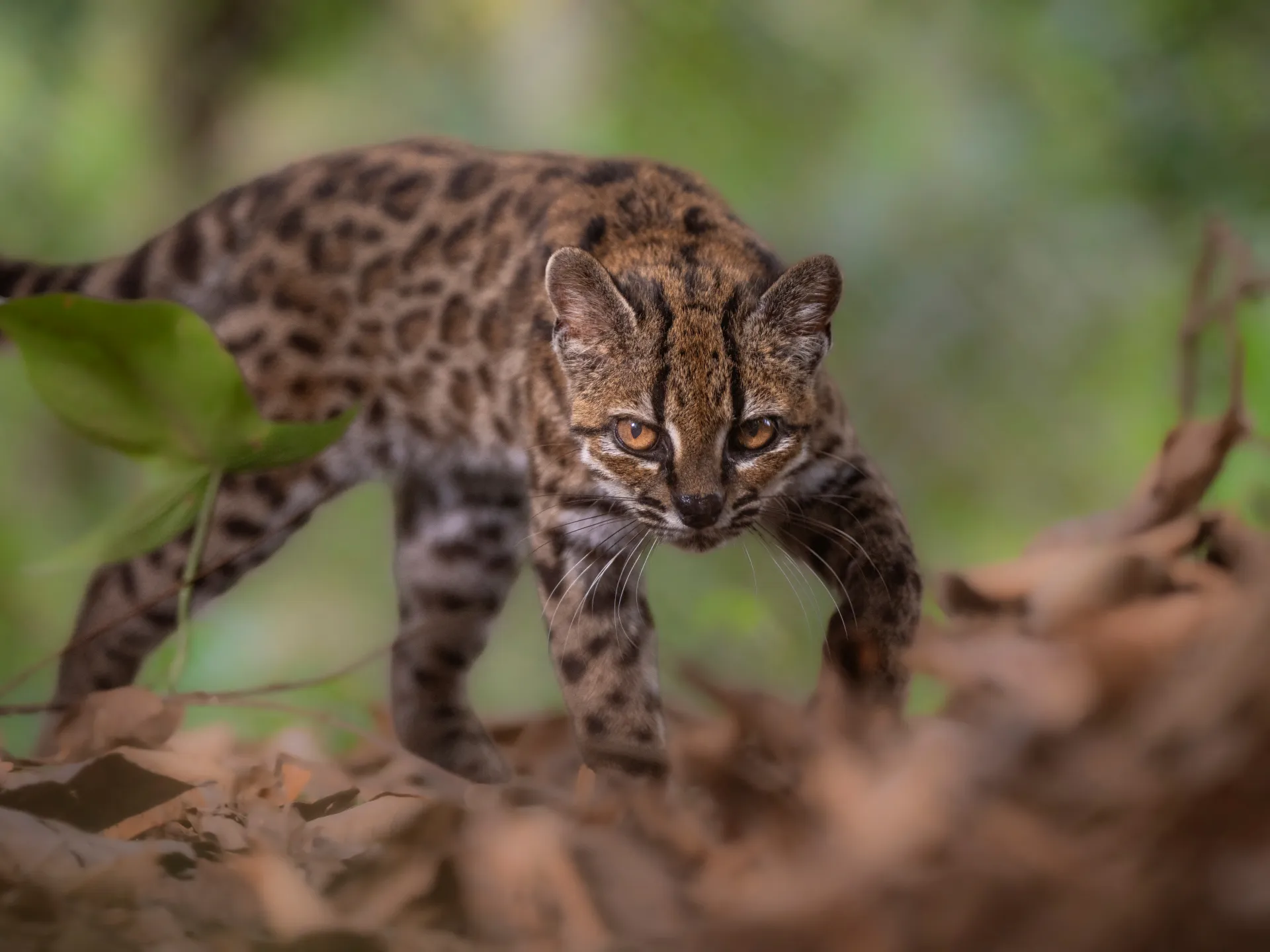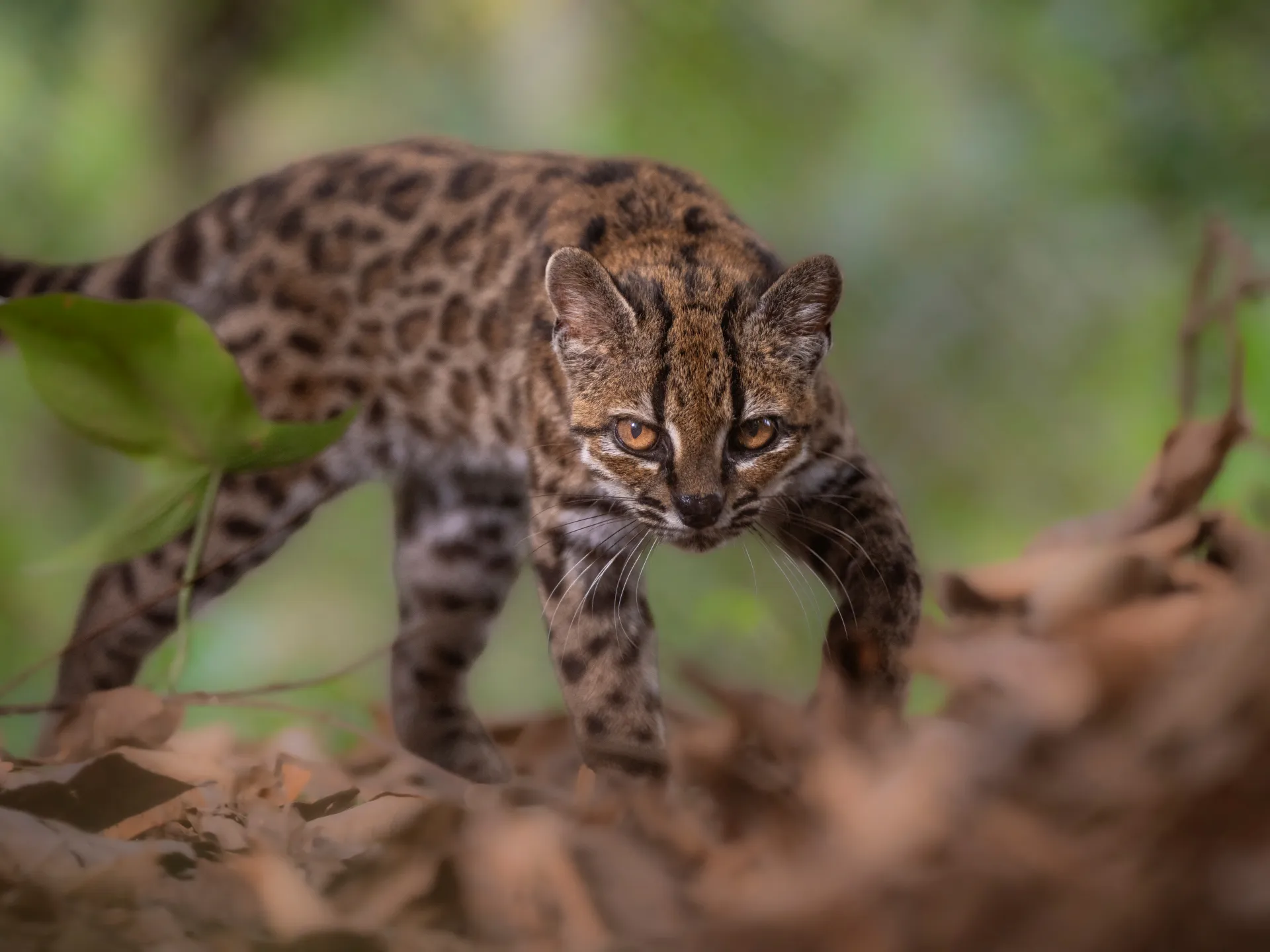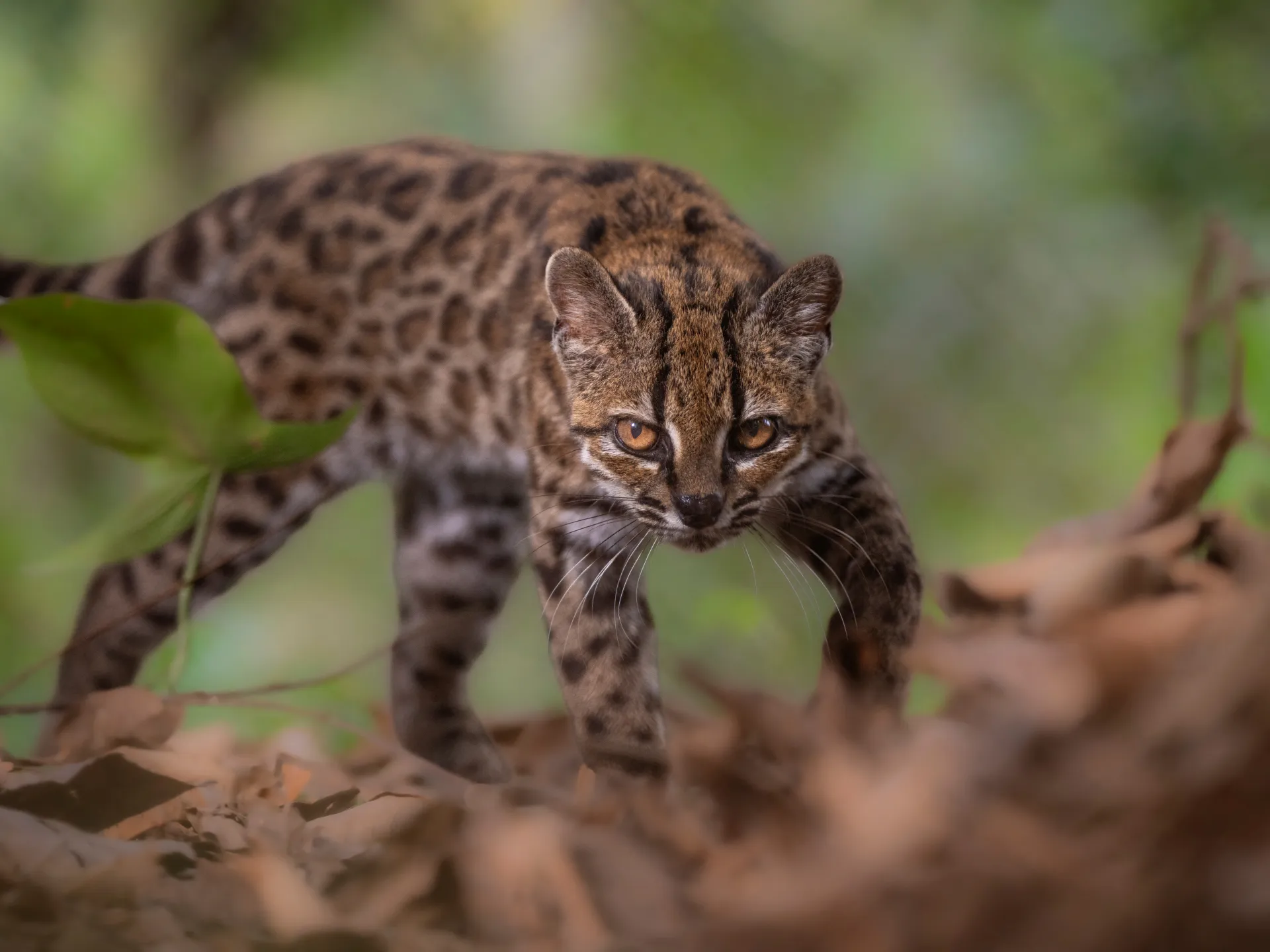
A decade of scientific research has confirmed the existence of the Leopardus tilcayo, a new wildcat species discovered in the cloud forests of Bolivia.
In a milestone for mammalian taxonomy, scientists have officially identified a new species of wildcat, the Leopardus tilcayo, found within the rugged and humid cloud forests of the Bolivian Yungas. This discovery, published in the journal Current Biology, represents the first time in over 100 years that a new feline species has been formally described and named, with the previous milestone being the pampas cat in 1923. While other recent feline classifications have relied on re-evaluating existing populations—such as the clouded tiger cat or the southern tiger cat—the L. tilcayo stands apart as a previously undescribed animal in the scientific record.
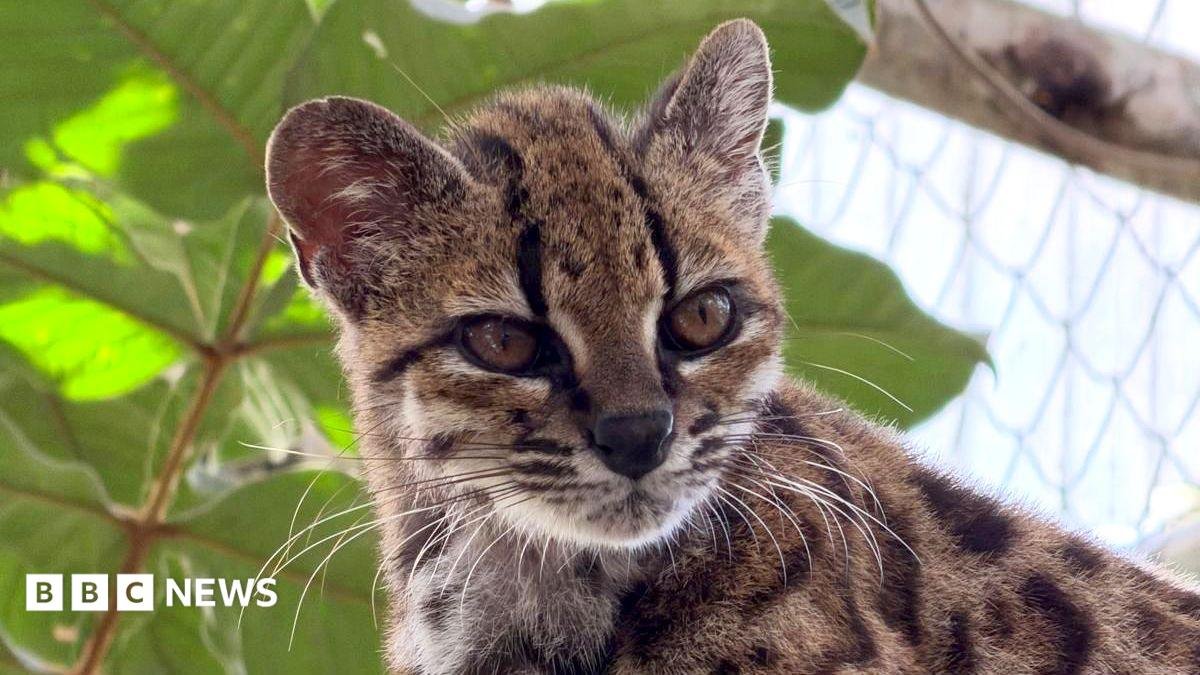
The path to this classification began with a local resident who found a kitten in the forest and, assuming it was a stray domestic pet, raised it within their home. eighborhood livestock prompted the family to surrender it to Senda Verde, a wildlife refuge. It was there that biologist Paola Nogales-Ascarrunz, lead scientist of the Bolivian Felids Research Program, examined the animal and recognized it as something distinct from the local domestic and known wild populations.
The identification of Leopardus tilcayo serves as a stark reminder of the massive gaps in our knowledge regarding biodiversity within under-studied ecoregions. The Bolivian Yungas, a transitional zone connecting the high Andes to the Amazon basin, remains a frontier for biological discovery. Unlike high-profile species conservation efforts that focus on charismatic megafauna like lions or leopards, small tiger cats in Central and South America often fly beneath the scientific radar. Because these felines similar physical traits, including complex patterns of spots and stripes, their populations have historically been grouped together, masking the actual number of distinct species living in these delicate ecosystems.
To confirm the species, researchers utilized DNA samples from both living animals—specifically the resident at the sanctuary, nicknamed “Tigrino”—and various museum specimens. The investigation required a global effort to reconstruct the evolutionary history of the tiger cat family. Eduardo Eizirik, a conservation geneticist at the Pontifical Catholic University of Rio Grande do Sul, noted that the species had effectively been "hiding" in plain sight, largely because there were so few documented records or physical museum specimens available for comparative analysis.
Currently, the rescue sanctuary cat remains the only confirmed living member of the species, though experts are confident that a wider population exists throughout the Yungas region. While the genetic confirmation is currently limited to the Bolivian population, the researchers note that the ecoregion extends into Peru and northern Argentina. Future studies will be critical to determine whether the L. tilcayo is restricted to a narrow environmental pocket or if its range spans a larger portion of the Andes eastern slope.
With the species now formally recognized, the focus will likely shift toward non-invasive field studies to determine the population density and geographic distribution of the L. tilcayo. Conservationists are expected to use this discovery to lobby for increased protections in the Yungas, a region under pressure from environmental change and habitat loss. Because the species was previously unidentified, it currently lacks a specific conservation status; researchers will need to determine if the feline is endangered or restricted to a tiny, vulnerable range. Furthermore, the identification of this cat suggests that other small, elusive mammals in the same region may also be misclassified, potentially sparking a new wave of genetic surveys across South American cloud forests.