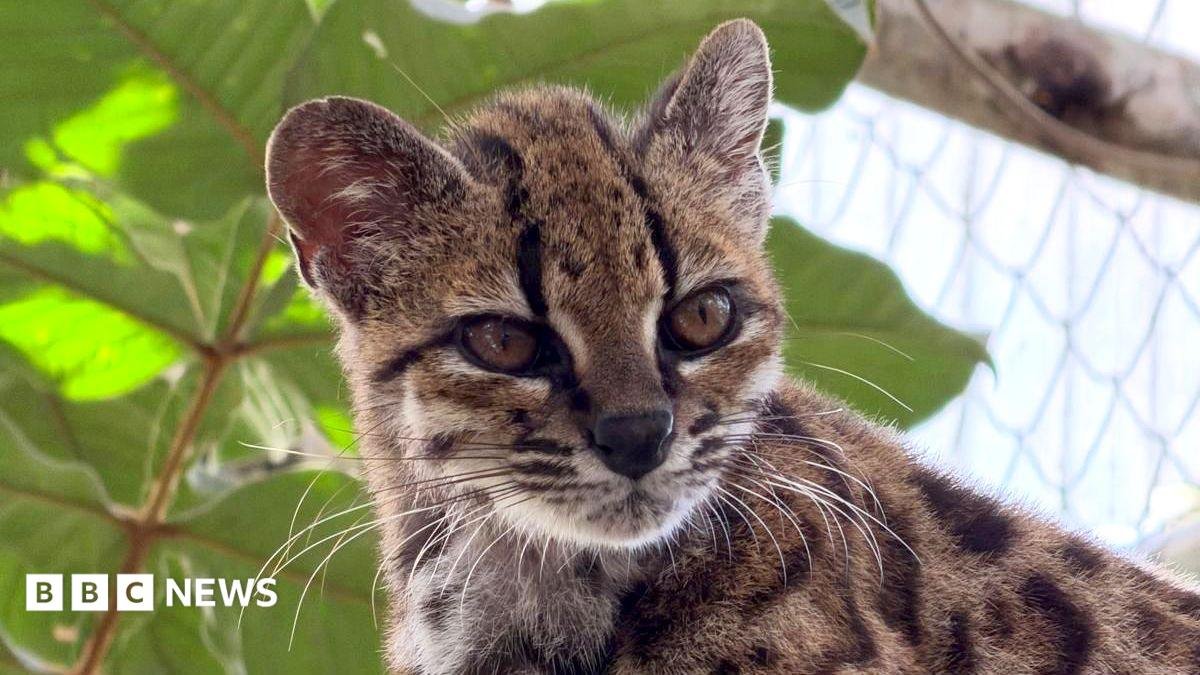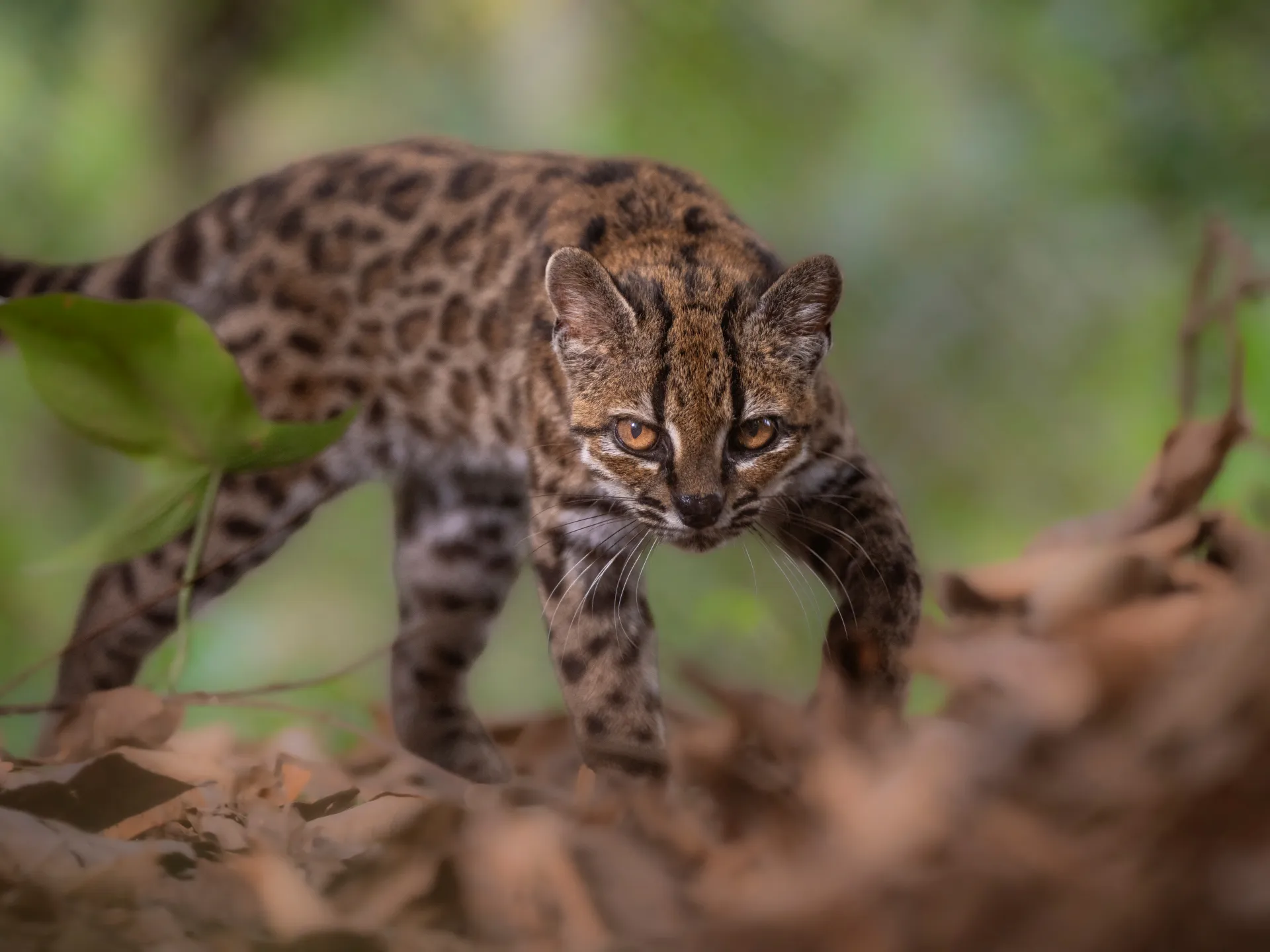
Researchers have identified a new species of wild cat in Bolivia’s cloud forests, marking the first discovery of a new living feline species in over a century.
In a significant milestone for biodiversity research, scientists have officially identified a previously unknown species of wild cat living within the dense, misty cloud forests of Bolivia. This discovery represents the first time in over a century that a new, living feline species has been formally described and named rest, adds a unique branch to the family tree of South American wild cats, highlighting the immense, untapped biological richness hidden within the continent's most remote ecosystems.
Known Leopardus tilcayo, this diminutive feline is remarkably small, measuring approximately 46 centimeters (18 inches) in length and weighing roughly 1.4 kilograms (3 pounds). These physical dimensions make the cat notably smaller than the average domestic house cat. Its appearance is characterized ong several species of small neotropical cats but distinct enough in this case to pique the curiosity of researchers.
Tiger cats, often categorized as "cryptic species," are notoriously difficult to distinguish from one another based on visual appearance alone. For years, experts struggled to classify the various populations of small felines inhabiting the South American landscape because their physical traits often overlapped, leading to confusion and misidentification. The research team behind the discovery noted that the Bolivian specimens did not align with existing descriptions, which were primarily based on data collected from Brazilian tiger cat populations.
This discrepancy prompted a comprehensive, multi-year genetic investigation. tions—including eight historical museum specimens—the team uncovered a startling reality. The data revealed that what was once lumped together under a single classification actually consists of five genetically distinct species. The Bolivian tiger cat, in particular, was found to have diverged from its closest relatives approximately 1.4 million years ago, a timeline that underscores the long period of evolutionary isolation experienced
Despite the excitement surrounding its identification, much of the biological and behavioral nature of Leopardus tilcayo remains a mystery. Preliminary observations and scat analysis suggest that the cat occupies a niche predator role, with evidence indicating that small rodents form a significant portion of its diet. Furthermore, data captured via camera traps suggest that the species is primarily nocturnal, navigating the dark, humid forest floor under the cover of night to avoid larger predators and to hunt effectively.
The study also yielded additional findings, including the description of a new tiger cat subspecies found in Peru’s Yungas region. Named Leopardus tigrinus antisuyo, the subspecies pays homage to the Antisuyu region of the historic Inca Empire. These discoveries underscore the vital importance of continued exploration and genetic analysis in the Andes. As deforestation and climate change continue to threaten these fragile cloud forest habitats, understanding the distinct species that call them home is a critical step toward implementing effective conservation strategies and protecting the biodiversity of the region.