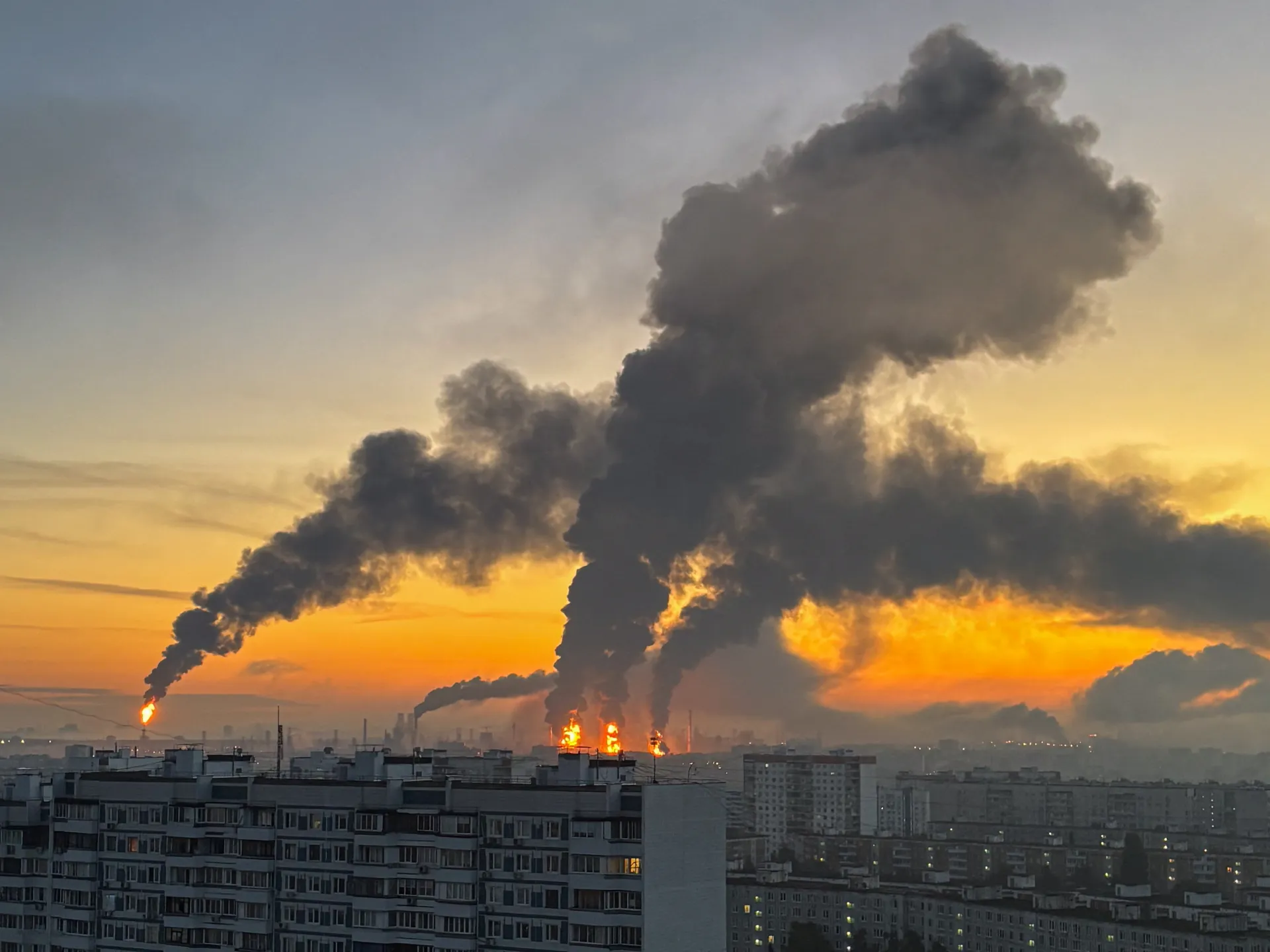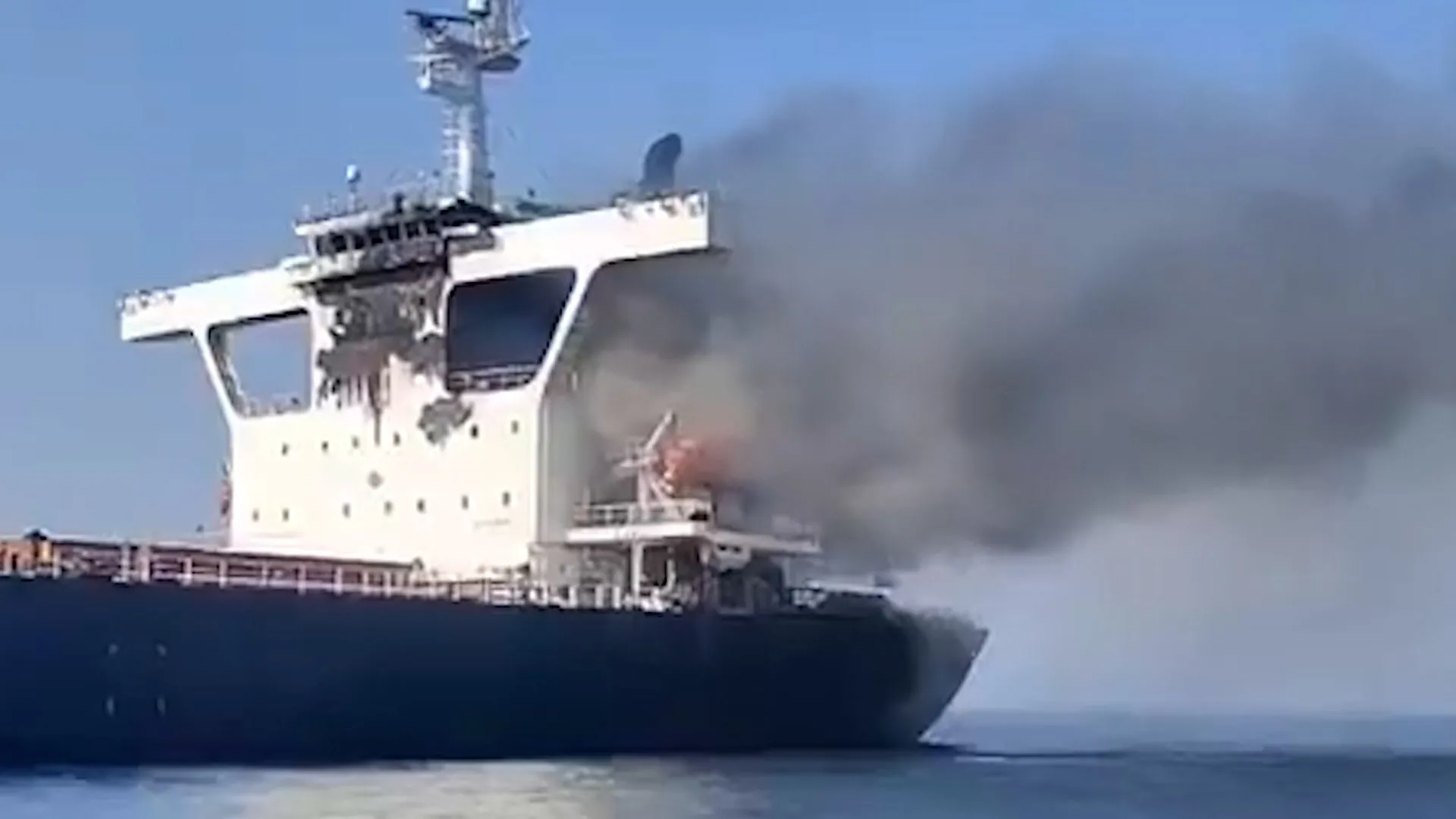
A lethal maritime attack near the Strait of Hormuz and a devastating suicide bombing in Pakistan have triggered regional security alerts and disrupted vital supply chains.
The convergence of a lethal maritime strike near the Strait of Hormuz and a devastating suicide bombing in Pakistan represents a dual-front crisis for regional stability. While these incidents occurred in different theaters, they underscore a broader erosion of order. The disruption of transit routes through one of the world's most critical oil chokepoints, coupled with the resurgence of militant violence in Pakistan’s border regions, creates a compounding effect that threatens global supply chains and regional governance. For international observers, these events signal that local security vacuums are increasingly being exploited e security apparatuses, challenging the capacity of regional powers to maintain the rule of law.
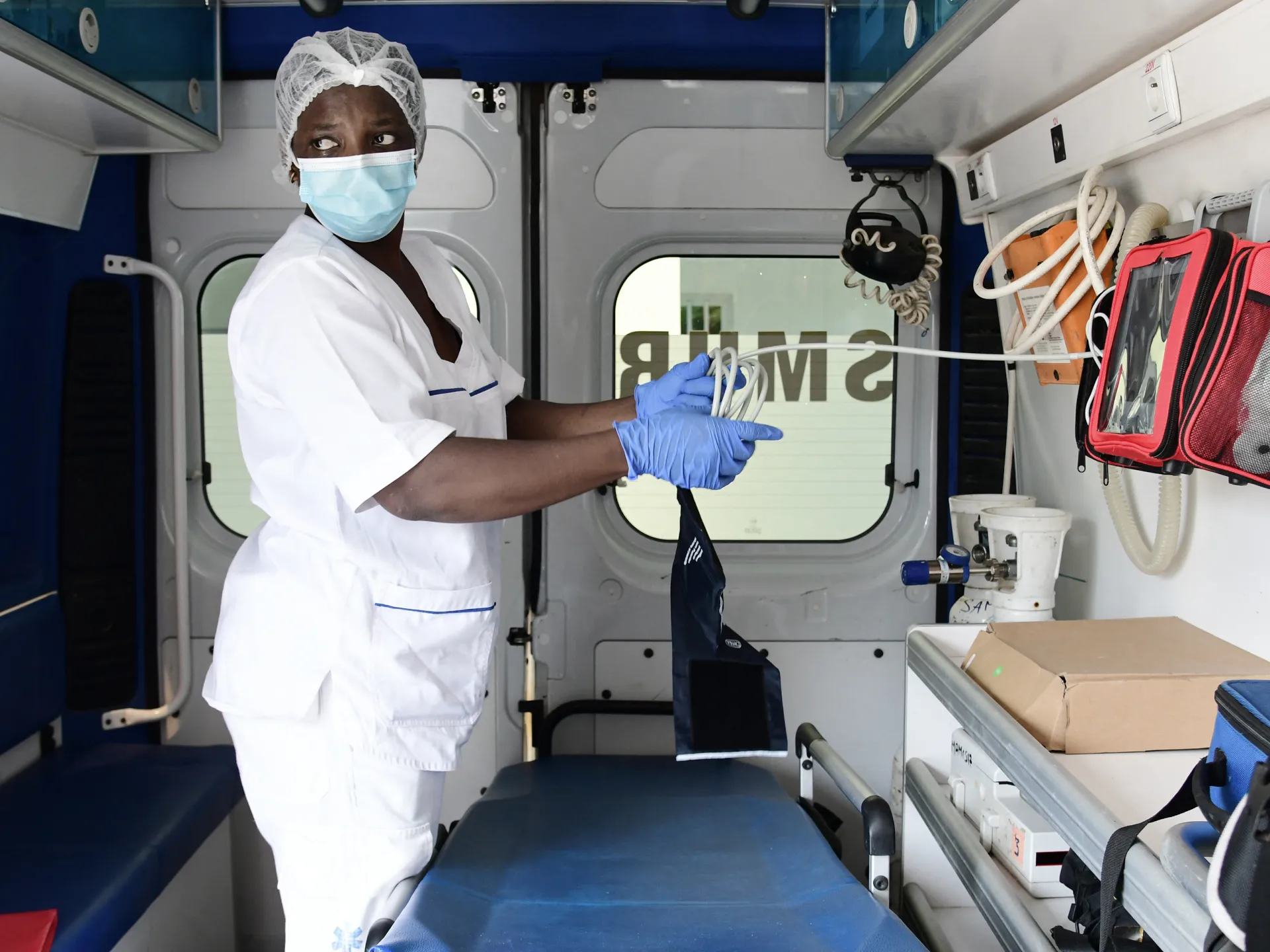
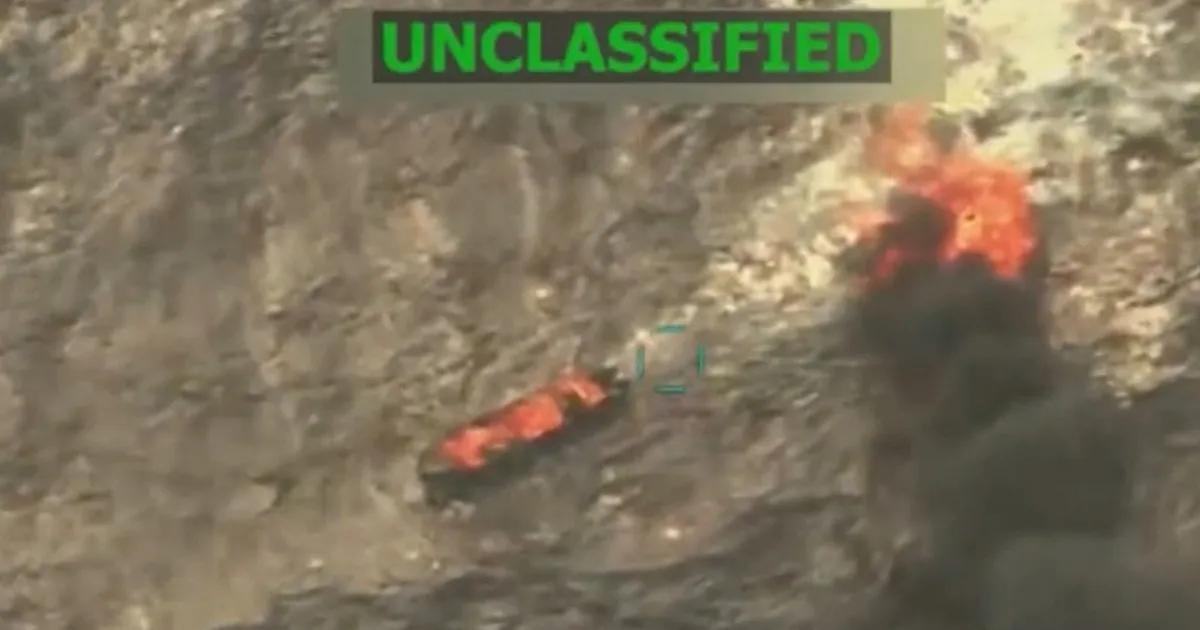
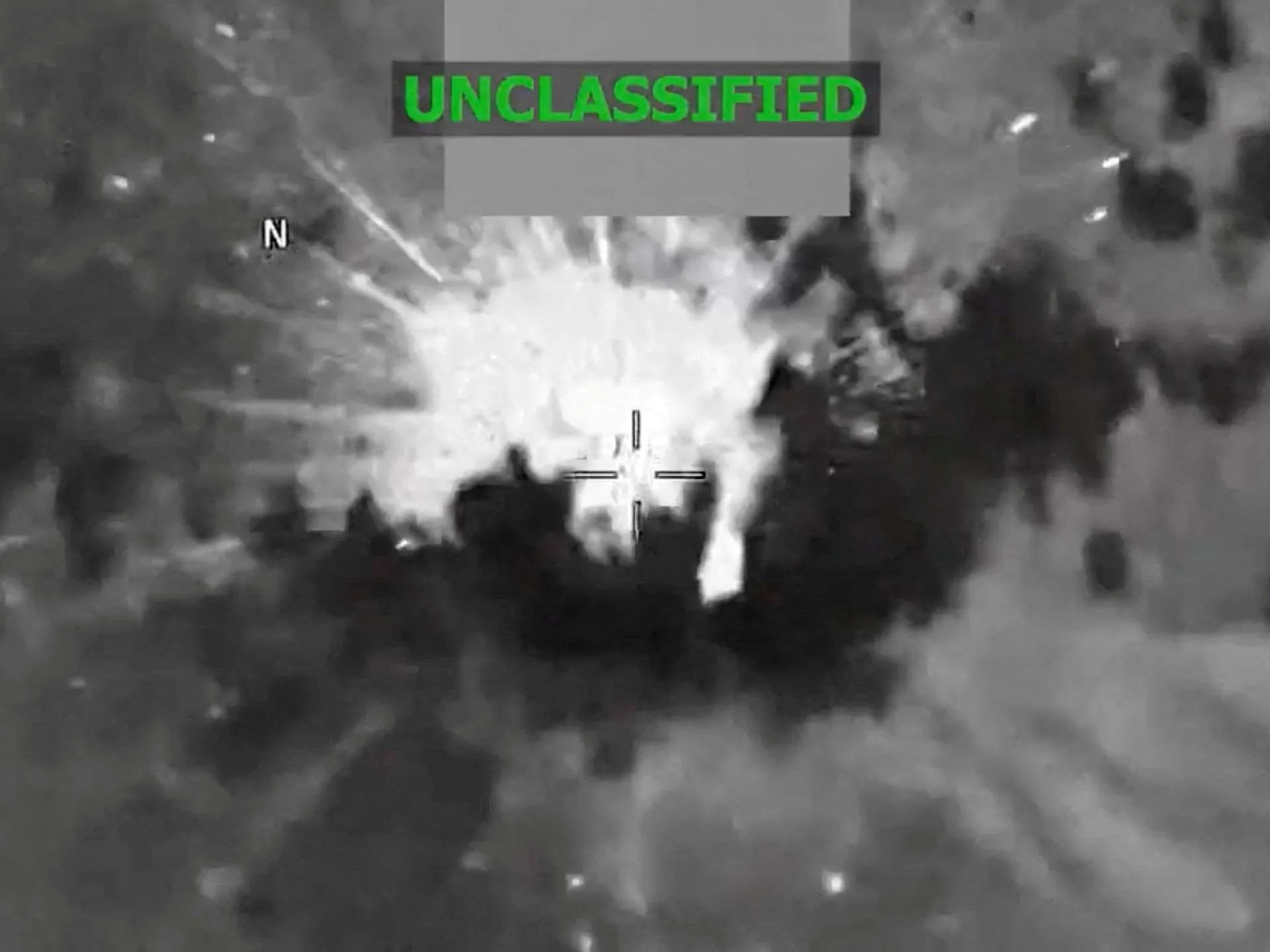
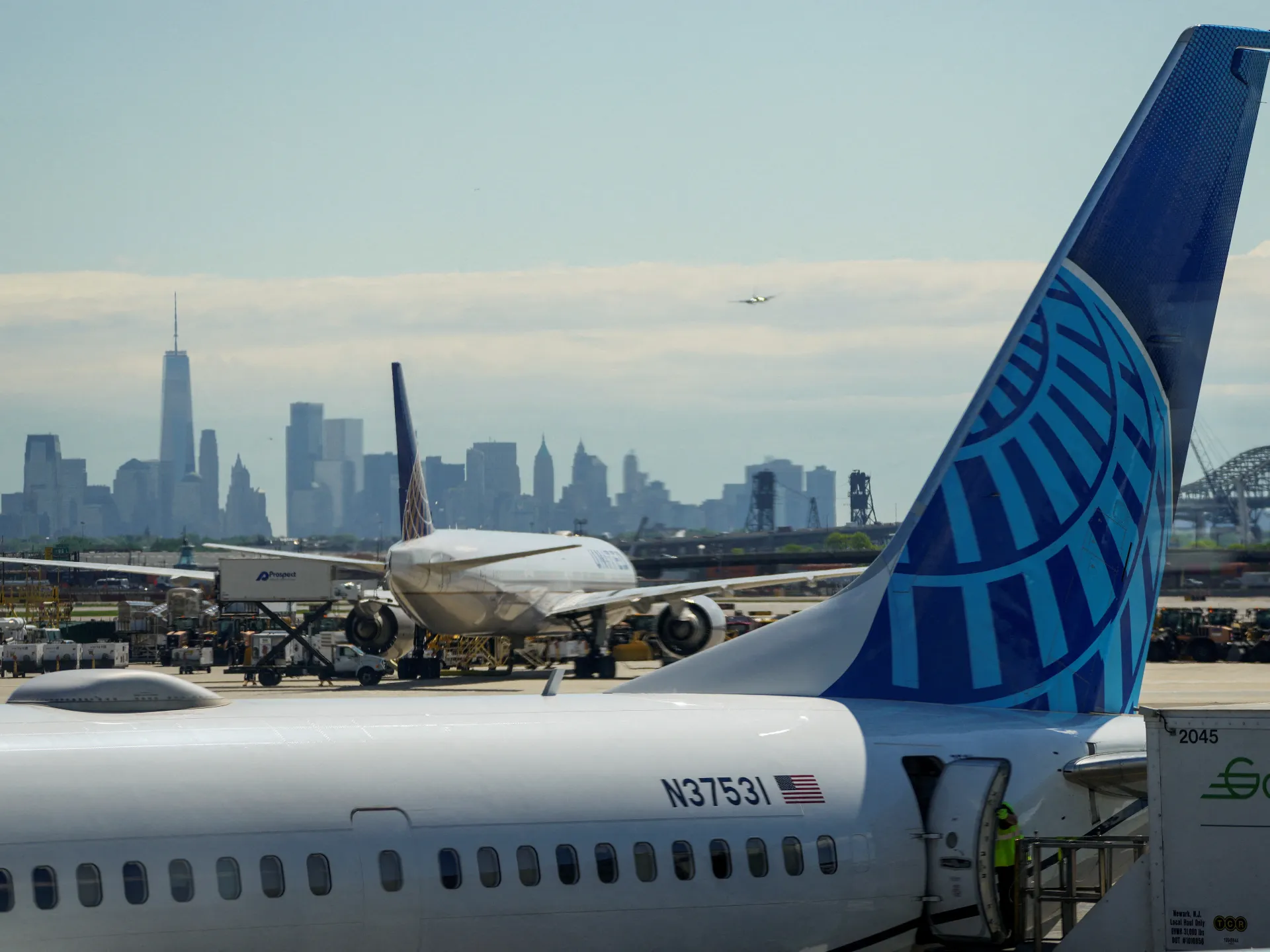
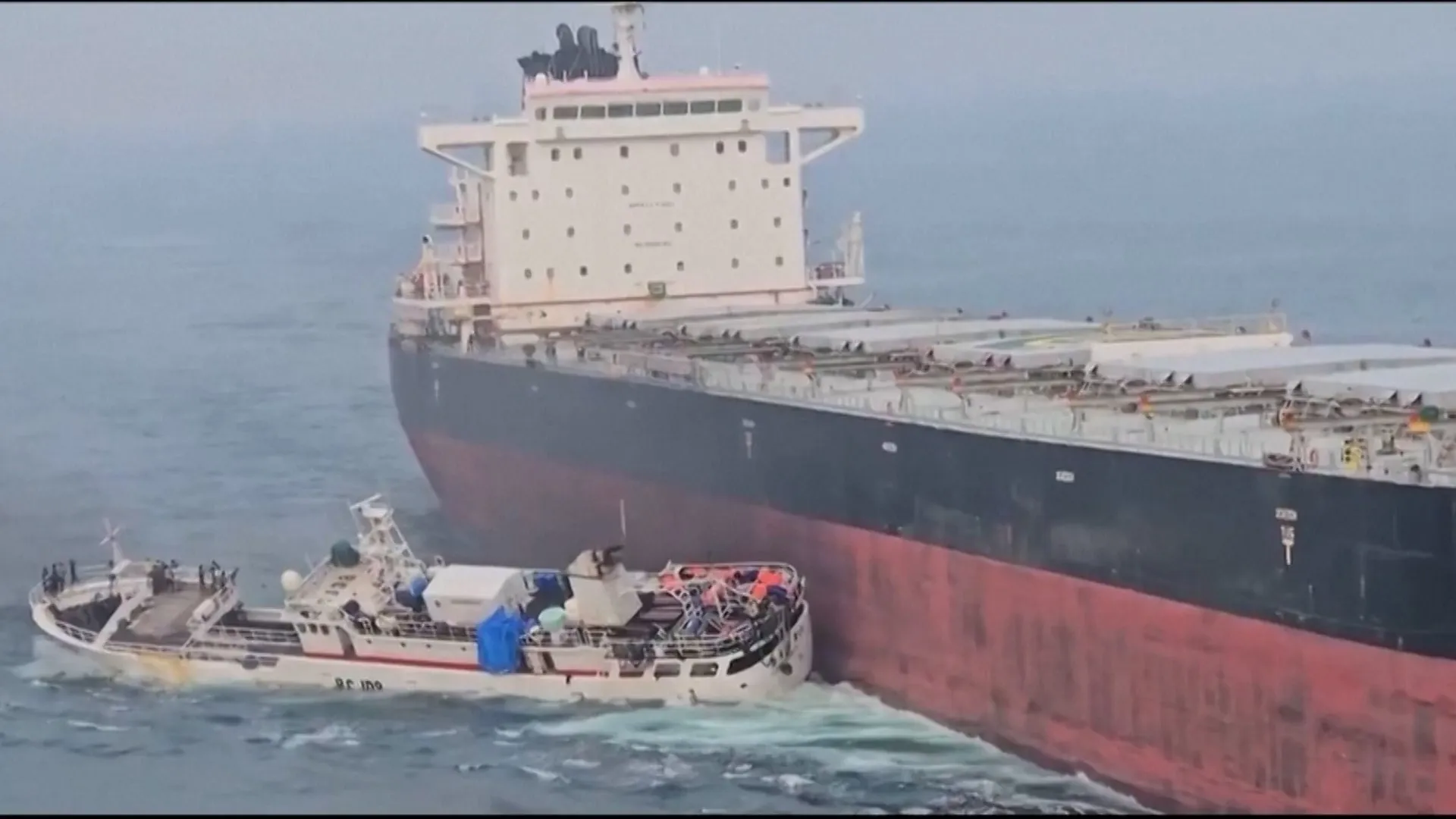
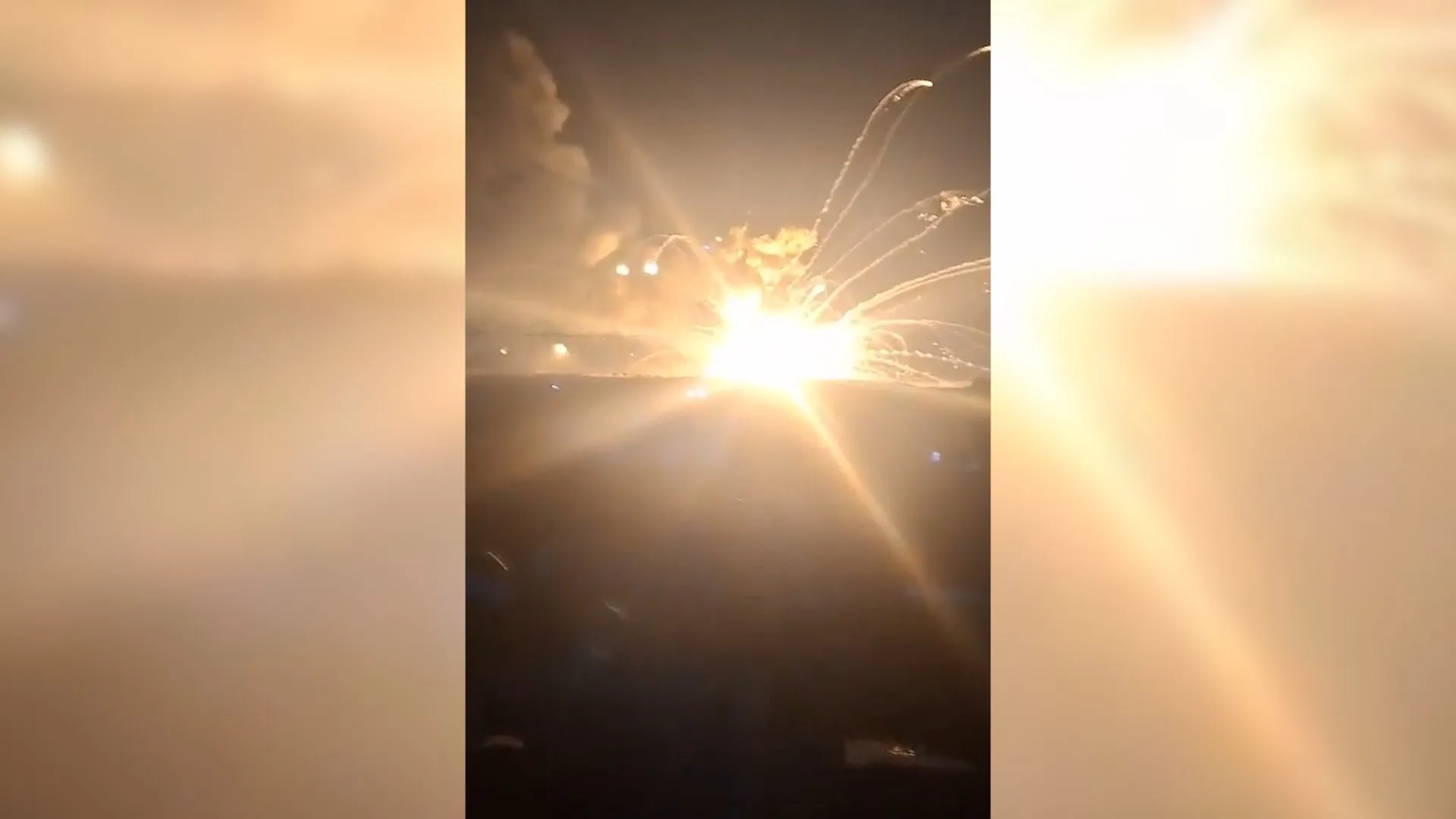
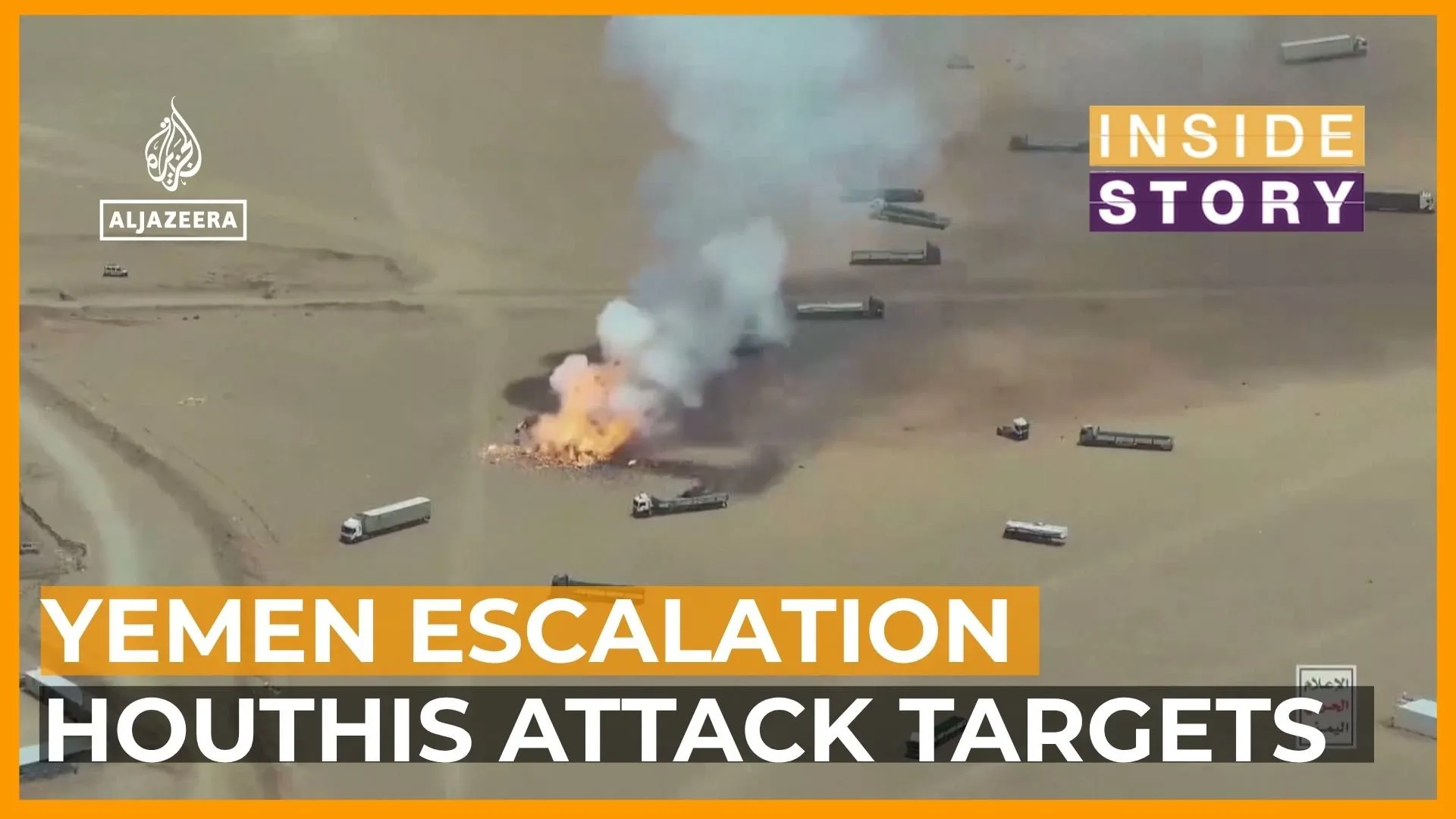
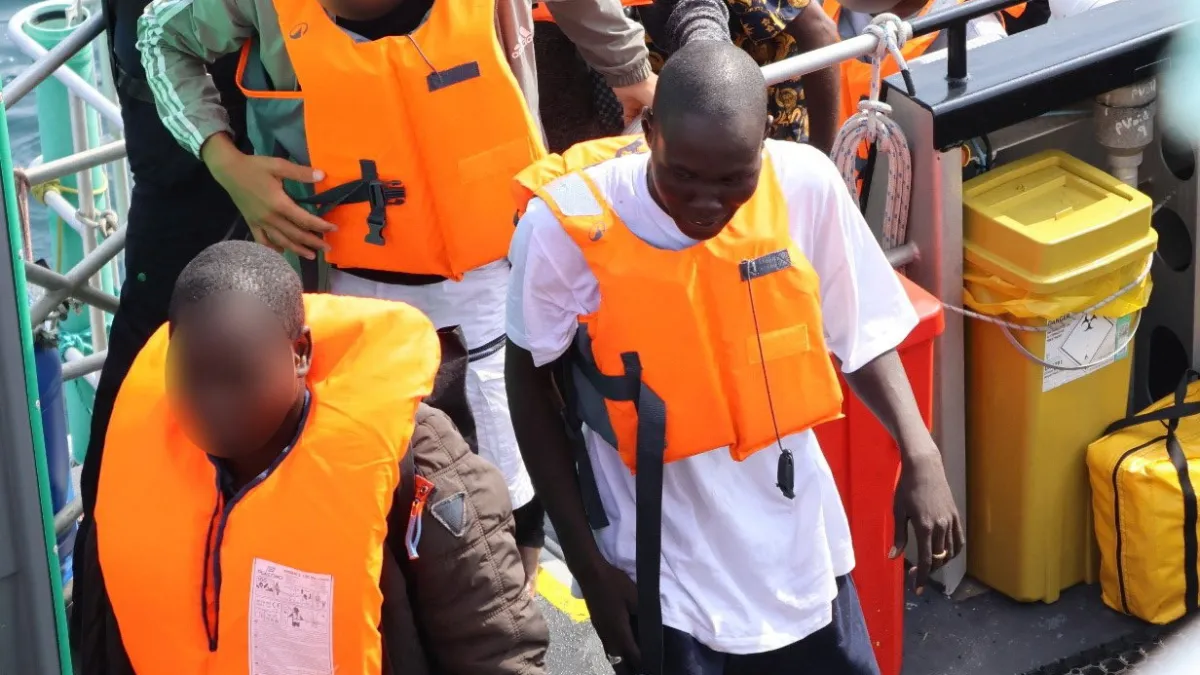
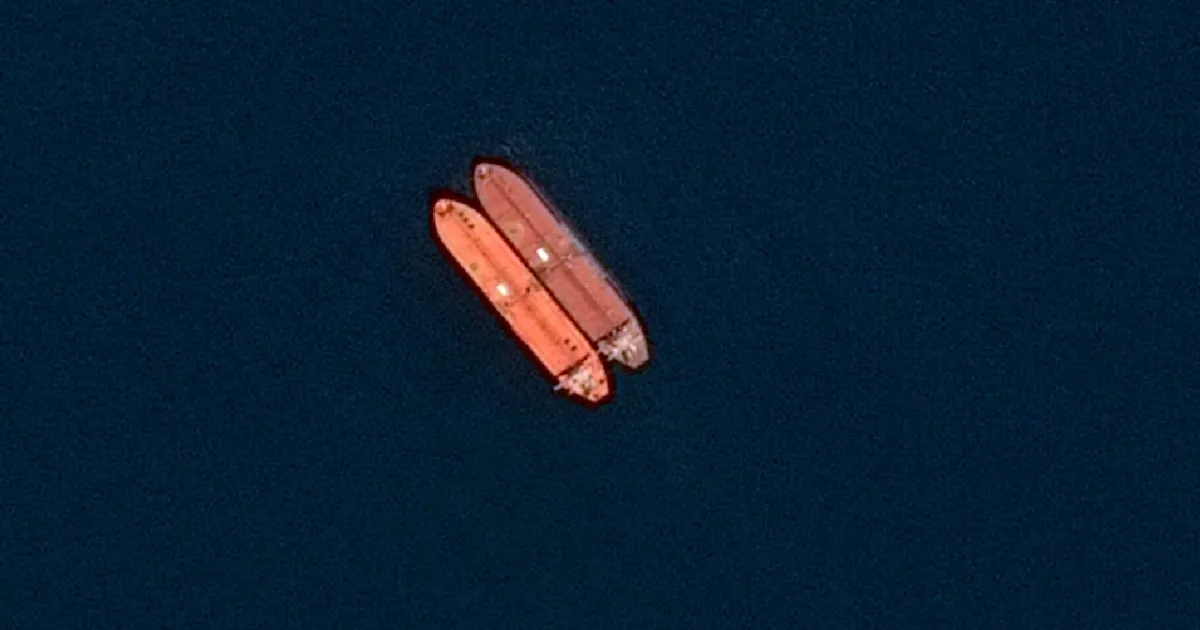
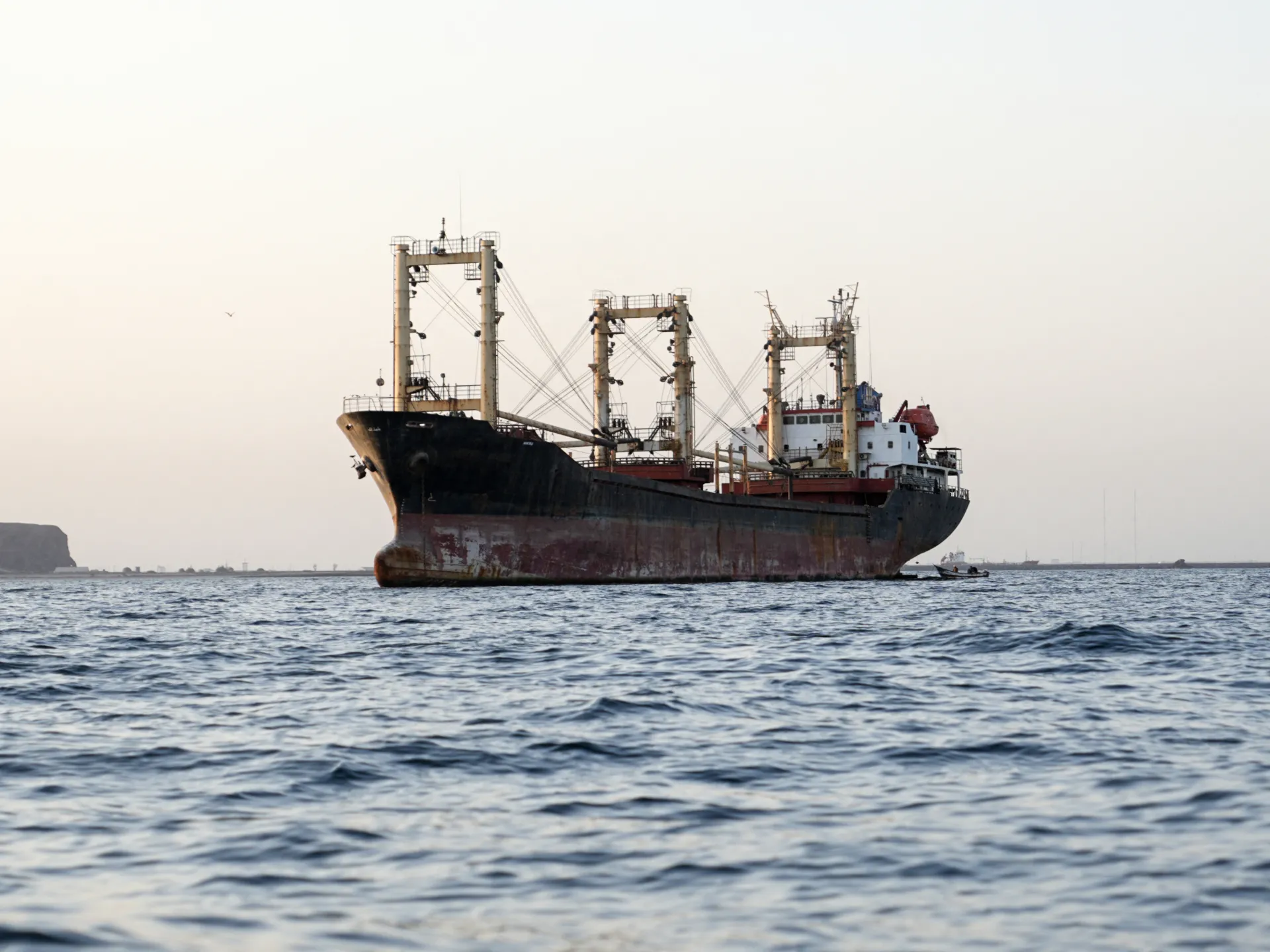
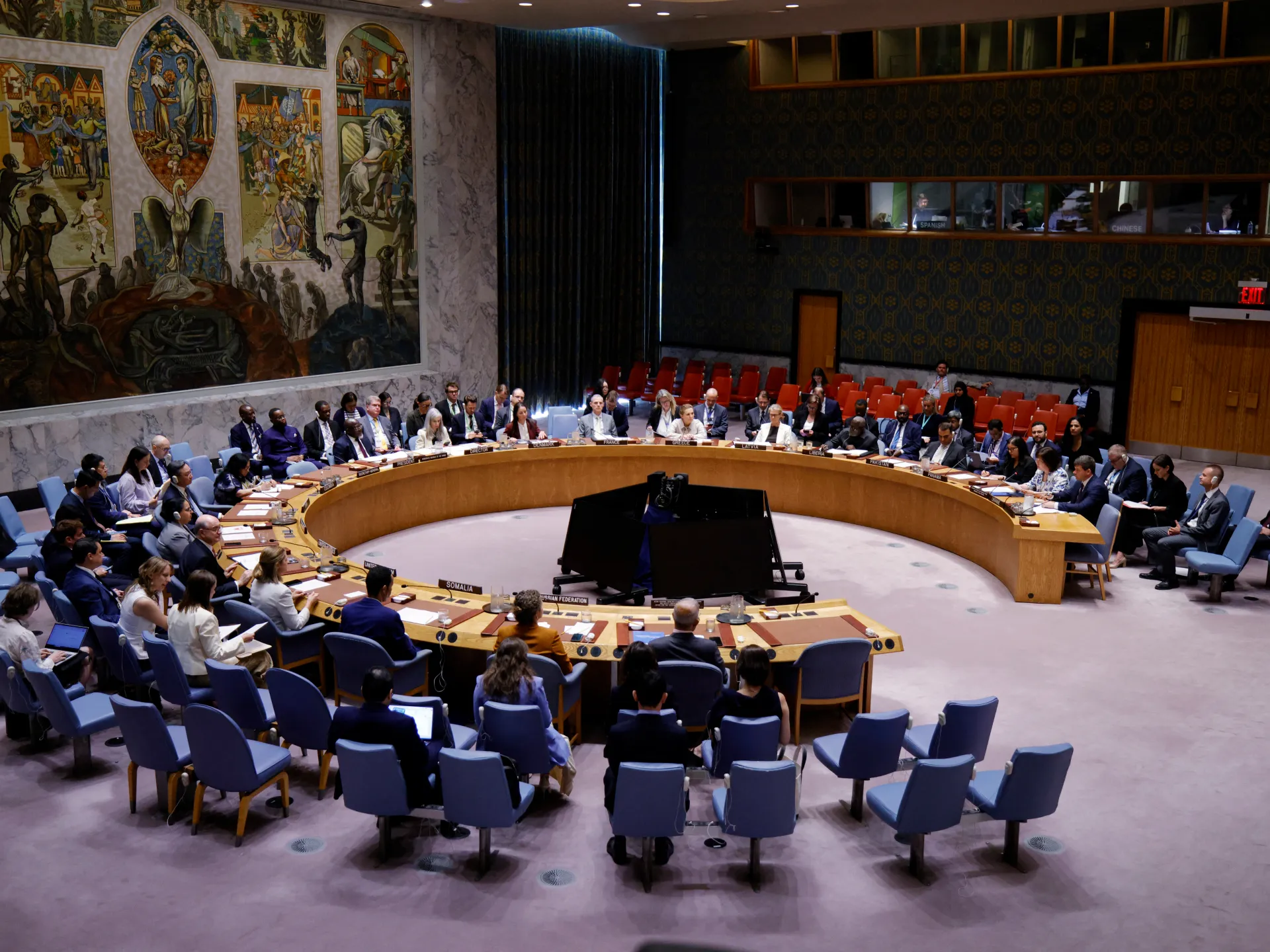
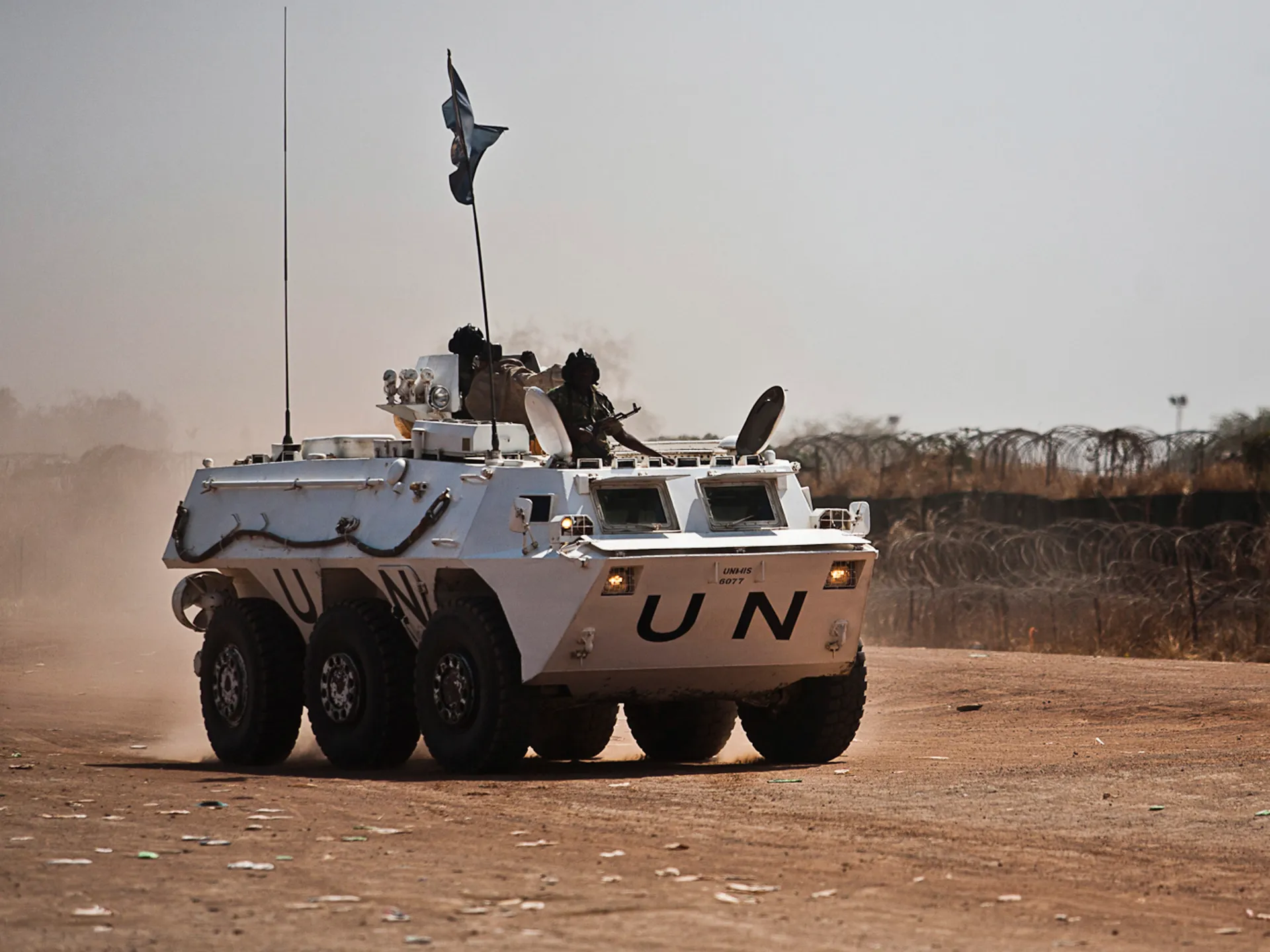
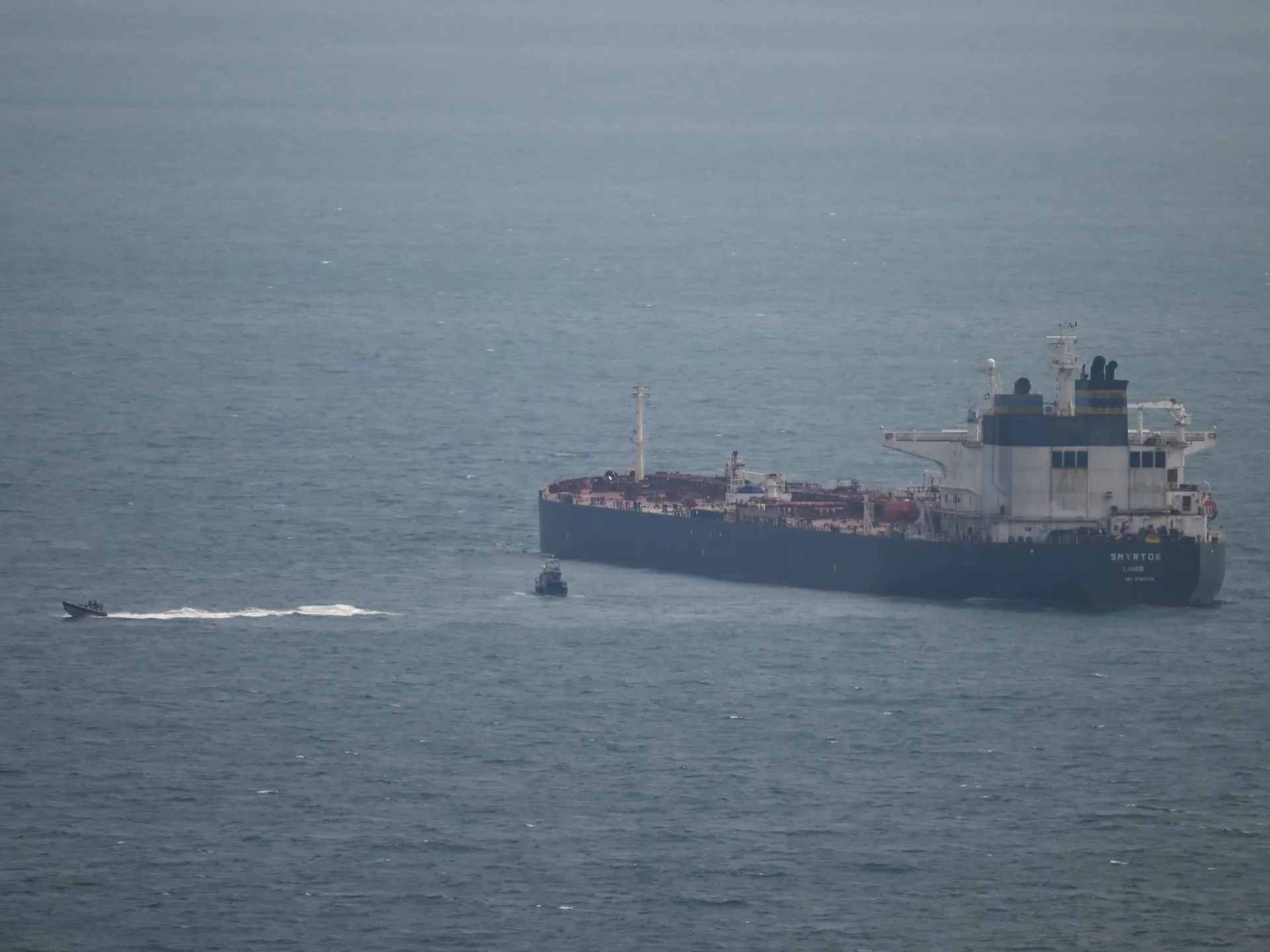
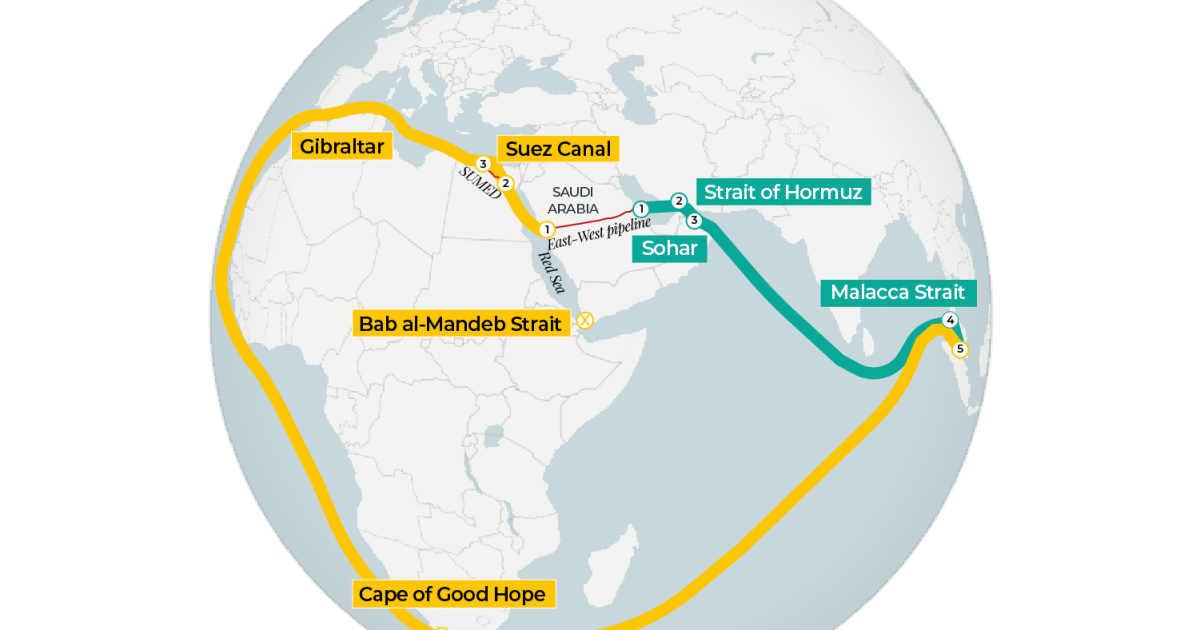
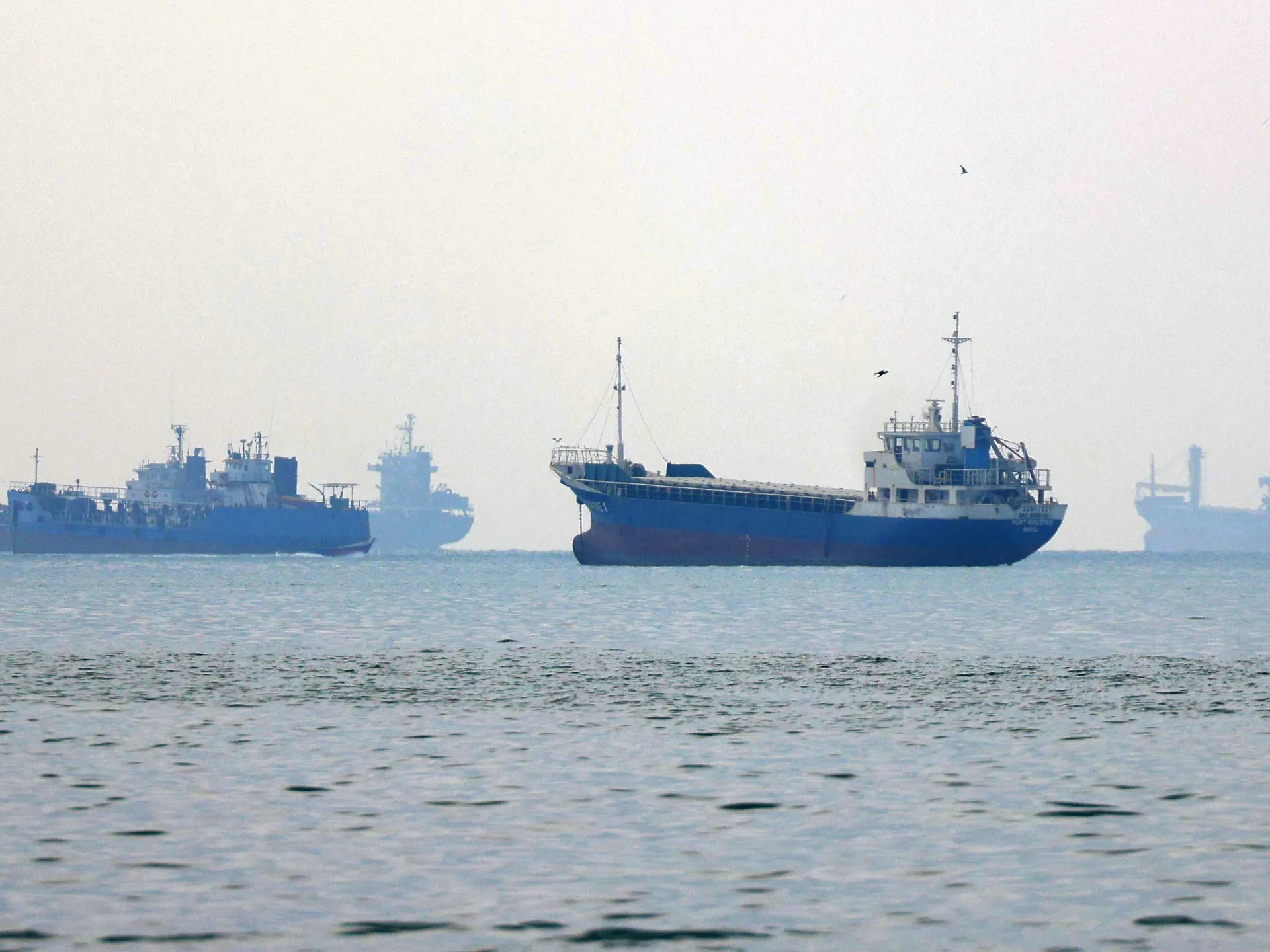
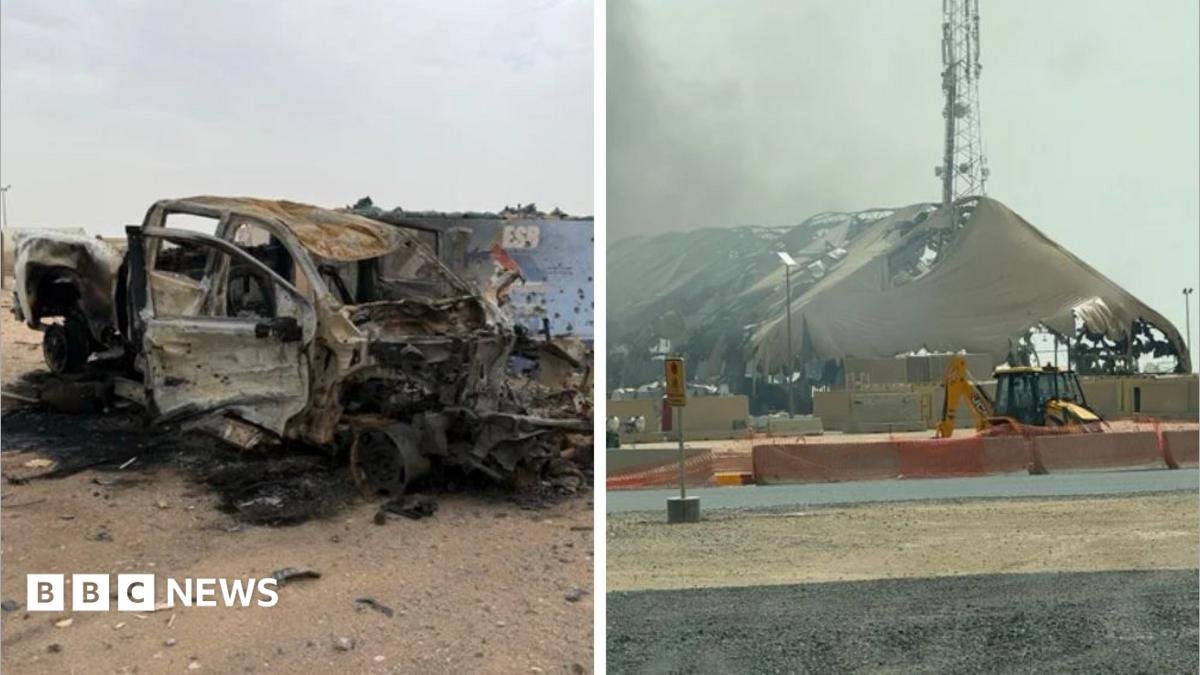
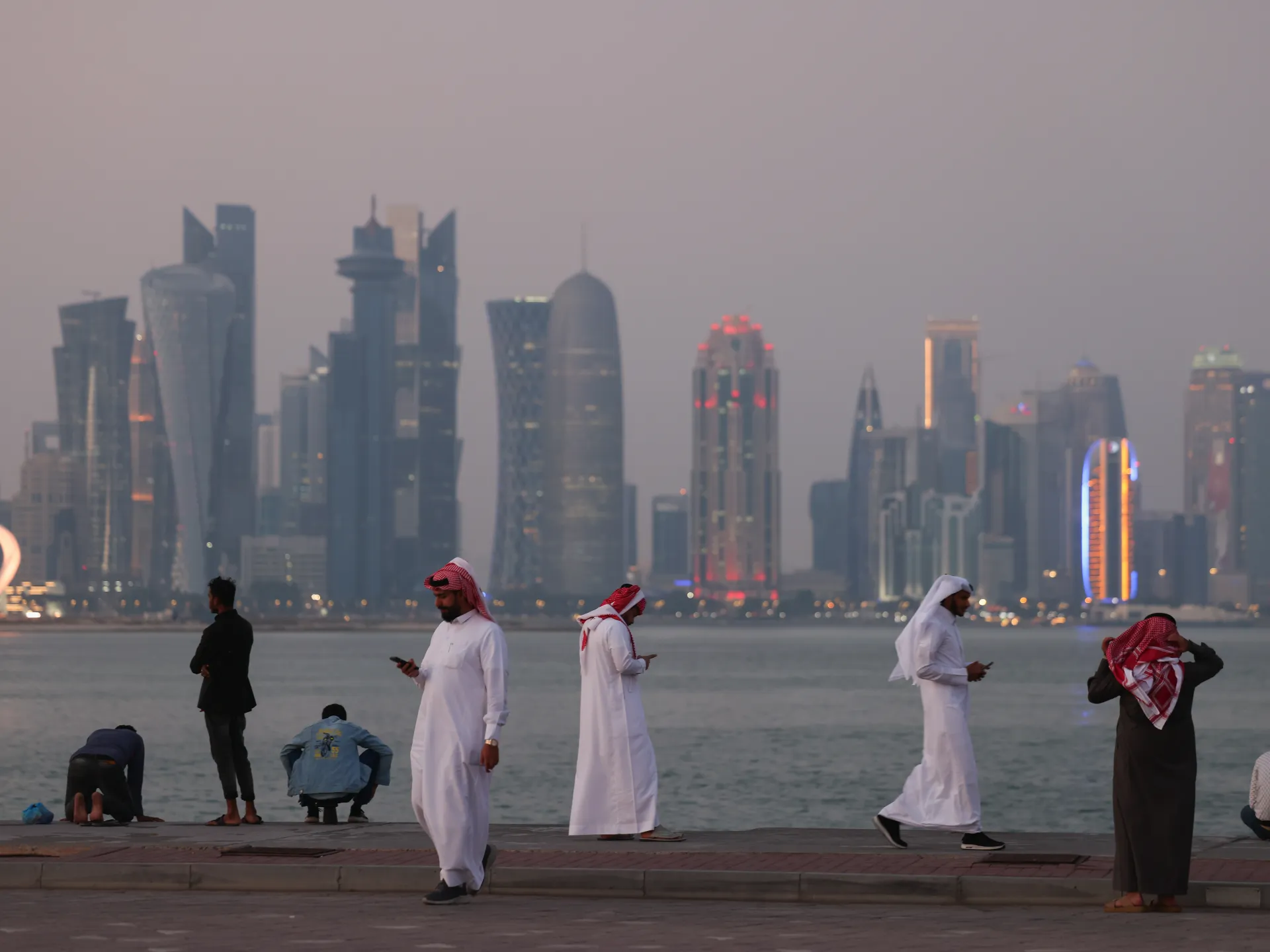
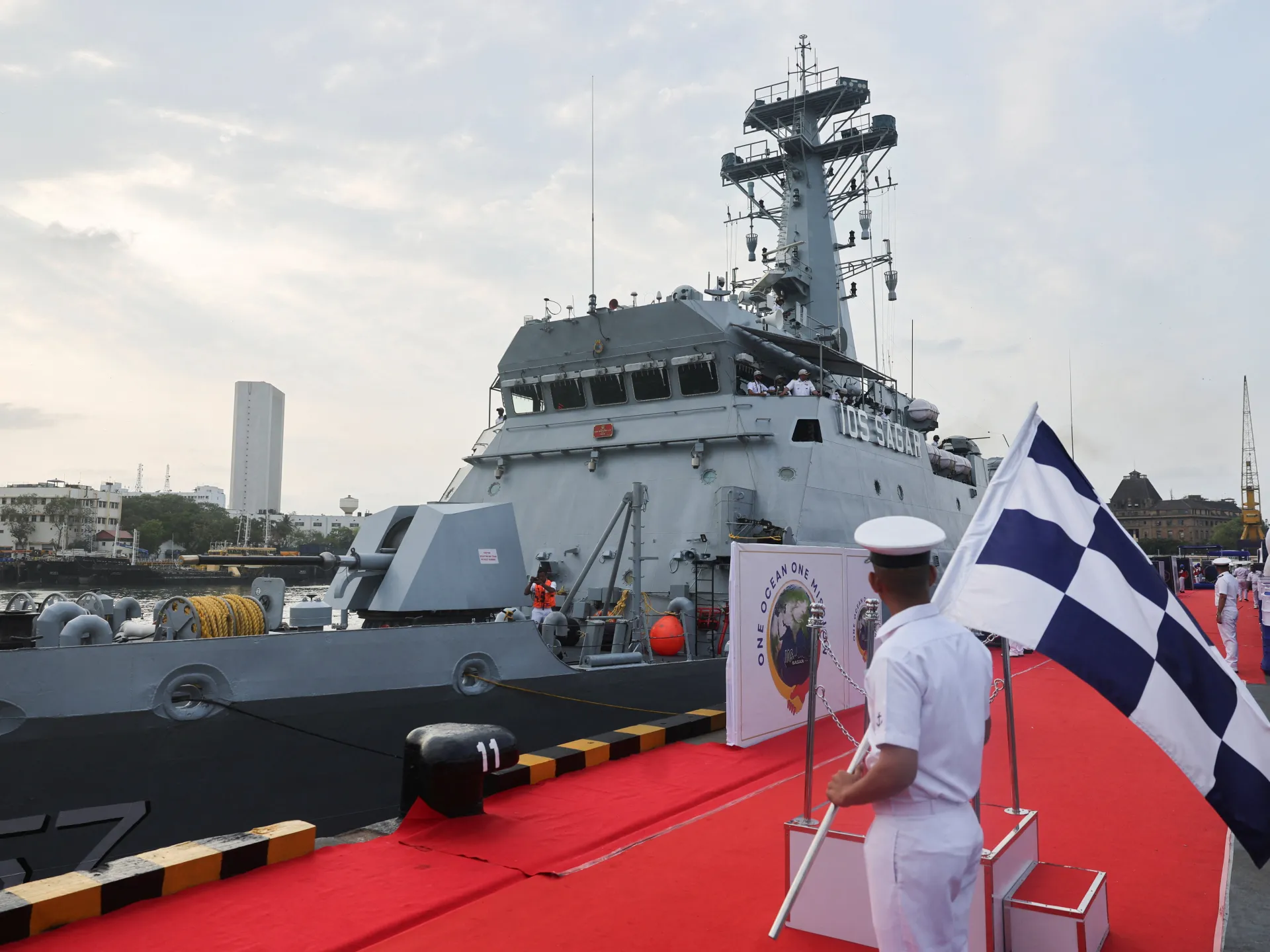
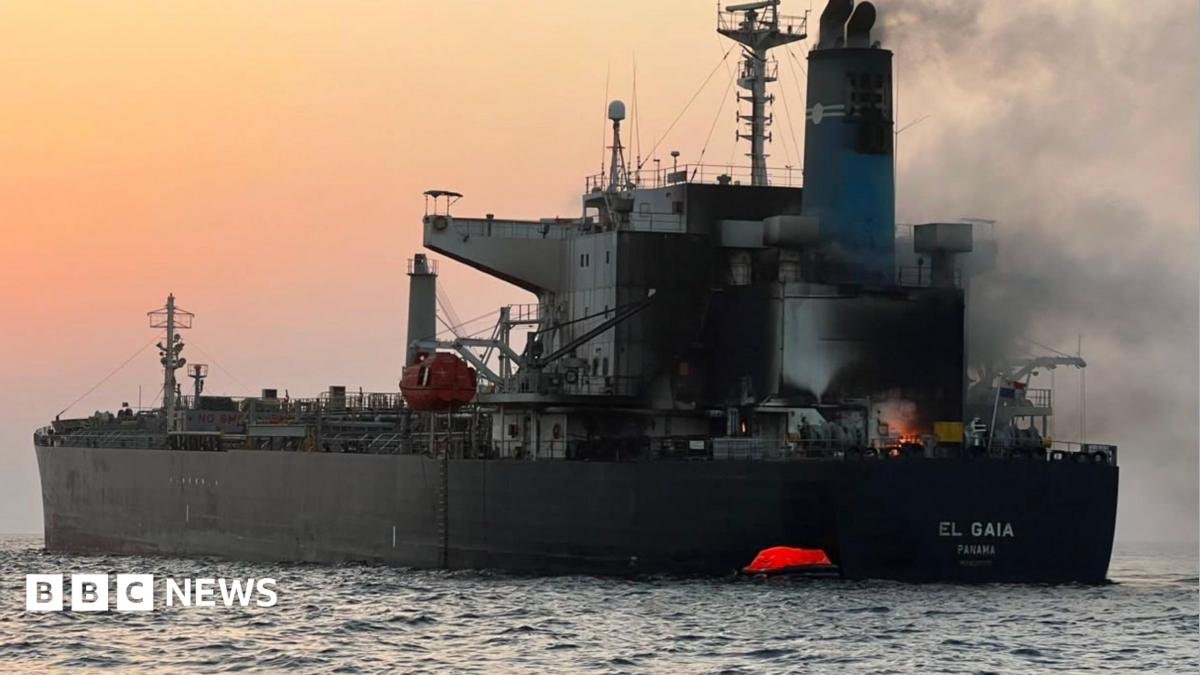
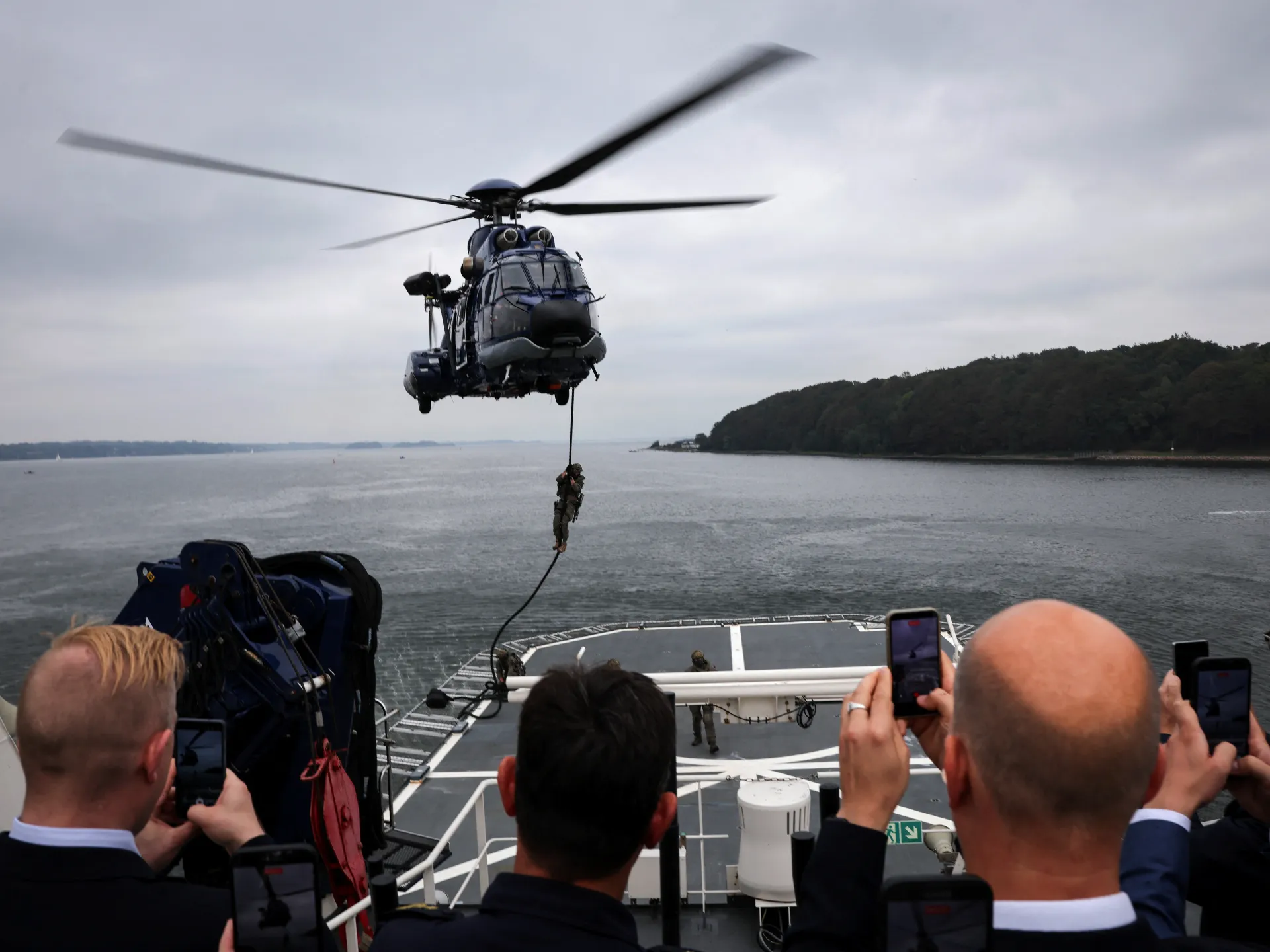
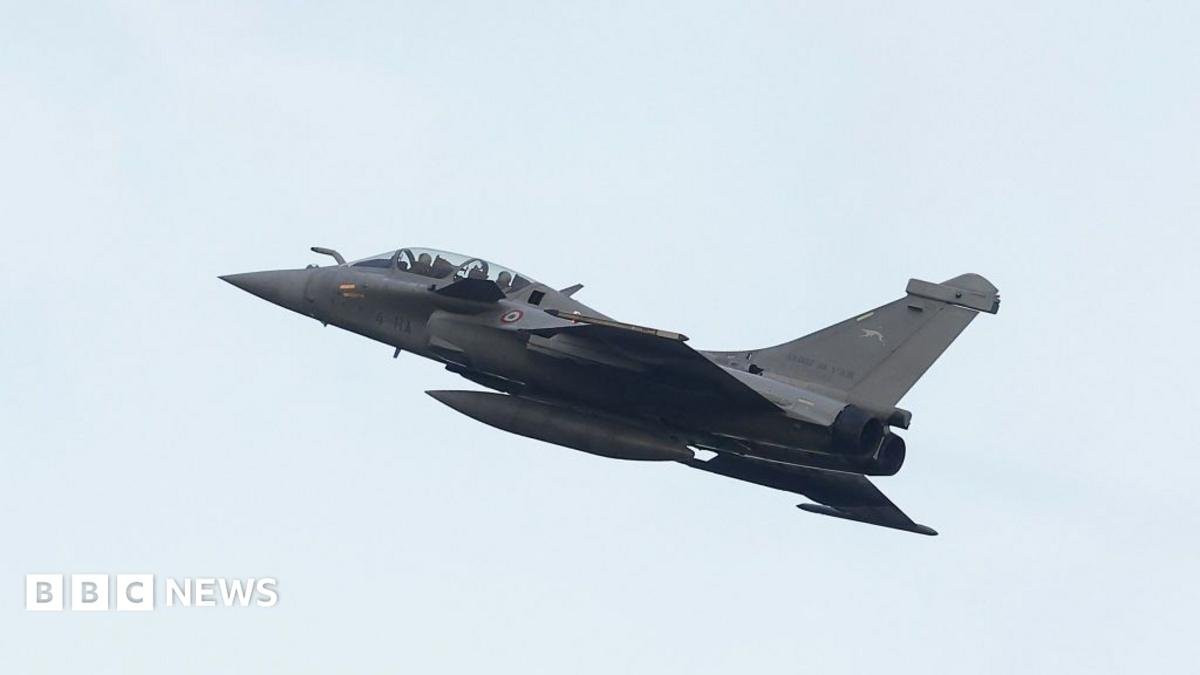
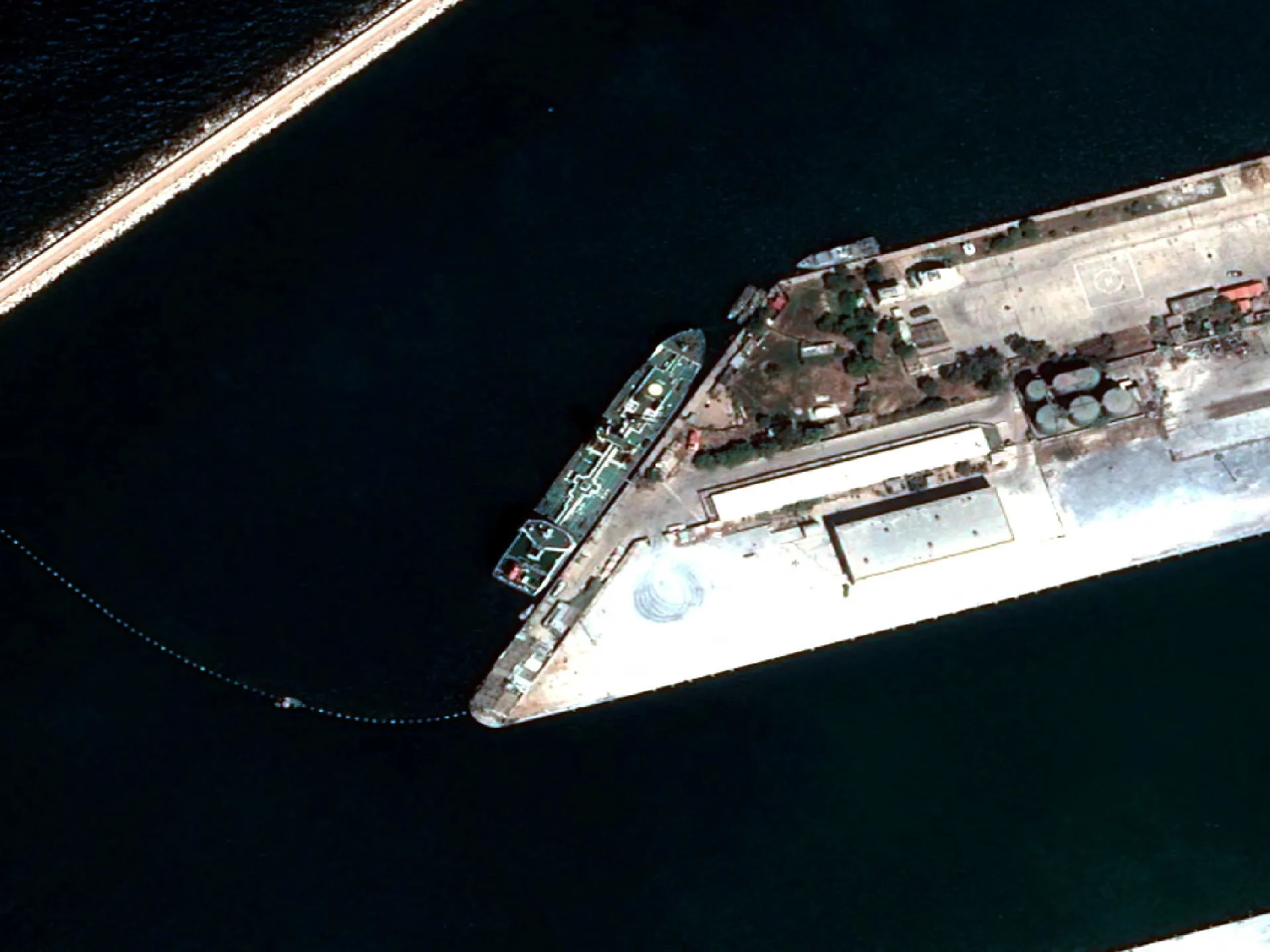
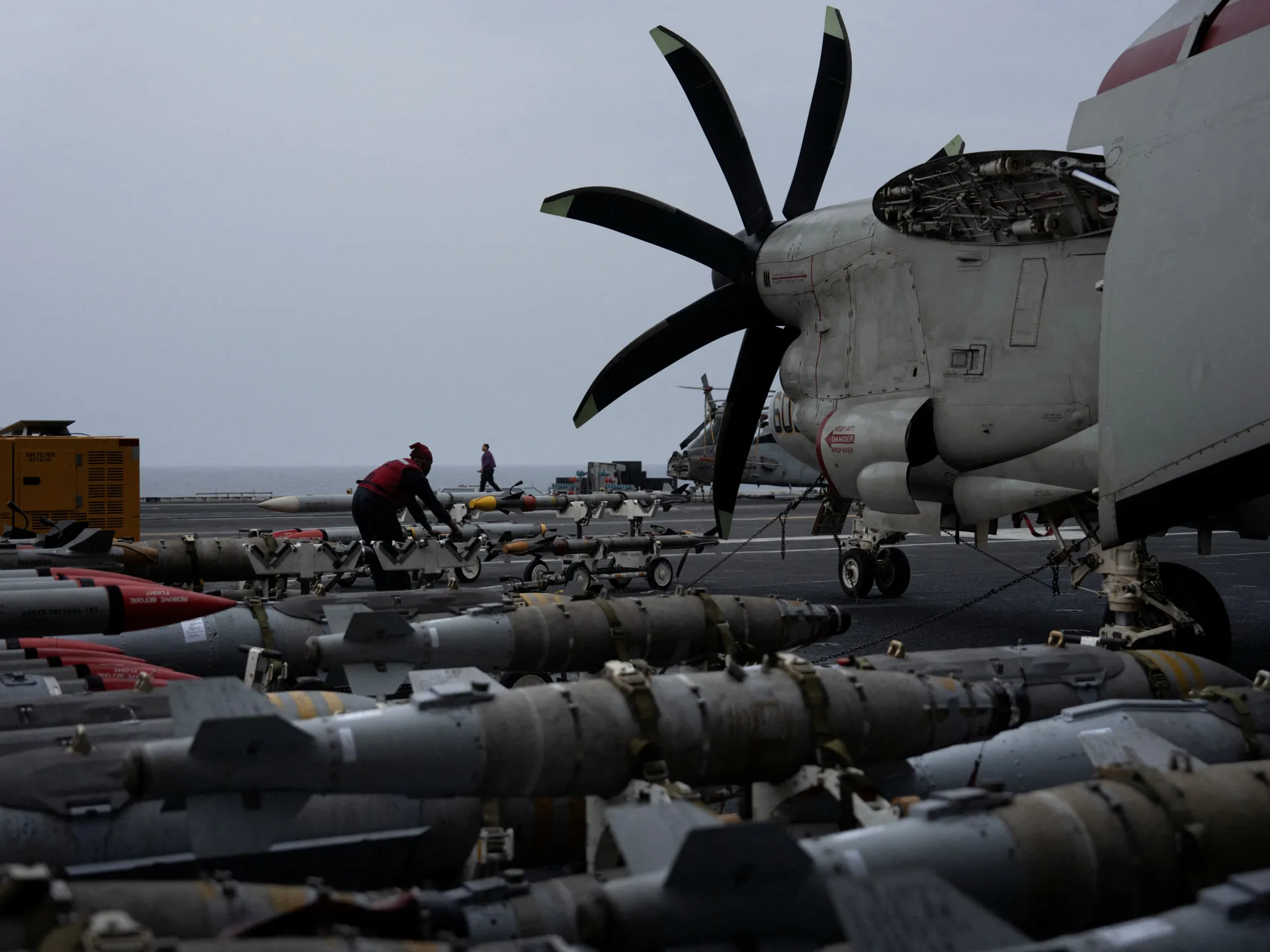
The security landscape in the Persian Gulf has shifted dramatically following a fatal assault on the MV Cape Dao. The Indian-flagged cargo vessel, which was traversing international waters toward India, was struck eath of at least one crew member. The attack has triggered an immediate response from international maritime organizations, with the United Nations opting to pause ship evacuations through the Strait of Hormuz to evaluate the threat environment.
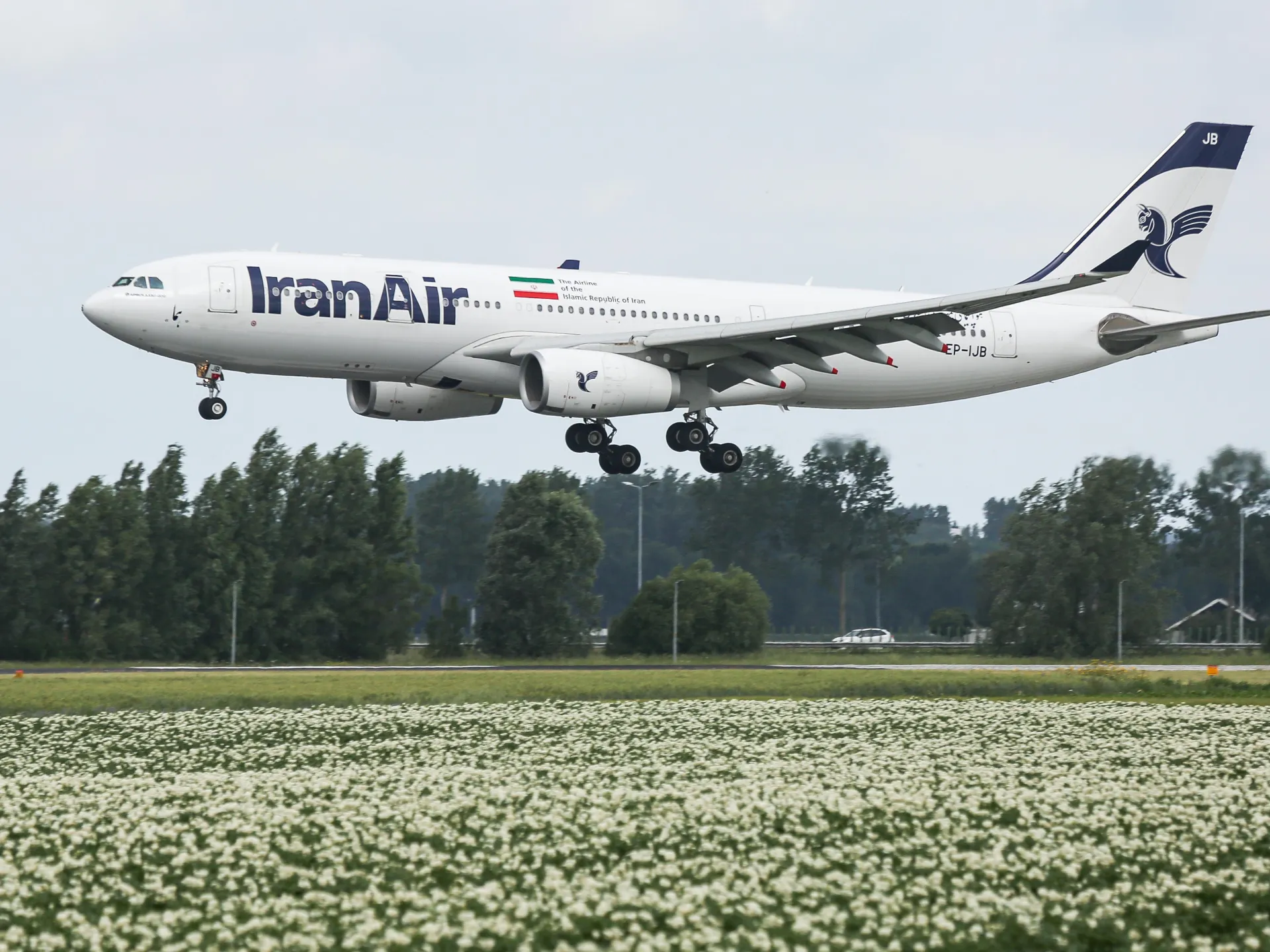
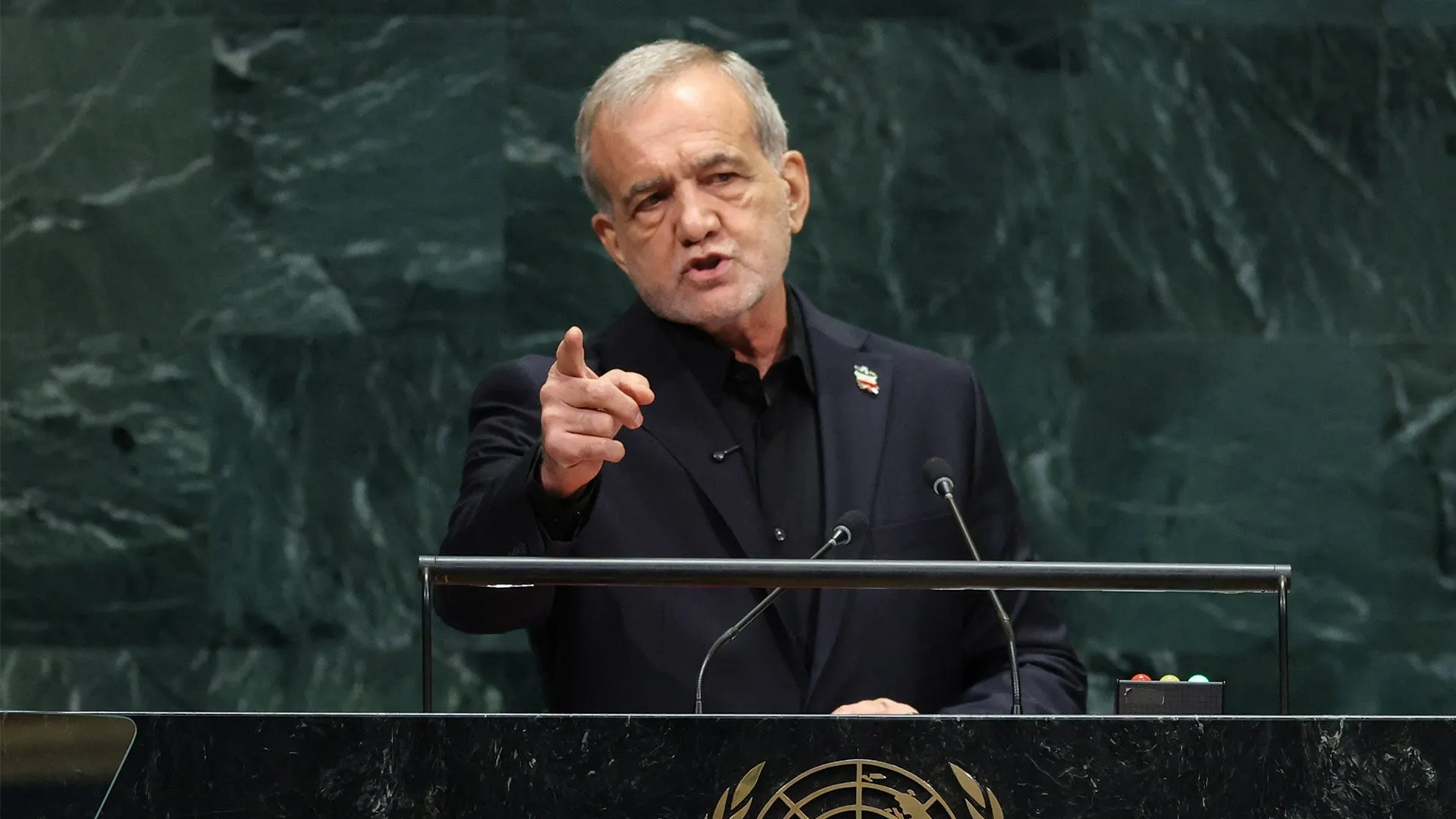
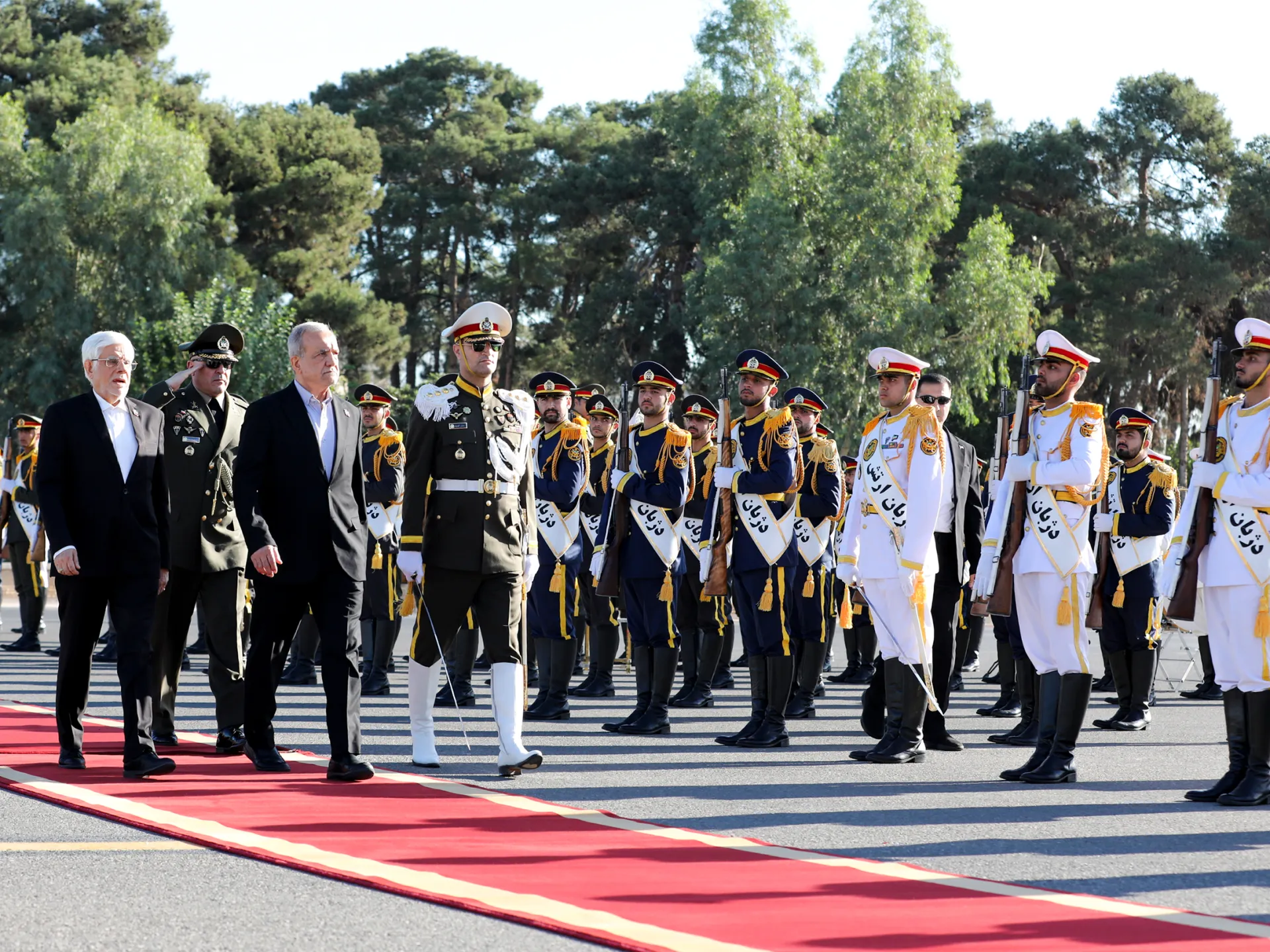
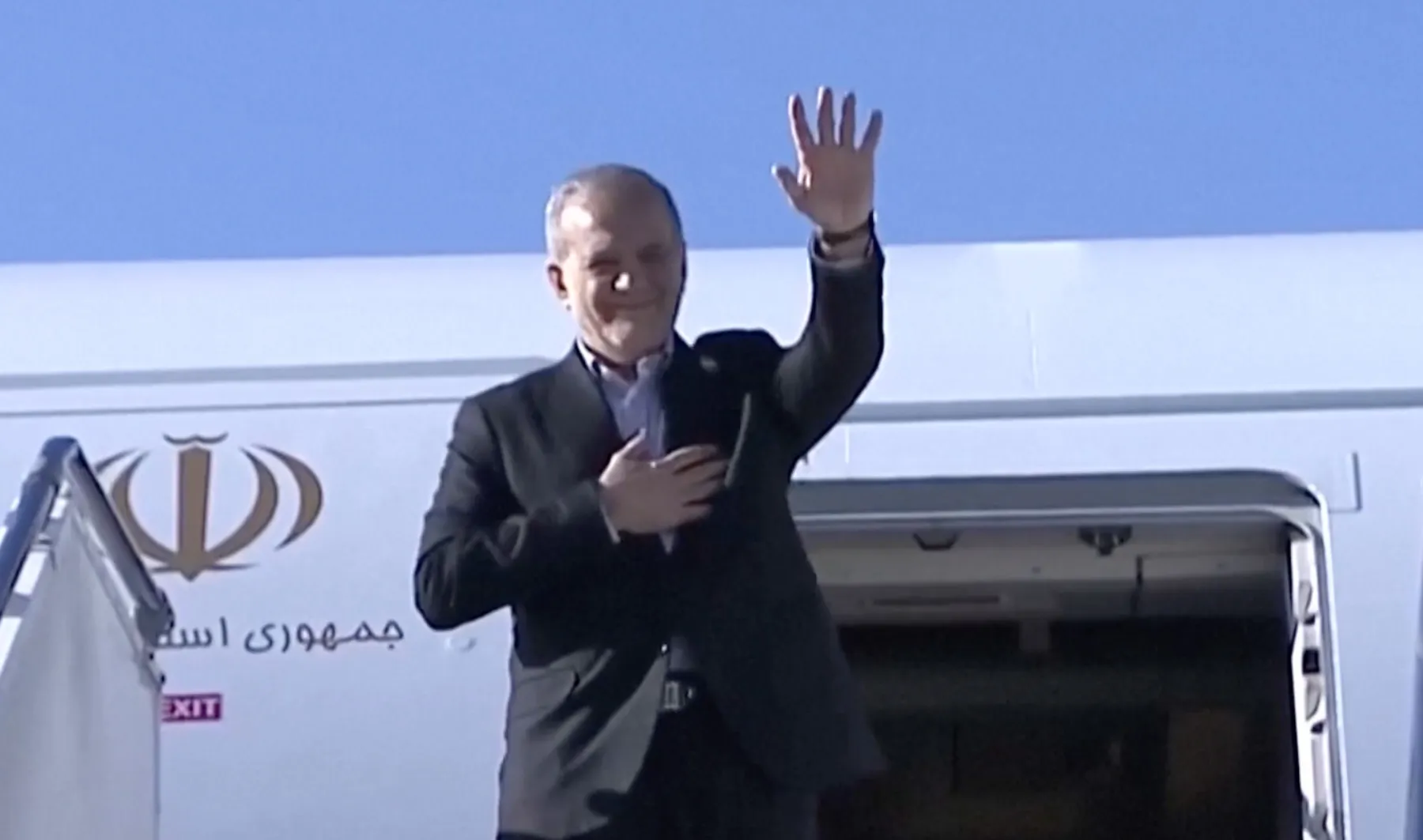
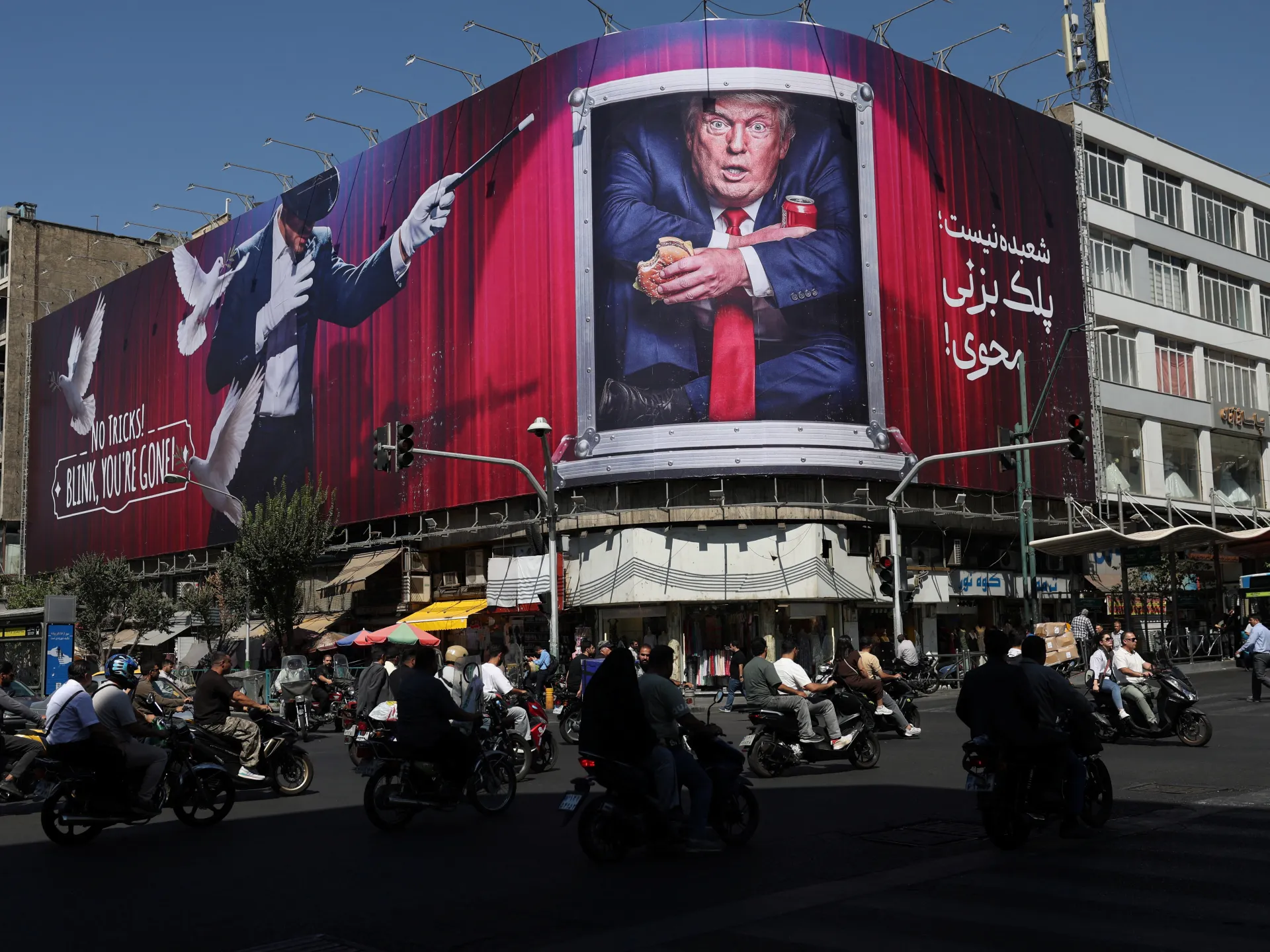
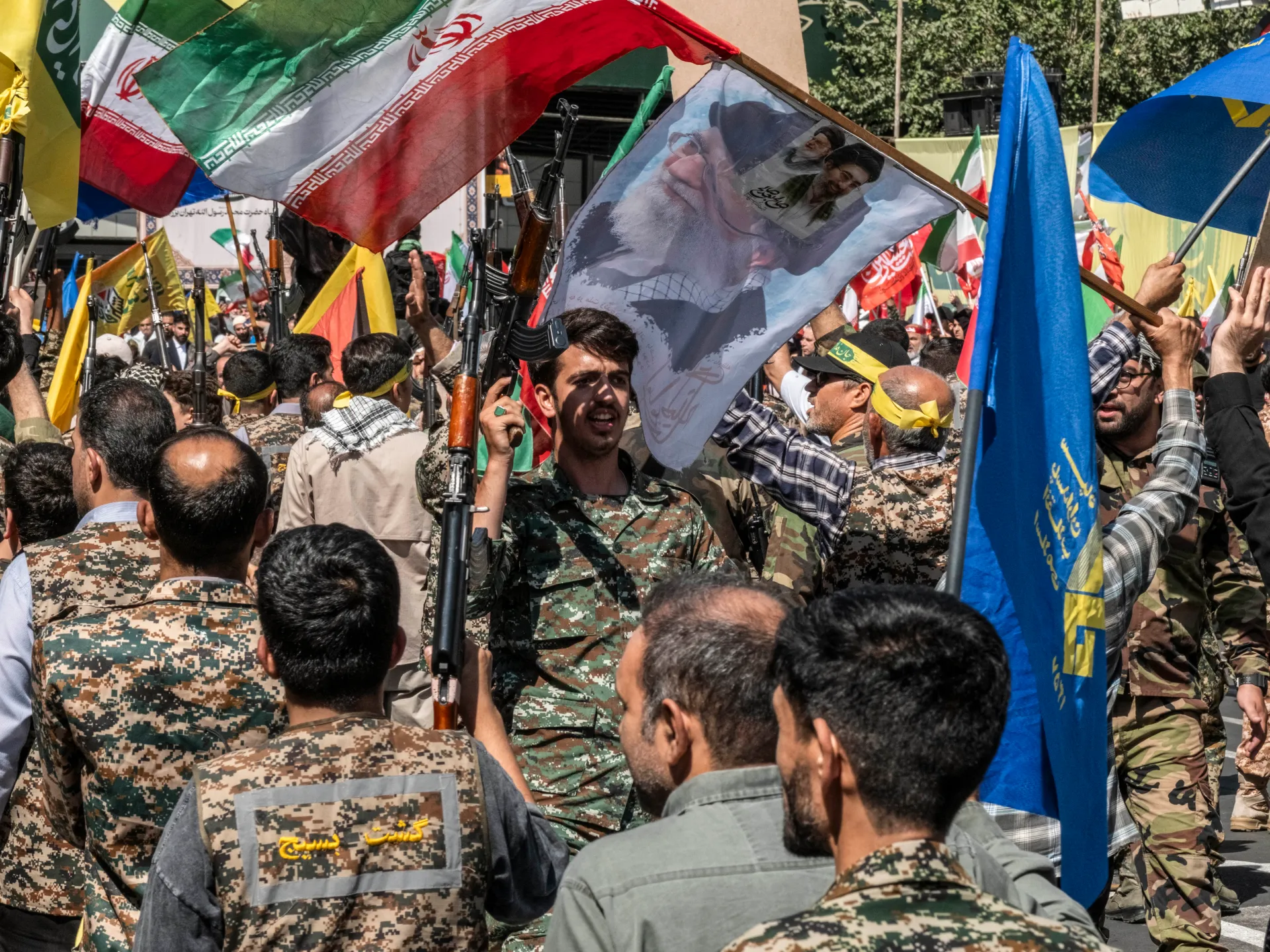
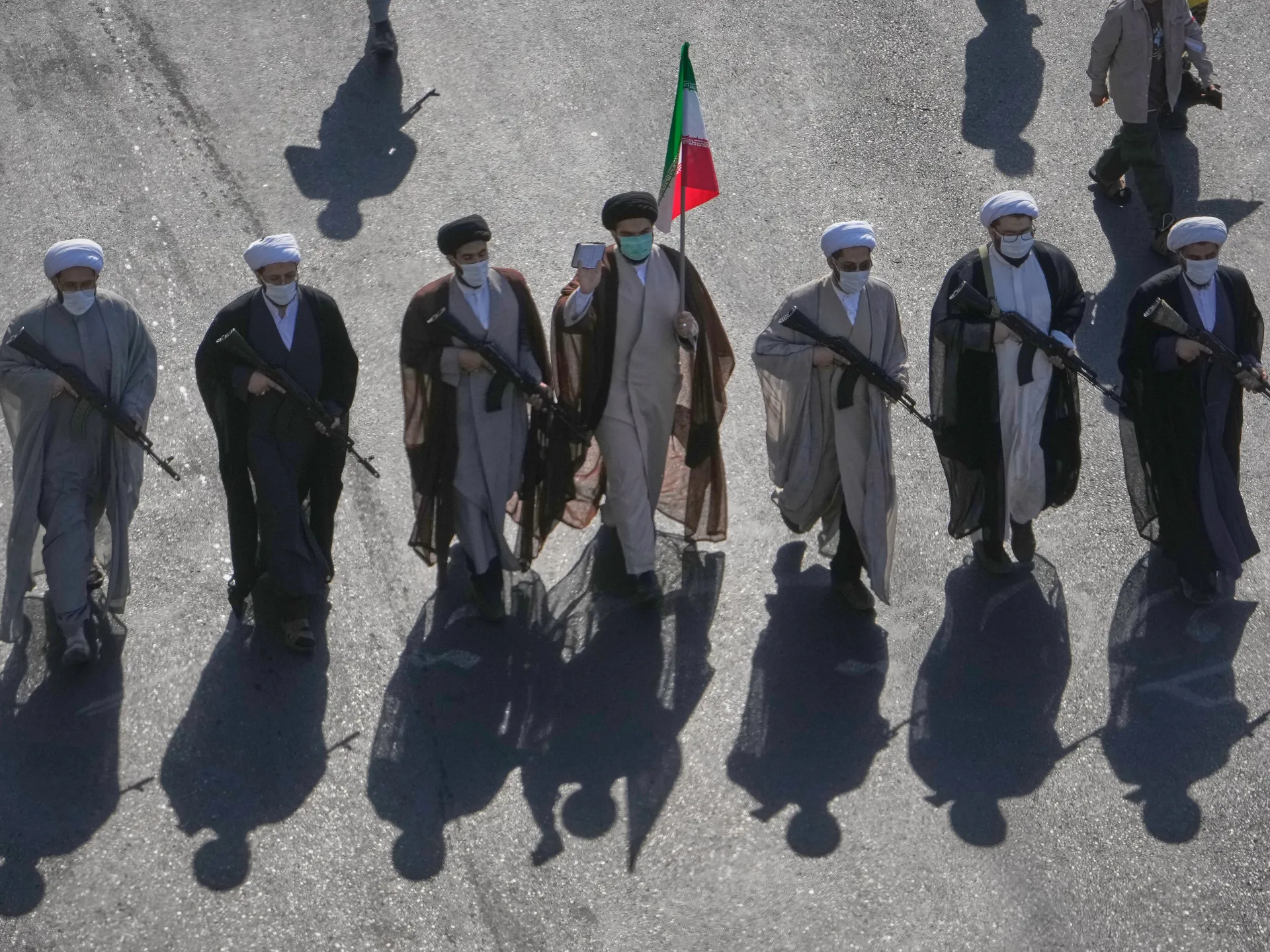
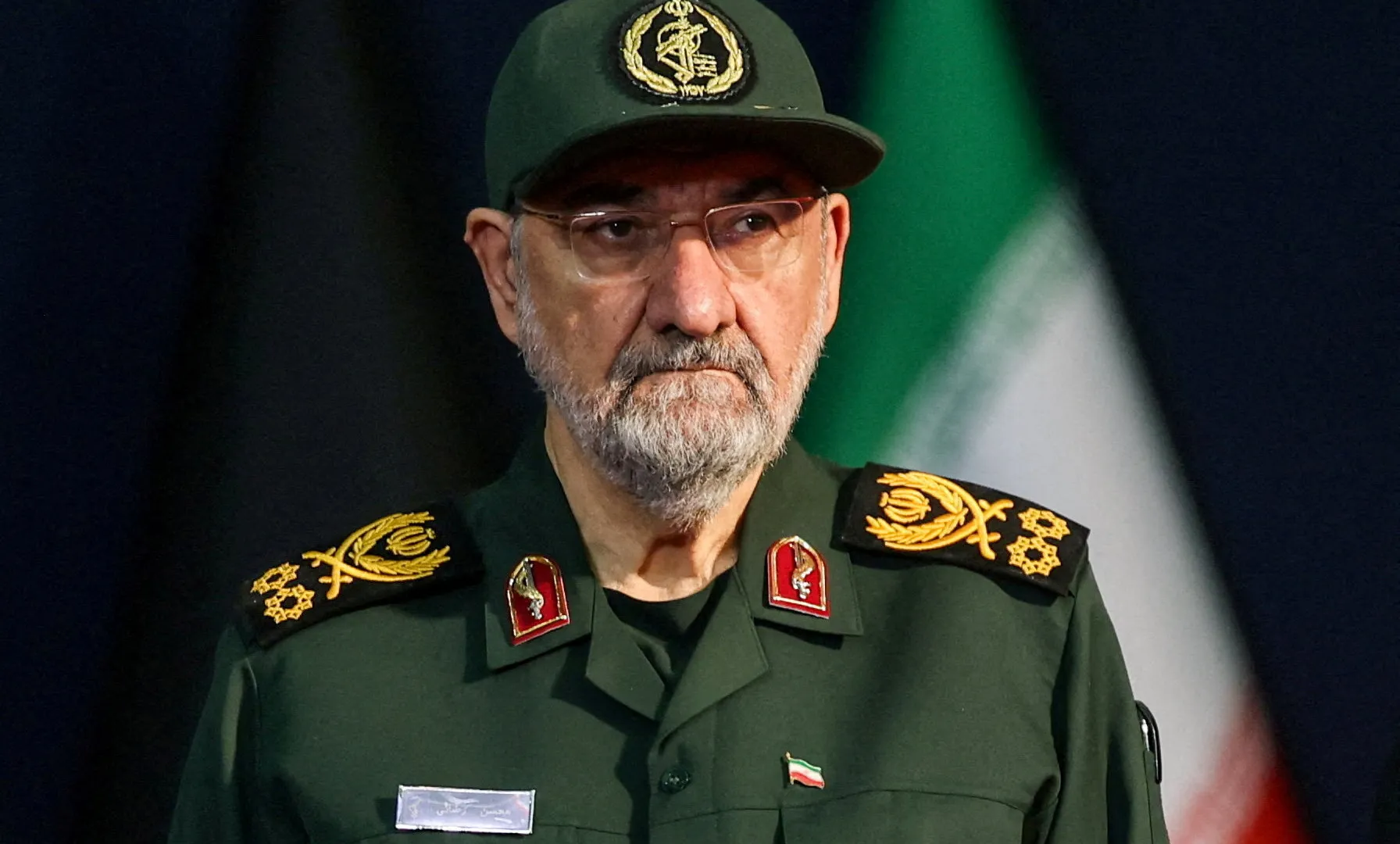
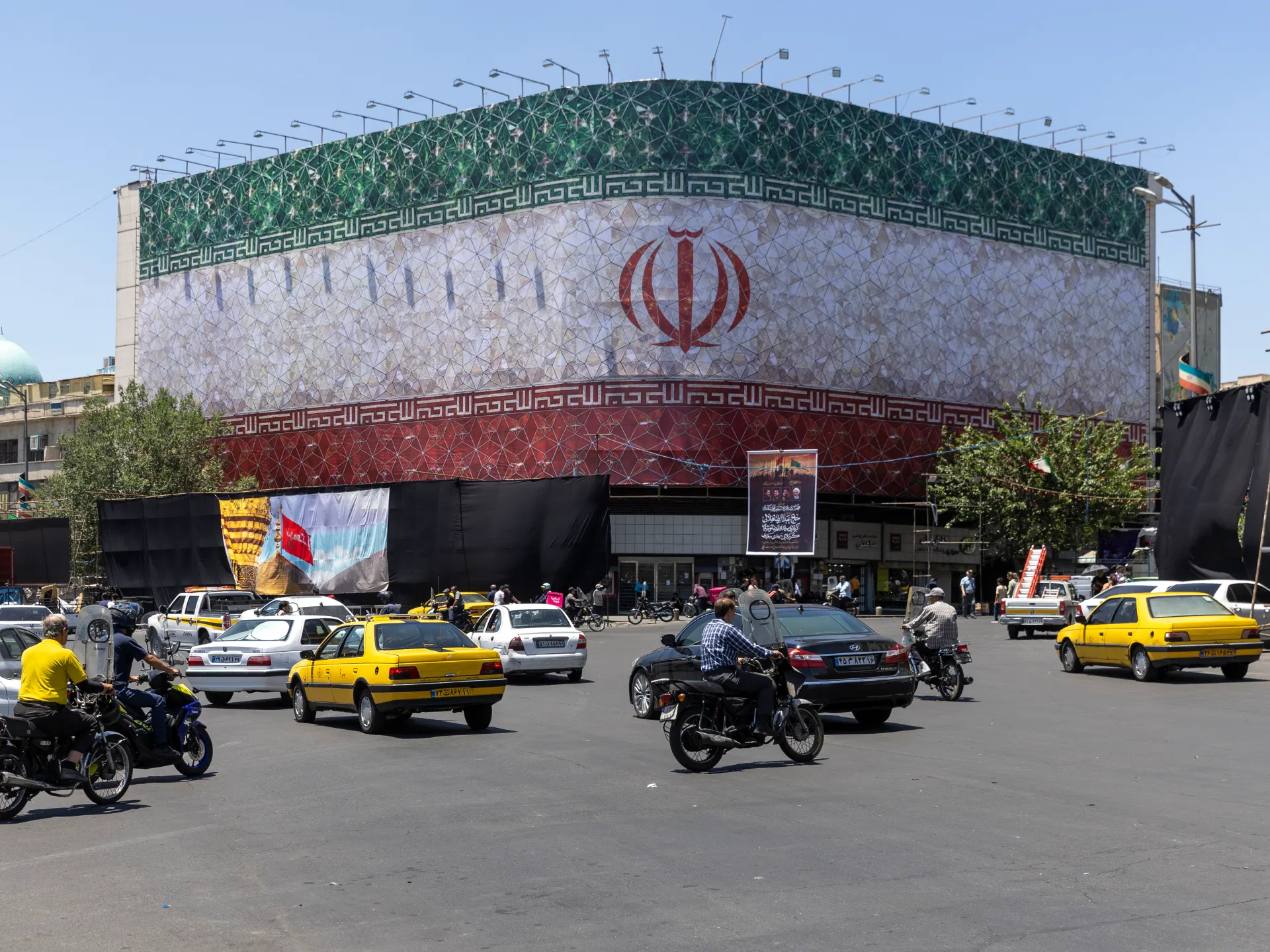
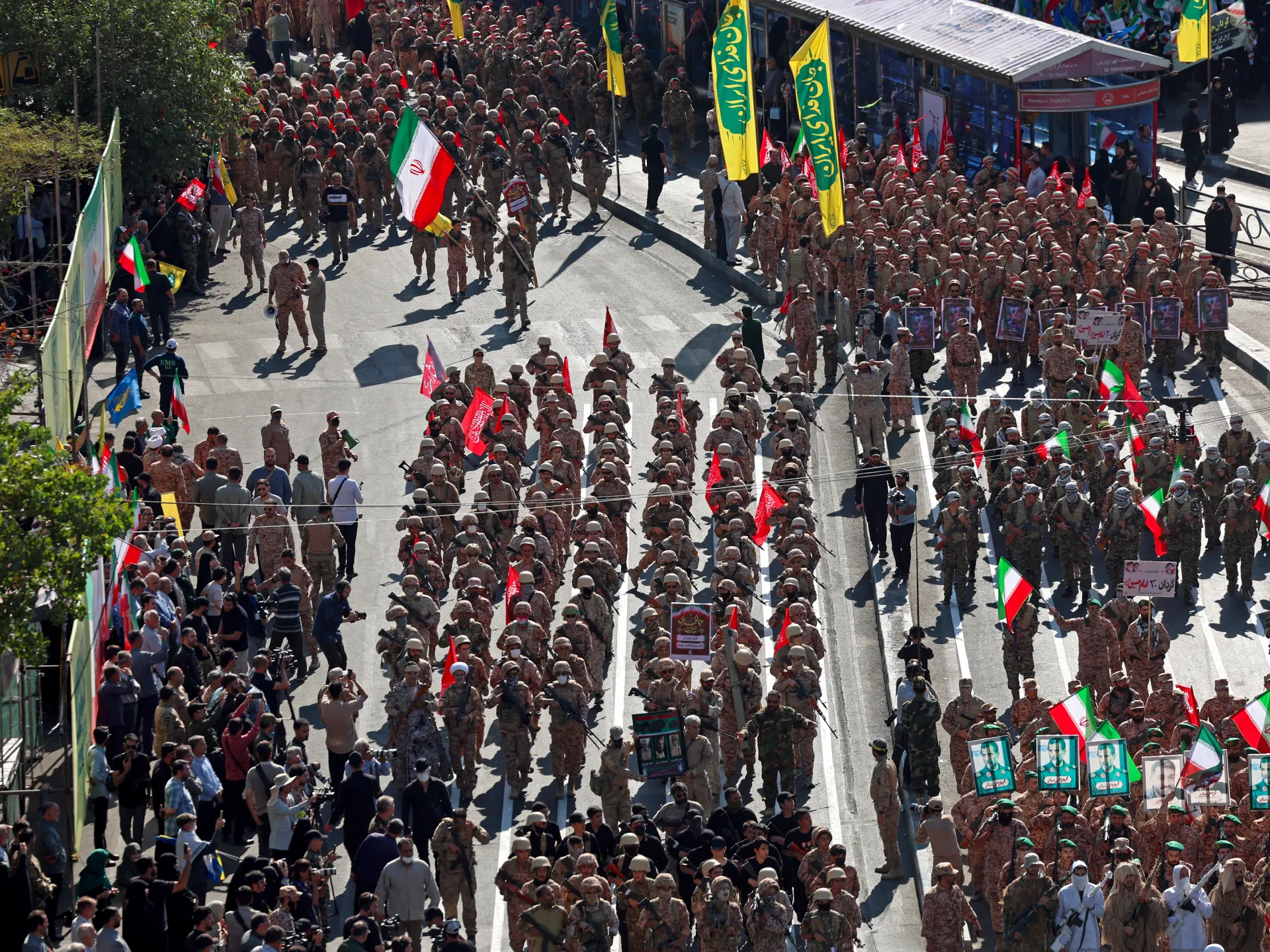
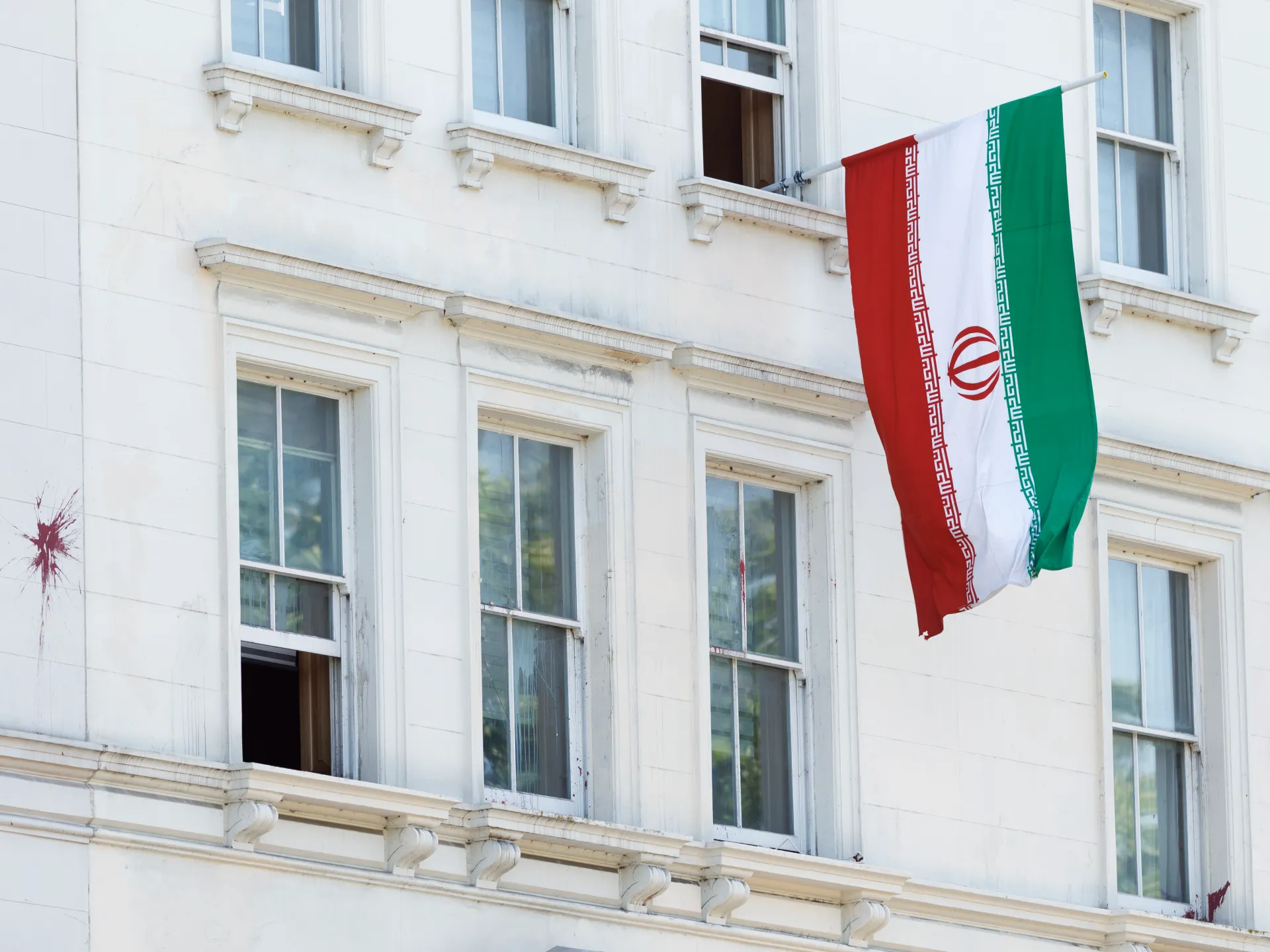
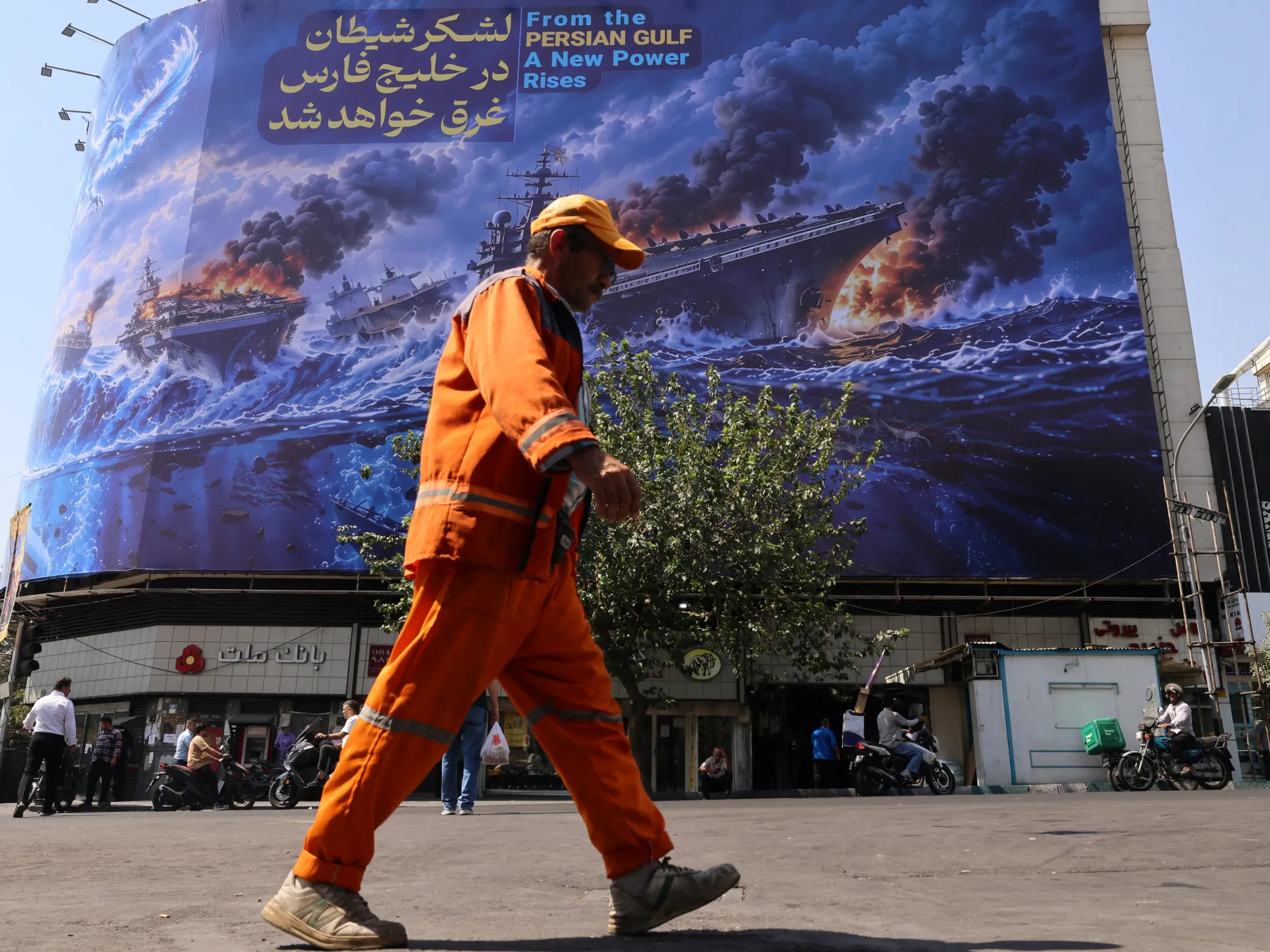
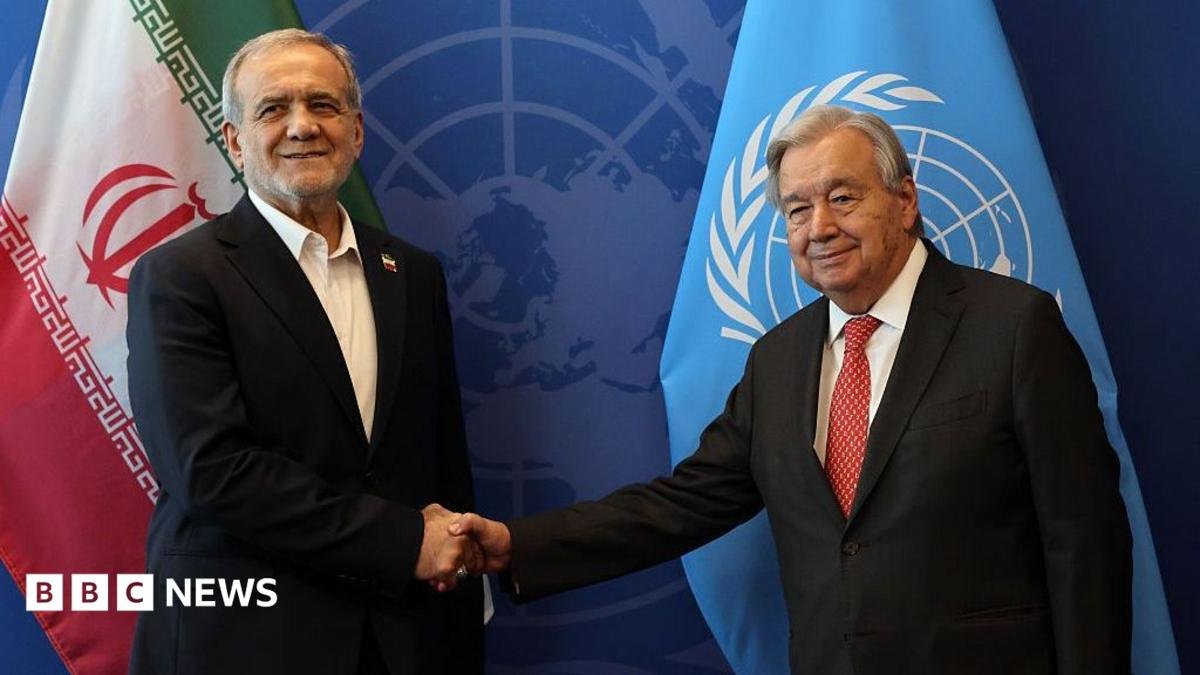
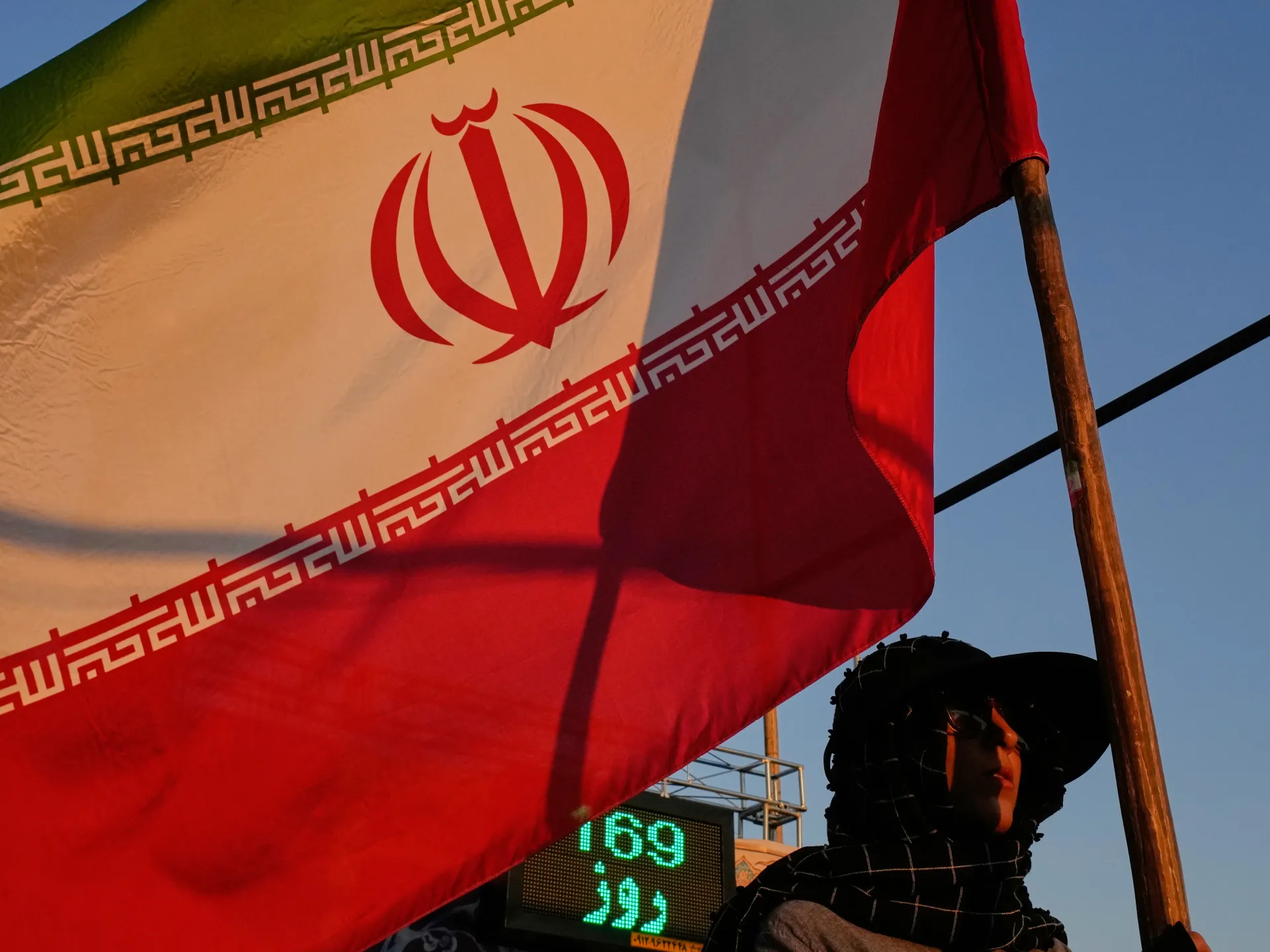
Tensions remain at a precipice as Iran has issued a stern warning, declaring that any vessel approaching the Strait of Hormuz will be considered a target. This declaration has effectively paralyzed standard maritime traffic protocols in the region. The identity of the perpetrators behind the strike on the MV Cape Dao remains unconfirmed me corridor is being treated as a high-stakes zone of geopolitical confrontation.
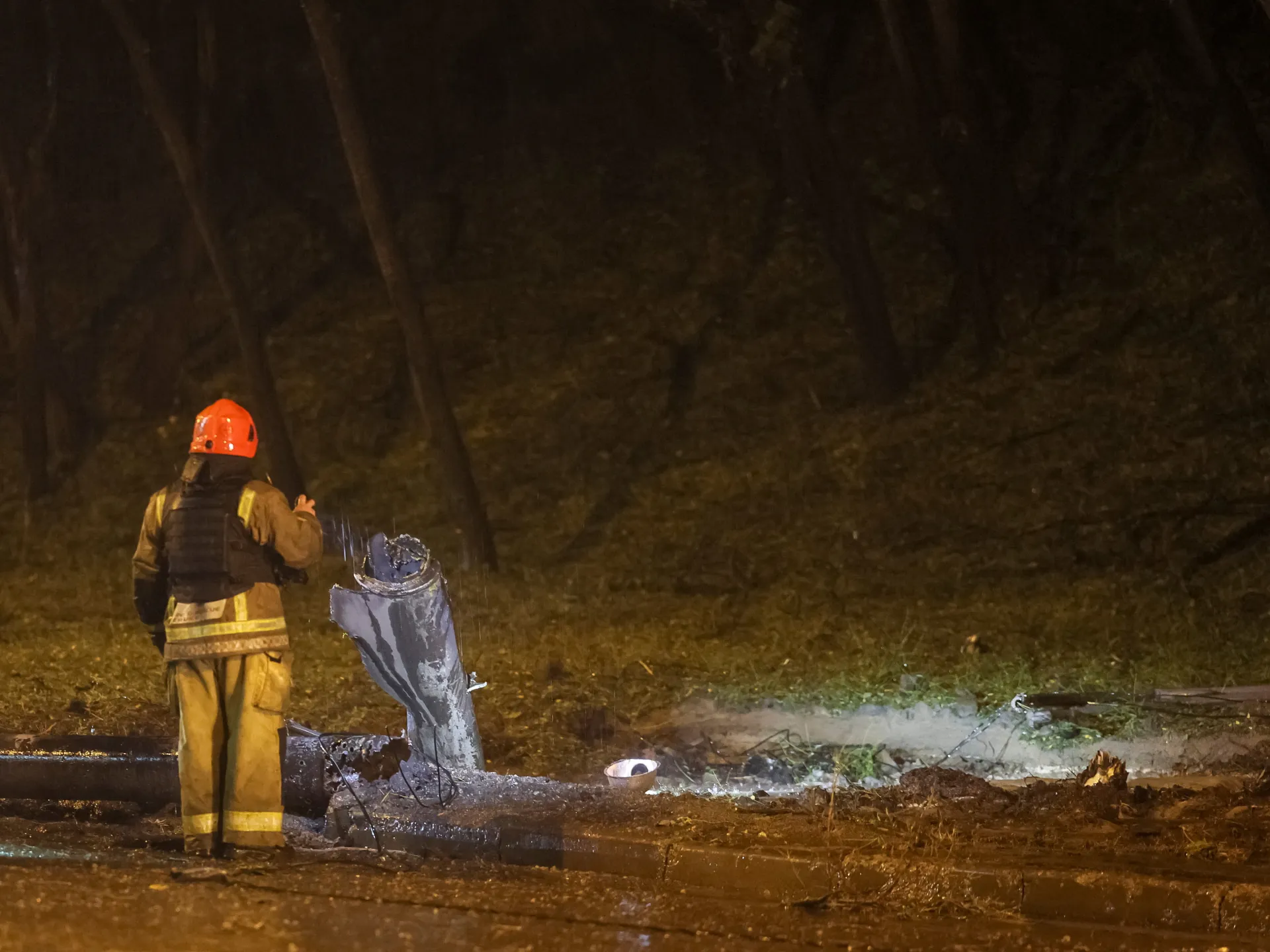
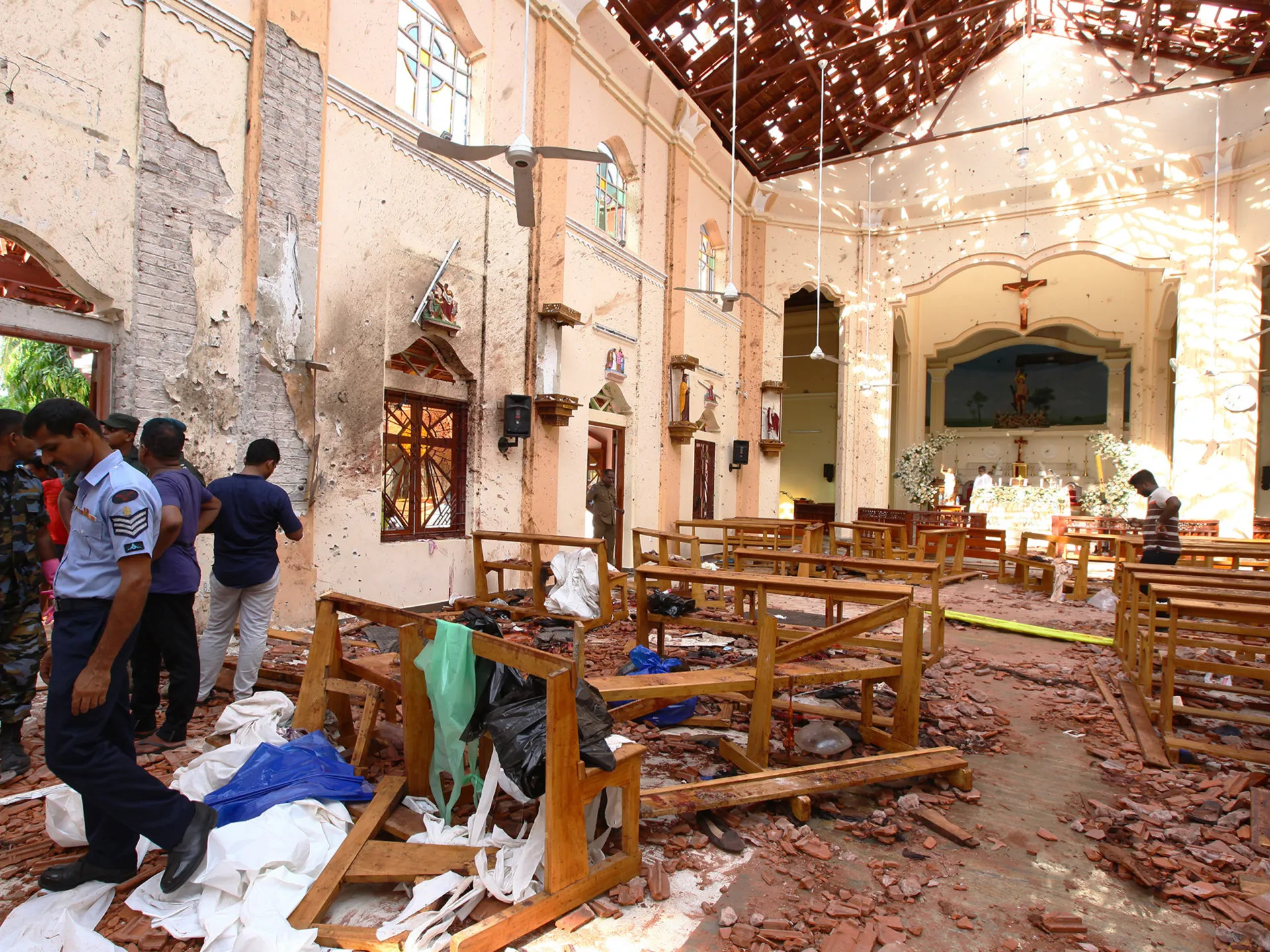
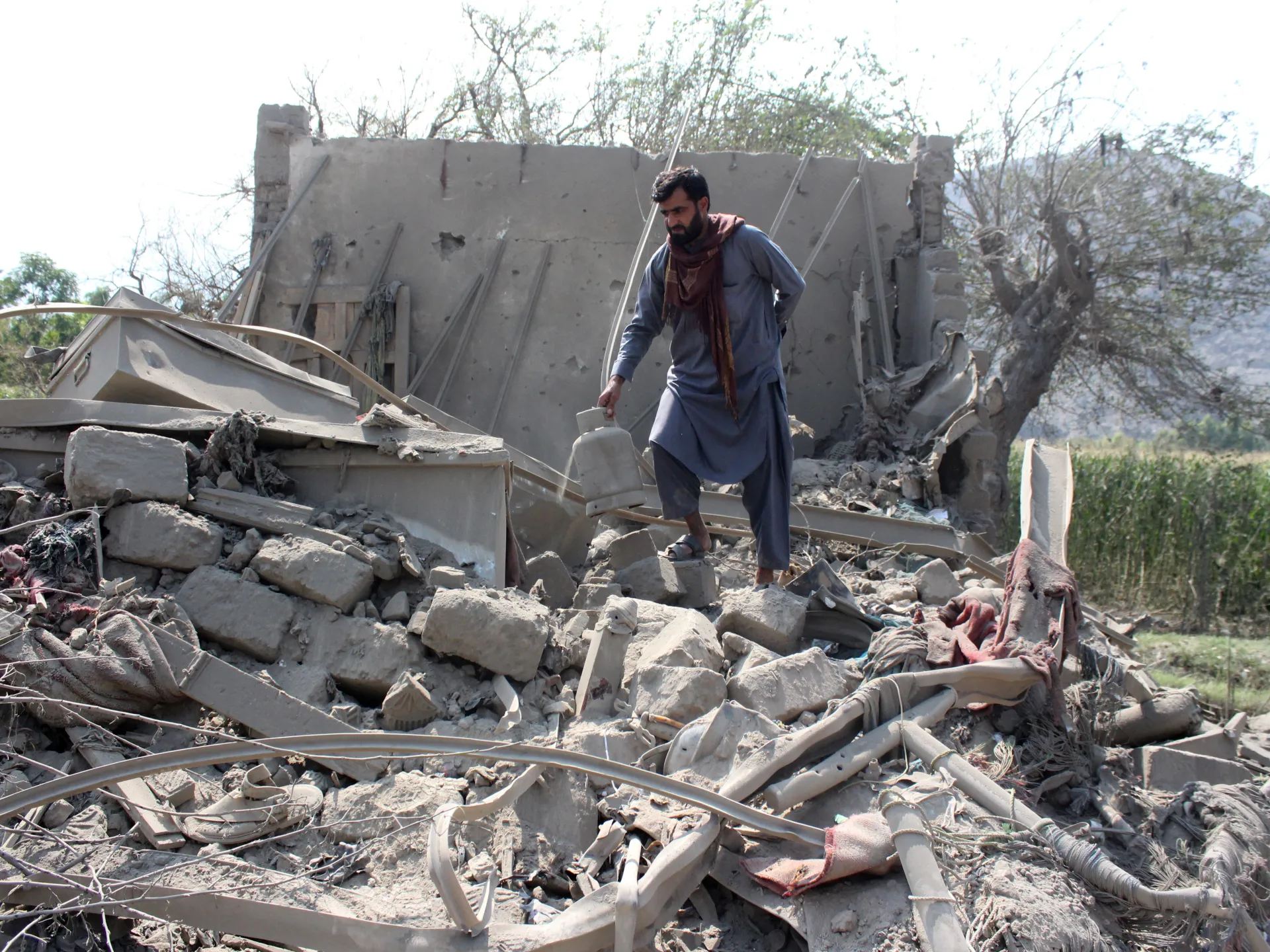
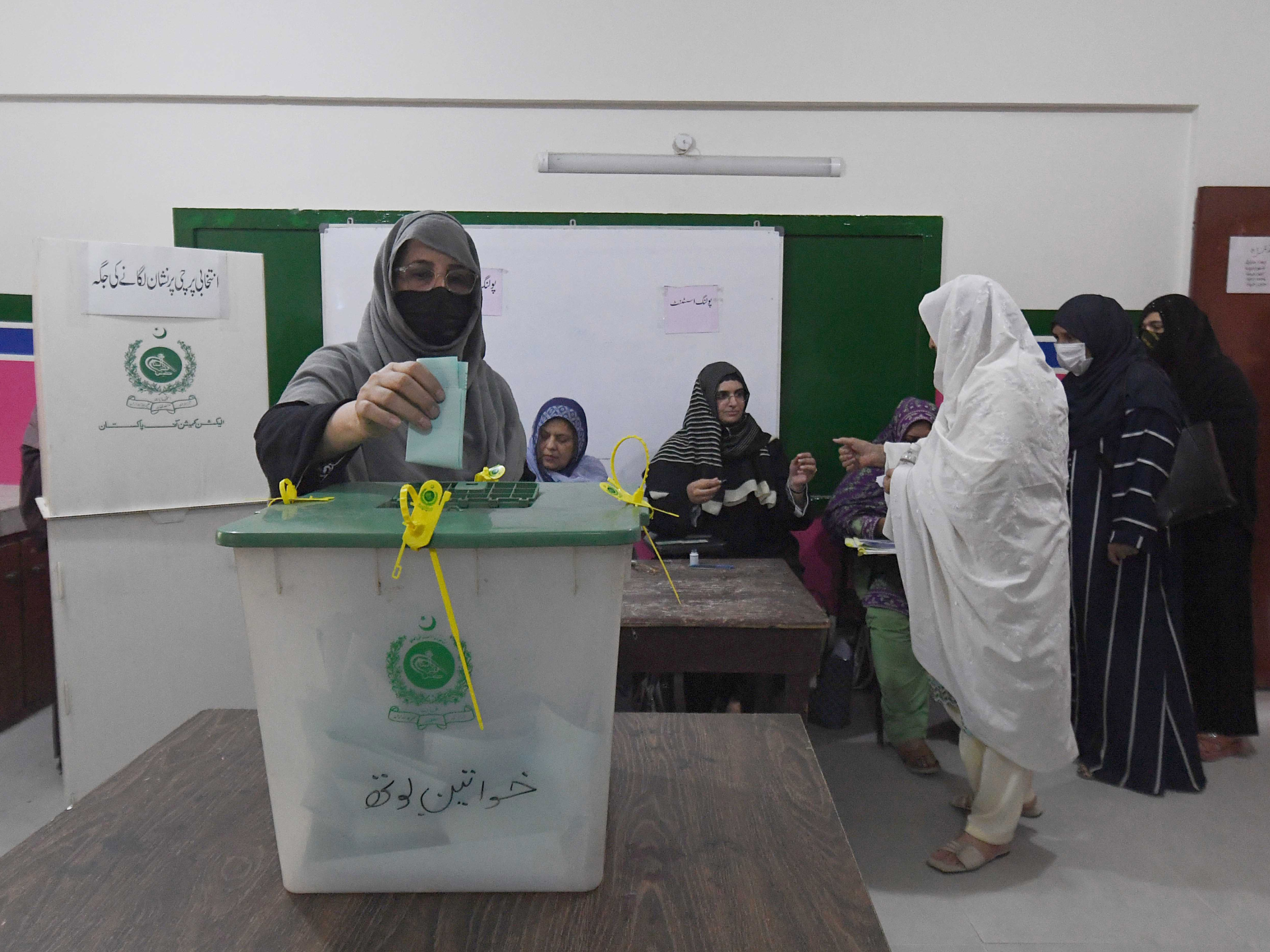
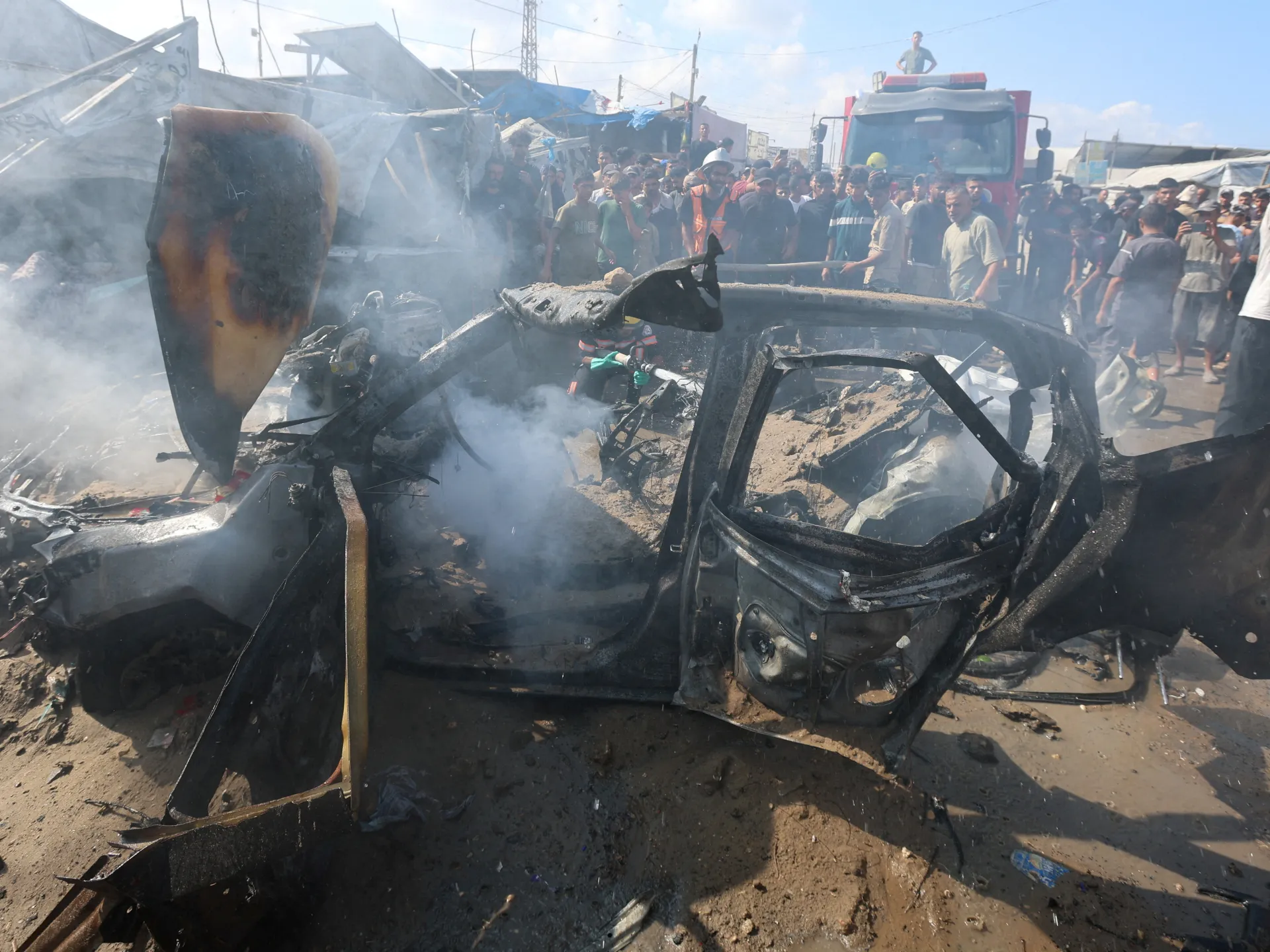
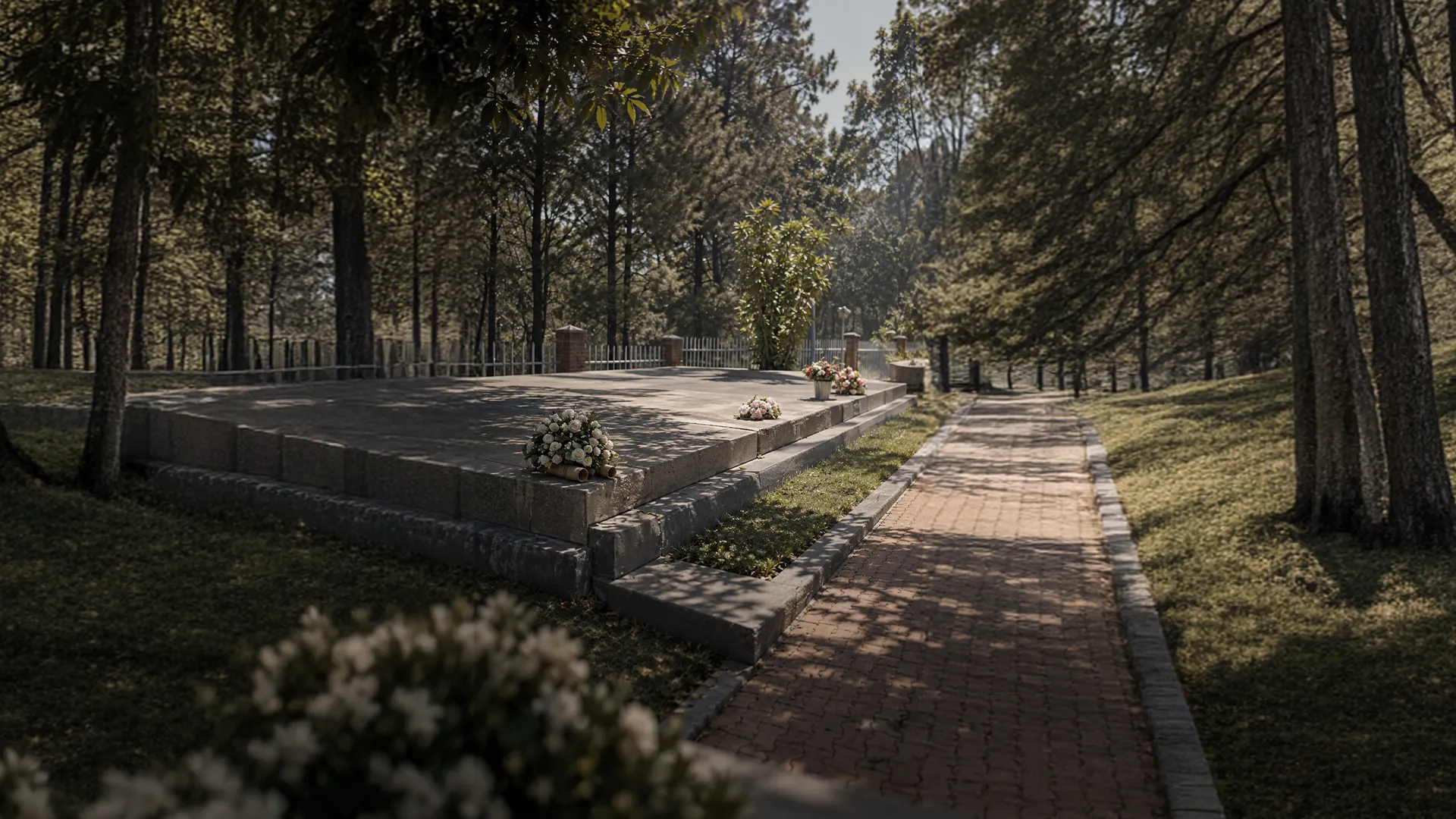
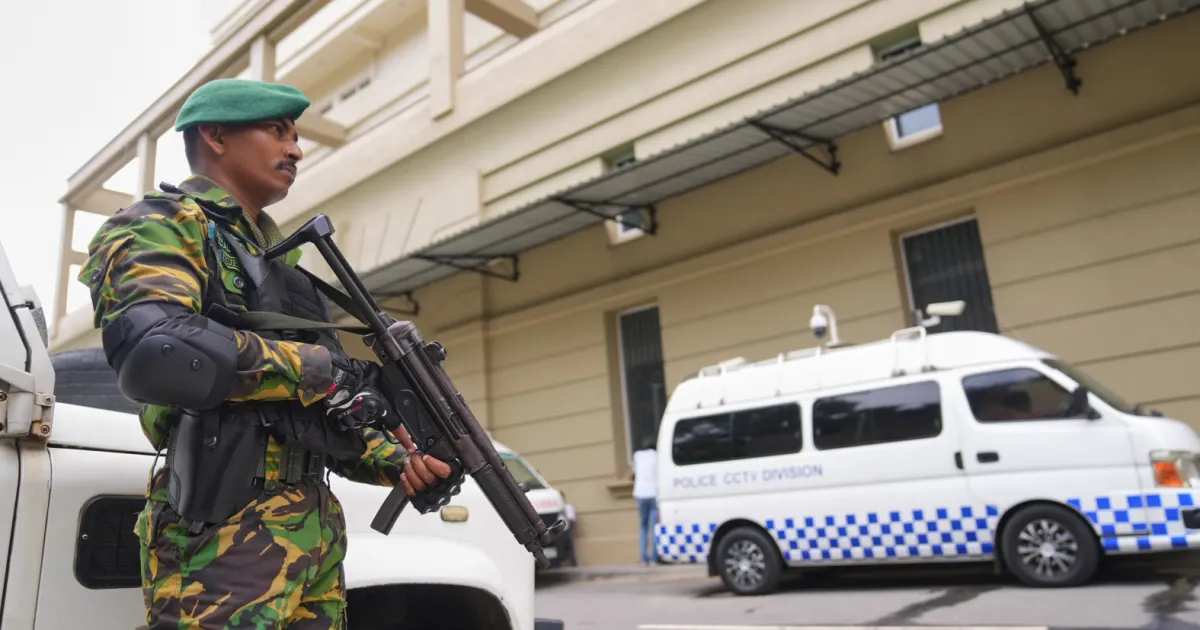
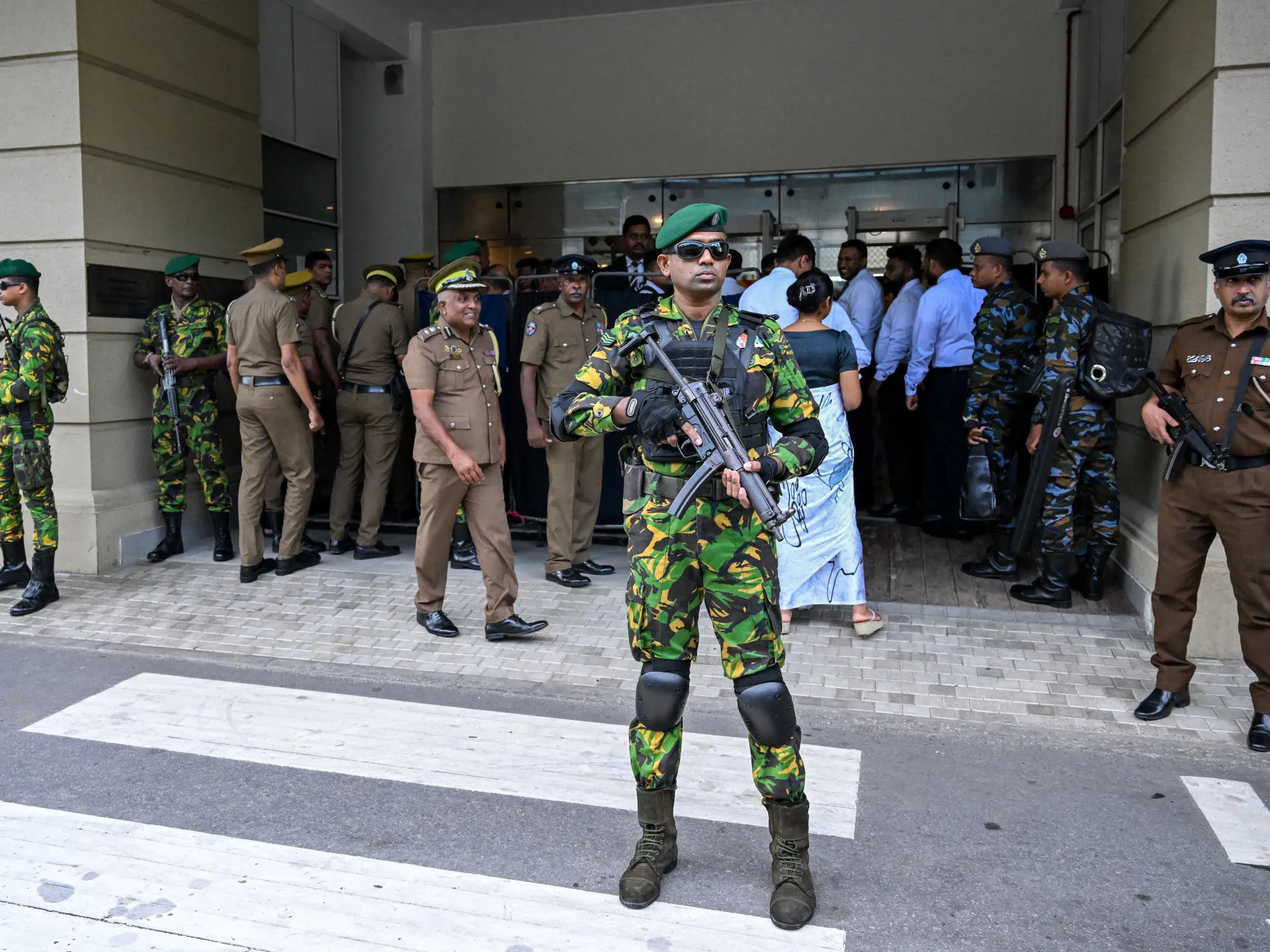
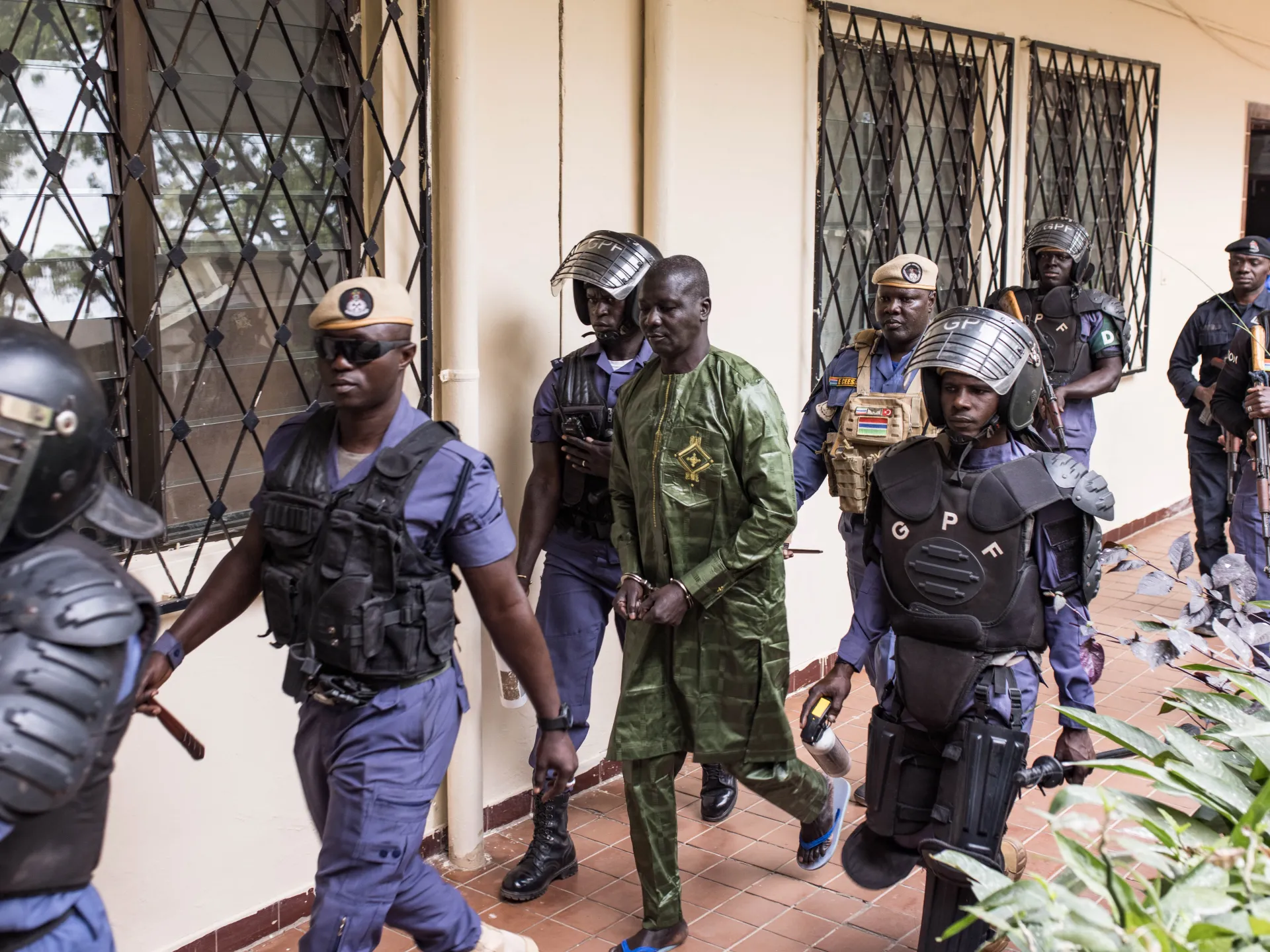
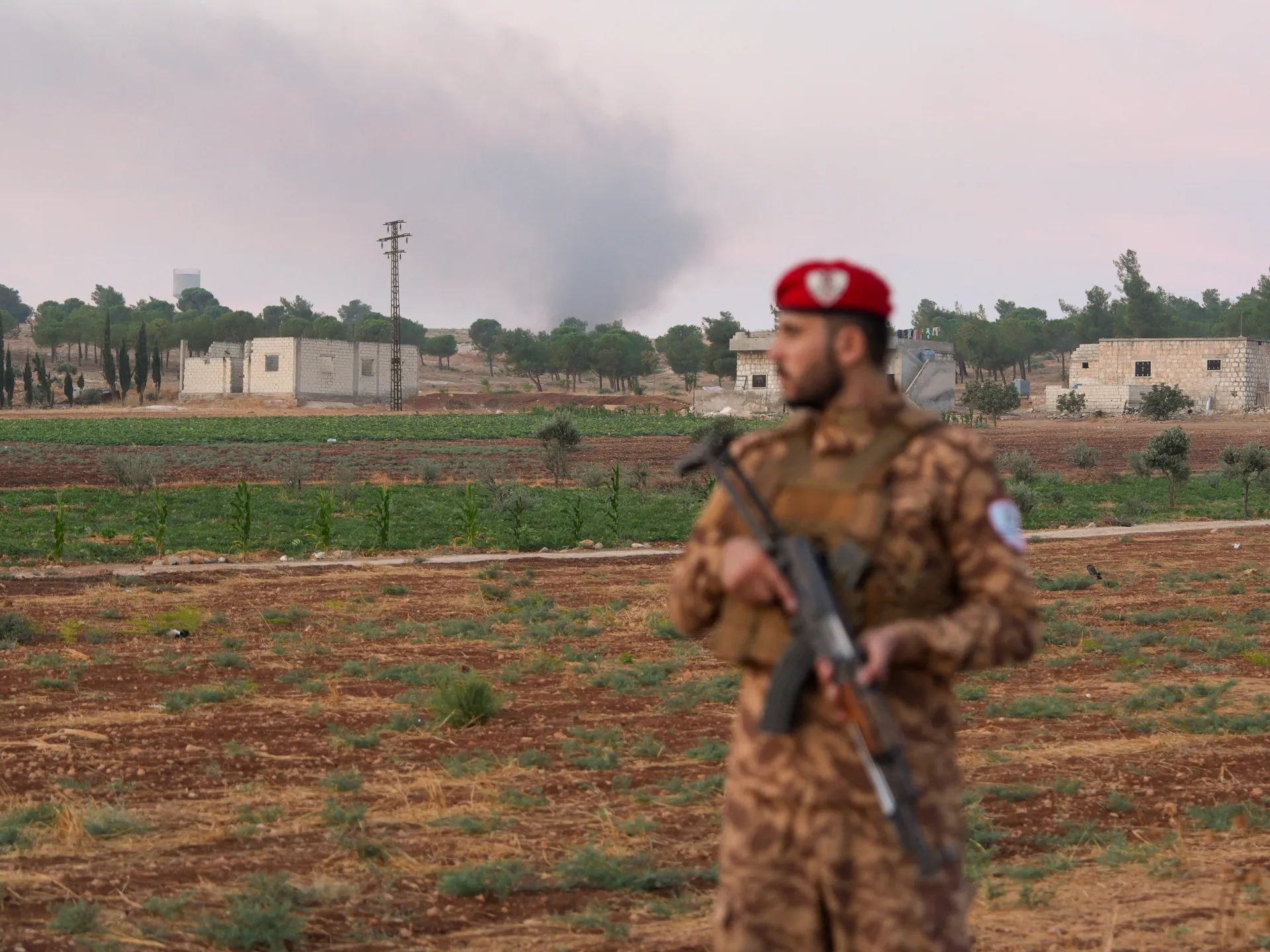
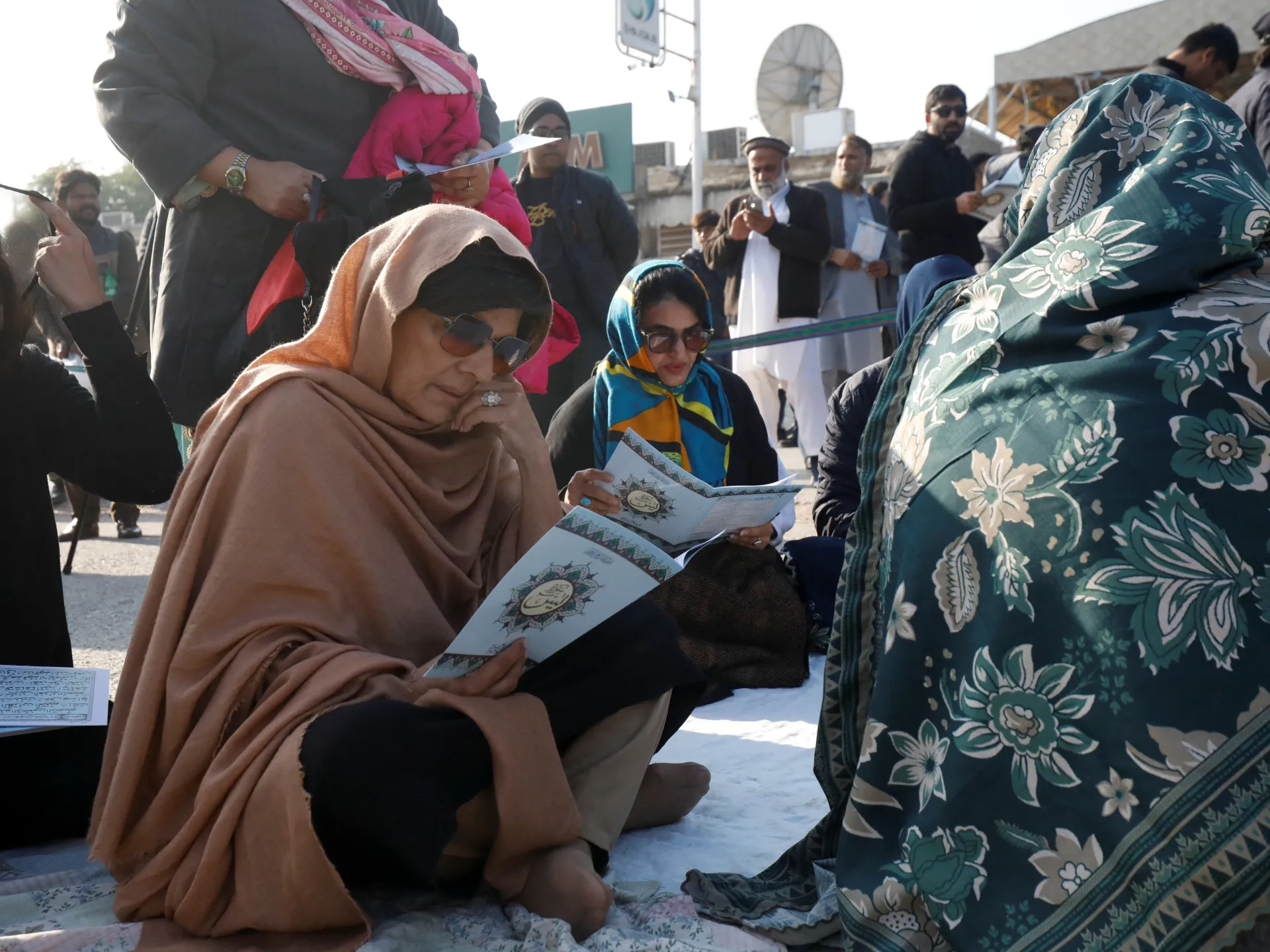
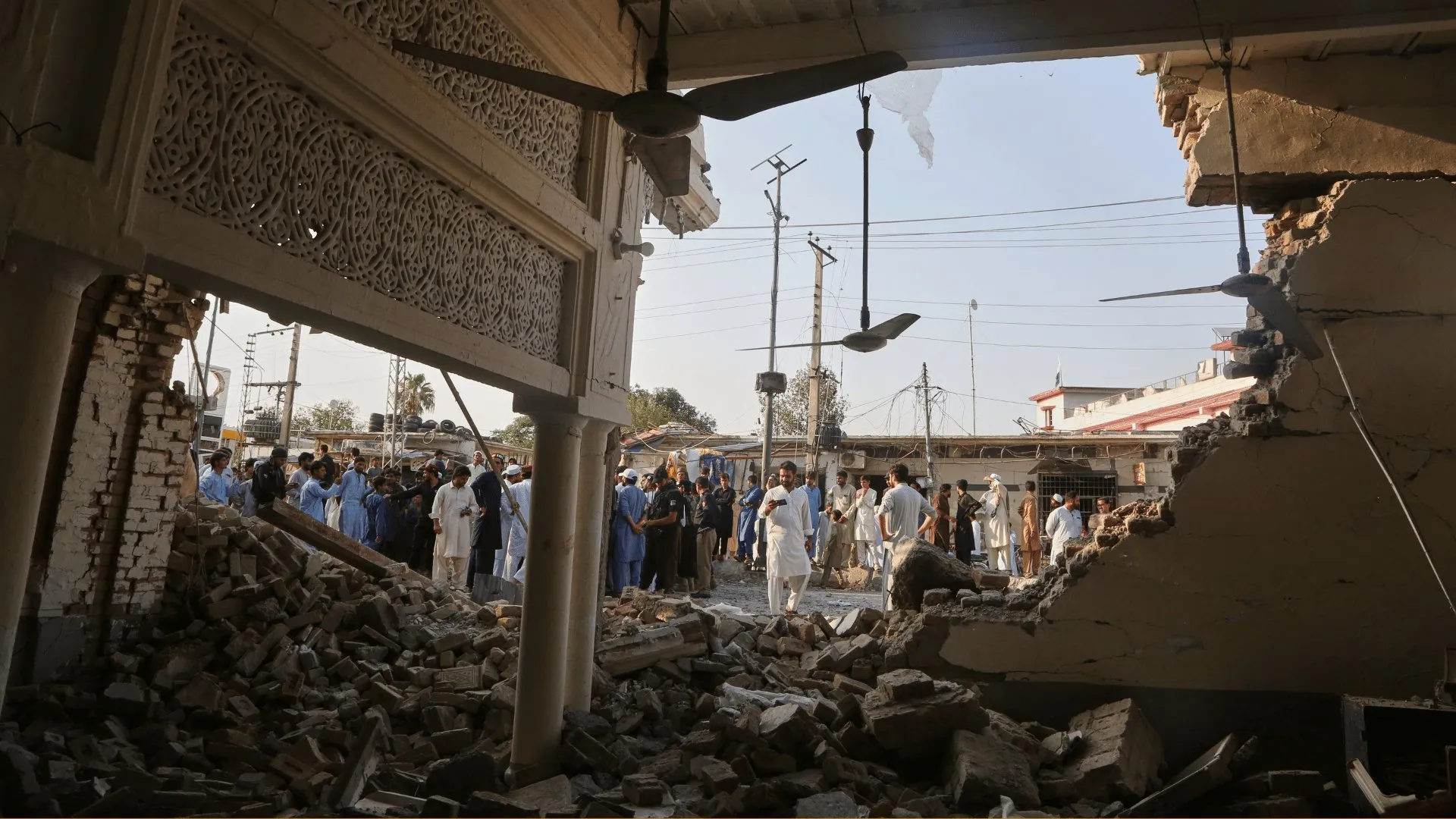
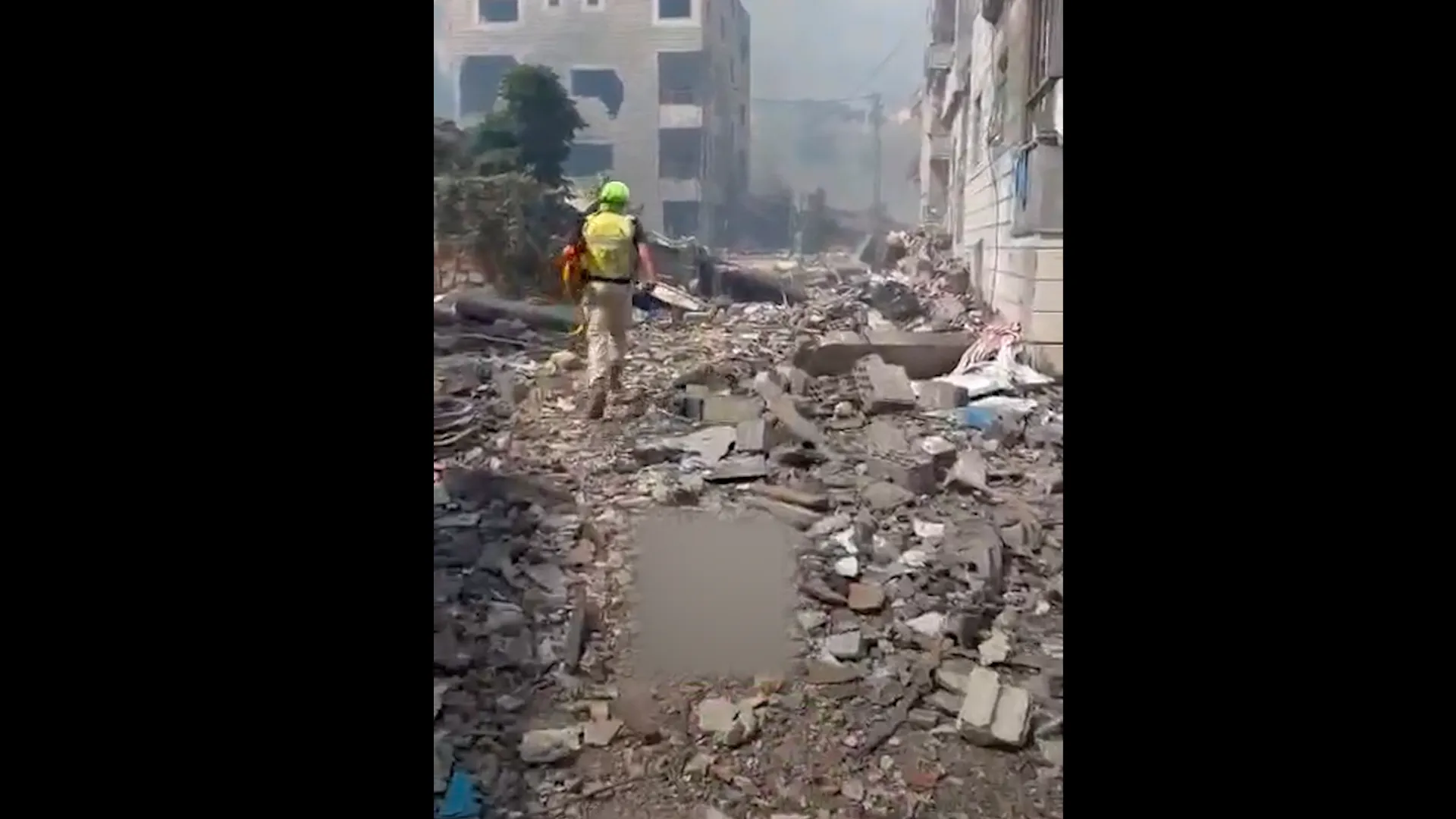
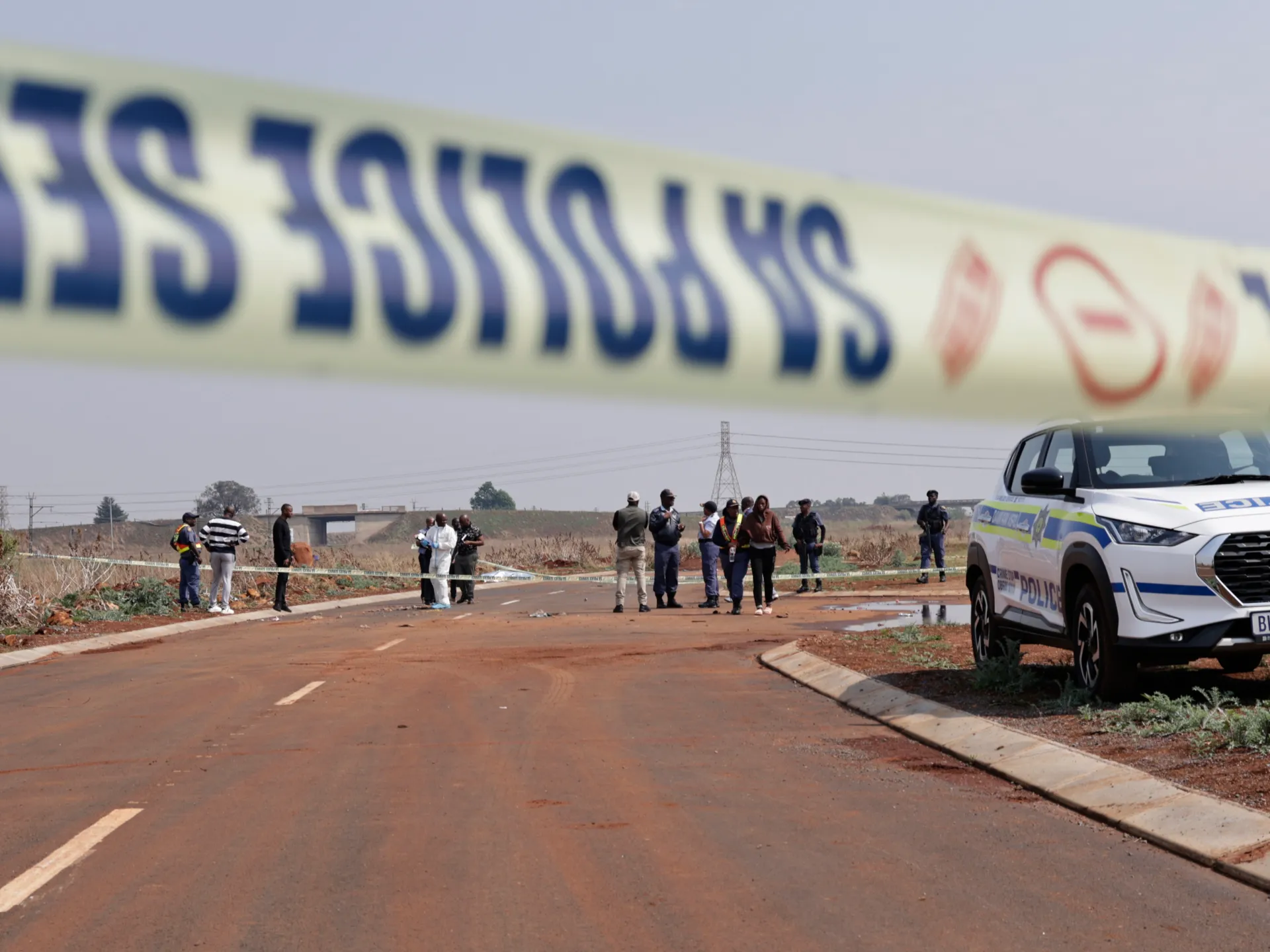
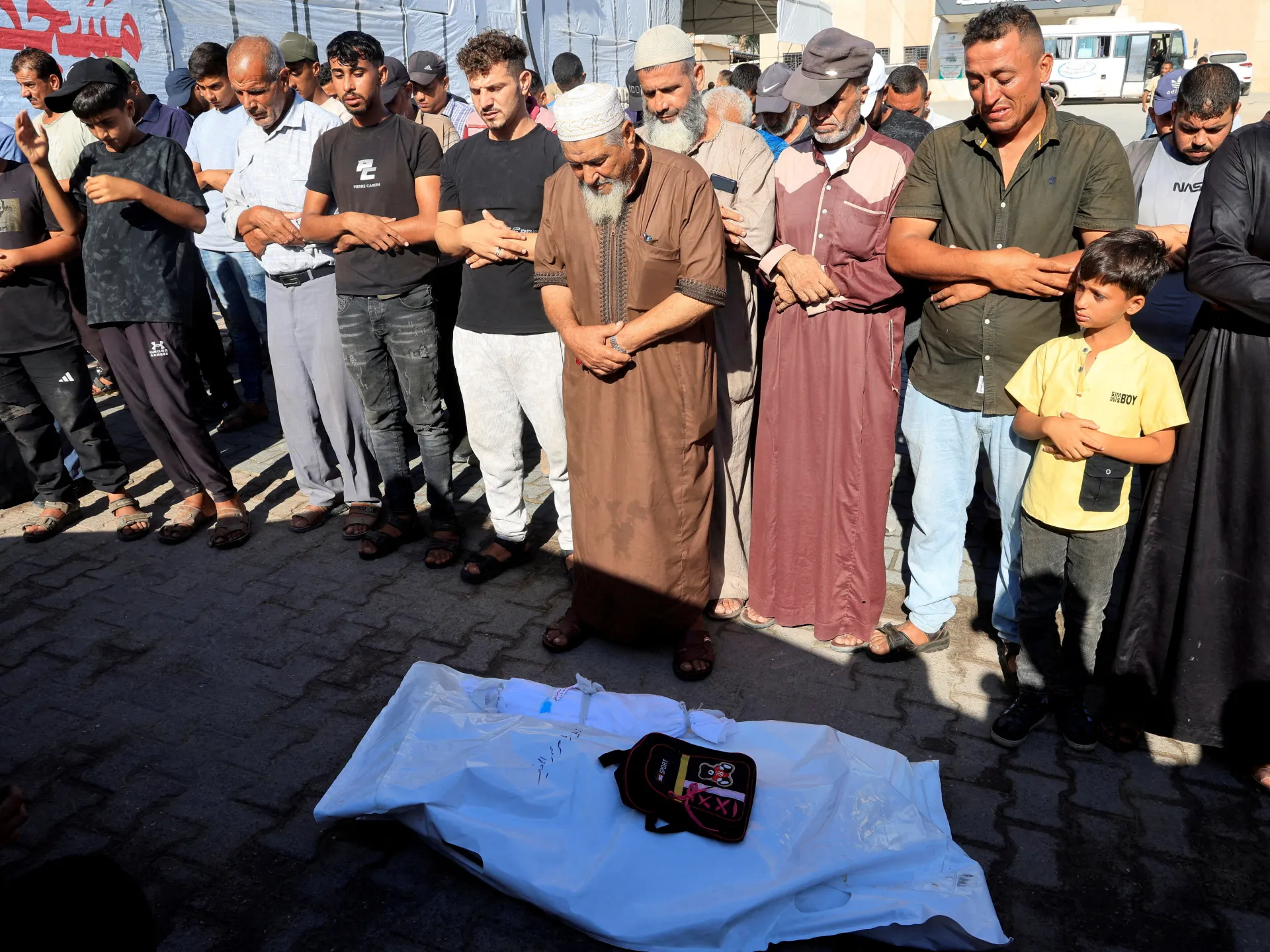
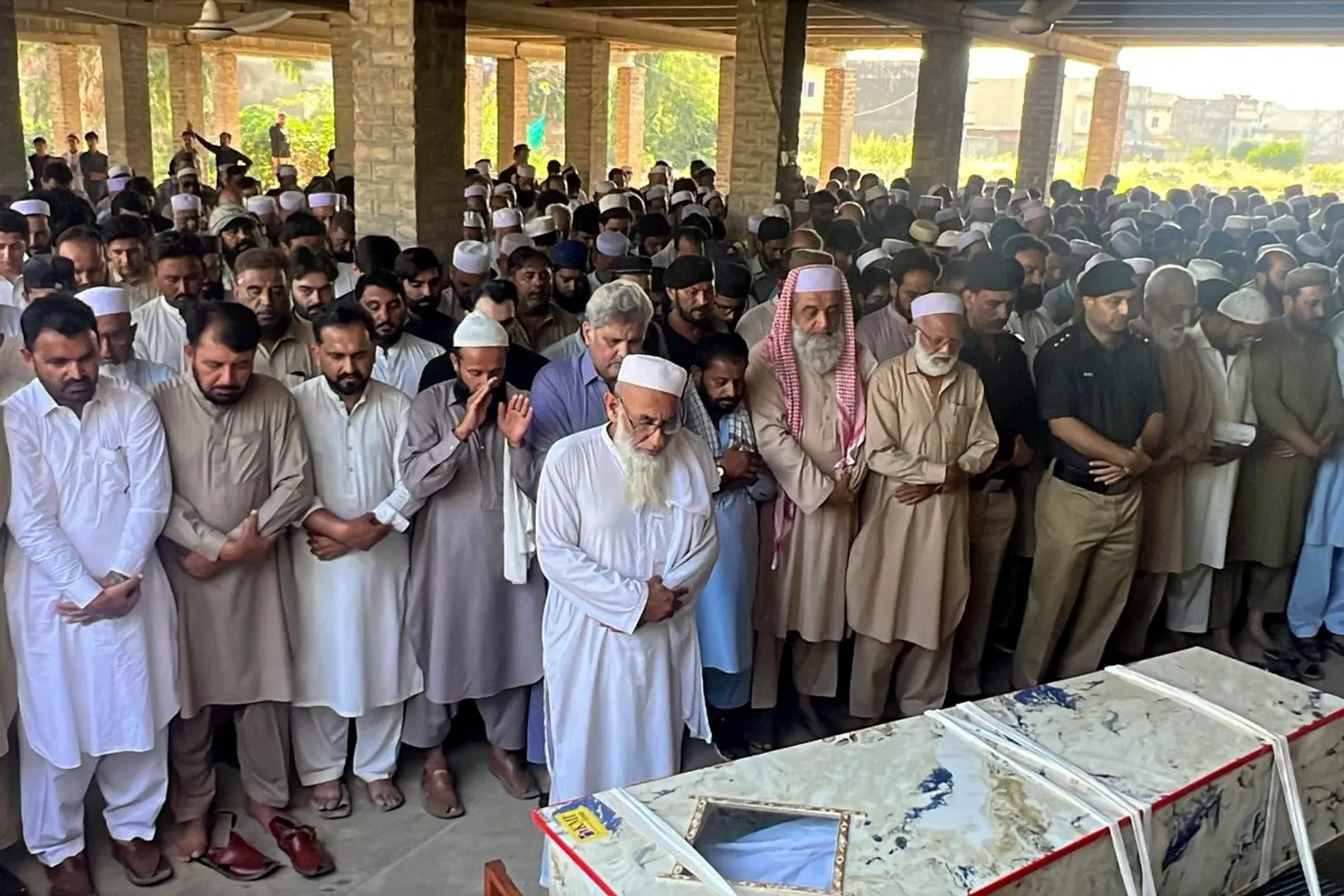
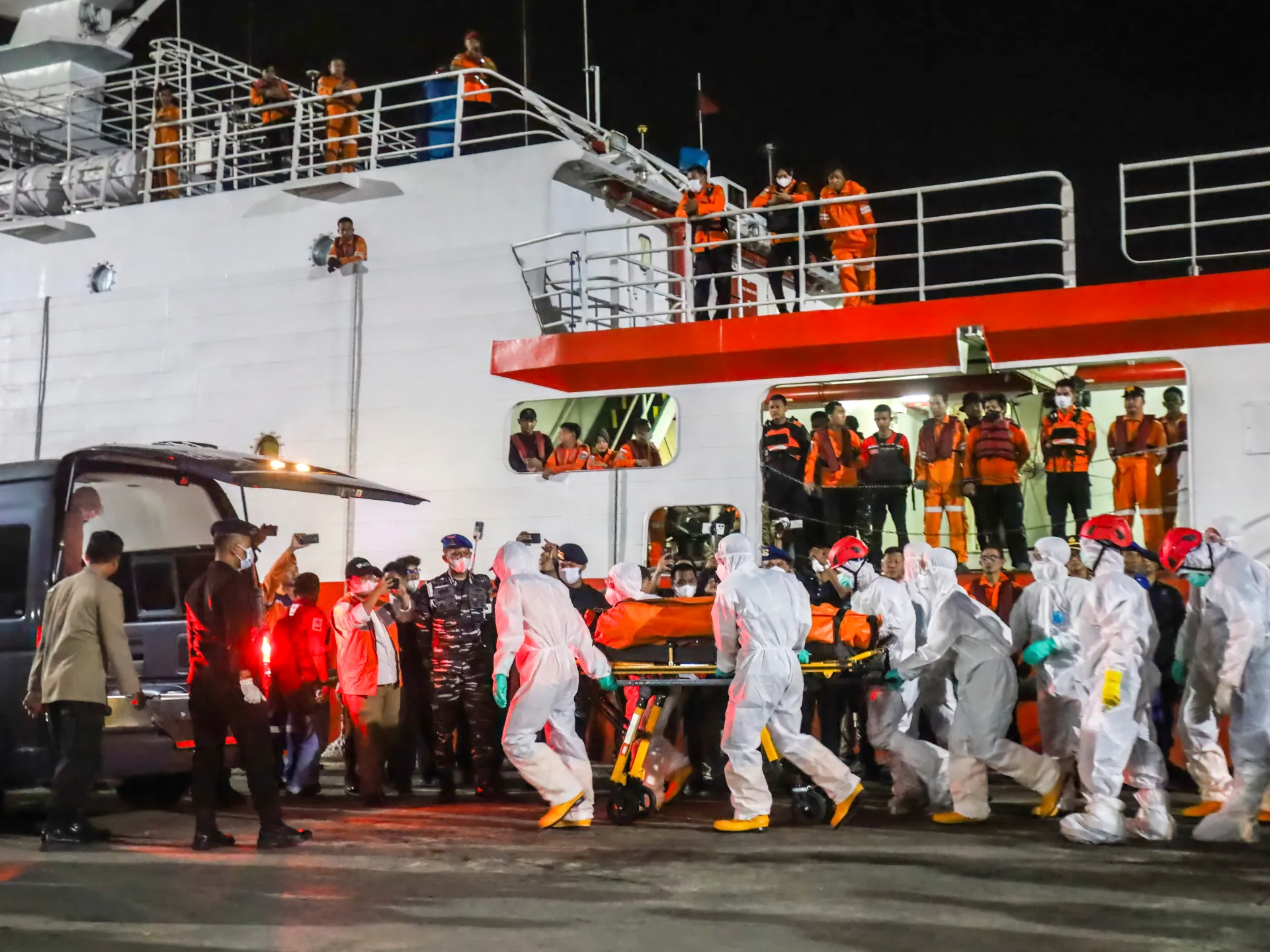
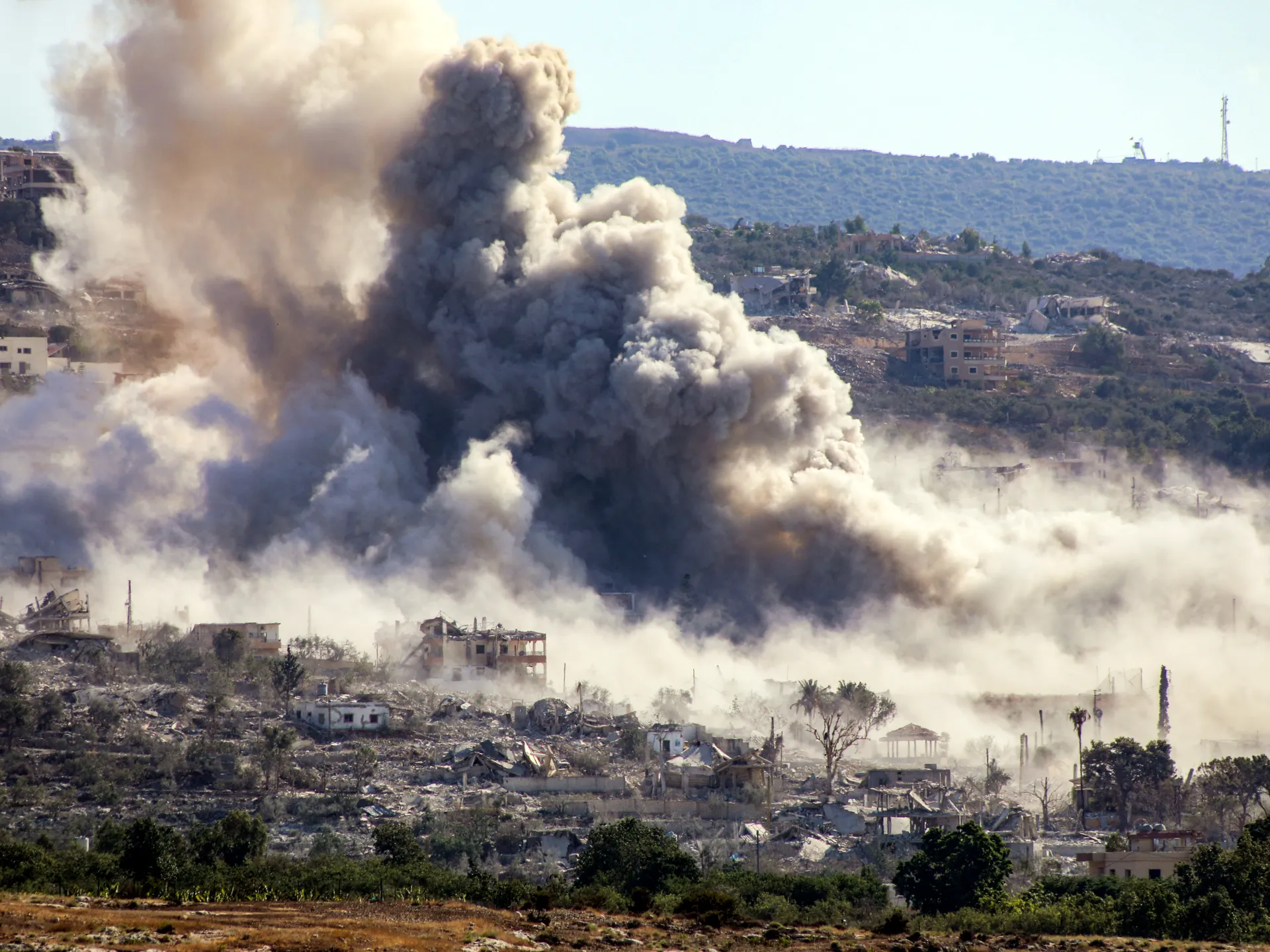
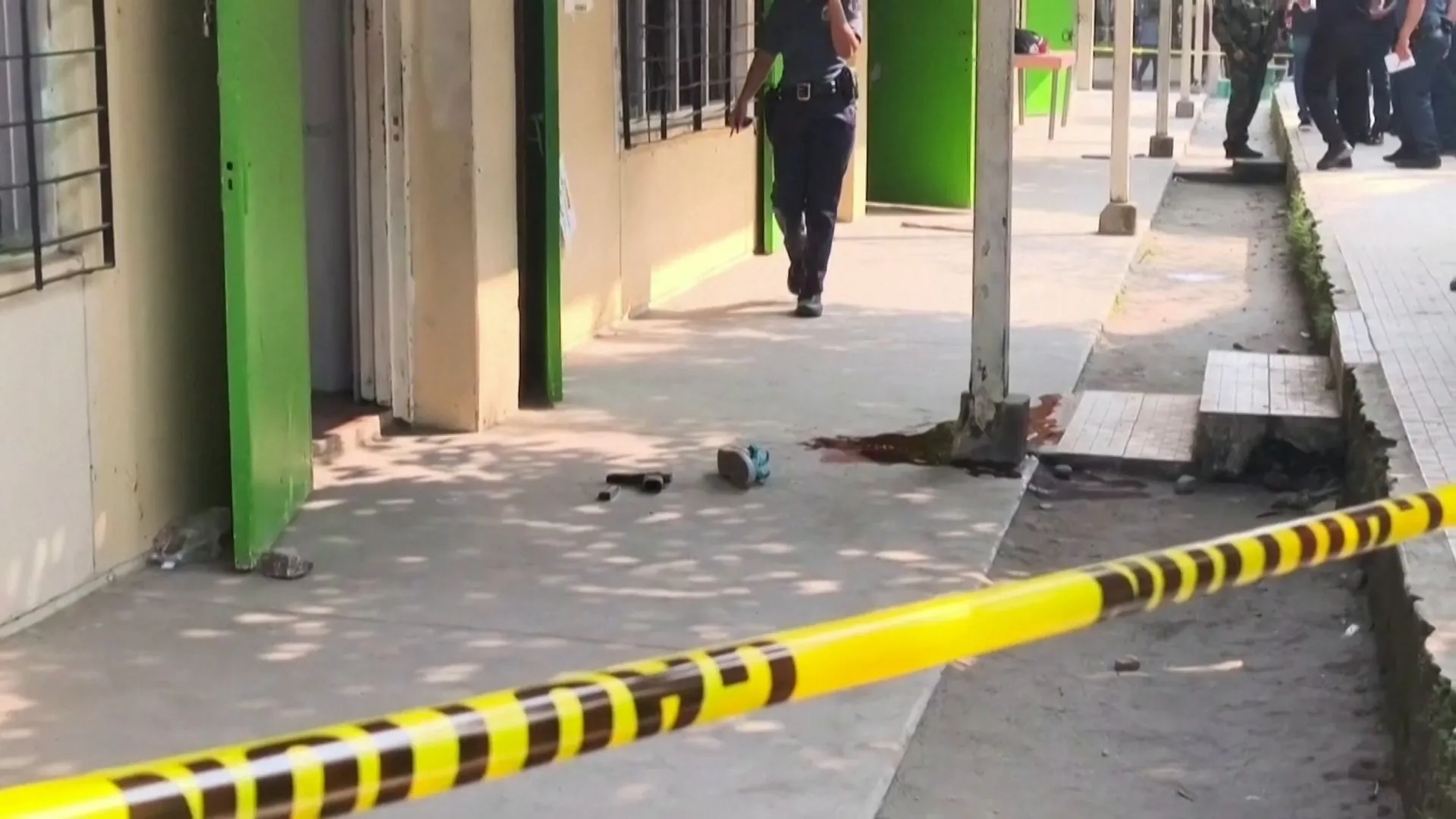
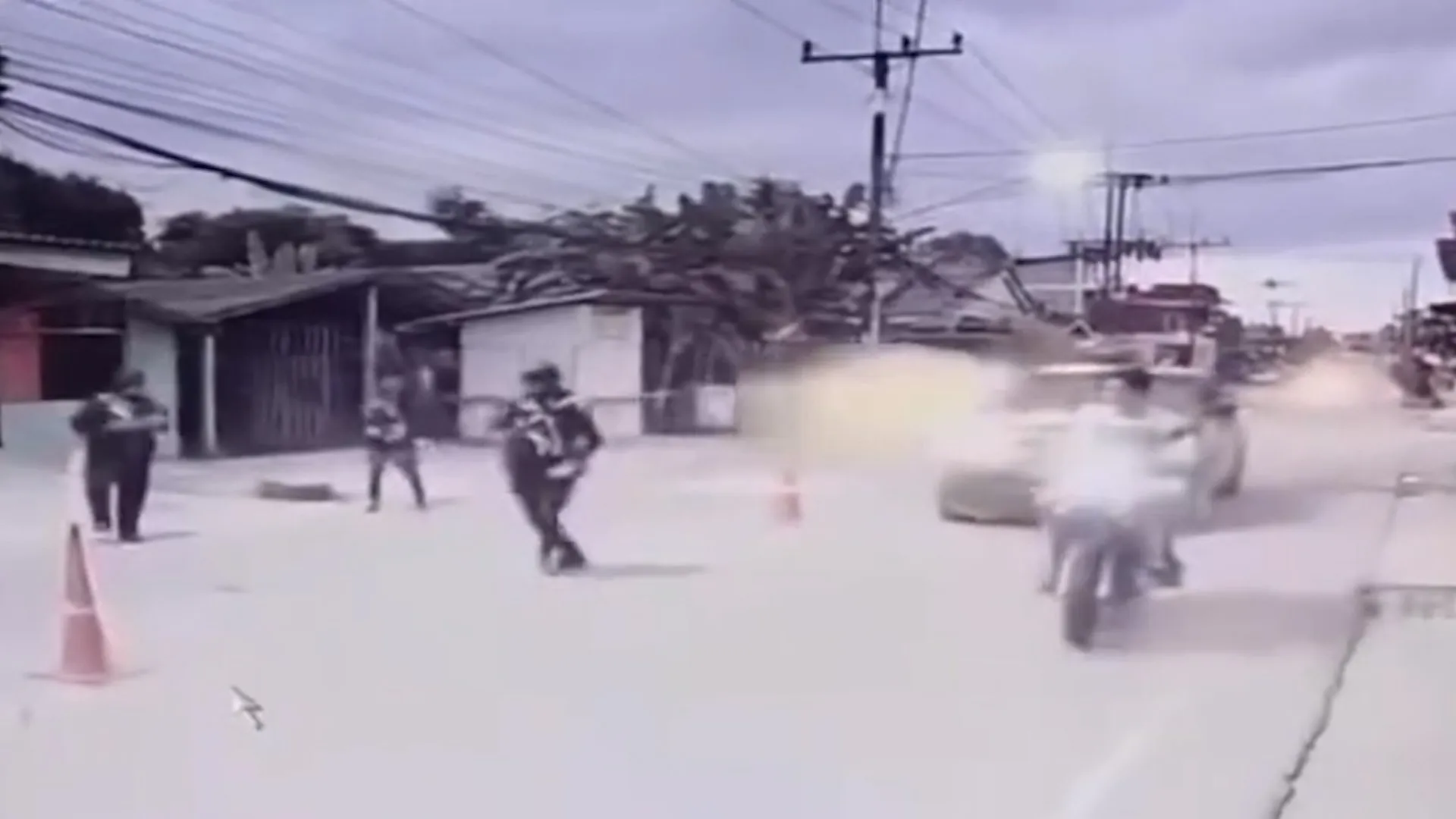
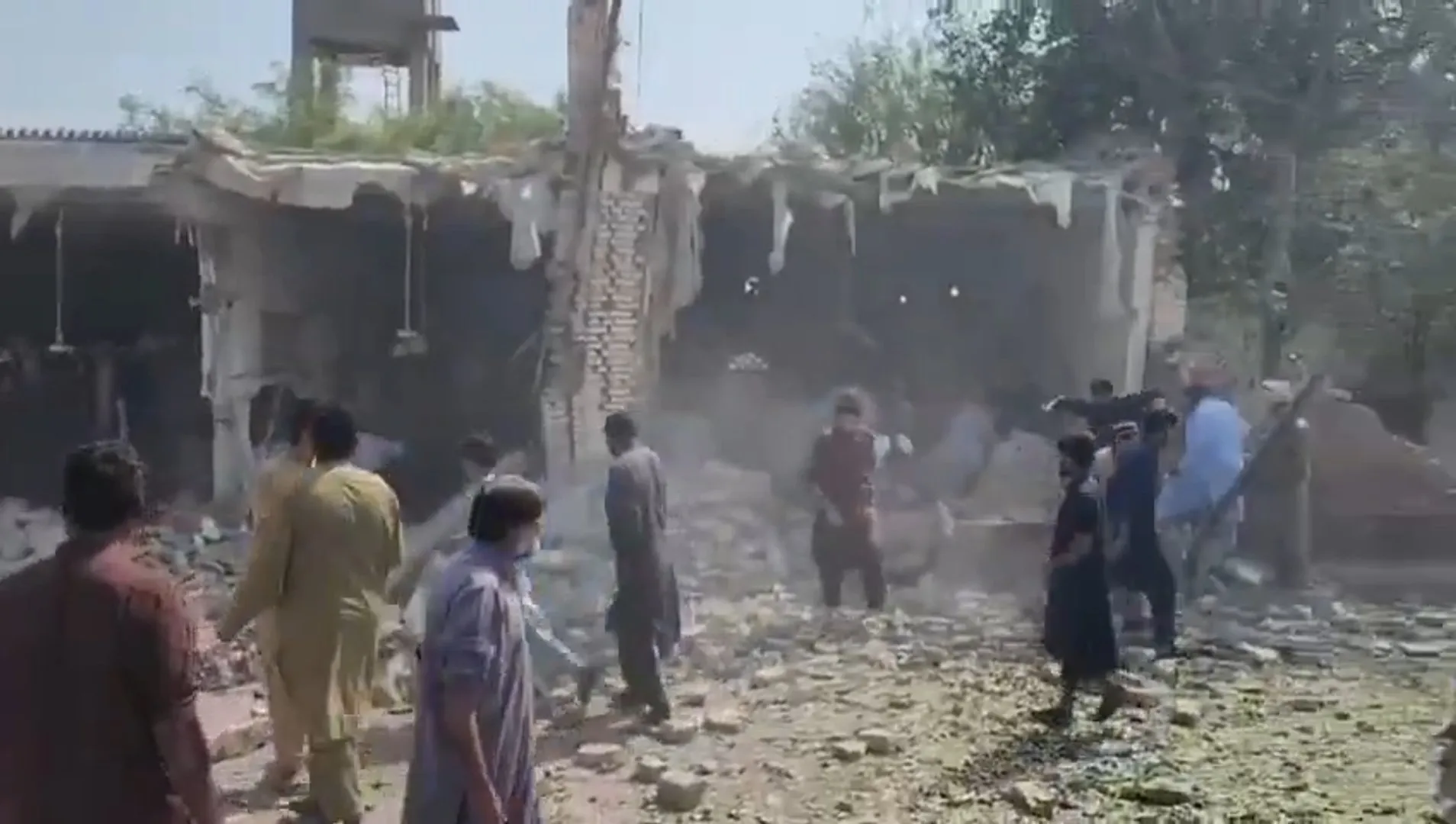
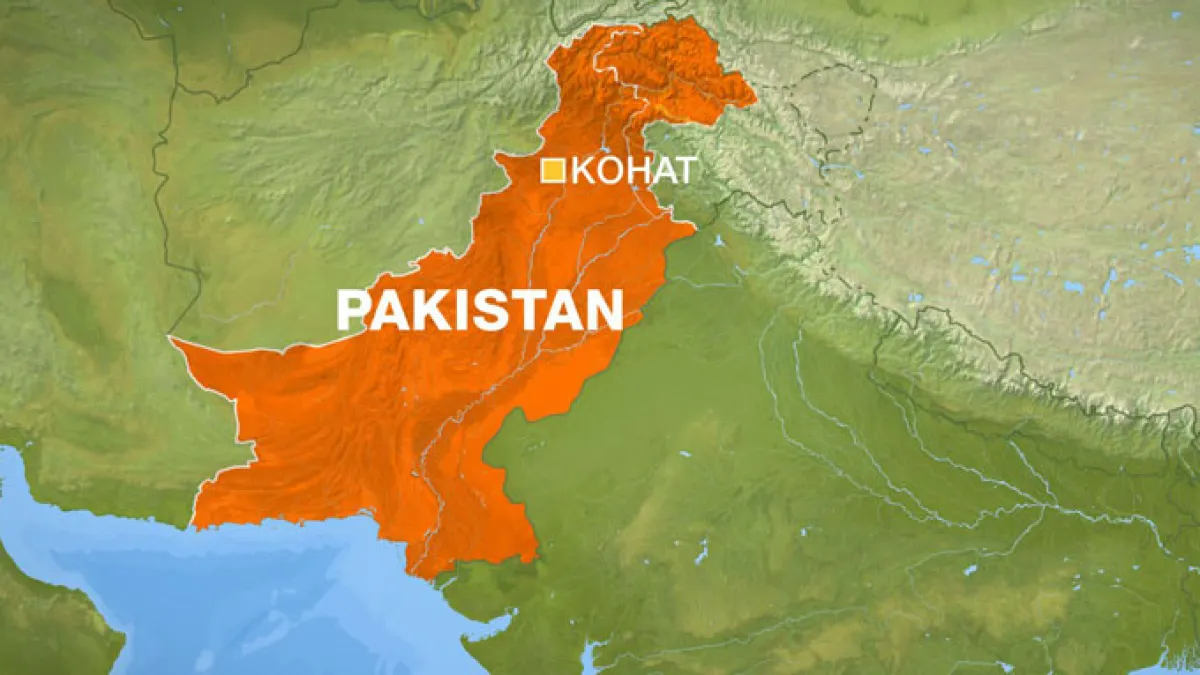
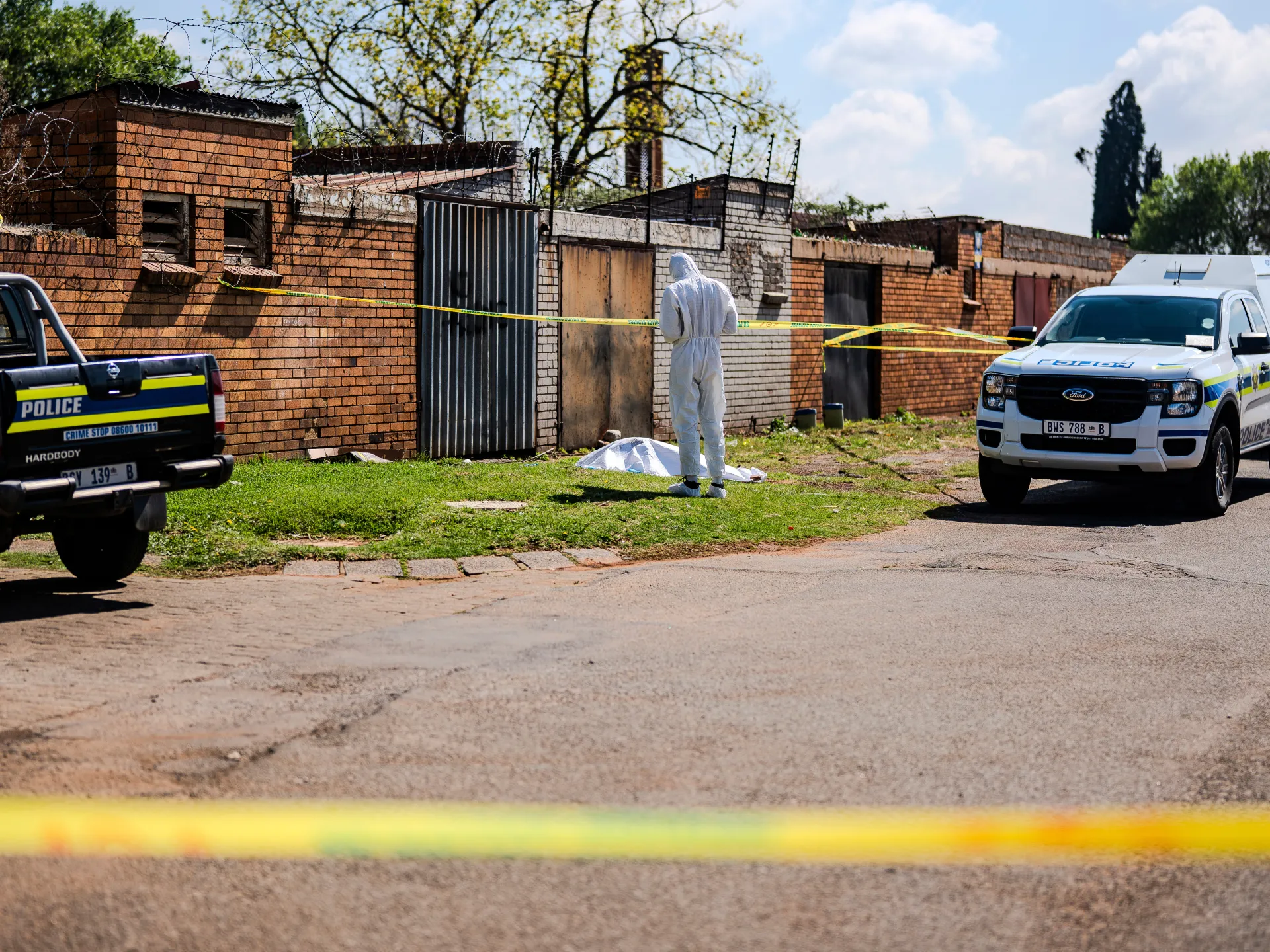
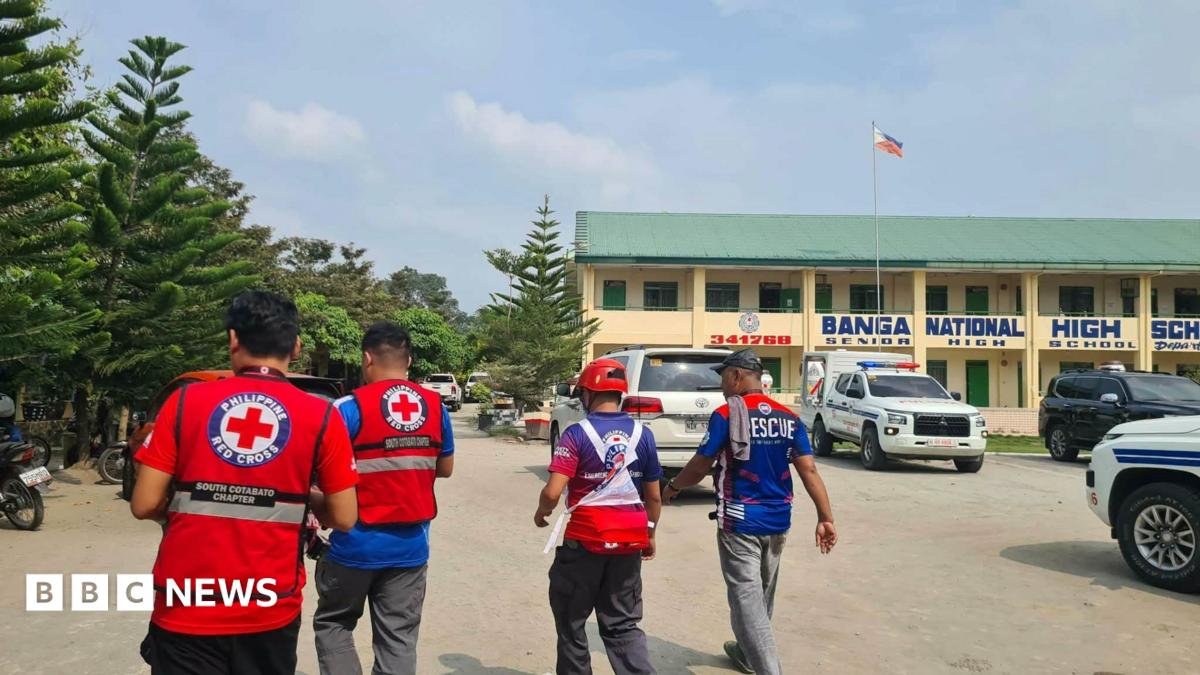
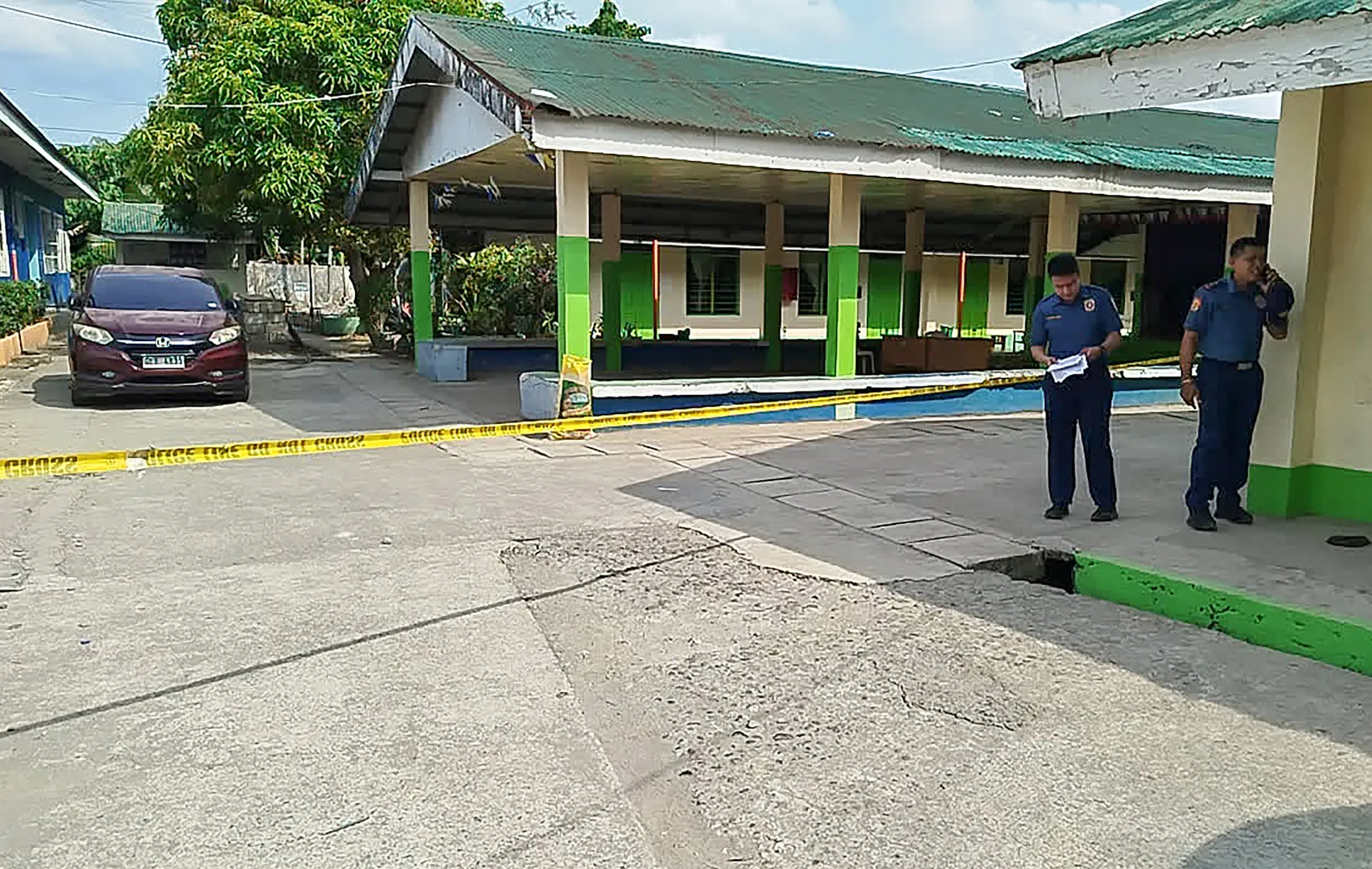
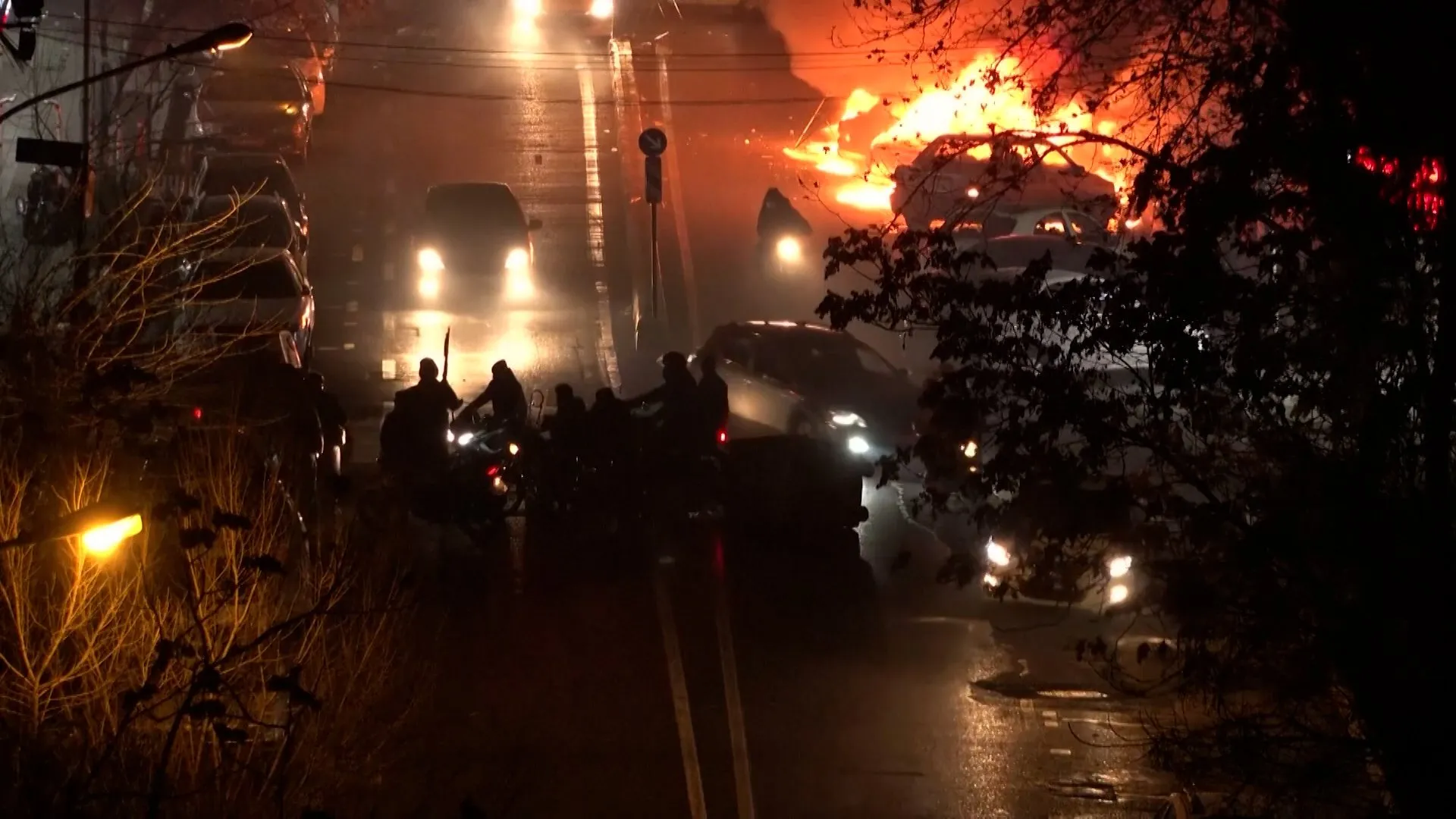
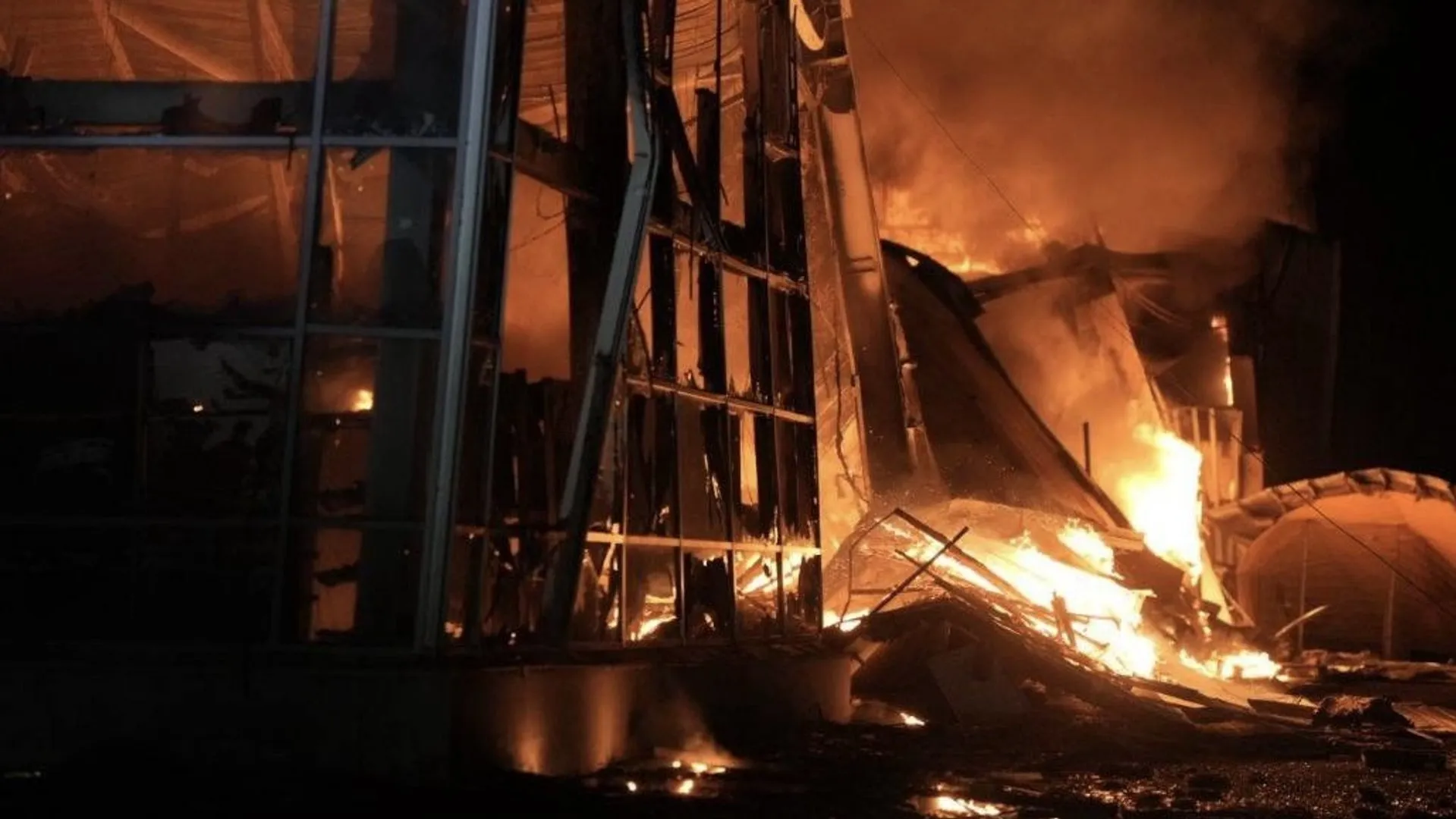
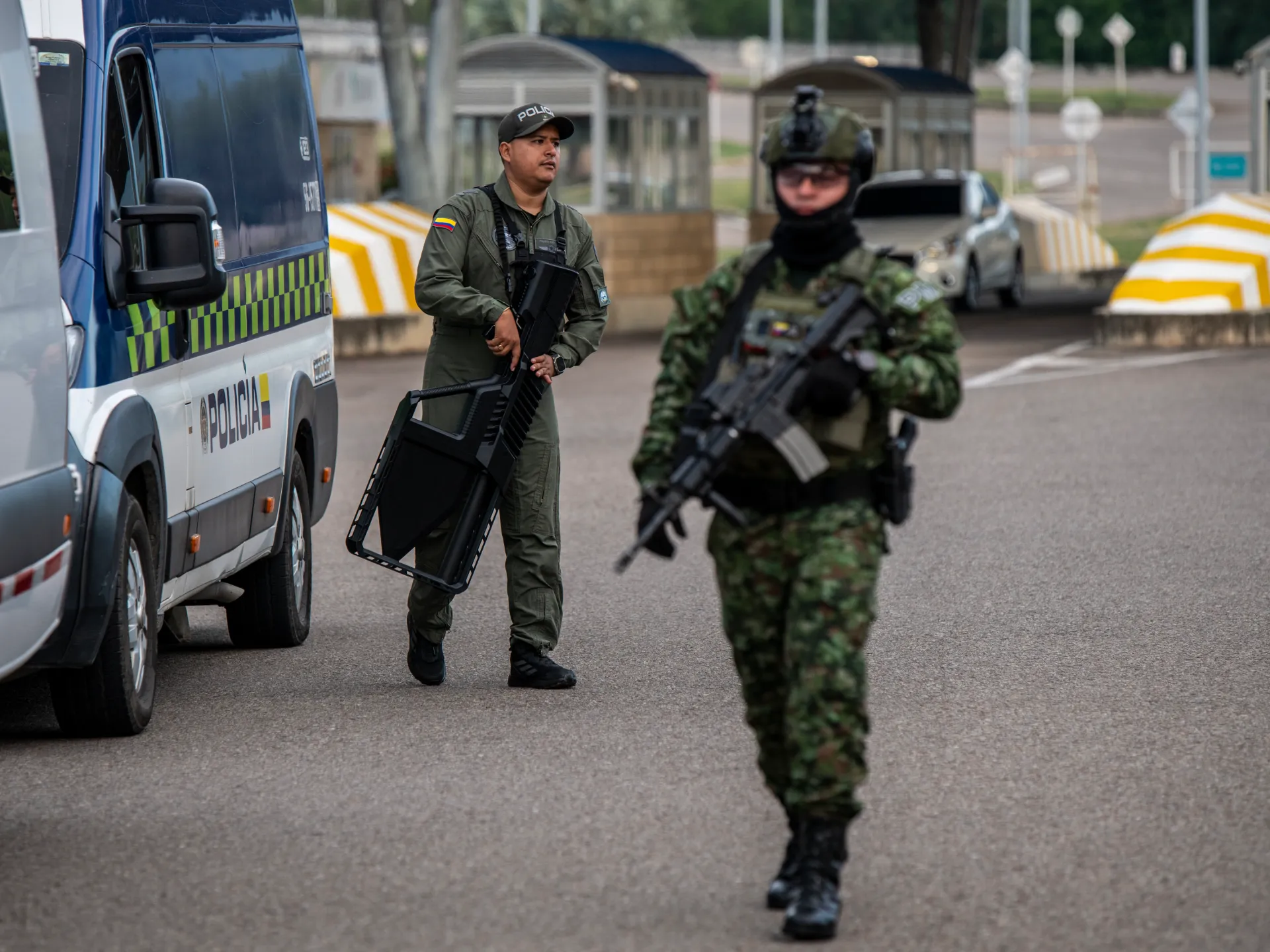
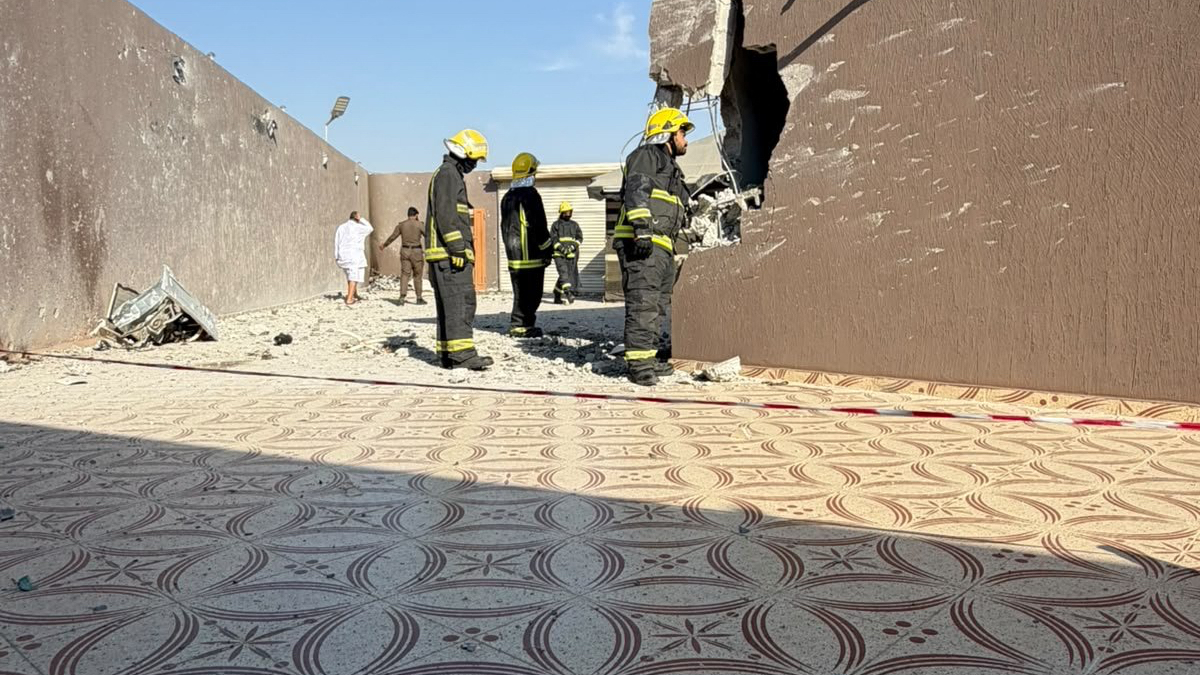
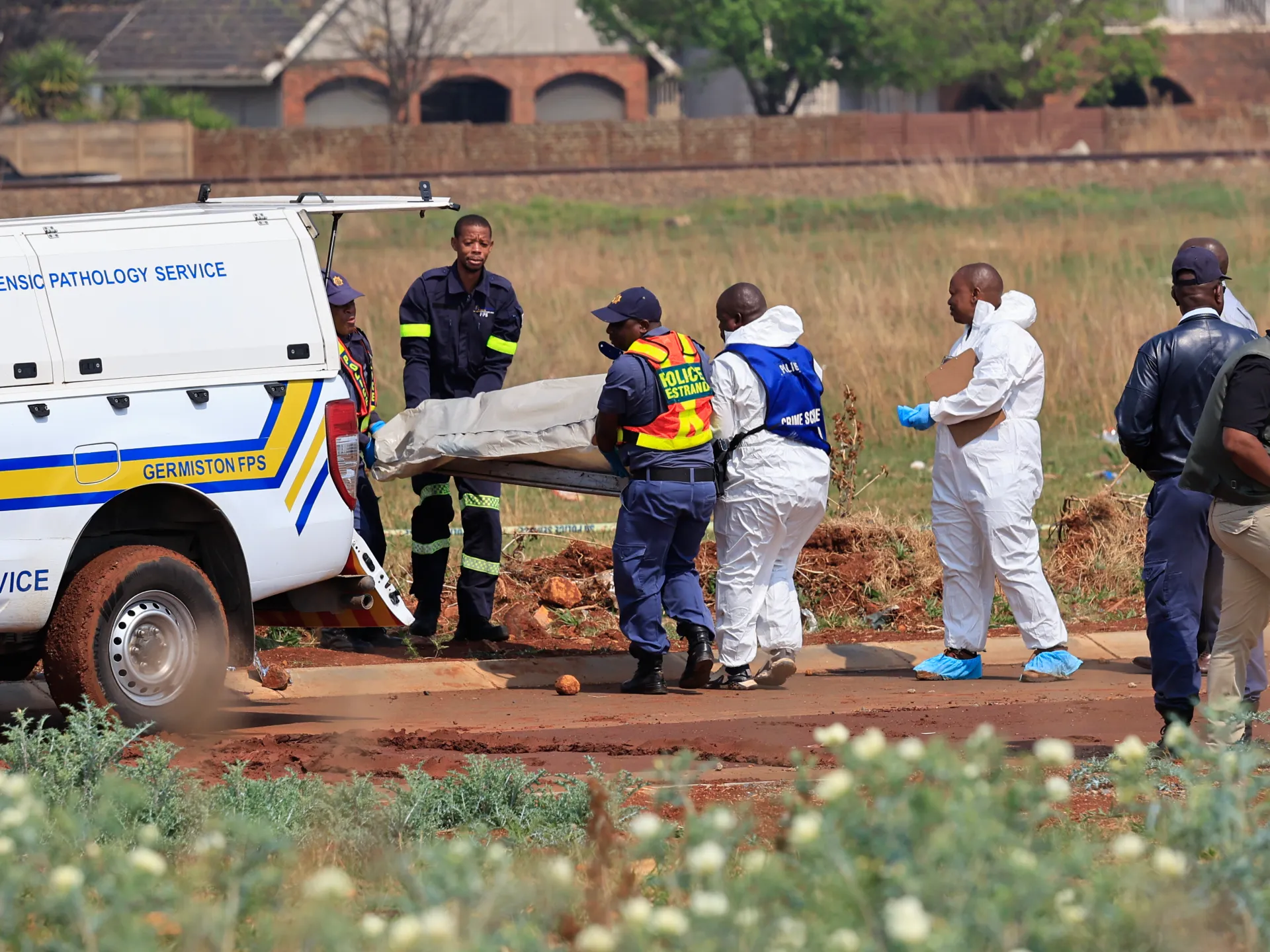
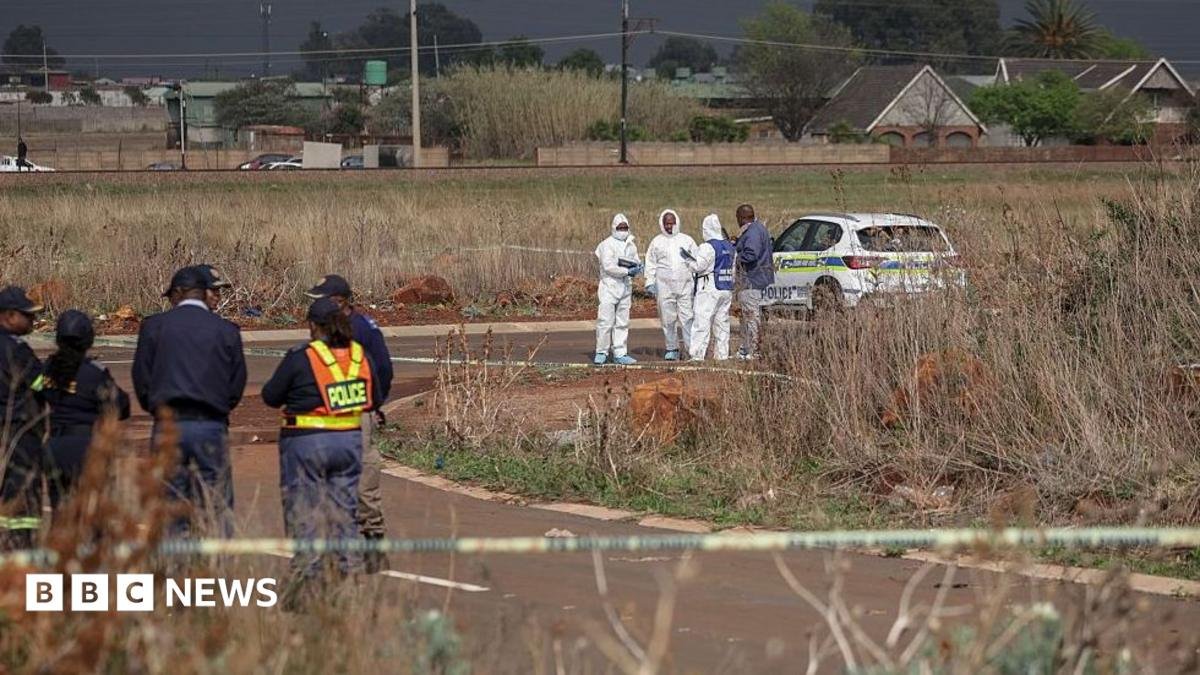
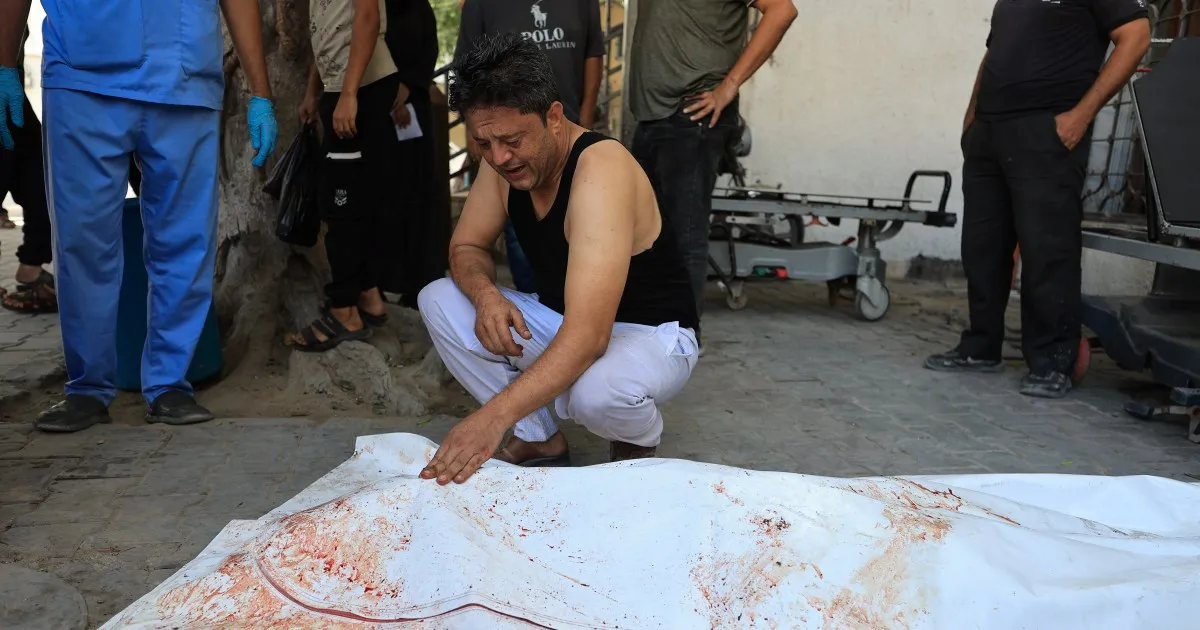
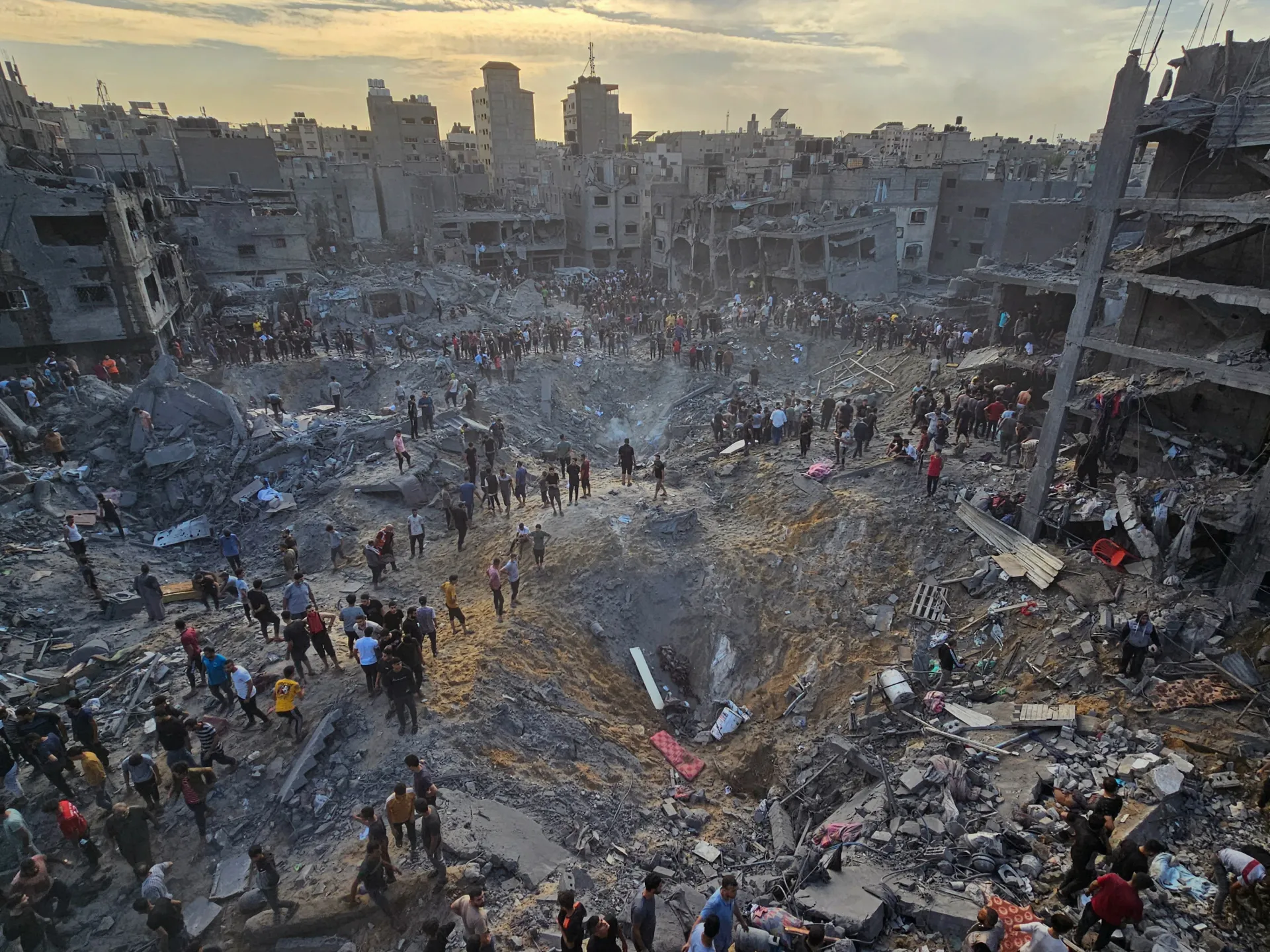
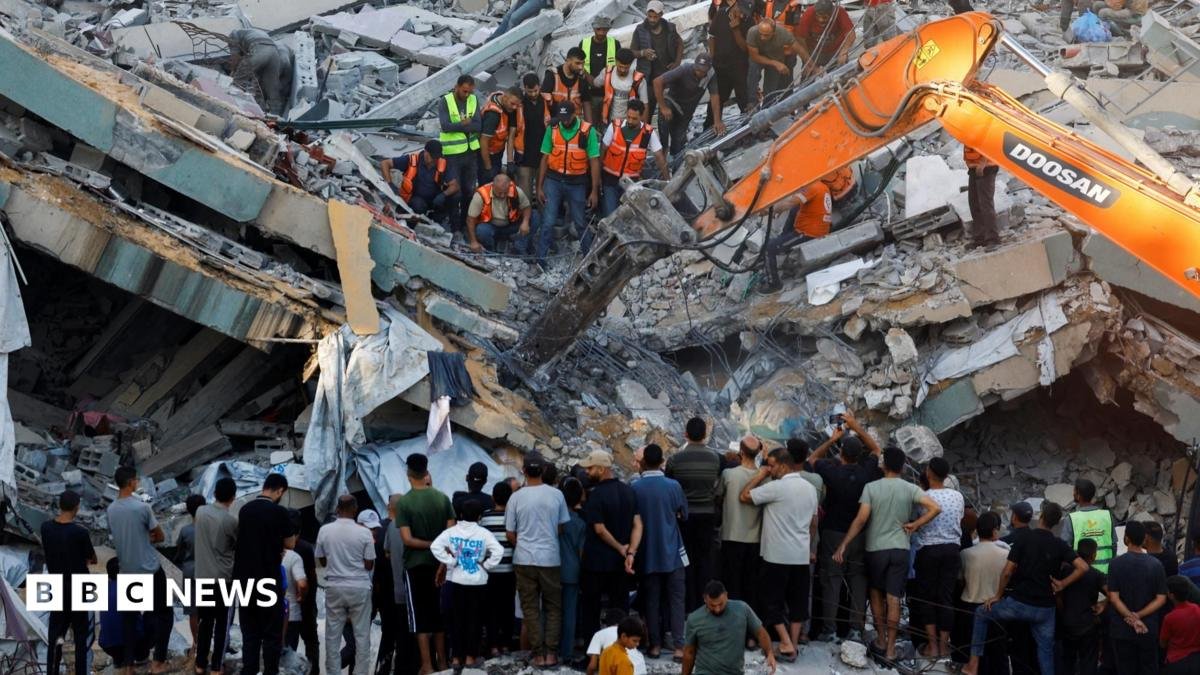
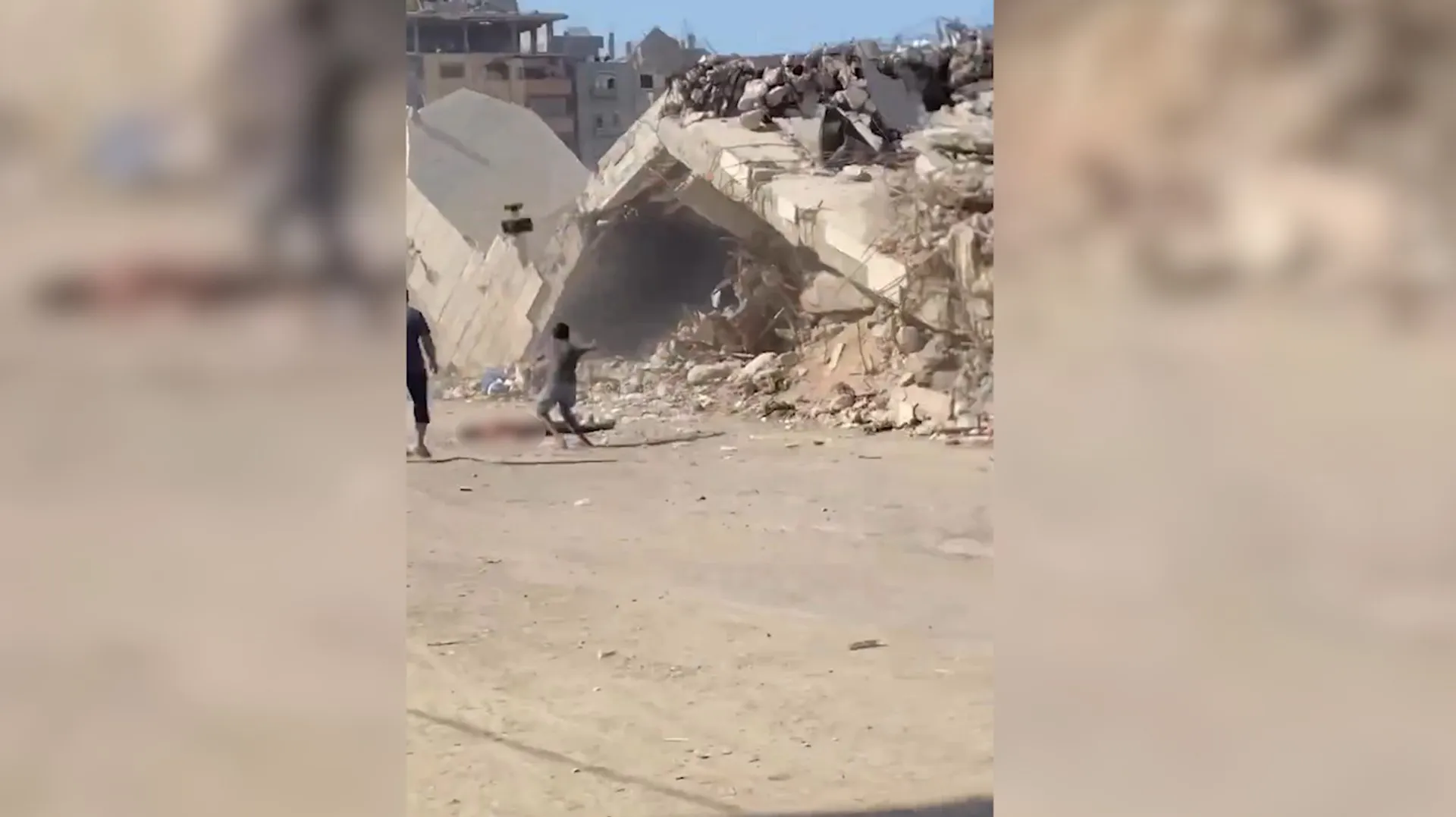
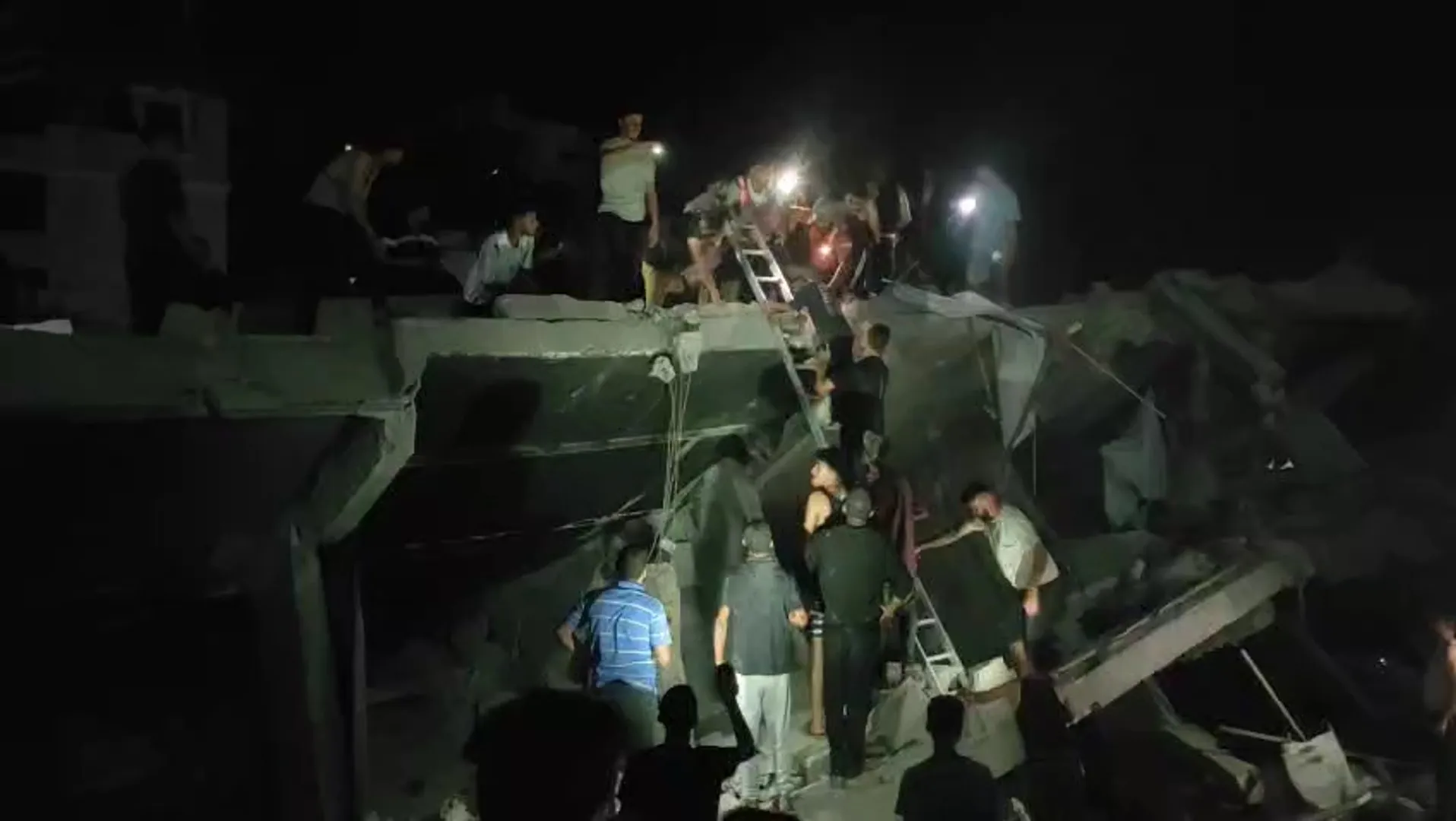
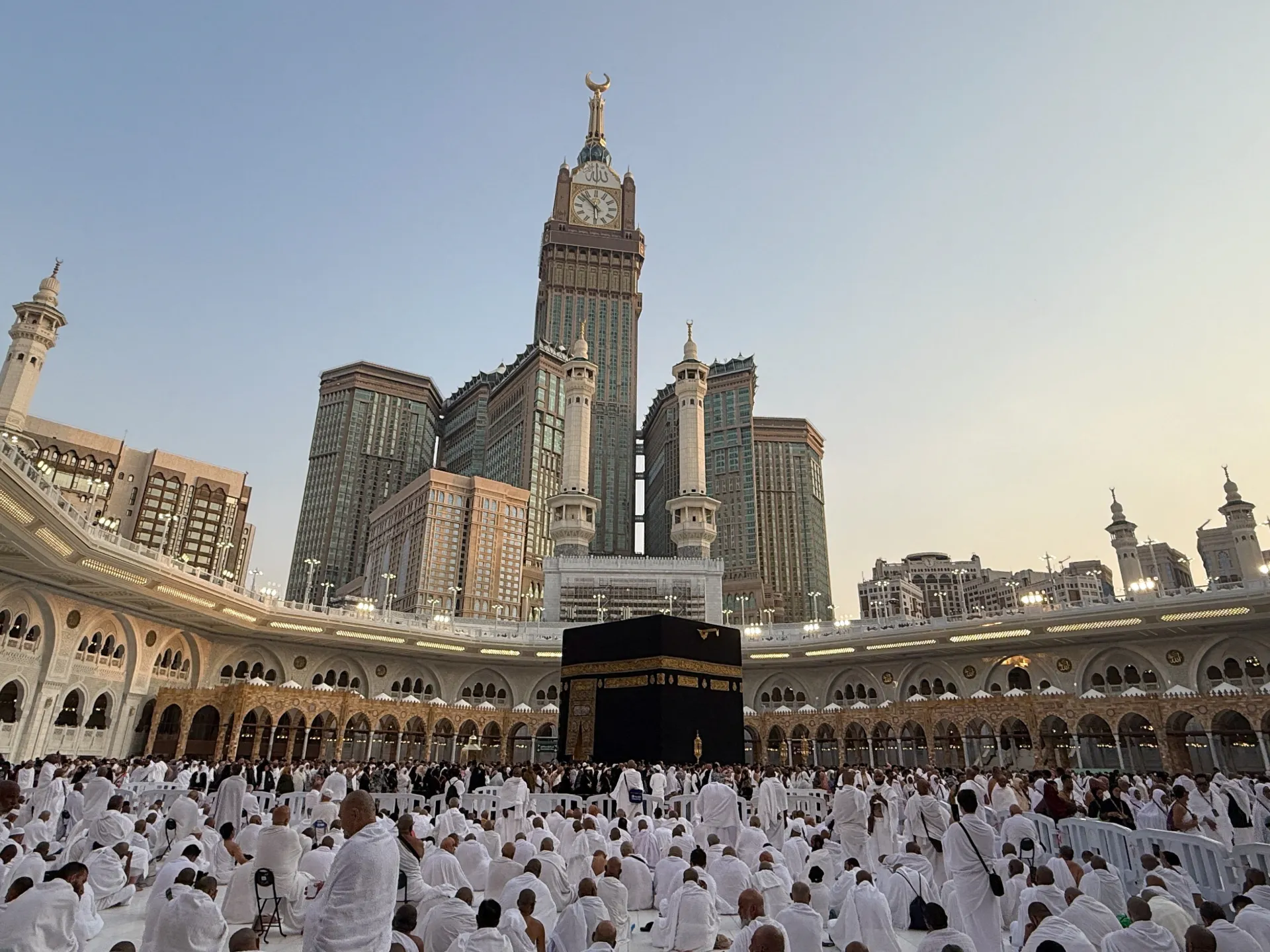
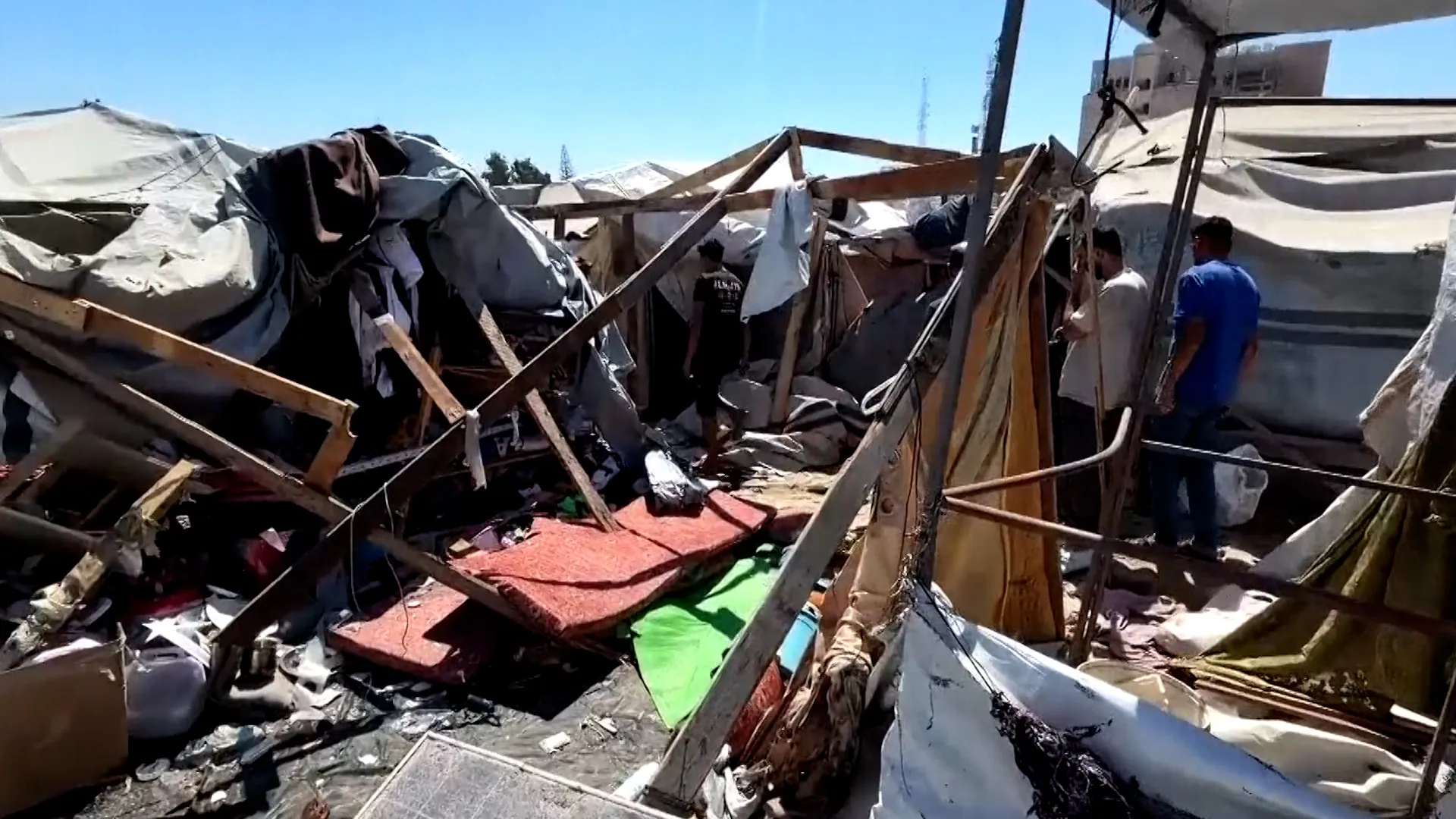
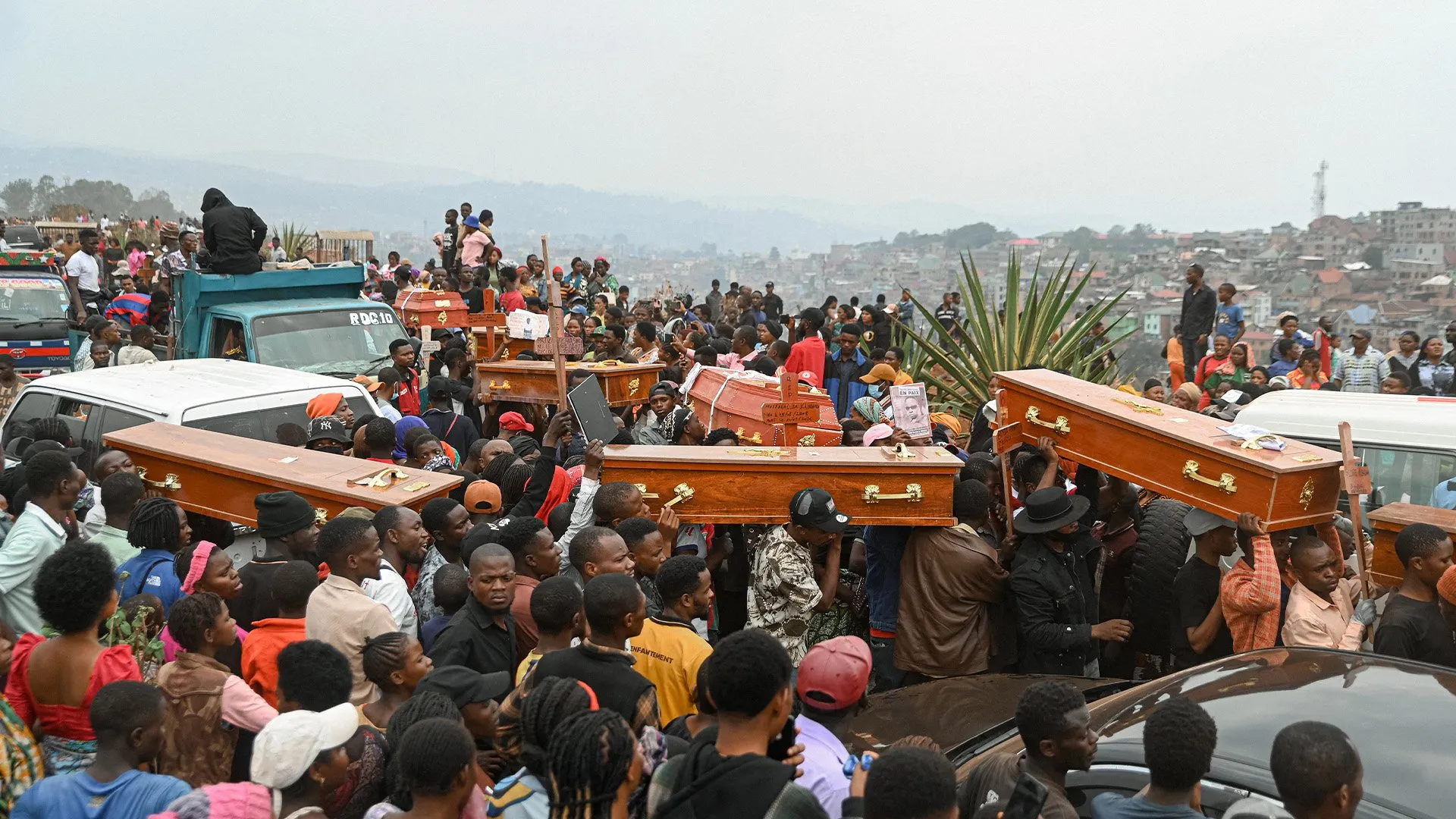
Simultaneously, a complex and deadly assault took place in Kohat, Pakistan, within the Khyber Pakhtunkhwa province. A suicide car-bomb attack targeted a mosque located near a police headquarters precisely during Friday prayers. The blast was followed from the BBC, the death toll has reached at least 21 individuals, including 15 police officers and a four-year-old child, while more than 100 people sustained injuries.
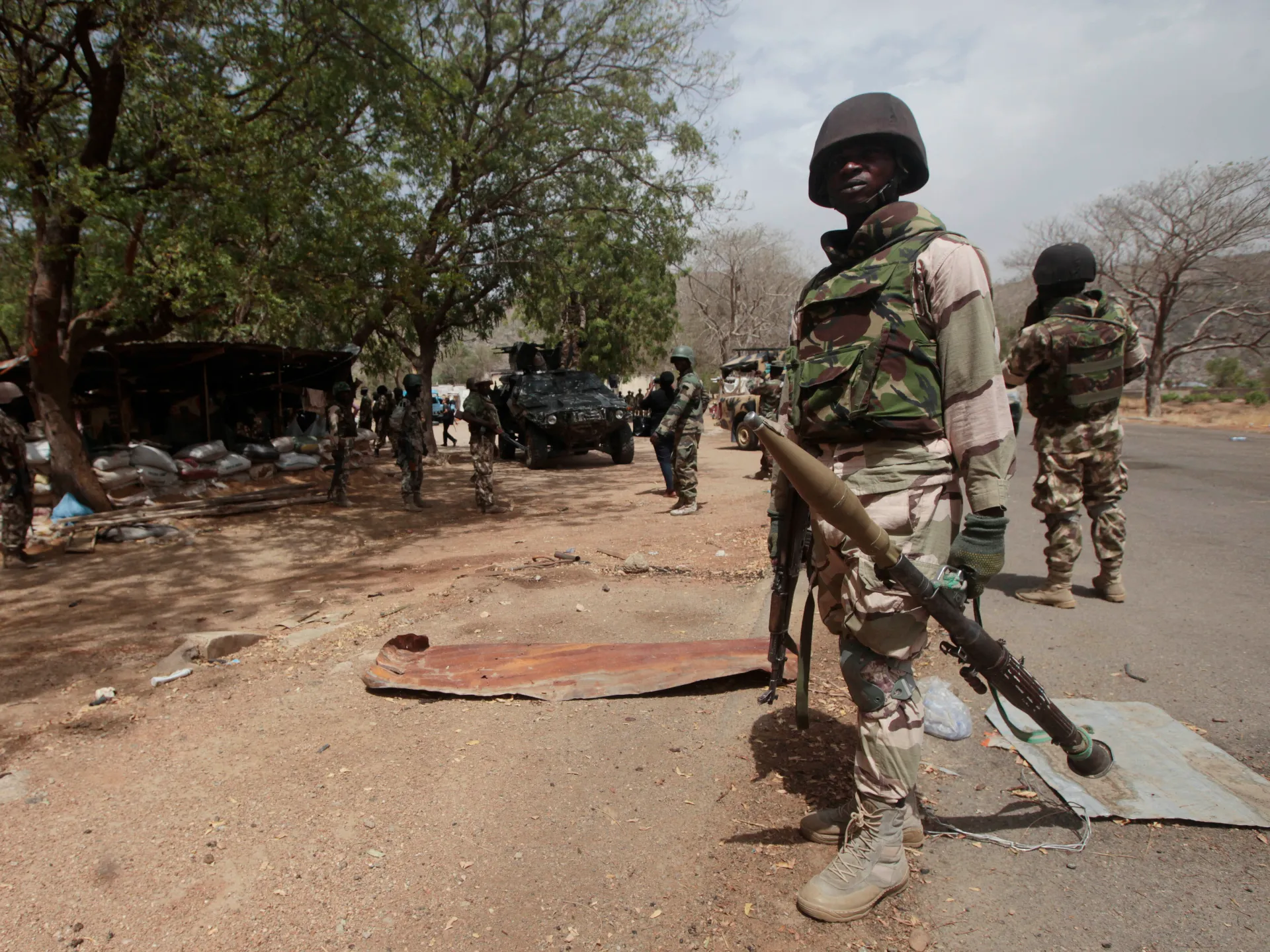
Khyber Pakhtunkhwa police authorities have attributed the operation to a faction of the Tehrik-e-Taliban Pakistan (TTP). In a public statement, the provincial police force expressed their resolve to counter what they termed the "nefarious designs of Fitna-al-Khawarij," a government designation for the TTP. While the Pakistani government continues to allege that these militant groups utilize Afghanistan as a base of operations for training and planning—a claim the Afghan Taliban government consistently denies—the violence has forced the Pakistani leadership to call for the total elimination of foreign-backed extremist elements.
The immediate outlook involves a sustained period of volatility. In Pakistan, the government faces mounting pressure to secure its northwestern frontier against the TTP, which appears to be increasing its operational complexity. Given the high casualty rate among law enforcement, a potential intensification of domestic counter-terrorism operations is likely. Internationally, the maritime situation hinges on whether the threat to shipping in the Strait of Hormuz remains a localized incident or escalates into a wider blockade. As the UN pauses operations and Iran maintains its aggressive stance, commercial shipping firms are expected to divert routes or suspend transit, which will likely result in increased insurance premiums and potential delays for energy and cargo shipments. The international community will likely look to diplomatic channels to de-escalate the rhetoric in the Gulf, though the current hardening of positions suggests that a rapid resolution is improbable.