Former Philippine President Rodrigo Duterte faces a critical fitness-to-stand-trial assessment at the ICC, while India’s surfing team debuts at the 2026 Asian Games.
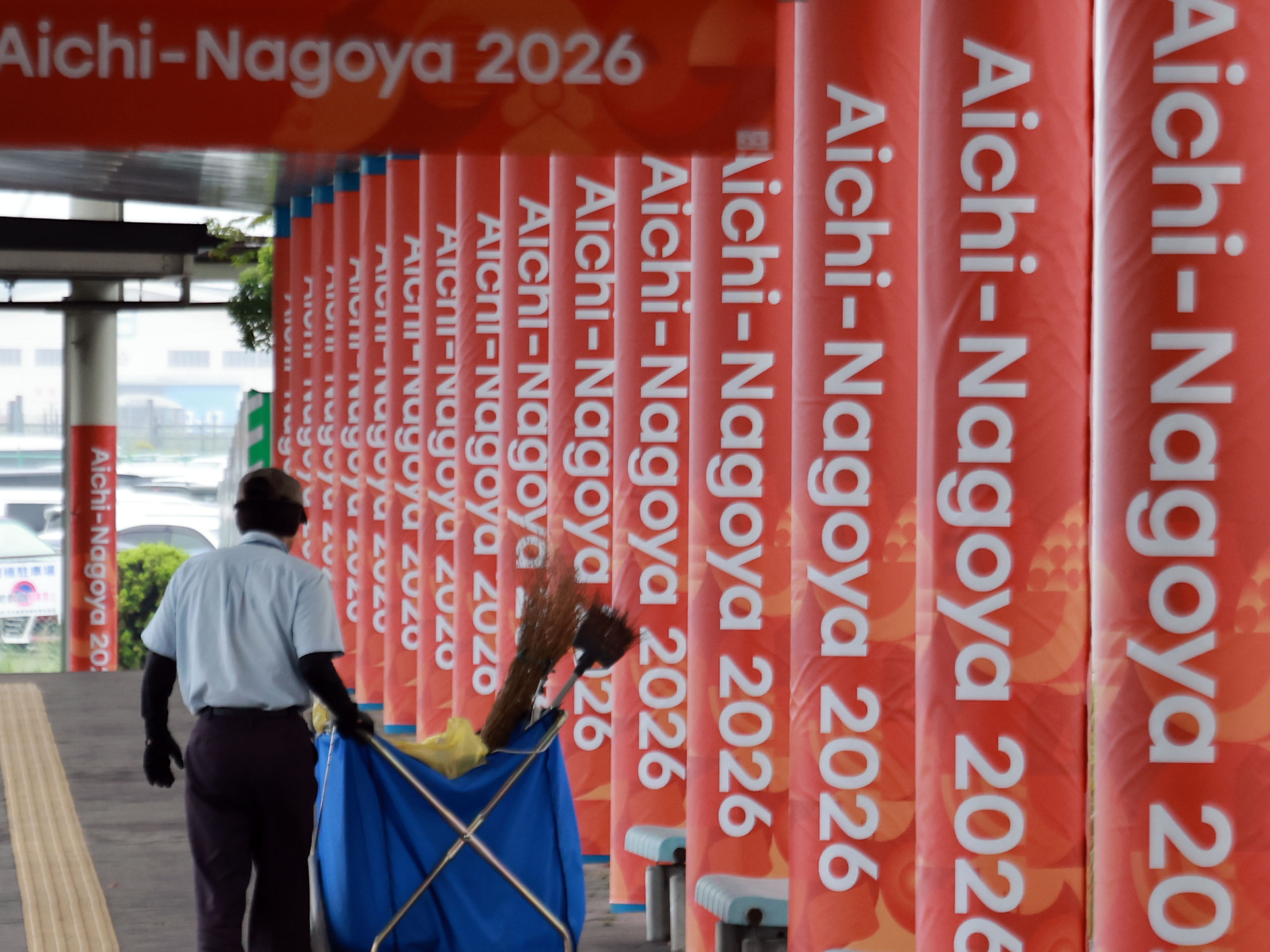
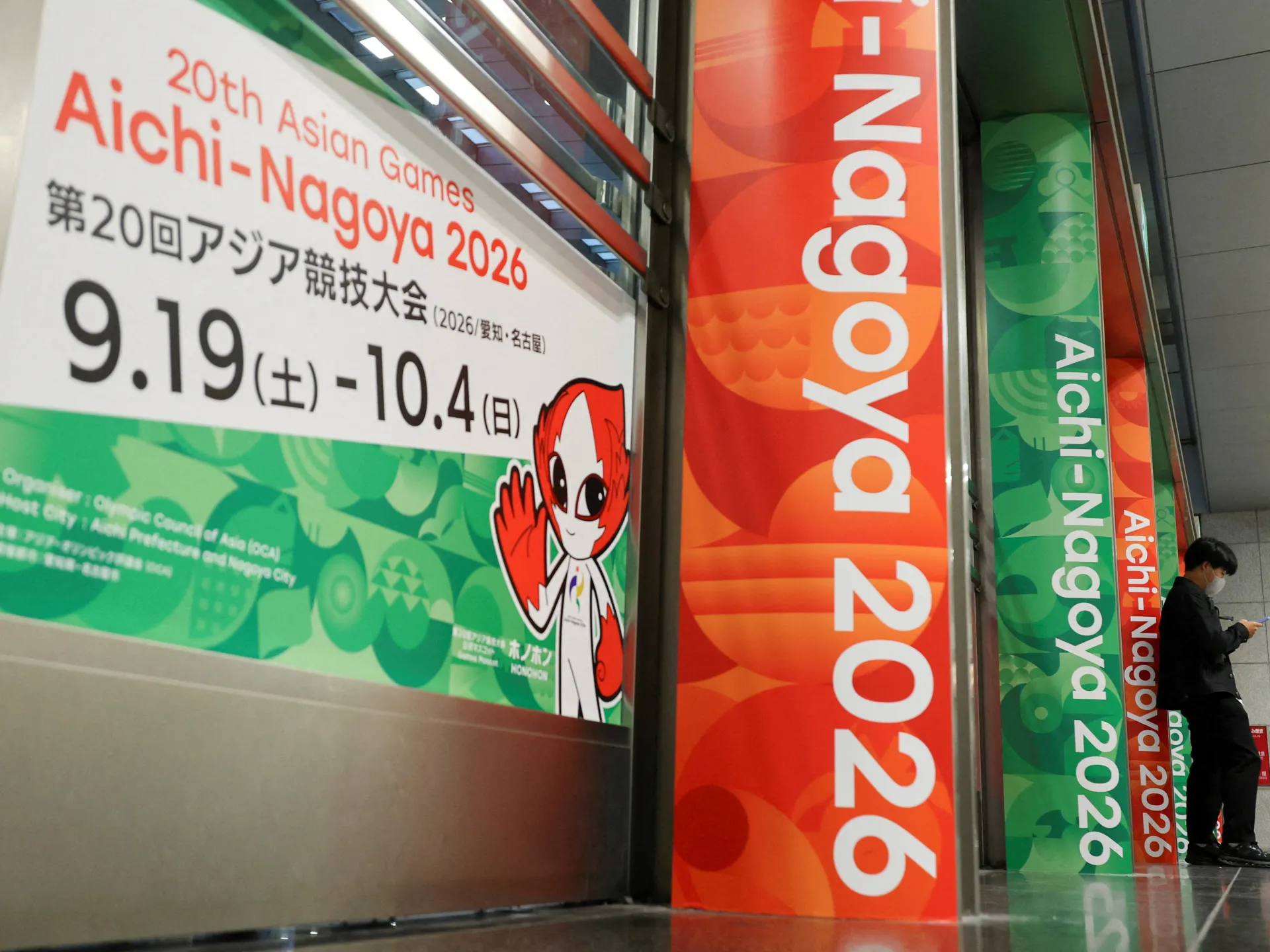
As global attention shifts toward both the high-stakes arena of international justice and the burgeoning world of competitive sports, two distinct narratives have emerged from Asia. In the Netherlands, former Philippine President Rodrigo Duterte has made his first physical appearance at the International Criminal Court (ICC), marking a pivotal turn in long-standing litigation regarding his administration's anti-drug policies. Simultaneously, a burgeoning wave of Indian athletes is preparing to represent their nation on the continental stage as surfing makes its official debut at the 2026 Asian Games in Japan.
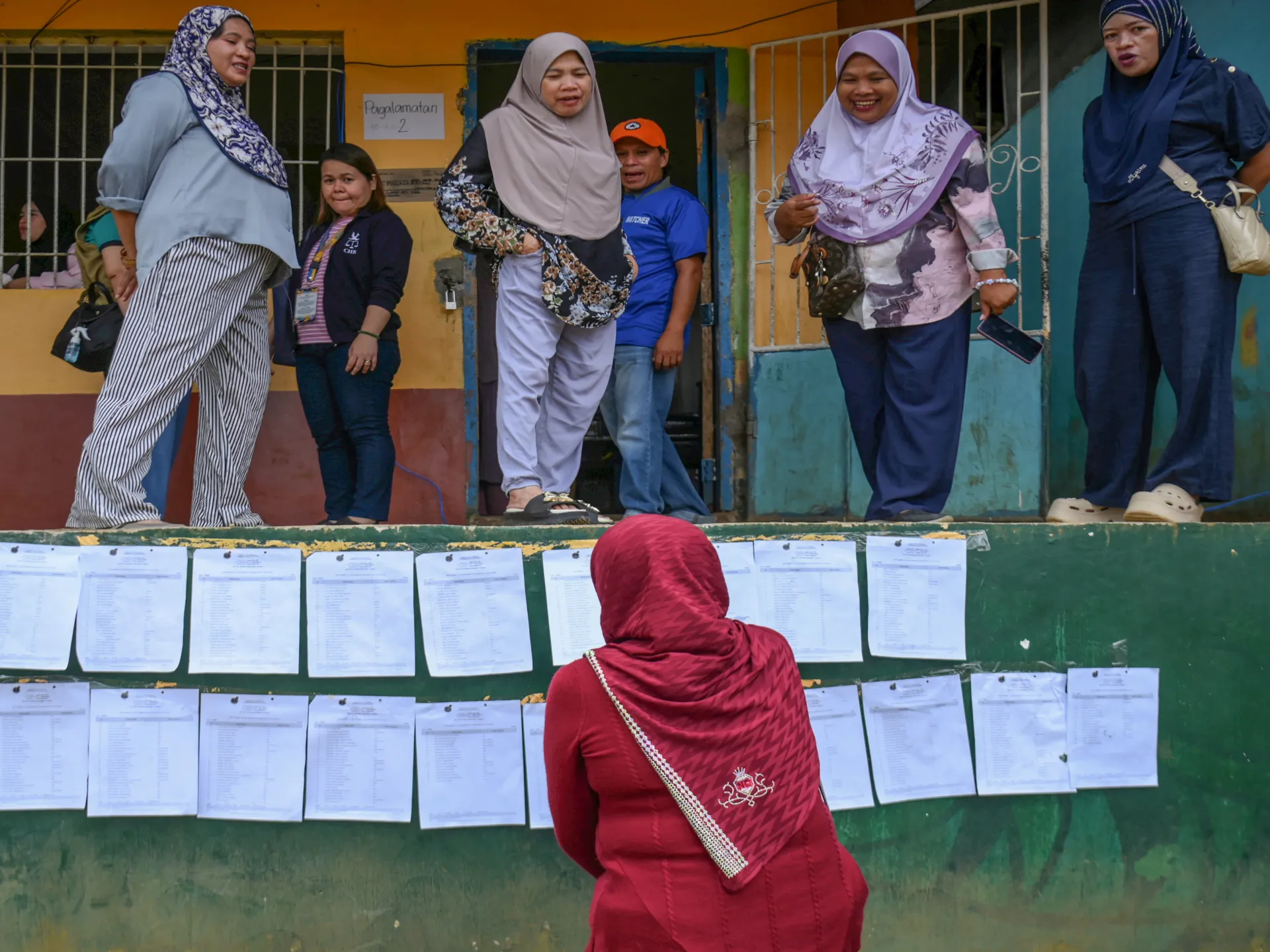
While these events occupy vastly different spheres of public life, both underscore the shifting cultural and political landscapes within the Asian continent. For the victims of the Philippine drug war, the appearance of the 81-year-old former leader represents a long-awaited moment of potential accountability, whereas, for India’s national surf team, the 2026 Games provide a historic platform to elevate a sport that has only recently begun to find its footing among the country’s coastal communities.
The convergence of these stories highlights the diverse pressures facing modern Asian nations. The ICC proceedings represent the culmination of years of international legal scrutiny regarding the limits of state power and the accountability of former heads of state. Conversely, the rise of Indian surfing reflects a grassroots cultural evolution. For decades, India’s vast coastline was largely overlooked in terms of organized competitive water sports. The transition from informal, community-based surfing to professional Asian Games representation signals a maturation of sports infrastructure and a shift in how coastal communities leverage their geography for global visibility.
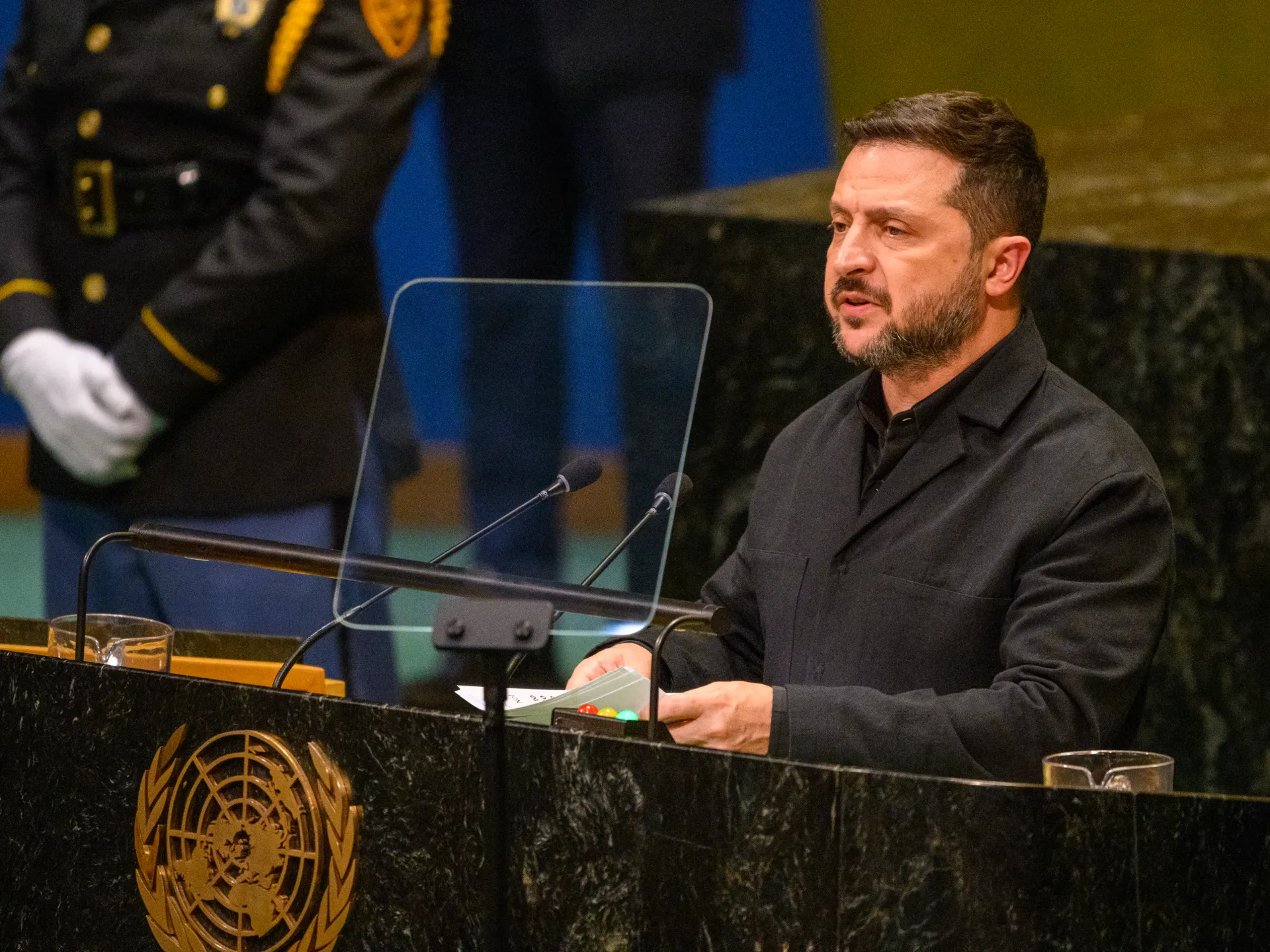
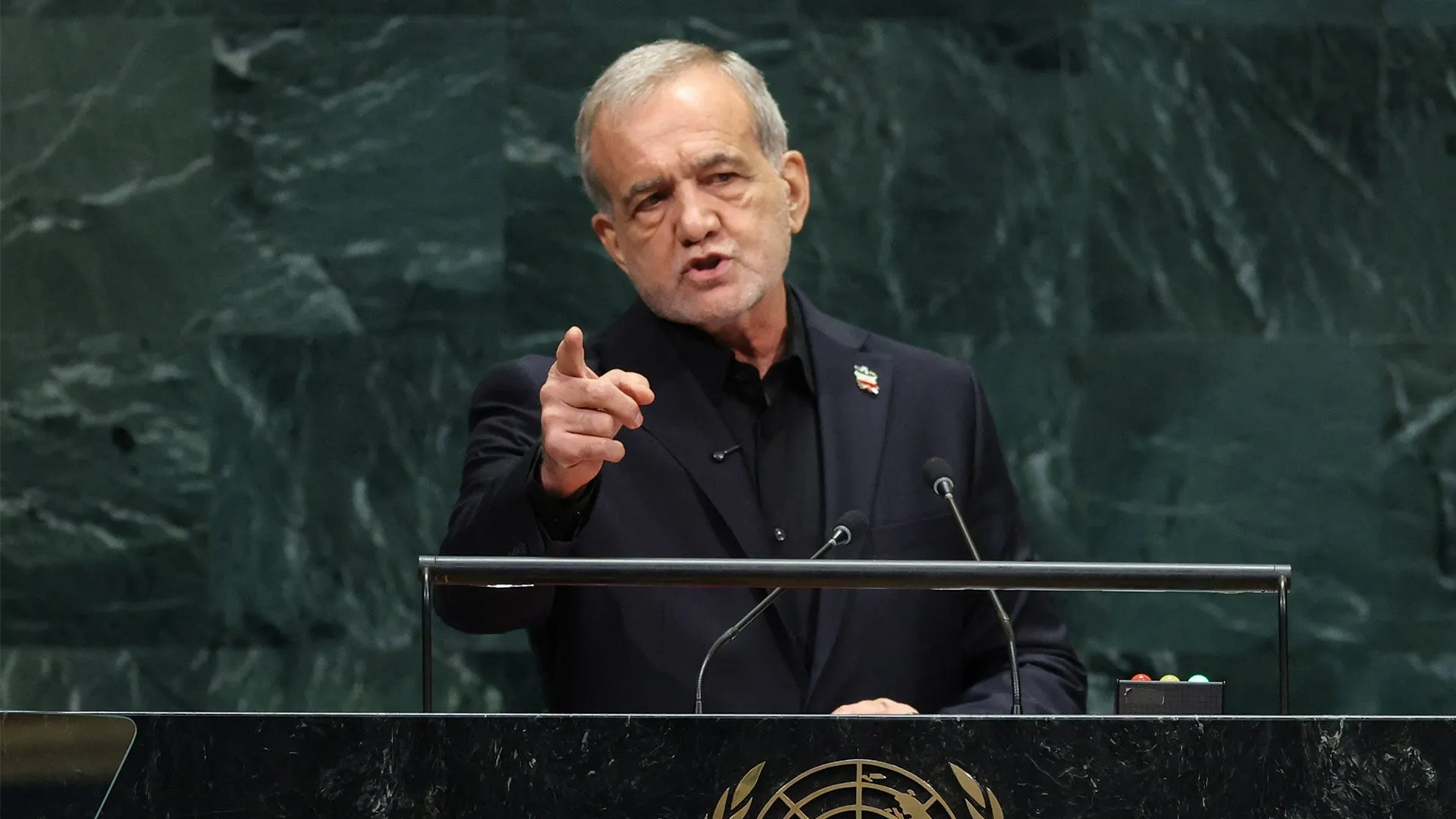
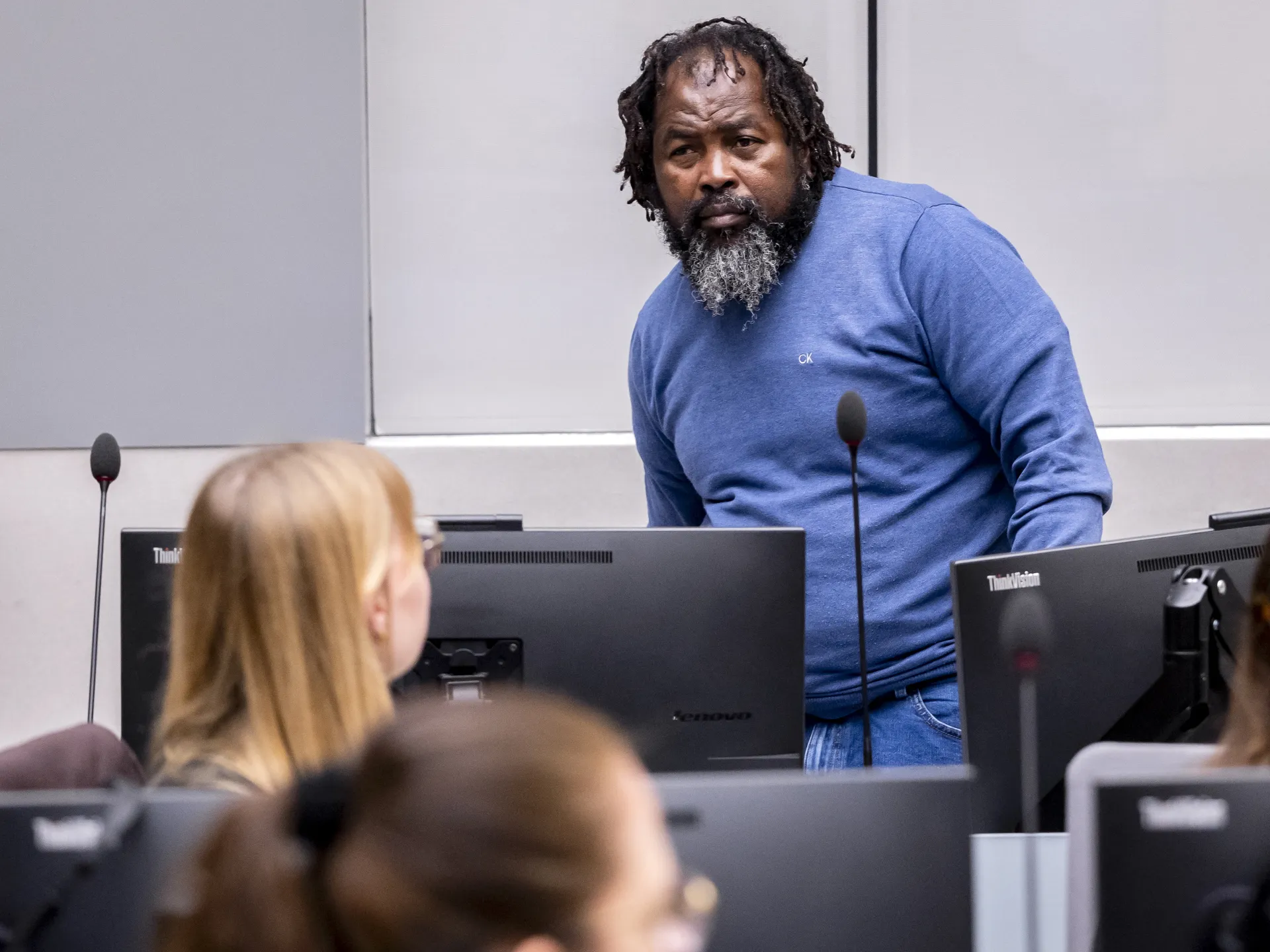
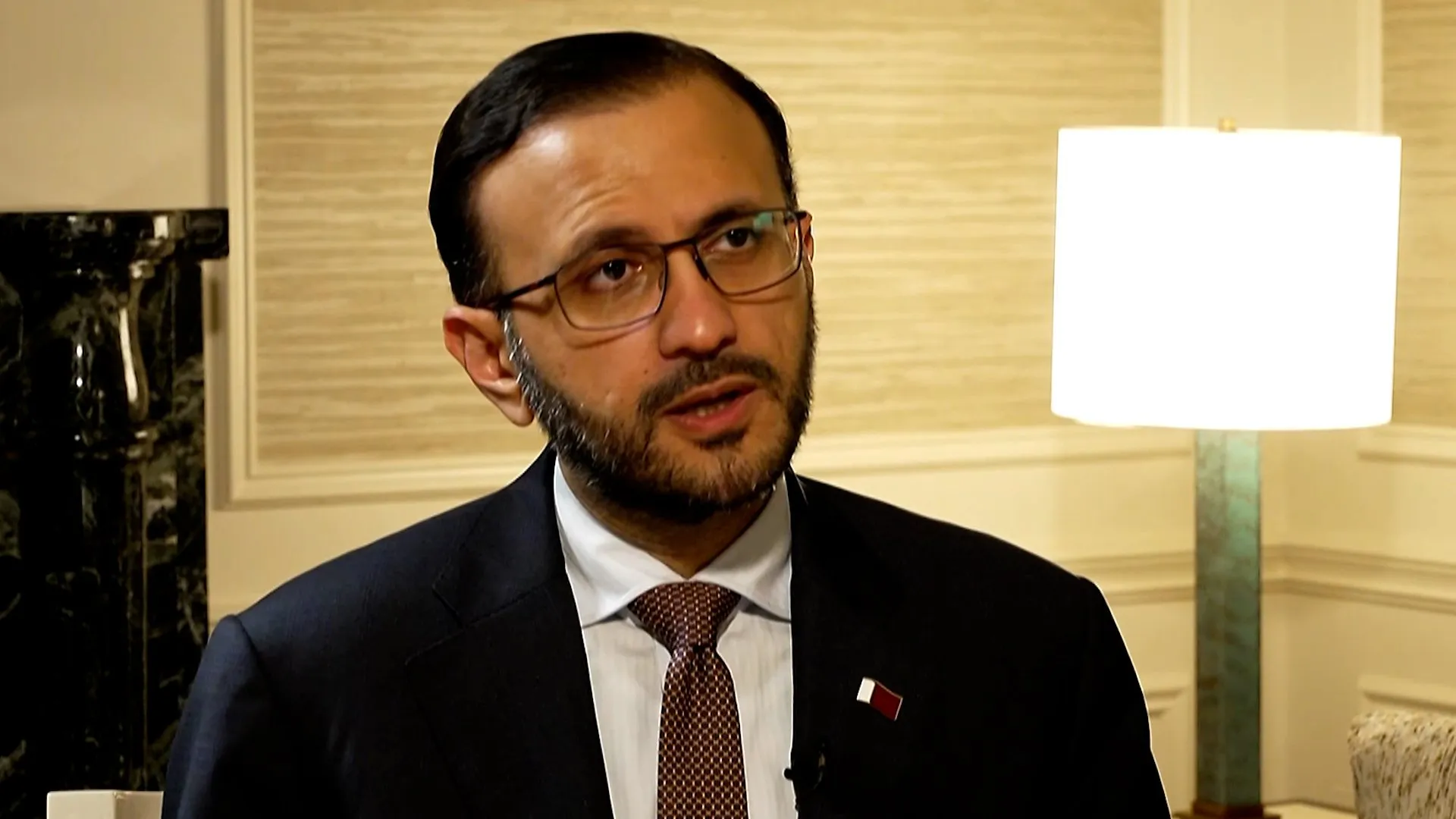
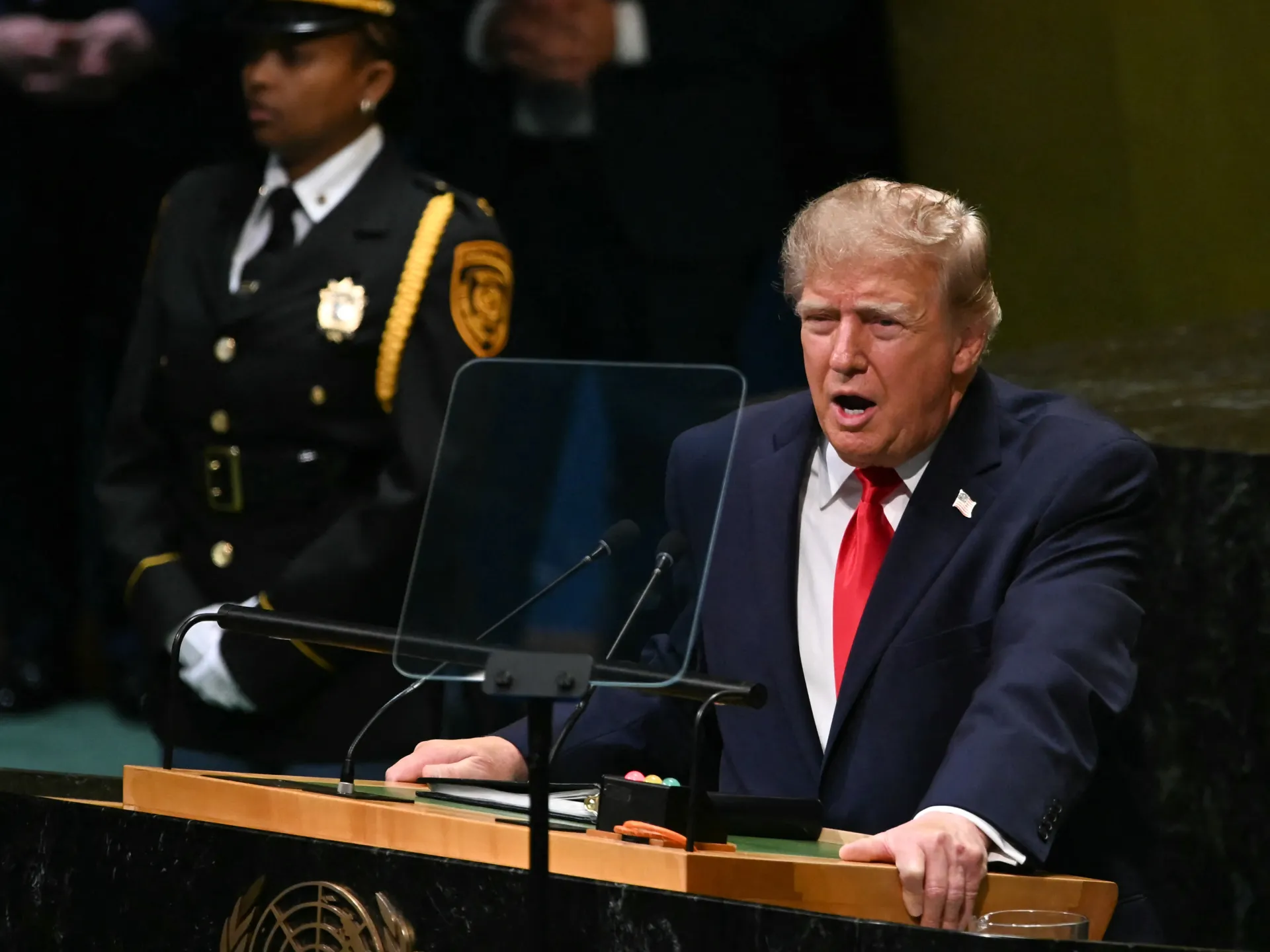
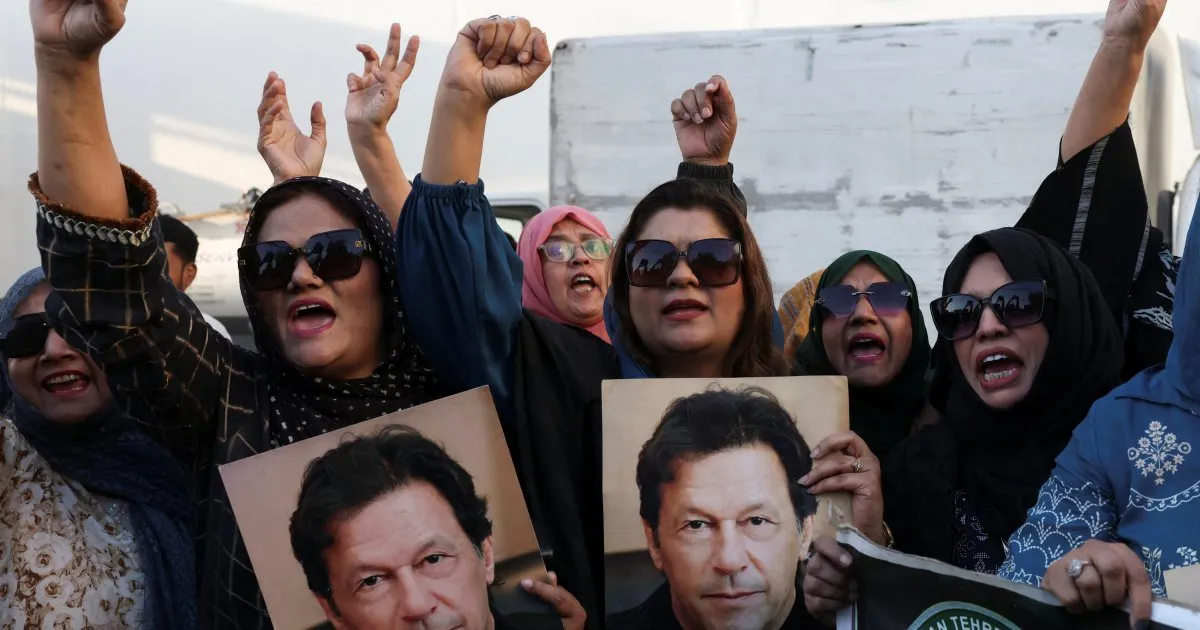
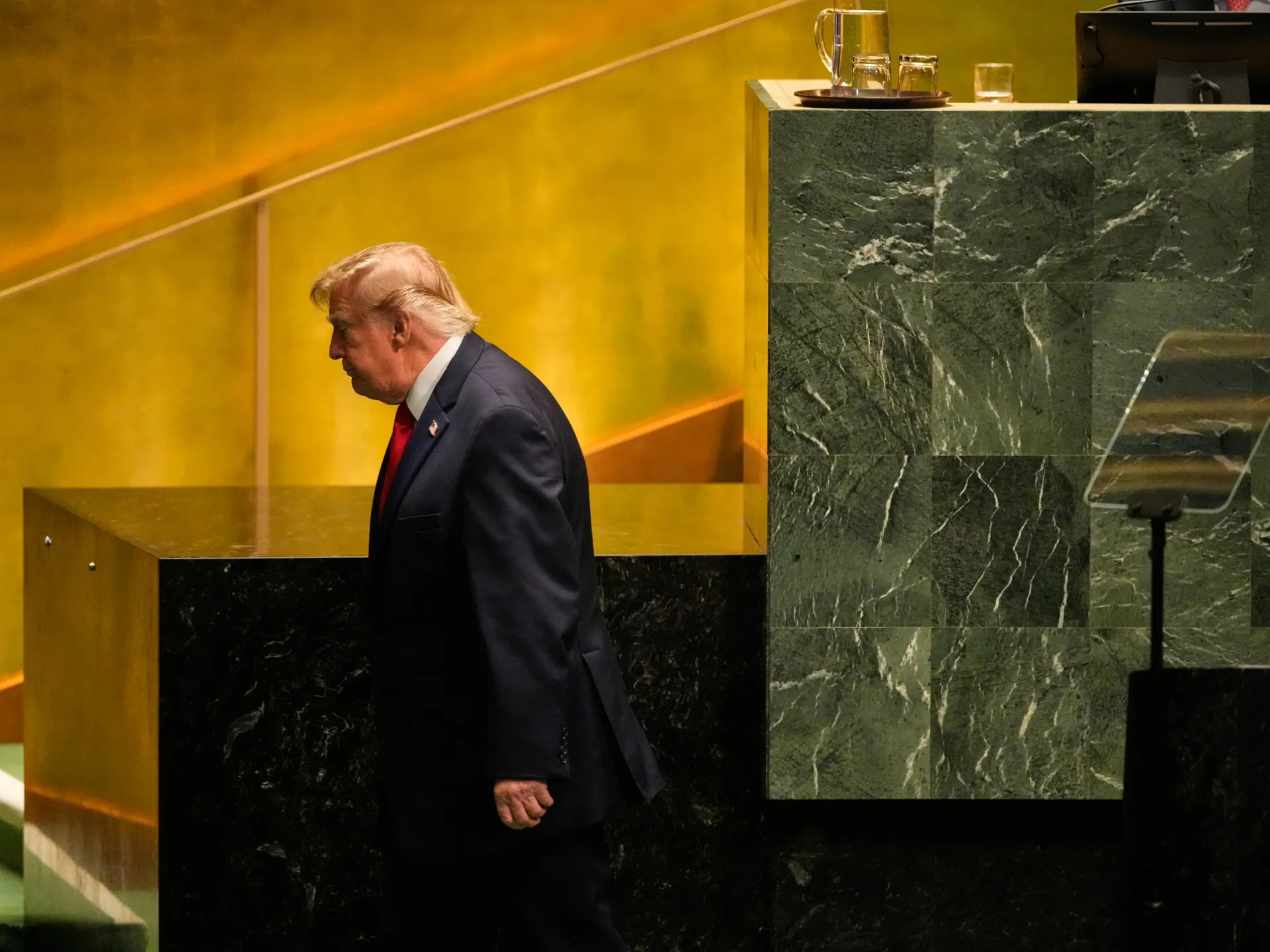
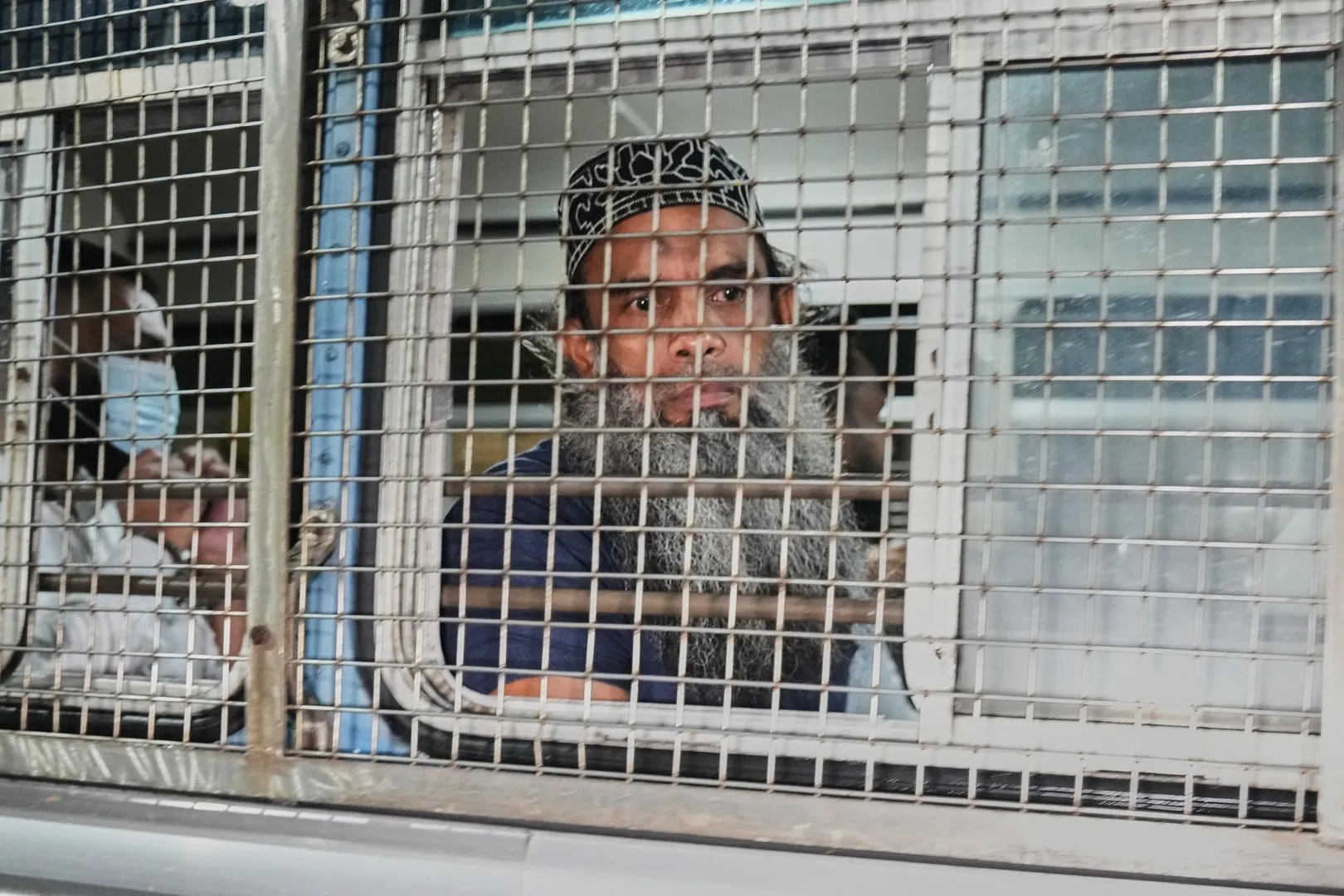
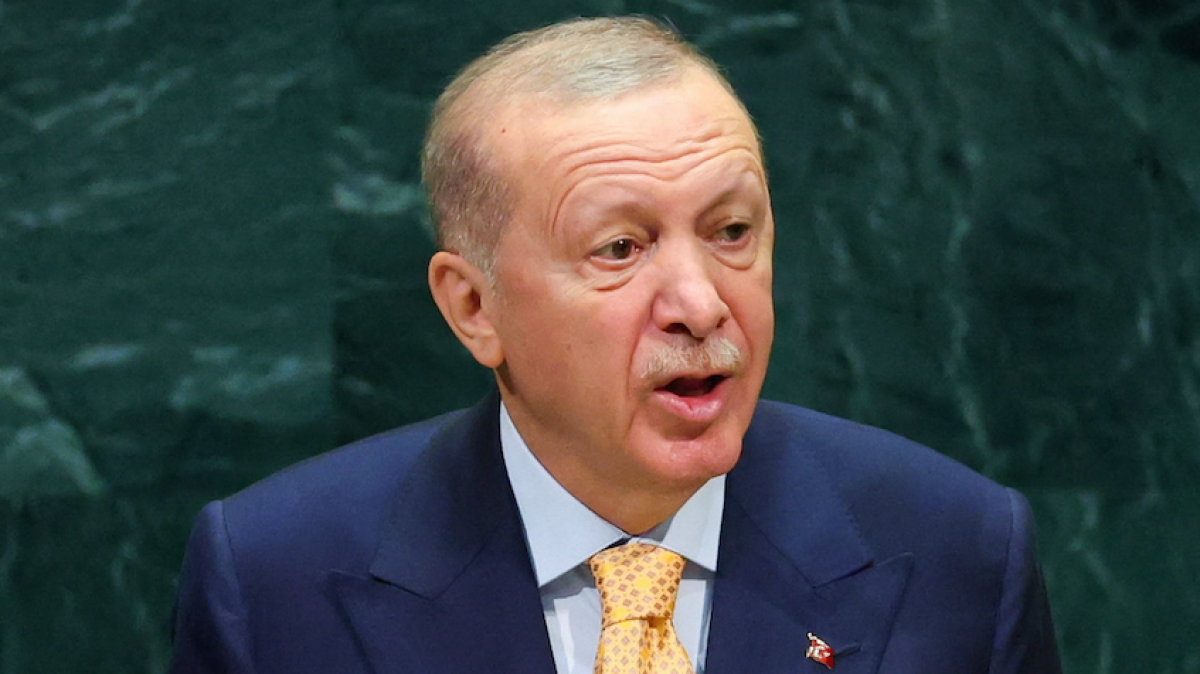
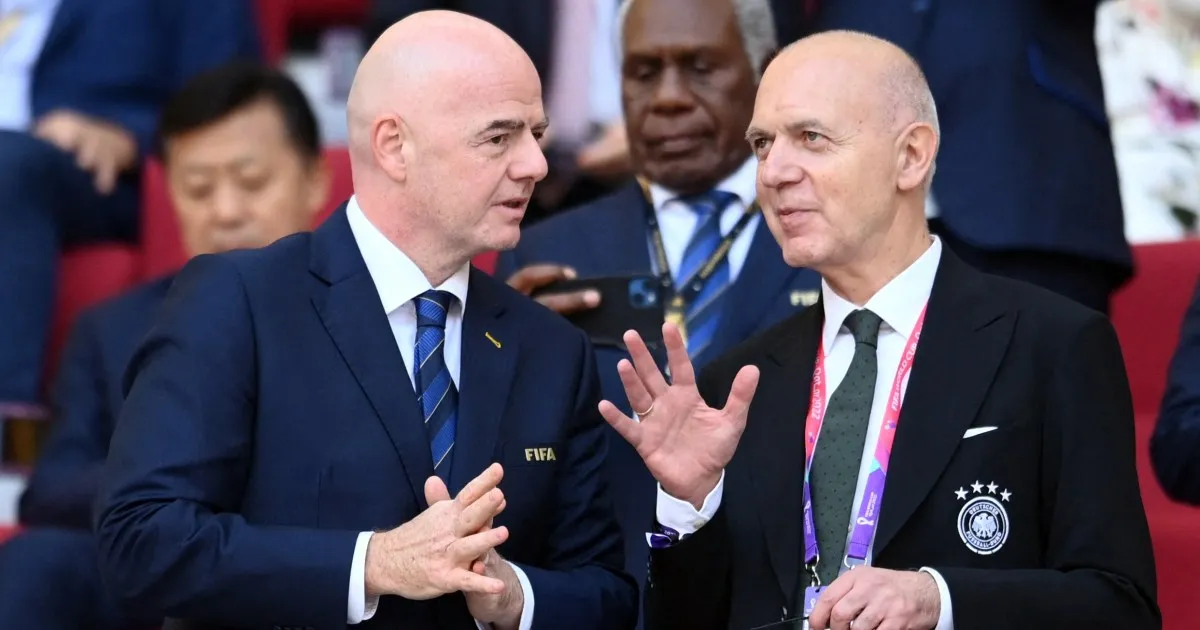
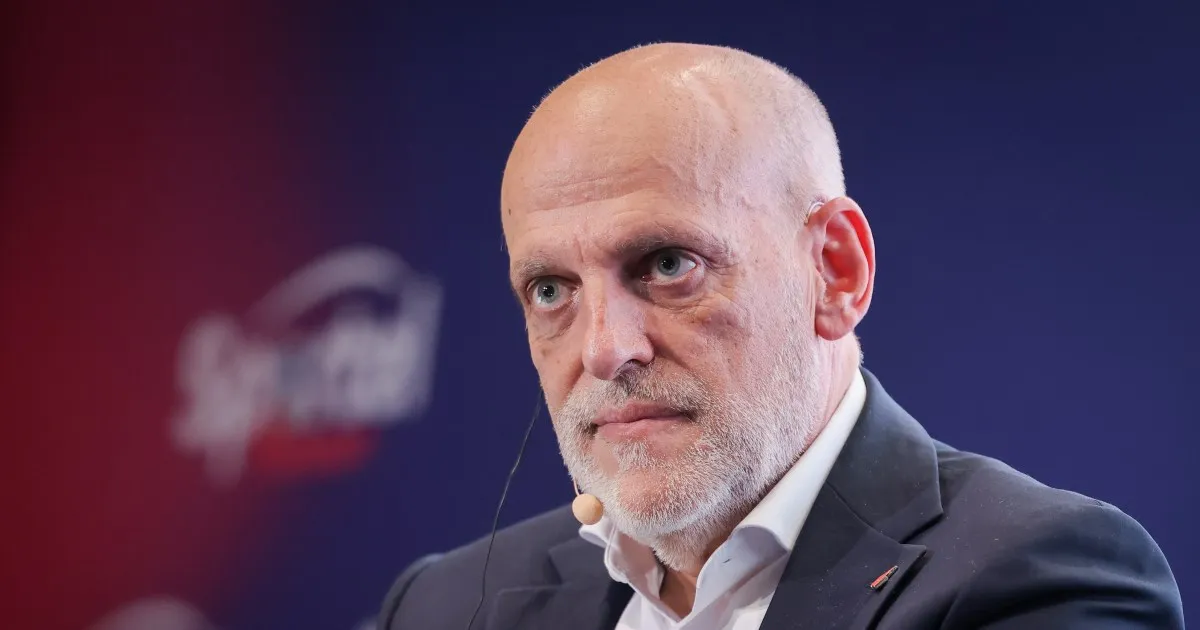
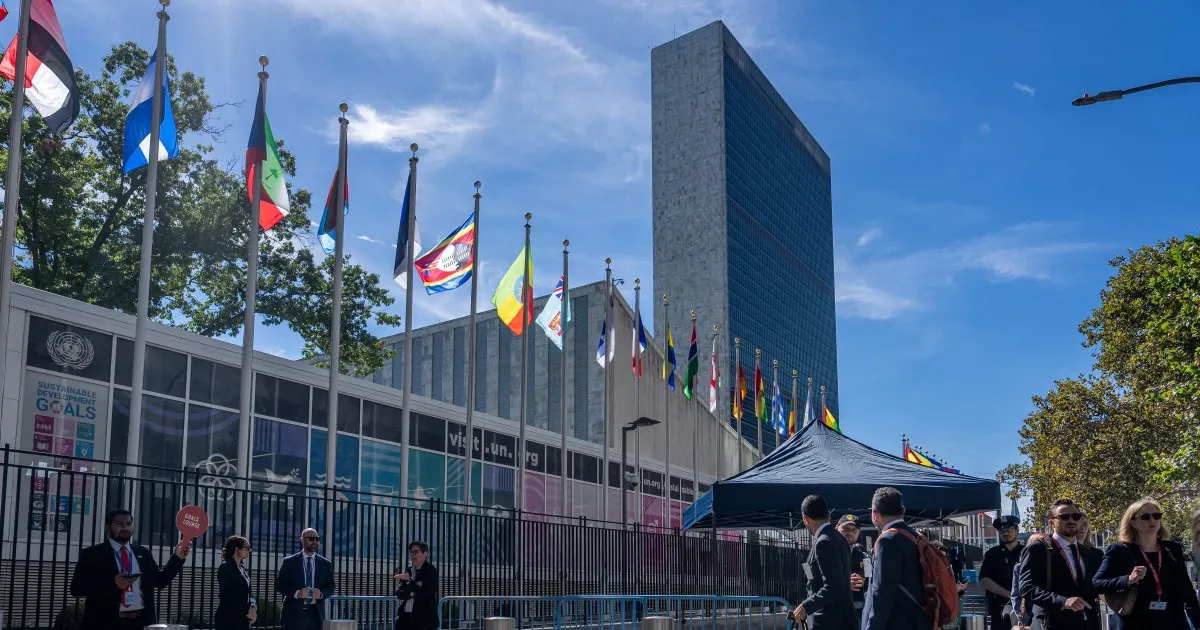
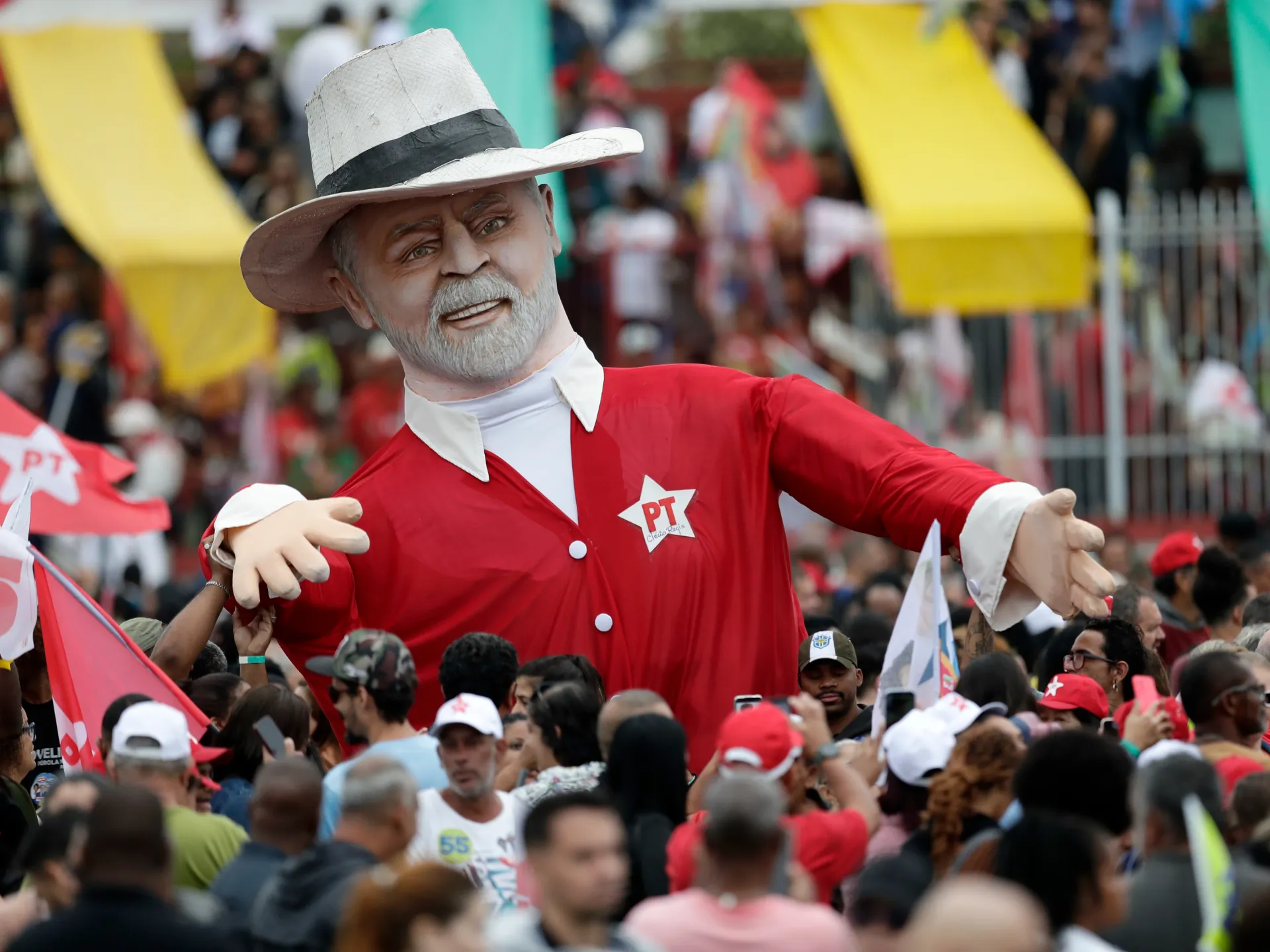
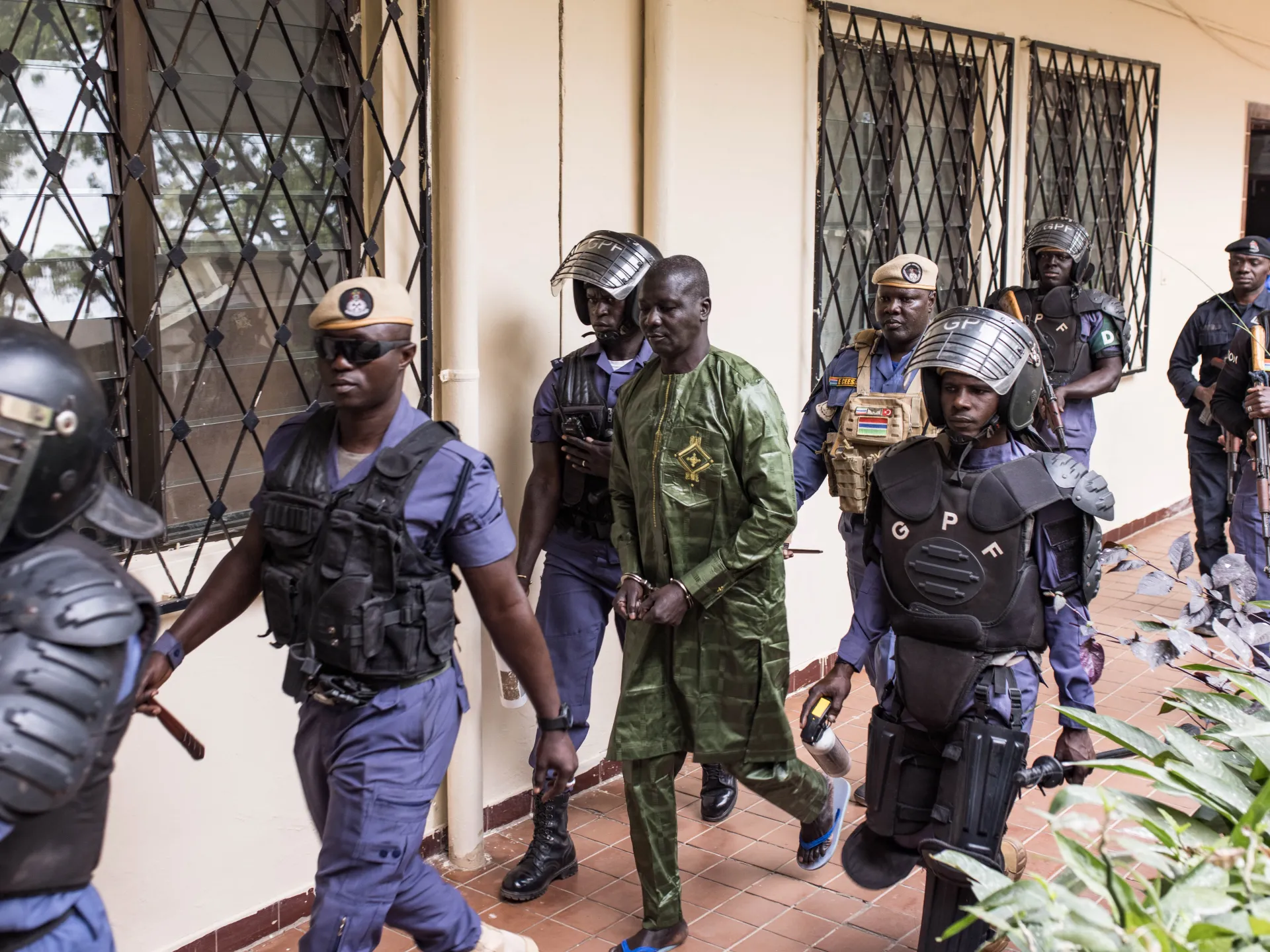
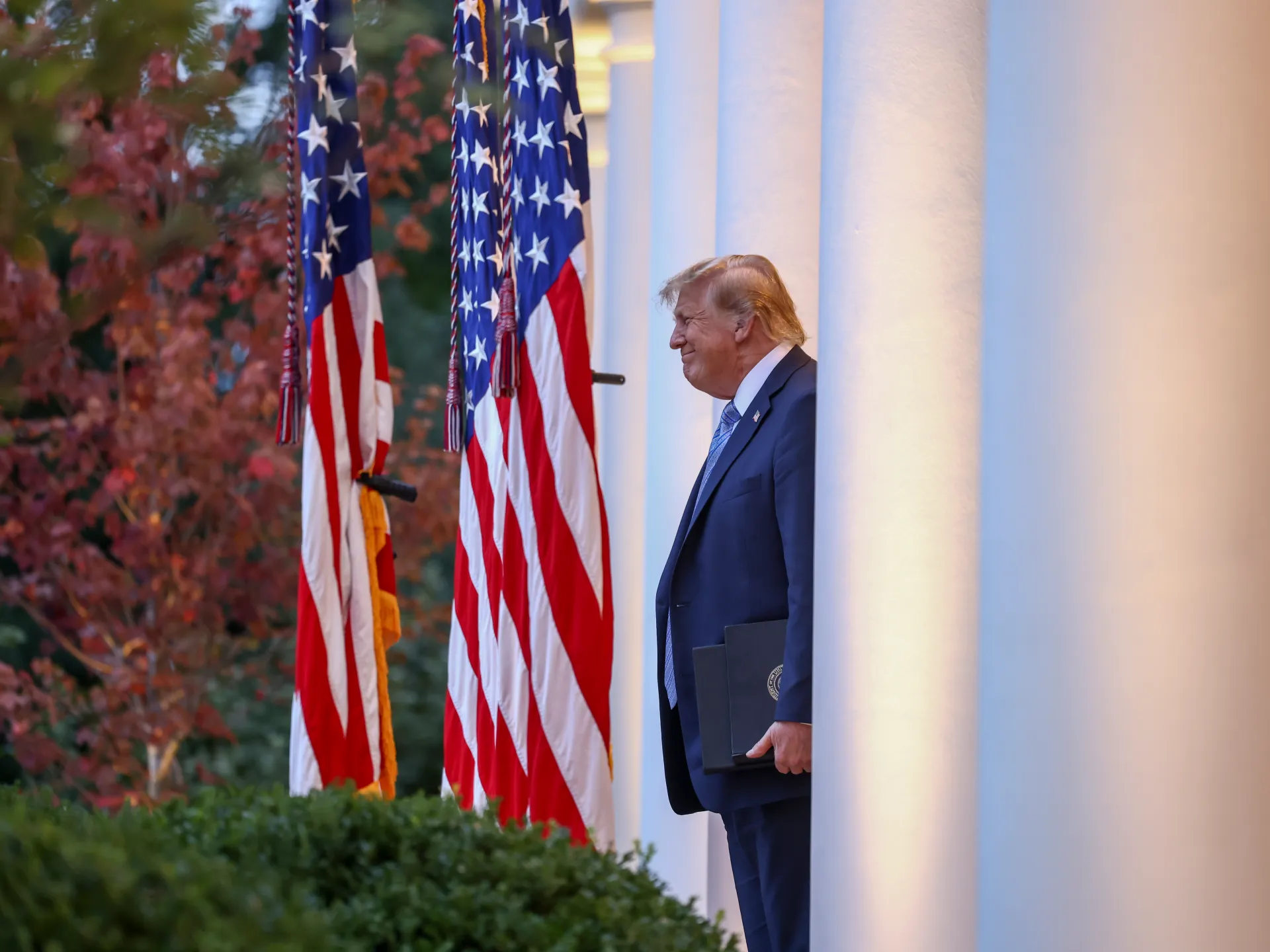
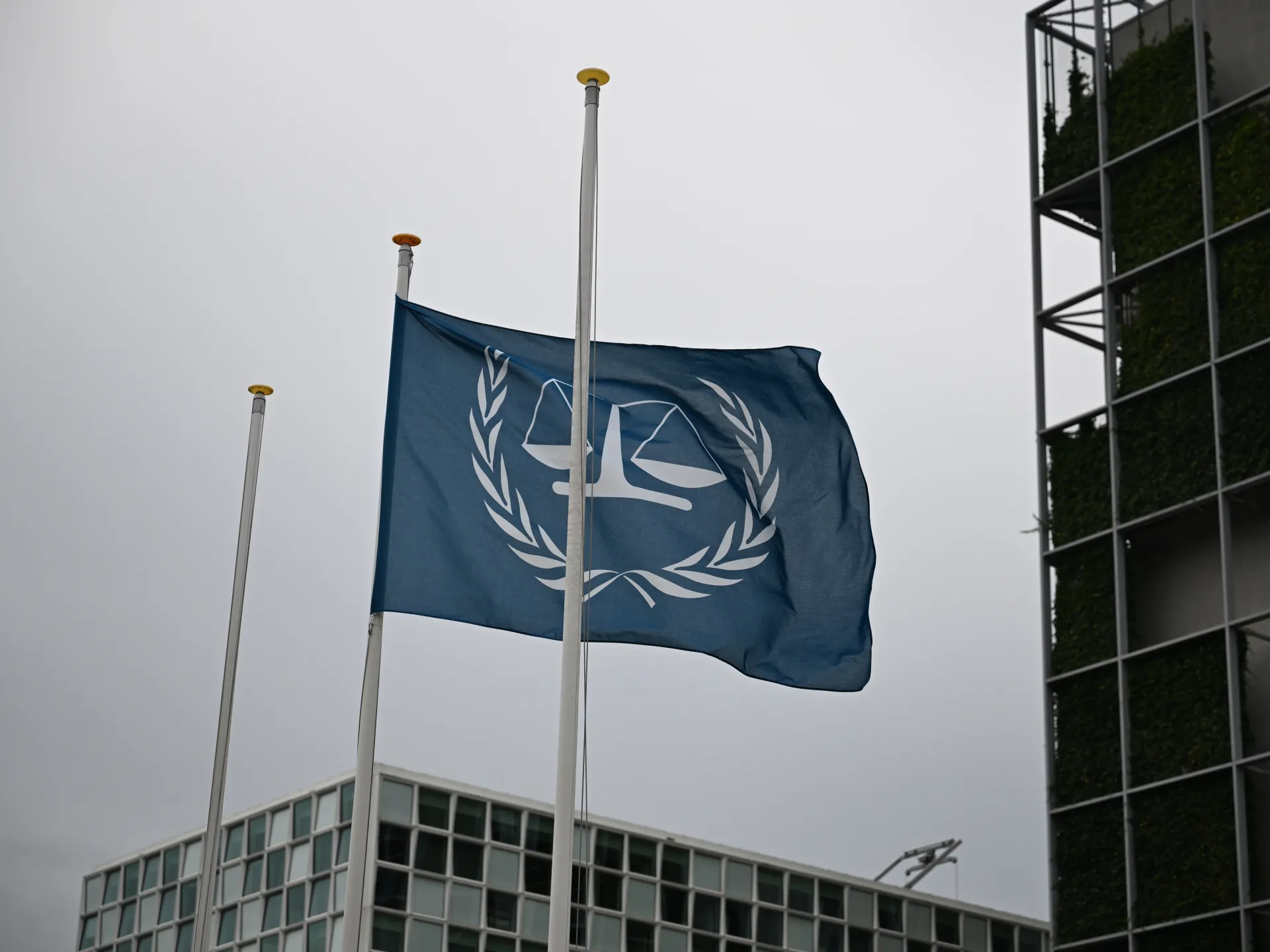
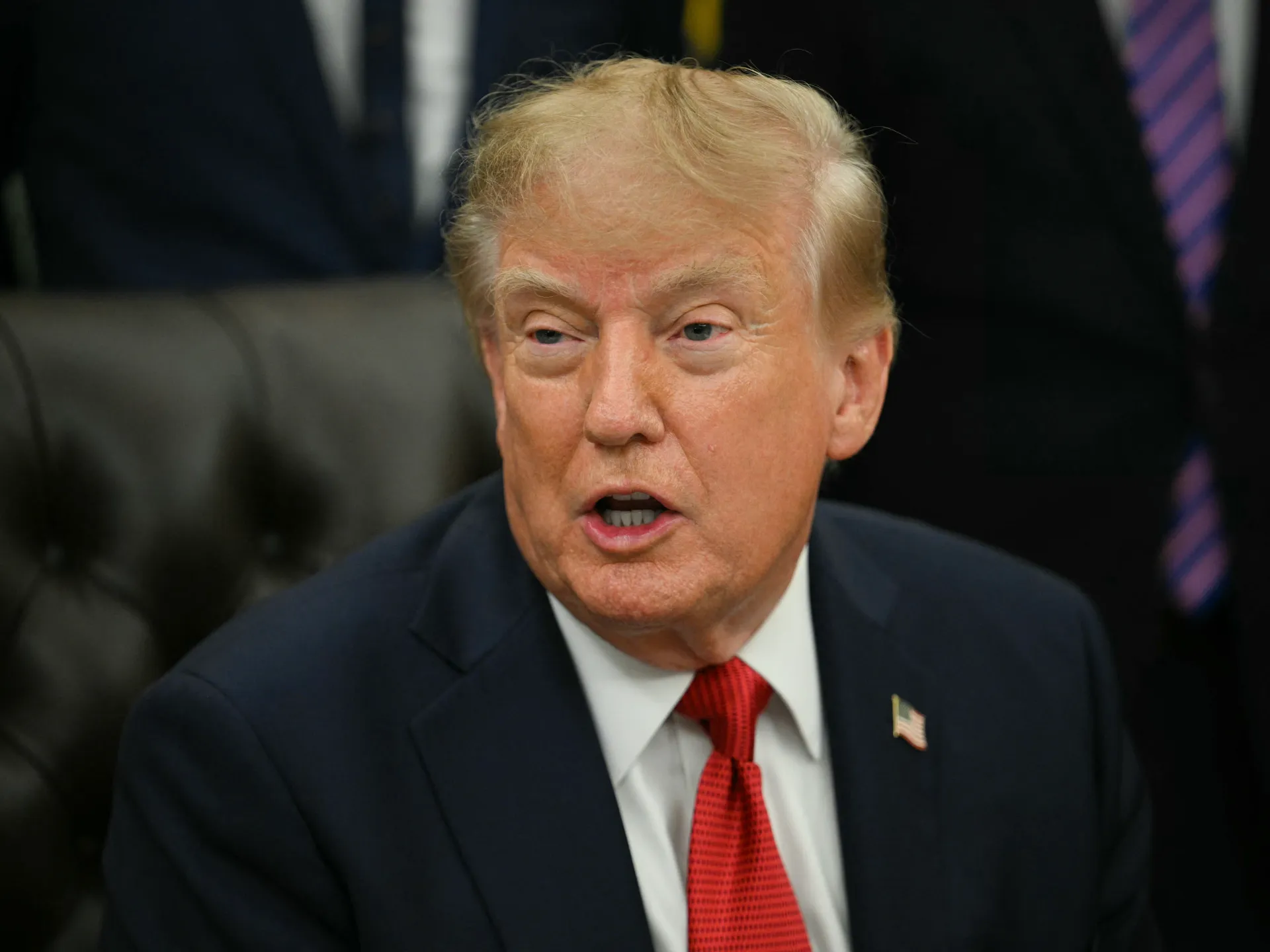
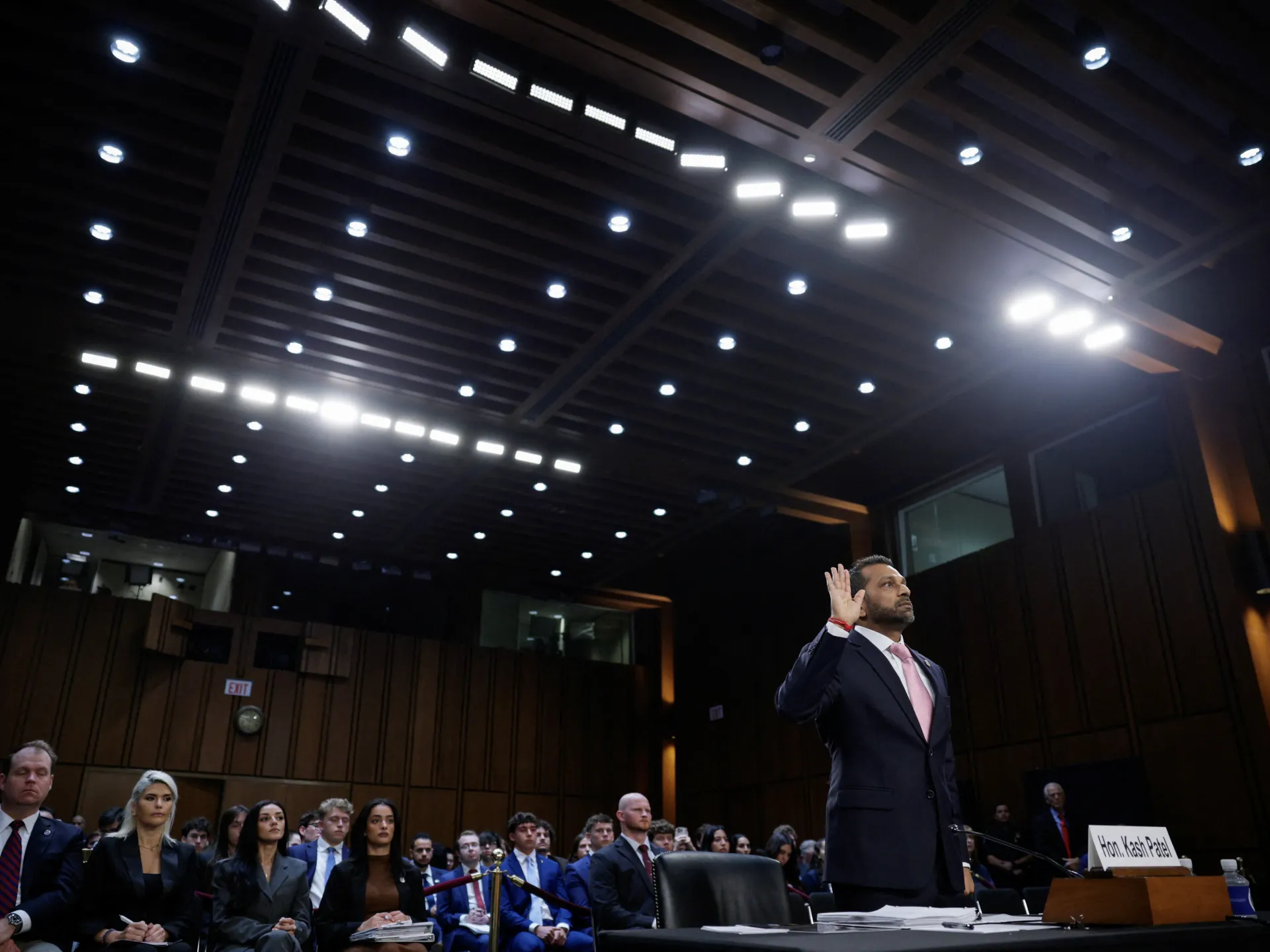
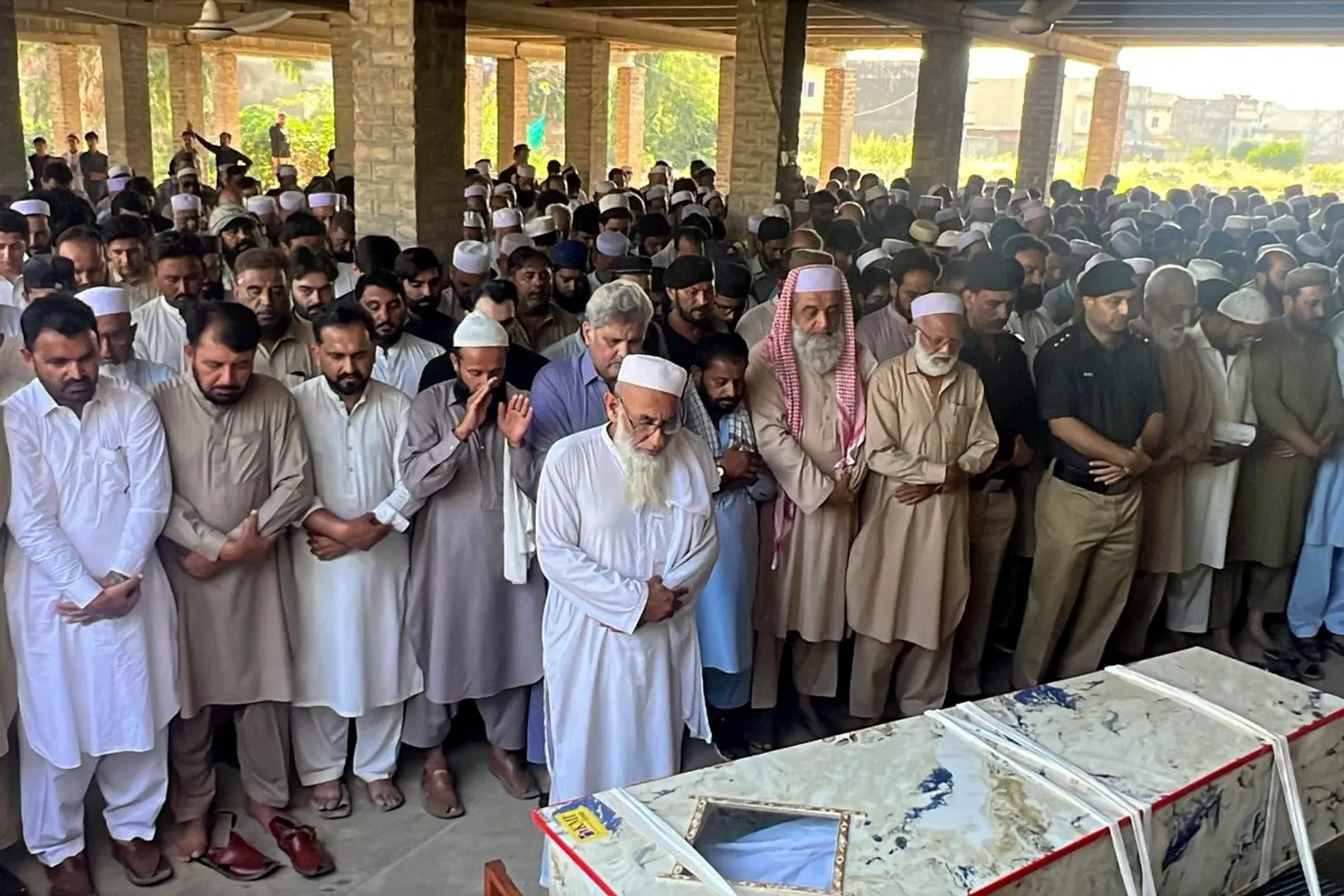
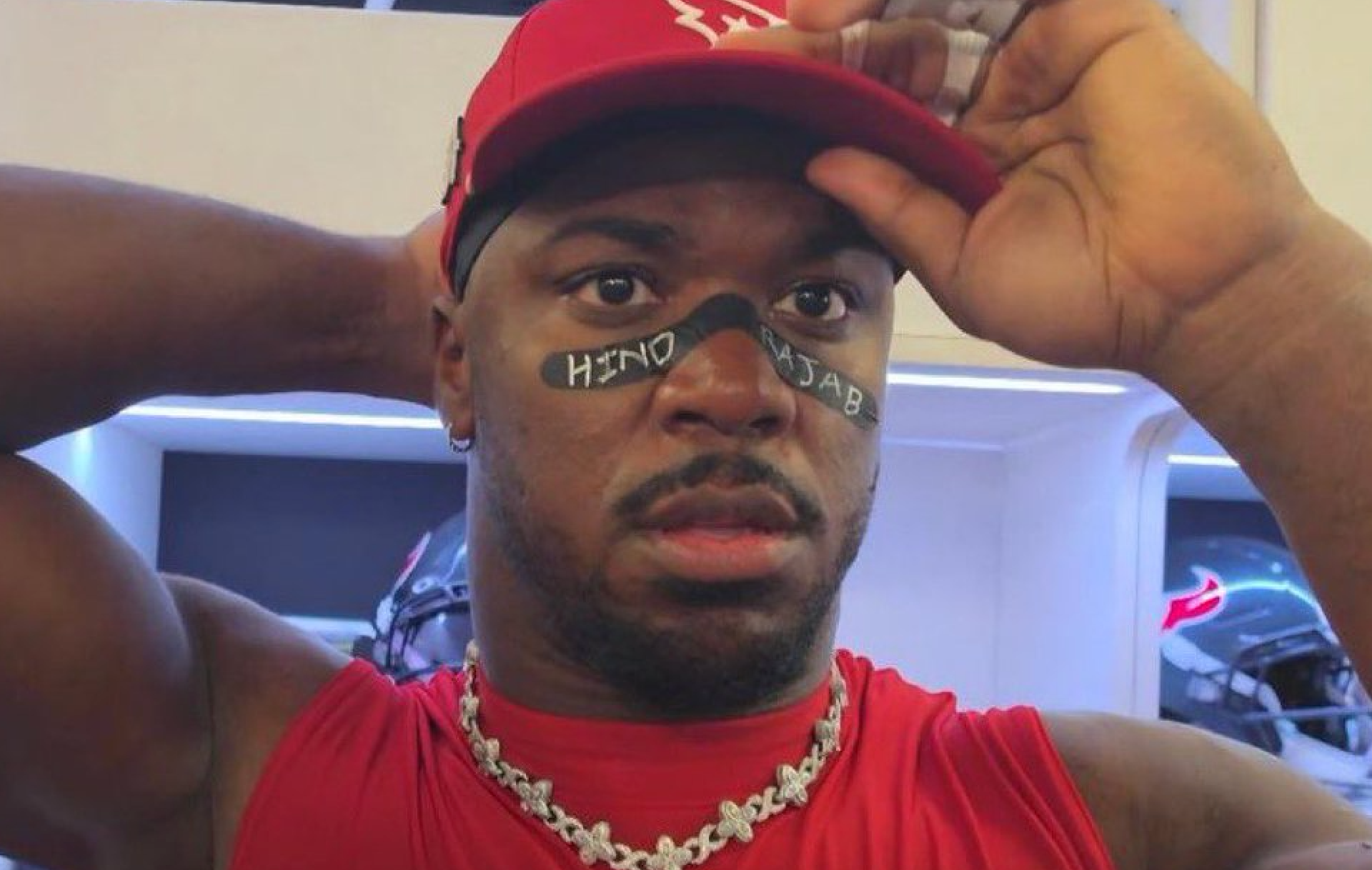
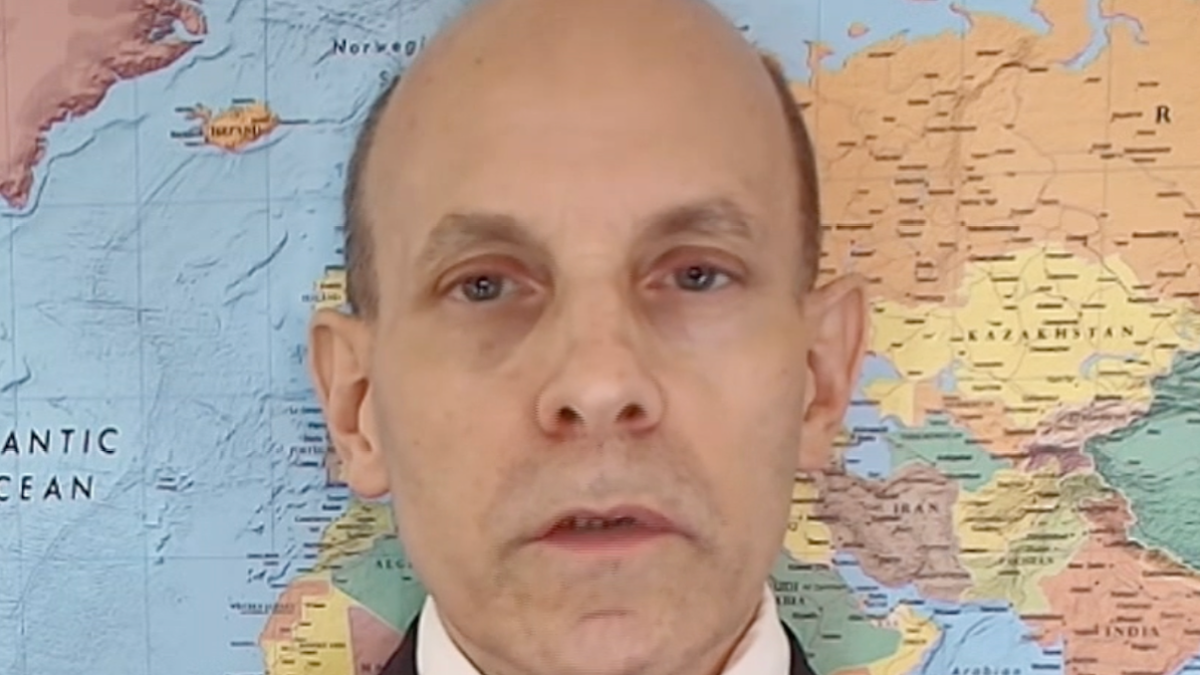
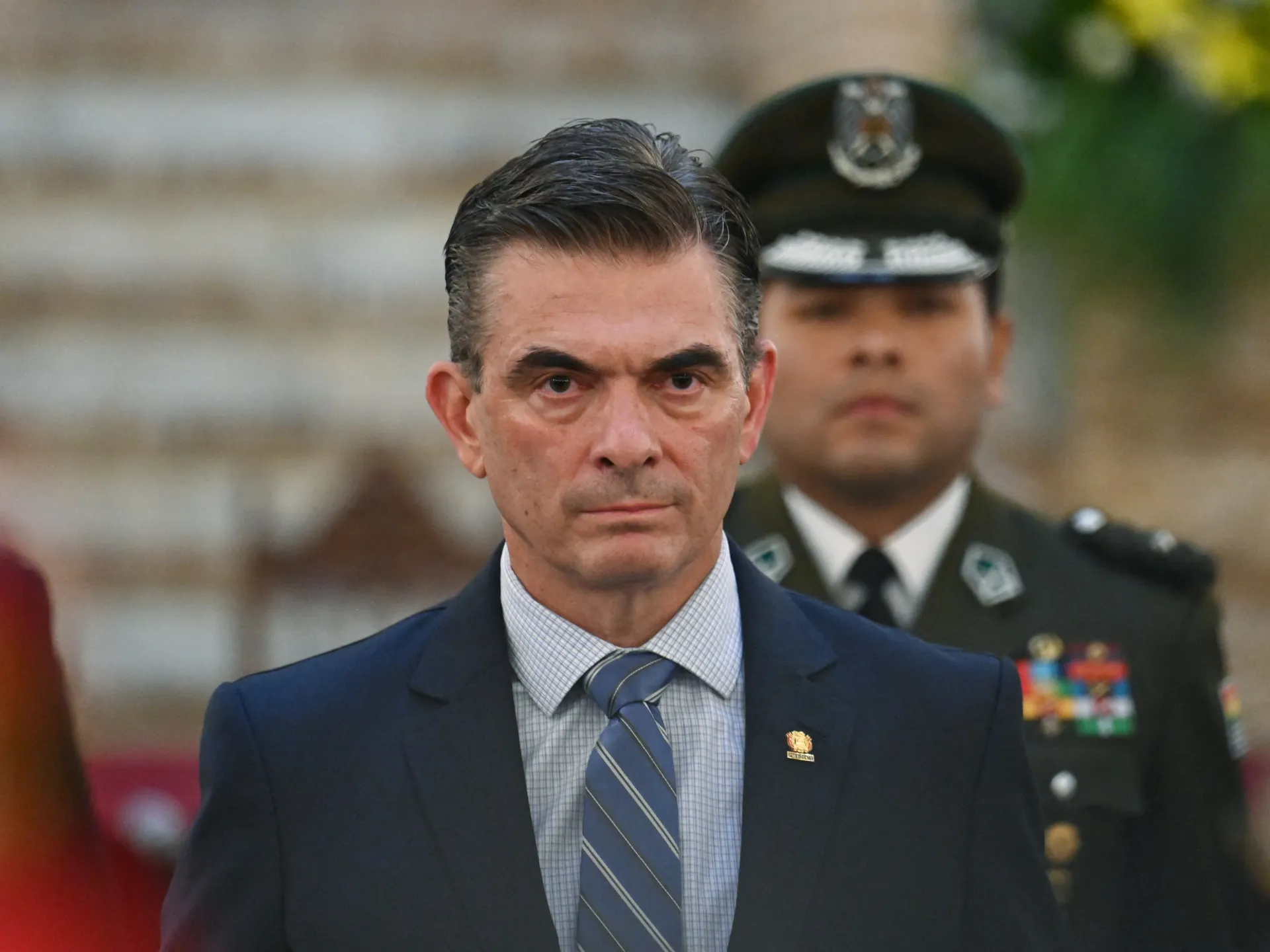
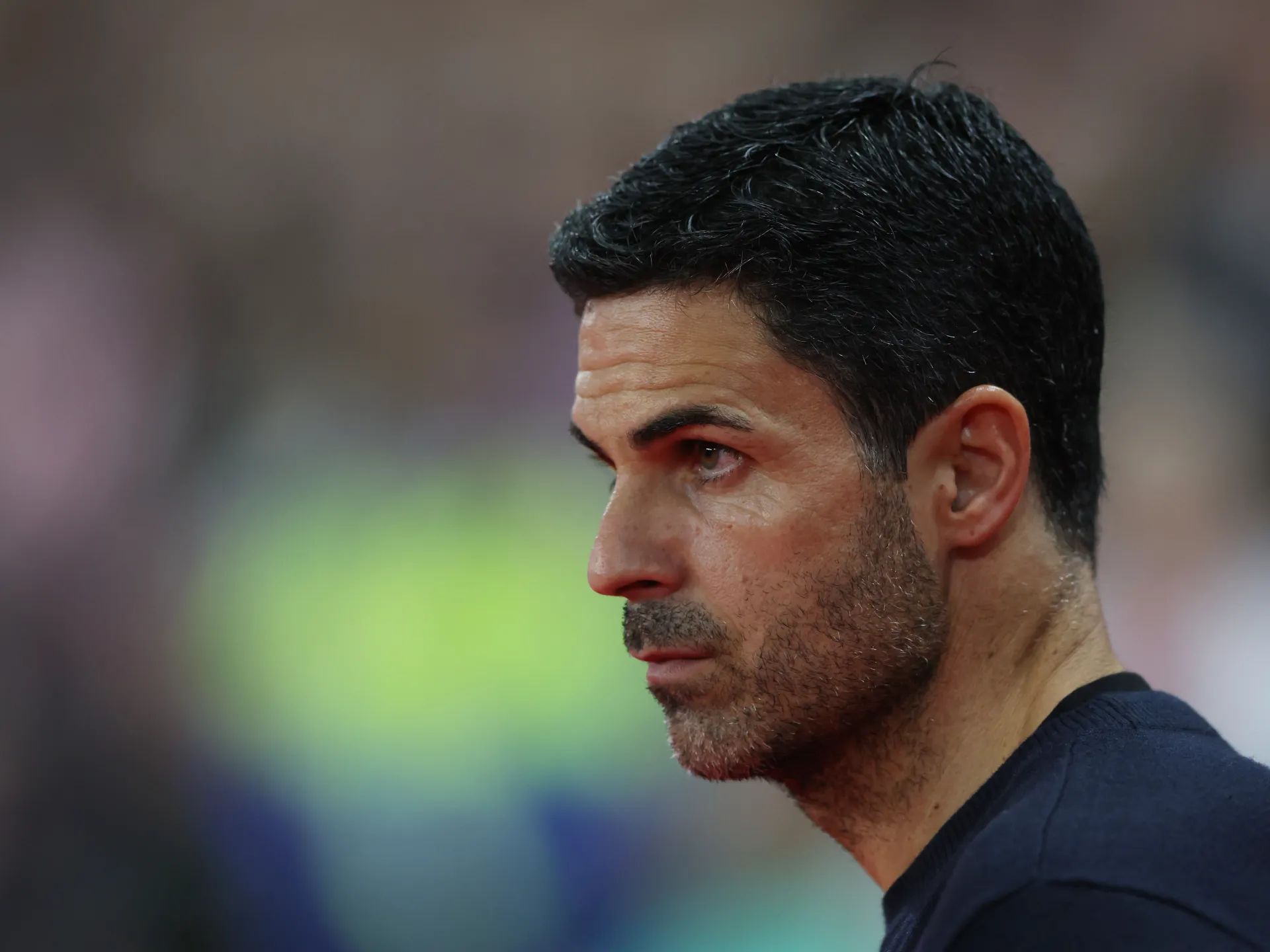
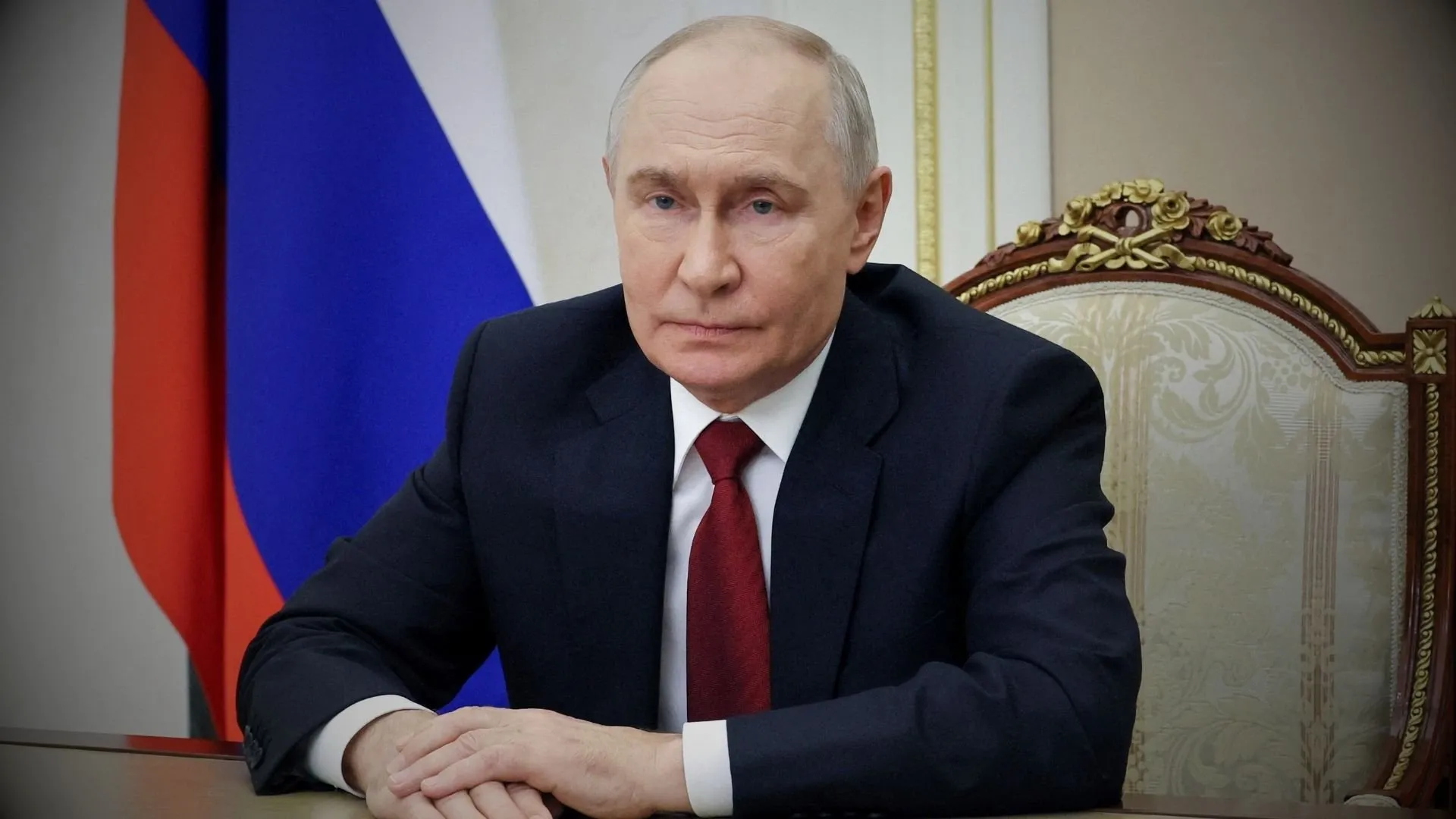
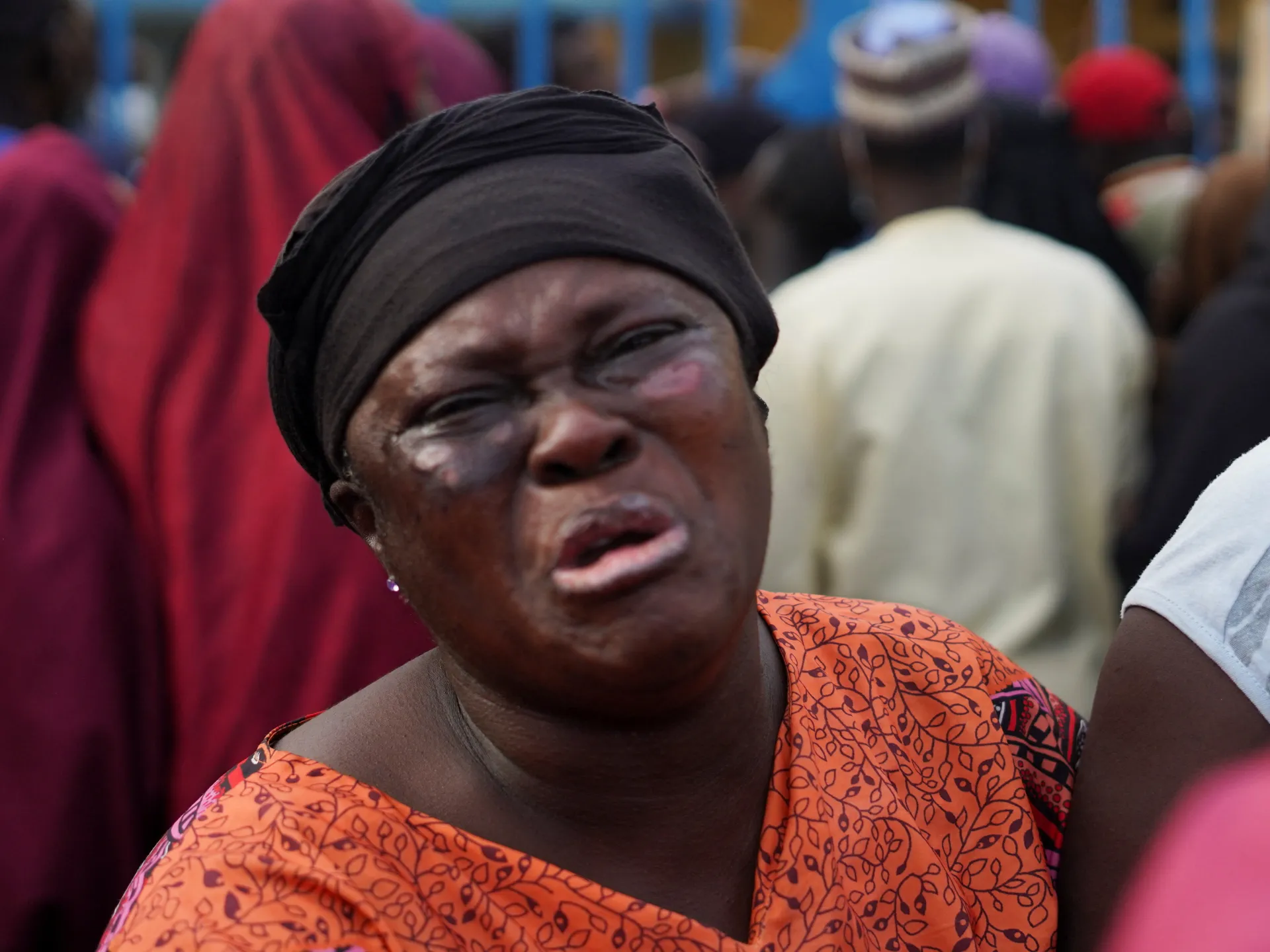
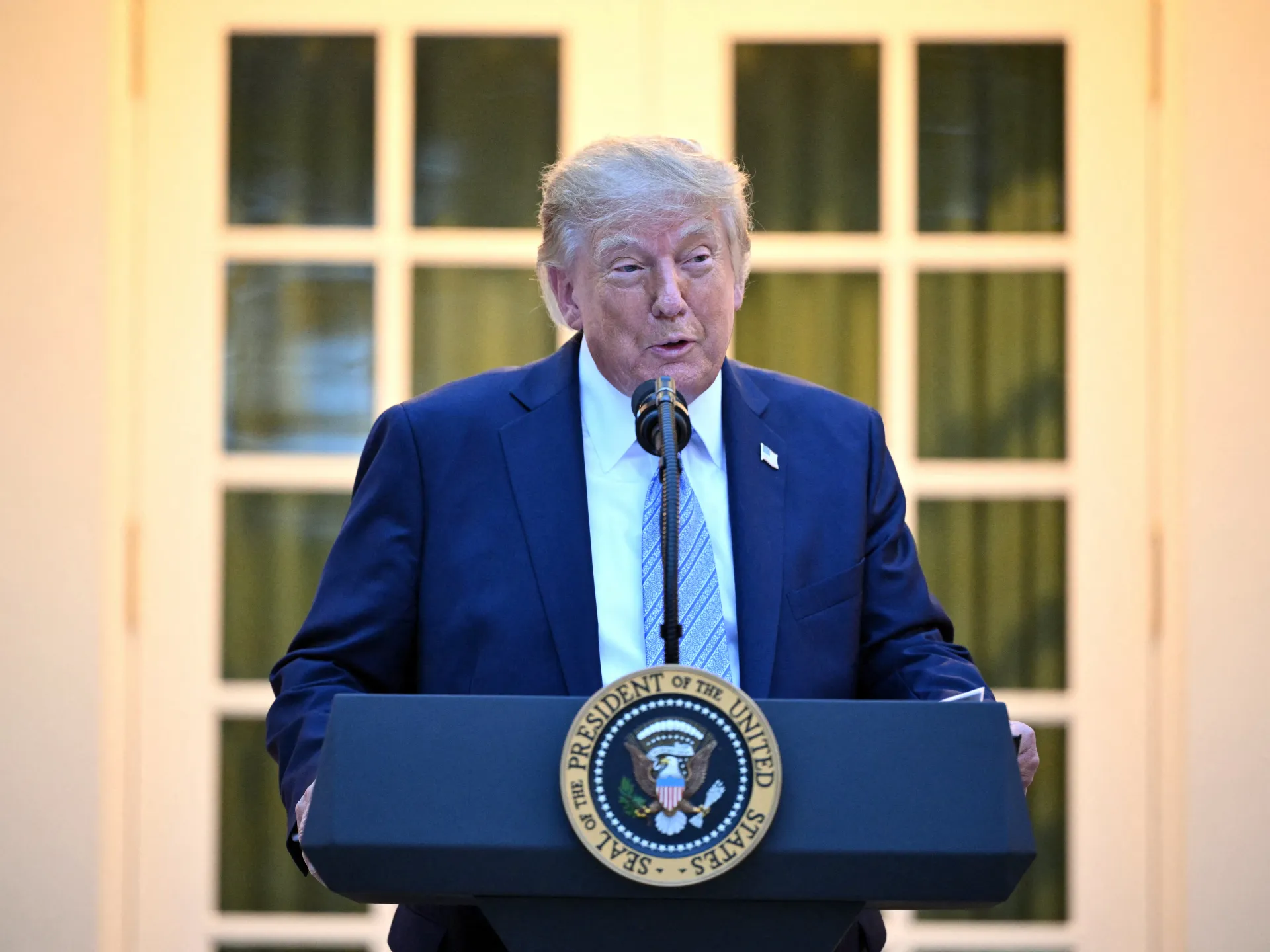
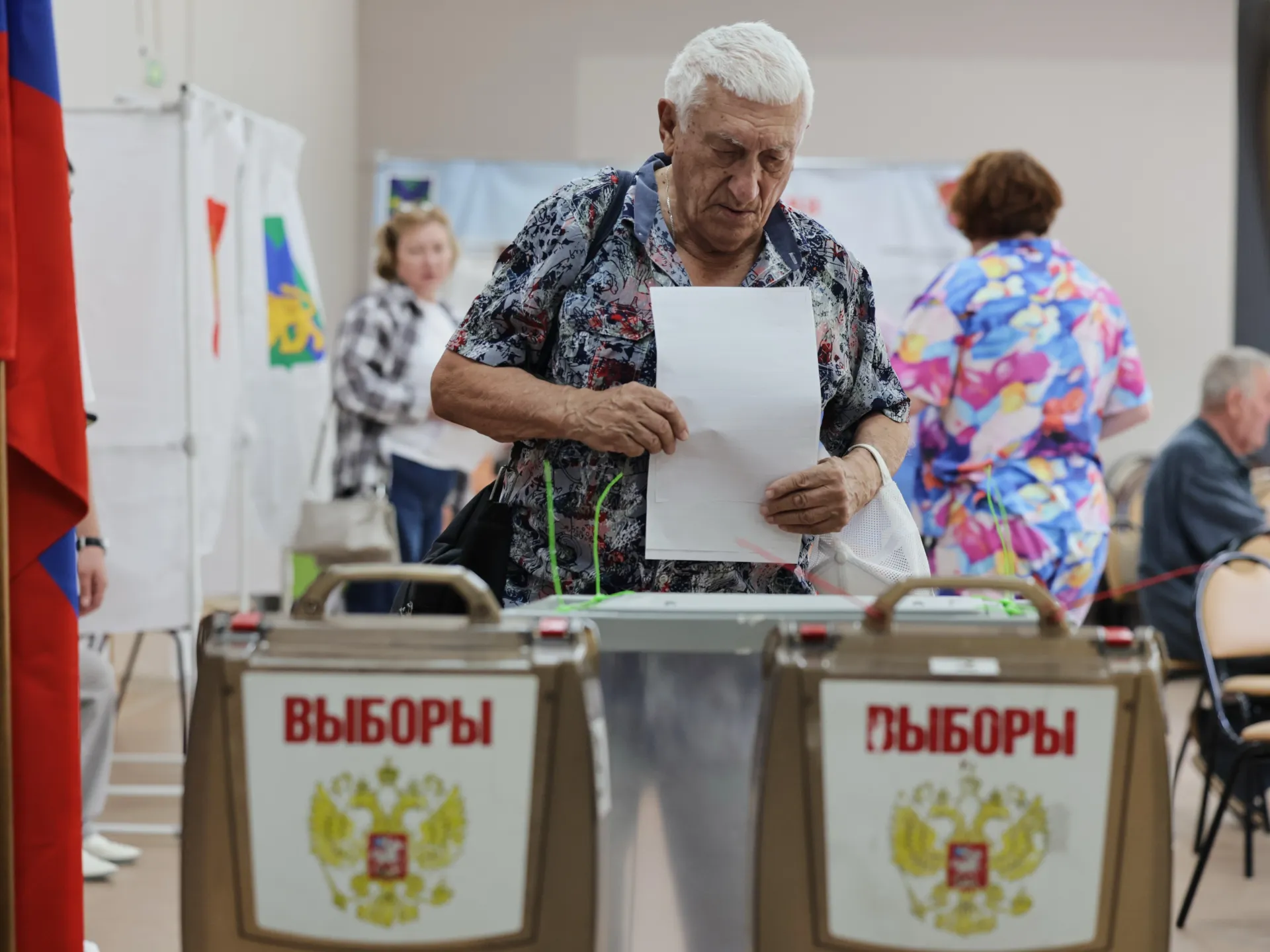
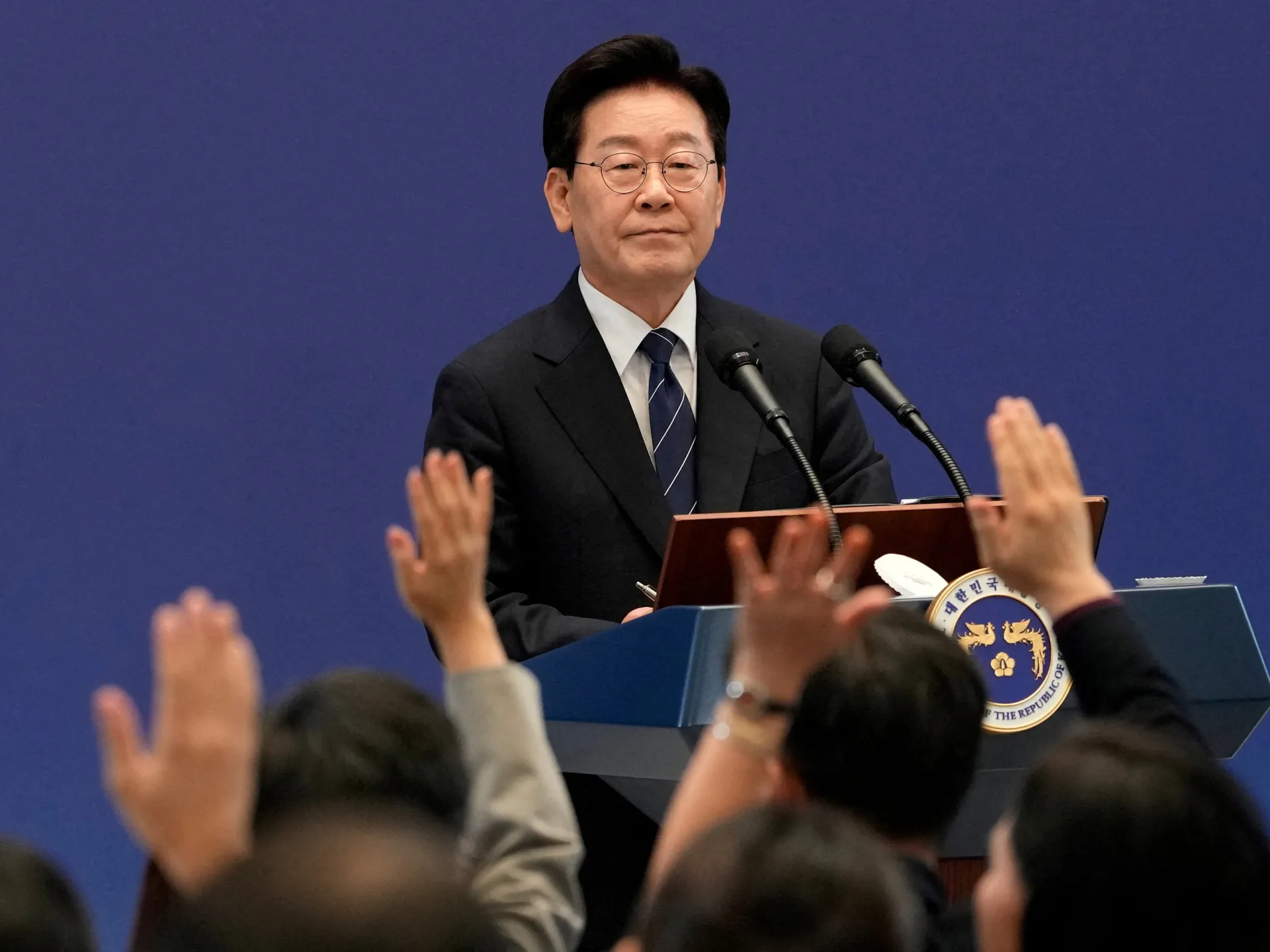
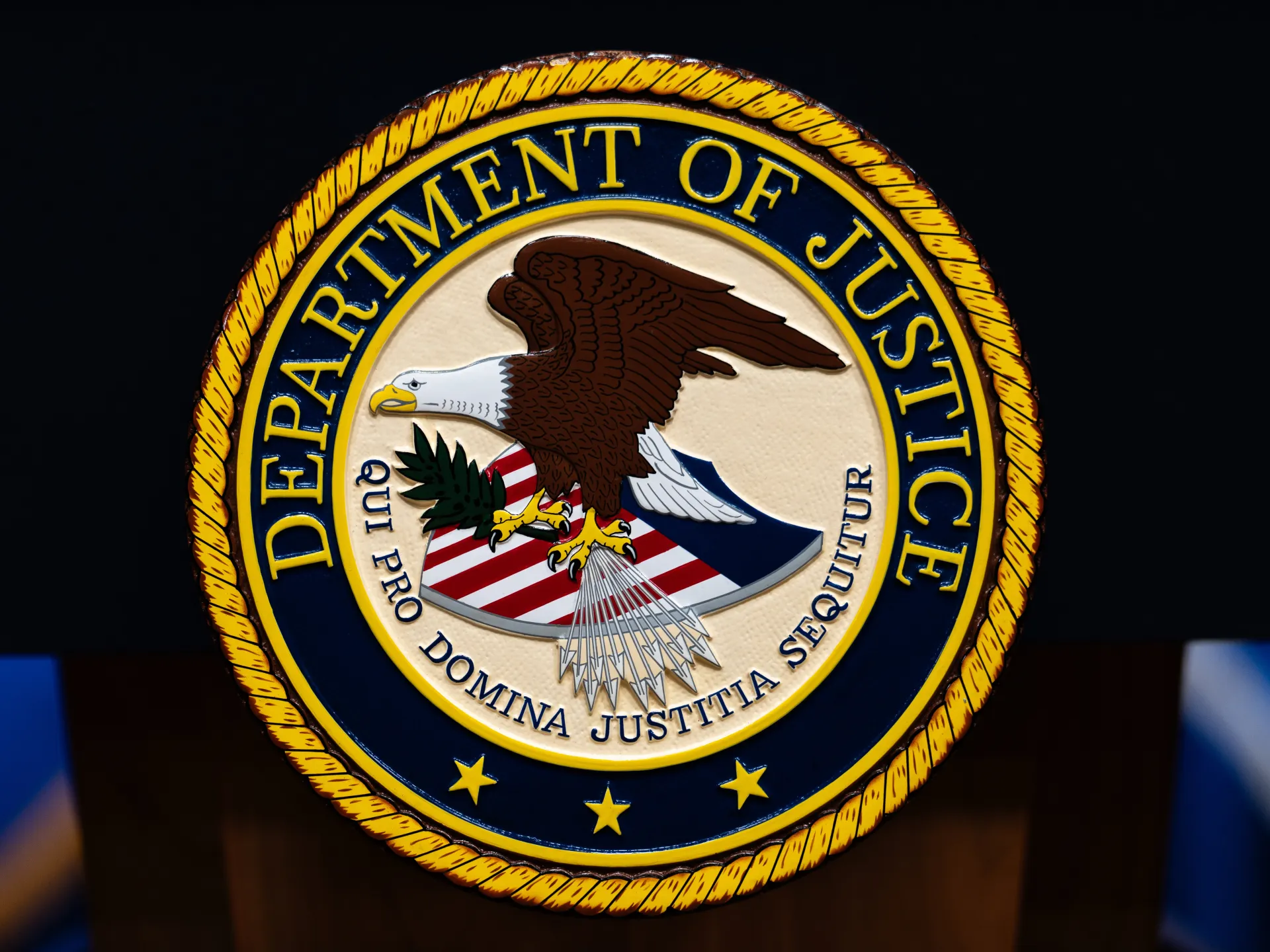
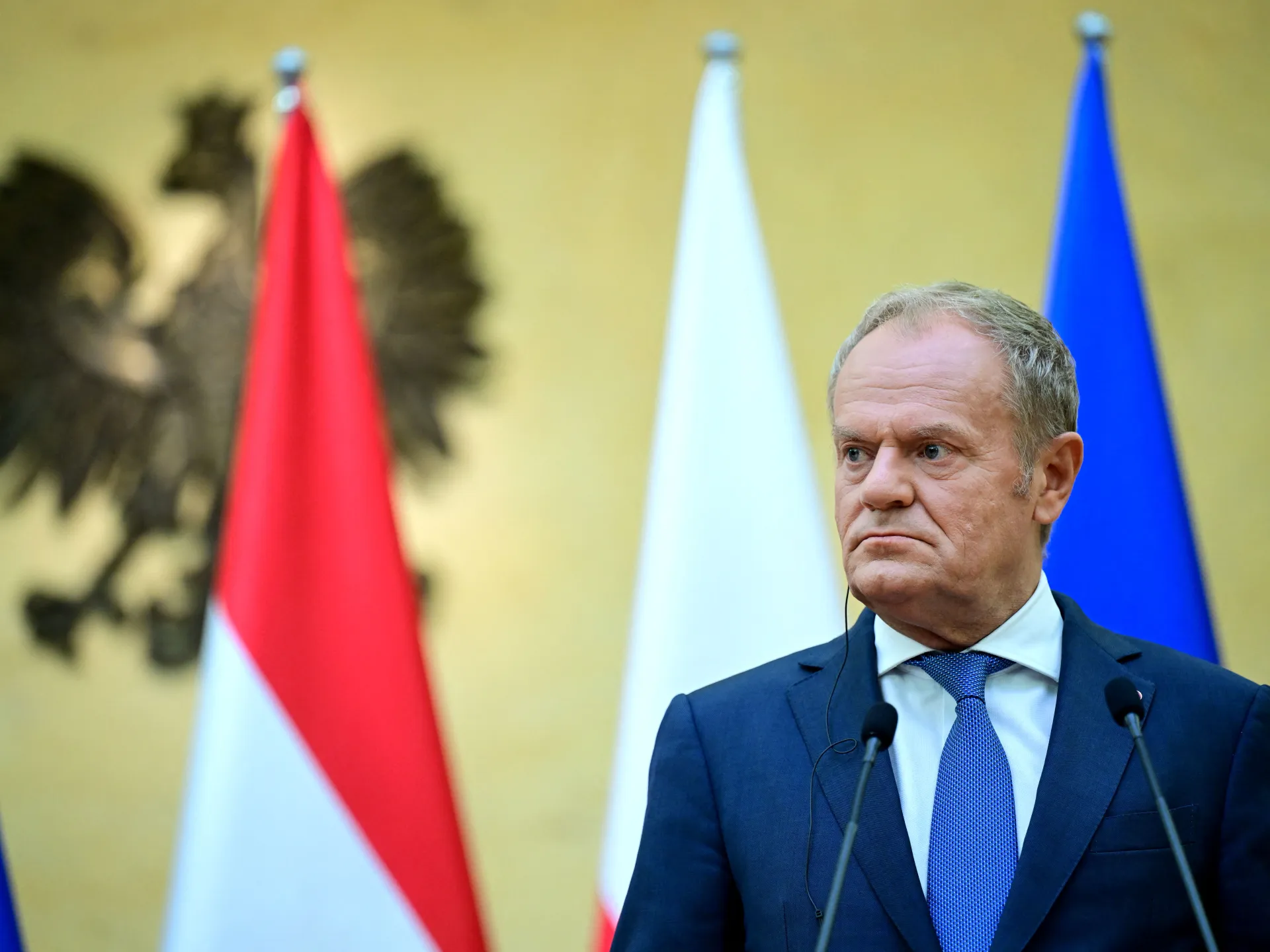
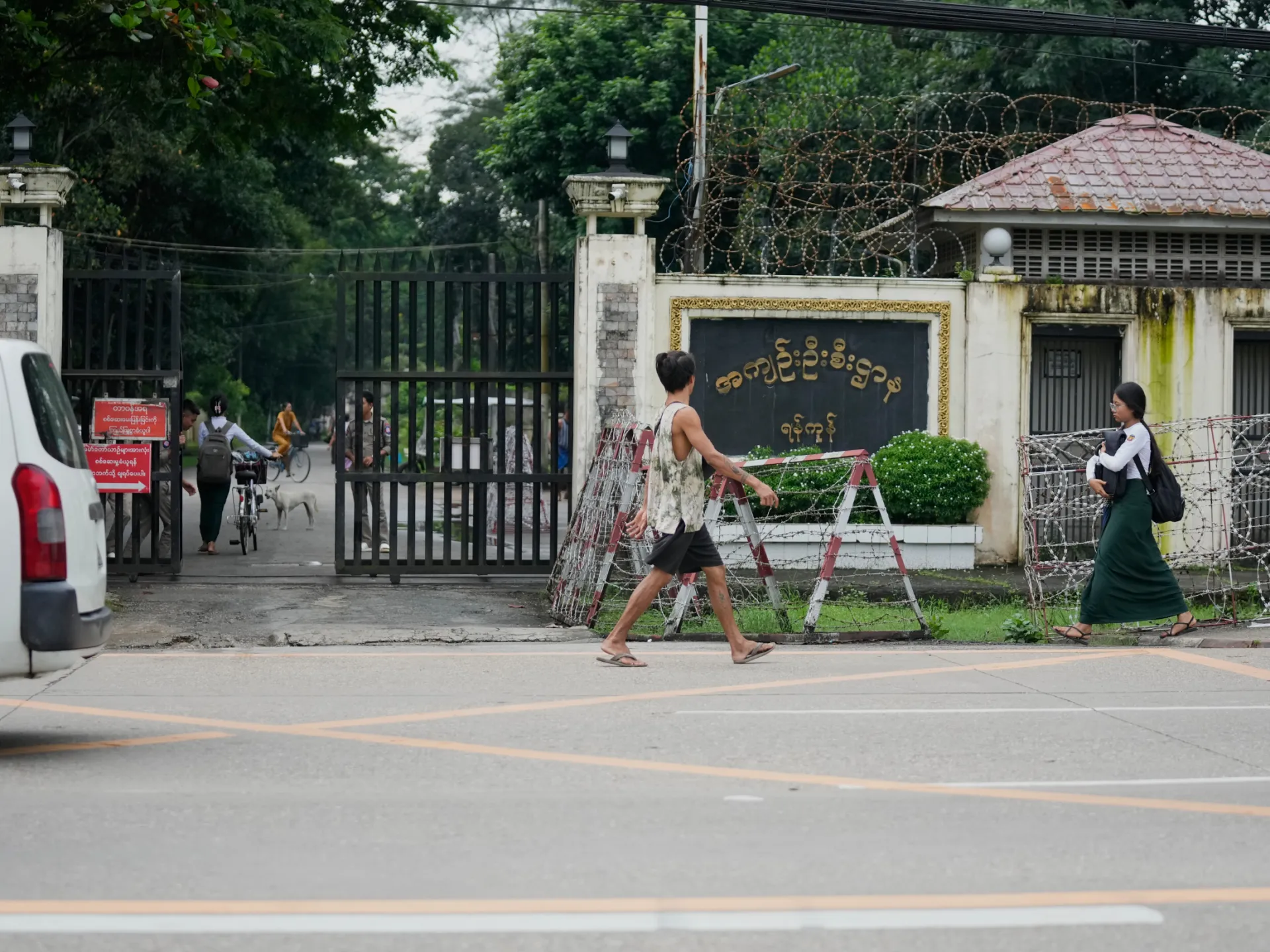
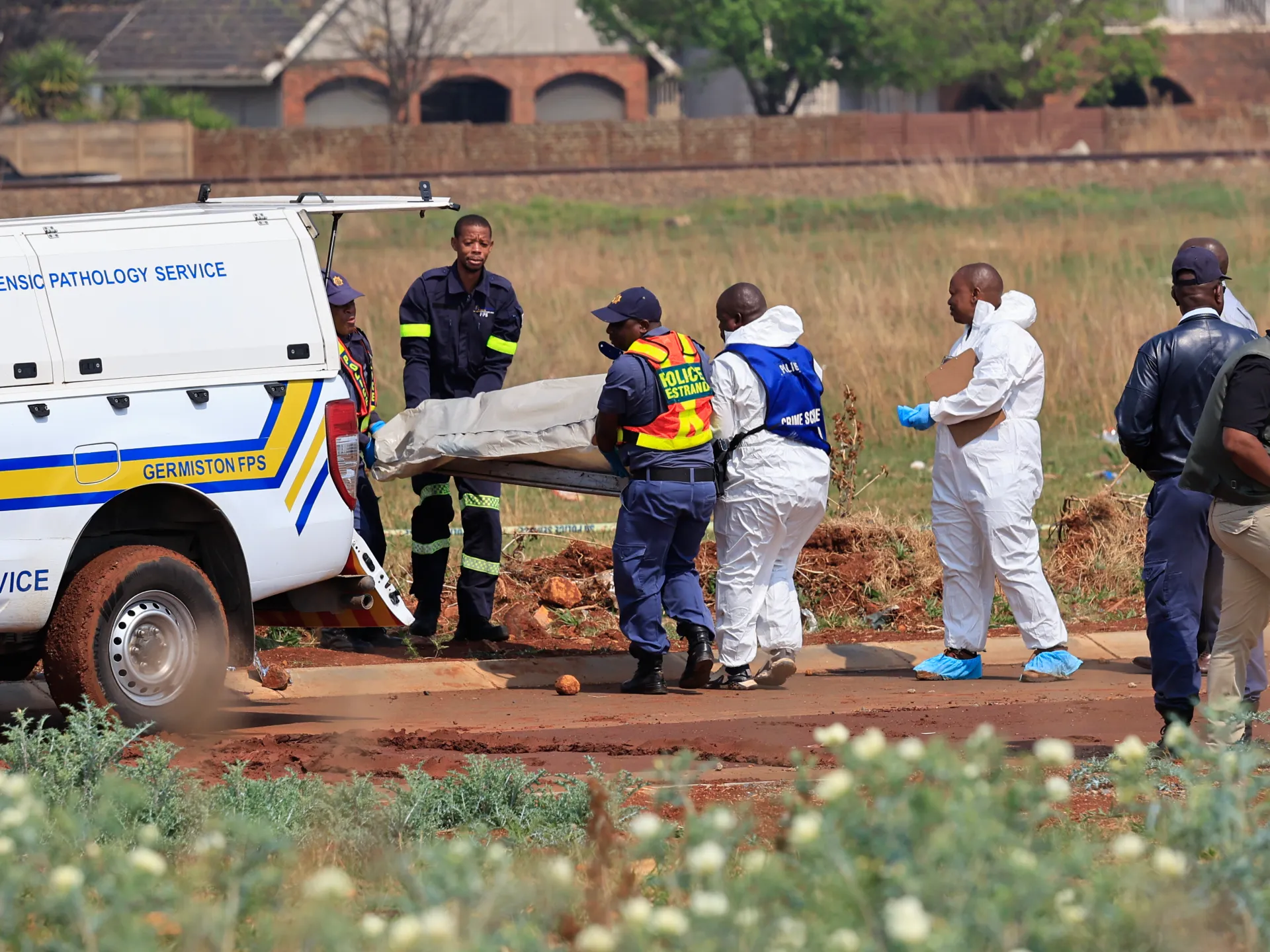
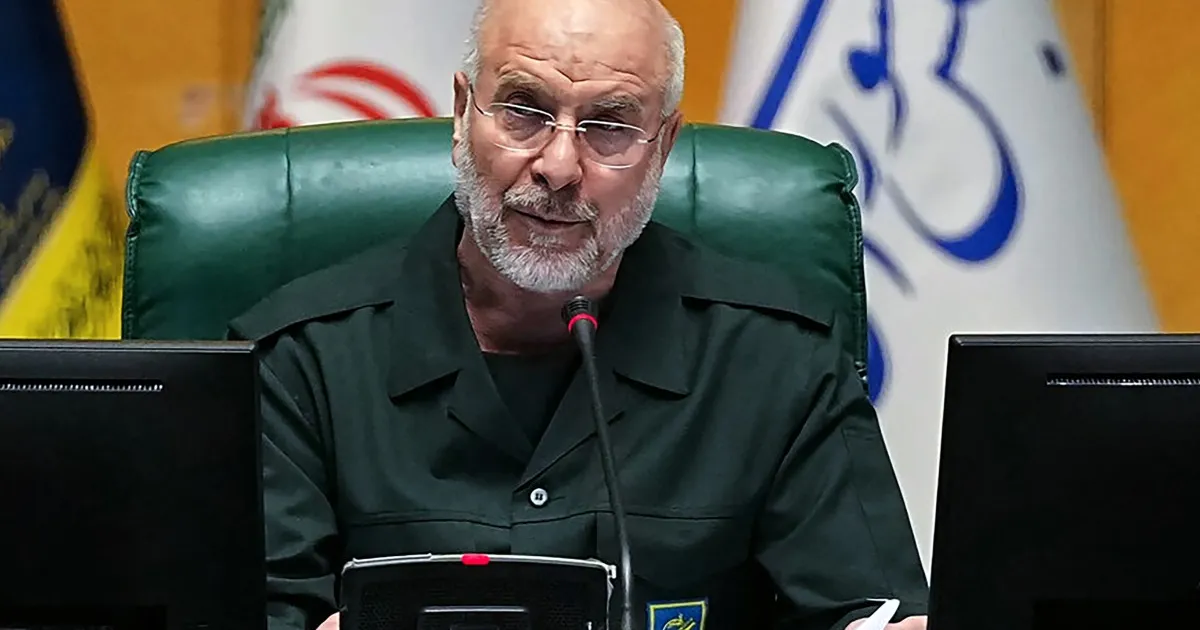
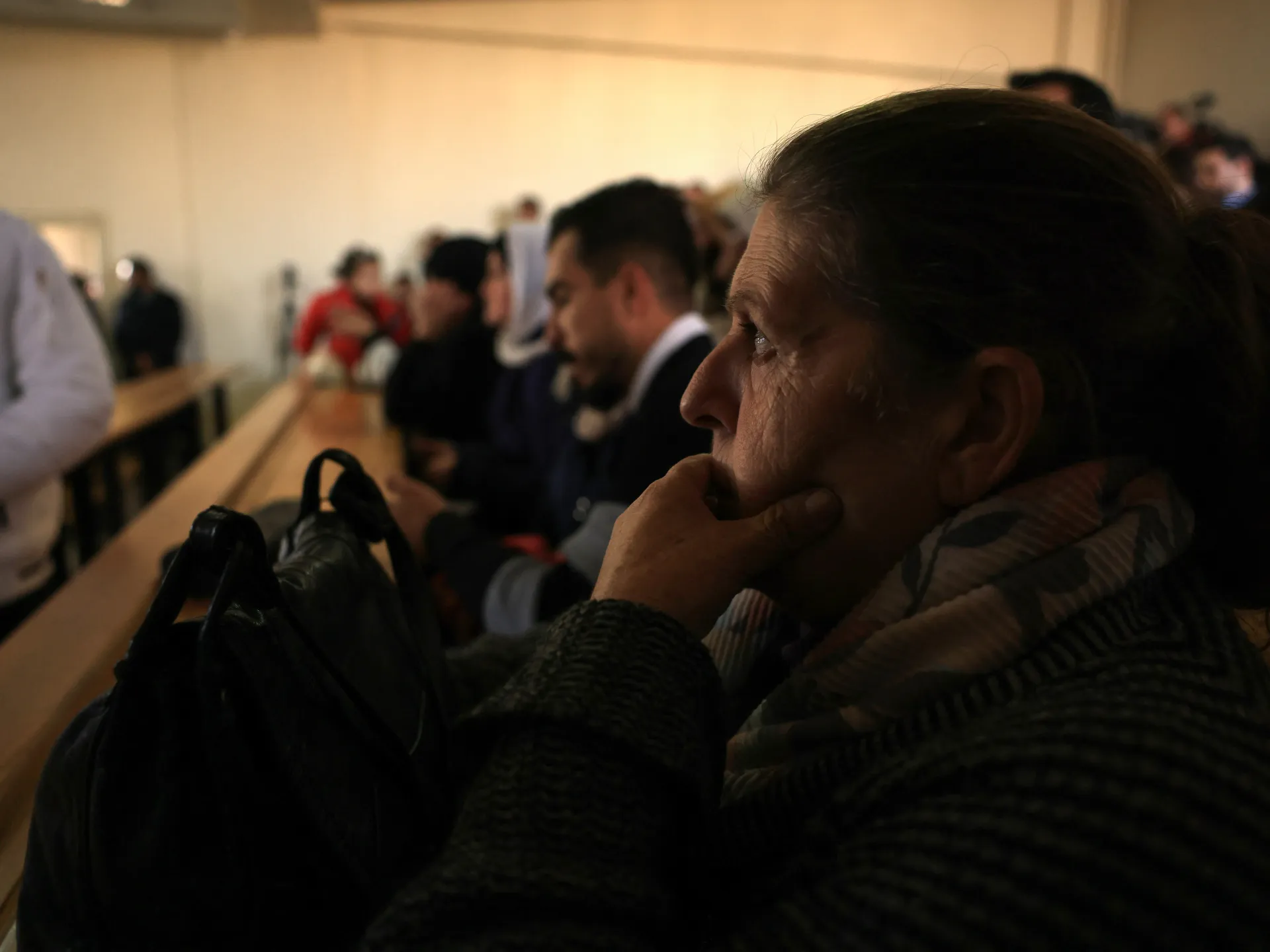
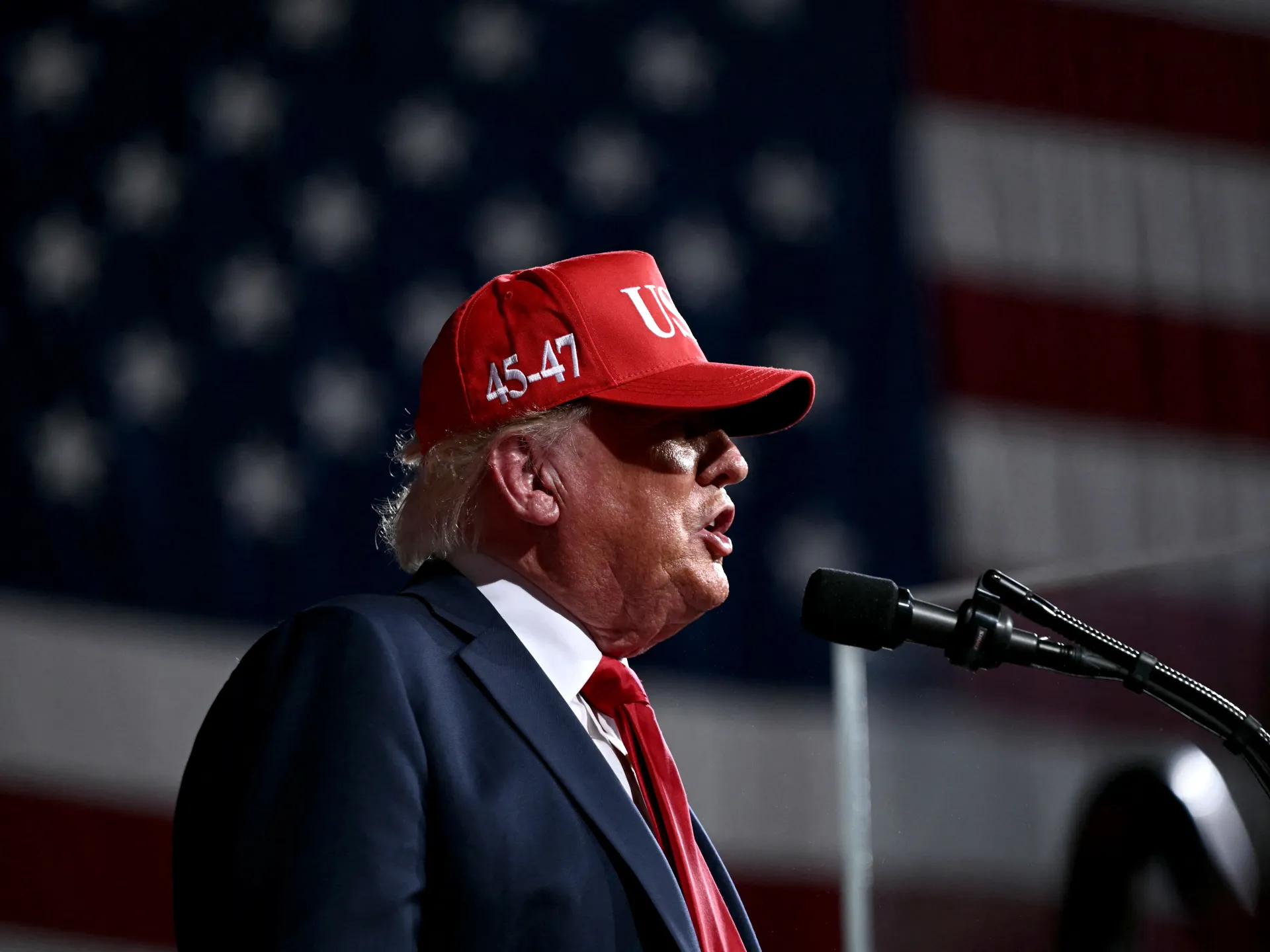
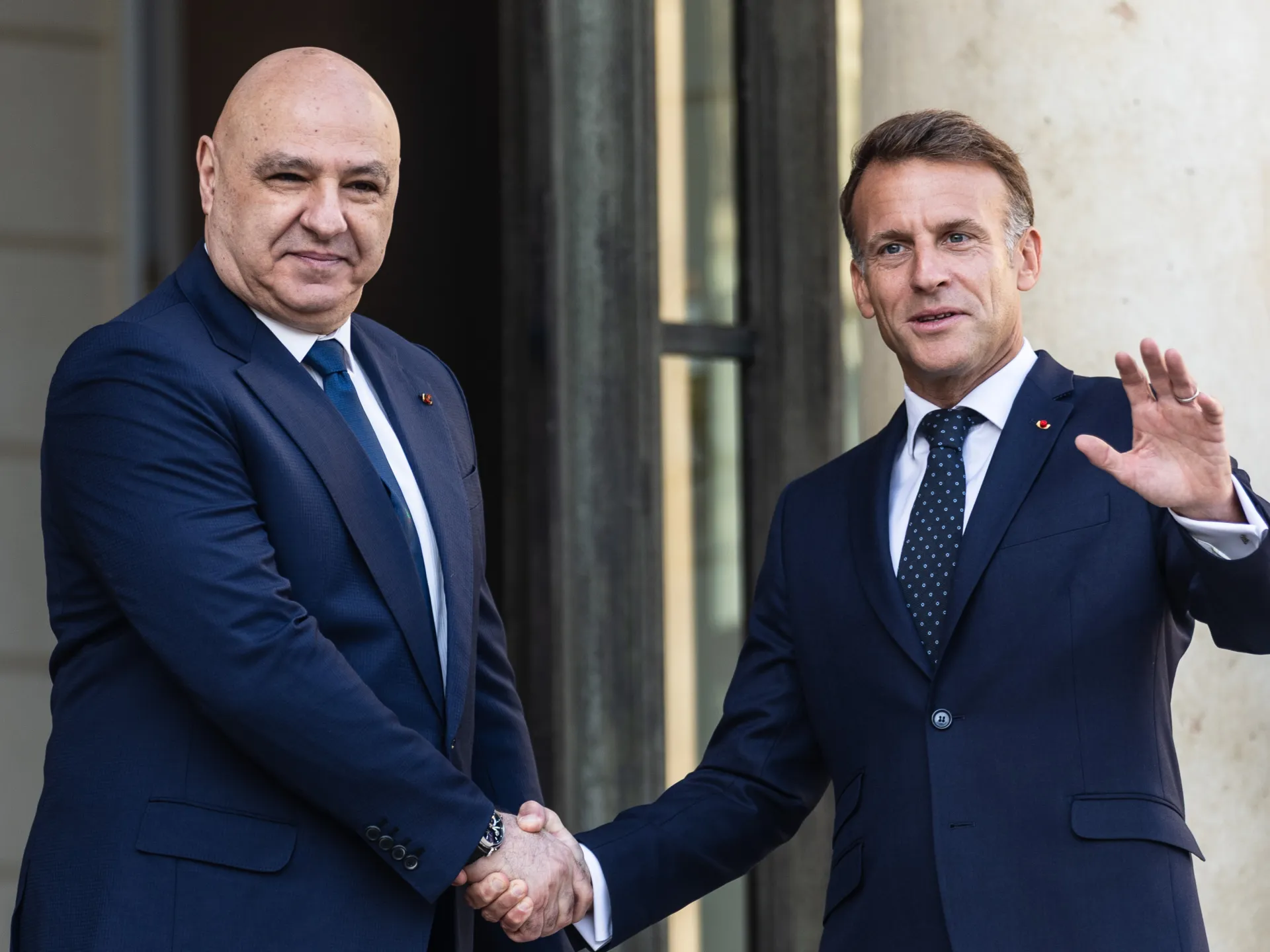
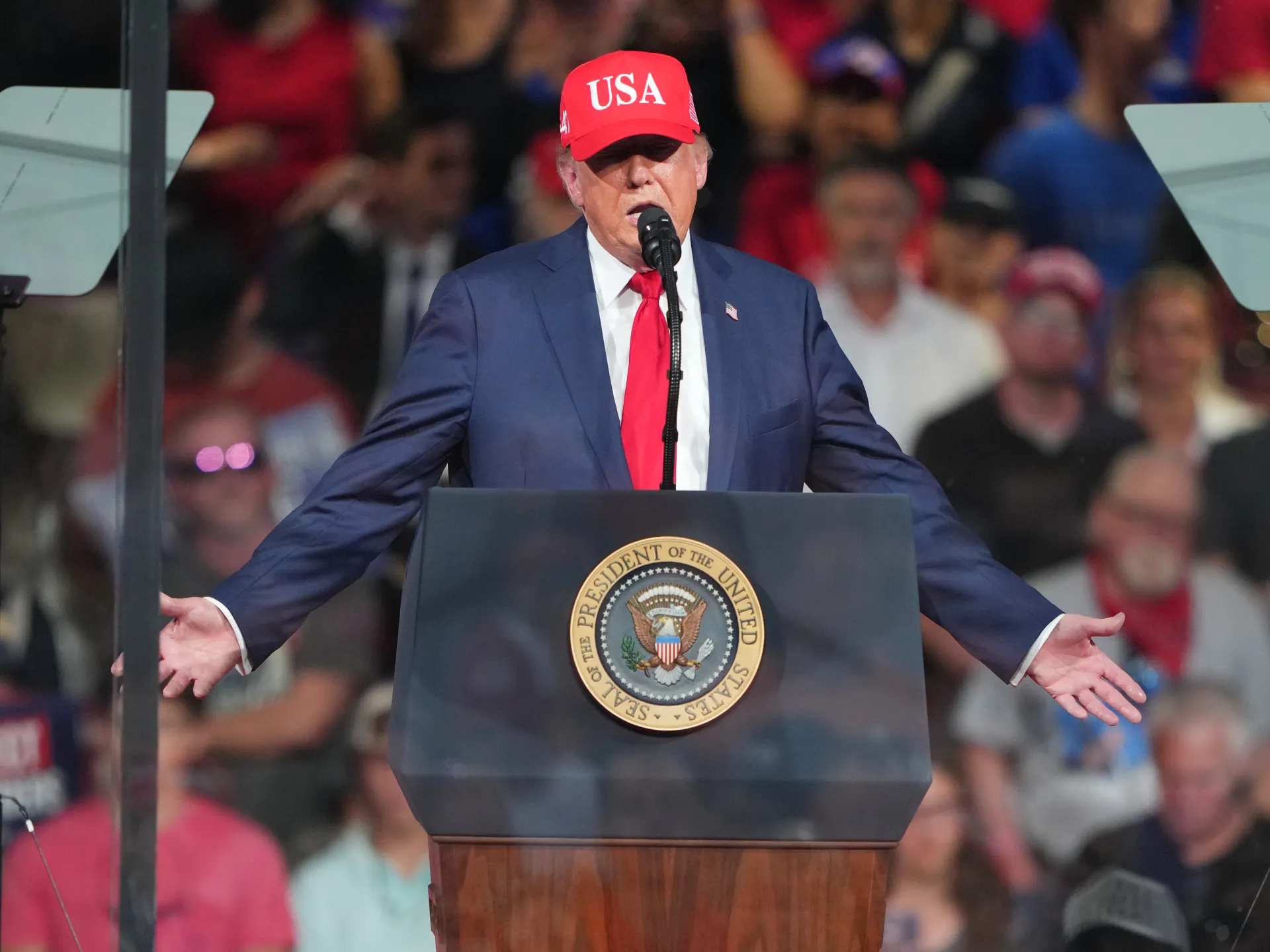
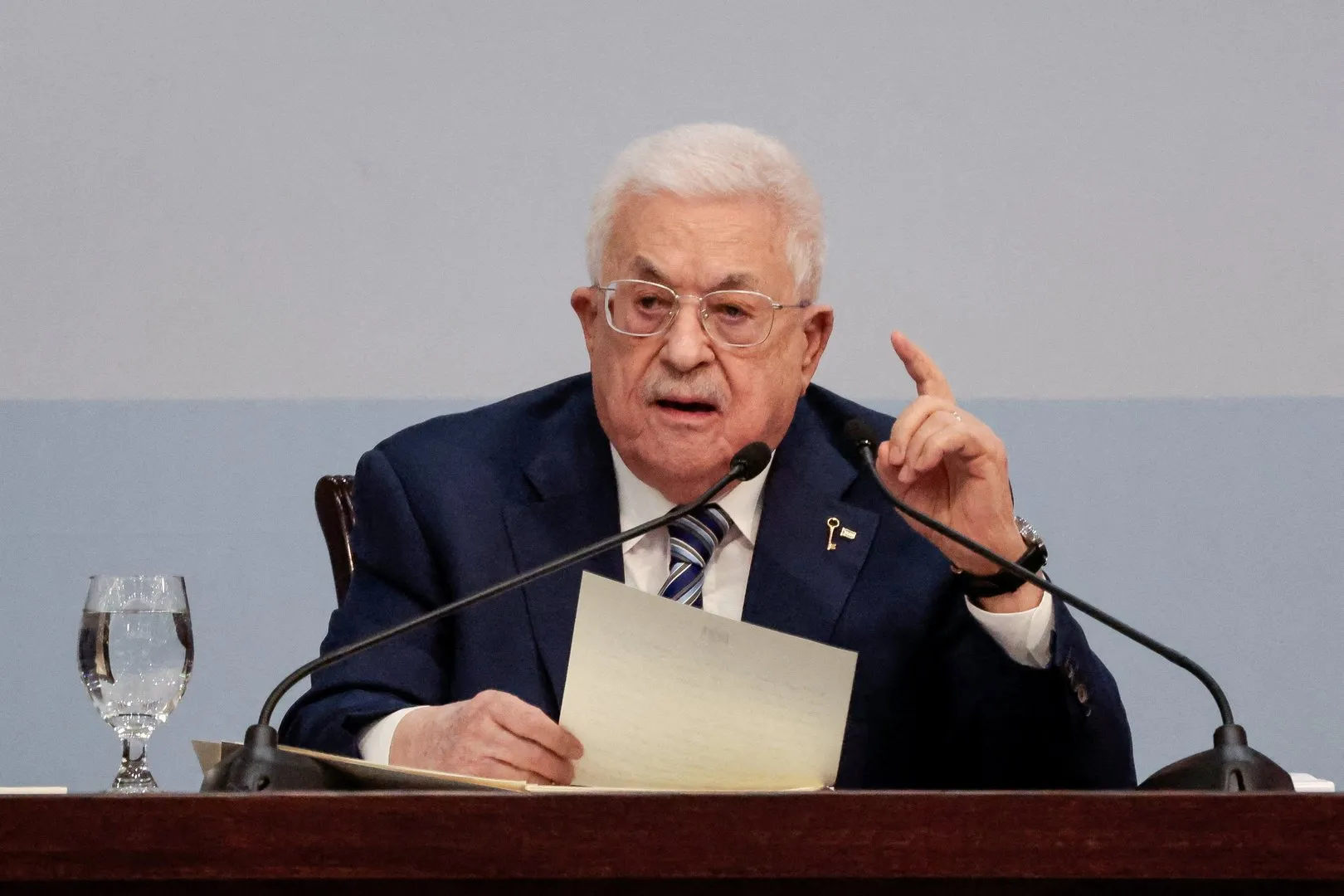
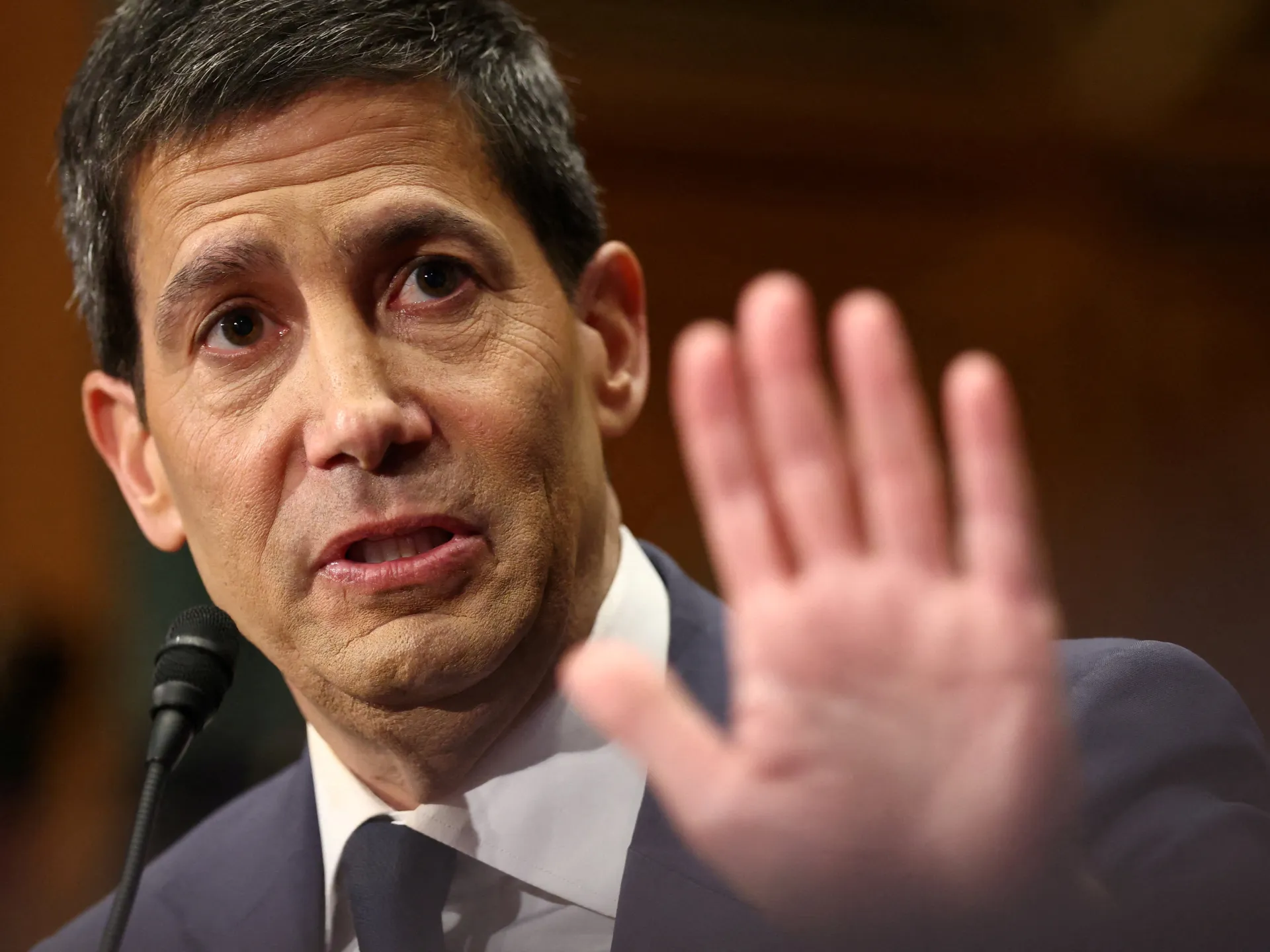
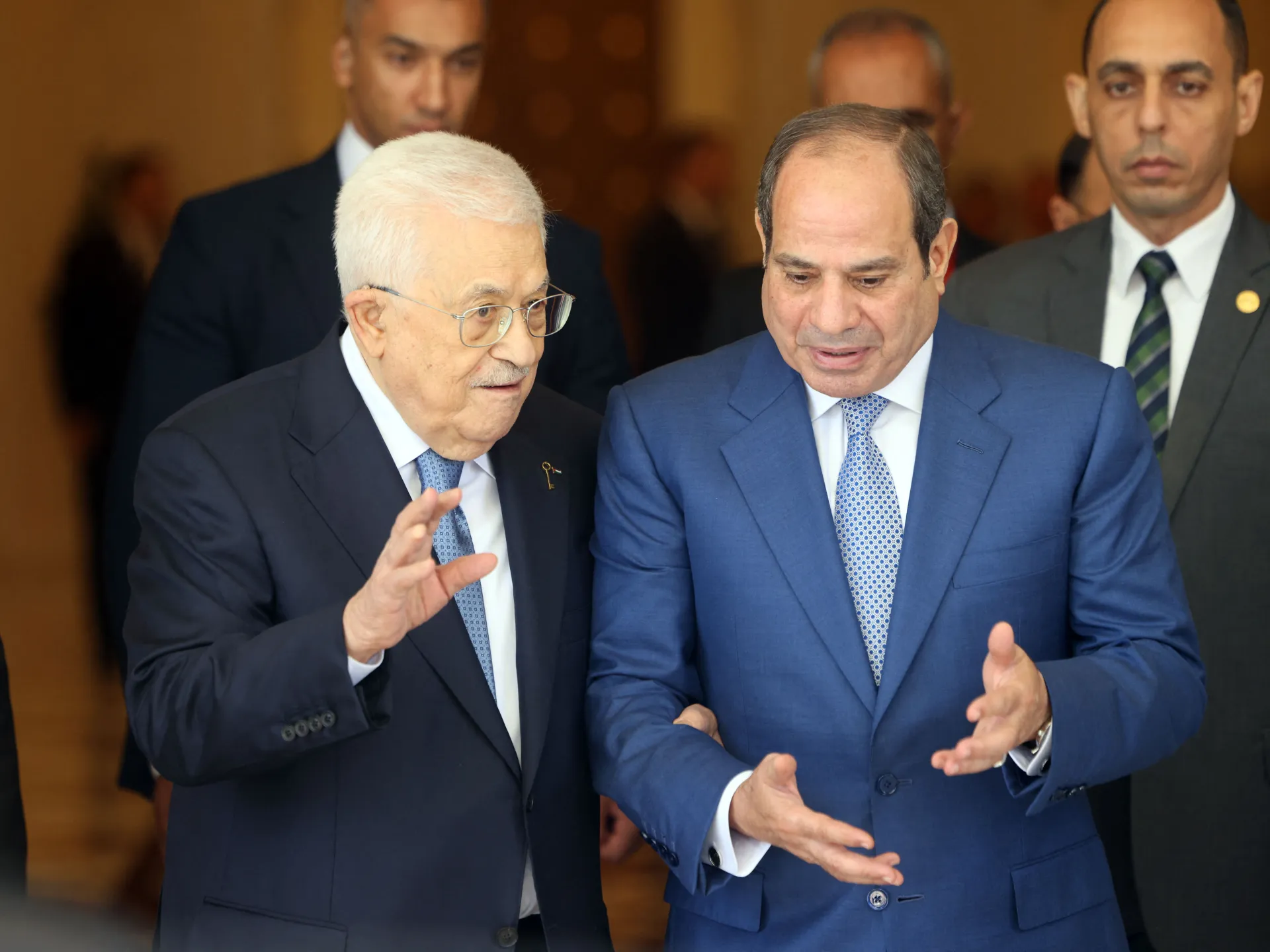
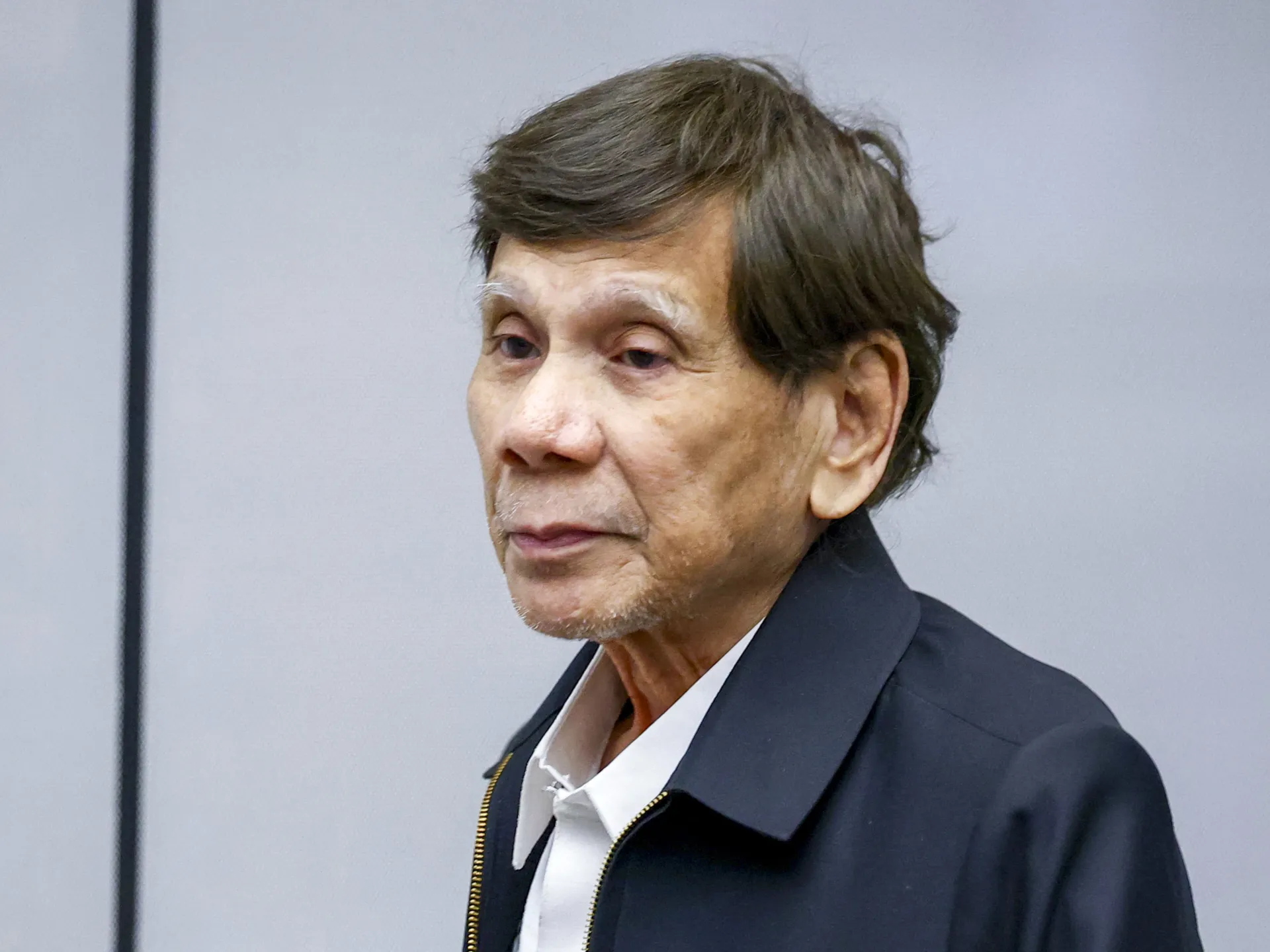
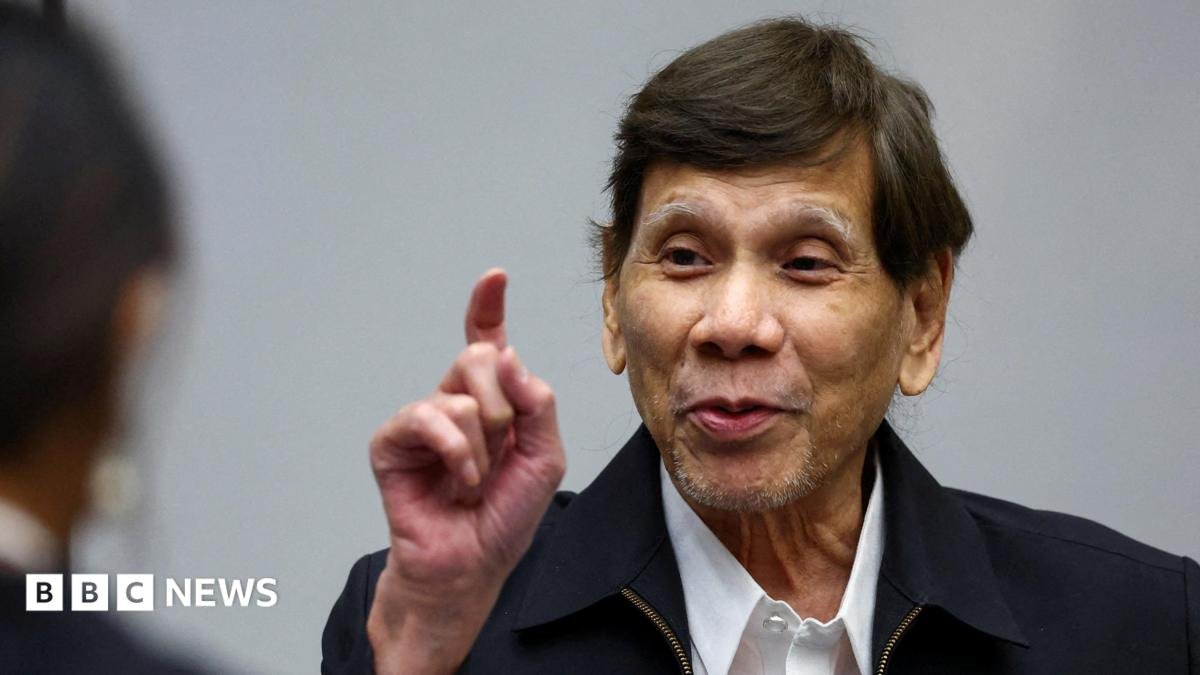
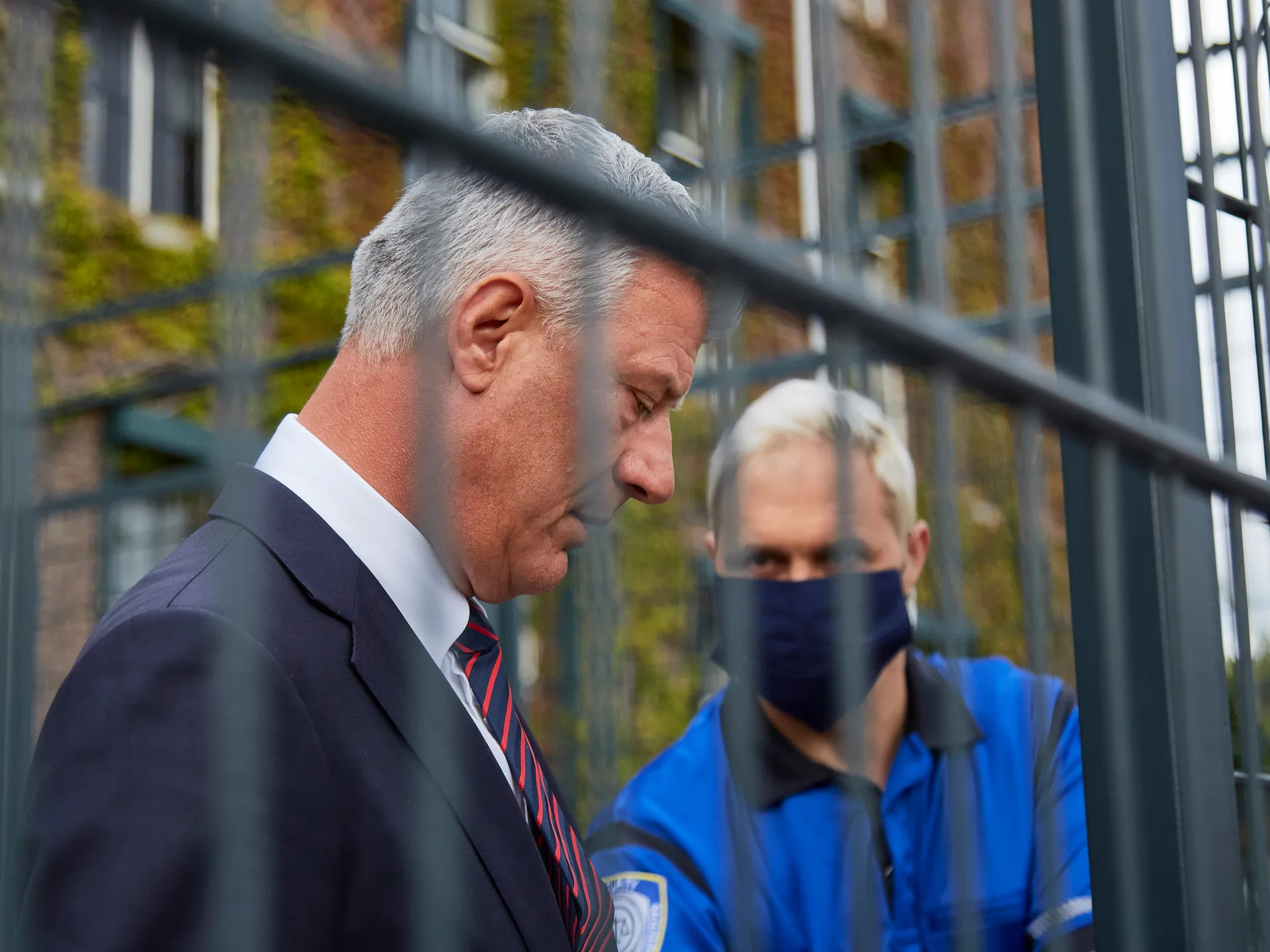
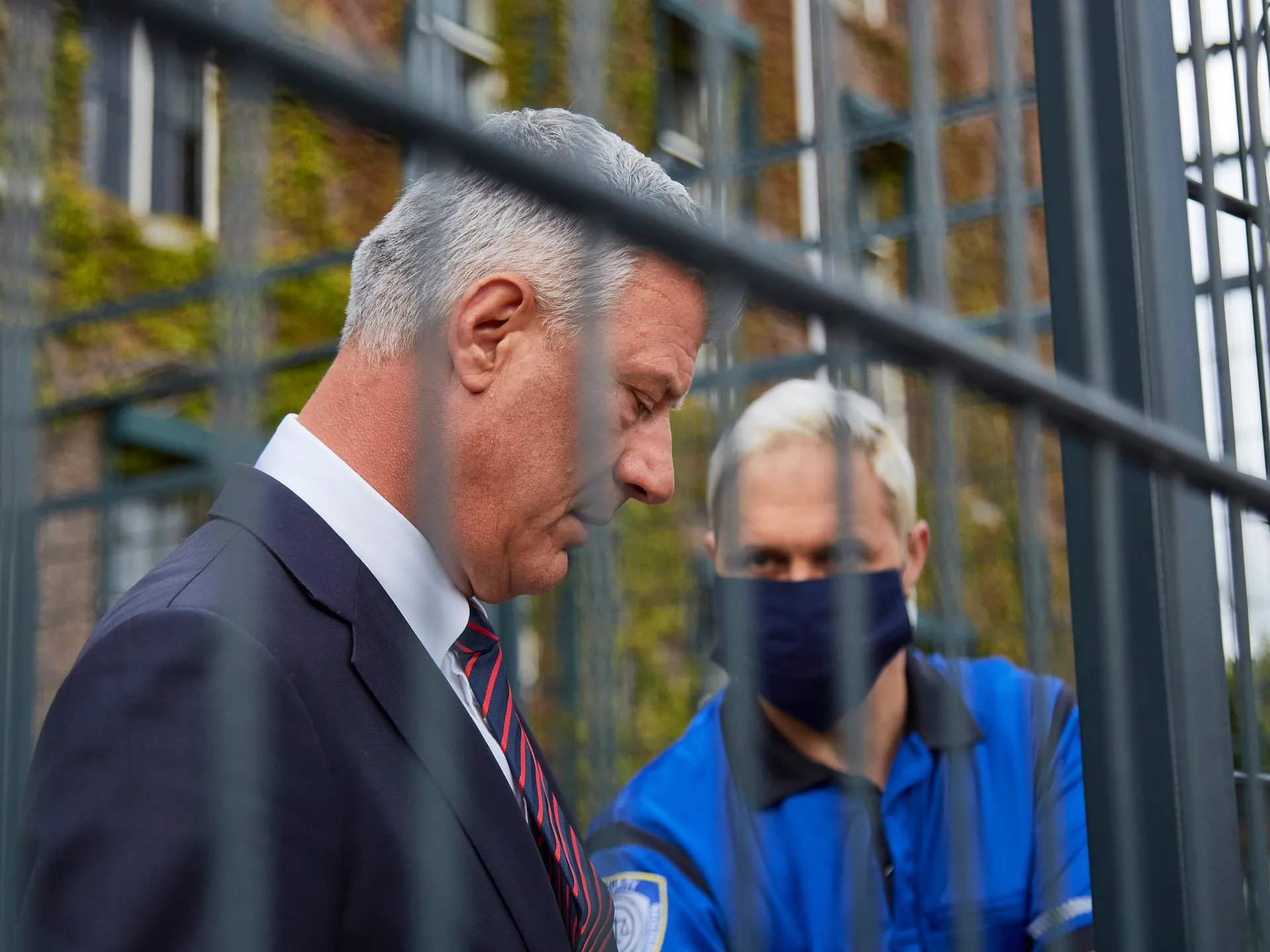
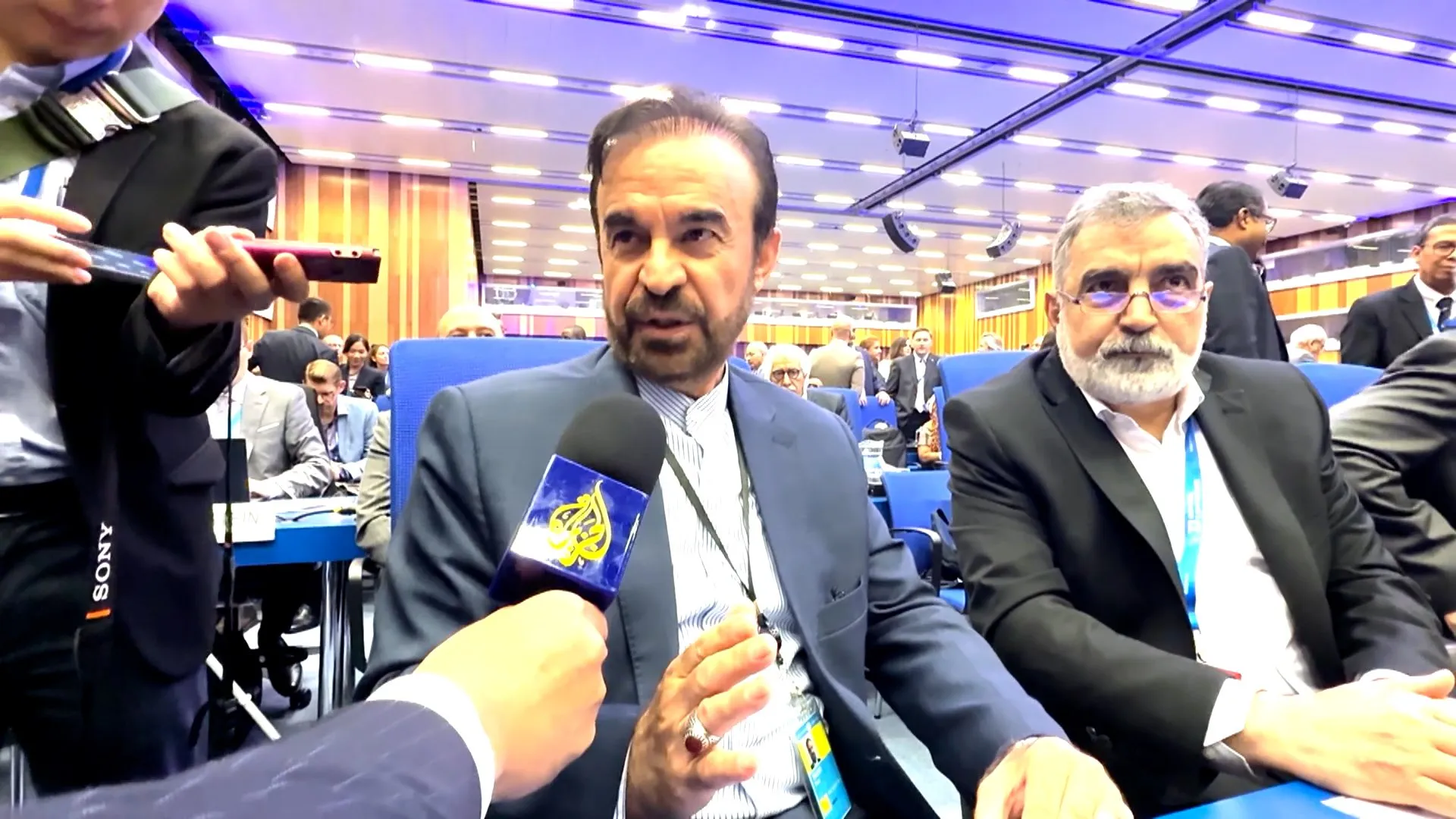
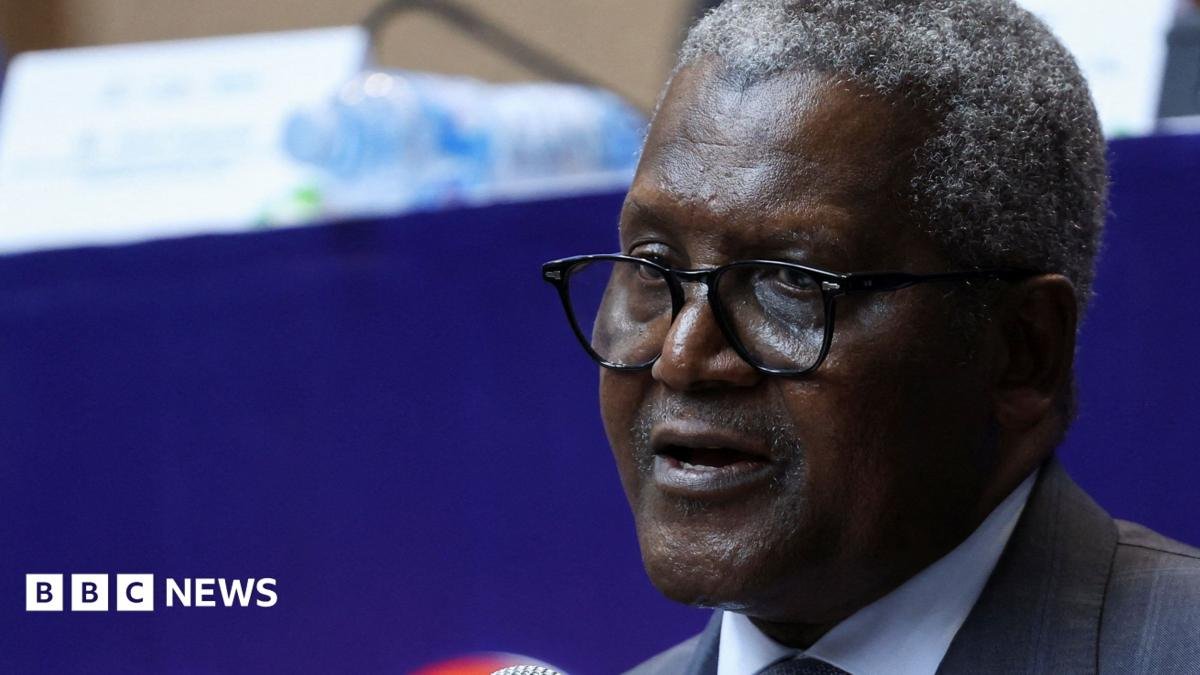
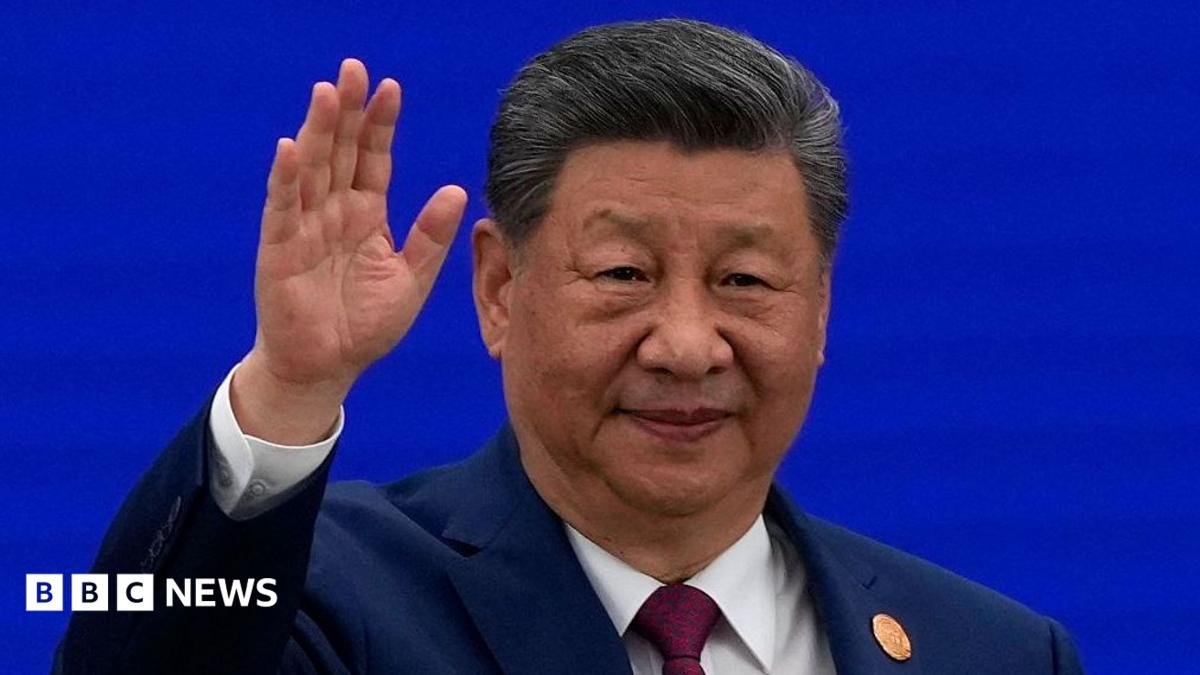
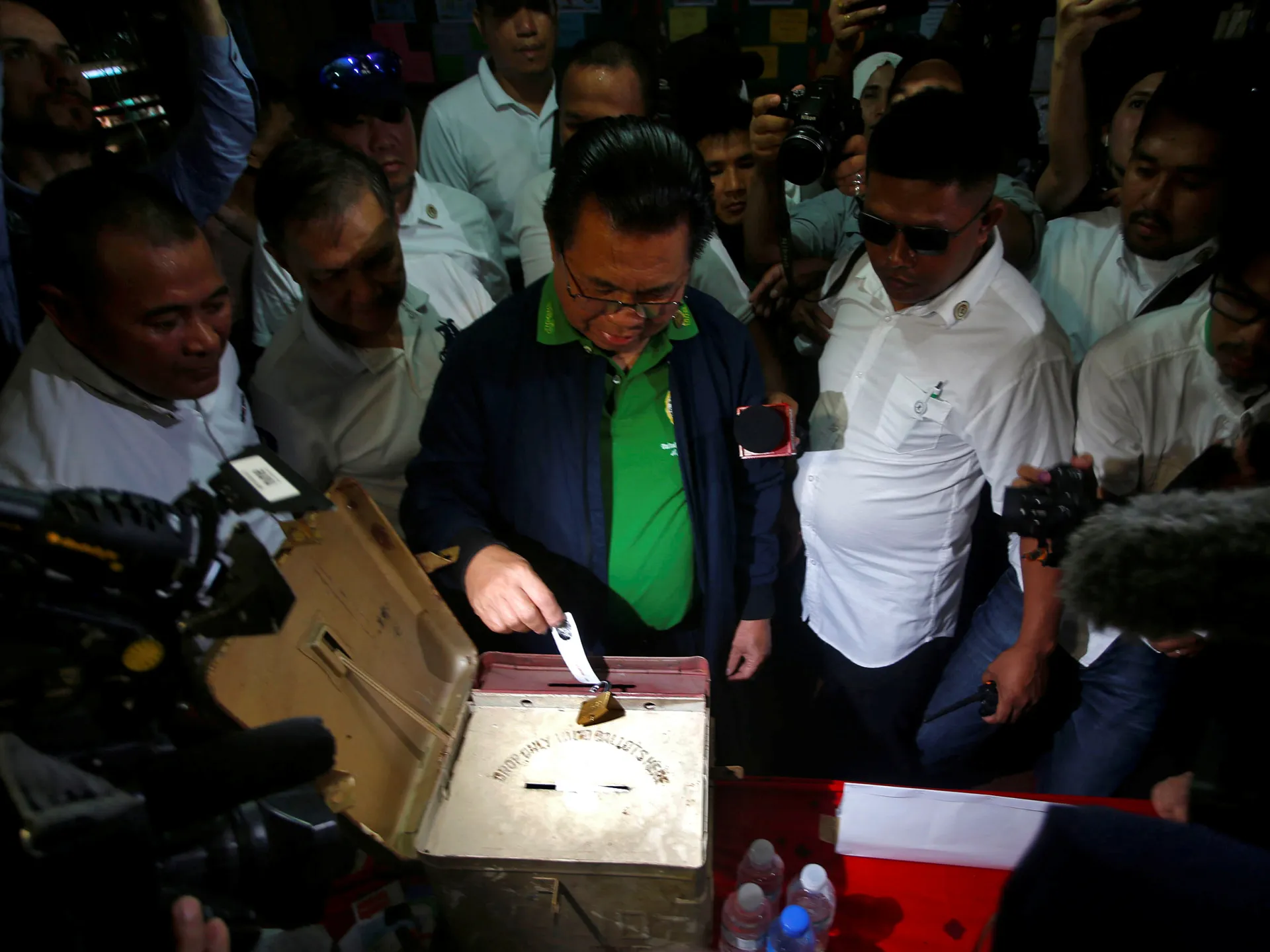
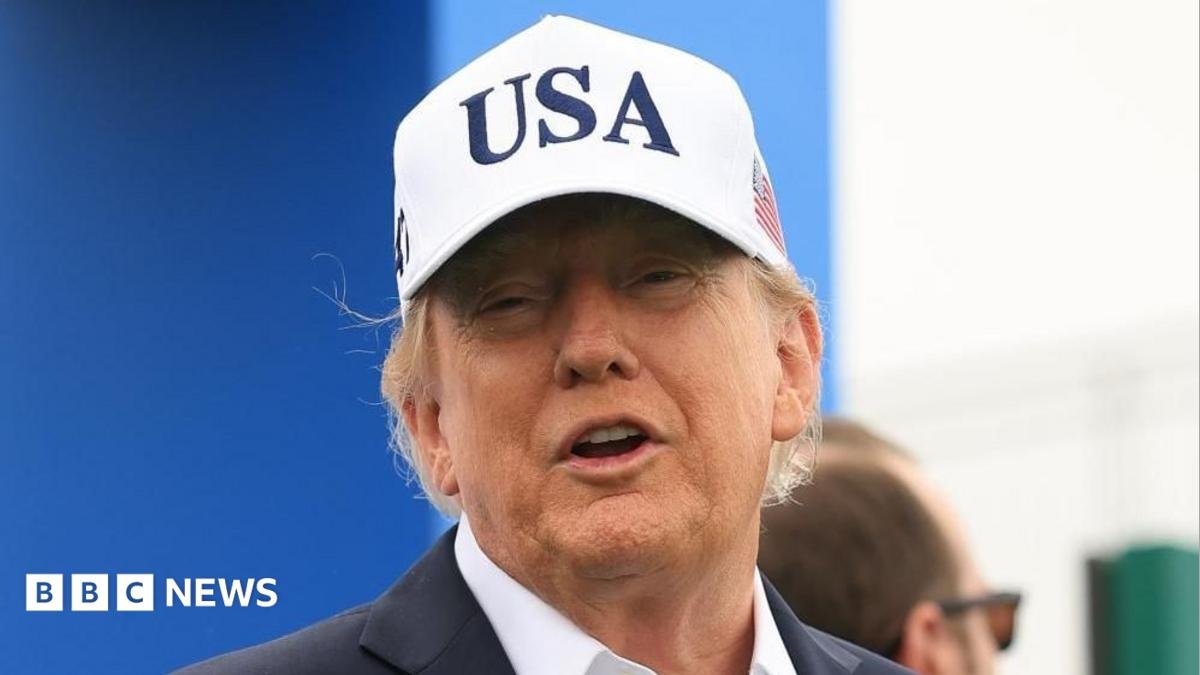
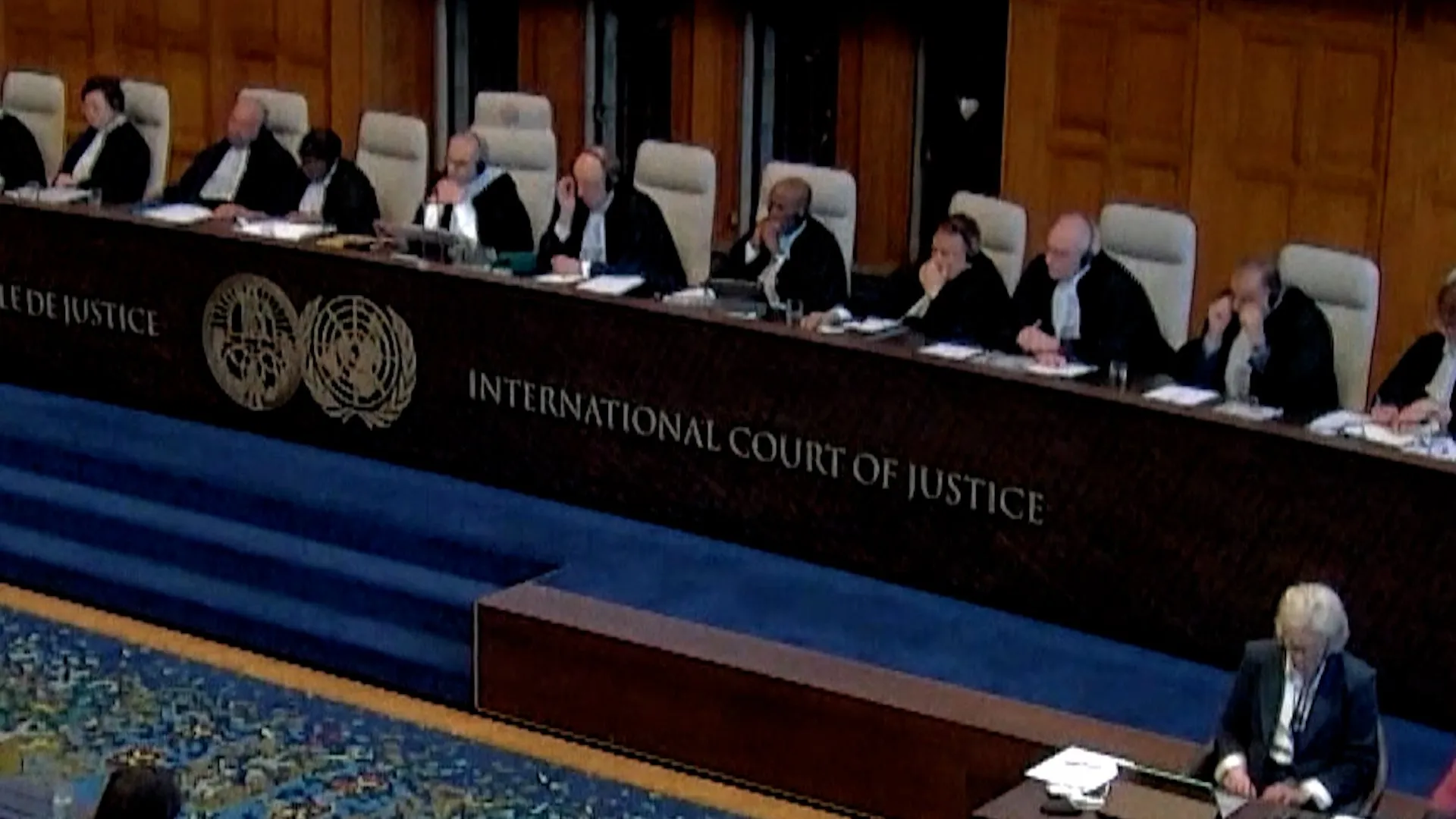
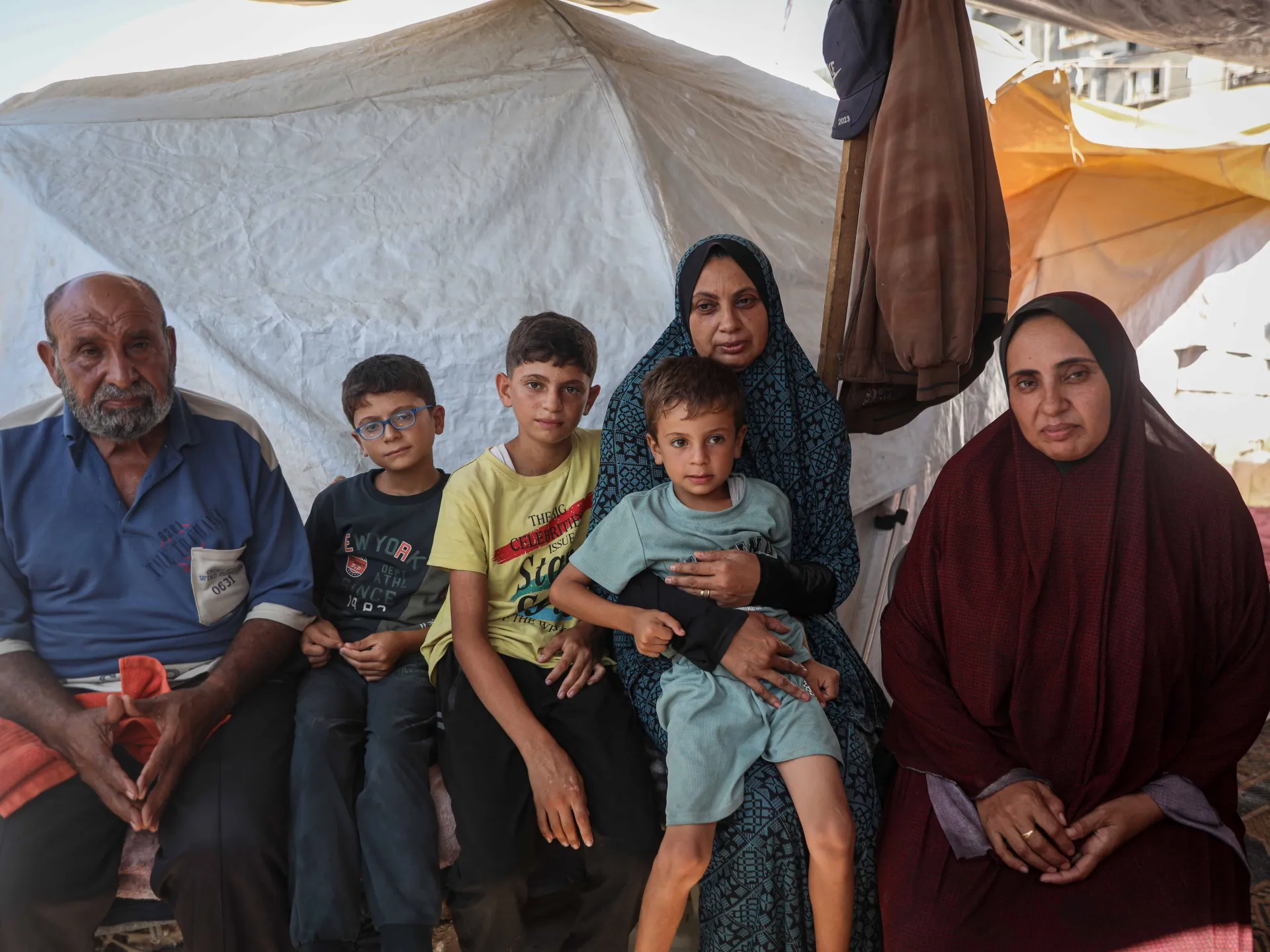
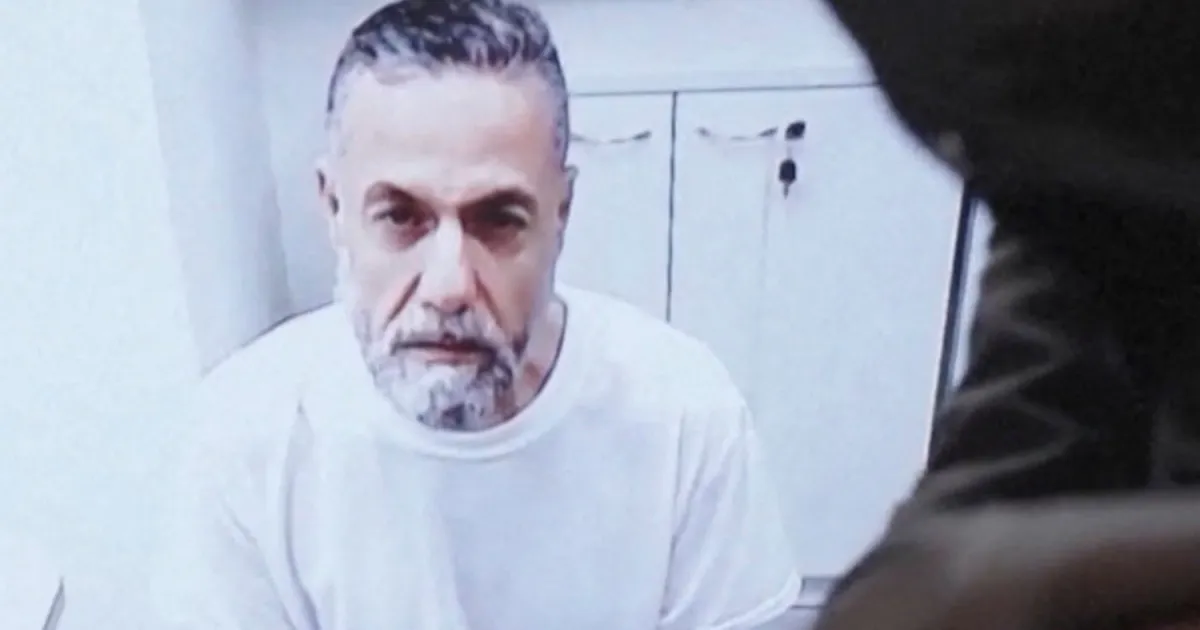
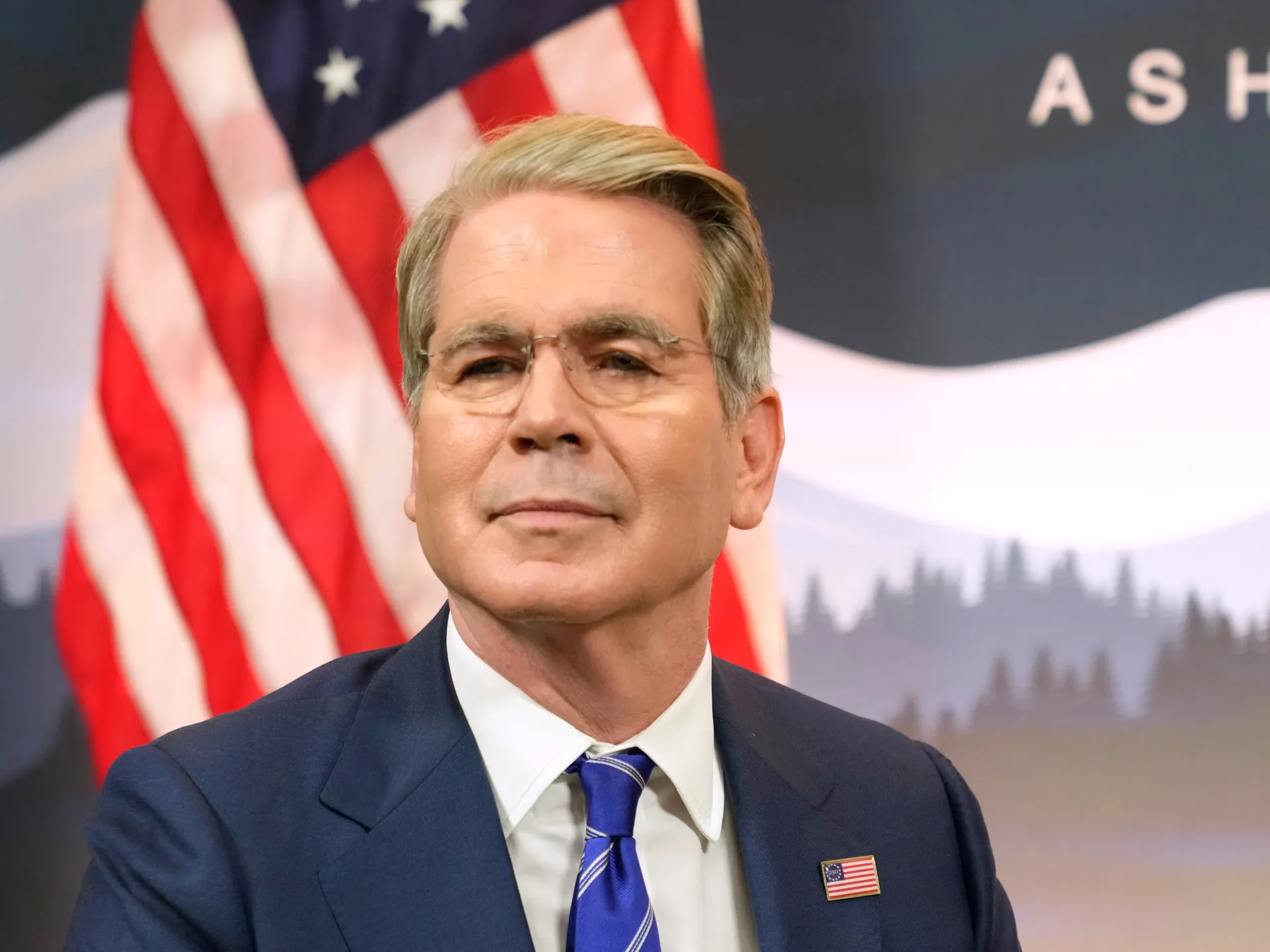
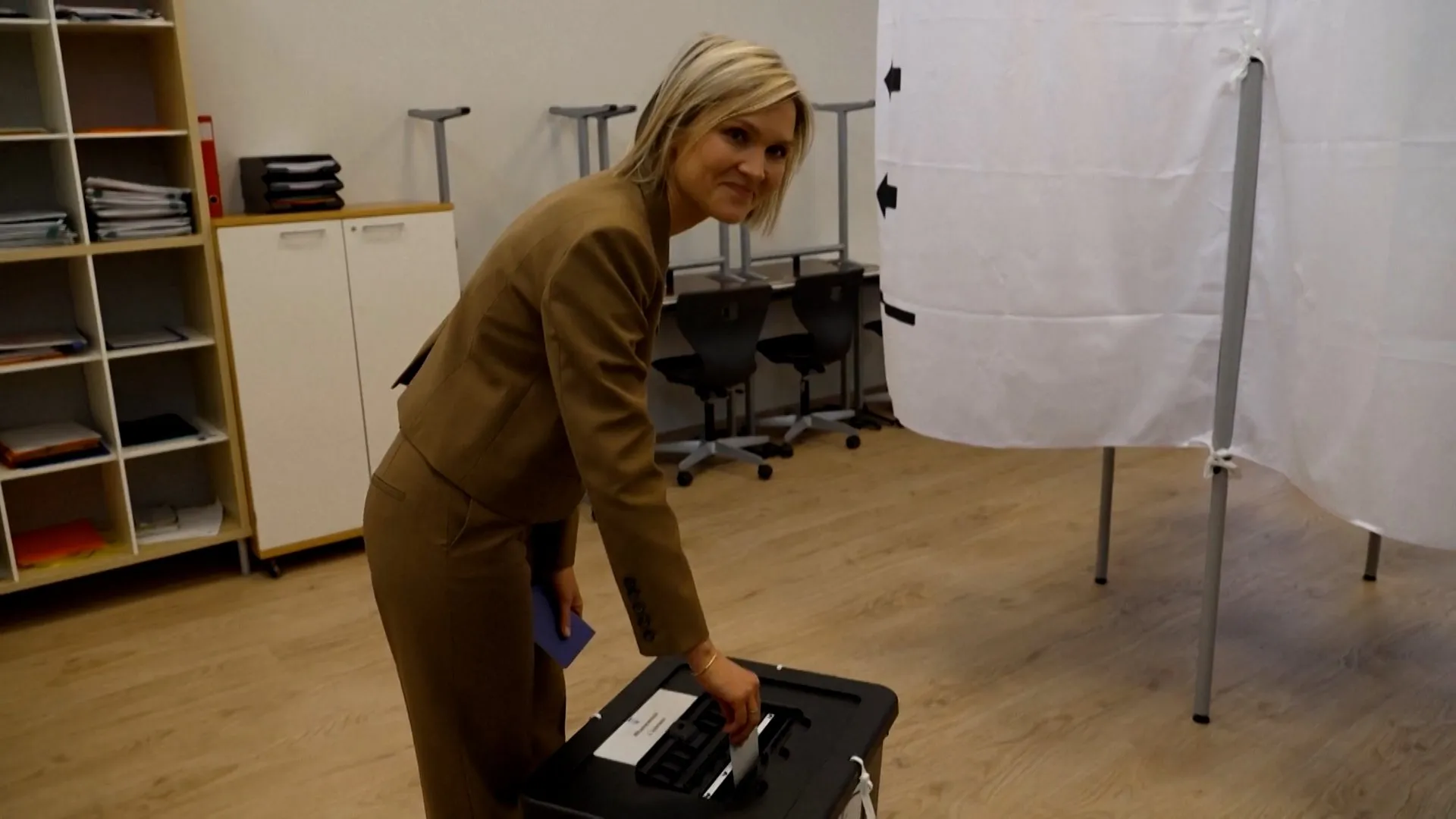
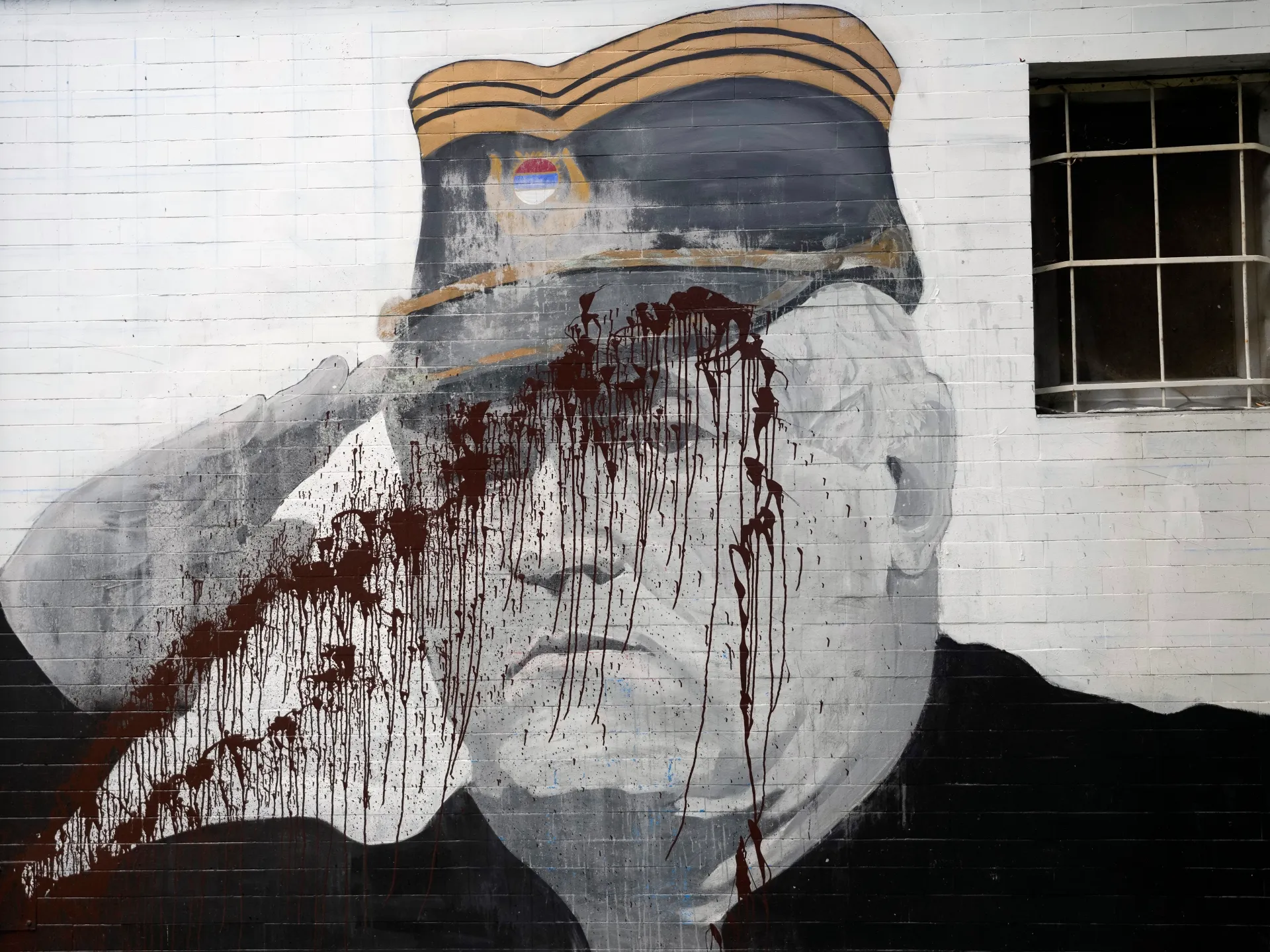
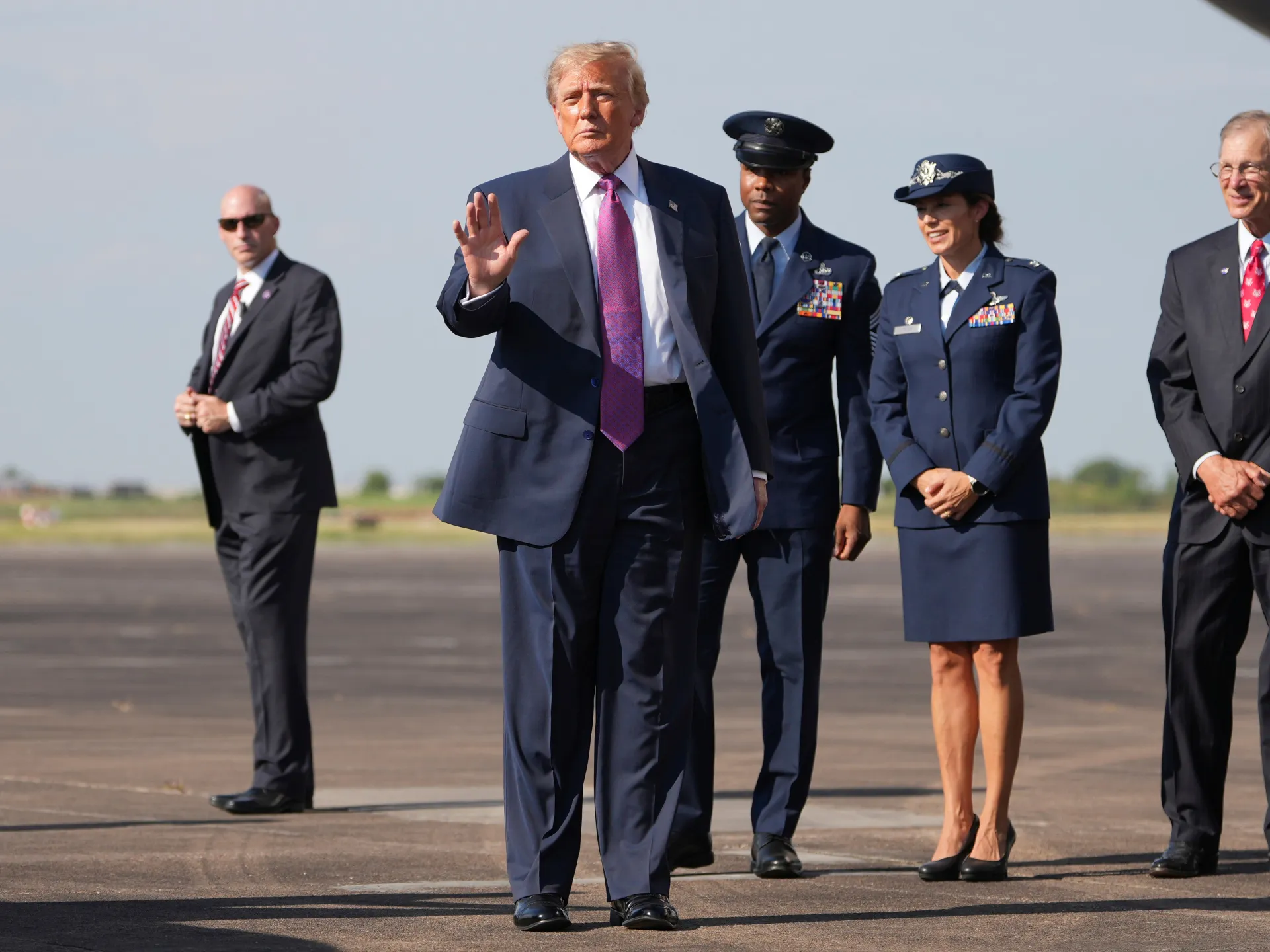
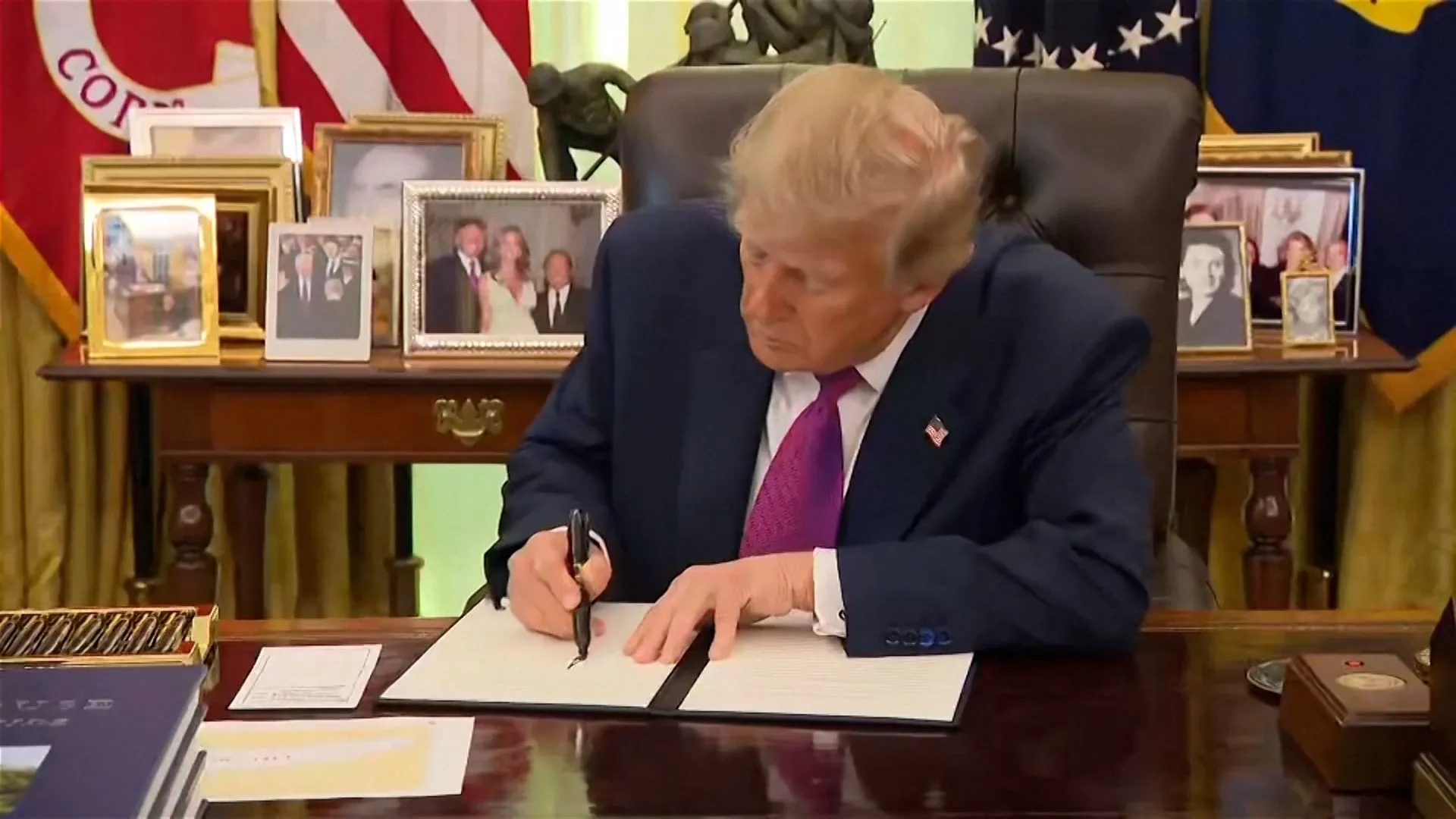
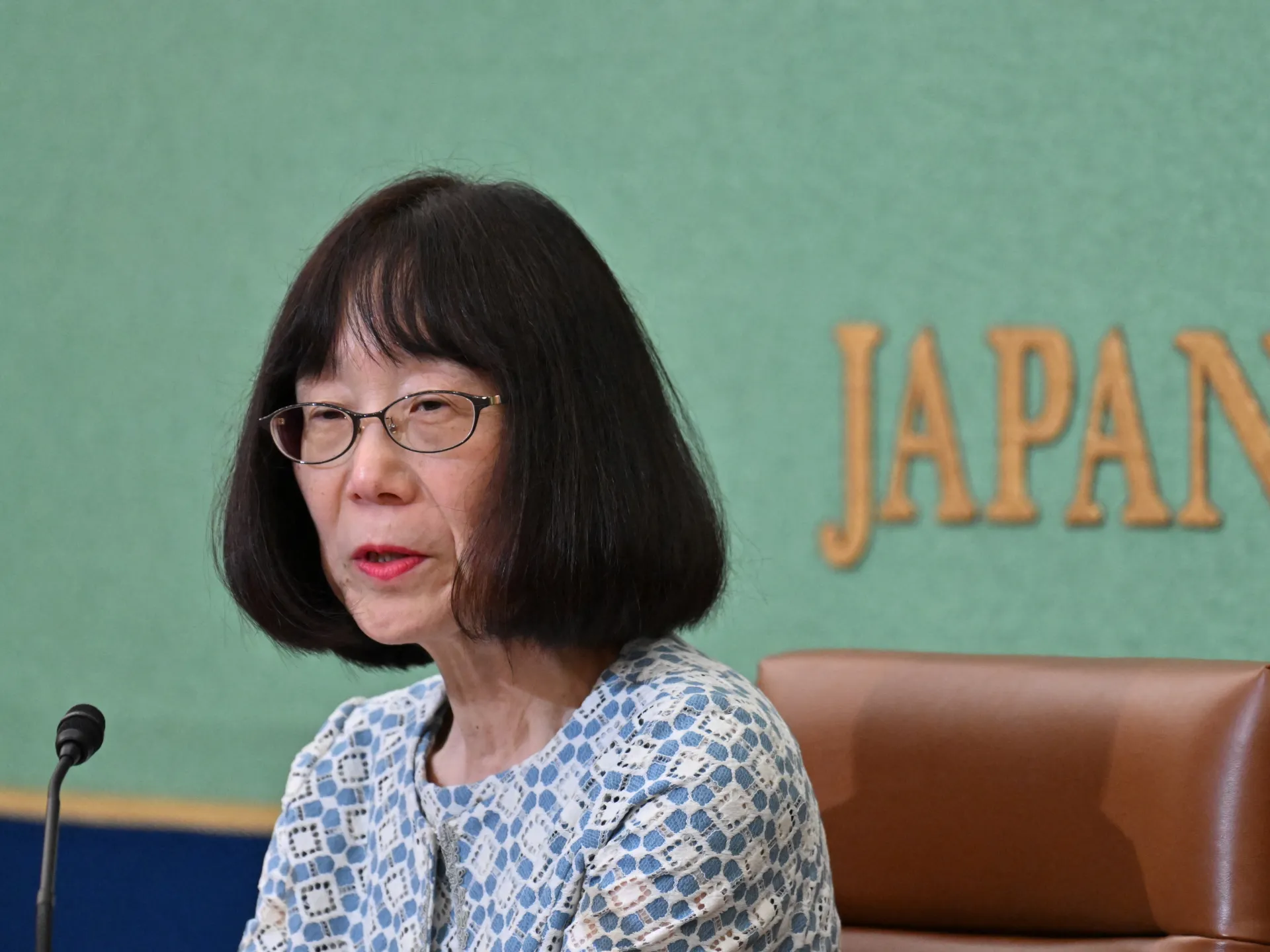
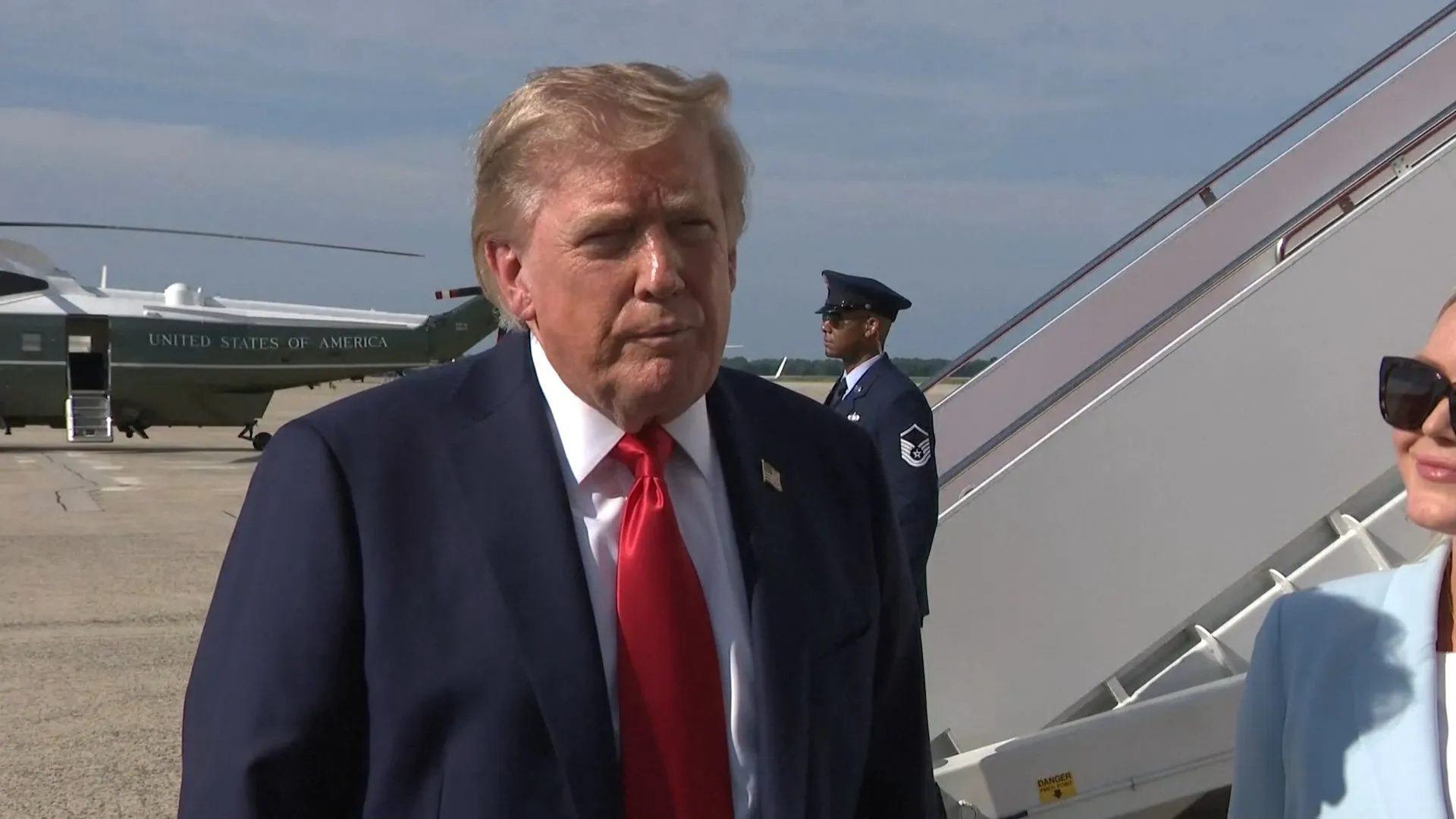
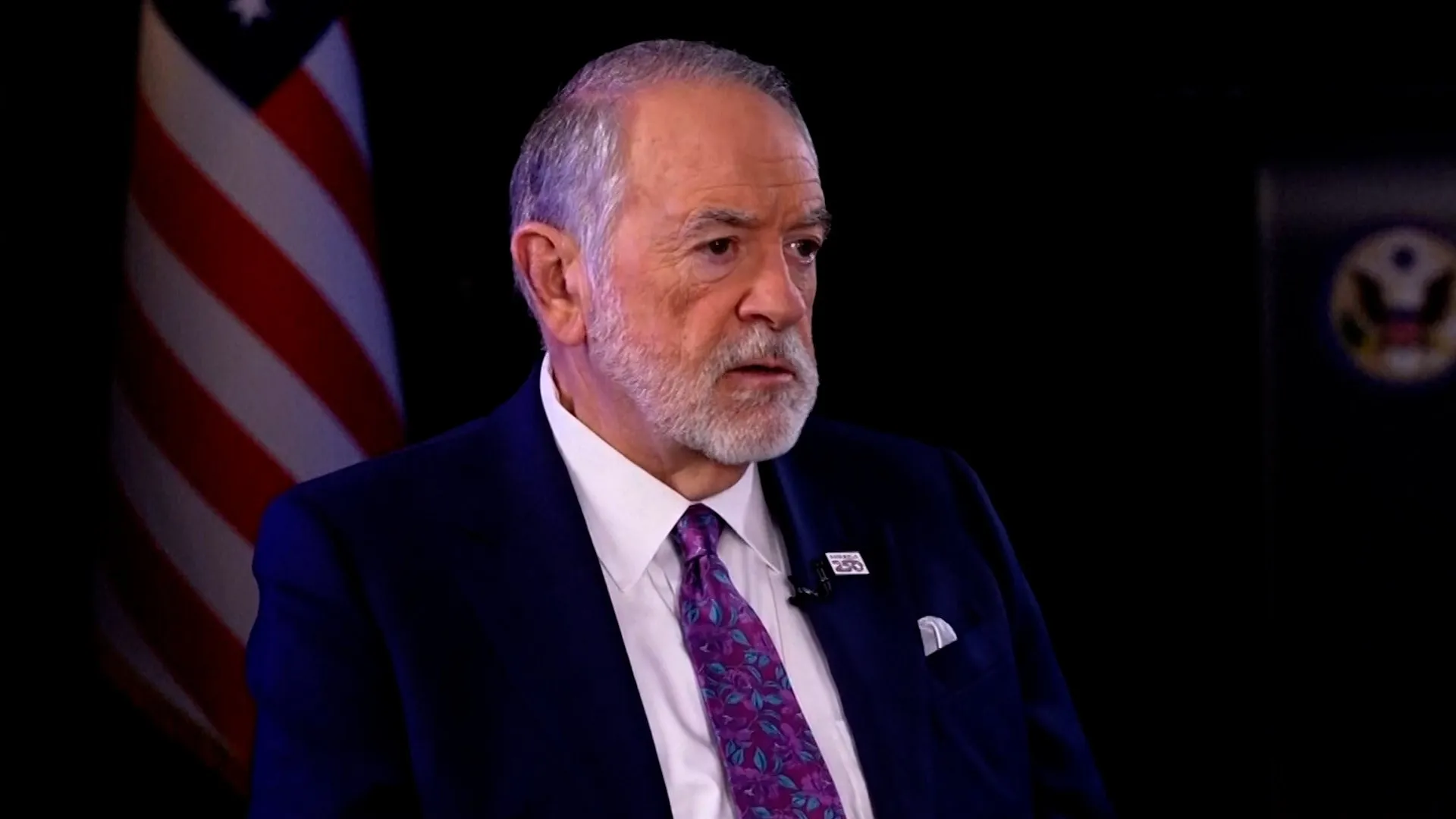
Former Philippine President Rodrigo Duterte was brought before the ICC in The Hague this week, ending an 18-month period of detention in Manila and subsequent remote hearings. The 81-year-old, who served as president from 2016 to 2022, is accused of crimes against humanity linked to the widespread, summary executions of drug suspects during his tenure. The scope of the inquiry spans from 2011—when Duterte was mayor of Davao—through March 2019, shortly before the Philippines formally withdrew from the ICC.
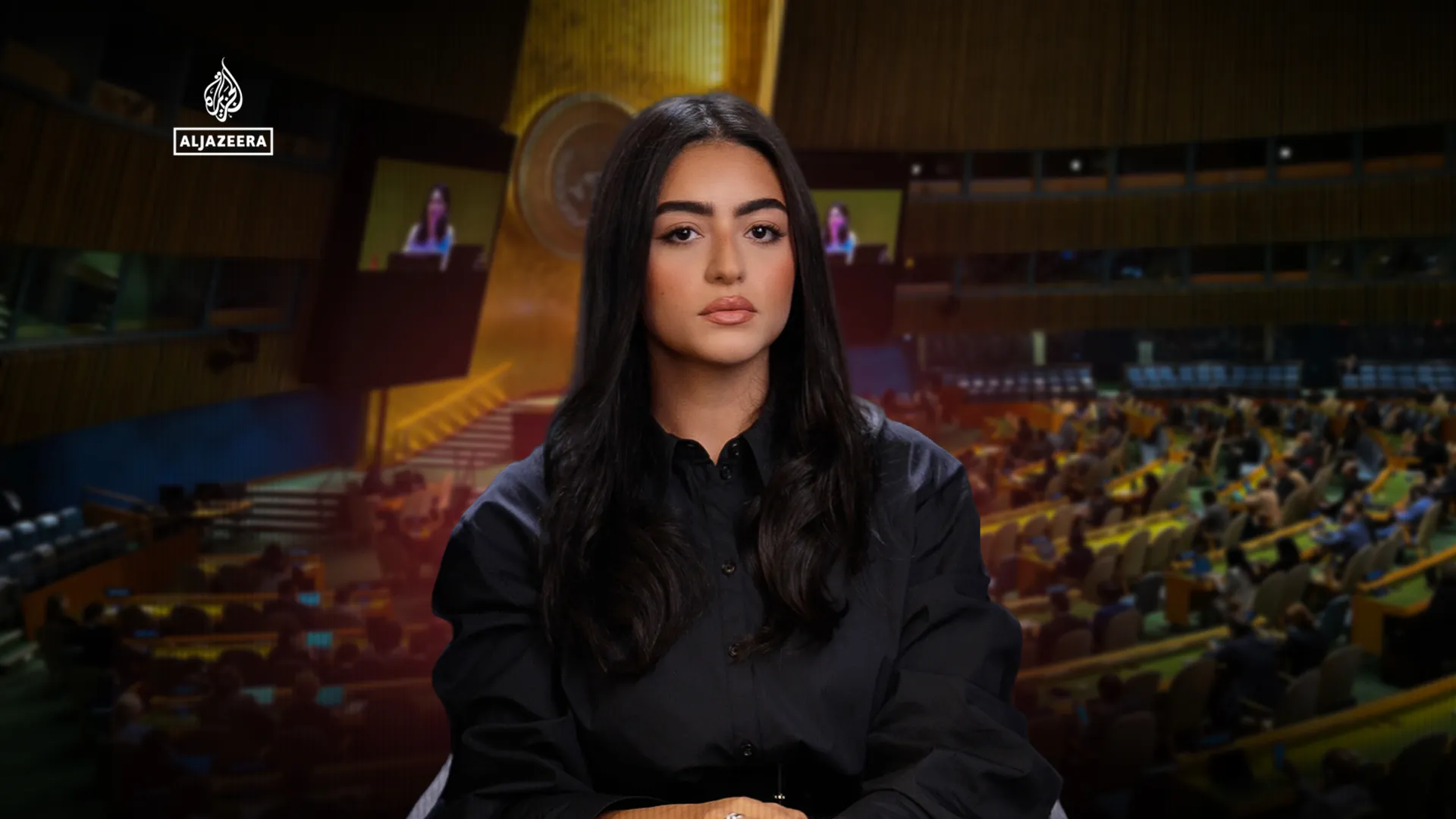
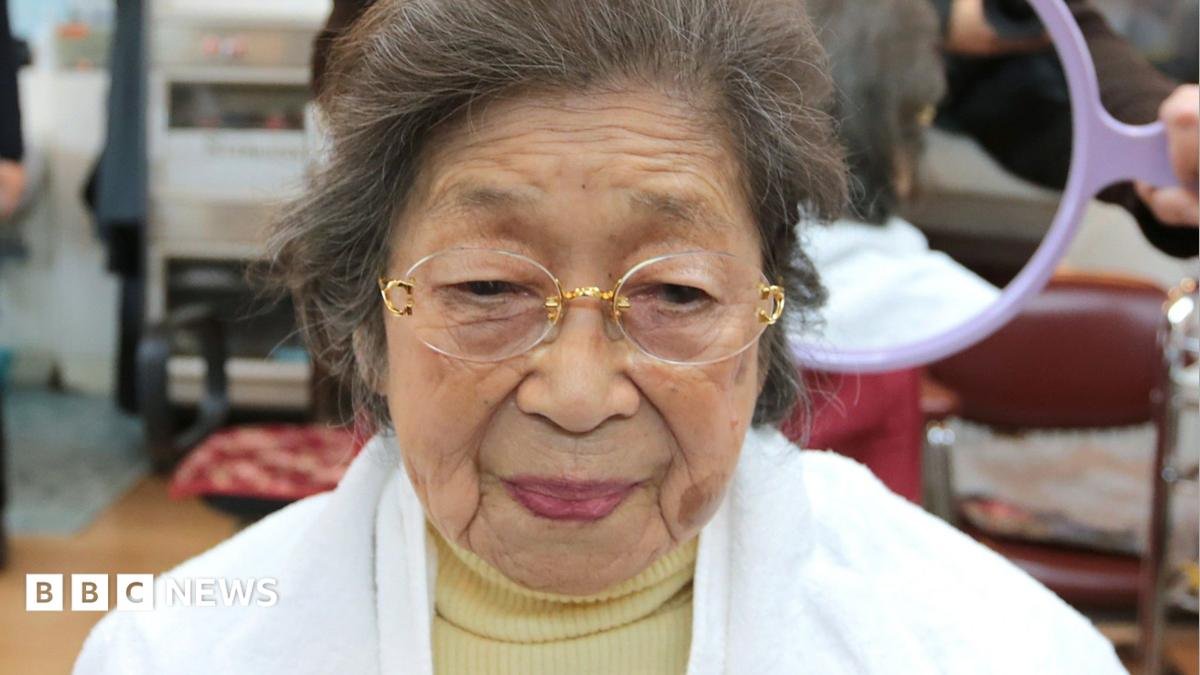
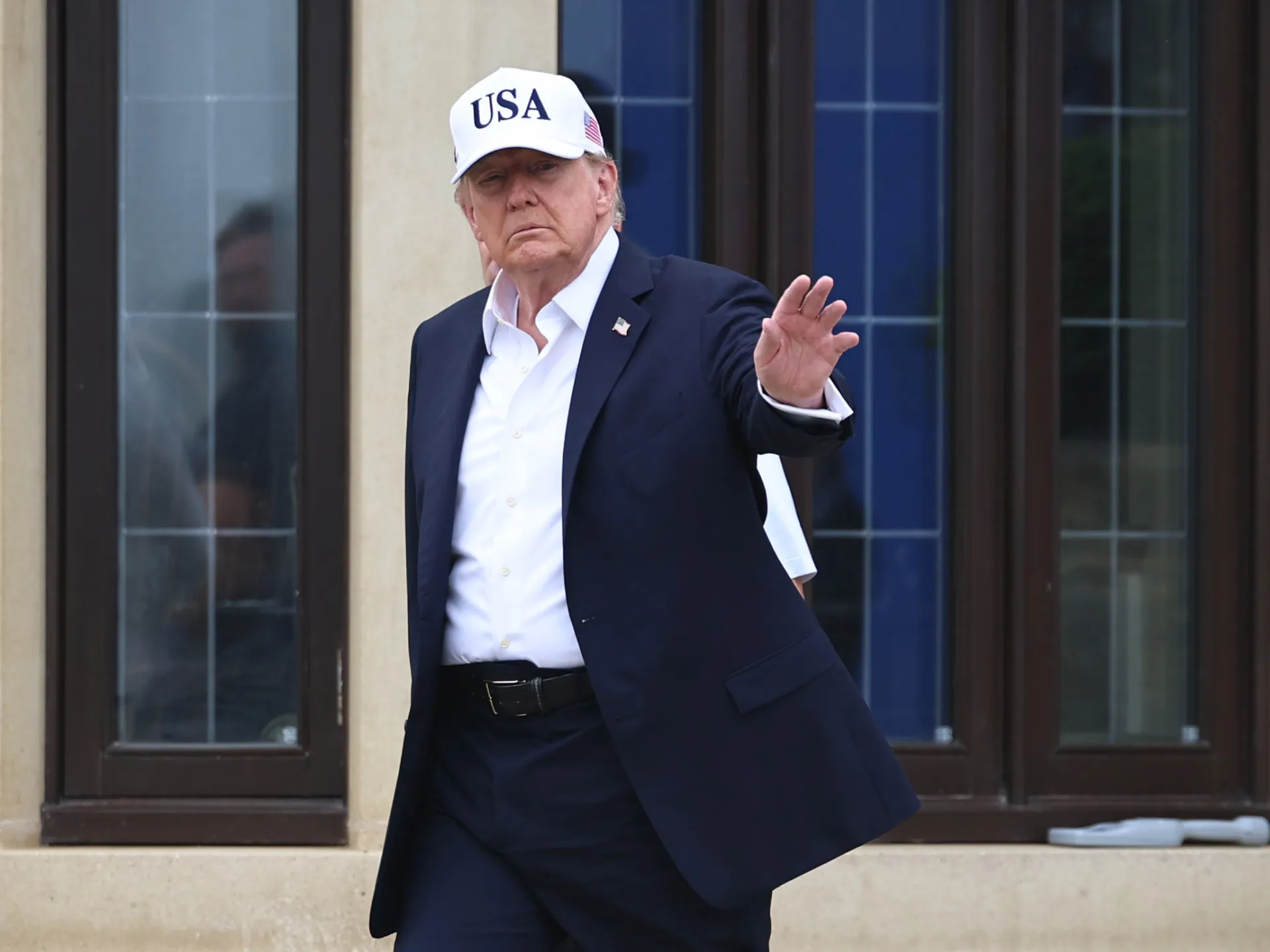
A primary point of contention remains the former leader’s mental and physical fitness to stand trial. Defense attorneys have asserted that Duterte suffers from significant memory impairment, claiming he is unable to recall key contemporary figures like Donald Trump or correctly identify his own age. Prosecutors have challenged these claims, prompting judges to order a medical evaluation public, but defense lawyers cite it as evidence that their client is effectively unable to participate in his own defense. The court has scheduled the start of the trial for November 30.
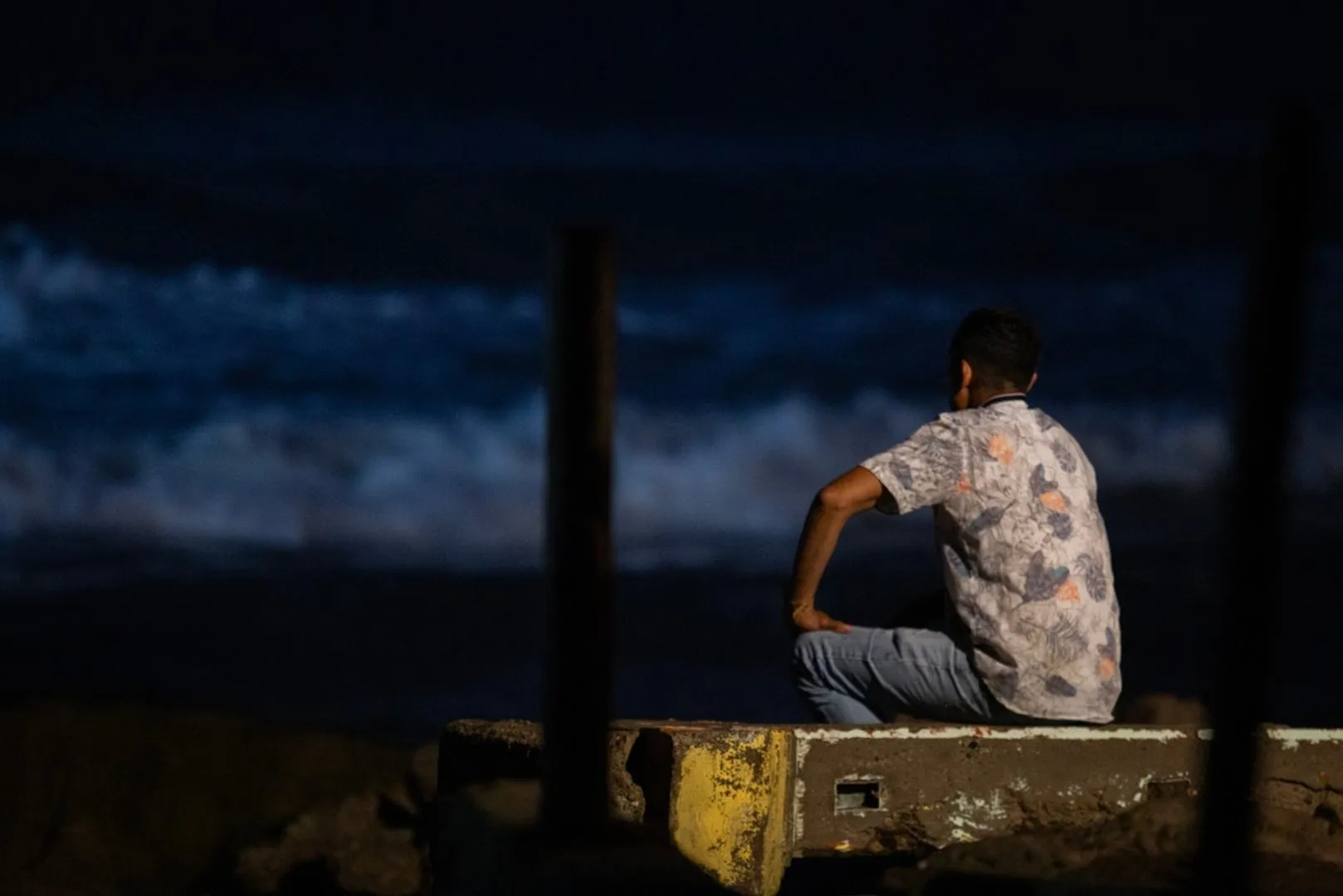
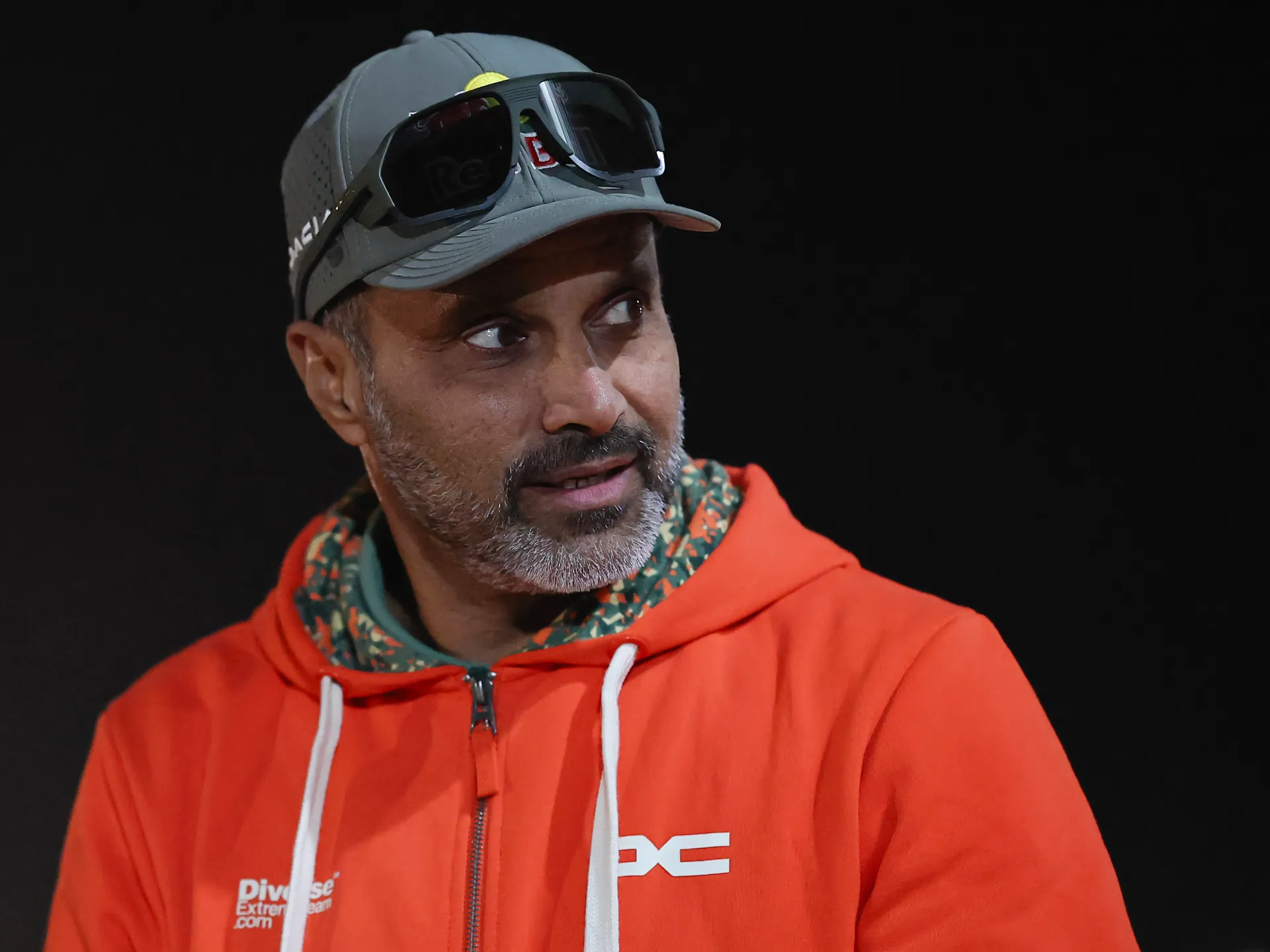
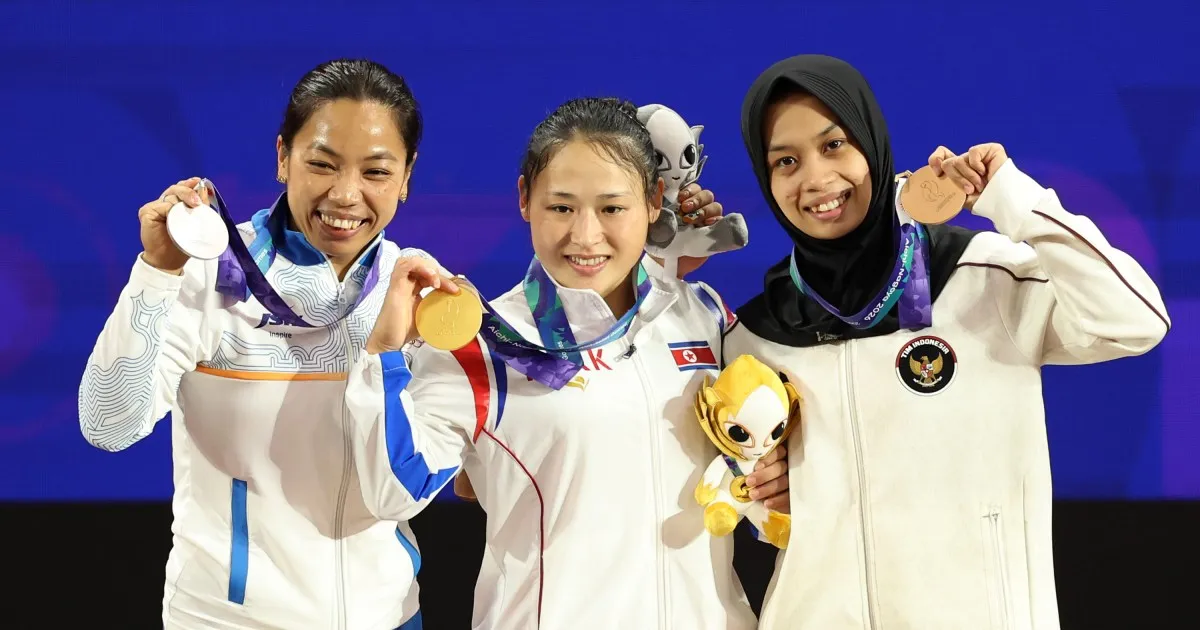
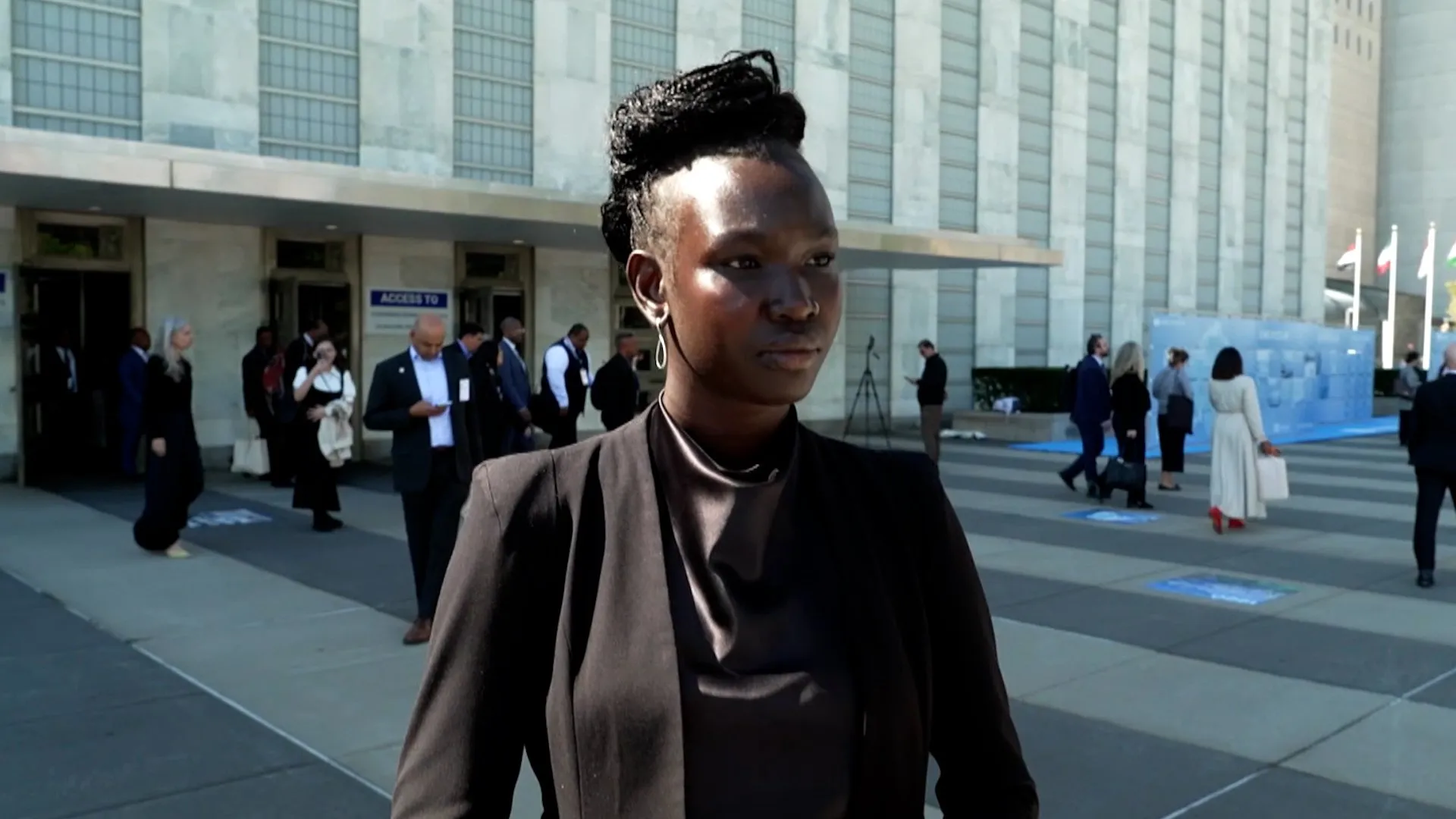
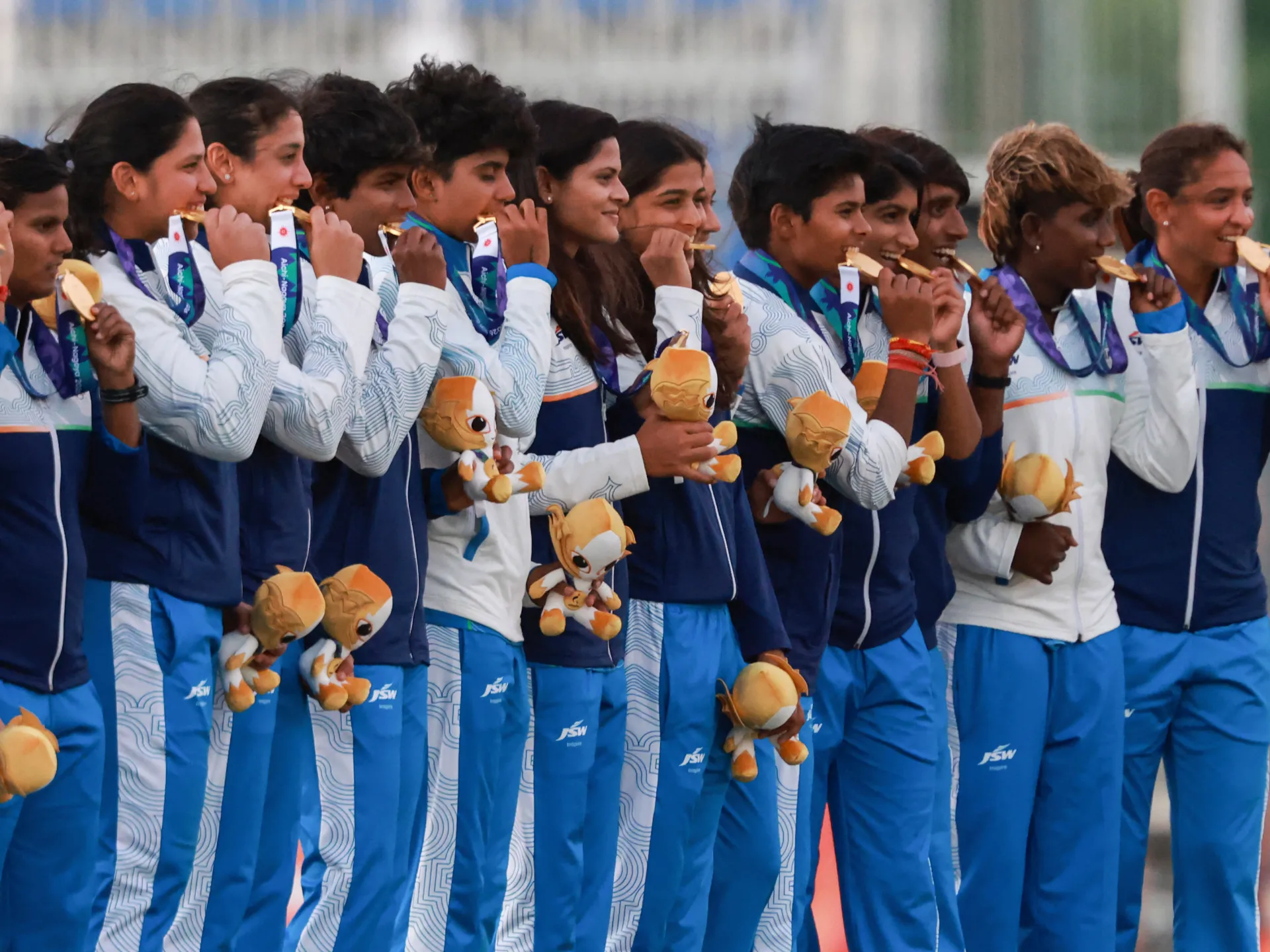
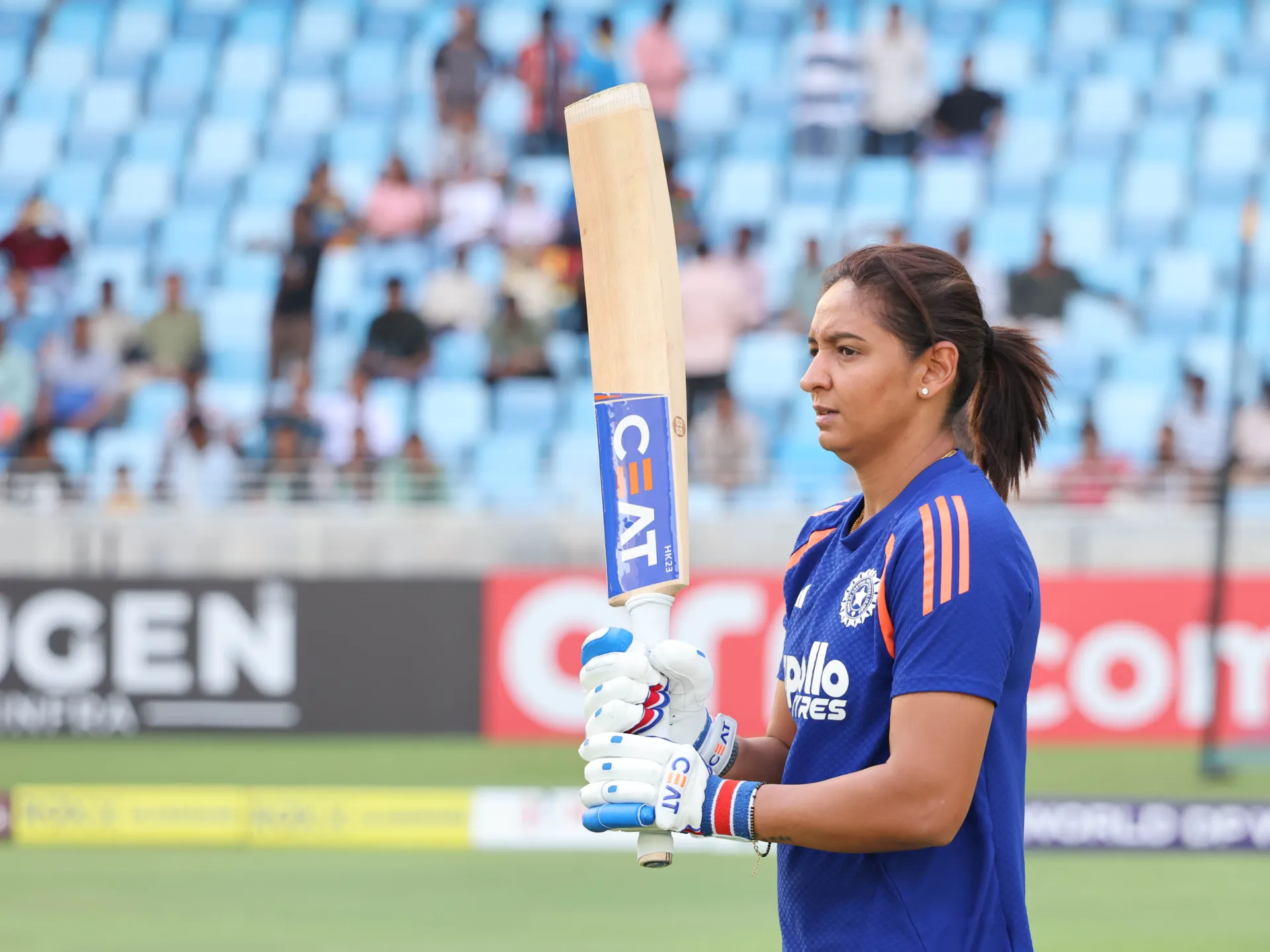
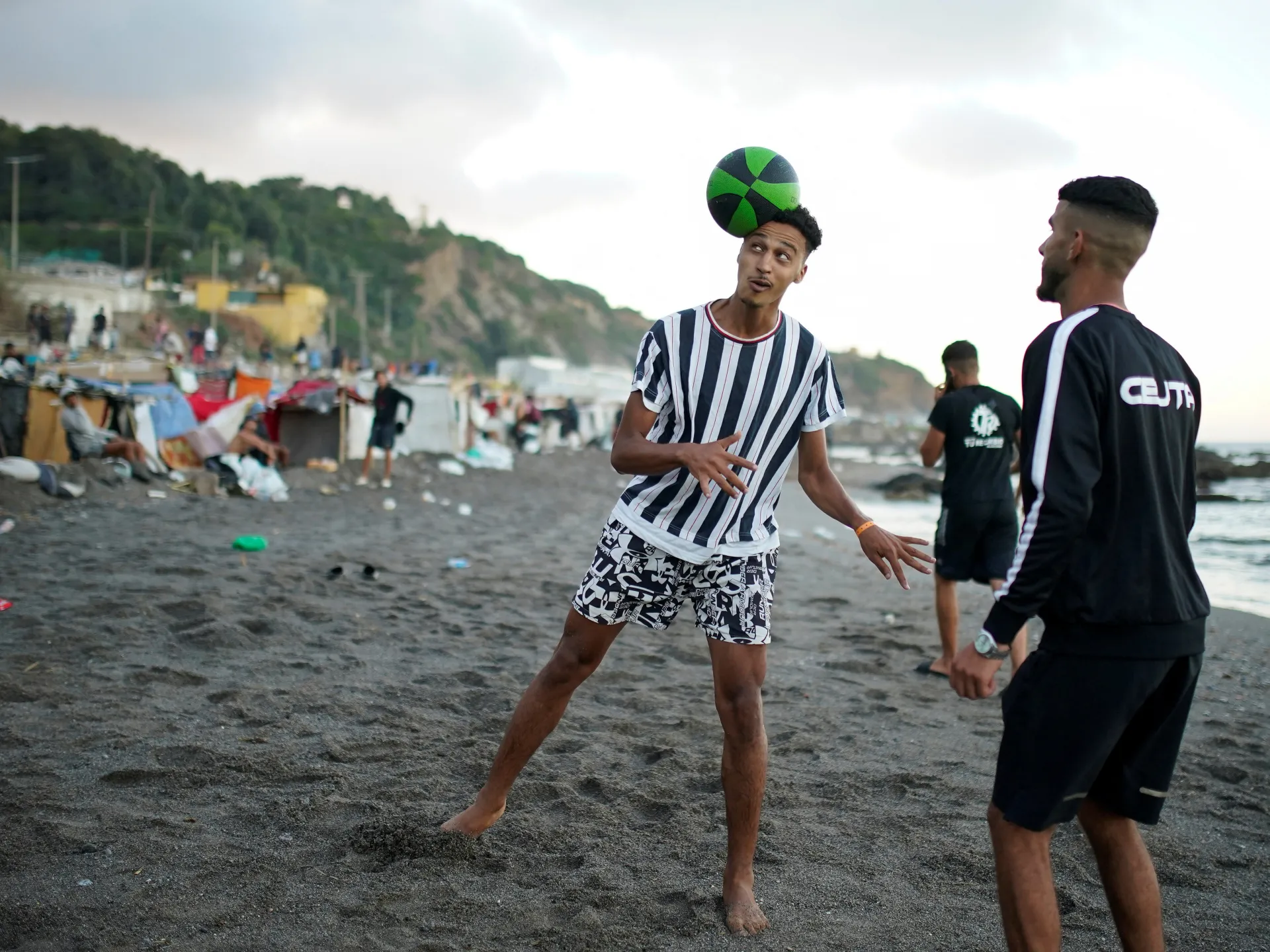
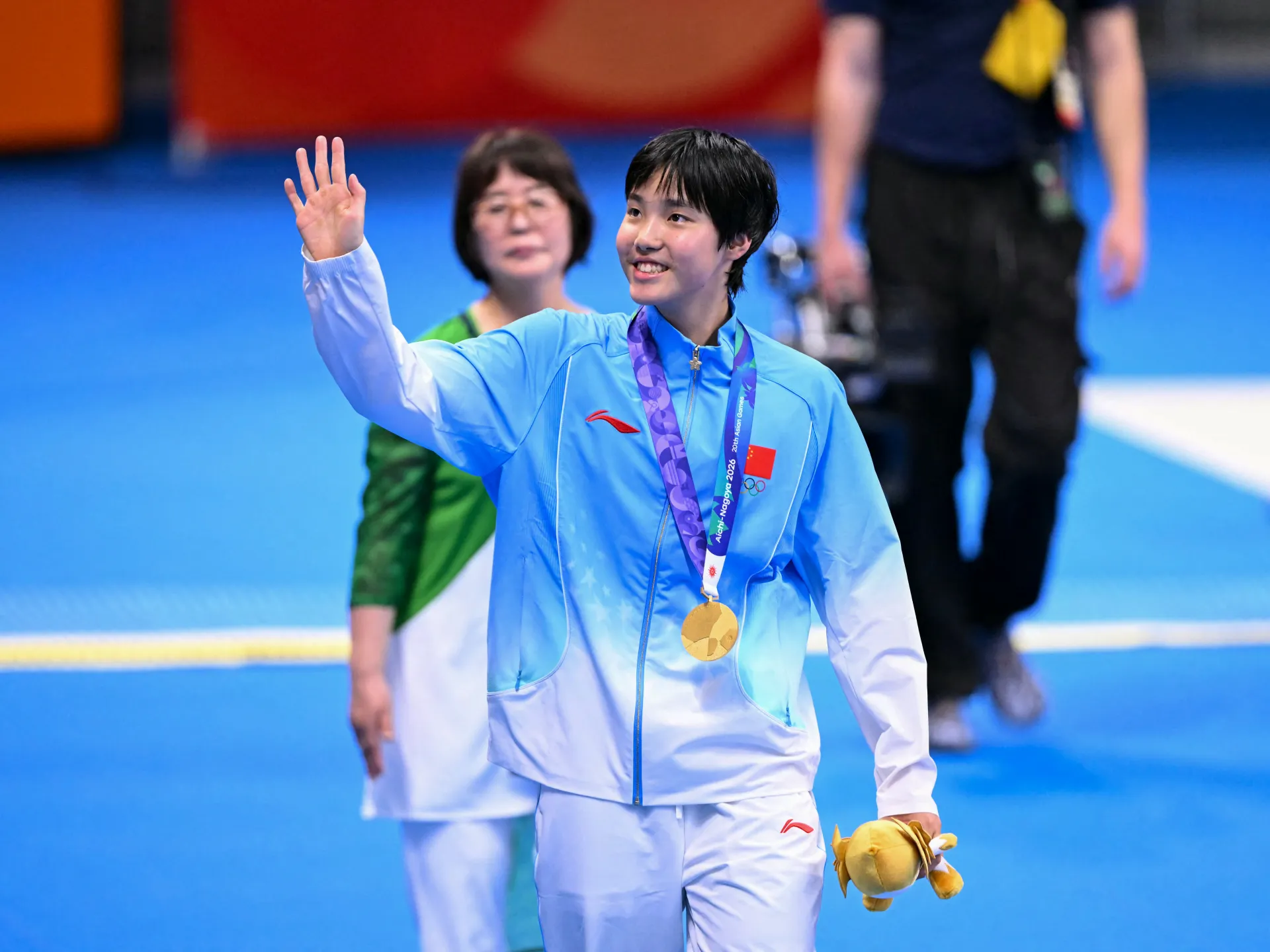
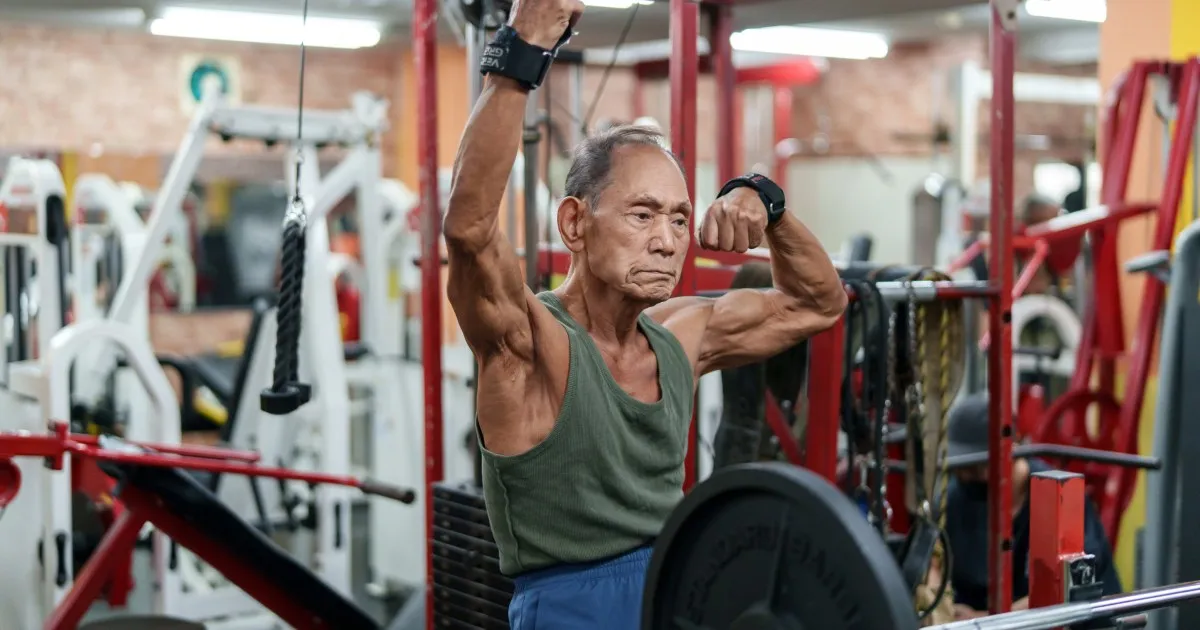
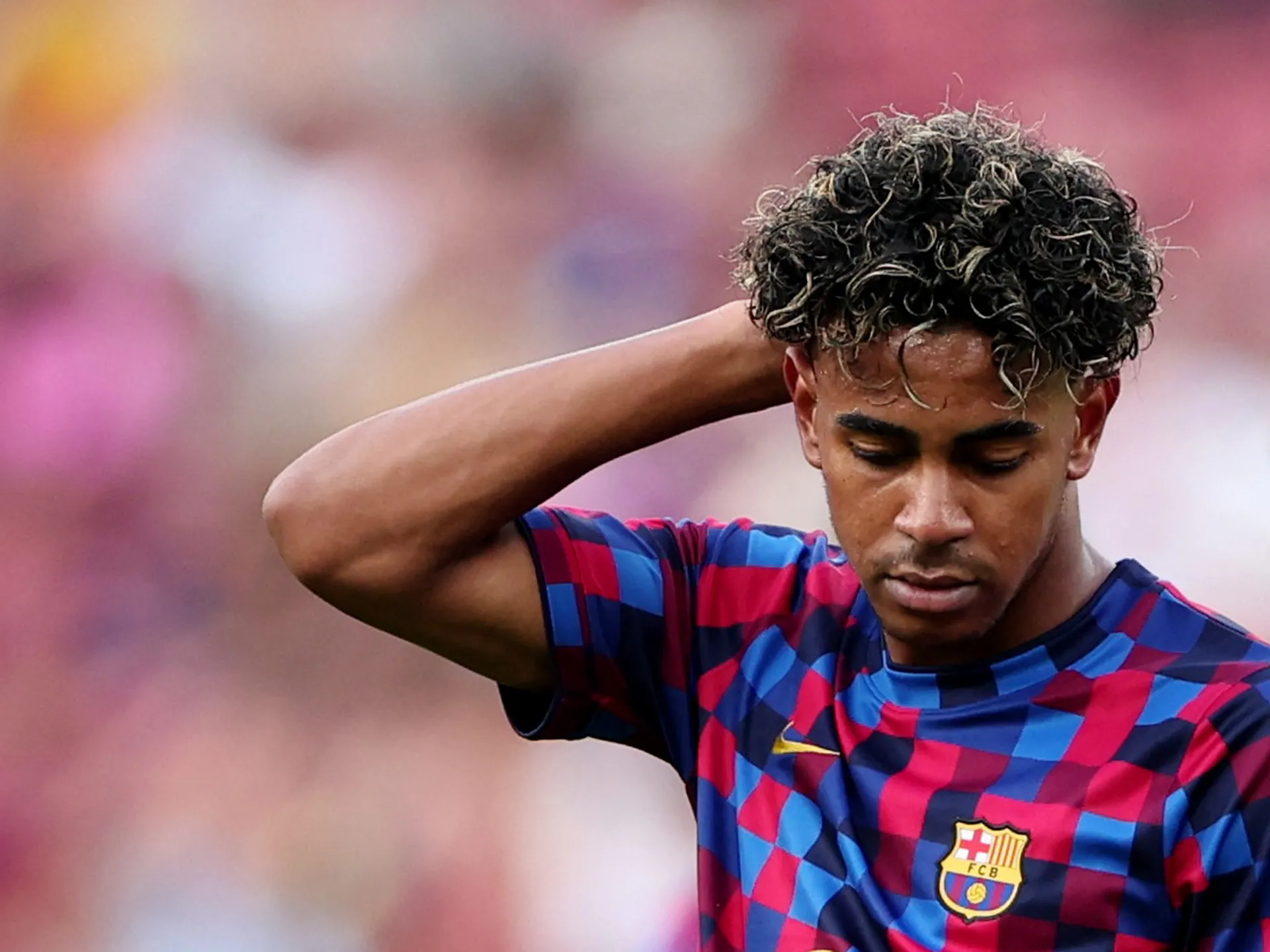
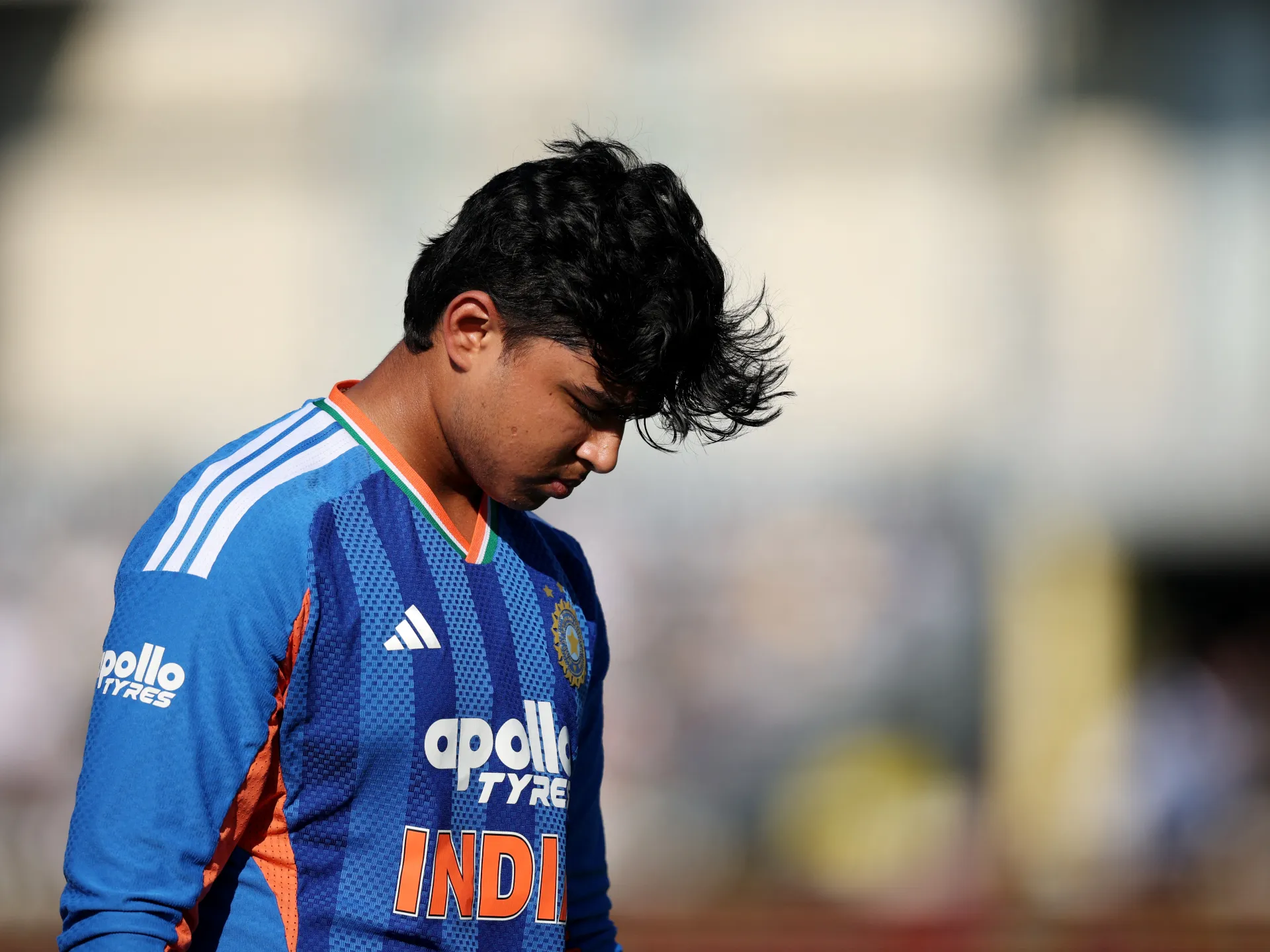
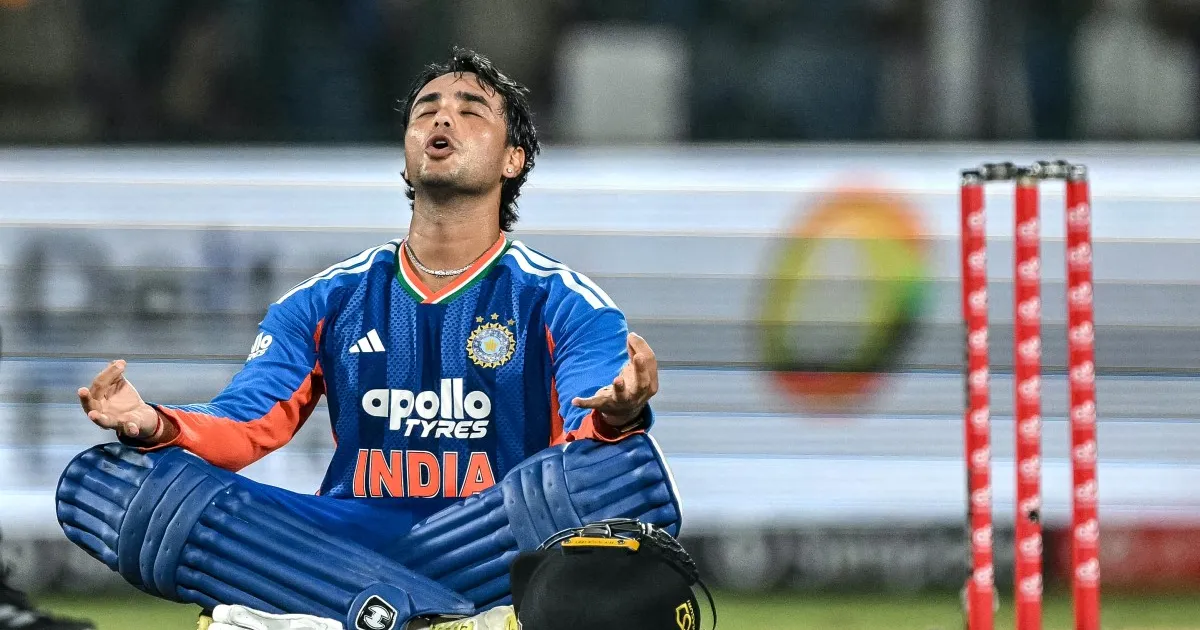
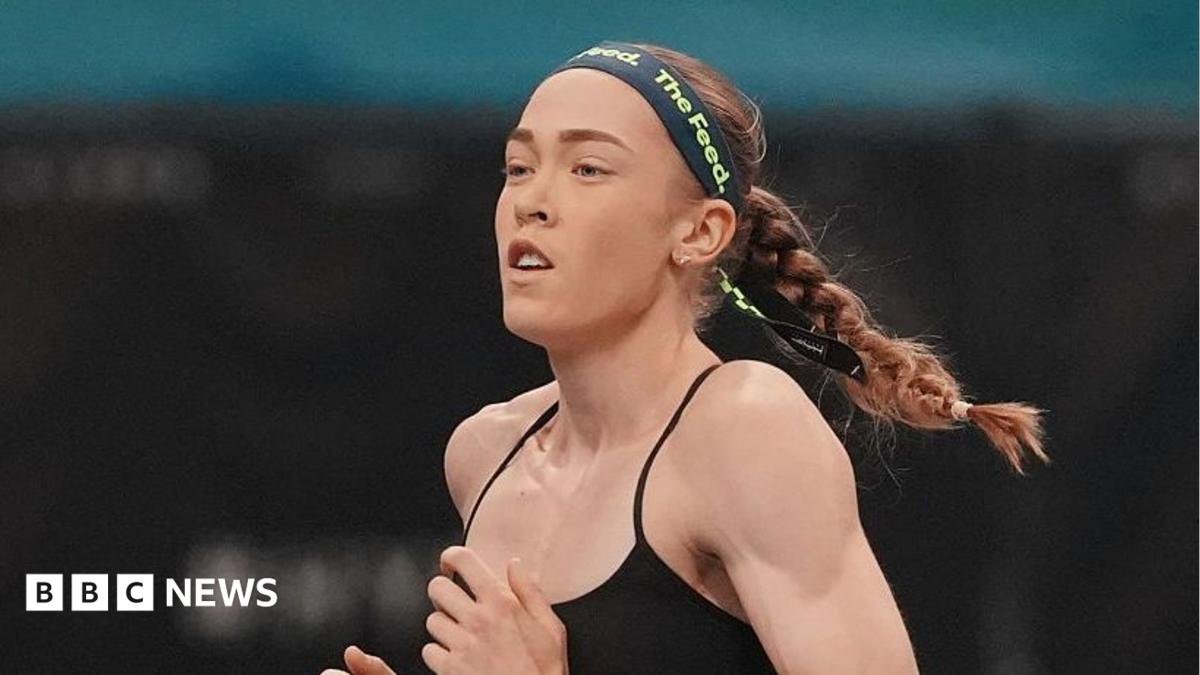
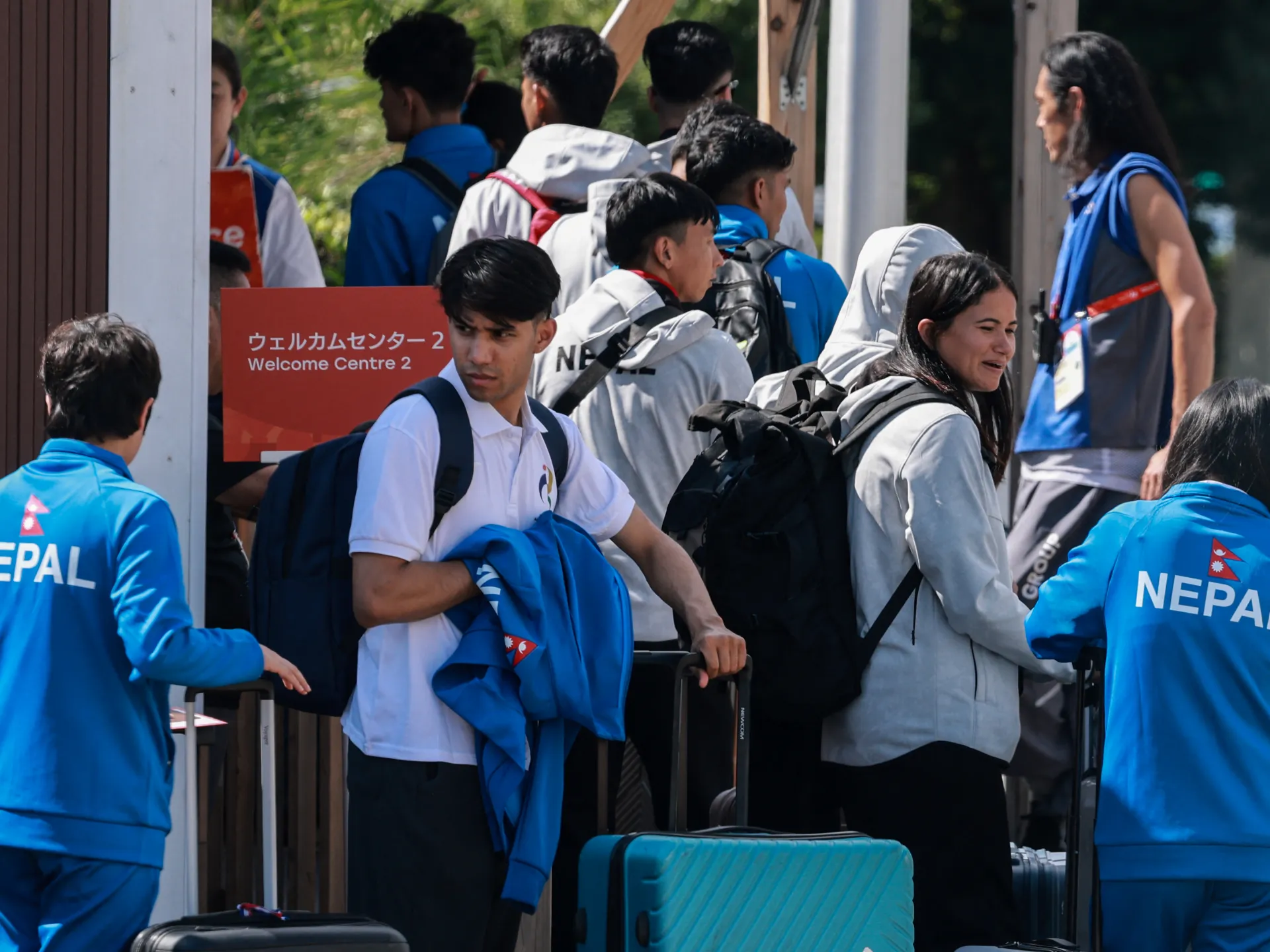
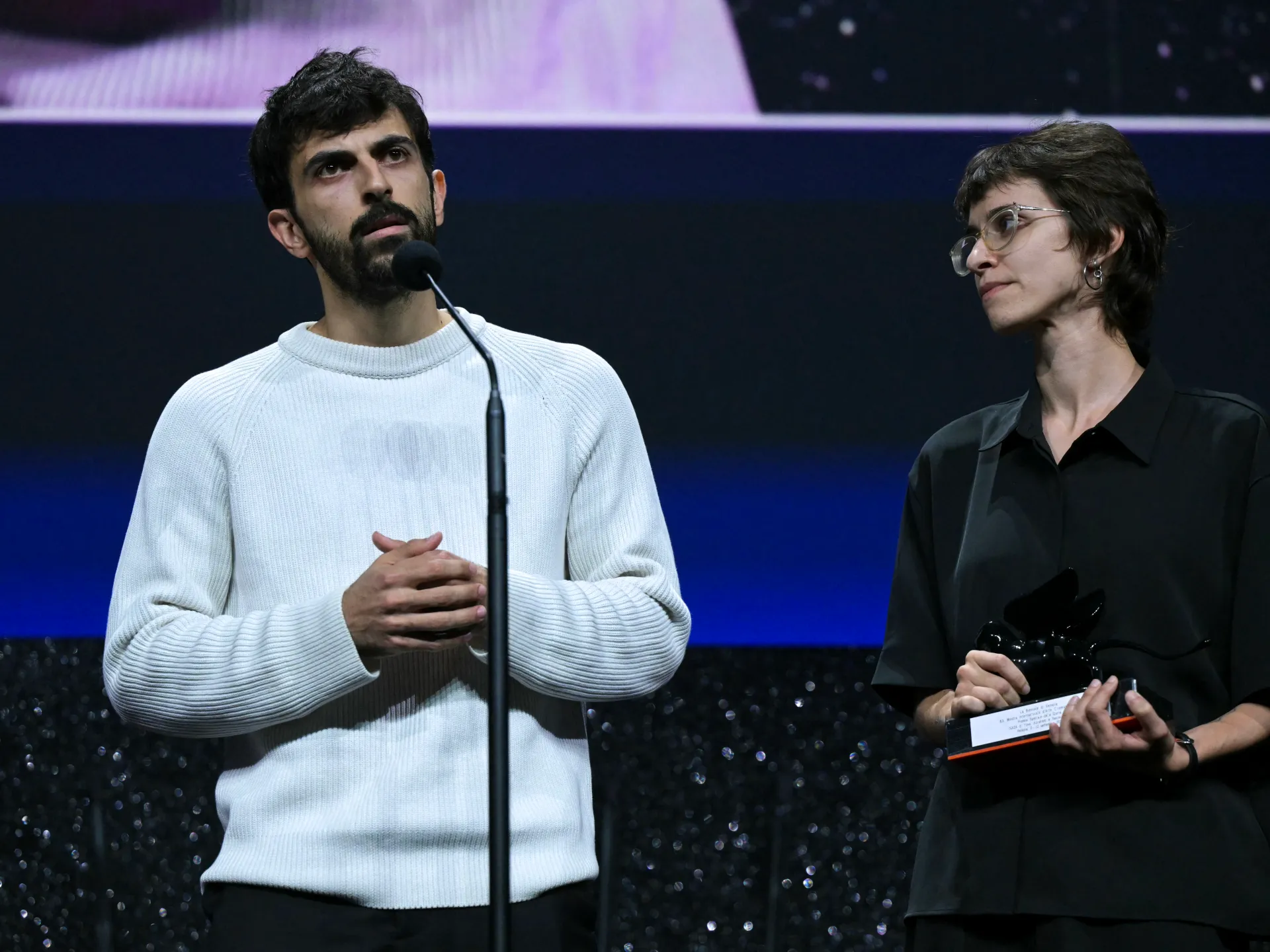
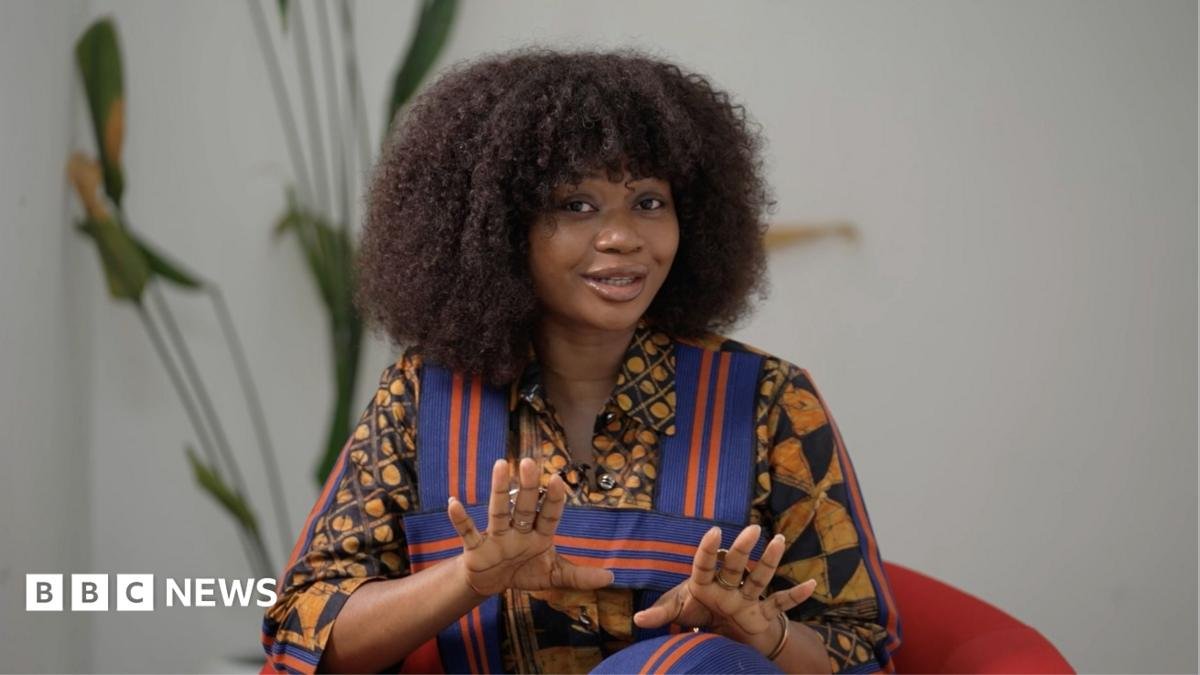
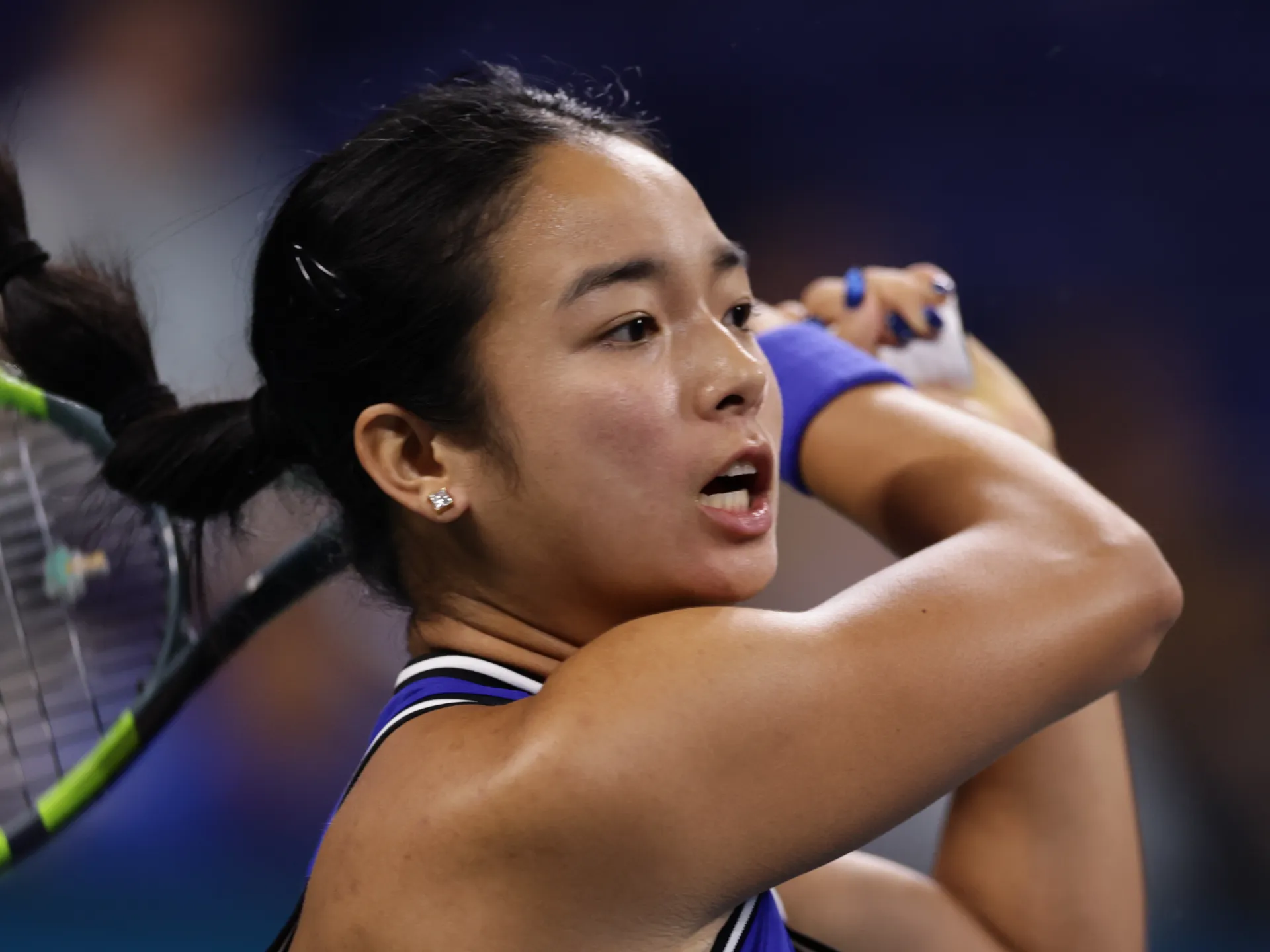
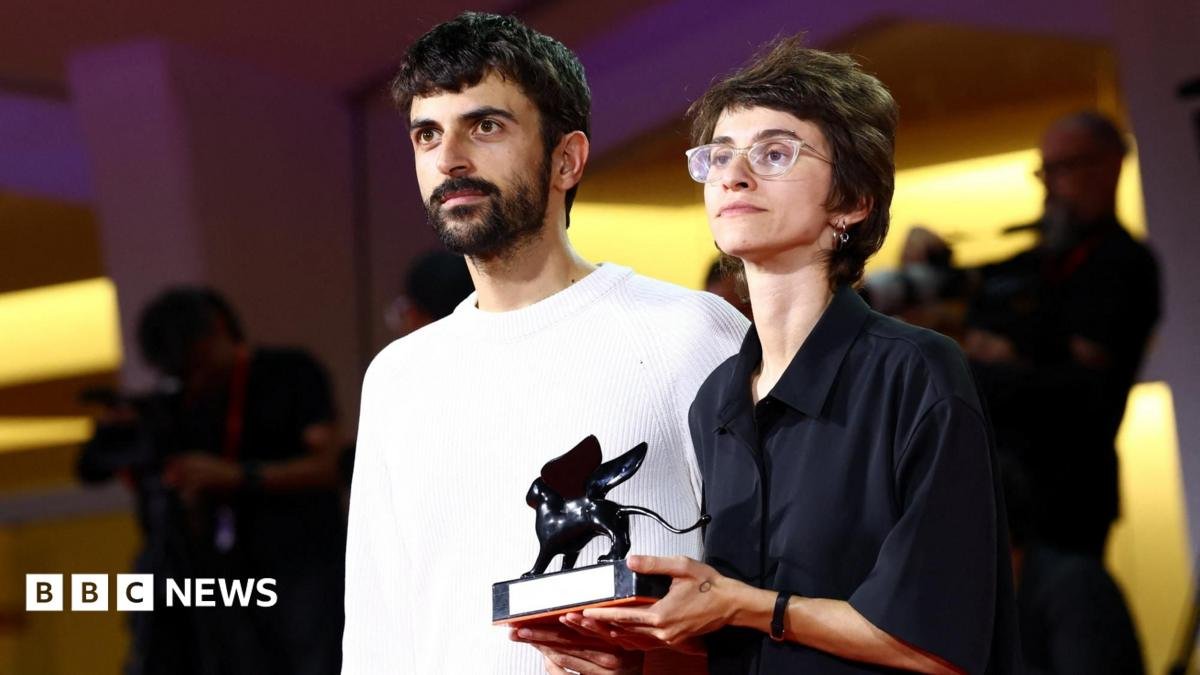
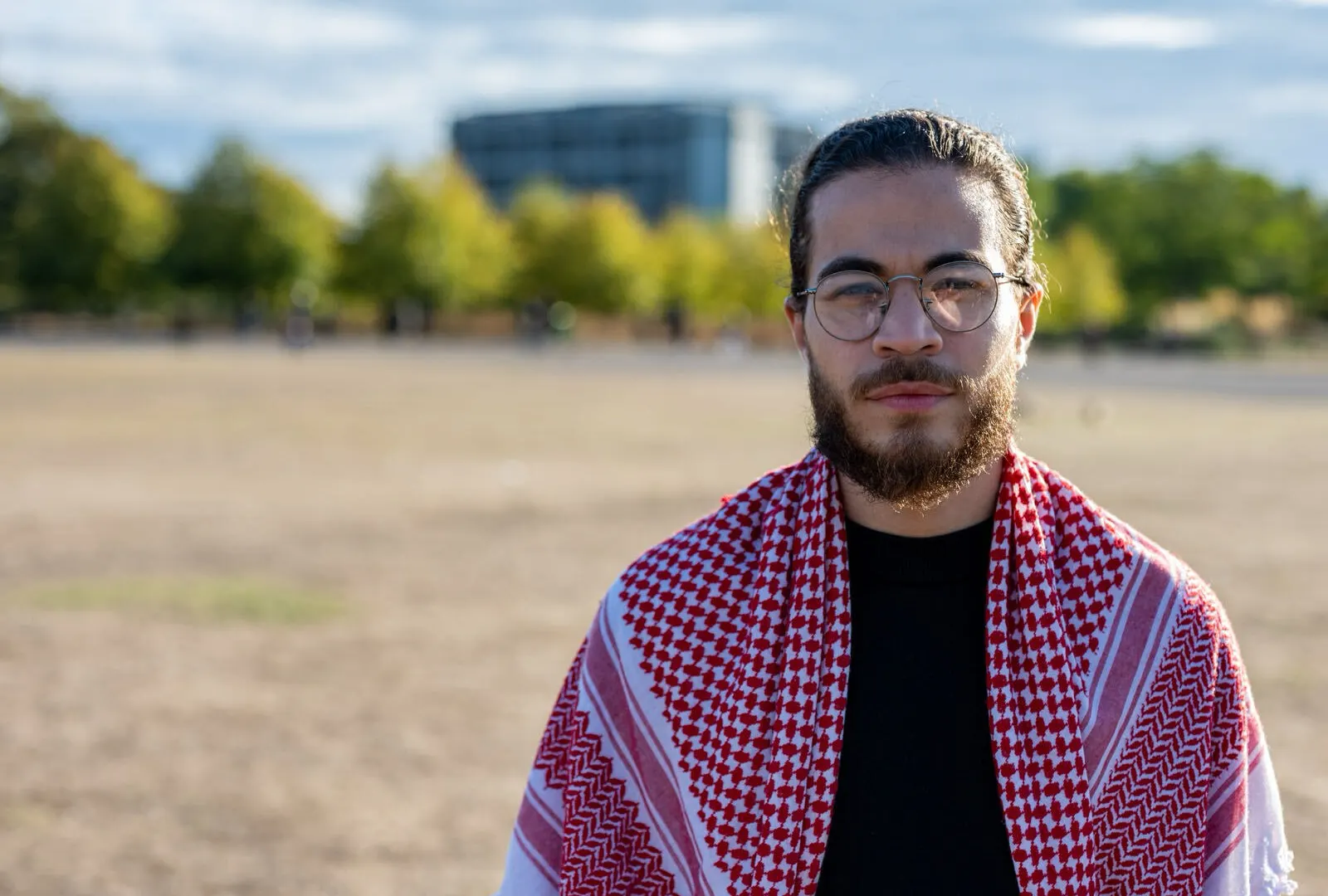
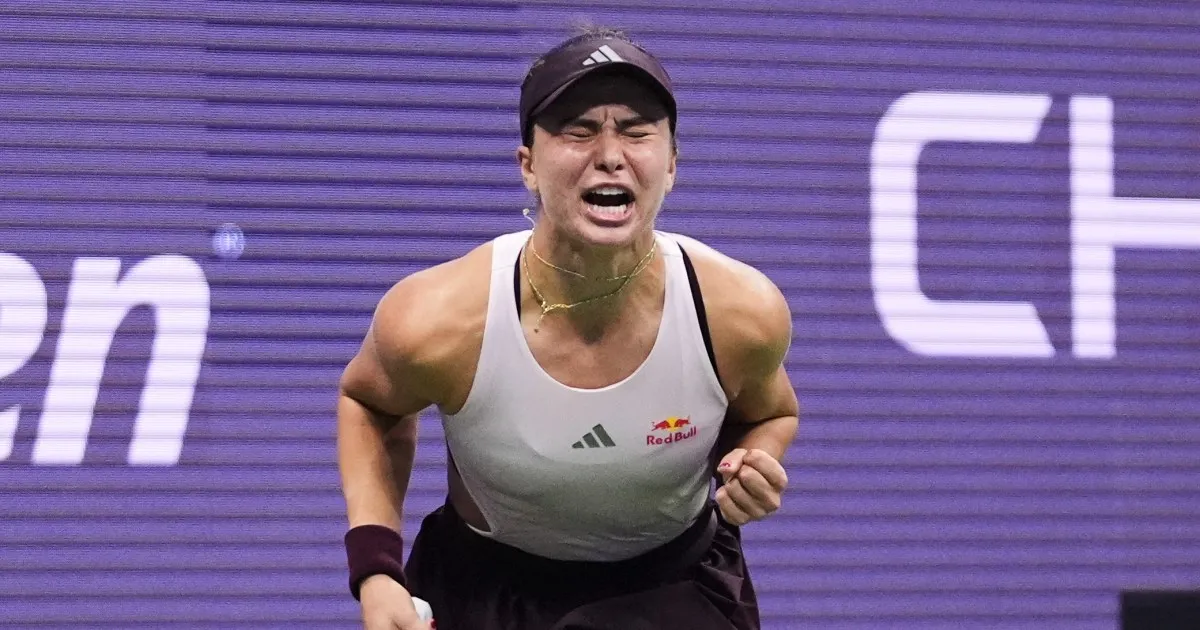
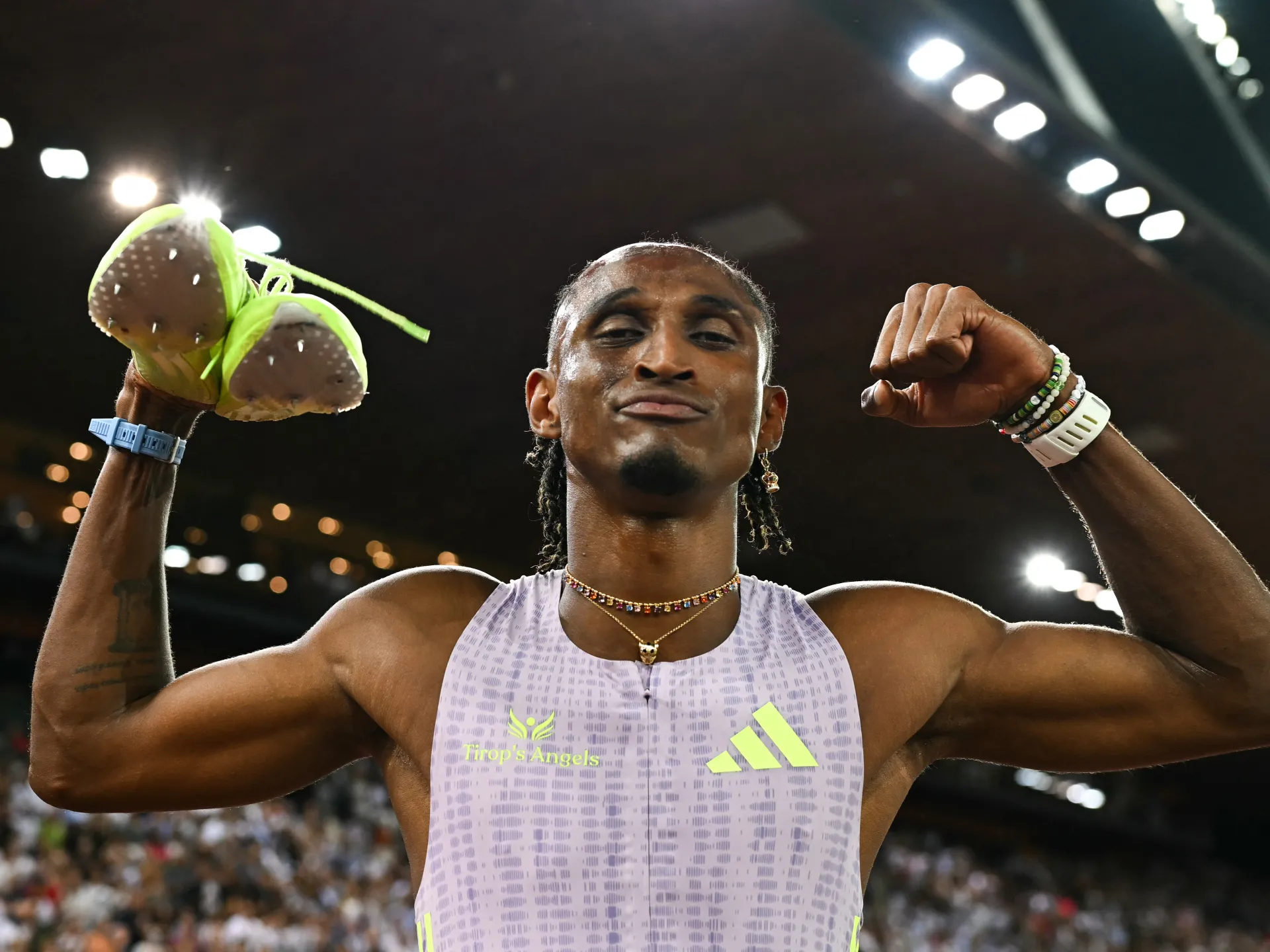
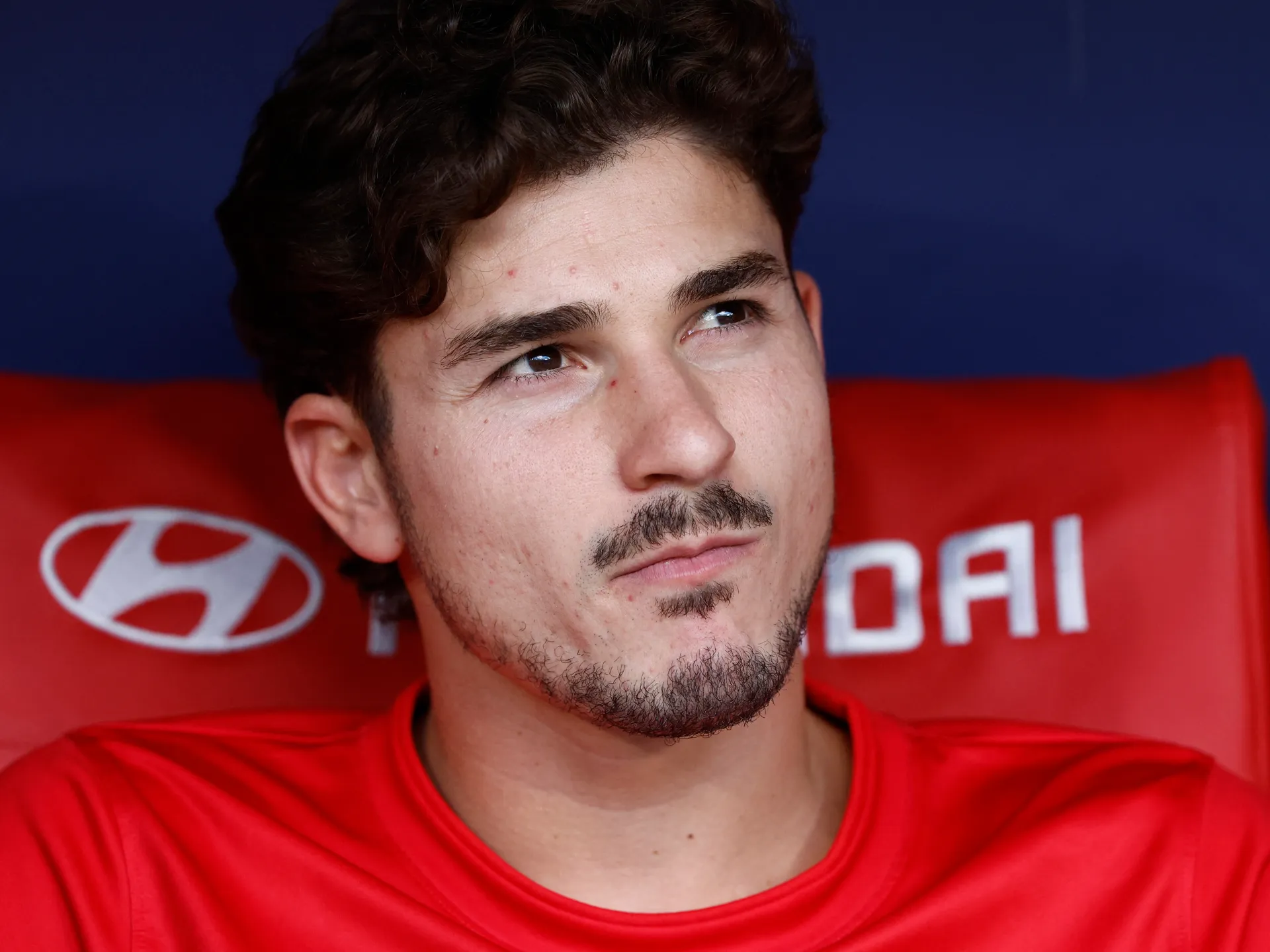
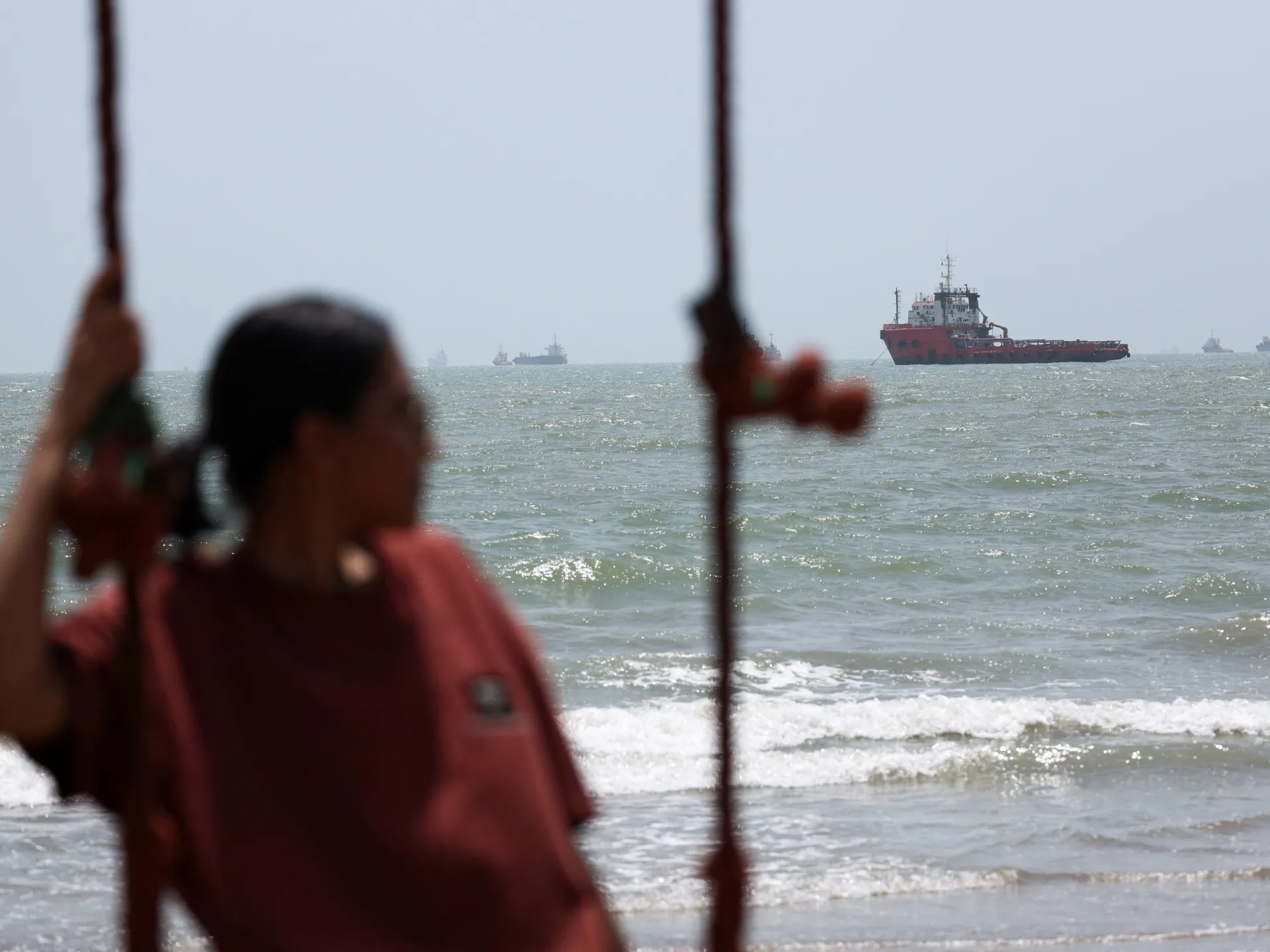
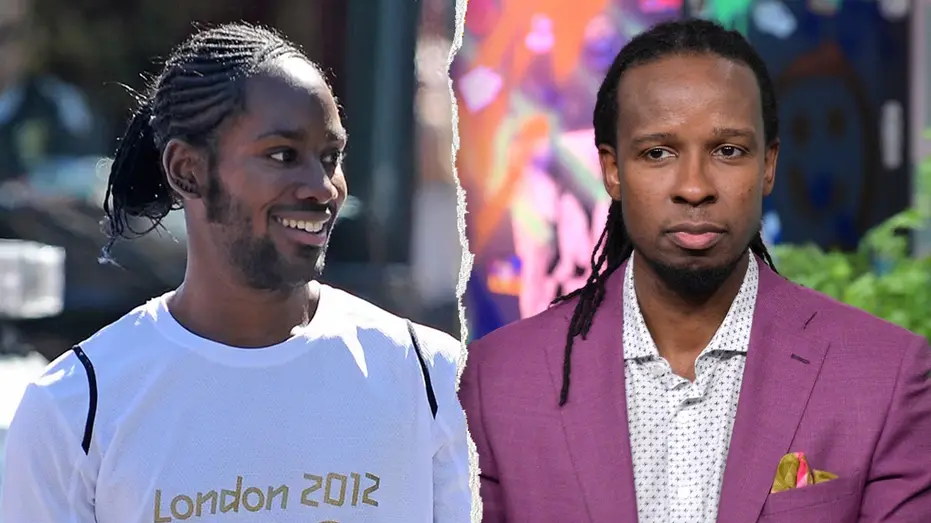
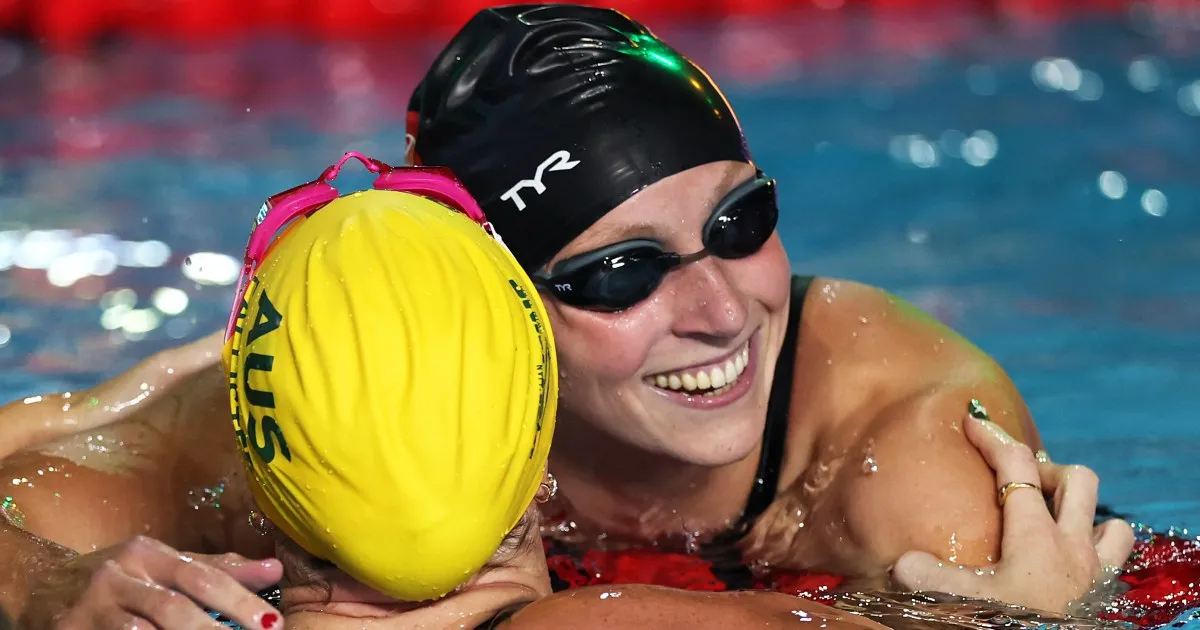
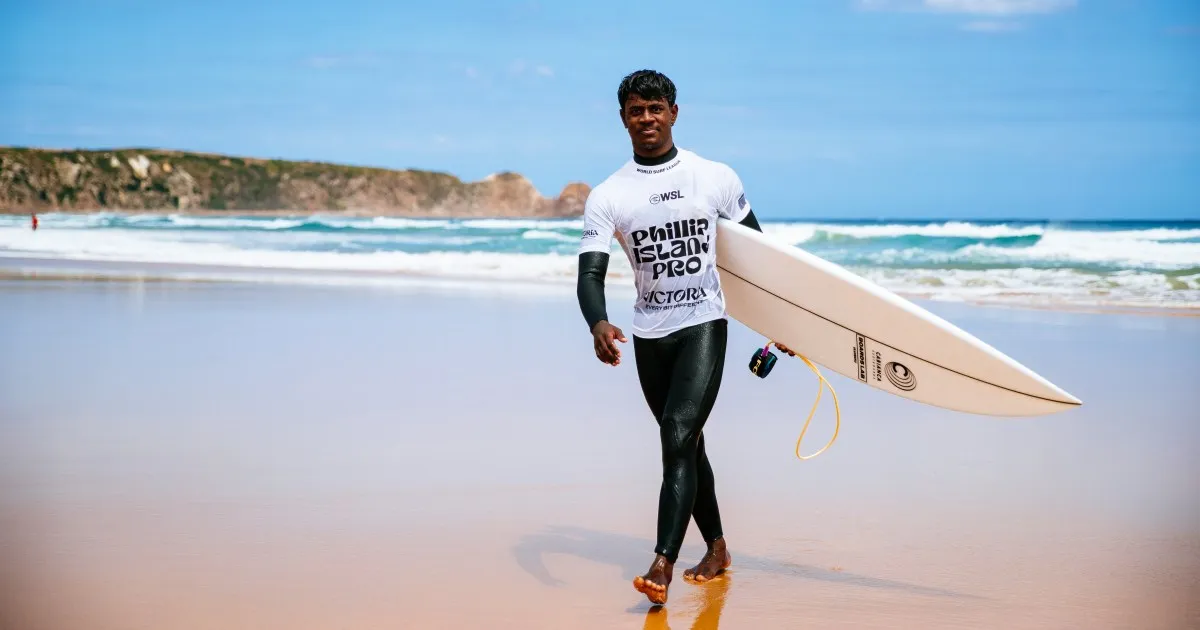
As the Asian Games commence in Japan, India’s national surfing contingent—comprising Sugar Shanti Banarse, Kamali Moorthy, Kishore Kumar, and Sivaraj Babu—is preparing for the sport's inaugural appearance at the event. For these athletes, the journey to the Asian Games represents a significant departure from the lack of formal training resources that characterized the early careers of their predecessors, such as coach Samai Reboul.
Many of the team members come from humble beginnings, with some athletes having to perform manual labor at local surf schools just to gain access to equipment. The growth of the sport has been localized and organic, supported rs like Moorthy and Banarse, who started their competitive journey in 2022, the 2026 games serve as a validation of their transition from recreational practitioners to professional continental competitors.
The immediate future of the Duterte case hinges on the findings of the three medical specialists appointed e decline, the proceedings may face significant indefinite delays or a permanent stay, regardless of the gravity of the allegations. Conversely, if he is deemed fit, the November 30 trial date will likely proceed, setting a significant precedent for how international bodies handle cases involving aging former world leaders. For the Indian surf team, the results in Japan will likely influence the future allocation of national sports funding and potentially spark a new wave of interest in surfing as a viable professional pathway, moving the sport further away from its informal, grassroots roots and toward a more formalized national training structure.