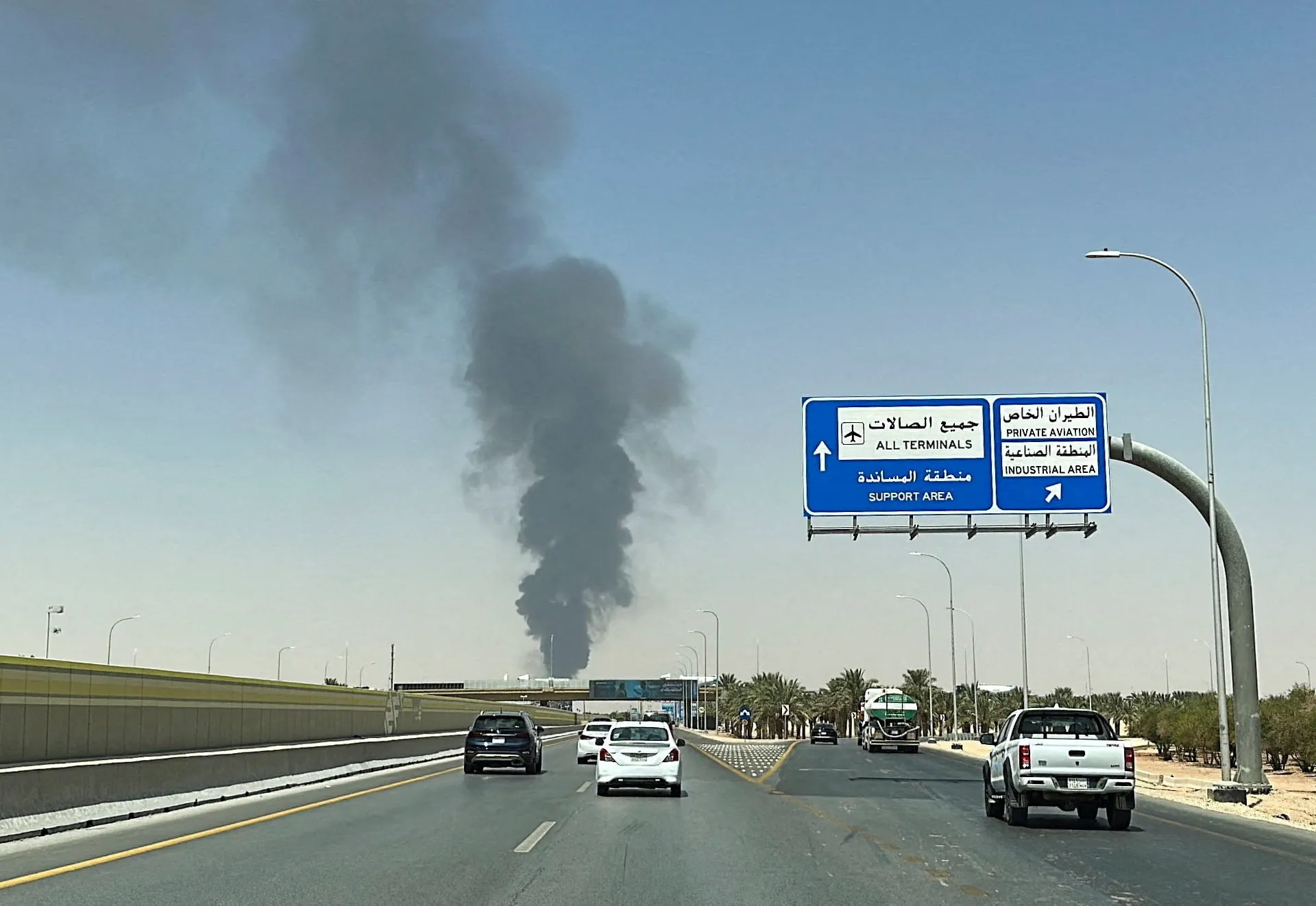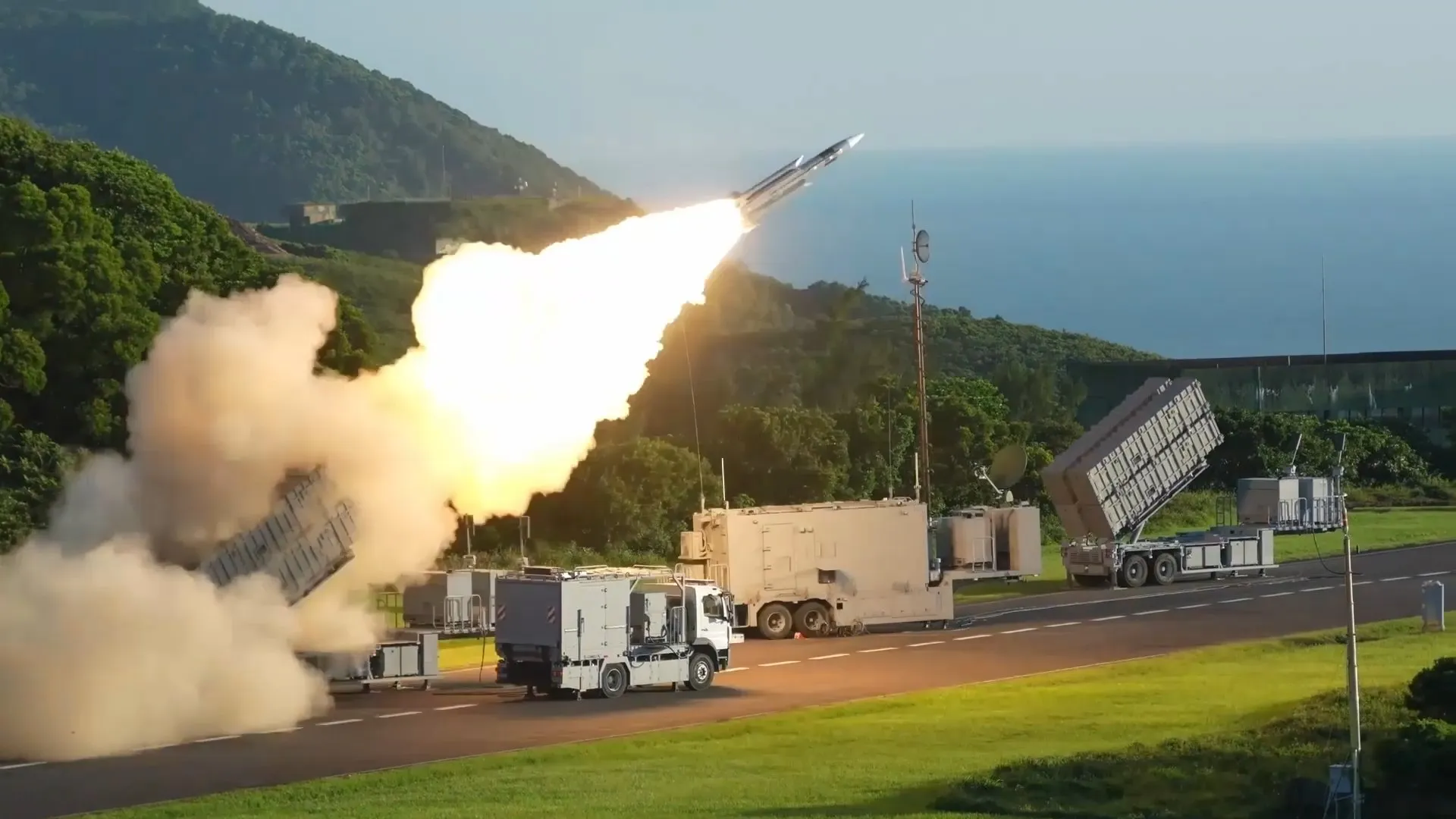

Global energy markets are entering a period of profound instability as critical maritime chokepoints face mounting logistical and security crises, driving up fuel prices.
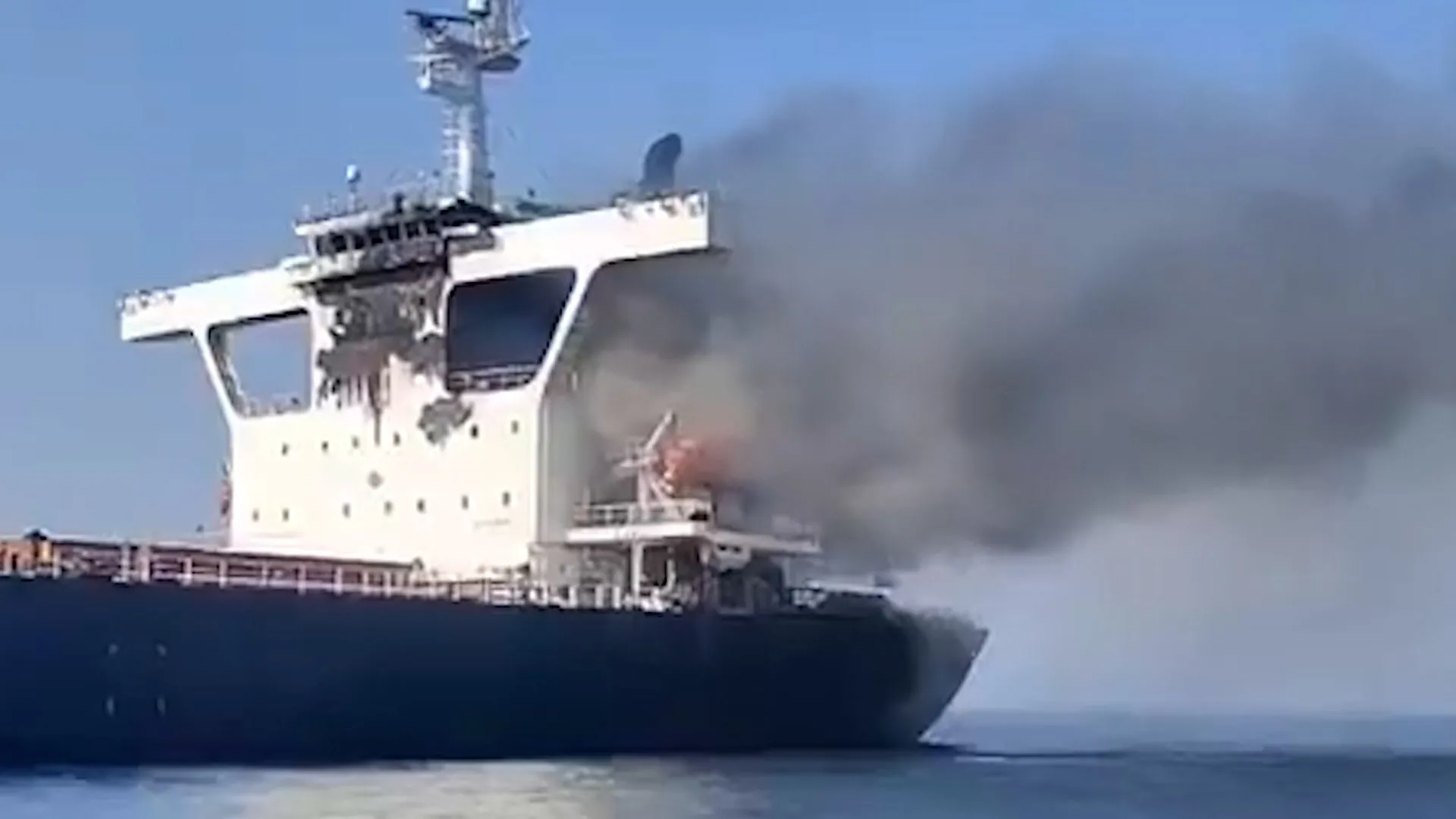
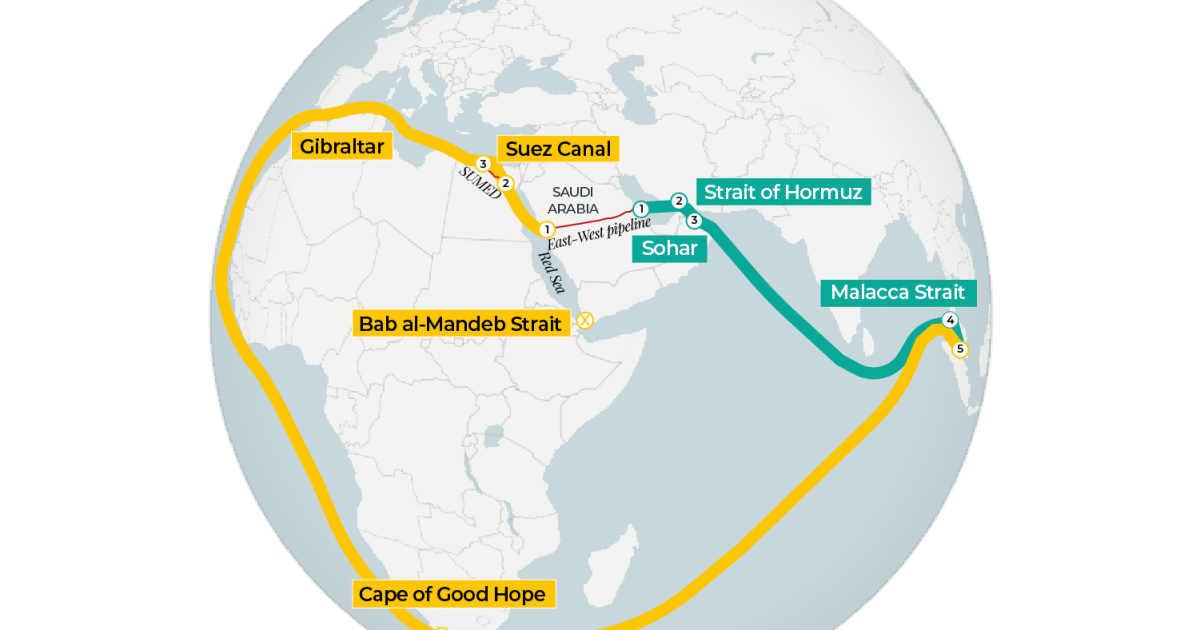
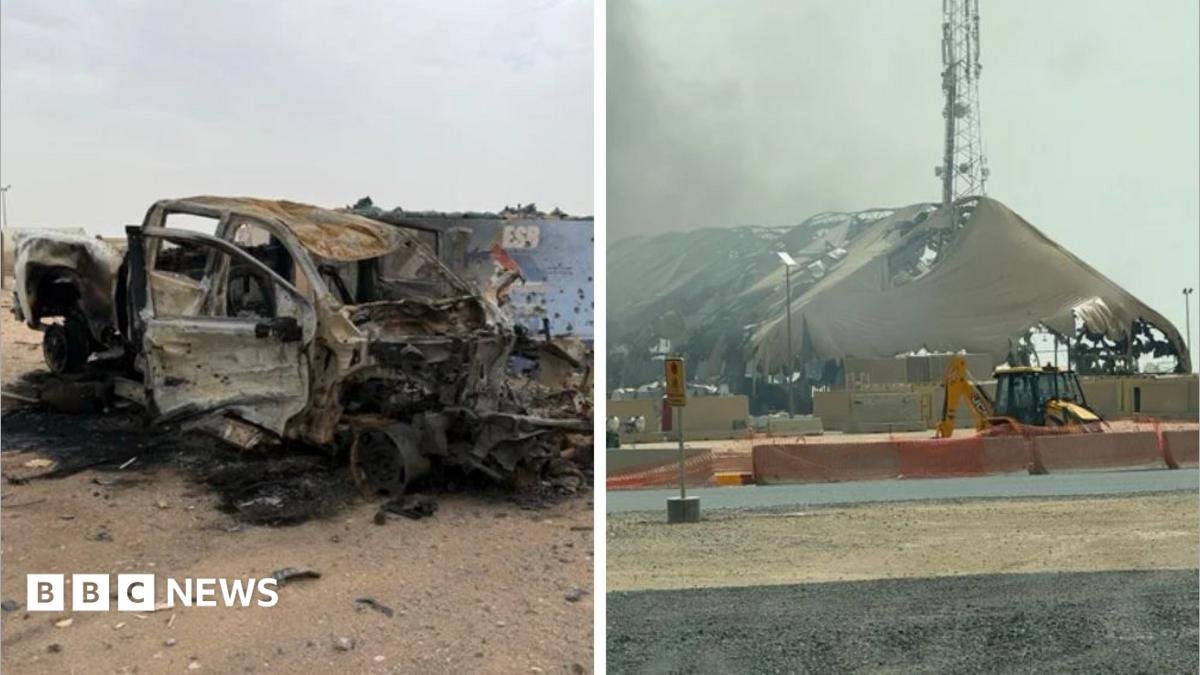
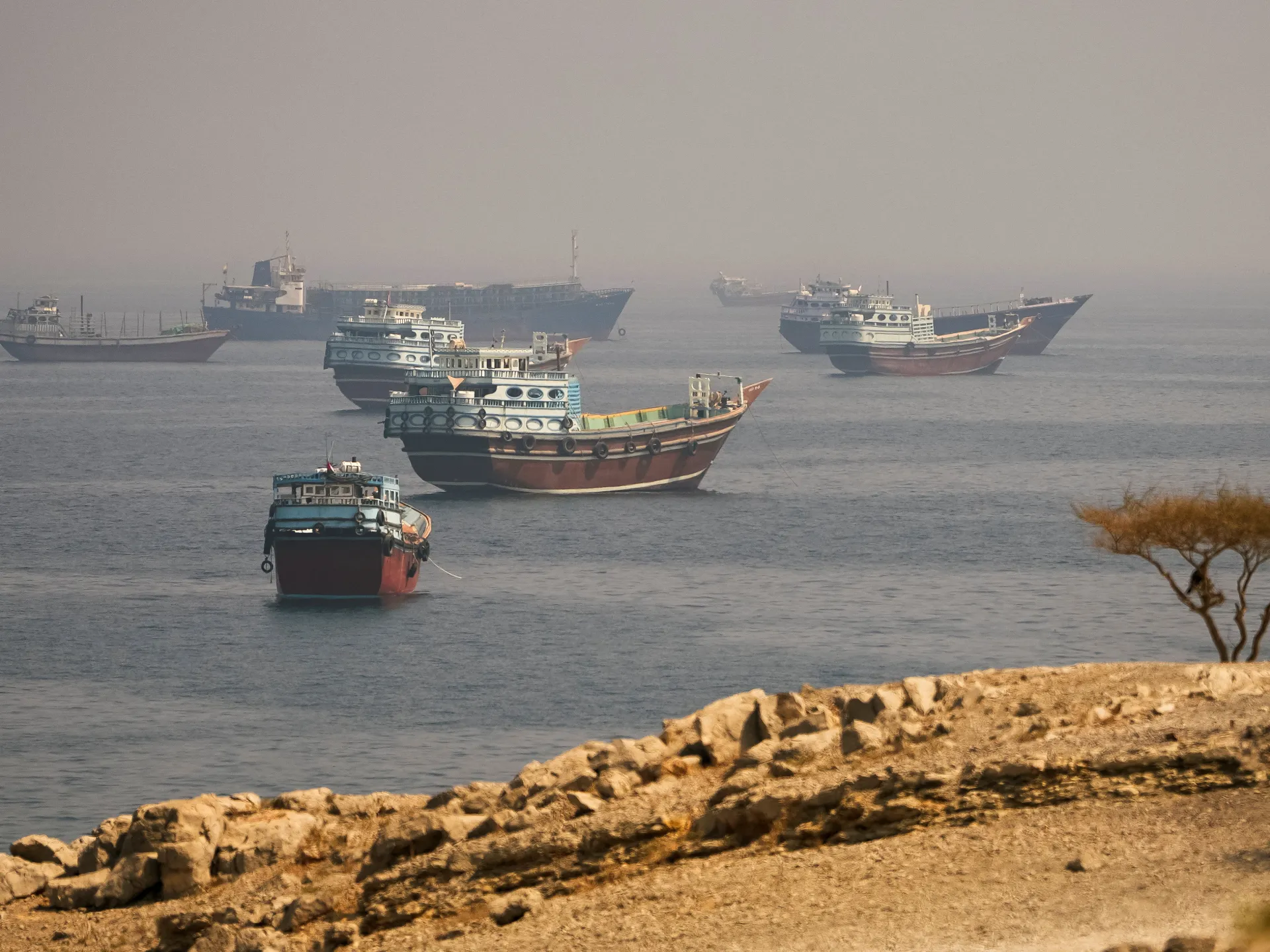
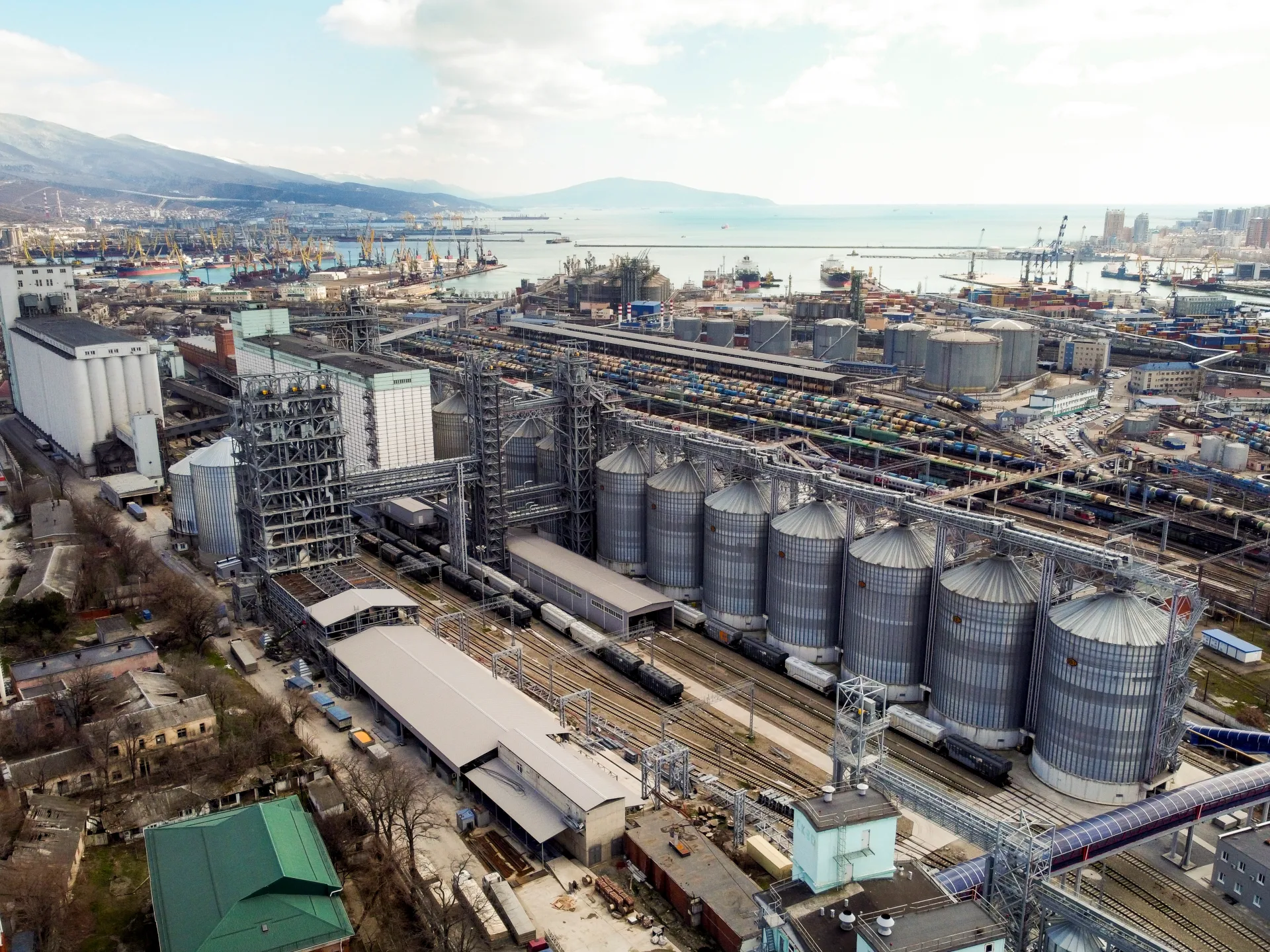
The global energy landscape is currently grappling with a systemic breakdown of its most critical maritime arteries, as instability across the Strait of Hormuz, the Red Sea, and the Black Sea converges to threaten the stability of international fuel supplies. While market analysts have historically relied on the assumption that energy transit routes would remain accessible, the current geopolitical environment has rendered this infrastructure increasingly precarious, leading to immediate upward pressure on global oil pricing.
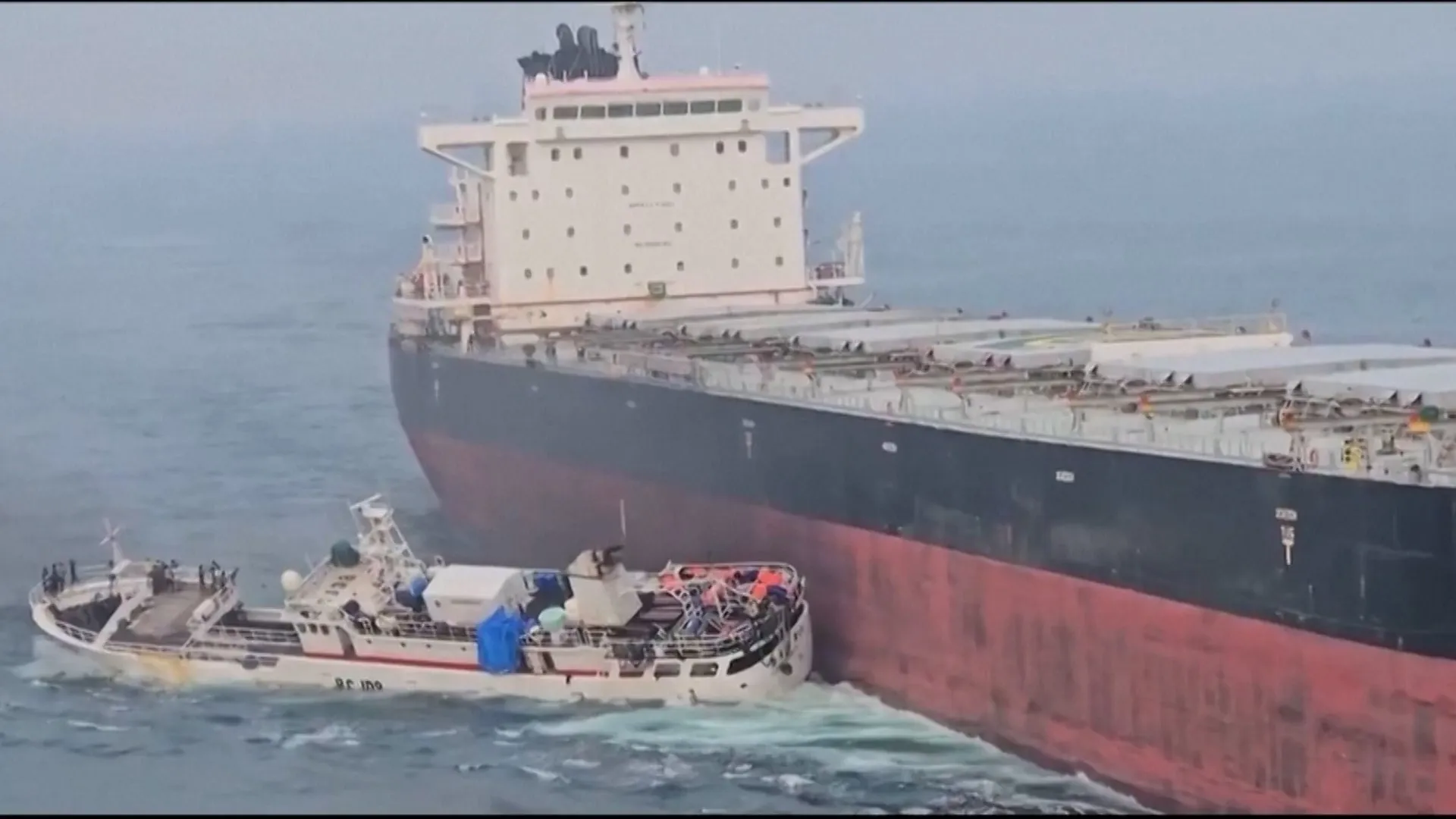
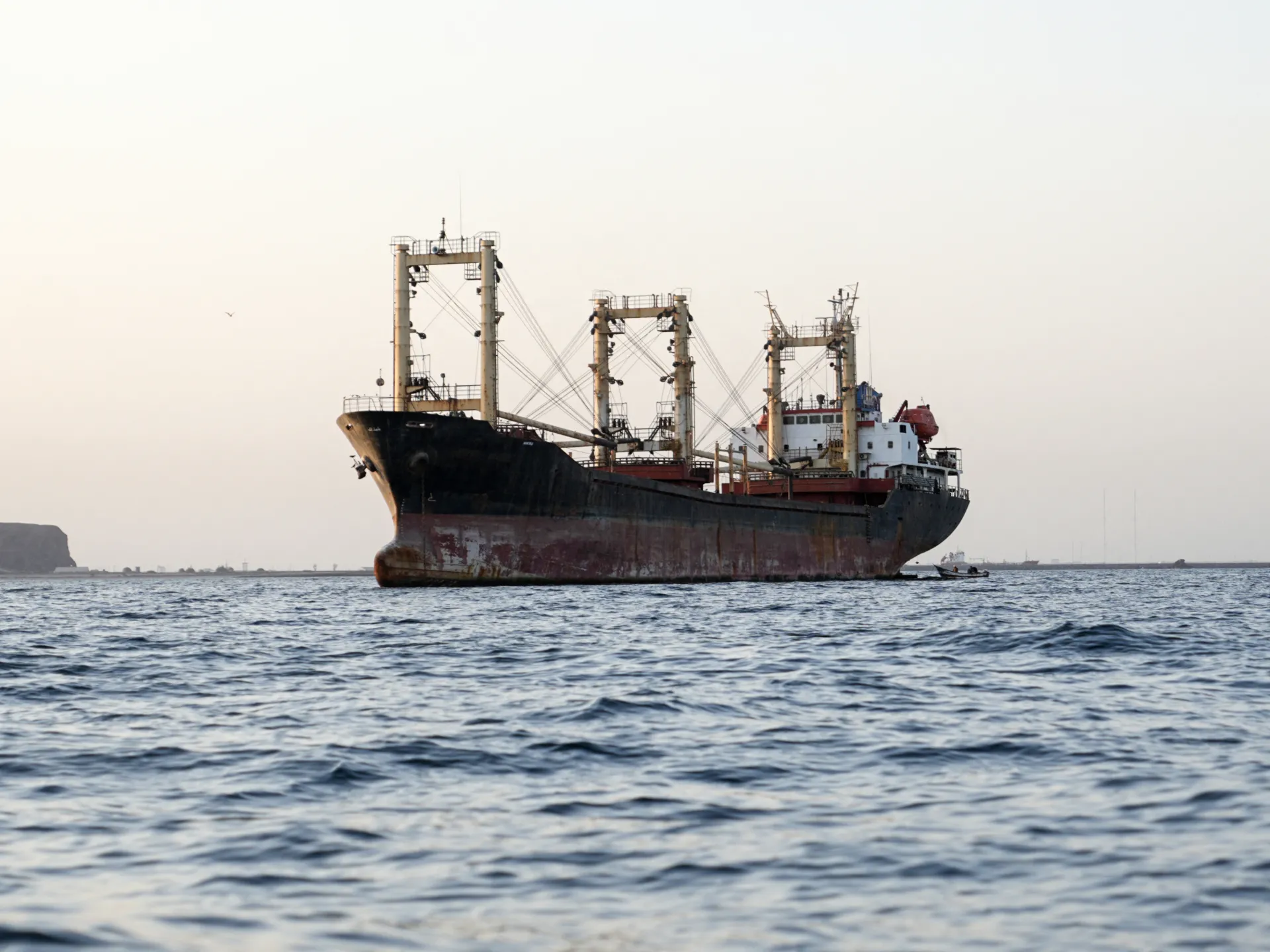
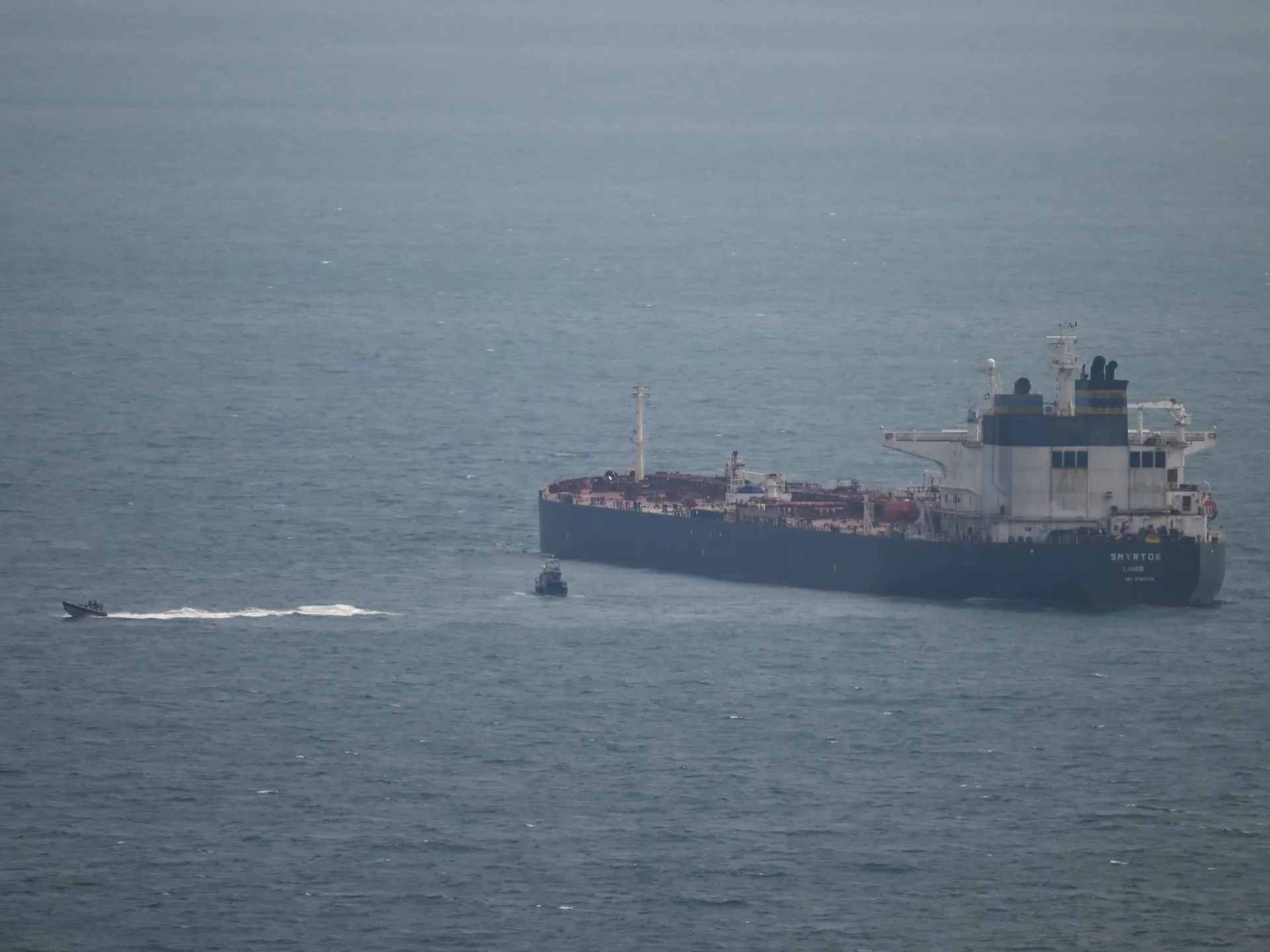
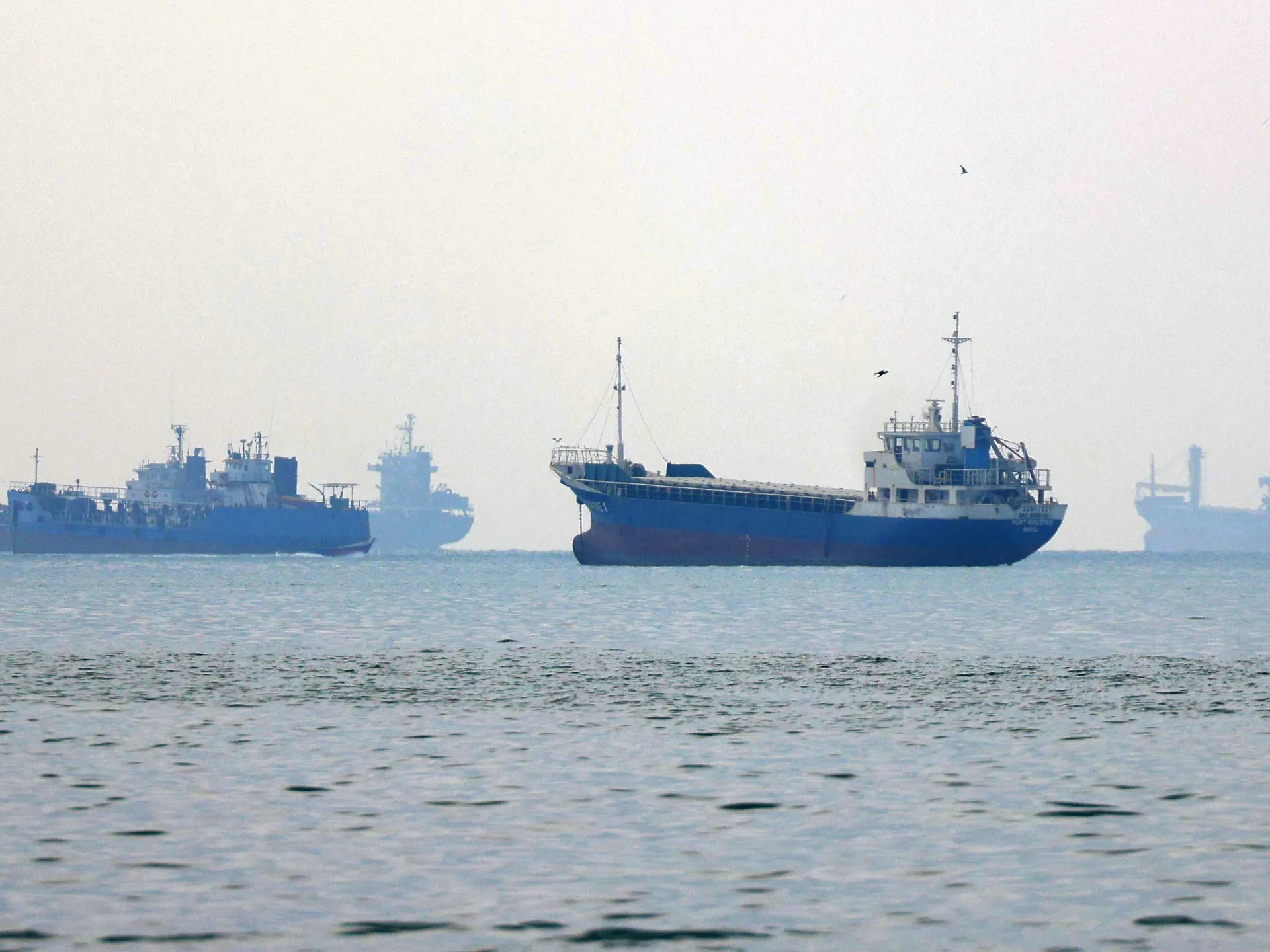
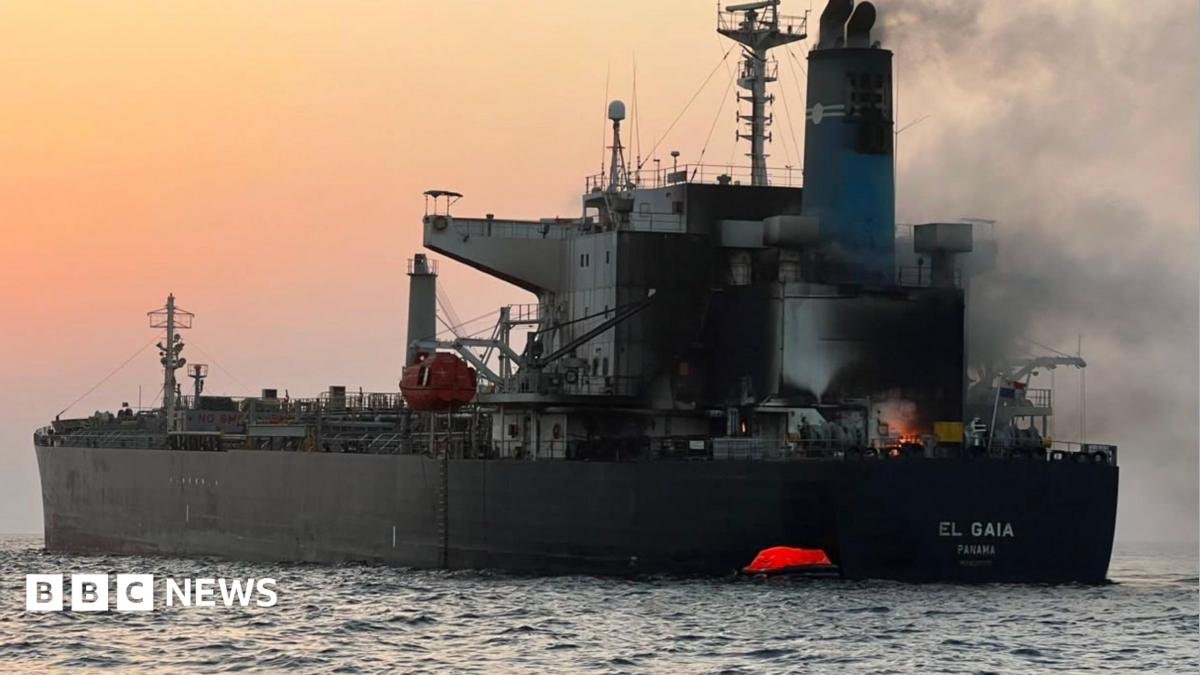
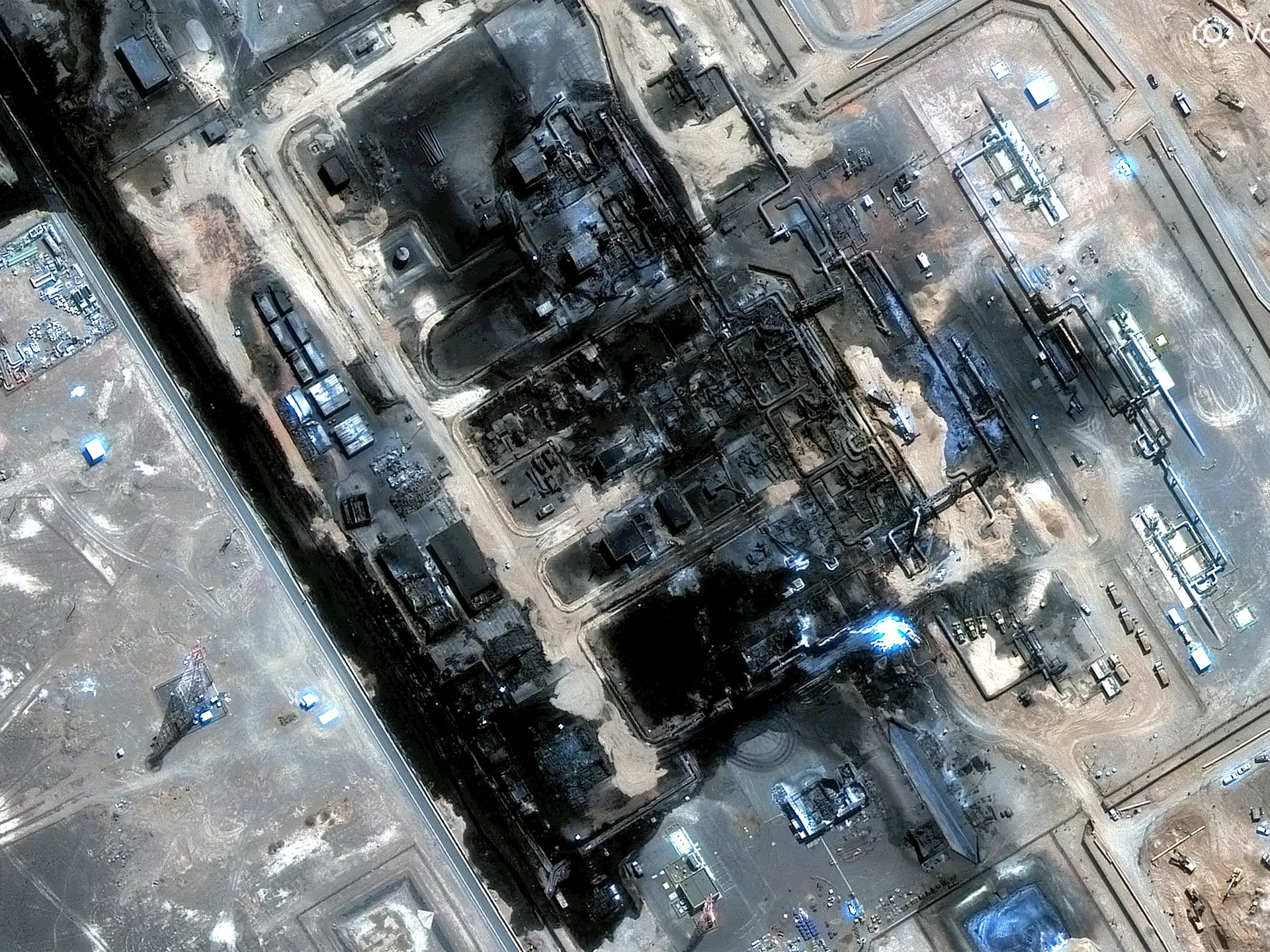
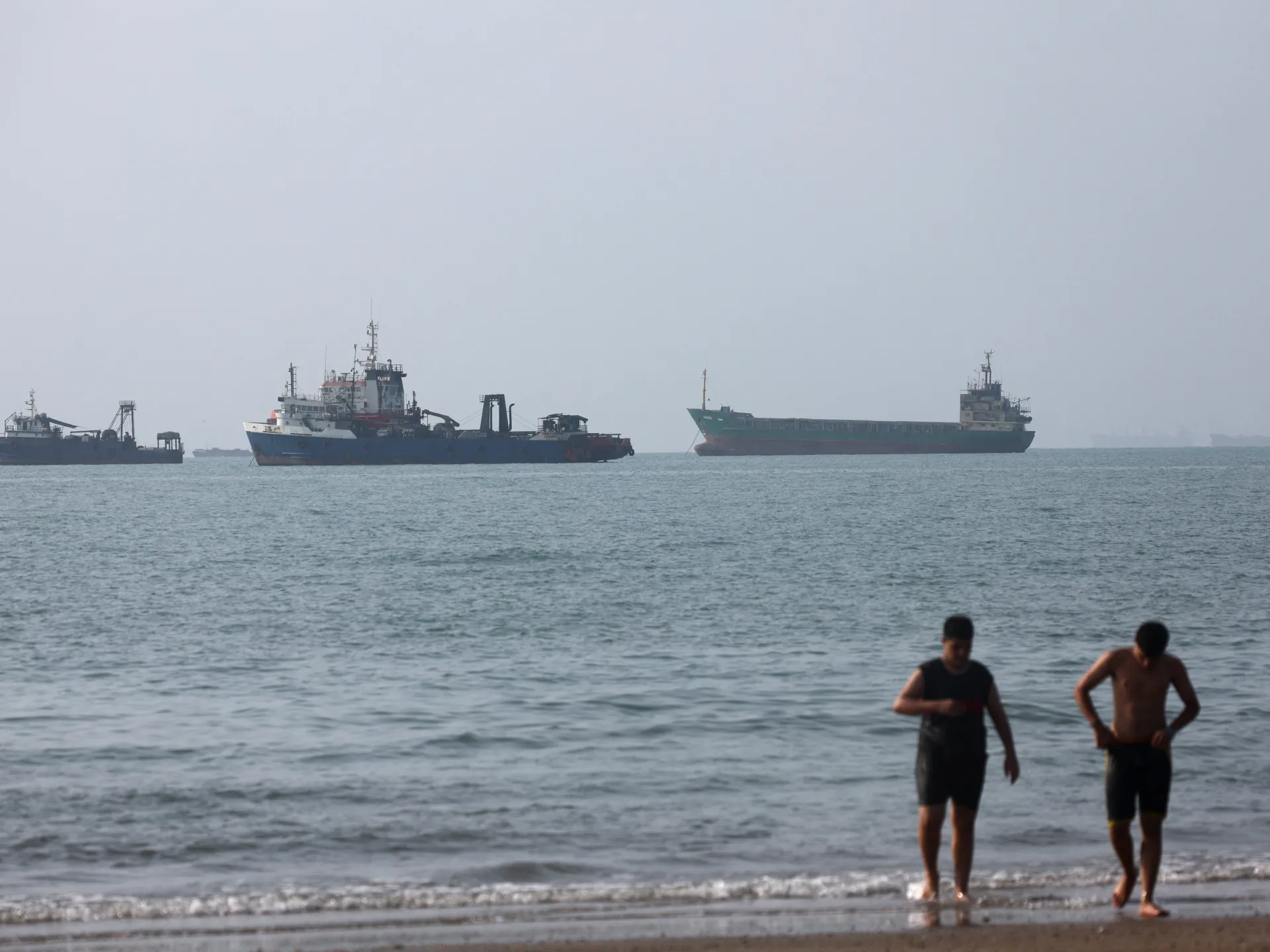
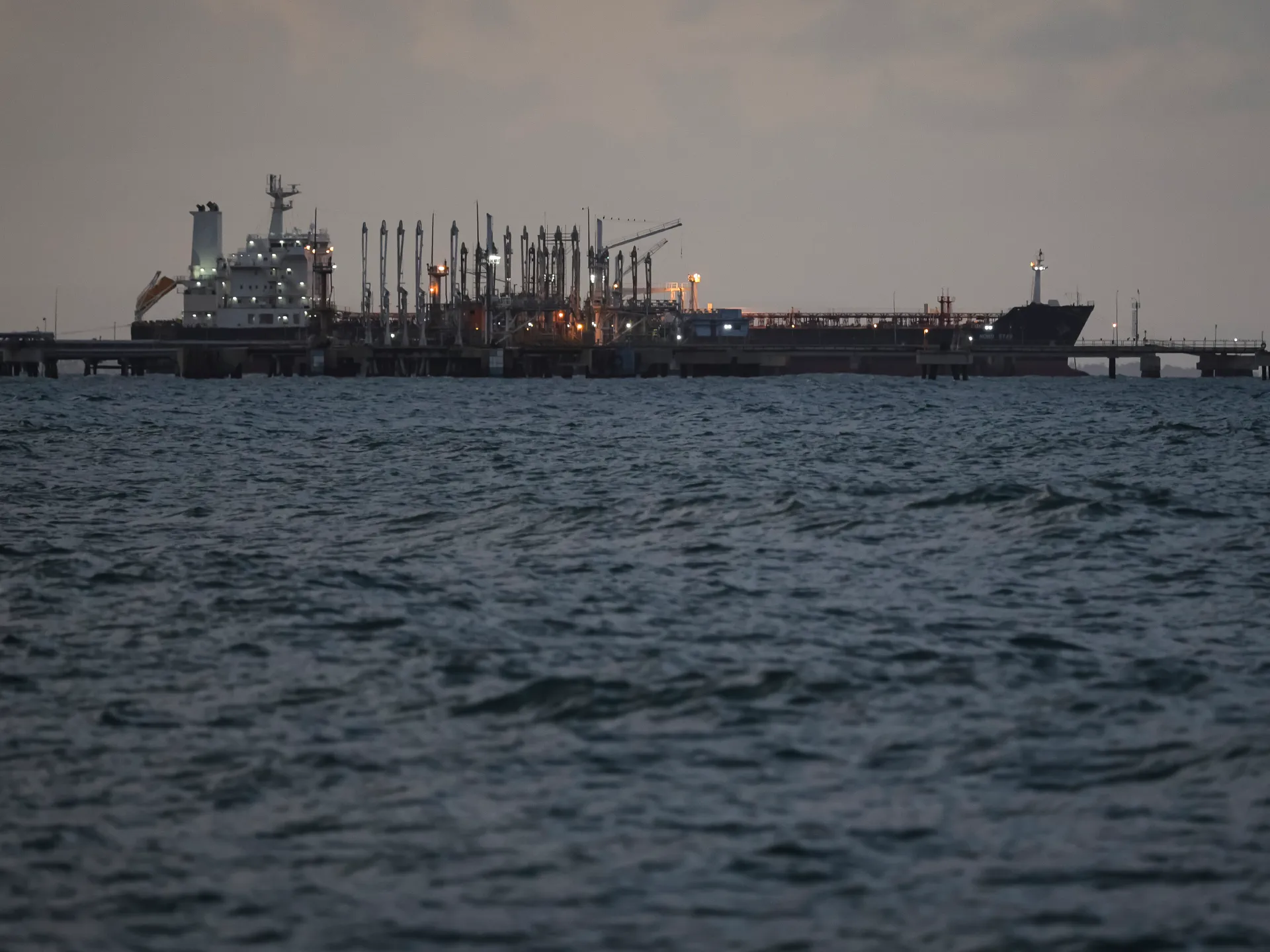
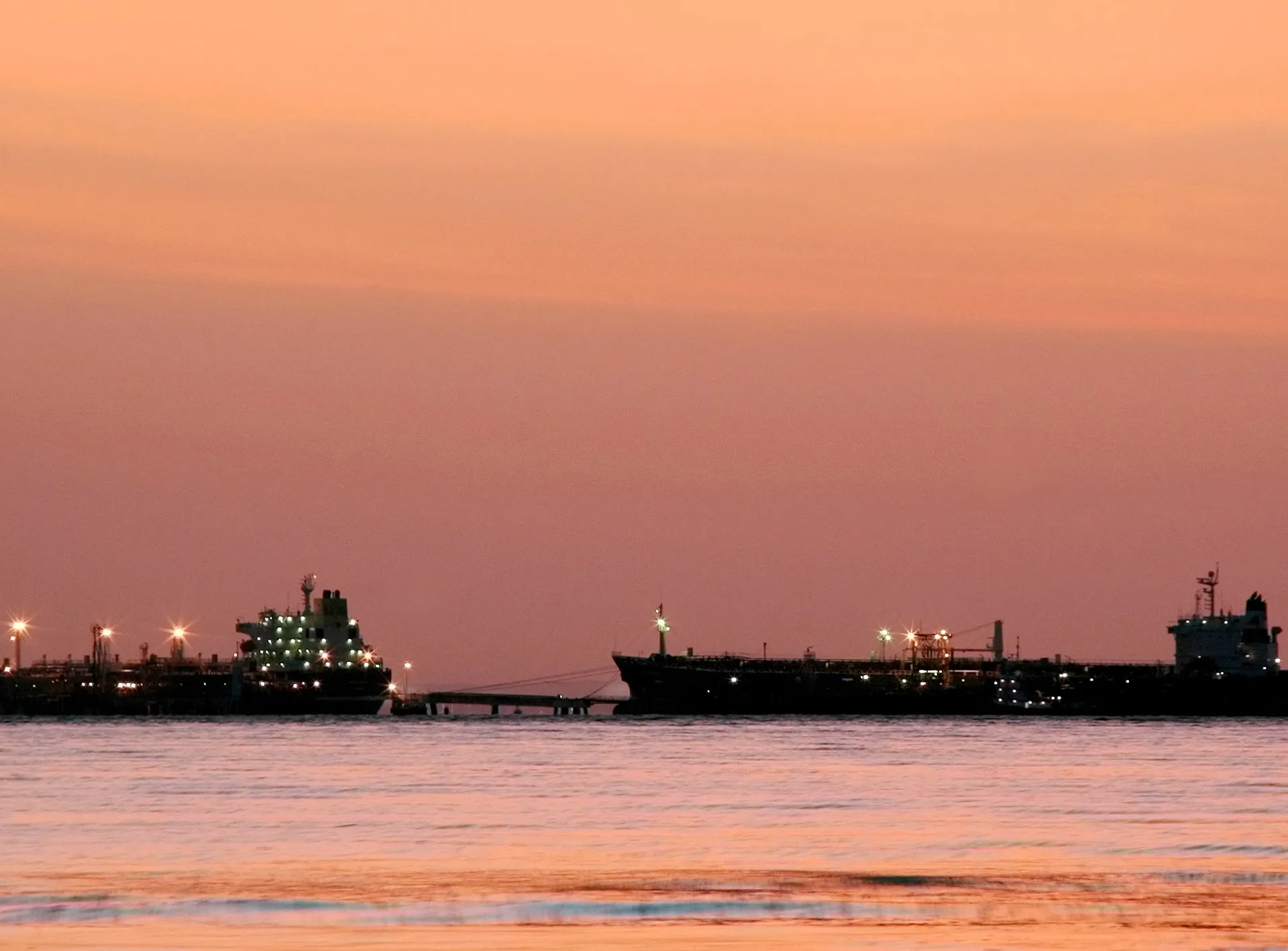
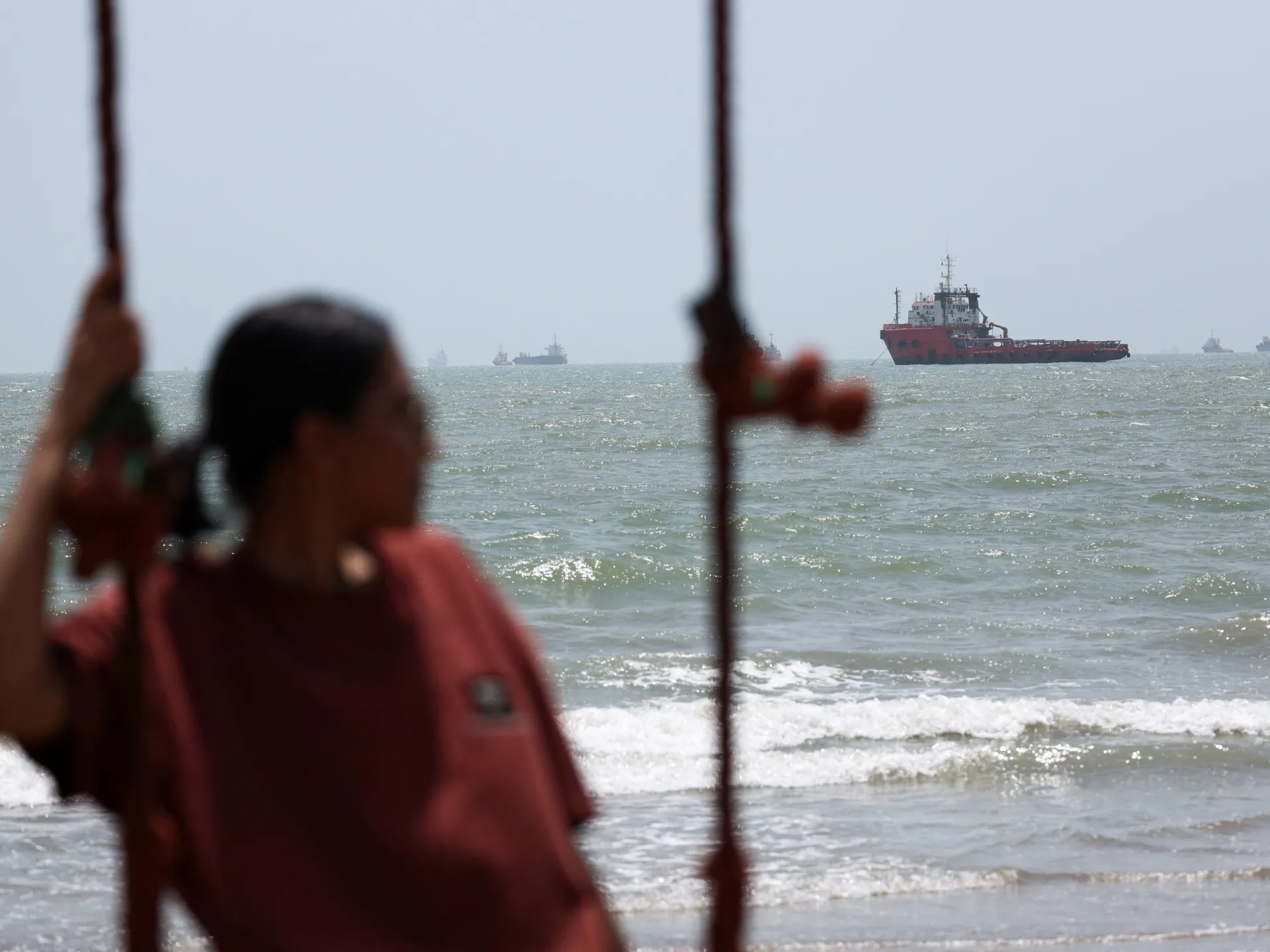
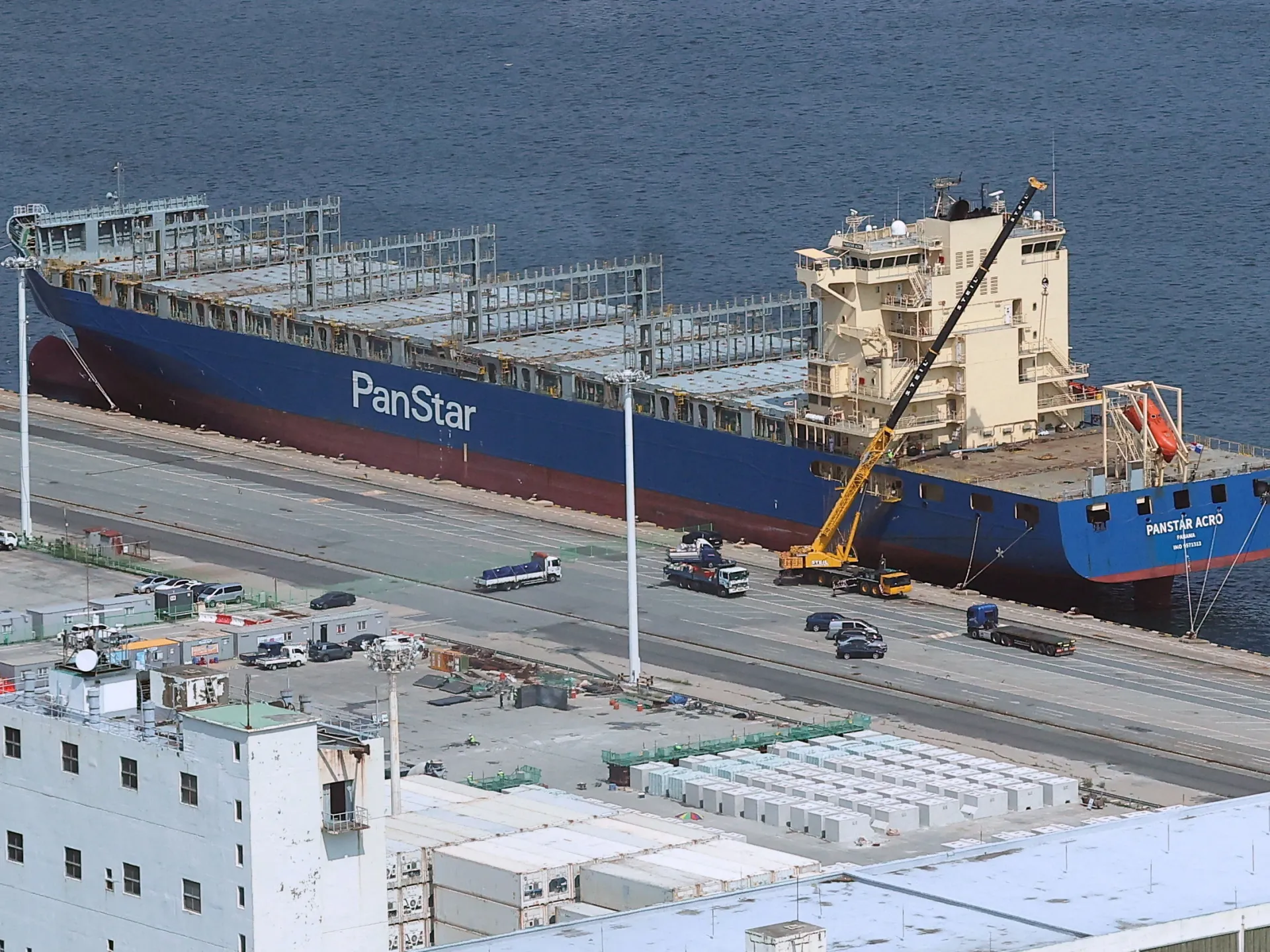
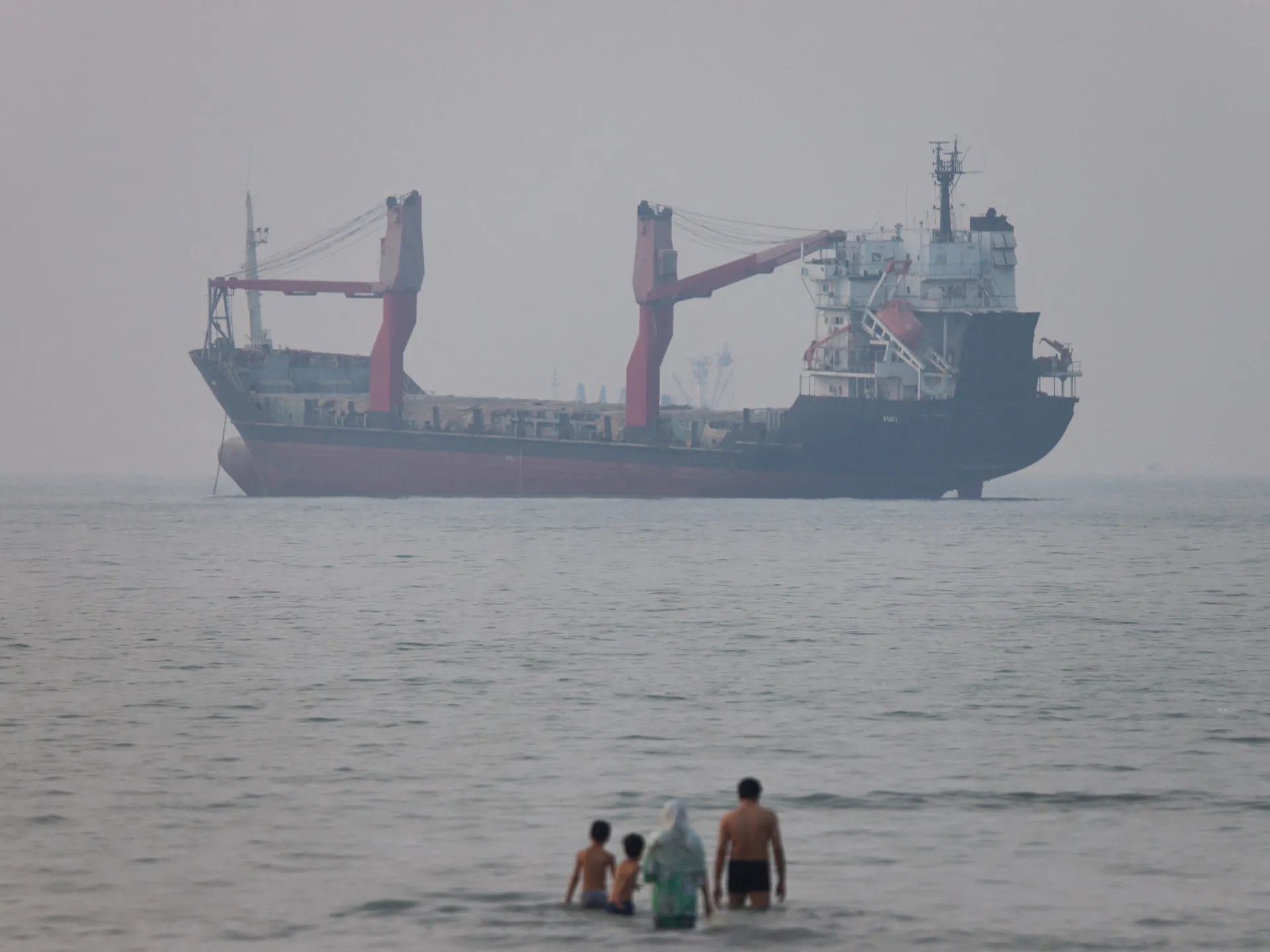
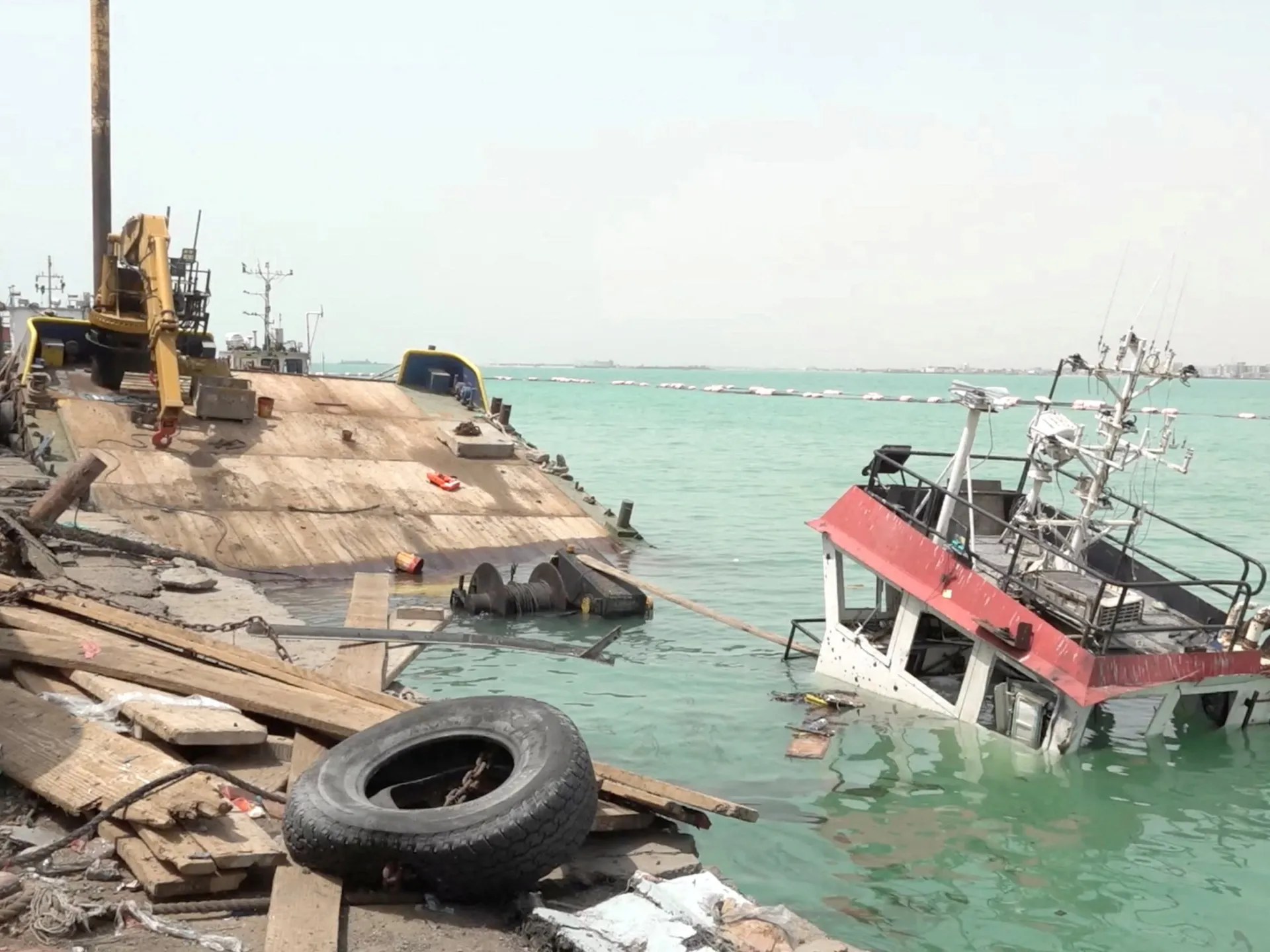
The core of the issue extends beyond simple supply deficits. According to reports from Al Jazeera, the crisis has become a matter of logistics and physical capacity, as both the scarcity of available tankers and the degradation of maritime infrastructure are complicating the movement of crude oil from production sites to global markets. This multifaceted disruption suggests that even if production levels were to stabilize, the physical ability to deliver energy to consumers remains under significant, and potentially escalating, duress.
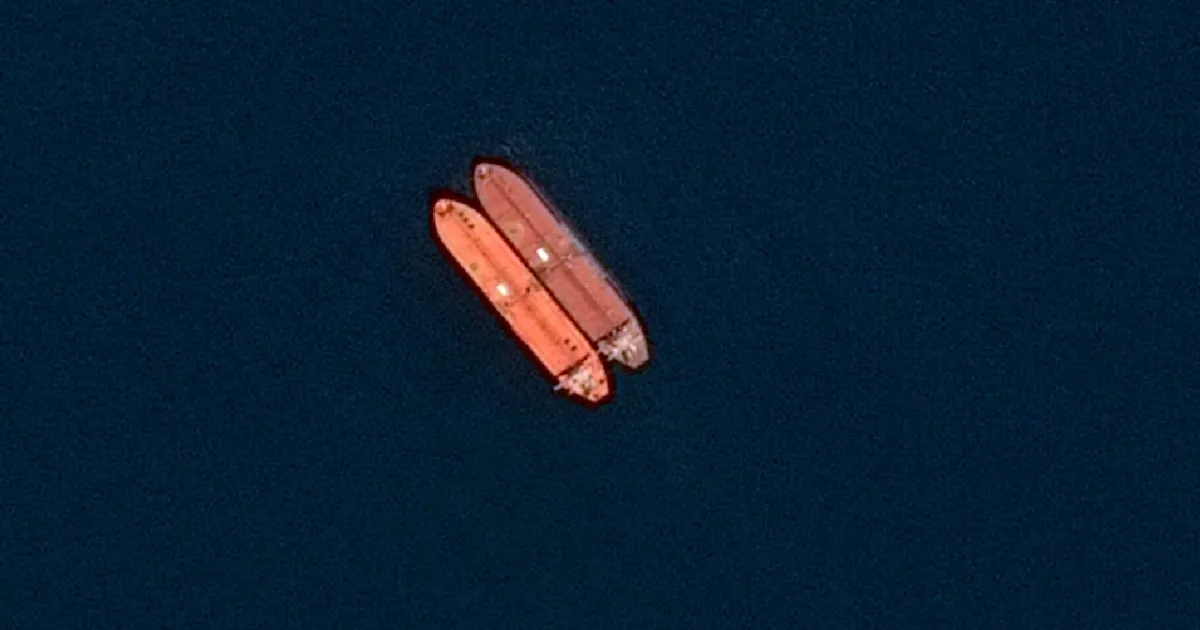
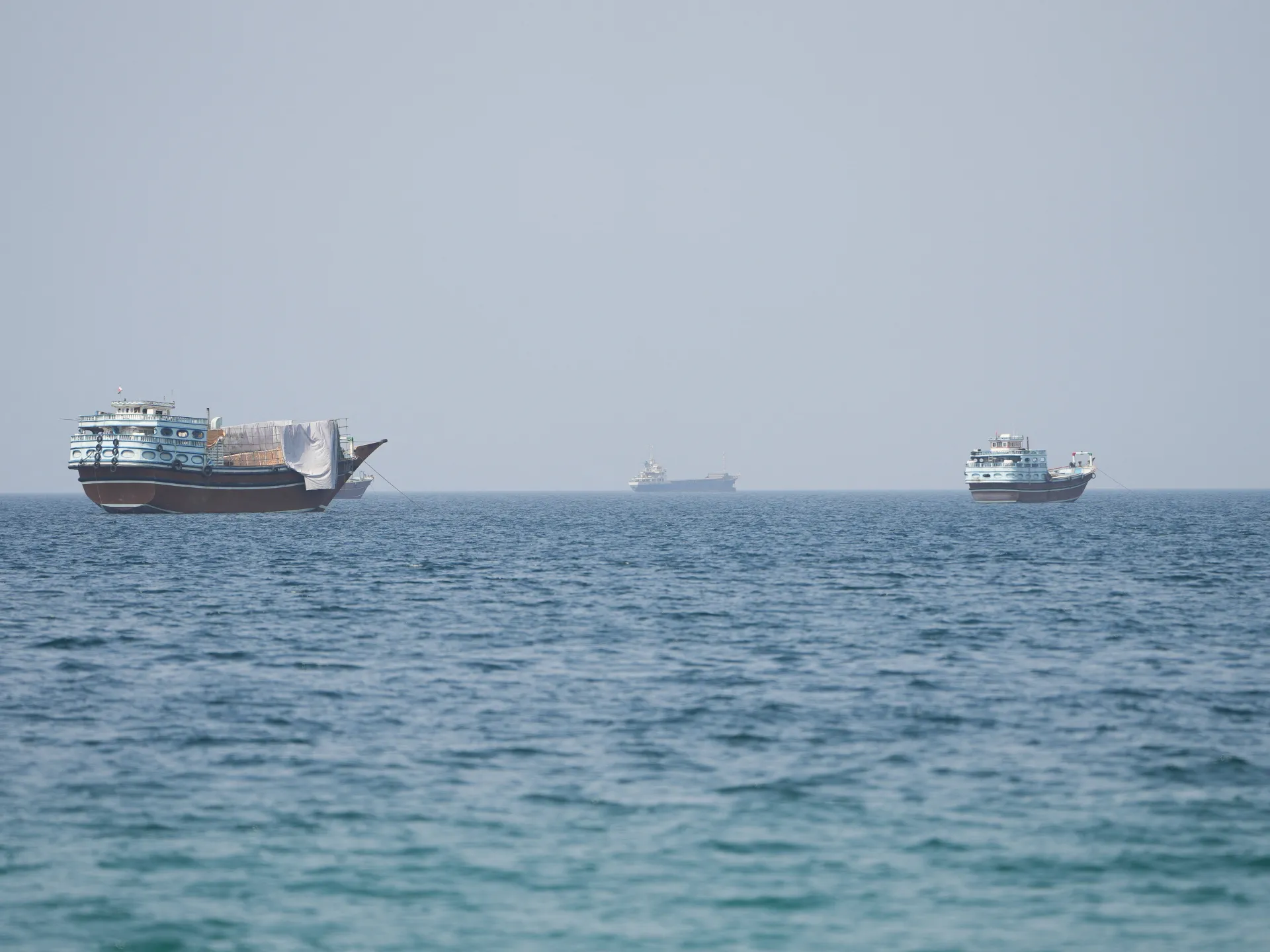
The current energy volatility represents a paradigm shift in how global markets perceive supply security. For decades, the Strait of Hormuz has functioned as the bedrock of global energy certainty; its current state of dysfunction suggests that the era of predictable, low-friction energy transport may be ending. This matters because it creates a permanent 'risk premium' on fuel costs that is independent of domestic production levels. When maritime bottlenecks become the primary driver of inflation, central banks and consumers alike face a scenario where traditional interest rate adjustments or conservation efforts have limited efficacy in curbing prices. The reliance on shuttle tankers to circumvent high-risk zones is not a long-term solution, but a costly emergency measure that effectively builds higher transit costs directly into the price of every barrel of oil reaching Western markets.
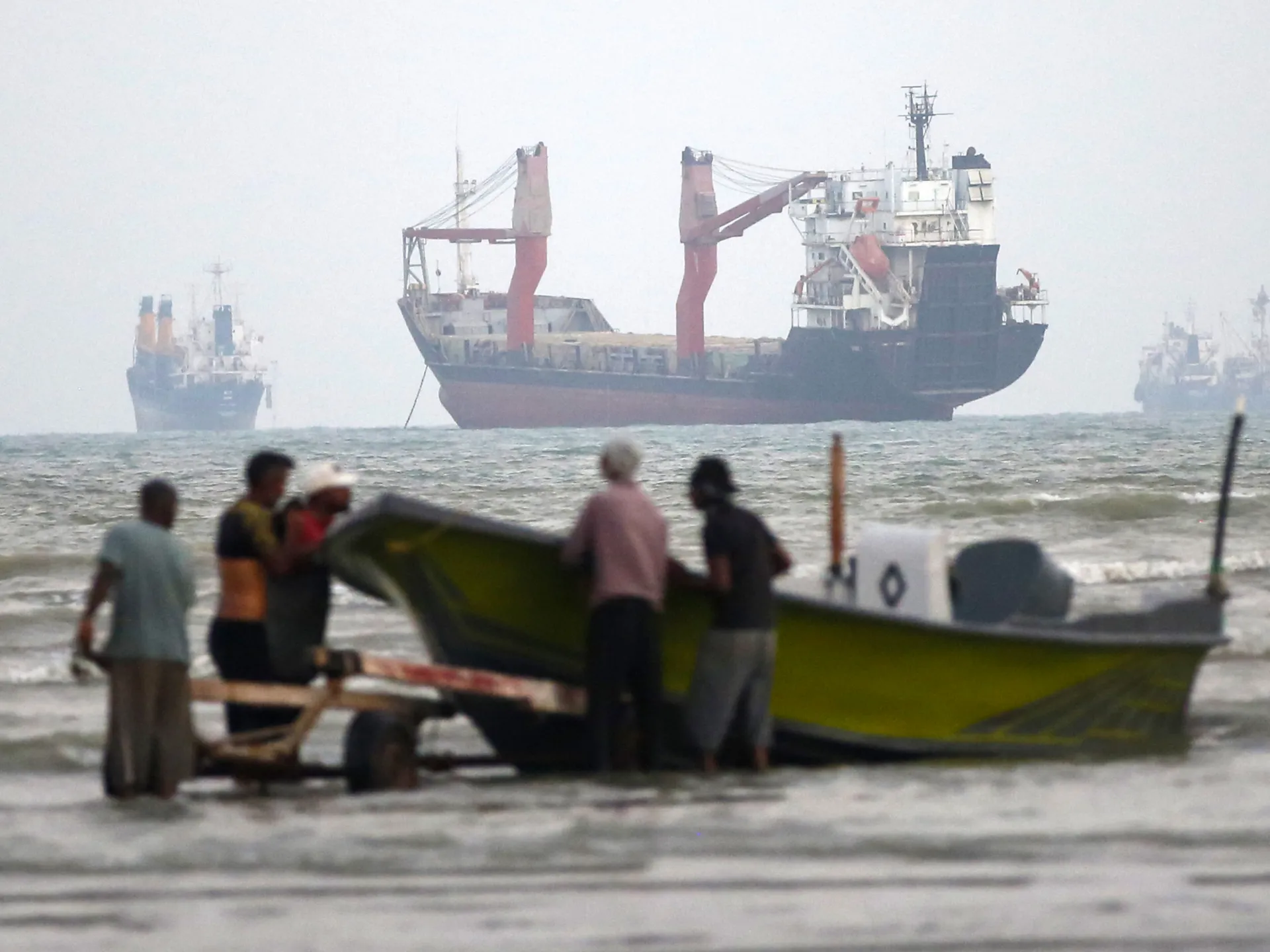
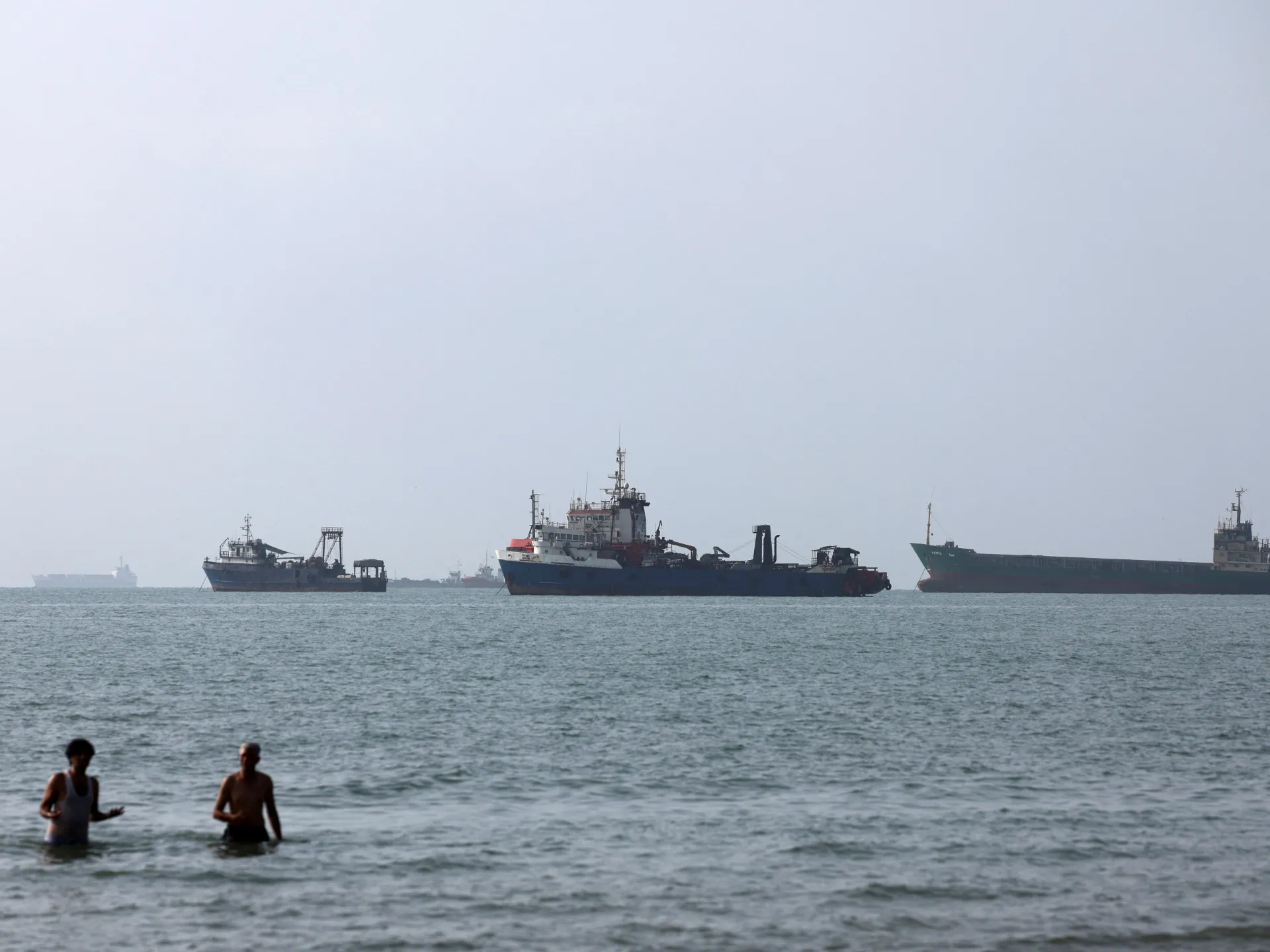
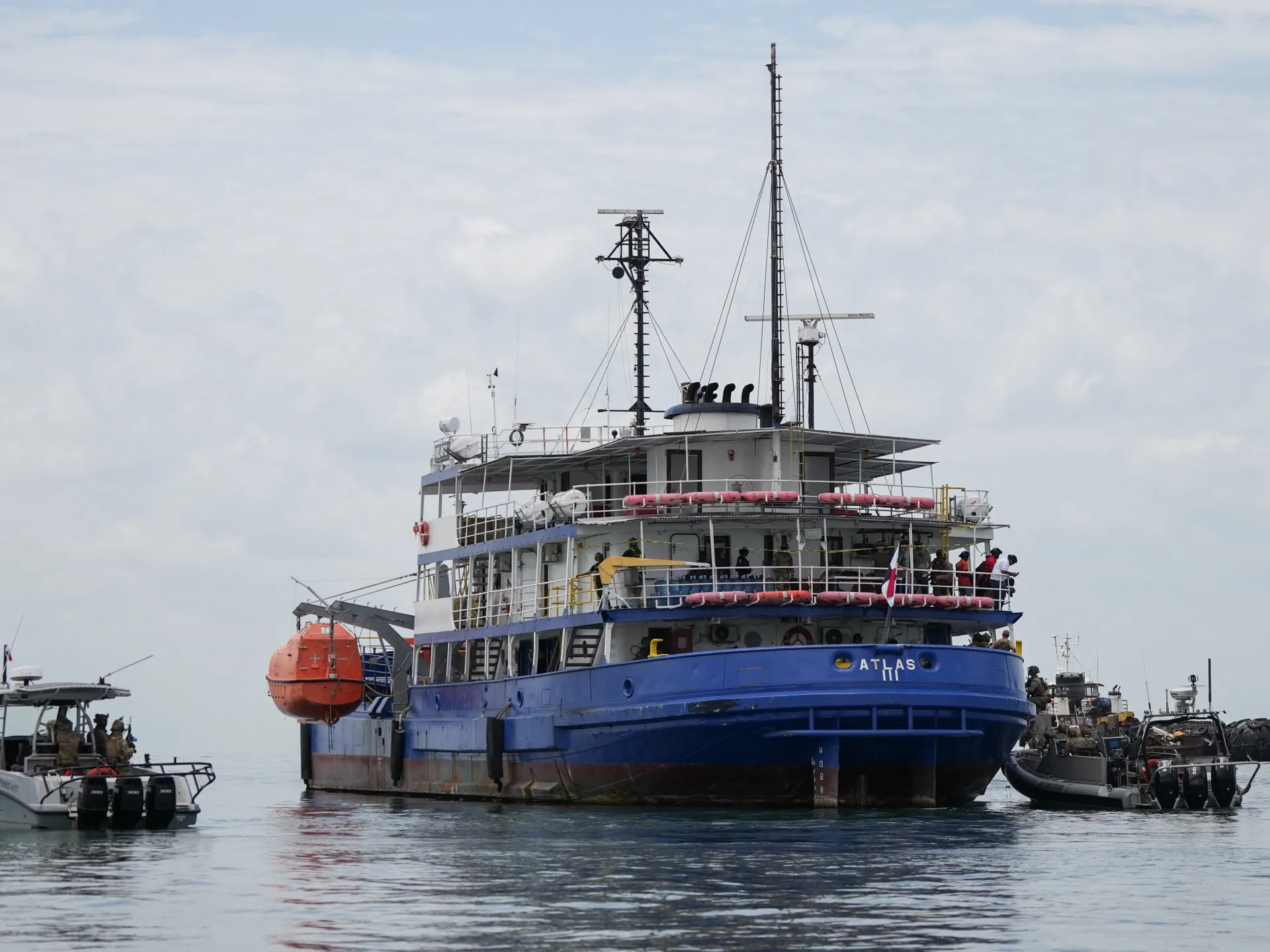
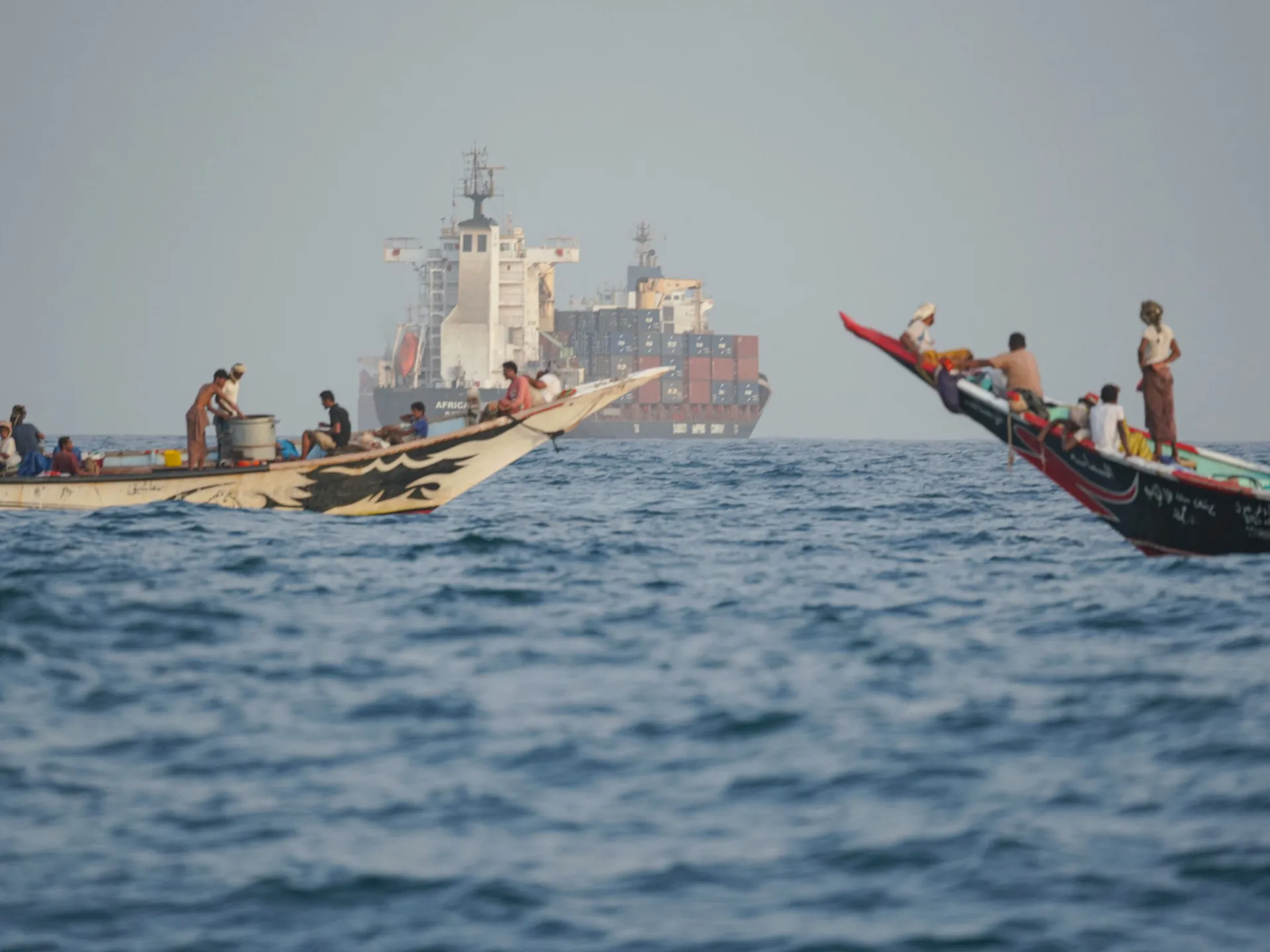
The deepening crisis is being felt across multiple fronts simultaneously. DW reports that oil prices have seen an immediate jump as the crises in the Red Sea and the Strait of Hormuz intensify, creating a compounding effect on global energy markets. This price sensitivity is exacerbated vessels required to bypass these dangerous shipping lanes. The necessity of using specialized shuttle tankers, while currently maintaining the flow of energy, is driving operational expenses to levels that are beginning to reverberate throughout the broader economy.
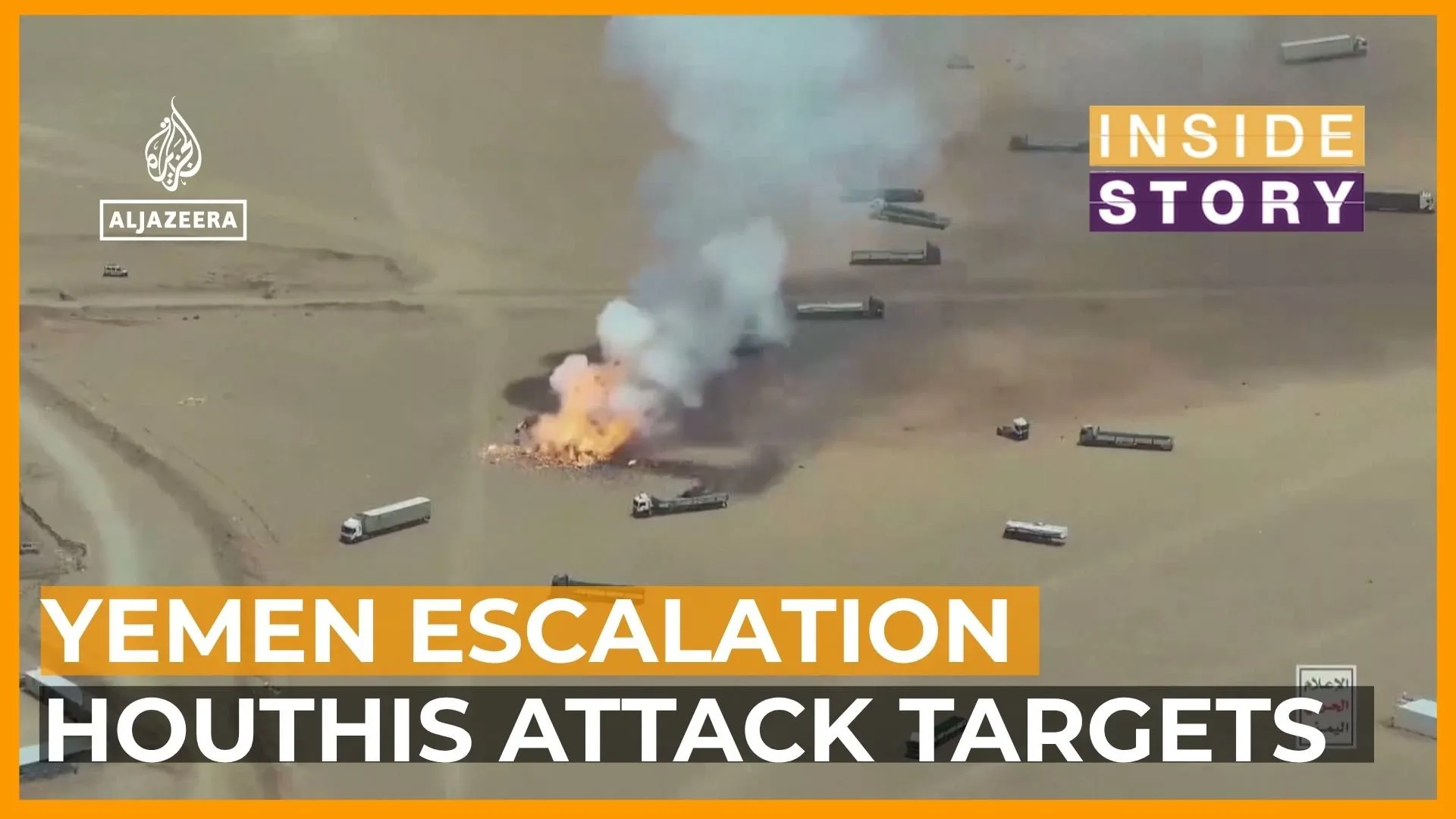
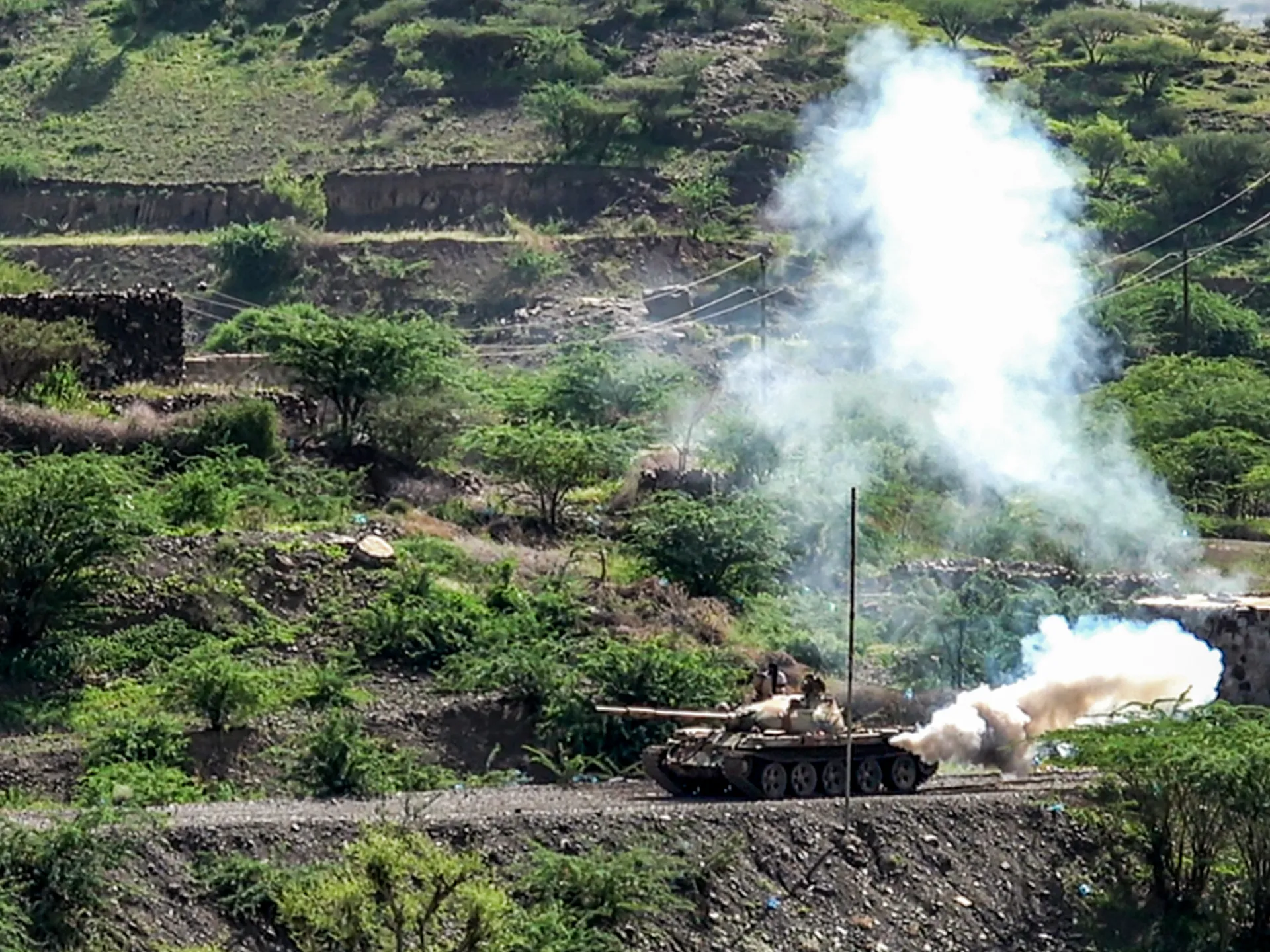
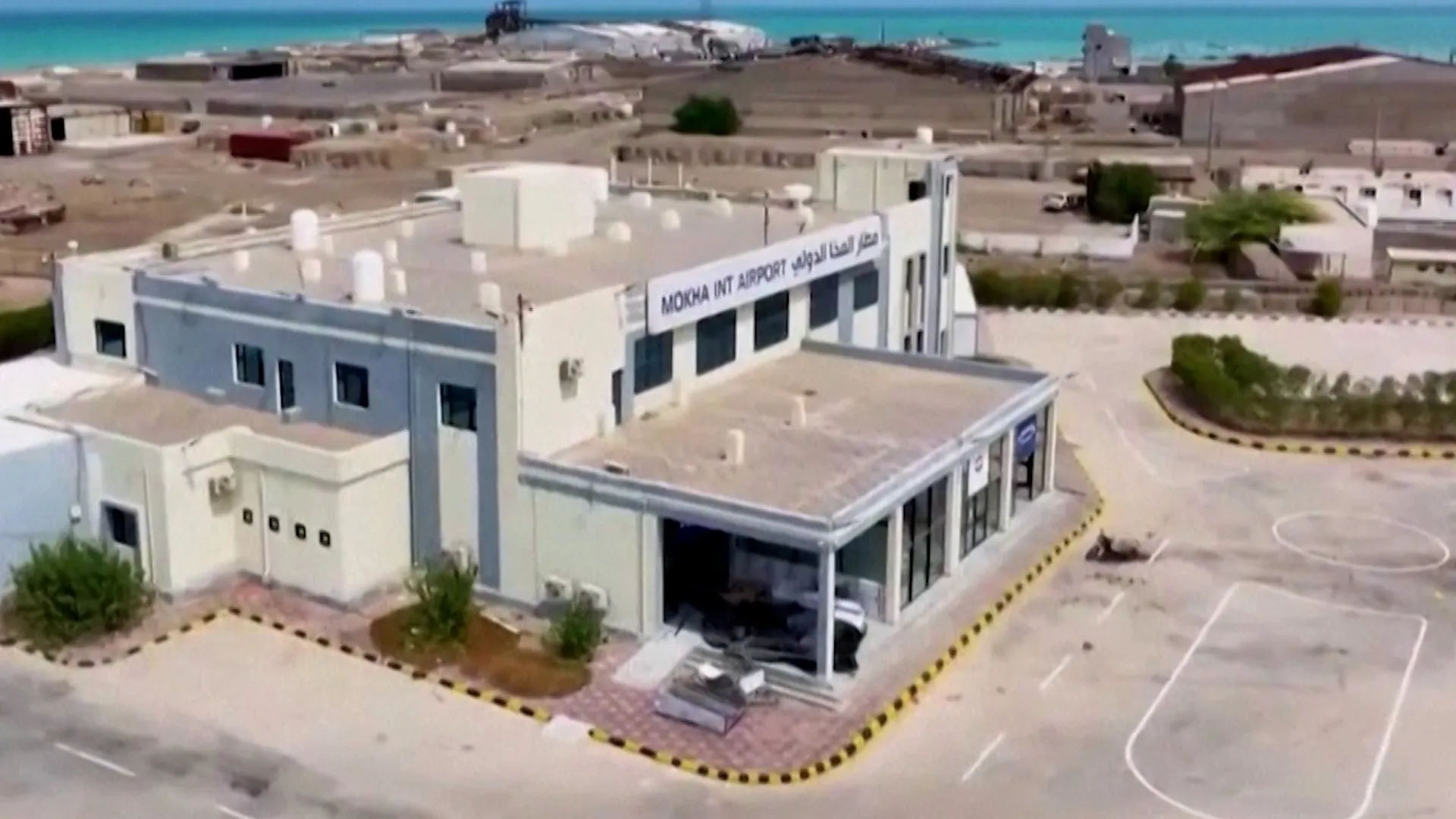
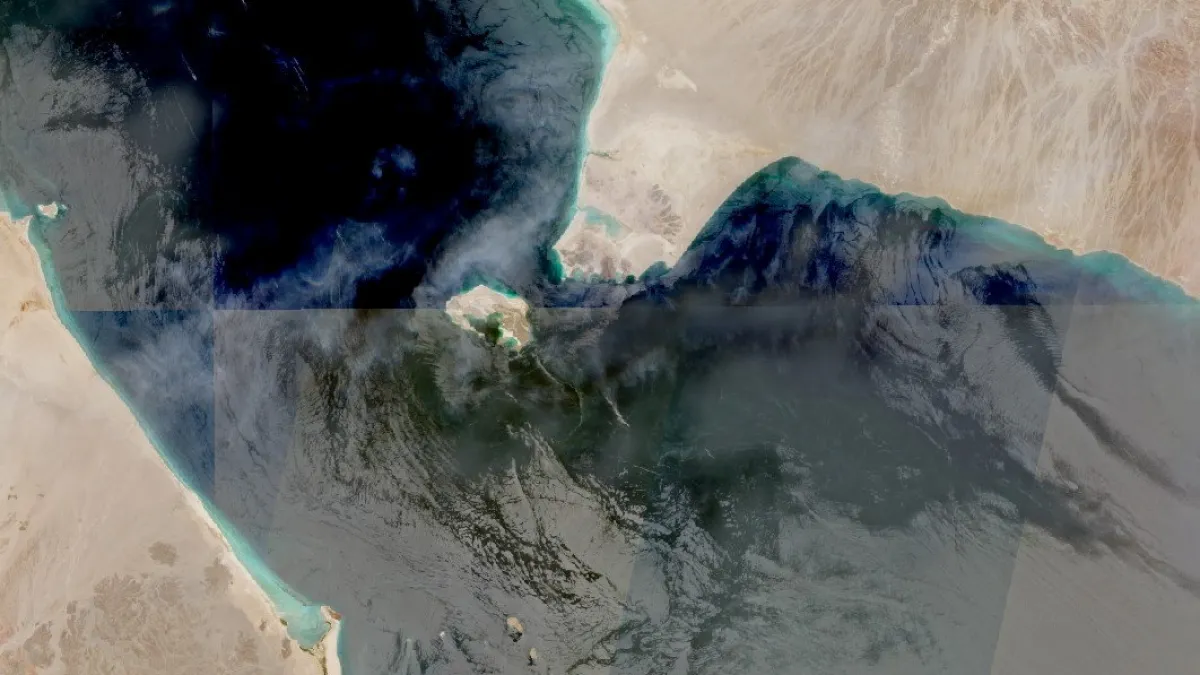
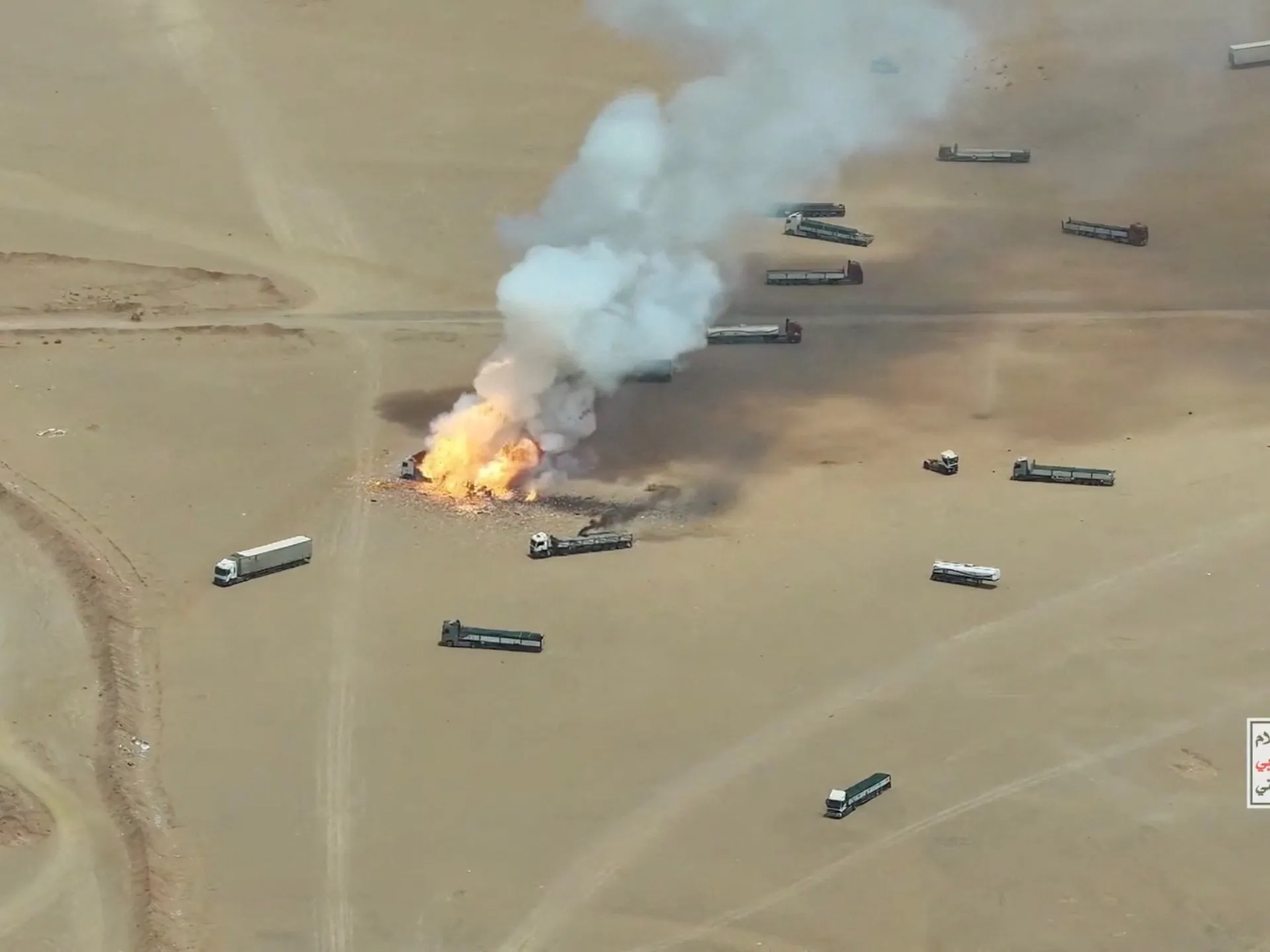
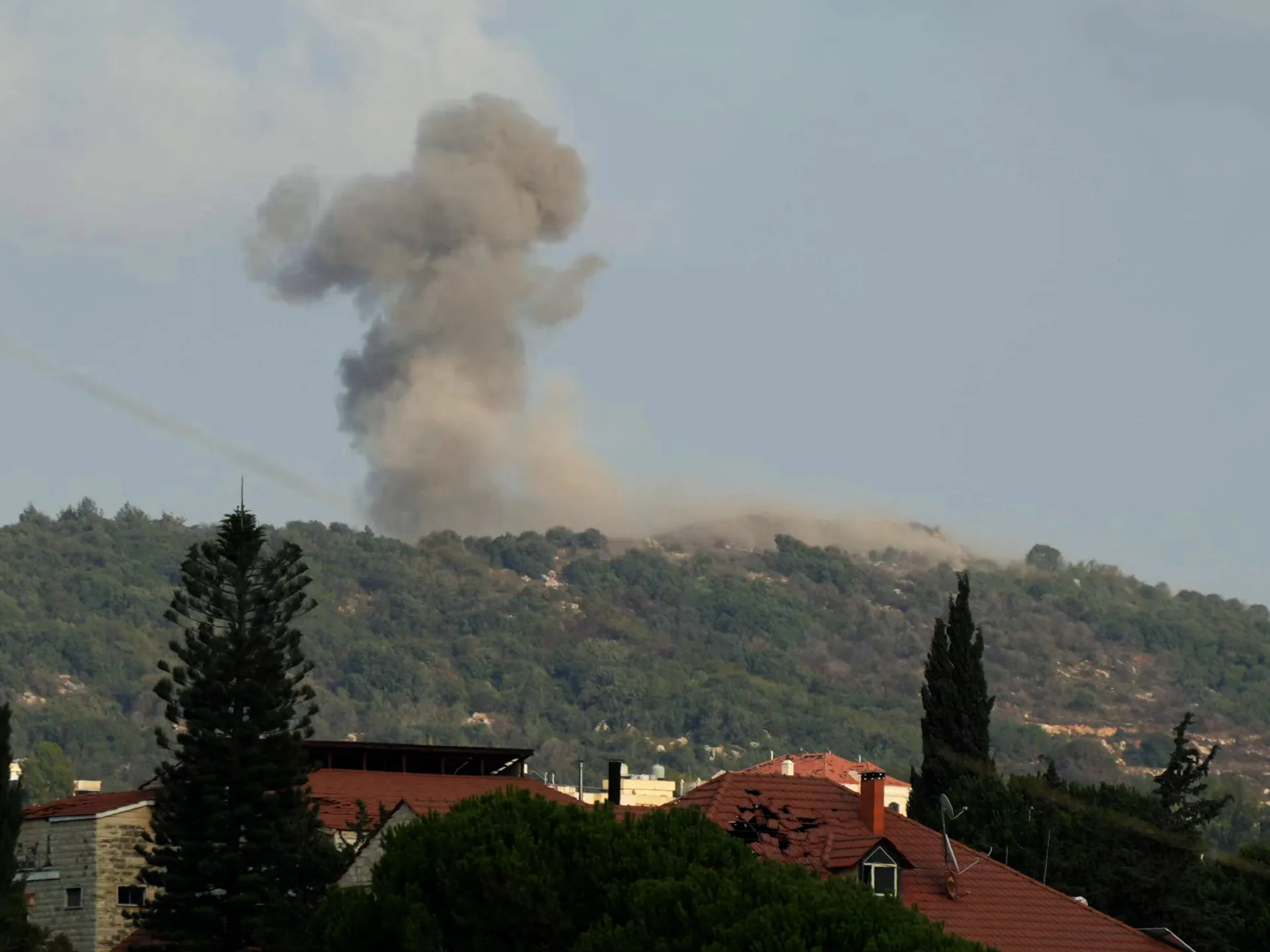
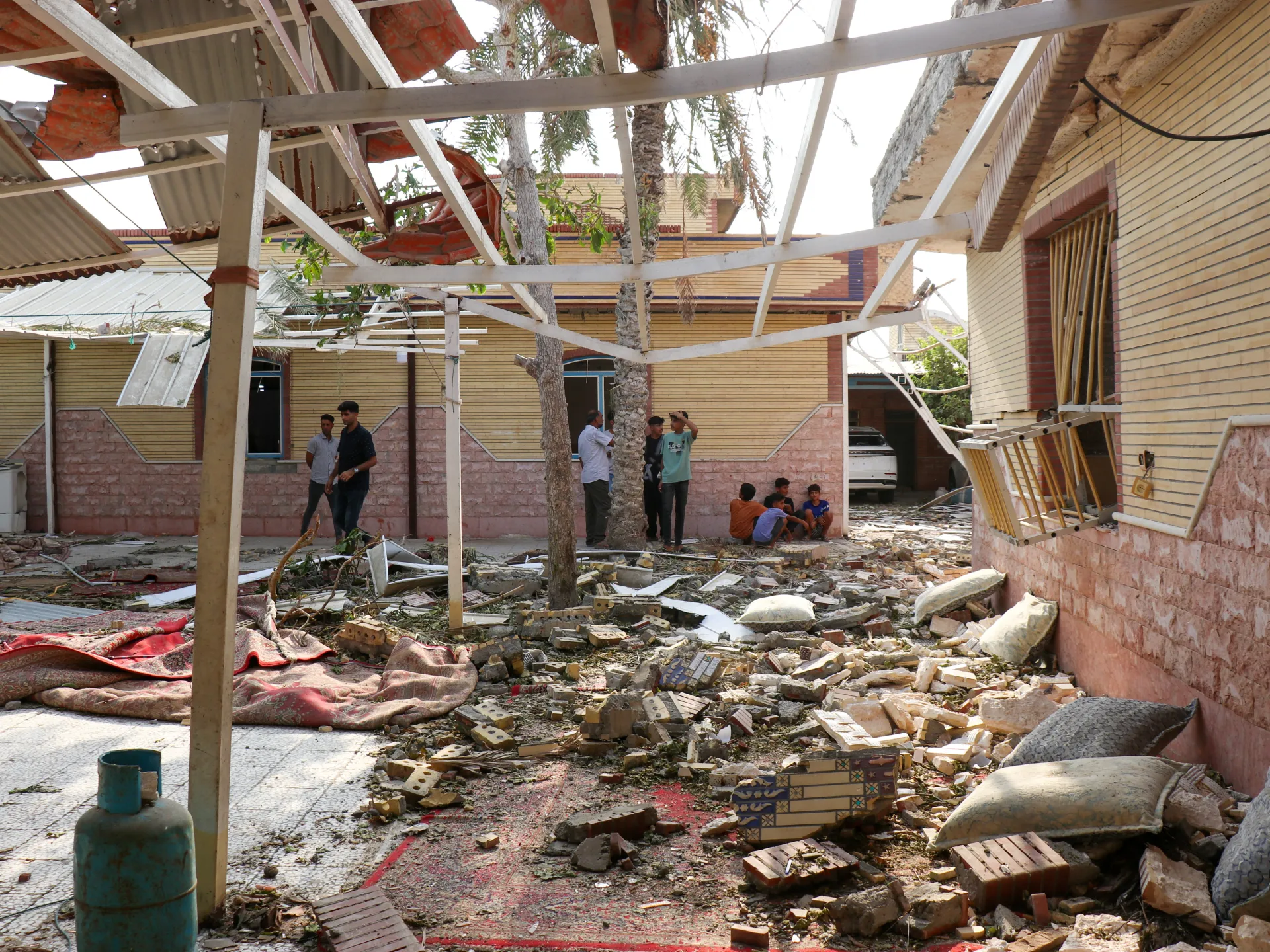
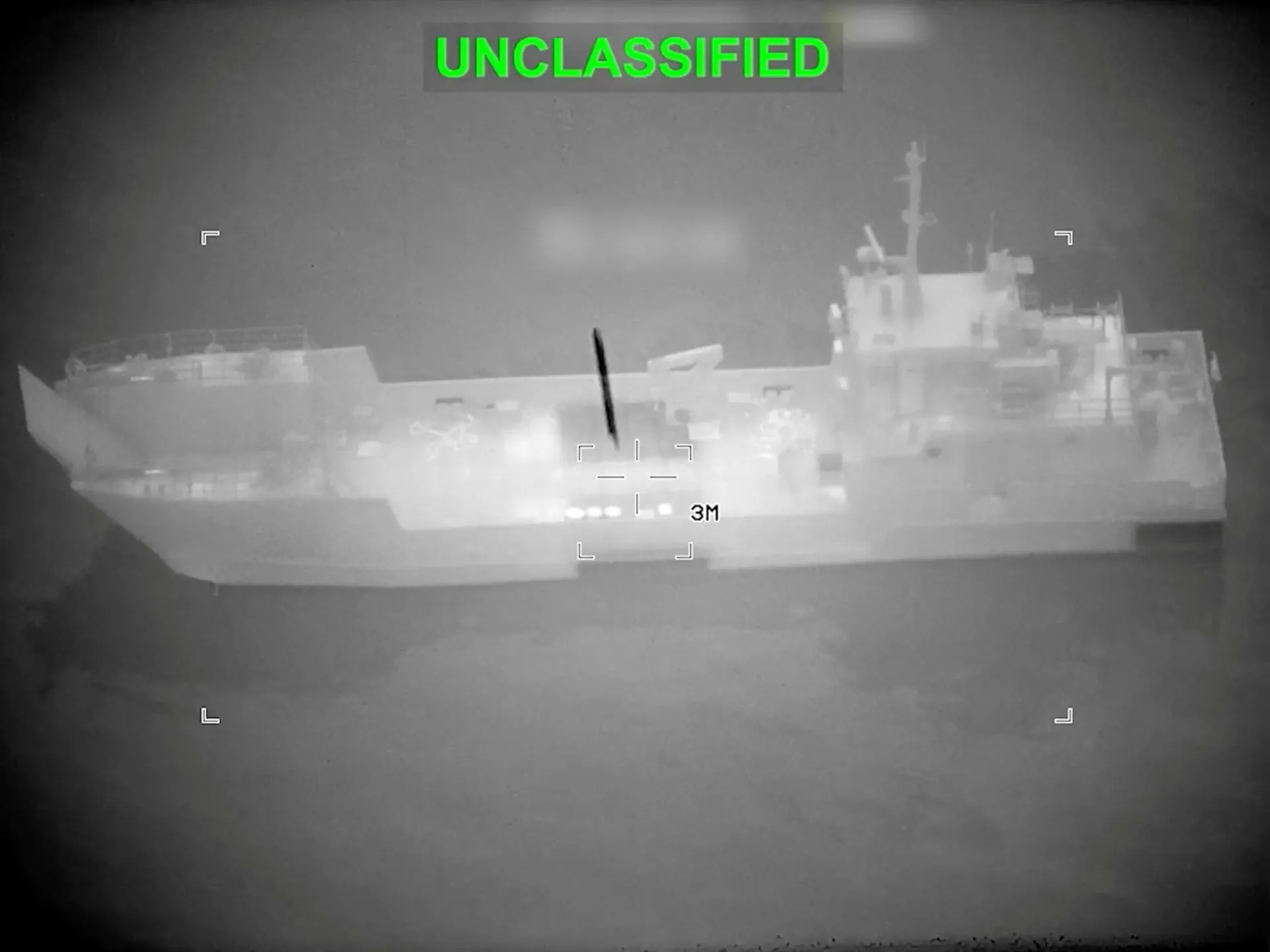
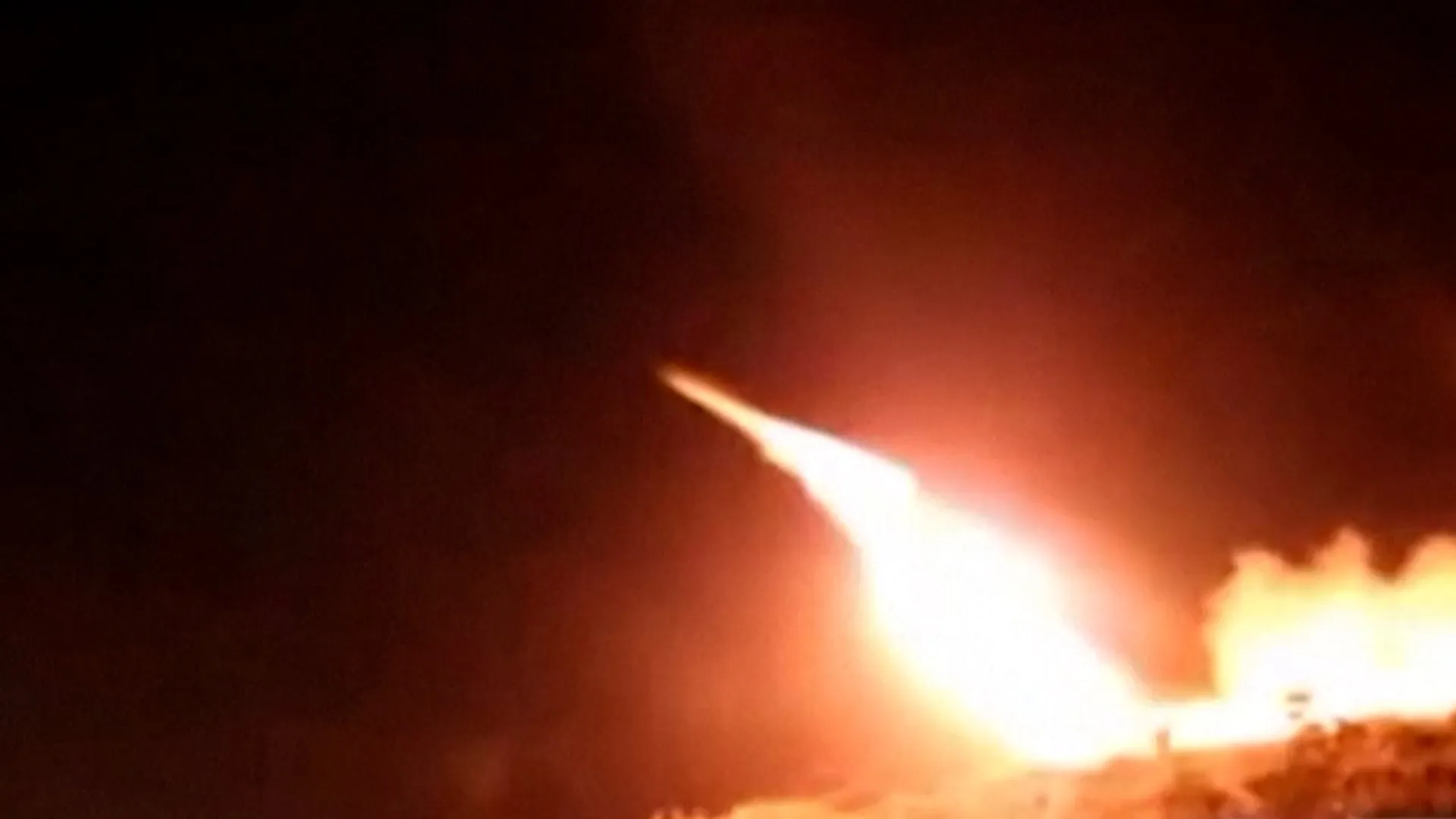
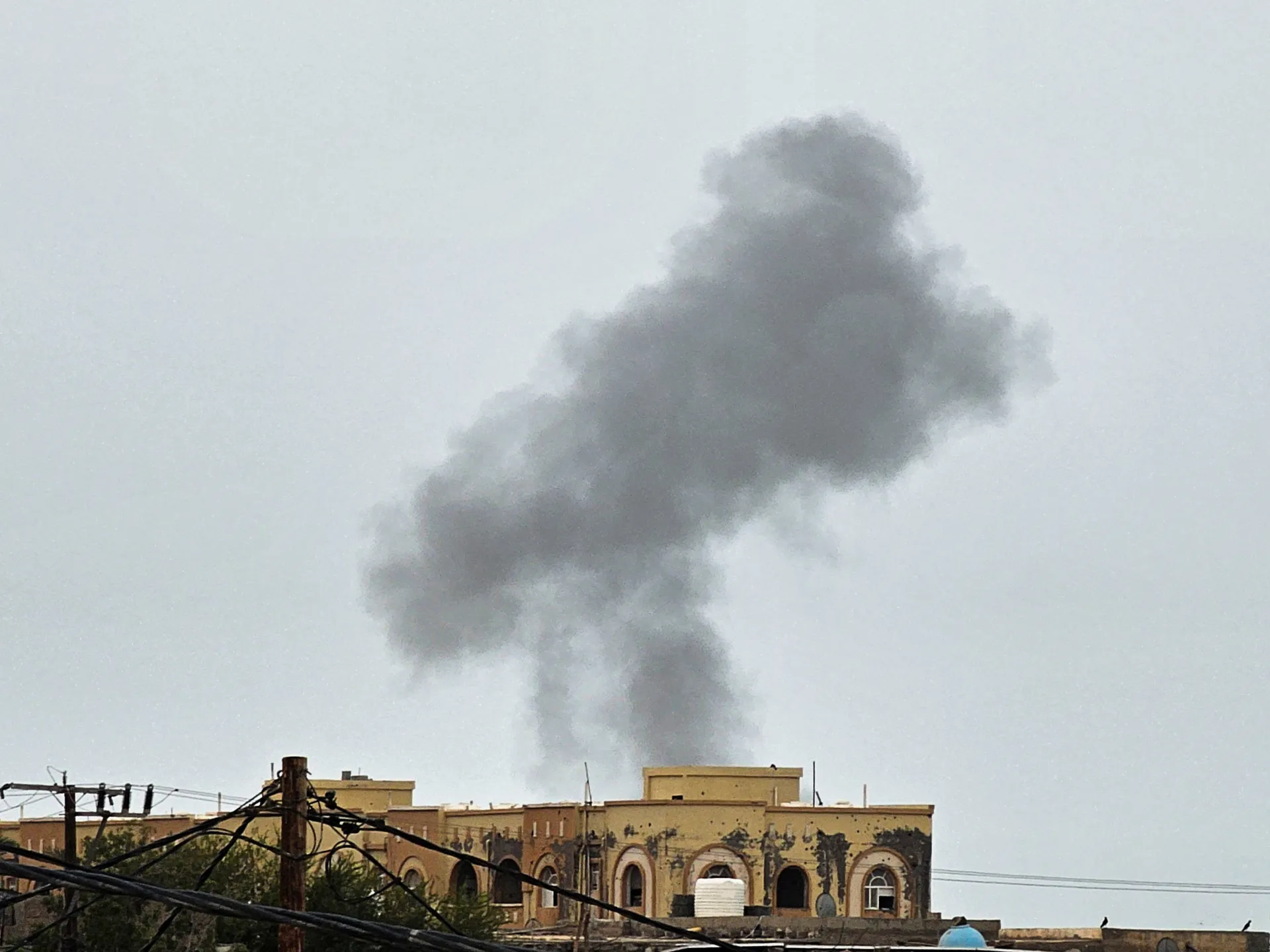
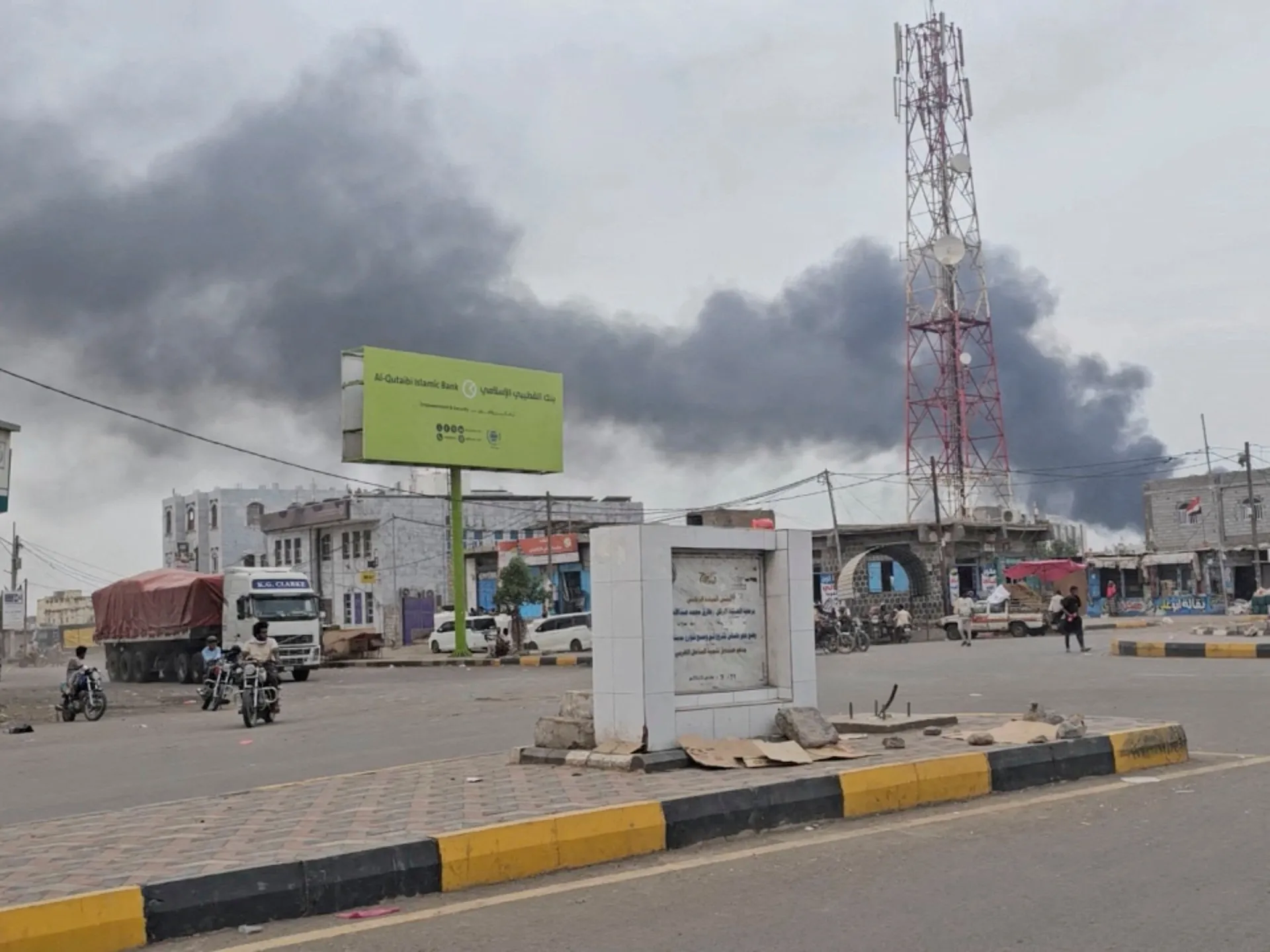
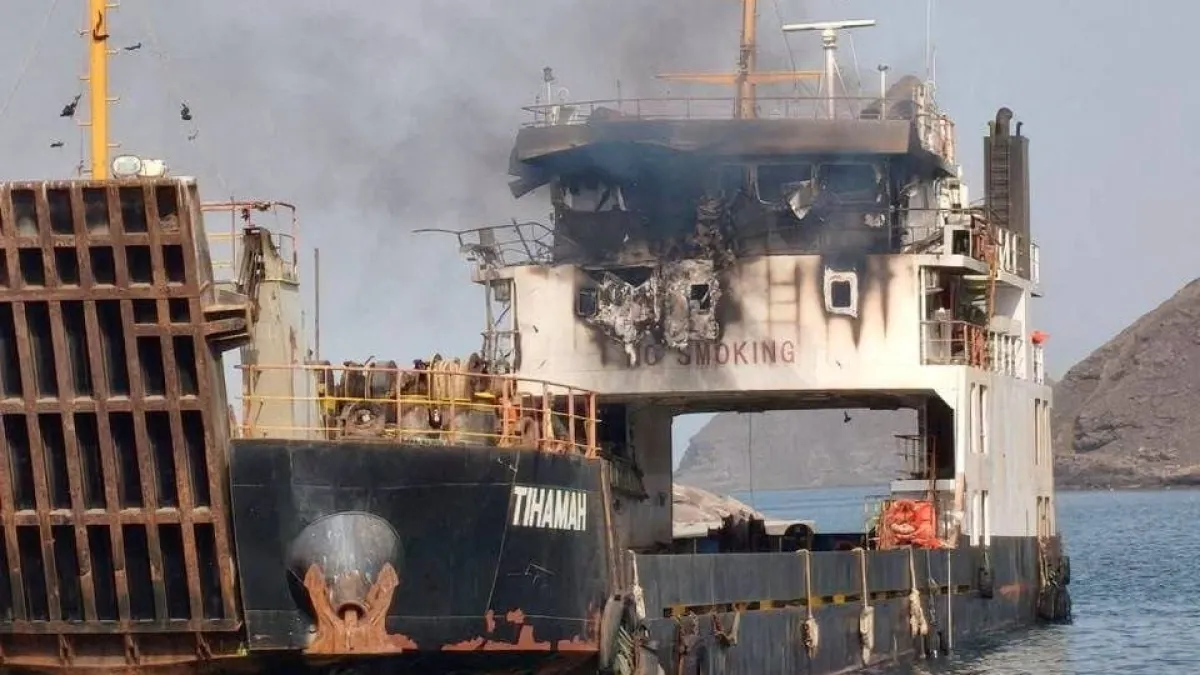
Furthermore, reporting from the Washington Post underscores that the decline in global supply is not merely a localized phenomenon but a widespread threat to fuel price stability. The confluence of Houthi tactical gains in Yemen, as highlighted elopments have moved beyond mere diplomatic friction, directly impacting the strategic transit routes that support the global energy grid. The market response has been swift, as investors and energy companies scramble to account for the increased physical risk of transporting crude oil through these high-intensity conflict zones.
Moving forward, the primary concern for the energy sector is whether the current maritime bottlenecks will persist long enough to force a permanent restructuring of global supply chains. If the volatility in the Strait of Hormuz and the Red Sea continues, energy importers will likely be forced to pivot toward longer, more expensive transit routes, which would institutionalize higher fuel costs for the foreseeable future. Analysts suggest that the 'logistical crunch'—the shortage of ships and infrastructure—is unlikely to resolve in the short term, meaning that even if regional hostilities were to pause, the secondary effects on shipping capacity would likely linger. The market should expect continued price volatility until there is a demonstrable restoration of security in the affected shipping lanes or a significant expansion of alternative, non-maritime energy transport infrastructure.