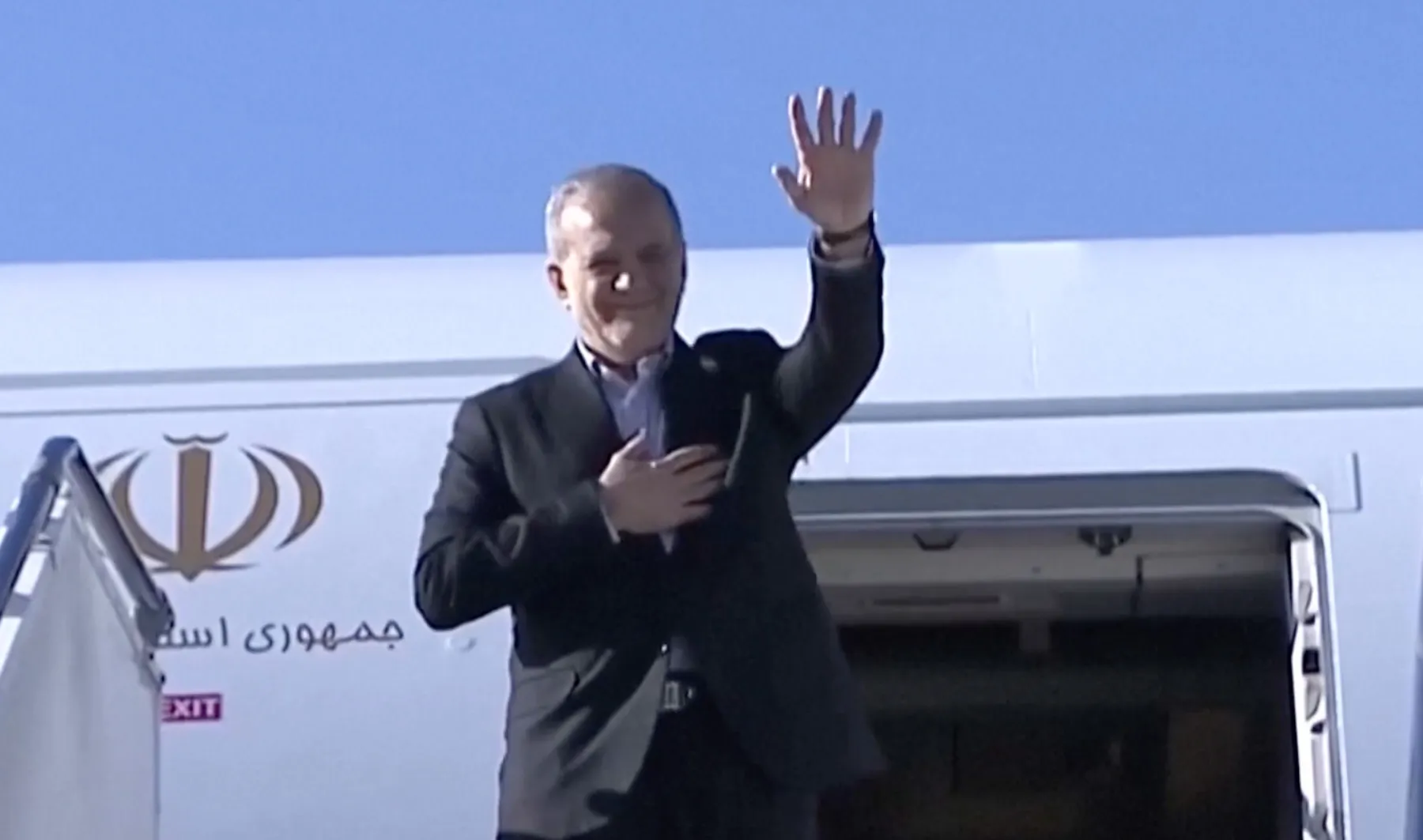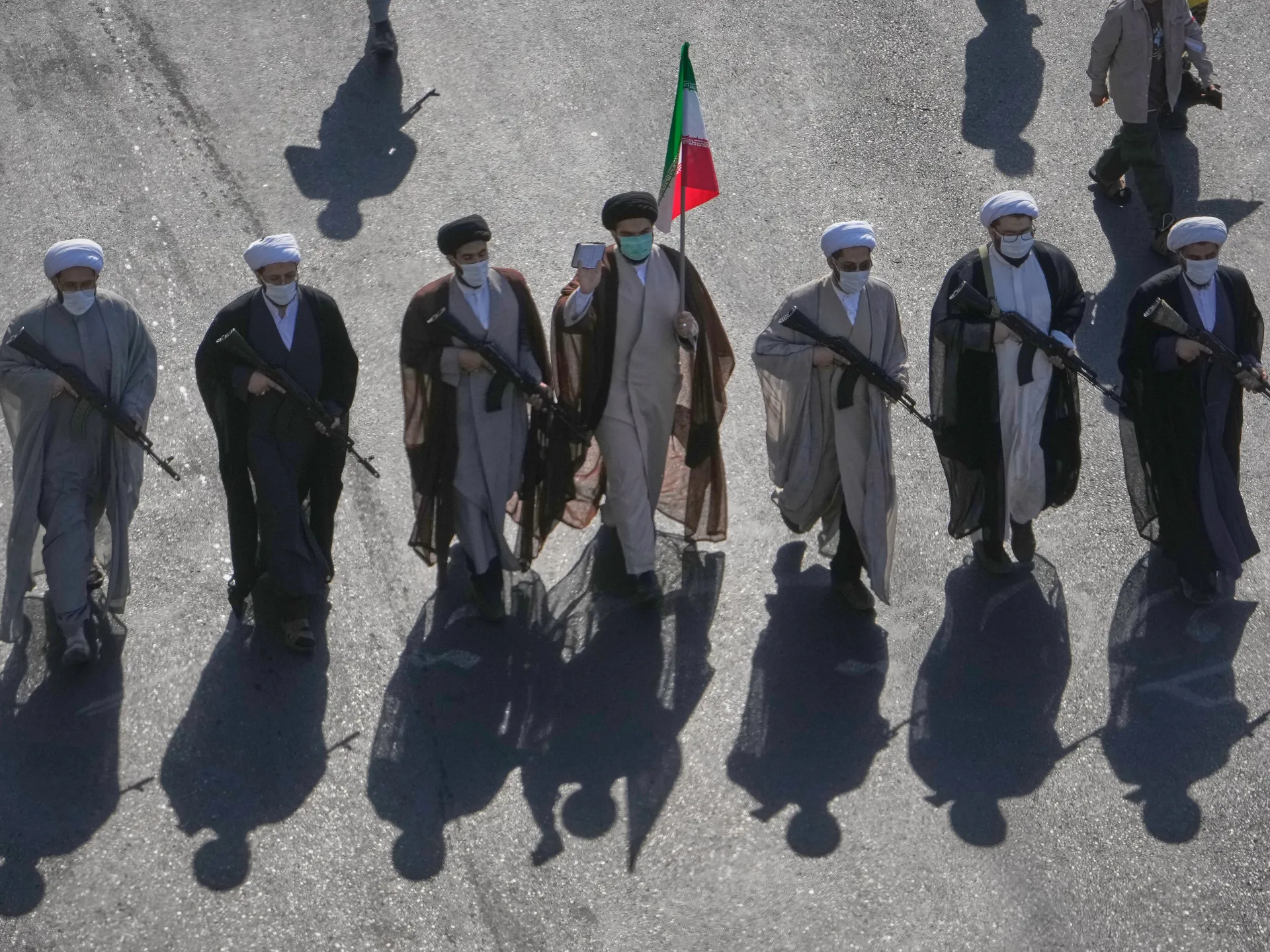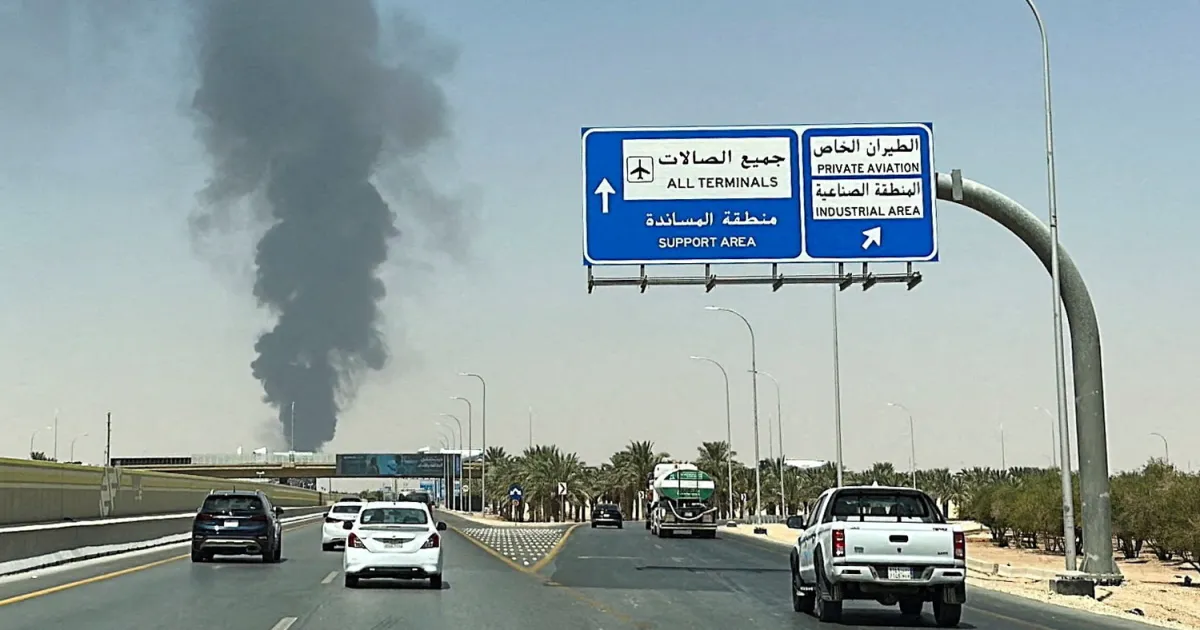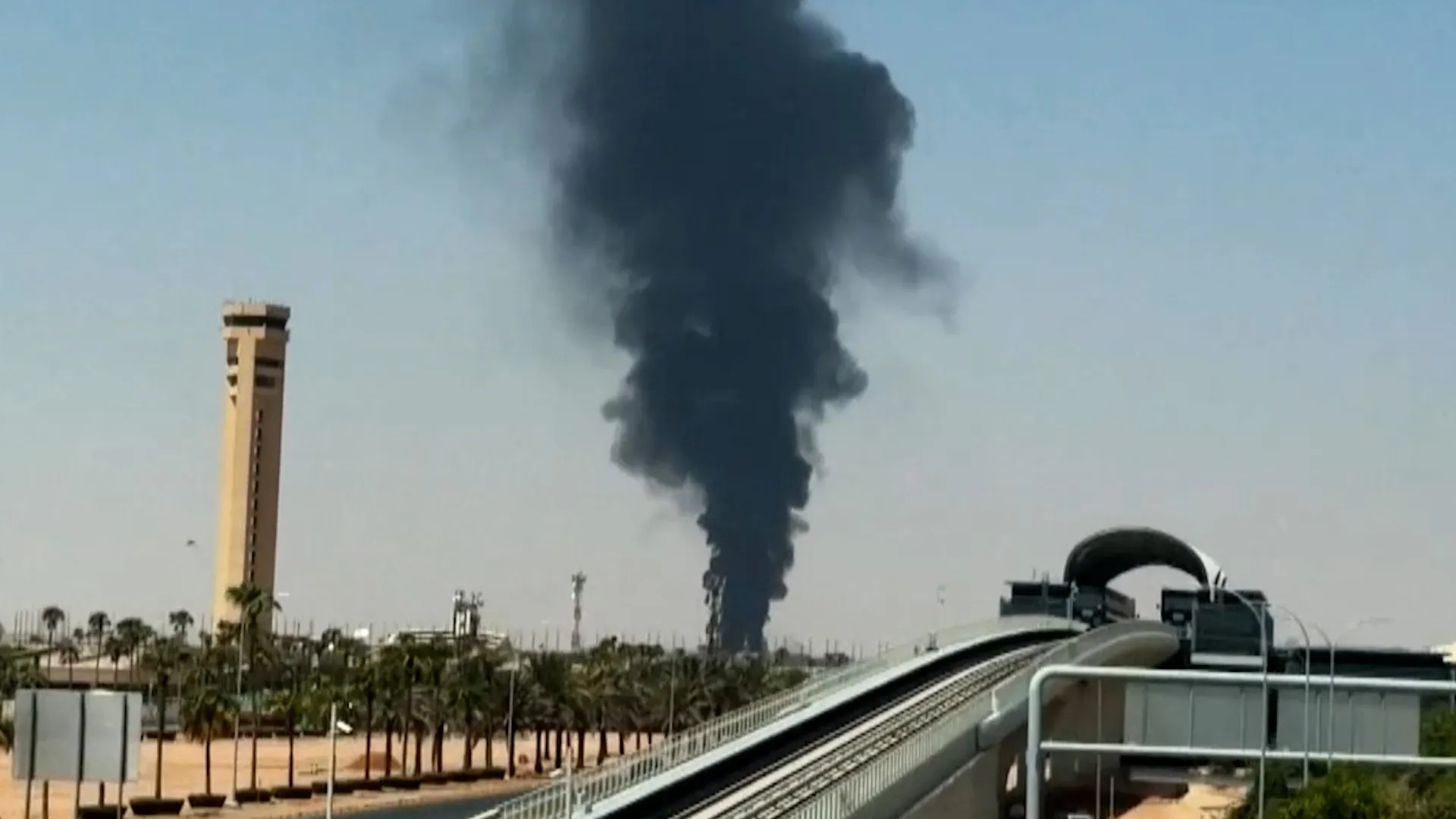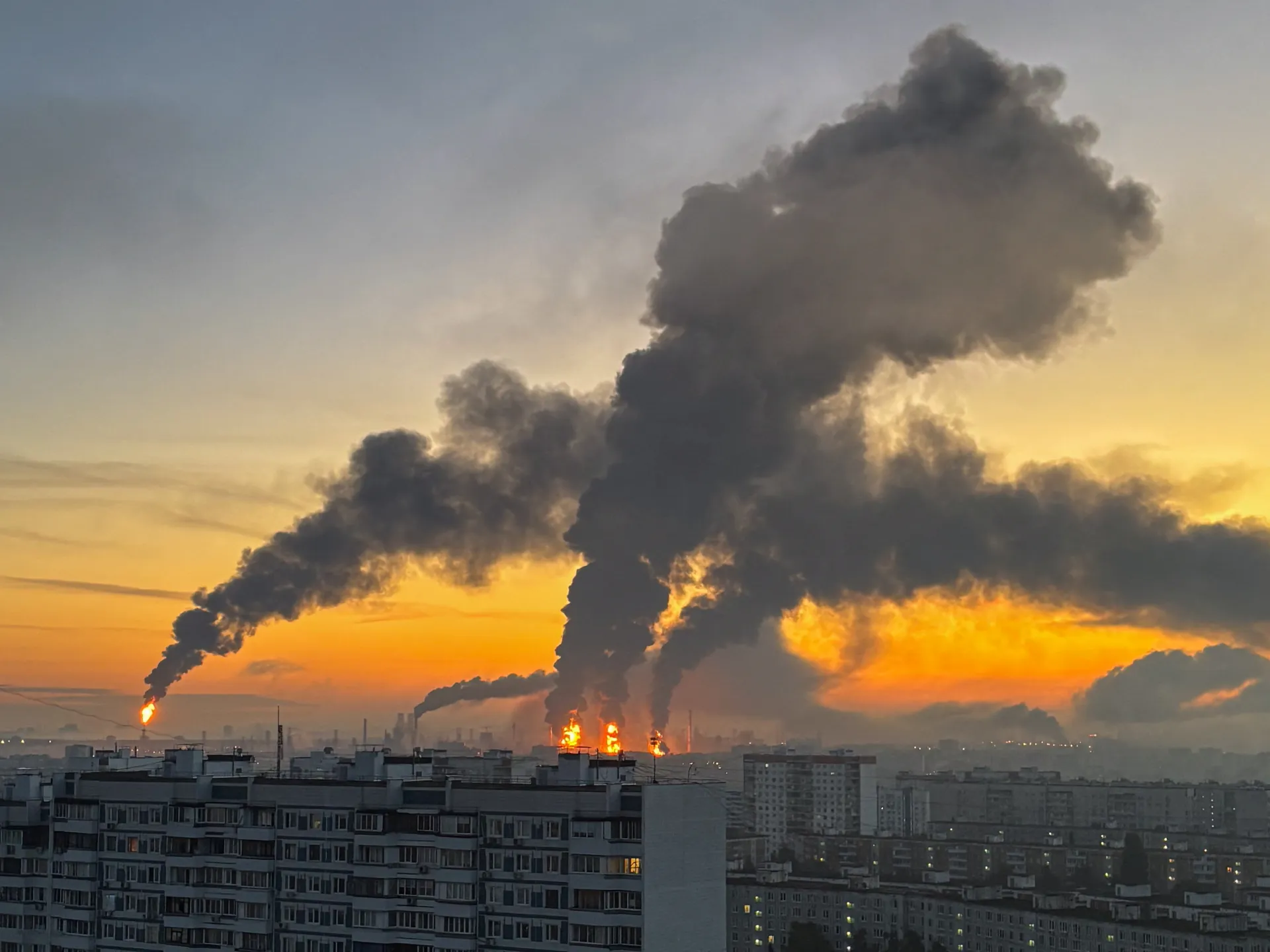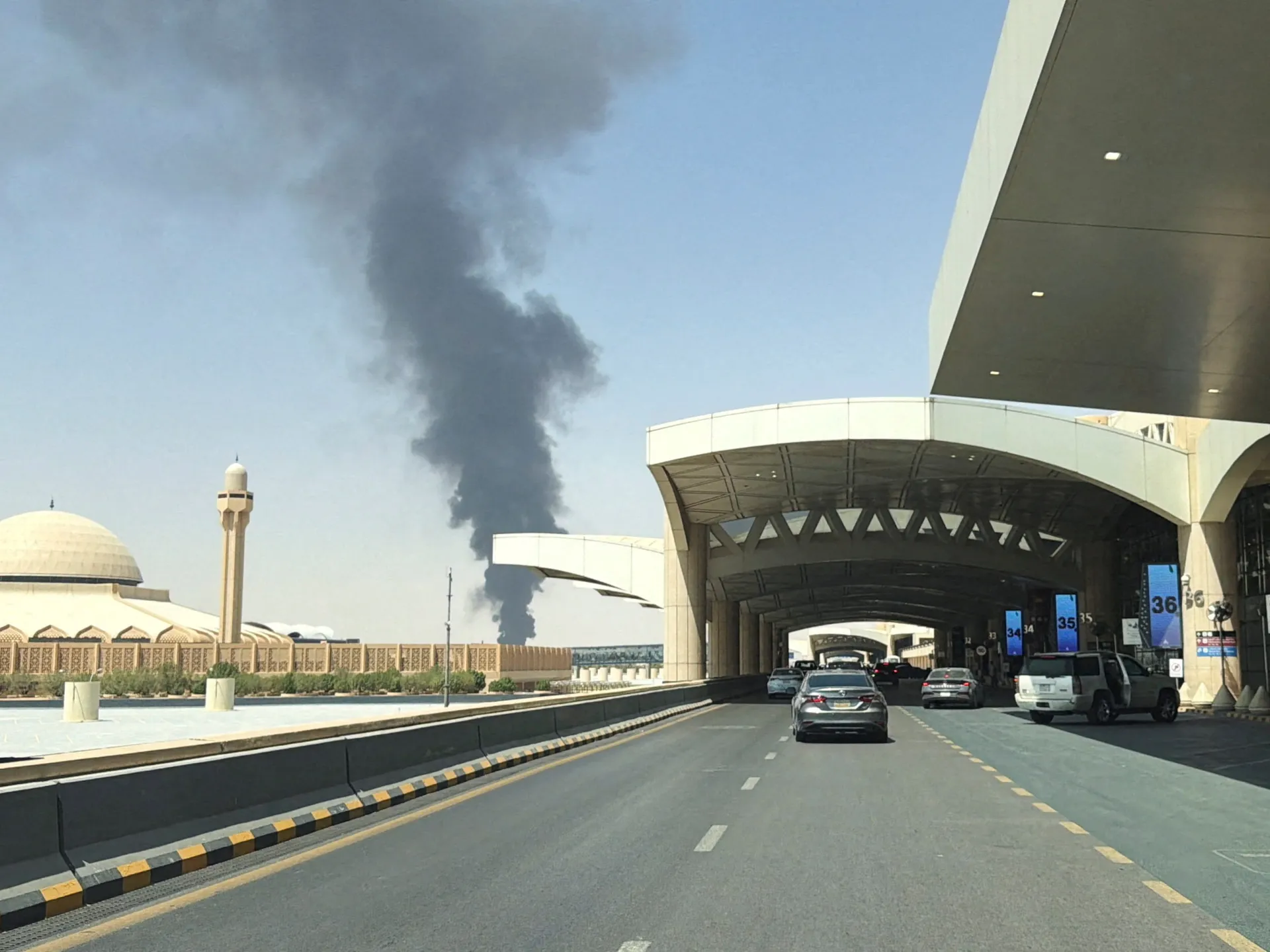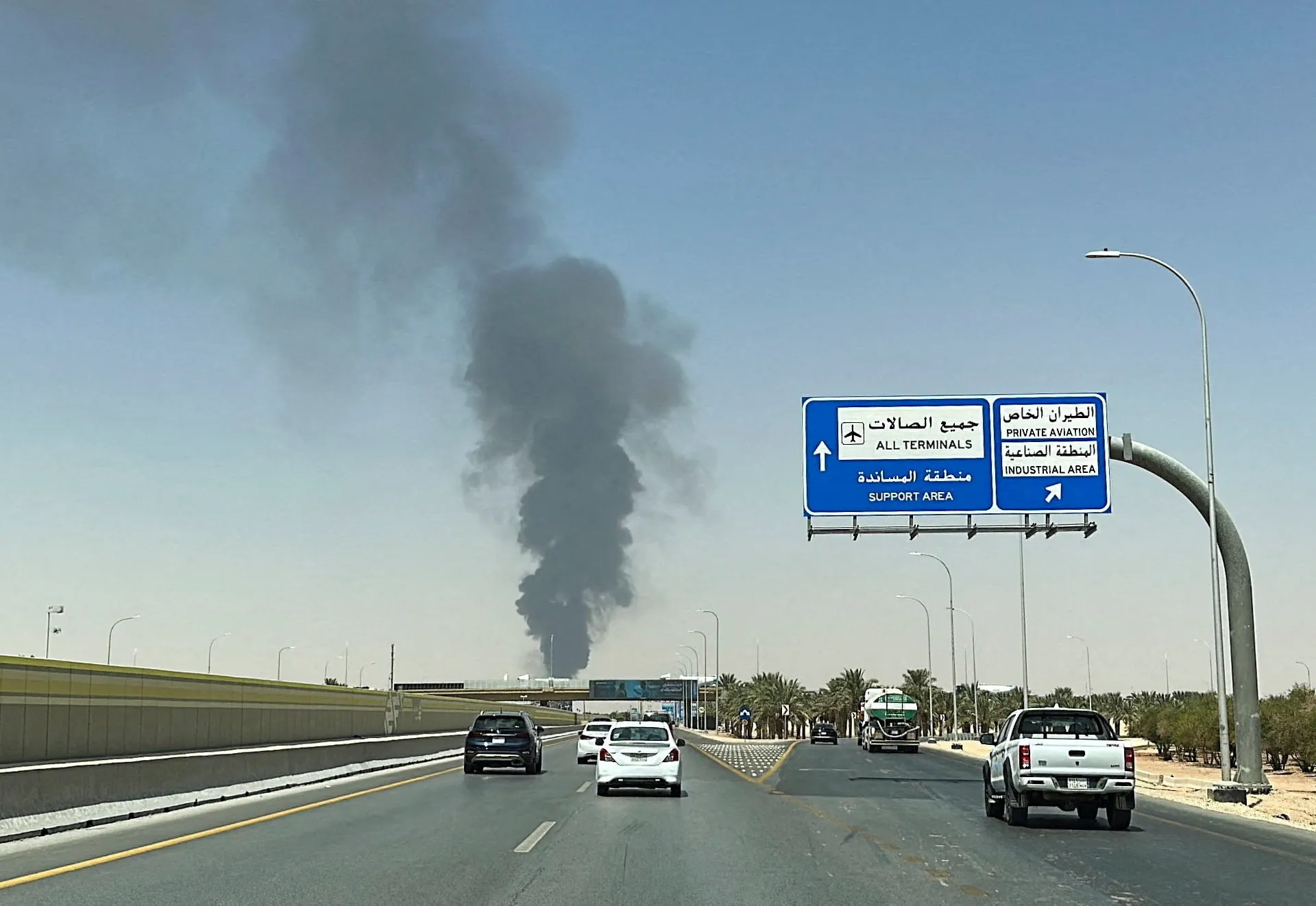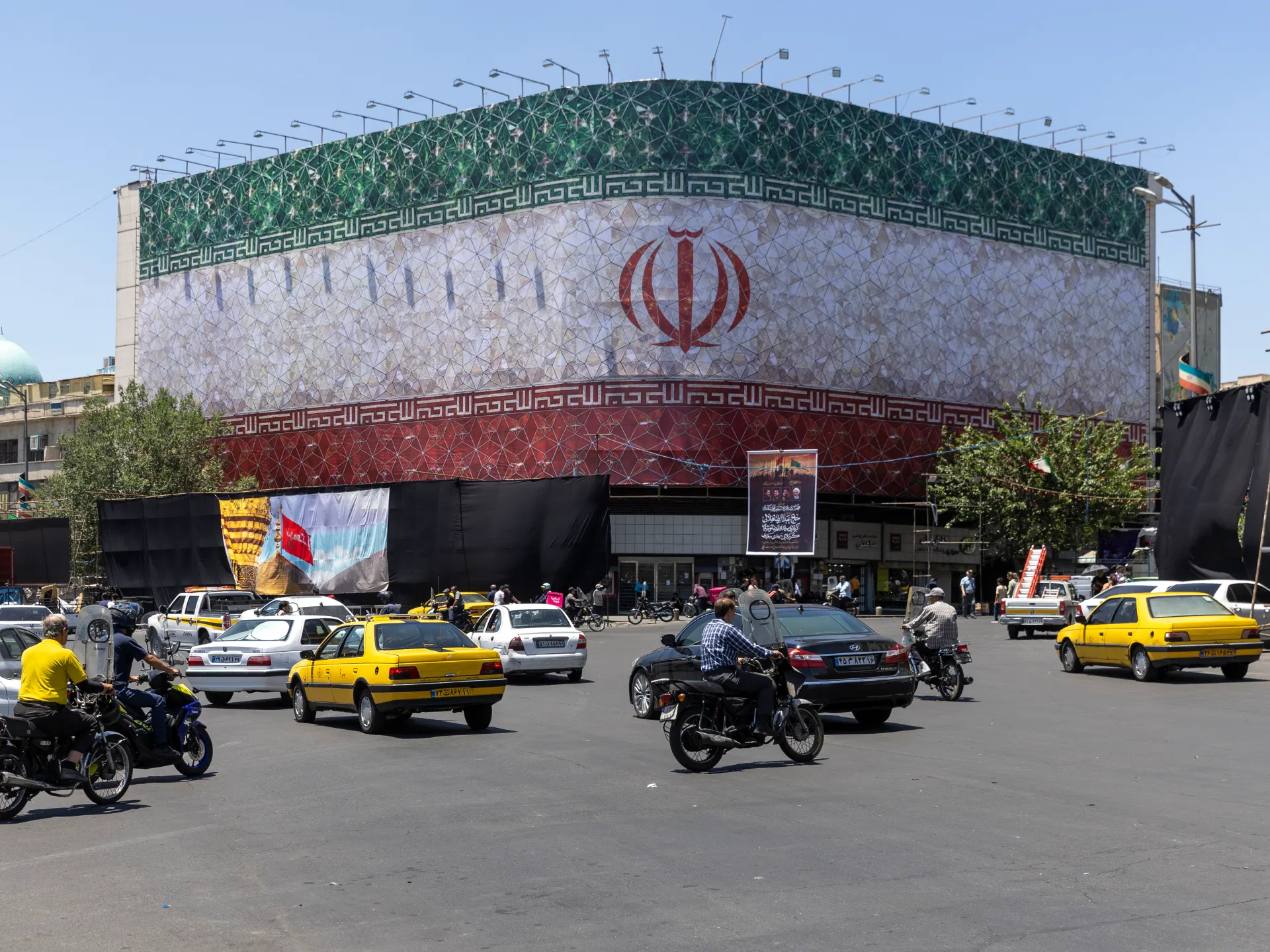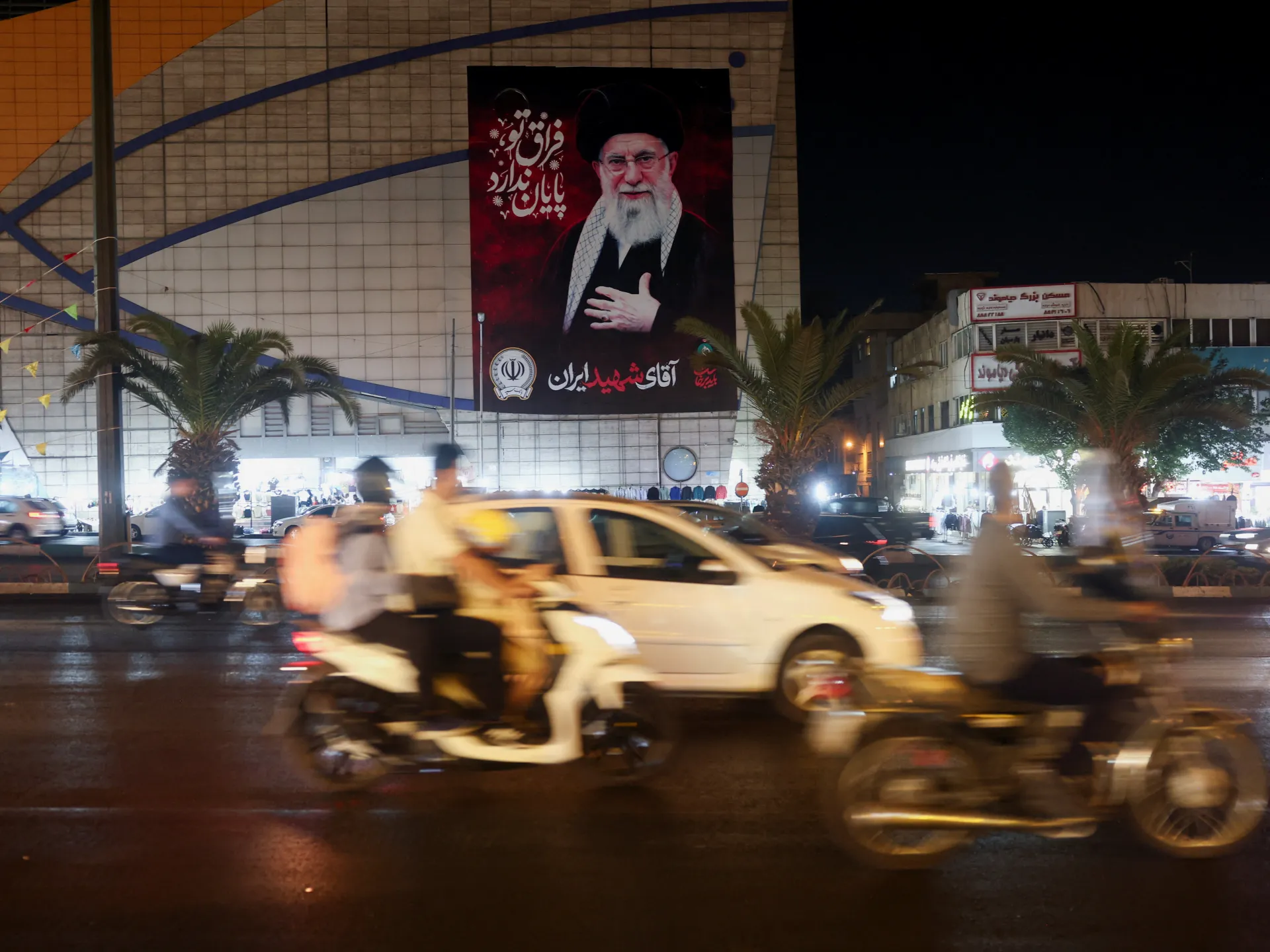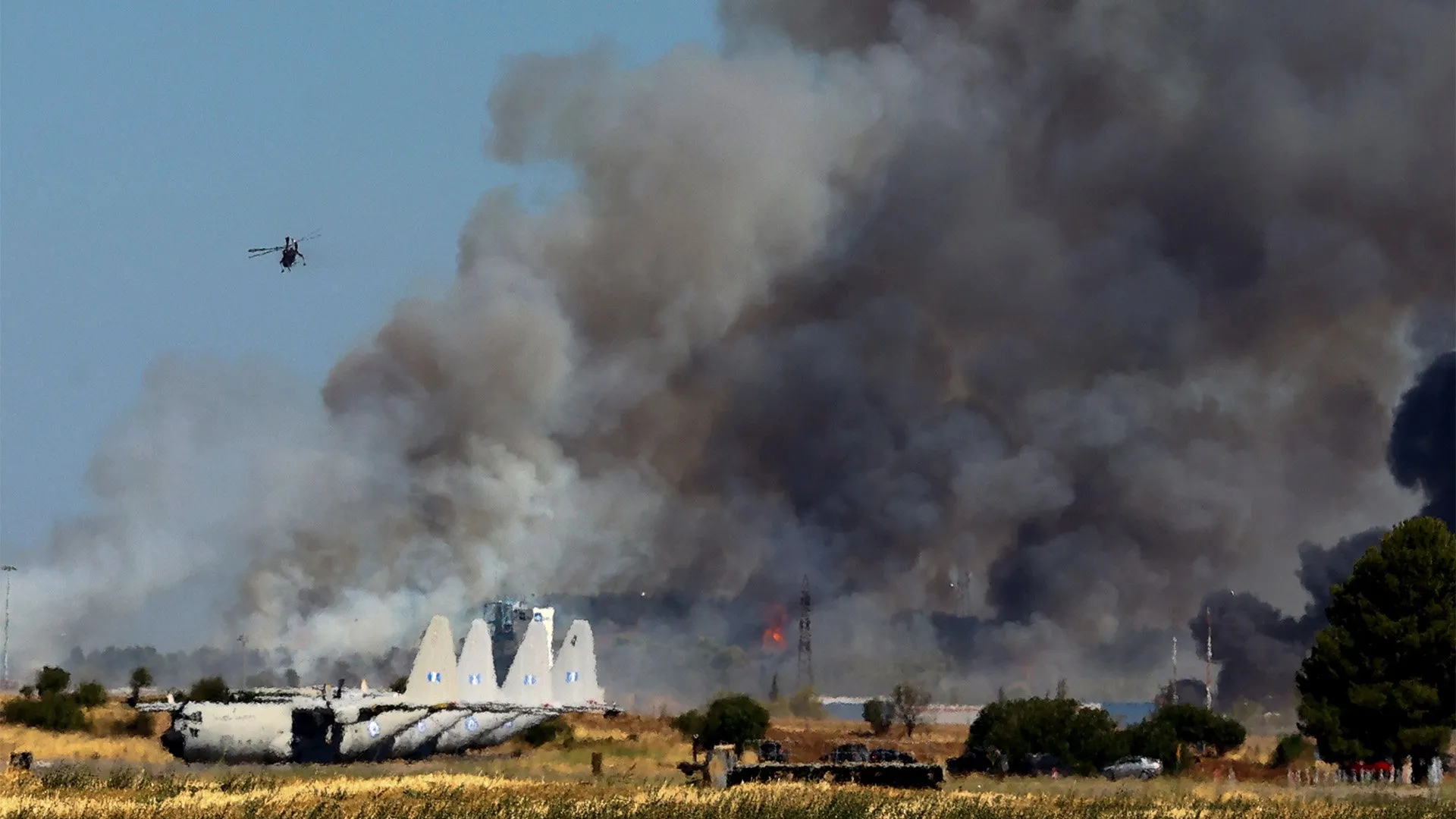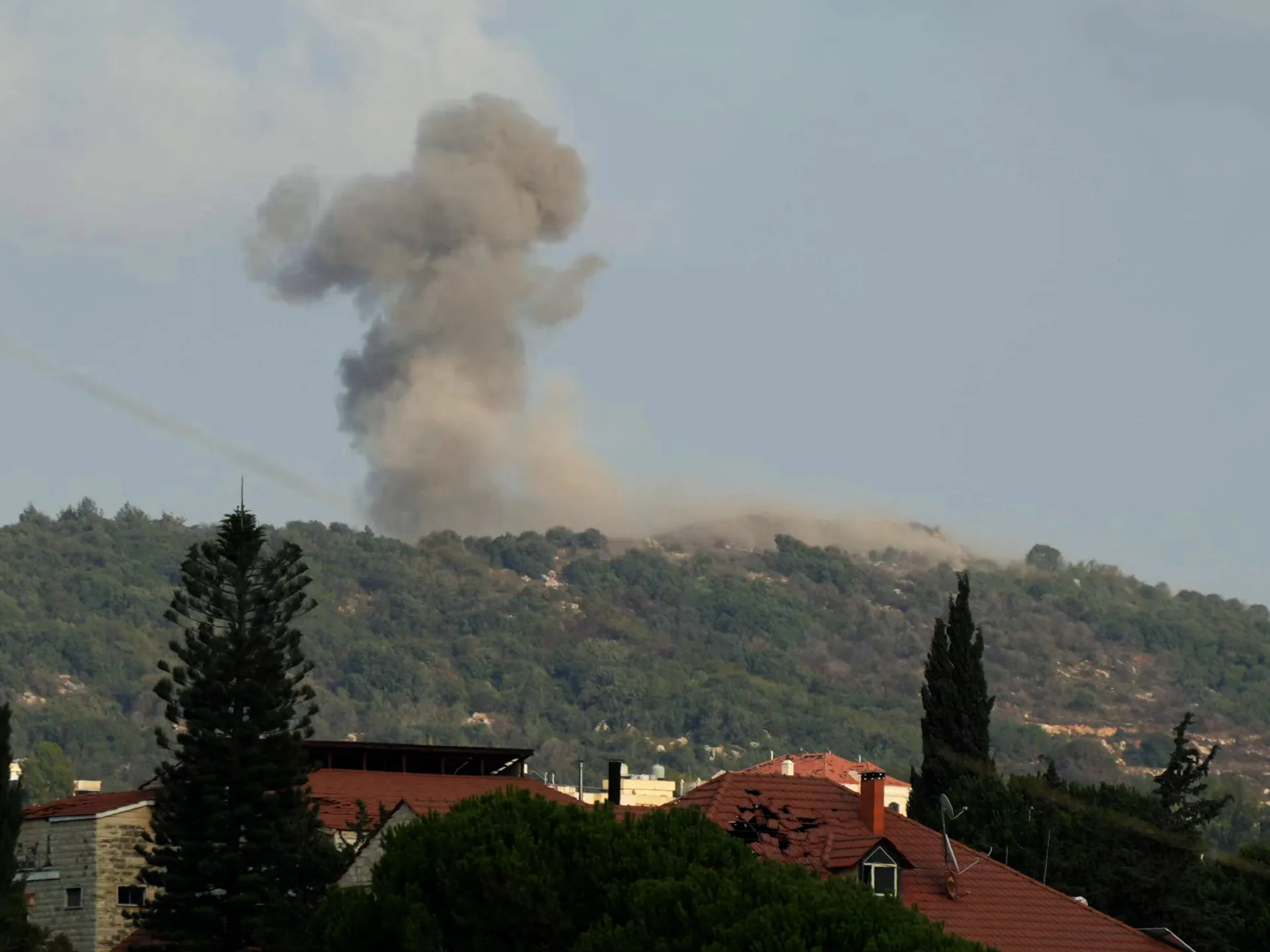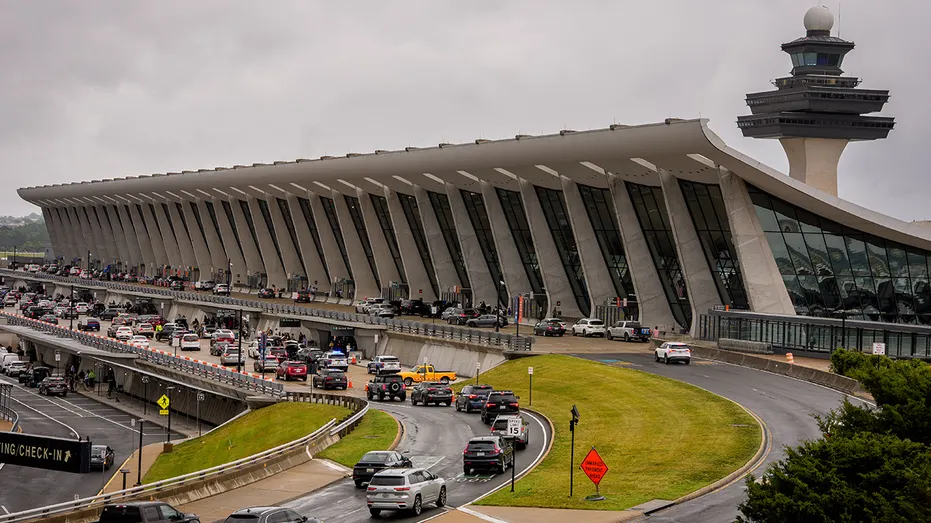
Tehran has threatened regional airports with retaliation, raising concerns about civilian travel as the U.S. continues its campaign of sanctions and military strikes.
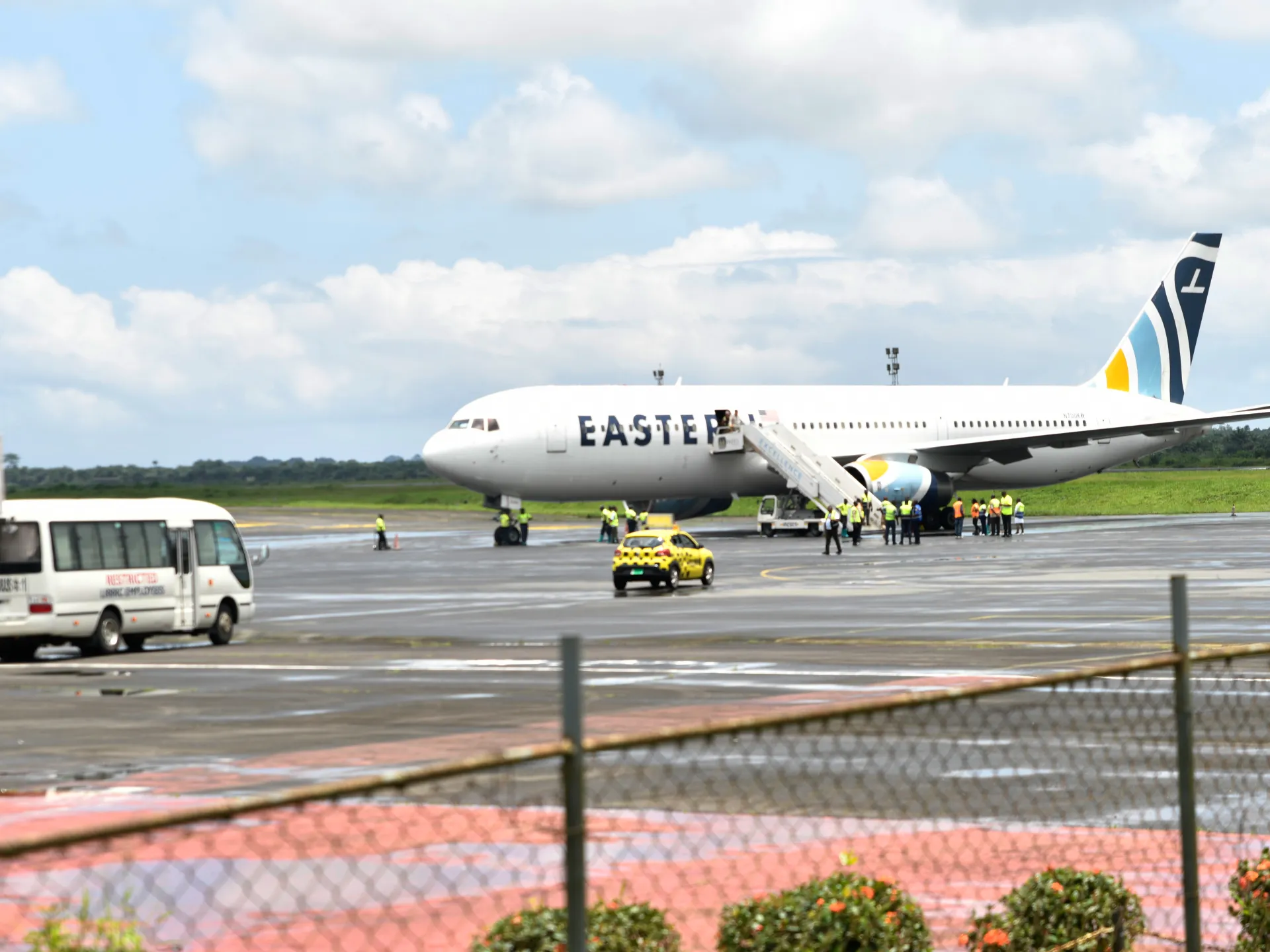
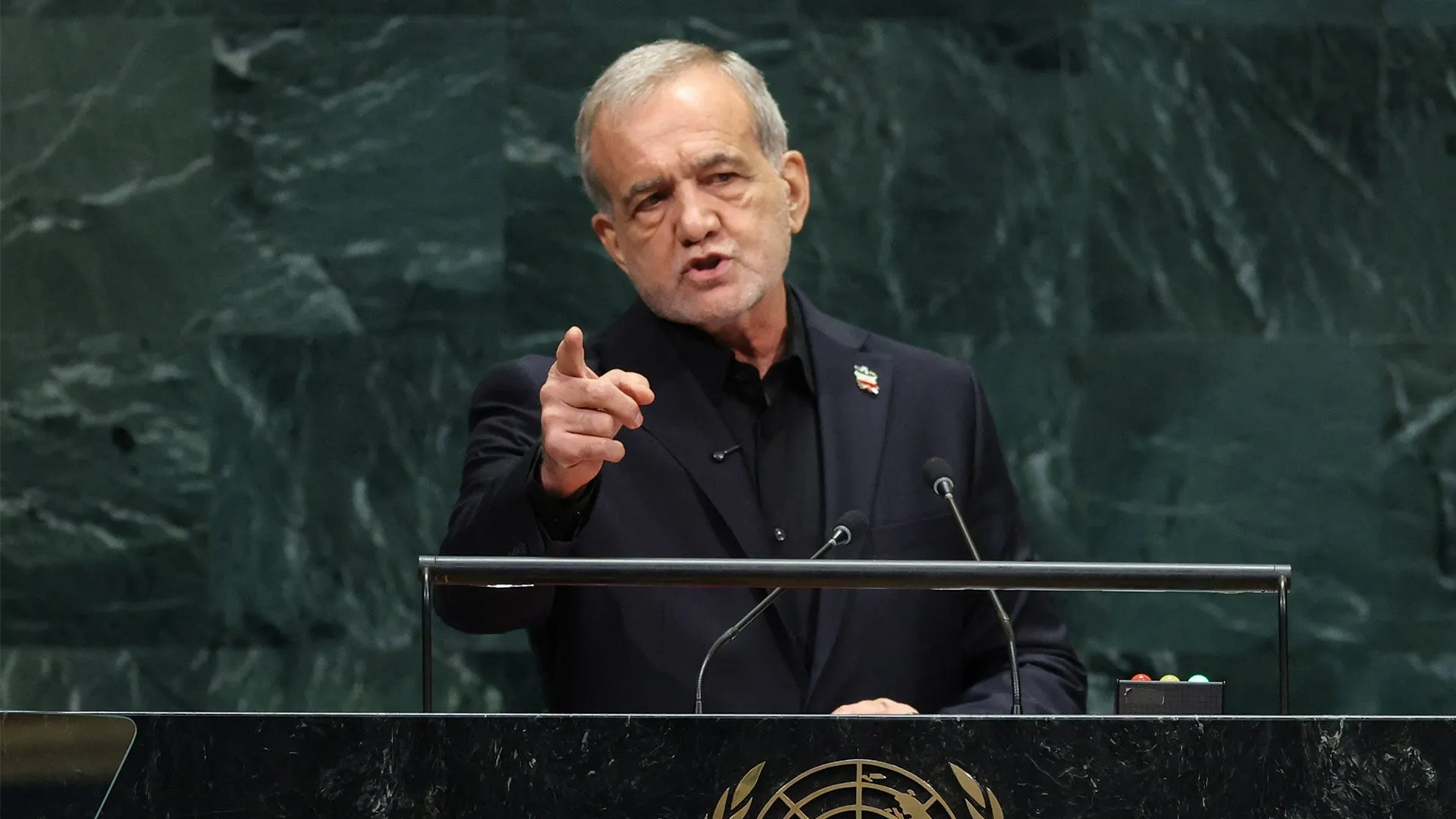
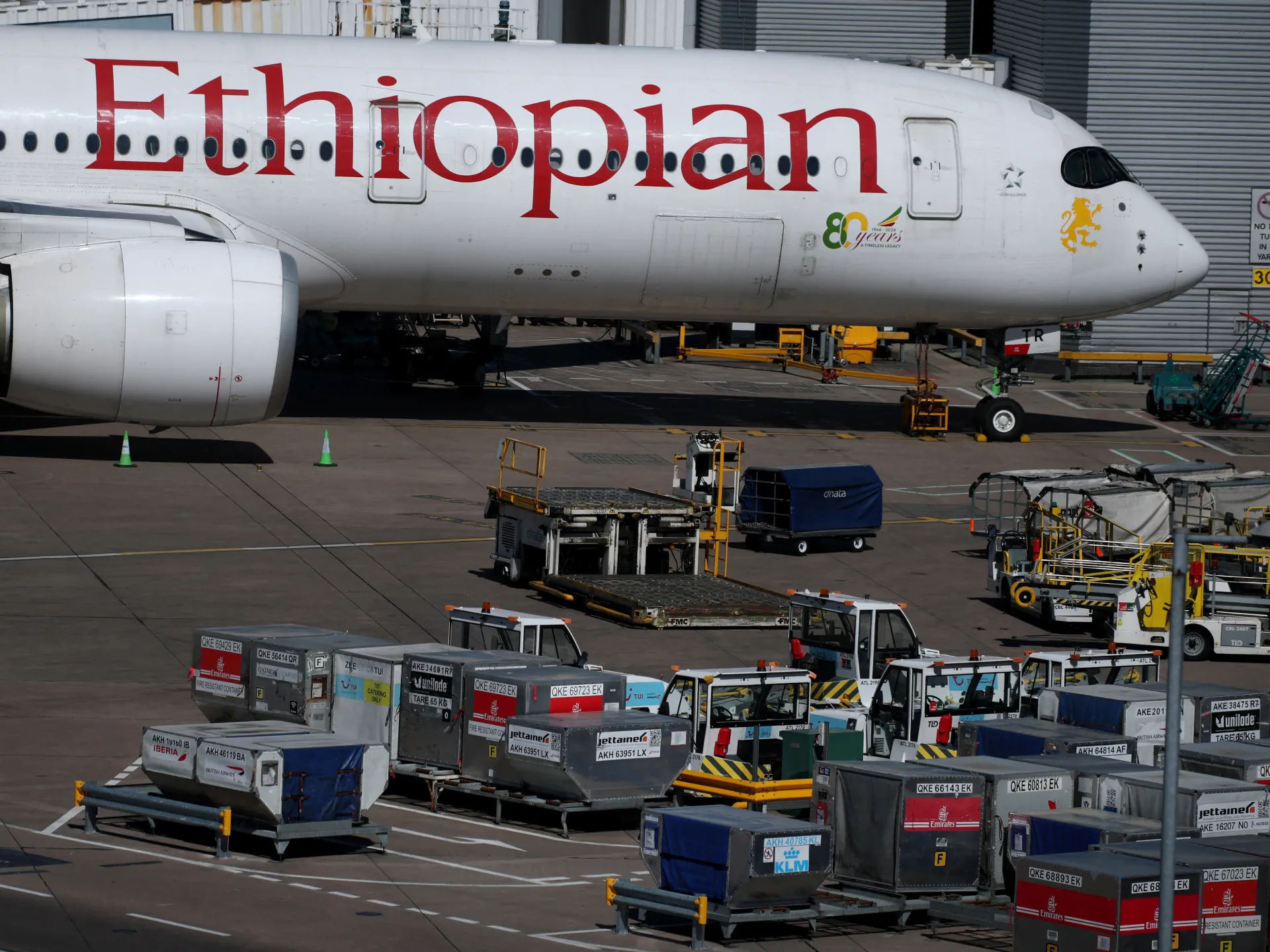
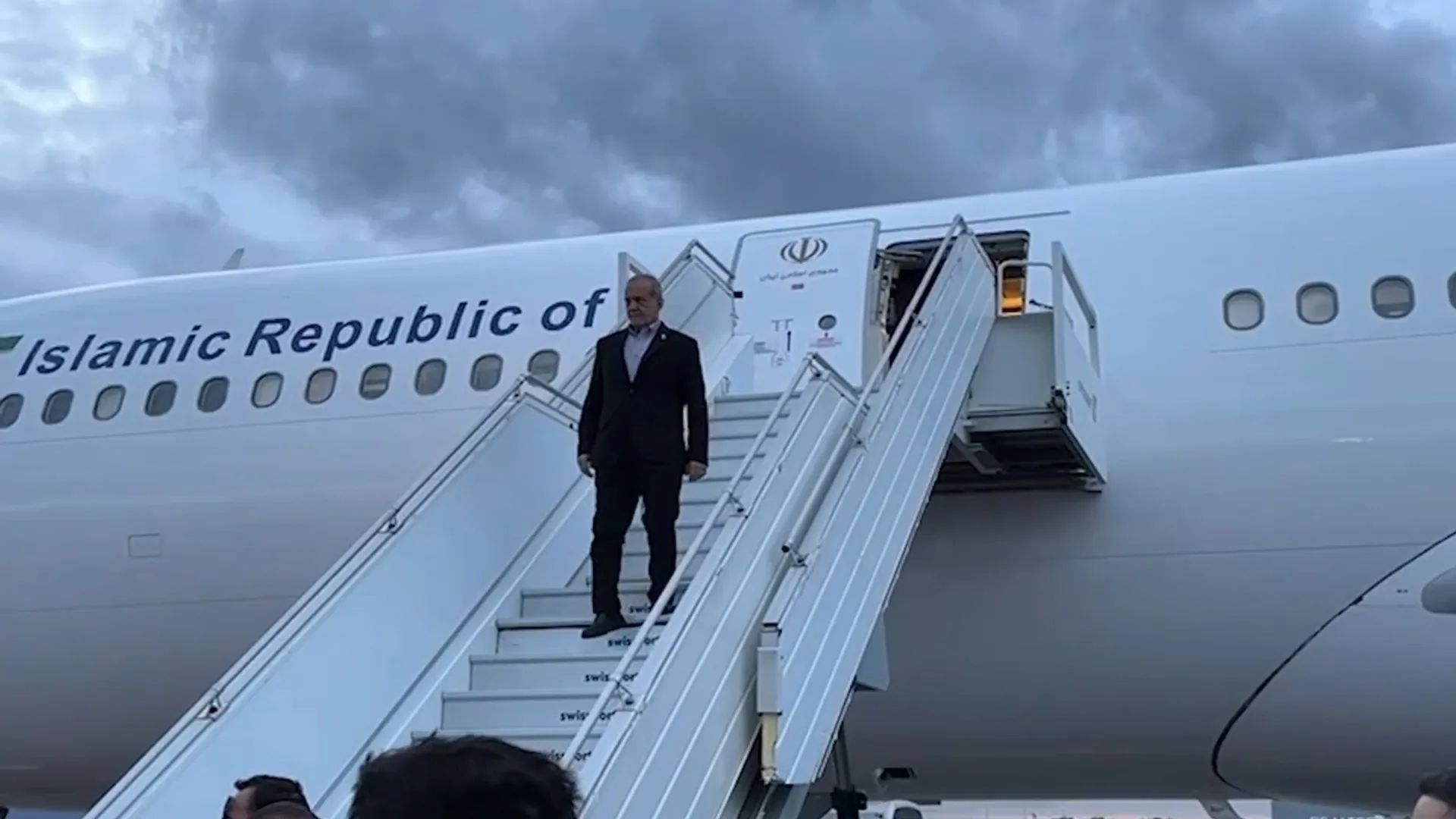
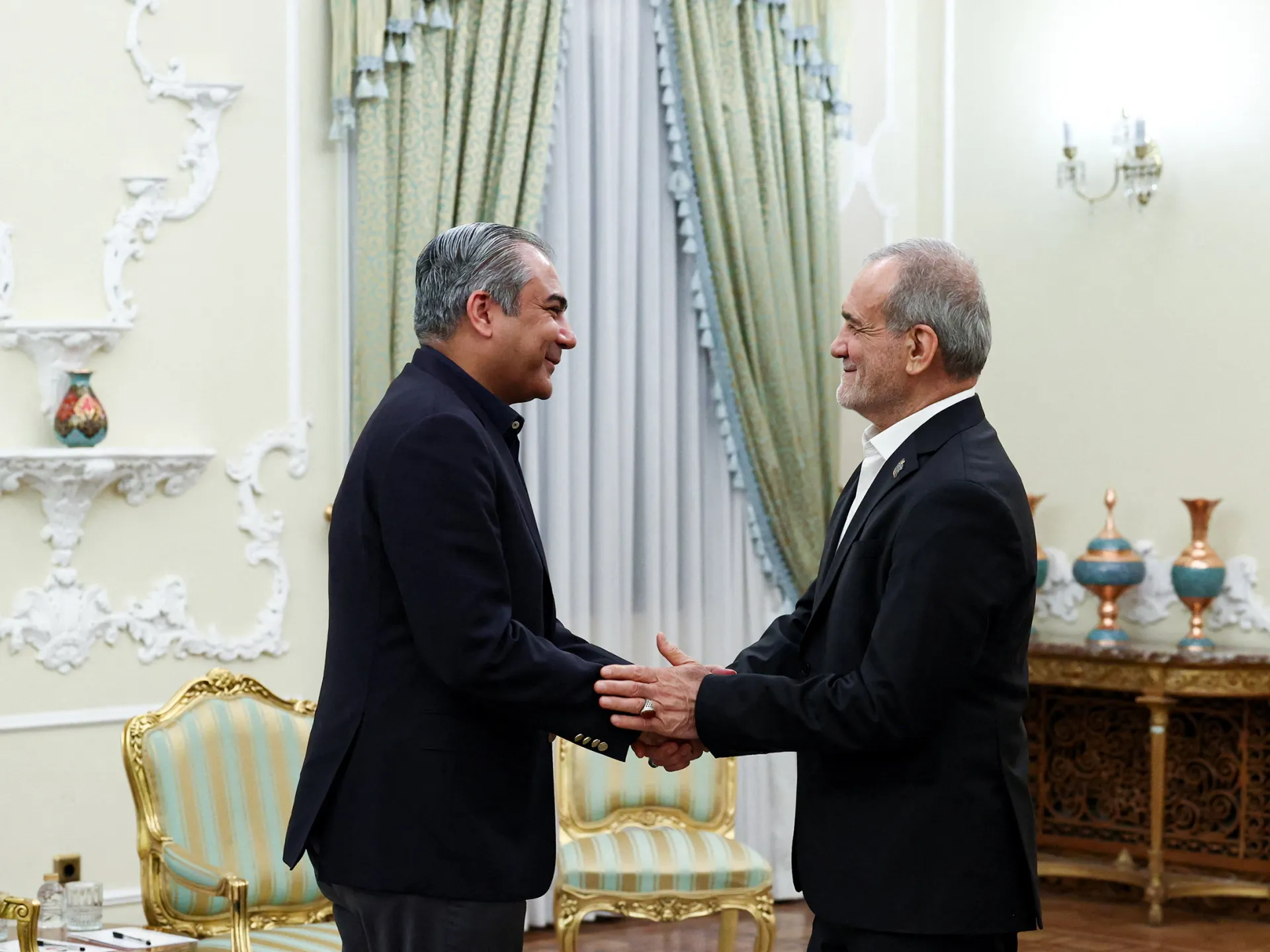
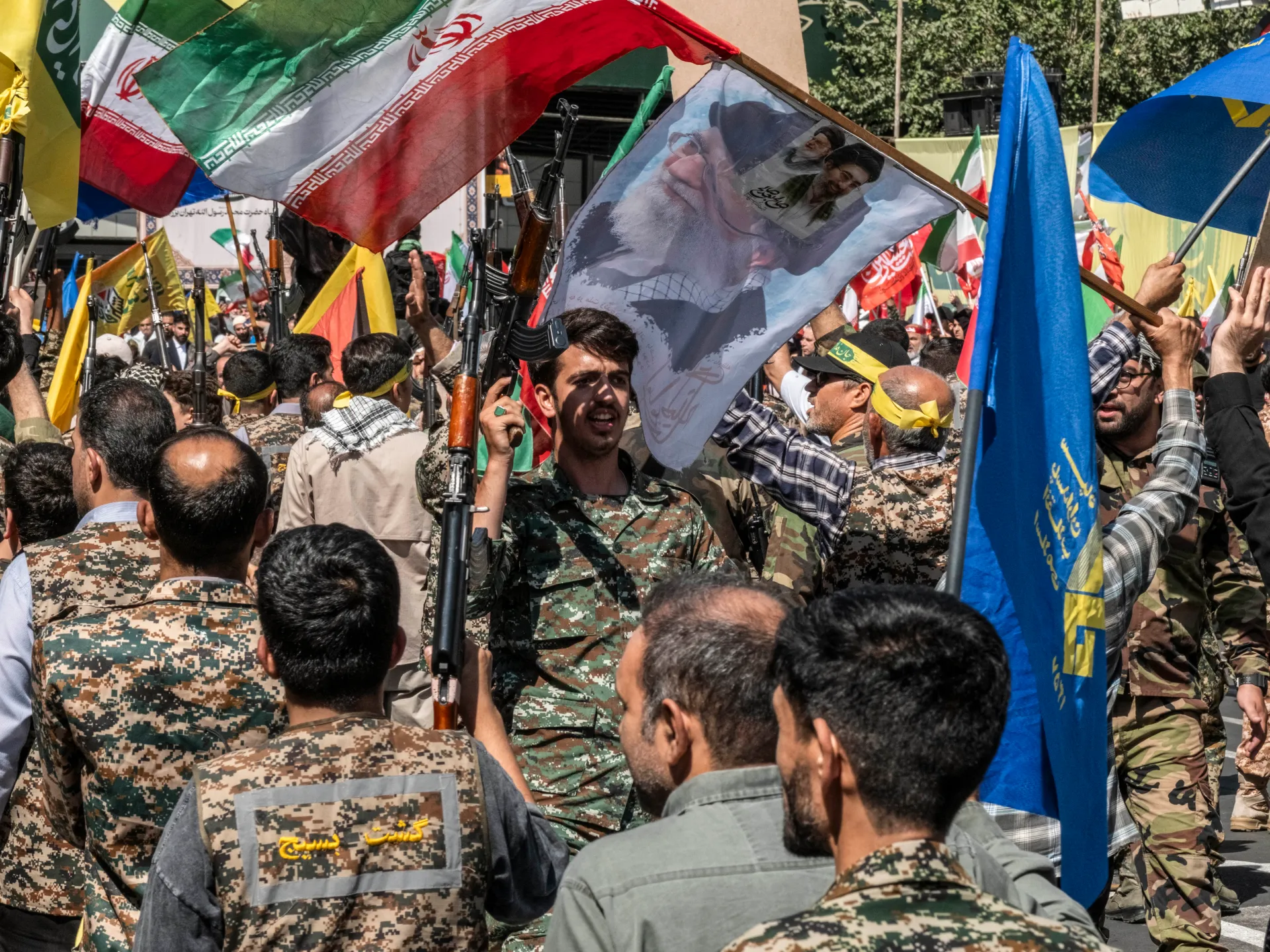
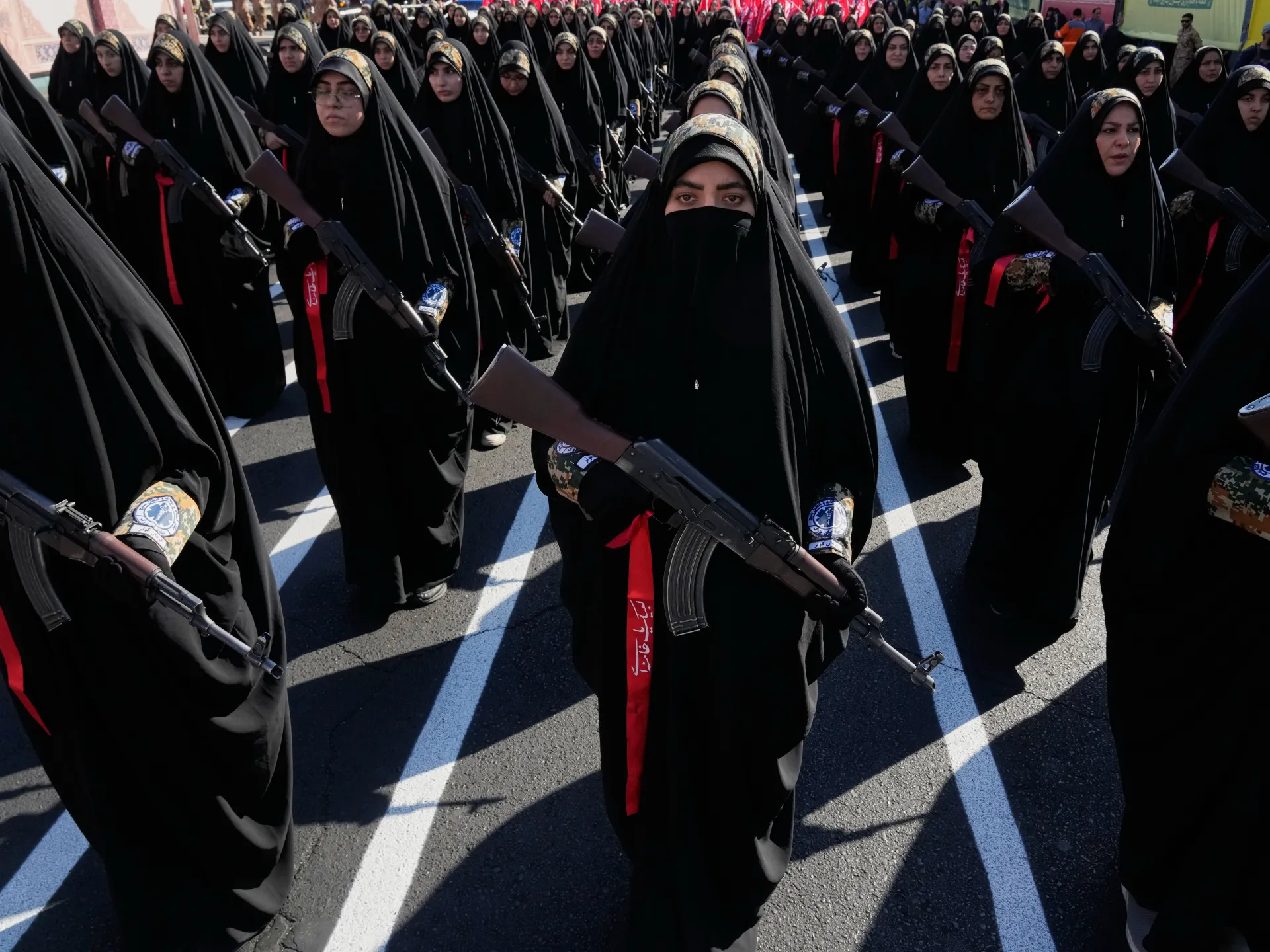
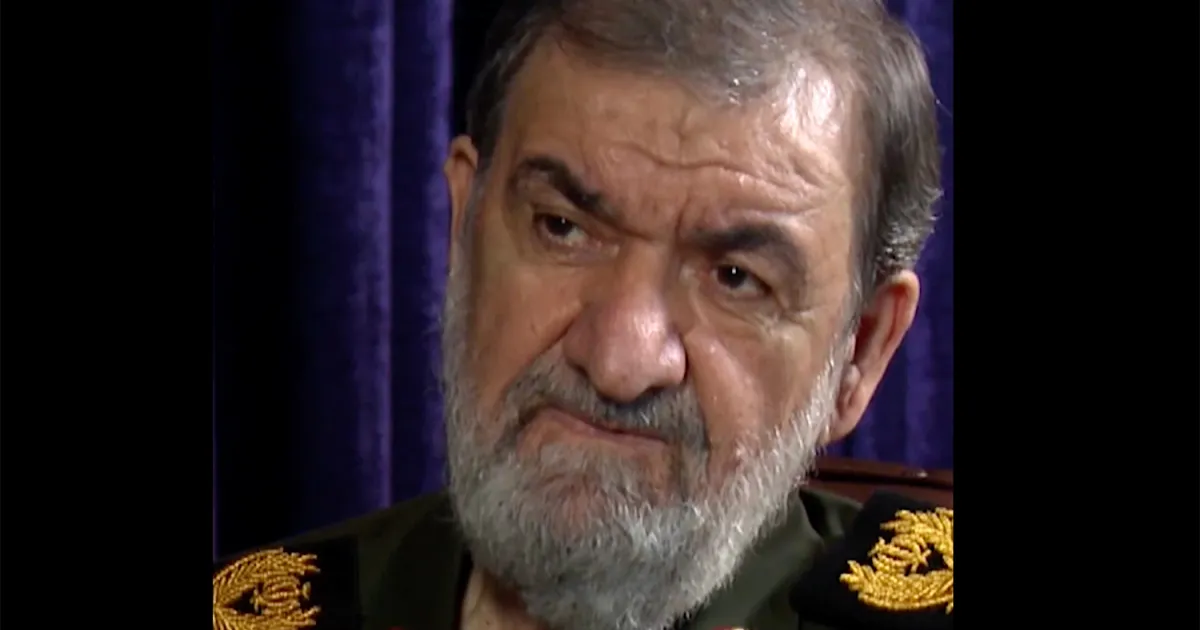
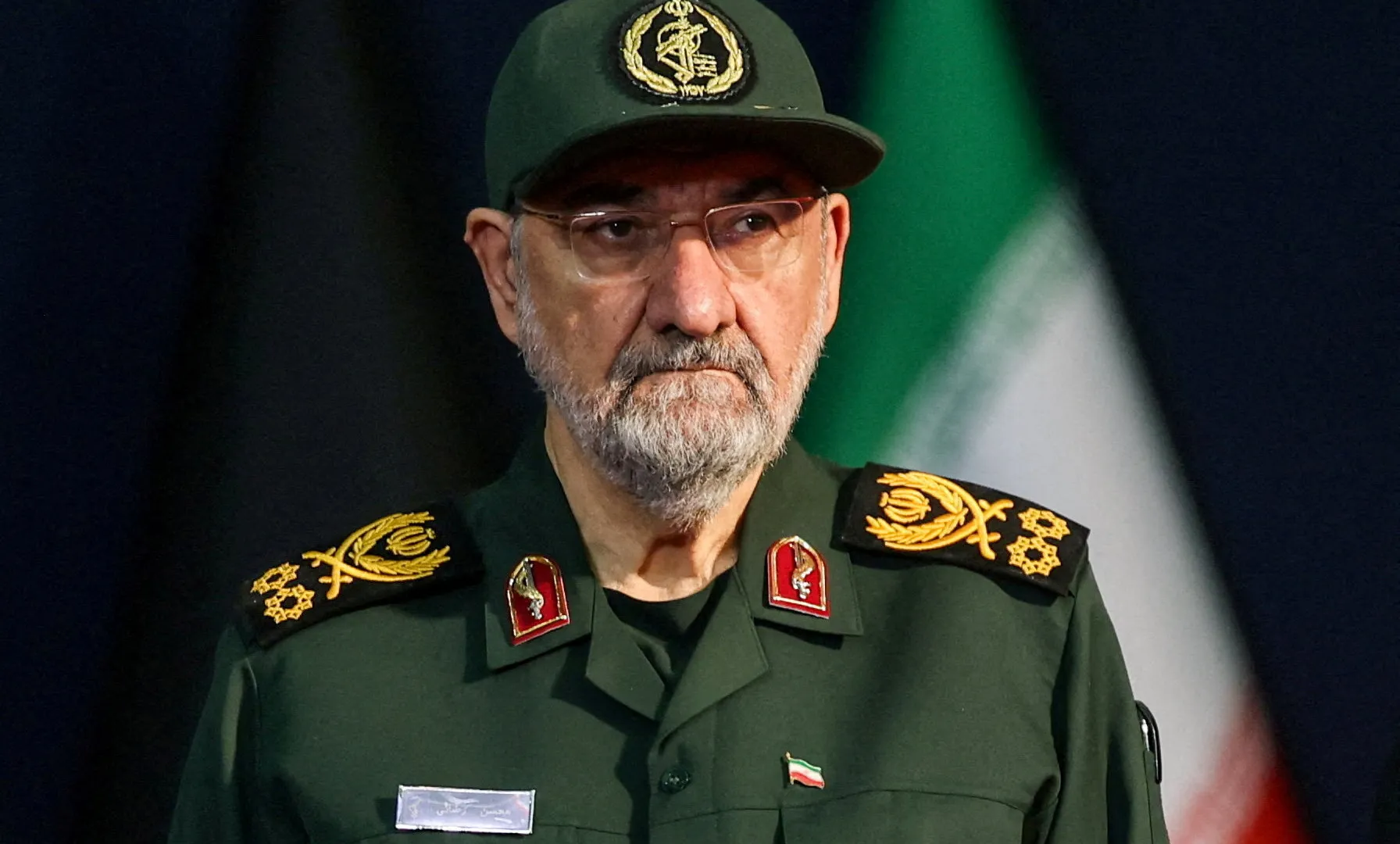
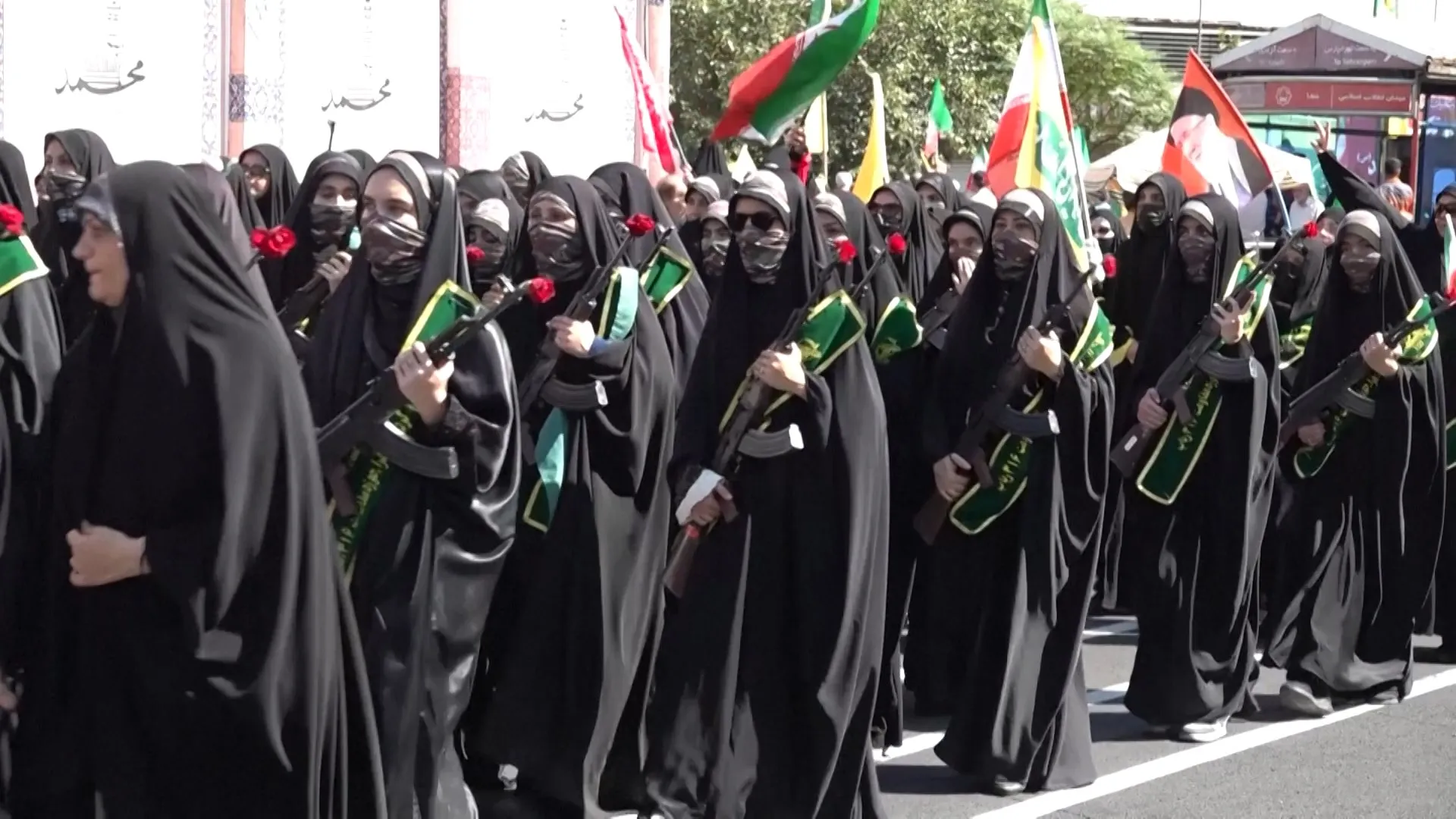
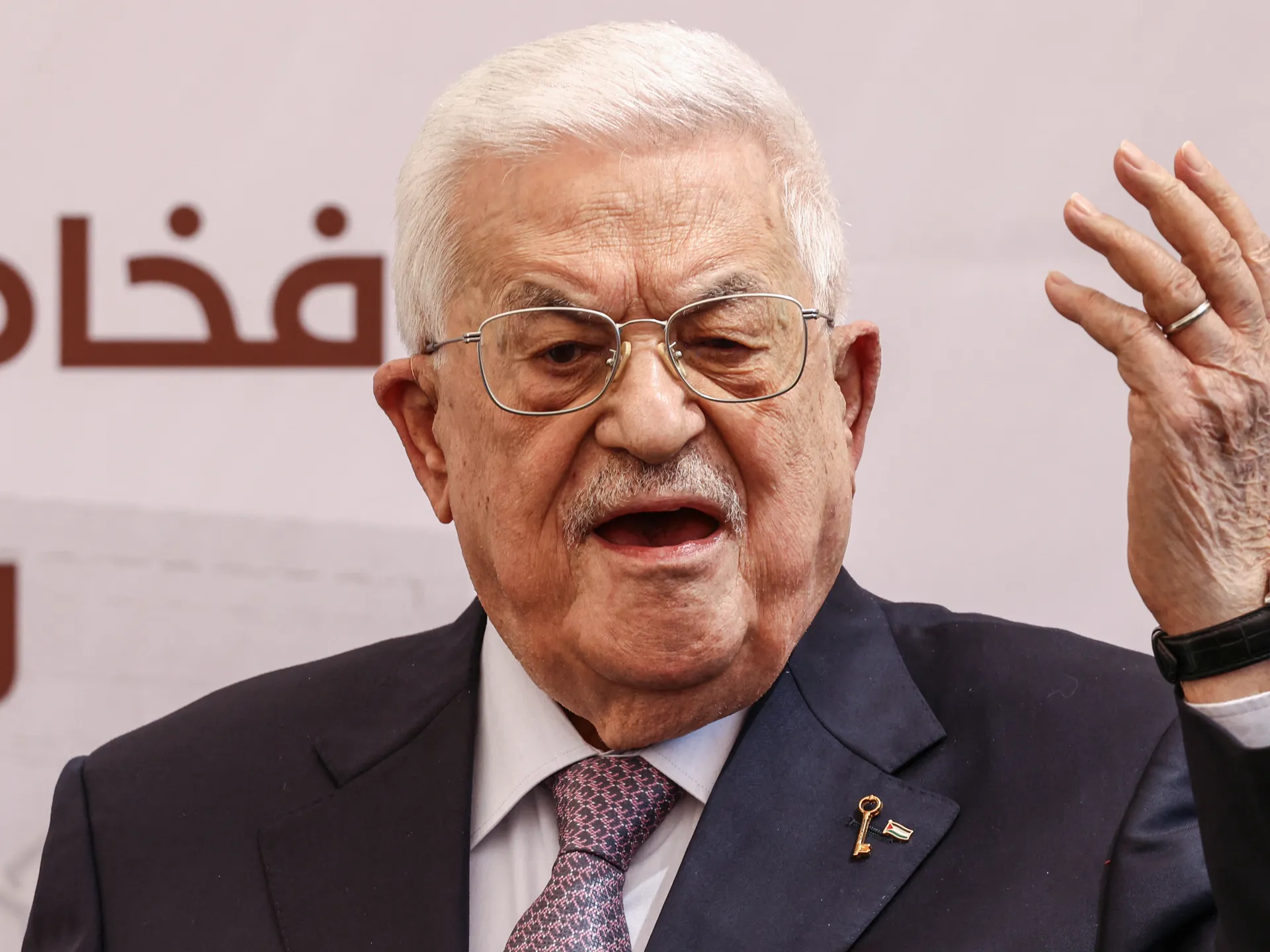
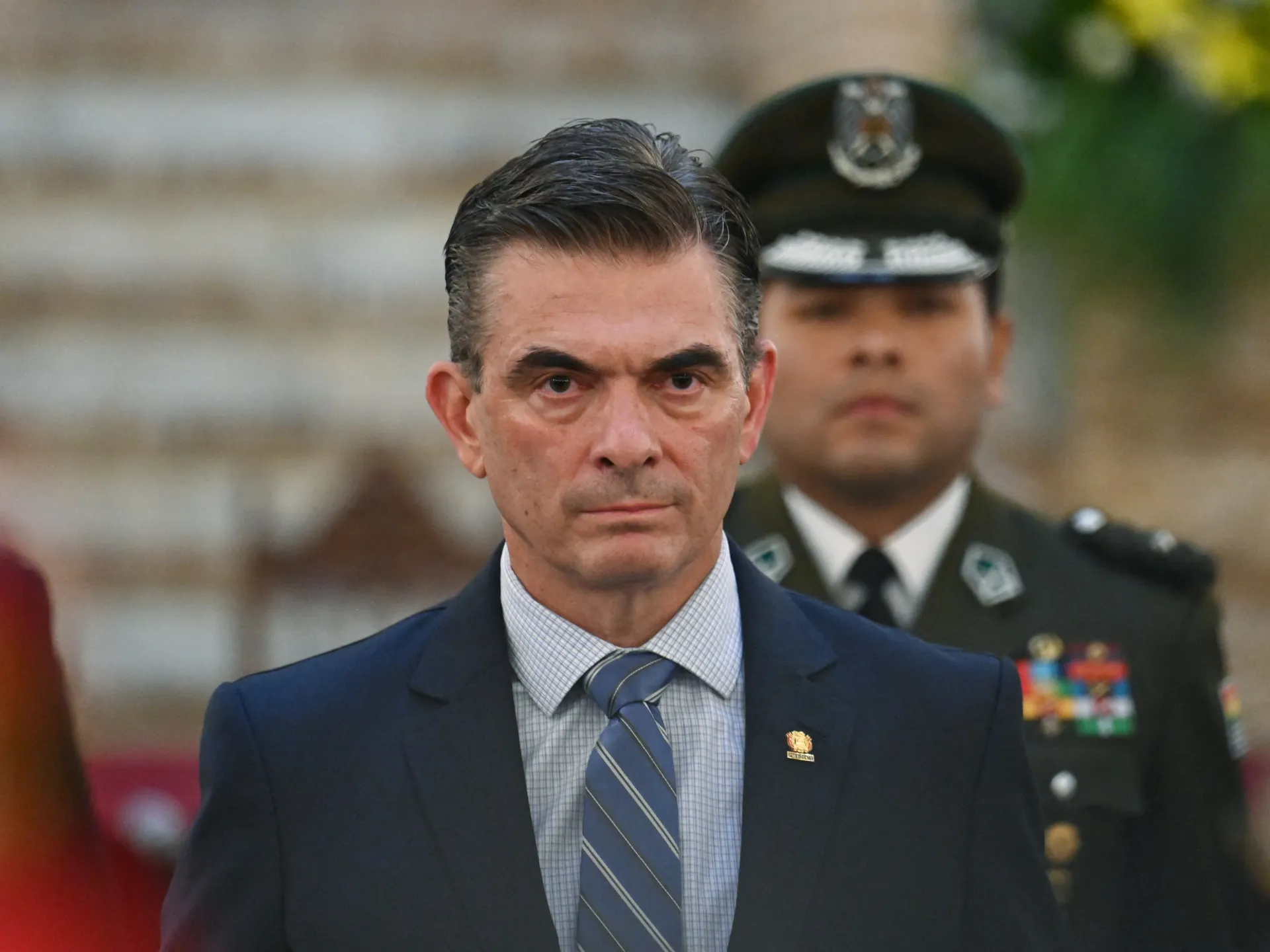
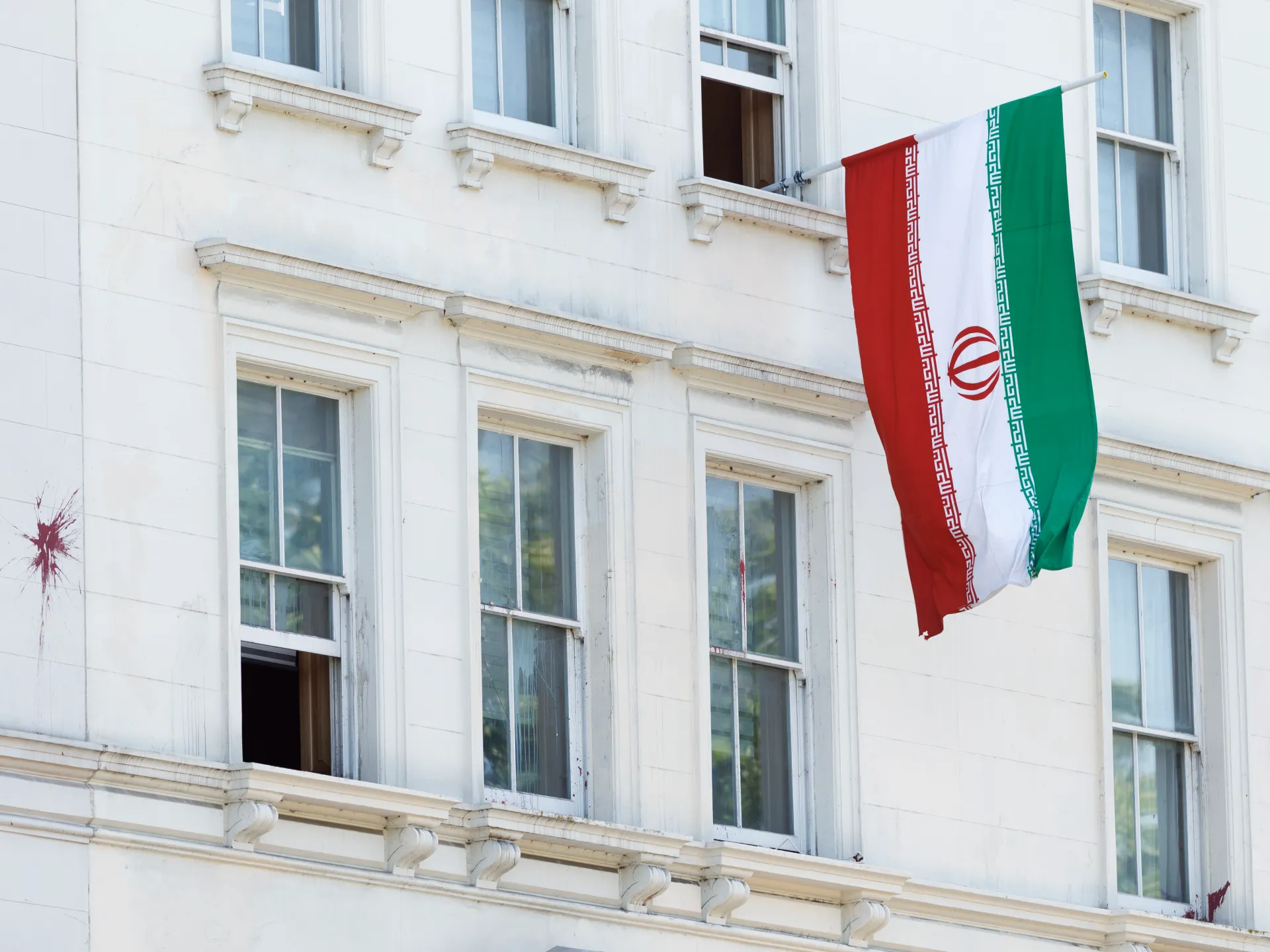
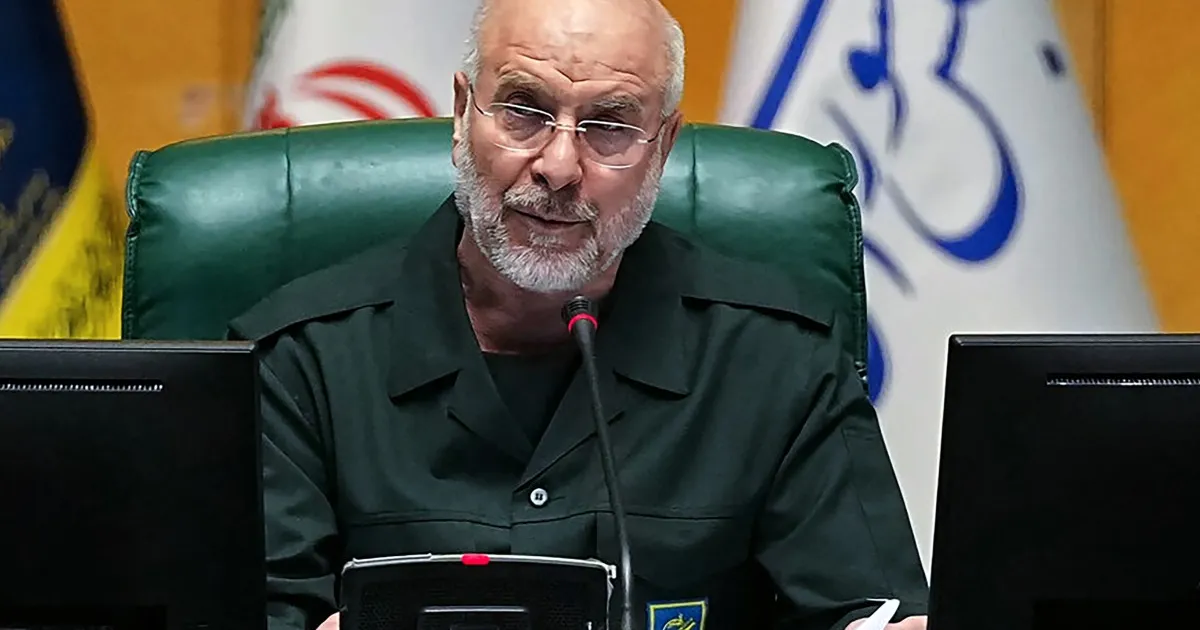
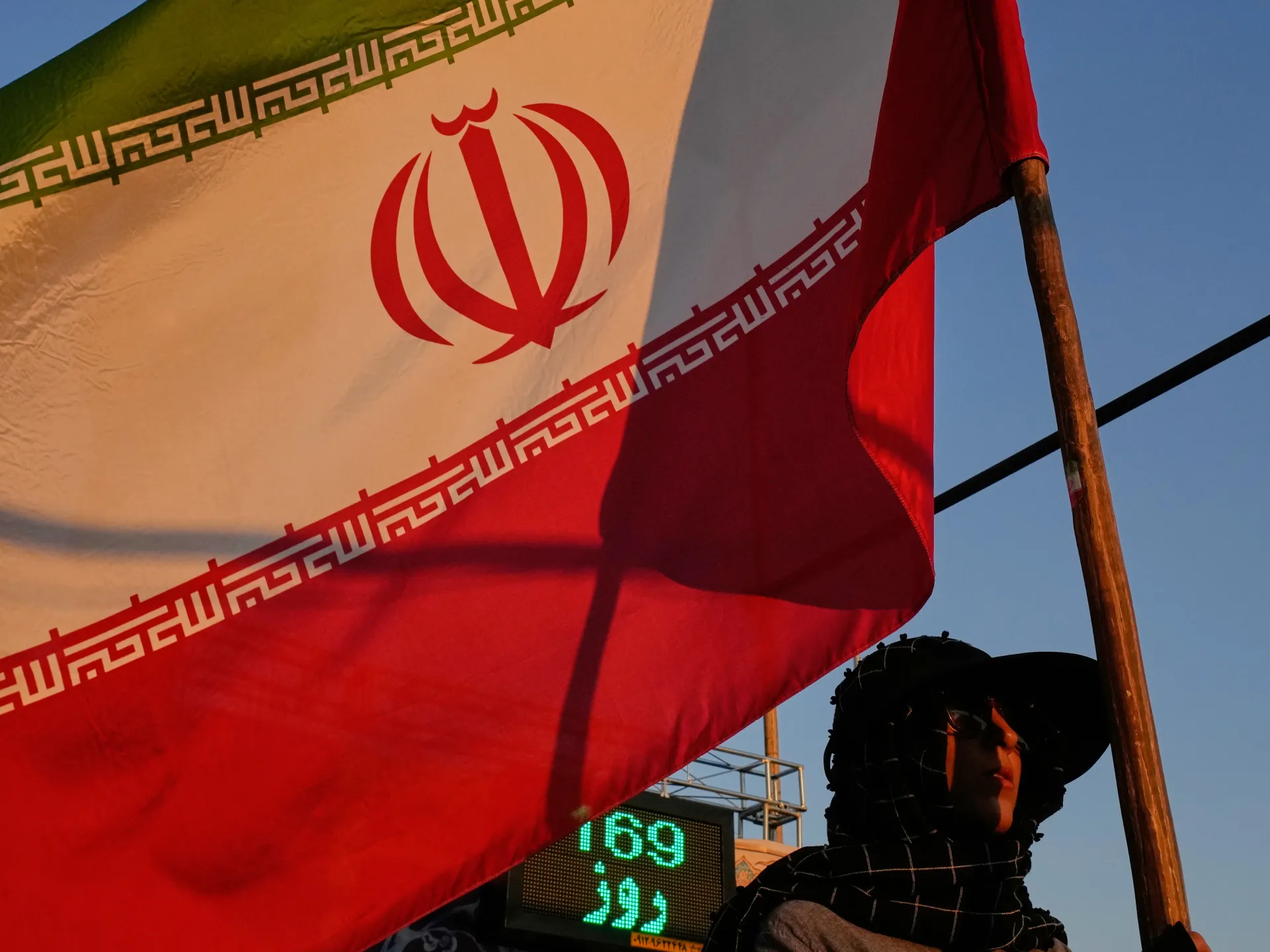
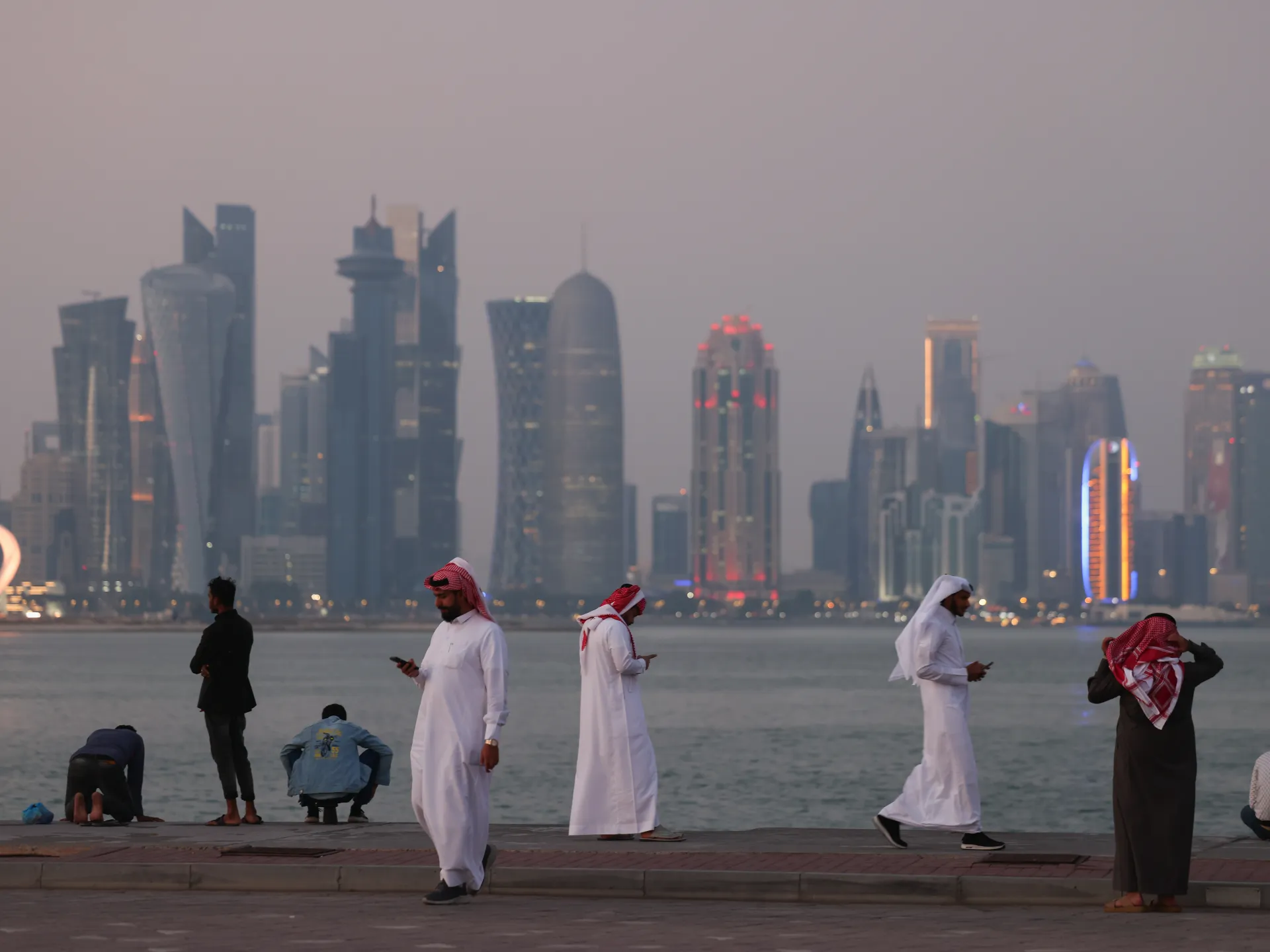
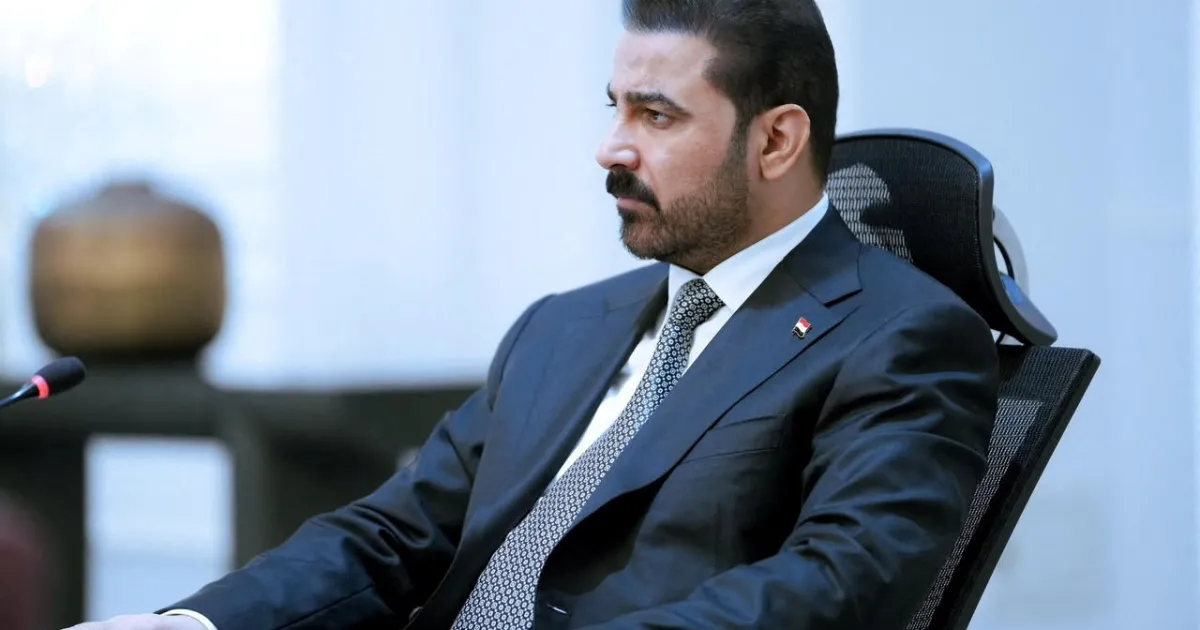
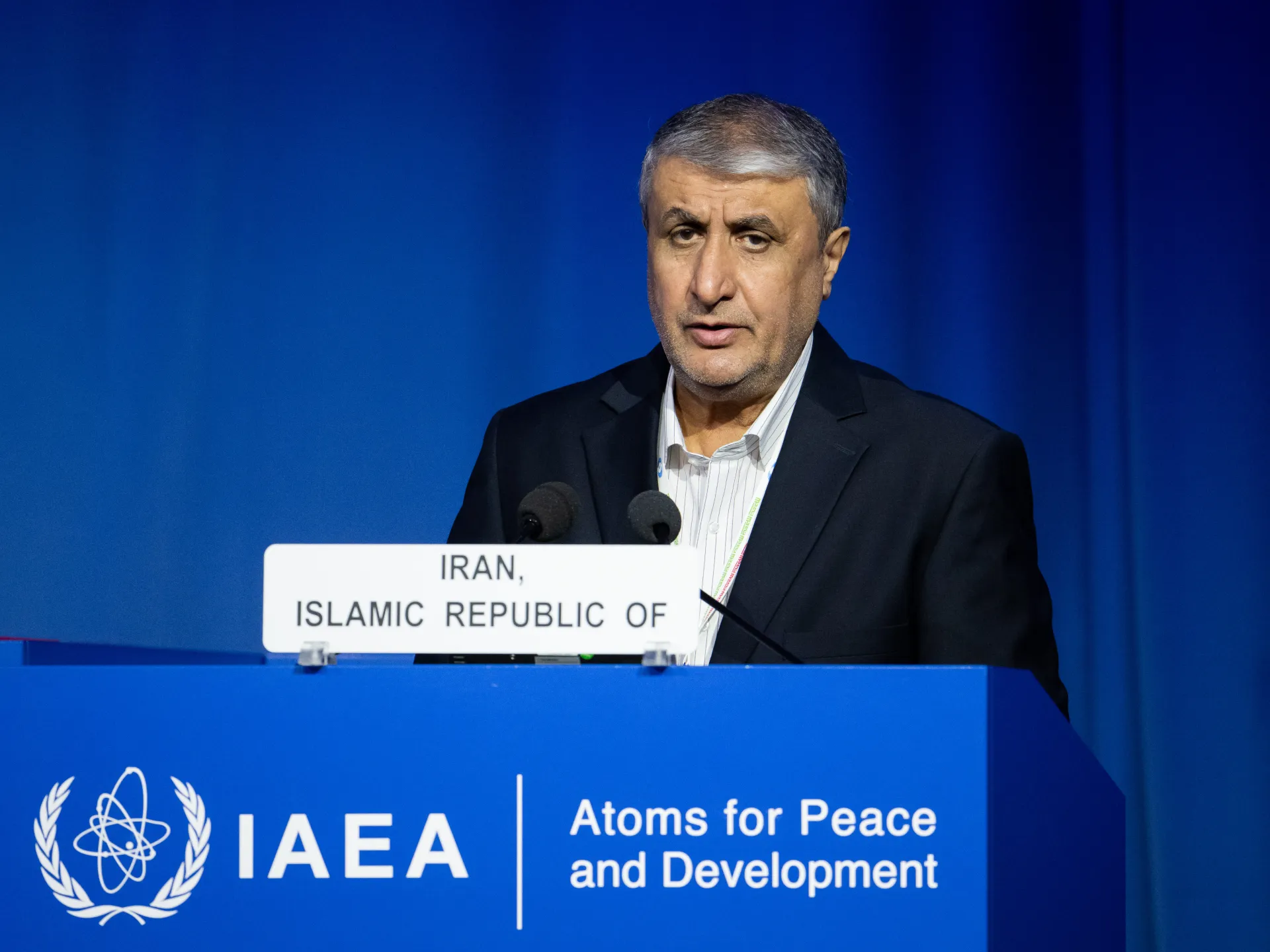
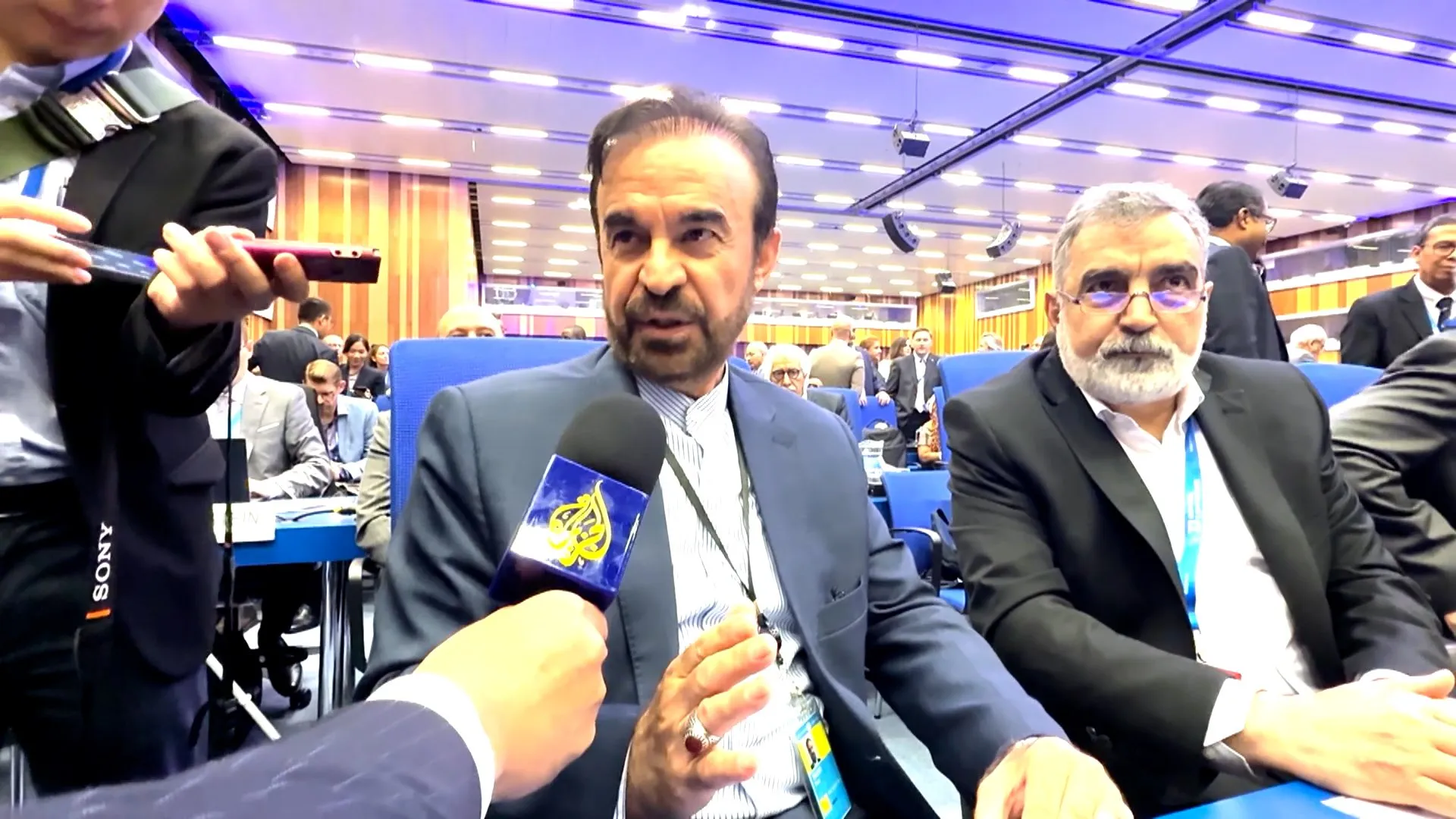
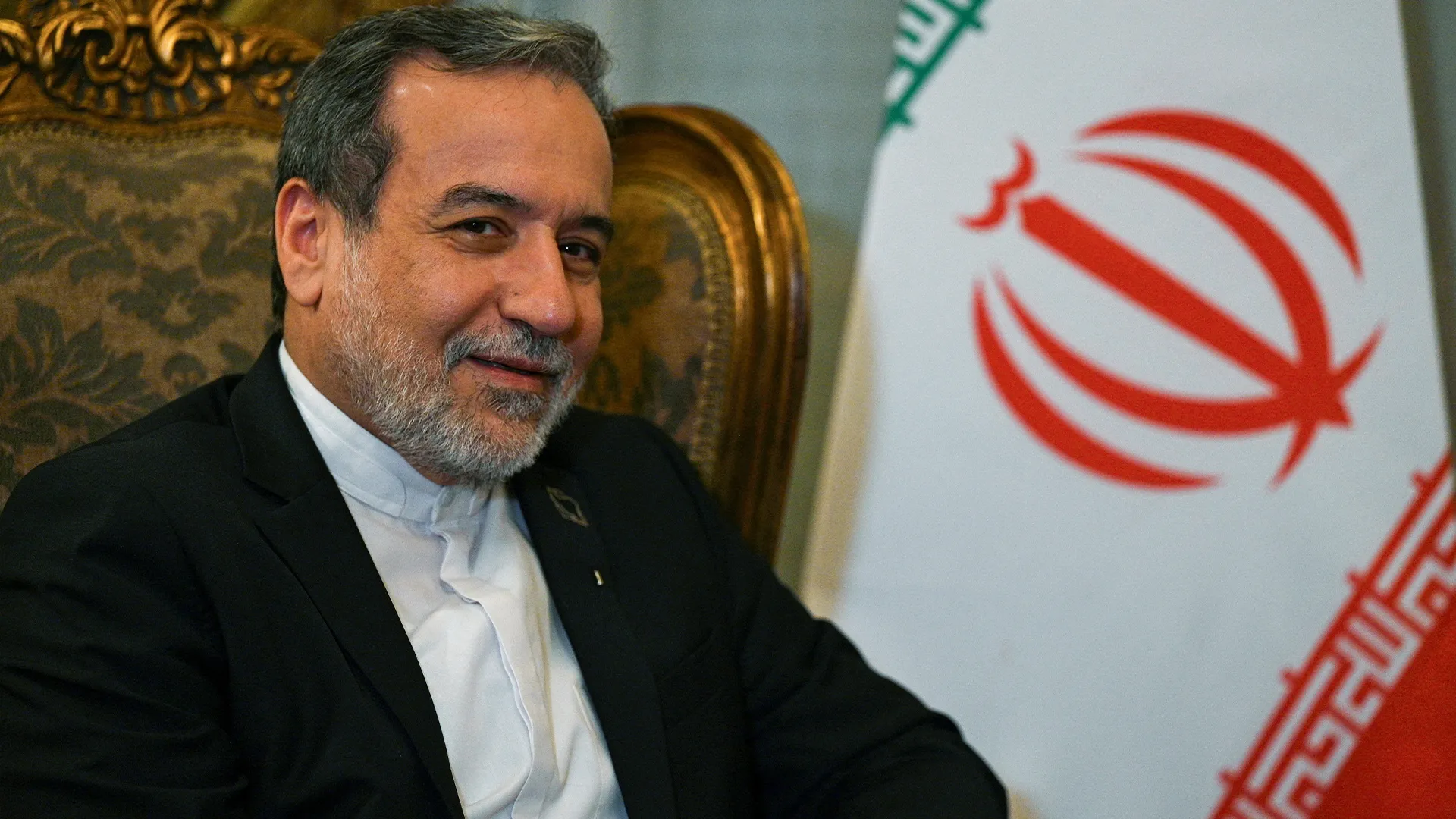
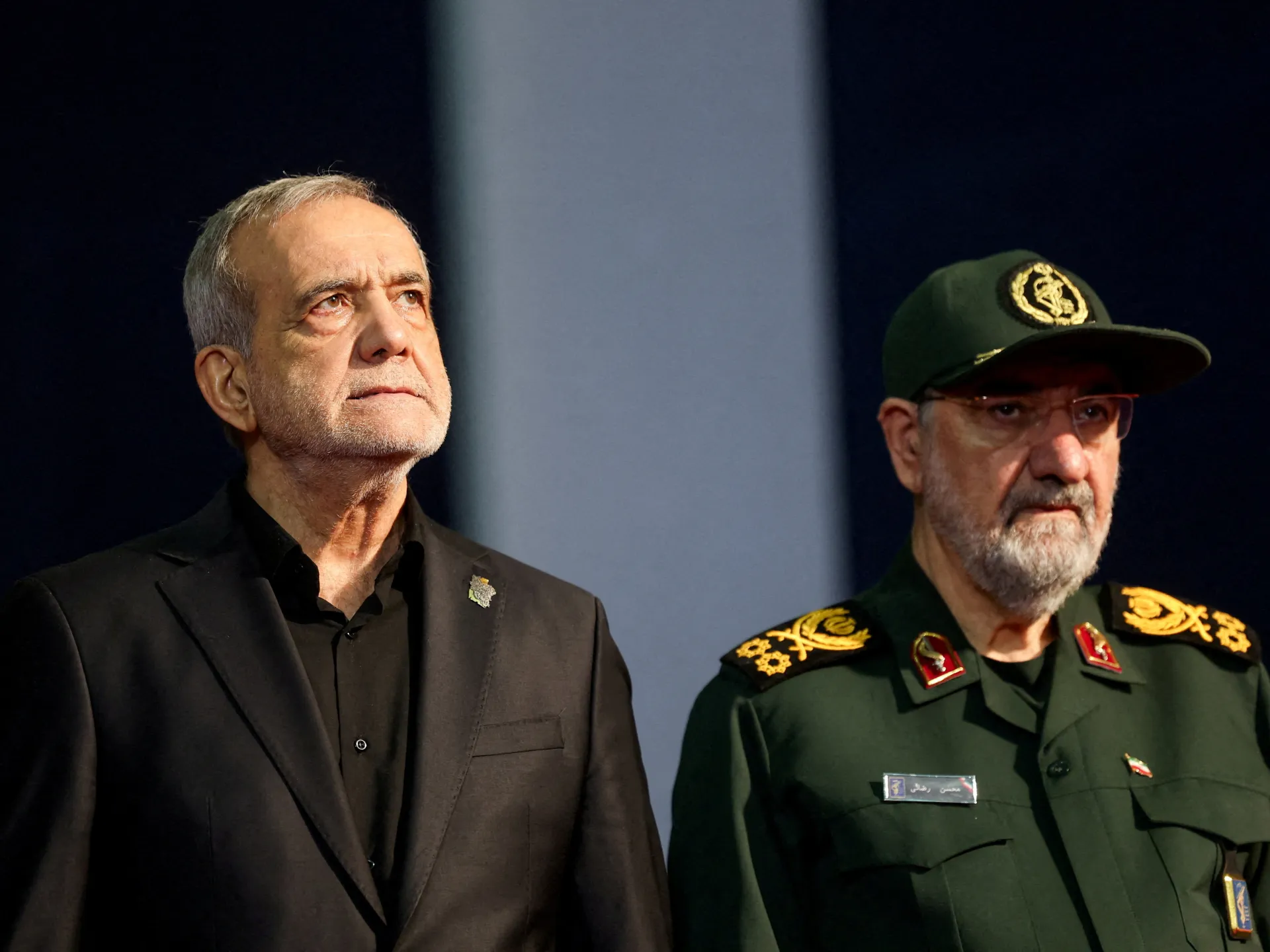
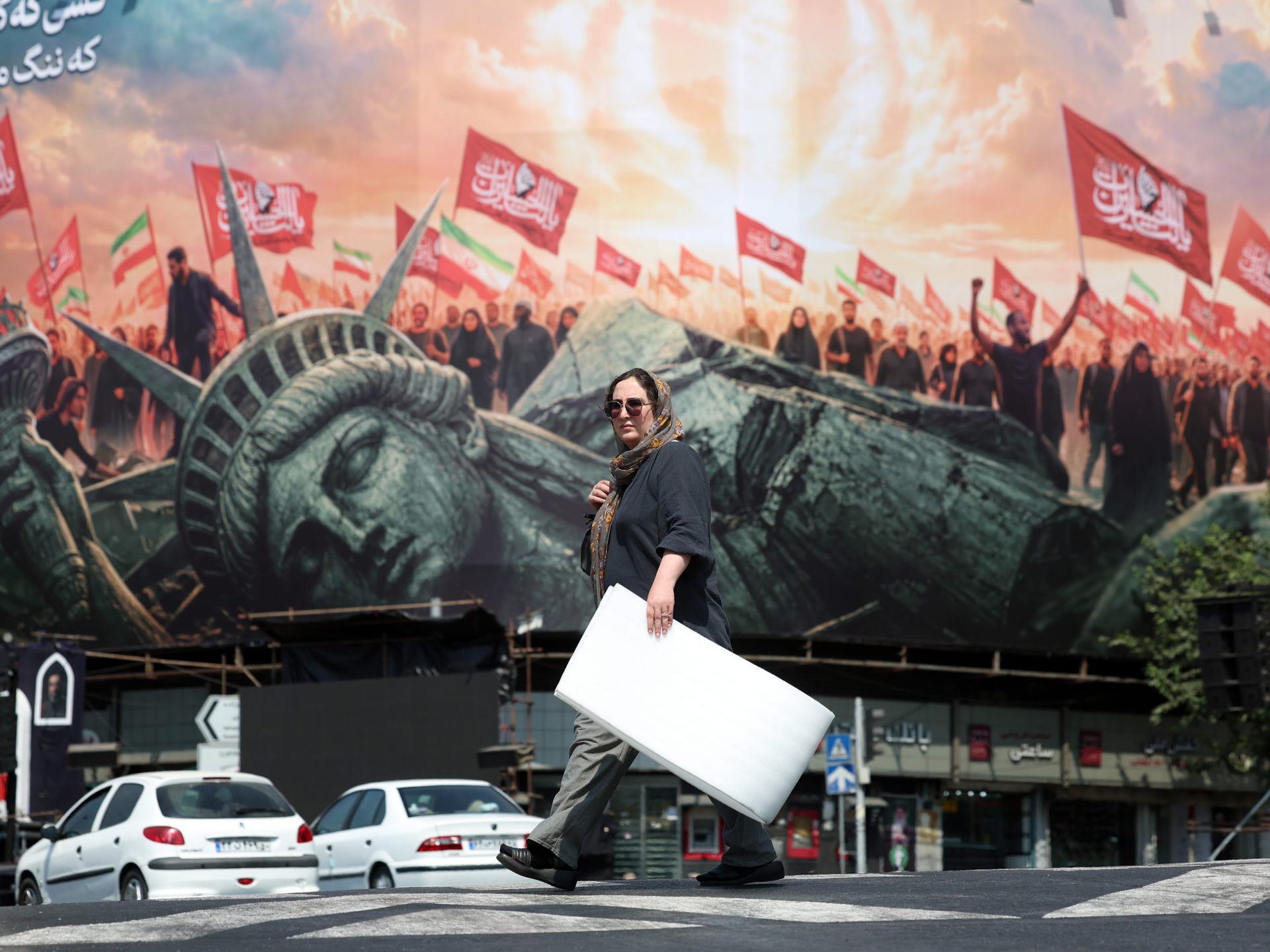
Regional aviation security is facing a precarious new phase as Tehran issued explicit threats against neighboring countries, warning of retaliation if those nations comply with stringent U.S. sanctions targeting Iran’s aviation sector. The declaration from Mohsen Rezaei, secretary of Iran’s Supreme National Security Council, marks a significant escalation in the ongoing geopolitical standoff, suggesting that Tehran is prepared to disrupt regional infrastructure to counteract Washington’s economic pressure campaign.
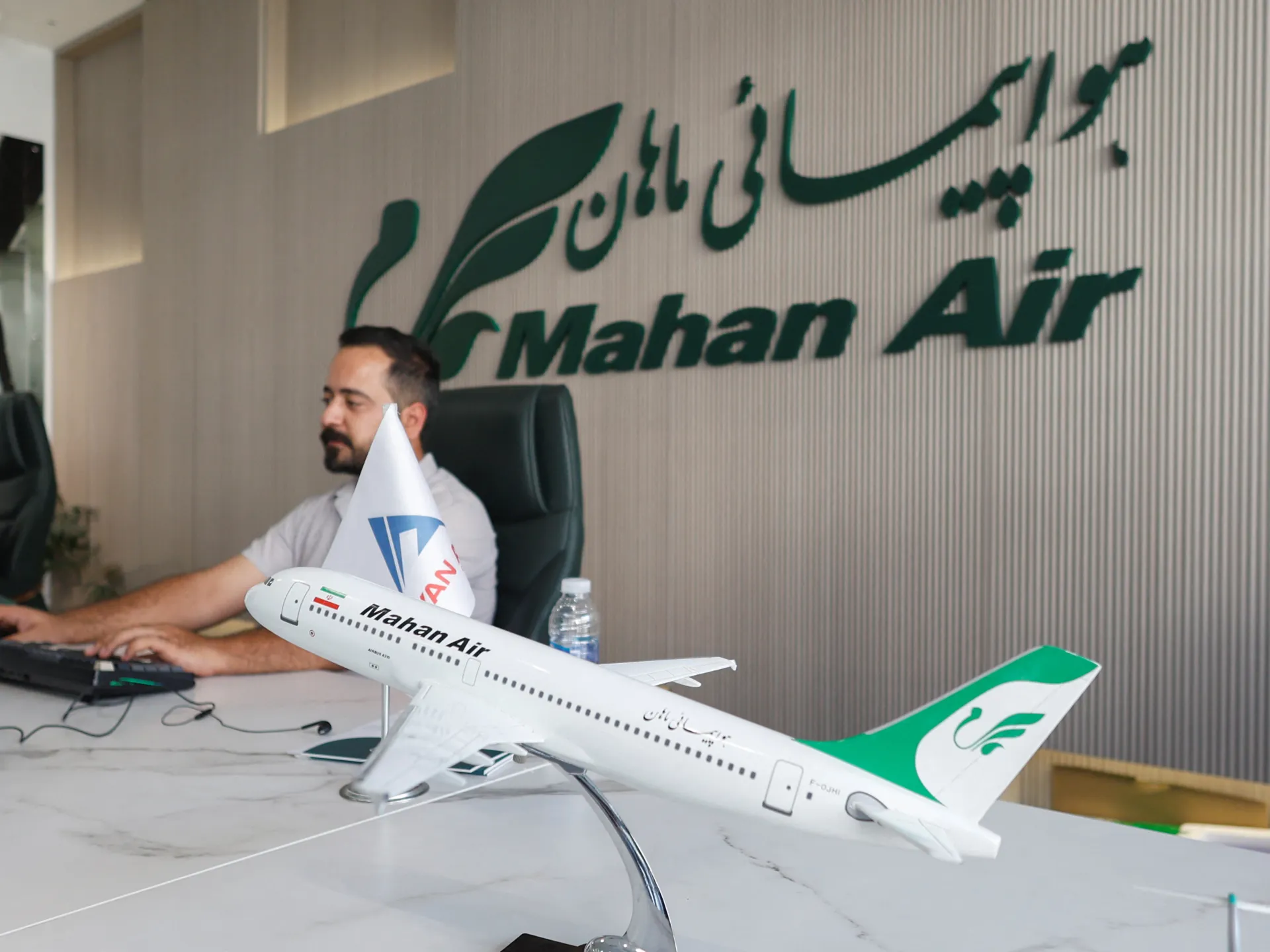
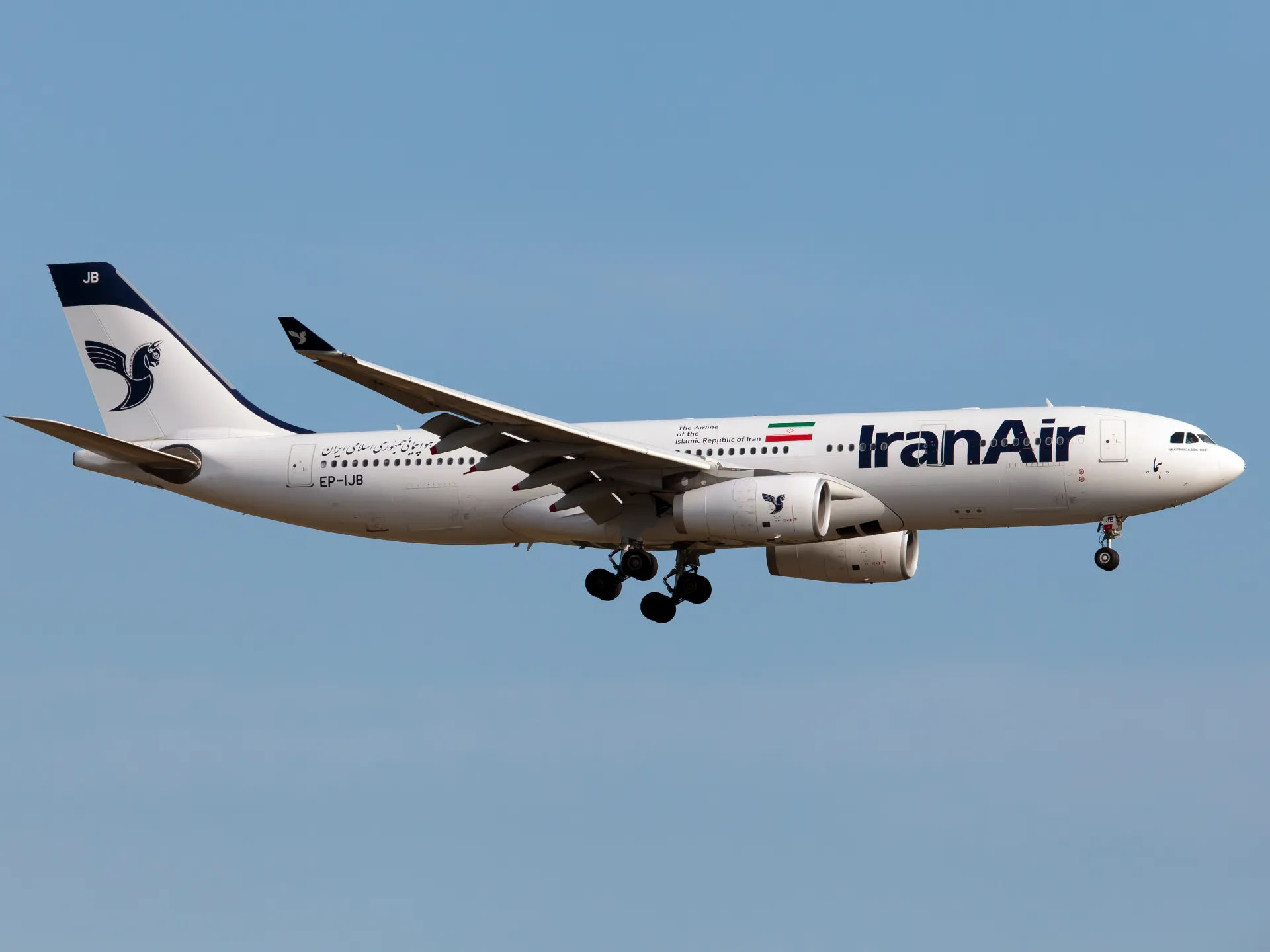
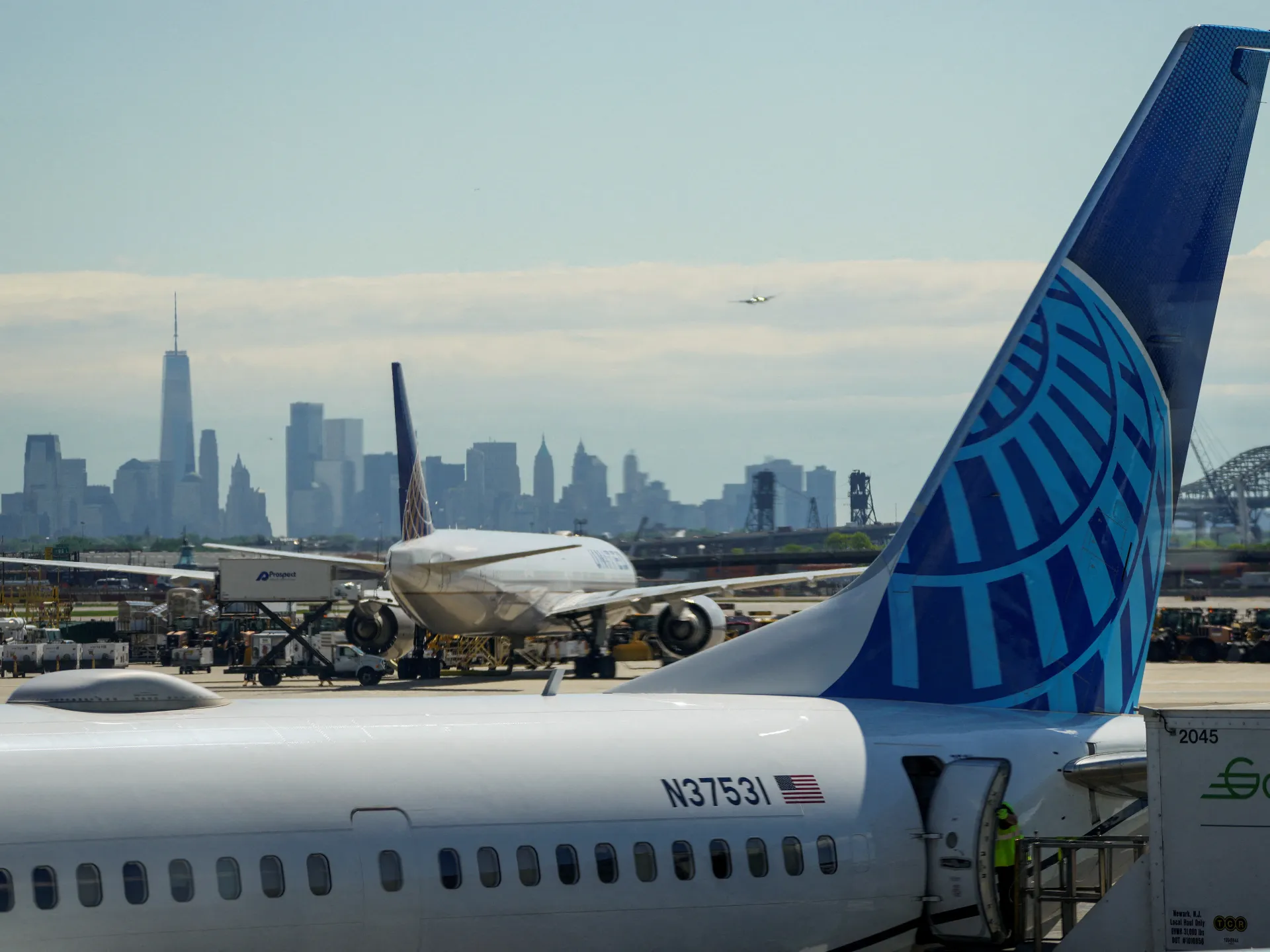
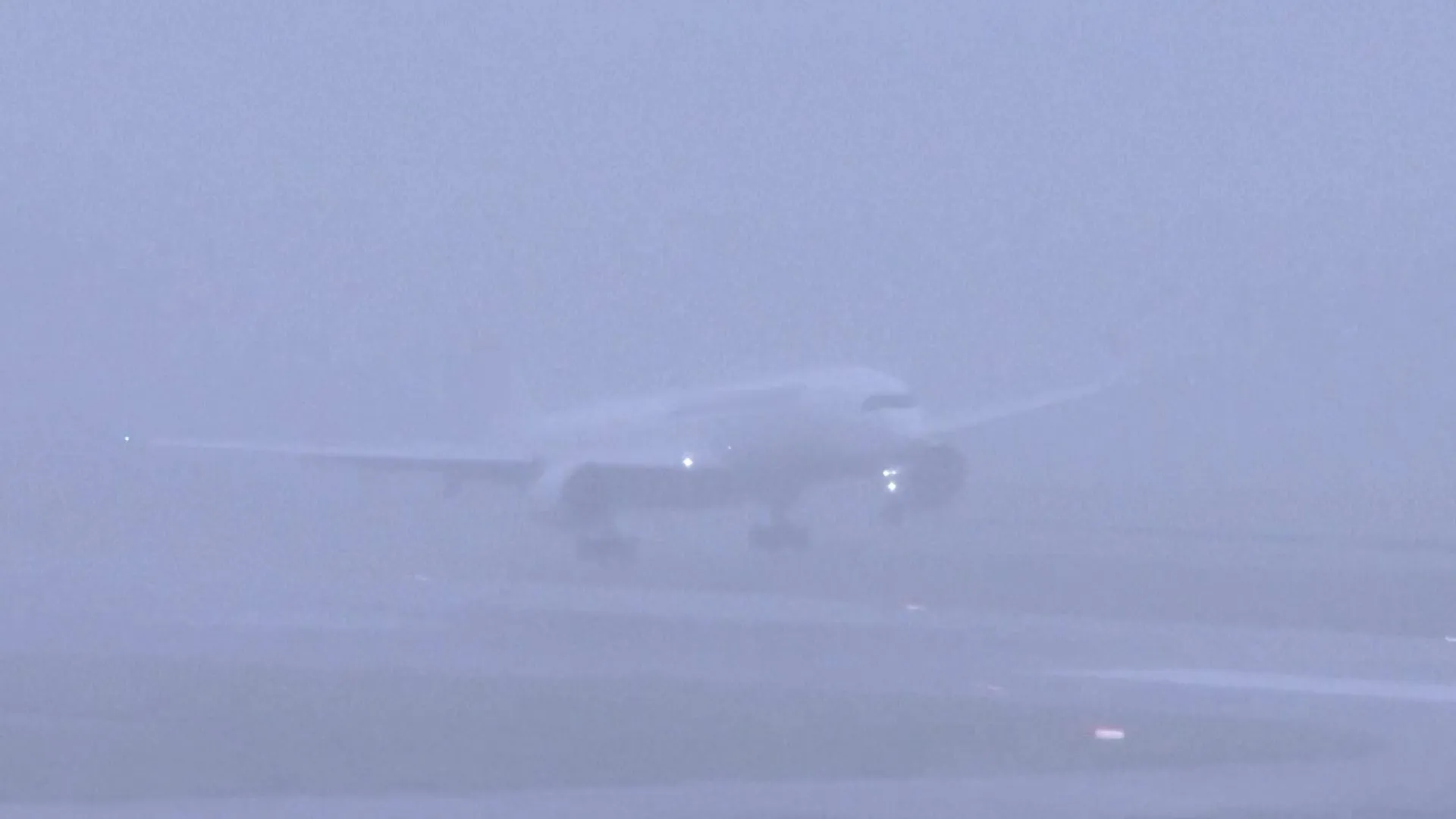
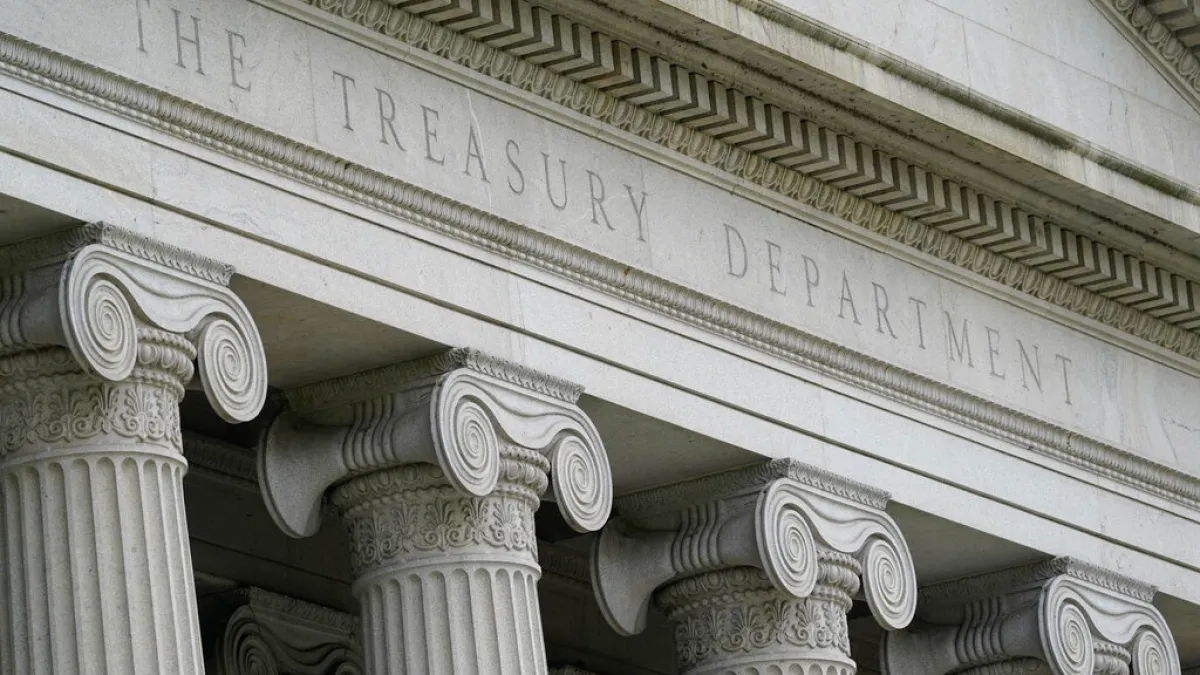
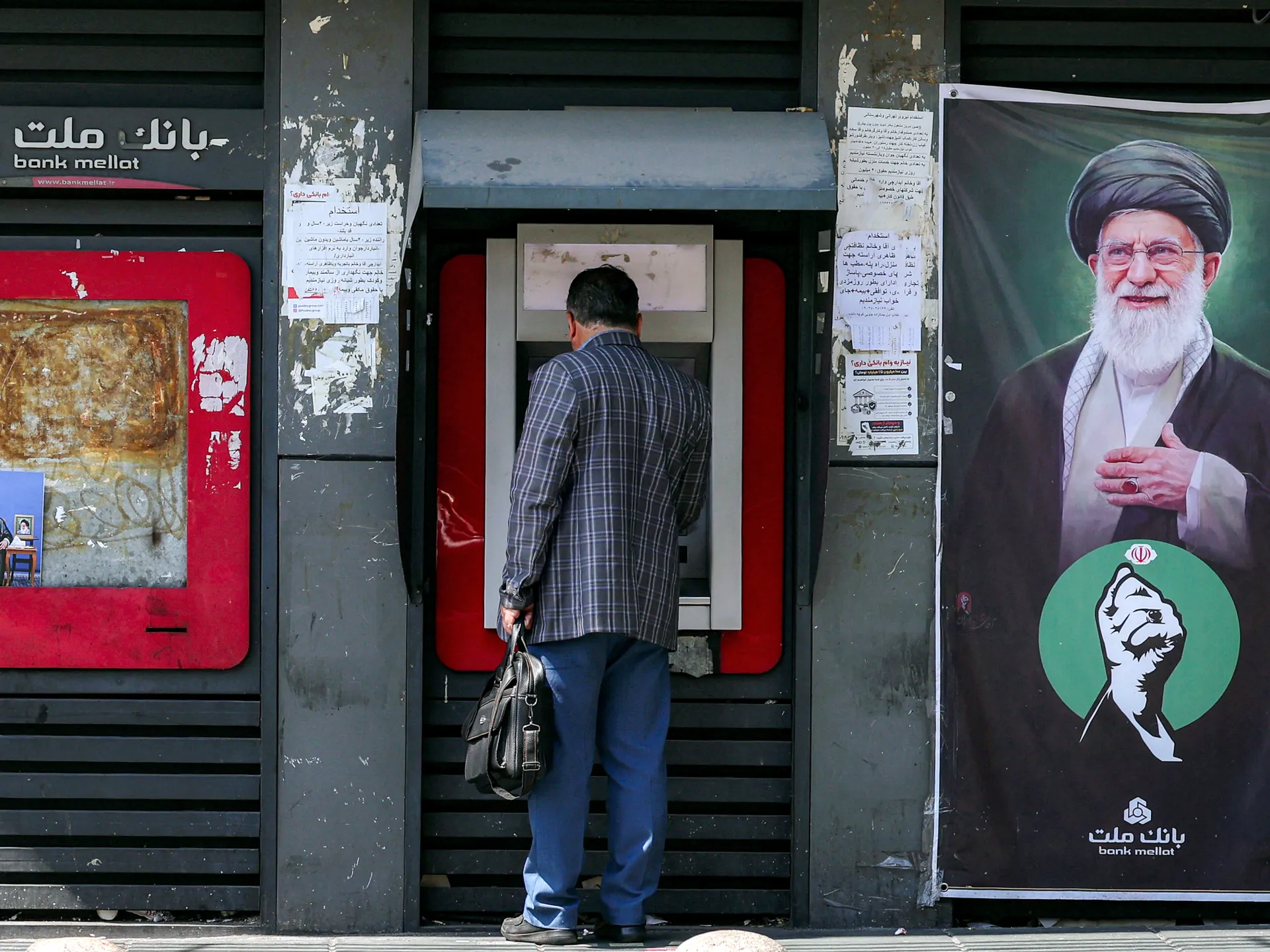
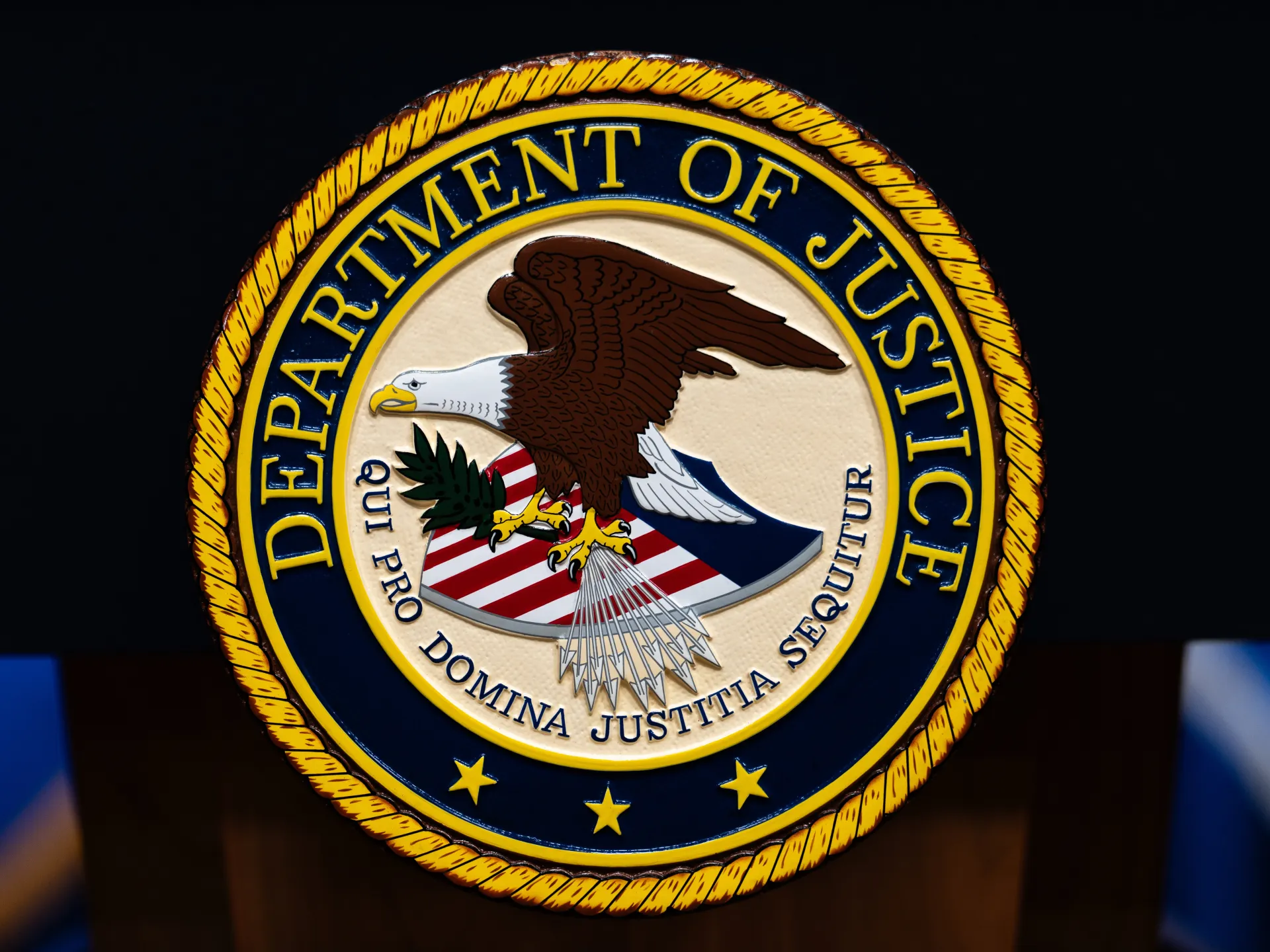
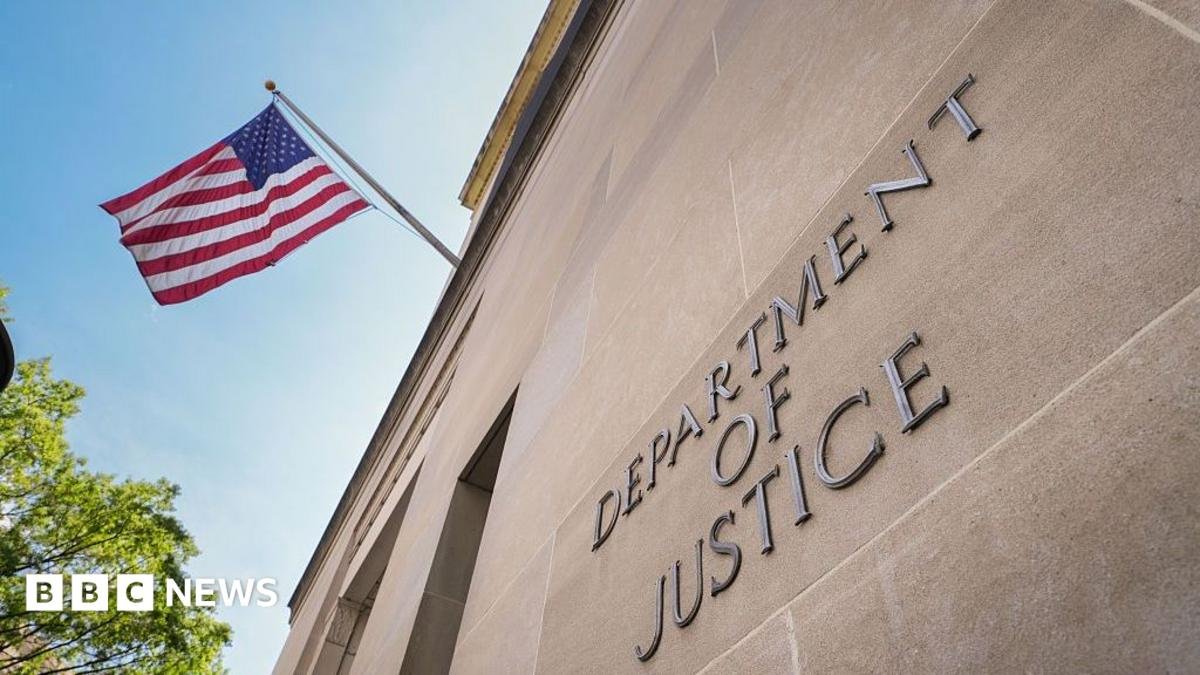
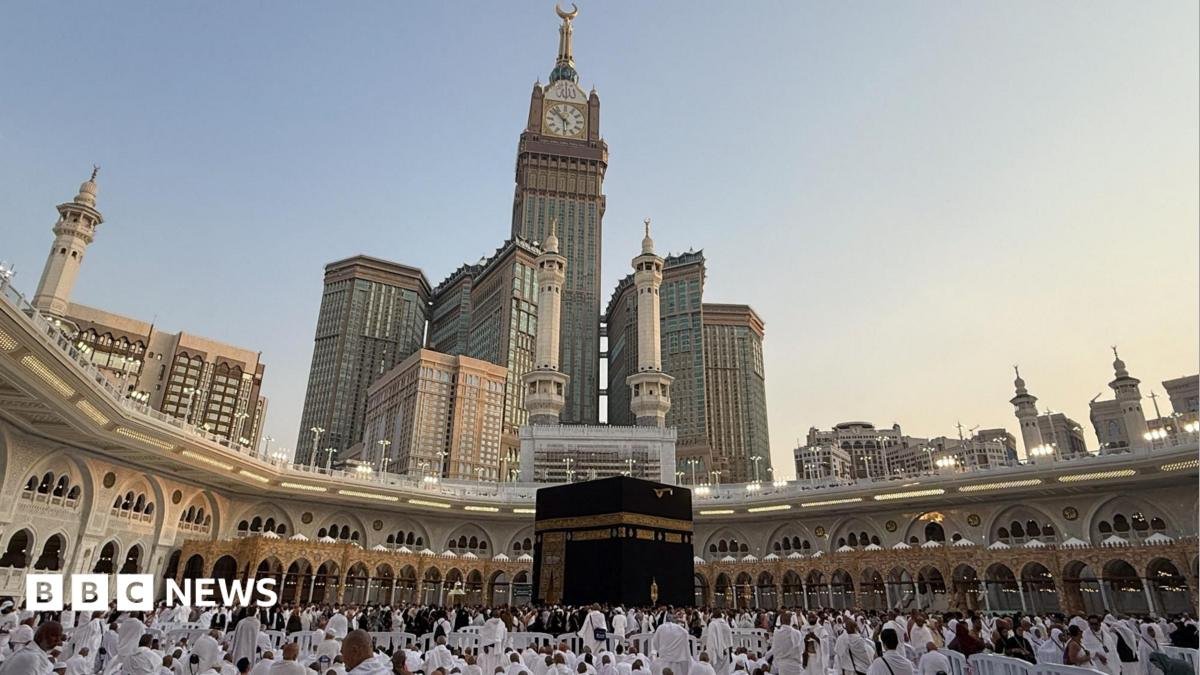
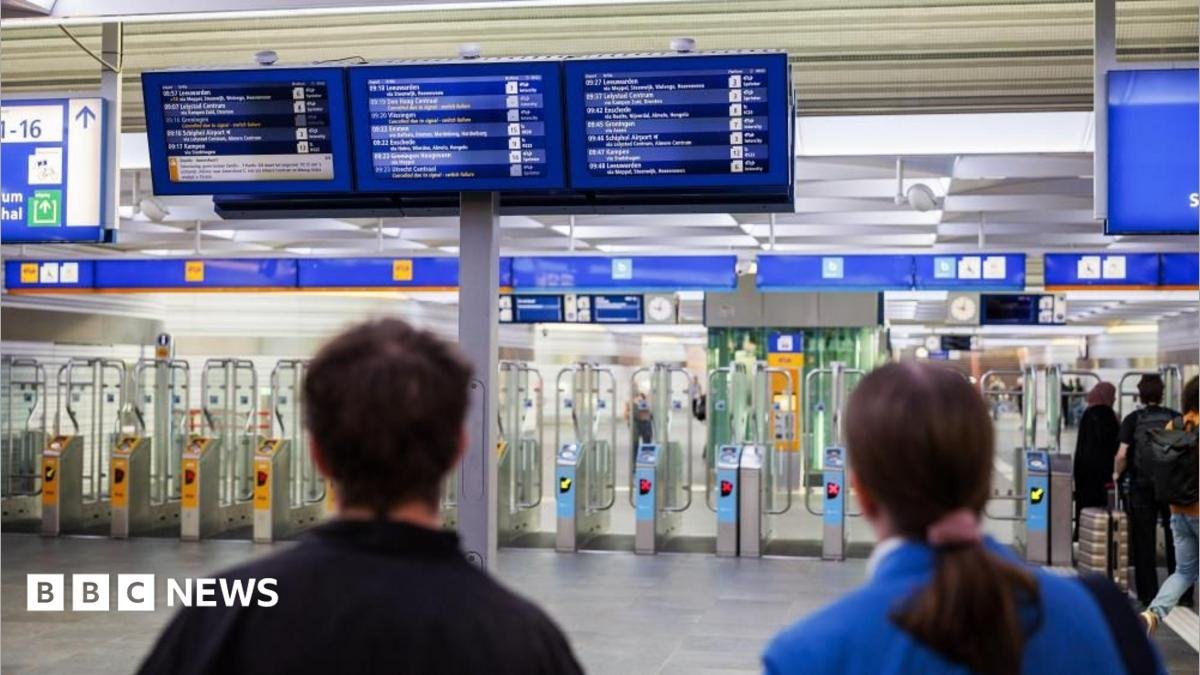
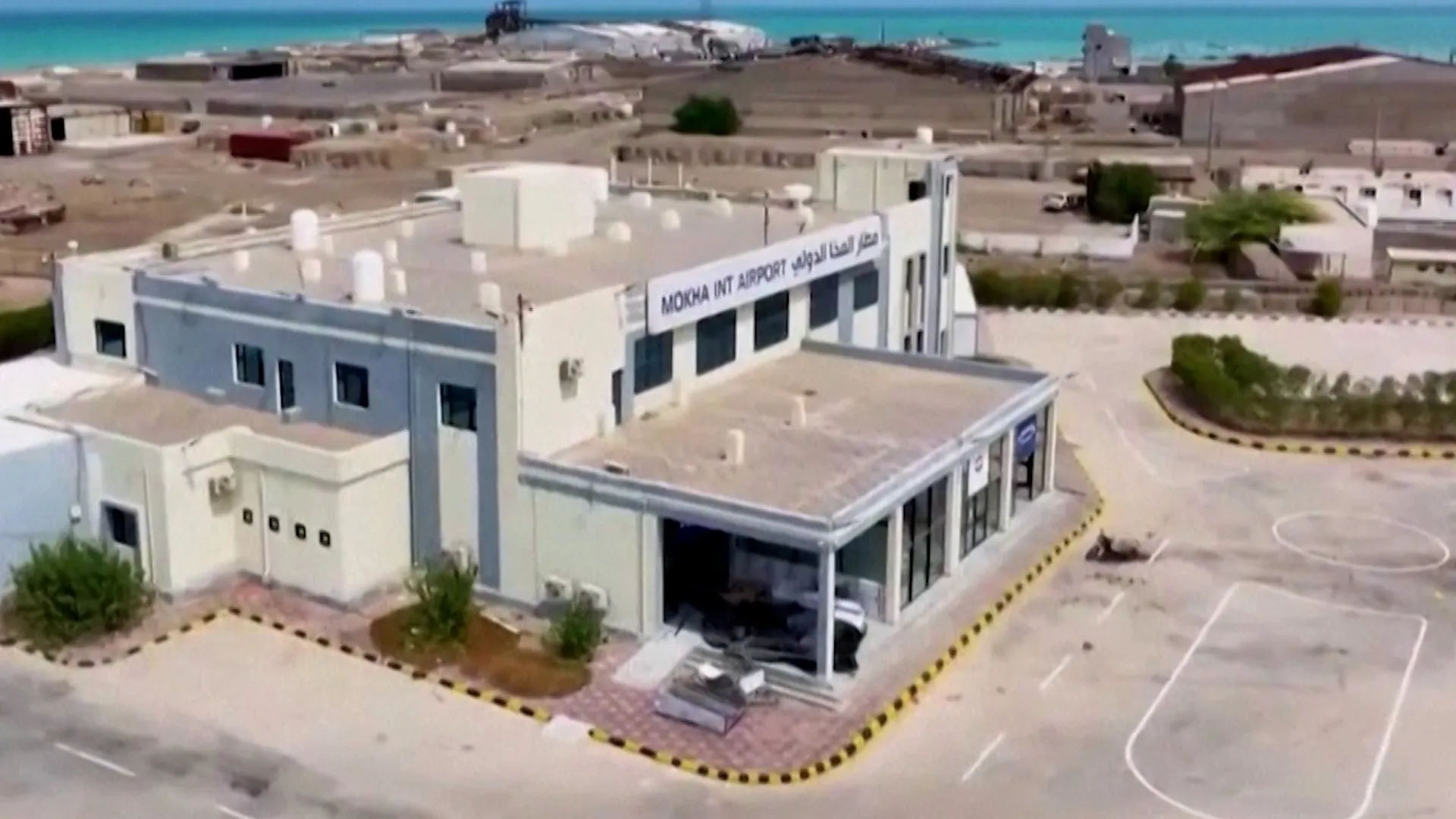
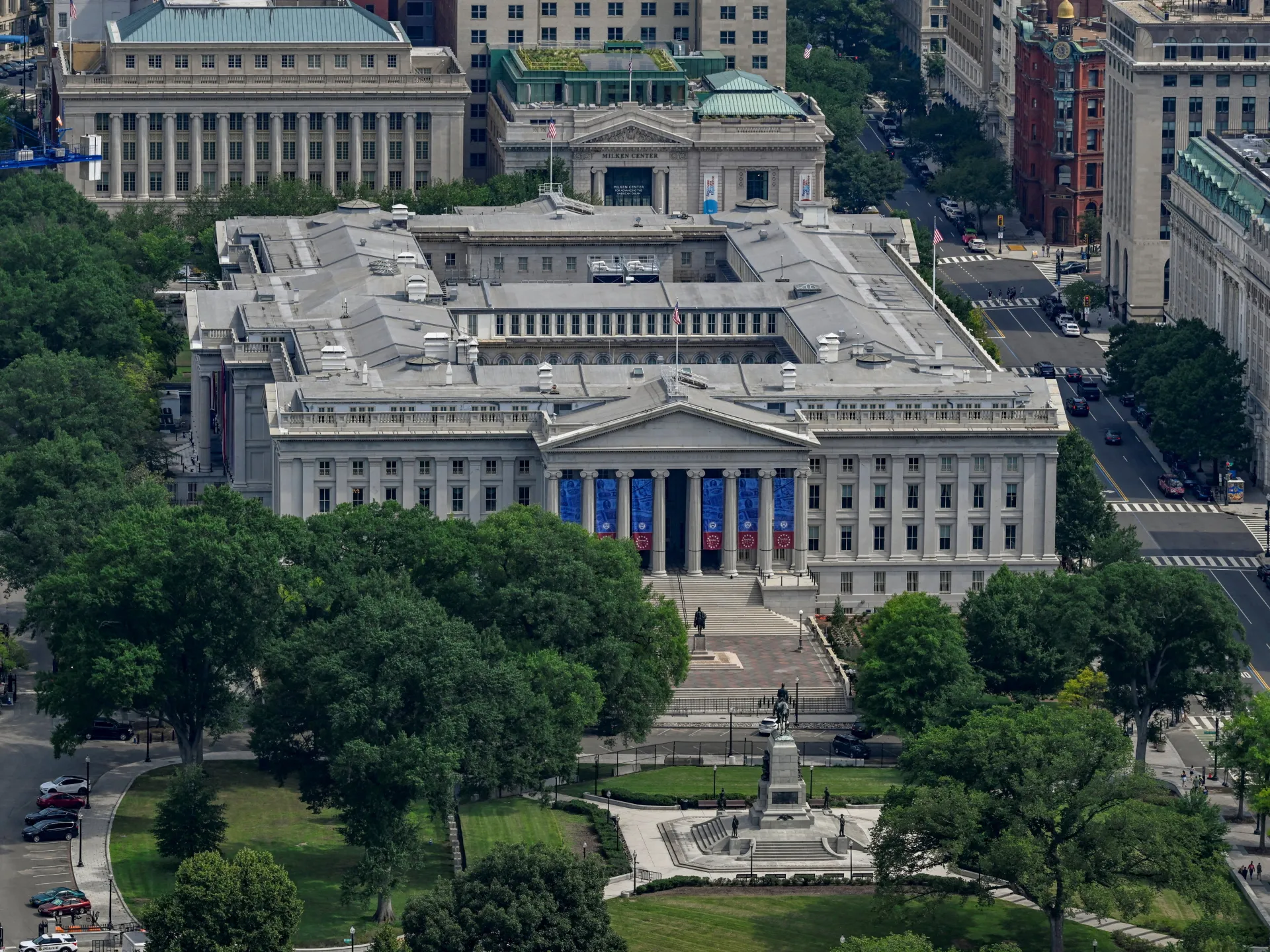
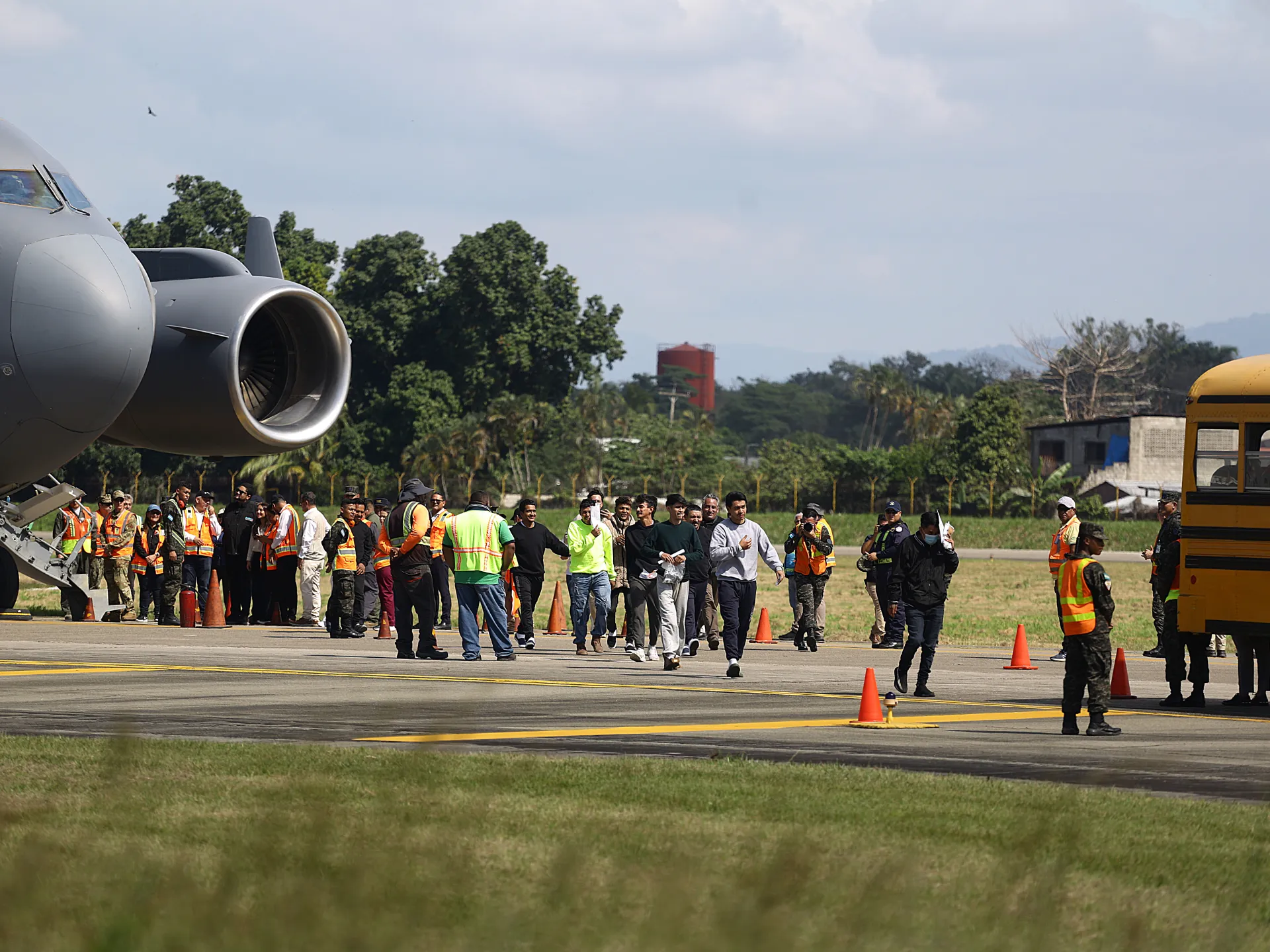
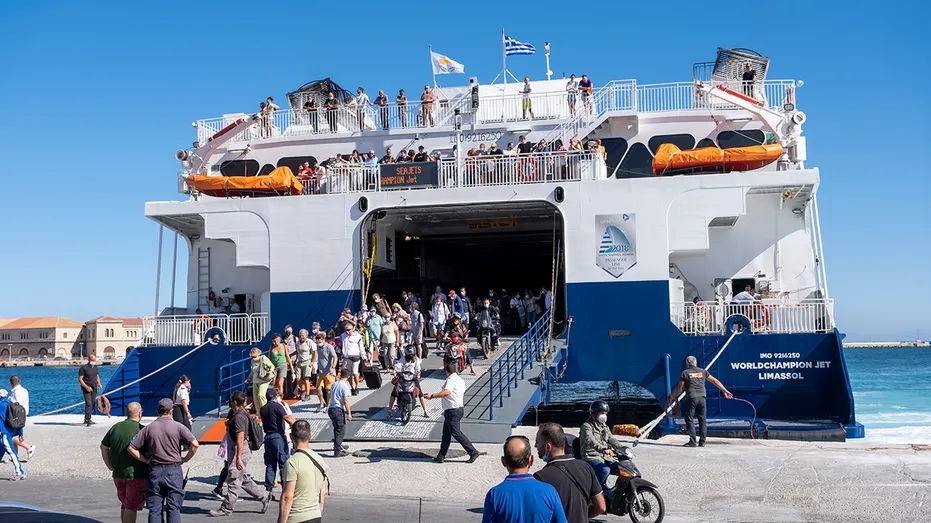
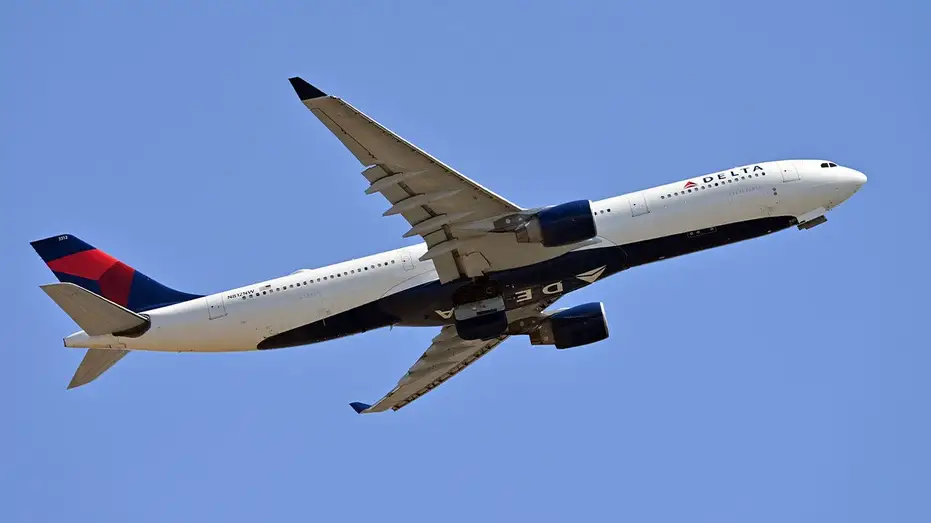
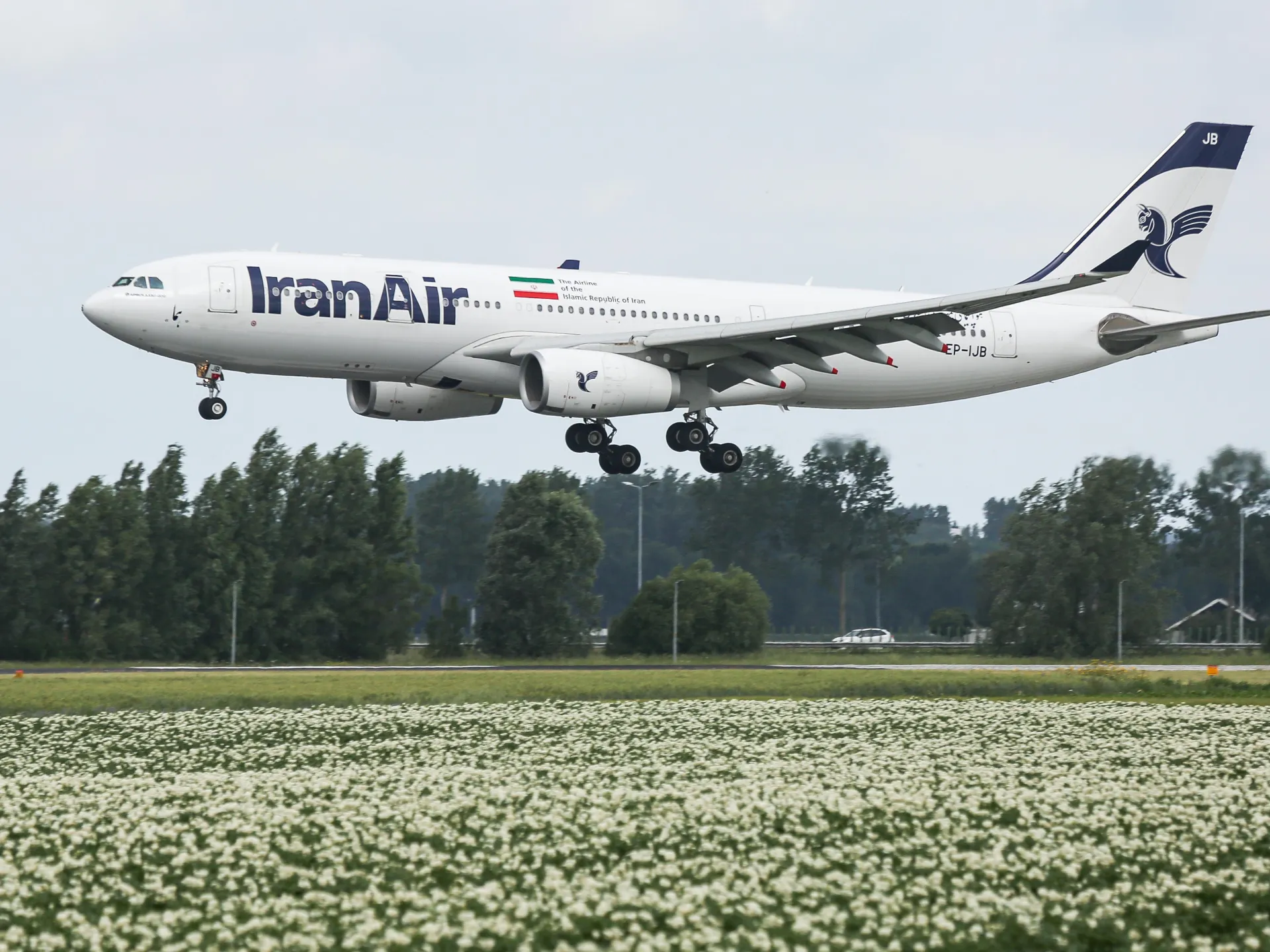
This rhetoric follows a string of cancellations across the Middle East, as airports in the United Arab Emirates, Azerbaijan, and Georgia have moved to suspend Iranian flight operations in response to the U.S. Department of the Treasury’s latest directives. The move aims to isolate Iranian carriers, with U.S. officials threatening secondary sanctions against any international aviation service providers that continue to facilitate business with Iranian airlines, specifically citing links to the Islamic Revolutionary Guard Corps.
The intersection of military conflict and secondary economic sanctions creates a volatile environment where civilian infrastructure effectively becomes a theater of war. defensive strategy from traditional military posturing to the disruption of commercial logistics. This precedent suggests that neutral nations caught in the U.S.-Iran crossfire now face a dual burden: they must navigate the threat of being cut off from the American financial system while simultaneously managing the risk of direct Iranian retaliation against their transportation hubs. The situation risks turning routine international connectivity into a liability for neighboring states, further complicating the prospects for de-escalation as global powers, including China, continue to monitor the impact on trade and regional stability.
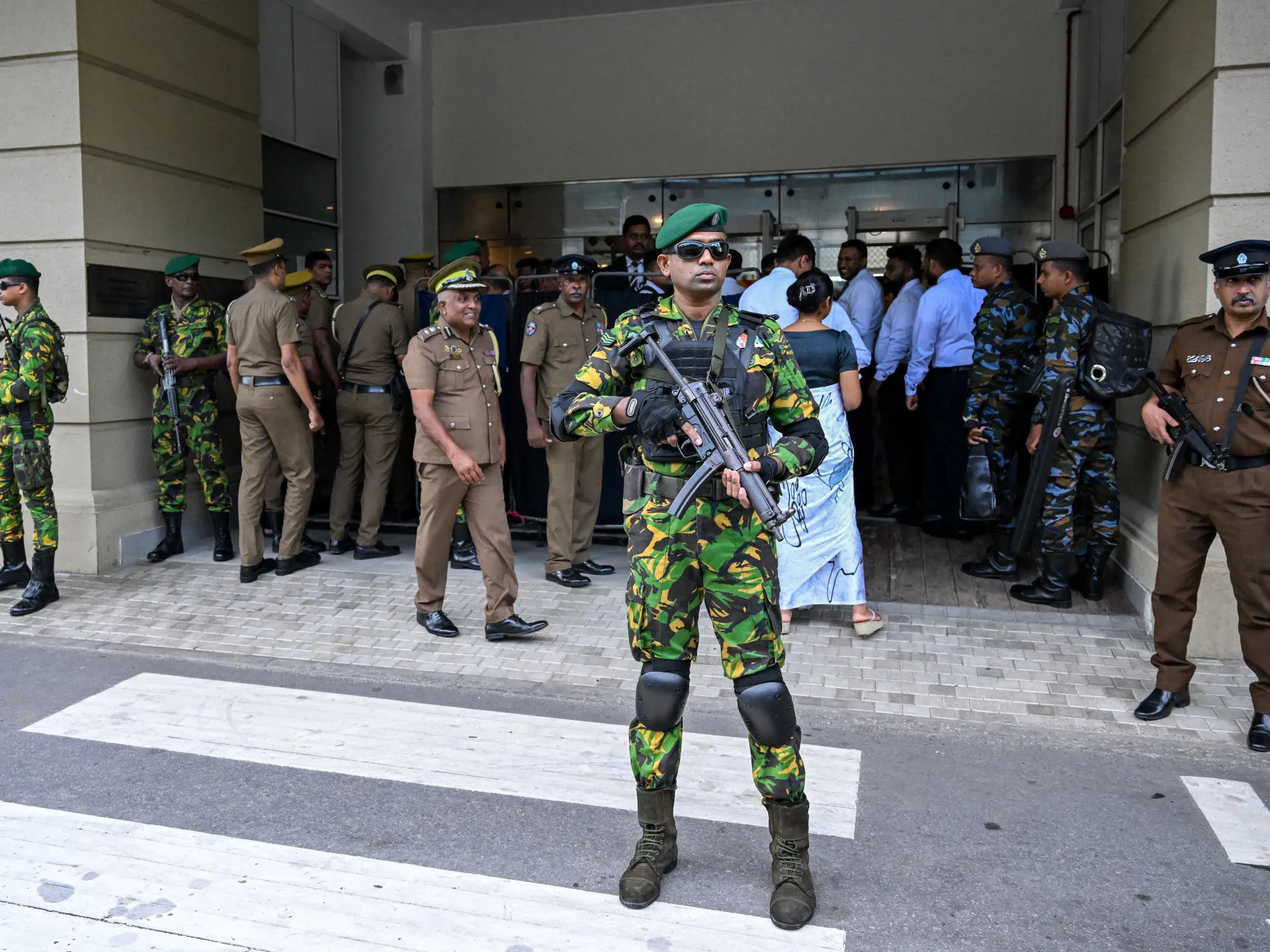
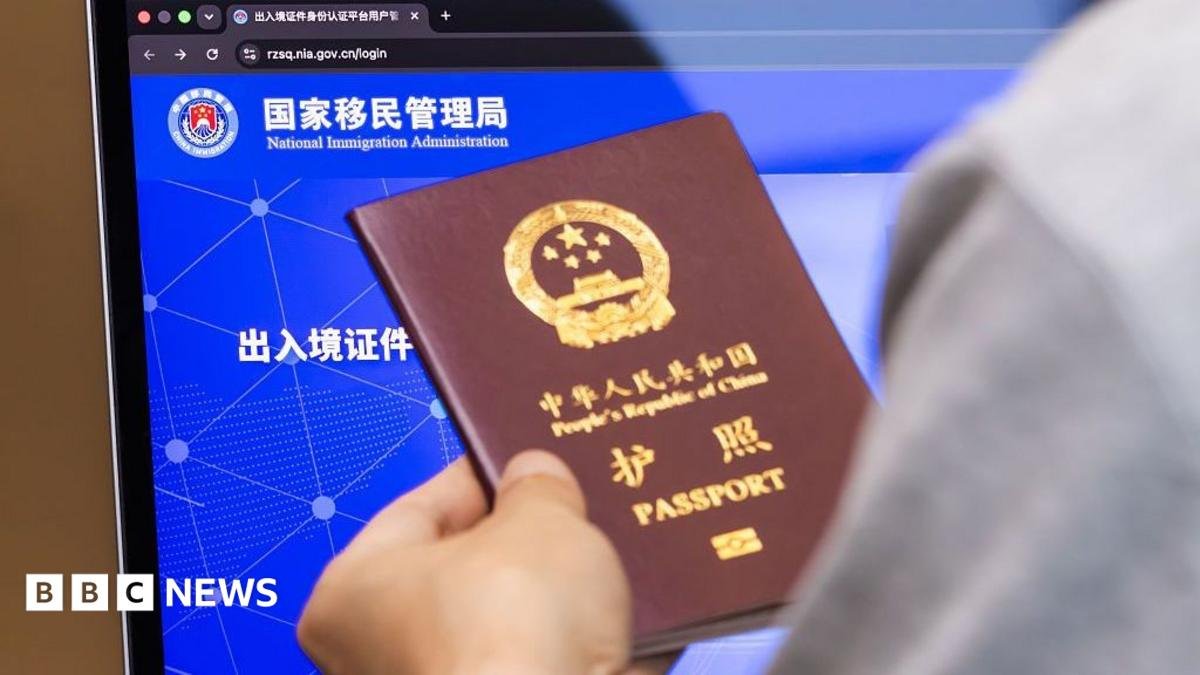
Tehran’s stated intent to ensure that airports complying with U.S. mandates “cannot function” has introduced an unprecedented level of uncertainty for transit networks across the region. Following the U.S. Treasury’s expansion of sanctions—which now cover 27 Iranian airlines—the impact has been immediate. Flights to Baghdad and Muscat have been halted, and while connections to Turkiye and China currently remain, they are subject to intermittent cancellations.
The U.S. Treasury, led the operational capacity of the IRGC. However, the aggressive nature of these sanctions, coupled with the U.S. military’s ongoing campaign against Iranian targets, has pushed Tehran to adopt a more confrontational diplomatic posture. Rezaei’s warning serves as a direct challenge to the regional status quo, testing the resolve of neighboring governments to withstand Iranian pressure in favor of maintaining alignment with Washington’s geopolitical objectives.
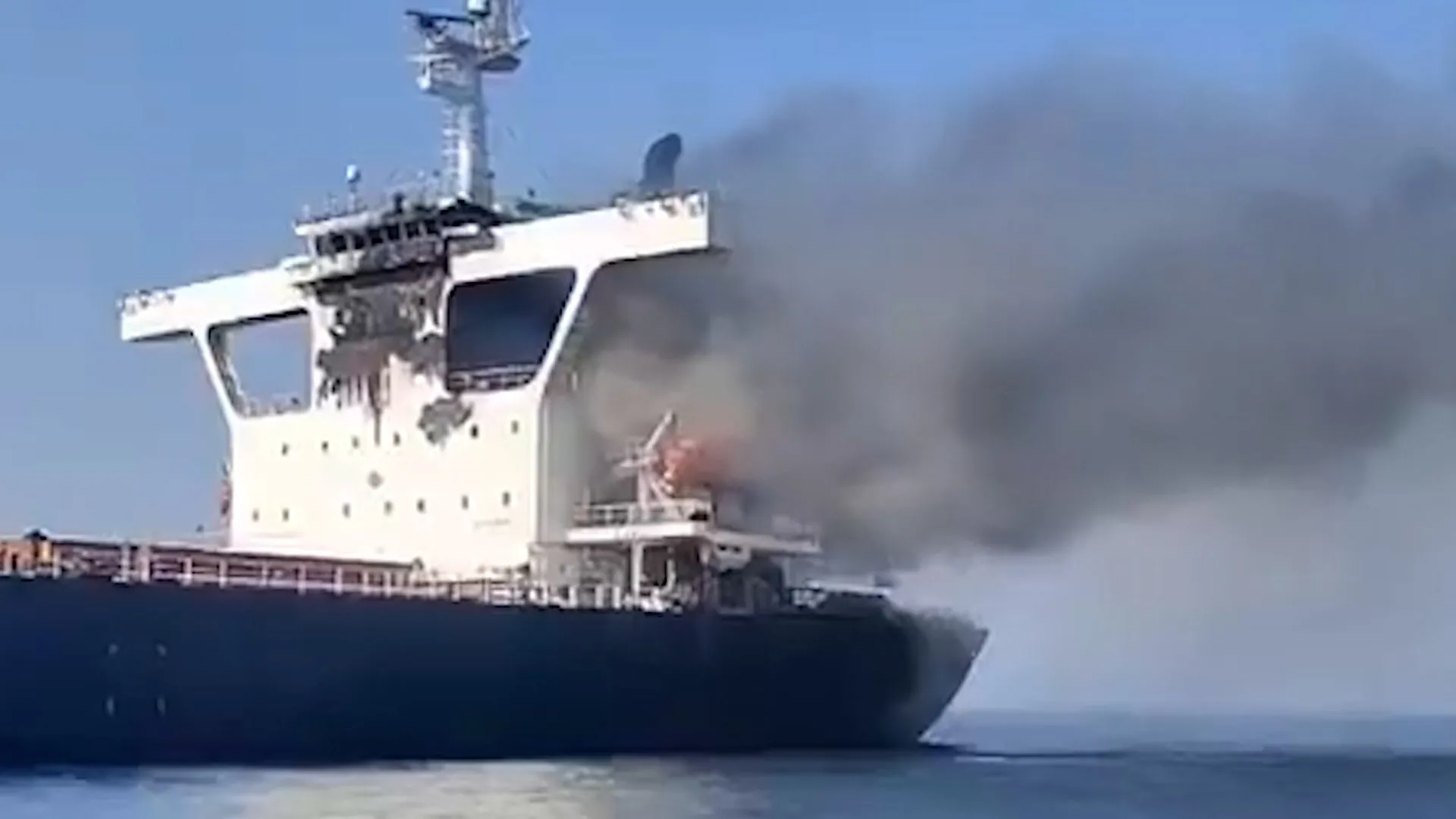
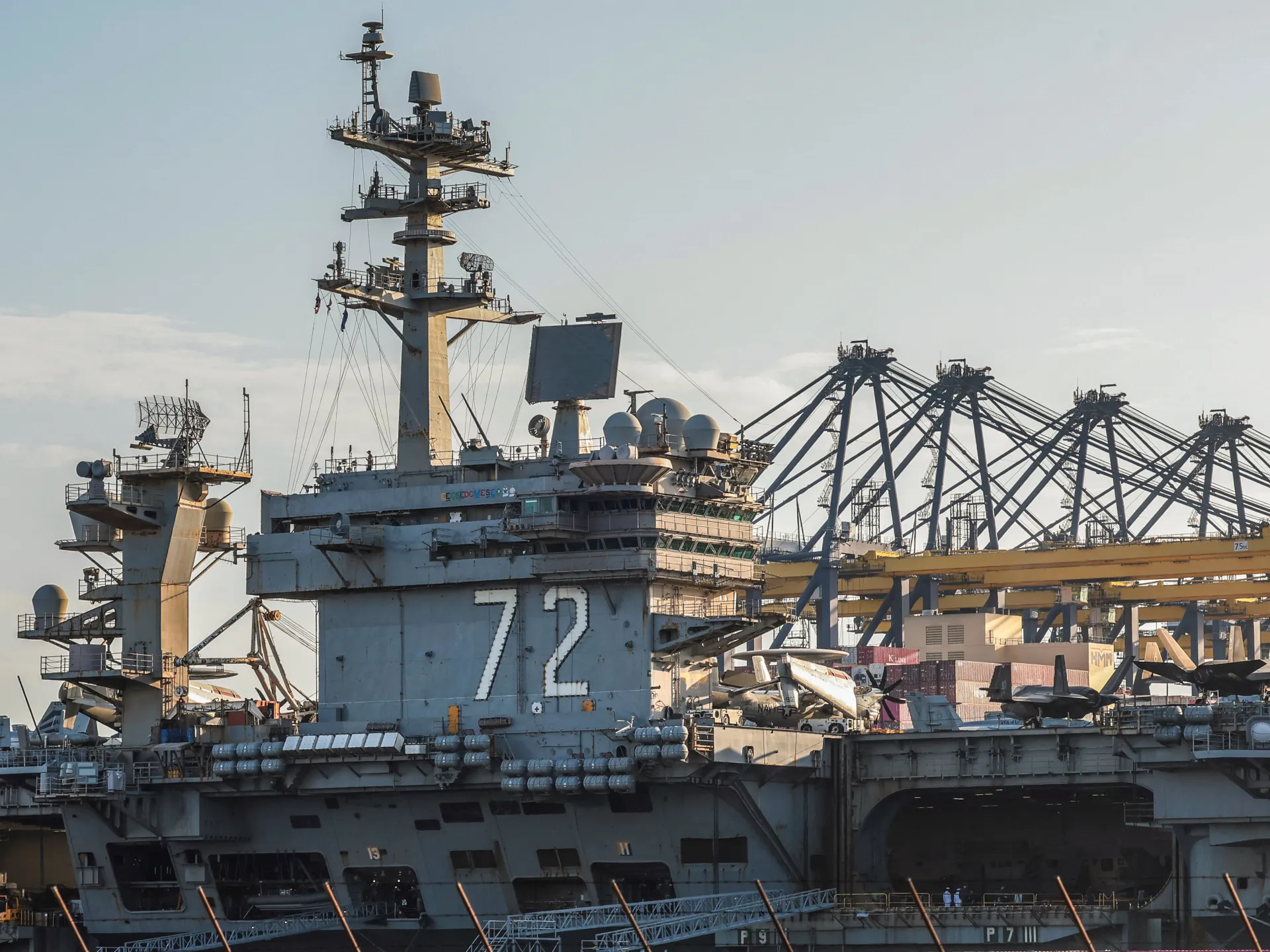
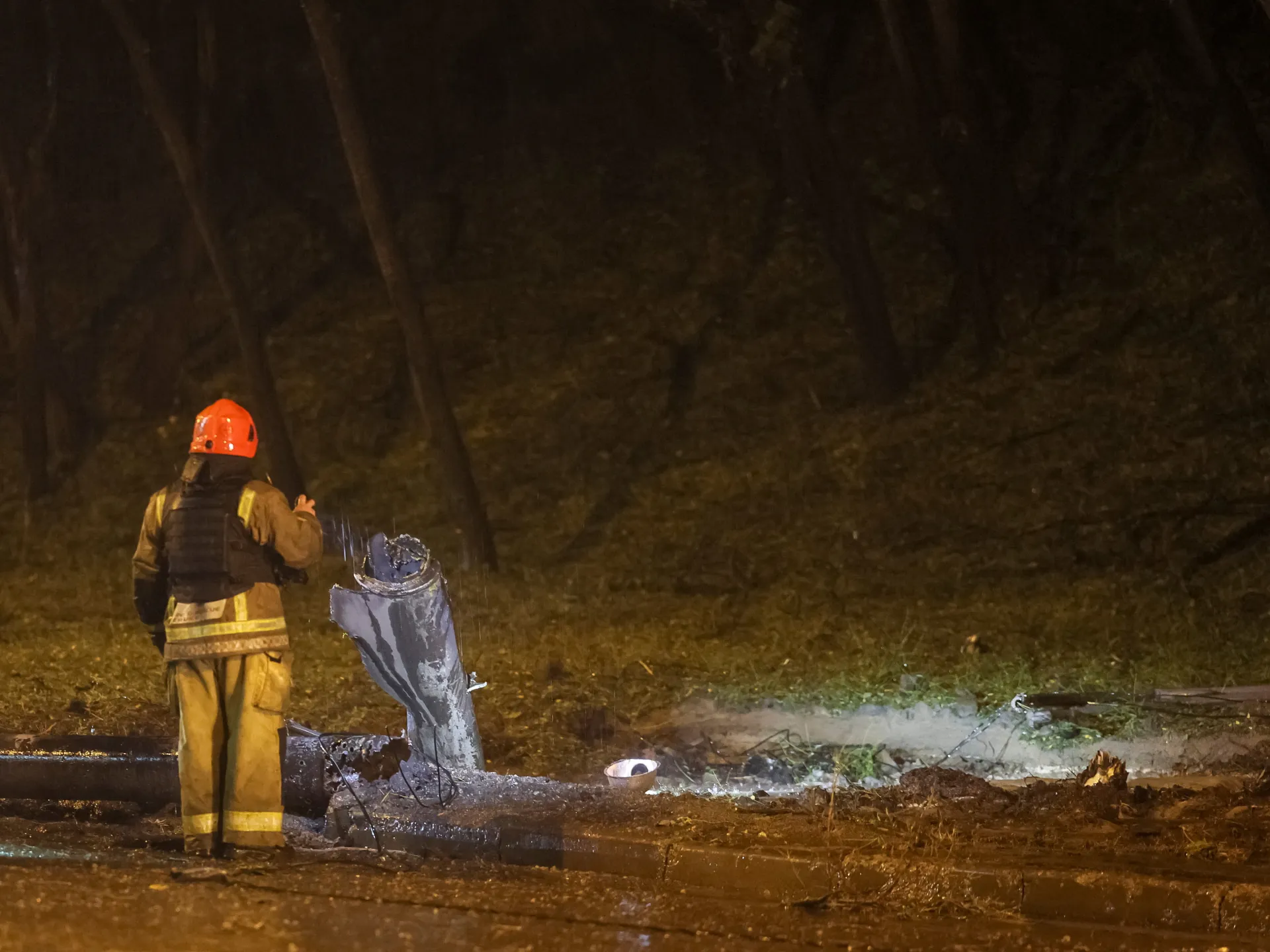
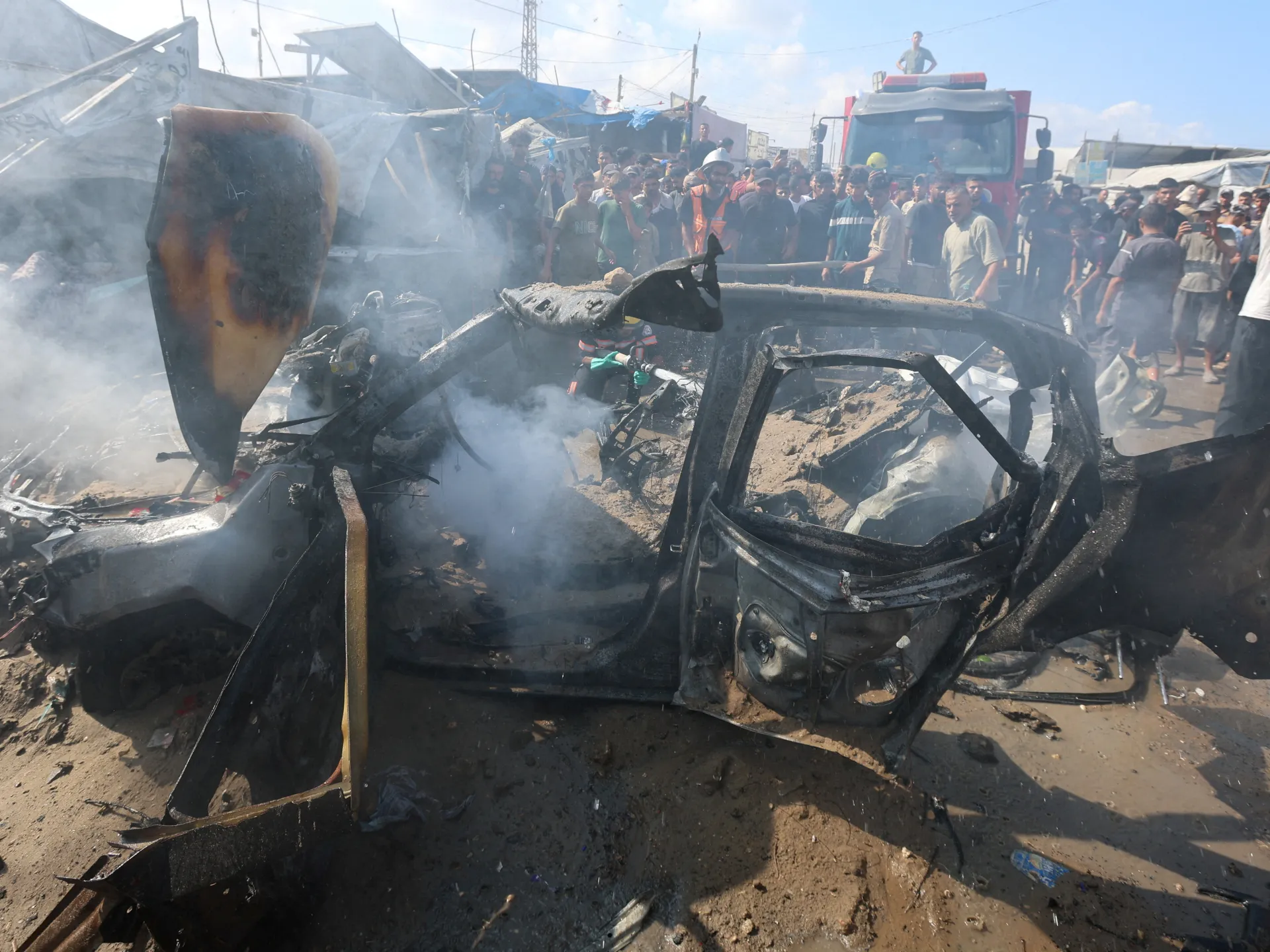
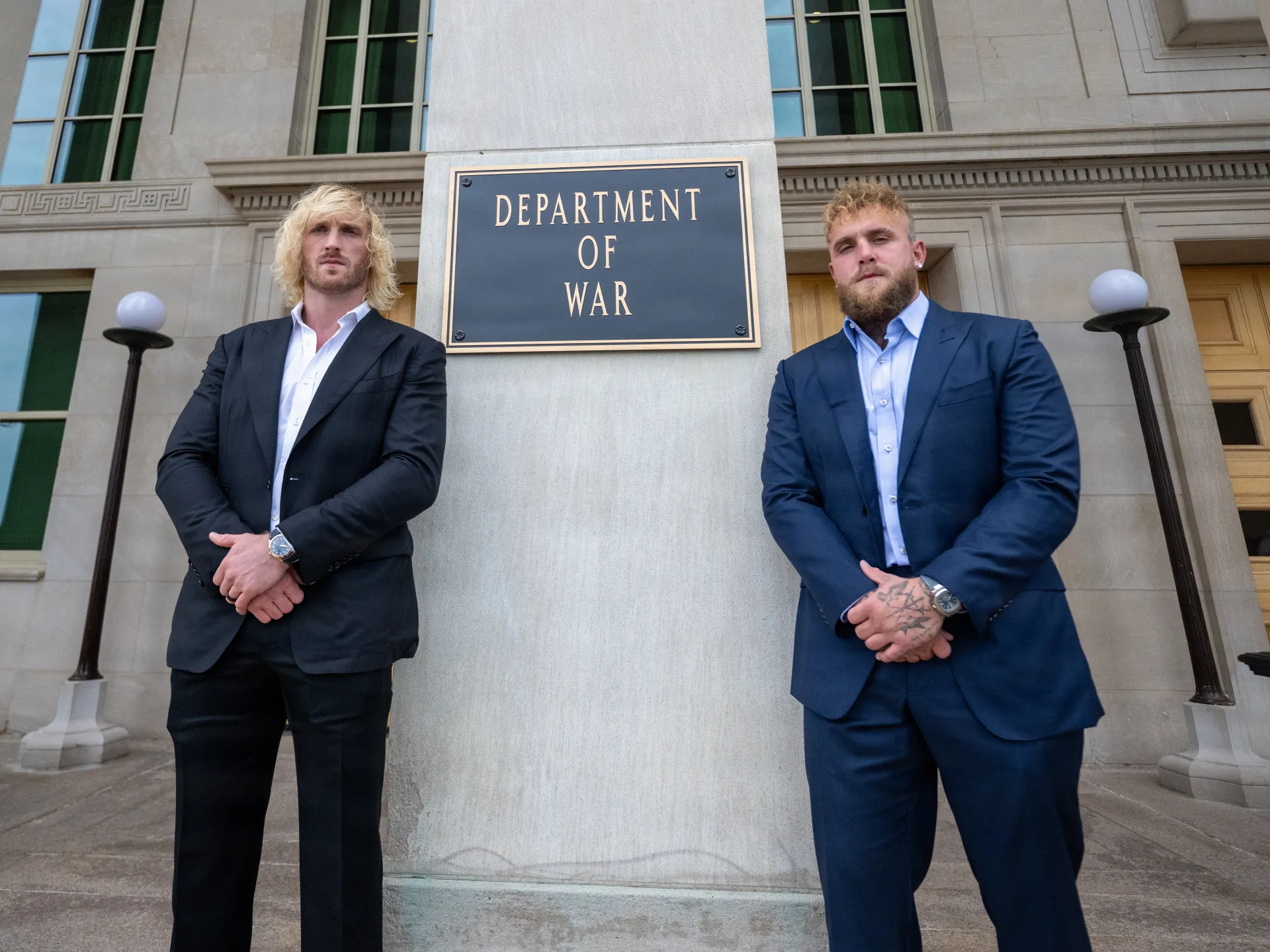
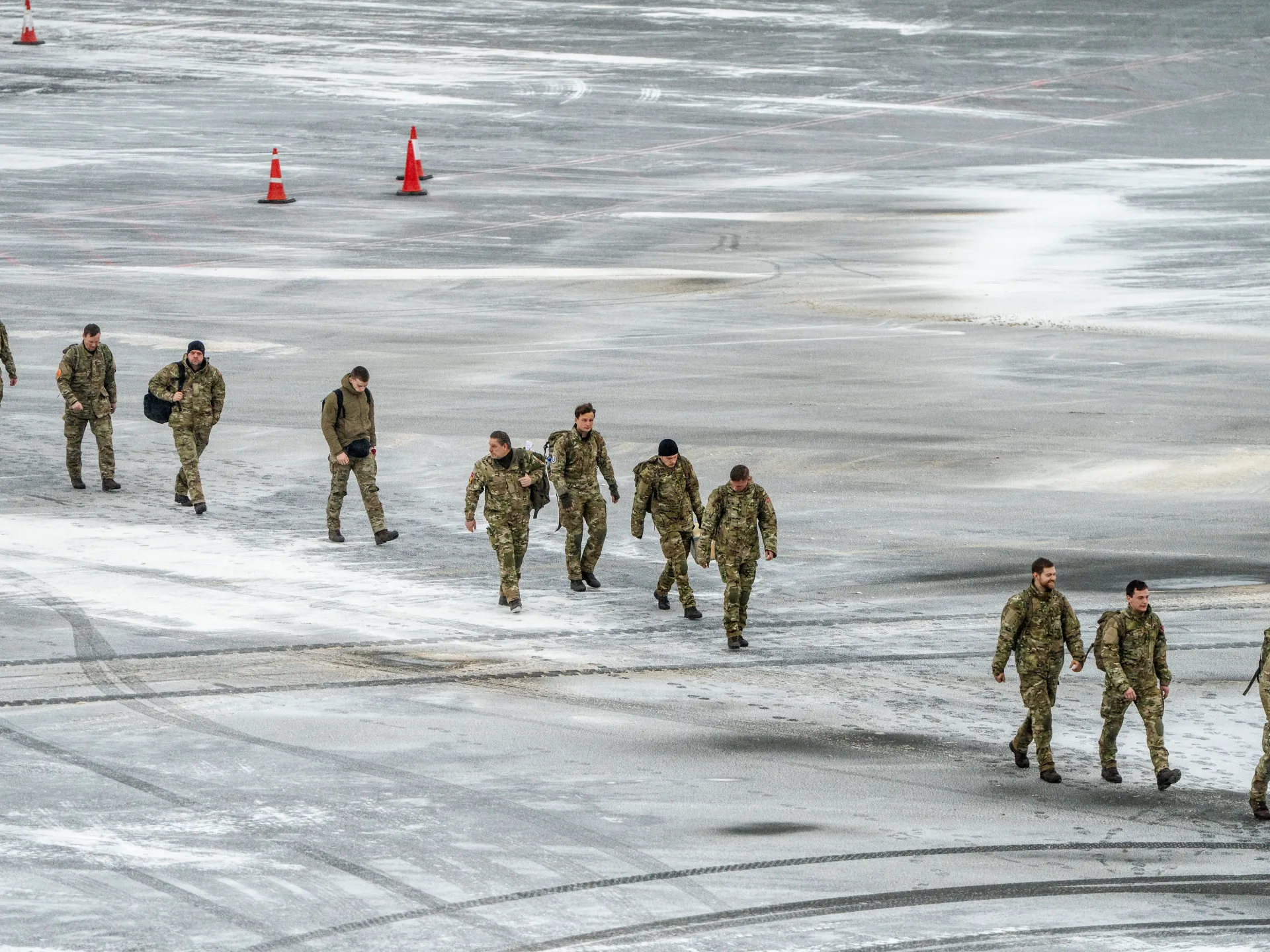
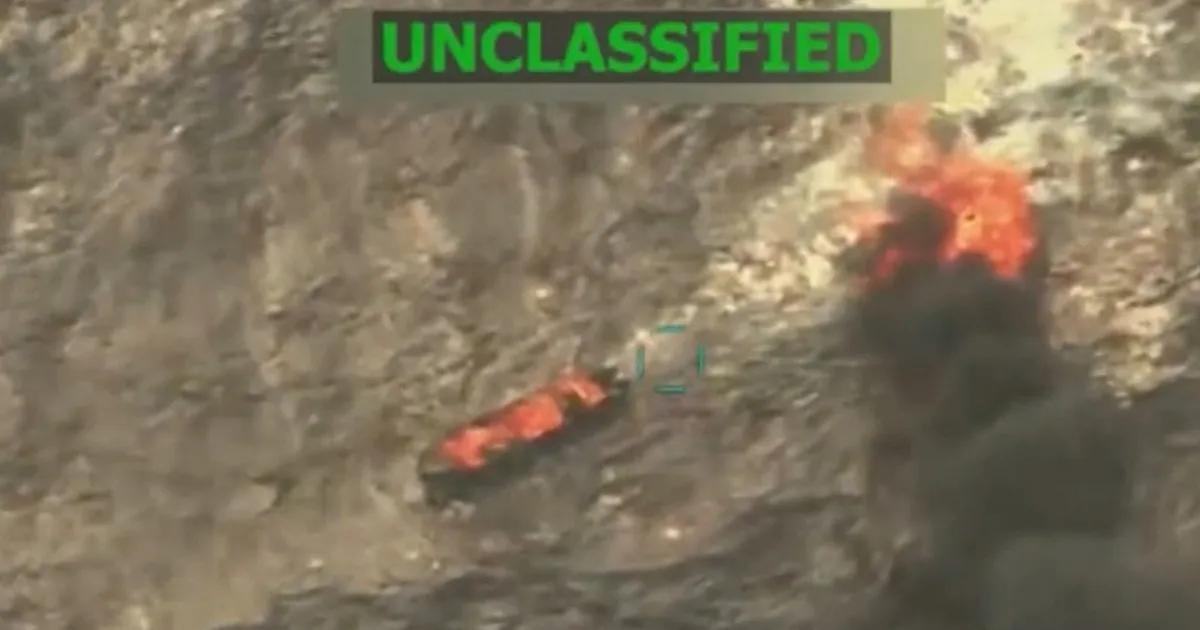
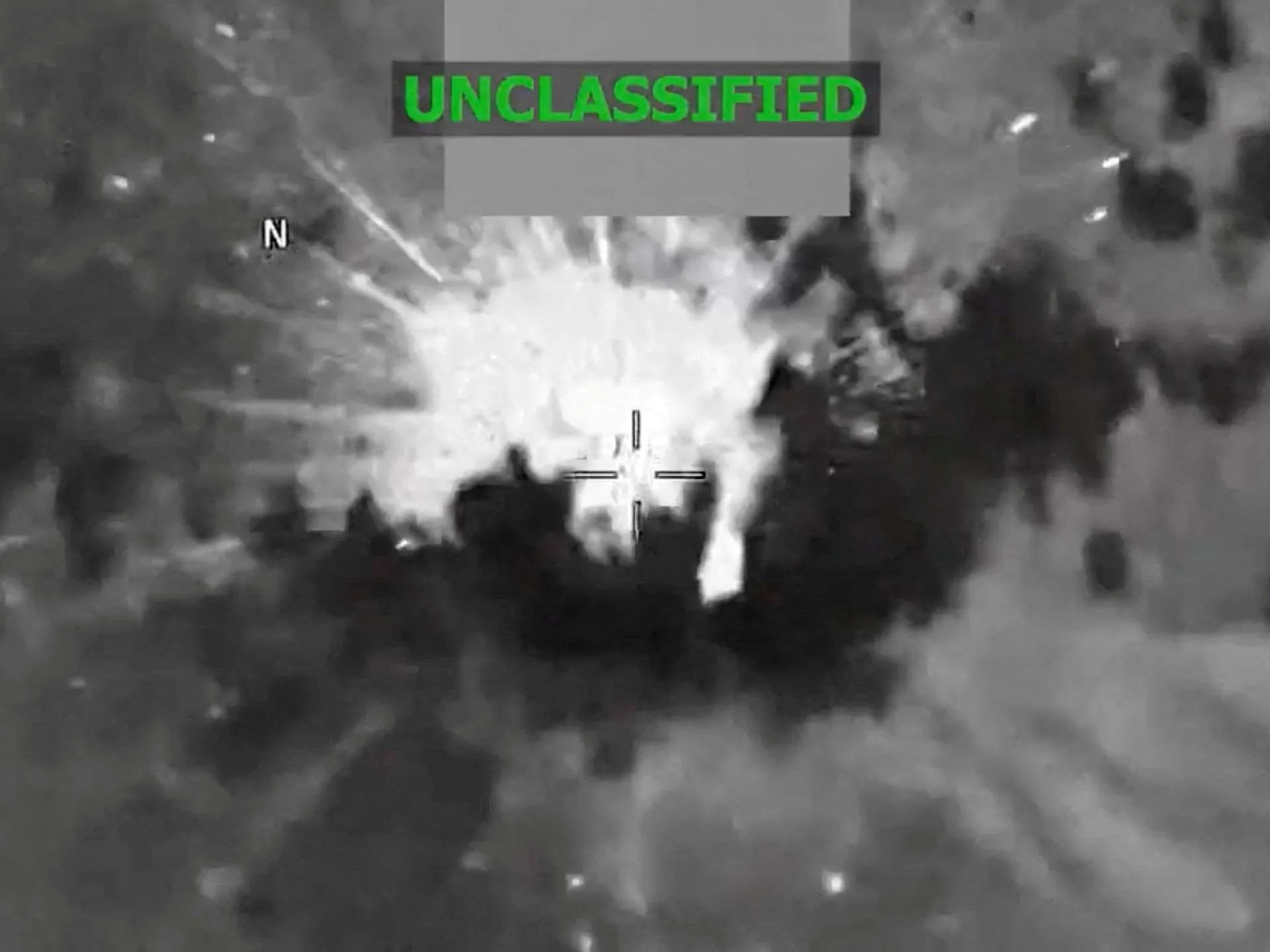
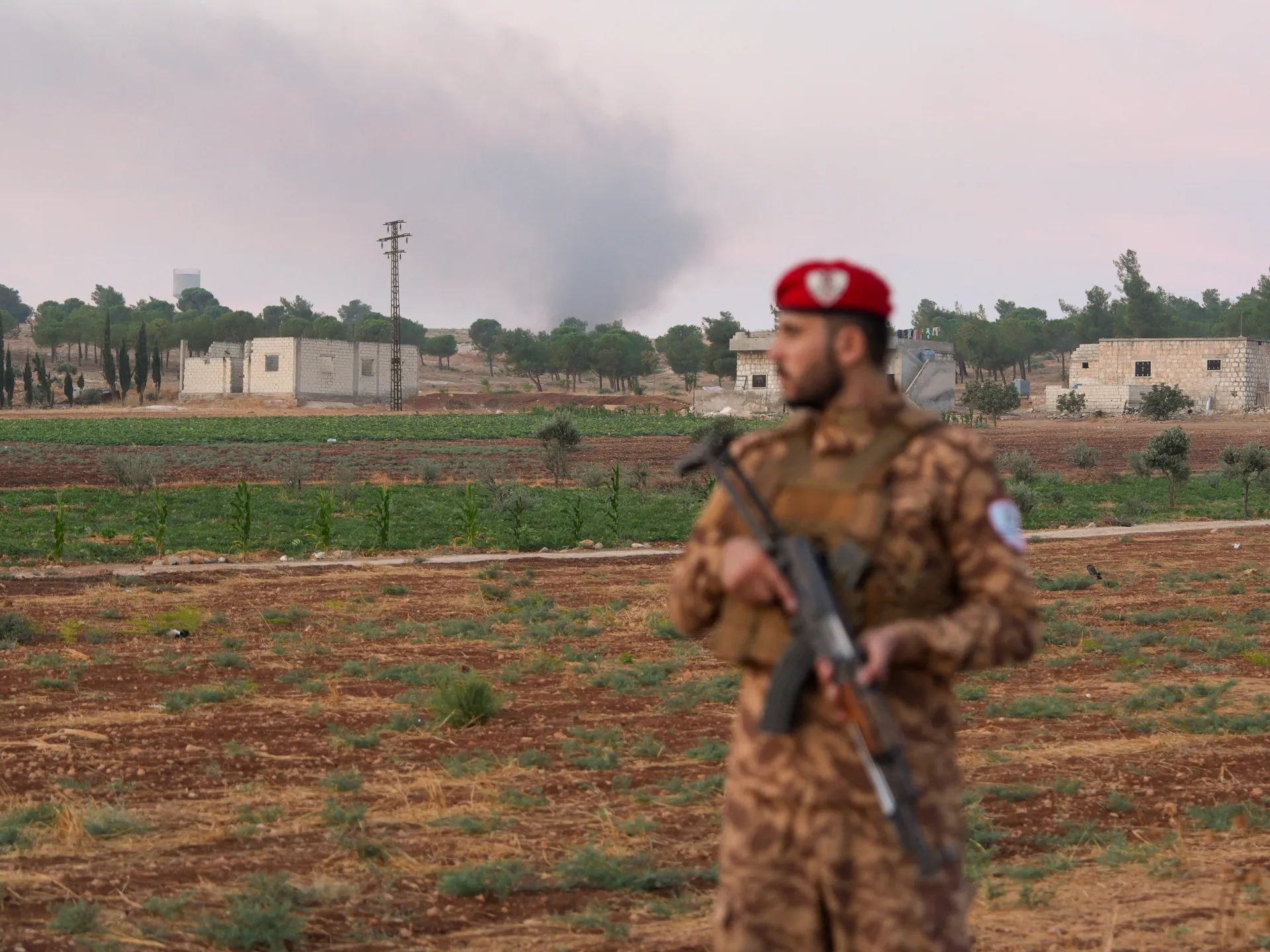
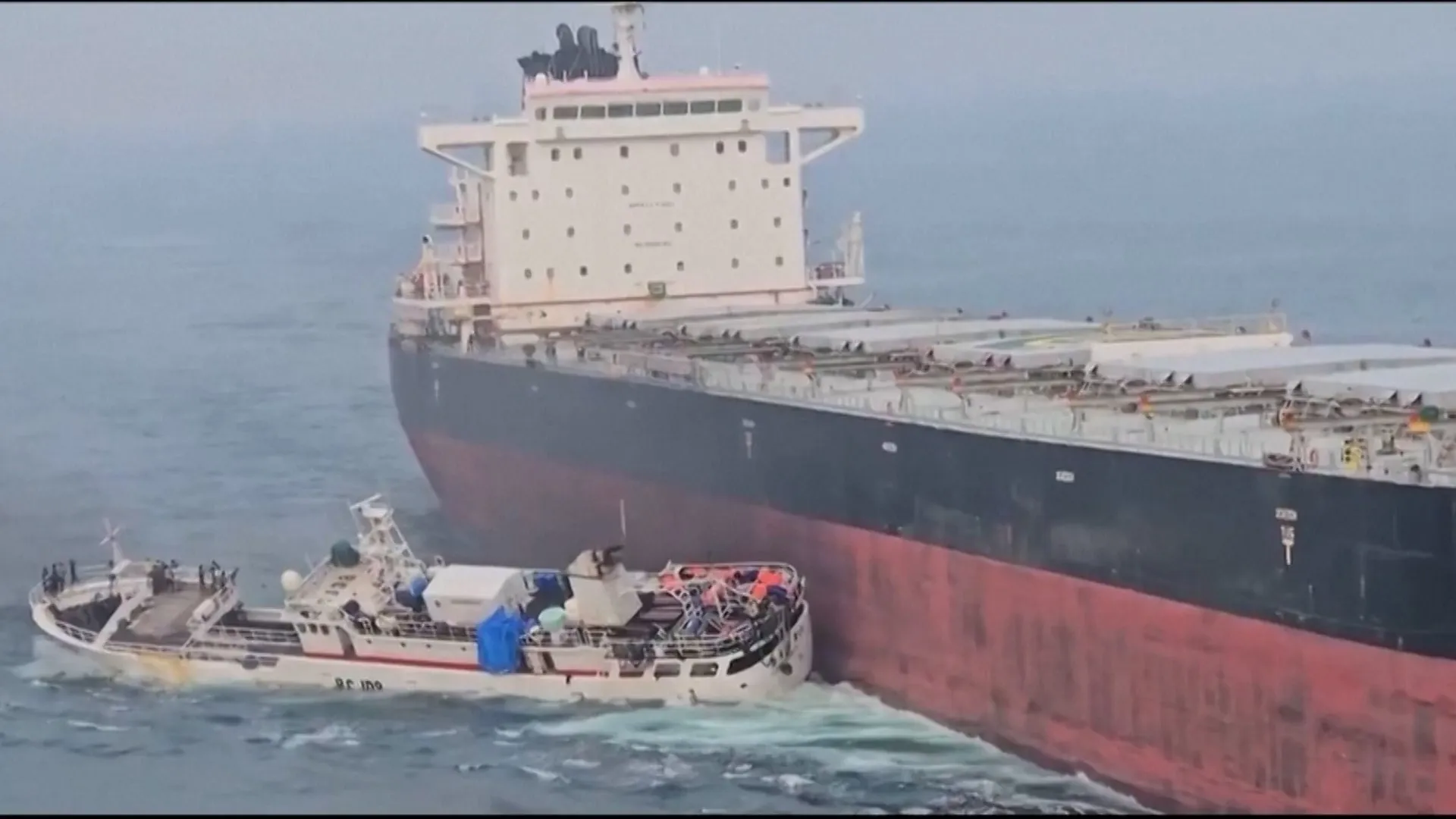
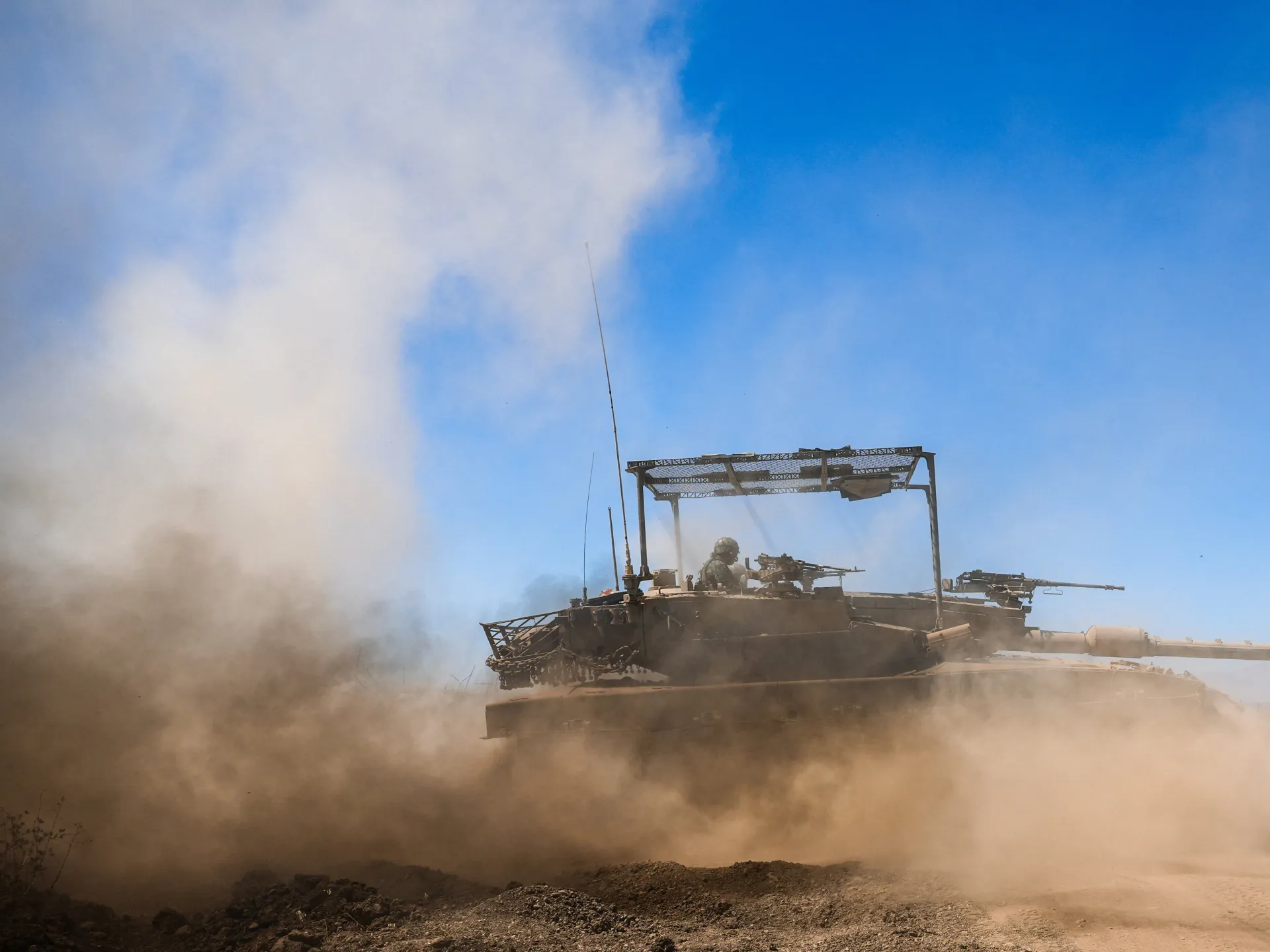
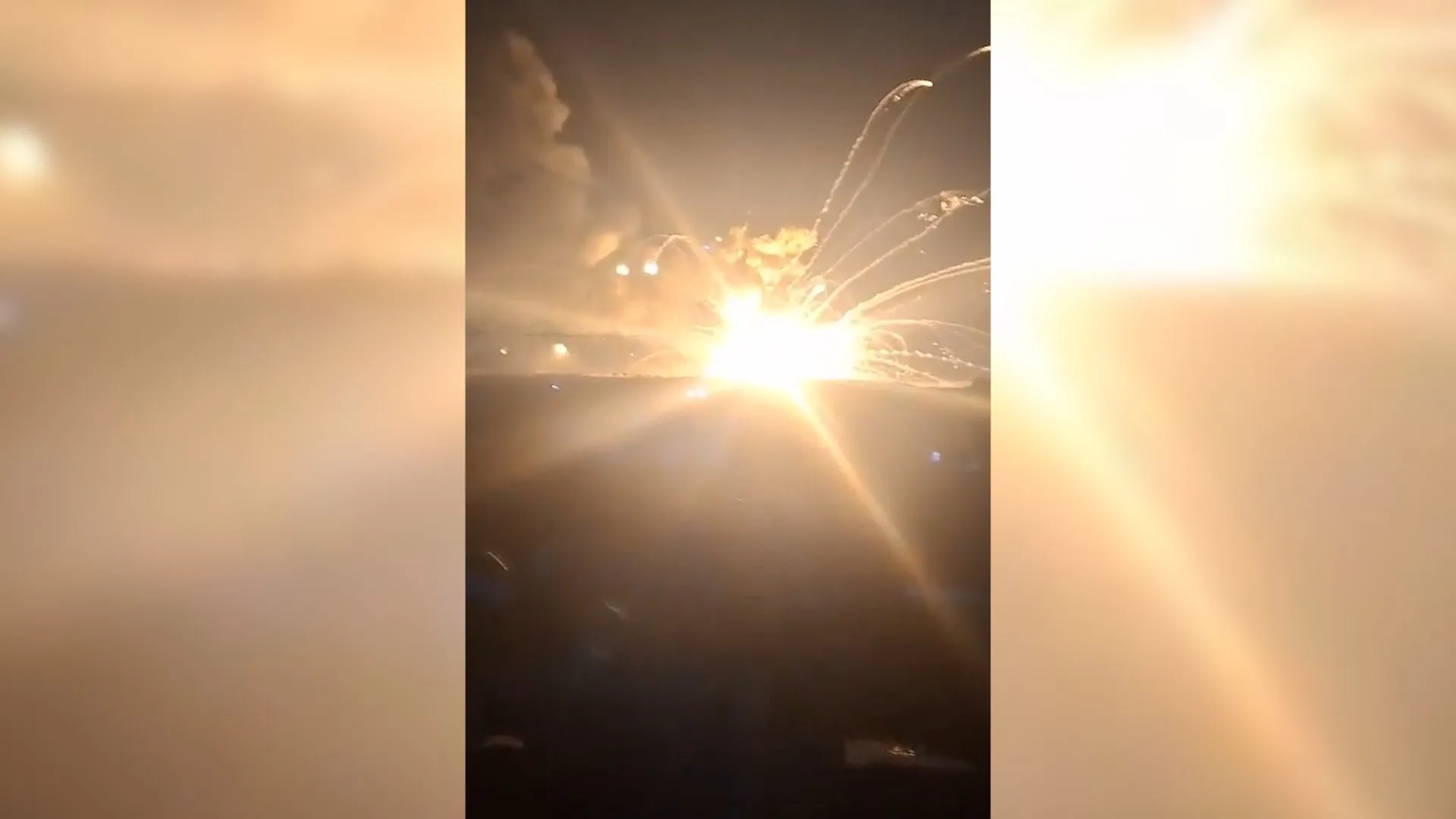
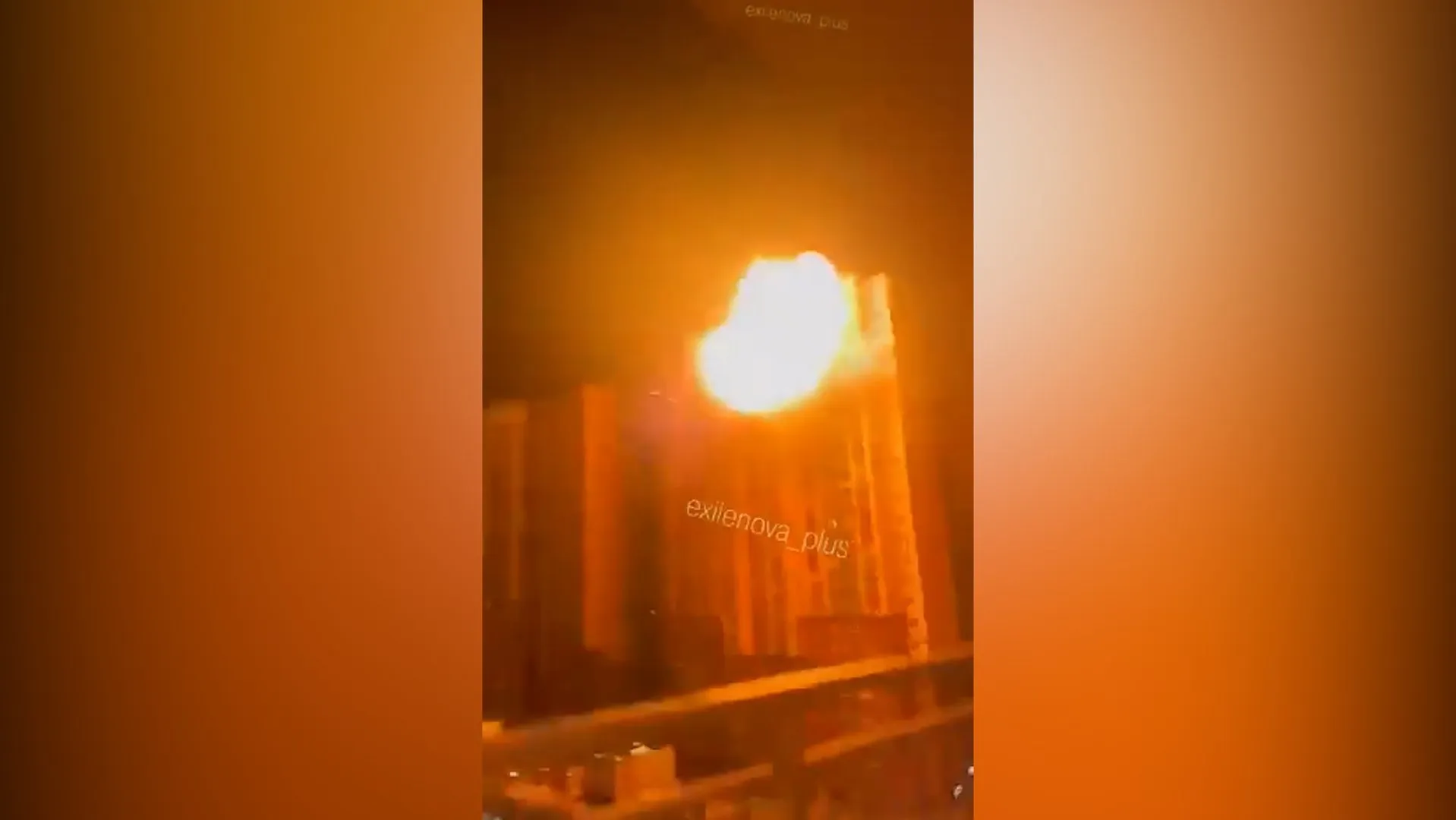
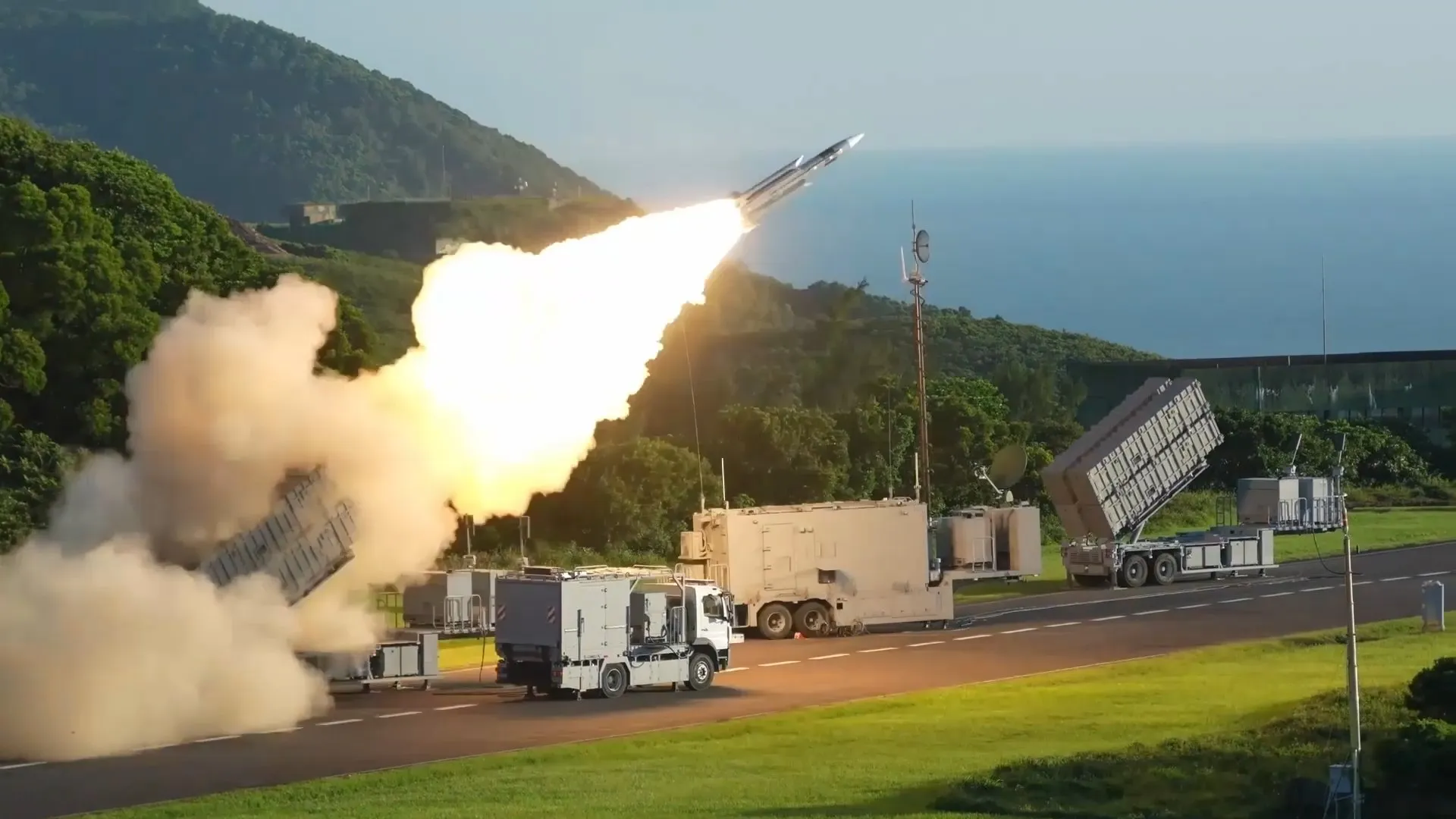
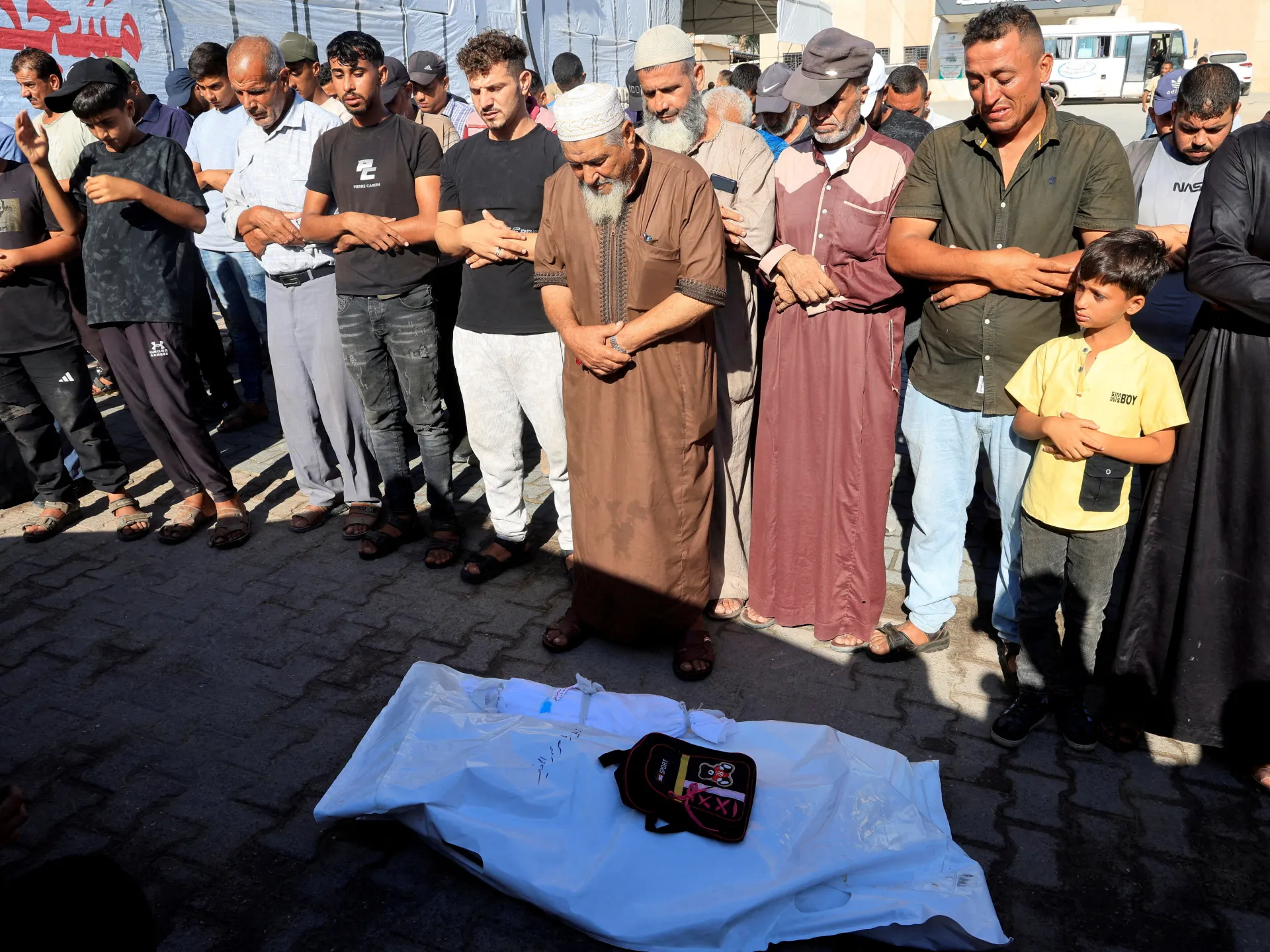
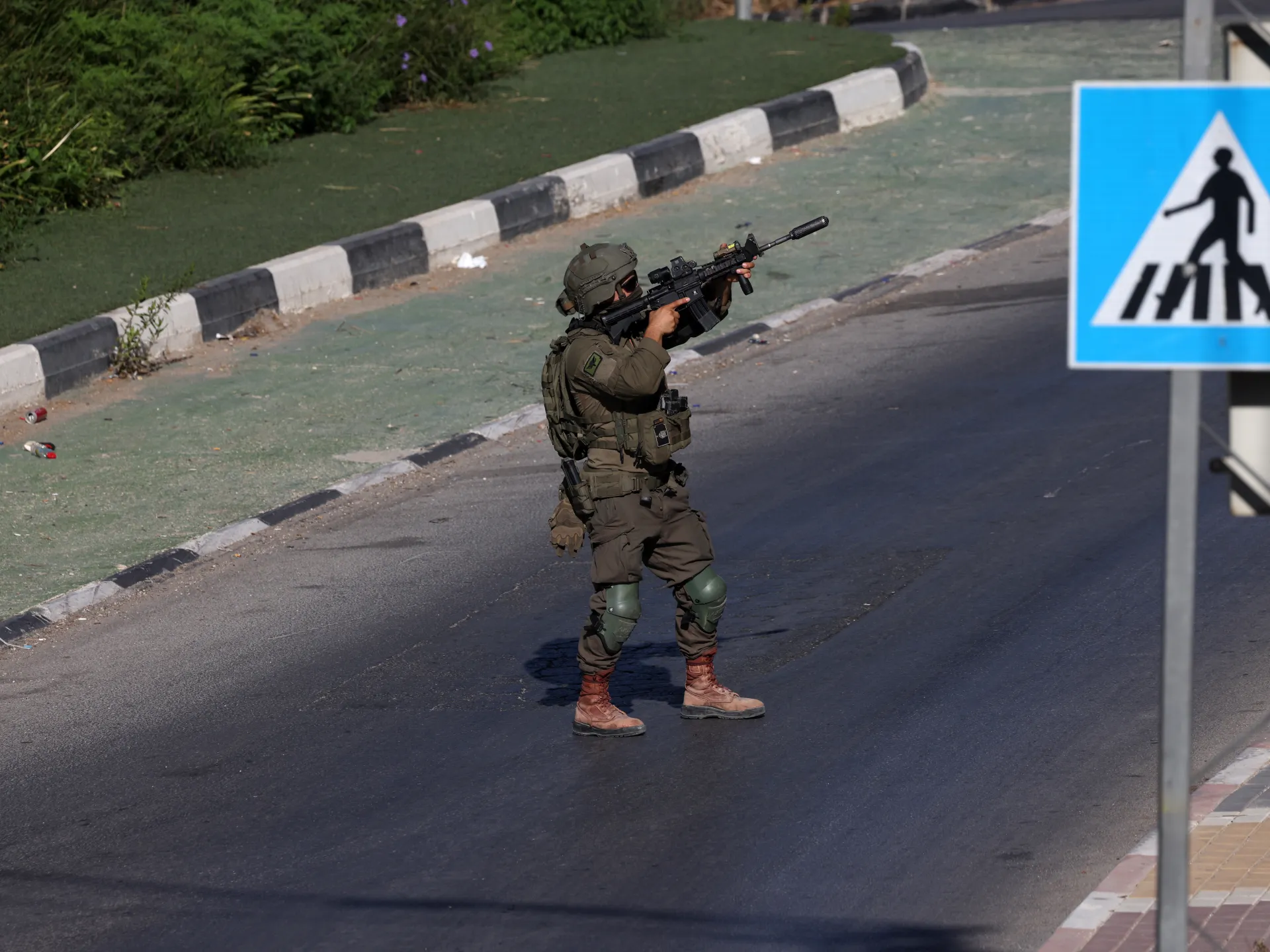
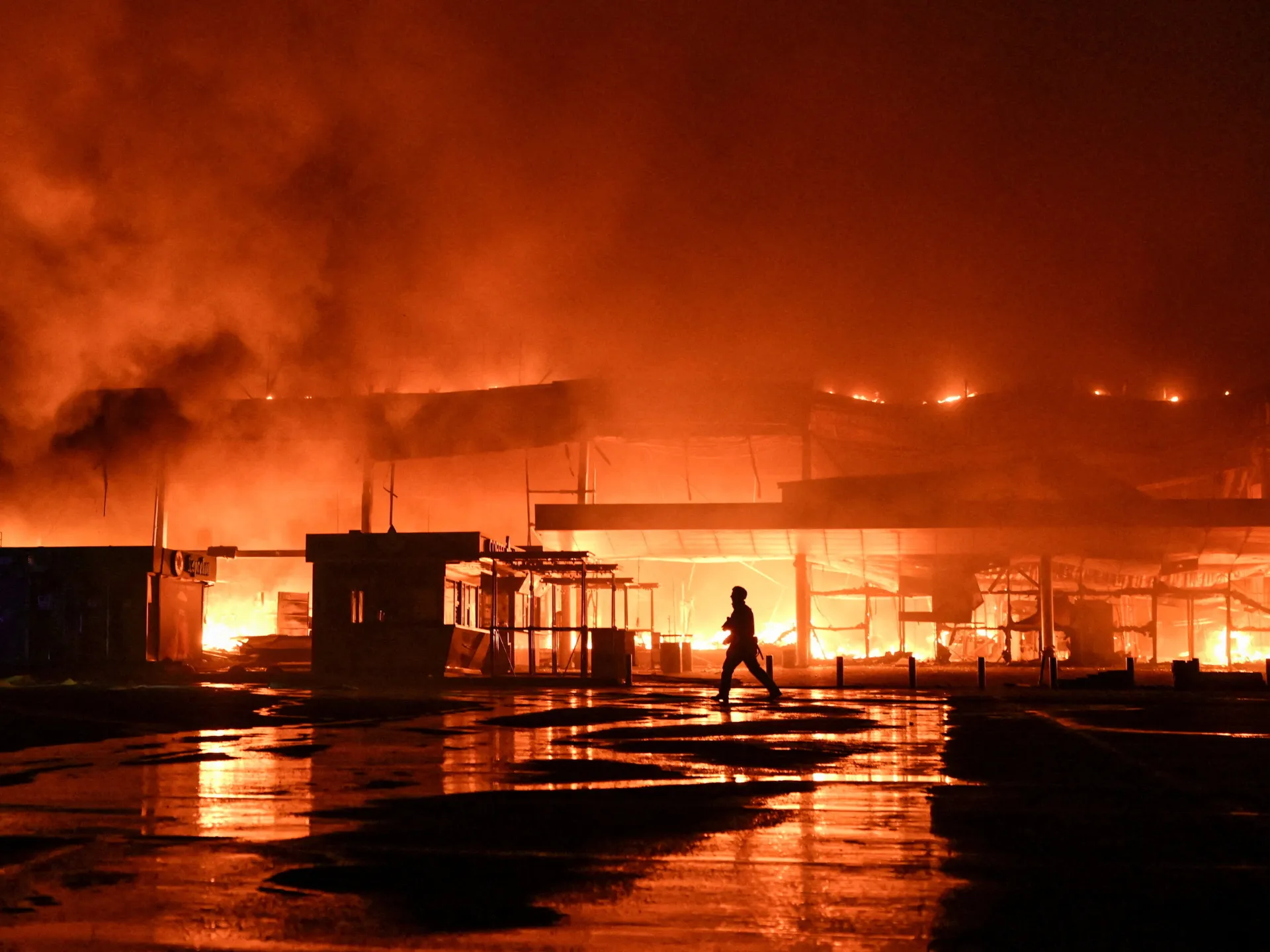
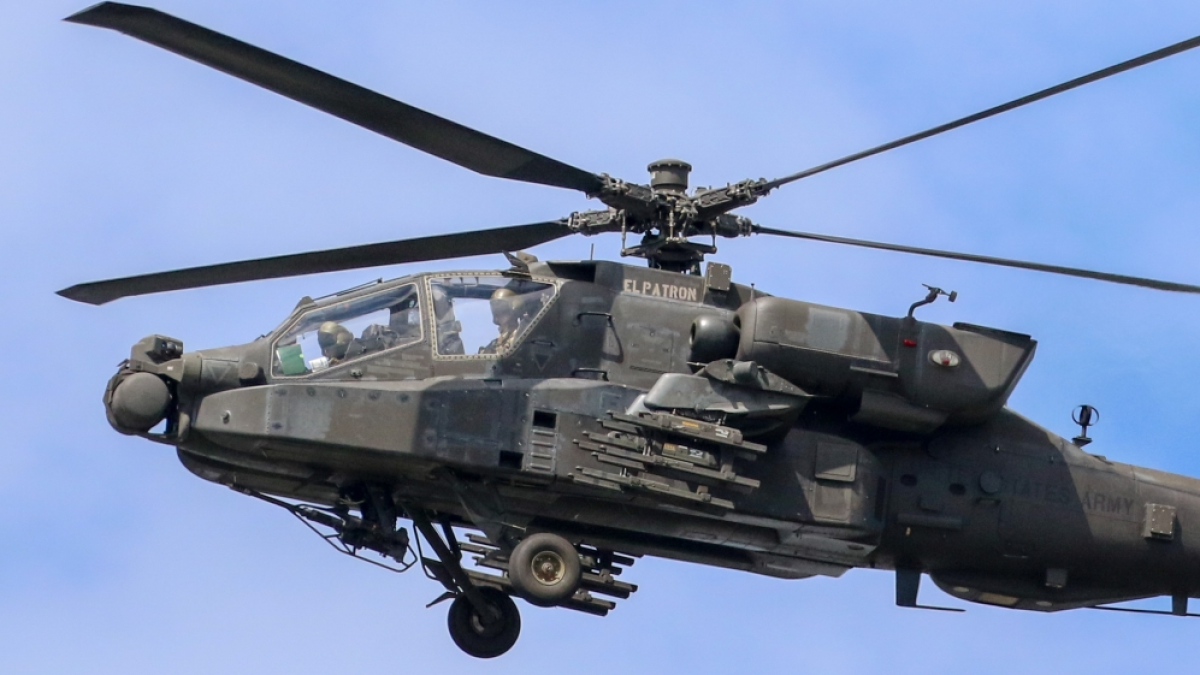
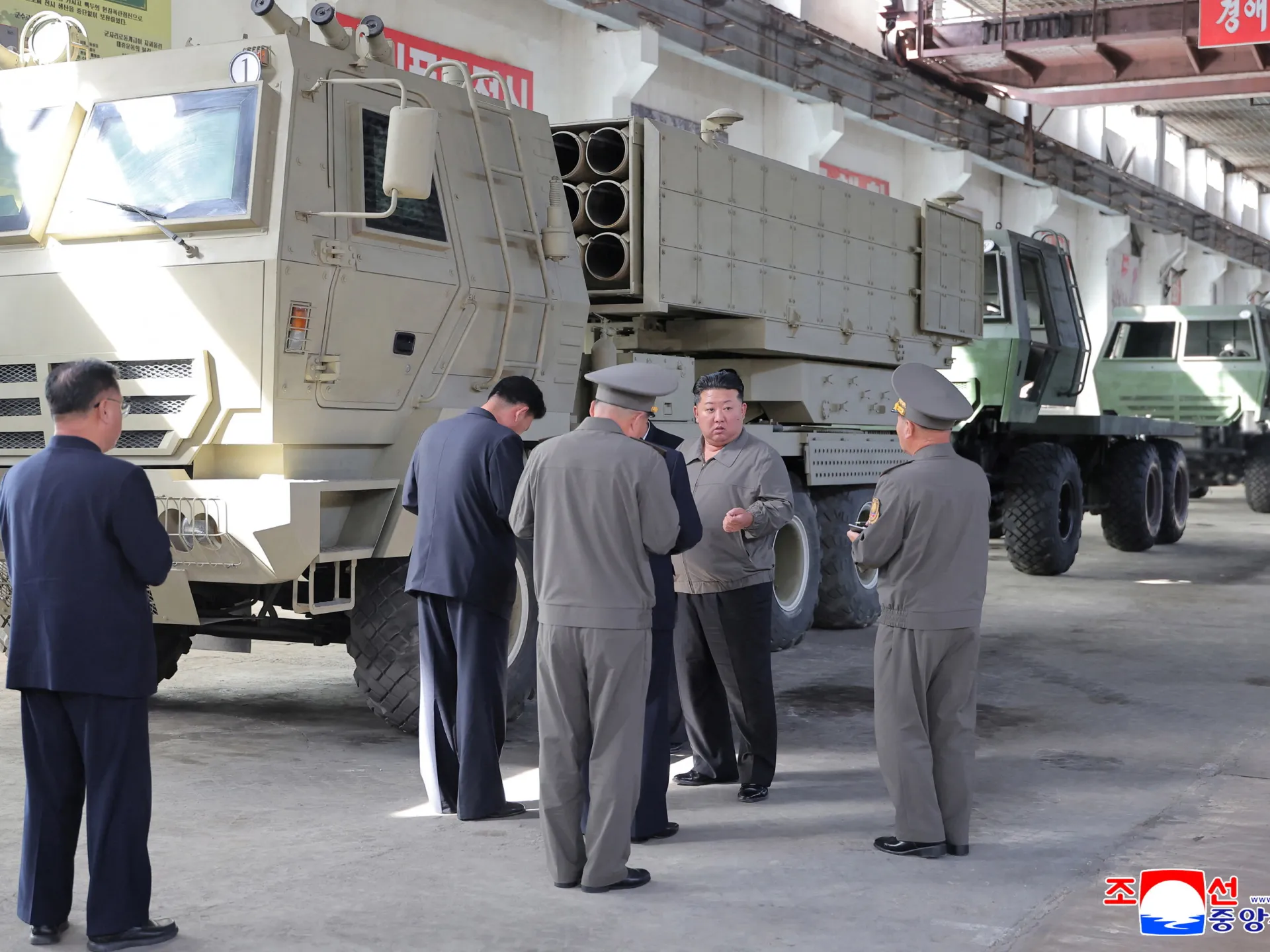
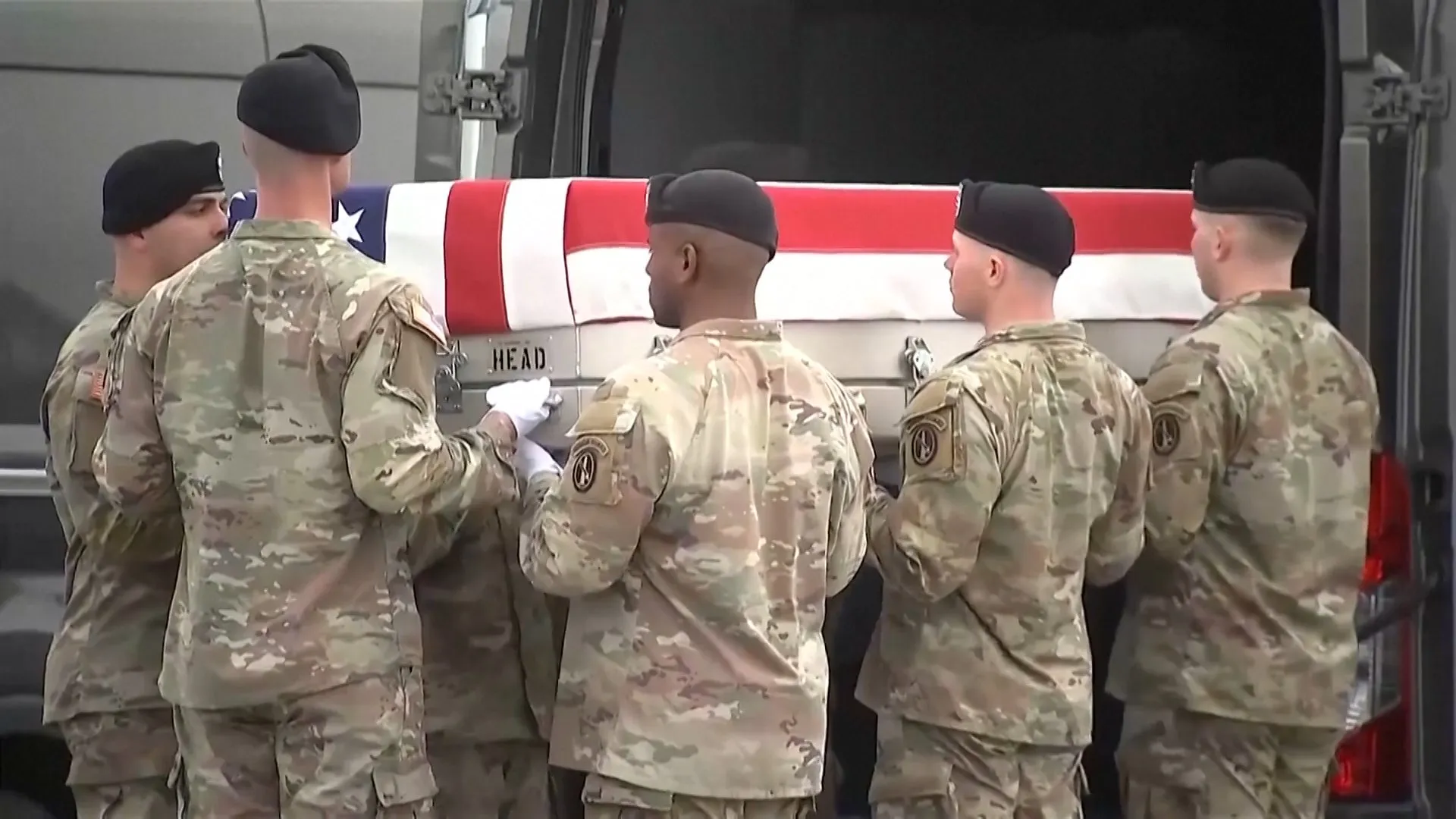
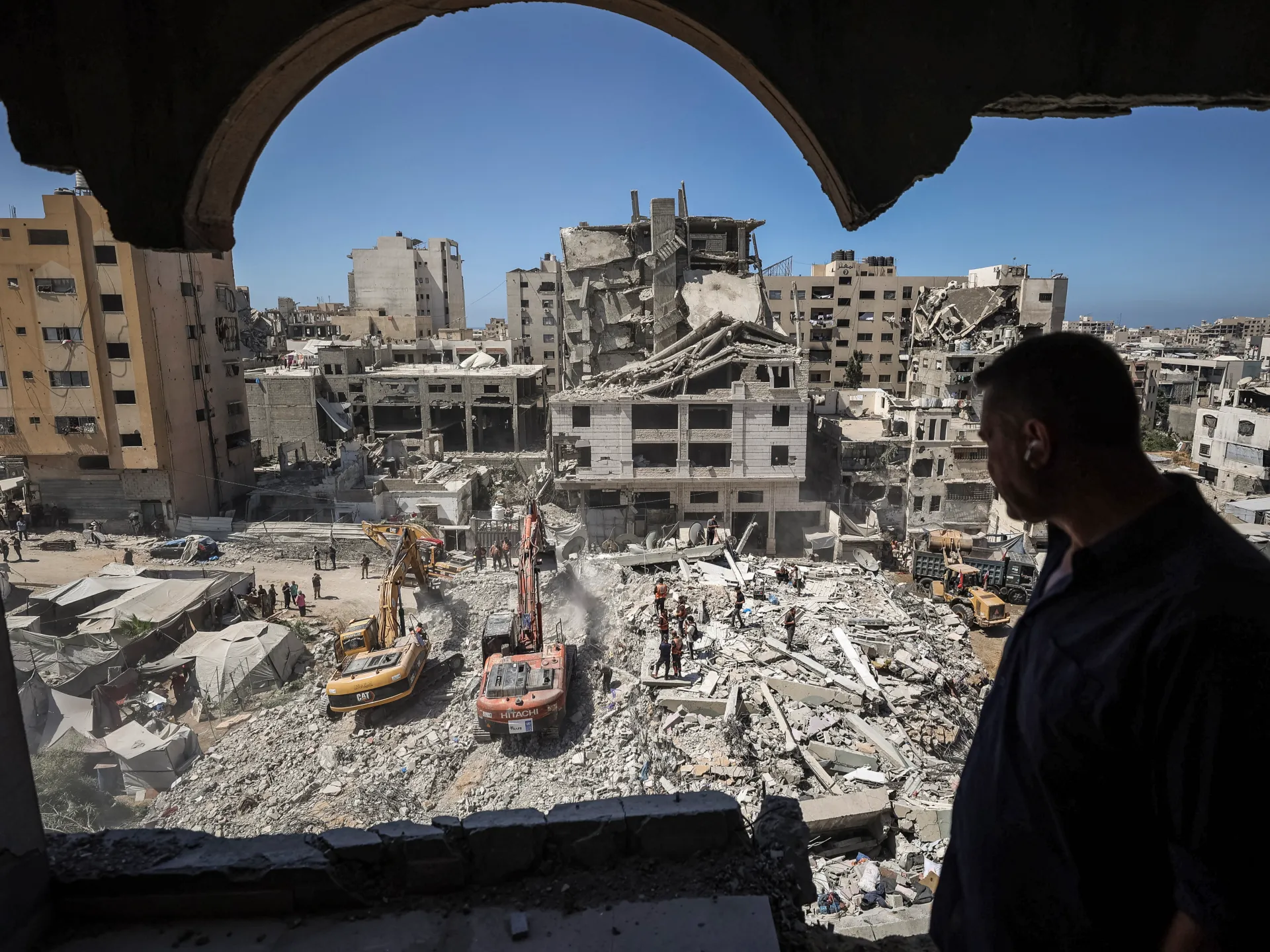
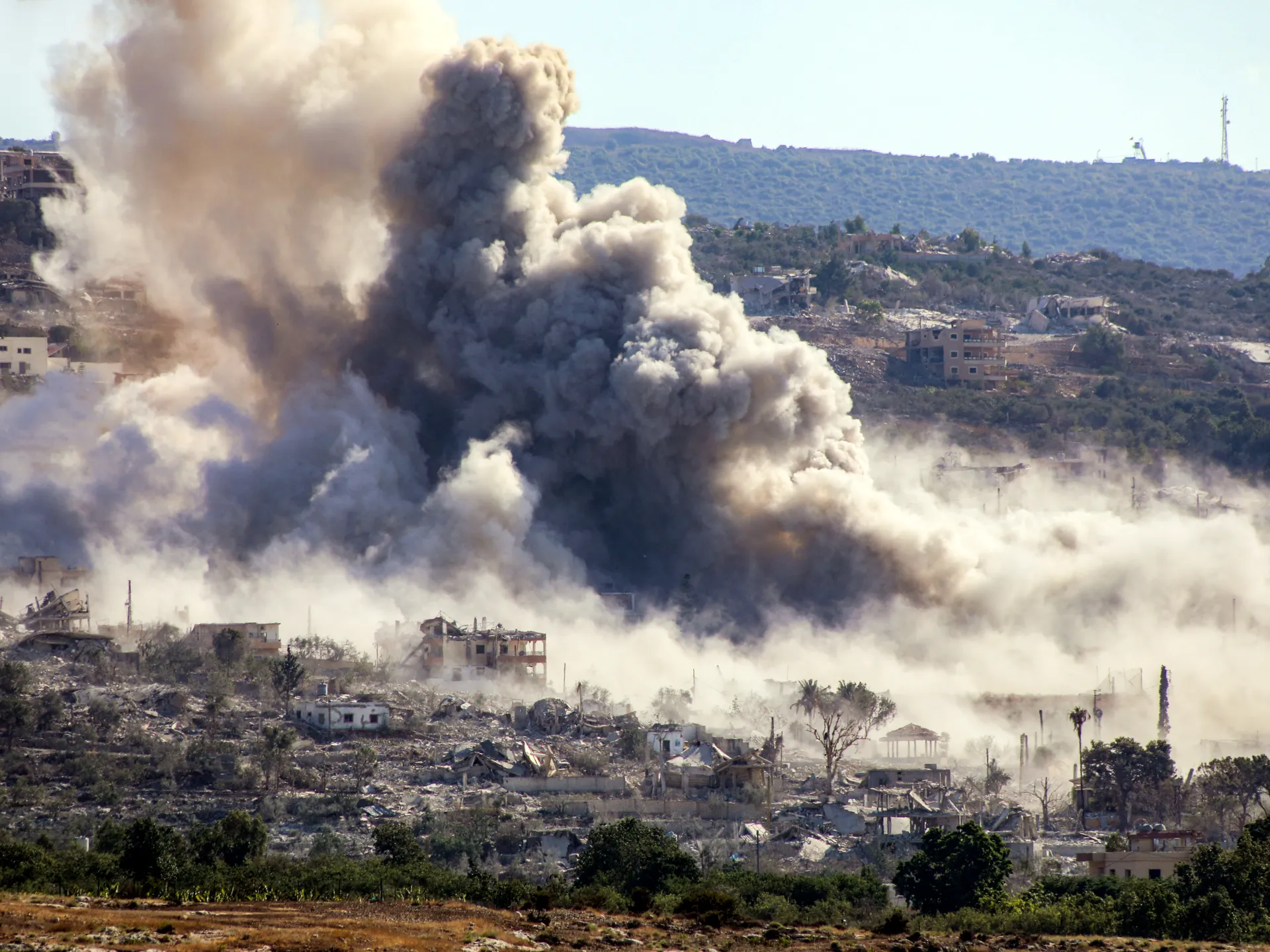
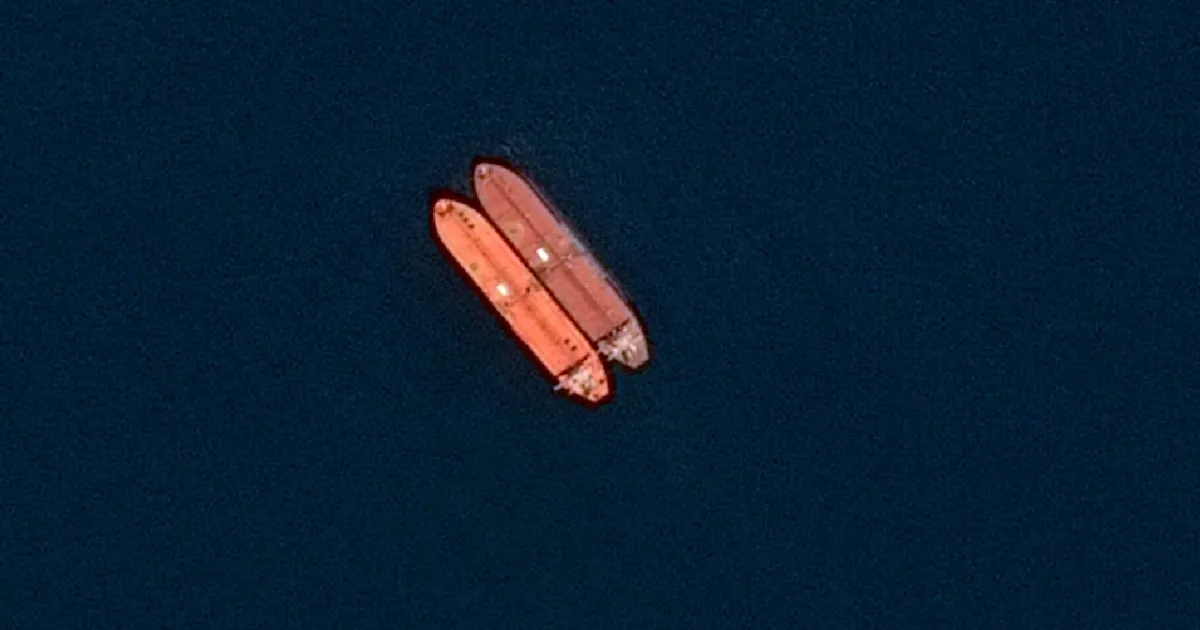
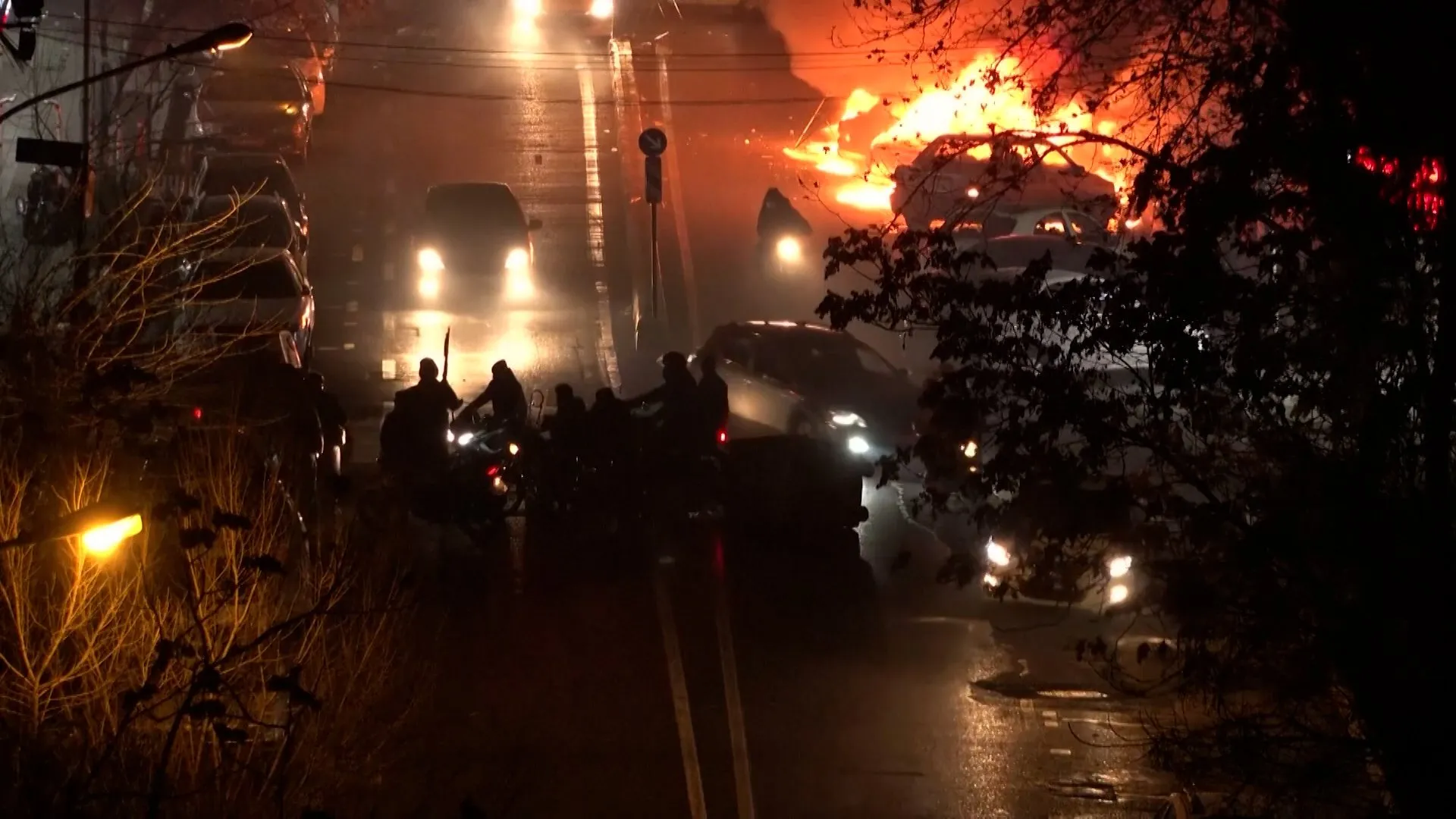
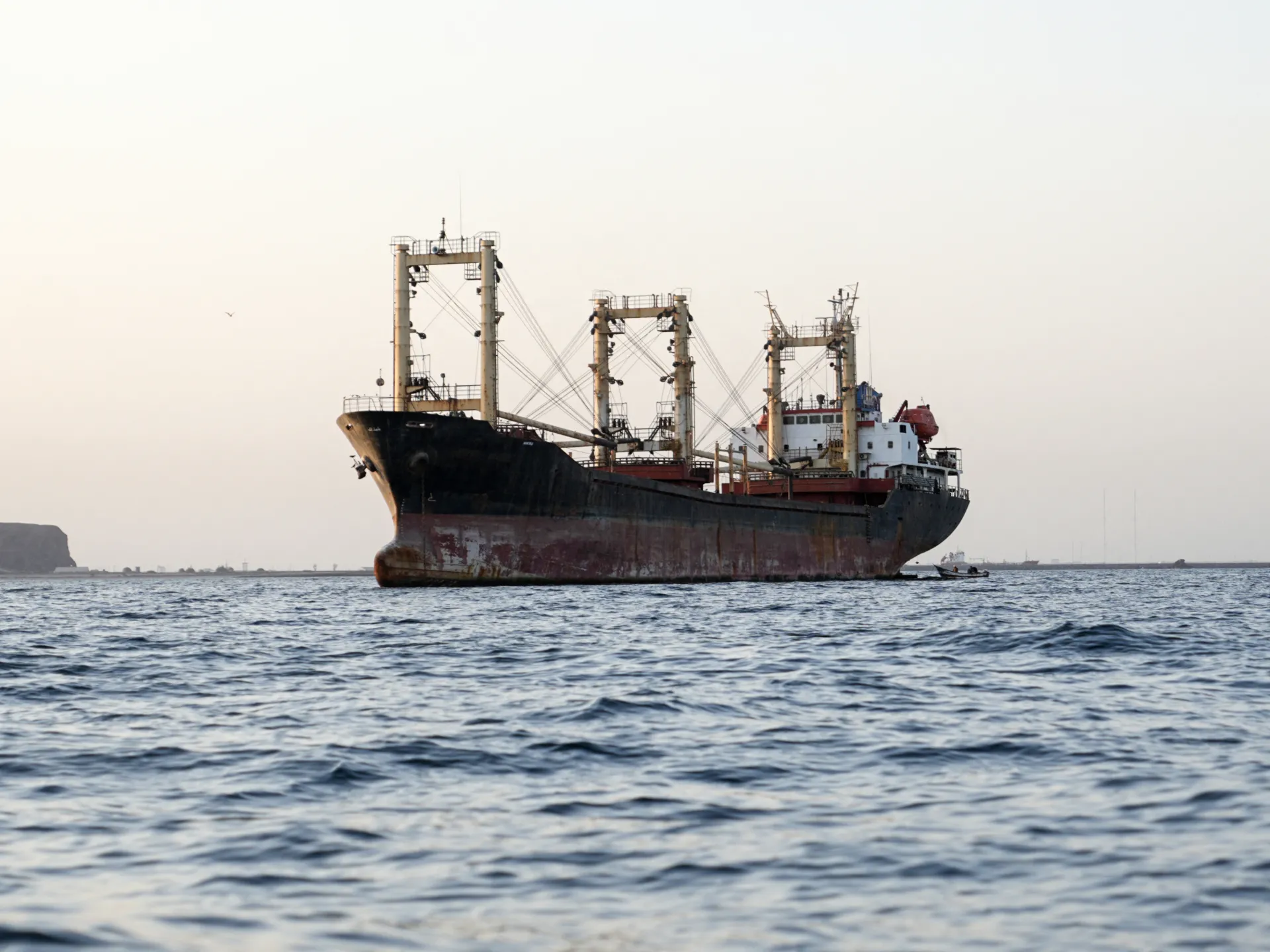
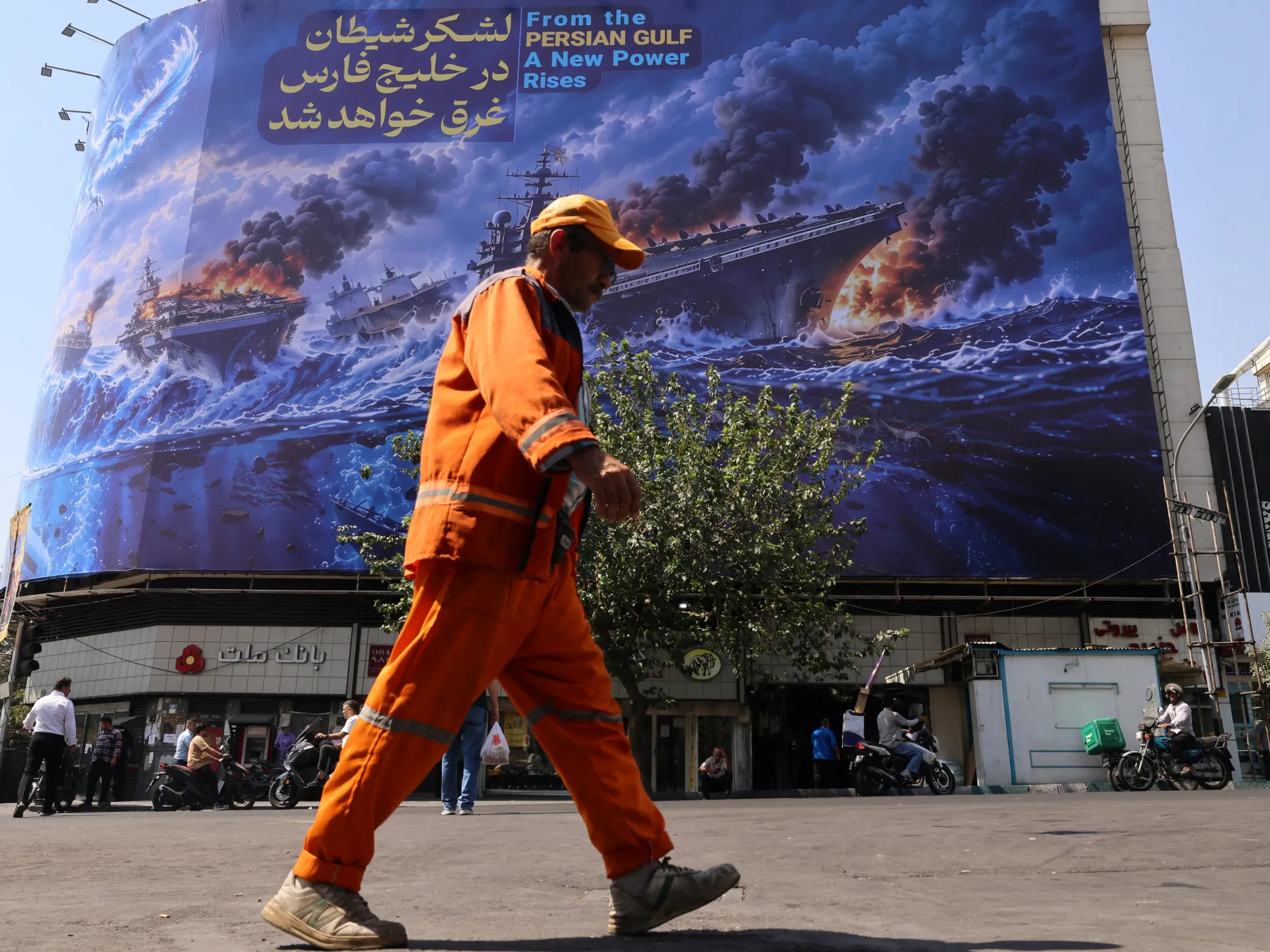
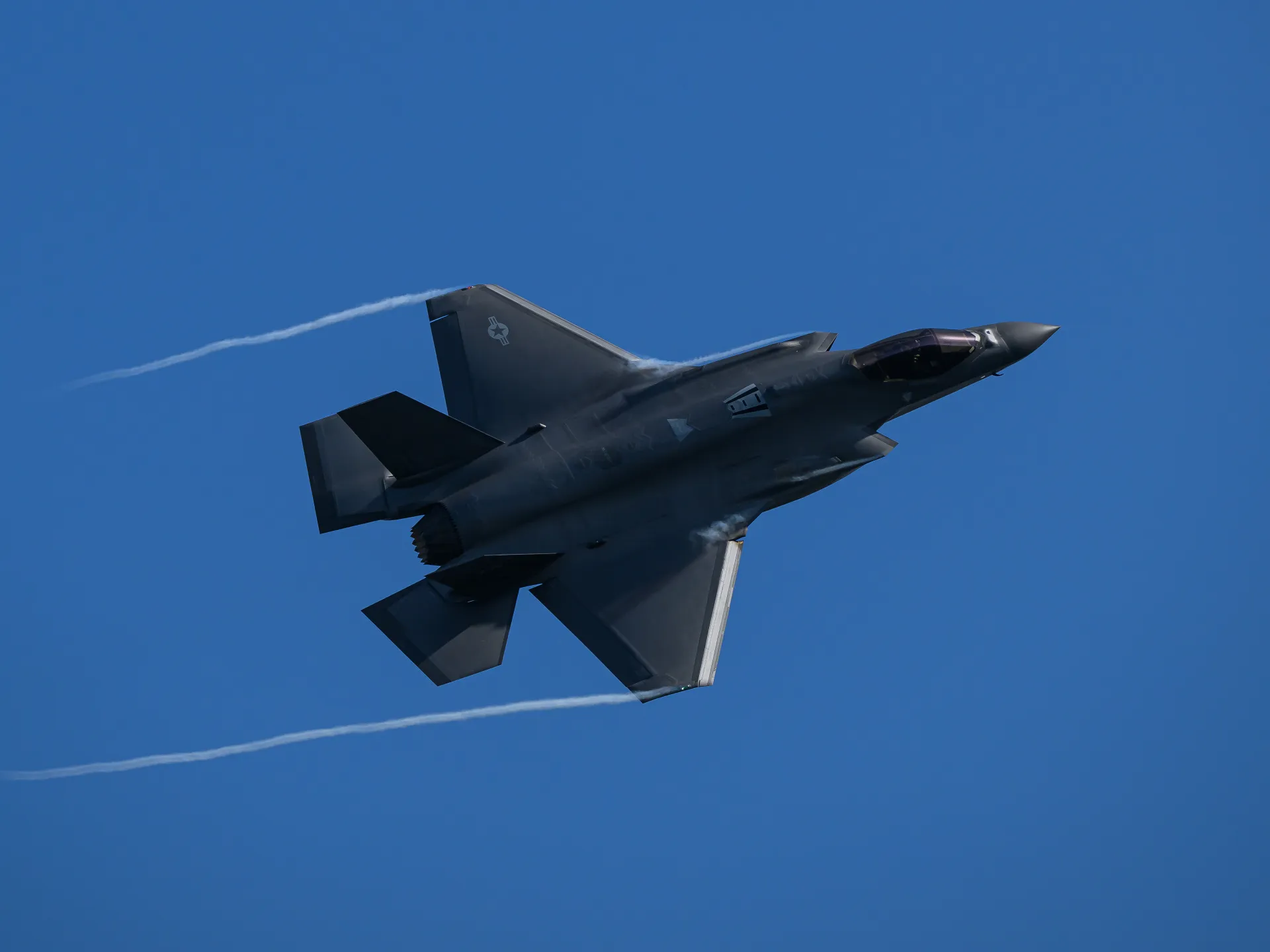
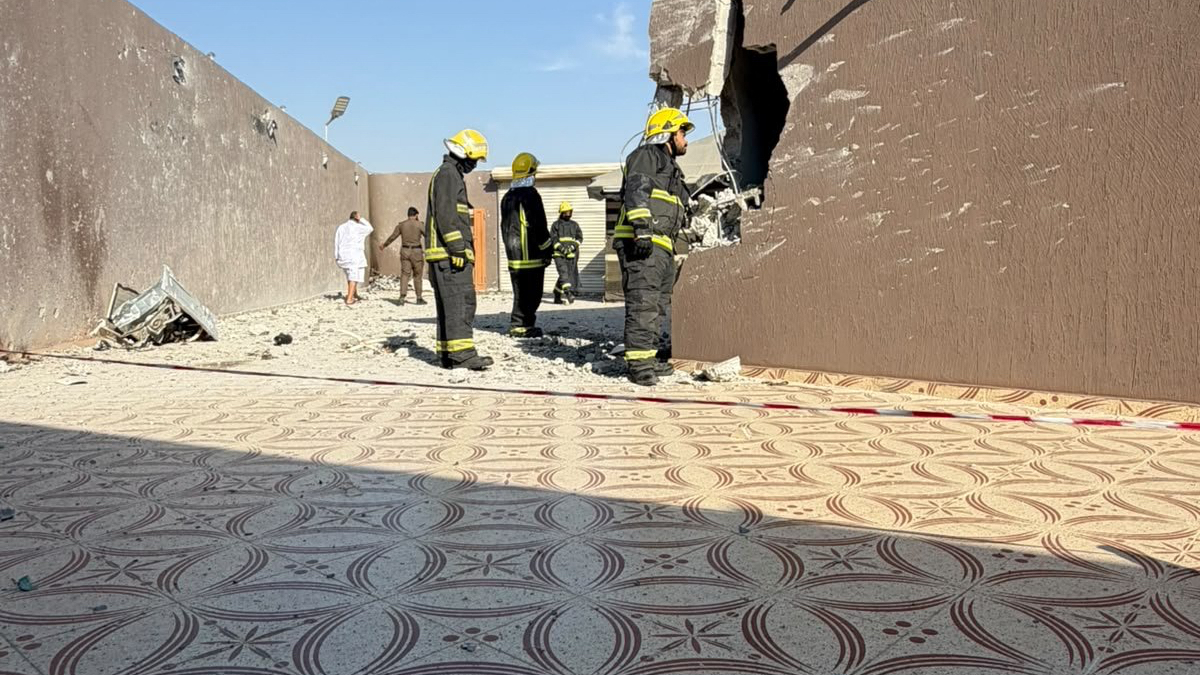
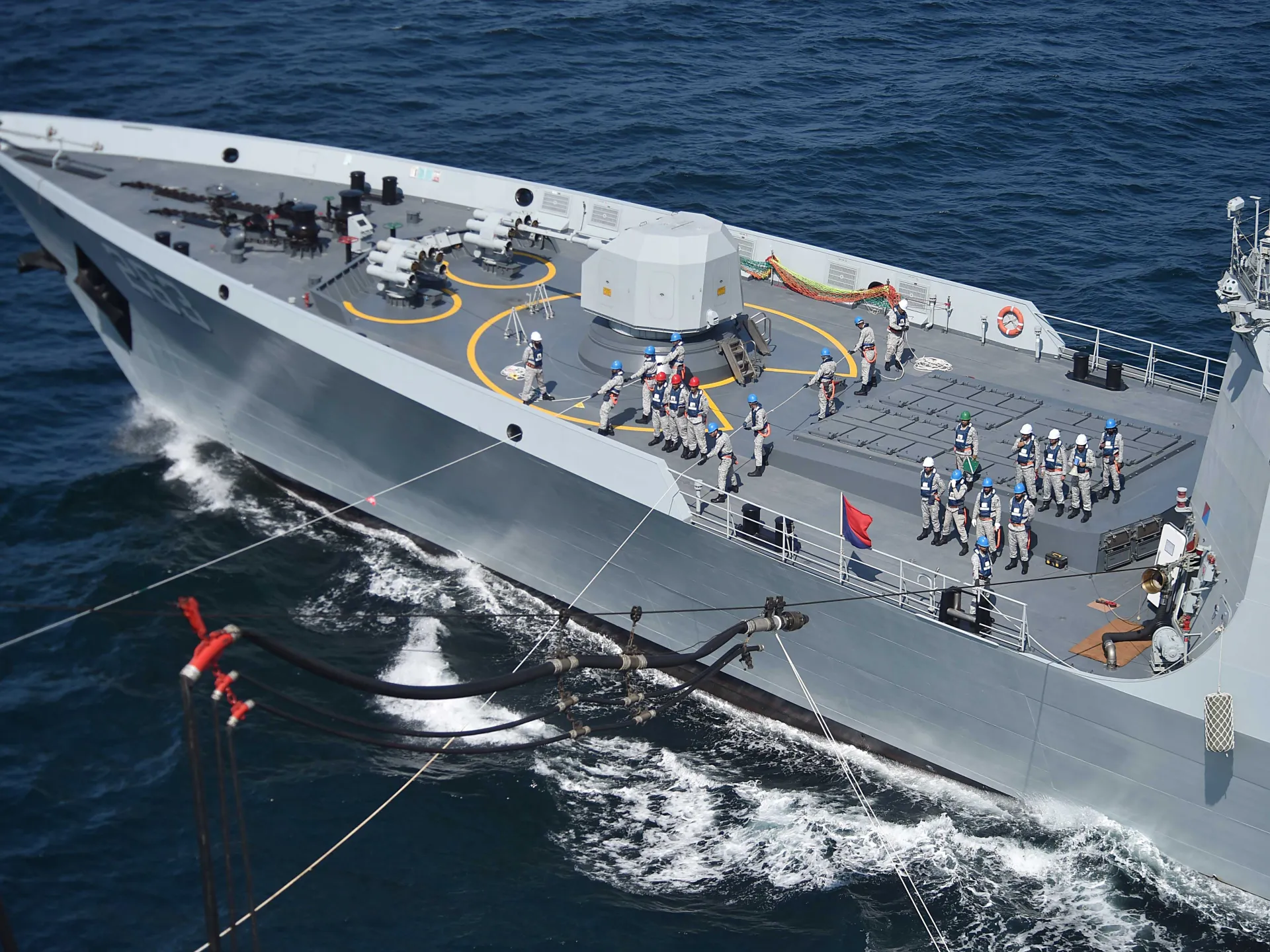
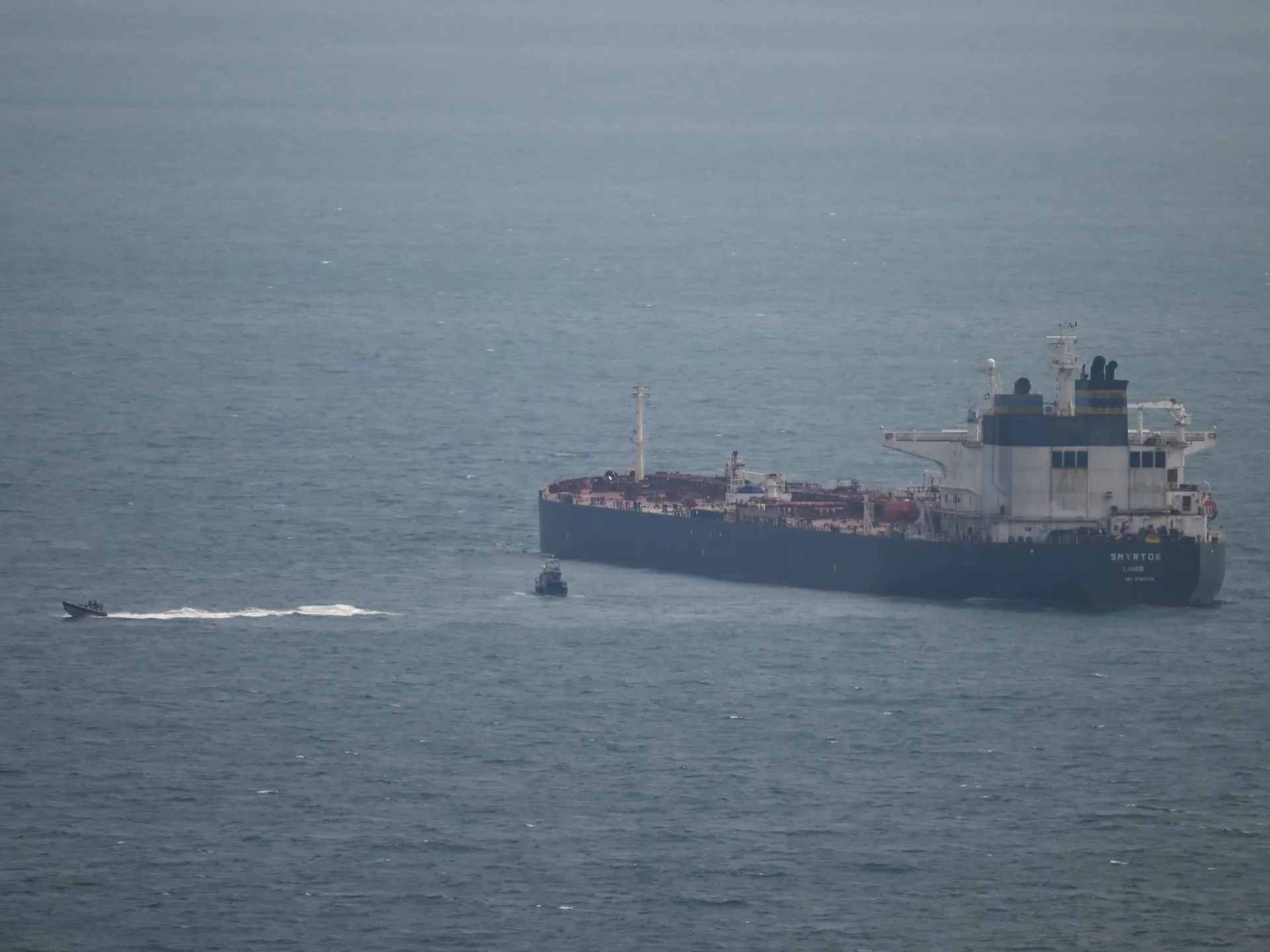
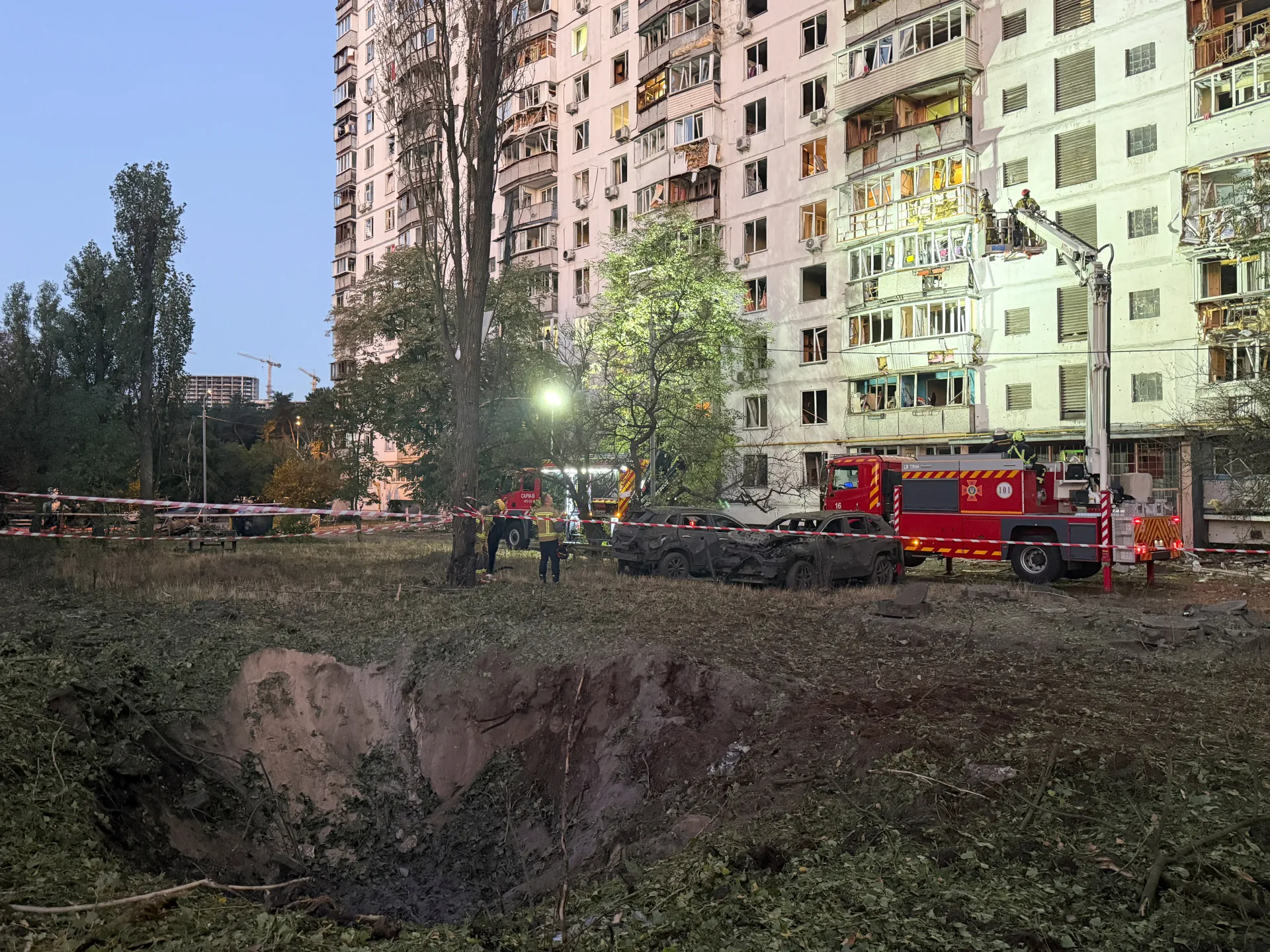
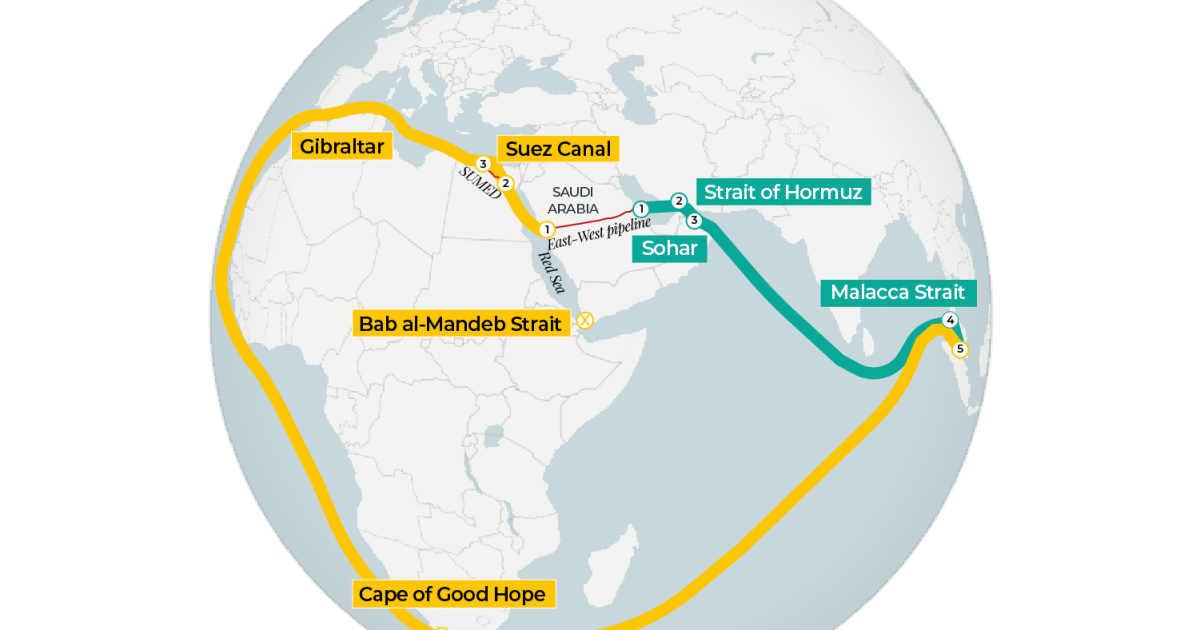
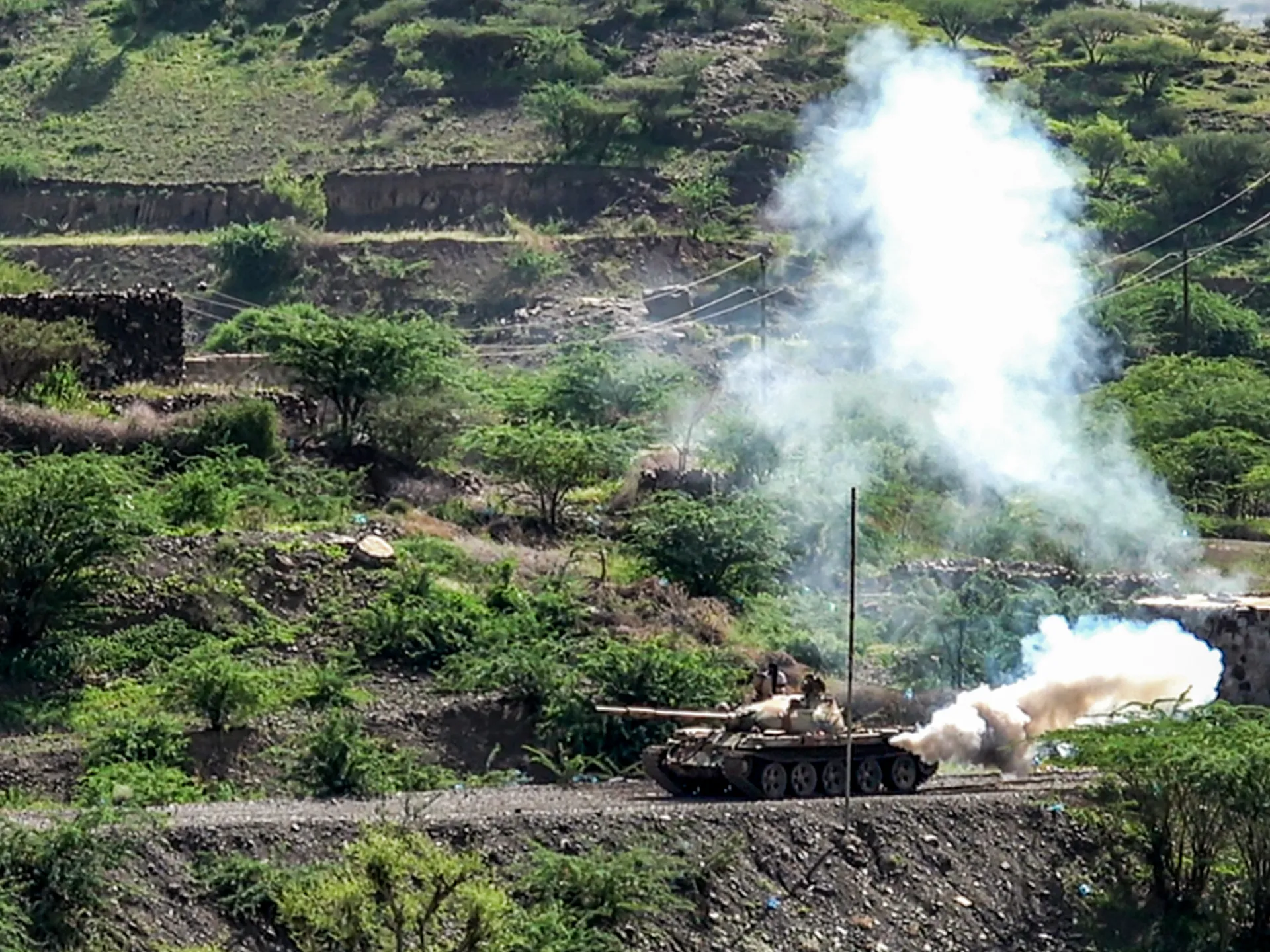
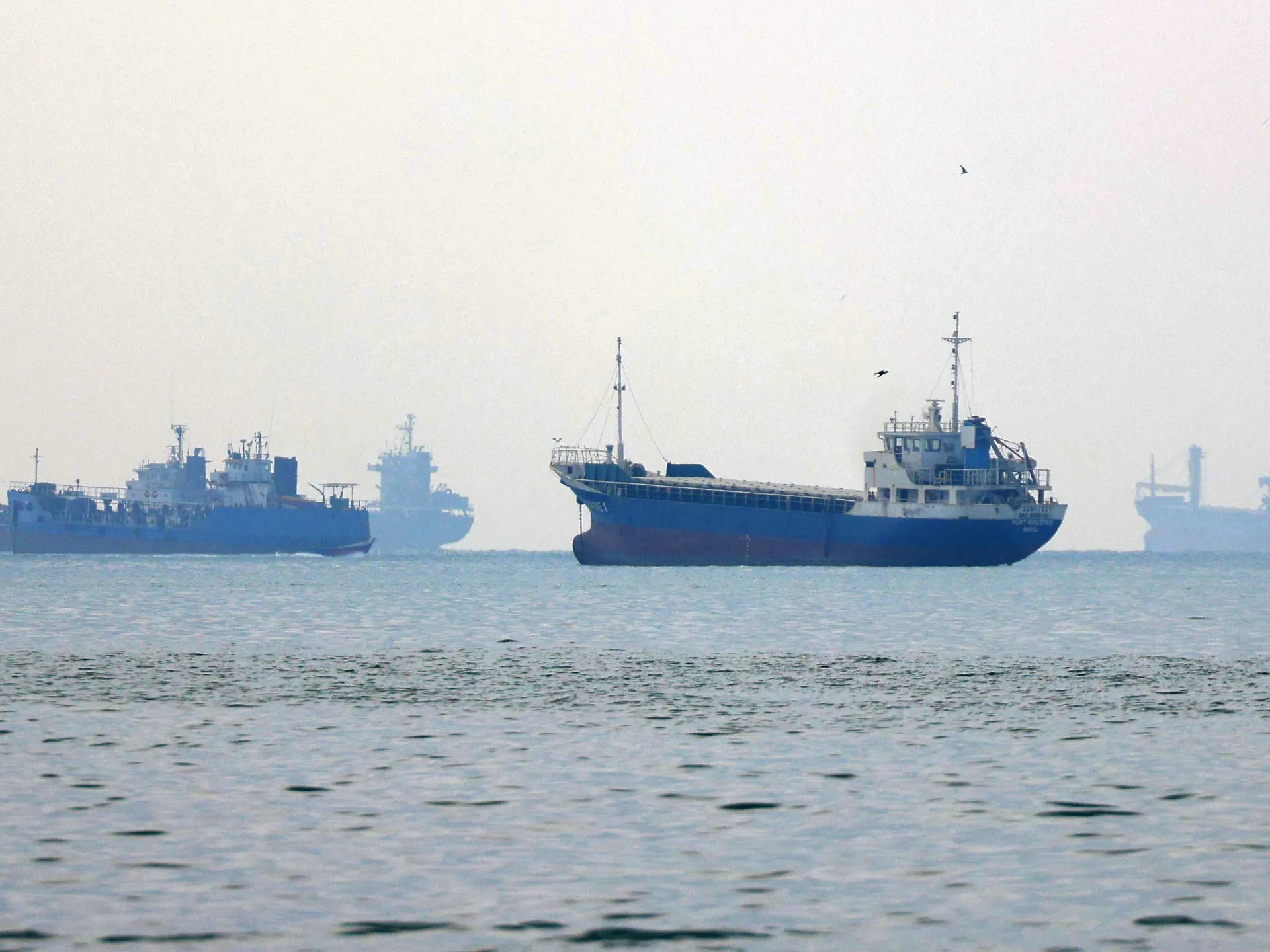
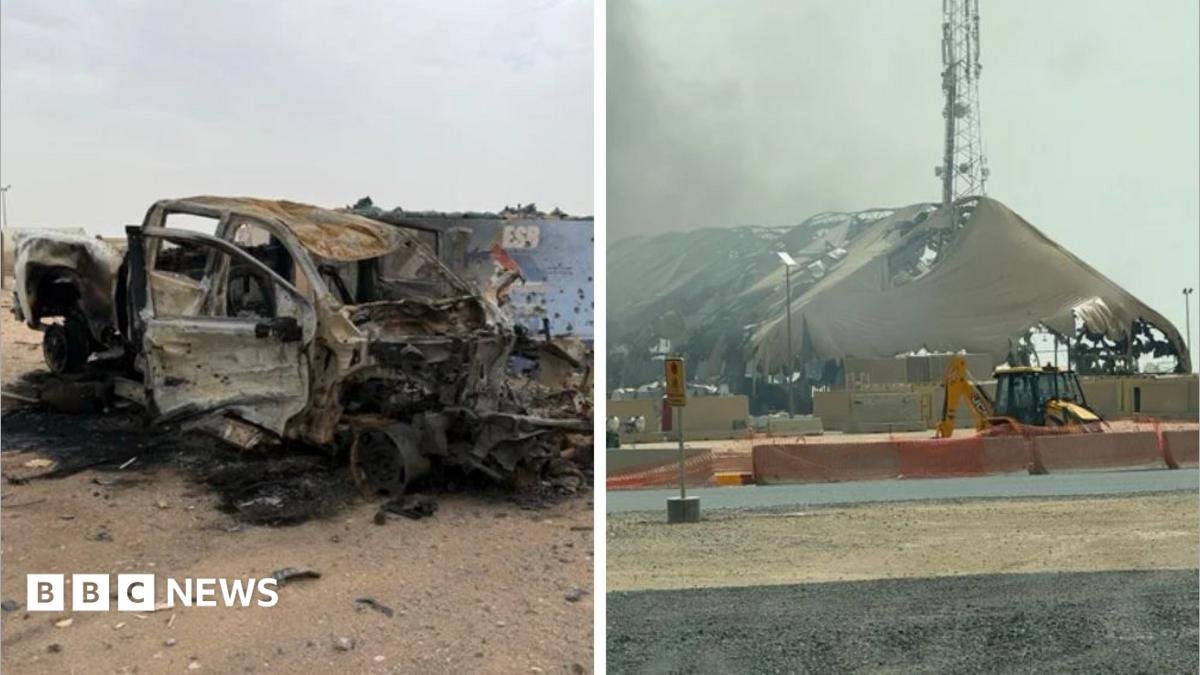
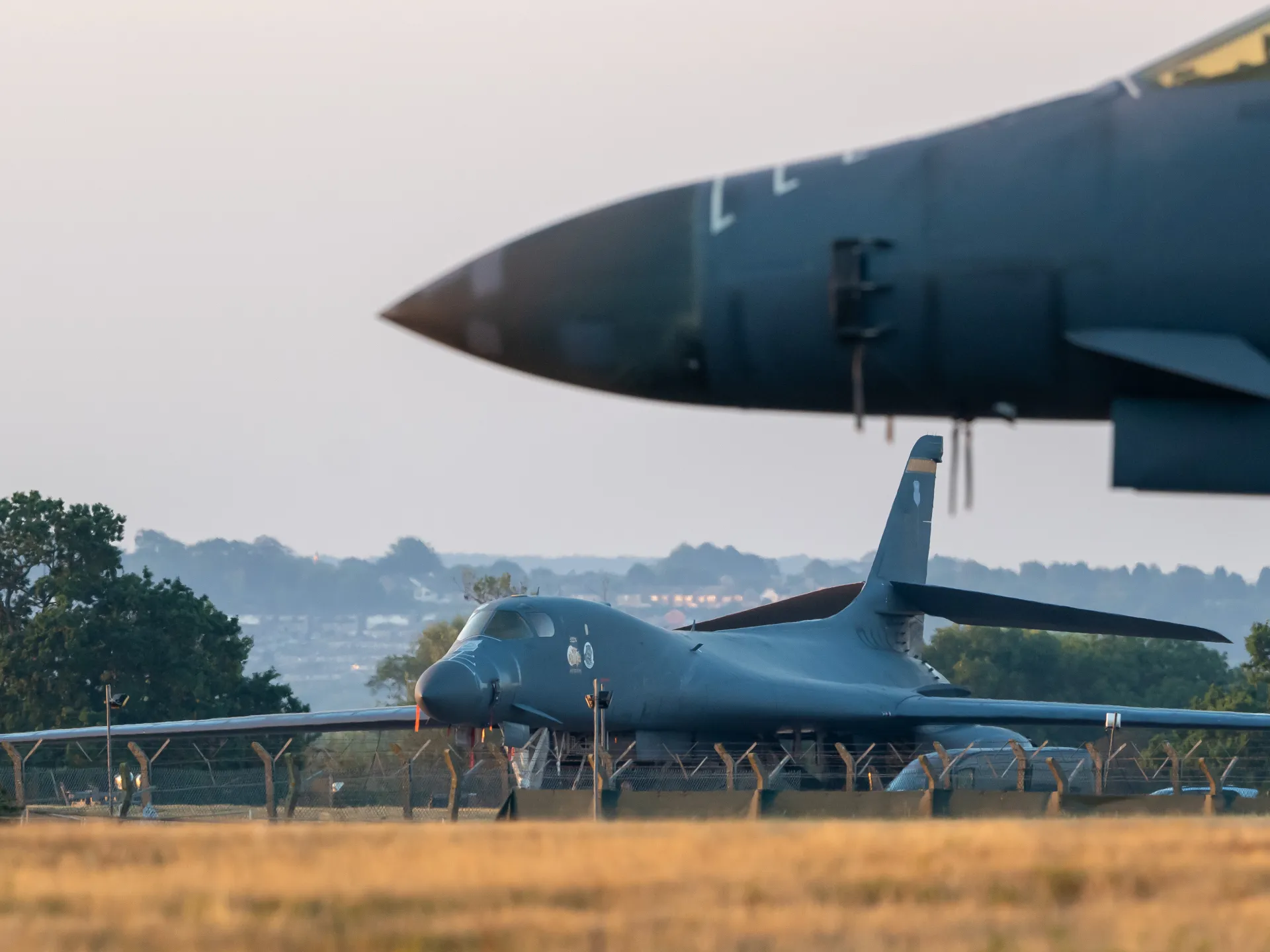
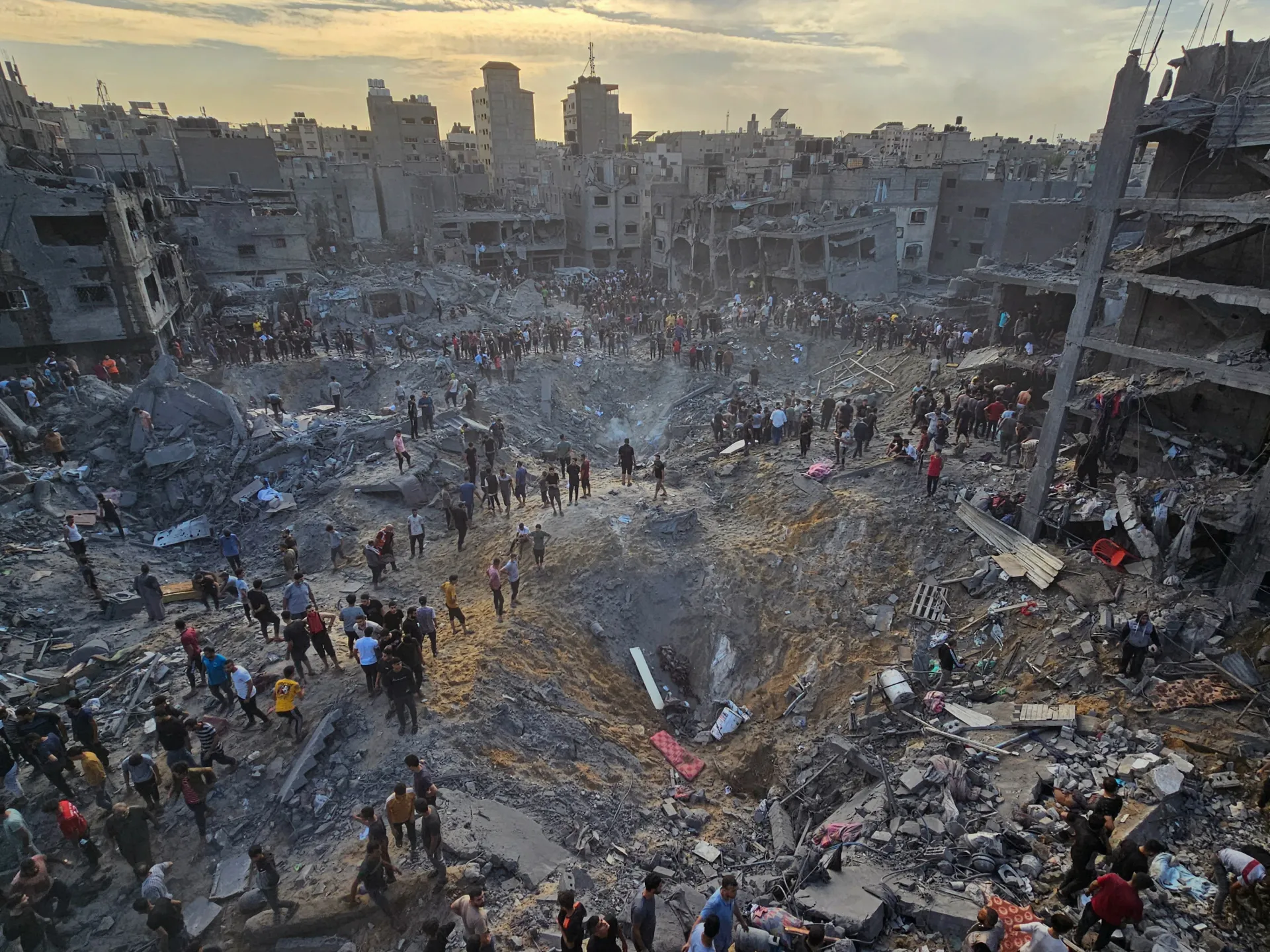
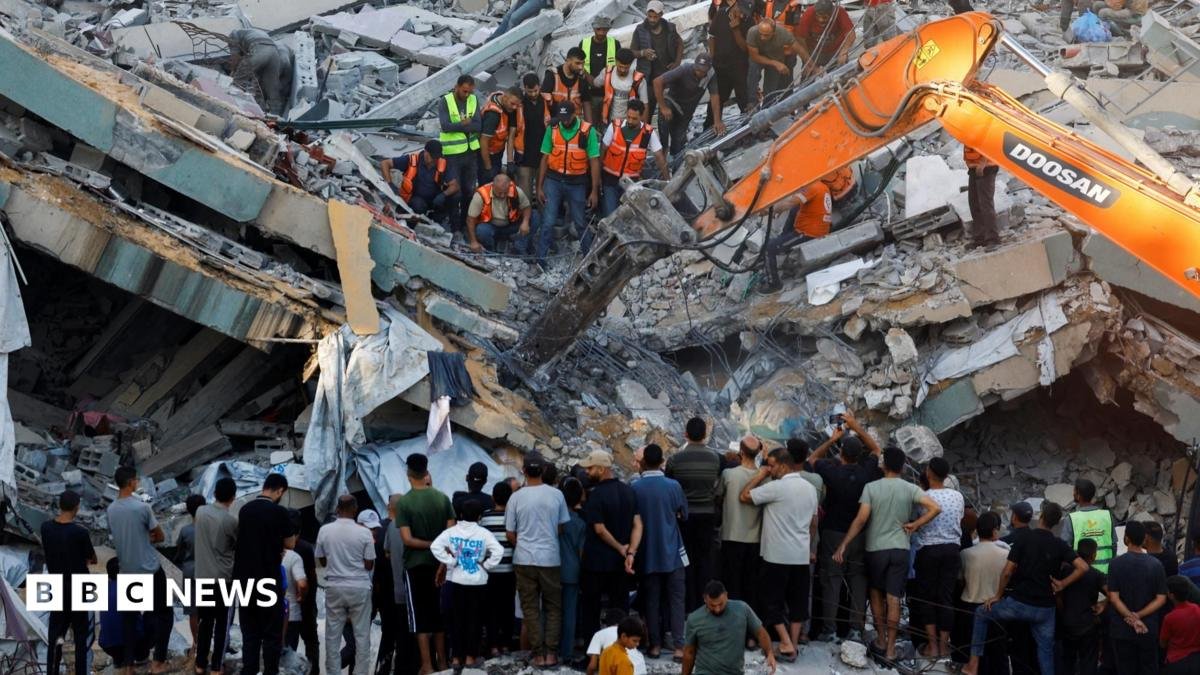
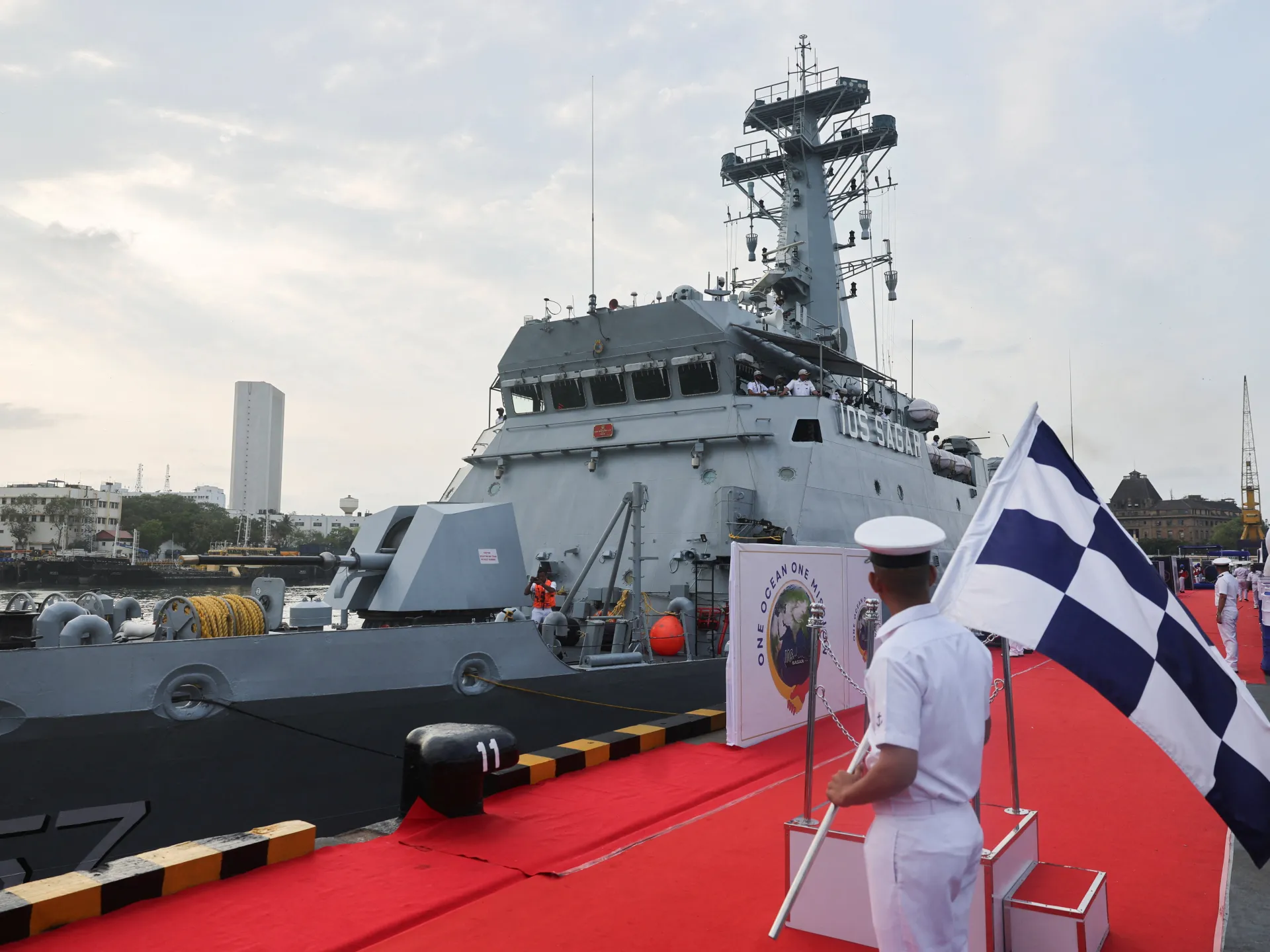
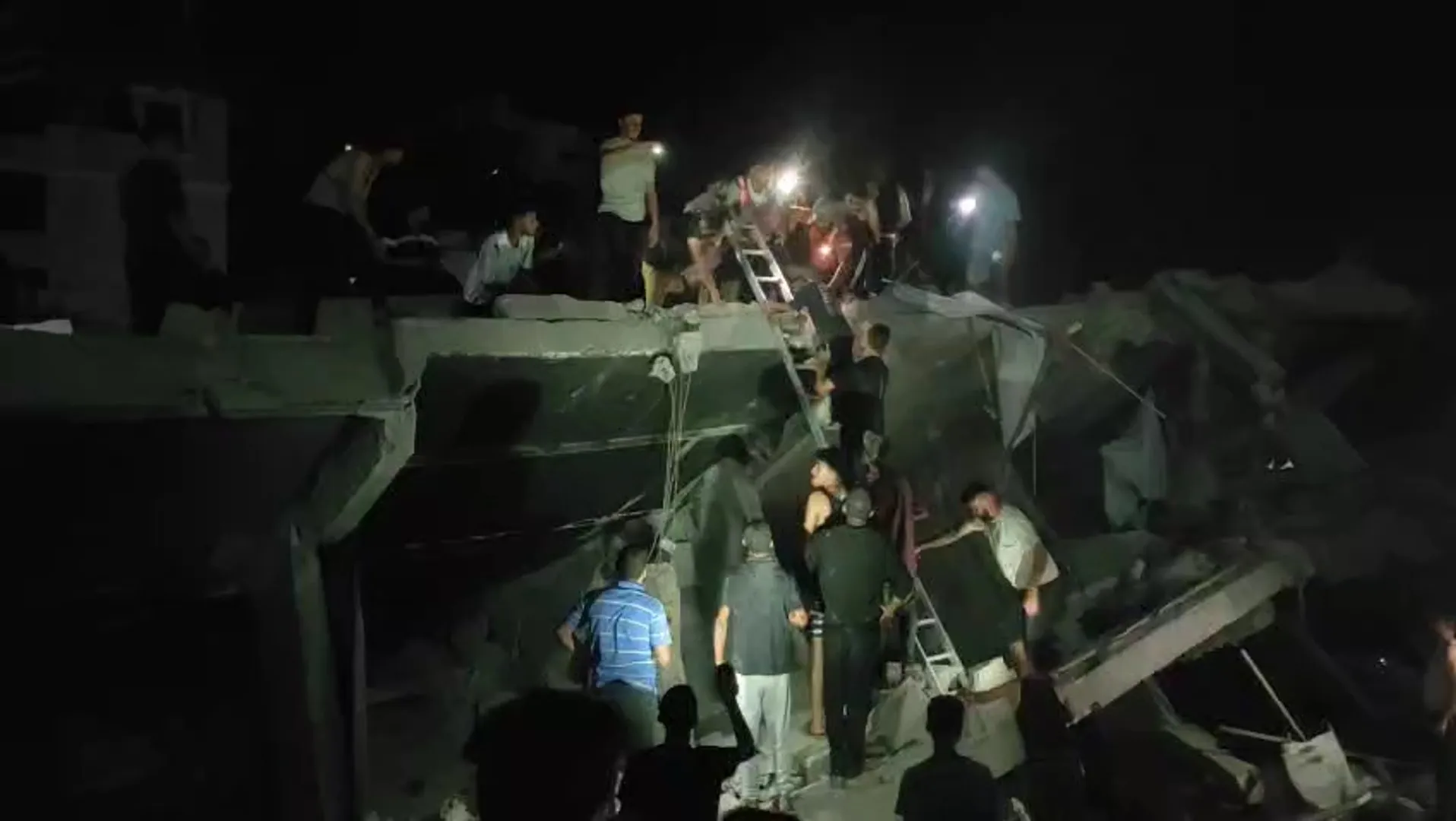
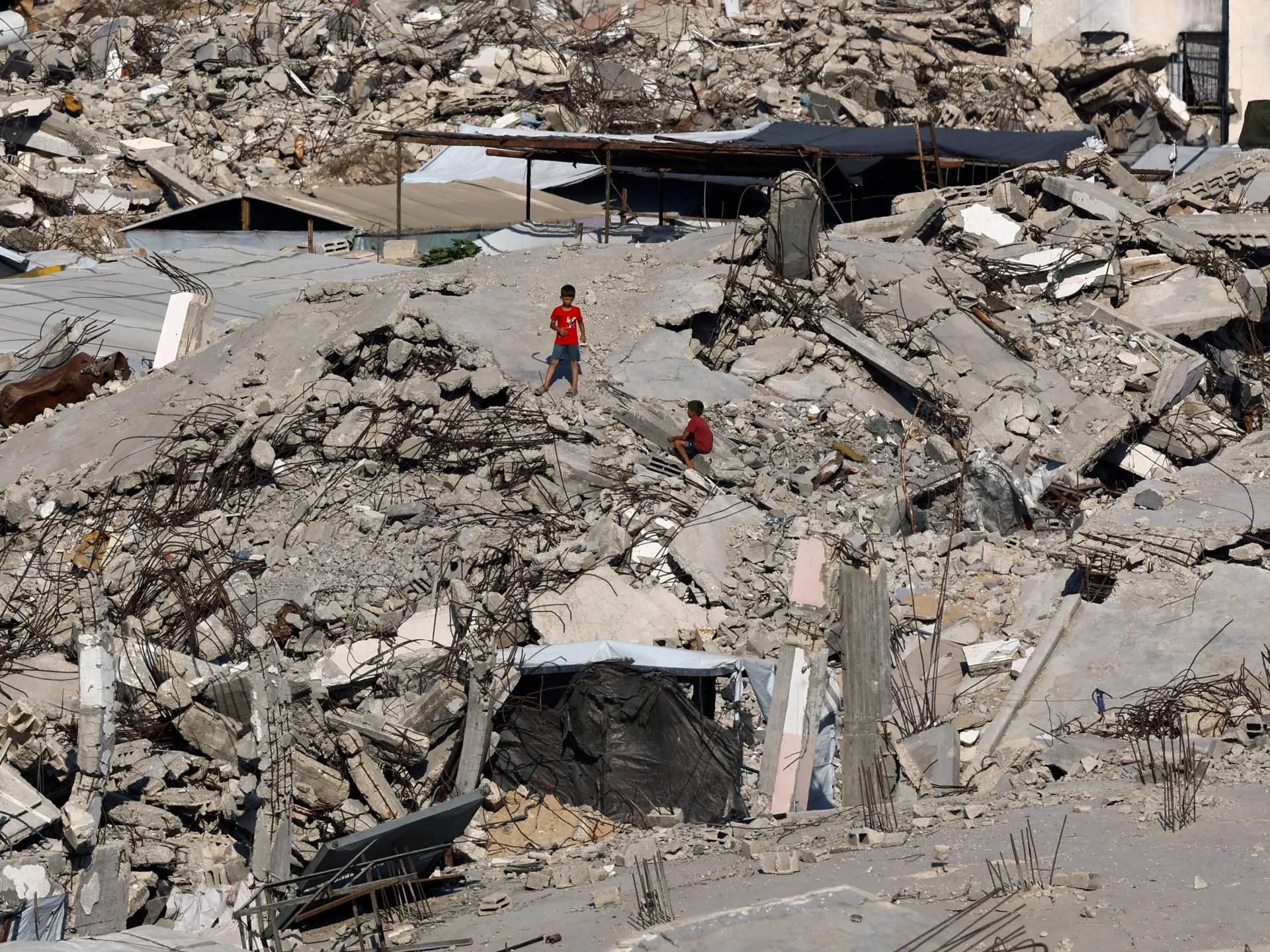
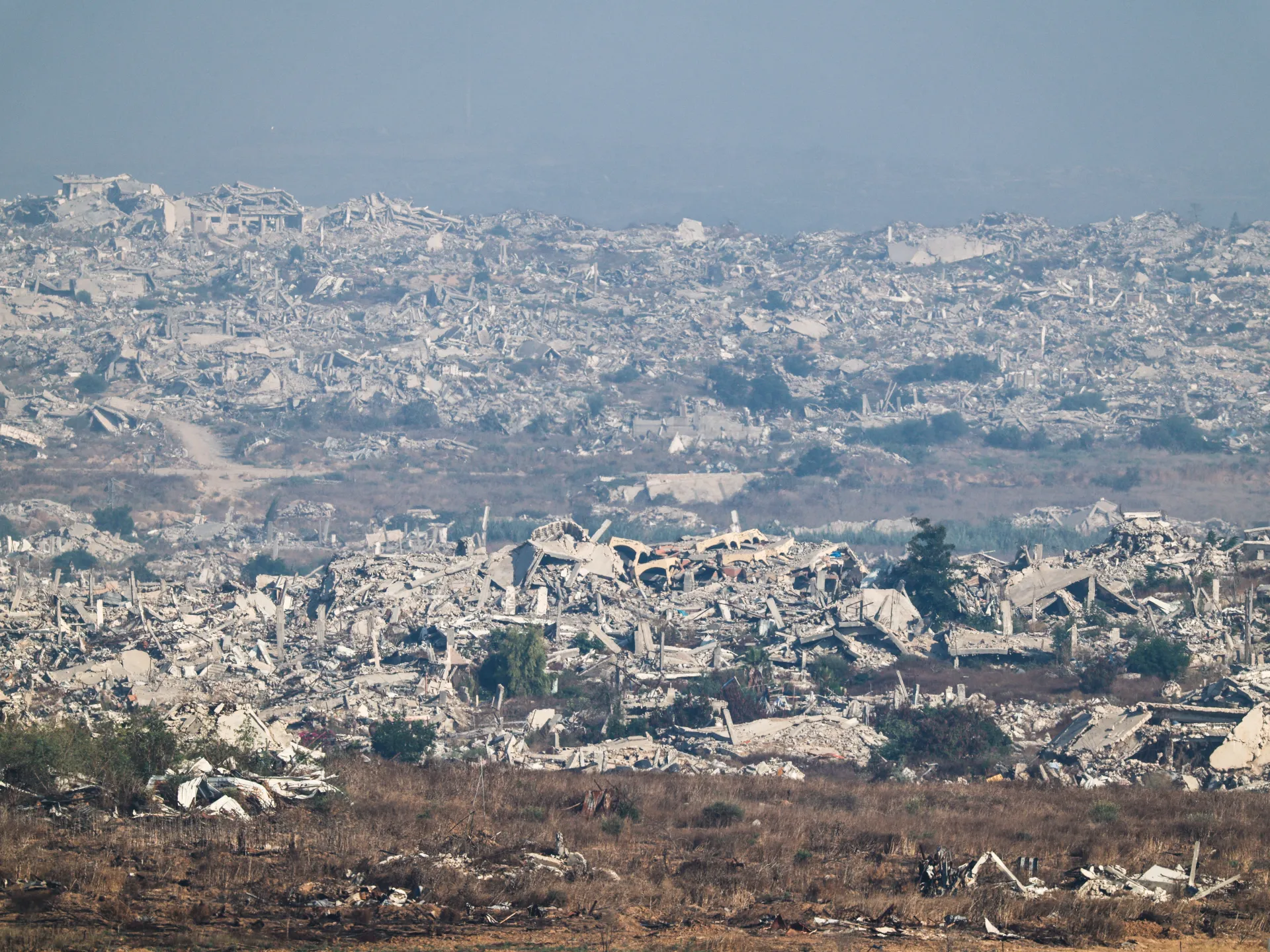
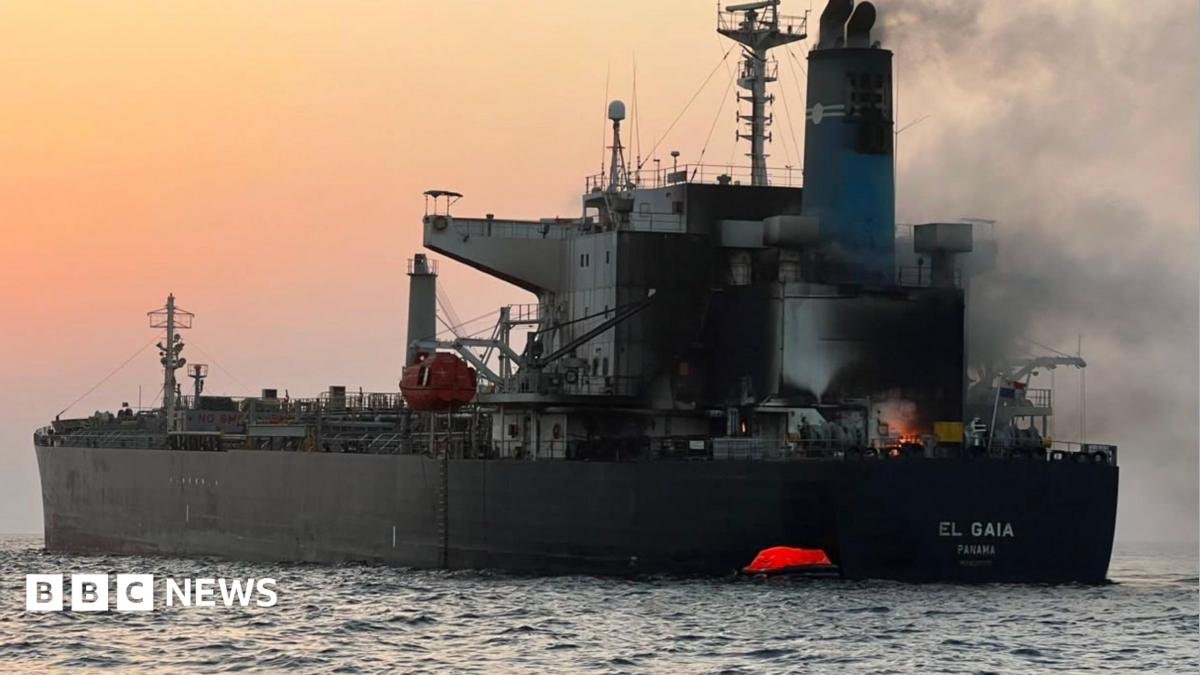
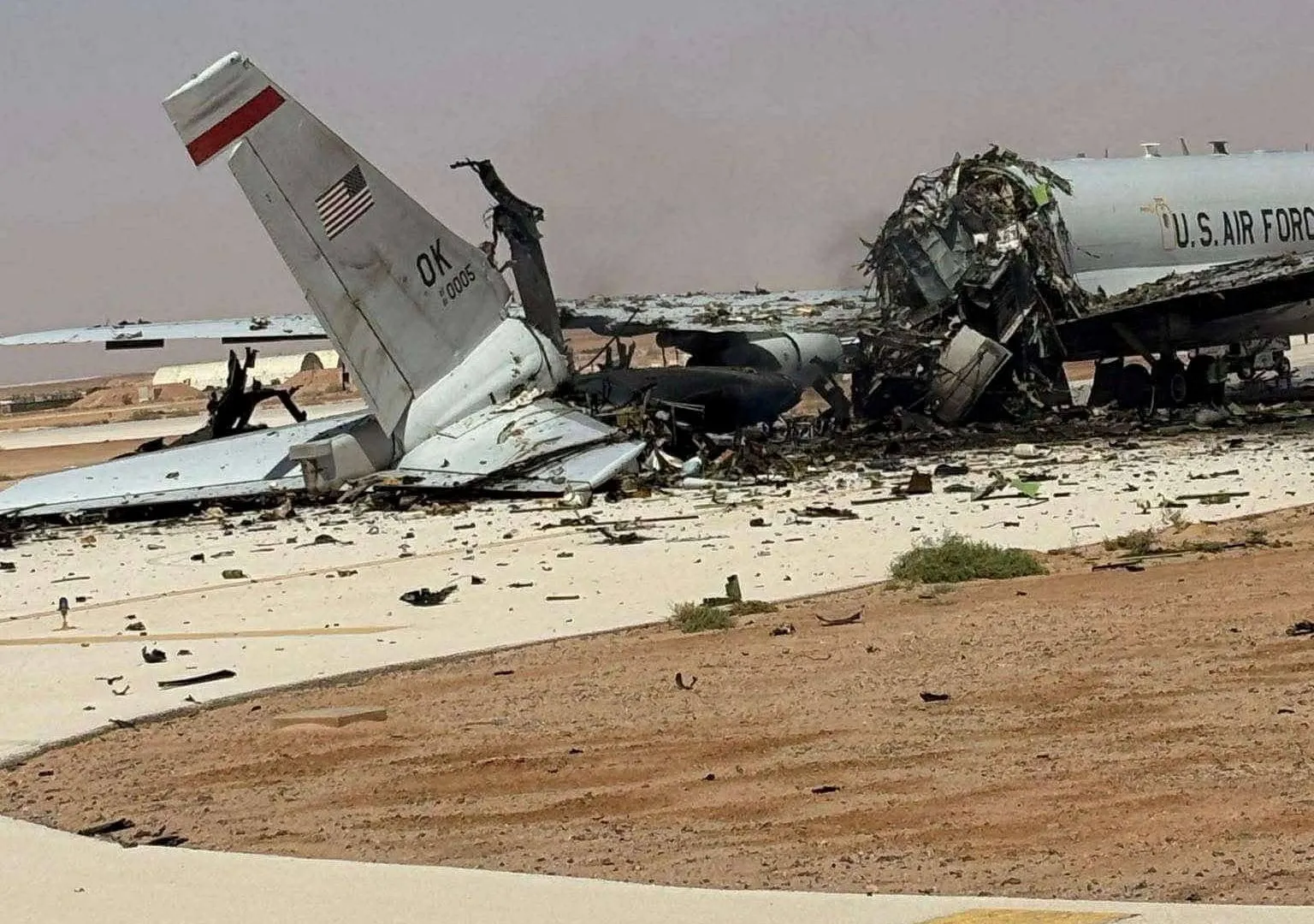
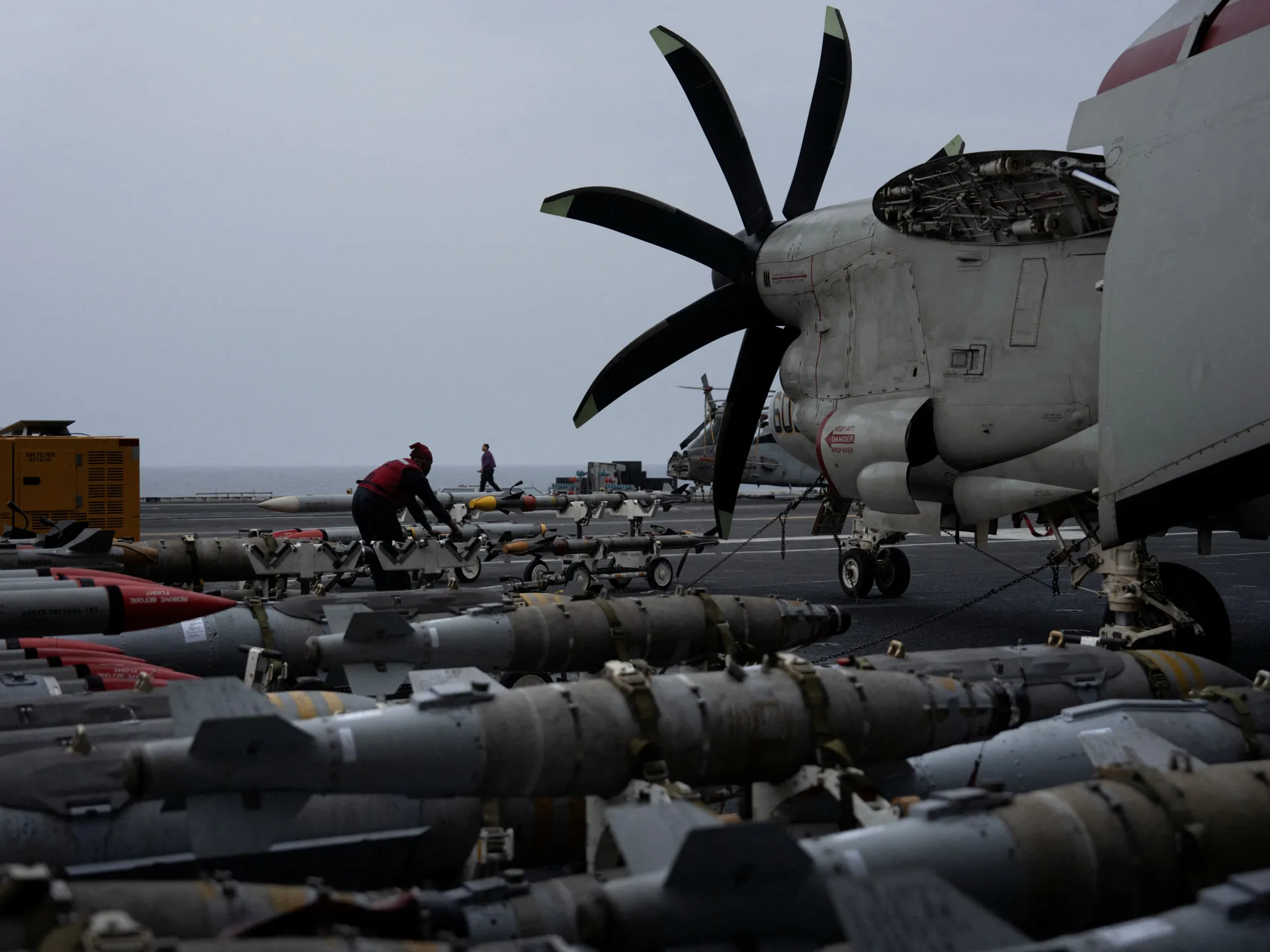
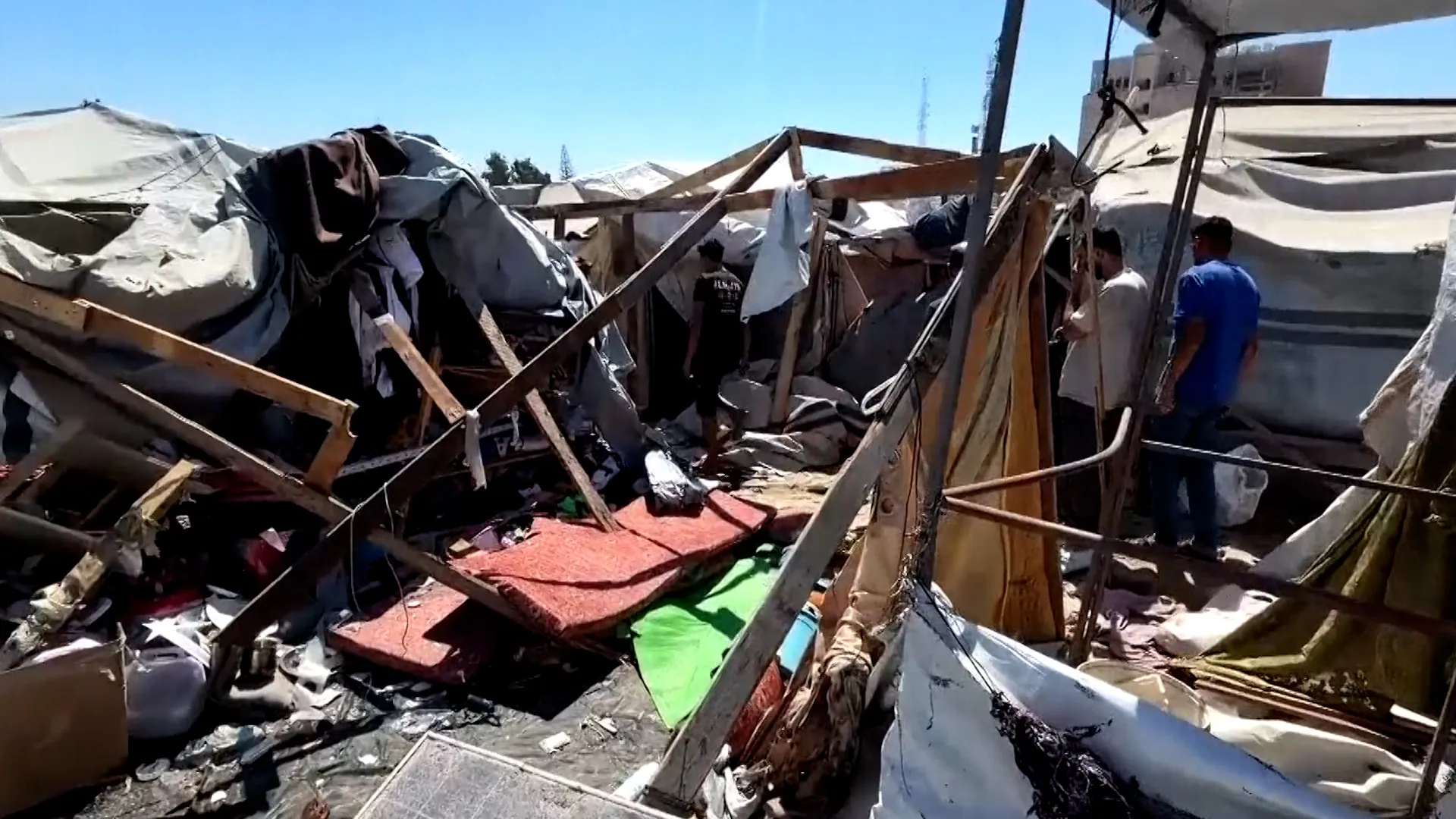
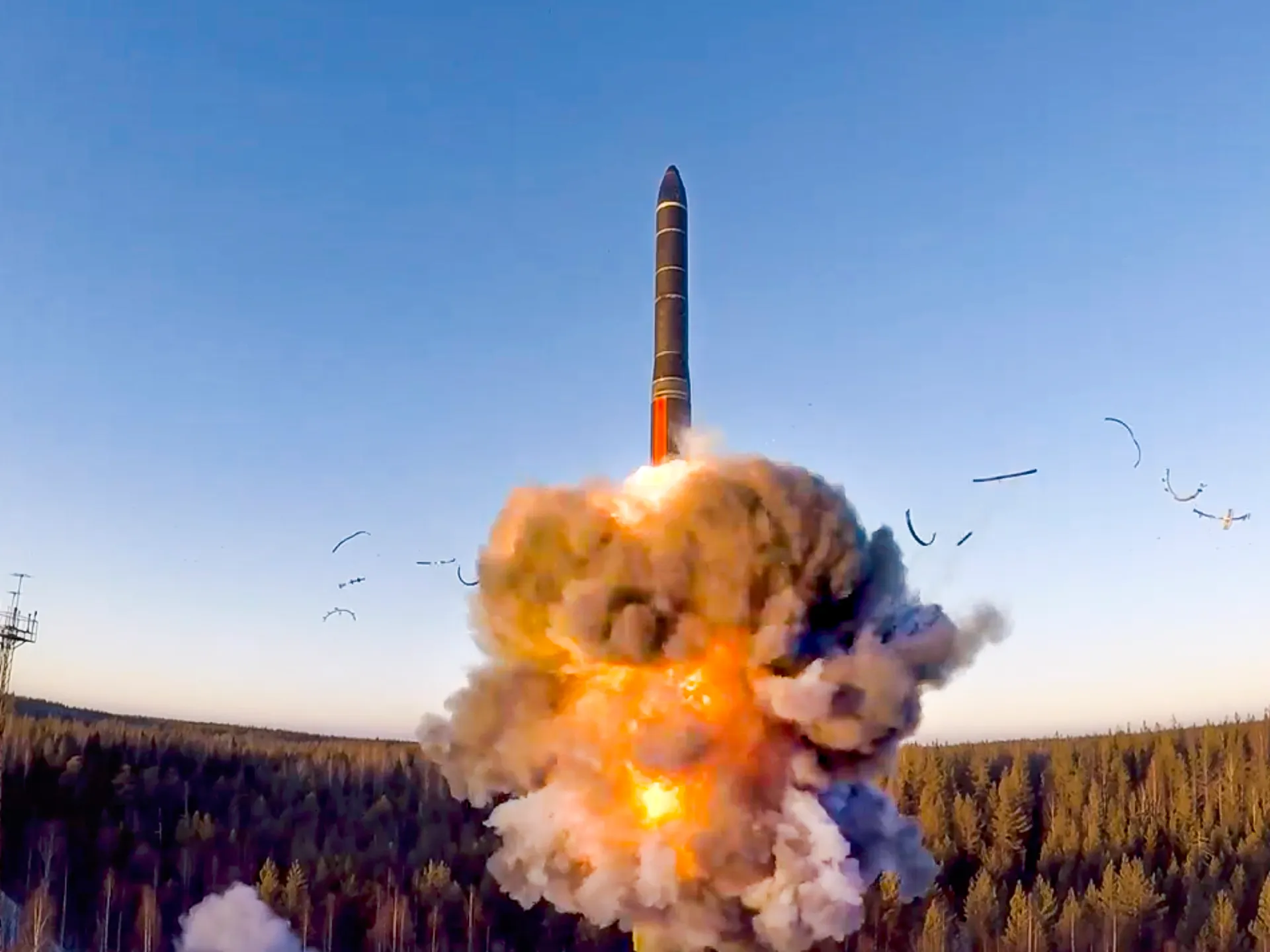
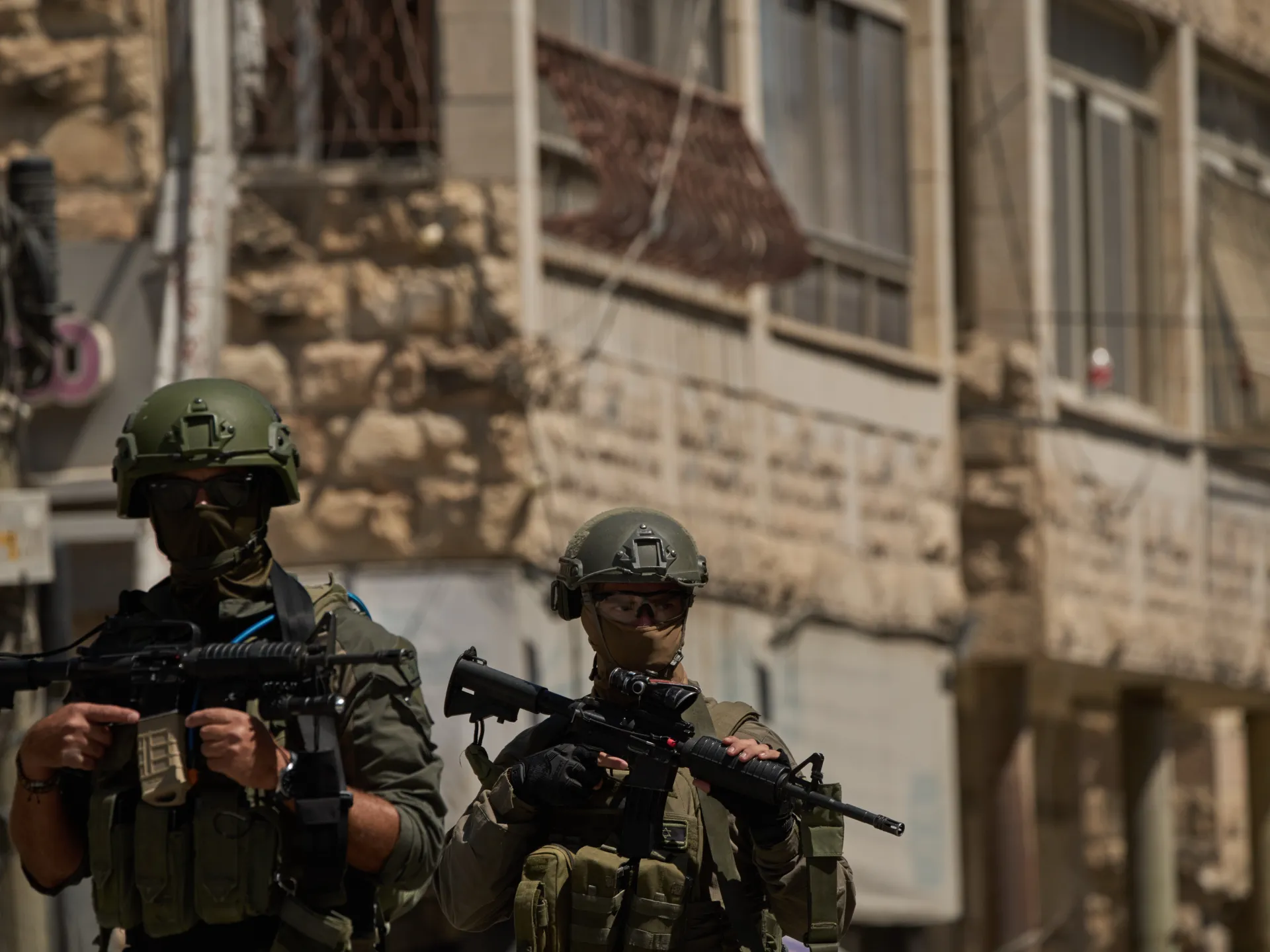
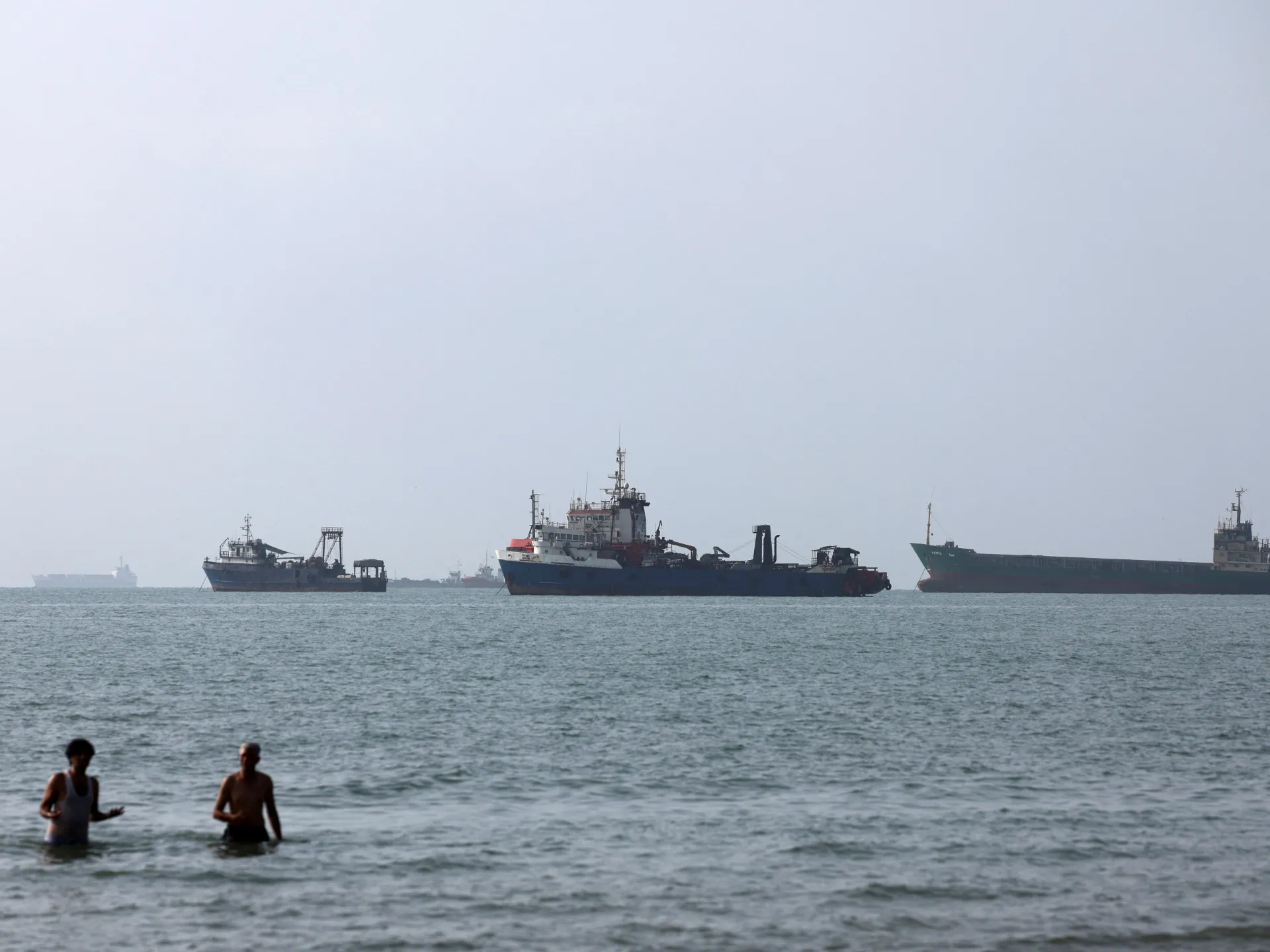
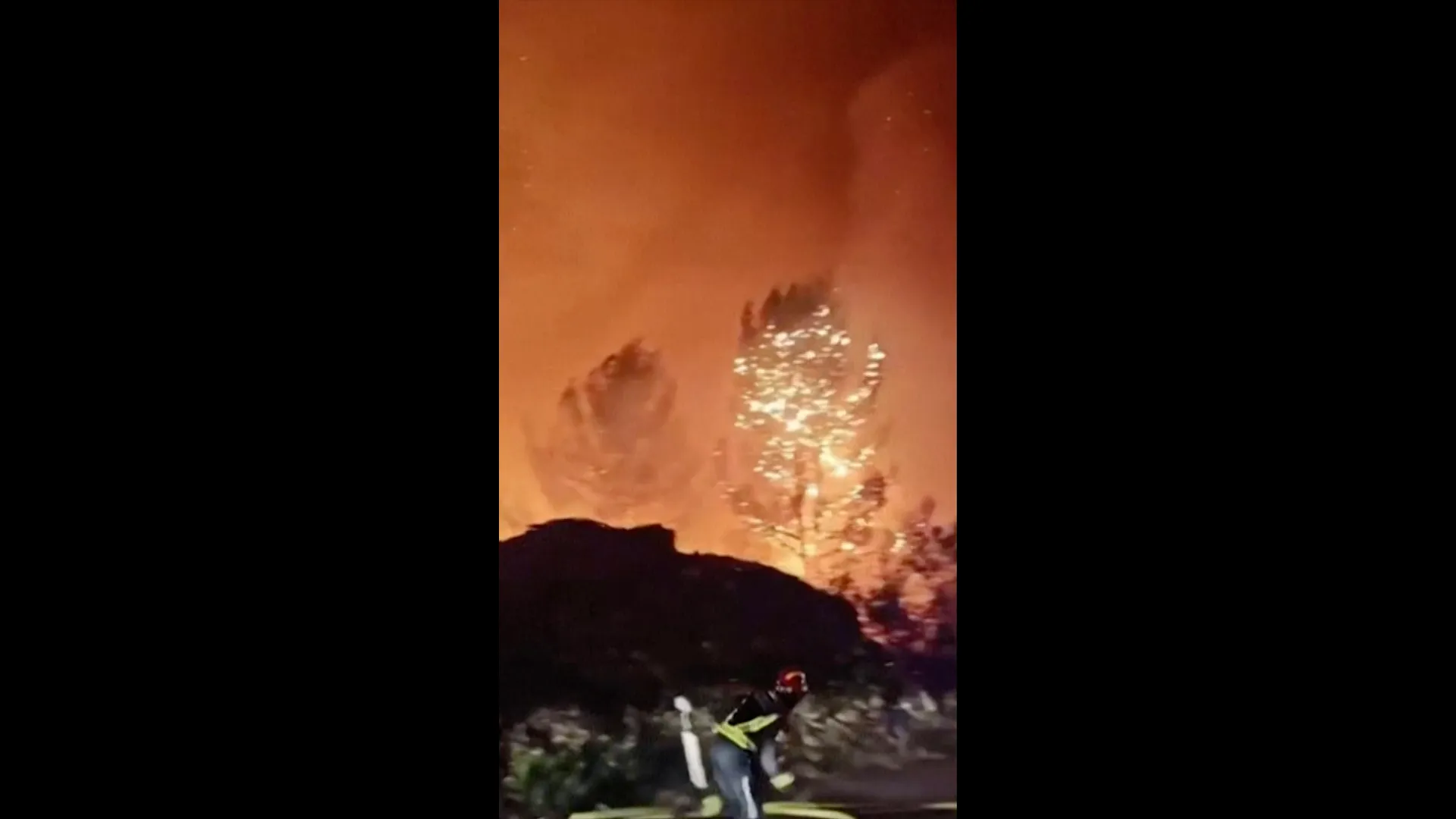
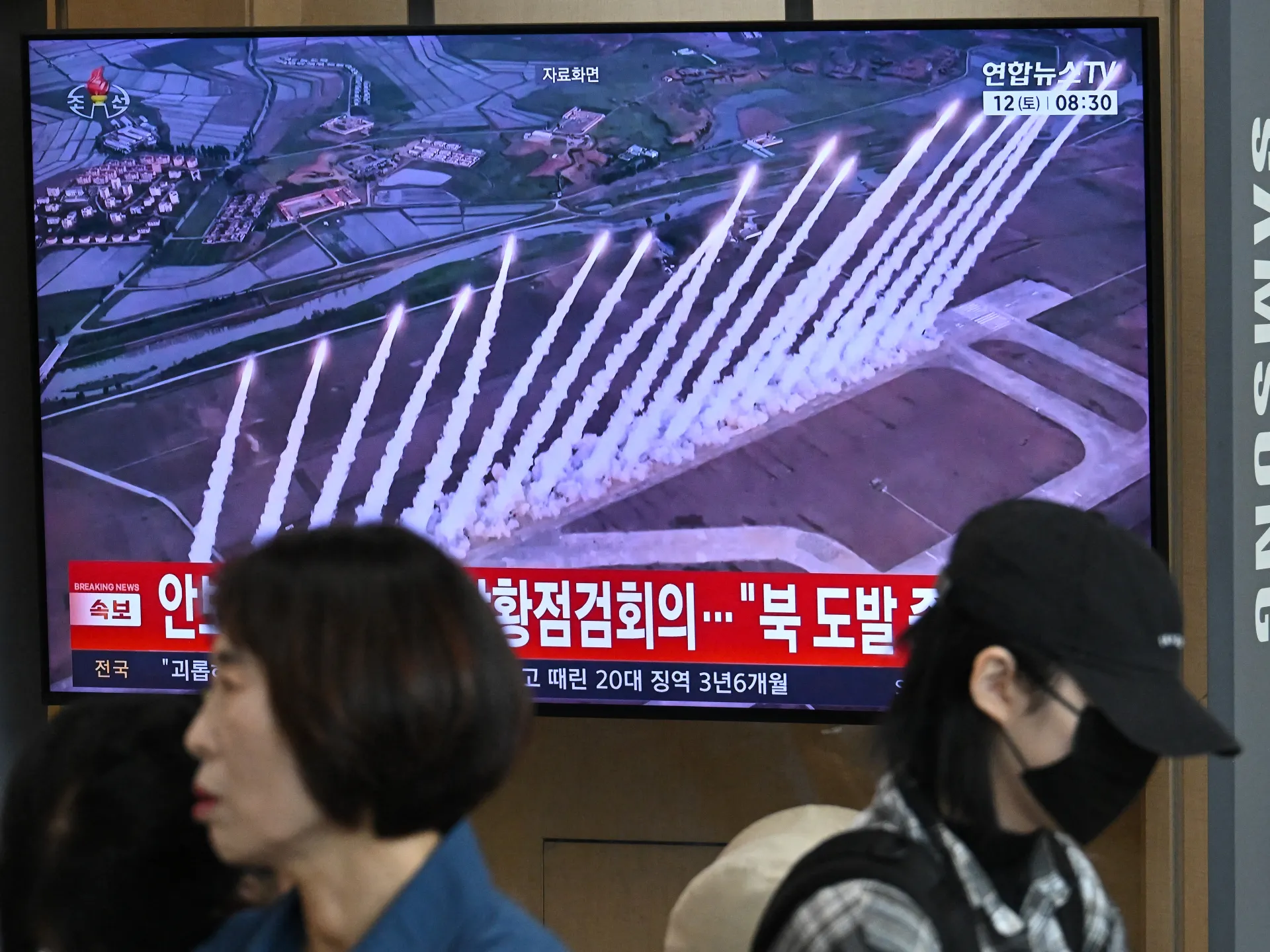
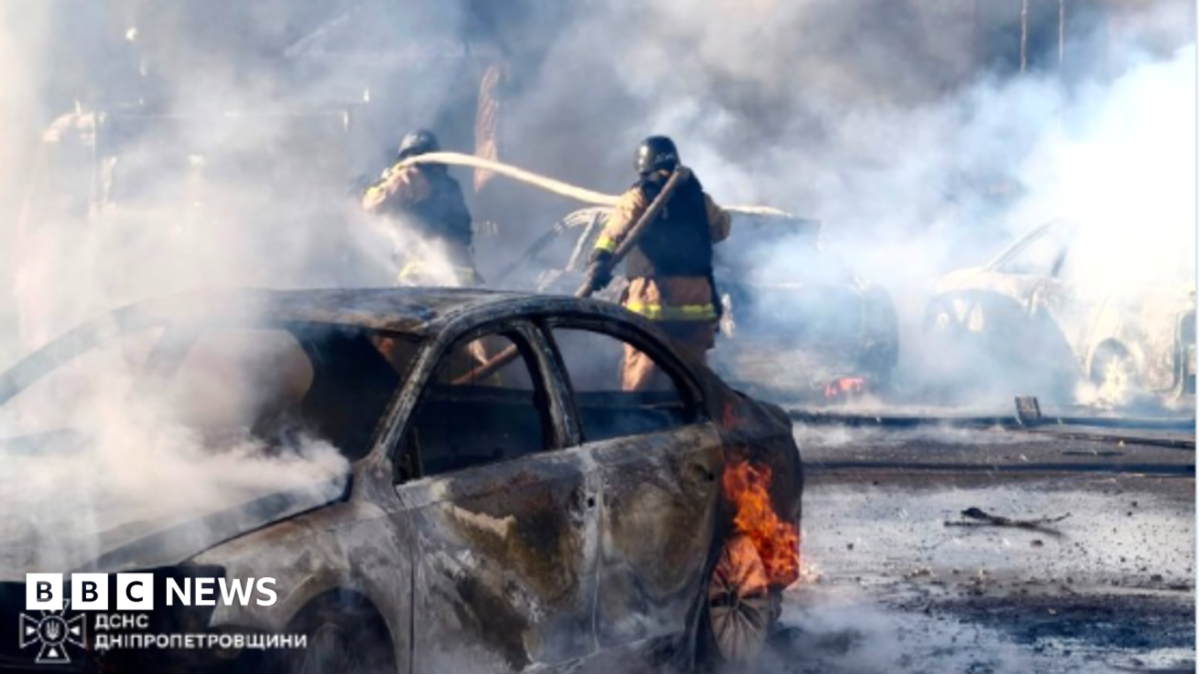
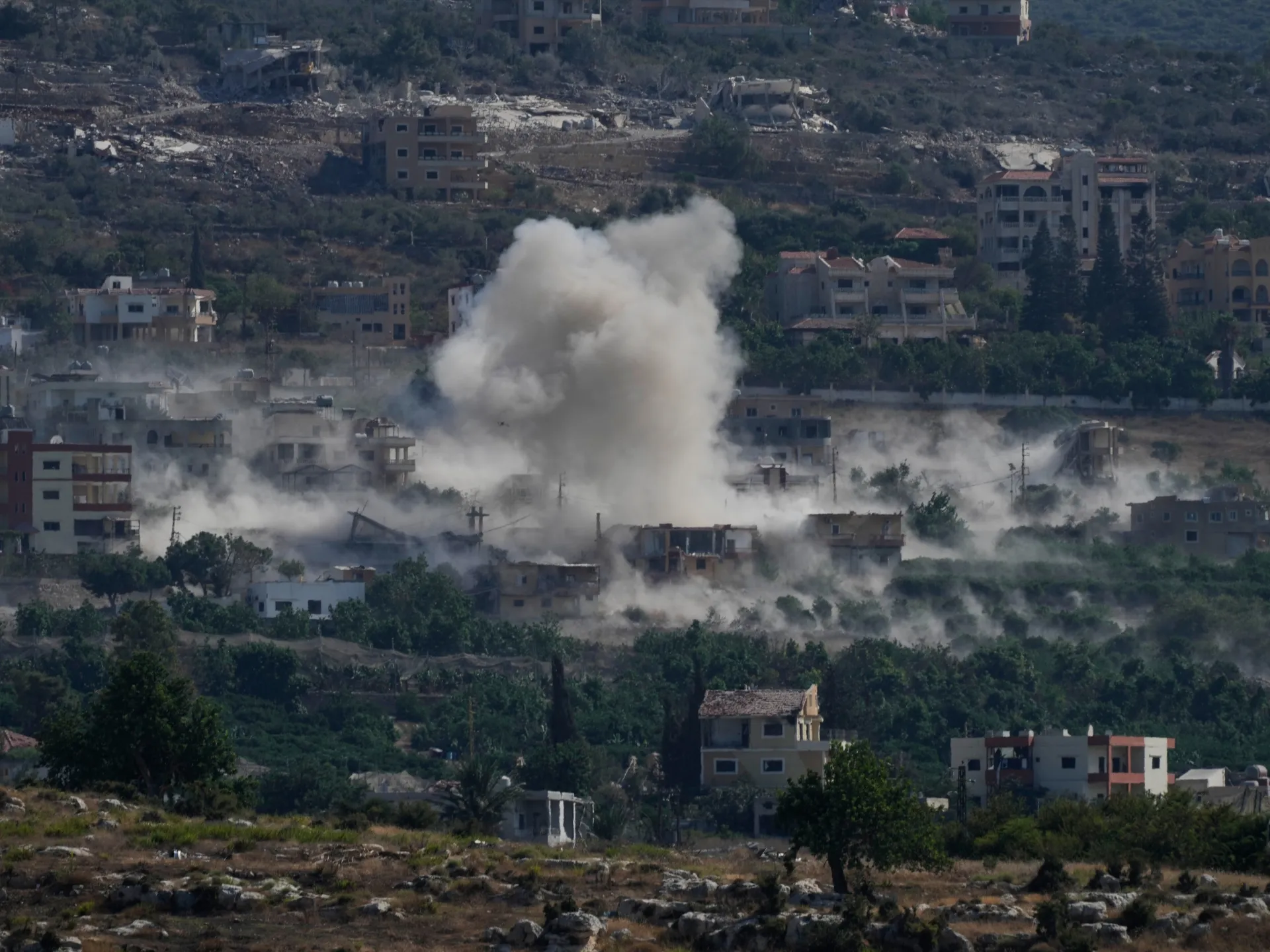
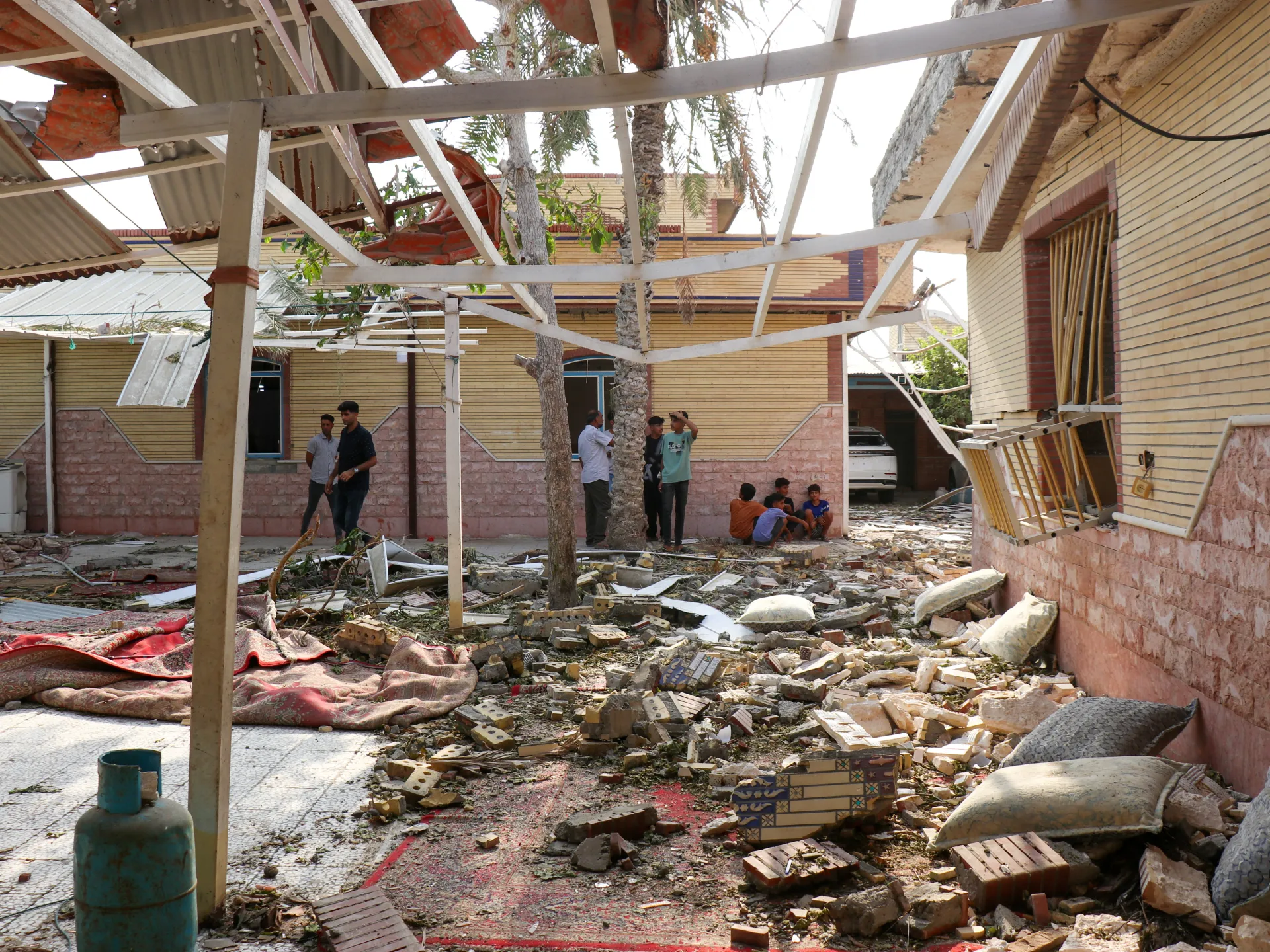
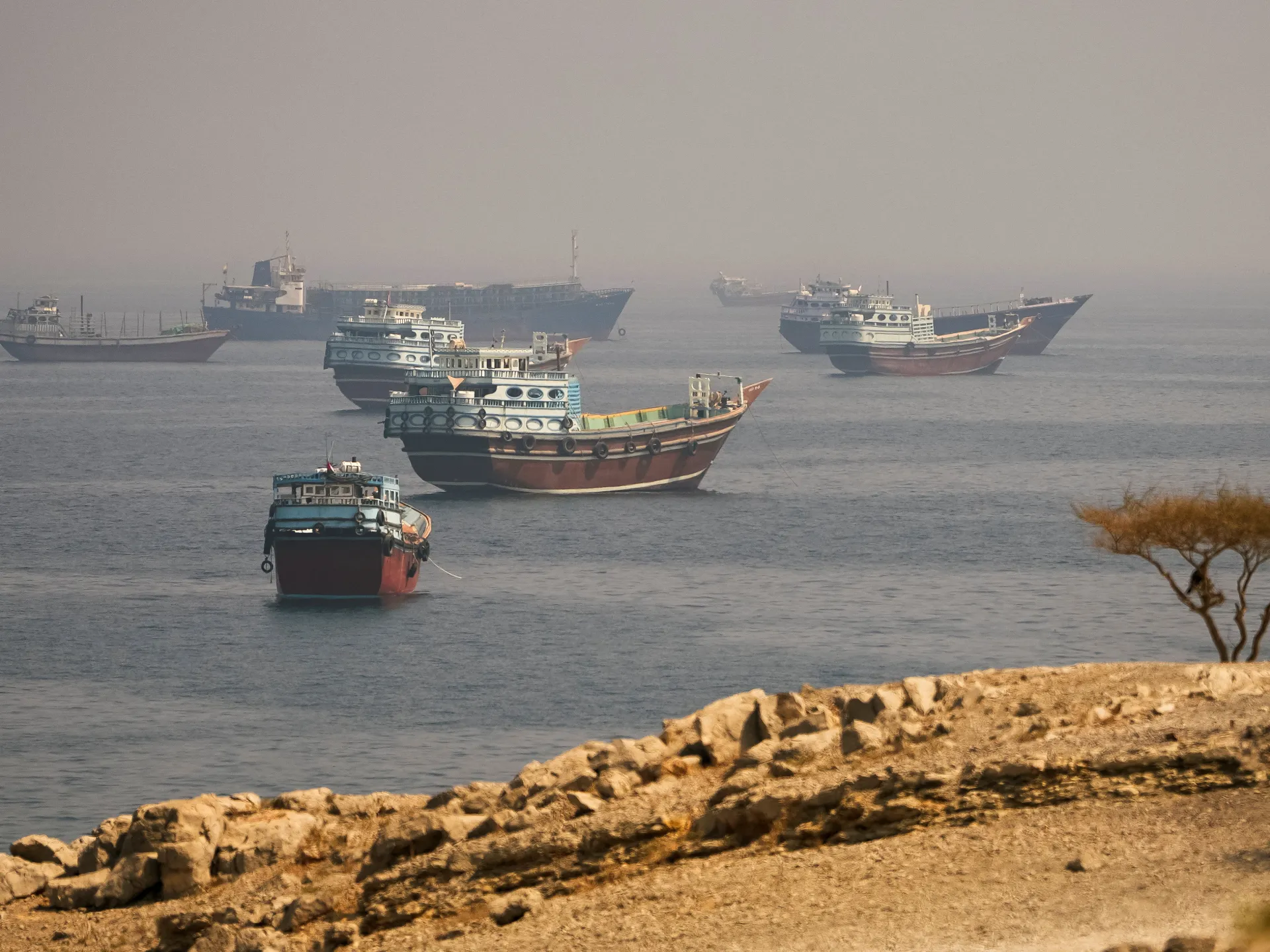
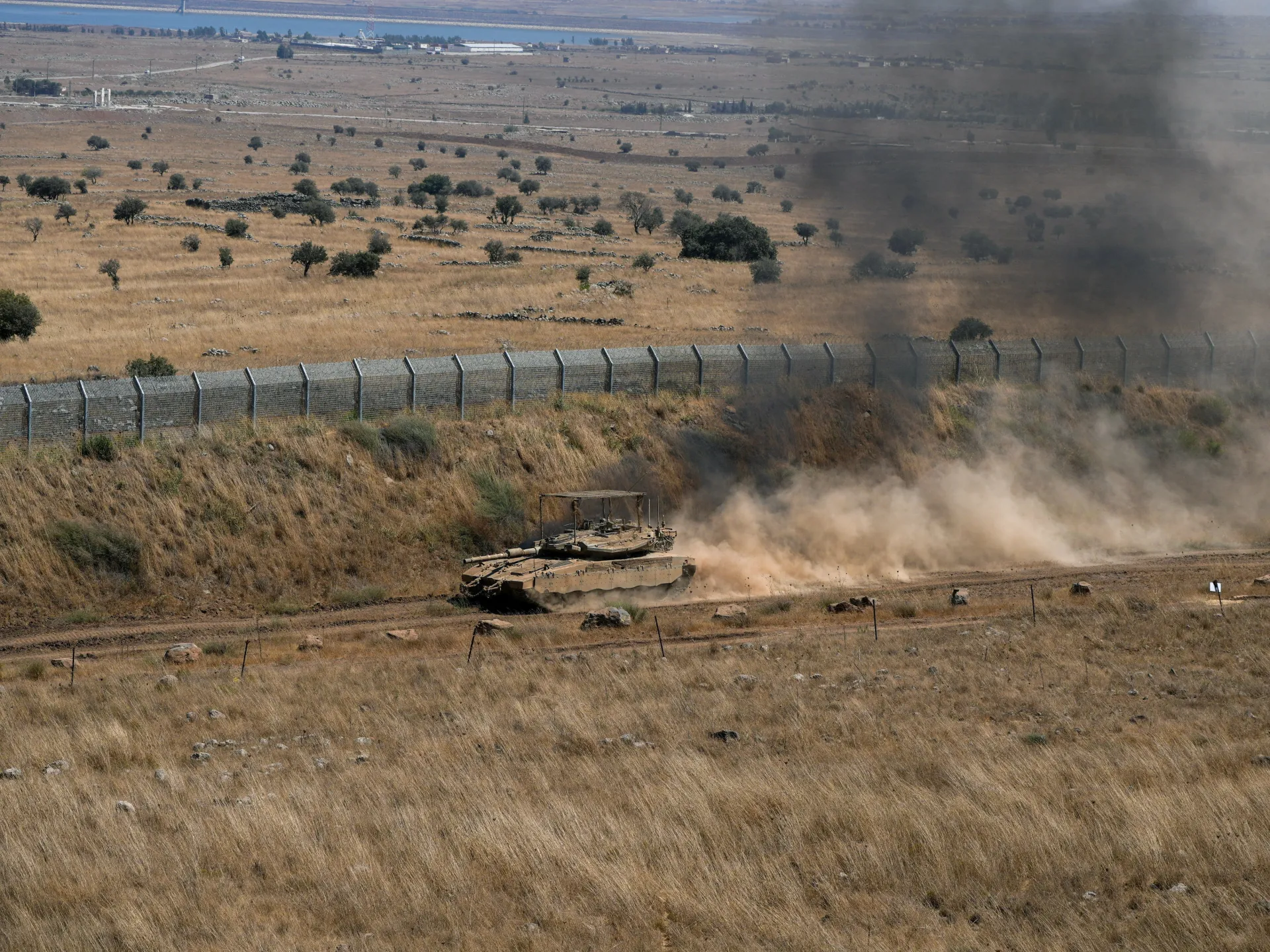
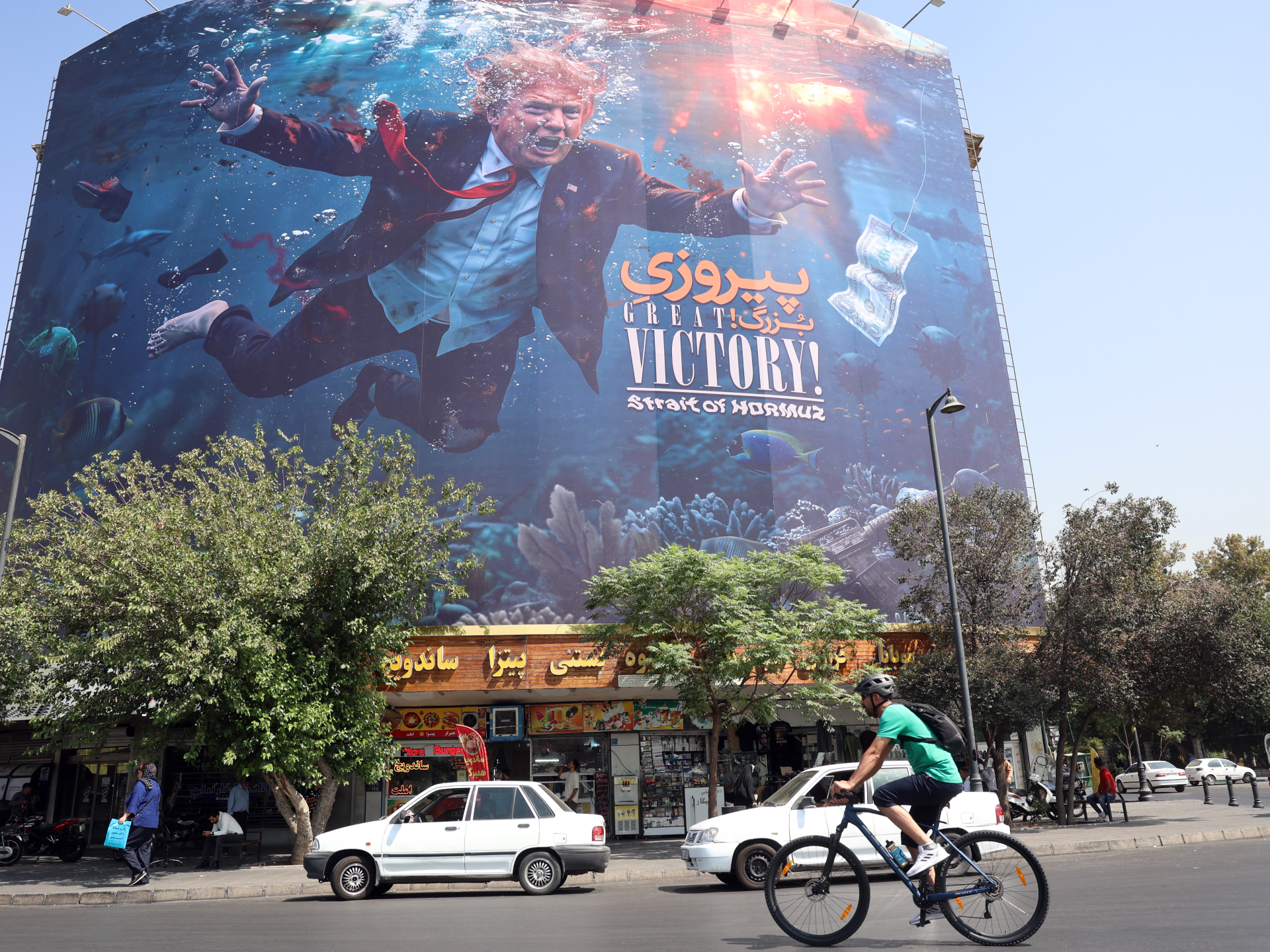
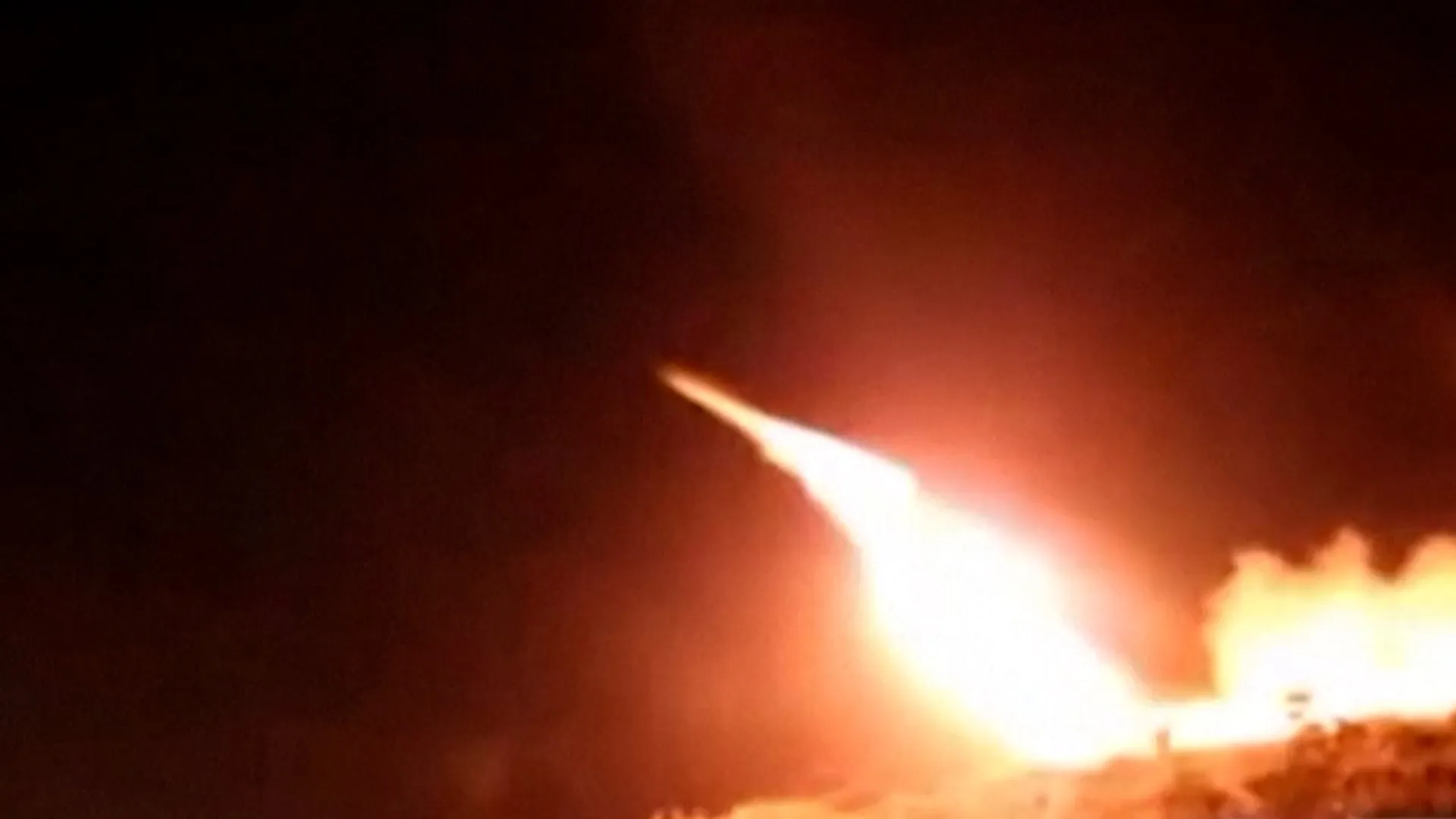
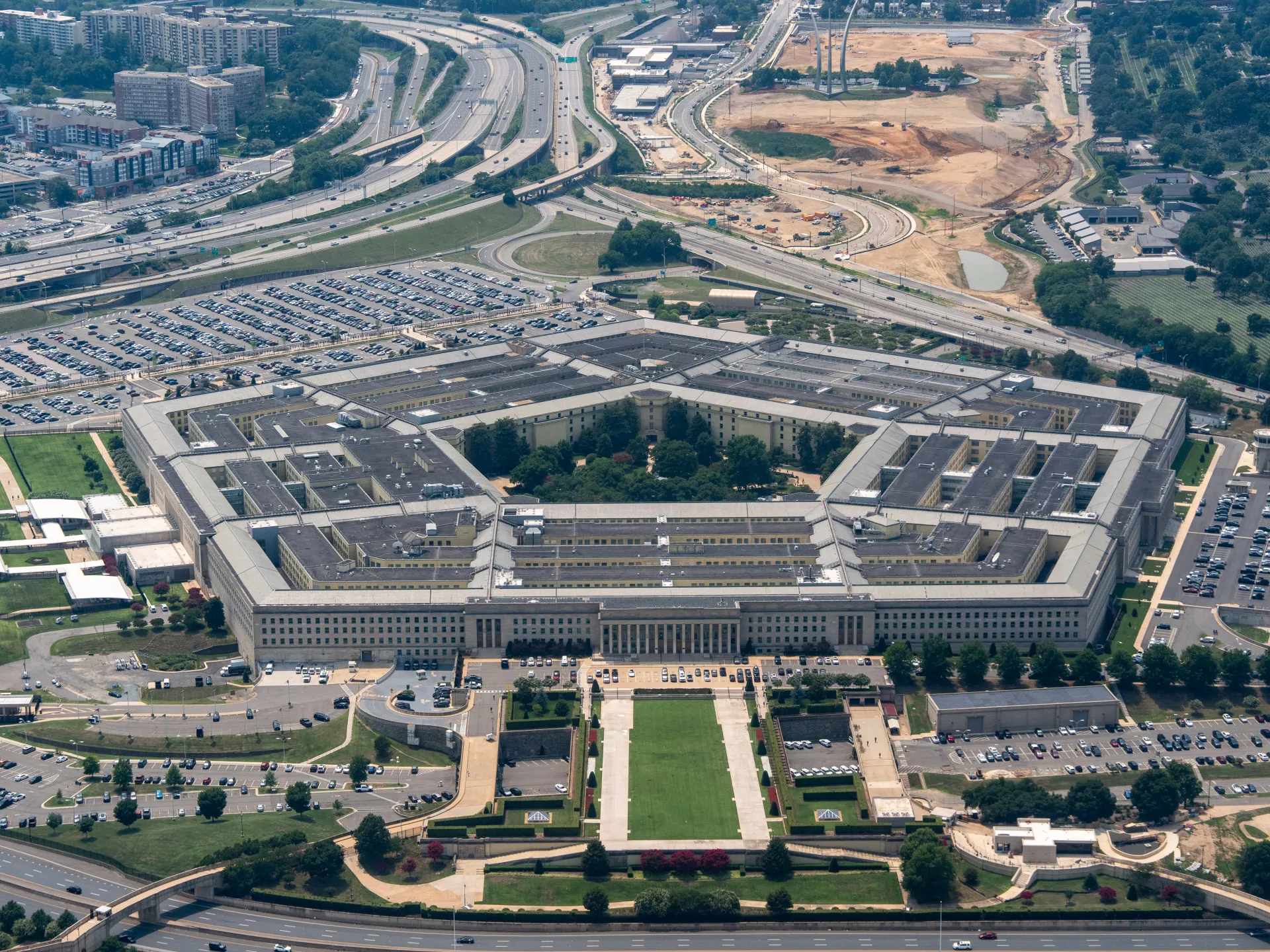
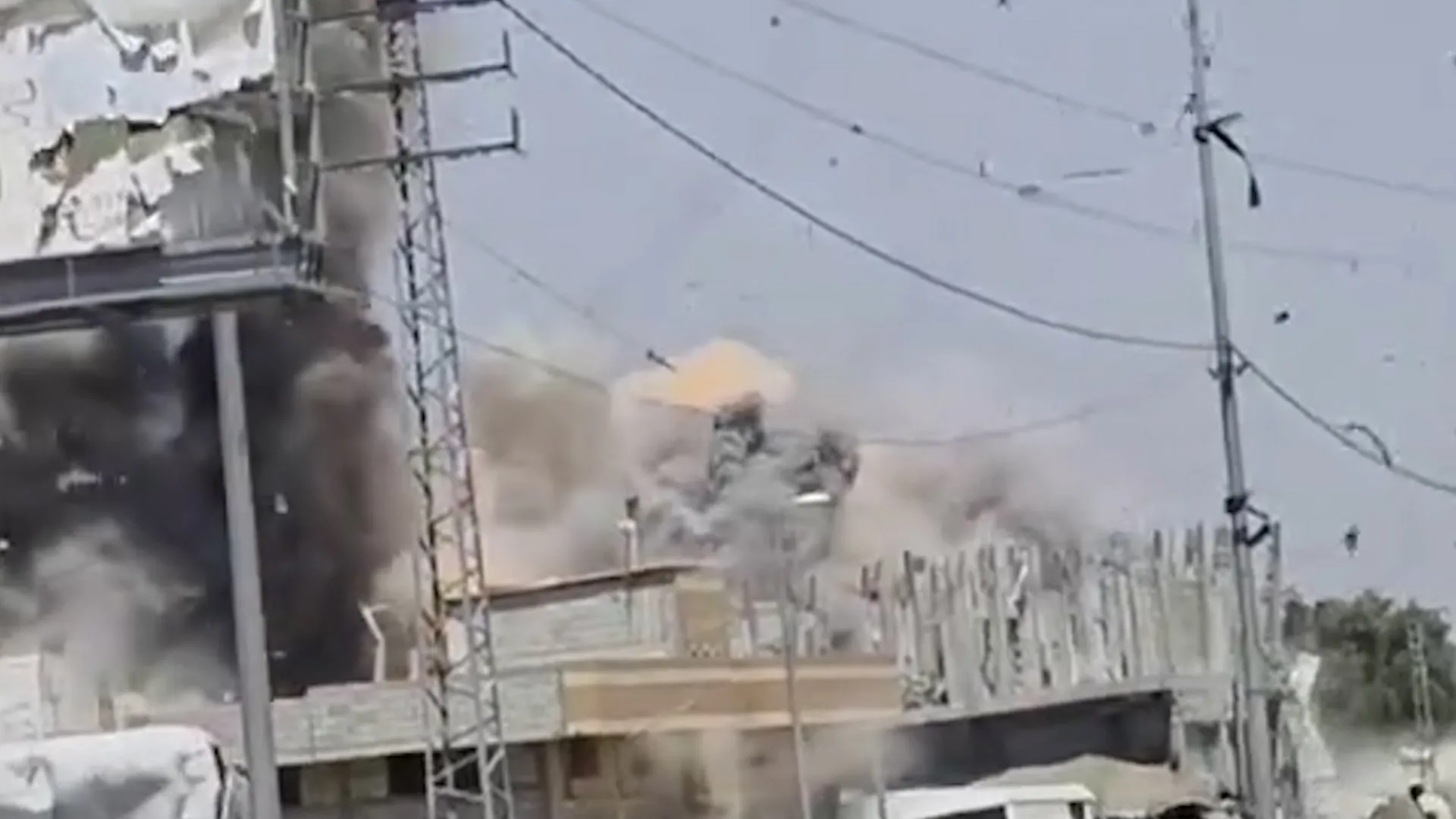
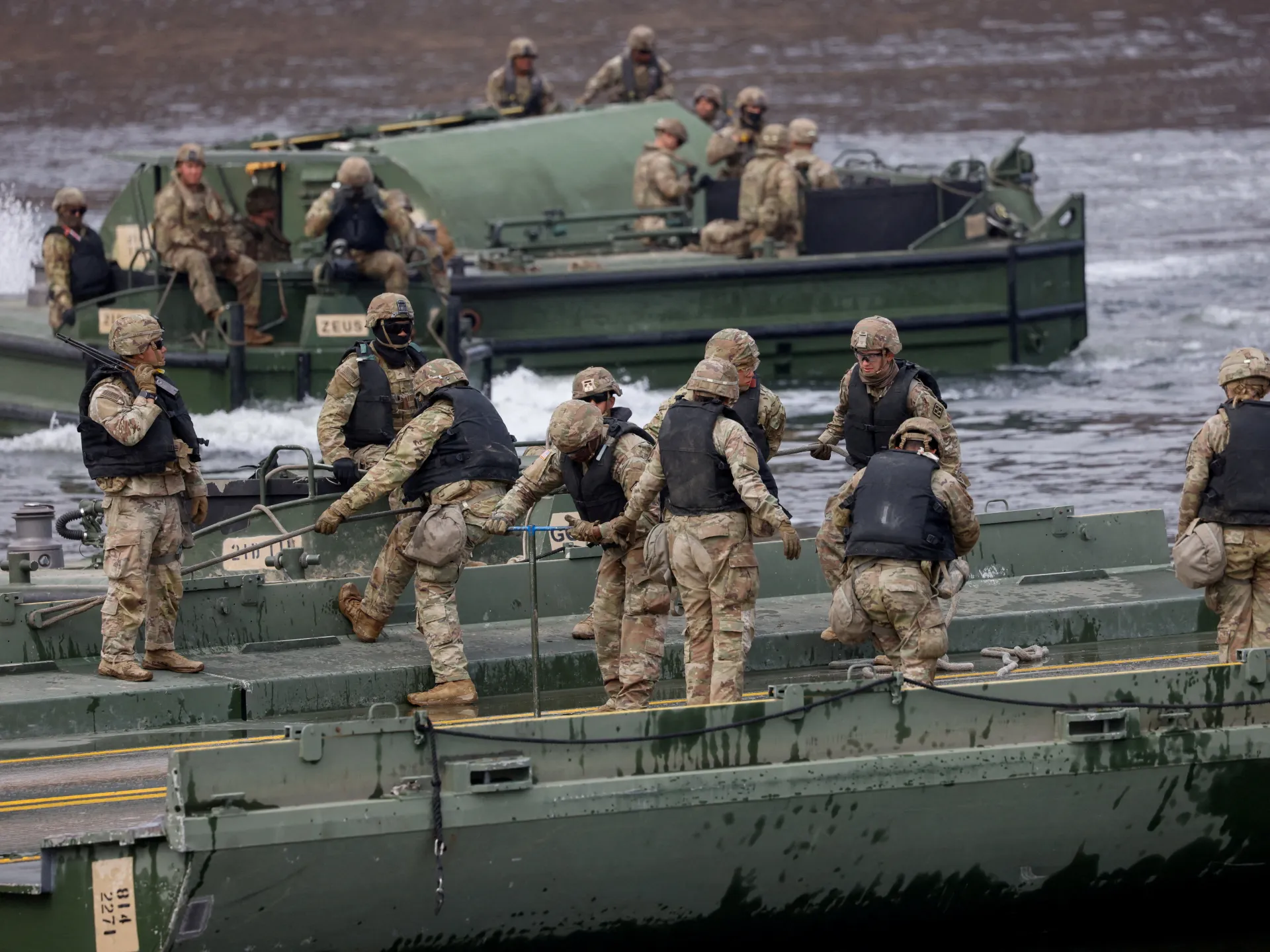
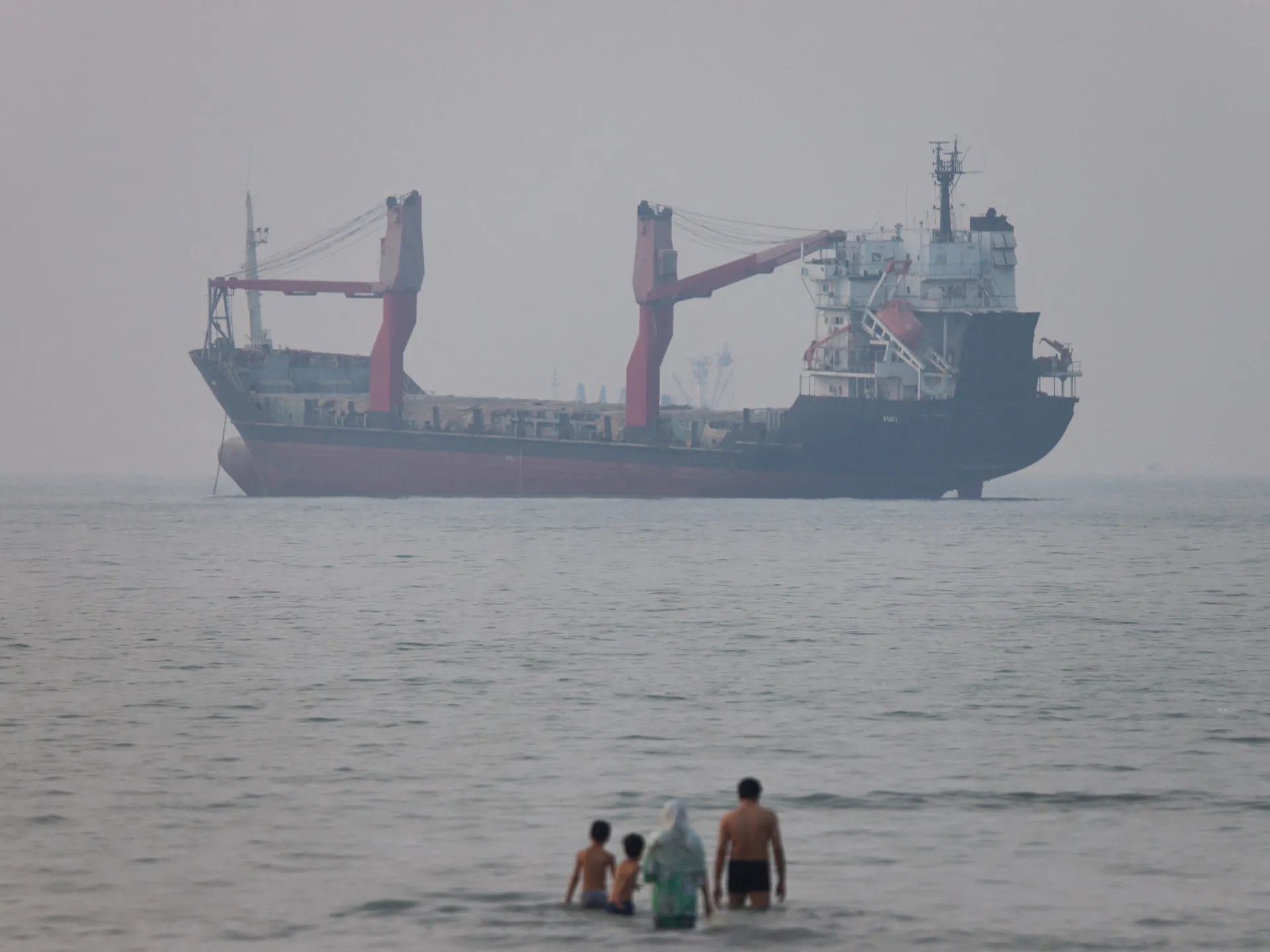
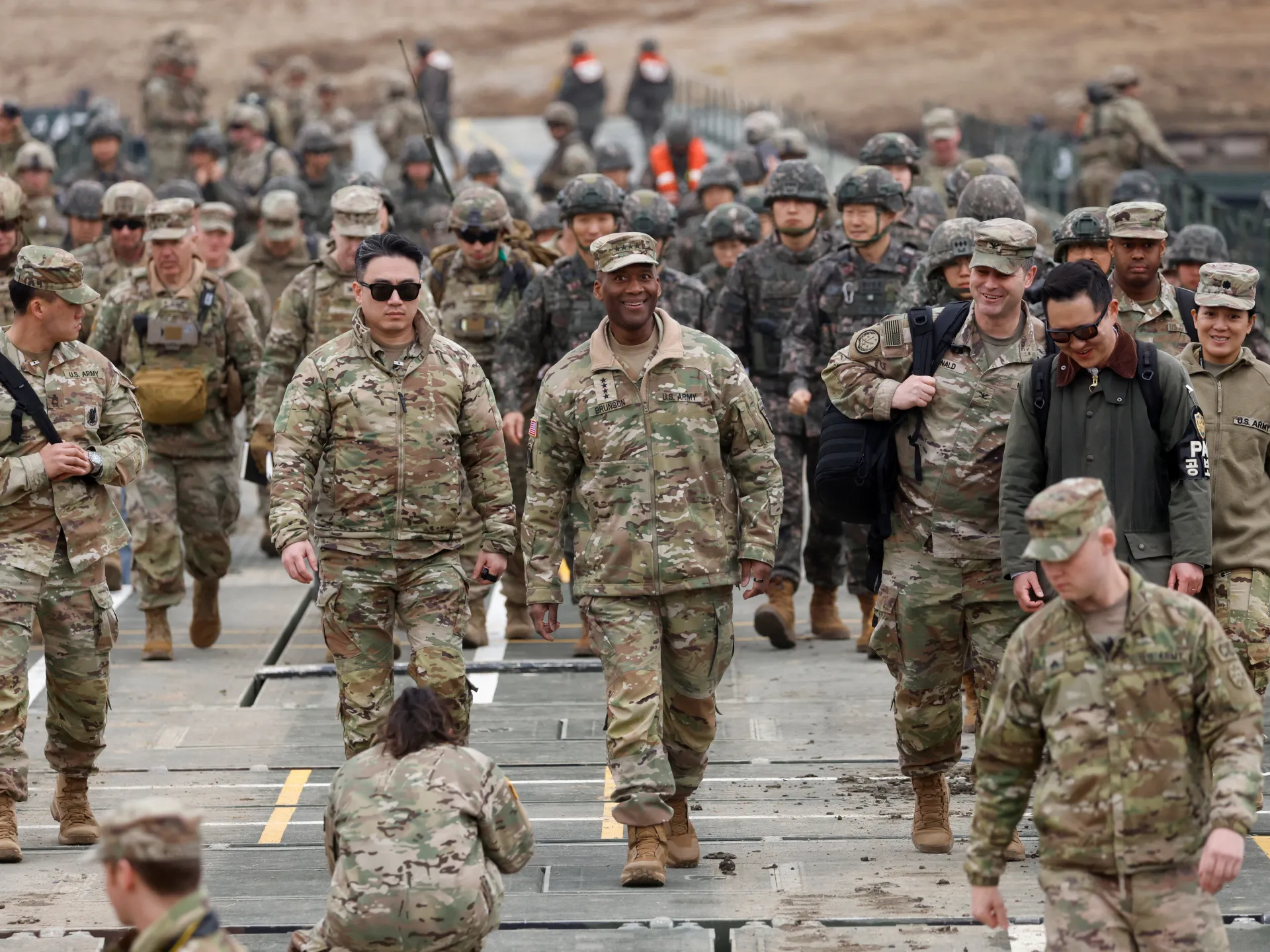
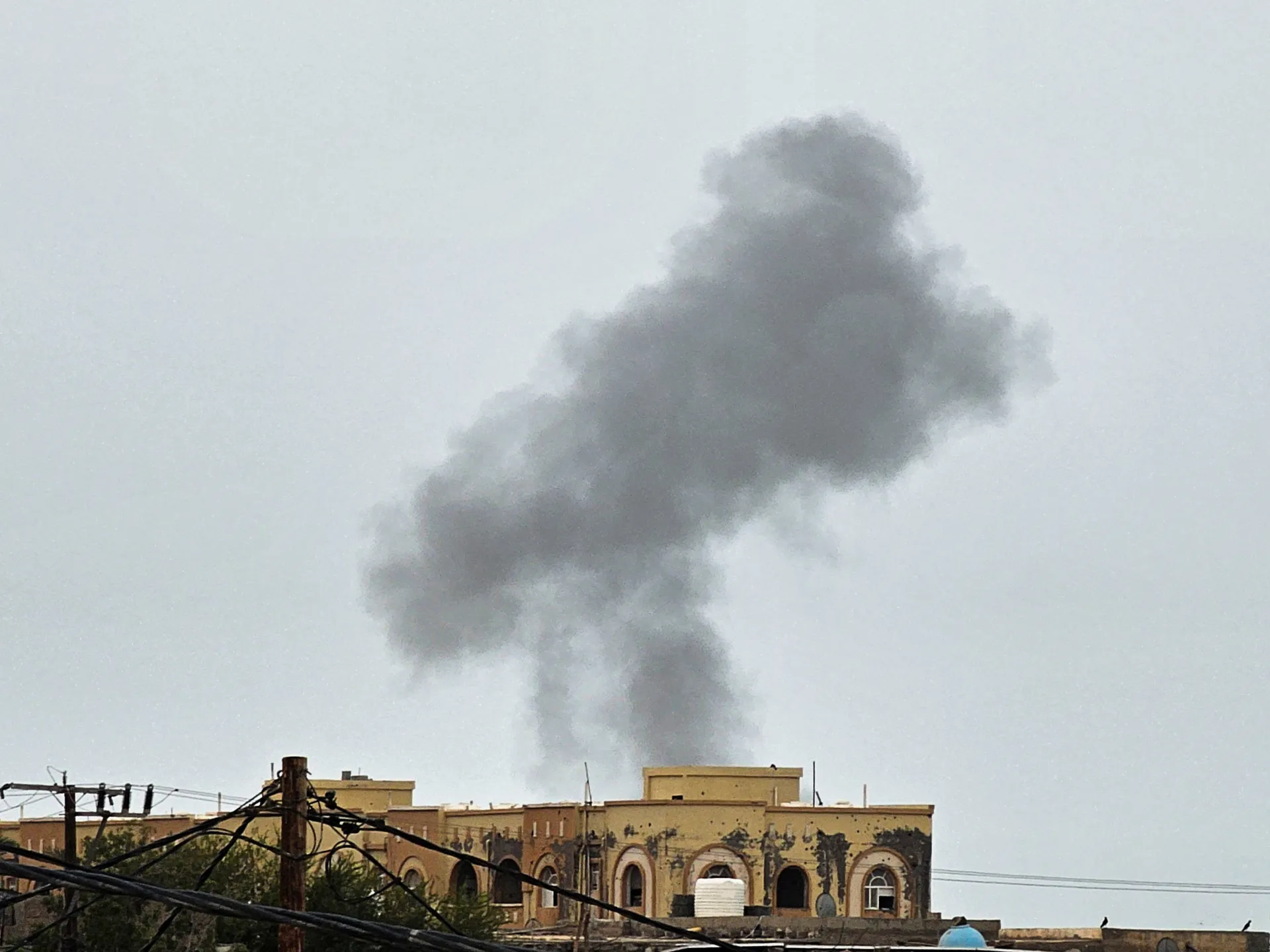
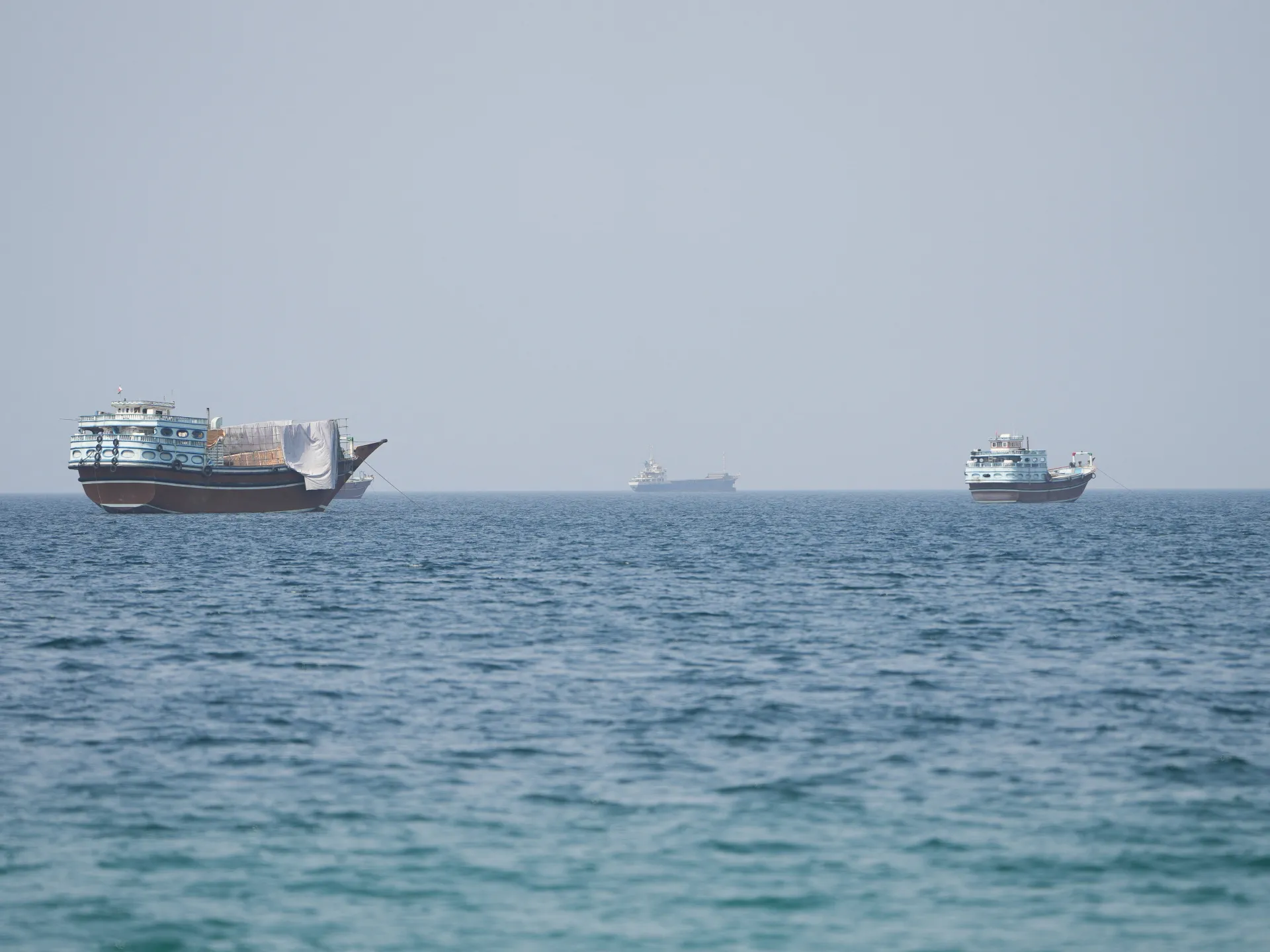
While the aviation crisis unfolds, the broader conflict continues to intensify on multiple fronts. Reports indicate that the U.S. military has engaged in consistent strikes against Iranian positions for six consecutive nights. Simultaneously, the maritime domain remains a flashpoint, with Iranian forces reportedly targeting shipping vessels, further complicating international logistics. The stakes have grown significantly as the toll on U.S. personnel becomes increasingly visible, prompting a renewed focus on military endurance amid the diplomatic stalemate.
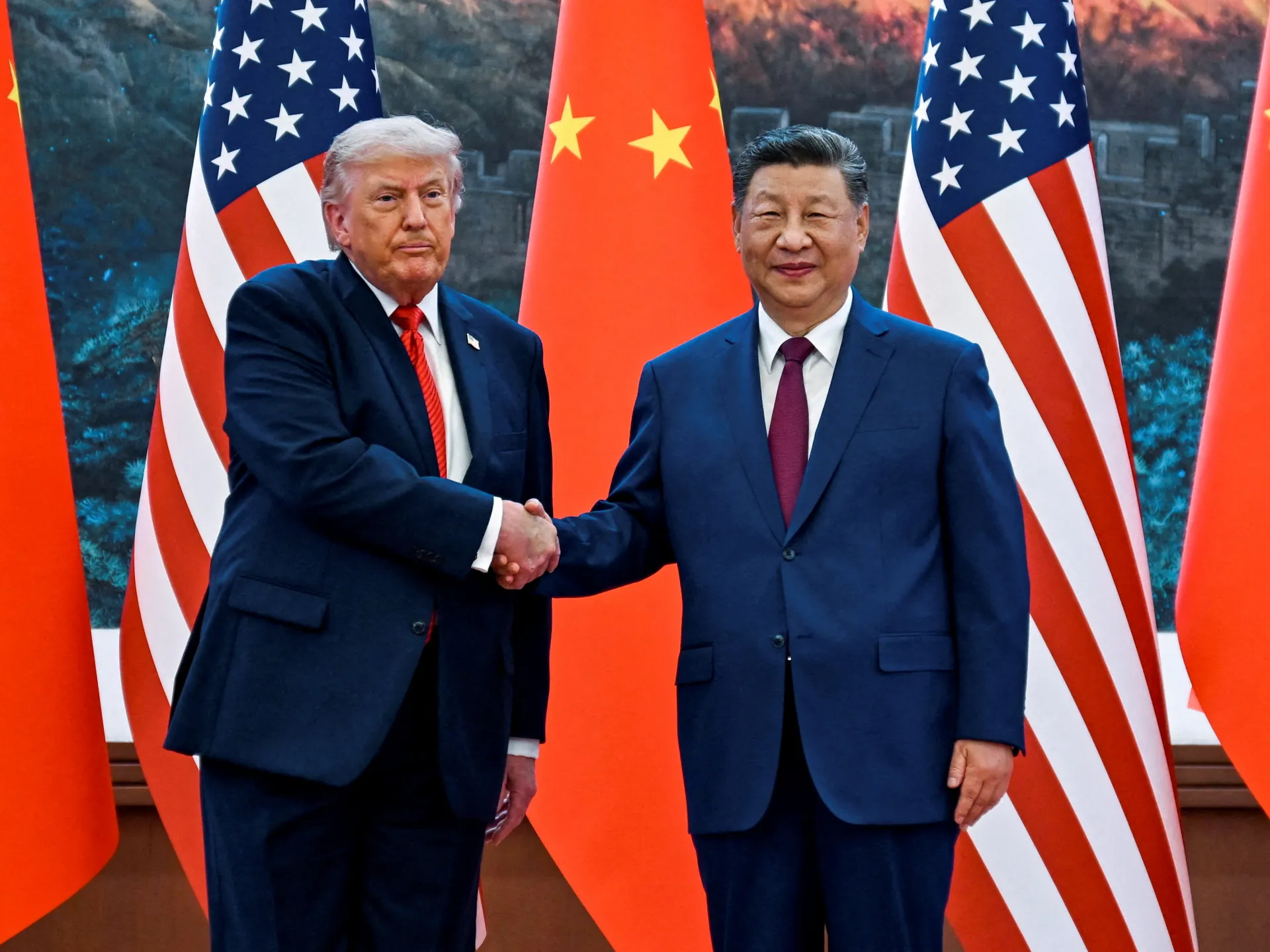
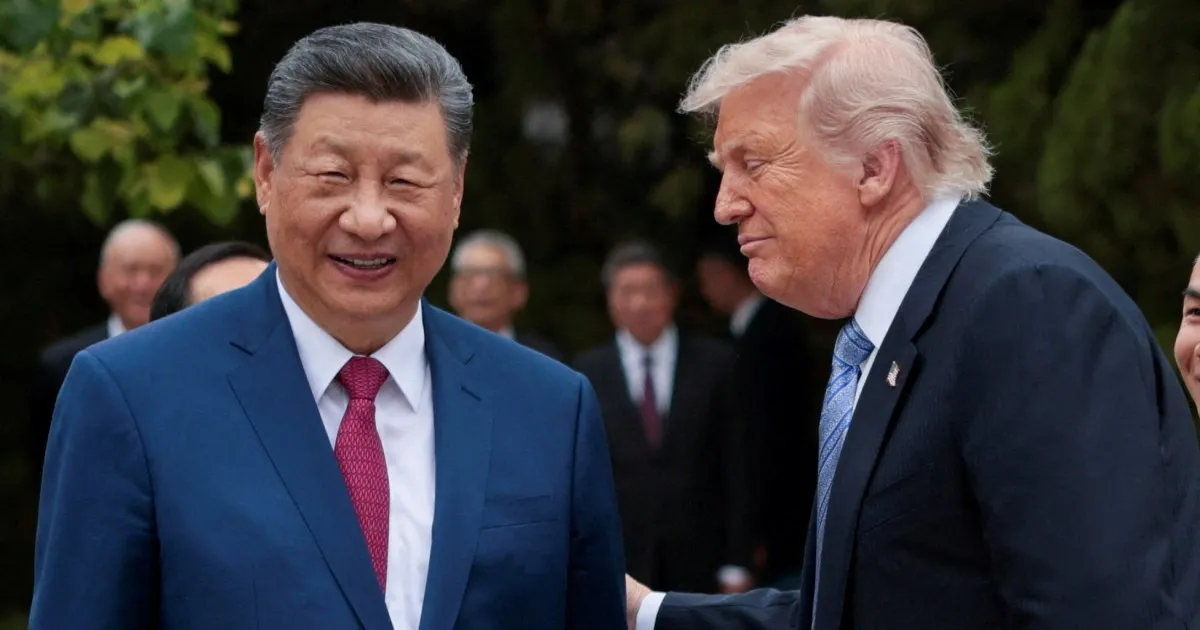
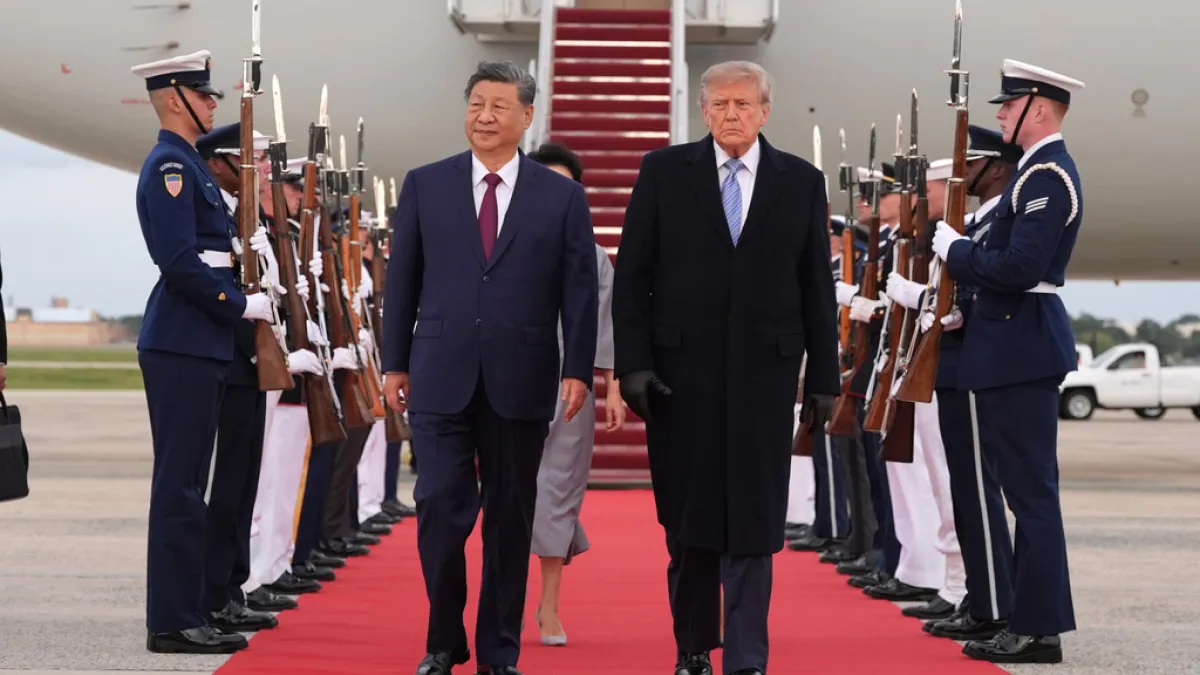
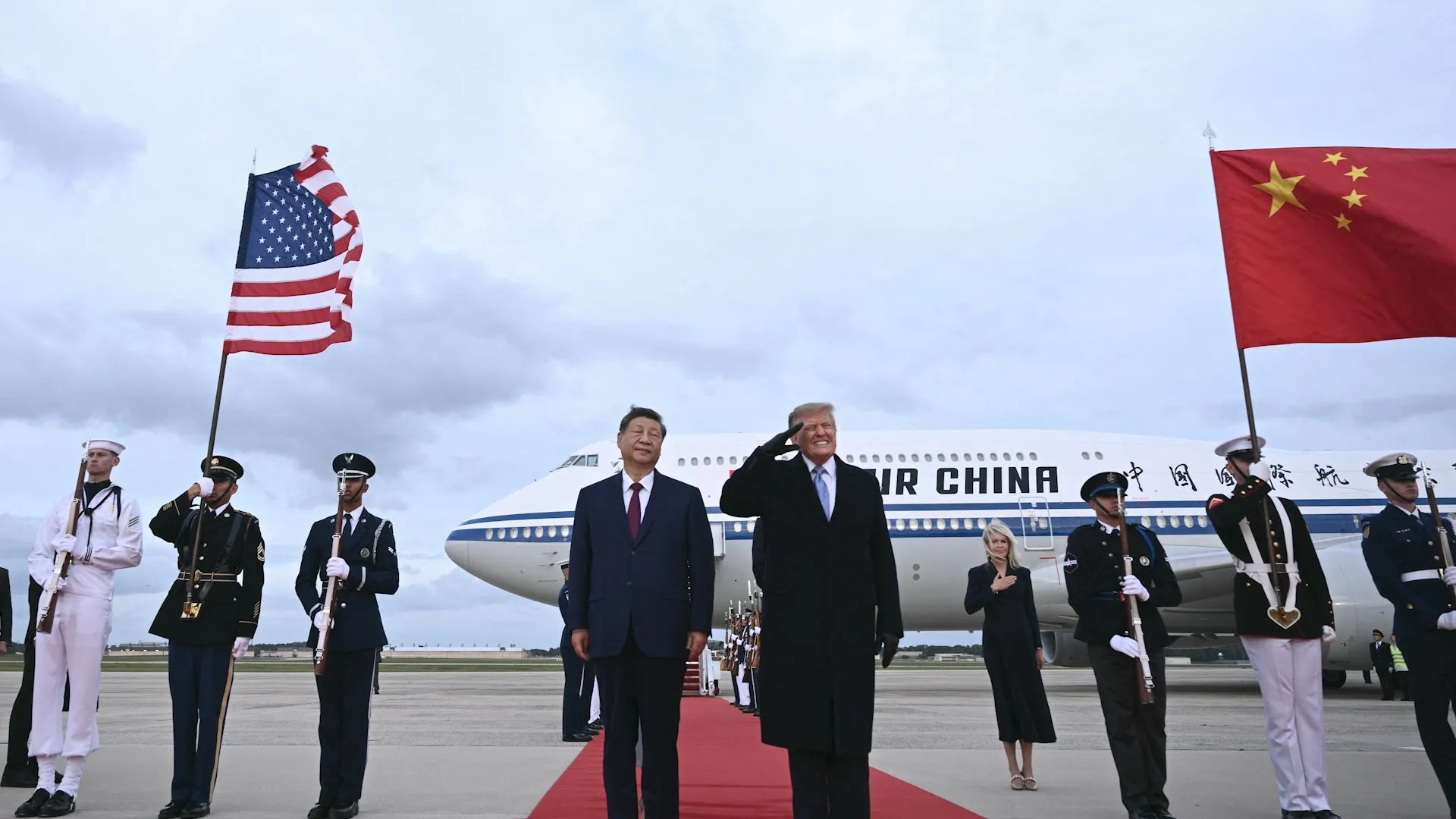
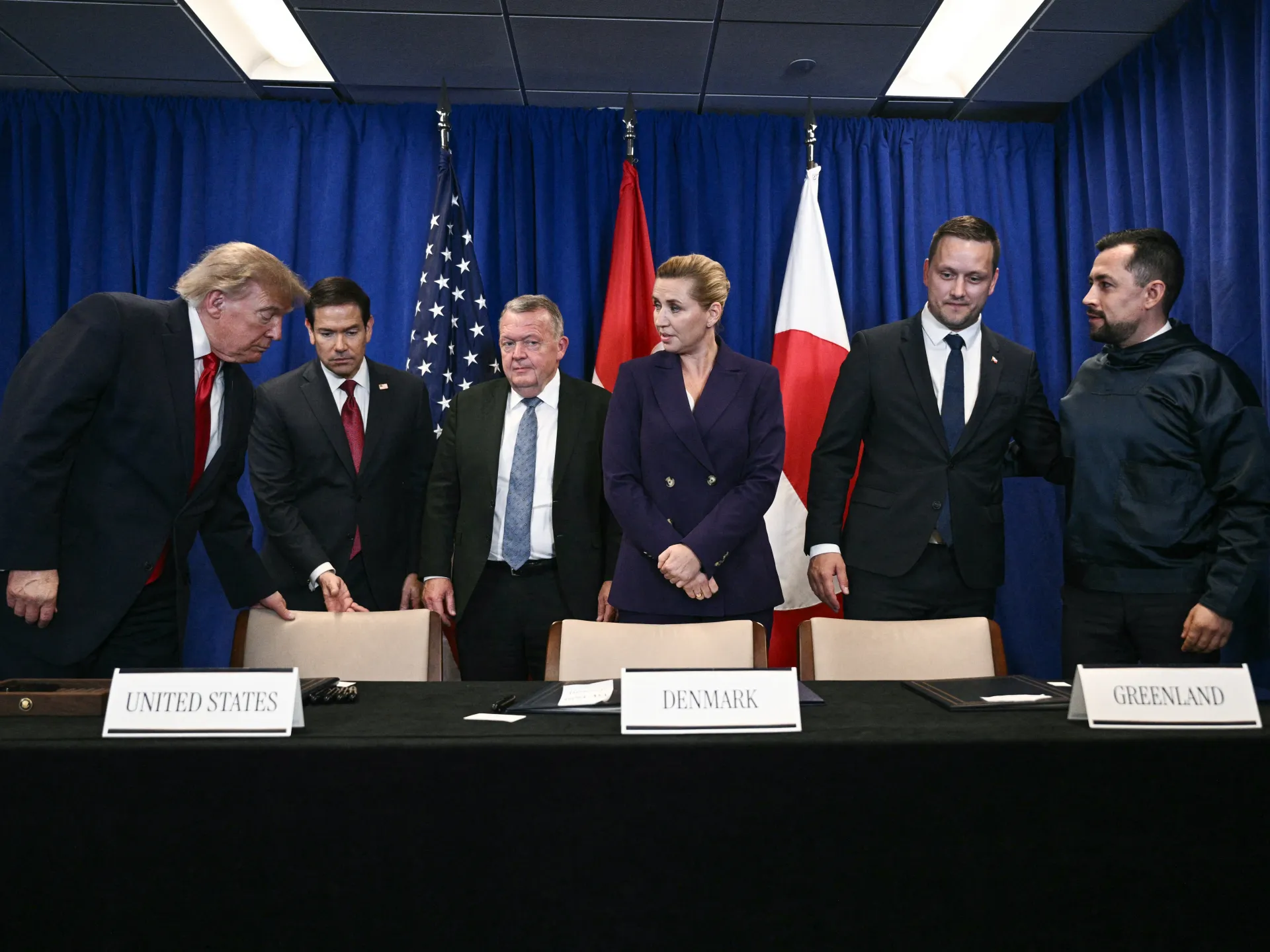
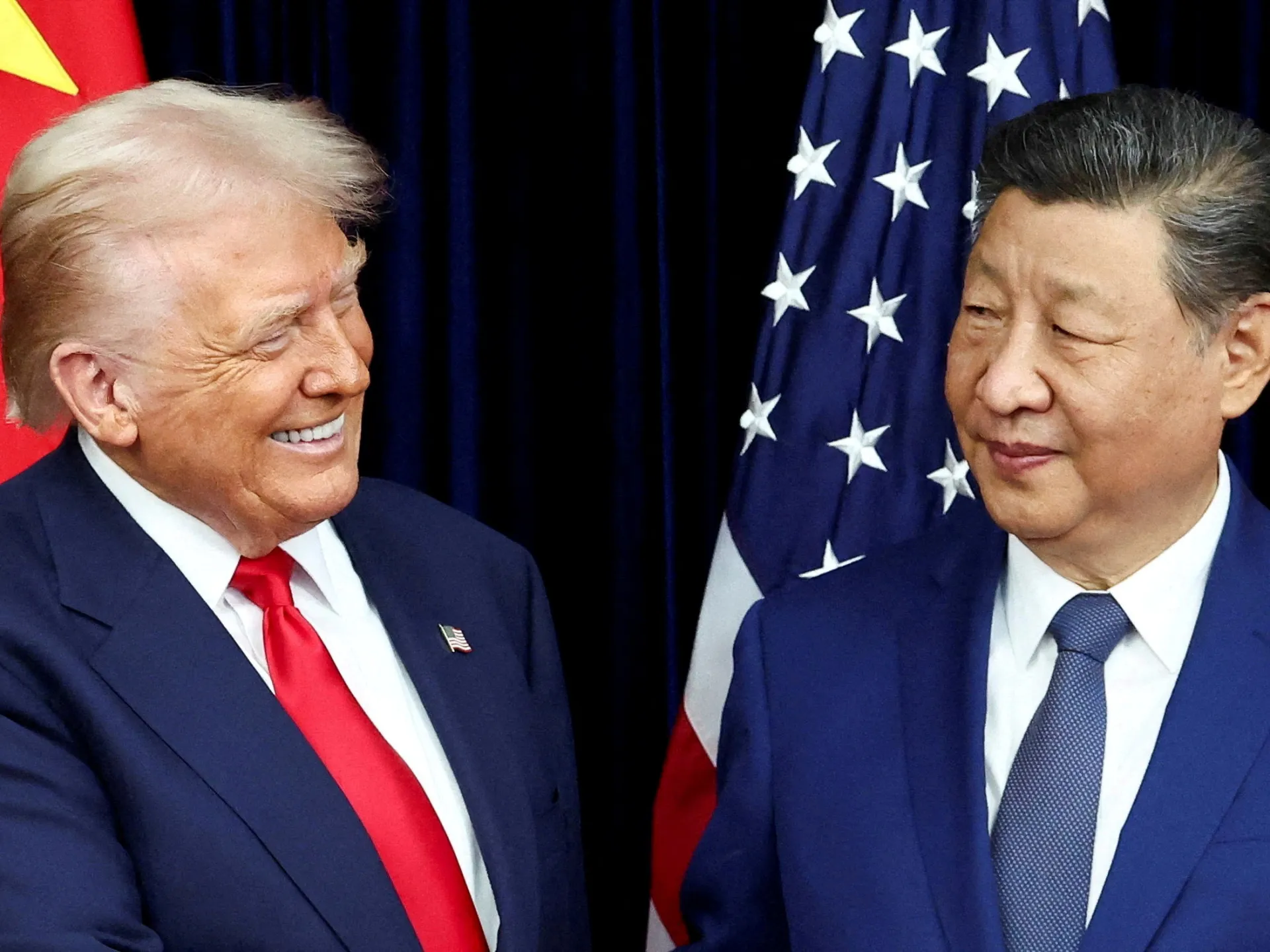
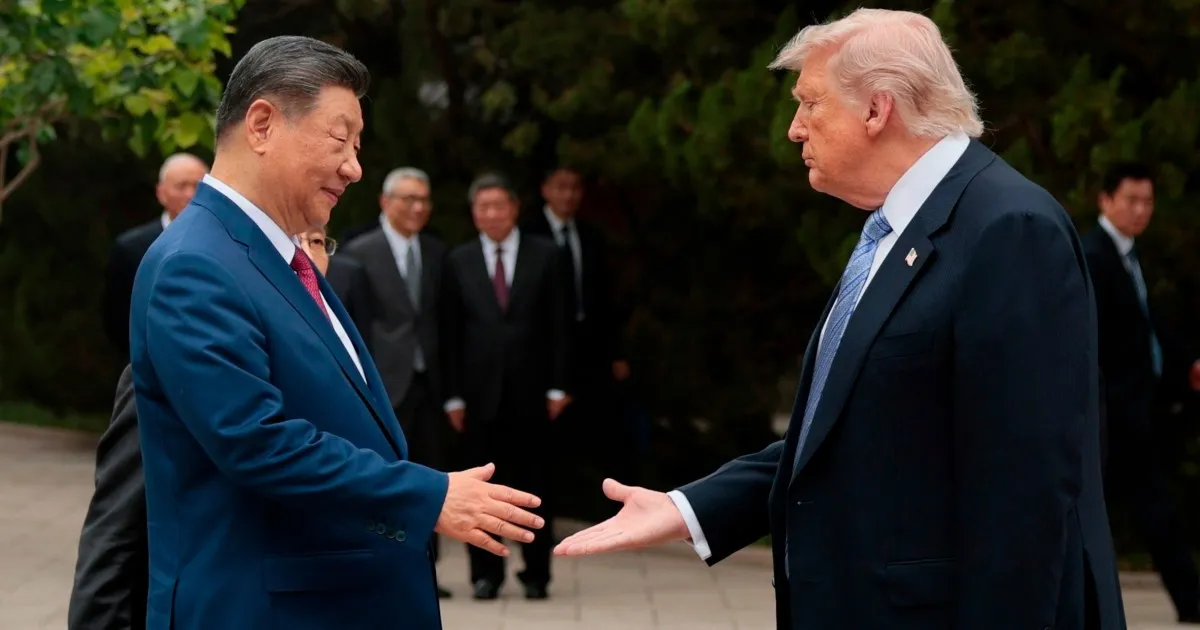
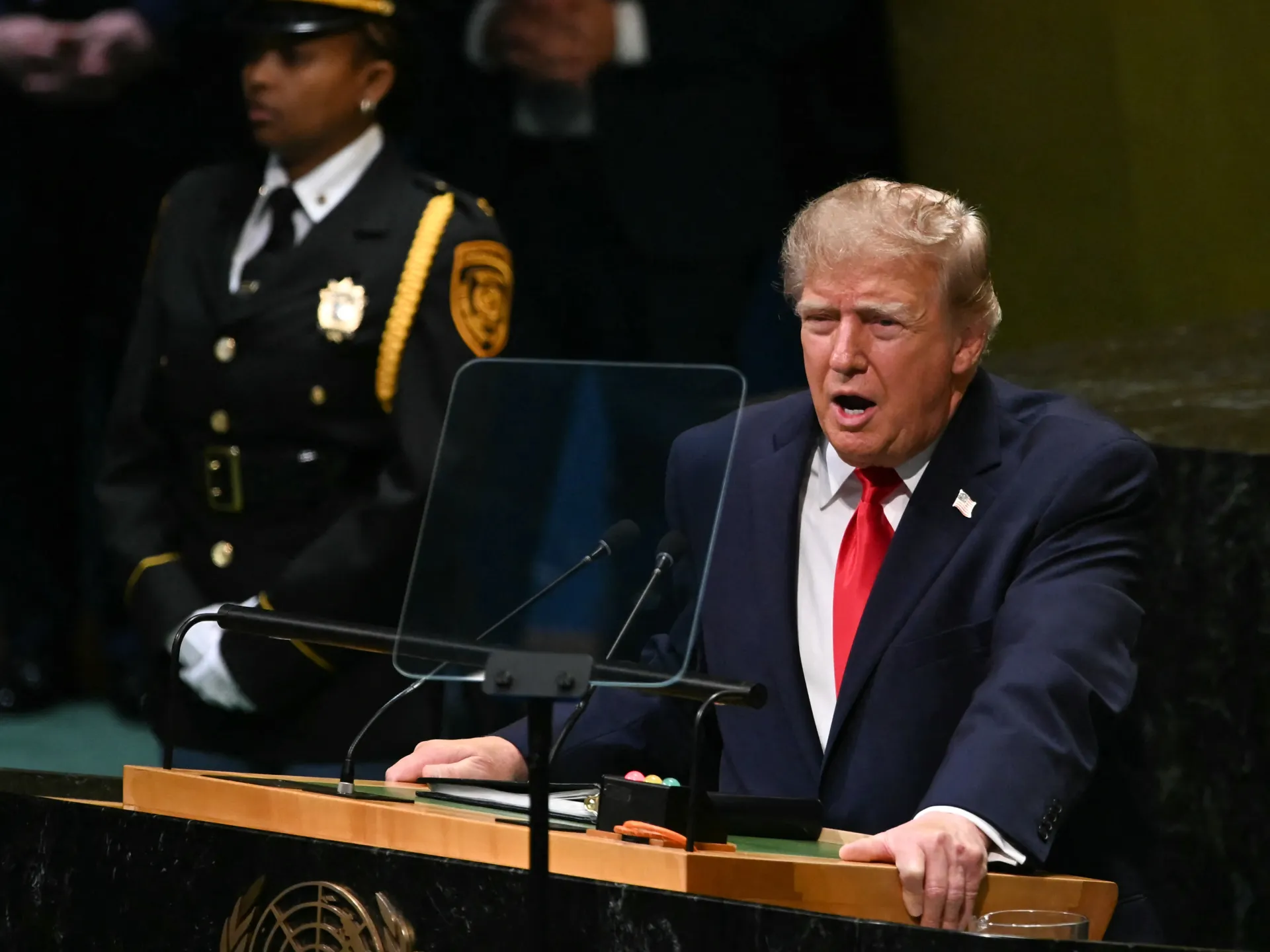
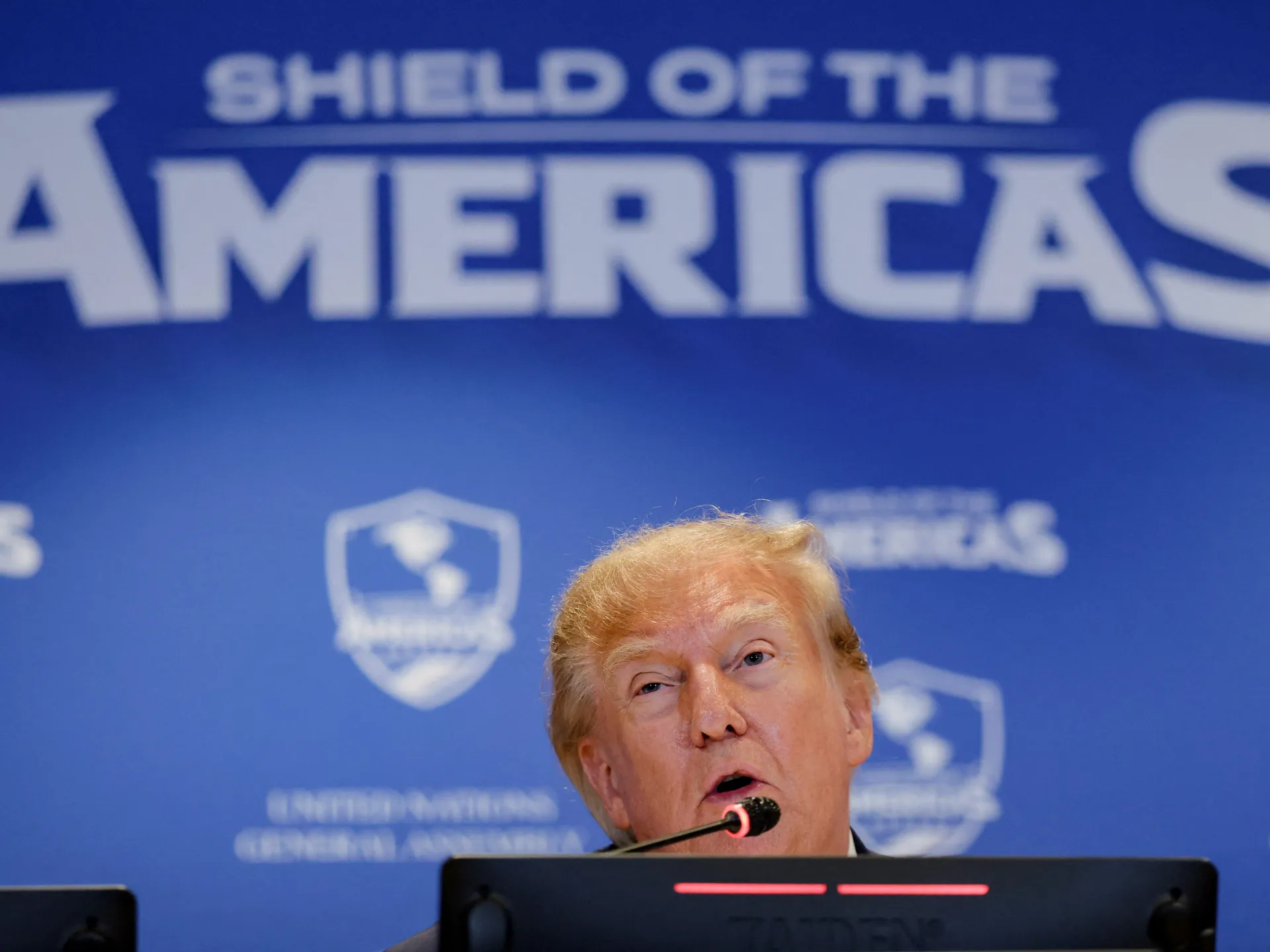
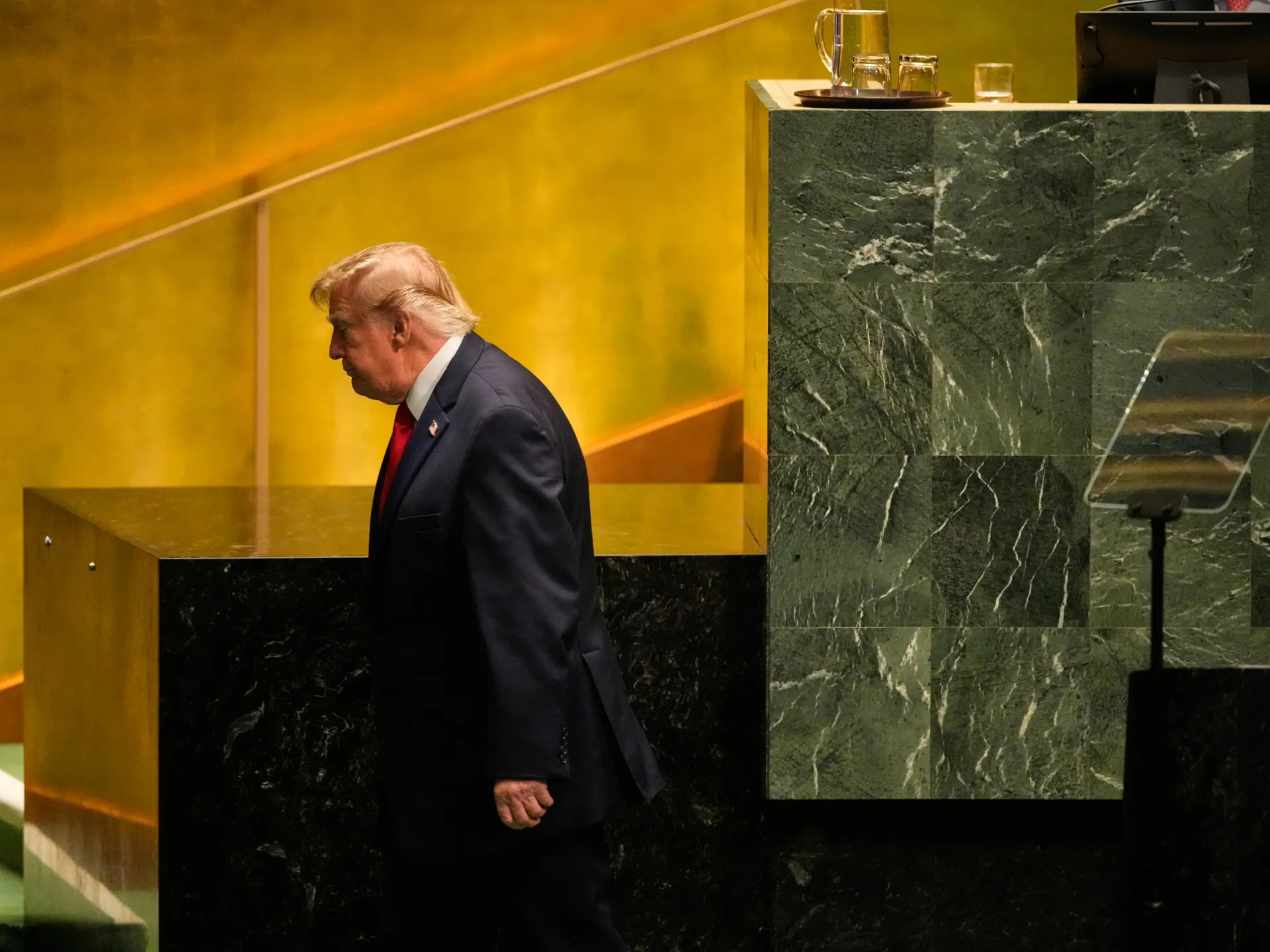
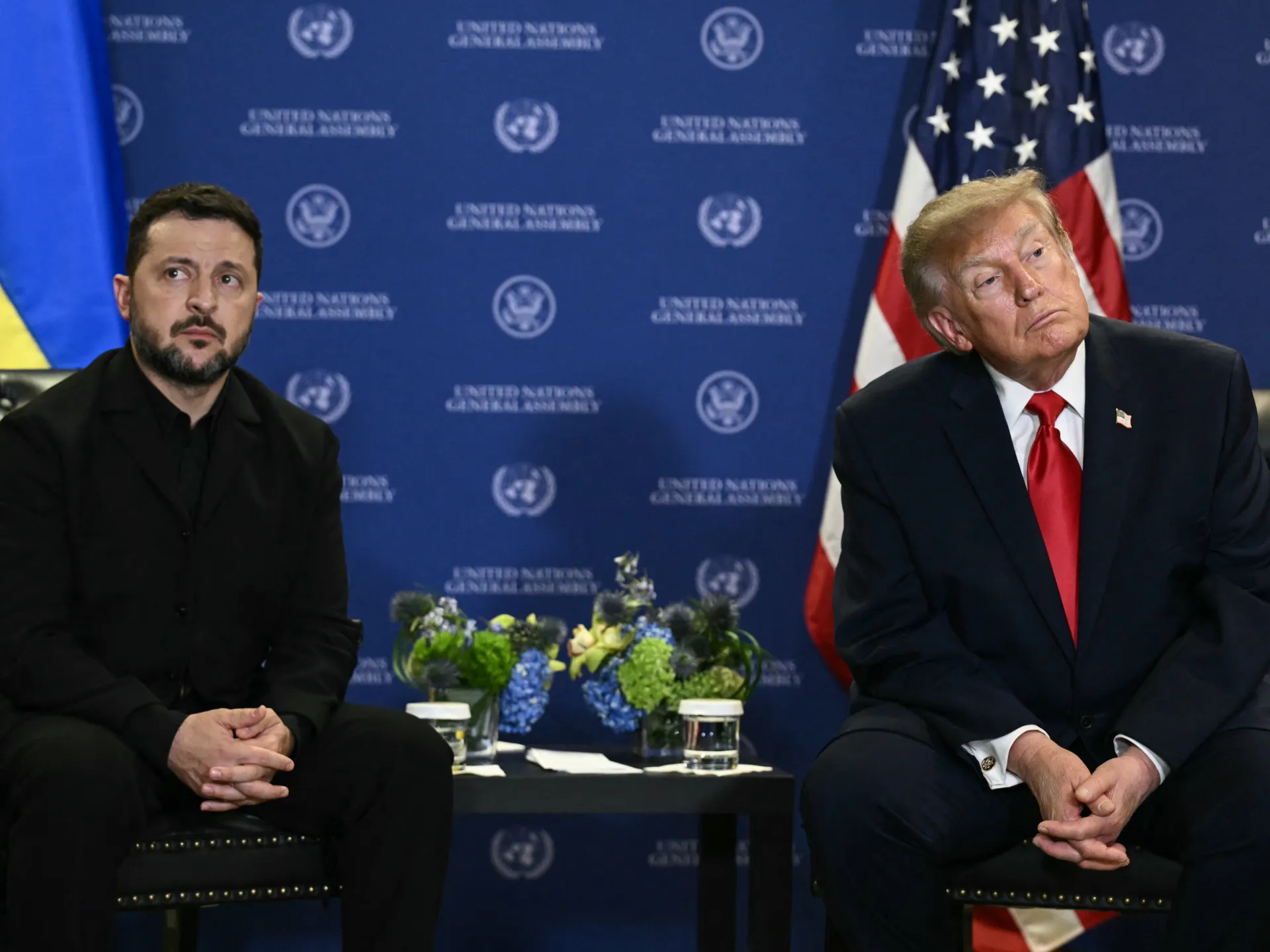
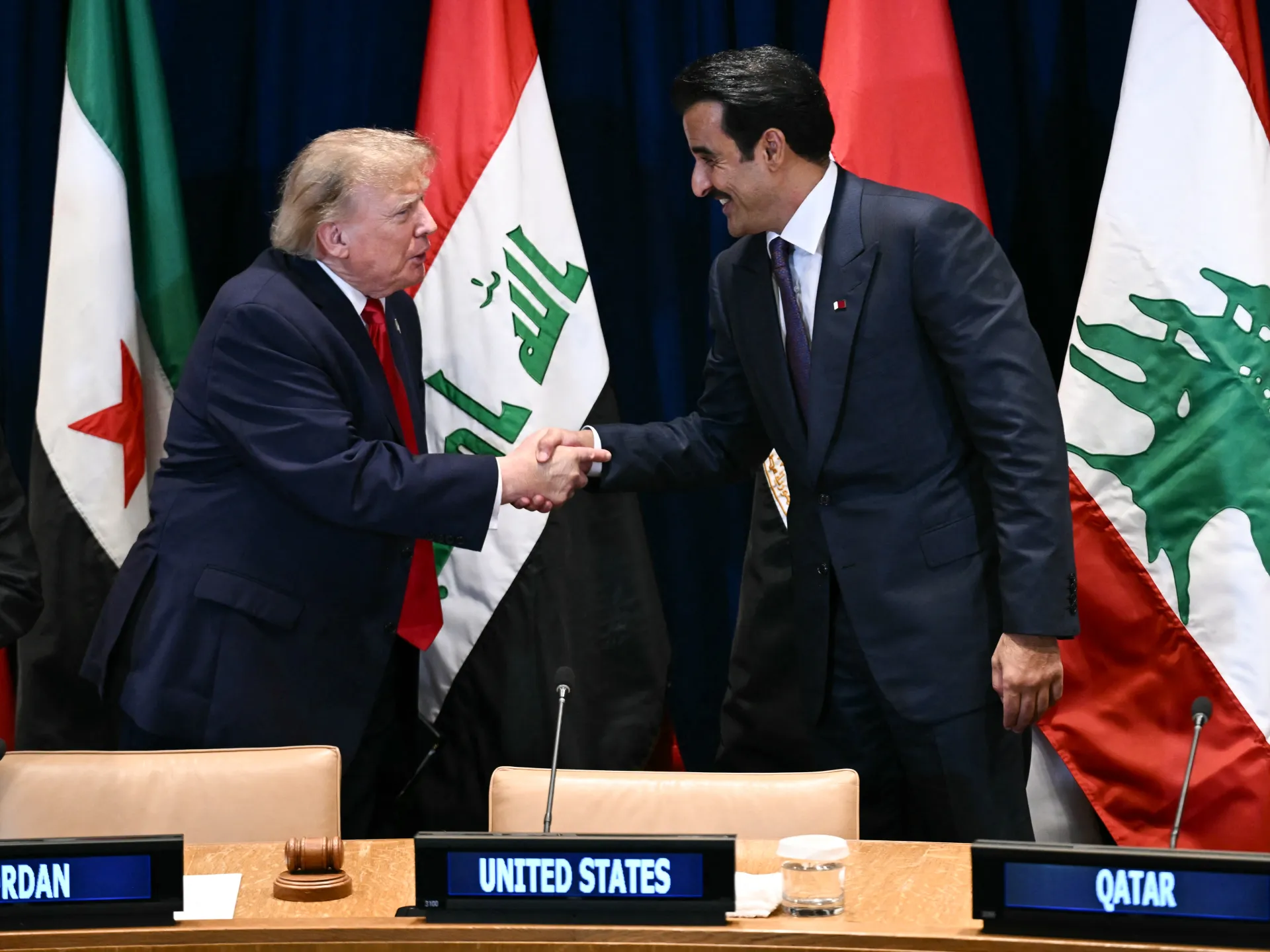
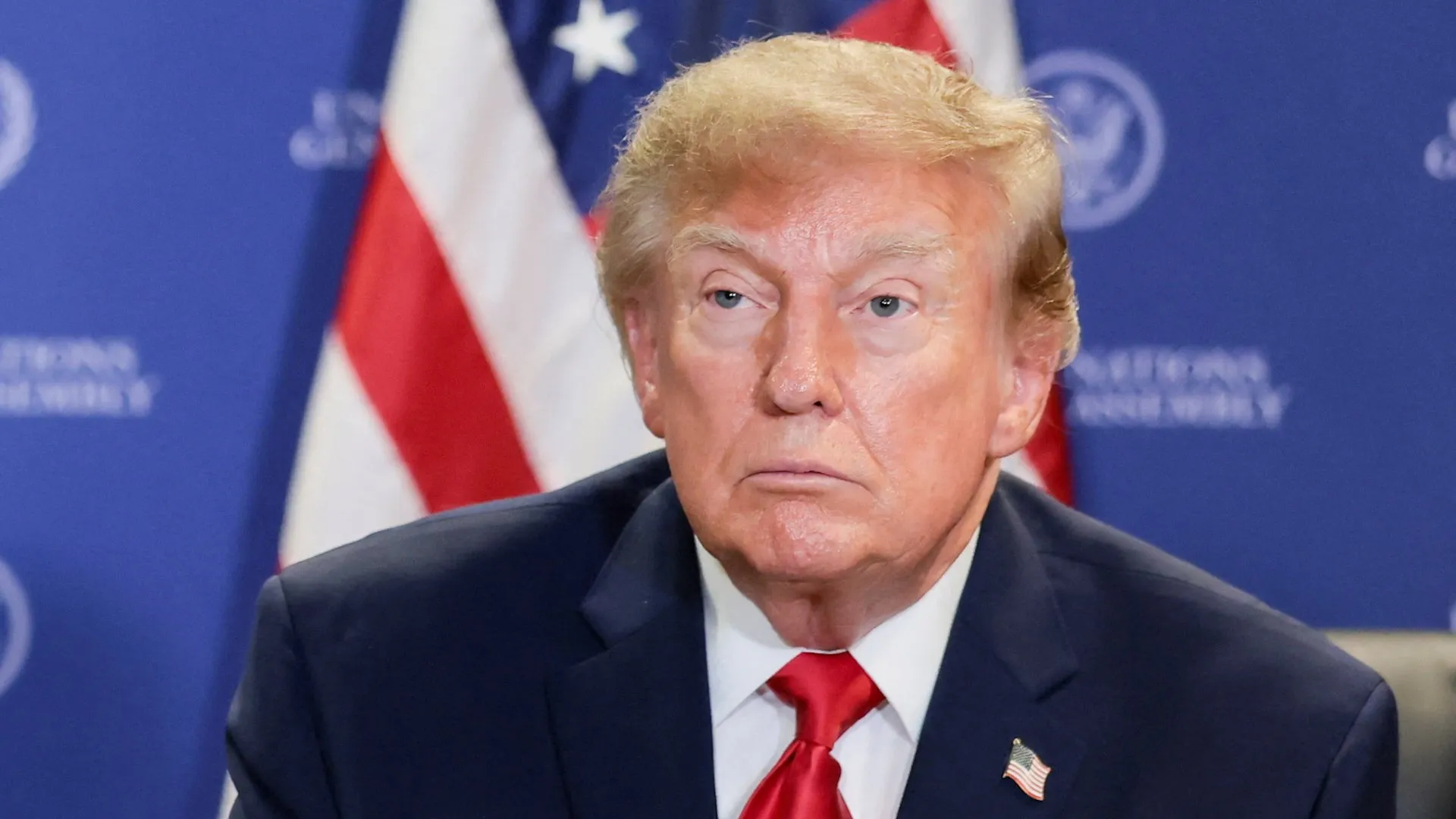
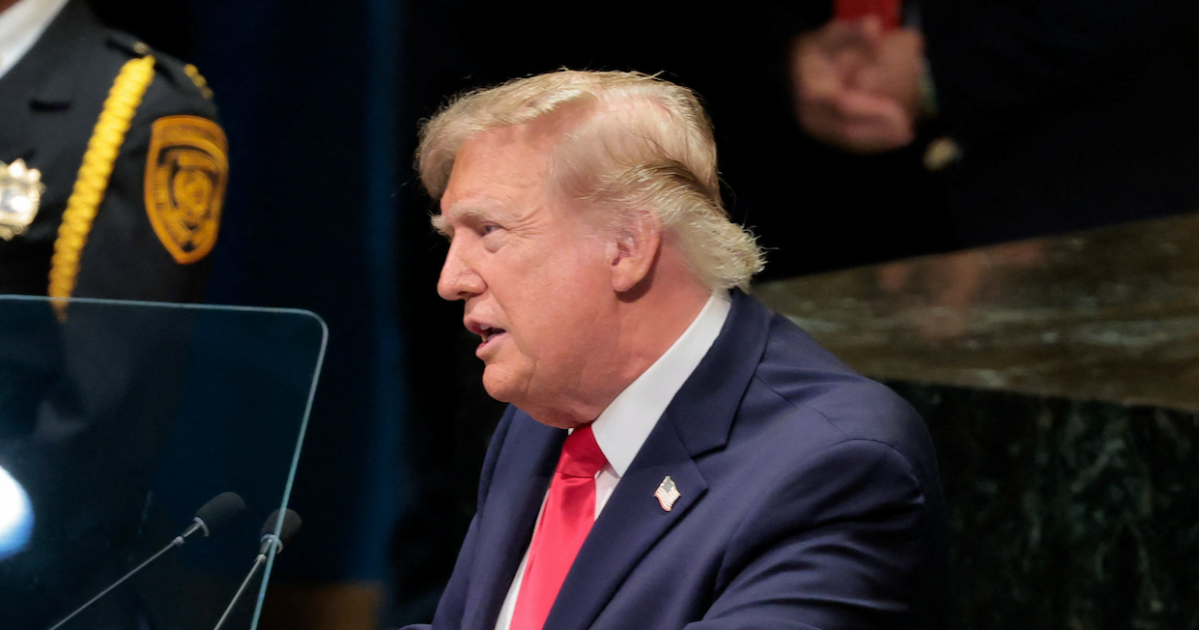
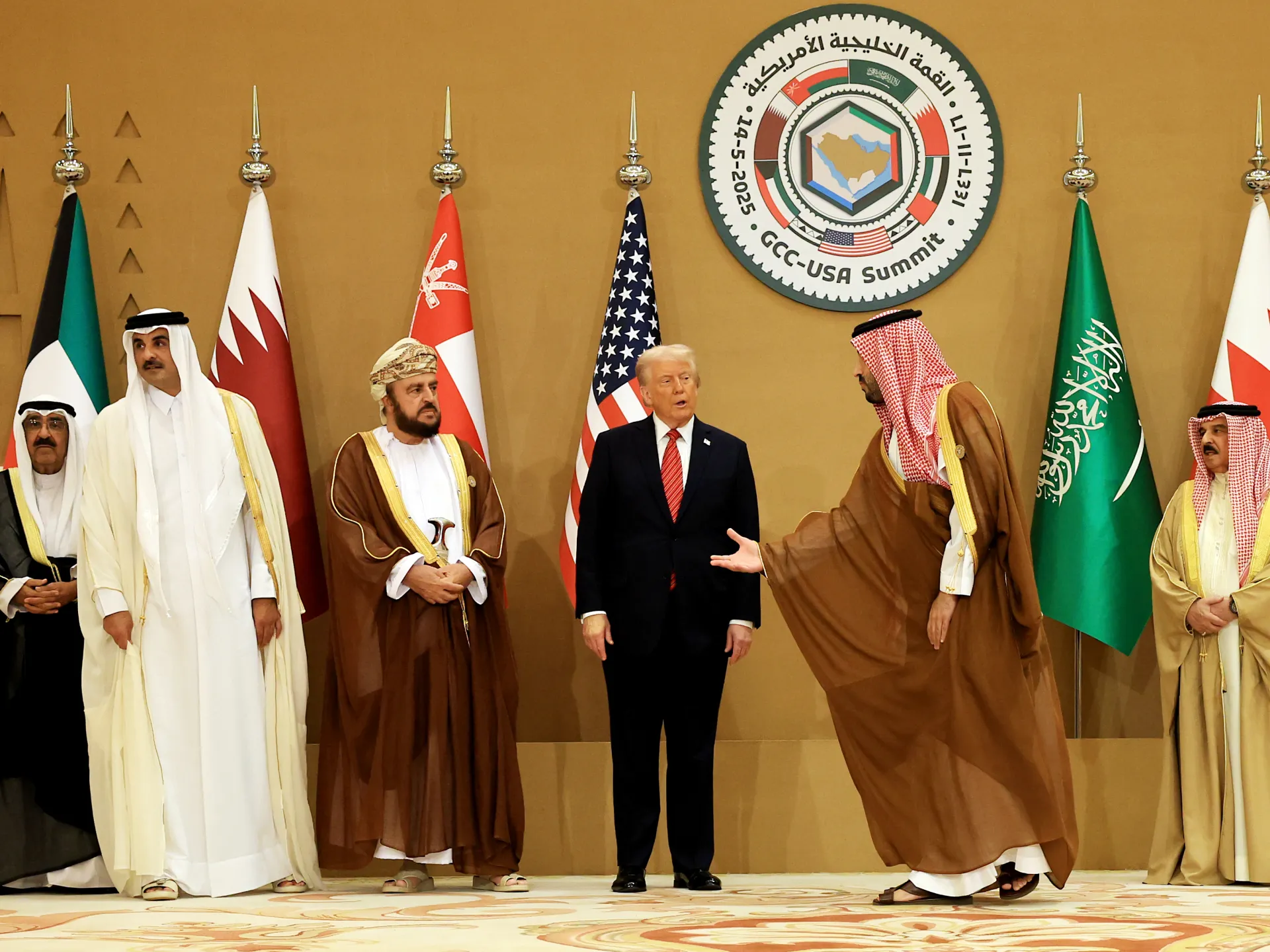
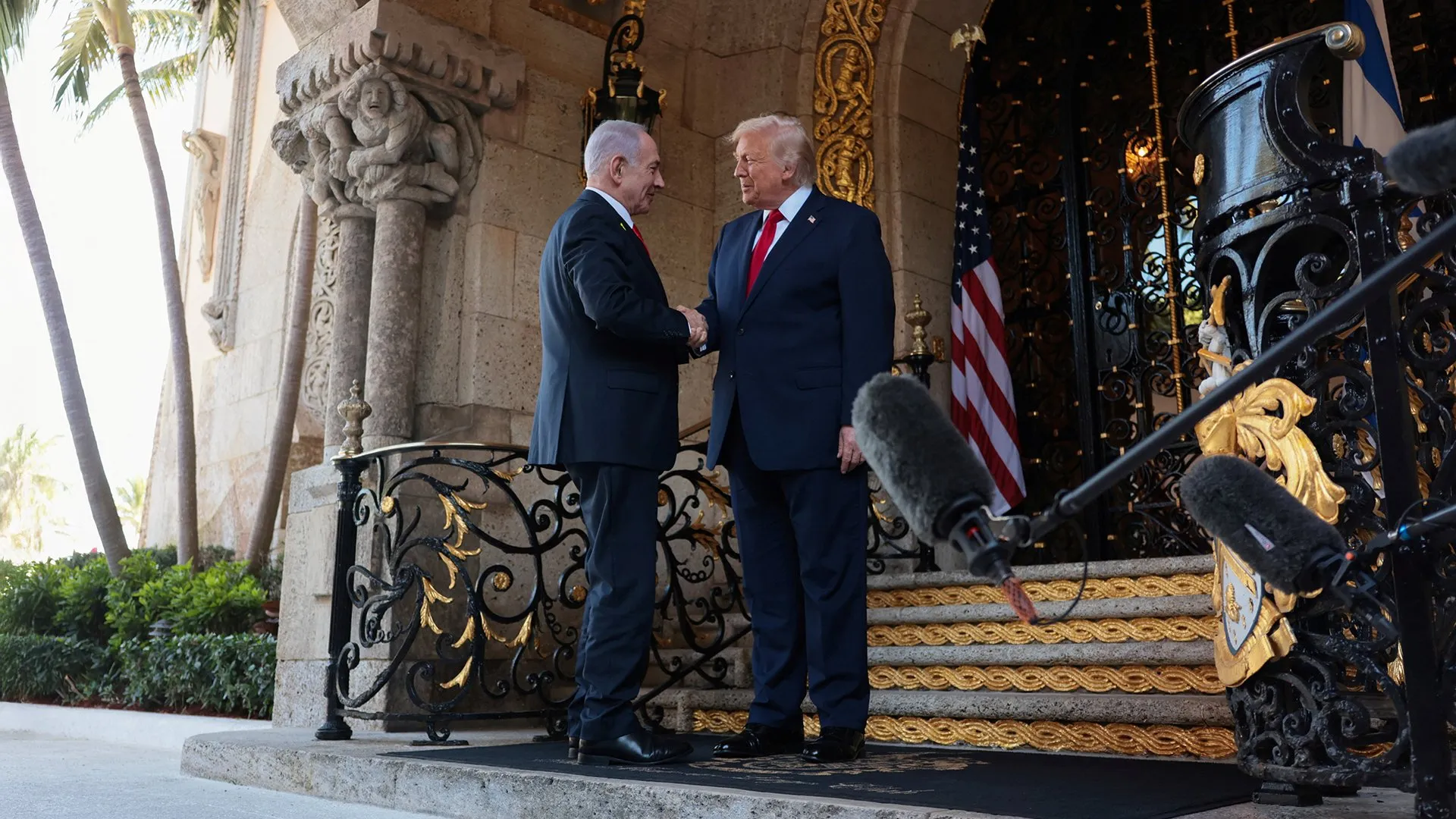
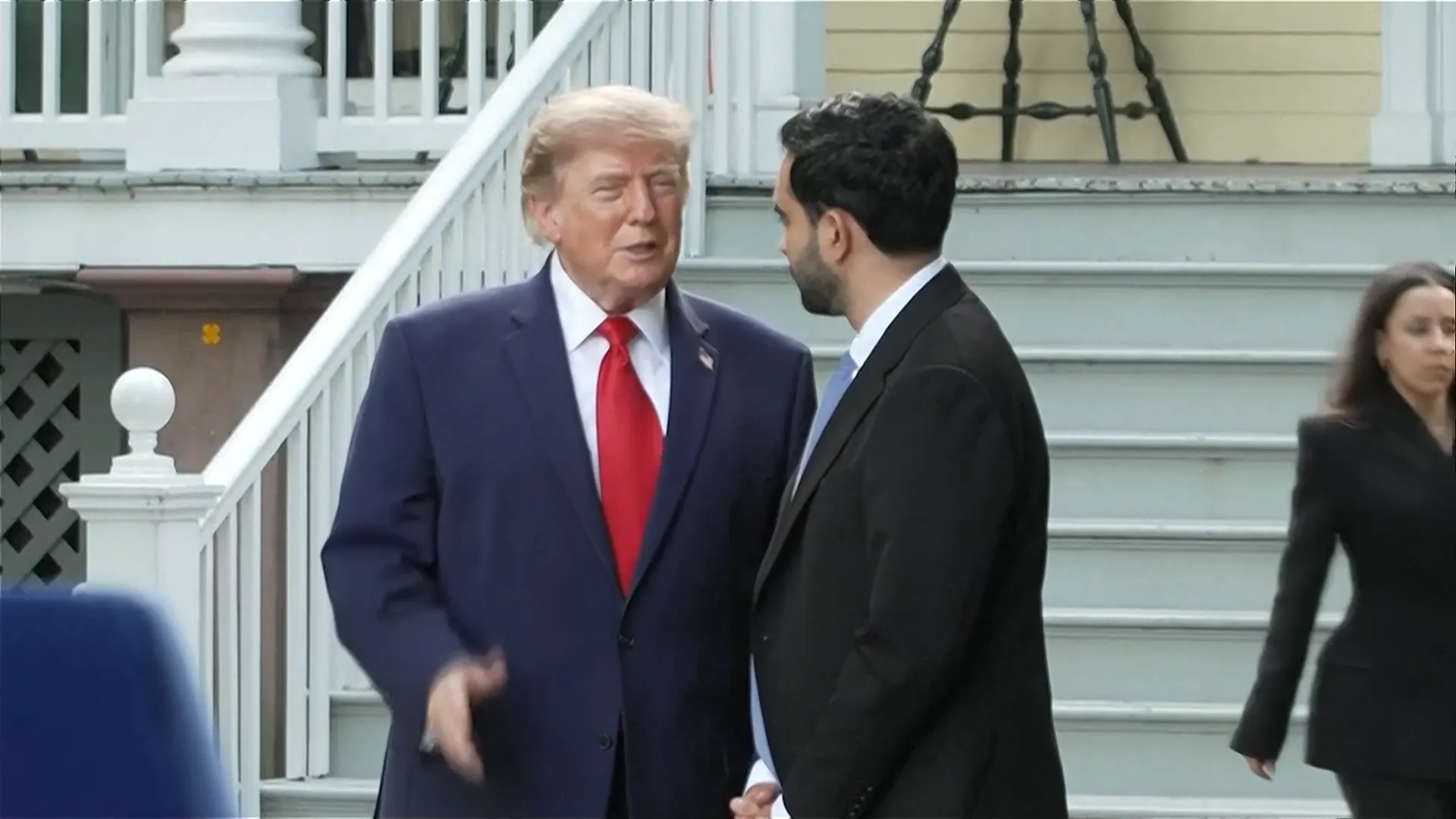
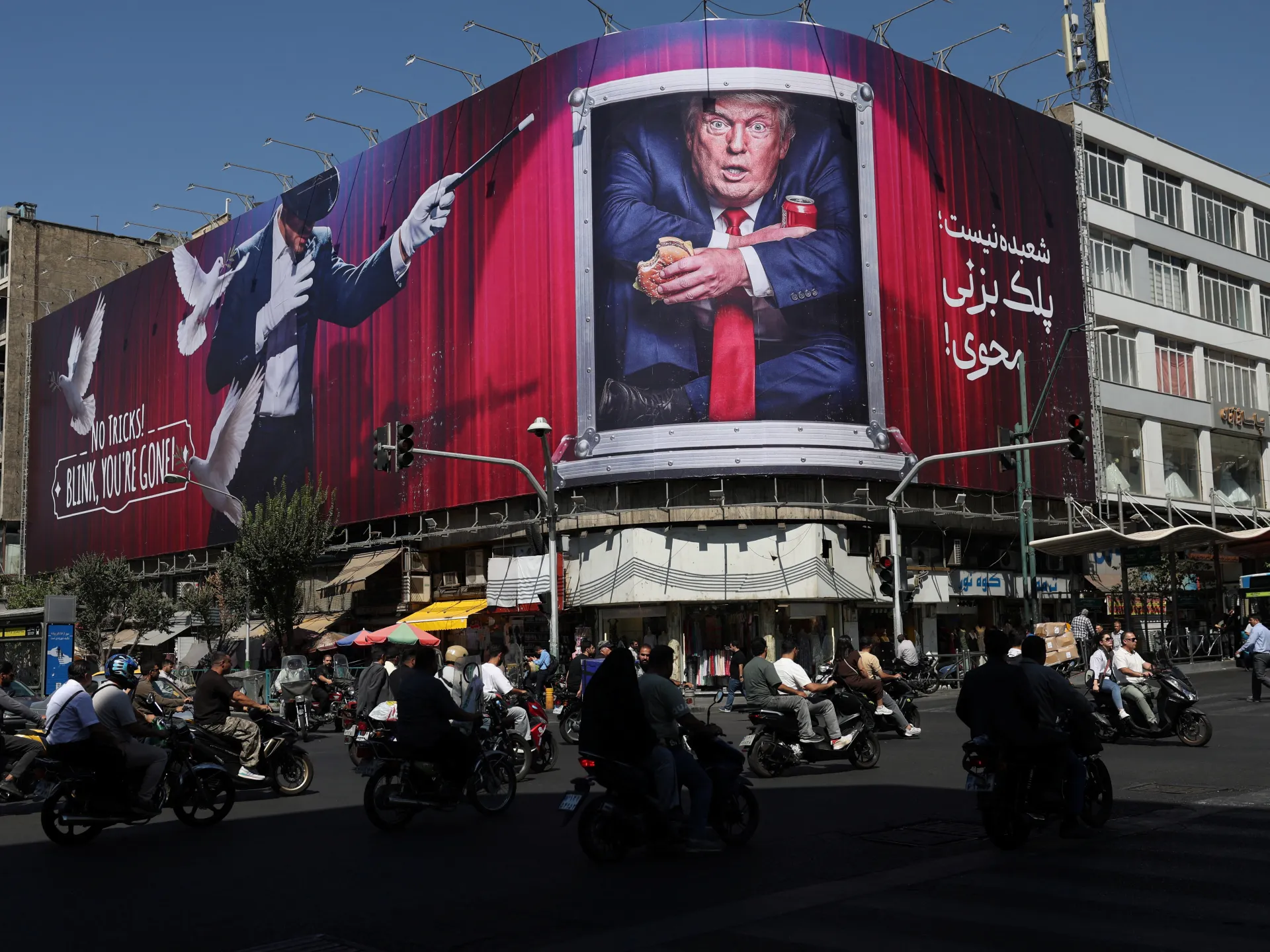
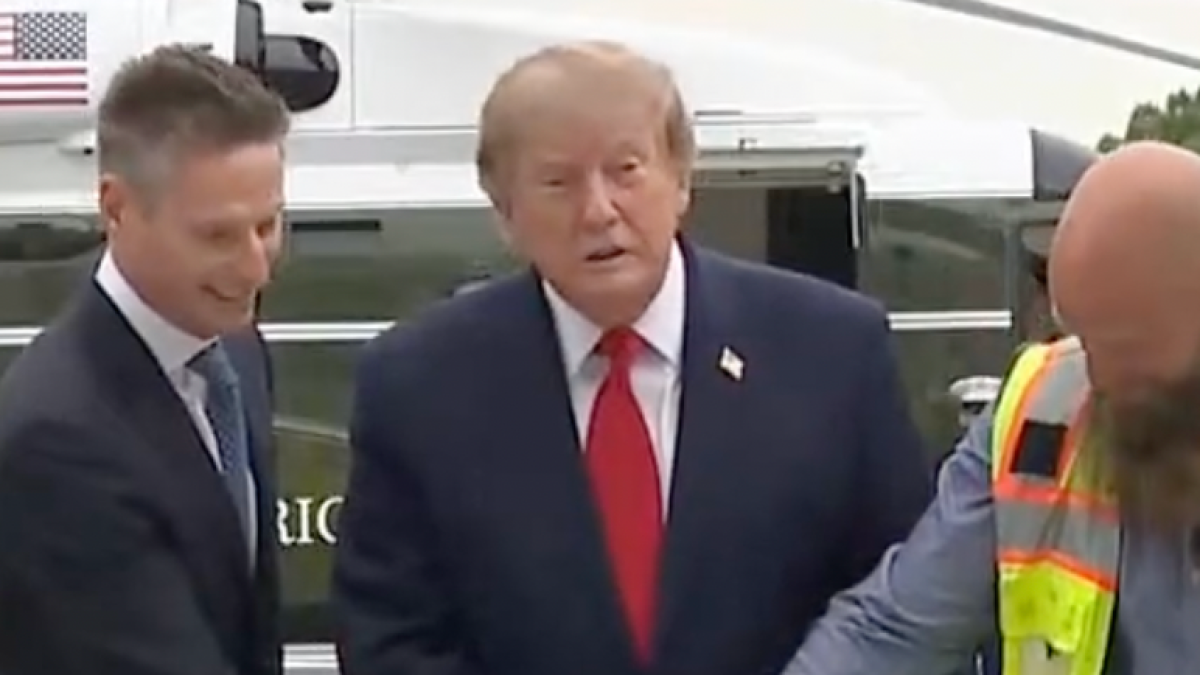
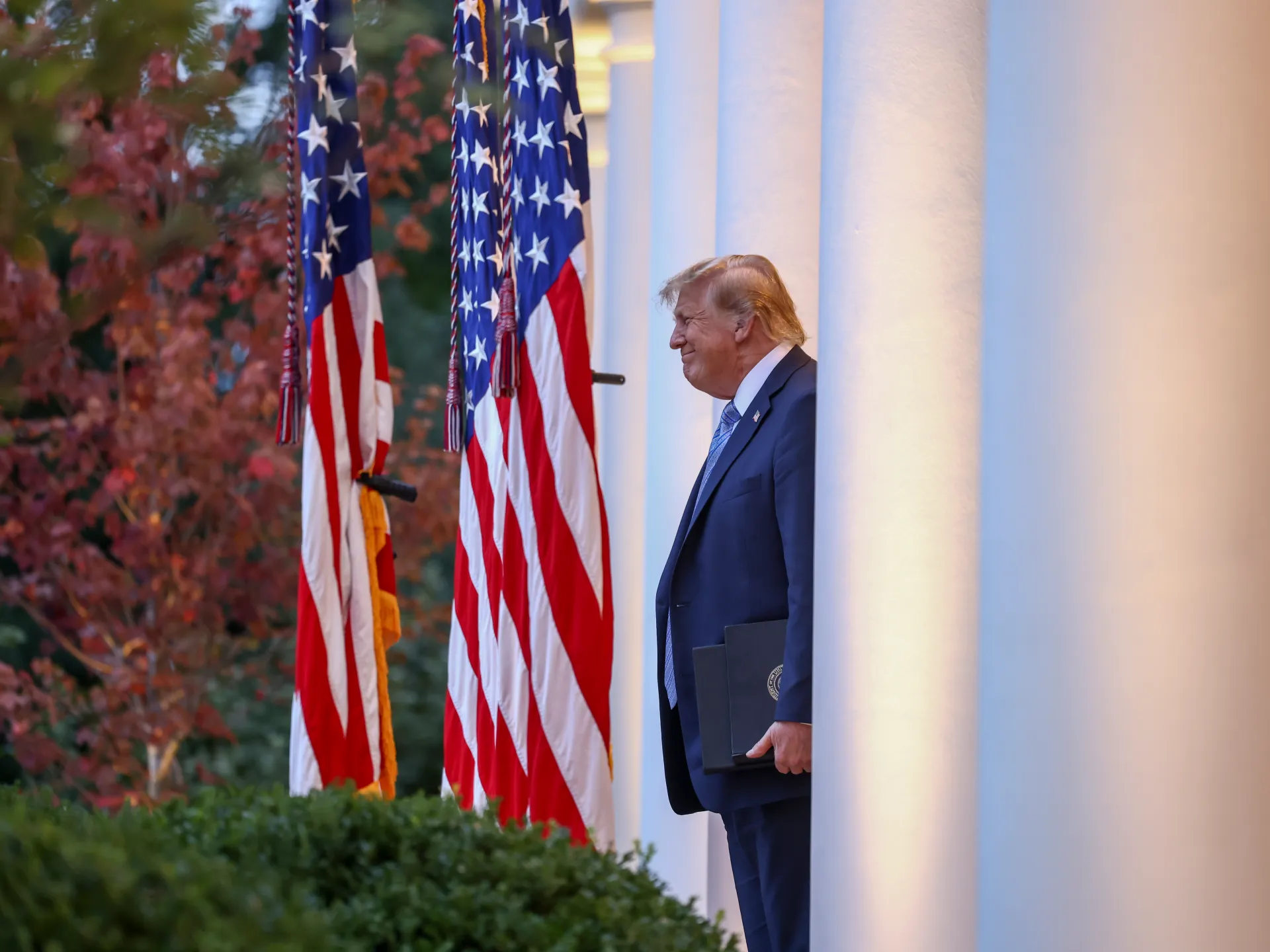
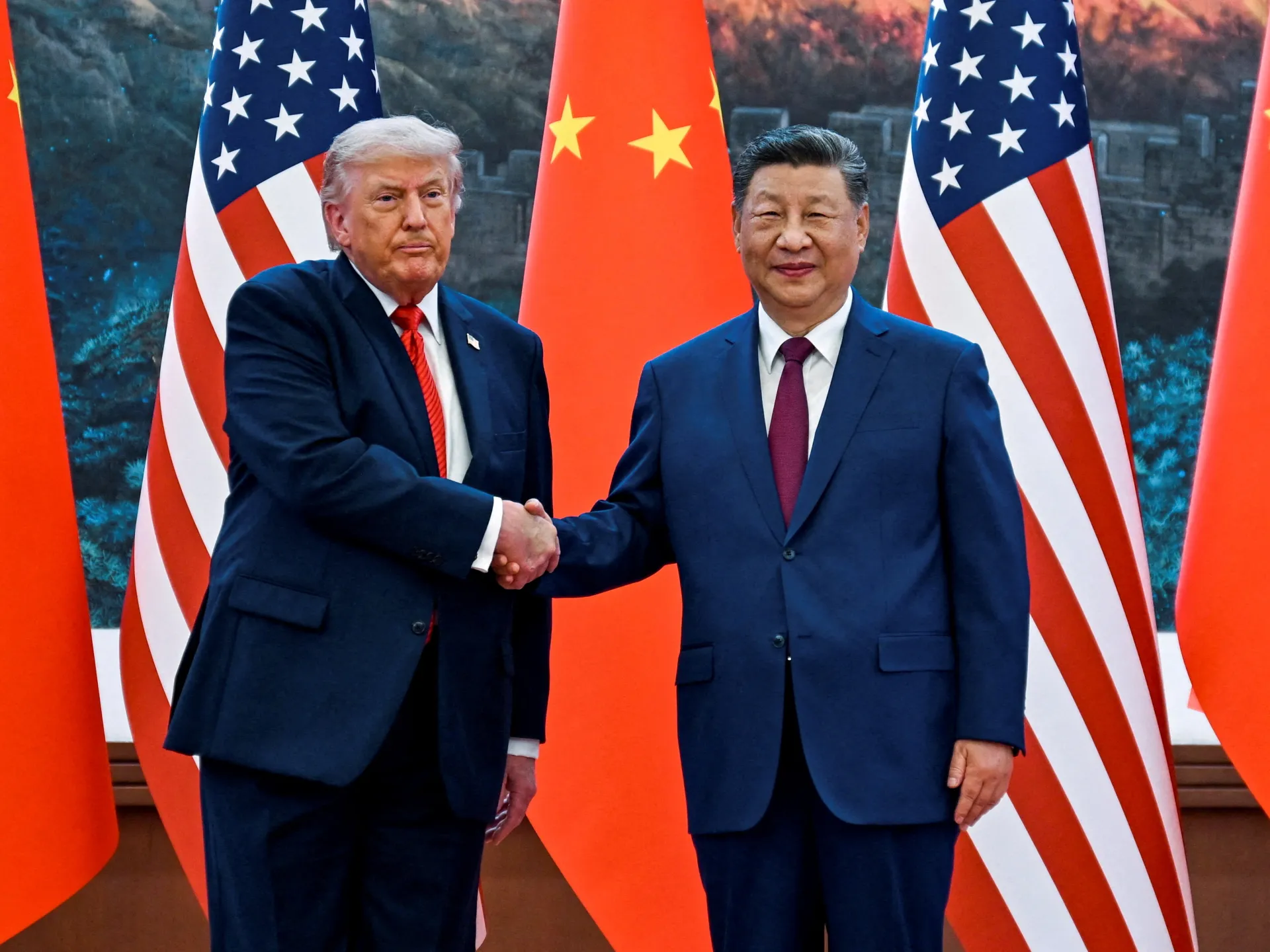
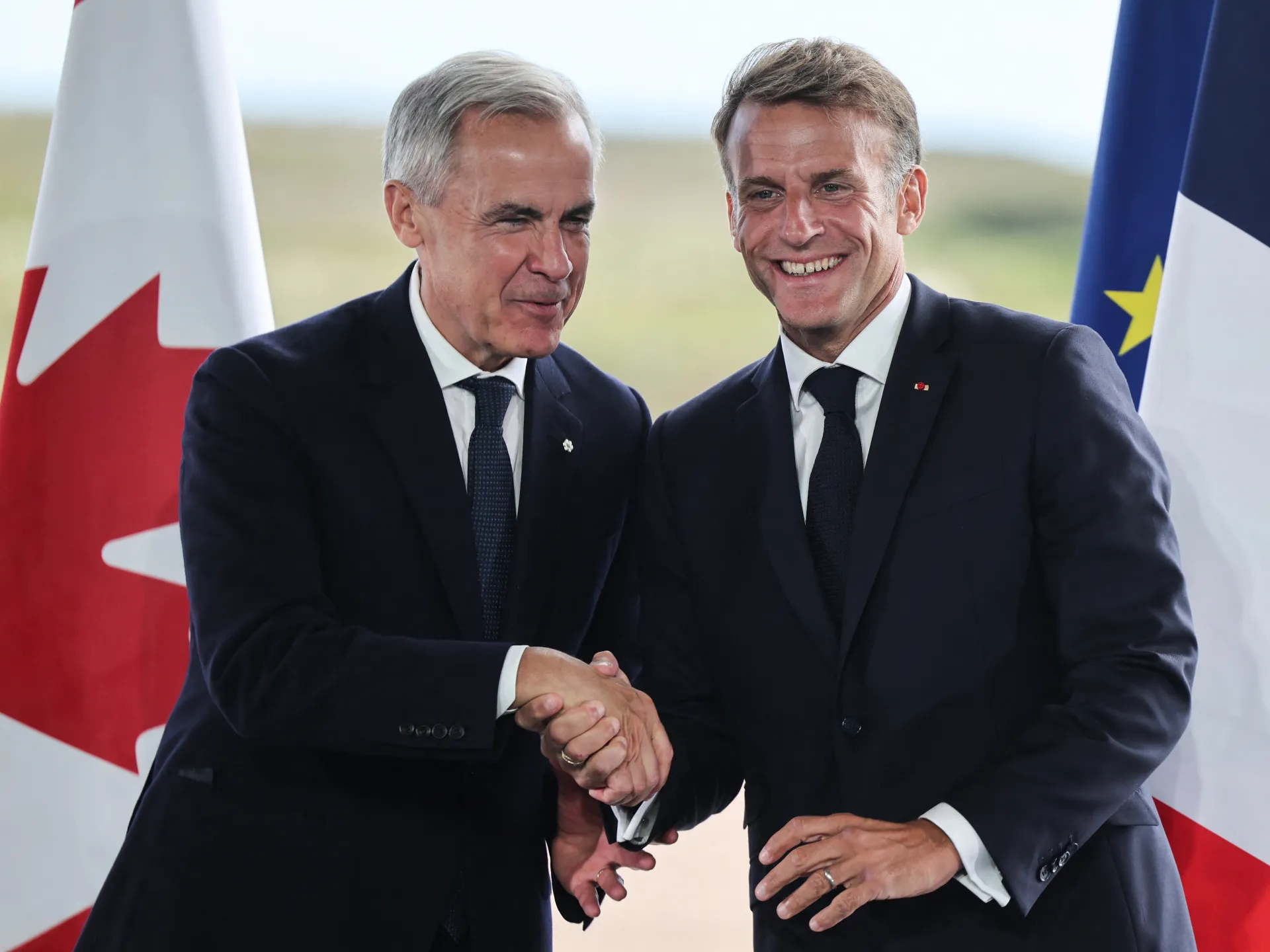
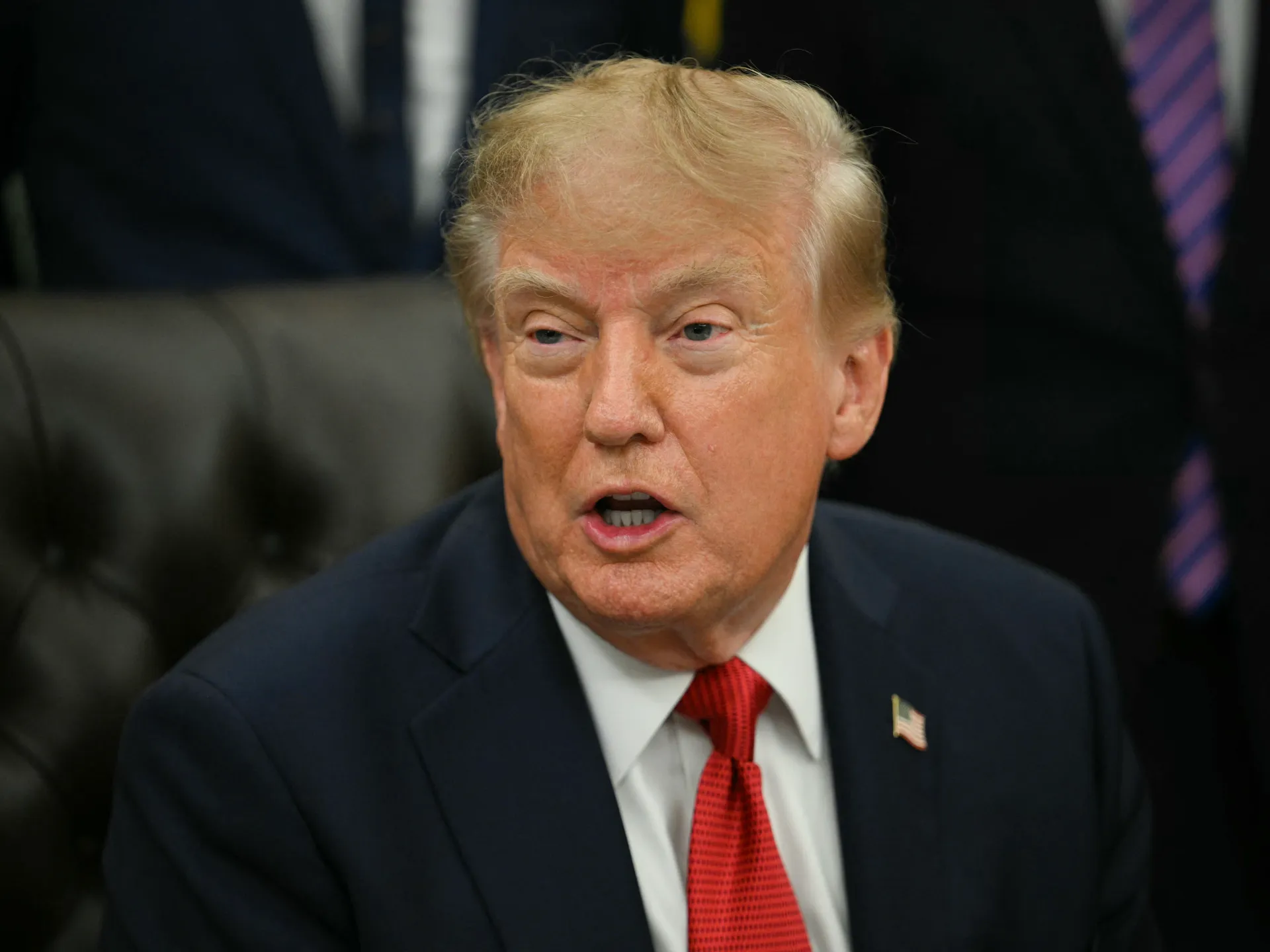
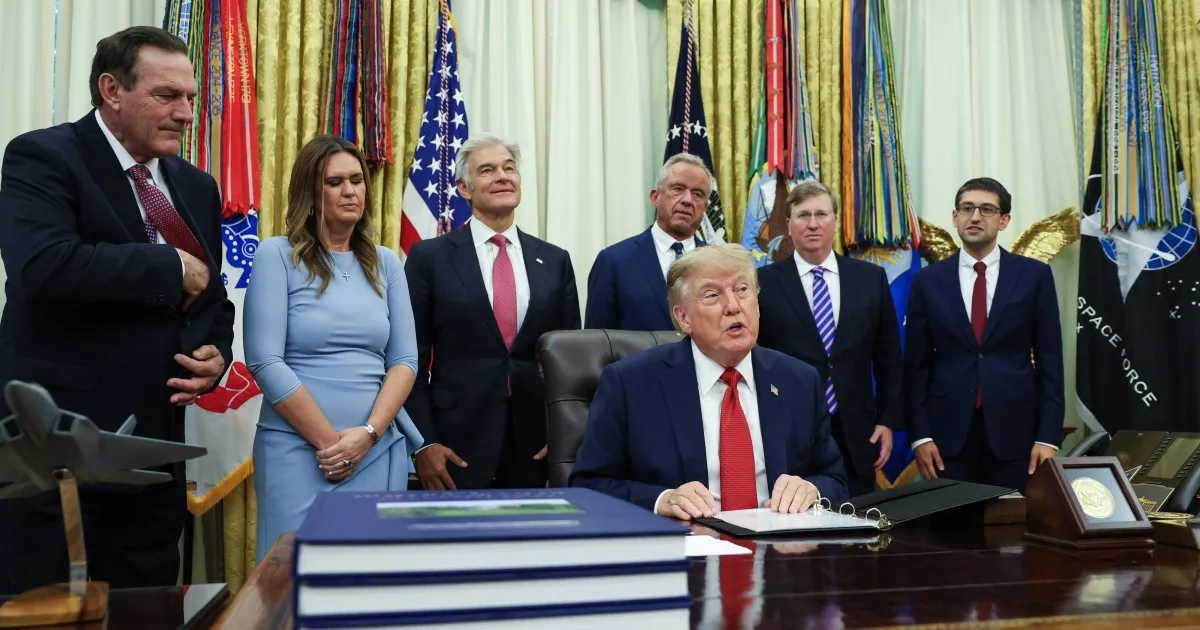
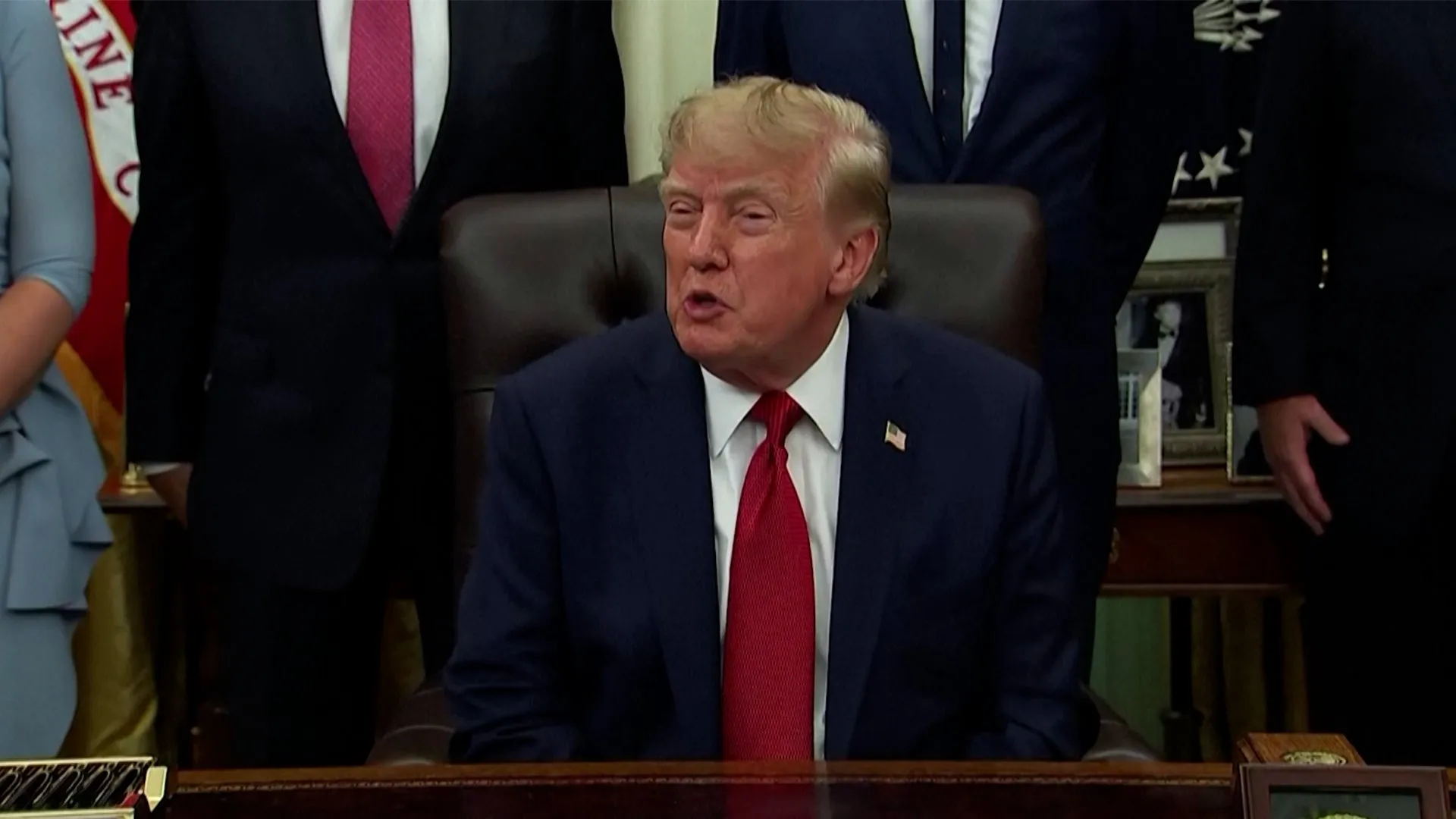
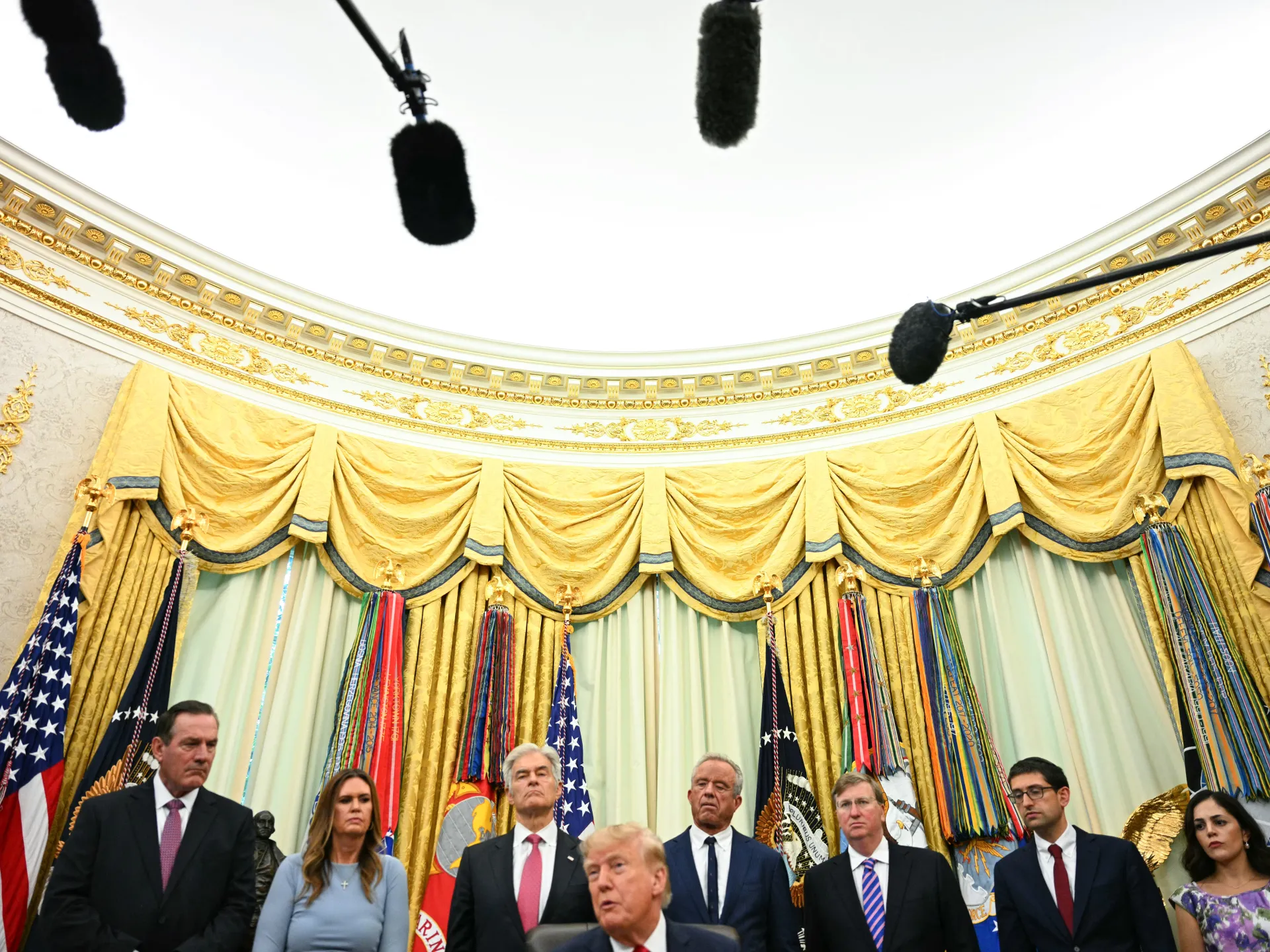
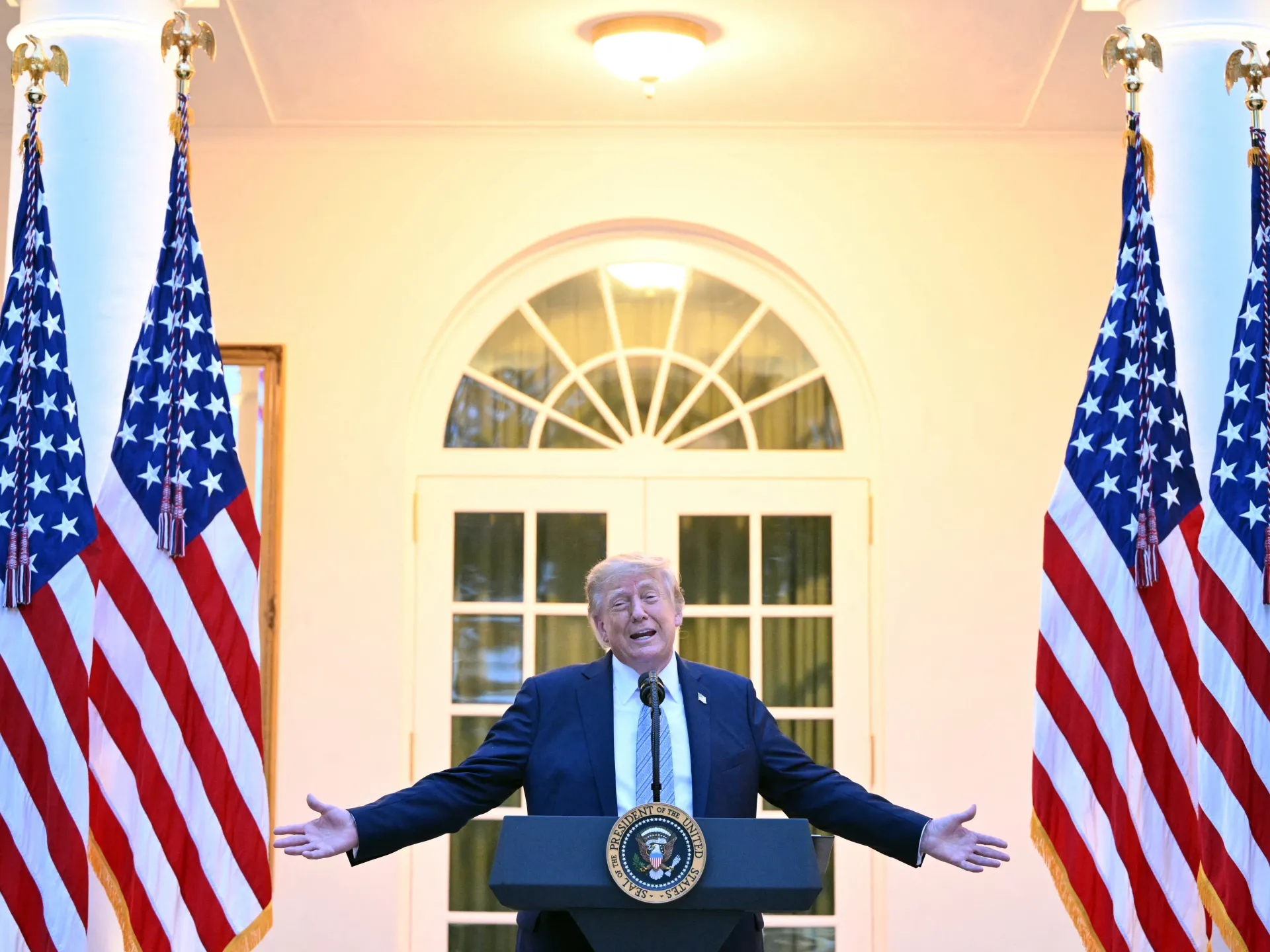
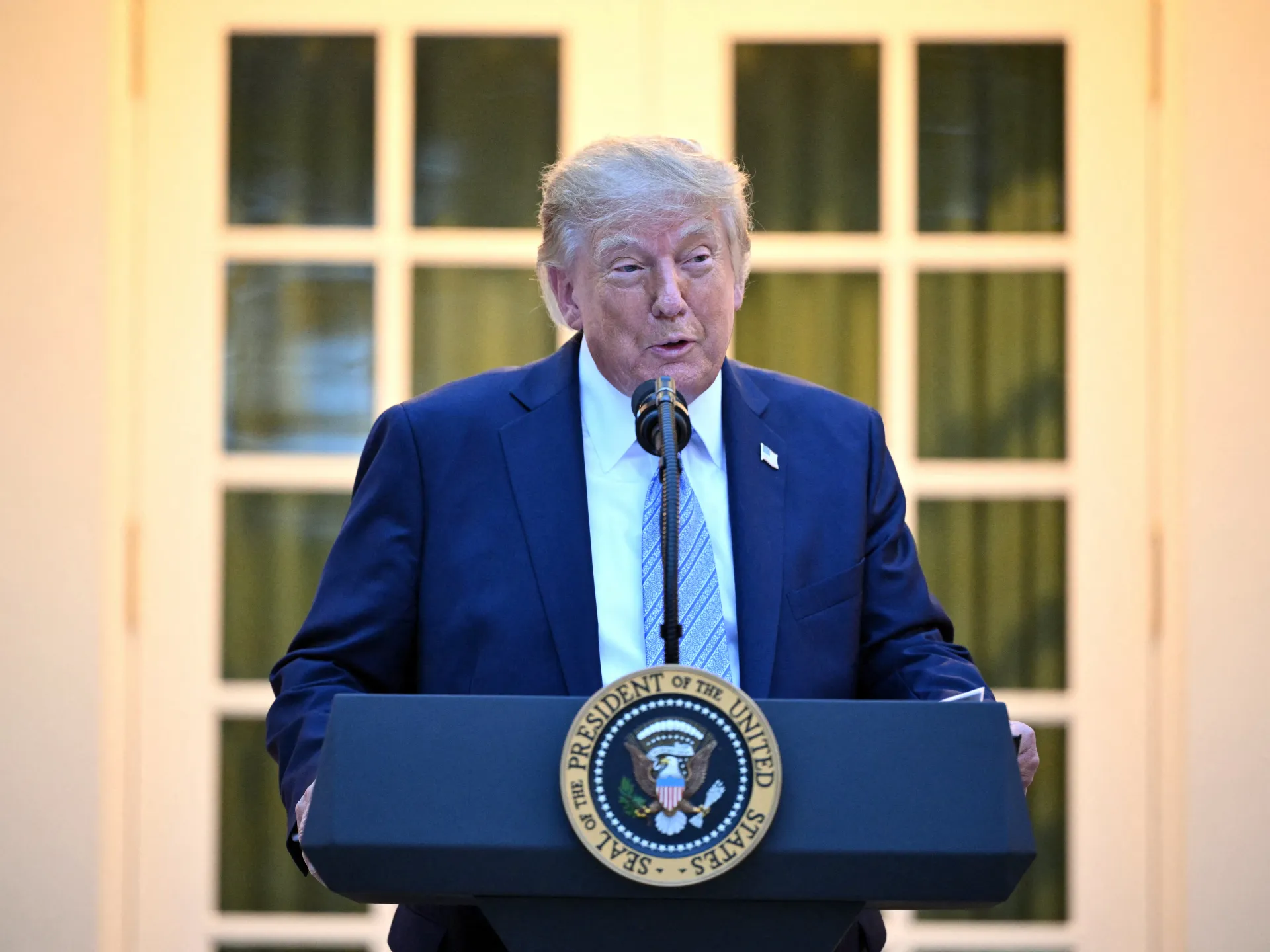
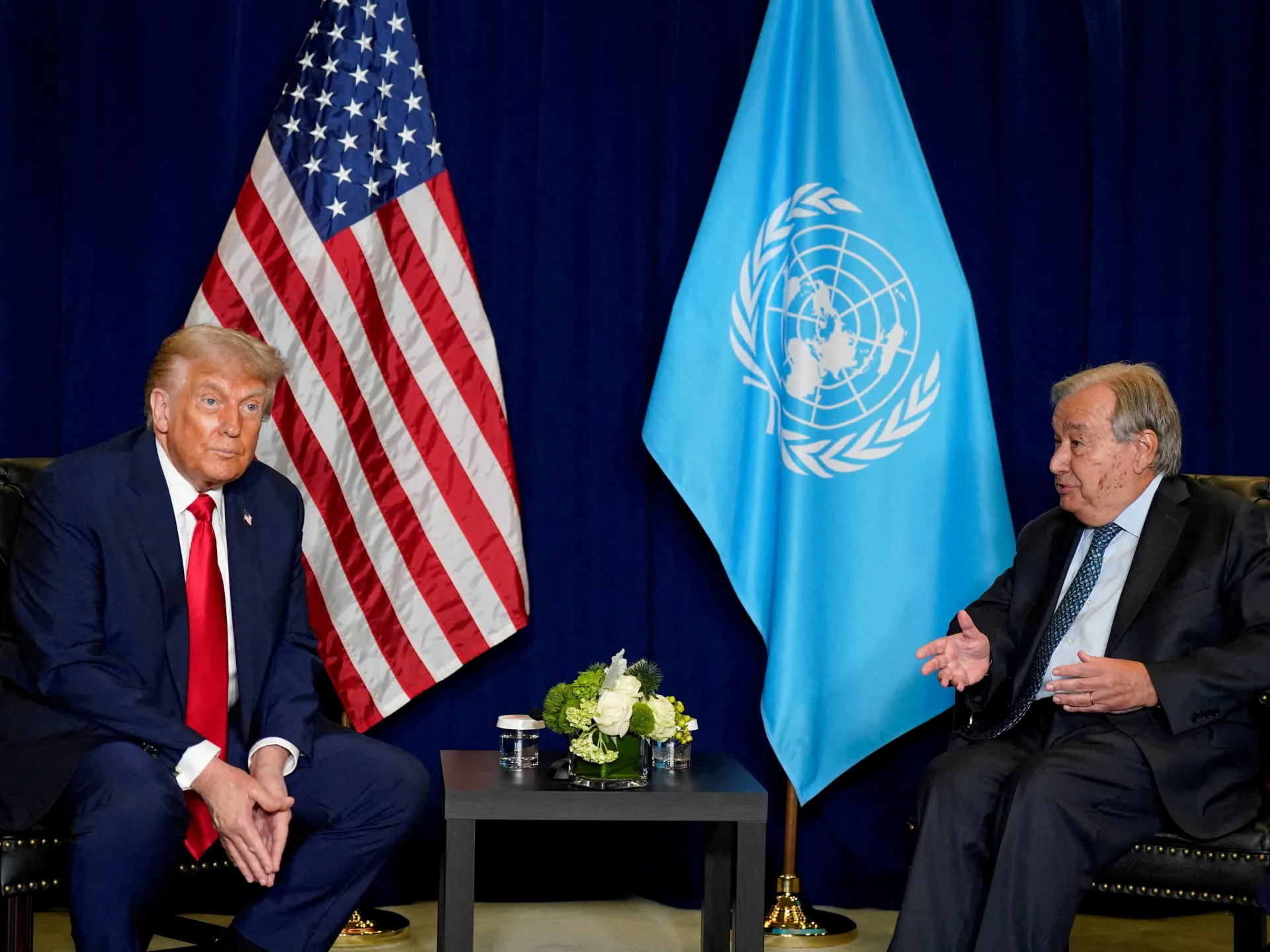
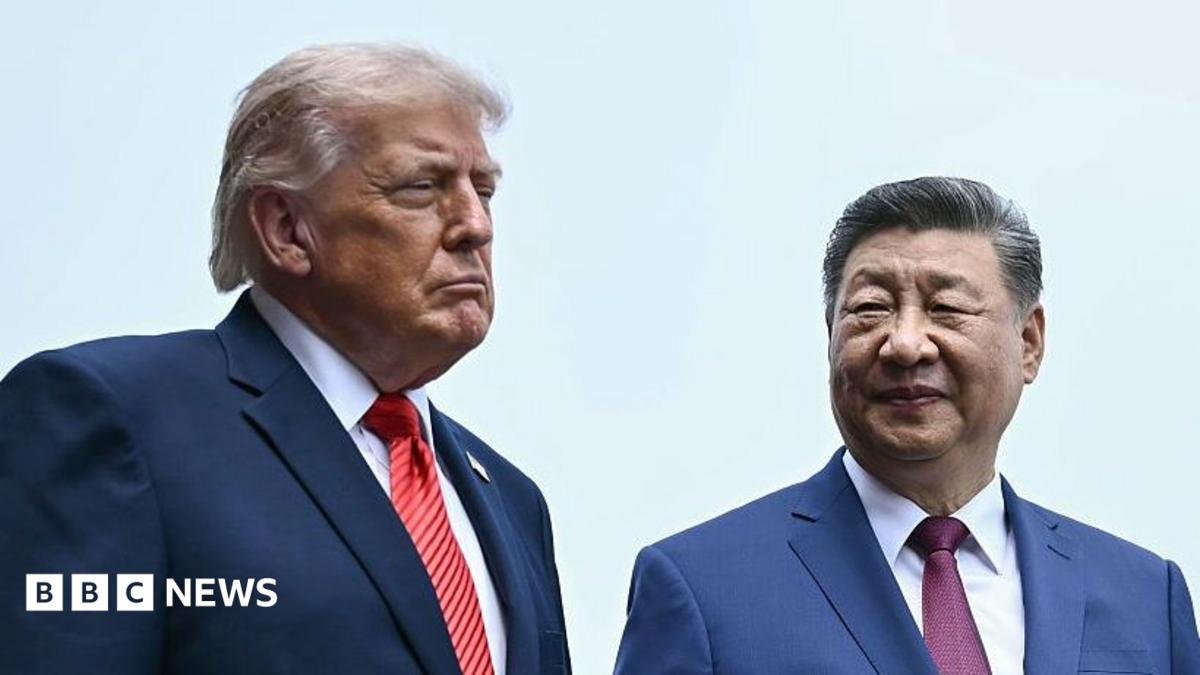
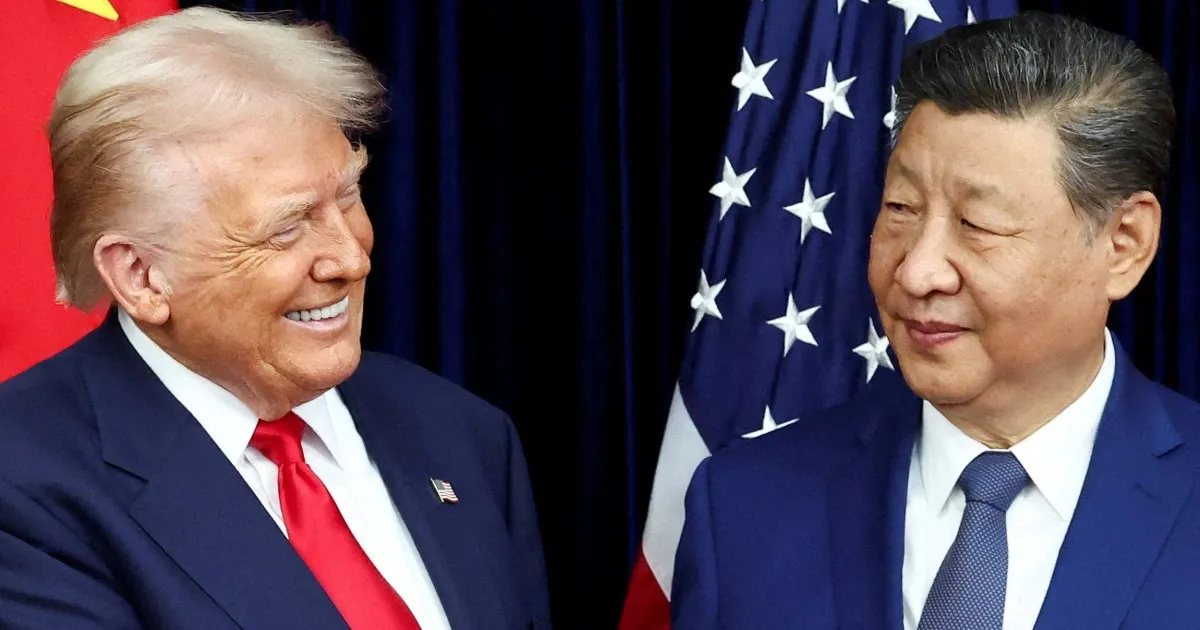
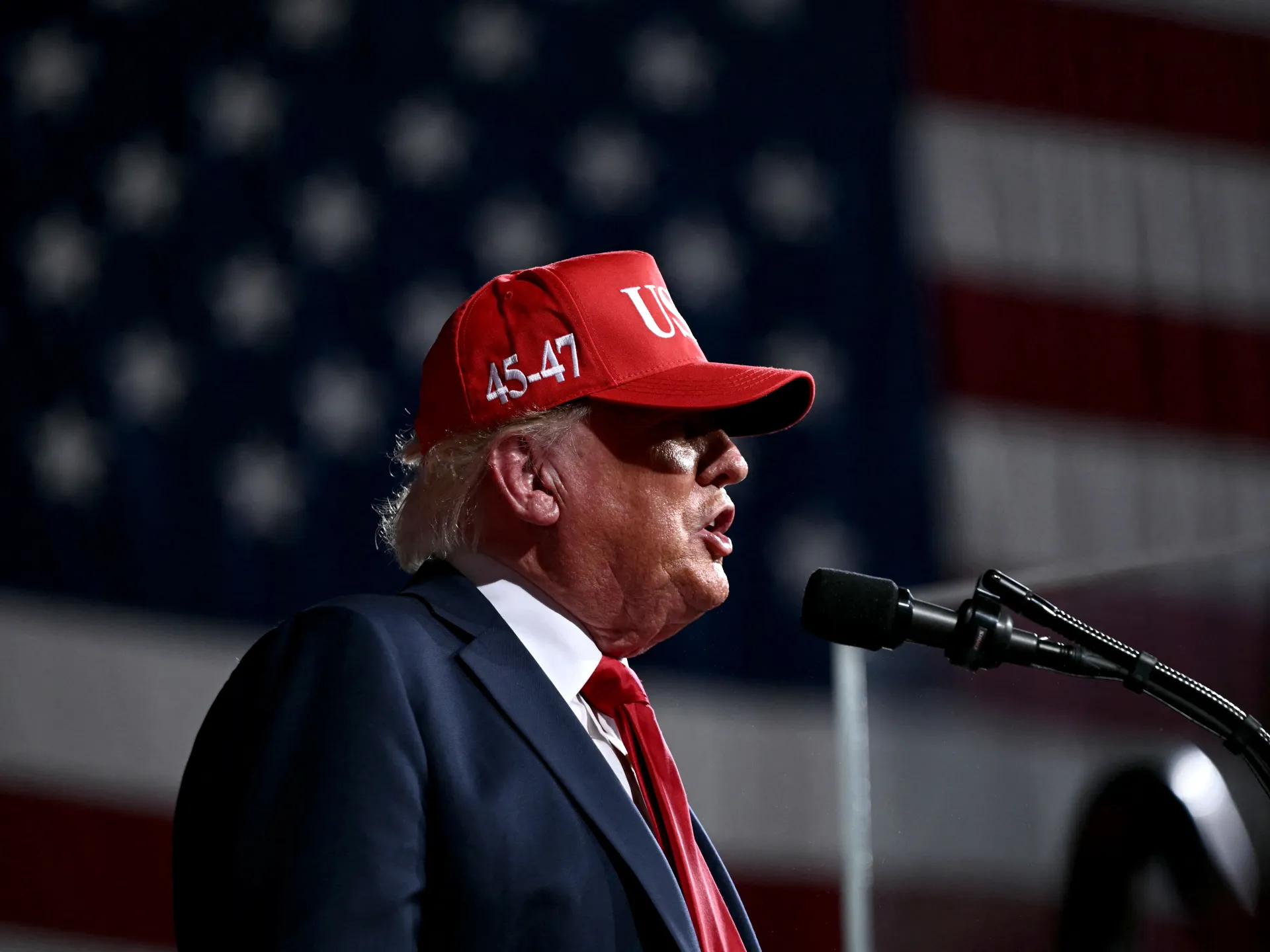
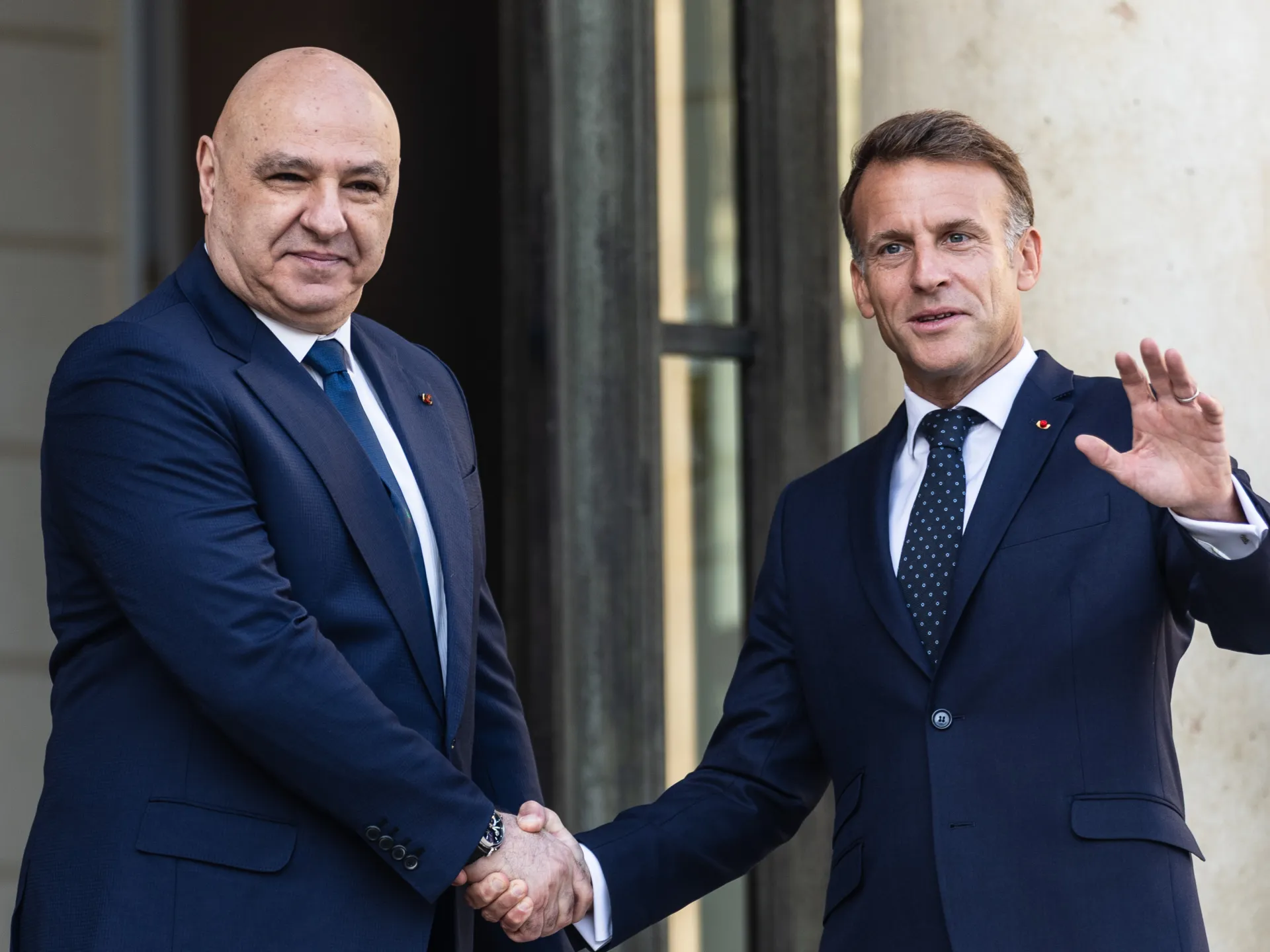
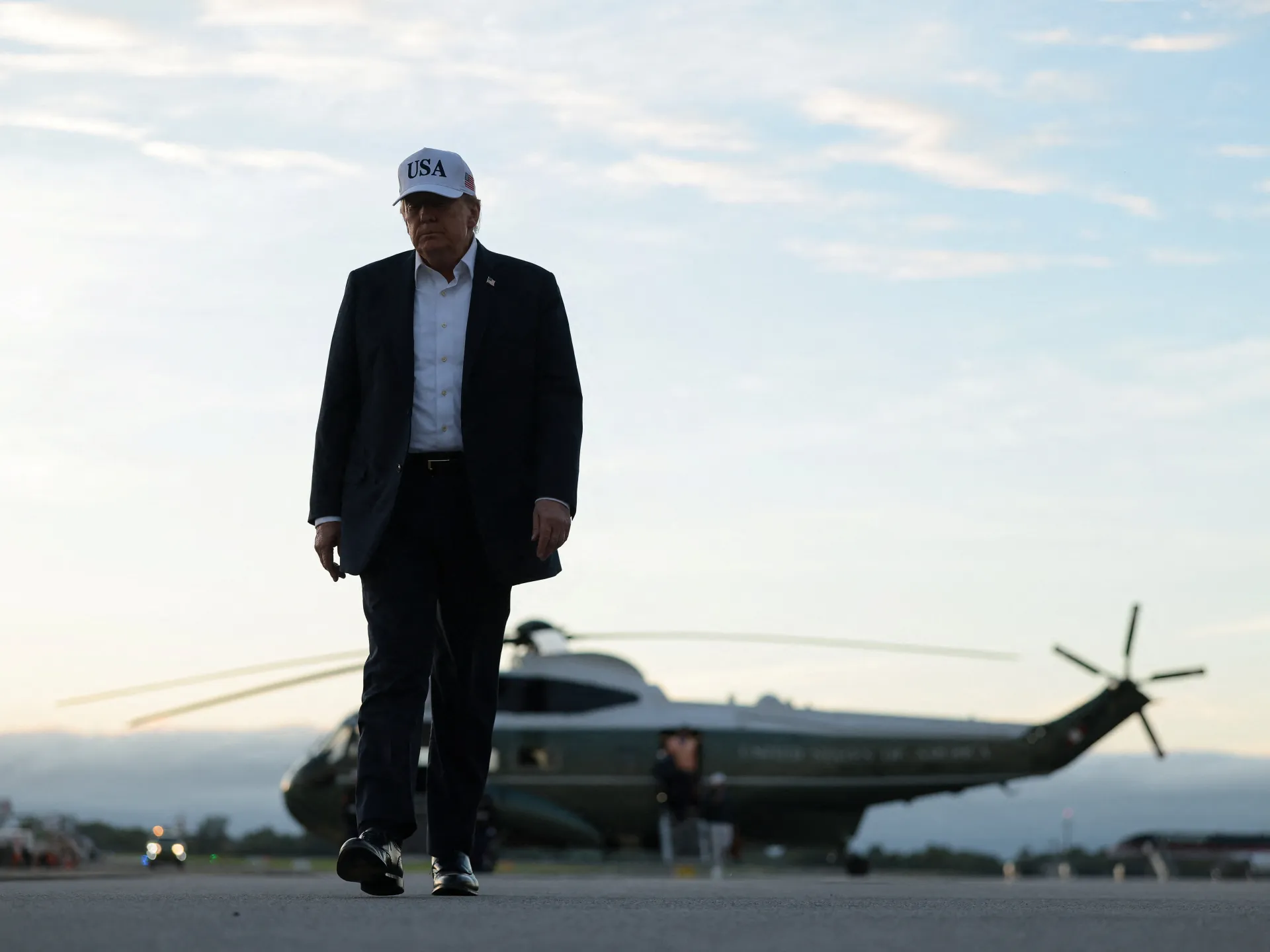
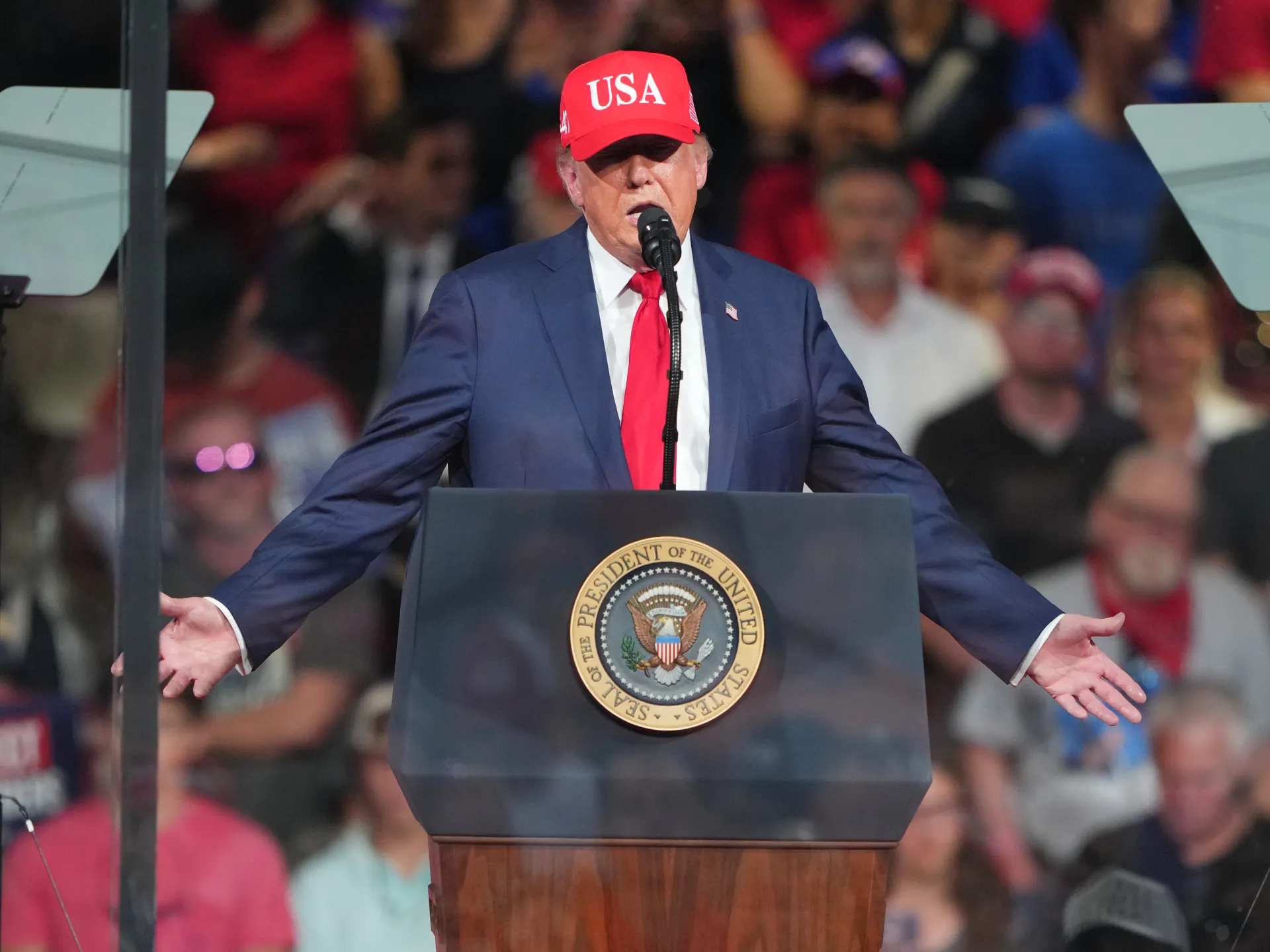
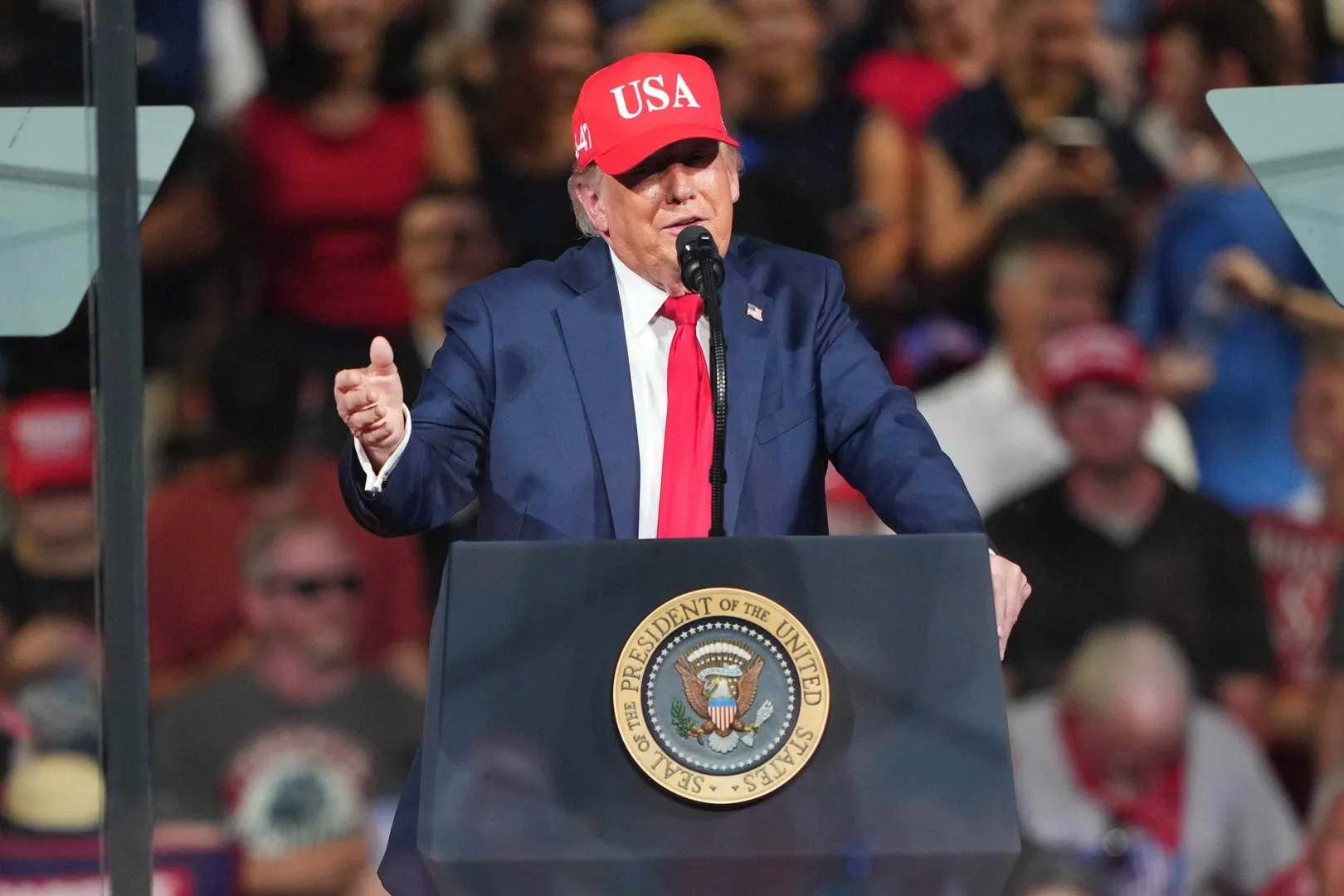
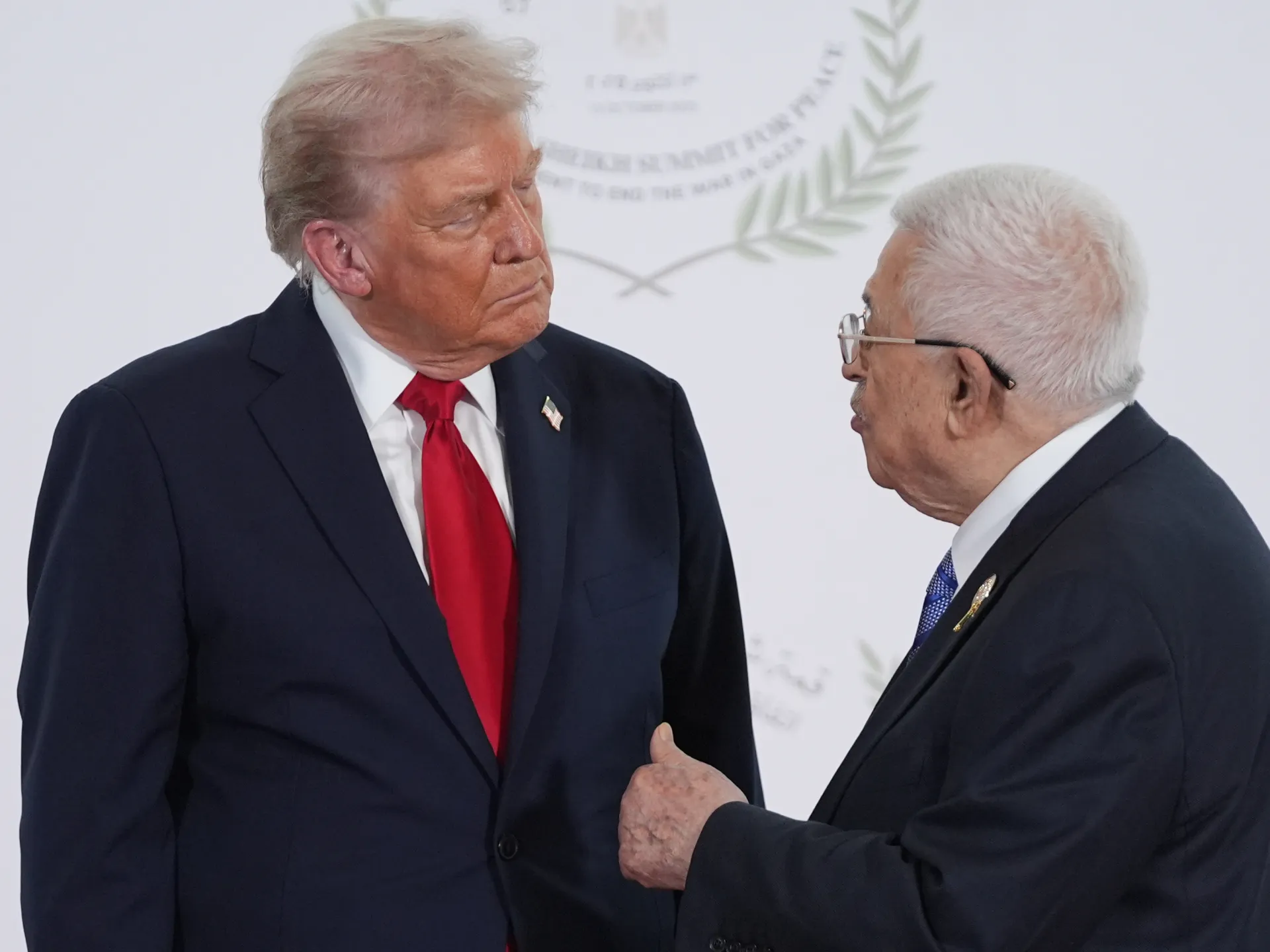
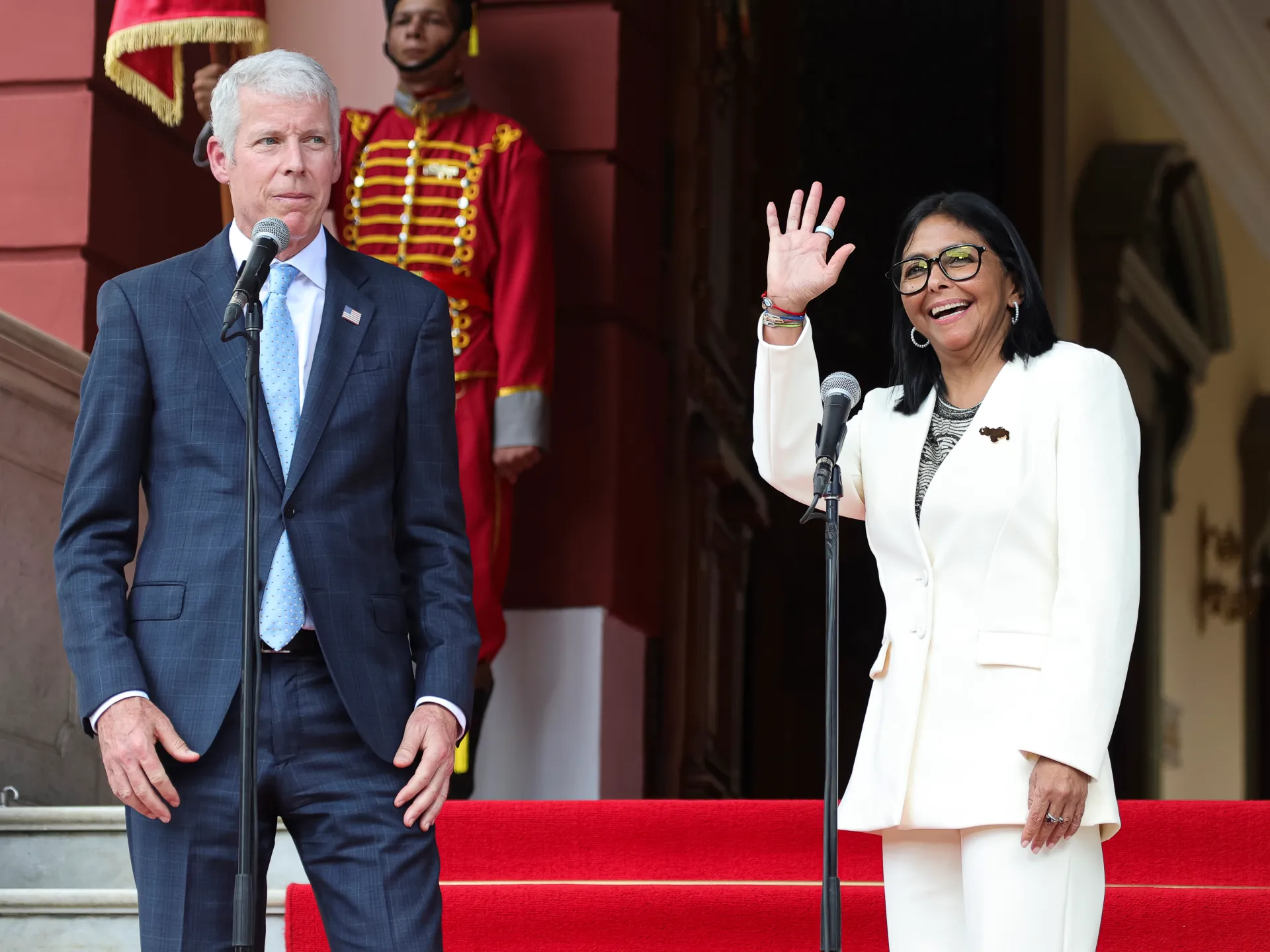
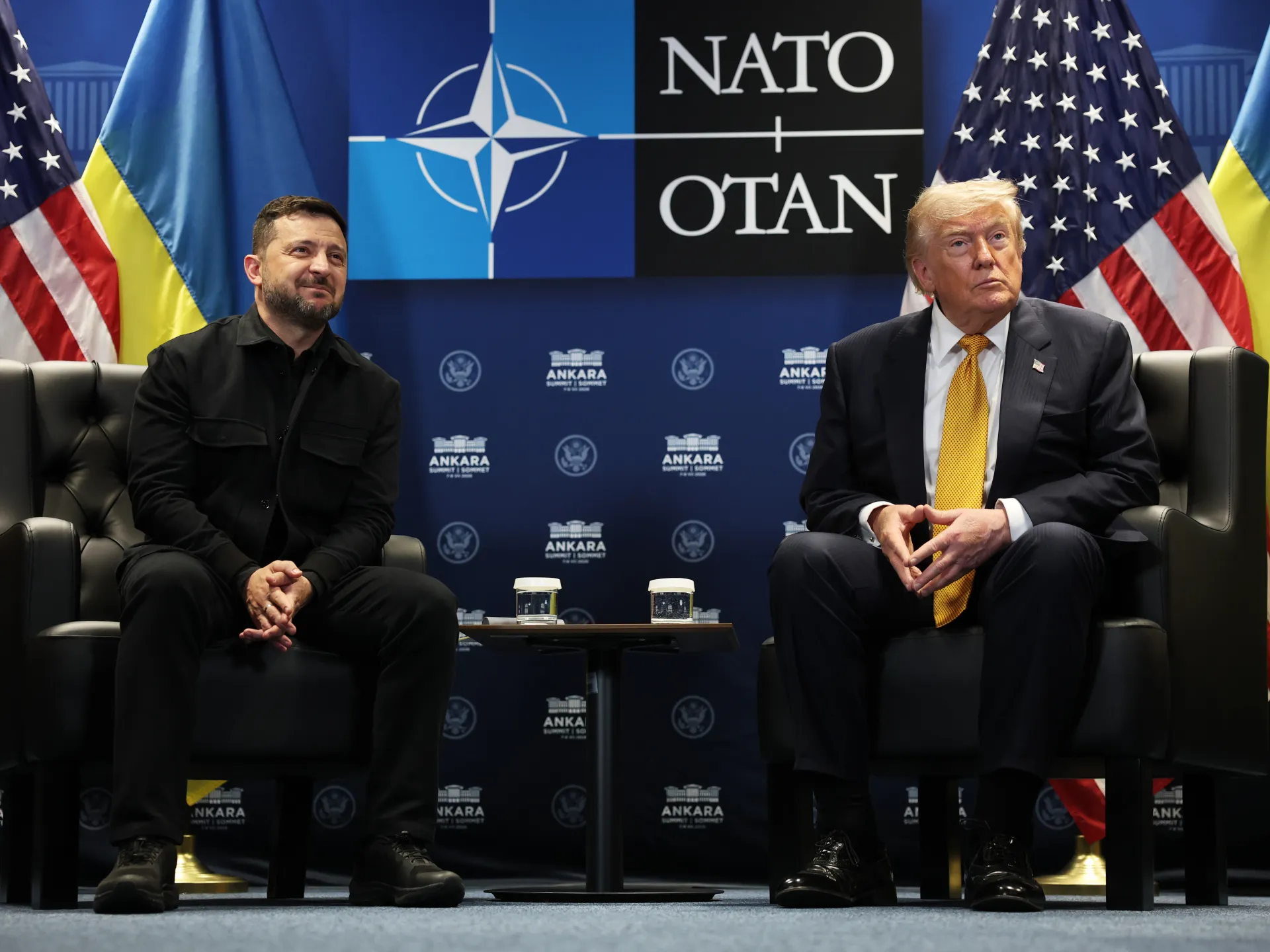
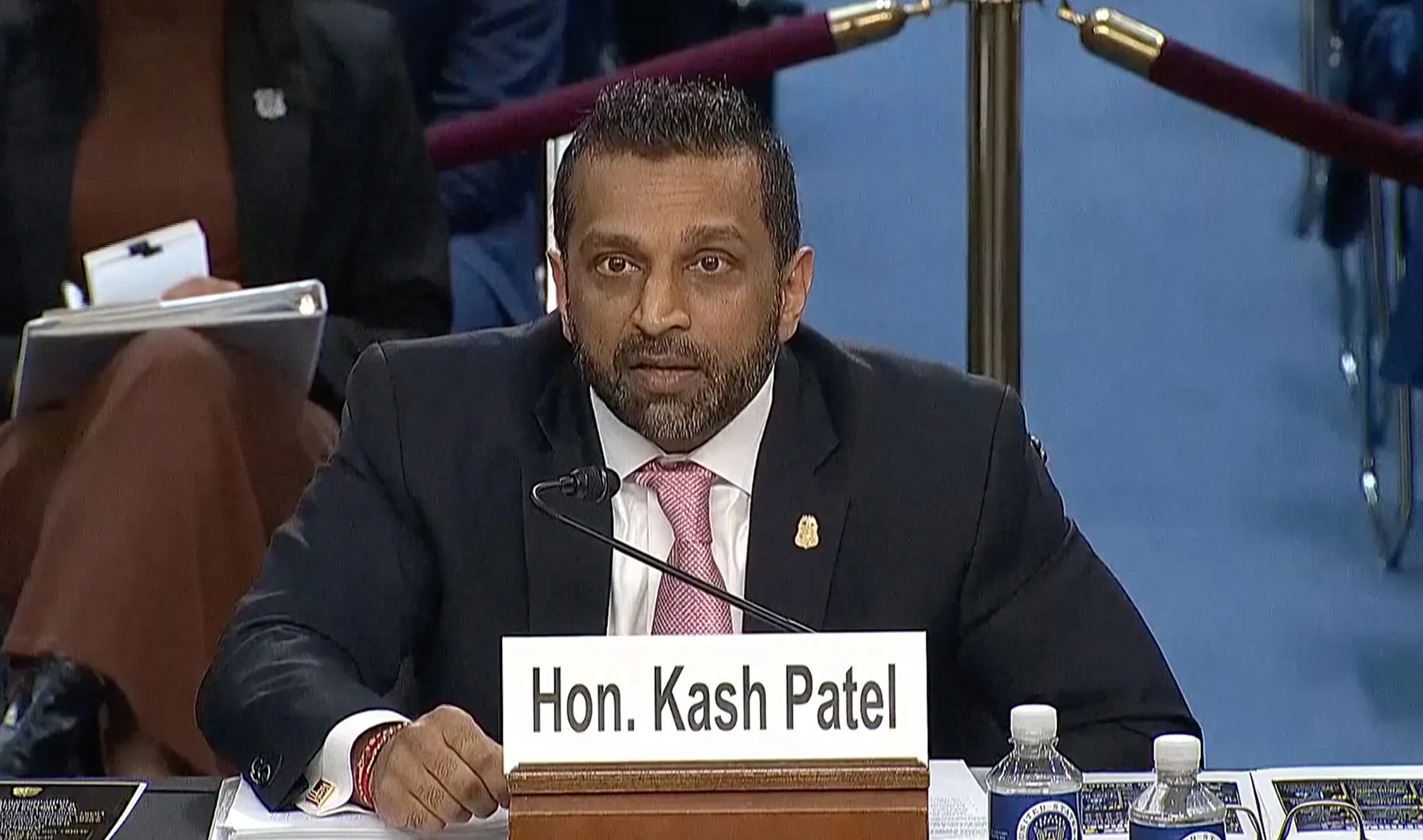
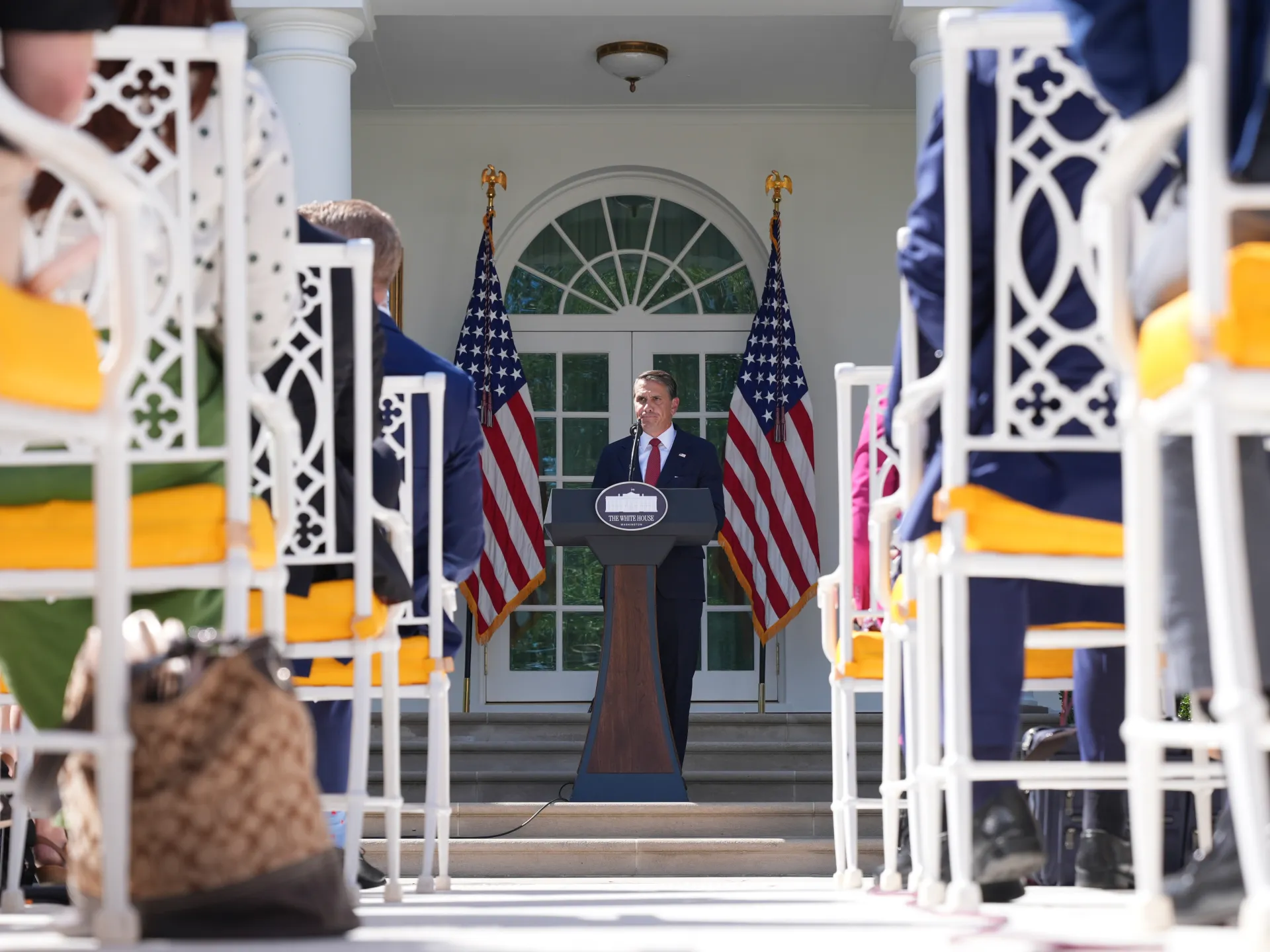
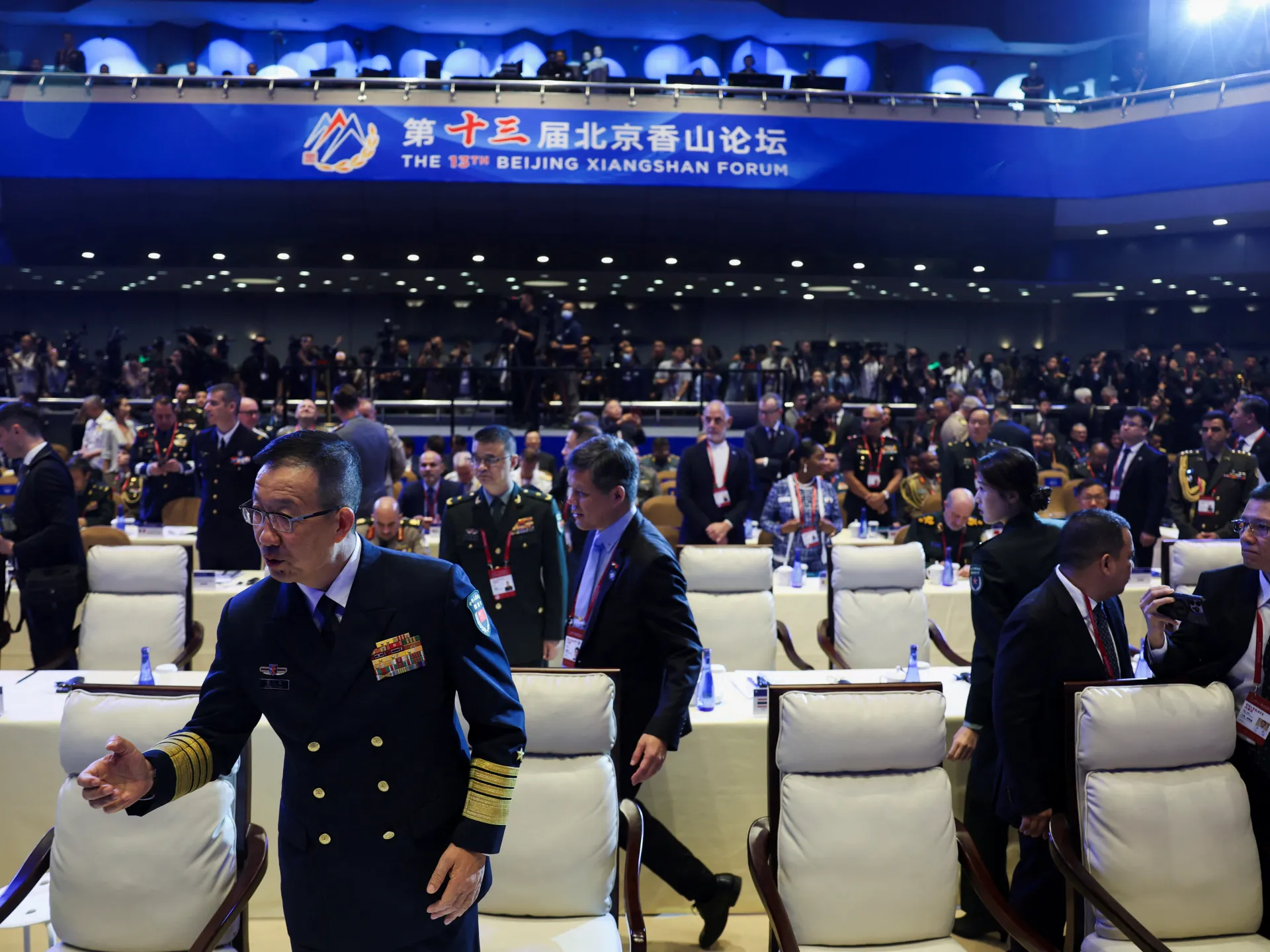
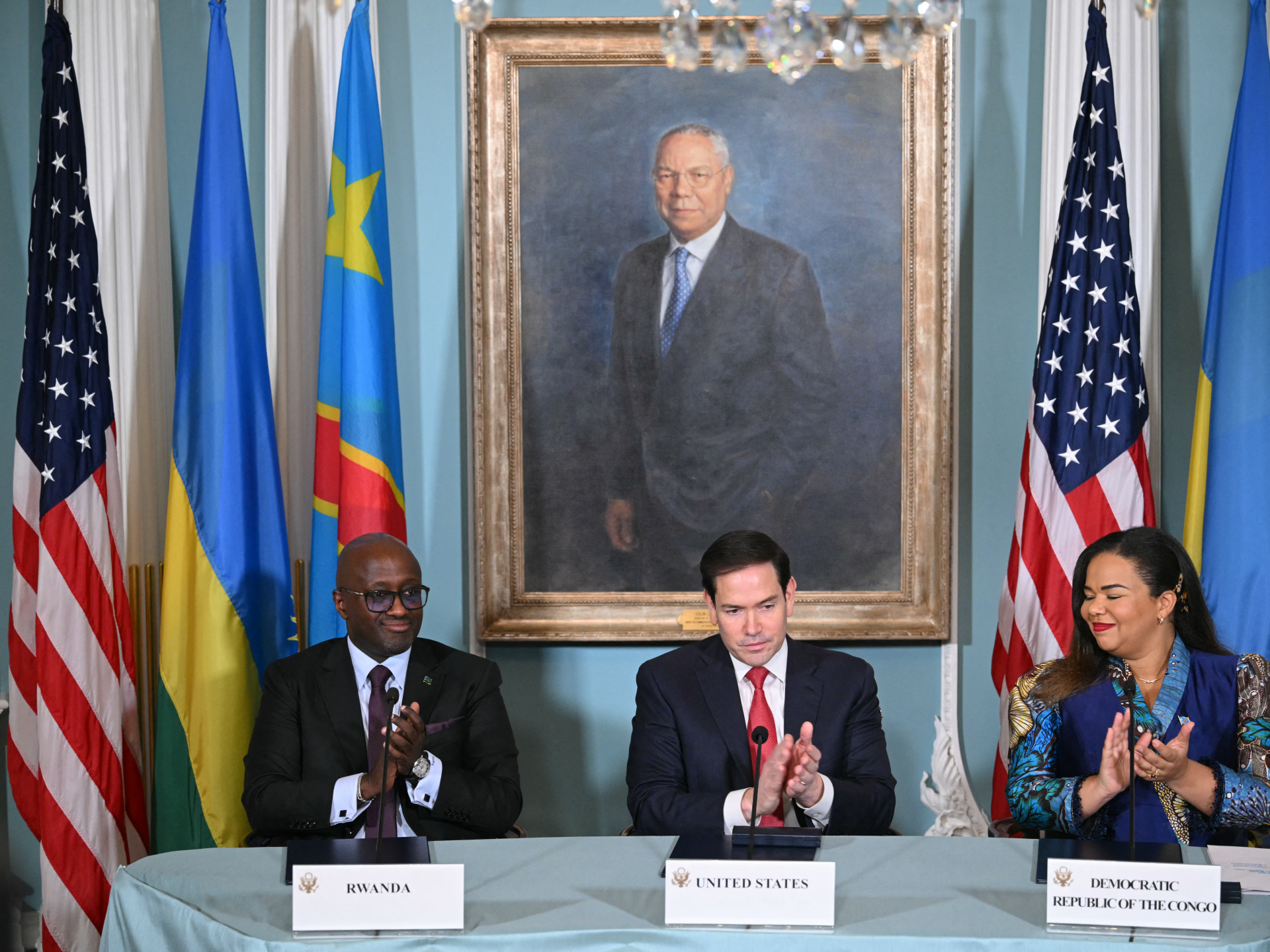
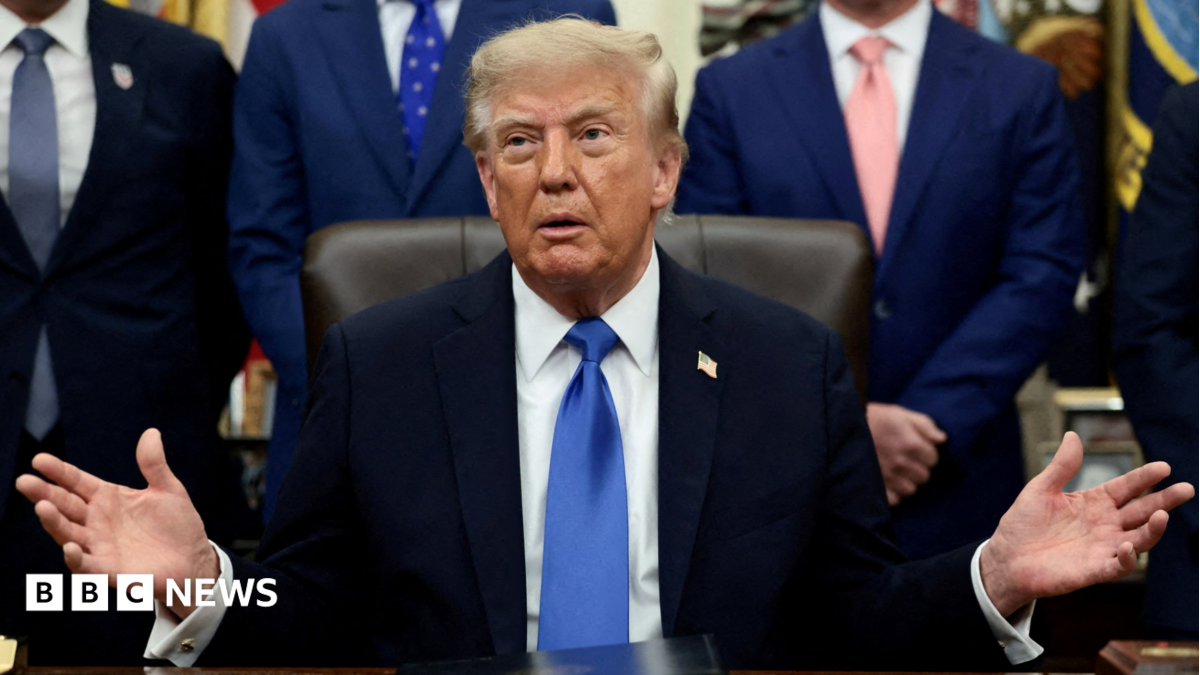
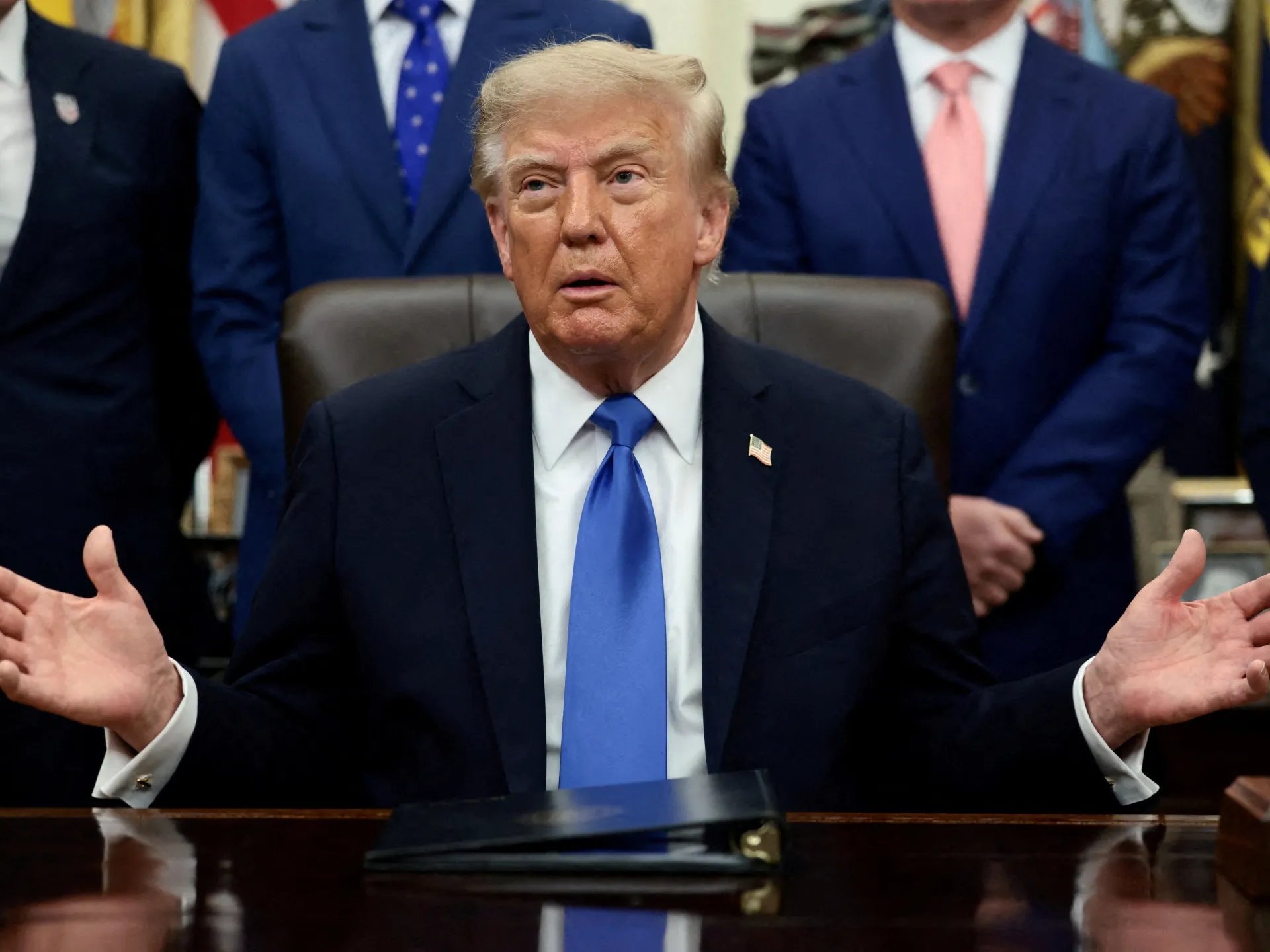
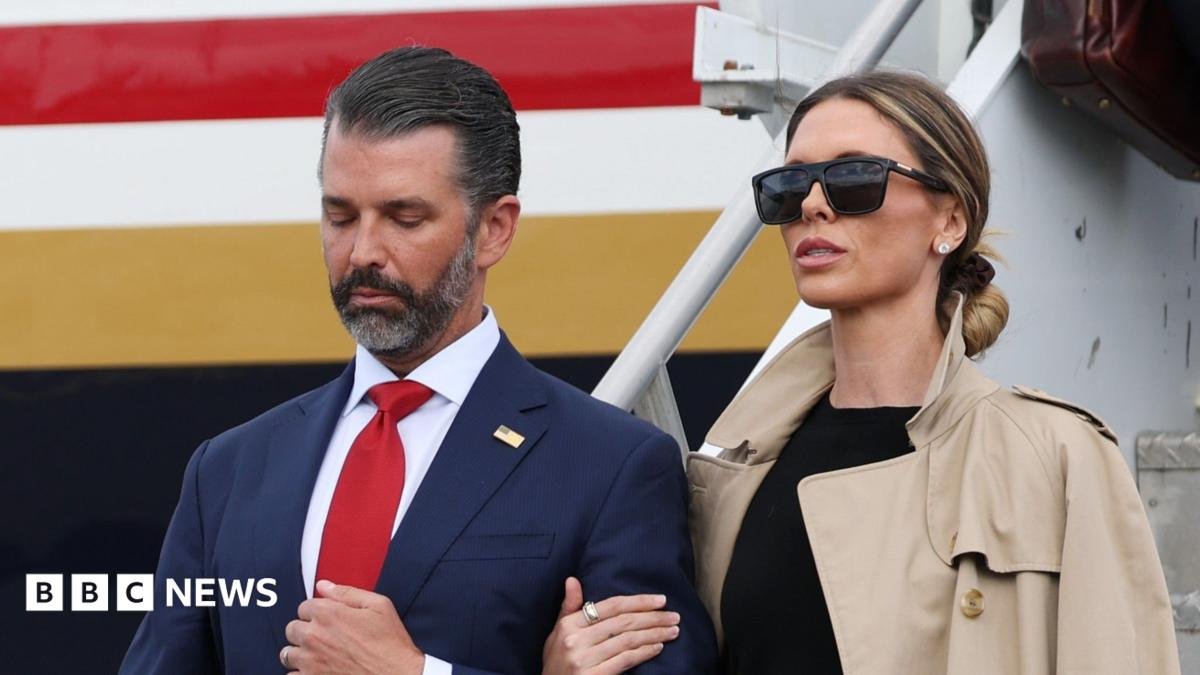
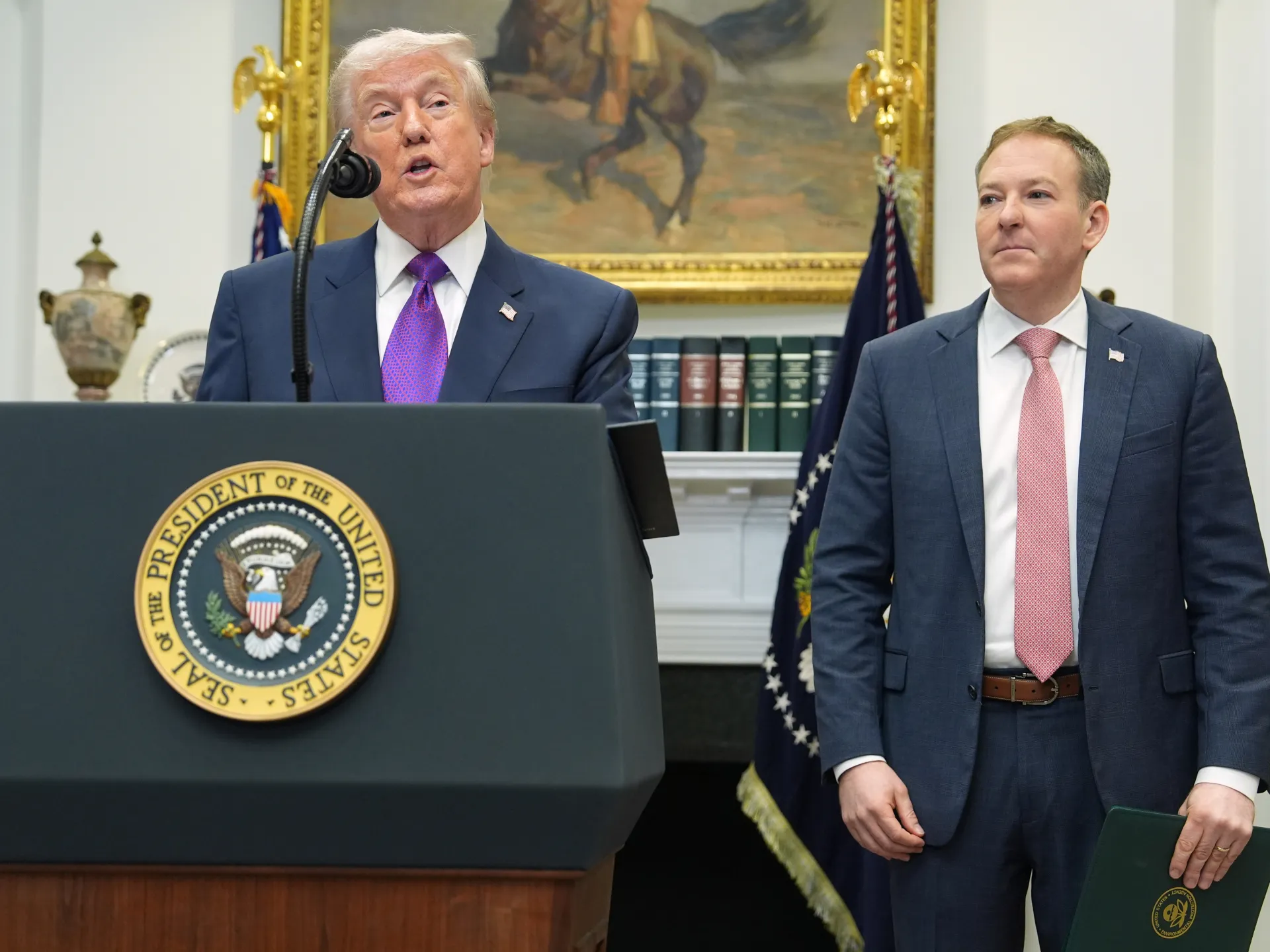
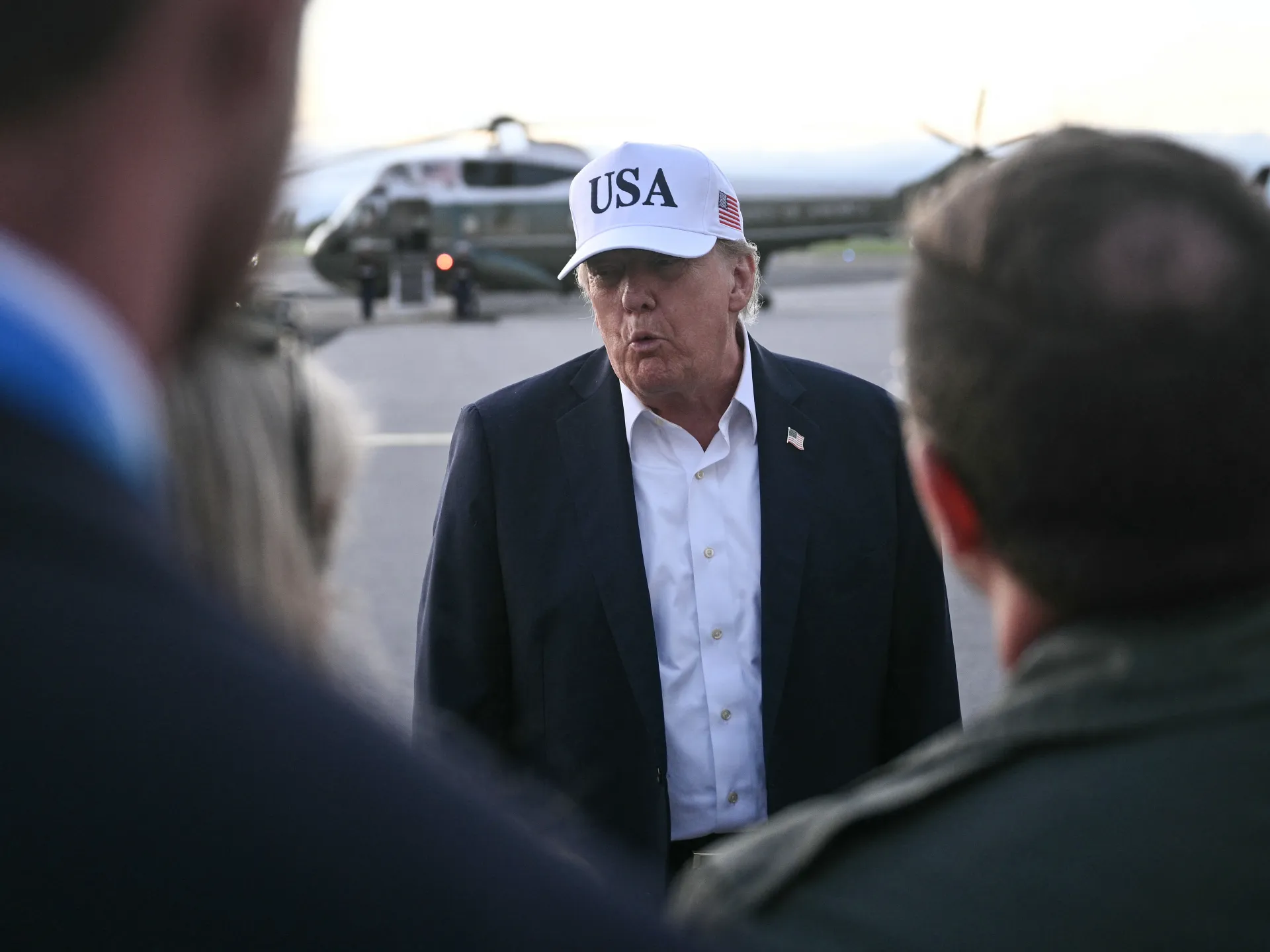
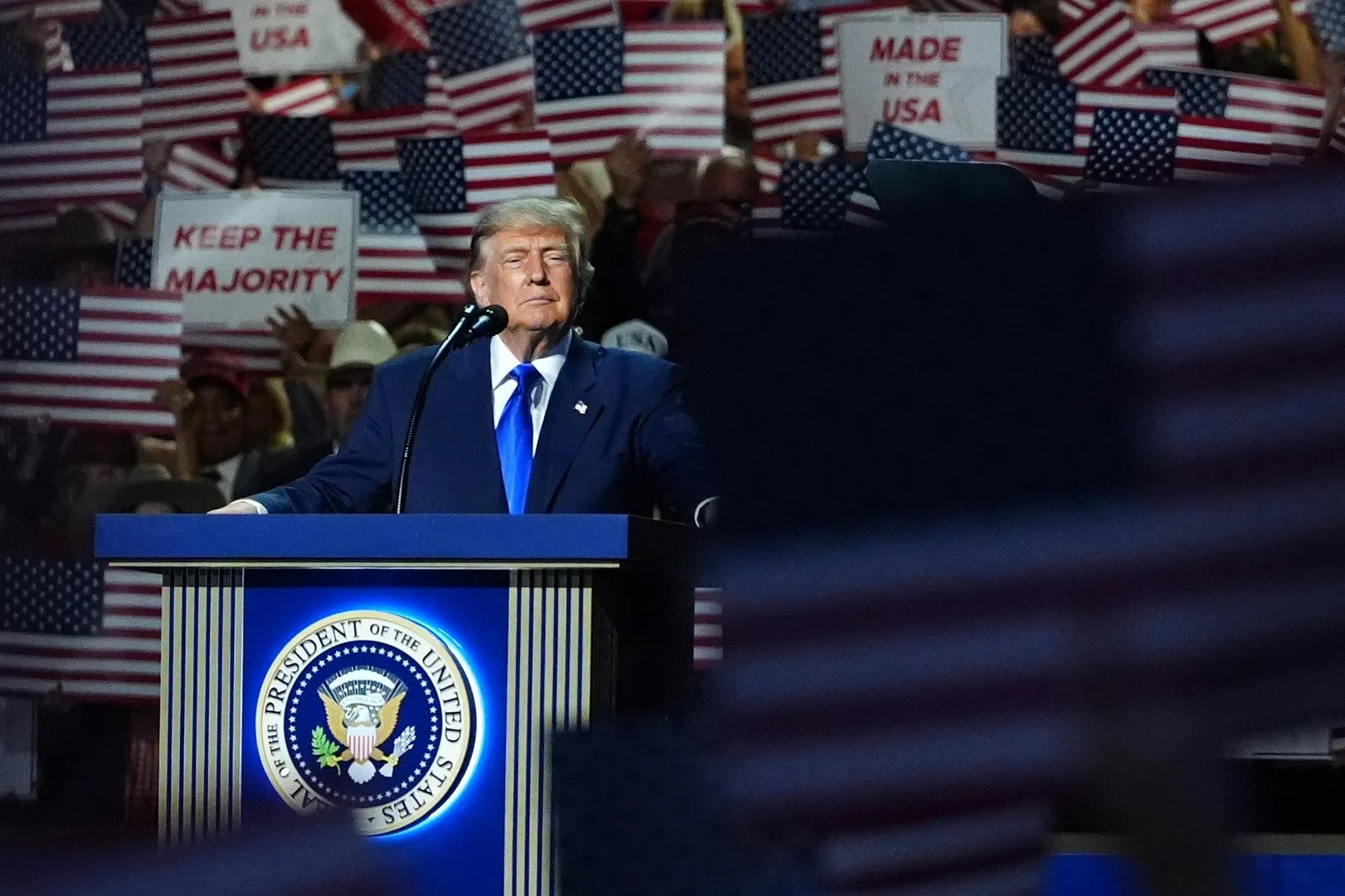
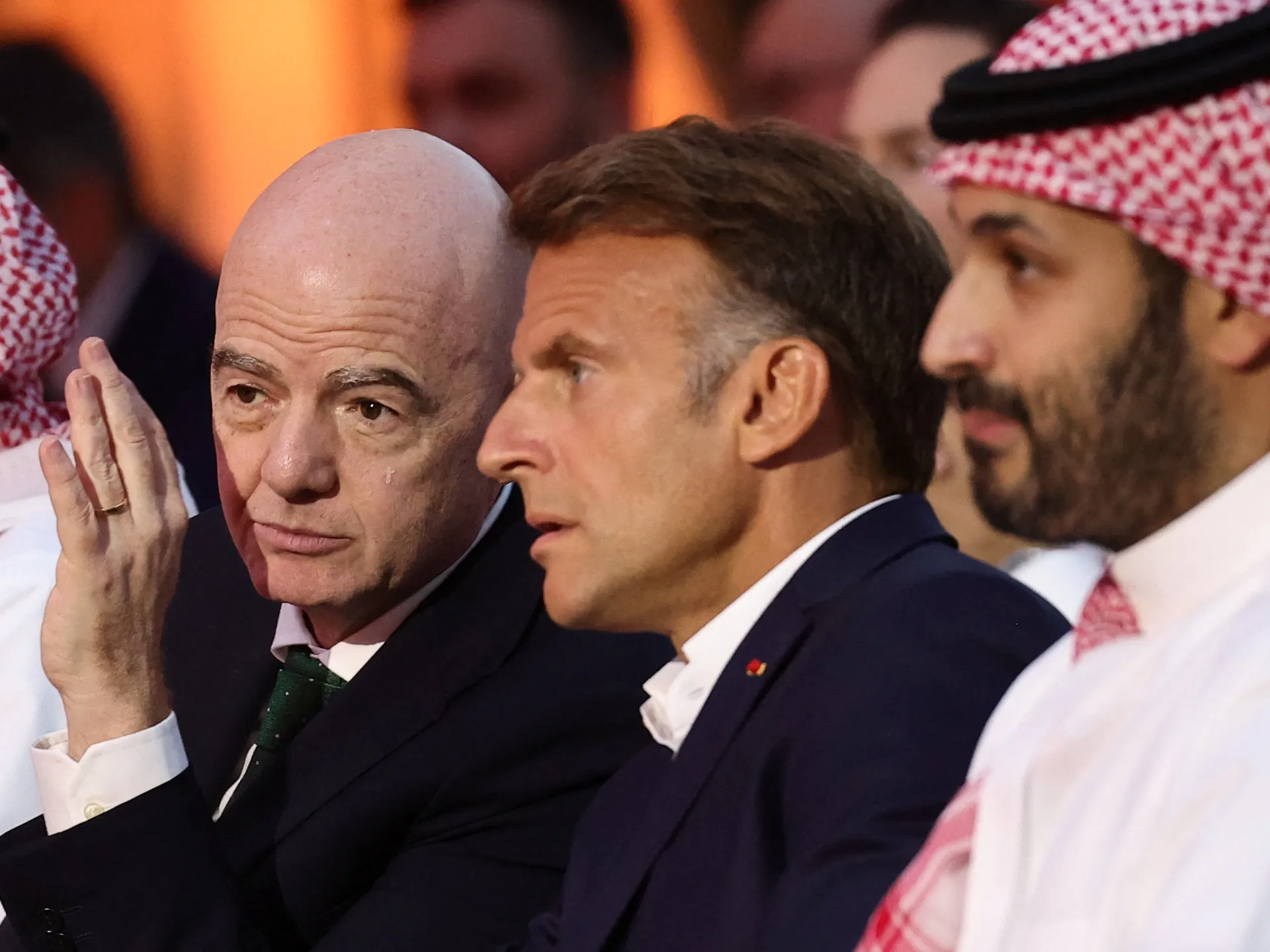
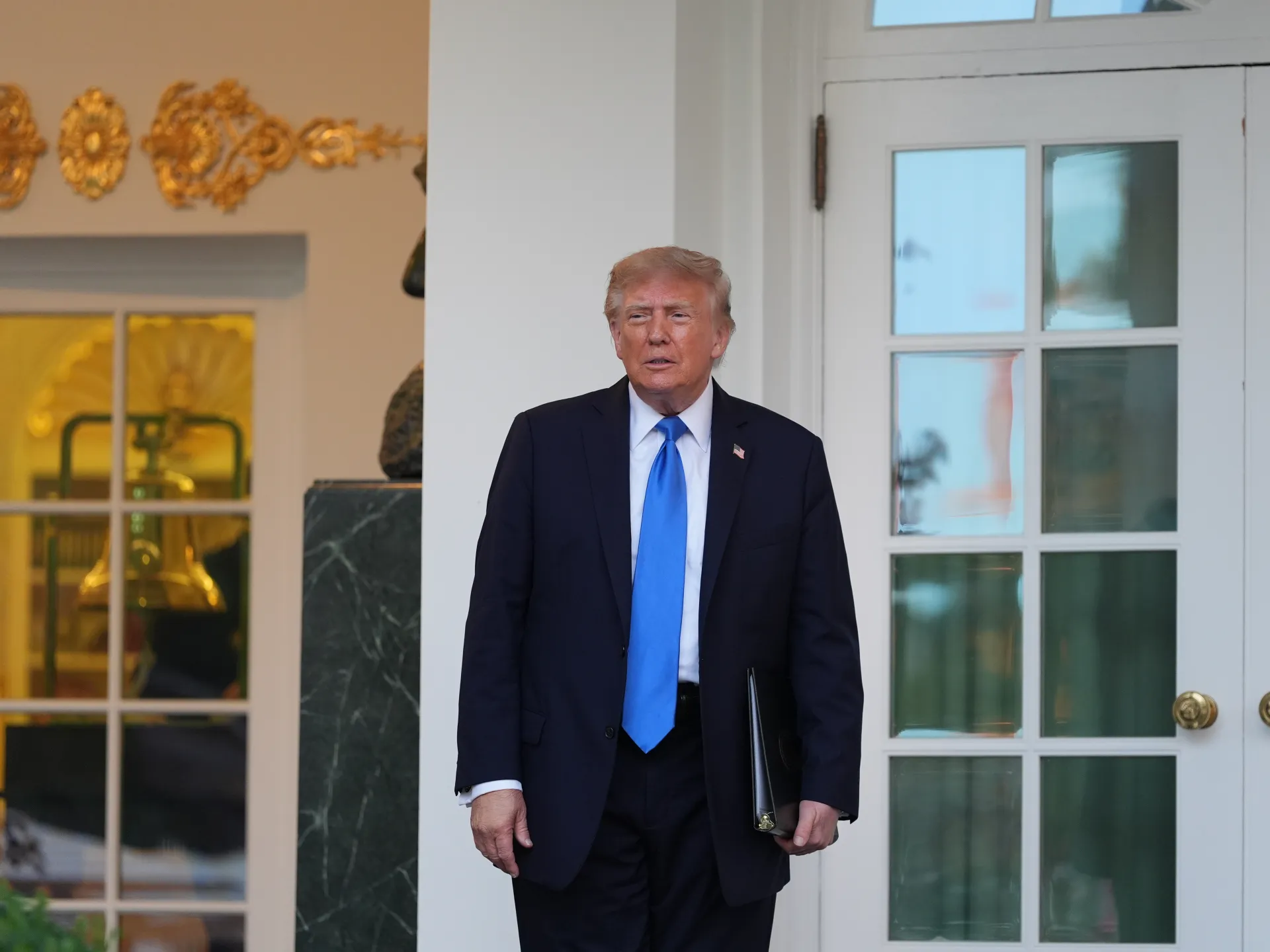
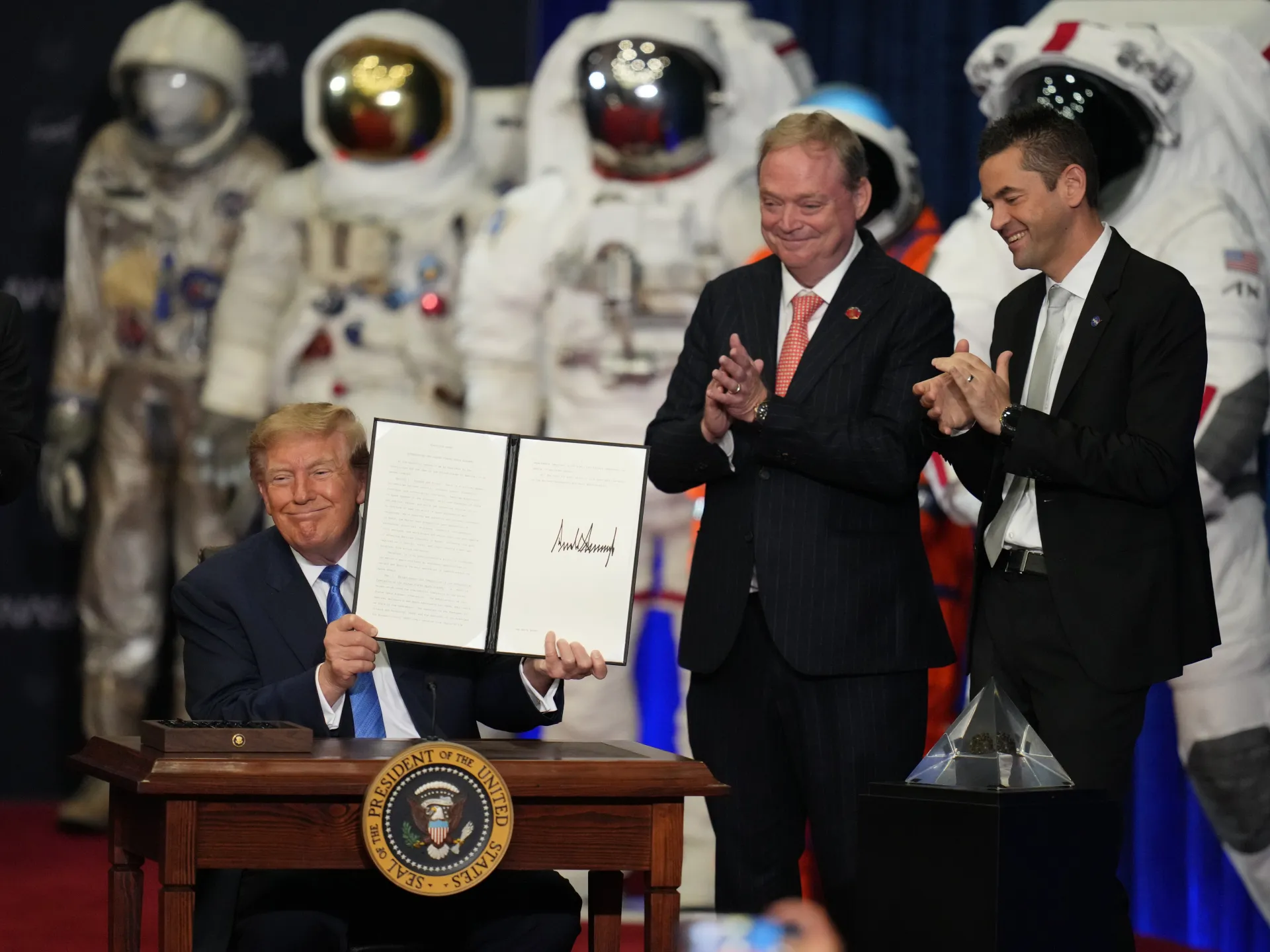
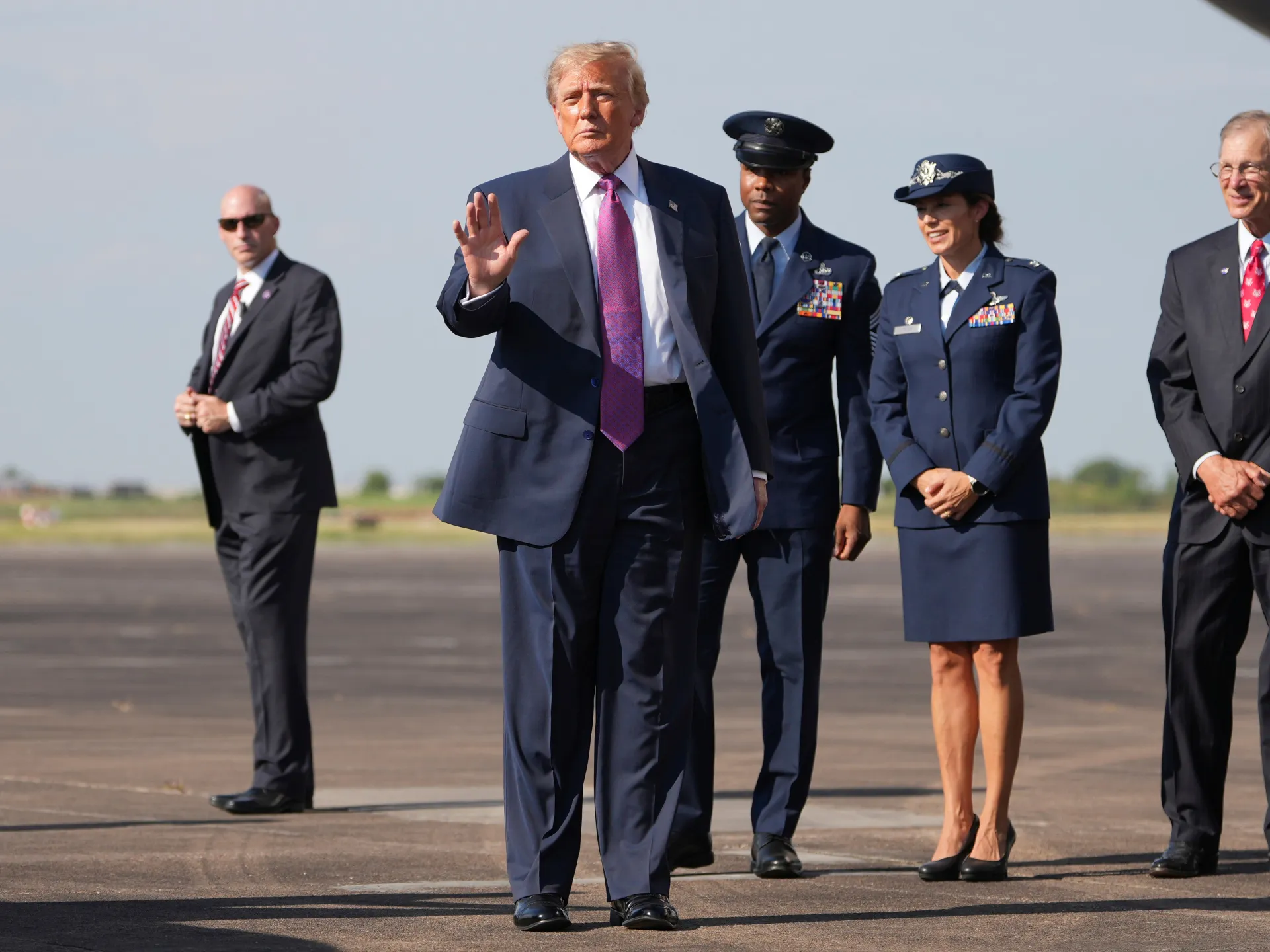
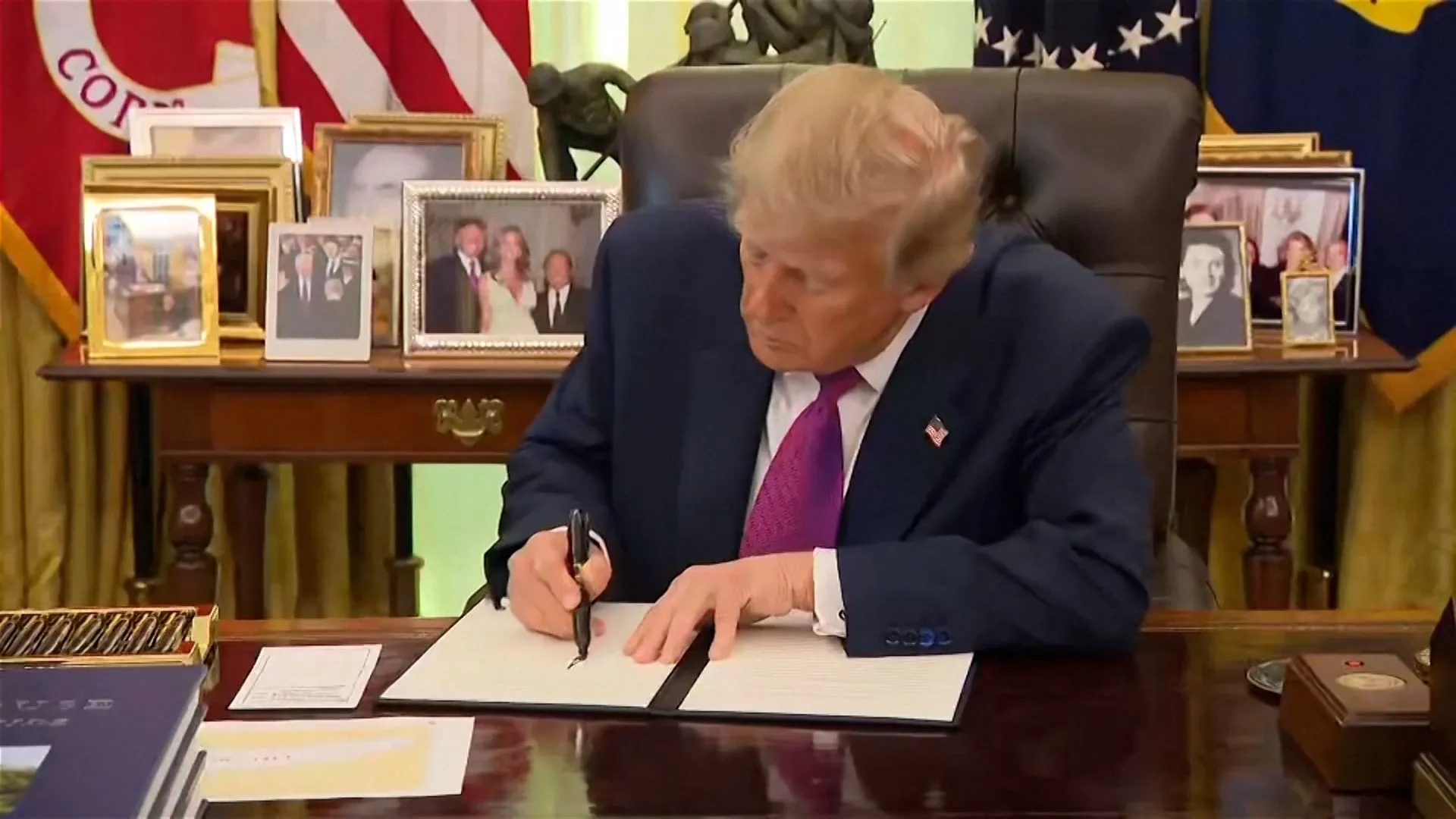
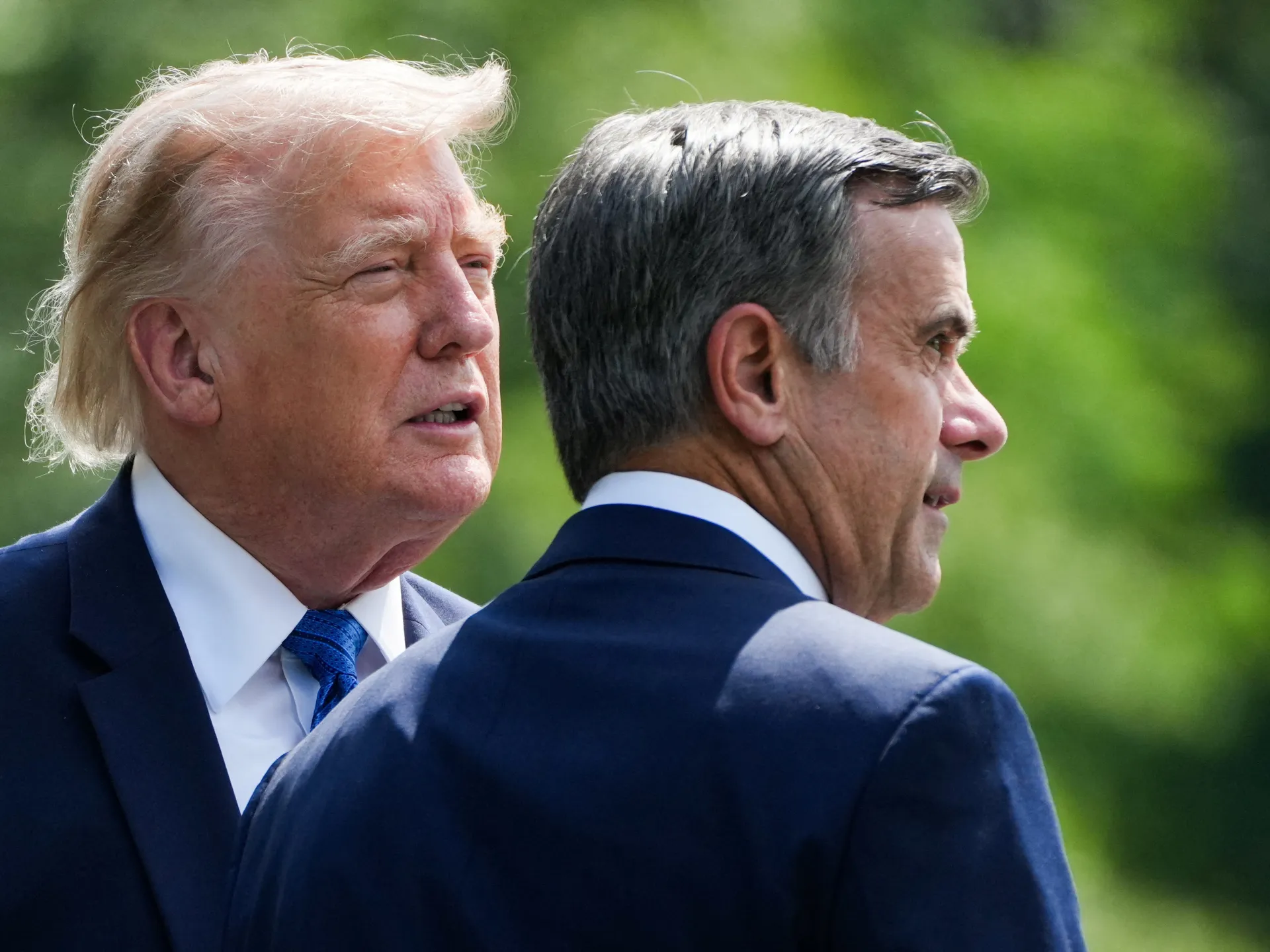
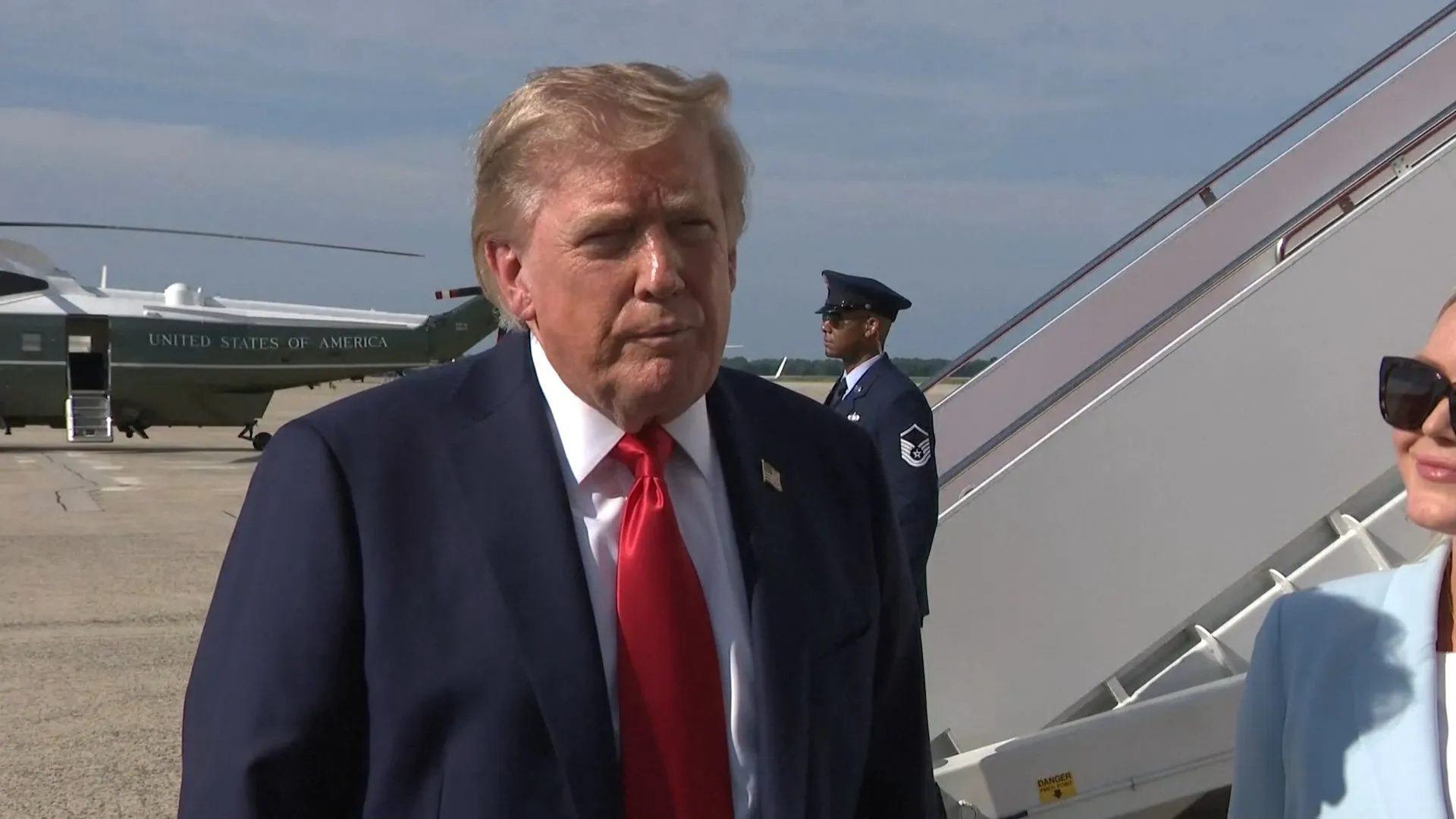
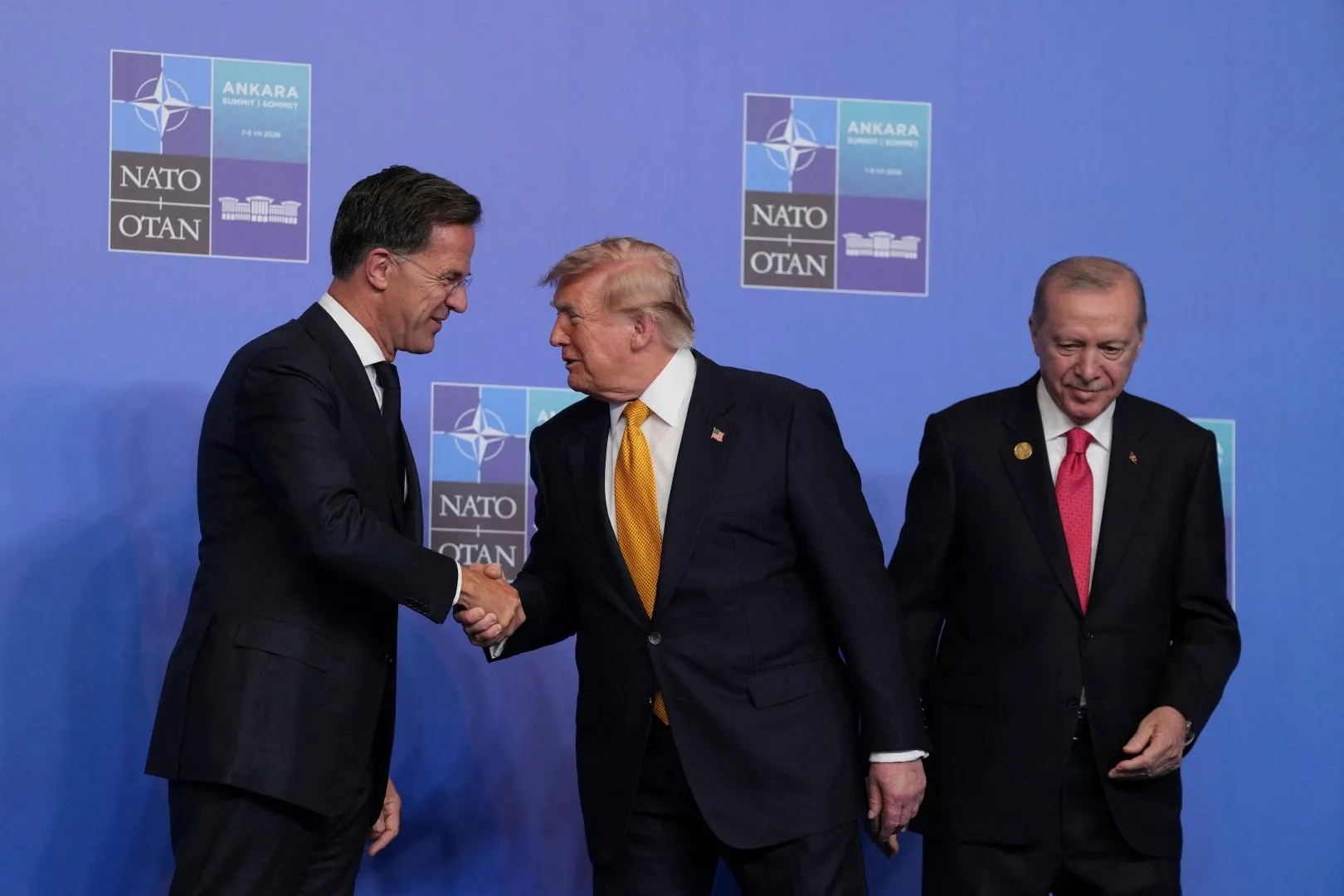
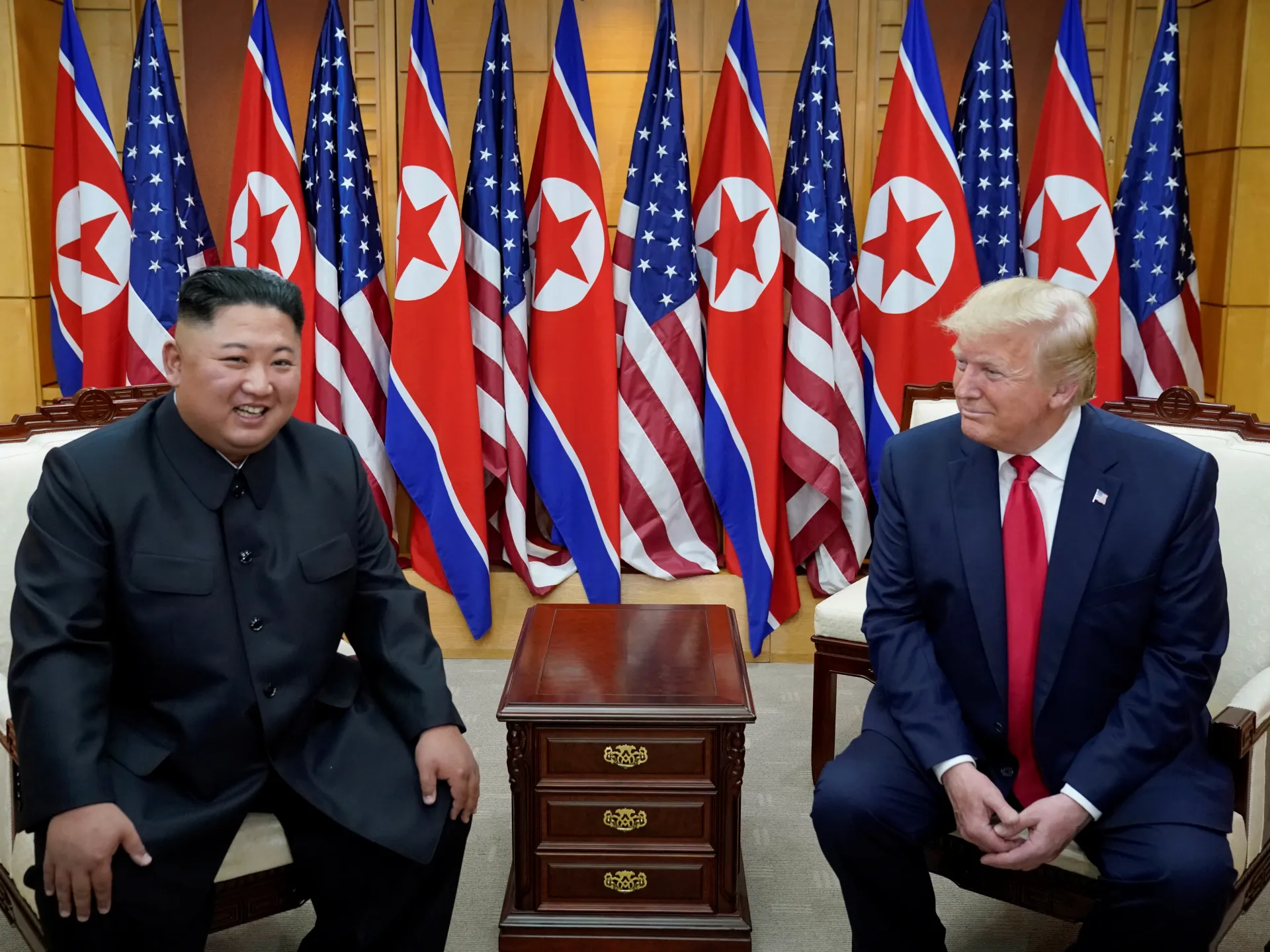
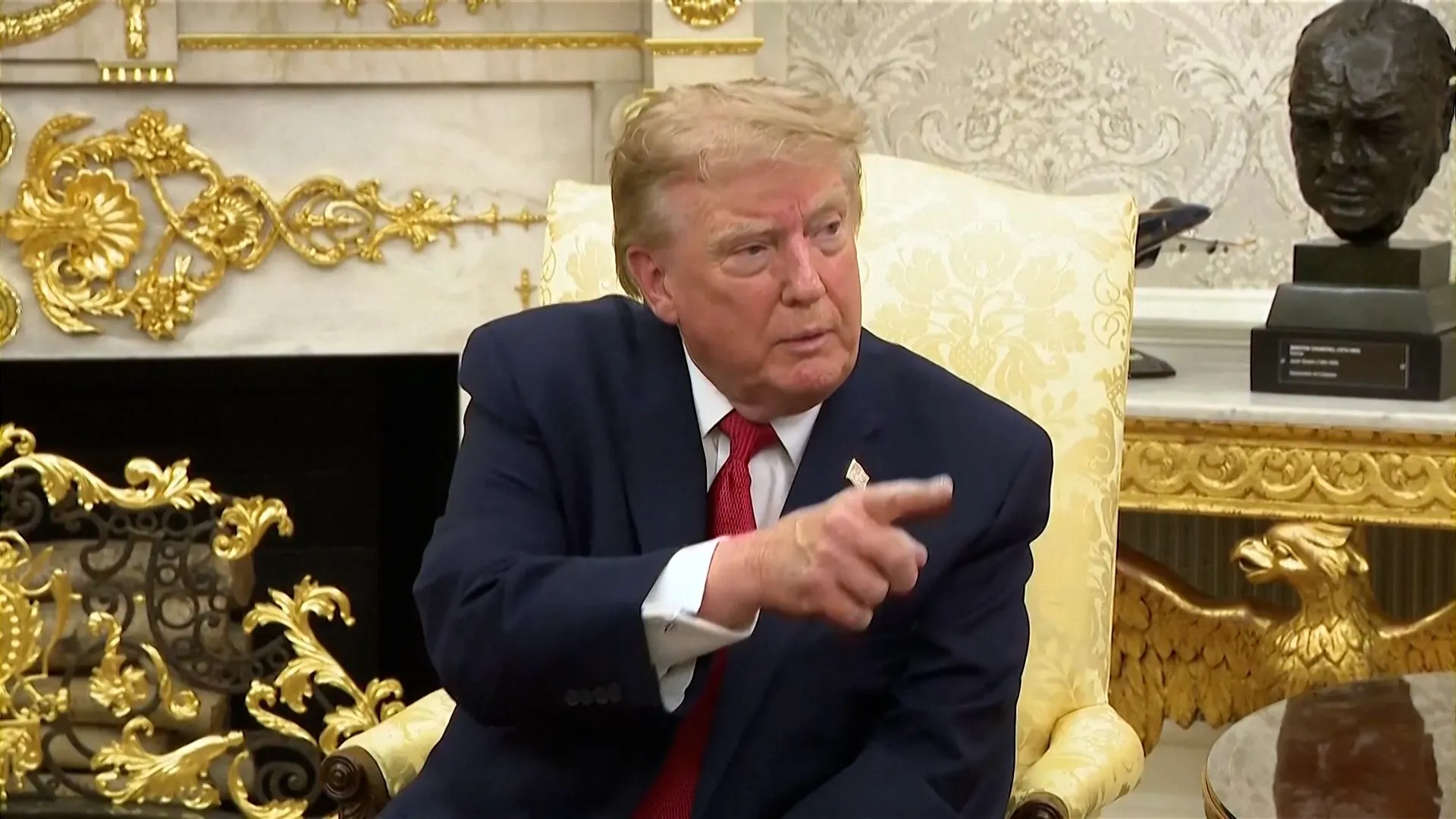
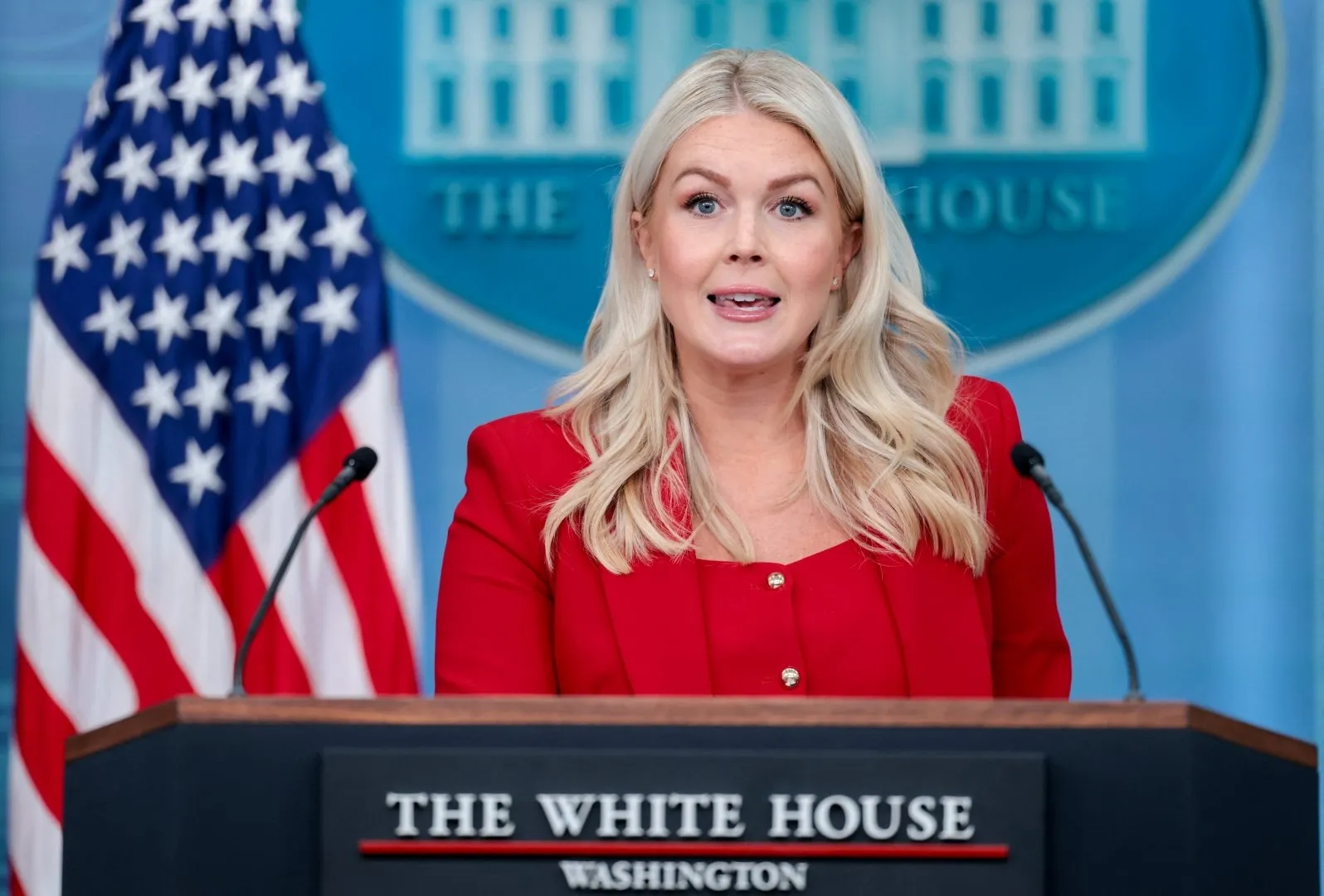
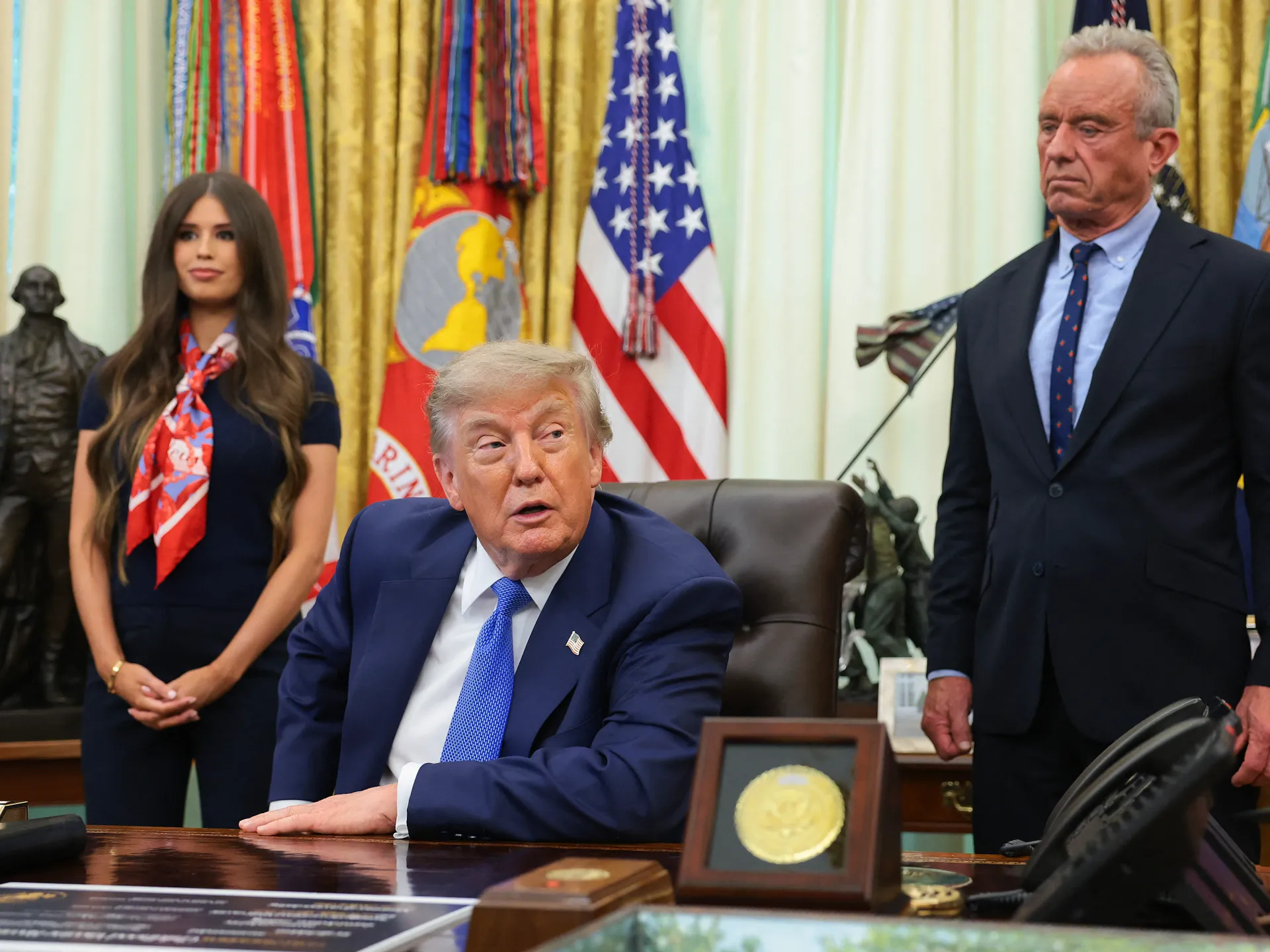
President Trump has publicly stated his intention to bring the conflict to a close, even as his administration hosts international leaders to discuss the crisis. During recent high-level meetings, the administration has sought to balance its military pressure with diplomatic outreach to global partners, including China, in an attempt to stabilize the situation. Despite these efforts, the current trajectory suggests that the combination of military strikes, financial isolation, and infrastructure threats is creating a cycle of escalation that remains difficult to contain.
The coming weeks will likely see an intensification of the "shadow war" as Iran seeks to leverage its influence over regional airports to force a recalibration of U.S. sanctions. If Iran attempts to act on its threats against civilian aviation infrastructure, it will likely draw further international condemnation and potentially push neutral neighboring states closer to a formal security partnership with the U.S. Conversely, if U.S. military strikes continue to degrade Iranian capabilities without a clear diplomatic off-ramp, the risk of miscalculation increases, potentially broadening the geographic scope of the conflict. Observers will be looking for signs of whether the administration’s stated goal of ending the war can be reconciled with the current, highly aggressive stance on economic and military containment.