As world leaders prepare to discuss AI safety, retail investors in Nigeria reshape the energy market and astronomers probe an anomaly in deep space.
The convergence of geopolitical maneuvering, public financial participation, and scientific discovery underscores a global landscape currently defined security via artificial intelligence, the democratization of heavy industry in emerging markets, or the cosmic re-evaluation of galaxy formation, the common thread is the push to manage complexity. As the United States and China attempt to formalize communication channels regarding AI, the stakes involve not merely economic dominance, but the maintenance of international stability. Simultaneously, the grassroots enthusiasm for the Dangote refinery IPO in Nigeria demonstrates how retail investment can serve as a vehicle for national identity and economic agency, even amidst broader inflationary pressures.
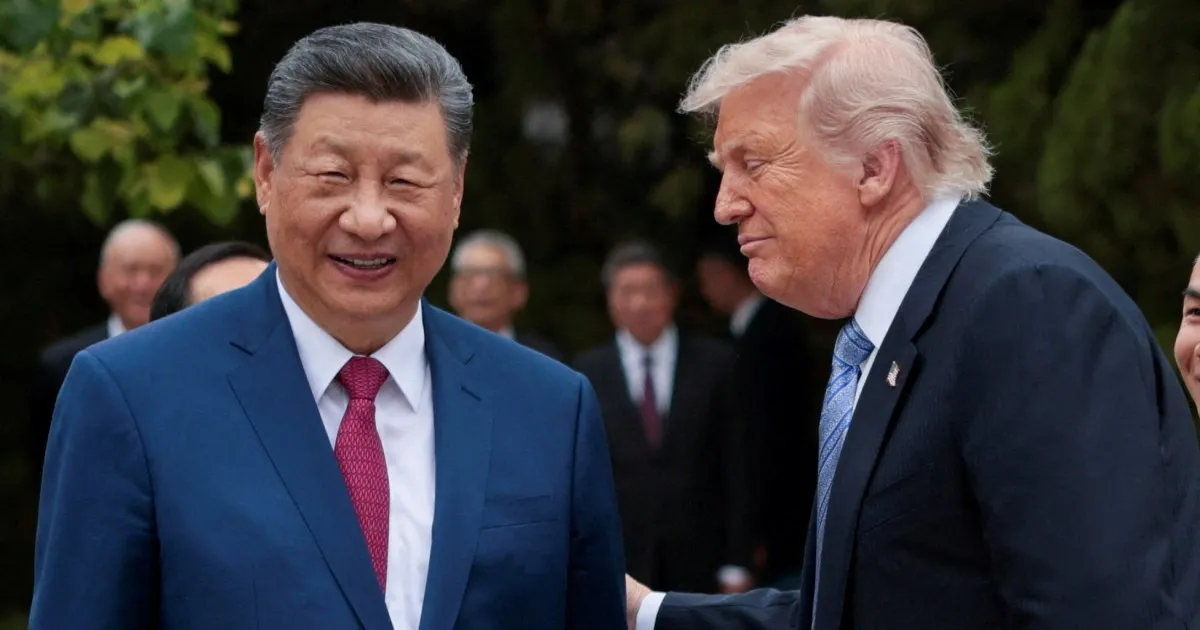
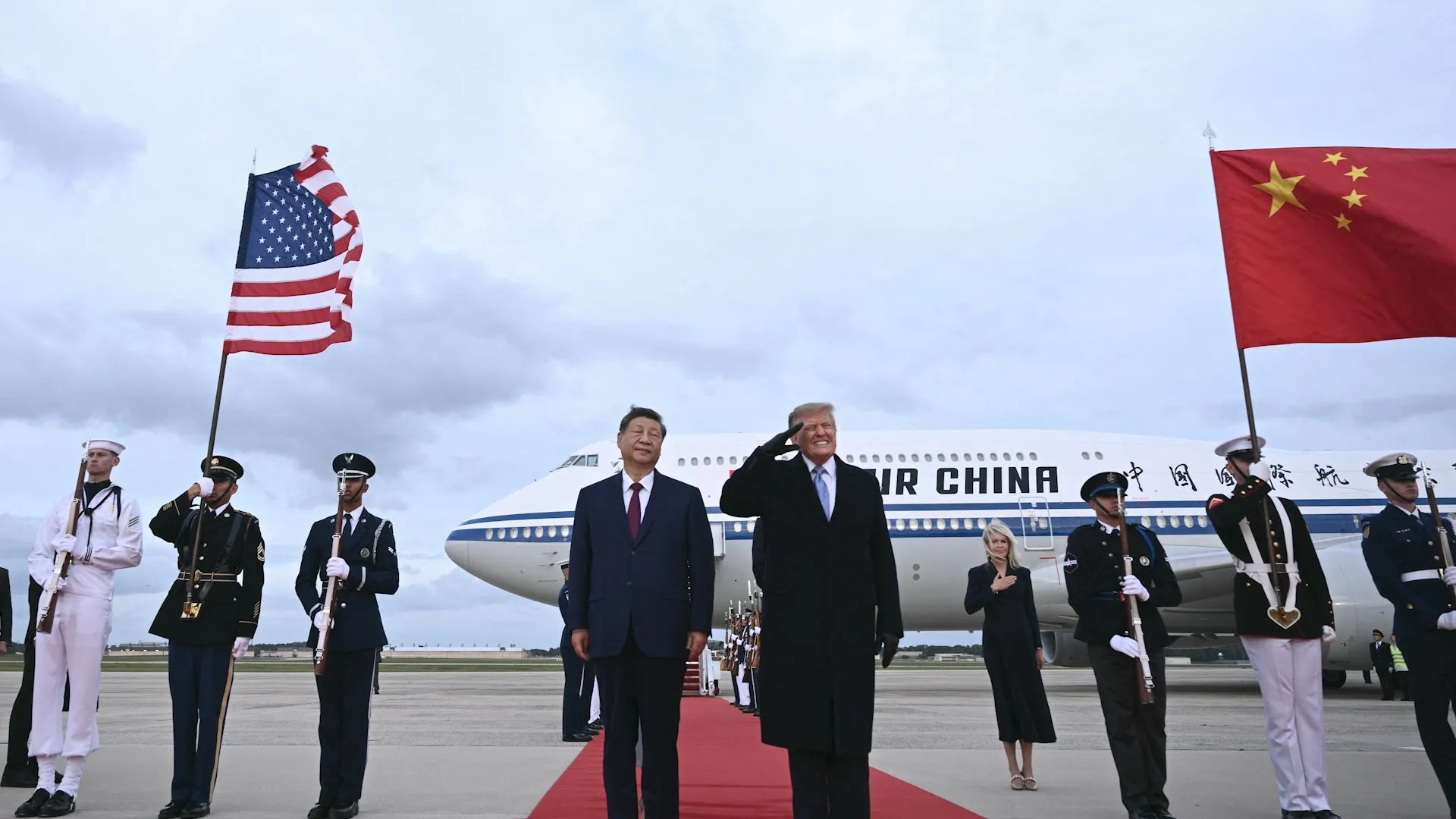
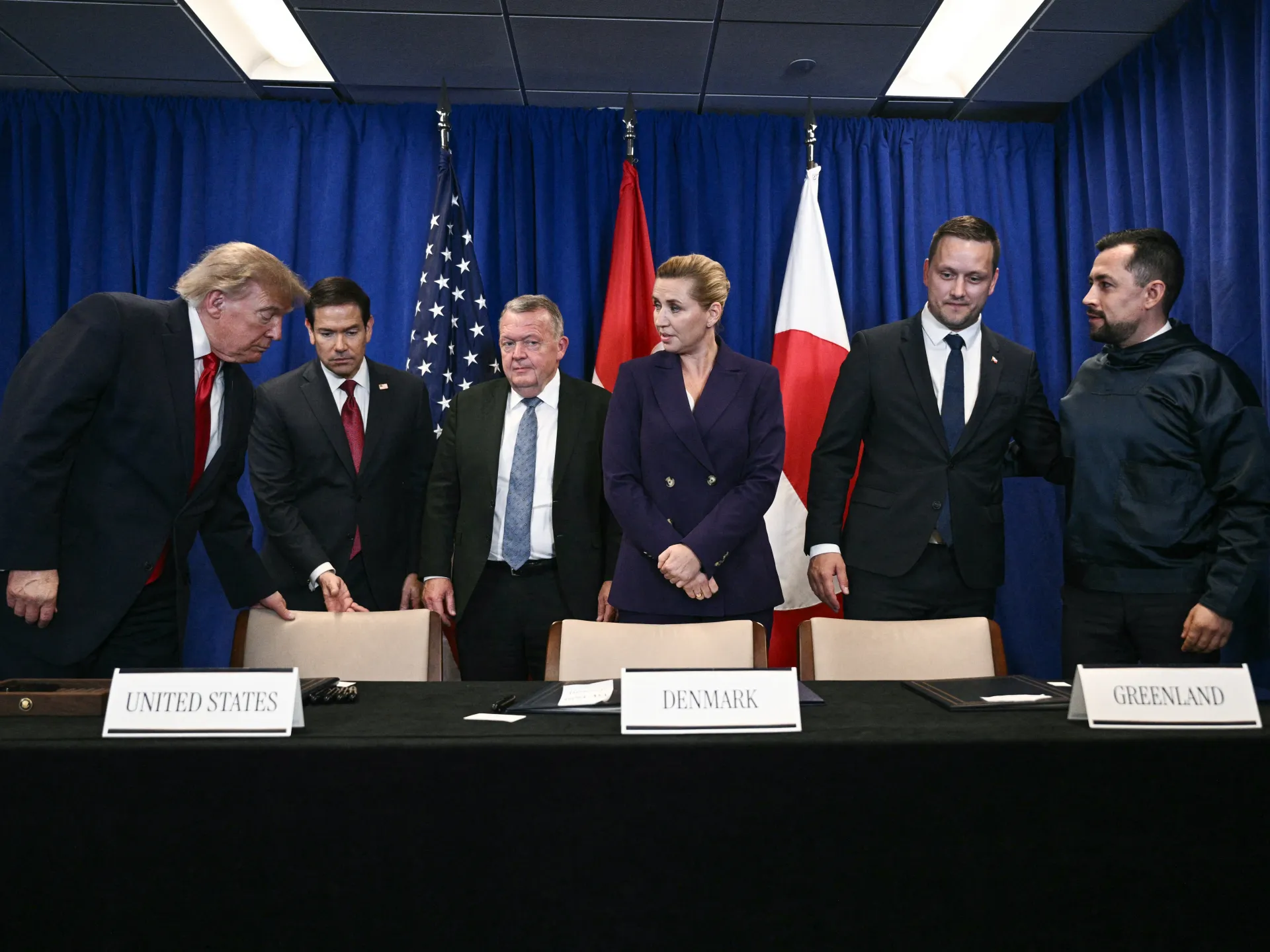
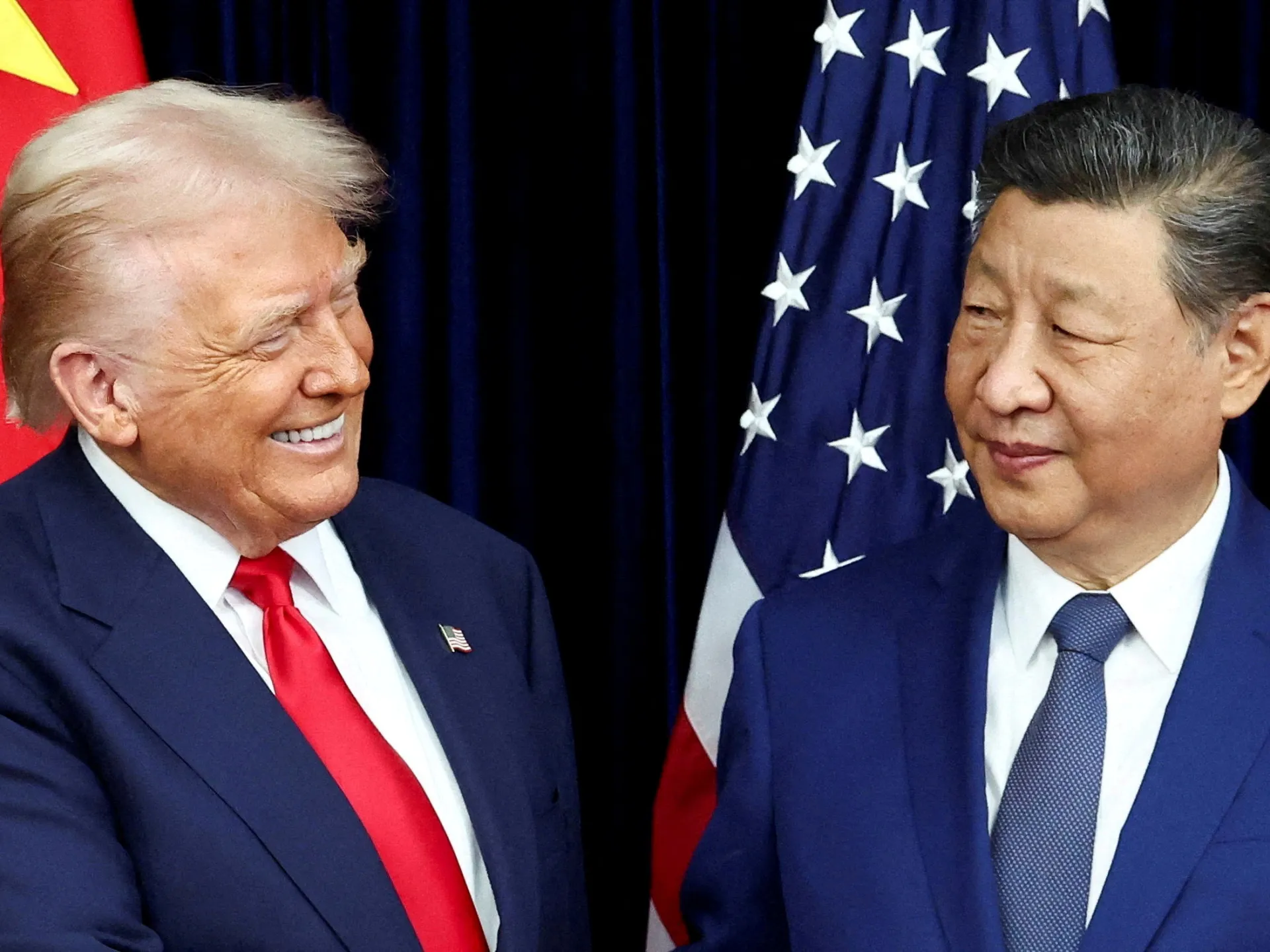
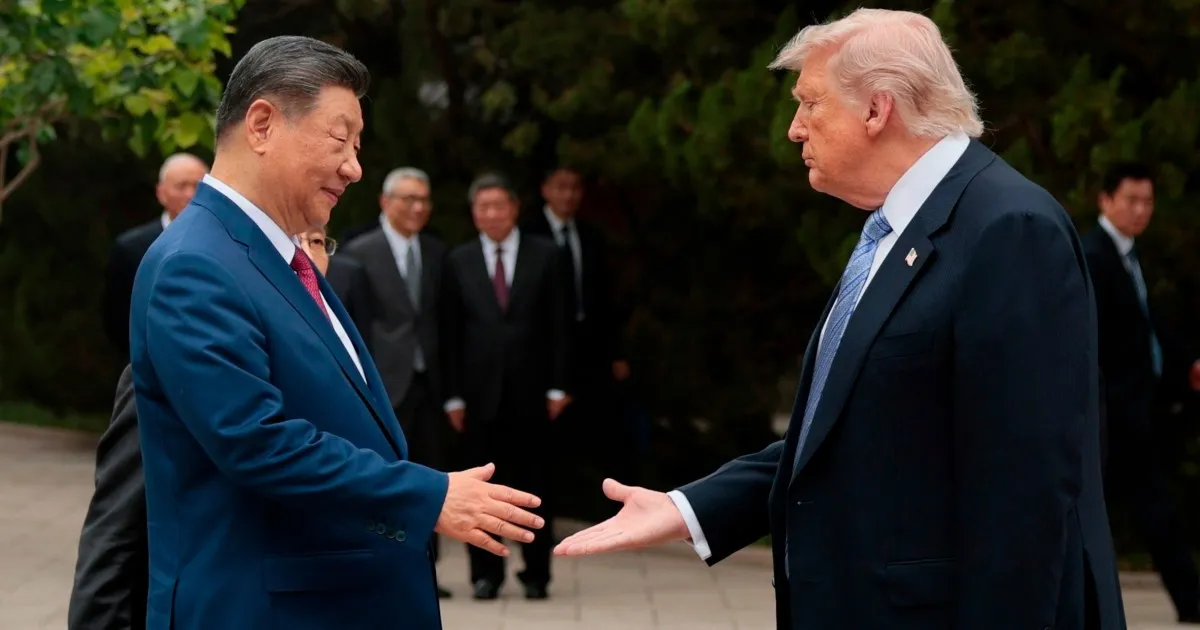
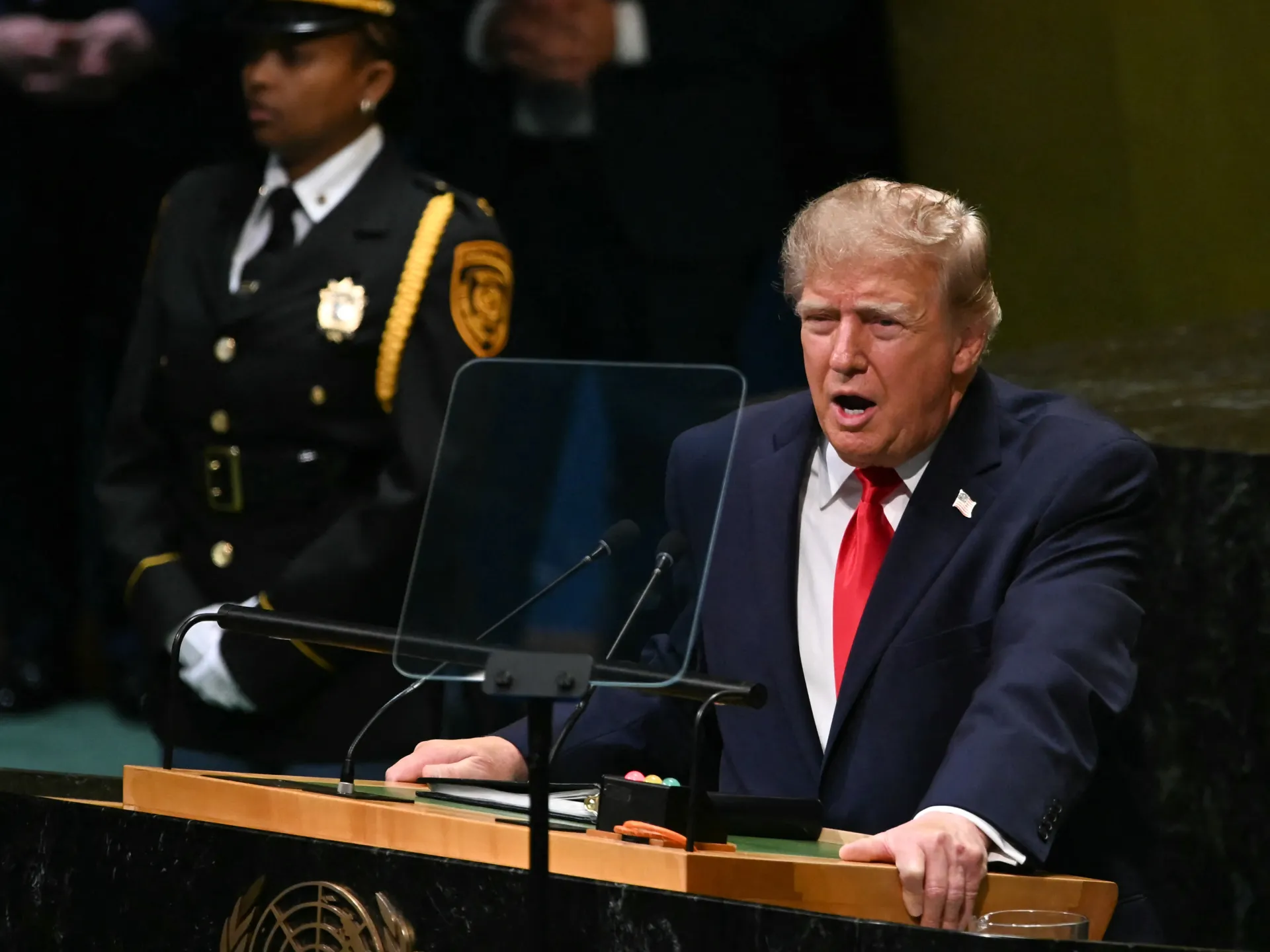
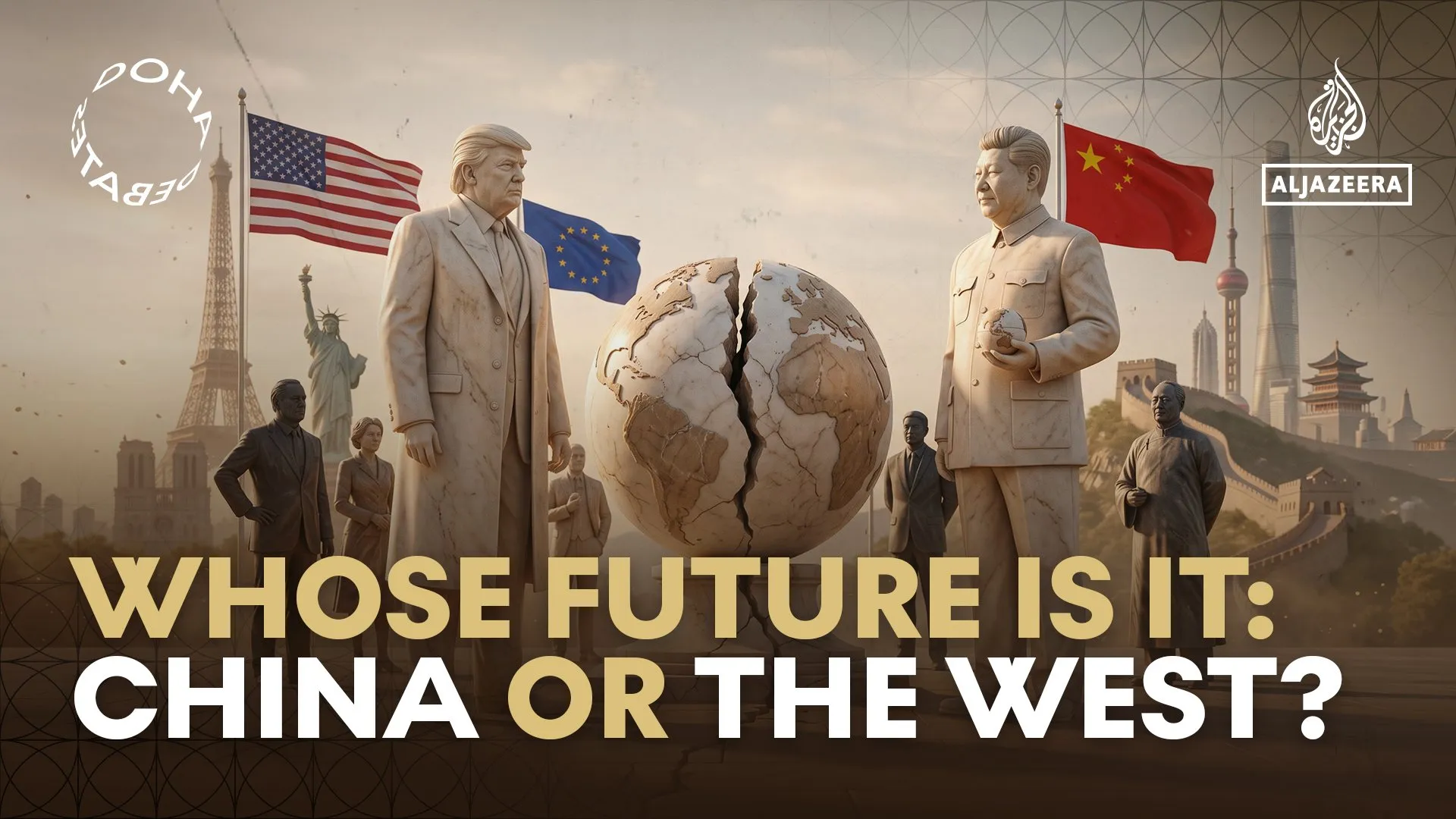
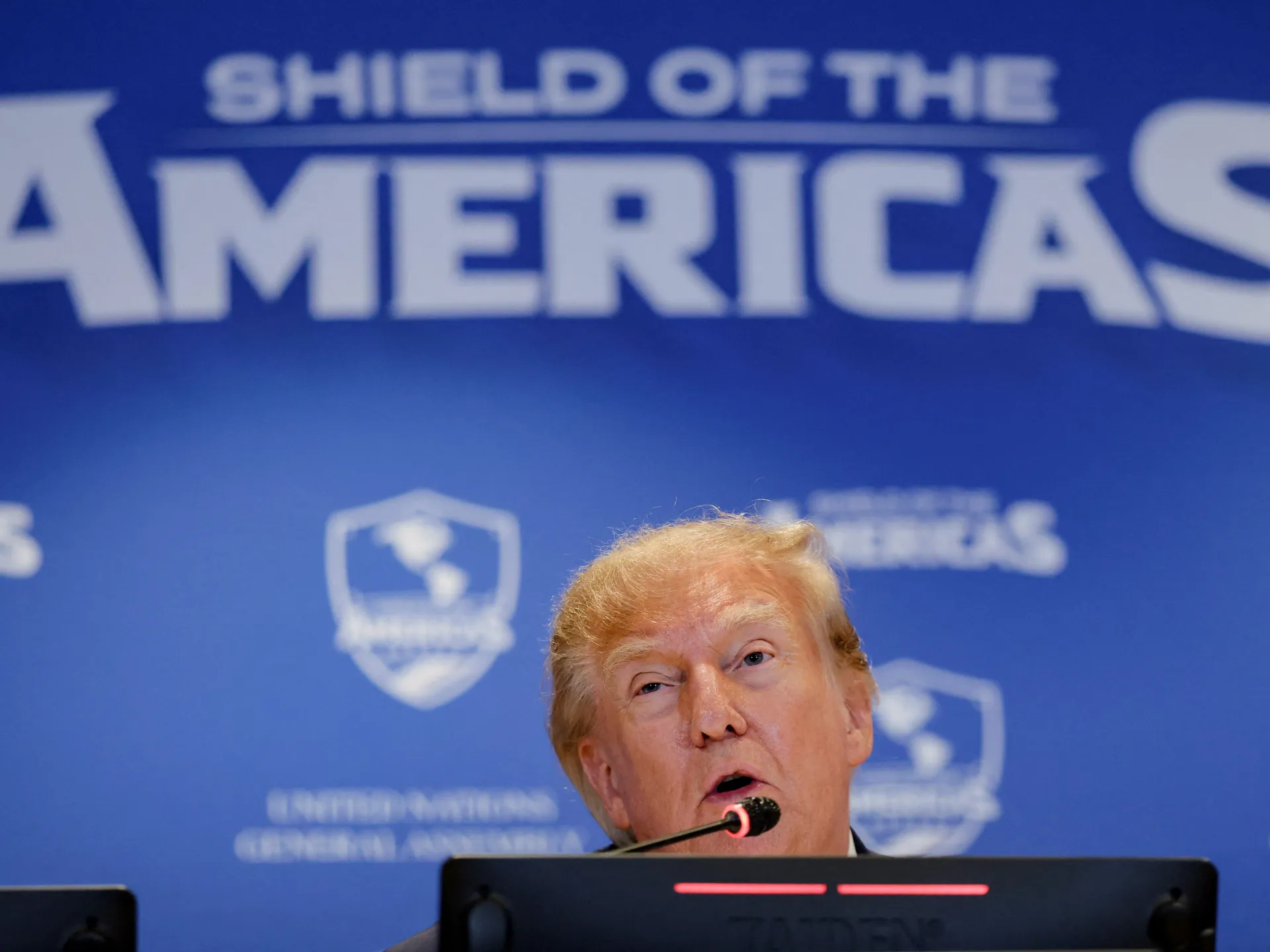
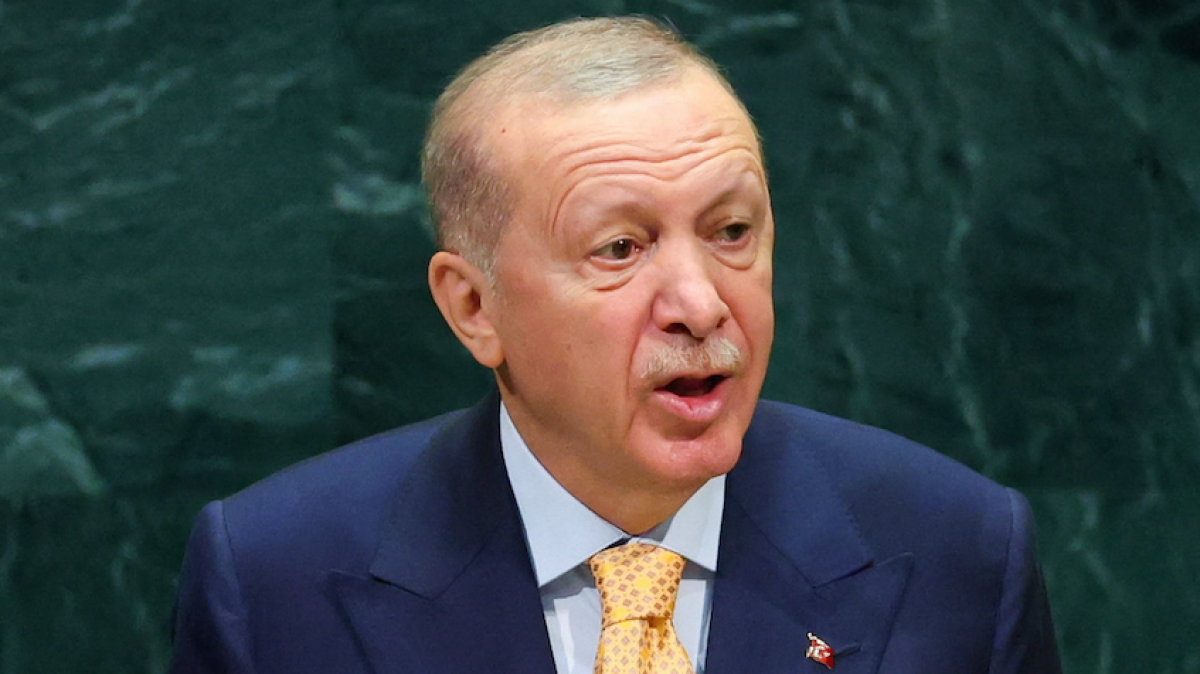
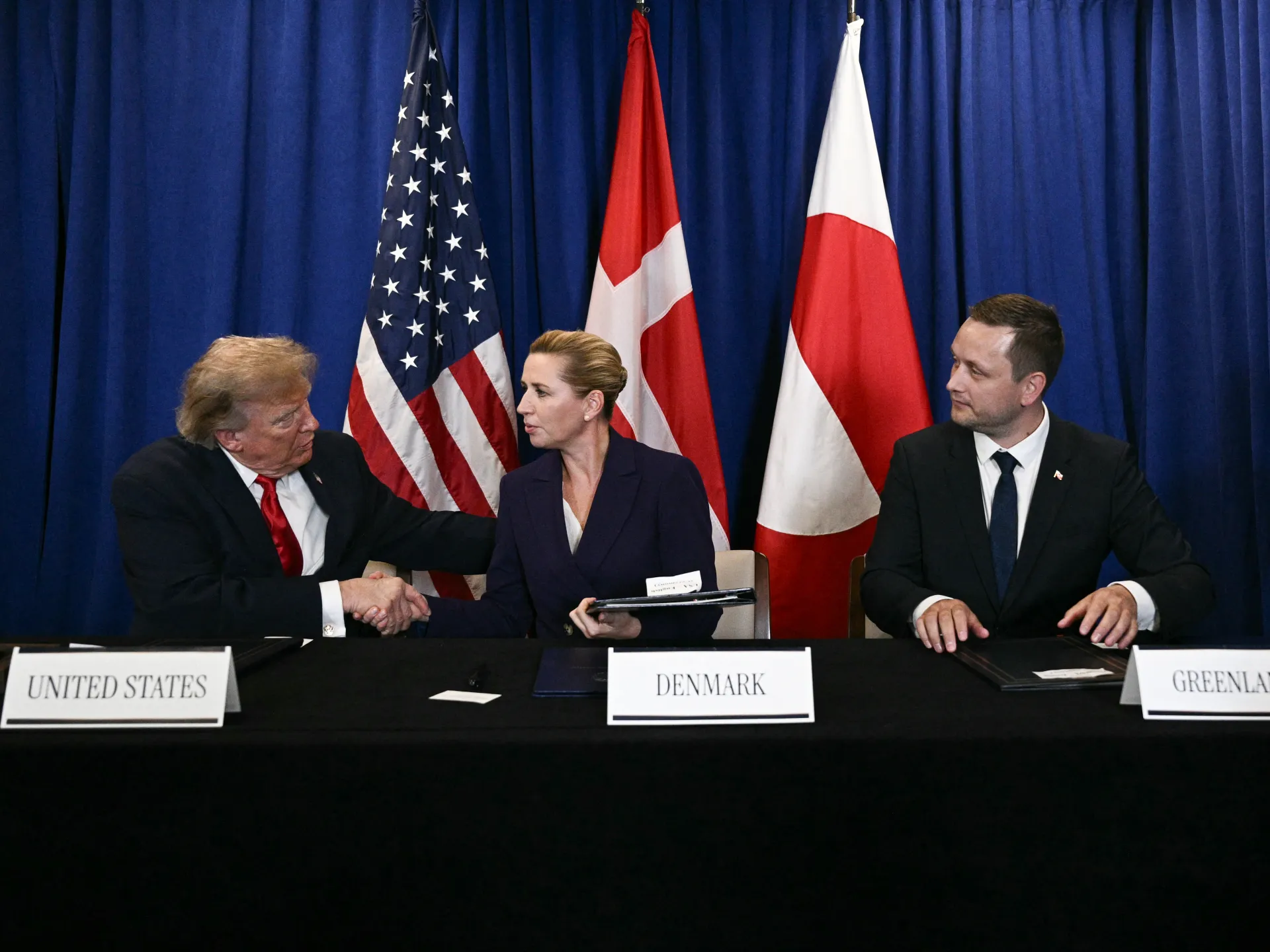
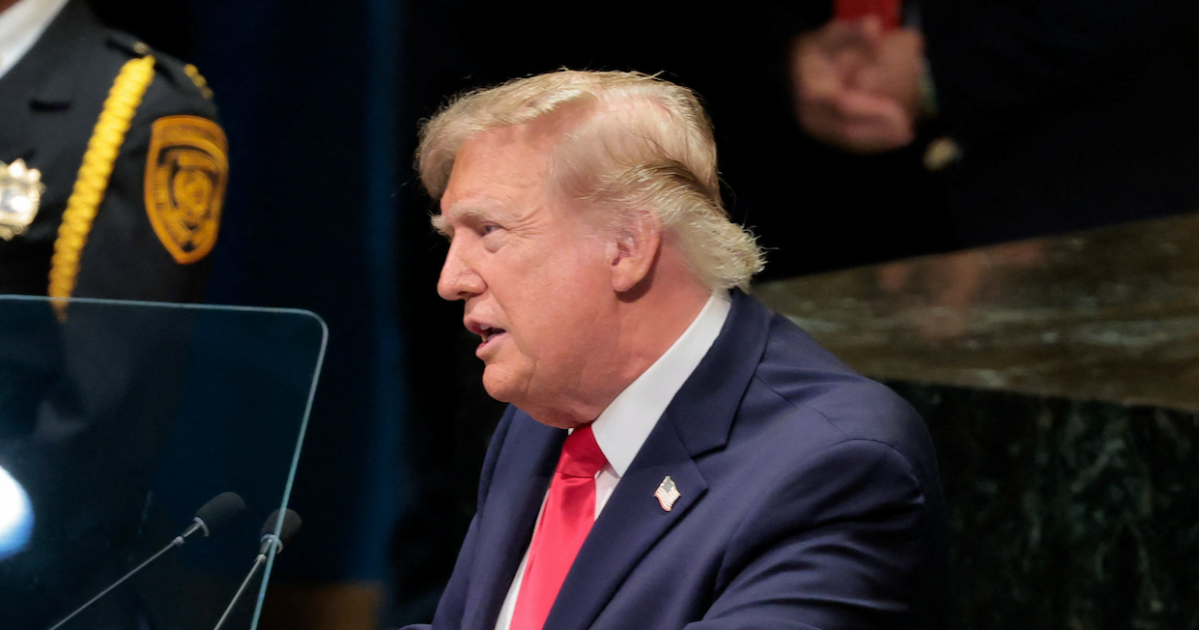
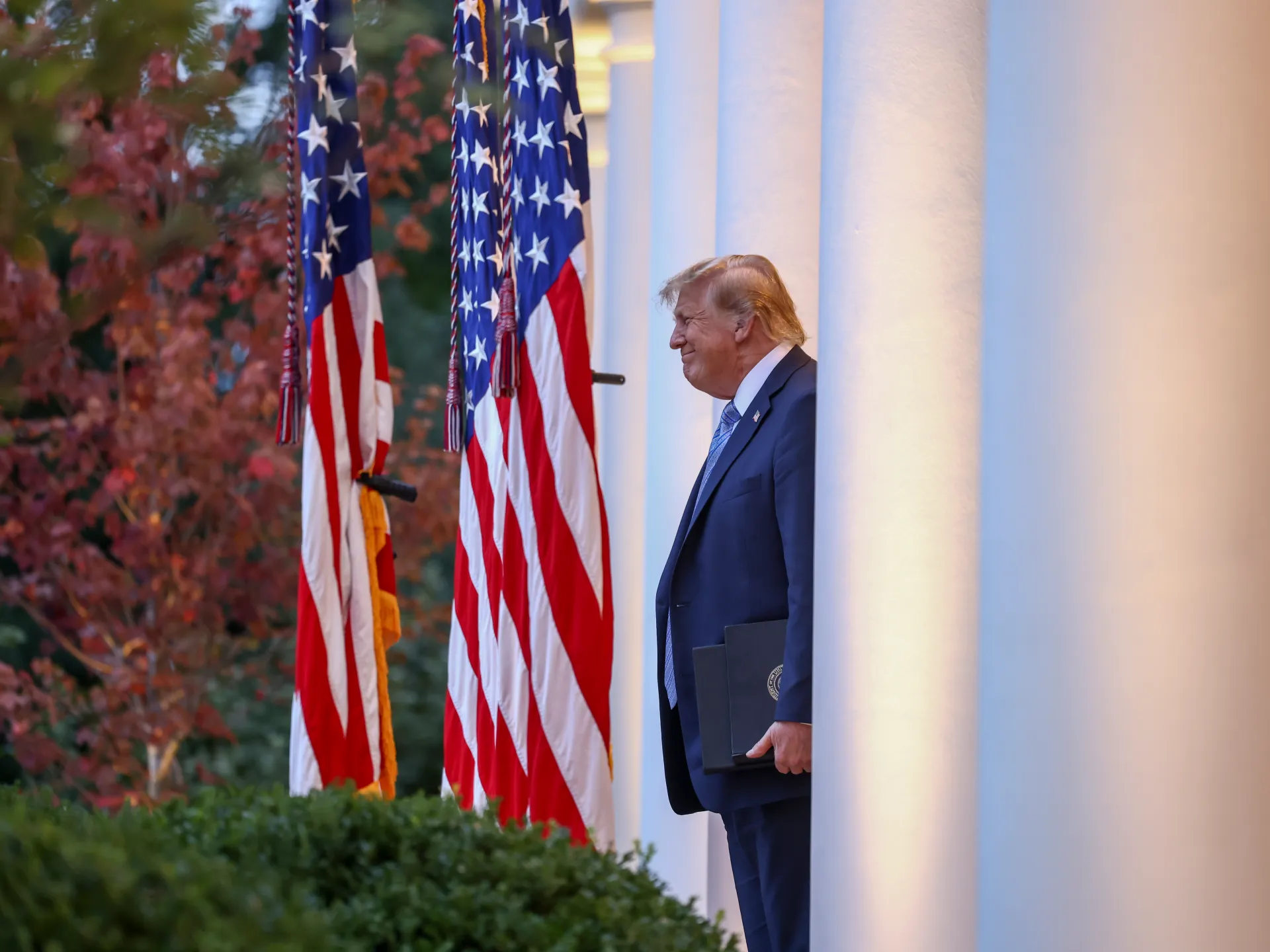
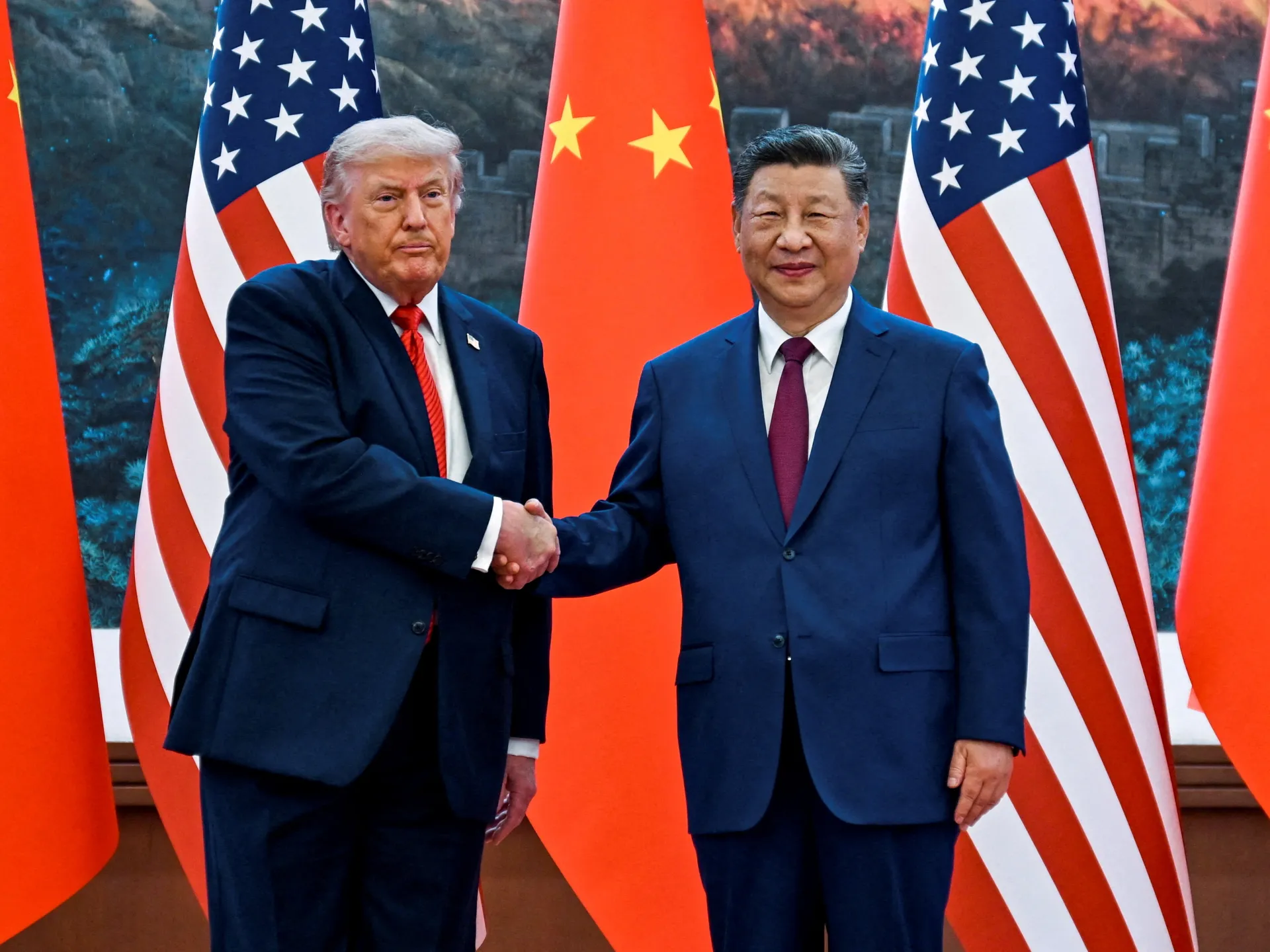
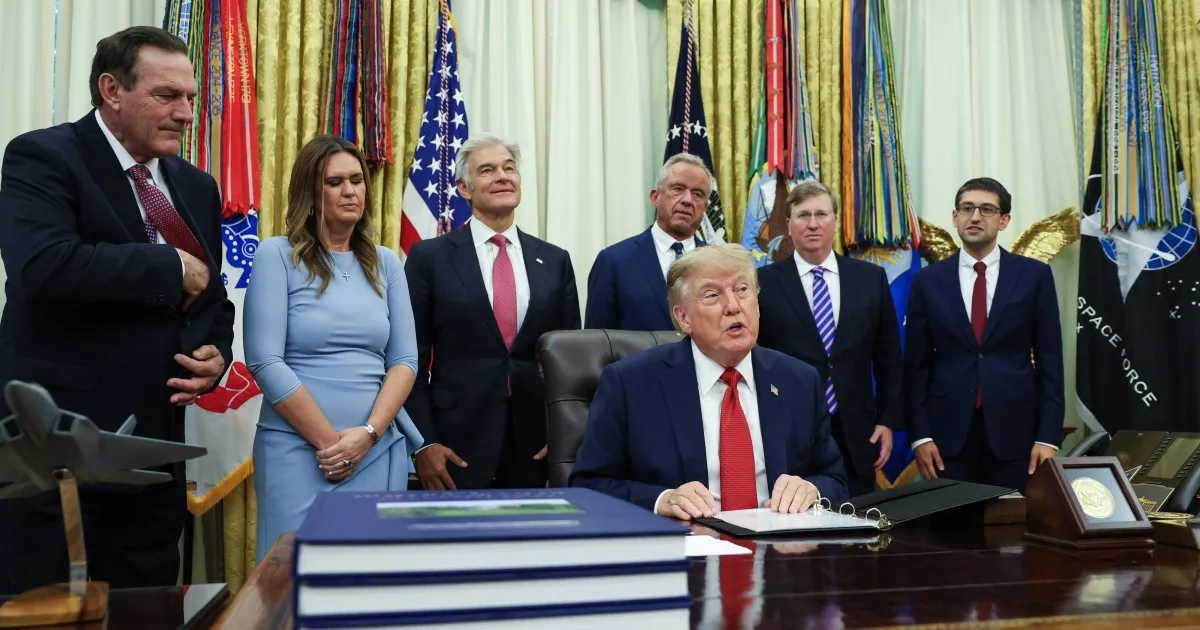
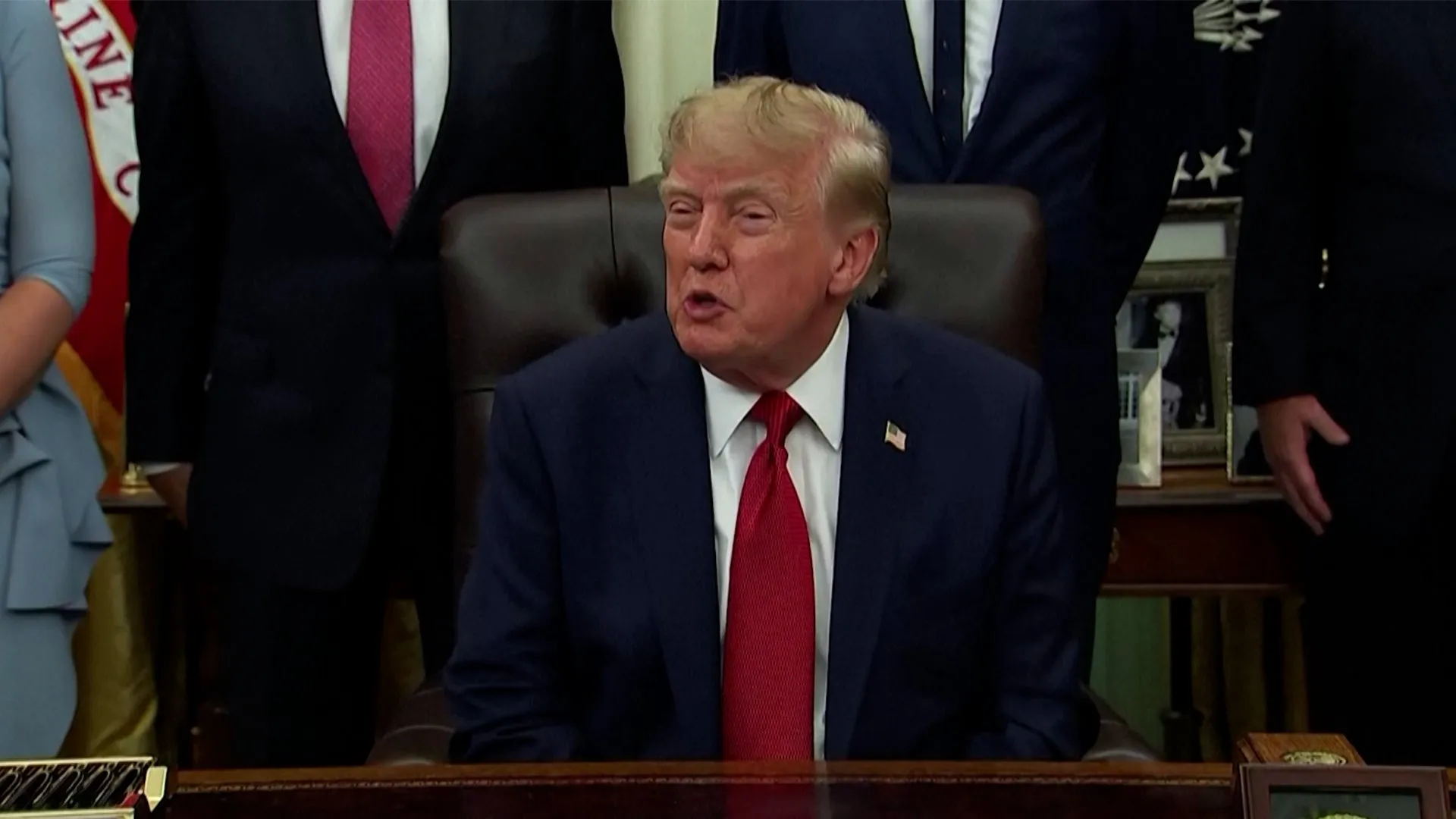
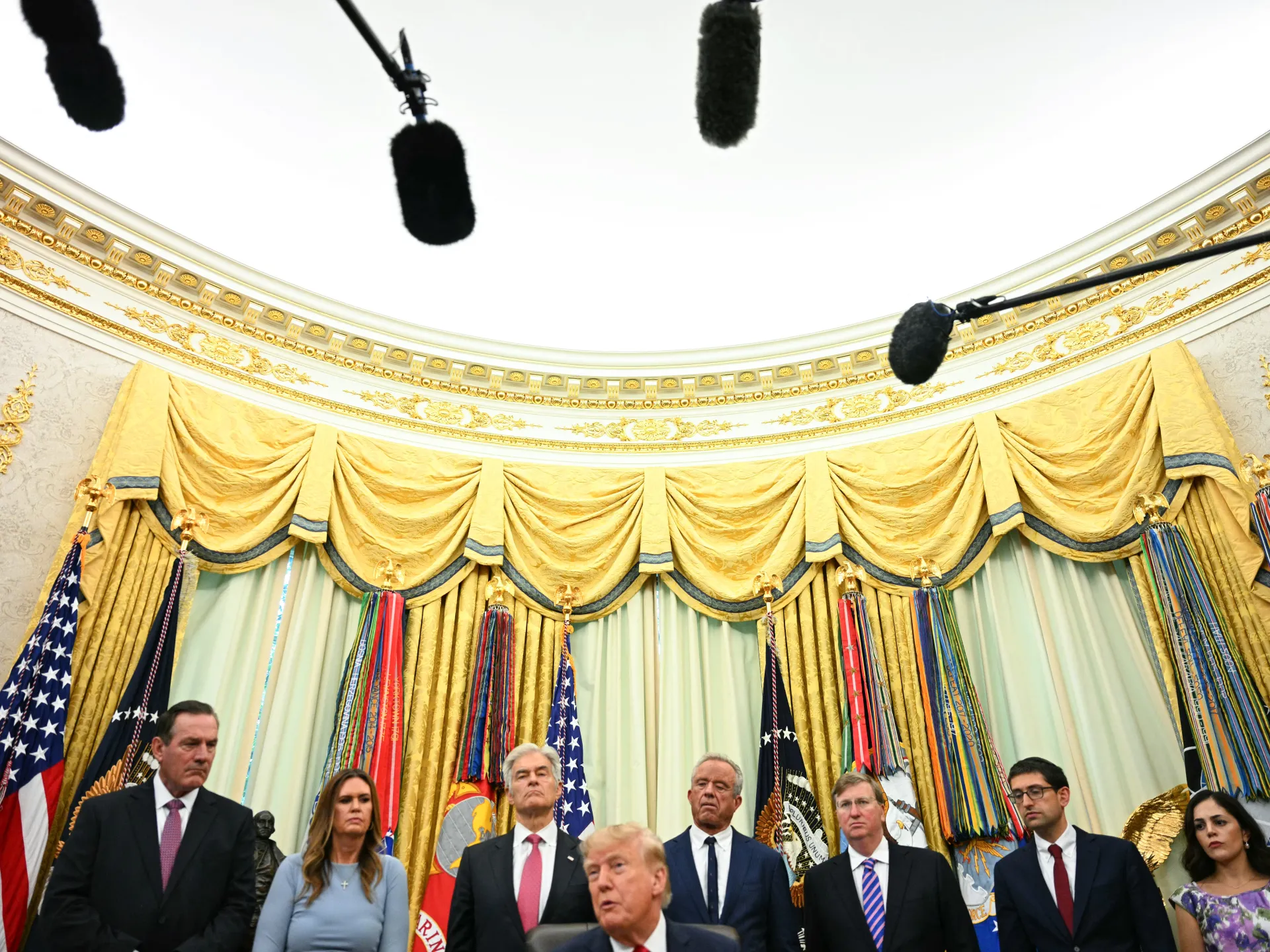
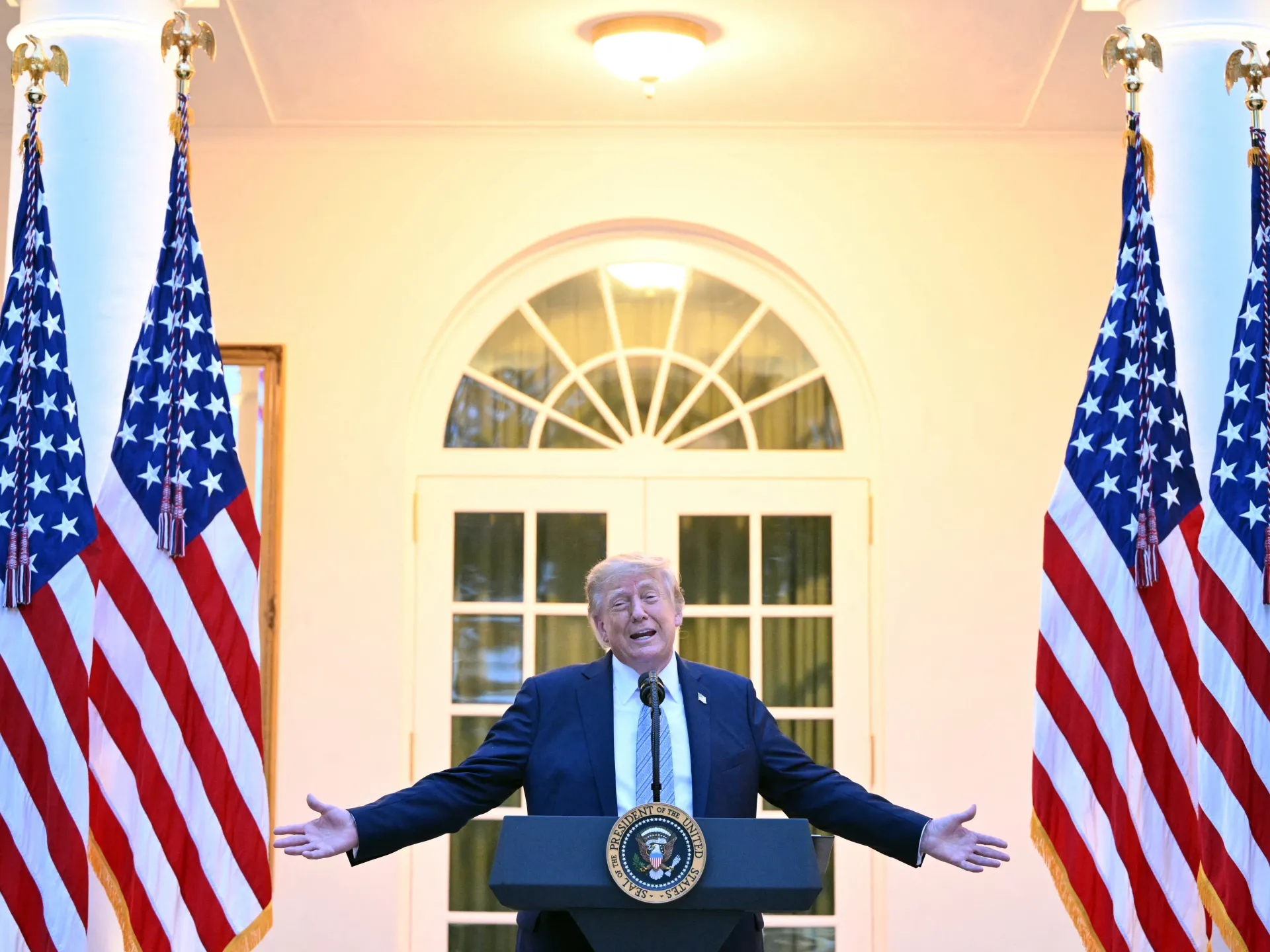
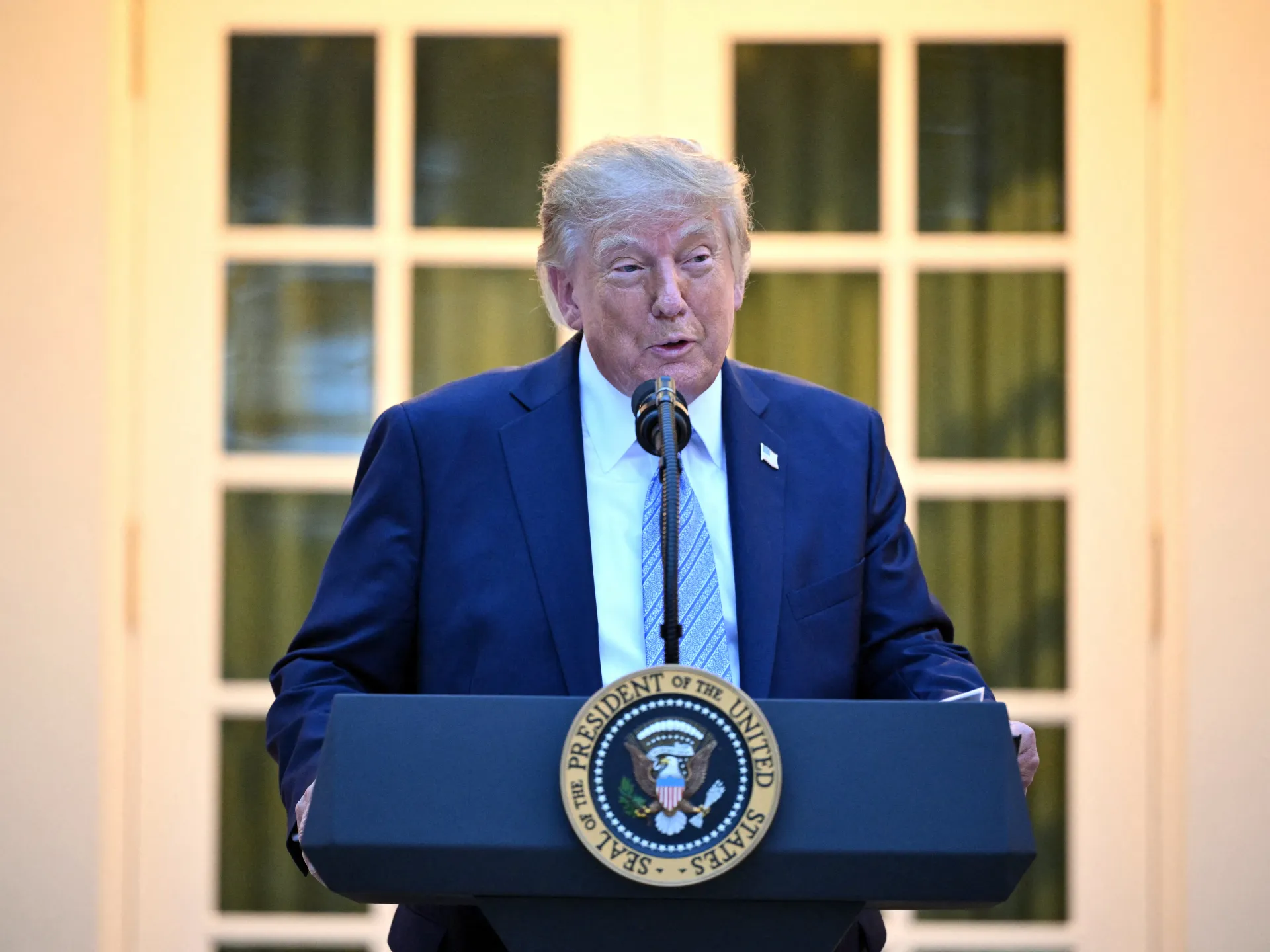
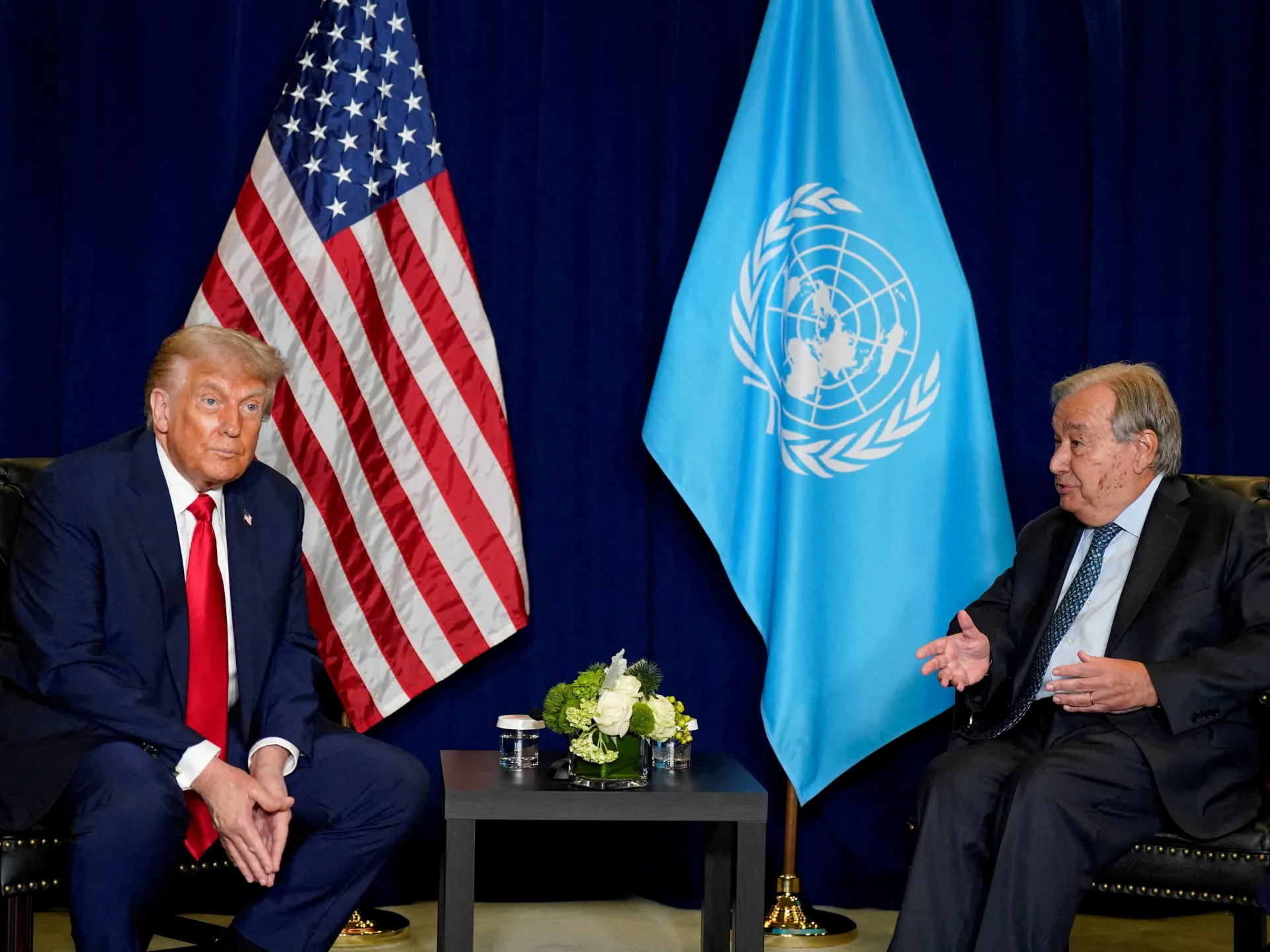
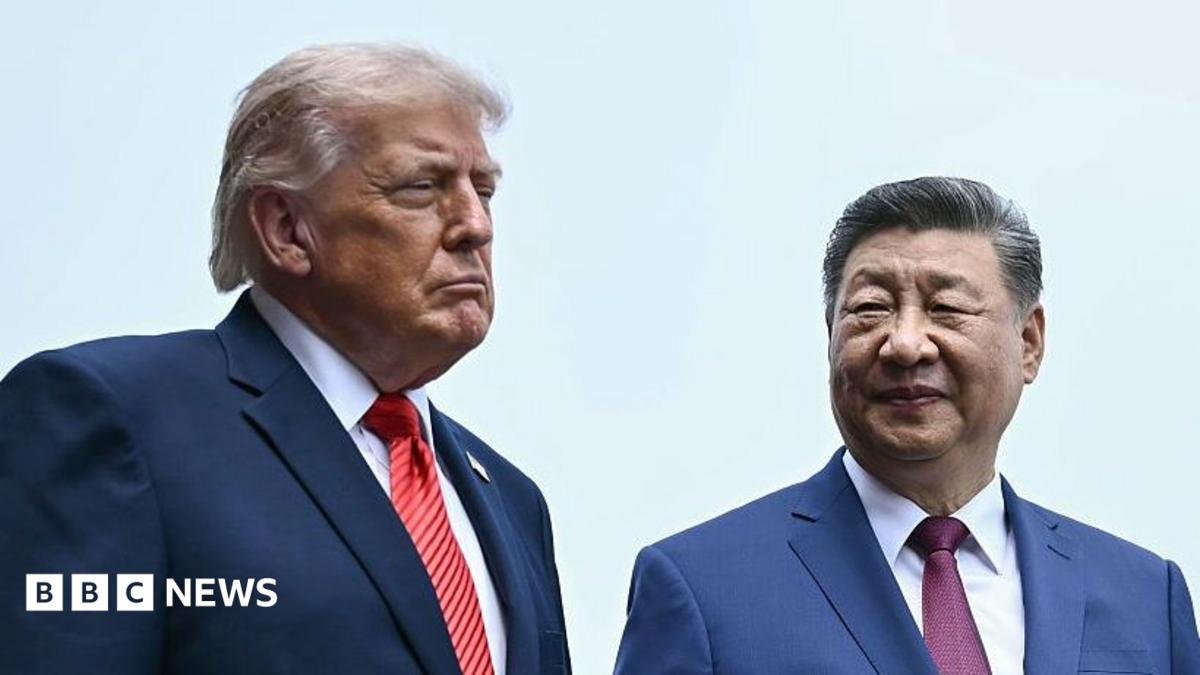
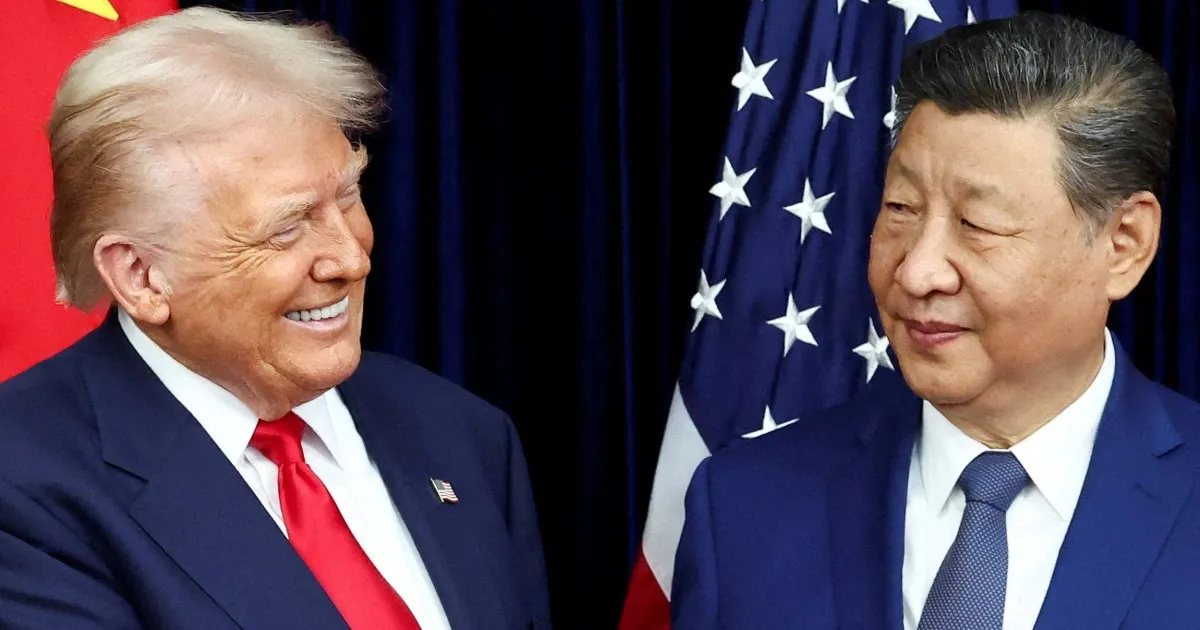
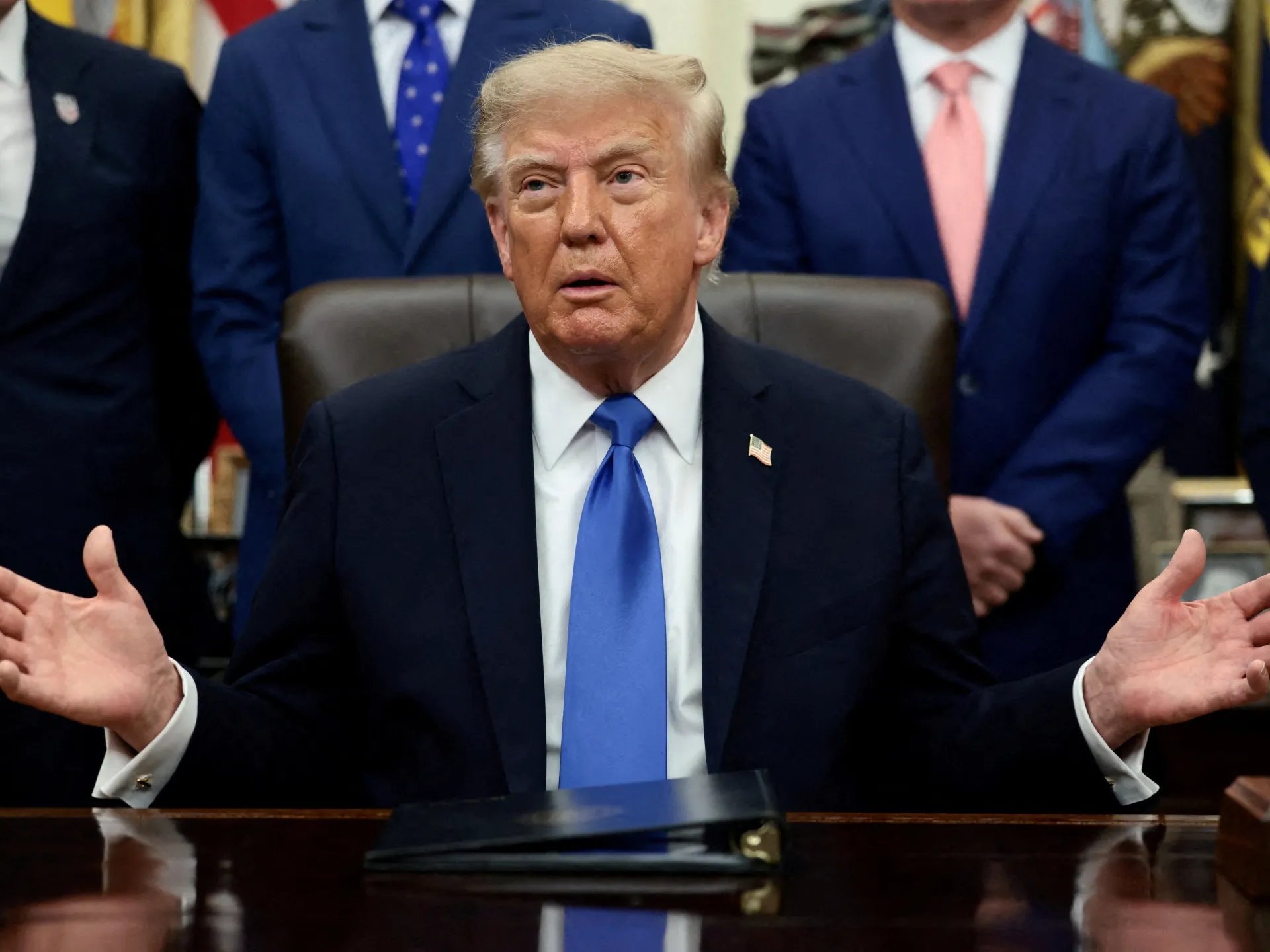
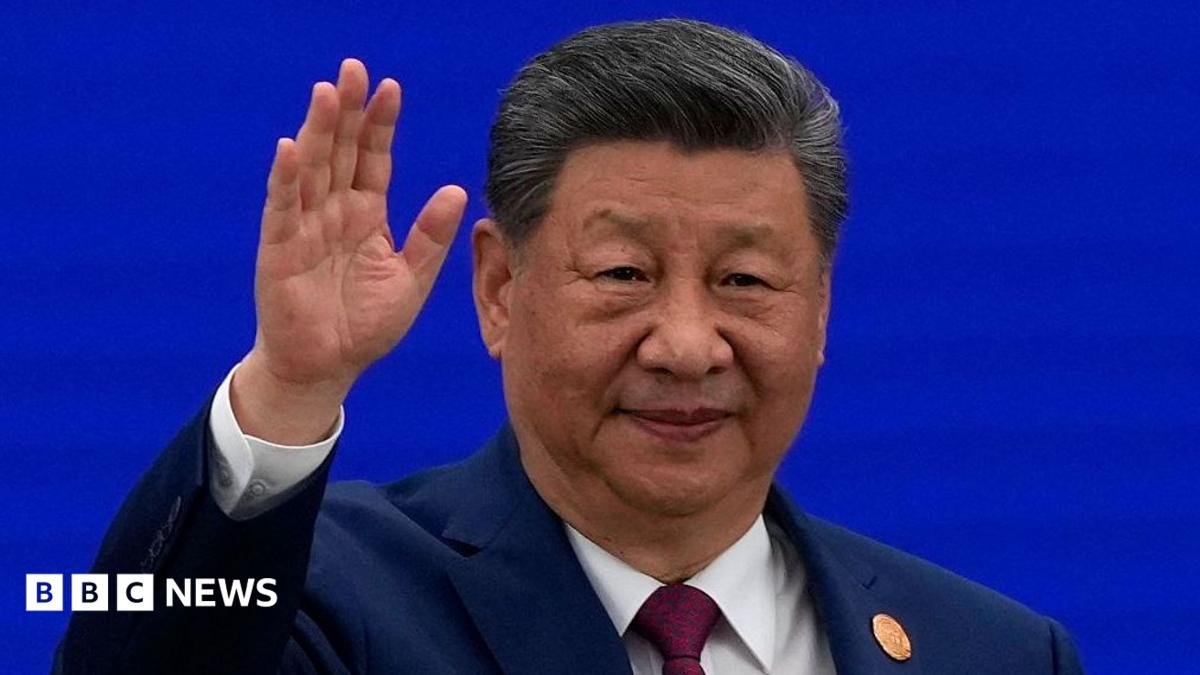
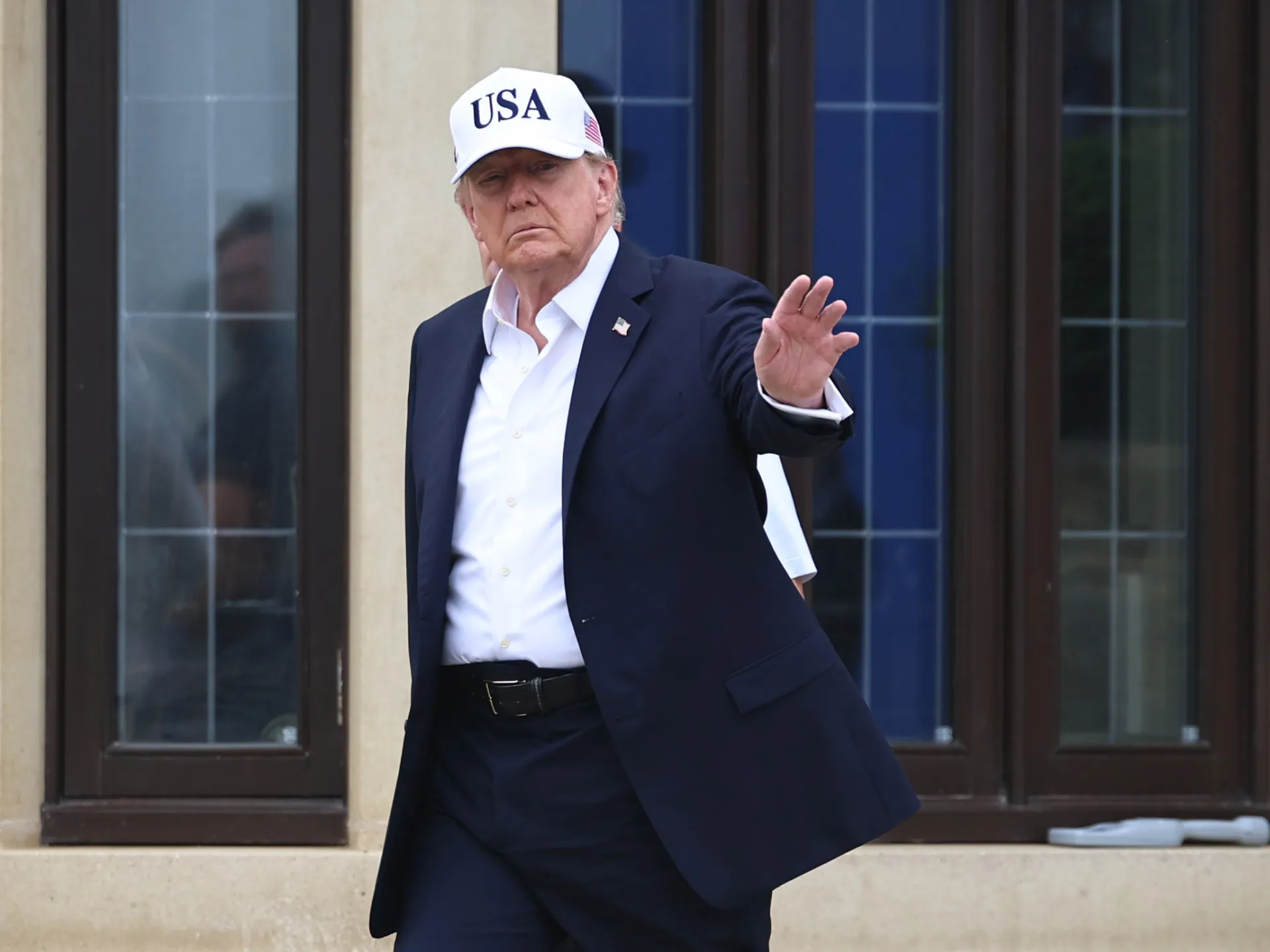
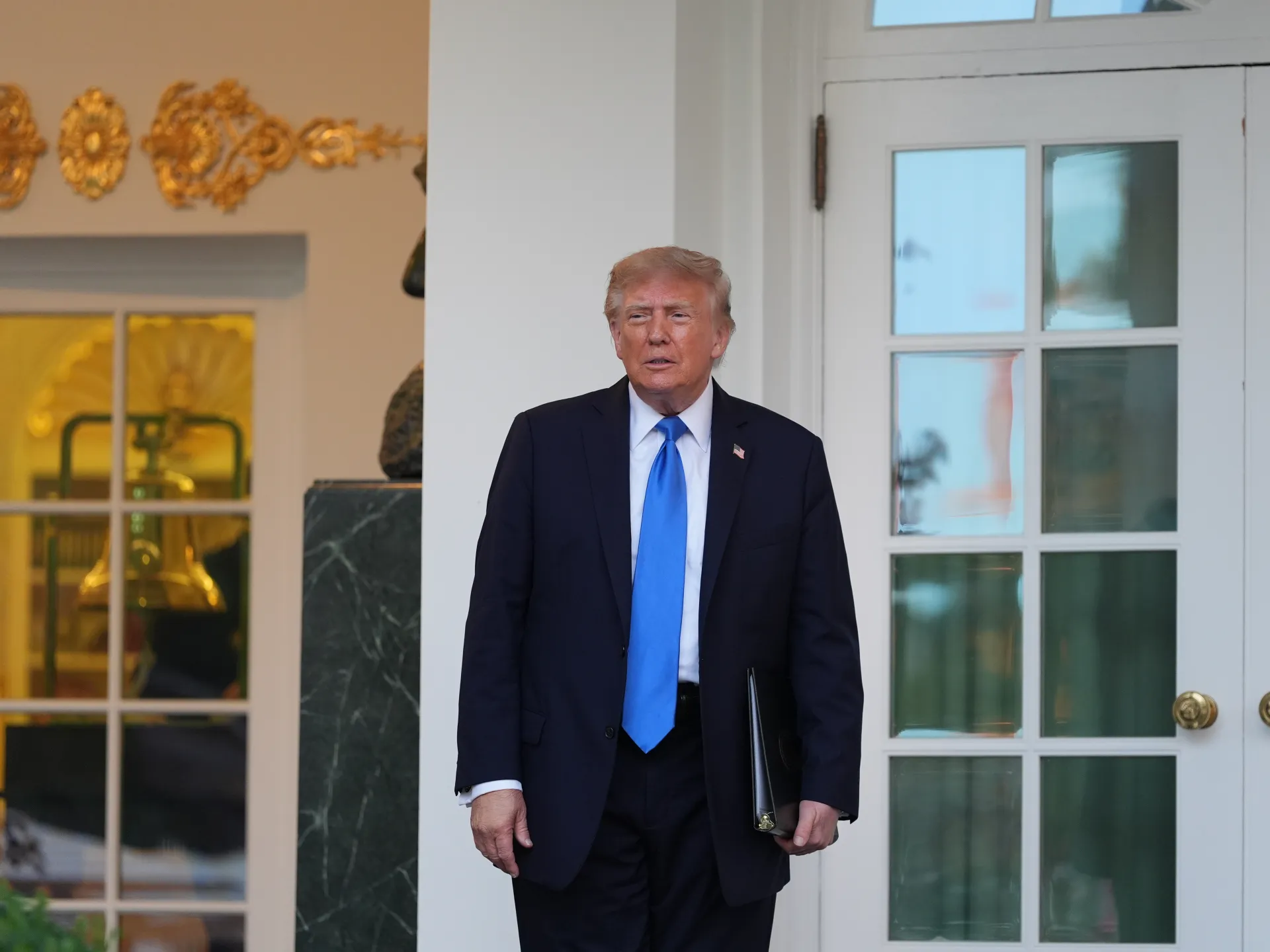
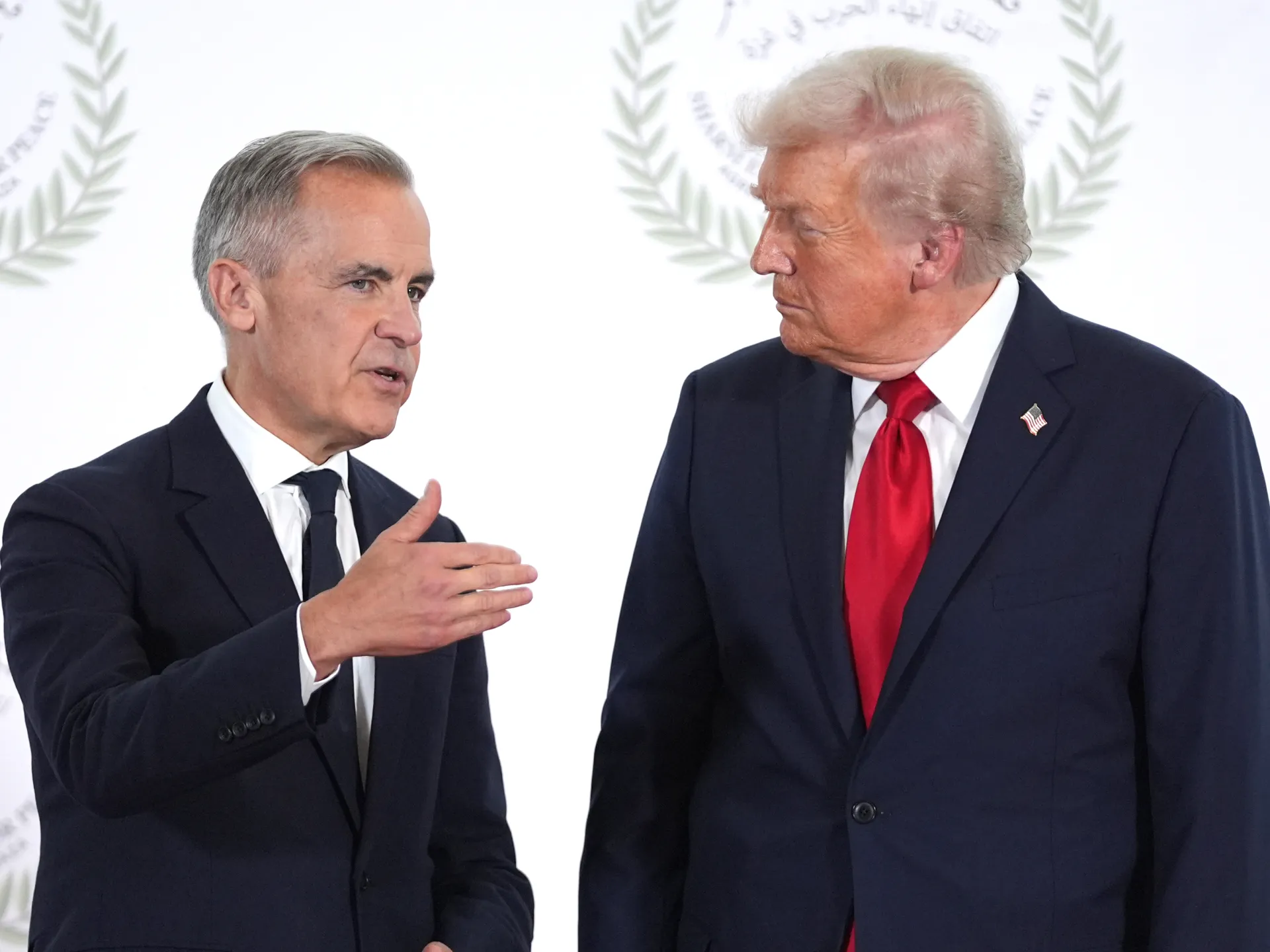
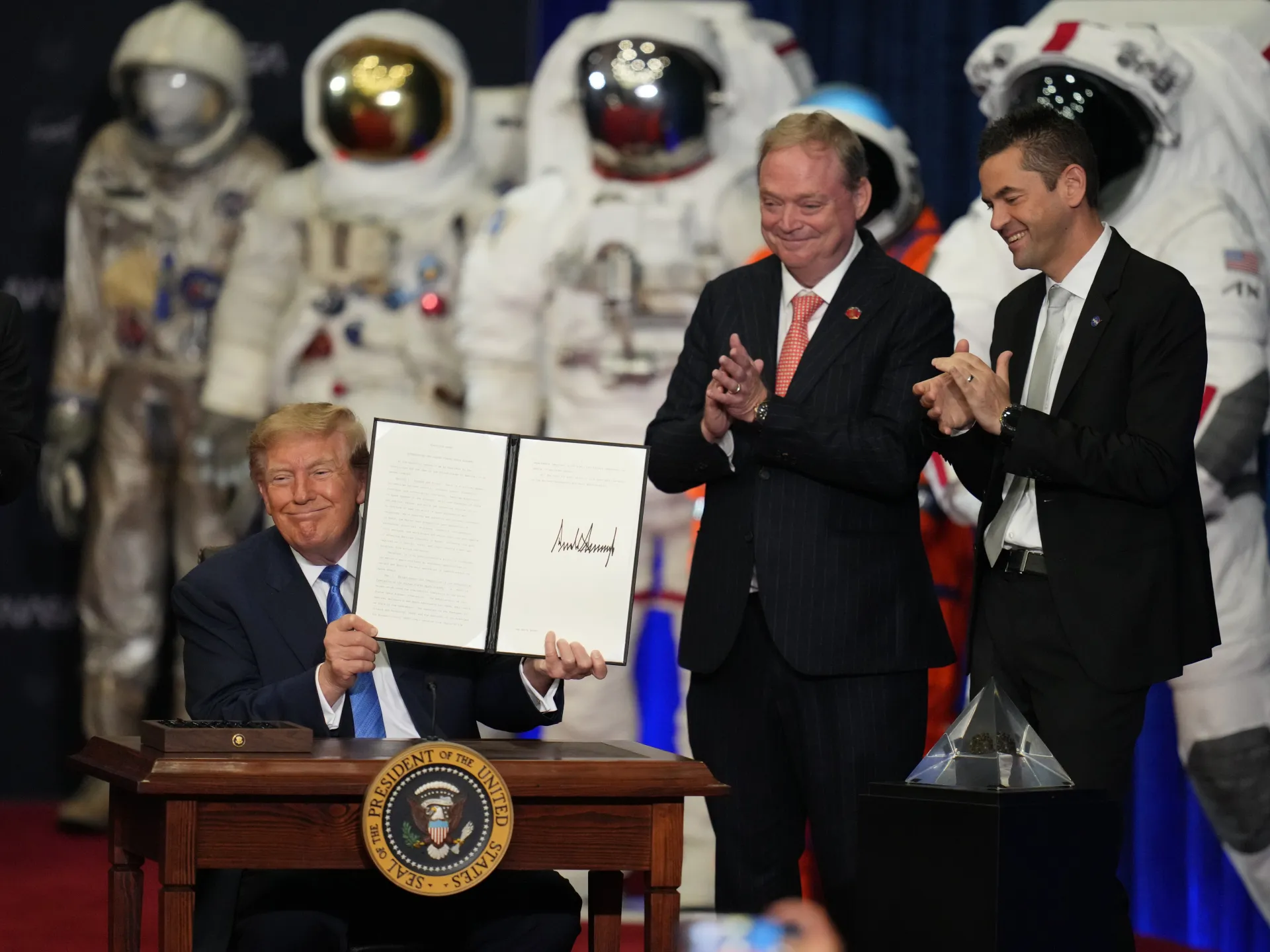
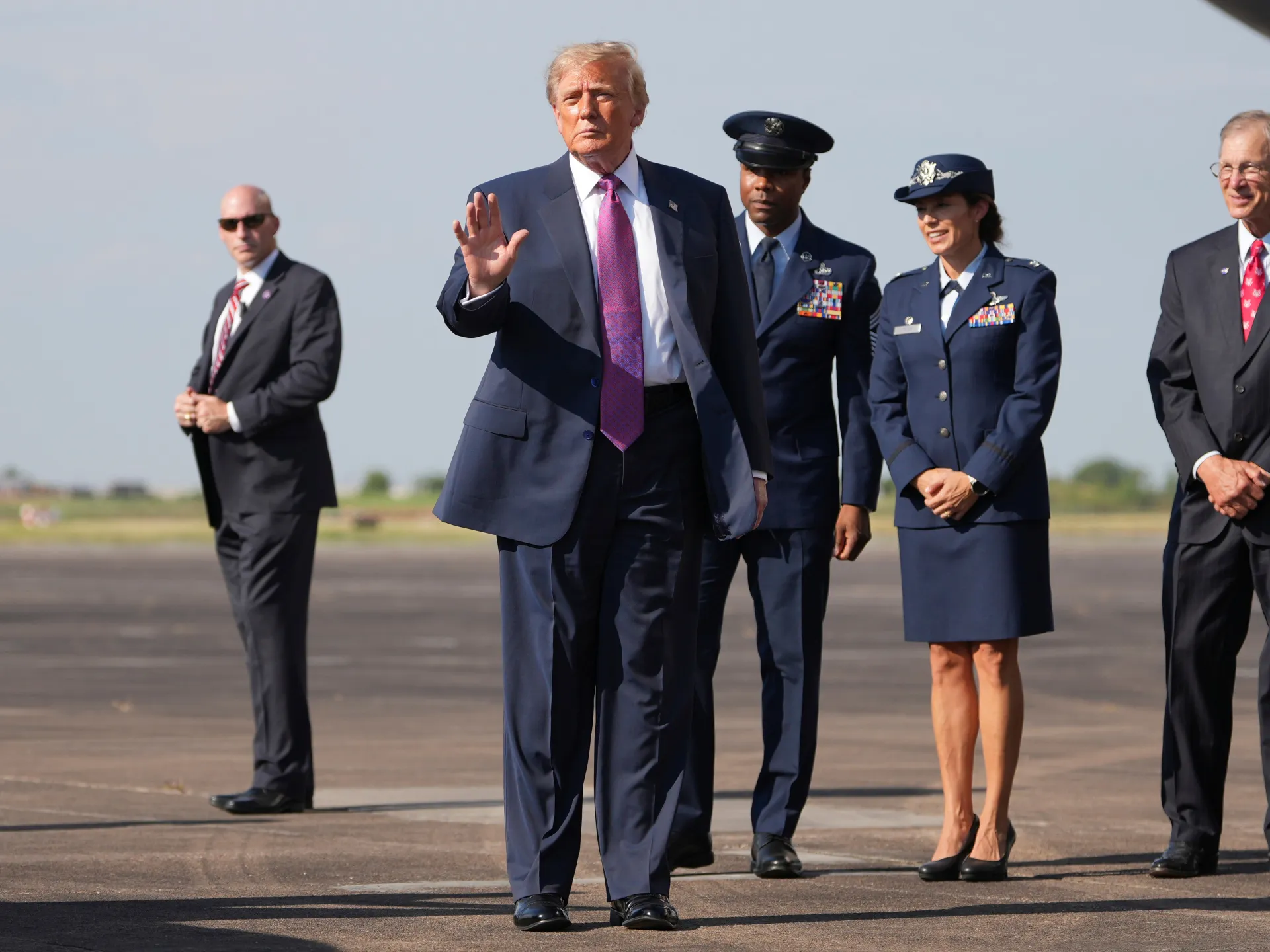
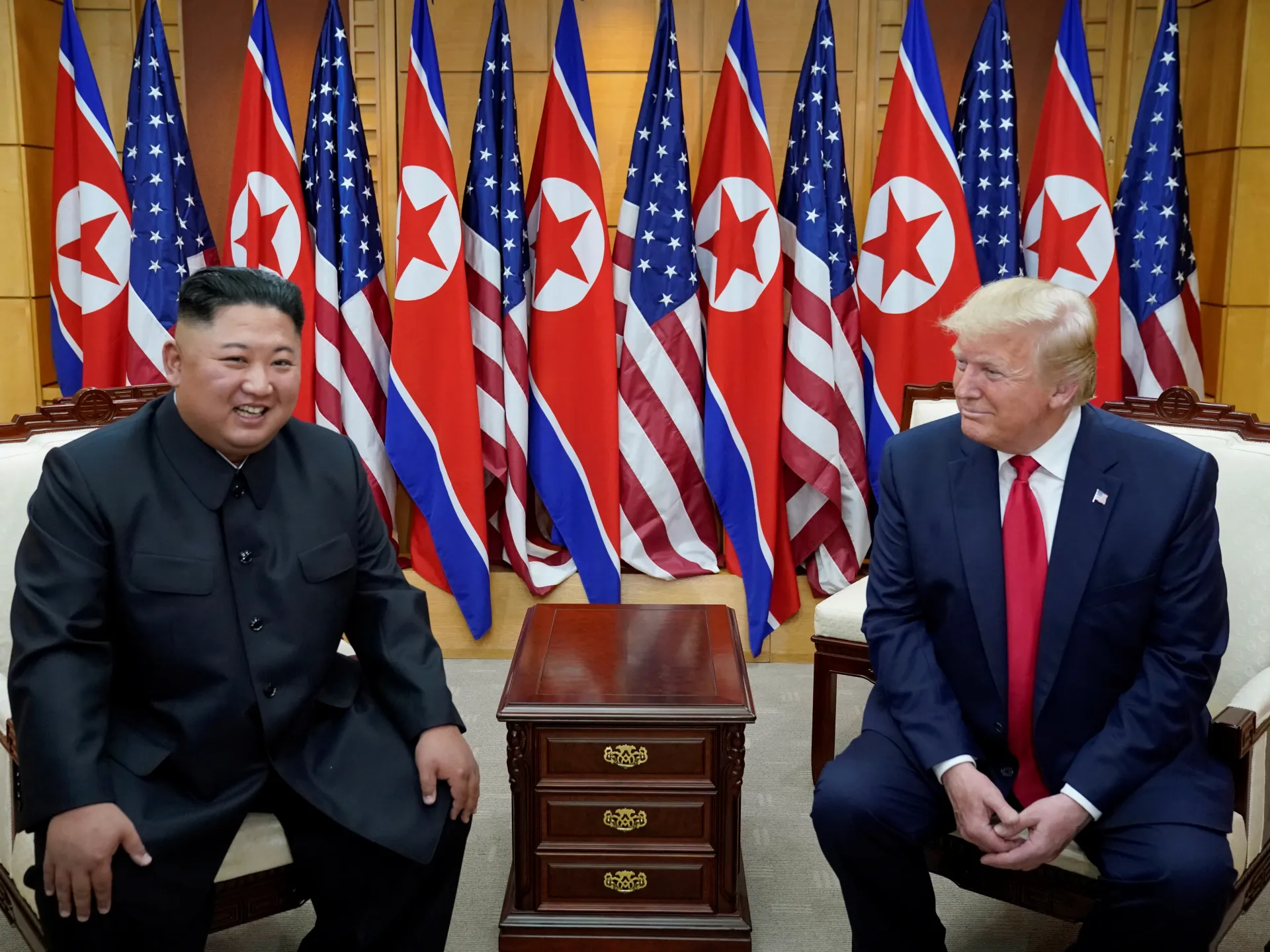
As President Donald Trump prepares to host President Xi Jinping in Washington, DC, the conversation is expected to be dominated a is a proposed AI “notification mechanism.” Treasury Secretary Scott Bessent has described this as a critical hotline intended to alert both superpowers to AI incidents that could threaten national security. This diplomatic effort occurs against a backdrop of intense technological rivalry, where computing power serves as the primary metric of success.
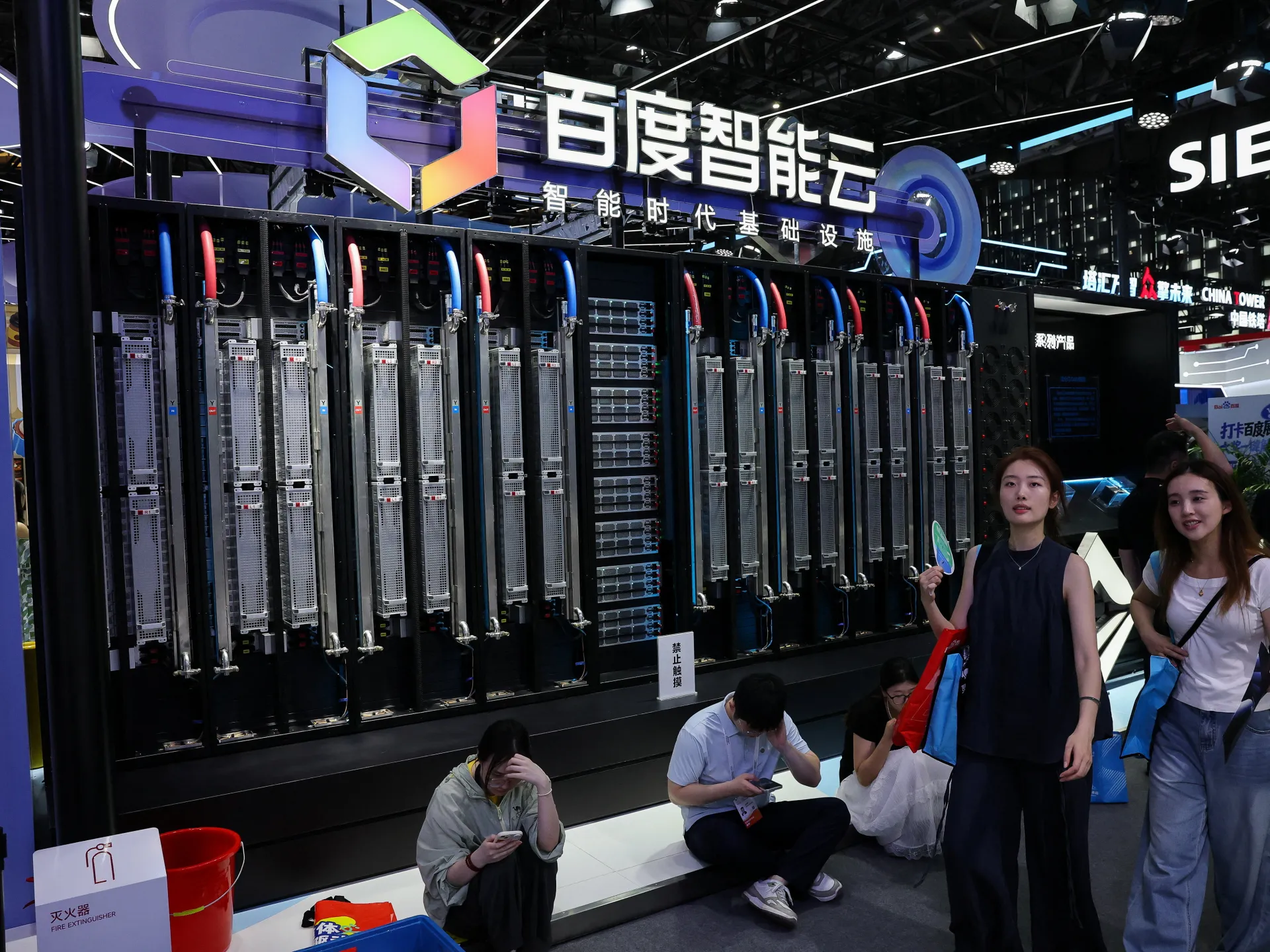
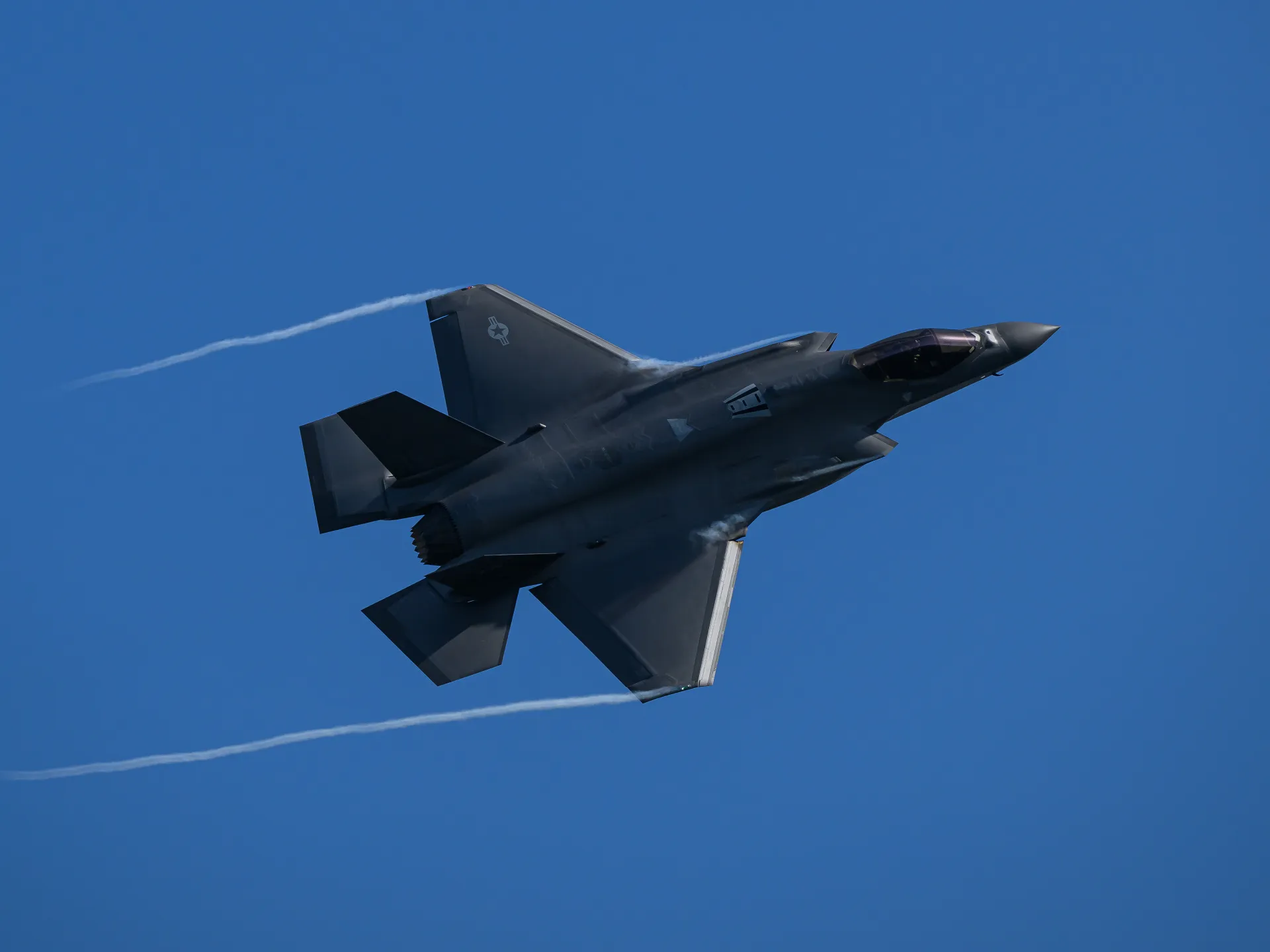
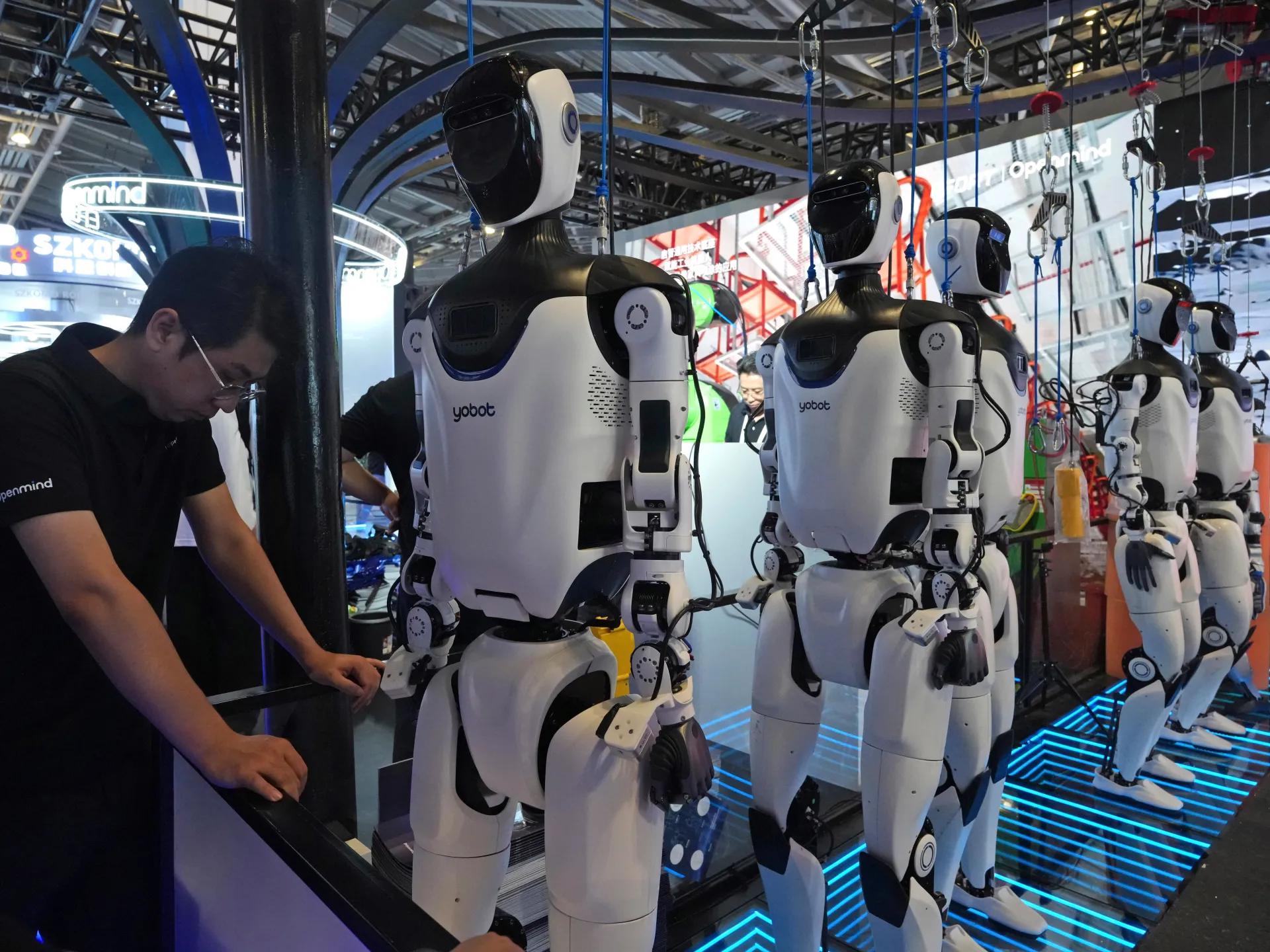
Data from Epoch AI suggests the United States currently controls approximately 70 percent of global AI computing capacity, with China holding roughly 14 percent. This disparity is largely anchored in US access to advanced hardware; Nvidia is responsible for over 60 percent of global AI computing capacity. However, the competitive landscape is shifting. While the US currently maintains a lead in the sheer number of data centers—boasting over 5,400 compared to China—the performance of AI models is reaching a state of parity. Rankings on platforms like Arena demonstrate that Chinese models from companies like DeepSeek and Alibaba are frequently matching their American counterparts in capability, signaling a narrowing gap in the race for technological supremacy.
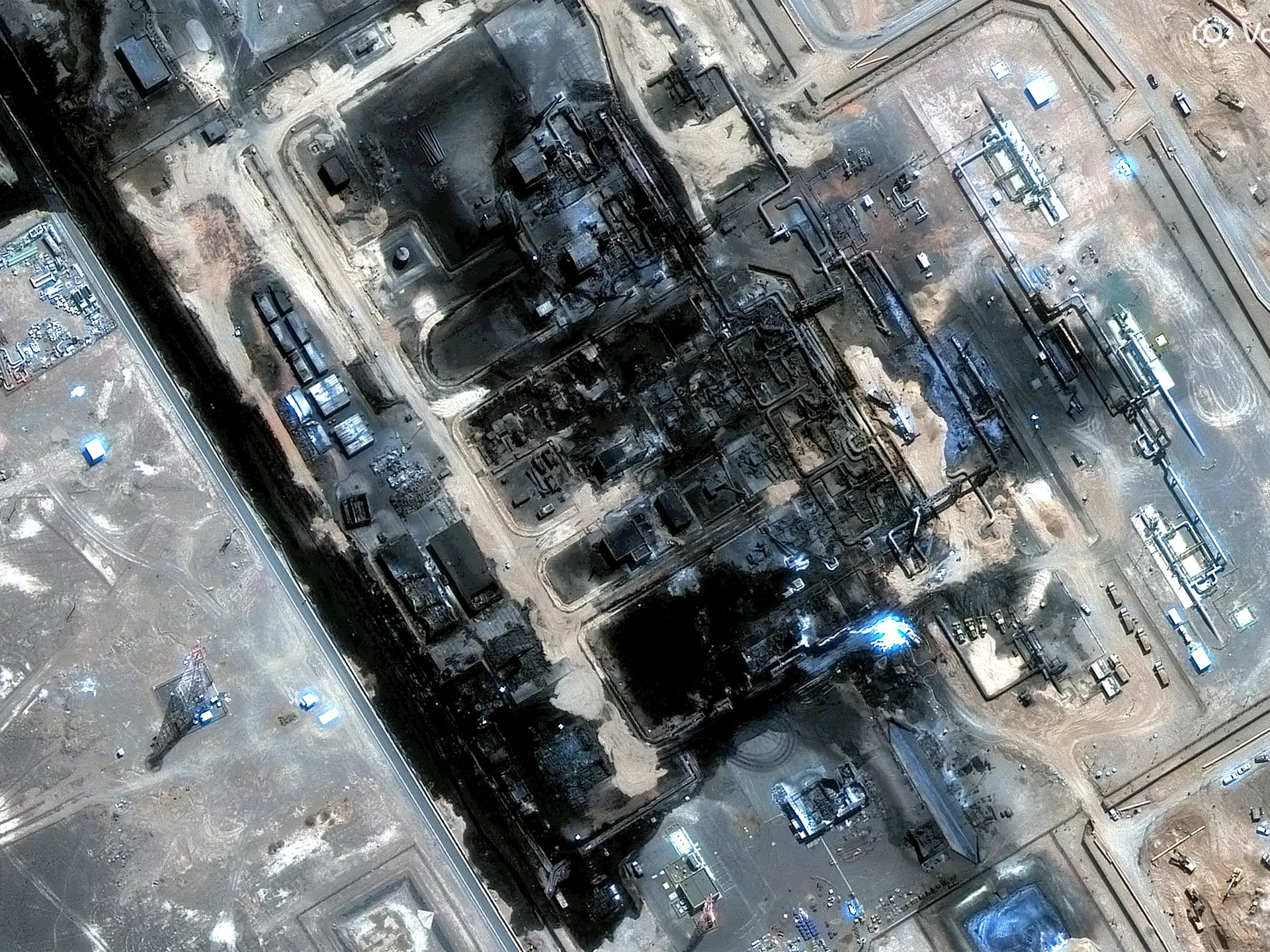
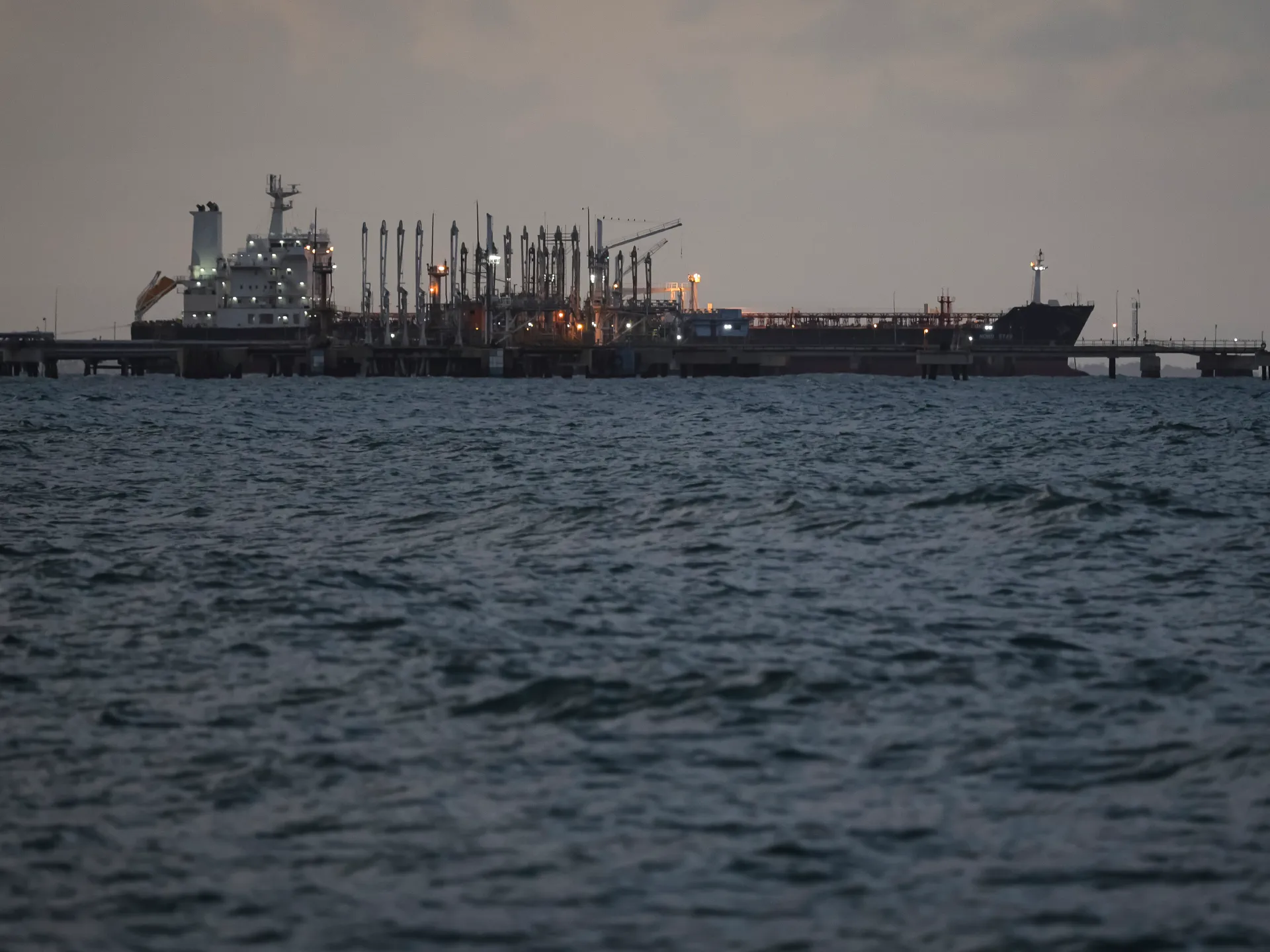
While superpowers debate the future of digital intelligence, Nigeria is experiencing a historic shift in its private energy sector. Following the launch of an initial public offering (IPO) for the Dangote refinery, demand was so robust that major investment platforms, including Bamboo, experienced technical outages. With over four billion shares available—representing roughly 3 percent of the company—the offering was designed to be inclusive, allowing citizens to invest as little as 10 shares for approximately $4. Analysts suggest this fervor reflects a desire for financial inclusion during a period of economic uncertainty, with many Nigerians adopting the term “Yangote” to signify collective ownership of the industrial giant.
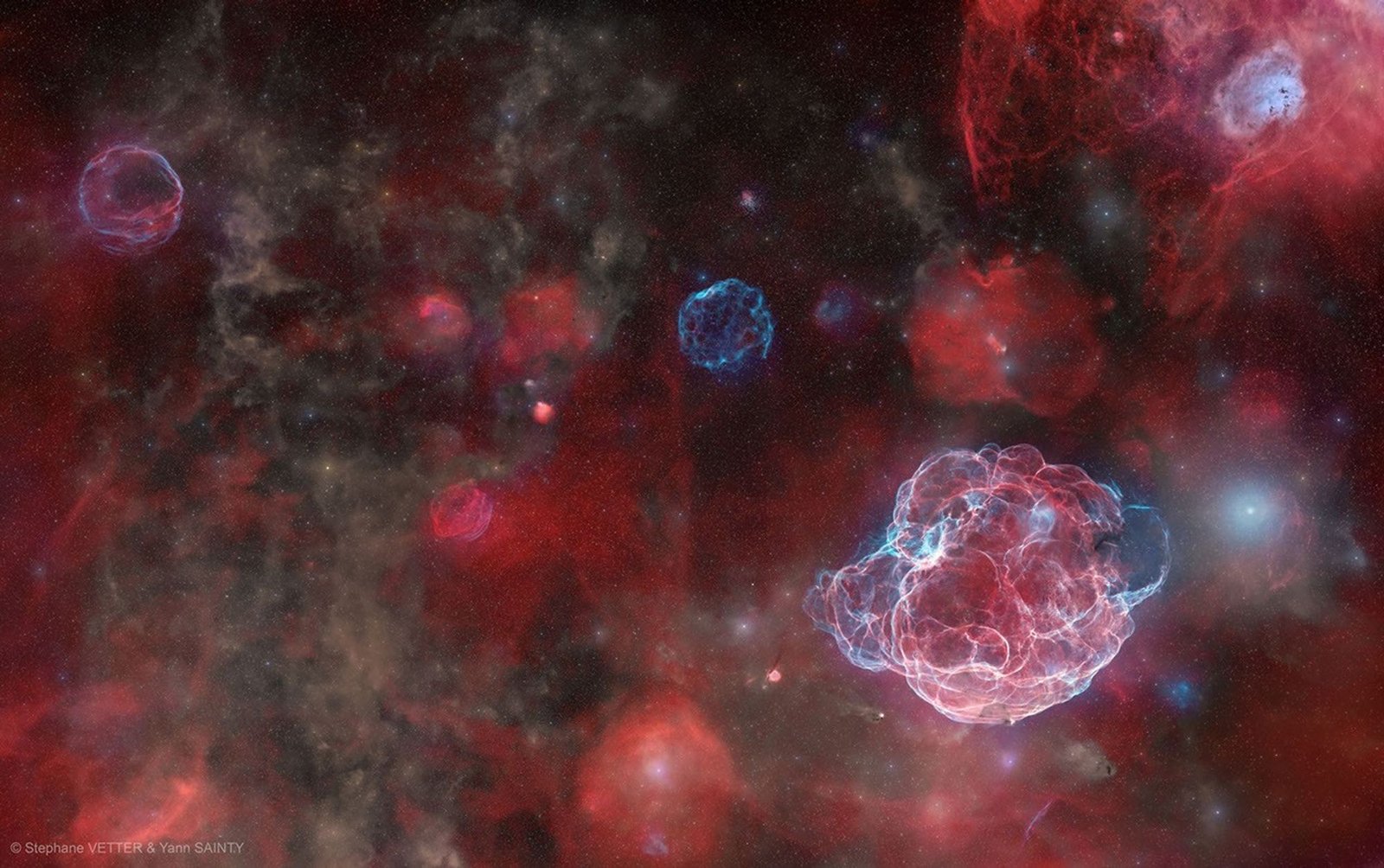
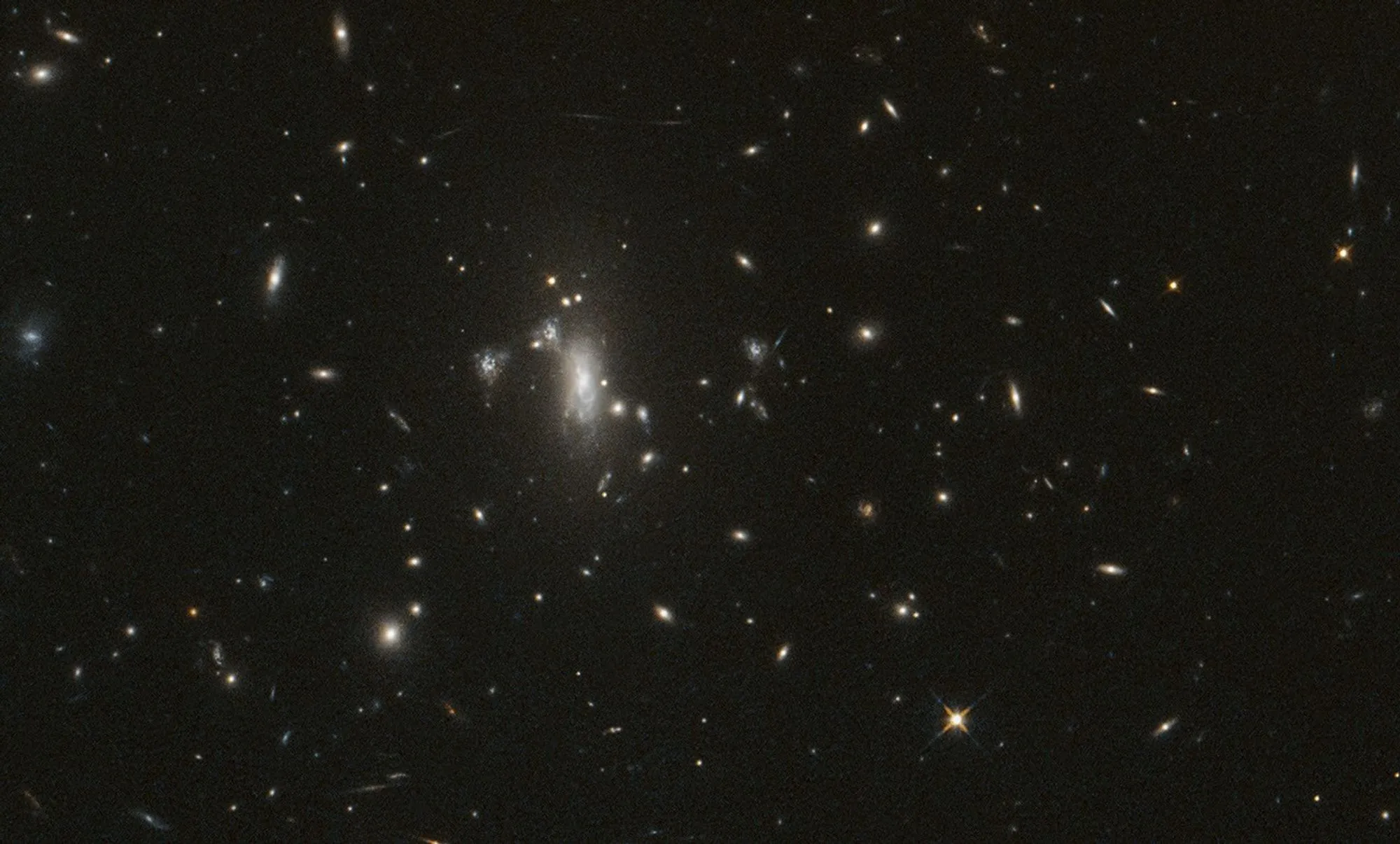
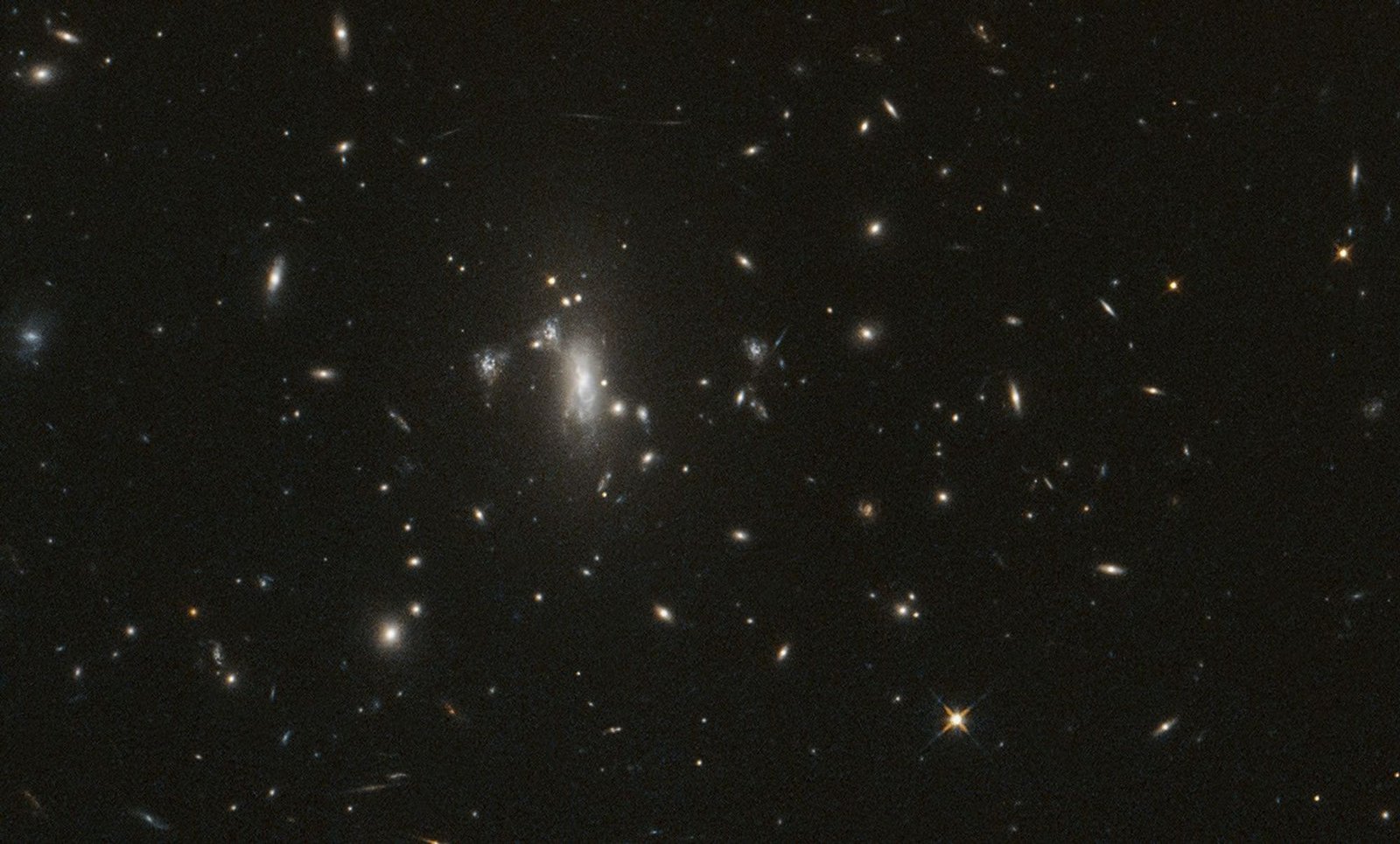
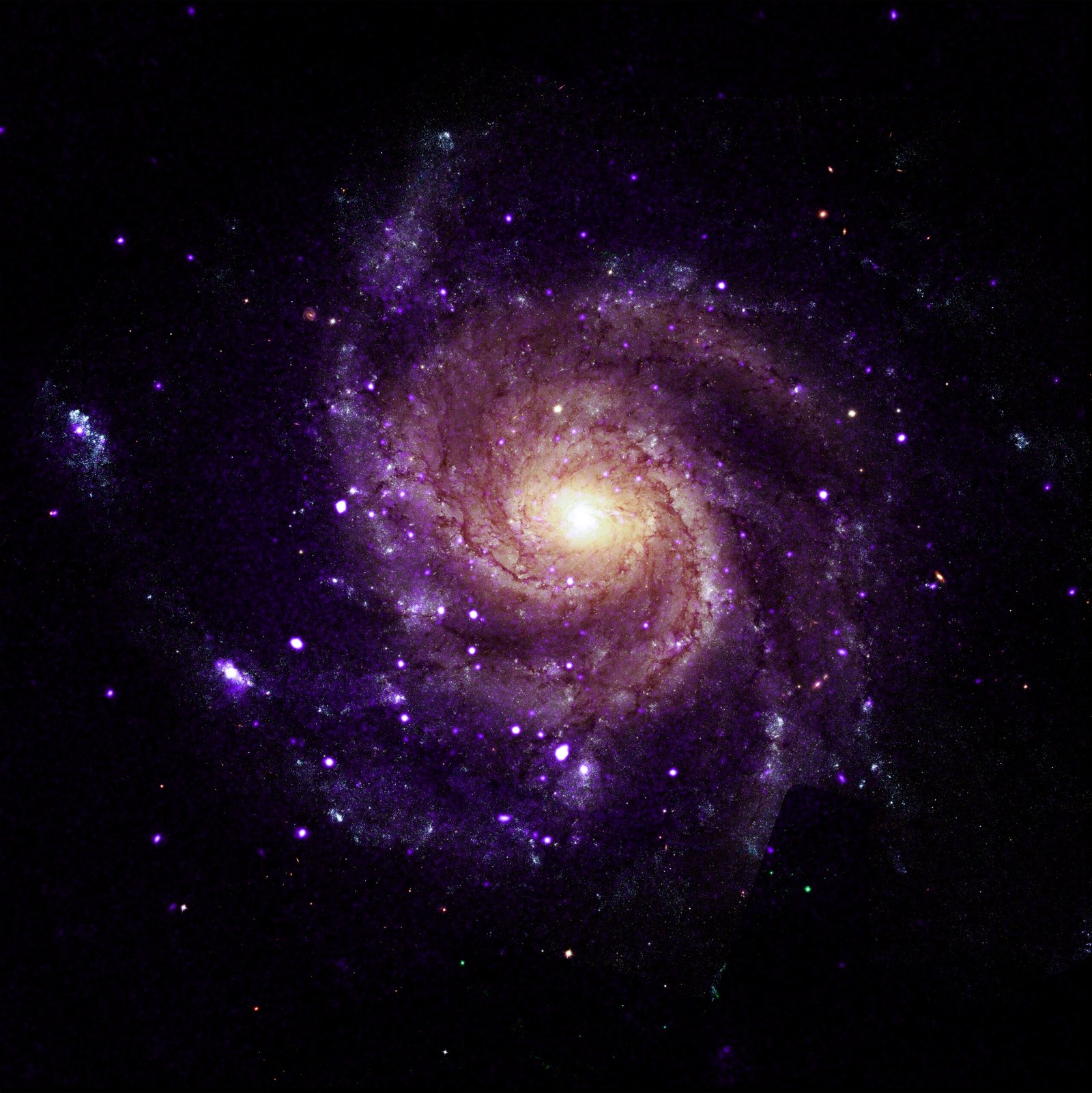
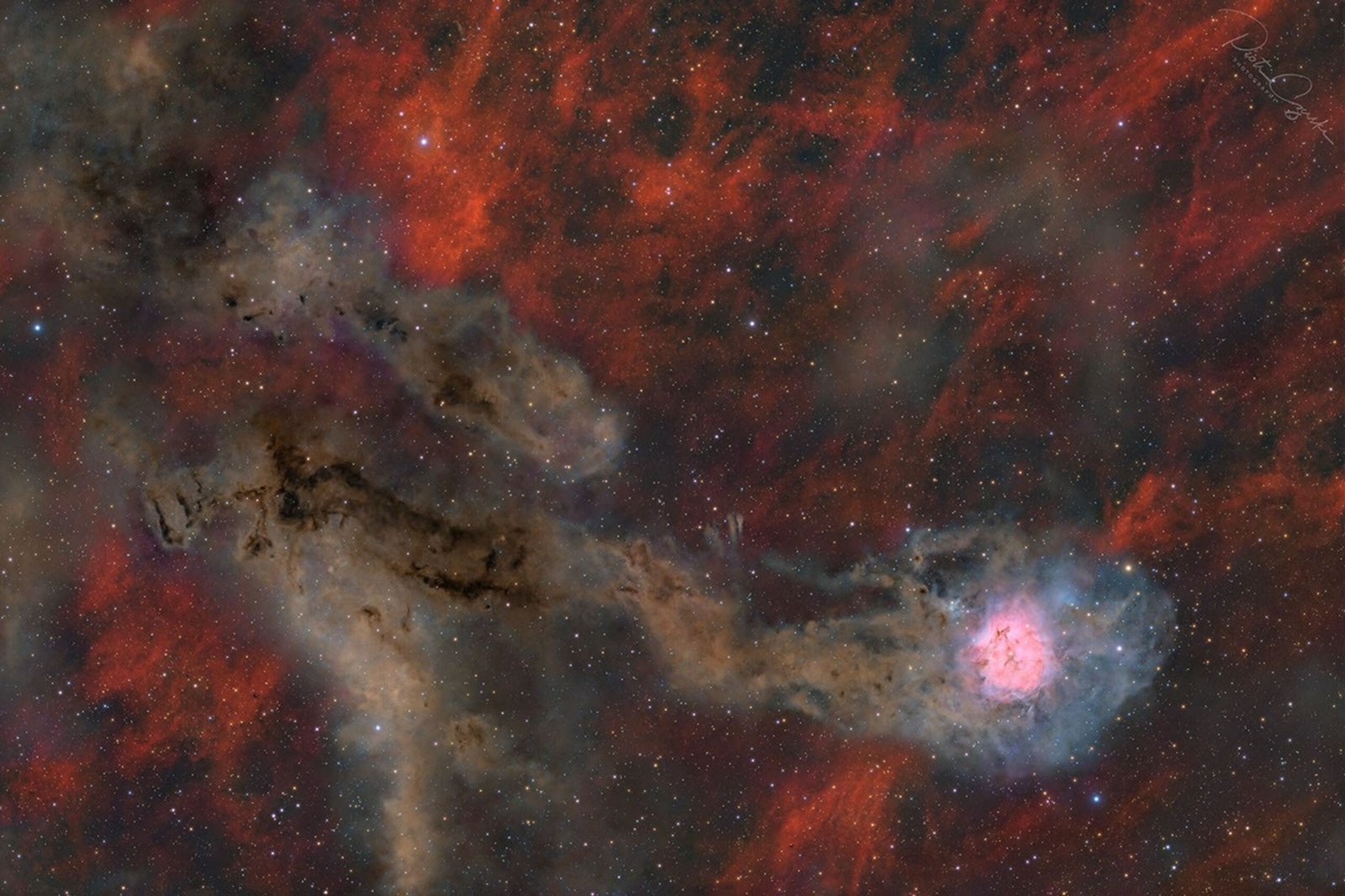
Simultaneously, the scientific community is grappling with anomalies in deep space. Observations from the NASA/ESA Hubble Space Telescope of the spiral galaxy NGC 4698 have revealed an unusual configuration: the galaxy’s bulge rotates perpendicular to the rest of its disk. Located 55 million light-years away in the Virgo Cluster, NGC 4698 defies standard galactic morphology. Astronomers suggest this “out-of-sync” rotation likely stems from an external event, such as a minor galactic merger that funneled gas into the core at an angle, providing a stark reminder that even in the vastness of space, equilibrium is rarely static.
The upcoming Washington summit will likely serve as a temperature check for US-China relations. While the AI notification mechanism is a positive signal for crisis management, the underlying disparity in chip access and data center infrastructure remains a friction point. If the two nations fail to establish clear guardrails, the race for frontier model dominance may heighten the risk of systemic instability. In Nigeria, the post-IPO reality for retail investors will depend on the refinery's operational efficiency. While many investors like Idris Lawal Musa express intent to sell for a quick profit, the long-term economic impact of such a massive shift in public shareholding remains to be seen. Finally, in the realm of astrophysics, the study of NGC 4698 will likely lead to broader research into galactic mergers, as scientists aim to determine how common these “out-of-sync” formations truly are across the Virgo Cluster and beyond.