Brazil faces a volatile presidential runoff while Russia moves to cement legislative control through a tightly managed parliamentary election cycle.
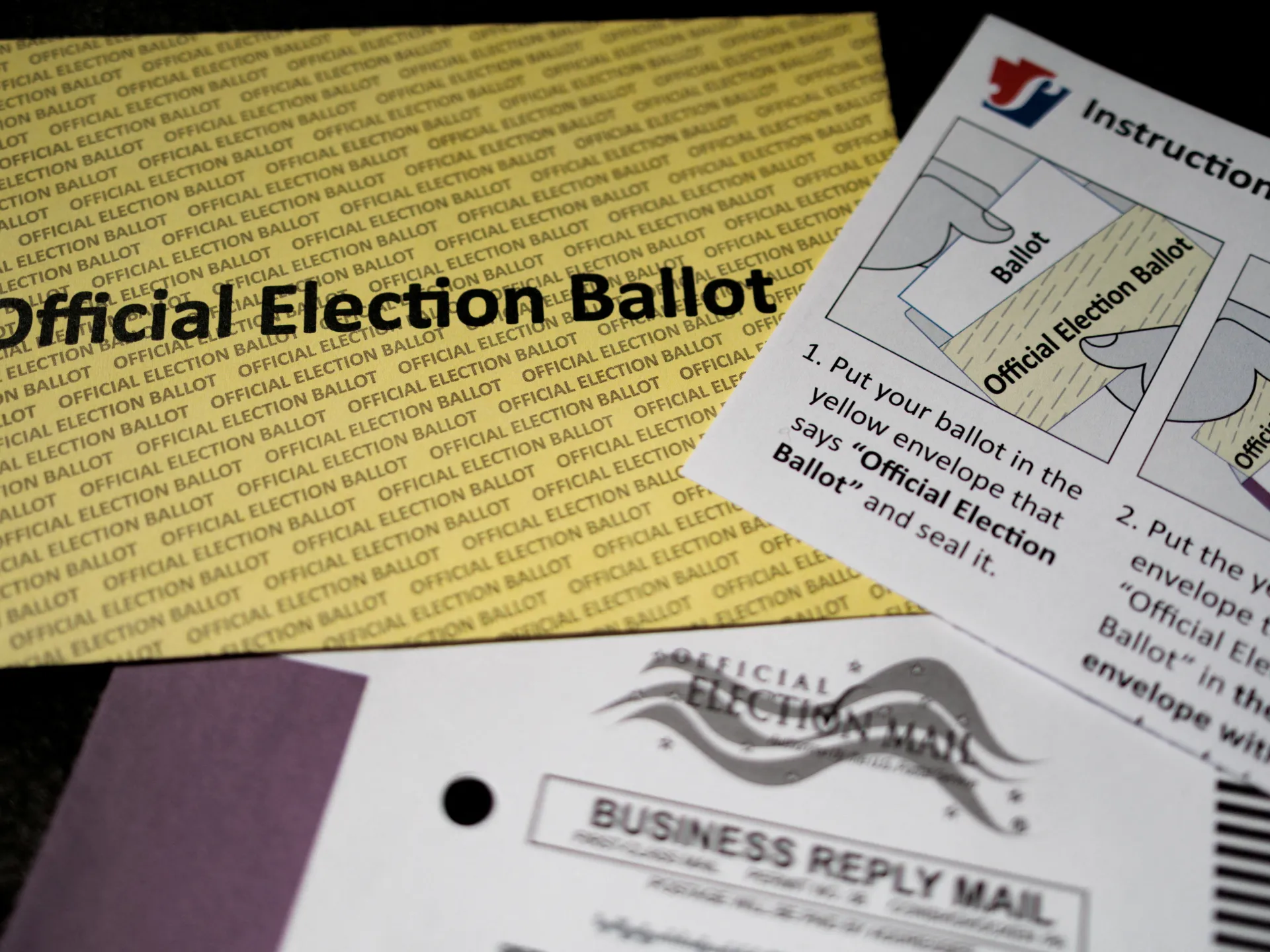
The convergence of electoral cycles in Brazil and Russia provides a stark contrast in how modern states manage political legitimacy. In Brazil, the electorate is deeply polarized, with a competitive race that threatens to upend the current administration's economic and foreign policy trajectory. This volatility reflects a broader regional trend where incumbent power is tested islative elections serve as a mechanism for reinforcing consensus around a wartime status quo. While the two nations differ in their democratic maturity, both scenarios underscore the critical role of institutional control—whether through the ballot box in a high-stakes partisan battle or via the orchestration of a predictable legislative outcome.
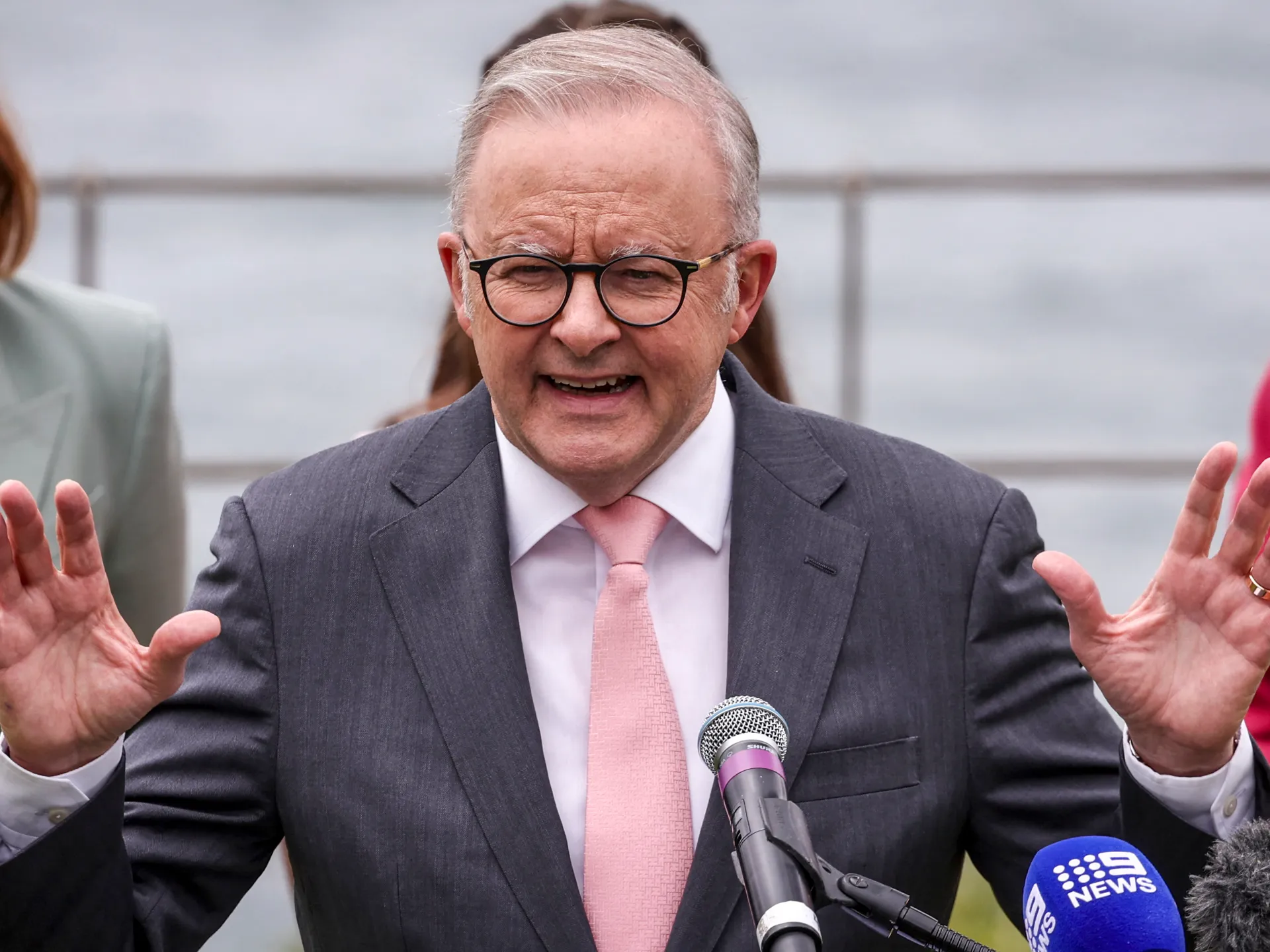
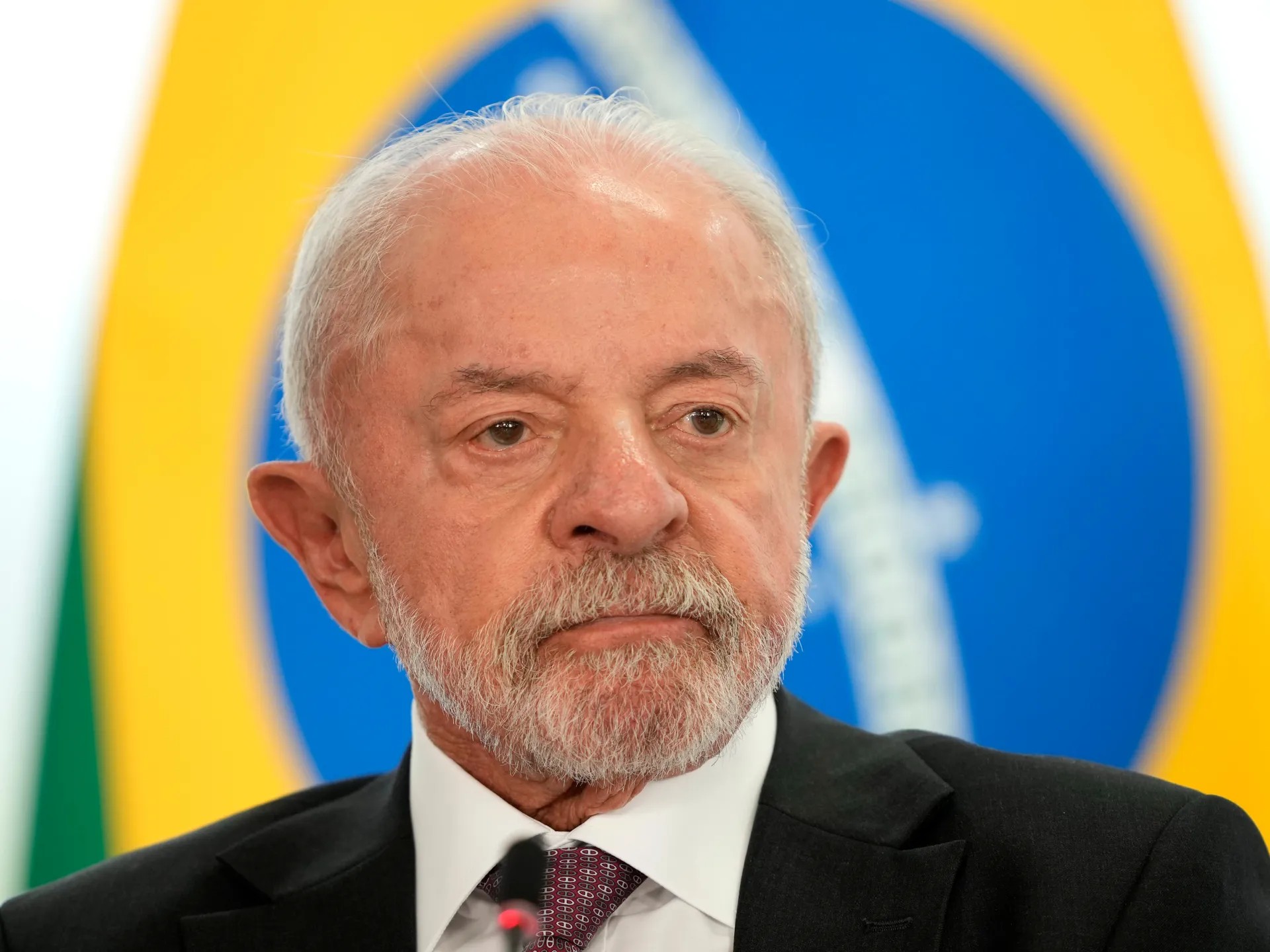
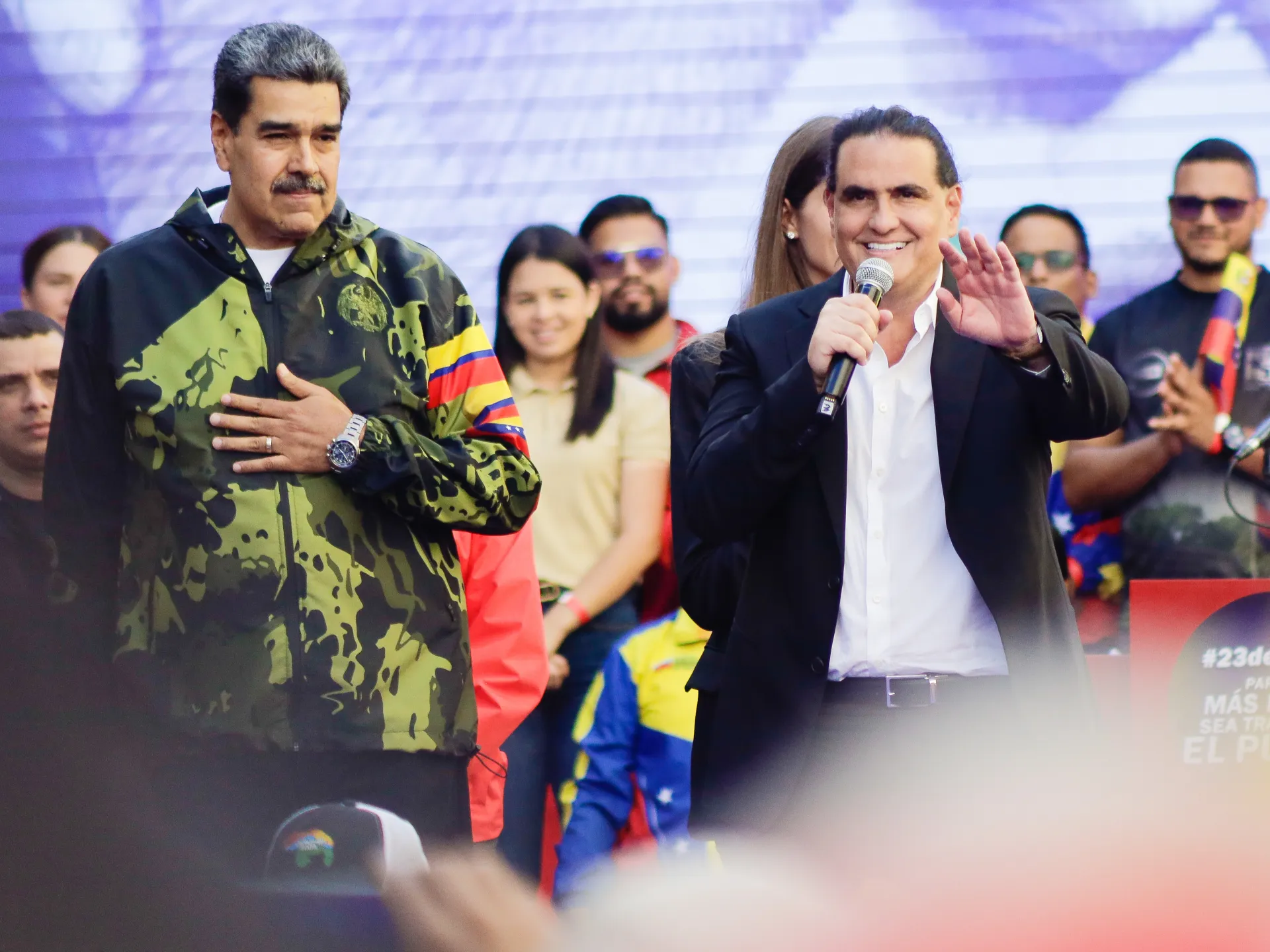
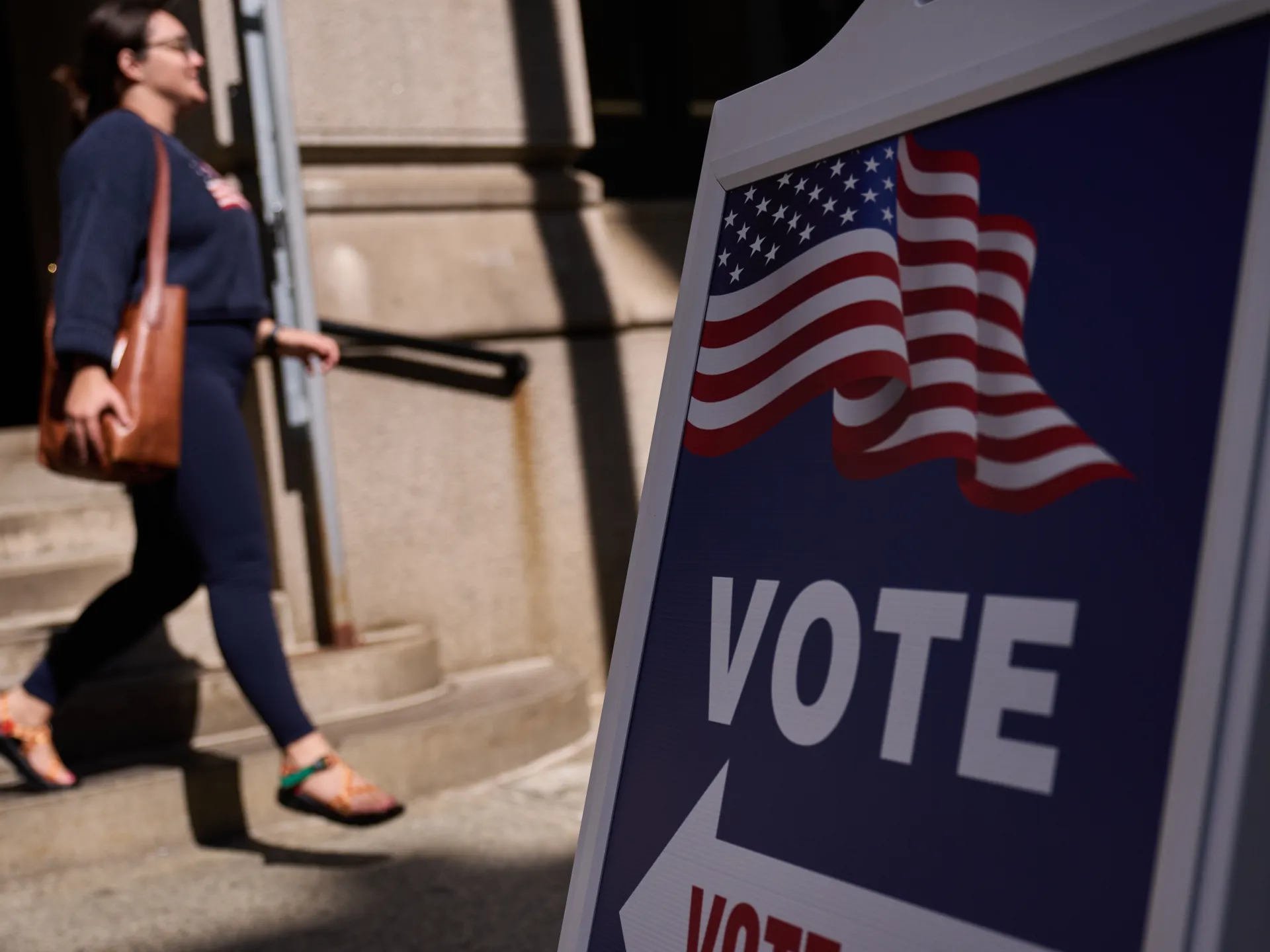
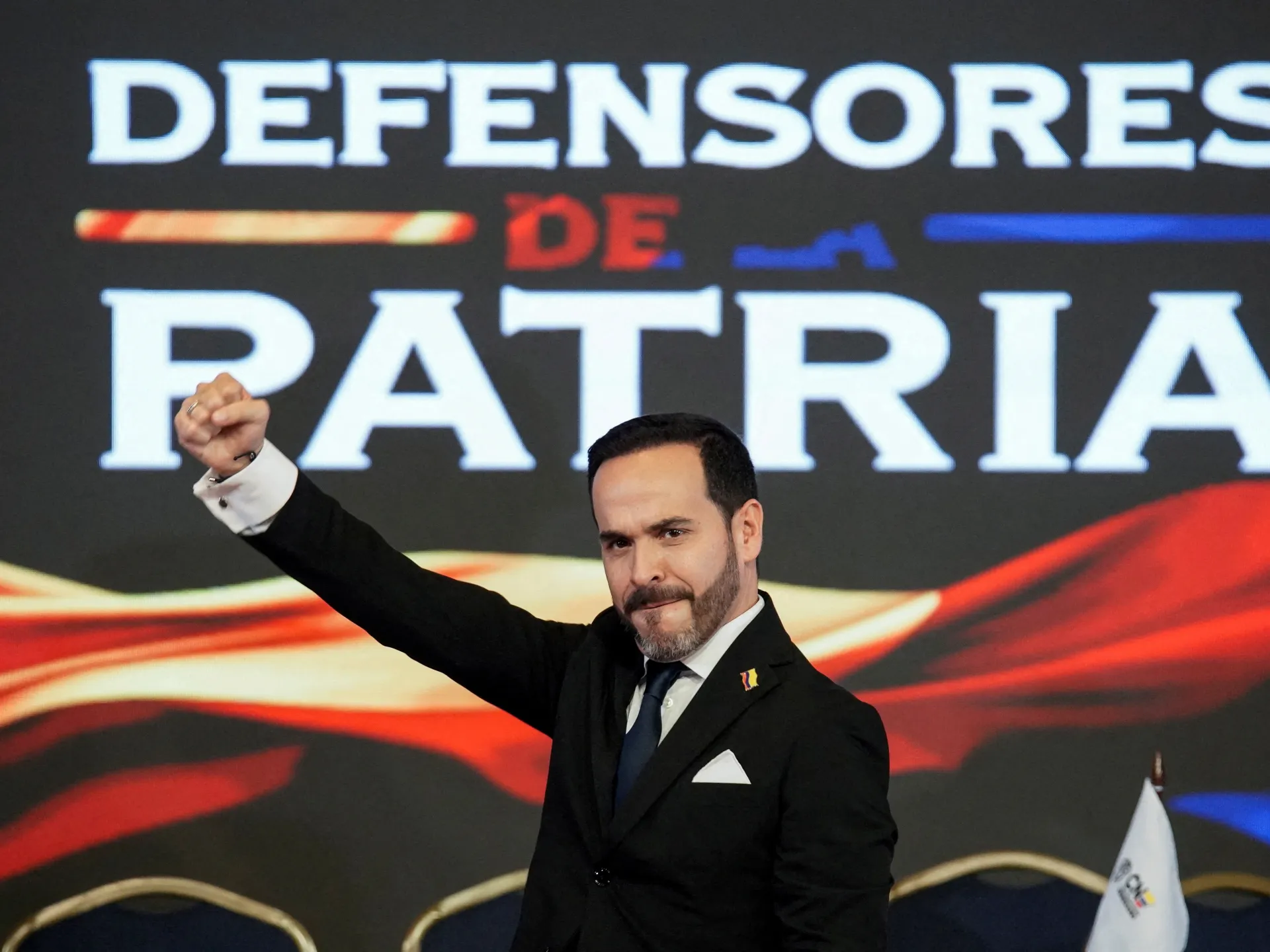
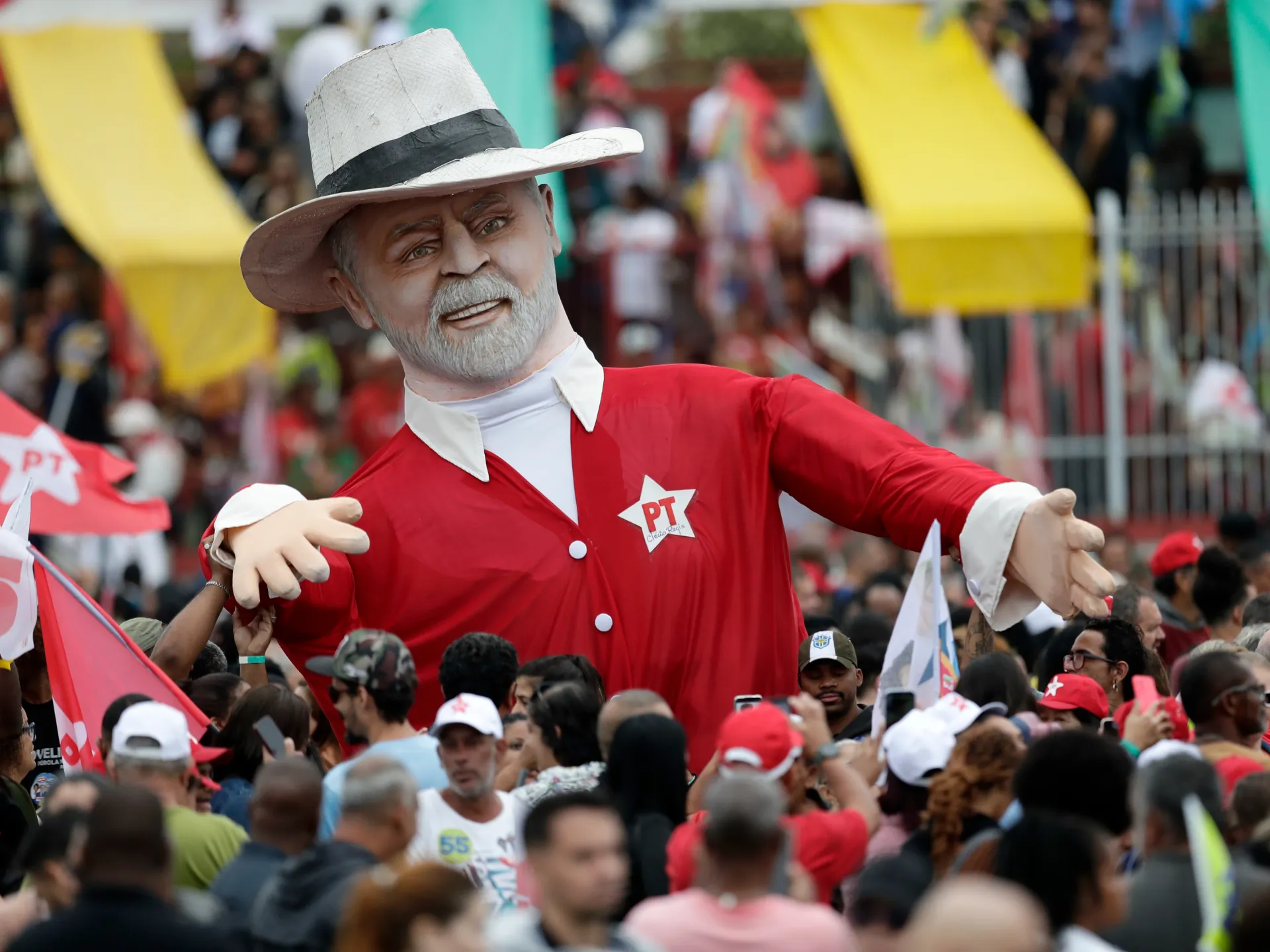
With the first round of Brazil’s national election scheduled for October 4, incumbent President Luiz Inacio Lula da Silva finds himself in a precarious position. The president, who is campaigning for a fourth non-consecutive term, is currently fighting to maintain his lead against Flavio Bolsonaro, the son of the former president, Jair Bolsonaro. The latter remains ineligible for public office following a series of judicial rulings that found him guilty of abusing his power and attempting to subvert the results of the 2022 election. Despite these legal barriers for the elder Bolsonaro, his political movement has maintained significant momentum.
Recent polling data confirms that the contest is essentially a dead heat. A Quaest survey released this week placed Flavio Bolsonaro at 42 percent to Lula’s 41 percent in a hypothetical runoff scenario, a significant tightening from early August when the incumbent held a more comfortable lead. Conversely, a separate survey conducted 45 percent for his opponent. These numbers suggest that should no candidate secure a majority of valid votes in the initial October 4 round, the October 25 runoff will be decided d domestic cost-of-living struggles.
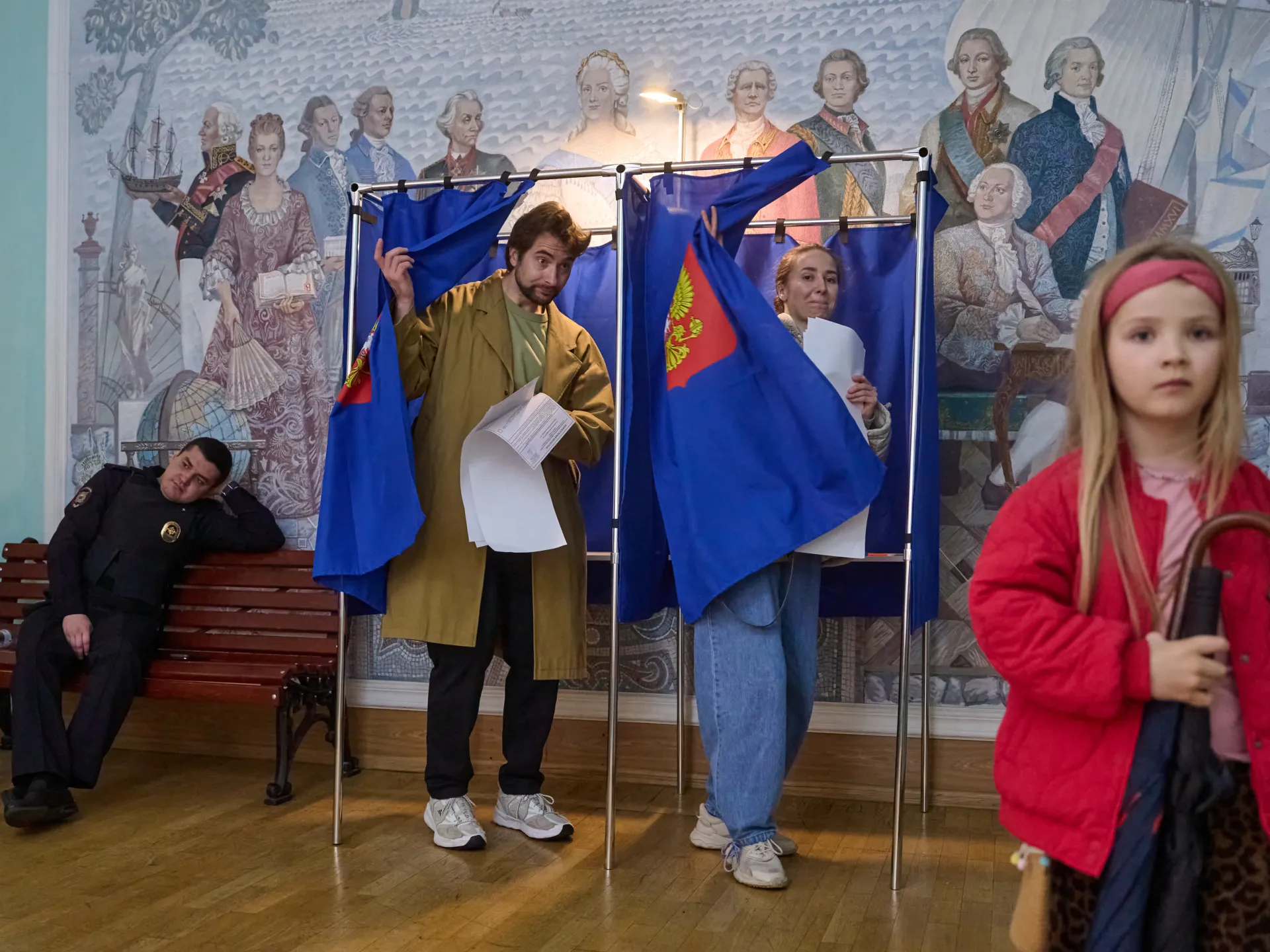
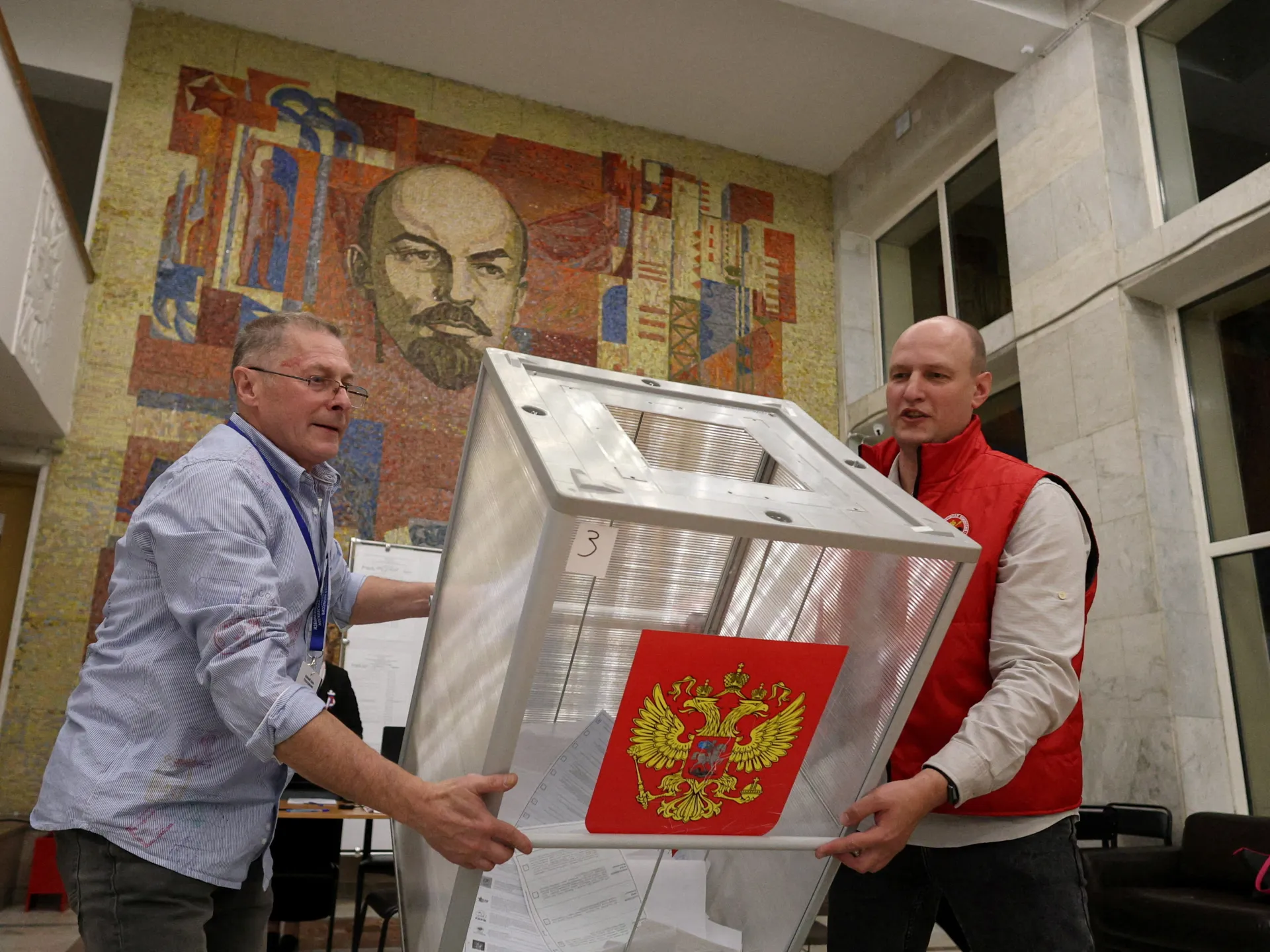
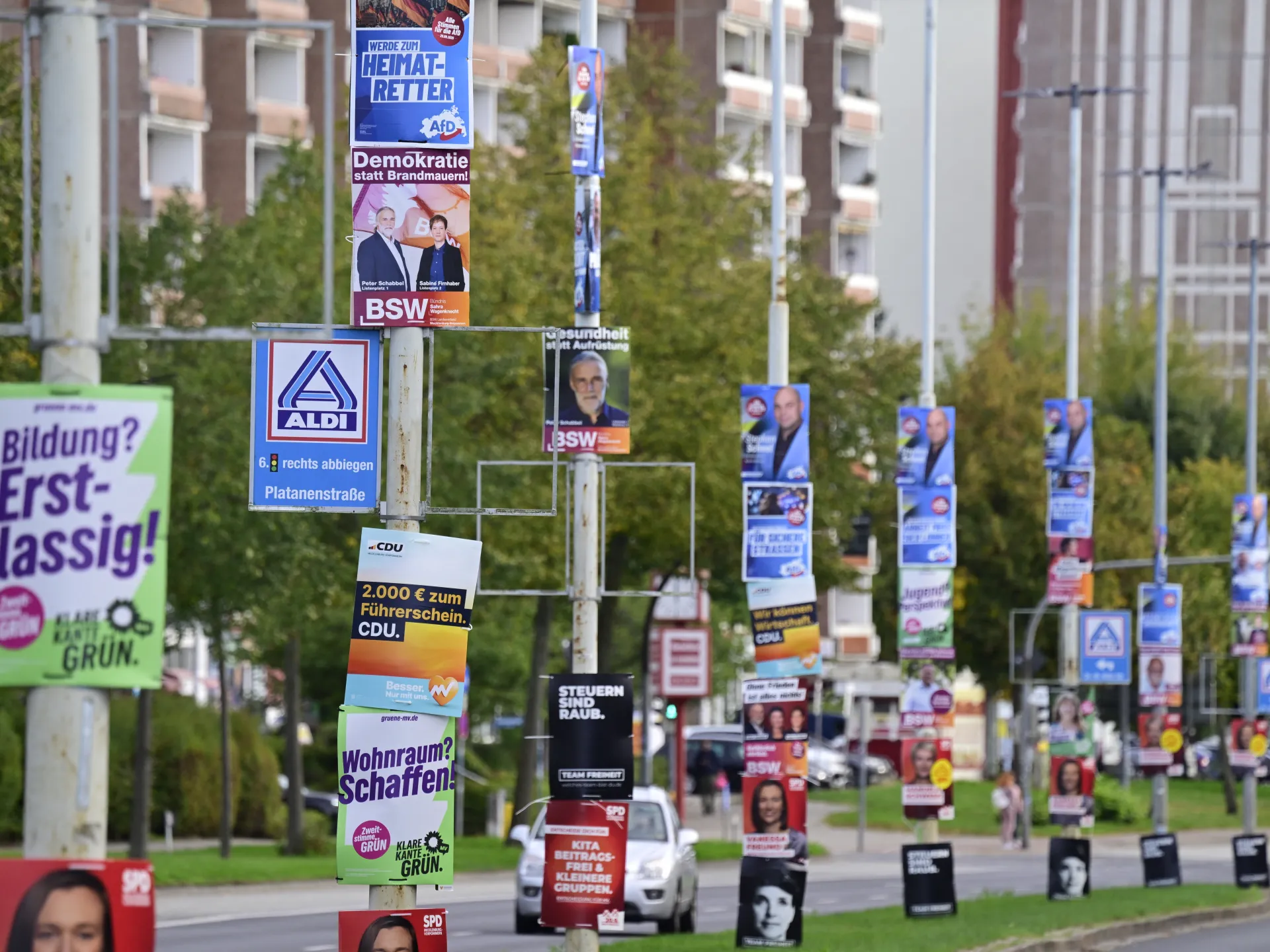
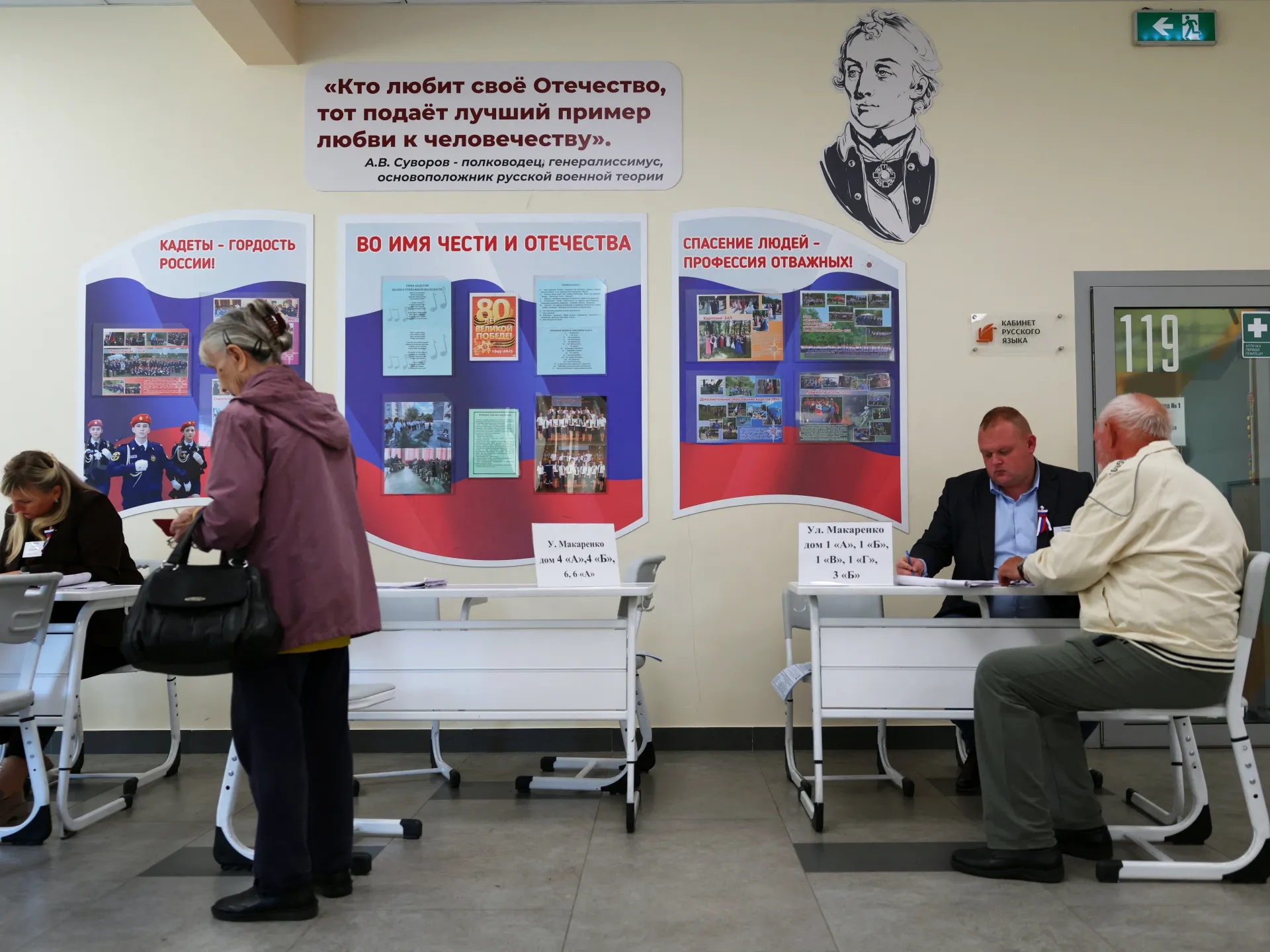
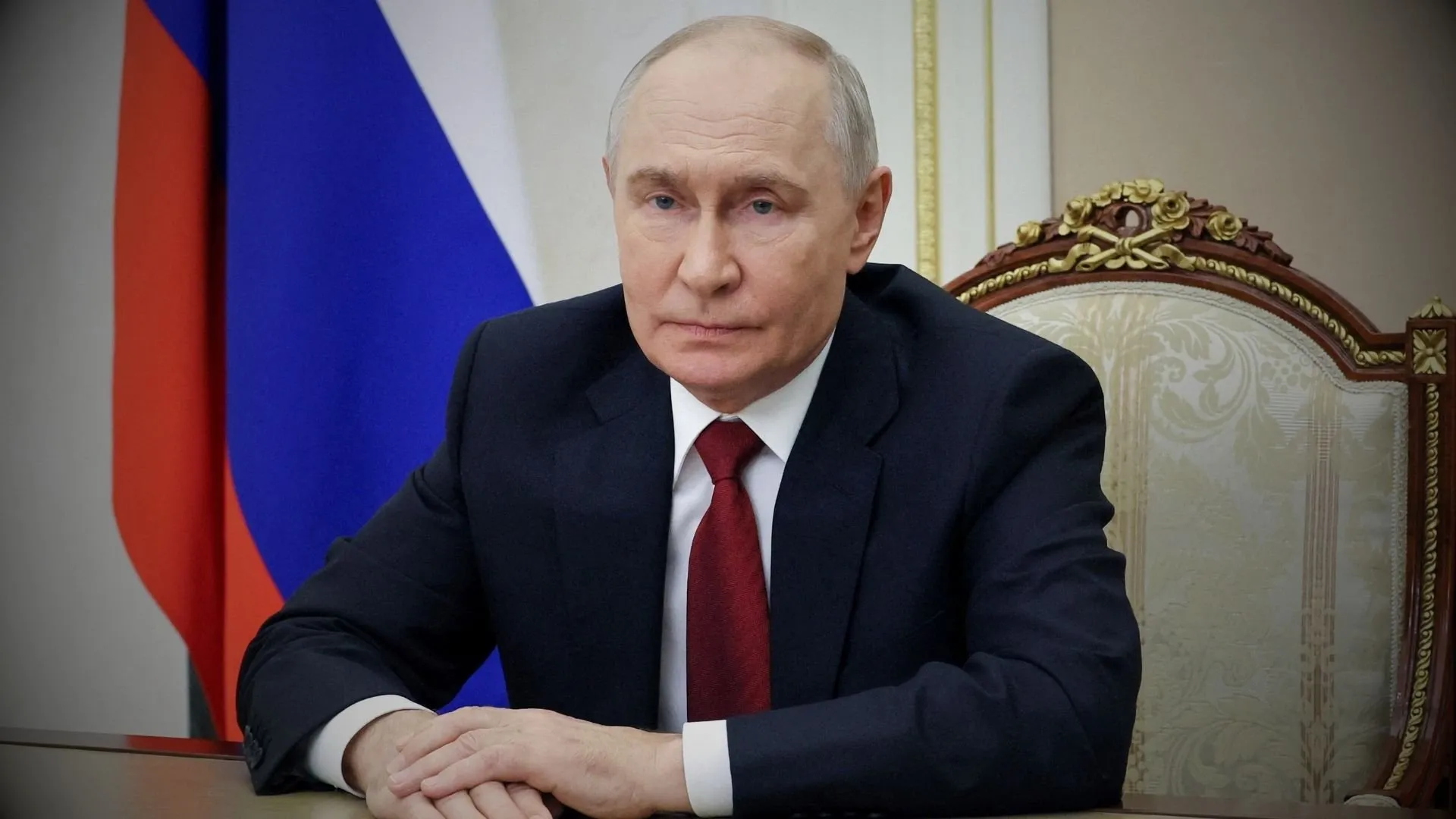
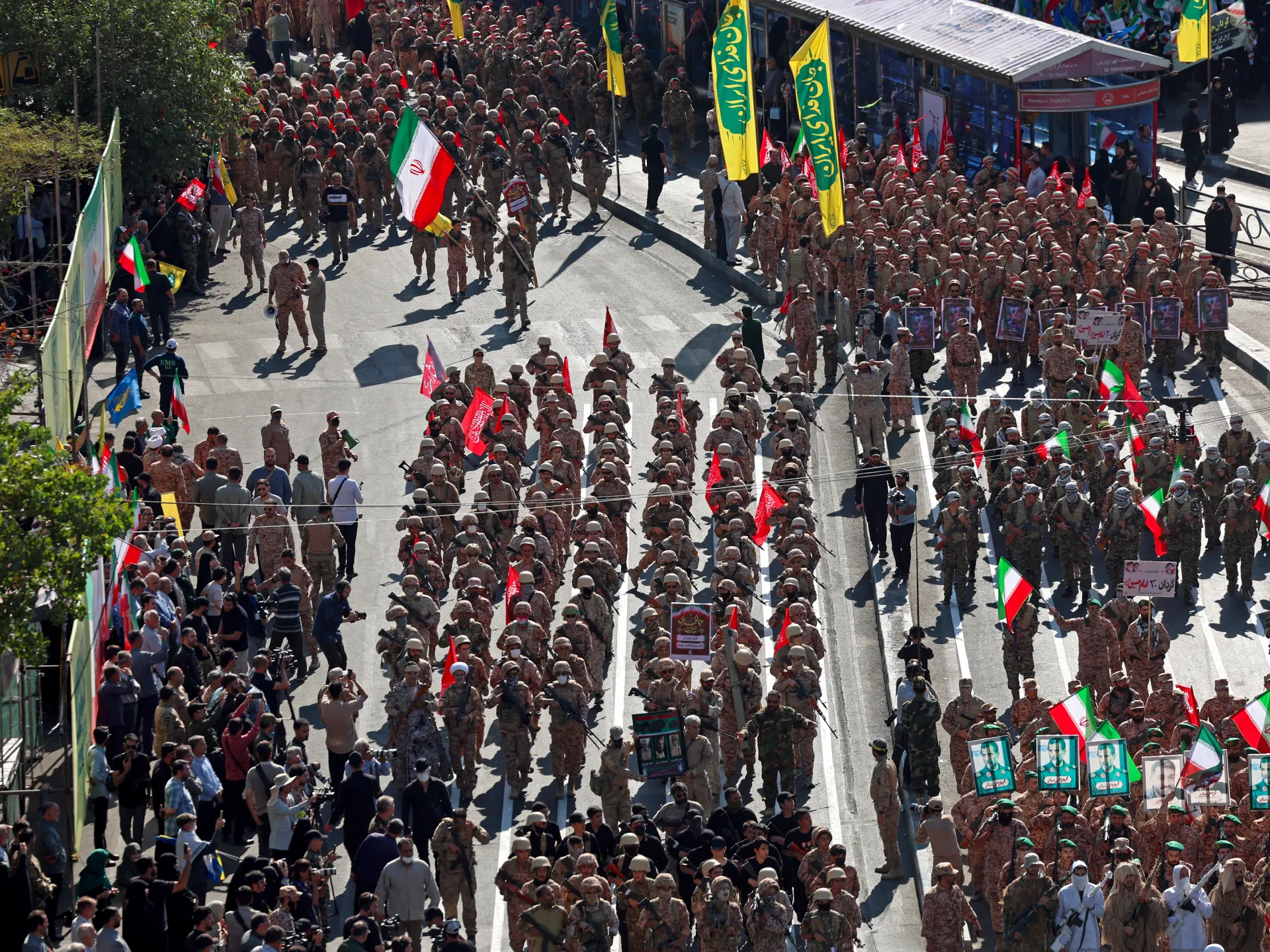
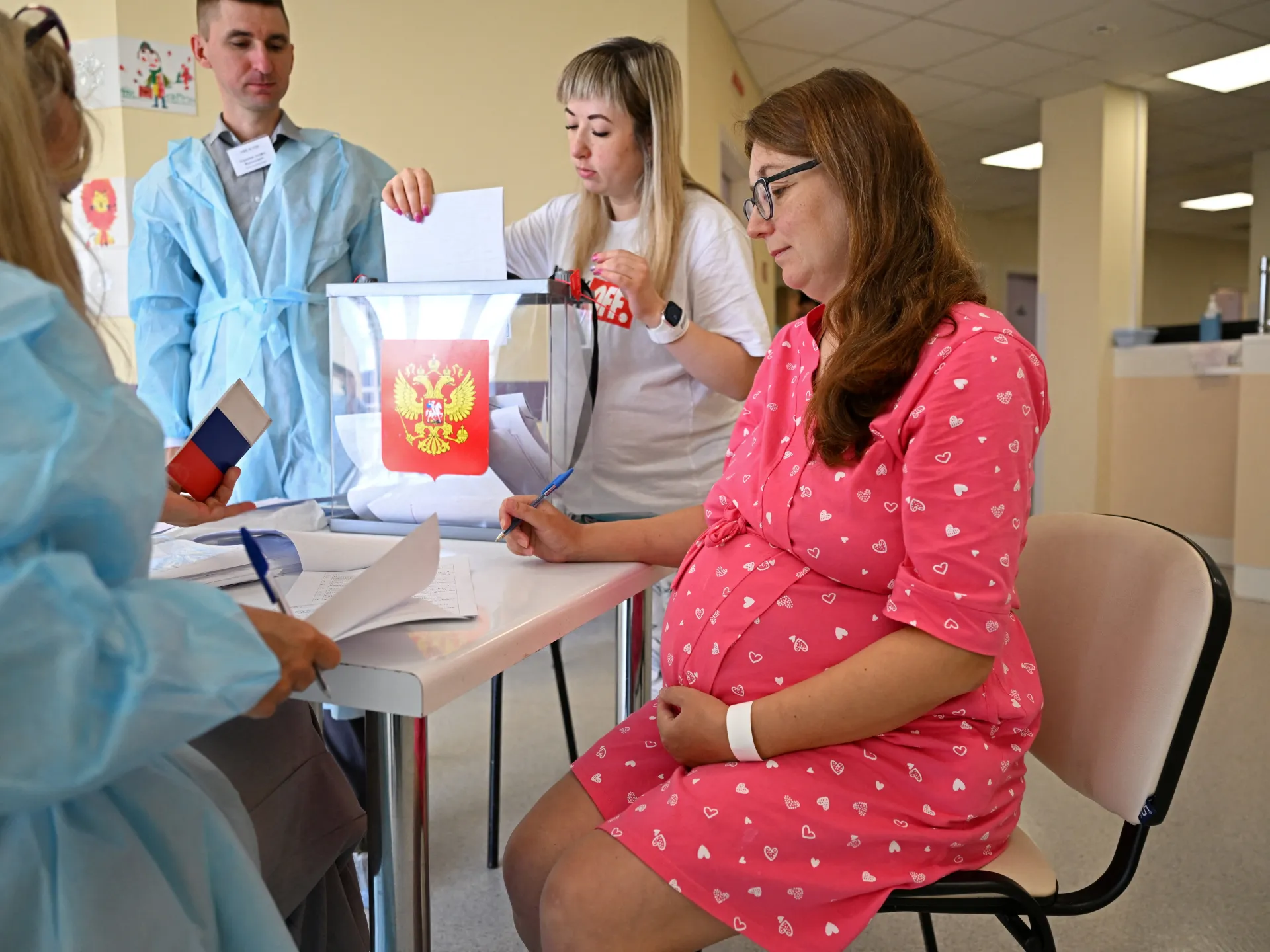
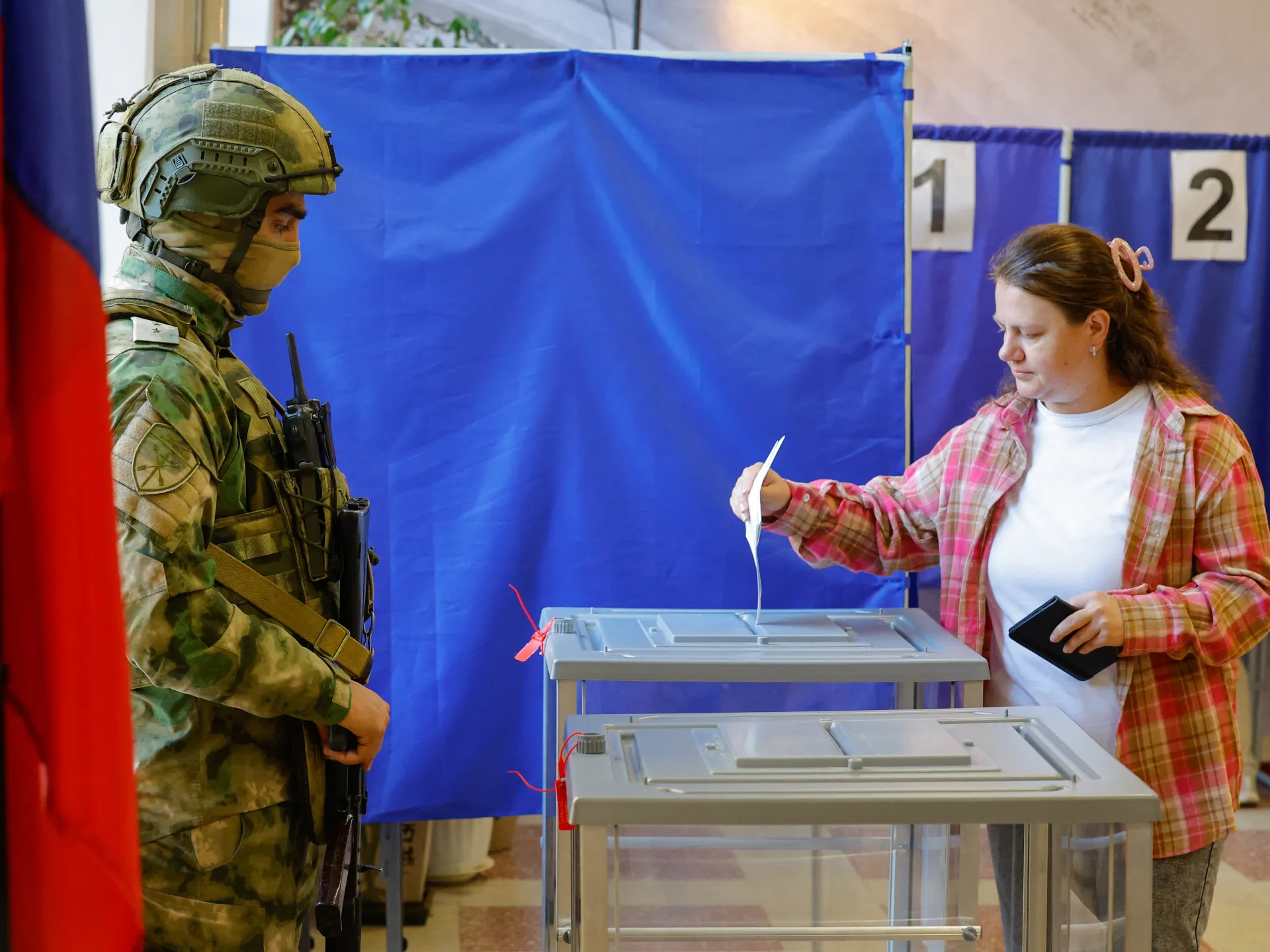
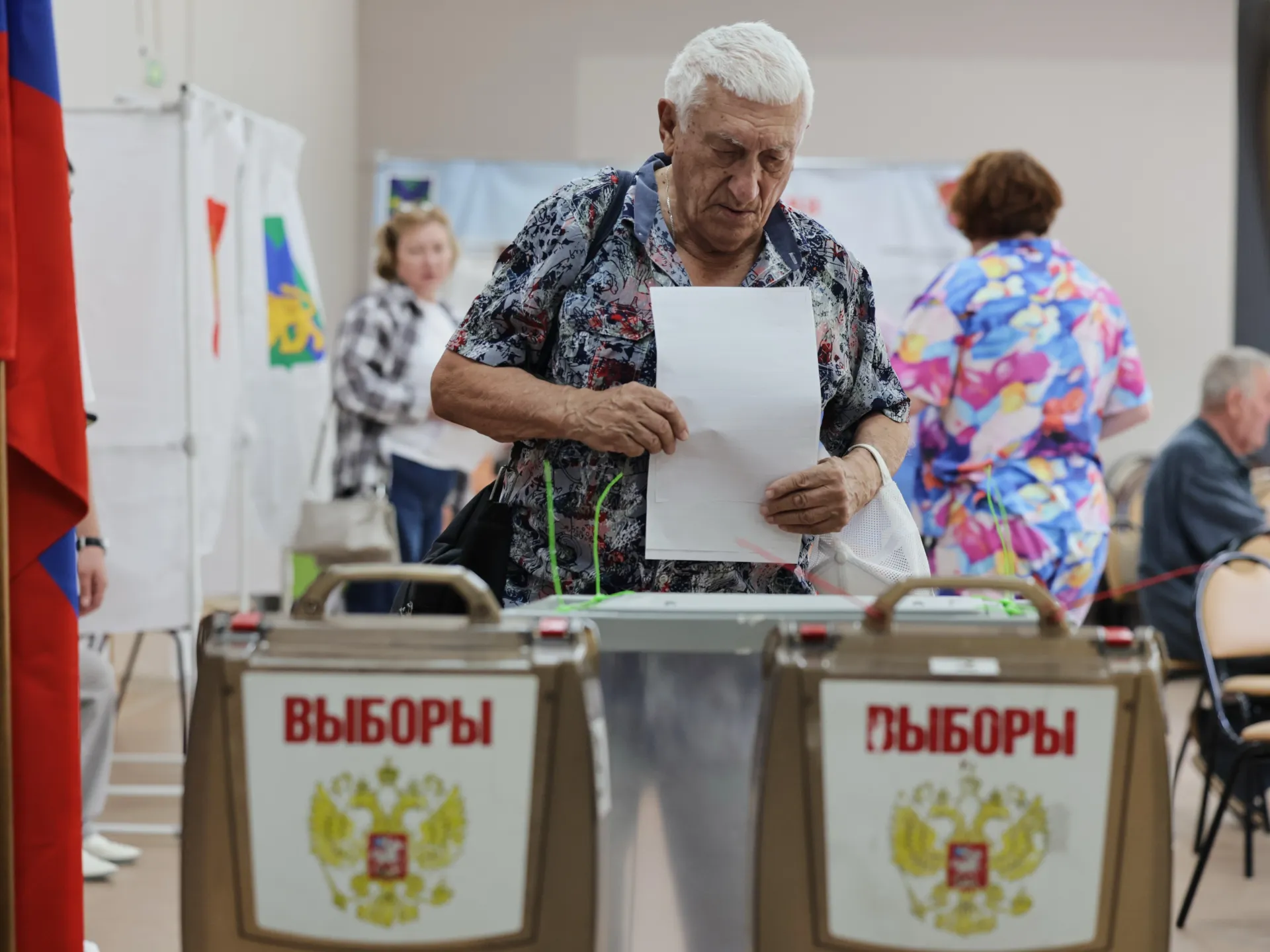
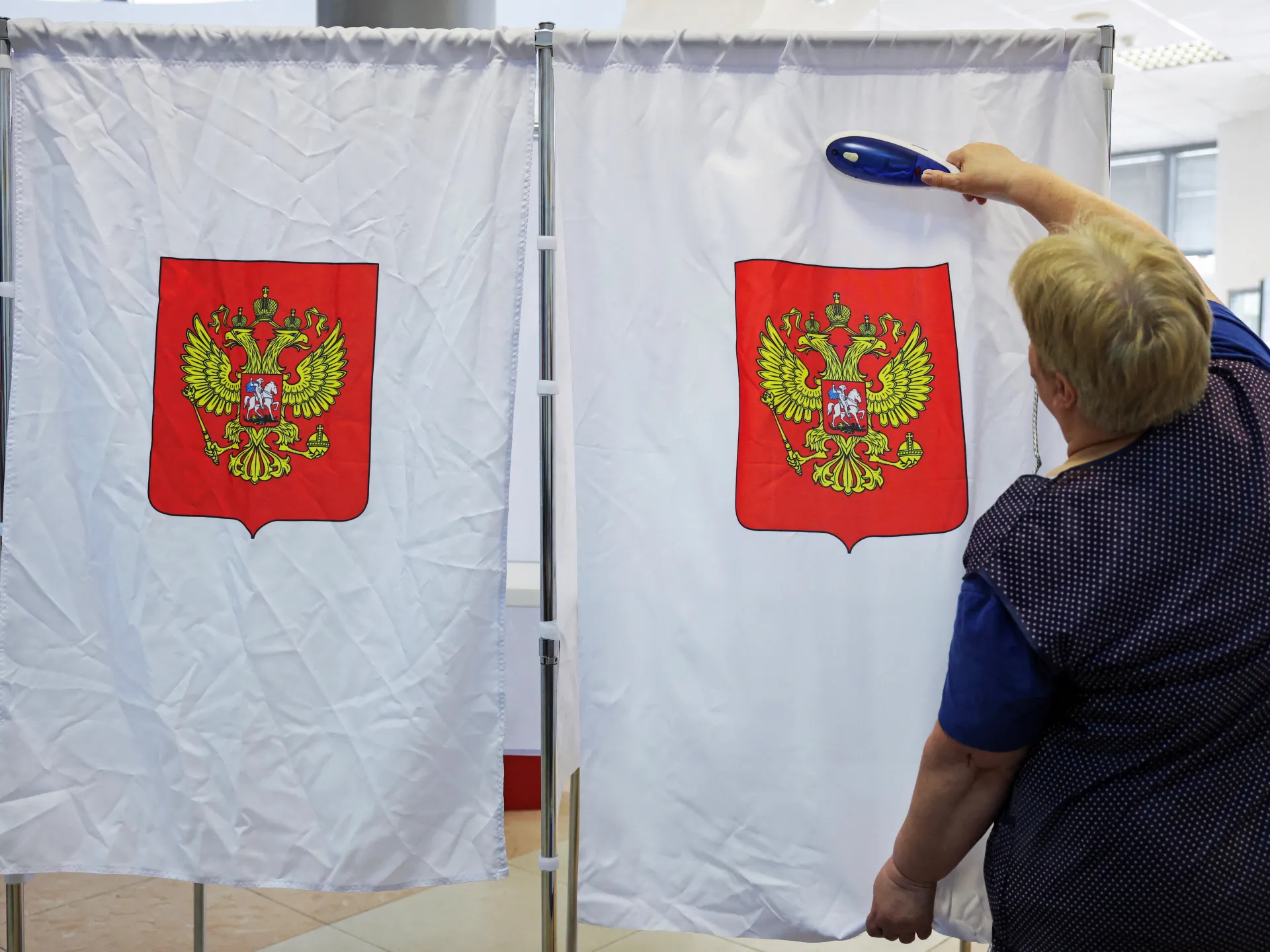
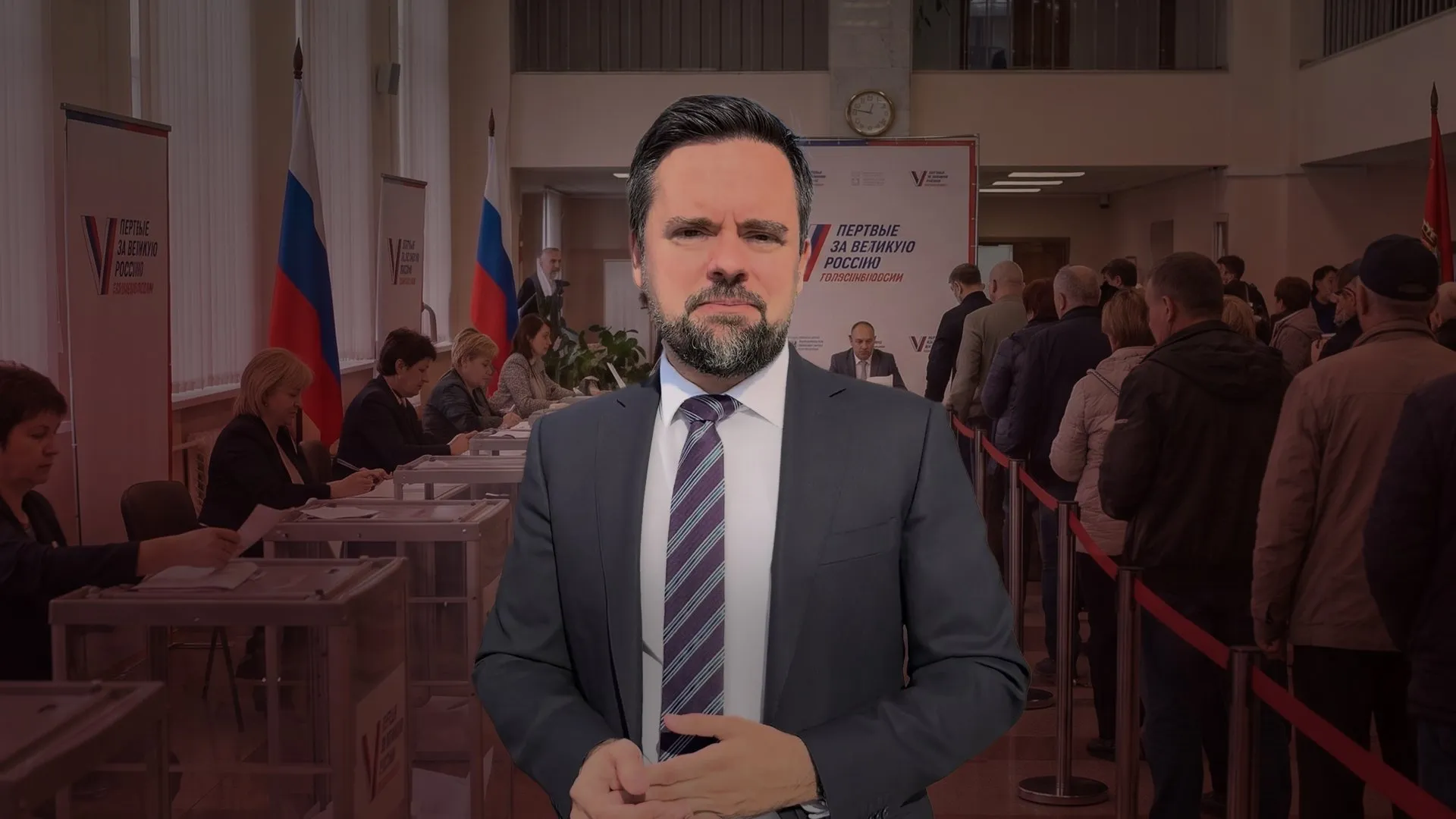
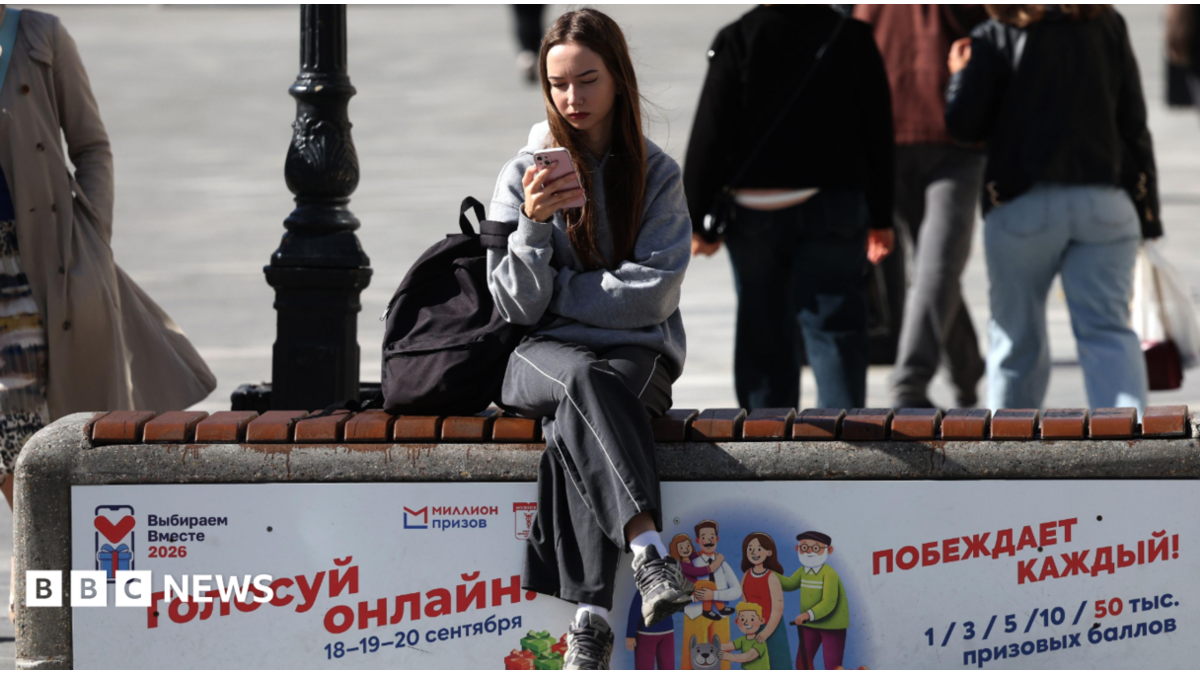
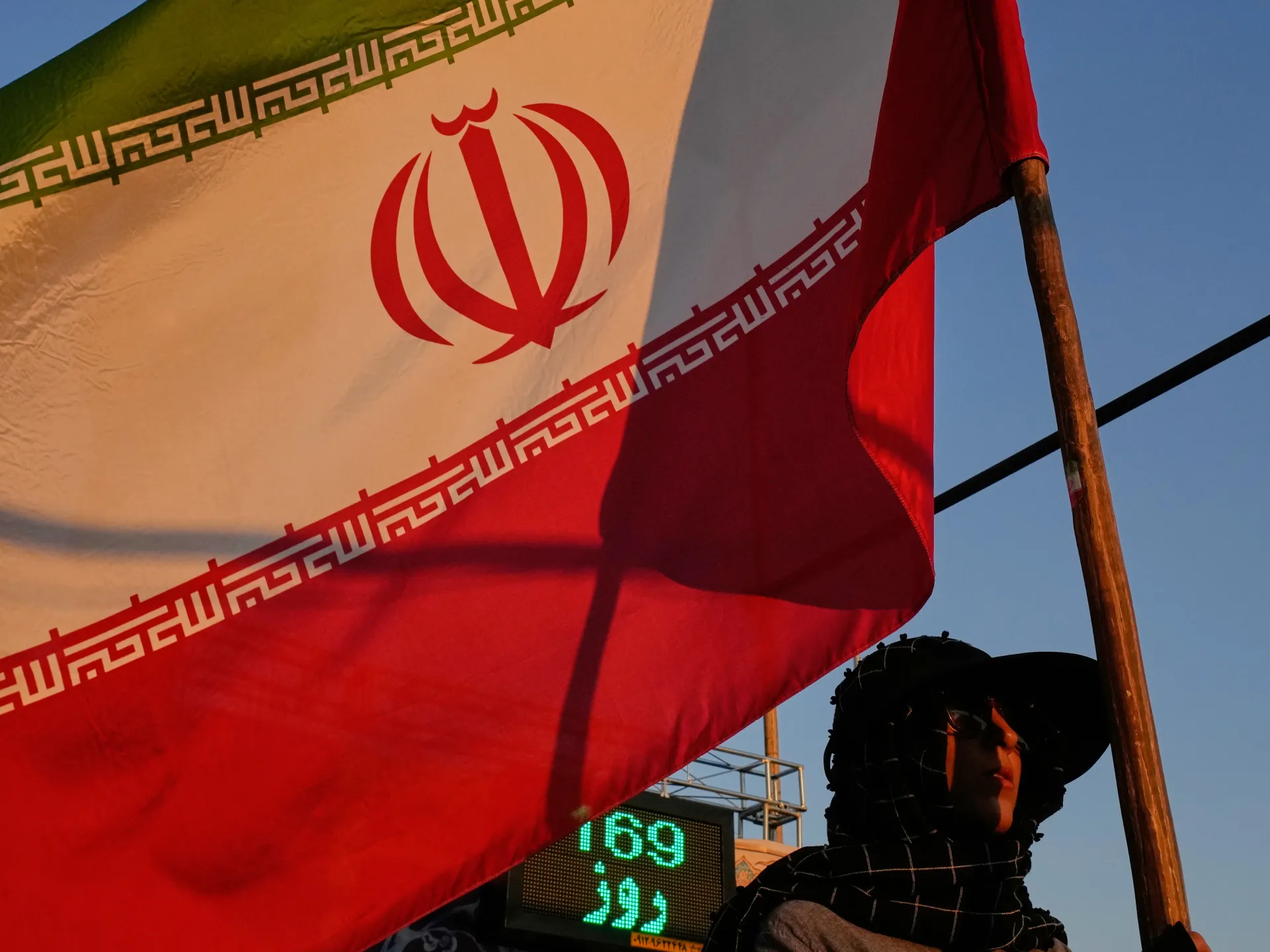
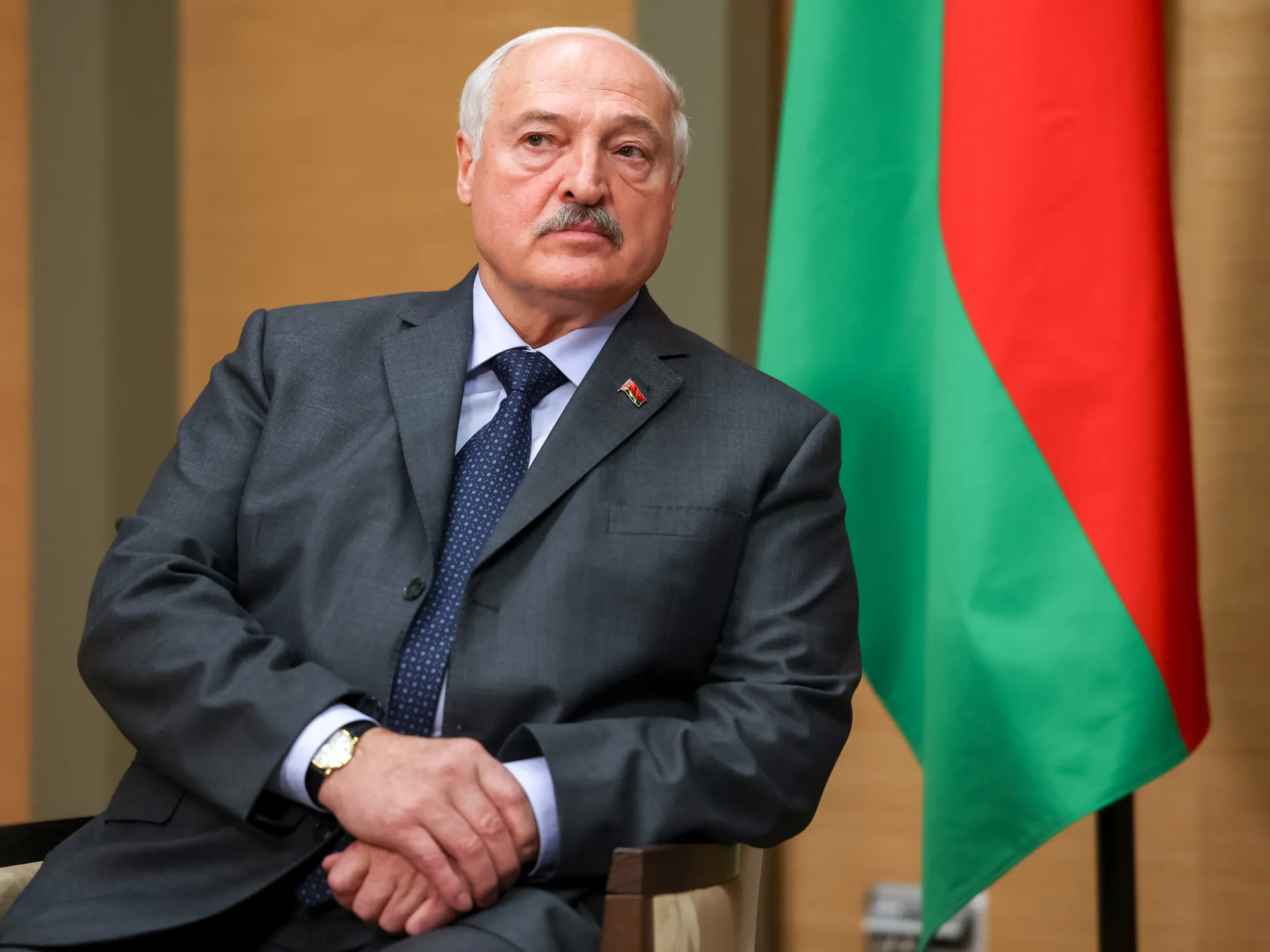
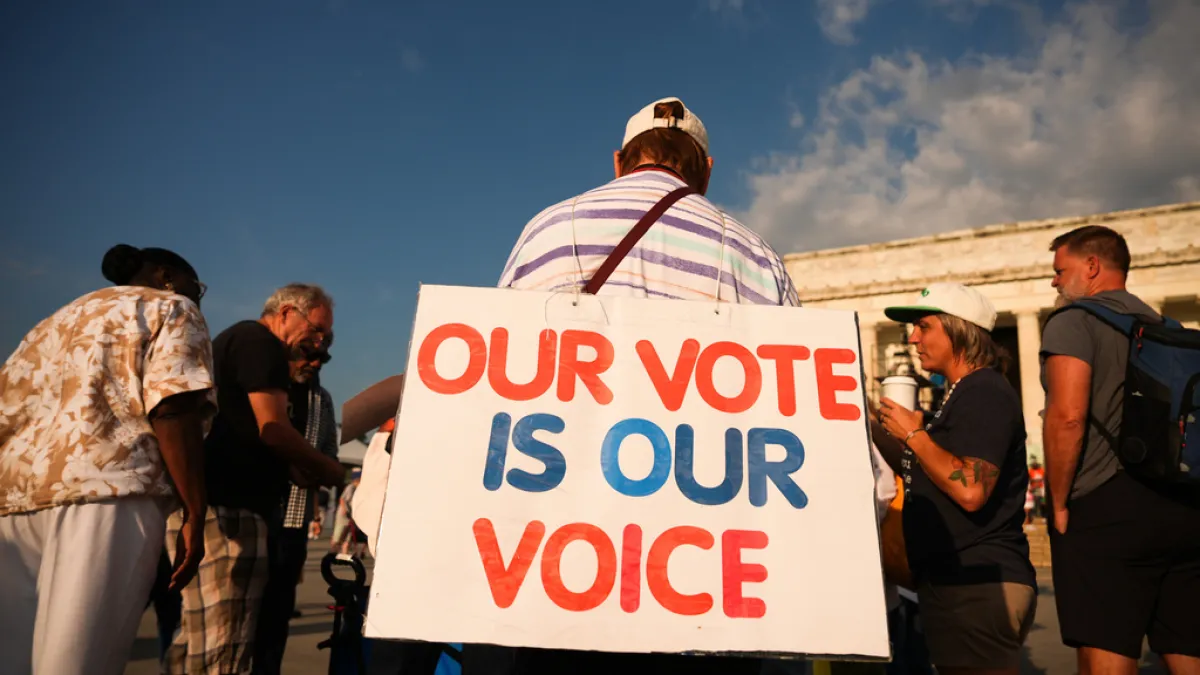
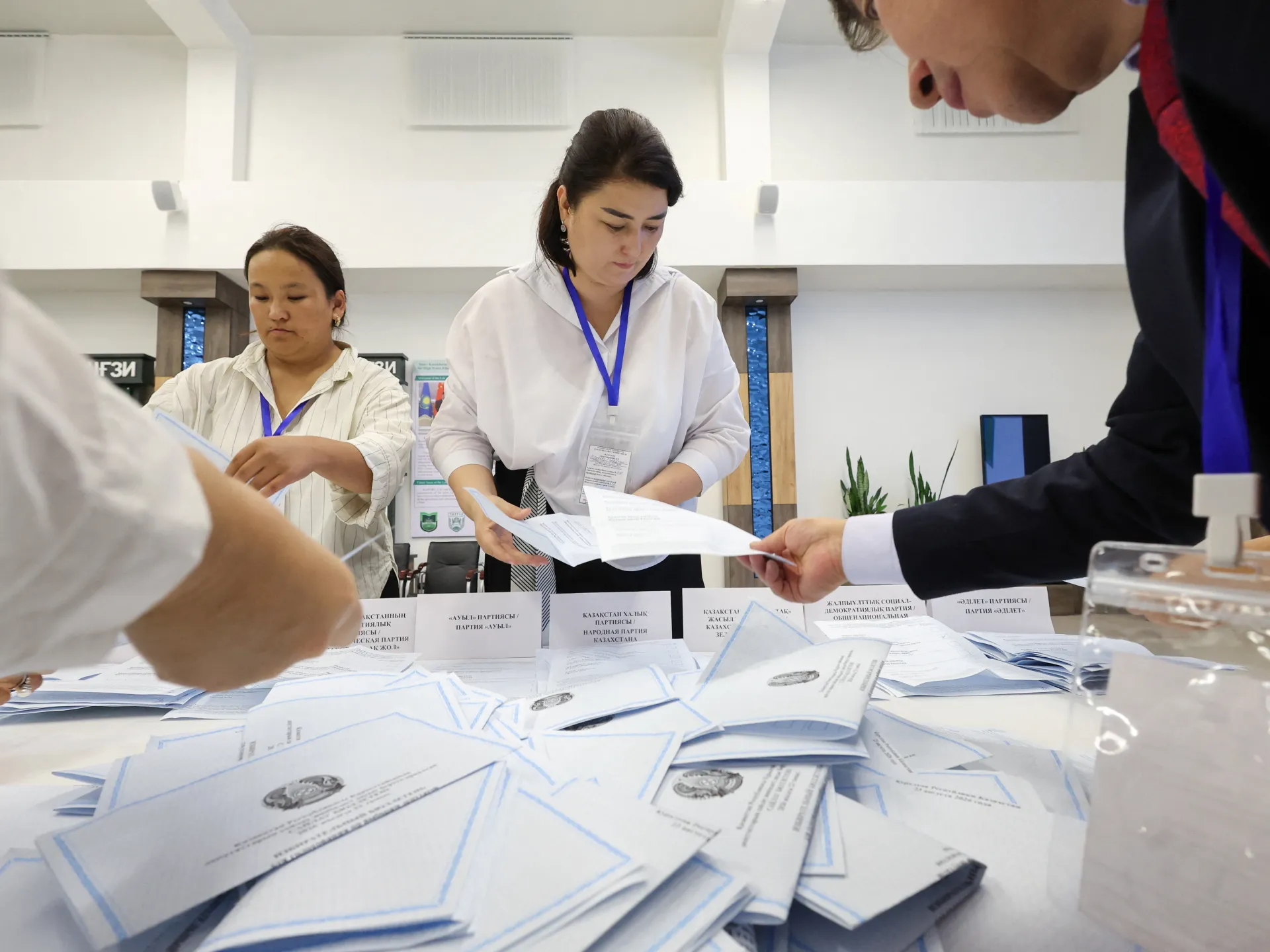
While Brazil navigates a competitive and unpredictable democratic process, the Russian Federation is preparing for a Duma election explicitly designed to avoid surprises. As the country marks four-and-a-half years of its full-scale invasion of Ukraine, the Kremlin is utilizing the parliamentary vote to codify political support for its "special military operation." The outcome is widely expected to secure a supermajority for United Russia, the party of power, which has already demonstrated total legislative alignment with the executive branch.
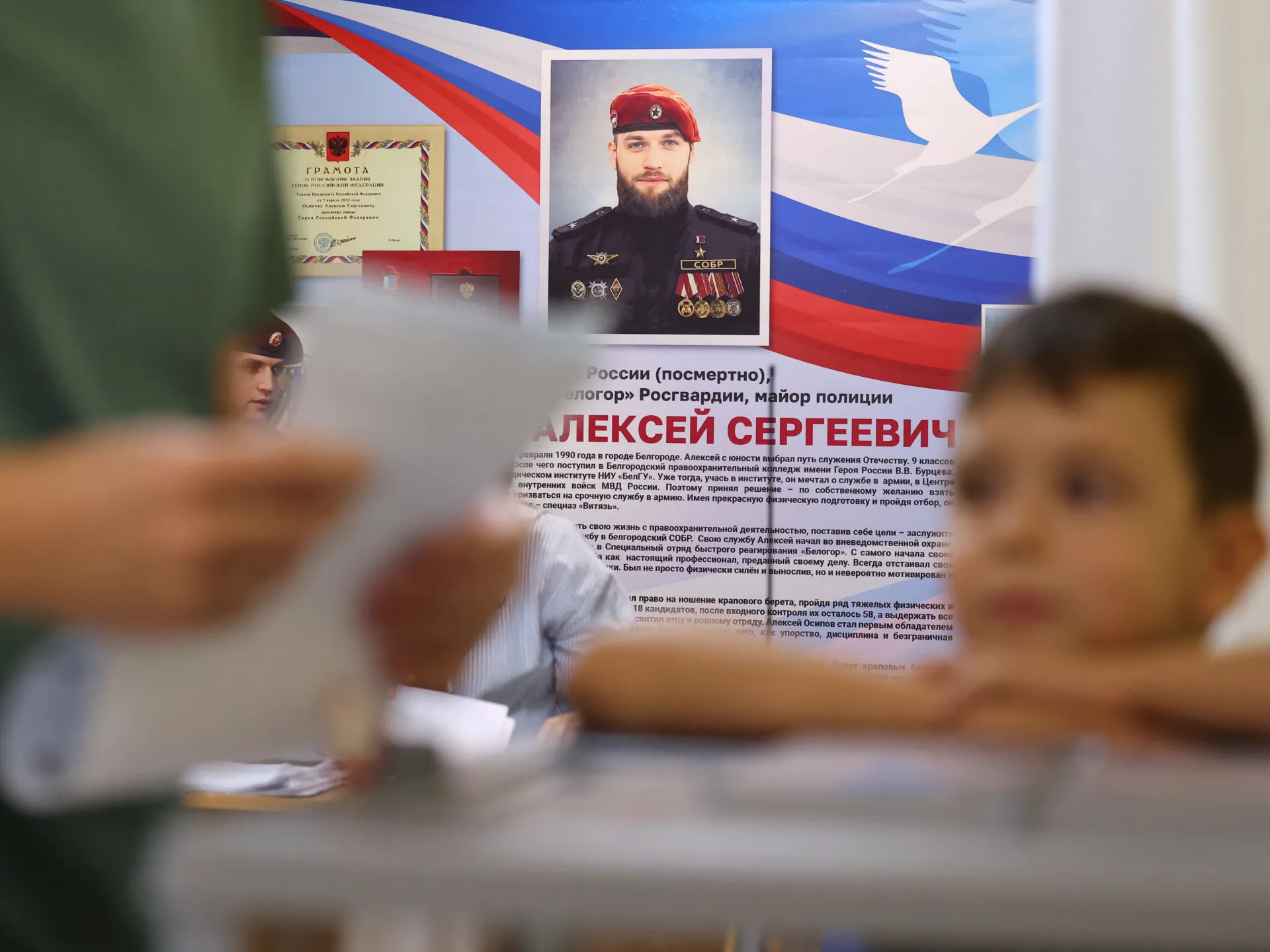
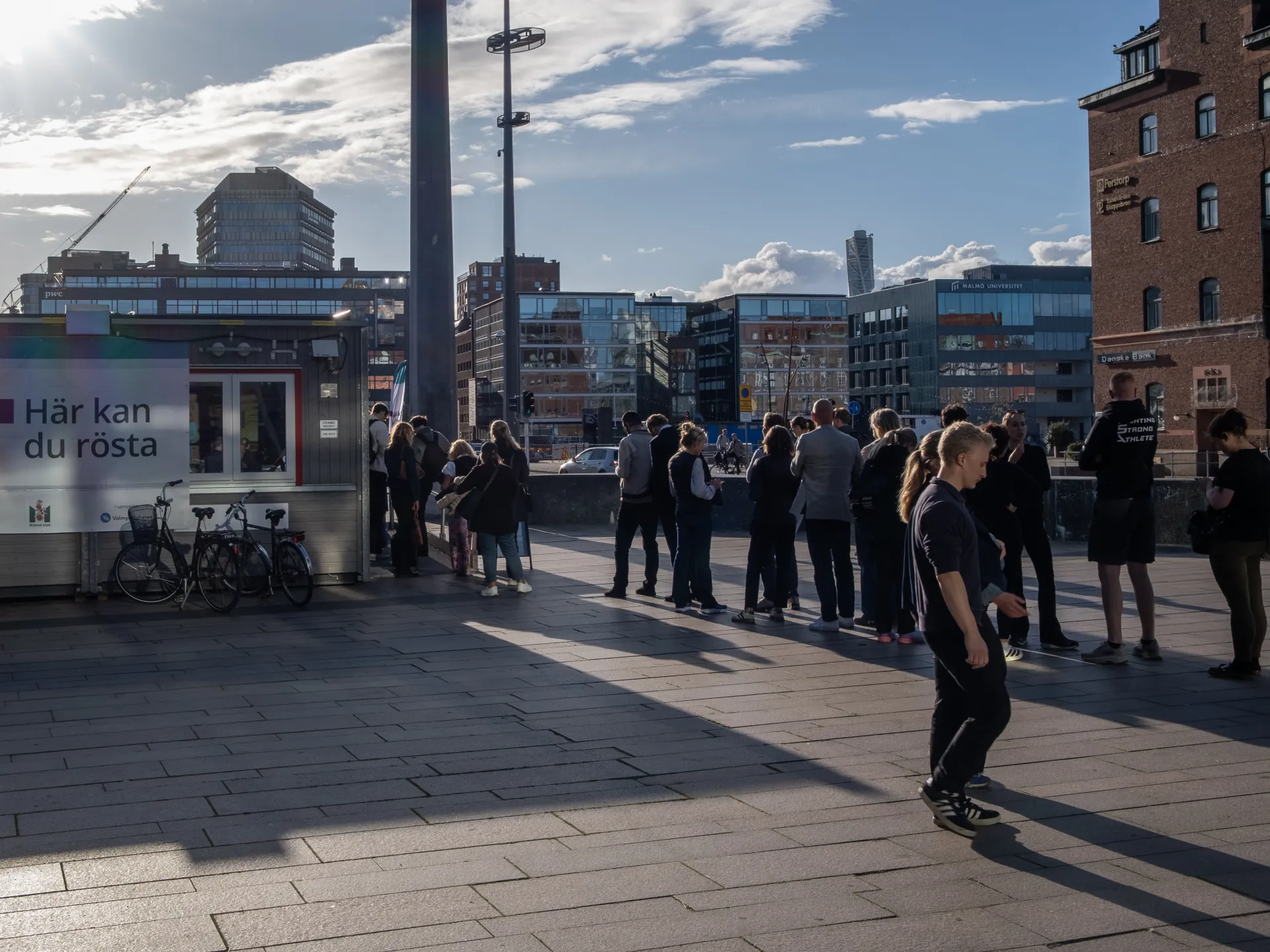
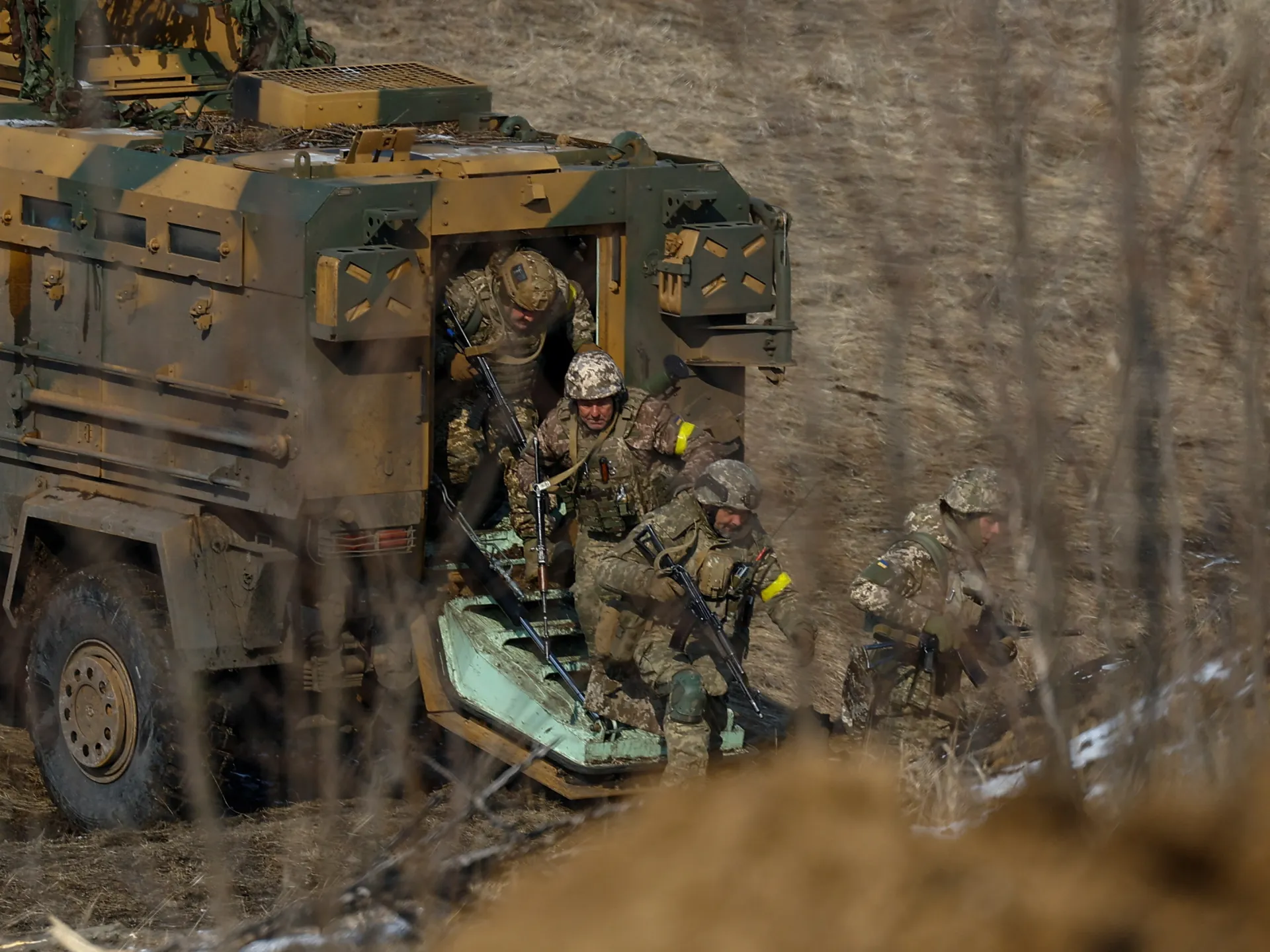
The state-managed process has been characterized ervers have noted that while some candidates attempt to engage voters through unconventional means—including musical manifestos or televised appearances at empty lecterns—the core legislative agenda remains fixed. According to Communist Party leader Gennady Zyuganov, the previous Duma session saw 100 percent agreement across all political parties regarding the 170 laws passed in support of the war effort. Furthermore, the Kremlin is actively promoting the candidacies of nearly 200 war veterans, effectively using the Duma to integrate military personnel into the state's political bureaucracy.
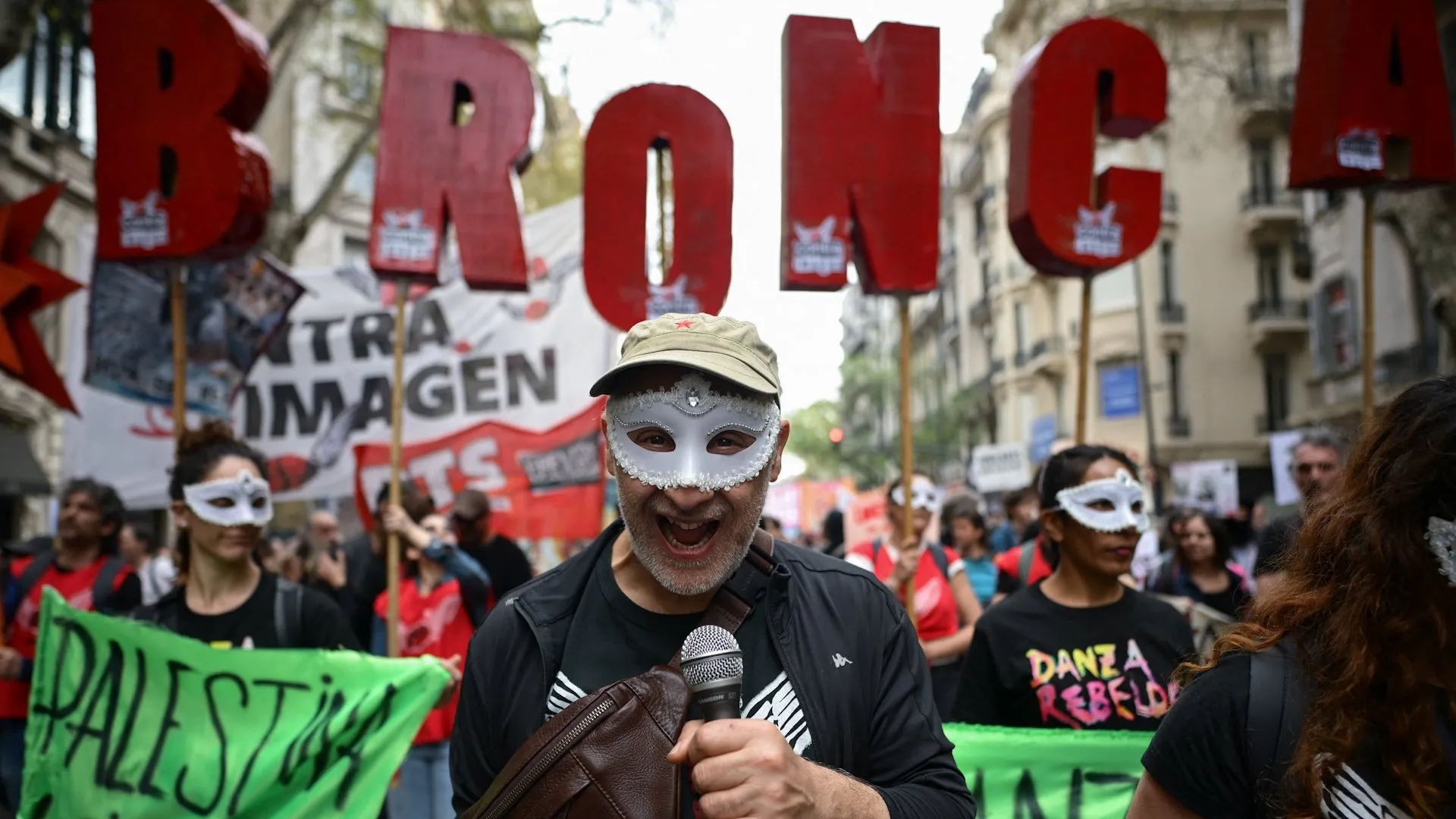
In Brazil, the period leading up to the October 4 election will likely be defined stical ties, analysts expect the discourse to intensify around Brazil’s economic sovereignty and its strained relationship with the United States. Should the race remain this close, the legitimacy of the electoral process may become a central point of contention, particularly if supporters of the Bolsonaro movement challenge the judicial decisions that sidelined the former president.
For Russia, the post-election period will almost certainly reinforce the current trajectory of the state. With a Duma composed of members firmly committed to the Kremlin’s platform, there is zero probability of legislative pushback on foreign policy or war-related expenditures. The focus will likely shift to how the newly elected veterans are distributed across administrative roles, signaling a permanent shift in Russia’s internal power structure toward those with direct battlefield experience.