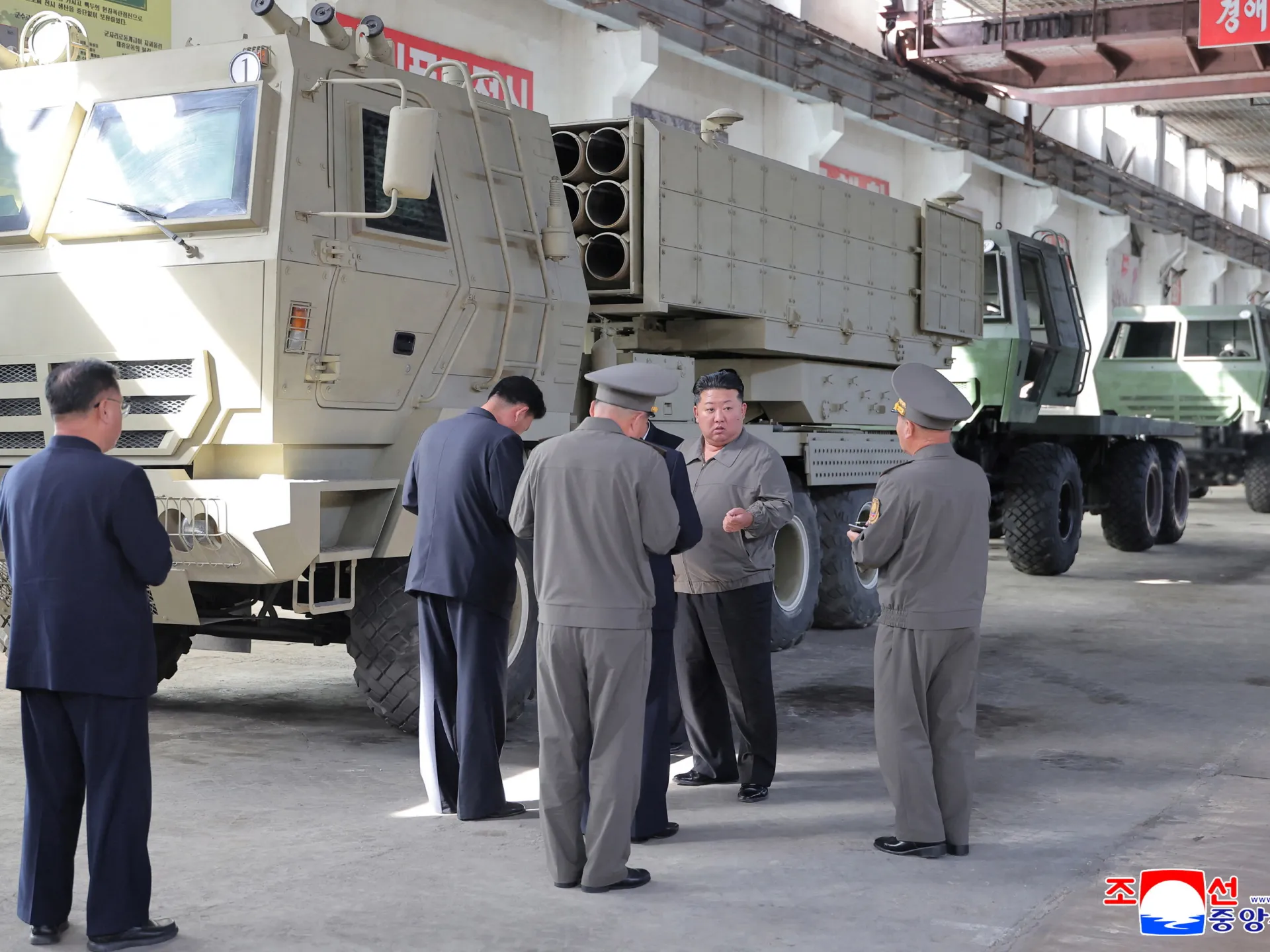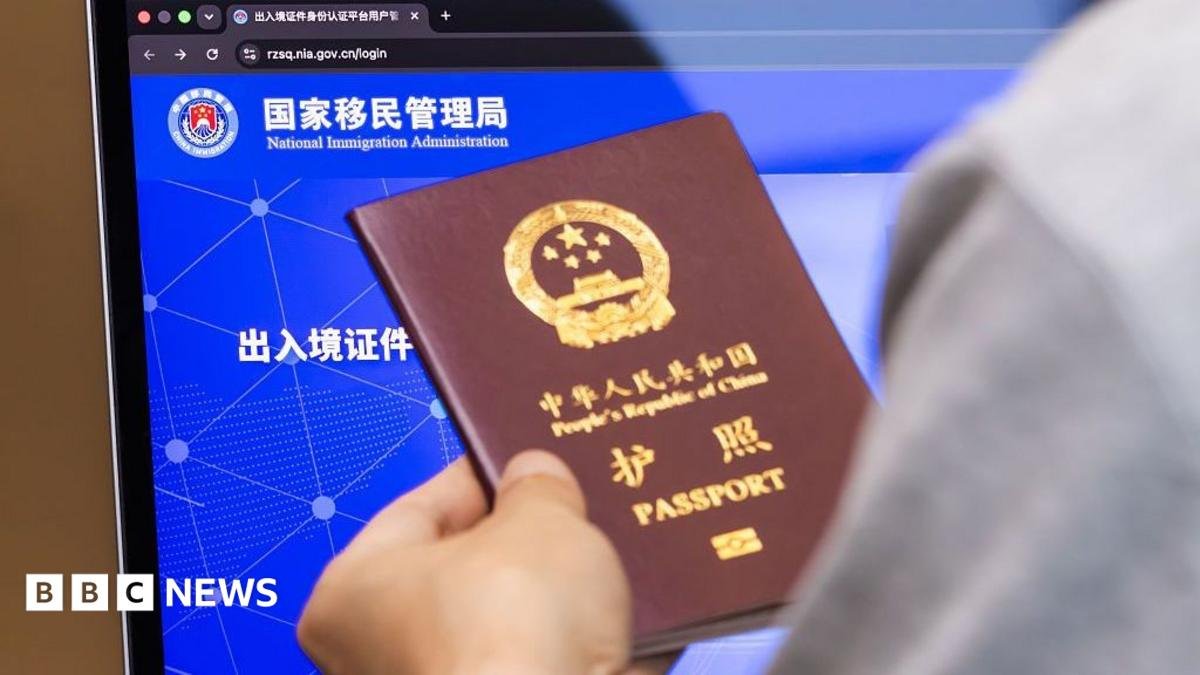
The Chinese Communist Party has expelled two top military generals over allegations of corruption and disloyalty, significantly altering the structure of the nation’s supreme command.
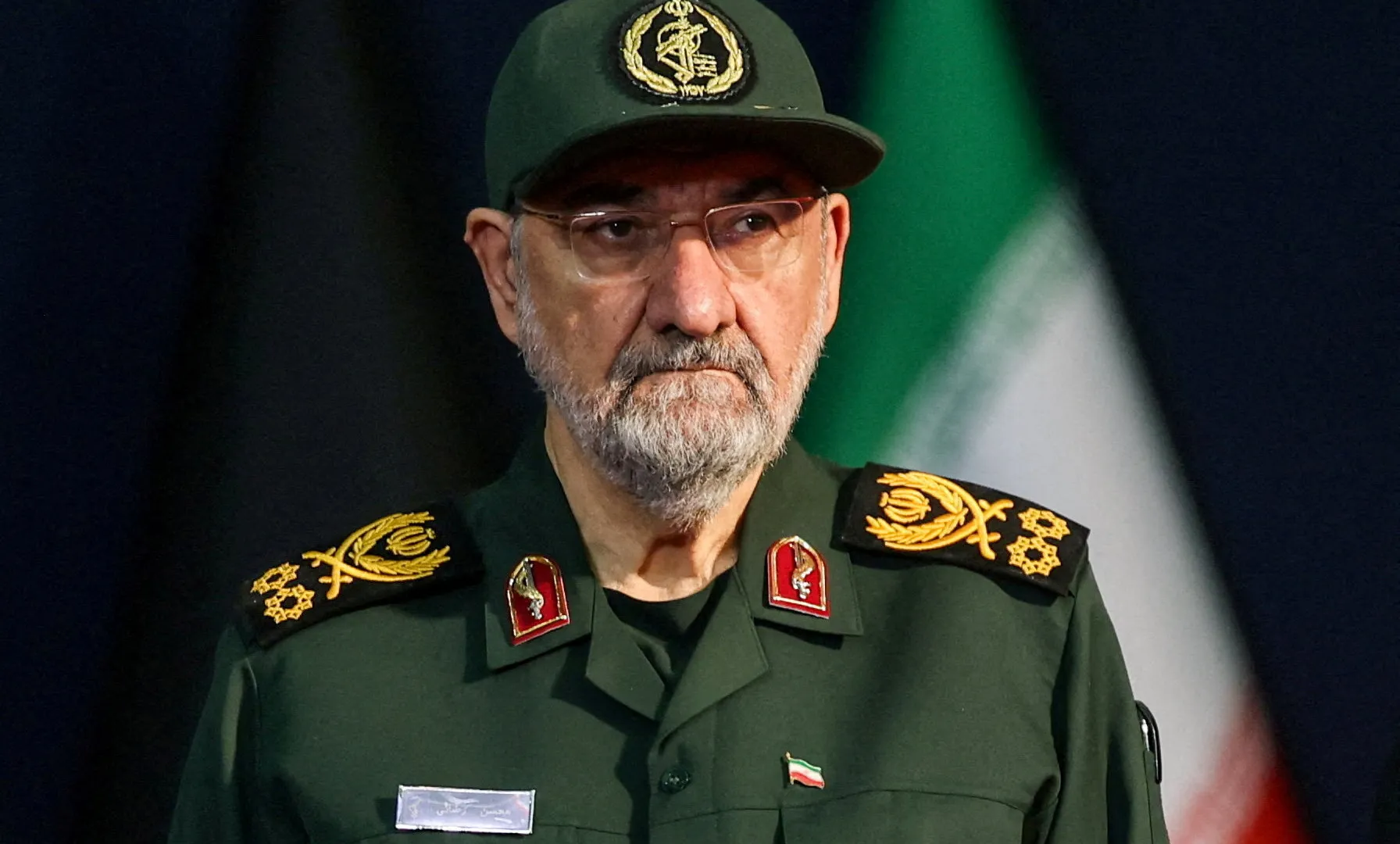
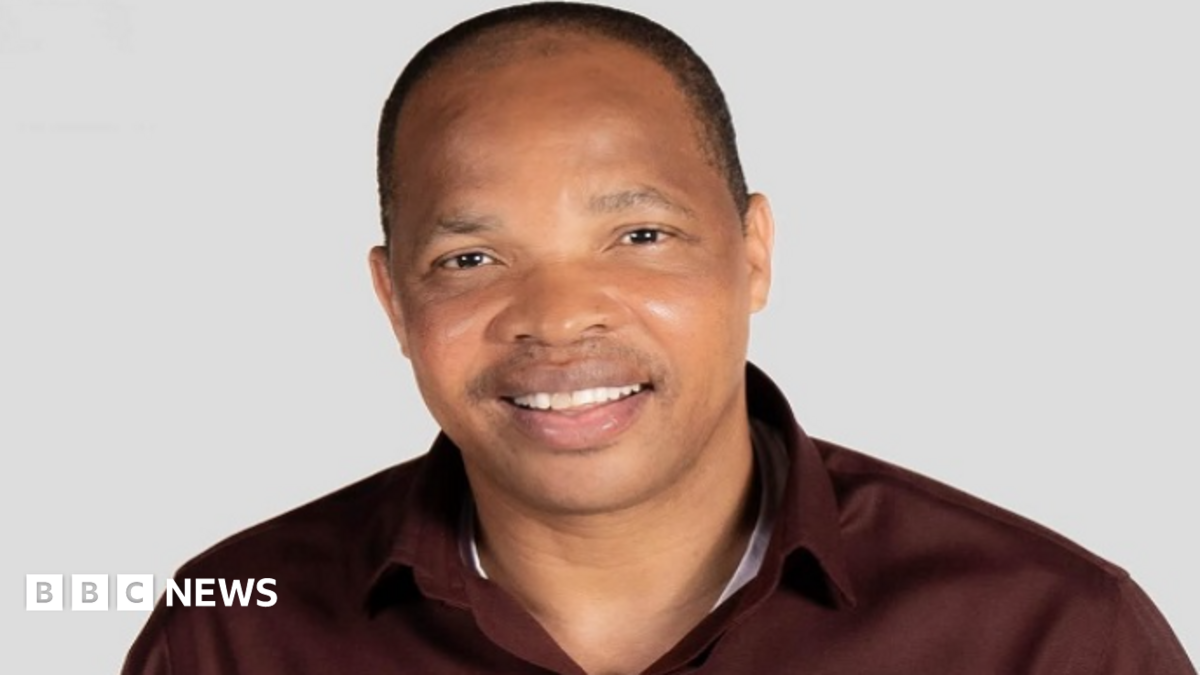
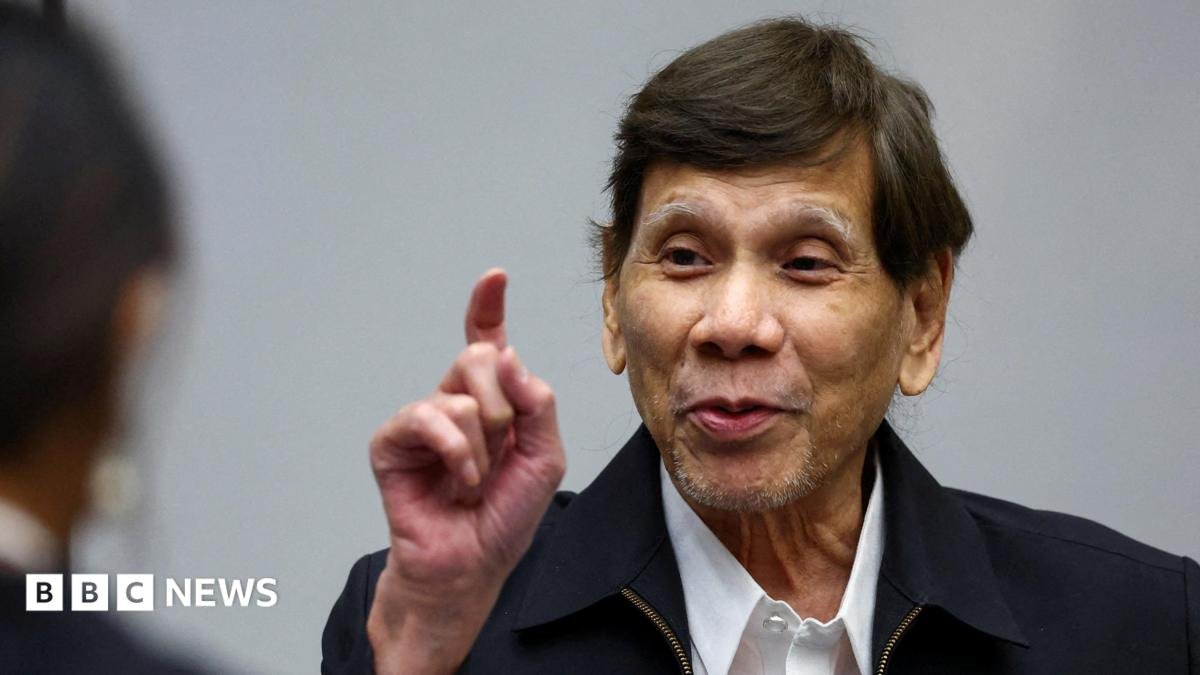
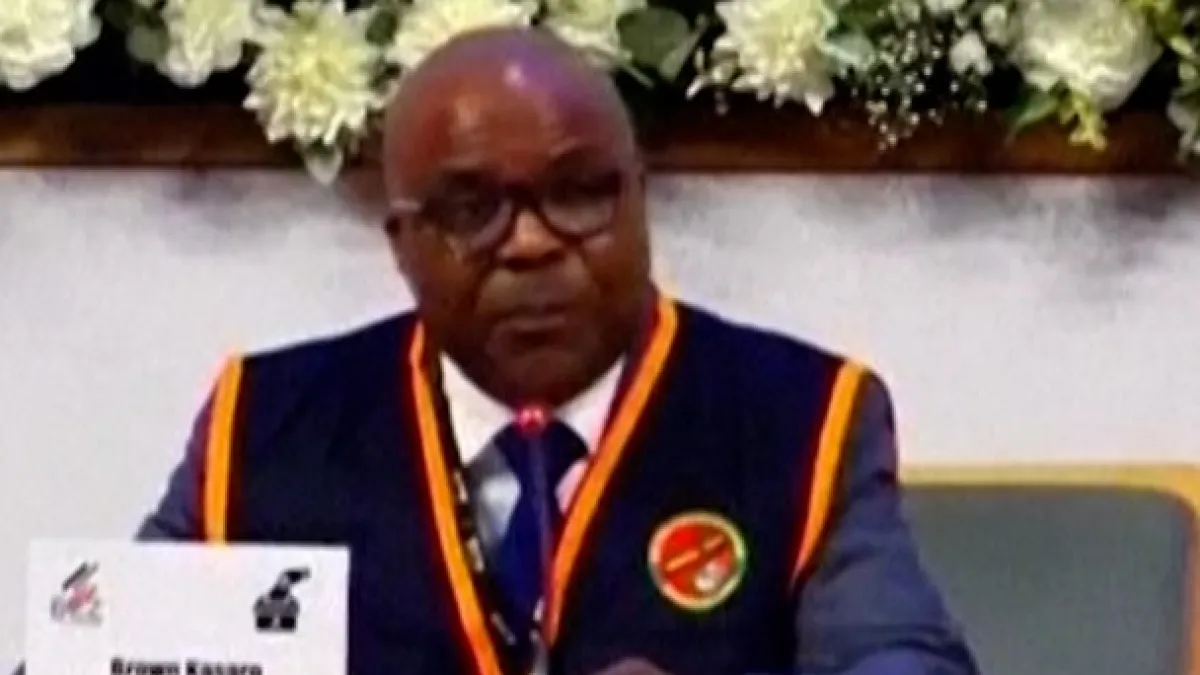
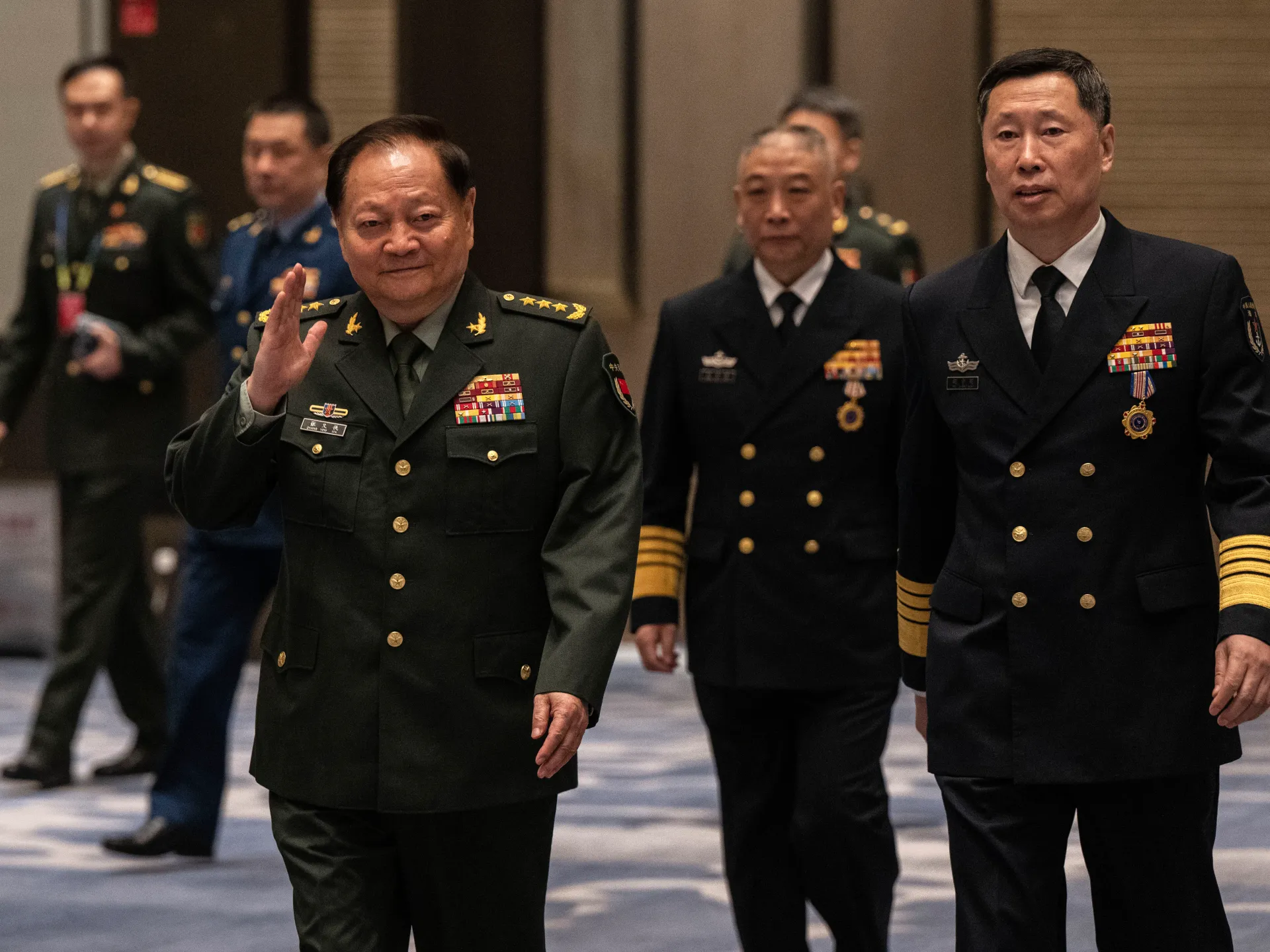
The Chinese Communist Party has taken the significant step of expelling two of its most prominent military leaders, Zhang Youxia and Liu Zhenli, following allegations of serious misconduct and political disloyalty. The formal expulsion, announced rive that has reshaped the upper echelons of the People’s Liberation Army (PLA) and the party hierarchy.
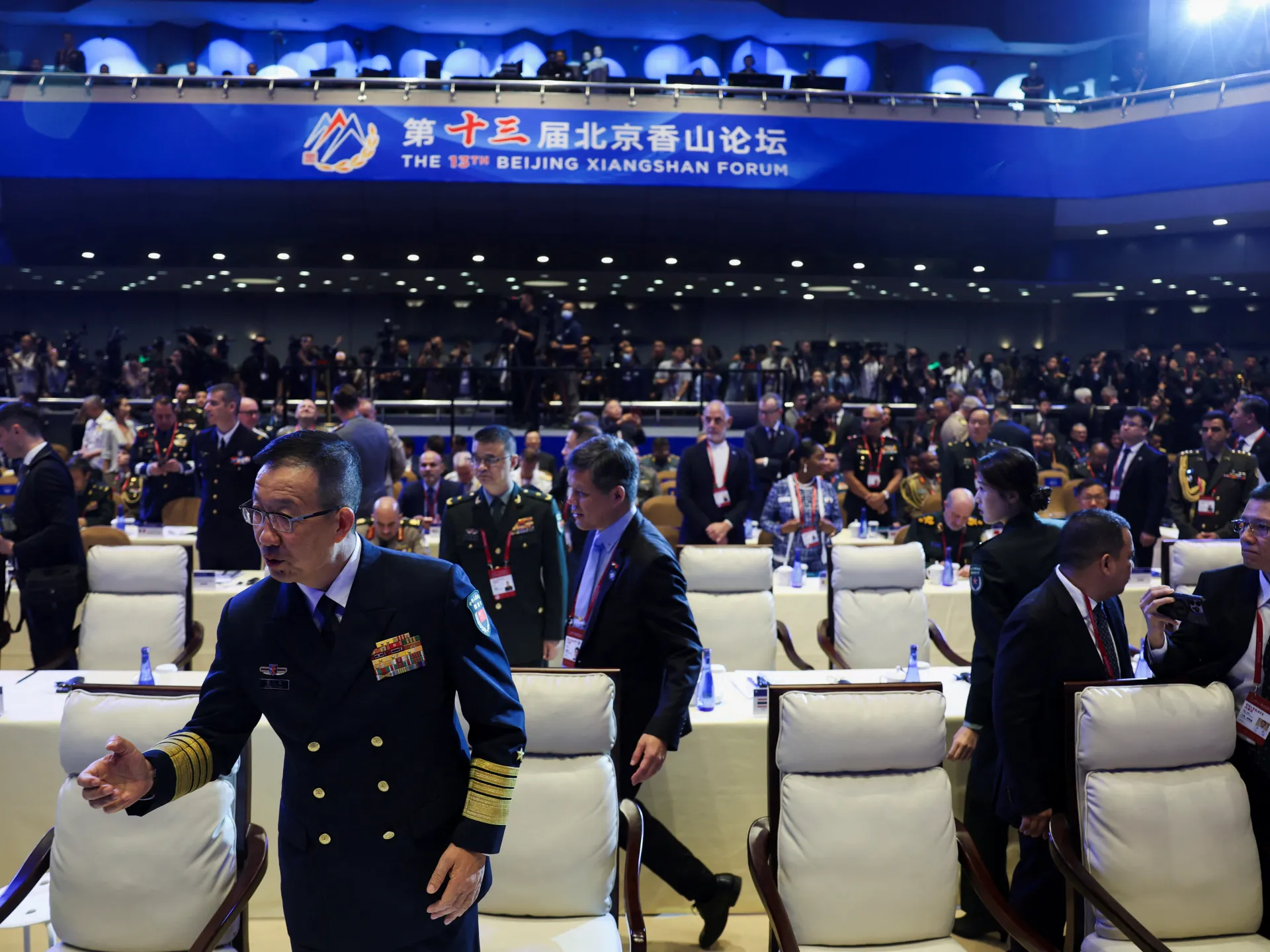
Official reports indicate that both men violated party discipline, engaged in the formation of illicit political factions, and acted in a manner deemed disloyal to the leadership. While specific criminal acts have not been disclosed, the removal of Zhang—who previously served as the second-in-command of the Central Military Commission (CMC)—represents one of the most high-profile shakeups within the Chinese military in decades.
The sudden removal of such high-ranking officials sends a clear signal regarding the state of internal governance within the Chinese military. ally, the party is demonstrating that no individual, regardless of their proximity to the center of power, is immune to the anti-corruption mandate. This shift suggests that the criteria for remaining in power have transitioned from personal loyalty to strict adherence to party doctrine and institutional stability. Furthermore, e party has created a power vacuum that necessitates an urgent restructuring of the country’s supreme command body, potentially signaling a period of internal consolidation before upcoming international meetings.
The expulsion of Zhang and Liu is not an isolated event but rather the latest iteration of a years-long purge that has swept through the military and state bureaucracy. Since the initiation of the campaign, thousands of officials have faced investigation, with several high-ranking figures, including former Defence Minister Li Shangfu, removed from their posts. These actions have been framed wth of shadow power structures, or "cliques," within the armed forces.
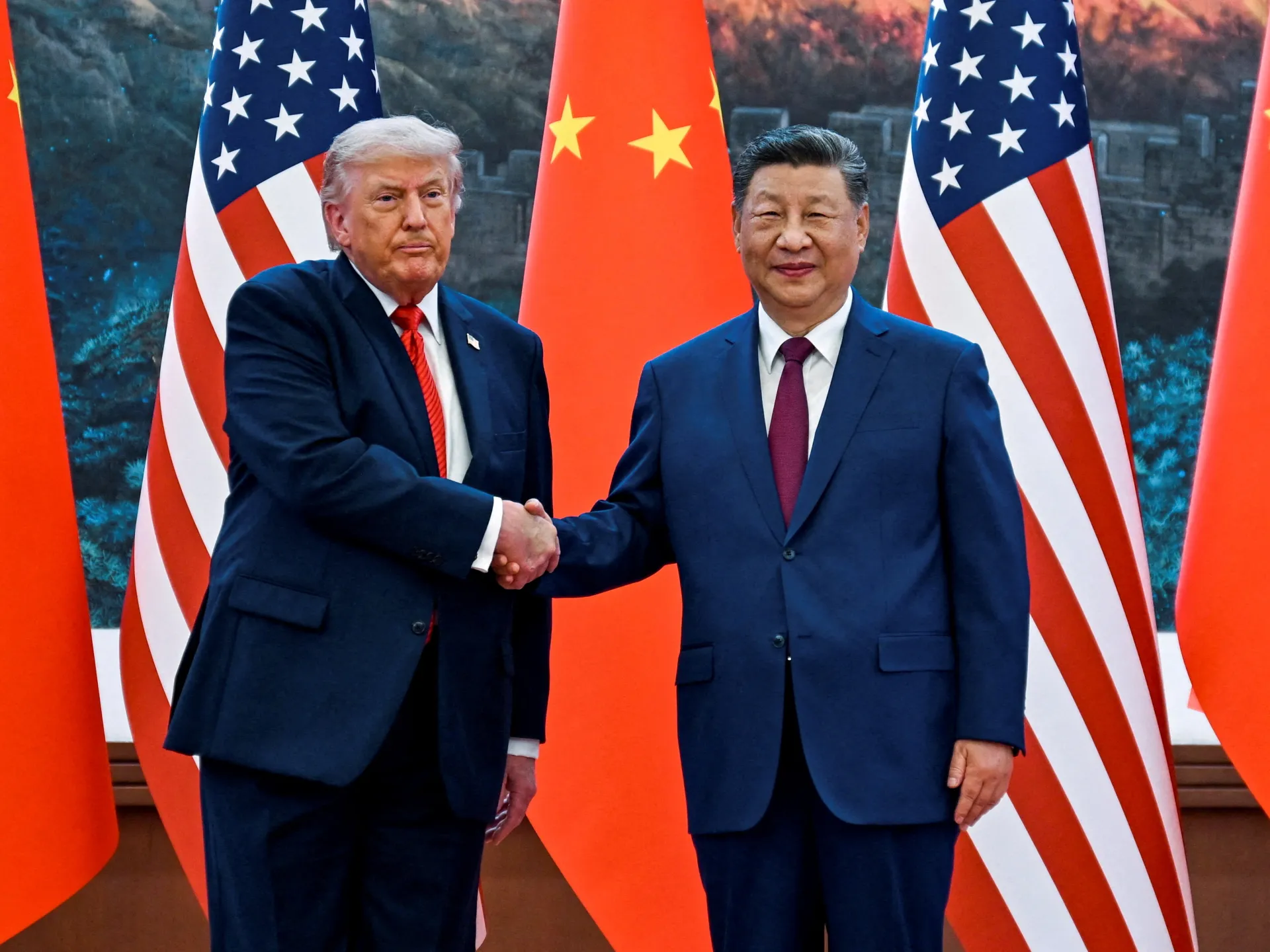
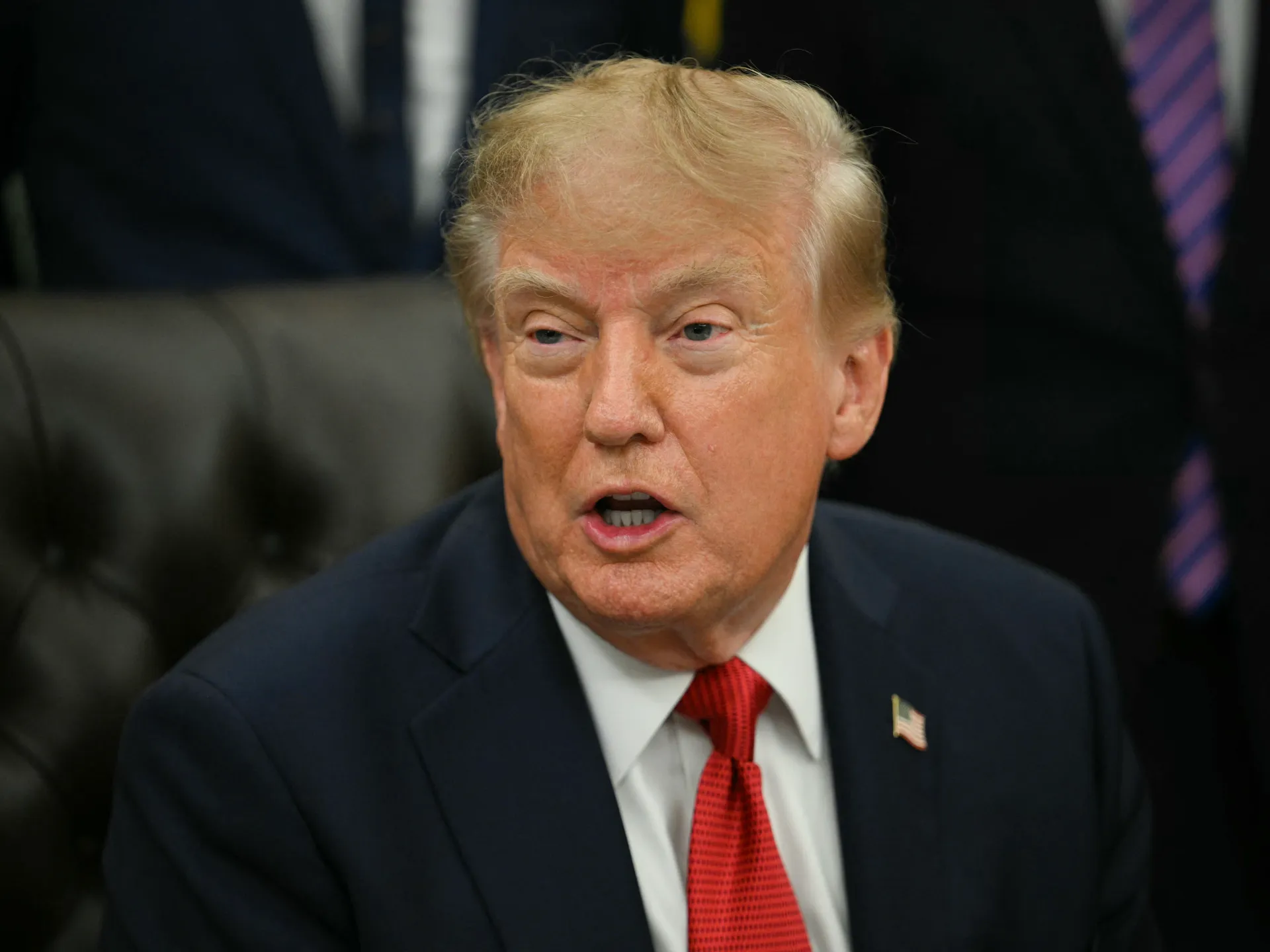
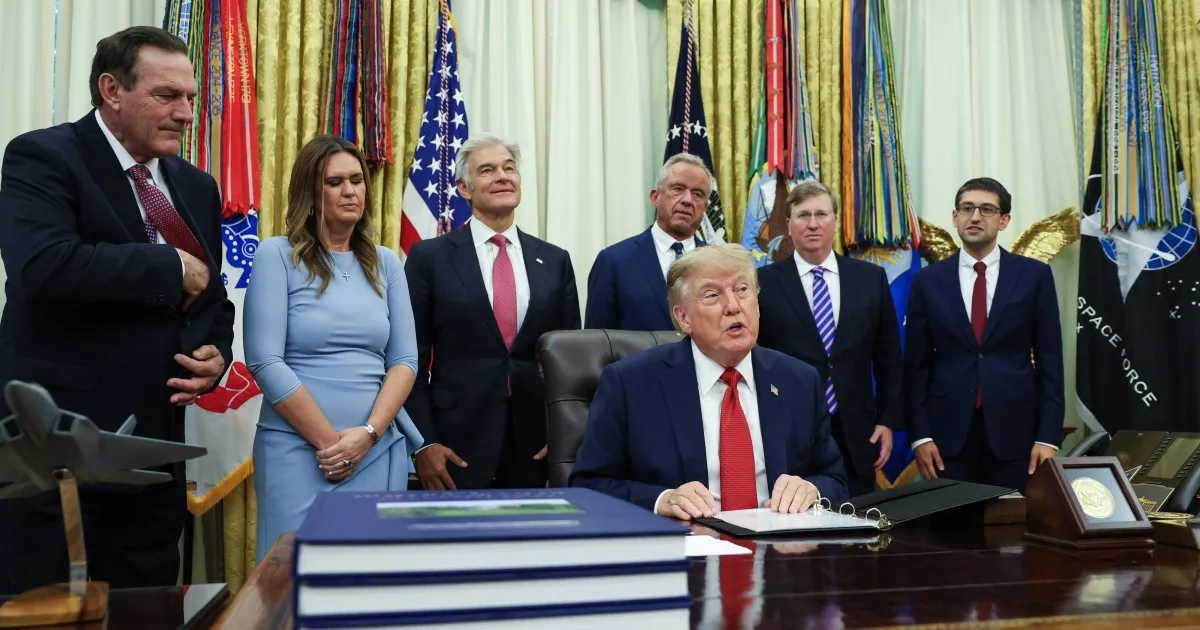
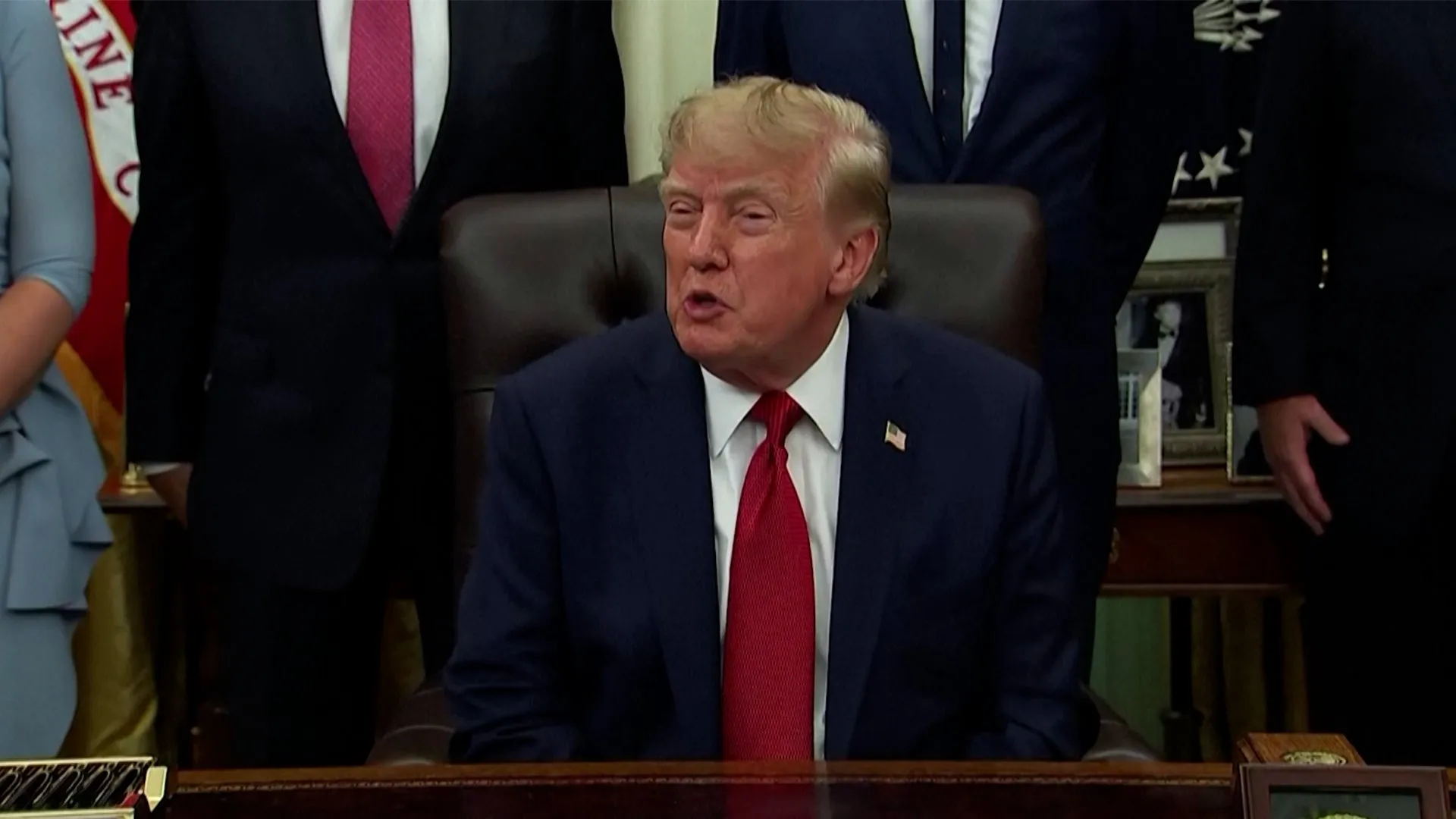
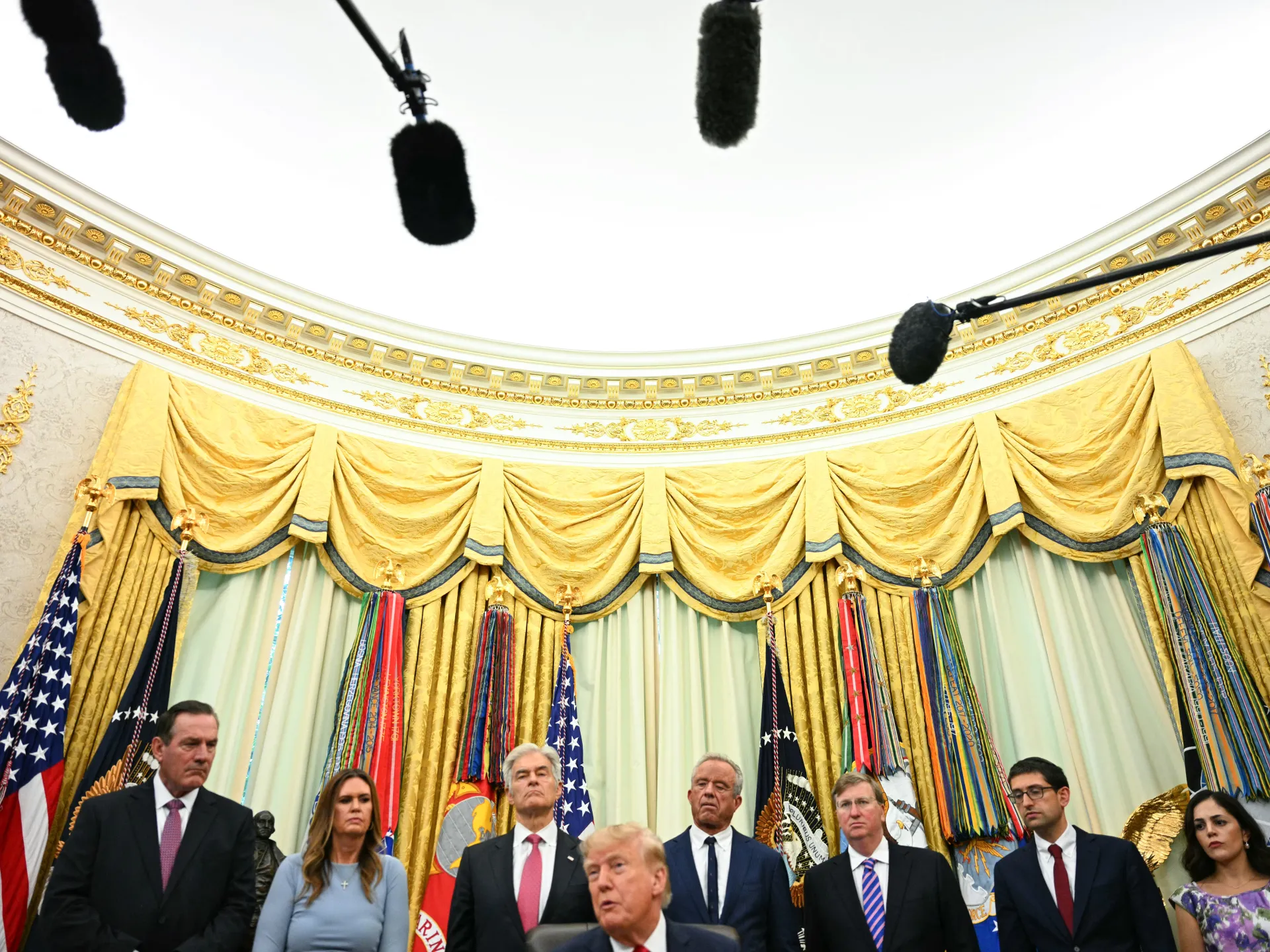
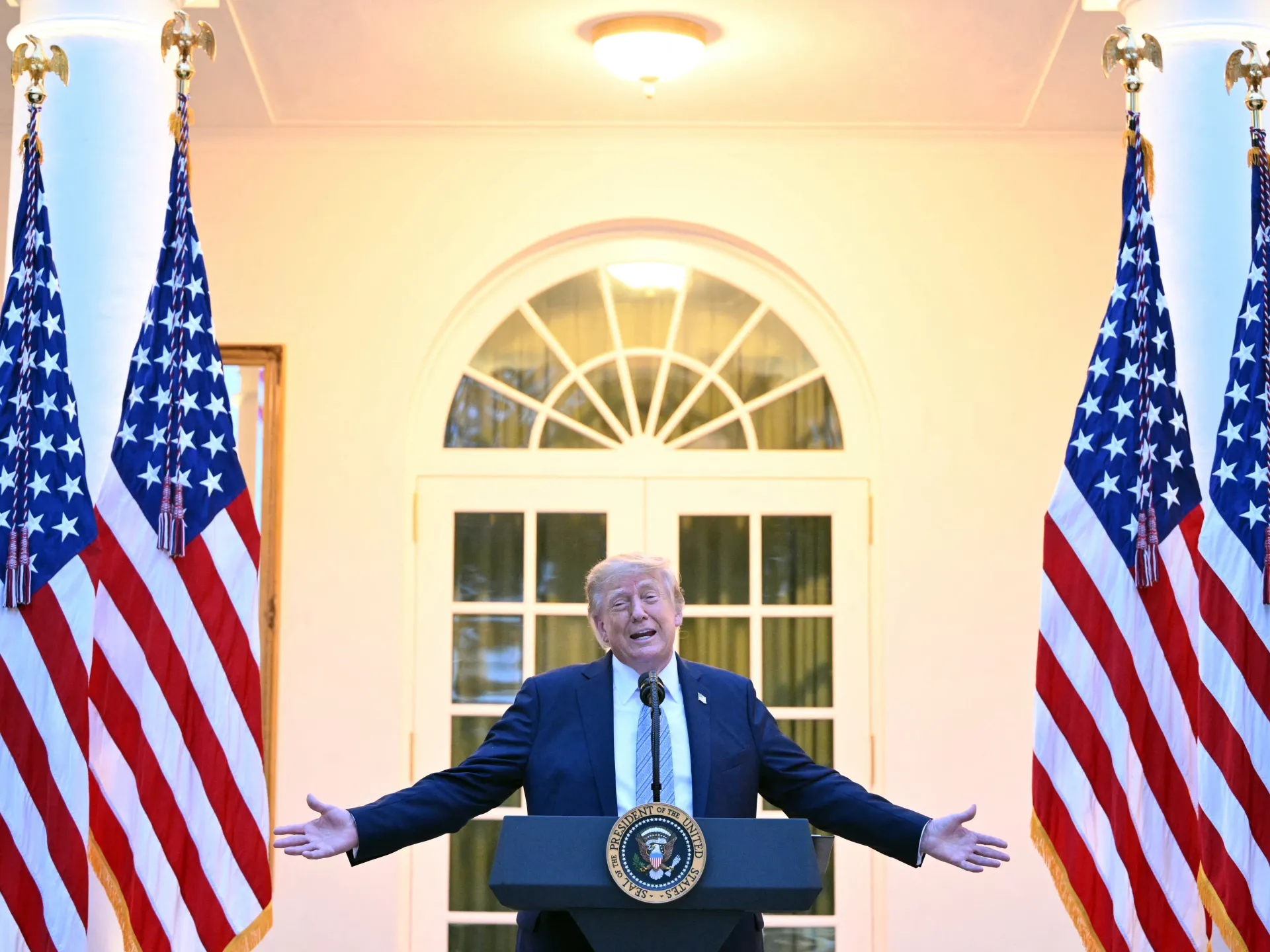
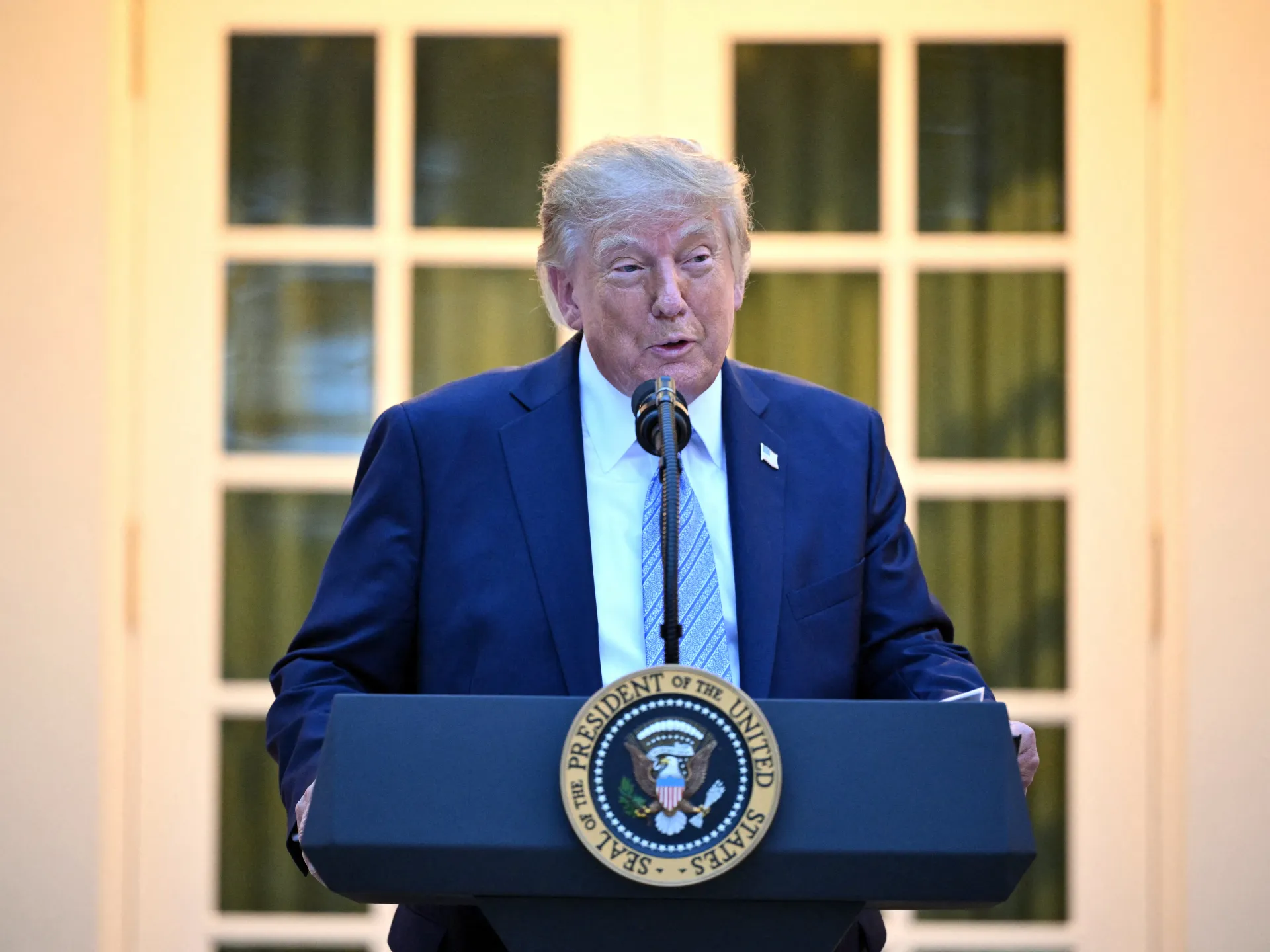
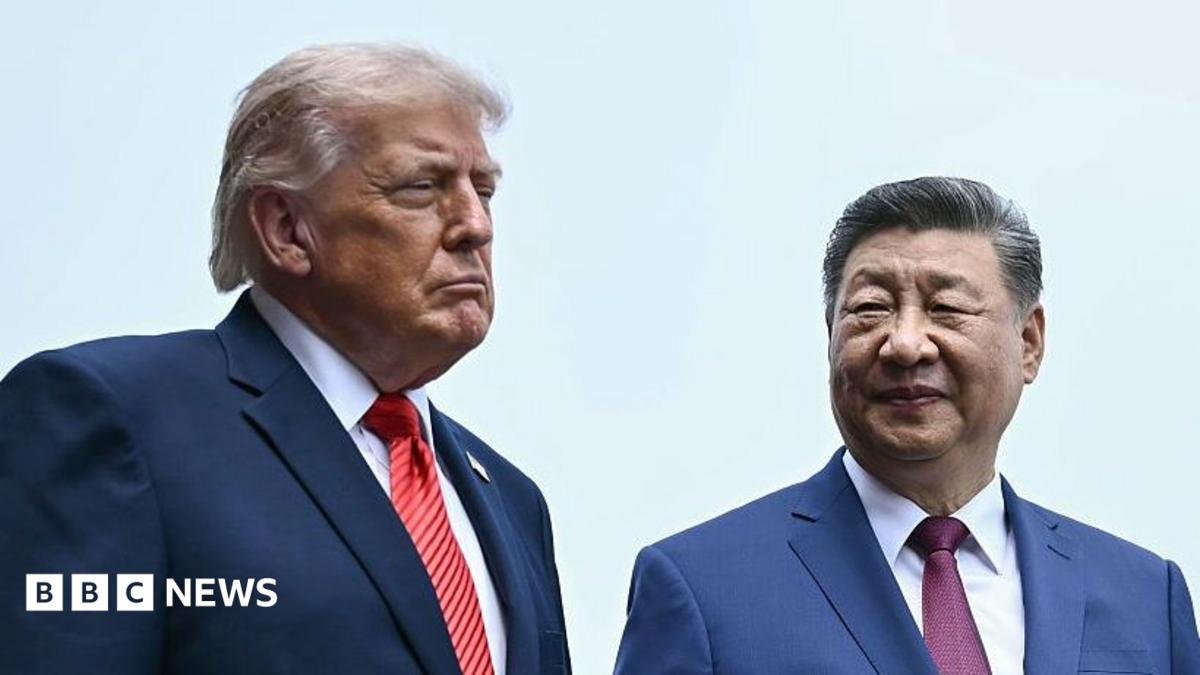
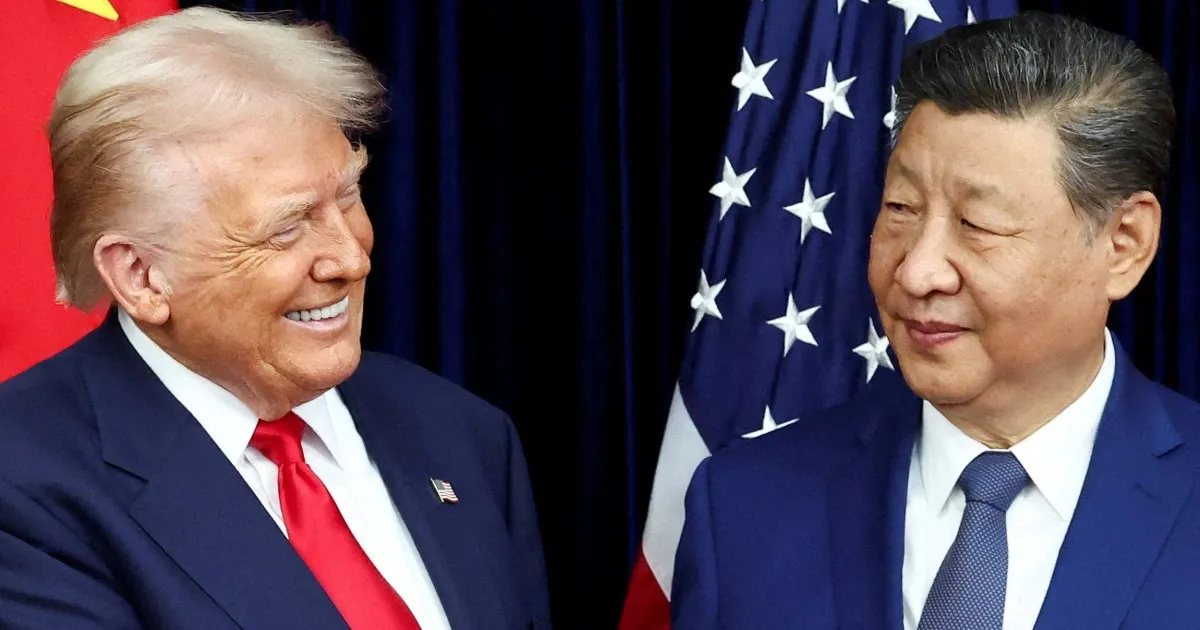
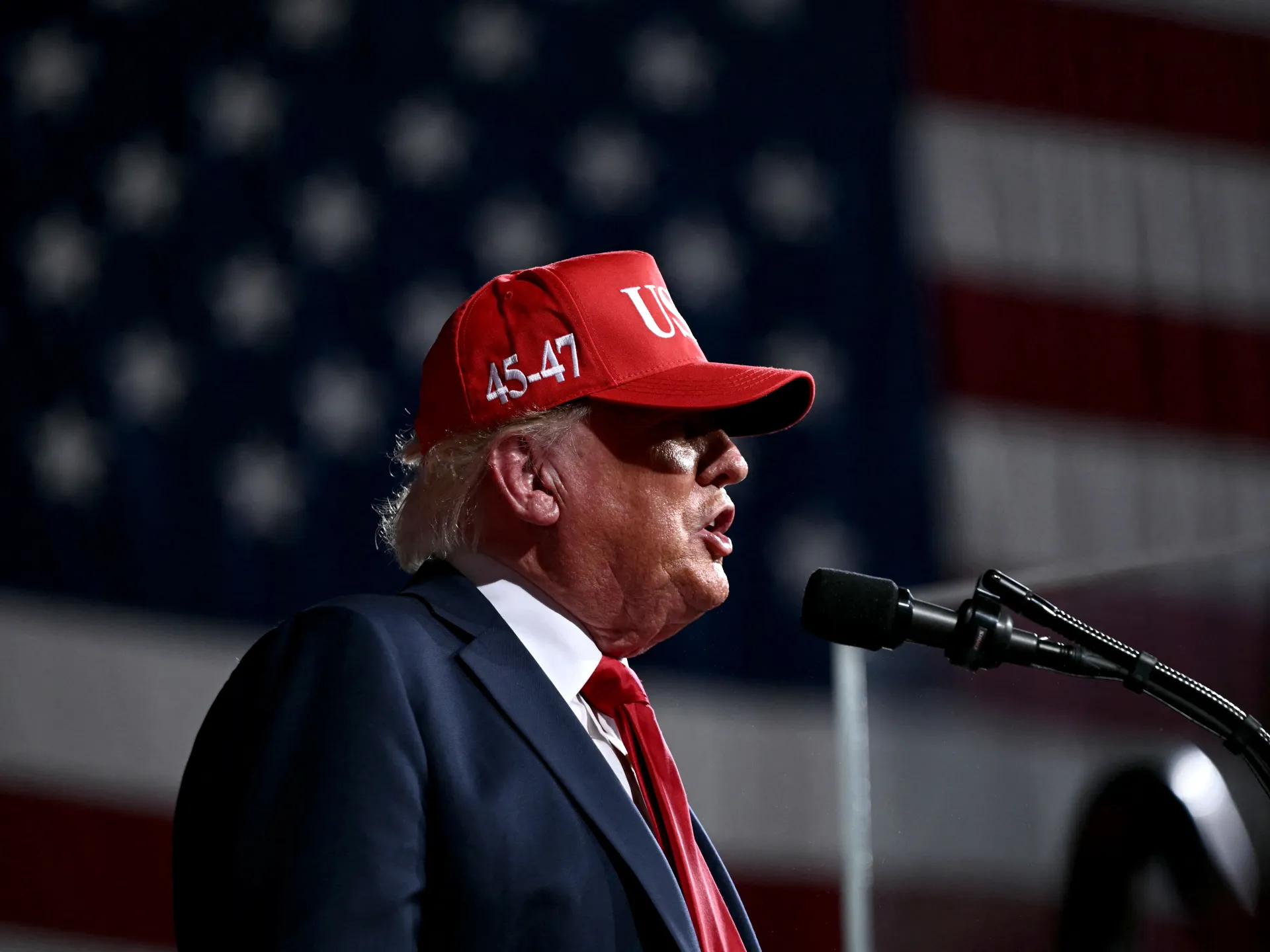
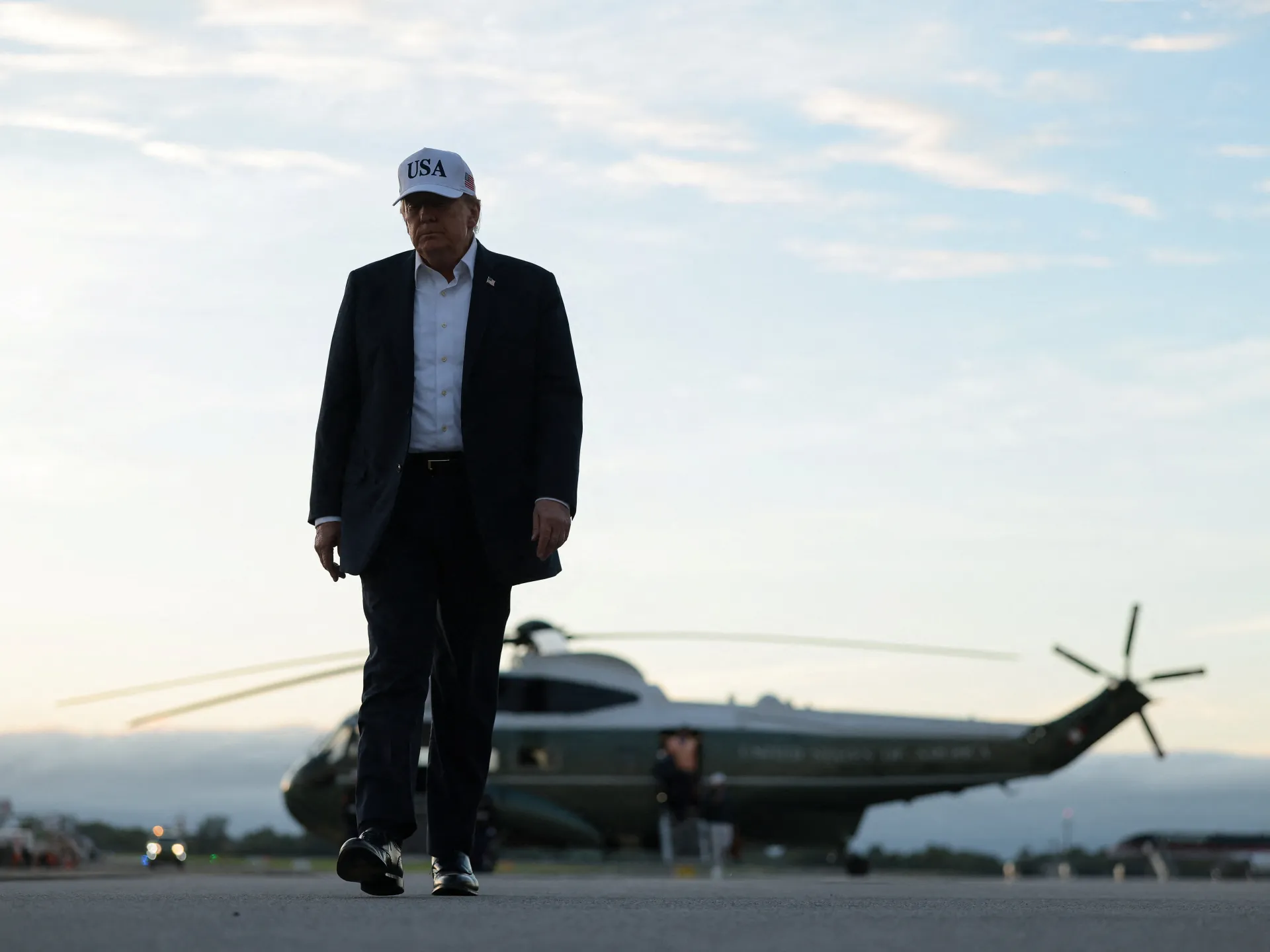
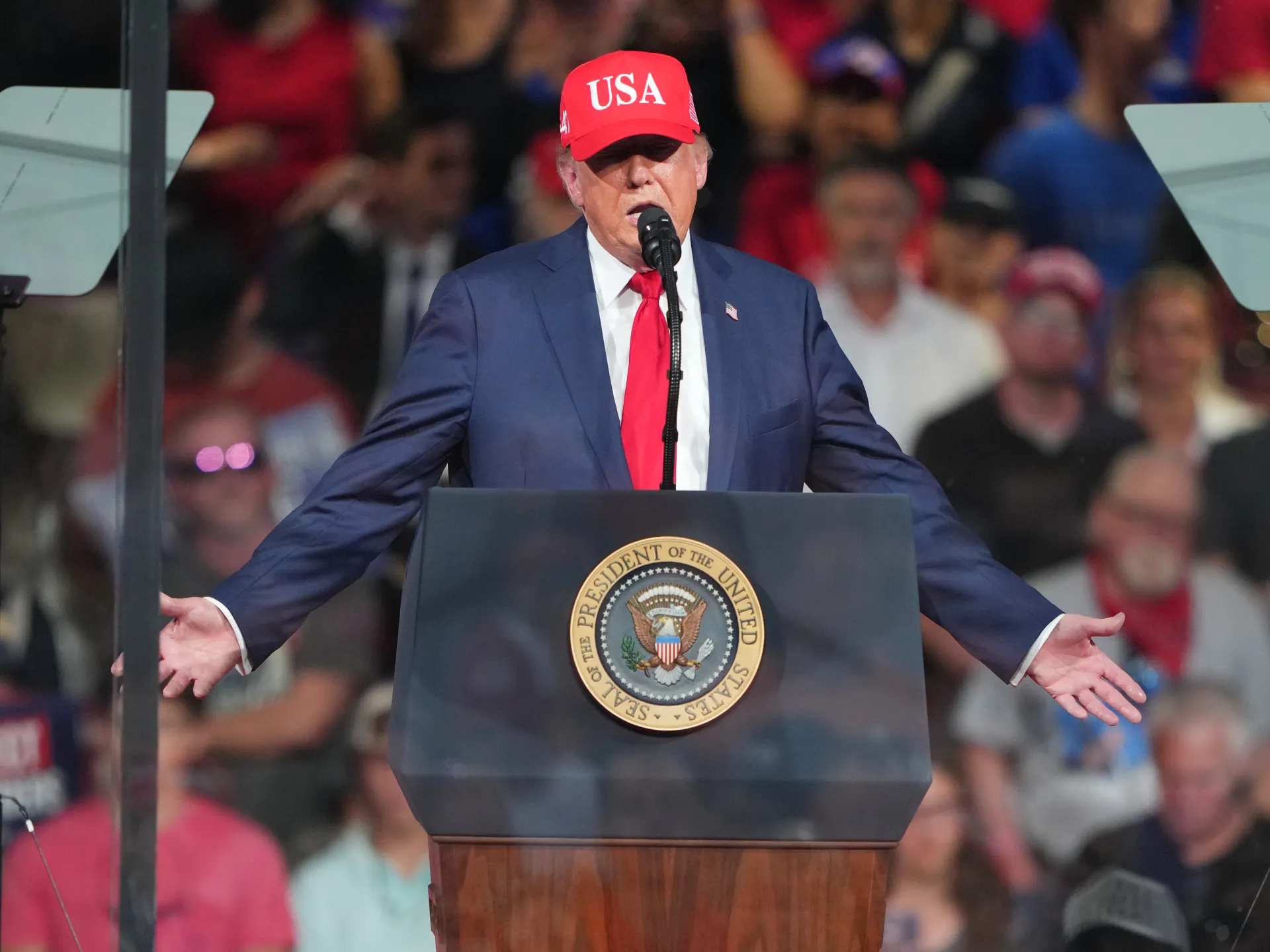
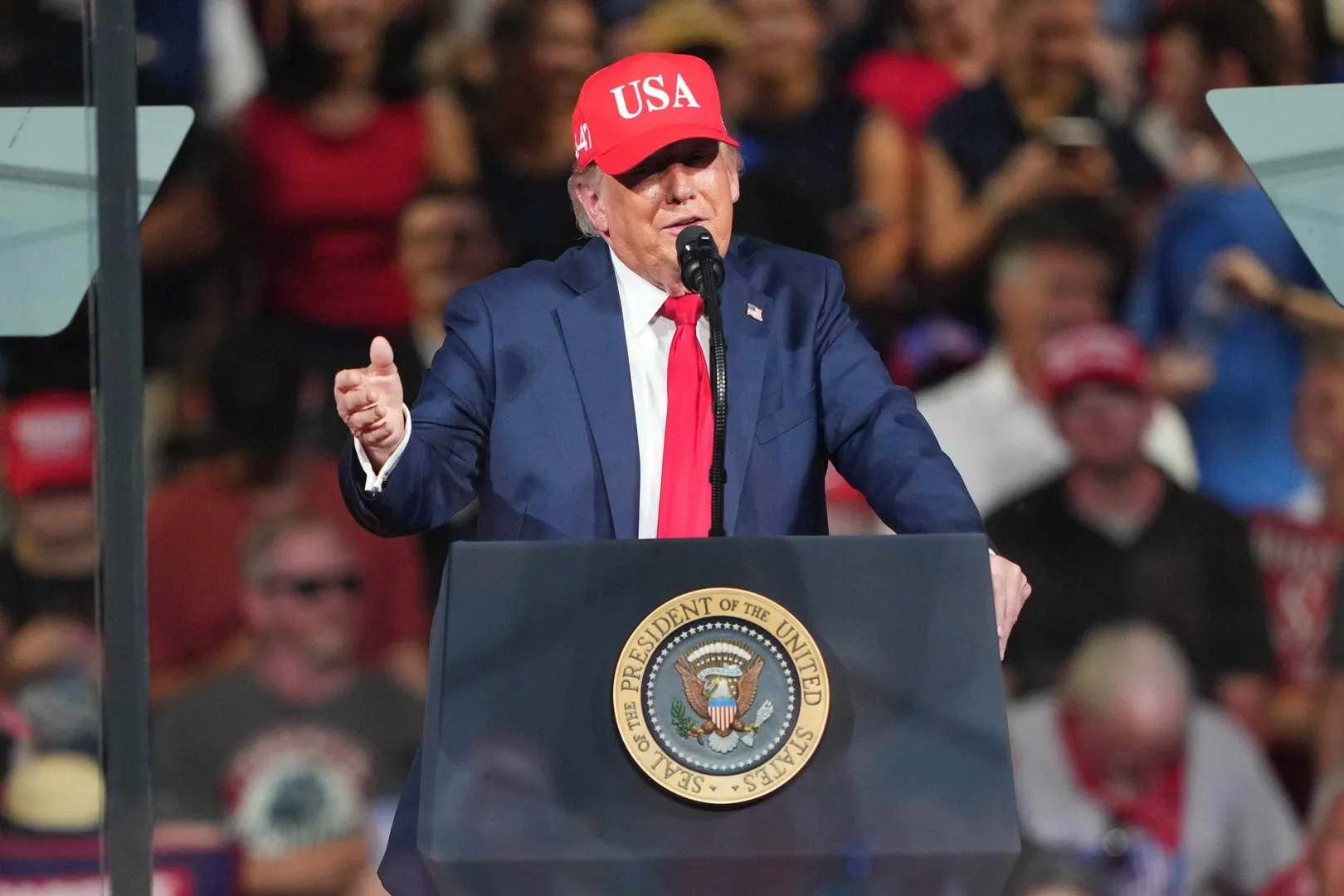
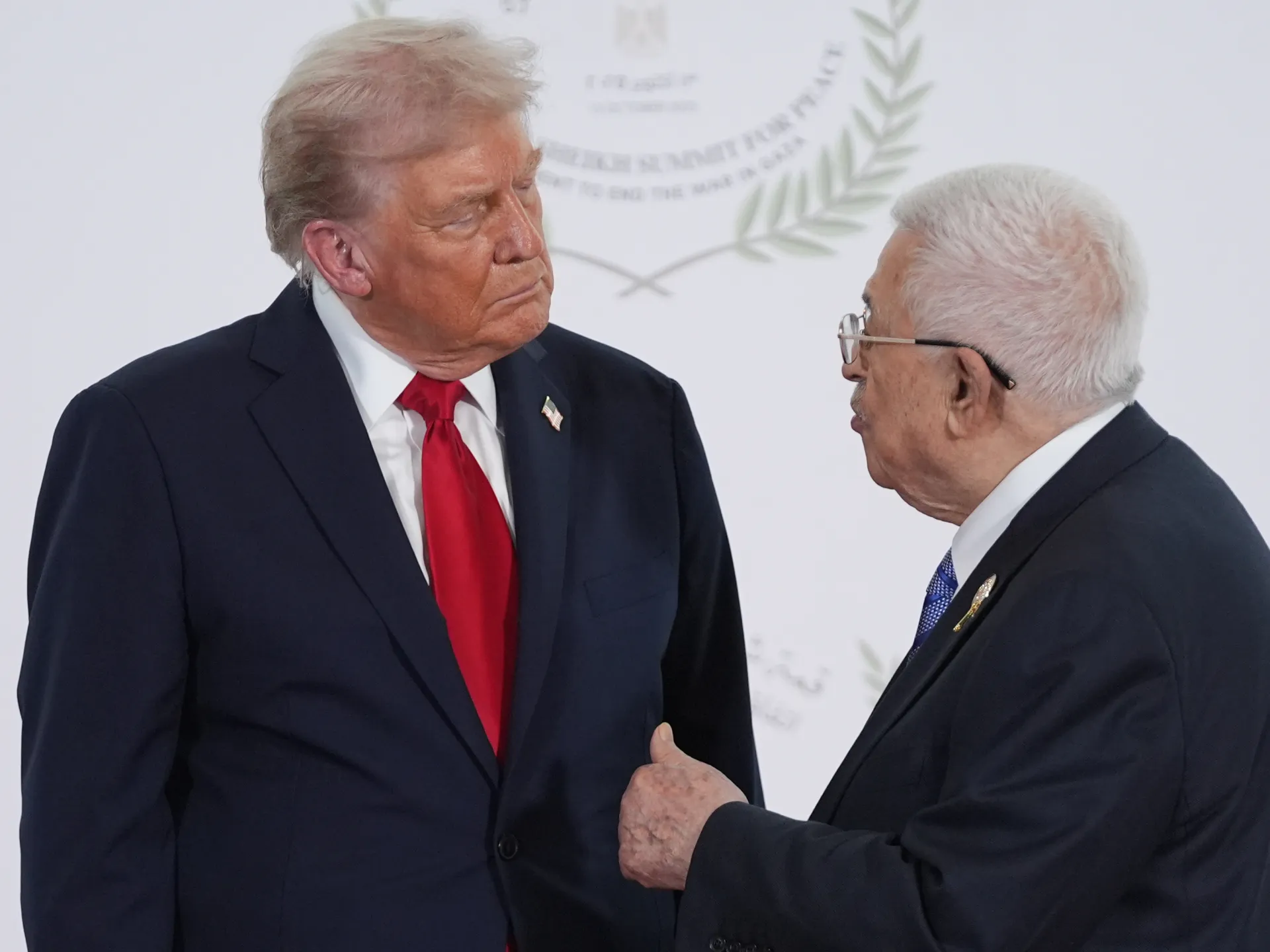
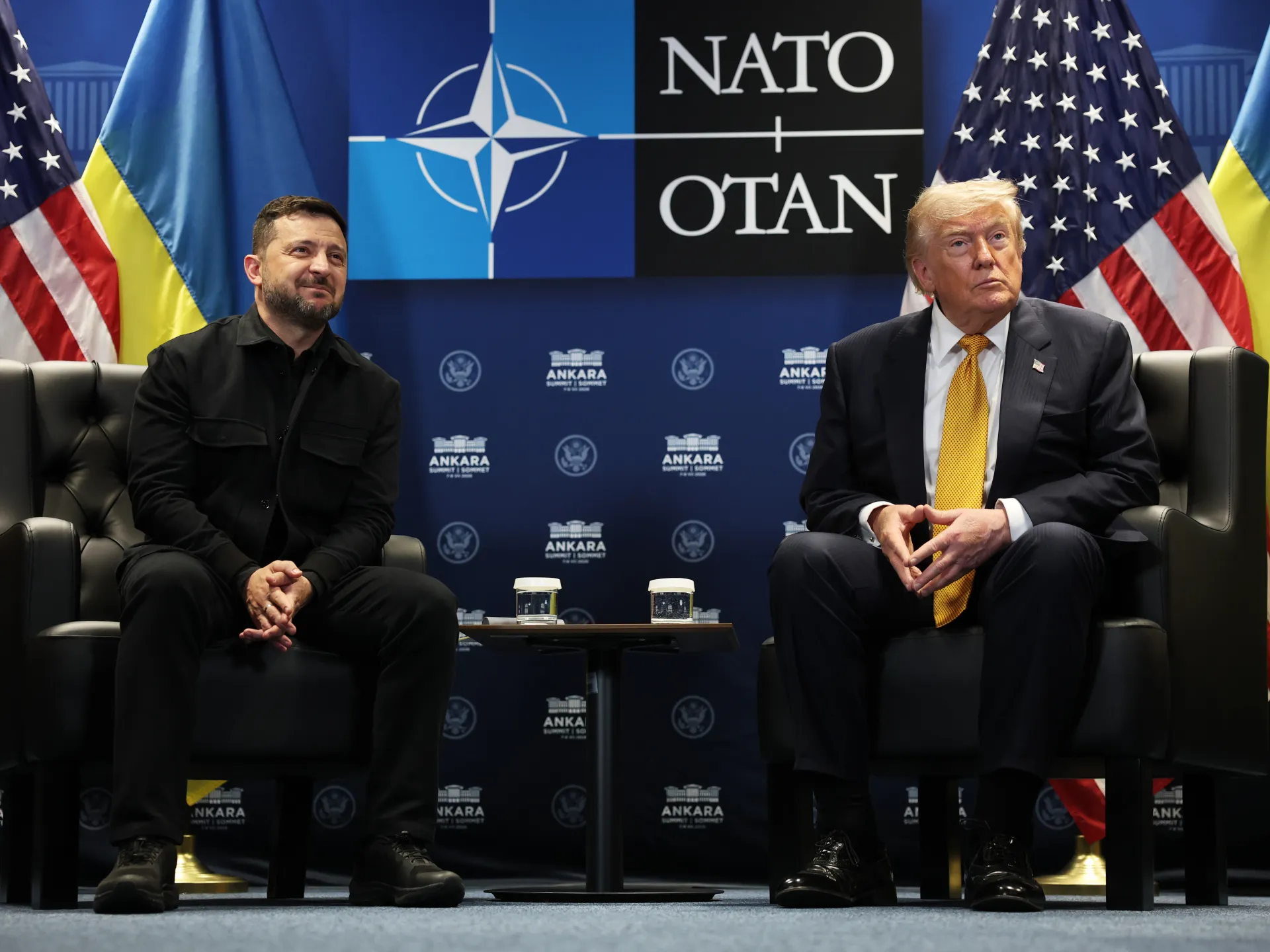
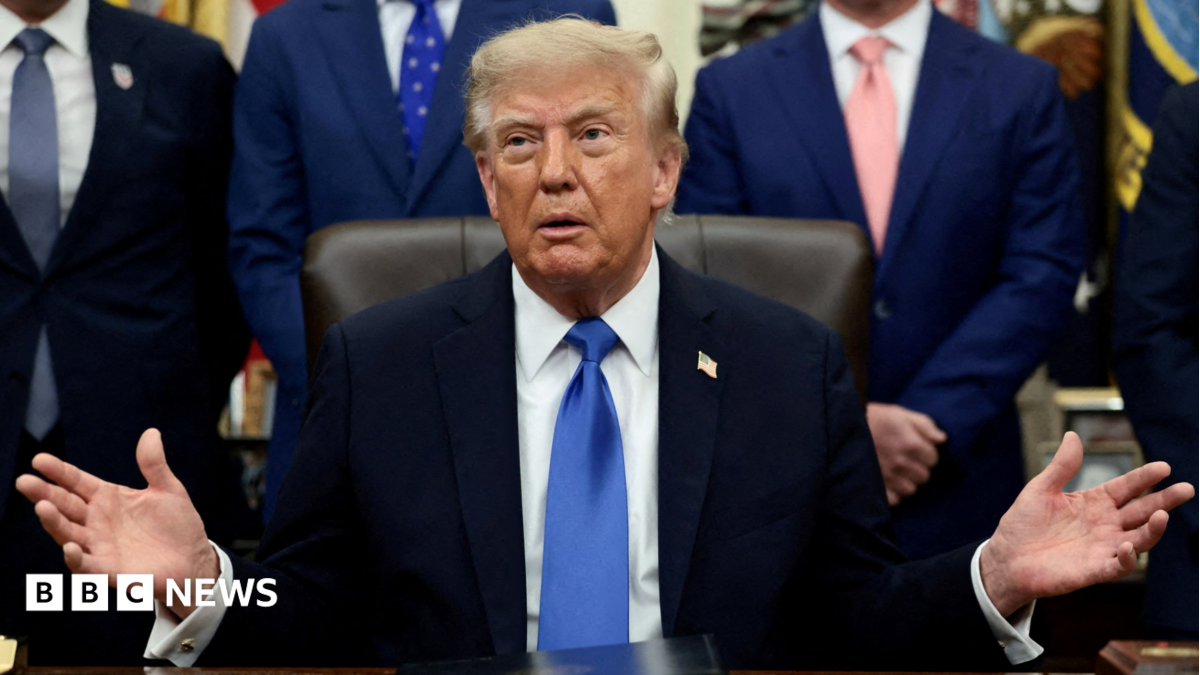
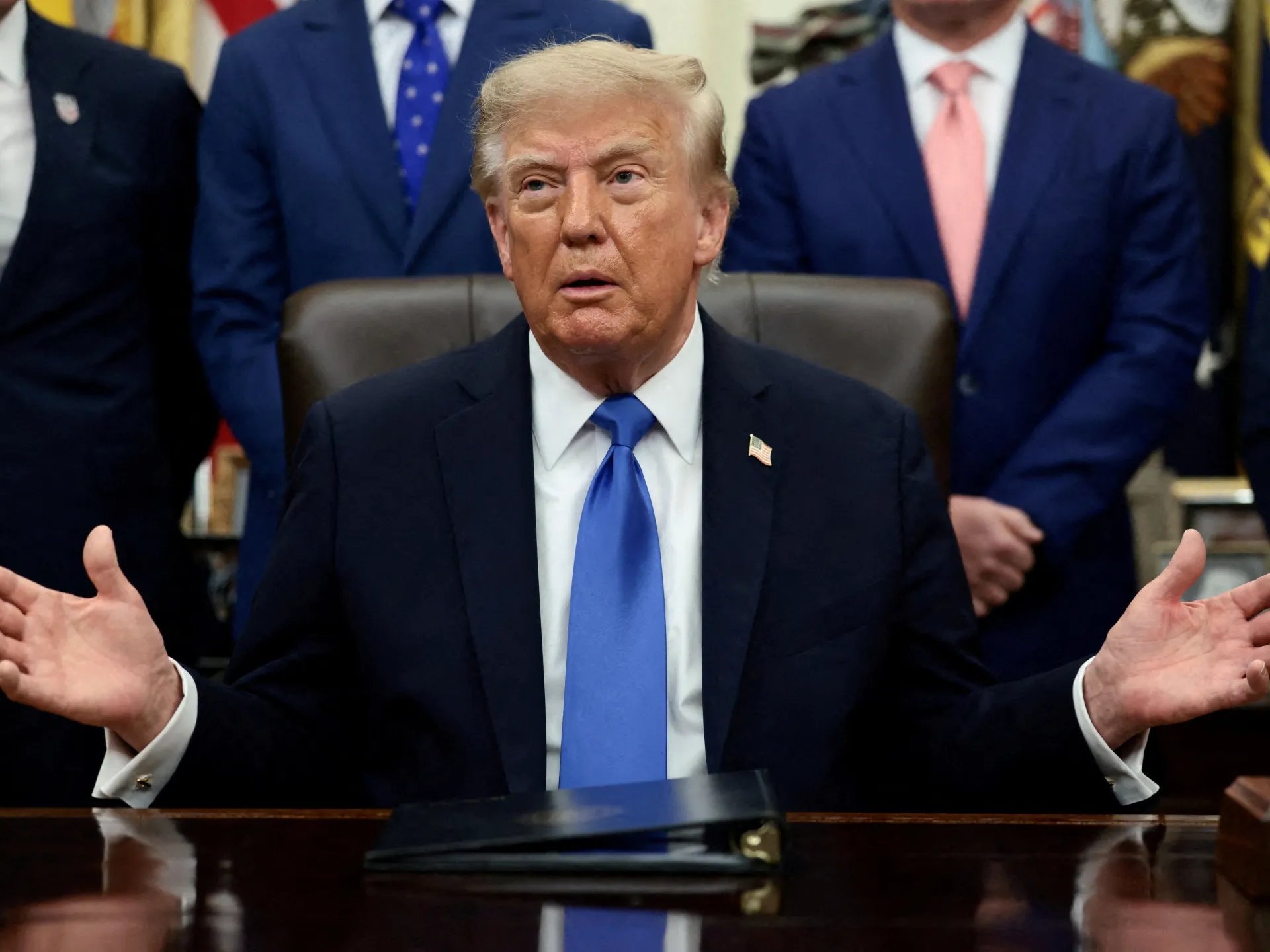
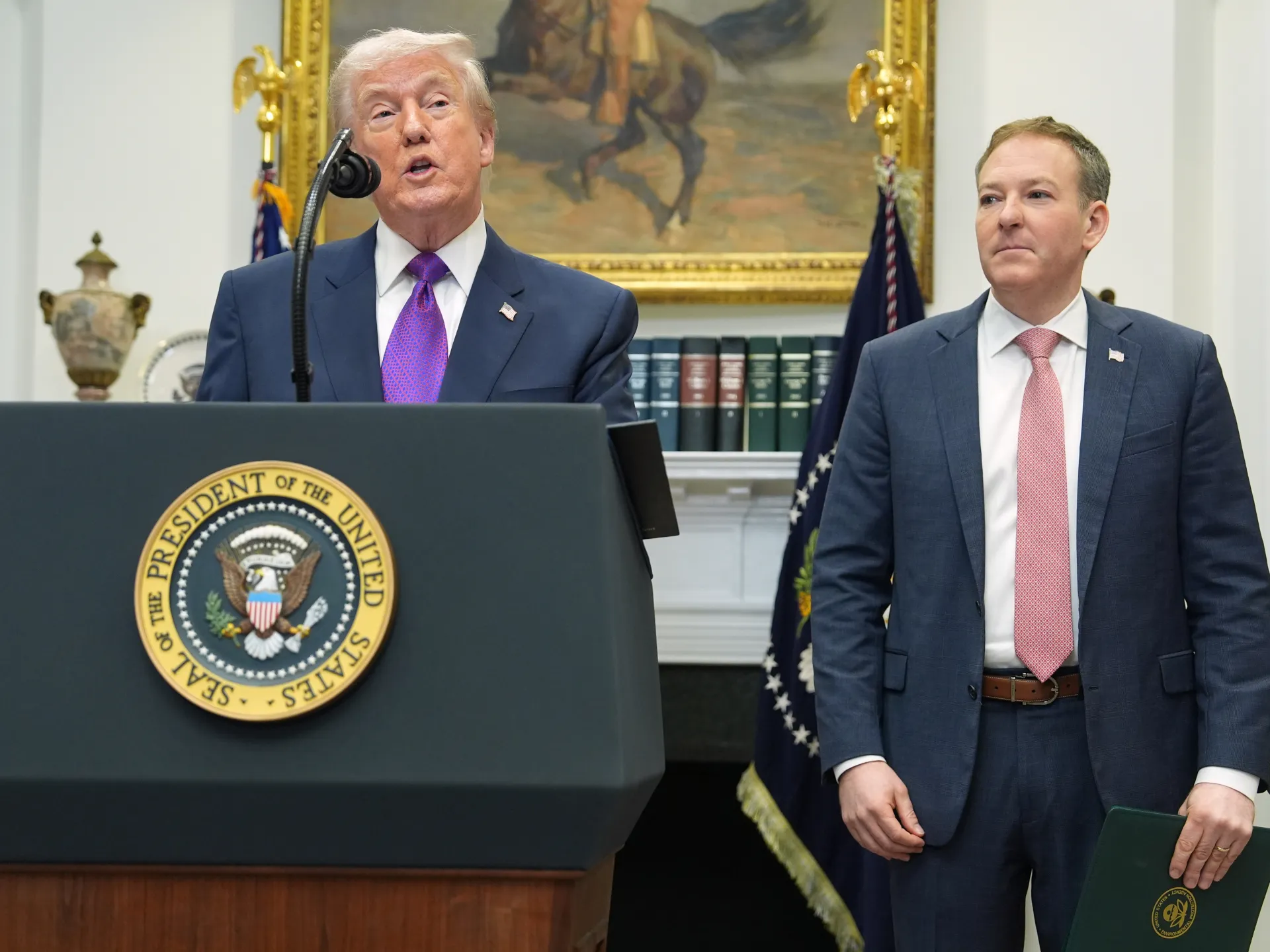
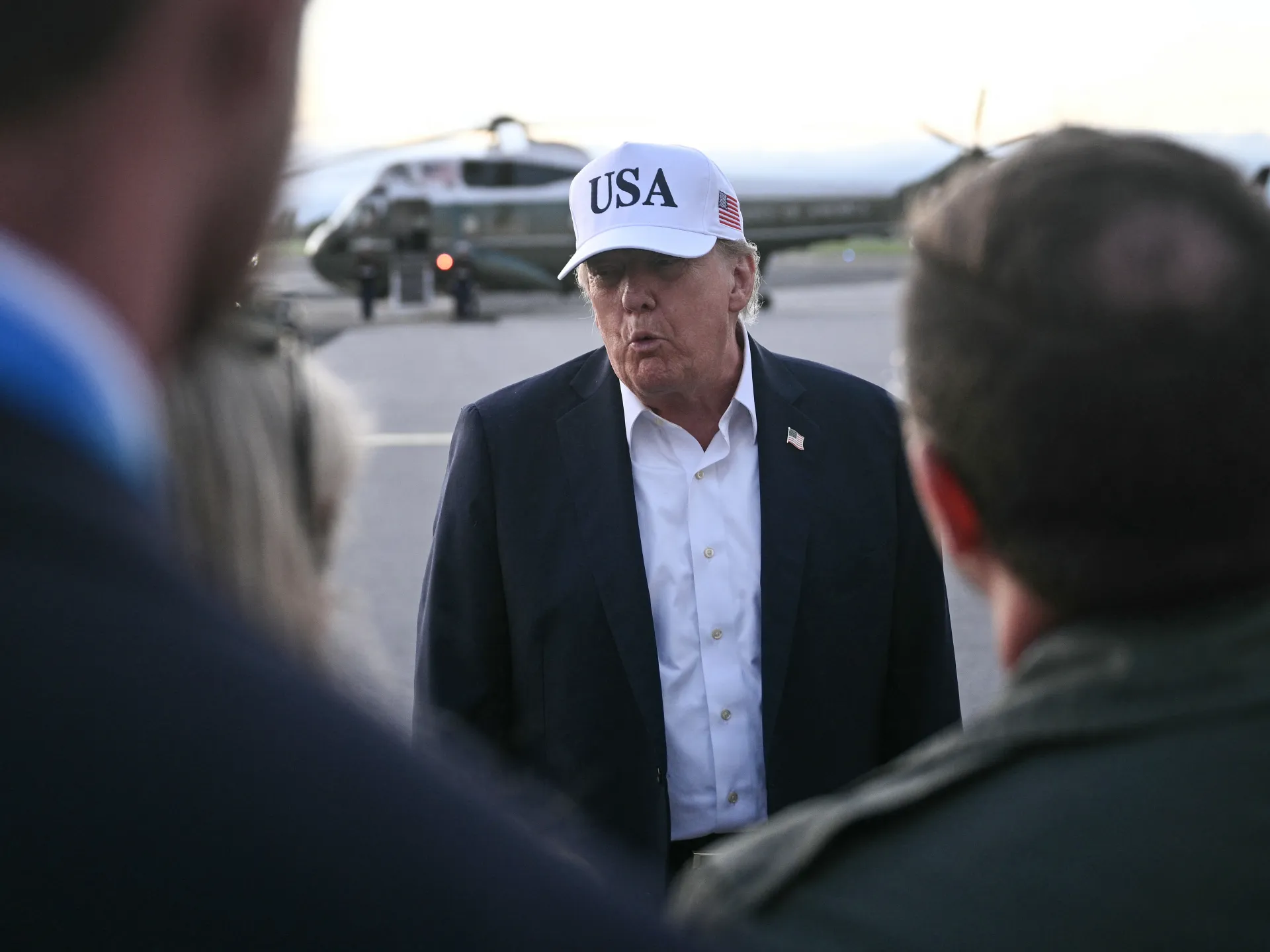
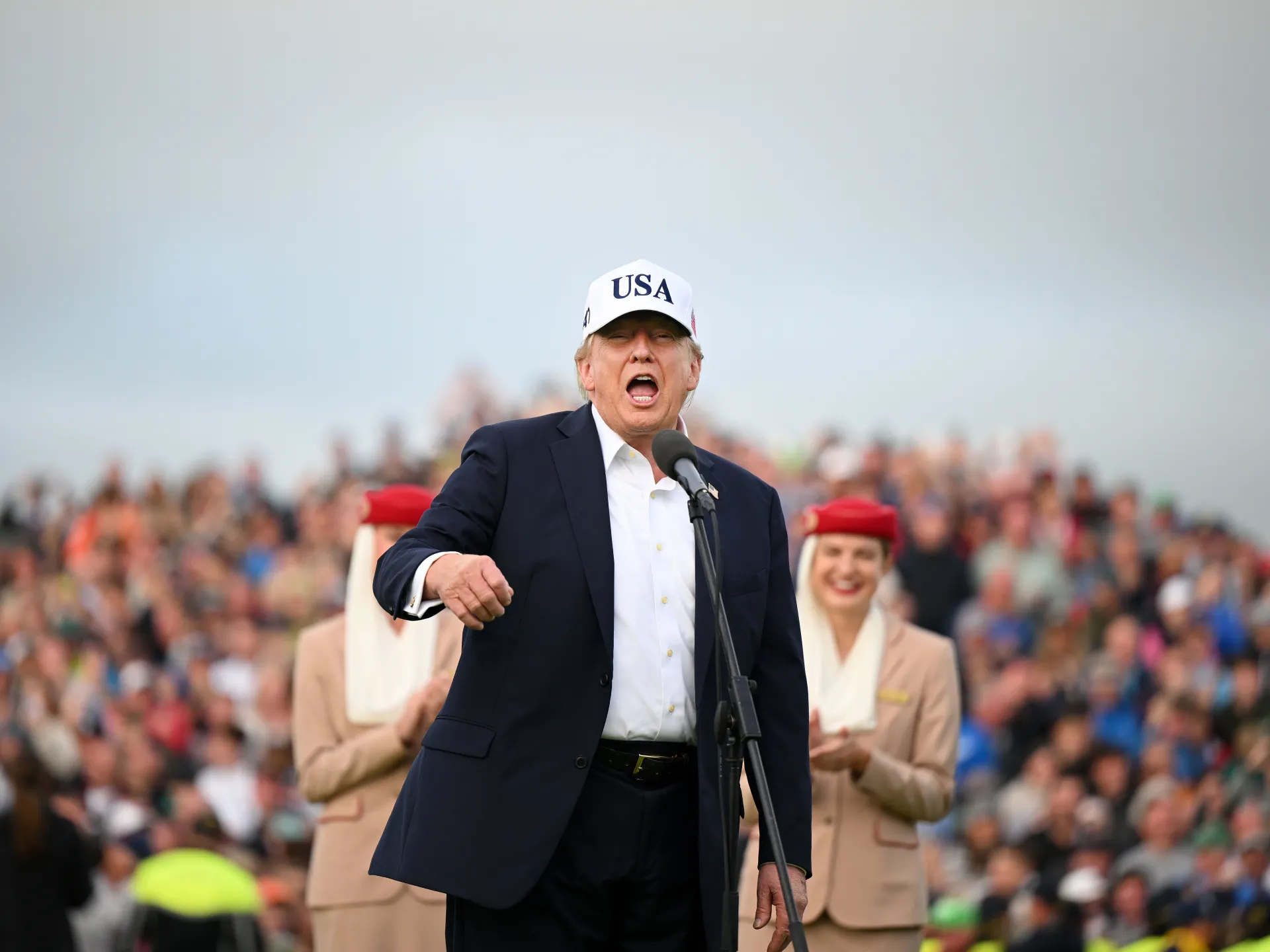
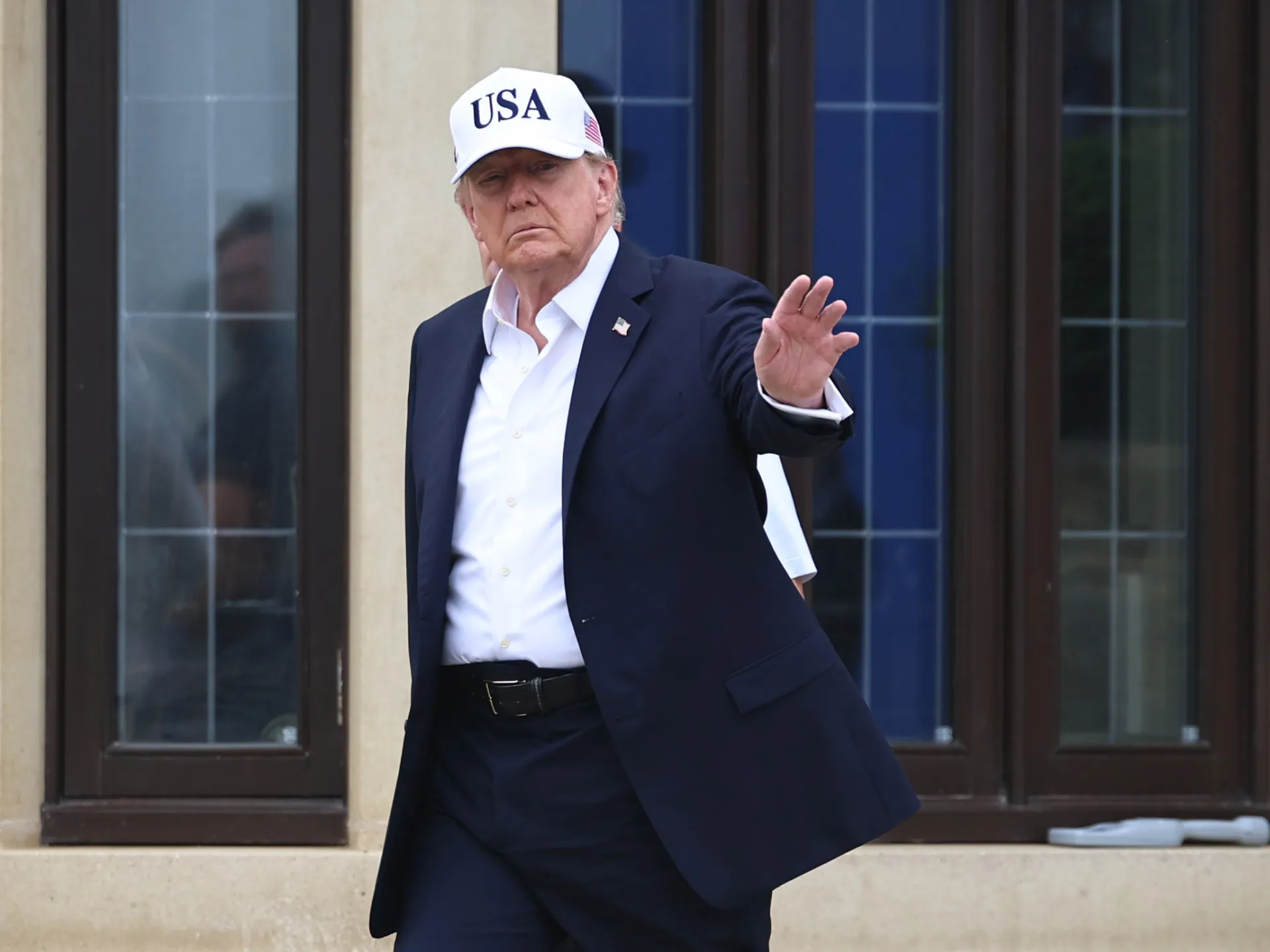
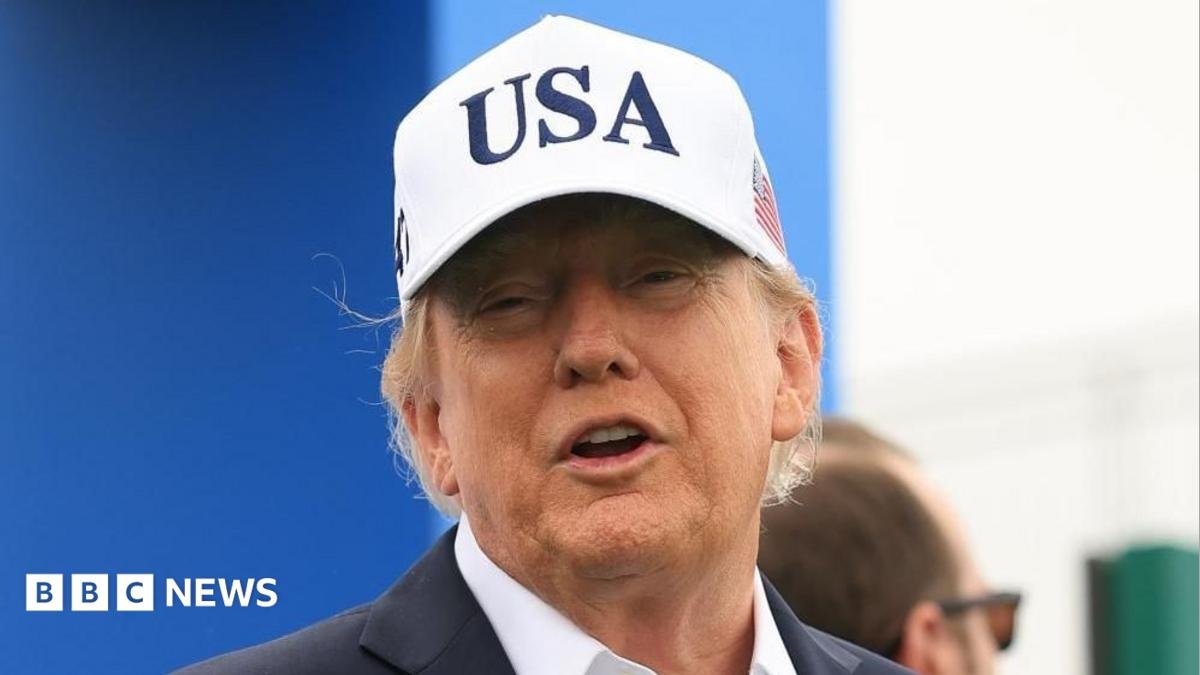
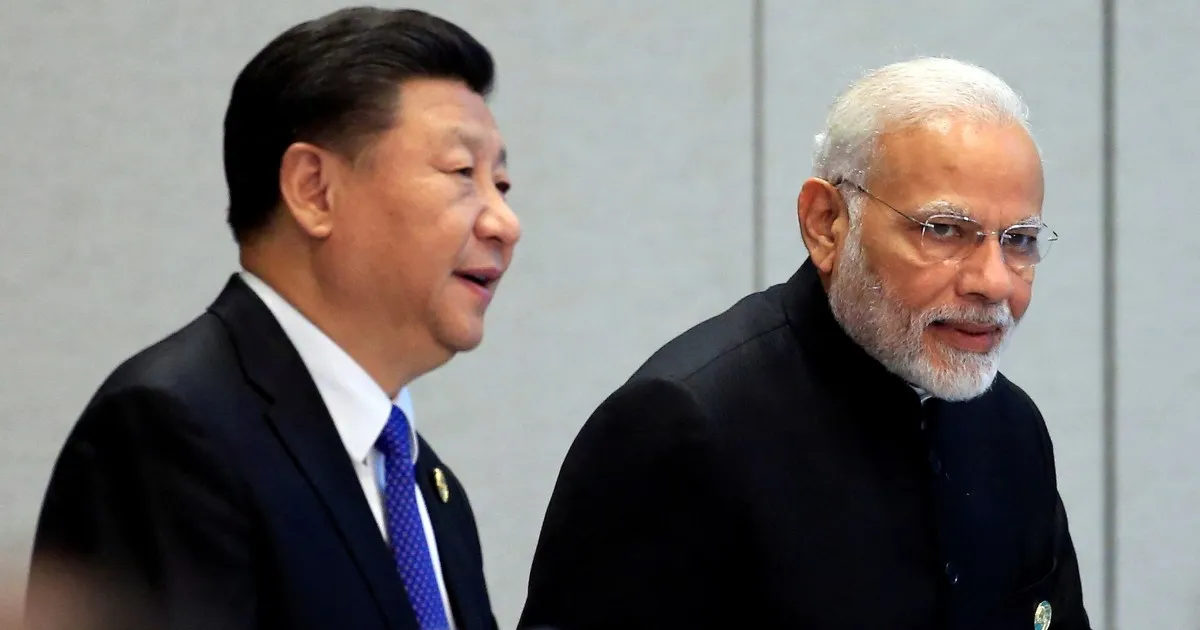
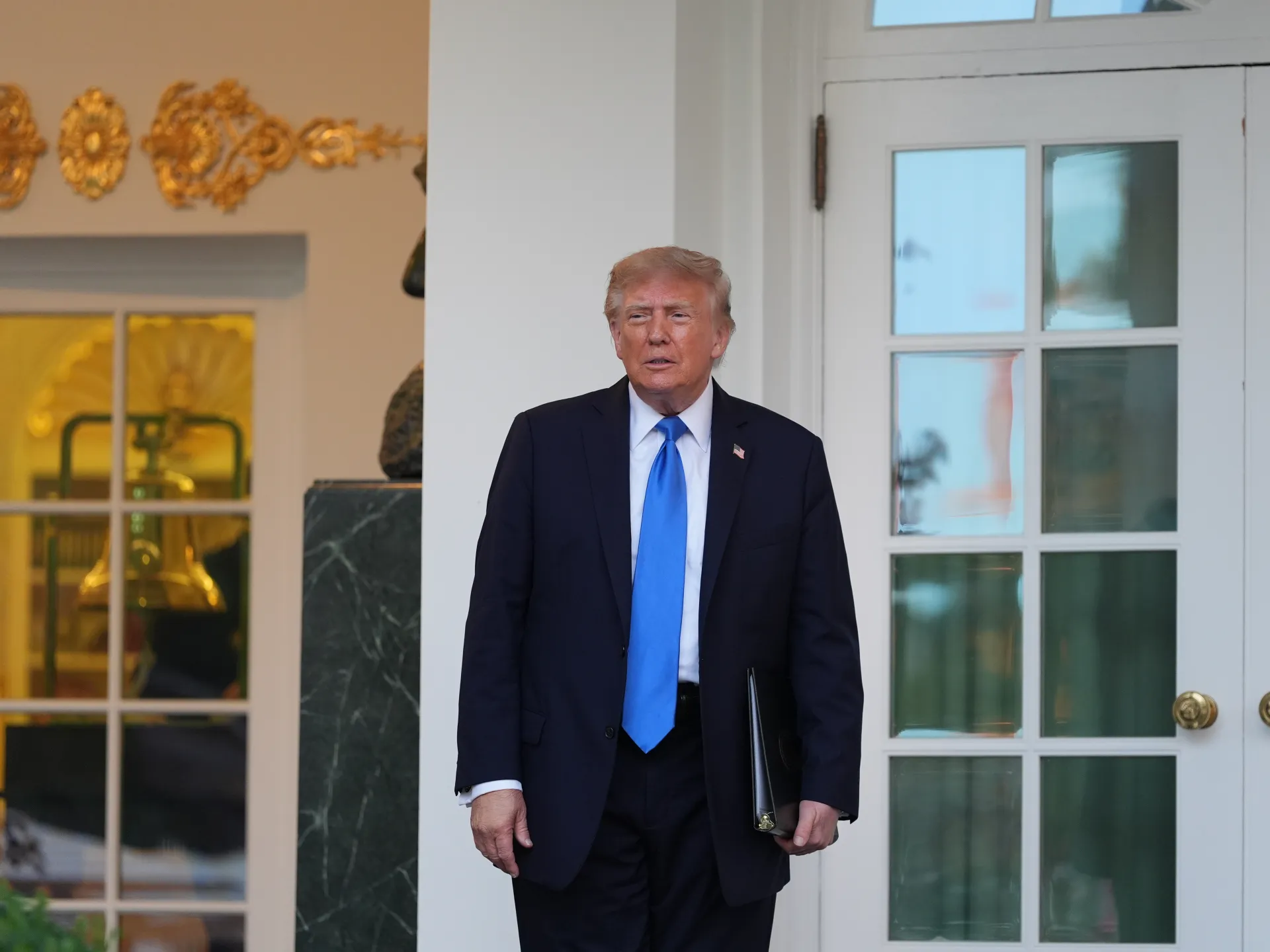
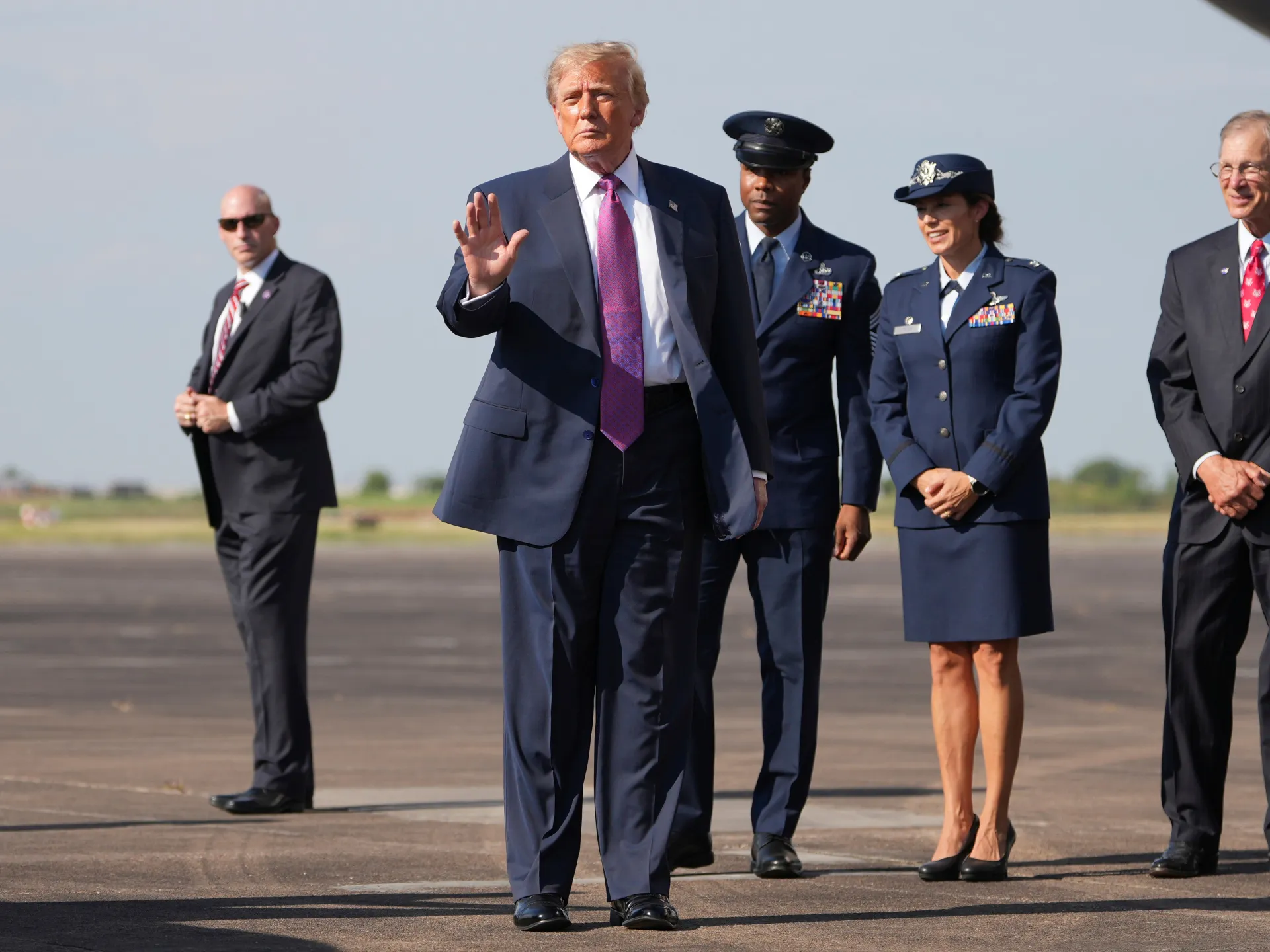
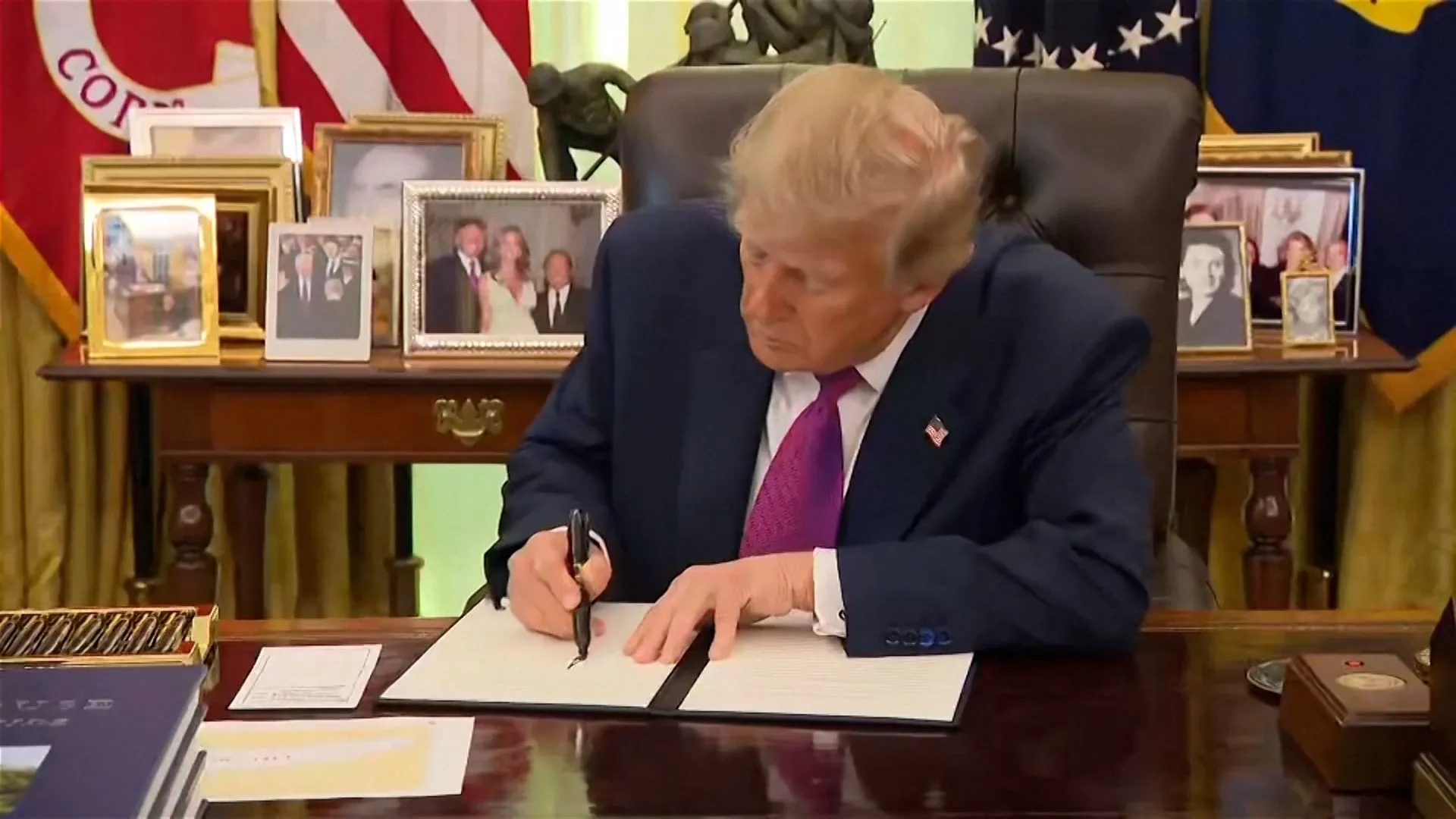
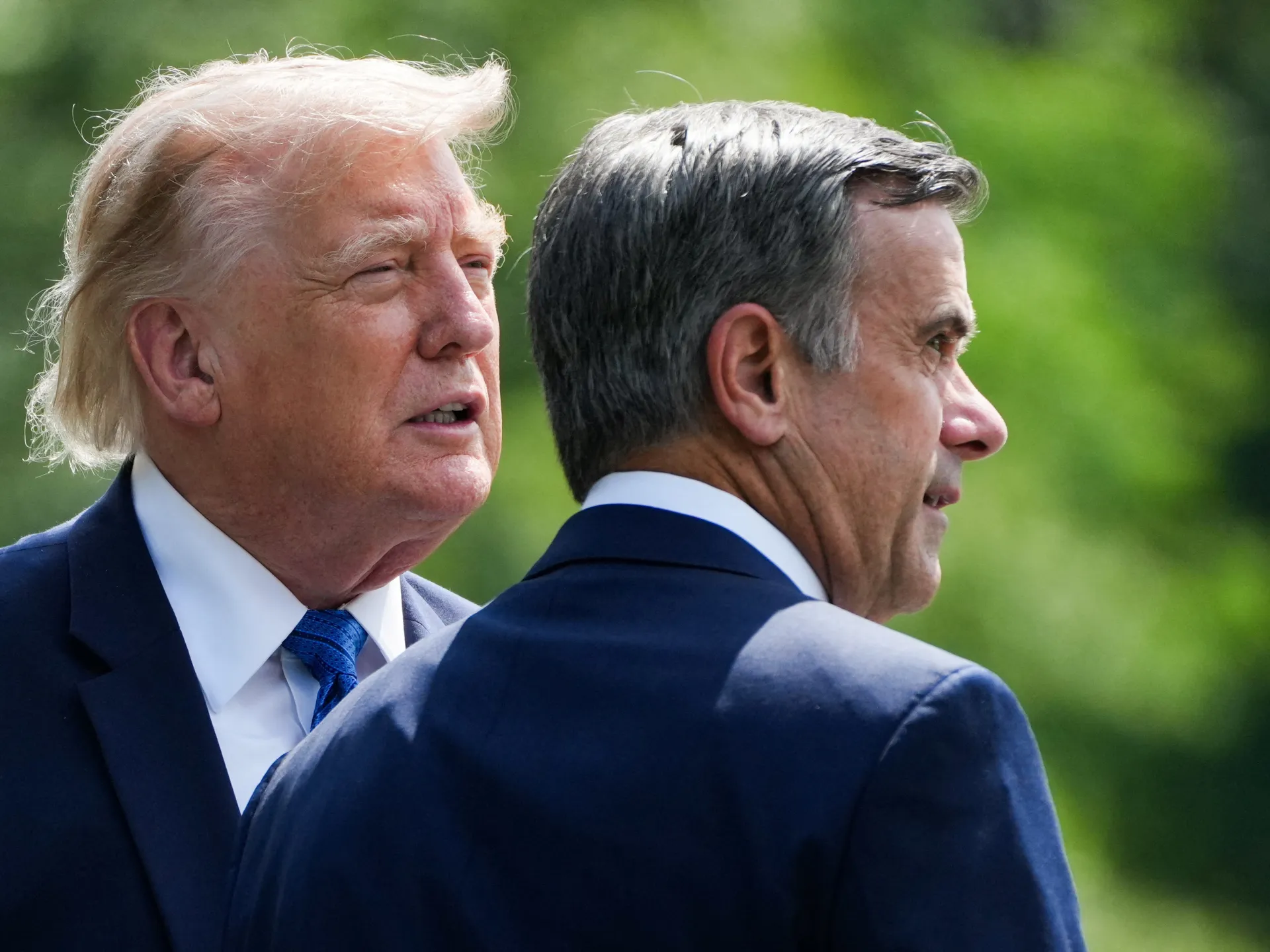
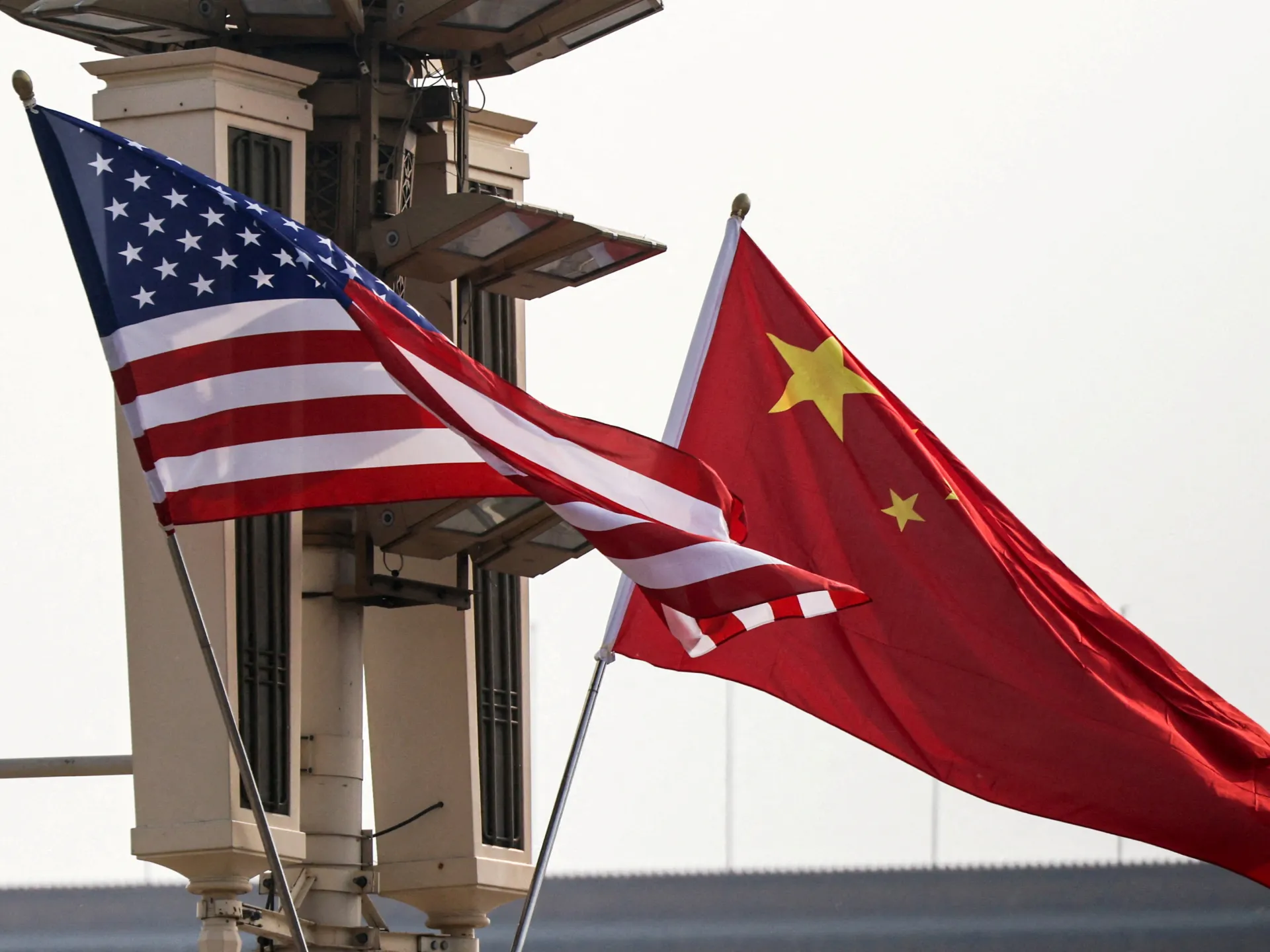
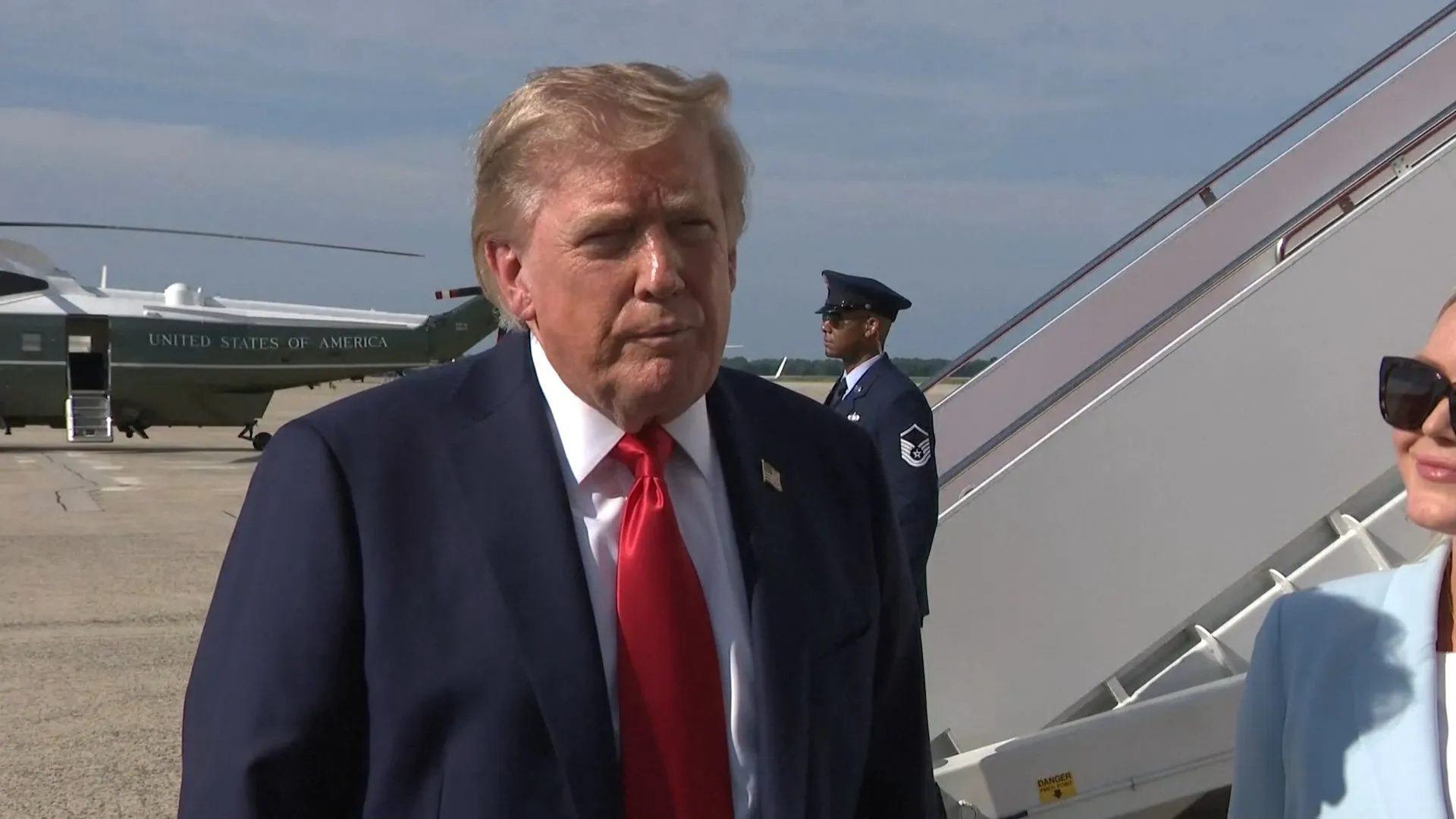
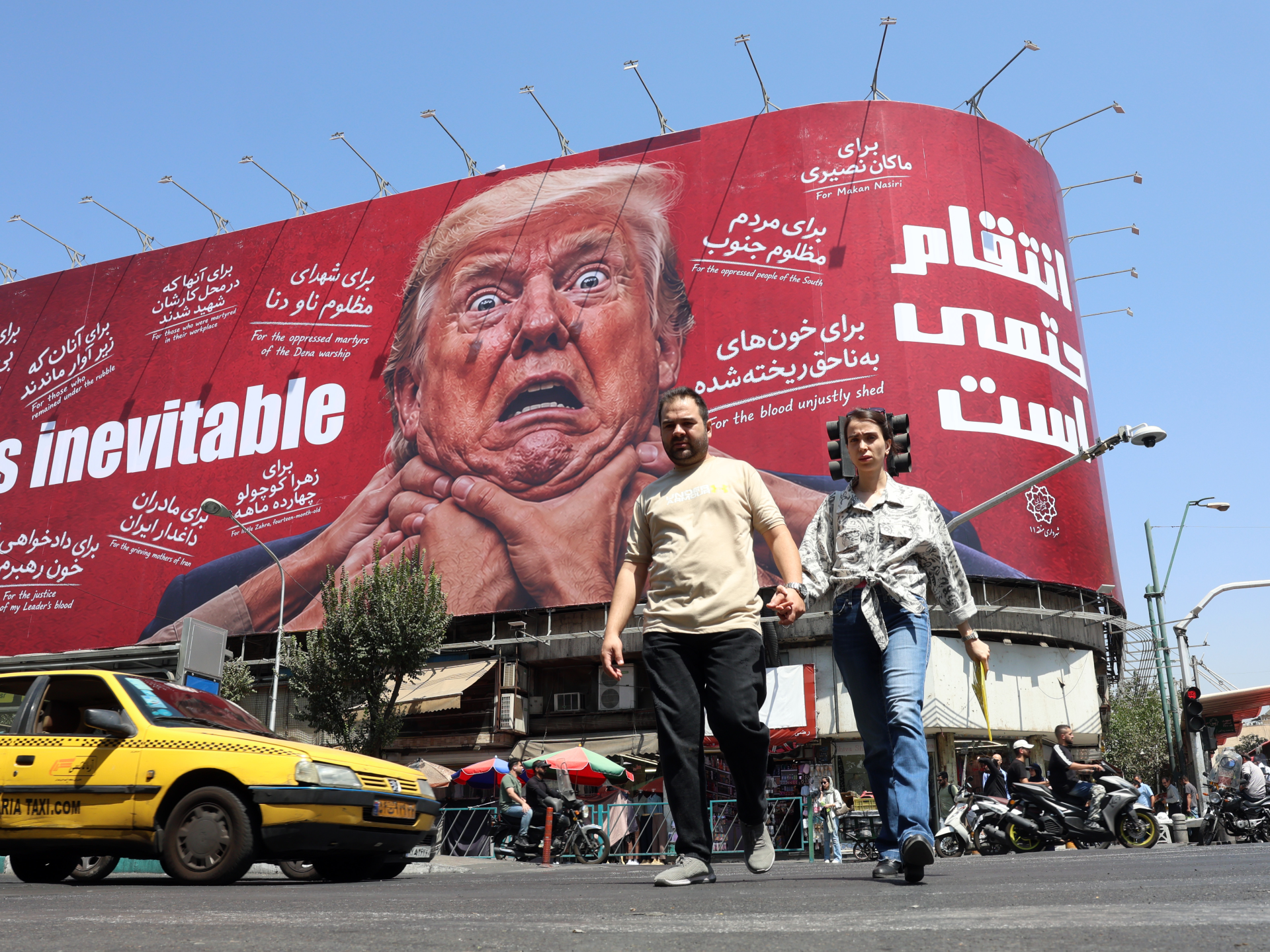
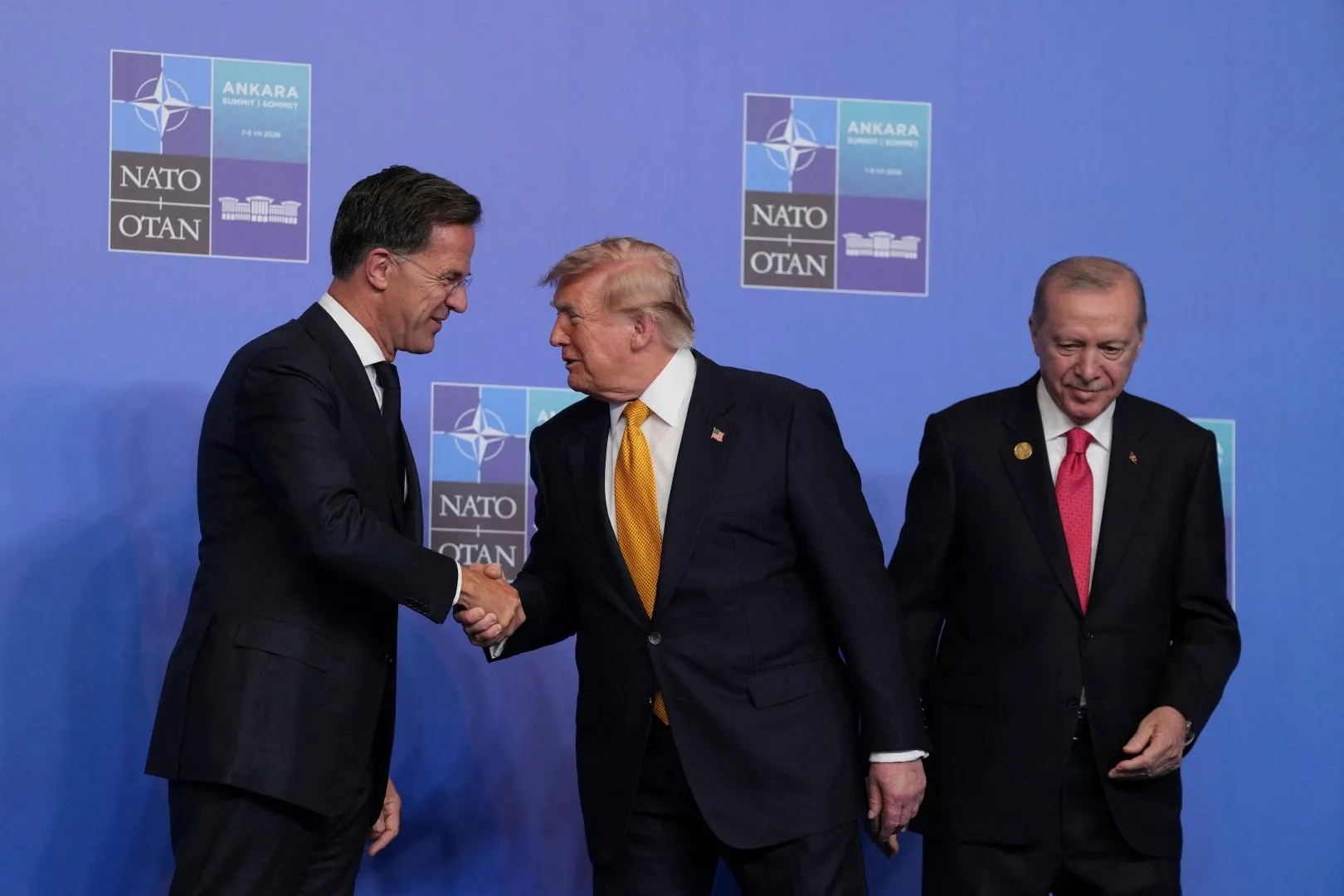
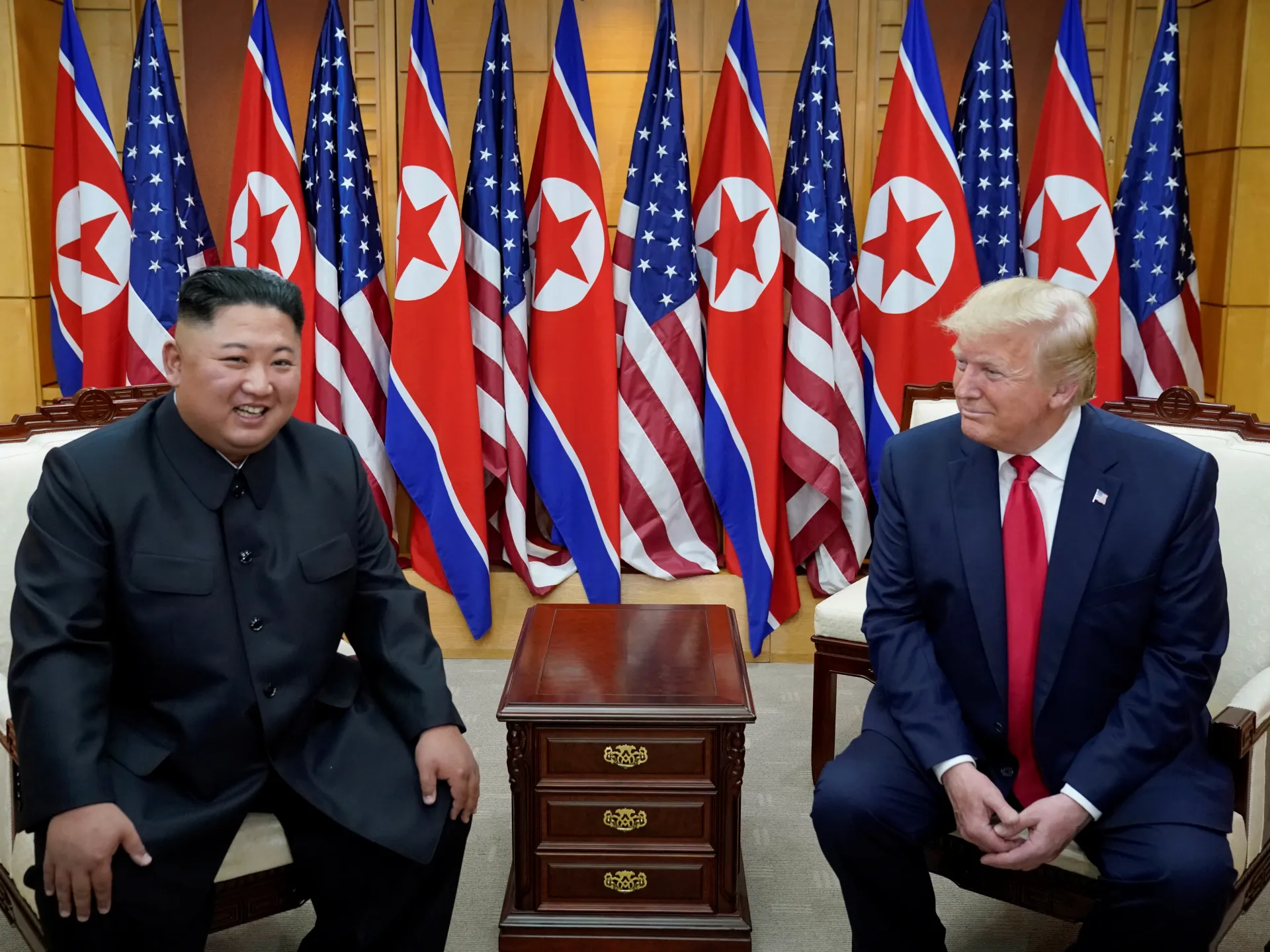
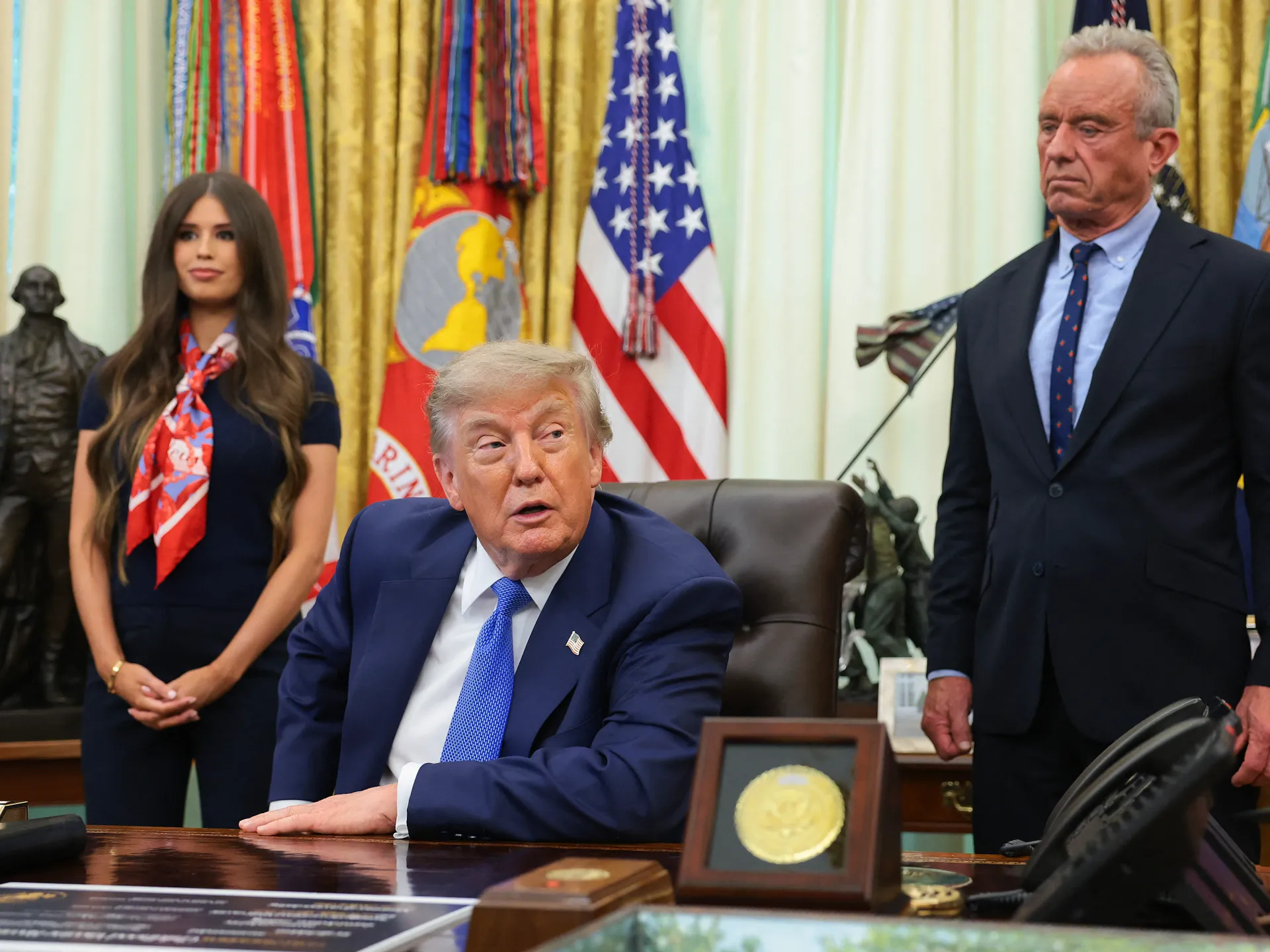
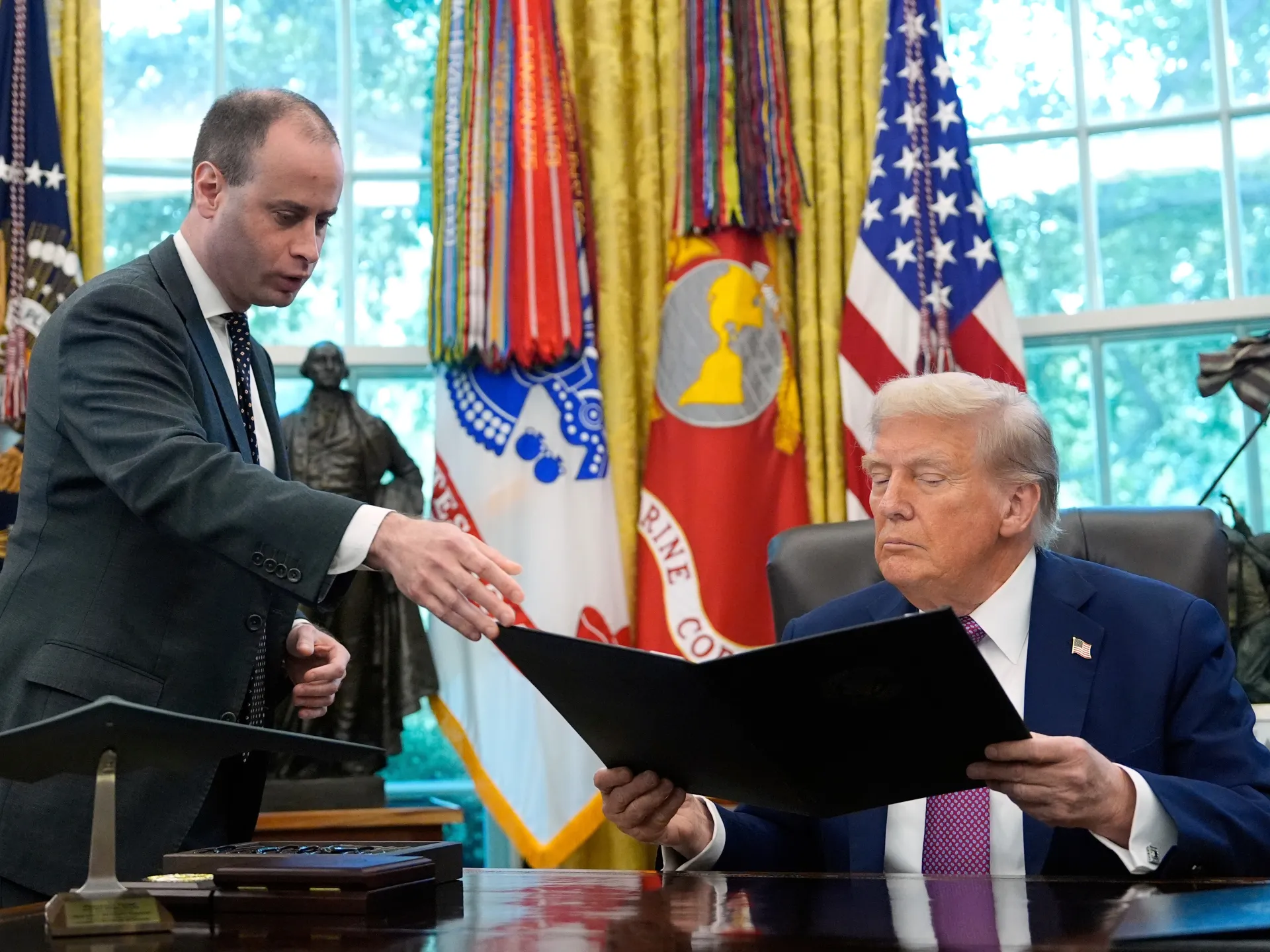
As these internal developments unfold, they coincide with significant diplomatic pressures. The announcement arrived just days before a scheduled high-level meeting between Chinese leadership and US President Donald Trump, and shortly before a crucial party assembly focused on internal governance. The timing appears calculated to project a sense of control and ideological purity to both domestic observers and international stakeholders ahead of these high-stakes engagements.
The immediate aftermath will likely see a rapid effort to fill the vacancies within the Central Military Commission to restore functional command. Observers will look to the upcoming party assembly to see who emerges as the new guard, providing insight into whether the leadership intends to continue its aggressive restructuring of the military hierarchy. The focus remains on whether these purges effectively eliminate internal dissent or if they create new friction points within the party's ranks. Externally, the administration will likely emphasize these moves as proof of internal stability and a commitment to anti-corruption during high-level meetings in Washington, framing the departures as a house-cleaning measure rather than an indicator of structural instability.