As The Left party secures a victory in Berlin, Chancellor Friedrich Merz faces mounting internal pressure to stabilize a fractured German federal government.
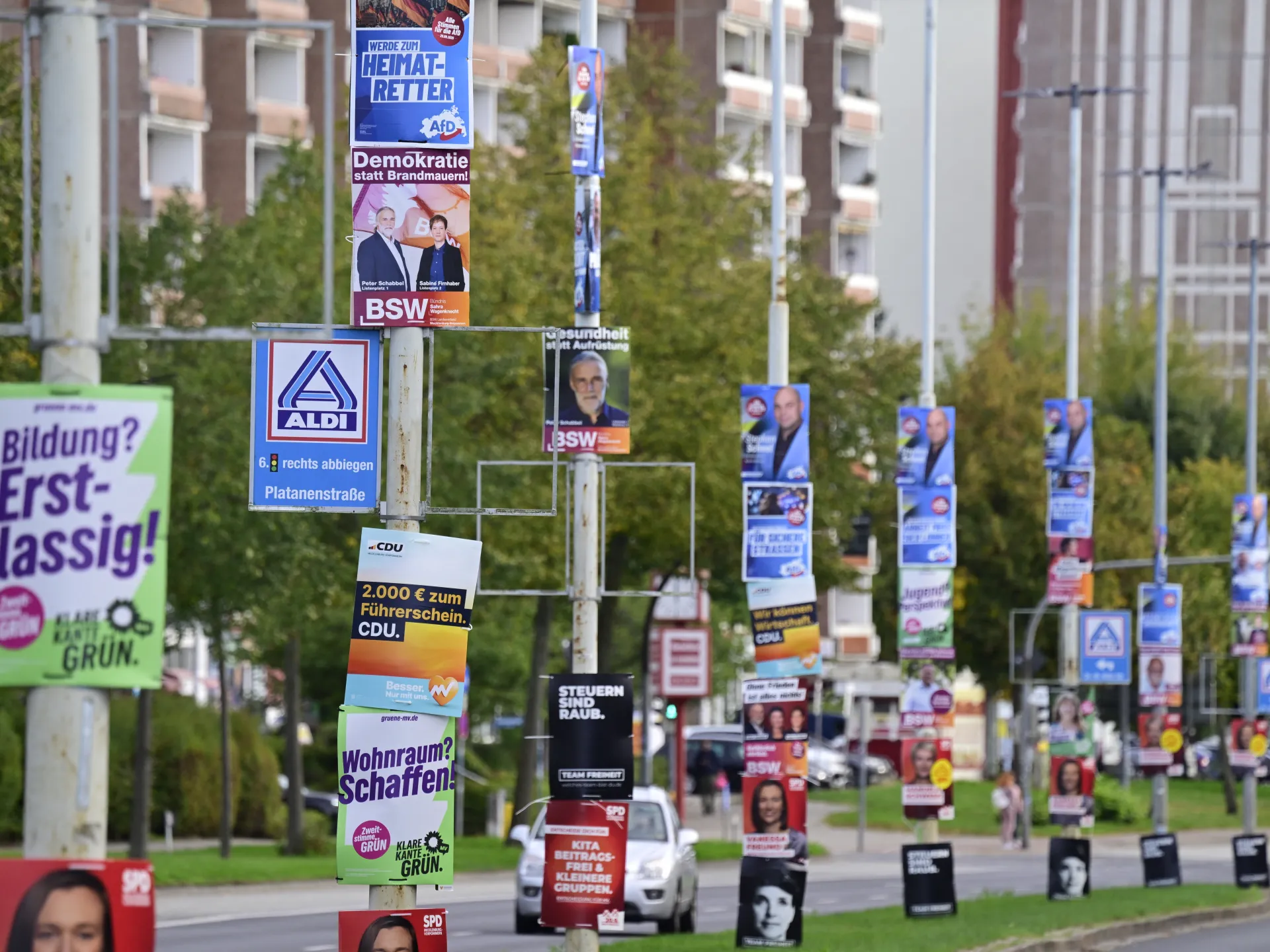
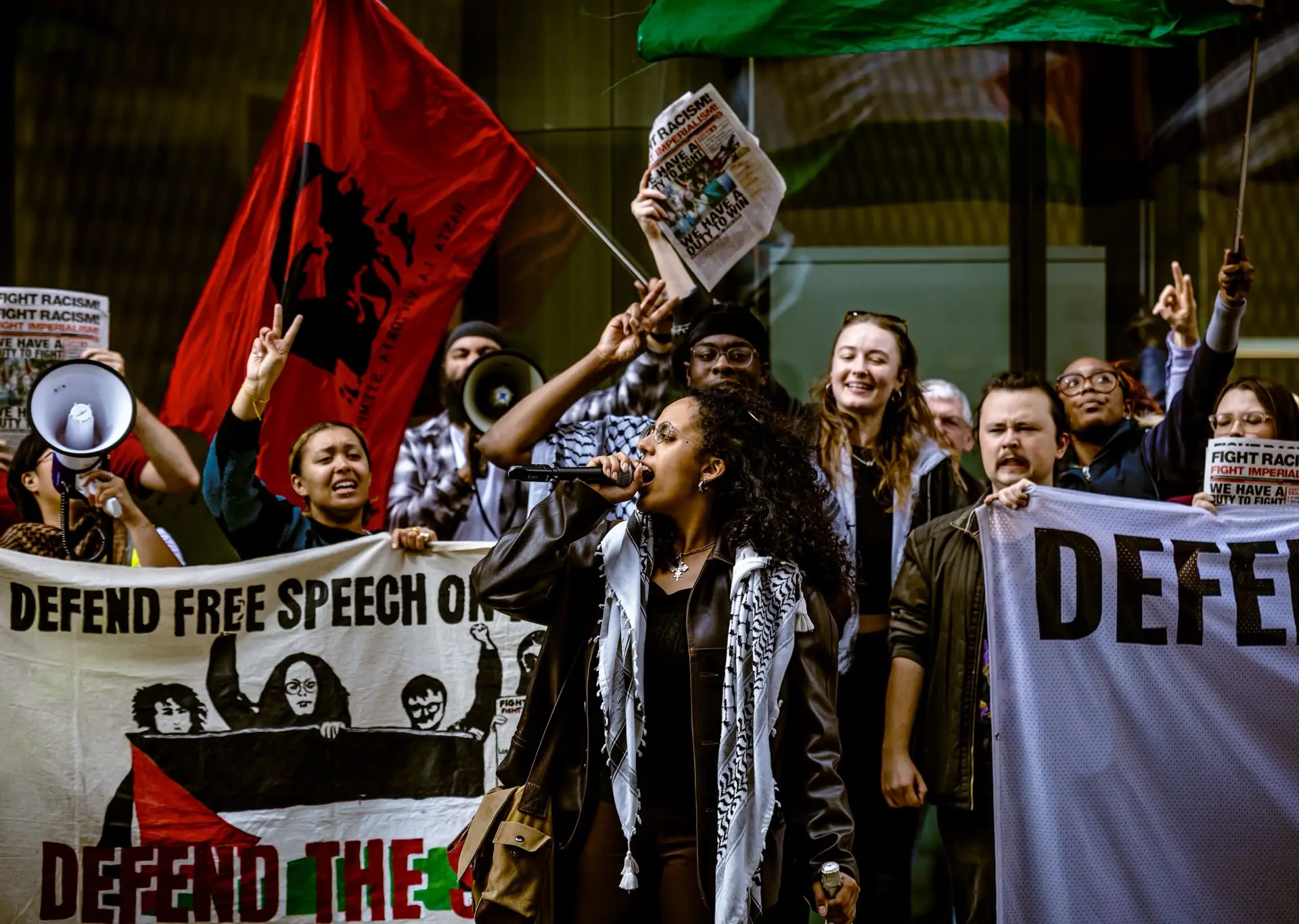
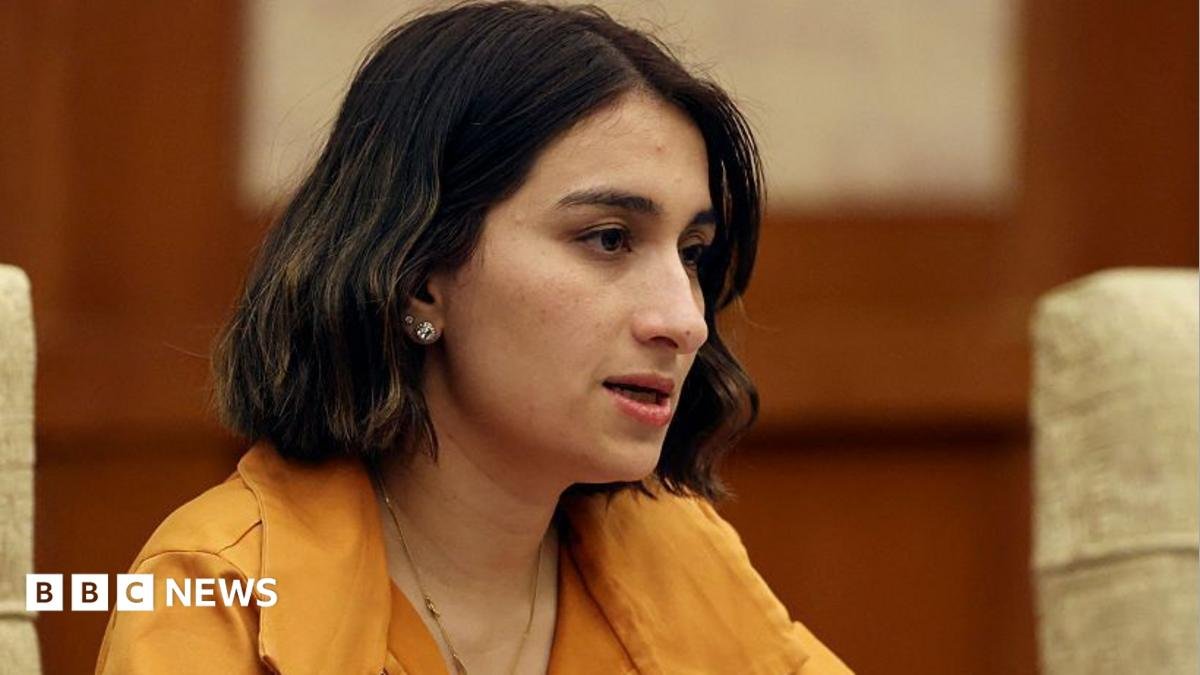
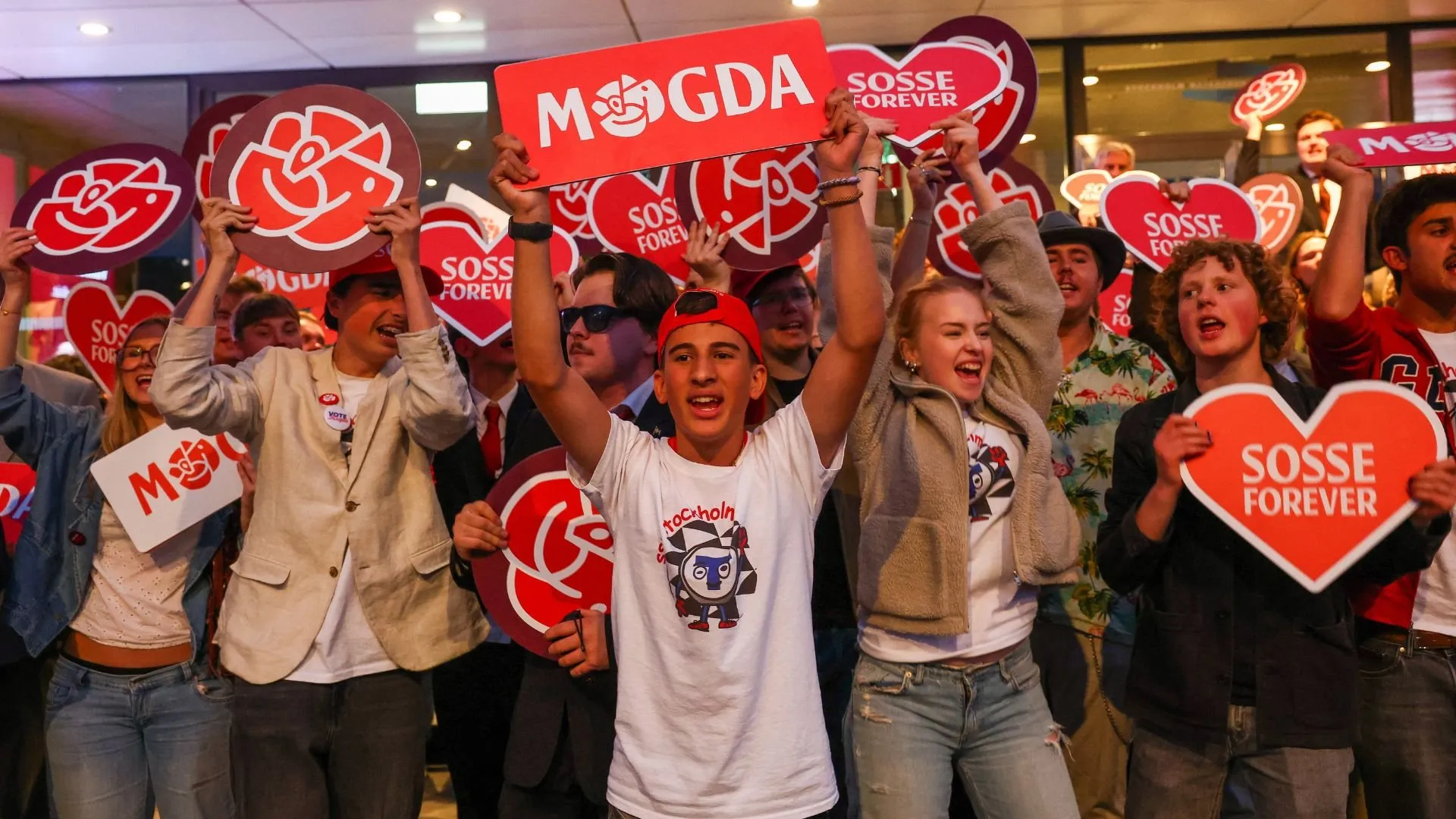
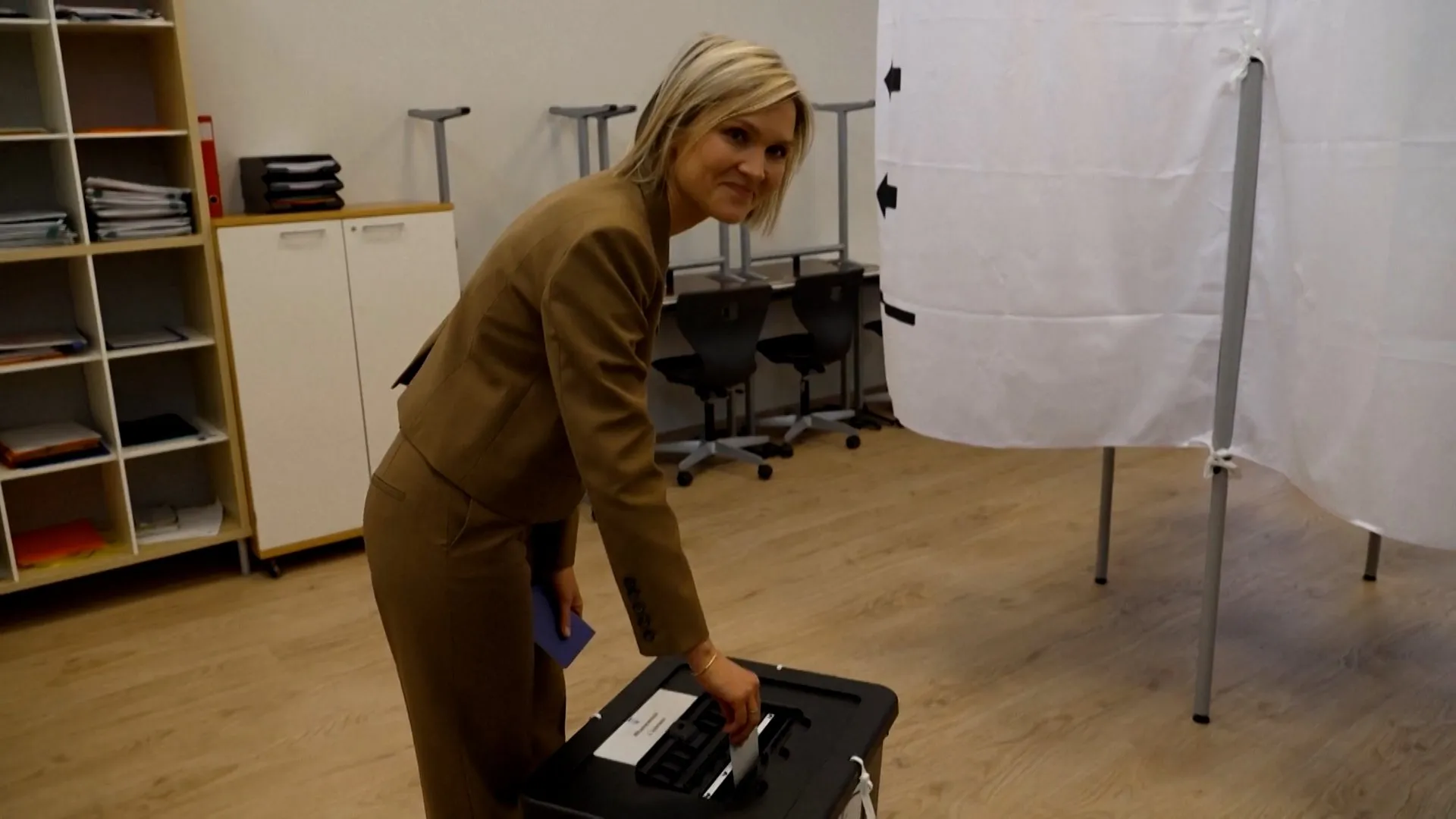
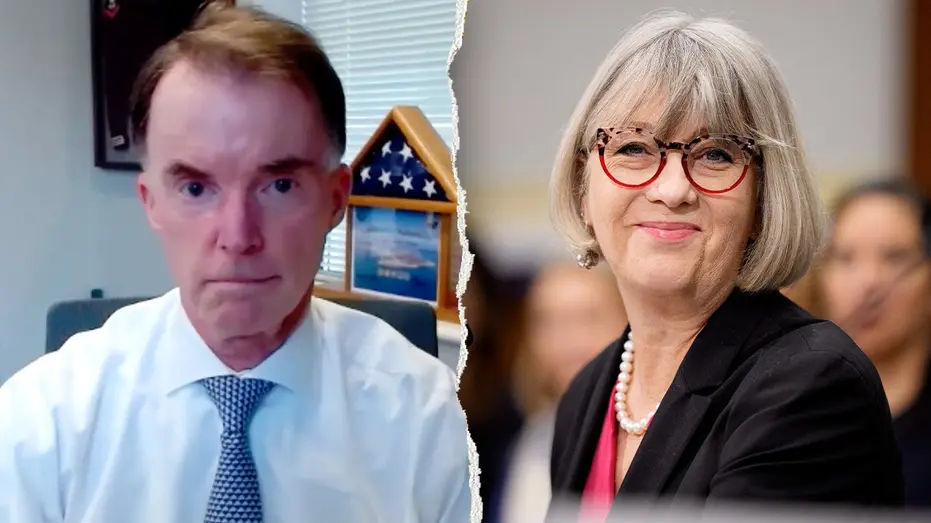
The German political landscape has reached a precarious inflection point following a landmark state election in Berlin that placed The Left party (Die Linke) in the driver’s seat of the capital. Elif Eralp, a longtime activist and daughter of Turkish political exiles, secured a first-place finish for her party, positioning her to potentially lead Berlin as its first mayor of Turkish descent and the first woman of color to hold the office. Her victory serves as a sharp contrast to the prevailing winds of far-right sentiment that have recently rattled Germany’s federal government.
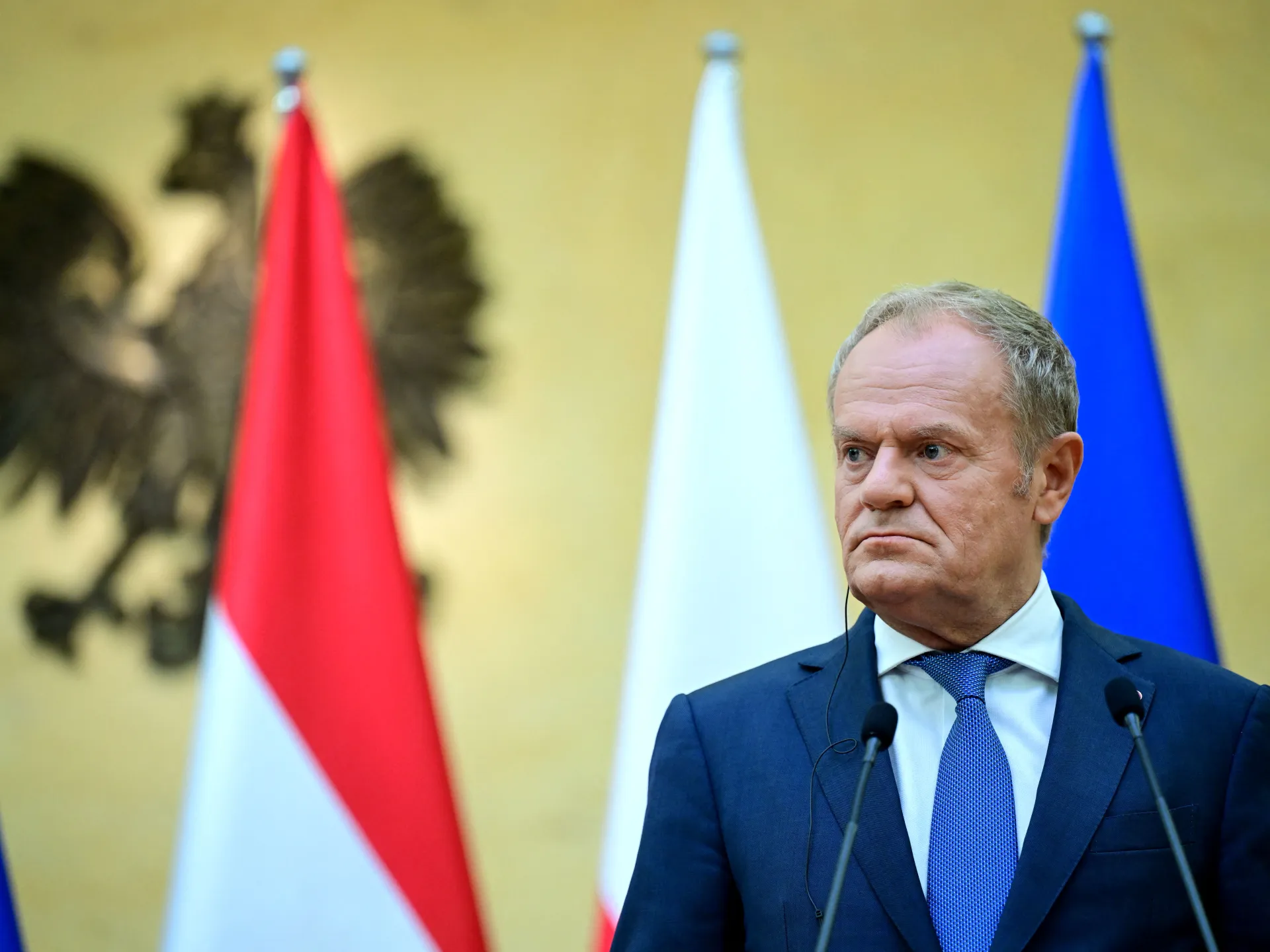
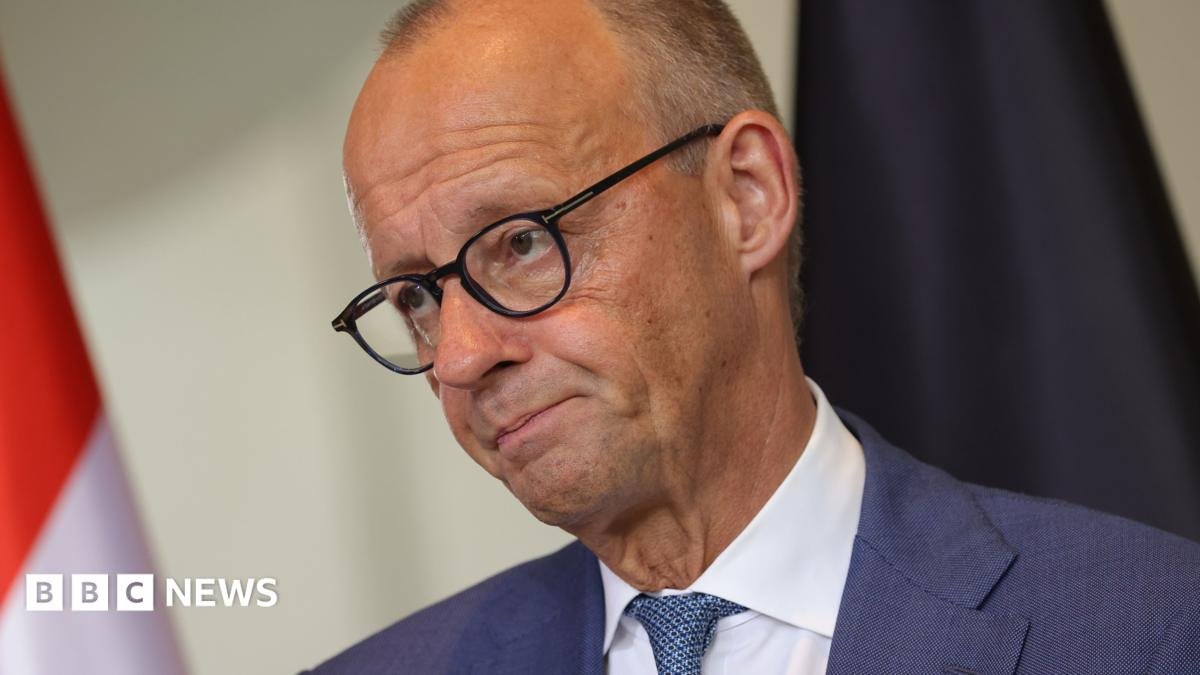
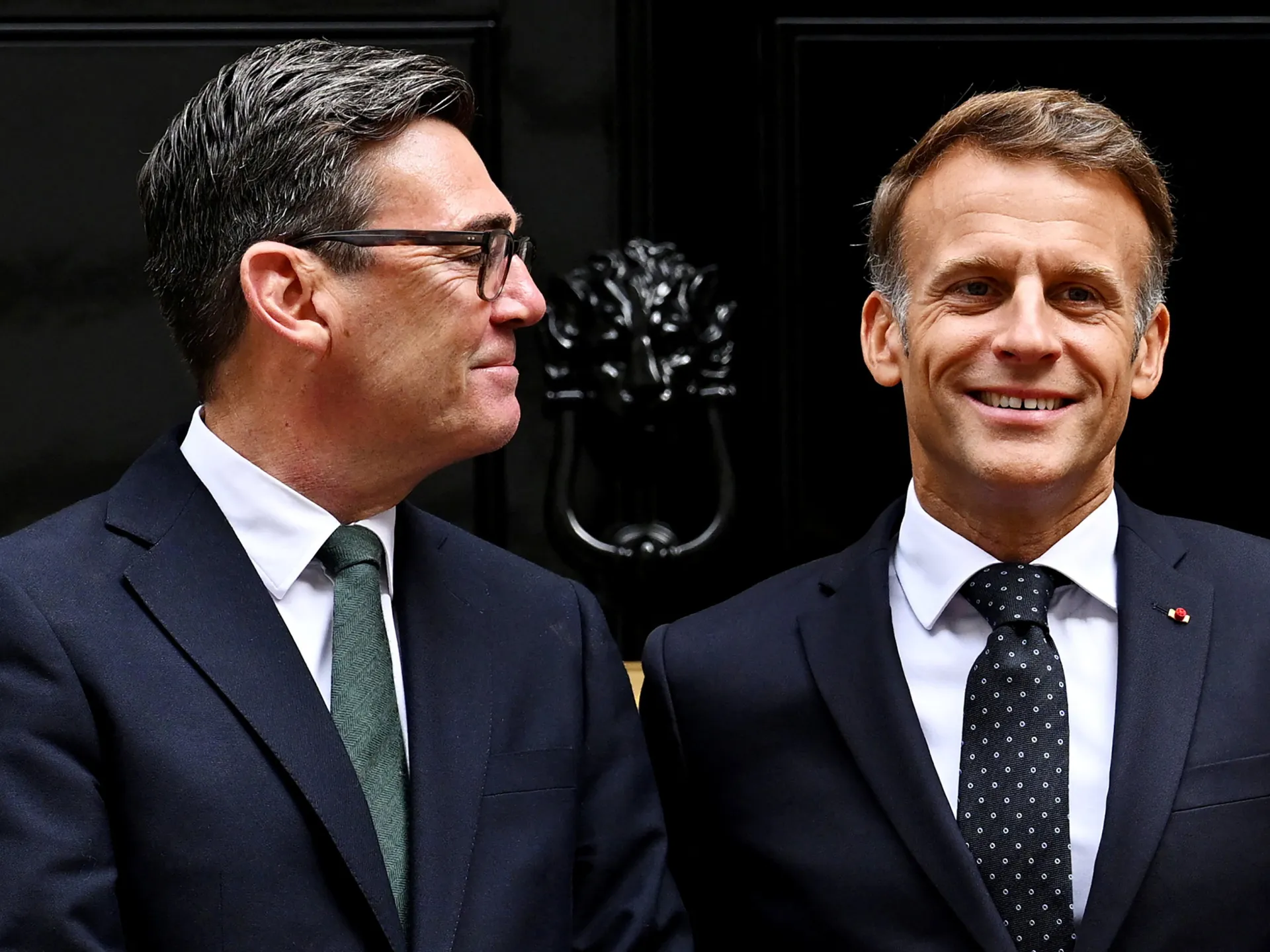
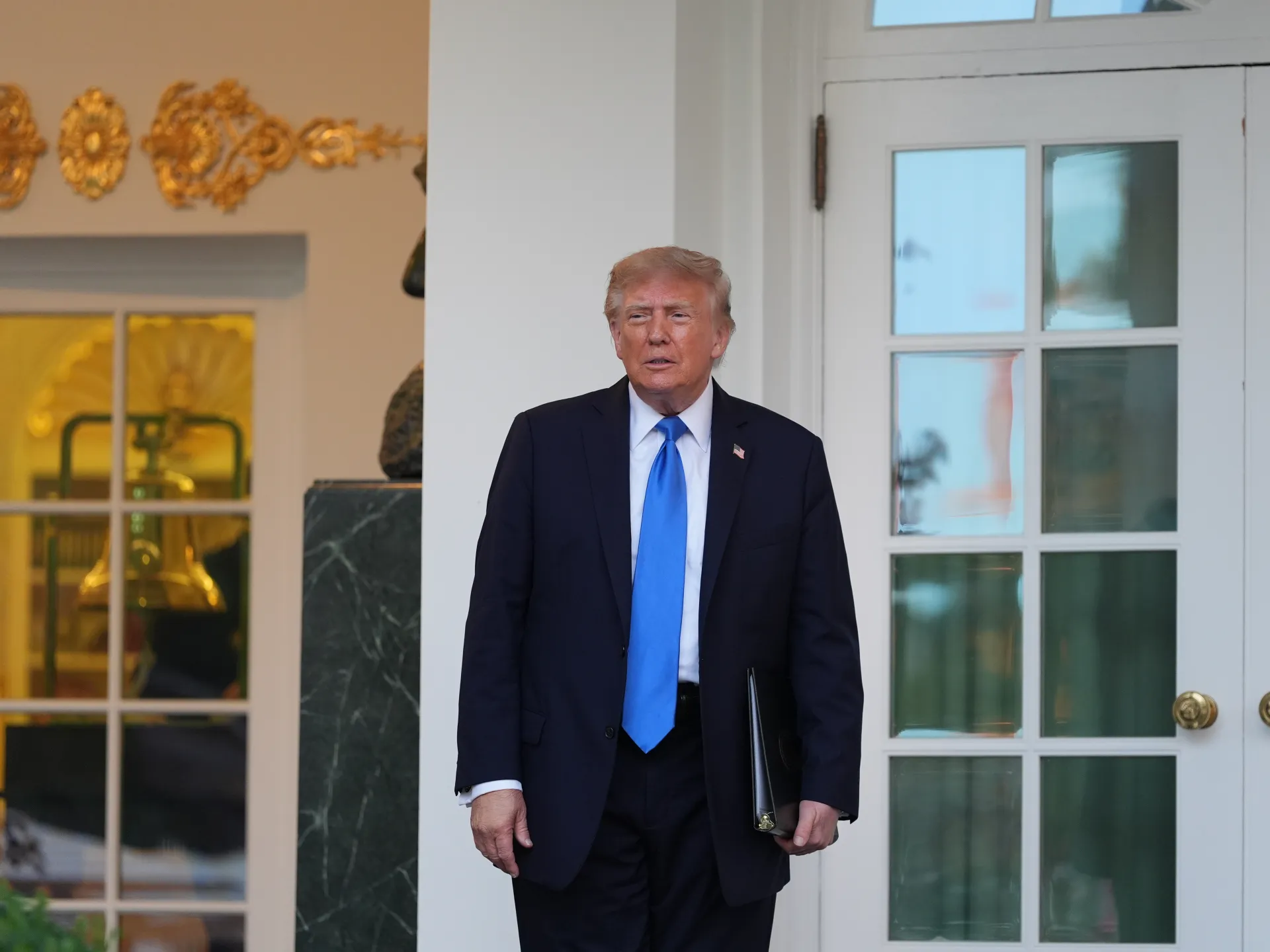
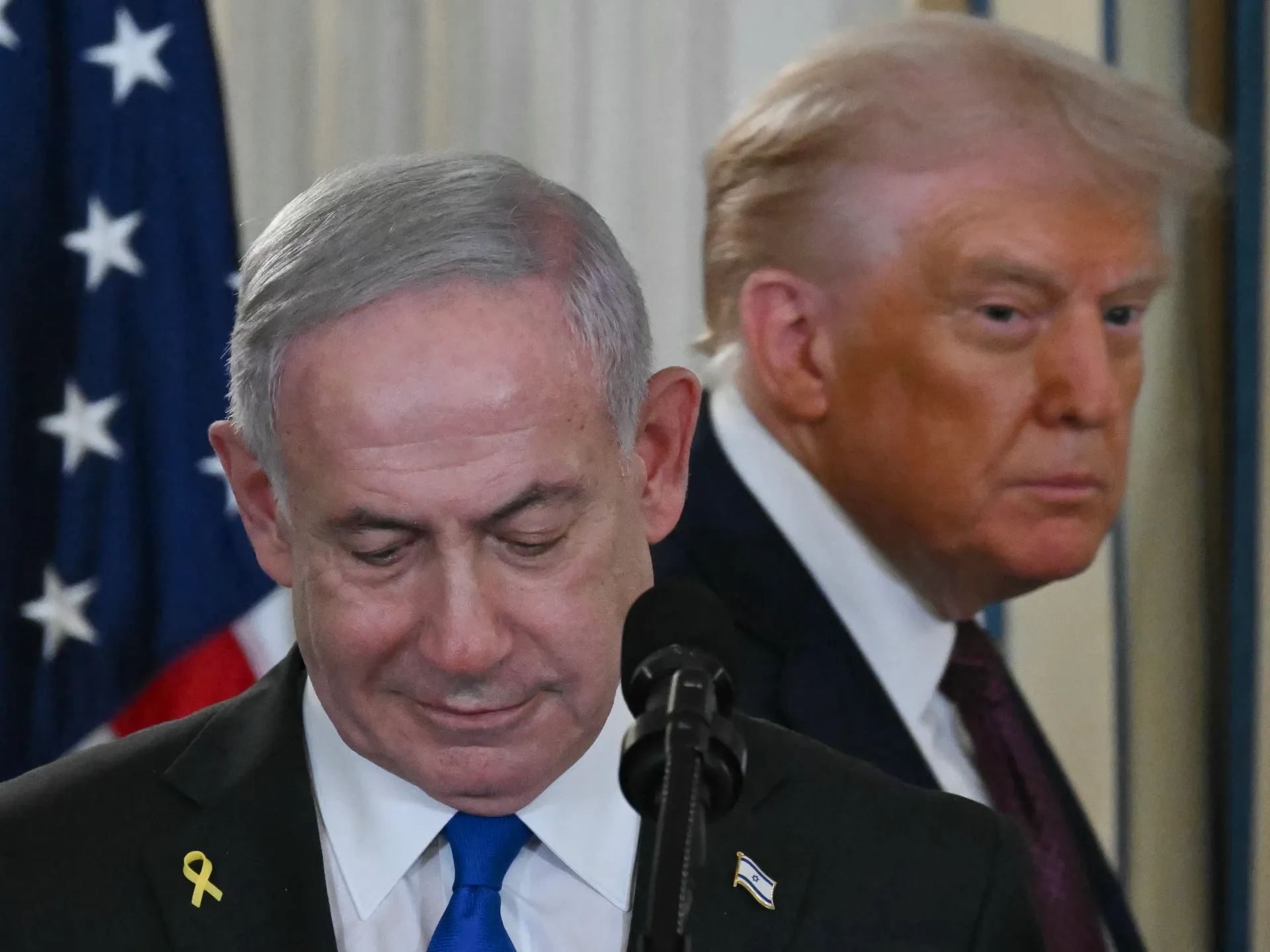
While Eralp prepares for the complex task of coalition building to secure the mayorship, Chancellor Friedrich Merz remains embroiled in a deepening crisis of confidence at the federal level. Despite receiving public declarations of support from eight state premiers within his own Christian Democratic Union (CDU), Merz faces a fractured party and a disillusioned electorate. The tension between the resurgence of radical left-wing policies in the capital and the far-right electoral gains in regional strongholds underscores a nation struggling to define its future direction as traditional center-right governance faces unprecedented skepticism.
The developments in Berlin represent more than a mere change in local administration; they signal a deep fragmentation of the German consensus. For decades, the CDU-led status quo relied on stability and predictable, centrist outcomes. The current dual crisis—where the far-right Alternative for Germany (AfD) dominates in the east while a progressive, immigrant-led movement surges in the capital—leaves the federal government in a state of paralysis. The stakes involve the fundamental identity of the German state. As the CDU faces internal whispers of a potential “Kanzlertausch” (chancellor swap) to salvage its electoral viability, the ability of the federal government to implement coherent national policy is increasingly compromised. This political volatility risks alienating voters who feel caught between the radicalization of the right and the disruptive, anti-neoliberal platform of the rising Left, potentially creating a leadership vacuum that complicates Germany’s role in European affairs.
Elif Eralp’s campaign successfully tapped into a latent desire for radical political change. distinguished her platform from the status quo. Her rise is characterized erliners are prioritizing social justice and migrant inclusion over the incrementalism offered ability to negotiate with potential coalition partners, as The Left party does not hold an outright majority.
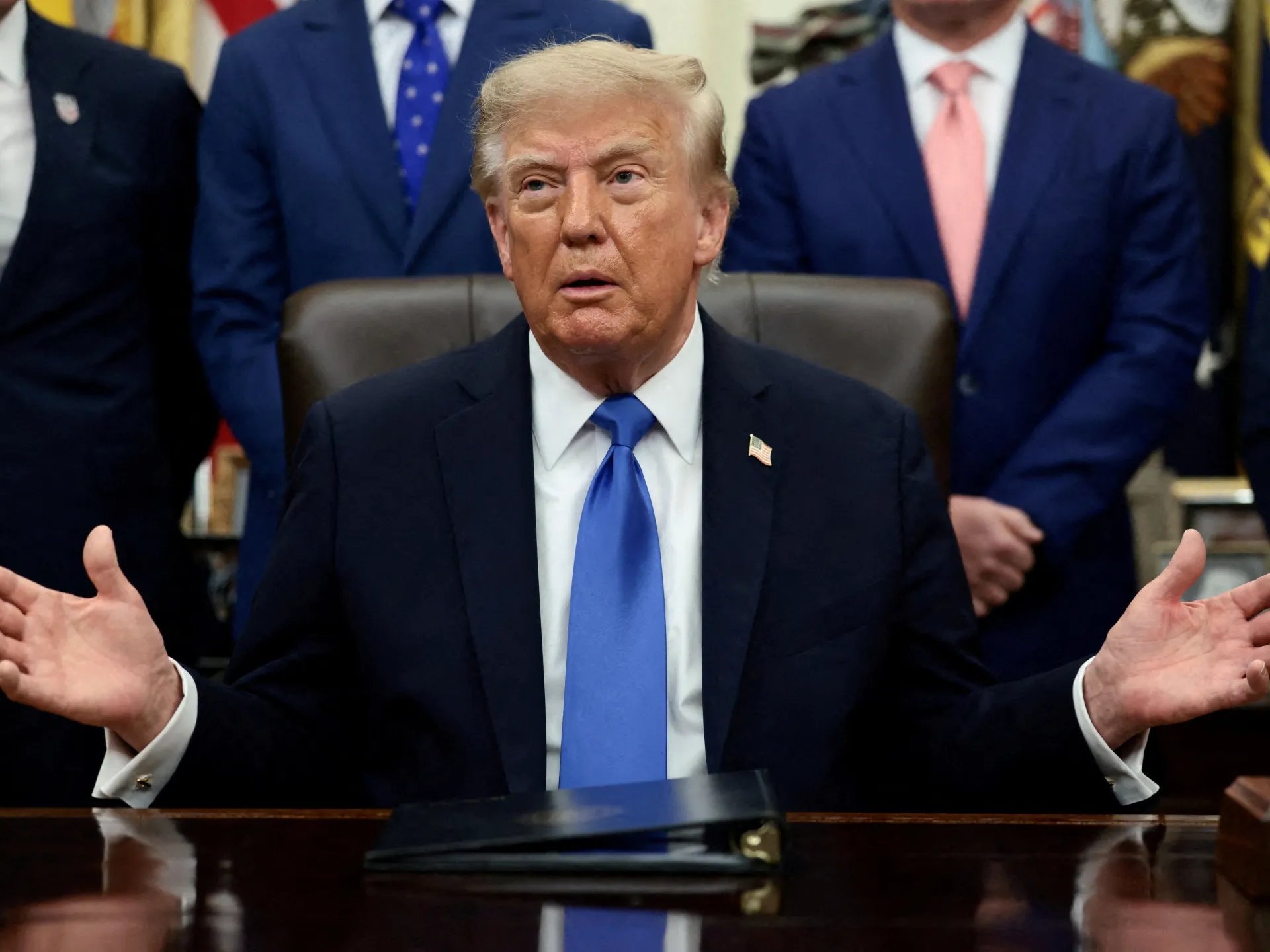
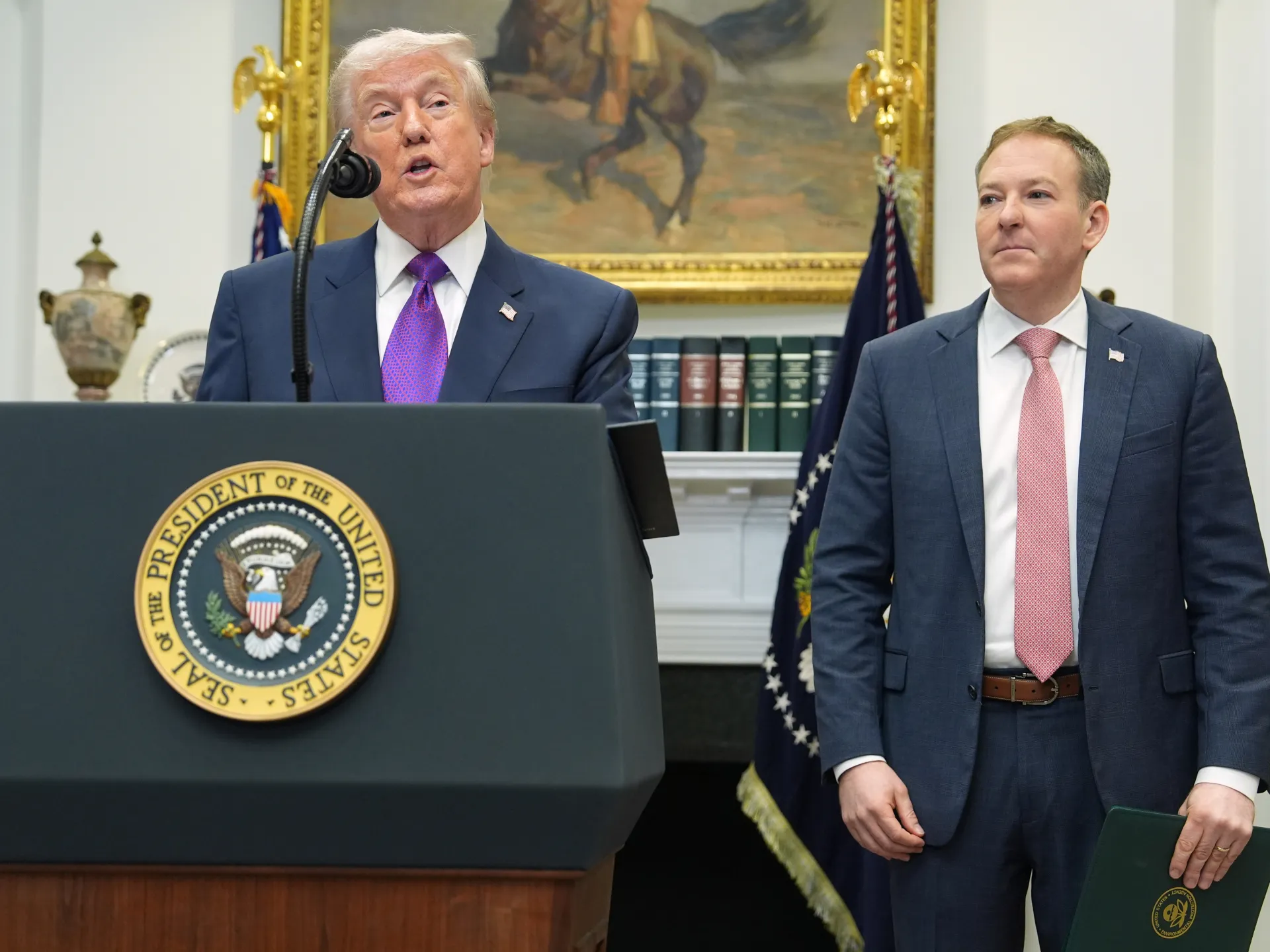
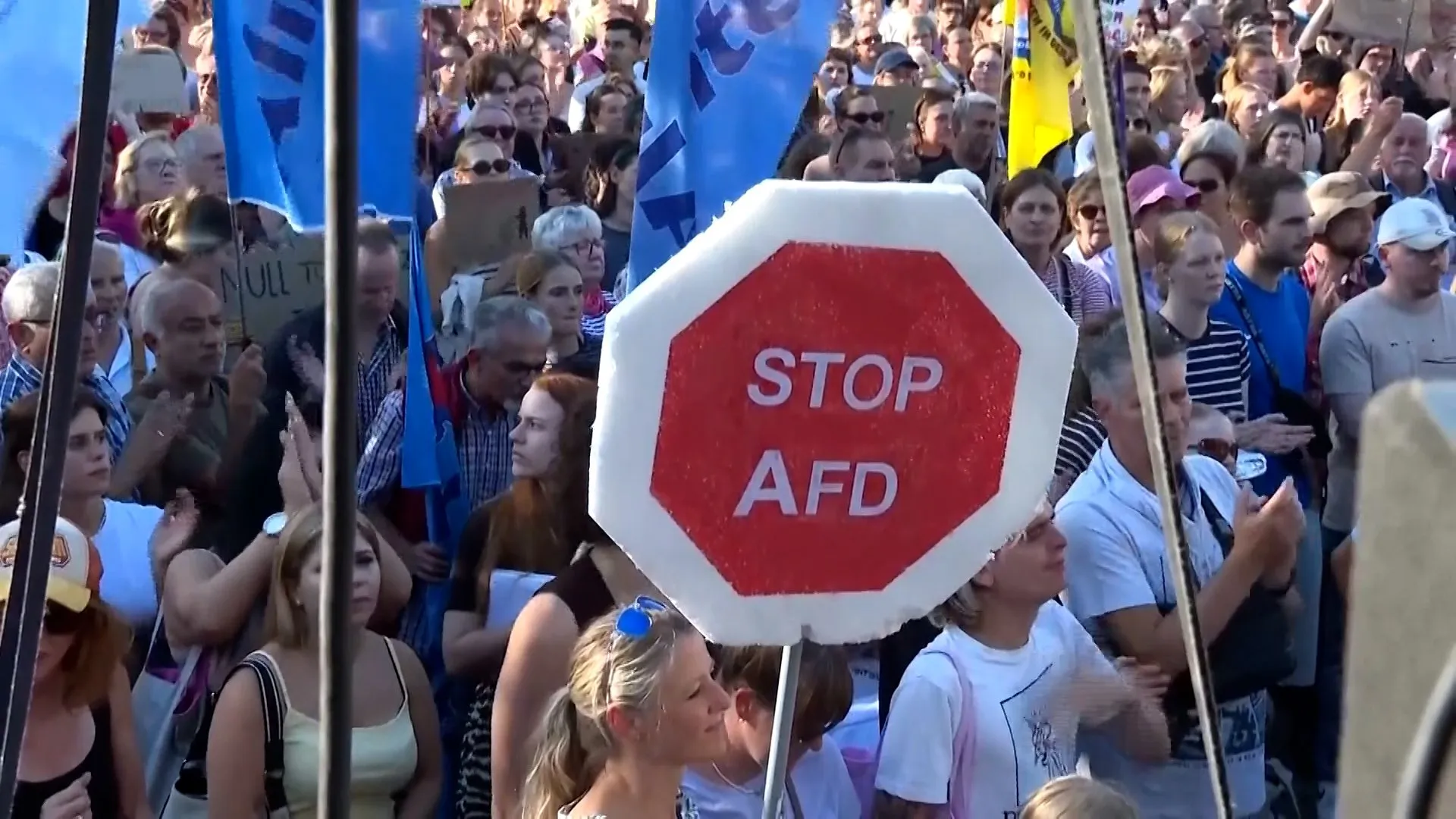
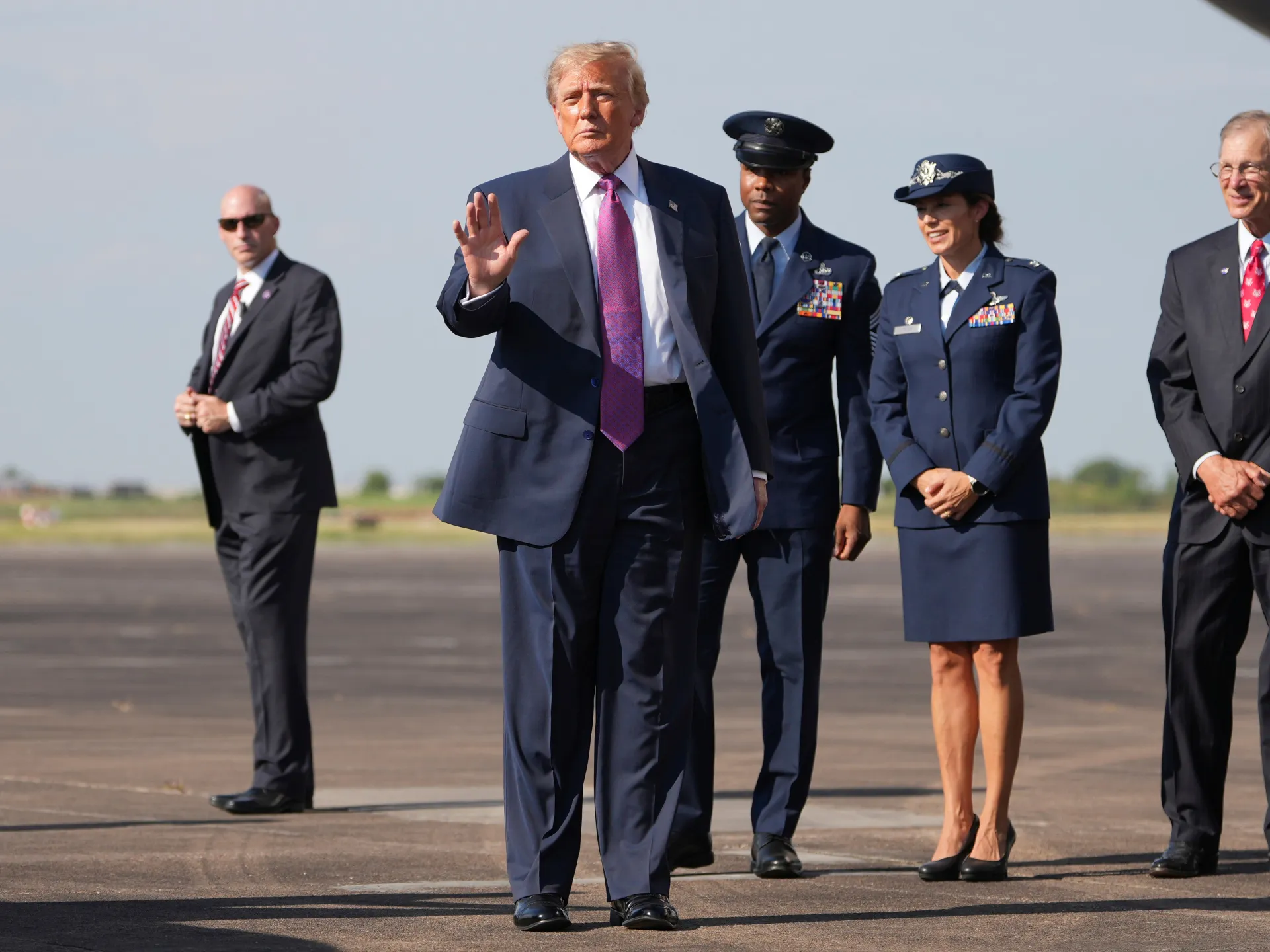
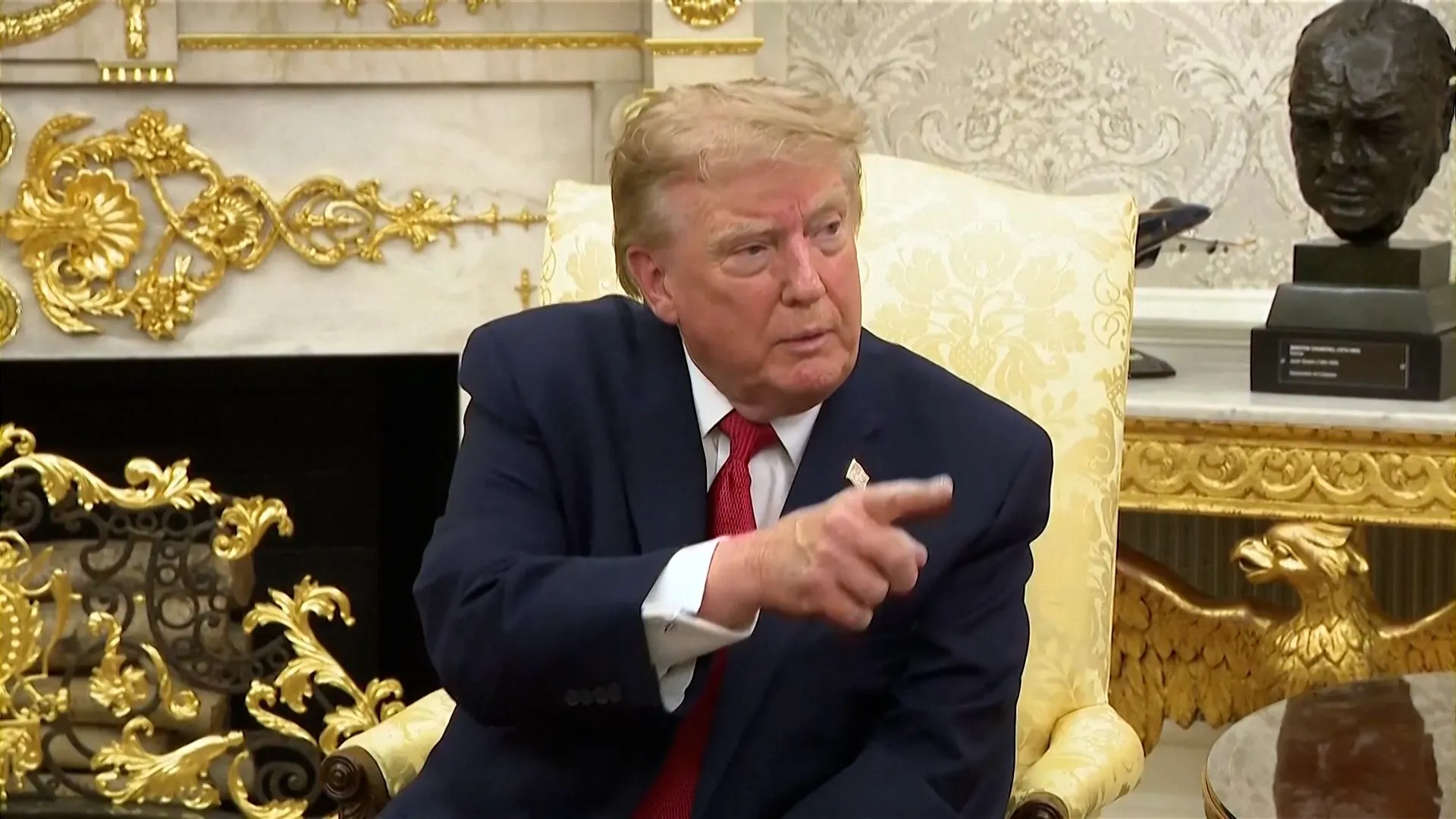
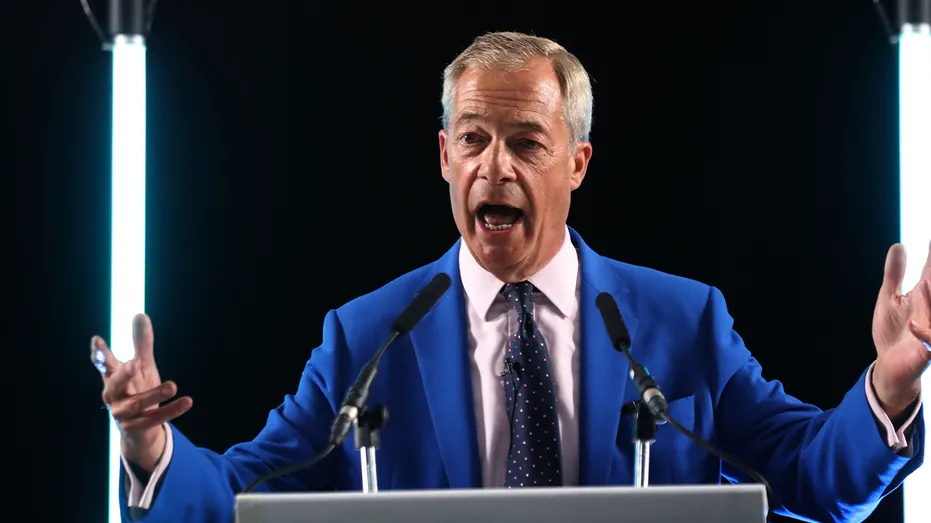
Conversely, Chancellor Merz is fighting for his political survival against the backdrop of the AfD’s historic performance in Saxony-Anhalt, where the far-right party secured 43.8% of the vote. Merz’s aggressive rhetoric against the AfD, including accusations that their migration policies equate to a form of “ethnic cleansing,” has backfired in some sectors, resulting in a defamation complaint from the party. With his approval rating languishing at just 14% according to recent polling, the chancellor’s reliance on the support of state premiers suggests that his authority is currently more performative than substantive.
The coming weeks will likely serve as a decisive trial for both the regional and federal levels of German government. For Eralp, the immediate hurdle is the formation of a governing coalition. Should she succeed, her administration will likely attempt to implement the “solidarity city” model, which will act as a lightning rod for national policy debates regarding migration and urban management. At the federal level, Chancellor Merz’s ability to cling to power will be tested ntinues to sag, the calls for a leadership change are expected to move from private corridors to public debate, potentially triggering a formal challenge to his authority before the next scheduled federal cycle. The central question remains whether Germany can synthesize these divergent regional political movements or if the country is headed toward a period of prolonged, multi-party instability.