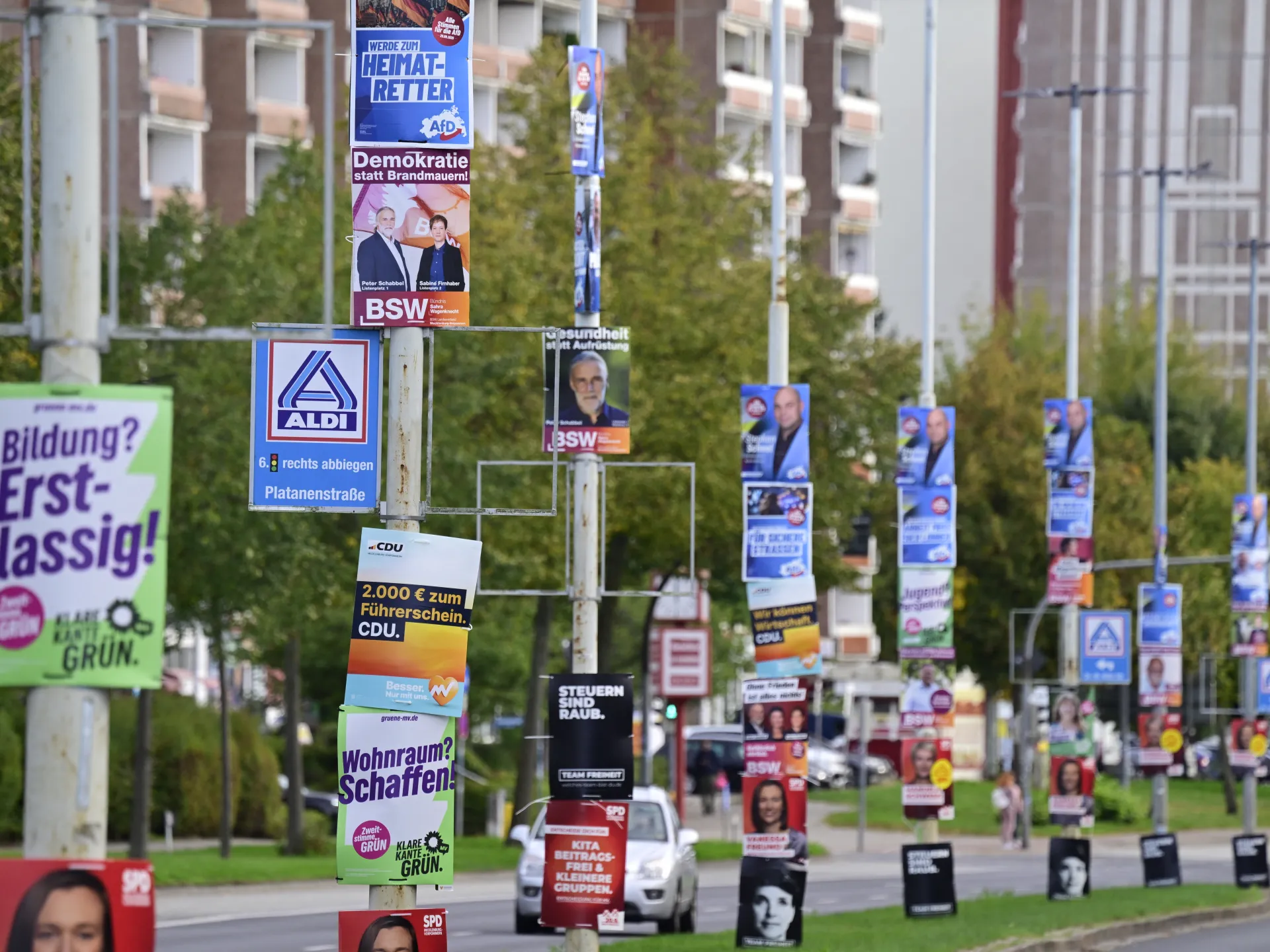
Die Linke party's victory in Berlin brings a potential shift in leadership as Chancellor Merz battles falling ratings and far-right surges elsewhere.
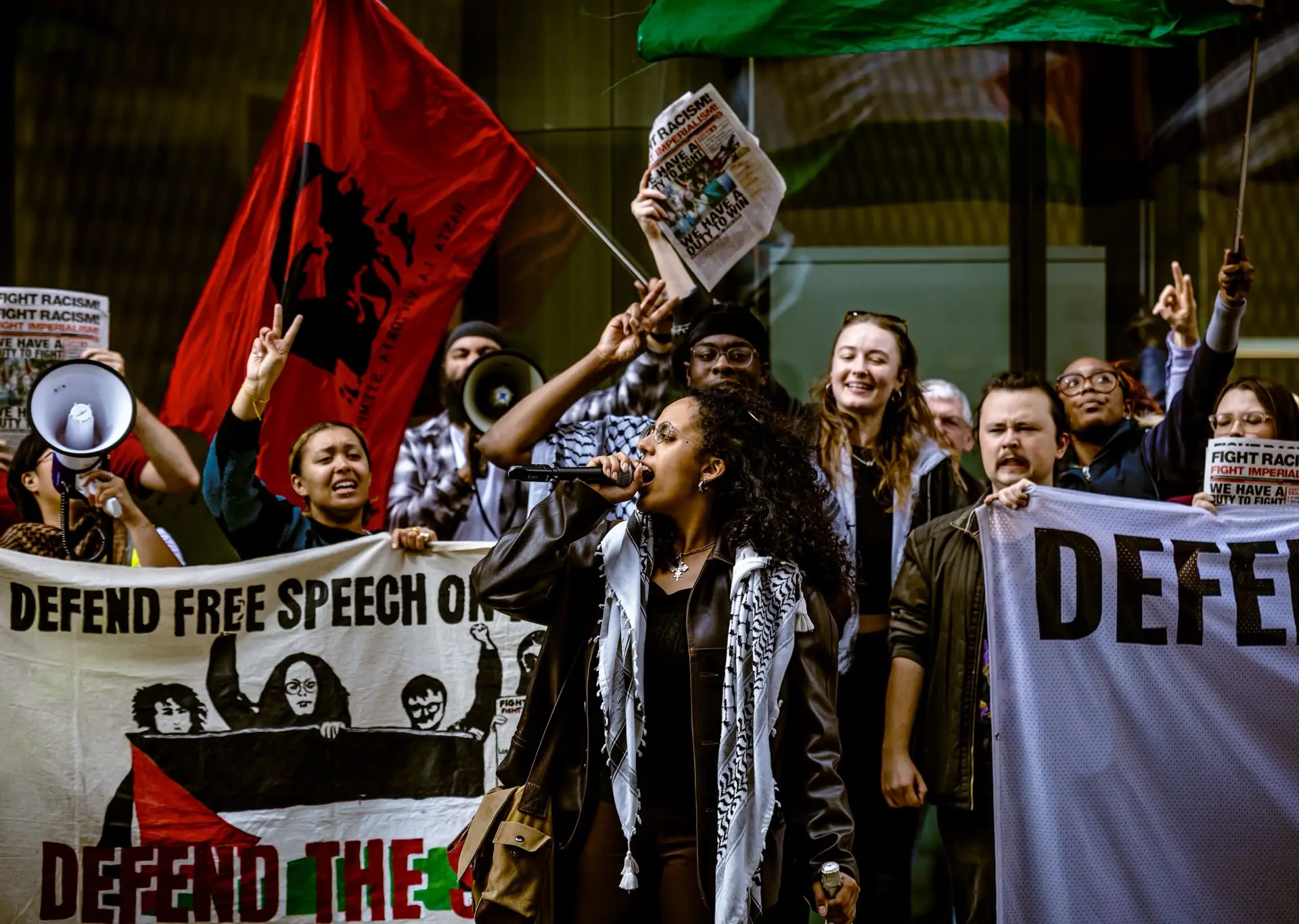
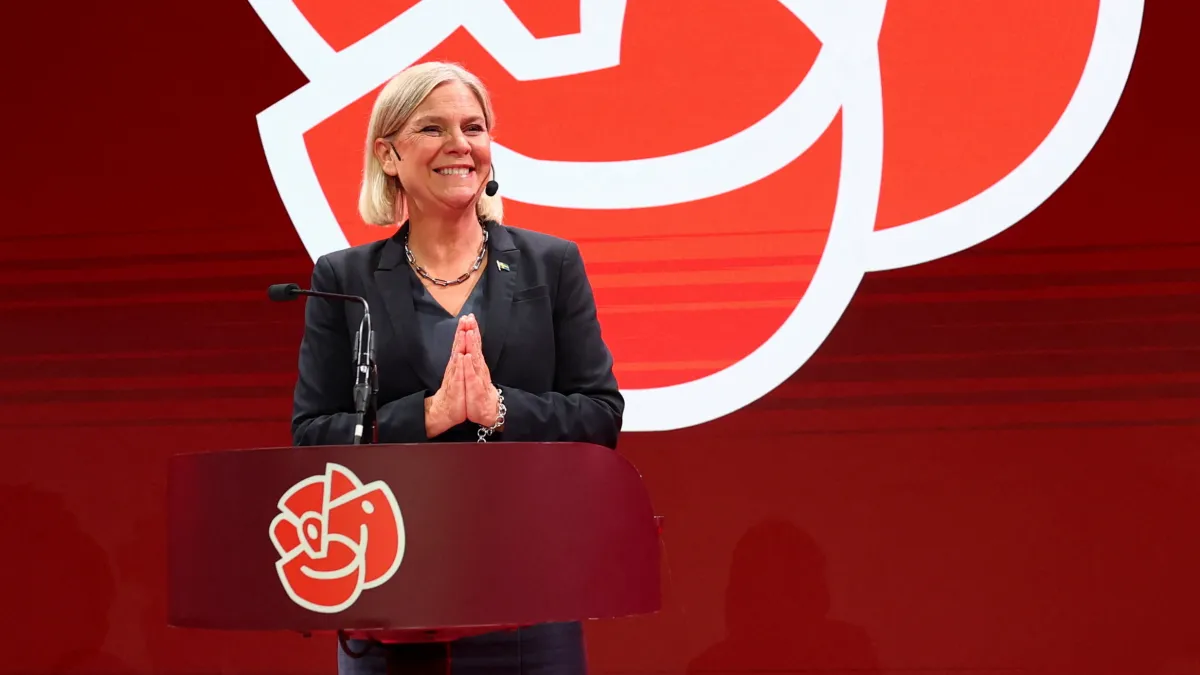
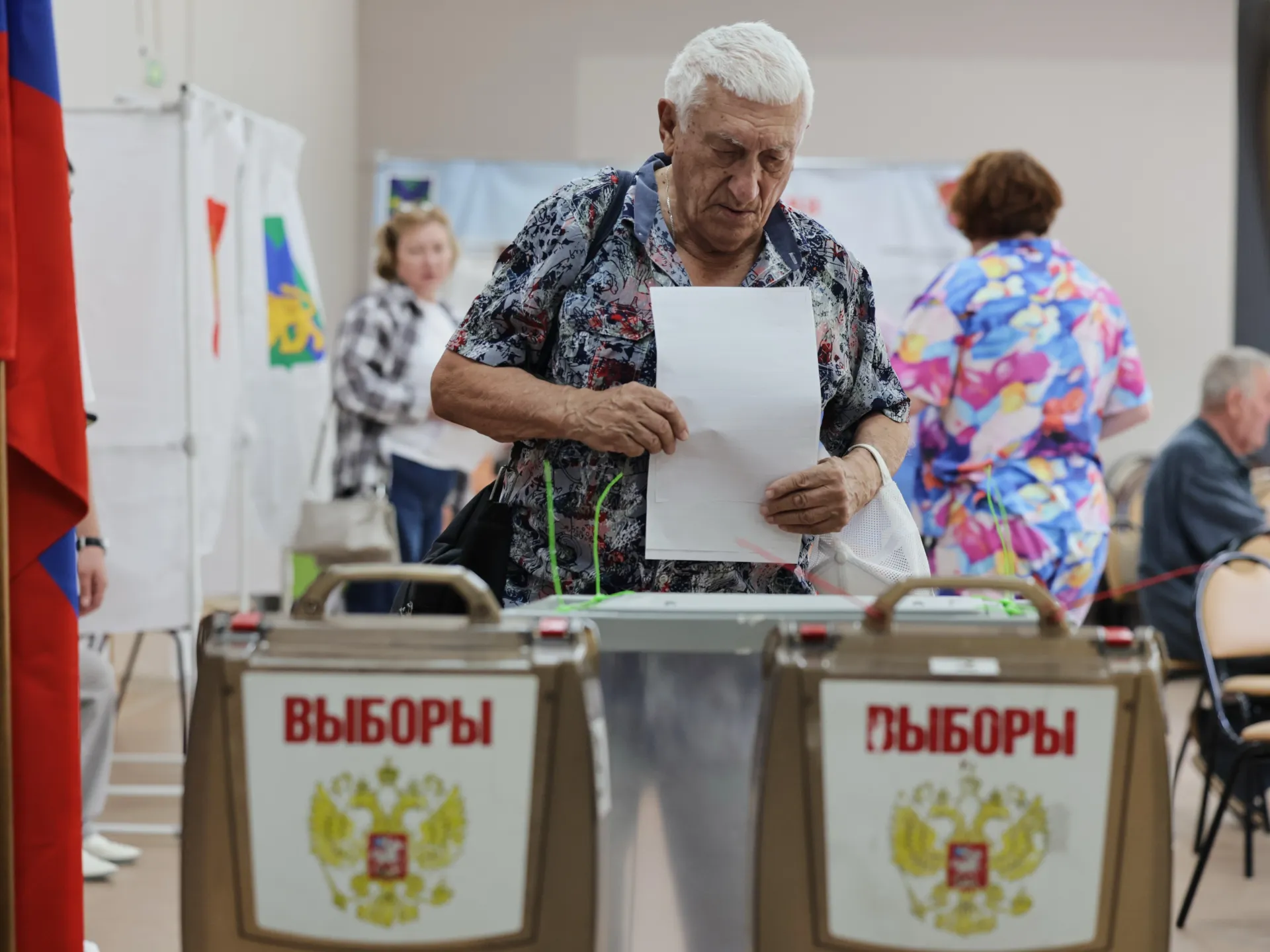
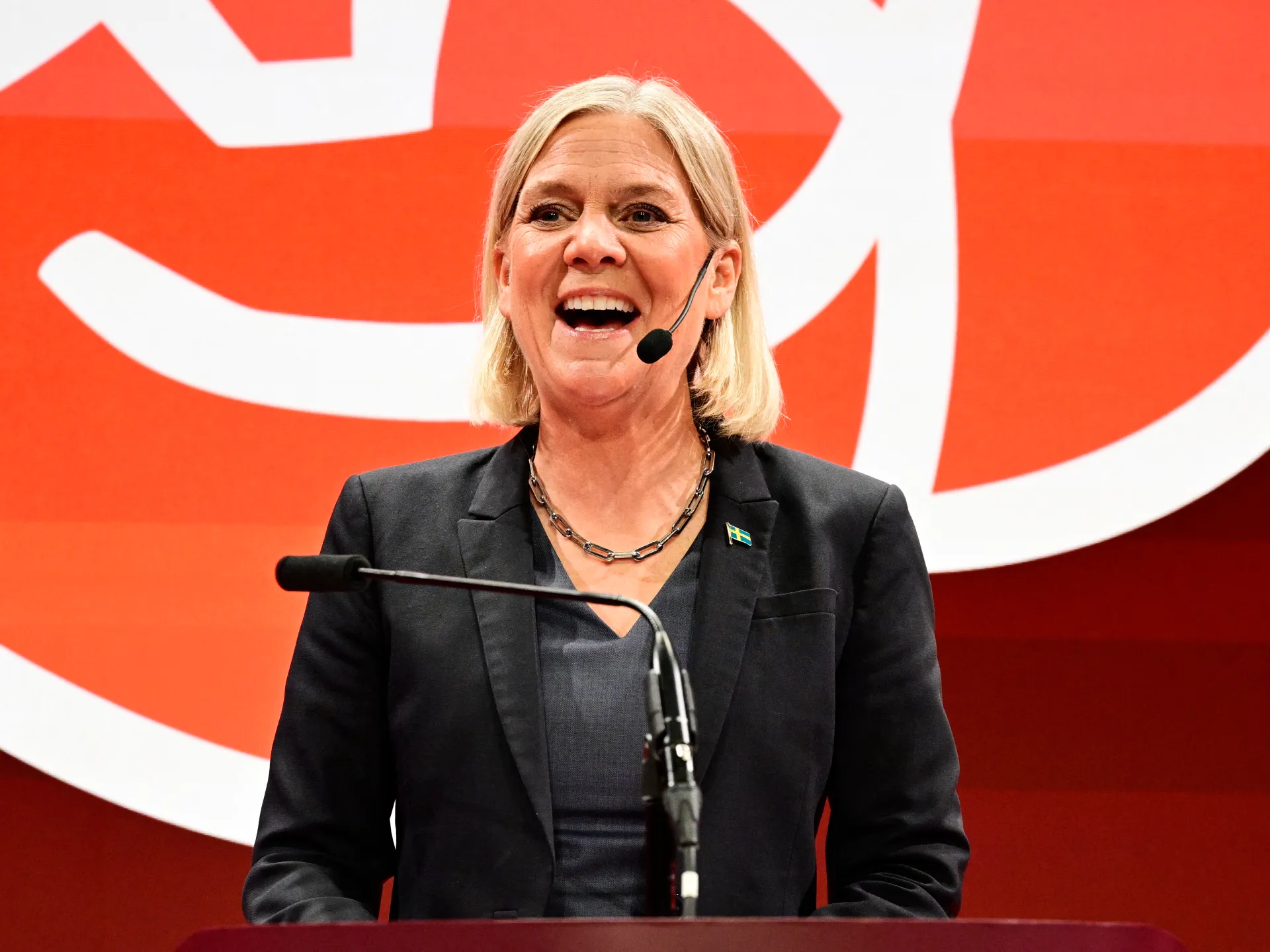
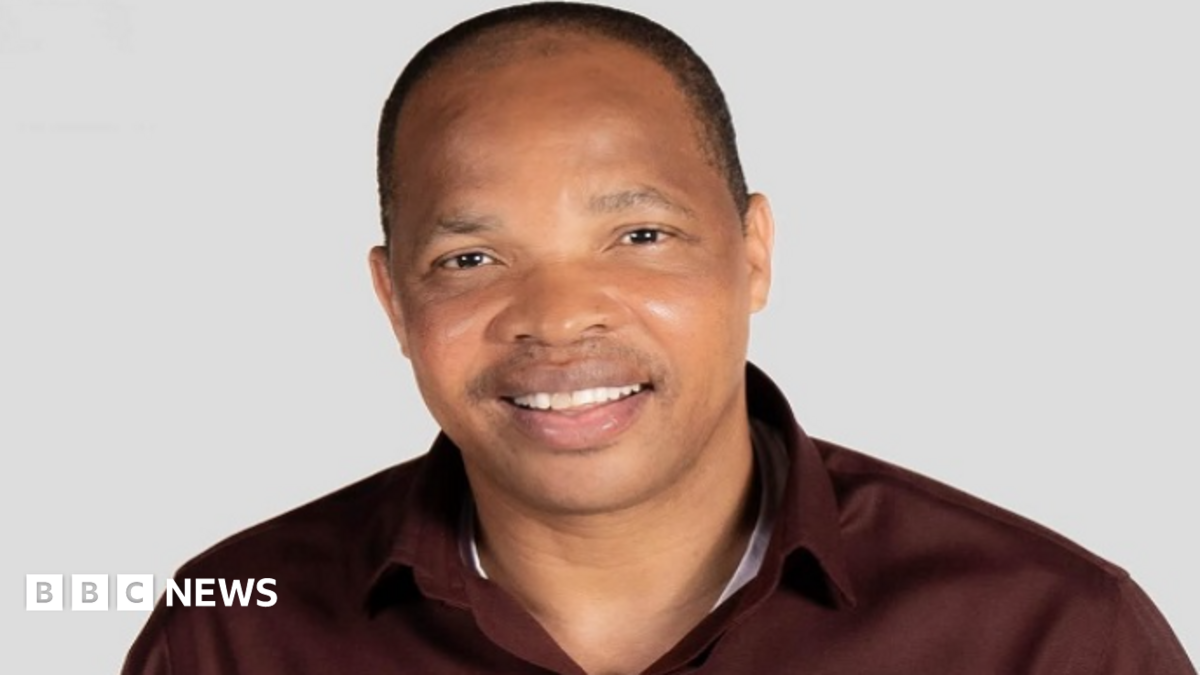
The political landscape of Germany underwent a seismic, localized shift this Sunday as Berlin voters handed a victory to the socialist Die Linke party. This result places Elif Eralp, a long-time civil rights advocate and daughter of Turkish political refugees, in a prime position to become the city’s governing mayor. Her success in the capital offers a sharp, contrasting narrative to the broader national trend observed earlier this month, where the far-right Alternative for Germany (AfD) party secured historic gains in the eastern state of Saxony-Anhalt.
While Eralp navigates the complexities of coalition-building to secure her leadership, the national government remains mired in internal strife. Chancellor Friedrich Merz, leader of the Christian Democratic Union (CDU), continues to face intense pressure from within his own ranks as his approval ratings hover at 14 percent. The convergence of these events—a surging socialist presence in the urban heart of the country and a weakening conservative federal coalition—underscores a period of profound volatility in German governance.
The dual developments in Berlin and Saxony-Anhalt reflect a fractured electorate that appears increasingly disillusioned with the political status quo. For the CDU, the challenge is existential; the party is simultaneously fighting a defensive battle against the far-right in the east while losing its grip on the liberal, progressive demographics of metropolitan hubs. Eralp’s potential rise to power represents more than a party victory; it signals a desire for radical disruption in a city that historically serves as a bellwether for national sentiment. If Eralp succeeds, she will shatter multiple glass ceilings as the first woman of color and the first person of Turkish descent to lead Berlin, setting a precedent that may embolden leftist movements across Western Europe to push back against the rise of populist nationalism.
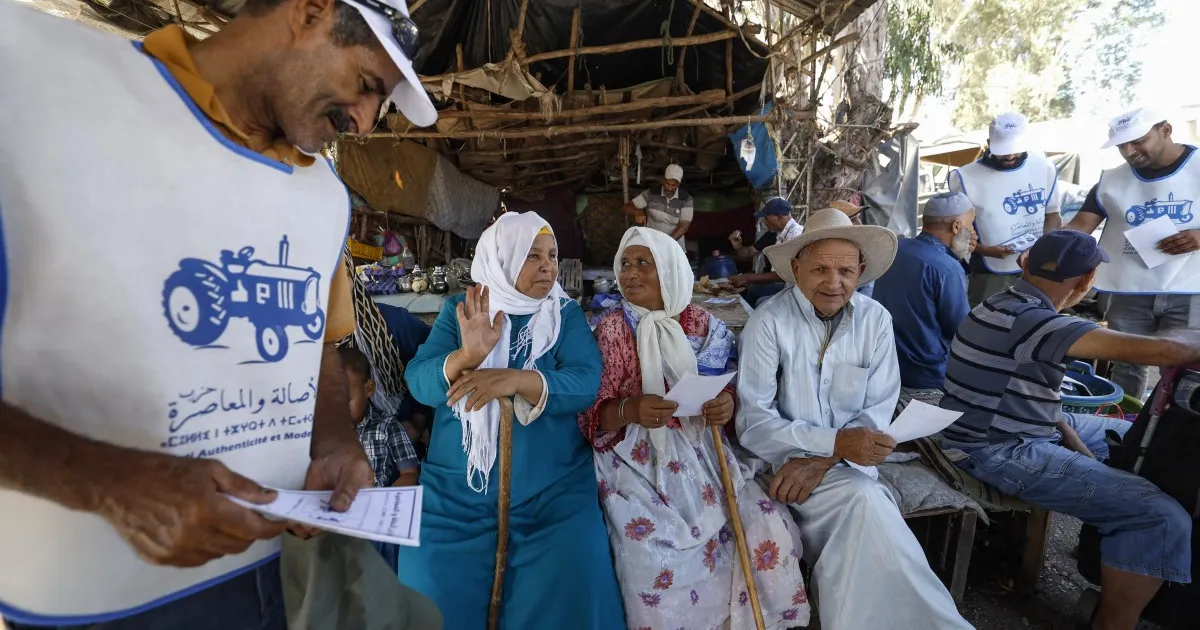
Elif Eralp’s campaign, which centered on affordable housing, rent control, and the expansion of migrant rights, resonated deeply with Berlin’s diverse population. Having served in the Berlin House of Representatives since 2021, Eralp has framed her platform around transforming the city into a “solidarity city.” Her victory is viewed he German political discourse in recent years.
Despite winning the most votes in the state election, Eralp must now secure partners to form a governing majority. Political observers note that this path is fraught with challenges, as Die Linke must balance its ideological purity with the pragmatic realities of coalition governance. The result stands in stark contrast to the performance of the AfD in Berlin, which, despite its strong showing elsewhere in the country, finished a distant third in the capital, suggesting that Germany's political trajectory remains deeply divided between rural, conservative regions and urban, progressive centers.
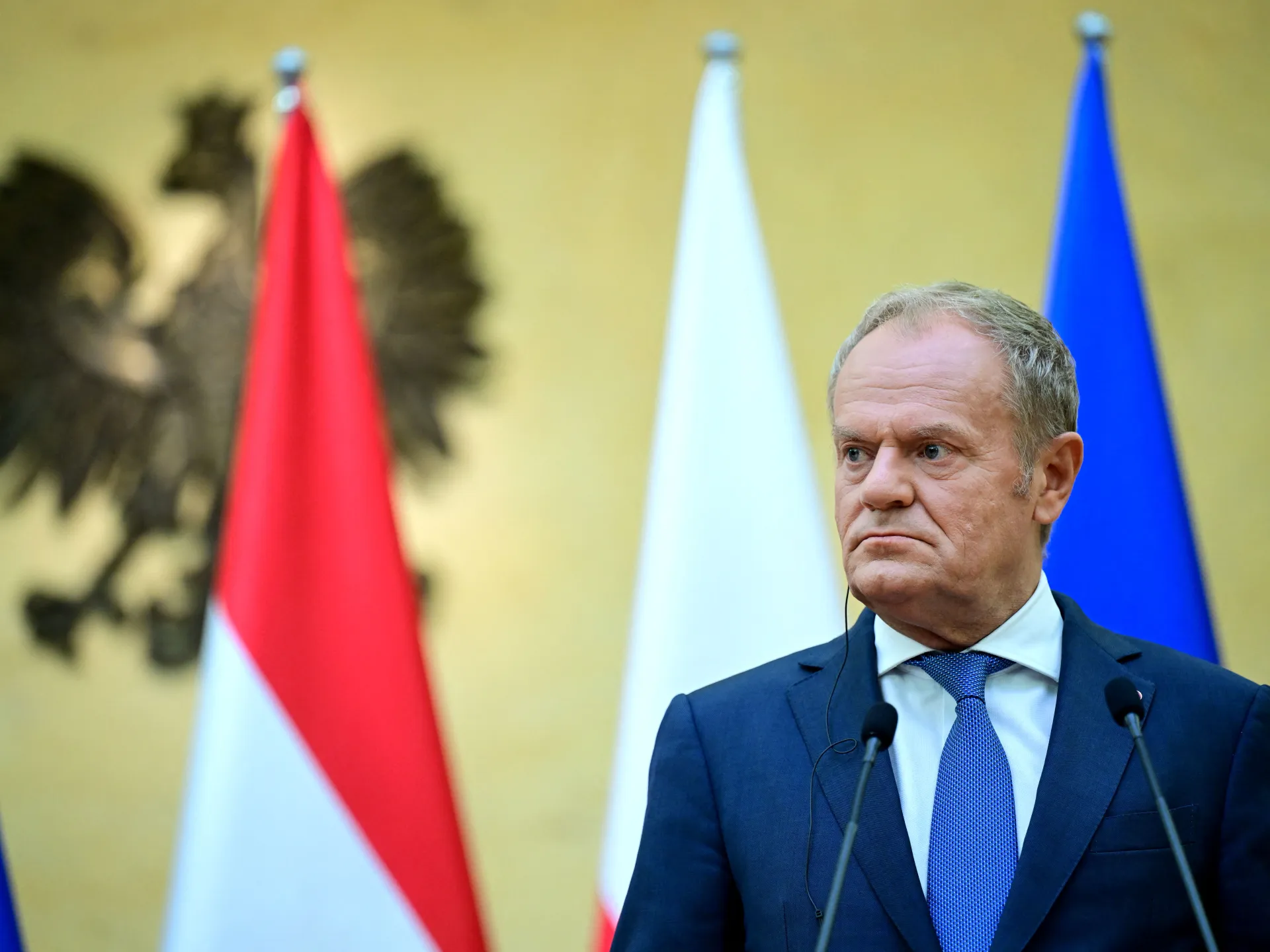
While the focus is on Berlin, the federal government in the Bundestag remains under siege. Chancellor Friedrich Merz has struggled to contain a potential leadership crisis following a dismal showing in Saxony-Anhalt, where the AfD achieved 43.8 percent of the vote compared to the CDU’s 17.2 percent. The Chancellor has attempted to neutralize the far-right threat through aggressive rhetoric, labeling the AfD a “destructive force,” a move that has only served to trigger retaliatory legal complaints from the opposition.
To stave off a leadership revolt, eight CDU state premiers issued a public show of support for Merz, emphasizing the need for stability over “debates over personnel.” However, this show of unity is seen e underlying anxiety regarding electoral viability remains palpable as the CDU searches for a strategy to reclaim its base.
The coming weeks will be defined icient parliamentary support, the city could face a prolonged period of political instability. Simultaneously, the federal government faces a critical test of its own. If the CDU continues to struggle in national polling, the “stability” championed ay between the socialist ascent in the capital and the conservative decline at the federal level suggests that the next national budget and migration policies will be subject to intense, gridlocked debate, likely deepening the divide between the various factions of the Bundestag.