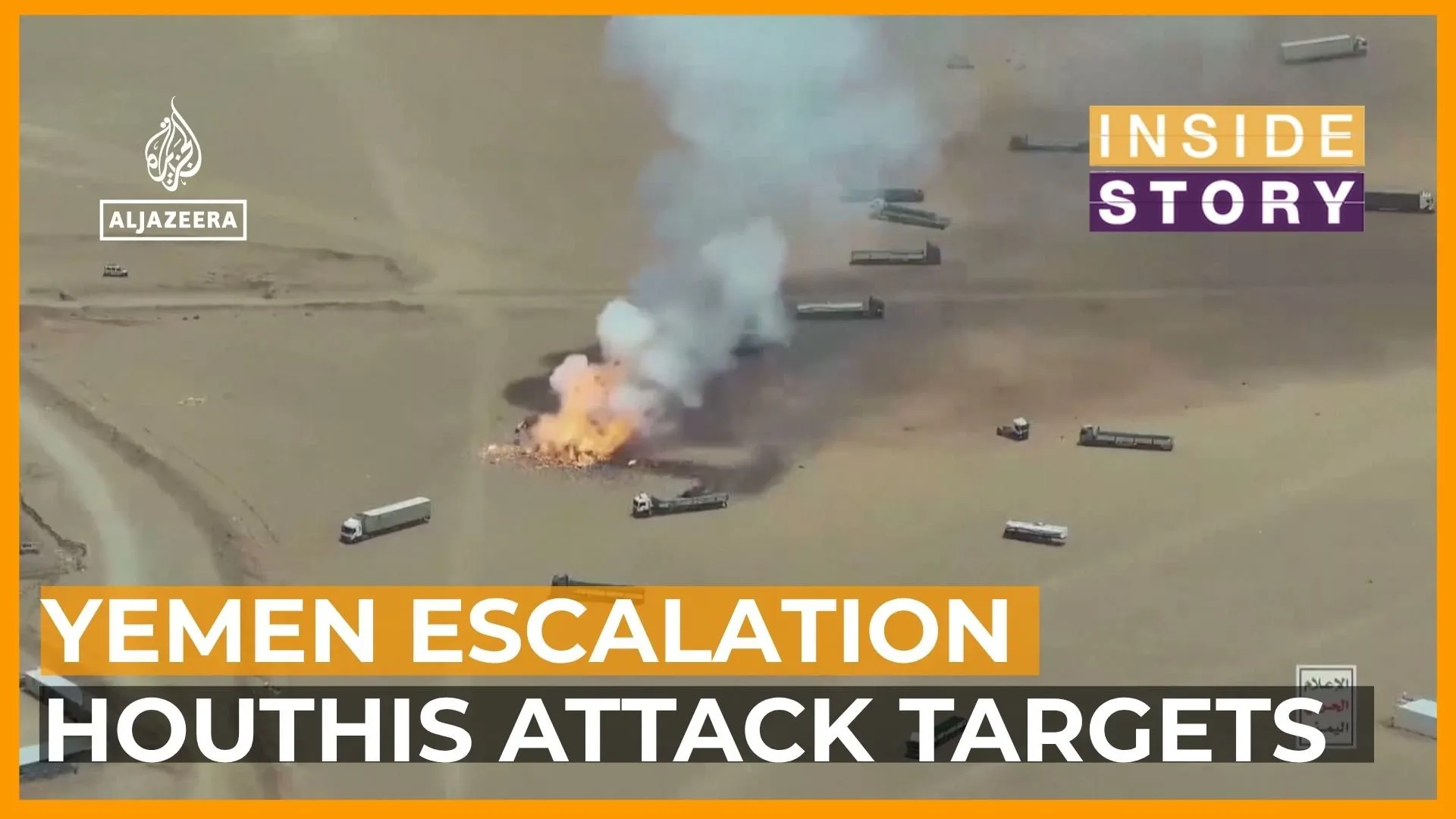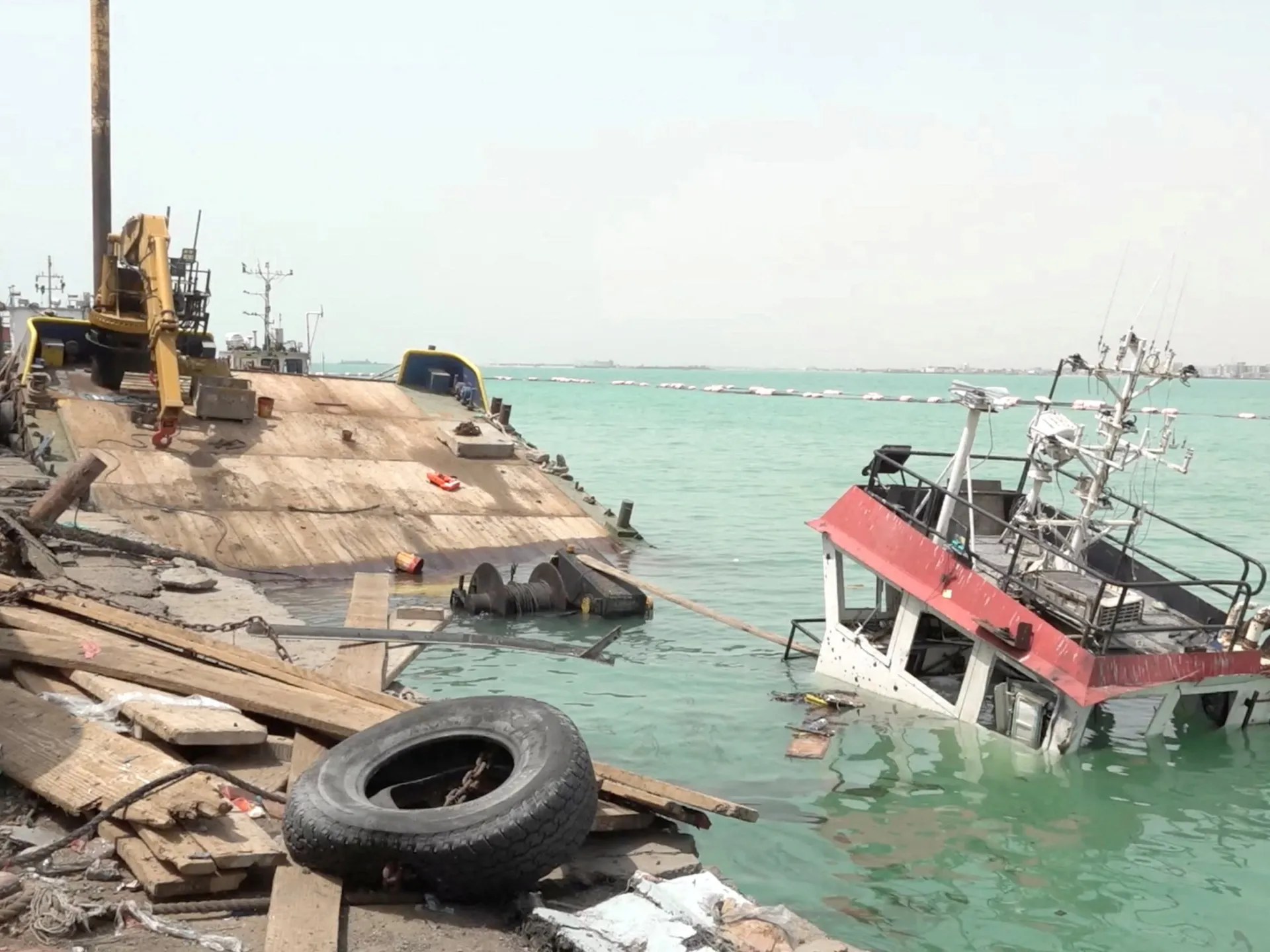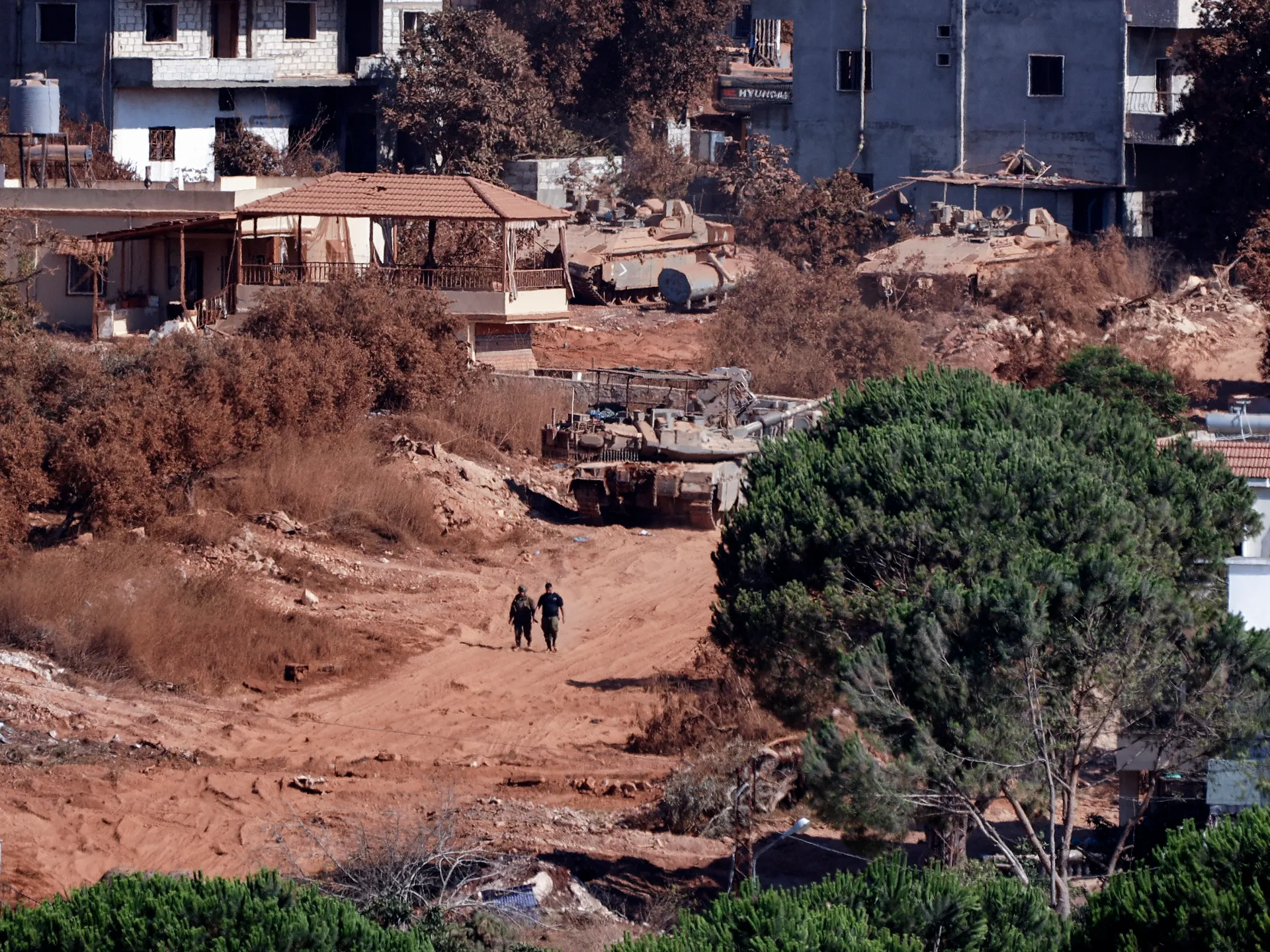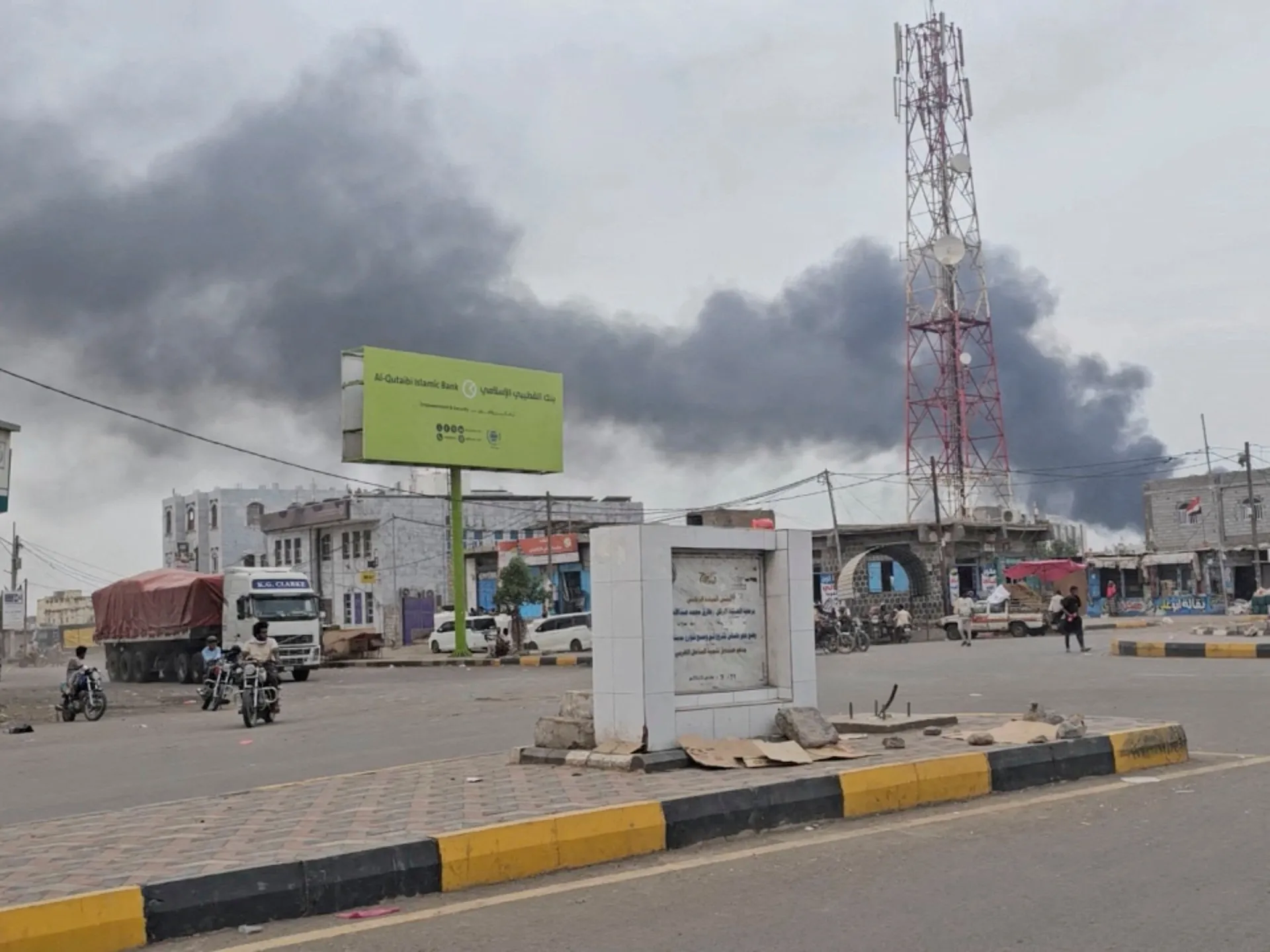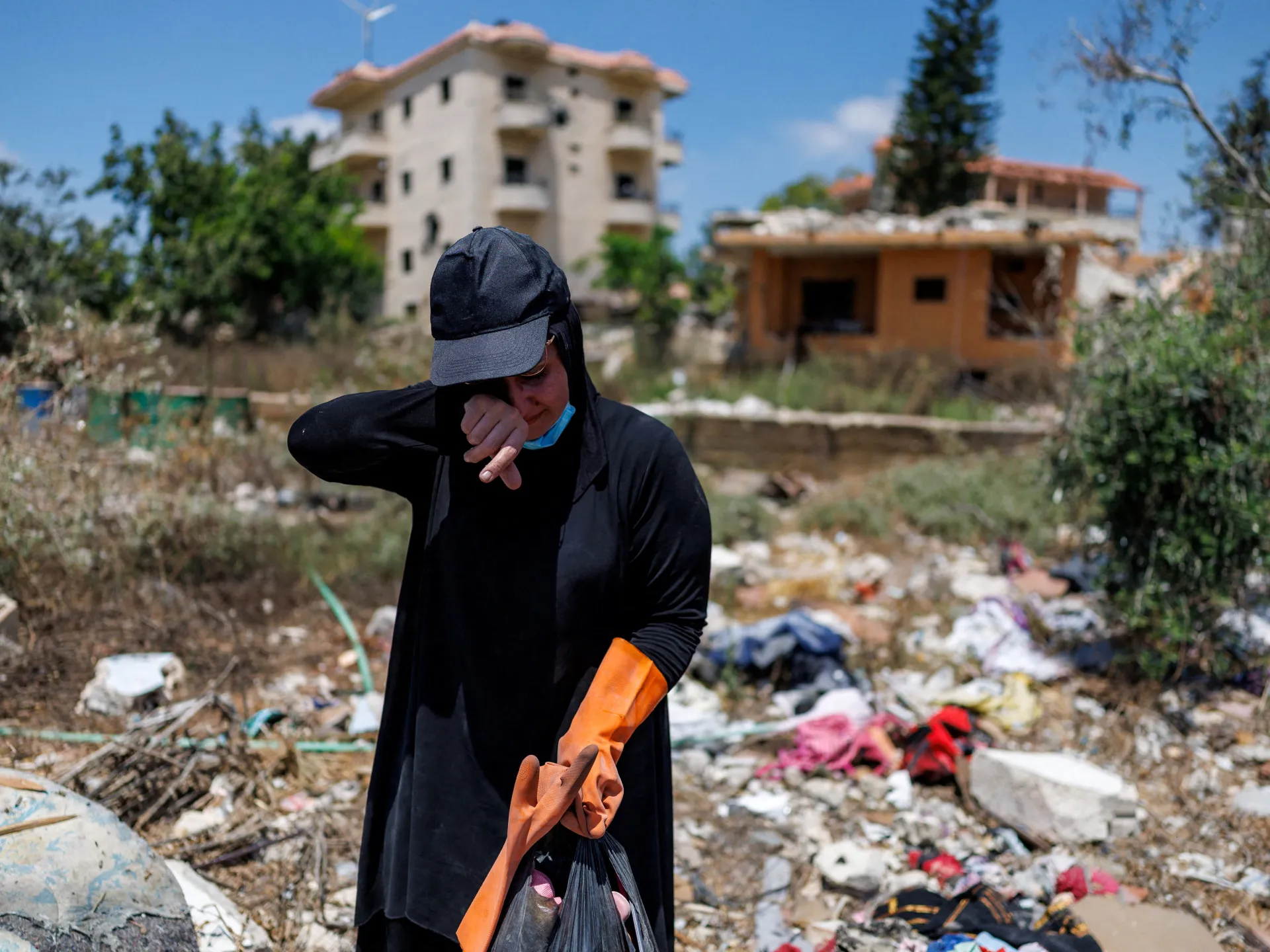
Renewed Houthi military operations along Yemen's coast have triggered a fresh refugee crisis, threatening a decade of regional instability and maritime security.
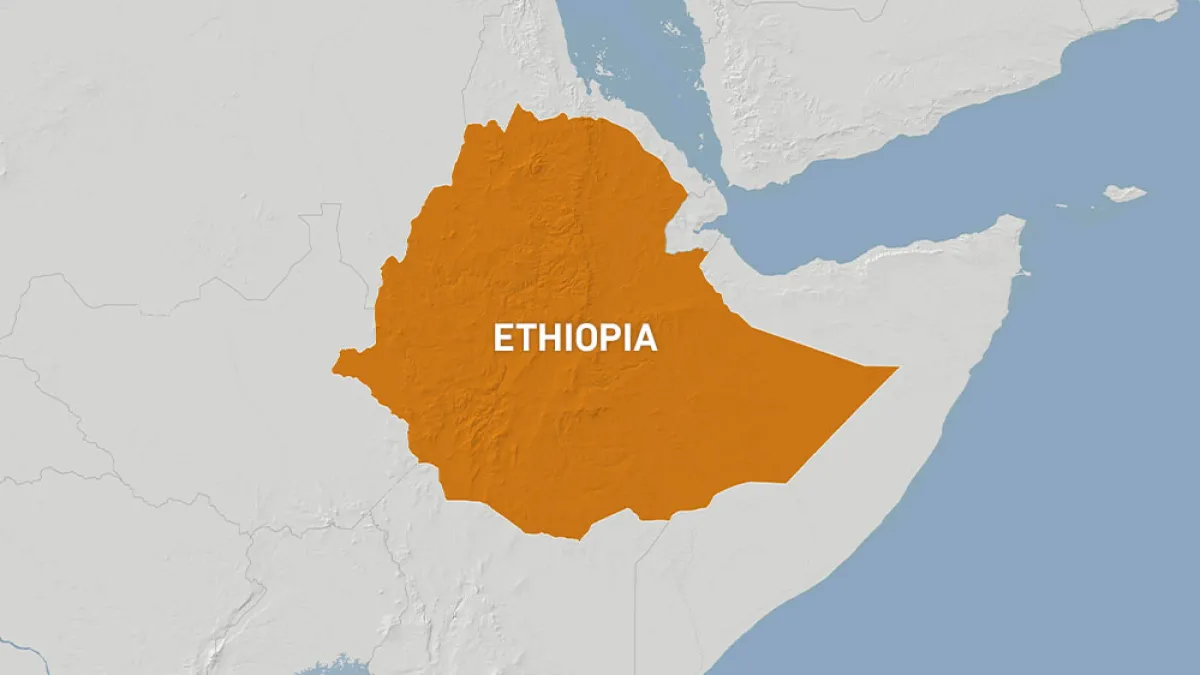
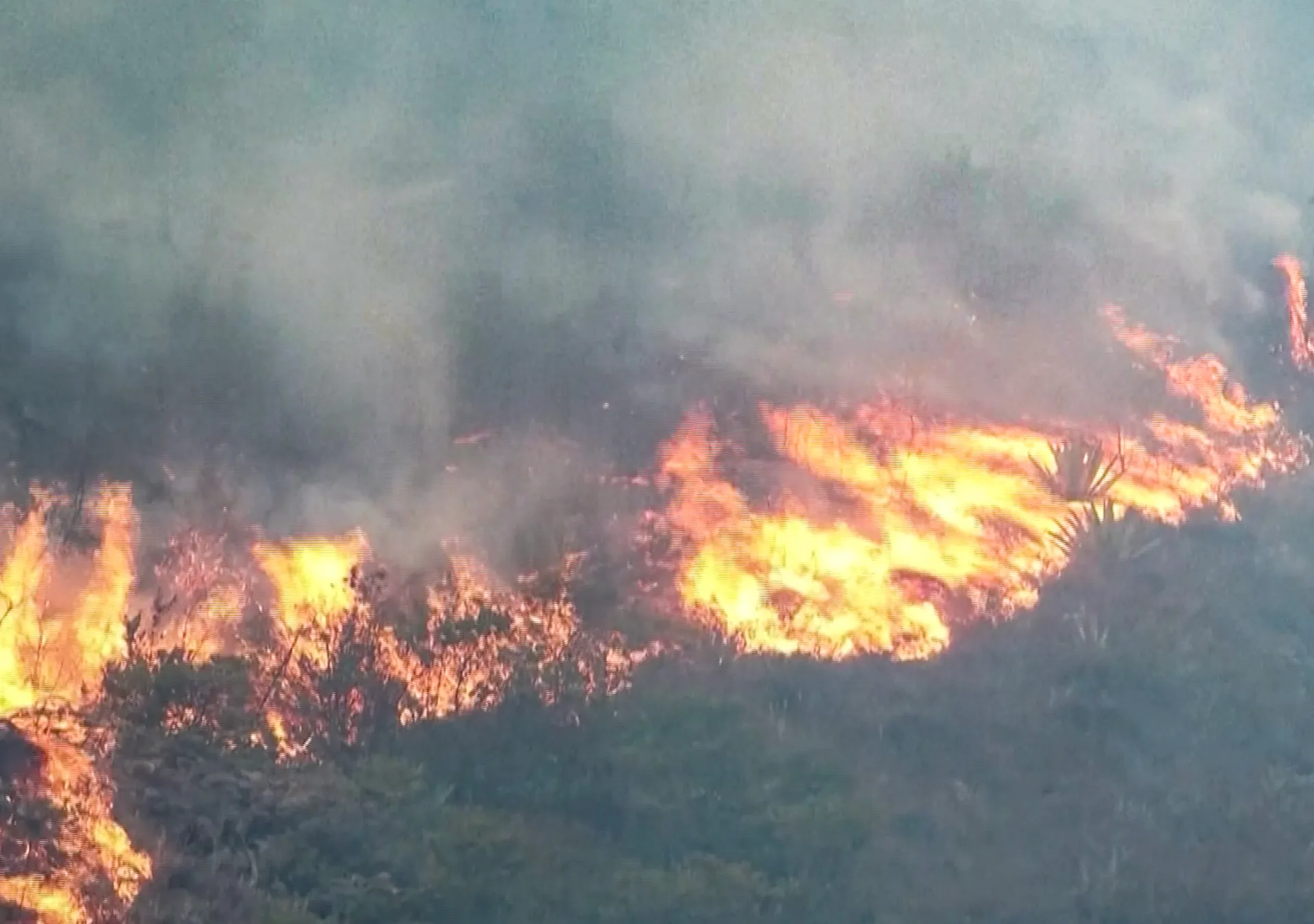
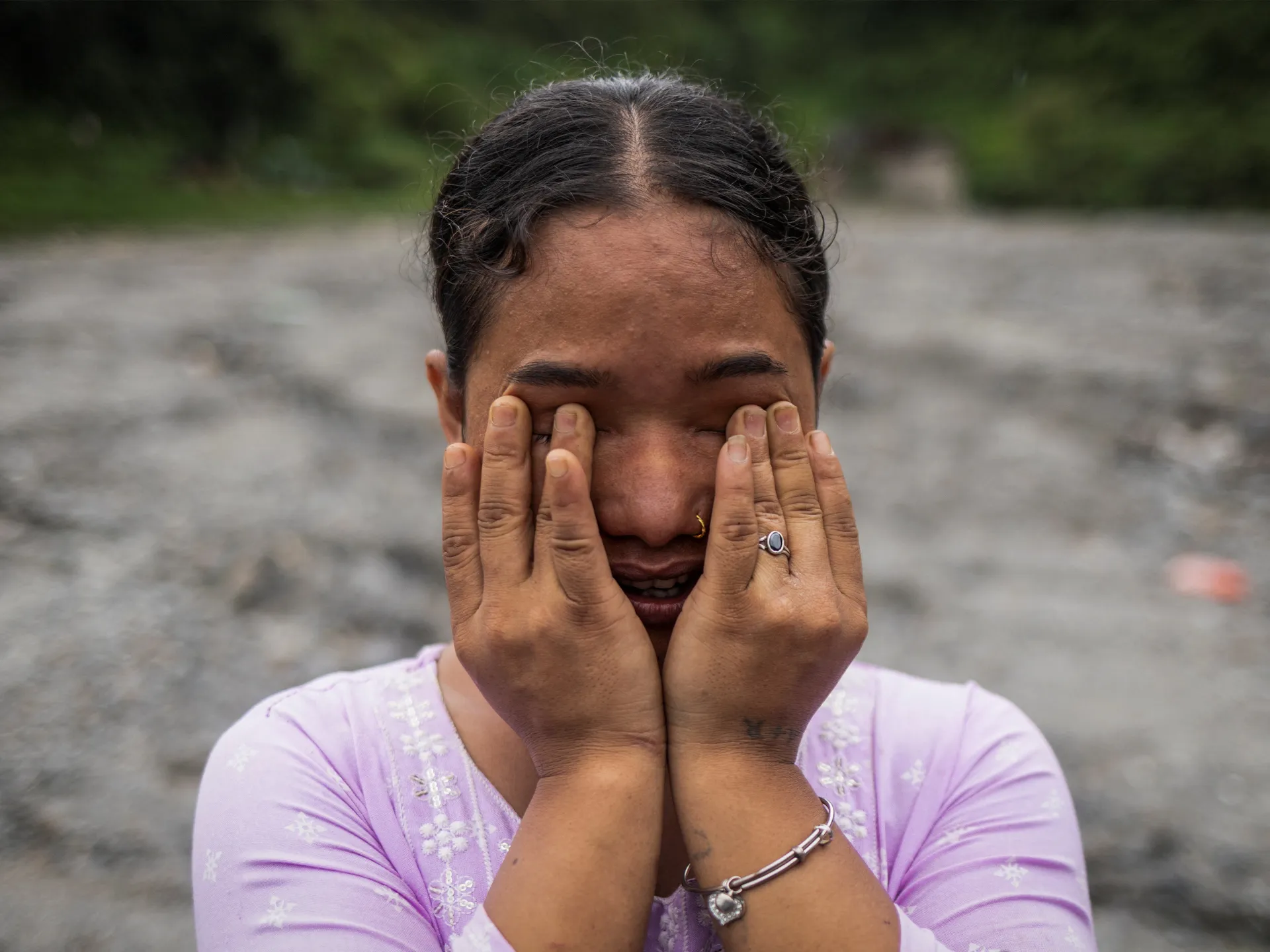
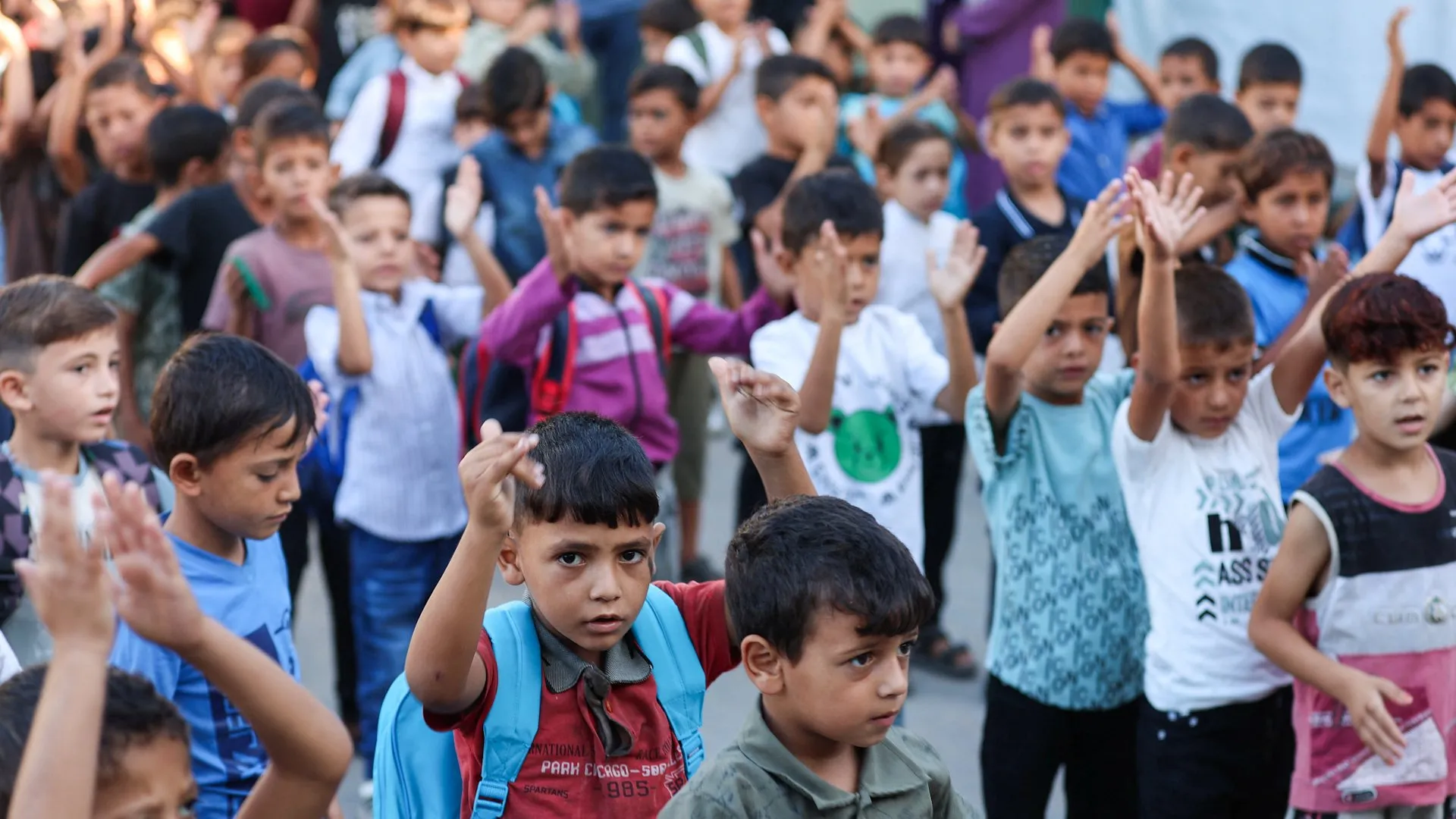
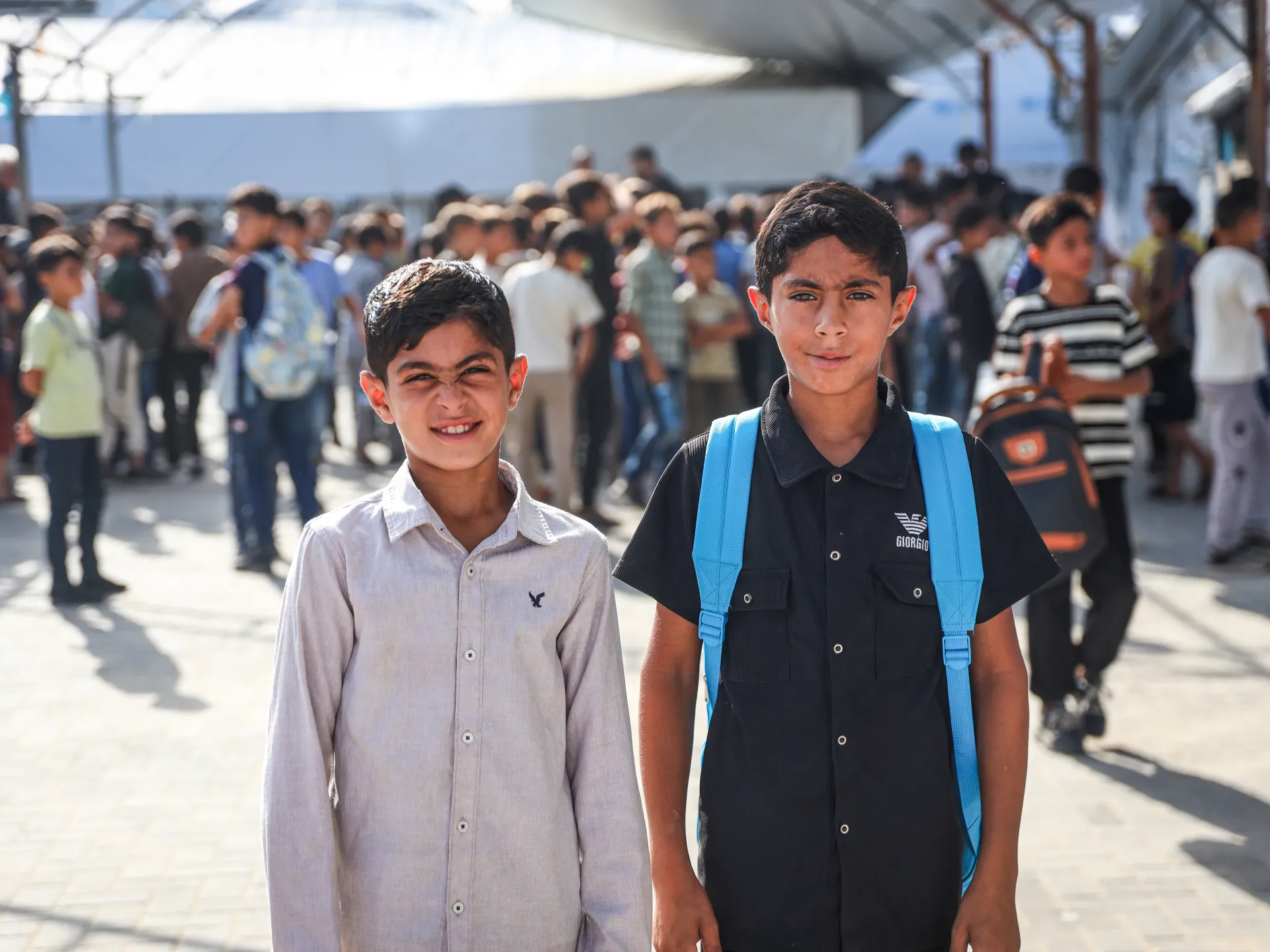
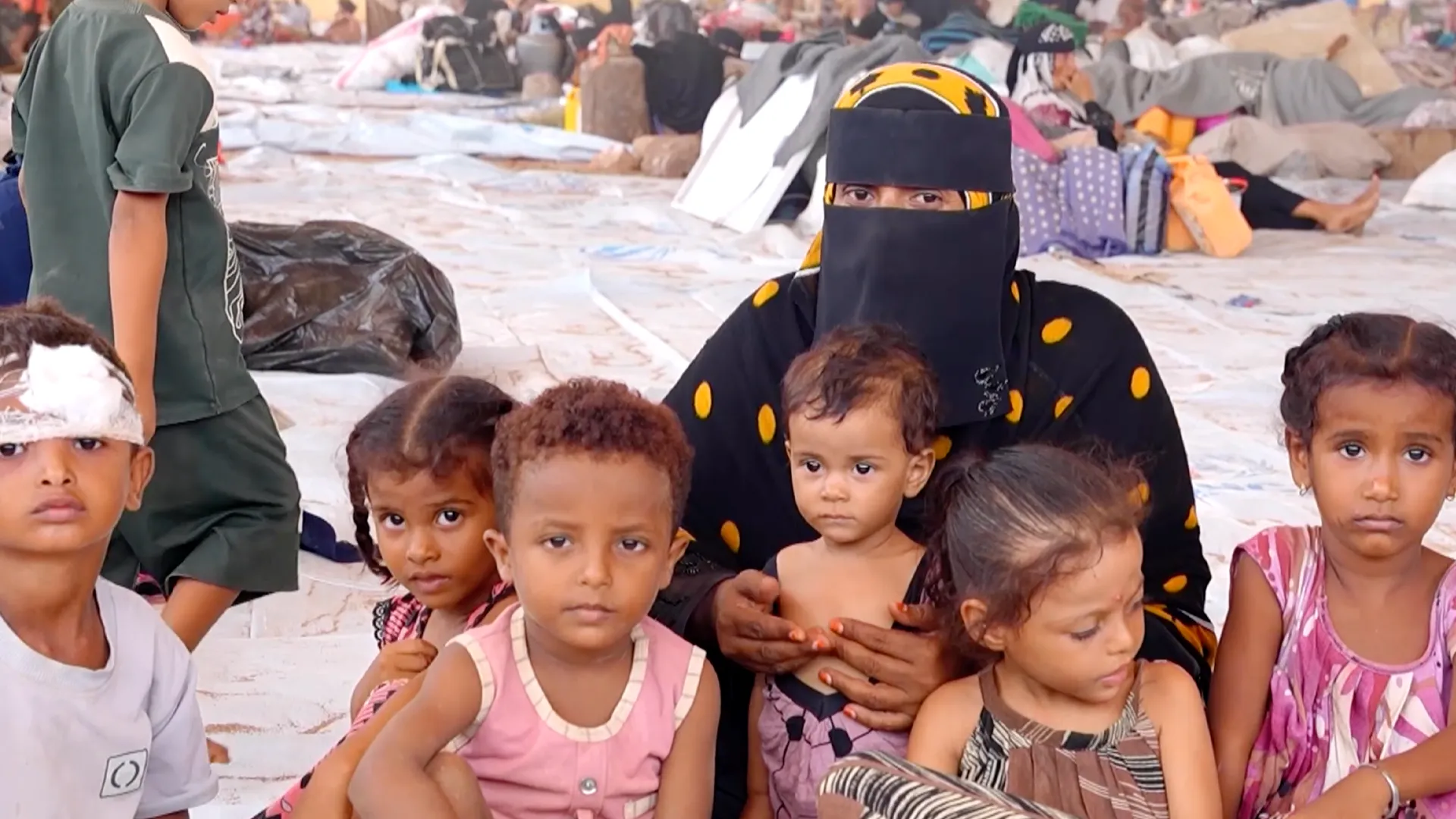
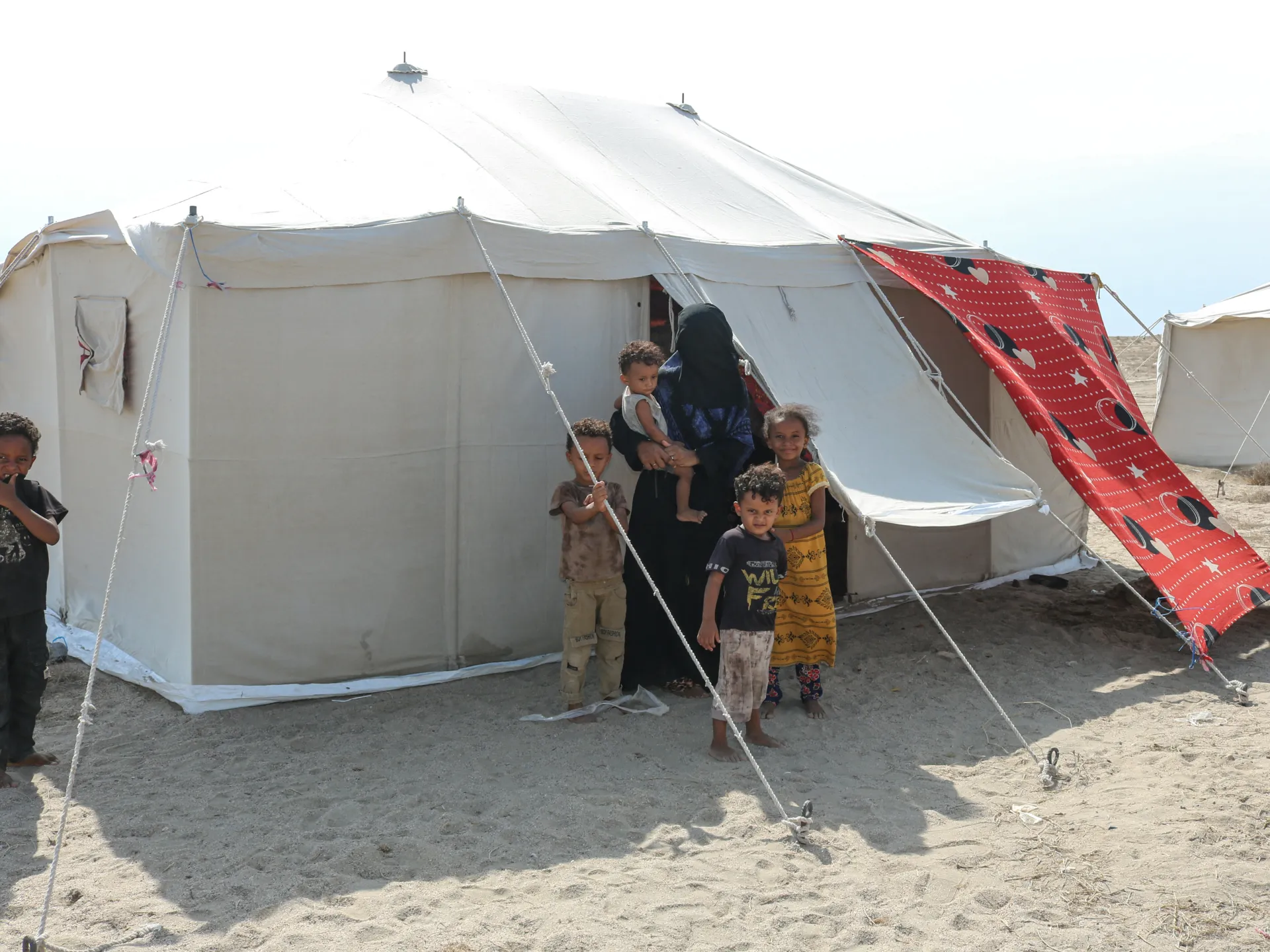
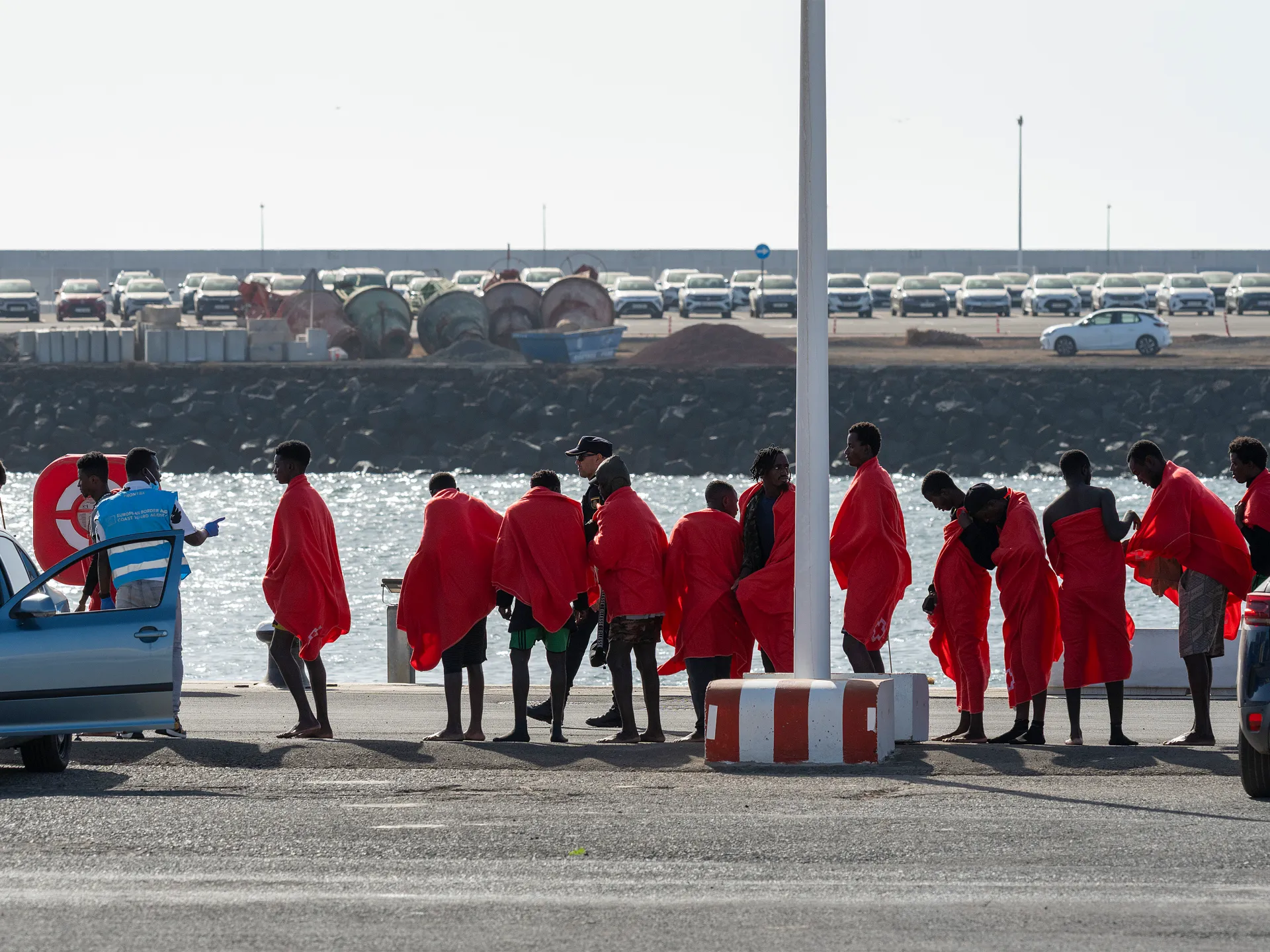
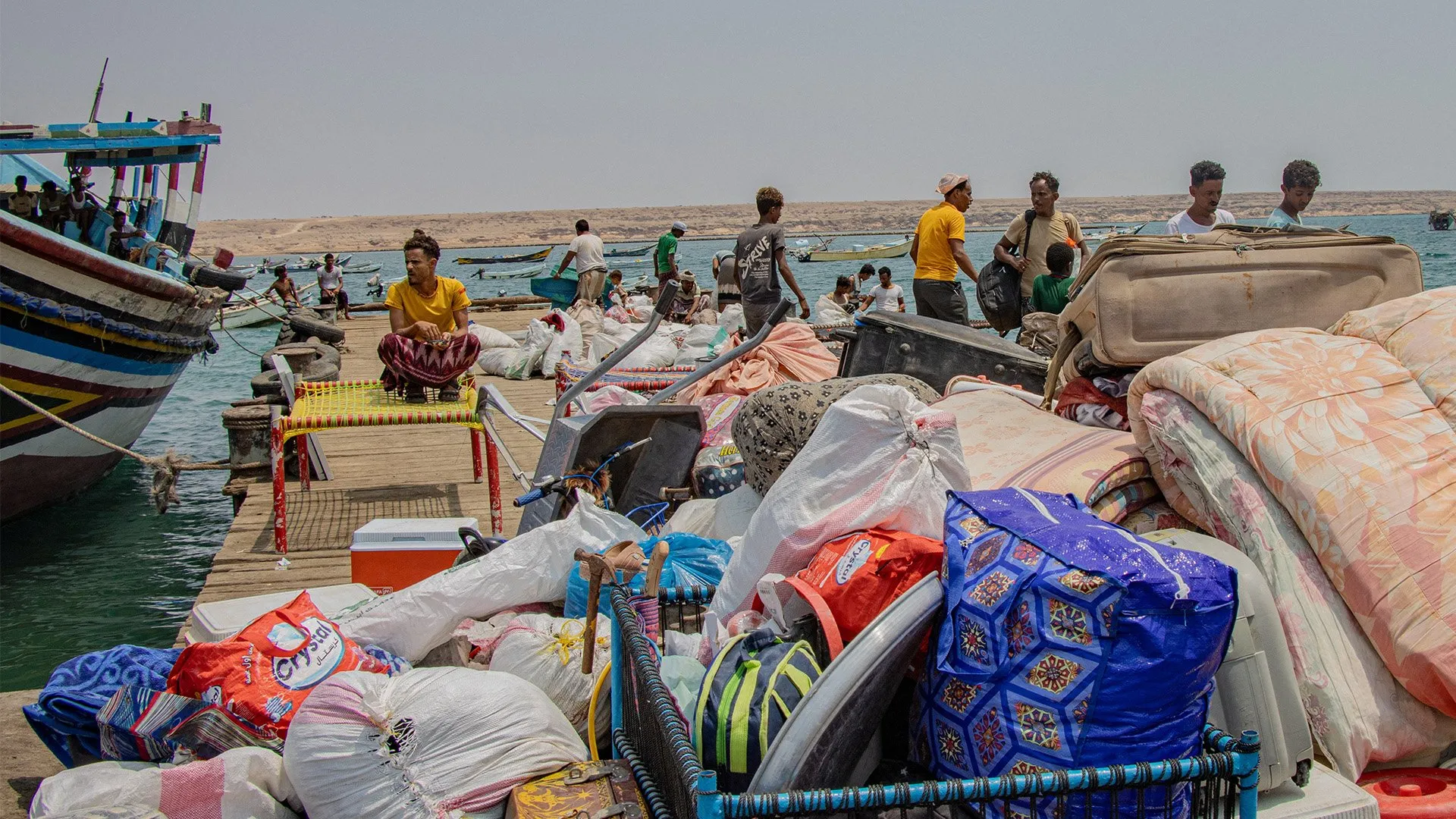
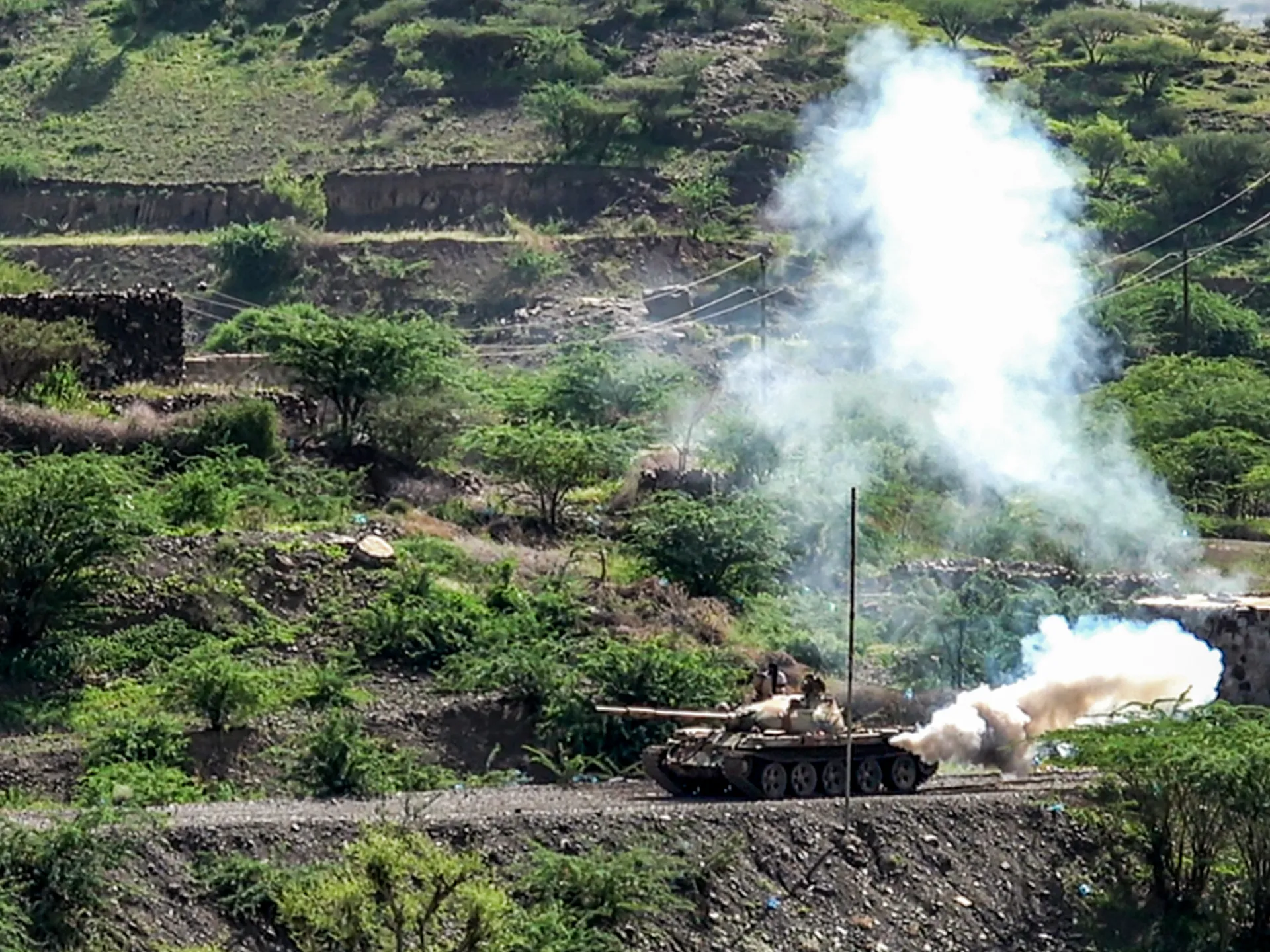
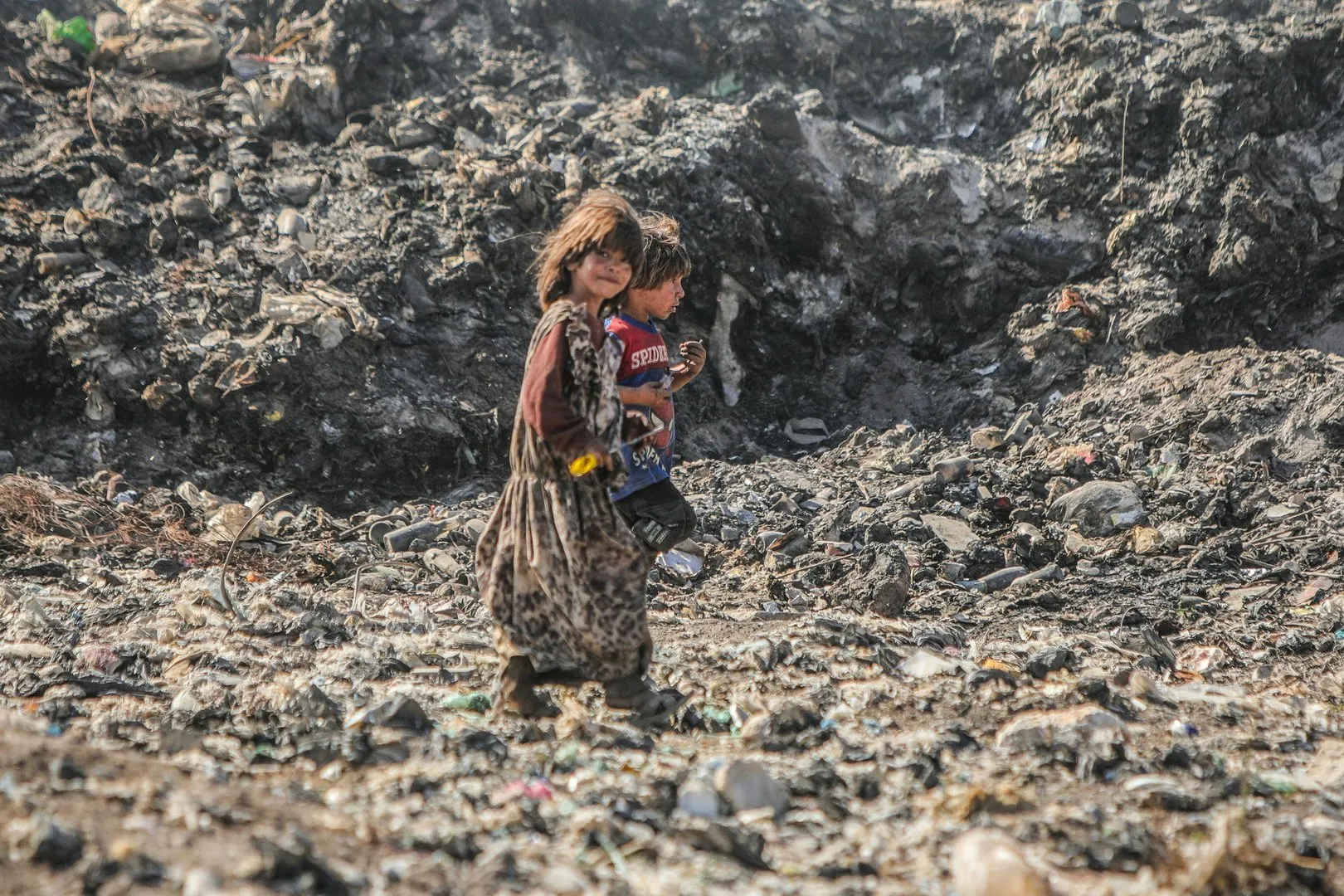
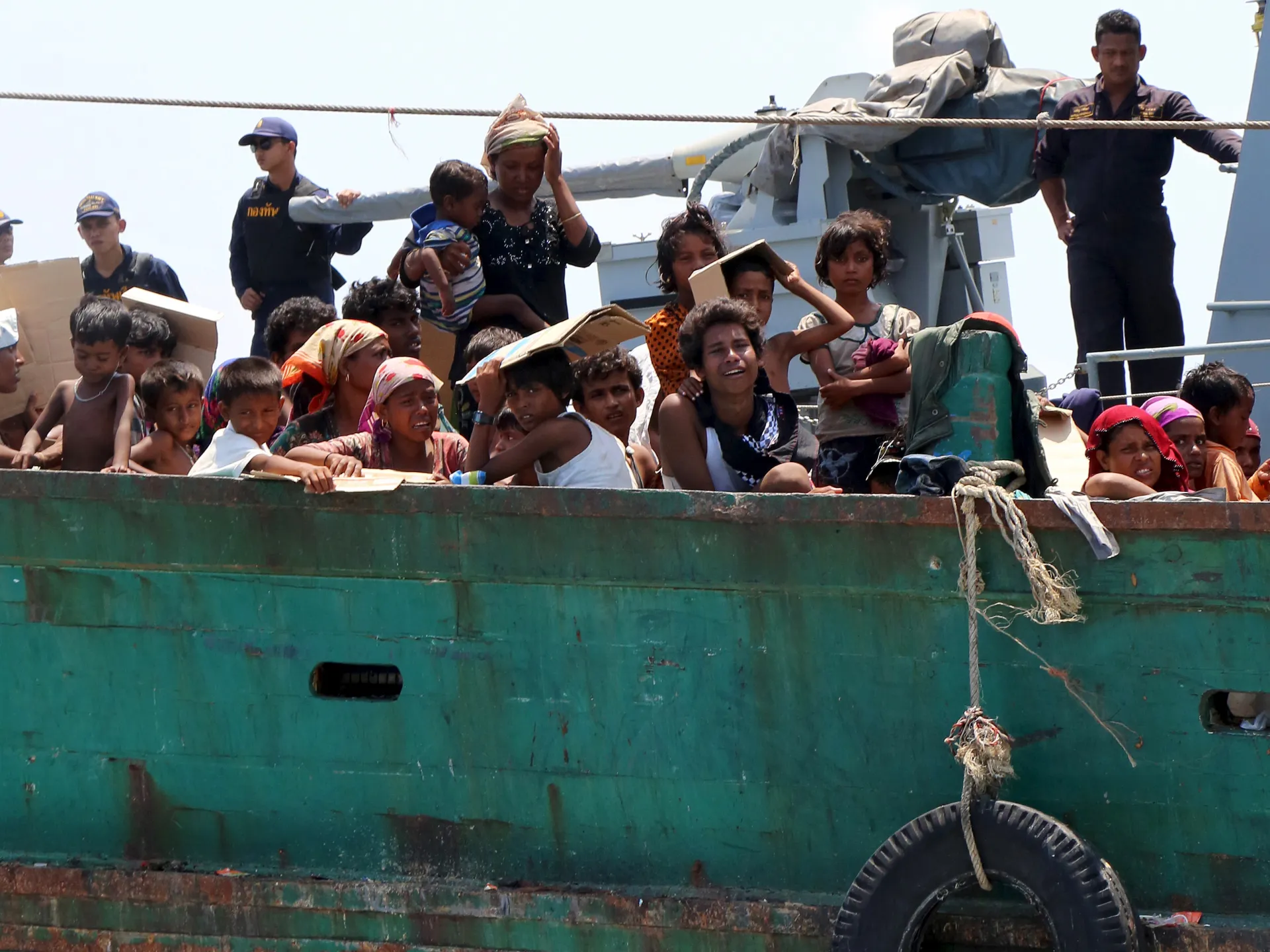
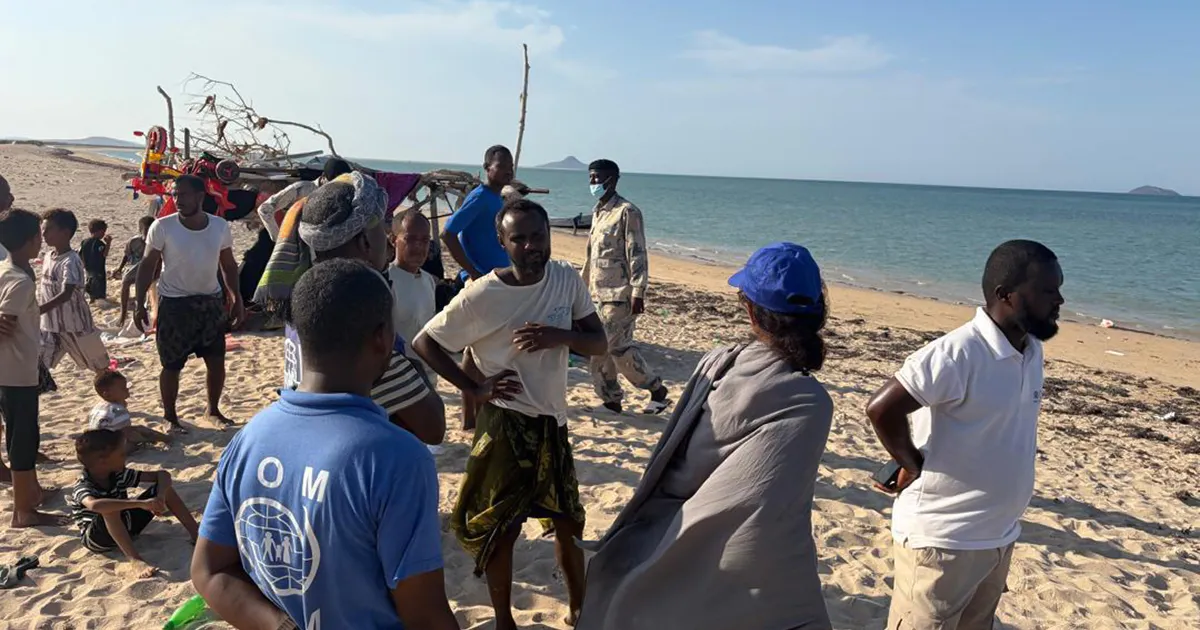
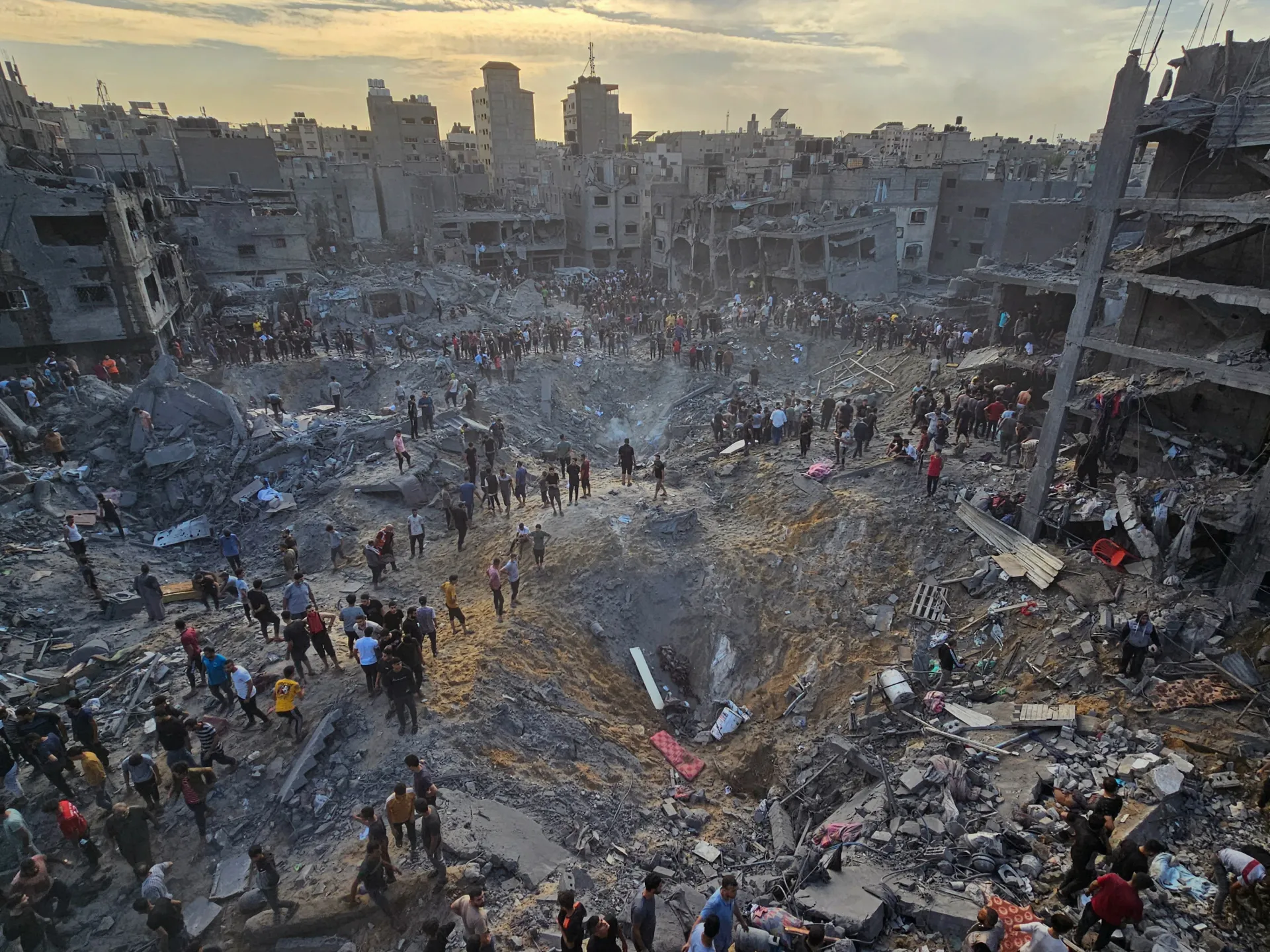
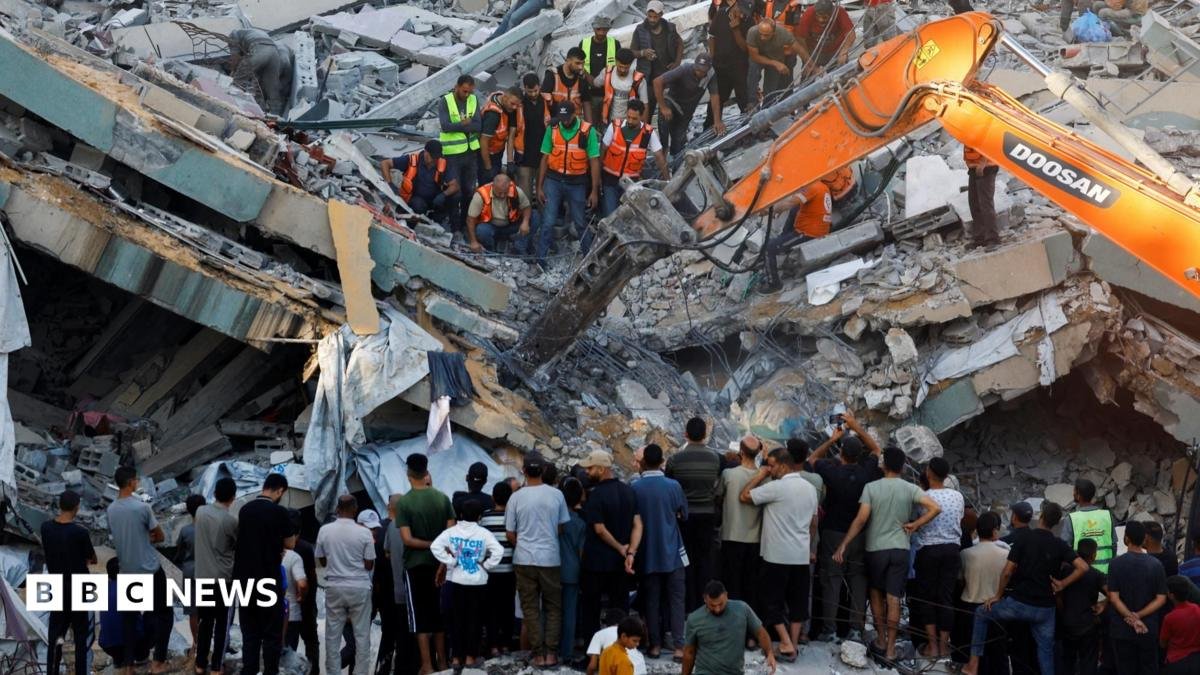
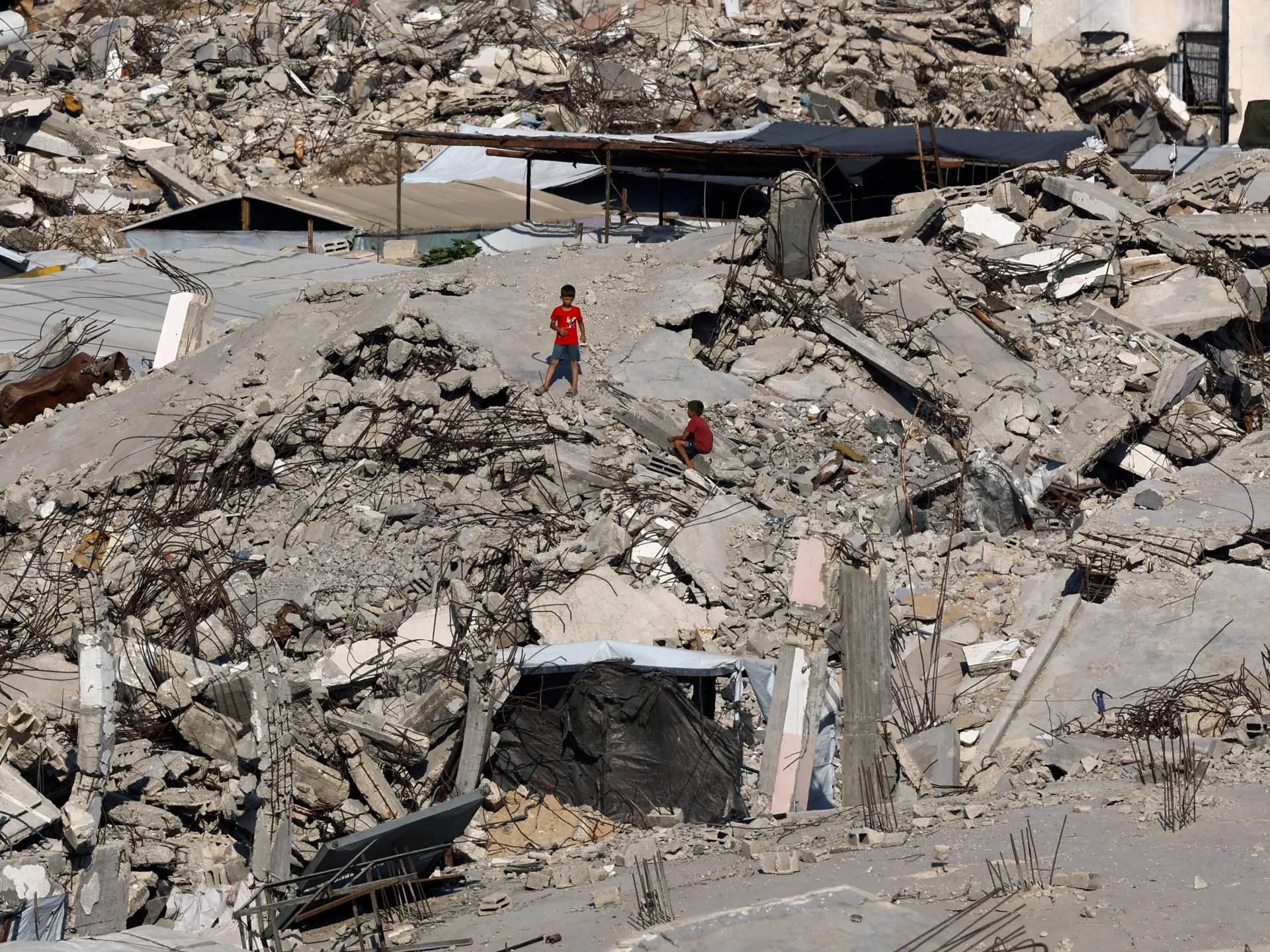
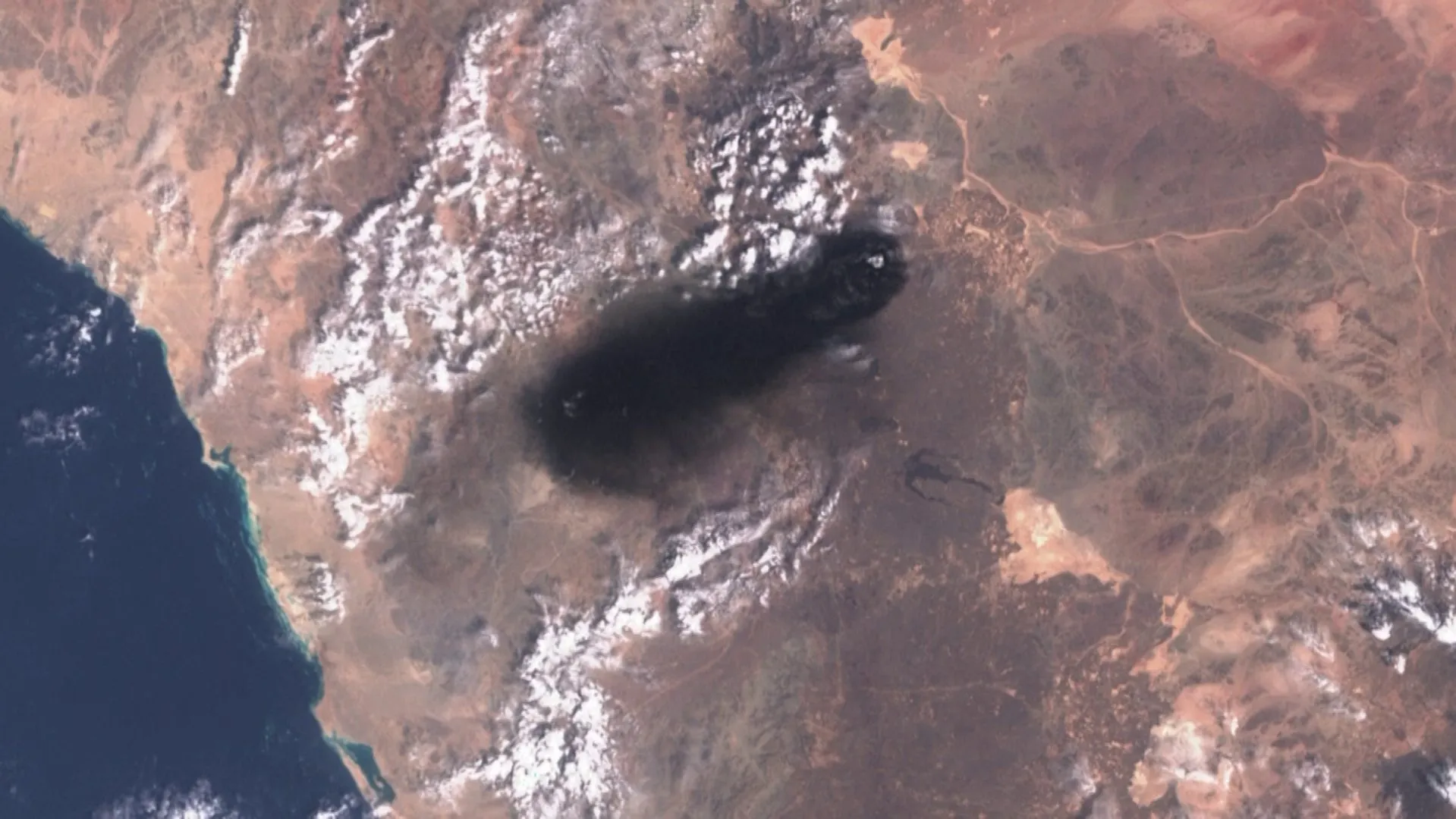
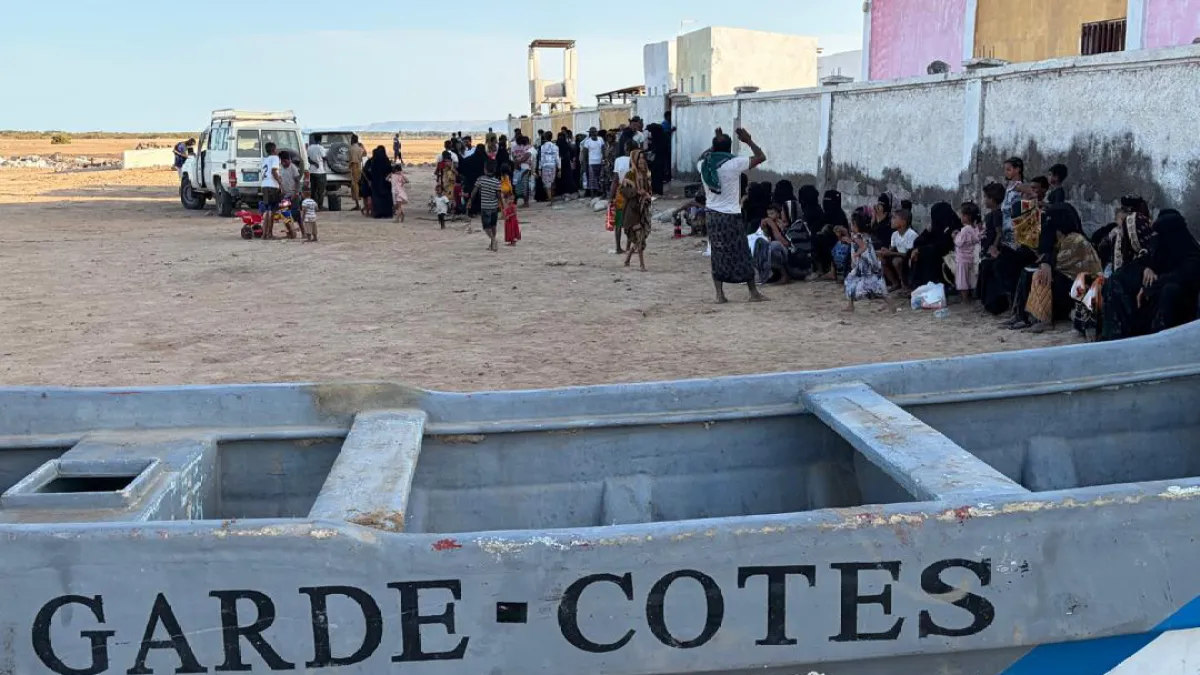
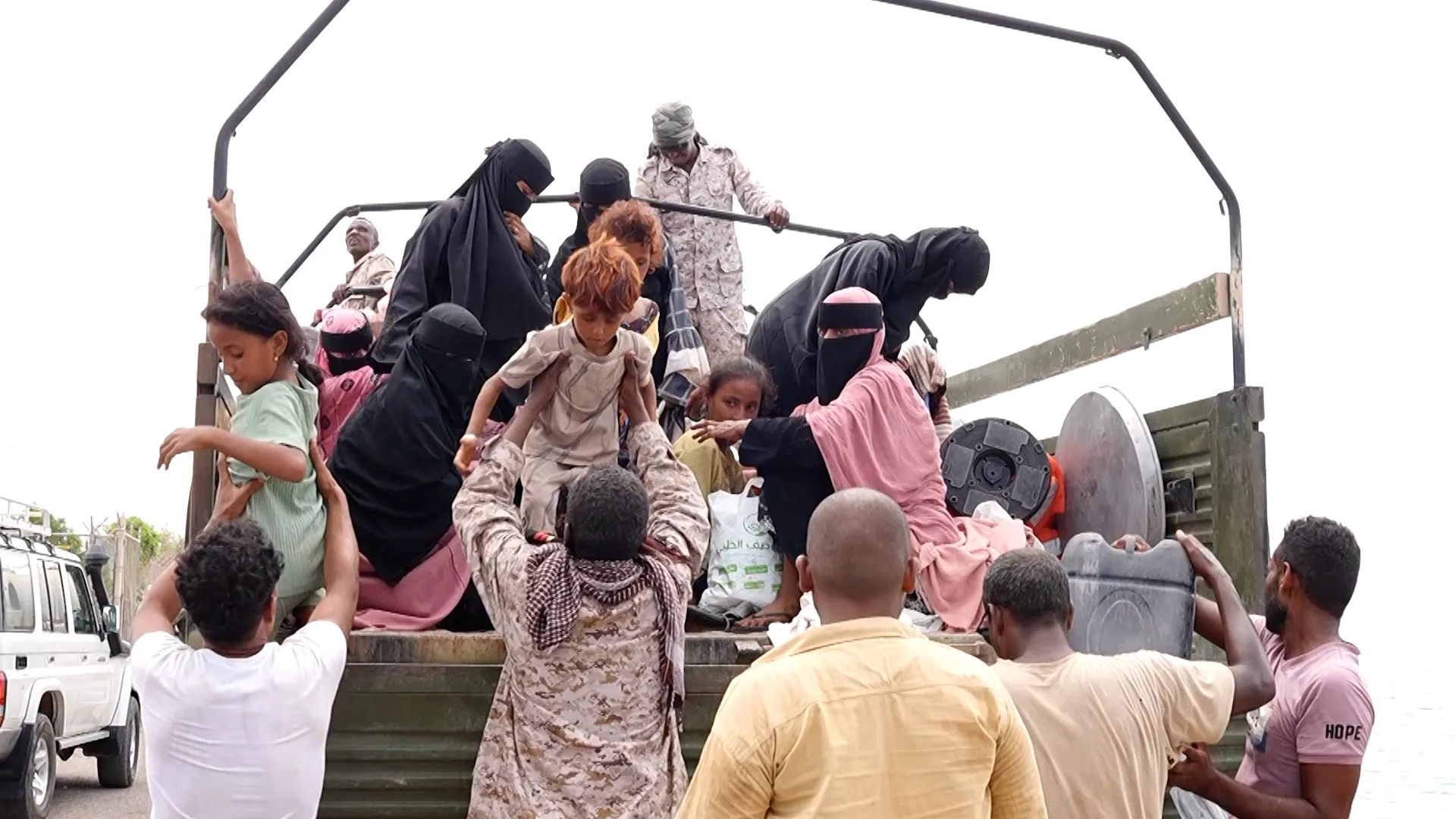
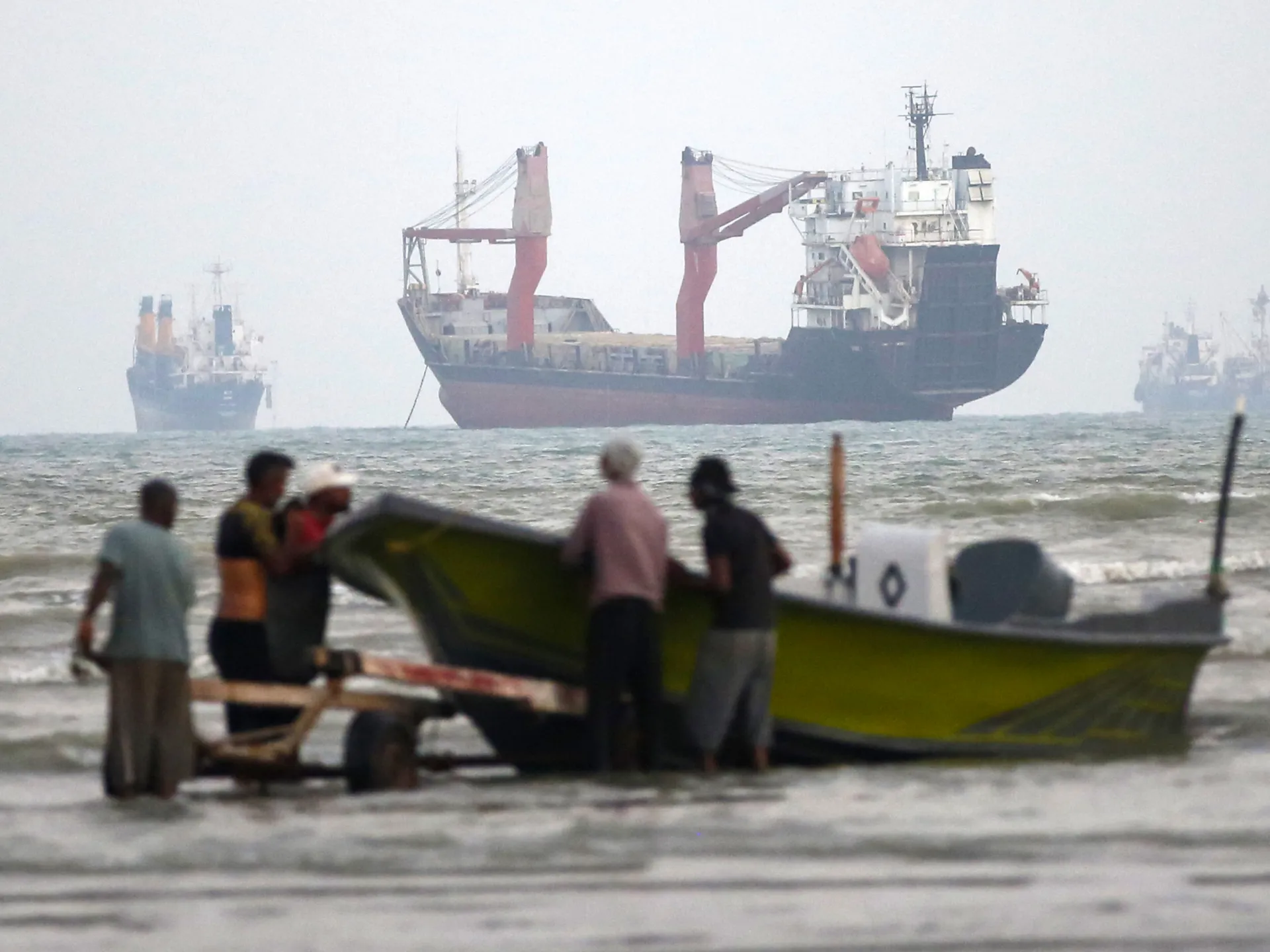
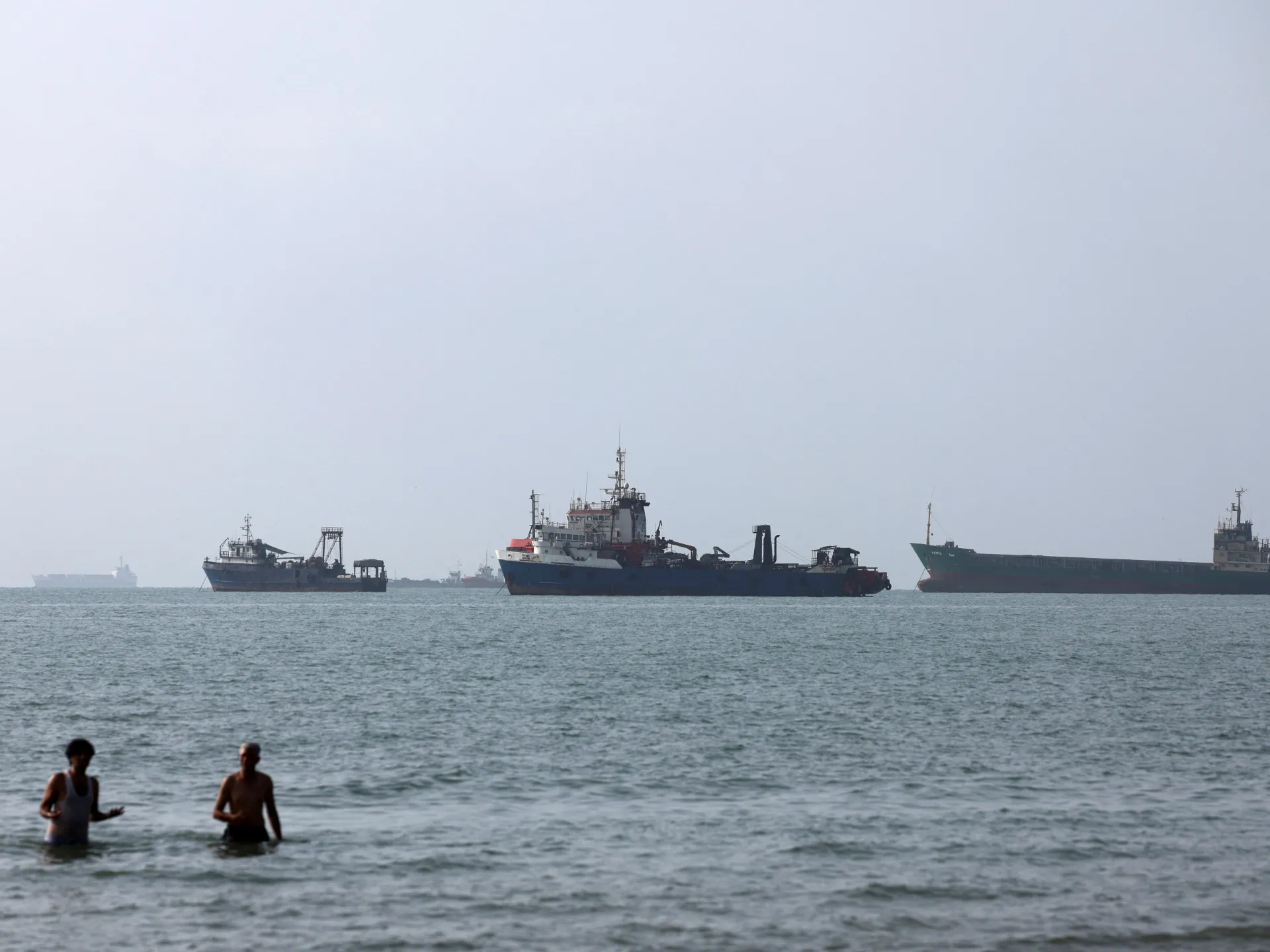
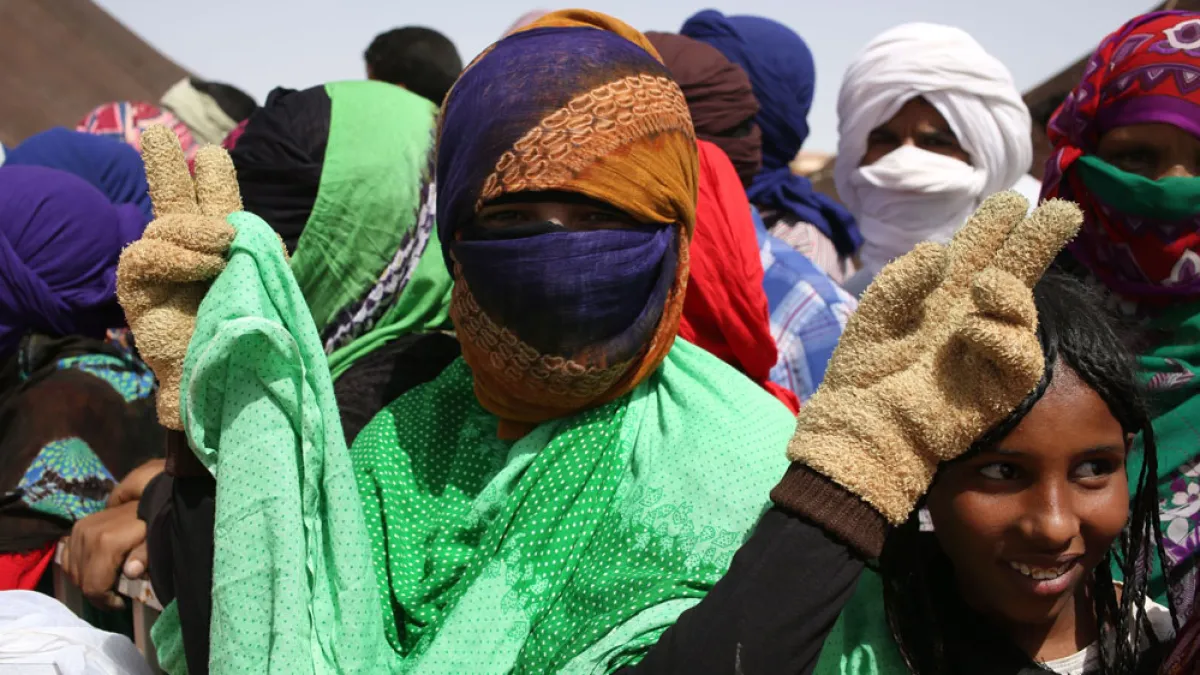
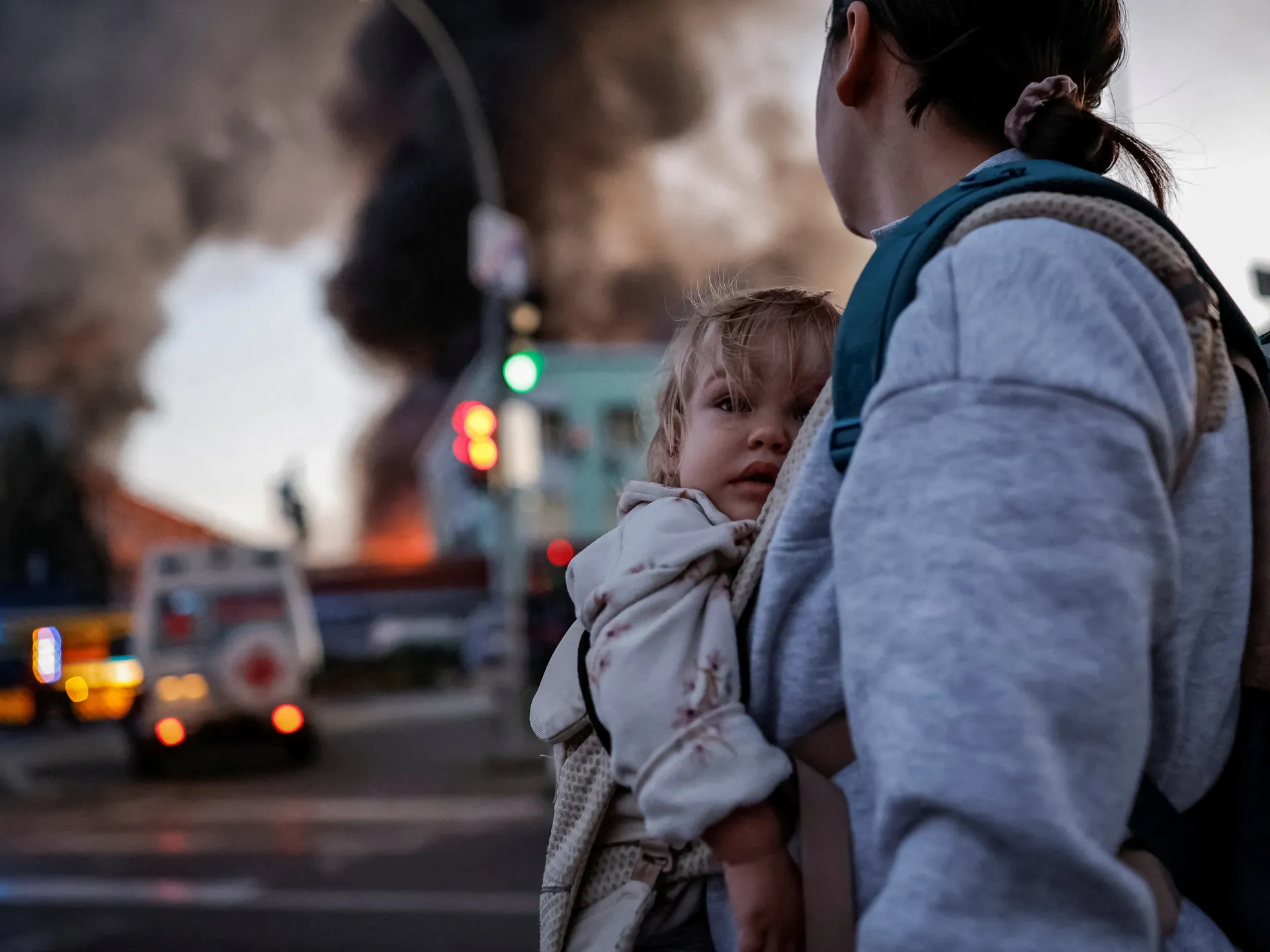
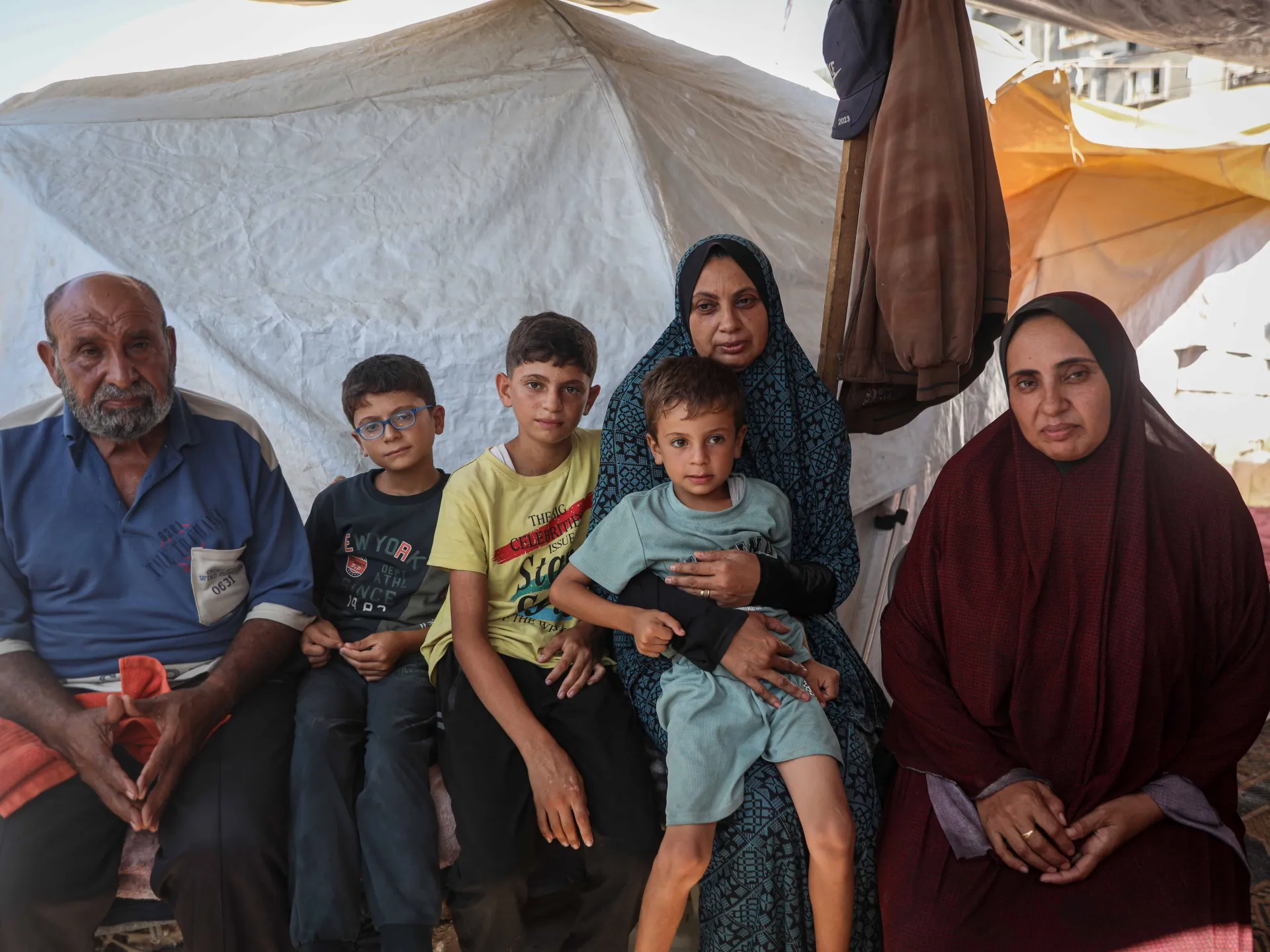
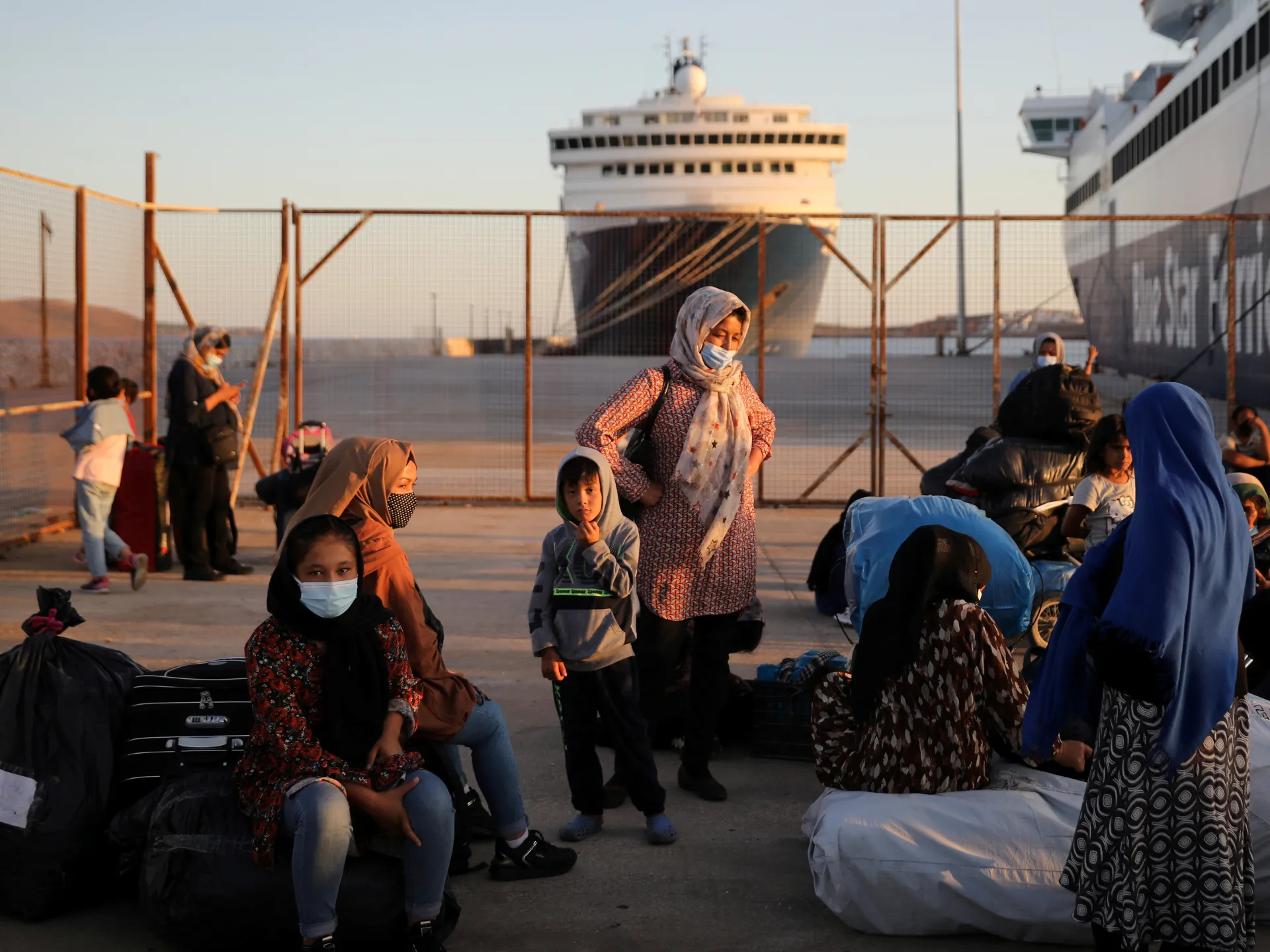
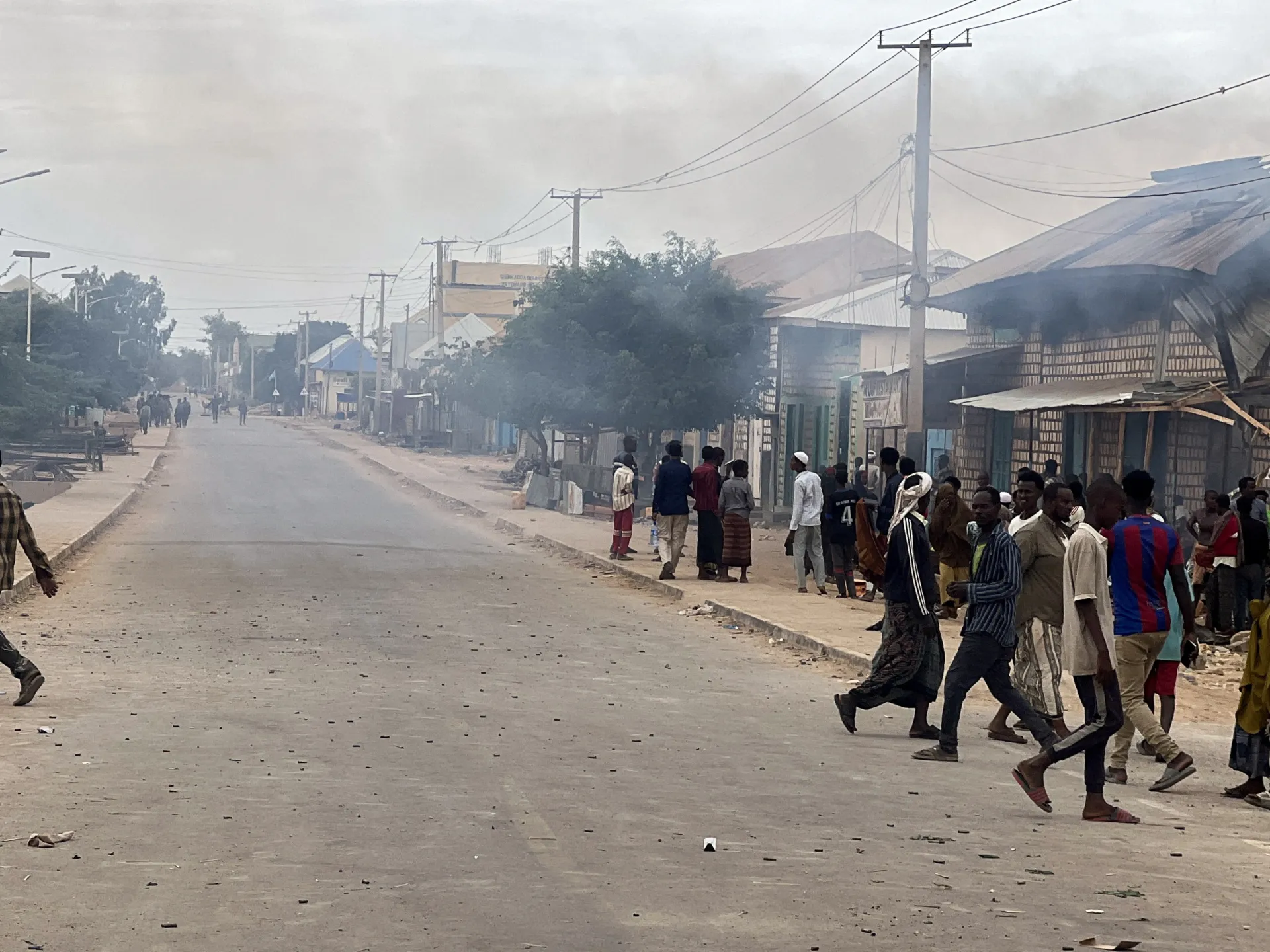
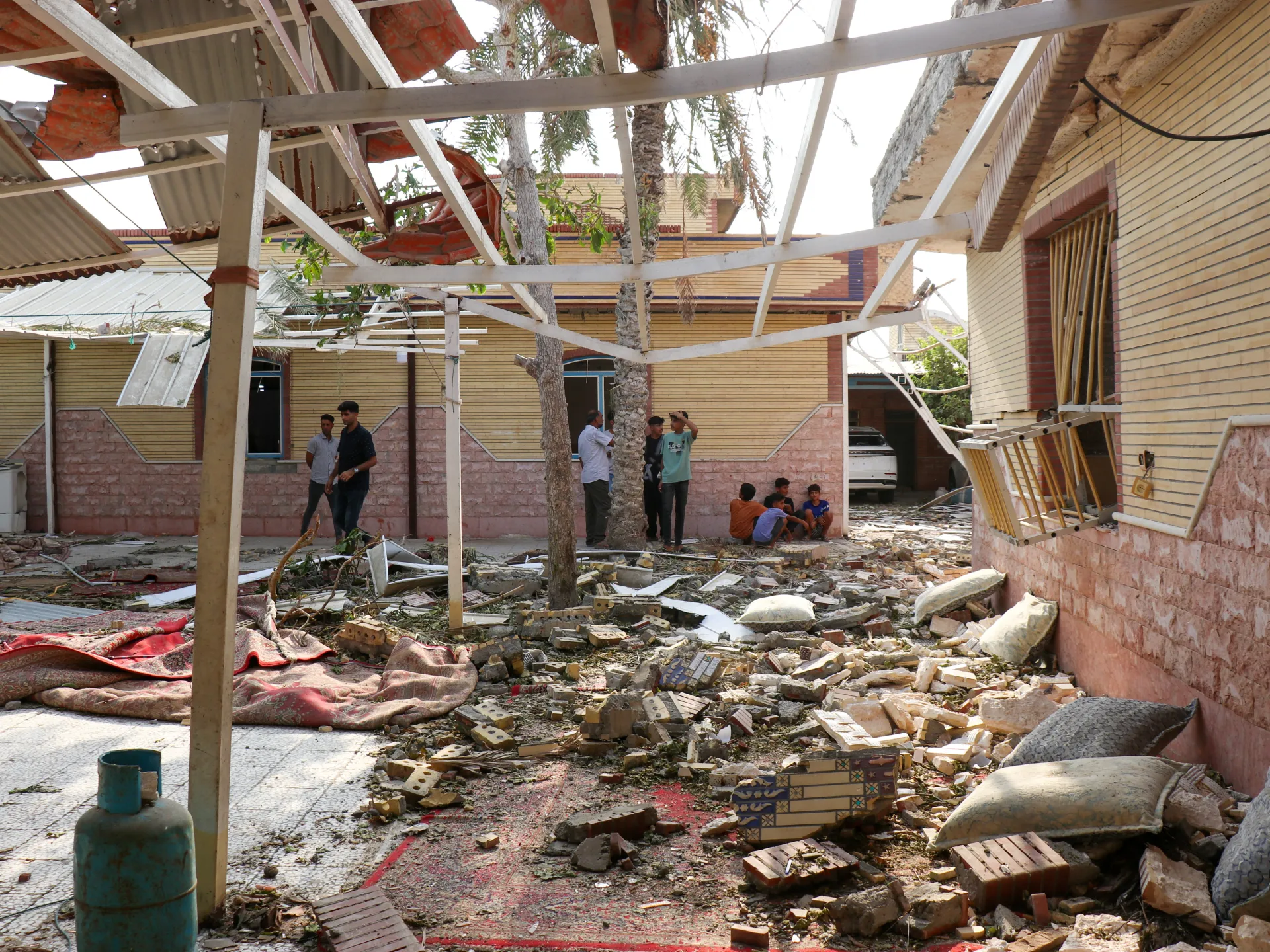
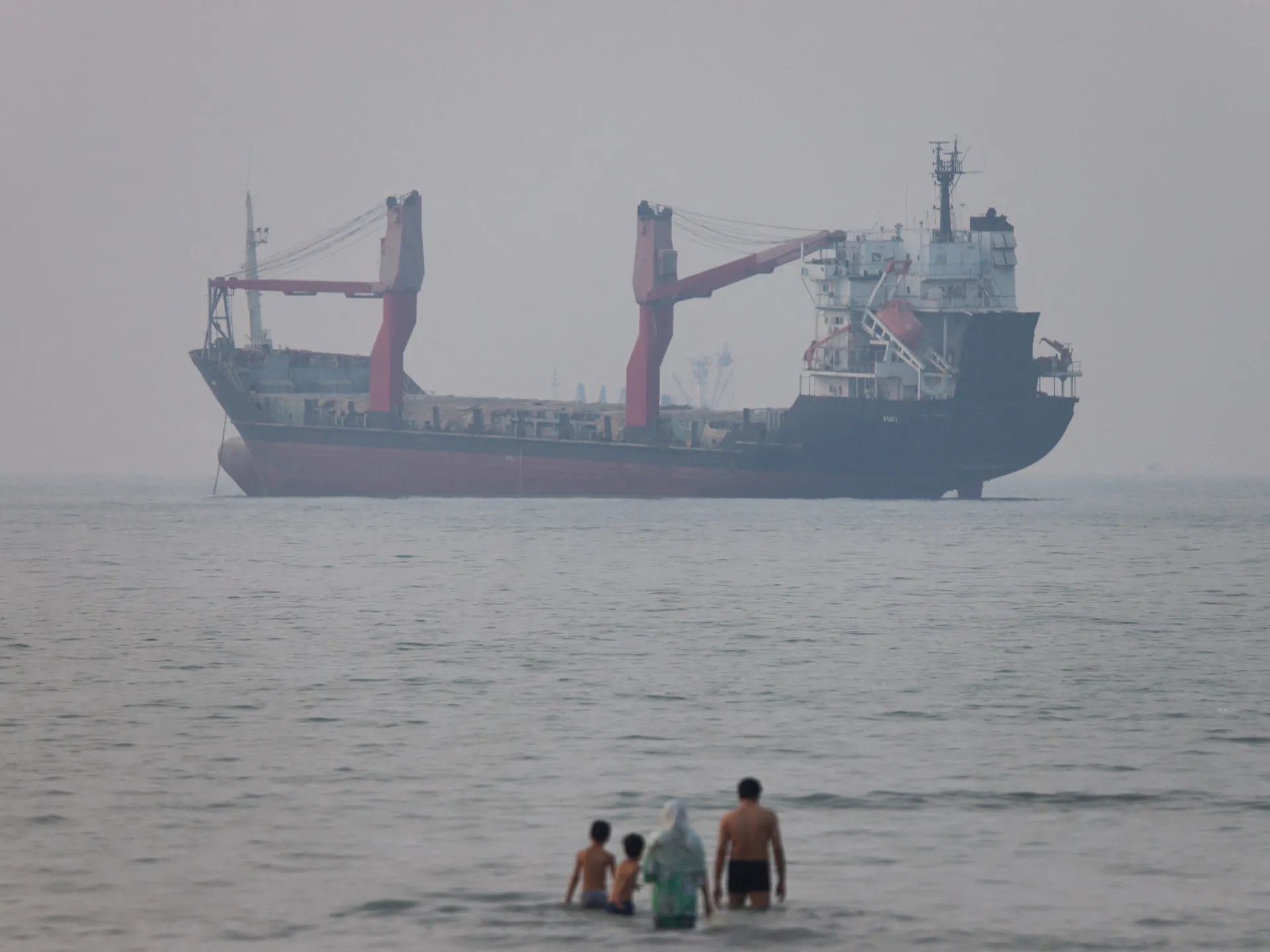
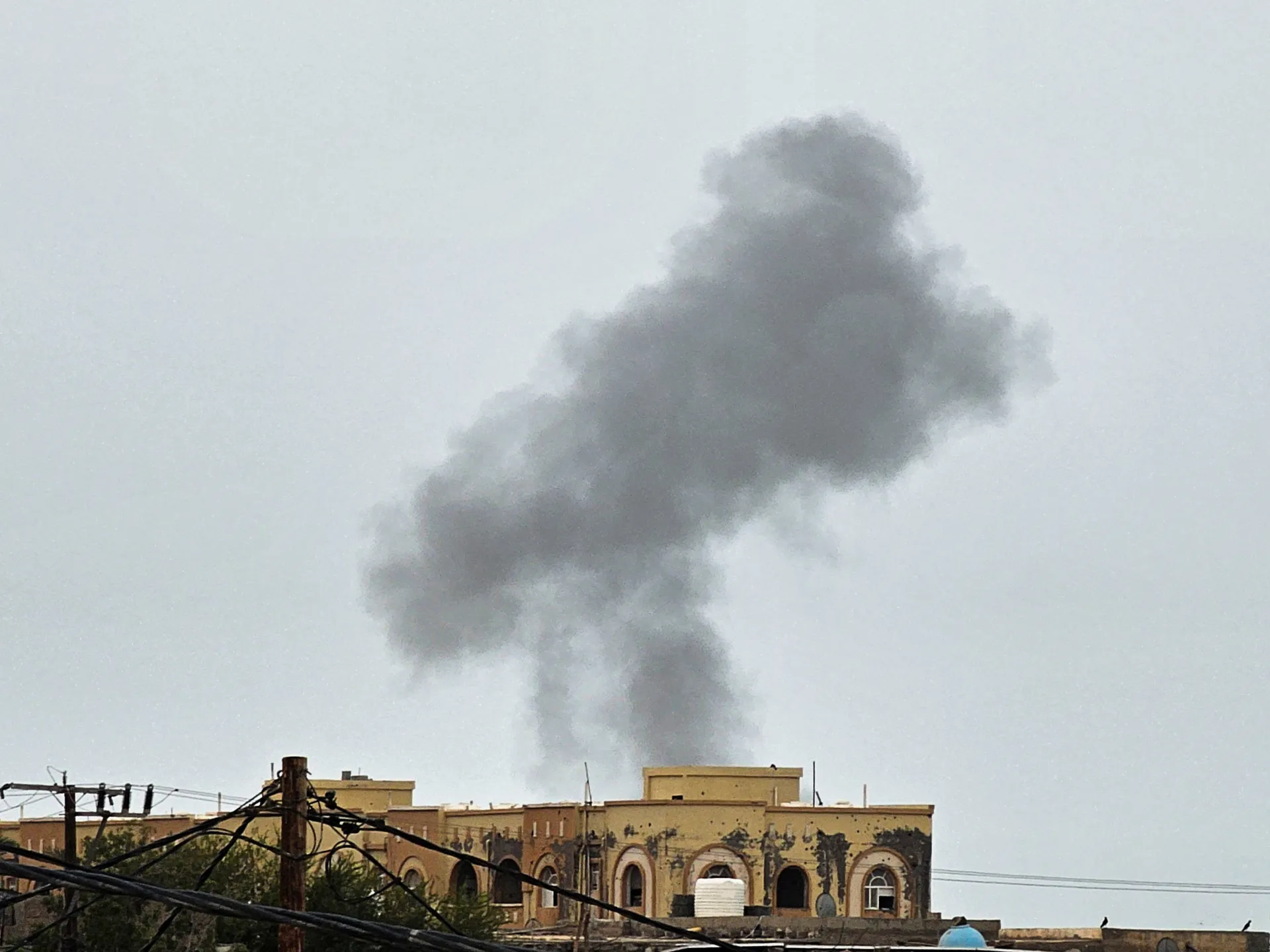
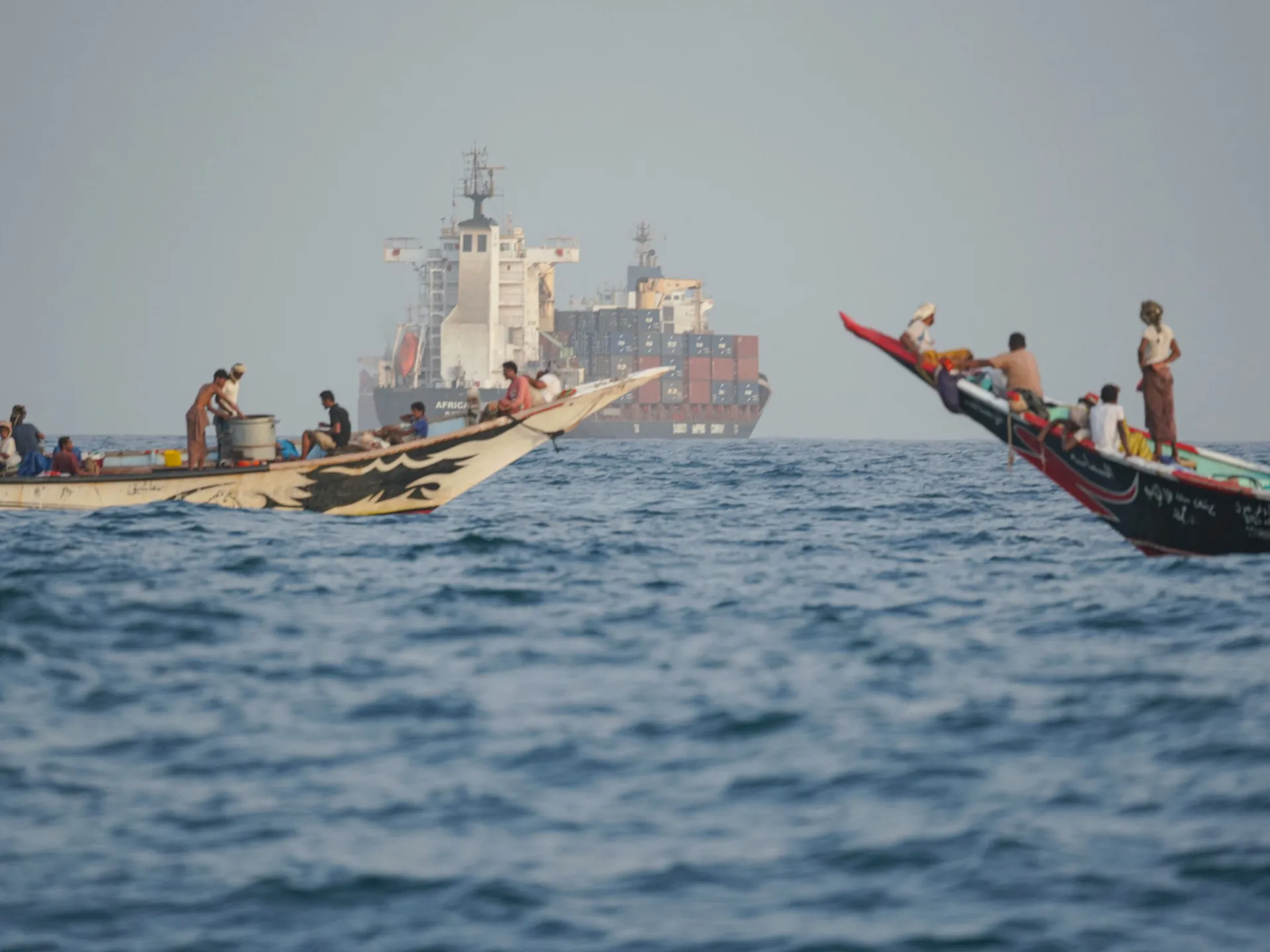
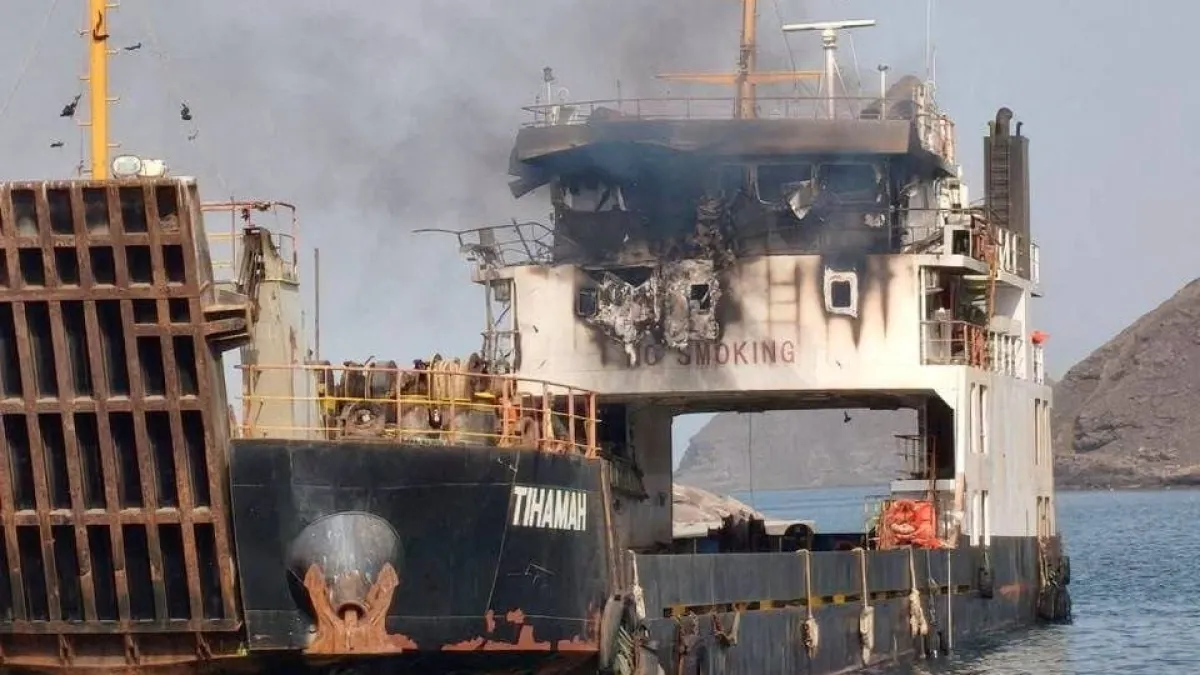
The intensifying military operations along Yemen’s Red Sea coast have precipitated a secondary crisis beyond the immediate theater of combat, as thousands of civilians flee the escalating violence. Recent reports indicate a mass exodus of refugees crossing the Bab al-Mandab Strait, seeking safety in neighboring Djibouti. This wave of displacement marks a stark reversal of the fragile stability that had characterized the region since the 2022 United Nations-brokered ceasefire, which had largely curtailed major offensive maneuvers between the Houthi movement and the internationally recognized Yemeni government.
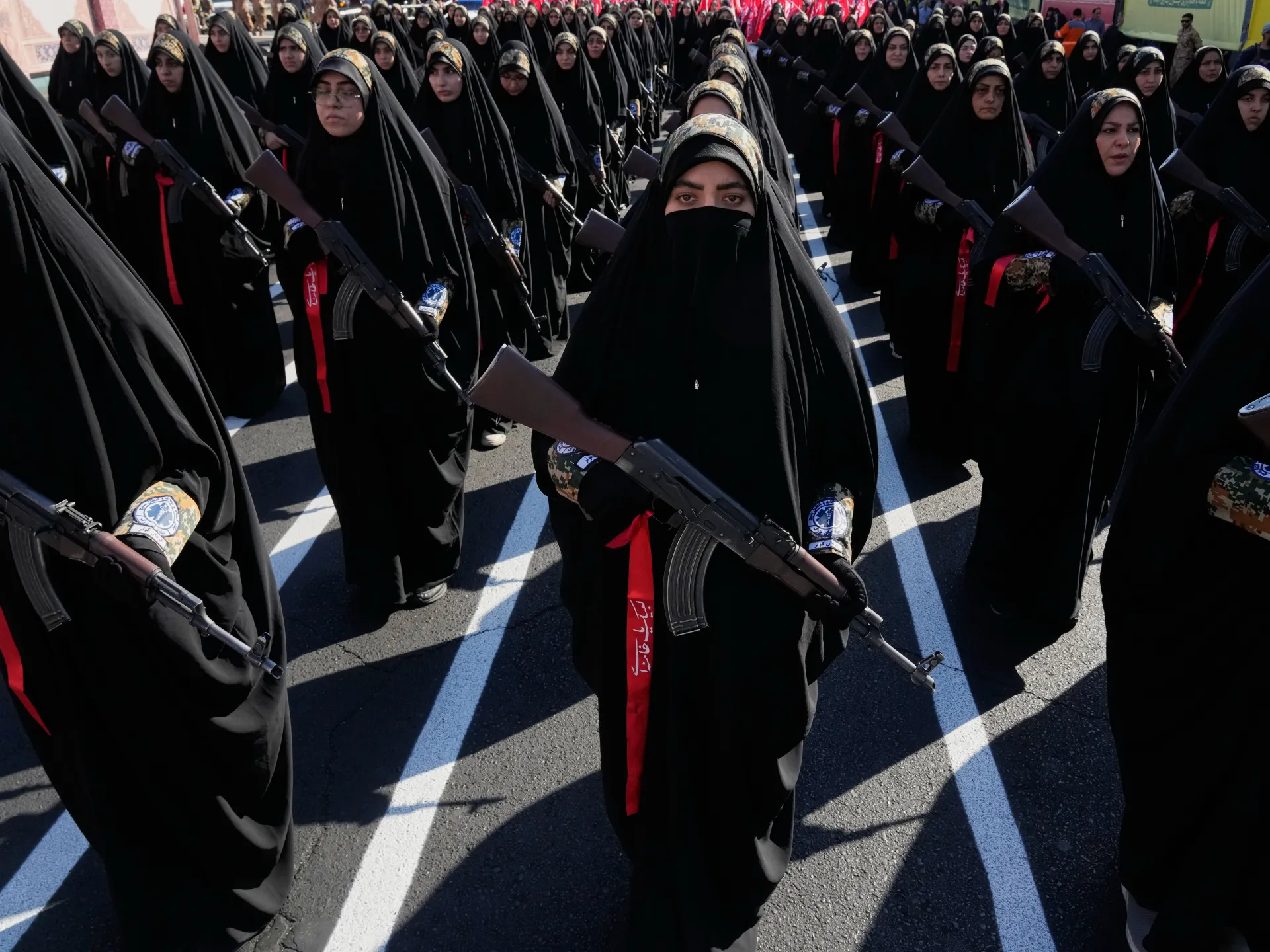
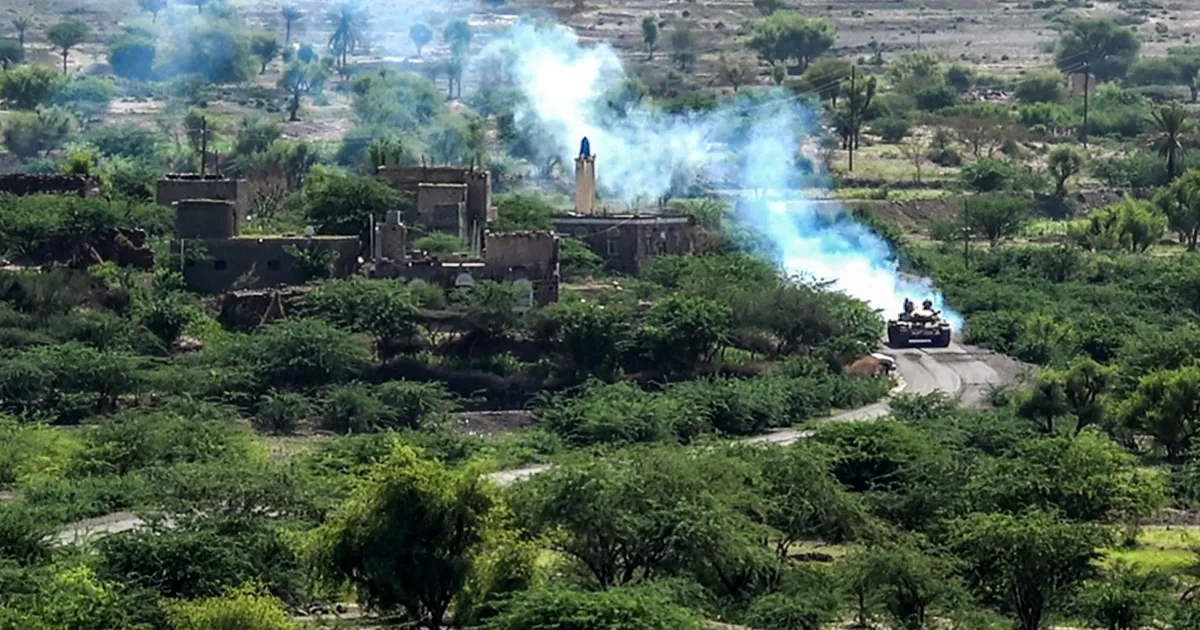
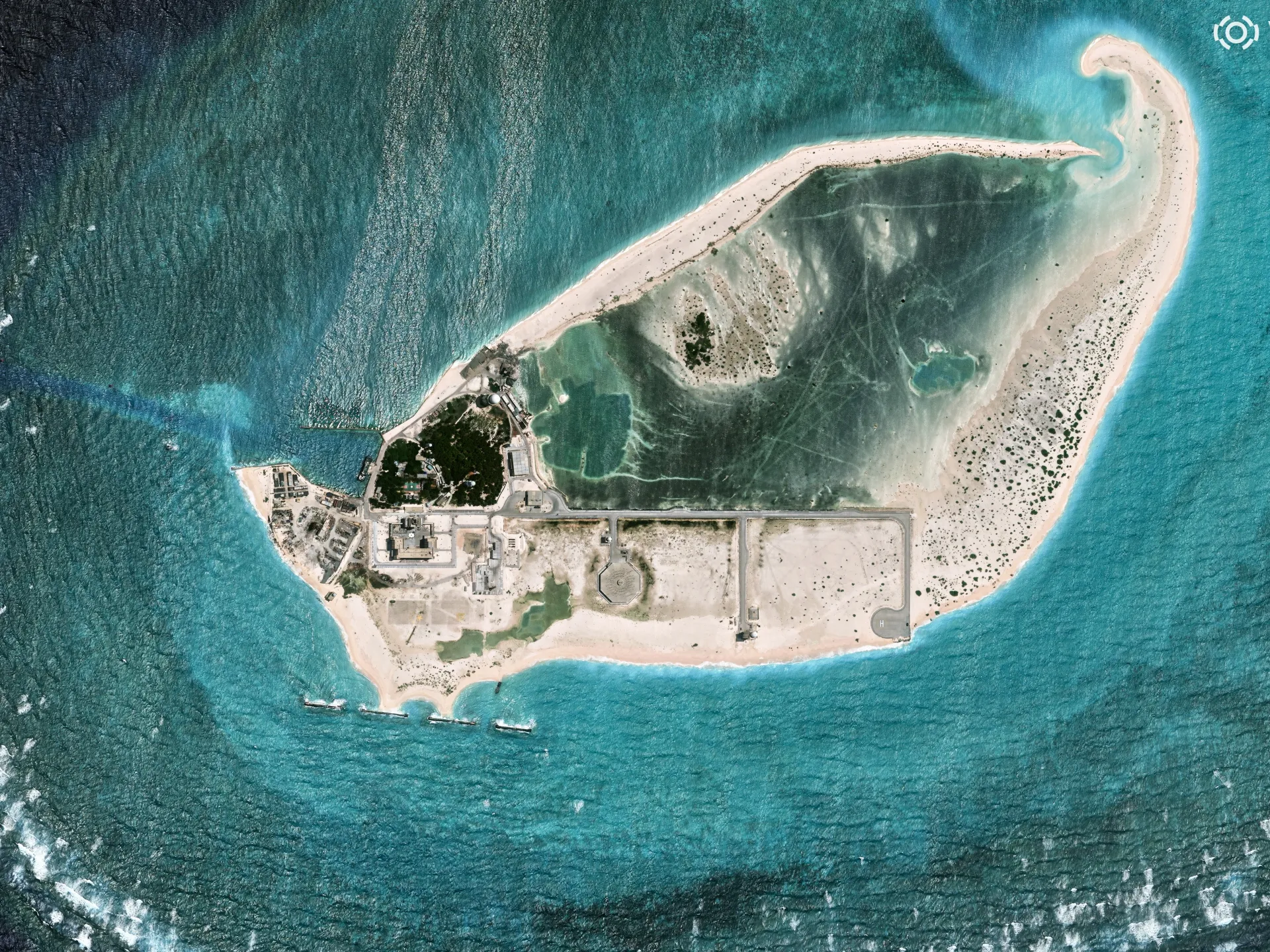
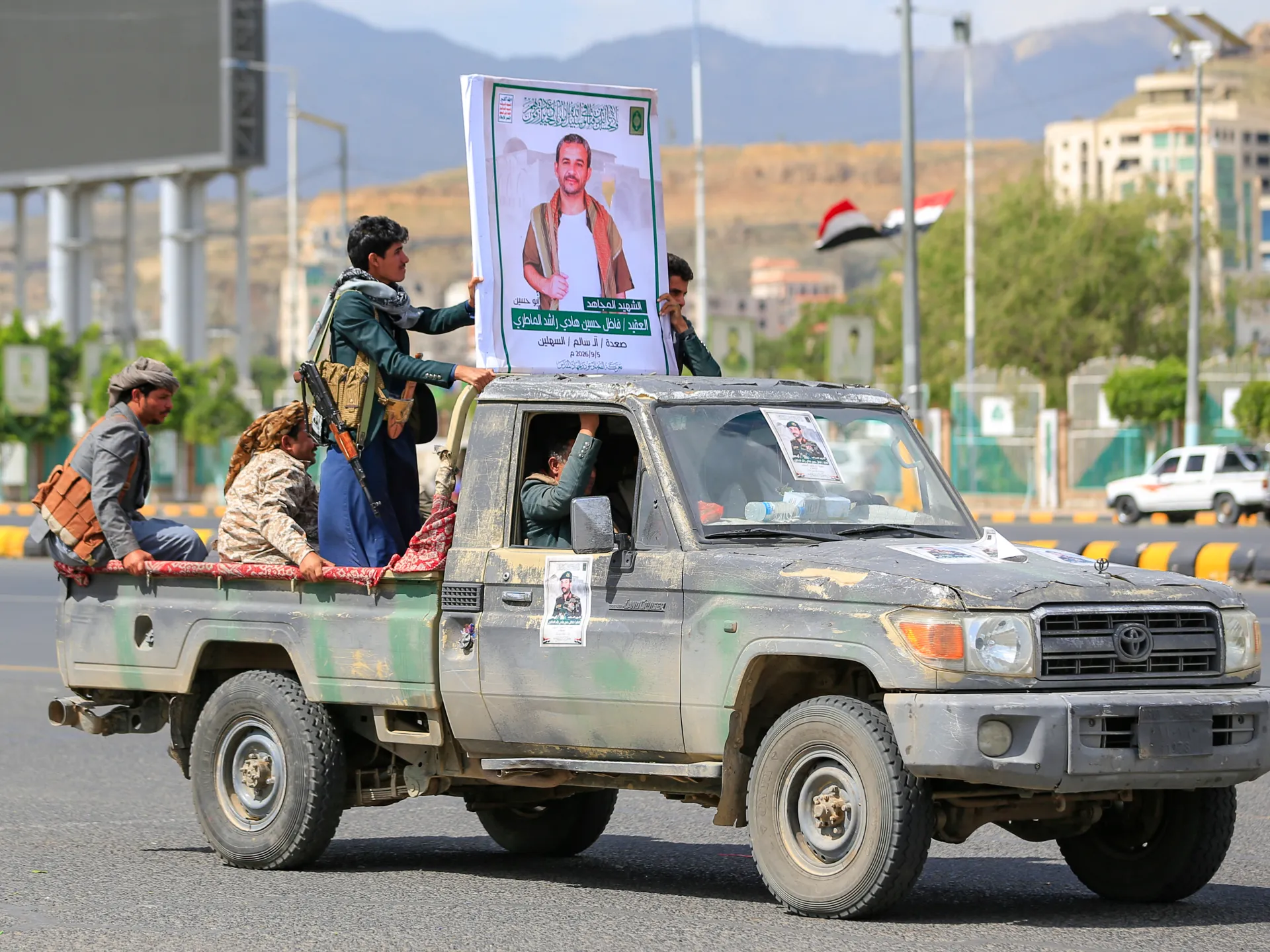
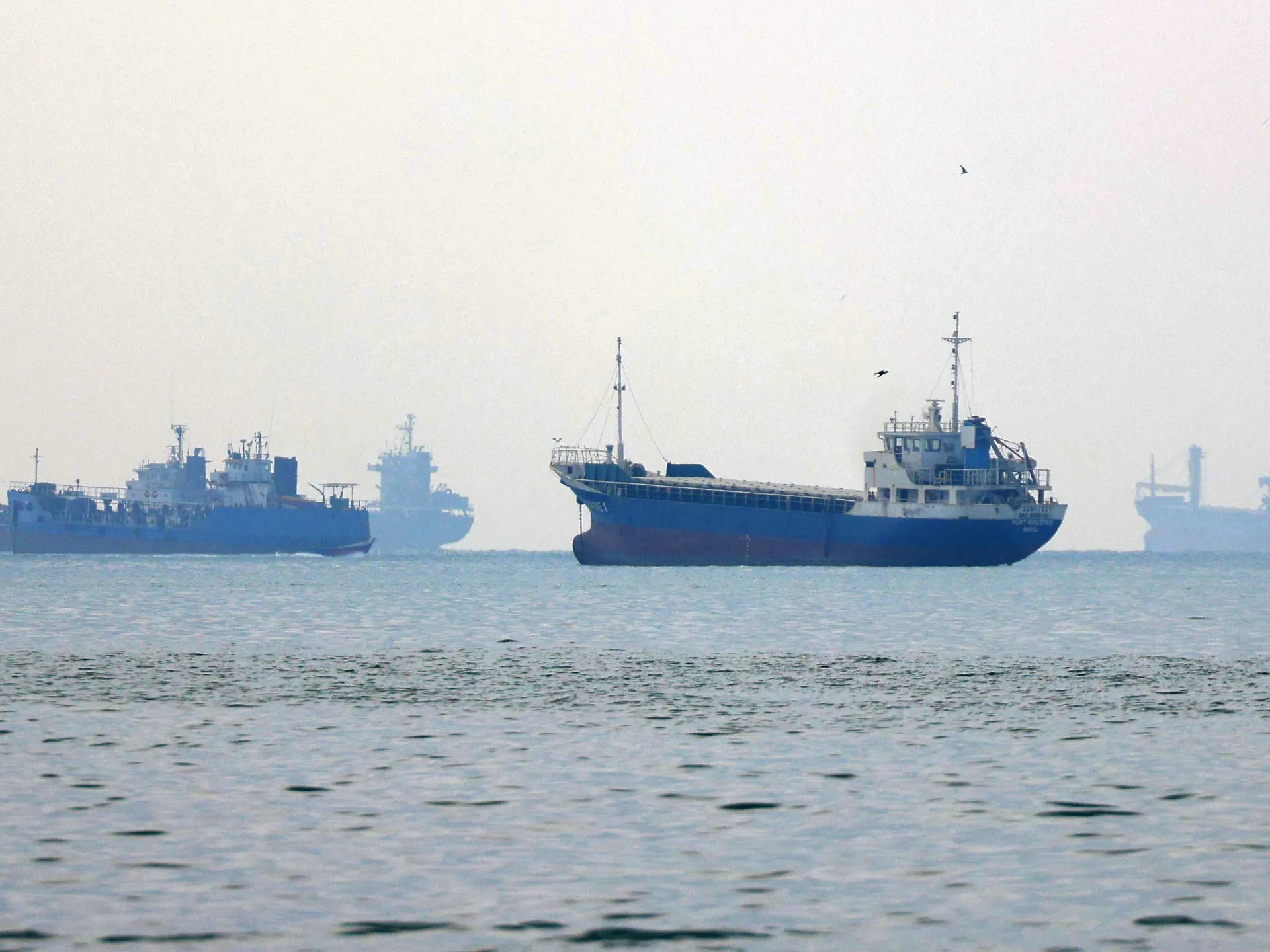
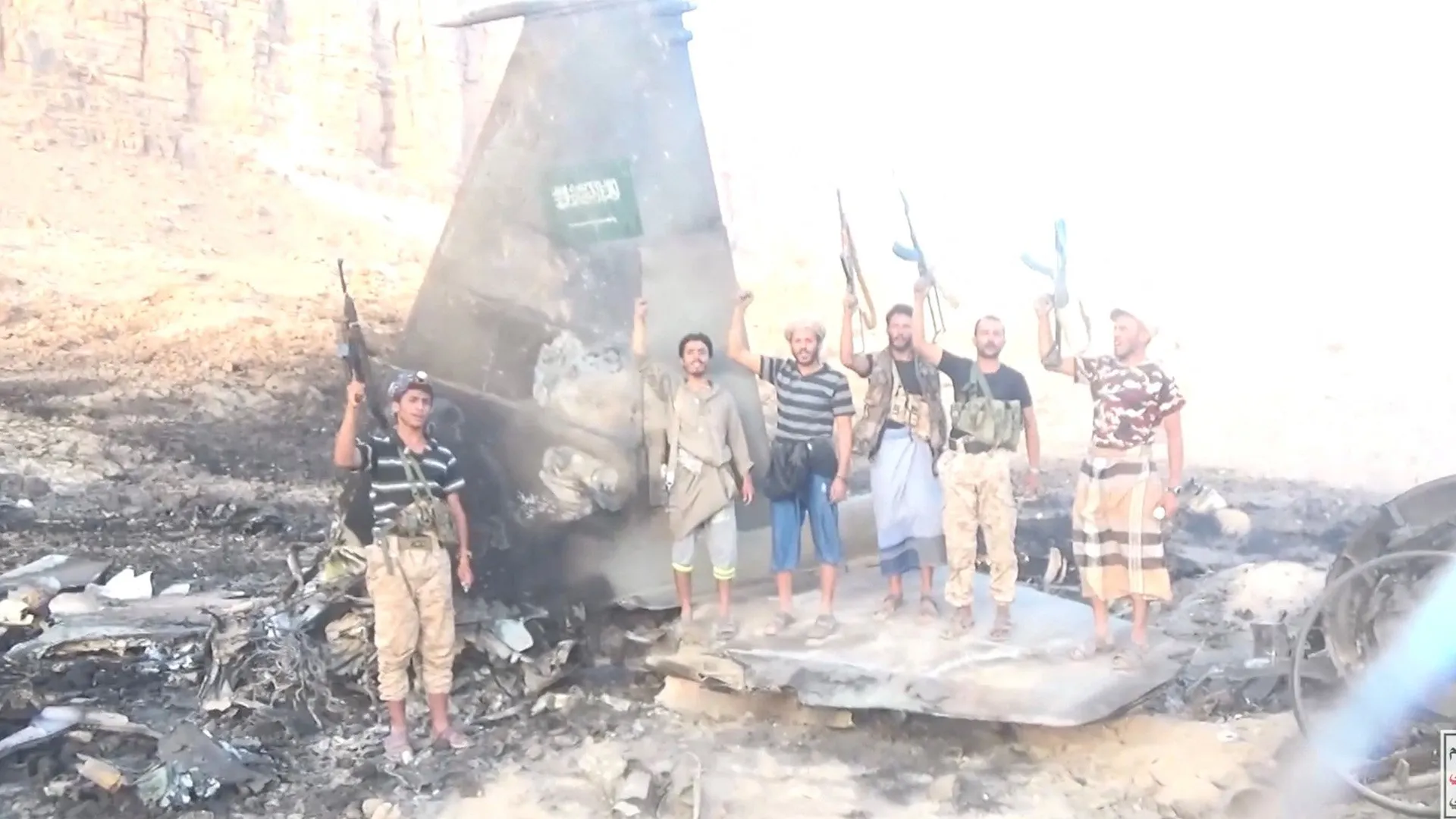
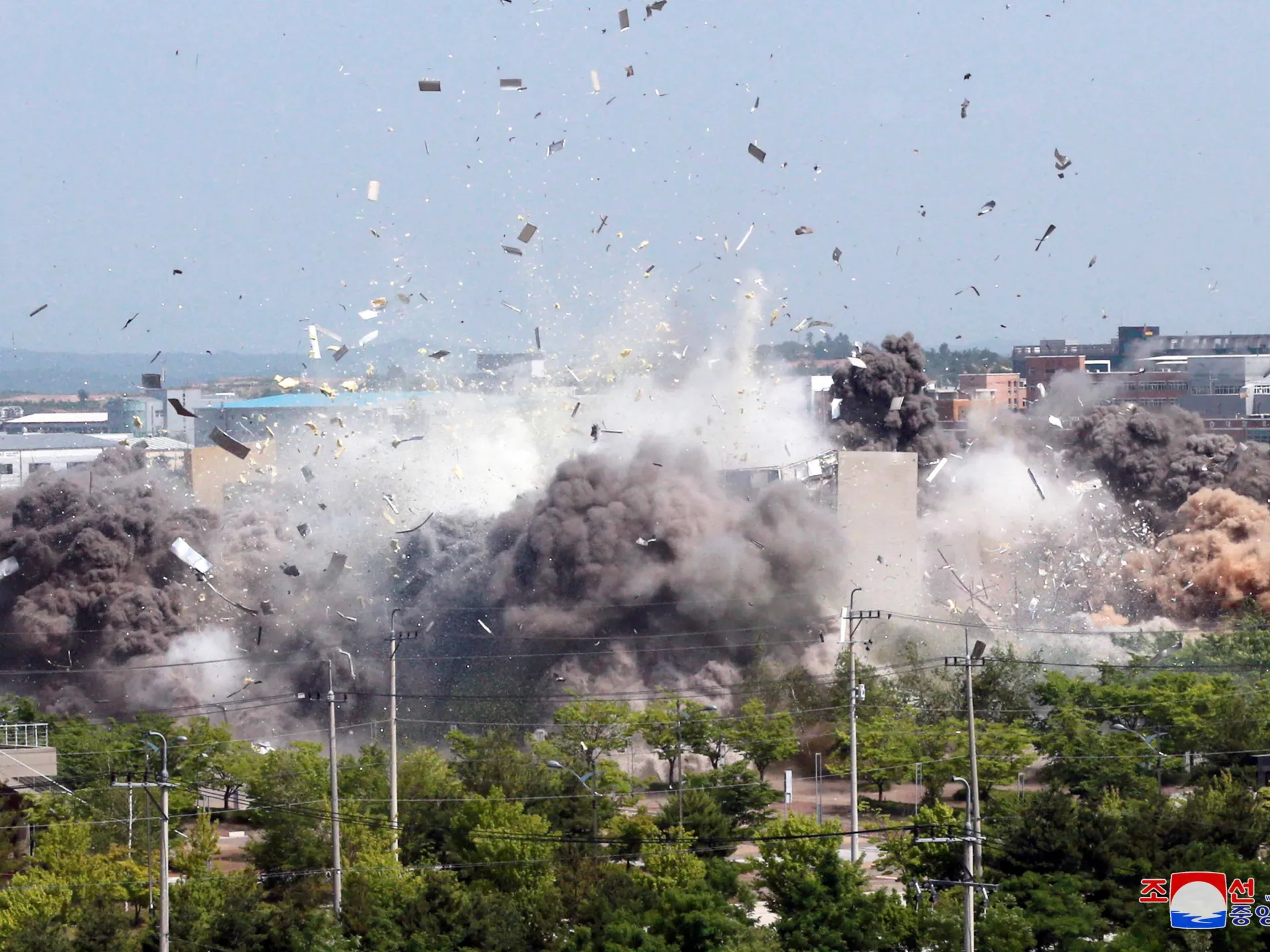
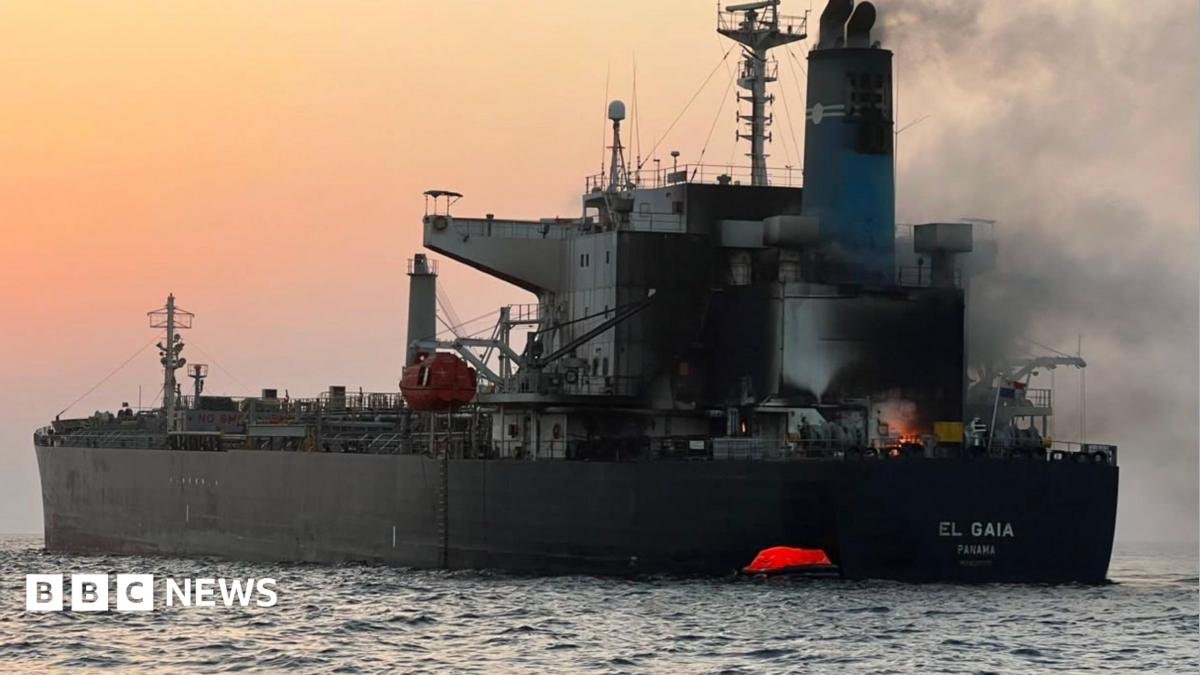
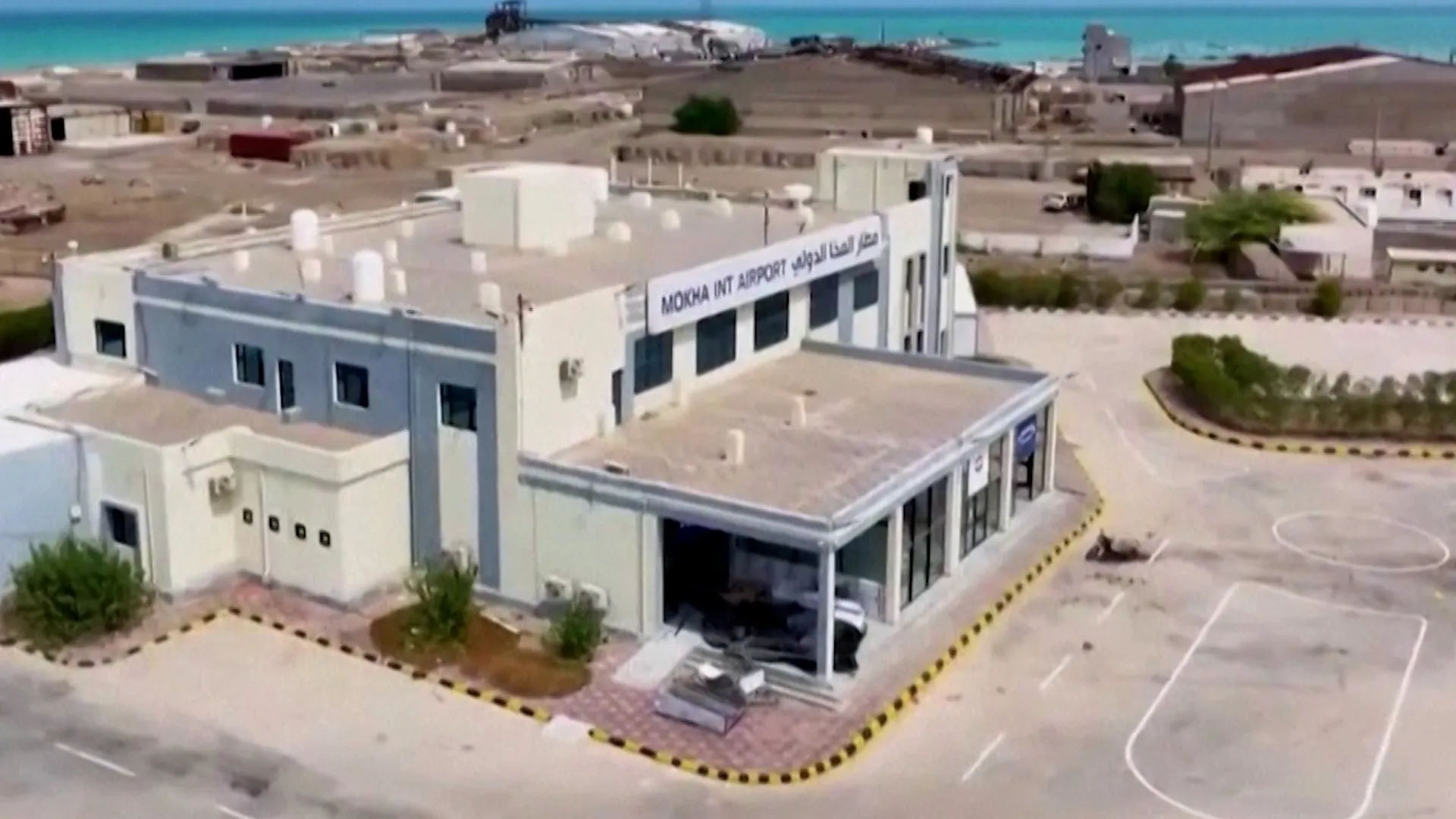
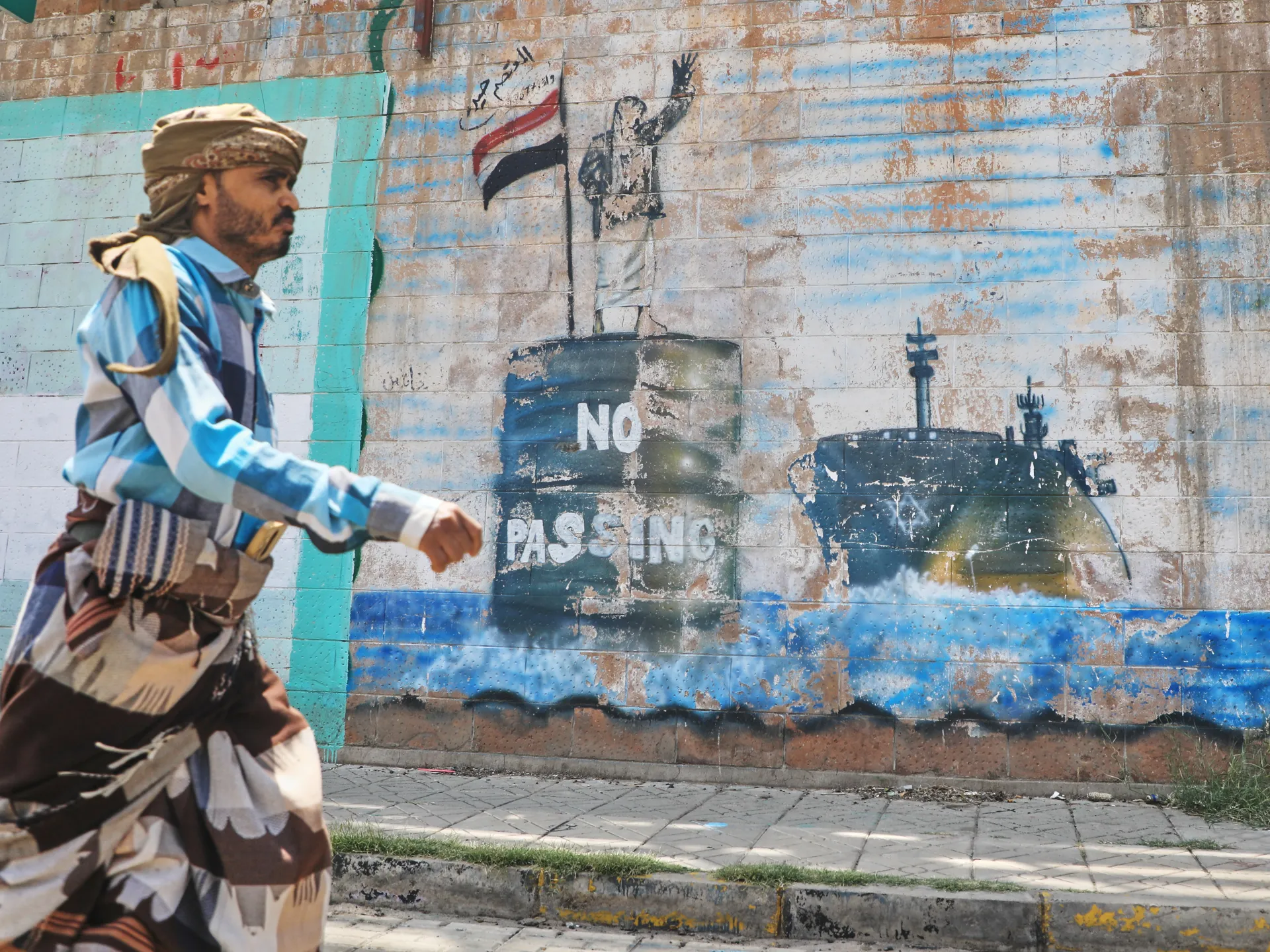
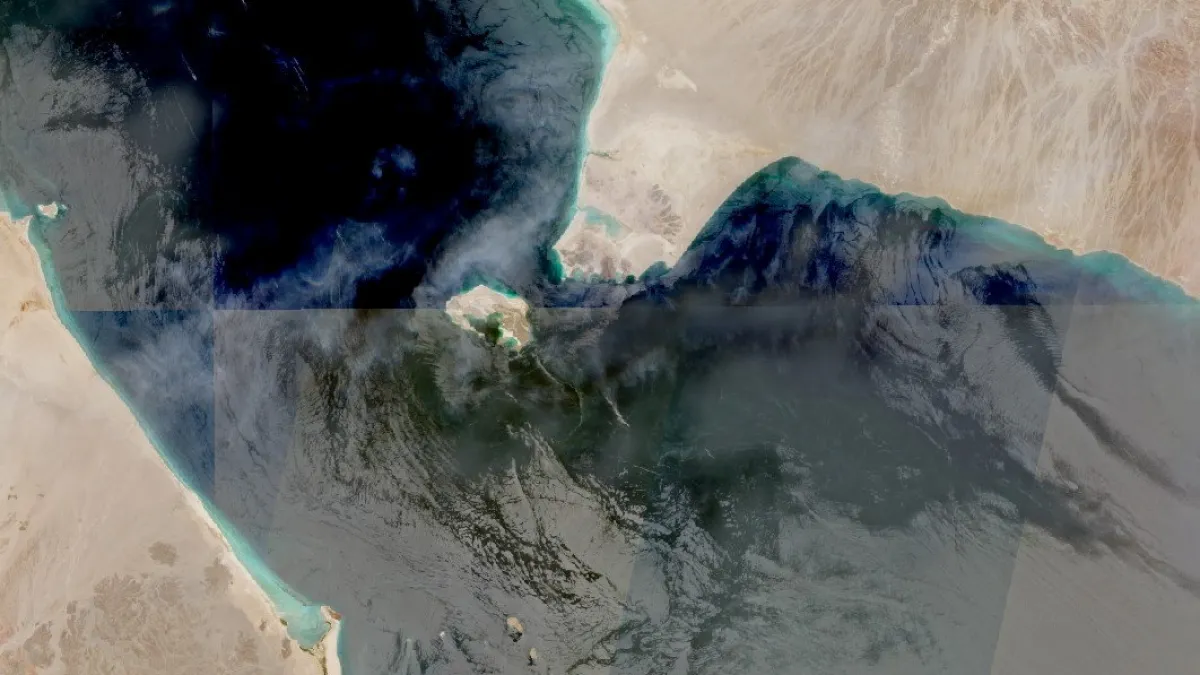
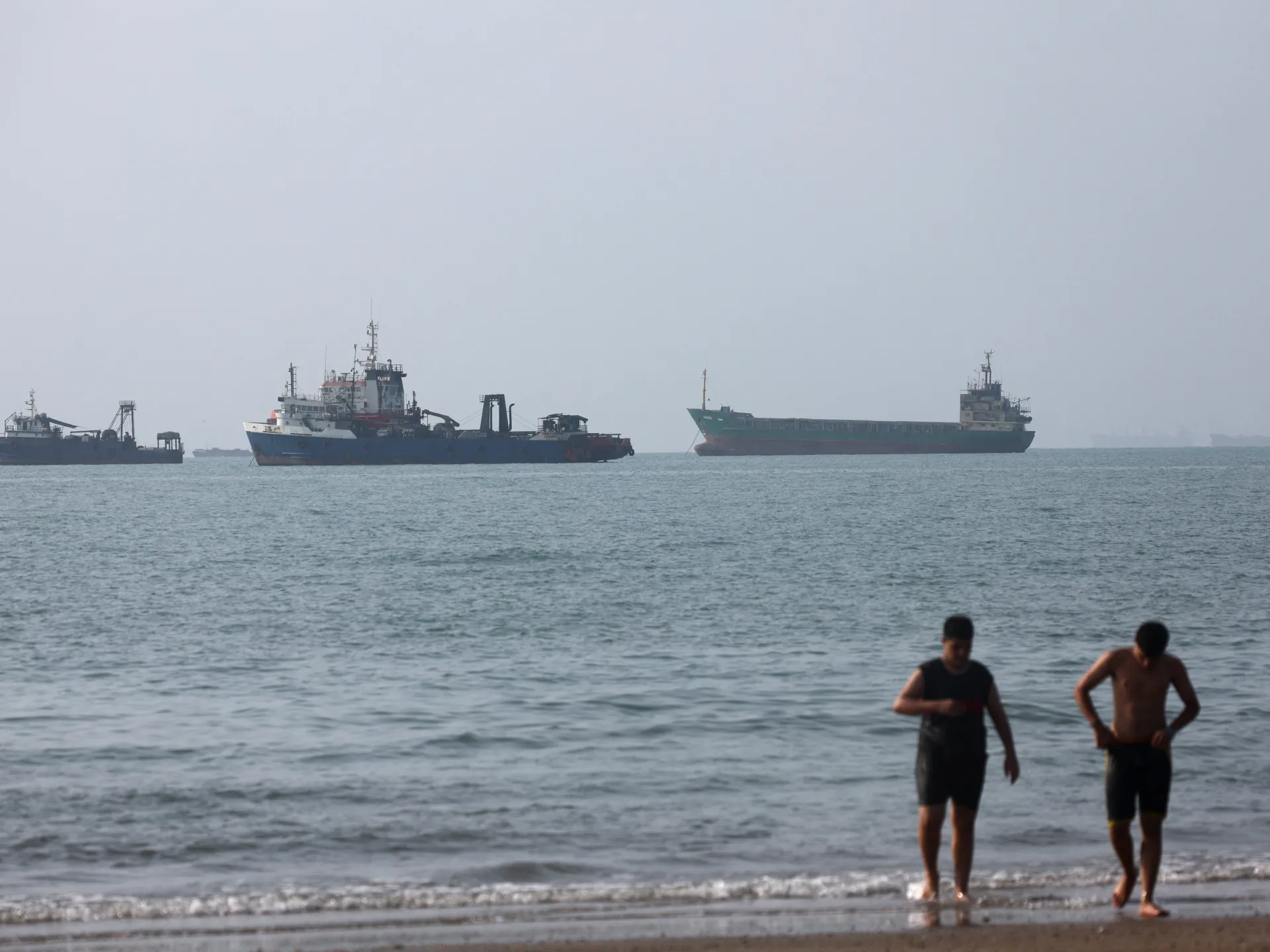
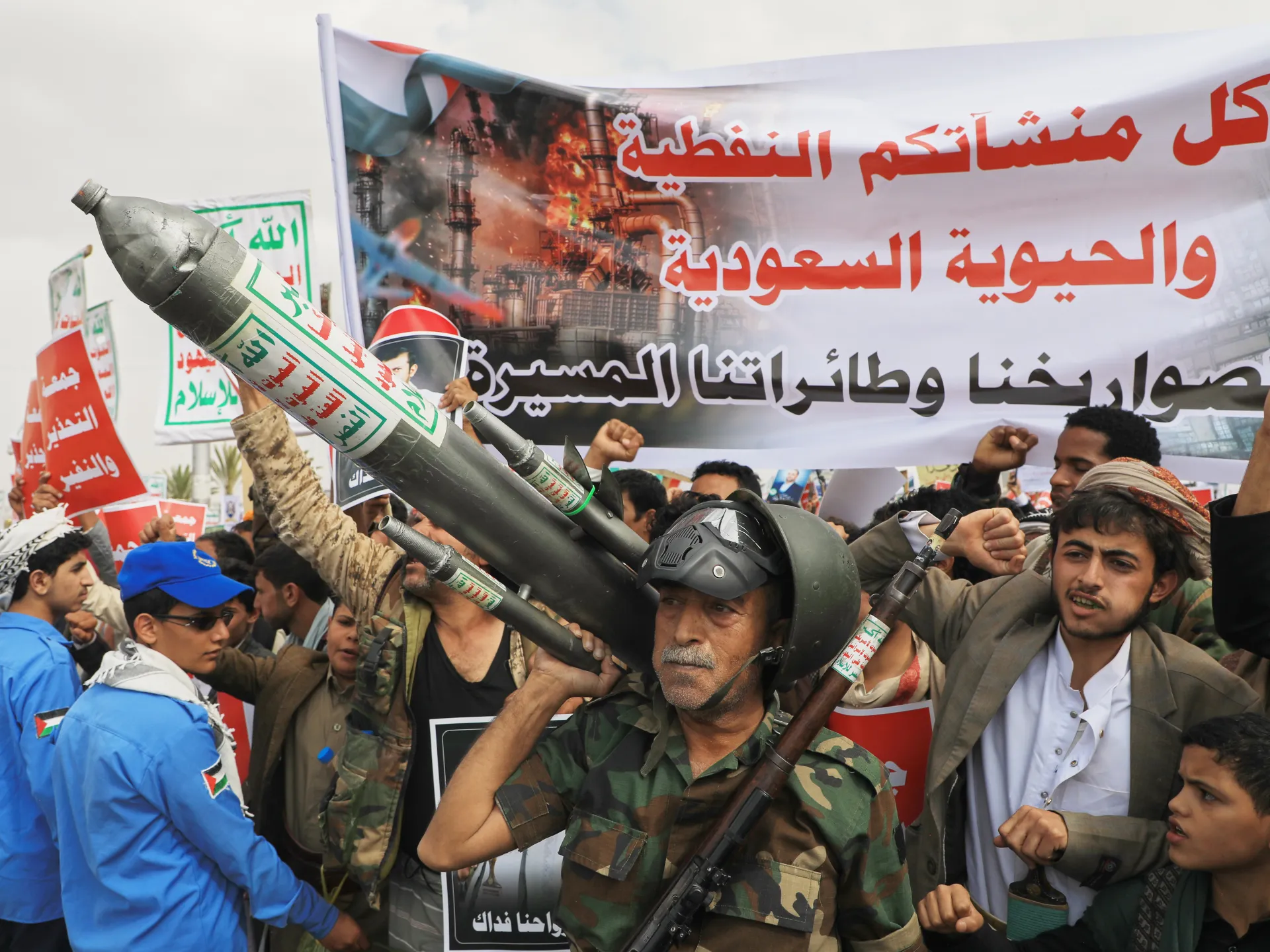
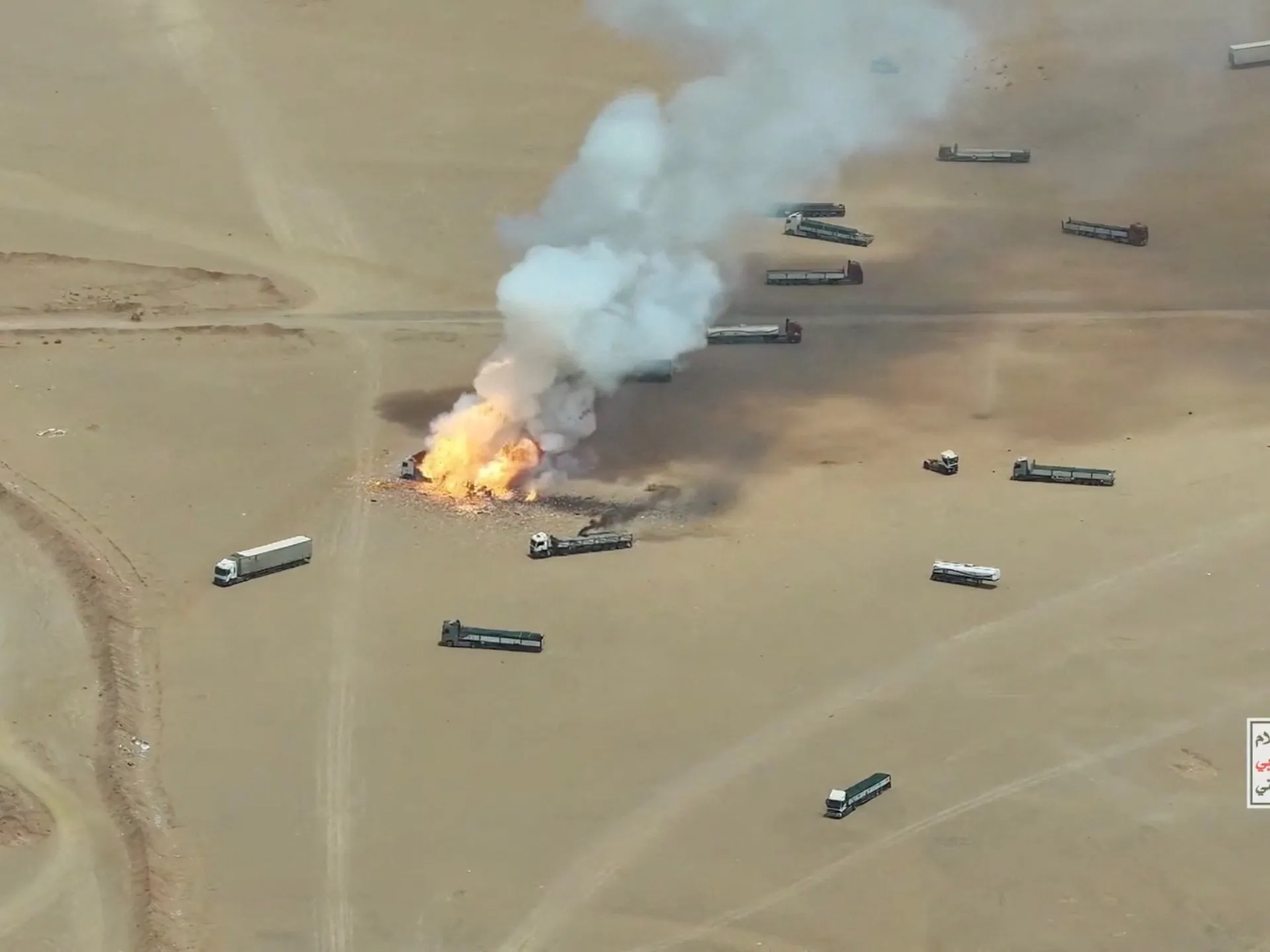
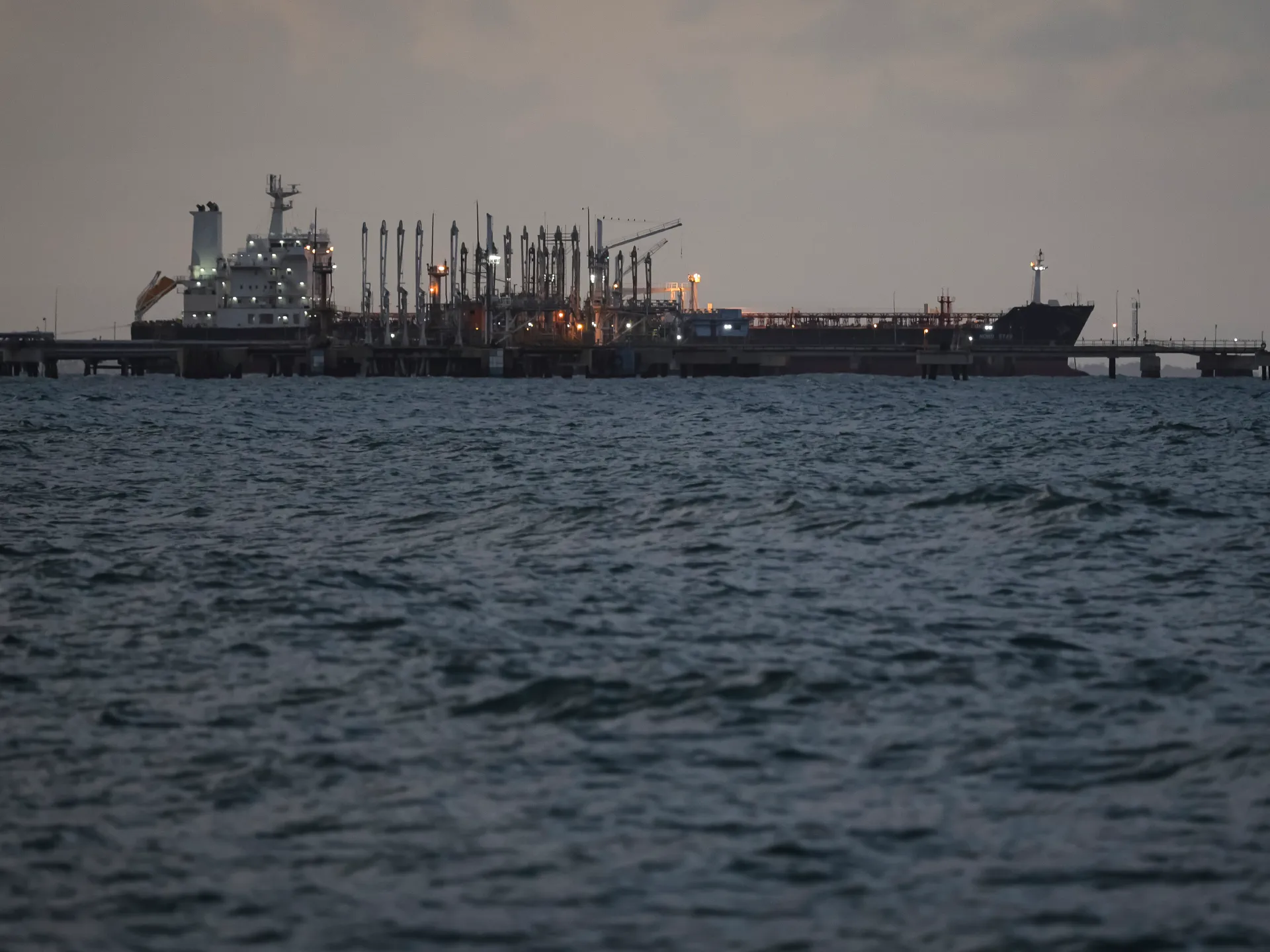
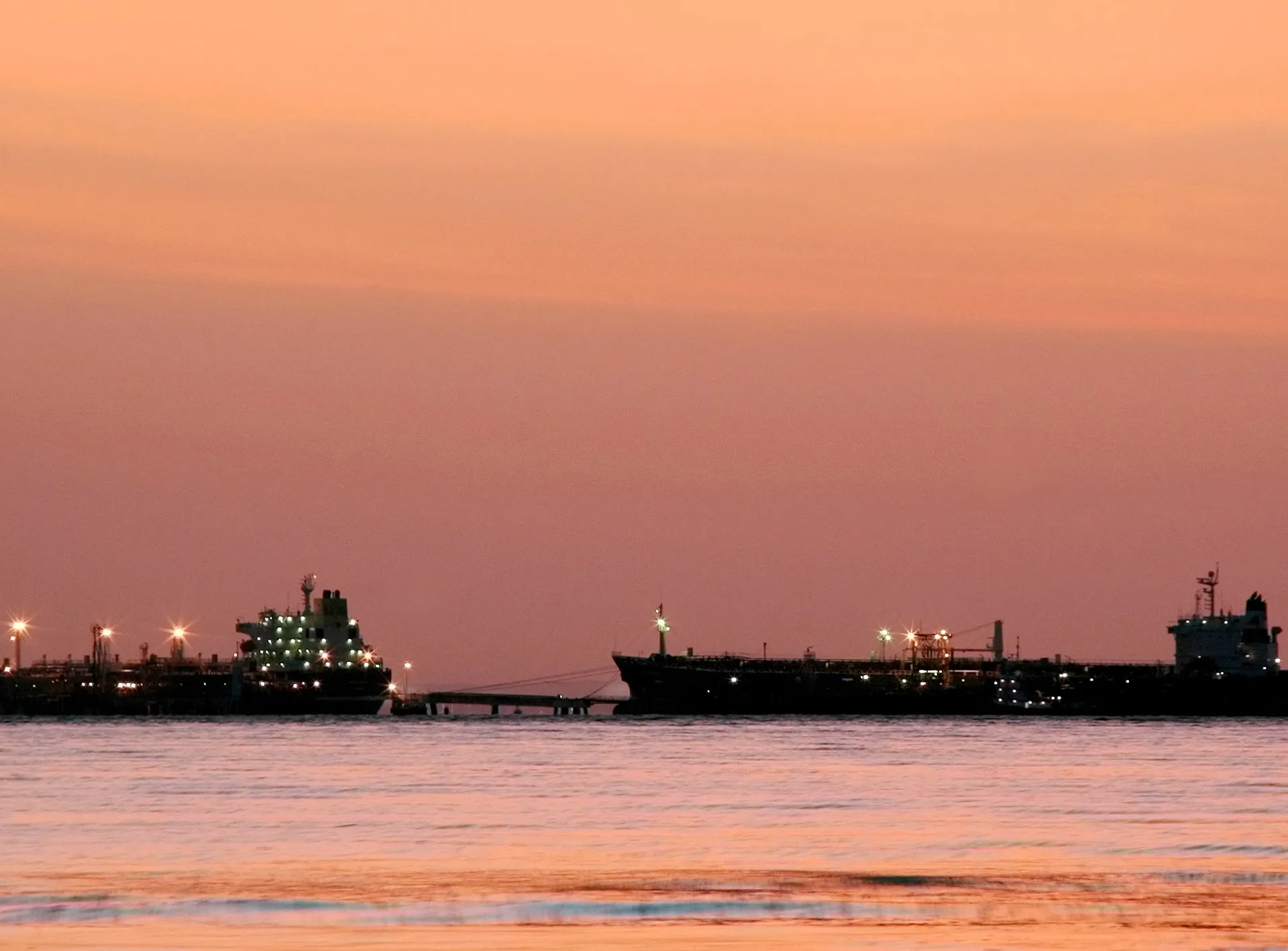
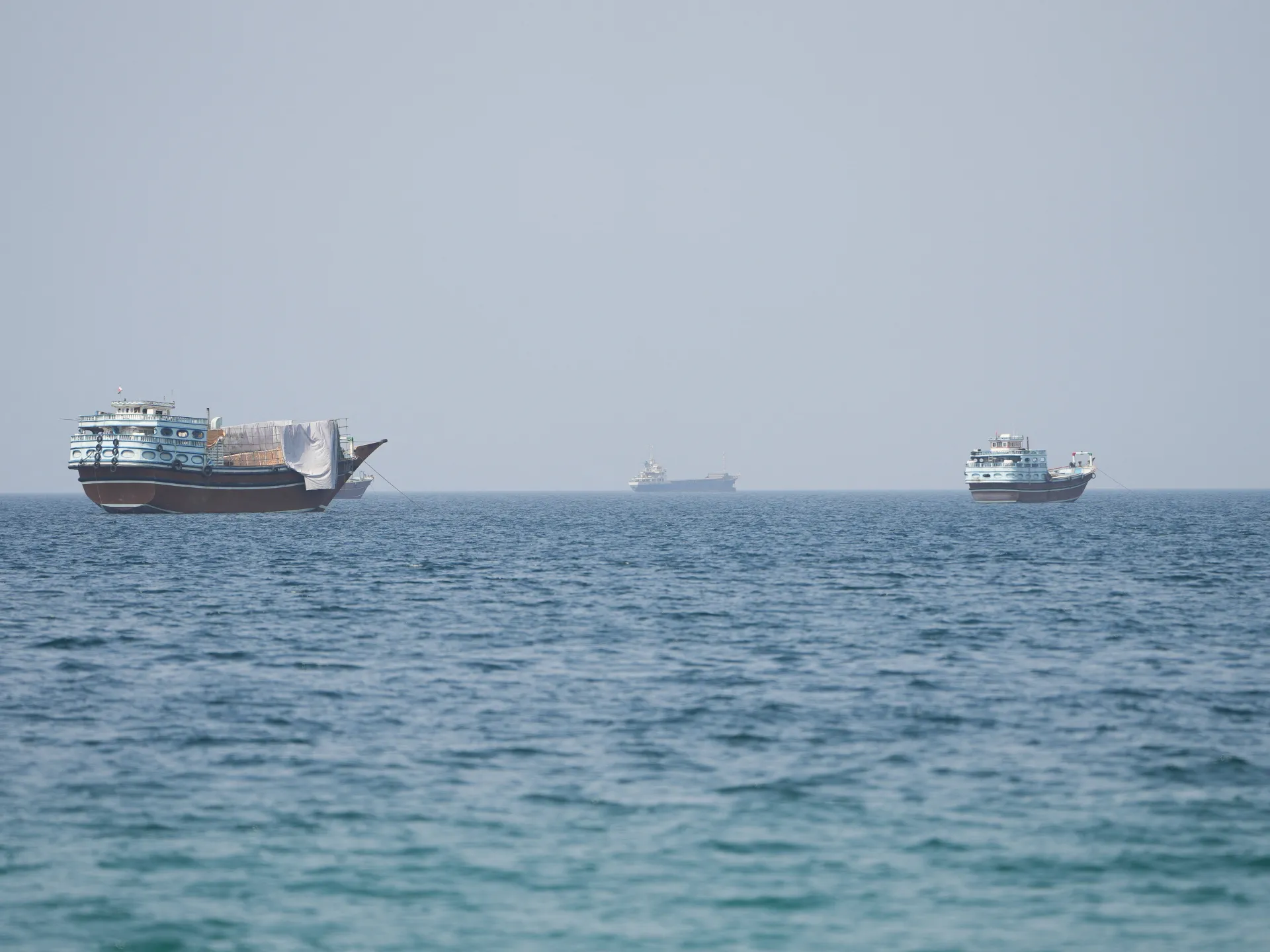
The current instability is centered on the Houthi group's recent military gains, which have enabled them to solidify their grip on key coastal infrastructure. While the Houthis have historically been engaged in a protracted struggle for control since 2014, their recent tactical movements have effectively tightened their influence over critical maritime shipping lanes. This shift occurs against a backdrop of regional volatility, where the Houthis have maintained a high profile through their involvement in broader regional tensions, including actions targeting international shipping and Israel since late 2023.
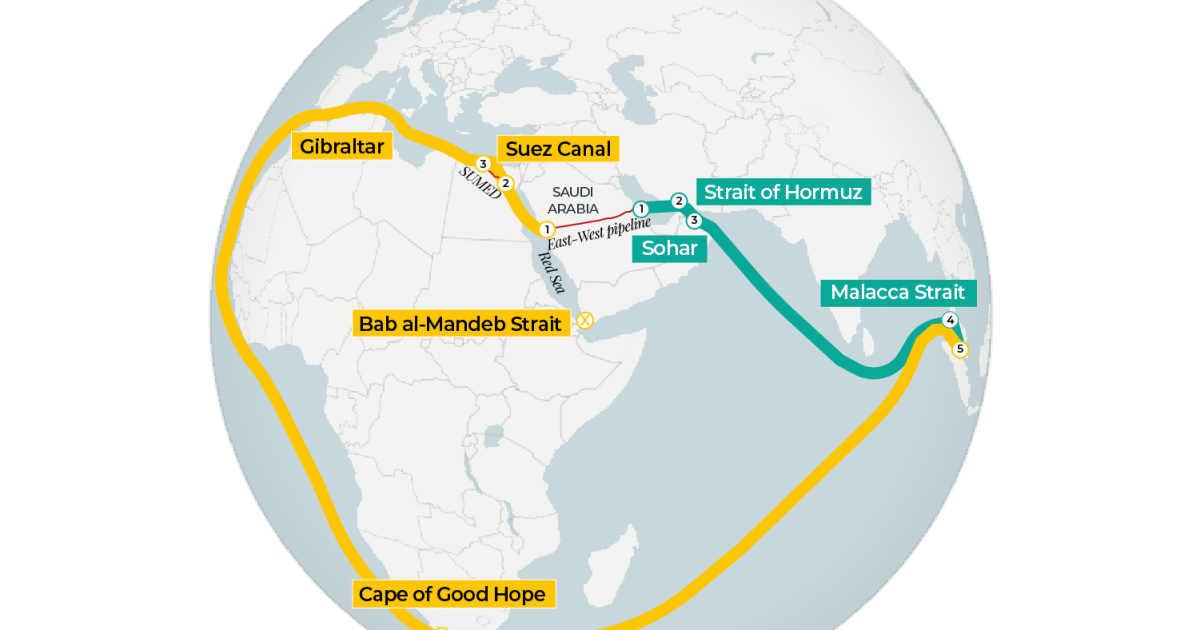
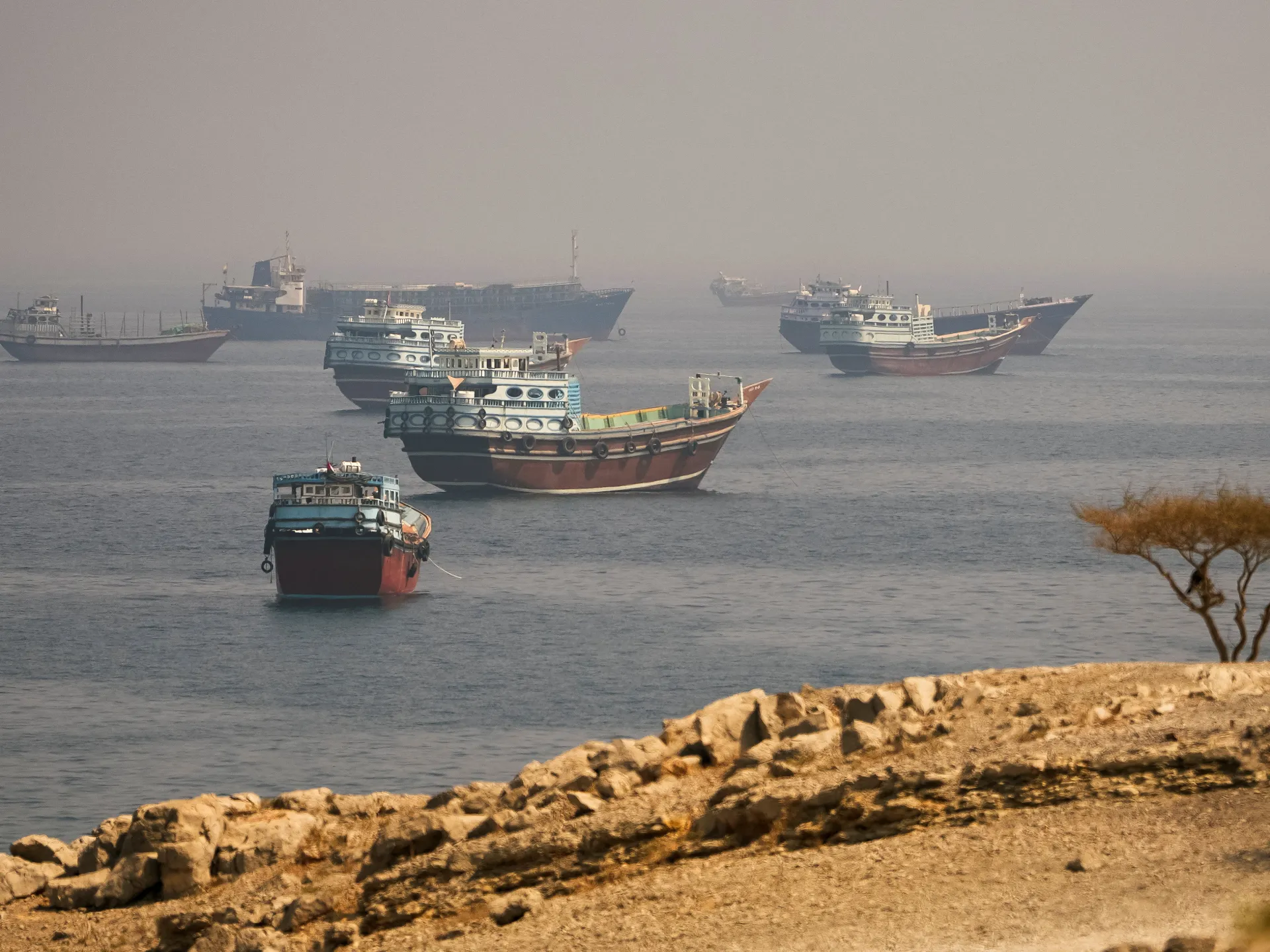
The situation in Yemen serves as a critical barometer for the failure of informal de-escalation frameworks. While the 2023 roadmap toward a permanent ceasefire suggested a potential path to a diplomatic resolution, the lack of a formal agreement has left the door open for rapid military re-engagement. For the international community, the resurgence of conflict in Yemen is not merely a regional matter; it disrupts a vital global artery for maritime commerce. Furthermore, the humanitarian burden on neighboring countries like Djibouti—already struggling with limited resources—highlights the precarious nature of stability in the Horn of Africa and the Arabian Peninsula, where local conflicts frequently trigger regional refugee pressures that remain under-reported in Western media.
The Houthi movement, or Ansar Allah, originated in the 1990s as a manifestation of the Zaidi Shia minority's demands for greater political agency. Following the 2011 Arab Spring, the group successfully exploited the vacuum left ment had captured the capital, Sanaa, and subsequently moved to seize the Red Sea port of Hodeidah. These developments triggered a direct Saudi-led military intervention in 2015, which was aimed at restoring the government of Abd-Rabbu Mansour Hadi. The ensuing conflict became one of the 21st century's most devastating humanitarian disasters, resulting in tens of thousands of casualties and millions of displaced persons.
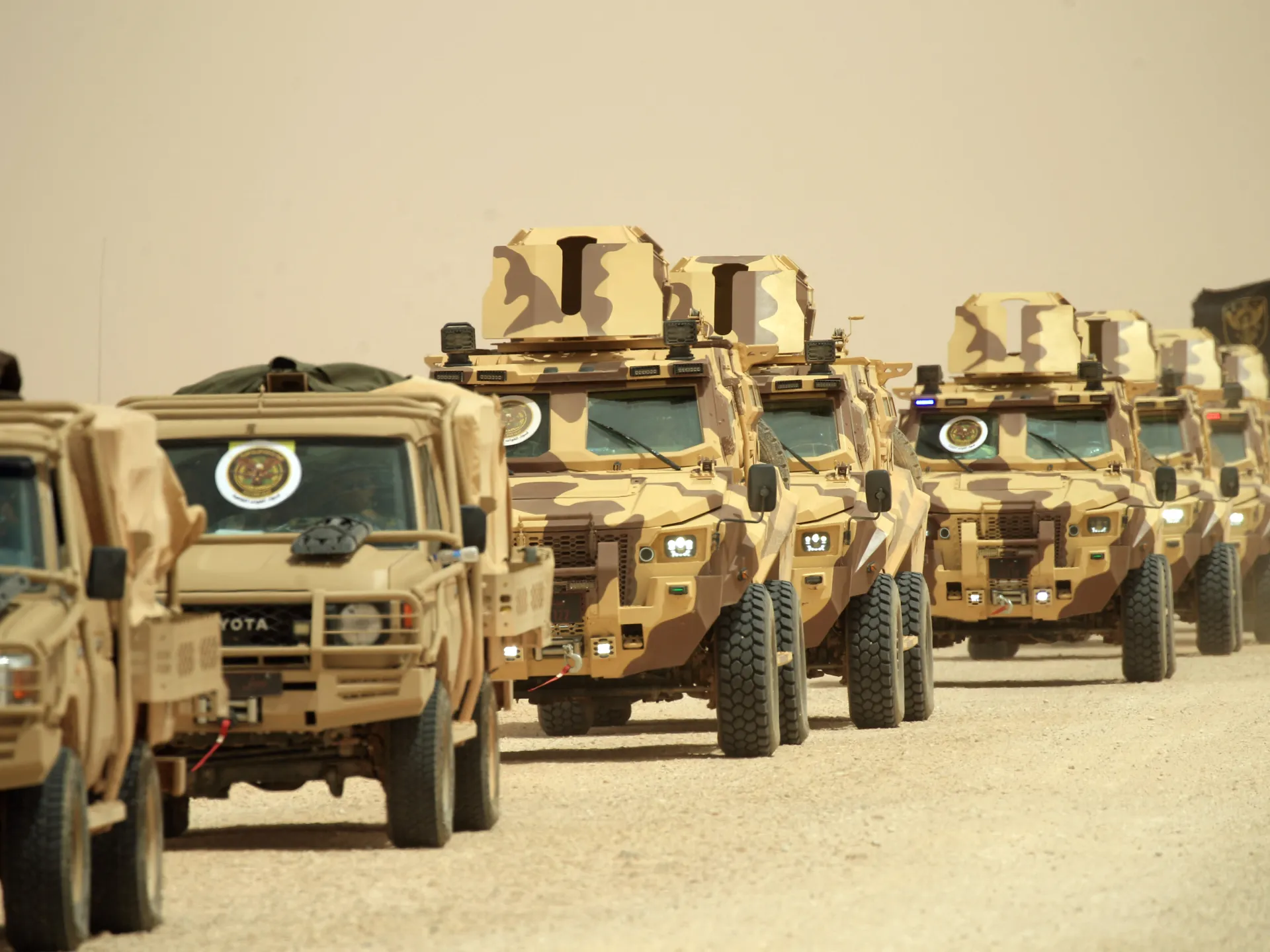
Despite periodic attempts at international mediation, including direct talks between the Houthis and Saudi officials in 2023, the underlying drivers of the war remain unresolved. The current tactical expansion the Red Sea coast, potentially aimed at strengthening their leverage in any future negotiations. This renewed aggression comes at a time when middle powers in the region are navigating an increasingly complex global order, forcing many to re-evaluate their alliances and security strategies.
As military activity persists along the Red Sea coast, the immediate outlook remains dominated on neighboring states. The lack of a formal, binding ceasefire agreement means that neither the Houthi leadership nor the Saudi-backed coalition is tethered to a restrictive diplomatic framework, allowing for the rapid escalation of tactical operations. It is likely that regional powers will intensify their diplomatic maneuvering behind the scenes to prevent the conflict from broadening into a wider regional conflagration. However, until a formal peace process is established, the cycle of tactical territorial expansion and subsequent refugee outflows is expected to continue, further complicating the geopolitical landscape for international actors operating in the Indian Ocean and Red Sea corridors.