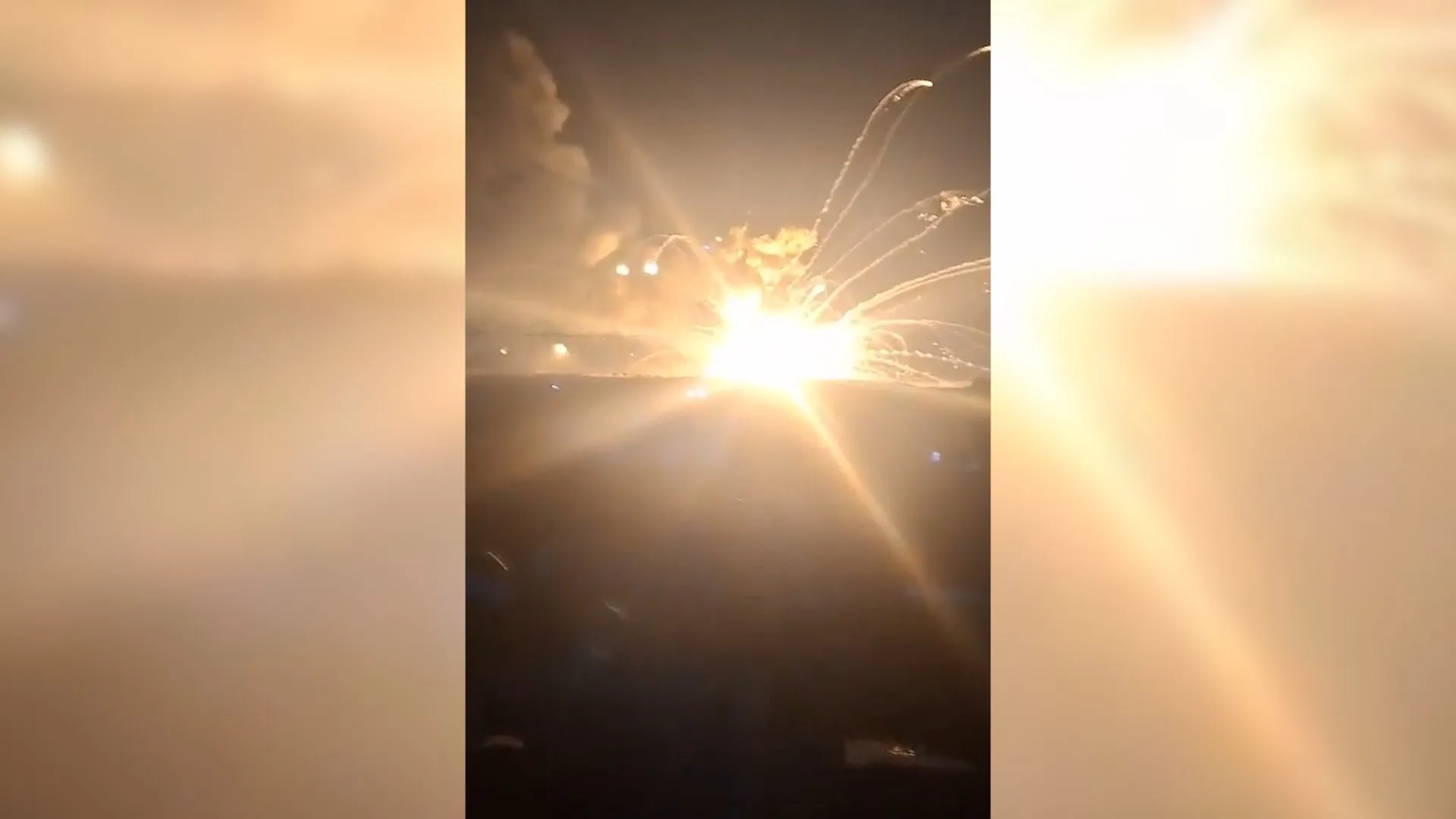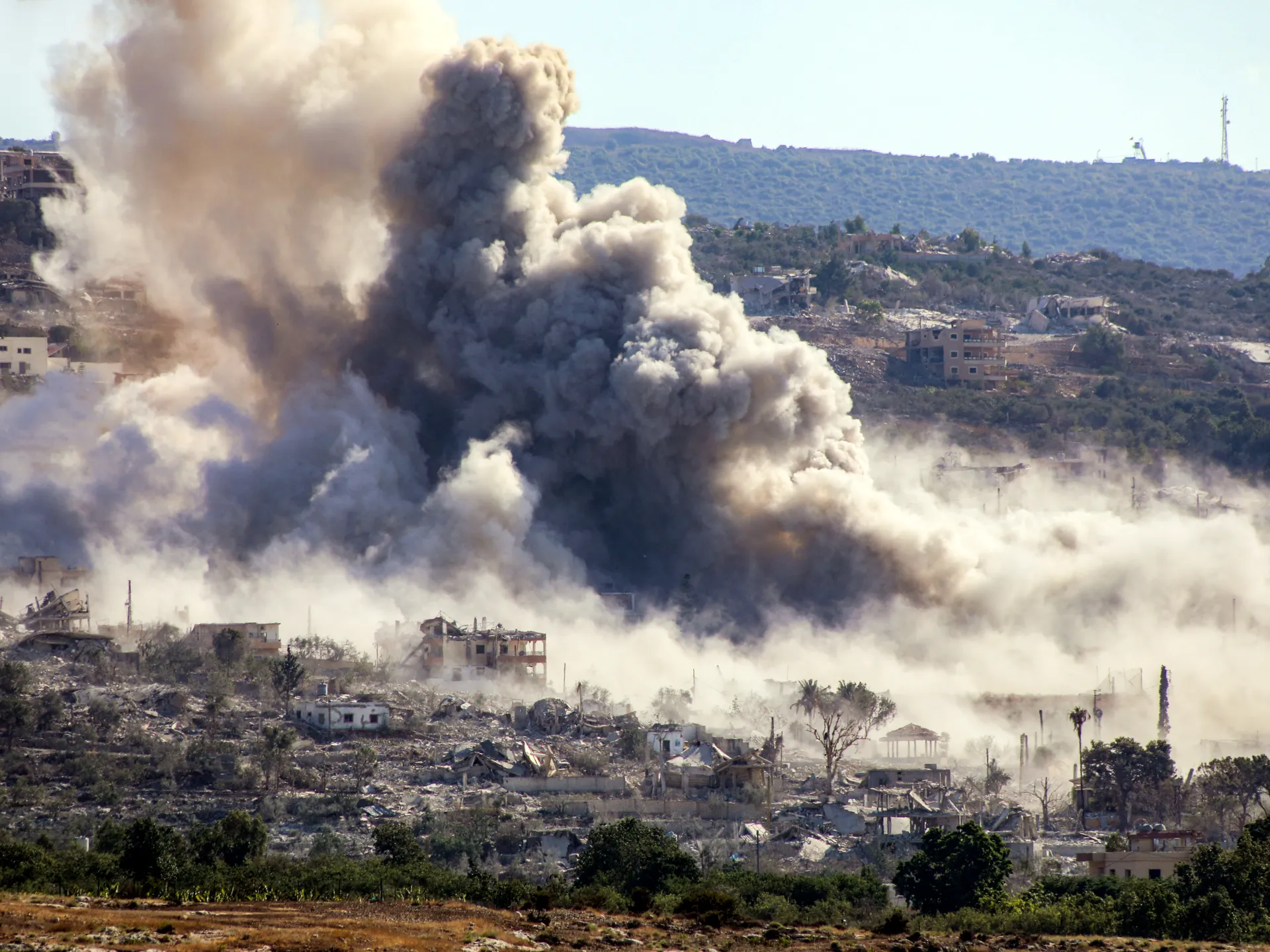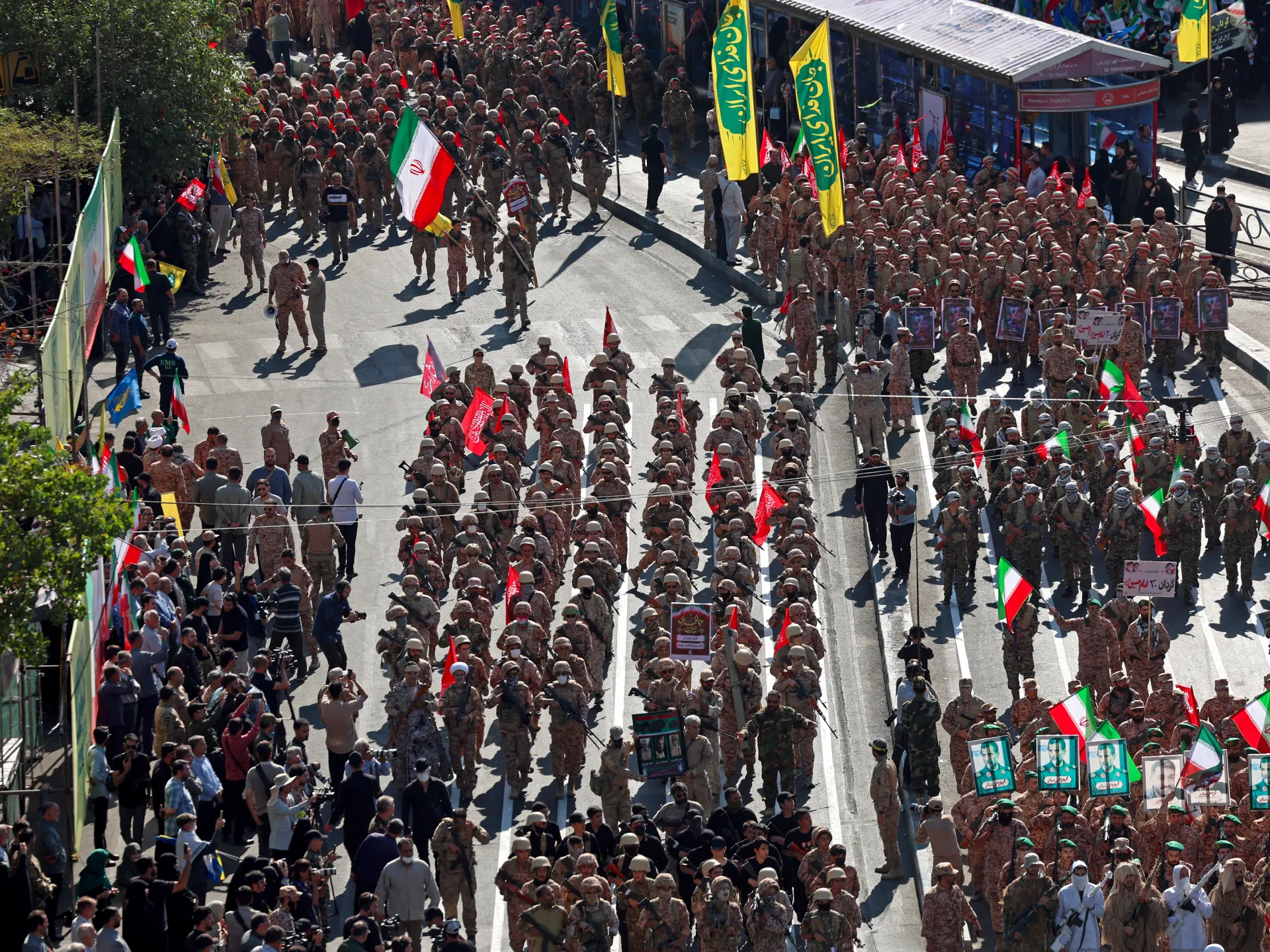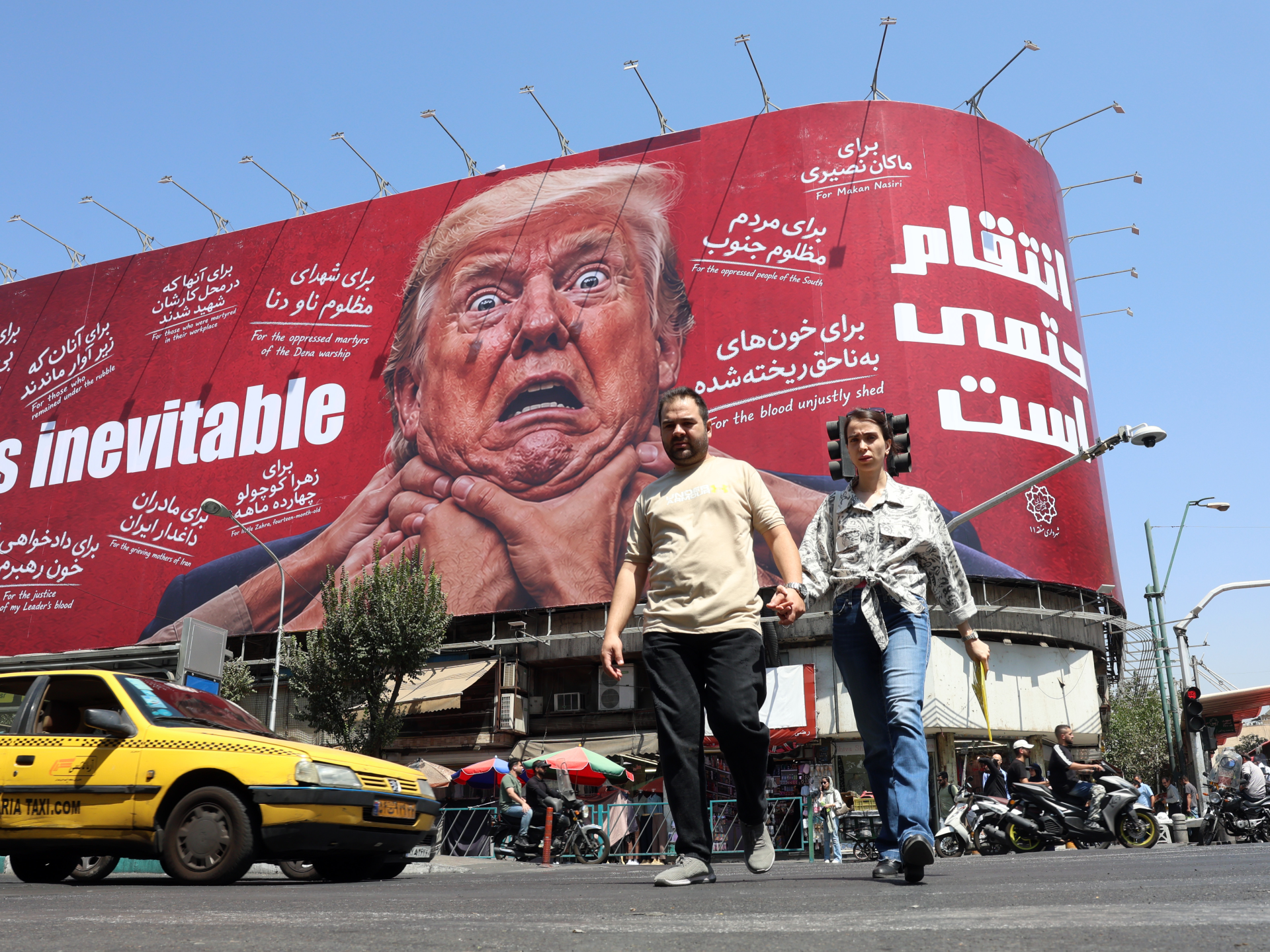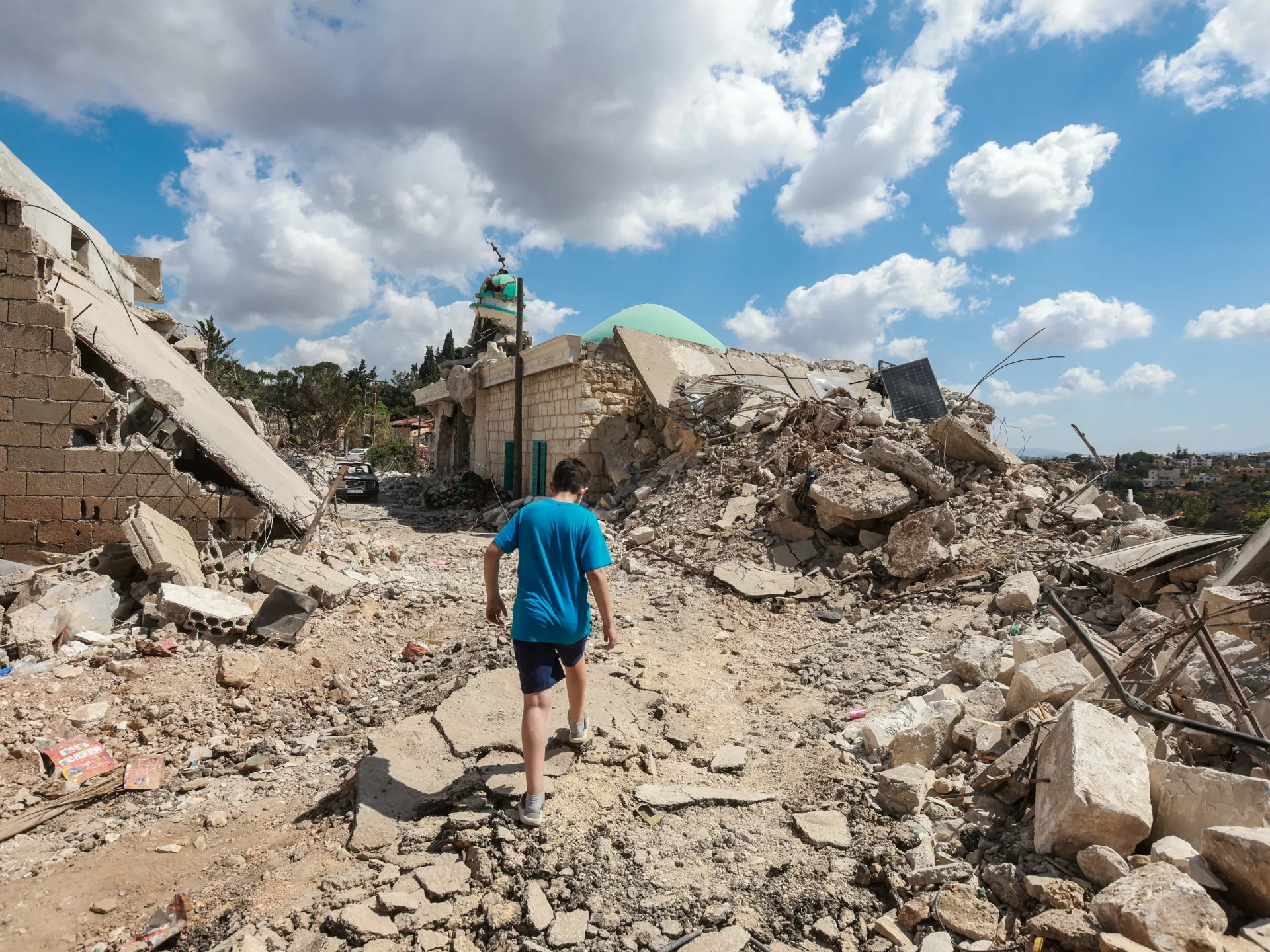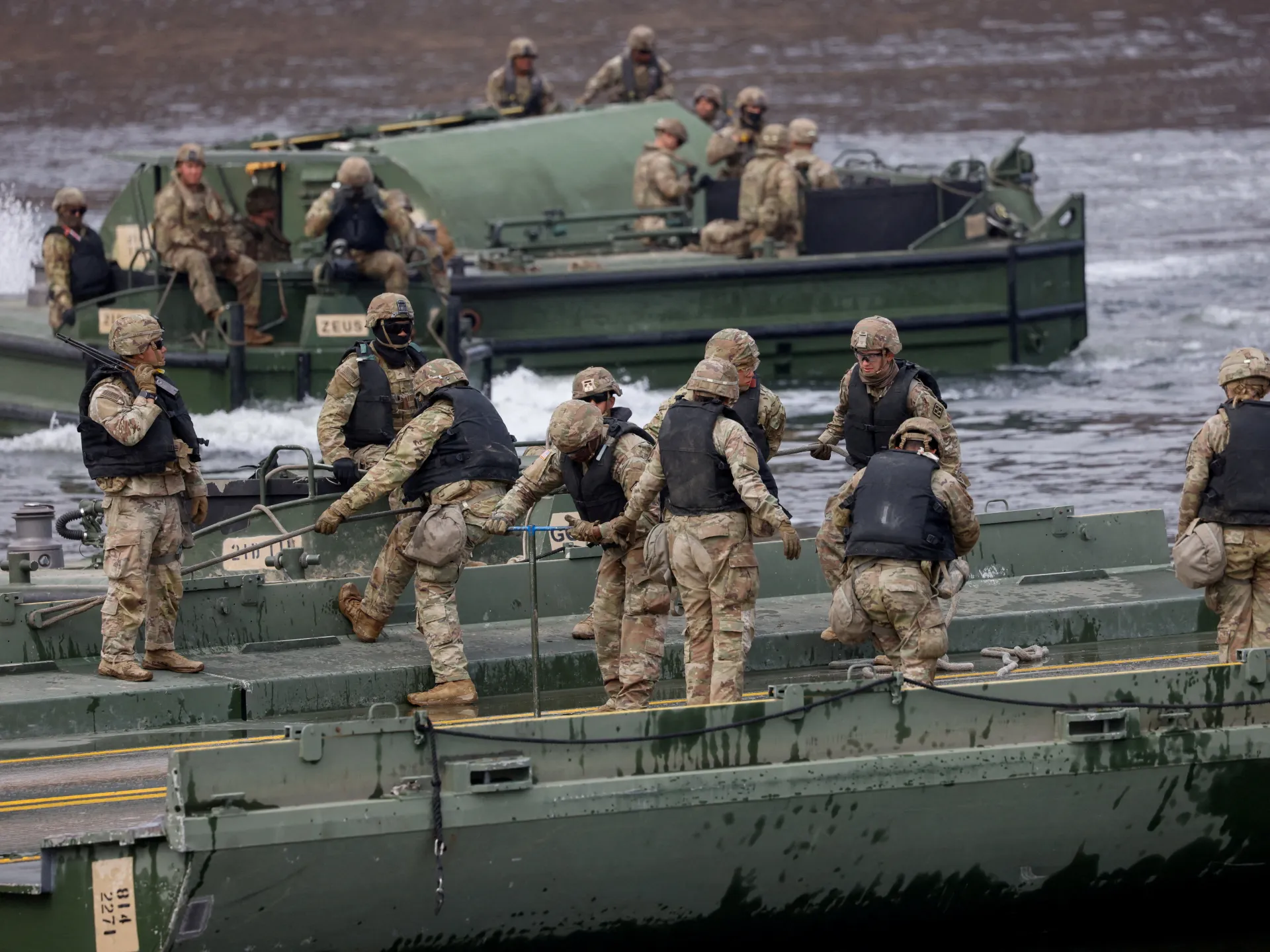
As the war in the Middle East enters its seventh month, the U.S. has granted restricted access to Iranian officials for the UN General Assembly, even as Iran's economy faces a 10 percent GDP contraction.
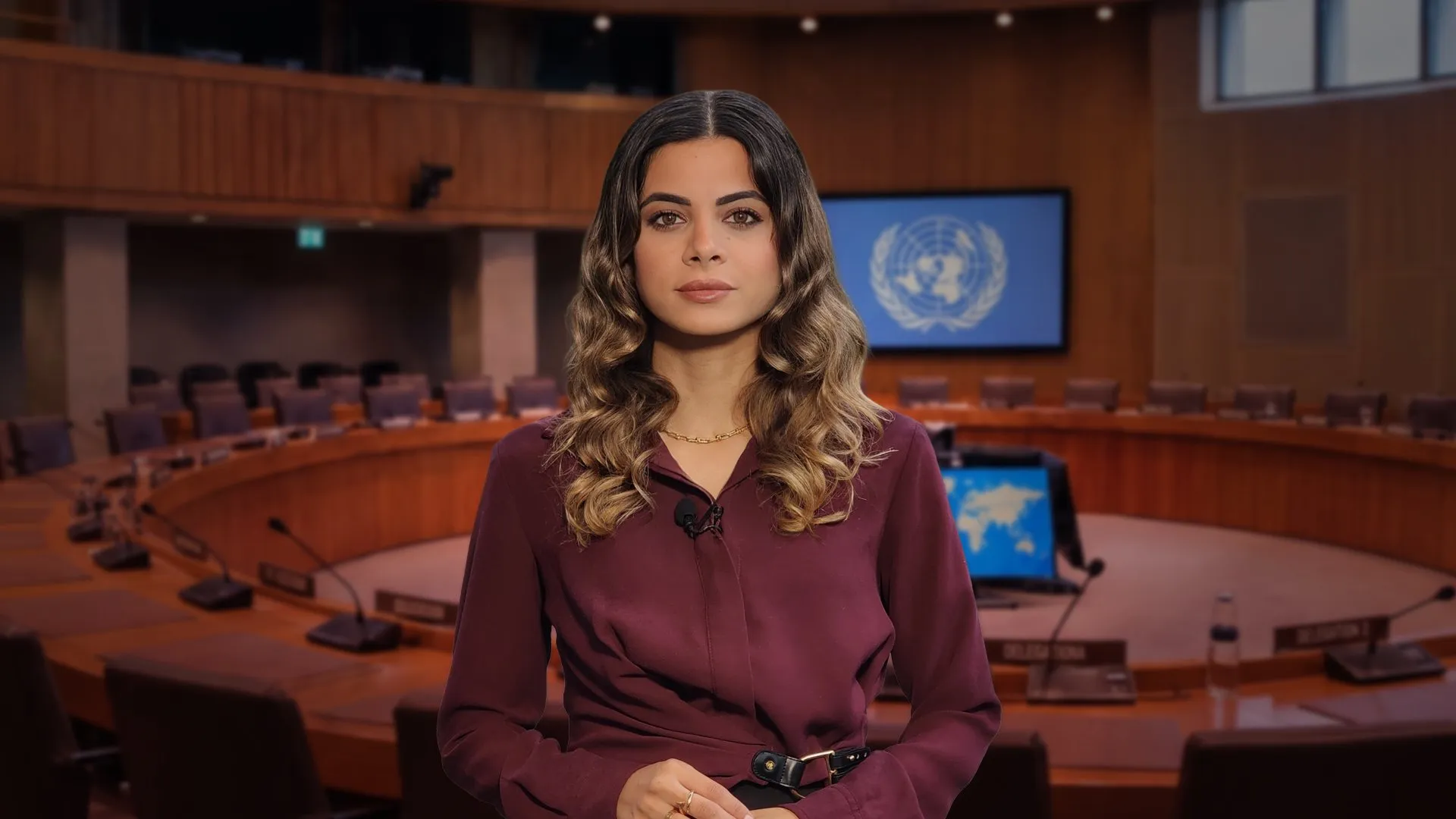
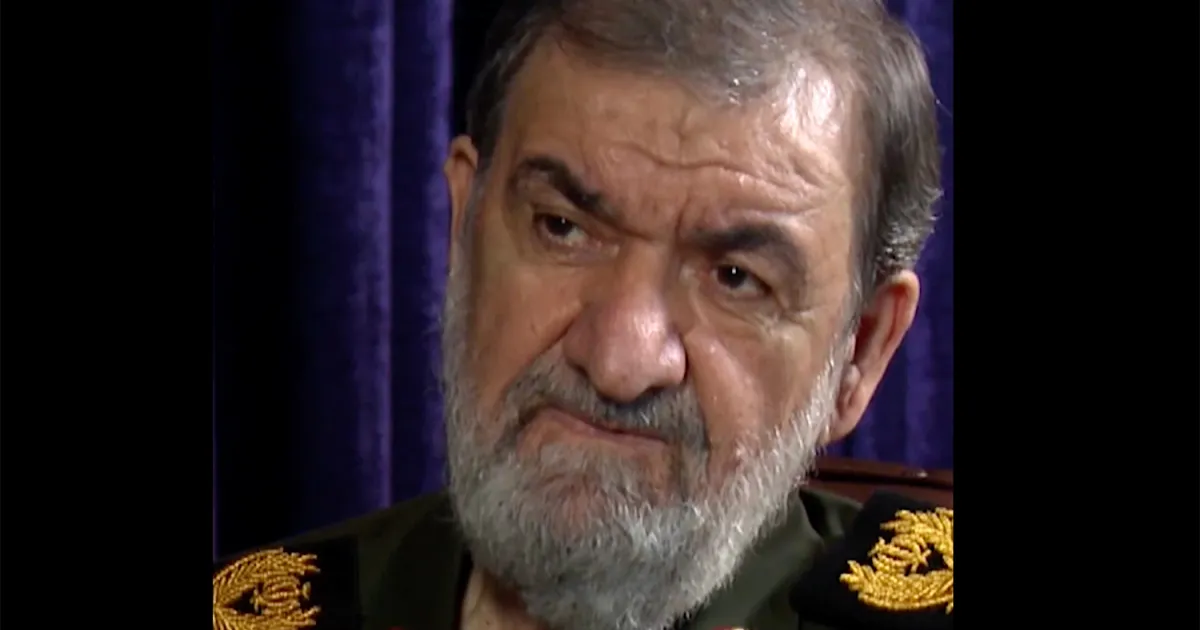
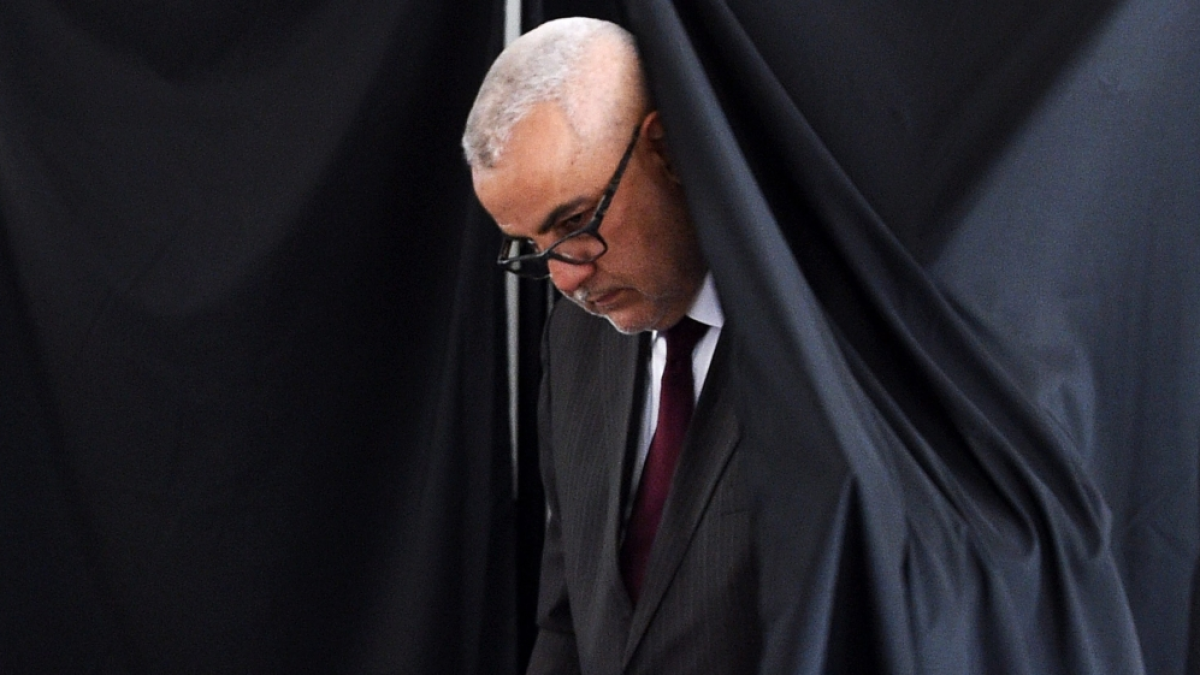
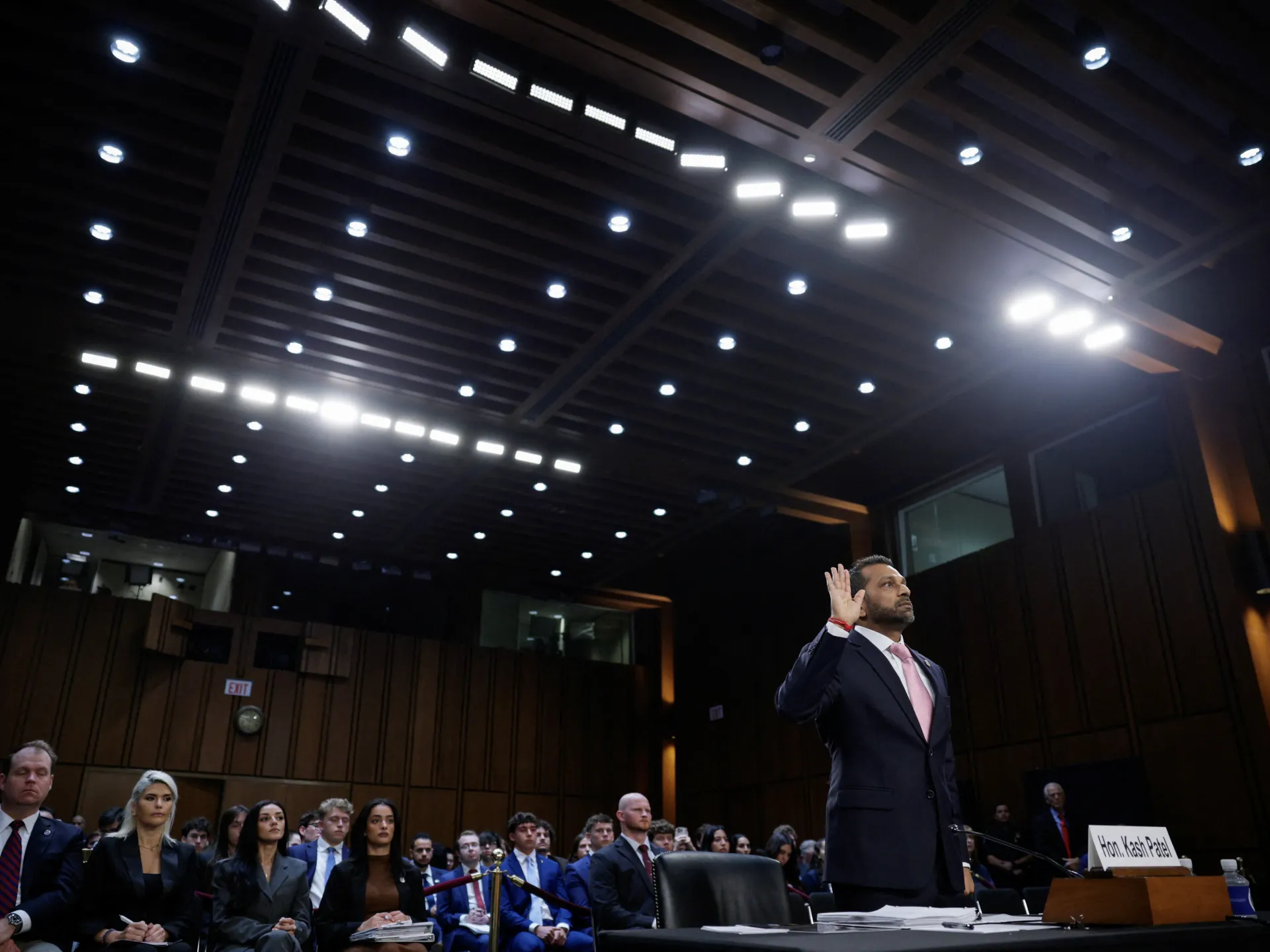
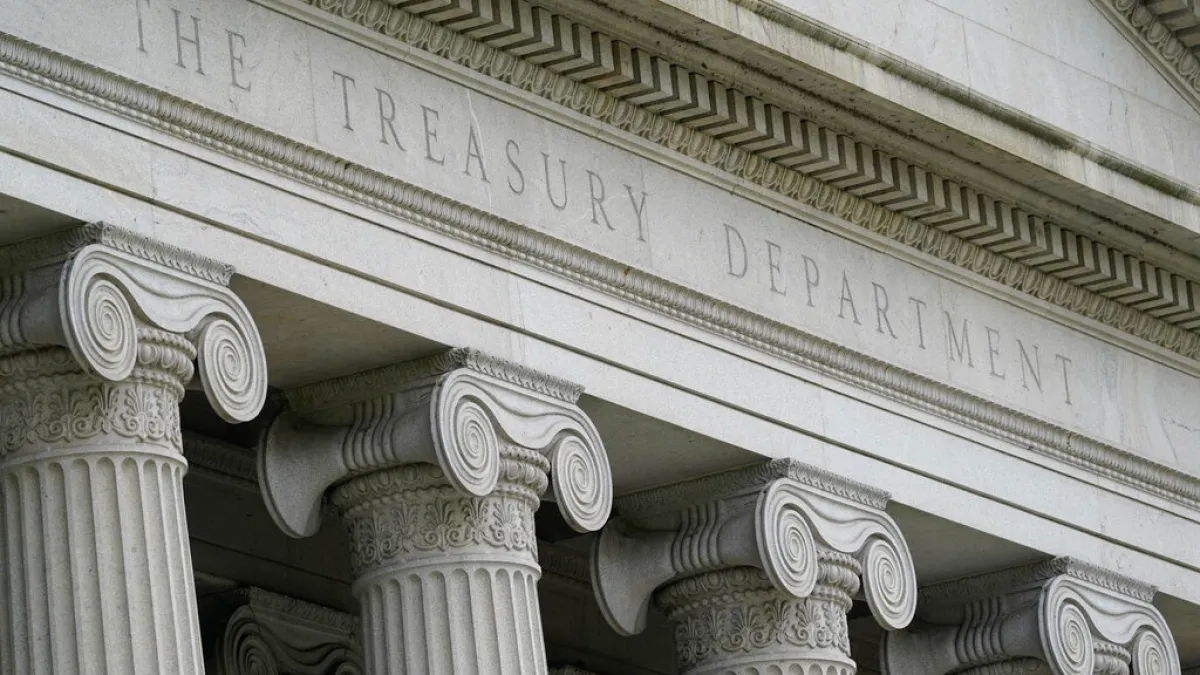
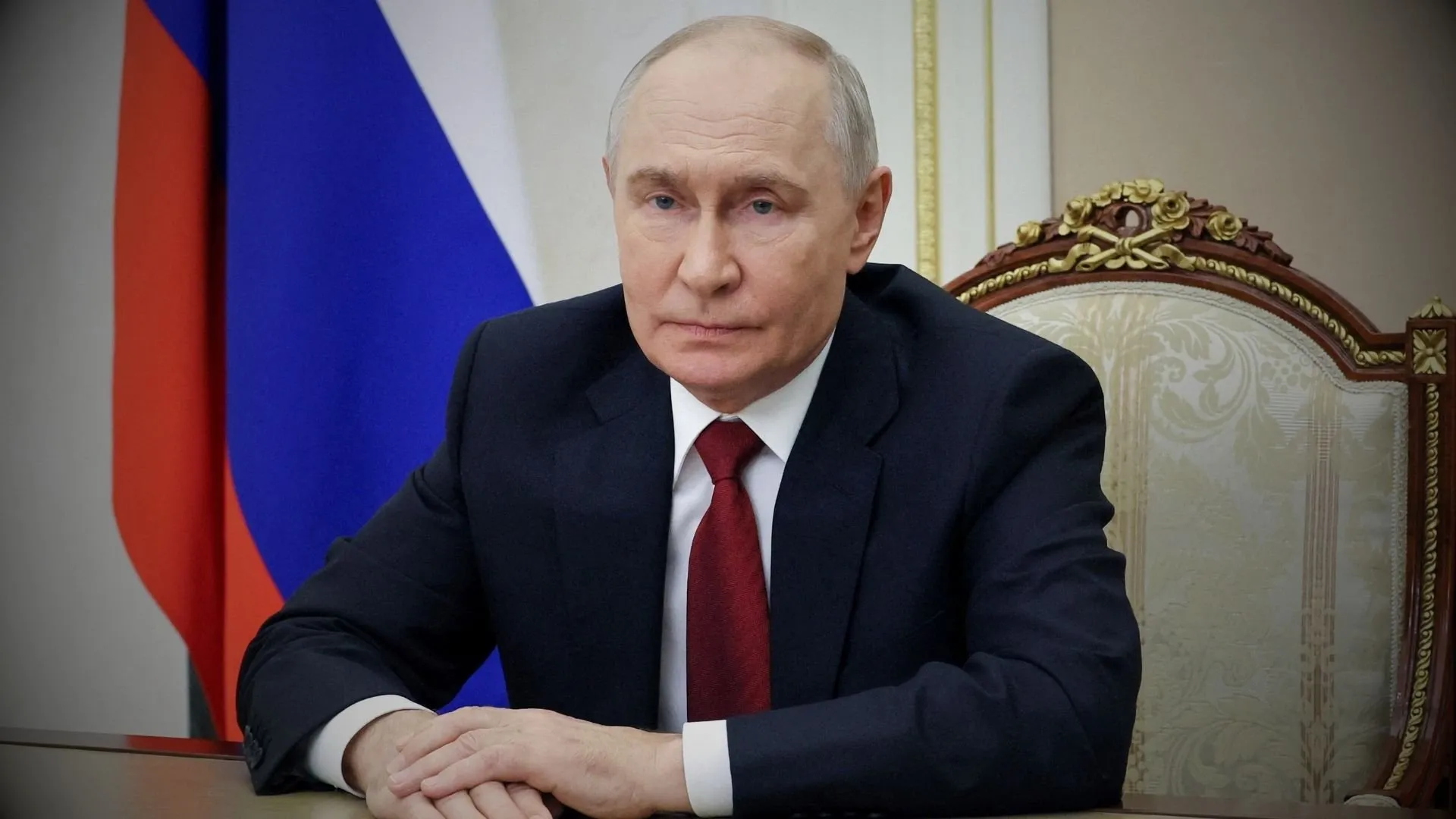
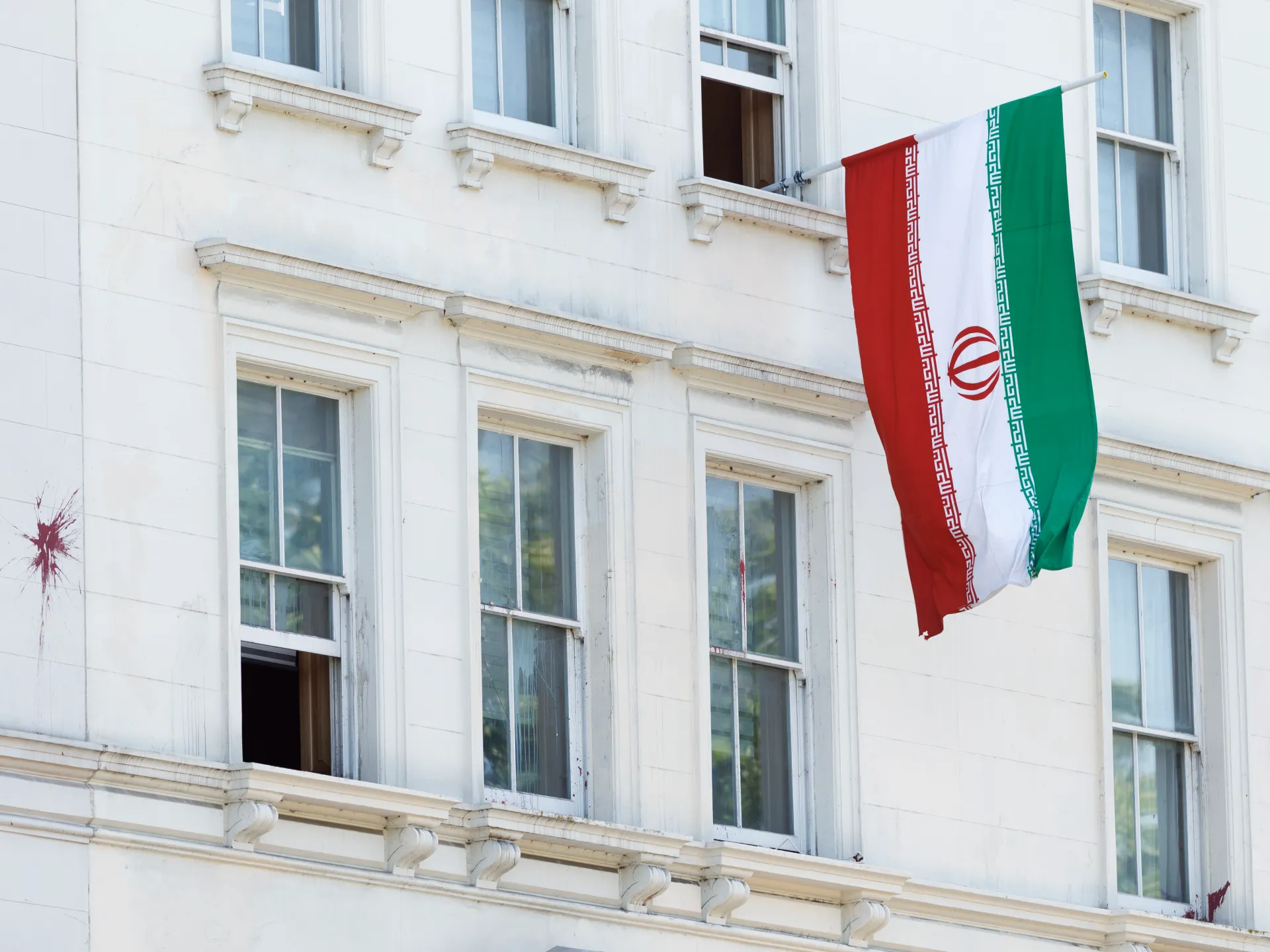
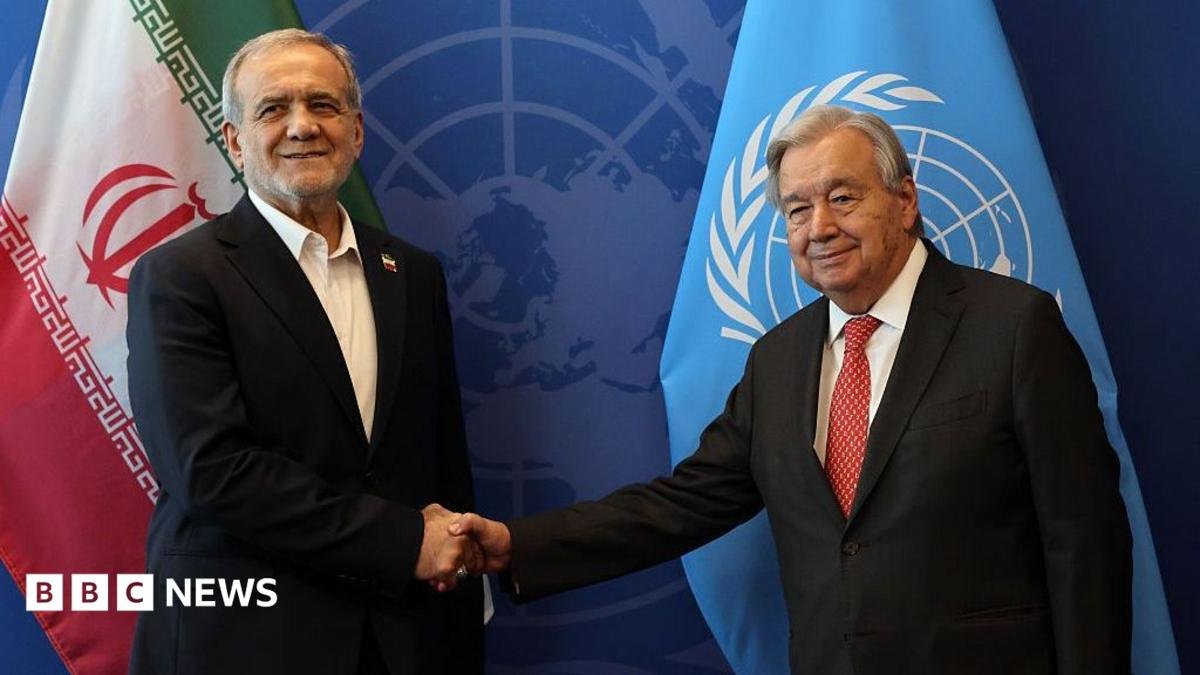
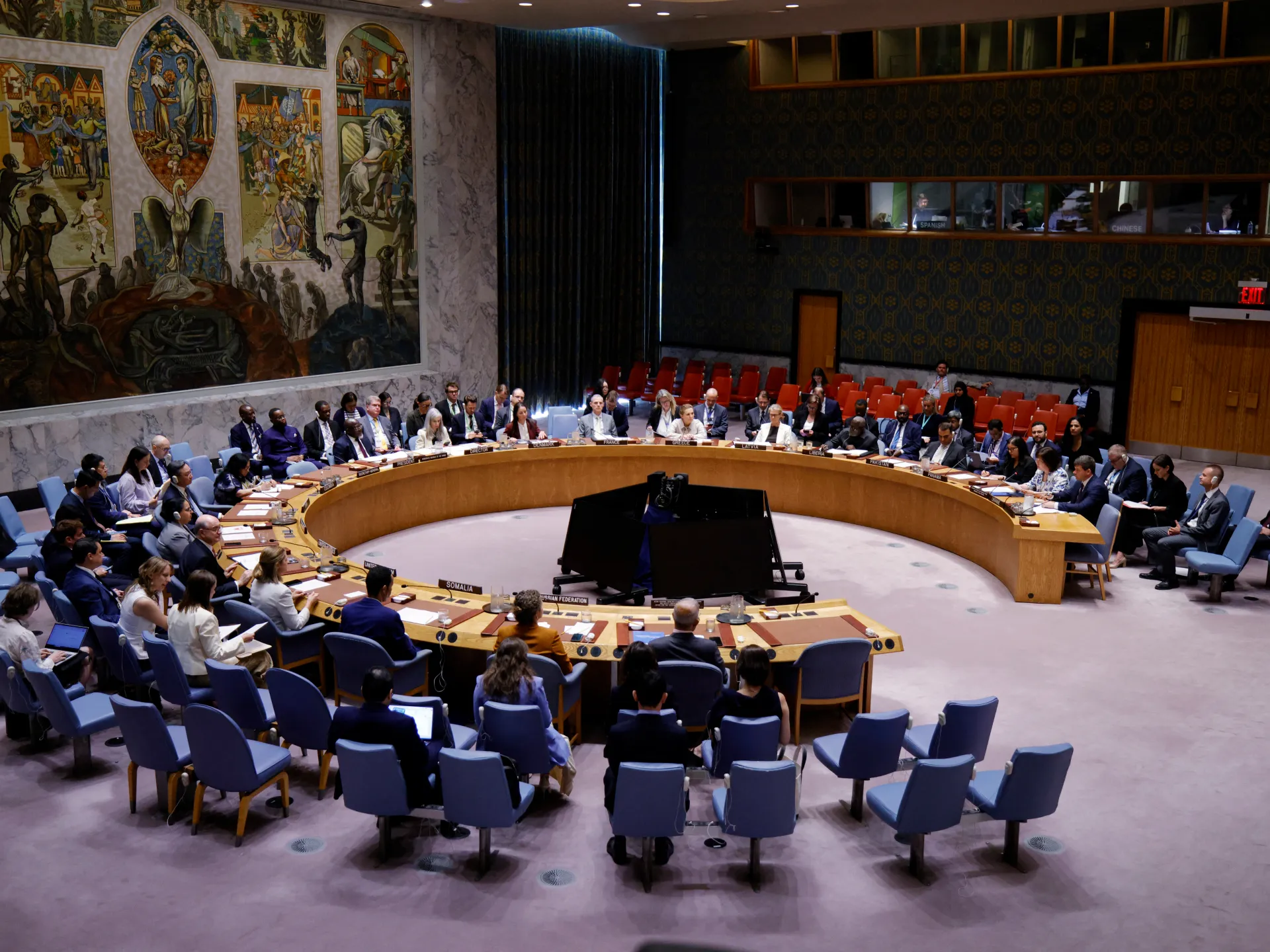
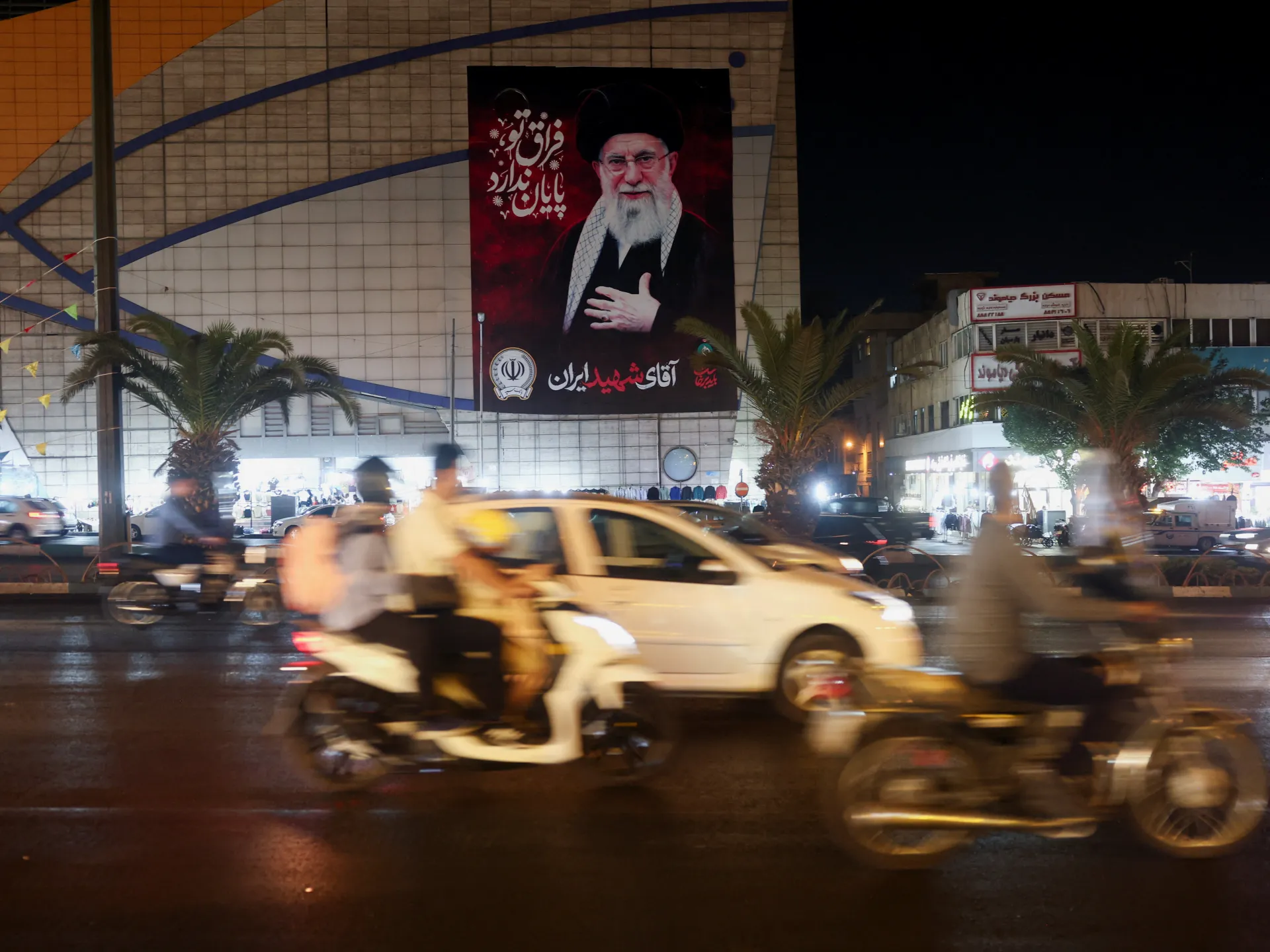
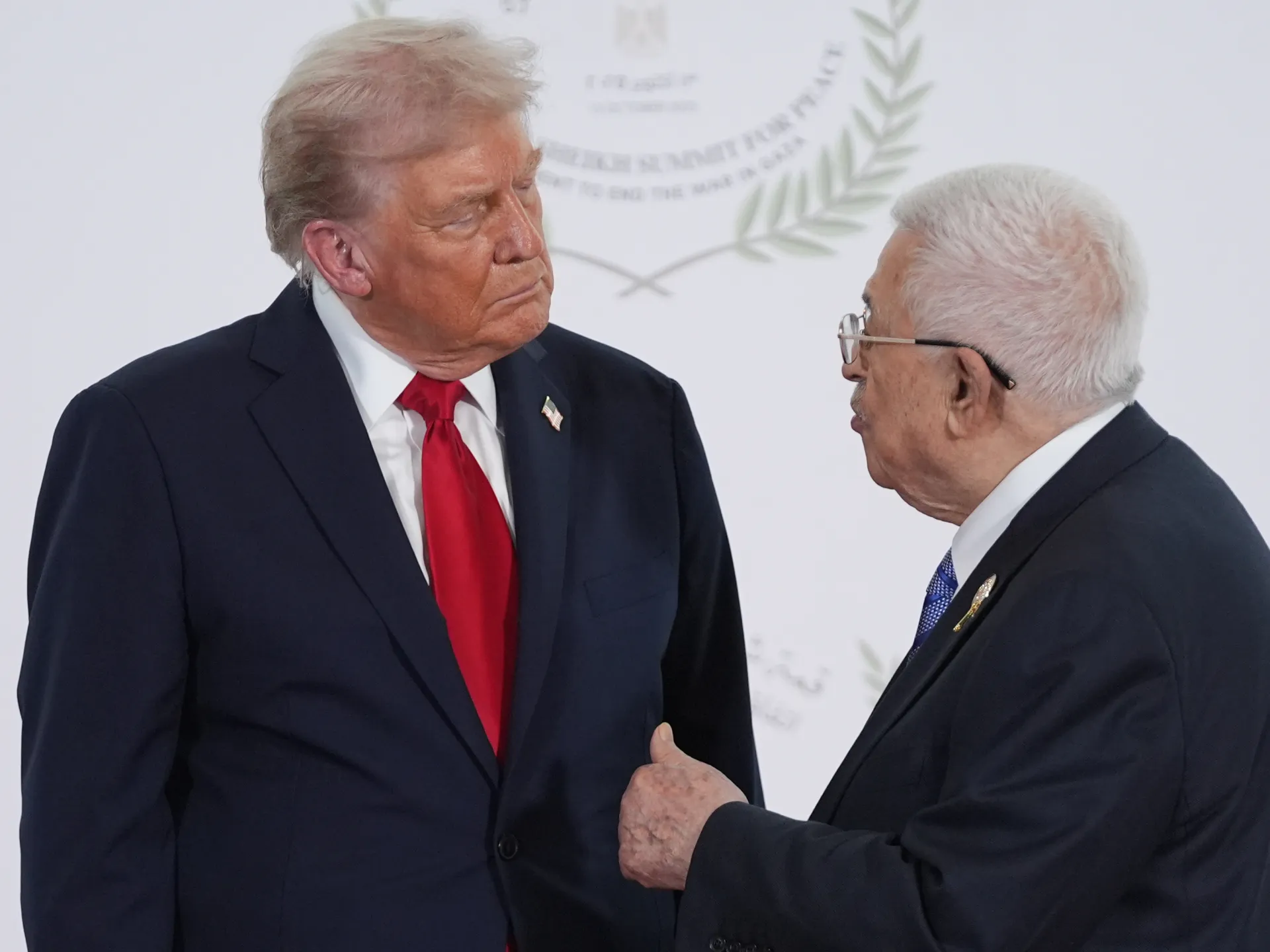
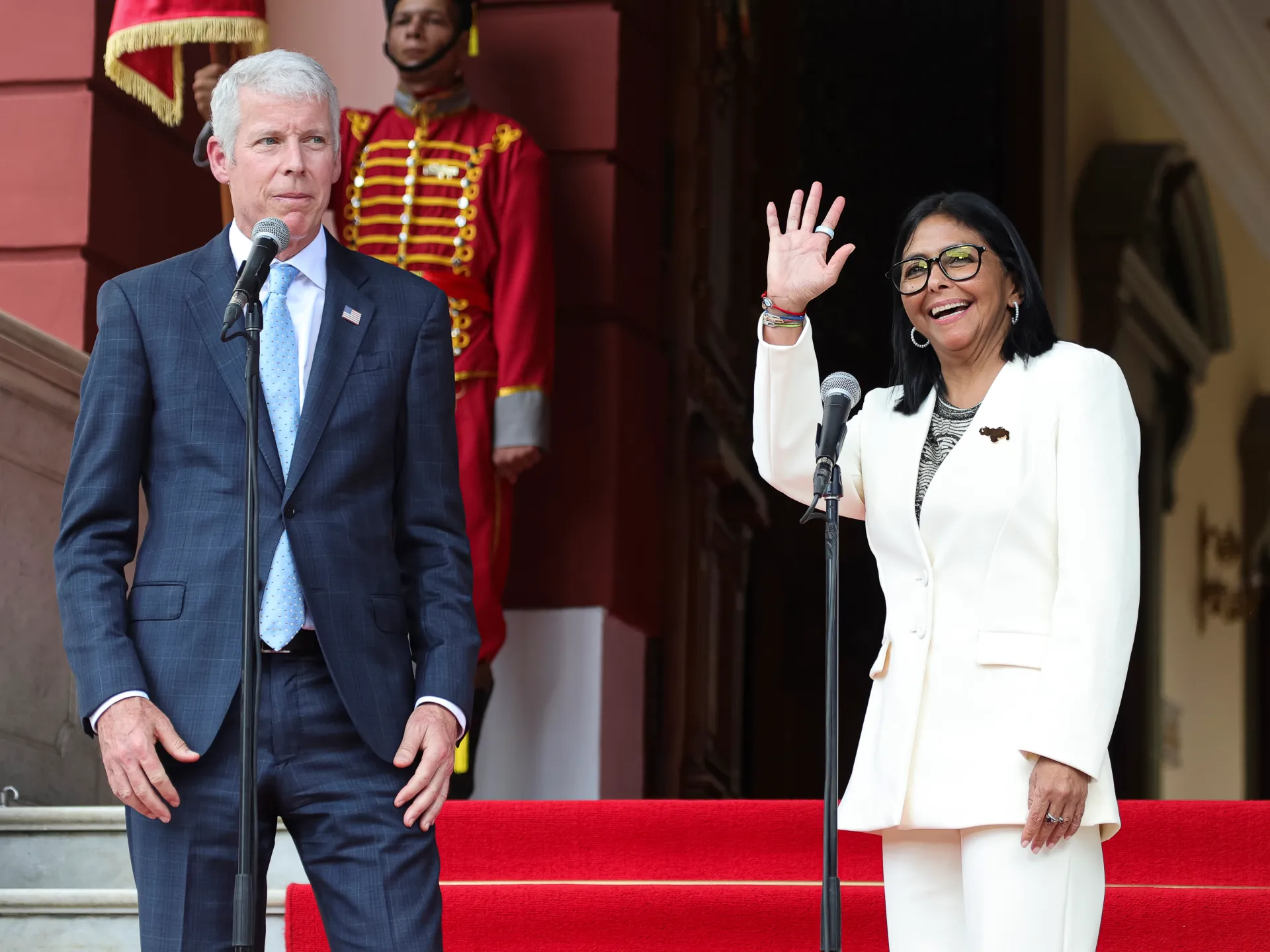
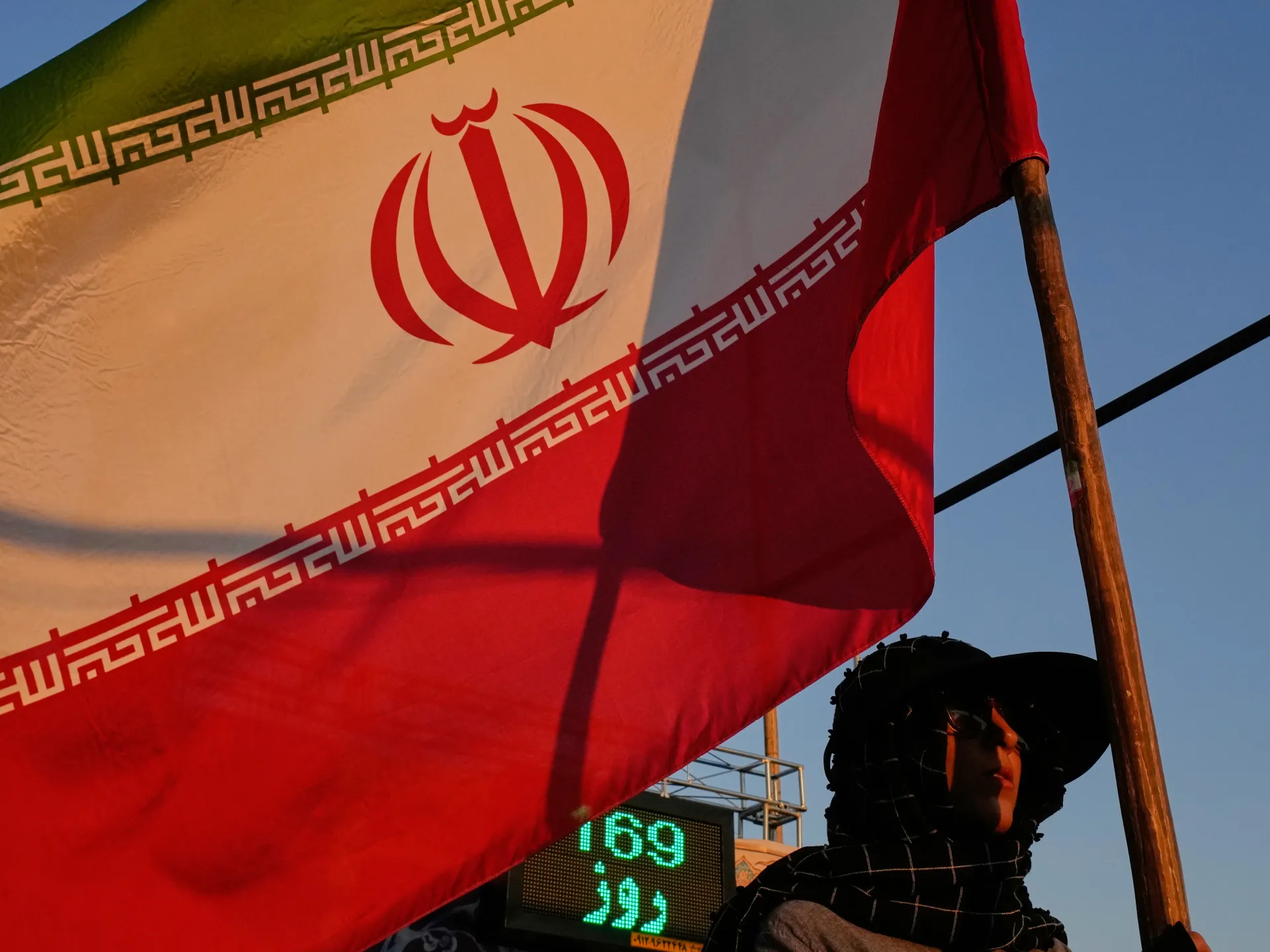
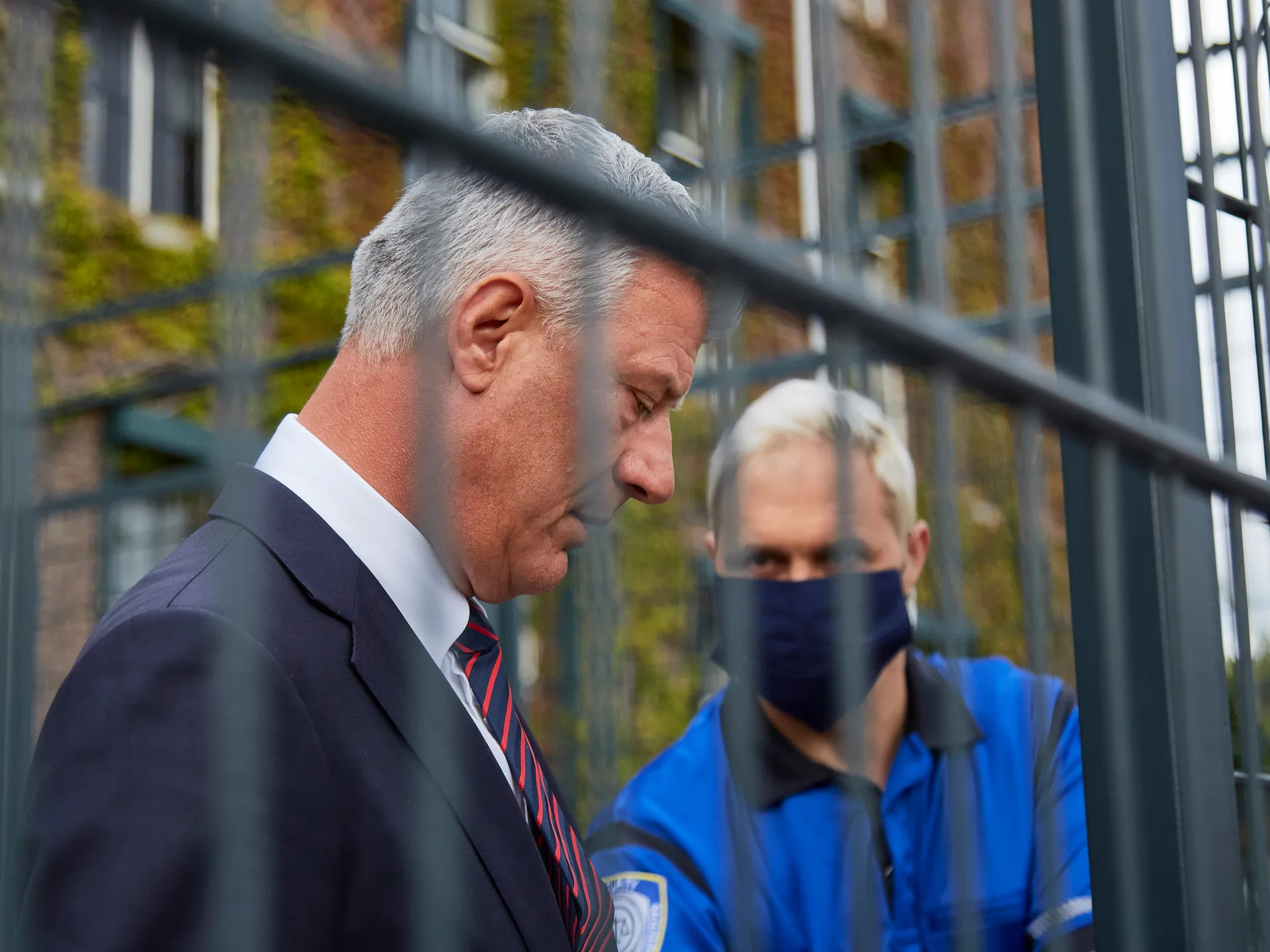
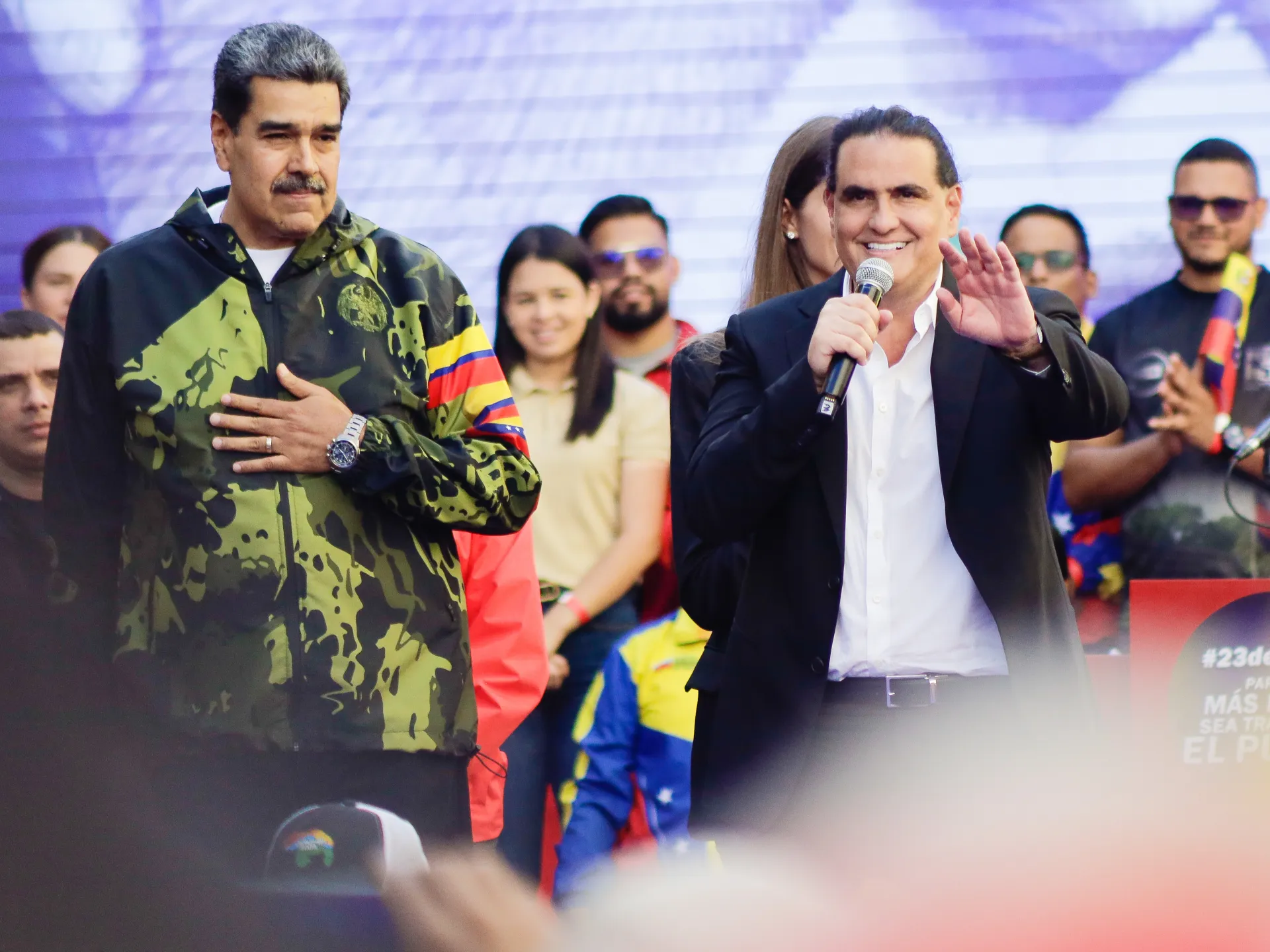
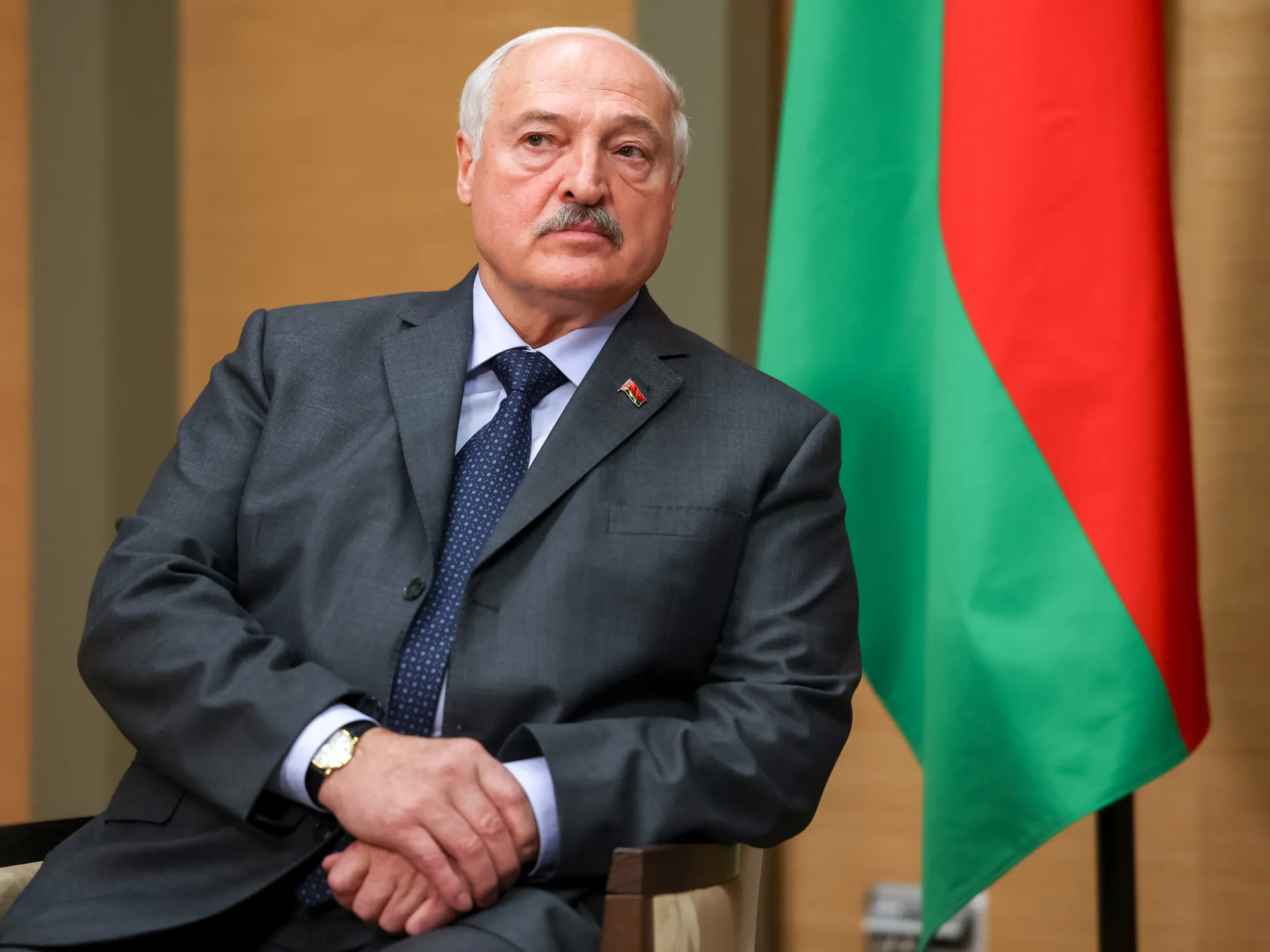
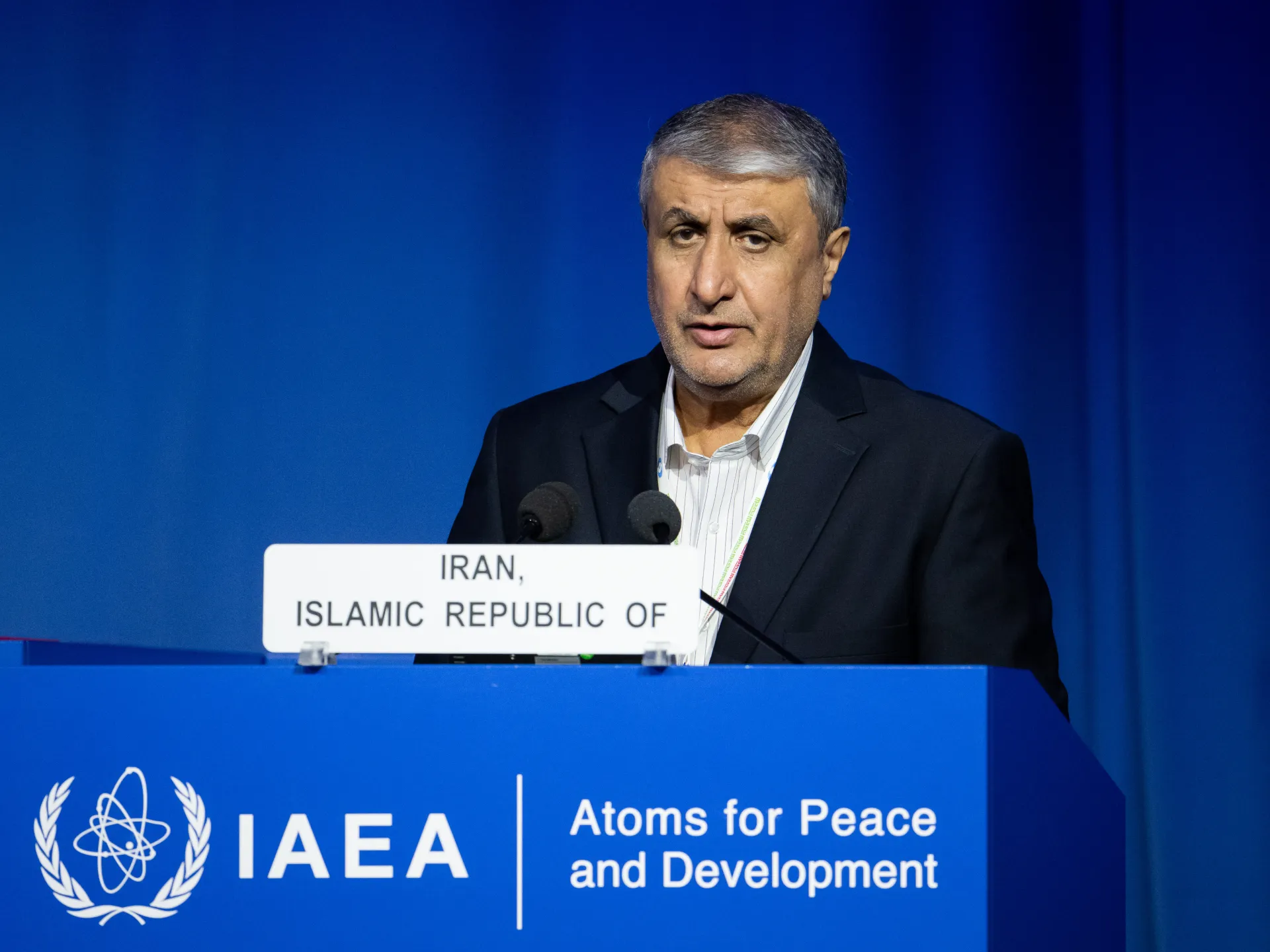
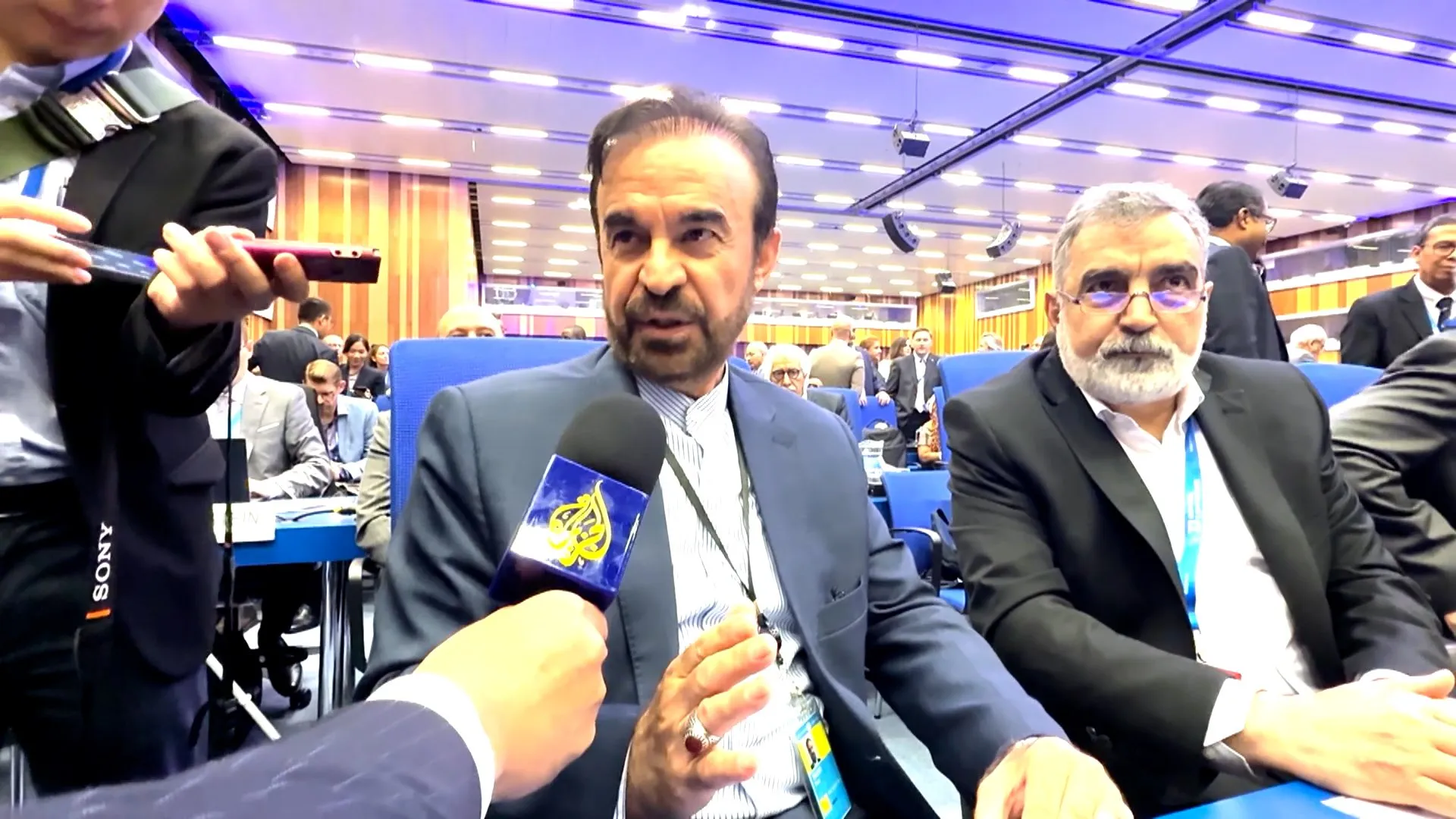
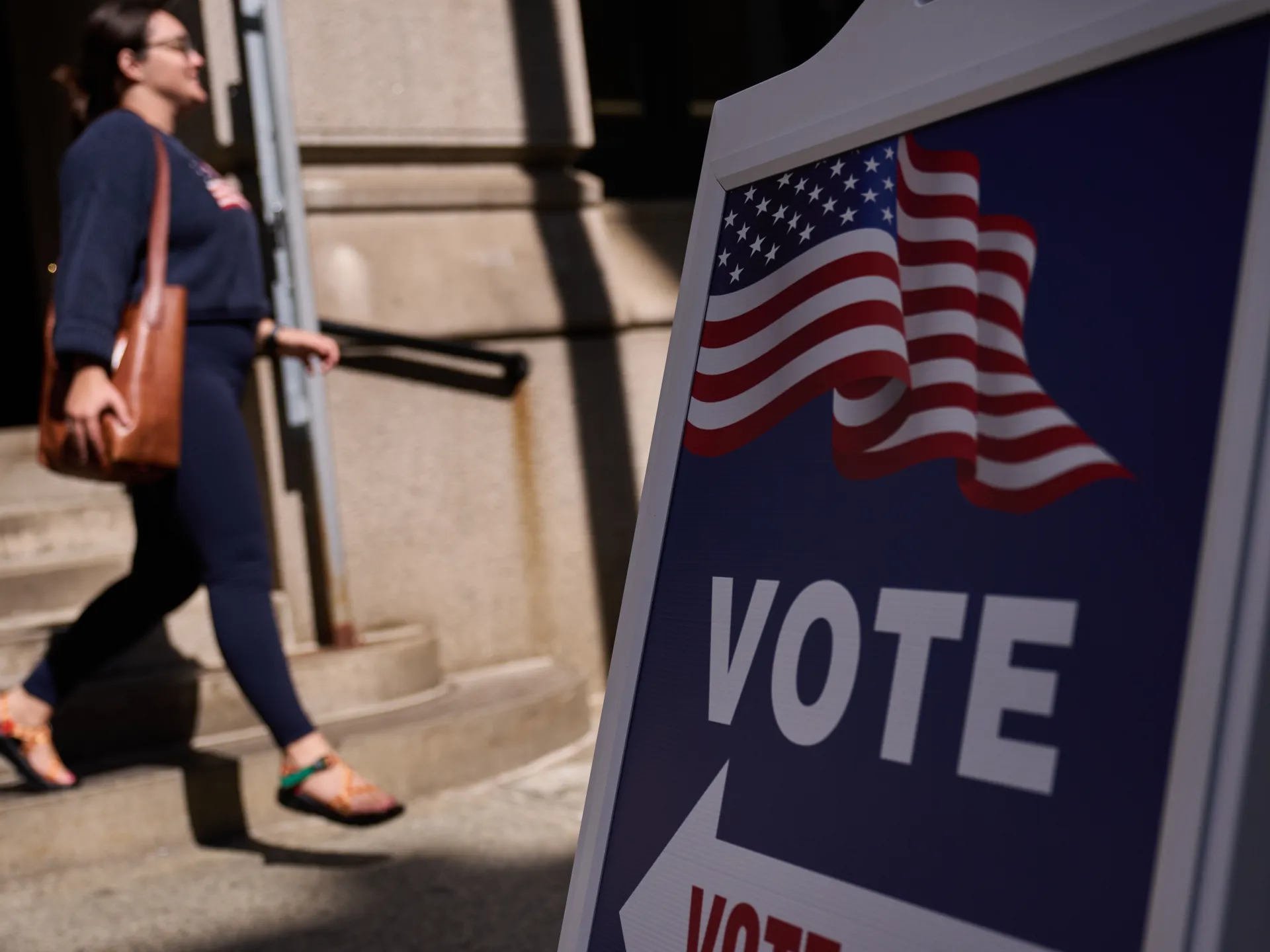
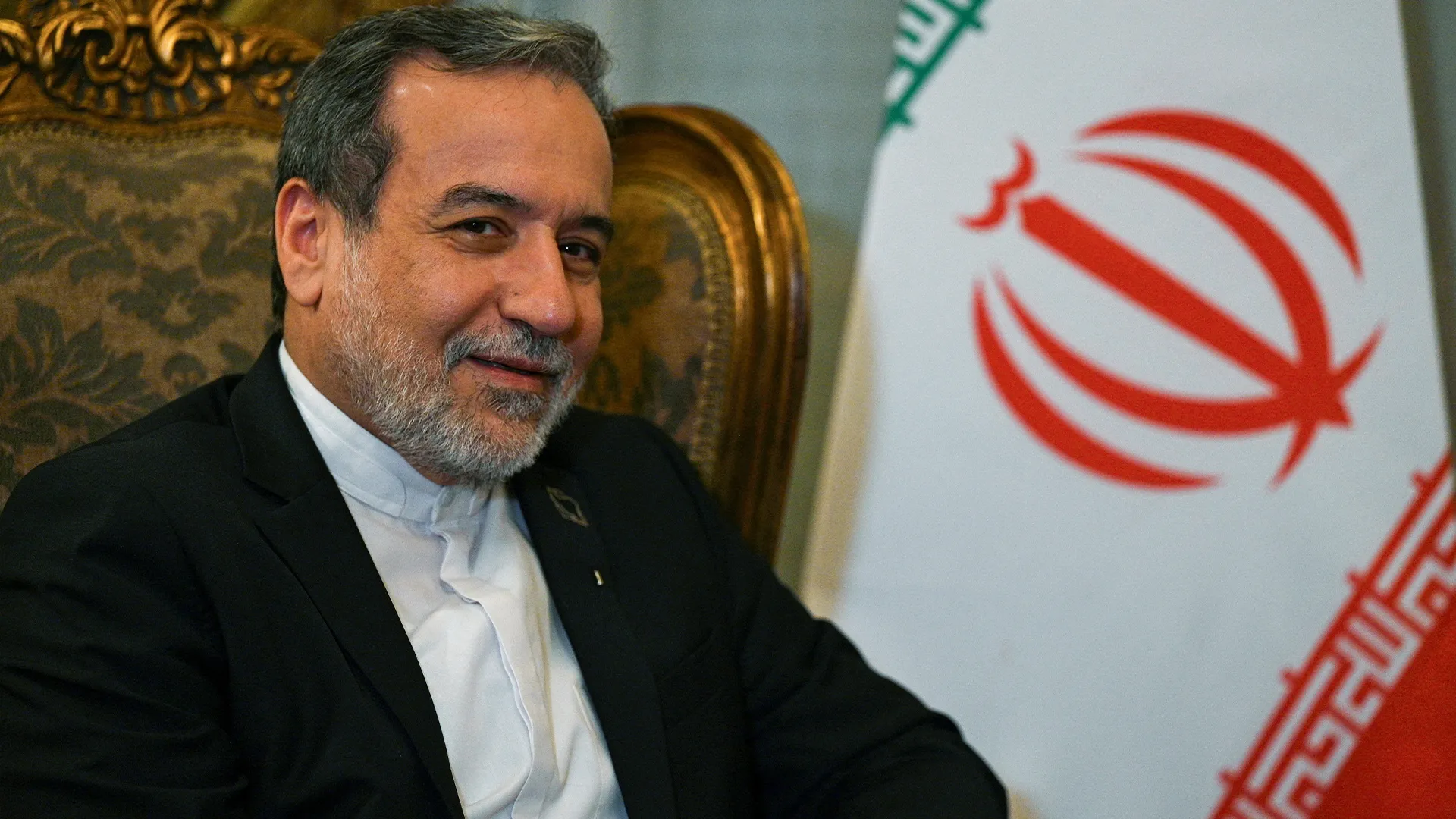
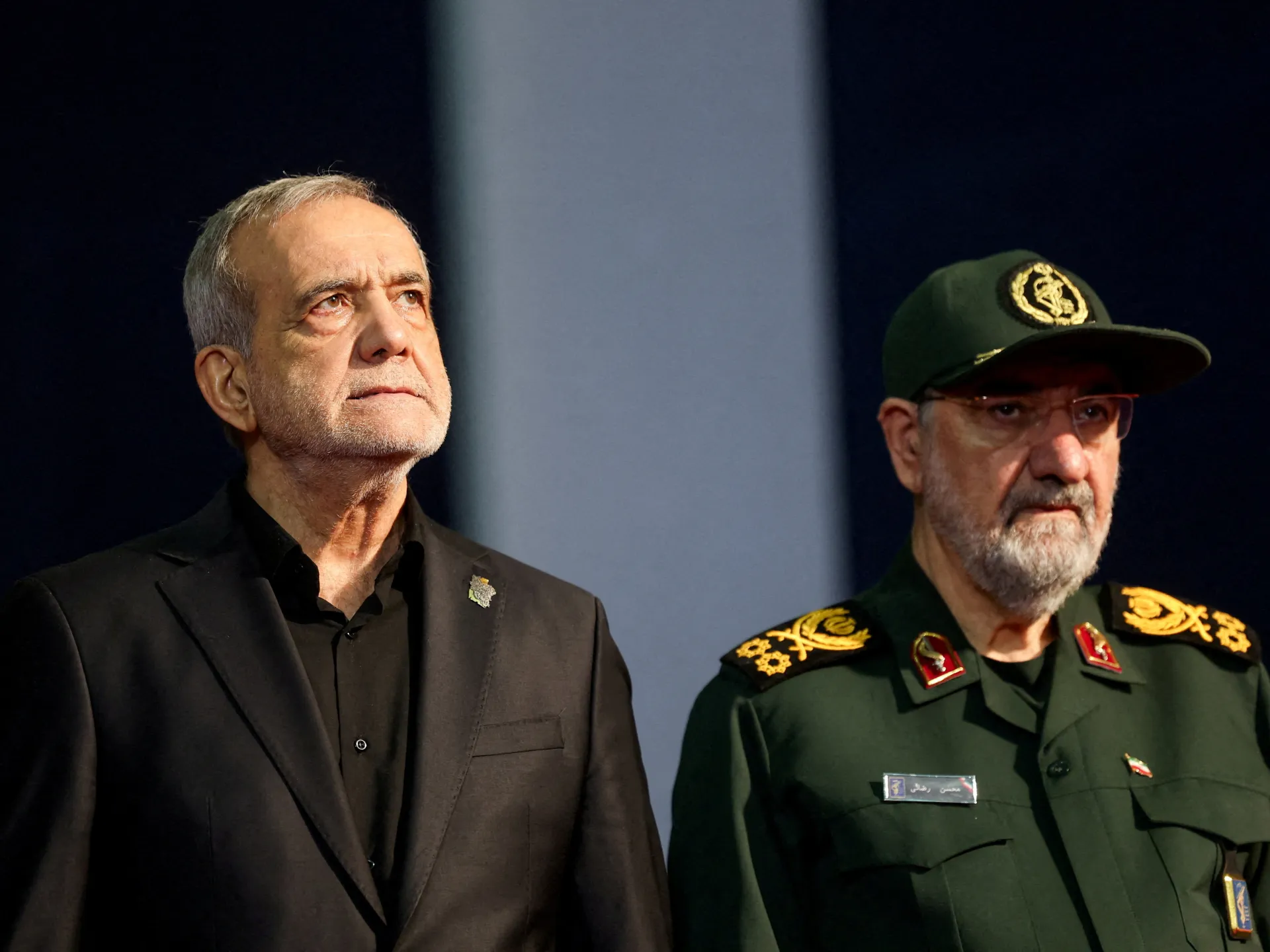
As the conflict between the United States and Iran enters its seventh month, the international stage is set for a high-stakes encounter at the United Nations General Assembly in New York. Despite the ongoing military engagements that began in late February, the U.S. State Department has confirmed the issuance of visas to a restricted Iranian delegation, including President Masoud Pezeshkian and Foreign Minister Abbas Araghchi. This decision, mandated g stringent travel and purchasing prohibitions on the Iranian officials.
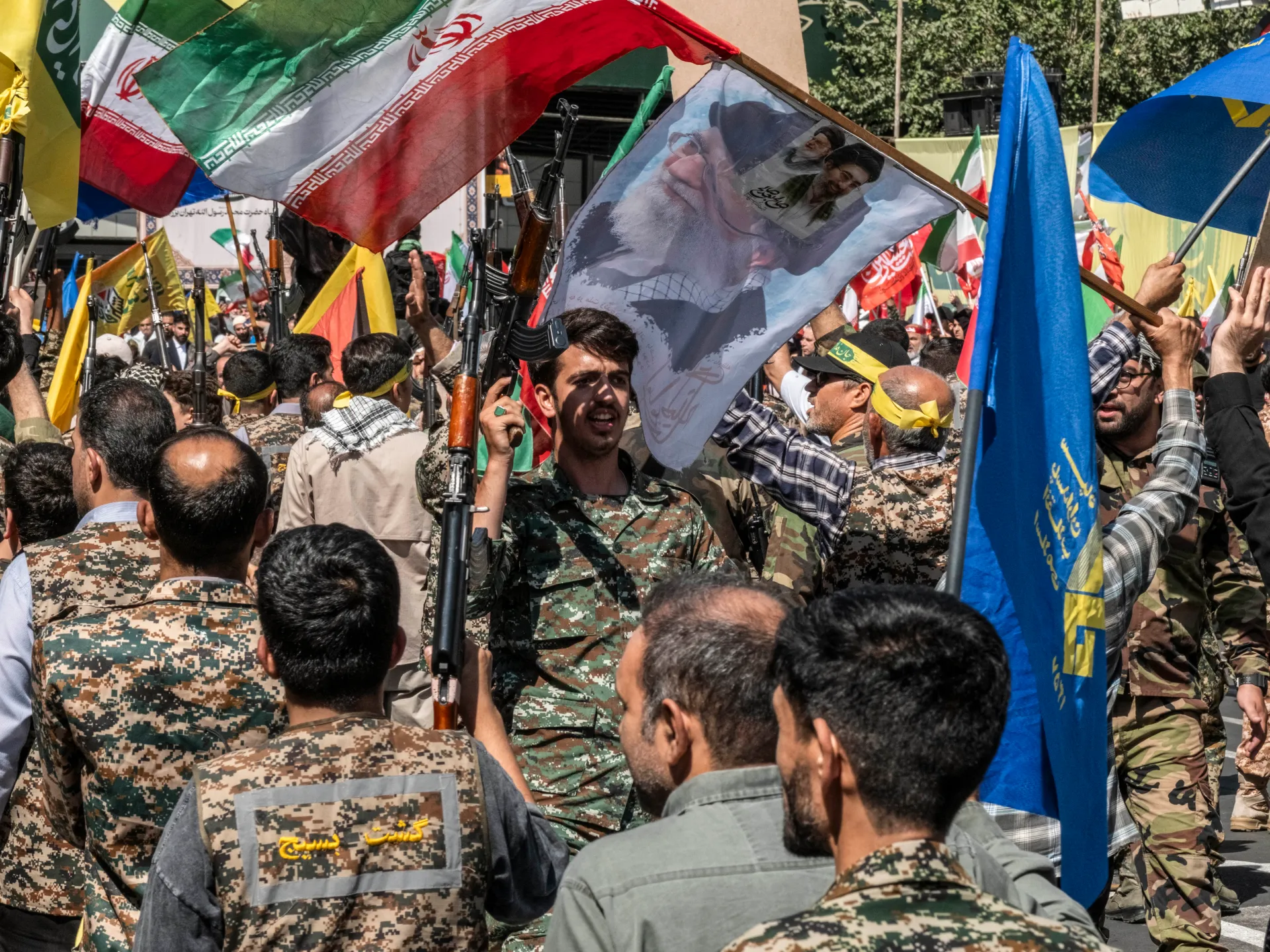
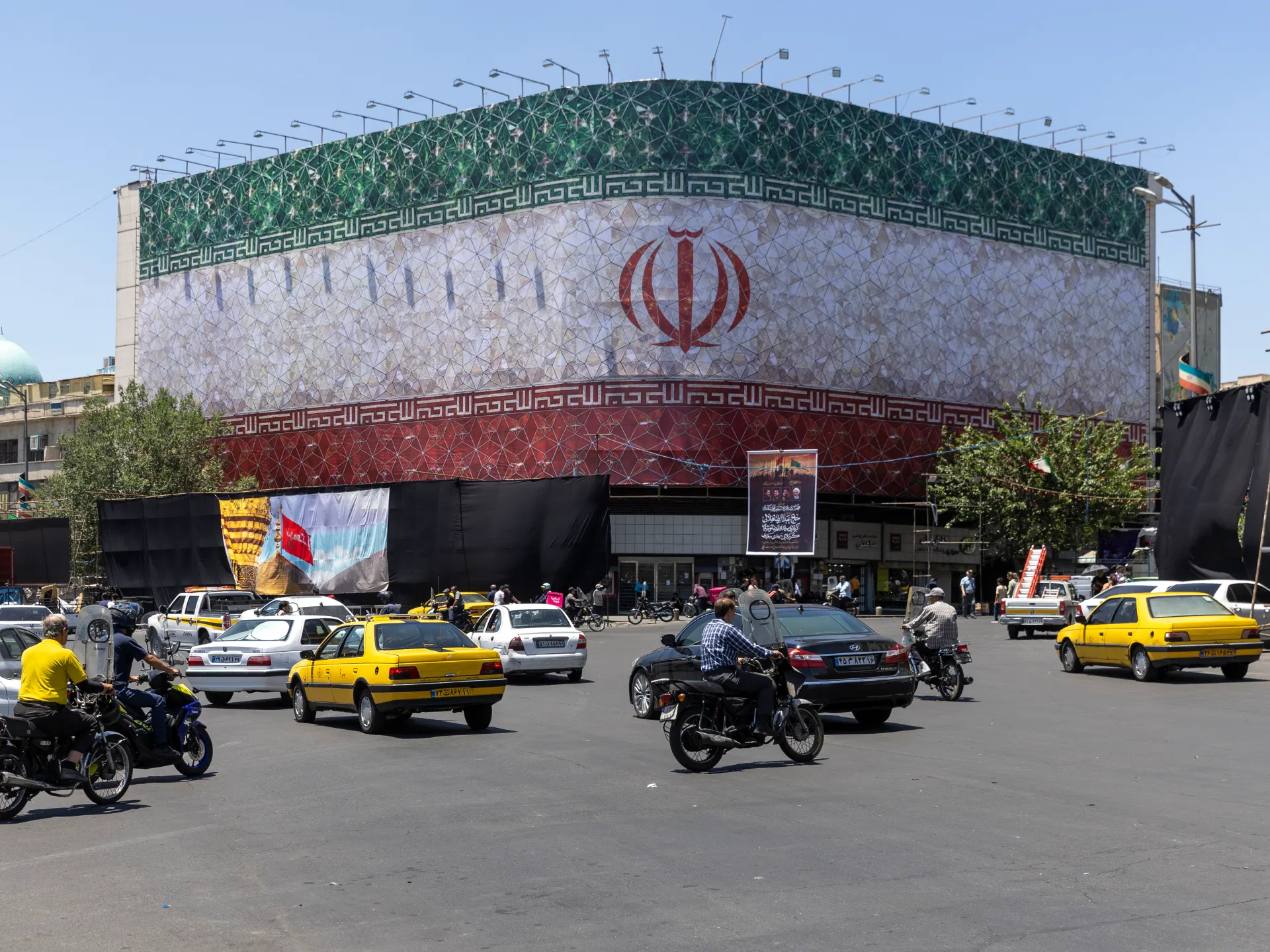
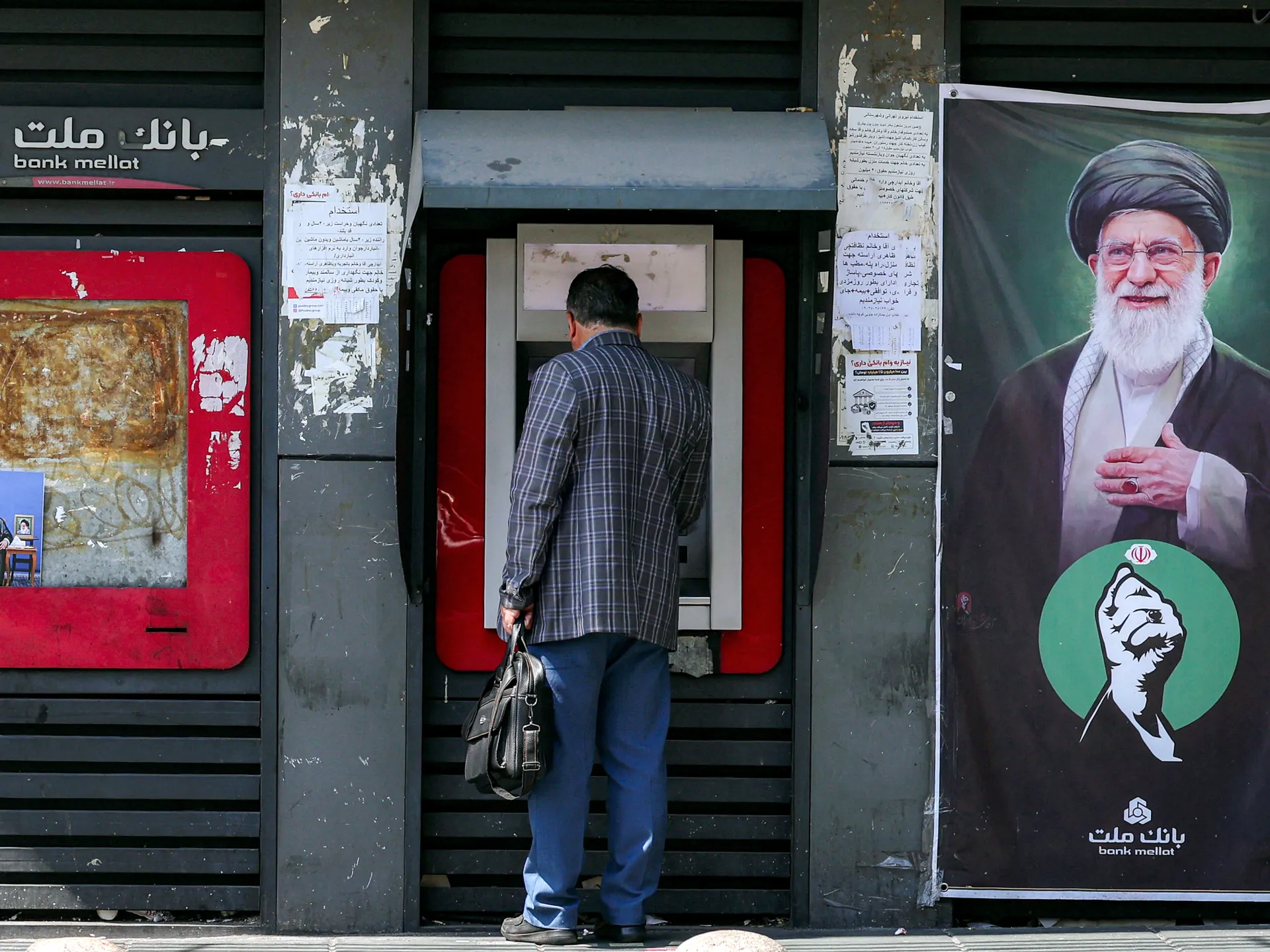
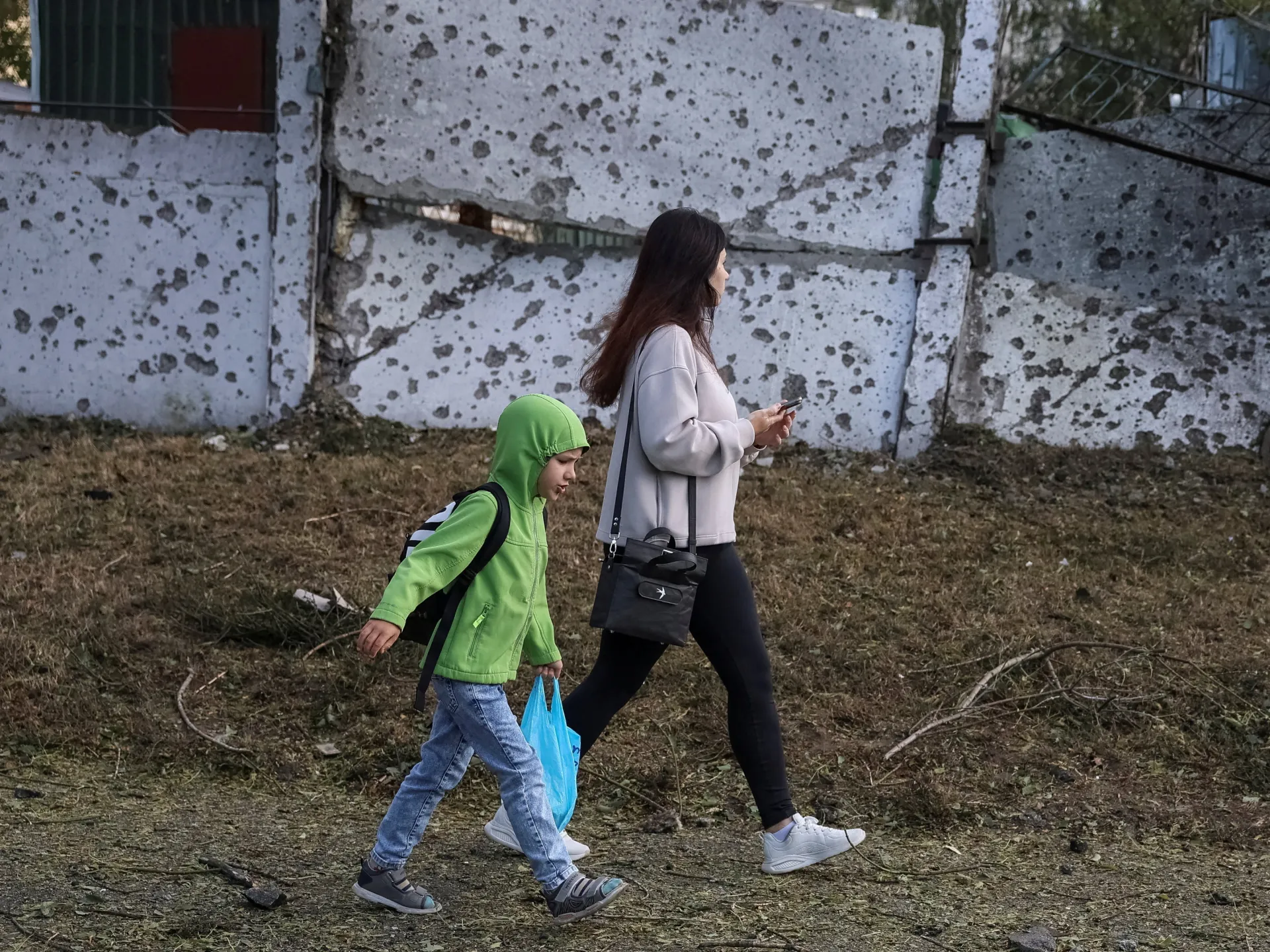
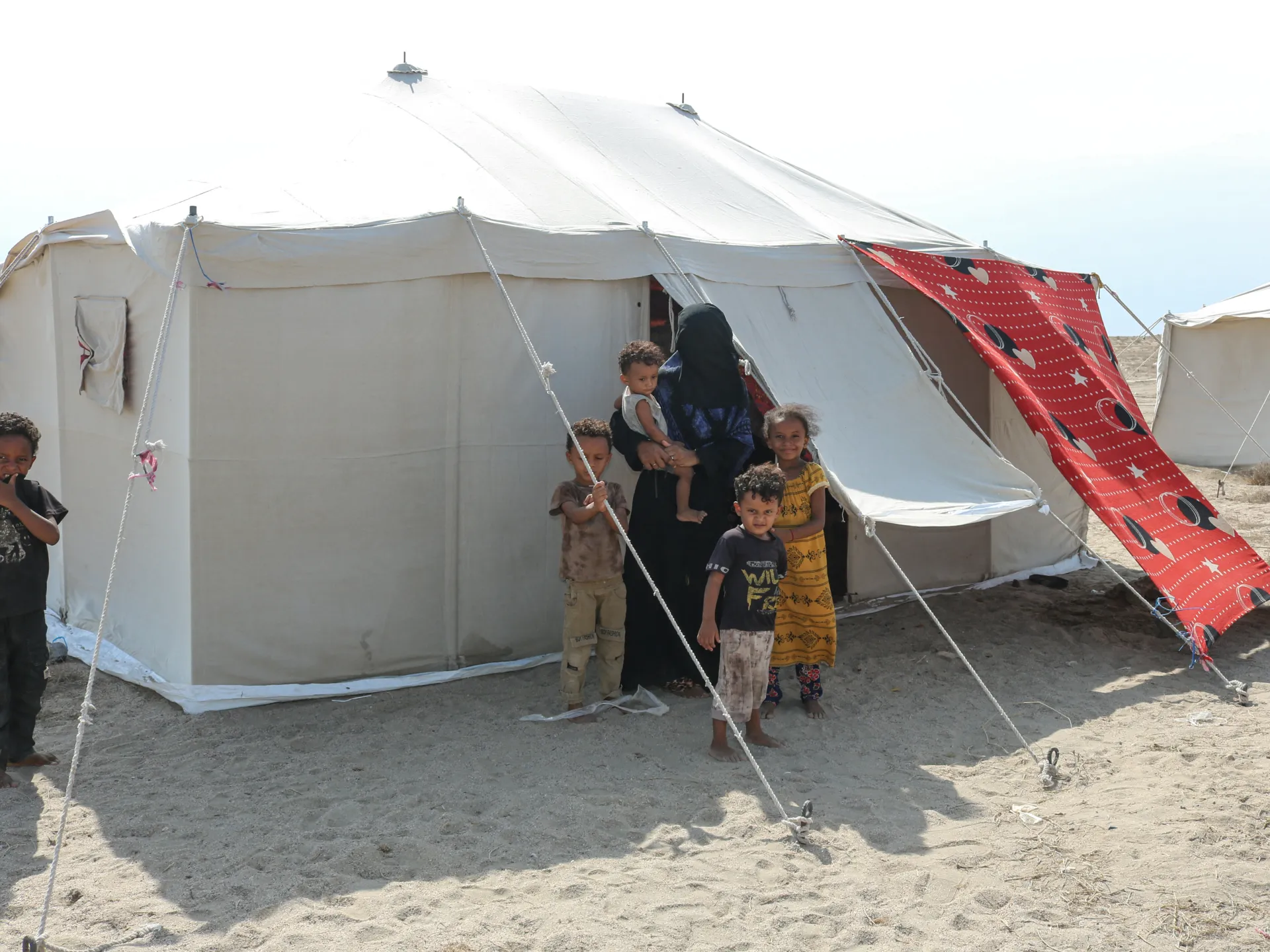
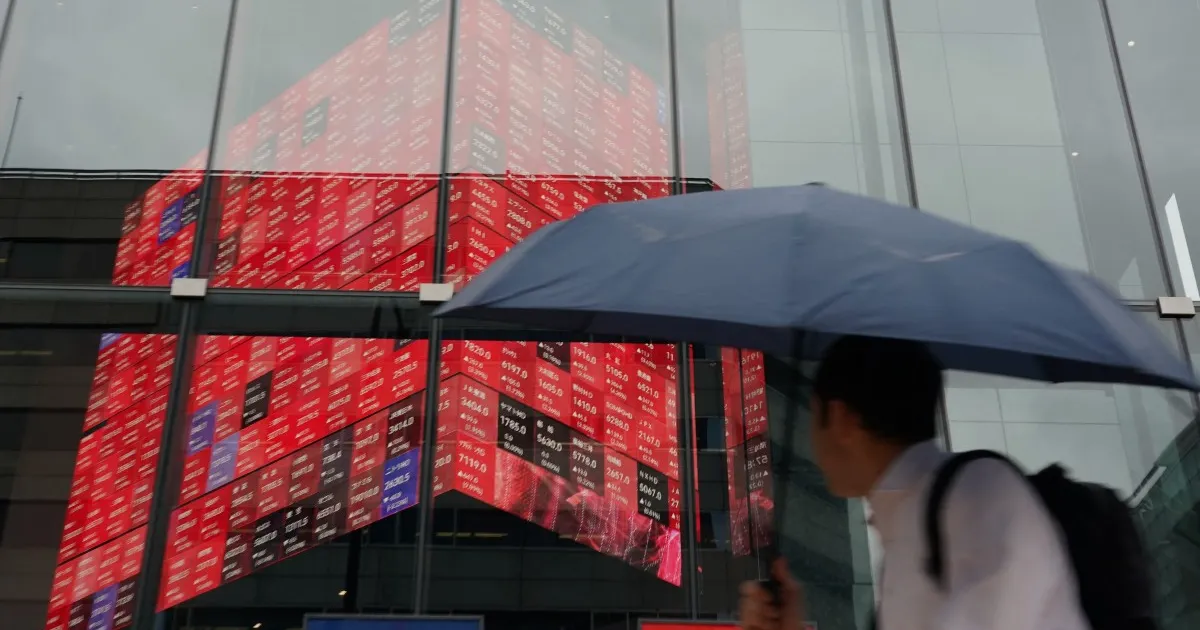
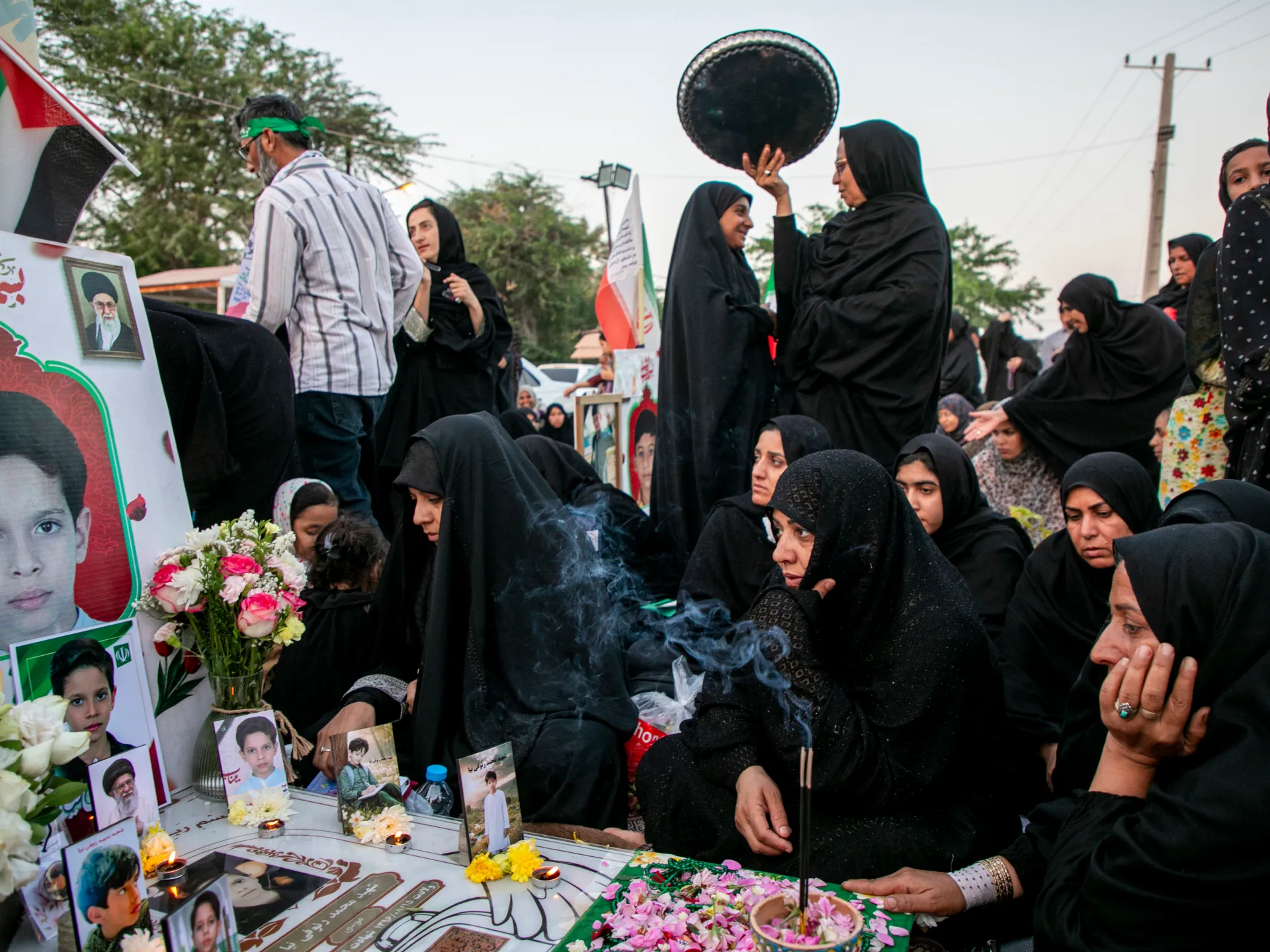
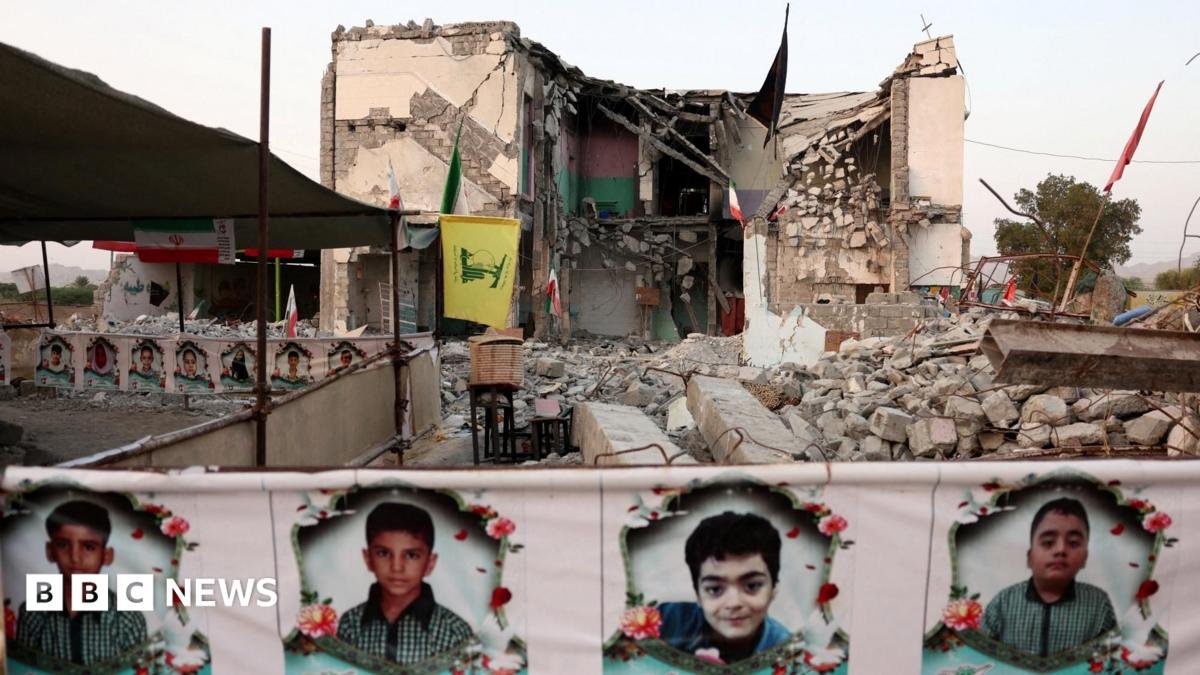
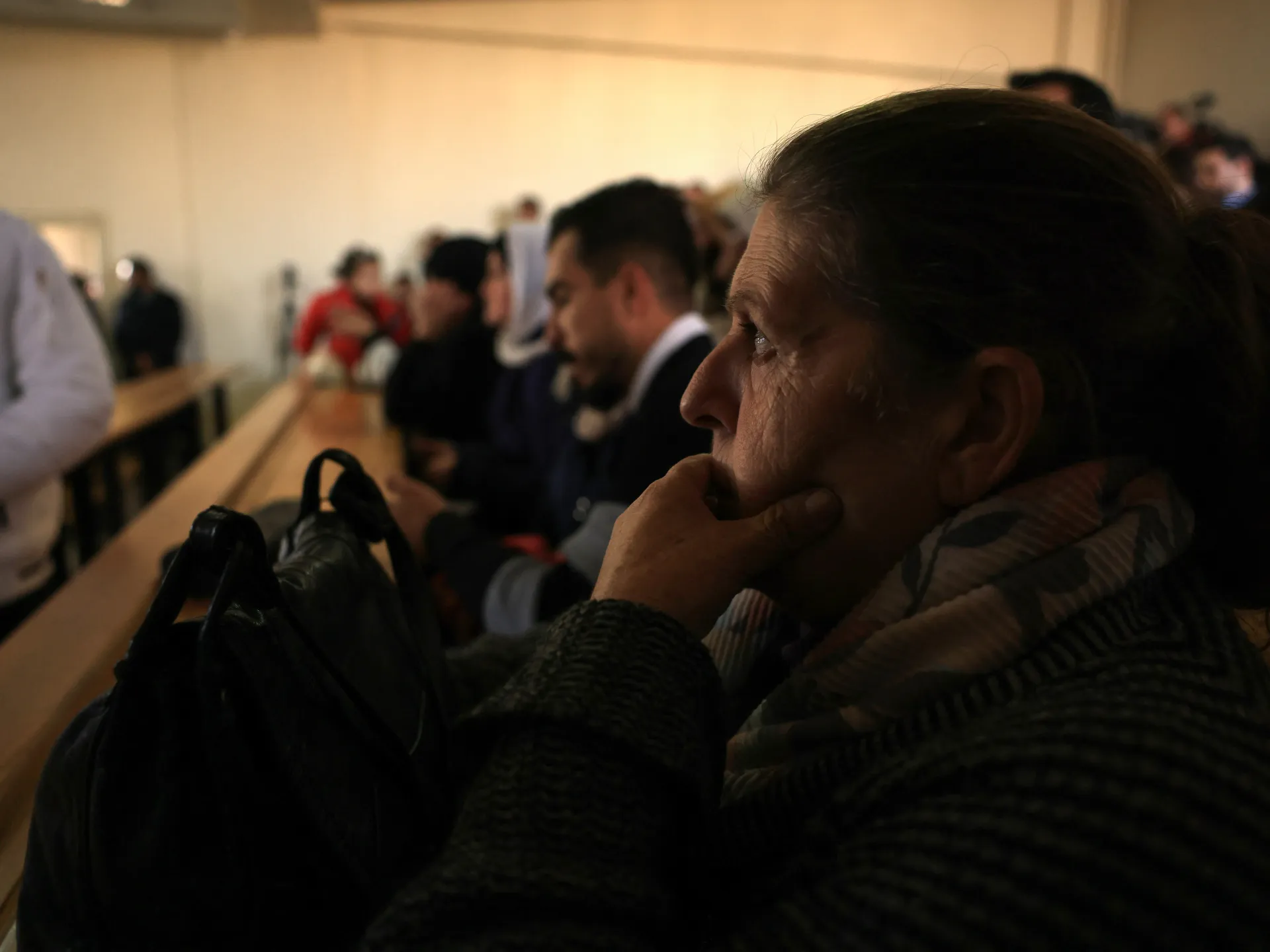
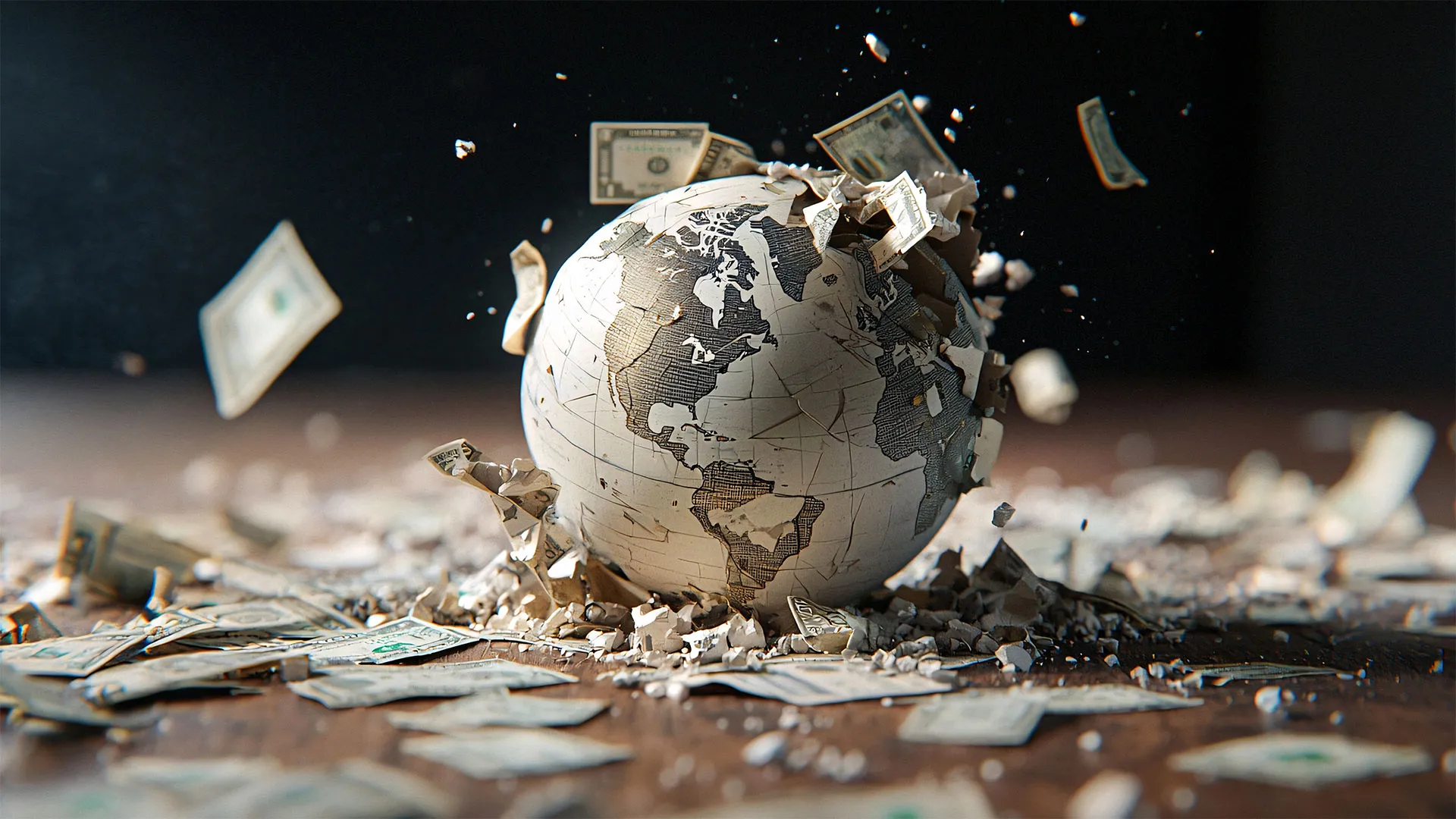
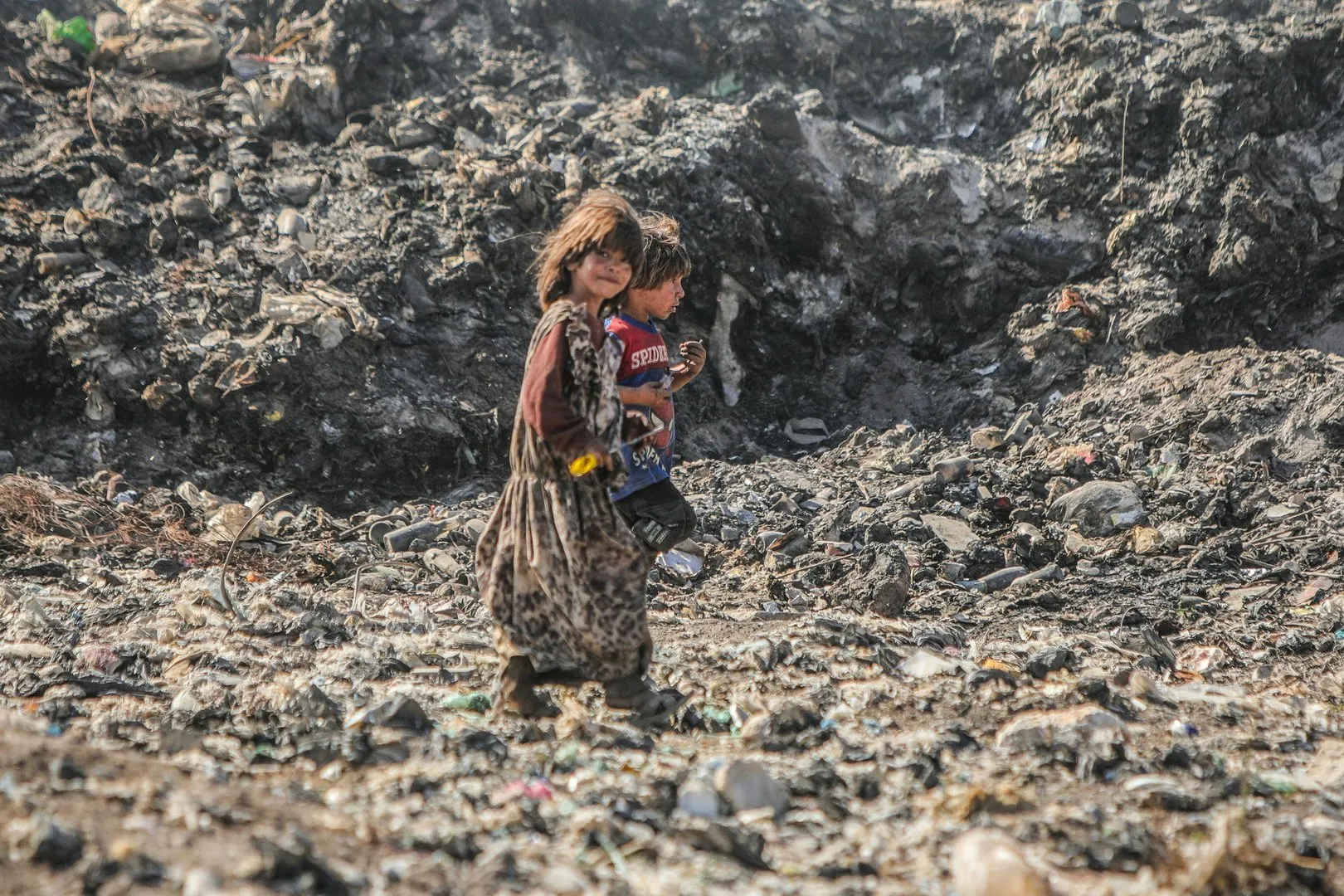
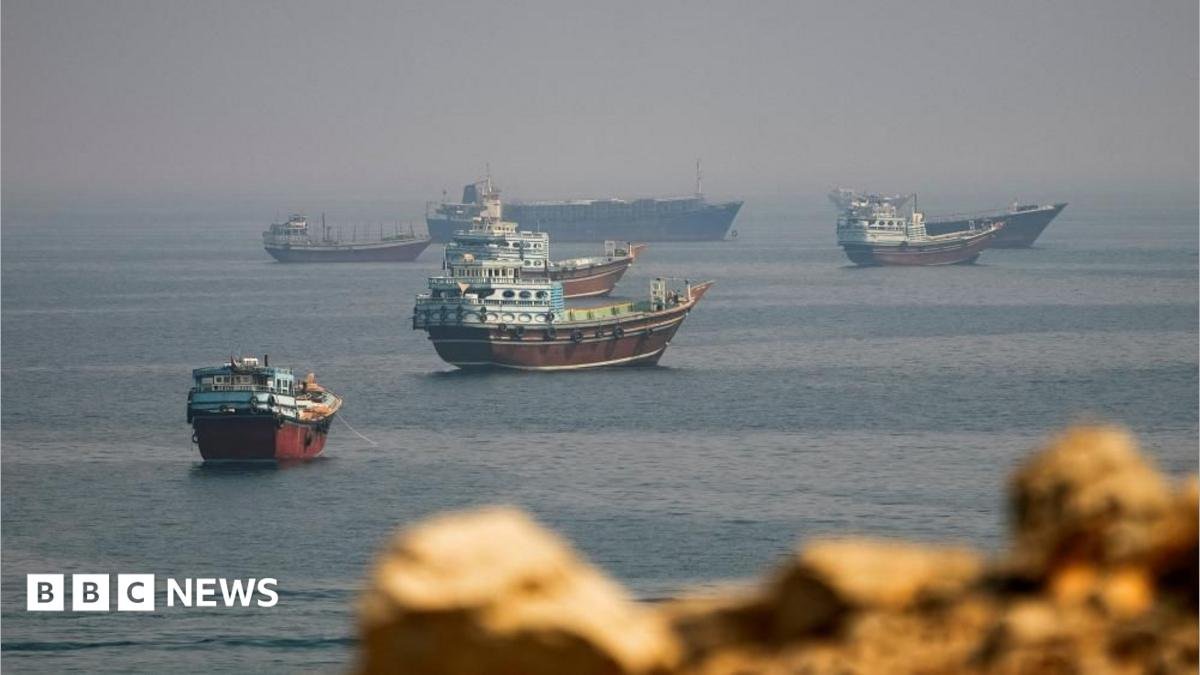
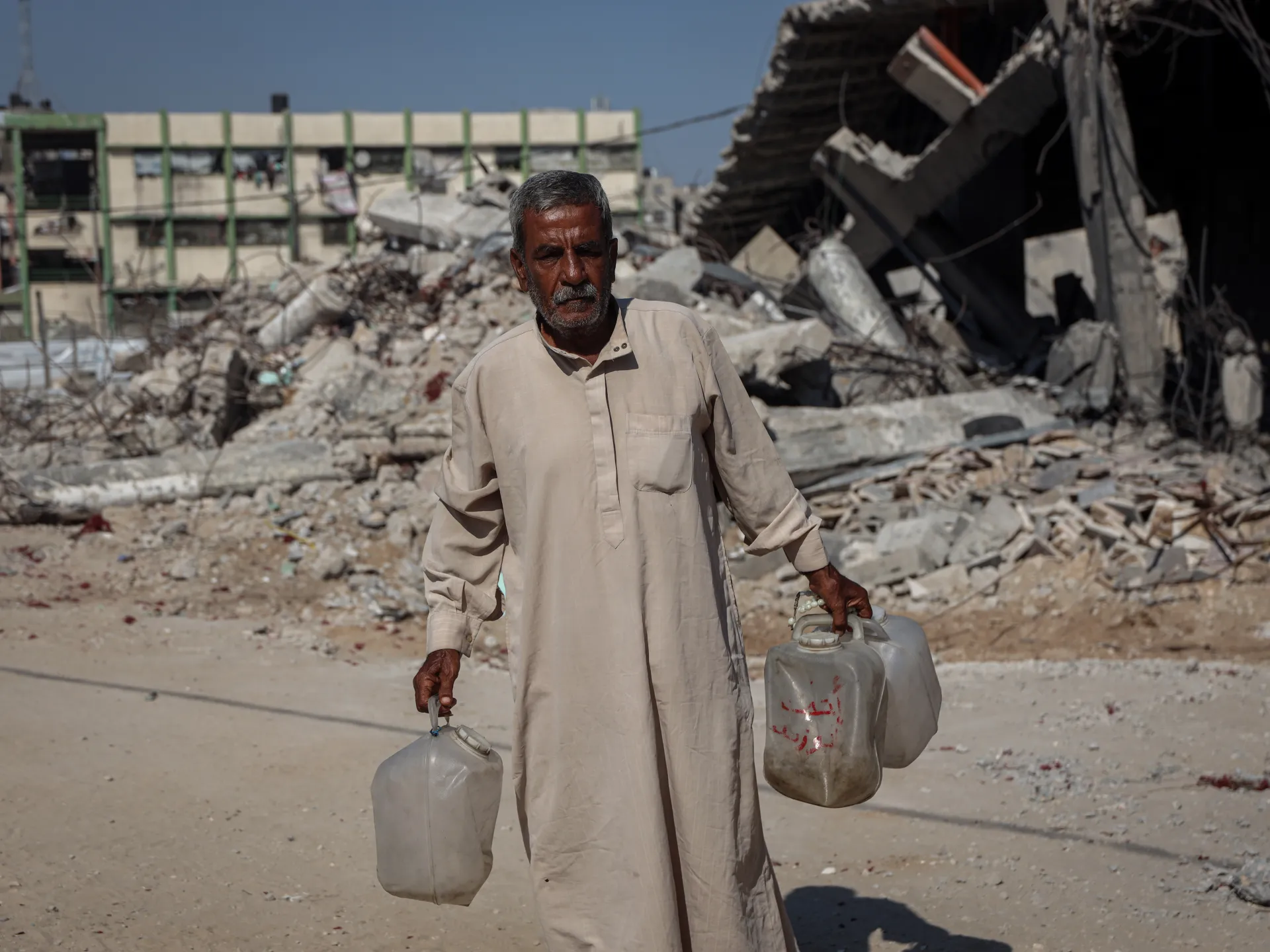
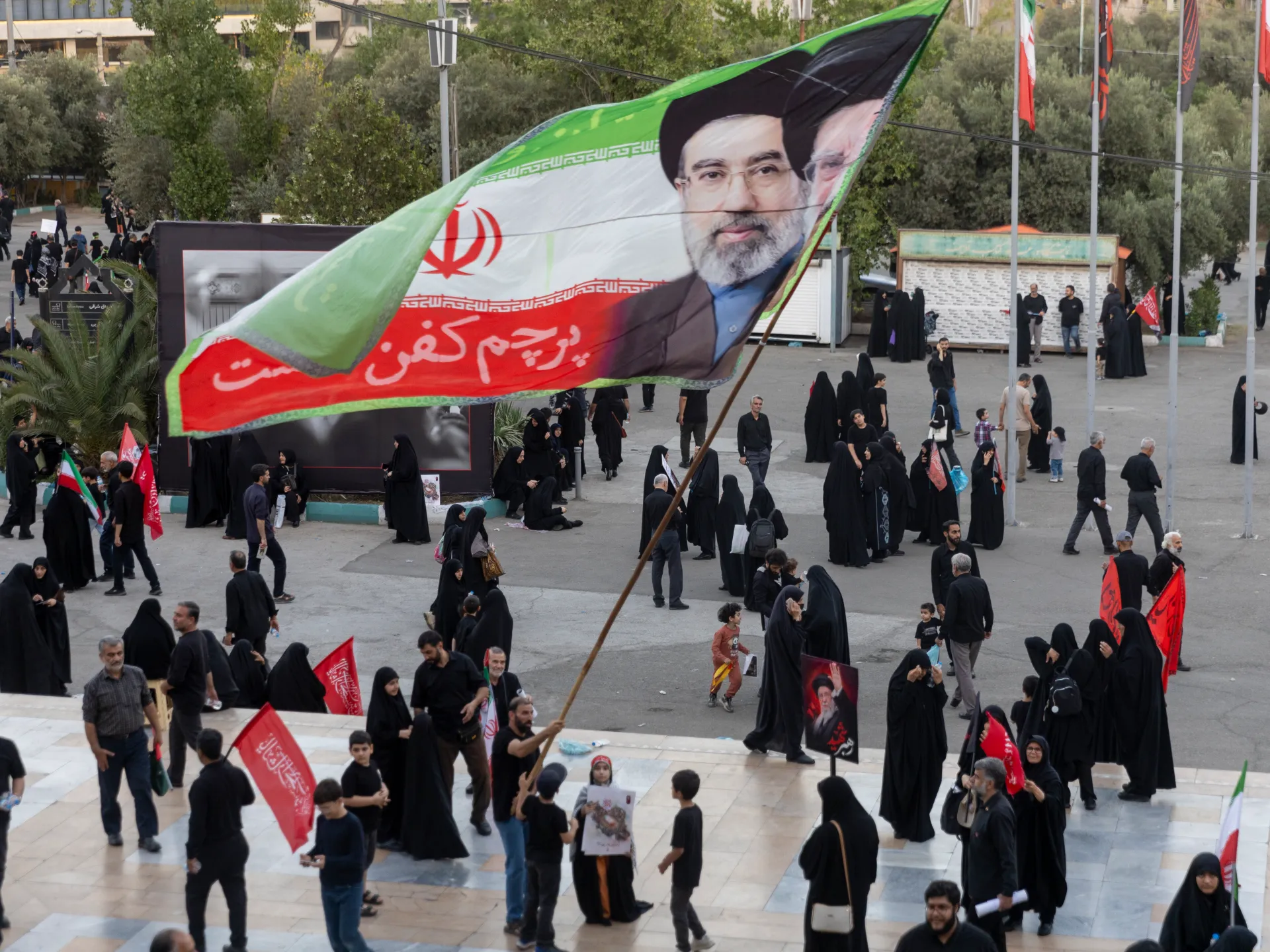
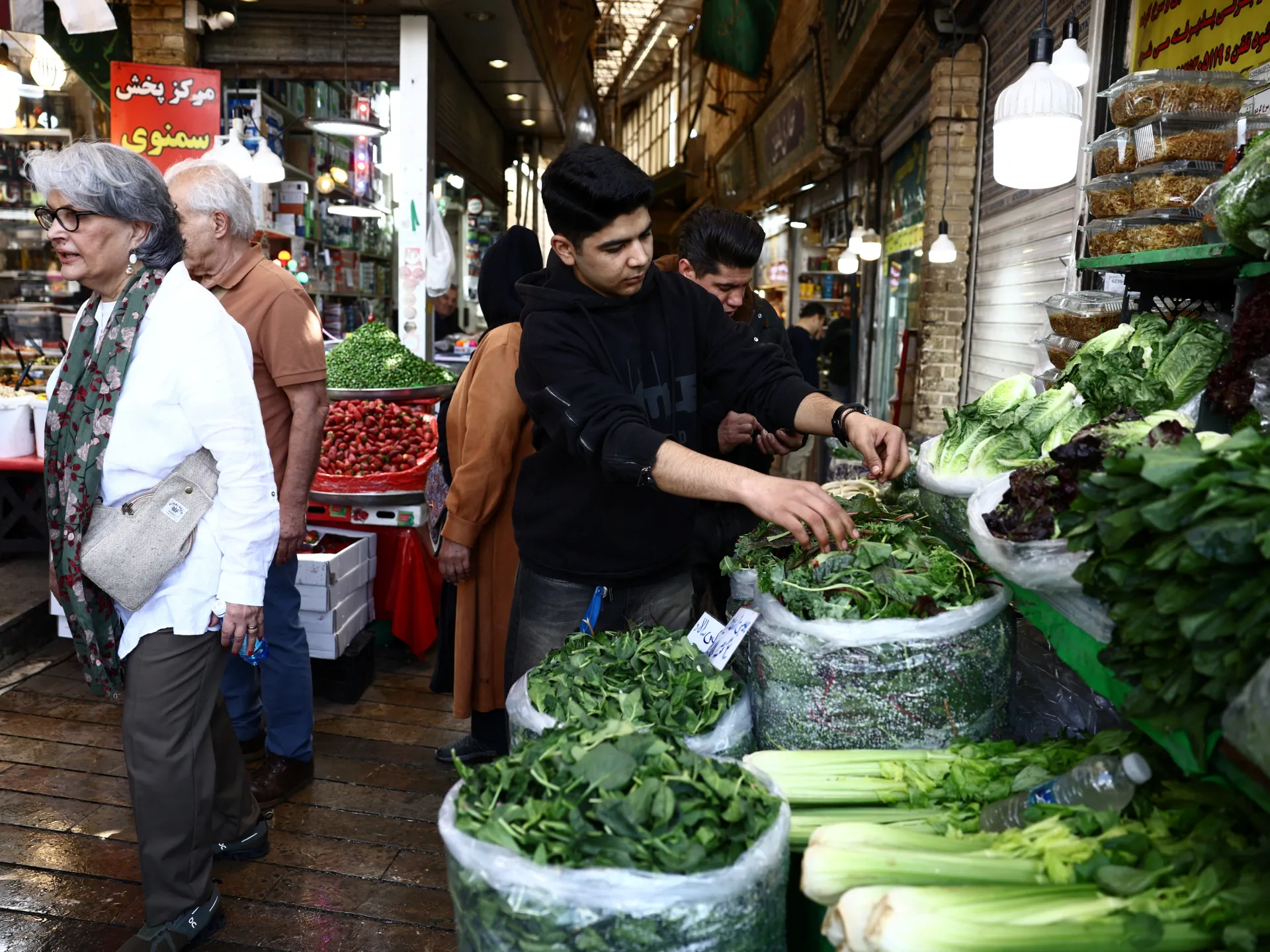
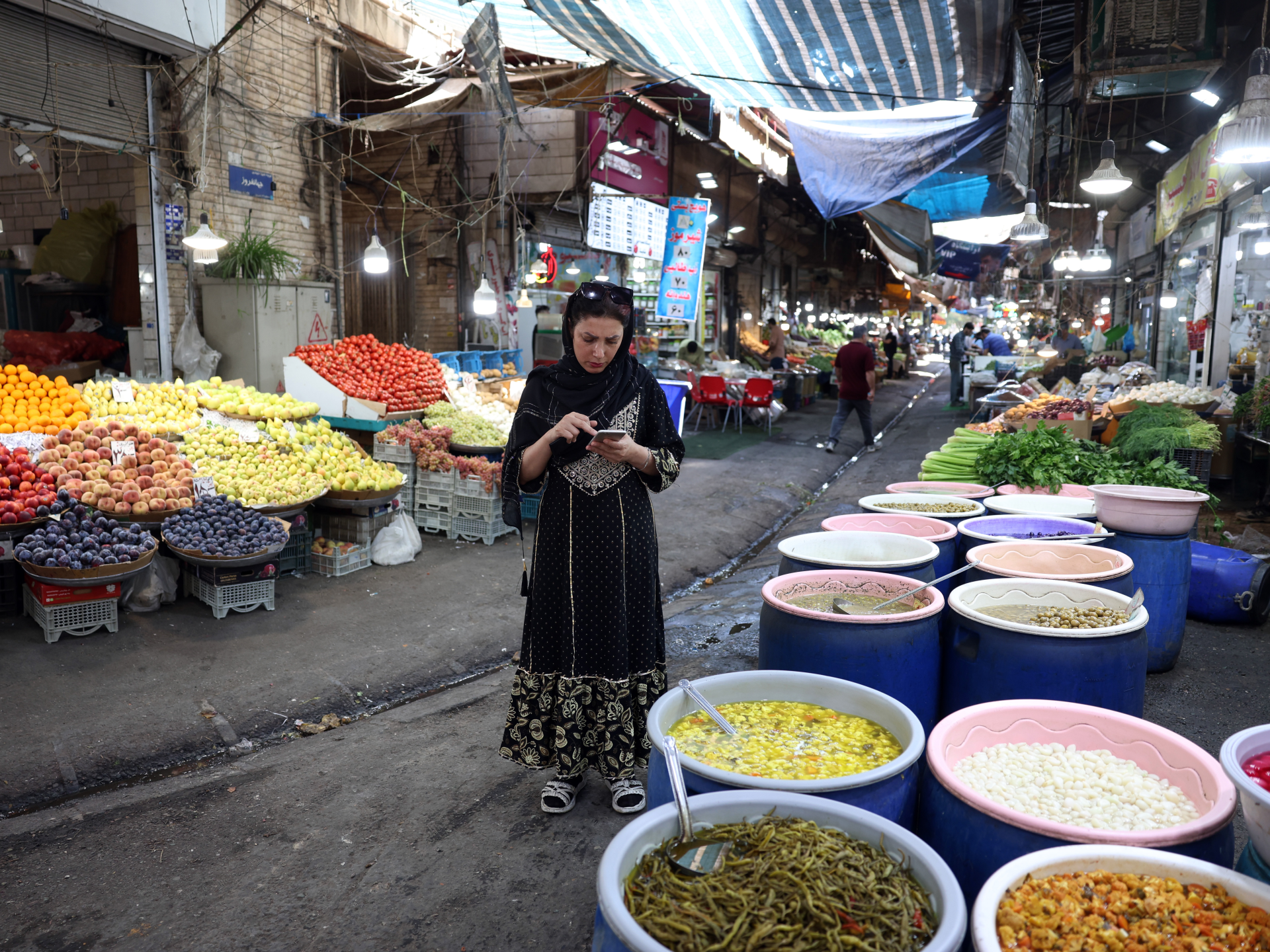
This diplomatic maneuver coincides with a period of profound economic contraction within Iran, where the combination of naval blockades and targeted financial sanctions has severely crippled the nation’s energy sector. Recent data indicates that Iran’s GDP has shrunk As the Iranian leadership prepares to address the UN, the domestic reality remains dire, characterized continues to blame on the ongoing naval and economic siege.
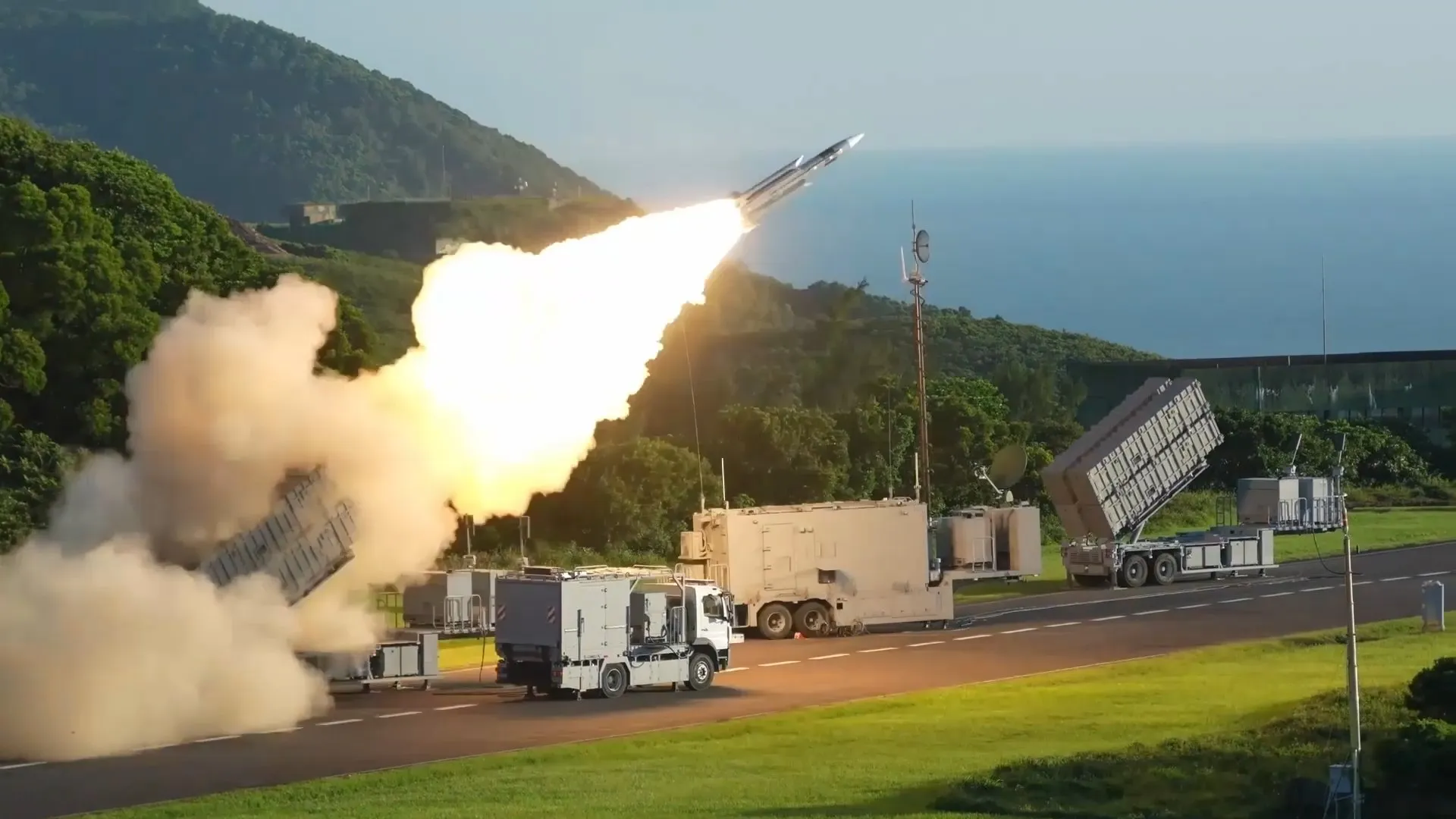
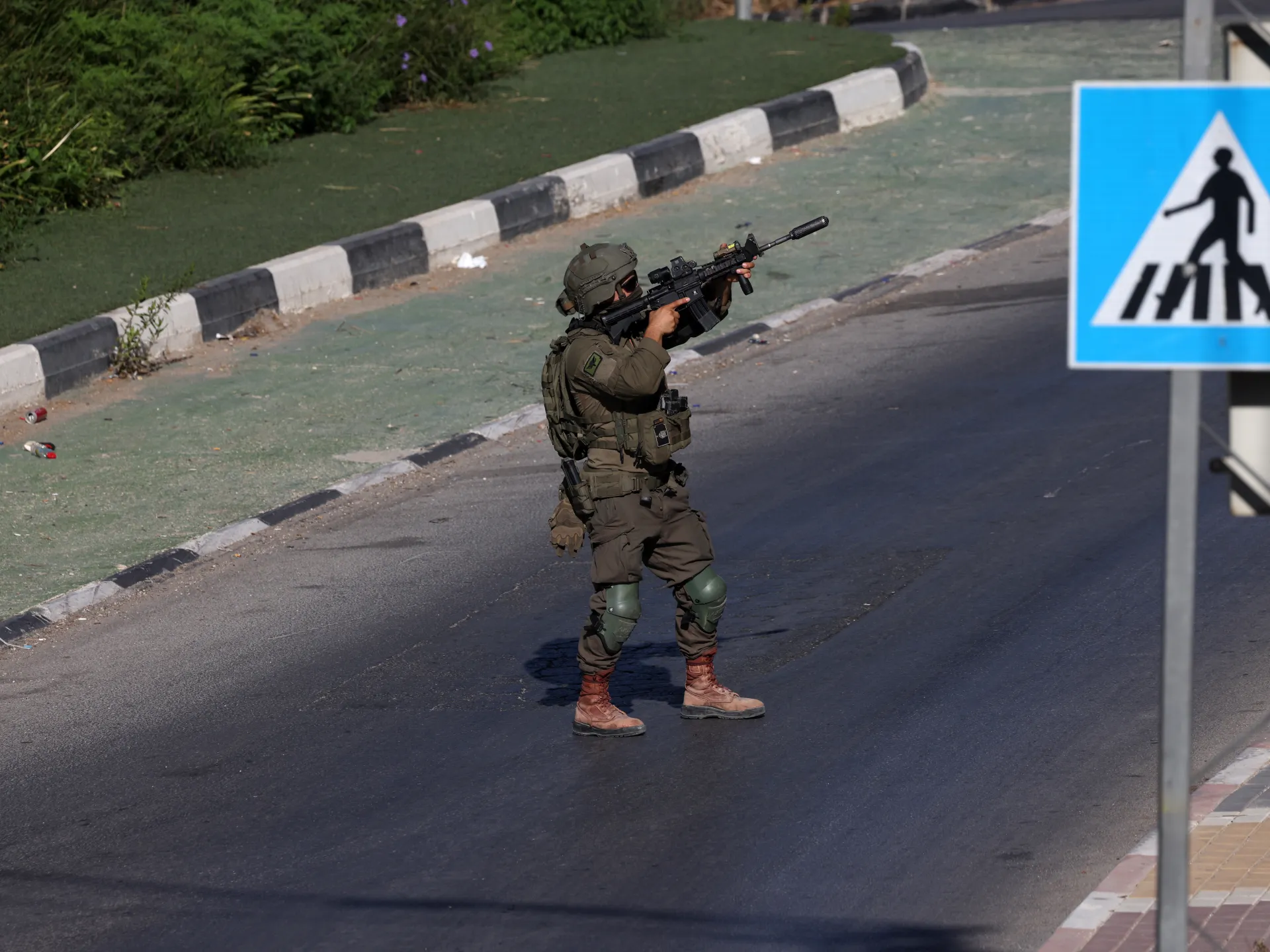
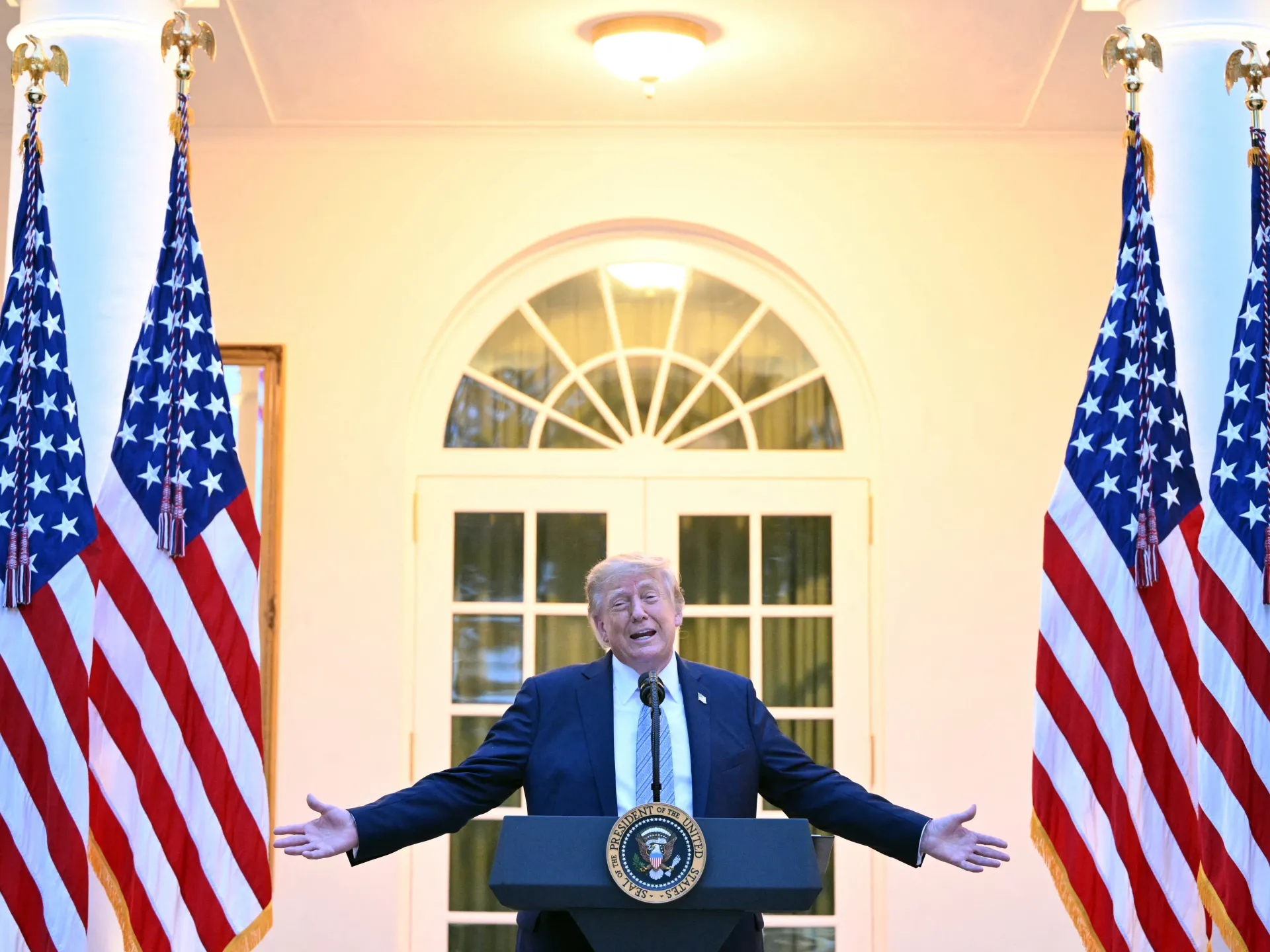
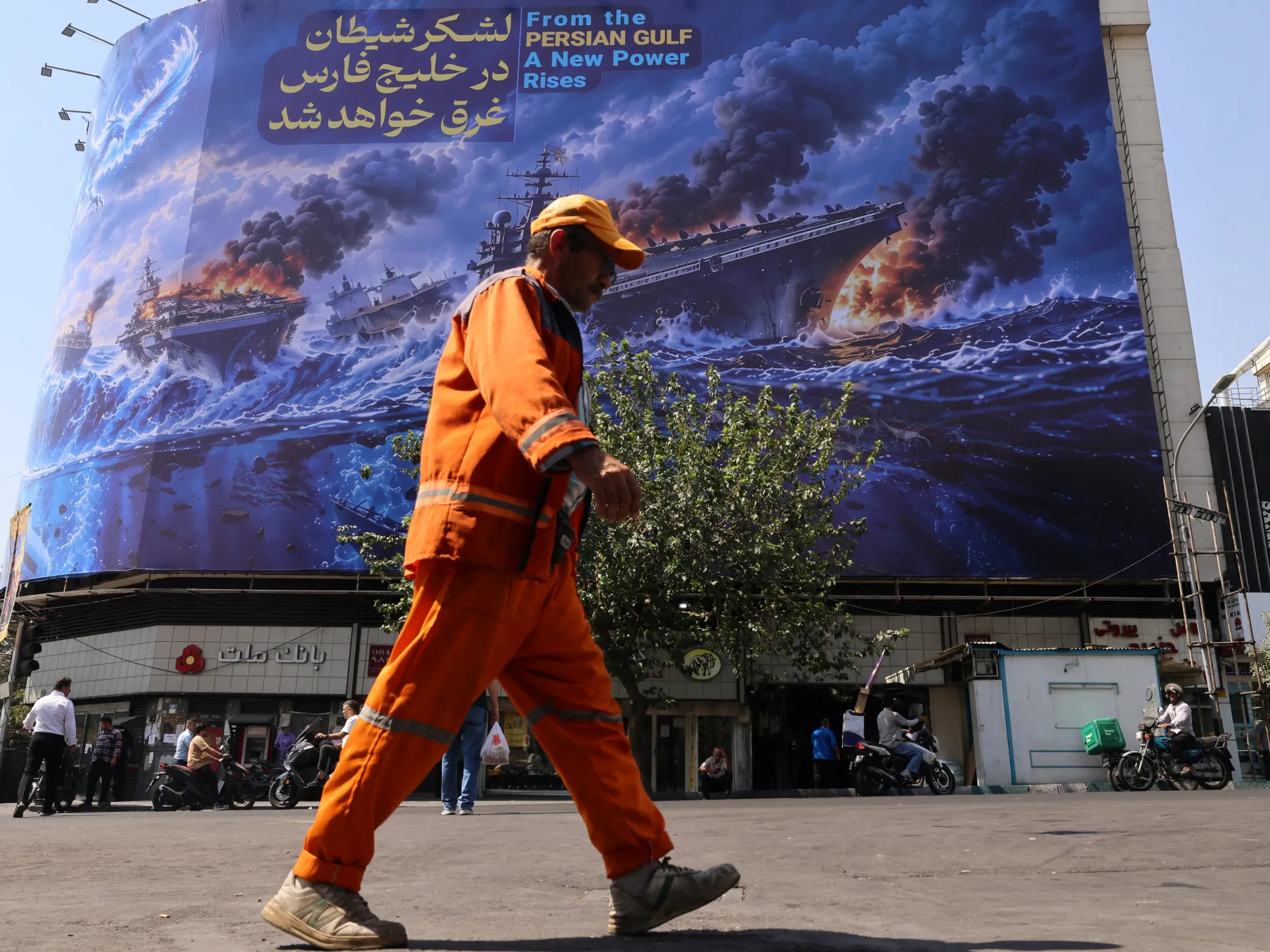
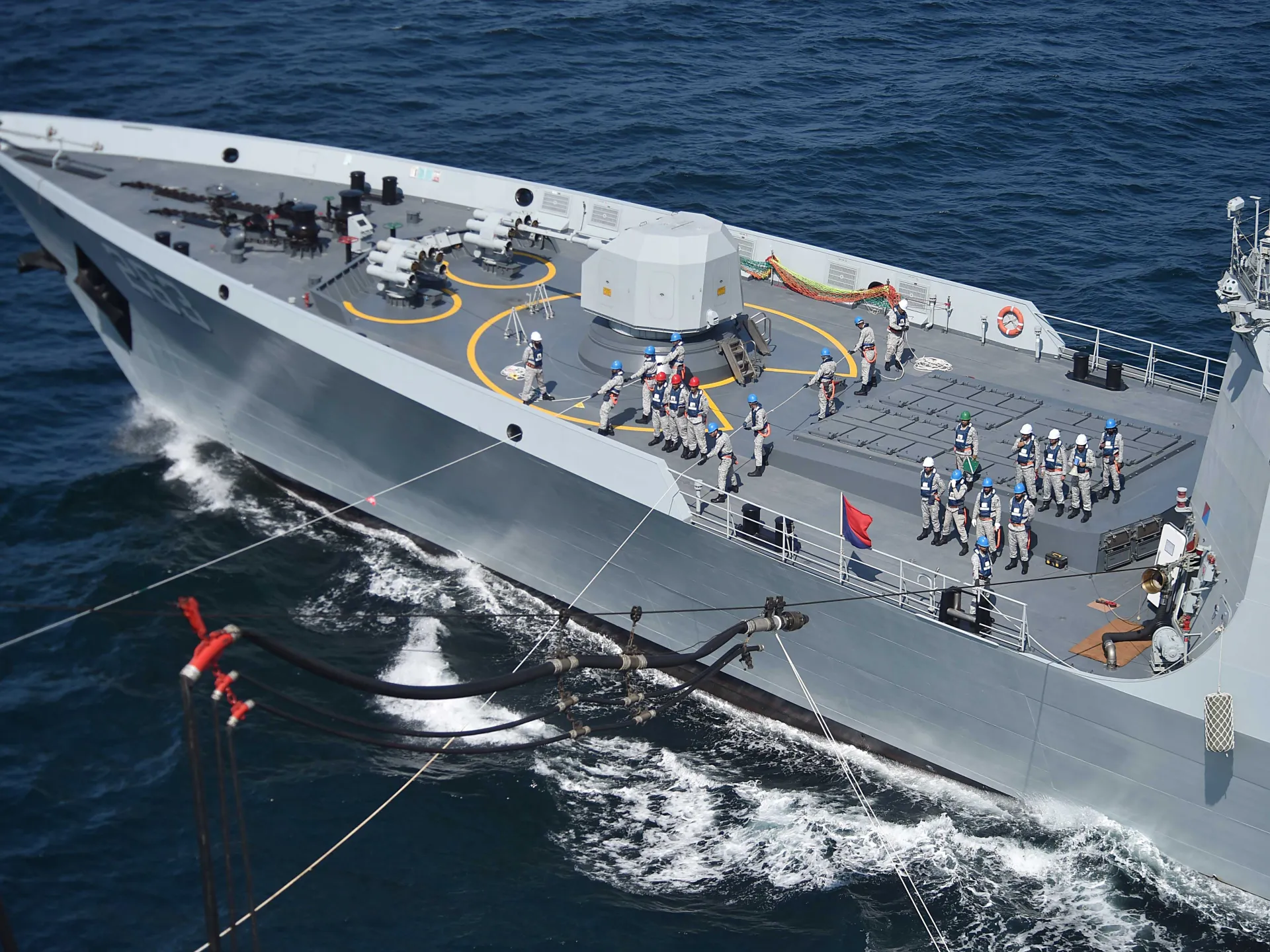
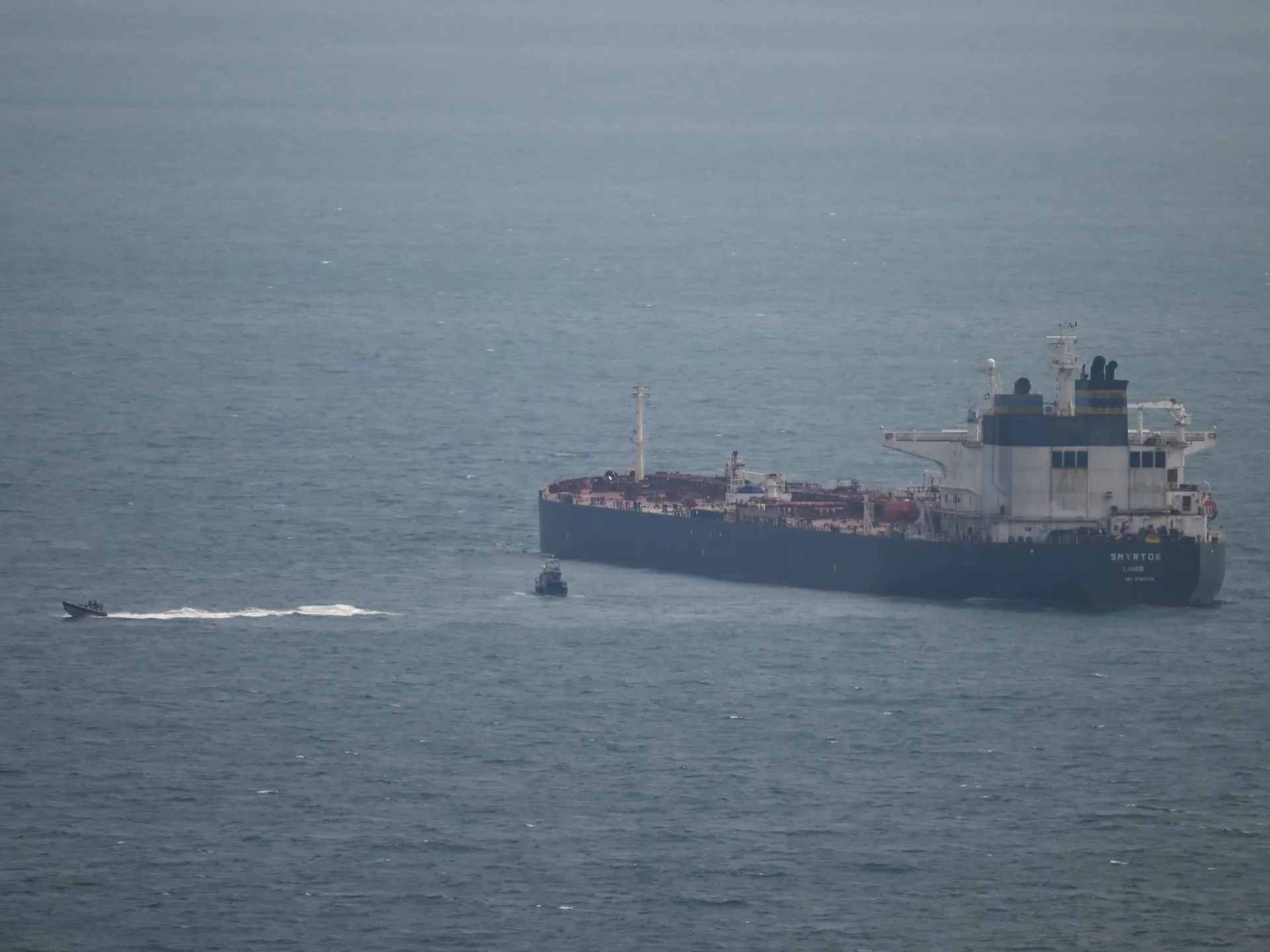
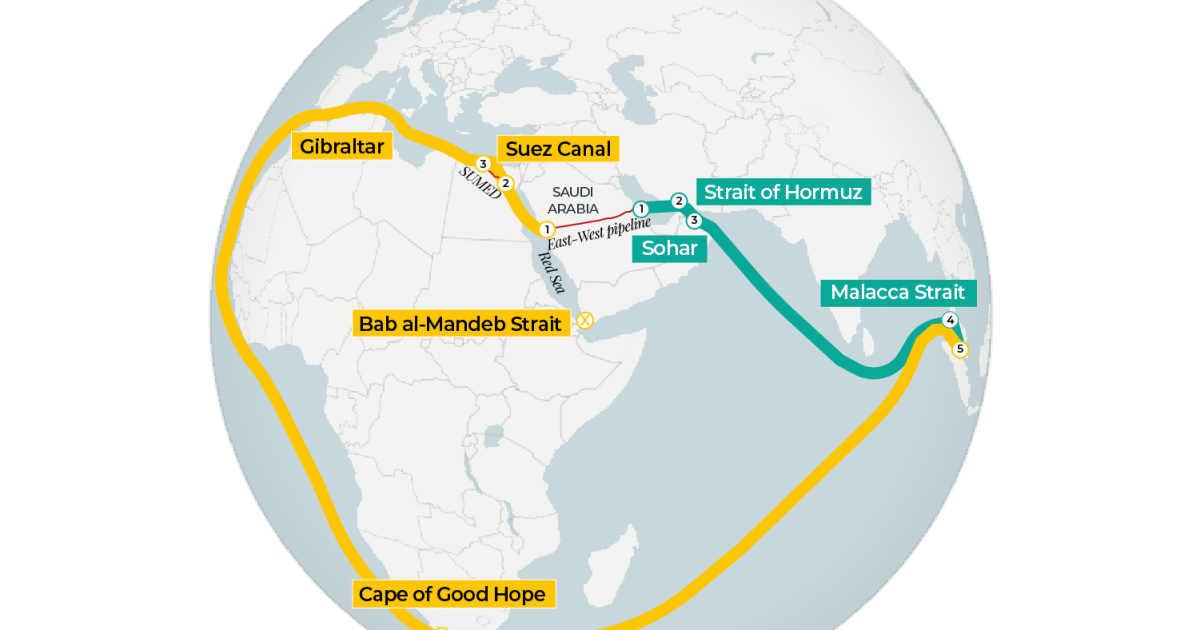
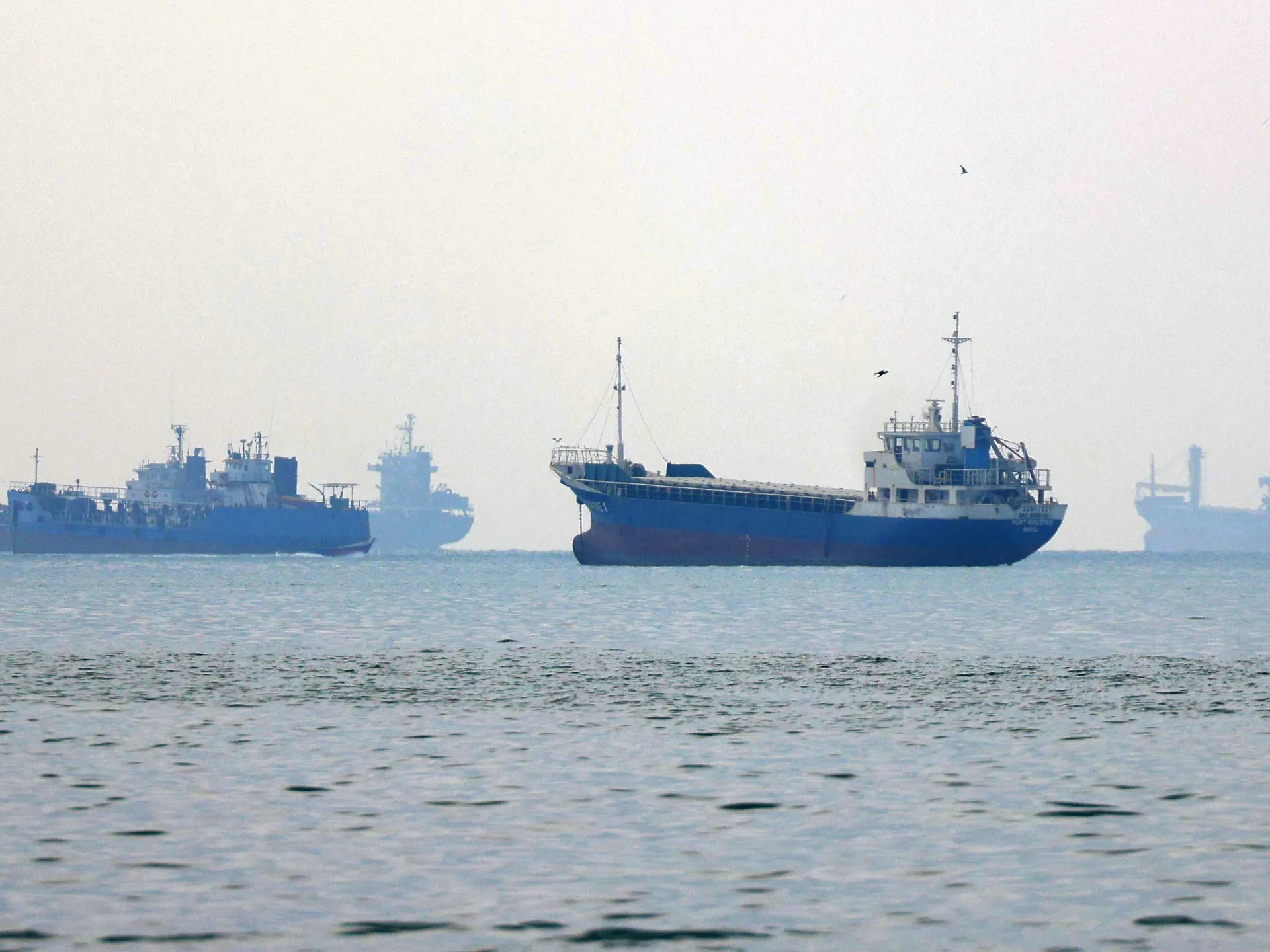
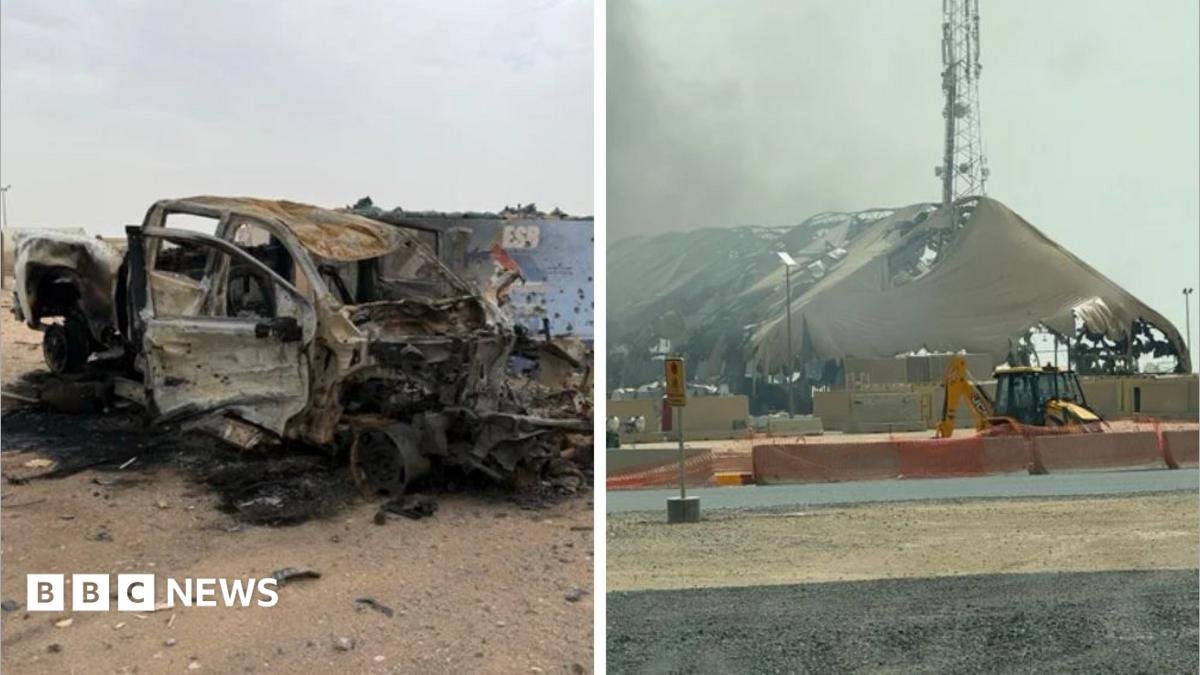
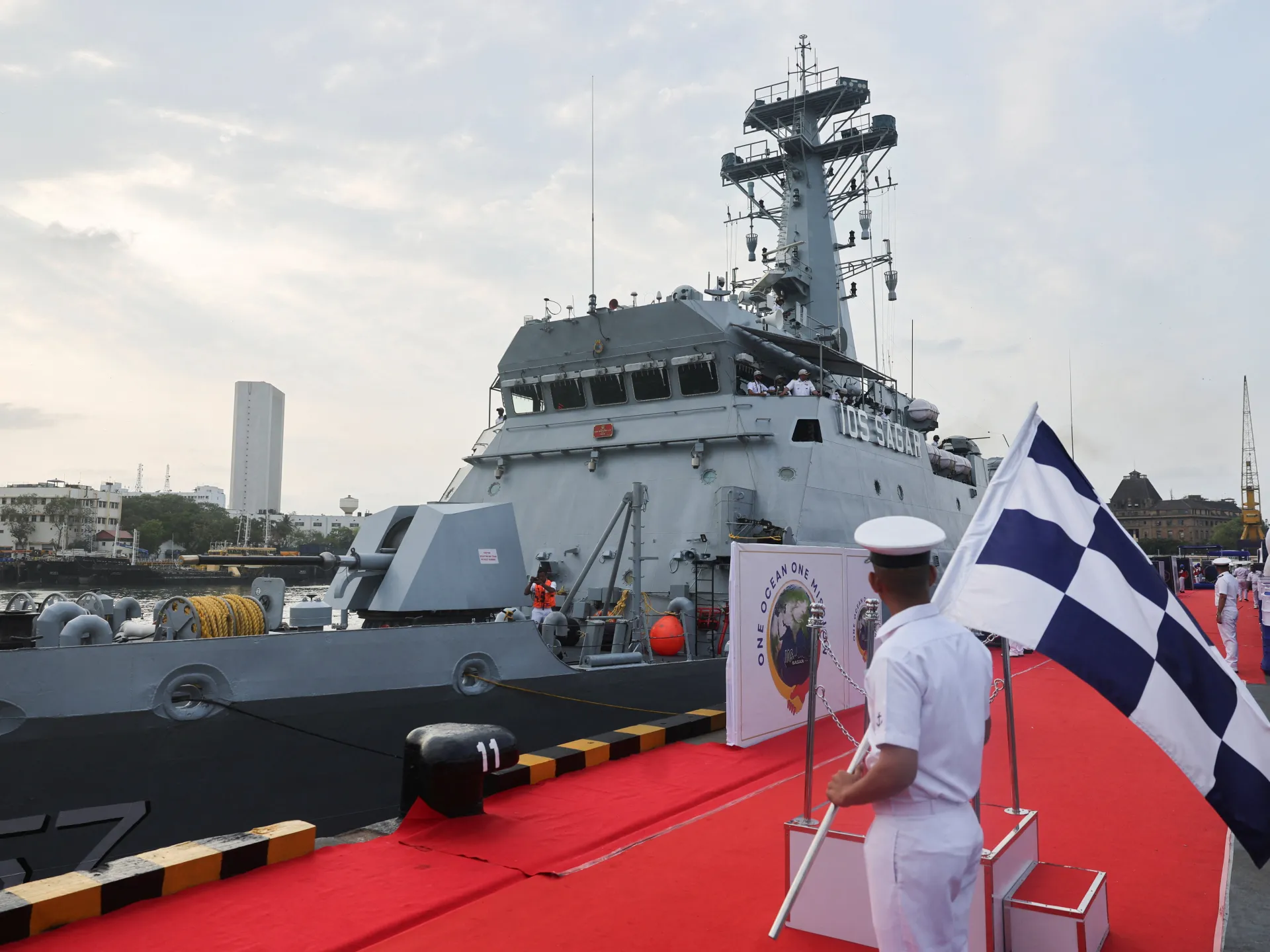
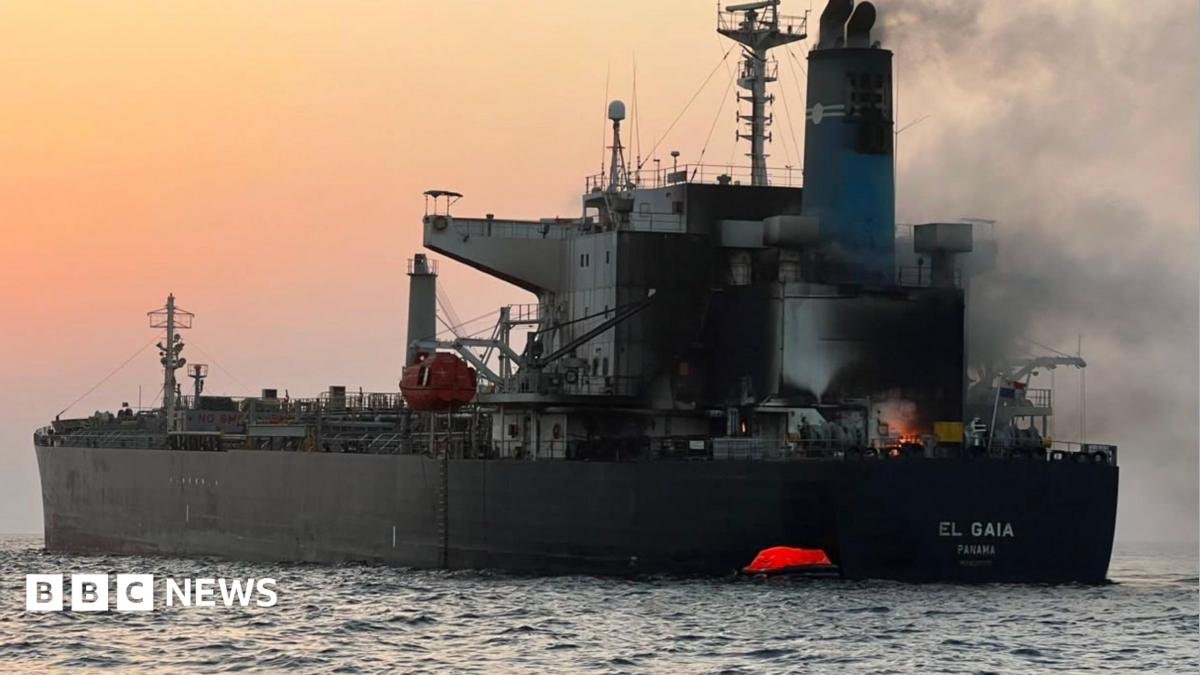
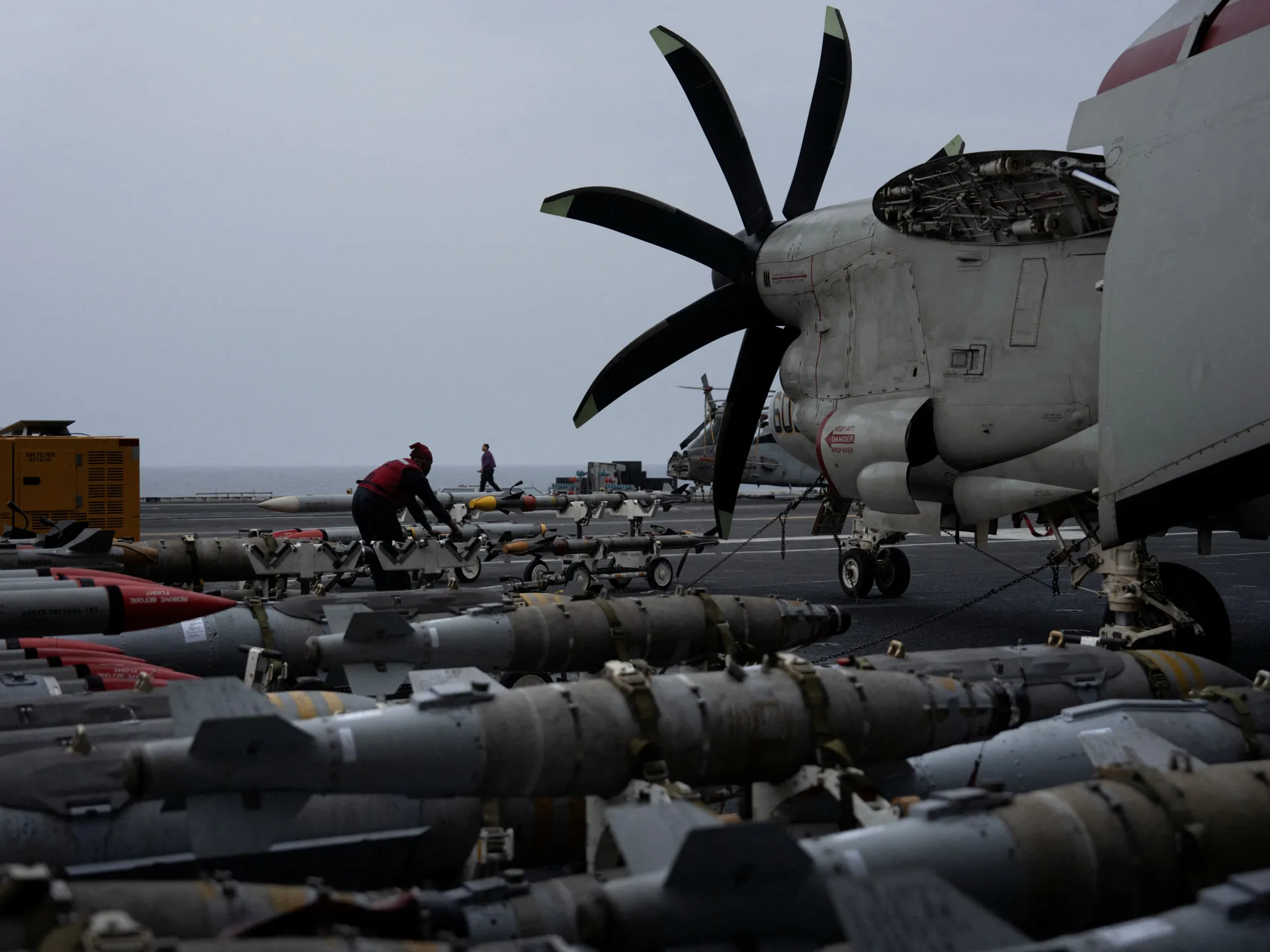
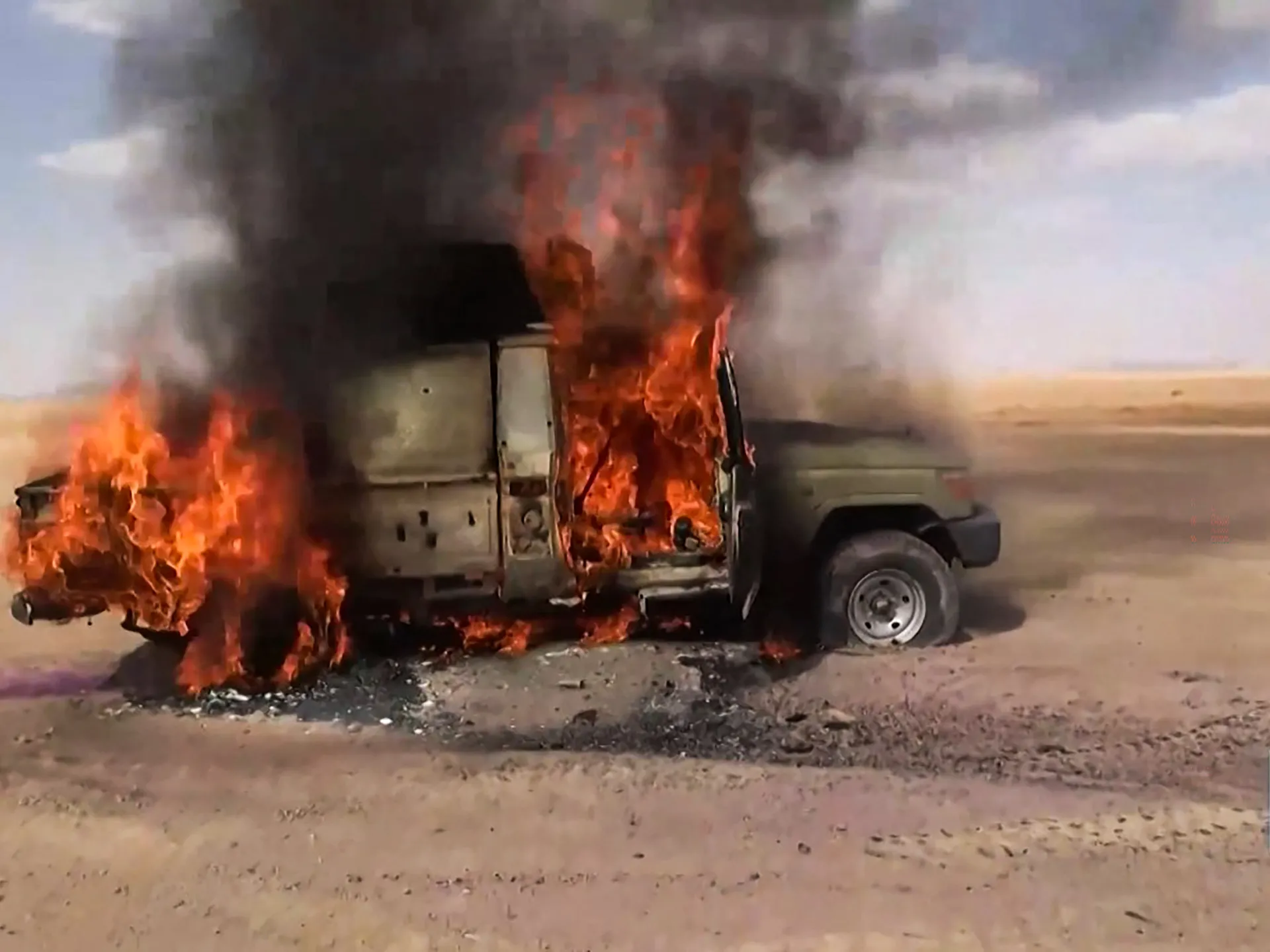
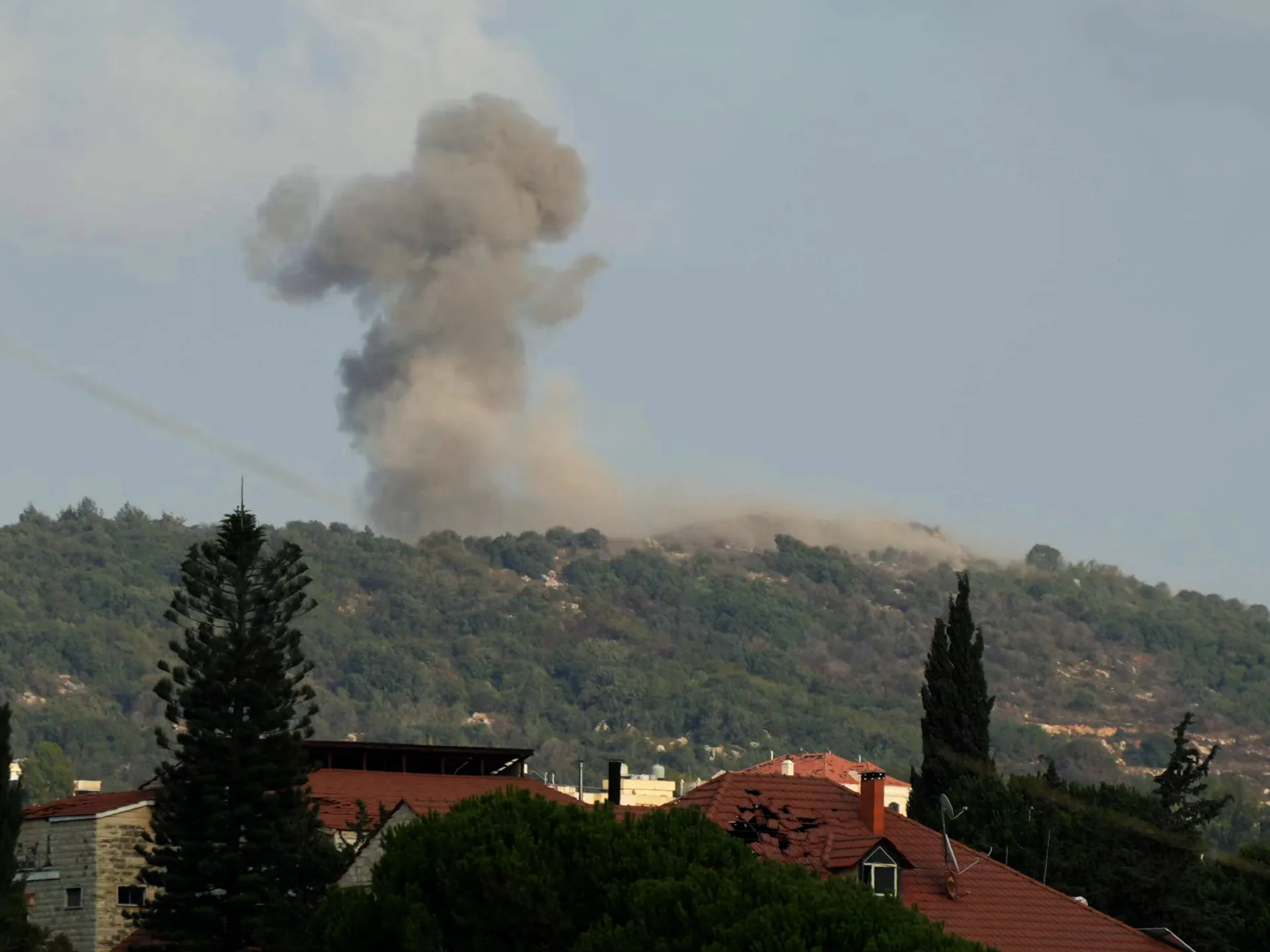
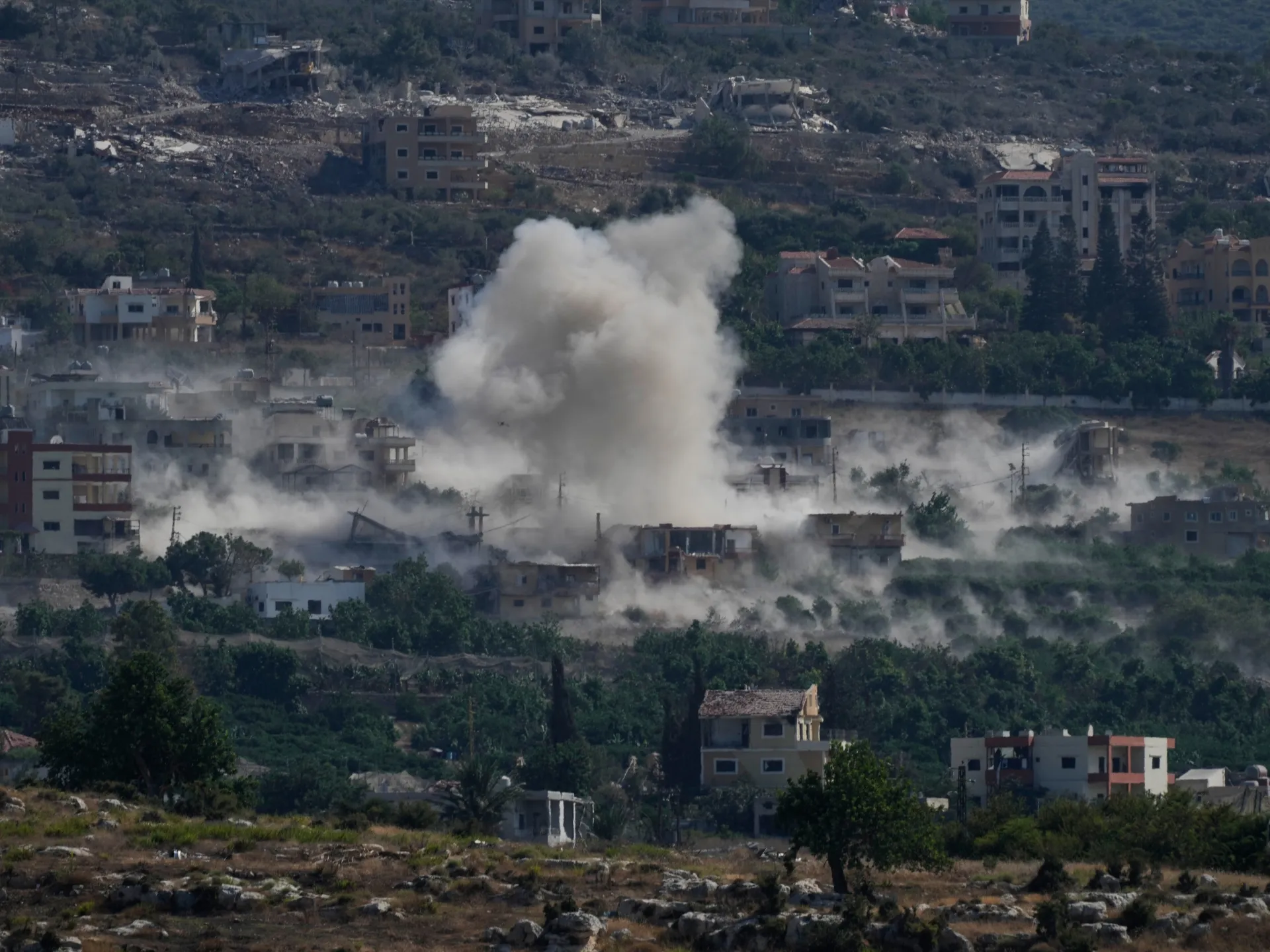
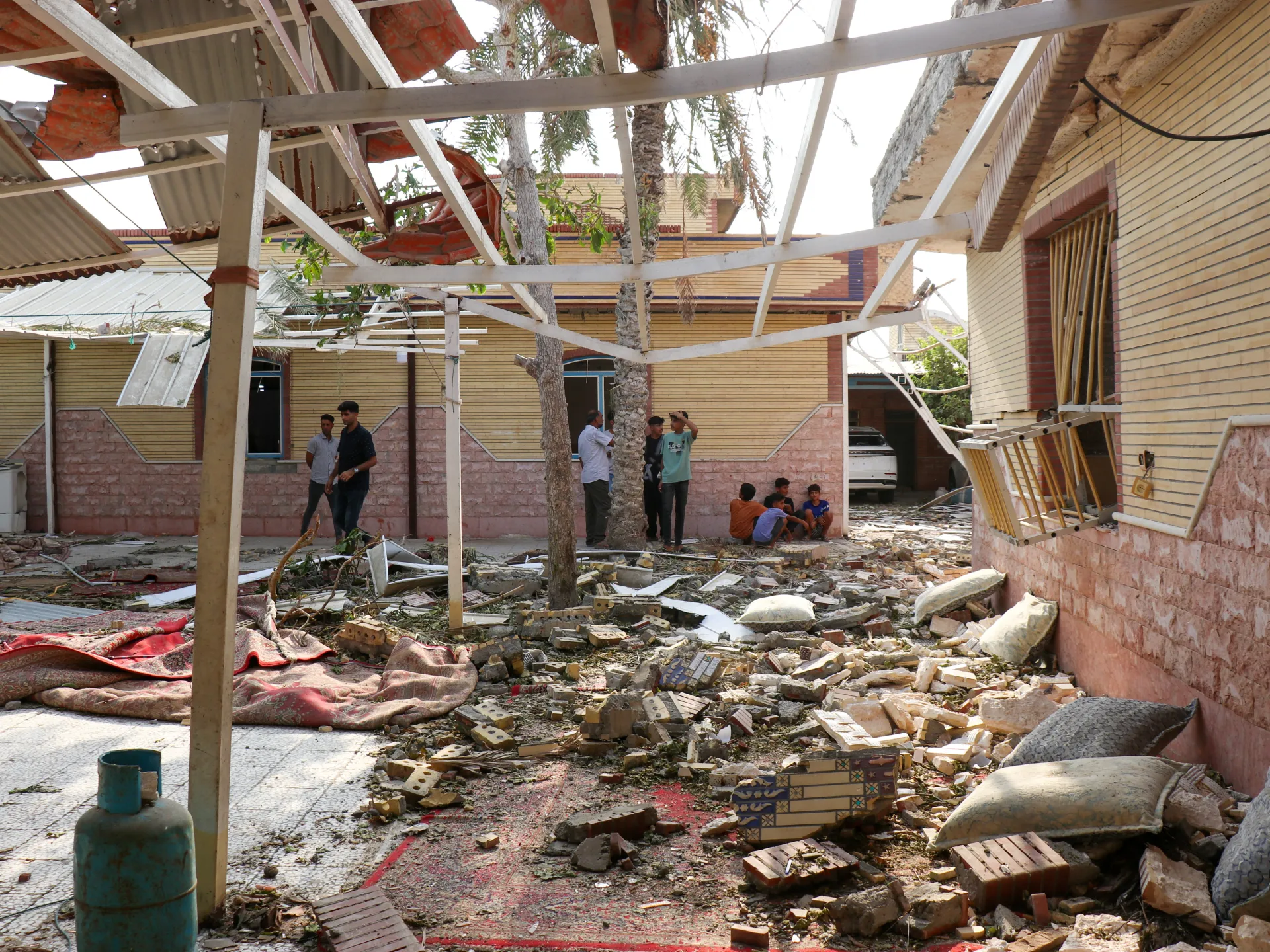
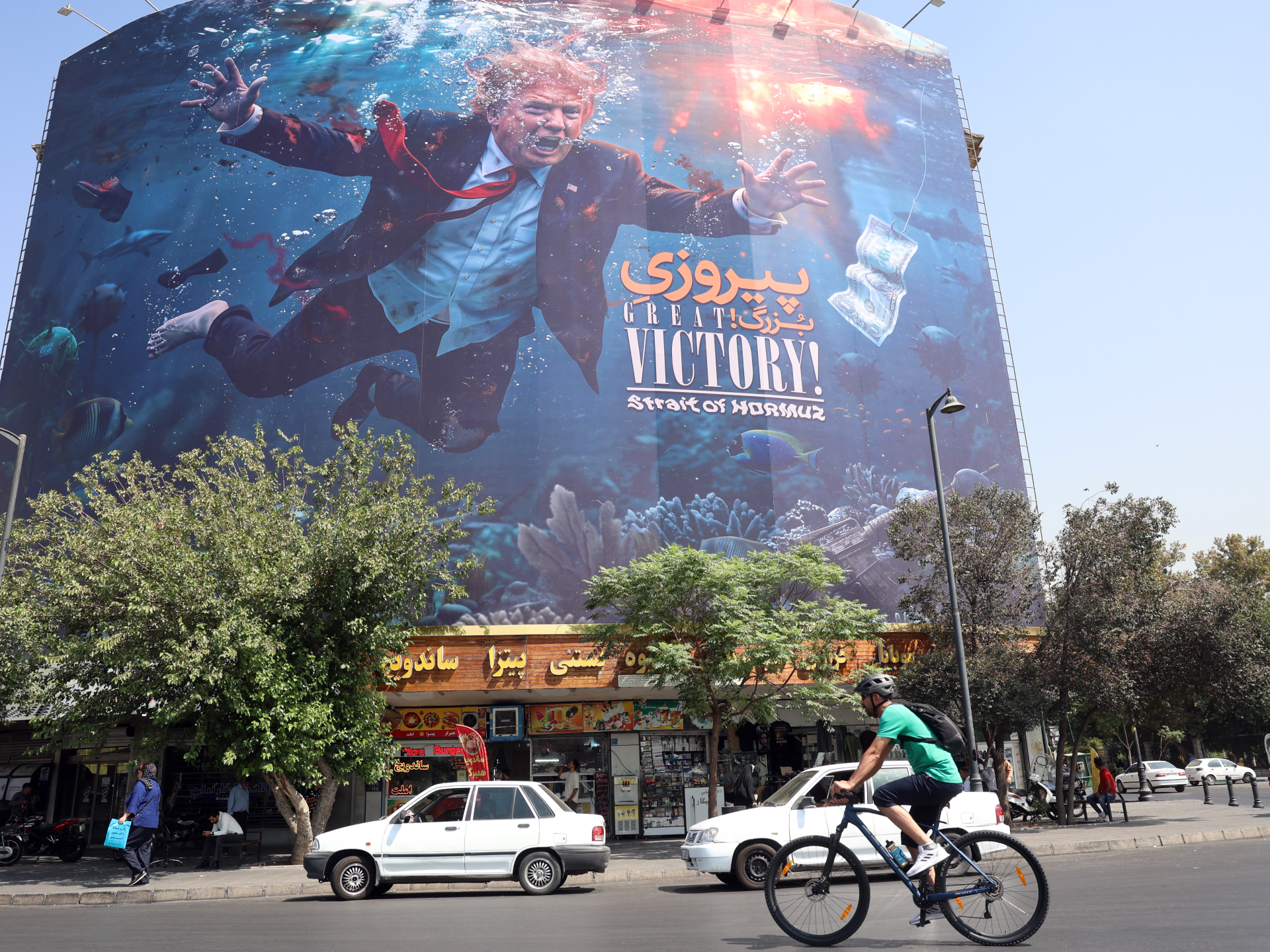
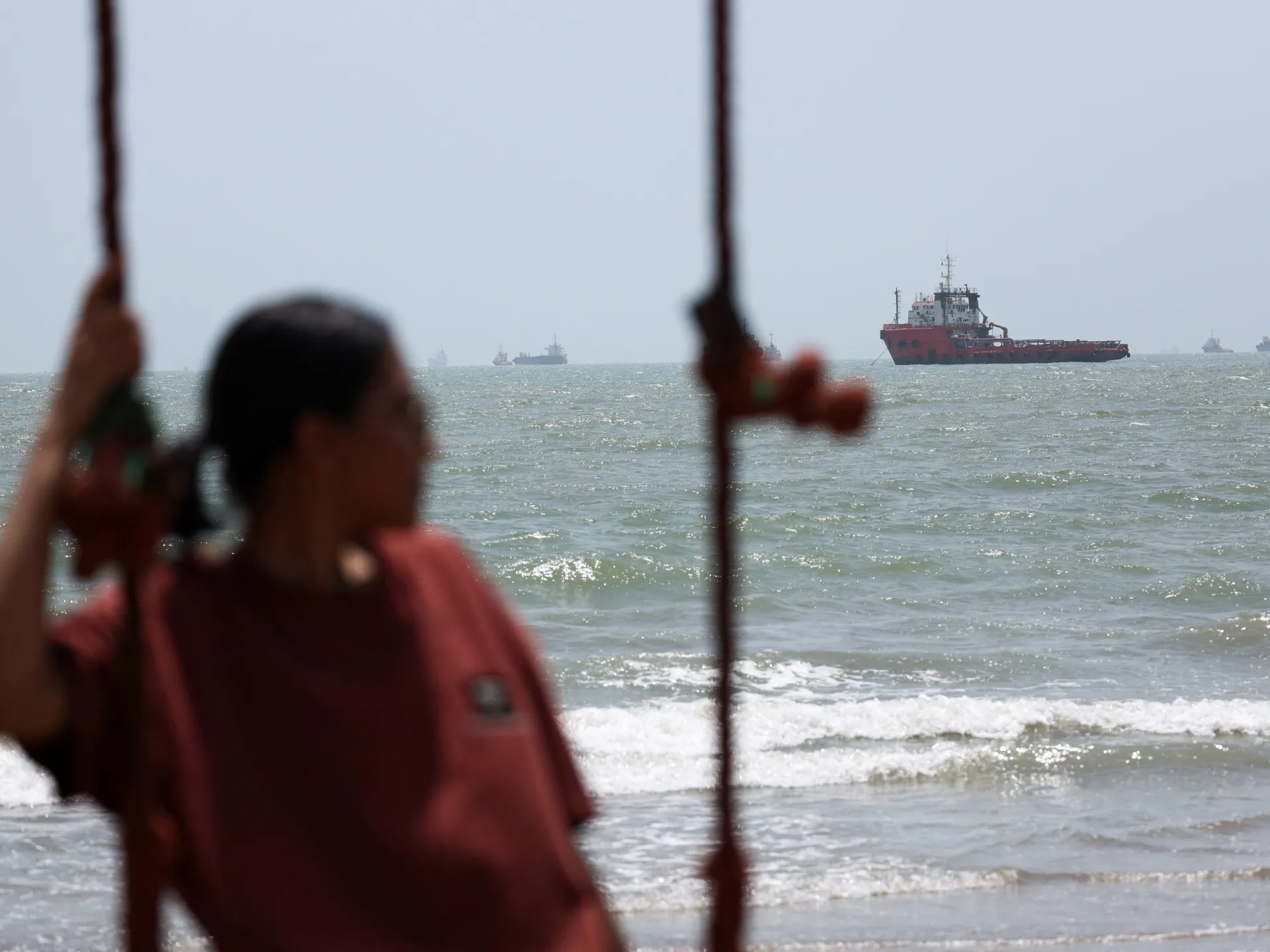
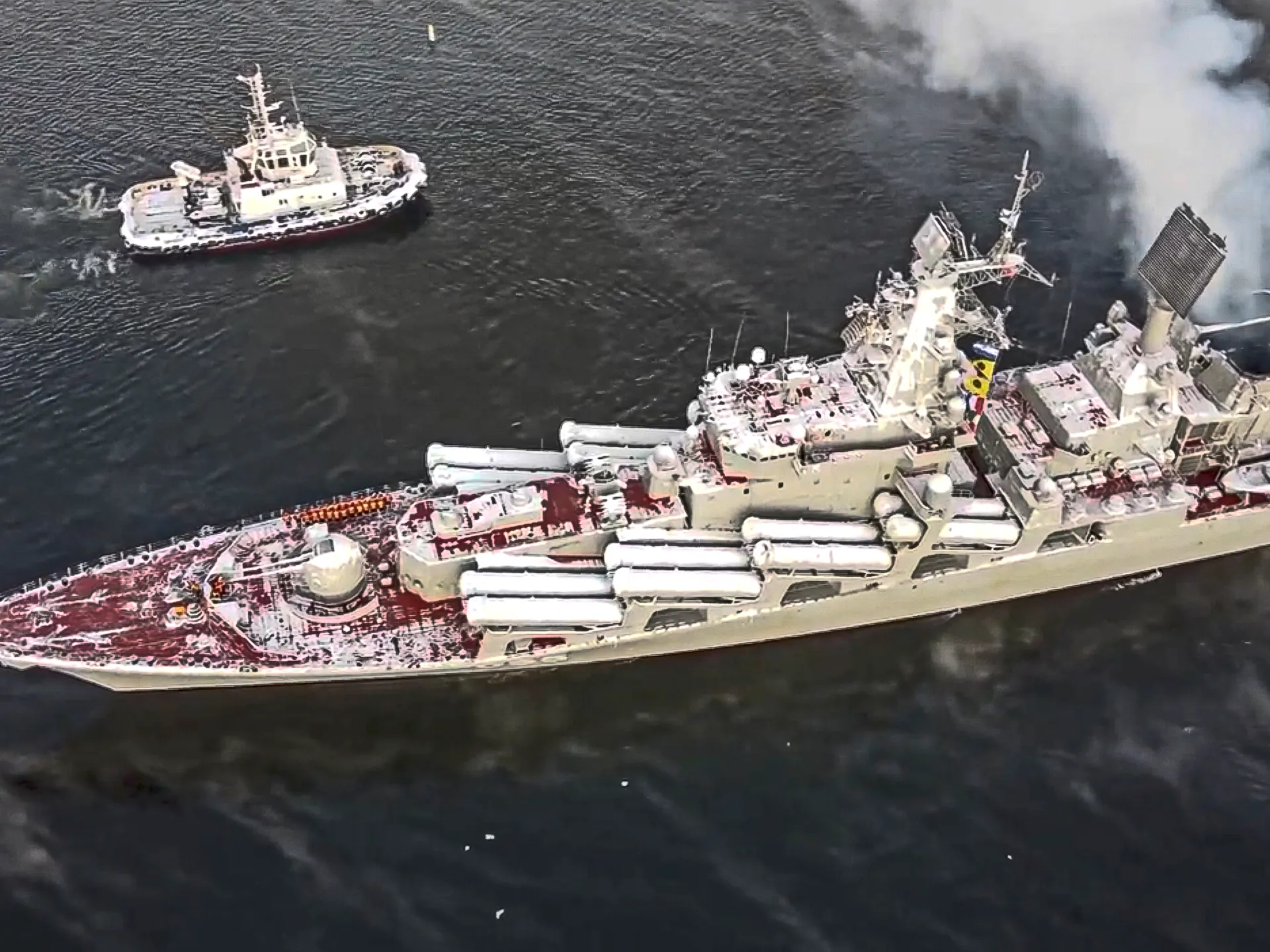
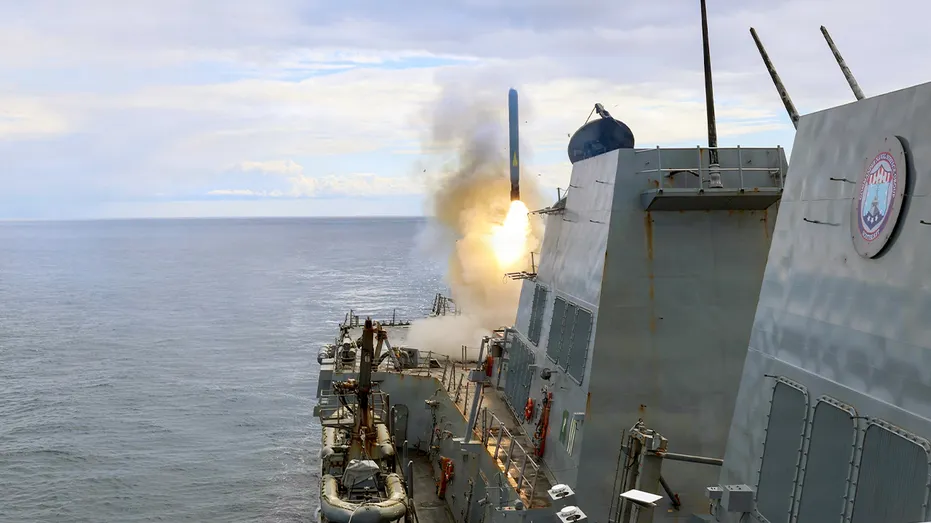
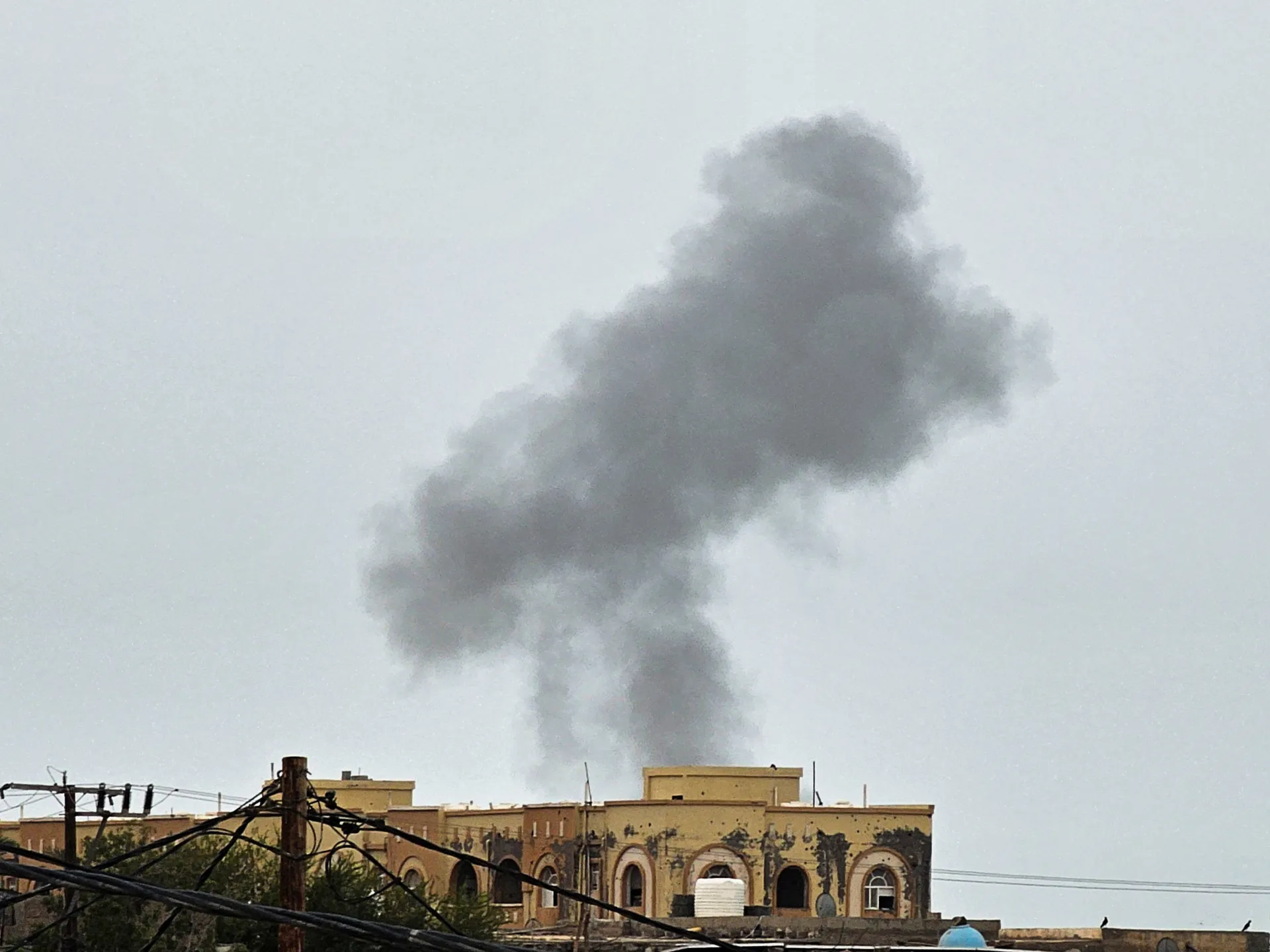
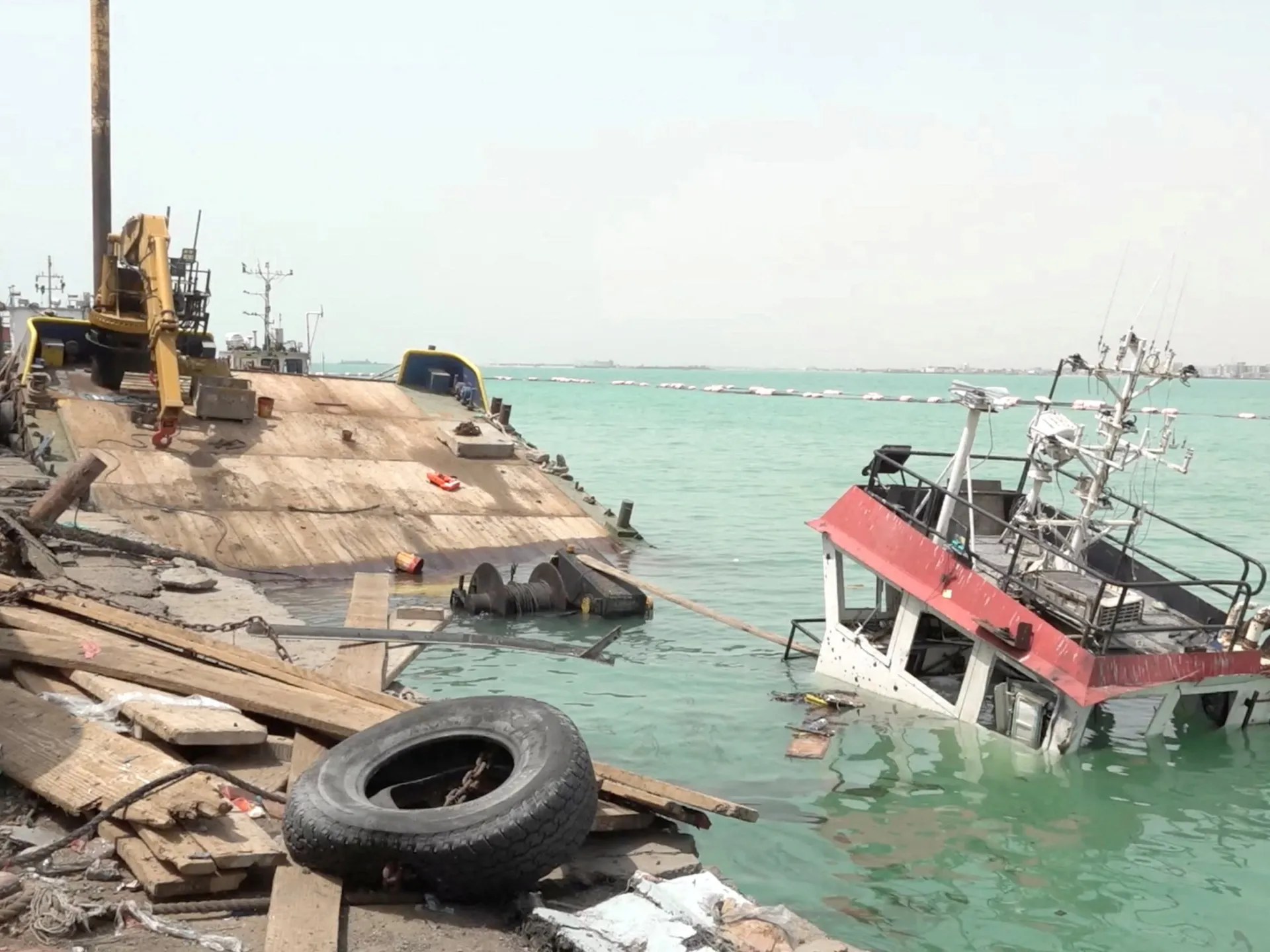
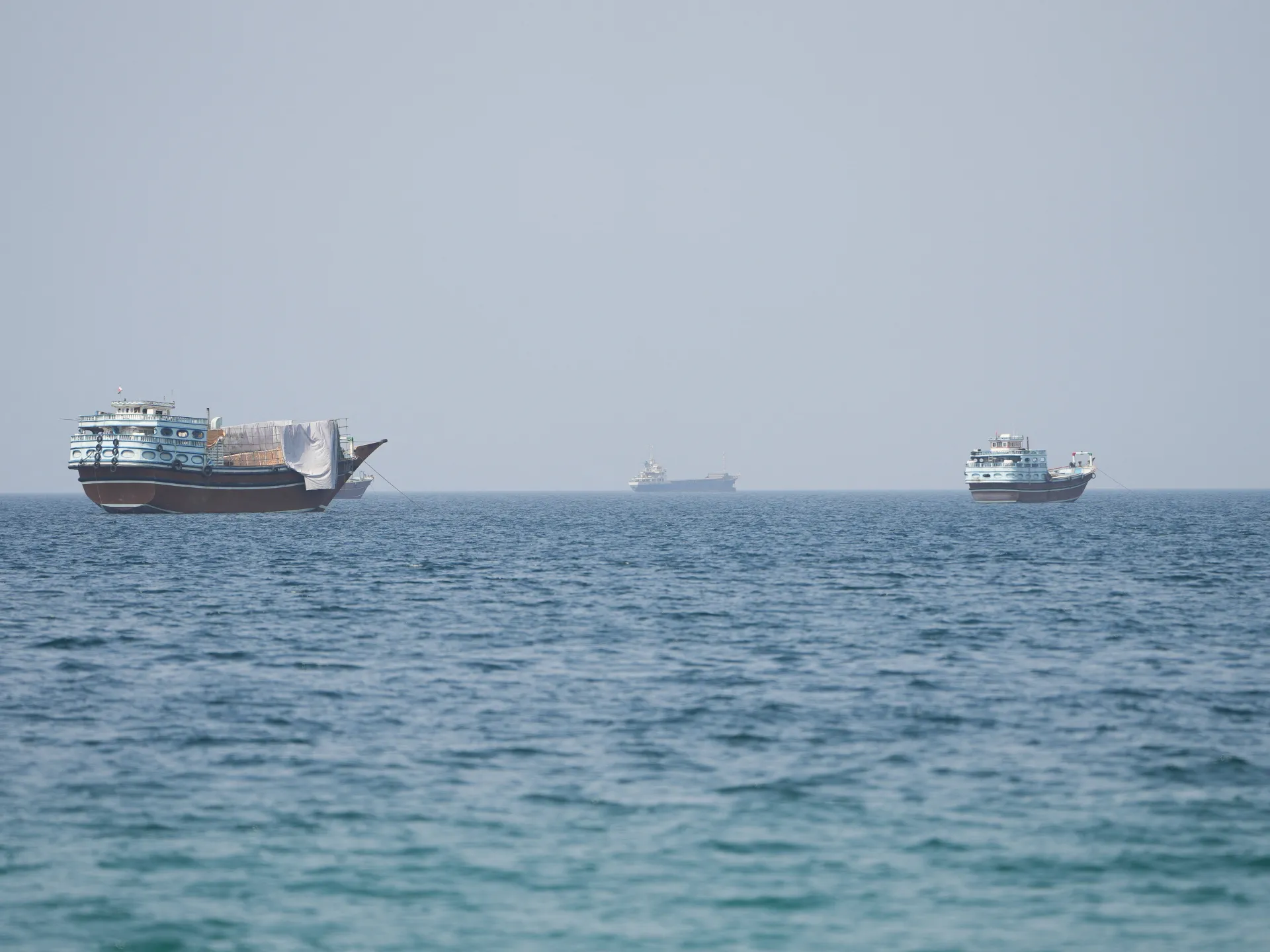
The presence of Iranian leadership in New York serves as a rare point of contact during a period of active, multi-front kinetic warfare. economic strategy, the U.S. administration is attempting to signal that diplomatic channels remain technically open even as the physical blockade of the Strait of Hormuz intensifies. This dichotomy highlights the broader geopolitical shift: the U.S. is seeking to isolate the Iranian regime economically and militarily while simultaneously utilizing the UN as a forum for global alignment. The restrictions placed on the delegation, ranging from bans on luxury goods to localized travel limitations, underscore the White House’s intent to portray the Iranian government as out of touch with the economic suffering of its own populace, effectively turning the diplomatic summit into an extension of the broader information and economic war.
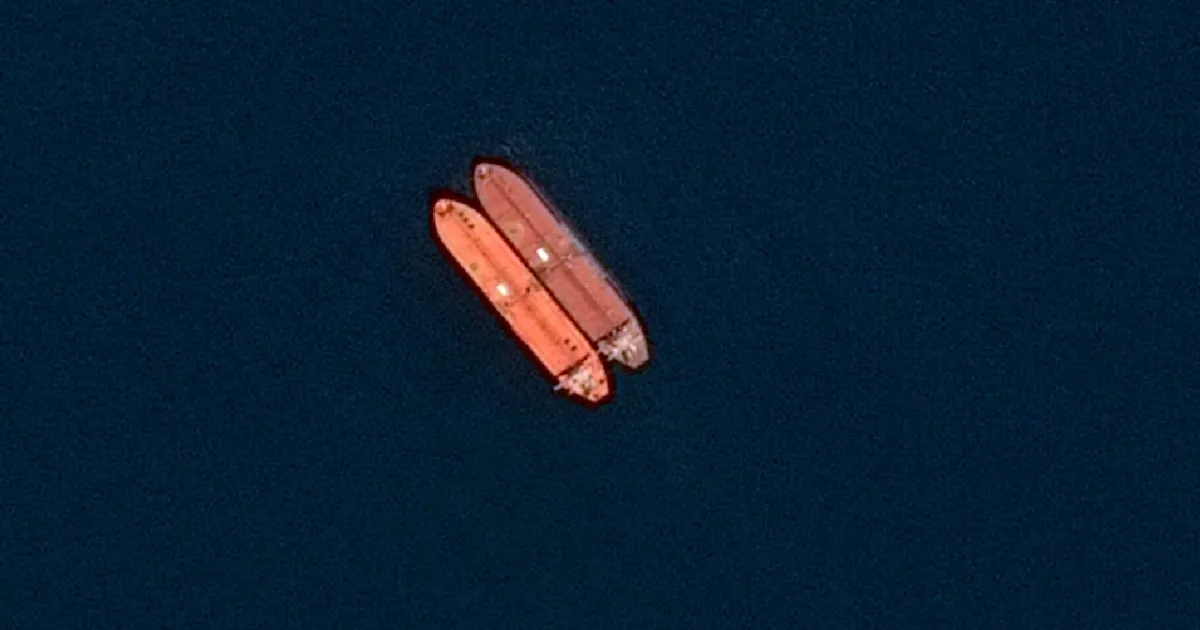
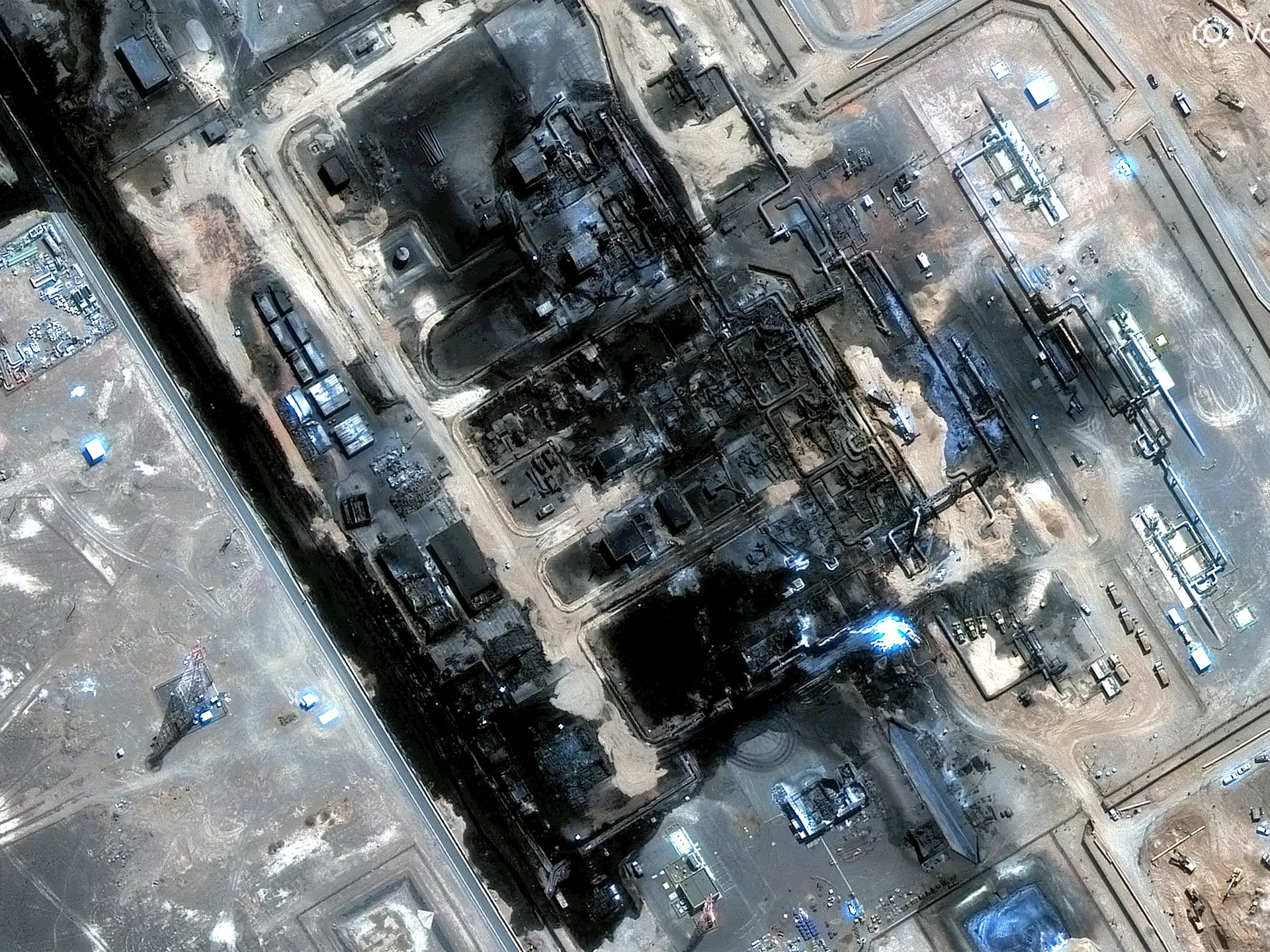
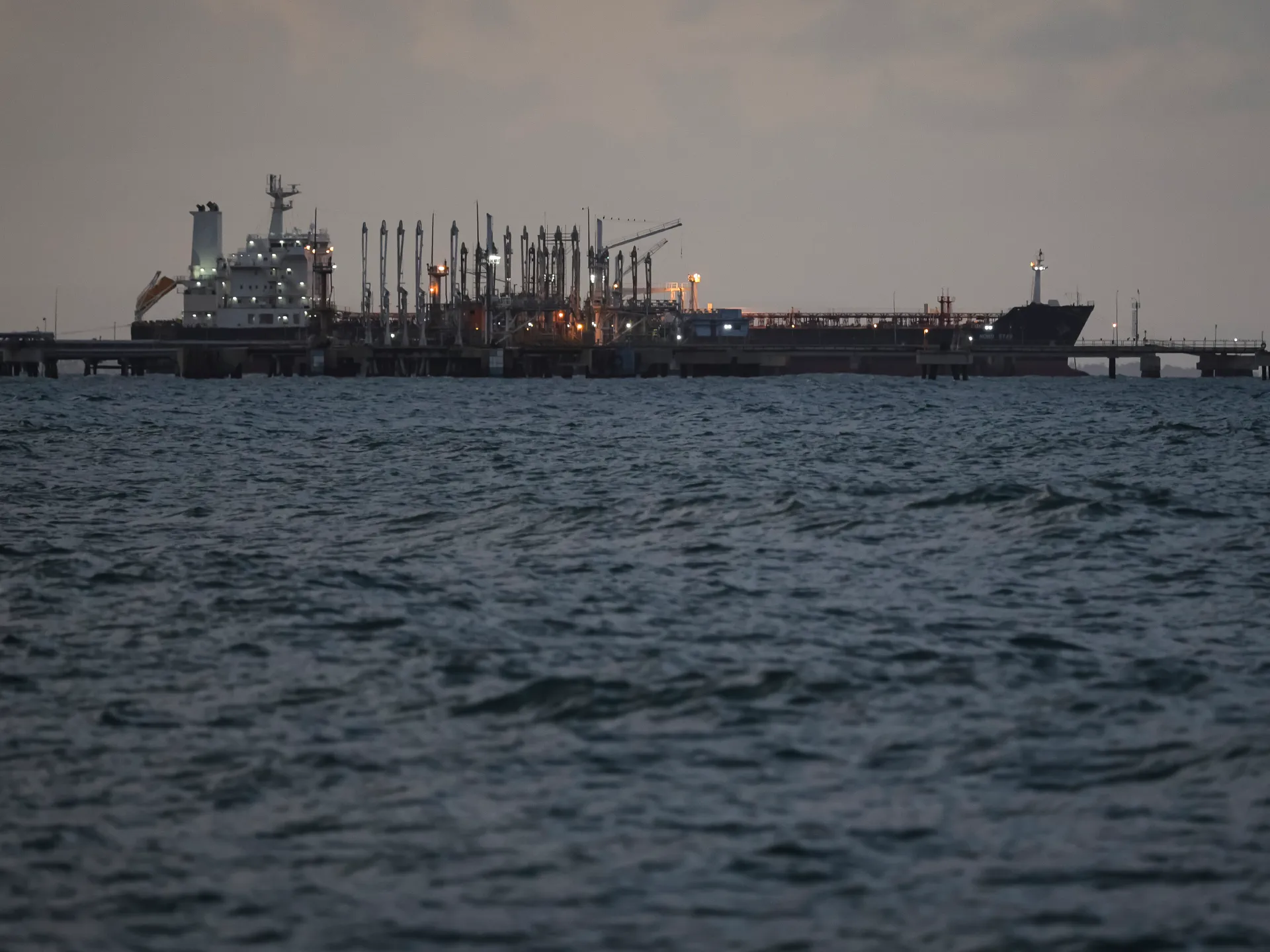
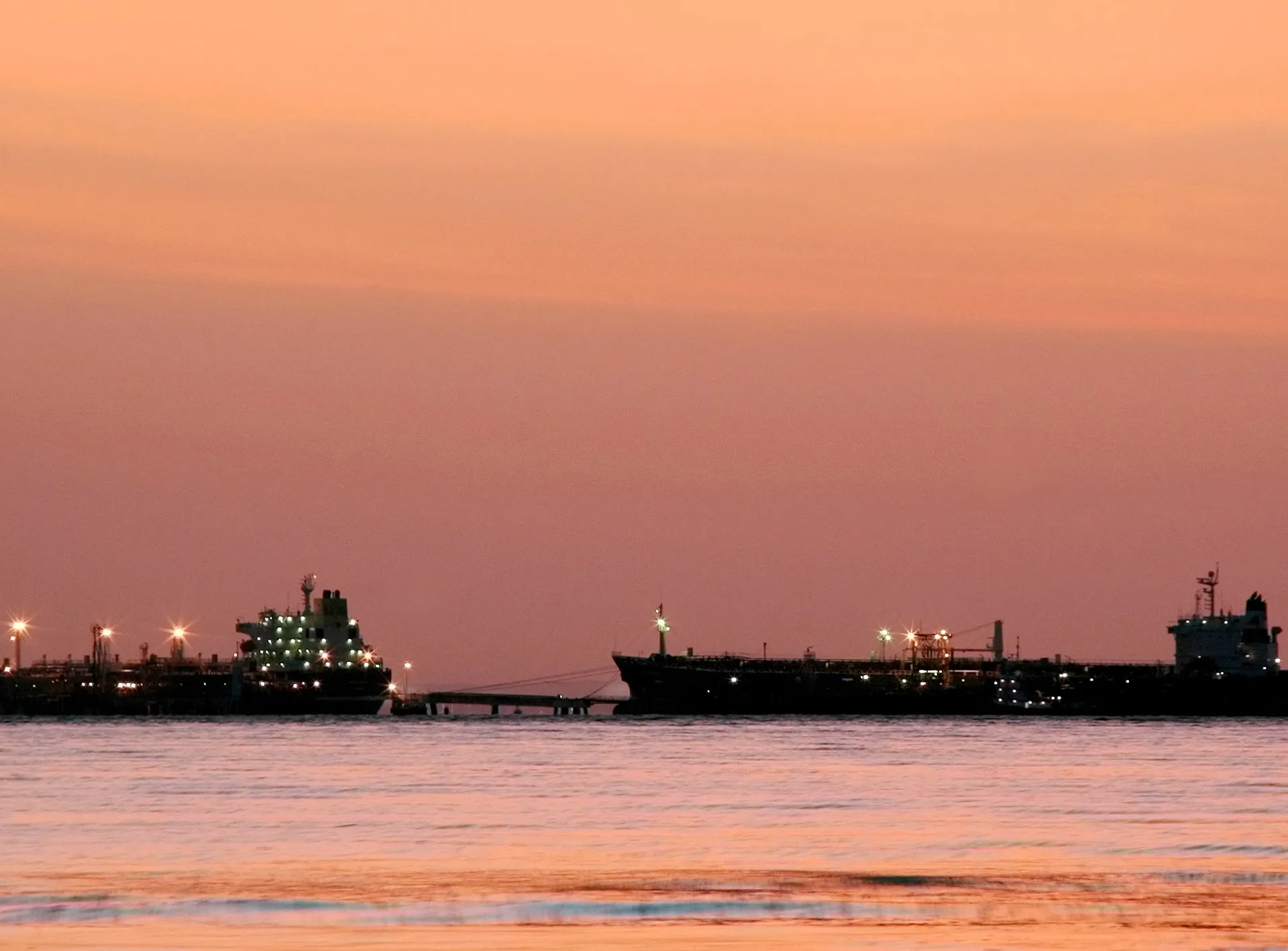
The economic toll on Iran has been staggering, with the energy sector serving as the primary victim of the current conflict. Reports suggest that crude oil and condensate loadings have plummeted from two million barrels per day in March to as little as 220,000 to 255,000 barrels per day average 12-month inflation rate nearing 70 percent, while the value of the rial has halved against the dollar within a single year.
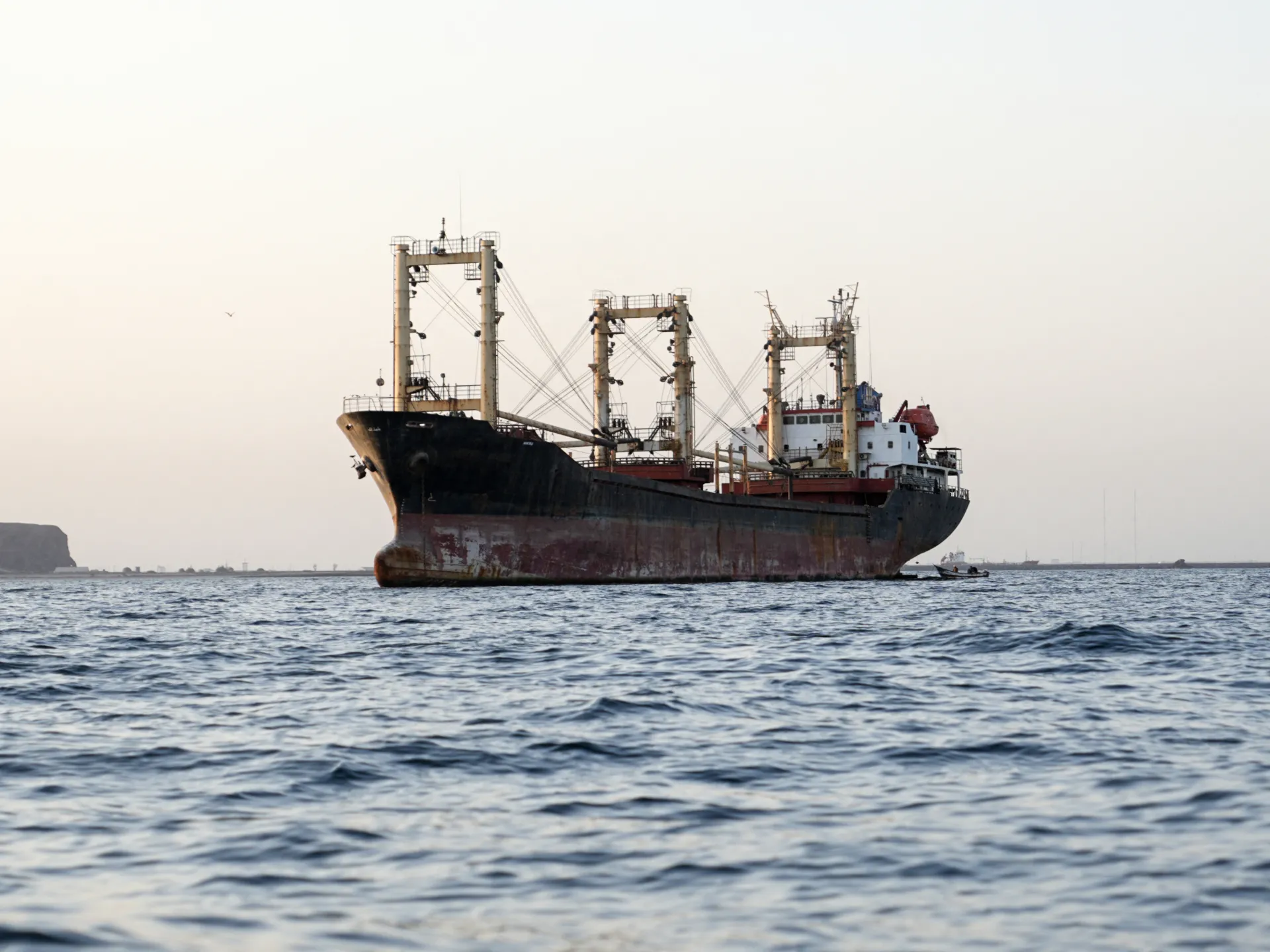
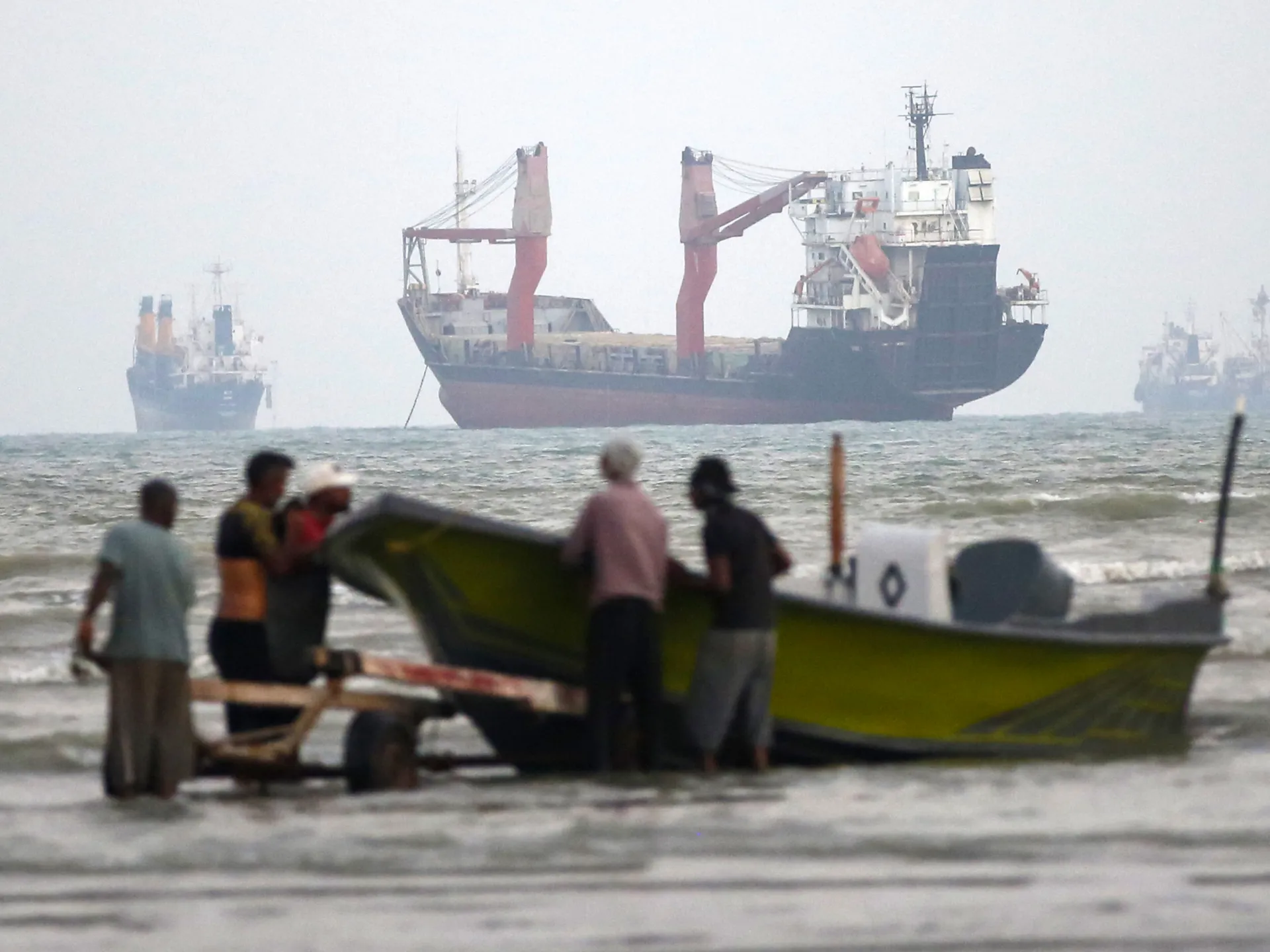
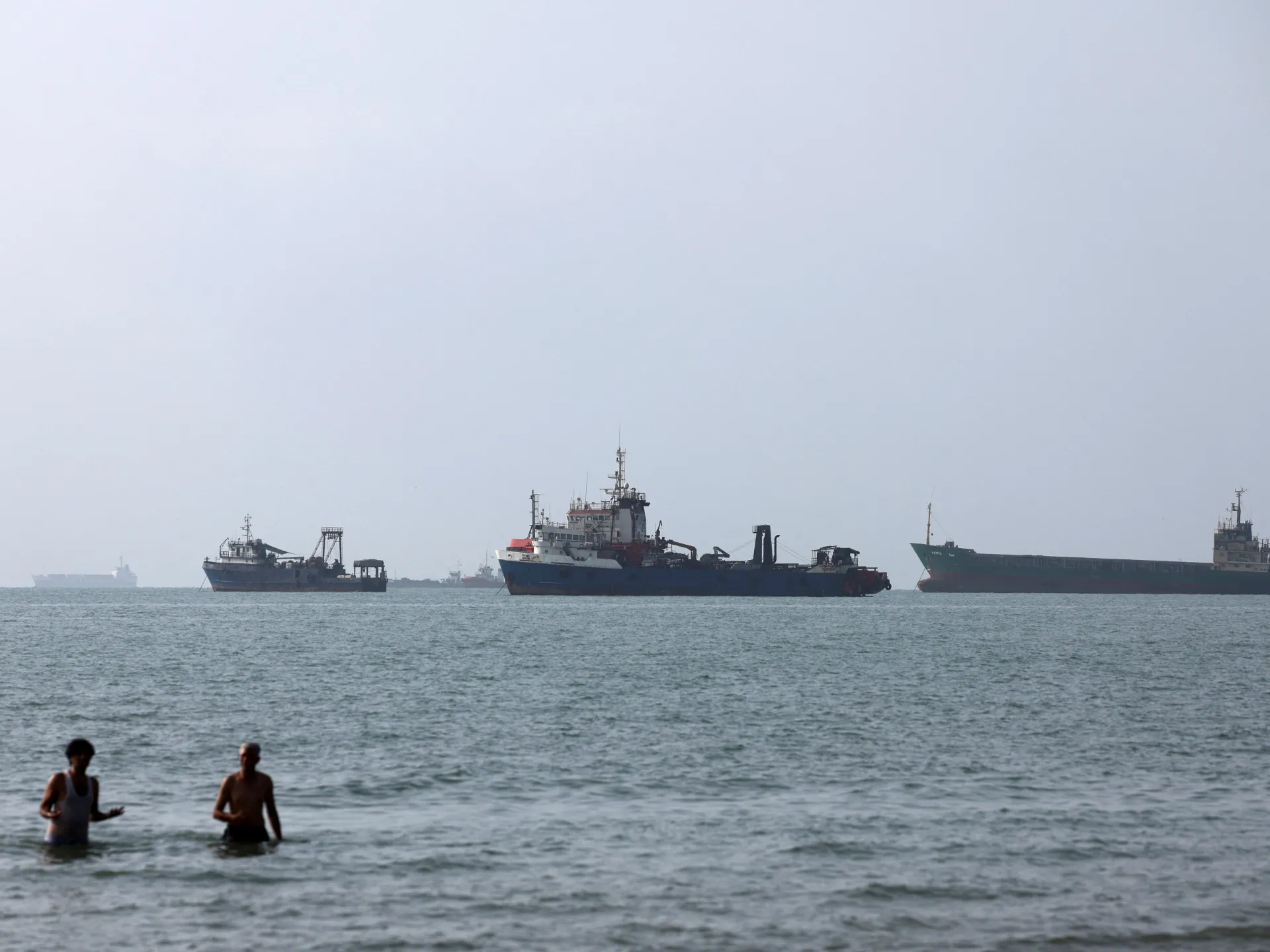
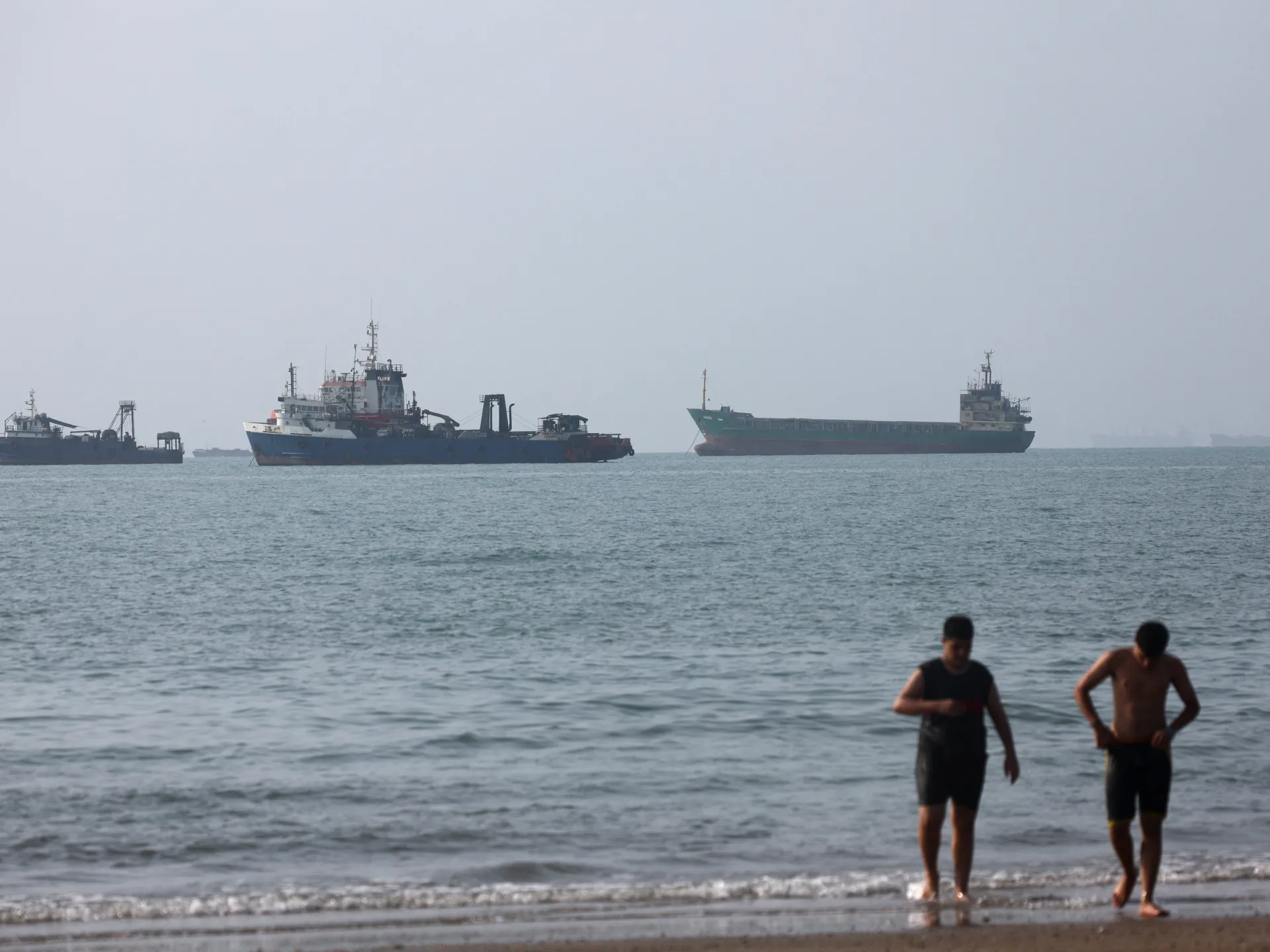
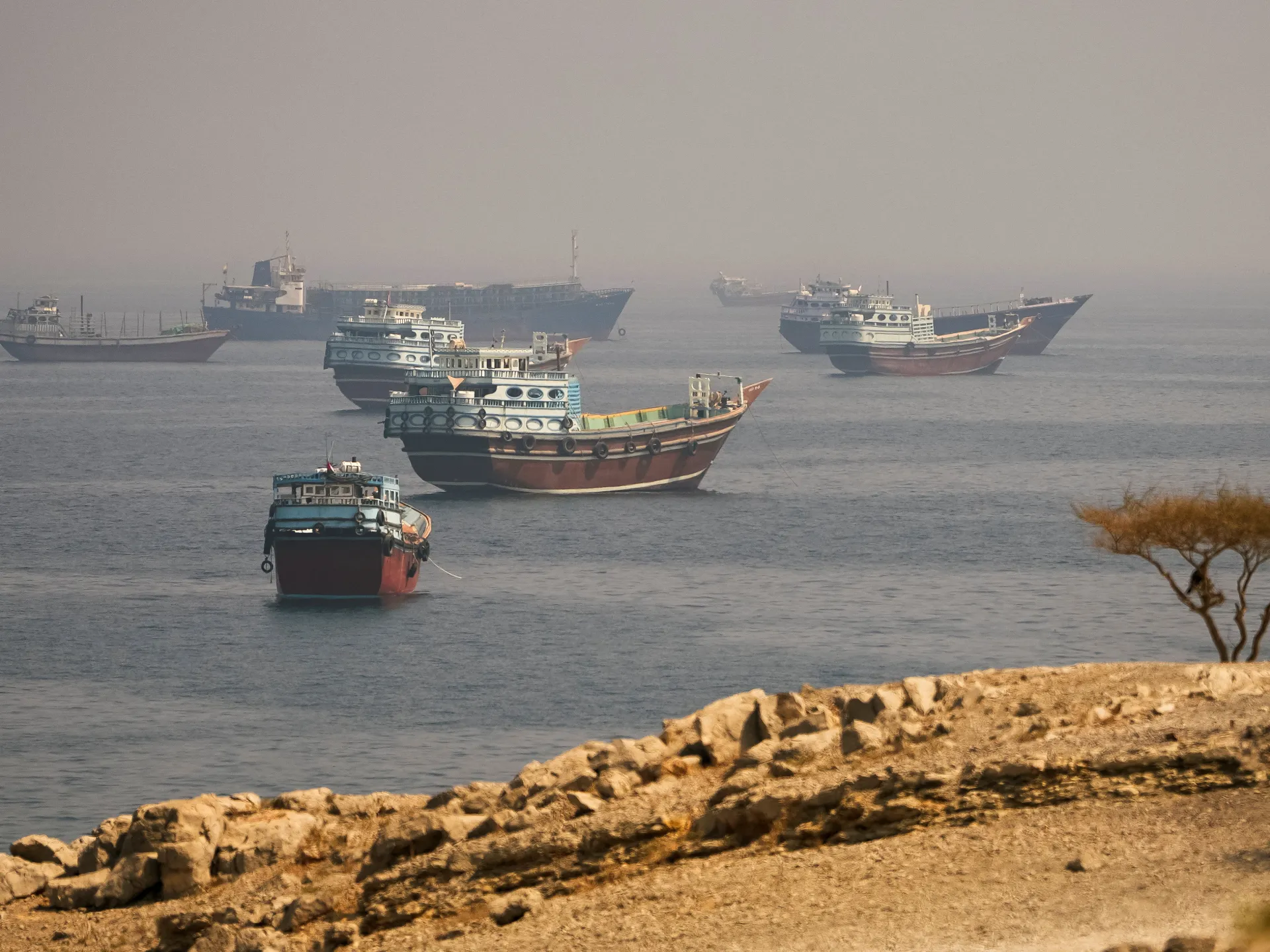
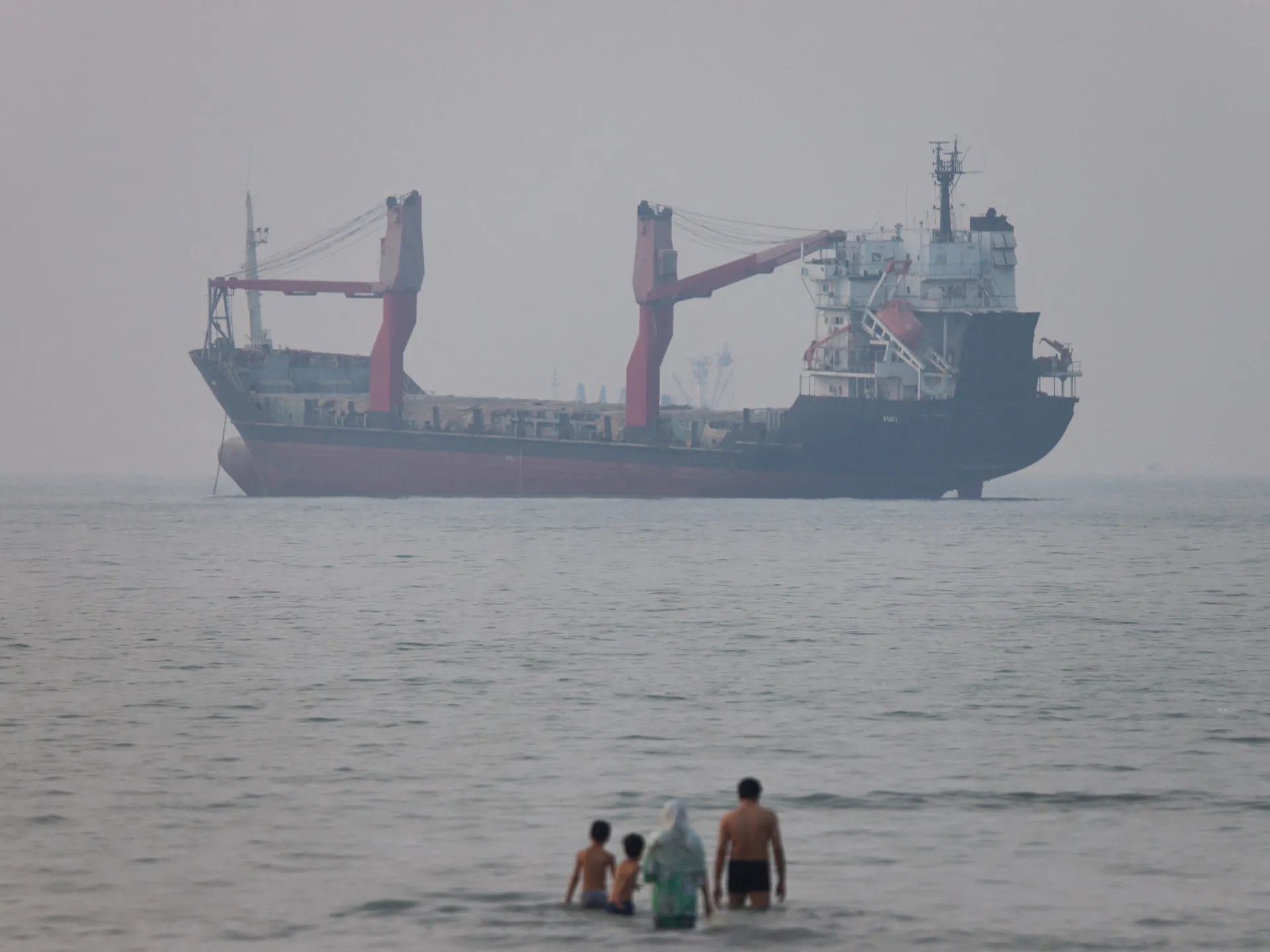
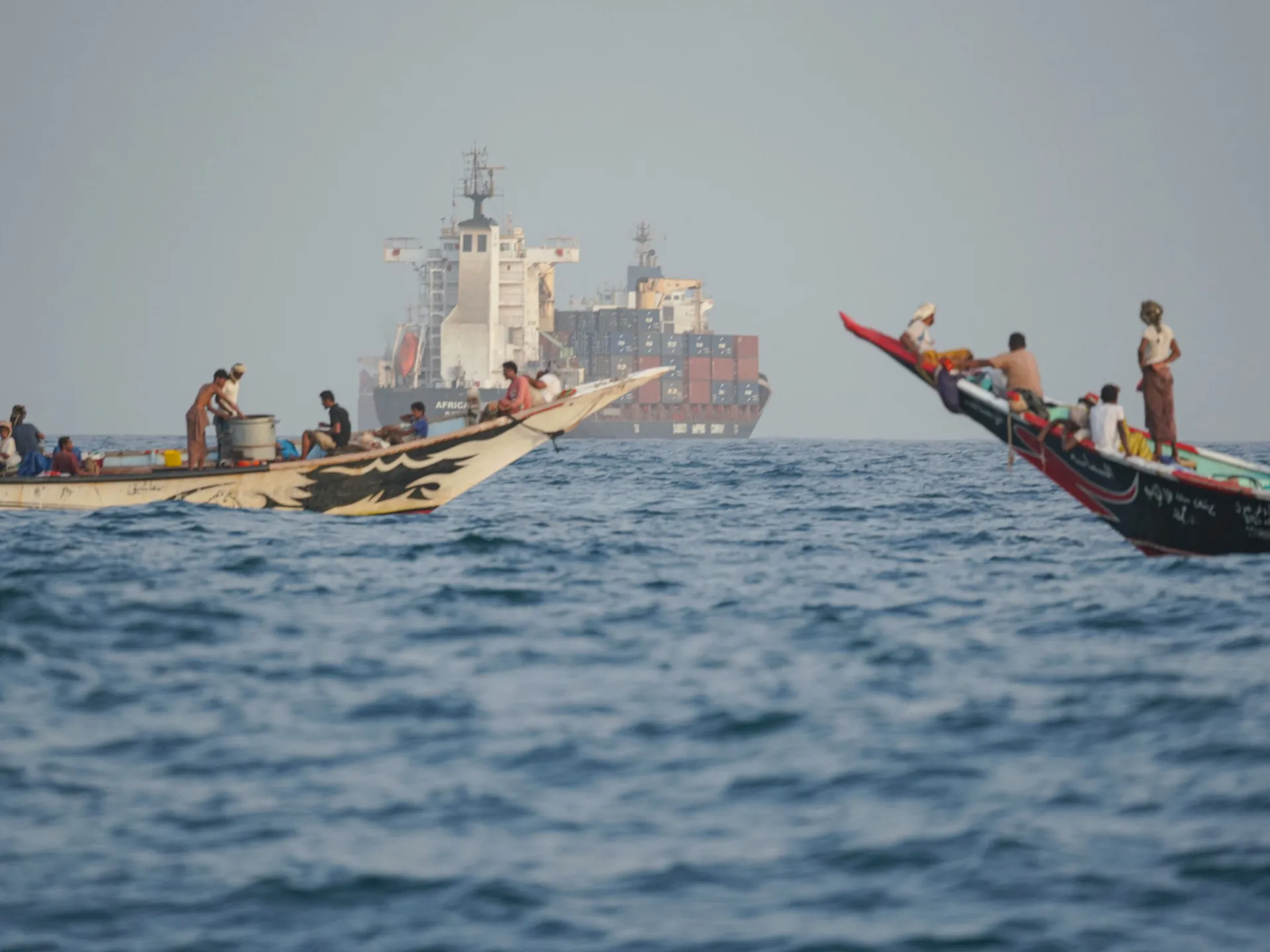
Beyond the energy sector, broader industrial activity has faltered, with manufacturing and mining contracting t growth, the overall national trend is one of severe decline. Tehran has explicitly linked the potential for a ceasefire to the lifting of these economic pressures, with security officials demanding the release of frozen funds and the cessation of the naval blockade that currently traps millions of barrels of crude within the Strait of Hormuz.
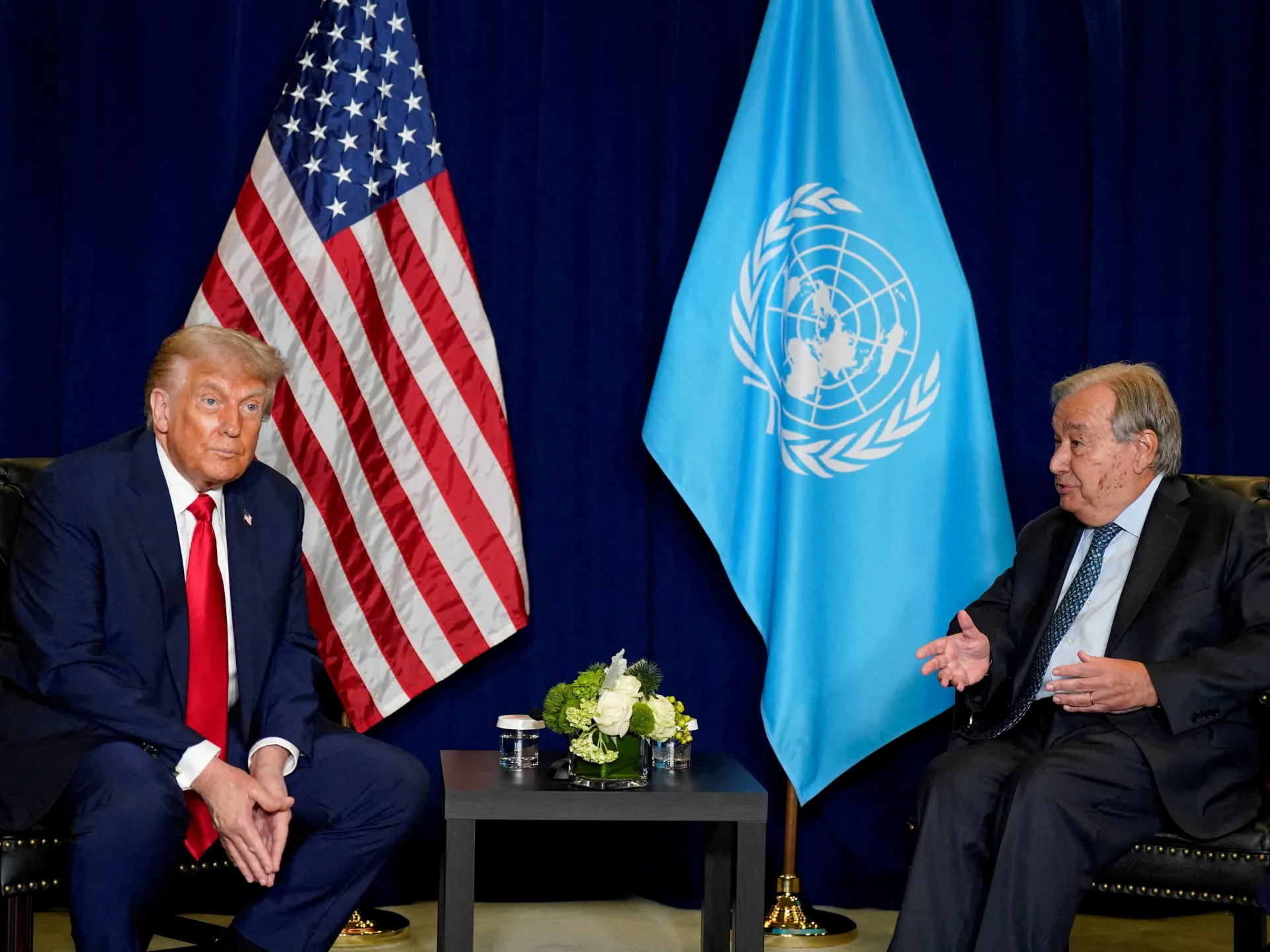
As the UN General Debate proceeds, the rhetoric from both the U.S. and Iranian delegations is expected to remain polarized. While the presence of President Pezeshkian offers a theoretical opportunity for back-channel negotiations, there is little indication that either side is prepared to offer concessions on the fundamental issues of the naval blockade or the cessation of proxy activities. The U.S. will likely continue its strategy of utilizing the UNGA as a platform to pressure allies into maintaining the economic isolation of Tehran. Conversely, Iran is expected to utilize its platform to frame the conflict as an illegal economic war, potentially using the event to sway regional powers into demanding a de-escalation of the blockade. Short of a surprise diplomatic breakthrough, the conflict will likely continue to grind on, with the economic disparity between the two nations acting as the primary lever for U.S. influence in the months ahead.