Iran implements strict energy-saving mandates and remote work policies as fuel consumption gaps threaten to destabilize the nation's economy.
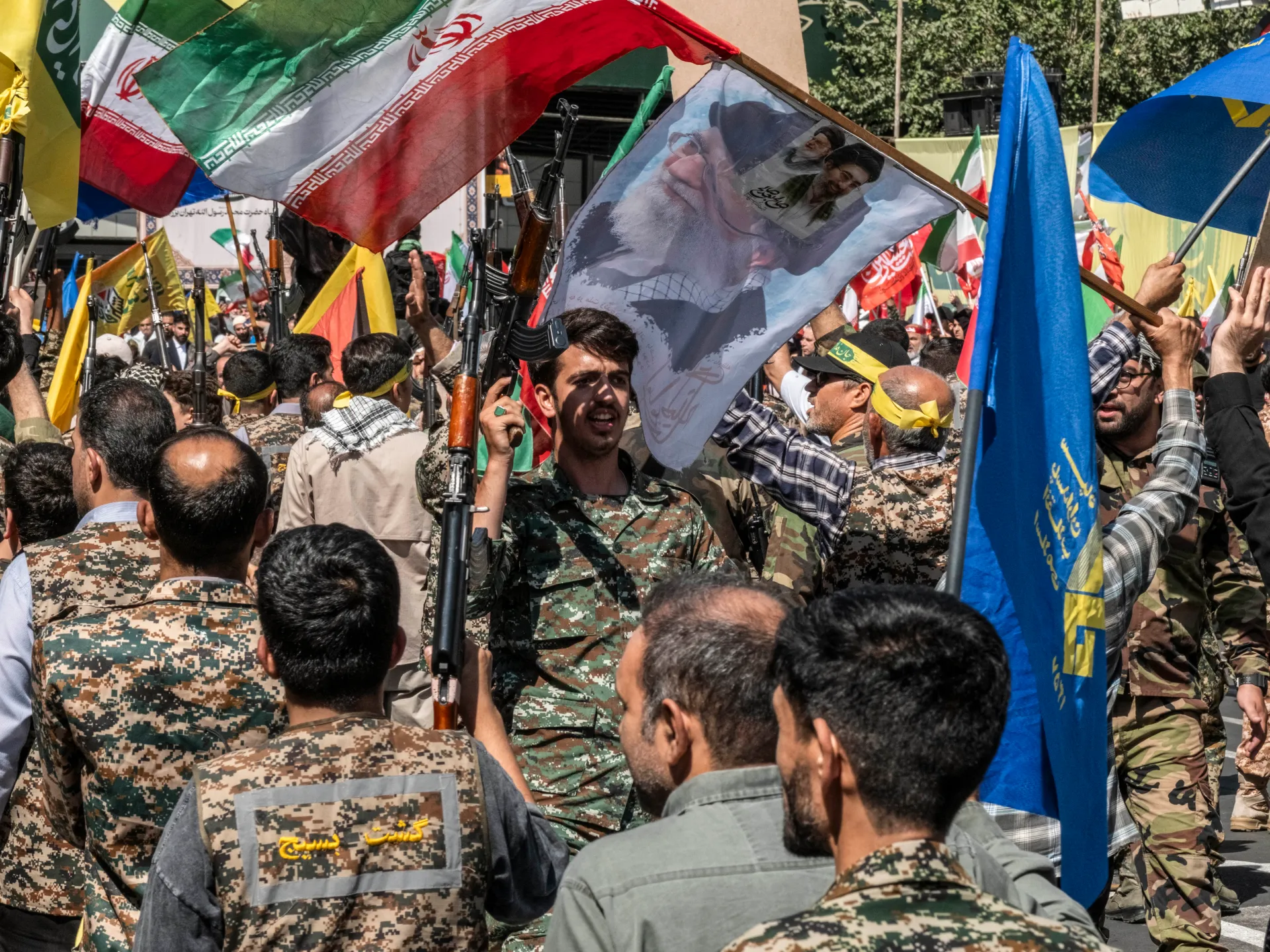
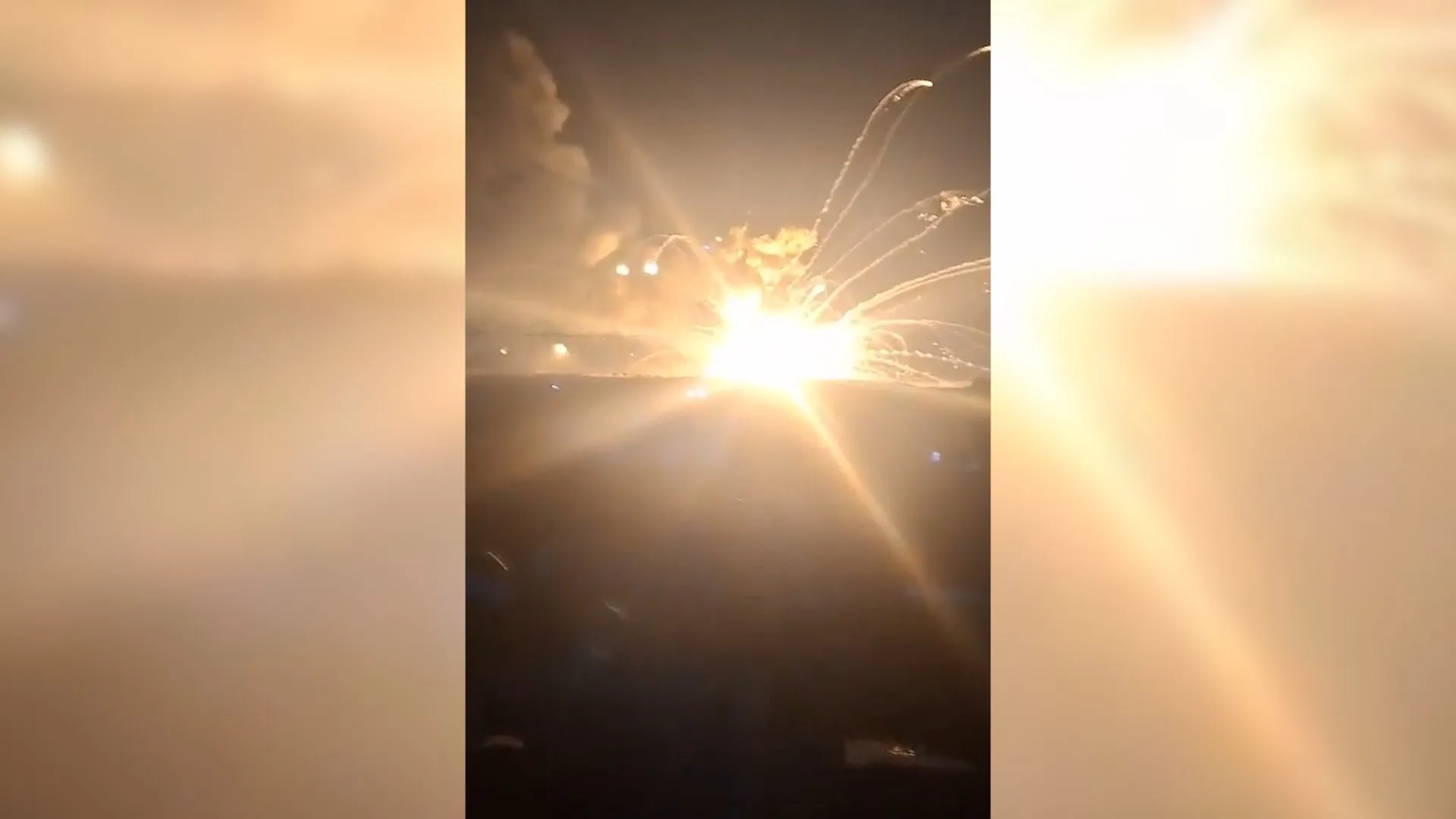
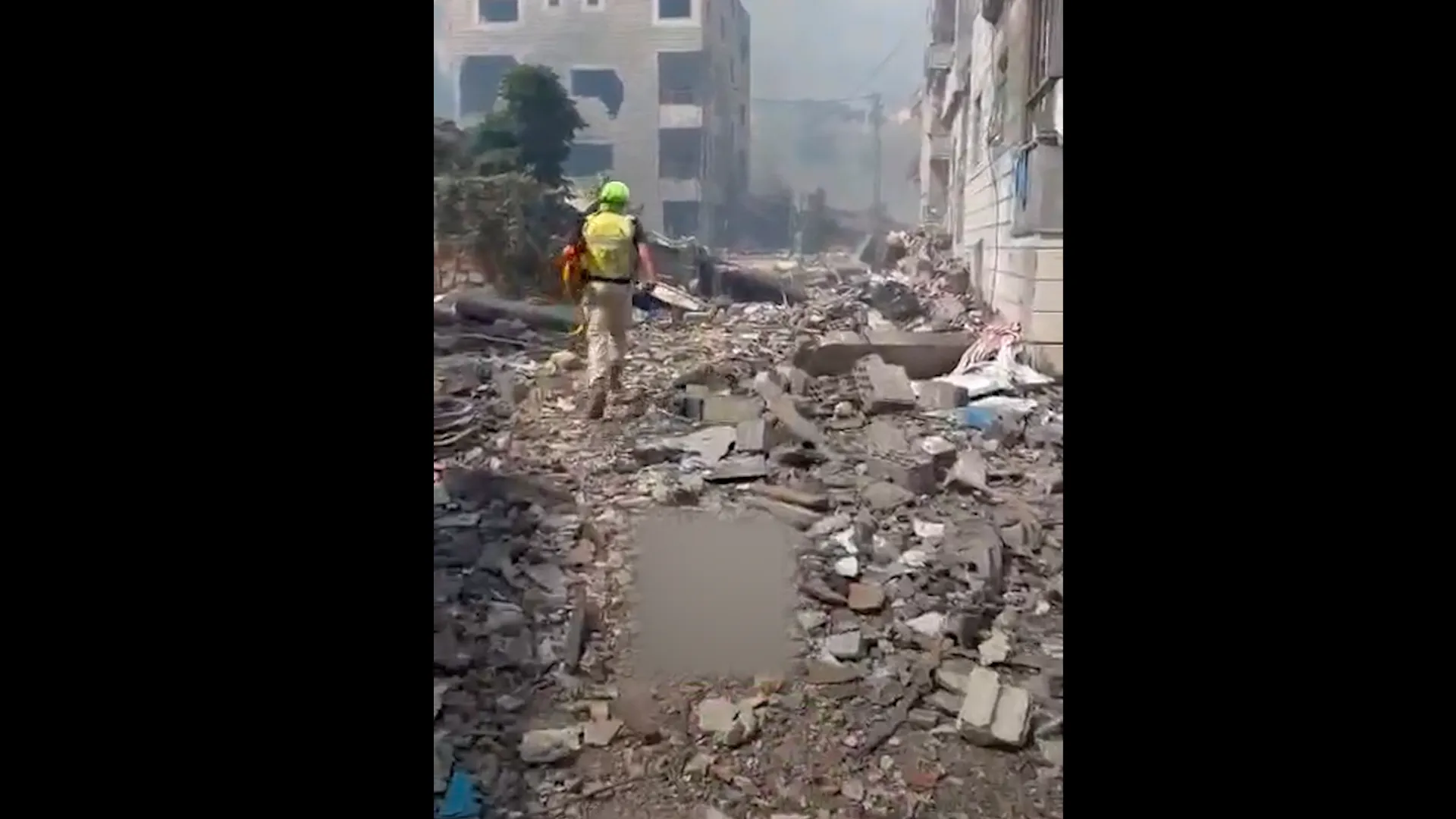
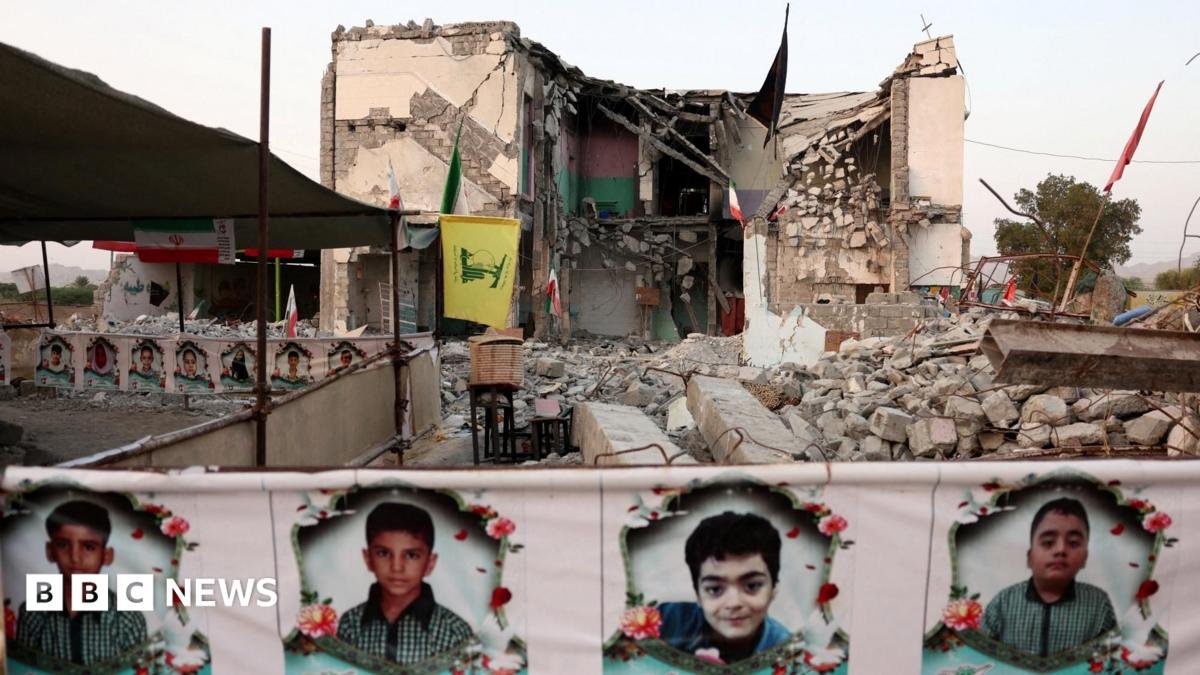
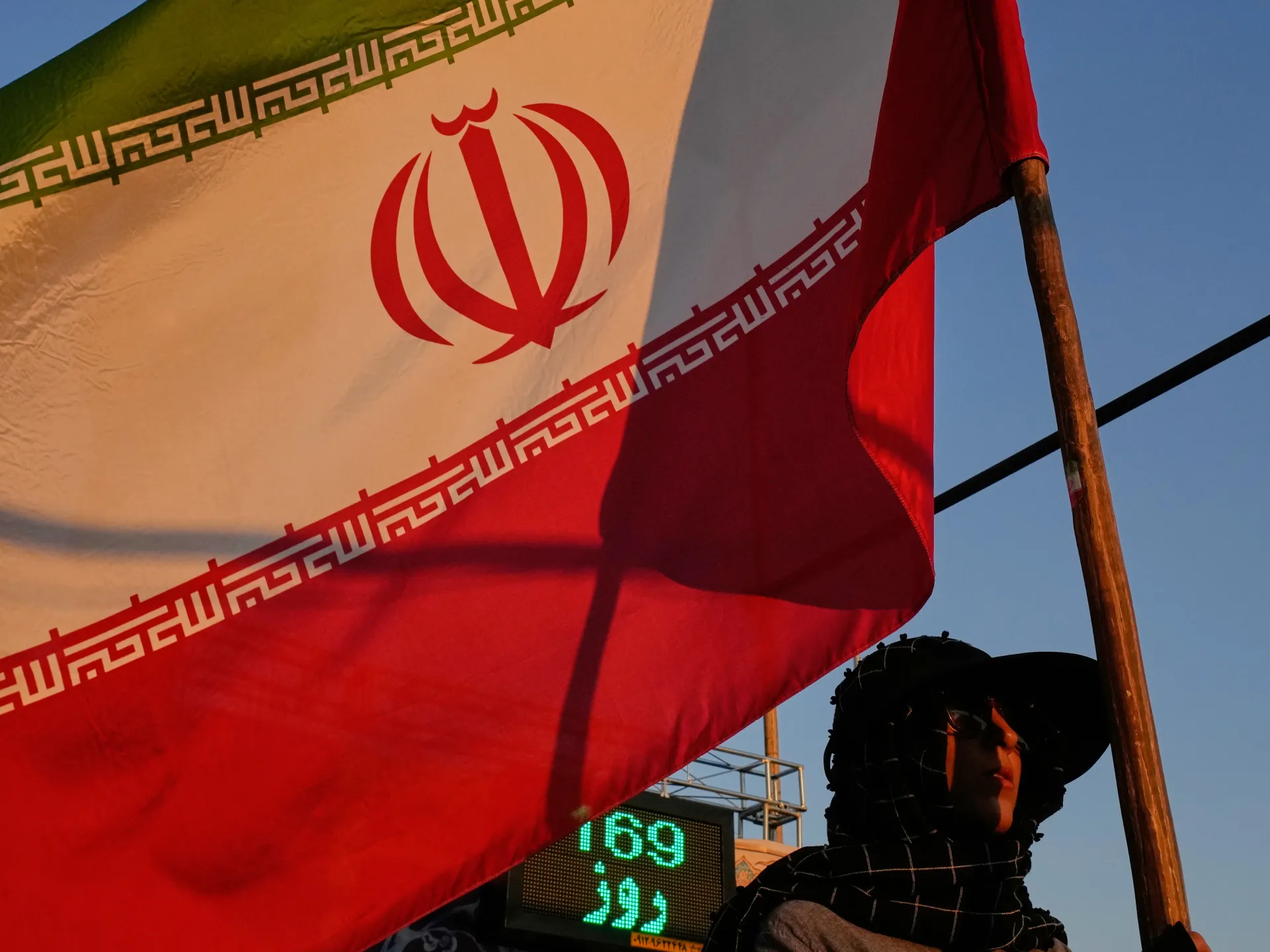
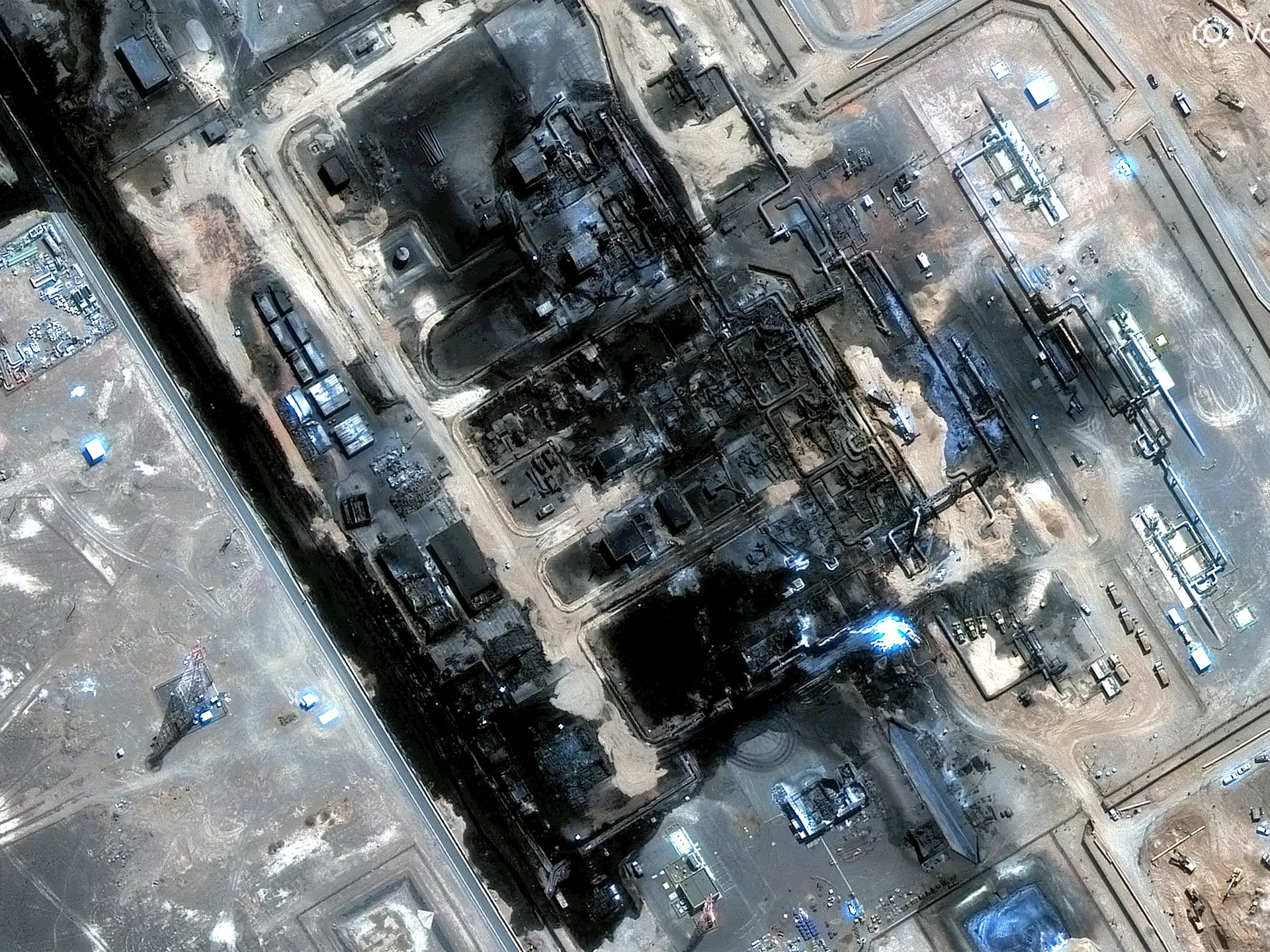
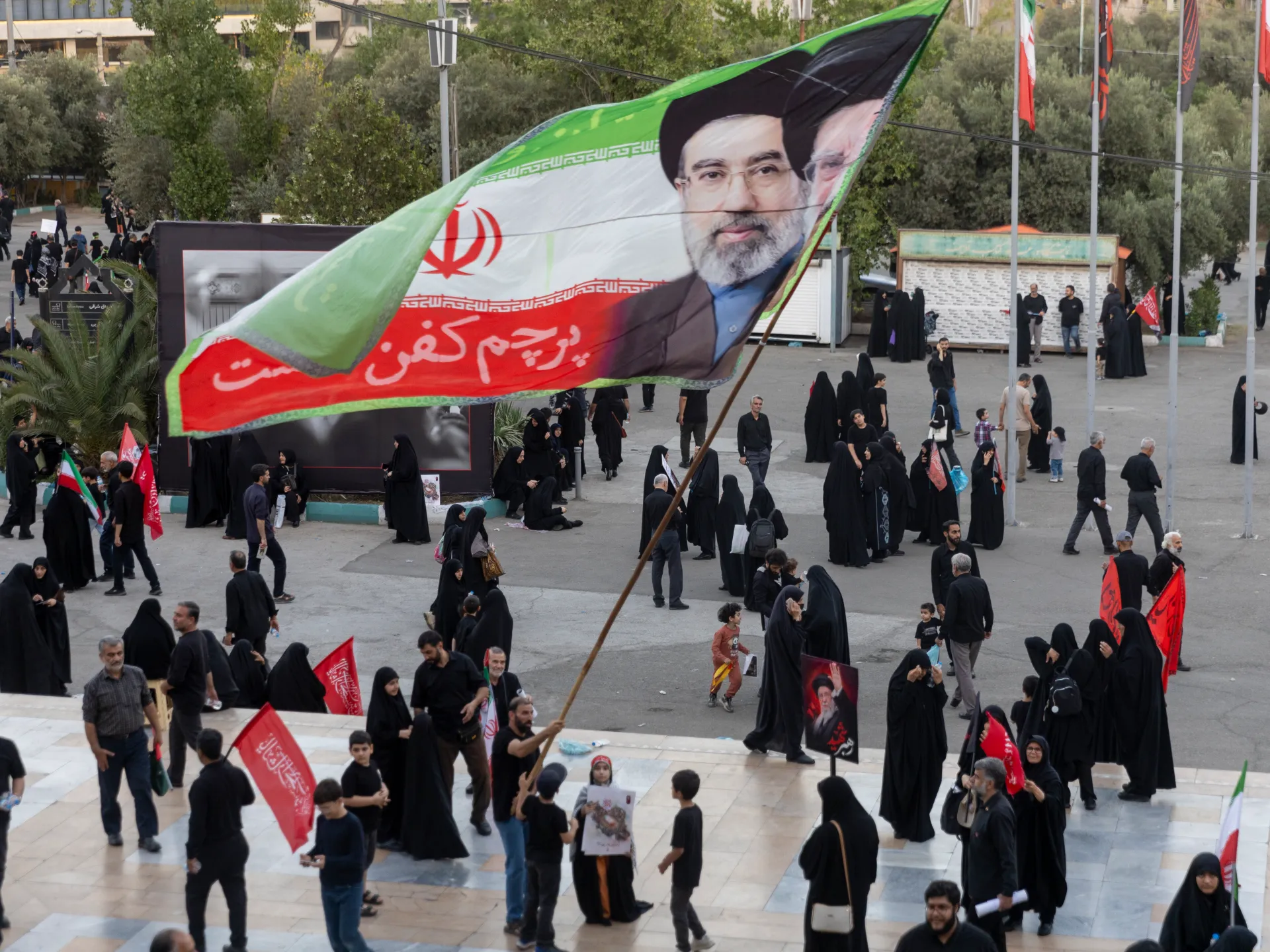
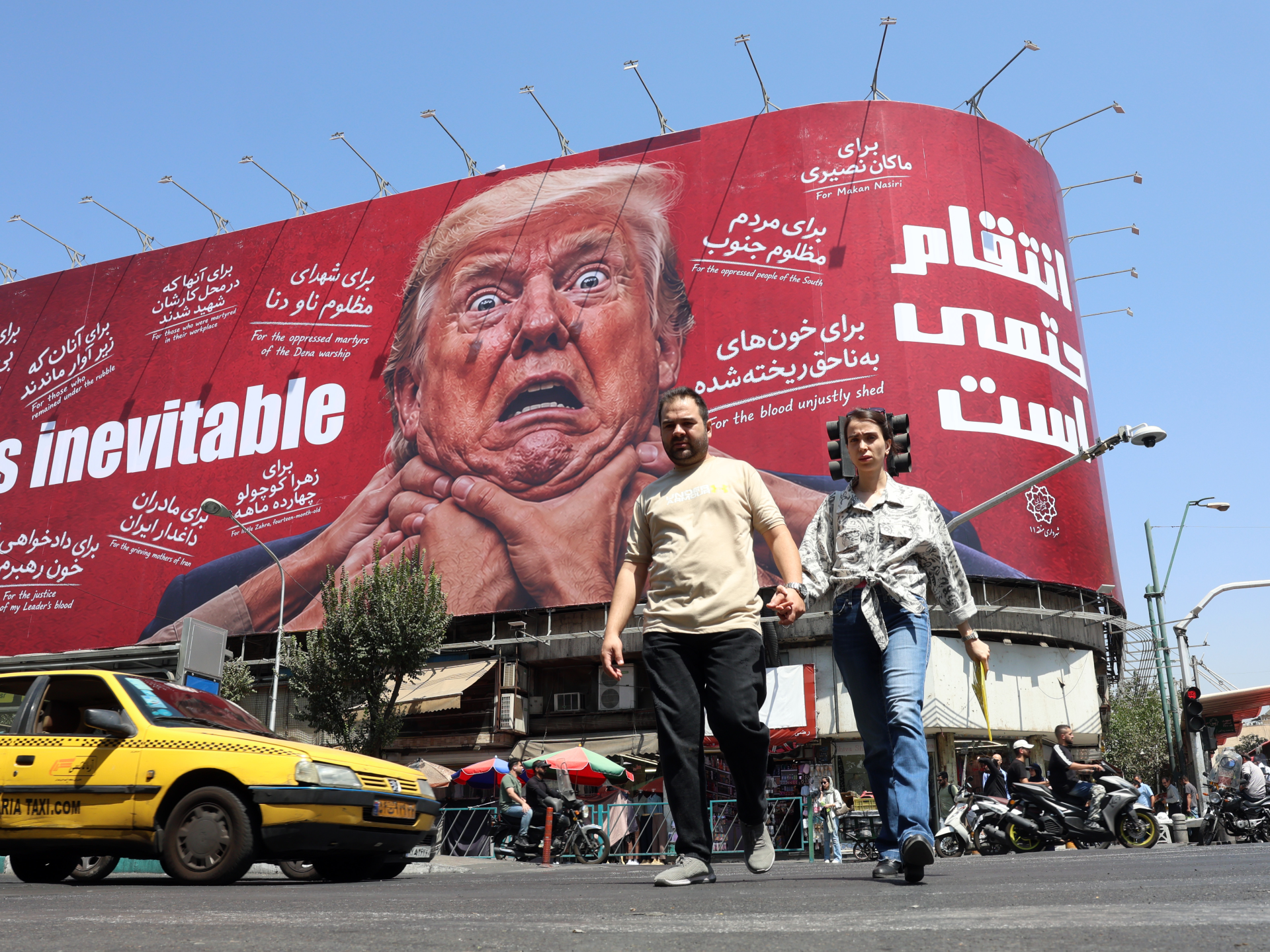
The convergence of a protracted geopolitical conflict with the United States and Israel and an internal energy supply crisis represents a critical inflection point for the Iranian state. While international observers often focus on the military dimensions of such confrontations, the domestic reality—defined of the nation's aging infrastructure. The government's move to drastically alter the rhythms of daily life, from office hours to university instruction, underscores a shift toward a survival-mode economy. This strategy seeks to project state stability while simultaneously acknowledging that the current gap between domestic production and consumption is unsustainable without significant lifestyle adjustments for the populace.
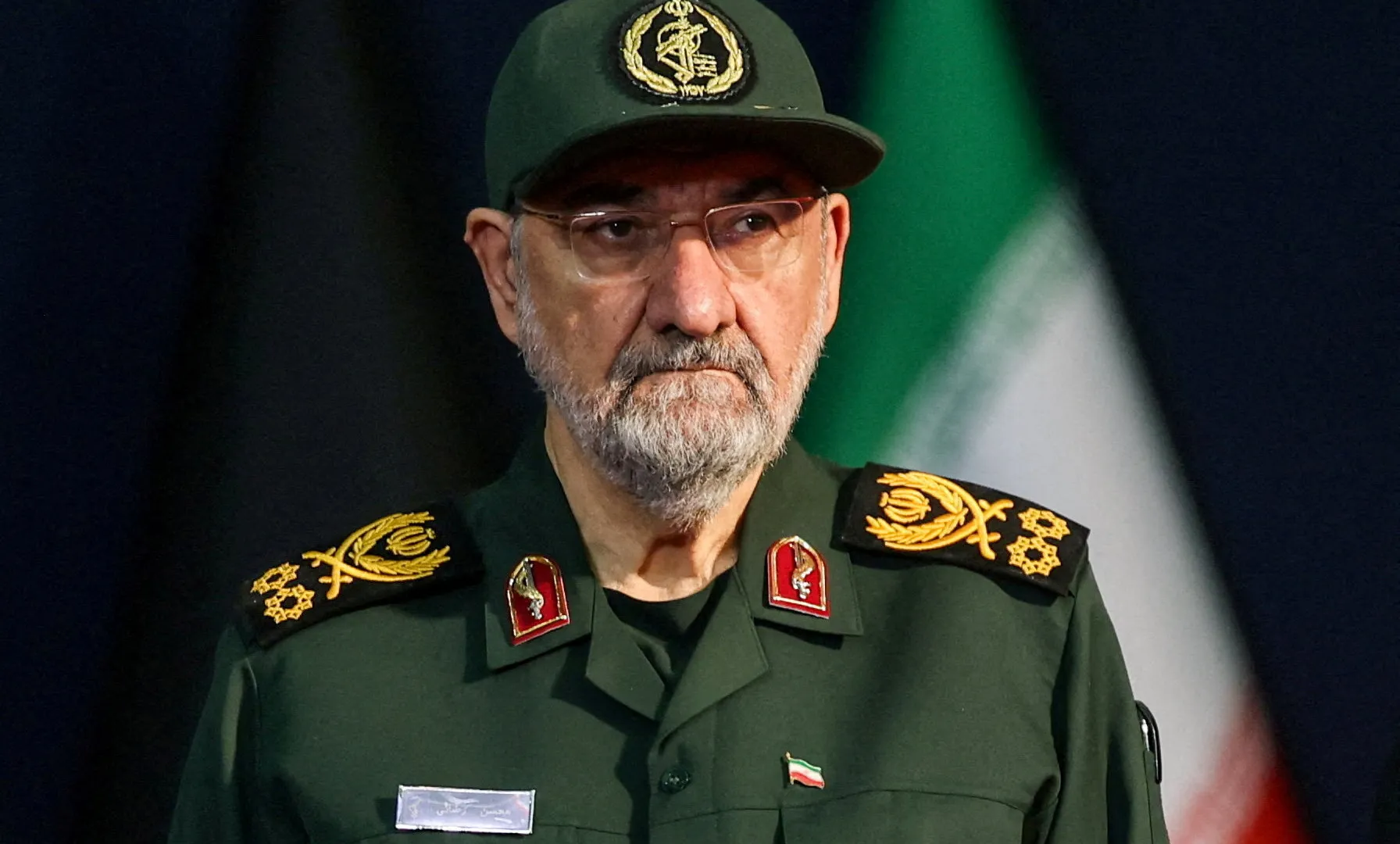
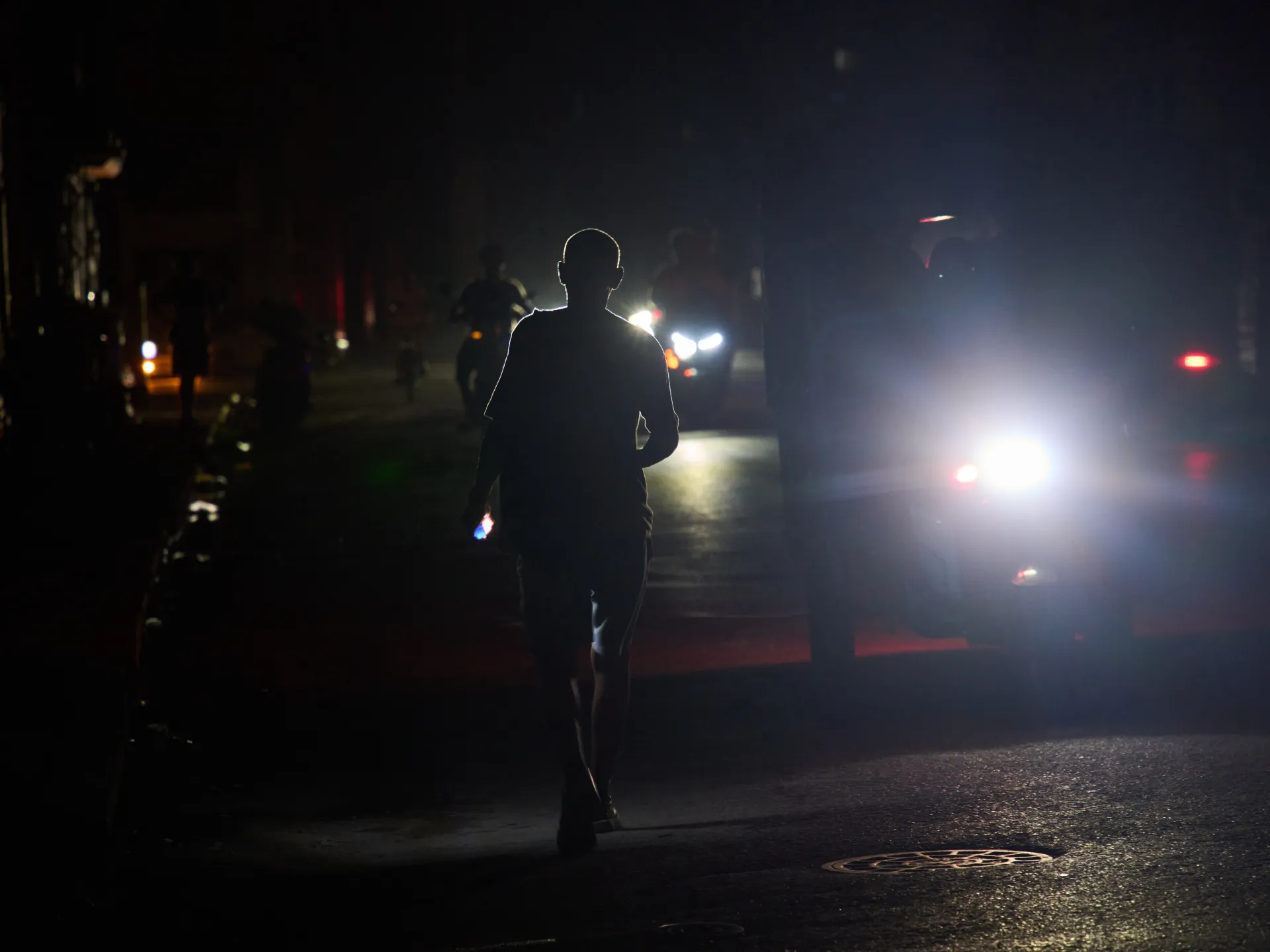
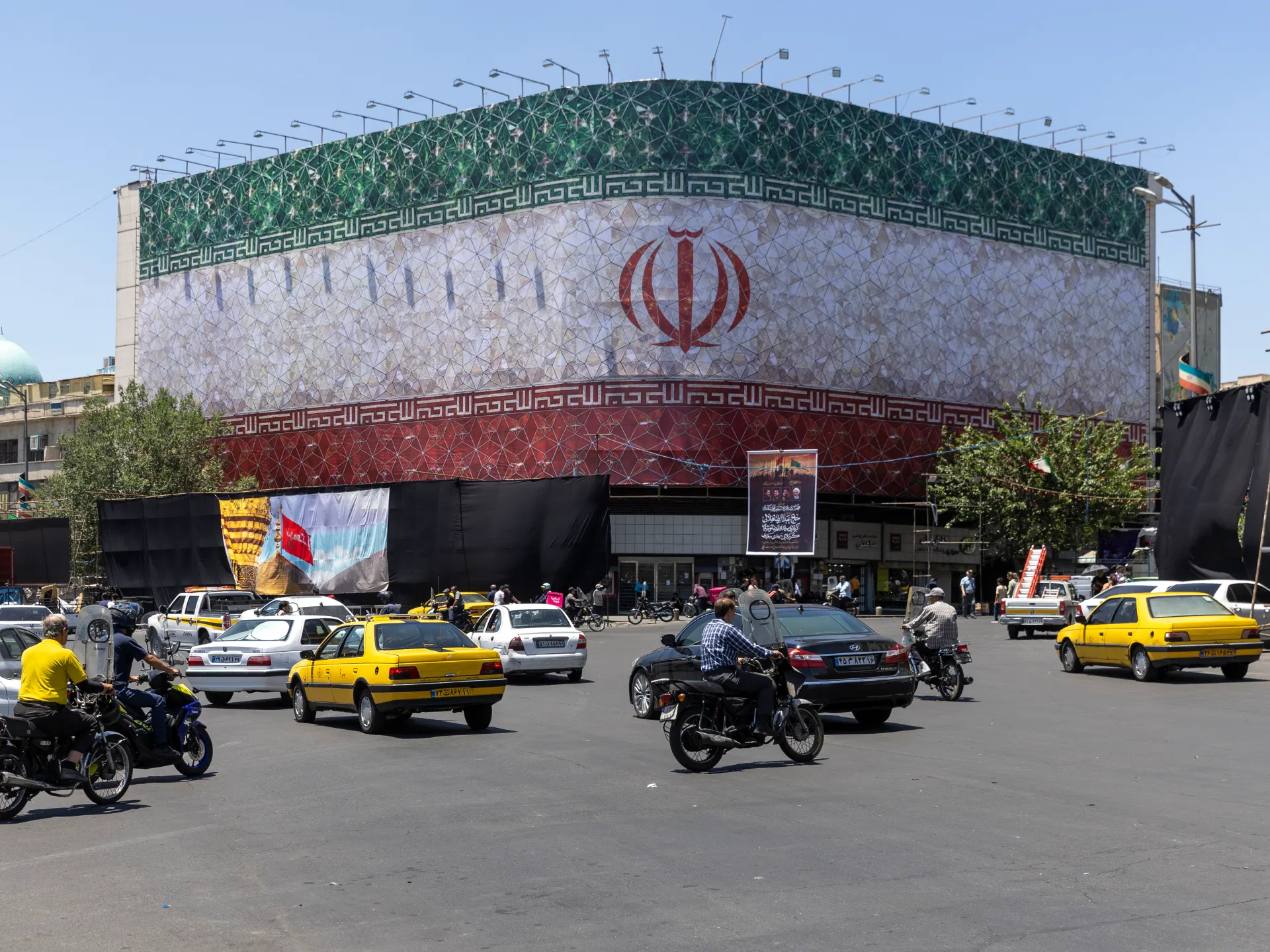
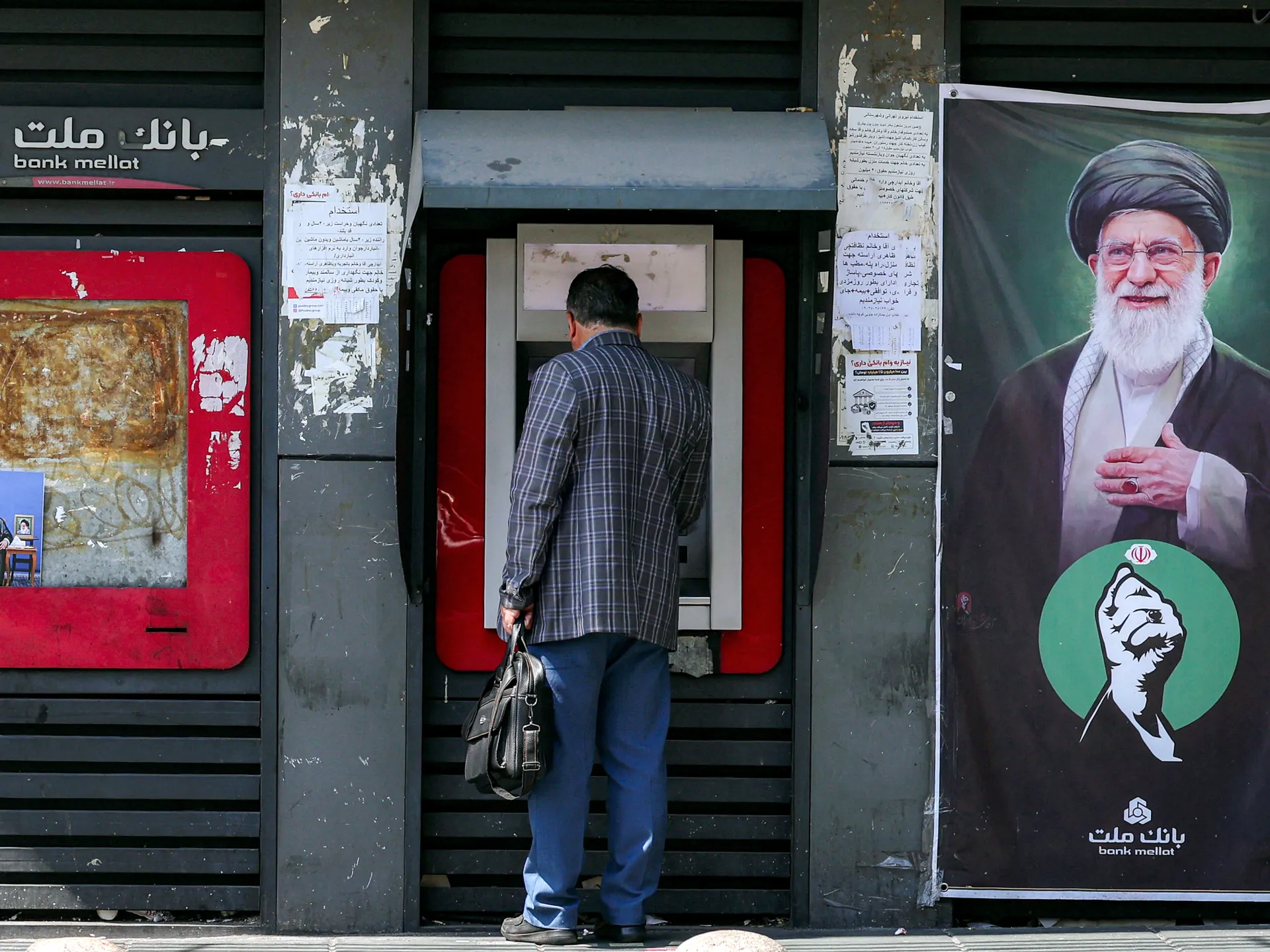
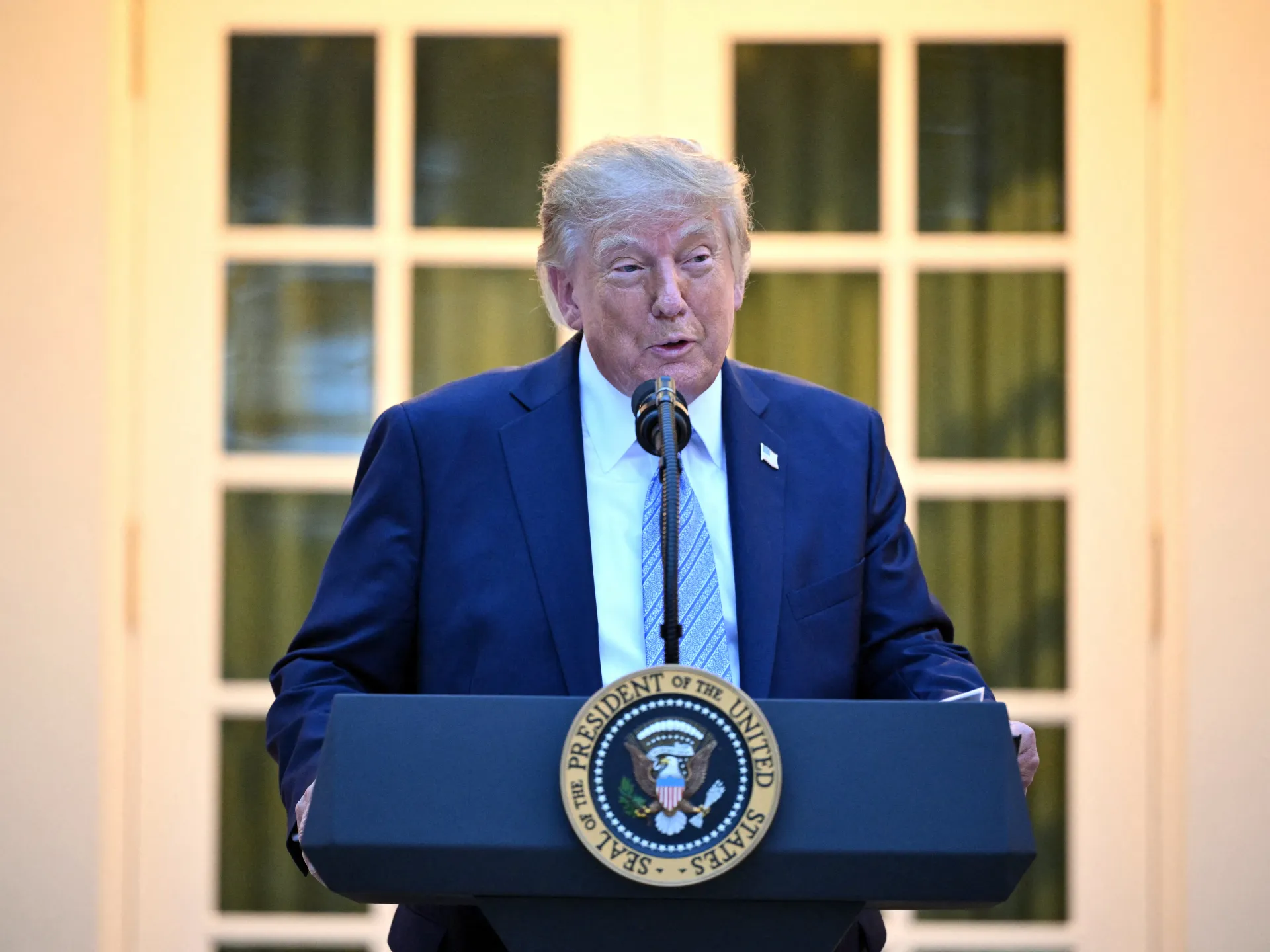
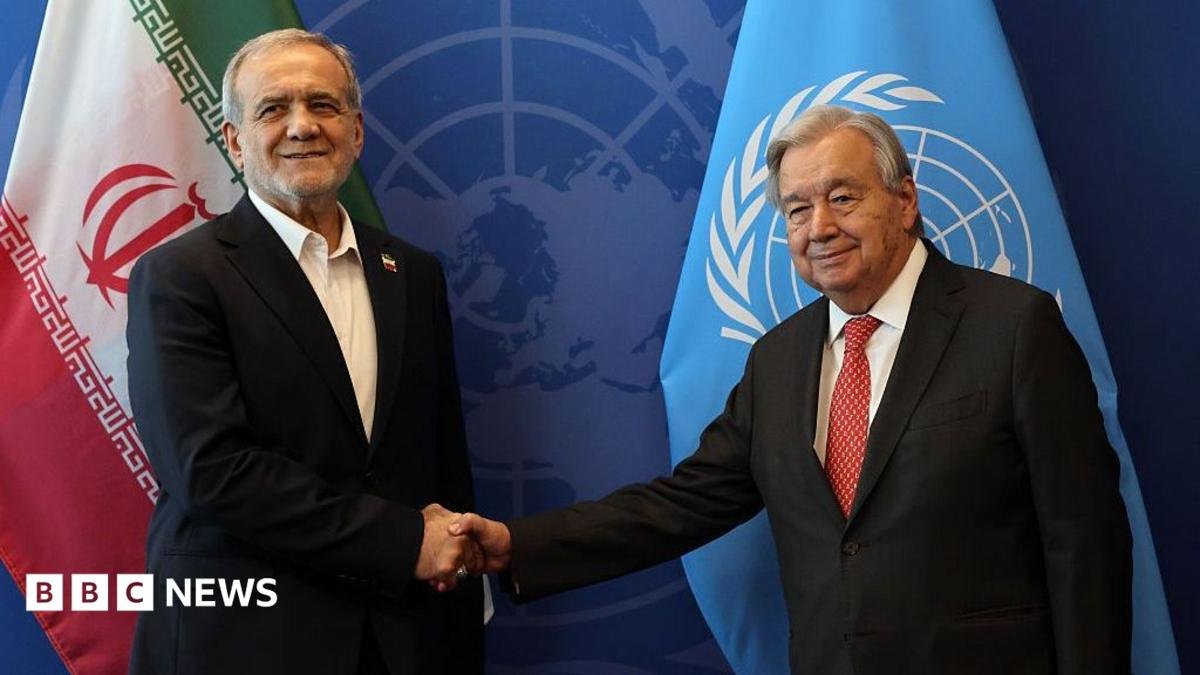
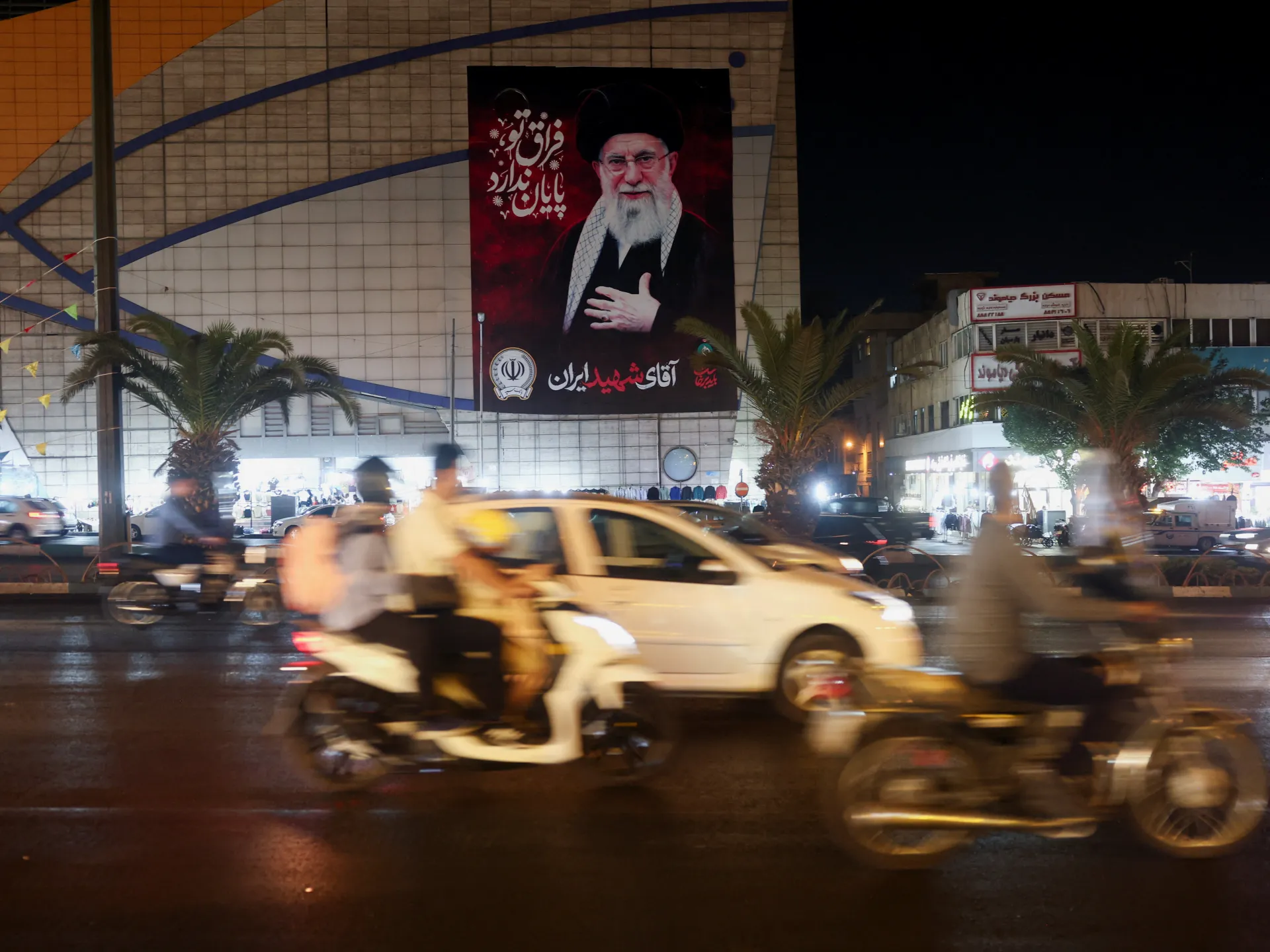
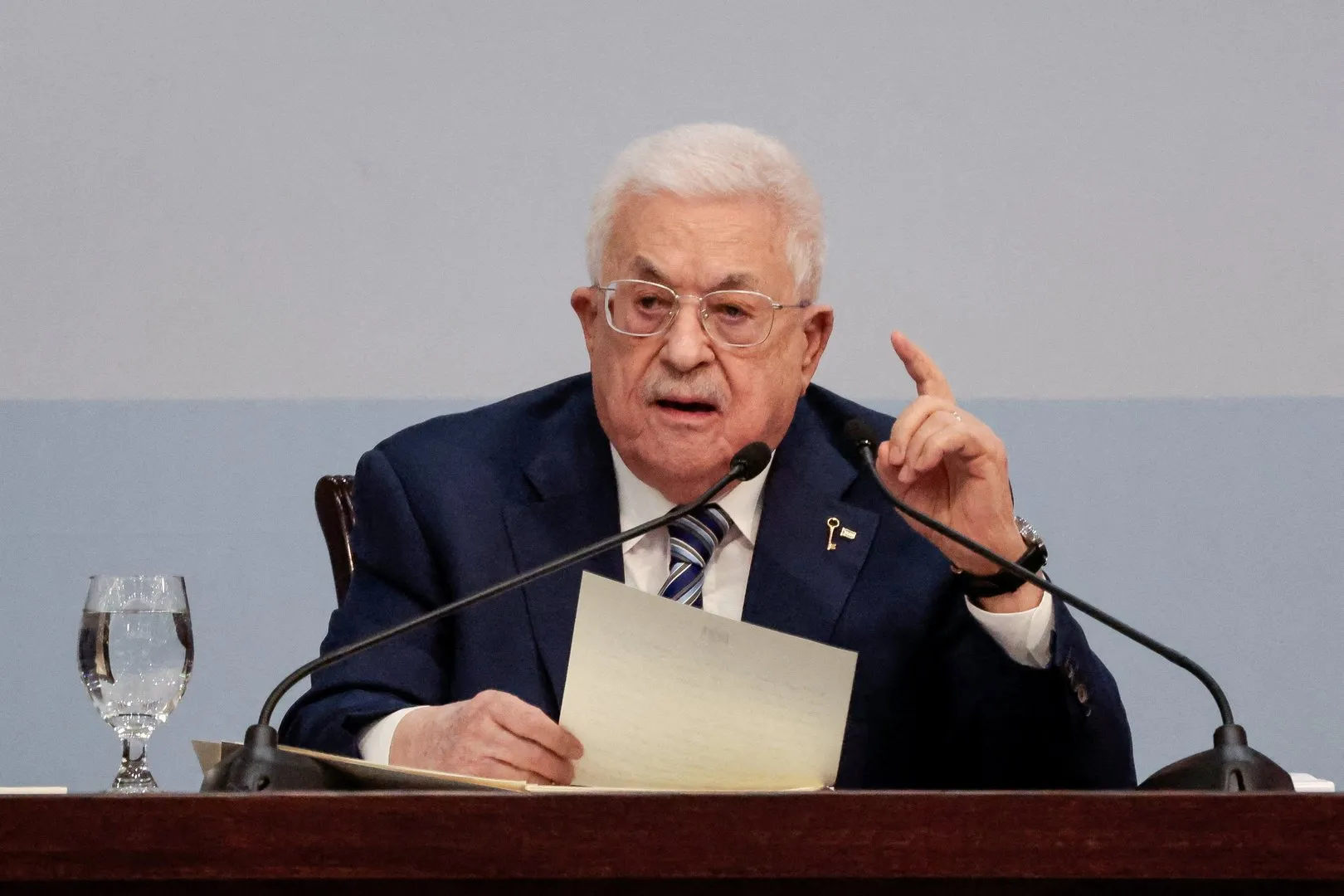
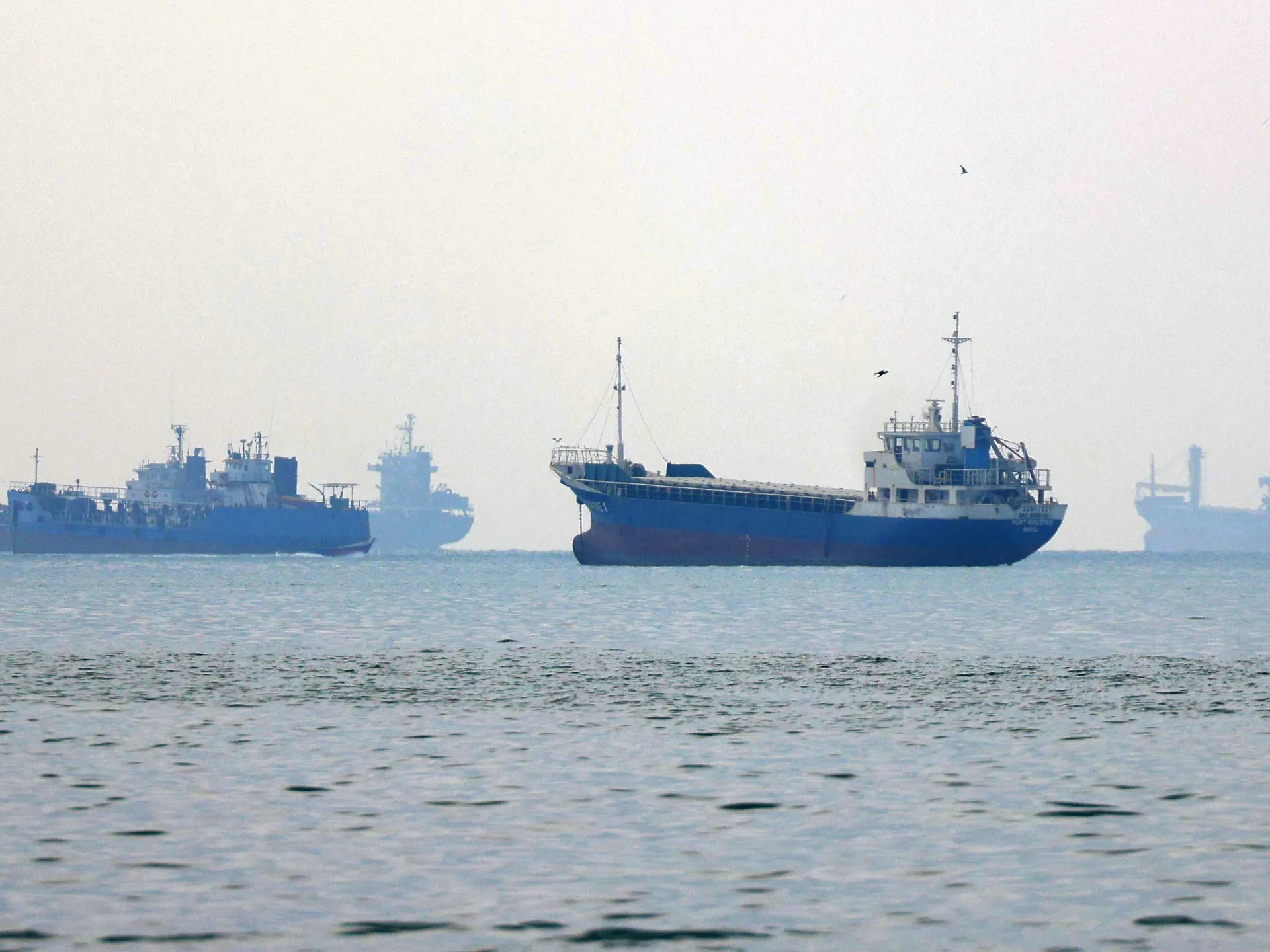
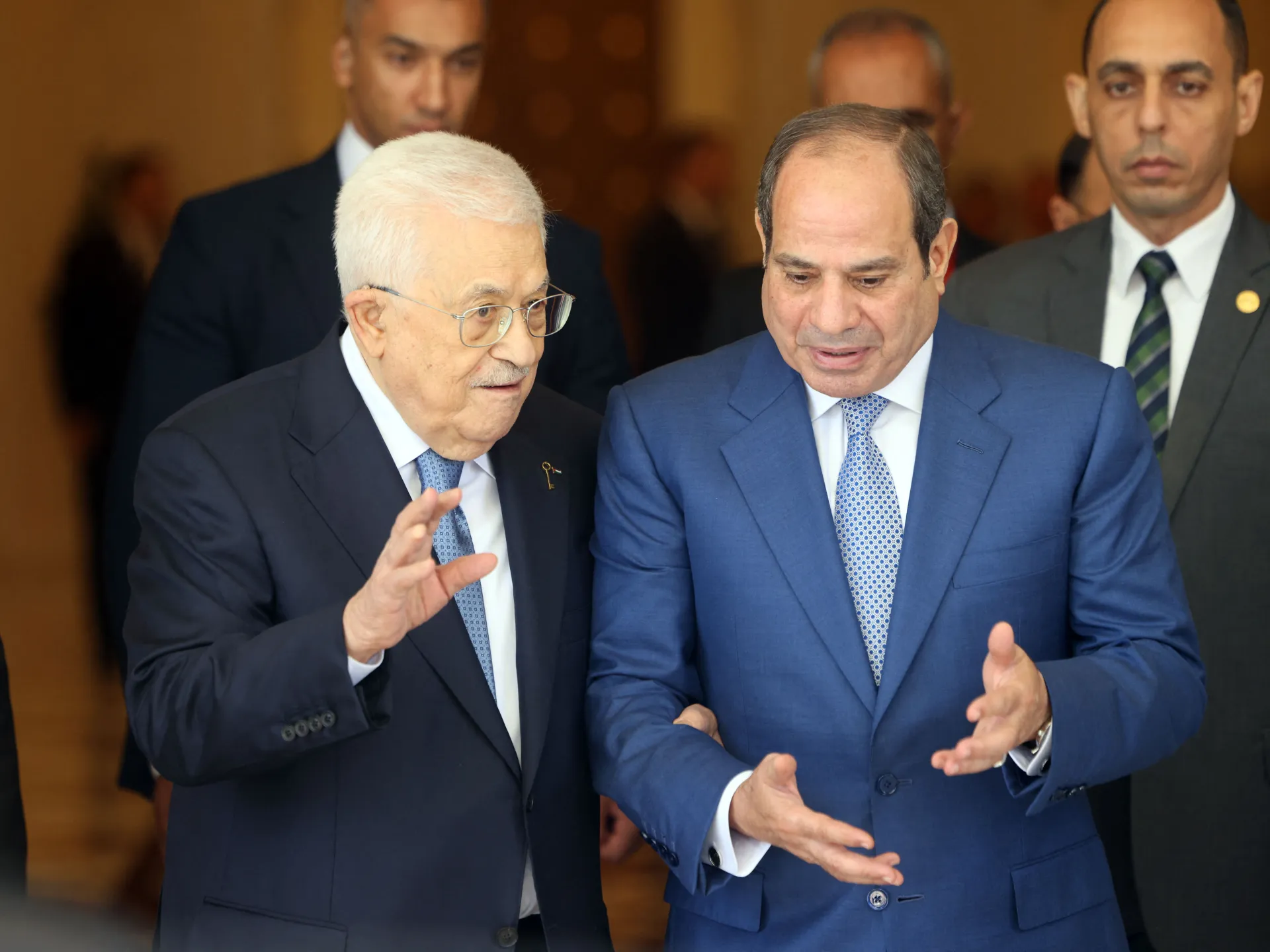
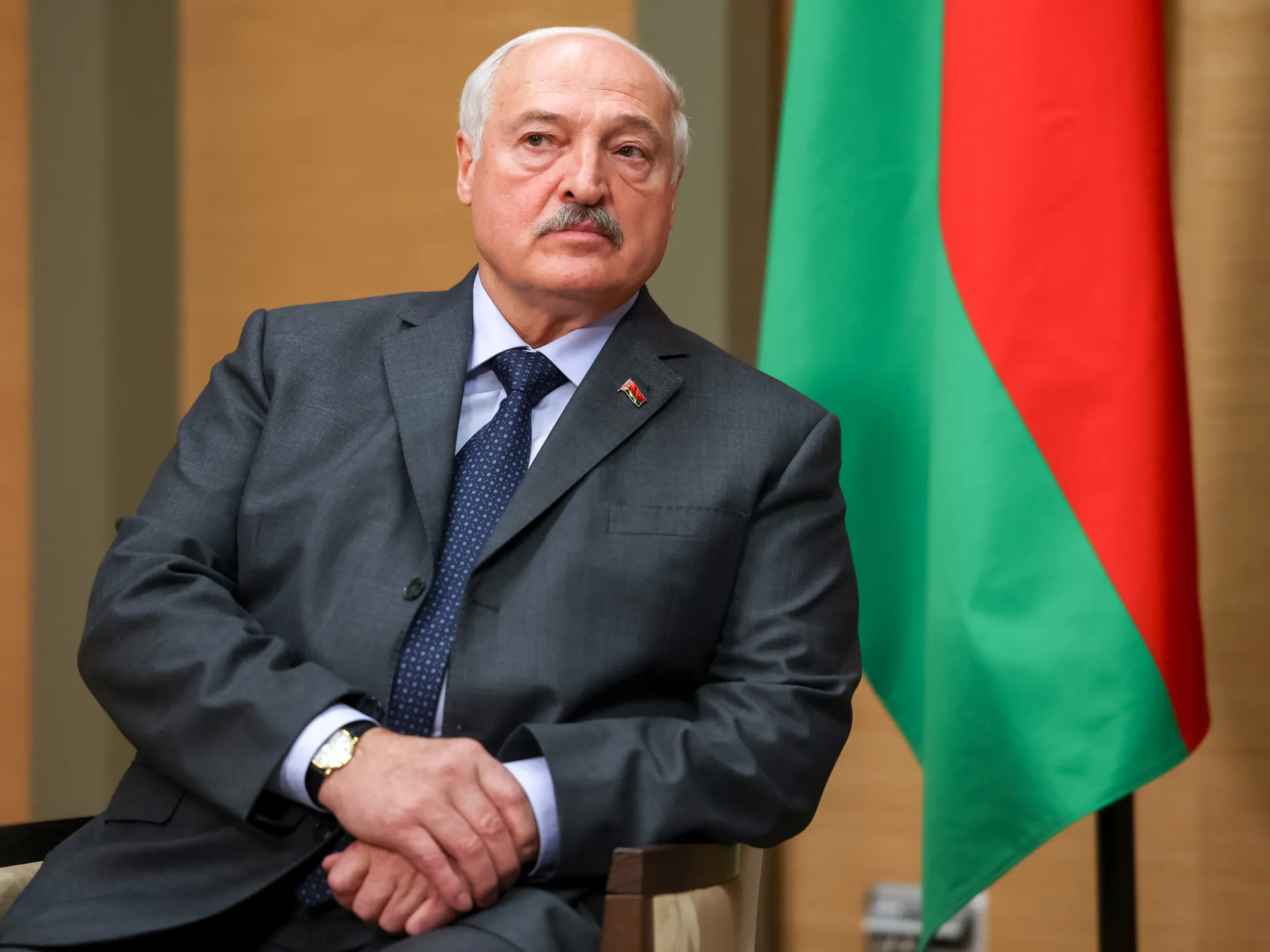
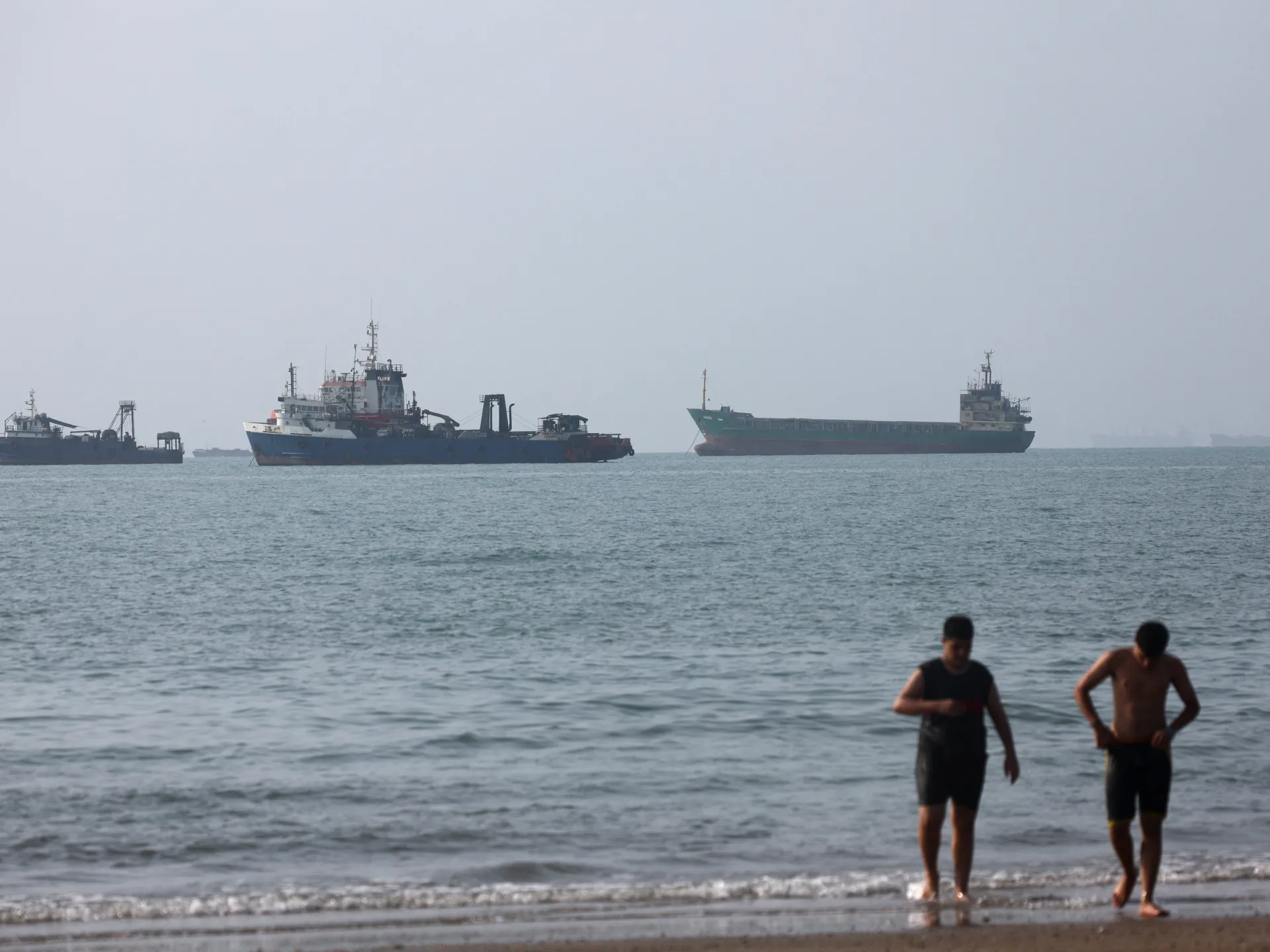
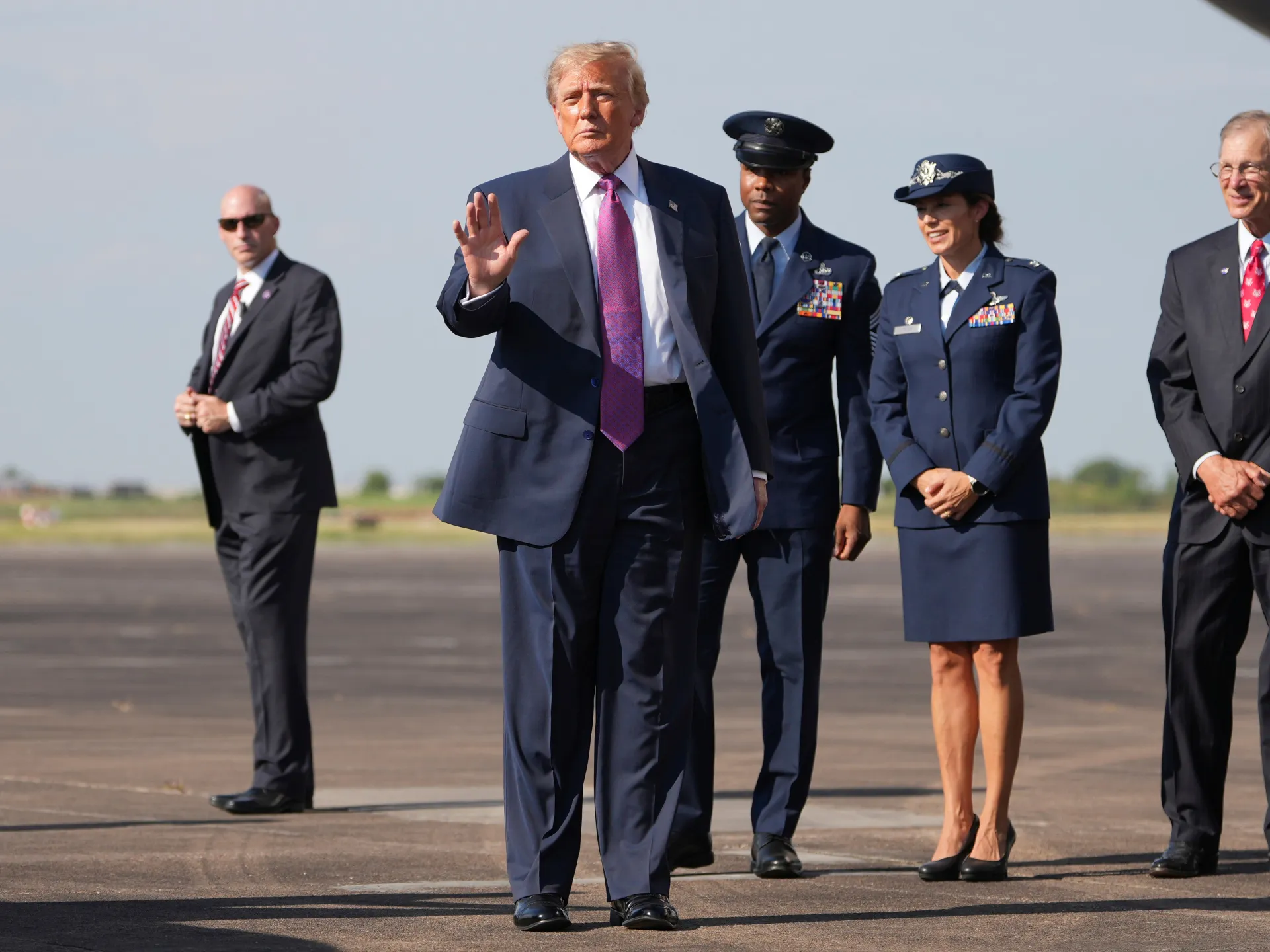
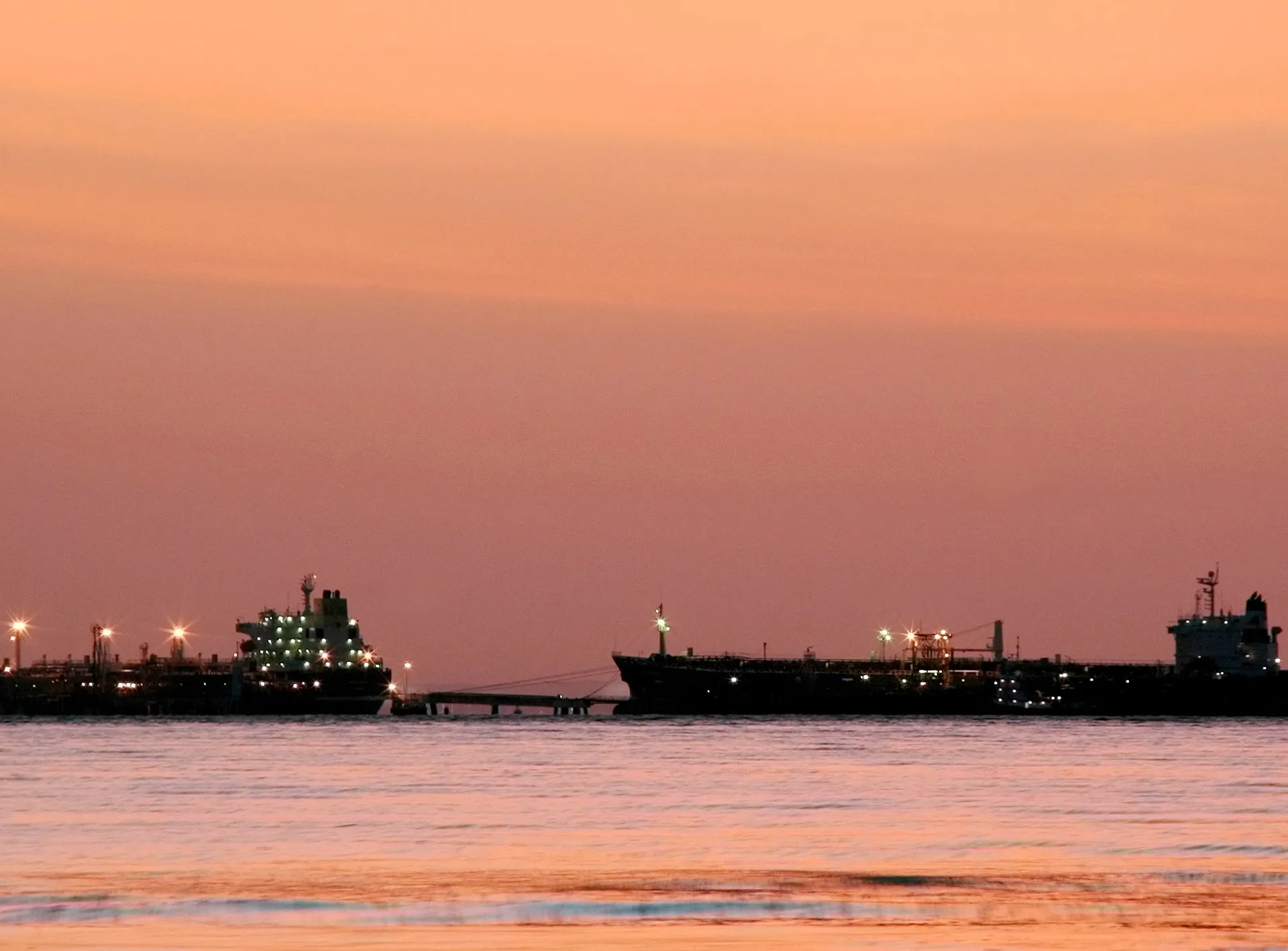
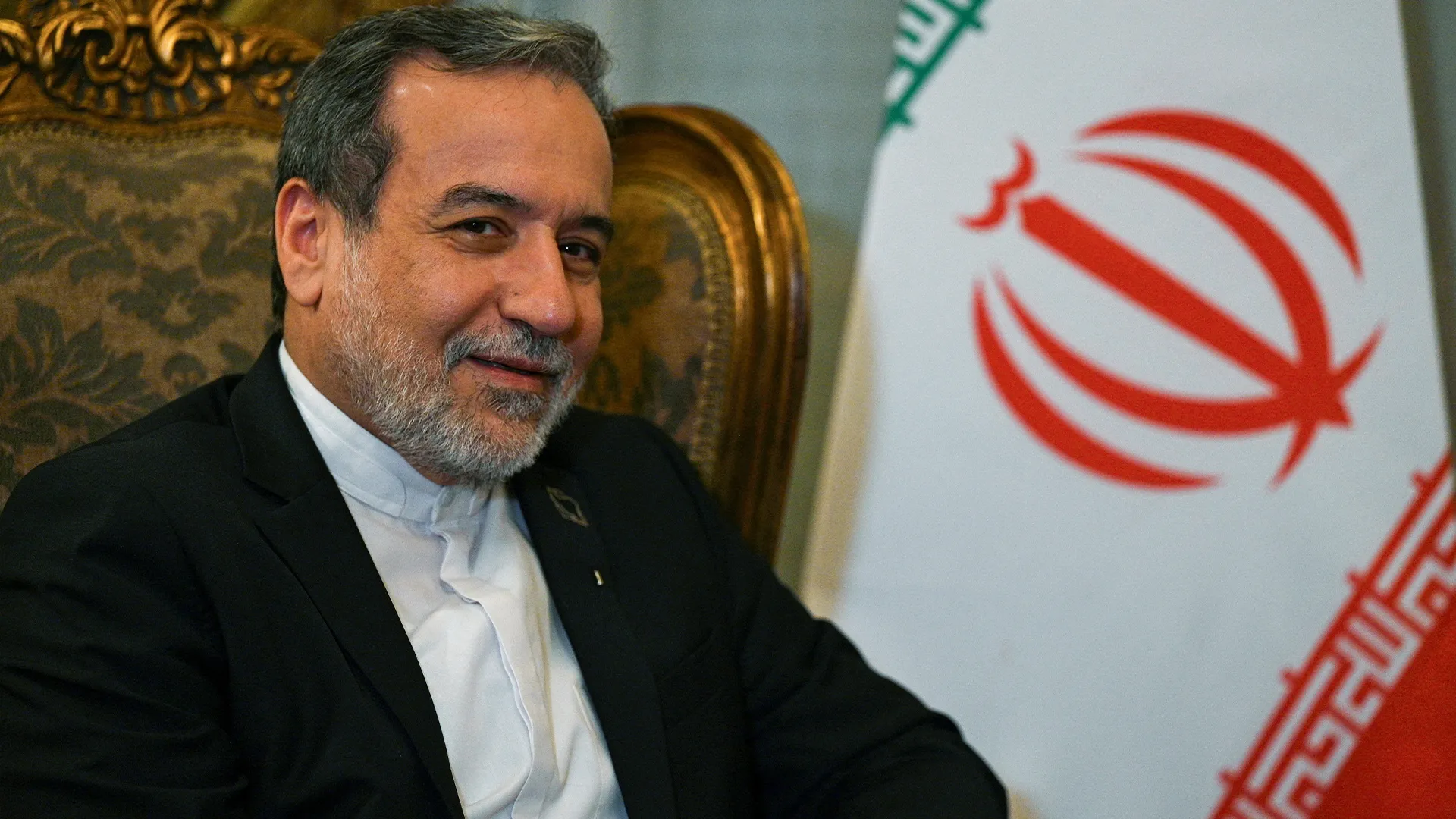
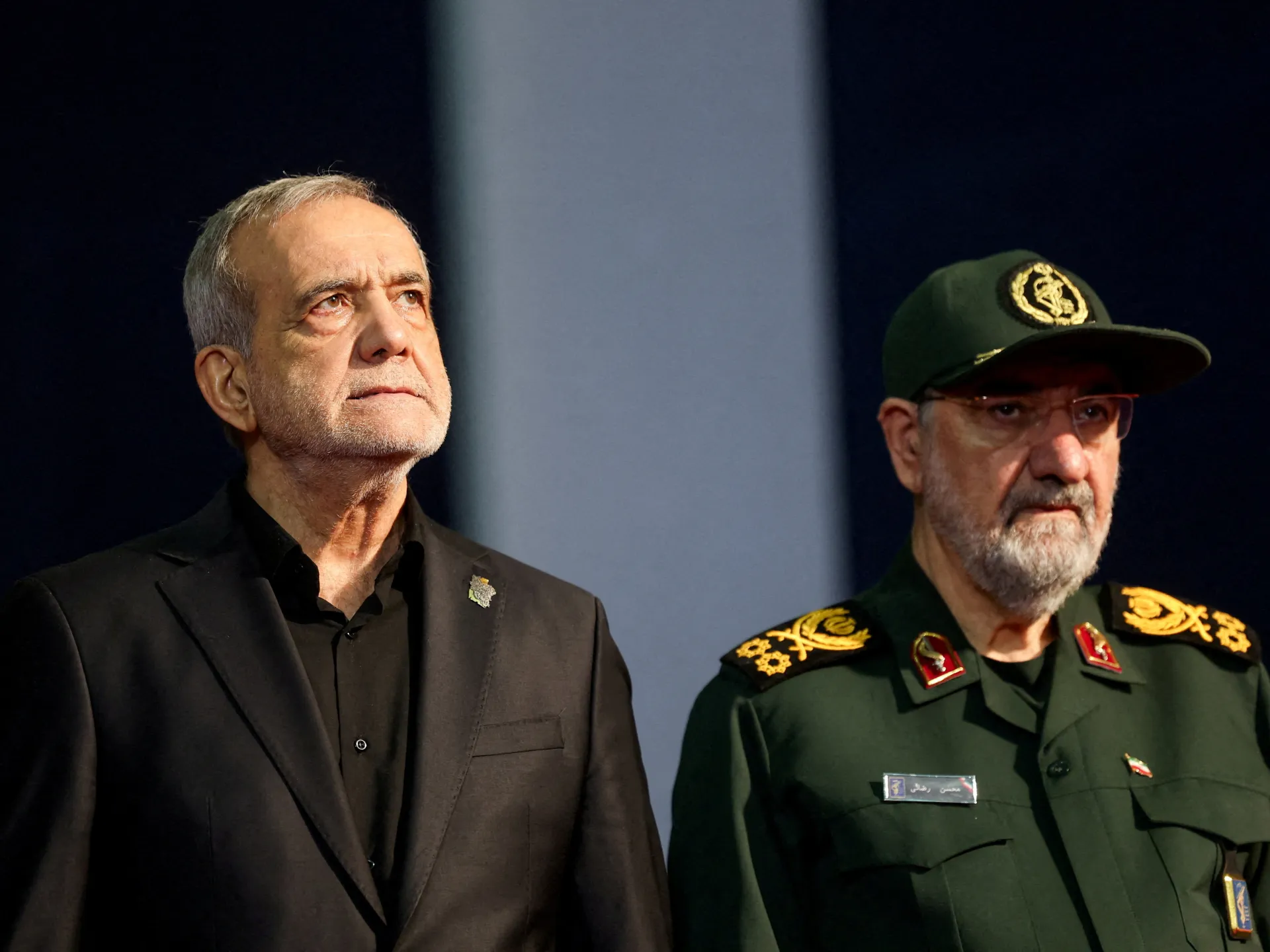
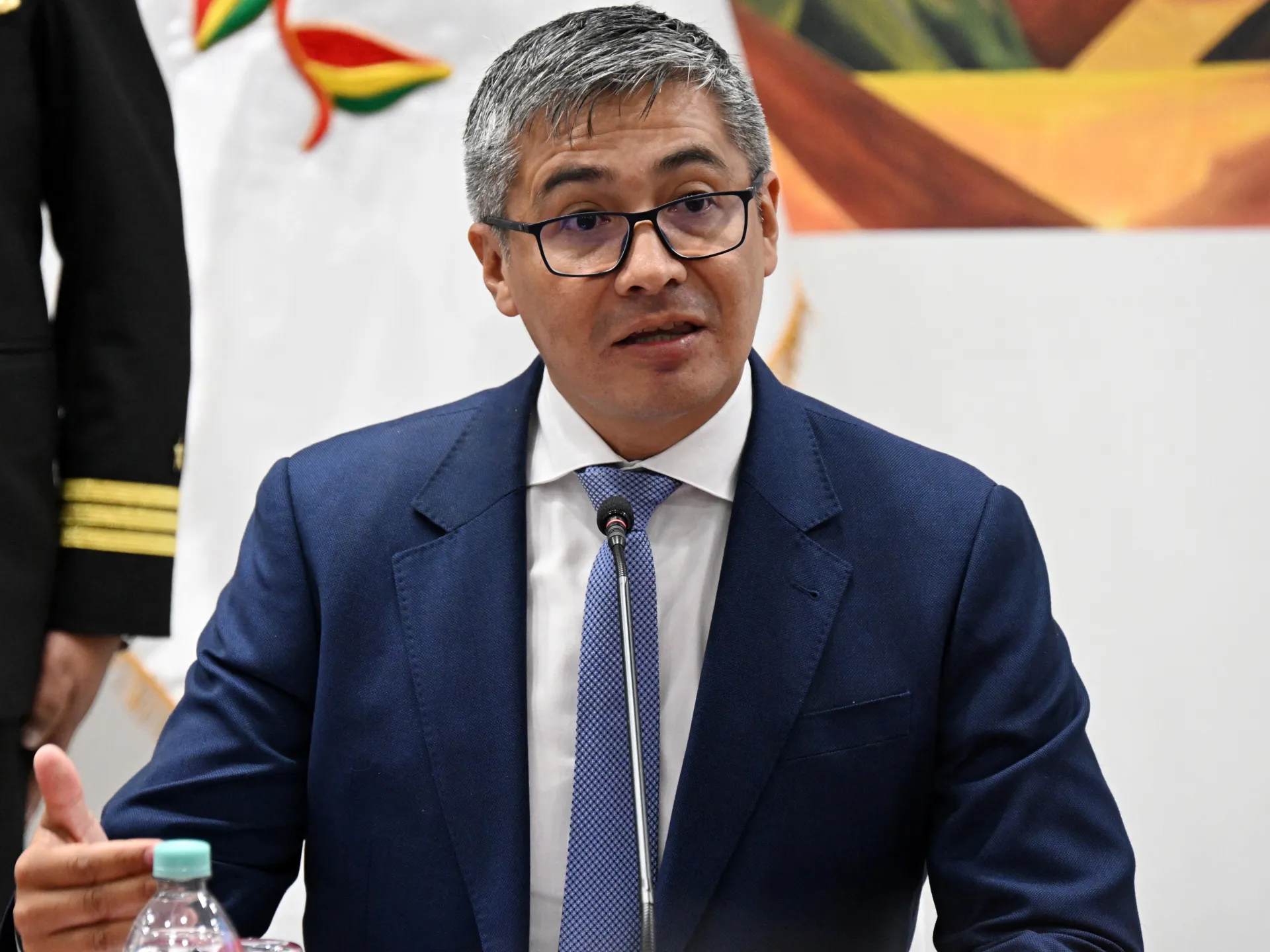
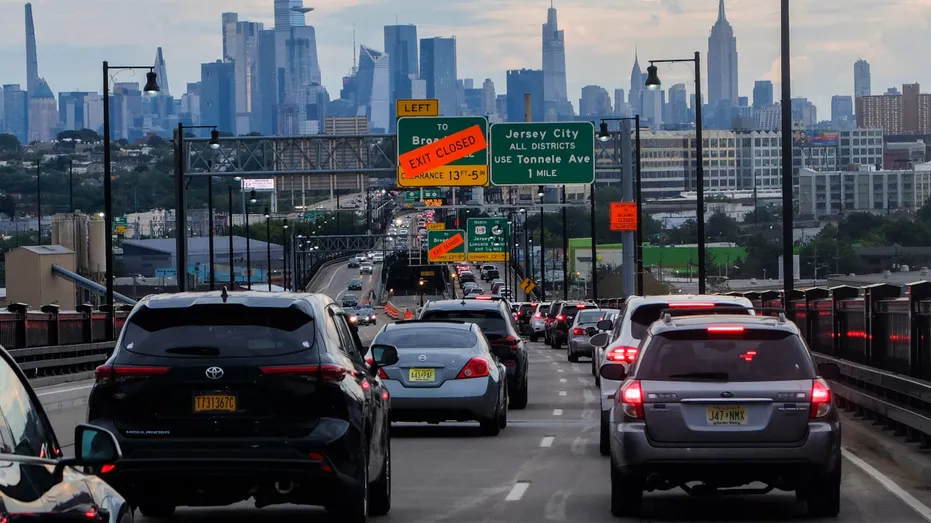
Facing a mounting shortfall, the Iranian government has implemented a series of aggressive mandates aimed at reducing energy consumption across all sectors of society. Reports indicate that for the first five months of the current Iranian year, which concluded in late August, the nation consumed 132 million liters of petrol daily against a production capacity of 122 million liters. To address this 10-million-liter daily deficit, President Masoud Pezeshkian has directed government agencies to facilitate remote work for eligible employees, a policy intended to curb electricity, natural gas, and petrol demand. Starting September 23, government office hours have been restricted to a 8:00 a.m. to 1:00 p.m. window, with the balance of contractual obligations fulfilled remotely.
Complementing these administrative changes is a broader campaign to incentivize public transportation. In a bid to clear the roads of private vehicles, authorities have declared that bus rapid transit and metro systems will operate free of charge until mid-November. Furthermore, the state is seeking to modernize its government fleet es, though officials acknowledge that this transition will likely unfold over several years. Educational institutions are also feeling the strain, with universities slated for staggered reopening schedules and the transition of some curricula to online formats, alongside strict directives for offices to minimize energy usage after hours.
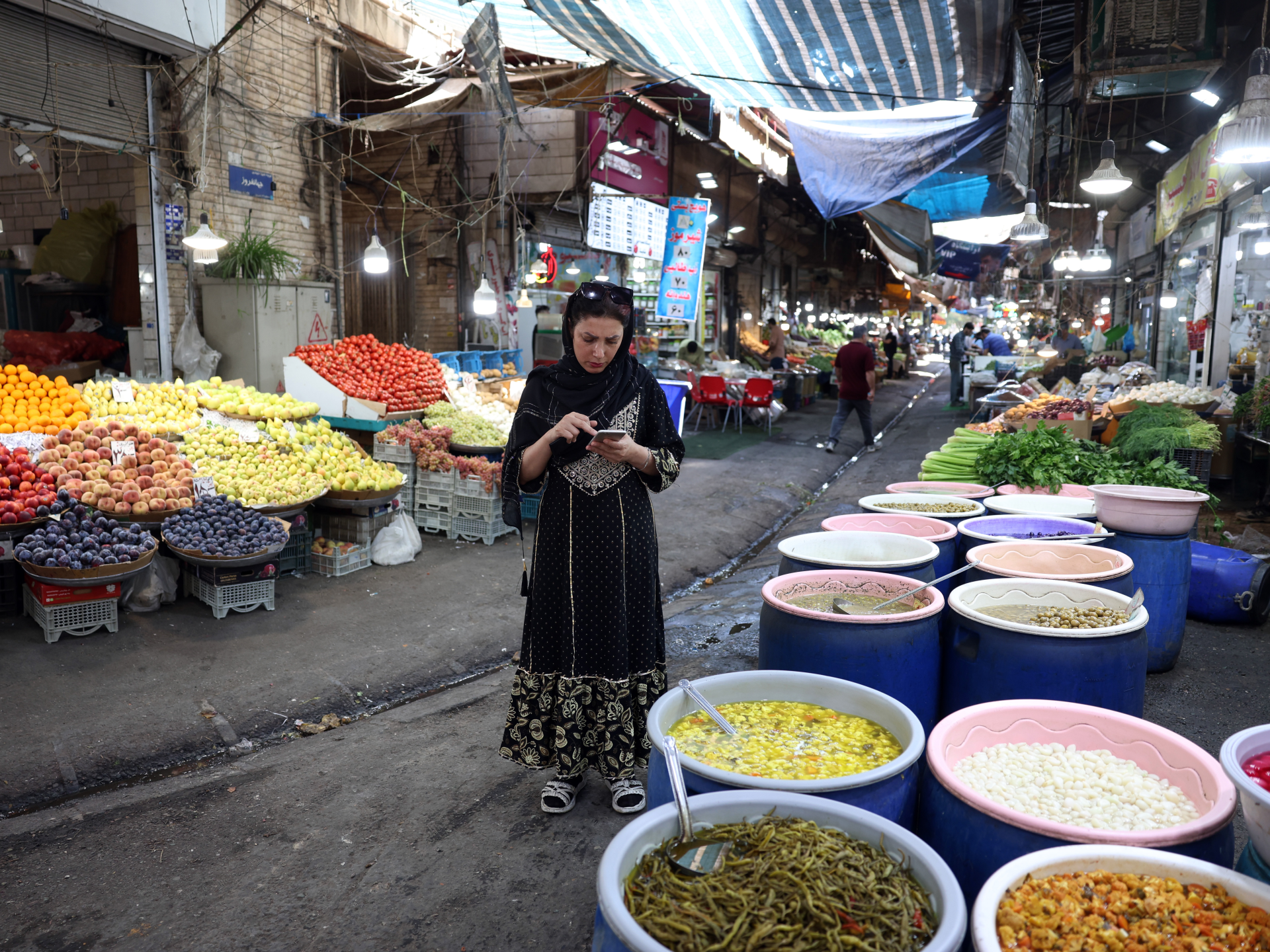
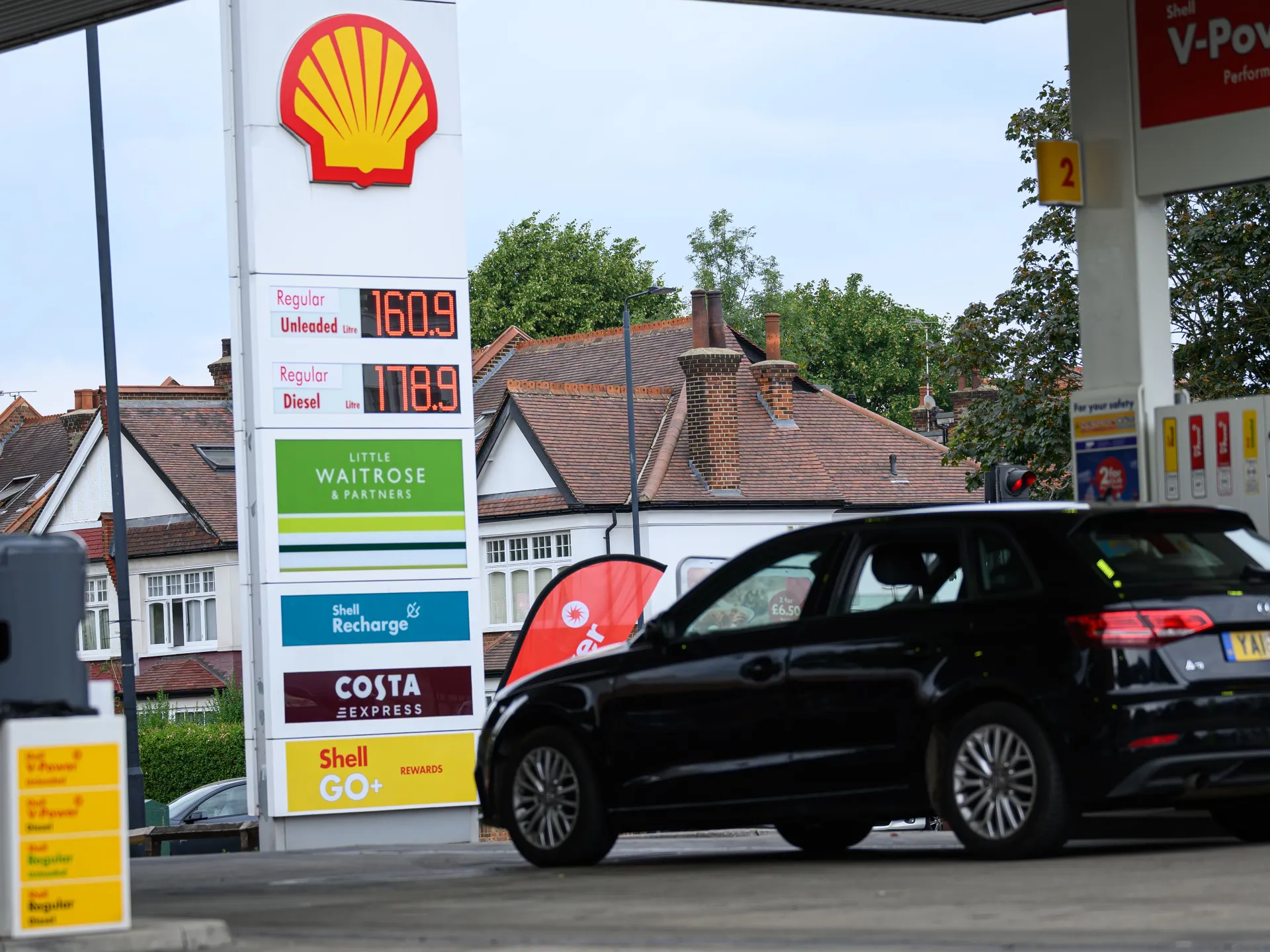
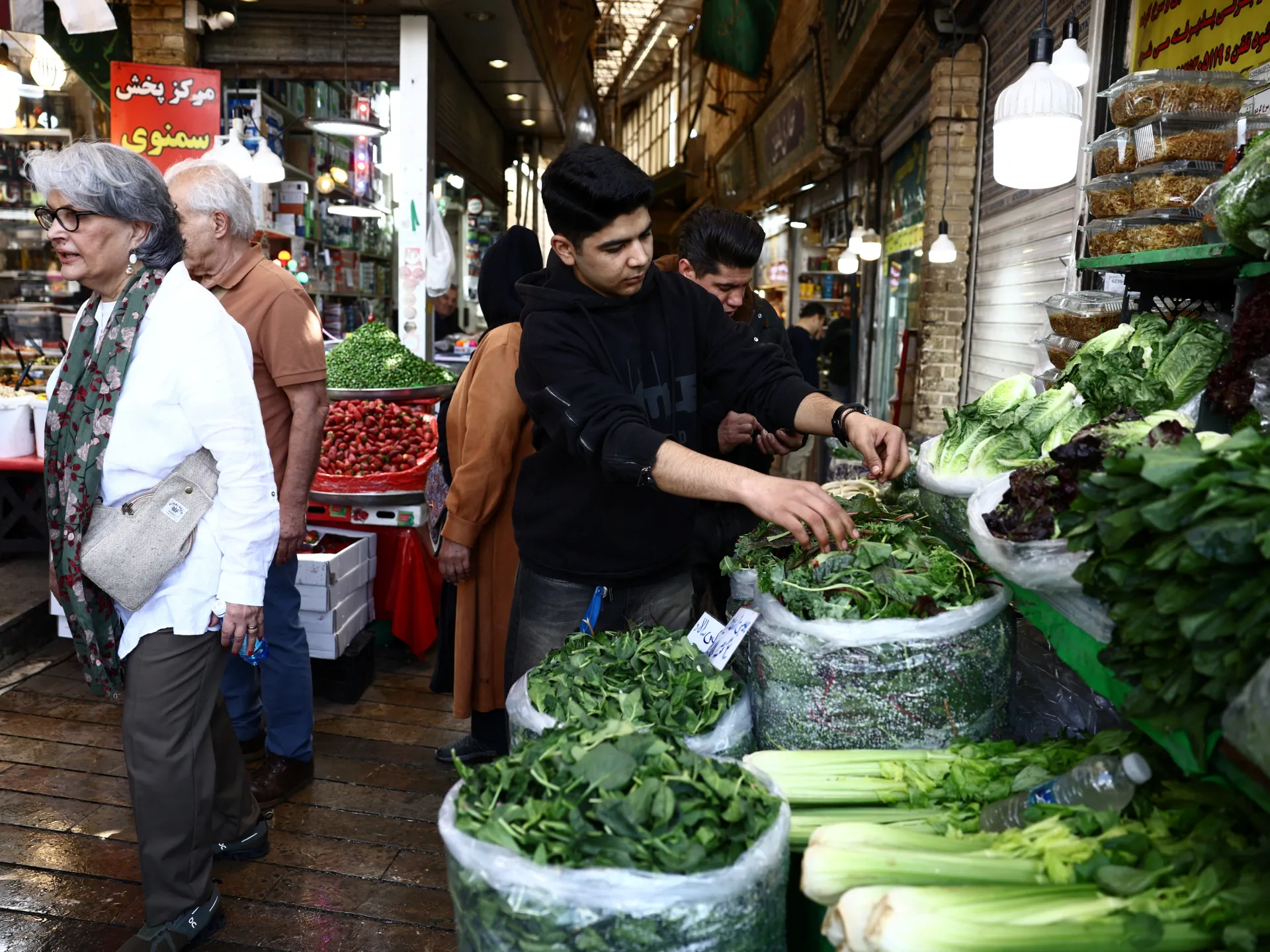
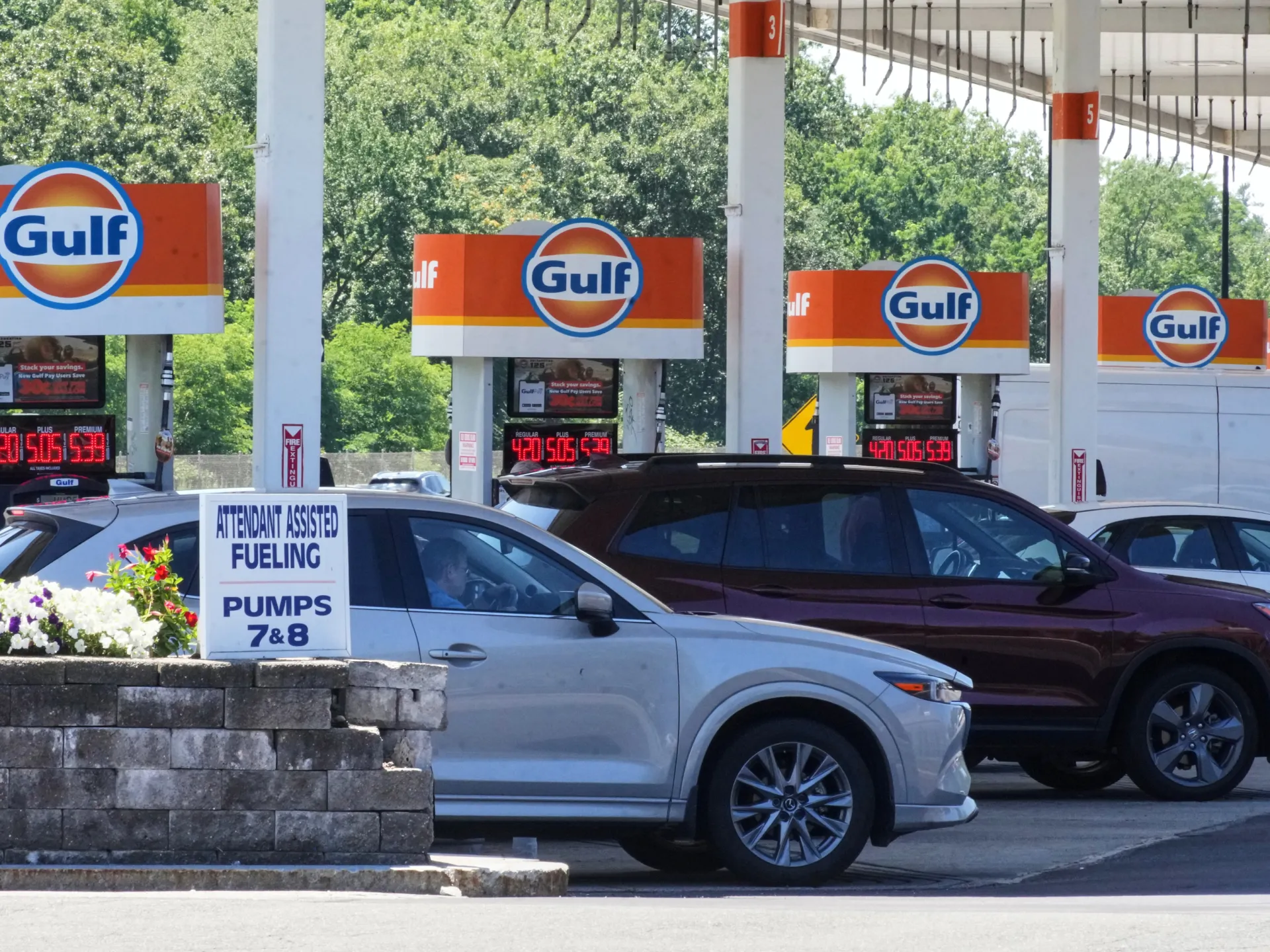
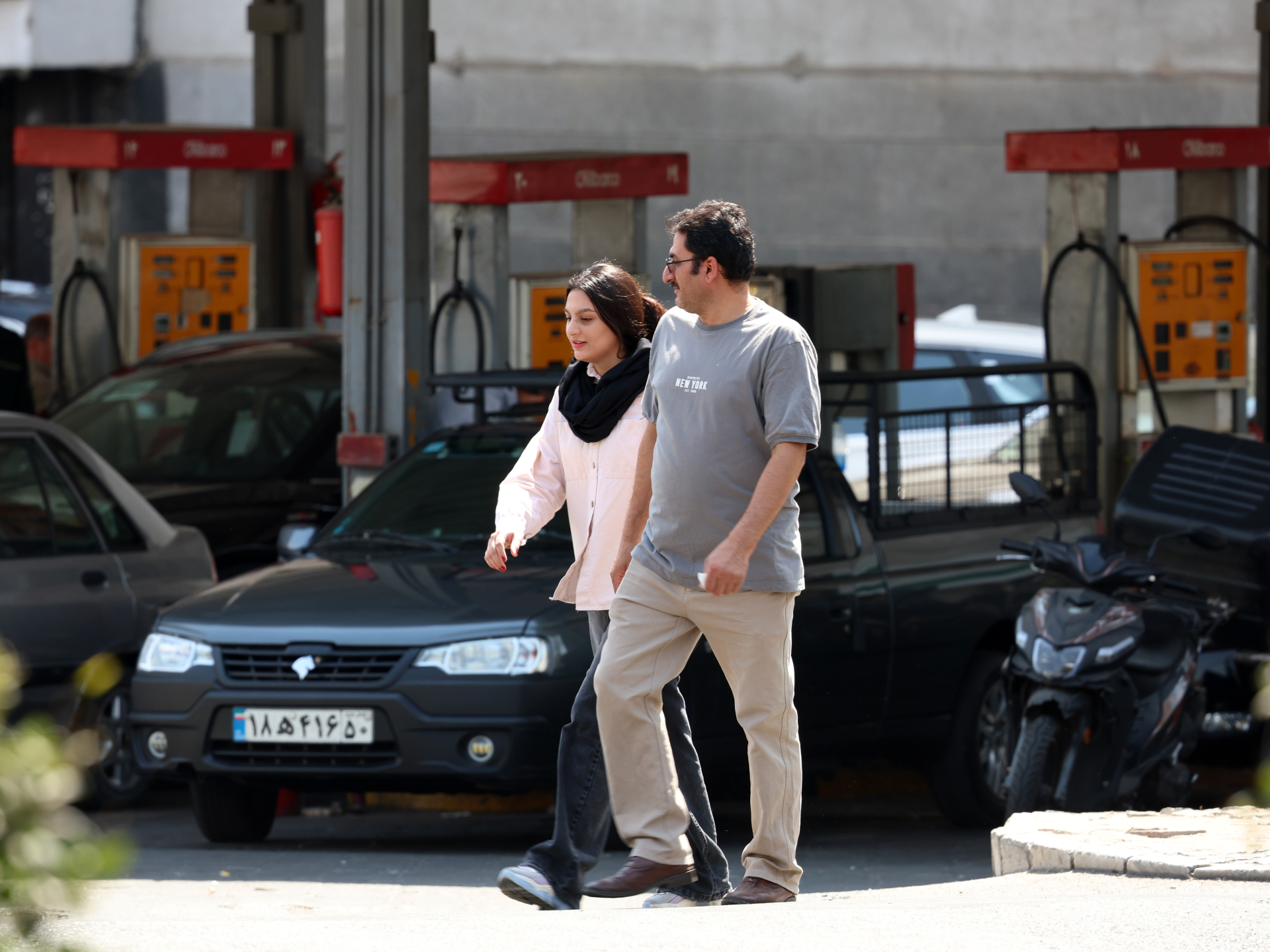
The state’s cost-saving measures are paired with a tightening fiscal policy regarding fuel access. For the second time in less than a year, the government has increased the cost of petrol for the highest tier of the quota system. Citizens consuming more than 110 liters—approximately 29 gallons—per month will now face double the previous rate for excess fuel. This pricing structure serves as a blunt instrument to discourage discretionary travel and consumption. Economists warn that these inflationary pressures are likely to persist regardless of the immediate outcome of the ongoing conflict, as the underlying structural deficits in the nation's energy sector remain unresolved.
The government's ability to maintain public compliance with these energy-saving mandates will be a key indicator of its internal stability. If the gap between supply and demand continues to widen, analysts suggest that even more drastic rationing or further price increases may be inevitable. Meanwhile, the state's reliance on remote work and public transit subsidies serves as a temporary stopgap. Longer-term, the administration faces the immense challenge of upgrading dated energy infrastructure while under heavy international pressure. Whether these measures successfully mitigate the current crisis will depend heavily on the evolution of the conflict, which remains the primary driver of current economic volatility.