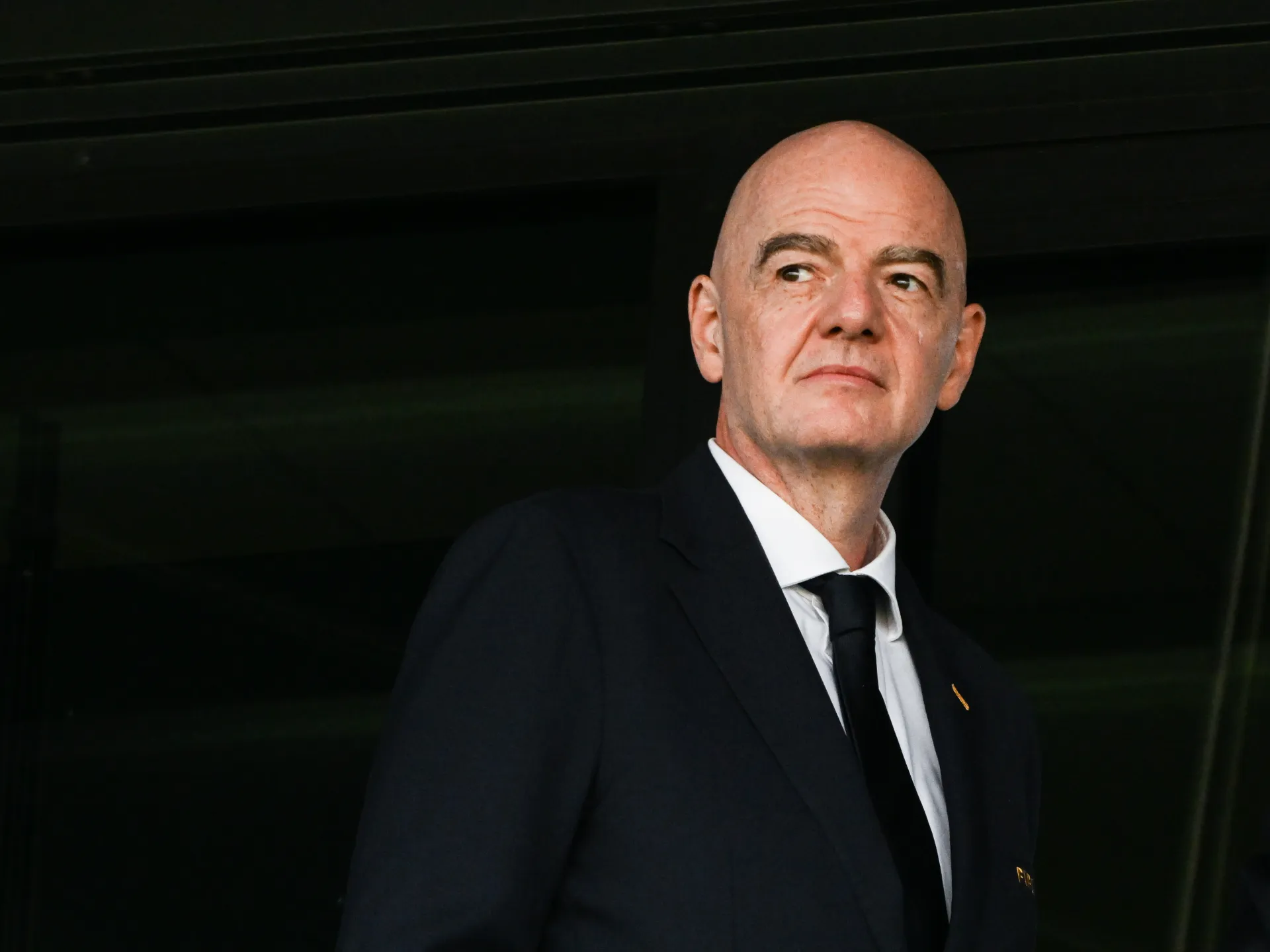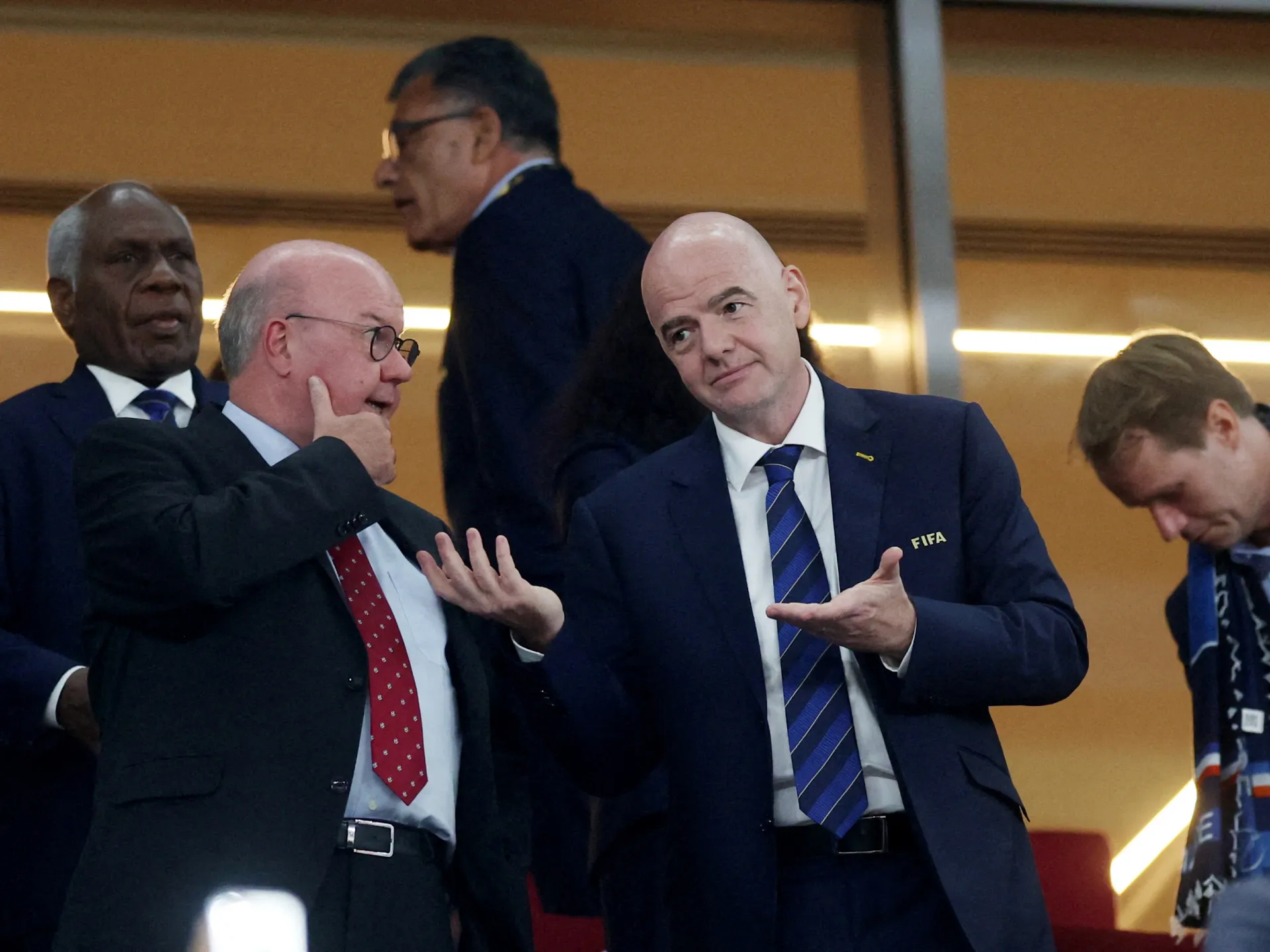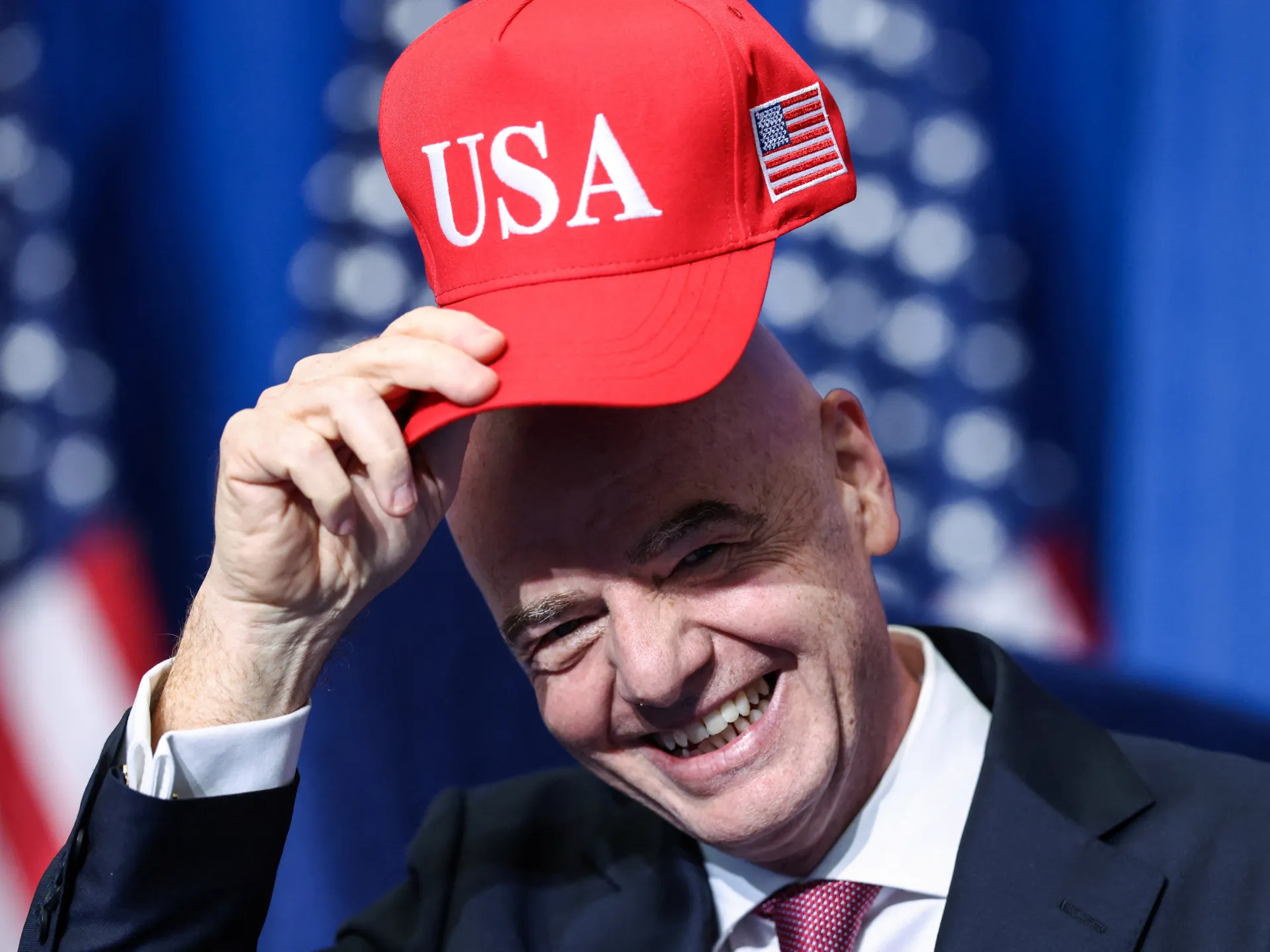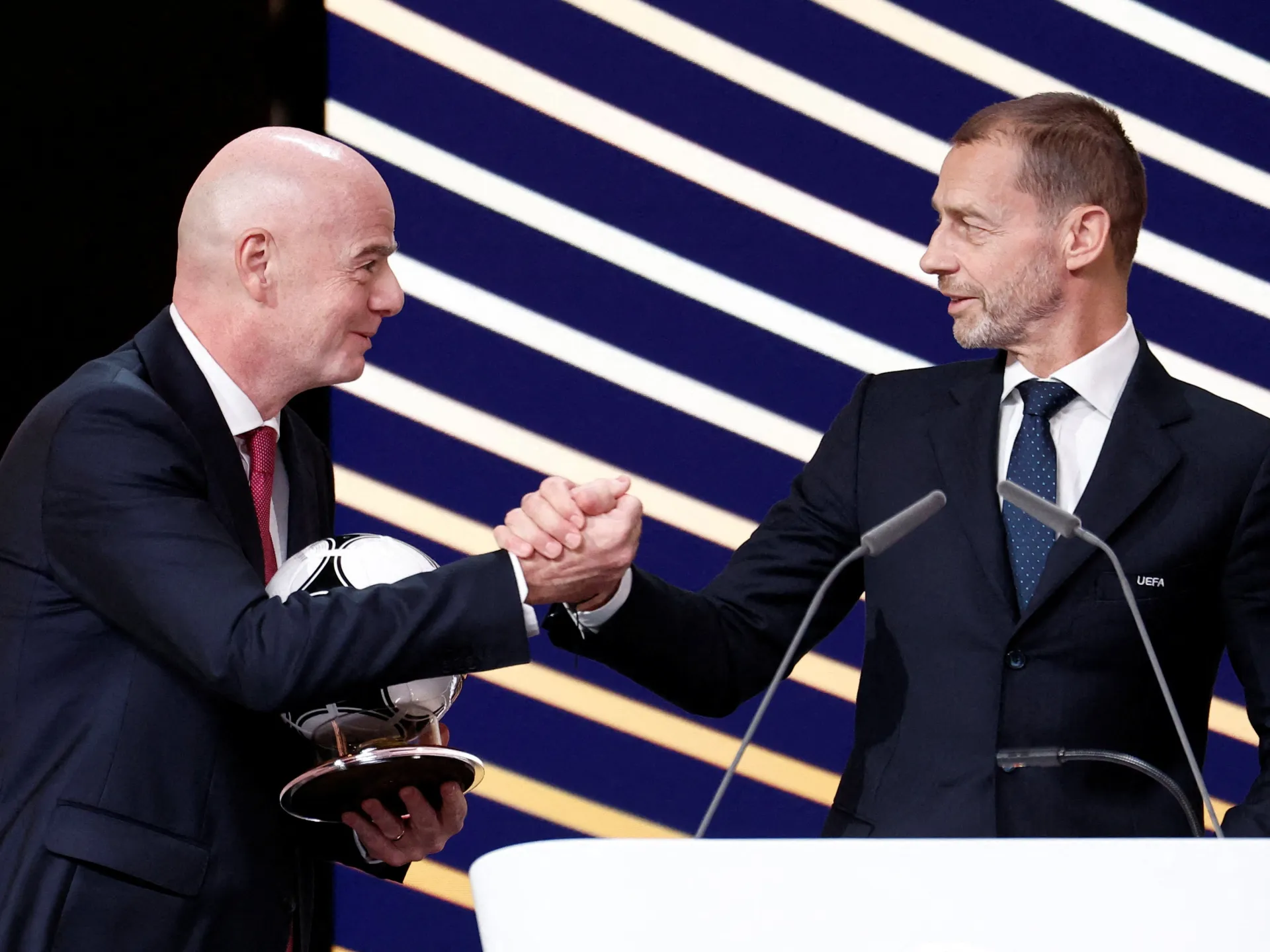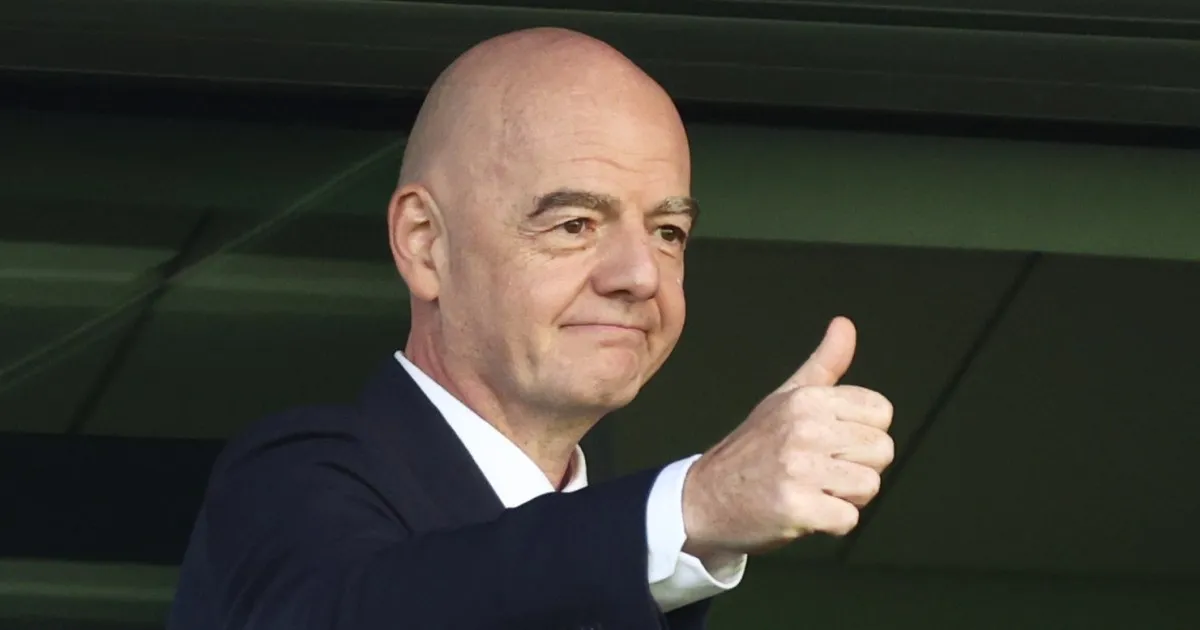
Facing mounting pressure from confederations and legal threats, FIFA President Gianni Infantino has proposed an external governance review to stabilize the organization.
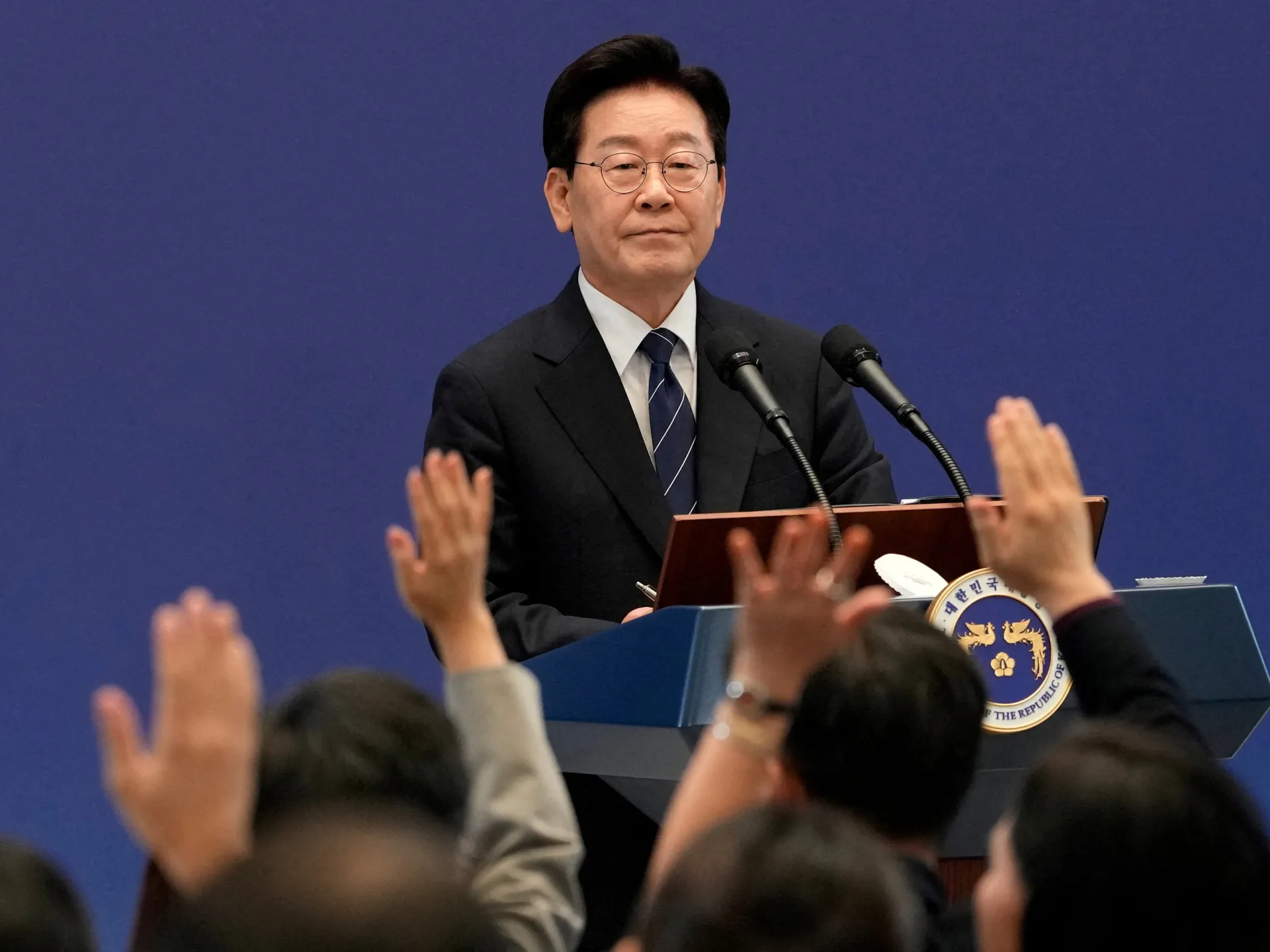
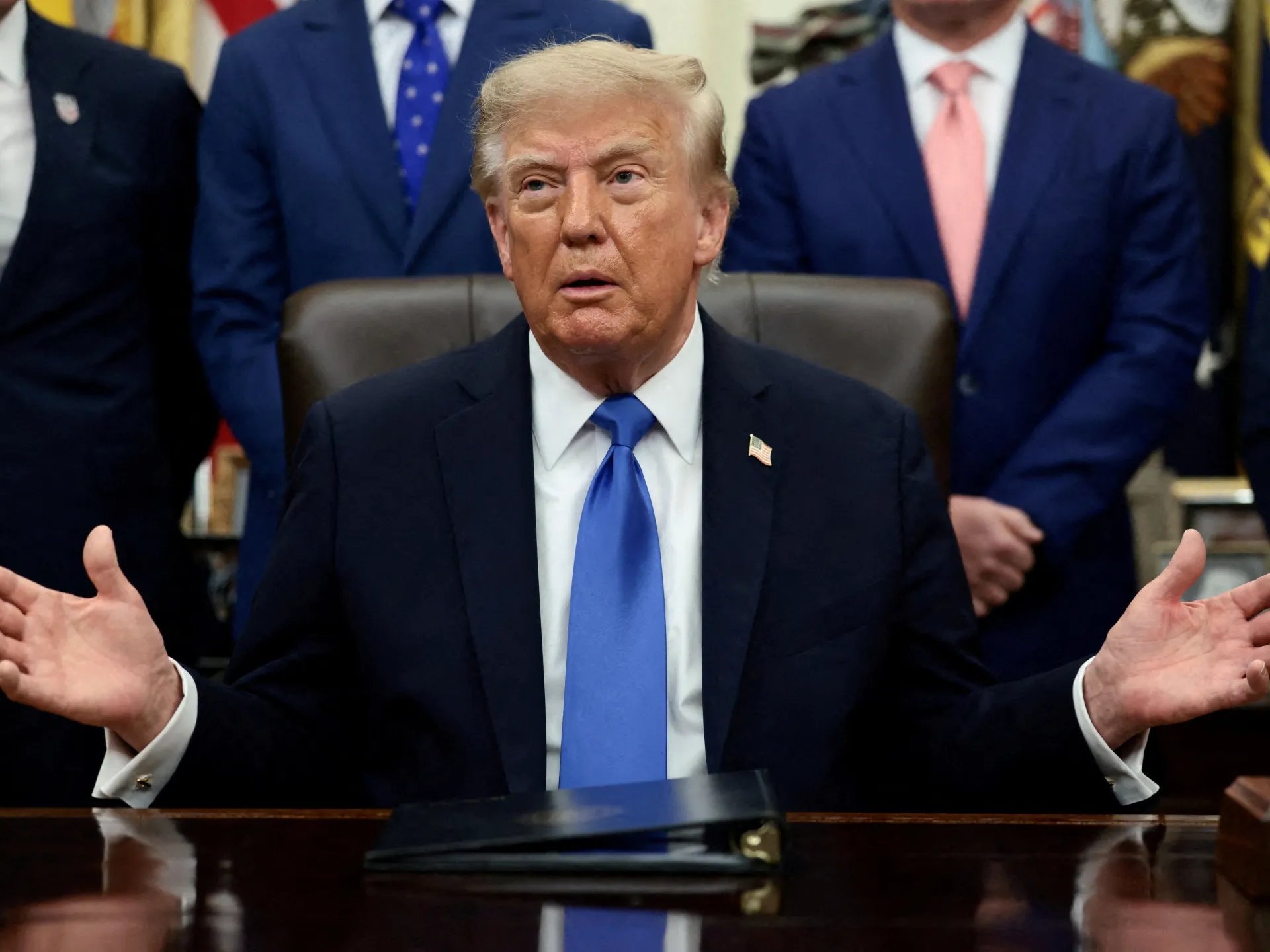
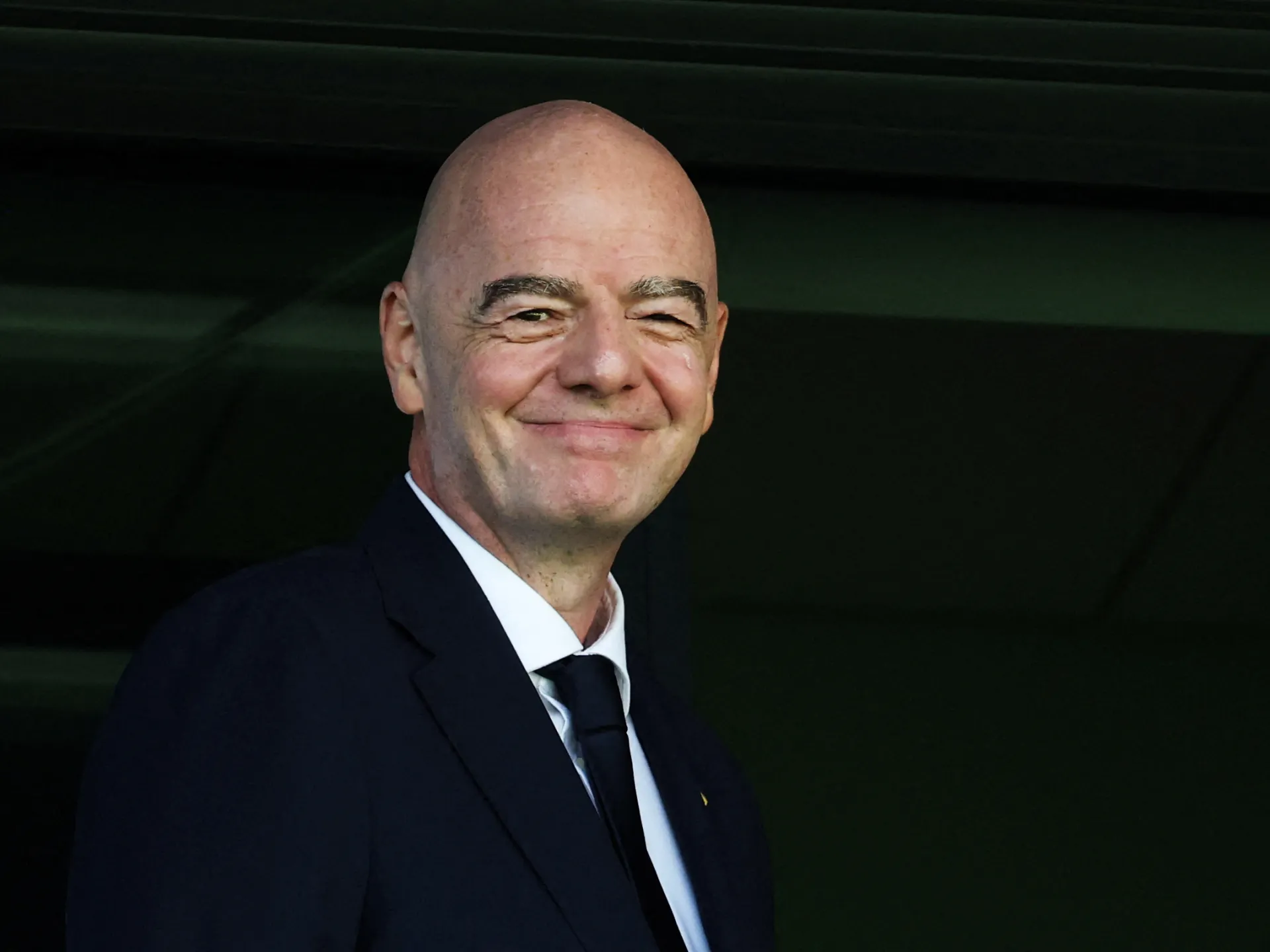
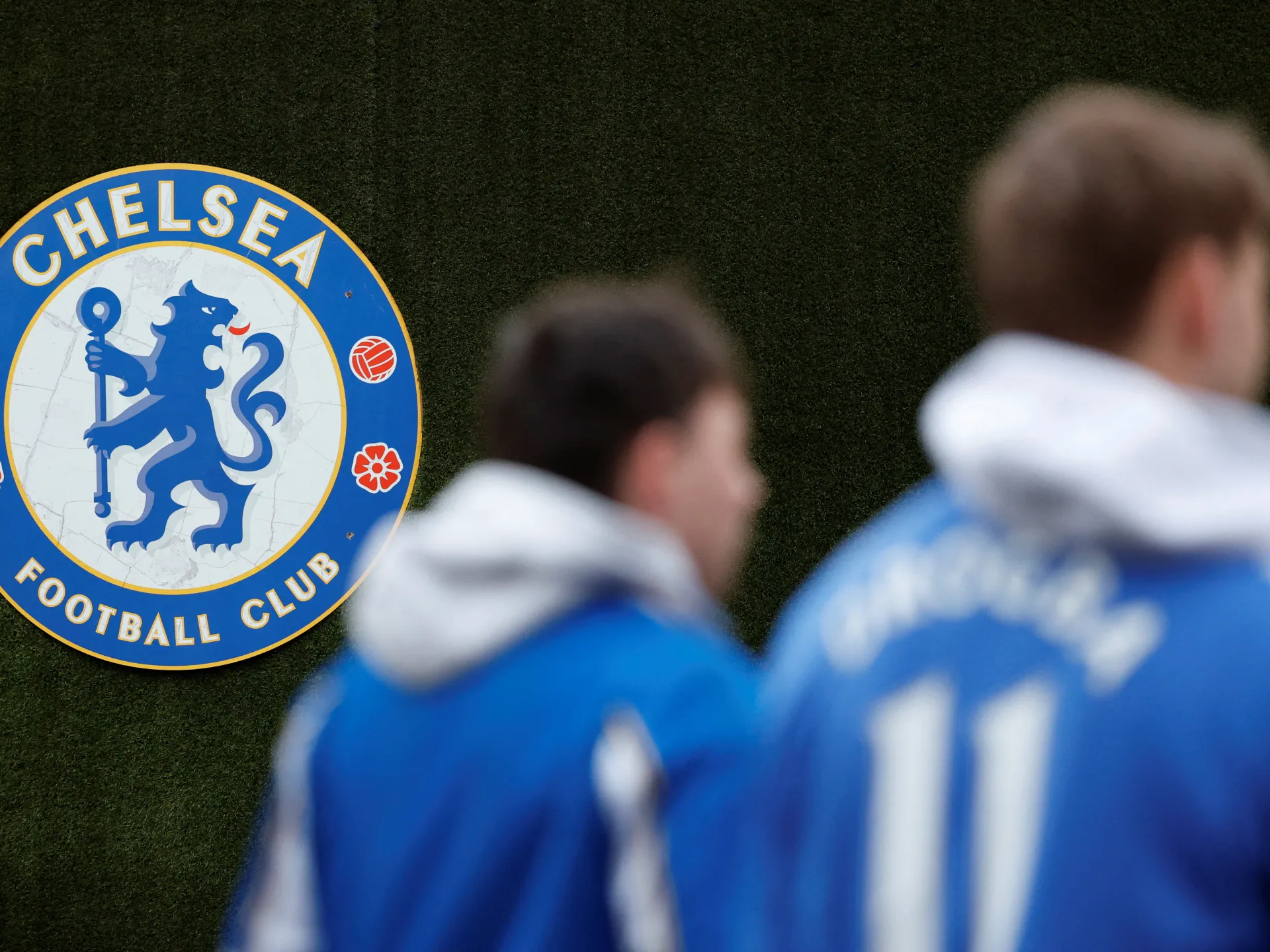
FIFA President Gianni Infantino has signaled a willingness to overhaul the governing body’s decision-making protocols following a widespread internal revolt. In a formal communication dispatched to the FIFA Council and the leaders of all 211 member associations, Infantino proposed an independent external review aimed at dissecting how major strategic initiatives are vetted and finalized. This move serves as a direct response to the intense backlash triggered
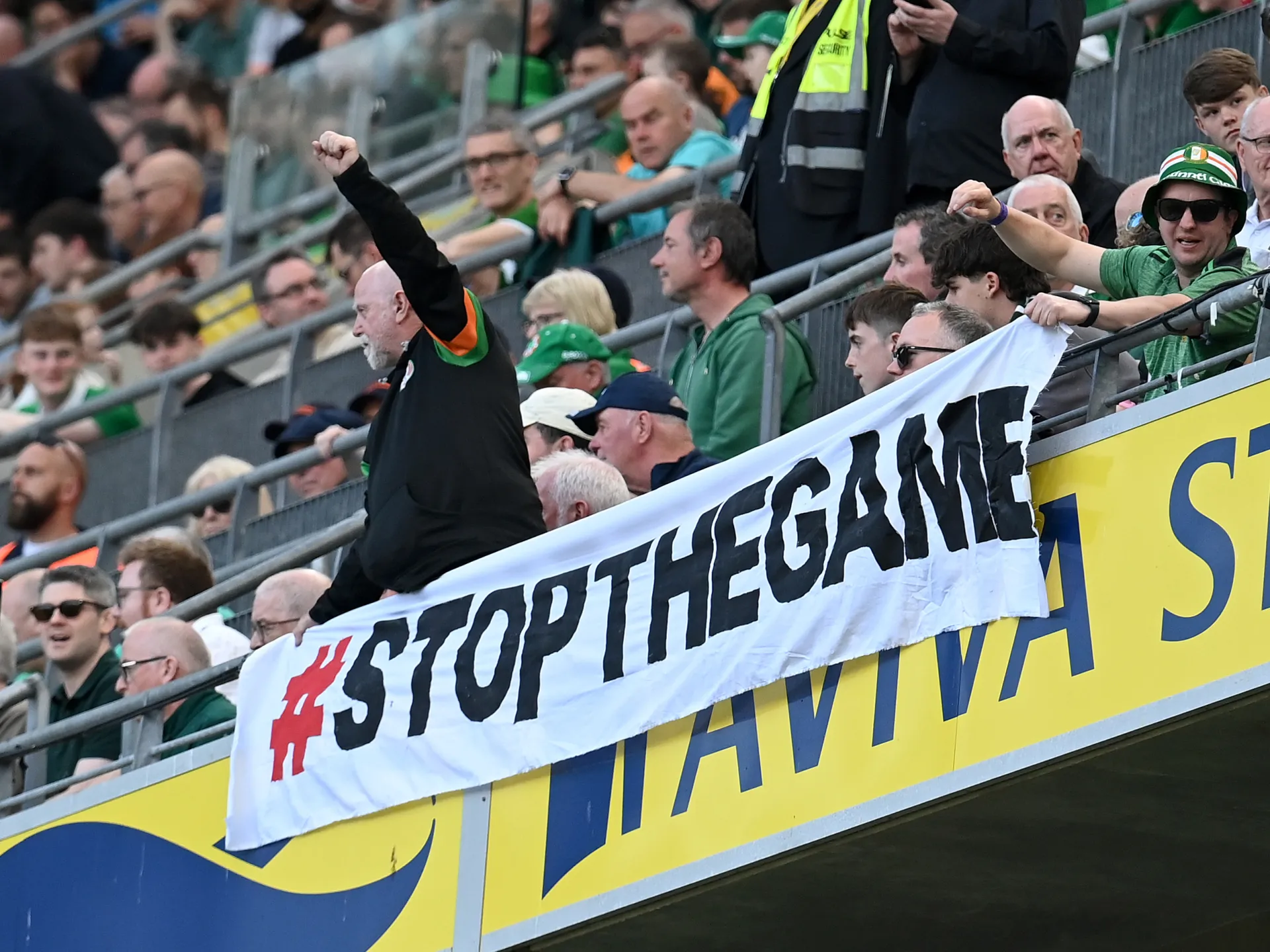
The abandoned investment plan, which would have offloaded a significant portion of commercial rights—including those tied to the World Cup—to private equity interests, acted as a catalyst for a broader confrontation. While Infantino maintains that the plan was merely a exploratory proposal intended to bolster funding for global football development, it triggered boycott threats from major power brokers, including UEFA, the Asian Football Confederation, and Concacaf. The climate surrounding his leadership has become increasingly fraught, with reports indicating that legal challenges and external political pressures are compounding the institutional crisis.
The current standoff transcends simple bureaucratic disagreement; it represents a fundamental fracture in the relationship between the central FIFA administration and its most influential regional confederations. his mandate at a time when the governing body’s autonomy is being tested re could determine whether future FIFA leadership continues to hold unilateral influence over commercial strategy or if the organization will shift toward a more decentralized, consensus-based model that empowers the congress and individual member associations. The stakes are particularly high given the global financial footprint of the World Cup, which remains the primary engine for football’s economy.
Infantino’s recent letter frames the proposed governance audit as an opportunity to clarify the blurred lines of authority between the president, the bureau, the council, and the congress. He acknowledged that the handling of the commercial stake sale created a perception that decisions were being finalized in a vacuum, without the necessary oversight of member associations. ttempting to address concerns regarding transparency and accountability that have dominated the conversation since the July collapse of the investment scheme.
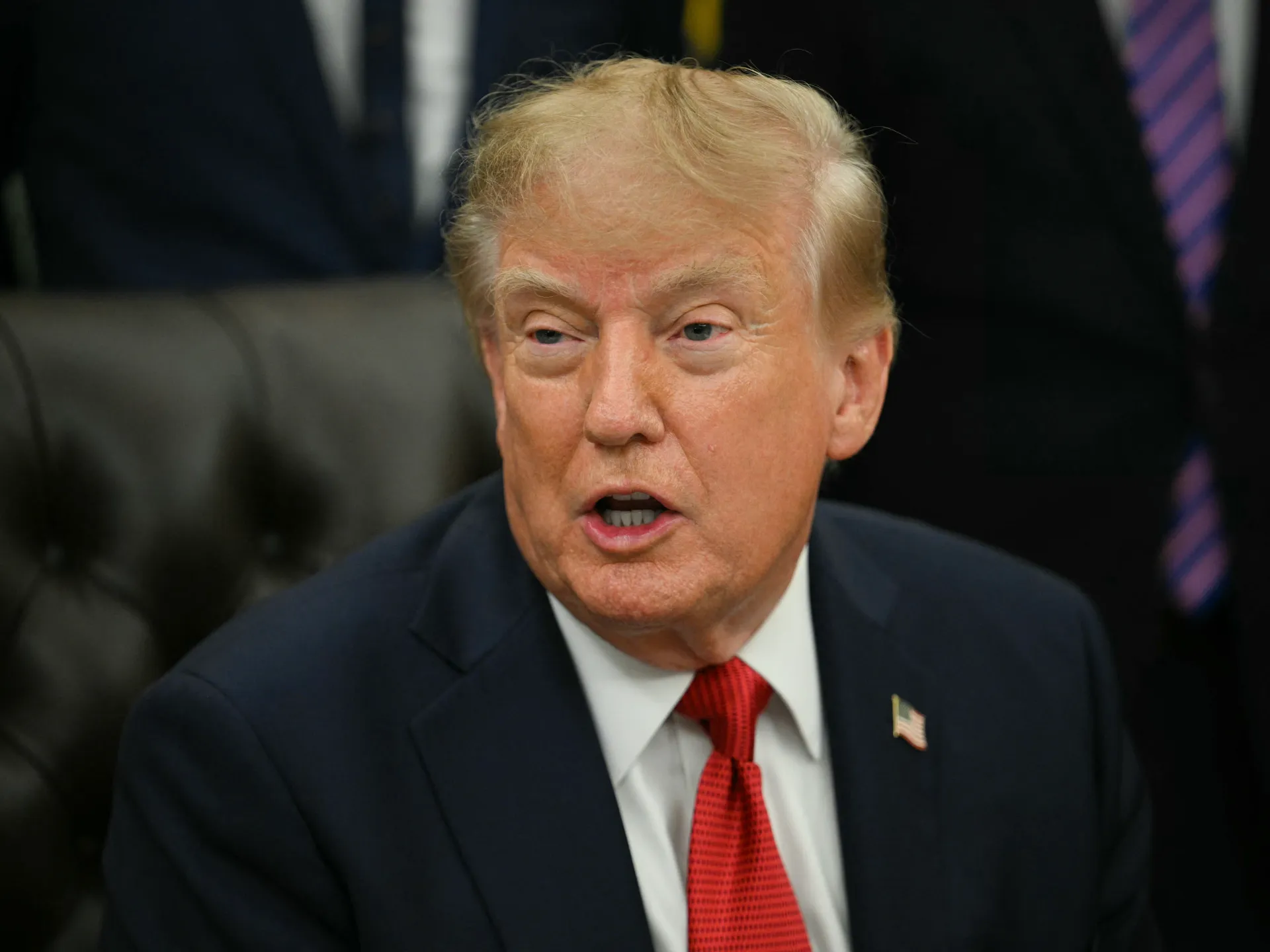
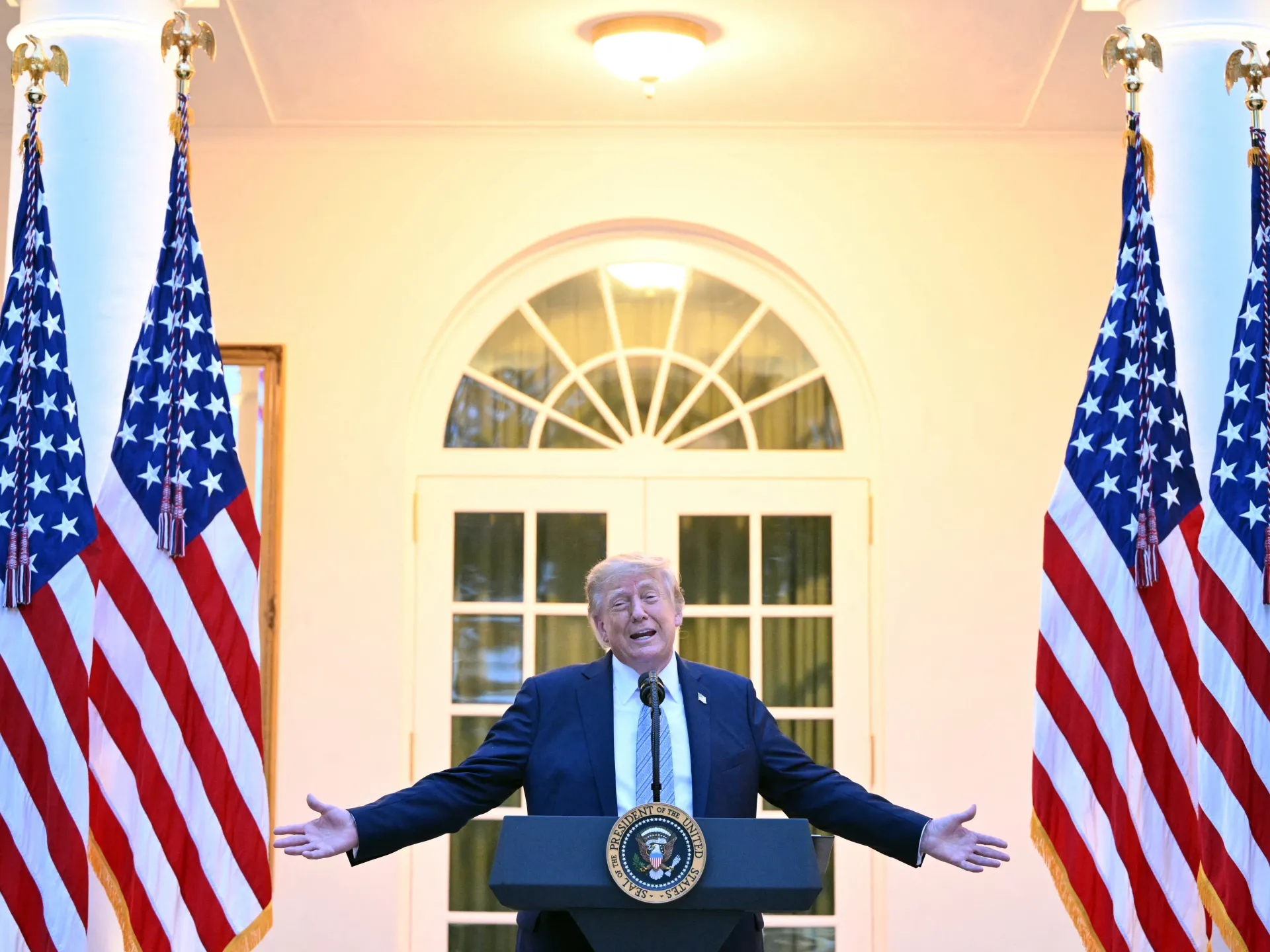
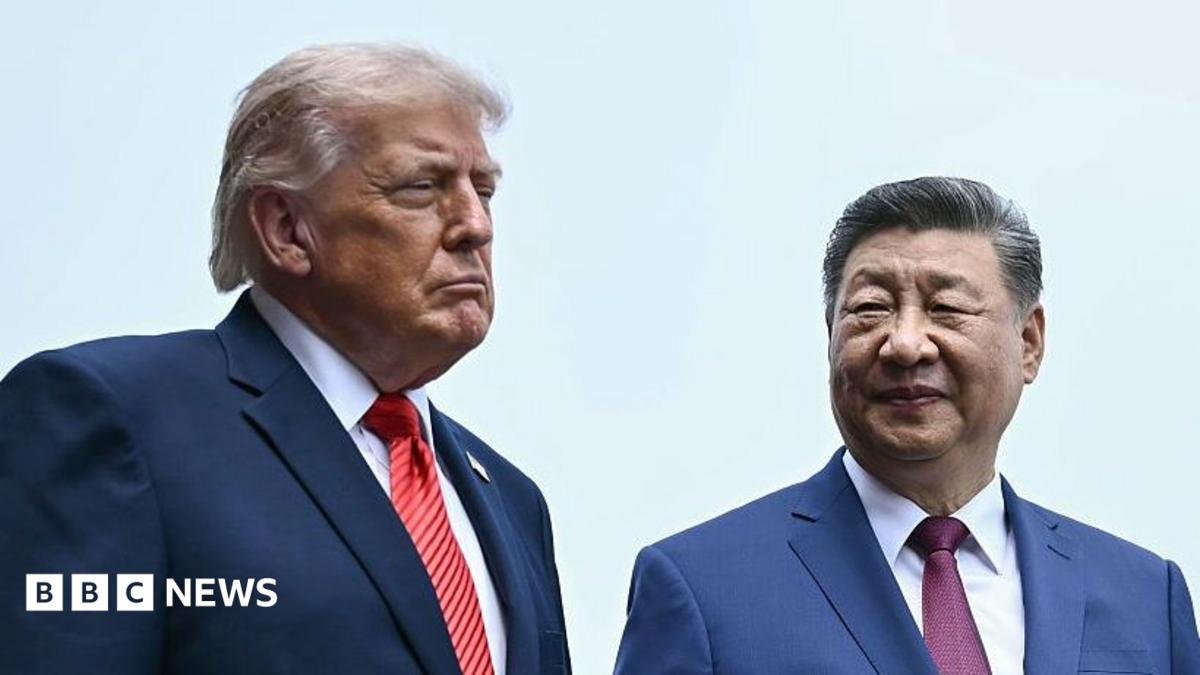
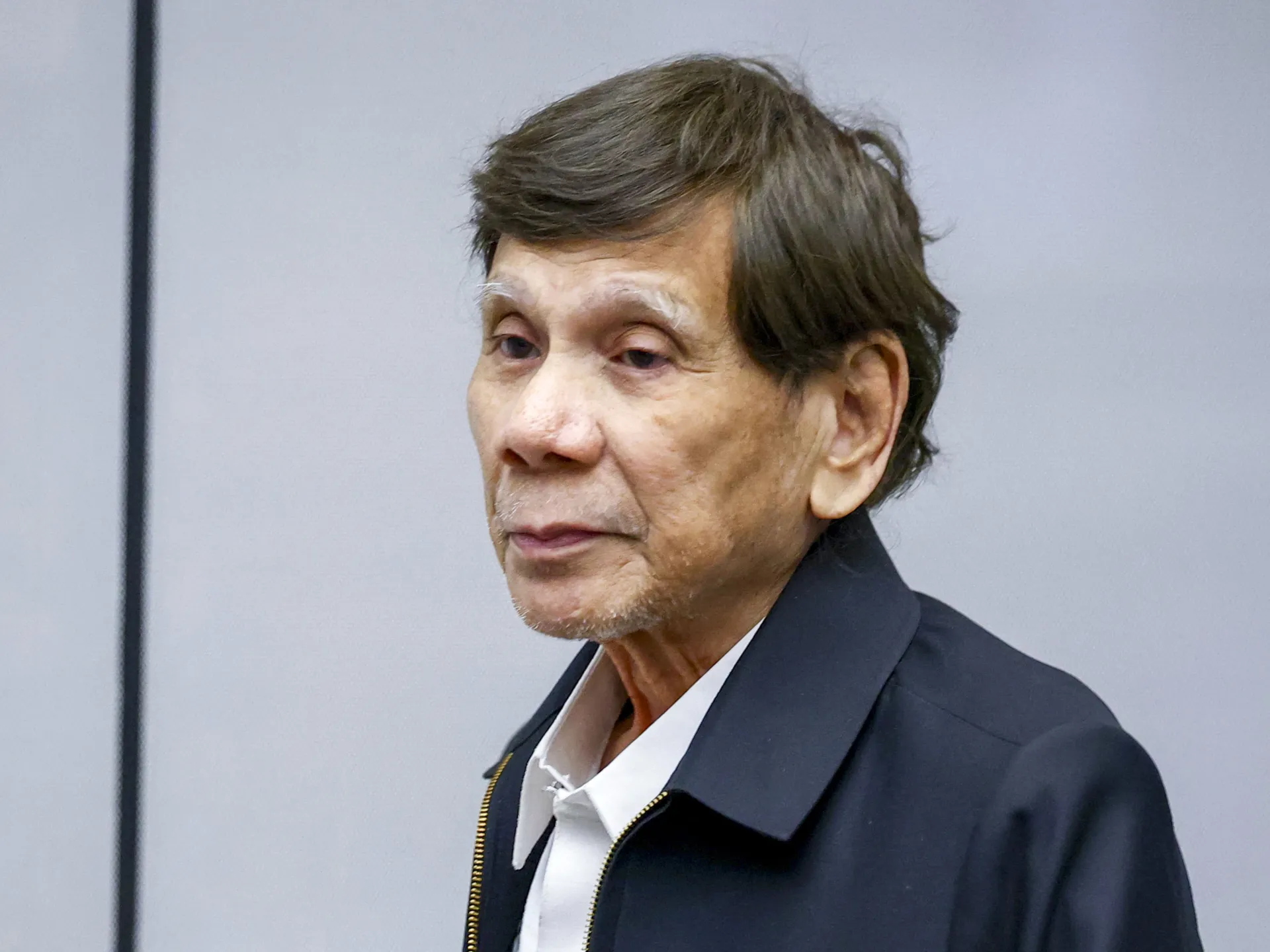
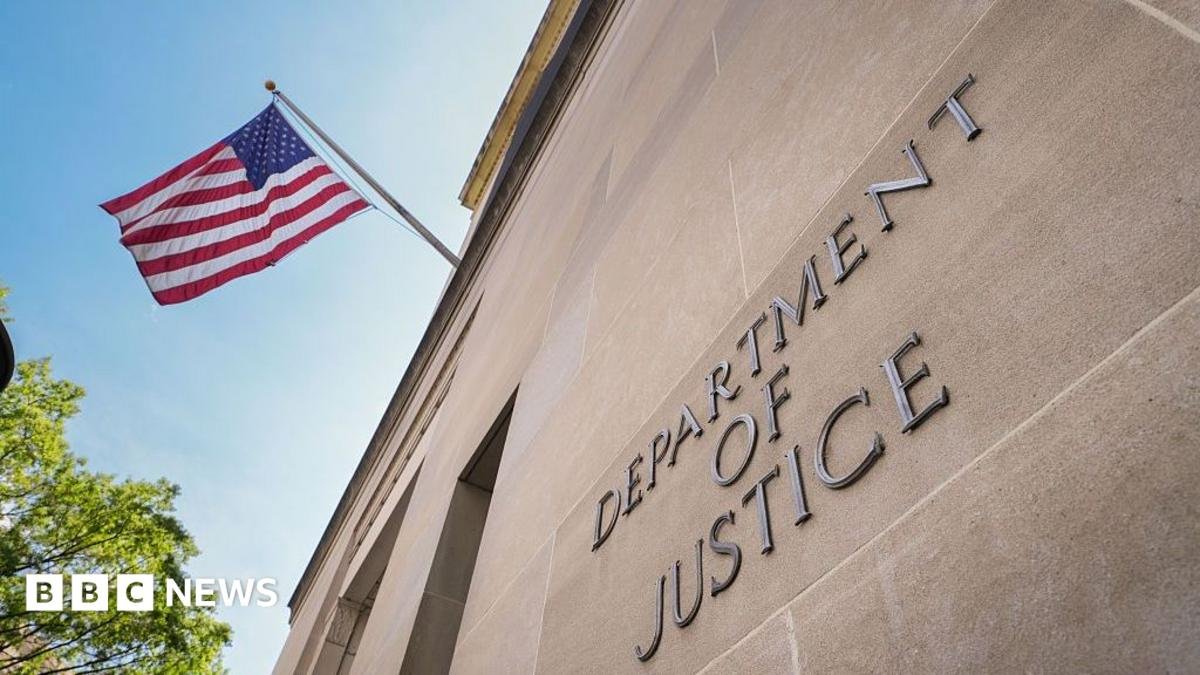
Despite these concessions, the organizational environment remains volatile. Reports suggest that legal maneuvers are mounting against the FIFA leadership, with some entities pursuing criminal proceedings. Simultaneously, the situation has attracted attention from the highest levels of international politics, with external figures warning that any forced ouster of the current leadership could have significant downstream consequences for FIFA’s future operations and stability.
The immediate trajectory of FIFA’s leadership depends heavily on the scope of the proposed external review and whether the member associations perceive the move as a genuine attempt at democratization or a tactical maneuver to survive a vote of no confidence. If the review process is perceived as toothless, the pressure from regional confederations for a change in leadership is likely to intensify. Furthermore, the intersection of potential criminal proceedings and political warnings creates a high-stakes environment where any misstep The upcoming council meetings will be the ultimate test of whether these proposed reforms can mollify the dissenters or if FIFA is headed toward a total restructuring of its top-tier hierarchy.