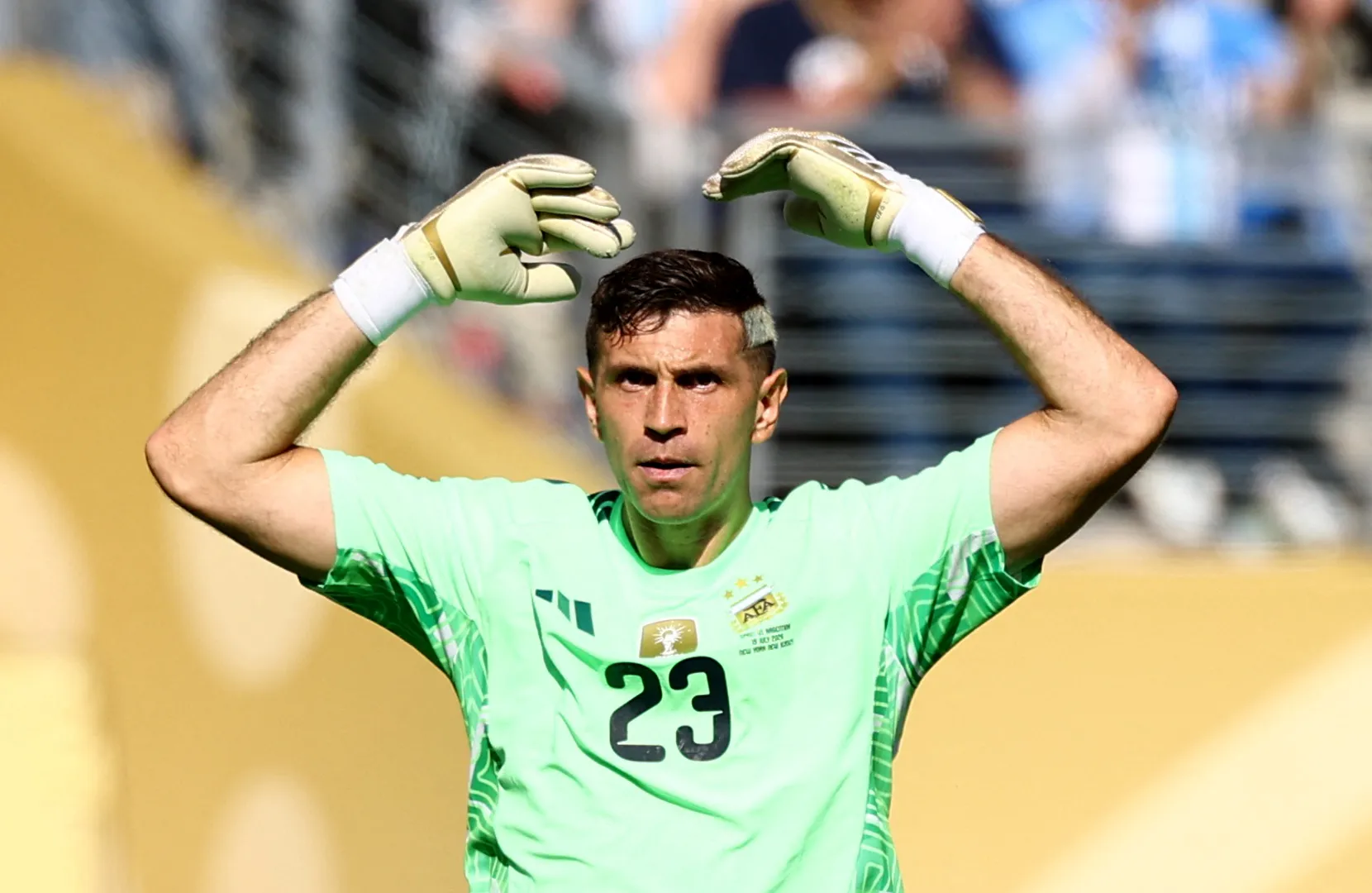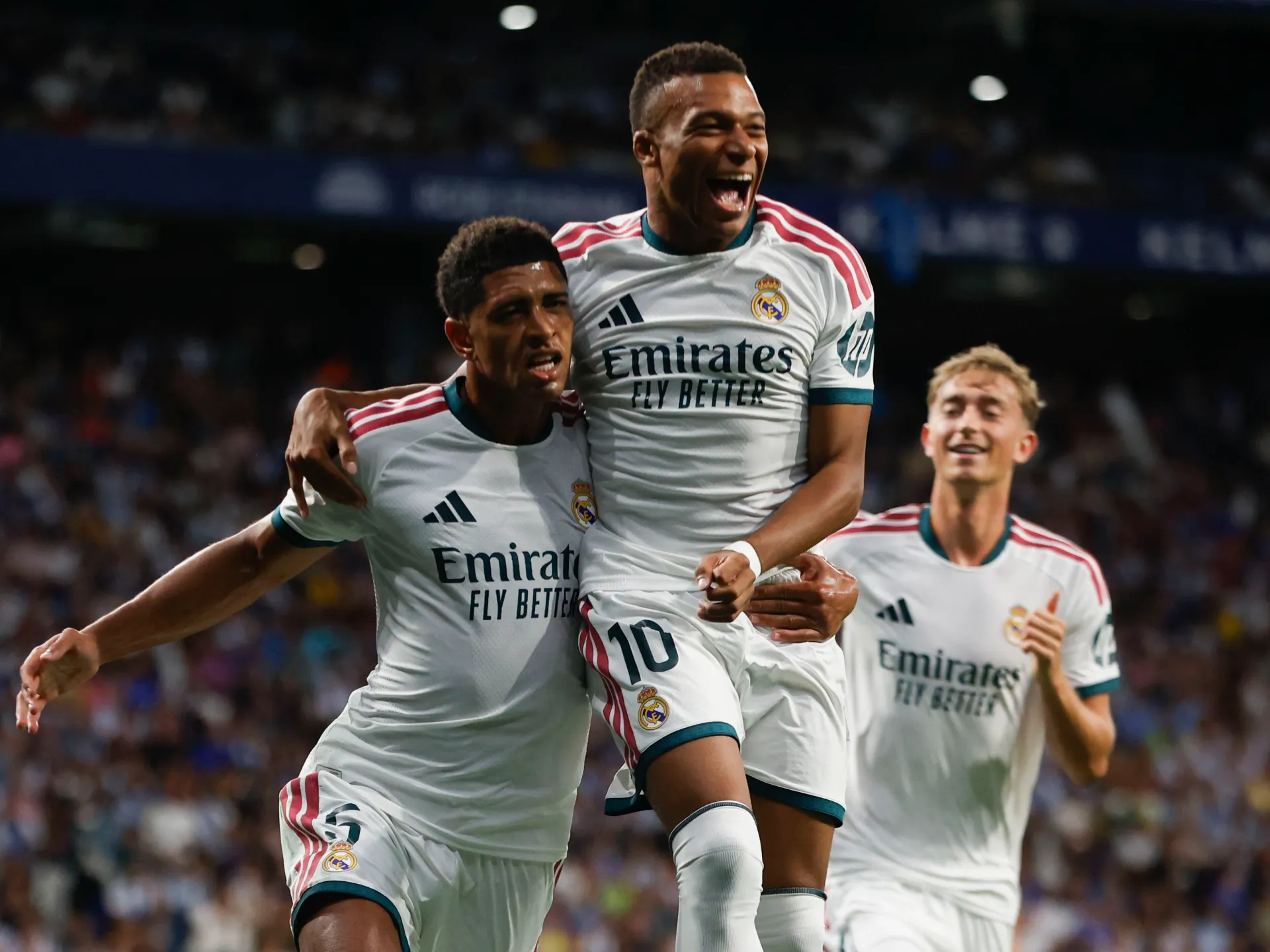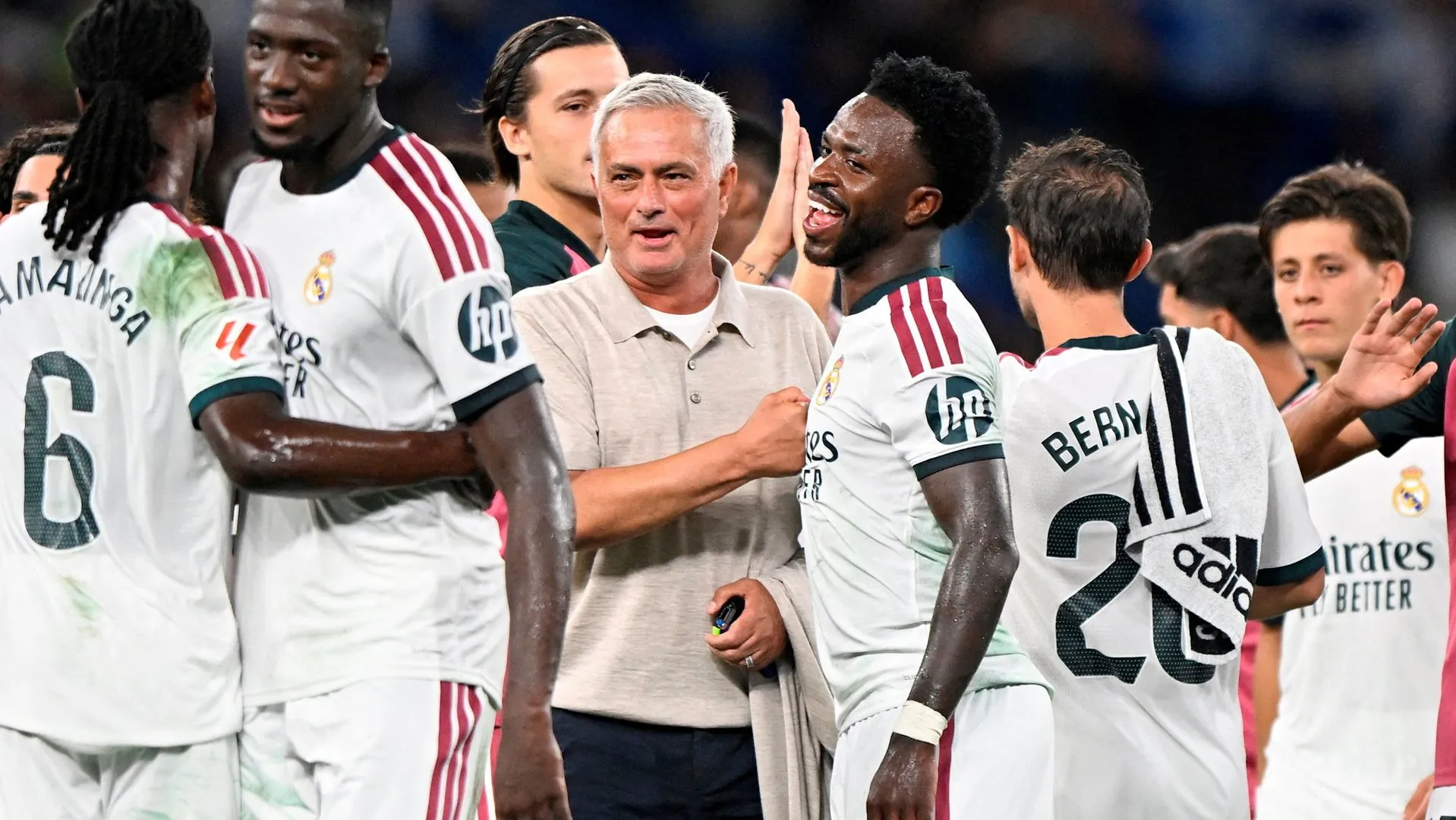
Real Madrid stars Kylian Mbappe, Vinicius Junior, and Ibrahima Konate have sparked debate after appearing to obscure a solidarity message for the city of Ceuta.
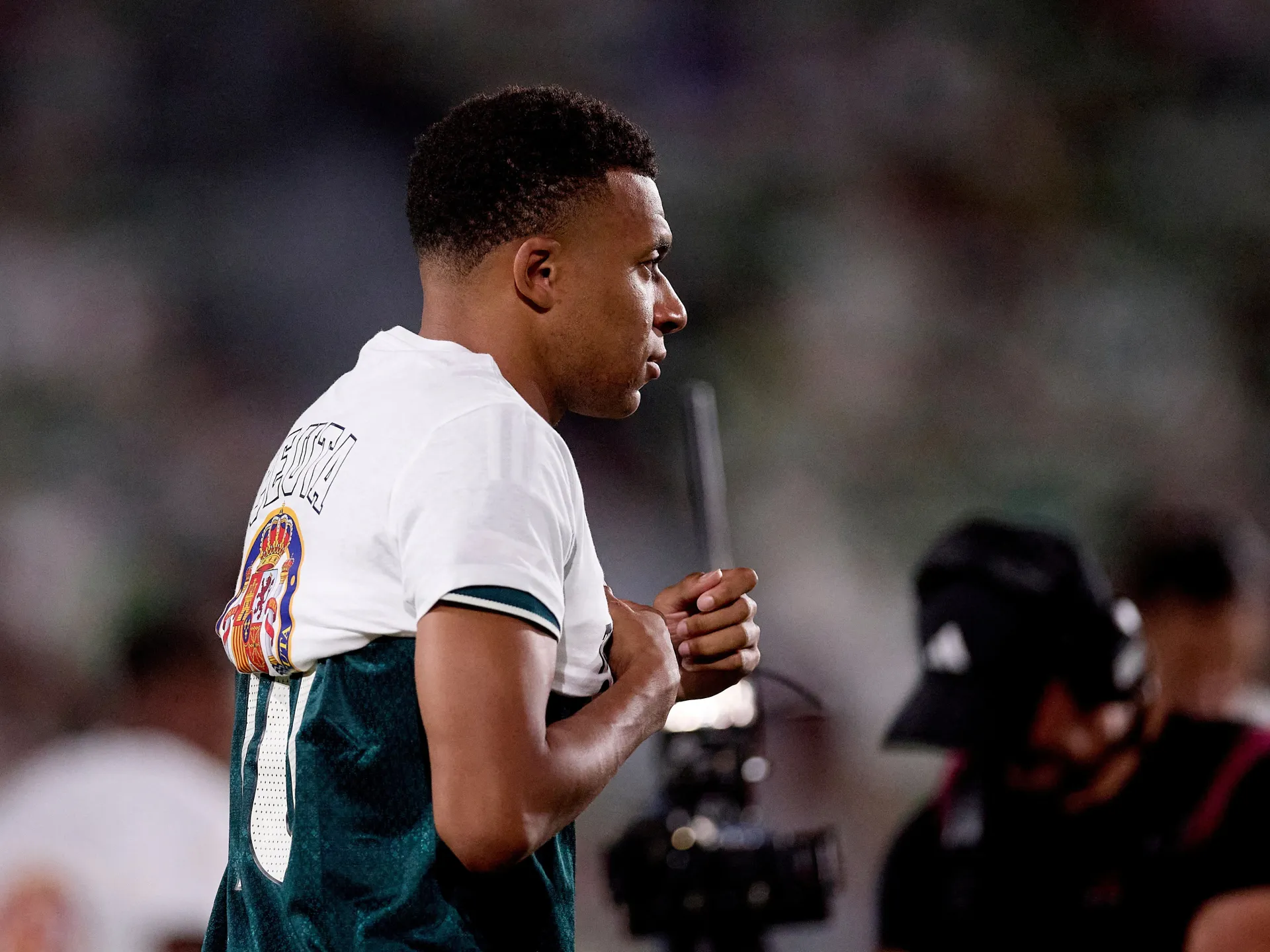
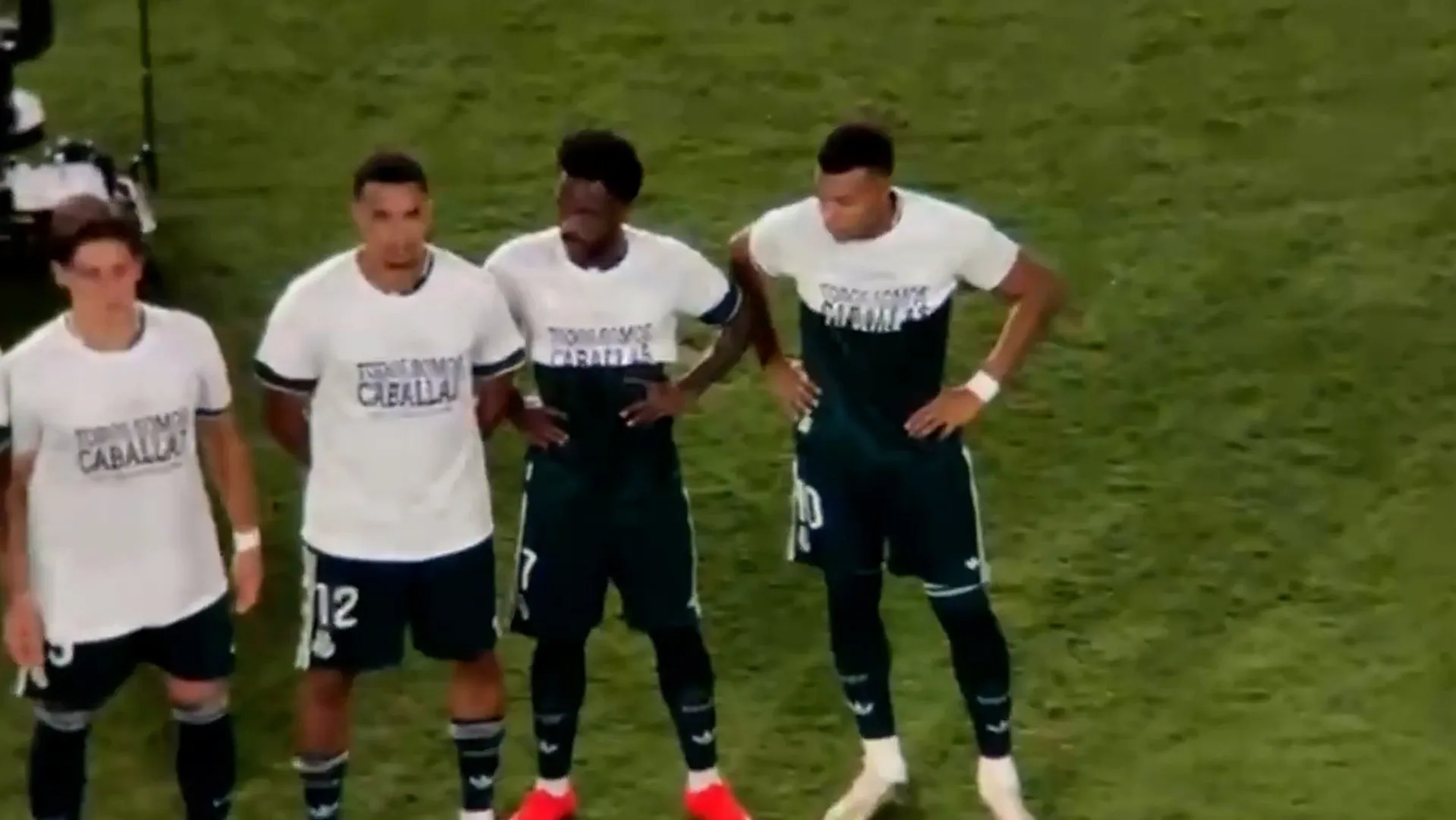
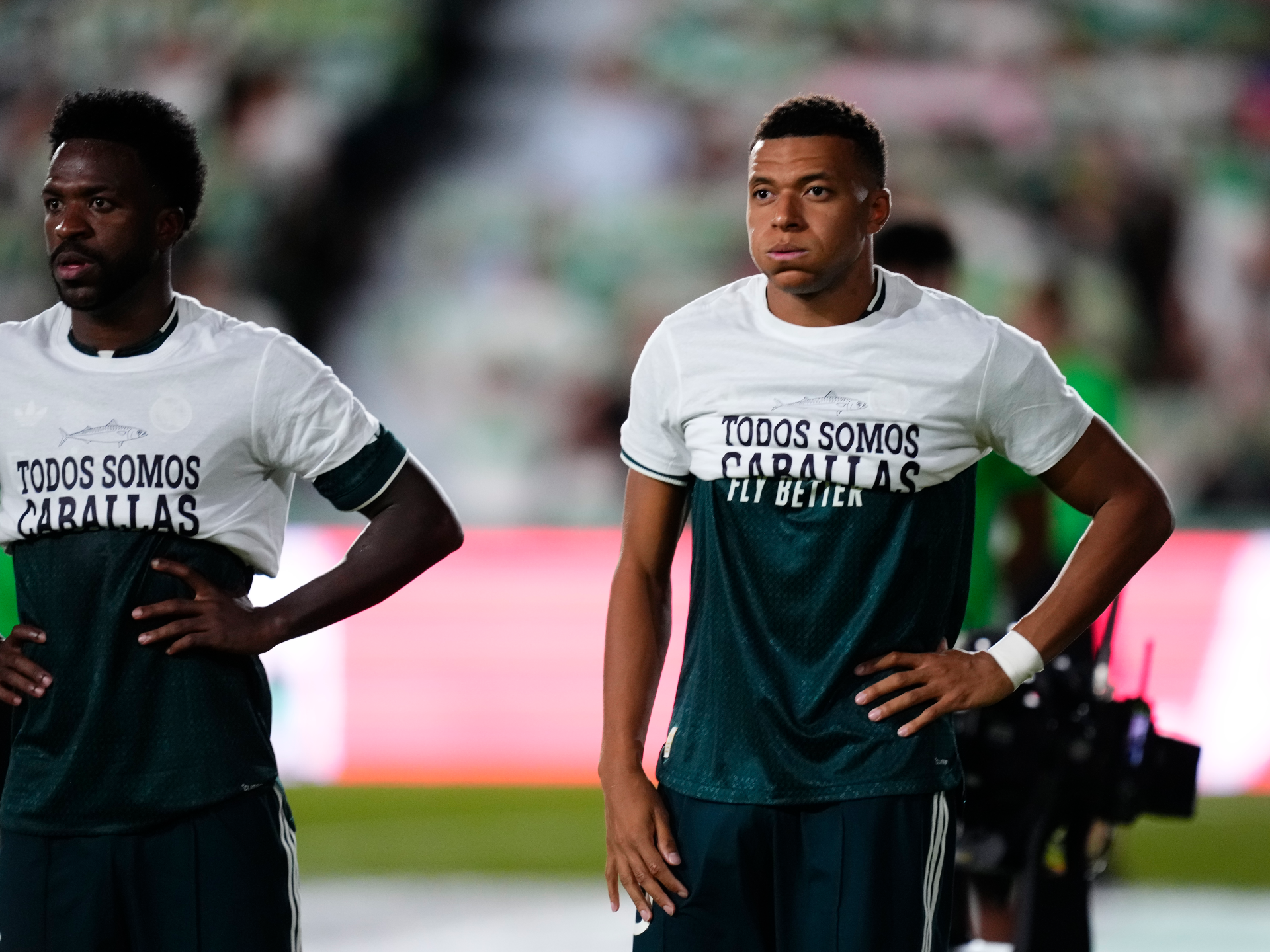
A recent La Liga match between Real Madrid and Elche became the stage for an unexpected political controversy involving some of the sport's biggest names. Kylian Mbappe, Vinicius Junior, and Ibrahima Konate found themselves at the center of a public debate after their conduct regarding a pre-match solidarity gesture. All players involved in the fixture were asked to wear white shirts emblazoned with the slogan “Todos somos caballas,” which translates to “We are all mackerels,” a term of endearment for the residents of the Spanish enclave of Ceuta.
The gesture was intended to demonstrate support for the city, which has recently become a focal point of intense political and social tension. However, as the players prepared to enter the pitch at the Manuel Martinez Valero Stadium, cameras captured Mbappe, Vinicius Jr, and Konate rolling their shirts up to their chests, effectively obscuring the message. This action, followed ion and criticism on social media platforms, with observers divided on whether the players were intentionally distancing themselves from the cause or simply managing their pre-match attire.
To understand the sensitivity of the situation, one must look at the recent volatility surrounding Ceuta. The autonomous Spanish city, located on the northern coast of Africa, serves as one of the few land borders between the African continent and European territory. In late July, the region experienced an unprecedented surge in migration, with over 70,000 individuals crossing into the enclave over the span of just two days. This event resulted in significant loss of life and prompted widespread concern across the European Union regarding border security and humanitarian management.
The status of Ceuta remains a long-standing point of contention between Spain and Morocco. The Moroccan government does not recognize Spanish sovereignty over the enclave, frequently labeling it as occupied territory. Because of this, any public signal of solidarity directed toward the city is often interpreted through a political lens, making it an incredibly difficult subject for public figures, including high-profile international footballers, to navigate without facing backlash.
The incident has also reignited discussions regarding the intersection of professional football and political expression. FIFA’s stringent regulations, specifically Rule 4.5, generally prohibit players from revealing undergarments that display political, religious, or personal slogans. While the shirts in question were provided utiny. Whether the players will face formal sanctions remains uncertain, as the responsibility for enforcement in this instance rests with La Liga, the Spanish football federation, and UEFA.
The incident is not an isolated one, as other players have faced similar pressures. Recently, Real Betis winger Abde Ezzalzouli, who is of Moroccan descent, faced significant criticism after participating in a similar solidarity gesture. Ezzalzouli was forced to issue a public statement clarifying that his actions were intended as a social gesture for the local population rather than a political act of defiance against his roots. As the situation in Ceuta continues to evolve, the footballing community remains caught between the desire to show humanitarian support and the risks associated with navigating complex international diplomatic disputes.