

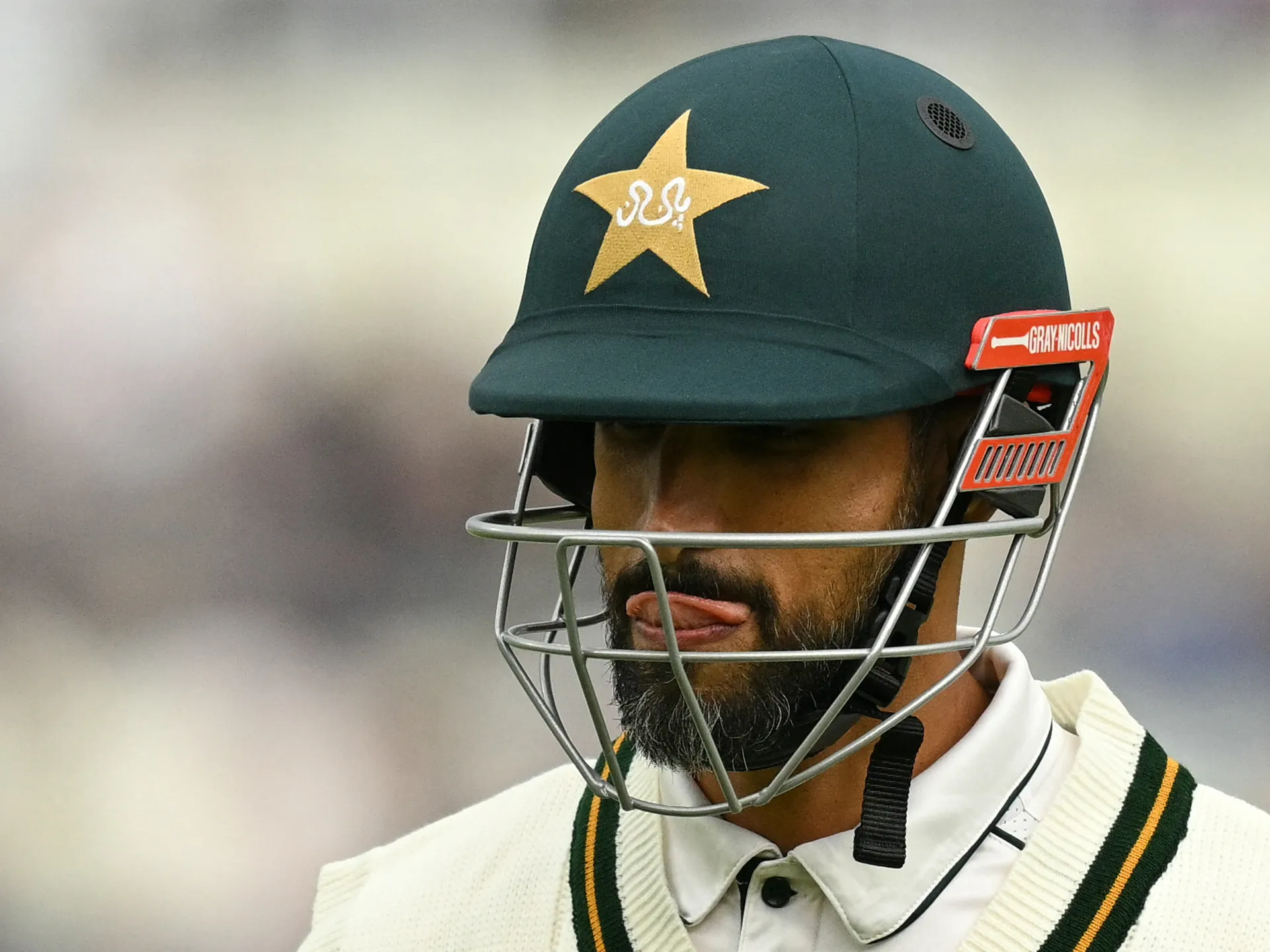
Pakistan's tour of England reached a new low in the third Test as the batting lineup collapsed for 133 runs, setting an unwanted historical record.
The third Test match in Birmingham against England proved to be another chapter of frustration for the Pakistan cricket team as they were bowled out for a mere 133 runs in their first innings. The performance marked a historic low, as Pakistan became the first Test-playing nation to witness all five of their top-order batters dismissed for scores of nine or fewer runs. The conditions at Edgbaston were challenging, but the inability of the batting lineup to stabilize against the English pace attack highlighted the ongoing struggles that have defined their current tour.
Sent in to bat under overcast skies, the visitors faced a relentless barrage from the English bowlers. The top order, which had been under immense pressure following consecutive losses in the series, collapsed rapidly. ely taking the team out of contention for a competitive first-innings total. This early collapse left the middle and lower order with an insurmountable task of rebuilding the innings against a confident English bowling unit.
Entering the third Test with an already lost series of 2-0, the Pakistan cricket board opted for a drastic shake-up in an attempt to spark a turnaround. The squad for the Birmingham match featured four new inclusions, including three players making their Test debuts. This decision came in the wake of the crushing defeat ant administrative and coaching changes.
In the aftermath of the second Test debacle, the team management saw the departure of head coach Sarfaraz Ahmed and assistant coach Umar Gul. Furthermore, seven players were sent home, signaling a clear intent to move in a new direction. Despite these radical changes to the personnel and the technical staff, the on-field results remained largely unchanged, suggesting that the issues plaguing the side run deeper than individual team selection or coaching strategies.
Amidst the wreckage of the batting lineup, Saud Shakeel provided the only semblance of resistance for the visitors. His innings of 43 runs was the highest individual score of the day, standing out in an otherwise bleak scorecard. His composure at the crease allowed the team to creep toward the 100-run mark, though he lacked sufficient support from the other end to build a meaningful partnership that could have challenged the hosts.
The tail-enders also faced a difficult trial, with one debutant successfully surviving 11 deliveries against the fast-bowling onslaught. Mohammad Abbas, typically known for his bowling prowess, contributed a resilient 21 runs off 36 balls, becoming one of the few players to reach double figures before the innings concluded in just 33.5 overs. This brief resistance was ultimately insufficient to prevent the team from being bundled out for a total that left them vulnerable for the remainder of the match.
The English bowling attack operated with clinical precision throughout the session, exploiting the vulnerabilities of the Pakistani batters. Ollie Robinson, who had previously earned player-of-the-match honors in the opening Test of the series, led the charge with figures of 3-15. His ability to move the ball off the pitch consistently kept the batters guessing and ultimately proved too difficult to negotiate.