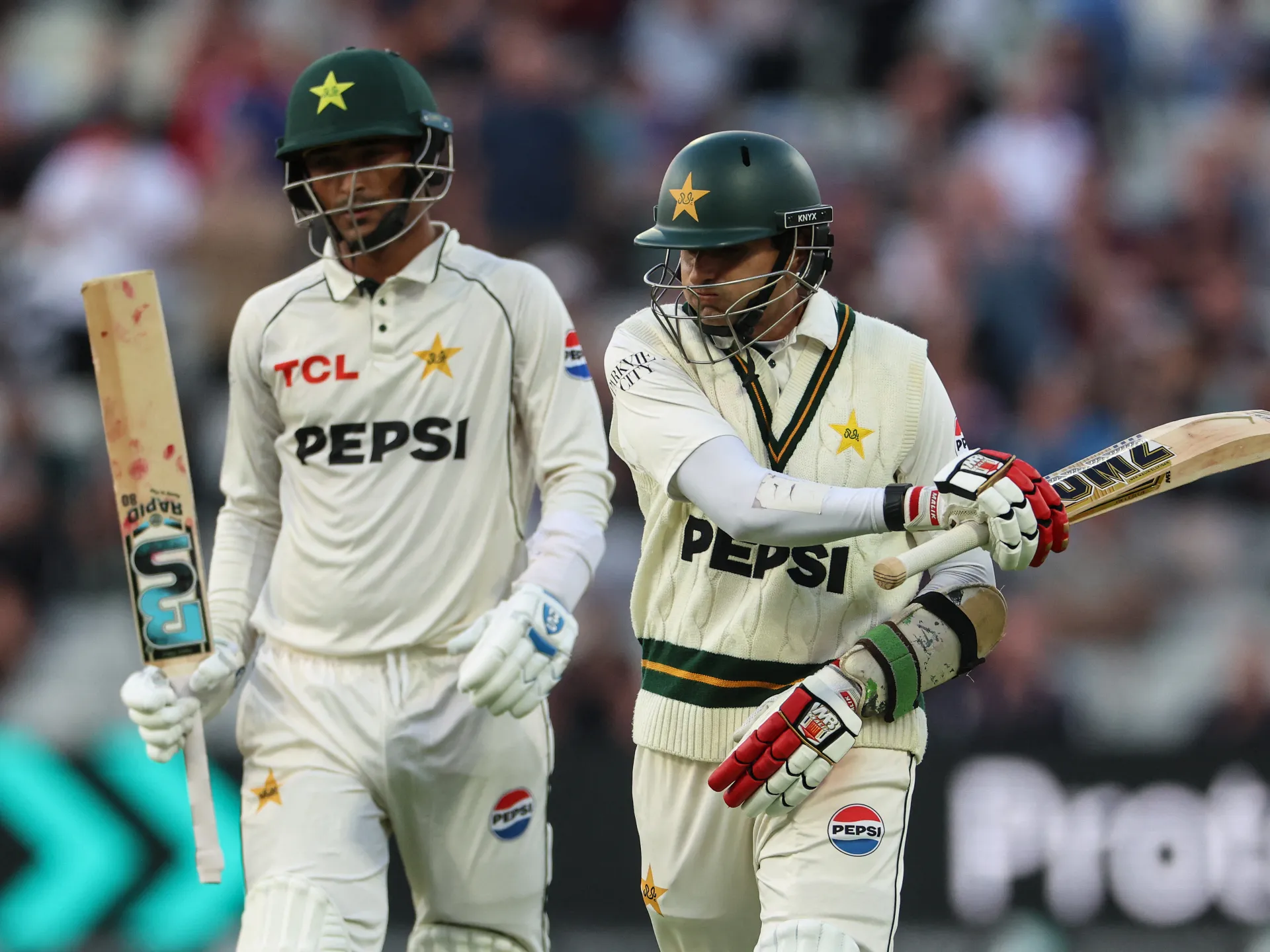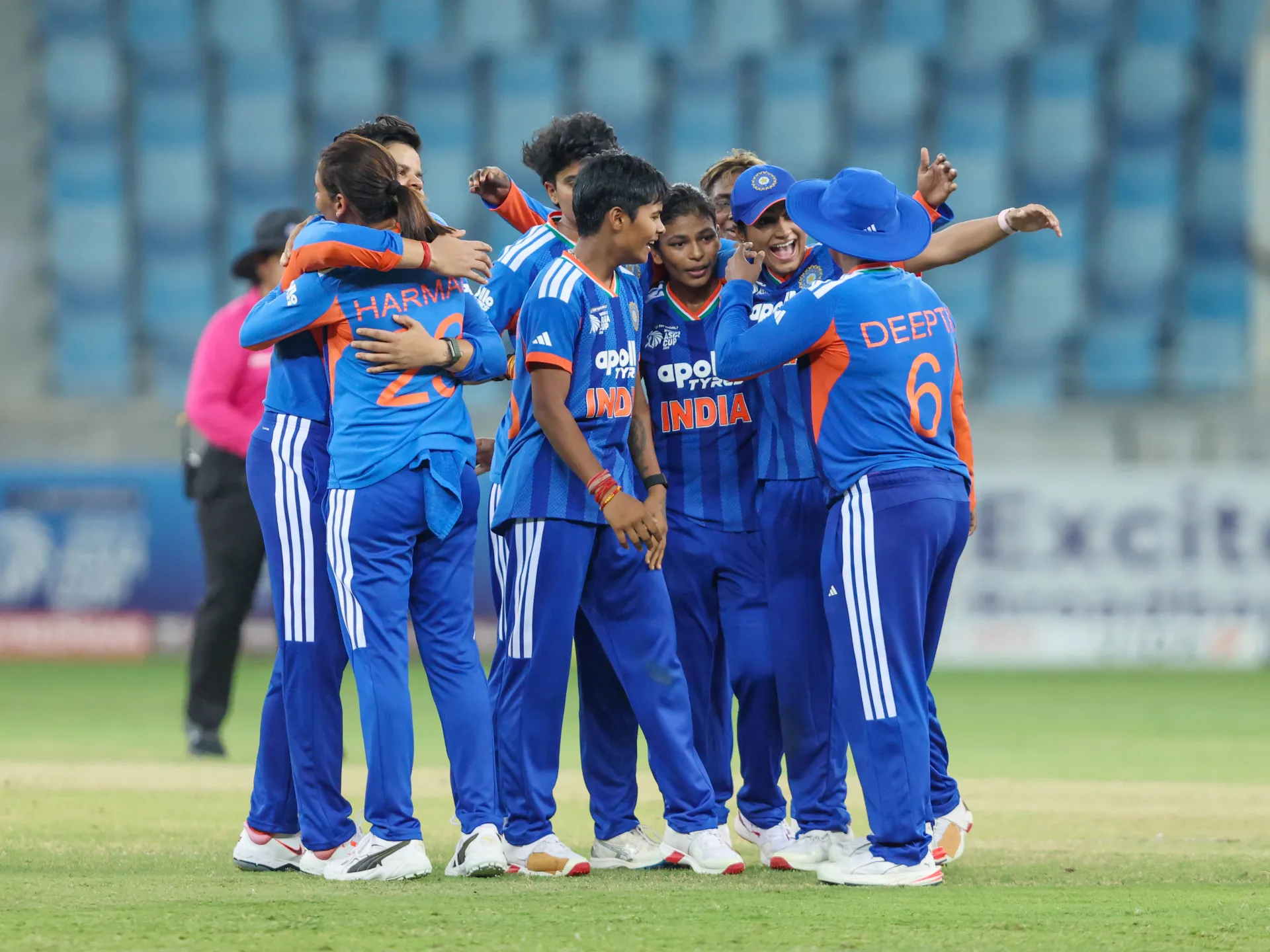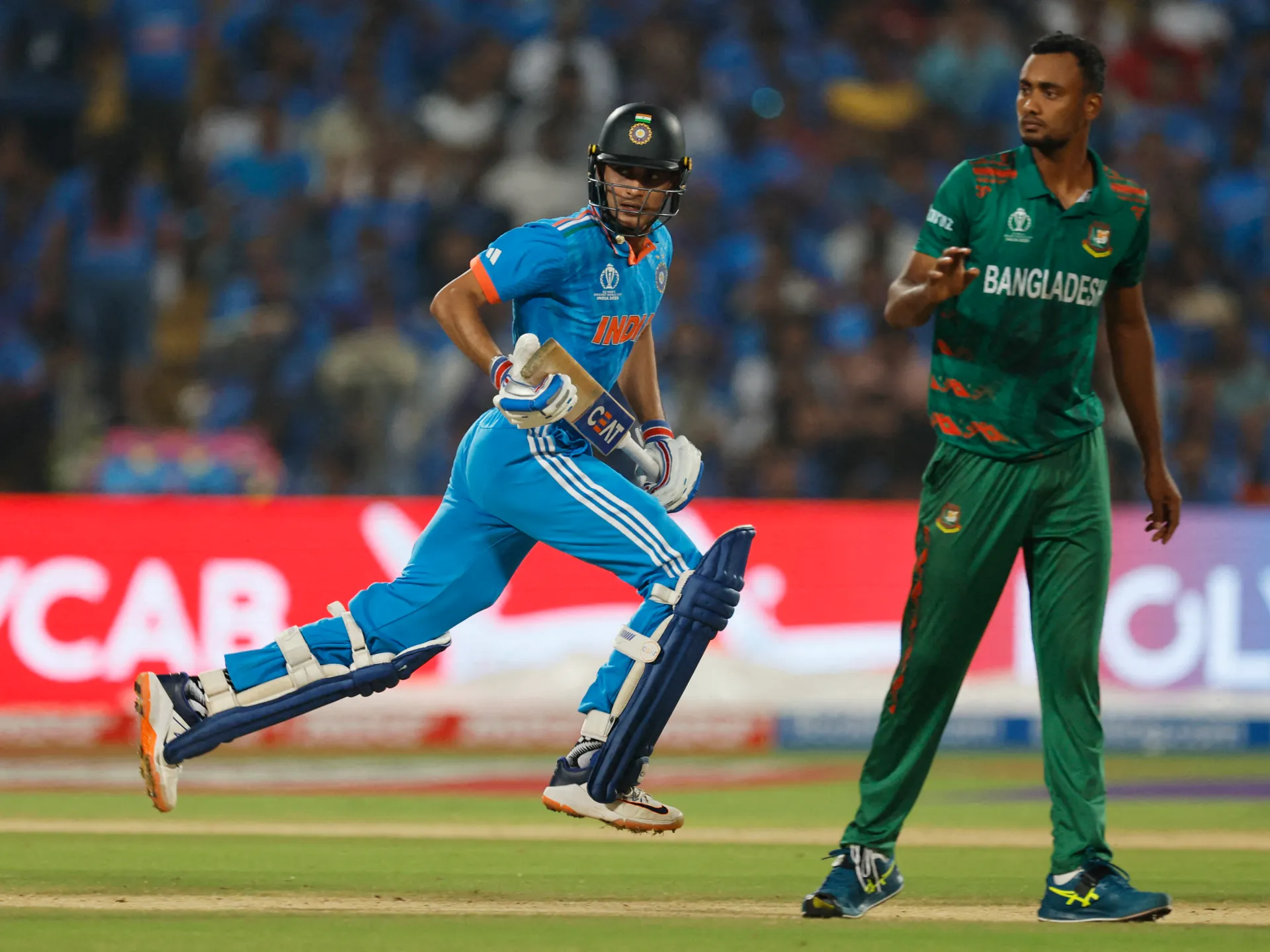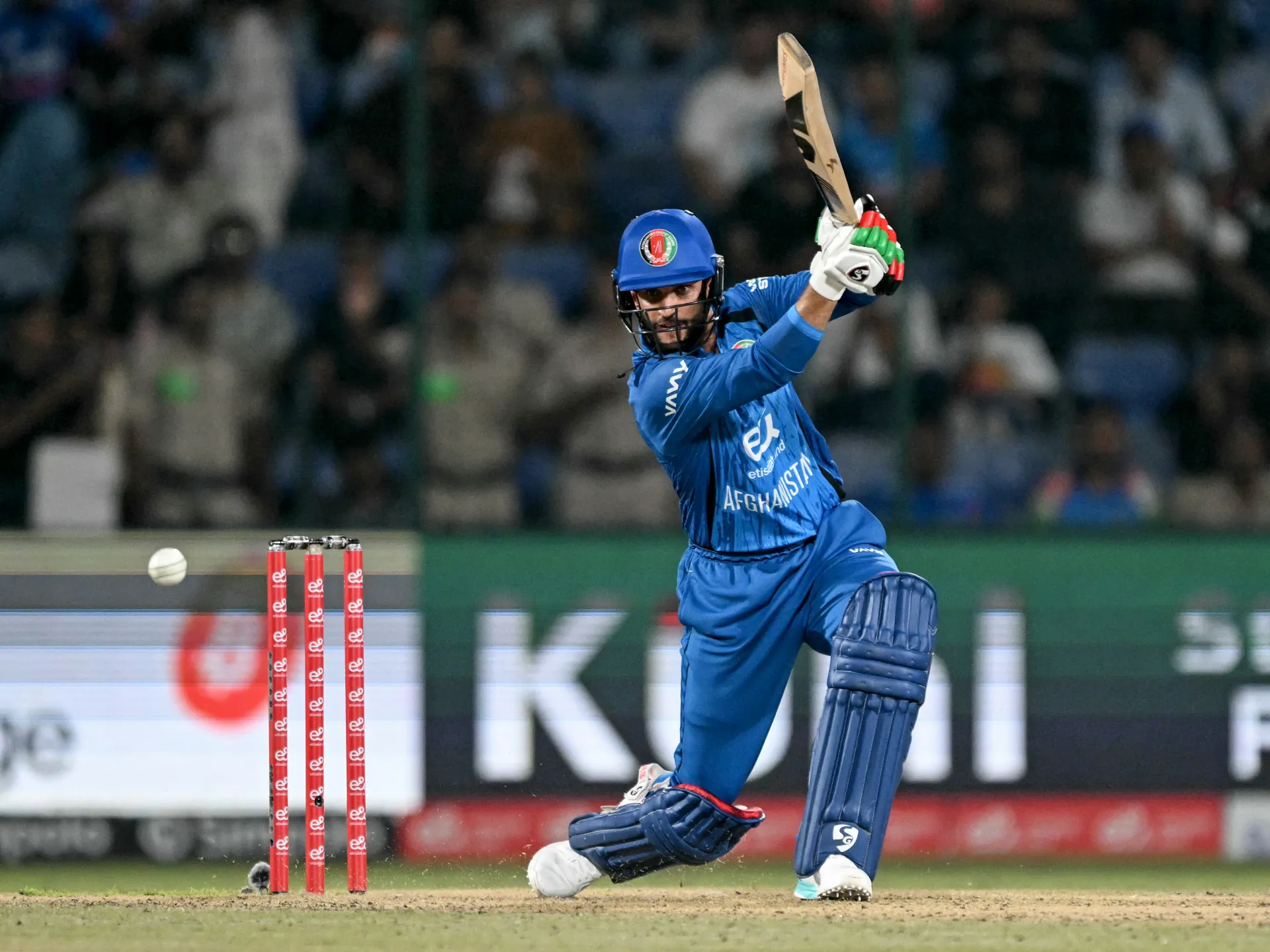
India and Afghanistan face off in a highly anticipated T20 international in New Delhi, highlighting the evolution of both teams in the shortest format of the game.
The cricketing landscape in New Delhi is buzzing as India prepares to host Afghanistan for a pivotal T20 international. This fixture serves as a critical junction for both squads, offering a chance to test emerging talent while refining tactical blueprints ahead of upcoming global tournaments. With the rapid evolution of the shortest format, both teams are expected to deploy aggressive strategies designed to capitalize on the unique conditions of the Indian subcontinent.
For the Indian side, the match presents an opportunity to solidify their core rotation. Selectors are closely monitoring how younger players integrate with experienced veterans, particularly in the middle-order batting department. The focus remains on maintaining a high strike rate during the middle overs, a metric that has become increasingly vital in modern T20 cricket. The coaching staff is likely to emphasize adaptability, especially given the unpredictable nature of T20 bowling variations.
Afghanistan continues to cement its reputation as a formidable force in international cricket. Their journey from an emerging nation to a competitive powerhouse has been defined squad arriving in New Delhi brings a blend of seasoned campaigners and youthful exuberance, capable of dismantling even the most disciplined bowling lineups on any given day.
The Afghan team management has been vocal about their intent to play fearless cricket, regardless of the venue or the reputation of their opponents. the rhythm of the Indian batsmen. Historically, Afghanistan’s ability to defend modest totals through clever rotation of their spin bowlers has been their greatest asset, and this match will be a rigorous test of that capability against a top-tier batting lineup.
The battle between India’s top-order batters and Afghanistan’s frontline spin attack is expected to define the narrative of this encounter. While the Indian batsmen are renowned for their ability to play spin with soft hands and deft placement, the Afghan bowlers possess a variety of mystery deliveries that can baffle even the most established players. Spectators can anticipate a high-pressure chess match unfolding in the middle overs as both sides attempt to gain a psychological advantage.
Fielding standards will also play a decisive role in the final outcome. In a format where every run saved can be the difference between victory and defeat, both squads have invested heavily in agility training. The outfield in New Delhi is known for being fast, meaning that ground fielding and the ability to cut off boundaries will be paramount. Captains will likely rotate their fielders strategically, employing aggressive catching positions during the powerplay to apply maximum pressure on the opening partnerships.
Playing in New Delhi brings its own set of unique variables, including the atmospheric conditions and the fervor of the local fanbase. The pitch is expected to offer a balanced contest between bat and ball, likely starting with some assistance for the pace bowlers before settling into a surface conducive to stroke play. As the evening progresses, the dew factor may become a significant consideration for the team bowling second, influencing the captain's decision at the toss.