

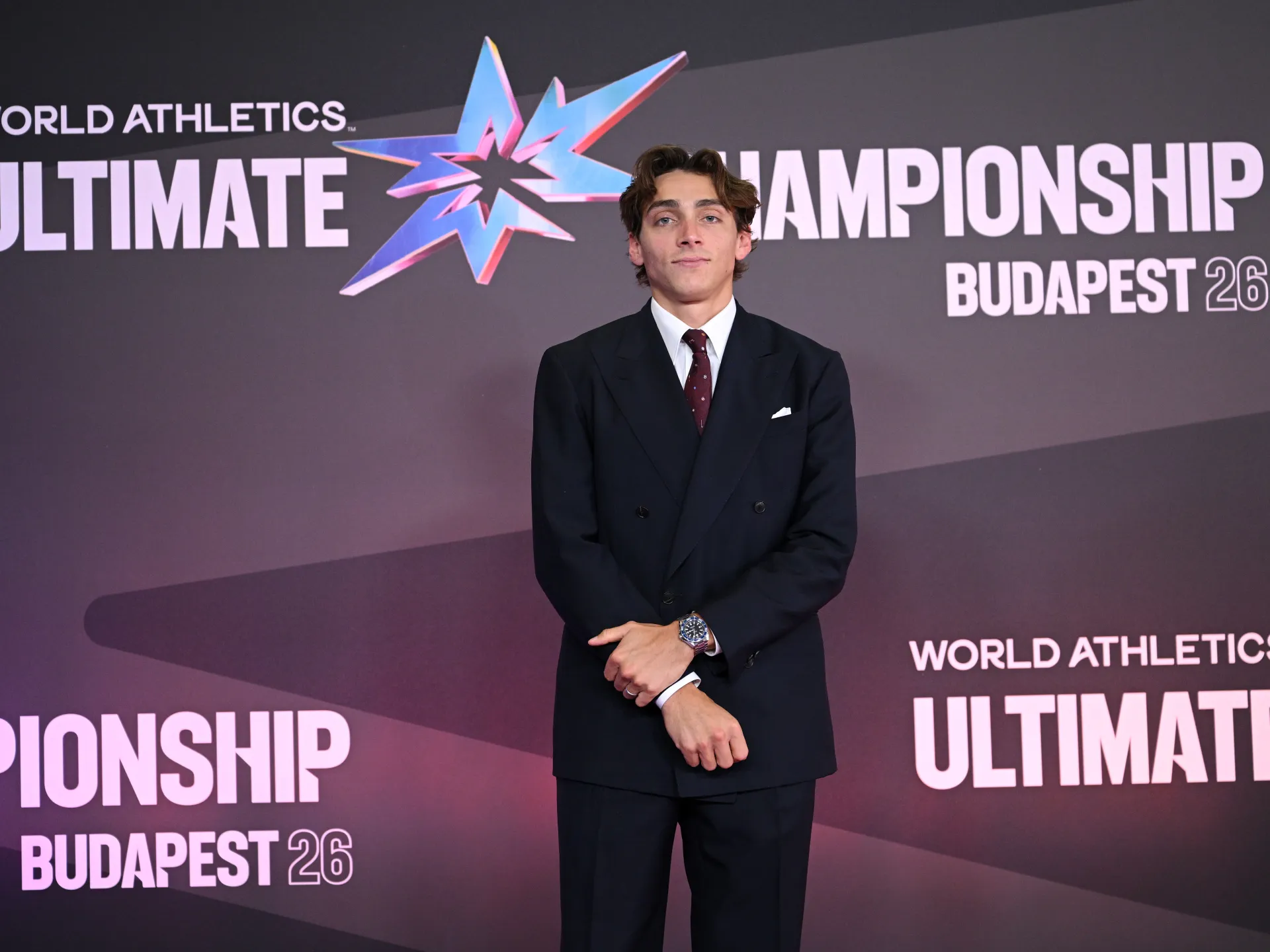
The inaugural World Athletics Ultimate Championship kicks off in Budapest, featuring a $10 million prize pot and a refined, high-intensity competition format.
The global athletics community has descended upon Budapest for the debut of the World Athletics Ultimate Championship, a high-stakes competition designed to showcase the absolute pinnacle of track and field talent. -tier performers from the 2026 season, the event aims to create a concentrated spectacle of speed, strength, and endurance. The three-day meet in the Hungarian capital serves as a strategic addition to the biennial calendar, filling the void in years between traditional World Championships and providing a thrilling conclusion to the competitive season.
The prestige of the event is bolstered The eight-time Olympic gold medalist has championed the event's unique structure, noting that the opportunity to see the world's best athletes face off directly aligns with the spirit of elite competition. agination of fans who crave consistent, high-intensity showdowns rather than the long-drawn-out qualification processes found in larger, multi-day championships.
At the heart of the Ultimate Championship is a record-shattering $10 million prize pool, representing one of the most significant financial investments in the history of the sport. Individual winners are set to walk away with $150,000, a massive increase compared to the $70,000 awarded at the previous year's World Championships in Tokyo. This aggressive compensation model extends deep into the field, with cash rewards distributed all the way down to 16th-place finishers, ensuring that the participants are rewarded for their elite status and the risks they take on the track.
Beyond the immediate financial gain, the event aims to elevate the status of the athletes through a modernized approach to recognition. In a departure from tradition, the championship has eliminated standard medals, opting instead for bespoke, customized trophies that signify the status of an "Ultimate Champion." World Athletics President Sebastian Coe has emphasized that these awards, paired with the substantial purse, are intended to provide athletes with both the financial security to pursue their craft and the global recognition their performances deserve.
The Ultimate Championship is not merely a different venue for standard races; it is an experimental ground for new competition rules. The event has done away with traditional heats, moving straight into semifinals and finals to keep the pace of the broadcast rapid and engaging. Furthermore, participants in events like the 200m sprint are granted the autonomy to select their preferred semifinal heats and lanes based on their official seeding, adding a layer of strategic decision-making that is rarely seen in professional athletics.
Field events have also undergone significant modifications to improve viewer engagement. In vertical jumps, for instance, the number of attempts has been reduced to prioritize consistency and pressure-handling over volume. These changes, coupled with the inclusion of the high-energy mixed 4x100m relay, underscore the sport’s commitment to evolving its presentation to meet the expectations of modern audiences who prefer dynamic, shorter-duration spectacles.
Despite the excitement surrounding the launch, the event has faced criticism regarding the exclusion of several core athletics disciplines. Events such as the shot put, triple jump, discus, and the women's hammer throw, alongside long-distance staples like the 3,000-meter steeplechase and 10,000-meter run, have been omitted from the program. World Athletics has defended the decision as a necessary step to prioritize faster-paced events that historically garner higher viewership and broadcast interest.