

A deep dive into the tactical complexities and key player battles as Manchester United and Manchester City face off in a high-stakes Premier League clash.
The fixture between Manchester United and Manchester City remains one of the most anticipated events on the global football calendar. As these two historic clubs clash, the tactical battle on the pitch often serves as a barometer for their respective ambitions within the Premier League. The intensity of this rivalry is rooted in decades of competition, yet it has evolved into a modern tactical chess match where managerial philosophy often dictates the outcome.
In recent years, the gap between the two sides has fluctuated, leading to high-stakes encounters that carry significant implications for the league table. Whether the match is held at Old Trafford or the Etihad Stadium, the atmosphere is consistently electric, fueled players involved, these games are not merely about three points; they are about regional dominance and the assertion of authority in a league known for its unforgiving nature.
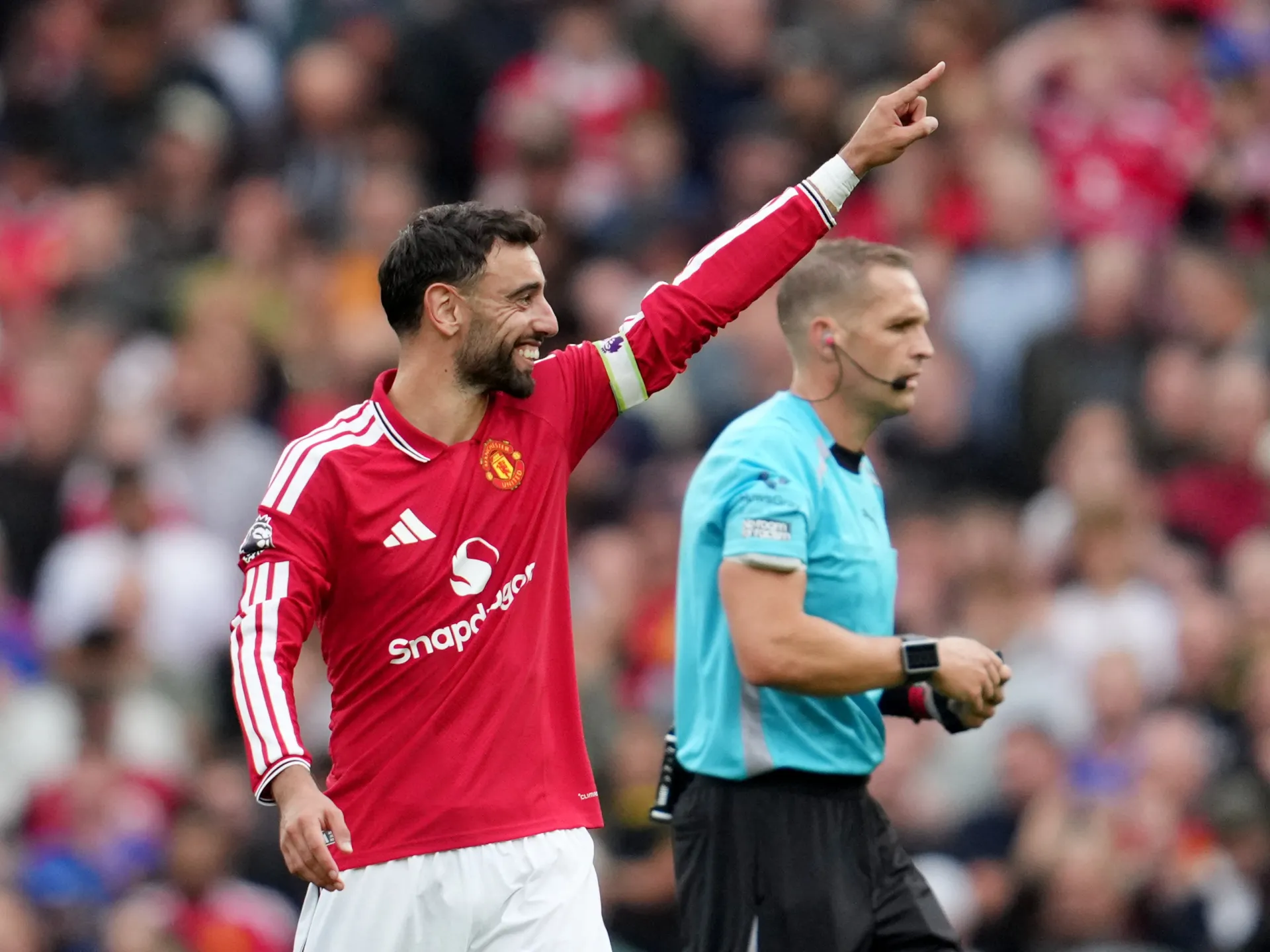
Central to the narrative of this encounter is the individual brilliance of key personnel. Players like Bruno Fernandes bring a creative spark and leadership quality to the United midfield, often tasked with unlocking defenses through precise passing and vision. His ability to transition play quickly is frequently a vital component in United’s strategy to bypass the high press employed
Conversely, Manchester City’s offensive structure often revolves around the clinical finishing and physical presence of Erling Haaland. His movement inside the penalty area creates constant problems for opposing center-backs, forcing defensive lines to remain disciplined for the full duration of the match. The interplay between midfield controllers and these star attackers creates a dynamic environment where a single moment of genius can shift the momentum of the entire derby.
The evolution of the Premier League has seen both Manchester clubs adapt to shifting tactical trends. Manchester City, under their current leadership, has championed a possession-based game that emphasizes positional fluidity and high-intensity pressing. This philosophy requires immense technical proficiency and tactical awareness from every player on the pitch, allowing them to dominate the tempo of the game regardless of the opponent.
Manchester United has historically sought to balance their defensive solidity with rapid counter-attacking threats. In high-profile fixtures, the challenge for the coaching staff is to maintain a compact defensive shape while ensuring that players like Fernandes have the freedom to influence the final third. The tactical tug-of-war between City’s desire to control the ball and United’s ambition to exploit space is what makes this specific rivalry so compelling for analysts and fans alike.
Beyond the immediate excitement of ninety minutes of football, the result of a Manchester derby frequently sends shockwaves through the league standings. Given the competitive nature of the top tier of English football, every point dropped or gained in these head-to-head battles is scrutinized heavily. A victory in this fixture can provide a significant psychological boost, potentially acting as a catalyst for a sustained run of good form during the winter months.
Ultimately, the Manchester derby serves as a microcosm of the Premier League’s global appeal. It highlights the intersection of immense financial investment, high-caliber coaching, and world-class talent. As both clubs continue to refine their squads and tactical approaches, the derby will undoubtedly remain a defining feature of the season, consistently testing the endurance and ambition of two of the most successful clubs in the history of the sport.