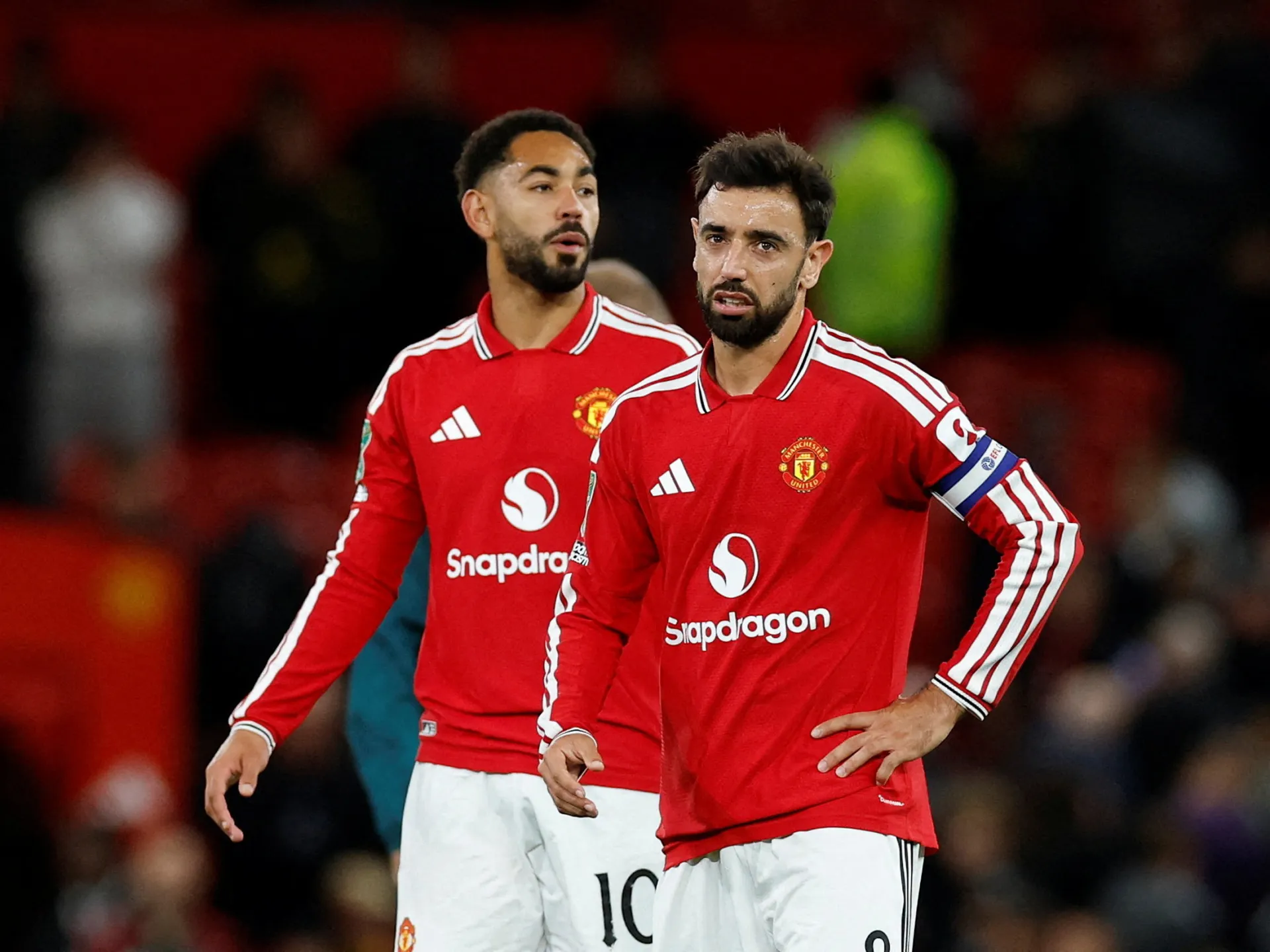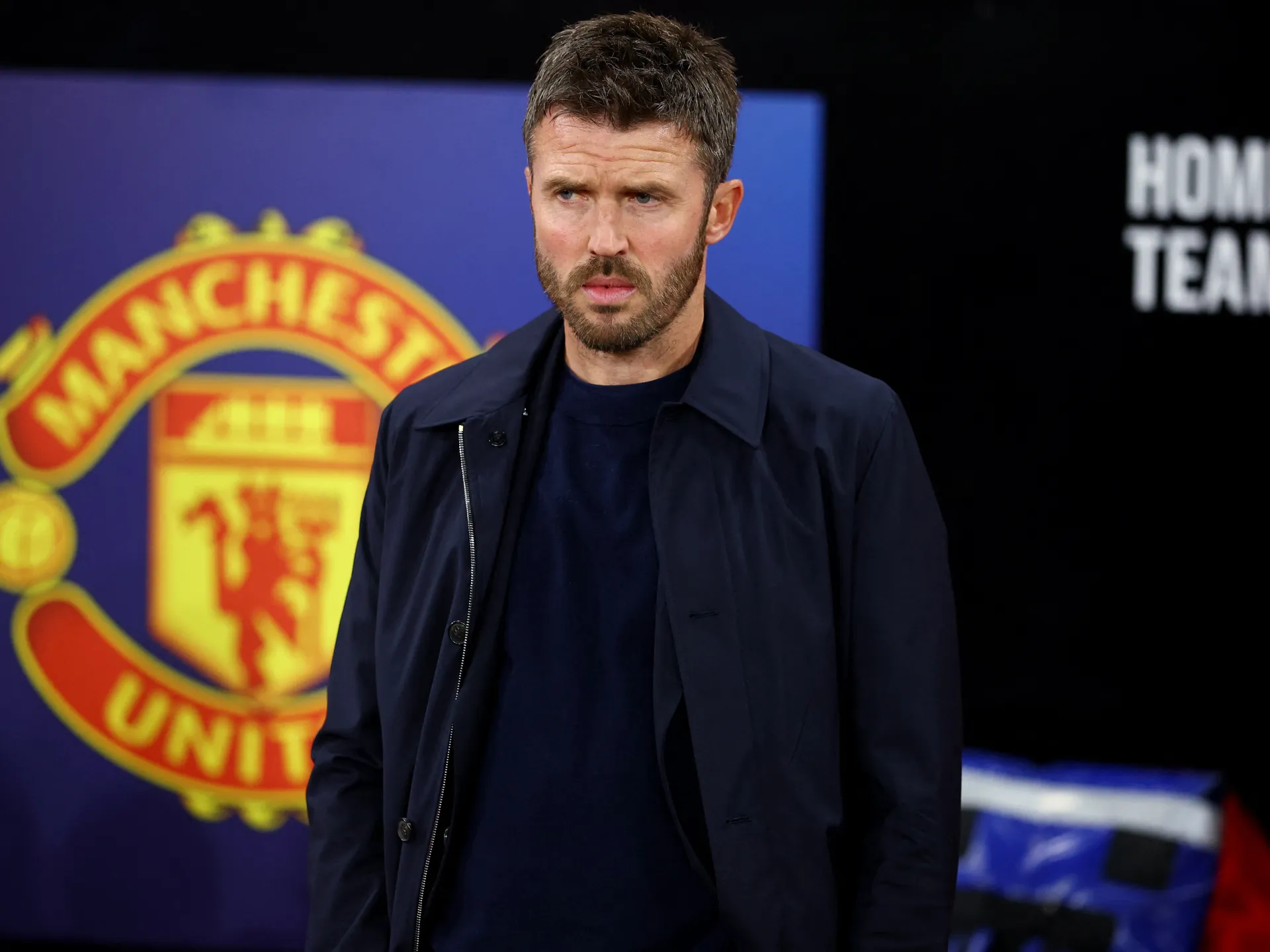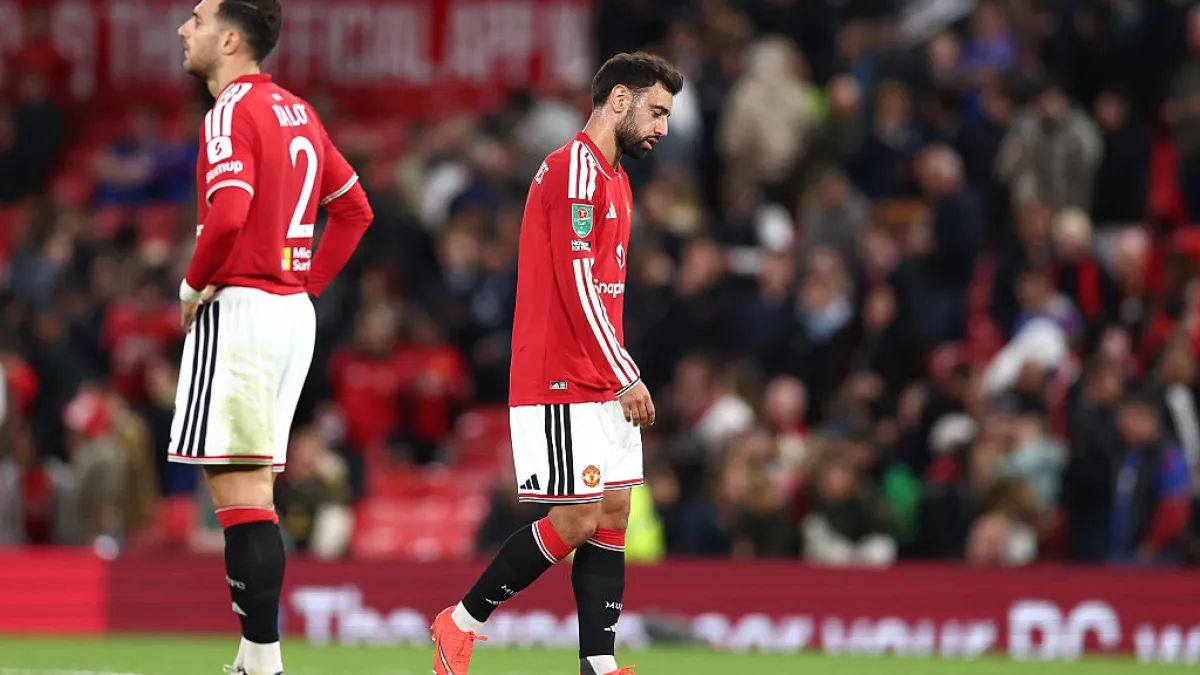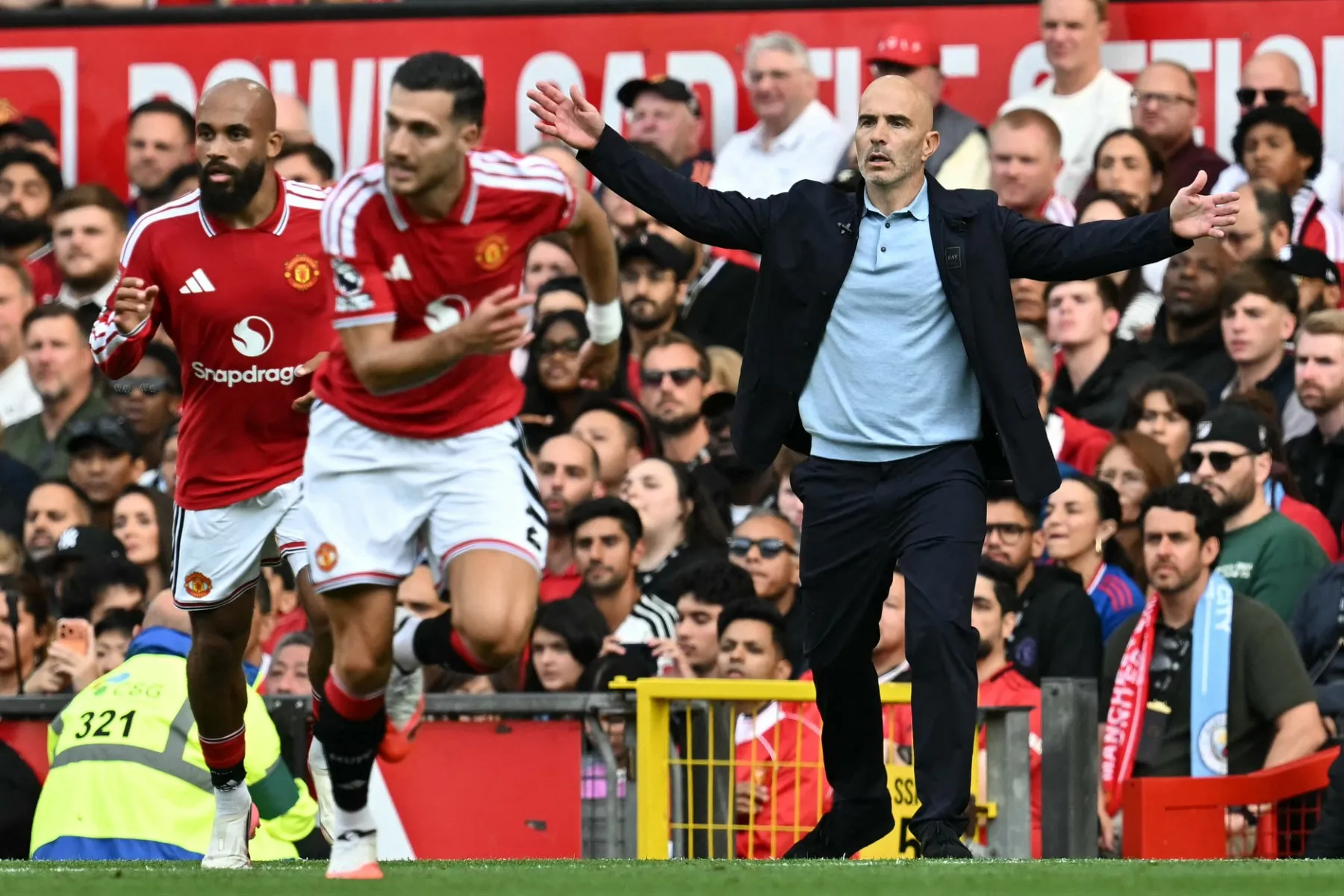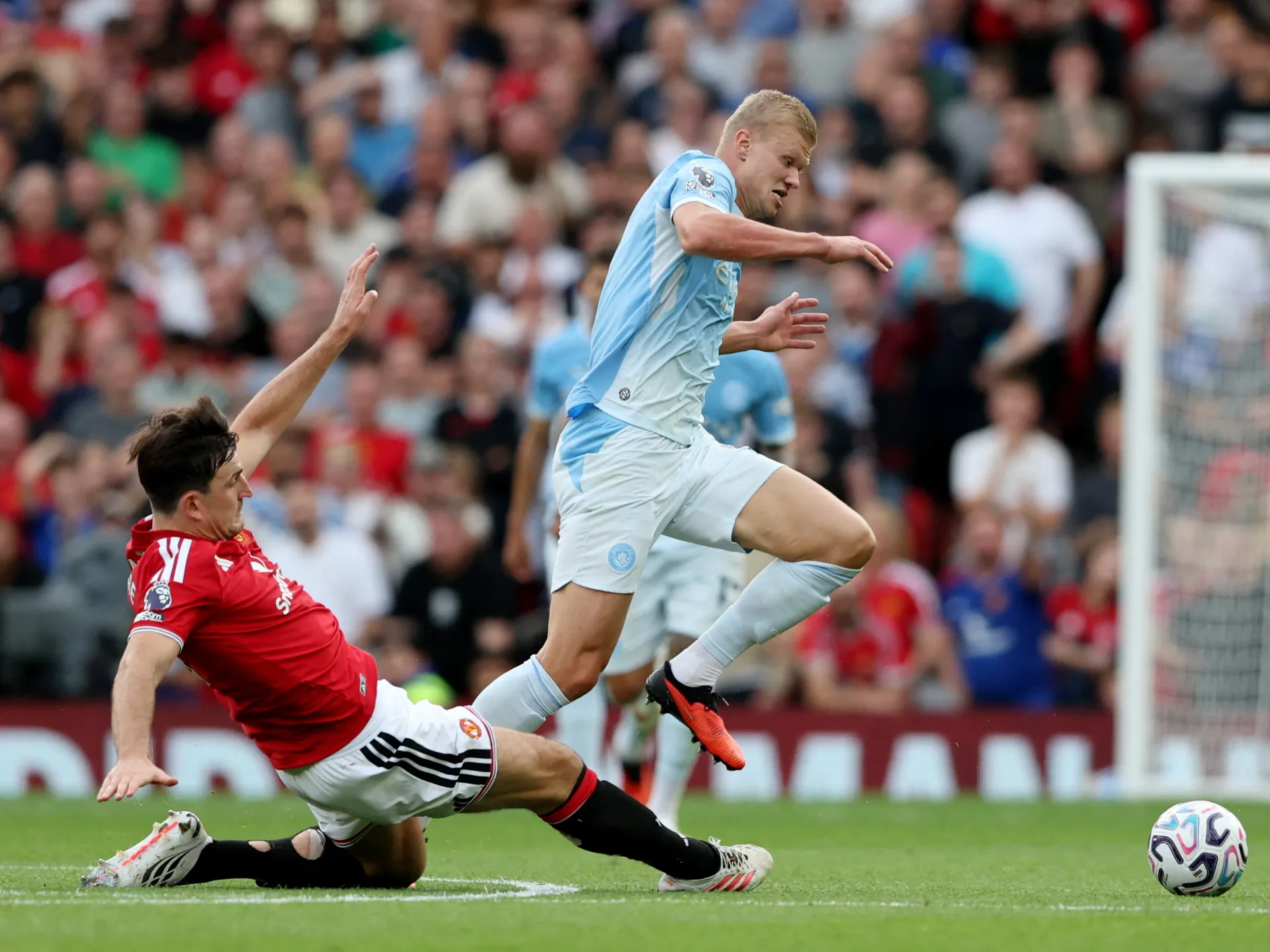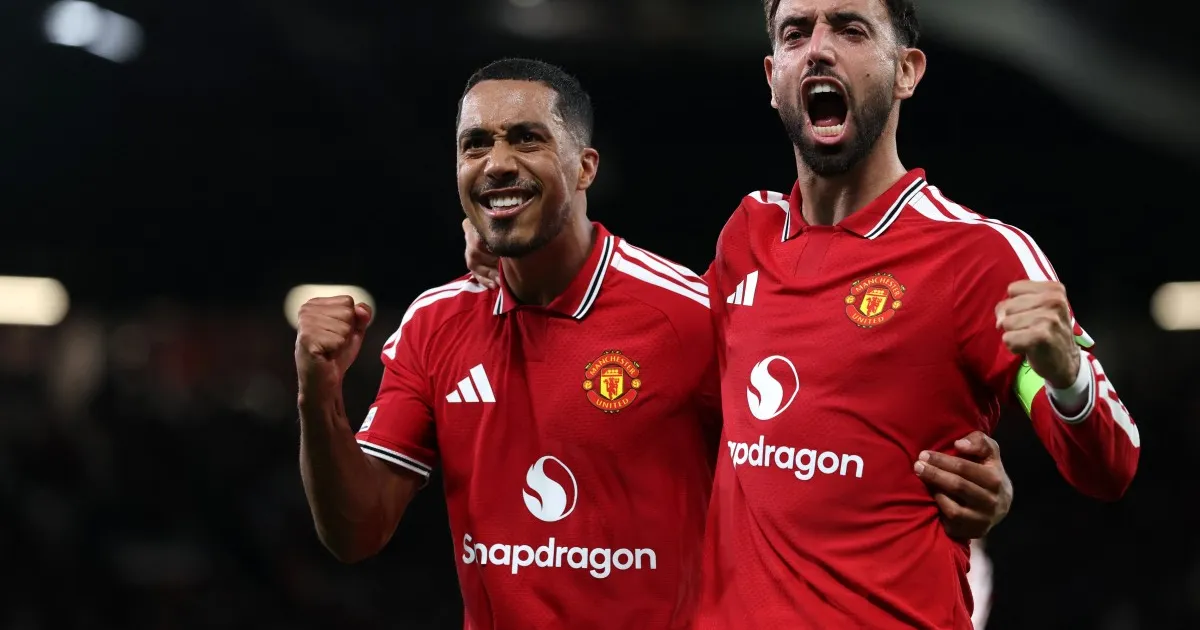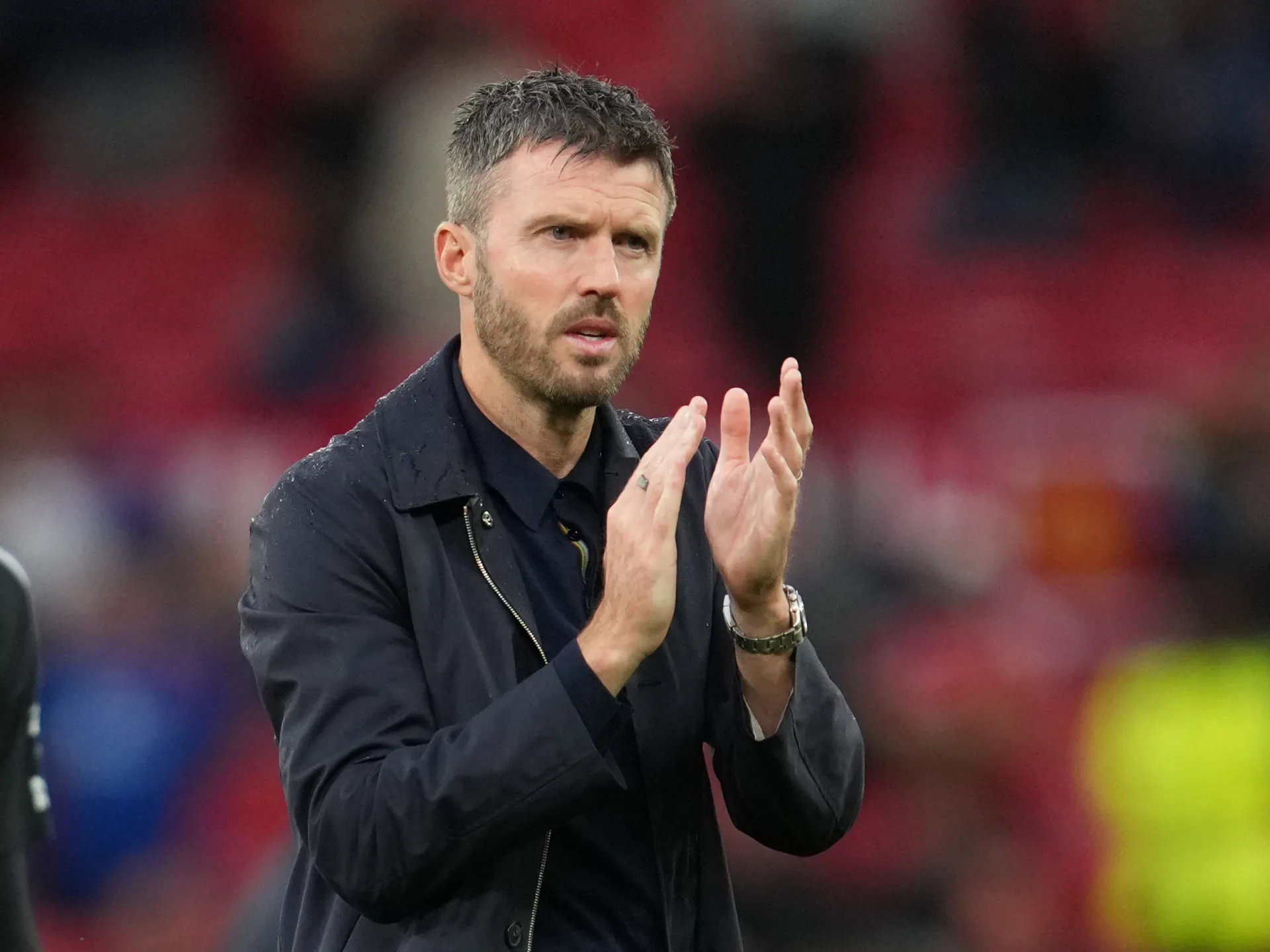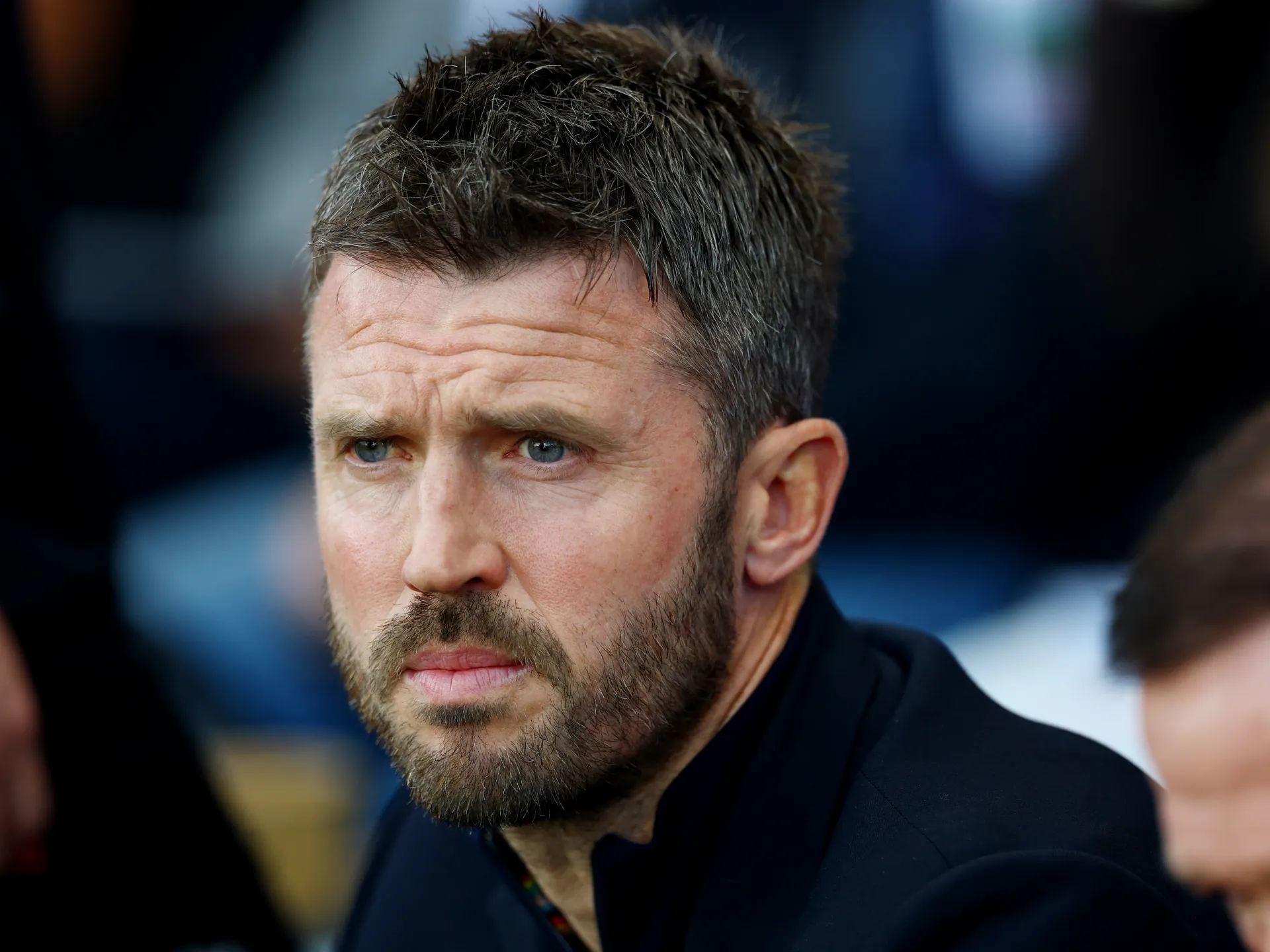
Manchester United’s season has reached a historic low point after a 1-1 draw with Fulham, piling pressure on manager Michael Carrick.
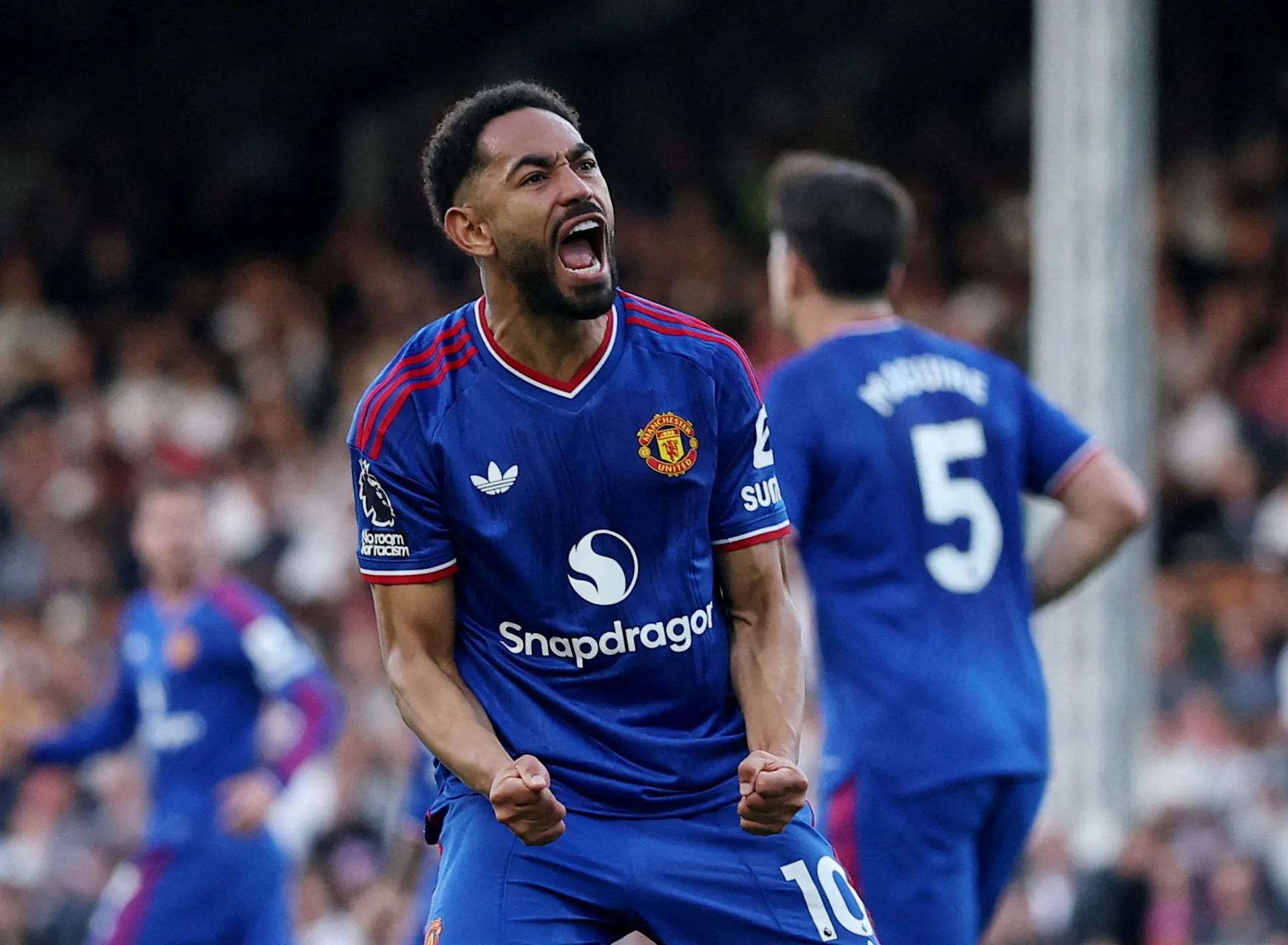
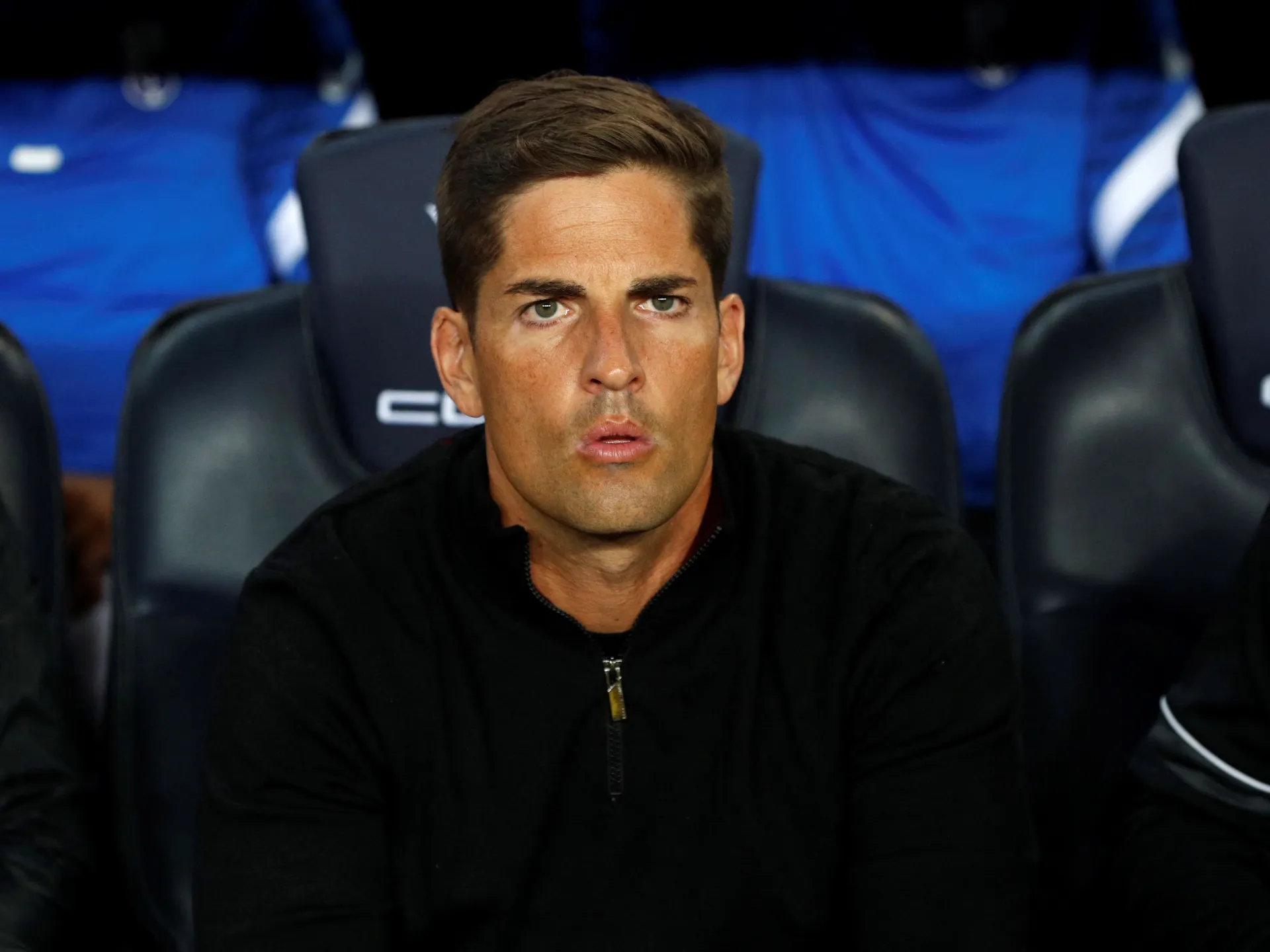
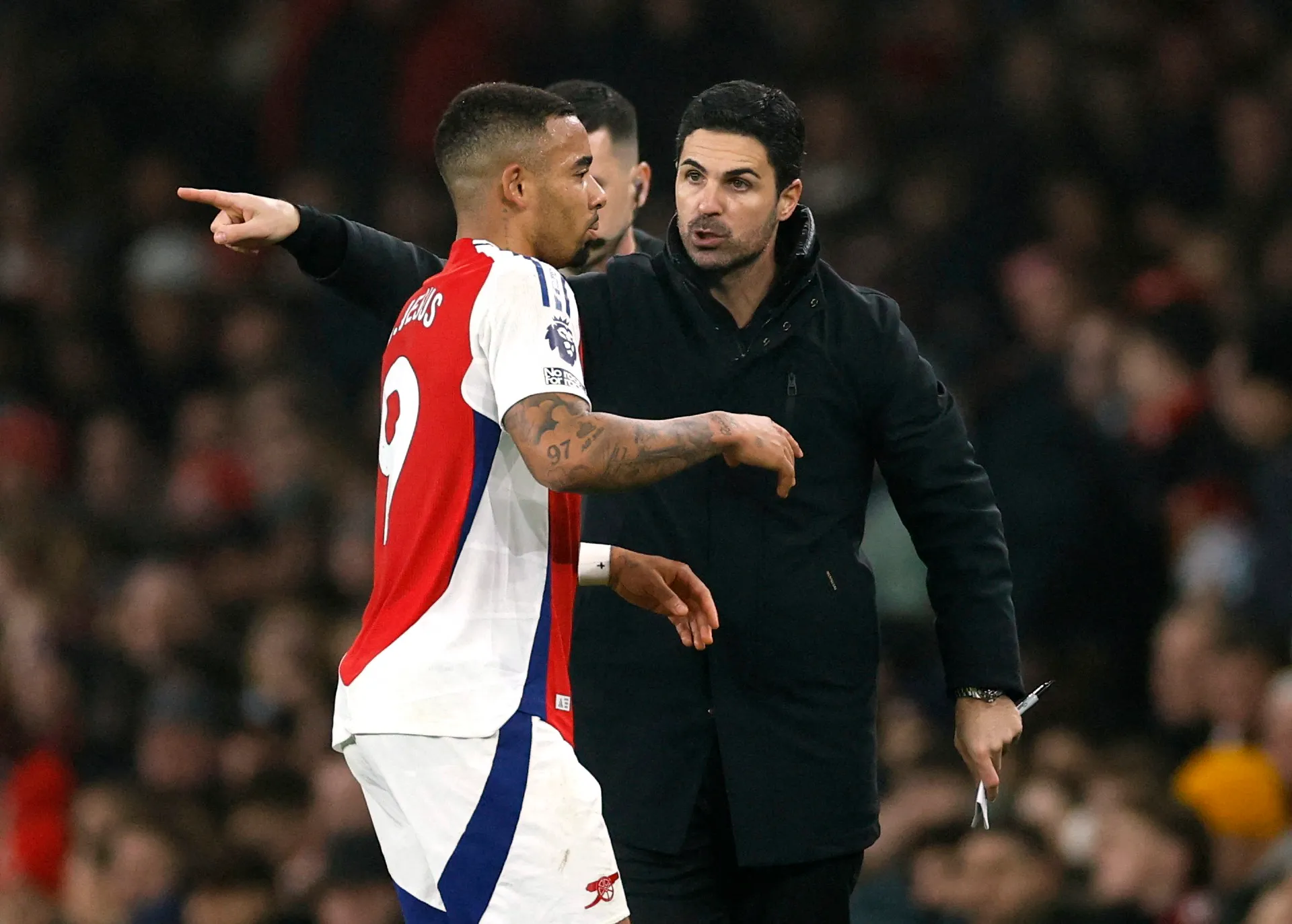
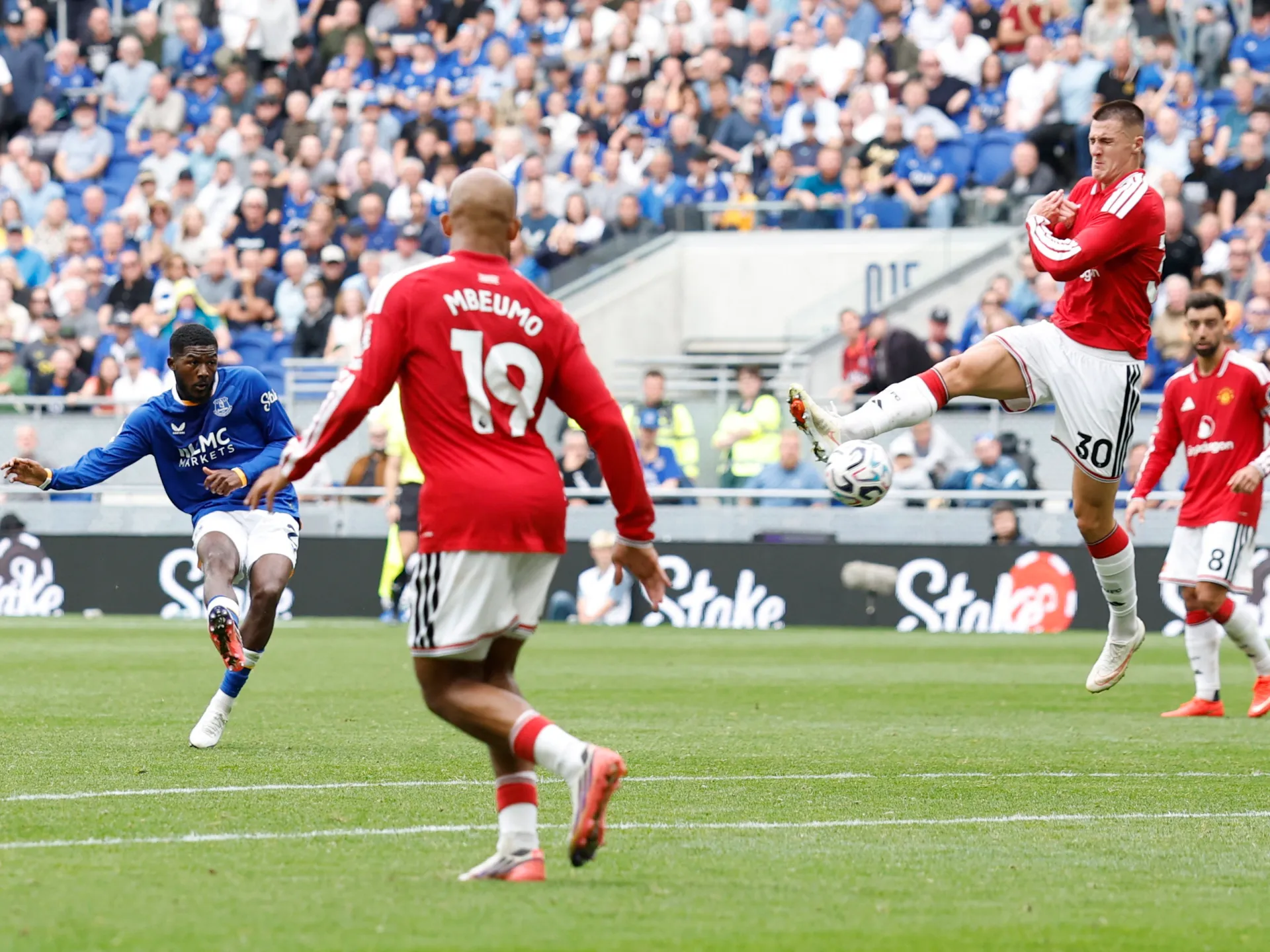
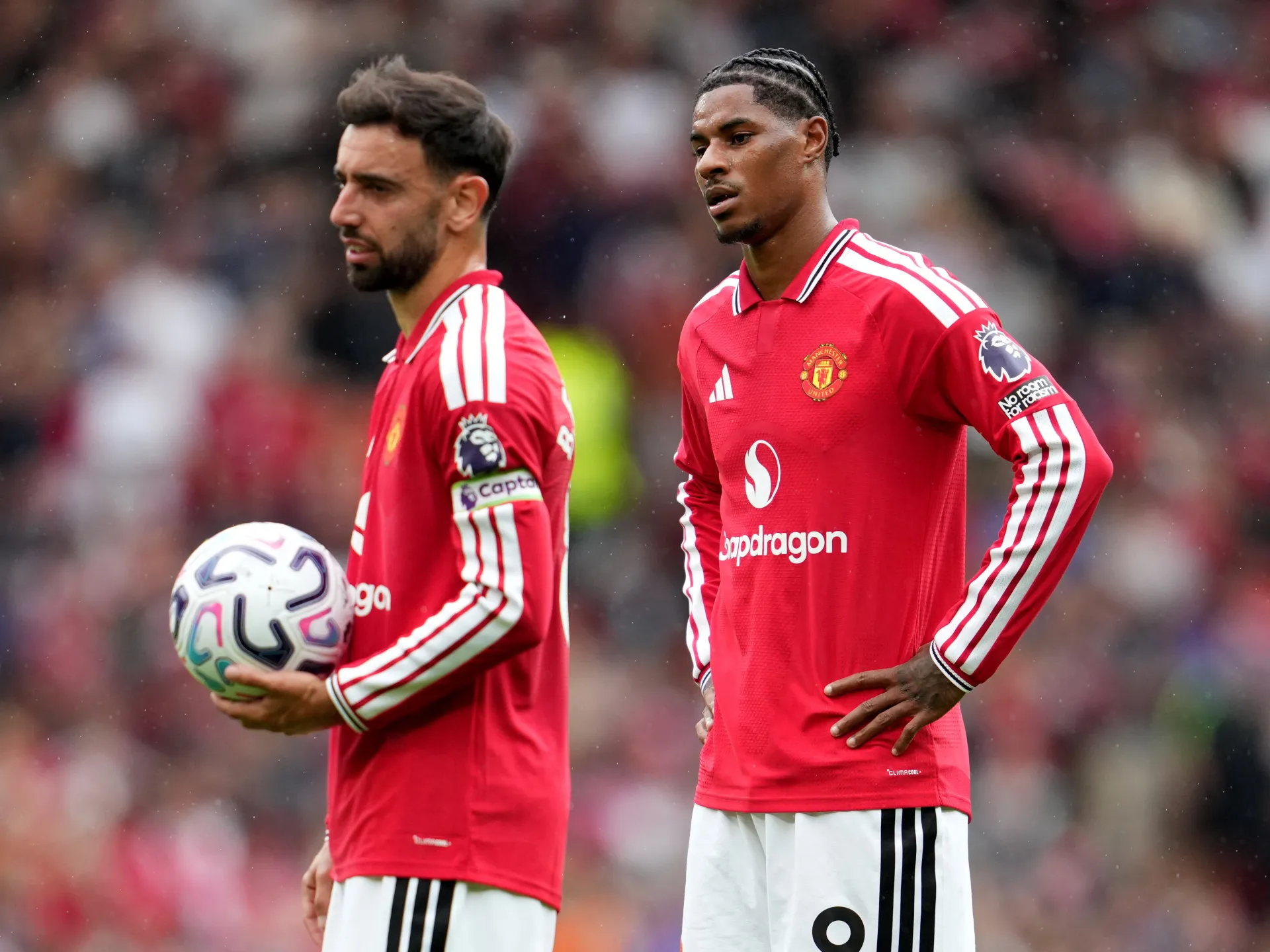
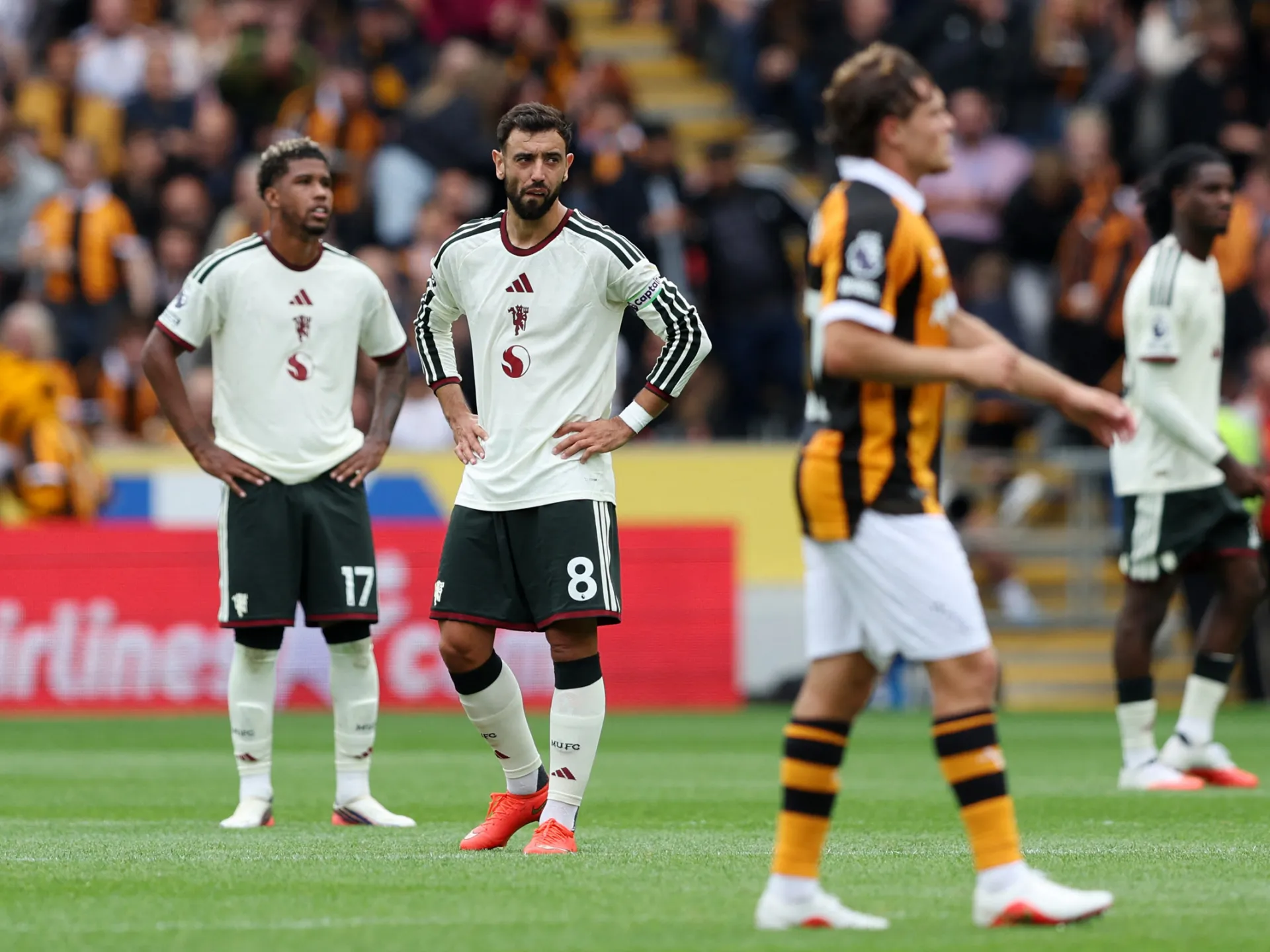
Manchester United’s campaign has hit a precarious nadir following a dismal 1-1 draw against Fulham, a result that leaves manager Michael Carrick facing significant scrutiny as the club matches its worst start to a Premier League season. A late, deflected equalizer from Matheus Cunha in the 89th minute provided a temporary reprieve at Craven Cottage, yet the performance served as a stark reminder of the mounting tactical and motivational crises currently plaguing the historic side.
With only a single victory secured across five matches, United currently occupies 12th place in the standings with a meager five points. This tally mirrors the club’s lowest-ever points total at this stage of a Premier League season, a statistic that underscores a troubling regression from the relative stability Carrick provided as an interim manager last year.
The current turbulence at Old Trafford represents more than just a poor run of form; it signifies a potential failure to transition from a turbulent rebuilding phase to a sustainable era of competition. For a club that has struggled to reclaim its elite status since 2013, the inability to build upon the momentum of a third-place finish last season creates a damaging narrative of instability. When a club with United’s resources and global expectations falters against winless, lower-table opposition, it raises systemic questions about squad construction and the effectiveness of current leadership. The public nature of these failings, compounded base already exhausted
The match against Fulham was characterized campaign. A defensive breakdown, marked secutive league defeat. Beyond the tactical errors, the squad’s application has come under fire. Matheus Cunha, while providing the late goal, noted a distinct lack of energy and drive from his teammates for much of the contest.
The criticism has reached beyond the pitch, extending to the media box where former United stalwart Gary Neville offered a blunt assessment. Neville described a 15-minute stretch in the second half as “absolutely pathetic,” citing a complete absence of effort that he claimed was the worst he had witnessed in his lifetime of following the club. These sentiments reflect a broader frustration among the United faithful, who have watched the team suffer through a lackluster opener against Hull and a historic collapse in the League Cup against Brighton, where a two-goal lead was squandered for the first time in five decades.
Michael Carrick faces an uphill battle to regain the confidence of the board and the supporters. His immediate priority will likely involve fostering a sense of urgency within a squad that appears devoid of competitive spirit. Given the club's history of rapid managerial turnover following periods of underperformance, the pressure on Carrick will intensify with every dropped point. Should the team fail to demonstrate a significant tactical or psychological shift in their upcoming fixtures, the internal demand for more drastic changes at the managerial level may become impossible to ignore, regardless of Carrick’s past successes as an interim steward.